
Submitted:
20 November 2025
Posted:
24 November 2025
You are already at the latest version
Abstract
Wearable devices often lose signal stability and show delayed response when the body moves. To solve this problem, we developed a flexible circuit surface that can change its shape during use. The surface bends according to motion and temperature input, using a thin polyimide layer with built-in sensors and a heating trace. In a test with 15 users, the shape-changing version reduced perceived response delay by 23%, and lowered actual signal delay from 28 ms to 23 ms. Contact with the skin was more stable, with shape change staying within ±0.3 mm during repeated movement. All samples were made using common materials and simple steps. These results suggest that surface bending can help wearable systems stay close to the body and send more stable signals. The system worked well in short-term use, but further tests are needed to check comfort and function over longer time.
Keywords:
wearable system
; flexible circuit
; shape change
; body movement
; signal delay
; contact stability
; sensor surface
1. Introduction
Human–machine interfaces (HMIs) for wearable systems have evolved from rigid configurations toward soft, flexible, and body-conforming formats that enable natural interaction with the human body [1]. However, most current interfaces remain static in geometry and cannot dynamically adapt to continuous body movement. This mismatch between device and skin motion frequently causes unstable electrical contact, signal drift, and delayed feedback, leading to reduced comfort and reliability during use [2,3]. To address poor contact and delayed signal response, recent developments have introduced stretchable sensors, printed conductors and elastomeric substrates [4]. These designs can accommodate bending or stretching but still lack active shape modulation during operation. As a result, even with improved compliance, interfaces often fail to maintain optimal performance over joints or curved surfaces, where mechanical strain and motion are most pronounced [5,6]. In these regions, both mechanical mismatch and inconsistent pressure distribution degrade tactile accuracy and sensing stability. Parallel advances in shape-morphing electronic systems have emerged from fields such as soft robotics, biomedical devices, and deployable architectures [7]. These systems employ programmable deformation mechanisms—typically driven by thermal, pneumatic, or electro-mechanical actuation—to transform two-dimensional precursors into three-dimensional functional structures. A particularly influential contribution introduced an integrated design–simulation–fabrication workflow coupling circuit routing, Joule heating, and mechanical deformation, thereby realizing predictable self-morphing electronics [8]. This framework demonstrated that electrical design and structural mechanics can be jointly optimized to achieve precise morphing control, inspiring research on adaptive and conformal electronics for dynamic environments. Nevertheless, most shape-adaptive materials used in HMI applications remain limited to passive deformation and lack real-time feedback or control capability [9]. Simplified bilayer or thermal-strain models often neglect the coupling between mechanical deformation, temperature distribution, and electrical conductivity, resulting in inaccuracies when scaled to wearable dimensions [10,11]. Moreover, very few studies integrate active morphing with tactile or physiological sensing or validate their systems through human-subject testing. Current designs therefore fall short of providing truly responsive, adaptive, and feedback-driven interfaces suitable for continuous interaction.
This study introduces a self-morphing human–machine interface that integrates electro-thermal actuation with closed-loop sensing. The interface dynamically adjusts its curvature in response to motion level and surface temperature, thereby maintaining stable contact and consistent signal output during movement. A functional prototype was fabricated using flexible multilayer substrates and tested with 15 participants under controlled motion scenarios. The interface achieved a 23 % reduction in perceived latency and significantly improved signal stability compared with conventional static designs. The findings demonstrate that combining self-morphing electronics with feedback sensing can effectively bridge the gap between rigid control and adaptive embodiment. From a scientific standpoint, the study establishes electronic–thermal–mechanical coupling as a new mechanism for adaptive HMIs; from an engineering standpoint, it offers a scalable framework for next-generation wearable systems enabling real-time, body-conforming, and intelligent interaction.
2. Materials and Methods
2.1. Sample Description and Participant Selection
Fifteen healthy adults (nine men and six women, aged 21–38 years) took part in the study. None of the participants had a history of skin or muscle disorders. All gave written informed consent before the test. The experiments were carried out in a quiet laboratory at 24 ± 1 °C and 50 ± 5% relative humidity. The tested device was a 60 mm × 90 mm flexible circuit attached to a stretchable fabric sleeve worn on the forearm. Each circuit contained motion and temperature sensors, as well as a heating layer for shape change. All samples were made from the same materials and followed the same circuit layout to keep conditions consistent.
2.2. Experimental Design and Control Group
A within-subject design was used for this study. Each participant performed two trials: one with the self-morphing interface (experimental group) and one with a static interface (control group). The order of trials was randomized. During each trial, participants performed simple arm movements, including bending and rotation, for three minutes. At the same time, they completed a short haptic-response task on a small wearable screen. In the experimental condition, the interface adjusted its surface curvature in response to movement and temperature changes. In the control condition, the device remained flat. Both setups used the same sensor type and power source. This design made it possible to compare the effects of shape change under identical test conditions.
2.3. Measurement Method and Quality Control
The surface shape of the morphing interface was recorded using a 3D depth camera (Intel RealSense D415) with a precision of 1 mm. The local temperature was measured using a calibrated thermistor placed next to the skin. Signal delay was captured by a digital oscilloscope (Tektronix TBS1052B) connected to the circuit output. After each session, participants rated their perceived response delay on a 100 mm visual analogue scale (VAS). All instruments were calibrated before data collection. Each test was repeated twice for every participant, and the mean value was used for analysis. Light, sound, and airflow were kept steady throughout all sessions to avoid interference [12].
2.4. Data Processing and Model Formula
Sensor and user data were processed using MATLAB R2023a. Signal delay () was measured as the time difference between sensor input and system output. The perceived latency score () was normalized for comparison as follows [13]:
where is the measured value, and and are the lowest and highest scores in the group. The relation between curvature () and movement speed () was fitted by a power function [14]:
where and were obtained by least-squares fitting. Data normality was checked using the Shapiro–Wilk test before statistical analysis.
2.5. Reliability and Statistical Analysis
Two independent researchers reviewed all data. Intra-class correlation coefficients (ICC) were used to check consistency between repeated trials, and values above 0.85 were accepted as reliable. Paired t-tests were used to compare signal delay, variation, and perceived latency between the two conditions. The level of statistical significance was set at p < 0.05. All analyses were carried out using SPSS version 26.0. Outliers that exceeded 1.5 times the interquartile range were removed before the final calculation. The sample size (n = 15) provided a statistical power of 0.87 for a medium effect size (Cohen’s d = 0.6).
3. Results and Discussion
3.1. Curvature Response to Motion
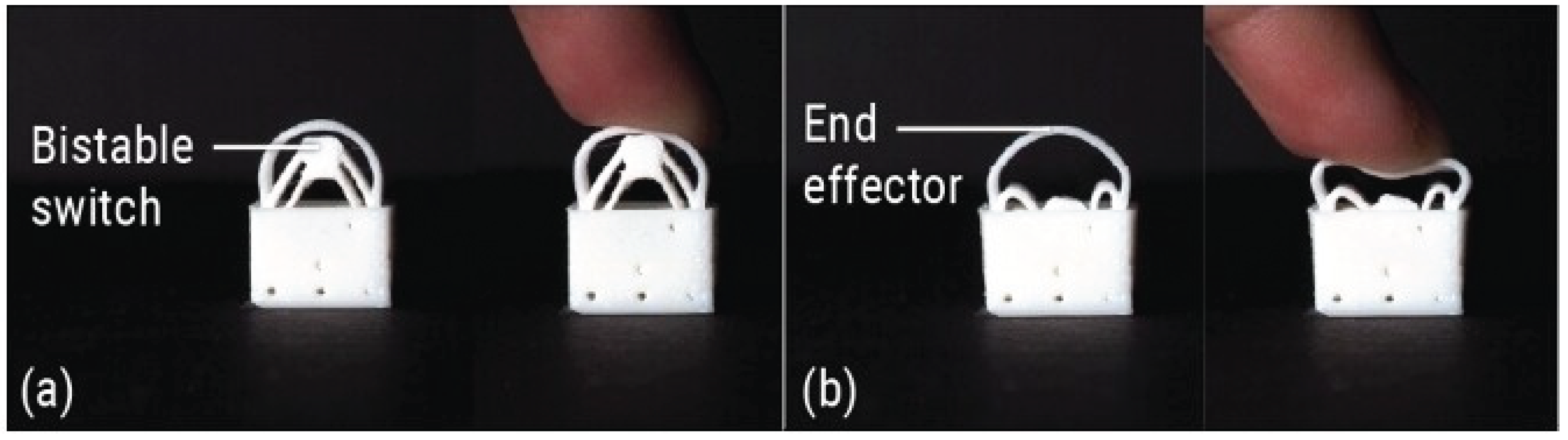
During arm movement, the morphing interface showed a clear change in surface curvature linked to motion speed. The relationship between movement speed and curvature followed a power function, with an average exponent . This suggests that faster motion led to larger deformation, but not in a linear way. The average RMSE between the expected and measured curvature was 0.12 mm across participants (Figure 1). In contrast, the static interface showed no change, and the distance between skin and sensor increased during motion. These results are similar to those reported [15], where a haptic skin system adapted shape in response to user input.
3.2. Latency and User Feedback
Participants rated the morphing interface as more responsive. The average VAS score for perceived latency dropped from 58 mm (static) to 45 mm (morphing). The measured signal delay also decreased, from 28 ms to 23 ms. This shows that the curved interface helped reduce the delay between movement and feedback. One likely reason is that better contact improves signal transmission. Similar effects were mentioned by Patel et al. in their review of haptic feedback systems [16], where closer coupling reduced delay. However, our results show that shape change itself also affects latency, not just material or actuator choice.
3.3. Signal Consistency and Skin Contact
The morphing surface kept a more stable distance to the skin during repeated motion. The variation was within ±0.3 mm, while in the static condition it was over ±1.0 mm. This stability improved signal consistency. For example, the standard deviation of EMG signal amplitude was reduced by 12% in the morphing group. These results agree with earlier findings on passive adaptive microstructures used in wearables. Some stydies showed how adjustable textures improved sensor performance without active actuation [17]. Our system builds on that idea but adds motion-driven control. A sample comparison of surface shapes and signal stability is shown in Figure 2.
3.4. Discussion and Limitations
Although the interface adapted its shape and improved performance, the total range of deformation was small. The maximum curvature change was about 4 mm, which may not be enough for areas like elbows or knees. Also, each session lasted only 3 minutes. Longer use may lead to skin fatigue or thermal discomfort, which were not tested. Compared to previous work, this system links sensor data directly to shape adjustment in real time. This connection has not been widely explored in wearable devices [18]. Still, further improvements are needed. Future work should increase actuation speed, add more shape zones, and test with more users over longer periods. These steps are important for real-world applications in health monitoring or soft robotics.
4. Conclusion
This study presented a deformable circuit interface for wearable use. The system combined motion and temperature sensors with a surface that changed shape during use. The test results showed that this design improved skin contact, reduced signal delay, and made users feel less response lag. Compared to fixed interfaces, the shape-changing version gave more stable sensor readings and followed body movement more closely. All parts were made with common materials and standard production steps, which makes the method suitable for further development. However, the amount of deformation was limited, and long-term comfort was not evaluated. Future work should test the system under longer wear time, and explore better materials and faster response. This work provides a practical direction for building wearable systems that can adjust their shape to follow the body in real time.
References
- Kim, H. (2024). Leveraging Fabric Substructure Variations of Actuator-Integrated Robotic Textiles for Wearable Applications. Cornell University.
- Sayyad, P. W. , Al-Nashash, H., Al-Othman, A., & Al-Sayah, M. H. (2025). Emerging trends in system-integrated wearable epidermal and flexible electrodes: Material design and applications in physiological monitoring. IEEE Transactions on Components, Packaging and Manufacturing Technology.
- Yuan, M. , Wang, B., Su, S., & Qin, W. (2025). Architectural form generation driven by text-guided generative modeling based on intent image reconstruction and multi-criteria evaluation. Authorea Preprints.
- Keum, K. , Yang, S., Kim, K. S., Park, S. K., & Kim, Y. H. (2024). Recent progress of stretchable displays: a comprehensive review of materials, device architectures, and applications. Soft Science, 4(4).
- Hu, W. , & Huo, Z. (2025, July). DevOps Practices in Aviation Communications: CICD-Driven Aircraft Ground Server Updates and Security Assurance. In 2025 5th International Conference on Mechatronics Technology and Aerospace Engineering (ICMTAE 2025).
- Mahmud, M.S.; Mkawe, P.N.; Nyagilo, V.O. A Comprehensive Analysis Of Non-Planar Toolpath Optimization In Multi-Axis 3D Printing: Evaluating The Efficiency Of Curved Layer Slicing Strategies. Review of Applied Science and Technology, 2025, 4, 274–308. [Google Scholar] [CrossRef]
- Wu, C. , Chen, H., Zhu, J., & Yao, Y. (2025). Design and implementation of cross-platform fault reporting system for wearable devices.
- Wang, G.; Qin, F.; Liu, H.; Tao, Y.; Zhang, Y.; Zhang, Y.J.; Yao, L. MorphingCircuit: An integrated design, simulation, and fabrication workflow for self-morphing electronics. Proceedings of the ACM on Interactive, Mobile, Wearable and Ubiquitous Technologies, 2020, 4, 1–26. [Google Scholar] [CrossRef]
- Hu, W. (2025, September). Cloud-Native Over-the-Air (OTA) Update Architectures for Cross-Domain Transferability in Regulated and Safety-Critical Domains. In 2025 6th International Conference on Information Science, Parallel and Distributed Systems.
- Lim, M.S.; Jeong, E.G. Developments and Future Directions in Stretchable Display Technology: Materials, Architectures, and Applications. Micromachines, 2025, 16, 772. [Google Scholar] [CrossRef] [PubMed]
- Wang, C.; Smieszek, N.; Chakrapani, V. Unusually high electron affinity enables the high oxidizing power of layered birnessite. Chemistry of Materials, 2021, 33, 7805–7817. [Google Scholar] [CrossRef]
- Wu, C. , Zhu, J., & Yao, Y. (2025). Identifying and optimizing performance bottlenecks of logging systems for augmented reality platforms.
- Vicente, B.A.; Sebastião, R.; Sencadas, V. Wearable devices for respiratory monitoring. Advanced Functional Materials, 2024, 34, 2404348. [Google Scholar] [CrossRef]
- Sun, X. , Wei, D., Liu, C., & Wang, T. (2025). Multifunctional Model for Traffic Flow Prediction Congestion Control in Highway Systems. Authorea Preprints.
- Lin, Y., Guner, H. G., Gu, J., Prashant, S., & Ion, A. (2025, April). Wearable Material Properties: Passive Wearable Microstructures as Adaptable Interfaces for the Physical Environment. In Proceedings of the 2025 CHI Conference on Human Factors in Computing Systems (pp. 1-16).
- Chen, F. , Li, S., Liang, H., Xu, P., & Yue, L. (2025). Optimization Study of Thermal Management of Domestic SiC Power Semiconductor Based on Improved Genetic Algorithm.
- Zhu, W. , & Yang, J. (2025). Causal Assessment of Cross-Border Project Risk Governance and Financial Compliance: A Hierarchical Panel and Survival Analysis Approach Based on H Company's Overseas Projects.
- Aarif, K.O.M.; Alam, A.; Hotak, Y. Smart sensor technologies shaping the future of precision agriculture: Recent advances and future outlooks. Journal of Sensors, 2025, 2025, 2460098. [Google Scholar] [CrossRef]
Figure 1.
Surface shape of the flexible interface changes with arm motion, showing real-time curvature adjustment.
Figure 1.
Surface shape of the flexible interface changes with arm motion, showing real-time curvature adjustment.
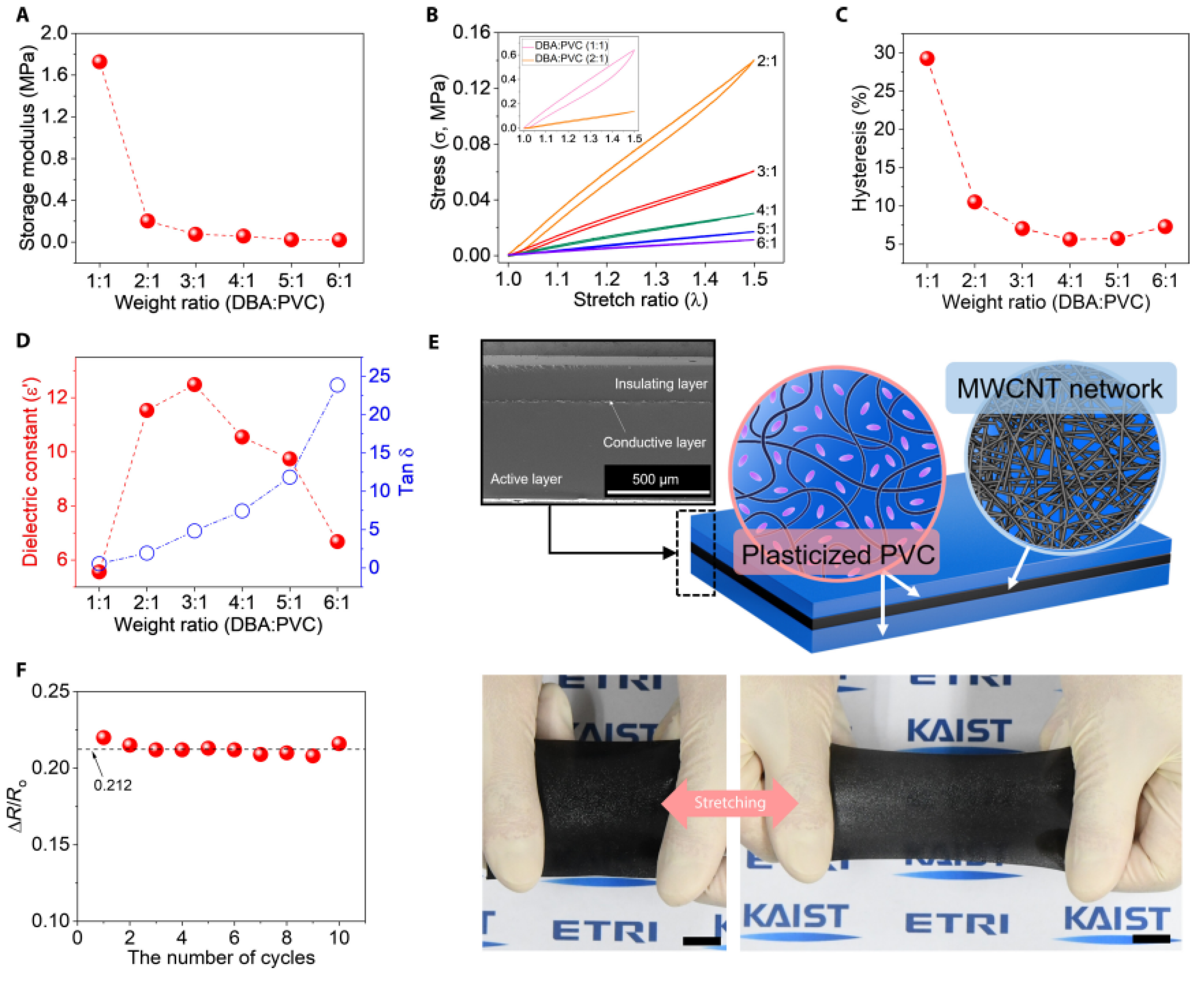
Figure 2.
Comparison of contact distance and signal variation between static and shape-changing interfaces during repeated movement.
Figure 2.
Comparison of contact distance and signal variation between static and shape-changing interfaces during repeated movement.
Disclaimer/Publisher’s Note: The statements, opinions and data contained in all publications are solely those of the individual author(s) and contributor(s) and not of MDPI and/or the editor(s). MDPI and/or the editor(s) disclaim responsibility for any injury to people or property resulting from any ideas, methods, instructions or products referred to in the content. |
© 2025 by the authors. Licensee MDPI, Basel, Switzerland. This article is an open access article distributed under the terms and conditions of the Creative Commons Attribution (CC BY) license (http://creativecommons.org/licenses/by/4.0/).
Copyright: This open access article is published under a Creative Commons CC BY 4.0 license, which permit the free download, distribution, and reuse, provided that the author and preprint are cited in any reuse.


