Preprint
Article

This version is not peer-reviewed.

Assessing Experiences of Mothers in Accessing Childhood Immunisation Services: The Perspective of Mothers at a Tertiary Hospital in South Africa

Submitted:

19 November 2025

Posted:

20 November 2025

You are already at the latest version

Abstract

Background: Immunisation is a protective measure against infectious diseases and is one of the most crucial public health interventions (WHO, 2019). Mothers face challenges which are facility-related factors such as long waiting times, stock-outs and negative staff attitudes, as well as cultural and religious beliefs held by mothers and families, which further shape whether children receive vaccinations (Wiysonge et al, 2020; South Africa qualitative study, 2023). Purpose: The aim of the study was to assess the experiences of mothers in accessing childhood immunisation services from the perspective of mothers in the paediatric outpatient department at a tertiary hospital in South Africa. Methodology: A quantitative cross-sectional design approach was used to investigate the challenges faced by mothers when accessing childhood vaccination. A probability sampling method was used to sample 221 respondents by means of systemic sampling. Data was collected by means of self-administered questionnaire. Validity was ensured through face and content validity. The reliability was ensured through clear and detailed instructions as well as pilot testing. Data was collected and analyzed using Statistical Package for Social Science (SPSS) version 27. The results analyzed were then carefully interpreted to identify key trends and patterns. The data analyzed was presented visually through tables and charts to make the findings easier to understand and interpret. Results: The study comprised of 222 participants. The study results showed that majority of mothers knew and understood enough about immunization and their advantages. However, long waiting times, high transport expenses and vaccine shortages made it difficult for many of the mothers and impacted schedule adherence. According to the study’s findings, expanding vaccine coverage requires improving service accessibility, effectiveness and ongoing health education. Conclusion: The study revealed that mothers face several challenges when accessing childhood immunisation services, including long waiting times, lack of information regarding vaccines and limited accessibility. These barriers negatively impact immunisation uptake and threaten child health outcomes. Recommendations: Addressing the challenges that mothers face when accessing immunisation through improved health education, resource allocation, and community engagement is essential to strengthen immunisation coverage.

Keywords: 
;  ;  

1. Introduction

1.1. Background of the Study

Immunisation is a protective measure against infectious diseases and is one of the most crucial public health interventions (WHO, 2019). It significantly reduces morbidity and mortality related to vaccine-preventable diseases (Bangura et al. 2020). Vaccines are scheduled according to a biological time frame, when the child’s immune system responds effectively and at the earliest opportunity to protect the child from subsequent infectious diseases (Lacobucci, 2024).
In 2024, the South African population was approximately 63 million, of which over a quarter were children under 15 years, making children the largest population group in the country (WHO, 2024). Furthermore, over the past 20 years, in South Africa, immunisation has prevented numerous diseases and disabilities, saving over 50 million lives (WHO, 2024). However, despite these achievements, vaccine-preventable diseases (VPDs) remain a significant threat (WHO, 2023).
South Africa established the Expanded Programme on Immunisation in South Africa (EPI-SA) to enhance the protection of children and pregnant women from preventable diseases through immunisation, prevent deaths, and alleviate the suffering caused by childhood illnesses (Burnett et al. 2024). In 2016, more than 19 million children did not receive the full series of basic vaccinations globally, resulting in numerous outbreaks of VPDs and child deaths (Feldstein et al. 2021).
In sub-Saharan Africa, maternal socio-economic status (e.g., maternal education, household wealth), distance to services and the mother’s knowledge about vaccines have been consistently associated with childhood immunisation uptake (Galadima et al, 2021; Wiysonge et al, 2020). Simultaneously, facility-related factors such as long waiting times, stock-outs and negative staff attitudes, as well as cultural and religious beliefs held by mothers and families, further shape whether children receive vaccinations (Wiysonge et al, 2020; South Africa qualitative study, 2023). Furthermore, the authors state that low- and middle-income countries (LMICs) bear the largest proportion of under-vaccinated or non-vaccinated children (Bashir et al. 2023). National coverage rates in LMICs and many HICs remain below aspirational targets and have shown only modest progress toward meeting those targets despite concerted efforts to improve vaccination uptake (Thomas et al. 2022; De Figueiredo et al. 2016).

1.2. Purpose of the Study

The study aims to assess the experiences of mothers in accessing childhood immunisation services from the perspective of mothers in the paediatric outpatient department at a tertiary hospital in South Africa.

1.3. Objectives of the Study

  • To describe the impact of socio-economic and primary healthcare facilities-related factors on mothers’ access to childhood vaccination services.
  • To assess mothers’ experiences with accessing childhood immunisation services.

2. Methodology

2.1. Study Approach

This study used a quantitative cross-sectional approach, collecting data from participants at a single point in time to determine the prevalence of variables and examine their relationships. The approach was particularly suitable for providing a “snapshot” of current conditions or associations without manipulating variables or following participants over time. Although efficient and useful for identifying patterns and further research, this design does not support conclusions about causality (Barnett, Koushik & Schuster, 2023).

2.2. Study Design

The study was a quantitative cross-sectional design. This research design allowed researchers to investigate the challenges faced by mothers when accessing childhood vaccination. This study approach allowed researchers to collect data from one study site at a time, ensuring a more representative sample of the surrounding population, which makes data readily available promptly.

2.3. Study Site

The study site was a tertiary hospital located in a large community in the Northern Tshwane district in Ga-Rankuwa. The data were collected at the paediatric outpatient department. This department provides a range of essential services for children. These include general paediatric consultations, which cover routine check-ups and treatment for common childhood illnesses. Specialist clinics offer services in areas such as orthopaedics, neurology, cardiology, oncology, and ophthalmology, ensuring comprehensive care for children with specific medical conditions. Additionally, developmental assessments are conducted to monitor and support children’s developmental milestones. The department also provides emergency services, offering treatment for acute illnesses and injuries to ensure timely medical intervention. Although childhood immunisation services are provided at primary healthcare facilities rather than at a tertiary hospital, this study was conducted in a hospital setting to find a more representative sample of mothers from the surrounding catchment area.

2.4. Study Population

The research study involved mothers coming for consultation at the Paediatric Outpatient Department (OPD) at the selected tertiary hospital, with children who have undergone childhood immunisation and/or mothers with children who are currently receiving childhood immunisation.

3. Sampling

3.1. Criteria for Inclusion

The respondents who were included in this study met the following criteria:
  • Mothers of children under the age of 12 years who are currently receiving childhood immunisation.
  • Mothers of children above the age of 12 years who have undergone childhood immunisation.
  • Mothers who are 18 years older, as they were able to give consent.

3.2. Sampling Size

In this study, a Raosoft sample calculator was used to get the minimum sample size given the total population of 523 mothers (respondents who visit the paediatric OPD). The sample size was calculated using 95% confidence, with a 50% proportion and a 5% margin of error (Raosoft, 2004). The sample size was 222 mothers.
  • Inclusion Criteria
  • Mothers of children under the age of 12 years who are currently receiving childhood immunisation.
  • Mothers of children above the age of 12 years who have undergone childhood immunisation.
  • Mothers who are 18 years older and were able to give consent.
  • Exclusion criteria
  • Mothers with children who have never received childhood immunisation.
  • Mothers younger than 18 years of age (cannot give consent).
  • Mothers who are not willing to sign a consent form.

3.3. Sampling Technique

In this study, the researchers used systematic sampling, which was a probability sampling technique, where all respondents had an equal chance to participate in the study. The respondents were selected at equal intervals, such as every 3rd or 4th, and to determine the sampling interval, the following formula was used: (K=N/n), where K = K=sampling interval, N/n= total number of the population divided by sample size (Bhardwaj, 2019). The estimated number of women seen in OPD is 16215 minimum per month, which gives around 523 per day. K=523/222= 2.3 (K=2nd). A research-administered questionnaire was used to accommodate illiterate respondents. Every 2nd mother in the queue waiting for consultation was approached. If the respondent does not have a child receiving or who has previously received immunisation, the researcher moved to the next eligible respondent.

4. Data Collection Instrument

In this study, data was collected using validated questionnaires adopted from three sources (Ndwandwe et al. 2021), (Makamba-Mutevedzi et al. 2020), (Kaufman et al. 2024), (Fikadu, 2024). Integrating questions from these sources made the survey suitable for the local situation. The questionnaire had 2 versions: one written in English, which is the medium language of communication in South Africa and another one written in Setswana, which is the most spoken native language in Ga-Rankuwa. The questionnaire had 4 sections: demographics data, knowledge and awareness of immunisation, barriers to immunisation access and healthcare facilities and system issues. The questionnaire was constructed in a way that no respondents were emotionally harmed. To prevent respondents from participating more than once, the researchers checked the consent forms signed on previous days to confirm that they had not already completed the questionnaire.

5. Validity and Reliability of Measuring Instrument

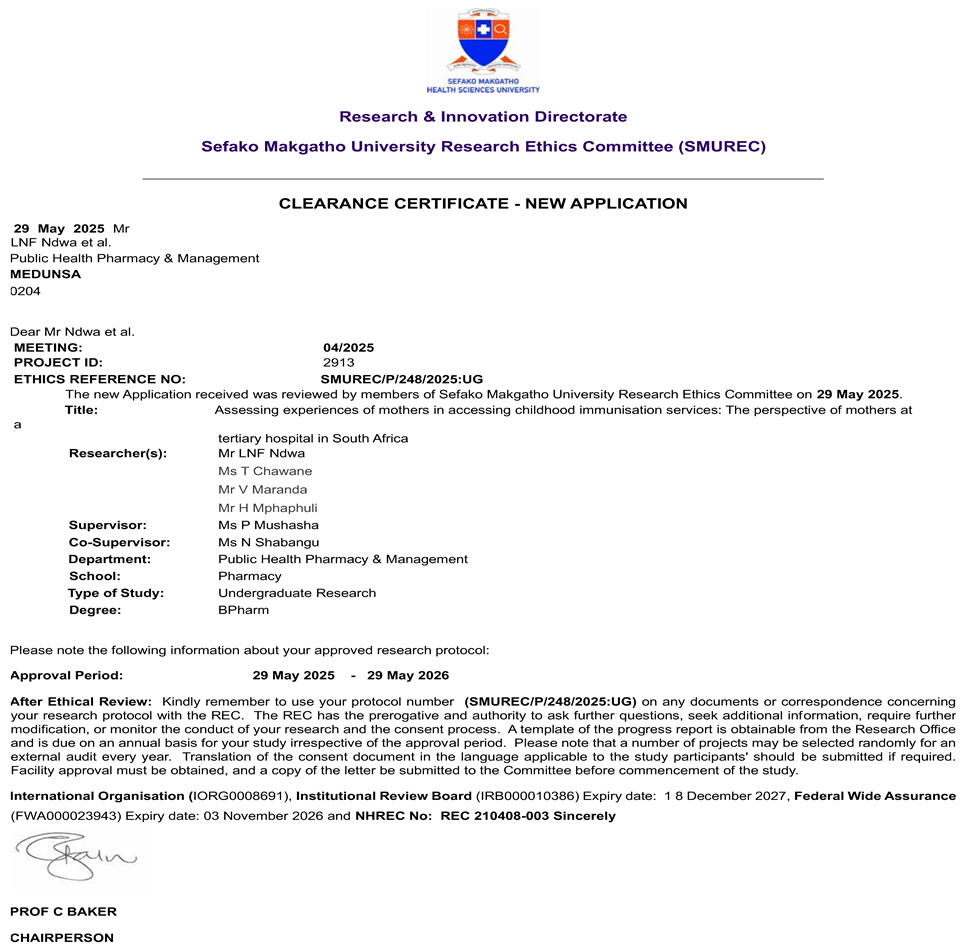
Face validity was ensured by submitting the research protocol to the supervisors and the research ethics committee for review. The committee assessed and approved the study’s approach, which focuses on assessing the experiences of mothers in accessing childhood immunisation services. Content validity was ensured by reviewing related literature to ensure that the instrument includes all necessary questions. Ensuring that the questionnaire or data collection tool is clear, concise, and relevant enhanced the study’s credibility and integrity. Human verification of the Setswana questionnaire was done to ensure the validity of the instrument. After Google Translate generates the Setswana version, a person fluent in both English and Setswana was given the tool to review and refine the translation to ensure accuracy, cultural relevance, and clarity.
In this study, reliability was ensured through clear and detailed instructions as well as pilot testing. To minimise confusion and ensure consistency in responses, respondents received clear and comprehensive instructions on how to complete the questionnaire. That ensured that all respondents interpreted the questions consistently and provided accurate answers. Additionally, a pilot test was conducted using 10% of the study population, which was 22 respondents who did not participate in the actual study. That allowed the researchers to identify any unclear questions or issues with the data collection process, ensuring that the instrument was effective and reliable.

6. Pilot Study

In this study, the pilot test was conducted with mothers who are studying and working at tertiary institutions, as they were not included in the main study. The pilot study involved 10% of the sample size, equating to 22 respondents. The pre-test enabled the researchers to assess the data collection tool, potentially refining questions to ensure they are clear for respondents in the actual study. After the pilot test, the questionnaire was adjusted based on the findings.

7. Procedure for Data Collection

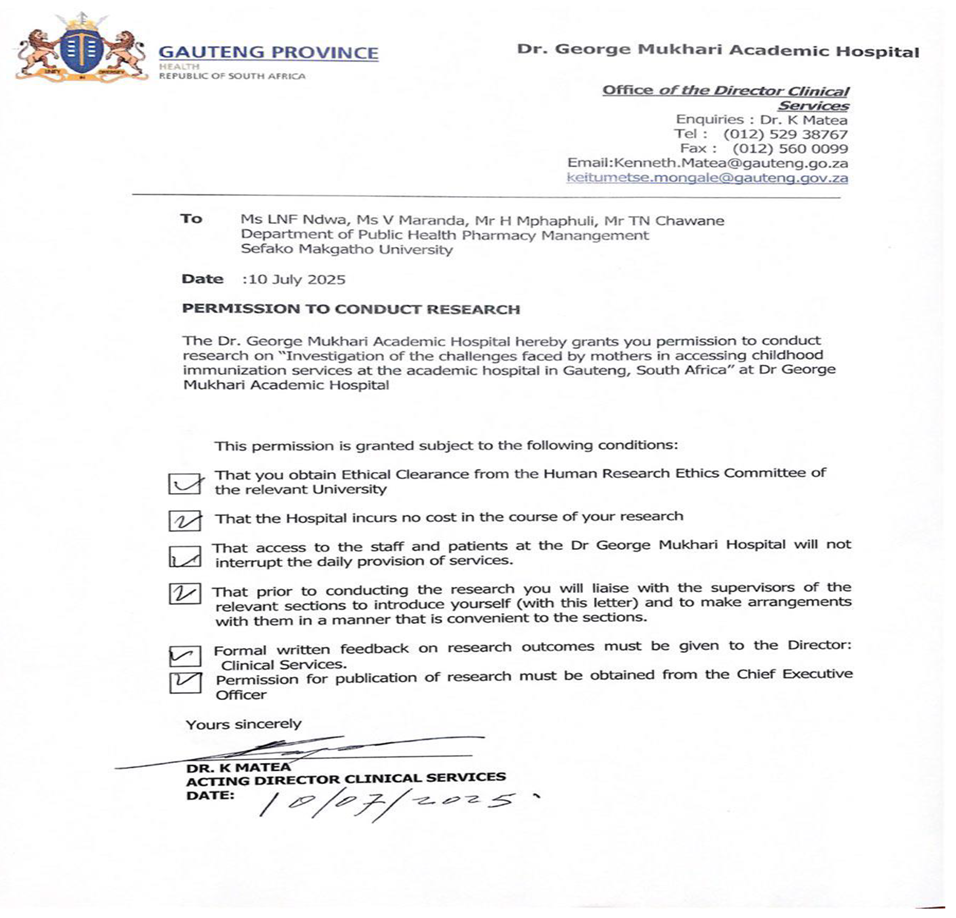
Data was collected in an academic hospital in Gauteng following approval of the university’s ethical clearance. Subsequently, a request to conduct the study at the academic hospital was submitted to the hospital CEO for approval.
Data collection focused on mothers with children who are currently receiving childhood immunisations and mothers with children who have previously undergone childhood immunisations. These mothers were visiting the paediatric OPD in the hospital for consultations. A detailed explanation of what the study is all about was given to the respondents so that they understand what the study is all about, the nature and purpose of the study and what is expected of them as they participate in the study. Respondents who express interest in participating in the study were asked to sign a consent form, indicating their willingness to participate, which also confirms that their participation is voluntary. The questionnaires were researcher-administered, and it took approximately 10 to 15 minutes to complete. The researchers ensured that the questionnaires were collected the same day after completion to minimise non-responses.

8. Management of Data and Analysis of Data

Data was first entered into Microsoft Excel for cleaning and organising. This step involved checking for any missing or incorrect entries, and any necessary corrections were made. Once the data was cleaned, it was imported into SPSS version 27 for further analysis. The analysis primarily involved the use of frequencies and percentages to summarise and describe the data. The results of the analysis were then carefully interpreted to identify key trends and patterns. The data analysed was presented visually through tables and charts to make the findings easier to understand and interpret.

9. Ethical Consideration

In this study, ethical considerations were rigorously adhered to, ensuring the protection of respondents’ rights and maintaining the integrity of the research process. Participation in the study was entirely voluntary, with each respondent freely choosing to engage in the study without undue influence. Respondents were informed of their right to withdraw from the study at any stage without any negative consequences. This ensured that the study respected the autonomy and agency of each respondent. To ensure anonymity, respondents were identified by numerical codes (e.g., Code 001, Code 002) rather than by their identifiers. This measure safeguards the privacy of respondents and minimises the risk of identifying individual respondents in any published results. To ensure privacy, all collected data was stored securely and accessed only by the research team.
The data was locked in a secure place (physically in a locked space) to protect it from unauthorised access. Furthermore, informed consent was obtained from each respondent before data collection. This consent process included a detailed explanation of the study’s objectives, the nature of participation, the procedures involved, and any potential risks. Respondents were assured that they have the right to ask questions and that they are under no obligation to participate. The informed consent form clearly outlined the voluntary nature of the study, ensuring respondents understand that they can withdraw at any point without facing any adverse consequences. The process ensured transparency and upheld the ethical principle of respect for individuals, guaranteeing that respondents are fully informed and voluntarily participate in the study.

10. Results

The findings of the study carried out at the Dr. George Mukhari Academic Hospital in the Gauteng Province of South Africa are presented in this chapter. The study’s goal was to investigate mothers’ experiences obtaining kid vaccination services. 222 self-administered questionnaires were used to gather data, and the results are arranged based on the primary areas of interest: respondent demographics, immunisation knowledge and information sources, and difficulties in obtaining services.
Table 1. Demographics.
Demographic Characteristics Frequency Percentages
Gender
Male 0 0%
Female 222 100%
Age
18-25 33 14.9%
26-35 117 52.7%
36 and above 72 32.4%
Marital status
Single 178 80.2%
Married 41 18.5%
Divorced 1 0.5%
Widowed 1 0.5%
Educational level
No formal education 5 2.3%
Primary 12 5.4%
Secondary 124 55.9%
Tertiary 81 36.5%
Employment status
Employed 61 27.5%
Unemployed 143 64.4%
Student 11 5%
Informal worker 7 3.2%
Household income
Less than R6888 161 72.5%
Between R6890 – R48752 40 18%
Above R48753 7 3.2%
Number of children
0-1 73 32.9%
2-4 127 57.2%
5-7 8 3.6%
8-11 1 0.5%
Age of youngest child
0-1 69 31.1%
2-4 62 27.9%
5-7 42 18.9%
8-11 33 14.9%
More than 12 16 7.2%
The sample population was females only (100%), reflecting the population of mothers. The age group 26 to 35 years included half of the participants (52.7%), so the respondents were predominantly in the active reproductive age. Unmarried people (80.2%) dominated, which would imply minimum partner support in making child healthcare decisions. Over half (55.9%) were individuals with secondary education, reflecting moderate educational status that might affect health-seeking behavior. A 64.4% unemployment rate and 72.5% with less than R6888 incomes in their households were economic susceptibilities that could affect coverage of immunization services. Most of the mothers (57.2%) had 2–4 children, and 31.1% had their youngest child aged 0–1 year, reflecting the need for sustained immunization knowledge among young and economically underprivileged mothers.
Table 2. Knowledge, awareness and experiences of mothers regarding childhood immunisation.
Percentage
Yes No
Have you heard of childhood immunisation before? 90.1 9.0
Do you know the recommended immunisation schedule? 82.9% 15.8%
Have you received a booklet for your child? 83.8% 14.9%
Have you ever missed a scheduled immunisation for your child? 22.1% 77%
Have you ever been turned away because vaccines were unavailable? 23% 76.6%
Healthcare workers provide enough encouragement and education about childhood immunisation? 69.4% 30.6%
Do you feel the clinics enough support to help you access immunisation services? 77.5% 22.1%
Did you receive the date for the next visit? 93.7% 6.3%
Did you receive education about potential adverse reactions after vaccination? 58.1% 41.9%
Were you informed about the next visit by the healthcare worker? 90.5% 9.5%
Do the clinic’s operating hours fit your schedule for taking your child for immunisation? 81.5% 18.5%
Ninety percent of the respondents (90.1%) also had previous exposure to childhood immunisation, and 82.9% knew the recommended schedule, which shows high general awareness. Large proportions (83.8%) were given immunisation booklets, demonstrating effective dissemination of information. The healthcare system failed to provide scheduled vaccinations to 22.1% of the population, and 23% of people experienced vaccine stockouts. The survey results show that 69.4% of participants received proper healthcare education from medical staff, and 77.5% of patients received adequate assistance from clinics. The study showed that 93.7% of participants received follow-up appointments, and 90.5% received reminders for their next visit. This shows effective communication between researchers and participants. Education regarding possible side effects was, however, imparted only to 58.1%, suggesting scope for improvement in post-vaccination counseling. The study showed that patients received good accessibility and communication, yet vaccine delivery and side effect education need further work.
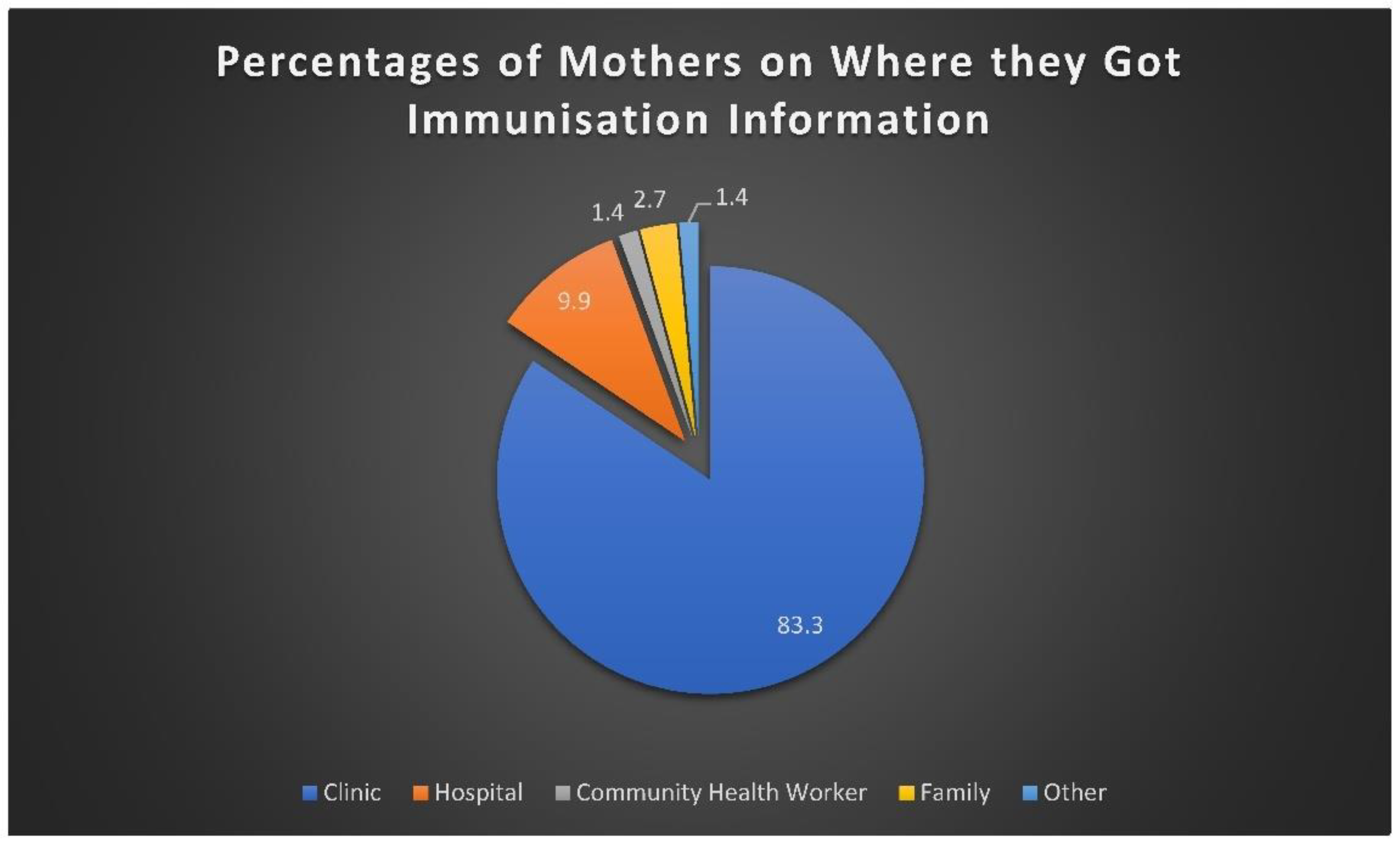
Figure 1. Sources of immunisation information.
Preprints 185828 g001
Clinics provided vaccination information to almost all participants (Ogutu et al., 2024; WHO, 2024). Hospitals followed in second (9.9%). Family, community health workers (CHWs), the media, and other sources all made very small contributions of less than 3%. The most common and reliable source of information is health facilities, which is consistent with recent studies showing health-care providers and clinics are the principal trusted sources for vaccination guidance (CDC, 2025; Geller, 2025).
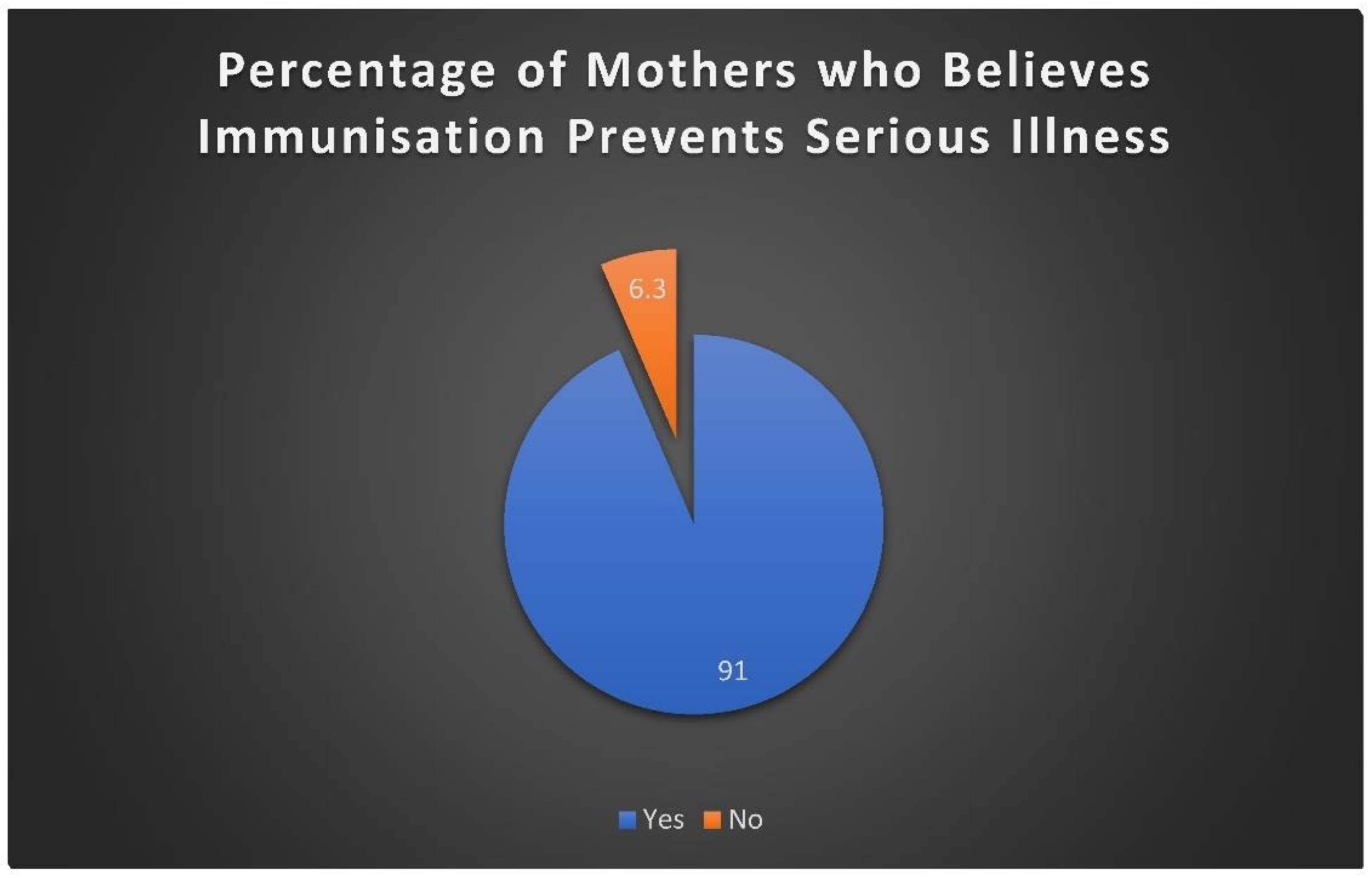
Figure 2. Immunisation prevents disease.
Preprints 185828 g002
The study revealed that 6.3% of participants disagree, (91.0%) participants know that vaccinations reduce disease. This reflects a strong positive perception of and trust in vaccines, consistent with findings from other recent studies showing high public confidence in vaccine effectiveness across various populations (WHO, 2024; UNICEF, 2023; Larson et al., 2022). Such optimism and trust are closely linked to higher vaccine uptake and completion of immunisation schedules (Ogutu et al., 2024; Dube et al., 2020). However, even a small proportion of individuals expressing doubts can still hinder overall coverage by delaying or refusing vaccinations. Addressing their concerns through tailored communication, community engagement, and trust-building initiatives remains crucial (Larson et al., 2022; Geller, 2025).
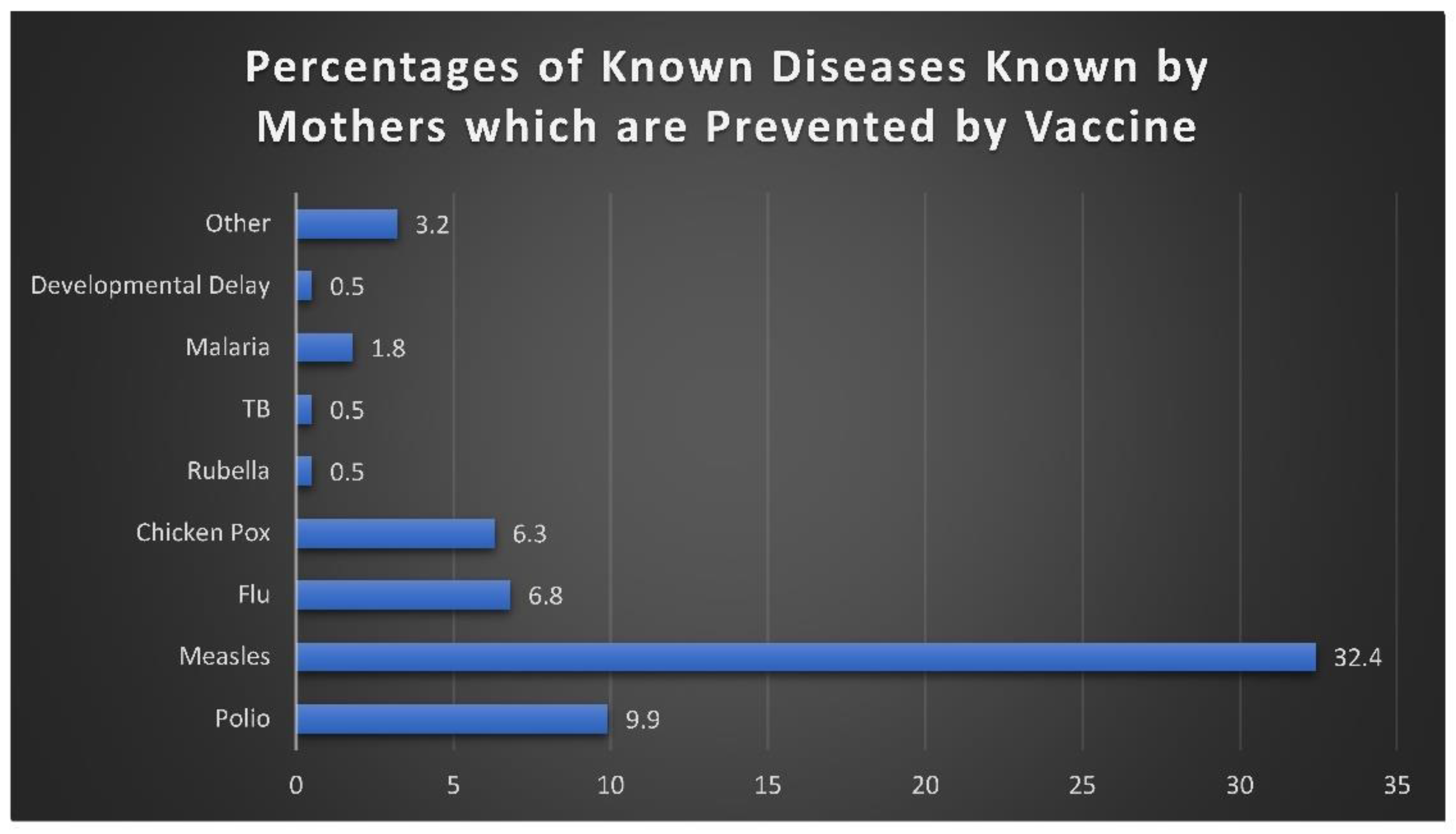
Figure 3. Knowledge of vaccine preventable diseases.
Preprints 185828 g003
The study revealed that measles was the most prevalent disease known by participants(32.4%), followed by chickenpox (6.3%), polio (9.9%), and flu (6.8%). Additionally, 38.3% of respondents did not specify any disease (not shown in the graph), and fewer than 2% identified tuberculosis, malaria, or developmental delay as vaccine-related. This pattern aligns with evidence that measles tends to dominate public awareness due to repeated national vaccination campaigns and periodic outbreaks in many regions (WHO, 2024; UNICEF, 2023; Patel et al., 2022). In contrast, knowledge of other vaccine-preventable diseases is typically much lower (Kariithi et al., 2023; Dube et al., 2020). The large proportion of respondents unable to name any vaccine-preventable disease suggests persistent gaps in health education and community communication. Limited understanding of diseases has been shown to reduce motivation for consistent vaccination uptake (Larson et al., 2022).
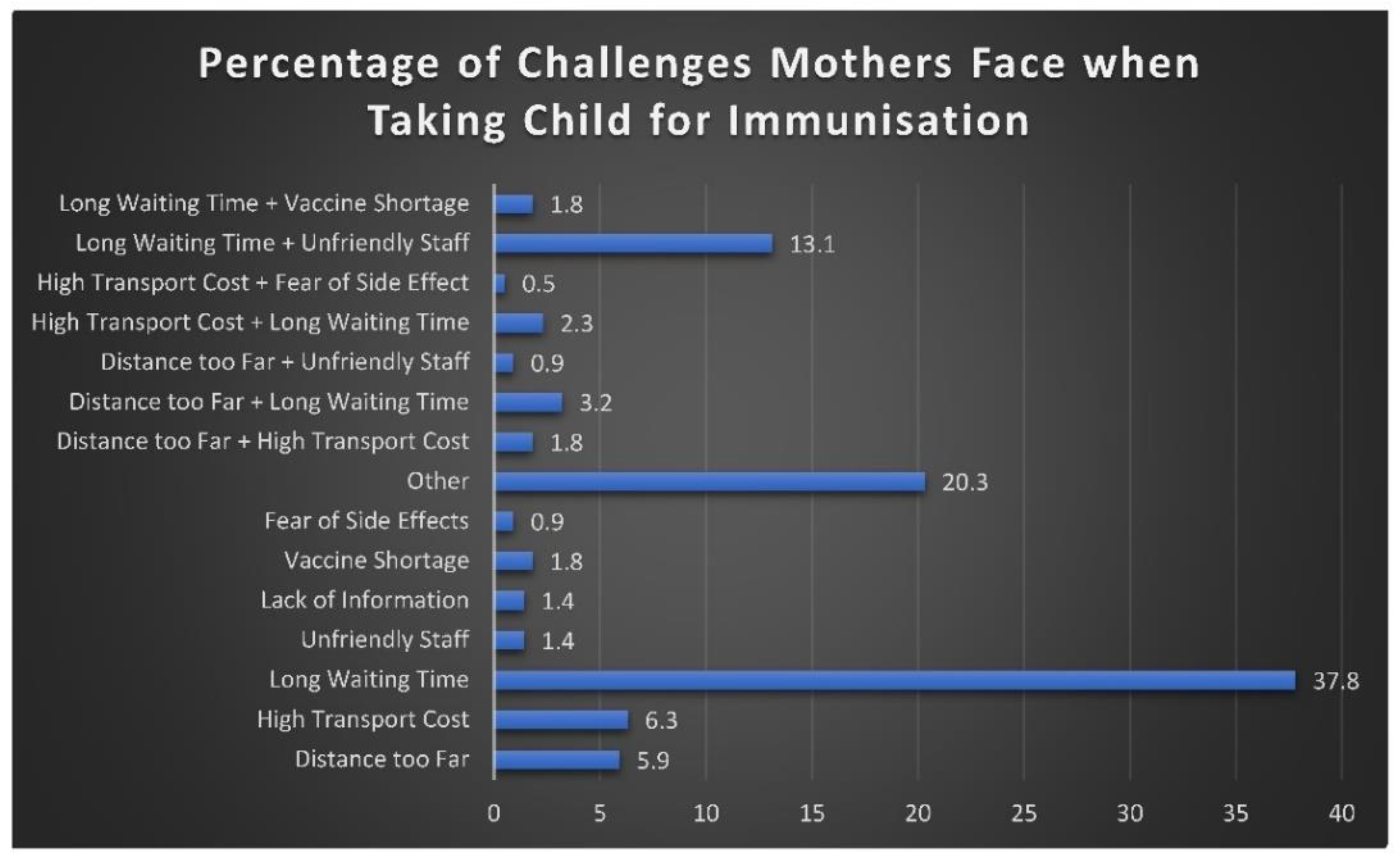
Figure 4. Challenges reported.
Preprints 185828 g004
The study revealed that long waiting times were the most frequently mentioned issue (37.8%). Individual problems such as high transportation costs (6.3%) and distance (5.9%) were less commonly noted. Operational inefficiency, particularly prolonged waiting periods, emerges as the main obstacle to vaccination services (Ogunleye et al., 2021; Iwu and Jaca, 2022).
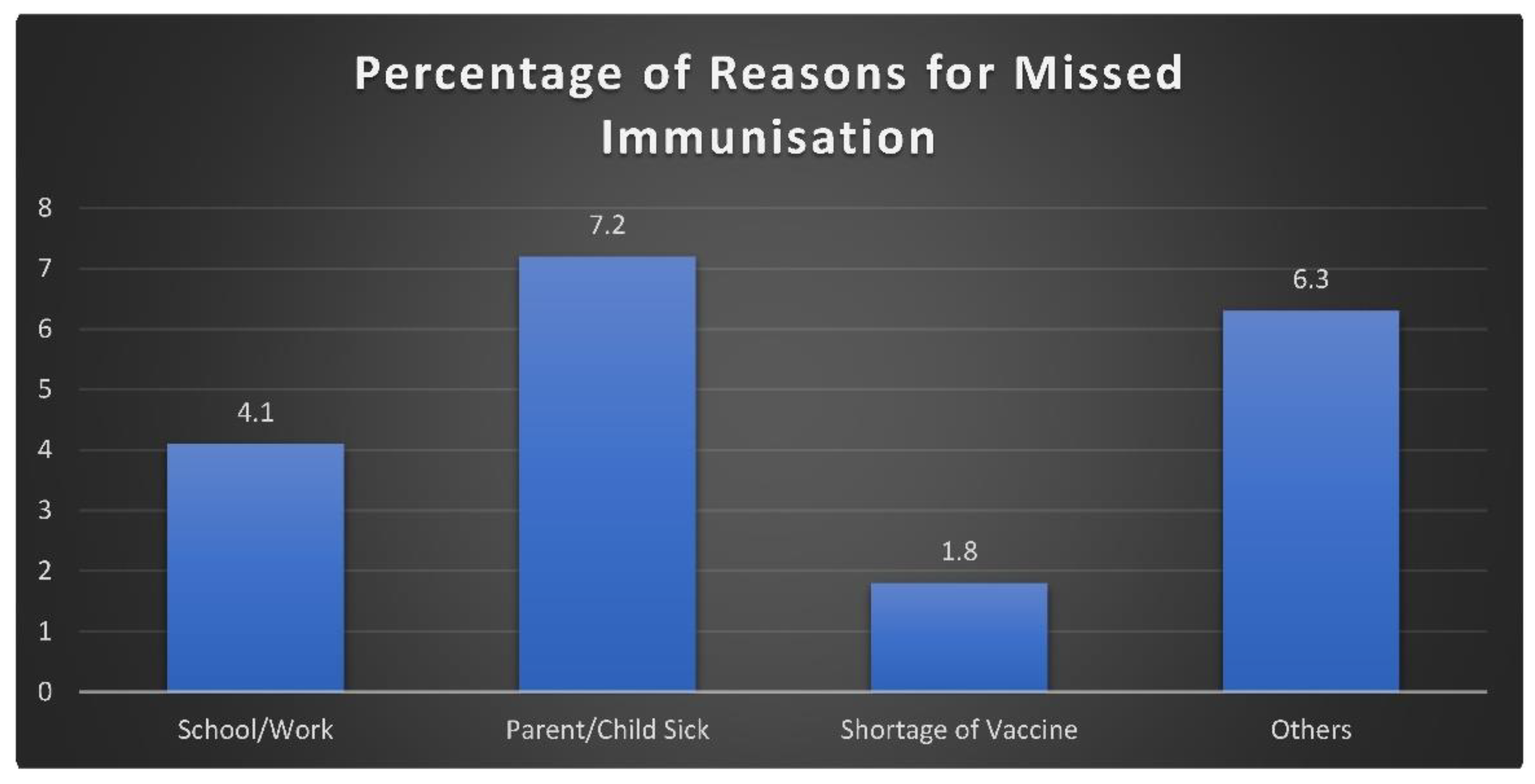
Figure 5. Reason for missed immunisation.
Preprints 185828 g005
The study revealed that parents or child sickness contributes more to mothers missing immunisation schedule for their child (7.2%) while the least which contributed to the missed immunisation schedule is shortage of vaccine (1.8%).
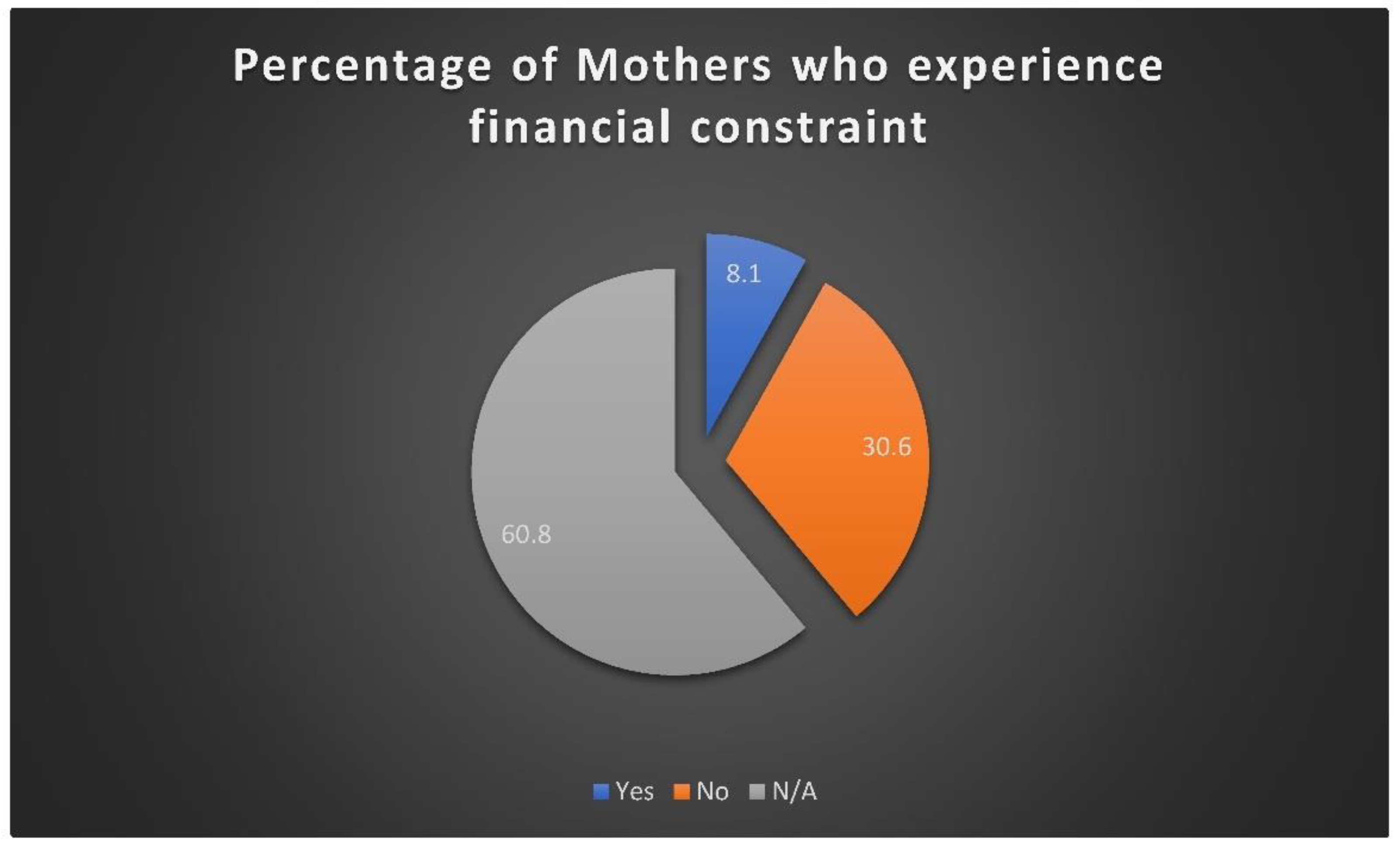
Figure 6. Transport constraints.
Preprints 185828 g006
The study results showed that 8.1% of respondents indicated that transportation was a constraint, and 60.8% considered it not applicable due to the fact that they have not missed any immunisation schedule These findings indicate that structural clinic factors, such as waiting times, staff availability, and communication quality, may exert a greater influence on vaccination adherence than transportation challenges (Nkosi et al., 2024; Ogunleye et al., 2021). Improving operational efficiency and interpersonal engagement within clinics could therefore yield higher immunisation satisfaction and compliance rates than focusing solely on transport-related solutions (WHO, 2023; UNICEF, 2023).
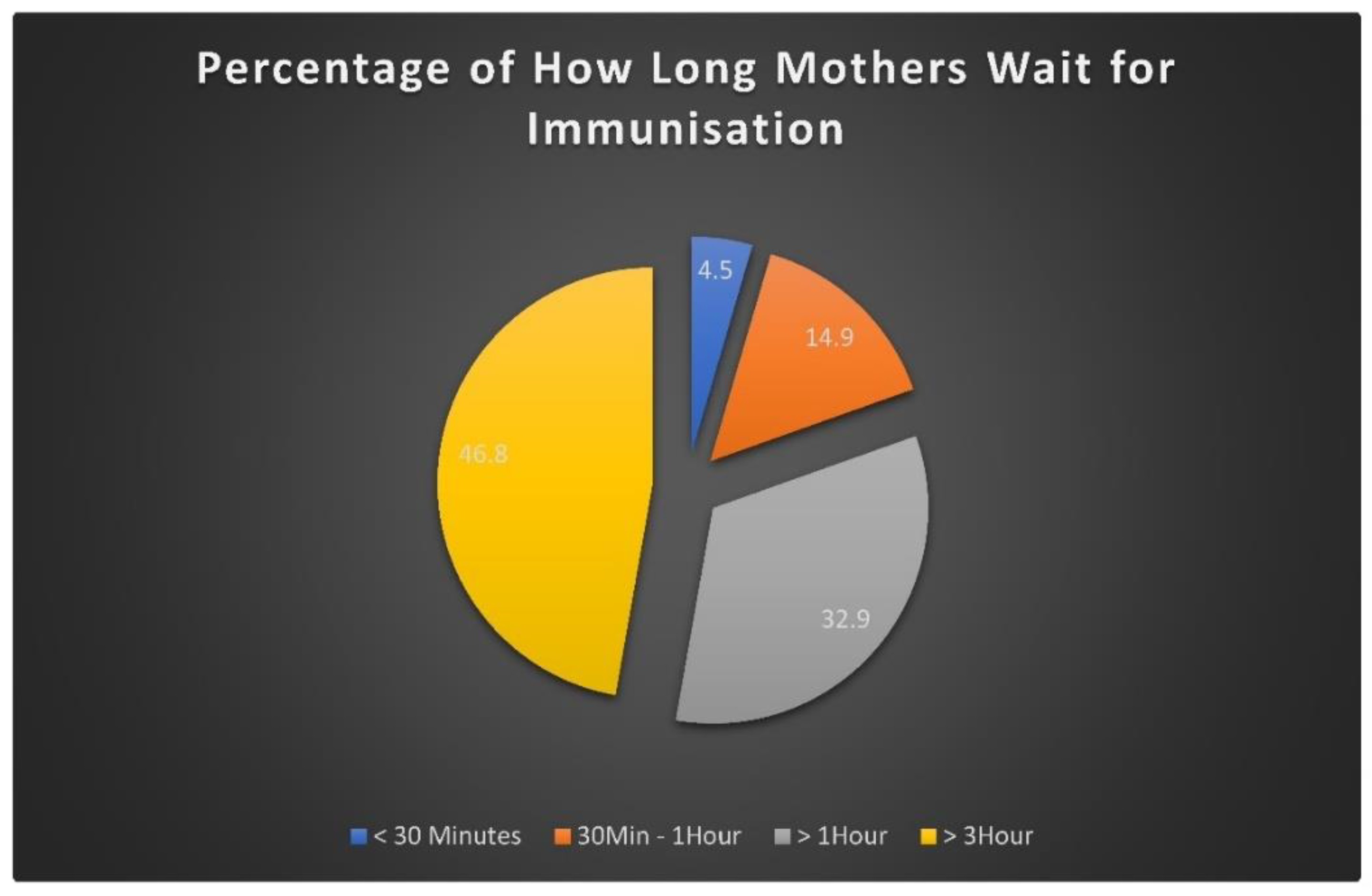
Figure 7. Waiting time.
Preprints 185828 g007
The study showed that 4.5% of guardians were seen within 30 minutes, while the majority reported waiting more than three hours (46.8%) or more than an hour (32.9%). Prolonged waiting times represent a key systemic inefficiency and have been repeatedly identified as a major contributor to missed vaccinations and caregiver dissatisfaction (Nkosi et al., 2024; Abdullahi et al., 2023). Evidence from South Africa and other sub-Saharan African countries indicates that long queues and poor patient flow discourage service use and reduce adherence to immunisation schedules (Iwu and Jaca, 2022; Ogunleye et al., 2021). Interventions such as structured appointment systems, improved triage, and adequate staffing have been shown to significantly reduce waiting times and improve vaccination uptake (UNICEF, 2023; WHO, 2023).
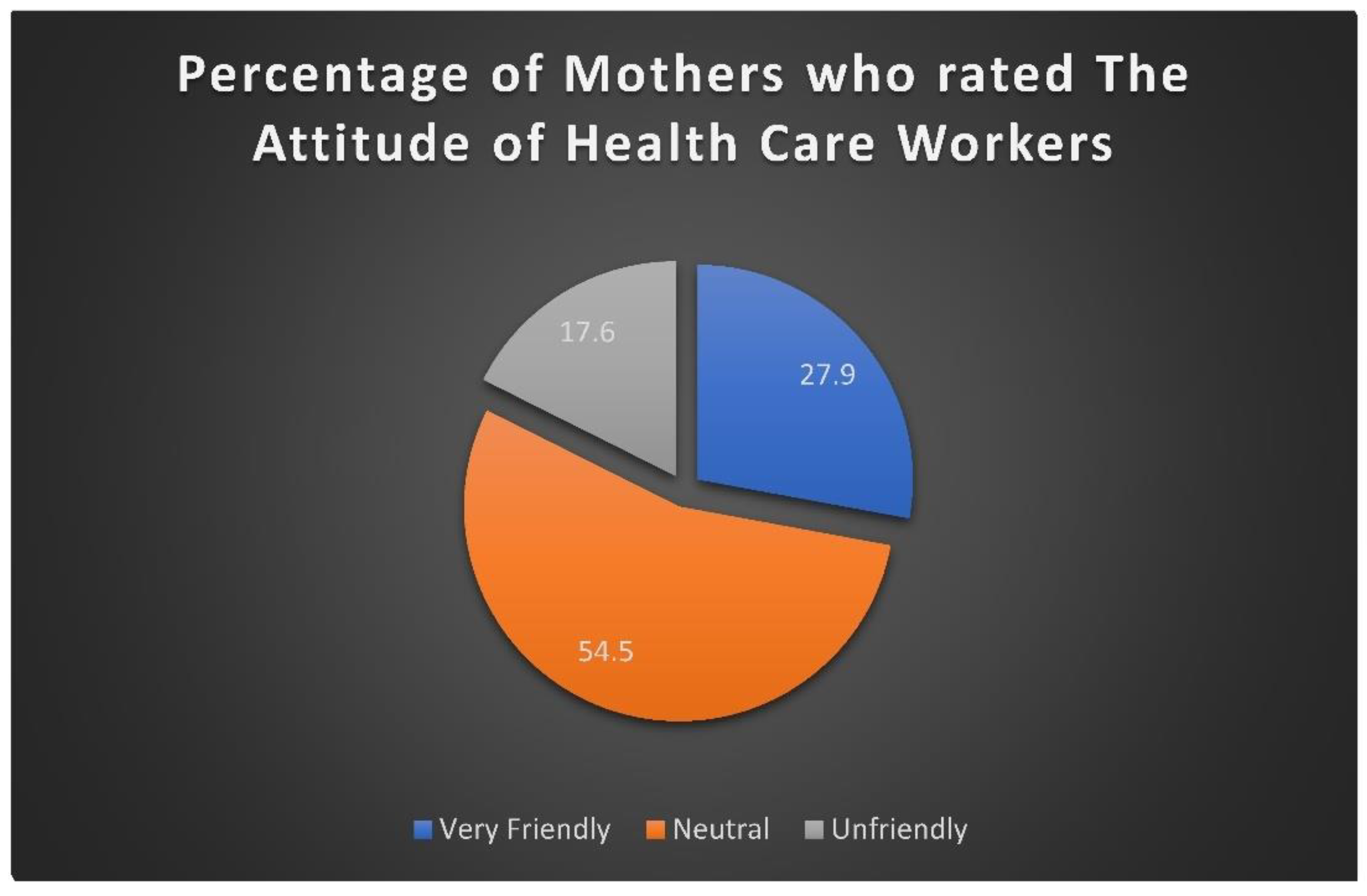
Figure 8. Staff attitude.
Preprints 185828 g008
The study showed that (54.5%) participants described clinic staff as neutral, 27.9% as very friendly, and 17.6% as unfriendly. While overtly dismissive behaviour is uncommon, even neutral or indifferent attitudes can negatively affect caregivers’ satisfaction and willingness to return for follow-up immunisations (Nkosi et al., 2024; Wiysonge et al., 2023). Research shows that positive interpersonal interactions, such as empathy, communication, and courtesy, strongly influence trust in healthcare providers and adherence to vaccination schedules (Iwu and Jaca, 2022; Dube et al., 2021). Therefore, the predominance of neutral perceptions suggests that many staff interactions may lack warmth or active encouragement, highlighting a need for enhanced customer service and communication training within immunisation services (WHO, 2023; UNICEF, 2023).

11. Discussion of Results

11.1. Sociodemographic Context

The findings of this study demonstrated that most participating mothers were aged between 26 and 35 years, followed by those aged 36 years and above. This age profile reflects the typical childbearing and caregiving age range in South Africa, where most mothers accessing immunisation services fall within reproductive and early parenting years (Department of Health [DoH], 2021). Marital status data showed that over half of the participants were married, which may provide greater familial support in ensuring children are immunised on schedule. However, the presence of single mothers also highlights the importance of flexible and accessible services to accommodate caregivers who may have limited social support or work constraints.
Education levels indicated that most respondents had completed secondary school, with a notable proportion attaining tertiary education. Higher education is often linked to better health literacy and positive health-seeking behaviour (World Health Organization [WHO], 2020). Nevertheless, the presence of mothers with lower education levels underscores the ongoing need for simple, clear communication in immunisation campaigns to avoid misinformation or confusion about vaccine schedules. Employment status varied, with many respondents being employed or students, while others worked in the informal sector. This diversity in employment underscores that time availability, transport affordability, and service hours remain critical determinants of access.
The income profile showed that the majority of mothers fell within the low- to middle-income categories. Financial limitations can exacerbate structural barriers such as transport costs and opportunity costs associated with long waiting times. These findings align with previous South African research indicating that socioeconomic factors continue to shape immunisation uptake and adherence, particularly among caregivers relying on public health facilities (National Department of Health [NDoH], 2019).

11.2. Awareness and Knowledge

Nearly all mothers in this study had heard of immunisation, primarily through health facilities such as clinics and hospitals. This indicates that the healthcare system remains the dominant source of immunisation information, in line with the EPI-SA communication framework (DoH, 2021). However, secondary sources such as media, community health workers, and family members also contributed, suggesting that community-based awareness plays a supportive role in reinforcing official health messages.
A substantial majority of mothers demonstrated knowledge of immunisation schedules and preventive benefits. This finding suggests that awareness campaigns and antenatal education sessions are effective in improving knowledge levels. However, a small but significant minority had incomplete understanding, particularly regarding specific diseases prevented by vaccines. While diseases such as polio and measles were widely recognised, fewer respondents identified less publicised conditions such as rubella and developmental delay. This implies that health education remains disease-focused rather than comprehensive and could be strengthened to address gaps in understanding of all EPI vaccines.
Possession of immunisation booklets was high, which is encouraging as these booklets serve as essential communication and record-keeping tools. Yet, missed immunisations among some participants suggest that awareness alone does not guarantee adherence. This points to systemic and contextual challenges that extend beyond knowledge and awareness, reinforcing the need for continuous follow-up and supportive supervision by facility staff.

11.3. Access and System Barriers

Access barriers featured prominently in this study. The most common challenges reported by mothers included long waiting times, high transport costs, and distance to the facility. These findings echo broader South African and global literature identifying similar logistical and economic constraints as deterrents to immunisation adherence (NDoH, 2019; WHO, 2020). For mothers in low-income categories, transport costs and time away from work can significantly hinder routine attendance at immunisation appointments.
A smaller but meaningful proportion of respondents cited unfriendly staff, lack of information, and vaccine shortages as additional barriers. These issues indicate that while service availability exists, service quality and consistency remain problematic. Mothers who experienced vaccine stock-outs or were turned away are likely to become discouraged, which may contribute to missed or delayed vaccinations. These findings align with EPI-SA performance assessments that have highlighted operational inefficiencies and communication gaps within facility-level immunisation programmes (DoH, 2021).
Moreover, the study revealed that a significant proportion of mothers missed scheduled immunisation appointments due to transport constraints and long waiting times. This finding reinforces the interdependence of structural and service factors. Even when mothers are knowledgeable and motivated, systemic weaknesses can erode trust and reduce adherence. Addressing these barriers therefore requires not only public awareness campaigns but also logistical and managerial interventions to ensure immunisation services are genuinely accessible, affordable, and efficient.

11.4. Service Delivery Experience

The majority of mothers reported waiting more than one hour, with almost half experiencing waiting times exceeding three hours. Such prolonged waiting periods are consistent with findings from other South African tertiary and district facilities, where high patient volumes, limited staffing, and administrative bottlenecks contribute to service delays (DoH, 2021). Long waiting times not only frustrate caregivers but also discourage them from returning for subsequent visits, particularly among employed and low-income mothers who must balance work and childcare commitments.
Staff attitude emerged as a critical factor influencing caregiver experiences. Although most mothers described staff as “neutral” or “very friendly,” a notable minority perceived staff as unfriendly. Negative interpersonal experiences can have significant repercussions, as previous studies indicate that perceived disrespect or lack of empathy from health workers undermines trust and willingness to engage with health services (WHO, 2020). Conversely, the majority reporting supportive and informative staff interactions suggests that frontline workers continue to play a positive and influential role in sustaining high levels of immunisation awareness and compliance.
Nearly one-quarter of mothers indicated they had been turned away from the facility, most often due to vaccine shortages or arriving outside service hours. This points to systemic inefficiencies that disrupt service continuity. Despite these challenges, a large proportion of mothers reported receiving enough information and support during visits, reflecting the commitment of healthcare providers to maintain engagement even under resource constraints. However, the persistence of mothers who did not receive sufficient information highlights the need for strengthened counselling and standardised communication at the facility level.

11.5. Policy and Programme Implications

The findings of this study have direct implications for South Africa’s Expanded Programme on Immunisation (EPI-SA). Although national immunisation coverage has improved in recent years, gaps persist, particularly in urban tertiary settings where service demand is high and clinic capacity is strained (DoH, 2021). The barriers identified—transport costs, waiting time, and inconsistent staff engagement—underscore that accessibility is not merely a question of geographic proximity but also of operational efficiency and service quality.
The high proportion of mothers who reported receiving a next appointment date and expressed intent to return for follow-up visits is a positive reflection of system functionality and caregiver commitment. However, nearly one-fifth of children were not up to date with immunisations, suggesting that motivation alone does not translate to full adherence without a supportive system. The persistence of missed opportunities aligns with broader EPI-SA challenges identified in national monitoring reports, which point to the need for enhanced follow-up mechanisms and improved data management at facility level (NDoH, 2019).
In terms of communication, the study emphasises the importance of continuing to use health facilities as primary information channels while integrating community health workers and media platforms for reinforcement. Addressing misinformation and fear of side effects remains crucial, as such concerns can undermine adherence even in settings with strong service availability. Finally, policy emphasis should shift from purely awareness-based approaches to comprehensive strategies that address the full spectrum of social and system determinants influencing immunisation access.

11.6. Recommendations:

Based on the study findings and aligned with EPI-SA priorities, the following recommendations are proposed:
  • Strengthen service efficiency: Reduce waiting times by introducing dedicated immunisation days, appointment systems, and improved patient flow management.
  • Enhance communication and counselling: Standardise information delivery using simple language and pictorial materials to accommodate caregivers of varying literacy levels.
  • Address logistical and resource constraints: Ensure reliable vaccine supply through strengthened inventory management and timely replenishment to prevent stock-outs and service disruptions.
  • Expand outreach and community engagement: Mobilise community health workers to provide follow-up support and home-based reminders for missed immunisations, especially for working and low-income mothers.
  • Improve staff–patient interaction: Conduct periodic training on interpersonal communication, empathy, and cultural sensitivity to improve caregiver satisfaction and trust.
  • Integrate monitoring and evaluation systems: Use digital tracking and routine supervision to identify children who miss doses and follow up promptly, supporting EPI-SA’s data-driven performance improvement model.
Collectively, these interventions would improve accessibility, continuity, and overall user experience of immunisation services in tertiary and primary care facilities across South Africa. Strengthening the alignment between caregiver expectations and service realities will not only enhance uptake but also contribute toward achieving national immunisation coverage targets and Sustainable Development Goal 3 on good health and well-being.

12. Conclusions

This section is not mandatory, but can be added to the manuscript if the discussion is unusually long or complex.

Acknowledgments

  • We would like to express our deepest gratitude to all those who contributed to the completion of this research project.
  • First and foremost, we are sincerely thankful to our supervisors, [Ms Mushasha and Ms Shabangu], for their invaluable guidance, constructive feedback, and continuous support throughout the study.
  • We extend our appreciation to the Sefako Makgatho Health Sciences University Department of Pharmacy for providing the resources and opportunity to conduct this research.
  • Special thanks to Dr George Mukhari Academic Hospital Out Paediatric Department for granting us the premises and their warm welcome during the research process, and all the participants who willingly took part in this study and shared their experiences.

Abbreviations

  • EPI-SA - Expanded Programme Immunisation – South Africa
  • HIC - High-Income Countries
  • LMIC - Low and Middle-Income Countries
  • OPD- Outpatient Department
  • UNICEF - United Nations International Children’s Emergency Fund
  • VPDs- Vaccine-Preventable Diseases
  • WHO – World Health Organization
  • SMUREC – Sefako Makgatho University Research Ethics Committee

Appendices

Appendix 1: TIME SCHEDULE

Table 3. Schedule.
Table 3. Schedule.
ACTIVITY JAN-FEB MAR-MAY JUN-AUG SEP-OCT
Protocol compilation X
Protocol submission X
Pilot study X
Data collection and analysis X
Report compilation X
Oral presentation and report submission X

Appendix 2: BUDGET

Table 4. Budget required to conduct the study.
BUDGET COST
Printing of consent forms and questionnaires R400
Logistics R400
Statistician R2500
Total cost R3300

Appendix 3: ENGLISH QUESTIONNAIRE

Preprints 185828 i001
  • CODE
              
Instructions
  • Do not write a name in the paper.
  • Please answer all the questions with pen.
  • Fill in the provided space.
  • Circle the letters (e.g. A)
  • Circle one or more answers provided, if applicable.
SECTION A: DEMOGRAPHIC DATA
QUESTIONS ANSWERS
1. Age of the mother a. 18-25 Years
b. 26-35 Years
c. 36 and above
2. Marital status    a. Single
   b. Married
   c. Divorced
   d. Widowed
3. Education level    a. No formal education
   b. Primary
   c. Secondary
   d. Tertiary
4. Employment status       a. Employed
      b. Unemployed
      c. Student
      d. Informal worker
5. Household income    a. Low-income ( less than R6888.00 per month)
   b. Middle-income (R6890.00 to R48752.00 per month)
   c. High-income (R48753.00 and above per month)
6. Number of children ___
7. Age of youngest child ___ months
-----years
SECTION B: KNOWLEDGE AND AWARENESS OF IMMUNISATION
8. Have you heard of childhood immunisation before?
   a. Yes
   b. No
9. Where do you get immunisation information?    a. Clinic
   b. Hospital
   c. Media
   d. Community Health Worker
   e. Family
   f. Other---------specify
10. Do you know the recommended immunisation schedule for your child?    a. Yes
   b. No
11. Do you believe immunisation prevents serious illnesses?    a. Yes
   b. No
12. Name one disease prevented by vaccine/childhood immunisation
13. Have you received a vaccination booklet for your child?    a. Yes
   b. No
SECTION C: BARRIERS TO IMMUNISATION ACCESS
14. What challenges do you face when taking your child for immunisation? (Tick all that apply)

   a. Distance to the clinic is too far
   b. High transport costs
   c. Long waiting times at the clinic
   d. Unfriendly staff or healthcare workers
   e. Lack of information on when and where to go
   f. Vaccine shortages at the clinic
   g. Fear of side effects from vaccines
   h. Religious or cultural beliefs against vaccines
   i. Other (specify) ___
   j. None
15. Have you ever missed a scheduled immunisation for your child?    a. Yes
   b. No
16. If the above answer is yes, what was the main reason for missing the vaccination?
___
17. Financial constraints (e.g., transport costs,) have prevented me from accessing vaccination services.    a. Yes
   b. No
   c. Not applicable
SECTION D: PRIMARY HEALTHCARE FACILITY FACTORS, EXPERIENCE
18. How long do you typically wait at the clinic for immunisation services?    a. Less than 30 minutes
   b. 30 minutes – 1 hour
   c. More than 1 hour
   d. More than 3 hours
19. How would you rate the attitude of healthcare workers?          a. Very friendly
         b. Neutral
         c. Unfriendly
20. Have you ever been turned away because vaccines were unavailable?    a. Yes
   b. No
21. Healthcare workers provide enough encouragement and education about childhood vaccination.       a. Yes
      b. No
22. Do you feel the clinics provide enough support to help you access immunisation services?       a. Yes
      b. No
23. Did you receive the date for the next visit?    a. Yes
   b. No
24. Did you receive education about potential adverse reactions after vaccination?       a. Yes
      b. no
25. Were you informed about the next visit by the healthcare worker?    a. Yes
   b. No
26. Do the clinic’s operating hours fit your schedule for taking your child for immunization?    a. Yes
   b. No

Appendix 4: SETWANA QUESTIONNAIRE

Preprints 185828 i002
  • KHOUTU
              
  • Ditaelo
  • Tsweetswee araba dipotso tsotlhe o dirisa pene.
  • Tlatsa sebaka se se neetsweng.
  • Tshwaya kgotsa kgabaganya mo sebakeng se se neetsweng.
  • Tlhopha karabo e le nngwe kgotsa go feta e e neetsweng, fa go tlhokega.
  • O se ka wa kwala leina mo pampiring ya dipotso.
KAROLO A: DINTLHA TSA DEMOKRAFI
DIPOTSO DIKARABO
1. Dingwaga tsa mme ___ dingwaga
2. Seemo sa lenyalo a. Nosi
b. Nyetse
c. O tlhadilwe
d. Motlholagadi
3. Maemo a thuto a. Ga ke na thuto ya semmuso ya Poraemari
b. Sekontari
c. Dithuto tsa Boraro
4. Seemo sa tiro a. O thapilwe
b. Ga a bereke
c. Moithuti
d. Modiri yo o sa tlhomamang
5. Lotseno lwa lelapa a. Lotseno lo lo kwa tlase (R1030.00 kgotsa bobtlana kgwedi -R6889)
b. Lotseno lo lo magareng (R6890.00 -R48752.00 ka kgwedi)
c. Lotseno lo lo kwa godimo (R48753.00 le godimo ka kgwedi)
6. Palo ya bana ___
7. Dingwaga tsa ngwana yo mmotlana ___ dikgwedi/dingwaga
KAROLO YA B: KITSO LE TEMOGO YA GO ENTA
8. A o kile wa utlwa ka go entiwa ga bana pele?
a. Ee
b. nnyaa
9. O bona kae tshedimosetso ya go enta?
a. Tleliniki
b. Bookelo
c. Bobegakgang
d. Modiri wa Pholo wa Baagi
e. Lelapa
f. Tse dingwe-------------tlhalosa
10. A o itse thulaganyo e e akanyediwang ya go enta ngwana wa gago? a. Ee
b. nnyaa
11. A o dumela gore go enta go thibela malwetse a a masisi? a. Ee
b. nnyaa
12. Naya bolwetse bo le bongwe jo bo thibelwang ke moento/go entiwa ga bana.
-------------------------------
13. A o amogetse bukana ya go enta ngwana wa gago? a. Ee
b. nnyaa
KAROLO C: DIKGORELO TSA GO FITLHELELA MOENTO
14. Ke dikgwetlho dife tse o kopanang le tsone fa o isa ngwana wa gago go ya go entiwa? (Tshwaya tsotlhe tse di maleba) a. Sekgala go ya kwa tleleniking se kgakala thata
b. Ditshenyegelo tse di kwa godimo tsa dipalangwa
c. Dinako tse ditelele tsa go leta kwa tleleniki
d. Badiri ba ba seng botsalano kgotsa badiri ba tlhokomelo ya boitekanelo
e. Go tlhoka tshedimosetso ya gore o ka ya leng le kae
f. Tlhaelo ya moento kwa tleleniki
g. Poifo ya ditlamorago tsa mekento
h. Ditumelo tsa bodumedi kgotsa tsa setso kgatlhanong le mekento
nna. Tse dingwe (tlhalosa) ___
i. Epe
15. A o kile wa foswa ke go entiwa go go rulagantsweng ga ngwana wa gago? a. Ee
b. Nnyaa
16.Fa karabo e e fa godimo e le ee, lebaka le legolo la go tlhoka go enta e ne e le eng? ___
17. Mathata a matlole (sekao, ditshenyegelo tsa dipalangwa,) a nkgoreletsa go fitlhelela ditirelo tsa go enta. a. Ee
b. nnyaa
KAROLO D: DINTLHA TSA MOTLHOKO TSA LEFELO LA TLHOKOMELO YA BOITEKANELO, BOITEMOGELO
18.O leta lobaka lo lo kana kang kwa tleliniki go bona ditirelo tsa go entiwa? a. Ka fa tlase ga metsotso e le 30
b. Metsotso e le 30 – ura e le 1
c. Go feta ura e le 1
d. Diura di feta 3
19. O ka lekanya jang boikutlo jwa badiri ba tlhokomelo ya kalafi? a. O botsalano thata
b. Go se tseye letlhakore
c. Ga a botsalano
20. A o kile wa kgaphelwa thoko ka ntlha ya gore mekento e ne e seyo? a. Ee
b.Nnyaa
21. Badiri ba tlhokomelo ya boitekanelo ba neelana ka thotloetso le thuto e e lekaneng ka ga go enta bana. a. Ee
b. Nnyaa
22. A o ikutlwa gore tleleniki e go naya tshegetso e e lekaneng go go thusa go fitlhelela ditirelo tsa go enta? a. Ee
b. Nnyaa
23. A o amogetse letlha la ketelo e e latelang? a. Ee
b. Nnyaa
24. A o amogetse thuto ka ga diphetogo tse di ka nnang teng tse di sa siamang morago ga go enta? a. Ee
b. Nnyaa
25. A o itsisitswe ka ketelo e e latelang ke modiri wa tlhokomelo ya boitekanelo? a. Ee
b. Nnyaa
26. A diura tsa tiro tsa tleliniki di tshwanela thulaganyo ya gago ya go isa ngwana wa gago go ya go entiwa? a. Ee
b. Nnyaa

Appendix 5: Request letter to conduct a research study

Preprints 185828 i003
  • To Whom It May Concern
  • Subject: REQUEST FOR PERMISSION TO CONDUCT RESEARCH AT SELECTED TERTIARY HOSPITAL
  • We are final-year pharmacy students from Sefako Makgatho Health Sciences University. We are writing to you requesting permission to conduct our study exploring the challenges faced by mothers in accessing childhood vaccination services in South Africa.
  • We would greatly appreciate your support and guidance in this matter. Please let us know if any additional information is required.
  • Our contact details are as follows:
  • Maranda Vhulenda: vhulenda169@gmail.com
  • Chawane Tinyiko: tinyikochawane780@gmail.com
  • Mphaphuli Hakhakhi: mphaphulihakhakhi60@gmail.com
  • Ndwa Lotavha: fnndwa@gmail.com
      
  • Best Regards SMU Bpharm 4 students

Appendix 6: INFORMED CONSENT

SEFAKO MAKGATHO HEALTH SCIENCES UNIVERSITY ENGLISH CONSENT FORM
  • Statement concerning participation in a Research Project
  • Name of Study: Investigation of the challenges faced by mothers in accessing childhood immunisation services at the academic hospital in Gauteng, South Africa
  • I have read the information on the aims and objectives of the proposed study and was provided the opportunity to ask questions and given adequate time to rethink the issue. The aim and objectives of the study are sufficiently clear to me. I have not been pressurized to participate in any way.
  • I am aware that am going to complete the questionnaire. I am aware that this material may be used in scientific publications which will be electronically available throughout the world. I consent to this provided that my name / and identity number are not revealed.
  • I understand that participation in this study is completely voluntary and that I may withdraw from it at any time and without supplying reasons. I know that this Study has been approved by the Sefako Makgatho University Research Ethics Committee (SMUREC). I am fully aware that the results of this Study will be used for scientific purposes and may be published. I agree to this, provided my privacy is guaranteed.
  • I hereby give consent to participate in this Study.
  • ............................................................     …………………………………………
  • Name of Respondent                                                Signature of Respondent
  • ......................................     .......................................      .......................................
  • Place                                 Date                                                    Witness
  • ___________________________________________________________________
  • Statement by the Researcher
  • I provided verbal written information regarding this Study.
  • I agree to answer any future questions concerning the Study as best as I am able.
  • I will adhere to the approved protocol.
  • ....................................    .................................    .........................    ......................................
  • Name of Researcher              Signature                    Date                           Place

Appendix 7: GEORGE MUKHARI’S APPROVAL LETTER
Preprints 185828 i004

Appendix 8: SMU SCHOOL OF PHARMACY APPROVAL LETTER
Preprints 185828 i005

References

  1. Wiysonge, C.S., Abdullahi, L.H. and Kagina, B.M. (2023) Improving healthcare worker attitudes and communication to strengthen immunisation uptake in Africa, Vaccine, 41(12), pp. 2025–2032.
  2. Acheampong, S., Lowane, M.P. and Fernandes, L., 2023. Experiences of migrant mothers attending vaccination services at primary healthcare facilities. Health SA Gesondheid, 28(1). [CrossRef]
  3. Albers, A.N., Thaker, J. and Newcomer, S.R., 2022. Barriers to and facilitators of early childhood immunization in rural areas of the United States: A systematic review of the literature. Preventive medicine reports, 27, pp.101804. [CrossRef]
  4. Ames, H.M., Glenton, C. and Lewin, S., 2017. Parents’ and informal caregivers’ views and experiences of communication about routine childhood vaccination: a synthesis of qualitative evidence. Cochrane Database of Systematic Reviews, (2). [CrossRef]
  5. Bangura, J.B., Xiao, S., Qiu, D., Ouyang, F. and Chen, L., 2020. Barriers to childhood immunization in sub-Saharan Africa: A systematic review. BMC public health, 20, pp.1-15. [CrossRef]
  6. Bhardwaj, P., 2019. Types of sampling in research. Journal of the Practice of Cardiovascular Sciences, 5(3), pp.157-163. [CrossRef]
  7. Burnett, J.M., Myende, N., Africa, A., Kamupira, M., Sharkey, A., Simon-Meyer, J., Bamford, L., Guo, S. and Padarath, A., 2024. Barriers to Childhood Immunisation and Local Strategies in Four Districts in South Africa: A qualitative study. Vaccines, 12(9), p.1035. [CrossRef]
  8. Castillo-Zunino, F., Hester, K.A., Keskinocak, P., Nazzal, D., Smalley, H.K. and Freeman, M.C., 2025. Associations between family planning, healthcare access, and female education and vaccination among under-immunized children. Vaccine, 44, p.126540. [CrossRef]
  9. De Figueiredo, A., Temfack, E., Tajudeen, R. and Larson, H.J., 2023. Declining trends in vaccine confidence across sub-Saharan Africa: A large-scale cross-sectional modeling study. Human vaccines & immunotherapeutics, 19(1), p.2213117. [CrossRef]
  10. DiResta, R. and Wardle, C., 2020. Online misinformation about vaccines. The Sabin-Aspen Vaccine Science & Policy Group.
  11. Dimitrova, A., Carrasco-Escobar, G., Richardson, R. and Benmarhnia, T., 2023. Essential childhood immunization in 43 low- and middle-income countries: Analysis of spatial trends and socioeconomic inequalities in vaccine coverage. PLoS Medicine, 20(1), p.e1004166. [CrossRef]
  12. Oduwole, E.O., Esterhuizen, T.M., Mahomed, H. and Wiysonge, C.S., 2021. Estimating vaccine confidence levels among healthcare staff and students of a tertiary institution in South Africa. Vaccines, 9(11), p.1246. [CrossRef]
  13. Fikadu, T., Gebru, Z., Abebe, G., Tesfaye, S. and Zeleke, E.A., 2024. Assessment of mothers’ satisfaction towards child vaccination service in South Omo zone, South Ethiopia region: a survey on clients’ perspective. BMC Women’s Health, 24(1), p.272. [CrossRef]
  14. Feldstein, L.R., Ogokeh, C., Rha, B., Weinberg, G.A., Staat, M.A., Selvarangan, R., Halasa, N.B., Englund, J.A., Boom, J.A., Azimi, P.H. and Szilagyi, P.G., 2021. Vaccine effectiveness against influenza hospitalization among children in the United States, 2015–2016. Journal of the Pediatric Infectious Diseases Society, 10(2), pp.75-82. [CrossRef]
  15. Forshaw, J., Gerver, S.M., Gill, M., Cooper, E., Manikam, L. and Ward, H., 2017. The global effect of maternal education on complete childhood vaccination: a systematic review and meta-analysis. BMC infectious diseases, 17, pp.1-16. [CrossRef]
  16. Gust, D.A., Darling, N., Kennedy, A. and Schwartz, B., 2023. Parental perceptions, attitudes, and beliefs regarding vaccination of children: a qualitative study. Human Vaccines & Immunotherapeutics, 19(1), p.2233398. Available at: https://www.tandfonline.com/doi/full/10.1080/21645515.2023.2233398. Accessed: 27 February 2025.
  17. Hasan, M.M., Gharami, T. and Akter, H., 2025. Mothers’ Perception about Immunization of Children in Bangladesh. International Journal of Nursing and Health Services (IJNHS), 8(1), pp.35-47. [CrossRef]
  18. Kasting, M. L., & Zikmund-Fisher, B. J. 2021. Vaccine decision-making: The role of perceived benefits and barriers. In Vaccination Policy and Global Health. Springer.
  19. Kaufman, J., Hoq, M., Rhodes, A.L., Measey, M.A. and Danchin, M.H., 2024. Misperceptions about routine childhood vaccination among parents in Australia, before and after the COVID-19 pandemic: a cross-sectional survey study. Medical Journal of Australia, 220(10), pp.530-532. [CrossRef]
  20. Iacobucci, G., 2024. Childhood immunisation: Global rates remain below pre-pandemic levels.
  21. Machingaidze, S. & Wiysonge, C.S., 2021. Understanding COVID-19 vaccine hesitancy. Nature Medicine, 27(8), pp.1338-1339.
  22. Machado, A.A., Edwards, S.A., Mueller, M. and Saini, V., 2021. Effective interventions to increase routine childhood immunization coverage in low socioeconomic status communities in developed countries: A systematic review and critical appraisal of peer-reviewed literature. Vaccine, 39(22), pp.2938-2964. [CrossRef]
  23. Makamba-Mutevedzi, P.C., Madhi, S. and Burnett, R., 2020. Republic of South Africa Expanded Programme on Immunisation (EPI) national coverage survey report. Pretoria, South Africa.
  24. Maphumulo, W.T. & Bhengu, B.R., 2019. Challenges of quality improvement in the healthcare of South Africa post-apartheid: A critical review. Curationis, 42(1), pp.1-9. [CrossRef]
  25. Mavundza, E.J., Cooper, S. and Wiysonge, C.S., 2023. A Systematic Review of Factors That Influence Parents’ Views and Practices around Routine Childhood Vaccination in Africa: A Qualitative Evidence Synthesis. Vaccines, 11(3), pp.563. [CrossRef]
  26. Mbonigaba, E., Nderu, D., Chen, S., Denkinger, C., Geldsetzer, P., McMahon, S. and Bärnighausen, T., 2021. Childhood vaccine uptake in Africa: threats, challenges, and opportunities. Journal of Global Health Reports, 5, pp.e2021080. [CrossRef]
  27. Nandi, A. and Shet, A., 2020. Why vaccines matter: understanding the broader health, economic, and child development benefits of routine vaccination. Human vaccines & Immunotherapeutics, 16(8), pp.1900-1904. [CrossRef]
  28. Ndwandwe, D., Nnaji, C.A., Mashunye, T., Uthman, O.A. and Wiysonge, C.S., 2021. Incomplete vaccination and associated factors among children aged 12–23 months in South Africa: An analysis of the South African demographic and health survey 2016. Human vaccines & immunotherapeutics, 17(1), pp.247-254. [CrossRef]
  29. Nkosi, V. & Daniels, J., 2020. Socioeconomic barriers to healthcare access in South Africa. BMC Health Services Research, 20(1), pp.1-10.
  30. Orhierhor, M., Rubincam, C., Greyson, D. and Bettinger, J.A., 2023. New mothers’ key questions about child vaccinations from pregnancy through toddlerhood: evidence from a qualitative longitudinal study in Victoria, British, Columbia. SSM-Qualitative Research in Health, 3, p.100229. [CrossRef]
  31. Raosoft, Inc. 2004 Raosoft Sample Size Calculator. Available at: http://www.raosoft.com/samplesize.html. Accessed: 3 February 2025.
  32. Rodrigues, C.M. and Plotkin, S.A., 2020. Impact of vaccines; health, economic and social perspectives. Frontiers in microbiology, 11, p.1526. [CrossRef]
  33. Nkosi, T., Mthembu, Z. and Sibanda, M. 2024. Factors influencing caregiver satisfaction with immunisation services in primary health care clinics in South Africa, African Journal of Primary Health Care & Family Medicine, 16(1), 4203.
  34. Galadima, E., Kawuwa, H., Emmanuel, E., Mirzoev, T., Musani, M. & Odusanya, O. (2021) ‘Factors influencing childhood immunisation uptake in Africa: a systematic review’, BMC Public Health, 21: 1475. [CrossRef]
  35. UNICEF (2023) State of the World’s Children 2023: For Every Child, Vaccination. New York: UNICEF.
  36. Ogunleye, O.O., Mthembu, Z. and Sibanda, M. 2021 Improving vaccination services in Africa: addressing system inefficiencies and barriers to access, International Journal of Environmental Research and Public Health, 18(8), 4212.
  37. World Health Organization (WHO) (2023) Primary Health Care and Immunization: Integration and Efficiency Report 2023. Geneva: World Health Organization.
  38. Samad, L., Tate, A.R., Dezateux, C., Peckham, C. and Butler, N., 2017. Ethnicity-specific factors influencing childhood immunisation uptake in an urban district of the UK: a qualitative study. Journal of Epidemiology & Community Health, 71(6), pp.544-549. Available at: https://jech.bmj.com/content/71/6/544. Accessed: 26 February 2025.
  39. Thomas, S., Paden, V., Lloyd, C., Tudball, J. and Corben, P., 2022. Tailoring immunisation programs in Lismore, New South Wales-we want our children to be healthy and grow well, and immunisation helps. Rural and Remote Health, 22(1), pp.1-9. [CrossRef]
  40. World Health Organization 2019. ’Immunization coverage’, WHO Fact Sheets. Available at: https://www.who.int/news-room/fact-sheets/detail/immunization-coverage (Accessed: 31 January 2025).
  41. World Health Organization 2020 Coronavirus disease (COVID-19): Herd immunity, lockdowns and COVID-19. Available at: https://www.who.int/news-room/questions-and-answers/item/herd-immunity-lockdowns-and-covid-19 (Accessed; 26 March 2025).
  42. World Health Organization 2023. ’World Immunization Week 2023: 24 to 30 April’, WHO Events. Available at: https://www.who.int/news-room/events/detail/2023/04/24/default-calendar/world-immunization-week-2023 (Accessed: 31 January 2025).
  43. World Health Organization 2024. ’World Immunization Week 2024’, WHO Campaigns. Available at: https://www.who.int/campaigns/world-immunization-week/2024 (Accessed: 31 January 2025).
  44. CDC. 2024. Reasons to Vaccinate - CDC. https://www.cdc.gov/vaccines-children/reasons/index.html. Accessed 27 February 2025.
  45. UNICEF (2023) State of the World’s Children 2023: For Every Child, Vaccination. New York: UNICEF.
  46. Department of Health (DoH). 2021. Expanded Programme on Immunisation in South Africa (EPI-SA): Policy and Implementation Guidelines. Pretoria: National Department of Health.
  47. National Department of Health (NDoH). (2019). Annual Health Performance Report 2018/2019. Pretoria: Government of South Africa.
Disclaimer/Publisher’s Note: The statements, opinions and data contained in all publications are solely those of the individual author(s) and contributor(s) and not of MDPI and/or the editor(s). MDPI and/or the editor(s) disclaim responsibility for any injury to people or property resulting from any ideas, methods, instructions or products referred to in the content.
Copyright: This open access article is published under a Creative Commons CC BY 4.0 license, which permit the free download, distribution, and reuse, provided that the author and preprint are cited in any reuse.
Prerpints.org logo

Preprints.org is a free preprint server supported by MDPI in Basel, Switzerland.

Subscribe

Disclaimer

Terms of Use

Privacy Policy

Privacy Settings

© 2026 MDPI (Basel, Switzerland) unless otherwise stated