Preprint
Review

This version is not peer-reviewed.

GLP-1 Agonists Can Be Heaven or Hell Dependent Upon Dopaminergic Genetic/Epigenetic Antecedents

Submitted:

22 October 2025

Posted:

24 October 2025

You are already at the latest version

Abstract

Background: GLP‑1 receptor agonists (GLP‑1RAs) are effective for type 2 diabetes and obesity and engage central stress and reward pathways (HPA axis; mesolimbic dopamine). Psychiatric signals have been reported in some settings. Objective :To narratively synthesize evidence on neuropsychiatric effects of GLP‑1RAs—mood, anxiety, suicidality, reward processing, substance use, and migraine—and to consider genetic/epigenetic moderators (e.g., hypodopaminergia/reward deficiency syndrome).Evidence: Mechanistic and imaging studies demonstrate GLP‑1 engagement of HPA and reward circuitry; animal work suggests acute anxiogenic responses with mixed chronic effects. Pharmacovigilance datasets (FAERS/EudraVigilance) show signals for headache, dizziness, sensory changes, and less consistently for depression/anxiety/suicidality; such data are hypothesis‑generating and not causal. Clinical trials and meta‑analyses report heterogeneous outcomes, including small antidepressant effects in some T2DM cohorts. Conclusions: Neuropsychiatric outcomes with GLP‑1RAs appear context‑dependent. Individuals with hypodopaminergic biology may be vulnerable to reward blunting/anxiety, whereas others may experience mood benefits. A pragmatic approach is screen–stratify–monitor, with slow titration and prompt adjustment if psychiatric signals emerge. Prospective, genotype‑informed studies are needed to identify who benefits or is harmed and why.

Keywords: 
;  ;  ;  ;  ;  ;  ;  

1. Introduction

The purpose of this review is to examine evidence that suggests chronic stimulation of the GLP-1 Receptor through the use of GLP-1RA has a range of potential adverse effects in mental health, substance use and neuropsychiatric disorders. With the rising prevalence of obesity and type 2 diabetes mellitus (T2DM), GLP-1RAs have become increasingly popular pharmacological agents in T2DM management, with 63.4 million prescribed during 2015-2020, representing a 25% increase [1]. Neuropsychiatric effects include persistent anxiety symptoms and dysregulated stress response, insomnia, abnormal eating behaviors, and suicidal ideation [2]. To investigate the physical effects of GLP-1RAs, a 2012 meta analysis conducted by Sun et al revealed that GLP-1RAs such as exenatide and liraglutide improve risk of gastrointestinal issues. Exenatide increased the occurrence of nausea by 37% and vomiting by 13%, while liraglutide increased diarrhea by 12.5% [3].
GLP-1 is an endogenous incretin hormone synthesized and secreted by enteroendocrine L-cells to modulate nutrient metabolism [4]. GLP-1 stimulates insulin release and suppresses glucagon secretion, which contributes to glucose homeostasis [5]. In addition, GLP-1 receptors are highly expressed in hypothalamic nuclei and reward regions [6]. While sustained GLP-1 receptor activation promotes weight loss in clinical and preclinical trials, natural GLP-1 has a short half-life due to enzymatic degradation. As a result, its effects on appetite regulation are short-lived [7,8].
Therefore, degradation resistant GLP-1RAs have been created. Unlike natural GLP-1, GLP-1RAs are engineered to resist enzymatic decay, causing a sustained satiety in appetite, leading to new medications that have arisen that use GLP-1RAs to treat diabetes and obesity [9]. Semaglutide and dulaglutide are clinically significant GLP-1RAs used for weight loss by promoting insulin secretion, inhibiting gastric emptying, and reducing appetite [Figure 1] [10].
Several concerns have been raised in the literature about using GLP-1RAs as a weight loss medication. GLP-1RAs activate GLP-1 receptors located in areas of the brain that regulate stress, specifically the hypothalamic pituitary adrenal axis (HPA) [11]. Extensive clinical and preclinical evidence shows that HPA-axis hyperactivity, marked by elevated corticotropin-releasing hormone (CRH), adrenocorticotropic hormone (ACTH), and cortisol levels, is consistently observed in MDD, producing symptoms such as low mood, anhedonia, and low energy [12]. A study conducted by Tauchi et al demonstrates that elevated GLP-1 activity, through the use of GLP-1RAs, may exacerbate chronic stress markers, including hypophagia and hypoglycemia [13].
In a case report conducted by Modestino et al, it is revealed that a male patient with no background of hemiplegic migraines started using a GLP-1RA for weight loss. The patient reported feeling migraines every day during the 60 day treatment, with many of them being hemiplegic. Therefore, it was concluded that administering GLP-1RAs should be done with great precaution due to severe adverse effects [14].
While GLP-1RAs are known for their metabolic benefits, their psychiatric safety profile remains underexplored. This review will focus specifically on the psychiatric effects of chronic GLP-1 receptor activation through GLP-1RAs, particularly as they relate to anxiety and depression symptoms, suicidality, impairments in reward processing, and migraines.

2. Methods

We conducted a narrative review of mechanistic (animal/human), neuroimaging, pharmacovigilance, case reports, randomized and observational clinical studies involving GLP-1/GLP-1RAs and neuropsychiatric outcomes (mood, anxiety, suicidality, reward processing, substance use, migraine). We highlight evidence levels and limitations (e.g., reporting bias, confounding by indication, dose/titration heterogeneity) and distinguish signal generation from causality when interpreting pharmacovigilance data.

2.1. History of the GLP-1 Receptor

Gut peptides, such as glucose-dependent insulinotropic polypeptide (GIP) or GLP-1, are secreted in a nutrient-dependent manner and promote insulin secretion. These peptides, collectively coined as incretins, suppress gastric emptying, appetite, and glucagon production [15]. Incretins are gut hormones secreted to act on pancreatic beta cells after consumption of nutrients [16]. The incretin effect was discovered when it was found plasma insulin levels from oral glucose exceeded that of plasma insulin levels from intravenous glucose, despite identical plasma glucose levels, which suggests a humoral agent acts on glucose disposal produced by the small intestine [17,18].
One of the key peptides responsible for this effect is GLP-1, which is derived from the hormone precursor proglucagon. Proglucagon is a hormone precursor that is processed differently by unique tissue. This leads to different peptide hormones with distinct effects that share the same gene origin [19]. For example, the proglucagon gene, proG, is expressed as glucagon in the pancreas while it is expressed as GLP-1 in the intestine [20]. In addition, proG can be expressed in the nucleus tractus solitarii as the brain's primary source of endogenous GLP-1 [21]. This phenomenon is fueled by proconvertase hormone 2 (PC2), which cleaves proglucagon into glucagon in pancreatic α-cells, while PC1/3 cleaves glucagon into GLP-1 in intestinal L-cells and specific neurons [22].
The historical sequencing of proglucagon provided the foundation for this understanding. In the 1970s, biochemical studies on pancreatic glucagon revealed additional immunoreactive peptides in gut extracts, suggesting a shared precursor [23]. This was confirmed in 1983 when Bell et al. cloned and sequenced human proglucagon cDNA, revealing that a single precursor polypeptide encodes glucagon, GLP-1, GLP-2, and related peptides [24]. Subsequent studies identified specific cleavage sites and sequence homology, showing how one gene produces multiple hormones through tissue-specific processing [25, 26].
GLP-1 exists in several forms, but GLP-1(7-36) amide and GLP-1(7-37) amide are the primary bioactive versions (27). Previous studies have shown that GLP-1 is a significantly more potent physiological incretin than other GIP. GLP-1 stimulated insulin release while reducing plasma glucose (28). In addition, GLP-1 delays gastric emptying and suppresses glucagon production [29]. This explains the incretin effect, the phenomenon where oral glucose secretes more insulin than IV glucose [30]. Although GIP had been discovered 13 years prior to GLP-1, it was insufficient to properly explain the incretin effect, making GLP-1 the second major incretin [31]. A study conducted by Edholm et al. concluded that GLP-1 decreased appetite, which sparked drug development for diabetes in the future, although complications with GLP-1 lifespan presents problems [32].
When GLP-1 is naturally released, it is almost immediately cleared from the bloodstream. The enzyme DPP-4 removes the first 2 amino acids (His-Ala), making the protein inactive and unable to release insulin [33]. Furthermore, it acts as an antagonist because the inactive fragment can block the receptor and prevent active GLP-1 from serving its function [34]. Continuous GLP-1 infusion improves glycemia but requires unreasonable delivery methods, as stated in a study conducted by Toft-Nielsen et al. It was concluded that 48-h of continuous intravenous infusion of GLP-1 in type 2 diabetic patients reduces appetite, has no effect on blood pressure, has no GI effects, and lowers plasma glucose [35]. Consequently, researchers began looking for a reasonable way to prolong the lifespan of GLP-1. In 1993, Mentlein et al identified DPP4 as the enzyme responsible for hydrolysis of the incretin hormones GLP-1 [7,8,9,10,11,12,13,14,15,16,17,18,19,20,21,22,23,24,25,26,27,28,29,30,31,32,33,34,35,36] in vitro [36]. Numerous rodent studies concluded that DPP-4 inhibitors potentiated the insulinotropic and glucoregulatory actions of GLP-1, produced glucoregulatory actions in models of dysglycemia, and improved oral glucose tolerance [37]. This sets the stage for synthetic GLP-1 Receptor Agonists (GLP-1RA) to be developed
The first major discovery of a DPP-4 resistant GLP-1 full agonist was exendin-4, found in Heloderma suspectum venom. It is more resistant to degradation by DPP-4 and has a significantly longer half life than endogenous GLP-1 [38]. Its insulinotropic effects lead to exendin-4 to be experimented as an incretin hormone analogue used to treat Type II Diabetes Mellitus (T2DM) [39]. Exendin-4 suffered from a similar problem to early GLP-1 infusion, a short lifespan of just 2-3 hours, requiring infusion multiple times a day [40]. Thus, liraglutide and semaglutide were developed. Optimized combinations of fatty acids and linker molecules were designed to enhance albumin affinity while preserving strong GLP-1R activity. Due to the advancements, it only had to be administered daily or weekly for T2DM treatment, for liraglutide and semaglutide respectively [41, 42]. GLP-1RA started to be used to treat other problems, such as obesity. The insulin-promoting effect of GLP-1 and its role as a satiety factor inhibits nutrition-mediated secretion, which assists obese individuals in reducing food intake, resulting in a loss of weight [43].
GLP-1 in the brain seems to play a role in how the body reacts to long-term stress. When GLP-1 is given directly into the brain every day, it makes the stress response stronger by releasing corticosterone when faced with stressful situations [44]. However, if a GLP-1 receptor blocker is given instead, this heightened stress response does not happen. This suggests that the body’s endogenous GLP-1 might actually contribute to keeping the stress system overactive during chronic stress, which could lead to stress-related health problems over time [45]. To examine the neuropsychiatric effects of GLP-1RA, a review conducted by Lu et al found that GLP-1RA use was associated with a strong signal of headaches, olfactory nerve disorders, sensory abnormalities, and dizziness. Weaker signals of SI, migraines, insomnia, depression, and anxiety were observed as well [46].
GLP-1’s story spans from its discovery as a gut hormone regulating insulin and appetite to its recognition as a key brain modulator. Advancements in understanding proglucagon processing enabled the development of long-acting GLP-1RA such as liraglutide and semaglutide, transforming diabetes and obesity care. Yet, as research reveals GLP-1’s influence on stress and mood regulation, reports of neuropsychiatric side effects - such as anxiety, depression, and sensory disturbances - highlight the need to reevaluate its broader neural impact.

2.2. GLP-1 in Depression, Suicidiality, and Anxiety

As mentioned in the introduction, chronic GLP-1 receptor activation stimulates the HPA, which leads to elevated CRH, ACTH, and cortisol levels [11]. This hyperactive state causes many major symptoms in MDD such as consistent low mood and anhedonia [47]. According to an experiment conducted by van Bloemendaal et al., exenatide administration suppressed activity in the mesolimbic reward system, indicating dampened dopaminergic and hedonic response to traditionally rewarding cues [48]. In the context of depression, this reward blunting is a core symptom of MDD [49, 50].
In a study conducted by Tobaiqy, approximately 50% of all adverse mental health diagnoses were for depression in a group of individuals using GLP-1RAS [51]. This data supports the notion GLP-1RA may, in certain individuals, introduce new depressive episodes or worsen pre-existing ones. These episodes were often paired with reports of low mood, anhedonia, and a loss of motivation, suggesting a broader blunting of reward systems. In a severe subset of cases, depressive states escalated to suicidal ideation.
Building on this, according to an in-silico review conducted by Sharafshah et al concluded although GLP-1RA can offer therapeutic benefits for hyperdopaminergia, it carries a high risk of suicidal ideation along with other depressive phenotypes for people with hypodopaminergia. [52]. This phenomenon occurs because Ozempic binds to GLP-1 receptors, activating several pathways, leading to dopamine dysregulation. Dopamine dysregulation, if left unchecked, can exacerbate into SI [53].
Research by Anderberg et al. [54] demonstrates that GLP-1 signaling can have anxiogenic effects, particularly under acute conditions. In this study, activation of central GLP-1 receptors in rodents led to increased anxiety-like behaviors, such as reduced time spent in open areas of the elevated plus maze and heightened physiological stress markers. While chronic GLP-1 exposure showed some adaptive or antidepressant effects, the acute activation of GLP-1 pathways appeared to trigger stress responses and anxiety-related behaviors, suggesting that dysregulated GLP-1 signaling in the brain may overactivate neural circuits involved in fear and arousal [55]. These findings highlight a potential mechanism through which pharmacological GLP-1 receptor agonists could contribute to anxiety symptoms in some individuals, especially during early treatment or in those with heightened stress sensitivity.

2.3. GLP-1 in Substance Use Disorder

GLP-1 receptors are expressed in regions of the brain that influence drives and cravings, such as the amygdala, VTA, and NAc [56]. Positively, activation of these receptors inhibits mesolimbic dopamine signaling, reducing the persistent addictive effect of drugs. However, overactivation of these receptors starts to flatten normal incentive salience, blurring the line between drug reward suppression and a loss of natural motivation [57]. Furthermore, in chronic drug users, this increases the likelihood of post-abstinence anhedonia, which is a key predictor of relapse vulnerability [58].
GLP-1 receptor agonists analogues, such as Exendin-4, can suppress motivation by dampening reward-related signaling in the brain. Studies show that Exendin-4 reduces drug-induced dopamine release, locomotor activity, and conditioned place preference, while also affecting natural rewards like food [59]. This broad reward blunting may decrease sensitivity to positive reinforcement, creating a state of low motivation and anhedonia. In the context of substance use disorders, such diminished reward responsiveness could worsen withdrawal symptoms, reduce engagement with healthy reward sources, and increase vulnerability to relapse.
Semaglutide has demonstrated efficacy in reducing substance use behaviors; however, its broader impact on motivation may have unintended consequences for individuals with substance use disorders [60]. Studies have shown that GLP-1 receptor activation can attenuate the rewarding effects of substances like alcohol and opioids, potentially decreasing the reinforcing properties that contribute to addiction [61]. While this suppression may aid in reducing substance consumption, it could also lead to a general dampening of motivation, affecting engagement with both addictive and healthy rewarding activities. This phenomenon, known as reward blunting, may decrease sensitivity to positive reinforcement, creating a state of low motivation and anhedonia [62]. In the context of substance use disorders, such diminished reward responsiveness could worsen withdrawal symptoms, reduce engagement with healthy reward sources, and increase vulnerability to relapse [63].

2.4. GLP-1 in Neuropsychiatric Disorders

Reward Deficiency Syndrome (RDS) is characterized by an inability to experience rewarding feelings, increased susceptibility to unpredictable or impulsive behaviors, and maladaptive reward-seeking patterns. It arises from a hypofunctional state in the dopaminergic system, a network of interactions governing dopamine release within the brain’s reward circuitry, including the VTA, nucleus accumbens, and prefrontal cortex [64, 65]. When dopaminergic signaling is deficient, the individual’s capacity to derive pleasure or motivation from natural reinforcers such as food, social interactions, or achievement is diminished. This neurobiological imbalance drives compensatory behaviors such as substance use, overeating, or compulsive activities as attempts to restore dopamine tone [66]. Thus, RDS reflects a maladaptive feedback loop between reward circuitry and environmental stimuli, linking dopaminergic hypofunction with broader neuropsychiatric vulnerability [Table 1].
Emerging evidence suggests that GLP-1 signaling may intersect with this dopaminergic dysregulation. The association between GLP-1 receptor polymorphisms and alterations in reward learning and subjective pleasure indicates that GLP-1 activity can modulate reward sensitivity and motivational drive [67]. Because GLP-1Rs are expressed in dopaminergic hubs, aberrant or prolonged receptor activation could dampen dopamine neuron firing and inhibit synaptic dopamine release [68]. Chronic GLP-1R stimulation may therefore shift dopamine homeostasis toward a hypo-reward state, manifesting as low motivation, anhedonia, and diminished reinforcement sensitivity. Over time, this blunted reward response could heighten vulnerability to depressive symptoms or maladaptive compensatory behaviors such as substance use, suggesting that excessive GLP-1 activity may play a previously underappreciated role in the pathophysiology of RDS.
Mechanistically, GLP-1Rs are expressed in trigeminal sensory neurons and cerebral vasculature, structures involved in migraine pathogenesis. Activation of these receptors may alter cerebral blood flow and neurovascular tone, potentially triggering the cascade that underlies migraine attacks. These physiological responses explain why some patients develop new or intensified migraine symptoms following initiation of GLP-1RA therapy [69].
Clinical reports have reinforced these mechanistic concerns. Modestino et al. [14] described a case in which an injectable GLP-1 agonist prescribed for weight loss significantly worsened hemiplegic migraine episodes, with attacks increasing in both frequency and severity after treatment onset. It was hypothesized that GLP-1-mediated neurovascular dysregulation and central serotonin imbalance could have amplified cortical excitability, thereby aggravating migraine susceptibility. Likewise, pharmacovigilance analyses have shown that headaches and migraine-like symptoms occur at higher rates in GLP-1RA users compared to other antidiabetic medications [70]. Consequently, GLP-1-based therapies may pose a neurological risk for individuals with pre-existing migraine disorders or heightened cerebral vasoreactivity.

3. Counterarguments

Despite concerns about GLP-1 receptor agonists contributing to depressive symptoms, recent meta-analytic evidence suggests that GLP-1RAs may actually improve mood in some populations. A systematic review and meta-analysis of randomized controlled trials and cohort studies found that treatment with GLP-1RAs produced small but statistically significant reductions in depression scale scores compared to controls, especially in people with type 2 diabetes mellitus [71]. Moreover, a retrospective observational study examining patients with diabetes showed that some GLP-1RAs were associated with a lower risk of incident depression, though findings were mixed across studies [72]. These data suggest that mood effects may be context-dependent, potentially influenced by baseline metabolic state, drug choice, or patient population.
Similarly, evidence around GLP-1 and migraines offers a more nuanced view rather than an outright risk. One study found that individuals with migraine had lower serum levels of GLP-1 compared to controls, particularly in migraine with aura, suggesting that deficient GLP-1 signaling might be part of migraine pathophysiology in unique cases [73]. Additionally, a large meta-analysis concluded that randomized controlled trials did not find consistent detrimental effects of GLP-1RA therapy on mental health, including mood disorders or migraines, compared with controls [74]. These findings provide counterpoints to adverse-effect claims and imply that GLP-1RA use may be safer under certain conditions.

3.1. Policy and Clinical Implementation Framework

Given the expanding use of GLP-1 receptor agonists (GLP-1RAs) beyond metabolic indications, it is essential to adopt a structured, safety-conscious approach that integrates psychiatric screening, genetic awareness, and longitudinal monitoring. The following policy recommendations synthesize current pharmacovigilance insights and translational neurobiology to promote precision and patient safety.
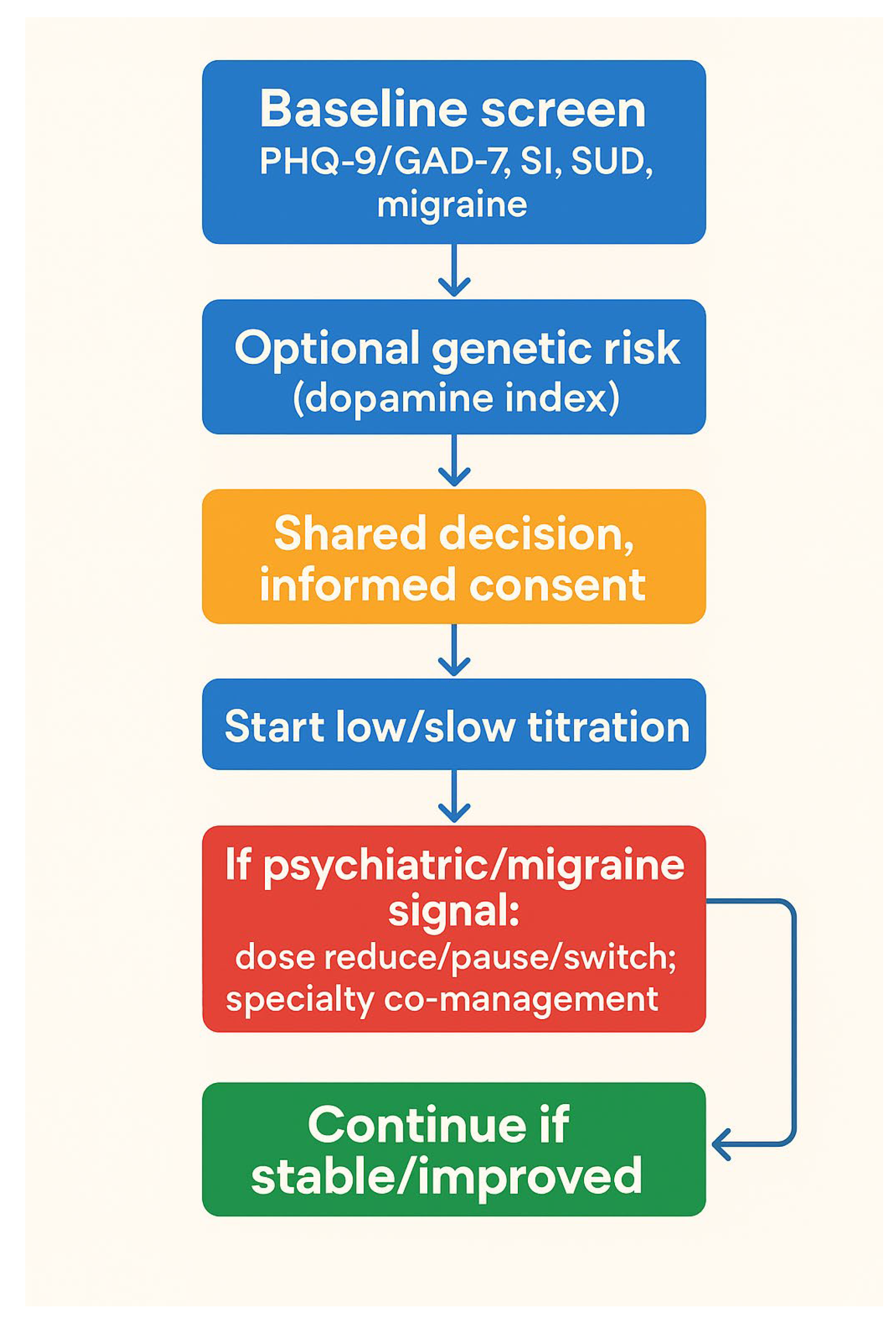
Screening prior to initiation should be standard for all patients. A focused psychiatric and neurological history should include personal or family history of major depressive disorder (MDD), anxiety, suicidality, substance use disorder, and reward deficiency syndrome (RDS) features, as well as migraine - with or without aura. Baseline assessments such as the PHQ-9, GAD-7, and a direct inquiry about suicidal ideation (SI), sleep quality, and anhedonia establish a pre-treatment benchmark for later comparison.
Optional risk stratification can further refine prescribing in precision medicine contexts. When feasible, clinicians may utilize dopamine-pathway polygenic indices or the Genetic Addiction Risk Score (GARS) to identify individuals with hypodopaminergic phenotypes who may be more vulnerable to reward blunting or dysphoric responses under chronic GLP-1R stimulation.
Informed consent must explicitly address potential neuropsychiatric and neurological effects. Patients should be counseled on possible experiences of reward blunting, anxiety, sleep disturbance, migraine or headache, and the rare but serious potential for suicidal ideation. Providing written instructions for crisis response or mental health resources is recommended as part of best practice.
Dosing and titration should proceed cautiously - start low and escalate slowly, particularly in high-risk patients or those with prior psychiatric vulnerability. Rapid dose escalation may heighten central nervous system stress and dopaminergic suppression, increasing the risk of adverse mood outcomes. Monitoring cadence should follow a proactive schedule at weeks 2, 4, 8, and 12 after initiation, including reassessment with PHQ-9 and GAD-7, targeted questions about anhedonia, sleep, and SI, and a direct inquiry into loss of motivation or drive. This structured surveillance enables early detection of reward blunting or emerging anxiety. Action thresholds must be clearly defined. If a patient develops clinically meaningful mood deterioration, anxiety, anhedonia, or migraine exacerbation, the agent should be down-titrated or paused. Consider switching within class or transitioning to another metabolic agent such as an SGLT2 inhibitor. Coordination with psychiatry or neurology is advised for multidisciplinary care.
Reporting standards should emphasize detailed pharmacovigilance. Clinicians are encouraged to submit well-annotated adverse event (AE) reports - including specific agent, dose, escalation timeline, symptom onset, and relevant psychiatric history - to improve signal quality and refine class-level understanding. Research priorities include establishing prospective, genotype-informed registries and clinical trials with prespecified psychiatric and neurological endpoints. Such studies should differentiate between agents, titration speeds, and genetic backgrounds to clarify mechanisms, incidence, and risk mitigation strategies [Figure 2]. Hence, a screen–stratify–monitor framework supported by real-world evidence and genomic insight offers the best path forward for optimizing therapeutic benefit while minimizing neuropsychiatric risk in GLP-1RA therapy.

4. Conclusions

GLP-1’s journey from a metabolic regulator to a neuromodulatory target demonstrates its remarkable physiological scope. Originally characterized for its role in glucose regulation and satiety, GLP-1 and its receptor agonists have become central to modern treatments for obesity and diabetes. Yet, this same system’s extension into the brain reveals a more complex narrative. Evidence from neuroimaging, pharmacovigilance, and molecular studies indicates that chronic activation of GLP-1 receptors may influence emotional and motivational circuits, contributing to depressive symptoms, anxiety, migraines, and reward blunting in susceptible individuals.
The mechanisms behind these effects likely stem from GLP-1’s interactions with dopaminergic and stress-response pathways. Sustained GLP-1R signaling within regions such as the nucleus accumbens, prefrontal cortex, and hypothalamus may dampen dopaminergic firing and alter HPA axis reactivity, shifting the brain toward a hypo-reward state. Although these findings do not negate the substantial metabolic and cardiovascular benefits of GLP-1 therapies, they highlight the need for a more integrative clinical approach, one that accounts for psychiatric vulnerability and monitors neuropsychiatric outcomes alongside metabolic success.
Ultimately, GLP-1’s expanding influence from gut to brain illustrates the interconnectedness of metabolic and mental health. As the therapeutic use of GLP-1 receptor agonists continue to grow, balancing their transformative potential with careful awareness of their neuropsychiatric implications will be essential for safe, holistic treatment.

Author Contributions

KB initiated the first draft of the manuscript. YM AND SM developed the entire reference list and content of the article. KUW developed the figures. MLP developed the policy statement. All co-authors commented and made significant edits to the manuscript and approved the final version.

Funding

R01 NS073884/NS/NINDS NIH HHS/United States; R41 MD012318/MD/NIMHD NIH HHS/United States.

Acknowledgments

The authors appreciate the expert edits of Margaret A Madigan.

Conflicts of Interest

KB owns all IP linked to both GARS and KB220.

References

  1. Adhikari R, Jha K, Dardari Z, Heyward J, Blumenthal R. S, Eckel R.H, Alexander C.G, Blaha M.J (). National Trends in Use of Sodium-Glucose Cotransporter-2 Inhibitors and Glucagon-like Peptide-1 Receptor Agonists by Cardiologists and Other Specialties, 2015 to 2020. Journal of the American Heart Association 2022, 11, 9. [Google Scholar]
  2. Chen, W. , Cai, P., Zou, W., & Fu, Z. Psychiatric adverse events associated with GLP-1 receptor agonists: a real-world pharmacovigilance study based on the FDA Adverse Event Reporting System database. Frontiers in Endocrinology 2024, 15, 1330936. [Google Scholar]
  3. Sun, Feng, Yu, Kai, Yang, Zhirong, Wu, Shanshan, Zhang, Yuan, Shi, Luwen, Ji, Linong, Zhan, Siyan, Impact of GLP-1 Receptor Agonists on Major Gastrointestinal Disorders for Type 2 Diabetes Mellitus: A Mixed Treatment Comparison Meta-Analysis, Journal of Diabetes Research, 2012, 230624, 14 pages, 2012.
  4. Drucker, D. J. , & Nauck, M. A. The incretin system: glucagon-like peptide-1 receptor agonists and dipeptidyl peptidase-4 inhibitors in type 2 diabetes. The Lancet 2006, 368, 1696–1705. [Google Scholar]
  5. Cho, Y. M. , Fujita, Y., & Kieffer, T. J. Glucagon-like peptide-1: glucose homeostasis and beyond. Annual review of physiology 2014, 76, 535–559. [Google Scholar]
  6. Crane, J. , & McGowan, B. The GLP-1 agonist, liraglutide, as a pharmacotherapy for obesity. Therapeutic advances in chronic disease 2016, 7, 92–107. [Google Scholar]
  7. van Bloemendaal, L. , IJzerman, R. G., Ten Kulve, J. S., Barkhof, F., Konrad, R. J., Drent, M. L.,... & Diamant, M. GLP-1 receptor activation modulates appetite-and reward-related brain areas in humans. Diabetes 2014, 63, 4186–4196. [Google Scholar] [PubMed]
  8. Deacon, C. F. , Johnsen, A. H., & Holst, J. J. Degradation of glucagon-like peptide-1 by human plasma in vitro yields an N-terminally truncated peptide that is a major endogenous metabolite in vivo. The Journal of Clinical Endocrinology & Metabolism 1995, 80, 952–957. [Google Scholar]
  9. Baggio, L. L. , & Drucker, D. J. Biology of incretins: GLP-1 and GIP. Gastroenterology 2007, 132, 2131–2157. [Google Scholar] [PubMed]
  10. Wang, J. Y. , Wang, Q. W., Yang, X. Y., Yang, W., Li, D. R., Jin, J. Y.,... & Zhang, X. F. GLP− 1 receptor agonists for the treatment of obesity: role as a promising approach. Frontiers in endocrinology 2023, 14, 1085799. [Google Scholar]
  11. Manuel Gil-Lozano, Diego Pérez-Tilve, Mayte Alvarez-Crespo, Aurelio Martís, Ana M. Fernandez, Pablo A. F. Catalina, Lucas C. Gonzalez-Matias, Federico Mallo, GLP-1(7-36)-amide and Exendin-4 Stimulate the HPA Axis in Rodents and Humans. Endocrinology 2010, 151, 2629–2640. [Google Scholar] [CrossRef]
  12. Mello, A. F. , Mello, M. F., Carpenter, L. L., & Price, L. H. Update on stress and depression: the role of the hypothalamic-pituitary-adrenal (HPA) axis. Revista brasileira de psiquiatria (Sao Paulo, Brazil : 1999) 2003, 25, 231–238. [Google Scholar] [CrossRef]
  13. Tauchi, M. , Zhang, R., D'Alessio, D. A., Seeley, R. J., & Herman, J. P. Role of central glucagon-like peptide-1 in hypothalamo-pituitary-adrenocortical facilitation following chronic stress. Experimental neurology 2008, 210, 458–466. [Google Scholar]
  14. Modestino, E. J. , Bowirrat, A., Lewandrowski, K. U., Sharafshah, A., Badgaiyan, R. D., Thanos, P. K., Baron, D., Dennen, C. A., Elman, I., Sunder, K., Murphy, K. T., & Blum, K. Hemiplegic Migraines Exacerbated using an Injectable GLP-1 Agonist for Weight Loss. Acta scientific neurology 2024, 7, 12–18. [Google Scholar]
  15. Drucker, D. J. The biology of incretin hormones. Cell metabolism 2006, 3, 153–165. [Google Scholar] [CrossRef]
  16. Mudaliar, S. , & Henry, R. R. The incretin hormones: from scientific discovery to practical therapeutics. Diabetologia 2012, 55, 1865–1868. [Google Scholar]
  17. Perley, M. J. , & Kipnis, D. M. Plasma insulin responses to oral and intravenous glucose: studies in normal and diabetic sujbjects. The Journal of clinical investigation 1967, 46, 1954–1962. [Google Scholar] [CrossRef]
  18. Dupre, J. (1964). An intestinal hormone affecting glucose disposal in man.
  19. Holst, J. J. Glucagon and other proglucagon-derived peptides in the pathogenesis of obesity. Frontiers in Nutrition 2022, 9, 964406. [Google Scholar] [CrossRef]
  20. Dhanvantari, S. , Seidah, N. G., & Brubaker, P. L. Role of prohormone convertases in the tissue-specific processing of proglucagon. Molecular endocrinology 1996, 10, 342–355. [Google Scholar] [PubMed]
  21. Holt, M. K. , Richards, J. E., Cook, D. R., Brierley, D. I., Williams, D. L., Reimann, F., Gribble, F. M., & Trapp, S. Preproglucagon Neurons in the Nucleus of the Solitary Tract Are the Main Source of Brain GLP-1, Mediate Stress-Induced Hypophagia, and Limit Unusually Large Intakes of Food. Diabetes 2019, 68, 21–33. [Google Scholar] [CrossRef] [PubMed]
  22. Whalley, N. M. , Pritchard, L. E., Smith, D. M., & White, A. Processing of proglucagon to GLP-1 in pancreatic α-cells: is this a paracrine mechanism enabling GLP-1 to act on β-cells? The Journal of endocrinology 2011, 211, 99–106. [Google Scholar] [CrossRef] [PubMed]
  23. Unger, R. H. , Eisentraut, A. M., McCall, M. S., & Madison, L. L. Measurements of endogenous glucagon in plasma and the influence of blood glucose concentration upon its secretion. The Journal of Clinical Investigation 1970, 49, 837–848. [Google Scholar] [CrossRef]
  24. Bell, G. I. , Sanchez-Pescador, R., Laybourn, P. J., & Najarian, R. C. Exon duplication and divergence in the human preproglucagon gene. Nature 1983, 304, 368–371. [Google Scholar] [CrossRef]
  25. Holst, J. J. Evidence that enteroglucagon (II) is identical with the C-terminal sequence (residues 33–69) of glicentin. Biochemical Journal 1982, 207, 445–452. [Google Scholar] [CrossRef] [PubMed]
  26. Holst, J. J. The physiology of glucagon-like peptide 1. Physiological Reviews 2007, 87, 1409–1439. [Google Scholar] [CrossRef]
  27. Ørskov, C. , Wettergren, A., & Holst, J. J. Biological effects and metabolic rates of glucagonlike peptide-1 7–36 amide and glucagonlike peptide-1 7–37 in healthy subjects are indistinguishable. Diabetes 1993, 42, 658–661. [Google Scholar]
  28. Kreymann, B. , Ghatei, M. A., Williams, G., & Bloom, S. R. Glucagon-like peptide-1 7-36: a physiological incretin in man. The Lancet 1987, 330, 1300–1304. [Google Scholar]
  29. Lotosky, J. , Jean, X., Altankhuyag, A., Khan, S., Bernotas, A., Sharafshah, A., Blum, K., Posner, A., & Thanos, P. K. GLP-1 and Its Role in Glycogen Production: A Narrative Review. Biomedicines 2025, 13, 1610. [Google Scholar] [CrossRef]
  30. Kazakos, K. Incretin Effect: Glp-1, Gip, Dpp4. Diabetes research and clinical practice 2011, 93, S32–S36. [Google Scholar] [CrossRef]
  31. Creutzfeldt, W. The [pre-] history of the incretin concept. Regulatory peptides 2005, 128, 87–91. [Google Scholar] [CrossRef]
  32. Edholm, T. , Degerblad, M., Grybäck, P., Hilsted, L., Holst, J. J., Jacobsson, H.,... & Hellström, P. M. Differential incretin effects of GIP and GLP-1 on gastric emptying, appetite, and insulin-glucose homeostasis. Neurogastroenterology & Motility 2010, 22, 1191–e315. [Google Scholar]
  33. Mentlein, R. Mechanisms underlying the rapid degradation and elimination of the incretin hormones GLP-1 and GIP. Best Practice & Research Clinical Endocrinology & Metabolism 2009, 23, 443–452. [Google Scholar] [CrossRef]
  34. Deacon, C. F. Circulation and degradation of GIP and GLP-1. Hormone and metabolic research 2004, 36, 761–765. [Google Scholar] [CrossRef]
  35. Toft-Nielsen, M. B. , Madsbad, S., & Holst, J. J. Continuous subcutaneous infusion of glucagon-like peptide 1 lowers plasma glucose and reduces appetite in type 2 diabetic patients. Diabetes care 1999, 22, 1137–1143. [Google Scholar] [CrossRef]
  36. Mentlein R, Gallwitz B, Schmidt WE. Dipeptidyl-peptidase IV hydrolyses gastric inhibitory polypeptide, glucagon-like peptide-1(7–36)amide, peptide histidine methionine and is responsible for their degradation in human serum. Eur J Biochem. 1993, 214, 829–835. [Google Scholar] [CrossRef] [PubMed]
  37. Mulvihill, E. E. , & Drucker, D. J. Pharmacology, physiology, and mechanisms of action of dipeptidyl peptidase-4 inhibitors. Endocrine reviews 2014, 35, 992–1019. [Google Scholar] [PubMed]
  38. Yap, M. K. K. , & Misuan, N. Exendin-4 from Heloderma suspectum venom: From discovery to its latest application as type II diabetes combatant. Basic & clinical pharmacology & toxicology 2019, 124, 513–527. [Google Scholar]
  39. Nielsen, L. L. , Young, A. A., & Parkes, D. G. Pharmacology of exenatide (synthetic exendin-4): a potential therapeutic for improved glycemic control of type 2 diabetes. Regulatory peptides 2004, 117, 77–88. [Google Scholar]
  40. Kolterman, O. G. , Kim, D. D., Shen, L., Ruggles, J. A., Nielsen, L. L., Fineman, M. S., & Baron, A. D. Pharmacokinetics, pharmacodynamics, and safety of exenatide in patients with type 2 diabetes mellitus. American Journal of Health-System Pharmacy 2005, 62, 173–181. [Google Scholar]
  41. Knudsen, L. B. , & Lau, J. The discovery and development of liraglutide and semaglutide. Frontiers in endocrinology 2019, 10, 155. [Google Scholar]
  42. Chatterjee, R. , Galave, V. S. B., & Jindal, A. B. Current status of Liraglutide delivery systems for the management of type 2 diabetes mellitus. Drug Delivery and Translational Research 2025, 1–22. [Google Scholar]
  43. Wang, J. Y. , Wang, Q. W., Yang, X. Y., Yang, W., Li, D. R., Jin, J. Y.,... & Zhang, X. F. GLP− 1 receptor agonists for the treatment of obesity: role as a promising approach. Frontiers in endocrinology 2023, 14, 1085799. [Google Scholar]
  44. Detka, J. , & Głombik, K. Insights into a possible role of glucagon-like peptide-1 receptor agonists in the treatment of depression. Pharmacological Reports 2021, 73, 1020–1032. [Google Scholar]
  45. Ghosal, S. , Myers, B., & Herman, J. P. Role of central glucagon-like peptide-1 in stress regulation. Physiology & behavior 2013, 122, 201–207. [Google Scholar]
  46. Lu, W. , Wang, S., Tang, H., Yuan, T., Zuo, W., & Liu, Y. Neuropsychiatric adverse events associated with Glucagon-like peptide-1 receptor agonists: a pharmacovigilance analysis of the FDA Adverse Event Reporting System database. European Psychiatry 2025, 68, e20. [Google Scholar]
  47. Lewandrowski, K. U. , Blum, K., Sharafshah, A., Thanos, K. Z., Thanos, P. K., Zirath, R., Pinhasov, A., Bowirrat, A., Jafari, N., Zeine, F., Makale, M., Hanna, C., Baron, D., Elman, I., Modestino, E. J., Badgaiyan, R. D., Sunder, K., Murphy, K. T., Gupta, A., Lewandrowski, A. P. L., … Schmidt, S. Genetic and Regulatory Mechanisms of Comorbidity of Anxiety, Depression and ADHD: A GWAS Meta-Meta-Analysis Through the Lens of a System Biological and Pharmacogenomic Perspective in 18.5 M Subjects. Journal of personalized medicine 2025, 15, 103. [Google Scholar] [CrossRef]
  48. van Bloemendaal, L. , IJzerman, R. G., Ten Kulve, J. S., Barkhof, F., Konrad, R. J., Drent, M. L.,... & Diamant, M. GLP-1 receptor activation modulates appetite-and reward-related brain areas in humans. Diabetes 2014, 63, 4186–4196. [Google Scholar] [PubMed]
  49. Blum, K. , Sharafshah, A., Lewandrowski, K. U., Schmidt, S. L., Fiorelli, R. K. A., Pinhasov, A.,... & Badgaiyan, R. D. Pre-addiction phenotype is associated with dopaminergic dysfunction: Evidence from 88.8 million genome-wide association study-based samples. Gene & Protein in Disease 2025, 8090. [Google Scholar]
  50. Mahajan S, Bodahanapati A, Katta A, Aydemir E, Mendoza A, Vigilia C, Blum K, Baron D, Lewandrowski KU, Badgaiyan RD, Sunder K. Personalized Repetitive Transcranial Magnetic Stimulation (PrTMS®) Coupled with Transcranial Photobiomodulation (tPBM) For Co-Occurring Traumatic Brain Injury (TBI) and Post-Traumatic Stress Disorder (PTSD). Acta Sci Neurol. 2025, 8, 20–27. [Google Scholar] [CrossRef] [PubMed] [PubMed Central]
  51. Tobaiqy M, Elkout H. Psychiatric adverse events associated with semaglutide, liraglutide and tirzepatide: a pharmacovigilance analysis of individual case safety reports submitted to the EudraVigilance database. Int J Clin Pharm aprile. 2024, 46, 488–495. [Google Scholar] [CrossRef] [PubMed]
  52. Sharafshah, A. , Lewandrowski, K. U., Gold, M. S., Fuehrlein, B., Ashford, J. W., Thanos, P. K., Wang, G. J., Hanna, C., Cadet, J. L., Gardner, E. L., Khalsa, J. H., Braverman, E. R., Baron, D., Elman, I., Dennen, C. A., Bowirrat, A., Pinhasov, A., Modestino, E. J., Carney, P. R., Cortese, R., … Blum, K. In Silico Pharmacogenomic Assessment of Glucagon-like Peptide-1 (GLP1) Agonists and the Genetic Addiction Risk Score (GARS) Related Pathways: Implications for Suicidal Ideation and Substance Use Disorder. Current neuropharmacology 2025, 23, 974–995. [Google Scholar] [CrossRef]
  53. Fitzgerald, M. L. , Kassir, S. A., Underwood, M. D., Bakalian, M. J., Mann, J. J., & Arango, V. Dysregulation of striatal dopamine receptor binding in suicide. Neuropsychopharmacology 2017, 42, 974–982. [Google Scholar]
  54. Anderberg, R. H. , Richard, J. E., Hansson, C., Nissbrandt, H., Bergquist, F., & Skibicka, K. P. GLP-1 is both anxiogenic and antidepressant; divergent effects of acute and chronic GLP-1 on emotionality. Psychoneuroendocrinology 2016, 65, 54–66. [Google Scholar] [CrossRef]
  55. Blum, K. , Thanos, P. K., & Gold, M. S. Dopamine and glucose, obesity, and reward deficiency syndrome. Frontiers in psychology 2014, 5, 919. [Google Scholar] [CrossRef] [PubMed]
  56. Amorim Moreira Alves, G. , Teranishi, M., Teixeira de Castro Gonçalves Ortega, A. C., James, F., & Perera Molligoda Arachchige, A. S. Mechanisms of GLP-1 in Modulating Craving and Addiction: Neurobiological and Translational Insights. Medical Sciences 2025, 13, 136. [Google Scholar]
  57. Robinson, M. J. , Robinson, T. E., & Berridge, K. C. Incentive salience and the transition to addiction. Biological research on addiction 2013, 2, 391–399. [Google Scholar]
  58. Blum, K. , Oscar-Berman, M., Gardner, E. L., Simpatico, T., Braverman, E. R., & Gold, M. S. (, S: and neurobiology of dopamine in anhedonia. In Anhedonia: A Comprehensive Handbook Volume I: Conceptual Issues and Neurobiological Advances (pp. 179–208). Dordrecht.
  59. Egecioglu, E. , Engel, J. A., & Jerlhag, E. The glucagon-like peptide 1 analogue Exendin-4 attenuates the rewarding properties of psychostimulant drugs in mice. PLOS ONE 2013, 8, e69010. [Google Scholar] [CrossRef]
  60. Marquez-Meneses, J. D. , et al. GLP-1 analogues in the neurobiology of addiction: Translational insights and therapeutic perspectives. International Journal of Molecular Sciences 2025, 26, 5338. [Google Scholar] [CrossRef] [PubMed]
  61. Alves, G. A. M. , et al. Mechanisms of GLP-1 in modulating craving and addiction. Frontiers in Pharmacology 2025, 14, 1063033. [Google Scholar] [CrossRef]
  62. Qeadan, F. , et al. The association between glucose-dependent insulinotropic polypeptide and glucagon-like peptide-1 receptor agonist medications and substance use outcomes: A retrospective cohort study. Addiction 2025, 120, 1234–1243. [Google Scholar] [CrossRef]
  63. Marquez-Meneses, J. D. , et al. GLP-1 analogues in the neurobiology of addiction: Translational insights and therapeutic perspectives. International Journal of Molecular Sciences 2025, 26, 5338. [Google Scholar] [CrossRef]
  64. Blum, K. , Sharafshah, A., Khalsa, J., Uwe-Lewandrowski, K., Mohankumar, K., Thanos, P. K., Pinhasov, A., Baron, D., Dennen, C. A., Morgan, J. J., Lindenau, M., Elman, I., Gardner, E. L., Gold, M. S., Modestino, E. J., Brian, F., Carney, P. R., Cortese, R., Bowirrat, A., Madigan, M. A., … Badgaiyan, R. D. Precision Genomics: A Reality Having Universal Impact in a New Era of Psychiatry - Lessons Learned, Past and Present. Journal of addiction psychiatry 2025, 9, 8–13. [Google Scholar] [CrossRef]
  65. Modestino, E. J. , Bowirrat, A., Baron, D., Thanos, P. K., Hanna, C., Bagchi, D.,... & Blum, K. Is There a Natural, Non-addictive, and Non-anti-reward, Safe, Gene-based Solution to Treat Reward Deficiency Syndrome? KB220 Variants vs GLP-1 Analogs. Journal of addiction psychiatry 2024, 8, 34. [Google Scholar]
  66. Wise, R. A. , & Jordan, C. J. Dopamine, behavior, and addiction. Journal of biomedical science 2021, 28, 83. [Google Scholar]
  67. Yapici-Eser, H. , Appadurai, V., Eren, C. Y., Yazici, D., Chen, C. Y., Ongur, D., Pizzagalli, D. A., Werge, T., & Hall, M. H. Association between GLP-1 receptor gene polymorphisms with reward learning, anhedonia, and depression diagnosis. Acta Neuropsychiatrica 2020, 32, 218–225. [Google Scholar] [CrossRef]
  68. Liu, C. , Liu, W. H., Yang, W., Chen, L., Xue, Y., & Chen, X. Y. GLP-1 modulated the firing activity of nigral dopaminergic neurons in both normal and parkinsonian mice. Neuropharmacology 2024, 252, 109946. [Google Scholar]
  69. He, Y. , Xu, B., Zhang, M. et al. Advances in GLP-1 receptor agonists for pain treatment and their future potential. J Headache Pain 2025, 26, 46. [Google Scholar] [CrossRef] [PubMed]
  70. Halloum, W. , Dughem, Y.A., Beier, D. et al. Glucagon-like peptide-1 (GLP-1) receptor agonists for headache and pain disorders: a systematic review. J Headache Pain 2024, 25, 112. [Google Scholar] [CrossRef] [PubMed]
  71. Chen, X. , Zhao, P., Wang, W., Guo, L., & Pan, Q. The Antidepressant Effects of GLP-1 Receptor Agonists: A Systematic Review and Meta-Analysis. The American journal of geriatric psychiatry : official journal of the American Association for Geriatric Psychiatry 2024, 32, 117–127. [Google Scholar] [CrossRef] [PubMed]
  72. Cooper, D. H. , Ramachandra, R., Ceban, F., Di Vincenzo, J. D., Rhee, T. G., Mansur, R. B., Teopiz, K. M., Gill, H., Ho, R., Cao, B., Lui, L. M. W., Jawad, M. Y., Arsenault, J., Le, G. H., Ramachandra, D., Guo, Z., & McIntyre, R. S. Glucagon-like peptide 1 (GLP-1) receptor agonists as a protective factor for incident depression in patients with diabetes mellitus: A systematic review. Journal of psychiatric research 2023, 164, 80–89. [Google Scholar] [CrossRef]
  73. Gultekin, M. , Davran, F., Yuksel, N., Beyazcicek, O., & Demir, S. (2025). Assessment of serum glucagon-like peptide-1 and dipeptidyl peptidase-4 levels in patients with migraine. Acta neurologica Belgica, 10.1007/s13760-025-02894-w. Advance online publication. [CrossRef]
  74. Silverii, G. A. , Marinelli, C., Mannucci, E., & Rotella, F. Glucagon-like peptide-1 receptor agonists and mental health: A meta-analysis of randomized controlled trials. Diabetes, obesity & metabolism 2024, 26, 2505–2508. [Google Scholar] [CrossRef]
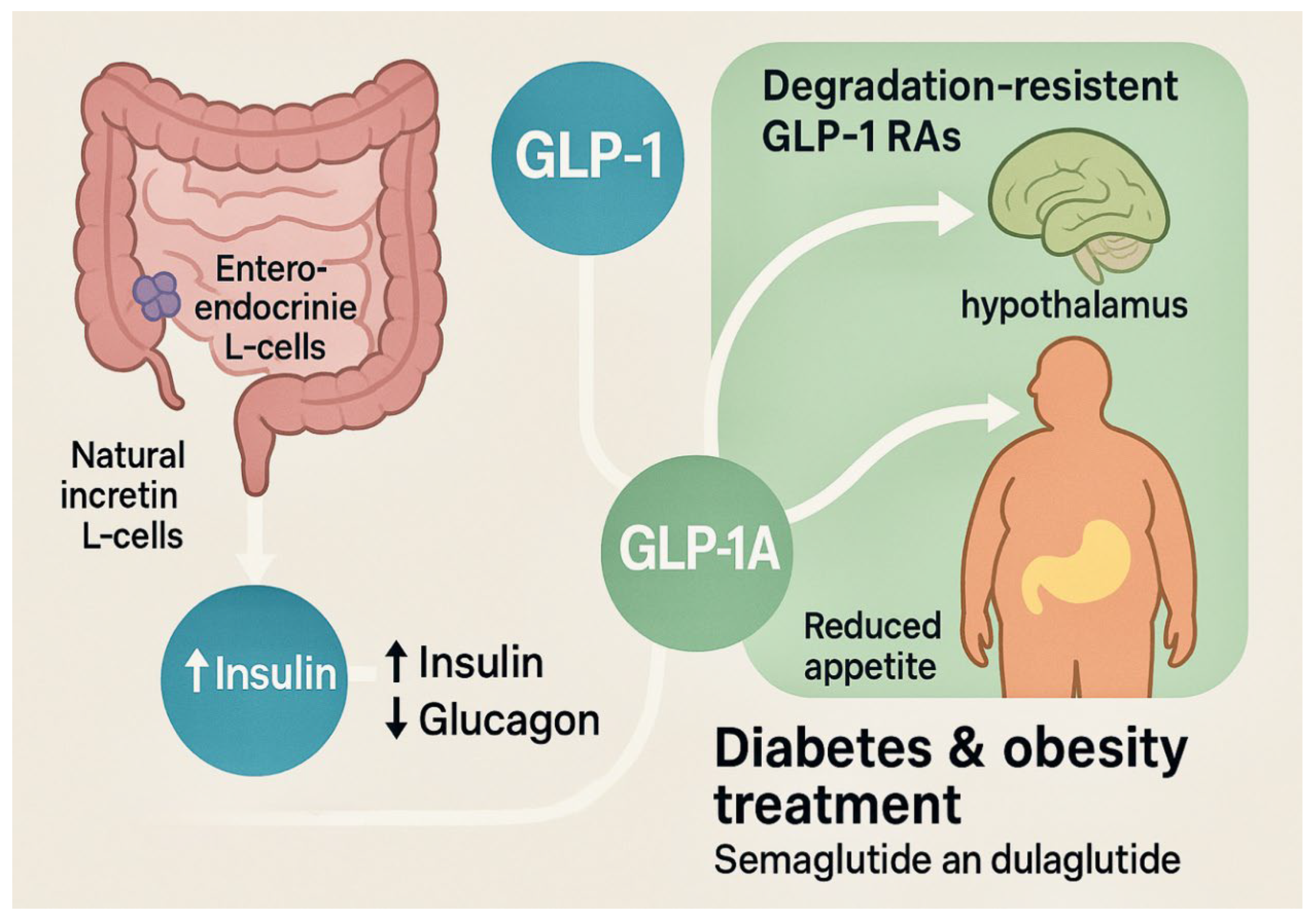
Figure 1. Mechanism of GLP-1 and GLP-1 receptor agonists (GLP-1RAs) in glucose and appetite regulation: Endogenous glucagon-like peptide-1 (GLP-1) is secreted by enteroendocrine L-cells in the intestine in response to nutrient intake. GLP-1 stimulates pancreatic β-cells to release insulin and suppresses glucagon secretion from α-cells, maintaining glucose homeostasis. Additionally, GLP-1 acts on receptors in the hypothalamus and other brain regions to reduce appetite and food intake. However, native GLP-1 is rapidly degraded by enzymatic breakdown, limiting its physiological duration of action. Engineered degradation-resistant GLP-1 receptor agonists (GLP-1RAs), such as semaglutide and dulaglutide, mimic GLP-1’s effects while maintaining prolonged receptor activation. This sustained signaling promotes satiety, delays gastric emptying, enhances insulin secretion, and underlies their clinical efficacy in the treatment of type 2 diabetes and obesity.
Preprints 181961 g001
Figure 2. Clinical workflow for safe initiation and monitoring of GLP-1 receptor agonists (GLP-1RAs) in patients at psychiatric or migraine risk: The algorithm outlines a structured, safety-first approach to GLP-1RA initiation. The baseline screen includes PHQ-9, GAD-7, suicidality (SI), substance use disorder (SUD), and migraine history. Optional genetic risk profiling (e.g., dopamine index) may be considered to assess susceptibility to neuropsychiatric side effects. Following shared decision-making and informed consent, treatment starts with a low-dose, slow titration strategy. If a psychiatric or migraine signal emerges, clinicians are advised to reduce, pause, or switch the dose and consider specialty co-management. If the patient remains stable or improved, therapy continues with ongoing monitoring.
Preprints 181961 g002
Table 1. Evidence maps for GLP-1RA neuropsychiatric outcomes.
Outcome Mechanistic/Imaging Pharmacovigilance Clinical Trials/Meta-analyses Overall Direction
Depression/anhedonia fMRI reward blunting; HPA activation (moderate) Mixed signal Small improvements in some T2DM cohorts; mixed overall Context-dependent
Anxiety Acute anxiogenic in animals; stress markers ↑ Weak–moderate signal Inconsistent Context-dependent
Suicidality Rare signal; confounded No consistent elevation vs controls Insufficient
Headache/Migraine Trigeminal/vascular mechanisms plausible Headache signal present Mixed; some neutral Heterogeneous
Reward/drive Dopamine tone ↓ with activation; incentive salience ↓ Not prespecified in most trials Potential blunting in vulnerable phenotypes
Substance use Drug reward ↓ (benefit) Early translational/observational signals Bidirectional(benefit vs blunting)
*PV = pharmacovigilance; arrows denote direction of stress markers.
Disclaimer/Publisher’s Note: The statements, opinions and data contained in all publications are solely those of the individual author(s) and contributor(s) and not of MDPI and/or the editor(s). MDPI and/or the editor(s) disclaim responsibility for any injury to people or property resulting from any ideas, methods, instructions or products referred to in the content.
Copyright: This open access article is published under a Creative Commons CC BY 4.0 license, which permit the free download, distribution, and reuse, provided that the author and preprint are cited in any reuse.
Prerpints.org logo

Preprints.org is a free preprint server supported by MDPI in Basel, Switzerland.

Subscribe

Disclaimer

Terms of Use

Privacy Policy

Privacy Settings

© 2025 MDPI (Basel, Switzerland) unless otherwise stated