
Submitted:
01 October 2025
Posted:
02 October 2025
You are already at the latest version
Abstract
The study of heritage has grown due to the need to preserve cultural assets that serve as witnesses of history and culture. In conservation and restoration, research on traditional papers is extensive, but translucent papers have received less attention. These documents, of proteinaceous, cellulosic, or synthetic origin, achieve transparency through processes that modify their structure, which makes them more vulnerable to aging. Their degrada-tion is aggravated by inadequate storage and handling, which poses challenges because they do not respond well to conventional treatments. This study analyses these issues through documents from the Provincial Historical Archive of Granada and the Archive of the Higher Technical School of Architecture of Granada. Through visual, photographic, and bibliographic study, a theoretical and graphic catalogue of the most significant dete-riorations has been developed. At the same time, a physicochemical analysis was applied using techniques such as colorimetry, X-ray Fluorescence Spectroscopy (XRF), and Fourier Transform Infrared Spectroscopy (FTIR). These tools make it possible to relate the material composition of the documents to their state of preservation. This work provides deeper knowledge about the degradation mechanisms of these supports and lays the foundations for the development of specific restoration strategies for this documentary typology.
Keywords:
traslucent paper
; alterations
; conservation
; restoration
; paper degradation
; FTIR spectroscopy
; XRF analysis
; colorimetry
; archival heritage
1. Introduction
Translucent supports have frequently been used in the production of historical documents due to their aesthetic and functional qualities. However, their conservation poses specific challenges derived from the industrial processes that give them transparency, as well as from the additives used in their manufacture. Unlike conventional papers, these materials exhibit greater structural fragility and marked sensitivity to degradation factors, both intrinsic (inherent to the support) and extrinsic (environmental or anthropogenic). These characteristics render them unresponsive to convencional conservation and restoration treatments for paper supports, which justifies the need to address them in a specific manner.
While many alterations in graphic documents are common, some paper components can accelerate or worsen degradation. Therefore, it’s important to detect compositional elements that may affect the aging of the paper [1,2]. It should be noted that, when working with aged historical materials, the conclusions are presented as hypotheses, since the great variety of materials, manufacturing techniques, different natural aging processes, and environmental exposure require a flexible approach that considers all the possible chemical and structural variations inherent to this type of heritage object.
This study focuses on the analysis of a collection of documents on translucent cellulosic support, with the aim of identifying them and understanding the main deterioration processes that affect them. To this end, an assessment of the state of conservation is carried out using a methodology that combines visual, photographic, and colorimetric inspection with advanced analytical techniques such as X-ray Fluorescence Spectroscopy (XRF) to detect inorganic elements at the compositional level, and Fourier Transform Infrared Spectroscopy (FTIR) to identify altered organic compounds, such as fats or additives.
1.1. Evolution of Materials and Manufacturing Processes of Translucent Paper
Translucent papers have undergone a remarkable evolution from the Middle Ages to the industrial era, reflecting significant advances in manufacturing processes. In their origins, the main translucent support was thinned parchment, treated with animal fats, varnishes, or glues [3]. With the appearance of paper as a new support, three fundamental techniques were developed to confer transparency: (1) impregnation with fatty substances (oils, resins, or waxes), (2) chemical treatments through acid gelatinization, and (3) intensive mechanical refining to compact the fibres. Today, many papers combine these techniques, which makes it difficult to accurately identify the procedures and materials used in their manufacture [4,5].
During the pre-industrial stage, papers made from rags, mainly linen or cotton, were used, and these were impregnated with vegetable oils (linseed, walnut, castor, etc.) as well as natural resins (rosin, shellac, dammar, sandarac, etc.) and waxes; solvents such as turpentine could also be added to these processes. Over time, other substances such as mineral oils, starch, and synthetic resins were also introduced. This impregnation treatment filled the spaces between the fibres with substances of a similar refractive index, thereby reducing light scattering and improving the transparency of the support [6,7]. However, due to the artisanal nature of both the paper and the treatments applied, regular and optimal surfaces for the reception of other substances such as inks or the development of artistic works were not always obtained [8].
With the Industrial Revolution (1760–1840), the supply and demand of translucent supports, mainly used in architectural drawing, experienced a significant change and growth. This transformation drove the search for new strategies to meet the growing need for supports for the development of plans and graphic representations [9]. By the late nineteenth century, the first continuous papermaking machines were patented, and between 1844 and 1884, the initial methods for obtaining wood pulp were developed. These advances made it possible to meet high demand thanks to a new fibre source and more mechanized production processes. The new pulps developed for papermaking included techniques of mechanical abrasion as well as chemical processes based on the use of caustic soda, sulfites, and sulfates. This marked the beginning of the modern era in pulp and paper manufacturing [2,10].
At the beginning of the nineteenth century, the Frenchmen J.A. Poumarède and Louis Figuier began experimenting with the gelatinization and chemical modification of cellulose fibres through the use of acids, thereby laying the foundations for the material known as papyrine [11]. In 1846, the sulfurization process was patented, which used sulfuric acid to gelatinize the paper fibres. Zinc chloride was also employed as a less aggressive alternative by W.E. Gaine in 1853 [3]. However, it was in 1859 that T. Taylor introduced a decisive innovation by applying sulfuric acid in a more controlled way, giving rise to the process of fibre vulcanization. This consisted of briefly immersing the paper in sulfuric acid, followed by a neutralization stage, which allowed a more uniform and efficient gelatinization of the fibres [4].
Other variants explored during this period included the use of cuprammonium solutions (a mixture of ammonia and copper oxide) to treat cellulose, as well as the combination of sulfurized papers with impregnation techniques aimed at improving the surface properties of the supports [11]. Around 1878, the German Robert Emmel investigated the effects of intensive refining of rag pulp, another method for achieving transparent papers. This technique was later adapted to chemical pulps, giving rise to the so-called semi-sulfurized paper, produced from chemically treated cellulose (with sulfite or bisulfite) and processed with the Hollander beater until complete gelatinization of the fibres was achieved. This intense refining eliminated the air spaces in the paper structure, thus increasing its transparency [4]. One of the best-known variants of this type of paper is crystal or glassine paper, whose manufacture began around 1894. The process consisted of cooking bisulfite pulp at low temperature together with lime, followed by prolonged refining. Finally, the calendering process was applied using hot rollers, which gave the paper its characteristic smooth, translucent, and glossy finish [9]. In addition, its composition could be enriched with additives such as glycerine, oils, or resins, thereby improving its resistance to moisture and the penetration of fatty substances [4].
From the second half of the twentieth century onwards, synthetic resins began to replace natural ones due to their greater stability, as they do not significantly yellow over time [8]. The complexity in the manufacture of translucent papers increased not only because of the wide range of materials used, but also due to the combination of chemical and mechanical treatments, impregnations, and the use of additives, thus prioritizing functionality over durability (Figure 1).
Although, from a theoretical point of view, a clear differentiation can be established between: (1) papers impregnated with fatty substances or resins, both natural and synthetic; (2) sulfurized papers, made from mechanical pulps subjected to acid treatments; and (3) semi-sulfurized papers, characterized by the use of refined and calendered chemical pulps, it is important to take into account the possible combination of these typologies, as well as the diversity of materials, considerably expanding this classification. Below, a summary table is presented that gathers the main reference materials and techniques to be considered for the interpretation of the typologies and alteration processes affecting translucent papers (Table 1).
Like many other materials, translucent paper has evolved according to demand and practical necessity. The urgency for rapid, mass, efficient, and economical production gave rise to low-quality supports, reflected today in the critical state of conservation of this type of paper. Accelerated aging is due both to the nature of its materials and to its intensive use, since it was a material widely employed for the development of technical drawings and, currently, as a historical reference document.
1.2. Alterations and Conservation of Supports in Translucent Paper
The main alterations observed in this type of support respond to degradation factors that, according to traditional classification, are divided into: intrinsic factors (inherent to the material composition) and extrinsic factors (environmental or derived from human interventions). Regarding the environmental factors that most affect them, humidity stands out, which can promote acidic reactions in the paper and the development of fungi, especially under abrupt fluctuations or excessive levels [20]. Temperature also has a critical impact, as heat accelerates cellulose depolymerization, weakens the paper, and favors the proliferation of microorganisms, while extreme cold can cause condensation and staining; however, the most harmful are sudden thermal changes, which generate internal stresses capable of fracturing the support [21]. Light, particularly ultraviolet radiation, triggers photochemical and thermal effects that fade inks and degrade paper [3]. Atmospheric pollution, including gases, dust, and salts, causes stains, corrosion, and chemical reactions that can feed microorganisms. Among biological agents, fungi, bacteria, insects, and rodents stand out, capable of softening, perforating, or disintegrating the support [22]. In addition, human action, through improper handling, can produce tears, rips, stains, and deformations, factors which, together with the fragility of this documentary typology, constitute one of the main sources of alteration [23].
In the particular case of translucent papers, interest focuses on the peculiarities of their manufacture, since processes such as sulfurization, the presence of fatty substances, or the modification of cellulose fibres along with other chemical treatments that confer transparency, cause a progressive loss of flexibility and mechanical strength, resulting in brittle supports with fissures and a tendency to tear even under minimal stress [24,25]. Added to this are yellowing and loss of transparency, phenomena associated both with cellulose oxidation and with the destabilization of additives, which hinder readability and reduce the quality of the support as a technical document [26,27]. These particularities explain why their handling is especially critical, as the inherent fragility of translucent papers can cause each fold to generate irreversible microfractures, and any tear to propagate quickly due to their rigidity and structural weakness [28]. The combination of this mechanical instability along with susceptibility to yellowing and loss of translucency makes this type of support one of the most vulnerable within graphic and cartographic collections. In contrast, materials applied to the support (inks, pigments, etc.) show patterns of alteration consistent with those described in studies focused on the conservation and restoration of traditional paper and documents [23]. For this reason, the present work focuses mainly on the characteristic deterioration of the translucent support, excluding alterations specific to the overlying elements.
Based on this description, the main alterations detected in this type of material are described below, serving as a documentary reference for comparative studies on documents of similar typology.
-
Chemical alterations:Acidity: resulting from the use of highly acidic compounds and wood-based pulps. Acidity accelerates the degradation of the support, being enhanced by exposure to light, heat, and humidity.Yellowing: color change associated with lignin and cellulose degradation, accelerated by oxidation, hydrolysis, and light exposure. In translucent papers with added fatty substances, it is also due to the oxidation of the oils or varnishes used, reflecting the natural aging of the material.Darkening/opacity: loss of clarity and transparency of the paper due to surface dirt or chemical processes such as oxidation or hydrolysis.
-
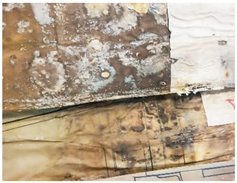
Biological alterations:Fungi and microorganisms: although biological action is less frequent in translucent papers than in conventional ones, under extreme conditions of humidity, lack of ventilation, and high temperature, their proliferation can intensify the described alterations and contaminate other supports without direct contact.
-
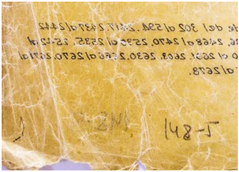
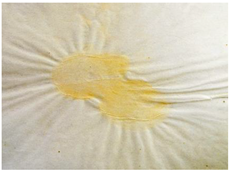
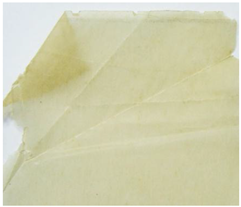
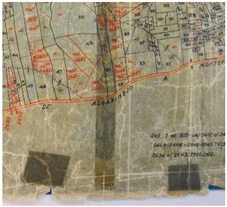
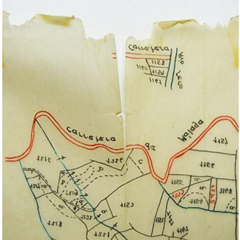
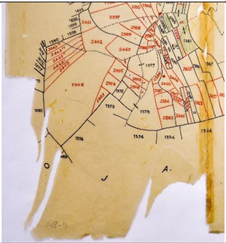
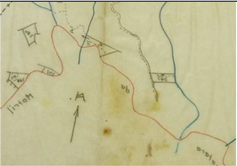
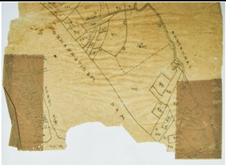
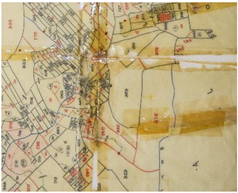
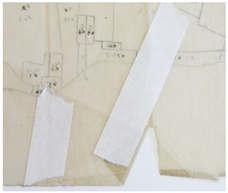
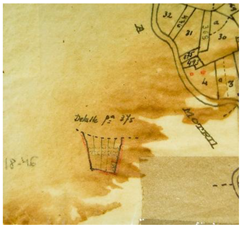
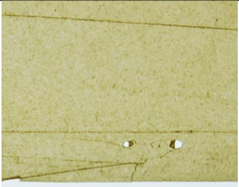
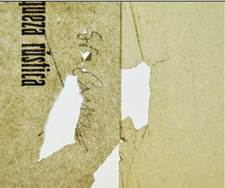
Physical-mechanical alterations:Brittle and friable support: extreme fragility due to acidification processes, light exposure, handling, and variations in humidity and temperature.Abrasion: surface wear commonly caused by improper handling, lack of cleaning, weakening, or chemical alteration of the support.Deformation: alteration of the paper’s flatness due to environmental variations, especially humidity, as well as handling or improper storage (rolled, folded, etc.).Folds: deformations caused by improper handling or packaging. In fragile papers, folds can generate fractures and loss of support.Fracture: physical damage manifested as a broken line with microcracks in the cellulose fibres caused by folding. In translucent papers, these appear as light-toned lines.Tear: separation of the paper due to tension or localized fragility arising from folds or fractures, exposing and weakening the structural fibres of the support.Loss of support: loss of parts of the document, generally due to tears, metallic elements (staples), or incorrect handling. In this type of support, due to its characteristics and function, it is important to evaluate whether the missing material is the result of alteration or an original irregularity of the document.Surface dirt and stains: accumulation of external particles such as dust, environmental contaminants, or biological residues on the paper surface. This presence can result in localized stains or chromatic alterations caused by multiple factors: microorganisms, adhesives, metals, fats, humidity, or chemical degradation processes. The most frequent manifestations include:Tape stains: yellowing and darkening that are difficult to remove, caused by the degradation of tape adhesives. In this study, three types of tape are highlighted: paper tape with rubber adhesive, transparent cellulose acetate tape, and polypropylene packaging tape.Migration stains: caused by contact of the paper with water, which carries soluble substances, leaving an irregular dark edge.Contact stains: transfer of generally soluble compounds from one document to another due to direct contact.Stains from the addition of fatty substances: irregular application and absorption can, after aging and oxidation processes, produce yellowing, darkening, and heterogeneous stain appearance. In addition, these substances may create some surface stickiness, attracting dirt and facilitating adhesion and contamination of other documents in contact.Alterations from additives or anthropogenic causes: stains, tears, or loss of material caused by elements such as staples, clips, or other objects added later.
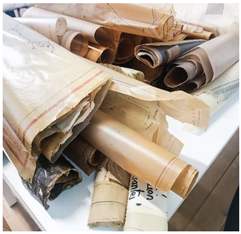
Today, the interest in the conservation and restoration of translucent papers lies in their extreme fragility, which affects both their handling and restoration interventions. Preventive conservation prioritizes environmental control in order to avoid sudden changes that could accelerate the onset of alterations; in this regard, the preventive conservation standards of the Spanish Cultural Heritage Institute recommend stable temperature conditions between 17–27 °C and relative humidity of 30–70 %. However, the most important task is the systematic recording of possible variations to minimize them and thus ensure the structural stability of the materials [33]. In the case of translucent papers, priority is given to maintaining humidity levels as low as possible within the conservation standards and the climate typical of the geographical area, as well as horizontal storage using stable, acid-free materials. Nevertheless, in many cases, the format of the support does not allow this type of storage; therefore, depending on the state of conservation and the type of translucent paper, rolled storage systems are also used, typically with an internal core that acts as support, preventing the sheet from deforming or generating folds during handling [34]. This core or spine can be made of materials such as cardboard, polyethylene, methacrylate, or PVC, protected with acid-free paper or polyester fabrics (Tyvek or Reemay) to avoid direct contact with the document.
Regarding restoration, although various methodologies have been documented, many techniques applied have not proven fully suitable for this type of material, largely due to insufficient research and limited knowledge about its behavior and intervention criteria [35]. For this reason, restoration strategies usually prioritize mechanical stabilization using very thin Japanese papers and reversible adhesives. Frequently, a system is applied that consists of the prior impregnation of the Japanese paper with adhesives that can be reactivated at the time of intervention for fractures or losses of support, allowing work with minimal and localized moisture. In translucent papers, due to the presence of oils or the high calendering of their fibres, it is essential to avoid aqueous treatments and generalized humidification processes, since the documents are particularly sensitive to moisture [34,36]. Nevertheless, the possibility of more invasive treatments, such as general laminations, is considered when fragility is so high that localized reinforcements could generate instability between areas of the document. In these cases, preliminary tests are usually conducted to ensure the effectiveness of the treatment, seeking a balance between structural consolidation and the preservation of the original transparency [34,36,37]. A similar situation occurs with supports containing oxidized fats; some treatments seek to replace these substances with more stable ones, restoring flexibility without compromising transparency and avoiding excessive yellowing [28,37].
The complexity of these supports has motivated recent research in the field of conservation, aimed at expanding the range of available treatments and developing new materials that ensure good performance after intervention. Among these, experimental use of nanocellulose, consolidants, and cleaning and deformation removal treatments stand out, showing promise, although they are still in the validation phase [35]. Finally, it should be noted that many of these documents possess not only informational value but also historical, artistic, and heritage value. Therefore, it is essential to investigate their characteristics and understand the various manufacturing processes to which they may have been subjected in order to develop specific strategies for their conservation and restoration.
2. Materials and Methods
2.1. Equipment, Materials and Methodology
Portable X-ray fluorescence (XRF): the analysis was carried out using a portable NITON XL3t GOLDD+ device (Thermo Fisher Scientific, Waltham, MA, USA) with a silver anode (50 kV, 200 μA). The analyzer is equipped with a camera and a small-spot analyzer, allowing the analysis to be restricted to an area of 3 mm. Before using the analyzer, a five-minute wait is required for the instrument to stabilize and perform a system check. Spectra were collected using the “test all geo” measurement mode. The analyzer has four excitation filters (main, high, low, and light) that optimize the device’s sensitivity for detecting different chemical elements. Measurements of 30 seconds were set for each filter, totaling 120 seconds per analysis. The NITON Data Transfer (NDT©) software version 6.1 was used to control the instrument and manage data transfer. Measurements were carried out using a specific support that allows vertical positioning, leaving the measurement area free from backing support to prevent the instrument from receiving information from other materials. The reduced thickness of the analyzed samples is insufficient for the sensitivity of the XRF equipment; therefore, a sheet of common paper was used as backing support during measurements, as its composition does not interfere with the detection of the inorganic elements of interest in the study.
Fourier transform infrared spectroscopy (FTIR): spectra were acquired using a JASCO IRT-7100 microscope coupled to a JASCO 6200 infrared spectrometer, equipped with a micro-ATR (Attenuated Total Reflectance) accessory with a diamond crystal, allowing direct analysis of solid samples with minimal preparation. In this case, the micro-samples come from small fragments detached due to the inherent deterioration of the documents, placed in direct contact with the diamond crystal, without the need for prior treatments or additional mounting. Data acquisition and processing were performed using SPECTRA MANAGER v2 software. ATR spectra were recorded over a spectral range of 600 to 4000 cm−1, with a resolution of 2 cm−1 and a total of 200 scans per sample, allowing spectra with a high signal-to-noise ratio to be obtained. This technique is particularly suitable for the study of heritage materials, as it allows the identification of functional groups present in the analyzed samples, providing detailed information about their chemical composition and surface molecular structure.
Photographic documentation: for photographic documentation, a Nikon D3100 camera with an AF-S DX NIKKOR 18-55 mm f/3.5-5.6G VR lens was used, manually configured (ISO 200) with a custom white balance using a ColorChecker Classic X-Rite chart. The obtained images were processed in Adobe Lightroom Classic (version CC 2024) applying color correction based on the RGB values of the ColorChecker chart and adjustments to exposure and contrast. Due to the translucent nature of the support, a uniform white background was used in all cases to ensure the highest fidelity in visual comparison. Photographic recording was carried out mainly with transmitted lighting, using reflected light only occasionally for the observation of specific alterations.
Color measurements: the colorimetric study was carried out using a portable Konica Minolta CM-2600d spectrophotometer, equipped with SpectraMagic NX software and following ISO/CIE 11664-4 (2019). Measurements were performed under the standard D65 illuminant, with a 10º viewing angle and a 3 mm diameter aperture, excluding both the specular component and the ultraviolet factor. Three readings were taken at each analysis point to ensure result accuracy. Since the support is translucent, all measurements were performed on a uniform white background to facilitate comparison between cases, and both the workspace and the recording time were kept constant to minimize possible lighting variations. Results were expressed in the Lab* CIE 1976 color space, also obtaining color difference values (ΔE) [38]. Finally, for graphical representation, Lab* color space values were converted to RGB using Adobe Photoshop 2020, allowing a color visualization to be generated from the spectrophotometer data.
2.2. Study Collections
For this study, a total of 146 documents on translucent paper were selected, 48 of them from the collection of plans and maps of the Provincial Historical Archive of Granada and 98 documents from the Archive of the Higher Technical School of Architecture of Granada; mostly architectural projects, copies, and modifications of cadastral plans from the late nineteenth century and primarily the twentieth century. These supports present a notable diversity both in drawing techniques (graphite, ink, pen, or wax) and in types of translucent paper, providing a representative sample for the study (Figure 2). The selection of both collections is based on their high degree of fragility and advanced deterioration, which not only complicates consultation but also reflects the conservation challenges associated with this type of paper.
4. Results
In the following section, the results of the proposed work are presented, focusing on a physicochemical study applied to the selected set of translucent paper documents (146 documents: 48 from the Provincial Historical Archive of Granada and 98 from the Archive of the Higher Technical School of Architecture of Granada). The alterations observed are documented and described through visual examination and photographic recording (section 4.1), a physical-colorimetric evaluation and a preliminary physical classification of the supports into three categories according to thickness, texture, color, and degree of deterioration are carried out (section 4.2), and instrumental analyses obtained by portable XRF and FTIR are presented, allowing grouping of inorganic and organic profiles (section 4.3, with XRF classification into groups and FTIR patterns described in tables and figures). Based on the integration of visual observations, colorimetric measurements, and instrumental data, this chapter proposes, as a hypothesis, a preliminary typology of the analyzed plans and describes some alteration trends associated with their aging and state of conservation.
4.1. Visual Study and Photographic Recording of Characteristic Alterations in Plans on Translucent Paper
The preliminary visual study of the documents constitutes a key stage for evaluating the general state of conservation of collections and, in the case of translucent papers, assessing the typology encountered in conservation and restoration processes. However, these supports present additional limitations due to the complexity involved in differentiating between types of translucent papers and the lack of research. Therefore, below, the main alterations detected in the studied documents are described in a table format, presenting a detailed photographic record that will serve as a documentary reference for future comparative studies on documents of similar typology (Table 2).
4.2. Evaluation of Types of Translucent Paper Based on Their State of Conservation and the Study of Physical Parameters. Color Study
Based on visual studies and the analysis of parameters such as thickness, surface texture, color, and overall degree of deterioration, a preliminary classification of the different types of translucent paper has been carried out. As shown in Table 3, three main groups are identified: T3G1, T3G2, and T3G3, which differ in thickness, state of conservation, texture, and color. Although pH measurements of the supports were performed, they were not considered relevant in this study since all documents showed similar values between 5 and 6.5, indicating slight acidity.
The most significant criterion among the different established groups was color. The colorimetric study was carried out both visually and instrumentally using spectrophotometry, converting CIE-Lab values to RGB coordinates to provide a visual approximation of the detected tones. Table 4 details the chromatic variations measured with a spectrophotometer and observed within each group defined in Table 3.
Documents in group T3G1 showed predominantly white and grayish tones, constituting the set closest to white (T3G1-White = ΔEab 7.09). A slight shift toward green-yellow was detected (a* = –2.72; b* = +2.99), and these were also the lightest supports (ΔL = –5.82). Their surfaces are smooth and regular compared to group T3G2. These plans correspond to medium or low thicknesses (0–0.1 mm) and show a poor or fair state of conservation due to fragility and the high presence of tears.
The second group, T3G2, is characterized by marked yellowing, consistent with oxidation and natural aging processes. Colorimetric values confirmed this observation, showing a significant increase in the red and yellow components of the T3G2-Yellow example (a* = +4.20; b* = +36.22) compared to the white/gray values of the previous group. Regarding thickness, they also fall within medium and low ranges, sharing with group T3G1 a poor state of conservation, suggesting a common structural vulnerability, likely linked to the composition of the pulp, additives, or translucency treatments applied.
Finally, group T3G3 presented greenish tones toward browns, ochres, and purplish grays. Colorimetric data showed greater darkness in the ochre and greenish cases, the latter being the most opaque (T3G3-Green = ΔL –34.28). These documents were clearly distinguished by having a high thickness (>0.1 mm) and the presence of a surface emulsion associated with the tracing technique used, giving them greater gloss and smoothness compared to the rest (Figure 3). It is noteworthy that, despite coming from a collection affected by a flood, they are in good condition, with damage limited to deformations caused by humidity. This behavior could suggest that the translucent paper or the emulsion provides beneficial properties for their conservation.
Overall, the results indicate that color can serve as an initial supporting criterion for grouping certain papers, especially in the case of the third group, but it should not be considered a general classification indicator. Chromatic variations among white, yellow, and brown papers, with shifts toward greenish or purplish hues, are too broad to establish reliable typological categories based solely on this parameter.
Finally, the study shows that papers with greater deterioration and fragility correspond to those with low thickness (≤0.05 mm), less smooth surfaces, and yellowish tones, likely linked to advanced oxidation processes. In contrast, the whitest supports, with greater thickness, more homogeneous surfaces, and the tracing technique employed in the specific case of group T3G3, exhibited greater mechanical resistance, although this stability can also be strongly influenced by environmental conditions and prior use.
4.3. Studies Using X-Ray Fluorescence Spectroscopy (XRF) and Fourier Transform Infrared Spectroscopy (FTIR)
Following the identification and visual analysis of the most common alterations in the studied collections, the obtained results are compared with advanced analytical techniques, seeking the possibility of correlating the visible manifestations of physical deterioration with their chemical basis. In this context, X-ray fluorescence (XRF) allows the detection of inorganic elements associated with manufacturing processes and subsequent degradation, while infrared spectroscopy (FTIR) detects pure or altered organic compounds [39]. The combination of both methodologies (visual inspection and instrumental characterization) aims to achieve a better understanding of deterioration mechanisms and the typological characterization of the selected documents.
The study using X-ray fluorescence spectroscopy (XRF) has made it possible to identify the presence of various chemical elements in each of the analyzed documents. Based on these results, Table 5 presents a classification of the documents into six groups (T5G1 to T5G6) according to the similarity of their elemental composition. For each group, the percentage of documents belonging to the total studied is indicated, thus providing a general assessment of the distribution relative to the different chemical profiles detected.
Among the elements detected, calcium (Ca) and potassium (K) are systematically found in all analyzed documents. Both are characteristic of the plant raw materials used in pulp production, as well as the chemical solutions (liquors) employed in paper manufacturing treatments [17,40]. Likewise, their presence is also associated with the use of mineral fillers such as calcium carbonate (CaCO3), used as a filler or alkaline reserve agent, among other purposes, to improve the physical and mechanical properties of papers [26]. Chlorine (Cl) also appears broadly in all documents, at relatively constant concentrations, suggesting its association with pulp bleaching processes, as in treatments that used chlorinated compounds during paper production in the 20th century [16].
On the other hand, aluminum (Al), detected at low concentrations in most cases, suggests its use as an additive, as occurs with aluminum sulfate (alum), which was used to improve filler retention and optimize ink reception on papers [40,41]. In the specific case of sulfurized translucent papers, there are historical recipes referencing the use of these compounds to improve the surface of translucent papers intended for writing, although it cannot be guaranteed that this applies exactly to the translucent papers studied [11]. Traces of titanium (Ti) were identified in a smaller number of documents, an element also associated with paper manufacturing through titanium dioxide (TiO2), a common additive in paper production since the early 20th century to achieve opacity and brightness [8,26]. Similarly, phosphorus (P) appears, which could be attributed not solely as an additive, but as a derivative (phosphates or other phosphorus compounds) used as dispersing and stabilizing agents, inhibitors of calcium carbonate precipitation, crystal formation, and to improve the strength of paper fibers [16,42]. Metallic elements such as iron (Fe), copper (Cu), or nickel (Ni) are found in all documents with similar intensity bands. These elements are associated with the manufacturing processes of both pulp and paper sheets, resulting from the use of metal machinery such as refiners in fiber grinding processes, or rollers for pressing and calendering, typical of similsulfurized papers [43].
The elements described so far do not show significant variations among the documents; however, there are others that are relevant and have been taken as a reference for the classification of the groups in Table 5. These are:
- Sulfur (S): this is a key element regarding the study of sulfurized papers (produced mainly through treatments with sulfuric acid); however, its use as an additive in paper manufacturing processes or in sulfite and bisulfite chemical pulps should also be considered [44]. In Figure 4, higher-intensity sulfur bands can be observed along with elements such as barium or zinc in their composition (T5G1 and T5G2). Among the documents containing sulfur accompanied only by elements common to the rest of the documents, intense sulfur bands were identified in only 2% of cases (T5G6) compared to 55% of papers showing weak sulfur bands (T5G3). It is noteworthy that the presence of sulfur accompanied by other elements could also be due to its action as sulfates or components of additives, ruling out its presence as an indicator of sulfuric acid use, which is typical of sulfurized translucent papers.
- Barium (Ba): although theoretically not mentioned as a relevant element in the manufacture of translucent papers, there are references associating its use as a filler or in bleaching processes to improve surface properties in cellulosic supports [40]. Observing Table 5, and in the specific case of group T5G2, a significant presence of barium is found in relation to the other elements, associated in all cases with intense sulfur bands, absence of zinc, and the presence of silicon only as traces (Figure 5). Despite its absence in descriptions of translucent support manufacturing processes, its highly specific behavior suggests that it could act as a chemical marker for a specific type of translucent paper. Additionally, visually these papers show a tendency toward less yellowed and darker tones, especially compared to documents classified in group T3G1 of Table 3. However, this phenomenon cannot be attributed solely to the presence of barium, as documents without barium also exhibit similar characteristics.
Figure 5.
Comparative XRF spectrum of groups T5G4, T5G2, and T5G5 described in Table 5.
Figure 5.
Comparative XRF spectrum of groups T5G4, T5G2, and T5G5 described in Table 5.
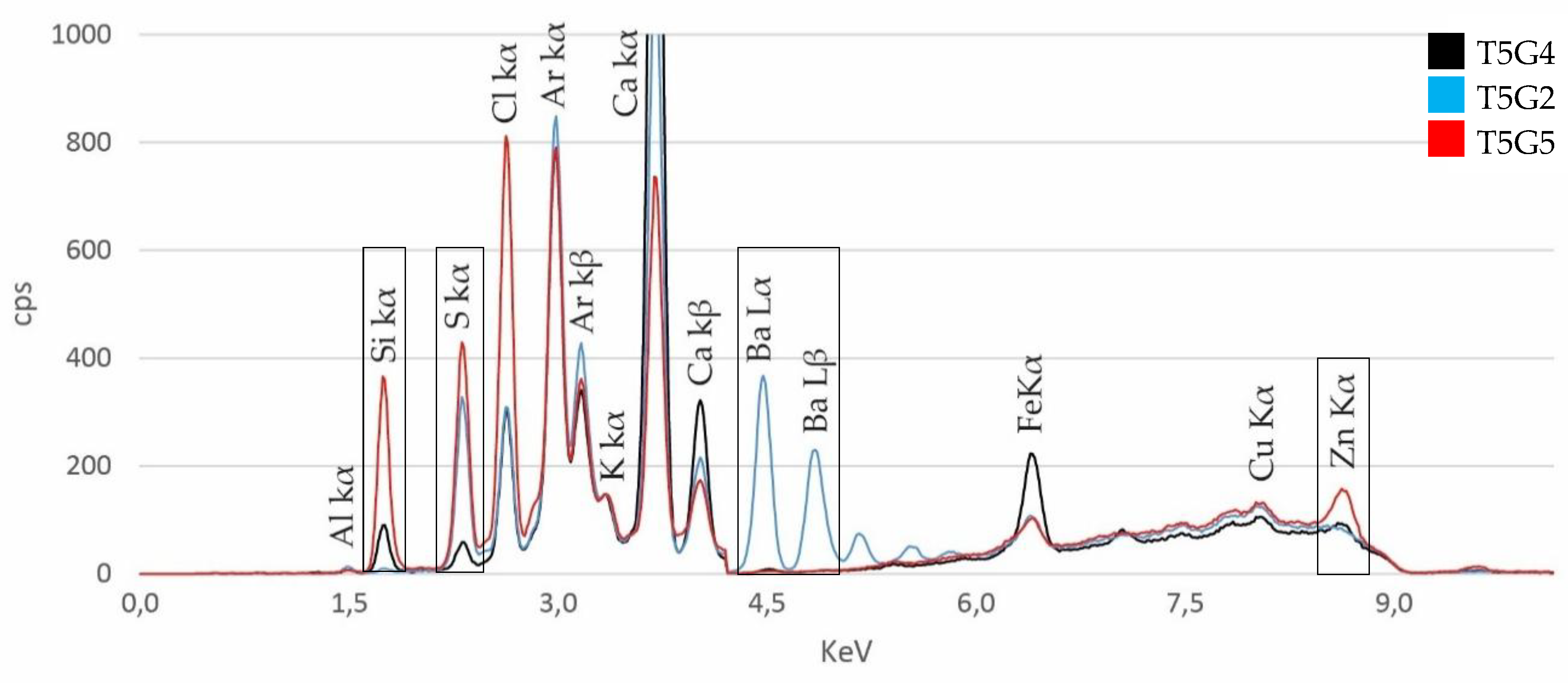
- Silicon (Si): it is known in the paper industry for improving ink receptivity, strength, and filler compounds, and can be considered as an additive or derived from compounds used in pulp treatments and manufacturing [40,45]. In the case of translucent papers, although it appears mainly as traces in most documents, in a small number of cases (5%) it also shows particular band intensities. Unlike barium, the presence of considerable silicon bands has been associated with weak sulfur bands (group T5G4 in Table 5 and Figure 5). Only in group T5G5 has a high intensity of silicon and sulfur been related to the presence of other elements such as zinc or barium.
- Zinc (Zn): this element, detected in 24% of the documents, is associated with high sulfur bands (groups T5G1 and T5G5 in Table 5 and Figure 4 and Figure 5). However, in this specific case, the physical and visual analysis helps detect the relationship of both groups directly with a specific intaglio technique in which the translucent paper receives an emulsion. Therefore, the presence of zinc is related to those coatings applied to the translucent papers, providing not only an additional layer but also a gloss and texture that characterize both the technique and the support (relation to group T3G3 in Table 3). There are references to the use of zinc compounds for purposes similar to other elements such as aluminum, silicon, and phosphorus [19]. However, in this case, the intensities corresponding to zinc bands are much higher than in the cases of Al, Si, or P, and are characteristic only of the documents that contain this emulsion. Many patents developed throughout the 20th century mention the use of emulsions for the production of diazotypes with zinc compounds, such as US patent 4,478,926 by Muller and Mustacchi (1984), highlighting the use of zinc sulfonates offering significant advantages as stabilizers in diazotype materials (reproductions of plans or technical drawings obtained through a photochemical process using diazonium salts sensitive to ultraviolet light) [46,47].
Overall, the XRF results allow grouping the documents according to the inorganic composition of the translucent papers, showing that differences between the supports are not solely due to paper type, but also to factors such as the applied artistic technique, environmental conservation conditions, and handling. Given the limitation of XRF in detecting organic compounds, the results obtained with the FTIR technique are presented below, in order to provide relevant data to further support the formulated hypotheses.
Fourier Transform Infrared Spectroscopy (FTIR) analysis reveals that the predominant signal in all cases corresponds to cellulose, with characteristic absorptions in the 3420–3330 cm−1 region (O–H stretching) and 1200–1000 cm−1 (C–O and C–O–C vibrations of glycosidic bonds) [48]. The absence of diagnostic bands in the 2600–2550 cm−1 range (S–H) and around 1040 cm−1 (S=O) rules out the presence of sulfonate groups typical of sulfurized papers, indicating that the translucency does not originate from chemical treatments with sulfuric acid [49]. Nevertheless, although most of the documents studied match the spectrum shown in Figure 6, certain spectral differences are observed, allowing the detection of two general groups with variations within each. These behaviors are described and summarized in Figure 6 and Table 6.
On one hand, groups T6G1 and T6G2, representing 79% of the documents analyzed, show weak bands around 1740–1730 cm−1 (C=O of esters or fatty acids). The low intensity and lack of definition suggest these signals are related to contaminants, additives, or degradation products associated with aging. Bands at ~2915 cm−1 (aliphatic C–H) and ~3324 cm−1 (O–H) are characteristic of the cellulose structure and, by themselves, do not constitute diagnostic evidence of fatty substances. Consequently, although these groups show notable signals in the C–H region, they are not representative of systematic fat impregnation [51]. Similarly, the absence of intense bands around ~1260–1150 cm−1 (S=O of sulfonates) rules out classic sulfurized treatment (Figure 6), with these signals corresponding to vibrations of cellulose itself (C–O, C–O–C) [48]. Notably, there is differentiation between these two groups: T6G2 presents three bands of considerable intensity at 2159, 2030, and 1975 cm−1, related to triple bonds, combined molecular vibrations, or environmental contamination; similarly, the 2114 cm−1 band appears in groups T6G1 and T6G3. While this region is not relevant for main characterization, it is noted as potentially important for future research [52,53].
A smaller subset of documents (21%), corresponding to groups T6G3 and T6G4, shows a different pattern with more pronounced bands at 2920–2850 cm−1 (aliphatic C–H) and 1740–1730 cm−1 (C=O), accompanied by intensified signals in 1200–1000 cm−1 (Figure 6). These features provide clear evidence of lipid compounds [48]. As observed in the XRF analyses for groups T5G1 and T5G5 in Table 5, these signals should be interpreted technically: the presence of fats may be related not to the paper manufacturing process but to the use of emulsions for intaglio techniques. Although T6G3 and T6G4 share similarities, differences in O–H (3420–3330 cm−1) and C–H (2920–2850 cm−1) band intensities may relate to the nature of the pulp, absorbed water content, lignin presence, or mechanical cellulose disruption [54]. Such phenomena have been documented in hydrolysis and recrystallization of cellulose treated with mineral acids, where changes in band intensity are linked to hydrogen-bond alteration and chain reorganization. In the 900–895 cm−1 region, a more pronounced peak is observed, possibly associated with greater β-glucosidic cellulose disorganization and, therefore, advanced structural deterioration; however, the applied emulsion may also influence this signal [48,51,55].
Overall, these results allow us to discard the hypothesis of systematic sulfurized paper production, as no characteristic S–H or S=O absorptions were identified. Rather, the data indicate two typologies: (1) papers whose translucency derives from physical processes without substantial chemical modifications, and (2) a smaller group in which the detected fats appear more linked to specific technical contexts of the supported material than to the composition of the translucent paper substrate [49,50].
5. Discussion
The integration of visual, colorimetric, XRF, and FTIR analyses allows for proposing a comprehensive interpretation and typological hypothesis of the translucent papers studied and their deterioration mechanisms.
From a physical and colorimetric perspective, two main trends can be identified. On one hand, thin papers with shades ranging from white to yellow exhibit an advanced state of fragility and yellowing, phenomena attributable to oxidation processes and the natural aging of the paper and additives [56]. In contrast, thicker papers with a homogeneous surface show a superficial emulsion that seems to provide greater mechanical resistance, even after exposure to extreme conditions, such as moisture from flooding.
The results from XRF and FTIR reinforce and nuance these observations. The group of papers with a coating associated with the calco technique shows XRF spectra with notable concentrations of zinc and sulfur, along with carbonyl bands and significant lipid signals obtained through FTIR [54]. This group is physically and chemically distinct from uncoated papers in each of the applied techniques, forming a typology where the surface layer, although not part of the translucent paper manufacturing process, is part of the support, as it covers the entire surface, affecting both its appearance and its behavior against deterioration and conservation strategies to be applied.
In the rest of the documents, the low sulfur intensity in most cases and the absence of diagnostic S–H or S=O bands may rather indicate similsulfurized papers, where translucency was obtained through mechanical refining and intensive calendering, ruling out systematic sulfurization as a manufacturing method [49]. Within this group, hypothetically considered as similsulfurized, two cases stand out: on one hand, papers that do not show elements other than the common ones (calcium, chlorine, potassium, iron, copper, and aluminum), and on the other, papers with elements significant for classification. Among these, silicon stands out, a widely used additive in papermaking [45]; and barium and sulfur, which could correspond to sulfurized papers with additives or, more likely based on FTIR results, similsulfurized papers with barium sulfate (BaSO4) used as a mineral filler [57,58]. Regardless of the case, FTIR analysis excludes fat impregnation. Physically, it is difficult to associate this group with a specific conservation state, as they would be framed within groups T3G1 and T3G2 of Table 3, which present very similar characteristics.
Overall, the convergence of physical, visual, and chemical results allows for outlining a preliminary typological pattern in translucent papers. Thin papers (groups: T3G1, T3G2; T5G2, T5G3, T5G4; T6G1, T6G2), lacking coatings, are the most vulnerable, showing fragility, yellowing, and slight loss of translucency. In contrast, papers with surface emulsion (T3G3; T5G1, T5G5; T6G3–T6G4), defined by the presence of zinc and sulfur in XRF and lipid signals in FTIR, exhibit relatively better preservation, although with more pronounced loss of translucency and darkening. Finally, cases with barium or silicon as additives (T5G2, T5G4) correspond to papers with mineral fillers, where these elements may have influenced aging behavior, with a slight improvement in the case of barium regarding yellowing, showing a general trend toward whiter and grayer tones.
6. Conclusions
The results point to the exclusion of the existence of sulfurized papers among the documents analyzed from the selected collections. Most of the documents appear to correspond to similsulfurized papers, manufactured through refining and calendering, differentiated by the presence or absence of specific mineral fillers. A smaller group consists of a translucent paper support on which a photoreproduction technique has been applied, where evidence of fatty substances from the coating or support is found. Visual and colorimetric analyses confirm that thickness and the presence of this emulsion, resulting from the calco technique employed, are beneficial variables for maintaining the stability of these supports, while color, due to its high variability, does not constitute a reliable typological criterion for the classification of translucent papers. Thinner papers without coatings appear as the most vulnerable to deterioration.
Ultimately, the study demonstrates that the diagnostic approach to translucent papers must be based on an integrated perspective that simultaneously considers physical properties, chemical composition, and conservation factors. The typologies and deterioration mechanisms identified are proposed as consistent hypotheses that may be confirmed and refined through the application of other analytical techniques and the expansion of the documentary corpus studied. In this way, the work not only contributes to the classification and understanding of these supports but also establishes a knowledge base that complements theoretical information, characterizes certain groups, and acts as a bridge for future research and the design of conservation and restoration strategies adapted to their material complexity.
Author Contributions
Conceptualization, R.G.J. and R.B.G.; methodology, R.G.J. and A.M.L.M.; software, R.G.J.; validation, R.G.J., R.B.G. and A.M.L.M.; formal analysis, R.G.J. and R.B.G.; investigation, R.G.J., R.B.G., R.L.F. and A.M.L.M.; resources, R.G.J., R.B.G. and A.M.L.M.; data curation, R.G.J.; writing and original draft preparation, R.G.J.; writing, review and editing, R.G.J., R.B.G., R.L.F. and A.M.L.M.; visualization, R.G.J.; supervision, R.B.G. and A.M.L.M.; project administration, R.B.G.; funding acquisition, A.M.L.M.
Funding
This research was funded by El Proyecto de Generación del Conocimiento I+D PID2022.142431NB.100 “Caracterización no invasiva y conservación de soportes traslúcidos en documentos gráficos”, funded by the Ministry of Science and Innovation of Spain. It was also supported by the Fundación Ramón Areces (Spain) through the Doctoral Thesis Grant Program.
Data Availability Statement
The data presented in this study are available on request from the corresponding author. The data are not publicly available as they were generated for this ongoing research and have not been archived in a public repository yet. The data will be uploaded to a publicly accessible repository once the entire investigation is completed.
Acknowledgments
We acknowledge the institutions and public and private organizations that have funded this research: El Proyecto de Generación del Conocimiento I+D PID2022.142431NB.100 “Caracterización no invasiva y conservación de soportes traslúcidos en documentos gráficos”, funded by the Ministry of Science and Innovation of Spain; and El Proyecto I+D+I PP2024.PP-02 “Reintegración y reproducción de bienes culturales arqueológicos mediante métodos digitales y físicos para una difusión inclusiva del patrimonio”, funded by the University of Granada. We also acknowledge the Doctoral Thesis Grant Program of the Fundación Ramón Areces (Spain), of which Rosa Gutiérrez Juan is a beneficiary at the University of Granada; the research group FQM-338; and the Non-Invasive Analytical Techniques Unit of the University of Granada. Finally, we thank the collaborating archives that enabled the study and dissemination of results from the investigated collections: Archivo Histórico Provincial de Granada and the Archive of the Escuela Técnica Superior de Arquitectura de Granada.
Conflicts of Interest
The authors declare no conflicts of interest.
Abbreviations
The following abbreviations are used in this manuscript:
| XRF | X-ray fluorescence spectroscopy |
| FTIR | Fourier-transform infrared spectroscopy |
| CIE Lab* | Commission Internationale de l’Éclairage L*a*b* color space |
| RGB | Red, Green, Blue color space |
| AHP | Archivo Histórico Provincial de Granada (Provincial Historical Archive of Granada) |
| ETSAG | Escuela Técnica Superior de Arquitectura de Granada (Higher Technical School of Architecture of Granada) |
| T3G1 | Group 1 (G1) of Table 3 (T3) |
| T3G2 | Group 2 (G2) of Table 3 (T3) |
| T3G3 | Group 3 (G3) of Table 3 (T3) |
| T5G1 | Group 1 (G1) of Table 5 (T5) |
| T5G2 | Group 2 (G2) of Table 5 (T5) |
| T5G3 | Group 3 (G3) of Table 5 (T5) |
| T5G4 | Group 4 (G4) of Table 5 (T5) |
| T5G5 | Group 5 (G5) of Table 5 (T5) |
| T5G6 | Group 6 (G6) of Table 5 (T5) |
References
- Hubbe, M. A.; Venditti, R. A.; Rojas, O. J. What happens to cellulosic fibers during papermaking and recycling? A review. BioResources 2007, 2(4), pp. 739-788.
- Moreno, M. Microbiodeterioro por hongos en obras en papel: procesos de alteración y tratamientos de desinfección. MoleQla: revista de Ciencias de la Universidad Pablo de Olavide 2018, 32, pp. 1-3.
- Laroque, C. Diversity of transparent papers in public collections: A conservation challenge. Conservation Update 2023, 2, pp. 6–32. [CrossRef]
- González, V. F. Restauración de obra en papel transparente. Boletín de la Universidad del Museo Social Argentino 2017, pp. 135-152.
- El-Sharkawy, K.; Haavisto, S.; Koskenhely, K.; Paulapuro, H. Effect of fiber flocculation and filling design on refiner loadability and refining characteristics. BioResources 2008, 3(2), pp. 403-424.
- Wilson, H. A decision framework for the preservation of transparent papers. Journal of the Institute of Conservation, 2015, 38(1), pp. 54-64. [CrossRef]
- Hubbe, M. A.; Pawlak, J. J.; Koukoulas, A. A. Paper’s appearance: A review. BioResources 2008, 3(2), pp. 627-665. [CrossRef]
- Axelsson, K. Transparent papers: A review of the history and manufacturing processes. IPH Paper History 2016, 20(1), pp. 21-31.
- Lorente, R.; López, A.; Blanc, R. Planimetría en soportes traslúcidos de la Colección de Planos del Archivo del Patronato de la Alhambra y Generalife: Identificación mediante tecnología in situ no invasiva. Cuadernos de la Alhambra 2024, 53, pp.101-117.
- Teschke, K.; Demers, P. Industria del papel y de la pasta de papel sectores basados en recursos biológicos. Enciclopedia de salud y seguridad en el trabajo III, 2001, III (72), pp. 72.1-71.21.
- Viñas Lucas, R. El papel vegetal. Problemática y restauración. Pátina 1991, 5, pp. 54-60.
- Hermosín, R. Características de los distintos soportes sobre los que se reproducen planos y esferas. Revista ph 2011, 77, pp. 47-53. [CrossRef]
- Ioelovich, M.; Leykin, A. Structural investigations of various cotton fibers and cotton celluloses. BioResources 2008, 3(1), pp. 170-177. [CrossRef]
- Hubbe, M. A.; Heitmann, J. A. Review of factors affecting the release of water from cellulosic fibers during paper manufacture. BioResources 2007, 2(3), pp. 500-533. [CrossRef]
- Hubbe, M. A. Bonding between cellulosic fibers in the absence and presence of dry-strength agents–A review. BioResources 2006, 1(2), pp. 281-318. [CrossRef]
- Subramanian, R.; Kononov, A.; Kang, T., Paltakari, J.; Paulapuro, H. Structure and properties of some natural cellulosic fibrils. BioResources 2008, 3(1), pp. 192-203. [CrossRef]
- Porankiewicz, B.; Wieloch, G. Drill wear during the boring of particle board: A multi-factor analysis including effects of mineral contaminants. BioResources 2008, 3(2), pp. 425-436. [CrossRef]
- Shen, J.; Song, Z.; Qian, X.; Liu, W. Modification of papermaking grade fillers: a brief review. BioResources 2009, 4(3), pp. 1190-1209. [CrossRef]
- Gurnagul, N.; Howard, R. C.; Zou, X.; Uesaka, T.; Page, D. H. The mechanical permanence of paper: a literature review. Journal of pulp and paper science 1993, 19, pp. J160-J160.
- Sterflinger, K., & Pinzari, F. The revenge of time: fungal deterioration of cultural heritage with particular reference to books, paper and parchment. Environmental Microbiology 2012, 14(3), pp. 559-566. [CrossRef]
- Sequeira, S. O.; Cabrita, E. J.; Macedo, M. F. Fungal biodeterioration of paper: how are paper and book conservators dealing with it? An international survey. Restaurator 2014, 35(2), pp. 181-199. [CrossRef]
- Borrego, S.; Lavin, P.; Perdomo, I.; Gómez de Saravia, S.; Guiamet, P. Determination of indoor air quality in archives and biodeterioration of the documentary heritage. International Scholarly Research Notices 2012, 1, 680598. [Google Scholar] [CrossRef] [PubMed]
- Díaz de Miranda, D. La restauración de documentos gráficos: problemática y pautas de intervención. Patrimonio cultural: Documentación, estudios, información, 2008, 50, pp. 125-158.
- Daniels, V. The chemistry of translucent paper. The Paper Conservator 1996, 25, pp. 179–186. [CrossRef]
- Banik, G.; Brückle, I. Paper and water: A guide for conservators. Butterworth-Heinemann: Oxford, England, 2011.
- Mills, J. S.; White, R. The organic chemistry of museum objects (2nd ed.). Routledge: London, England, 1994.
- Karlovits, M.; Gregor-Svetec, D. Durability of cellulose and synthetic papers exposed to various methods of accelerated ageing. Acta Polytechnica Hungarica, 2012, 9(6), pp. 81-100. [CrossRef]
- Udina, R. Calcos y transparencias: papeles para copiar. Restauración de papeles vegetales impregnados. En Papeles en el balcón, 1st ed.; Universidad de Granada, Granada, España, 2021, pp. 42-67.
- Bojanoski, S.; Almada, M. Glosario ilustrado de conservación y restauración de obras en papel: deterioro y tratamientos—español, portugués, inglés, griego. Fino Traço Editora: Belo Horizonte, Brasil, 2021. [CrossRef]
- Homburger, H.; Korbel, B. Architectural drawings on transparent paper: modifications of conservation treatments. The book and paper group Annual. Available online: https://cool.culturalheritage.org/coolaic/sg/bpg/annual/v18/bp18-06.html (accessed on May 14, 2025).
- Muñoz Viñas, S. La restauración del papel. Tecnos Editorial: Madrid, España, 2010.
- Laroque, C. Transparent papers: a technological outline and conservation review. Studies in Conservation, 2000, 45(sup3), pp. 21-31. [CrossRef]
- Instituto del Patrimonio Cultural de España. Normas de conservación preventiva para la implantación de sistemas de control de condiciones ambientales en museos, bibliotecas, archivos, monumentos y edificios históricos. Ministerio de Cultura. Available online : https://www.cultura.gob.es/planes-nacionales/dam/jcr%3Aa8616b46-27cb-45fd-b121-79899d8d6907/ipce-normas-climatizacion.pdf (accesed on June 2, 2025).
- Chávez, A. Restauración de un plano con soporte de papel translúcido referente a la “Ruta del ferrocarril de Mérida a Sisal, Yucatán”. Boletín del Archivo General de la Nación, 2014, 8(02), pp. 91-109. [CrossRef]
- Dreyfuss-Deseigne, R. Nanocellulose films: Properties, development, and new applications for translucent and transparent artworks and documents. Book and Paper Group Annual, 2017, 36, pp. 108-114.
- De la Sancha Pérez, X.; Vargas López, A. K. Papel transparente, un reto de conservación. In Escuela Nacional de Conservación, Restauración y Museografía “Manuel del Castillo Negrete”, Guadalajara, Jalisco, México (November 7–9, 2018).
- Lorente, R.; López-Montes, A.; Blanc, R. La producción planimétrica de Leopoldo Torres Balbás como arquitecto conservador de La Alhambra. Restauración de la colección tras el conocimiento de sus materiales. In Comunicar la arquitectura: del origen de la modernidad a la era digital. Universidad de Granada: Granada, España, 2024, pp. 747-760.
- AENOR. UNE-EN ISO 18314-1 Colorimetría analítica. Parte 1: Medición práctica del color (ISO 1834-1:2015). Madrid: AENOR, 2019.
- Contreras, G.; Luna, J. Técnicas analíticas para la caracterización de documentos: una revisión bibliográfica. Ge-conservación, 2020, 17, pp. 251-266. [CrossRef]
- Suhr, M.; Klein, G.; Kourti, I.; Gonzalo, M. R.; Santonja, G. G.; Roudier, S.; Sancho, L. D. Best available techniques (BAT) reference document for the production of pulp, paper and board. Publications office of the European Union: Luxembourg, 2015. [CrossRef]
- Huang, X.; Shen, J.; Qian, X. Filler modification for papermaking with starch/oleic acid complexes with the aid of calcium ions. Carbohydrate Polymers, 2013, 98(1), pp. 931-935. [CrossRef]
- Felissia, F.; Area, M.; Barboza, O.; Bengoechea, D. Anti-scaling agents in kraft pulping. BioResources, 2007, 2(2), pp. 252-264. [CrossRef]
- Strlic, M.; Kolar, J. Ageing and stabilisation of paper. National and University Library: Michigan, United States, 2005.
- Sindall, R. W. The manufacture of paper. D. Van Nostrand: New York, United States, 1908.
- Lourenço, A.; Gamelas, J.; Sequeira, J.; Ferreira, P.; Velho, J. Improving paper mechanical properties using silica-modified ground calcium carbonate as filler. BioResources, 2015, 10(4), pp. 8312-8324. [CrossRef]
- García, P. Las cianotipias y diazotipias como métodos de duplicación de planos. Su conservación. Patrimonio cultural de España, 2009, 2, pp. 335-347.
- Muller, P.; Mustacchi, H. Zinc sulfonates and their use in diazotypy (U.S. Patent No. 4,478,926). U.S. Patent and Trademark Office, 1984.
- Raudhatussyarifah, R.; Sediawan, W. B.; Azis, M. M.; Hartati, I. Microcrystalline cellulose production by acid hydrolysis of hydrotropic rice straw pulp. IOP Conference Series: Earth and Environmental Science, 2022, 963 (1), p. 012055). [CrossRef]
- Bosch, F. Yusa, D. Análisis químico instrumental ultravioleta-visible e infrarrojo aplicado al patrimonio cultural. Un enfoque práctico. Editorial Universitat Politècnica de València: Valencia, España, 2015.
- Derrick, M. R.; Stulik, D.; Landry, J. M. Infrared spectroscopy in conservation science. Scientific Tools for Conservation. The Getty Conservation Institute: Los Angeles, United States, 2000.
- Zulkifli, A.; Abd Halim, N.; Ibrahim, S.; Hamzah, N.; Saleh, S. Effect of sulphuric acid concentration on nanocellulose extraction from rice husk. Malaysian Journal of Chemistry, 2024, 26(5), pp. 562–571. [CrossRef]
- Stuart, B. Infrared spectroscopy: fundamentals and applications. John Wiley & Sons: New York, United States, 2004.
- Trafela, T.; Strlicˇ, M.; Kolar, J.; Lichtblau, D. A.; Anders, M.; Mencigar, D. P.; Pihlar, B. Nondestructive analysis and dating of historical paper based on IR spectroscopy and chemometric data evaluation. Analytical chemistry, 2007, 79(16), pp. 6319-6323. [CrossRef]
- Popescu, C.; Vasile, C.; Popescu, M.; Singurel, G.; Popa, V.; Munteanu, B. Analytical methods for lignin characterization. II. Spectroscopic studies. Cellulose chemistry and technology, 2006, 40(8), pp. 597-621.
- Wu, S.; Shi, S.; Liu, R.; Wang, C.; Li, J.; Han, L. The transformations of cellulose after concentrated sulfuric acid treatment and its impact on the enzymatic saccharification. Biotechnology for Biofuels and Bioproducts, 2023, 16(1), pp. 36. [CrossRef]
- Zervos, S. Natural and accelerated ageing of cellulose and paper: A literature review. In Cellulose: Structure and Properties, Derivatives and Industrial Uses. Nova Science Publishers, 2010, pp.155-203.
- van Velzen, S. T. J. The universe between felt and wire: A new look into the typology of Western made paper. PhD thesis, University of Amsterdam. Amsterdam School of Historical Studies, 2018. Available online: https://hdl.handle.net/11245.1/0b9e4e6a-266c-4fd1-9b2f-b95e7d179ce1 (accessed on May 22, 2025).
- Hubbe, M.; Maitland, C.; Nanjiba, M.; Horst, T.; Ahn, K.; Potthast, A. Archival performance of paper as affected by chemical components: A review. BioResources, 2023, 18(3), pp. 6430-6498. [CrossRef]
Figure 1.
Chronology of relevant techniques and materials in the manufacture of translucent papers.

Figure 2.
Differences in translucent papers: a) documents from the Provincial Historical Archive of Granada and b) documents from the Higher Technical School of Architecture of the University of Granada.
Figure 2.
Differences in translucent papers: a) documents from the Provincial Historical Archive of Granada and b) documents from the Higher Technical School of Architecture of the University of Granada.
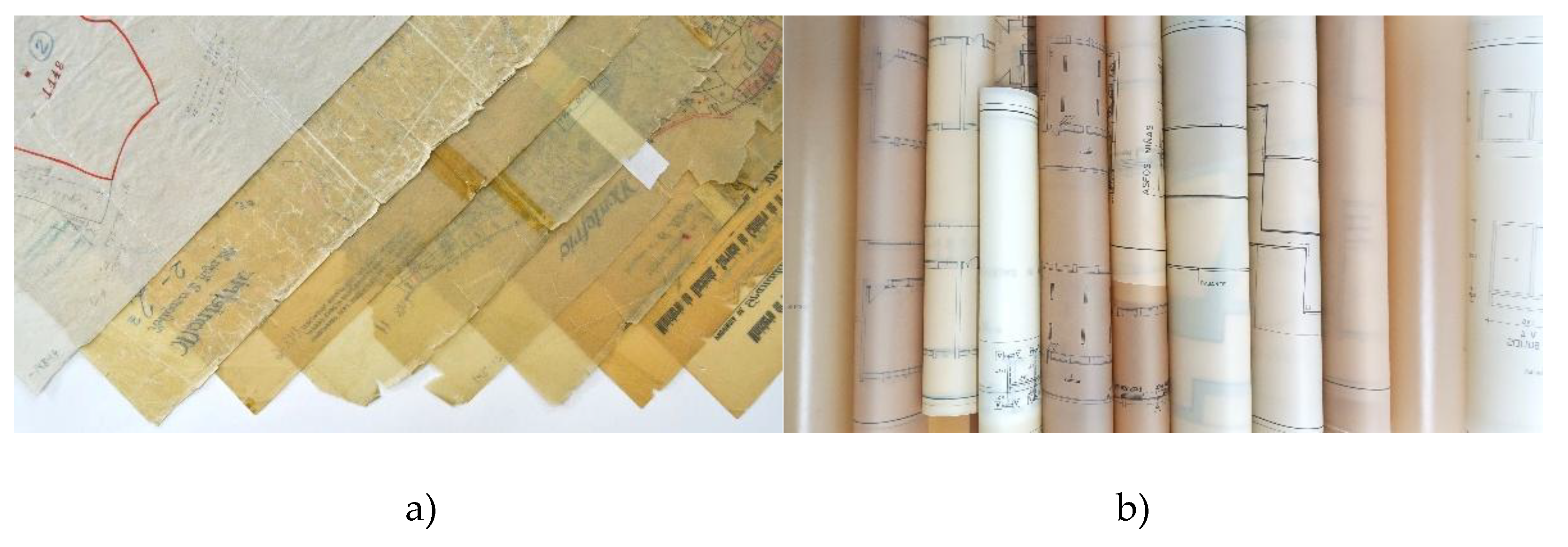
Figure 3.
Comparison of surface texture: (a) document without emulsion or surface preparation corresponding to group T3G2 in Table 3 (image of document AHP729); (b) document with intaglio emulsion corresponding to group T3G3 in Table 3 (image of document ETSAGG12).
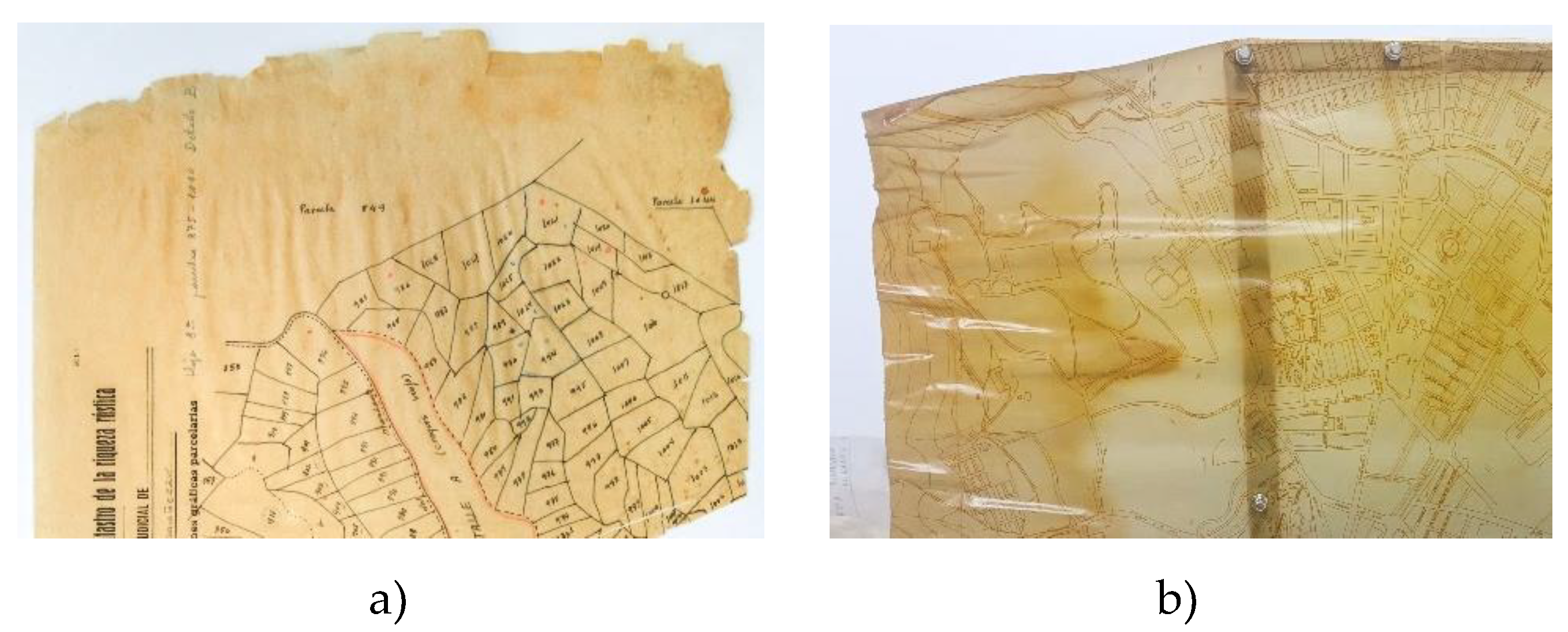
Figure 4.
Comparative XRF spectrum of sulfur (S) levels present in the different types of analyzed supports. Representation of groups T5G1, T5G2, T5G3, and T5G6 from Table 5.
Figure 4.
Comparative XRF spectrum of sulfur (S) levels present in the different types of analyzed supports. Representation of groups T5G1, T5G2, T5G3, and T5G6 from Table 5.
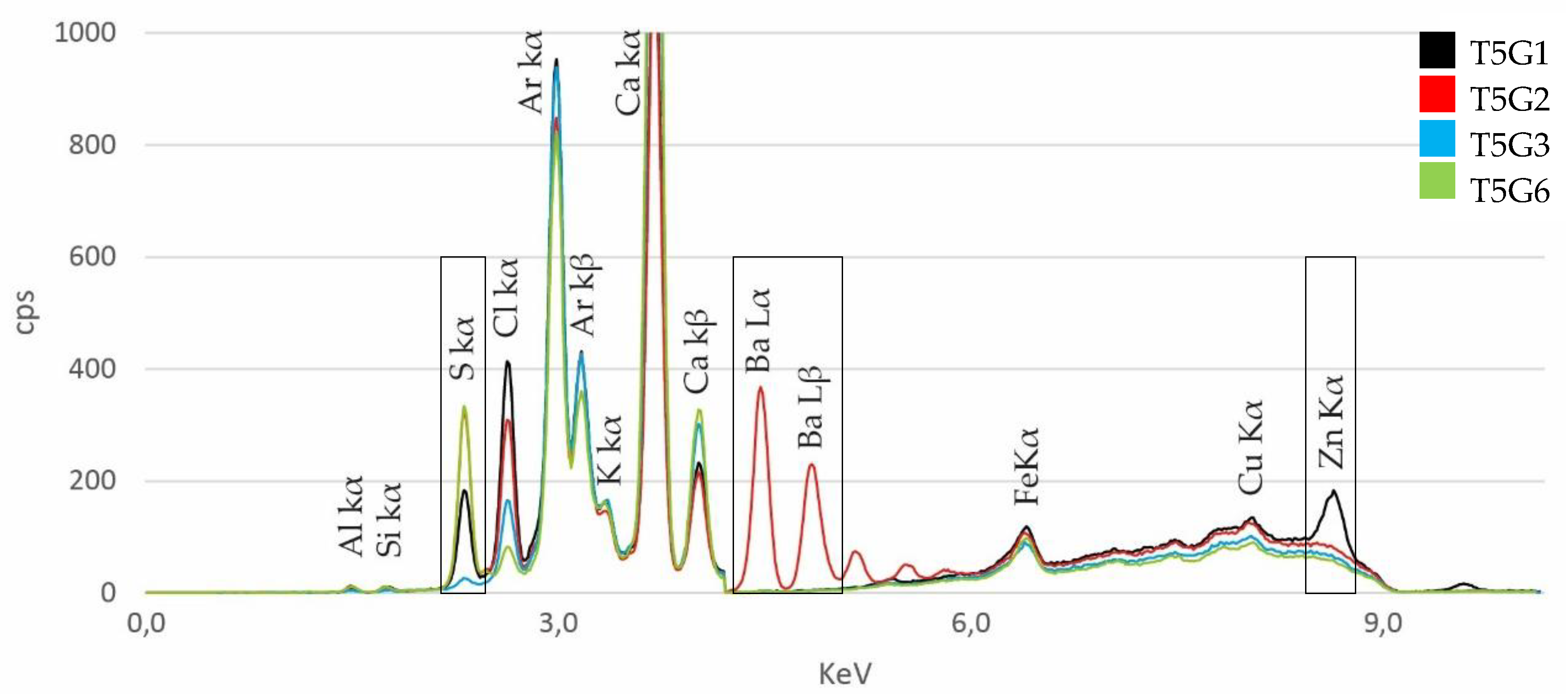
Figure 6.
FTIR spectra: (a) representative FTIR spectrum of the regions of interest in Table 6; (b) FTIR spectra of groups T6G1 (green), T6G2 (orange), T6G3 (red), and T6G4 (blue).
Figure 6.
FTIR spectra: (a) representative FTIR spectrum of the regions of interest in Table 6; (b) FTIR spectra of groups T6G1 (green), T6G2 (orange), T6G3 (red), and T6G4 (blue).
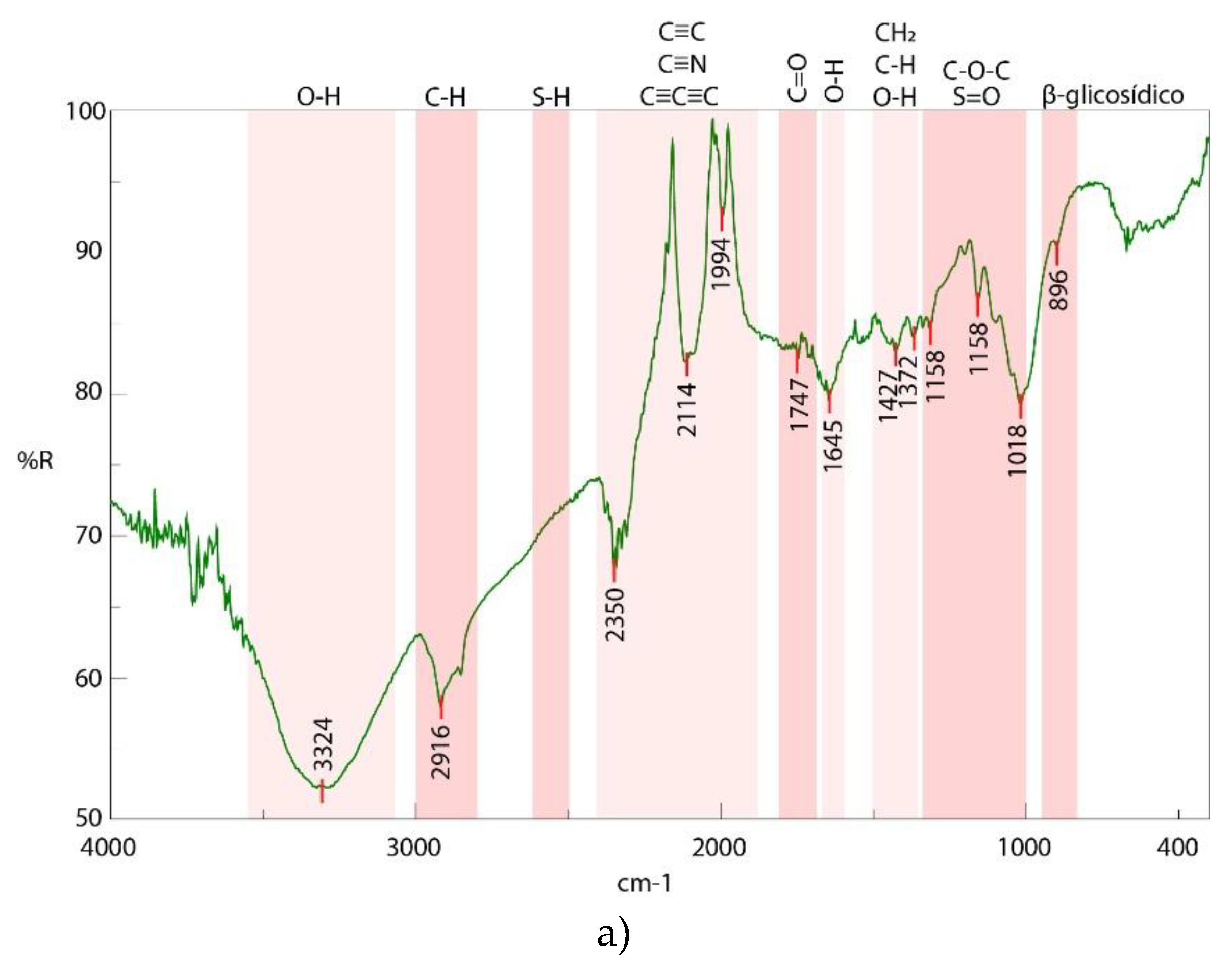
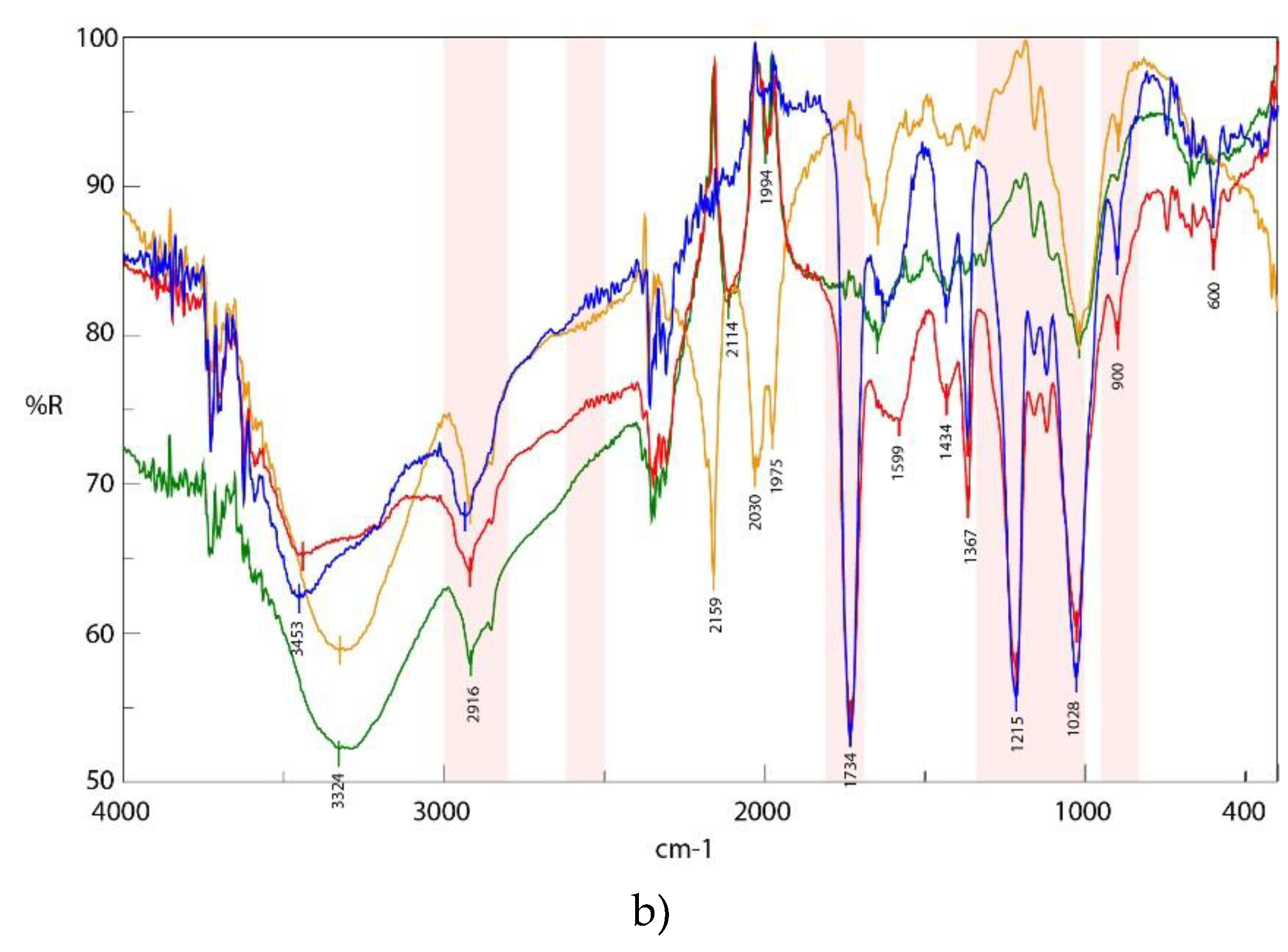

Table 1.
Summary table of the different manufacturing methods and materials present in translucent papers [2,12,13,14,15,16,17,18,19].
| Category | Materials/Substances | Properties | Aging | |
| Type of pulps | Rag pulp | Linen, hemp, cotton | Long fiber. Lignin-free—chemicals | Stable |
| Mechanical pulp | Groundwood / Bleaching agents |
With lignin, fragile, opaque, inexpensive | Yellows and becomes brittle | |
| Chemical pulp | Alkaline/Kraft/Sulfate: Sodium Hydroxide and Sodium Sulfide |
No lignin. Strong, stable, and slightly dark | Good (pH controlled) | |
| Acidic/Sulfite: Sodium, Calcium, Sulfur, Magnesium, Ammonium, etc. |
Low lignin. Whiteness, better for printing. More fragile | Due to residual acidity |
||
| Chemical-mechanical pulp | Chemical processes + Pulping | Cheap, stiff, low permanence | Variable | |
| Treatment | Translucency (foils) | Oils, Resins, Waxes, Starches, etc. | Fills spaces (refractive index similar to cellulose). Flexible | Oxidation of fats (yellowed, stiff, opaque) |
| Translucency (acids) | Sulfuric Acid, Nitric Acid, Zinc Chloride, Cuprammonium Solution | Chemically modifies. Resistant to oils/moisture | Very fragile | |
| Translucency (refining) | Short fibers (Hollander Beating) |
Very smooth | Low mechanical strength | |
| Additives | Softeners / Plasticizers | Glycerin, oils, synthetic resins. |
Improves feel, flexibility, and transparency | They oxidize or become sticky |
| Fillers | CaCO3, talc, starch, TiO2, etc. | Adjusts opacity, absorption, and pH. Smoother, less absorbent. | Good (alkaline fillers) Poor (acidic residues) |
|
| Bleaching | Chlorinated substances, NaOH, H2O2, SO2, etc. | Removes lignin. Increases brightness and whiteness. | Chemical degradation and cellulose yellowing |
Table 2.
Results of the alterations detected in the selected documents: documents from the Provincial Historical Archive of Granada (AHP); documents from the Archive of the Higher Technical School of Architecture of the University of Granada (ETSAG). The table highlights the document corresponding to the image of each case.
Table 2.
Results of the alterations detected in the selected documents: documents from the Provincial Historical Archive of Granada (AHP); documents from the Archive of the Higher Technical School of Architecture of the University of Granada (ETSAG). The table highlights the document corresponding to the image of each case.
| Alteration/Document | Photographic representation | Alteration/Document | Photographic representation |
|
Yellowing All documents show yellowing, tonal changes, and varying degrees of opacity due to the aging of the support and exposure to light. |
 |
Fungi ETSAGV3, ETSAGV4, ETSAGV6, ETSAGV7 |
 |
|
Abrasion AHP5097, AHP5099 |
 |
Deformation AHP508, AHP721, AHP729, AHP730, AHP733, AHP735, AHP790, AHP802, AHP832, ETSAGV3, ETSAGV4, ETSAGV6, ETSAGV7, ETSAGG1, to ETSAGG12, ETSAGP1 to ETSAGP37 |
 |
|
Folds AHP473, AHP474, AHP476, AHP508, AHP573, AHP711, AHP721, AHP729, AHP734, AHP790, AHP814, AHP832, AHP5097, AHP5099, AHP5101, AHP5110, AHP5112, AHP5114, AHP5117, AHP5119, AHP5148, AHP5156, ETSAGC1P14, ETSAGC1928P2, ETSAGC1D15, ETSAGC1D45, ETSAGC1D2 |
 |
Tear AHP5097, AHP5099 |
 |
|
Rips AHP473, AHP474, AHP484, AHP508, AHP530, AHP573, AHP585, AHP721, AHP729, AHP733, AHP755, AHP756, AHP822, AHP825, AHP832, AHP833, AHP5097, AHP5099, AHP5101, AHP5110, AHP5112, AHP5114, AHP5117, AHP5119, AHP5128, AHP5167, ETSAGB5, ETSAGB9 |
 |
Loss of support AHP473, AHP474, AHP573, AHP574, AHP578, AHP711, AHP729, AHP734, AHP735, AHP755, AHP756, AHP790, AHP817, AHP818, AHP822, AHP825, AHP832, AHP5097, AHP5099, AHP5101, AHP5110, AHP5112, AHP5114, AHP5116, AHP5117, AHP5119, AHP5128, AHP5156, AHP5167, ETSAGB5 |
 |
|
Surface dirt AHP508, AHP553, AHP560, AHP790, AHP814, AHP818 |
 |
Tape stains -Polypropylene- AHP817, AHP822 |
 |
|
Tape stains -Cellulose acetate- AHP721, AHP802, AHP817, AHP825, AHP829, AHP833, AHP1537, AHP5097, AHP5099, AHP5101, AHP5110, AHP5112, AHP5114, AHP5117, AHP5119, AHP5167, ETSAGC1, ETSAGC2, ETSAGC3, ETSAGC4 |
 |
Tape stains -Rubber adhesive- AHP484, AHP508, AHP530, AHP585, AHP721, AHP729, AHP733, AHP755, AHP802, AHP814, AHP817, AHP818, AHP825, AHP829, AHP832, AHP833, AHP805, AHP5112, AHP5114, AHP5117, AHP5128 |
 |
|
Staining from migration AHP729, AHP734, AHP817, AHP818, AHP822, ETSAGV3, ETSAGV4, ETSAGV6, ETSAGV7, ETSAGG1, ETSAGG2, ETSAGG3, ETSAGG4, ETSAGG5, ETSAGG6, ETSAGG7, ETSAGG8, ETSAGG9, ETSAGG10, ETSAGG11, ETSAGG12, ETSAGP4, ETSAGP5, ETSAGP8, ETSAGP9, ETSAGP14, ETSAGP16, ETSAGP28, ETSAGP29, ETSAGP32, ETSAGP33, ETSAGP34 |
 |
Contact stains AHP790, AHP814 |
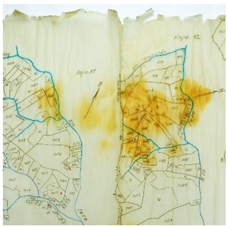 |
|
Staple tears: additions AHP578, AHP583, AHP585, AHP756, AHP5148, AHP5156 |
 |
Loss of support due to staples: additions AHP574, AHP578, AHP585 |
 |
|
Deformation from storage: anthropogenic ETSAGV1 to ETSAGV10, ETSAGVi1 to ETSAGVi4, ETSAGB1 to ETSAGB22, ETSAGBA1 to ETSABA25, ETSAGG1 to ETSAGG13, ETSAGC1 to ETSAGC4, ETSAGP1 to ETSAGP37, ETSAGR |
 |
Storage marks: anthropogenic AHP473, AHP484, AHP508, AHP530, AHP552, AHP553, AHP560, AHP721, AHP733, AHP734, AHP735, AHP790, AHP814, AHP817, AHP818, AHP805, AHP1537, AHP1543, AHP5097, AHP5099, AHP5117, AHP5119, AHP5128, ETSAGC1D13, ETSAGC1D3, ETSAGC1P14, ETSAGC1928P2 |
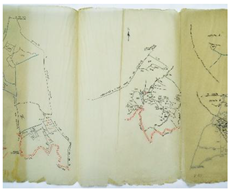 |
Table 3.
Preliminary classification of the studied documents. Thickness values are grouped as (H) for high values (>0.1 mm), (M) for medium values (0.05–0.1 mm), and (L) for low values (<0.05 mm). The state of conservation is classified as: (G) good, (F) fair, and (P) poor.
Table 3.
Preliminary classification of the studied documents. Thickness values are grouped as (H) for high values (>0.1 mm), (M) for medium values (0.05–0.1 mm), and (L) for low values (<0.05 mm). The state of conservation is classified as: (G) good, (F) fair, and (P) poor.
| Characteristics | T3G1 (35%) | T3G2 (45%) | T3G3 (20%) |
| Thickness | M/L | M/L | H |
| Conservation | P/F | P/F | G |
| Texture | Matte, smooth, and regular surface | Matte, less smooth, and regular surface |
Glossy, smooth, and regular surface. It has emulsion |
|
Color |
 |
 |
 |
Table 4.
Representative colorimetric parameters (CIE-Lab) corresponding to the document groups defined in Table 3 (white is used as the standard to establish comparison between groups).
Table 4.
Representative colorimetric parameters (CIE-Lab) corresponding to the document groups defined in Table 3 (white is used as the standard to establish comparison between groups).
| Groups Table 3 | Color | ΔE*ab | ΔL* | Δa* | Δb* |
| T3G1 | White | 7,09 | -5,82 | -2,72 | 2,99 |
| T3G1 | Gray | 22,05 | -13,10 | -3,10 | 17,47 |
| T3G2 | Yellow | 41,61 | -20,05 | 4,20 | 36,22 |
| T3G3 | Violet | 23,96 | -20,48 | 0,55 | 12,42 |
| T3G3 | Ochre | 40,05 | -30,82 | 3,87 | 25,28 |
| T3G3 | Green | 40,13 | -34,28 | -3,31 | 20,59 |
Table 5.
Chemical elements identified by XRF: (M) major > 150 cps, (m) minor between 20–150 cps, and (tr) traces between 1–20 cps.
Table 5.
Chemical elements identified by XRF: (M) major > 150 cps, (m) minor between 20–150 cps, and (tr) traces between 1–20 cps.
| S | Ba | Si | Al | Cl | Ca | K | Zn | Fe | Cu | Ni | Ti | P | |
| T5G1 (20%) | M | - | tr | tr | M | M | m | M | m | m | m | - | -/tr |
| T5G2 (14%) | M | M | tr | tr | M | M | m | - | m | m | m | - | - |
| T5G3 (55%) | m | - | tr | tr | M | M | m | - | m | m | m | -/tr | -/tr |
| T5G4 (5%) | m | - | M | tr | M | M | m | - | m | m | m | - | - |
| T5G5 (4%) | M | - | M | tr | M | M | m | M | m | m | m | - | - |
| T5G6 (2%) | M | - | tr | tr | M | M | m | - | m | m | m | - | - |
| FTIR Band (cm-1) | Groups of documents | Observations | ||||
| T6G1 (71%) | T6G2 (8%) | T6G3 (2%) | T6G4 (19%) | |||
| 3420-3330 | O-H | S | S | S/M | M | Cellulose |
| 2920- 2850 | C-H | M | M/S | S/M | M | Cellulose/Oils |
| 2600-2550 | S-H | - | - | - | - | Sulfur degradation |
| 2159-1975 | - | M | - | - | Triple bonds, cellulose, contamination | |
| 2114 | M | - | M | - | ||
| 1740-1730 | C=O | W | W | S | S | Oils |
| 1710 | C=O | - | - | - | - | Oxidation |
| 1650–1600 | O-H | W/M | W/M | M | W/M | Absorbed water |
| 1540-1370 | CH2, C-H, O-H Bending | W | W | M | M | Acids/oils/oxidation |
| 1200–1000 | C-O-C | M | M/W | S | S | Cellulose/ Oils |
| 1040 | S=O | - | - | - | - | Sulfurized |
| 900-895 | β-glycosidic | -/W | -/W | M | W | Amorphous cellulose |
Disclaimer/Publisher’s Note: The statements, opinions and data contained in all publications are solely those of the individual author(s) and contributor(s) and not of MDPI and/or the editor(s). MDPI and/or the editor(s) disclaim responsibility for any injury to people or property resulting from any ideas, methods, instructions or products referred to in the content. |
© 2025 by the authors. Licensee MDPI, Basel, Switzerland. This article is an open access article distributed under the terms and conditions of the Creative Commons Attribution (CC BY) license (http://creativecommons.org/licenses/by/4.0/).
Copyright: This open access article is published under a Creative Commons CC BY 4.0 license, which permit the free download, distribution, and reuse, provided that the author and preprint are cited in any reuse.


