

Submitted:
29 September 2025
Posted:
30 September 2025
You are already at the latest version
Abstract
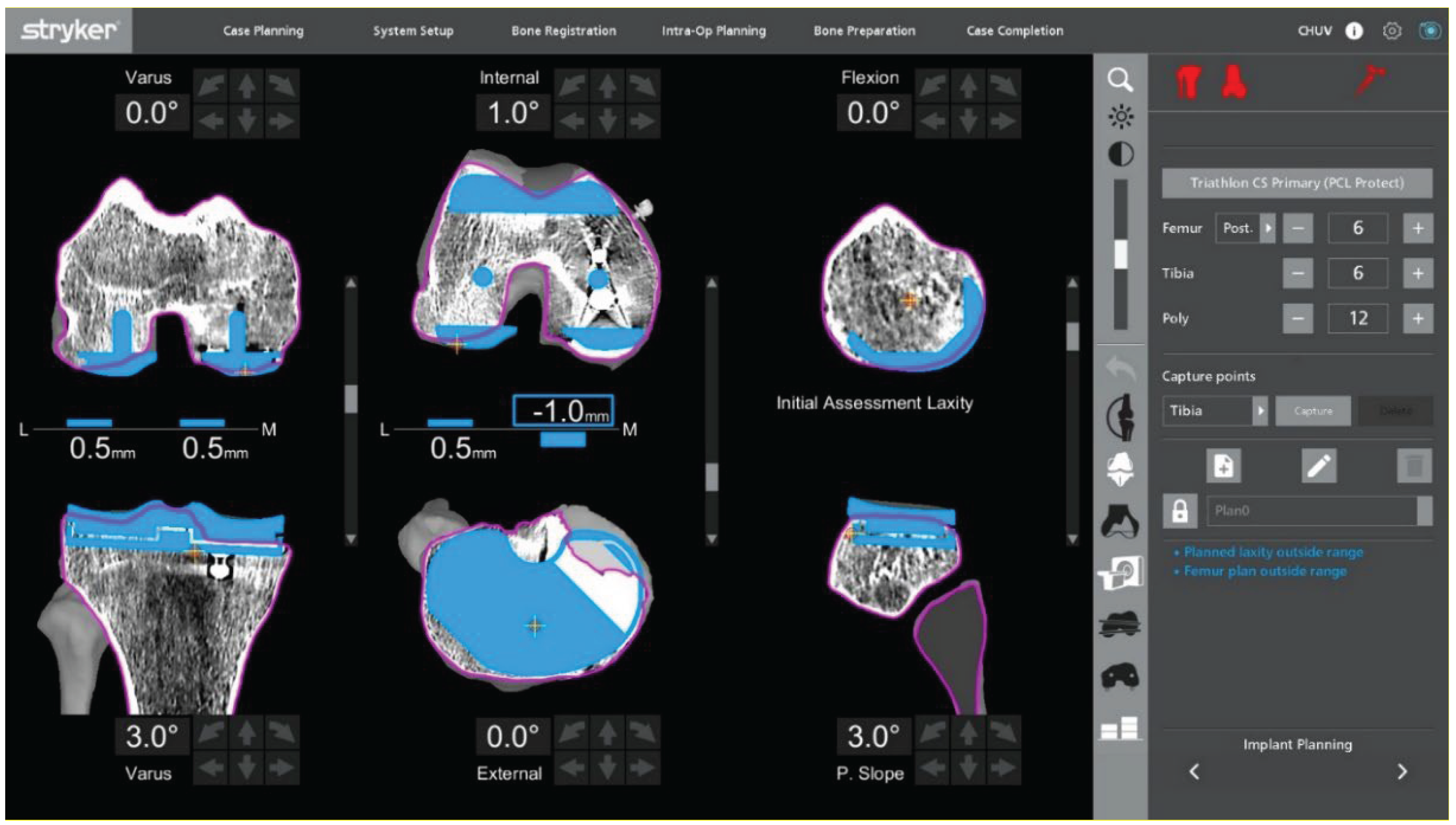
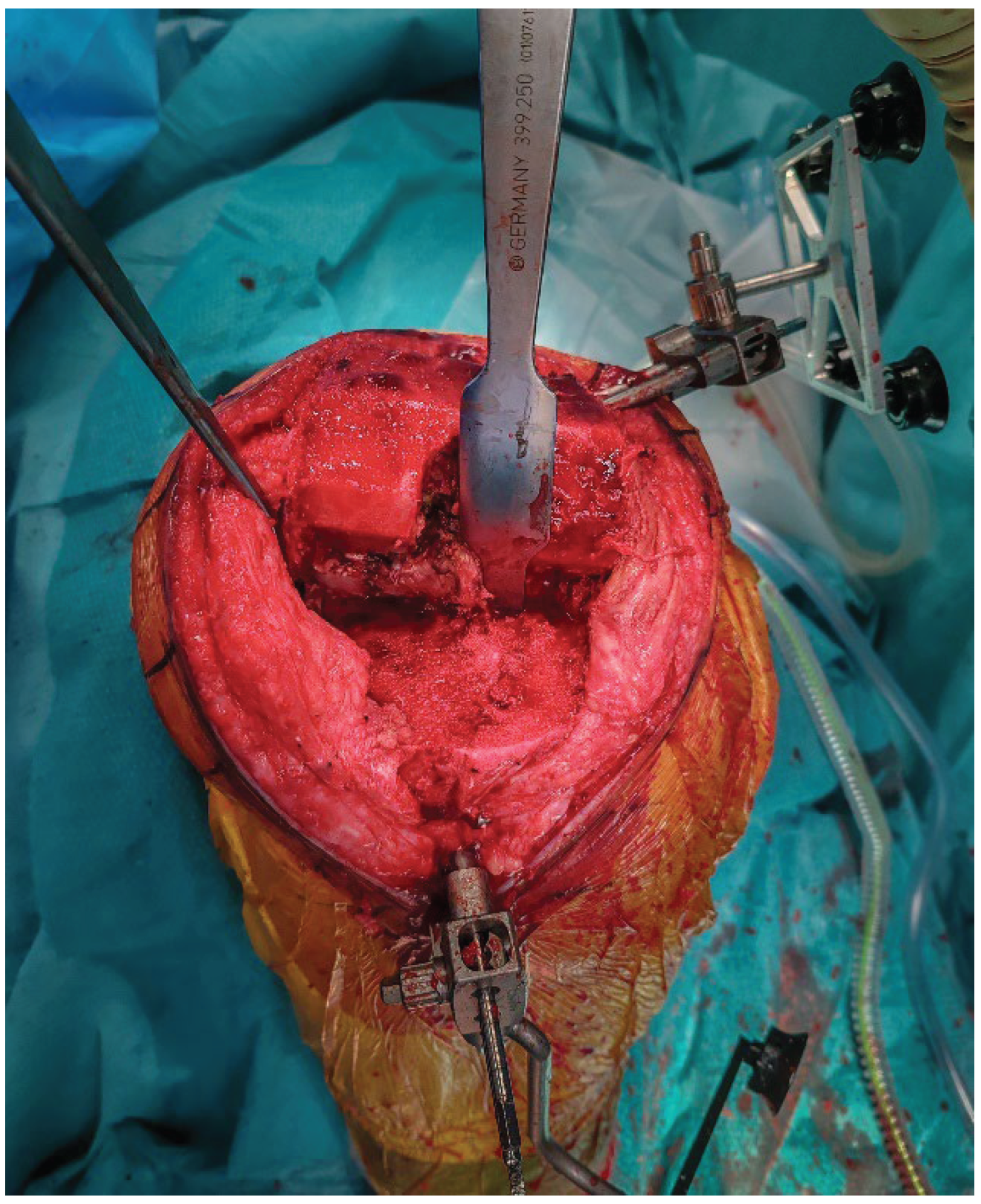
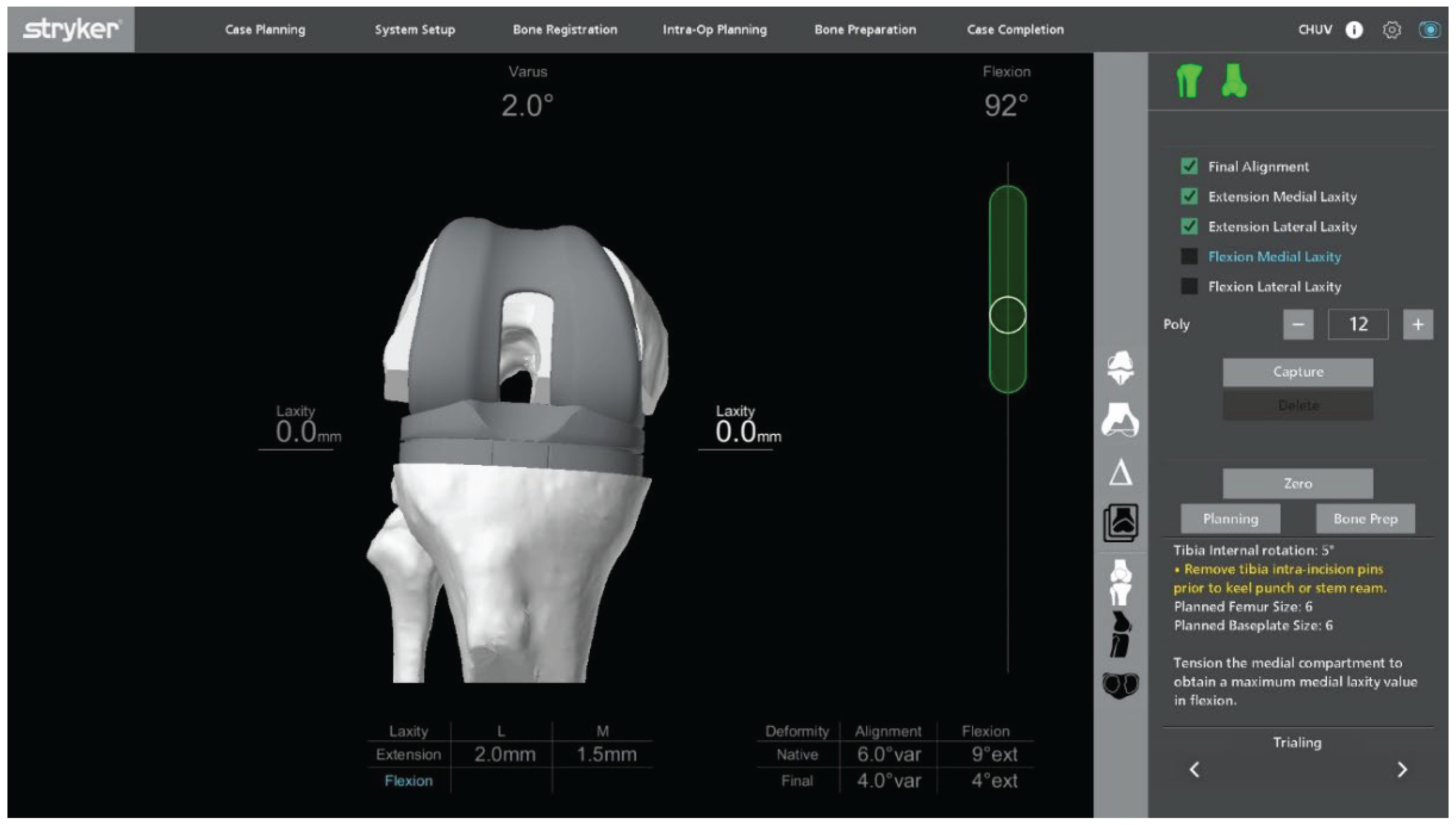
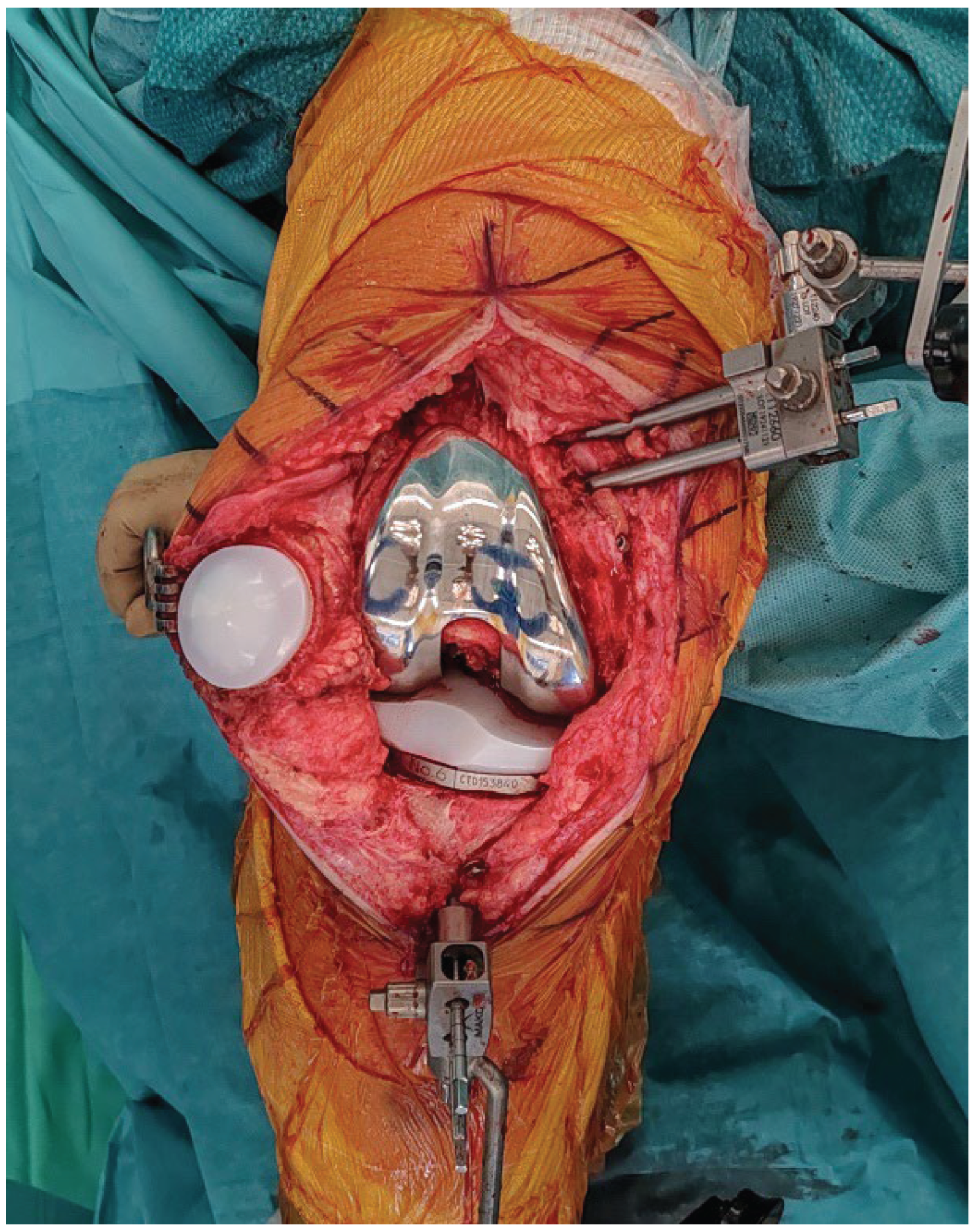
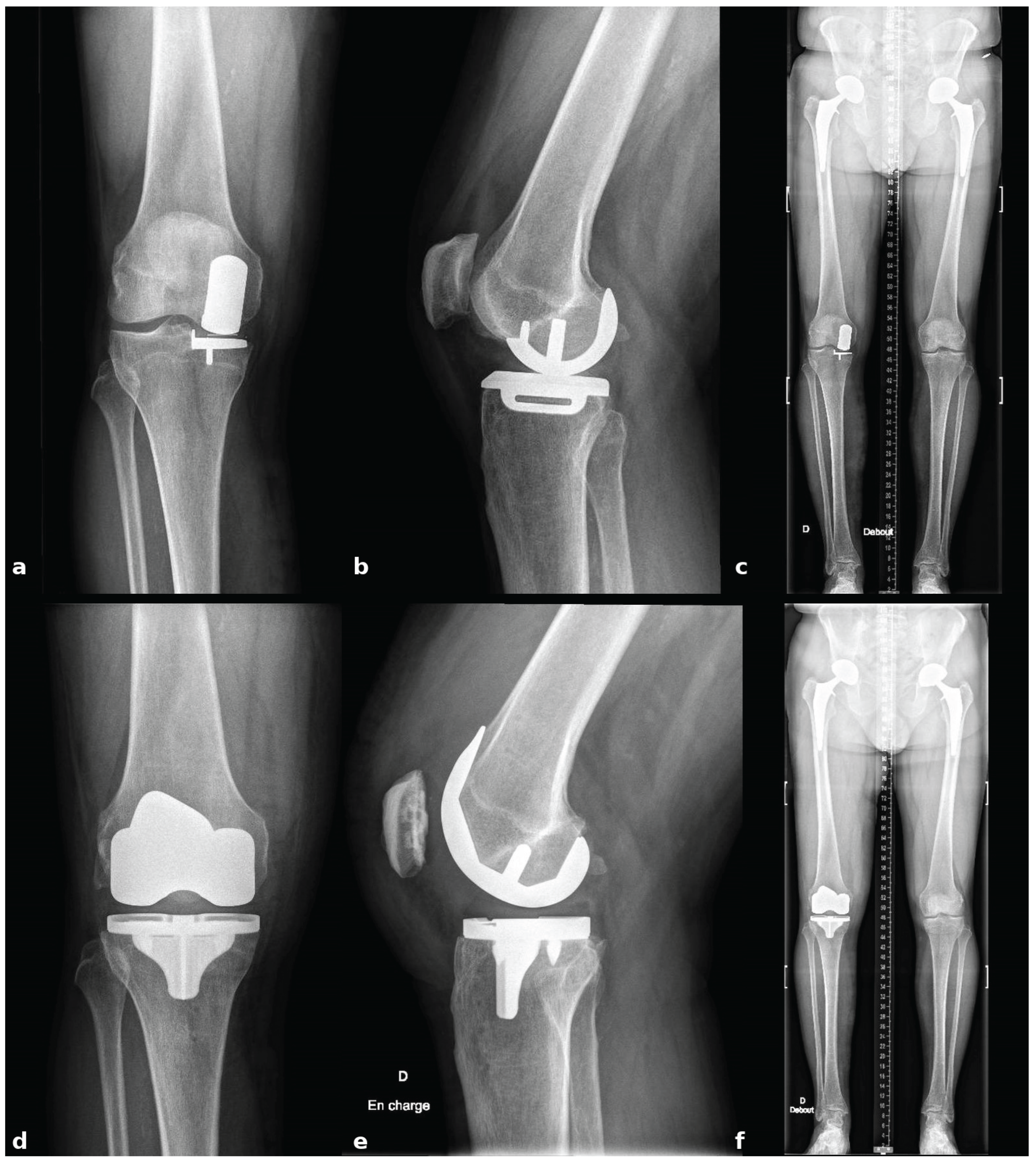
Converting a medial unicompartmental knee arthroplasty (UKA) to total knee arthroplasty (TKA) presents challenges in bone preservation, alignment, and soft-tissue balance. Robotic assistance enables three-dimensional CT-based planning, precise bone preparation, and real-time ligament balance assessment, thereby supporting a bone-preserving approach. We describe a stepwise workflow using the Mako system (Stryker) to convert a failed medial UKA to a condylar-stabilizing (CS) Triathlon TKA within a functional alignment framework. Pre-explantation registration on the in-situ components maintains accuracy despite potential metallic artifacts. The polyethylene insert is briefly removed for reference surface acquisition, then reinserted for intraoperative balance evaluation. After component removal, small medial tibial or femoral defect can be filled with autologous cancellous bone graft from the resected bone surfaces. Definitive cementless components are implanted without stems or augments, and the patella is resurfaced. This technique provides a reproducible robotic workflow for UKA-to-TKA conversion in selected cases with preserved bone stock and stable soft-tissue balance, and facilitates accurate and reproducible conversion with optimal bone preservation.
Keywords:
1. Introduction
2. Surgical Technique
2.1. Pre-Operative Planning
2.2. Patient Positioning and Approach
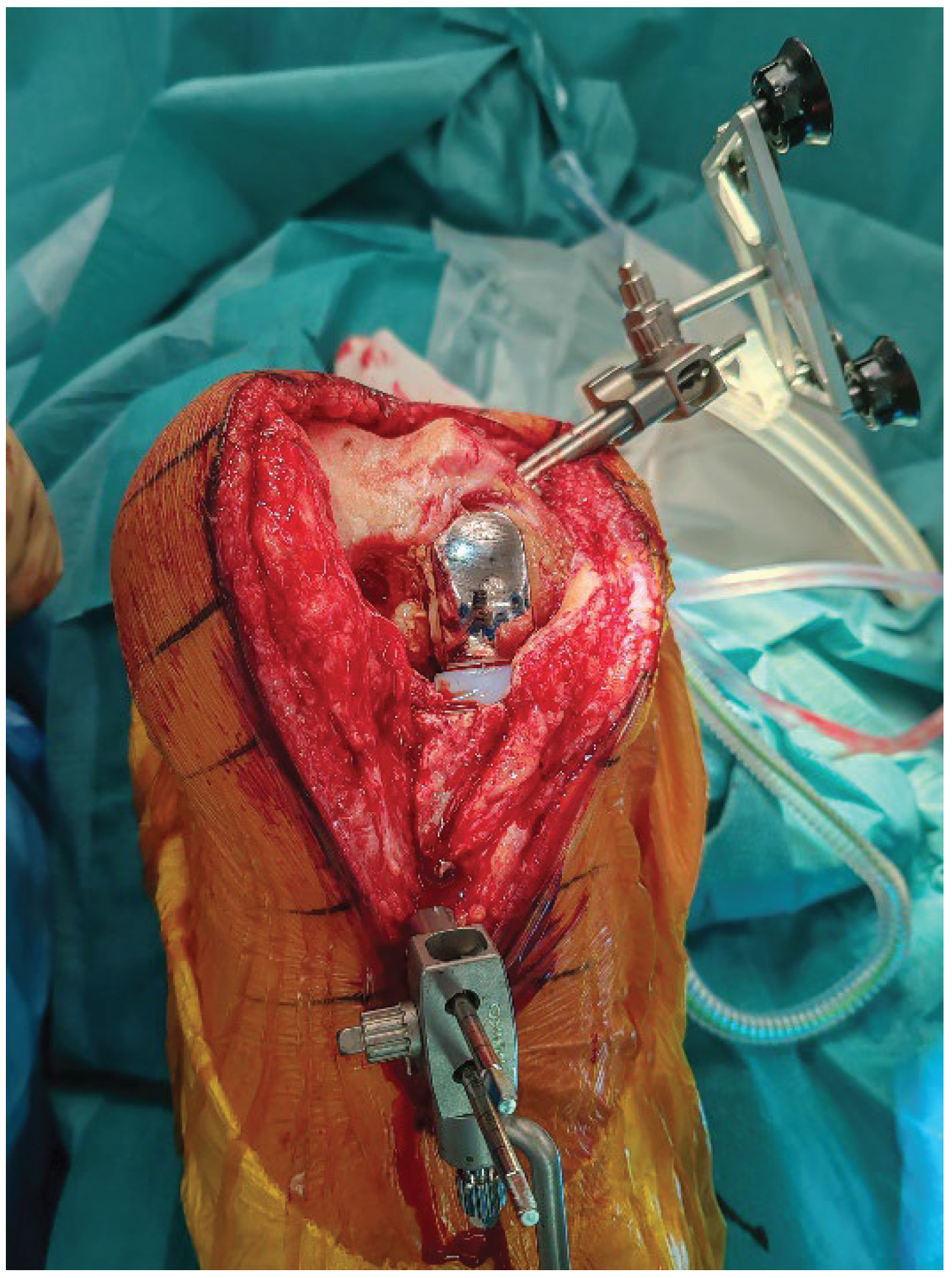
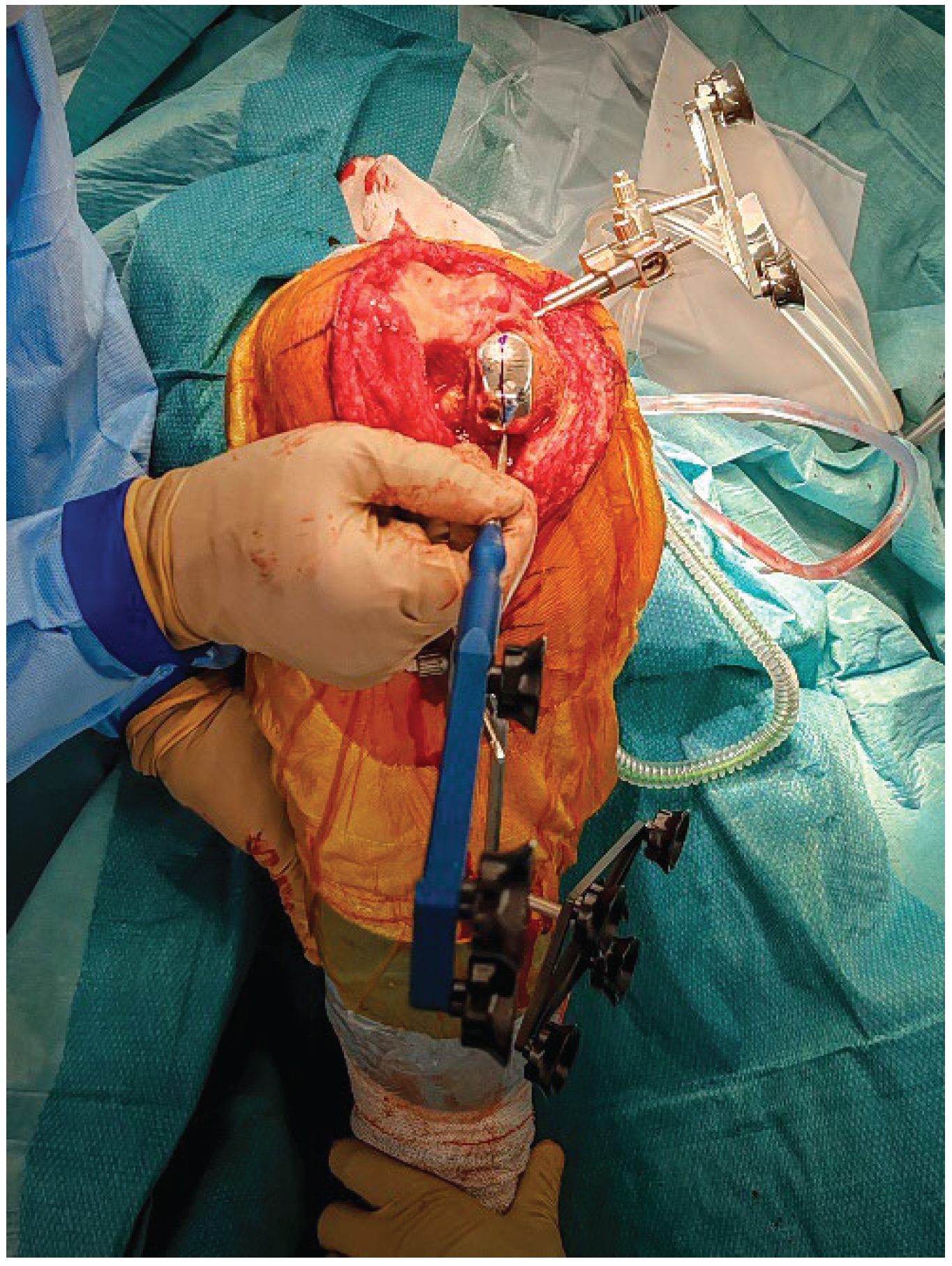
2.3. Pins Placement and Landmark Registration
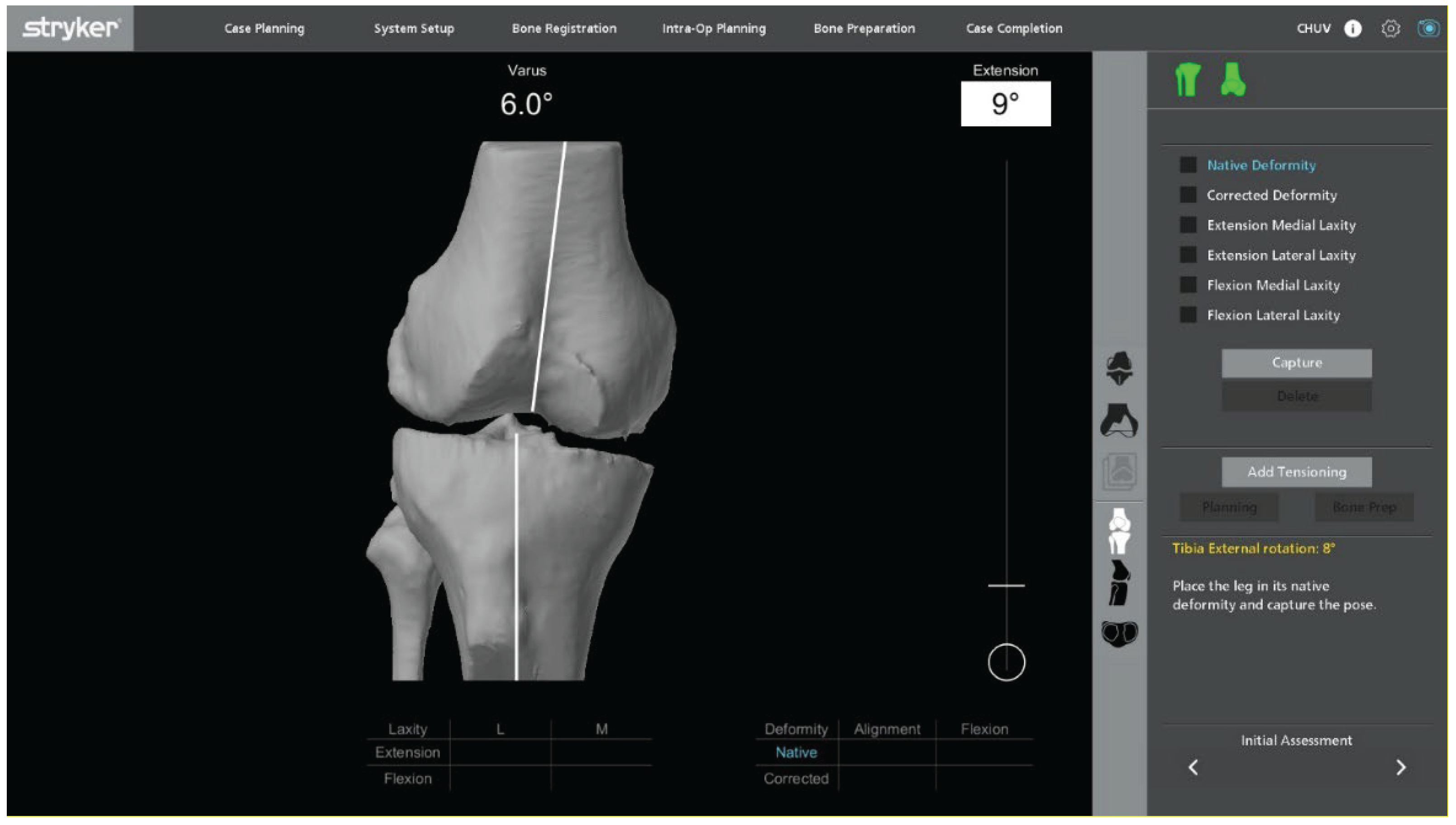
2.4. Intraoperative Kinematic and Ligament Balance Assessment
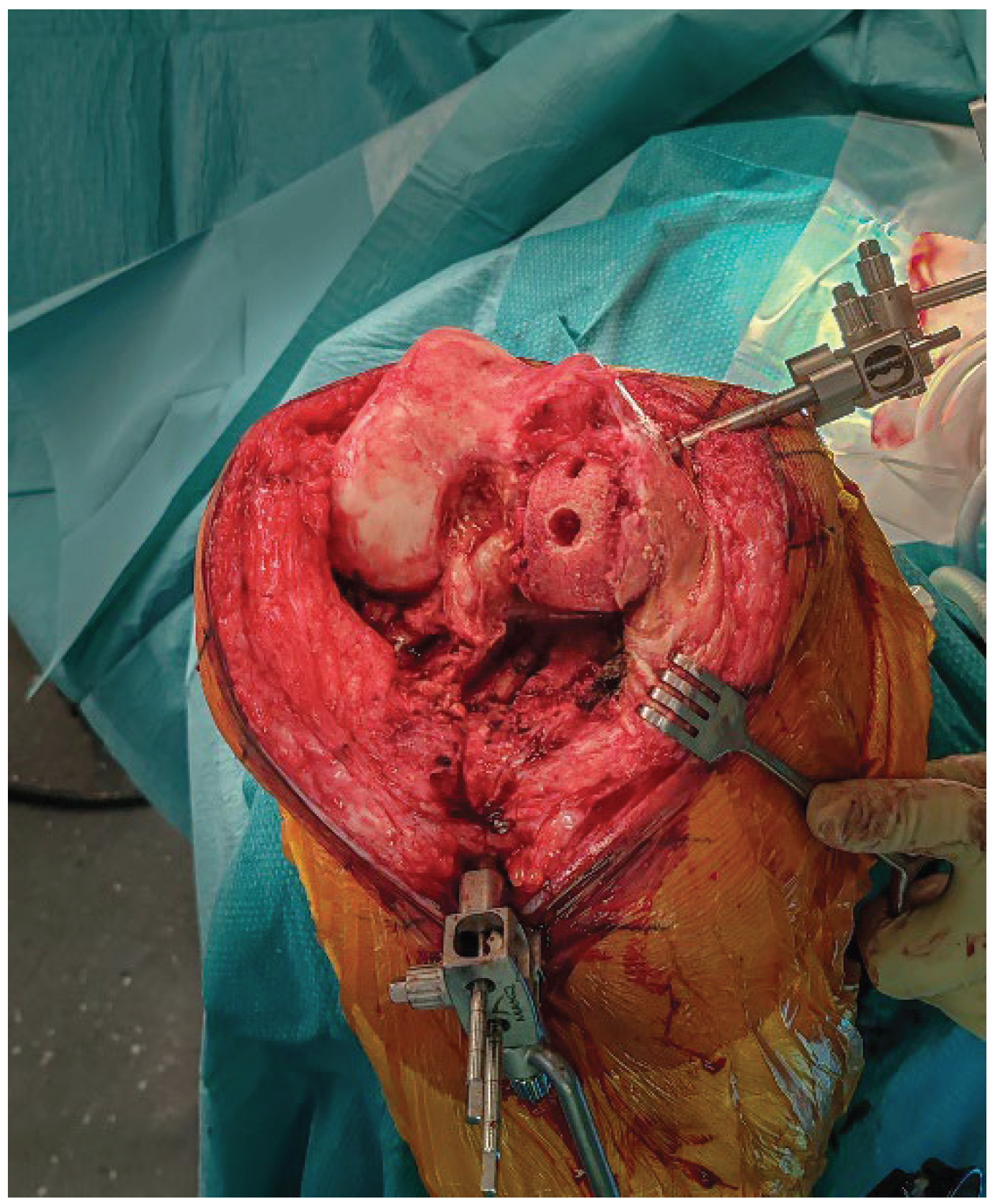
2.5. Implant Removal
2.6. Robotic Planning and Bone Resection
2.7. Bone Defect Management
2.8. Final Implantation
2.9. Irrigation and Closure
3. Results
4. Discussion
5. Conclusions
Author Contributions
Funding
Institutional Review Board Statement
Informed Consent Statement
Data Availability Statement
Acknowledgments
Conflicts of Interest
Abbreviations
| UKA TKA |
Unicompartmental Knee Arthroplasty Total Knee Arthroplasty |
| CS | Condylar-Stabilizing |
References
- Niinimäki T, Eskelinen A, Mäkelä K, Ohtonen P, Puhto AP, Remes V. Unicompartmental knee arthroplasty survivorship is lower than TKA survivorship: a 27-year Finnish registry study. Clin Orthop Relat Res. 2014;472(5):1496–1501. [CrossRef]
- Lunebourg A, Parratte S, Ollivier M, Abdel MP, Argenson JN. Are revisions of unicompartmental knee arthroplasties more like a primary or revision TKA? J Arthroplasty. 2015;30(12):1985–1989. [CrossRef]
- Leta TH, Lygre SHL, Skredderstuen A, et al. Outcomes of unicompartmental knee arthroplasty after aseptic revision to total knee arthroplasty: a comparative study of 768 TKAs and 578 UKAs revised to TKAs from the Norwegian arthroplasty register (1994 to 2011). J Bone Joint Surg Am. 2016;98(6):431–440. [CrossRef]
- Lee JK, Kim HJ, Park JO, Yang JH. Inferior outcome of revision of unicompartmental knee arthroplasty to total knee arthroplasty compared with primary total knee arthroplasty: systematic review and meta-analysis. Knee Surg Sports Traumatol Arthrosc. 2018;26(11):3403–3418. [CrossRef]
- Tuecking LR, Savov P, Windhagen H, Jennings S, Nathwani D, Ettinger M. Imageless robotic-assisted revision arthroplasty from UKA to TKA: surgical technique and case-control study compared with primary robotic TKA. Orthopä. 2021;50(12):1018–1025. [CrossRef]
- Yun AG, Qutami M, Chen CM, Pasko KBD. Management of failed UKA to TKA: conventional versus robotic-assisted conversion technique. Knee Surg Relat Res. 2020;32:38. [CrossRef]
- Lachance AD, Edelstein A, Stilwell M, Lutton J. No difference in range of motion, components, or complications following conversion of robotic-assisted total knee arthroplasty compared to manual TKA after undergoing manual or robotic-assisted unicompartmental knee arthroplasty. Arthroplast Today. 2023;24:101269. [CrossRef]
- Magruder ML, McClure T, Marchand K, Mont MA, Marchand RC. Robotic-arm-assisted conversion of unicompartmental knee arthroplasty to total knee arthroplasty. J Orthop. 2024;52:119–123. [CrossRef]
- Shatrov J, Battelier C, Sappey-Marinier E, Gunst S, Servien E & Lustig S. Functional Alignment Philosophy in Total Knee Arthroplasty– Rationale and technique for the varus morphotype using a CT based robotic platform and individualized planning. SICOT-J, 2022; 8, 11.
- Lee HJ, Park YB, Song MK, Kwak YH, Kim SH. Comparison of the outcomes of navigation-assisted revision of unicompartmental knee arthroplasty to total knee arthroplasty versus navigation-assisted primary TKA. Int Orthop. 2019;43(2):315–322. [CrossRef]
- Ngim HJ, Van Bavel D, De Steiger R, Tang AWW. Robotic-assisted revision total knee arthroplasty: a novel surgical technique. Arthroplasty. 2023;5(1):5. [CrossRef]
Disclaimer/Publisher’s Note: The statements, opinions and data contained in all publications are solely those of the individual author(s) and contributor(s) and not of MDPI and/or the editor(s). MDPI and/or the editor(s) disclaim responsibility for any injury to people or property resulting from any ideas, methods, instructions or products referred to in the content. |
© 2025 by the authors. Licensee MDPI, Basel, Switzerland. This article is an open access article distributed under the terms and conditions of the Creative Commons Attribution (CC BY) license (http://creativecommons.org/licenses/by/4.0/).