

Submitted:
25 September 2025
Posted:
05 October 2025
You are already at the latest version
Abstract
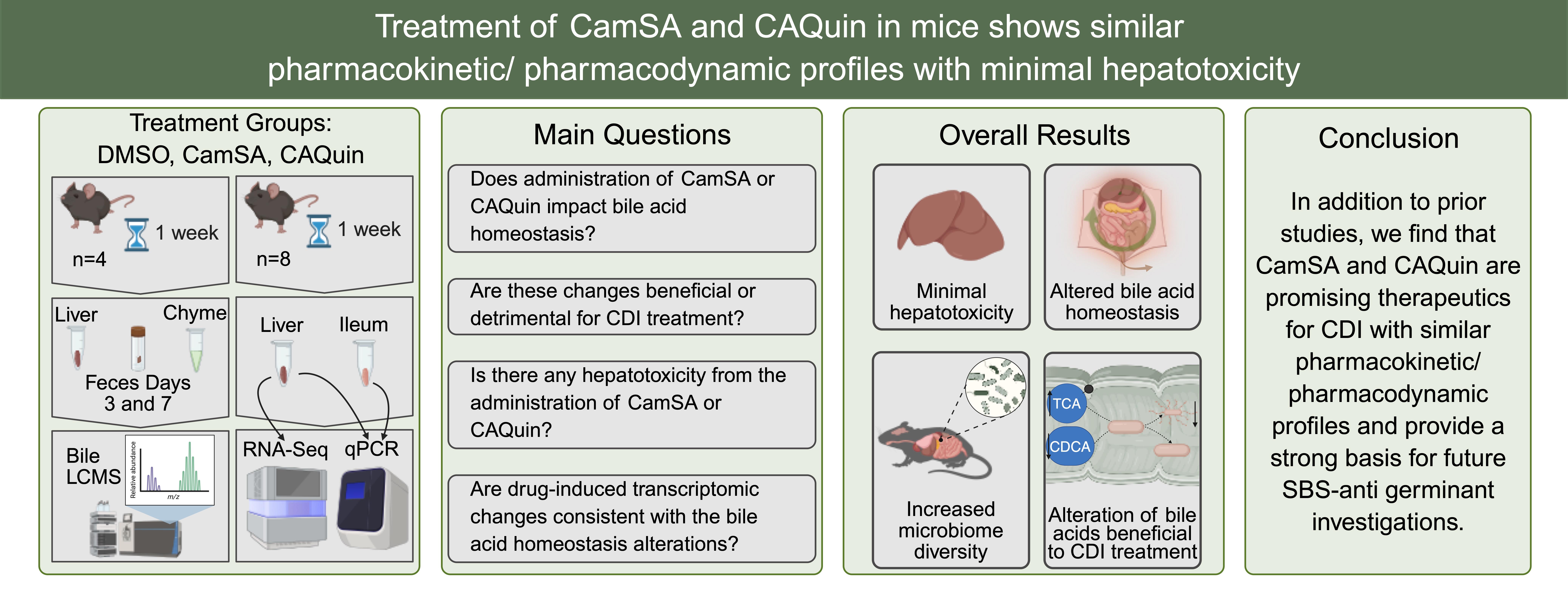
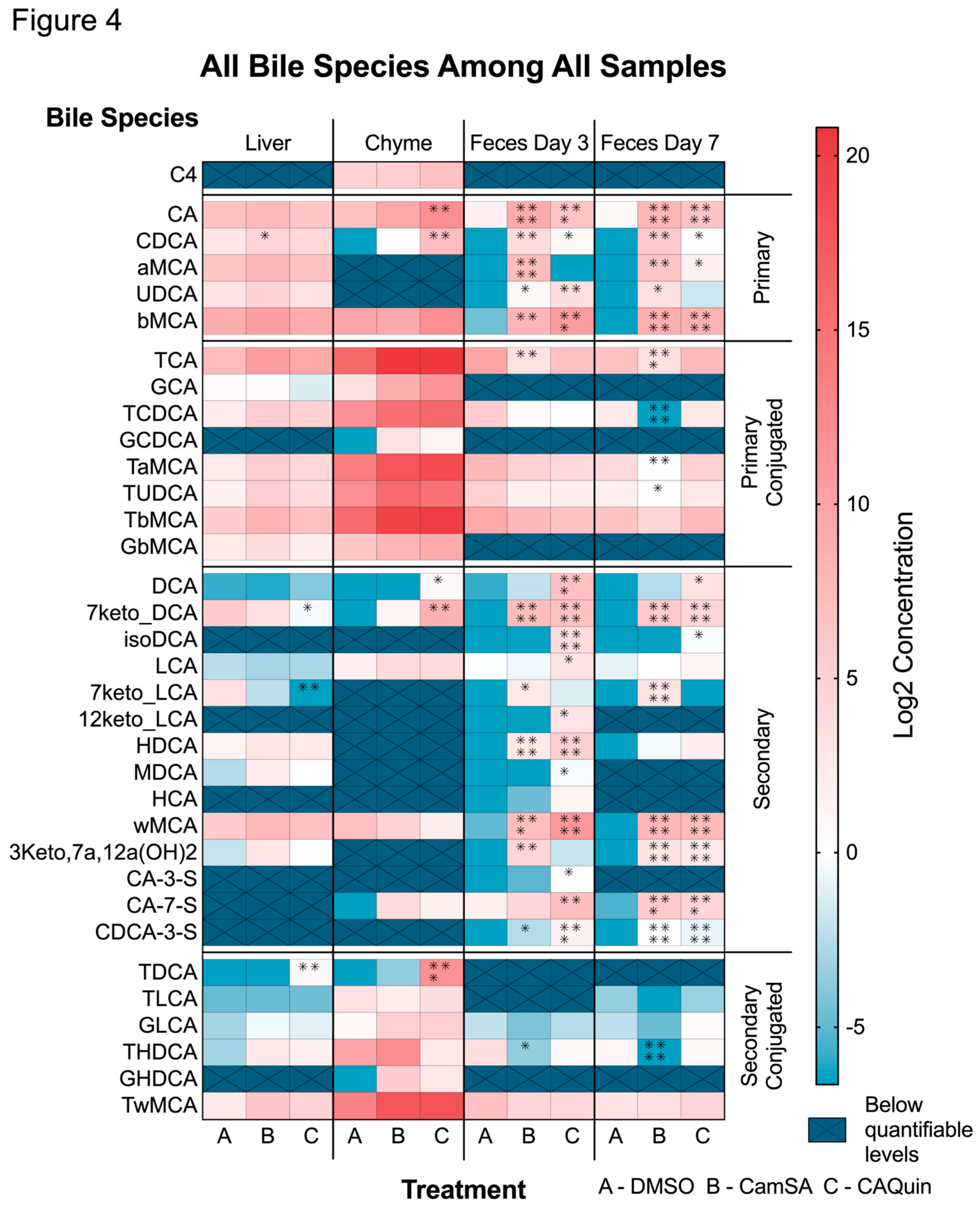
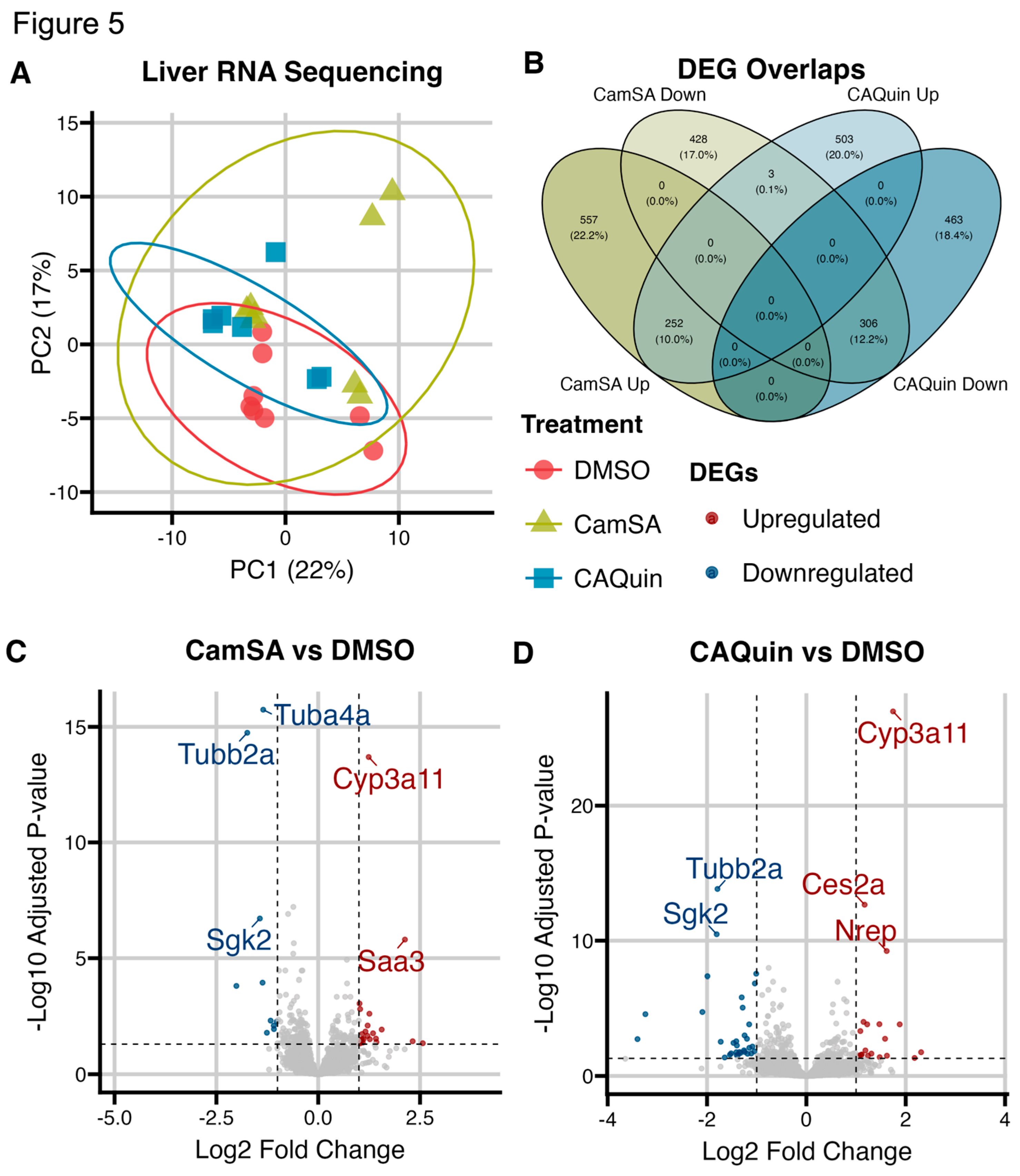
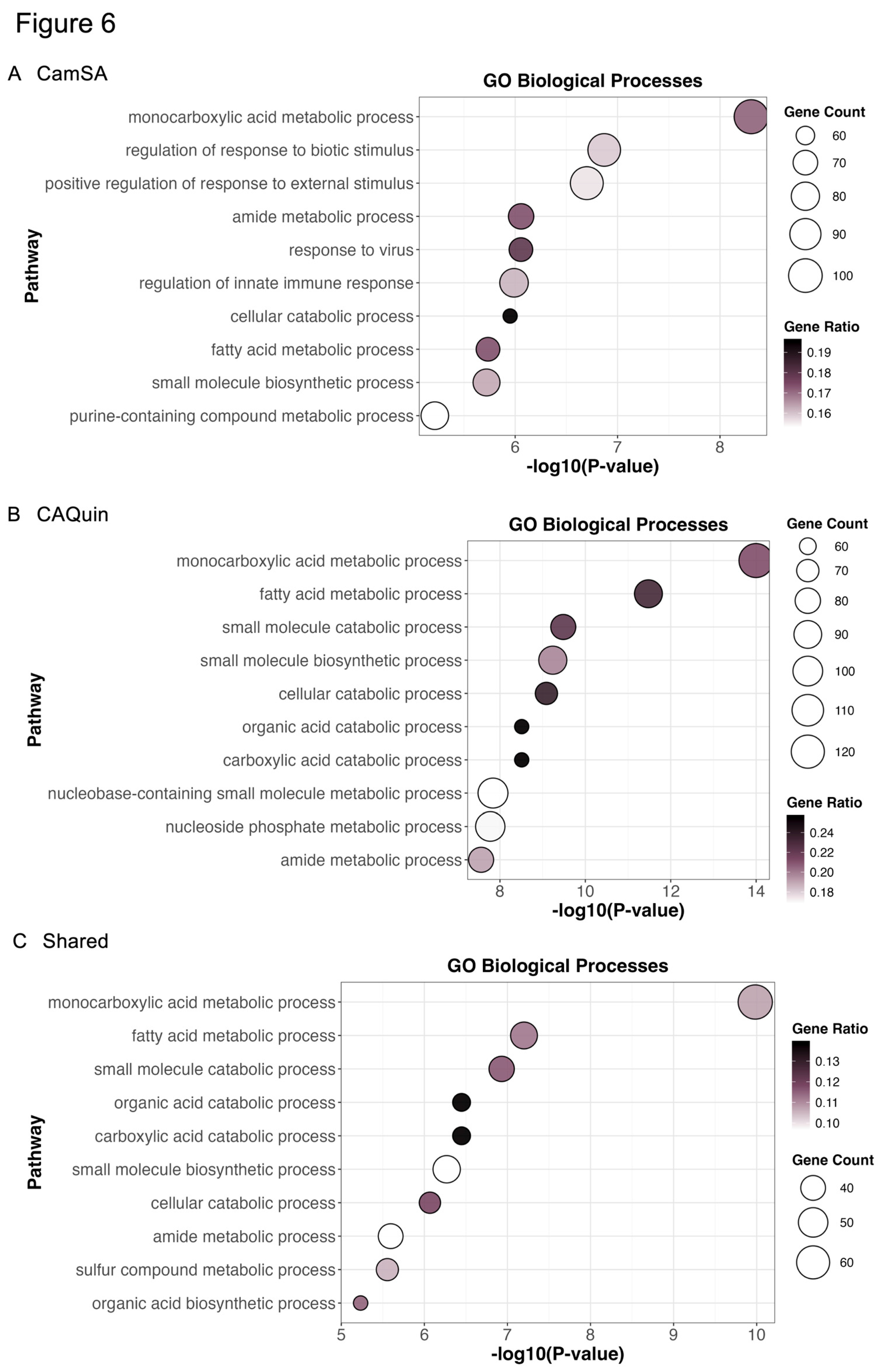
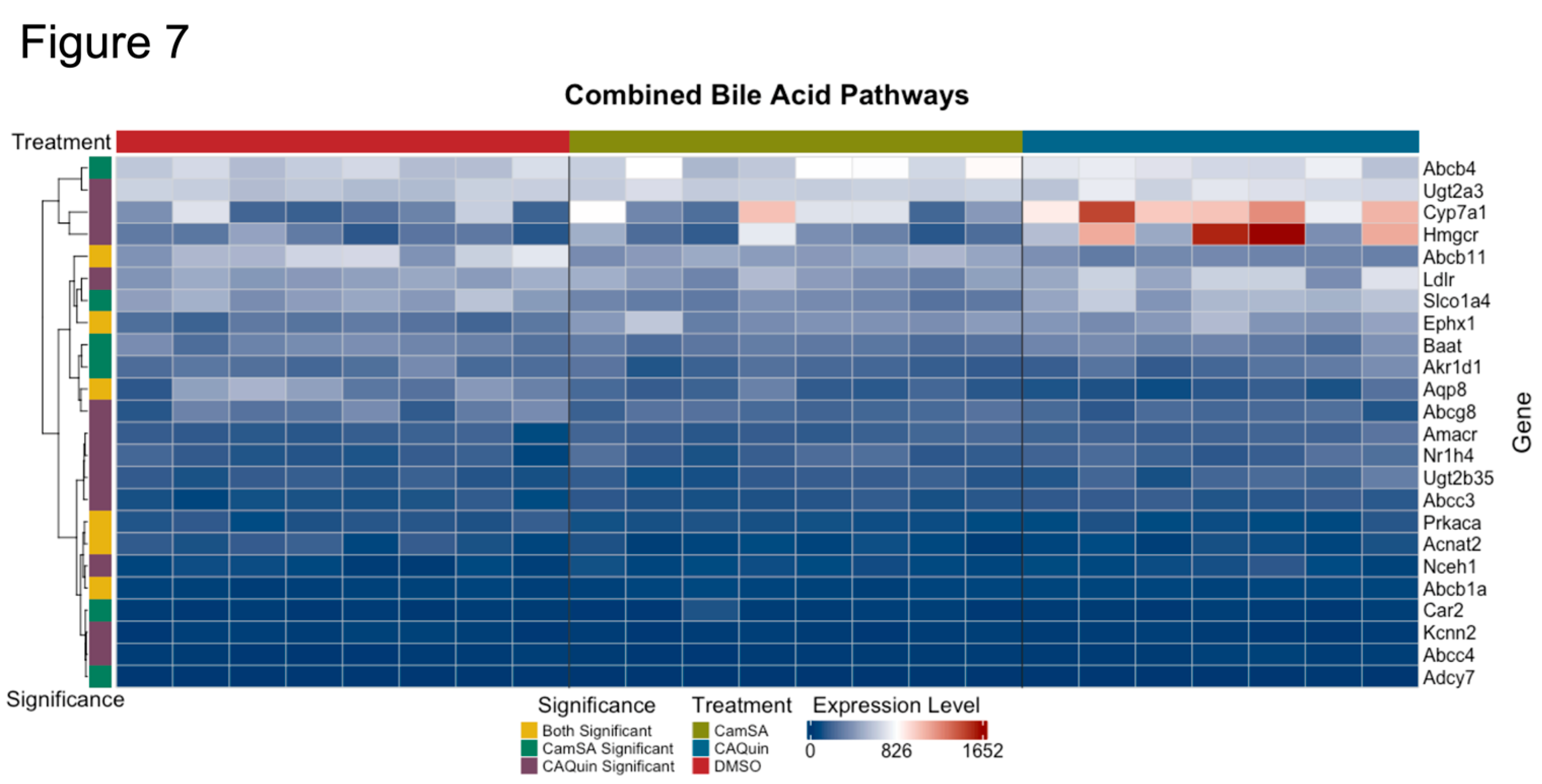
We previously reported that two bile acid (BA) analogs CamSA and CA-Quin demonstrate potent anti-germination activity against Clostridioides difficile (C. difficile) spores, protecting rodents from C. difficile infections. Here we further evaluated the impact of these analogs on the hepatic transcriptome and BA homeostasis in vivo by focusing BA profiles on the liver, feces, and chyme as well as hepatic transcriptome after a 7-day treatment. The two compounds demonstrated similar impact on BA profiles among the three samples, with significantly increased BA excretion in feces. This change is aligned with significantly altered expression of genes involved in BA homeostasis in both liver and gut tissues. Also, both compounds increased levels of unconjugated BAs in the feces, indicating an elevated activity of gut microbiota (GM). Notably, fecal levels of anti-c. difficile germination chenodeoxycholate and pro-germination taurocholate are significantly increased and decreased by the treatments, respectively. While hepatic transcriptome did not show significant toxicity, altered genes are enriched in pathways associated with GM activity and lipid metabolism. Overall, our study suggests that in vivo CamSA and CA-Quin treatment demonstrated minimal hepatoxicity but significantly altered BA homeostasis and potentially favorable improvement for GM profiles that together inhibit C. difficle germination.
Keywords:
1. Introduction
2. Materials and Methods
2.1. Materials
2.2. Synthesis of CamSA and CA-Quin:
2.3. Animals
2.4. Anti-germinant treatment and organ harvest
2.5. RT-PCR and qPCR
2.6. LC-MS of bile species
2.7. Differential gene expression analysis
2.8. Enrichment analysis
2.9. Statistical analysis
3. Results
3.1. Overall alterations of bile acids by CamSA and CA-Quin in the liver, chyme, and fecal samples
3.1.1. Alternation of individual BA levels by CamSA and CA-Quin treatment
3.2. Liver Transcriptomics
3.2.1. Genes and transcriptome patterns associated with drug treatments
3.3. Impact of drug treatment on bile acid metabolism pathway in the liver
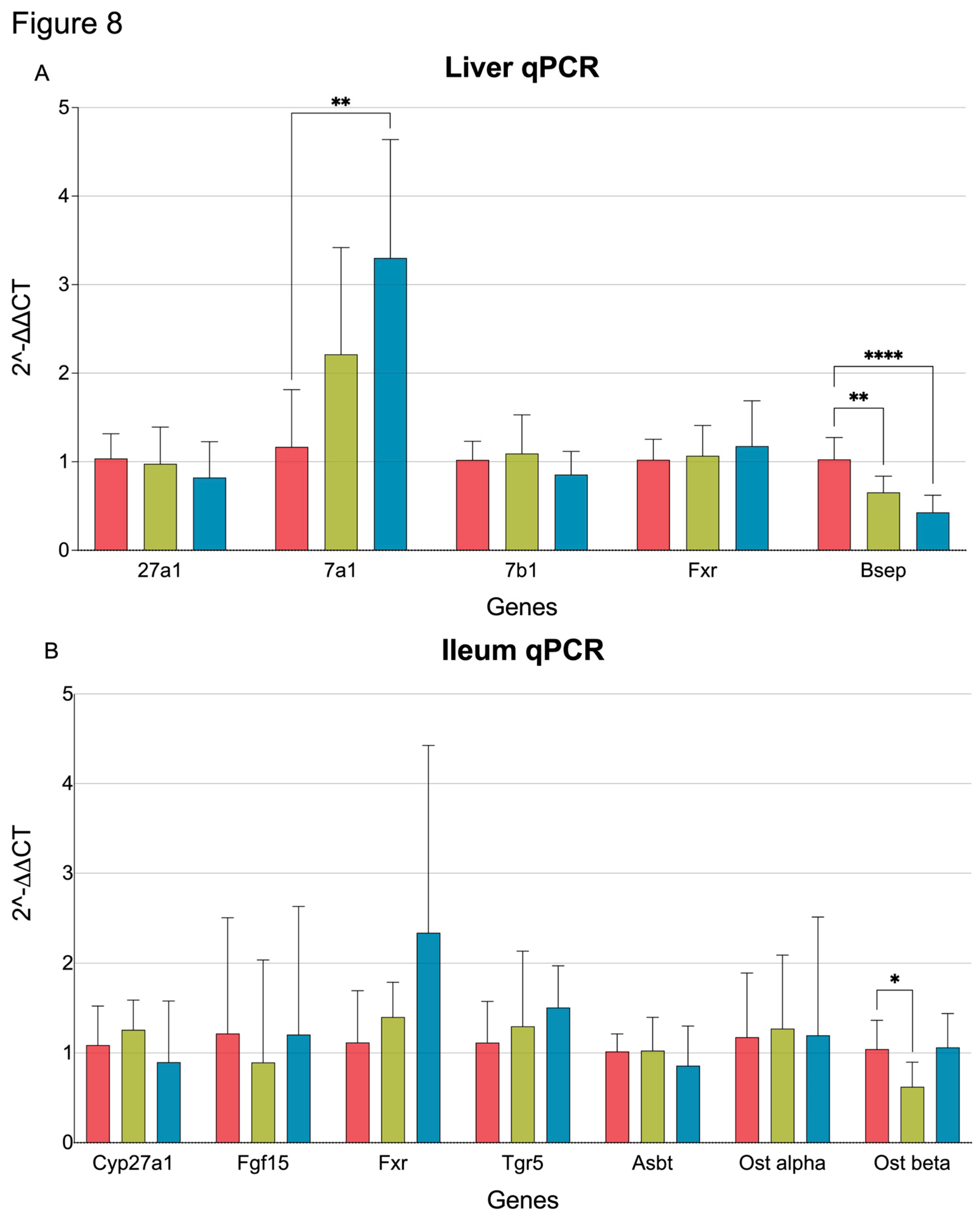
3.4. qPCR quantification of BA metabolism and transporter genes in the liver and ileum
4. Discussion.
5. Conclusions
Supplementary Materials
Author Contributions
Funding
Institutional Review Board Statement
Data Availability Statement
Acknowledgments
Conflicts of Interest
Abbreviations
| 12-keto-LCA | 2-keto-lithocholic acid |
| 3-keto,7α,12α(OH)₂ | 3-keto-7α,12α-dihydroxy-5β-cholan-24-oic acid |
| 3-keto-LCA | 3-keto-lithocholic acid |
| 7-keto-DCA | 7-keto-deoxycholic acid |
| 7-keto-LCA | 7-keto-lithocholic acid |
| C4 | 7α-hydroxy-4-cholesten-3-one |
| allo-isoLCA | allo-isolithocholic acid |
| α-MCA | alpha-muricholic acid |
| β-MCA | beta-muricholic acid |
| BA | bile acid |
| CDCA | chenodeoxycholic acid |
| CDCA-3-S | chenodeoxycholic acid-3-sulfate |
| CA | cholic acid |
| CA-3-S | cholic acid-3-sulfate |
| CA-7-S | cholic acid-7-sulfate |
| CDI | Clostridioides difficile infection |
| DCA | deoxycholic acid |
| DCA-3-S | deoxycholic acid-3-sulfate |
| DMSO | dimethyl sulfoxide |
| EHC | enterohepatic circulation |
| Gβ-MCA | glyco-beta-muricholic acid |
| GCDCA | glycochenodeoxycholic acid |
| GCA | glycocholic acid |
| GDCA | glycodeoxycholic acid |
| GHCA | glycohyocholic acid |
| GHDCA | glycohyodeoxycholic acid |
| GLCA | glycolithocholic acid |
| GUDCA | glycoursodeoxycholic acid |
| HCA | hyocholic acid |
| HDCA | hyodeoxycholic acid |
| isoDCA | isodeoxycholic acid |
| isoLCA | isolithocholic acid |
| LC-MS | liquid chromatography- mass spectrometry |
| LCA | lithocholic acid |
| LCA-3-S | lithocholic acid-3-sulfate |
| mSA | metanilic acid |
| MDCA | murideoxycholic acid |
| ω-MCA | omega-muricholic acid |
| PCA | principle component analysis |
| Tα-MCA | tauro-alpha-muricholic acid |
| Tβ-MCA | tauro-beta-muricholic acid |
| Tω-MCA | tauro-omega-muricholic acid |
| TCDCA | taurochenodeoxycholic acid |
| TCA | taurocholic acid |
| TCA | taurodeoxycholic acid |
| THDCA | taurohyodeoxycholic acid |
| TLCA | taurolithocholic acid |
| TUDCA | tauroursodeoxycholic acid |
| UDCA | ursodeoxycholic acid |
| UDCA-3-S | ursodeoxycholic acid-3-sulfate |
References
- Mada PK, A.M. Clostridioides difficile infection. StatPearls 2024 April 10, 2024 [cited 2024 October 4]; Available from: https://www.ncbi.nlm.nih.gov/books/NBK431054/.
- Research, M.F.f.M.E.a. C. Difficile Infection. 2024 September 1, 2023 [cited 2024 October 4]; Available from: https://www.mayoclinic.org/diseases-conditions/c-difficile/symptoms-causes/syc-20351691.
- Prevention, U.S.C.f.D.C.a. C. diff (Clostridioides difficile). 2024 March 6, 2024 [cited 2024 October 4]; Available from: https://www.cdc.gov/c-diff/about/index.html.
- Dicks, L.M.T.; et al. Clostridium difficile, the Difficult “Kloster” Fuelled by Antibiotics. Current Microbiology 2019, 76, 774–782. [Google Scholar]
- McDonald, L.C.; et al. Clinical Practice Guidelines for Clostridium difficile Infection in Adults and Children: 2017 Update by the Infectious Diseases Society of America (IDSA) and Society for Healthcare Epidemiology of America (SHEA). Clinical Infectious Diseases 2018, 66, e1–e48. [Google Scholar]
- Sorg, J.A.; Sonenshein, A.L. Chenodeoxycholate is an inhibitor of Clostridium difficile spore germination. J. Bacteriol. 2009, 191, 1115–1117. [Google Scholar] [CrossRef]
- Sorg, J.A.; Sonenshein, A.L. Bile salts and glycine as cogerminants for Clostridium difficile spores. J. Bacteriol. 2008, 190, 2505–2512. [Google Scholar] [CrossRef]
- Poland, J.C.; Flynn, C.R. Bile Acids, Their Receptors, and the Gut Microbiota. Physiology 2021, 36, 235–245. [Google Scholar] [CrossRef] [PubMed]
- Choudhuri, S.; Klaassen, C.D. Molecular Regulation of Bile Acid Homeostasis. Drug Metabolism and Disposition 2022, 50, 425–455. [Google Scholar] [CrossRef] [PubMed]
- Alvarez, Z.; Abel-Santos, E. Potential Use of Inhibitors of Bacteria Spore Germination in the Prophylactic Treatment of anthrax and Clostridium difficile-Associated Disease. Expert Review of Anti-infective Therapy 2007, 5, 783–792. [Google Scholar] [CrossRef]
- Sharma, S.; et al. 5,6-Fused Heterocycle Cholate Derivatives as Spore Germination Inhibitors of Clostridioides difficile. ChemRxiv 2024. [Google Scholar]
- Sharma, S.K.; et al. The design, synthesis, and inhibition of Clostridioides difficile spore germination by acyclic and bicyclic tertiary amide analogs of cholate. Eur J Med Chem 2023, 261, 115788. [Google Scholar] [CrossRef] [PubMed]
- Sharma, S.K.; et al. Studies on the Importance of the 7alpha-, and 12alpha- hydroxyl groups of N-Aryl-3alpha,7alpha,12alpha-trihydroxy-5beta-cholan-24-amides on their Antigermination Activity Against a Hypervirulent Strain of Clostridioides (Clostridium) difficile. Bioorg Med Chem 2021, 52, 116503. [Google Scholar]
- Sharma, S.K.; et al. The Design, Synthesis, and Characterizations of Spore Germination Inhibitors Effective against an Epidemic Strain of Clostridium difficile. J Med Chem 2018, 61, 6759–6778. [Google Scholar] [CrossRef] [PubMed]
- Phan, J.R.; et al. An Aniline-Substituted Bile Salt Analog Protects both Mice and Hamsters from Multiple Clostridioides difficile Strains. Antimicrobial Agents and Chemotherapy 2022, 66, e01435–21. [Google Scholar] [CrossRef]
- Howerton, A.; et al. Effect of the Synthetic Bile Salt Analog CamSA on the Hamster Model of Clostridium difficile Infection. Antimicrobial Agents and Chemotherapy 2018, 62. [Google Scholar] [CrossRef]
- Howerton, A.; Patra, M.; Abel-Santos, E. Fate of Ingested Clostridium difficile Spores in Mice. PloS one 2013, 8, e72620–e72620. [Google Scholar] [CrossRef]
- Howerton, A.; Patra, M.; Abel-Santos, E. A New Strategy for the Prevention of Clostridium difficile Infection. Journal of Infectious Diseases 2013, 207, 1498–1504. [Google Scholar] [CrossRef]
- Howerton, A.; Ramirez, N.; Abel-Santos, E. Mapping Interactions between Germinants and Clostridium difficile Spores. Journal of Bacteriology 2011, 193, 274–282. [Google Scholar] [CrossRef] [PubMed]
- Yip, C.; Phan, J.R.; Abel-Santos, E. Mechanism of germination inhibition of Clostridioides difficile spores by an aniline substituted cholate derivative (CaPA). bioRxiv, 2023: p. 2023.02.16.528851.
- Yip, C.; et al. Pharmacokinetics of Camsa, a Potential Prophylactic Compound Against Clostridioides difficile Infections. Biochemical Pharmacology 2021, 183, 114314. [Google Scholar] [CrossRef] [PubMed]
- Sharma, S.K.; et al. The Design, Synthesis, and Characterizations of Spore Germination Inhibitors Effective against an Epidemic Strain of Clostridium difficile. Journal of medicinal chemistry 2018, 61, 6759–6778. [Google Scholar] [CrossRef]
- Sattar, A.; et al. SMT19969 for Clostridium difficile infection (CDI): In Vivo Efficacy Compared with Fidaxomicin and Vancomycin in the Hamster Model of CDI. The Journal of antimicrobial chemotherapy 2015, 70, 1757–1762. [Google Scholar] [CrossRef]
- Shiv Sharma, J.P.; Abel-Santos, E.; Firestine, S. 5,6-Fused Heterocycle Cholate Derivatives as Spore Germination Inhibitors of Clostridioides difficile. ChemRxiv 2023. [Google Scholar] [CrossRef]
- Kakiyama, G.; et al. Insulin resistance dysregulates CYP7B1 leading to oxysterol accumulation: a pathway for NAFL to NASH transition. J Lipid Res 2020, 61, 1629–1644. [Google Scholar]
- Wang, Y.; et al. Berberine Prevents Disease Progression of Nonalcoholic Steatohepatitis through Modulating Multiple Pathways. Cells 2021, 10. [Google Scholar] [CrossRef]
- Andrews, S. FastQC: A Quality Control Tool for High Throughput Sequence Data. Available from: https://www.bioinformatics.babraham.ac.uk/projects/fastqc/.
- Bolger, A.M.; Lohse, M.; Usadel, B. Trimmomatic: a flexible trimmer for Illumina sequence data. Bioinformatics 2014, 30, 2114–2120. [Google Scholar] [CrossRef]
- Kim, D.; et al. Graph-based genome alignment and genotyping with HISAT2 and HISAT-genotype. Nature Biotechnology 2019, 37, 907–915. [Google Scholar] [CrossRef]
- Putri, G.H.; et al. Analysing high-throughput sequencing data in Python with HTSeq 2. 0. Bioinformatics 2022, 38, 2943–2945. [Google Scholar] [CrossRef]
- Anders, S.; Pyl, P.T.; Huber, W. HTSeq—a Python framework to work with high-throughput sequencing data. Bioinformatics 2014, 31, 166–169. [Google Scholar] [PubMed]
- 32.R Development Core Team, R: A language and environment for statistical computing. 2024, R Foundation for Statistical Computing: Vienna, Austria.
- Team, P. RStudio: Integrated Development Environment for R. 2024, Posit Software, PBC: Boston, MA.
- Love, M.I.; Huber, W.; Anders, S. Moderated estimation of fold change and dispersion for RNA-seq data with DESeq2. Genome Biology 2014, 15, 550. [Google Scholar] [CrossRef] [PubMed]
- Wickham, H. ggplot2: Elegant Graphics for Data Analysis. 2016: Springer-Verlag New York.
- Yan, L. ggvenn: Draw Venn Diagram by ‘ggplot2’. 2023.
- Gu, Z.; Eils, R.; Schlesner, M. Complex heatmaps reveal patterns and correlations in multidimensional genomic data. Bioinformatics 2016, 32, 2847–2849. [Google Scholar] [CrossRef] [PubMed]
- Gu, Z. Complex heatmap visualization. Imeta 2022, 1, e43. [Google Scholar] [CrossRef]
- Durinck, S.; et al. BioMart and Bioconductor: a powerful link between biological databases and microarray data analysis. Bioinformatics 2005, 21, 3439–3440. [Google Scholar] [CrossRef]
- Durinck, S.; et al. Mapping identifiers for the integration of genomic datasets with the R/Bioconductor package biomaRt. Nat Protoc 2009, 4, 1184–91. [Google Scholar] [CrossRef]
- Vaughan, H.W.a.R.F.a.L.H.a.K.M.a.D. dplyr: A Grammar of Data Manipulation. 2023.
- Slowikowski, K. ggrepel: Automatically Position Non-Overlapping Text Labels with 'ggplot2'. 2024.
- Li, H.P.a.M.C.a.S.F.a.N. AnnotationDbi: Manipulation of SQLite-based annotations in Bioconductor. 2024.
- Carlson, M. org.Mm.eg.db: Genome wide annotation for Mouse. 2024.
- Li, Y.T.a.M.H.a.W. ggfortify: Unified Interface to Visualize Statistical Result of Popular R Packages. The R Journal, 2016. 8(210.32614/RJ-2016-060): p. 474-485.
- Tang, M.H.a.Y. ggfortify: Data Visualization Tools for Statistical Analysis Results. 2018.
- Pedersen, T.L. patchwork: The Composer of Plots. 2024.
- Walker, P.S.a.A. openxlsx: Read, Write and Edit xlsx Files. 2025.
- Zhou, Y.; et al. Metascape provides a biologist-oriented resource for the analysis of systems-level datasets. Nat Commun 2019, 10, 1523. [Google Scholar] [CrossRef] [PubMed]
- Kanehisa, M.; Goto, S. KEGG: Kyoto Encyclopedia of Genes and Genomes. Nucleic Acids Research 2000, 28, 27–30. [Google Scholar] [CrossRef] [PubMed]
- Kanehisa, M. Toward understanding the origin and evolution of cellular organisms. Protein Science 2019, 28, 1947–1951. [Google Scholar] [CrossRef]
- Kanehisa, M.; et al. KEGG: biological systems database as a model of the real world. Nucleic Acids Research 2024, 53, D672–D677. [Google Scholar] [CrossRef]
- Science, W.I.o. SLC51B. 2024 [cited 2024 October 4]; Available from: https://www.genecards.org/cgi-bin/carddisp.pl?gene=SLC51B.
- Yip, C.; et al. Pharmacokinetics of CamSA, a potential prophylactic compound against Clostridioides difficile infections. Biochem Pharmacol 2021, 183, 114314. [Google Scholar] [CrossRef]
- Phan, J.R.; et al. An Aniline-Substituted Bile Salt Analog Protects both Mice and Hamsters from Multiple Clostridioides difficile Strains. Antimicrob Agents Chemother 2022, 66, e0143521. [Google Scholar] [CrossRef]
- Hashimoto, M.; et al. Knockout of mouse Cyp3a gene enhances synthesis of cholesterol and bile acid in the liver. J Lipid Res 2013, 54, 2060–2068. [Google Scholar] [CrossRef]
- Liu, X.; et al. Metabolomics reveals the formation of aldehydes and iminium in gefitinib metabolism. Biochem Pharmacol 2015, 97, 111–21. [Google Scholar] [CrossRef]
- Tajima, M.; et al. Different diets cause alterations in the enteric environment and trigger changes in the expression of hepatic cytochrome P450 3A, a drug-metabolizing enzyme. Biol Pharm Bull 2013, 36, 624–34. [Google Scholar] [CrossRef]
- Togao, M.; et al. Human gut microbiota influences drug-metabolizing enzyme hepatic Cyp3a: A human flora-associated mice study. J Toxicol Sci 2023, 48, 333–343. [Google Scholar] [CrossRef] [PubMed]
- Medicine, N.L.o. Cyp3a11. 2025 June 9, 2025 [cited 2025; Available from: https://www.ncbi.nlm.nih.gov/gene/13112#bibliography.
- Medicine, N.L.o. Sgk2. 2025 June 9, 2025 [cited 2025; Available from: https://www.ncbi.nlm.nih.gov/gene/27219.
- Zhou, B.; et al. Serum- and glucocorticoid-induced kinase drives hepatic insulin resistance by directly inhibiting AMP-activated protein kinase. Cell Rep 2021, 37, 109785. [Google Scholar] [CrossRef]
- Luo, J.; et al. Transcriptome analysis reveals the mechanism of Rhodiola polysaccharide affecting the proliferation of porcine Leydig cells under hypoxia. BMC Vet Res 2025, 21, 211. [Google Scholar] [CrossRef]
- Liu, Y.; et al. SGK2 is overexpressed in colon cancer and promotes epithelial-mesenchymal transition in colon cancer cells. Eur J Surg Oncol 2020, 46 Pt A, 1912–1917. [Google Scholar] [CrossRef]
- Park, C.H.; et al. Protein Kinase SGK2 Is Induced by the β(3) Adrenergic Receptor-cAMP-PKA-PGC-1α/NT-PGC-1α Axis but Dispensable for Brown/Beige Adipose Tissue Thermogenesis. Front Physiol 2021, 12, 780312. [Google Scholar] [CrossRef]
- Kobayashi, T.; et al. Characterization of the structure and regulation of two novel isoforms of serum- and glucocorticoid-induced protein kinase. Biochem J 1999, 344 Pt 1, 189–197. [Google Scholar] [CrossRef]
- Loffing, J.; Flores, S.Y.; Staub, O. Sgk kinases and their role in epithelial transport. Annu Rev Physiol 2006, 68, 461–490. [Google Scholar] [CrossRef]
- Tang, Y.; et al. Midkine Promote Atherosclerosis by Regulating the Expression of ATP-Binding Cassette Transporter A1 via Activator Protein-1. Cardiovasc Drugs Ther 2025. [Google Scholar] [CrossRef] [PubMed]
- Barbhuiya, P.A.; Yoshitomi, R.; Pathak, M.P. Understanding the Link Between Sterol Regulatory Element Binding Protein (SREBPs) and Metabolic Dysfunction Associated Steatotic Liver Disease (MASLD). Curr Obes Rep 2025, 14, 36. [Google Scholar] [CrossRef] [PubMed]
- Medicine, N.L.o. Tuba4a. 2025 June 9, 2025 [cited 2025; Available from: https://www.ncbi.nlm.nih.gov/gene/22145.
- Medicine, N.L.o. Tubb2a. 2025 June 9, 2025 [cited 2025; Available from: https://www.ncbi.nlm.nih.gov/gene/22151.
- Zarei Ghobadi, M.; Mozhgani, S.H.; Erfani, Y. Identification of dysregulated pathways underlying HTLV-1-associated myelopathy/tropical spastic paraparesis through co-expression network analysis. J Neurovirol 2021, 27, 820–830. [Google Scholar] [CrossRef] [PubMed]
- Du, J.; et al. Establishment and validation of a novel risk model based on CD8T cell marker genes to predict prognosis in thyroid cancer by integrated analysis of single-cell and bulk RNA-sequencing. Medicine (Baltimore) 2023, 102, e35192. [Google Scholar] [PubMed]
- Labrecque, M.; et al. Transcriptomic profiling of severe and critical COVID-19 patients reveals alterations in expression, splicing and polyadenylation. Sci Rep 2025, 15, 13469. [Google Scholar]
- Ryyti, R.; et al. Effects of Lingonberry (Vaccinium vitis-idaea L.) Supplementation on Hepatic Gene Expression in High-Fat Diet Fed Mice. Nutrients 2021, 13. [Google Scholar]
- Verstockt, B.; et al. Distinct transcriptional signatures in purified circulating immune cells drive heterogeneity in disease location in IBD. BMJ Open Gastroenterol 2023, 10. [Google Scholar]
- Zhang, Z.; et al. Identification of PPARG as key gene to link coronary atherosclerosis disease and rheumatoid arthritis via microarray data analysis. PLoS One 2024, 19, e0300022. [Google Scholar]
- Tien, N.T.N.; et al. Time-course cross-species transcriptomics reveals conserved hepatotoxicity pathways induced by repeated administration of cyclosporine A. Toxicol Mech Methods 2024, 34, 1010–1021. [Google Scholar]
- Medicine, N.L.o. Ces2a. 2025 June 9, 2025 [cited 2025; Available from: https://www.ncbi.nlm.nih.gov/gene/102022.
- Zhang, F.; et al. Inhibition of drug-metabolizing enzymes by Jingyin granules: implications of herb-drug interactions in antiviral therapy. Acta Pharmacol Sin 2022, 43, 1072–1081. [Google Scholar] [PubMed]
- Zhang, C.; et al. Alisol B alleviates MASLD by activating liver autophagy and fatty acid oxidation via Ces2a. Int Immunopharmacol 2025, 157, 114768. [Google Scholar]
- Song, Y.Q.; et al. Carboxylesterase inhibitors from clinically available medicines and their impact on drug metabolism. Chem Biol Interact 2021, 345, 109566. [Google Scholar]
- Liu, J.; et al. Carboxylesterase 2A gene knockout or enzyme inhibition alleviates steatohepatitis in rats by regulating PPARγ and endoplasmic reticulum stress. Free Radic Biol Med 2025, 232, 279–291. [Google Scholar] [PubMed]
- Li, W.R.; et al. Discovery of tri(indolyl)methanes as potent and selective inhibitors against human carboxylesterase 2. Int J Biol Macromol 2025, 307 Pt 1, 141868. [Google Scholar] [CrossRef]
- Chalhoub, G.; et al. Carboxylesterase 2a deletion provokes hepatic steatosis and insulin resistance in mice involving impaired diacylglycerol and lysophosphatidylcholine catabolism. Mol Metab 2023, 72, 101725. [Google Scholar] [CrossRef]
- Stok, J.E.; et al. Identification, expression, and purification of a pyrethroid-hydrolyzing carboxylesterase from mouse liver microsomes. J Biol Chem 2004, 279, 29863–9. [Google Scholar] [CrossRef] [PubMed]
- Medicine, N.L.o. Nrep. 2025 June 9, 2025 [cited 2025; Available from: https://www.ncbi.nlm.nih.gov/gene?Db=gene&Cmd=DetailsSearch&Term=27528.
- Wang, S.; et al. Reconstruction and Functional Annotation of P311 Protein-Protein Interaction Network Reveals Its New Functions. Front Genet 2019, 10, 109. [Google Scholar] [CrossRef] [PubMed]
- Nunez, S.; et al. P311, a novel intrinsically disordered protein, regulates adipocyte development. Biochem Biophys Res Commun 2019, 515, 234–240. [Google Scholar] [CrossRef]
- Duan, F.F.; et al. P311 Promotes Lung Fibrosis via Stimulation of Transforming Growth Factor-β1, -β2, and -β3 Translation. Am J Respir Cell Mol Biol 2019, 60, 221–231. [Google Scholar] [CrossRef]
- Du, Y.; et al. Butyrate alleviates diabetic kidney disease by mediating the miR-7a-5p/P311/TGF-β1 pathway. Faseb j 2020, 34, 10462–10475. [Google Scholar] [CrossRef] [PubMed]
- De Jesus, D.F.; et al. NREP contributes to development of NAFLD by regulating one-carbon metabolism in primary human hepatocytes. Cell Chem Biol 2023, 30, 1144–1155.e4. [Google Scholar] [CrossRef]
- Cheng, T.; et al. Neuronal Protein 3.1 Deficiency Leads to Reduced Cutaneous Scar Collagen Deposition and Tensile Strength due to Impaired Transforming Growth Factor-β1 to -β3 Translation. Am J Pathol 2017, 187, 292–303. [Google Scholar] [CrossRef]
- Chen, C.; et al. P311 Promotes IL-4 Receptor‒Mediated M2 Polarization of Macrophages to Enhance Angiogenesis for Efficient Skin Wound Healing. J Invest Dermatol 2023, 143, 648–660.e6. [Google Scholar] [CrossRef]
- Ramirez, N.; Liggins, M.; Abel-Santos, E. Kinetic evidence for the presence of putative germination receptors in Clostridium difficile spores. J Bacteriol 2010, 192, 4215–4222. [Google Scholar] [CrossRef] [PubMed]
- McMillan, A.S.; Theriot, C.M. Bile acids impact the microbiota, host, and C. difficile dynamics providing insight into mechanisms of efficacy of FMTs and microbiota-focused therapeutics. Gut Microbes 2024, 16, 2393766. [Google Scholar] [CrossRef]
- Li, W.; Chen, H.; Tang, J. Interplay between Bile Acids and Intestinal Microbiota: Regulatory Mechanisms and Therapeutic Potential for Infections. Pathogens 2024, 13. [Google Scholar] [CrossRef]
- Fuchs, C.D.; et al. Bile acid metabolism and signalling in liver disease. Journal of Hepatology 2025, 82, 134–153. [Google Scholar] [CrossRef]
- Gou, H.; et al. Gut microbial metabolites: Shaping future diagnosis and treatment against gastrointestinal cancer. Pharmacological Research 2024, 208, 107373. [Google Scholar] [CrossRef]
- Mullish, B.H. and J.R. Allegretti, The contribution of bile acid metabolism to the pathogenesis of Clostridioides difficile infection. Therapeutic Advances in Gastroenterology 2021, 14, 17562848211017725. [Google Scholar] [CrossRef] [PubMed]
- Ferdinandusse, S.; Houten, S.M. Peroxisomes and bile acid biosynthesis. Biochimica et Biophysica Acta (BBA) - Molecular Cell Research 2006, 1763, 1427–1440. [Google Scholar] [CrossRef]
- Autio, Kaija J. ; et al. Role of AMACR (α-methylacyl-CoA racemase) and MFE-1 (peroxisomal multifunctional enzyme-1) in bile acid synthesis in mice. Biochemical Journal 2014, 461, 125–135. [Google Scholar] [CrossRef]
Disclaimer/Publisher’s Note: The statements, opinions and data contained in all publications are solely those of the individual author(s) and contributor(s) and not of MDPI and/or the editor(s). MDPI and/or the editor(s) disclaim responsibility for any injury to people or property resulting from any ideas, methods, instructions or products referred to in the content. |
© 2025 by the authors. Licensee MDPI, Basel, Switzerland. This article is an open access article distributed under the terms and conditions of the Creative Commons Attribution (CC BY) license (http://creativecommons.org/licenses/by/4.0/).