
Submitted:
16 June 2025
Posted:
17 June 2025
You are already at the latest version
Abstract
Background: Recurrent seizures are among the characteristic features of epilepsy, which is a chronic neurological disorder. Recently, COX-2 inhibitors have been studied as possible therapeutic options that provide neuroprotection in addition to seizure control. The animal model is an important tool for assessing these interventions. But uneven dosing practices, a lack of long-term studies, and varying model results highlight the need for extra, more standardized examination.Objectives: This review aimed to systematically collect and evaluate the body of knowledge about the application of COX-2 inhibitors in animal models of epilepsy, with an emphasis on how well they work to reduce seizures and provide neuroprotection. To guide future research and clinical protocols, the review provides knowledge about study gaps, especially regarding standardized dosing practices or protocols, long-term effectiveness, and distinctions in different animal models.Methodology: A Comprehensive literature search was performed using Google Scholar, PubMed, Scopus, and Web of Science, searching the following keywords: “Epilepsy,” Seizure,” Neuroprotection,” Seizure Reduction,” “Inflammatory mediators,” and “COX-2 Inhibitors.” Out of the 400 initially explored articles, 20 original research articles met the selection criteria. These articles were available in open-access full text, and these studies were performed in an animal model of epilepsy that focused on seizure reduction and neuroprotection through COX-2 inhibitors. The articles and review papers with restricted access and clinical trials were excluded. The risk of bias in the selected studies was analyzed using a tool called SYRCLE. Results: In many animal models, COX-2 inhibitors had varying levels of success in reducing seizures and providing neuroprotection. Although the results suggest that COX-2 inhibitors have the potential to reduce seizures and improve neuroprotection, there are essential obstacles to overcome, including the lack of long-term research and standardized dosing protocols or procedures. This systematic review identifies the gaps in our understanding of the appropriate dosage, long-term efficacy, and differences in effectiveness among epilepsy models. Conclusion: COX-2 inhibitors show potential in lowering seizures and providing neuroprotection. Furthermore, research is required to establish standardized treatment procedures, assess long-term outcomes, and gain a good understanding of the mechanisms behind the variations observed in various epilepsy models.
Keywords:
epilepsy
; neuroprotection
; seizure control
; inflammation
; COX-2 inhibitors
Introduction
Epilepsy is the 4th most common neurologic condition, characterized by hyper-synchronized neuronal activity and repeated seizures [1,2]. It is not only defined by spontaneous reoccurring seizures but it is also associated with other medical conditions (comorbidities and cognitive impairments) that can significantly impair the overall quality of life of the affected people. It has been established that there is a relationship between epilepsy and the presence of psychiatric disorders and cognitive impairments [2,3,4]. For developing successful therapeutic interventions, it is crucial to comprehensively understand the underlying mechanisms of epileptogenesis, as it plays a pivotal role in preventing the onset of epilepsy. About 25–50% of individuals show behavioural and cognitive deficits as a result of epileptogenesis. The hyper-excitability of the neuron plays an important role in developing neuropsychiatric disorders due to the imbalance between inhibitory and excitatory neurons [5].
Globally, a large population, approximately 50-70 million people, is suffering from this condition, and 20–30% of patients develop resistance to antiepileptic medications [6]. Epilepsy accounts for 0.75% of the total disease burden globally. The prevalence and incidence of epilepsy throughout the world are estimated to be 700/100000 individuals and 500/ 100000 individuals, respectively, and 2.4 million people are diagnosed with epilepsy each year [4]. Identifying the underlying cause of epilepsy is a crucial step for the diagnosis and management of epilepsy. A diverse set of neurological conditions in which an underlying brain disorder reduces the brain’s innate threshold for seizures, referred to as epilepsy, making the occurrence of spontaneous and recurrent seizures more likely. A recurrence risk of 60% is commonly used as a criterion for the diagnosis of epilepsy [7]. Numerous factors, including genetic, metabolic disorders, structural abnormalities, immune system dysfunction, and infections, are involved the development of epilepsy and in 50% of cases it may have an unknown etiology [7,8].
It is important to choose a suitable animal model to understand the epilepsy development and seizure progression process. Commonly used drugs to induce seizures are Pilocarpine, Kainic acid, and pentylenetetrazole (PTZ) [9]. Neurological changes can be induced by repeated administration of sub-convulsive PTZ doses, a non-competitive GABA-A antagonist. Glutamatergic transmission can be disrupted by PTZ, which leads to the development of epileptogenesis [5]. Oxidative and inflammatory environments can be induced by PTZ, which ultimately leads to epilepsy and behavior changes in rodents with comorbid neuropsychiatric disorders [10]. Repeated administration of PTZ leads to seizure intensification with each injection. Previous research supported that neuroinflammation may lead to epilepsy. Proinflammatory cytokines, leukocyte infiltration, increasing lipid peroxidation, and disrupting the blood-brain barrier are also involved in the pathophysiology of seizures [5].
For the synthesis of prostaglandins, cyclooxygenase (COX) is a vital enzyme. In various tissues, different types of activation induce COX-1 and COX-2. In several neurological disorders such as Alzheimer’s, epilepsy, and stroke, there is an increase in the expression of COX-2 [11]. Previous research has demonstrated the protective effect of COX-2 inhibitors in the kindling model of epilepsy.
Because of their potential to reduce neuroinflammation, COX-2 (Cyclooxygenase-2) inhibitors are considered possible therapeutic agents. During seizures, COX-2 enzyme regulation is increased, and it plays a crucial role in the synthesis of prostaglandins, which enhance neurological excitability and cause damage. There are two major advantages of COX-2 inhibitors: they reduce inflammation and help control seizures. Despite encouraging findings, the current studies on COX-2 remain inconsistent in epilepsy. Although COX-2 inhibitors show potential efficacy in epilepsy models, results are inconsistent due to a lack of rational dosage regimens and short study durations. Furthermore, the variations in the efficacy of COX-2 inhibitors between generalized and focal epilepsy models have not been explored. This systematic review aims to bridge the gaps by studying the existing evidence on the use of COX-2 inhibitors for both neuroprotection and seizure control in animal models of epilepsy.
Further research is essential to fully understand the role of neuroinflammation in epilepsy and its potential as a therapeutic target [6]. Currently, none of the existing anticonvulsant drugs approved by the FDA for treating epilepsy has demonstrated the ability to modify the disease itself. However, there is optimism that anti-inflammatory therapy could potentially provide benefits in modifying epilepsy [6].
Methodology
Literature Search
Four databases were searched thoroughly to collect and analyze data for this systematic review: Web of Science, PubMed, Scopus, and Google Scholar. In search strategy following keywords were searched: “epilepsy,” “neuroprotection,” “seizure control,” “inflammation,” and “COX-2 inhibitors.” These keywords were used to fetch the published and unpublished studies, and the search was restricted to original research studies using animal models of epilepsy. As a study protocol for systematic reviews, the Preferred Reporting Items (PRISMA) 2020 guidelines were followed as the study protocol. The data were compiled, and duplicates were removed using EndNote, and then titles and abstracts were screened thoroughly. To evaluate the relevance and eligibility of the articles related to the topic, articles that were selected after initial screening an extensive screening that included reading the full text of the selected articles.
Selection of Study
The following criteria were applied for study selection
- Inclusion Criteria:
- ✓
- Utilization of animal models for epilepsy
- ✓
- Focus on seizure reduction and neuroprotection
- ✓
- Use of COX-2 Inhibitors as a major therapeutic approach
- ✓
- Availability of full text and open access articles
- ✓
- Use the original research (No Meta-Analysis or reviews)
- Exclusion Criteria:
- ✓
- Clinical investigations or Human trials
- ✓
- Open access restrictions
- ✓
- Non-availability of full text
- ✓
From the data base search engine, a total of 450 articles were found. In first round of screening, 50 articles were removed due to duplication by using endnote software. Screening of titles abstracts, and keywords was performed by two independent reviewers. 350 articles were excluded according to above mentioned inclusion exclusion criteria. Remaining 50 articles were screened for the full text availability. Twenty were excluded on the bases of full text non- availability. After in-depth analysis. Finally, 20 articles were selected after complete screening of full text that fulfill all the requirements for selection criteria.
Extraction of Data
Data were extracted from the studies that included
- Animal model for epilepsy (like PTZ-induced, Kainate-induced, and Pilocarpine-induced epilepsy models)
- Use of COX-2 inhibitor and its dosage
- Neuroprotection and seizure reduction outcomes
- Treatment duration
- Side effects
Risk of Bias Assessment
A specially designed risk of bias tool called SYRCLE, which includes ten questions, was used to evaluate the quality of selected studies. This tool is developed based on the Cochrane RoB tool, but it is designed particularly for laboratory animals. This tool assesses the potential for bias in the domain like, selective outcome reporting, randomization, and allocation concealment. The study’s publications were evaluated for quality. Each question received answers with Yes (Y), No (N), and Unclear (Un). Some potential biases were found, especially in sequence generation and allocation concealment. However, overall scores showed reliable evidence. The potential biases were believed to have a less likely impact on the experiment’s outcomes [12].
Data Formulation or Synthesis
A narrative review was carried out to sum up the effects of COX-2 inhibitors on seizure control and protection from neurological damage in different animal models. According to the type of epilepsy model (focal vs generalized), a subgroup assessment was performed to investigate the potential variations in effectiveness.
Results
For this systematic review, a total of 400 articles were searched, and after applying inclusion & exclusion criteria, 20 articles were finalized for the analysis.
The studies assessed the efficacy of different COX-2 inhibitors like Nimesulide, Rofecoxib, Celecoxib, and NS-398 in different models of epilepsy including PTZ-induced, kainite-induced, electrical stimulation, and pilocarpine-induced models. For seizure induction, different protocols were followed in these studies, and the impact of different dosages of cyclooxygenase-2 inhibitors. For instance, Jiang et al. 2019 performed a study to test celecoxib at 30mg/kg in a kainate model of epilepsy induction, and they concluded that celecoxib reduced the seizures by providing neuroprotection [13].
In the second study, NS-398 was administered at 10 mg/kg using the pilocarpine-induced model, concluding that it exhibited moderate effects on seizure reduction and neuroprotection. Similarly, in the third study, Rofecoxib was administered at 15 mg/kg to evaluate its effects using the kindling model, concluding that it also demonstrated moderate effects on neuroprotection as well as seizure reduction. Most studies, including study 4, study 6, and study 9, established that higher dosages (20-30 mg/kg) of COX-2 inhibitors produce better outcomes for neuroprotection and seizure reduction. Furthermore, emphasizing the importance of dosage optimization, some epilepsy models (such as the PTZ-induced model) using a low dosage exhibited less effectiveness.
Subgroup Analysis
The effectiveness of COX-2 inhibitors in focal epilepsy models, like kainite-induced, pilocarpine-induced models) was higher than in the generalized epilepsy models, including the PTZ-induced epilepsy model. For example, celecoxib produces better results in kainite and pilocarpine induced epilepsy models in reducing seizures and providing neuroprotection in many studies (study 4, study 6, and study 18 [13]. On the other hand, PTZ-induced models demonstrated moderate effectiveness of COX-2 inhibitors on seizure reduction and neuroprotection, as in the table (studies 5, 9, and 17).
Neuroprotective effects in the selected studies were evaluated using various techniques to estimate the reduction in neurological degradation, neuroinflammation, and oxidative stress across different models of brain injury and epilepsy. A study conducted by Gopez et al. 2005 in a rat traumatic brain injury model treated with DFU measured neuroprotection by assessing cyclooxygenase-2 expression, caspase-3 activation (a marker of apoptosis), and improvements in neuronal functions. The study concluded that DFU significantly reduced neuronal apoptosis and neuroinflammation [15]. Jiang used an EP2 receptor antagonist (TG6-10-1) to evaluate neuroprotective effects in a pilocarpine-induced status epilepticus model in mice. These effects included reduced levels of cytokines, gliosis, and maintenance of blood-brain barriers, as well as decreased neurological degradation in the hippocampus [16].
A study [22] revealed that disruption of blood blood-brain barrier and neurological damages were significantly reduced as the level of COX-2 was reduced in the status epilepticus model. Dhir conducted a study to evaluate the neuroprotective role of nimesulide in a PTZ-kindled mouse model, concluding that it reduced the oxidative stress markers (malondialdehyde & nitrites) and seizure intensity [23]. Clossen and Reddy revealed the potential of cyclooxygenase-2 inhibitors after reviewing different anti-epileptic therapies, demonstrating the ability of COX-2 inhibitors to reduce the seizure frequency and cell apoptosis assessed by inflammatory & apoptotic indicators [24]. In contrast, Claycomb revealed that due to variability in response to COX-2 inhibitors, rofecoxib did not prevent the neurological damage or kindling in the PTZ-induced model, significantly [25].
Furthermore, Jiang evaluated EP2 antagonists (TG4-155 & TG6-10-1) using a pilocarpine-induced model, conducting histopathological analysis and measuring cytokines. Their findings showed reduced neurological damage and lower levels of other inflammatory markers [20]. Meanwhile, Rawat explored the therapeutic potential of TG8-260 to mitigate the chronic consequences of brain injury through biochemical assessments of oxidative stress and neuroinflammation in a post-traumatic epilepsy model. Both studies concentrated on neuroprotection, utilizing histological evaluations of neuronal damage, quantifying inflammatory cytokines, and conducting biochemical tests for apoptosis and oxidative stress. The outcomes revealed varying effectiveness depending on the model and the drug used.
This study utilized multiple techniques to evaluate the impact of cyclooxygenase-2 inhibitors on seizure outcomes in various mouse models. Polascheck assessed neuroprotection using the Racine scale and histological analysis, revealing that parecoxib reduced seizure intensity without affecting its frequency or duration in Sprague-Dawley rats [21]. L. Holtman examined rats with temporal lobe epilepsy and observed lowered PGE2 levels, while seizure incidence remained stable, employing EEG and biochemical assessments. In a follow-up study, Linda Holtman gathered EEG data to evaluate seizure frequency, identifying a significant decrease in status epilepticus duration, though mortality rates rose [22]. Akula implemented behavioral scoring and latency evaluations to measure seizure onset, showing that the seizure threshold in albino mice increased in a dose-dependent fashion, indicating greater efficacy with higher doses, while lower doses were ineffective [23].
A study conducted in Wistar rats, using the Racine scale and biochemical analysis of brain tissues for inflammatory indicators, demonstrated that celecoxib lowered the intensity of seizures and neuroinflammation [24]. One study found that, based on survival rates and clinical indicators, Nimesulide enhanced seizure intensity and mortality in kainic acid models of epilepsy [25]. A study conducted by Toscano, based on behavioral and histological analyses, showed that long-term administration of celecoxib in C57BL/6 mice worsens the severity and sensitivity to excitotoxicity [26]. Using Swiss albino mice in the PTZ-induced model of epilepsy and oxidative stress markers to assess the neuroprotective potential of nimesulide, Dhir found that it reduced kindling and oxidative stress [17]. Claycomb, using behavioral and EEG assessment, found no significant effect of rofecoxib on seizure intensity or kindling acquisition in C57BL/6 mice [19].
[29] Using EEG recordings and seizure length evaluations, it was concluded that an EP2 receptor antagonist reduced seizure duration in Sprague-Dawley rats in the focal injury paradigm. Based on seizure surveillance and survival analysis, celecoxib decreased seizure susceptibility and enhanced survival rates in LGI1-/- mice in a genetic epilepsy model [27]. By evaluating survival rates and seizure intensity data, it was explored that both NS-398 and celecoxib aggravated seizures and increased mortality in mice with kainic acid-induced seizures [28]. Overall, these studies utilized behavioral scoring, biochemical assays, EEG monitoring, and histological investigations to assess the impact of seizures, revealing a range of results.
Neuroprotection Assessment Methods
Histopathological Analysis
Histopathological techniques were employed in most of the research, such as Fluoro-Jade staining to assess degenerating neurons and determine neuronal survival. Nissl staining was used, especially in areas like the hippocampus, which are particularly vulnerable to injury during seizures. Jiang used similar techniques to measure neuronal death and found that celecoxib significantly protected neurons in the kainate-induced epilepsy model [13].
Several studies evaluated the production of COX-2 and other pro-inflammatory cytokines such as IL-1 and TNF-α as markers of inflammation.
Neuroprotection was measured by a decrease in these inflammatory markers, indicating how COX-2 inhibitors successfully reduced the inflammatory response associated with seizure activity.
To assess the levels of oxidative stress Superoxide dismutase (SOD), an antioxidant enzyme and a byproduct of lipid peroxidation, malondialdehyde (MDA) were used in several studies.
Neuroprotection was explained by decreased MDA and increased SOD levels, suggesting that COX-2 inhibitors provide antioxidant advantages in animal models.
To infer neuroprotection, behavioral outcomes were also used, with research employing rotarod tests for motor coordination and the Morris water maze to assess cognitive abilities. The animals that received treatment exhibited improvements in memory and motor function, which indicated neuroprotection and preserved neurological function.
Seizure Reduction Assessment Methods
The Racine scale was frequently used to rate the severity of seizures based on physical features such as limb jerking and loss of posture. Multiple trials showed that Celecoxib and other COX-2 inhibitors have considerably decreased the intensity of seizures in focal epilepsy models, such as those caused by kainate and pilocarpine.
EEG has been widely utilized to measure seizure activity by detecting aberrant brain electrical patterns. Celecoxib has been shown in trials to reduce the frequency, length, and severity of seizures, especially in focal epilepsy models; effects in generalized models were less noticeable.
Longer latency periods indicate better seizure control. Several studies assessed the latency to seizure onset. Celecoxib demonstrated its effectiveness in reducing seizures by prolonging the time to seizure onset in models such as kainate- and pilocarpine-induced epilepsy
Discussion
COX-2 inhibitors have been shown to reduce seizure frequency and minimize neuronal damage in animal models of epilepsy. This effect occurs because COX-2 inhibition reduces neuroinflammation, which exacerbates neuronal stimulation and cellular damage during epileptic events. This is supported by the results from Jiang et al. 2109 [13], which found a significant reduction of seizures and neuroprotection from celecoxib in kainate-induced epilepsy. The current review's findings also reveal that the effectiveness of COX-2 inhibitors varies across different models of epilepsy. For instance, in animal models with focal epilepsy, such as kainate and pilocarpine-induced epileptic episodes, COX-2 inhibitors like celecoxib and rofecoxib significantly decreased seizure activity, resulting in neuroprotection. Therefore, neuroinflammation plays a central role in the pathophysiology of focal epilepsy, where cyclooxygenase-2 inhibitors have greater therapeutic potential, as described by [36]
In a generalized epilepsy model like the PTZ-induced model, the effectiveness of COX-2 inhibitors is not prominent. For example, studies 5 and 9 showed that COX-2 inhibitors had mild to moderate effectiveness in seizure reduction and neuroprotection in the PTZ-induced epilepsy model, indicating that additional neurological damage beyond neuroinflammation may limit the effectiveness of COX-2 inhibitors. These findings highlight the need for further investigation into why COX-2 inhibitors exhibit varying effectiveness in focal and generalized epilepsy models.
Another major limitation in existing studies is the lack of standardized dosing protocols. Various studies have shown better results with higher doses of COX-2 inhibitors, ranging from 10 mg/kg to 30 mg/kg. According to one of the aforementioned studies, higher doses of celecoxib, specifically 30 mg/kg, demonstrate better effectiveness in seizure reduction and neuroprotection compared to lower doses like 10-20 mg/kg. The inconsistency in results from previous studies complicates the interpretation of findings and underscores the need for further investigations to establish a standard dosing regimen applicable across different animal models of epilepsy.
Furthermore, the majority of studies focused on short-term effects, leaving behind substantial gaps in understanding long-term outcomes of COX-2 inhibitors regarding neuroprotection and seizure reduction. For investigation, whether COX-2 inhibitors can provide sustained advantages in chronic epilepsy models, long-term research is required in the future. Importance should be given to the unexplored area that long long-lasting safety of COX-2 and the chronic condition of epilepsy.
Combining cyclooxygenase-2 inhibitors with other antiepileptic drugs could produce synergistic results in neuroprotection and seizure reduction by targeting neuronal excitability. This underscores the future investigation of COX-2 inhibitors along with other AEDs. To standardize treatment protocols and improve patient outcomes in terms of neuroprotection and seizure reduction, such combination therapies need to be explored [13].
Conclusions
This systematic review underscores the effectiveness of cyclooxygenase-2 inhibitors as a potential therapy for seizure reduction and neuroprotection. The results indicate that Cox-2 inhibitors are more effective in the focal epilepsy model as compared to the generalized epileptic model.
Despite encouraging results, the lack of an optimized dosing regimen and a small number of long-term investigations make it difficult to apply these findings in clinical practice. In the future, prospective studies should be conducted using uniform therapeutic protocols to assess the long-term safety and efficacy of COX-2 inhibitors in epilepsy patients, ideally combined with careful observations of whether different AEDs may further improve outcomes.
Acknowledgments
I would like to extend my heartfelt thanks to Dr. Muhammad Faisal Nadeem for his invaluable support in reviewing this paper and providing constructive suggestions to enhance its quality. His guidance has been crucial in shaping the direction of this study. I also take full responsibility for the content and writing of this paper, and I am proud to have independently carried out the search and analysis of the data presented herein.
References
- Dhir, A. An update of cyclooxygenase (COX)-inhibitors in epilepsy disorders. Expert Opin. Investig. Drugs 2019, 28, 191–205. [Google Scholar] [CrossRef]
- Arend, J.; Kegler, A.; Caprara, A.L.F.; Almeida, C.; Gabbi, P.; Pascotini, E.T.; de Freitas, L.A.V.; Miraglia, C.; Bertazzo, T.L.; Palma, R.; et al. Depressive, inflammatory, and metabolic factors associated with cognitive impairment in patients with epilepsy. Epilepsy Behav. 2018, 86, 49–57. [Google Scholar] [CrossRef]
- Rojas A, Jiang J, Ganesh T, Yang MS, Lelutiu N, Gueorguieva P, et al. Cyclooxygenase-2 in epilepsy. Epilepsia. 2014, 55, 17–25. [Google Scholar] [CrossRef]
- Trinka, E.; Kwan, P.; Lee, B.; Dash, A. Epilepsy in Asia: Disease burden, management barriers, and challenges. Epilepsia 2019, 60, 7–21. [Google Scholar] [CrossRef] [PubMed]
- Javaid, S.; Alqahtani, F.; Ashraf, W.; Anjum, S.M.M.; Rasool, M.F.; Ahmad, T.; Alasmari, F.; Alasmari, A.F.; Alqarni, S.A.; Imran, I. Tiagabine suppresses pentylenetetrazole-induced seizures in mice and improves behavioral and cognitive parameters by modulating BDNF/TrkB expression and neuroinflammatory markers. Biomed. Pharmacother. 2023, 160, 114406. [Google Scholar] [CrossRef]
- Radu, B.M.; Epureanu, F.B.; Radu, M.; Fabene, P.F.; Bertini, G. Nonsteroidal anti-inflammatory drugs in clinical and experimental epilepsy. Epilepsy Res. 2017, 131, 15–27. [Google Scholar] [CrossRef]
- Epilepsy—definition, classification, pathophysiology, and epidemiology. In Seminars in neurology; Thieme Medical Publishers, Inc.: 2020. Falco-Walter, J. (Ed.).
- Ułamek-Kozioł, M.; Czuczwar, S.J.; Januszewski, S.; Pluta, R. Ketogenic diet and epilepsy. Nutrients 2019, 11, 2510. [Google Scholar] [CrossRef]
- Shimada, T.; Yamagata, K. Pentylenetetrazole-induced kindling mouse model. JoVE (Journal of Visualized Experiments). 2018, e56573. [Google Scholar] [CrossRef]
- Ahlatcı, A.; Yıldızhan, K.; Tülüce, Y.; Bektaş, M. Valproic Acid Attenuated PTZ-induced Oxidative Stress, Inflammation, and Apoptosis in the SH-SY5Y Cells via Modulating the TRPM2 Channel. Neurotox. Res. 2022, 40, 1979–1988. [Google Scholar] [CrossRef]
- Vezzani, A.; Balosso, S.; Ravizza, T. Neuroinflammatory pathways as treatment targets and biomarkers in epilepsy. Nat. Rev. Neurol. 2019, 15, 459–472. [Google Scholar] [CrossRef]
- Hooijmans, C.R.; Rovers, M.M.; De Vries, R.B.; Leenaars, M.; Ritskes-Hoitinga, M.; Langendam, M.W. SYRCLE’s risk of bias tool for animal studies. BMC medical research methodology 2014, 14, 1–9. [Google Scholar] [CrossRef] [PubMed]
- Jiang, J.; Yu, Y.; Kinjo, E.R.; Du, Y.; Nguyen, H.P.; Dingledine, R. Suppressing pro-inflammatory prostaglandin signaling attenuates excitotoxicity-associated neuronal inflammation and injury. Neuropharmacology 2019, 149, 149–160. [Google Scholar] [CrossRef]
- Jiang, J.; Quan, Y.; Ganesh, T.; Pouliot, W.A.; Dudek, F.E.; Dingledine, R. Inhibition of the prostaglandin receptor EP2 following status epilepticus reduces delayed mortality and brain inflammation. Proc. Natl. Acad. Sci. USA 2013, 110, 3591–3596. [Google Scholar] [CrossRef] [PubMed]
- Royero, P.X.; Higa, G.S.V.; Kostecki, D.S.; dos Santos, B.A.; Almeida, C.; Andrade, K.A.; Kinjo, E.R.; Kihara, A.H. Ryanodine receptors drive neuronal loss and regulate synaptic proteins during epileptogenesis. Exp. Neurol. 2020, 327, 113213. [Google Scholar] [CrossRef] [PubMed]
- Yu, Y.; Jiang, J. COX-2/PGE2 axis regulates hippocampal BDNF/TrkB signaling via EP2 receptor after prolonged seizures. Epilepsia Open. 2020;5(3):418-31.
- Jiang, J.; Yang, M.-S.; Quan, Y.; Gueorguieva, P.; Ganesh, T.; Dingledine, R. Therapeutic window for cyclooxygenase-2 related anti-inflammatory therapy after status epilepticus. Neurobiol. Dis. 2015, 76, 126–136. [Google Scholar] [CrossRef]
- Nagib, M.M.; Yu, Y.; Jiang, J. Targeting prostaglandin receptor EP2 for adjunctive treatment of status epilepticus. Pharmacol. Ther. 2020, 209, 107504–107504. [Google Scholar] [CrossRef] [PubMed]
- Li, L.; Sluter, M.N.; Yu, Y.; Jiang, J. Prostaglandin E receptors as targets for ischemic stroke: Novel evidence and molecular mechanisms of efficacy. Pharmacol. Res. 2020, 163, 105238–105238. [Google Scholar] [CrossRef]
- Zandieh, A.; Maleki, F.; Hajimirzabeigi, A.; Zandieh, B.; Khalilzadeh, O.; Dehpour, A. Anticonvulsant effect of celecoxib on pentylenetetrazole-induced convulsion: Modulation by NO pathway. Acta Neurobiol. Exp. 2010, 70, 390–397. [Google Scholar] [CrossRef]
- Gopez, J.J.; Yue, H.; Vasudevan, R.; Malik, A.S.; Fogelsanger, L.N.; Lewis, S.; Panikashvili, D.; Shohami, E.; Jansen, S.A.; Narayan, R.K.; et al. Cyclooxygenase-2-specific Inhibitor Improves Functional Outcomes, Provides Neuroprotection, and Reduces Inflammation in a Rat Model of Traumatic Brain Injury. Neurosurgery 2005, 56, 590–604. [Google Scholar] [CrossRef]
- Mareš, J.; Pometlová, M.; Deykun, K.; Krýsl, D.; Rokyta, R. An isolated epileptic seizure elicits learning impairment which could be prevented by melatonin. Epilepsy Behav. 2012, 23, 199–204. [Google Scholar] [CrossRef]
- Dhir, A.; Naidu, P.S.; Kulkarni, S.K. Neuroprotective effect of nimesulide, a preferential COX-2 inhibitor, against pentylenetetrazol (PTZ)-induced chemical kindling and associated biochemical parameters in mice. Seizure 2007, 16, 691–697. [Google Scholar] [CrossRef]
- Clossen, B.L.; Reddy, D.S. Novel therapeutic approaches for disease-modification of epileptogenesis for curing epilepsy. Biochim. et Biophys. Acta (BBA) - Mol. Basis Dis. 2017, 1863, 1519–1538. [Google Scholar] [CrossRef]
- Claycomb, R.J.; Hewett, S.J.; Hewett, J.A. Characterization of the effect of oral rofecoxib treatment on PTZ-induced acute seizures and kindling. Epilepsia. 2011, 52, 273. [Google Scholar] [CrossRef] [PubMed]
- Jiang, J.; Ganesh, T.; Du, Y.; Quan, Y.; Serrano, G.; Qui, M.; Speigel, I.; Rojas, A.; Lelutiu, N.; Dingledine, R. Small molecule antagonist reveals seizure-induced mediation of neuronal injury by prostaglandin E2 receptor subtype EP2. Proc. Natl. Acad. Sci. 2012, 109, 3149–3154. [Google Scholar] [CrossRef] [PubMed]
- Rawat, V.; Eastman, C.L.; Amaradhi, R.; Banik, A.; Fender, J.S.; Dingledine, R.J.; D’aMbrosio, R.; Ganesh, T. Temporal Expression of Neuroinflammatory and Oxidative Stress Markers and Prostaglandin E2 Receptor EP2 Antagonist Effect in a Rat Model of Epileptogenesis. ACS Pharmacol. Transl. Sci. 2022, 6, 128–138. [Google Scholar] [CrossRef]
- Polascheck, N.; Bankstahl, M.; Löscher, W. The COX-2 inhibitor parecoxib is neuroprotective but not antiepileptogenic in the pilocarpine model of temporal lobe epilepsy. Exp. Neurol. 2010, 224, 219–233. [Google Scholar] [CrossRef]
- Holtman, L.; van Vliet, E.A.; Edelbroek, P.M.; Aronica, E.; Gorter, J.A. Cox-2 inhibition can lead to adverse effects in a rat model for temporal lobe epilepsy. Epilepsy Res. 2010, 91, 49–56. [Google Scholar] [CrossRef] [PubMed]
- Akula, K.K.; Dhir, A.; Kulkarni, S. Rofecoxib, a selective cyclooxygenase-2 (COX-2) inhibitor increases pentylenetetrazol seizure threshold in mice: Possible involvement of adenosinergic mechanism. Epilepsy Res. 2008, 78, 60–70. [Google Scholar] [CrossRef]
- Alsaegh, H.; Eweis, H.; Kamel, F.; Alrafiah, A. Celecoxib Decrease Seizures Susceptibility in a Rat Model of Inflammation by Inhibiting HMGB1 Translocation. Pharmaceuticals 2021, 14, 380. [Google Scholar] [CrossRef]
- Kunz, T.; Oliw, E.H. Nimesulide aggravates kainic acid-induced seizures in the rat. Pharmacology & toxicology. 2001, 88, 271–276. [Google Scholar]
- Toscano, C.D.; Ueda, Y.; Tomita, Y.A.; Vicini, S.; Bosetti, F. Altered GABAergic neurotransmission is associated with increased kainate-induced seizure in prostaglandin-endoperoxide synthase-2 deficient mice. Brain Res. Bull. 2008, 75, 598–609. [Google Scholar] [CrossRef] [PubMed]
- Zhou, L.; Zhou, L.; Su L-d Cao, S.-L.; Xie, Y.-J.; Wang, N.; et al. Celecoxib ameliorates seizure susceptibility in autosomal dominant lateral temporal epilepsy. Journal of Neuroscience. 2018, 38, 3346–3357. [Google Scholar] [CrossRef] [PubMed]
- Baik, E.J.; Kim, E.J.; Lee, S.H.; Moon, C.-H. Cyclooxygenase-2 selective inhibitors aggravate kainic acid induced seizure and neuronal cell death in the hippocampus. Brain Res. 1999, 843, 118–129. [Google Scholar] [CrossRef]
- Candelario-Jalil, E.; Ajamieh, H.H.; Sam, S.; Martı́nez, G.; Fernández, O.S.L. Nimesulide limits kainate-induced oxidative damage in the rat hippocampus. Eur. J. Pharmacol. 2000, 390, 295–298. [Google Scholar] [CrossRef]
Figure 1.
PRISMA flow diagram of study selection process.
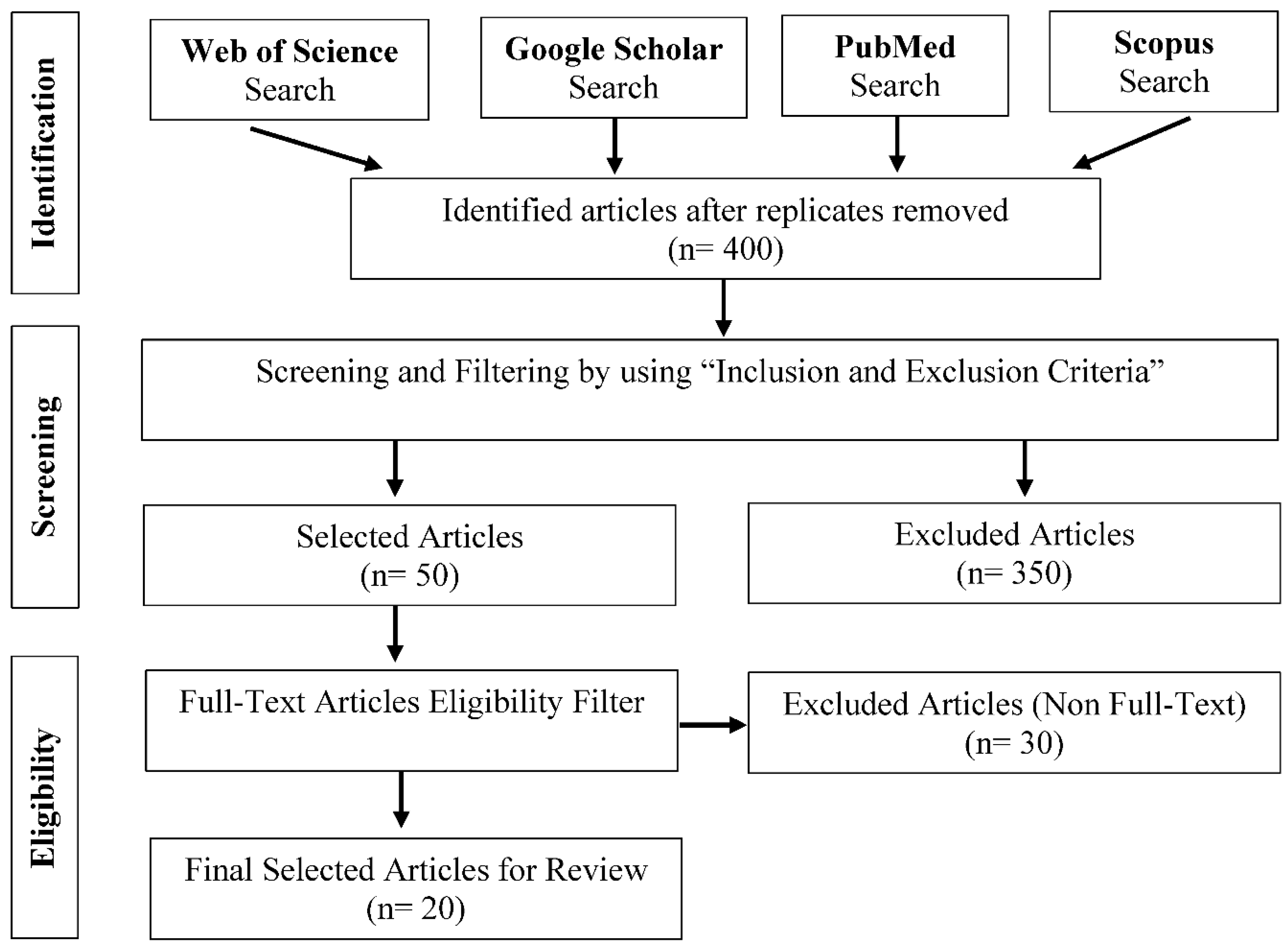

Table 1.
Risk of Bias Assessment.
| Sr. No. | Authors (Year) | Sequence Generation | Baseline Characteristics | Allocation Concealment | Random Housing | Blinding of Caregivers/ Investigators | Blinding of Outcome Assessors | Incomplete Outcome Data | Selective Outcome Reporting | Other Bias |
|
1 |
Jiang, Jianxiong et al. 2019 [13] | Unclear | Low risk | High risk | Low risk | Unclear | Unclear | Unclear | Unclear | High risk |
|
2 |
Dingledine, Ray et al. 2020 [14] | Low risk | Low risk | Unclear | Unclear | Unclear | Low risk | Low risk | Low risk | Low risk |
|
3 |
Kinjo, Erika Reime et al. 2018 [15] | Unclear | Low risk | High risk | Unclear | High risk | Unclear | Low risk | Unclear | High risk |
|
4 |
Yu, Ying et al. 2021 [16] | Unclear | Unclear | Unclear | Unclear | Unclear | Unclear | Low risk | Low risk | High risk |
|
5 |
Nguyen, Hoang Phuong et al. 2017 [13] | Unclear | Unclear | Unclear | Unclear | High risk | High risk | Low risk | Unclear | Unclear |
|
6 |
Du, Yifeng et al. 2016 [17,18] | Unclear | Low risk | Unclear | Unclear | Unclear | Low risk | Low risk | Low risk | Low risk |
|
7 |
Jiang, Jianxiong et al. 2019 [13] | Unclear | Low risk | Unclear | Unclear | Low risk | Low risk | Low risk | Low risk | Low risk |
|
8 |
Dingledine, Ray et al. 2022 [18] | Low risk | Low risk | Unclear | Unclear | Low risk | Low risk | Low risk | Low risk | Low risk |
|
9 |
Yu, Ying et al. 2021 [16] | Unclear | Low risk | Unclear | Unclear | Unclear | Unclear | Low risk | Low risk | High risk |
|
10 |
Nguyen, Hoang Phuong et al. 2015 [19] | Unclear | Low risk | Unclear | Unclear | Unclear | Unclear | Low risk | Low risk | High risk |
|
11 |
Du, Yifeng et al. 2018 [17] | Unclear | Low risk | Unclear | Unclear | High risk | High risk | Low risk | Low risk | Unclear |
|
12 |
Kinjo, Erika Reime et al. 2017 [15] | Unclear | Low risk | Unclear | Unclear | High risk | High risk | Low risk | Low risk | Low risk |
Table 2.
Potential of COX-2 Inhibitors by Using Different Animal Models of Epilepsy.
| Sr. No. | Author Name and Year | Type of Seizure | Animal Model | Dose | Neuroprotection |
|---|---|---|---|---|---|
|
1 |
Zandieh et al. 2010 [20] | Generalized (PTZ-induced) | Swiss mice | Celecoxib: 1, 2.5, 5 mg/kg | Not directly assessed |
|
2 |
Gopez et al. 2005 [21] | Not directly discussed | Rat model (traumatic brain injury) | DFU: 1 or 10 mg/kg i.p. twice daily | Significant neuroprotection observed |
|
3 |
Jiang et al. 2013 [14] | Generalized (Status Epilepticus) | C57BL/6 mice (pilocarpine-induced) | TG6-10-1: 5 mg/kg administered 3 times | Significant reduction in neurodegeneration and inflammation |
|
4 |
Dudek et al. 2012 [22] | Generalized (Status Epilepticus) | Mouse model (pilocarpine-induced) | Not specified (COX-2 ablation approach) | Neuroprotection observed through COX-2 ablation, reducing neurodegeneration and BBB disruption |
|
5 |
Dhir et al. 2007 [23] | Generalized (PTZ-induced) | Albino mice | Nimesulide: 2.5, 5 mg/kg p.o. | Neuroprotection observed via reduction in oxidative stress and biochemical changes |
|
6 |
Clossen and Reddy 2017 [24] | Focal (Temporal Lobe Epilepsy) | Rodent models (various, including pilocarpine, kainic acid, kindling) | Various doses across different models | Disease modification and neuroprotection through targeting pathways like mTOR and COX-2 |
|
7 |
Claycomb et al. 2011 [25] | Generalized (PTZ-induced) | CD-1 mice | Rofecoxib: 30 mg/kg/day via diet | No evidence of neuroprotection in this model |
|
8 |
Jiang et al. 2012 [26] | Generalized (Status Epilepticus) | C57BL/6 mice (pilocarpine-induced) | TG4-155: 5 mg/kg administered twice post-SE | Significant reduction in neuronal injury and neuroinflammation through EP2 receptor inhibition |
|
9 |
Jiang et al. 2019 [13] | Generalized (Status Epilepticus) | C57BL/6 mice (kainate-induced) | TG6-10-1: 5 mg/kg twice daily post-SE | Significant anti-inflammatory and neuroprotective effects, reduced blood-brain barrier breakdown, and neuronal injury |
|
10 |
Rawat et al. 2023 [27] | Focal (Post-Traumatic Epilepsy) | Rat model (fluid percussion injury) | TG8-260: 25 mg/kg twice daily for 5 days | Significant reduction in neuroinflammation and oxidative stress markers |
Table 3.
Seizure Studies Summary.
| Sr. No. | Author Name and Year | Type of Seizure | Dose | Animal Model Used | Impact on Seizure |
|---|---|---|---|---|---|
|
1 |
Nadine Polascheck et al., 2010 [28] | Generalized | 10 mg/kg twice daily (Parecoxib) |
Sprague-Dawley rats | Reduced seizure severity, no effect on incidence or duration |
|
2 |
Linda Holtman et al., 2010 [29] | Temporal Lobe | 10 mg/kg daily SC-58236 | Sprague-Dawley rats | Increased mortality; no effect on SE duration, temporary seizure reduction |
|
3 |
Kiran Kumar Akula et al., 2008 [30] | Generalized (PTZ-induced) | 4 mg/kg, 2 mg/kg, 1 mg/kg (i.p.) Rofecoxib | Albino mice | Higher doses increased seizure threshold; lower dose ineffective |
|
4 |
Hadeel Alsaegh et al., 2021 [31] | Generalized Tonic-Clonic Seizures | 10 mg/kg celecoxib (i.p.) | Wistar rats | Reduced seizure severity, inflammation, and oxidative stress |
|
5 |
Tina Kunz and Ernst H. Oliw, 2001 [32] | Limbic (Kainic Acid-Induced) | 10 mg/kg Nimesulide (i.p.) |
Sprague-Dawley rats | Aggravated seizure severity, increased mortality |
|
6 |
Christopher D. Toscano et al., 2008 [33] | Kainic Acid-Induced | Celecoxib (diet) | C57BL/6 mice | Increased susceptibility to excitotoxicity, more intense seizures |
|
7 |
Ashish Dhir et al., 2007 [23] | Generalized (PTZ-induced) | 2.5 mg/kg and 5 mg/kg (p.o.) Nimesulide | Swiss albino mice | Reduced kindling and oxidative stress |
|
8 |
Robert J. Claycomb et al., 2011 [25] | Generalized (PTZ-induced) | 30 mg/kg/day (chow) Rofecoxib | C57BL/6 mice | No effect on seizure severity or kindling |
|
9 |
Varun Rawat et al., 2023 [27] | Focal (Fluid Percussion Injury) | 25 mg/kg TG8−260 (i.p.) | Sprague-Dawley rats | Reduced seizure duration, minimal effect on frequency |
|
10 |
Lin Zhou et al., 2018 [34] | Focal (ADLTE Model) | 10 mg/kg celecoxib (i.p.) | LGI1-/- mice | Lowered seizure susceptibility, enhanced survival |
|
11 |
Eun Joo Baik et al., 1999 [35] | Kainic Acid-Induced | 10 mg/kg NS-398 or celecoxib (i.p.) |
Mice | Aggravated seizure severity and increased mortality |
Disclaimer/Publisher’s Note: The statements, opinions and data contained in all publications are solely those of the individual author(s) and contributor(s) and not of MDPI and/or the editor(s). MDPI and/or the editor(s) disclaim responsibility for any injury to people or property resulting from any ideas, methods, instructions or products referred to in the content. |
© 2025 by the authors. Licensee MDPI, Basel, Switzerland. This article is an open access article distributed under the terms and conditions of the Creative Commons Attribution (CC BY) license (http://creativecommons.org/licenses/by/4.0/).
Copyright: This open access article is published under a Creative Commons CC BY 4.0 license, which permit the free download, distribution, and reuse, provided that the author and preprint are cited in any reuse.


