

Submitted:
13 June 2025
Posted:
17 June 2025
You are already at the latest version
Abstract
In response to increasingly stringent emission regulations, low-carbon fuels have received significant attention as sustainable energy sources for internal combustion engines. This study investigates four representative low-carbon fuels—natural gas, methanol, hydrogen, and ammonia—by systematically summarizing their combustion characteristics and emission profiles, along with a review of existing after-treatment technologies tailored to each fuel type. For natural gas engines, unburned hydrocarbon (UHC) produced during low-temperature combustion exhibit poor oxidation reactivity, necessitating integration of oxidation strategies such as diesel oxidation catalyst (DOC), particulate oxidation catalyst (POC), ozone-assisted oxidation, and zoned catalyst coatings to improve purification efficiency. Methanol combustion under low-temperature conditions tends to produce formaldehyde and other UHCs. Due to the lack of dedicated after-treatment systems, pollutant control currently relies on general-purpose catalysts such as DOC, Three-way catalyst (TWC), and POC. Although hydrogen combustion is carbon-free, its high combustion temperature often leads to elevated NOx emissions, requiring a combination of optimized hydrogen supply strategies and selective catalytic reduction (SCR)-based denitrification systems. Similarly, while ammonia offers carbon-free combustion and benefits from easier storage and transportation, its practical application is hindered by several challenges including low ignitability, high toxicity, and notably NOx emissions compared to conventional fuels. Current exhaust treatment for ammonia-fueled engines primarily depends on SCR, SCR-coated diesel particulate filters (SDPF). Emerging NOx purification technologies such as integrated NOx reduction via hydrogen or ammonia fuel utilization still face challenges of stability and narrow effective temperature.
Keywords:
low-carbon fuels
; internal combustion engines
; unburned hydrocarbons
; nitrogen oxides
; emissions after-treatment
1. Introduction
With the accelerating pace of urban industrialization, countries around the world are confronted with the major issue of global climate change and environmental warming. Reducing greenhouse gas emissions as much as possible has become an essential part of ecological and environmental construction worldwide. Internal combustion engines , as the core power units for transportation, engineering machinery, and marine vessels, consume approximately 70% of the world's petroleum resources, making them the primary sector of oil consumption and a significant source of greenhouse gas (GHG) emissions. To address the challenge of reducing greenhouse gas (GHG) emissions from internal combustion engines, the utilization of low-carbon alternative fuels—such as natural gas, methanol, ammonia, and hydrogen—has emerged as a pivotal research focus in ICE technology. These fuels offer significant potential to decarbonize transportation and industrial sectors while maintaining engine performance. However, these alternative fuels still face critical challenges, particularly in pollutants include nitrogen oxides (NOx), particulate matter (PM), hydrocarbons (HC), and carbon monoxide (CO) [1,2,3,4]. Among the various application fields of internal combustion engines, road vehicles face the most stringent exhaust pollutant standards globally. To better regulate vehicle pollutant emissions, countries around the world have progressively implemented stricter emission standards [8,9], as shown in Figure 1. Since California introduced the first emission regulations in 1966, and up to the present day with the Euro VII emission standards, the limits on harmful emissions have become increasingly stringent, approaching "zero emissions." Non-road mobile machinery and marine engines currently operate under comparatively lenient emission standards. However, this regulatory gap is narrowing as international bodies (IMO Tier III for ships) and regional policies (EU Stage V for off-road equipment) progressively adopt cleaner fuel specifications and aftertreatment technologies. Therefore, in response to these tightening emission regulations and to better protect the atmospheric environment, it is essential to use low-carbon fuels, develop new low-emission engines, and employ after-treatment technologies to purify emission pollutants.
The energy structure of the internal combustion engine industry is gradually transitioning from high-carbon fossil fuels to carbon-neutral and low-carbon energy sources. Currently, commercially deployed low-carbon alternative fuels include biodiesel and natural gas. Emerging solutions such as renewable hydrogen, electronic methanol and ammonia (produced via catalytic synthesis of renewable hydrogen and CO₂/N₂) demonstrate life-cycle CO₂ reductions of 70-90%, though face scalability challenges due to energy-intensive production. Finding efficient combustion and low-pollution after-treatment technologies for low-carbon fuel engines is a key focus of current internal combustion engine combustion technology development.
2. Low-Carbon Fuels and Corresponding Emission After-Treatment Technologies
2.1. Natural Gas Fuels
Natural gas, as the third-largest global energy source after coal and oil, plays a crucial role in the transition towards low-carbon energy. Its application in internal combustion engines is increasing, highlighting the growing importance of natural gas in this field [10]. Compared to other low-carbon fuels such as ammonia and hydrogen, natural gas offers several advantages.
2.1.1. The Use of Natural Gas Fuels
Firstly, natural gas benefits from an established infrastructure for transportation, storage, and distribution, allowing it to be directly utilized through existing pipelines, whereas ammonia and hydrogen require new infrastructure. Additionally, natural gas has a higher energy density, while hydrogen has a lower energy density and requires high-pressure storage or liquefaction. When burned, natural gas emits fewer CO2 and Nox, whereas ammonia usage can lead to Nox emissions, and hydrogen production may be associated with higher carbon emissions. In terms of cost, natural gas is relatively inexpensive, and its price is stable, while hydrogen, particularly green hydrogen, has higher production costs. Overall, natural gas offers advantages in terms of infrastructure, cost, and technological adaptability, but both hydrogen and ammonia hold significant potential for future low-carbon energy transitions.
Natural gas can be divided into two main types: conventional natural gas and unconventional natural gas. Conventional natural gas is typically found alongside oil, while unconventional natural gas must be extracted from sources such as shale, tight sandstone, coal seams, deep aquifers, and deep-sea sediments. The extraction of unconventional natural gas is more challenging compared to conventional natural gas [11].Although the sources of unconventional natural gas vary, its main components are generally consistent, including methane (CH4), ethane, propane, isobutene, n-butane, CO2, and N2 [12]. As shown in Figure 2, the flow chart of natural gas extraction and application demonstrates that, compared to gasoline and diesel, natural gas produces the least pollutant emissions throughout its entire lifecycle, including extraction, production, storage, transportation, and use [13].
Due to the concentration of fossil fuels in the Middle East, international oil prices are often influenced by regional security issues. In contrast, natural gas has more abundant reserves and is widely distributed across the world, making it easier to establish a stable supply chain. This not only helps reduce atmospheric pollution but also contributes to maintaining energy security. When natural gas is used as an alternative fuel for internal combustion engines, it has the following characteristics:
(1) Compared to diesel and gasoline, natural gas has a higher octane rating, better anti-knock performance, and lower chemical reactivity. These characteristics allow for an increase in the engine’s compression ratio range, which in turn improves the engine’s thermal efficiency, reduces fuel consumption, and significantly enhances fuel economy [14].
(2) Natural gas has a wide flammability limit, which facilitates the expansion of the lean burn limit. The laminar flame propagation speed is slower, which helps reduce Nox emissions [15,16].
(3) Natural gas has a higher calorific value compared to diesel and gasoline. Therefore, compared to gasoline and diesel engines of the same displacement, natural gas can significantly increase engine power [17].
(4) Natural gas is a colorless, odorless, non-toxic gas, primarily composed of methane (CH4). It has a lower carbon content than gasoline and diesel, and produces relatively lower CO2 emissions during combustion, making it a cleaner fuel [18,19].
In summary, natural gas can improve engine combustion efficiency while achieving cleaner combustion, making it an ideal alternative fuel for reducing CO2 emissions. Therefore, natural gas is considered a promising low-carbon fuel, and the promotion and application of natural gas engines are of significant importance. This provides a viable energy development path for reducing carbon emissions and maintaining a healthy atmospheric environment.
2.1.2. After-Treatment System for Natural Gas Engines
Natural gas engines, recognized as a promising low-carbon fuel alternative, have played an important role in reducing energy consumption and emissions. However, like conventional gasoline and diesel engines, they still produce pollutants during operation, making it necessary to implement effective emission control strategies. Among these pollutants, Unburned hydrocarbon (UHC), with methane as the primary component, are particularly significant [20]. Since current emission standards do not clearly distinguish between methane and non-methane hydrocarbons, regulating UHC emissions remains difficult. Nonetheless, with increasingly stringent environmental regulations, enhancing the control of UHC emissions, especially methane, has become an urgent priority.
At present, the three-way catalyst (TWC) remains one of the primary technologies used to treat emissions from natural gas engines [18,19]. TWC can effectively remove non-methane hydrocarbons while simultaneously reducing carbon monoxide (CO) and Nox, all within a relatively compact after-treatment system. However, methane, a colorless, odorless, and non-toxic but highly flammable gas, possesses a high hydrogen-to-carbon ratio and high calorific value, with combustion products consisting mainly of CO2 and water (H2O) [23,24]. Due to its stable molecular structure and high auto-ignition temperature, methane is difficult to oxidize at lower temperatures [25], which makes it challenging to achieve effective conversion using TWC alone.
Currently, further reductions in methane and other HC emissions can be achieved by optimizing the mixture formation process and adopting lean-burn combustion strategies in engine operation [26,27]. While enhancing the mixture formation process can help reduce UHC emissions to some extent, it may also lead to increased fuel consumption and higher Nox emissions. To balance Nox control and fuel economy, exhaust gas recirculation (EGR) technology is often employed to reduce thermal load by reintroducing a portion of the exhaust gas into the combustion chamber, thereby lowering the combustion temperature. However, when applied to dual-fuel engines such as diesel/natural gas systems, EGR may contribute to increased PM emissions. In addition, one of the main drawbacks of EGR is that it can significantly lower exhaust temperatures, which in turn further reduces the effectiveness of the TWC in oxidizing methane [25,28].In contrast, lean-burn combustion offers the advantage of maintaining high thermal efficiency while reducing fuel consumption and significantly lowering the engine’s raw Nox emissions. However, due to the lower exhaust temperatures associated with lean-burn operation, additional catalytic systems are still required to effectively remove Nox. In addition to methane and Nox, natural gas engines also emit other pollutants, such as formaldehyde (HCHO) and small amounts of PM [29]. Formaldehyde poses serious health risks due to its neurotoxicity and potential carcinogenicity, and therefore requires strict control under ultra-low emission standards [30]. HCHO formation is primarily attributed to the incomplete oxidation of natural gas in low-temperature combustion zones. PM emissions may originate from unburned hydrocarbons or partial combustion of lubricating oil in direct contact with the flame. Nevertheless, compared with conventional diesel engines, natural gas engines generally produce lower levels of PM emissions [31].
In addition to optimizing combustion strategies and employing TWC, exhaust purification in natural gas engines also relies heavily on noble metal catalysts coated onto carrier materials. Commonly used active metals include platinum (Pt), palladium (Pd), and rhodium (Rh), which are typically supported on alumina or ceria-zirconia composite oxides. Under lean-burn conditions, Pt and Pd generally exhibit better catalytic oxidation performance for methane compared to Rh [32]. However, noble metal catalysts often suffer from poor thermal stability and are susceptible to deactivation due to water vapor interference and sulfur poisoning during high-temperature operation. As a result, enhancing the stability and durability of these catalysts while maintaining high conversion efficiency has become a critical focus in current research on after-treatment technologies.
As previously discussed, the purification of methane relies on noble metal catalysts supported on substrate materials. Therefore, the after-treatment system of natural gas engines share the same structural framework used in conventional gasoline or diesel engines while implementing specific design modifications to enhance methane oxidation efficiency. For instance, placing a diesel oxidation catalyst (DOC) at the upstream section of the system can significantly enhance both methane conversion efficiency and catalyst durability [33]. The DOC typically adopts a flow-through structure and is installed at the forefront of the after-treatment system, as illustrated in Figure 3 [37]. Catalysts such as Pt and Pd are commonly used in DOC, which function primarily by lowering the activation energy of chemical reactions for exhaust pollutants, thereby enabling oxidation at relatively low temperatures. In addition, the DOC can contribute to the removal of acetaldehyde and certain exhaust odors [35], making it, alongside the TWC, one of the key components in current natural gas engine after-treatment systems. However, the DOC may also generate by-products such as ammonia(NH3) and Nitrous Oxide(N₂O) during methane oxidation, which pose risks of secondary pollution [33]. Therefore, future efforts should focus on precise control of exhaust gas composition and the optimization of catalytic oxidation strategies in DOC to mitigate these issues.
Kinnunen et al. [36] proposed a combined methane purification strategy based on the TWC configuration by placing the TWC upstream of the methane oxidation catalyst to form a synergistic system with the downstream catalyst. This setup provides a certain degree of sulfur storage capability under lean-burn conditions, thereby improving the sulfur tolerance of the after-treatment system and reducing the risk of sulfur poisoning to some extent. Moreover, under rich-burn conditions, the TWC can promote the formation of reductive gas species, which further enhances the purification performance of downstream catalysts. To efficiently remove methane while reducing cost, some studies have explored the use of ozone instead of oxygen for catalytic oxidation. Keenan et al. [37] conducted ozone-assisted oxidation experiments using an iron-based zeolite catalyst, and achieved a methane conversion rate of up to 60% at 220 °C. This approach demonstrated promising potential under low-temperature conditions, particularly for large-scale stationary engine systems. Yasumura et al [38] using a computational catalyst design approach, developed a proton-type β-zeolite catalyst containing silicon and aluminum, which significantly improved methane combustion efficiency in the presence of ozone. This catalyst outperformed conventional Pd-based catalysts in the temperature range of 100–300 °C, and also exhibited good water and sulfur tolerance. However, under higher temperature conditions, traditional catalysts such as Pd still demonstrated superior catalytic activity. Although ozone has demonstrated promising performance in methane purification, the energy consumption involved in its generation and the potential formation of secondary pollutants such as Nox cannot be overlooked.
2.2. Methanol Fuel
2.2.1. The Use of Methanol Fuel
Methanol is widely used as a low-carbon and clean alternative fuel in engine applications. Besides Nox, methanol and formaldehyde are important components of UHC emitted from methanol engines. To reduce the emissions of such pollutants, technologies such as low-temperature combustion, water or ethanol injection, and combustion chamber optimization are commonly employed to improve overall engine performance and enhance combustion efficiency, thereby limiting pollutant formation [39]. Although these approaches have shown some effectiveness in reducing methanol-related emissions, they often come at the expense of engine power output. Consequently, under the limitations of current in-cylinder control strategies, additional exhaust after-treatment technologies are typically required to further reduce methanol and formaldehyde emissions. However, there are currently no dedicated after-treatment systems specifically designed for these two pollutants. Instead, pollutant control is generally achieved using devices such as the DOC, TWC, and particulate oxidation catalyst (POC), as previously discussed [40,41,42].
2.2.2. After-Treatment System for Methanol Engines
The purification of methanol and formaldehyde by the DOC primarily relies on the synergistic effect between the catalyst and oxygen under high-temperature conditions. As exhaust gases pass through the DOC, unburned methanol and formaldehyde react with oxygen and are converted into CO2 and H2O. During this process, the catalyst facilitates the catalytic oxidation of these unburned components. As previously noted, TWC is not only effective in reducing emissions of HC, CO, and Nox, but also exhibits a certain capability in removing unburned methanol and formaldehyde [43,44]. The POC proposed by Ecocity Oy in 2004, it is a semi-flow-through filtration device designed for exhaust gas treatment [45]. Constructed from corrugated stainless-steel mesh and featuring a multi-layer folded design with non-blocking channels, the structure of the POC is illustrated in Figure 4. This device can effectively reduce HC compounds and CO produced from the combustion of natural gas or methanol, achieving a purification efficiency ranging from 40% to 70%.
Compared with conventional exhaust purification devices, the POC features a simpler structure, lower operating costs, and can function independently without complex system integration. Recent studies have shown that placing the POC downstream of the DOC can further improve the removal efficiency of unburned methanol and formaldehyde [46].
2.3. Hydrogen Fuel
2.3.1. The Use of Hydrogen Fuel
As a representative zero-carbon fuel, hydrogen produces only water vapor upon combustion, with negligible emissions of CO2, PM, or UHC, making it widely regarded as a key energy carrier for achieving zero-carbon emissions. Hydrogen possesses exceptionally low ignition energy, a wide flammability range, and a high flame propagation speed, which provides excellent combustion reactivity and rapid flame development in engines. These properties make hydrogen well-suited for lean-burn conditions and contribute to improved thermal efficiency. However, hydrogen combustion is still associated with certain emission risks and engineering challenges. Its high flame temperature may substantially promote Nox generation, especially during high-load operation with fuel-rich combustion conditions. Furthermore, hydrogen’s low molecular weight and high diffusivity characteristics can lead to inhomogeneous mixture formation, resulting in localized fuel-rich zones. These zones may induce abnormal combustion phenomena such as knocking, pre-ignition, or backfire, thereby compromising engine operational stability and long-term durability. In summary, hydrogen itself is a clean fuel that does not directly produce pollutant emissions during combustion. The primary challenge lies in the formation of Nox, which occurs indirectly due to variations in combustion conditions. Therefore, the application of hydrogen in internal combustion engines requires not only the optimization of hydrogen supply and combustion control strategies but also the integration of efficient Nox after-treatment technologies to achieve low-emission and high-efficiency combustion, in line with increasingly stringent future emission regulations.
2.3.2. After-Treatment System for Hydrogen Engines
SCR has become a well-established aftertreatment technology for engines, extensively employed to mitigate nitrogen oxide (Nox) emissions. Its primary working principle involves the injection of a urea-water solution through a dosing system, which is then thermally decomposed into ammonia (NH3) at high temperatures. The NH3 subsequently reacts with Nox to produce harmless nitrogen (N2) and H2O [47]. With a Nox conversion efficiency exceeding 90%, SCR is currently one of the most effective technologies for controlling Nox emissions [48]. A schematic diagram of the SCR system is shown in Figure 5.
During the operation of SCR systems, catalyst selection plays a crucial role in determining overall conversion efficiency [49]. Currently, the most commonly used catalysts are copper-based and iron-based zeolites. Copper-based zeolite catalysts offer high Nox conversion efficiency at low temperatures and exhibit good thermal stability. In contrast, iron-based zeolites demonstrate excellent catalytic performance at higher temperatures, with an effective activity window typically ranging from 458 to 598 °C [50,51].
At present, copper-based zeolites have been successfully applied to Nox conversion in diesel vehicles in both the European Union and the United States, due to their wide operating temperature window and favorable hydrothermal stability [52]. Chen et al [53] found that the auto-reduction of isolated copper sites in copper-based zeolites can enhance low-temperature Nox conversion efficiency in SCR. Shan et al. [54] observed that under fast SCR conditions, hydrothermal aging of copper-based zeolites leads to a reduced inhibitory effect of NO2 on Nox conversion. Peng et al [55] investigated the influence of alkali metal potassium on the physicochemical properties of cerium–copper-based catalysts and reported that cerium modification improves SCR performance and mitigates catalyst deactivation caused by potassium poisoning. Xi and Lee et al [56,57] demonstrated that prolonged pre-sulfation aging reduces the extent of activity loss in SCR reactions and enhances sulfur resistance at low sulfur loading. They also found that the mobility of copper ions is a key factor determining catalytic activity and, ultimately, SCR conversion efficiency. Shen et al [58] reported that during steady-state active regeneration, the Nox conversion efficiency of copper-based SCR catalysts drops to approximately 80.3%.
In addition to copper-based zeolites, Liu et al [59] proposed that iron-based zeolites, due to their excellent high-temperature Nox conversion performance and low N2O selectivity, could serve as a promising complementary catalyst to copper-based systems. Jung et al [60], through investigation of N2O formation during the SCR process, found that N2O generation is closely related to the NO2/Nox ratio at the inlet, and that iron-based zeolites tend to form N2O more rapidly than their copper-based counterparts. Yu and Wang et al [61,62] explored the roles of iron sites and acidity in the SCR reaction and concluded that the catalytic activity of iron-based zeolites primarily depends on the type and concentration of active iron species. Qiao et al [63] studied the effect of CO2 on the SCR performance of iron-based catalysts and found that CO2 significantly inhibits catalytic activity at temperatures below 300 °C.
Although SCR technology offers significant advantages in Nox removal, its application in future hydrogen-fueled engines still faces challenges, particularly under low-temperature operation and cold-start conditions, which are difficult to avoid. Under such circumstances, the SCR system often struggles to maintain effective denitrification efficiency due to insufficient reaction temperature. In addition, hydrogen-fueled engines tend to emit a certain amount of unburned H2 during transient operation conditions [64]. Therefore, achieving efficient Nox removal under low-temperature conditions while simultaneously utilizing unburned H2 has become a pressing issue. In response, hydrogen selective catalytic reduction (H₂-SCR) technology has emerged. This approach uses H₂ as a reductant to convert Nox into harmless N2 with the help of a catalyst. Notably, it can effectively reduce Nox even in high-oxygen environments and is less likely to produce secondary pollutants [65,66]. Recent studies have further demonstrated that, with the aid of specific catalysts, the H₂-SCR process can achieve high Nox conversion efficiency even at temperatures below 200 °C [67].
2.4. Ammonia Fuel
2.4.1. The Use of Ammonia Fuel
Ammonia (NH3) has emerged as a promising zero-carbon alternative fuel, garnering significant research interest in recent years. Its synthesis from hydrogen and atmospheric nitrogen, coupled with existing large-scale production infrastructure, guarantees reliable supply chain continuity [68]. NH₃ is easy to liquefy, convenient to store, transport, and offers a higher volumetric energy density than liquid hydrogen. Moreover, its strong pungent odor provides a “self-alarming” characteristic that facilitates early detection and risk prevention in the event of a leak [69,70]. In addition, its high hydrogen content and compatibility with renewable energy sources make NH3 one of the most promising candidates for future clean energy systems [71,72].
However, the practical application of NH₃ still faces dual challenges related to poor combustion characteristics and significant pollutant emissions. NH₃ exhibits a low laminar burning velocity, along with a high auto-ignition temperature and ignition energy requirement, which makes it difficult to ignite and results in slow flame propagation. These factors contribute to incomplete combustion, ultimately affecting energy efficiency and system stability [73]. More critically, NH₃ combustion leads to substantial Nox emissions, including both thermal Nox and fuel Nox, with emission levels significantly higher than those of conventional hydrocarbon fuels. Experimental studies have shown that the volume fraction of NO in ammonia flames can reach up to 2000 ppm, far exceeding the levels observed in methane and other hydrocarbon fuels [74,75]. Beyond Nox, the emission of residual/unburned NH₃ constitutes another critical environmental challenge. This compound exhibits dual hazards: direct toxicity and corrosivity endangering human respiratory systems, and material degradation risks for engine/exhaust components through chemical attacks on metal surfaces.[68].
2.4.2. After-Treatment System for Ammonia Engines
Similar to Nox control in hydrogen combustion, SCR has also become one of the primary after-treatment technologies for NH₃ engines due to its high denitrification efficiency [76]. Kurata et al [77] demonstrated effective Nox reduction using an SCR system combined with an ammonia–kerosene co-firing strategy. Further research indicated that integrating SCR with low-Nox combustion methods not only enhances purification efficiency but also allows for downsizing the SCR unit, thereby reducing its impact on the overall system layout—an advantage particularly relevant for high-power NH₃-fueled gas turbines [78]. For the large-scale deployment and commercialization of NH₃ as a fuel, the denitrification after-treatment system must be considered a critical component, especially under operating conditions that demand both high power output and low emissions. Only through the coordinated optimization of combustion and after-treatment systems can NH₃ truly serve as a clean and viable substitute in the ongoing energy transition.
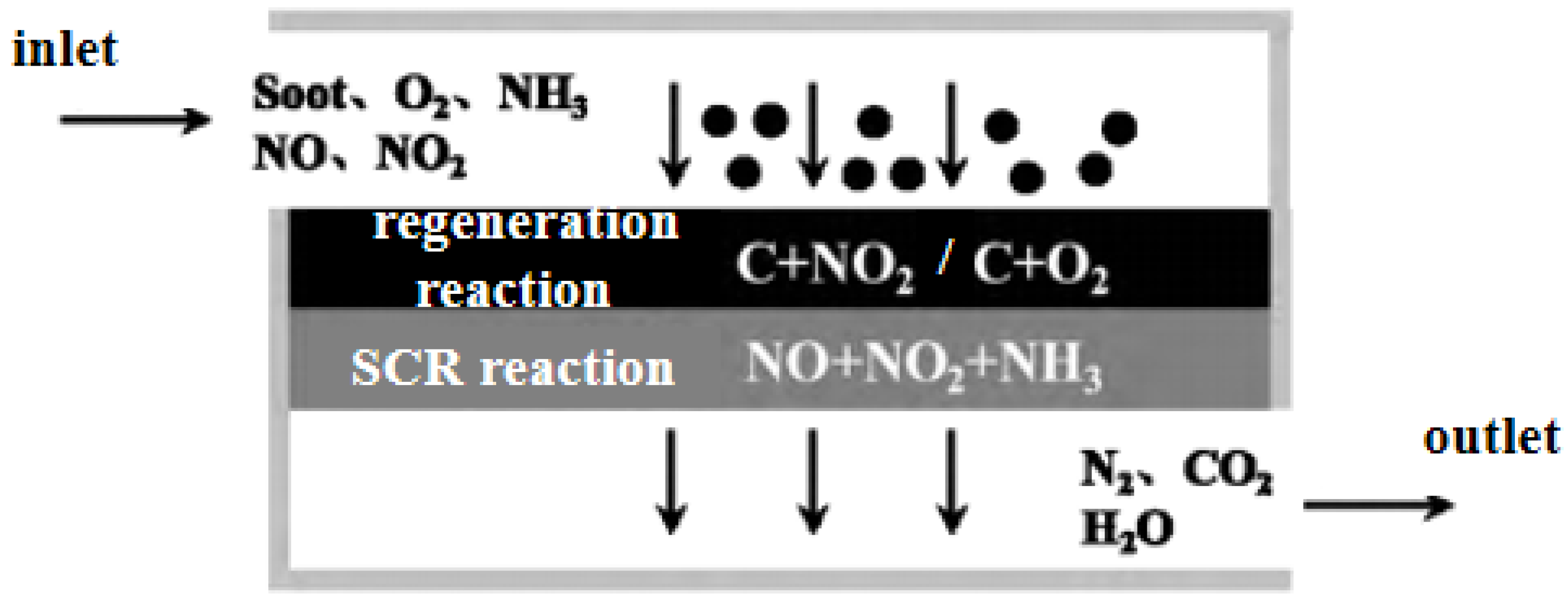
Although SCR is highly effective in reducing Nox emissions, the use of NH₃ as a fuel introduces the potential risk of ammonia slip. To address this issue, an ammonia slip catalyst (ASC) is typically incorporated into the system to suppress NH₃ release. Additionally, conventional SCR systems only achieve optimal Nox conversion efficiency at temperatures above 473 K, making it challenging to control Nox emissions during low-temperature operation or cold-start conditions [73]. Ammonia-fueled engines exhibit notably poor combustion and emission characteristics under low-temperature and low-load conditions, so engines typically adopt a dual-fuel combustion strategy when utilizing NH₃ as fuel, where diesel serves as the ignition source to initiate ammonia combustion. In this case, PM emissions become unavoidable. Against this backdrop, SDPF technology has gained significant attention due to its strong potential for low-temperature NOₓ removal and effective PM capture. The core concept of SDPF technology lies in coating the SCR catalyst onto the porous filtration walls of the DPF. As exhaust gases enter through the inlet channel and pass through the filter walls, PM is trapped on the wall surfaces, while in the presence of NH₃, the SCR catalyst facilitates the reduction of Nox in the exhaust to harmless N₂ [79]. A schematic diagram of the SDPF working principle is shown in Figure 6.
Tan et al [80] investigated the emission characteristics of SDPF under different catalyst coating loadings. The experiments showed that as the catalyst coating loading increased, both the NOx conversion efficiency and particulate matter filtration efficiency of the SDPF changed. However, excessively high coating loadings led to an increase in exhaust backpressure, which affected performance. When the coating loading was 90 g/L, the SDPF exhibited the best balance between NOx conversion and particulate matter filtration. Chen et al[81] investigated the impact of catalyst coating on the emission characteristics and performance of SDPF under different soot loadings. The study found that as the soot loading increased, both the pressure drop and inlet temperature of the SDPF gradually rose, while the NOx conversion efficiency significantly decreased. When the soot loading reached 9.97 g/L, the SDPF lost its ability to reduce NOx emissions. The study also showed that in nucleation-mode particle emissions, SDPF could reduce emissions by 2 to 3 orders of magnitude, while the reduction in accumulation-mode particle emissions was less significant. Furthermore, increasing the soot loading improved the particulate matter filtration efficiency of the SDPF, especially at low-speed conditions, where the filtration efficiency for both nucleation-mode and accumulation-mode particles was significantly enhanced. Tan et al [82] proposed a novel catalyst region coating strategy and compared the effects of different coating distributions on SDPF performance in their experiments. The study found that the SDPF with a localized coating still maintained good NOx conversion efficiency under most operating conditions, while significantly reducing exhaust backpressure at high speeds and heavy loads, which helps improve fuel economy. Although the localized coating strategy slightly reduced the filtration efficiency for nucleation-mode particles, it had almost no impact on the capture of accumulation-mode particles, demonstrating the potential of this strategy to balance emission control and backpressure optimization.
Kim et al [83] investigated the impact of different after-treatment systems (SCR, Lean NOx Trap(LNT) +SCR, and SDPF) on NOx emissions from Euro 6 compliant light-duty diesel vehicles. By analyzing diesel vehicles sold in South Korea since 2018, the study found that the LNT+SCR after-treatment system is applied to most vehicles meeting the Euro 6 standard. The NOx emission characteristics were tested under various driving modes, such as NEDC and WLTP. The study revealed that NOx emissions are closely related to the signals from the Engine Control Unit (ECU) and the Dosage Control Unit (DCU). Furthermore, control strategies such as urea injection quantity and timing have a significant impact on emissions, particularly during cold starts and high-load conditions. The study also showed that the SDPF system plays a key role in simultaneously reducing both PM and NOx emissions. Karamitros et al [84] studied the impact of model-based catalyst partition optimization on the performance of SDPF. The study simulated different coating partition strategies (uniform coating and regionally partitioned coating) to investigate the effects of coating quantity on SCR reactivity, pressure drop, and NOx conversion efficiency. The results showed that regionally partitioned coating significantly improved NOx conversion efficiency under different soot loads, particularly under soot-loaded conditions, where regionally partitioned coatings outperformed uniform coatings. The study also highlighted that regionally partitioned coatings help reduce the consumption of NO2 in the contaminated front regions, thus enhancing passive regeneration rates and improving SCR reactivity. Marchitti et al [85] studied the interaction between soot combustion and NH3-SCR reactivity on copper-based zeolite catalyst coatings in SDPF. The study found that NO2 significantly promotes soot combustion, accelerating its oxidation at low temperatures and notably reducing its ignition temperature. However, the presence of NH3 inhibits the reaction between NO2 and soot, leading to an increase in ignition temperature and slowing down soot combustion. Additionally, the study revealed that soot has a slight negative impact on SCR reactivity, particularly when there is excess NOx, which increases SCR reaction activity. Purfürst et al [86] studied the impact of soot on ammonia adsorption and denitration performance of SDPF catalysts. The experiment found that under soot loading, the NO conversion efficiency of the SDPF decreased, and NH3 storage capacity was reduced. The diffusion barrier layer formed by soot within the porous walls of the filter restricted the transport of ammonia, leading to a decrease in NO conversion efficiency. By developing a one-dimensional micro-model of the filter wall, the study explained the effects of soot on ammonia adsorption and SCR reactivity, highlighting the significant impact of soot layer thickness on NO conversion and NH3 storage. The model indicated that increasing soot loading directly affected the reaction rate and the diffusion of gas species, subsequently influencing both NOx conversion and ammonia storage.
Compared with conventional NOx treatment technologies such as SCR and SDPF, which rely on external reductants, electrochemical NOx decomposition has attracted increasing attention in recent years. This approach directly reduces NOx to harmless products using an externally applied electric current, thereby eliminating issues related to reductant storage, transportation, and potential secondary pollution caused by leakage. The operating principle involves applying an external voltage to an electrolytic cell, which polarizes the solid electrolyte and generates additional oxygen vacancies (OVS). At the three-phase boundary (TPB) on the cathode, NO is reduced to N₂, while the resulting O2- ions migrate to the anode under appropriate temperature conditions, release electrons, and form O₂[87].Although this technology eliminates the need for external reductants and holds great potential for efficient NOx removal, its high energy consumption limits its application in ammonia-fueled engines. Therefore, this technology is more suitable for ammonia-fueled hybrid vehicles equipped with multiple power sources.
In addition, Direct Ammonia Injection for NOx Reduction is regarded as a novel and promising NOx control approach. This technology utilizes NH₃ directly as a reductant to react with NOx, converting it into harmless N₂ and H₂O. It is particularly suitable for ammonia-fueled engines, as it leverages the ammonia already present in the fuel system, eliminating the need for additional reductant supply. Recent studies have proposed the application of this method in high-pressure direct injection (HPDI) ammonia/diesel dual-fuel combustion modes. By carefully managing the timing of post-injection of ammonia, NOx formation can be effectively suppressed. However, excessive delay in post-injection may lead to a decrease in indicated thermal efficiency and significantly increase emissions of N₂O and unburned NH₃. Research indicates that maintaining the post-injection ammonia ratio within the range of 20% to 30% is generally optimal[88].
3. Conclusion
To better achieve the dual goals of energy transition and environmental protection, the promotion and application of low-carbon fuels in internal combustion engines has become a key research focus. This paper provides a systematic summary of the emission characteristics and corresponding after-treatment technologies of representative low-carbon fuels, including natural gas, methanol, hydrogen, and ammonia. The main conclusions are as follows:
- Natural gas as a fuel results in relatively low CO₂ and PM emissions, but tends to produce significant amounts of unburned hydrocarbons such as methane and formaldehyde. Due to the chemical stability and low reactivity of methane, traditional TWC are generally ineffective at converting these compounds at low temperatures. Therefore, current strategies rely on integrating DOC with methane oxidation catalysts, implementing zoned catalyst designs, or applying ozone-assisted oxidation to improve low-temperature methane conversion efficiency.
- Methanol combustion under low-temperature conditions tends to generate unburned methanol and formaldehyde, yet no dedicated after-treatment systems have been developed specifically for methanol-fueled engines. As a result, general-purpose devices such as DOC, TWC, and POC are commonly used for emission control. Among them, POC has gained attention for its simple structure, low cost, and high purification efficiency. Furthermore, the combining DOC and POC demonstrates significant potential for improving the removal efficiency of methanol-derived pollutants.
- Hydrogen combustion produces only water vapor, making it a zero-carbon fuel in terms of direct emissions. However, the high combustion temperature easily leads to the formation of thermal NOx. In addition, hydrogen's high diffusivity and low ignition energy can cause backfire and pre-ignition issues. To achieve ultra-low emissions, hydrogen-fueled engines require an integrated approach combining optimized hydrogen injection/combustion strategies with advanced NOx after-treatment technologies such as SCR, to ensure low emissions.
- Ammonia, as a carbon-neutral fuel, offers significant advantages including wide availability and ease of storage/transportation, positioning it as a promising low-carbon alternative. However, its practical application is hindered by inherent combustion challenges—notably low flame propagation speed and high minimum ignition energy—which often result in incomplete fuel oxidation and increased NOx emissions. Moreover, the toxic and corrosive nature of ammonia raises concerns over its unburned slip. SCR remains the dominant after-treatment technology for ammonia-fueled engines, and its combination with ASC and SDPF can significantly improve system stability and emission control. Electrochemical NOx decomposition, a novel reductant-free technology, also shows promise, though its high energy consumption currently limits its application to ammonia-based hybrid power systems.
- To enable the widespread application of low-carbon fuels in internal combustion engines, it is necessary to develop fuel-specific after-treatment routes that strike an optimal balance between emission reduction efficiency, thermal management, catalyst durability, and cost-effectiveness.
4. Prospects
With the tightening of global emission regulations and the ongoing pursuit of carbon neutrality, the research and application of low-carbon fuels in internal combustion engines are steadily advancing. However, the significant differences in physical and chemical properties and combustion characteristics among various fuels pose complex challenges for emission control technology development. Future research should focus more on developing fuel-adaptive after-treatment systems, particularly those capable of maintaining high pollutant conversion efficiency under low-temperature conditions.
For pollutants such as methane and formaldehyde, future efforts should prioritize enhancing the hydrothermal stability and sulfur resistance of catalysts. In terms of hydrogen and ammonia fueled engine emissions, it is essential to develop more compact and integrated systems that combine combustion control with emission reduction, with a particular focus on NOx control technologies and the mitigation of ammonia slip. Existing mature engine emission control technologies remain valuable references, particularly the continued optimization of NOx reduction techniques such as SCR and SDPF, which will continue to be key areas of future research. The development of multifunctional catalytic materials, combined with advanced modeling and real-time optimization algorithms, represents a critical pathway toward achieving coordinated system-level control in emissions after-treatment processes. In addition, emerging technologies such as electrochemical NOx decomposition offer new pathways for reductant-free and energy-efficient pollutant removal.
Finally, emerging NOx purification technologies such as H₂-SCR still face challenges including limited water resistance of catalysts and low reaction efficiency at lower temperatures. Future research should focus on developing catalytic materials with higher selectivity and enhanced stability, while integrating optimized thermal management strategies to improve practical applicability. In contrast, the direct utilization of NH₃ from ammonia fuel for NOx reduction enables synergistic integration between fuel combustion and emission control systems, eliminating the need for external reductants while streamlining overall system design. However, this approach also faces issues such as ammonia slip, difficulty in controlling injection precision, and a narrow effective temperature window. These challenges become more pronounced under variable operating conditions and high power output scenarios, imposing stricter demands on system safety and response performance.
Funding
This research work is sponsored by the Fundamental Research Funds for the Central Universities (DUT24ZD407).
Conflicts of Interest
The authors declare no conflicts of interest.
Abbreviations
The following abbreviations are used in this manuscript:
| ICE | Internal combustion engine |
| UHC | Unburned hydrocarbon |
| DOC | Diesel oxidation catalyst |
| POC | Particulate oxidation catalyst |
| TWC | Three-way catalyst |
| SCR | Selective catalytic reduction |
| SPDF | SCR-coated diesel particulate filters |
| GHG | Greenhouse gas |
| NOx | Nitrogen oxides |
| PM | Particulate matter |
References
- Wang Y., Xiao G., Li B., et al. Study on the performance of diesel-methanol diffusion combustion with dual-direct injection system on a high-speed light-duty engine [J]. Fuel, 2022, 317: 123414.
- Zhang Z., Long W., Dong P., et al. Performance characteristics of a two-stroke low speed engine applying ammonia/diesel dual direct injection strategy[J]. Fuel, 2023, 332: 126086.
- Kim W, Park C, Bae C. Characterization of combustion process and emissions in a natural gas/diesel dual-fuel compression-ignition engine. Fuel 2021;291:120043.
- Shere A, Subramanian K A. Experimental investigation on effects of equivalence ratio on combustion with knock, performance, and emission characteristics of dimethyl ether fueled CRDI compression ignition engine under homogeneous charge compression ignition mode. Fuel 2022;322:124048.
- Fayyazbakhsh A, Bell M L, Zhu X, et al. Engine emissions with air pollutants and greenhouse gases and their control technologies. Journal of Cleaner Production 2022;376:134260.
- Van Fan Y, Perry S, Klemeš J J, et al. A review on air emissions assessment: Transportation. Journal of cleaner production 2018;194:673-684.
- Reşitoğlu İ A, Altinişik K, Keskin A. The pollutant emissions from diesel-engine vehicles and exhaust aftertreatment systems. Clean Technologies and Environmental Policy 2015;17:15-27.
- Pham Q, Park S, Agarwal A K, et al. Review of dual-fuel combustion in the compression-ignition engine: Spray, combustion, and emission . Energy 2022;250:123778.
- Macián V, Monsalve-Serrano J, Villalta D, et al. Extending the potential of the dual-mode dual-fuel combustion towards the prospective EURO VII emissions limits using gasoline and OMEx. Energy Conversion and Management 2021;233:113927.
- Energy Institute. Statistical Review of World Energy 2024.
- Wang Z, Kong Y, Li W. Review on the development of China's natural gas industry in the background of “carbon neutrality”. Natural Gas Industry B. 2022;9(2):132-140.
- Prasad R K, Mustafi N, Agarwal A K. Effect of spark timing on laser ignition and spark ignition modes in a hydrogen enriched compressed natural gas fuelled engine. Fuel 2020;276:118071.
- Li M, Wu H, Liu X, et al. Numerical investigations on pilot ignited high pressure direct injection natural gas engines: A review. Renewable and Sustainable Energy Reviews 2021;150:111390.
- Malik M A I, Kalam M A, Abbas M M, et al. Recent advancements, applications, and technical challenges in fuel additives-assisted engine operations. Energy Conversion and Management 2024;313:118643.
- Paykani A, Kakaee A H, Rahnama P, et al. Effects of diesel injection strategy on natural gas/diesel reactivity controlled compression ignition combustion. Energy 2015;90:814-826.
- Jiang, L., Xiao, G., Long, W., Dong, et al. Effects of split injection strategy on combustion characteristics and NOx emissions performance in dual-fuel marine engine. Applied Thermal Engineering, 248, 123153. [CrossRef]
- Baratta M, Misul D, Xu J. Development and application of a method for characterizing mixture formation in a port-injection natural gas engine. Energ Convers Manage 2021;227:113595.
- Shu J, Fu J, Liu J, et al. Effects of injector spray angle on combustion and emissions characteristics of a natural gas (NG)-diesel dual fuel engine based on CFD coupled with reduced chemical kinetic model. Applied Energy 2019;233:182-195.
- Wei L, Geng P. A review on natural gas/diesel dual fuel combustion, emissions and performance. Fuel Processing Technology 2016;142:264-278.
- Liu X, Wang H, Zheng Z, et al. Numerical investigation on the combustion and emission characteristics of a heavy-duty natural gas-diesel dual-fuel engine. Fuel 2021;300:120998.
- Winkler A, Dimopoulos P, Hauert R, et al. Catalytic activity and aging phenomena of three-way catalysts in a compressed natural gas/gasoline powered passenger car. Applied Catalysis B: Environmental 2008;84(1-2):162-169.
- Lambert C K. Current state of the art and future needs for automotive exhaust catalysis. Nature Catalysis 2019;2(7):554-557.
- Blanksby S J, Ellison G B. Bond dissociation energies of organic molecules. Accounts of chemical research 2003;36(4):255-263.
- Ruscic B. Active thermochemical tables: sequential bond dissociation enthalpies of methane, ethane, and methanol and the related thermochemistry. The Journal of Physical Chemistry A 2015;119(28):7810-7837.
- Zhang Q, Li M, Li G, et al. Transient emission characteristics of a heavy-duty natural gas engine at stoichiometric operation with EGR and TWC. Energy 2017;132:225-237.
- Cho H M, He B Q. Spark ignition natural gas engines—A review. Energy conversion and management 2007;48(2):608-618.
- Wahbi A, Tsolakis A, Herreros J. Emissions control technologies for natural gas engines. Natural Gas Engines: For Transportation and Power Generation 2019;359-379.
- Einewall P, Tunestål P, Johansson B. Lean burn natural gas operation vs. stoichiometric operation with EGR and a three way catalyst. SAE Technical Paper 2005-01-0250.
- Bauer M, Wachtmeister G. Formation of formaldehyde in lean-burn gas engines; Entstehung von Formaldehyd in Mager-Gasmotoren. Motortechnische Zeitschrift 2009;70:50-57.
- Kim K H, Jahan S A, Lee J T. Exposure to formaldehyde and its potential human health hazards. Journal of Environmental Science and Health, Part C 2011;29(4):277-299.
- Nylund N O, Karvonen V, Kuutti H, et al. Comparison of diesel and natural gas bus performance. SAE Technical Paper 2014-01-2432.
- Gremminger A, Pihl J, Casapu M, et al, Deutschmann O. PGM based catalysts for exhaust-gas after-treatment under typical diesel, gasoline and gas engine conditions with focus on methane and formaldehyde oxidation. Applied Catalysis B: Environmental 2020;265:118571.
- Auvinen P, Nevalainen P, Suvanto M, et al. A detailed study on regeneration of SO2 poisoned exhaust gas after-treatment catalysts: In pursuance of high durability and low methane, NH3 and N2O emissions of heavy-duty vehicles. Fuel 2021;291:120223.
- Zhang Z, Tian J, Li J, et al. The development of diesel oxidation catalysts and the effect of sulfur dioxide on catalysts of metal-based diesel oxidation catalysts: A review. Fuel Processing Technology 2022;233:107317.
- Hamedi M R, Doustdar O, Tsolakis A, et al. Energy-efficient heating strategies of diesel oxidation catalyst for low emissions vehicles. Energy 2021;230:120819.
- Kinnunen N M, Keenan M, Kallinen K, et al. Engineered Sulfur-Resistant Catalyst System with an Assisted Regeneration Strategy for Lean-Burn Methane Combustion. ChemCatChem 2018;10(7):1556-1560.
- Keenan M, Nicole J, Poojary D. Ozone as an enabler for low temperature methane control over a current production Fe-BEA catalyst. Topics in Catalysis 2019;62:351-355.
- Yasumura S, Saita K, Miyakage T, et al. Designing main-group catalysts for low-temperature methane combustion by ozone. Nature Communications 2023;14(1):3926.
- Gao S, Zhang Y, Zhang Z, et al. Multi-objective optimization of the combustion chamber geometry for a highland diesel engine fueled with diesel/n-butanol/PODEn by ANN-NSGA III. Energy 2023;282:128793.
- Chen D, Wang T, Yang T, et al. Effects of EGR combined with DOC on emission characteristics of a two-stage injected Fischer-Tropsch diesel/methanol dual-fuel engine. Fuel 2022;329:125451.
- Liu J, Liang W, Ma H, et al. Effects of integrated aftertreatment system on regulated and unregulated emission characteristics of non-road methanol/diesel dual-fuel engine. Energy 2023;282:128819.
- Huang F, Huang D, Wan M, et al. Experimental Investigation on Effects of Diesel Oxidation Catalysts on Emission Characteristics of a Methanol-Diesel Dual-Fuel Engine. Journal of Energy Engineering 2025;151(1):04024040.
- Zhao H, Ge Y S, Hao C X, et al. Carbonyl compound emissions from passenger cars fueled with methanol/gasoline blends. Total Environ 2010;408(17):3607–3613.
- Wei Y, Liu S, Liu F, et al. Aldehydes and methanol emission mechanisms and characteristics from a methanol/gasoline-fueled spark-ignition (SI) engine. Energy & fuels 2009;23(12):6222-6230.
- Vakkilainen A, Lylykangas R. Particle oxidation catalyst (POC) for diesel vehicles. SAE Technical Paper 2004-28-0047.
- Lu Z, Deng S, Gao C, et al. Emission characteristics and ozone formation potentials of gaseous pollutants from in-use methanol-, CNG-and gasoline-fueled vehicles[J]. Environmental Monitoring and Assessment, 2021, 193: 1-12.
- Wang M H, Liu X Y, Bao J J, et al. Deposition Characteristics of Urea in Urea-SCR Systems and Mixer Optimization. Transactions of CSICE 2023;41(01):86-95.
- Börnhorst M, Deutschmann O. Advances and challenges of ammonia delivery by urea-water sprays in SCR systems[J]. Progress in Energy and Combustion Science, 2021, 87: 100949.
- Shi Z, Peng Q, Jiaqiang E, et al. Mechanism, performance and modification methods for NH3-SCR catalysts: A review. Fuel 2023;331:125885.
- Li S F, Zhang C H, Li Y Y, et al. Research Progress on Selective Catalytic Reduction and Ammonia Slip Catalysts in Diesel Vehicles. Journal of Chang'an University(Natural Science Edition) 2022;42(01):97-114.
- Shi X, Wang Y, Shan Y, et al. Investigation of the common intermediates over Fe-ZSM-5 in NH3-SCR reaction at low temperature by in situ DRIFTS[J]. Journal of Environmental Sciences, 2020, 94: 32-39.
- Zhang W B, Chen J L, Guo L, et al. Research Progress on the NH₃-SCR Mechanism of Metal-Loaded Zeolite Catalysts. Journal of Fuel Chemistry and Technology 2021;49(9):1294-1315.
- Chen D, Yan Y, Guo A, et al. Mechanistic insights into the promotion of low-temperature NH3-SCR catalysis by copper auto-reduction in Cu-zeolites[J]. Applied Catalysis B: Environmental, 2023, 322: 122118.
- Shan Y, Sun Y, Du J, et al. Hydrothermal aging alleviates the inhibition effects of NO2 on Cu-SSZ-13 for NH3-SCR[J]. Applied Catalysis B: Environmental, 2020, 275: 119105.
- Peng J Q, Wang P, Li F X, et al. Study on the Mechanism of Ce Modification Enhancing Potassium Poisoning Resistance of Cu/SSZ-13 Catalysts. Chinese Internal Combustion Engine Engineering 2023;44(05):82-87+94.
- Xi Y, Su C, Ottinger N A, et al. Effects of hydrothermal aging on the sulfur poisoning of a Cu-SSZ-13 SCR catalyst[J]. Applied Catalysis B: Environmental, 2021, 284: 119749.
- Lee H, Song I, Jeon S W, et al. Mobility of Cu Ions in Cu-SSZ-13 Determines the Reactivity of Selective Catalytic Reduction of NOx with NH3[J]. The Journal of Physical Chemistry Letters, 2021, 12(12): 3210-3216.
- Shen Y G, Shi W J, Xiao H R, et al. Experimental Study on the Effect of CDPF Active Regeneration on SCR Performance. Automotive Engineering 2022;44(08):1280-1288.
- Liu Q, Bian C, Ming S, et al. The opportunities and challenges of iron-zeolite as NH3-SCR catalyst in purification of vehicle exhaust[J]. Applied Catalysis A: General, 2020, 607: 117865.
- Jung Y, Pyo Y, Jang J, et al. Nitrous oxide in diesel aftertreatment systems including DOC, DPF and urea-SCR[J]. Fuel, 2022, 310: 122453.
- Yu D, Wang P, Li X, et al. Study on the role of Fe species and acid sites in NH3-SCR over the Fe-based zeolites[J]. Fuel, 2023, 336: 126759.
- Wang P, Yu D, Zhang L, et al. Evolution mechanism of NOx in NH3-SCR reaction over Fe-ZSM-5 catalyst: Species-performance relationships[J]. Applied Catalysis A: General, 2020, 607: 117806.
- Qiao Y J, Gong L, Dong S C, et al. Effect of CO₂ on the NH₃-SCR DeNOx Performance of Fe₂O₃ Catalysts. Journal of Dalian University of Technology 2023;63(05):479-485.
- Farhan S M, Pan W, Zhijian C, et al. Innovative catalysts for the selective catalytic reduction of NOx with H2: A systematic review. Fuel 2024;355:129364.
- Liu Y, Tursun M, Yu H, et al. Surface property and activity of Pt/Nb2O5-ZrO2 for selective catalytic reduction of NO by H2. Molecular Catalysis 2019;464:22-28.
- Gholami F, Tomas M, Gholami Z, et al. Technologies for the nitrogen oxides reduction from flue gas: A review. Science of the Total Environment 2020;714:136712.
- Savva P G, Costa C N. Hydrogen lean-DeNOx as an alternative to the ammonia and hydrocarbon selective catalytic reduction (SCR). Catalysis Reviews: Science and Engineering 2011;53(2):91-151.
- Juangsa F B, Irhamna A R, Aziz M. Production of ammonia as potential hydrogen carrier: Review on thermochemical and electrochemical processes. International Journal of Hydrogen Energy 2021;46(27):14455-14477.
- Aziz M, Juangsa F B, Irhamna A R, et al. Ammonia utilization technology for thermal power generation: A review. Journal of the Energy Institute 2023;111:101365.
- Capurso T, Stefanizzi M, Torresi M, et al. Perspective of the role of hydrogen in the 21st century energy transition. Energy Conversion and Management 2022;251:114898.
- Olabi A G, Abdelkareem M A, Al-Murisi M, et al. Recent progress in Green Ammonia: Production, applications, assessment; barriers, and its role in achieving the sustainable development goals. Energy Conversion and Management 2023;277:116594.
- Chai W S, Bao Y, Jin P, et al. A review on ammonia, ammonia-hydrogen and ammonia-methane fuels. Renewable and Sustainable Energy Reviews 2021;147:111254.
- Wei X, Zhang M, An Z, et al. Large eddy simulation on flame topologies and the blow-off characteristics of ammonia/air flame in a model gas turbine combustor. Fuel 2021;298:120846.
- Yang Y, Huang Q, Sun J, et al. Reducing NO x emission of swirl-stabilized ammonia/methane tubular flames through a fuel-oxidizer mixing strategy. Energy & Fuels 2022;36(4):2277-2287.
- Okafor E C, Tsukamoto M, Hayakawa A, et al. Influence of wall heat loss on the emission characteristics of premixed ammonia-air swirling flames interacting with the combustor wall. Proceedings of the combustion Institute 2021;38(4):5139-5146.
- GaoM H L C S. Selectivecatalyticreduction of NOx with NH3 byusingnovelcatalysts: Stateoftheart andfutureprospects. ChemRev 2019;119:10916-10976.
- KURATA O, IKI N, MATSUNUMA T, et al. ICOPE-15-1139 Power generation by a micro gas turbine firing kerosene and ammonia. The Proceedings of the International Conference on Power Engineering (ICOPE) 2015.12. The Japan Society of Mechanical Engineers.
- Power M. Mitsubishi Power Commences Development of World’s First Ammonia-Fired 40MW Class Gas Turbine System--Targets to Expand Lineup of Carbon-Free Power Generation Options, with Commercialization around 2021;1:2021.
- Tan P Q, Duan L S, Lou D M, Hu Z Y. Current Status and Development Trends of SDPF for Diesel Engines. China Environmental Science 2021;41(12):5495-5511.
- Tan P, Chen Y, Wang Z, Duan L, Liu Y, Lou D, et al. Experimental study of emission characteristics and performance of SCR coated on DPF with different catalyst washcoat loadings. Fuel 2023;346:128288.
- Chen Y, Tan P, Duan L, Liu Y, Lou D, Hu Z. Emission characteristics and performance of SCR coated on DPF with different soot loads. Fuel 2022;330:125712.
- Tan P, Duan L, Liu Y, Chen Y, Lou D, Hu Z. Effect of a novel catalyst zonal coating strategy on the performance of SCR coated particulate filters. Fuel 2023;335:126947.
- Kim H J, Jo S, Kwon S, Lee J T, Park S. NOX emission analysis according to after-treatment devices (SCR, LNT+SCR, SDPF), and control strategies in Euro-6 light-duty diesel vehicles. Fuel 2022;310:122297.
- Karamitros D, Koltsakis G. Model-based optimization of catalyst zoning on SCR-coated particulate filters. Chemical Engineering Science 2017;173:514-524.
- Marchitti F, Nova I, Tronconi E. Experimental study of the interaction between soot combustion and NH3-SCR reactivity over a Cu–Zeolite SDPF catalyst. Catalysis Today 2016;267:110-118.
- Purfürst M, Naumov S, Langeheinecke K J, Gläser R. Influence of soot on ammonia adsorption and catalytic DeNOx-properties of diesel particulate filters coated with SCR-catalysts. Chemical Engineering Science 2017;168:423-436.
- Hansen K K. Electrochemical Flue Gas Purification. SAE International Journal of Engines 2021;14(4):543-550.
- Yang R, Yue Z, Zhang S, et al. A novel approach of in-cylinder NOx control by inner selective non-catalytic reduction effect for high-pressure direct-injection ammonia engine. Fuel 2025;381:133349.
Figure 1.
Emission regulations in various countries [8].
Figure 1.
Emission regulations in various countries [8].
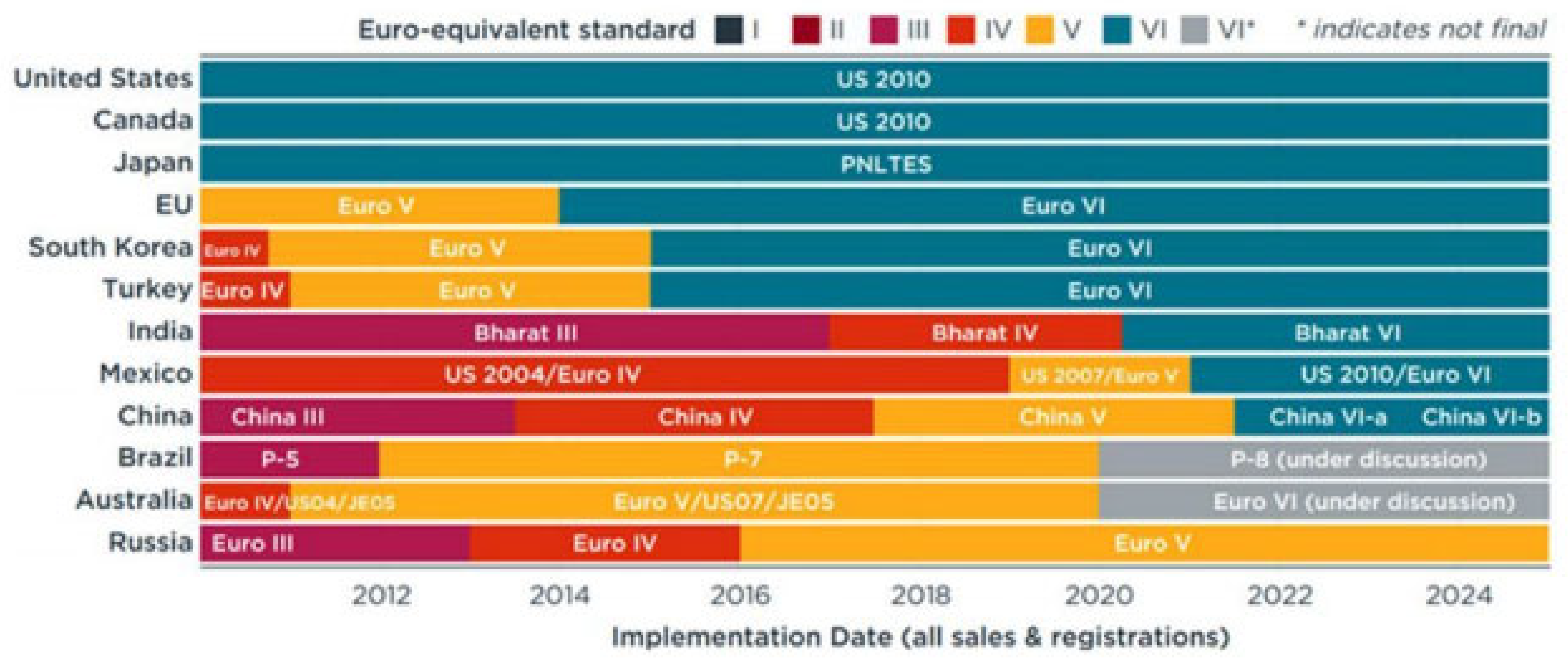
Figure 2.
Natural gas extraction process[13].
Figure 2.
Natural gas extraction process[13].
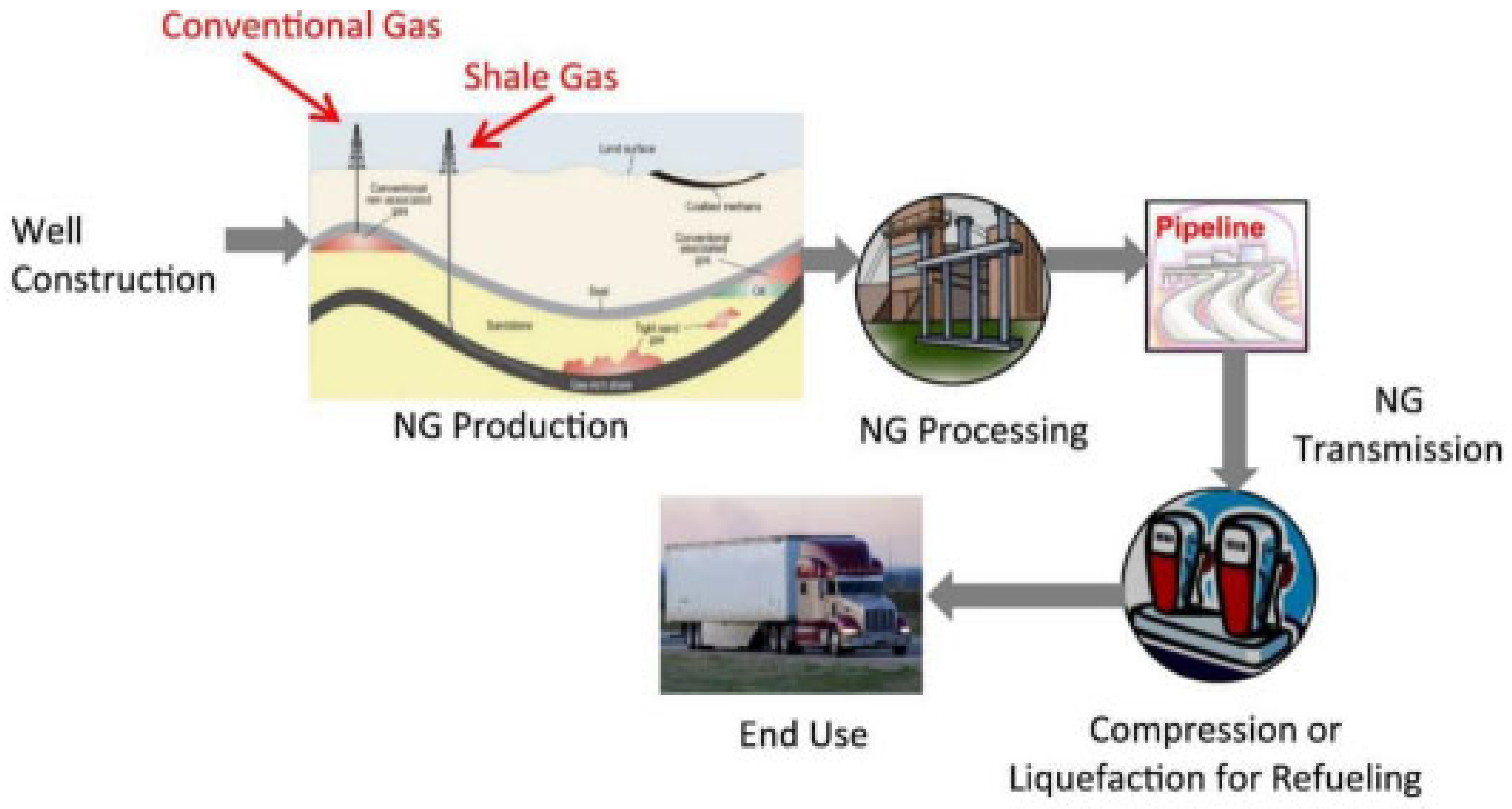
Figure 3.
Cross-sectional schematic diagram of DOC[34].
Figure 3.
Cross-sectional schematic diagram of DOC[34].
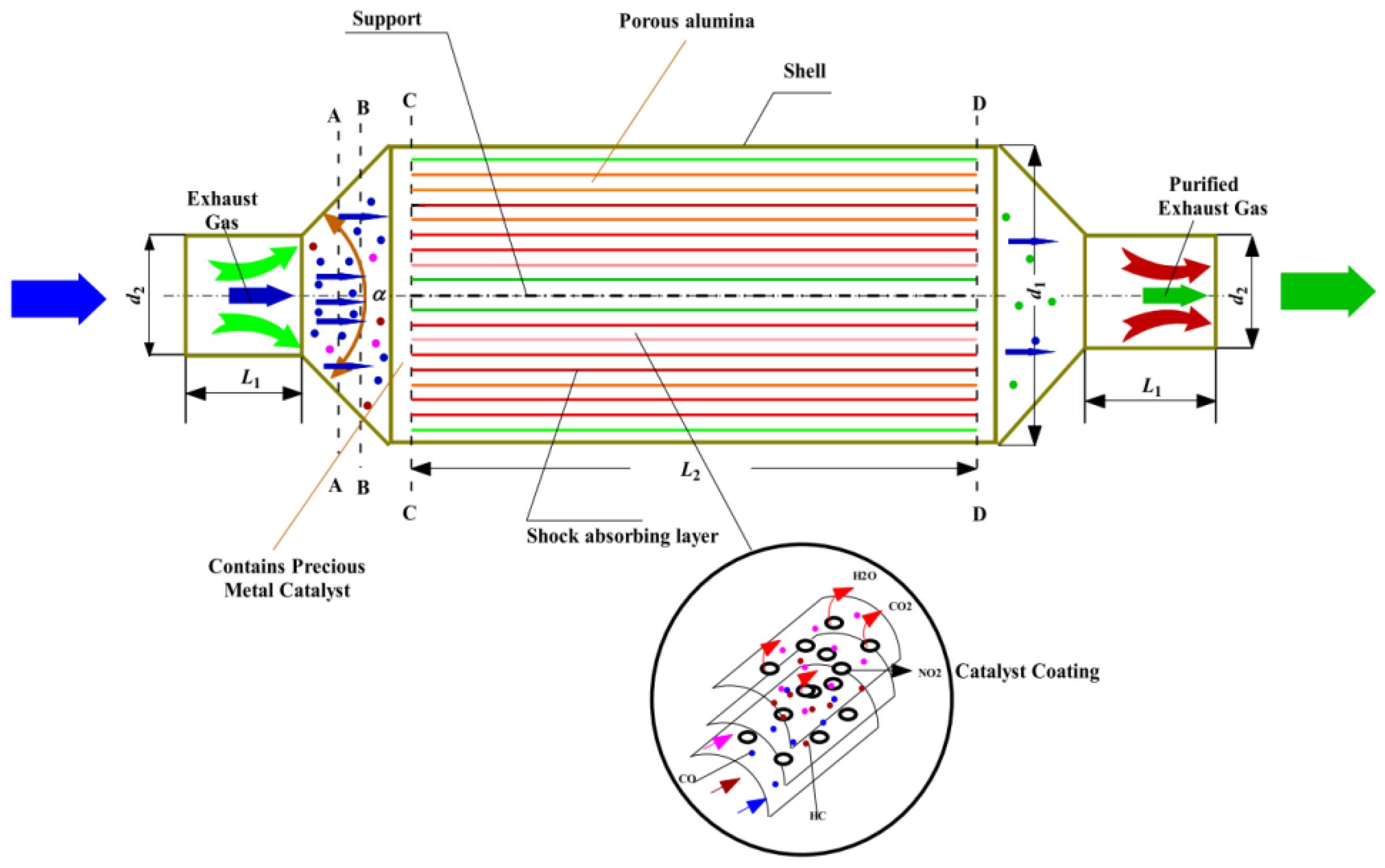
Figure 4.
Simplified schematic of the POC structure.
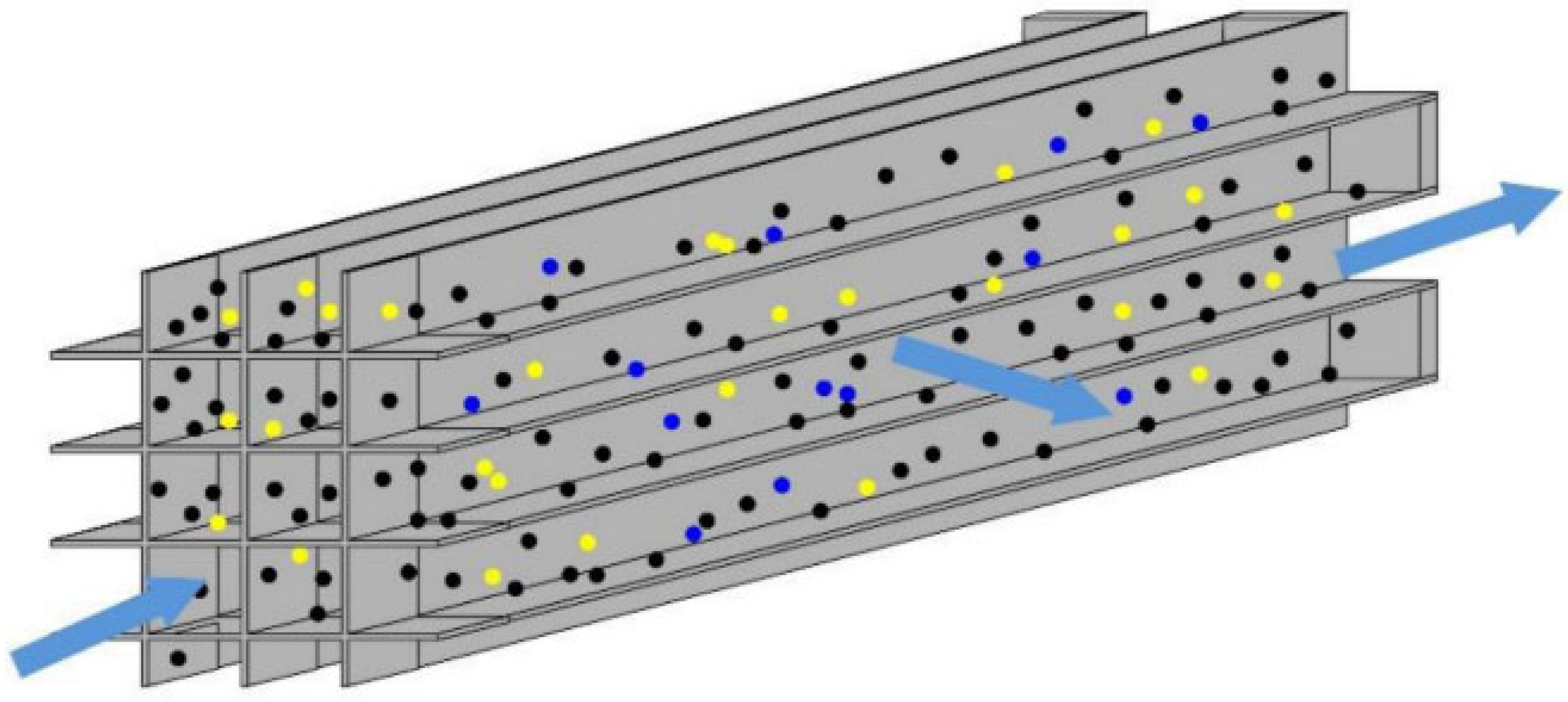
Figure 5.
Schematic diagram of SCR structure.
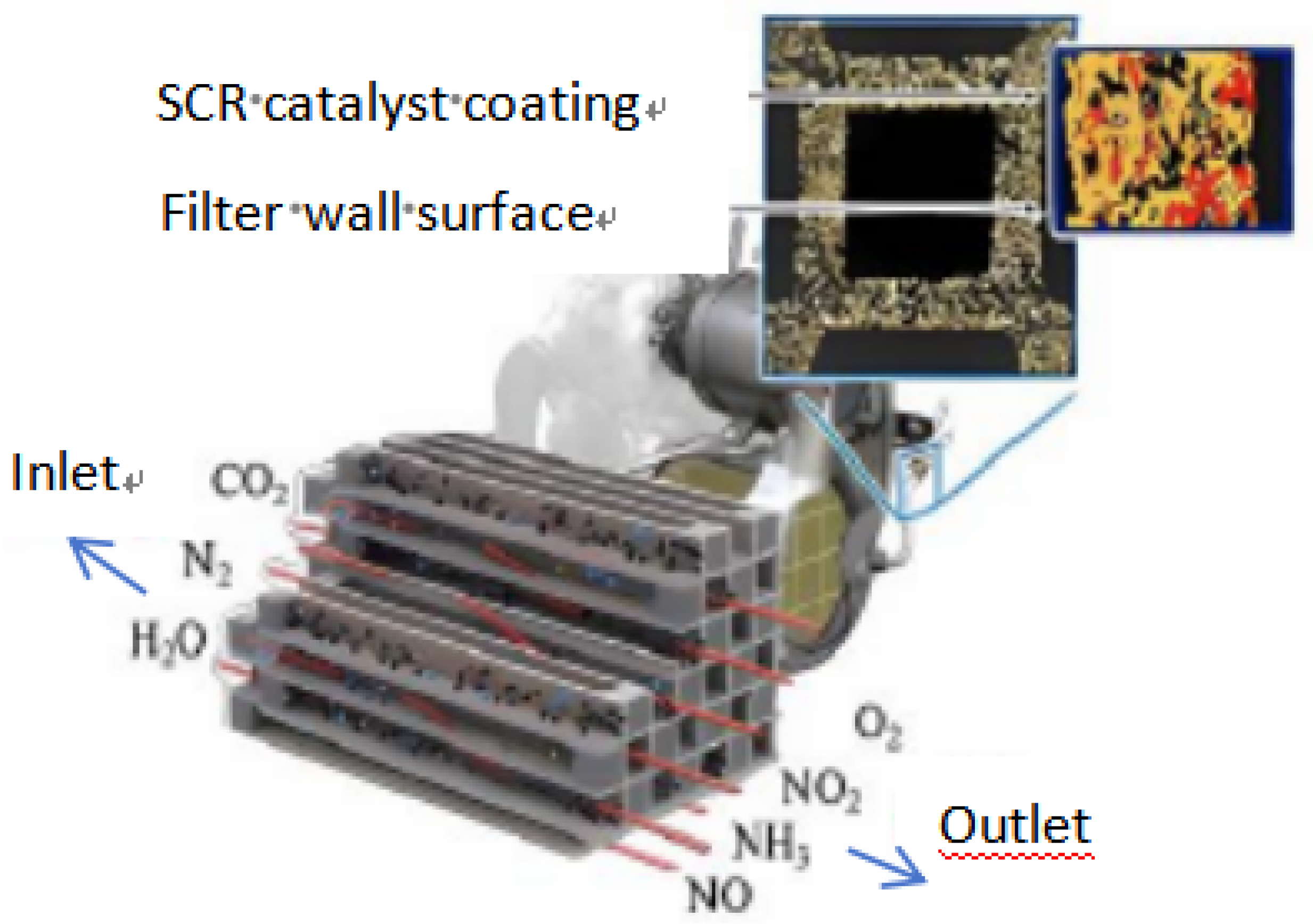
Figure 6.
The schematic diagram of SDPF technology[75].
Figure 6.
The schematic diagram of SDPF technology[75].
Disclaimer/Publisher’s Note: The statements, opinions and data contained in all publications are solely those of the individual author(s) and contributor(s) and not of MDPI and/or the editor(s). MDPI and/or the editor(s) disclaim responsibility for any injury to people or property resulting from any ideas, methods, instructions or products referred to in the content. |
© 2025 by the authors. Licensee MDPI, Basel, Switzerland. This article is an open access article distributed under the terms and conditions of the Creative Commons Attribution (CC BY) license (http://creativecommons.org/licenses/by/4.0/).
Copyright: This open access article is published under a Creative Commons CC BY 4.0 license, which permit the free download, distribution, and reuse, provided that the author and preprint are cited in any reuse.