

Submitted:
12 June 2025
Posted:
12 June 2025
You are already at the latest version
Abstract
The integration of SAP Quality Management (QM) with laboratory systems and shop floors is essential for pharmaceutical companies aiming to enhance product quality and ensure regulatory compliance. This article delves into the critical importance of connecting SAP QM with these essential components of the production process, highlighting the multifaceted benefits that arise from such integration. By facilitating real-time data sharing and collaboration between laboratories and manufacturing operations, pharmaceutical organizations can significantly enhance their ability to monitor and manage quality throughout the entire product lifecycle.The seamless integration of SAP QM provides numerous advantages, including improved traceability of quality-related data, reduced time for issue resolution, and enhanced compliance with industry regulations. Additionally, it enables organizations to streamline workflows, minimize manual errors, and improve communication across departments. In an industry where precision and adherence to standards are paramount, these benefits are not merely advantageous; they are essential for maintaining competitiveness and ensuring the safety and efficacy of pharmaceutical products.However, while the integration of SAP QM with lab systems and shop floors offers substantial opportunities, it is not without its challenges. Organizations must navigate various hurdles, such as data silos, varying system compatibilities, and resistance to change among personnel. To successfully implement this integration, companies must adopt best practices, including stakeholder engagement, thorough training programs, and phased implementation strategies. These practices not only mitigate challenges but also foster a culture of continuous quality improvement.This comprehensive analysis aims to provide pharmaceutical companies with valuable insights and practical guidance on effectively connecting SAP QM with lab systems and shop floors. By adopting a holistic approach to quality management, organizations can improve operational efficiency, enhance product quality, and ultimately contribute to better patient outcomes. In a rapidly evolving regulatory landscape, leveraging SAP QM to foster integration across the production process is not just a strategic advantage—it is a necessary step toward ensuring compliance and achieving excellence in the pharmaceutical industry.By understanding the integral relationship between quality management, laboratory processes, and shop floor operations, pharmaceutical companies can better position themselves to meet the ever-increasing demands of regulators and consumers alike. Ultimately, the successful integration of SAP QM with lab systems and shop floors represents a forward-thinking approach to quality management, one that will equip pharmaceutical organizations to thrive in a competitive and highly regulated environment.
Keywords:
SAP QM
; lab systems
; shop floors
; integration
; pharmaceutical industry
; quality management
Introduction
The pharmaceutical industry operates within a highly regulated environment where maintaining product quality is paramount. Regulatory bodies, such as the Food and Drug Administration (FDA) and the European Medicines Agency (EMA), impose stringent guidelines that govern the production, testing, and distribution of pharmaceutical products. Non-compliance can lead to severe repercussions, including product recalls, fines, and damage to reputation. Therefore, organizations must adopt integrated systems that facilitate real-time monitoring and compliance, ensuring that all processes adhere to established quality standards.
SAP Quality Management (QM) is a crucial component of SAP’s Enterprise Resource Planning (ERP) suite, designed to help companies manage quality-related processes efficiently. It encompasses various functionalities, including quality planning, quality inspection, and quality control, all of which are vital for ensuring that products meet both internal and external quality standards. The SAP QM module allows organizations to define quality specifications, conduct inspections, and track quality-related data throughout the entire production process.
Integrating SAP QM with laboratory systems and shop floors presents numerous benefits that are essential for modern pharmaceutical operations. One of the most significant advantages is improved data accuracy. Laboratory systems are responsible for testing raw materials, intermediates, and finished products to verify their quality. When these systems are connected to SAP QM, data is transferred automatically and in real time, reducing the risk of human error associated with manual data entry. This seamless flow of information ensures that quality data is accurate, up-to-date, and readily available for analysis and reporting.
Another key benefit of integration is streamlined workflows. In traditional setups, laboratory testing results may take time to be communicated to the production floor, resulting in delays and potential production inefficiencies. However, when SAP QM is integrated with laboratory systems, production teams can receive immediate notifications of test results, allowing them to act quickly on any deviations or non-conformance issues. This responsiveness helps maintain production schedules, minimizes downtime, and fosters a culture of proactive quality management.
Enhanced compliance with regulatory requirements is yet another advantage of connecting SAP QM with lab systems and shop floors. Regulatory agencies expect pharmaceutical companies to demonstrate robust quality management practices throughout their operations. By integrating these critical systems, organizations can create comprehensive quality records that include laboratory test results, inspection reports, and production data. These records not only help in meeting compliance requirements but also facilitate audits by providing a clear trail of quality-related activities.
Moreover, the integration of SAP QM with laboratory and shop floor systems supports continuous quality improvement initiatives. With real-time monitoring and data analysis capabilities, organizations can identify trends and patterns in quality metrics. This information can inform strategic decisions, enabling companies to implement corrective and preventive actions that enhance overall product quality and operational efficiency.
Despite the clear benefits, integrating SAP QM with lab systems and shop floors also presents challenges. One common hurdle is the existence of data silos, where information is trapped within individual systems and not easily shared across departments. Additionally, varying system compatibilities may hinder integration efforts, making it essential for organizations to invest in compatible technology and tools. Furthermore, resistance to change among employees can impede successful integration, as personnel may be reluctant to adopt new systems and processes.
To effectively connect SAP QM with lab systems and shop floors, organizations should consider adopting several best practices. First, stakeholder engagement is crucial; involving key stakeholders from both laboratory and production teams in the planning and implementation process fosters a sense of ownership and collaboration. Second, providing thorough training programs for employees ensures they understand the benefits of the integrated system and are equipped to use it effectively. Finally, implementing a phased approach to integration allows organizations to address challenges incrementally, refining processes based on feedback and performance metrics.
In summary, the importance of connecting SAP QM with lab systems and shop floors cannot be overstated. The pharmaceutical industry demands stringent quality assurance practices, and integrated systems offer a pathway to achieve this. By improving data accuracy, streamlining workflows, and enhancing compliance, organizations can not only meet regulatory expectations but also drive continuous quality improvement. As the industry continues to evolve, the integration of SAP QM with laboratory systems and shop floors will remain a critical strategy for maintaining product quality and ensuring operational excellence.
The Importance of Integration
Integrating SAP QM with laboratory systems and shop floors enhances the overall quality management process by enabling seamless data flow and communication between different functions. The following points illustrate the significance of this integration:
- Real-Time Data Sharing: Integration allows for real-time sharing of quality-related data between the lab and production environments. This ensures that any deviations from quality standards are immediately communicated, enabling prompt corrective actions.
- Streamlined Workflows: By connecting SAP QM with lab systems and shop floors, organizations can streamline workflows, reducing manual intervention and the risk of errors. Automated data transfers and notifications enhance operational efficiency.
- Regulatory Compliance: The pharmaceutical industry is subject to stringent regulations, and maintaining compliance is critical. Integration helps ensure that all quality data is accurately captured, documented, and reported, thus facilitating audits and regulatory inspections.
- Improved Decision-Making: Access to real-time quality data empowers decision-makers to make informed choices regarding production processes, material usage, and resource allocation.
- Enhanced Product Quality: Ultimately, the integration of SAP QM with laboratory systems and shop floors contributes to improved product quality, which is essential for patient safety and company reputation.
Key Challenges in Integration
While the benefits of integrating SAP QM with lab systems and shop floors are substantial, organizations may face several challenges during the implementation process. Understanding these challenges is crucial for developing effective strategies to overcome them.
- Data Silos: Many organizations operate with legacy systems that do not communicate effectively with SAP QM. These data silos hinder the flow of information, making it challenging to achieve seamless integration.
- Change Management: Integrating new systems often requires significant changes to existing workflows and processes. Resistance to change from employees can impede successful implementation.
- Technical Complexity: The technical aspects of integration, including data mapping, interface development, and system configuration, can be complex and require specialized expertise.
- Compliance Concerns: Ensuring that the integration meets regulatory requirements can be challenging, particularly in an industry where compliance is paramount. Organizations must prioritize validation and documentation.
- Cost Considerations: The costs associated with integration projects can be significant. Organizations must weigh the potential benefits against the investment required for successful implementation.
Best Practices for Implementation
To effectively connect SAP QM with lab systems and shop floors, organizations should consider the following best practices:
- Conduct a Thorough Needs Assessment: Before initiating integration, organizations should conduct a comprehensive assessment to identify specific quality management needs and gaps in current processes.
- Involve Stakeholders Early: Engaging stakeholders from laboratory, production, and IT departments early in the process is crucial for understanding requirements and addressing concerns.
- Invest in Training: Providing adequate training to employees on the new integrated system is essential for ensuring user adoption and minimizing resistance to change.
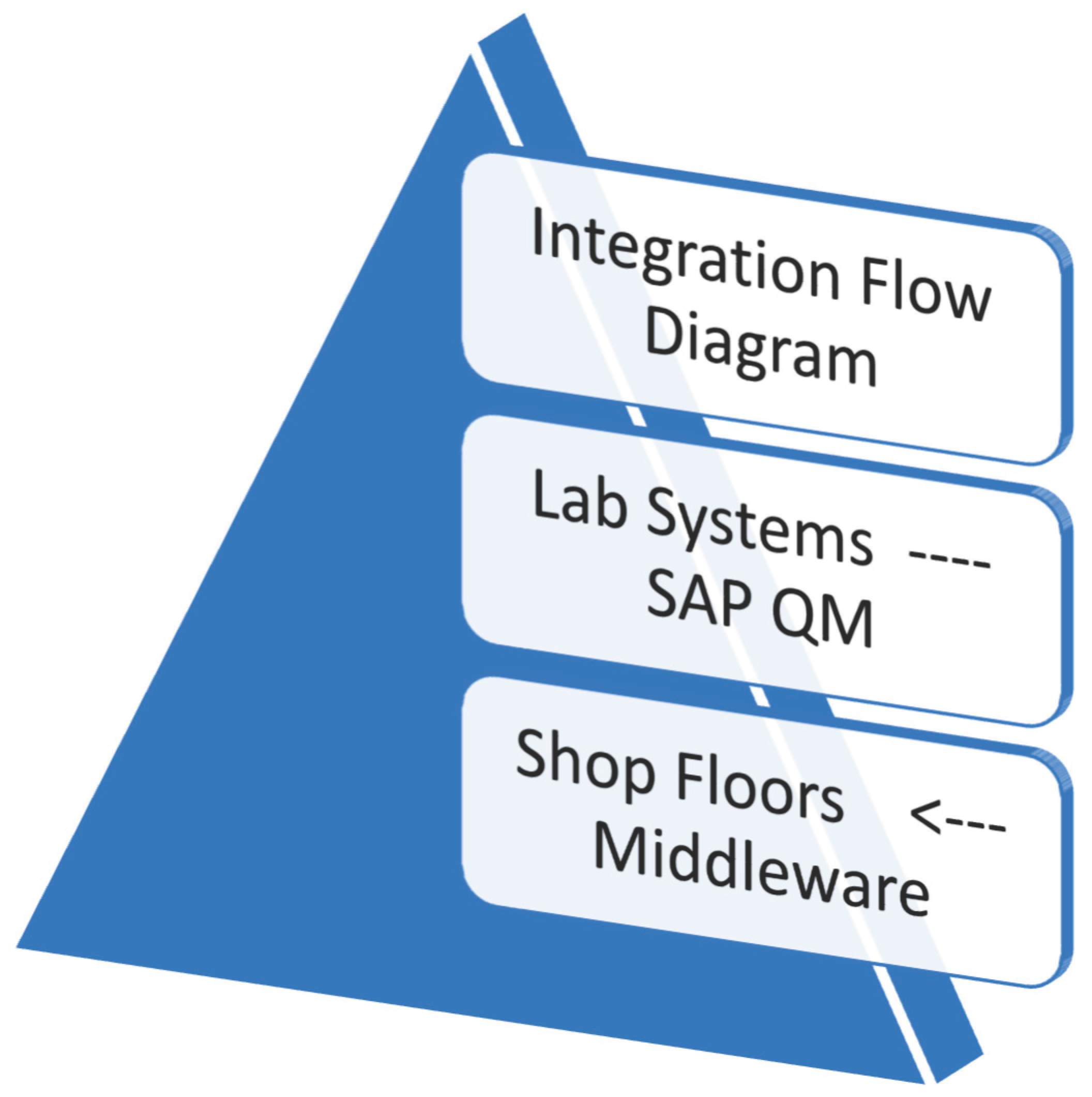
- Utilize Middleware Solutions: Middleware can facilitate communication between SAP QM and laboratory systems, helping to bridge any gaps and streamline data transfers.
- Ensure Compliance and Validation: Organizations must prioritize compliance with regulatory requirements during the integration process. Thorough validation and documentation of the integrated system are critical.
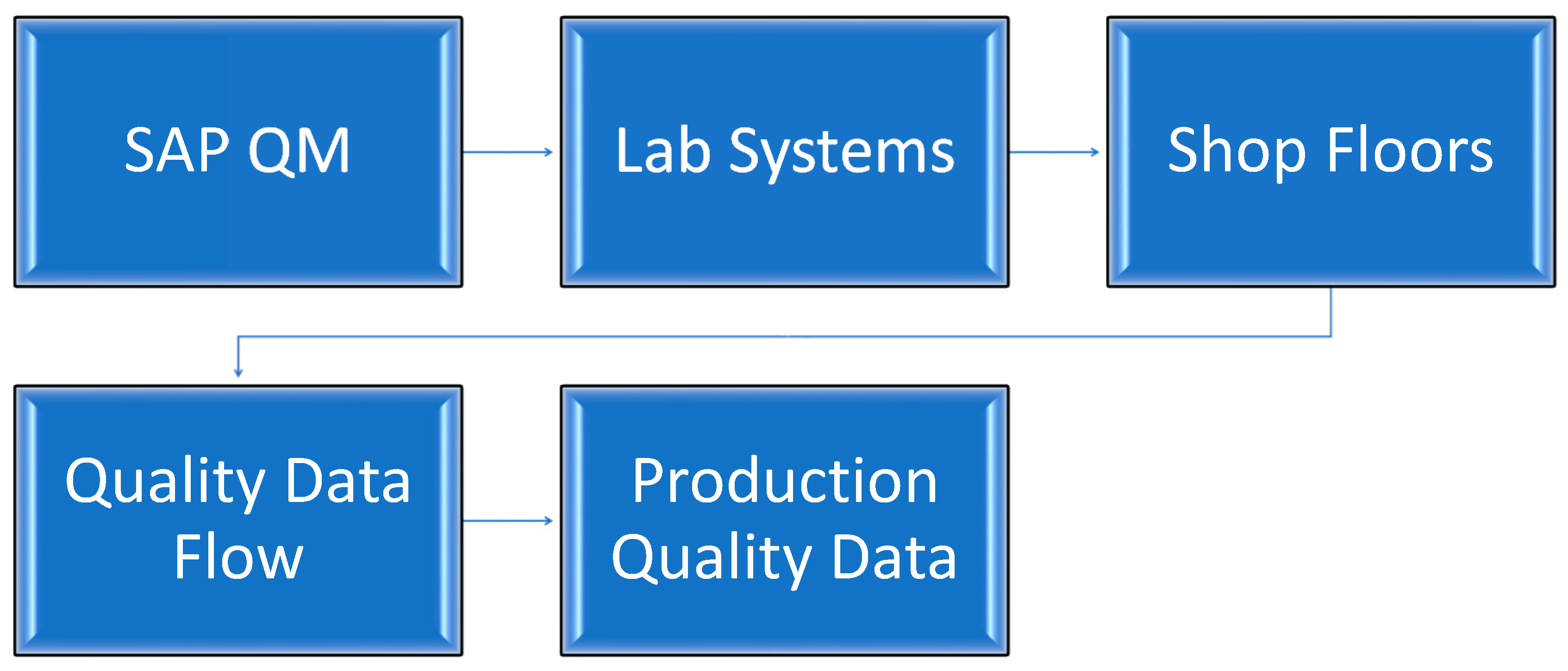
Connecting SAP QM with Lab Systems
- Key Benefits of Integrating SAP QM with Lab Systems
| Benefit | Description |
| Real-Time Data Access | Immediate access to lab results for production decisions. |
| Automated Workflows | Reduction of manual entry and error potential. |
| Compliance Tracking | Enhanced ability to track compliance with quality standards. |
| Improved Traceability | Better traceability of materials and processes. |
| Faster Issue Resolution | Quicker identification and resolution of quality issues. |
Integrating SAP QM with lab systems allows for seamless data exchange between laboratory testing and production processes. For instance, when raw materials are tested for quality in the lab, the results can be automatically fed into SAP QM. This integration enables immediate visibility of quality metrics, allowing production teams to make timely decisions regarding material usage. Furthermore, automated workflows minimize the risk of human error during data entry, ensuring that all quality-related information is accurately captured.
Connecting SAP QM with Shop Floors
The integration of SAP QM with shop floor operations is equally important.
- Key Benefits of Integrating SAP QM with Shop Floors
| Benefit | Description |
| Enhanced Quality Control | Integration allows for real-time monitoring of production quality. |
| Data-Driven Decisions | Production teams can make informed decisions based on quality data. |
| Compliance Documentation | Automatic documentation of quality checks enhances compliance efforts. |
| Streamlined Operations | Improved communication between quality and production teams. |
| Predictive Analytics | Ability to analyze data for trends and potential issues. |
By connecting SAP QM with shop floors, organizations can implement robust quality control measures throughout the production process. Real-time monitoring of production quality enables immediate identification of deviations from established standards. For example, if a quality issue is detected on the shop floor, SAP QM can trigger alerts and initiate corrective actions, ensuring that non-compliant products are not released into the market. This integration fosters a culture of continuous improvement, where data-driven decisions lead to enhanced product quality.
Further Considerations for Integration
Change Management and Cultural Shift
Implementing integration between SAP QM, laboratory systems, and shop floors requires more than just technical solutions; it necessitates a cultural shift within the organization. Change management strategies should focus on:
- Leadership Engagement: Leadership must actively support the integration process and communicate its importance to all employees. This can help in gaining buy-in and minimizing resistance to change.
- Continuous Training and Support: Regular training sessions should be conducted to ensure that employees are comfortable using the integrated system. This could include workshops, webinars, and access to online resources.
- Feedback Mechanisms: Establishing channels for employees to provide feedback on the integration process can help identify potential issues early and foster a sense of ownership among staff.
Scalability and Future-Proofing
As the pharmaceutical industry continues to evolve with advancements in technology, organizations must consider scalability when integrating SAP QM with lab systems and shop floors. Future-proofing strategies can include:
- Modular Integration: Implementing a modular approach to integration allows organizations to adapt and expand their systems as needed without overhauling the entire infrastructure. This flexibility is critical in a rapidly changing industry.
- Adoption of Emerging Technologies: Exploring the integration of emerging technologies, such as artificial intelligence (AI) and machine learning (ML), can enhance the capabilities of SAP QM. These technologies can help in predictive analytics, allowing organizations to anticipate quality issues before they arise.
Regulatory Compliance and Validation
Ensuring regulatory compliance is a continuous process that requires diligent attention throughout the integration. Key considerations include:
- Validation Protocols: Developing robust validation protocols for the integrated system is essential to meet regulatory standards. This involves comprehensive testing and documentation of all processes to demonstrate compliance during audits.
- Audit Readiness: Organizations should maintain an audit-ready posture by ensuring that all quality data is accessible and accurately documented. This can facilitate smoother inspections by regulatory bodies.
Measuring Success
To assess the effectiveness of integrating SAP QM with lab systems and shop floors, organizations should establish key performance indicators (KPIs) that reflect quality management goals. Possible KPIs include:
- Reduction in Non-Conformance Reports (NCRs): Monitoring the number of NCRs can provide insight into the effectiveness of quality management processes.
- Cycle Time for Quality Checks: Tracking the time taken for quality checks can help identify bottlenecks and areas for improvement in workflows.
- Training Compliance Rates: Ensuring that employees complete necessary training on the integrated system can be a measure of readiness and engagement.
- Customer Complaints and Returns: Analyzing customer feedback and product returns can indicate overall product quality and highlight areas needing attention.
Implementation Steps for Integrating SAP QM with Lab Systems and Shop Floors
Successfully integrating SAP QM with laboratory systems and shop floors involves a structured approach, which can be broken down into several key steps:
1. Assessing Current Systems and Needs
Before initiating the integration process, it is crucial to conduct a thorough assessment of existing systems and identify specific needs. This involves:
- Mapping Existing Workflows: Understand current laboratory and shop floor workflows to identify potential inefficiencies and areas that require enhancement.
- Identifying Stakeholders: Engage with key stakeholders from various departments, including quality assurance, production, and IT, to gather insights and expectations.
- Defining Integration Objectives: Establish clear goals for what the integration aims to achieve, such as improved data accuracy, faster reporting, or enhanced compliance.
2. Selecting Appropriate Integration Tools
The choice of integration tools can significantly influence the success of the project. Consider the following:
- Middleware Solutions: Evaluate middleware platforms that can facilitate communication between SAP QM and lab systems. These tools can help bridge compatibility gaps and enable seamless data flow.
- APIs: Utilize Application Programming Interfaces (APIs) for real-time data exchange. APIs can enhance connectivity between different systems, ensuring that quality data is always up to date.
- Custom Development: In some cases, custom solutions may be necessary to meet specific organizational needs. Collaborating with IT experts can help develop tailored applications for better integration.
3. Data Standardization and Migration
For integration to be effective, data must be standardized and accurately migrated. This step involves:
- Data Mapping: Create a data mapping plan to define how data from lab systems will correspond to fields in SAP QM. Consistency in data formats is essential.
- Data Cleansing: Before migration, cleanse the data to remove duplicates, errors, and irrelevant information. This ensures that only high-quality data is transferred to the new system.
- Testing Migration: Conduct thorough testing of data migration processes to identify any issues before going live. This may involve pilot testing with smaller datasets.
4. Training and Change Management
A successful integration requires buy-in from employees who will use the new system. Training and change management strategies should include:
- Comprehensive Training Programs: Develop tailored training sessions for different user groups to ensure they understand the new processes and systems. This may involve hands-on workshops and e-learning modules.
- Continuous Support: Provide ongoing support and resources to help employees navigate the new system post-implementation. A dedicated help desk or support team can be beneficial.
- Change Champions: Identify change champions within the organization who can advocate for the integration and assist their colleagues in adapting to the new processes.
5. Monitoring and Continuous Improvement
Once the integration is live, it is essential to continuously monitor performance and make improvements as needed:
- Performance Metrics: Utilize KPIs established during the planning phase to assess the effectiveness of the integration. Regularly review these metrics to identify areas for improvement.
- Feedback Loops: Implement mechanisms for collecting feedback from users about the new system. This can help identify pain points and areas needing refinement.
- Iterative Improvements: Adopt an iterative approach to enhancements. Regularly assess the system and make adjustments based on user feedback and evolving industry requirements.
Key Performance Indicators (KPIs) for Measuring Integration Success
| KPI | Description | Target Level |
| Non-Conformance Reports | Number of quality issues reported per month | Decrease by 20% |
| Cycle Time for Checks | Average time taken for quality checks (in hours) | Reduce to < 1 hour |
| Training Completion Rate | Percentage of employees trained on new systems | 100% |
| Customer Complaints | Number of complaints received per quarter | Decrease by 15% |
Common Challenges in Integration and Mitigation Strategies
| Challenge | Mitigation Strategy |
| Data Silos | Implement middleware solutions for data integration |
| Resistance to Change | Engage stakeholders early and provide comprehensive training |
| Compliance Concerns | Develop robust validation protocols during integration |
| System Compatibility Issues | Conduct a thorough assessment of existing systems prior to integration |
Integration Flow of SAP QM with Lab Systems and Shop Floors
Future Trends in SAP QM Integration with Lab Systems and Shop Floors
As the pharmaceutical industry continues to evolve, so too do the technologies and practices that support quality management. Several future trends are emerging that promise to enhance the integration of SAP QM with laboratory systems and shop floors:
1. Enhanced Automation and AI Integration
The increasing use of automation and artificial intelligence (AI) in pharmaceutical processes is transforming how quality management is approached. Key developments include:
- Automated Data Capture: Integrating IoT devices within lab systems and shop floors can facilitate real-time data capture, reducing manual entry errors and improving data accuracy. For example, sensors can automatically collect temperature and humidity data in storage facilities, feeding this information directly into SAP QM for compliance monitoring.
- Predictive Analytics: Leveraging AI algorithms, organizations can analyze historical data to predict potential quality issues before they occur. This proactive approach allows for timely interventions, minimizing non-conformance incidents and ensuring regulatory compliance.
2. Cloud-Based Solutions
The shift towards cloud-based technologies is reshaping the landscape of pharmaceutical quality management. Benefits include:
- Scalability: Cloud-based SAP solutions allow organizations to scale their operations easily, accommodating growth or changes in production without significant upfront investments in IT infrastructure.
- Remote Access and Collaboration: With cloud technologies, teams can access critical quality data and collaborate from anywhere. This is particularly advantageous in global organizations, facilitating quicker decision-making and enhanced compliance across different regions.
3. Blockchain for Enhanced Traceability
Blockchain technology is gaining traction as a means of ensuring data integrity and traceability within pharmaceutical supply chains. Benefits include:
- Immutable Record Keeping: Using blockchain, organizations can create tamper-proof records of all quality-related data, ensuring that any changes or updates are documented transparently. This is crucial for compliance and can enhance stakeholder trust.
- Improved Traceability: Blockchain enables better tracking of products throughout the supply chain, allowing companies to quickly identify and address quality issues, ultimately ensuring patient safety.
4. Advanced Data Analytics and Visualization Tools
As organizations accumulate vast amounts of quality-related data, the need for advanced analytics and visualization tools becomes increasingly important. These tools can:
- Facilitate Data-Driven Decisions: Integrating SAP QM with advanced analytics platforms can provide valuable insights into quality trends and potential areas of concern. Data visualization tools enable stakeholders to understand complex data sets easily, making it easier to identify trends and make informed decisions.
- Real-Time Monitoring: Advanced analytics can support real-time monitoring of quality metrics, allowing organizations to respond swiftly to potential issues. Dashboards that visualize key performance indicators (KPIs) can help teams stay informed and proactive.
5. Emphasis on Regulatory Compliance and Risk Management
The pharmaceutical industry is subject to stringent regulations, making compliance a top priority. Future trends include:
- Integrated Compliance Frameworks: SAP QM will increasingly support integrated compliance frameworks that align with global regulations, enabling companies to navigate the complexities of various markets more effectively.
- Risk-Based Approaches: Organizations will adopt more sophisticated risk management practices, utilizing SAP QM to assess and mitigate quality risks across all stages of production. This proactive stance helps maintain compliance and ensures product safety.
Conclusion
In summary, the integration of SAP Quality Management (QM) with laboratory systems and shop floors is a critical strategy for pharmaceutical companies striving to enhance product quality and regulatory compliance in an increasingly complex and regulated environment. This integration facilitates real-time data sharing and streamlined workflows, enabling organizations to monitor quality metrics continuously and implement corrective actions promptly. By leveraging emerging technologies such as automation, artificial intelligence, cloud computing, and blockchain, companies can build a robust framework that not only improves operational efficiency but also fosters a culture of continuous improvement.
The significance of connecting SAP QM with lab systems and shop floors extends beyond compliance; it is a vital element in maintaining a competitive edge in the pharmaceutical industry. As regulations evolve and consumer expectations rise, organizations that prioritize integration and innovation will be better positioned to adapt to these changes. By effectively utilizing SAP QM, pharmaceutical companies can ensure that their quality management processes are agile, transparent, and resilient.
Ultimately, the strategic implementation of integrated systems like SAP QM empowers pharmaceutical organizations to deliver safe and effective products to patients worldwide. This commitment to quality not only enhances organizational reputation but also contributes to the overarching goal of public health and safety. Embracing this holistic approach to quality management will be essential for success in an industry that demands excellence at every level of operation.
References
- ISO. (2022). ISO 9001:2015 Quality Management Systems. International Organization for Standardization.
- McKinsey & Company. (2023). Cloud in Life Sciences: The Future of Pharmaceutical Operations. Retrieved from McKinsey.
- Sinha, R., & Joshi, S. (2021). Blockchain Applications in Pharmaceuticals: Enhancing Quality and Traceability. Journal of Pharmaceutical Sciences, 110(5), 1620-1628.
- Zaborowski, J. (2022). The Future of Quality Management in Pharma: Harnessing AI and Automation. Pharmaceutical Executive, 42(1), 40-45.
Disclaimer/Publisher’s Note: The statements, opinions and data contained in all publications are solely those of the individual author(s) and contributor(s) and not of MDPI and/or the editor(s). MDPI and/or the editor(s) disclaim responsibility for any injury to people or property resulting from any ideas, methods, instructions or products referred to in the content. |
© 2025 by the authors. Licensee MDPI, Basel, Switzerland. This article is an open access article distributed under the terms and conditions of the Creative Commons Attribution (CC BY) license (http://creativecommons.org/licenses/by/4.0/).
Copyright: This open access article is published under a Creative Commons CC BY 4.0 license, which permit the free download, distribution, and reuse, provided that the author and preprint are cited in any reuse.