

Submitted:
30 May 2025
Posted:
30 May 2025
You are already at the latest version
Abstract
The present study explores the use of Instagram as an innovative strategy in the teaching-learning process in the context of animal reproduction topics. In the current era, with digital technology and social media transforming how information is accessed and consumed, it is essential for educators to adapt and harness the potential of these tools for educational purposes. This article delves into the need for teachers to stay updated with current trends and the importance of promoting digital competences among educators. This research aims to provide insights into the benefits of integrating social media into the educational landscape. Students of Veterinary Science degrees, master’s degrees in Equine Sport Medicine as well as vocational education and training (VET) were involved in this study. An Instagram account named "UCOREPRO" was created for educational use, and it was accessible to all users. The account was managed by a teacher, with contributions from both teacher and students. Instagram usage metrics were consistently tracked. A voluntary survey comprising 35 questions was conducted to collect feedback regarding the educational use of smartphone technology, social media habits and the UCOREPRO Instagram account. The aim of the survey was to evaluate the pros and cons of Instagram for academic purposes and to elicit suggestions for enhancements, with participation limited to active Instagram account users. In general, students expressed positive opinions about the initiative, and suggested some ways in which it could be improved as an educational tool.
Keywords:
social media
; animal reproduction
; veterinary education
; teaching
; learning
; Instagram
1. Introduction
In recent years, the knowledge and information landscape has evolved rapidly, necessitating adaptation from both students and educators. The rise of social networks, commonly referred to as "social media", has modified how individuals, especially younger generations, access and consume information. This transformation extends to educational settings, where these networks can serve various pedagogical functions, such as content dissemination, teaching-learning interaction and enhancing student motivation. While various social media platforms are available for educational purposes, such as Instagram, TikTok, Twitter, Pinterest, Facebook and YouTube, their effectiveness might vary significantly.
To enhance student learning and motivation, it is imperative to leverage the potential of new digital devices, such as computers, laptops, tablets and smartphones. Research suggests that students can become dissatisfied and disengaged when exposed to outdated teaching methods, even when relatively traditional technologies, such as PowerPoint, are used [1]. Electronic learning (E-learning) and, more recently, mobile learning (M-learning) have gained widespread adoption, offering the advantage of access anytime and anywhere. The ubiquity of smartphones and mobile devices, with approximately 6.8 billion active smartphones and 16.8 billion mobile devices globally in 2023 [2], is indicative of their potential for education. The current portable devices serve not just as a communication tool, but as instruments for social and professional life, and a powerful tool for pursuing academic studies [3].
The transformative role of smartphones, tablets and laptops in medical education has been described elsewhere [4]. However, students often use these devices for non-academic purposes during class. Furthermore, a substantial percentage of students exhibit problematic internet usage, suggesting that the classroom experience needs to be enhanced in order to achieve an appropriate teaching-learning process. A study reports that 68.2% of students were classified as problematic internet users as defined by internet addiction tests, and the use of smartphones in classes was associated with a superficial or low level of learning [5]. The authors of a study related to the use of other portable devices report a similar finding, noting that this trend is associated with the economic status of veterinary students in a range of countries [6].
Creating digital content is considered a valuable learning task for students. Assigning innovative tasks to students transforms them from passive consumers into active producers of knowledge [7]. A study conducted among students of physical sciences reported that the creation of short videos about the course content can be used as a motivational tool [8]. Digital tools have become essential at all educational levels, and the proliferation of portable devices is crucial for the success of digital education. Within this context, social media play a significant role in students' lives as sources of entertainment, but they also offer substantial opportunities for developing educational competencies. The adoption of technologies and online learning resources in veterinary education is rising at an increasing pace [6].
Instagram, created in 2010, is the third most popular social network, trailing only Facebook and YouTube [9]. Over 50% of Instagram users report engaging with humorous content on the platform, while 46% view creative content [10]. The landscape of social media is continuously evolving, and educators must stay up-to-date with the latest digital trends. Instagram has been integrated into various educational programs, such as language education [11], sport biomechanics courses [12], teaching studies [13] and audio-visual sciences [14,15], among others. Instagram serves as a democratic and inclusive tool that connects people from different countries and social backgrounds, providing equal access to information. Users turn to Instagram not only to satisfy intellectual needs but also to fulfil emotional needs.
The European framework DigCompEdu (the European framework for the digital competences of educators) sets out to promote digital competences among educators, focusing on areas such as professional engagement, digital resources, teaching and learning assessment, and fostering learners' digital competences [16]. Emphasis is placed on the importance of teachers being proficient in the use of digital technologies, identifying appropriate technologies and training students in digital competences [17]. It is recommended that both existing tools, such as social media, as well as future technological developments (which we may not be aware of at this time), are directed towards educational purposes in schools and universities. This involves creating engaging educational content, mainly aimed at and received by millennials, capable of competing with non-educational content. It is equally important to equip teachers with digital competences to create high-quality educational materials. Educators can promote this digital global network to acquire and share knowledge, offer emotional support and build a community [18].
It can be hypothesized that the use of social media with an educational goal is positively associated with students’ confidence, engagement and creativity; and conversely, cyberbullying, understood as a threatening interaction using the medium of electronic communication, is likely to reduce students’ participation in social media for educational purposes. This research seeks to explore the habits of students in relation to social media, and specifically Instagram, in order to analyse Instagram’s potential as a tool for enhancing the teaching-learning process in the context of animal reproduction topics; it is hoped that this may provide valuable insights into the educational applications of Instagram and its role in modern education.
2. Materials and Methods
2.1. Study Design
The present study was conducted over the course of three academic years. A dedicated Instagram account, "UCOREPRO", was set up as a training tool for veterinary students (Figure 1). It was created by an academic team from the University of Cordoba (Cordoba, Spain), with an educator/teacher in charge of account creation and management. UCOREPRO emerged as a response to the challenges posed by the COVID-19 pandemic when traditional in-person interactions between teachers and students were limited. This initiative was conceived as a means of providing supplementary academic content and interactions with students during practical sessions. The account was extensively promoted by the manager/teacher among animal reproduction students during the 2020-21, 2021-22, and 2022-23 academic years. It was directed towards fourth-year students enrolled in the animal reproduction module within the Veterinary Science degree at the University of Cordoba, but participation was not mandatory. Access to the account was not restricted to students but was open to all users of the social media platform. Furthermore, students from two other courses, the Master’s in Equine Sport Medicine and vocational education and training (VET), studying husbandry at level 4, were also encouraged to access the account.
This study was approved and supported by the Commission for Teaching Training and Educational Innovation at the University of Cordoba.
2.2. Instagram Use and Survey Preparation
The Instagram account was overseen by a teacher who made decisions about which content was suitable for sharing. To safeguard the privacy of followers, it was determined that the UCOREPRO account would not follow any other Instagram accounts, whether private or otherwise. Content intended for uploading to the Instagram account was created by both the manager-teacher and students, primarily during training and clinical sessions. Approximately 90% of the content was generated by students, and the teacher reviewed all materials before posting to prevent the publication of errors or inconsistent information. Additionally, quizzes, exercises and other activities were shared with the users. The Instagram metrics were consistently monitored and recorded for each post.
At the end of the 2022-23 academic year, all UCOREPRO users were invited to participate in a survey canvassing their opinions of the account. All students were also contacted through the internal Moodle platform, encouraging them to complete the survey. Given the volume of questionnaires that students are required to complete over the years, it was decided to make the survey voluntary. This incurred the risk that insufficient completed surveys would be returned. Nonetheless, it was deemed preferable to collect opinions only from those students who actively participated in these activities and regularly used the UCOREPRO Instagram account.
The survey, comprising a total of 35 questions designed to analyse participants' social media habits, was administered through Google Forms (see Table S1). It was also posted on the Instagram account for easy access. In summary, this survey aimed to collect opinions about the use of Instagram as a tool for academic purposes, suggestions for improvement and an assessment of its advantages and disadvantages. Participants completed these voluntary and anonymous surveys on-line. The questions were grouped into three sections: "smartphone", to assess smartphone habits and the use of smartphones for learning purposes; "social media", to gain insights related to social networks and their use in the learning process; and "Instagram", which focused on the respondents’ use of the UCOREPRO Instagram account.
Closed questions (multiple choice or yes/no) were used to obtain quantitative data, which are easier to submit to statistical analysis. These were used to gauge student participation and obtain a preliminary snapshot of students’ social media habits and their opinions regarding the potential of Instagram as a learning tool. In addition, some open questions were included to ascertain students’ preferences and perceptions while using Instagram for learning.
2.3. Data Analysis
While most questions offered predefined response options, others allowed participants to provide personal opinions. Instagram metrics, such as "story and post views" "likes" "saves" and "accounts reached" were systematically tabulated and analysed to track changes over time. Data collected from the surveys were processed using descriptive analytical methods provided by Microsoft Excel 16.70 (Microsoft, Redmond, WA 98052, USA).
In order to calculate the internal consistency reliability for measures with dichotomous choices, the Kuder Richardson Formula 20 (KR20) was used:
where:
k = number of questions.
p = number of participants in the sample who answered "yes".
q = number of people in the sample who answered "no".
σ2 = variance of the total scores of all the people taking the test.
3. Results
3.1. Instagram Metrics
By the end of the third academic year (2022-23), the UCOREPRO account had a total of 252 followers, with a gender distribution of 70.2% women and 29.7% men. This ratio was expected, since veterinary education is known to attract a preponderance of female students, the balance being broadly in line with the aforementioned percentages. It is important to note that the number of followers is subject to fluctuations, and the historical profile of followers cannot be obtained retrospectively. The account displayed consistent activity patterns from 9:00 am to 9:00 pm, with minimal variation across this time frame. Furthermore, Instagram activity remained constant throughout the week, without any noticeable variations at weekends.
Figure 2 illustrates the evolution of some Instagram metrics related to the UCOREPRO account. It is evident that between the 2020-21 and 2022-23 academic years there is a consistent upward trend in the number of "likes" being awarded to posts. Similarly, the indicator based on the number of "saves" for each post also exhibited a slight increase.
Regarding the "accounts reached" metric, which measures the number of unique accounts that have viewed the content on the screen at least once, a significant increasing trend is observed (Figure 3). When using the number of followers at the time of this study as the reference point, it is apparent that there is growing interest in the content over the time. This positive trend suggests that the content is successfully attracting attention and its quality may be improving.
3.2. Survey Analysis
The value ρKR20 = 0.8 derived from the dichotomous questions reveals that the test displays high reliability. The survey was distributed in order to identify the reasons students use social media in the learning environment, particularly the UCOREPRO account, and it was completed by a total of 78 participants. A voluntary response sampling method was employed aimed at all users of the account. The manager made repeated invitations to students to complete the survey. Nevertheless, the participation rate was relatively low, with only 31% of users (percentage based on the total number of followers at that time) completing it. Most respondents were studying the Veterinary Science course (94.9%), but a small percentage (5.1%) were students on the VET course. None of the Master's students completed the survey.
Approximately 33.3% of respondents said that portable digital devices could replace the use of books, and a similar percentage considered these devices capable of substituting computers in class or at home. Interestingly, 61.5% of respondents reported using portable devices to study and seek information related to veterinary studies. However, a significant portion (69.2%) felt that these devices had limitations, such as the inability to select practice groups during the course or submit assignments, among others.
A high percentage (84.6%) of respondents indicated that these interactive technologies enable them to stay informed about news related to their faculty and university. Approximately half of the respondents stated that they use these media to stay updated on events related to their subject (in this case, animal reproduction) (53.8%) and to seek assistance from fellow students in resolving doubts (51.3%). Others mentioned that social media are valuable for organizing extracurricular activities (41%), reaching out to teachers for inquiries (30.8%), and participating in individual tutorials (10.3%). Only a small percentage (2.6%) of survey respondents reported never using social media for academic purposes. Regarding access to various social media platforms, all participants used Instagram, with many also frequently accessing YouTube. Less frequently mentioned were other social media platforms such as TikTok, Twitter, Facebook and Pinterest (Figure 4). When asked about the most influential and useful social media for improving the learning process, motivation and academic results, the majority favoured YouTube, followed by Instagram (Figure 4).
The survey also aimed to understand students' habits related to Instagram usage (Figure 5). Some of them admitted to checking this social media platform excessively (17.9%), while others reported viewing Instagram whenever they use their smartphones (28.2%), three times a day (33.3%), or only in the morning and evening (12.8%). One participant reported uninstalling Instagram from their smartphone in order to save time and reduce distractions. Altogether, 61.5% of survey participants indicated that they spent 3-4 hours daily browsing social media, mainly for entertainment content. Additionally, many respondents (71.8%) considered Instagram an effective tool for completing academic tasks or advancing professionally, but they acknowledged that browsing social media also consumed time and incurred distractions.
Regarding the frequency of UCOREPRO posts, students believed that one or two posts per week were desirable, as more frequent publications might lead to fatigue and boredom among users. While 73.7% of survey respondents interacted with UCOREPRO content, a segment of followers and occasional users refrained from active participation due to fears of posting incorrect comments (63.2%) or because they found the content uninteresting (52.6%).
A high percentage of those surveyed (64%) expressed no concerns regarding their privacy.
The UCOREPRO Instagram account has been active for three years, and users found value in accessing the content created in previous years. Instagram offers diverse content types, with respondents favouring reels (short videos) as their top choice, followed by quizzes or questions about specific themes (in this case, animal reproduction), photos and scientific publications (Figure 6).
While expected benefits for students' academic success were identified, the survey also highlighted the weaknesses of this initiative. Students noted that because their participation in this activity did not contribute to their final marks in the subject to which the Instagram account was devoted, their interest waned, at least to some extent. Additionally, they indicated that teachers may not be sufficiently well-versed in these technologies, leading to some concerns about student privacy and the perception that students were wasting time.
UCOREPRO provided students and other users with content related to animal reproduction, with the majority (92.3%) reporting that it caught their interest and attention. Respondents also provided reasons why they viewed this activity positively: the content shared on UCOREPRO facilitated a better understanding of the subject (79.5%), offered new knowledge (71.8%), and motivated students to engage with classroom explanations (53.8%). An overwhelming majority (97.4%) recommended improving the quality and frequency of Instagram posts to enhance audience interest. When asked to rate the activity on a scale of 0 to 10, survey respondents gave it an average score of 7.1 ±1.5 (mean ±SD) (Figure 7), suggesting that the proposed activity was interesting for students but remains capable of improvement.
It is worth noting that 94.9% of participants believed that this type of social media platform, specifically tailored towards animal reproduction or other veterinary fields, could be beneficial for their future professional networks. And after experiencing the animal reproduction content on Instagram, students expressed agreement with the idea of implementing similar initiatives as teaching and learning tools.
Among the comments provided by the respondents, there were several noteworthy observations that are quoted verbatim in Table 1.
4. Discussion
Social media have a huge impact on the life of students, although their use for the teaching-learning process is limited. The present study analyses the implementation of an Instagram account for educational purposes in veterinary studies at the Faculty of Veterinary (University of Cordoba, Spain), where there are no similar initiatives to the best of our knowledge. Data obtained from the Instagram account metrics and the user's opinions compiled by a questionnaire offered information to get a better understanding of the students’ habits on social media and their interest in these digital tools. Recognizing the survey fatigue that students experience, we decided to run our own survey on a voluntary basis. In the current academic environment, students face growing demands to complete surveys to assess the strengths and weaknesses of various subjects, courses, and degree programmes. For example, at the author’s university, students are required to complete surveys for each teacher within each subject, amounting to approximately 8-10 teachers per subject and 4-6 subjects per academic year. Graduates and clinicians may also encounter similar survey demands, adding to their academic and professional workload. While the response rate was relatively low, we believe that the feedback received was highly valuable, as it was provided by participants who were prepared to actively engage in the activity and give the benefit of their critical skills. These respondents were able to offer the robust insights needed to evaluate the initiative, better understand user needs and enhance this academic tool. It is worth noting that students generally have limited interest in surveys, given that they are preoccupied with attending classes, participating in practical sessions and preparing for exams, and they perceive surveys as a time-consuming activity with minimal personal benefit.
The use of portable devices, such as tablets, laptops and smartphones, has become ubiquitous among students. However, the question arises: are these devices being utilized effectively for learning purposes? In fact, our survey results indicate that 61.5% of respondents use portable devices for studying and accessing valuable information related to veterinary studies, which is consistent with others [6]. A study conducted among students enrolled in medical sciences found that 96.8% use smartphones during classes or meetings, but only 47.3% for more than 10 minutes for educational purposes, and 95% stated that they use portable devices in the classroom for activities unrelated to medicine. [4]. It follows that the development of new educational materials should align with the technological preferences of students in order to improve collaboration among veterinary students [19] and to enhance the overall learning experience [20]. Elsewhere it has been reported that students spend around 1-3 hours per day on social media [21]. In the present study, 61.5% of participants said they spend 3-4 hours per day browsing social media. Although this could be considered part of students' leisure time, it may be deemed to be excessive, particularly when some of this time might be redirected towards training and motivational content, relevant to their professional development [22].
The concern about students' privacy in the context of this academic Instagram account is understandable. The UCOREPRO account is managed by a teacher who would be able to access students' publications if he followed their accounts. As a result, privacy emerged as a significant concern for both students and the instructor. However, it is noteworthy that 64% of the surveyed students reported no privacy concerns. Social media platforms are designed for virtual social interaction, encompassing various interests, including commercial, entertainment and other purposes. The capacity to access students' private Instagram accounts raises concerns about the potential intrusion into students' private lives, as it makes private publications accessible. In the current authors’ view, this could divert from the primary educational objectives of academic Instagram accounts. Because this limitation could impact the growth in followers and the dissemination of educational content, alternative strategies such as the use of effective hashtags and engaging with other educators' posts should be considered as ways of promoting the learning activity [18].
Determining the ideal frequency for publishing content on an educational Instagram account is challenging. In the case of UCOREPRO, the Instagram account has been active for three years and users have found value in accessing content from previous years, in consonance with others [23]. Short videos have proven to be a positive tool for veterinary students, especially in preparing for practical examinations [24,25]. It has been reported that students receiving video tutorials before classroom sessions exhibit improved performance during practical exercises, underscoring the effectiveness of such educational practices, which is akin to the potential impact of shared content on Instagram [26]. It should be noted that microlearning activities (such as image evaluation, viewing videos, reading texts...) were incorporated into the UCOREPRO account for teaching-learning purposes, and other authors have reported their potential for increasing student motivation, confidence, engagement, knowledge and skills acquisition [27]. However, they also described limitations in interactions with microlearning activities, which may be associated with a fear of being criticised by others; instructors and teachers need to be on the alert in order to detect and correct these situations. With the UCOREPRO account, students send their creative content to the account manager (the educator) for checking, and then improvements and corrections are suggested. Following this, the content is uploaded to the account, either including the student's identification (or hashtag) or not, depending on her/his preference. By contrast, other activities in which students are expected to share their personal opinions (as comments) are difficult to promote.
This use of social media as an academic tool comes as a novel approach for teaching staff, but students too are unfamiliar with the practice. One study reports that 87.9% of educator respondents found Instagram increased their self-efficacy, and 80% believed it enhanced their pedagogical knowledge [18]. However, the use of social media for educational purposes is relatively low among medical [28] and veterinary students [6]. Other studies have argued that social networks have a valuable role to play in enhancing educational competencies [29,30,31], which is in line with the present authors’ perception. Previous research into the educational use of social media in Veterinary Science has concluded that the use of Facebook requires considerable ability on the part of educators if it is to be successful among students [32], whereas using Twitter (now called X) has been found not to ensure that students obtain better academic outcomes [33]. In reference to Instagram, it has been recently highlighted for its potential to enhance veterinary education, specifically when it was used on dairy cow nutrition and management teaching [34], Be that as it may, students have undoubtedly increased their use of digital devices and social media, which are much more widely accessible, and while the potential advantages remain, this does not lessen the need for appropriate planning on the part of educators. Although rewards in terms of the students' academic success were anticipated, the survey revealed some shortcomings related to the initiative. The feedback obtained in this study indicates that Instagram users are aware of the potential negative effects of social media on their academic performance, yet they struggle to reduce their usage. Nevertheless, it is evident that students unanimously view social media as a valuable and productive learning tool. Notably, students reported that they would have had more interest in this initiative (the UCOREPRO account) if their participation had counted towards their final subject marks. Furthermore, students pointed out teachers’ lack of familiarity with these technologies, concerns about student privacy and perceived time wastage. Students reported that, while accessing UCOREPRO content on Instagram, they often continued exploring other accounts, particularly those related to entertainment, leading to reduced concentration and potentially affecting their learning experience. These observations underline a significant gap in awareness and experience in managing social media for educational purposes, at least among educational staff.
Analysis of the survey responses suggests that students appreciated the teaching efforts of their educators to promote activities that can enhance the teaching-learning process. Students commented that the UCOREPRO account increased their motivation towards animal reproduction content, not only among those who created the content but also among those who accessed it. The content created by students and reviewed by teachers represents a new and engaging resource that can be integrated into classroom lessons. By enabling students to develop training materials based on their own practical experiences, this approach encourages more active participation and a shift from a passive to an active role, including taking photos and videos [35,36,37]. It would be unreasonable to expect professional standards of output when students are given digital creative assignments, however. It is also important to bear in mind that the activity of the UCOREPRO account is designed to motivate students to learn the content they are already working on.
In general, social media posts incorporating images and videos have a greater chance of being used by students, thereby helping to develop their abilities and knowledge base [38]. Current e-learning platforms are more rigid than social media. Moodle for example is a learning platform used by students over the course of their academic studies, but once these have come to an end, they will never access it again. Social media by contrast are intimately woven into students’ lives, enabling an unrestricted style of on-demand learning, and make content available for an indefinite length of time. In a world where education is becoming increasingly digital and interactive, the importance of continuing education and keeping abreast of new digital technologies is clear [39]. Digital-native students lead two different lives, one in-person, or physical, and the other virtual, but teachers tend to be present only in the former. It is important to occupy a space in the latter. If the virtue of technology is to create learning experiences in a range of contexts to engage the student, such contexts should be harnessed to demonstrate the use of meaningful and innovative proposals that succeed in spanning formal academic learning and its informal counterpart.
Among the weaknesses observed in this feedback-gathering exercise, it is essential to highlight the limited collaboration from followers and students in effectively monitoring content. While students are not compelled to participate in these surveys, in light of the low participation rate, alternative participation strategies should be considered. To improve the visibility of the work conducted through the UCOREPRO academic Instagram account, it would be advisable to design new dissemination strategies to reach a wider audience and encourage increased interaction among participants. Students reported that after reviewing educational content on our Instagram account they often went on to explore other non-educative content, typically entertainment-related, which could lead to a loss of concentration.
In spite of the relatively low number of people following the UCOREPRO account, there needs to be a discussion about what the target audience should be; while this account is theoretically open to view by any user of the Instagram app, if specific technical content is uploaded relating to a particular animal, it would be advisable to ensure it is not visible to the owner of the animal concerned or any other non-professional viewer.
In light of the responses from the participants and based on our experience, several measures have been identified that could enhance this project: a) Offer educational incentives to students who produce high-quality educational content, such as an increase in their final academic marks; b) Establish a system for reciprocal and automatic tracking of all students who follow the account, increasing the reach of educational content and its potential benefits; c) Enhance the digital skills of the teaching staff, particularly in relation to social media management; d) Develop a consistent schedule for publishing educational content on the Instagram account, such as twice a week, to establish a more predictable routine for followers; e) Create new strategies for collecting feedback from followers, as surveys may not be engaging for them; f) Use social media to disseminate scientific material in an accessible and informal way to students who are less familiar with scientific discourse.
5. Conclusions
Nowadays, social media platforms are frequently accessed by young people for leisure purposes. A lot of time is spent browsing their content. Instagram is one of the most popular social media sites, and it offers a great platform for developing microlearning activities capable of enhancing the teaching-learning process. However, students do not necessarily associate such platforms with educational purposes, nor are educators familiar with them as didactic tools. The survey shows that smartphones and other portable devices are frequently used for study and to undertake learning activities, and it also reflects the high interest of students in social media as educational tools. The UCOREPRO account earned an average rating of 7.1 points out of 10, which indicates a generally positive reception. In order to take advantage of the value of Instagram for education, some threats/issues need to be overcome, including privacy, low participation, absence of academic rewards and restricting access exclusively to target groups. Students reported numerous positive features of UCOREPRO including its capacity for engendering their interest and attention in animal reproduction, facilitating understanding of the curriculum, providing new knowledge, motivating them to engage with the teacher's explanations and connecting with professional networks. Another point to be borne in mind is that educational Instagram accounts provide information to students around the world, with different personal profiles but similar levels of inquisitiveness.
Supplementary Materials
The following supporting information can be downloaded at the website of this paper posted on Preprints.org, Table S1: Survey questions.
Funding
This research was funded by the Teaching Innovation Project [2022-1-3004], from University of Cordoba (Spain).
Institutional Review Board Statement
Not applicable.
Informed Consent Statement
Not applicable.
Conflicts of Interest
The authors declare no conflict of interest.
References
- Woodcock, B.; Middleton, A.; Nortcliffe, A. Considering the smartphone learner: developing innovation to investigate the opportunities for students and their interest. SEEJ 2012, 1, 1–15. [Google Scholar] [CrossRef]
- Howard, J. How many people own smartphones (2023-2038), 2023. Available from: Exploding topics. https://explodingtopics.com/blog/smartphone-stats [Accessed December 2024].
- Vázquez-Cano, E. Mobile distance learning with smartphones and Apps in higher education. Educ. Sci. Theory Pract. 2014, 14, 1505–1520. [Google Scholar] [CrossRef]
- Loredo e Silva, M.P.; Souza Matos, B.D.; Ezequiel, O.S.; Granero Lucchetti, A.L.; Lucchetti, G. The use of smartphones in different phases of medical school and its relationship to internet addiction and learning approaches. J. Med. Syst. 2018, 42, 106. [Google Scholar] [CrossRef]
- Rozgonjuk, D.; Saal, K.; Täht, K. Problematic smartphone use, deep and surface approaches to learning, and social media use in lectures. Int. J. Environ. Res. Public Health 2018, 15, 92. [Google Scholar] [CrossRef]
- Muca, E.; Cavallini, D.; Odore, R.; Baratta, M.; Bergero, D.; Valle, E. Are veterinary students using technologies and online learning resources for didactic training? A mini-meta analysis. Educ. Sci. 2022, 12, 573. [Google Scholar] [CrossRef]
- Campbell, L.O.; Cox, T.D. Digital video as a personalized learning assignment: a qualitative study of student authored video using the ICSDR model. JoSoTL 2018, 18, 11–24. [Google Scholar] [CrossRef]
- Abbott, D.; Roberts, A.; Maclsaac, D.; Flaconer, K.; Genz, F.; Hoffmann, S.; Bresges, A.; Weber, J. Adding student video projects to physical courses. Phys. Teach. 2019, 57, 224. [Google Scholar] [CrossRef]
- Dixon, S.J. Social media - Statistics & Facts, 2023. Available from: https://www.statista.com/topics/1164/social-networks/#topicOverview. (accessed on 25 April 2025).
- Dixon, S.J. Global social networks ranked by number of users 2023, 2023. Available online: https://www.statista.com/statistics/272014/global-social-networks-ranked-by-number-of-users/ (accessed on 25 April 2025).
- Erarslam, A. Instagram as an education platform for EFL learners. TOJET 2019, 18, 54–69. [Google Scholar]
- Navandar, A.; Frías López, D.; Alejo, L.B. The use of Instagram in the sports biomechanics classroom. Front. Psychol. 2021, 12, 711779. [Google Scholar] [CrossRef]
- León-Gómez, A.; Calderón-Garrido, D.; Gil-Fernández, R. The use of social networks in a virtual University. Campus virtuales 2019, 8, 100–109. [Google Scholar]
- Alonso López, N.; Terol Bolinches, R. Transmedia literacy and social networks: Case study of Instagram as a teaching instrument in university classrooms. Icono 2020, 18(2), 138–160. [Google Scholar] [CrossRef]
- Ruiz San-Miguel, F.J.; Ruiz-Gómez, L.A.; Hinojosa Becerra, M.; Maldonado-Espinosa, M. Use of Instagram as a tool for debate and learning. 15th Iberian Conference on Information Systems and Technologies (CISTI), Seville, Spain, 24-27 June 2020. [Google Scholar]
- Punie, Y.; Redecker, C. European Framework for the Digital Competence of Educators: DigCompEdu, EUR 28775 EN, Publications Office of the European Union, Luxembourg, 2017.
- Cabero-Almenara, J.; Gutiérrez-Castillo, J.J.; Palacios-Rodríguez, A.; Barroso-Osuna, J. Development of the teacher digital competence validation of DigCompEdu check-in questionnaire in the university context of Andalusia (Spain). Sustainability 2020, 12, 6094. [Google Scholar] [CrossRef]
- Carpenter, J.P.; Morrison, S.A.; Craft, M.; Lee, M. How and why are educators using Instagram? Teach. Teach. Educ. 2020, 96, 103149. [Google Scholar] [CrossRef]
- Eurell, J.A.C.; Diamond, N.A.; Buie, B.; Grant, D.; Pijanowski, G.J. Tablet computers in the Veterinary curriculum. J. Vet. Med. Educ. 2005, 32, 113–116. [Google Scholar] [CrossRef]
- Wang, H.; Rush, B.R.; Wilkerson, M.; van der Merwe, D. Exploring the use of tablet PCs in veterinary medical education: opportunity or obstacle? J. Vet. Med. Educ. 2014, 41, 122–131. [Google Scholar] [CrossRef]
- Voss, C.; Shorter, P.; Mueller-Coyne, J.; Turner, K. Screen time, phone usage, and social media usage: Before and during the COVID-19 pandemic. Digit. Health 2023, 9, 20552076231171510. [Google Scholar] [CrossRef]
- Hsieh, B. Making and missing connections: exploring twitter chats as a learning tool in a preservice teacher education course. CITE 2017, 17(4), 549–568. [Google Scholar]
- Tiellet, C.A.B.; Pereira, A.G.; Reategui, E.B.; Lima, J.V.; Chambel, T. Design and evaluation of a hypervideo environment to support veterinary surgery learning. In Proceedings of the 21st ACM Conference on Hypertext and Hypermedia, Toronto, ON, Canada, 13–16 June 2010; pp. 213–222. [Google Scholar]
- Roshier, A.L.; Foster, N.; Jones, M.A. Veterinary students’ usage and perception of video teaching resources. BMC Med. Educ. 2011, 11, 1. [Google Scholar] [CrossRef]
- Müller, L.R.; Tipold, A.; Ehlers, J.P.; Schaper, E. TiHoVideos: Veterinary students’ utilization of instructional videos on clinical skills. BMC Vet. Res. 2019, 15, 326. [Google Scholar] [CrossRef]
- Jeon, S.C.; Kim, J.H.; Kim, S.J.; Kwon, H.J.; Choi, Y.J.; Jung, K.; Park, M.I.; Park, S.J. Effect of sending educational video clips via smartphone mobile messenger on bowel preparation before colonoscopy. Clin. Endosc. 2019, 52, 53–58. [Google Scholar] [CrossRef]
- Taylor, Ad.; Hung, W. The effects of microlearning: A scoping review. Educ. Technol. Res. Dev. 2022, 70, 363–395. [Google Scholar] [CrossRef]
- Guraya, S.Y. The usage of social networking sites by medical students for educational purposes: A meta-analysis and systematic review. N. Am. J. Med. Sci. 2016, 8, 268–278. [Google Scholar] [CrossRef] [PubMed]
- Whiting, M.; Kinnison, T.; Mossop, L. Teaching Tip: Developing an intercollegiate twitter forum to improve student exam study and digital professionalism. J. Vet. Med. Educ. 2016, 43, 282–286. [Google Scholar] [CrossRef]
- Kinnison, T.; Whiting, M.; Magnier, K.; Mossop, L. Evaluating #VetFinals: can twitter help students prepare for final examinations? Med. Teach. 2017, 39, 436–443. [Google Scholar]
- Saadeh, K.; Henderson, V.; Julita Paramasivam, S.; Jeevaratnam, K. Use of online resources to study cardiology by clinical veterinary students in the United Kingdom. J. Vet. Med. Educ. 2022, 49, 223–235. [Google Scholar] [CrossRef]
- Root Kustritz, M.V. Use of Facebook as a teaching tool in a veterinary communications course. J. Vet. Med. Educ. 2013, 40, 327–332. [Google Scholar] [CrossRef]
- Ober, C. Twitter in the veterinary diagnostic imaging classroom: Examination outcomes and student views. J. Vet. Med. Educ. 2019, 46, 91–96. [Google Scholar] [CrossRef] [PubMed]
- Lamanna, M.; Muca, E.; Buonaiuto, G.; Formigoni, A.; Cavallini, D. From posts to practice: Instagram's role in veterinary dairy cow nutrition education-How does the audience interact and apply knowledge? A survey study. J. Dairy Sci. 2025, 108, 1659–1671. [Google Scholar] [CrossRef]
- Al-Rahmi, W.M.; Othman, M.S.; Musa, M.A. The improvement of students’ academic performance by using social media through collaborative learning in Malaysian higher education. Asian Soc. Sci. 2014, 10, 210–221. [Google Scholar]
- Kivunja, C. Innovative methodologies for 21st century learning, teaching and assessment: a convenience sampling investigation into the use of social media technologies in higher education. Int. J. High. Educ. 2015, 4, 1–26. [Google Scholar] [CrossRef]
- Ansari, J.A.N.; Khan, N.A. Exploring the role of social media in collaborative learning the new domain of learning. Smart Learn. Environ. 2020, 7, 9. [Google Scholar] [CrossRef]
- Gardner, H.; Hatch, T. Educational implications of the theory of multiple intelligences. Educ. Res. 1989, 18, 4–10. [Google Scholar] [CrossRef]
- Delcambre, J.; Allsop, S. Educational alternatives for Veterinary Anatomy Teaching. In AAVMC Use of Animals in Veterinary Education Handbook; Hunt, J., Delcambre, J., Baillie, S., Eds.; American Association of Veterinary Medical Colleges: Washington, EEUU, 2024; pp. 12–16. [Google Scholar]
Figure 1.
A screenshot illustrating the look of the content on the UCOREPRO Instagram account.
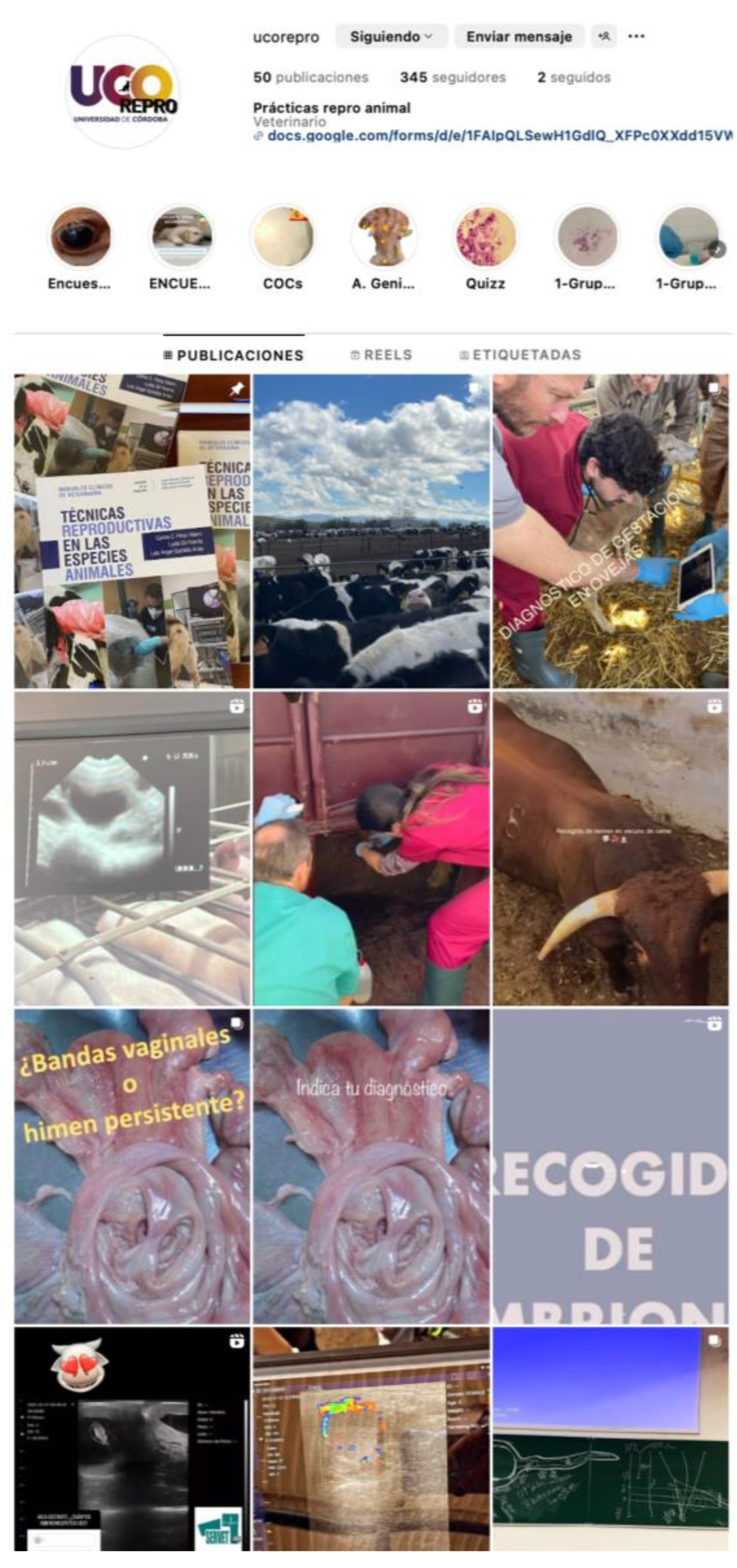
Figure 2.
Number of "likes" and "saves" for content shared on the UCOREPRO account over the course of three academic years.
Figure 2.
Number of "likes" and "saves" for content shared on the UCOREPRO account over the course of three academic years.
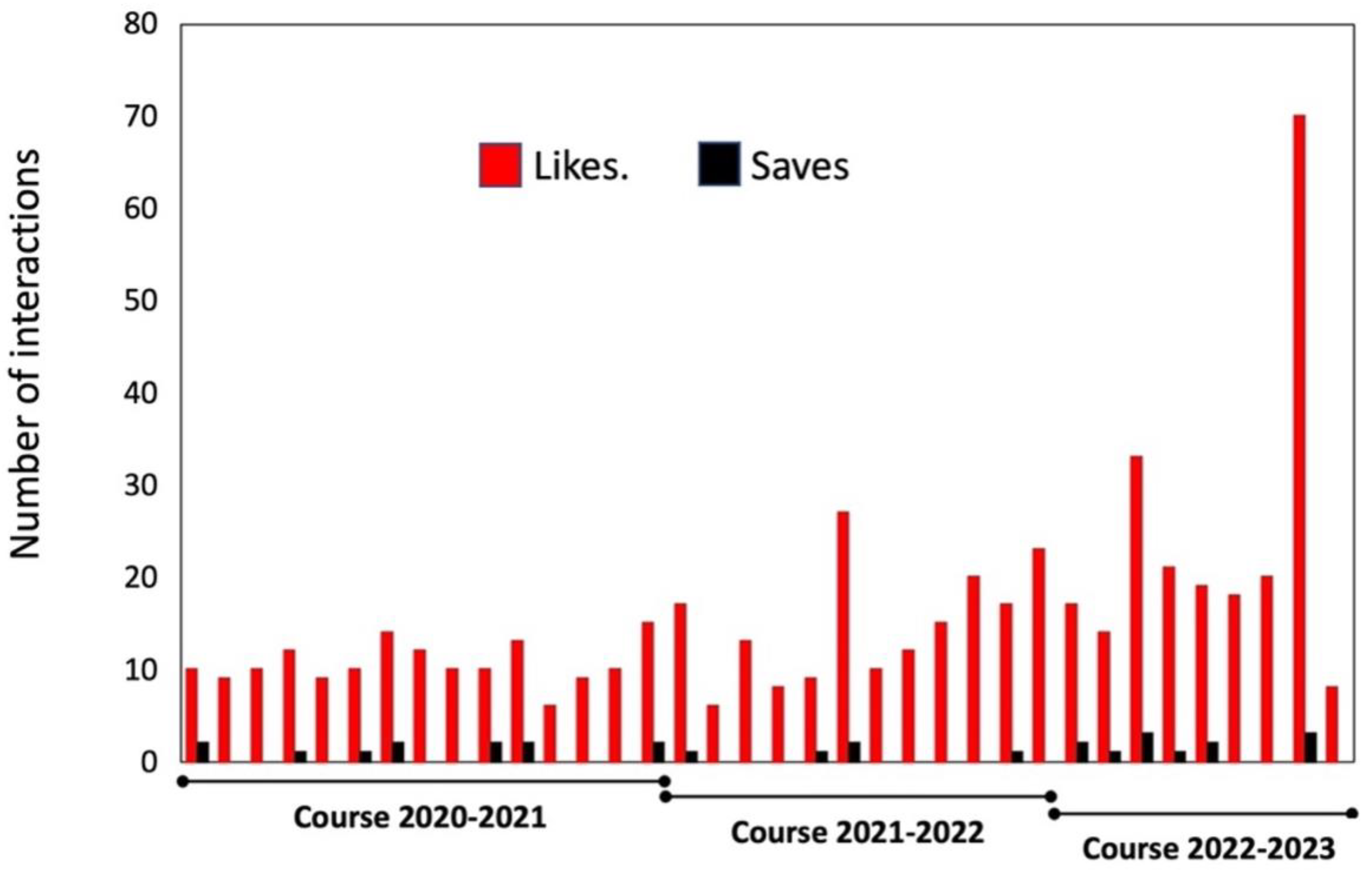
Figure 3.
Number of "accounts reached" by the content shared on the UCOREPRO account over the course of three academic years.
Figure 3.
Number of "accounts reached" by the content shared on the UCOREPRO account over the course of three academic years.
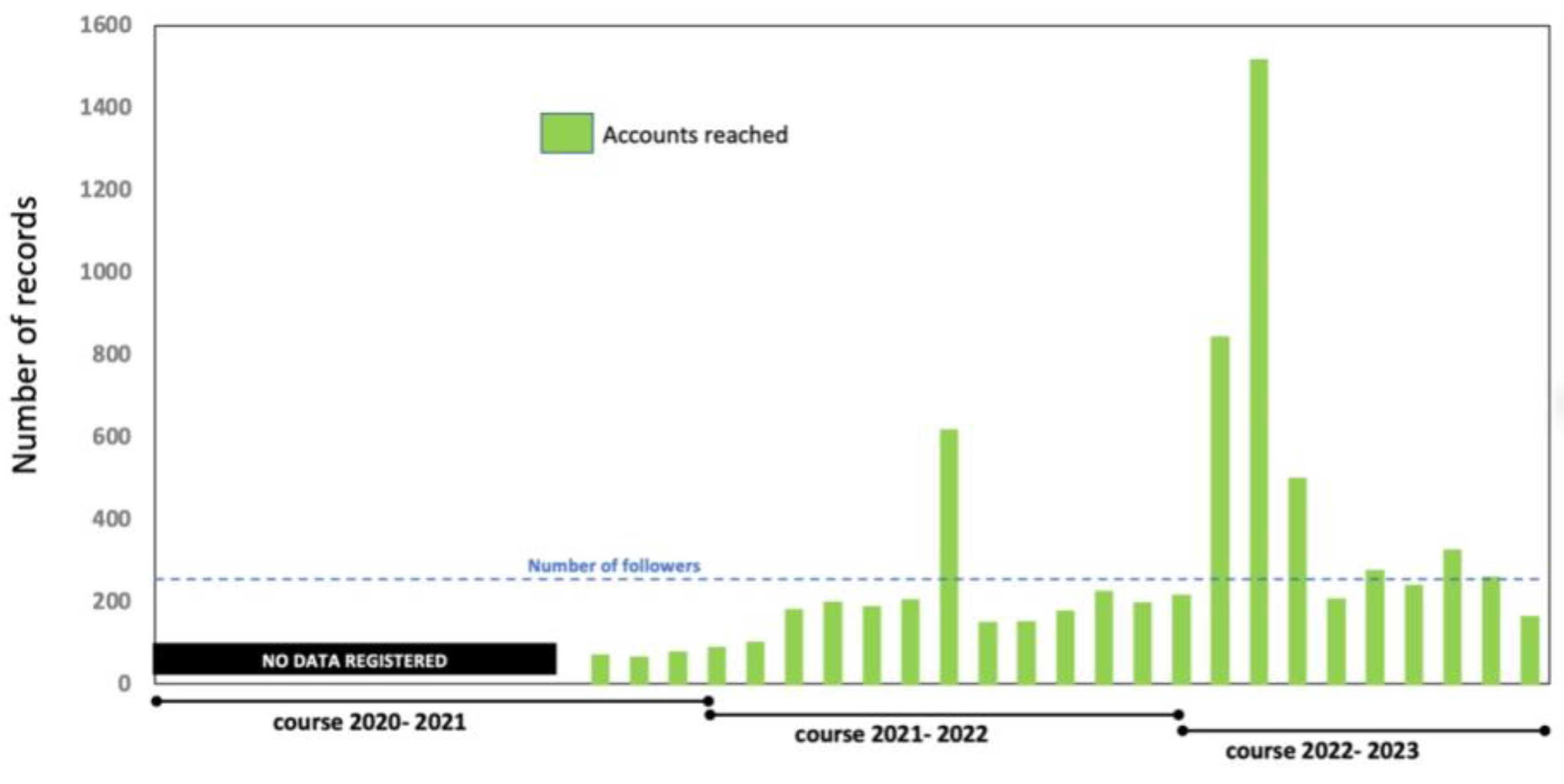
Figure 4.
Results of the question, "What social media platforms do you frequently use?" (left), and "Which ones do you consider useful for improving the learning process, motivation and academic results?” (right).
Figure 4.
Results of the question, "What social media platforms do you frequently use?" (left), and "Which ones do you consider useful for improving the learning process, motivation and academic results?” (right).
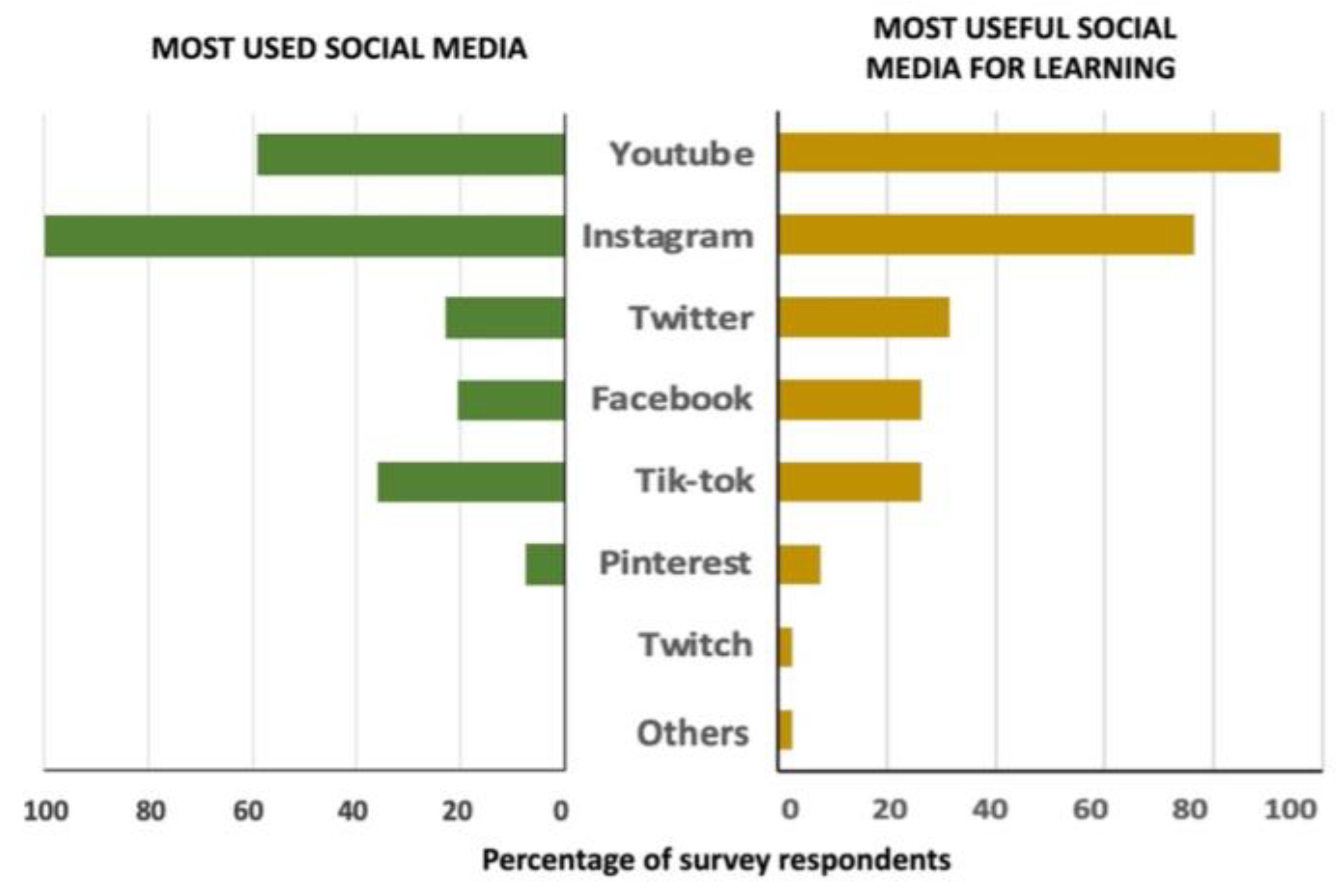
Figure 5.
Daily use of Instagram among students (numbers indicate percentage).
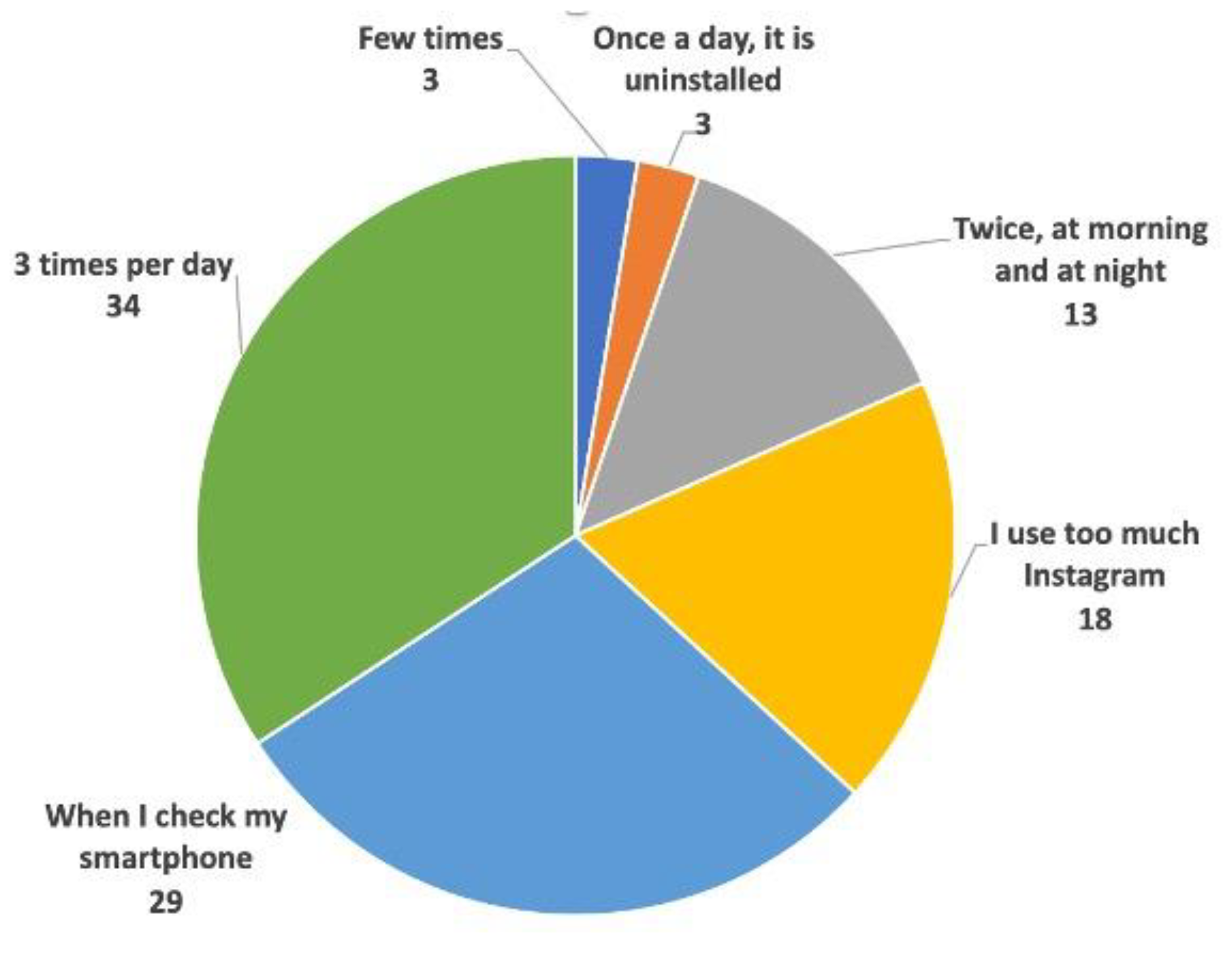
Figure 6.
Preferred content types uploaded to the UCOREPRO Instagram account.

Figure 7.
Average satisfaction score among students for the UCOREPRO Instagram account.
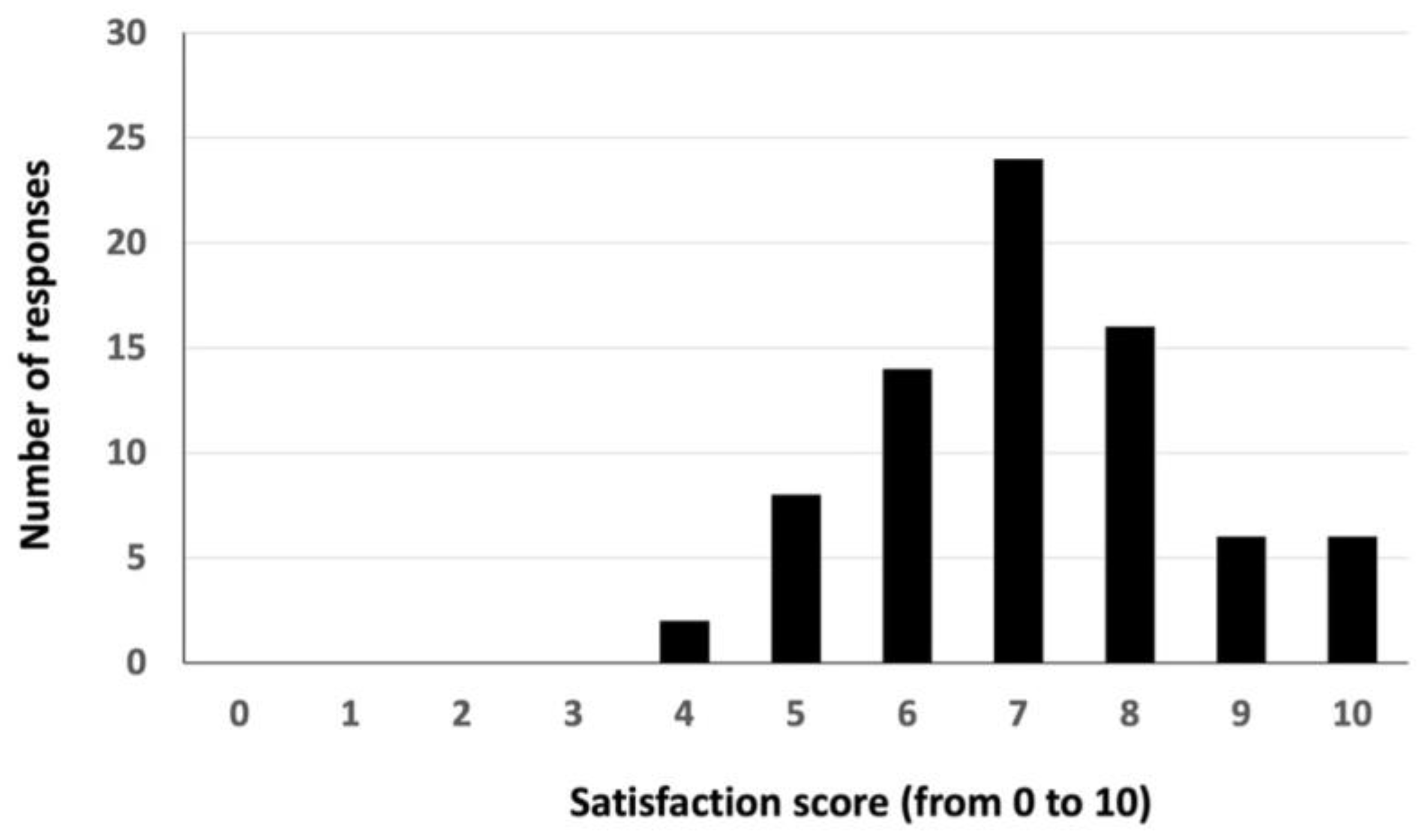

Table 1.
Users’ personal opinions of the UCOREPRO account drawn from the survey.
| Student | Opinions |
|---|---|
| 1 | "I think it would be very interesting to announce in advance when the contents will be uploaded, since they often get lost on Instagram." |
| 2 | "Higher dissemination and impact of this account could attract more student attention." |
| 3 | "I really like this initiative because it encourages using social media for learning. Therefore, I believe more content should be posted, as it motivates followers to participate and become interested in these topics." |
| 4 | "I really liked knowing that some professors make an effort to connect with students, trying to use new tools for them. But social media (like Instagram) has many disadvantages. And there are already many of us spending too much time on our phones (several hours a day). I'm not sure if further promoting the use of these platforms (which can bring many problems to young people), even for an academic activity, is a good idea. Furthermore, some people don't want to use social media too much. But in general, the idea seems very healthy for Instagram users, and those who like to use social media to learn things...". |
| 5 | "I consider it a very good initiative with great untapped potential. As a student, I believe that many times we don't interact with this type of account because we are afraid of saying some crazy or wrong idea." |
| 6 | "It would be useful to post more frequently and on different topics, in order to help students with the subject." |
| 7 | "In my opinion, it fosters a lot of interest in the subject and contributes to a better understanding of the classes and the contents. It could offer educational advantages for students, and it is a new, more fun, entertaining and participatory way to acquire knowledge about the subject." |
| 8 | "I think teachers should invest in this kind of activity because, amid all the useless content, we can find interesting and useful information while we are taking breaks, which captures our attention." |
| 9 | "It’s a very visual, schematic and attractive tool for students. If real clinical cases or very simple explanations are shared this way, it can make a big difference to reinforcing concepts and training material..." |
| 10 | "I think it’s great that teachers are so involved and make an effort for us to learn in such an engaging and dynamic way. And using Instagram for this purpose is innovative and original. I hope there are more subjects like this." |
| 11 | "It’s a good initiative, but we tend to forget it exists, or we are not so used to using social media (in this case, Instagram) for academic purposes. But it's very interesting, and in my opinion, we should participate more in UCOREPRO." |
Disclaimer/Publisher’s Note: The statements, opinions and data contained in all publications are solely those of the individual author(s) and contributor(s) and not of MDPI and/or the editor(s). MDPI and/or the editor(s) disclaim responsibility for any injury to people or property resulting from any ideas, methods, instructions or products referred to in the content. |
© 2025 by the authors. Licensee MDPI, Basel, Switzerland. This article is an open access article distributed under the terms and conditions of the Creative Commons Attribution (CC BY) license (http://creativecommons.org/licenses/by/4.0/).
Copyright: This open access article is published under a Creative Commons CC BY 4.0 license, which permit the free download, distribution, and reuse, provided that the author and preprint are cited in any reuse.


