

Submitted:
26 May 2025
Posted:
27 May 2025
You are already at the latest version
Abstract
Euterpe oleracea Martius, also popularly known as açaí palm, is a palm tree of the Aracaceae family widely found in the Amazon region. Traditional plant use reports indicate the beneficial effects of açaí juice on fever, pain, and flu. Moreover, many studies have demonstrated the pharmacological potential of açaí, mainly the pulp and seed of the fruit, due to its chemical composition, which significantly consists of polyphenols. In recent years, there has been a growing interest in investigating the neuroprotective effects of açaí, with the potential for the prevention and treatment of neurodegenerative diseases, such as Alzheimer's disease, mainly due to the increasing aging of the population that has contributed to the increase in the number of individuals affected by this disease that has no cure. Therefore, this review aims to evaluate the potential role of açaí fruit in preventing or treating cognitive deficits, highlighting its potential in Alzheimer's disease therapy. Preclinical in vivo and in vitro pharmacological studies were utilized to investigate the learning and memory effects of the pulp and seed of the açaí fruit, focusing on antioxidant, anti-inflammatory, antiapoptotic, and autophagy restoration actions.
Keywords:
Euterpe oleracea
; açaí pulp
; açaí seed
; neuroprotection
; Alzheimer disease
1. Introduction
Previous studies demonstrated that polyphenols derived from fruits and vegetables promoted a lower incidence of neurodegenerative diseases [1,2,3]. They can modulate different cell signaling pathways [4], including nerve cells, by influencing neuronal survival, regeneration, development, or death [5]. Additionally, polyphenols have a powerful antioxidant and anti-inflammatory action, which is involved in their neuroprotection actions [6]. Moreover, research on medicinal plants’ neuroprotective effects has gained significant prominence as the prevalence of neurodegenerative diseases has increased with the population’s life expectancy.
Neurodegenerative disorders such as Alzheimer’s, Parkinson’s, Huntington’s, and Lateral Amyotrophic Sclerosis diseases are characterized by extracellular protein deposits, cellular inclusions, changes in cell morphology, and progressive and irreversible loss of neurons in specific brain regions, resulting in functional and mental impairment [7,8]. Moreover, this neuronal degeneration progressively diminishes essential body activities, such as movement, coordination, breathing, balance, speech, and the functioning of vital organs [9].
Among neurodegenerative diseases, Alzheimer’s disease (AD) is the most prevalent in the world population and the primary cause of dependency and disability in elderly individuals [10,11]. This disease is responsible for 60% to 80% of dementia cases in elderly individuals [12,13]. AD dementia is a specific form of cognitive and functional decline associated with age and late-onset due to molecular alterations that can appear up to 20 years before the first symptoms, which interference in episodic memory (amnesia) is the earliest and most apparent factor [14,15].
Notably, dementia caused more than one million deaths worldwide, becoming the seventh leading cause of death in 2019. Moreover, this syndrome affected around 55 million people worldwide in 2019, and estimating that this number will double every 20 years [13]. Therefore, in the year 2050, this number will be expected to increase to around 139 million cases [16]. In Brazil, according to the Ministry of Health, approximately 1.2 million people have some dementia type, and there are 100,000 new cases each year. Furthermore, between 2007 and 2017, the dementia deaths number increased by 55% among Brazilians. According to Paschalidis and collaborators (2023)[16], from 2000 to 2019, 211,658 deaths were recorded among Brazilians due to AD, and 64% of these individuals were women.
AD is a progressive neurodegenerative disease with a silent onset [17]. Its main pathophysiological characteristics are the presence of beta-amyloid plaques in the extracellular space, neurofibrillary tangles of hyperphosphorylated Tau protein in the intracellular environment, and an elevated neuron loss in specific central nervous system regions. Moreover, there is an acetylcholine (ACh) level reduction, synaptic loss, and cholinergic neuron death in the cerebral cortex, hippocampus, entorhinal cortex, and ventral striatum, compromising cognitive functions [18]. At a macroscopic level, there is notable tissue atrophy in regions such as the cortex and hippocampus [19]. The mechanisms triggering cell death and synaptic damage in AD might be related to inflammation [20,21] and oxidative stress [22,23], in which polyphenols from medicinal plants play a prominent role.
The most widely used therapeutic basis for treating AD is the amplification of cholinergic transmission with reversible cholinesterase inhibitors, which are the primary symptomatic treatment for the cognitive deficits that occur in AD [24]. In June 2021, after 18 years without new treatments for this pathology, the use of Aducanumab (a human monoclonal antibody) was approved by the Food and Drug Administration. The new drug is intended for the treatment of AD in the phase of mild cognitive impairment and mild dementia, targeting the beta-amyloid protein. However, researchers have argued that the relevance of the clinical findings is questionable because although the drug induces a reduction in the density of beta-amyloid plaques, the clinical response did not show significant interference in the performance and functionality of patients [25,26]. Therefore, the emergence of the drug is an important milestone, but further studies are necessary to confirm its clinical effects. Thus, these drugs only slow the progression of the disease since there is no cure, which causes great suffering for the patient and their family members, highlighting the importance of studying new therapeutic agents that can prevent or treat neurodegeneration and cognitive deficits.
The incredible plant biodiversity of Brazil may represent a natural source of drugs, enabling the use of medicinal plants as an alternative therapeutic resource that has been growing in the medical community. Notably, recent data have highlighted that among the various substances extracted from plants, polyphenols have demonstrated great therapeutic potential since epidemiological and preclinical studies suggest their properties in the treatment and prevention of neurodegeneration and neurotoxicity present in neurodegenerative diseases due to their antioxidant, anti-inflammatory, and anti-apoptotic potential [27]. Regarding these promising polyphenols properties, Euterpe oleracea Martius, a palm tree from which açaí comes, native to Brazil, is a medicinal plant rich in polyphenols, which have potent antioxidant and anti-inflammatory action, demonstrating therapeutic potential for treating AD. Therefore, in this review, we intend to deepen our knowledge of the actions of Euterpe oleracea on cognitive deficits, inflammation, oxidative stress, neurogenesis, apoptosis, and autophagy through preclinical studies to highlight key mechanisms of this medicinal plant for the treatment of AD.
2. Euterpe oleracea Martius
2.1. Euterpe oleracea Martius Botanical Description
The plant Euterpe oleracea Martius, also popularly known as açaí palm (Figure 1), is a palm tree of the Aracaceae family, widely found in the Amazon region, in Brazilian states such as Pará, Amazonas, Tocantins, Maranhão, and Amapá [28]. This plant is also native to Ecuador and Venezuela [29]. In the Brazilian Amazon, flowers and fruits are found on the açaí tree all year round. However, in Pará, flowering occurs during the rainiest season (January to May) and fruiting during the driest periods (September to December) [30].
Moreover, the açaí palm is a caespitose palm tree, with up to 25 shoots per clump at different stages of development. Adult plants have stems measuring 3 to 20 m in height and 7 to 18 cm in diameter [31]. The leaves are compound, pinnate, and have a spiral arrangement of 40 to 80 pairs of leaflets. The cluster-type inflorescence has staminate and pistillate flowers [32,33]. Two male flowers flanked one female flower, arranged in triads. The fruit of the açaí palm is a globose drupe measuring 1 to 2 cm in diameter and weighing an average of 1.5 grams. When ripe, the fruit epicarp can be purple or green during maturation [34]. The pulpy mesocarp (ca. 1 mm thick) surrounds the voluminous, hard endocarp that follows the shape of the fruit and contains the seed inside [35,36].
Although the consumption of açaí by Amazonian populations is antique, it is only in the 21st century that this food product has attracted the interest of markets outside the region, both nationally and internationally. However, there is a marked difference in consumption patterns. In the Amazon, açaí is consumed in meals as a mean food, served with fish or meat and flour. Outside this region, it is considered an energy drink mixed with sugar and other products such as guarana syrup, granola, banana, peanuts, and condensed milk [37]. Given the widespread use of the Euterpe oleracea (açaí) fruit as a functional food and its significant polyphenolic content, it has attracted the attention of scientists and even more so of national and foreign industries that import tons of this fruit from the Amazon region for industrialization and research development, mainly in the United States, China, and Japan [38].
The use of açaí in food, as a dietary supplement, and in scientific research has led to an enormous global demand for the fruit, making Brazil stand out and emerge as the largest producer and exporter [32]. The traditional plant use reports, mainly among people from the north and northeast regions, indicate the beneficial effects of açaí juice in fever, pain, and flu [39]. Moreover, many studies have demonstrated the pharmacological potential of açaí, mainly the pulp and seed of the fruit, due to its chemical composition, significantly consisting of polyphenols [36].
2.2. Açaí Pulp Chemical Composition and Pharmacological Actions
Chemical studies have shown that açaí pulp is mainly composed of quercetin, (+)-catechin, cyanidin-3-glucoside, vanillic acid, cyanidin-3-rutinoside, p-hydroxybenzoic acid, ferulic acid, protocatechuic acid, and syringic acid (Figure 2) [40,41]. These bioactive compounds are responsible for a variety of pharmacological properties. Supplementation with açaí pulp promotes beneficial effects on cardiometabolic changes. In this regard, literature investigations have demonstrated that Euterpe oleracea pulp decreases hyperglycemia in rats subjected to streptozotocin [42].
Previous studies have shown that açaí pulp reduces dyslipidemia [43] by increasing the gene expression of the cholesterol transporters ABCG5 and ABCG8 in rats on a hypercholesterolemic diet [44]. Açaí pulp also improves hepatic steatosis through increased expression of paraoxonase one in high-fat diet-fed rats [45]. Moreover, this fruit portion mitigates atherosclerosis in APOE-deficient mice [46] and cardiac remodeling in rats subjected to myocardial infarction [47]. It also reduces cardiac hypertrophy and cardiomyocyte contractility in high-fat diet-fed rats [48]. Additionally, it elevates acute blood flow with nitric oxide (NO) involvement in healthy rats [49].
In addition, açaí pulp has demonstrated antimicrobial actions against Staphylococcus aureus, acting synergistically with other antimicrobial drugs [50]. Its antitumor properties are also noteworthy, as it reduces tumor cell proliferation and dysplasia in colon cancer cells [51,52]. Furthermore, the fruit pulp decreases tumor size, mitosis, and pleomorphism while increasing tumor necrosis in solid Ehrlich tumors in mice [53]. Previous data have also shown that açaí pulp decreases transitional cell carcinoma, p63 expression, and tumor cell proliferation in urothelial bladder carcinogenesis in mice [54].
Studies have also investigated the beneficial effects of açaí pulp in humans [55,56,57,58,59,60,61,62]. Data from the literature have shown that consumption of the fruit pulp for fifteen days increased antioxidant capacity and reduced serum lipid peroxidation. It also decreased lactate levels during physical exertion and increased the intensity of the anaerobic threshold in male cyclists [55]. Supplementation with açaí pulp for four weeks also reduced the production of reactive species, increased total antioxidant capacity [56], and decreased serum levels of visfatin, leptin, and P-selectin in healthy women [60]. In addition, it increased paraoxonase one antioxidant activity and enhanced cholesteryl ester transfer to HDL and APOA-I concentrations, suggesting the potential of açaí pulp against atherosclerosis [61]. A previous study also demonstrated that combining a hypocaloric diet with açaí pulp supplementation for sixty days improved inflammation and decreased oxidative stress in patients with overweight and dyslipidemia [59]. Finally, Euterpe oleracea pulp supplementation for one month reduced fasting glycemic, insulinemic, and lipid profile levels in overweight individuals [62].
2.3. Açaí Seed Chemical Composition and Pharmacological Actions
The açaí seed accounts for approximately 80% of the fruit (Figure 1), which can weigh between 0.6 and 2.8 grams and have a diameter of 0.6 to 2.5 centimeters [36]; seeds discarded generate tons of waste and have a significant environmental impact. Previous studies have demonstrated that Euterpe oleracea seeds are rich in polyphenols, such as catechins, epicatechins, and polymeric proanthocyanidins (Figure 3) [63,64], which exhibit numerous pharmacological properties related to cardiometabolic changes.
Açaí seeds prevent the development of hypertension, endothelial dysfunction, and cardiovascular remodeling in spontaneously hypertensive rats [65], in a renovascular hypertension model [66,67], and obesity induced by a high-fat diet [68,69]. They also mitigate metabolic programming caused by protein restriction [70] and nitro-L-arginine methyl ester (L-NAME) administration during the gestational period [71]. These effects involve increased antioxidant activity [65,66,67,69,70], enhanced NO bioavailability in endothelial cells [28], decreased plasma renin levels [66,70], and modulation of the local renin-angiotensin system in adipose tissue [69]. In addition to its preventive effects, the seed reverses arterial hypertension and cardiovascular remodeling [72].
Previous data have also demonstrated the anti-obesity effects of Euterpe oleracea seed extract, particularly concerning obesity-related hyperglycemia and hyperinsulinemia [64,68,69,73]. Regarding these properties, its fruit component prevents the development of hepatic steatosis and dyslipidemia through elevated cholesterol excretion and decreased lipogenesis in obesity induced by a high-fat diet [64,73]. Moreover, açaí seed prevents adipocyte hypertrophy and activates the local renin-angiotensin system in adipose tissue [69]. Once established, açaí seed treats obesity and steatosis [74,75].
Other studies have demonstrated its antidiabetic effects in a model of type 2 diabetes induced by a combination of a high-fat diet and a low dose of streptozotocin [76,77]. The pharmacological actions of the açaí seed involve increasing GLP-1 levels and activating the insulin signaling pathway in adipose tissue and skeletal muscle [77], as well as elevating pAMPK expression in the liver [76], which contributes to increased glucose uptake and reduced glycemic levels. Furthermore, in a model of type 1 diabetes induced by streptozotocin, the seed reduces renal fibrosis [78].
It is worth noting that Euterpe oleracea seed also increases the distance covered and the time spent exercising on a treadmill in both healthy adults [79] and elderly rats [80] through the regulation of mitochondrial biogenesis, antioxidant action, and improvements in vascular function [79,80]. Additionally, a previous study demonstrated an antinociceptive effect of açaí seed in acute and neuropathic pain rat models [81]. Therefore, this versatility in treating various health conditions underscores the potential impact of açaí in the health and nutrition field.
2.4. Açaí Pulp And Seed Antioxidant and Anti-inflammatory Actions in Peripheral Tissues: Perspective For AD Treatment
The antioxidant and anti-inflammatory properties of medicinal plants rich in polyphenols, such as Euterpe oleracea, play a prominent role in the beneficial pharmacological effects they provide. In this context, numerous studies have demonstrated the antioxidant effects of açaí pulp [41,43,45,47,48,54,56,57,59,61,82,83,84,85,86] and açaí seeds [64,65,66,67,68,69,70,71,72,73,74,75,76,77,78,79,80,87,88,89,90]. These studies also highlight their anti-inflammatory effects on peripheral tissues in various experimental models [59,63,69,72,73,77,78,83,88,90,91,92,93].
The observation of these beneficial antioxidant and anti-inflammatory actions, combined with the potential of açaí pulp and seeds to promote effects on the central nervous system, evidenced by their anxiolytic [89,94] and anticonvulsant properties [95], highlights the possibility of using Euterpe oleracea in the prevention and treatment of neurotoxicity and neurodegeneration present in AD.
3. Euterpe oleracea Martius Actions on the Central Nervous System
3.1. Euterpe oleracea And Improved Cognition
Cognitive and memory deficits are the symptoms of AD, and the presence of beta-amyloid plaques confirms the progression of the disease. As a disorder with a complex pathophysiology for which there is no cure, many studies have investigated new strategies and therapeutic targets, demonstrating the high potential of medicinal plants, such as Euterpe oleracea.
A previous study demonstrated that Euterpe oleracea supplementation increases spatial memory retention in Wistar rats subjected to scopolamine and mecamylamine administration in the Morris water maze. In this behavioral test, açaí, at doses of 100 mg/kg and 300 mg/kg, increased the time spent in the platform quadrant like that observed in animals treated with rivastigmine, a drug used to slow the progression of memory deficits [96]. In this context, the hippocampus is critical in forming, organizing, and storing new memories [97,98,99]. In AD, there is cholinergic dysregulation between the basal forebrain and its target tissues, such as the hippocampus, resulting from the neurodegeneration of neurons that synthesize acetylcholine, contributing to the development of memory deficits [100,101]. Notably, açaí fruit increased hippocampal ACh concentrations in rats subjected to scopolamine and mecamylamine administration, contributing to memory improvement (Table 1 and Figure 4). Therefore, the memory enhancement induced by Euterpe oleracea appears to involve nicotinic and muscarinic cholinergic signaling pathways [96].
Supplementation with açaí pulp also reduced the latency to find the platform in elderly rats in the Morris water maze, thereby improving reference and spatial memory (Table 1 and Figure 4). The authors suggested that this effect on the fruit may involve reduced microglial activation and NO levels induced by the polyphenols in their chemical composition [102]. Another study demonstrated that açaí pulp improves learning and memory in obese rats subjected to a high-fat diet in the object recognition test by increasing the time spent with the novel object (Table 1 and Figure 4) [103]. Additionally, a previous finding highlights that obesity and diabetes contribute to cognitive impairment and AD development [104]. Thus, the fruit restores insulin sensitivity and elevates adiponectin levels and antioxidant activity, contributing to cognition [103].
Furthermore, Euterpe oleracea fruit pulp mitigates learning and memory deficits in rats subjected to vascular dementia in the object recognition test by increasing the time spent with the novel object. Notably, açaí decreases hippocampal neuronal death by reducing neurotoxicity and neurodegeneration (Table 1 and Figure 4). These actions involve its antioxidant and anti-apoptotic properties and restore autophagic flux in neurons within the hippocampus [105]. Therefore, the cognitive improvement induced by Euterpe oleracea is related to its polyphenolic content, highlighting its antioxidant, anti-inflammatory, anti-apoptotic, and autophagy-restorative effects, which may reduce neurotoxicity and neurodegeneration in AD.
3.2. Euterpe oleracea Antioxidant And Anti-Inflammatory Actions
Data from the literature have shown that chronic brain inflammation, mainly involving microglia, astrocytes, and neurons, is related to AD development. An exacerbated expression of pro-inflammatory mediators, such as IL-6 and TNF-α, can characterize the neuroinflammation present in this neurodegenerative disease. There may be a relationship between the formation of senile plaques and pro-inflammatory cytokines, which would increase neurological damage [20]. The bioactive compounds of Euterpe oleracea have relevant anti-inflammatory action, which can effectively contribute to treating neurotoxicity and neurodegeneration present in AD. Extracts obtained from açaí pulp prepared with ethanol, methanol, ethyl acetate, and acetone demonstrated anti-inflammatory action in microglial cells of BV-2 mice with LPS-induced inflammation. In this study, the polyphenols present in the pulp extracts reduced NO release, cyclooxygenase-2 (COX-2) expression, NFkB phosphorylation, TNF-α levels, and iNOS production [40]. In elderly animals fed açaí pulp, there was also a reduction in the expression of NFkB in the hippocampus, a transcription factor with a key role in inflammation [106]. Moreover, açaí pulp supplementation prevented the elevation of TNF-α, IL-1β, and IL-18 levels in the hippocampus, cortex, and cerebellum in rats submitted to intraperitoneal administration of the carbon tetrachloride (Table 1 and Figure 4) [110].
It is also noteworthy that this abnormal protein aggregation is one of the main characteristics of AD, which induces neuroinflammation and additionally causes mitochondrial dysfunction, promoting an exacerbated production of reactive oxygen and nitrogen species, whose excessive accumulation triggers oxidative stress and neuronal apoptosis [21,22,23]. Some evidence suggests that dysregulation of amyloid precursor protein (APP) processing begins with this exacerbated production of reactive species, contributing to beta-amyloid plaque formation [22]. In this sense, Euterpe oleracea bioactive compounds also demonstrated potent antioxidant actions. Açaí pulp supplementation reduced lipid peroxidation in the cerebral cortex and cerebellum and protein carbonylation in the cerebral cortex, cerebellum, and hippocampus in rats exposed to carbon tetrachloride [110]. In addition, açaí increased the catalase antioxidant activity in the hippocampus and cerebellum and the superoxide dismutase activity in the hippocampus (Table 1 and Figure 4) [110]. Similar results were observed in the previously mentioned brain tissues of rats treated with açaí pulp and subsequently subjected to hydrogen peroxide (Table 1 and Figure 4), demonstrating protective potential against oxidative damage and antioxidant action [108]. Furthermore, the hydroalcoholic extract of açaí seeds also reduced lipid peroxidation and protein carbonylation. It increased the antioxidant activity of superoxide dismutase, catalase, and glutathione peroxidase in the brainstem of adult offspring subjected to chronic maternal separation (Table 1 and Figure 4) [89].
The molecular mechanisms of this antioxidant property of açaí involve the transcription factor NRF2, which protects against oxidation of astrocytes and neurons and modulates microglial dynamics [111,112]. Previous studies showed that Euterpe oleracea pulp supplementation increased the NRF2 expression in the hippocampus and prefrontal cortex of aged rats [106] and in the hippocampus of rats in a model of vascular dementia [105]. Moreover, heme oxygenase 1 (HO-1) is an enzyme that converts heme with pro-oxidant action into biliverdin and bilirubin, antioxidants that restore the redox state and act beneficially in AD [113]. Açaí pulp also increased HO-1 hippocampal expression in rats with vascular dementia [105]. Finally, Euterpe oleracea pulp reduced NADPH-oxidoreductase-2 (NOX-2) expression in the hippocampus of the old rats (Table 1 and Figure 4) [106]. This enzyme modulates anion superoxide mitochondrial production, and its overexpression in the hippocampus impairs cognition [114]. These data highlight the açaí neuroprotective potential since inflammation and oxidative stress are closely related and may cause memory deficits by compromising hippocampal synaptic plasticity [115].
3.3. Euterpe oleracea on Neurogenegis
Studies suggest that impairment of neurogenesis in the hippocampus may be a critical event in the development of AD. Hippocampal neurogenesis is essential for network maintenance and structural plasticity neuronal [116,117]. In this context, the neurotrophin BDNF, which acts by activating its receptor TRKB, plays a prominent role in synaptic plasticity, NO production, and long-term potentiation, as well as in the modulation of neuronal survival and differentiation [118]. Moreover, this neurotrophin also causes tau dephosphorylation [119]. Therefore, changes that reduce BDNF levels, such as AD development, impact hippocampal function and memory [120,121,122].
Notably, the hydroalcoholic extract of açaí seeds activates the NO-BDNF-TRKB pathway since it normalizes NO levels and increases the expression of the TRKB receptor in the hippocampus of adult pups subjected to chronic maternal separation (Table 1 and Figure 4) [89]. Previous studies suggest that substances that target the BDNF pathway have beneficial therapeutic potential for acting on cognition [123,124,125]. Therefore, açaí is available as a promising natural product for preventing and treating cognitive deficits in AD.
3.4. Euterpe oleracea on Apoptosis
AD progression is associated with the loss of connections between brain cells, resulting in cell death and worsening cognitive symptoms. Neurodegeneration occurs primarily in the entorhinal cortex, the hippocampal formation, and the association regions of the neocortex [126]. In this neurodegenerative disease, the progressive loss of neurons involves oxidative stress associated with mitochondrial dysfunction, inflammation, gliosis, axonal degeneration, and impairment of synaptic transmission [126,127,128]. Moreover, studies suggest that activated caspase-3 is essential in the progressive loss of neurons associated with the disease [129,130].
Acai pulp increases the anti-apoptotic B-cell lymphoma 2 (BCL-2) RNAm expression and reduces the pro-apoptotic BCL-2-associated X protein (BAX) expression in rats with vascular dementia (Table 1 and Figure 4) [105]. These alterations play an essential role in apoptosis since increased intracellular BAX and reduced BCL-2 lead to reduced mitochondrial membrane permeability, promoting the release of cytochrome C into the cell plasma. Thus, it activates caspase 9, the activator, leading to the formation of the apoptotic complex. Subsequently, caspase-3, or effector caspase, is activated, promoting cell death [131]. Additionally, caspase-3 also acts in the cleavage of tau protein and APP, contributing to the formation of beta-amyloid plaques in the brains of patients. Therefore, drugs capable of preventing the activation and execution of apoptosis by caspase-3 represent a promising approach in the treatment of Alzheimer’s disease [129,132], which highlights the pharmacological potential of açaí.
3.5. Euterpe oleracea on Autophagy
Autophagy is a catabolic process in which cells digest constituents of the cytoplasm, such as dysfunctional organelles and misfolded proteins [133]. The literature data describe three main types of autophagy: chaperone-mediated autophagy (CMA), microautophagy, and macroautophagy [134]. Lysosomes are cell organelles that degrade and recycle cellular waste and fuse with autophagosomes. Subsequently, proteolytic lysosomal enzymes perform substrate degradation, while vesicular or vacuolar ATPase (VATPase) mediates acidification of the compartment [135]. Therefore, autophagy is a fundamental process for neurons to eliminate large insoluble protein aggregates, which become vulnerable when dysfunctional [136]. In addition, there is a small distribution of lysosomes in the distal axons, so autophagosomes must be transported to the cell body [137,138].
Previous studies suggest that impaired autophagy contributes to the pathogenesis of AD and other neurodegenerative diseases [139,140,141]. There are also reports of the accumulation of immature autophagosomes in the brains of patients with this disease, downregulation of autophagy-related proteins [142], and accumulation of autolysosomal vesicles in axons, promoting network impairment and AD progression [143]. Pretreatment with the extract obtained from açaí pulp caused the clearance of autophagic vacuoles in cultures of HT22 hippocampal neuron cells subjected to bafilomycin A1, an autophagy inhibitor. Açaí also reduced the ratio of LC3-II to LC3-I in these cells, indicating the occurrence of a rapid turnover of vacuolar structures since this protein facilitates the fusion and renewal of damaged proteins and organelles, encapsulated in autophagic vacuoles bound for lysosomal. Additionally, Euterpe oleracea pulp reduced mTOR phosphorylation, which markedly increased autophagy and decreased the accumulation of p62/SQSTM1, known as sequestrasome 1, in this cell culture (Table 1 and Figure 4) [109].
Preclinical studies have also investigated the effects of açaí on autophagy in animal models. Supplementation of aged animals with açaí pulp increased the expression of Beclin-1 in the prefrontal cortex, a protein that plays a critical role in initiating autophagy. In addition, Euterpe oleracea pulp also inhibited the accumulation of p62/SQSTM1 in the prefrontal cortex and reduced the ratio of MAP1B-LC3II to LC3I in the hippocampus and prefrontal cortex of these aged rats [106]. Another research group demonstrated that açaí pulp increased the mRNA expression of Beclin-1 and reduced LC3B and p62 in the hippocampus of rats subjected to the vascular dementia model (Table 1 and Figure 4) [105].
It is worth noting that inhibiting mTOR-dependent mechanisms increases autophagy and reduces the deposition of intracellular beta-amyloid protein in the brain [144,145], as well as the hyperphosphorylation of TAU [146]. Furthermore, activation of Beclin-1 reverses cognitive deficits and beta-amyloid protein deposition [147,148]. Therefore, these beneficial effects of açaí on autophagy highlight its potential for preventing and treating AD.
4. Conclusions
The reviewed preclinical studies demonstrate that açaí pulp prevents and reverses cognitive and memory deficits in different experimental models, highlighting its therapeutic potential for AD patients’ primary symptoms. Regarding this beneficial effect, the fruit’s pulp comprises phenolic compounds that play a fundamental role, as they are potent antioxidant agents. Polyphenols can act directly in the neutralization of reactive species through the donation of electrons or indirectly by increasing the synthesis or activity of the antioxidant enzymes superoxide dismutase, catalase, and glutathione peroxidase, reducing the neurotoxicity present in the pathophysiology of the disease. In addition, the anti-inflammatory action of these compounds present in the pulp of Euterpe oleracea minimizes the activation of microglia and the release of pro-inflammatory cytokines, contributing to the reduction of oxidative stress and the accumulation of beta-amyloid plaques. Notably, the açaí pulp also acts by inhibiting apoptosis and restoring autophagy, mechanisms that play a prominent role in reducing neurodegeneration and contribute to its therapeutic action in AD.
Regarding the properties of the açaí seed on the central nervous system, we still lack studies that elucidate its role in cognitive and memory deficits. However, the fruit seed is rich in polyphenols, has central antioxidant action, and stimulates hippocampal neurogenesis, a promising action for treating AD. Notably, the seed represents the fruit’s most significant part, usually discarded after the pulp is collected. Thus, its pharmacological potential may provide a purpose for it.
Although there are few studies on the effects of Euterpe oleracea in experimental models that mimic AD, this review highlights its promising role since this medicinal plant demonstrates action on the main pathophysiological alterations of AD, unlike what occurs with available pharmacological therapies, which may favor its therapeutic potential for the prevention and treatment of this neurodegenerative disease. However, more preclinical studies are needed, mainly with the use of açaí seeds, to deepen our knowledge about its mechanisms of action and pharmacokinetic characteristics for conducting clinical studies in the future.
Supplementary Materials
The following supporting information can be downloaded at the website of this paper posted on Preprints.org.
Author Contributions
F.d.S.F., writing—original draft; J.L.A.d.M., writing—original draft; P.H.F.d.S., writing—original draft; C.A.d.C., writing—review and editing; D.T.O., writing—review and editing; A.d.C.R., writing—review and editing; G.F.d.B., conceptualization, supervision and writing—review and editing. All authors have read and agreed to the published version of the manuscript.
Funding
We did not use financial support in the review development.
Data Availability Statement
Not applicable.
Acknowledgments
Special thanks to the Coordination of Improvement of Higher Education Personnel (CAPES) for granting the master’s scholarship to the student who participated in the review writing.
Conflicts of Interest
The authors declare no conflicts of interest.
Abbreviations
The following abbreviations are used in this manuscript:
| ACh | Acetylcholine |
| AD | Alzheimer disease |
| APP | Amyloid precursor protein |
| BAX | BCL-2-associated X protein |
| BCL-2 | B-cell lymphoma 2 |
| CMA | Chaperone-mediated autophagy |
| COX-2 | Cyclooxygenase-2 |
| HO-1 | Heme oxygenase 1 |
| L-NAME | Nitro-L-arginine methyl ester |
| NO | Nitric oxide |
| NOX-2 | NADPH-oxidoreductase-2 |
| VATPase | Vesicular or vacuolar ATPase |
References
- Grabska-Kobyłecka, I.; Szpakowski, P.; Król, A.; Książek-Winiarek, D.; Kobyłecki, A.; Głąbiński, A.; Nowak, D. Polyphenols and Their Impact on the Prevention of Neurodegenerative Diseases and Development. Nutrients 2023, 15, 3454. [Google Scholar] [CrossRef] [PubMed]
- Arias-Sánchez, R.A.; Torner, L.; Fenton Navarro, B. Polyphenols and Neurodegenerative Diseases: Potential Effects and Mechanisms of Neuroprotection. Molecules 2023, 28, 5415. [Google Scholar] [CrossRef]
- Luthra, R.; Roy, A. Role of Medicinal Plants against Neurodegenerative Diseases. CPB 2022, 23, 123–139. [Google Scholar] [CrossRef]
- Ďuračková, Z. Some Current Insights into Oxidative Stress. Physiol Res 2010, 459–469. [Google Scholar] [CrossRef]
- Trebatická, J.; Ďuračková, Z. Psychiatric Disorders and Polyphenols: Can They Be Helpful in Therapy? Oxidative Medicine and Cellular Longevity 2015, 2015, 1–16. [Google Scholar] [CrossRef] [PubMed]
- Moradi, S.Z.; Momtaz, S.; Bayrami, Z.; Farzaei, M.H.; Abdollahi, M. Nanoformulations of Herbal Extracts in Treatment of Neurodegenerative Disorders. Front. Bioeng. Biotechnol. 2020, 8, 238. [Google Scholar] [CrossRef]
- Campbell, I.L.; Krucker, T.; Steffensen, S.; Akwa, Y.; Powell, H.C.; Lane, T.; Carr, D.J.; Gold, L.H.; Henriksen, S.J.; Siggins, G.R. Structural and Functional Neuropathology in Transgenic Mice with CNS Expression of IFN-α1Published on the World Wide Web on 17 March 1999.1. Brain Research 1999, 835, 46–61. [Google Scholar] [CrossRef]
- Dugger, B.N.; Dickson, D.W. Pathology of Neurodegenerative Diseases. Cold Spring Harb Perspect Biol 2017, 9, a028035. [Google Scholar] [CrossRef] [PubMed]
- Khan, F.; Oloketuyi, S.F. A Future Perspective on Neurodegenerative Diseases: Nasopharyngeal and Gut Microbiota. J Appl Microbiol 2017, 122, 306–320. [Google Scholar] [CrossRef]
- Alzheimer’s Association 2015 Alzheimer’s Disease Facts and Figures. Alzheimer’s & Dementia 2015, 11, 332–384. [CrossRef]
- Zou, Z.; Liu, C.; Che, C.; Huang, H. Clinical Genetics of Alzheimer’s Disease. BioMed Research International 2014, 2014, 1–10. [Google Scholar] [CrossRef] [PubMed]
- Araújo, S.R.M.; Cunha, E.R.; Marques, I.L.; Paixão, S.A.; Dias, A.D.F.G.; Sousa, P.M.D.; Soares, N.D.K.P.; Sousa, M.O.; Lobato, R.M.; Souza, M.T.P.D. Doença de Alzheimer No Brasil: Uma Análise Epidemiológica Entre 2013 e 2022. RSD 2023, 12, e29412240345. [Google Scholar] [CrossRef]
- World Health Organization Global Status Report on the Public Health Response to Dementia; 1st ed.; World Health Organization: Geneva, 2021; ISBN 978-92-4-003324-5.
- Bondi, M.W.; Edmonds, E.C.; Salmon, D.P. Alzheimer’s Disease: Past, Present, and Future. J Int Neuropsychol Soc 2017, 23, 818–831. [Google Scholar] [CrossRef]
- Soria Lopez, J.A.; González, H.M.; Léger, G.C. Alzheimer’s Disease. In Handbook of Clinical Neurology; Elsevier, 2019; Vol. 167, pp. 231–255 ISBN 978-0-12-804766-8.
- Paschalidis, M.; Konstantyner, T.C.R.D.O.; Simon, S.S.; Martins, C.B. Trends in Mortality from Alzheimer’s Disease in Brazil, 2000-2019. Epidemiol. Serv. Saúde 2023, 32, e2022886. [Google Scholar] [CrossRef]
- Rathmann, K.L.; Conner, C.S. Alzheimer’s Disease: Clinical Features, Pathogenesis, and Treatment. Drug Intelligence & Clinical Pharmacy 1984, 18, 684–691. [Google Scholar] [CrossRef]
- Volpato, D.; Holzgrabe, U. Designing Hybrids Targeting the Cholinergic System by Modulating the Muscarinic and Nicotinic Receptors: A Concept to Treat Alzheimer’s Disease. Molecules 2018, 23, 3230. [Google Scholar] [CrossRef]
- Holtzman, D.M.; Morris, J.C.; Goate, A.M. Alzheimer’s Disease: The Challenge of the Second Century. Sci. Transl. Med. 2011, 3. [Google Scholar] [CrossRef] [PubMed]
- Lakey-Beitia, J.; González, Y.; Doens, D.; Stephens, D.E.; Santamaría, R.; Murillo, E.; Gutiérrez, M.; Fernández, P.L.; Rao, K.S.; Larionov, O.V.; et al. Assessment of Novel Curcumin Derivatives as Potent Inhibitors of Inflammation and Amyloid-β Aggregation in Alzheimer’s Disease. JAD 2017, 60, S59–S68. [Google Scholar] [CrossRef]
- Reddy, V.P.; Aryal, P.; Robinson, S.; Rafiu, R.; Obrenovich, M.; Perry, G. Polyphenols in Alzheimer’s Disease and in the Gut–Brain Axis. Microorganisms 2020, 8, 199. [Google Scholar] [CrossRef]
- Hu, N.; Yu, J.-T.; Tan, L.; Wang, Y.-L.; Sun, L.; Tan, L. Nutrition and the Risk of Alzheimer’s Disease. BioMed Research International 2013, 2013, 1–12. [Google Scholar] [CrossRef]
- Bai, R.; Guo, J.; Ye, X.-Y.; Xie, Y.; Xie, T. Oxidative Stress: The Core Pathogenesis and Mechanism of Alzheimer’s Disease. Ageing Research Reviews 2022, 77, 101619. [Google Scholar] [CrossRef] [PubMed]
- Lane, C.A.; Hardy, J.; Schott, J.M. Alzheimer’s Disease. Euro J of Neurology 2018, 25, 59–70. [Google Scholar] [CrossRef]
- Rahman, A.; Hossen, M.A.; Chowdhury, M.F.I.; Bari, S.; Tamanna, N.; Sultana, S.S.; Haque, S.N.; Al Masud, A.; Saif-Ur-Rahman, K.M. Aducanumab for the Treatment of Alzheimer’s Disease: A Systematic Review. Psychogeriatrics 2023, 23, 512–522. [Google Scholar] [CrossRef]
- Budd Haeberlein, S.; Aisen, P.S.; Barkhof, F.; Chalkias, S.; Chen, T.; Cohen, S.; Dent, G.; Hansson, O.; Harrison, K.; Von Hehn, C.; et al. Two Randomized Phase 3 Studies of Aducanumab in Early Alzheimer’s Disease. The Journal of Prevention of Alzheimer’s Disease 2022, 9, 197–210. [Google Scholar] [CrossRef]
- Oppedisano, F.; Maiuolo, J.; Gliozzi, M.; Musolino, V.; Carresi, C.; Nucera, S.; Scicchitano, M.; Scarano, F.; Bosco, F.; Macrì, R.; et al. The Potential for Natural Antioxidant Supplementation in the Early Stages of Neurodegenerative Disorders. IJMS 2020, 21, 2618. [Google Scholar] [CrossRef] [PubMed]
- Rocha, A.P.M.; Carvalho, L.C.R.M.; Sousa, M.A.V.; Madeira, S.V.F.; Sousa, P.J.C.; Tano, T.; Schini-Kerth, V.B.; Resende, A.C.; Soares de Moura, R. Endothelium-Dependent Vasodilator Effect of Euterpe Oleracea Mart. (Açaí) Extracts in Mesenteric Vascular Bed of the Rat. Vascular Pharmacology 2007, 46, 97–104. [Google Scholar] [CrossRef]
- Oliveira, A.R.; Ribeiro, A.E.C.; Oliveira, É.R.; Garcia, M.C.; Soares Júnior, M.S.; Caliari, M. Structural and Physicochemical Properties of Freeze-Dried Açaí Pulp (Euterpe Oleracea Mart.). Food Sci. Technol 2020, 40, 282–289. [Google Scholar] [CrossRef]
- Scolari, D.D.G. EMPRESA BRASILEIRA DE PESQUISA AGROPECUÁRIA Presidente Alberto Duque Portugal.
- Ulbricht, C.; Brigham, A.; Burke, D.; Costa, D.; Giese, N.; Iovin, R.; Grimes Serrano, J.M.; Tanguay-Colucci, S.; Weissner, W.; Windsor, R. An Evidence-Based Systematic Review of Acai ( Euterpe Oleracea ) by the Natural Standard Research Collaboration. Journal of Dietary Supplements 2012, 9, 128–147. [Google Scholar] [CrossRef]
- Yamaguchi, K.K. de L.; Pereira, L.F.R.; Lamarão, C.V.; Lima, E.S.; da Veiga-Junior, V.F. Amazon Acai: Chemistry and Biological Activities: A Review. Food Chemistry 2015, 179, 137–151. [Google Scholar] [CrossRef]
- De Oliveira, M.D.S.P.; Schwartz, G. Açaí— Euterpe Oleracea. In Exotic Fruits; Elsevier, 2018; pp. 1–5 ISBN 978-0-12-803138-4.
- Rogez, H.; Pompeu, D.R.; Akwie, S.N.T.; Larondelle, Y. Sigmoidal Kinetics of Anthocyanin Accumulation during Fruit Ripening: A Comparison between Açai Fruits (Euterpe Oleracea) and Other Anthocyanin-Rich Fruits. Journal of Food Composition and Analysis 2011, 24, 796–800. [Google Scholar] [CrossRef]
- Chang, S.K.; Alasalvar, C.; Shahidi, F. Superfruits: Phytochemicals, Antioxidant Efficacies, and Health Effects – A Comprehensive Review. Critical Reviews in Food Science and Nutrition 2019, 59, 1580–1604. [Google Scholar] [CrossRef] [PubMed]
- Laurindo, L.F.; Barbalho, S.M.; Araújo, A.C.; Guiguer, E.L.; Mondal, A.; Bachtel, G.; Bishayee, A. Açaí (Euterpe Oleracea Mart.) in Health and Disease: A Critical Review. Nutrients 2023, 15, 989. [Google Scholar] [CrossRef] [PubMed]
- Lobato, F.H.S.; Ravena-Cañete, V. “O Açaí Nosso de Cada Dia”: Formas de Consumo de Frequentadores de Uma Feira Amazônica (Pará, Brasil). Ciências Sociais Unisinos 2020, 55, 397–410. [Google Scholar] [CrossRef]
- Silva Amorim, D.; Silva Amorim, I.; Campos Chisté, R.; André Narciso Fernandes, F.; Regina Barros Mariutti, L.; Teixeira Godoy, H.; Rosane Barboza Mendonça, C. Non-Thermal Technologies for the Conservation of Açai Pulp and Derived Products: A Comprehensive Review. Food Research International 2023, 174, 113575. [Google Scholar] [CrossRef] [PubMed]
- Matheus, M.E.; Fernandes, S.B.D.O.; Silveira, C.S.; Rodrigues, V.P.; Menezes, F.D.S.; Fernandes, P.D. Inhibitory Effects of Euterpe Oleracea Mart. on Nitric Oxide Production and iNOS Expression. Journal of Ethnopharmacology 2006, 107, 291–296. [Google Scholar] [CrossRef]
- Poulose, S.M.; Fisher, D.R.; Larson, J.; Bielinski, D.F.; Rimando, A.M.; Carey, A.N.; Schauss, A.G.; Shukitt-Hale, B. Anthocyanin-Rich Açai (Euterpe Oleracea Mart.) Fruit Pulp Fractions Attenuate Inflammatory Stress Signaling in Mouse Brain BV-2 Microglial Cells. J Agric Food Chem 2012, 60, 1084–1093. [Google Scholar] [CrossRef]
- Magalhães, T.A.F.M.; Souza, M.O.D.; Gomes, S.V.; Mendes E Silva, R.; Martins, F.D.S.; Freitas, R.N.D.; Amaral, J.F.D. Açaí ( Euterpe Oleracea Martius) Promotes Jejunal Tissue Regeneration by Enhancing Antioxidant Response in 5-Fluorouracil-Induced Mucositis. Nutrition and Cancer 2021, 73, 523–533. [Google Scholar] [CrossRef]
- Impellizzeri, D.; Siracusa, R.; D’Amico, R.; Fusco, R.; Cordaro, M.; Cuzzocrea, S.; Di Paola, R. Açaí Berry Ameliorates Cognitive Impairment by Inhibiting NLRP3/ASC/CASP Axis in STZ-Induced Diabetic Neuropathy in Mice. Journal of Neurophysiology 2023, 130, 671–683. [Google Scholar] [CrossRef]
- Oliveira De Souza, M.; Silva, M.; Silva, M.E.; De Paula Oliveira, R.; Pedrosa, M.L. Diet Supplementation with Acai (Euterpe Oleracea Mart.) Pulp Improves Biomarkers of Oxidative Stress and the Serum Lipid Profile in Rats. Nutrition 2010, 26, 804–810. [Google Scholar] [CrossRef]
- De Souza, M.O.; Souza E Silva, L.; De Brito Magalhães, C.L.; De Figueiredo, B.B.; Costa, D.C.; Silva, M.E.; Pedrosa, M.L. The Hypocholesterolemic Activity of Açaí (Euterpe Oleracea Mart.) Is Mediated by the Enhanced Expression of the ATP-Binding Cassette, Subfamily G Transporters 5 and 8 and Low-Density Lipoprotein Receptor Genes in the Rat. Nutrition Research 2012, 32, 976–984. [Google Scholar] [CrossRef]
- Pereira, R.R.; Abreu, I.C.M.E.D.; Guerra, J.F.D.C.; Lage, N.N.; Lopes, J.M.M.; Silva, M.; Lima, W.G.D.; Silva, M.E.; Pedrosa, M.L. Açai ( Euterpe Oleracea Mart.) Upregulates Paraoxonase 1 Gene Expression and Activity with Concomitant Reduction of Hepatic Steatosis in High-Fat Diet-Fed Rats. Oxidative Medicine and Cellular Longevity 2016, 2016, 8379105. [Google Scholar] [CrossRef]
- Xie, C.; Kang, J.; Burris, R.; Ferguson, M.E.; Schauss, A.G.; Nagarajan, S.; Wu, X. Açaí Juice Attenuates Atherosclerosis in ApoE Deficient Mice through Antioxidant and Anti-Inflammatory Activities. Atherosclerosis 2011, 216, 327–333. [Google Scholar] [CrossRef] [PubMed]
- Figueiredo, A.M.; Cardoso, A.C.; Pereira, B.L.B.; Silva, R.A.C.; Ripa, A.F.G.D.; Pinelli, T.F.B.; Oliveira, B.C.; Rafacho, B.P.M.; Ishikawa, L.L.W.; Azevedo, P.S.; et al. Açai Supplementation (Euterpe Oleracea Mart.) Attenuates Cardiac Remodeling after Myocardial Infarction in Rats through Different Mechanistic Pathways. PLoS ONE 2022, 17, e0264854. [Google Scholar] [CrossRef]
- Lavorato, V.N.; Miranda, D.C.D.; Isoldi, M.C.; Drummond, F.R.; Soares, L.L.; Reis, E.C.C.; Pelúzio, M.D.C.G.; Pedrosa, M.L.; Silva, M.E.; Natali, A.J. Effects of Aerobic Exercise Training and Açai Supplementation on Cardiac Structure and Function in Rats Submitted to a High-Fat Diet. Food Research International 2021, 141, 110168. [Google Scholar] [CrossRef] [PubMed]
- Pontes, V.C.B.; Tavares, J.P.T.D.M.; Rosenstock, T.R.; Rodrigues, D.S.; Yudi, M.I.; Soares, J.P.M.; Ribeiro, S.C.; Sutti, R.; Torres, L.M.B.; De Melo, F.H.M.; et al. Increased Acute Blood Flow Induced by the Aqueous Extract of Euterpe Oleracea Mart. Fruit Pulp in Rats in Vivo Is Not Related to the Direct Activation of Endothelial Cells. Journal of Ethnopharmacology 2021, 271, 113885. [Google Scholar] [CrossRef]
- Dias-Souza, M.V.; Dos Santos, R.M.; Cerávolo, I.P.; Cosenza, G.; Ferreira Marçal, P.H.; Figueiredo, F.J.B. Euterpe Oleracea Pulp Extract: Chemical Analyses, Antibiofilm Activity against Staphylococcus Aureus, Cytotoxicity and Interference on the Activity of Antimicrobial Drugs. Microbial Pathogenesis 2018, 114, 29–35. [Google Scholar] [CrossRef]
- Fragoso, M.F.; Romualdo, G.R.; Ribeiro, D.A.; Barbisan, L.F. Açai (Euterpe Oleracea Mart.) Feeding Attenuates Dimethylhydrazine-Induced Rat Colon Carcinogenesis. Food and Chemical Toxicology 2013, 58, 68–76. [Google Scholar] [CrossRef] [PubMed]
- Fragoso, M.F.; Romualdo, G.R.; Vanderveer, L.A.; Franco-Barraza, J.; Cukierman, E.; Clapper, M.L.; Carvalho, R.F.; Barbisan, L.F. Lyophilized Açaí Pulp (Euterpe Oleracea Mart) Attenuates Colitis-Associated Colon Carcinogenesis While Its Main Anthocyanin Has the Potential to Affect the Motility of Colon Cancer Cells. Food and Chemical Toxicology 2018, 121, 237–245. [Google Scholar] [CrossRef]
- Filho, W.E.M.; Almeida-Souza, F.; Vale, A.A.M.; Victor, E.C.; Rocha, M.C.B.; Silva, G.X.; Teles, A.M.; Nascimento, F.R.F.; Moragas-Tellis, C.J.; Chagas, M.D.S.D.S.; et al. Antitumor Effect of Açaí (Euterpe Oleracea Mart.) Seed Extract in LNCaP Cells and in the Solid Ehrlich Carcinoma Model. Cancers 2023, 15, 2544. [Google Scholar] [CrossRef]
- Fragoso, M.F.; Prado, M.G.; Barbosa, L.; Rocha, N.S.; Barbisan, L.F. Inhibition of Mouse Urinary Bladder Carcinogenesis by Açai Fruit (Euterpe Oleraceae Martius) Intake. Plant Foods Hum Nutr 2012, 67, 235–241. [Google Scholar] [CrossRef]
- Terrazas, S.I.B.M.; Galan, B.S.M.; De Carvalho, F.G.; Venancio, V.P.; Antunes, L.M.G.; Papoti, M.; Toro, M.J.U.; Da Costa, I.F.; De Freitas, E.C. Açai Pulp Supplementation as a Nutritional Strategy to Prevent Oxidative Damage, Improve Oxidative Status, and Modulate Blood Lactate of Male Cyclists. Eur J Nutr 2020, 59, 2985–2995. [Google Scholar] [CrossRef]
- Barbosa, P.O.; Pala, D.; Silva, C.T.; De Souza, M.O.; Do Amaral, J.F.; Vieira, R.A.L.; Folly, G.A.D.F.; Volp, A.C.P.; De Freitas, R.N. Açai (Euterpe Oleracea Mart.) Pulp Dietary Intake Improves Cellular Antioxidant Enzymes and Biomarkers of Serum in Healthy Women. Nutrition 2016, 32, 674–680. [Google Scholar] [CrossRef]
- Mertens-Talcott, S.U.; Rios, J.; Jilma-Stohlawetz, P.; Pacheco-Palencia, L.A.; Meibohm, B.; Talcott, S.T.; Derendorf, H. Pharmacokinetics of Anthocyanins and Antioxidant Effects after the Consumption of Anthocyanin-Rich Açai Juice and Pulp (Euterpe Oleracea Mart.) in Human Healthy Volunteers. J. Agric. Food Chem. 2008, 56, 7796–7802. [Google Scholar] [CrossRef] [PubMed]
- Pinheiro Volp, A.C. EL CONSUMO DE PULPA ACAI CAMBIA LAS CONCENTRACIONES DE ACTIVADOR DEL. NUTRICION HOSPITALARIA 2015, 931–945. [Google Scholar] [CrossRef]
- Aranha, L.N.; Silva, M.G.; Uehara, S.K.; Luiz, R.R.; Nogueira Neto, J.F.; Rosa, G.; Moraes De Oliveira, G.M. Effects of a Hypoenergetic Diet Associated with Açaí (Euterpe Oleracea Mart.) Pulp Consumption on Antioxidant Status, Oxidative Stress and Inflammatory Biomarkers in Overweight, Dyslipidemic Individuals. Clinical Nutrition 2020, 39, 1464–1469. [Google Scholar] [CrossRef]
- Oliveira De Souza, M.; Barbosa, P.; Pala, D.; Ferreira Amaral, J.; Pinheiro Volp, A.C.; Nascimento De Freitas, R. A Prospective Study in Women: Açaí (Euterpe Oleracea Martius) Dietary Intake Affects Serum p-Selectin, Leptin, and Visfatin Levels. Nutr Hosp 2020. [Google Scholar] [CrossRef]
- Pala, D.; Barbosa, P.O.; Silva, C.T.; De Souza, M.O.; Freitas, F.R.; Volp, A.C.P.; Maranhão, R.C.; Freitas, R.N.D. Açai ( Euterpe Oleracea Mart.) Dietary Intake Affects Plasma Lipids, Apolipoproteins, Cholesteryl Ester Transfer to High-Density Lipoprotein and Redox Metabolism: A Prospective Study in Women. Clinical Nutrition 2018, 37, 618–623. [Google Scholar] [CrossRef]
- Udani, J.K.; Singh, B.B.; Singh, V.J.; Barrett, M.L. Effects of Açai (Euterpe Oleracea Mart.) Berry Preparation on Metabolic Parameters in a Healthy Overweight Population: A Pilot Study. Nutr J 2011, 10, 45. [Google Scholar] [CrossRef]
- De Moura, R.S.; Ferreira, T.S.; Lopes, A.A.; Pires, K.M.P.; Nesi, R.T.; Resende, A.C.; Souza, P.J.C.; Da Silva, A.J.R.; Borges, R.M.; Porto, L.C.; et al. Effects of Euterpe Oleracea Mart. (AÇAÍ) Extract in Acute Lung Inflammation Induced by Cigarette Smoke in the Mouse. Phytomedicine 2012, 19, 262–269. [Google Scholar] [CrossRef]
- de Oliveira, P.R.B.; da Costa, C.A.; de Bem, G.F.; Cordeiro, V.S.C.; Santos, I.B.; de Carvalho, L.C.R.M.; da Conceição, E.P.S.; Lisboa, P.C.; Ognibene, D.T.; Sousa, P.J.C.; et al. Euterpe Oleracea Mart.-Derived Polyphenols Protect Mice from Diet-Induced Obesity and Fatty Liver by Regulating Hepatic Lipogenesis and Cholesterol Excretion. PLoS ONE 2015, 10, e0143721. [Google Scholar] [CrossRef]
- Cordeiro, V.; Carvalho, L.C.; de Bem, G.F.; Costa, C.A.; Sousa, P.J.C.; Souza, M.A.V.; Rocha, V.N.; José, J.; de Moura, R.S.; Resende, A.C. Euterpe Oleracea Mart. Extract Prevents Vascular Remodeling and Endothelial Dysfunction in Spontaneously Hypertensive Rats.
- da Costa, C.A.; de Oliveira, P.R.B.; de Bem, G.F.; de Cavalho, L.C.R.M.; Ognibene, D.T.; da Silva, A.F.E.; dos Santos Valença, S.; Pires, K.M.P.; da Cunha Sousa, P.J.; de Moura, R.S.; et al. Euterpe Oleracea Mart.-Derived Polyphenols Prevent Endothelial Dysfunction and Vascular Structural Changes in Renovascular Hypertensive Rats: Role of Oxidative Stress. Naunyn-Schmiedeberg’s Arch Pharmacol 2012, 385, 1199–1209. [Google Scholar] [CrossRef] [PubMed]
- Da Costa, C.A.; Ognibene, D.T.; Cordeiro, V.S.C.; De Bem, G.F.; Santos, I.B.; Soares, R.A.; De Melo Cunha, L.L.; Carvalho, L.C.R.M.; De Moura, R.S.; Resende, A.C. Effect of Euterpe Oleracea Mart. Seeds Extract on Chronic Ischemic Renal Injury in Renovascular Hypertensive Rats. Journal of Medicinal Food 2017, 20, 1002–1010. [Google Scholar] [CrossRef] [PubMed]
- de Oliveira, P.R.B.; da Costa, C.A.; de Bem, G.F.; Marins de Cavalho, L.C.R.; de Souza, M.A.V.; de Lemos Neto, M.; da Cunha Sousa, P.J.; de Moura, R.S.; Resende, A.C. Effects of an Extract Obtained From Fruits of Euterpe Oleracea Mart. in the Components of Metabolic Syndrome Induced in C57BL/6J Mice Fed a High-Fat Diet: Journal of Cardiovascular Pharmacology 2010, 56, 619–626. [Google Scholar] [CrossRef] [PubMed]
- Santos, I.B.; De Bem, G.F.; Da Costa, C.A.; De Carvalho, L.C.R.M.; De Medeiros, A.F.; Silva, D.L.B.; Romão, M.H.; De Andrade Soares, R.; Ognibene, D.T.; De Moura, R.S.; et al. Açaí Seed Extract Prevents the Renin-Angiotensin System Activation, Oxidative Stress and Inflammation in White Adipose Tissue of High-Fat Diet–Fed Mice. Nutrition Research 2020, 79, 35–49. [Google Scholar] [CrossRef]
- de Bem, G.F.; da Costa, C.A.; de Oliveira, P.R.B.; Cordeiro, V.S.C.; Santos, I.B.; de Carvalho, L.C.R.M.; Souza, M.A.V.; Ognibene, D.T.; Daleprane, J.B.; Sousa, P.J.C.; et al. Protective Effect of Euterpe Oleracea Mart (Açaí) Extract on Programmed Changes in the Adult Rat Offspring Caused by Maternal Protein Restriction during Pregnancy. Journal of Pharmacy and Pharmacology 2014, 66, 1328–1338. [Google Scholar] [CrossRef]
- Da Silva, A.D.S.; Nunes, D.V.Q.; Carvalho, L.C.D.R.M.D.; Santos, I.B.; De Menezes, M.P.; De Bem, G.F.; Costa, C.A.D.; Moura, R.S.D.; Resende, A.C.; Ognibene, D.T. Açaí ( Euterpe Oleracea Mart) Seed Extract Protects against Maternal Vascular Dysfunction, Hypertension, and Fetal Growth Restriction in Experimental Preeclampsia. Hypertension in Pregnancy 2020, 39, 211–219. [Google Scholar] [CrossRef]
- Vilhena, J.C.; Lopes De Melo Cunha, L.; Jorge, T.M.; De Lucena Machado, M.; De Andrade Soares, R.; Santos, I.B.; Freitas De Bem, G.; Fernandes-Santos, C.; Ognibene, D.T.; Soares De Moura, R.; et al. Açaí Reverses Adverse Cardiovascular Remodeling in Renovascular Hypertension: A Comparative Effect With Enalapril. Journal of Cardiovascular Pharmacology 2021, 77, 673–684. [Google Scholar] [CrossRef]
- Romão, M.H.; De Bem, G.F.; Santos, I.B.; De Andrade Soares, R.; Ognibene, D.T.; De Moura, R.S.; Da Costa, C.A.; Resende, Â.C. Açaí (Euterpe Oleracea Mart.) Seed Extract Protects against Hepatic Steatosis and Fibrosis in High-Fat Diet-Fed Mice: Role of Local Renin-Angiotensin System, Oxidative Stress and Inflammation. Journal of Functional Foods 2020, 65, 103726. [Google Scholar] [CrossRef]
- Tavares, T.B.; Santos, I.B.; de Bem, G.F.; Ognibene, D.T.; da Rocha, A.P.M.; de Moura, R.S.; Resende, A. de C.; Daleprane, J.B.; da Costa, C.A. Therapeutic Effects of Açaí Seed Extract on Hepatic Steatosis in High-Fat Diet-Induced Obesity in Male Mice: A Comparative Effect with Rosuvastatin. Journal of Pharmacy and Pharmacology 2020, 72, 1921–1932. [Google Scholar] [CrossRef]
- De Moraes Arnoso, B.J.; Magliaccio, F.M.; De Araújo, C.A.; De Andrade Soares, R.; Santos, I.B.; De Bem, G.F.; Fernandes-Santos, C.; Ognibene, D.T.; De Moura, R.S.; Resende, A.C.; et al. Açaí Seed Extract (ASE) Rich in Proanthocyanidins Improves Cardiovascular Remodeling by Increasing Antioxidant Response in Obese High-Fat Diet-Fed Mice. Chemico-Biological Interactions 2022, 351, 109721. [Google Scholar] [CrossRef]
- De Bem, G.F.; Da Costa, C.A.; Da Silva Cristino Cordeiro, V.; Santos, I.B.; De Carvalho, L.C.R.M.; De Andrade Soares, R.; Ribeiro, J.H.; De Souza, M.A.V.; Da Cunha Sousa, P.J.; Ognibene, D.T.; et al. Euterpe Oleracea Mart. (Açaí) Seed Extract Associated with Exercise Training Reduces Hepatic Steatosis in Type 2 Diabetic Male Rats. The Journal of Nutritional Biochemistry 2018, 52, 70–81. [Google Scholar] [CrossRef] [PubMed]
- De Bem, G.F.; Costa, C.A.; Santos, I.B.; Cristino Cordeiro, V.D.S.; De Carvalho, L.C.R.M.; De Souza, M.A.V.; Soares, R.D.A.; Sousa, P.J.D.C.; Ognibene, D.T.; Resende, A.C.; et al. Antidiabetic Effect of Euterpe Oleracea Mart. (Açaí) Extract and Exercise Training on High-Fat Diet and Streptozotocin-Induced Diabetic Rats: A Positive Interaction. PLoS ONE 2018, 13, e0199207. [Google Scholar] [CrossRef]
- da Silva Cristino Cordeiro, V.; de Bem, G.F.; da Costa, C.A.; Santos, I.B.; de Carvalho, L.C.R.M.; Ognibene, D.T.; da Rocha, A.P.M.; de Carvalho, J.J.; de Moura, R.S.; Resende, A.C. Euterpe Oleracea Mart. Seed Extract Protects against Renal Injury in Diabetic and Spontaneously Hypertensive Rats: Role of Inflammation and Oxidative Stress. Eur J Nutr 2018, 57, 817–832. [Google Scholar] [CrossRef] [PubMed]
- de Andrade Soares, R.; de Oliveira, B.C.; de Bem, G.F.; de Menezes, M.P.; Romão, M.H.; Santos, I.B.; da Costa, C.A.; de Carvalho, L.C. dos R.M.; Nascimento, A.L.R.; de Carvalho, J.J.; et al. Açaí (Euterpe Oleracea Mart.) Seed Extract Improves Aerobic Exercise Performance in Rats. Food Research International 2020, 136, 109549. [Google Scholar] [CrossRef]
- De Andrade Soares, R.; Cardoso De Oliveira, B.; Dos Santos Ferreira, F.; Pontes De Menezes, M.; Henrique Romão, M.; Freitas De Bem, G.; Nascimento, A.L.R.; José De Carvalho, J.; Aguiar Da Costa, C.; Teixeira Ognibene, D.; et al. Euterpe Oleracea Mart. (Açai) Seed Extract Improves Physical Performance in Old Rats by Restoring Vascular Function and Oxidative Status and Activating Mitochondrial Muscle Biogenesis. Journal of Pharmacy and Pharmacology 2023, 75, 969–984. [Google Scholar] [CrossRef]
- Sudo, R.T.; Neto, M.L.; Monteiro, C.E.S.; Amaral, R.V.; Resende, Â.C.; Souza, P.J.C.; Zapata-Sudo, G.; Moura, R.S. Antinociceptive Effects of Hydroalcoholic Extract from Euterpe Oleracea Mart. (Açaí) in a Rodent Model of Acute and Neuropathic Pain. BMC Complement Altern Med 2015, 15, 208. [Google Scholar] [CrossRef]
- Ribeiro, J.C.; Antunes, L.M.G.; Aissa, A.F.; Darin, J.D.C.; De Rosso, V.V.; Mercadante, A.Z.; Bianchi, M.D.L.P. Evaluation of the Genotoxic and Antigenotoxic Effects after Acute and Subacute Treatments with Açai Pulp (Euterpe Oleracea Mart.) on Mice Using the Erythrocytes Micronucleus Test and the Comet Assay. Mutation Research/Genetic Toxicology and Environmental Mutagenesis 2010, 695, 22–28. [Google Scholar] [CrossRef]
- Kang, J.; Xie, C.; Li, Z.; Nagarajan, S.; Schauss, A.G.; Wu, T.; Wu, X. Flavonoids from Acai (Euterpe Oleracea Mart.) Pulp and Their Antioxidant and Anti-Inflammatory Activities. Food Chemistry 2011, 128, 152–157. [Google Scholar] [CrossRef] [PubMed]
- Barbosa, P.O.; Souza, M.O.; Silva, M.P.S.; Santos, G.T.; Silva, M.E.; Bermano, G.; Freitas, R.N. Açaí (Euterpe Oleracea Martius) Supplementation Improves Oxidative Stress Biomarkers in Liver Tissue of Dams Fed a High-Fat Diet and Increases Antioxidant Enzymes’ Gene Expression in Offspring. Biomedicine & Pharmacotherapy 2021, 139, 111627. [Google Scholar] [CrossRef]
- Jensen, G.S.; Ager, D.M.; Redman, K.A.; Mitzner, M.A.; Benson, K.F.; Schauss, A.G. Pain Reduction and Improvement in Range of Motion After Daily Consumption of an Açai ( Euterpe Oleracea Mart.) Pulp–Fortified Polyphenolic-Rich Fruit and Berry Juice Blend. Journal of Medicinal Food 2011, 14, 702–711. [Google Scholar] [CrossRef]
- Rodrigues, R.B.; Lichtenthäler, R.; Zimmermann, B.F.; Papagiannopoulos, M.; Fabricius, H.; Marx, F.; Maia, J.G.S.; Almeida, O. Total Oxidant Scavenging Capacity of Euterpe Oleracea Mart. (Açaí) Seeds and Identification of Their Polyphenolic Compounds. J. Agric. Food Chem. 2006, 54, 4162–4167. [Google Scholar] [CrossRef] [PubMed]
- Soares, E.R.; Monteiro, E.B.; de Bem, G.F.; Inada, K.O.P.; Torres, A.G.; Perrone, D.; Soulage, C.O.; Monteiro, M.C.; Resende, A.C.; Moura-Nunes, N.; et al. Up-Regulation of Nrf2-Antioxidant Signaling by Açaí (Euterpe Oleracea Mart.) Extract Prevents Oxidative Stress in Human Endothelial Cells. Journal of Functional Foods 2017, 37, 107–115. [Google Scholar] [CrossRef]
- Monteiro, E.B.; Soares, E.D.R.; Trindade, P.L.; De Bem, G.F.; Resende, A.D.C.; Passos, M.M.C.D.F.; Soulage, C.O.; Daleprane, J.B. Uraemic Toxin-induced Inflammation and Oxidative Stress in Human Endothelial Cells: Protective Effect of Polyphenol-rich Extract from Açaí. Experimental Physiology 2020, 105, 542–551. [Google Scholar] [CrossRef] [PubMed]
- de Bem, G.F.; Okinga, A.; Ognibene, D.T.; da Costa, C.A.; Santos, I.B.; Soares, R.A.; Silva, D.L.B.; da Rocha, A.P.M.; Isnardo Fernandes, J.; Fraga, M.C.; et al. Anxiolytic and Antioxidant Effects of Euterpe Oleracea Mart. (Açaí) Seed Extract in Adult Rat Offspring Submitted to Periodic Maternal Separation. Appl. Physiol. Nutr. Metab. 2020, 45, 1277–1286. [Google Scholar] [CrossRef] [PubMed]
- Monteiro, E.B.; Borges, N.A.; Monteiro, M.; De Castro Resende, Â.; Daleprane, J.B.; Soulage, C.O. Polyphenol-Rich Açaí Seed Extract Exhibits Reno-Protective and Anti-Fibrotic Activities in Renal Tubular Cells and Mice with Kidney Failure. Sci Rep 2022, 12, 20855. [Google Scholar] [CrossRef]
- Oliveira De Souza, M.; Barbosa, P.; Pala, D.; Ferreira Amaral, J.; Pinheiro Volp, A.C.; Nascimento De Freitas, R. A Prospective Study in Women: Açaí (Euterpe Oleracea Martius) Dietary Intake Affects Serum p-Selectin, Leptin, and Visfatin Levels. Nutr Hosp 2020. [Google Scholar] [CrossRef]
- Xavier, G.S.; Teles, A.M.; Moragas-Tellis, C.J.; Chagas, M.D.S.D.S.; Behrens, M.D.; Moreira, W.F.D.F.; Abreu-Silva, A.L.; Calabrese, K.D.S.; Nascimento, M.D.D.S.B.; Almeida-Souza, F. Inhibitory Effect of Catechin-Rich Açaí Seed Extract on LPS-Stimulated RAW 264.7 Cells and Carrageenan-Induced Paw Edema. Foods 2021, 10, 1014. [Google Scholar] [CrossRef]
- Monteiro, C.E.D.S.; De Cerqueira Fiorio, B.; Silva, F.G.O.; De Fathima Felipe De Souza, M.; Franco, Á.X.; Lima, M.A.D.S.; Sales, T.M.A.L.; Mendes, T.S.; Havt, A.; Barbosa, A.L.R.; et al. A Polyphenol-Rich Açaí Seed Extract Protects against 5-Fluorouracil-Induced Intestinal Mucositis in Mice through the TLR-4/MyD88/PI3K/mTOR/NF-κBp65 Signaling Pathway. Nutrition Research 2024, 125, 1–15. [Google Scholar] [CrossRef]
- De Carvalho, T.S.; Brasil, A.; Leão, L.K.R.; Braga, D.V.; Santos-Silva, M.; Assad, N.; Luz, W.L.; Batista, E.D.J.O.; Bastos, G.D.N.T.; Oliveira, K.R.M.H.; et al. Açaí (Euterpe Oleracea) Pulp-Enriched Diet Induces Anxiolytic-like Effects and Improves Memory Retention. Food & Nutrition Research 2022, 66. [Google Scholar] [CrossRef]
- Souza-Monteiro, J.R.; Hamoy, M.; Santana-Coelho, D.; Arrifano, G.P.F.; Paraense, R.S.O.; Costa-Malaquias, A.; Mendonça, J.R.; Da Silva, R.F.; Monteiro, W.S.C.; Rogez, H.; et al. Anticonvulsant Properties of Euterpe Oleracea in Mice. Neurochemistry International 2015, 90, 20–27. [Google Scholar] [CrossRef]
- Yildirim, C.; Aydin, S.; Donertas, B.; Oner, S.; Kilic, F.S. Effects of Euterpe Oleracea to Enhance Learning and Memory in a Conditioned Nicotinic and Muscarinic Receptor Response Paradigm by Modulation of Cholinergic Mechanisms in Rats. Journal of Medicinal Food 2020, 23, 388–394. [Google Scholar] [CrossRef] [PubMed]
- Squire, L.R.; Alvarez, P. Retrograde Amnesia and Memory Consolidation: A Neurobiological Perspective. Current Opinion in Neurobiology 1995, 5, 169–177. [Google Scholar] [CrossRef] [PubMed]
- Milner, B.; Squire, L.R.; Kandel, E.R. Cognitive Neuroscience and the Study of Memory. Neuron 1998, 20, 445–468. [Google Scholar] [CrossRef]
- Preston, A.R.; Eichenbaum, H. Interplay of Hippocampus and Prefrontal Cortex in Memory. Current Biology 2013, 23, R764–R773. [Google Scholar] [CrossRef] [PubMed]
- Bekdash, R.A. The Cholinergic System, the Adrenergic System and the Neuropathology of Alzheimer’s Disease. IJMS 2021, 22, 1273. [Google Scholar] [CrossRef]
- Chen, Z.-R.; Huang, J.-B.; Yang, S.-L.; Hong, F.-F. Role of Cholinergic Signaling in Alzheimer’s Disease. Molecules 2022, 27, 1816. [Google Scholar] [CrossRef]
- Carey, A.N.; Miller, M.G.; Fisher, D.R.; Bielinski, D.F.; Gilman, C.K.; Poulose, S.M.; Shukitt-Hale, B. Dietary Supplementation with the Polyphenol-Rich Açaí Pulps ( Euterpe Oleracea Mart. and Euterpe Precatoria Mart.) Improves Cognition in Aged Rats and Attenuates Inflammatory Signaling in BV-2 Microglial Cells. Nutritional Neuroscience 2017, 20, 238–245. [Google Scholar] [CrossRef]
- Medina Dos Santos, N.; Batista, Â.G.; Padilha Mendonça, M.C.; Figueiredo Angolini, C.F.; Grimaldi, R.; Pastore, G.M.; Sartori, C.R.; Alice Da Cruz-Höfling, M.; Maróstica Júnior, M.R. Açai Pulp Improves Cognition and Insulin Sensitivity in Obese Mice. Nutritional Neuroscience 2024, 27, 55–65. [Google Scholar] [CrossRef]
- Degen, C.; Toro, P.; Schönknecht, P.; Sattler, C.; Schröder, J. Diabetes Mellitus Type II and Cognitive Capacity in Healthy Aging, Mild Cognitive Impairment and Alzheimer’s Disease. Psychiatry Research 2016, 240, 42–46. [Google Scholar] [CrossRef]
- Impellizzeri, D.; D’Amico, R.; Fusco, R.; Genovese, T.; Peritore, A.F.; Gugliandolo, E.; Crupi, R.; Interdonato, L.; Di Paola, D.; Di Paola, R.; et al. Açai Berry Mitigates Vascular Dementia-Induced Neuropathological Alterations Modulating Nrf-2/Beclin1 Pathways. Cells 2022, 11, 2616. [Google Scholar] [CrossRef]
- Poulose, S.M.; Bielinski, D.F.; Carey, A.; Schauss, A.G.; Shukitt-Hale, B. Modulation of Oxidative Stress, Inflammation, Autophagy and Expression of Nrf2 in Hippocampus and Frontal Cortex of Rats Fed with Açaí-Enriched Diets. Nutritional Neuroscience 2017, 20, 305–315. [Google Scholar] [CrossRef] [PubMed]
- de Souza Machado, F.; Marinho, J.P.; Abujamra, A.L.; Dani, C.; Quincozes-Santos, A.; Funchal, C. Carbon Tetrachloride Increases the Pro-Inflammatory Cytokines Levels in Different Brain Areas of Wistar Rats: The Protective Effect of Acai Frozen Pulp. Neurochem Res 2015, 40, 1976–1983. [Google Scholar] [CrossRef]
- Spada, P.D.S.; Dani, C.; Bortolini, G.V.; Funchal, C.; Henriques, J.A.P.; Salvador, M. Frozen Fruit Pulp of Euterpe Oleraceae Mart. (Acai) Prevents Hydrogen Peroxide-Induced Damage in the Cerebral Cortex, Cerebellum, and Hippocampus of Rats. Journal of Medicinal Food 2009, 12, 1084–1088. [Google Scholar] [CrossRef]
- Poulose, S.M.; Fisher, D.R.; Bielinski, D.F.; Gomes, S.M.; Rimando, A.M.; Schauss, A.G.; Shukitt-Hale, B. Restoration of Stressor-Induced Calcium Dysregulation and Autophagy Inhibition by Polyphenol-Rich Açaí (Euterpe Spp.) Fruit Pulp Extracts in Rodent Brain Cells in Vitro. Nutrition 2014, 30, 853–862. [Google Scholar] [CrossRef]
- De Souza Machado, F.; Kuo, J.; Wohlenberg, M.F.; Da Rocha Frusciante, M.; Freitas, M.; Oliveira, A.S.; Andrade, R.B.; Wannmacher, C.M.D.; Dani, C.; Funchal, C. Subchronic Treatment with Acai Frozen Pulp Prevents the Brain Oxidative Damage in Rats with Acute Liver Failure. Metab Brain Dis 2016, 31, 1427–1434. [Google Scholar] [CrossRef] [PubMed]
- Rojo, A.I.; Innamorato, N.G.; Martín-Moreno, A.M.; De Ceballos, M.L.; Yamamoto, M.; Cuadrado, A. Nrf2 Regulates Microglial Dynamics and Neuroinflammation in Experimental Parkinson’s Disease. Glia 2010, 58, 588–598. [Google Scholar] [CrossRef]
- Vargas, M.R.; Johnson, J.A. The Nrf2–ARE Cytoprotective Pathway in Astrocytes. Expert Rev. Mol. Med. 2009, 11, e17. [Google Scholar] [CrossRef]
- Si, Z.; Wang, X. The Neuroprotective and Neurodegeneration Effects of Heme Oxygenase-1 in Alzheimer’s Disease. JAD 2020, 78, 1259–1272. [Google Scholar] [CrossRef] [PubMed]
- Hernandes, M.S.; D’Avila, J.C.; Trevelin, S.C.; Reis, P.A.; Kinjo, E.R.; Lopes, L.R.; Castro-Faria-Neto, H.C.; Cunha, F.Q.; Britto, L.R.; Bozza, F.A. The Role of Nox2-Derived ROS in the Development of Cognitive Impairment after Sepsis. J Neuroinflammation 2014, 11, 36. [Google Scholar] [CrossRef]
- Bhuvanendran, S.; Kumari, Y.; Othman, I.; Shaikh, M.F. Amelioration of Cognitive Deficit by Embelin in a Scopolamine-Induced Alzheimer’s Disease-Like Condition in a Rat Model. Front. Pharmacol. 2018, 9, 665. [Google Scholar] [CrossRef]
- Mu, Y.; Gage, F.H. Adult Hippocampal Neurogenesis and Its Role in Alzheimer’s Disease. Mol Neurodegener 2011, 6, 85. [Google Scholar] [CrossRef]
- Fjell, A.M.; McEvoy, L.; Holland, D.; Dale, A.M.; Walhovd, K.B. What Is Normal in Normal Aging? Effects of Aging, Amyloid and Alzheimer’s Disease on the Cerebral Cortex and the Hippocampus. Progress in Neurobiology 2014, 117, 20–40. [Google Scholar] [CrossRef] [PubMed]
- Castrén, E.; Kojima, M. Brain-Derived Neurotrophic Factor in Mood Disorders and Antidepressant Treatments. Neurobiology of Disease 2017, 97, 119–126. [Google Scholar] [CrossRef]
- Tanqueiro, S.R.; Ramalho, R.M.; Rodrigues, T.M.; Lopes, L.V.; Sebastião, A.M.; Diógenes, M.J. Inhibition of NMDA Receptors Prevents the Loss of BDNF Function Induced by Amyloid β. Front. Pharmacol. 2018, 9, 237. [Google Scholar] [CrossRef] [PubMed]
- Peng, S.; Wuu, J.; Mufson, E.J.; Fahnestock, M. Precursor Form of Brain-derived Neurotrophic Factor and Mature Brain-derived Neurotrophic Factor Are Decreased in the Pre-clinical Stages of Alzheimer’s Disease. Journal of Neurochemistry 2005, 93, 1412–1421. [Google Scholar] [CrossRef]
- Forlenza, O.V.; Diniz, B.S.; Teixeira, A.L.; Radanovic, M.; Talib, L.L.; Rocha, N.P.; Gattaz, W.F. Lower Cerebrospinal Fluid Concentration of Brain-Derived Neurotrophic Factor Predicts Progression from Mild Cognitive Impairment to Alzheimer’s Disease. Neuromol Med 2015, 17, 326–332. [Google Scholar] [CrossRef]
- Elliott, E.; Atlas, R.; Lange, A.; Ginzburg, I. Brain-derived Neurotrophic Factor Induces a Rapid Dephosphorylation of Tau Protein through a PI-3Kinase Signalling Mechanism. Eur J of Neuroscience 2005, 22, 1081–1089. [Google Scholar] [CrossRef] [PubMed]
- Amidfar, M.; De Oliveira, J.; Kucharska, E.; Budni, J.; Kim, Y.-K. The Role of CREB and BDNF in Neurobiology and Treatment of Alzheimer’s Disease. Life Sciences 2020, 257, 118020. [Google Scholar] [CrossRef]
- Choi, S.H.; Bylykbashi, E.; Chatila, Z.K.; Lee, S.W.; Pulli, B.; Clemenson, G.D.; Kim, E.; Rompala, A.; Oram, M.K.; Asselin, C.; et al. Combined Adult Neurogenesis and BDNF Mimic Exercise Effects on Cognition in an Alzheimer’s Mouse Model. Science 2018, 361, eaan8821. [Google Scholar] [CrossRef]
- Gao, L.; Zhang, Y.; Sterling, K.; Song, W. Brain-Derived Neurotrophic Factor in Alzheimer’s Disease and Its Pharmaceutical Potential. Transl Neurodegener 2022, 11, 4. [Google Scholar] [CrossRef]
- Jazvinšćak Jembrek, M.; Hof, P.R.; Šimić, G. Ceramides in Alzheimer’s Disease: Key Mediators of Neuronal Apoptosis Induced by Oxidative Stress and A βAccumulation. Oxidative Medicine and Cellular Longevity 2015, 2015, 1–17. [Google Scholar] [CrossRef] [PubMed]
- Carrillo-Mora, P.; Luna, R.; Colín-Barenque, L. Amyloid Beta: Multiple Mechanisms of Toxicity and Only Some Protective Effects? Oxidative Medicine and Cellular Longevity 2014, 2014, 1–15. [Google Scholar] [CrossRef]
- Axelsen, P.H.; Komatsu, H.; Murray, I.V.J. Oxidative Stress and Cell Membranes in the Pathogenesis of Alzheimer’s Disease. Physiology 2011, 26, 54–69. [Google Scholar] [CrossRef] [PubMed]
- Su, J.H.; Zhao, M.; Anderson, A.J.; Srinivasan, A.; Cotman, C.W. Activated Caspase-3 Expression in Alzheimer’s and Aged Control Brain: Correlation with Alzheimer Pathology. Brain Research 2001, 898, 350–357. [Google Scholar] [CrossRef]
- Troy, C.M.; Akpan, N.; Jean, Y.Y. Regulation of Caspases in the Nervous System. In Progress in Molecular Biology and Translational Science; Elsevier, 2011; Vol. 99, pp. 265–305 ISBN 978-0-12-385504-6.
- Van Opdenbosch, N.; Lamkanfi, M. Caspases in Cell Death, Inflammation, and Disease. Immunity 2019, 50, 1352–1364. [Google Scholar] [CrossRef]
- Porter, A.G.; Jänicke, R.U. Emerging Roles of Caspase-3 in Apoptosis. Cell Death Differ 1999, 6, 99–104. [Google Scholar] [CrossRef] [PubMed]
- Zhang, Z.; Yang, X.; Song, Y.-Q.; Tu, J. Autophagy in Alzheimer’s Disease Pathogenesis: Therapeutic Potential and Future Perspectives. Ageing Research Reviews 2021, 72, 101464. [Google Scholar] [CrossRef]
- Zare-shahabadi, A.; Masliah, E.; Johnson, G.V.W.; Rezaei, N. Autophagy in Alzheimer’s Disease. Reviews in the Neurosciences 2015, 26. [Google Scholar] [CrossRef]
- Colacurcio, D.J.; Nixon, R.A. Disorders of Lysosomal Acidification—The Emerging Role of v-ATPase in Aging and Neurodegenerative Disease. Ageing Research Reviews 2016, 32, 75–88. [Google Scholar] [CrossRef]
- Malampati, S.; Song, J.-X.; Chun-Kit Tong, B.; Nalluri, A.; Yang, C.-B.; Wang, Z.; Gopalkrishnashetty Sreenivasmurthy, S.; Zhu, Z.; Liu, J.; Su, C.; et al. Targeting Aggrephagy for the Treatment of Alzheimer’s Disease. Cells 2020, 9, 311. [Google Scholar] [CrossRef]
- Cheng, X.-T.; Zhou, B.; Lin, M.-Y.; Cai, Q.; Sheng, Z.-H. Axonal Autophagosomes Recruit Dynein for Retrograde Transport through Fusion with Late Endosomes. Journal of Cell Biology 2015, 209, 377–386. [Google Scholar] [CrossRef] [PubMed]
- Maday, S.; Wallace, K.E.; Holzbaur, E.L.F. Autophagosomes Initiate Distally and Mature during Transport toward the Cell Soma in Primary Neurons. Journal of Cell Biology 2012, 196, 407–417. [Google Scholar] [CrossRef]
- Fleming, A.; Bourdenx, M.; Fujimaki, M.; Karabiyik, C.; Krause, G.J.; Lopez, A.; Martín-Segura, A.; Puri, C.; Scrivo, A.; Skidmore, J.; et al. The Different Autophagy Degradation Pathways and Neurodegeneration. Neuron 2022, 110, 935–966. [Google Scholar] [CrossRef] [PubMed]
- Litwiniuk, A.; Juszczak, G.R.; Stankiewicz, A.M.; Urbańska, K. The Role of Glial Autophagy in Alzheimer’s Disease. Mol Psychiatry 2023, 28, 4528–4539. [Google Scholar] [CrossRef]
- Miceli, C.; Leri, M.; Stefani, M.; Bucciantini, M. Autophagy-Related Proteins: Potential Diagnostic and Prognostic Biomarkers of Aging-Related Diseases. Ageing Research Reviews 2023, 89, 101967. [Google Scholar] [CrossRef]
- Heckmann, B.L.; Teubner, B.J.W.; Boada-Romero, E.; Tummers, B.; Guy, C.; Fitzgerald, P.; Mayer, U.; Carding, S.; Zakharenko, S.S.; Wileman, T.; et al. Noncanonical Function of an Autophagy Protein Prevents Spontaneous Alzheimer’s Disease. Sci. Adv. 2020, 6, eabb9036. [Google Scholar] [CrossRef]
- Yuan, P.; Zhang, M.; Tong, L.; Morse, T.M.; McDougal, R.A.; Ding, H.; Chan, D.; Cai, Y.; Grutzendler, J. PLD3 Affects Axonal Spheroids and Network Defects in Alzheimer’s Disease. Nature 2022, 612, 328–337. [Google Scholar] [CrossRef] [PubMed]
- Cai, Z.; Yan, L.-J. Rapamycin, Autophagy, and Alzheimer’s Disease. J Biochem Pharmacol Res 2013, 1, 84–90. [Google Scholar] [PubMed]
- Spilman, P.; Podlutskaya, N.; Hart, M.J.; Debnath, J.; Gorostiza, O.; Bredesen, D.; Richardson, A.; Strong, R.; Galvan, V. Inhibition of mTOR by Rapamycin Abolishes Cognitive Deficits and Reduces Amyloid-β Levels in a Mouse Model of Alzheimer’s Disease. PLoS ONE 2010, 5, e9979. [Google Scholar] [CrossRef]
- Hamano, T.; Enomoto, S.; Shirafuji, N.; Ikawa, M.; Yamamura, O.; Yen, S.-H.; Nakamoto, Y. Autophagy and Tau Protein. IJMS 2021, 22, 7475. [Google Scholar] [CrossRef]
- Rocchi, A.; Yamamoto, S.; Ting, T.; Fan, Y.; Sadleir, K.; Wang, Y.; Zhang, W.; Huang, S.; Levine, B.; Vassar, R.; et al. A Becn1 Mutation Mediates Hyperactive Autophagic Sequestration of Amyloid Oligomers and Improved Cognition in Alzheimer’s Disease. PLoS Genet 2017, 13, e1006962. [Google Scholar] [CrossRef] [PubMed]
- Salminen, A.; Kaarniranta, K.; Kauppinen, A.; Ojala, J.; Haapasalo, A.; Soininen, H.; Hiltunen, M. Impaired Autophagy and APP Processing in Alzheimer’s Disease: The Potential Role of Beclin 1 Interactome. Progress in Neurobiology 2013, 106–107, 33–54. [Google Scholar] [CrossRef] [PubMed]
Figure 1.
The palm tree Euterpe oleracea Martius illustration shows its fruits, including photos of the açaí with the pulp (in the petri dish at the top) and the açaí seed (in the petri dish at the bottom).
Figure 1.
The palm tree Euterpe oleracea Martius illustration shows its fruits, including photos of the açaí with the pulp (in the petri dish at the top) and the açaí seed (in the petri dish at the bottom).
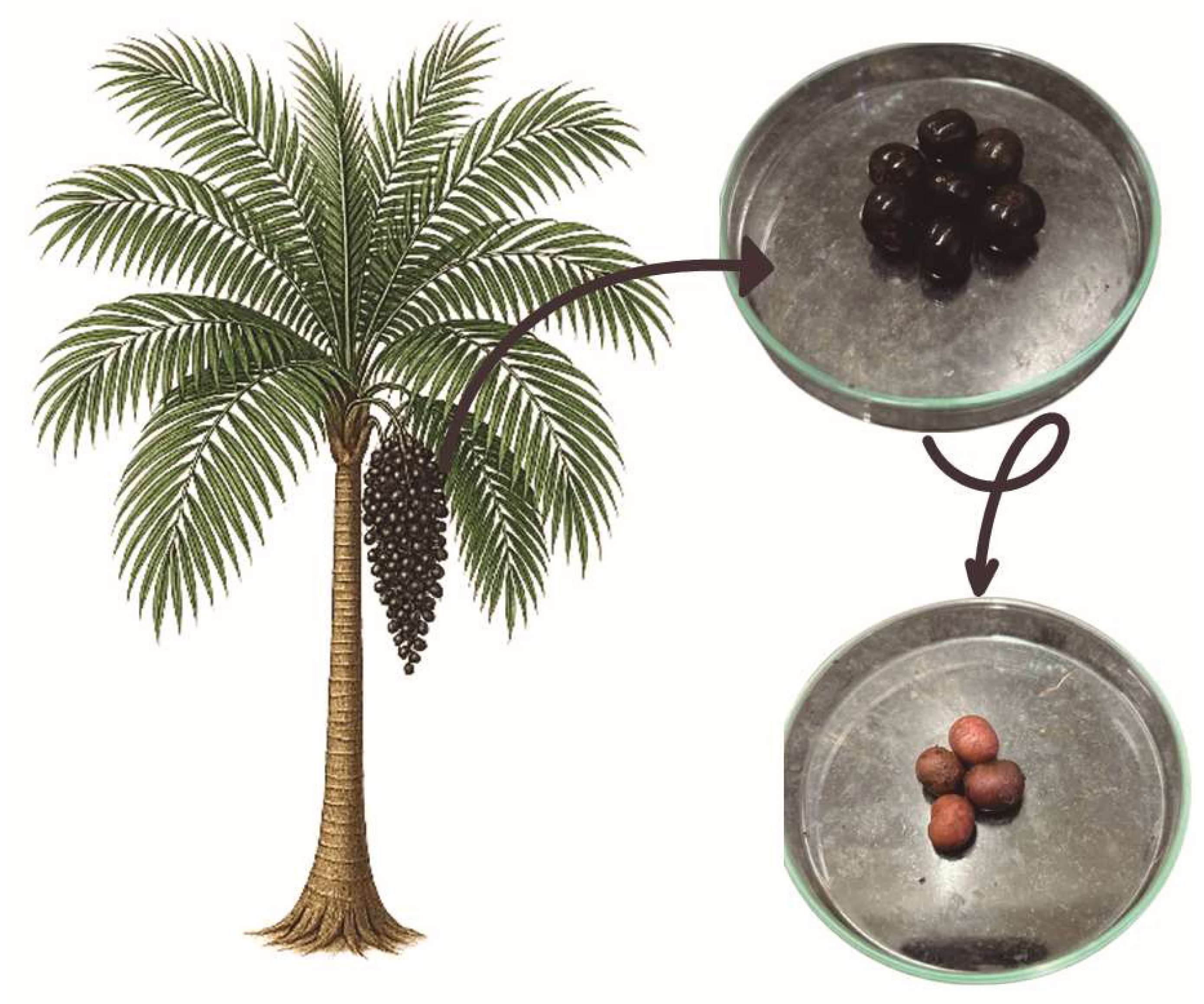
Figure 2.
Major phytochemical compounds are present in açaí pulp composition.
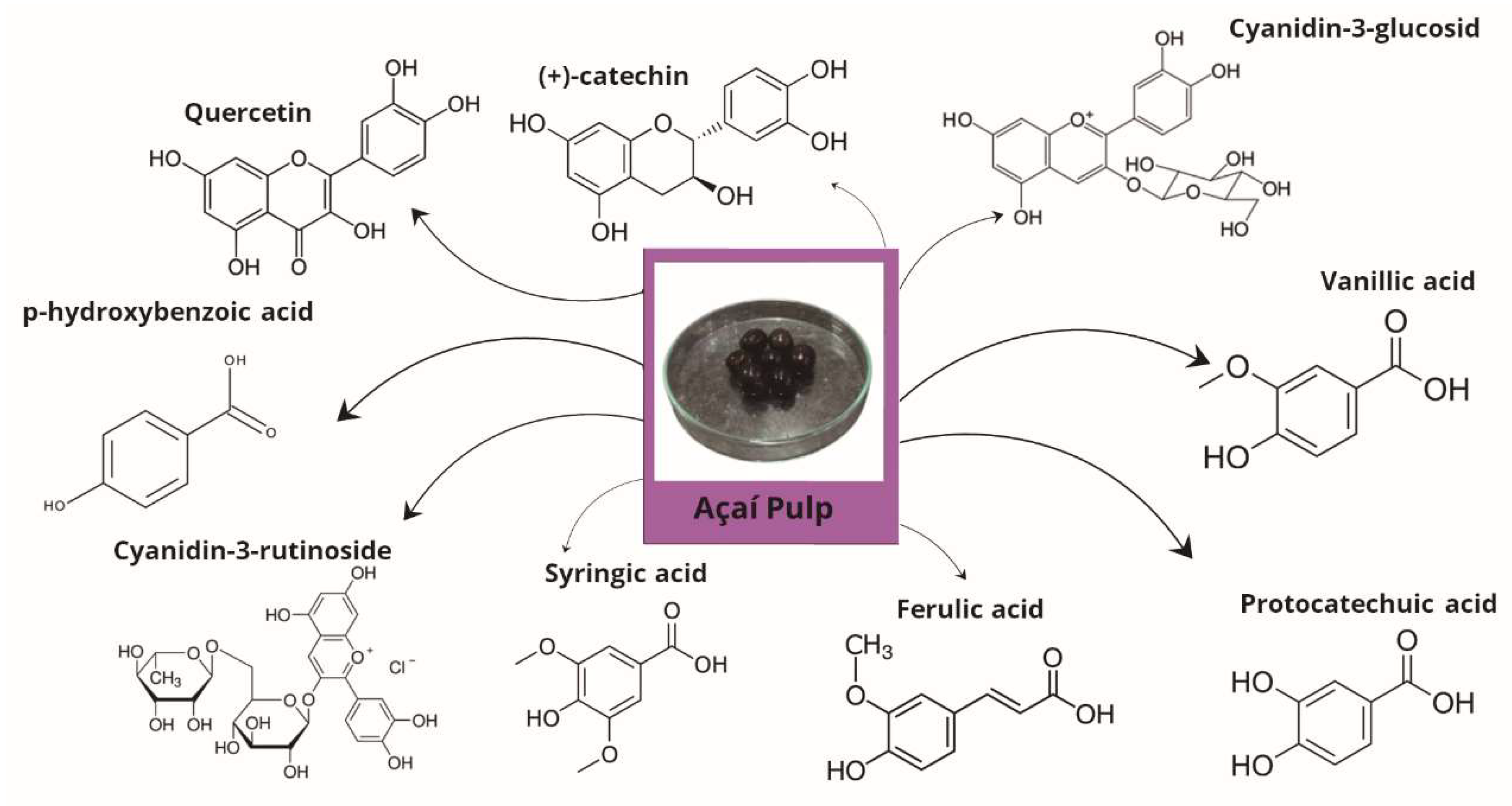
Figure 3.
Major phytochemical compounds are present in açaí seed composition.
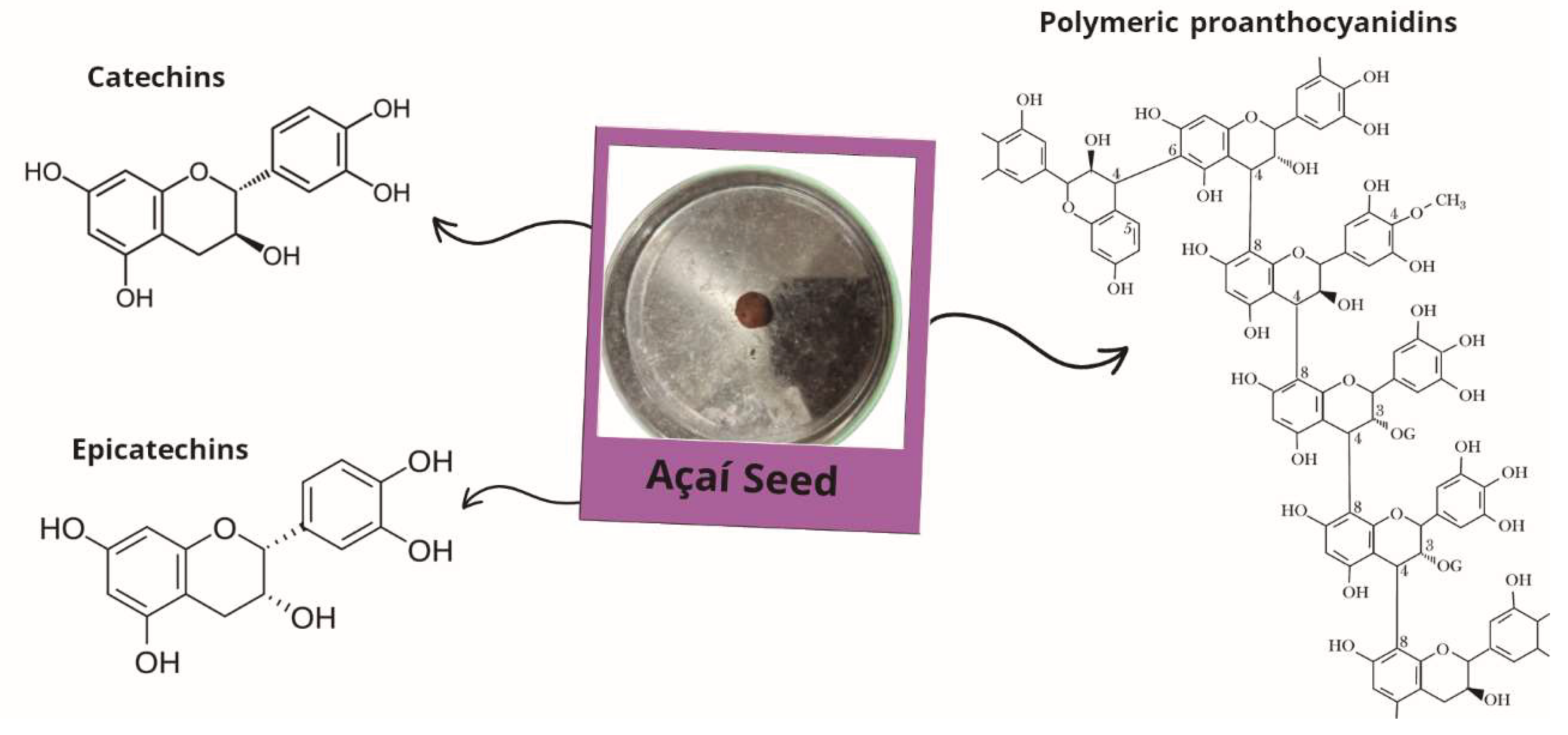
Figure 4.
The therapeutic effects of Euterpe oleracea pulp and seed on learning and memory, antioxidants, anti-inflammatory and anti-apoptotic activity, neurogenesis, and autophagy restoration.
Figure 4.
The therapeutic effects of Euterpe oleracea pulp and seed on learning and memory, antioxidants, anti-inflammatory and anti-apoptotic activity, neurogenesis, and autophagy restoration.
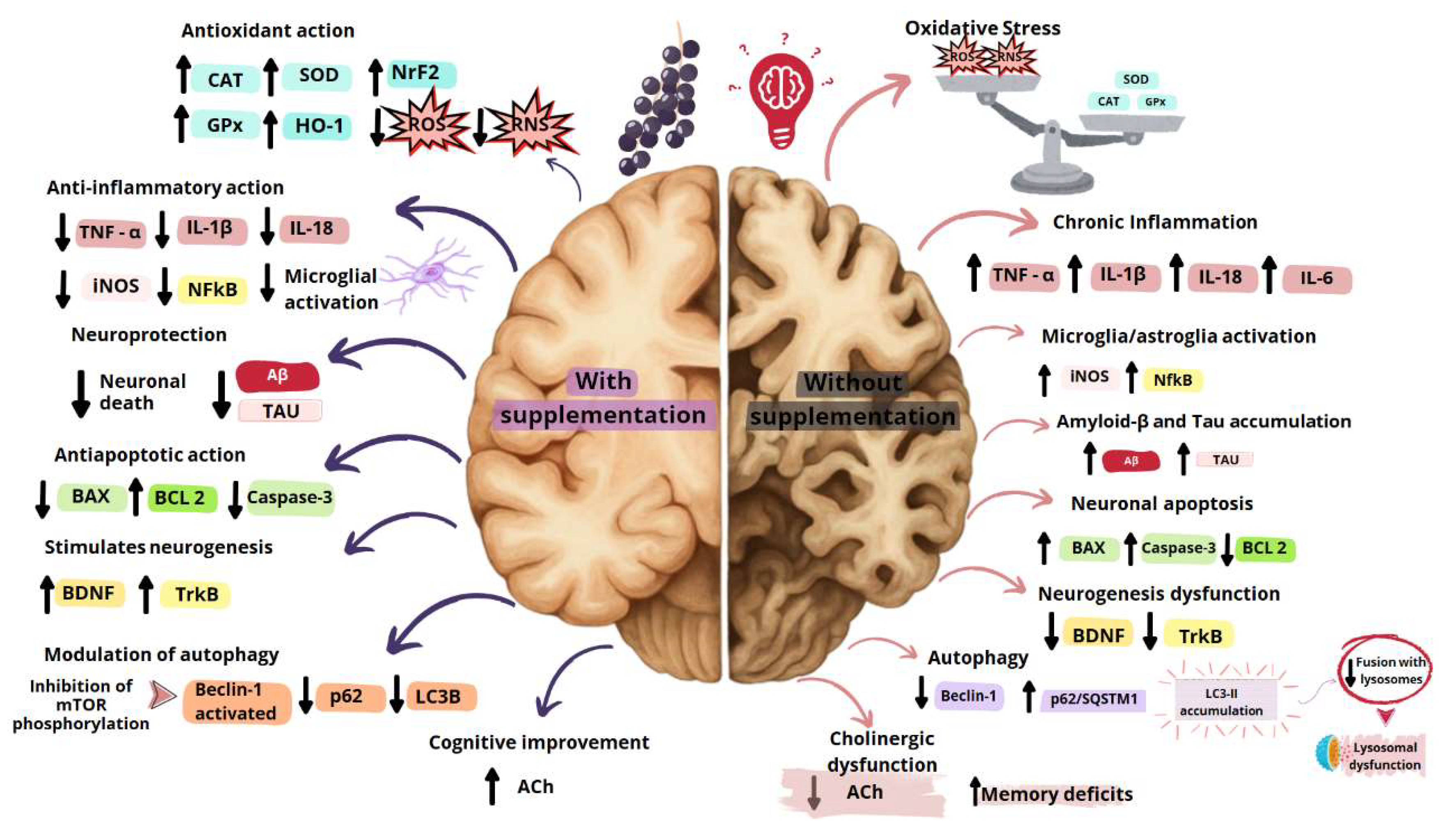

Table 1.
Therapeutic effects of Euterpe oleracea pulp and seed in the central nervous system. .
| Experimental Model | Treatment | Mechanisms and Results | References |
|---|---|---|---|
| Male rats submitted to Scopolamine and Mecamylamine | Açaí pulp 100 and 300 mg/kg | Improved cognition and increased hippocampal acetylcholine | [96] |
| Male old rats and BV-2 cells | Açaí pulp 2% | Improved cognition, reduced microglial activation and NO levels | [102] |
| Male obesy mice | Açaí pulp 2% | Improved cognition, increased insulin sensitivity, adiponectin levels and antioxidant activity | [103] |
| Male mice with vascular dementia | Açaí pulp 500 mg/kg | Improved cognition, reduced apoptosis, restored autophagy and increased antioxidant activity in the hippocampus | [105] |
| BV-2 cells submitted to LPS | Açaí pulp 50, 125, 250, 500 and 1000 µg/mL | Reduced NO, iNOS, COX-2, TNF-α and NFkB | [40] |
| Male old rats | Açaí pulp 2% | Reduced NFkB and NOX-2 in the hippocampus. Increased NRF2 in the hippocampus and prefrontal cortex. Elevated Beclin 1 expression in the prefrontal cortex | [106] |
| Male rats submitted to CCl4 | Açaí pulp 7 μL/g | Reduced TNF-α, IL-1β, IL-18 and oxidative stress in the cerebral cortex, cerebellum, and hippocampus | [107] |
| Cerebral cortex, cerebellum, and hippocampus homogenates from rats submitted to H2O2 | Açaí pulp 40% wt/vol | Reduced lipid peroxidation and protein carbonilation, increased SOD and CAT activity | [108] |
| Adult male offspring subjected to chronic maternal separation | Açaí seed extract 200 mg/kg | Reduced lipid peroxidation and protein carbonilation, increased SOD, GPx and CAT activity in the brainstem. Normalized NO levels and increased TRKB expression in the hippocampus | [89] |
| HT22 hippocampal cells | Açaí pulp 0.25 to 1 mg/mL | Restored autophagy | [109] |
| Abbreviations: BV-2 cells, microglial cells derived from C57/BL6 murine; NO, nitric oxide; LPS, lipopolysaccharides; iNOS, inducible nitric oxide synthase; COX-2, cyclooxygenase-2; TNF-α, tumor necrosis factor alpha; NFkB, nuclear factor kappa B; CCl4, carbon tetrachloride; NOX-2, NADPH-oxidoreductase-2; IL-1, interleukin 1 beta β; IL-18, interleukin 18; H2O2, hydrogen peroxide; SOD, superoxide dismutase; CAT, catalase; GPx, glutathione peroxidase; TRKB, tropomyosin receptor kinase B; HT22 cells, cell line derived from primary mouse hippocampal neurons; Beclin 1, protein that in humans is encoded by the BECN1 gene. | |||
Disclaimer/Publisher’s Note: The statements, opinions and data contained in all publications are solely those of the individual author(s) and contributor(s) and not of MDPI and/or the editor(s). MDPI and/or the editor(s) disclaim responsibility for any injury to people or property resulting from any ideas, methods, instructions or products referred to in the content. |
© 2025 by the authors. Licensee MDPI, Basel, Switzerland. This article is an open access article distributed under the terms and conditions of the Creative Commons Attribution (CC BY) license (http://creativecommons.org/licenses/by/4.0/).
Copyright: This open access article is published under a Creative Commons CC BY 4.0 license, which permit the free download, distribution, and reuse, provided that the author and preprint are cited in any reuse.


