

Submitted:
16 April 2025
Posted:
16 April 2025
You are already at the latest version
Abstract
As global concerns about climate change and air quality intensify, nations are increasingly adopting sustainable transportation solutions, with electromobility emerging as a key alternative. This article examines the adoption of electric vehicles (EV) in Poland, a member state of the European Union (EU) historically reliant on fossil fuels, where the former government aimed to achieve one million electric vehicles by 2025, but is now seeing that it is failing to reach a number even close to this one. Using a mixed methods approach through a survey of academic representatives, the study investigates public perceptions, motivations, and challenges associated with the adoption of EVs in Central Europe. Key factors influencing consumer behaviour, such as government policies, infrastructure development, and societal readiness, are analysed to understand this transition's complexities. The findings reveal significant barriers, including range anxiety, inadequate charging infrastructure, and cost concerns, consistent with global research. However, the study also highlights that a lack of environmental consideration in car purchase decisions further impedes the transition to more sustainable powertrain options. By identifying the dynamics shaping the adoption of electric vehicles in Poland, this research aims to inform policymakers and stakeholders, highlighting tailored approaches to promote electromobility as a cornerstone of the country's environmental strategy and economic future. The findings contribute to the broader discourse on sustainable transportation in the EU, underscoring the potential of electromobility to enhance the environmental sustainability of Poland while navigating the challenges of transitioning from fossil fuel dependency.
Keywords:
electromobility challenges
; survey opinions
; policy creation
; perceived environmental benefits
; sustainability
; European Green Deal
; fossil fuel reliance
1. Introduction
Mankind's need for fast and efficient transport has led to the intensified development of transport infrastructure, the improvement of transport policies, and the modernisation of the means of transport. Practically in parallel, the trend in the development of automotive propulsion systems has been aimed at greater economy, greater power, smaller mass and longer service life. In addition, low emissions of local pollutants and greenhouse gases (GHGs) have proved to be equally important. On 14 July 2021, the European Commission adopted a package of legislative proposals to adapt EU climate, energy, transport, and taxation policies to achieve the objective of reducing net greenhouse gas emissions by at least 55% by 2030 compared to 1990 levels. The implementation regulations package, called Fit for 55, reinforces the need for changes in the automotive market, and the electrification of vehicles has been recognised as a key part in addressing global climate change challenges [1].
In 2023, electric vehicles accounted for nearly 18% of global car sales and reached almost 14 million, representing a 35% increase from 2022. This growth meant that the global electric fleet rose to 40 million in 2023, signaling a transformative shift toward sustainable transportation [2]. Given the increasingly restrictive measures to limit the amount of direct harmful emissions from road transport and the larger efficiency of electric motors over their internal combustion counterparts, the EV sales expansion seems justified, albeit securing different market proportion for different geographical areas.
Poland, whose automotive history includes a heavy dependence on coal and traditional fuels, is now slowly transitioning toward electromobility, embracing it as a cornerstone of its environmental strategy. Although progress is evident, the journey towards widespread adoption of electric vehicles presents both challenges and opportunities. As of June 20, 2024, 69,020 battery electric vehicles (BEVs) - both passenger and commercial - had been registered in Poland, marking a 7% increase compared to the same period in 2023. By the end of June 2024, the total fleet of electric passenger cars in Poland had reached 119,297 vehicles, 62,125 of which were fully electric (BEVs) and 57,172 plug-in hybrid electric vehicles (PHEVs). Additionally, 6,926 electric vehicles and trucks were on the road and the electric two-wheeler fleet had grown to 21,382 units. The fleet of zero-emission buses had also expanded to 1,357, with 1,293 fully electric and 64 hydrogen-powered buses [3]. Although this growth is encouraging, Poland's progress towards its government targets remains slow. The original goal of having 1 million electric vehicles on the road by 2025 is unlikely to be achieved without significant acceleration [4].
Globally, the adoption of EVs has focused on exploring the technological challenges related to the introduction of this powertrain technology, such as the high infrastructure costs, the scarcity of charging stations, the limited range or range anxiety, the charging time, and the performance of batteries [5,6].
The aim of this article is to explore the multifaceted landscape that forms the current state of electromobility in Poland and examine the adoption of electric vehicles based on public perception. The analysis of the results of the research survey will identify the key obstacles to a successful transition, encompassing not only infrastructure development and technological advancements but also, and most importantly, societal readiness for change. Only by understanding these dynamics can the broader implications of electromobility for Poland’s environmental sustainability and economic future be appreciated and ensured.
2. Related Work
The topic of electromobility has garnered significant attention from researchers across various disciplines in the past couple of years, reflects its growing importance in addressing environmental challenges and promoting sustainable transportation. Subsequently, a substantial body of literature has emerged that explores different aspects of electromobility, including consumer preferences, technological advancements, impacts of grid-tied EVs, and policy frameworks [7,8,9]. This section reviews key studies that have contributed to improving the understanding of electromobility, focussing particularly on consumer preferences related to the adoption of electric vehicles.
A study by Liu et al. (2021) examined how government initiatives such as tax incentives and subsidies significantly enhance consumer interest in electric vehicles [10]. Their research demonstrated that regions with comprehensive policy frameworks experienced higher electric vehicle sales and a positive shift in public perception towards electric mobility. Complementing this, Jaiswal et al. (2021) in their study, "Consumer adoption intention for electric vehicles: Insights and evidence from sustainable Indian transportation" emphasised the importance of addressing consumer concerns related to battery life, range anxiety, and availability of charging infrastructure to increase EV adoption globally [8]. They found that consumer education and awareness campaigns are critical to dispelling myths and encouraging potential buyers to consider electric vehicles.
Tao et al. (2024) conducted research titled "Demographic disparity and influences in electric vehicle adoption: A Florida case study uncovering the significant impact of demographic factors on consumer intentions toward electric vehicles. Their analysis indicated that younger consumers, particularly those with higher educational attainment and income levels, are more inclined to adopt electric vehicles [11]. This suggests that targeted marketing strategies tailored to specific demographic segments could effectively boost EV adoption. Research by Tarei et al. (2021), titled "Barriers to the adoption of electric vehicles: Evidence from India" highlighted challenges unique to developing markets [12]. Their study indicated that while there is strong interest in EVs, barriers such as range anxiety and lack of charging infrastructure remain significant hurdles.
A global study conducted by PwC (2024), titled "Voice of the Consumer Survey 2024: Consumer perspectives on the future of mobility" evaluated consumer attitudes towards electric vehicles across multiple countries [13]. The report revealed that environmental awareness and cost savings are primary motivators for consumers, while concerns about total cost of ownership and charging options persist. Zhao et al. (2024) also examined the psychological factors that affect consumer adoption of electric vehicles in several countries in their study titled "The Influence of Psychological Factors on Consumer Purchase Intention for Electric Vehicles" [14]. They identified that personal values, such as environmental concerns, significantly influence the likelihood of adopting an electric vehicle, suggesting that promoting the environmental benefits of electric vehicles could effectively appeal to consumers who prioritise sustainability.
Furthermore, there are also a large number of review papers that build on the conclusions made in the above-mentioned titles (among others), which end up grouping incentives, motivations, and challenges in acquiring an electric vehicle in one of the following categories: contextual, situational, psychological and demographic factors, as is the case for Pamidimukkala et al. (2024) in their article titled 'Barriers and motivators to the adoption of electric vehicles: A global review” [15]. Similarly, Farajnezhad et al. (2024) and Purwanto and Irawan (2024) collectively illustrate the complex interplay of factors influencing consumer adoption of electric vehicles on a global scale [16,17].
These studies provide valuable insights into the global narrative for the adoption of electric vehicles and consumer preferences but lack a more comprehensive regional or even local aspect, particularly when discussing a specific EU member state and its challenges in the implementation of electromobility, especially as part of the Green Energy Transition, fronted by the EU.
By addressing gaps such as social considerations, personal preferences, behavioural change, and lifestyle adaptation, alongside infrastructure readiness and technology advancement, this article seeks to provide a more comprehensive understanding of how the EU Green Transition, the European Green Deal (EGD) and the Fit for 55 regulations package intersect with consumer adoption of electric vehicles and the broader implications for sustainable transportation in Poland, as part of this transition. At the same time, it explores how regional differences impact consumer behaviour, underscoring the necessity of tailored approaches to promote electromobility.
3. Research Methodology
The main data collection instrument to provide empirical data on consumer attitudes in Poland was an electromobility survey. Its main objective was to assess public incentives, motivations, challenges, and behaviours regarding the adoption of electric vehicles in Poland, to identify factors influencing consumer decision making in the context of electromobility, and the general perception of the required policy changes based on the green transition of the EU and the EGD goals. Its findings aim to inform policymakers and stakeholders about the current landscape of EV adoption, highlighting areas for improvement and potential interventions, and facilitate the introduction of electromobility in Poland, by overcoming the identified challenges to support the EU-led green energy transition of the central European region.
A mixed methods approach was utilised, combining quantitative and qualitative data collection. Having identified and listed the incentives, motives, and challenges that current and future owners of hybrid or electric vehicles have or might expect to encounter based on the aforementioned related work, in addition to potential policy changes that would facilitate the faster introduction of electromobility, led to the creation of an exhaustive questionnaire designed to gather both demographic information and specific insights related to EV adoption from current and future car owners.
The survey consisted of 57 questions, of which 34 were multiple choice and Likert scale questions [18], while the remaining questions were open form. The questionnaire aimed to acquire the following information from the participants (Figure 1):
- Demographic Information: Age, sex, income, level of education and geographic location.
- Attitudes and Perceptions: Likert scale questions measuring attitudes towards the perceived environmental benefits of electric vehicles and their role in increasing sustainability and the success of the EU’s green transition.
- Awareness and knowledge: Questions assessing the participants' awareness of electric vehicles, the available incentives and expected challenges in owning such a vehicle.
- Behavioural Intentions: Questions exploring the likelihood of purchasing an electric vehicle in the future and the factors influencing this decision.
The survey targeted students and representatives of academia at Kielce University of Technology, including researchers, teaching assistants, and professors. This population was selected to gain insight from people who may have a greater awareness of technological advancements and sustainability issues. It should be noted that before launching the survey, a pilot survey was conducted with a small group of 10 people, to draw conclusions about the effectiveness of the survey design, the relevance of the questions, and the general attitudes and awareness of the target population regarding electromobility. Using these insights, small, well-informed adjustments were made before launching the full survey.
The survey was conducted using the Google Forms on-line platform to facilitate access and participation. Participants were recruited in person, through social media, and email invitations. The survey was conducted in accordance with ethical guidelines and informed consent was obtained from all participants, while confidentiality was ensured by anonymising the responses. Participants were informed of the purpose of the survey and their right to withdraw at any time. Potential limitations of the survey include self-selection bias, as people who are more interested in electromobility may have been more likely to participate.
The survey addressed to the students and staff of Kielce University of Technology remained open for a period of one full month (from 16 October to 15 November 2024), during which a total of 141 responses were collected. The size (total number of students and staff) of Kielce University of Technology is 4868 [19]. This is a relatively small sample; therefore, it was important to determine the margin of error and the level of confidence of the sample. This was performed using the following equation:
where
- n – sample size
- σ – standard deviation
- z – score consistent with the desired confidence interval (for 95% confidence level, equals 1.96)
The resulting margin of error, calculated for a 95% confidence level, is 8%, which is a sufficiently low margin, considering the small sample size.
4. Survey Results
To analyse the collected survey data, no specific restrictions were applied, which means that individual responses were not excluded from the analysis. However, some of the non-mandatory questions were left out by the participants. Once collected, the quantitative data was analysed to perform descriptive statistics, while the qualitative responses were thematically analysed to identify common themes and insights. This approach involved identifying and organising patterns, themes, topic, or ideas within written responses to gain deeper insights into the perspectives and experiences of the participants.
Despite the small sample size, it can be considered that the participants were representative of the current Polish perspective on electromobility in academia, as they included people of different age, education, and income levels (Figure 2 and Figure 3). Approximately 76% of the responses that were collected from the survey were students, 22% representing academic staff (including PhD candidates/researchers, professors, assistants) and the remaining participants falling into the category administration or other staff. The largest age group among participants was 22-25 years old, consisting of approximately 50% of the total of respondents. This was followed by participants aged 26-35, which made up approximately 18%, and the third largest group consisted of individuals aged 18-21.
The responses collected from the questionnaire were summarised into the following categories:
4.1. Fuel and Powertrain Preferences
The survey results revealed that of the 141 participants who took the survey, 78.7% were car owners, while 21.3% did not own cars, however, were considered prospective or future car owners. Approximately 45% of current car owners surveyed used diesel, fossil fuel powered vehicles. The key factor for choosing this technology was economic efficiency, especially for those who regularly travel long distances. Diesel fuel was criticised in the context of local pollutant emissions, but it remains the dominant choice among users from rural and suburban areas. It should be noted that when analysing the results for future car owners, diesel as a fuel in light passenger cars drops well below 20% (Figure 4).
About 37% of the respondents drive gasoline cars, characterised by their greater availability and versatility, especially among urban users. The survey highlighted that the lower purchase costs of these cars are a significant factor contributing to their growing popularity among respondents, especially prospective car owners. LPG fuel cars are chosen by 10.8% of the survey participants. This fuel is mainly popular among users who prefer lower fuel and operating costs. Although this fuel is more economically available, the limited availability of refuelling stations and the potential for higher service costs somewhat reduce its attractiveness. Both petrol and LPG driven cars not only maintain, but also increase their attractiveness for future owners, with their numbers likely to increase in the future, primarily to account for the drop in diesel car sales (Figure 4 and 5).
Currently, mild and full hybrid electric vehicles (HEVs), PHEVs, and BEVs are used by a mere 7.2% of the respondents. The survey results indicated that hybrid powertrains may be attractive to people who travel primarily in urban environments. Short distances and frequent stops potentially allow for a fuller utilisation of the electric powertrain. The respondents also highlighted the benefits associated with quiet engine operation and lower operating costs. The powertrain choice of future owners is likely to include a larger number of cars powered by these alternative powertrains, as their response percentage indicated a share just below 25%, but with the majority of those being mild or full hybrids (20 %) (Figure 5).
4.2. Factors Influencing the Choice of Powertrain Technology
When selecting their car, owners consider a range of factors that influence their decision-making process. Among these, operating costs, infrastructure availability, technological innovation, ecological concerns, and attachment to traditional technologies play key roles. These various outside influences reflect a complex balancing act between cost efficiency, environmental impact, and personal preferences, with different types of powertrain technologies offering distinct advantages and limitations.
The results of the survey revealed that personal preference was the most influential factor for current and future car owners in Poland, in all categories. Among fossil fuel car owners, 75.2% cited personal preference as a key reason for their choice, with 54.3% considering it their main motivation (Figure 6). A similar pattern was observed among future fossil fuel buyers, where 76% also identified personal preference as a key driver. For HEV/EV owners, 56% of current owners and 50% of future owners reported personal preference as the dominant factor (Figure 7).
Both current and prospective fossil fuel owners prioritised range, refuelling infrastructure, and cost-related factors when considering alternative car choices. Many respondents, particularly 67% of current owners and 65% of future buyers, expressed concerns about long-term maintenance costs, often citing the high expense of battery replacements as a key factor shaping their perception of electric vehicles. Cost efficiency also played a crucial role, with 61% of current and prospective owners highlighting the lower initial purchase price of fossil fuel vehicles as a significant advantage over HEVs and EVs. Driving range remained an important factor for 58% of current fossil fuel car owners and 78% of prospective buyers, who viewed it as a critical determinant in their decision-making process. Similarly, fuel consumption time has emerged as a notable consideration, with 55% of current owners and 52% of prospective buyers perceiving it as a distinct advantage of fossil fuel vehicles over electrified alternatives.
In addition to these concerns, 40% of current fossil fuel car owners acknowledged that a lack of knowledge about alternative powertrains might have influenced their resistance to EV adoption. However, this knowledge gap appeared to be narrowing among future buyers, suggesting that increasing awareness and education efforts may play a crucial role in shaping consumer preferences over time. In general, long-established market solutions are perceived to be more reliable and easier to maintain, especially considering the potential difficulty of handling new driving systems.
A large proportion of future HEV/EV owners prioritised better fuel efficiency and lower electricity costs. Furthermore, 89% of future buyers placed value on lower short-term maintenance costs or general operational costs, in contrast to current owners who showed a lesser emphasis on this factor. Government (monetary and nonmonetary) incentives also played a prominent role for future EV buyers, with 71% citing them as an important motivator, compared to 45% of current HEV/EV owners. This change suggests that future buyers are more attuned to the financial benefits and policies that support the adoption of electric vehicles. Approximately 63% of all groups cited an improved social image or status as the least motivating factor in their decision to purchase a HEV/EV car.
4.3. Barriers & Challenges Faced by Car Owners
The results of the survey reveal a strong alignment between current and future car owners with respect to the challenges associated with both fossil fuel cars and cars using electrified powertrains. Although some concerns are unique to specific groups, a few broader themes emerge, particularly related to infrastructure, costs, and evolving regulatory pressures.
For current fossil fuel car owners, the most pressing challenges revolve around regulatory restrictions and rising costs (Figure 8). Stricter emissions regulations are already influencing vehicle usage, with 68% of respondents citing penalties based on Euro emission standards as a significant concern when driving into urban areas. Furthermore, 66% pointed to rising short-term maintenance costs, indicating that as fossil fuel cars age and environmental policies tighten, maintenance expenses are becoming increasingly burdensome. Interestingly, peer pressure is perceived as the least challenging factor, with 64% of current fossil fuel owners indicating that social influence has little to no effect on their vehicle choice. This suggests that while the transition toward cleaner mobility is underway, societal expectations alone are not yet strong enough to drive behavioural change.
Future fossil fuel vehicle owners anticipate higher annual registration costs (48%) and continued penalties for emissions (43%) as their biggest challenges. These findings highlight a growing awareness that regulatory pressures will continue to shape the market, potentially making fossil fuel cars less financially viable over time. However, as with current owners, peer pressure remains one of the least influential factors, reinforcing the idea that financial and infrastructure considerations outweigh social influence in consumer decision making.
For current HEV and EV owners, the most significant barriers relate to the charging infrastructure and operational limitations (Figure 9). The overwhelming majority (75%) cited insufficient charging infrastructure as a key challenge, followed closely by concerns over long charging times and limited driving range (63%). These findings suggest that, while EV adoption is increasing, Poland's charging network remains inadequate, making daily use of electric vehicles more difficult, particularly for those without home and/or workplace charging solutions. Financial concerns were also prominent, with 50% of current HEV/EV owners identifying high initial purchase costs as a challenge. This highlights the ongoing issue of affordability, as electric vehicles remain significantly more expensive in the beginning compared to their fossil fuel counterparts. Interestingly, maintenance service availability was the least concerning issue, suggesting that despite fears about the cost of repairs, existing HEV/EV owners in Poland do not struggle significantly with finding service providers.
An overwhelming 86% of future owners anticipate insufficient charging infrastructure and range limitations as their primary obstacles, further underscoring the urgent need for investment in public and private charging networks. Furthermore, 71% expect high purchase costs to be a significant barrier, reinforcing the importance of continued financial incentives and cost reduction strategies to encourage adoption.
4.4. Preference over Next Car Purchase
When asked about their car purchase preferences, an overwhelming 64.6% of current fossil fuel owners declared that they would repeatedly choose a conventional, fossil fuel powered car (Figure 10). This result clearly indicates the dominant trust in traditional technologies among respondents, valued for their availability, affordability, and well-developed supporting infrastructure. As an alternative, respondents indicated mild/full hybrids, which attracted 21.5% of the participants (coinciding with the likelihood that perspective car owners would buy this type of car). This suggests moderate openness to technologies that combine known elements with modern solutions, maintaining an average level of confidence. Respondents showed the least interest in PHEV and BEV (13.9%). The result highlighted barriers identified by the respondents, such as high purchase costs, technological limitations, or insufficient charging infrastructure.
Among current car owners, fossil fuel cars had the highest level of recommendation (a grade of 5), with up to 46.6% of the respondents stating that they would highly recommend fossil fuel-driven cars to their friends or family, and an additional 14.6% rated them at 4. This allows for a clear statement that more than 60% consider fossil fuel cars to be worthy of recommendation, a technology that is reliable in use. Only 8.7% of the respondents would advise against their purchase, indicating a low level of criticism of this conventional technology, despite the associated environmental concerns.
The results obtained for hybrid vehicles confirm their moderate acceptance among the respondents, receiving the highest percentage (35.9%) for value 3 on the recommendation scale (1 meaning least likely and 5 meaning most likely to recommend). The second highest rating is 1, indicating scepticism towards this technology. The high recommendation (values 4 and 5) totals only 22.3%, which shows concerns among the survey participants related to the cost-effectiveness and reliability of using hybrid vehicles. PHEVs and EVs received the lowest level of recommendations in the survey, with most ratings being 1 and 2 - fully reflecting the low level of trust in this technology among participants. Barriers such as high purchase costs, the lack of a well-developed charging infrastructure, and technological limitations were named the main factors that hinder their acceptance. Only a small percentage of the respondents (9.7%) chose values 4 or 5, indicating a low level of interest and recognition for these advanced vehicle technologies.
Valuable insights came up by analysing the 'next car' purchase preferences, based on the level of knowledge (1 meaning the least and 5 meaning the most knowledge) of the different available powertrain options (Figure 11). At lower knowledge levels (1-2), petrol cars remain a dominant choice, with 50% of respondents at knowledge level 1 choosing petrol and a mix of diesel and LPG. As knowledge increases (levels 3-4), the preference for mild/full hybrid cars grows, while interest in diesel decreases. At the highest level of knowledge (5), 100% of the respondents chose petrol, which could indicate scepticism about alternative powertrains or a preference for familiarity despite being informed.
This suggests that awareness and education play a crucial role in shaping consumer preferences. Although hybrid interest increases with knowledge, the dominance of gasoline cars even among well-informed consumers suggests that other factors, such as cost, infrastructure, or trust in new technologies, may outweigh knowledge-driven decisions. Taken together, these insights suggest a gap between awareness and action, while knowledge influences openness to hybrids, entrenched habits, and infrastructure limitations still play a significant role in determining purchase decisions.
4.5. Environmental Sustainability as a Decision-Making Factor in the Purchase of HEVs and Evs
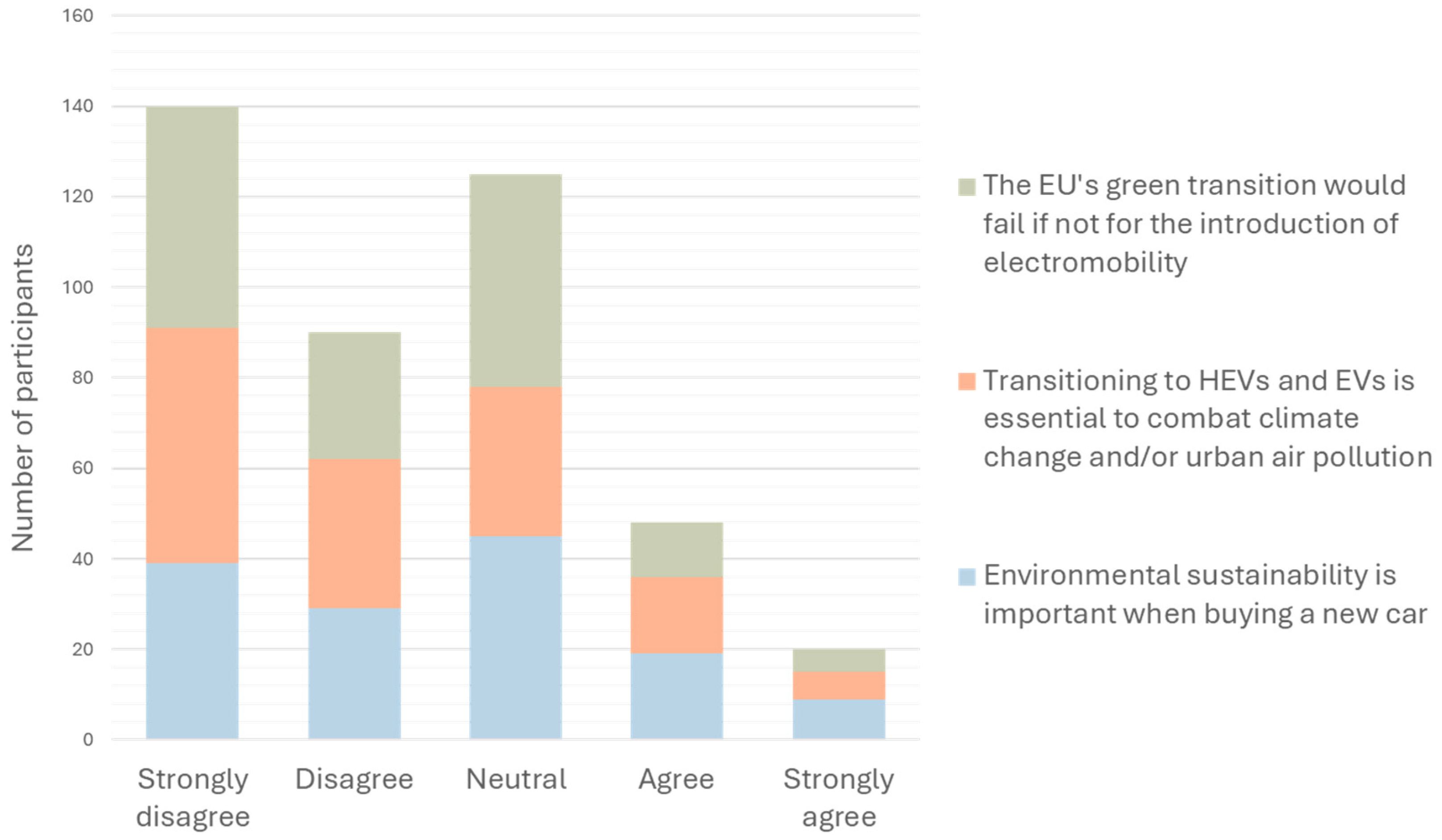
An important observation was made when analysing environmental sustainability and how it influences the purchase of new cars. More than 80% of the participants (Figure 12) believe that hybrid and fully electric vehicles are little to no importance in addressing urban air pollution or combating climate change. As a result, when considering the purchase of a new car, participants generally think of environmental sustainability as a low-priority factor in their decision making. Similarly, they do not consider these vehicles a significant contributor to the green transition in the EU and only 12% of the participants agree/strongly agree that the energy transition would fail without the transition to electromobility. Based on these insights, it can be concluded that the Polish people do not see electromobility as part of the solution when it comes to the EU's green energy transition.
5. Conclusions
The findings of this study shed light on the key factors that influence EV adoption in Poland, in the context of the green transition of the EU. Despite some encouraging developments, such as the growth in the overall electric vehicle fleet, the public's perception of electric vehicles reveals significant barriers that need to be overcome to even come close to achieving the government’s ambitious goal of 1 million electric vehicles in the near future.
The survey results indicated that traditional fuels remain the dominant choice for most respondents. High purchase prices, insufficient charging infrastructure, and concerns about the range and recharging time of electric vehicles emerged as the primary barriers to EV adoption. These findings mirror global trends but are particularly pronounced in rural and smaller urban areas, where infrastructural deficits hinder the transition to electromobility.
From a policy perspective, the data suggests that targeted efforts to improve charging infrastructure, provide financial subsidies or tax incentives, and enhance consumer education about the benefits of EVs could boost public willingness to adopt electric mobility. More specifically, ensuring the widespread availability of fast chargers and standardizing charging protocols are essential steps to mitigate current barriers. Additionally, addressing the affordability of EVs, either through subsidies or reduced vehicle purchase costs, would alleviate concerns about the economic feasibility of making the switch from fossil fuel-powered cars.
Furthermore, the limited interest in fully electric and plug-in hybrid vehicles underscores a crucial need for comprehensive policy frameworks that not only provide financial incentives but also address technological and infrastructural gaps. The research also underscores the importance of targeted strategies to foster the adoption of electromobility. While some respondents expressed a preference for financial and nonfinancial incentives (subsidies, preferential parking, and workplace charging stations), others highlighted the need for better educational campaigns to inform the public about the benefits of electric and hybrid vehicles. These insights point to the need for more comprehensive and tailored government initiatives that address not only financial barriers but also raise awareness about the long-term ecological and economic advantages of transitioning to electric mobility.
In conclusion, this study contributes to the broader discourse on sustainable transportation and the green transition of the EU, particularly within the context of Poland's transition from fossil fuel reliance. The findings emphasise that while EV adoption is currently slow, it still has potential to improve the environmental sustainability of Poland and contribute to the country’s green future. To accelerate this transition, the Polish government, along with industry stakeholders, must focus on addressing identified barriers, such as cost, infrastructure, and range anxiety, while simultaneously promoting education and awareness. Through these efforts, Poland can make significant progress toward achieving its sustainability goals, aligning with the European Green Deal and the broader EU vision for a sustainable transportation system.
Author Contributions
Conceptualization, N.M..; methodology, N.M. and M.P.; software, A.P. and M.P.; validation, N.M. and A.B..; formal analysis, A.P. and M.P.; investigation, N.M. and A.B.; resources, A.P. and A.B..; data curation, A.P. and M.P.; writing—original draft preparation, N.M..; writing—review and editing, N.M. and A.B.; visualization, A.P. and M.P.; supervision, N.M. and A.B.; project administration, N.M. and A.B.; funding acquisition, —. All authors have read and agreed to the published version of the manuscript.
Funding
This research received no external funding.
Institutional Review Board Statement
Not applicable.
Informed Consent Statement
Informed consent was obtained from all subjects involved in the study.
Data Availability Statement
The data presented in this study is available on request from the corresponding author due to confidentiality restrictions
Acknowledgments
The authors would like to thank all respondents who took part in the survey for their valuable input. We also acknowledge the administrative and technical support provided during the distribution and collection of the survey.
Conflicts of Interest
The authors declare no conflicts of interest. The study had no external funders; therefore, they had no role in the design of the study, data collection, analysis, or interpretation, manuscript writing, or the decision to publish the results.
References
- Haghani, M. Sprei, F., Kazemzadeh, K., Shahhoseini, Z., Aghaei, J. Trends in electric vehicles research. Transportation Research Part D: Transport and Environment. 2023, Vol. 123, No. 103881. [CrossRef]
- IEA Global EV Outlook 2024, IEA, Paris, Available at: https://iea.blob.core.windows.net/assets/a9e3544b-0b12-4e15-b407-65f5c8ce1b5f/GlobalEVOutlook2024.pdf. (accessed on 04.04.2025).
- Furmanek, M. Licznik elektromobilności: Electromobility counter: Polish E-mobility Market in the first half of the year (in Polish). Polish New Mobility Association. 2024. Available at: https://psnm.org/2024/informacja/licznik-elektromobilnosci-polski-rynek-e-mobility-na-plusie-w-i-polowie-roku/ (accessed on 13.11.2024).
- PZPM Electromobility Meter: Polish e-mobility market, Polish Automotive Industry Association, 2023. Available at: https://www.pzpm.org.pl/pl/Aktualnosci/Licznik-elektromobilnosci-Styczen-2023 (accessed on 04.04.2025).
- Alanazi, F. Electric Vehicles: Benefits, Challenges, and Potential Solutions for Widespread Adaptation. Appl. Sci. 2023, 13, 6016. [Google Scholar] [CrossRef]
- Muratori, M., Alexander, M., Arent, D., Bazilian, M., Cazzola, P., Dede, E.M., Farrell, J., Gearhart, C., Greene, D., Jenn, A., Keyser, M., Lipman, T., Narumanchi, S., Pesaran, A., Sioshansi, R., Suomalainen, E., Tal, G., Walkowicz, K., Ward, J. The rise of electric vehicles—2020 status and future expectations. Progress in Energy, 2021, vol. 3, No. 022002. [CrossRef]
- Ismail, A.A., Mbungu, N.T., Elnady, A., Bansal, R.C., Hamid, A-H, AlShabi, M. Impact of electric vehicles on smart grid and future predictions: a survey. International Journal of Modelling and Simulation, 2023, Vol. 43, Issue 6, pp. 1041-1057. [CrossRef]
- Jaiswal, D., Kaushal, V., Kant, R., Singh, P.K. Consumer adoption intention for electric vehicles: Insights and evidence from Indian sustainable transportation, Technological Forecasting and Social Change, 2021, 173. [CrossRef]
- Zaniewska-Zielinska, A. Electric Cars and Consumer Behavior: A Study among Polish Drivers. J. Transp. Psychol., 2020, 7, pp. 293–311. [Google Scholar]
- Liu, X. , Sun, X. , Zheng, H, Huang, D. Do policy incentives drive electric vehicle adoption? Evidence from China, Transportation Research Part A: Policy and Practice, 2021, 150, pp 49–62. [Google Scholar] [CrossRef]
- Tao, R., Yang, X., Hao, F., Chen, P. Demographic disparity and influences in electric vehicle adoption: A Florida case study, Transportation Research Part D: Transport and Environment, 2024, 136. [CrossRef]
- Tarei, P.K., Chand, P., Gupta, H. Barriers to the adoption of electric vehicles: Evidence from India, Journal of Cleaner Production, 2021, 291. [CrossRef]
- PwC Voice of the Consumer Survey 2024: Consumer perspectives on the future of mobility, Available at: https://www.pwc.com/gx/en/issues/reinventing-the-future/smart-mobility-hub/consumer-perspectives-future-mobility.html (accessed on 04.04.2025).
- Zhao, H., Furuoka, F., Rasiah, R. The influence of psychological factors on consumer purchase intention for electric vehicles: Case Study from China: Integrating the Necessary Condition Analysis Methodology from the Perspective of Self-Determination Theory. World Electr. Veh. J., 2024, 15. [CrossRef]
- Pamidimukkala, A., Kermanshachi, S., Rosenberger, J.M., Hladik, G. Barriers and motivators to the adoption of electric vehicles: A global review, Green Energy and Intelligent Transportation, 2024, 3 (2). [CrossRef]
- Farajnezhad, M., Seong-Kuan, J.S.T., Kamyab, H. Impact of Economic, Social, And Environmental Factors on Electric Vehicle Adoption: A Review. Eidos, 2024, 17 (24), pp. 39 - 62. [CrossRef]
- Purwanto, E., Irawan, A.P. IOP Conf. Ser.: Earth Environ. 2024, Sci. 1324 012091. [CrossRef]
- Likert, R. A technique for the measurement of attitudes. Archives of Psychology, 1932, 22 (140), pp. 1-55.
- Statistics Poland, Higher education in the 2023/24 academic year (in Polish). 2023. Retrieved 24 December 2024, Available at: https://stat.gov.pl/obszary-tematyczne/edukacja/edukacja/szkolnictwo-wyzsze-w-roku-akademickim-2023 2024, 8, 10html.
Figure 1.
Diagram of the survey’s questionnaire. Source: Author’s own elaboration.
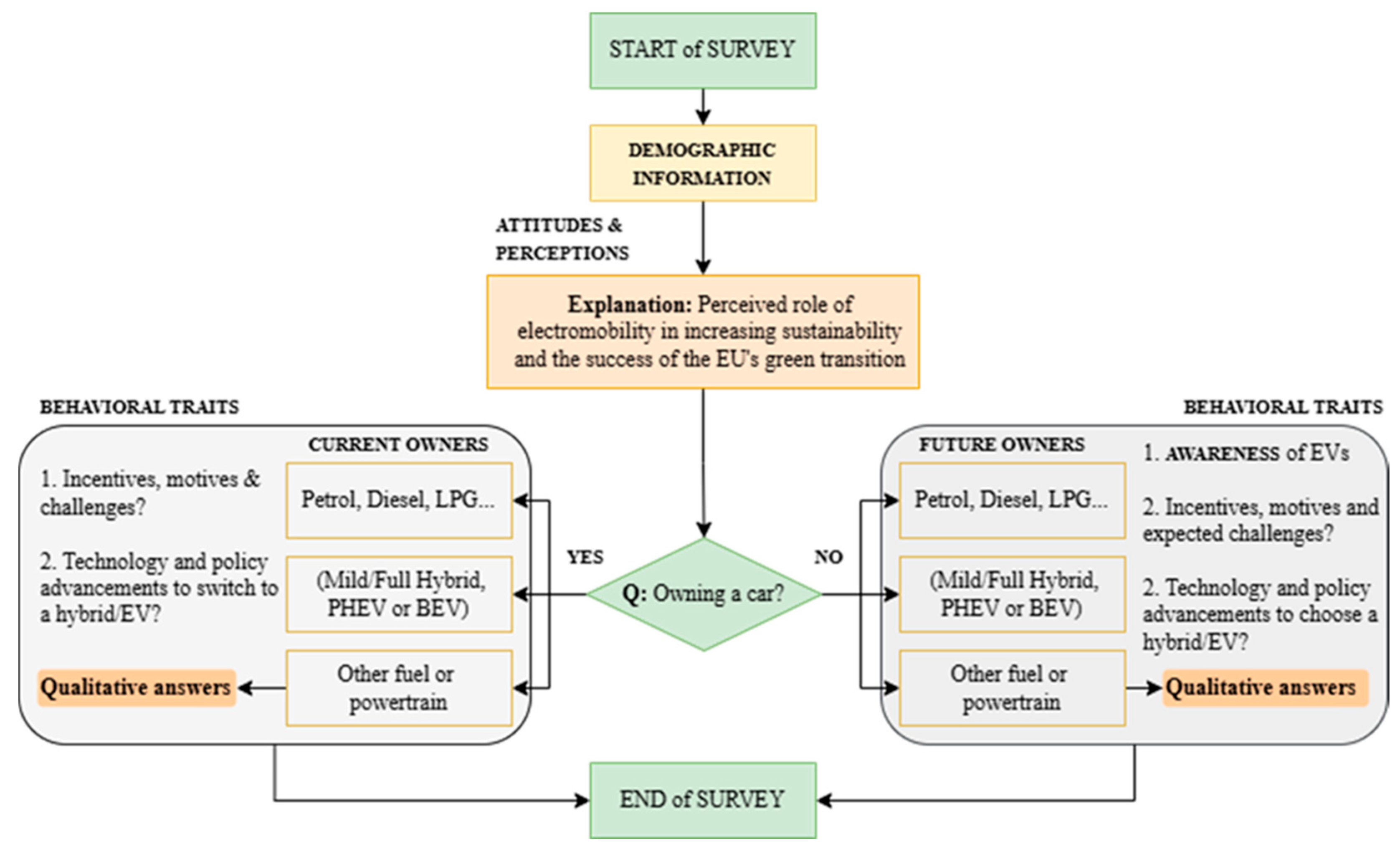
Figure 2.
Age distribution of survey participants. Source: Author’s own elaboration.
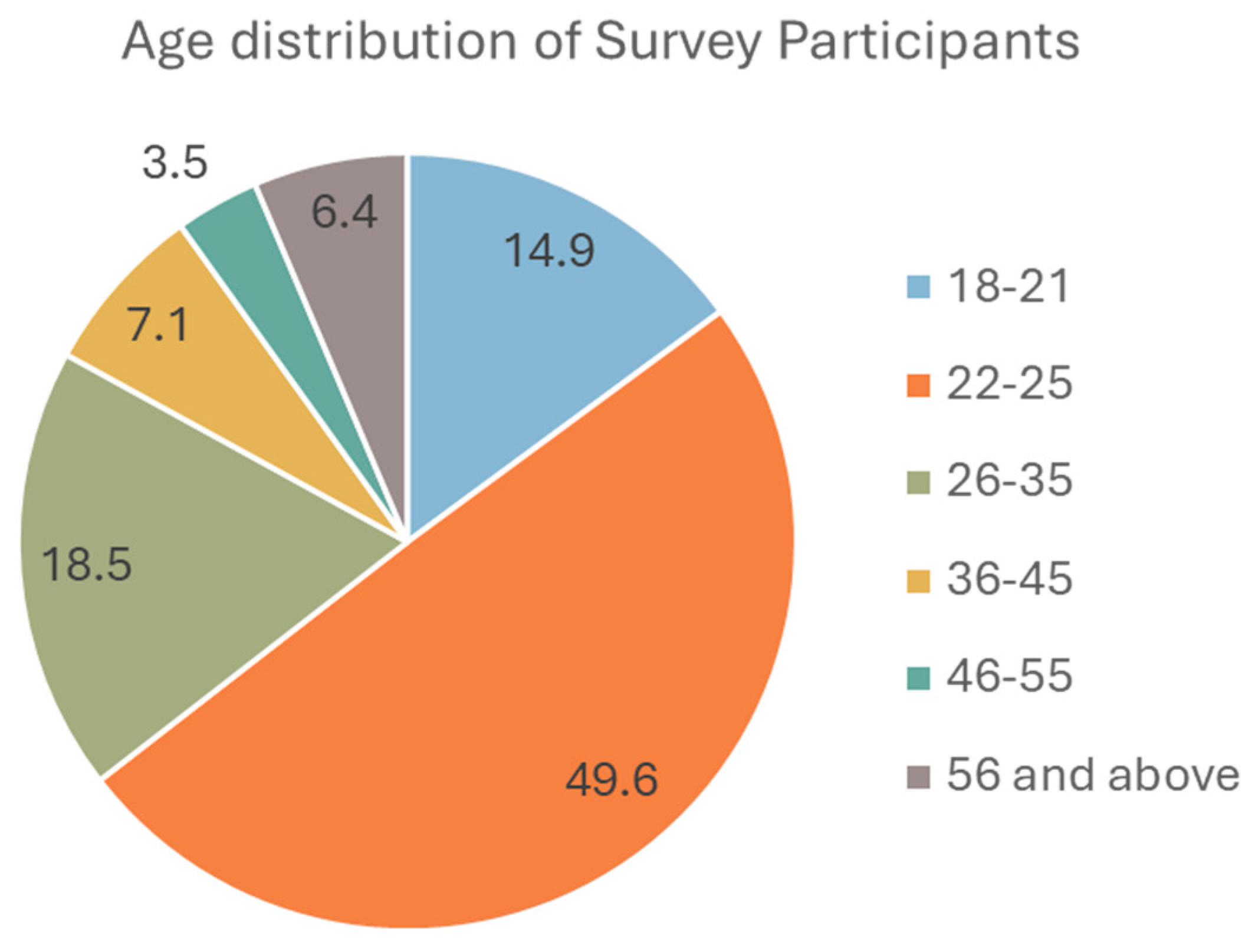
Figure 3.
Professional status of survey participants. Source: Author’s own elaboration.
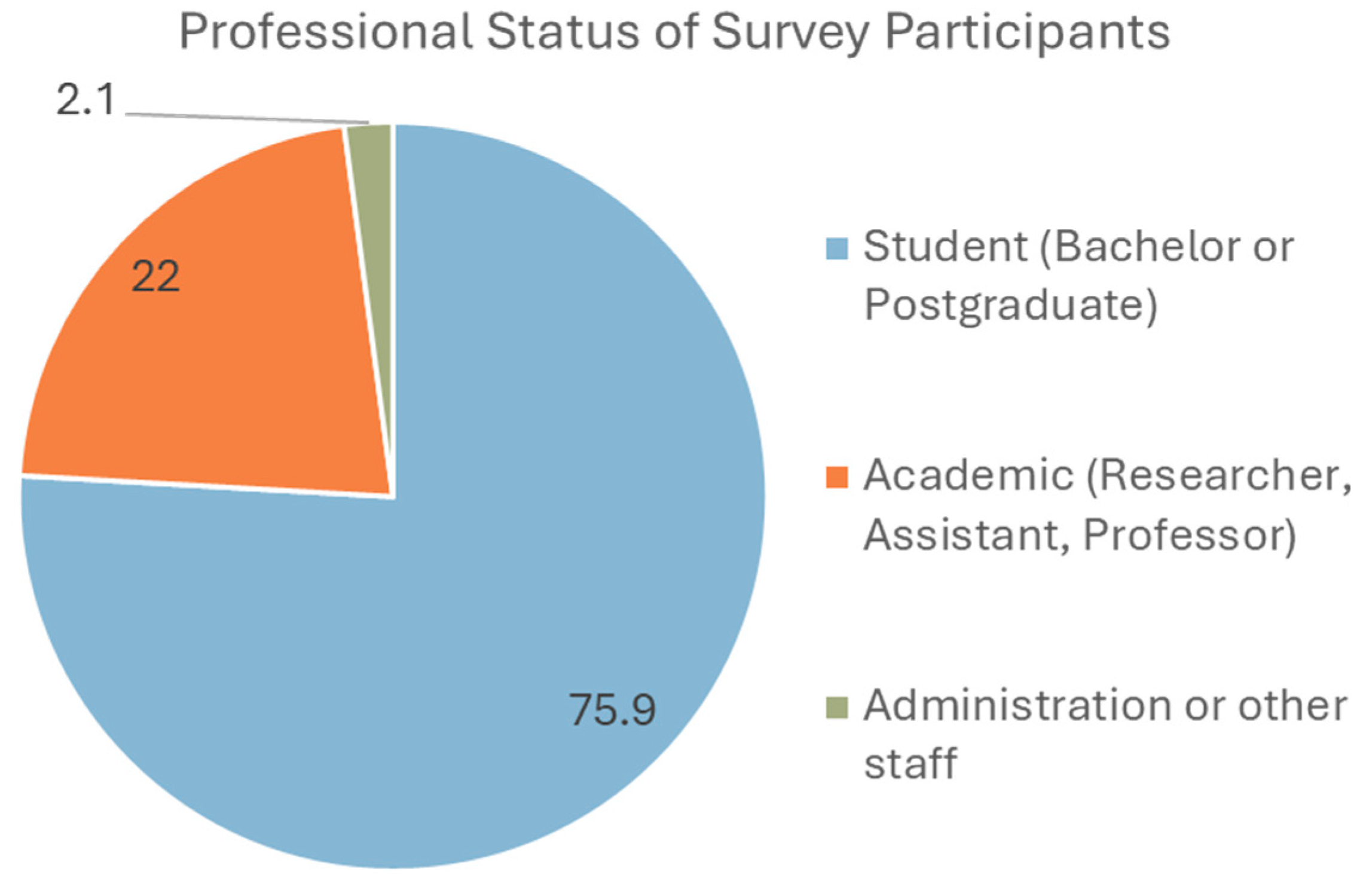
Figure 4.
Fuel & powertrain share among current and prospective owners. Source: Author’s own elaboration.
Figure 4.
Fuel & powertrain share among current and prospective owners. Source: Author’s own elaboration.
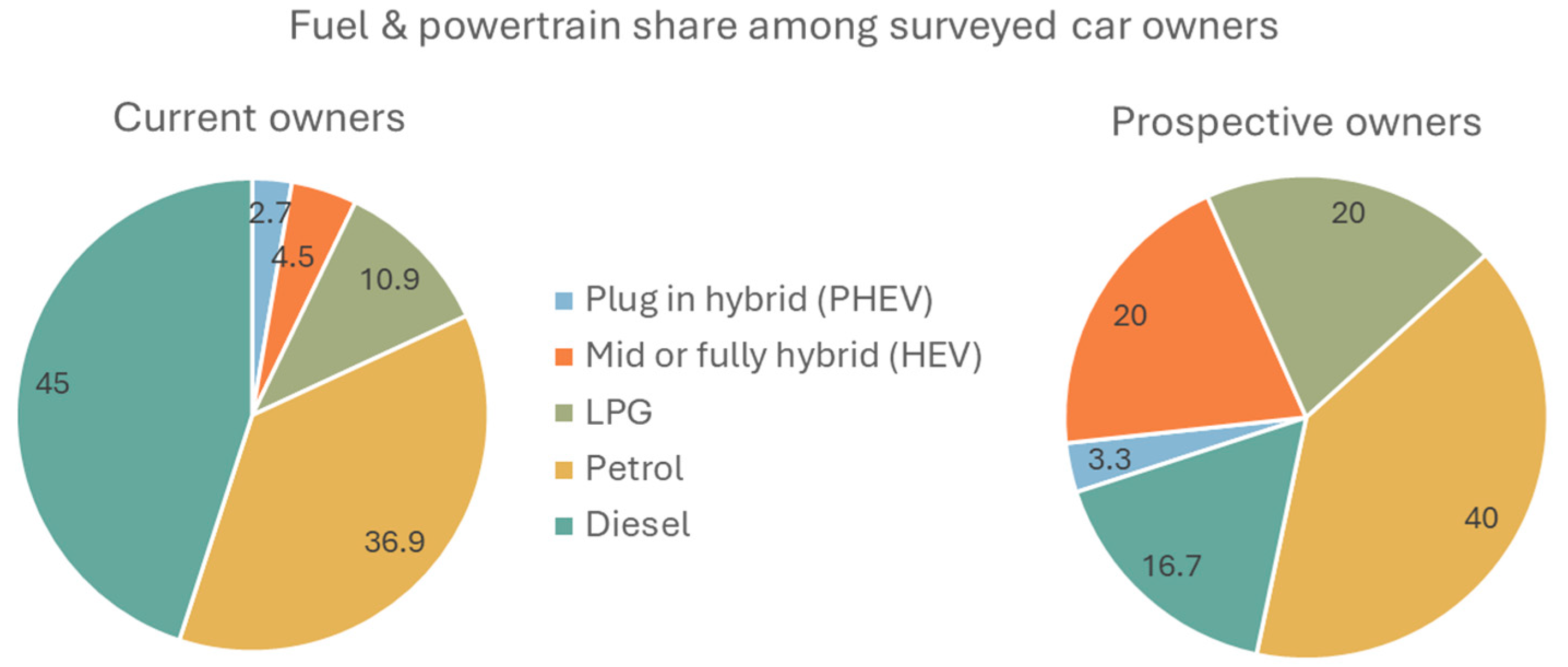
Figure 5.
Car preference by fuel/powertrain technology among current and perspective owners. Source: Author’s own elaboration.
Figure 5.
Car preference by fuel/powertrain technology among current and perspective owners. Source: Author’s own elaboration.
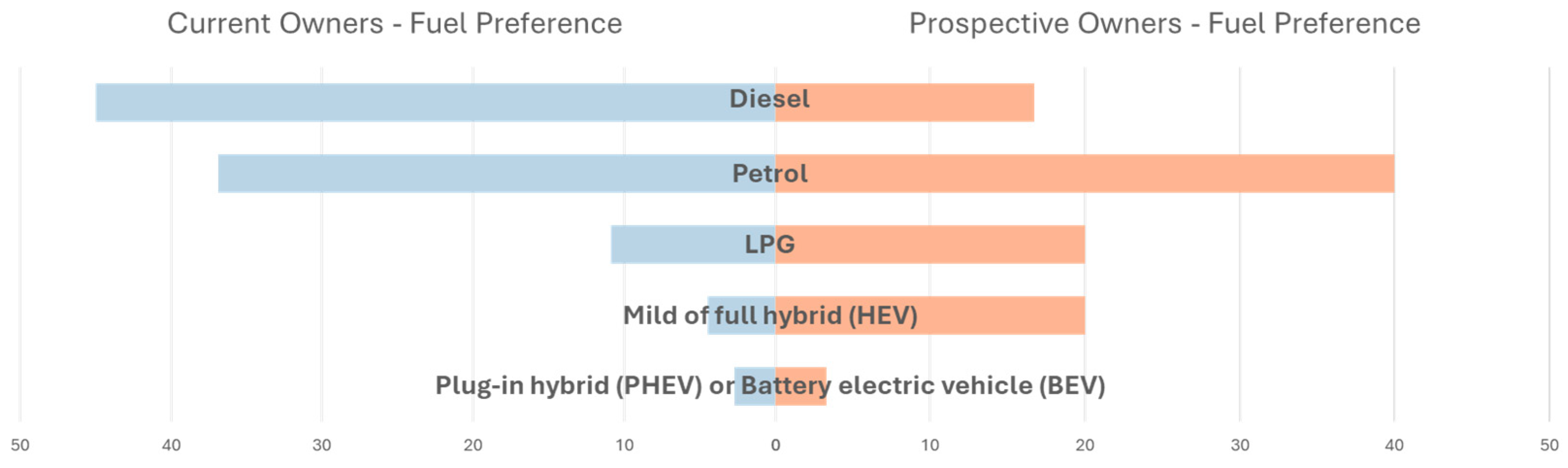
Figure 6.
Factors that influence the choice of fuel & powertrain among current and prospective fossil fuel driven car owners. Source: Author’s own elaboration.
Figure 6.
Factors that influence the choice of fuel & powertrain among current and prospective fossil fuel driven car owners. Source: Author’s own elaboration.
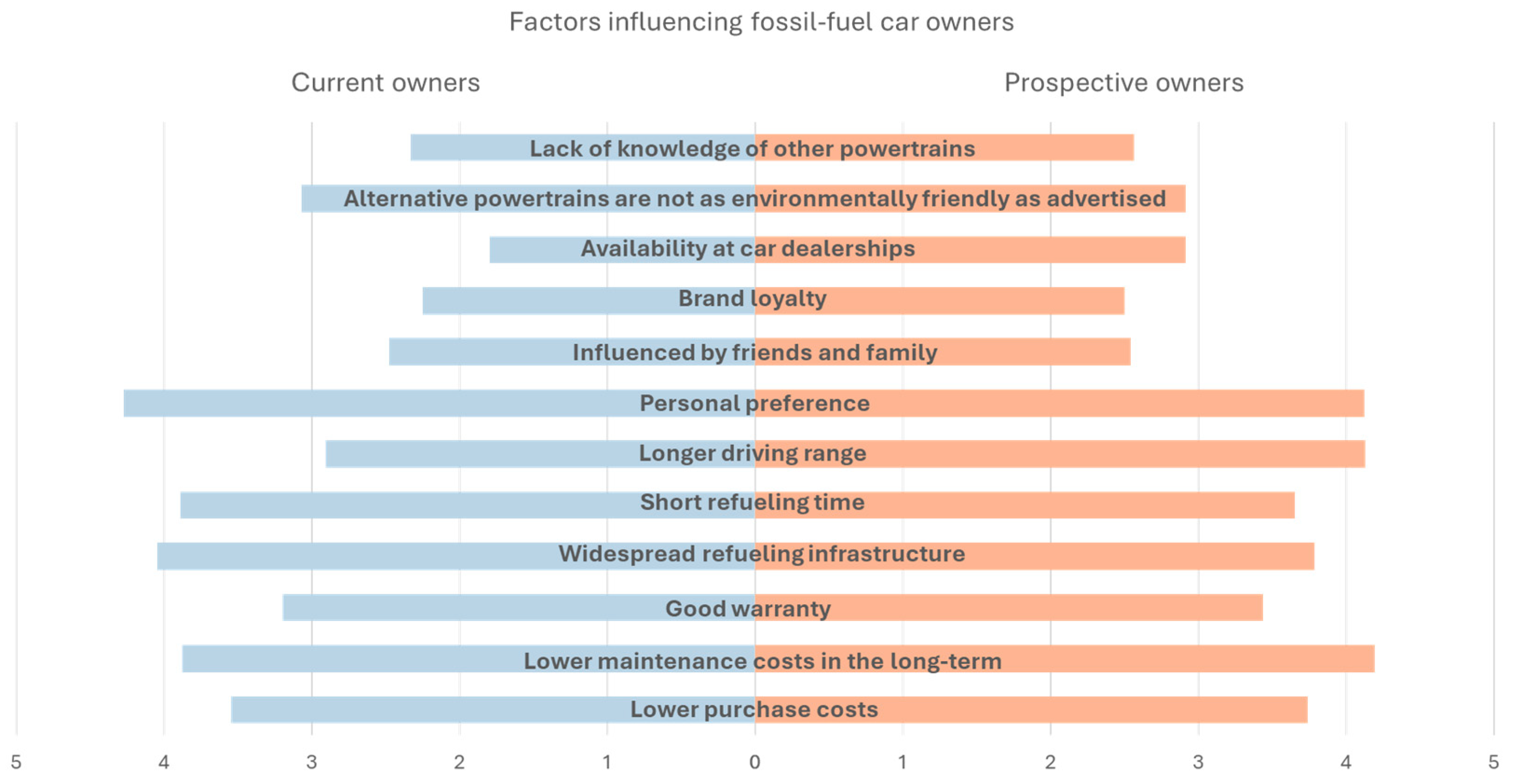
Figure 7.
Factors that influence the choice of fuel & powertrain among current and prospective HEV and EV owners. Source: Author’s own elaboration.
Figure 7.
Factors that influence the choice of fuel & powertrain among current and prospective HEV and EV owners. Source: Author’s own elaboration.
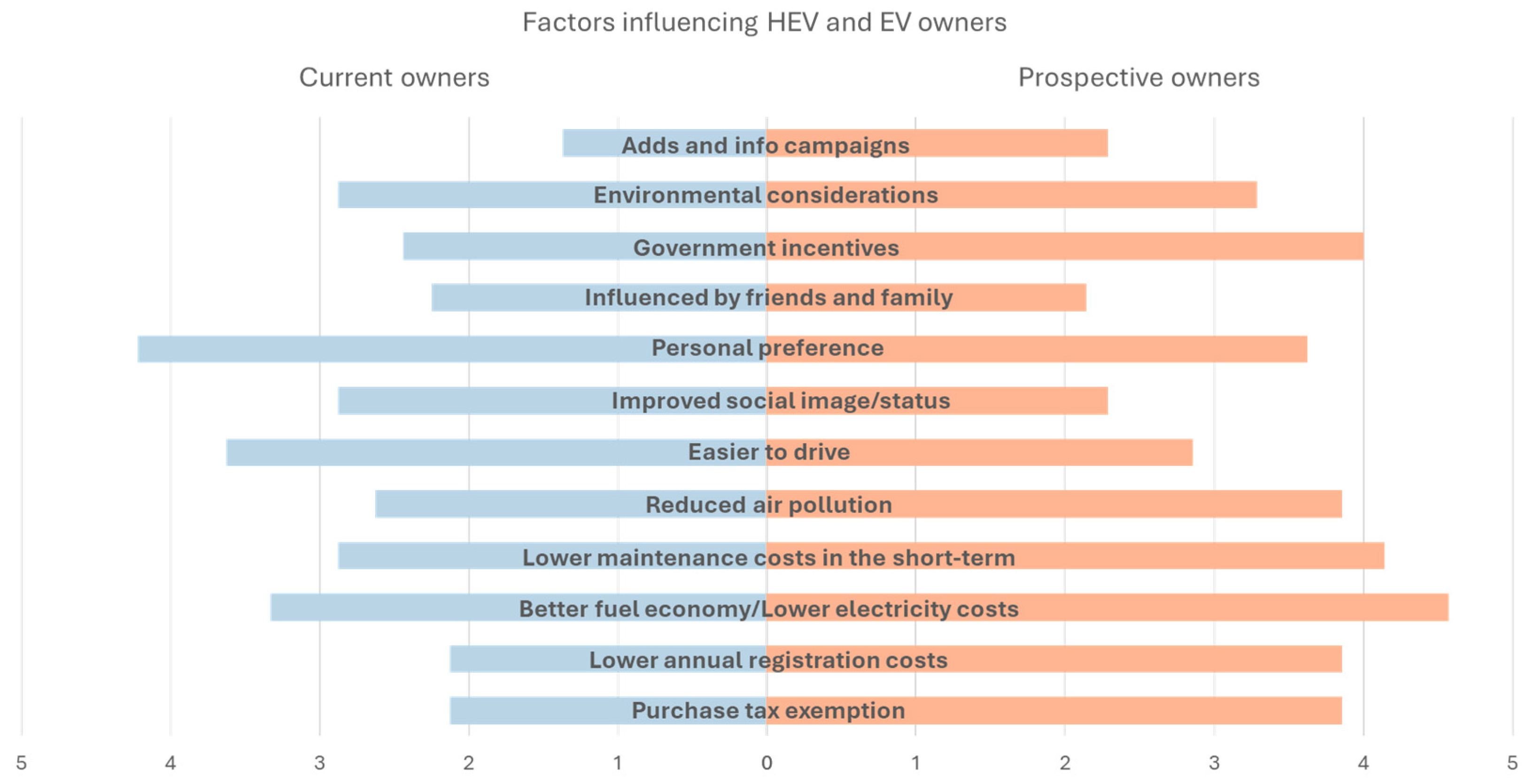
Figure 8.
Challenges of current and prospective fossil-fuel car owners as part of the green transition. Source: Author’s own elaboration.
Figure 8.
Challenges of current and prospective fossil-fuel car owners as part of the green transition. Source: Author’s own elaboration.
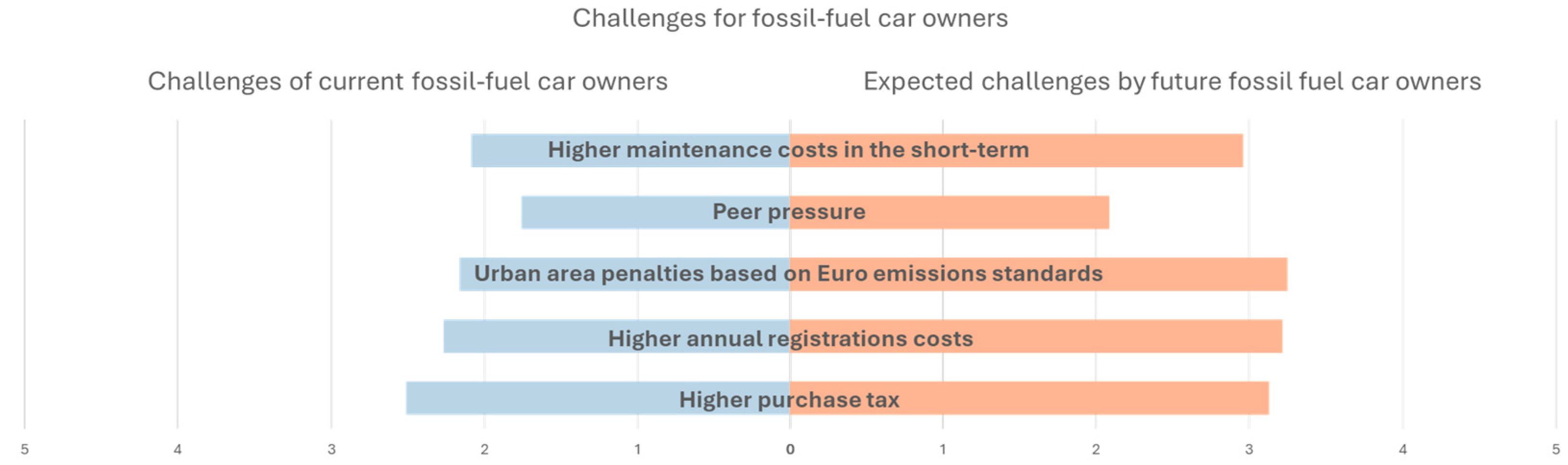
Figure 9.
Challenges of current and prospective HEV and EV car owners. Source: Author’s own elaboration.
Figure 9.
Challenges of current and prospective HEV and EV car owners. Source: Author’s own elaboration.
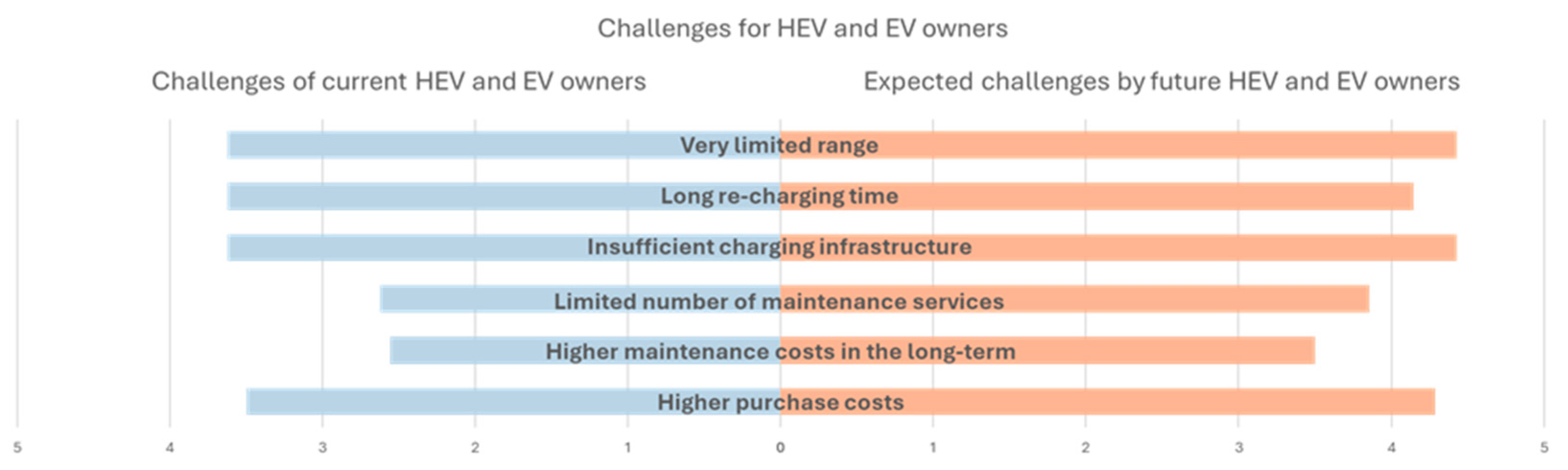
Figure 10.
Percentage of car owners willing to switch car powertrain type. Source: Author’s own elaboration.
Figure 10.
Percentage of car owners willing to switch car powertrain type. Source: Author’s own elaboration.
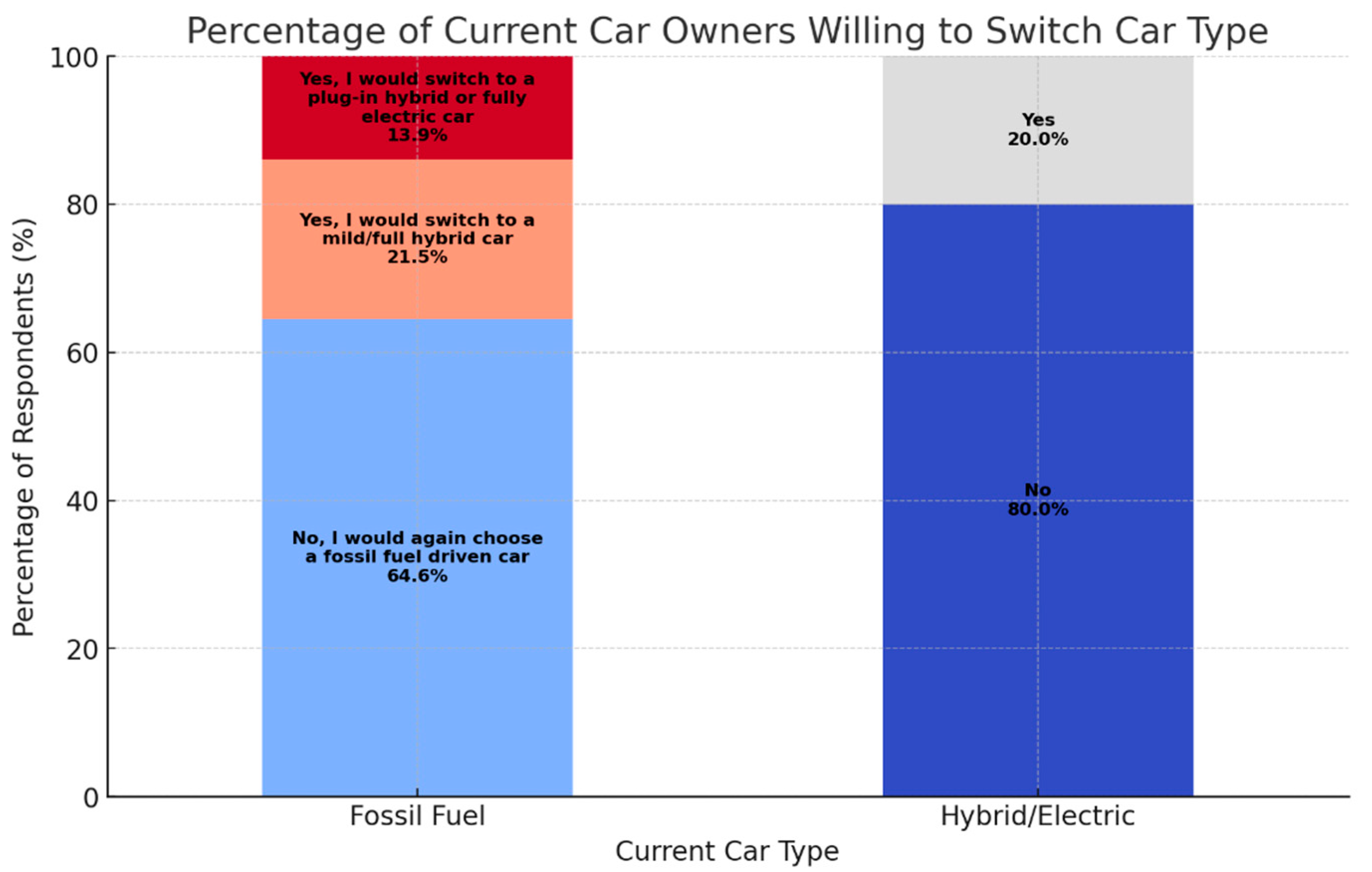
Figure 11.
Future car purchase preferences based on knowledge level. Source: Author’s own elaboration.
Figure 11.
Future car purchase preferences based on knowledge level. Source: Author’s own elaboration.
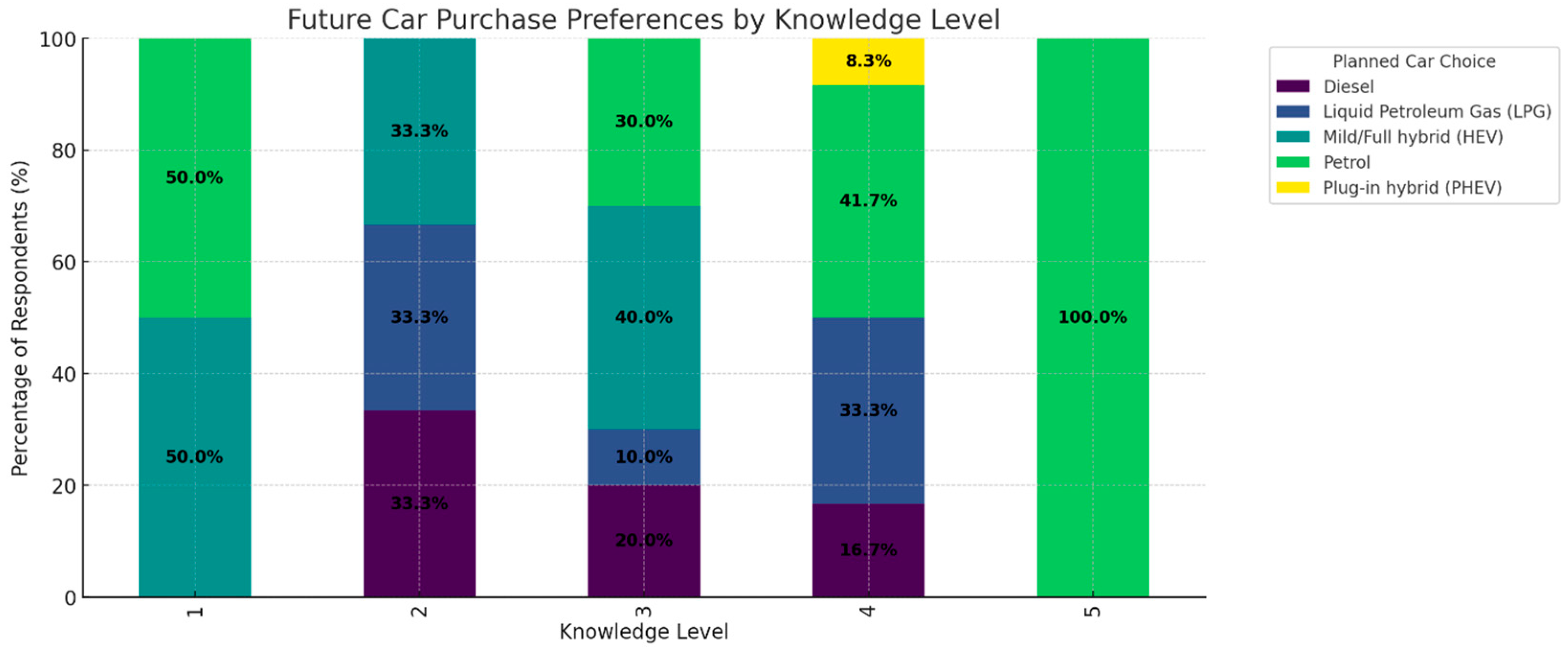
Figure 12.
Participant’s opinion of the importance of environmental considerations when buying a new car. Source: Author’s own elaboration.
Figure 12.
Participant’s opinion of the importance of environmental considerations when buying a new car. Source: Author’s own elaboration.
Disclaimer/Publisher’s Note: The statements, opinions and data contained in all publications are solely those of the individual author(s) and contributor(s) and not of MDPI and/or the editor(s). MDPI and/or the editor(s) disclaim responsibility for any injury to people or property resulting from any ideas, methods, instructions or products referred to in the content. |
© 2025 by the authors. Licensee MDPI, Basel, Switzerland. This article is an open access article distributed under the terms and conditions of the Creative Commons Attribution (CC BY) license (http://creativecommons.org/licenses/by/4.0/).
Copyright: This open access article is published under a Creative Commons CC BY 4.0 license, which permit the free download, distribution, and reuse, provided that the author and preprint are cited in any reuse.