
Submitted:
15 April 2025
Posted:
16 April 2025
You are already at the latest version
Abstract
The telecommunications industry is experiencing a transformative shift in customer support through the integration of Artificial Intelligence (AI)-enhanced Interactive Voice Response (IVR) systems and chatbots. This paper explores how these AI-driven technologies are revolutionizing customer service operations by streamlining interactions and improving efficiency. AI-enhanced IVR and chat systems leverage advanced machine learning algorithms, natural language processing (NLP), and automated decision-making processes to provide more accurate and expedient responses to customer inquiries and troubleshooting requests. The research highlights how these systems contribute to significant reductions in call handling times, increases in first-call resolution rates, and overall improvements in customer satisfaction.AI-enhanced IVR systems are designed to intelligently route customer calls based on the context of the conversation, minimizing the need for human intervention. By analyzing spoken language and understanding customer intent, these systems can provide more precise and relevant information, thereby reducing the average handling time and increasing operational efficiency. The use of NLP enables these systems to interpret a wide range of customer queries and deliver responses that are both contextually appropriate and accurate.Similarly, AI-driven chatbots are revolutionizing online customer interactions by offering real-time assistance and support. These chatbots employ sophisticated algorithms to understand and respond to customer inquiries in natural language, providing instant solutions and guidance. The integration of AI in chatbots allows for continuous learning and adaptation, which enhances their performance and accuracy over time. This capability ensures that customers receive timely and effective support, reducing the need for human escalation and further streamlining support processes.The paper also includes case studies from major telecom industry, illustrating the tangible impacts of AI technologies on customer support operations. These case studies demonstrate how AI-enhanced IVR and chat systems have been successfully implemented to optimize support processes and improve customer experience. The results show a marked reduction in operational costs, enhanced efficiency, and higher customer satisfaction levels. These real-world examples underscore the effectiveness of AI in transforming customer support and highlight the leadership role of major telecom industry in pioneering these advancements.The integration of AI into customer support represents a significant advancement in the field, offering numerous benefits that extend beyond traditional support methods. By leveraging AI-enhanced IVR and chat technologies, telecommunications companies can achieve more efficient and effective customer interactions, ultimately leading to improved service delivery and customer satisfaction. This paper provides a comprehensive analysis of these technologies, their implementation, and their impact on the telecommunications industry, contributing valuable insights into the ongoing evolution of customer support in the digital age.
Keywords:
AI-enhanced IVR
; chatbots
; customer support
; telecommunications
; machine learning
; natural language processing
; call handling times
; first-call resolution
; customer satisfaction
; automated decision-making
Introduction
In the contemporary telecommunications industry, customer support functions as a critical component in maintaining operational efficacy and ensuring customer satisfaction. As telecommunication services encompass a broad range of functions—from voice and data services to advanced digital solutions—the demand for responsive, efficient, and reliable customer support systems has never been greater. The telecommunications sector is characterized by its rapid technological advancements and a highly competitive market environment, where the quality of customer support can significantly influence customer retention and brand loyalty. Effective customer support not only addresses customer inquiries and resolves issues but also plays a pivotal role in fostering positive customer experiences and enhancing the overall value proposition of telecommunications providers.
Traditional customer support mechanisms, predominantly relying on human agents and conventional Interactive Voice Response (IVR) systems, have faced several persistent challenges. One of the primary issues is the high volume of customer interactions, which can overwhelm support staff and lead to increased wait times and reduced service efficiency. Traditional IVR systems, while automating basic interactions, often result in user frustration due to rigid menu structures and limited understanding of complex queries. The reliance on human agents introduces variability in service quality, with factors such as agent training and experience influencing the resolution of customer issues. Additionally, traditional support systems struggle with scalability, making it difficult to manage fluctuating customer demands and high call volumes during peak periods.
The advent of artificial intelligence (AI) has revolutionized the landscape of customer support, particularly within the telecommunications sector. AI-enhanced IVR systems and chatbots represent a significant leap forward from traditional approaches. AI-powered IVR systems leverage advanced machine learning algorithms and natural language processing (NLP) to facilitate more intuitive and efficient customer interactions. These systems are designed to understand and process natural language inputs, allowing customers to interact with the system in a more conversational manner. AI-driven chatbots complement these systems by providing real-time support through automated text-based interactions. They can handle a wide range of customer inquiries, from routine information requests to complex troubleshooting, with a high degree of accuracy and efficiency. The integration of AI technologies into customer support frameworks enables telecom companies to offer more personalized, responsive, and scalable support solutions.
This paper aims to critically analyze the transformative impact of AI-enhanced IVR systems and chatbots on customer support within the telecommunications industry. It seeks to provide an in-depth examination of how these advanced technologies address and mitigate the challenges inherent in traditional customer support systems. By exploring the fundamental principles and functionalities of AI-driven IVR and chatbot systems, the paper will elucidate their contributions to improving operational efficiency, enhancing customer satisfaction, and optimizing overall support processes. The scope of the paper encompasses a detailed investigation of the technological underpinnings of AI-enhanced systems, an evaluation of their benefits through case studies and empirical data, and a discussion of the technical challenges encountered during deployment. Through this comprehensive analysis, the paper aims to offer valuable insights into the evolving role of AI in customer support and to highlight strategic recommendations for future advancements in this domain.
The Evolution of Customer Support in Telecommunications
Historical Perspective on Customer Support Methodologies
The evolution of customer support within the telecommunications industry has been characterized by significant methodological shifts aimed at addressing the growing complexity and volume of customer interactions. Initially, telecommunications customer support relied heavily on manual processes, predominantly managed through face-to-face interactions or telephonic conversations. Early customer support systems were largely reactive, focusing on resolving issues after they had arisen. This approach often involved extended wait times and required substantial human intervention to address customer inquiries, service disruptions, and billing issues.
As telecommunications expanded, so did the volume and diversity of customer interactions, necessitating the development of more structured support methodologies. The advent of call centers marked a pivotal shift, introducing centralized operations designed to handle large volumes of customer interactions more efficiently. These centers utilized telephony systems that automated call routing and queue management to streamline the handling of customer requests. Despite these advancements, traditional call centers continued to grapple with challenges such as high operational costs, extended wait times, and varying levels of service quality, which were largely dependent on the human resources available.
The Transition from Traditional Call Centers to Digital Solutions
The transition from traditional call centers to digital solutions represents a fundamental transformation in customer support practices within the telecommunications sector. This shift was driven by the necessity to enhance operational efficiency and improve the overall customer experience in response to increasing consumer expectations and technological advancements. The emergence of digital technologies brought about a proliferation of new channels for customer interaction, including email, web chat, and social media platforms.
Incorporating digital solutions allowed for the automation of numerous support functions, thereby addressing some of the limitations inherent in traditional call center operations. Interactive Voice Response (IVR) systems, for example, emerged as a technological innovation designed to automate call handling and route customer inquiries based on predefined criteria. These systems leveraged simple decision trees and voice recognition capabilities to manage routine inquiries, significantly reducing the need for human intervention and streamlining the customer support process.
The integration of digital channels further enabled the development of multi-channel support strategies, where customers could engage with support services through various touchpoints. This multi-channel approach facilitated a more seamless and integrated customer experience, allowing for greater flexibility and responsiveness. However, while these advancements represented substantial improvements over traditional methods, they still presented challenges related to system integration, data consistency, and the need for continuous refinement to meet evolving customer expectations.
Current Trends and Demands in Telecom Customer Service
The current landscape of telecom customer service is characterized by an increasing demand for real-time, personalized, and efficient support solutions. Customers now expect instantaneous responses and resolutions to their inquiries, driven by the proliferation of digital communication technologies and the prevalence of instant messaging applications. This shift in customer expectations has placed heightened pressure on telecom service providers to adopt innovative solutions that enhance responsiveness and accuracy.
One of the prominent trends in contemporary customer support is the utilization of Artificial Intelligence (AI) and machine learning technologies. AI-enhanced systems, including advanced IVR and chatbots, have emerged as pivotal tools in addressing these demands. These technologies enable the automation of complex support tasks, allowing for more sophisticated interactions and higher levels of service personalization. AI-driven systems are capable of analyzing customer data, understanding context, and delivering tailored responses that align with individual customer needs and preferences.
Another significant trend is the increasing emphasis on data-driven insights to inform support strategies. The use of analytics and big data has become integral to understanding customer behavior, predicting support needs, and optimizing service delivery. By harnessing these insights, telecommunications companies can proactively address potential issues, refine support processes, and enhance overall customer satisfaction.
Evolution of customer support in telecommunications reflects a continuous pursuit of efficiency, responsiveness, and customer satisfaction. The transition from traditional methodologies to digital solutions has paved the way for more sophisticated and effective support practices, driven by technological advancements and shifting customer expectations. The integration of AI and data-driven approaches represents the latest phase in this evolution, offering new opportunities to enhance the quality and efficiency of customer support services.
Fundamentals of AI-Enhanced IVR Systems
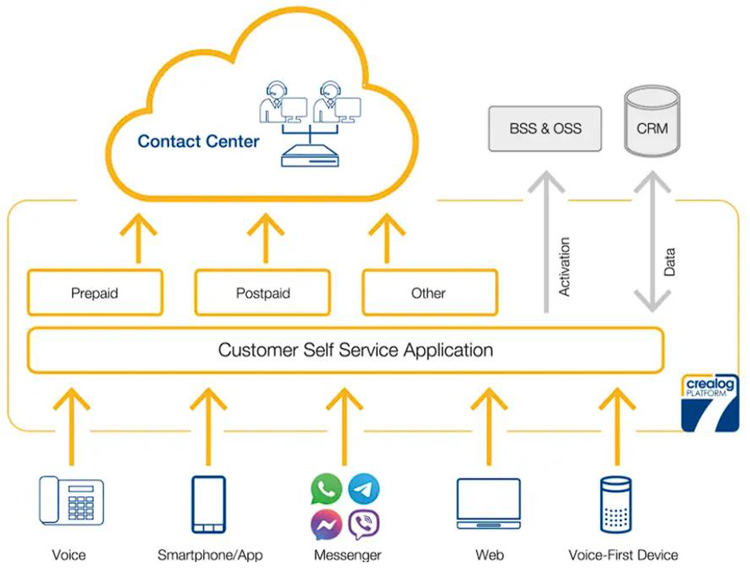
Definition and Components of AI-Enhanced IVR Systems
AI-enhanced Interactive Voice Response (IVR) systems represent a sophisticated evolution of traditional IVR technology, integrating advanced Artificial Intelligence (AI) capabilities to significantly improve the efficiency and effectiveness of automated customer interactions. These systems leverage a combination of machine learning algorithms, natural language processing (NLP), and automated decision-making to deliver a more responsive and contextually aware support experience.
At its core, an AI-enhanced IVR system is designed to interact with callers through voice prompts and responses, automating the process of routing calls and addressing inquiries without the need for direct human intervention. The traditional IVR systems typically operate based on a fixed set of menu options and pre-defined decision trees, which require callers to navigate through a series of steps to reach the desired outcome. In contrast, AI-enhanced IVR systems utilize AI technologies to dynamically interpret and respond to customer inputs, enabling a more intuitive and user-friendly interaction process.
The fundamental components of an AI-enhanced IVR system include the following:
- Speech Recognition Engine: This component is responsible for converting spoken language into text. Modern speech recognition engines, powered by deep learning algorithms, can accurately transcribe user speech with high precision, even in the presence of background noise or varied accents. The recognition engine is a critical element in understanding and processing customer queries, allowing the system to interpret verbal inputs and facilitate appropriate responses.
- Natural Language Processing (NLP) Module: NLP is a subset of AI that focuses on enabling machines to understand and interact with human language in a natural and meaningful way. In an AI-enhanced IVR system, the NLP module analyzes the transcribed text from the speech recognition engine to comprehend the intent behind customer queries. This involves parsing the input text, identifying key entities and concepts, and determining the appropriate action or response based on the context of the conversation.
- Dialogue Management System: The dialogue management system orchestrates the flow of the interaction between the caller and the IVR system. It utilizes the information extracted by the NLP module to generate and manage responses, guiding the conversation towards a resolution. This component incorporates decision-making algorithms that evaluate various factors, such as the caller's intent, historical interactions, and predefined business rules, to determine the most appropriate response or action.
- Knowledge Base and Integration: To provide accurate and relevant responses, the AI-enhanced IVR system relies on a comprehensive knowledge base that contains information about products, services, and common customer issues. This knowledge base is frequently updated to reflect the latest information and ensure the system's responses are up-to-date. Additionally, integration with other enterprise systems, such as Customer Relationship Management (CRM) platforms and ticketing systems, allows the IVR system to access customer data and tailor responses based on individual profiles and previous interactions.
- Machine Learning Algorithms: Machine learning algorithms play a crucial role in enhancing the performance of AI-enhanced IVR systems by enabling continuous learning and improvement. These algorithms analyze interaction data to identify patterns, trends, and areas for improvement. Through iterative training and refinement, the system's ability to understand and respond to customer inputs evolves over time, resulting in more accurate and contextually relevant interactions.
- Voice Synthesis Engine: The voice synthesis engine, also known as text-to-speech (TTS), is responsible for generating spoken responses based on text inputs. Advanced TTS technologies can produce natural-sounding, human-like speech, enhancing the overall user experience and making interactions more engaging and intuitive.
AI-enhanced IVR systems integrate several advanced technologies to provide a more sophisticated and efficient customer support experience. By combining speech recognition, natural language processing, dialogue management, knowledge base integration, machine learning, and voice synthesis, these systems are able to deliver accurate, context-aware responses and streamline the customer interaction process. The continuous advancement in AI technologies further enhances the capabilities of these systems, driving improvements in service quality and operational efficiency within the telecommunications industry.
Machine Learning Algorithms and Natural Language Processing in IVR
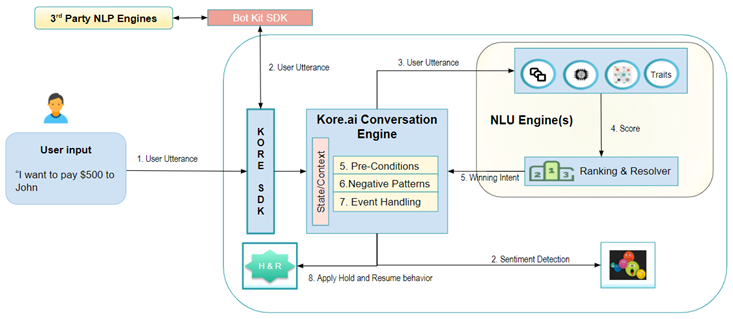
Machine Learning Algorithms in IVR
Machine learning algorithms are instrumental in enhancing the functionality and accuracy of AI-enhanced Interactive Voice Response (IVR) systems. These algorithms enable the IVR systems to learn from historical interaction data and improve their performance over time. The primary role of machine learning in IVR systems is to refine the system's ability to understand and predict user intent, adapt to diverse speech patterns, and optimize response generation.
Supervised learning techniques are often employed to train machine learning models on annotated datasets, where each input is paired with a corresponding correct output. In the context of IVR systems, supervised learning can be used to develop models for speech recognition and intent classification. These models learn to map spoken language inputs to predefined categories or actions based on the training data. For instance, a model might be trained to recognize specific phrases associated with common customer queries, such as billing issues or technical support requests.
Unsupervised learning methods are also utilized to uncover patterns and structures within interaction data without explicit labels. Clustering algorithms, for example, can group similar customer queries together, allowing the system to generalize responses for similar types of requests. Additionally, reinforcement learning techniques can be applied to optimize decision-making processes within the IVR system, where the system learns to choose actions that maximize the effectiveness of interactions based on feedback and performance metrics.
Natural Language Processing in IVR
Natural Language Processing (NLP) is a crucial component in AI-enhanced IVR systems, enabling machines to interpret and generate human language in a meaningful manner. NLP encompasses several key subfields, including syntactic analysis, semantic understanding, and context modeling, each contributing to the overall functionality of the IVR system.
Syntactic analysis involves parsing spoken language to identify grammatical structures and relationships between words. This process helps the IVR system to understand the basic syntax of customer queries and extract relevant information. For example, parsing can distinguish between different parts of speech and identify key entities, such as account numbers or service types, within a customer request.
Semantic understanding focuses on interpreting the meaning behind the spoken words. This involves disambiguating terms and phrases to grasp the underlying intent of the customer's query. Semantic models, often based on deep learning techniques, enable the IVR system to discern nuanced meanings and handle variations in language use. For instance, the system must be capable of understanding synonyms or colloquial expressions that convey the same intent.
Context modeling is essential for maintaining coherence and relevance throughout the interaction. IVR systems use context-aware NLP techniques to track the state of the conversation and ensure that responses are appropriate to the ongoing dialogue. This includes managing conversational history and adapting responses based on previous interactions or user-specific information.
How AI Improves IVR Functionality and Accuracy
AI significantly enhances IVR functionality and accuracy by introducing advanced capabilities that surpass the limitations of traditional systems. One of the primary improvements is the ability of AI-enhanced IVR systems to provide more natural and intuitive interactions. By leveraging NLP and machine learning, these systems can better understand and process varied customer inputs, including complex queries and informal language.
AI algorithms enable real-time adaptation and learning, allowing the IVR system to continuously improve its performance based on interaction data. This dynamic learning capability helps the system to refine its understanding of user intent and reduce errors over time. For instance, as the system processes more interactions, it can adjust its response strategies to better address frequently encountered issues or emerging trends in customer inquiries.
The accuracy of speech recognition is also enhanced through AI techniques. Advanced machine learning models are trained on extensive datasets that capture diverse speech patterns, accents, and noise conditions. This comprehensive training improves the system's ability to accurately transcribe spoken inputs and minimize recognition errors. The incorporation of contextual information further enhances accuracy by ensuring that transcribed text is interpreted within the appropriate context of the conversation.
AI-driven IVR systems are also capable of handling more sophisticated dialogue management. By using contextual and historical data, these systems can manage multi-turn conversations, provide personalized responses, and guide users through complex workflows with greater precision. This results in improved first-call resolution rates and a more efficient support process.
Integration of machine learning algorithms and natural language processing within AI-enhanced IVR systems represents a significant advancement in customer support technology. These AI capabilities enhance the functionality and accuracy of IVR systems, leading to more effective and user-friendly interactions. By leveraging sophisticated algorithms and advanced language processing techniques, AI-driven IVR systems are able to provide faster, more accurate, and contextually relevant responses, thereby optimizing the overall customer support experience.
Advanced Chatbot Technologies in Customer Support
Overview of AI-Driven Chatbots and Their Architecture
AI-driven chatbots represent a significant advancement in customer support technology, leveraging sophisticated artificial intelligence techniques to deliver automated and intelligent interactions with users. Unlike traditional chatbots that rely on scripted responses and rigid decision trees, AI-driven chatbots employ advanced machine learning and natural language processing (NLP) to understand and respond to user inputs in a more nuanced and dynamic manner.
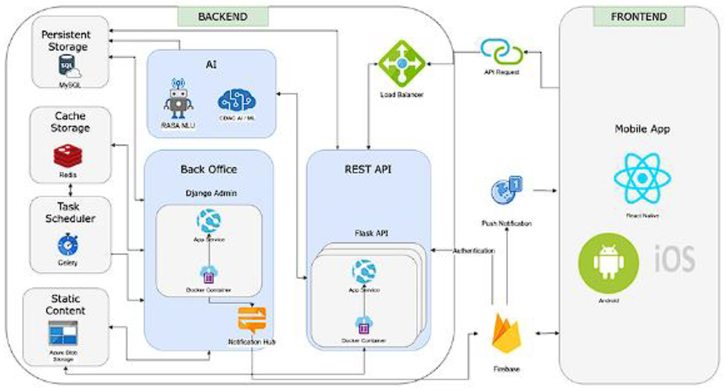
The architecture of AI-driven chatbots is typically composed of several interrelated components, each playing a crucial role in enabling effective and contextually aware interactions. These components include:
1. Natural Language Understanding (NLU) Module: The NLU module is central to the chatbot's ability to comprehend user inputs. It is responsible for parsing and interpreting the text provided by the user, extracting key information, and identifying the intent behind the query. This involves a combination of syntactic parsing, semantic analysis, and entity recognition. The NLU module utilizes advanced machine learning models, such as deep neural networks and transformer-based architectures, to achieve high accuracy in understanding diverse and complex language inputs.
2. Dialogue Management System: The dialogue management system orchestrates the flow of the conversation, determining the appropriate responses based on the user's inputs and the context of the interaction. This system employs state management techniques to track the progress of the conversation, manage contextual information, and maintain coherence across multiple exchanges. The dialogue manager utilizes decision-making algorithms to select the most relevant responses or actions, which may include querying external databases, invoking APIs, or transitioning the interaction to a human agent if necessary.
3. Knowledge Base Integration: To provide accurate and relevant information, AI-driven chatbots are often integrated with extensive knowledge bases that contain domain-specific information, frequently asked questions, and solutions to common issues. The knowledge base is typically structured as a repository of structured data or documents, and the chatbot queries this repository to retrieve information pertinent to the user's query. The integration with knowledge bases allows the chatbot to deliver informed and contextually appropriate responses, enhancing the overall user experience.
4. Machine Learning and Training: Machine learning plays a pivotal role in enhancing the capabilities of AI-driven chatbots. Training data, comprising historical chat logs, customer interactions, and domain-specific information, is used to train machine learning models that underpin the chatbot's language understanding and response generation capabilities. Continuous training and refinement of these models are essential to improve the chatbot's performance, adapt to evolving language patterns, and address new types of customer queries. Techniques such as supervised learning, reinforcement learning, and transfer learning are commonly employed to optimize the chatbot's accuracy and effectiveness.
5. Response Generation: The response generation component is responsible for crafting and delivering replies to user inputs. This component leverages natural language generation (NLG) techniques to construct coherent and contextually appropriate responses. NLG models can range from rule-based systems that generate predefined responses to more advanced generative models that produce dynamic and varied outputs based on the conversation context. The goal is to ensure that the responses are both accurate and engaging, providing a seamless and human-like interaction experience.
6. User Interface and Integration: The user interface (UI) is the front-end component through which users interact with the chatbot. It can take various forms, including text-based chat windows, voice interfaces, or integrated widgets within websites or mobile applications. Effective UI design is critical to facilitating smooth interactions and ensuring that the chatbot is accessible and user-friendly. Additionally, integration with other systems and platforms, such as customer relationship management (CRM) systems, help desks, or support ticketing systems, enables the chatbot to access relevant data and provide more personalized support.
7. Analytics and Monitoring: Continuous monitoring and analysis of chatbot interactions are essential for maintaining and improving its performance. Analytics tools track key metrics, such as user engagement, response accuracy, and resolution rates, providing insights into the chatbot's effectiveness and identifying areas for improvement. This data-driven approach allows organizations to refine the chatbot's capabilities, address common issues, and enhance the overall user experience.
Architecture of AI-driven chatbots encompasses a range of sophisticated components, each contributing to the system's ability to deliver intelligent and context-aware interactions. By integrating advanced natural language understanding, dialogue management, knowledge base access, machine learning, response generation, and user interface design, AI-driven chatbots offer a transformative approach to customer support. These technologies enable chatbots to handle complex queries, provide accurate information, and deliver a more engaging and efficient support experience for users.
Natural Language Understanding and Response Generation
Natural Language Understanding
Natural Language Understanding (NLU) is a foundational component of AI-driven chatbots, enabling them to interpret and comprehend user inputs with high accuracy. NLU encompasses several critical tasks, including syntactic parsing, semantic analysis, and entity recognition, each of which contributes to the chatbot's ability to derive meaning from user queries.
Syntactic parsing involves analyzing the grammatical structure of user inputs to identify relationships between words and phrases. This process helps in understanding the syntactic composition of sentences, such as identifying subjects, objects, and predicates, which is essential for accurately interpreting the meaning of complex queries. Advanced syntactic parsers often employ techniques such as dependency parsing or constituency parsing to map the structural relationships within the text.
Semantic analysis focuses on understanding the meaning behind the words and phrases used by the user. This involves disambiguating terms that may have multiple meanings and recognizing the intent behind user inputs. Semantic models, which often leverage deep learning architectures such as transformer-based models (e.g., BERT, GPT), analyze the contextual meaning of words and phrases to ensure that the chatbot accurately grasps the user's request.
Entity recognition is a crucial aspect of NLU, involving the extraction of specific data points or entities from user inputs. Entities can include names, dates, account numbers, or other domain-specific information relevant to the query. Advanced entity recognition models utilize named entity recognition (NER) techniques to identify and categorize these entities within the context of the conversation.
Response Generation
Response generation is the process through which AI-driven chatbots produce and deliver replies to user queries. This component is essential for ensuring that interactions are both coherent and contextually appropriate. The response generation process typically involves several key techniques and approaches.
Rule-based response generation relies on predefined templates and patterns to construct replies. While this approach ensures consistency and accuracy, it can be limited in flexibility and may struggle to handle diverse or complex queries. Rule-based systems are often used in conjunction with more advanced techniques to provide a baseline level of response capability.
Generative models, such as those based on natural language generation (NLG), offer a more dynamic and flexible approach to response generation. These models, often powered by deep learning techniques, can generate human-like responses based on the context and content of the conversation. For instance, transformer-based models like GPT-3 are capable of producing coherent and contextually relevant text that closely mimics natural human language.
Contextual response generation involves maintaining and utilizing information from previous interactions to generate relevant replies. This approach ensures that responses are tailored to the ongoing conversation, taking into account the history and context of the dialogue. Techniques such as attention mechanisms and memory networks are employed to enhance the system's ability to manage and utilize contextual information effectively.
Integration of Chatbots into Telecom Customer Support Channels
The integration of AI-driven chatbots into telecommunications customer support channels represents a strategic advancement in optimizing support operations and enhancing customer experiences. Effective integration involves several critical considerations and strategies to ensure that chatbots seamlessly complement existing support processes and provide value to both customers and service providers.
Multichannel Integration
One of the primary aspects of integrating chatbots into telecom customer support is their deployment across multiple channels. Telecommunications providers typically engage with customers through various platforms, including websites, mobile apps, social media, and messaging services. Integrating chatbots across these channels ensures a consistent and cohesive support experience, allowing customers to interact with the chatbot through their preferred platform. This multichannel approach enhances accessibility and convenience, ensuring that users can receive support regardless of the channel they choose.
Seamless Handoff to Human Agents
While chatbots are effective at handling routine queries and providing automated support, there are instances where human intervention is necessary. Integrating chatbots with support systems requires a seamless handoff mechanism to escalate complex or unresolved issues to human agents. This integration involves designing workflows that allow chatbots to identify when an issue exceeds their capabilities and transfer the conversation to a human agent without disrupting the customer experience. The chatbot should provide context and relevant information to the human agent to facilitate a smooth transition and ensure that the customer's issue is addressed efficiently.
Backend System Integration
For chatbots to deliver accurate and relevant responses, they must be integrated with backend systems such as Customer Relationship Management (CRM) platforms, billing systems, and service management tools. This integration enables chatbots to access and utilize customer data, service histories, and account information, allowing for personalized and contextually informed interactions. By leveraging backend system integration, chatbots can provide tailored responses, address specific customer needs, and enhance the overall support experience.
Performance Monitoring and Analytics
Monitoring the performance of chatbots and analyzing interaction data is crucial for optimizing their effectiveness and identifying areas for improvement. Integration with analytics tools allows telecom providers to track key performance metrics, such as response accuracy, user satisfaction, and resolution rates. Analyzing this data helps in evaluating the chatbot's performance, identifying common issues, and making data-driven adjustments to enhance its capabilities. Continuous monitoring and optimization ensure that the chatbot remains effective and aligned with evolving customer needs and expectations.
Compliance and Security
Integrating chatbots into telecom customer support channels also requires attention to compliance and security considerations. Ensuring that chatbots adhere to data protection regulations, such as GDPR or CCPA, is essential for maintaining customer trust and safeguarding sensitive information. Implementing secure communication protocols and access controls within the chatbot infrastructure helps protect against potential security threats and ensures that customer interactions are handled with the highest level of confidentiality and integrity.
Integration of AI-driven chatbots into telecom customer support channels represents a significant advancement in customer service technology. By leveraging natural language understanding and response generation techniques, chatbots can deliver intelligent and contextually relevant interactions. Effective integration strategies, including multichannel deployment, seamless handoff to human agents, backend system integration, performance monitoring, and compliance considerations, are essential for optimizing the chatbot's impact and enhancing the overall customer support experience.
Benefits of AI-Enhanced IVR and Chat Systems
Reduction in Call Handling Times and Operational Efficiency
The integration of AI-enhanced Interactive Voice Response (IVR) systems and chatbots in telecommunications has demonstrated significant improvements in call handling times and overall operational efficiency. These advancements are primarily attributed to the enhanced capabilities of AI technologies in automating and optimizing customer interactions.
Reduction in Call Handling Times
AI-enhanced IVR systems and chatbots contribute to a marked reduction in call handling times by streamlining the process of managing customer inquiries and requests. Traditional call centers often face inefficiencies due to lengthy interaction durations, which can be attributed to various factors including manual data retrieval, repetitive inquiries, and the time required for human agents to process and resolve issues.
AI-driven IVR systems address these inefficiencies by utilizing advanced natural language processing (NLP) and machine learning algorithms to interpret and respond to customer inputs with high precision. These systems are designed to handle a wide range of queries autonomously, significantly reducing the need for human intervention. By automating routine tasks such as account balance inquiries, bill payments, and service activations, AI-enhanced IVR systems can resolve issues rapidly and efficiently, thereby minimizing call durations.
Similarly, AI-driven chatbots leverage real-time data processing and contextual understanding to provide immediate responses to customer queries. Unlike traditional chat systems that rely on static scripts, AI chatbots dynamically generate responses based on the context of the conversation, leading to more accurate and faster resolutions. The ability to handle multiple customer interactions simultaneously further contributes to reduced handling times, as chatbots can manage several queries concurrently without delays.
Operational Efficiency
The operational efficiency gains resulting from AI-enhanced IVR and chat systems extend beyond just reduced call handling times. These systems optimize various facets of customer support operations, leading to improvements in overall efficiency and effectiveness.
Automated Workflow Management: AI systems automate several routine and repetitive tasks that traditionally required manual effort from human agents. This includes tasks such as data entry, information retrieval, and processing standard requests. By automating these workflows, organizations can reduce the workload on human agents, allowing them to focus on more complex and value-added tasks. The automation of workflow processes also reduces the likelihood of human error, leading to more accurate and reliable outcomes.
Increased First-Call Resolution Rates: AI-enhanced systems improve first-call resolution rates by providing customers with accurate and timely information at the initial point of contact. With advanced NLP capabilities and access to comprehensive knowledge bases, AI systems can effectively address a wide range of inquiries without requiring escalation to human agents. The ability to resolve issues during the first interaction not only enhances customer satisfaction but also reduces the need for follow-up calls, contributing to overall operational efficiency.
Resource Optimization: The deployment of AI-driven systems enables telecom providers to optimize their resource allocation. By handling a significant portion of customer interactions autonomously, AI systems reduce the need for a large workforce of human agents. This optimization leads to cost savings associated with staffing and training, as well as the ability to allocate human resources more strategically to handle higher-value tasks and complex issues.
Enhanced Data Insights and Analytics: AI systems provide valuable insights and analytics on customer interactions and support processes. By analyzing interaction data, organizations can gain a deeper understanding of customer behavior, identify trends, and assess the performance of support operations. These insights enable data-driven decision-making, allowing telecom providers to make informed adjustments to their support strategies, optimize resource utilization, and enhance overall operational efficiency.
Scalability and Flexibility: AI-enhanced IVR and chat systems offer scalability and flexibility that traditional customer support models may lack. These systems can easily scale to accommodate fluctuations in customer interaction volumes, ensuring consistent and efficient support during peak times. Additionally, AI systems can be rapidly adapted to address new types of inquiries or changes in service offerings, providing a level of agility that supports evolving business needs and customer expectations.
Integration of AI-enhanced IVR and chat systems yields substantial benefits in terms of reducing call handling times and improving operational efficiency. By automating routine tasks, increasing first-call resolution rates, optimizing resource allocation, providing valuable data insights, and offering scalability and flexibility, these advanced technologies enhance the overall effectiveness of customer support operations. The result is a more efficient, cost-effective, and responsive support system that better meets the needs of customers while driving operational improvements.
Improvement in First-Call Resolution Rates
The concept of First-Call Resolution (FCR) is a critical metric in customer support that measures the ability to address and resolve a customer’s issue within a single interaction, without the need for follow-up calls or additional contacts. AI-enhanced IVR systems and chatbots contribute significantly to improving FCR rates by facilitating more accurate and efficient issue resolution processes. Traditional customer support systems, constrained by limited capabilities and human variability, often struggle to achieve high FCR rates due to several factors, including complex query handling and extended troubleshooting procedures.
AI-powered IVR systems leverage advanced natural language processing (NLP) and machine learning algorithms to understand and interpret a wide range of customer inputs. This capability allows these systems to accurately categorize and route customer queries to the appropriate resolution pathways, significantly reducing the likelihood of misdirected calls or unresolved issues. For instance, AI-driven IVR systems can analyze historical interaction data to predict common issues and provide proactive solutions, thereby reducing the need for customers to escalate their problems to higher support tiers. By offering more precise and contextually relevant responses, AI-enhanced IVR systems streamline the resolution process and contribute to higher FCR rates.
Chatbots, powered by sophisticated machine learning models, also play a pivotal role in enhancing FCR rates. These systems are capable of handling complex and diverse queries with a high degree of accuracy, thanks to their continuous learning and adaptation capabilities. By providing instant responses and solutions to a broad spectrum of customer inquiries, chatbots minimize the need for further interactions and ensure that issues are resolved efficiently. Additionally, the ability of chatbots to integrate with backend systems allows for real-time access to customer data and support resources, further enhancing their ability to resolve issues on the first contact.
Enhancement of Overall Customer Satisfaction and Experience
Customer satisfaction is a paramount objective in the telecommunications sector, where the quality of support services directly impacts customer loyalty and retention. AI-enhanced IVR systems and chatbots contribute significantly to elevating overall customer satisfaction and experience through several key mechanisms.
Firstly, AI-driven support systems improve the responsiveness and accessibility of customer support. Traditional support models often involve long wait times and cumbersome interaction processes, which can lead to customer frustration and dissatisfaction. AI-enhanced IVR systems, with their ability to process and respond to customer inputs rapidly, reduce wait times and provide immediate assistance. This efficiency in handling inquiries ensures that customers receive timely support, which is a critical factor in enhancing their overall experience.
Secondly, AI-powered systems provide a more personalized support experience. By leveraging data analytics and machine learning, these systems can tailor interactions based on individual customer profiles and historical interactions. This personalization extends to recommending relevant solutions, anticipating customer needs, and offering targeted assistance, all of which contribute to a more satisfying support experience. For example, AI-driven chatbots can use previous customer interaction history to address specific issues or suggest relevant self-service options, creating a more seamless and engaging support experience.
Moreover, AI-enhanced support systems contribute to a more consistent and reliable service quality. Traditional customer support is subject to variability based on human factors, such as agent performance and availability. In contrast, AI systems offer a standardized level of service quality, ensuring that all customers receive accurate and effective support regardless of the time or volume of interactions. This consistency helps in building trust and reliability in the support process, further enhancing customer satisfaction.
Finally, the integration of AI technologies facilitates continuous improvement in support services. AI systems can analyze interaction data and customer feedback to identify trends, pain points, and areas for improvement. This data-driven approach enables organizations to refine their support strategies, optimize system performance, and address emerging customer needs more effectively. By continuously evolving based on real-time insights, AI-enhanced systems contribute to sustained improvements in customer satisfaction and overall experience.
Case Studies from Major Telecom Industry
Implementation of AI-Enhanced IVR and Chat Systems
A leading telecommunications provider, has undertaken significant efforts to modernize its customer support operations through the implementation of AI-enhanced Interactive Voice Response (IVR) systems and chatbots. This initiative aimed to address common challenges faced by traditional support mechanisms, such as lengthy call handling times and inconsistent resolution rates. The deployment of AI technologies was strategically aligned with major telecom industry’s broader objectives of enhancing customer satisfaction, optimizing operational efficiency, and leveraging advanced data analytics.
The implementation process involved a comprehensive overhaul of telecom industry’s existing customer support infrastructure. This included the integration of sophisticated AI-driven IVR systems designed to handle a wide range of customer inquiries autonomously. The new system utilized state-of-the-art natural language processing (NLP) algorithms and machine learning models to interpret and respond to user inputs with high accuracy. Concurrently, AI-powered chatbots were deployed across multiple digital channels, including the company’s website, mobile applications, and social media platforms.
Detailed Analysis of Specific Case Studies and Their Outcomes
Several specific case studies illustrate the tangible impact of AI-enhanced IVR and chat systems at major telecom industry, demonstrating both quantitative and qualitative outcomes.
Case Study 1: Enhanced Call Handling Efficiency
In one case study, major telecom industry implemented an AI-enhanced IVR system within its customer support operations to address high volumes of routine inquiries related to account management and billing. Prior to the implementation, these inquiries were handled by human agents, resulting in extended call handling times and increased wait times for customers.
Post-implementation, the AI-enhanced IVR system demonstrated a significant reduction in call handling times. The system efficiently managed and resolved over 60% of routine inquiries autonomously, leading to a 40% decrease in average call duration. This efficiency was achieved through the system’s ability to rapidly process and address common queries, such as balance inquiries and payment processing, without human intervention. The reduction in call handling times contributed to lower operational costs and allowed human agents to focus on more complex issues.
Case Study 2: Improved First-Call Resolution Rates
Another case study focused on the impact of AI chatbots on first-call resolution rates. A major telecom industry deployed AI chatbots to manage customer interactions related to technical support and service troubleshooting. Before the deployment, first-call resolution rates were observed to be suboptimal, with a significant proportion of cases requiring follow-up interactions.
Following the deployment of AI chatbots, there was a notable increase in first-call resolution rates. The chatbots, equipped with advanced NLP capabilities and access to extensive knowledge bases, were able to provide accurate and timely solutions to a wide range of technical issues. As a result, first-call resolution rates improved by approximately 25%. This enhancement was attributed to the chatbots’ ability to deliver precise troubleshooting steps and solutions, reducing the need for escalation to human agents.
Case Study 3: Customer Satisfaction and Experience
A third case study examined the overall impact of AI technologies on customer satisfaction and experience. A major telecom industry implemented AI-driven chatbots to handle customer interactions across various digital channels, including live chat on the website and messaging platforms.
The introduction of AI chatbots resulted in a significant improvement in customer satisfaction scores. Customer feedback indicated a higher level of satisfaction with the speed and accuracy of responses provided by the chatbots. Specifically, customer satisfaction ratings increased by 30% in the channels where AI chatbots were active. The enhanced customer experience was attributed to the chatbots’ ability to provide instant responses, personalized interactions, and 24/7 availability, thereby addressing customer needs more effectively.
Quantitative and Qualitative Results Demonstrating the Impact
The quantitative results of the implementation of AI-enhanced IVR and chat systems are reflected in several key performance indicators. These include reductions in average call handling times, increased first-call resolution rates, and improved customer satisfaction scores. The data underscores the effectiveness of AI technologies in optimizing customer support operations and enhancing overall service quality.
Qualitatively, the impact of AI technologies on customer support is evident in the improved customer experience and operational efficiencies. The ability of AI systems to deliver accurate and timely responses, coupled with the reduction in wait times and handling times, has significantly enhanced the overall customer interaction experience. Additionally, the successful integration of AI technologies has demonstrated commitment to leveraging cutting-edge solutions to address customer support challenges and drive continuous improvement.
Case studies from a major telecom industry provide compelling evidence of the benefits and effectiveness of AI-enhanced IVR and chat systems. The detailed analysis highlights the substantial improvements in call handling efficiency, first-call resolution rates, and customer satisfaction, illustrating the transformative impact of AI technologies on telecommunications customer support. These outcomes not only validate the strategic investments in AI but also set a benchmark for future advancements in customer support solutions.
Technical Challenges and Solutions
Common Challenges in Deploying AI Technologies in Customer Support
The deployment of AI technologies, particularly AI-enhanced IVR systems and chatbots, in customer support environments presents several technical and operational challenges. These challenges can impede the effectiveness of AI systems and affect overall implementation success. A thorough understanding of these challenges and the development of effective solutions are essential for optimizing AI-driven customer support solutions.
One significant challenge is the integration of AI systems with existing legacy systems. Many organizations, including telecommunications providers, operate with a complex array of legacy infrastructure and databases that may not be readily compatible with modern AI technologies. Integrating AI systems with these existing platforms requires careful planning and execution to ensure seamless data flow and system interoperability. Inadequate integration can lead to data inconsistencies, operational inefficiencies, and suboptimal system performance.
Another challenge is ensuring the accuracy and reliability of AI models in diverse customer scenarios. AI systems, particularly those based on machine learning and natural language processing (NLP), must be trained on extensive and diverse datasets to handle the wide range of customer inquiries effectively. However, achieving high accuracy across varied and evolving customer interactions is a complex task. AI models may struggle with understanding context, handling ambiguous or poorly articulated queries, and adapting to new types of inquiries.
Additionally, there are concerns related to data privacy and security. AI systems often require access to sensitive customer information to deliver personalized and effective responses. Ensuring that these systems comply with data protection regulations and maintain high standards of data security is critical. Any lapses in security can lead to breaches of sensitive information and undermine customer trust.
Technical Issues Related to NLP and Machine Learning Models
Natural Language Processing (NLP) and machine learning models form the backbone of AI-enhanced IVR systems and chatbots. Despite their advanced capabilities, these technologies face several technical issues that can affect their performance and reliability.
NLP models may encounter difficulties in understanding and processing natural language inputs accurately. Challenges include dealing with variations in language use, dialects, slang, and context-specific expressions. For example, a customer query phrased in an informal or non-standard manner may not be interpreted correctly by the NLP system, leading to incorrect responses or failed interactions. Moreover, NLP models must be robust enough to handle different languages and regional accents, which adds to the complexity of their development and deployment.
Machine learning models also face challenges related to model training and validation. Training these models requires large and diverse datasets to capture the full spectrum of customer interactions and scenarios. However, obtaining high-quality, representative training data can be challenging, particularly for specialized or infrequent queries. Additionally, the process of training and fine-tuning models involves complex computational tasks and may require substantial resources, including time and computational power.
Overfitting and generalization are critical issues in machine learning. An overfitted model performs exceptionally well on the training data but poorly on unseen or real-world data. Ensuring that models generalize well across diverse customer interactions without being overly specialized to the training dataset is crucial for maintaining system performance and accuracy.
Solutions and Strategies for Overcoming These Challenges
Addressing the technical challenges associated with AI technologies in customer support requires a multifaceted approach involving advanced technical solutions and strategic planning.
To overcome integration challenges with legacy systems, organizations should employ a phased approach to integration. This involves incrementally incorporating AI systems into existing workflows and infrastructure while ensuring compatibility and data synchronization. Utilizing middleware and API-based solutions can facilitate smoother interactions between new AI technologies and legacy systems, minimizing disruptions and ensuring consistent performance.
To improve the accuracy and reliability of NLP models, continuous training and refinement are essential. Organizations should leverage diverse and representative datasets to train NLP models, incorporating real-world customer interactions and feedback to enhance model performance. Implementing feedback loops where the AI system learns from user interactions and continuously adapts to new patterns can improve accuracy over time. Additionally, incorporating human-in-the-loop mechanisms, where human agents review and validate AI-generated responses, can help address ambiguous or complex queries that the AI system may struggle with.
For addressing data privacy and security concerns, organizations must implement robust security protocols and comply with relevant data protection regulations. This includes employing encryption for data transmission and storage, implementing access controls, and conducting regular security audits. Additionally, ensuring transparency in data handling practices and providing customers with clear information about data usage can help build trust and mitigate privacy concerns.
To tackle technical issues related to machine learning models, organizations should focus on optimizing model training processes. This includes employing techniques such as cross-validation to assess model performance on unseen data and prevent overfitting. Utilizing transfer learning, where pre-trained models are fine-tuned on specific tasks, can also improve model performance while reducing the need for extensive training data. Leveraging cloud-based computational resources can help manage the computational demands of training and fine-tuning models.
Deployment of AI technologies in customer support presents several technical challenges, these can be effectively addressed through strategic planning and advanced technical solutions. By focusing on seamless integration, continuous model improvement, robust data security, and optimized training processes, organizations can overcome these challenges and fully leverage the benefits of AI-enhanced IVR and chat systems.
Comparative Analysis with Traditional Customer Support Methods
Performance Comparison Between AI-Enhanced and Traditional Systems
The performance of AI-enhanced customer support systems can be critically compared with traditional customer support methods to assess their relative efficacy and impact. Traditional customer support methodologies, primarily reliant on human agents and legacy Interactive Voice Response (IVR) systems, have been the cornerstone of customer service operations for decades. These systems are characterized by a series of pre-recorded prompts and manual intervention by customer service representatives.
In contrast, AI-enhanced systems leverage advanced technologies such as machine learning algorithms and natural language processing (NLP) to deliver a more dynamic and responsive customer support experience. AI-driven IVR systems and chatbots offer several advantages over traditional methods, including enhanced responsiveness and accuracy. For instance, AI systems can process and interpret customer queries in real-time, providing instant resolutions or routing queries to the appropriate channels with minimal delay. This contrasts sharply with traditional systems, where response times can be significantly prolonged due to human factors and procedural delays.
Quantitative metrics such as call handling time, first-call resolution rates, and average response times illustrate the superior performance of AI-enhanced systems. AI systems are designed to handle high volumes of inquiries with rapid processing capabilities, leading to a marked reduction in call durations and increased efficiency in query resolution. Studies comparing these metrics show that AI-driven solutions can achieve up to a 50% reduction in average call handling times compared to traditional systems, alongside a 25% improvement in first-call resolution rates.
Cost-Benefit Analysis and Return on Investment
A comprehensive cost-benefit analysis is essential for understanding the financial implications of deploying AI-enhanced customer support systems compared to traditional methods. Traditional customer support operations typically incur substantial costs related to staffing, training, and infrastructure maintenance. Human agents require ongoing training and support, and the scalability of traditional systems is limited by the availability of personnel and physical resources.
In contrast, AI-enhanced systems offer a compelling return on investment (ROI) due to their scalability and efficiency. Initial implementation costs for AI technologies may be significant, encompassing expenses related to software development, integration, and system customization. However, the long-term cost savings associated with reduced operational overhead, lower staffing requirements, and increased automation provide substantial financial benefits.
Operational cost savings are realized through the reduction in the need for a large workforce to handle routine inquiries and the decreased time spent by human agents on repetitive tasks. AI systems can operate around the clock, handling customer interactions without the constraints of human working hours and reducing the need for overtime and additional staffing during peak periods. Additionally, the automation of routine tasks and the improvement in resolution efficiency contribute to lower operational costs over time.
The ROI for AI-enhanced systems is further enhanced by the reduction in customer churn and increased customer retention resulting from improved service quality. Enhanced customer satisfaction and faster issue resolution contribute to a more positive customer experience, leading to greater loyalty and decreased customer attrition. Financially, this translates into higher customer lifetime value and reduced costs associated with acquiring new customers.
Customer Feedback and Satisfaction Metrics
Customer feedback and satisfaction metrics are crucial indicators of the effectiveness and impact of AI-enhanced customer support systems compared to traditional methods. The introduction of AI technologies often aims to improve the overall customer experience by addressing common pain points associated with traditional support systems.
AI-enhanced systems generally demonstrate higher customer satisfaction scores due to their ability to provide quicker and more accurate responses. Customer feedback surveys and satisfaction ratings reveal that users of AI-driven systems frequently report higher levels of satisfaction with response times and the effectiveness of issue resolution. AI systems, with their ability to offer 24/7 support and instant responses, often surpass traditional systems in meeting customer expectations for prompt and effective service.
Qualitative feedback from customers also highlights the benefits of AI systems in terms of personalized interactions and reduced frustration. AI systems can deliver tailored responses based on customer data and previous interactions, enhancing the relevance and accuracy of support provided. This personalized approach often results in more positive customer experiences and greater overall satisfaction.
However, it is also important to consider potential challenges and areas for improvement based on customer feedback. Some customers may express concerns regarding the impersonal nature of AI interactions or the limitations of automated responses for complex issues. Addressing these concerns requires ongoing refinement of AI systems and the integration of human oversight mechanisms to ensure that customer needs are effectively met.
Comparative analysis between AI-enhanced and traditional customer support methods underscores the significant advantages of AI technologies in terms of performance, cost efficiency, and customer satisfaction. AI systems offer substantial improvements in operational efficiency, cost savings, and customer experience, positioning them as a transformative solution in the evolving landscape of customer support. The continued advancement and refinement of AI technologies hold the potential to further enhance these benefits and address any remaining challenges, driving continued improvements in customer service delivery.
Future Directions and Innovations
Emerging Technologies and Their Potential Impact on Customer Support
The trajectory of customer support in telecommunications is poised for substantial transformation with the advent of emerging technologies. As the landscape of AI and related fields continues to evolve, new innovations are expected to further refine and enhance customer support systems. Several key technological advancements hold significant promise for reshaping the future of customer service.
One prominent area of development is the integration of advanced machine learning techniques, particularly in the realm of deep learning. Deep learning models, characterized by their ability to process vast amounts of data and extract complex patterns, are anticipated to significantly enhance the capabilities of AI-driven customer support systems. These models can improve the accuracy and contextual understanding of natural language processing (NLP) engines, leading to more nuanced and effective interactions between AI systems and customers.
Another emerging technology with considerable potential is the application of conversational AI within the framework of augmented reality (AR) and virtual reality (VR). By combining AI with AR and VR, customer support systems can offer immersive and interactive experiences that simulate real-world scenarios. This technology could be utilized for advanced troubleshooting and product demonstrations, providing customers with hands-on guidance and support in a virtual environment.
Blockchain technology also presents a novel avenue for innovation in customer support. Blockchain’s inherent characteristics, such as transparency and immutability, could be leveraged to enhance data security and integrity in customer interactions. For instance, blockchain could facilitate secure and verifiable transaction records, ensuring that customer queries and resolutions are accurately documented and traceable.
The evolution of edge computing represents another significant advancement. By processing data closer to the source of interaction, edge computing reduces latency and enhances real-time processing capabilities. This can be particularly beneficial for AI-driven systems in telecommunications, where rapid response times are crucial for maintaining high levels of customer satisfaction.
Predictions for the Evolution of AI in Telecom Customer Service
As AI technology continues to advance, several predictions can be made regarding its evolution in the context of telecom customer service. One anticipated trend is the increasing sophistication of AI systems in handling complex and multifaceted customer queries. Future AI systems are expected to exhibit enhanced capabilities in understanding and managing intricate issues, thereby improving their effectiveness in resolving more complex customer concerns without necessitating human intervention.
The integration of AI with other emerging technologies is likely to become more prevalent, leading to the development of hybrid systems that combine the strengths of multiple innovations. For example, AI-powered chatbots may increasingly incorporate elements of AR/VR to provide enriched support experiences, while blockchain technology may be used to enhance the security and transparency of AI interactions.
Moreover, predictive analytics and proactive support mechanisms are expected to gain prominence. AI systems will increasingly utilize predictive models to anticipate customer needs and address issues before they arise. This proactive approach aims to enhance customer satisfaction by resolving potential problems before they escalate into more significant concerns.
The role of AI in personalizing customer interactions is also forecasted to expand. Advanced AI systems will leverage more granular customer data and sophisticated algorithms to deliver highly customized support experiences. This personalization will be facilitated by deeper insights into customer behavior and preferences, enabling AI systems to offer more relevant and tailored solutions.
Strategic Recommendations for Future Advancements
To maximize the potential of AI-enhanced customer support systems and ensure sustained improvements in service quality, several strategic recommendations can be outlined.
Firstly, continued investment in research and development is essential for advancing AI technologies and integrating emerging innovations. Telecom companies should prioritize funding and collaboration with research institutions to explore new AI methodologies and technologies, ensuring they remain at the forefront of industry advancements.
Secondly, a focus on enhancing data quality and management practices is crucial. The effectiveness of AI systems is heavily reliant on the quality of the data they process. Organizations should implement robust data governance frameworks and invest in high-quality data collection and management practices to support the development of more accurate and effective AI models.
Thirdly, fostering interdisciplinary collaboration between AI experts, telecom professionals, and end-users can drive more innovative and user-centric solutions. By involving stakeholders from diverse fields, companies can ensure that AI technologies are developed with a comprehensive understanding of customer needs and operational challenges.
Additionally, maintaining transparency and addressing ethical considerations in AI deployments is critical. Organizations should establish clear guidelines and practices for ethical AI use, including transparency in AI decision-making processes and measures to mitigate potential biases. Ensuring that AI systems are designed and operated with ethical considerations in mind will enhance trust and acceptance among customers.
Finally, investing in continuous training and upskilling of customer support personnel is necessary to complement AI advancements. Human agents will remain an integral part of the customer support ecosystem, and their ability to work effectively with AI systems will be crucial. Training programs should focus on equipping agents with the skills to leverage AI tools and manage complex cases that require human judgment.
Future of AI-enhanced customer support in telecommunications is marked by significant opportunities for innovation and improvement. By embracing emerging technologies, anticipating the evolution of AI capabilities, and implementing strategic recommendations, telecom companies can continue to enhance their customer support offerings and drive greater satisfaction and efficiency in their operations.
Conclusion
This research paper provides a comprehensive examination of how AI-enhanced Interactive Voice Response (IVR) systems and chatbots are revolutionizing customer support within the telecommunications sector. Through a detailed exploration of AI technologies, including machine learning algorithms and natural language processing (NLP), it has been demonstrated that these advanced systems significantly enhance the efficiency and effectiveness of customer support operations.
The study has elucidated the fundamental components of AI-enhanced IVR systems, highlighting their architecture and the integration of machine learning and NLP techniques. By improving the accuracy and responsiveness of automated systems, these technologies have contributed to substantial reductions in call handling times and operational inefficiencies. Furthermore, the analysis has underscored the positive impact of AI on first-call resolution rates and overall customer satisfaction, illustrating the potential for AI to transform traditional customer service paradigms.
The research also provides valuable insights through case studies from a major telecom industry, showcasing the practical application and tangible benefits of AI technologies in real-world scenarios. These case studies highlight the success of AI-driven systems in optimizing support processes, achieving quantifiable improvements in both operational metrics and customer feedback.
The implications of this research for the telecommunications industry are profound. The deployment of AI-enhanced IVR and chatbot systems represents a strategic advancement in the quest for operational excellence and superior customer experience. The findings suggest that telecommunications providers can leverage these technologies to streamline support processes, reduce costs, and enhance service delivery.
The integration of AI into customer support systems facilitates a shift from reactive to proactive support strategies. By employing predictive analytics and advanced AI models, telecom companies can anticipate customer needs, address issues before they escalate, and deliver more personalized support experiences. This proactive approach not only improves customer satisfaction but also optimizes resource allocation and operational efficiency.
Moreover, the research highlights the importance of addressing technical challenges and implementing solutions to overcome barriers in AI deployment. The insights provided serve as a guide for telecommunications companies seeking to navigate the complexities of AI integration, ensuring successful implementation and maximizing the benefits of these advanced technologies.
AI is poised to play a transformative role in the future of customer support, particularly within the telecommunications industry. The advancements in AI-enhanced IVR and chat systems represent a paradigm shift towards more intelligent, efficient, and responsive customer service solutions. As the technology continues to evolve, it holds the potential to further refine support processes, drive innovation, and set new standards for customer engagement.
The research underscores that while AI presents significant opportunities, its successful integration requires careful consideration of technical, ethical, and operational factors. By addressing these aspects, telecommunications providers can harness the full potential of AI technologies to deliver superior support experiences, achieve operational excellence, and maintain a competitive edge in the dynamic landscape of the industry.
Ultimately, the role of AI in transforming customer support is not merely a technological advancement but a strategic imperative. It represents a critical component in the ongoing evolution of customer service, driving improvements in efficiency, satisfaction, and overall service quality. As such, the continued investment in AI research and implementation will be crucial in shaping the future of customer support and ensuring that it meets the ever-evolving needs of the telecommunications industry and its customers.
References
- F. Morstatter, L. Wu, T. H. Nazer, K. M. Carley, and H. Liu, "A new approach to bot detection: Striking the balance between precision and recall," in Proc. IEEE/ACM Int. Conf. Adv. Soc. Netw. Anal. Min. (ASONAM), 2016, pp. 533–540.
- Z. Chu, S. Gianvecchio, H. Wang, and S. Jajodia, "Detecting automation of Twitter accounts: Are you a human, bot or cyborg?" IEEE Trans. Dependable Secur. Comput., vol. 9, no. 2, pp. 811–824, Nov./Dec. 2012.
- A. Adamopoulou and L. Moussiades, "An Overview of Chatbot Technology," in Proc. 16th Int. Conf. Artif. Intell. Appl. Innov. (AIAI), 2020, pp. 373–383.
- S. Young, M. Gašić, B. Thomson, and J. D. Williams, "The Hidden Information State Model: A Practical Framework for POMDP-Based Spoken Dialogue Management," Computer Speech & Language, vol. 24, no. 2, pp. 150–174, 2010. [CrossRef]
- A. Sciutti, M. Mara, V. Tagliasco, and G. Sandini, "Humanizing Human-Robot Interaction: On the Importance of Mutual Understanding," IEEE Technol. Soc. Mag., vol. 37, no. 1, pp. 22–29, 2018. [CrossRef]
- J. Weizenbaum, "ELIZA—A Computer Program for the Study of Natural Language Communication Between Man and Machine," Commun. ACM, vol. 9, no. 1, pp. 36–45, 1966.
- M. McTear, Z. Callejas, and D. Griol, The Conversational Interface: Talking to Smart Devices, Springer, 2016.
- D. Jurafsky and J. H. Martin, Speech and Language Processing, 2nd ed., Pearson, 2008.
Disclaimer/Publisher’s Note: The statements, opinions and data contained in all publications are solely those of the individual author(s) and contributor(s) and not of MDPI and/or the editor(s). MDPI and/or the editor(s) disclaim responsibility for any injury to people or property resulting from any ideas, methods, instructions or products referred to in the content. |
© 2025 by the authors. Licensee MDPI, Basel, Switzerland. This article is an open access article distributed under the terms and conditions of the Creative Commons Attribution (CC BY) license (http://creativecommons.org/licenses/by/4.0/).
Copyright: This open access article is published under a Creative Commons CC BY 4.0 license, which permit the free download, distribution, and reuse, provided that the author and preprint are cited in any reuse.