
Submitted:
24 March 2025
Posted:
26 March 2025
You are already at the latest version
Abstract
This chapter gives MPXV [Monkeypox Outline], which emphasizes events in numerous regions and emphasizes interesting stocks that are much superior to Africa and Europe. This assessment is heightened with the least number of social statistics characteristics in this viral malady, appearing a huge number of cases between individuals between 25 and 34 years old, a time ancient. This statistical strategy emphasizes the craving for central intervention and instructive applications for companies with tall assignments. Insolvency emphasizes the most components of monkey metastasis, which comprises regions such as people, human, human, zone of creature tanks, such as rodents of positive sorts. The comes about control that indeed in case of natural disease is almost 30% of the case, most of the irresistible activity [around 60%] is closely related to contact. This emphasizes the interaction between natural components and open wellbeing administration, demonstrating the significance of effective perception and response strategies that coordinate the world’s world control with activities for human physical quality. In expansion, discourse examines the significance of compelling campaigns in immunization and open discernments to ease the deployment of inability, particularly in intemperate opportunities. The ought to progress discourse and preparing within the field of open wellbeing is to pay attention to developing flare-ups with weight, adjustment to wellness frameworks and request for cautious consideration. Since at that point, the chapter presents the most zones of inquiry about the destiny of the long period, the socio-influenced populace, the socio-financial choice variables, and the worldwide security. Much obliged to the assistance of receiving intrigue approaches managing with energetic, natural and social complexes, partners can way better unravel issues related to the use of monkeys and progress the procedure of infection.
Keywords:
monkeypox
; MPXV
; public health
; epidemiology
; zoonotic transmission
; vaccination
; Central Africa
; disease management
; socio-economic factors
; global health security
1. Introduction
The monkey infection [MPXV] has a place in the orthopoxvirus family, which incorporates variola viruses [smallpox pathogens] and vaccinia viruses. At first, MPXV was first watched in a laboratory monkey in 1958; it is the most frequently occurring zoonotic infection that can be transmitted from creatures to people [1]. The first major human case was communicated in the Democratic Republic of the Congo in 1970, and it had a great impact on public health in Africa [2]. The virus is often related to a number of types of rodents that primarily serve as reservoirs [3]. Human transmission may occur by direct contact with infected creatures, body fluids, or contaminated materials. Clinical signs reflect the signs of smallpox, including fever, rash, and lymphadenopathy [4]. Assessment of the high-quality epidemiological features requires an understanding of the infection’s origins and preliminary transmission style. In recent years, anomalous changes have occurred in the demographic structure and distribution of monkeypox, necessitating further studies on its epidemiology. The emergence of human cases in non-endemic regions highlights the potential changes in the transmission dynamics of infection, calling for a deeper study of the factors that contribute to these changes [5].
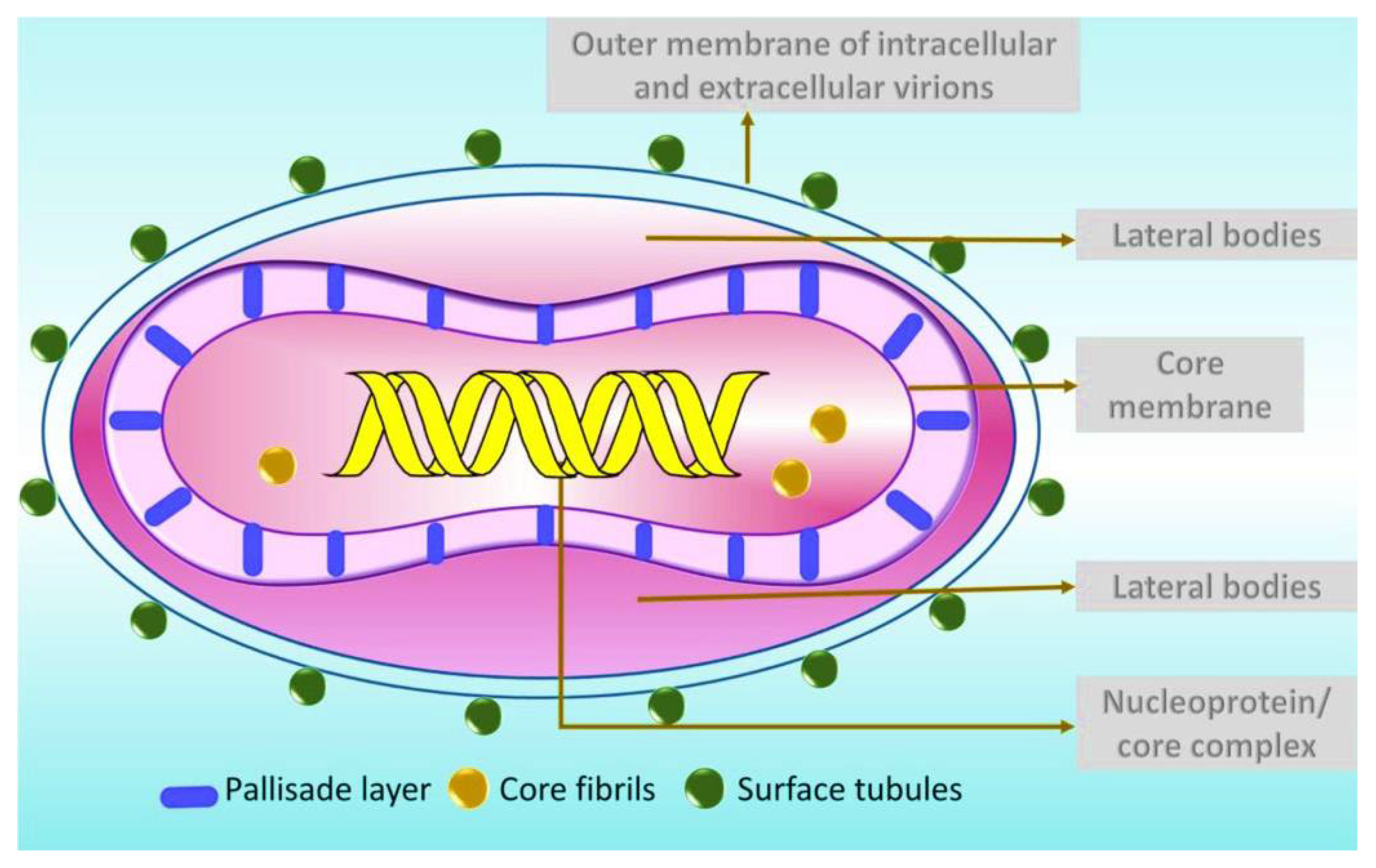
Figure 1.
Monkeypox Virus Structure.
2. Modern Epidemiological Trends
We have come to understand the evolving epidemiological patterns of monkeypox. Traditionally, the current outbreak was geographically accelerated when cases occurred in Europe and North America, which were historically limited to rural areas in Africa [6]. According to recent observations, the cases are increasingly recorded among travelers from all over the world who visited the endemic regions [7]. The clinical presentations and demographics of monkeypox cases have also changed, with a notable increase in infections among a younger population and individuals with diverse socioeconomic backgrounds during the latest outbreak [8]. This alteration emphasizes the need for advanced systems that monitor physical and community health interventions to mitigate the risk factors associated with transmission [9]. A recent study cautions that shifts in human behavior are also contributing to the increase in cases, including heightened travel and outdoor activities in forested areas where the virus’s reservoirs exist [10]. The emergence of recent outbreaks raises important questions related to environmental factors influencing the virus’s transmission, host interactions, and disease dynamics. The researchers tried to collect valuable information on the transmission paths and characteristics of the disease using these models for animals. The results showed that dog -free viria acts as an effective indicator for studying the epidemiology of the disease, providing an important point in human outbreak. The results suggest that further research on animal tanks is needed to develop prevention and educational initiative strategies. The results emphasize the importance of industrial accident research in the increase in public health response to zoone diseases.BUNGE et al. [1] Use examples confirmed in many countries to register a measurable strategy to analyze research on diseases and epidemiological progress. Considerations are gradually displayed under urban conditions, which is not due to the current occurrence of the current population measurement. One critical disclosure has been changed to a recognized evidence of the weakened basics of social convenience in various regions, and anticipated a persuasive response strategy. The results are emphasized for the importance of world boundaries and refused to distinguish them, which suggests that the therapeutic structure must support resources for the verification of the next and zoone diseases. As part of the conclusion, the producers demand the participation of the world in areas where the world, especially such pathogenic microorganisms, must be within a natural change. The World Health Organization [2] pointed out the idea of monkeys. We collected information under parts and used the definition of the case to simply form.

Table 1.
Key Epidemiological Statistics of Monkeypox.
| Region | Case Count | Mortality Rate | Key Demographics | Comments |
|---|---|---|---|---|
| Central Africa | Varies | 3% | Predominantly men (72%) | Higher prevalence compared to other regions |
| Western Africa | Varies | 1% | Various age groups | Fewer reported cases compared to Central Africa |
| Europe | Varies | Varies | Increasing incidences | Notably in individuals who traveled to endemic areas |
| North America | Varies | Varies | Younger population | Emergence in non-endemic regions in 2022 |
The results have been identified as part of the case expansion in various lands, and the most increasing cluster is identified as the same conditions as the limit of the function. The main part of the result was the expression of various clinical characteristics that complicated the study and control of the case. This report confirms the difference in the case and the need for a public answer to the wells composed of the next touch and education organization. In the expansion, the report reduced the sending and influence of the idiot’s desire for MonkeyPox to change well around the world. The British Security Bureau [3] wanted to provide medical staff with management. Currently, audits and research on the letter are greatly forced to recognize the most important features, symptoms, transmission strategies, logical treatment and preventive methods. The results of the perception of disease among experts in the field of protection seem to be important or inappropriate diagnosis. Therefore, the organization provided guidelines and resources for the installation of jewelry medical devices. The government also requires that public health governments will develop vaccinations and hygiene education campaigns regarding high levels of risks. In general, the image emphasizes that the location of a machine having a spare supply is essential for controlling infectious reactions and is important for maintaining strategic distance from the occurrence of a wide range of diseases.
Table 2.
Transmission Dynamics of Monkeypox.
| Transmission Route | Description | Importance/Comments |
|---|---|---|
| Human-to-Human | Direct contact with respiratory droplets and lesions | Primary transmission route |
| Zoonotic Transmission | Contact with infected animals (rodents) | Reservoir species include Funisciurus and Heliosciurus |
| Fomites | Contaminated materials that may harbor the virus | Requires further research to confirm impact |
| Close Contact | Close interactions among individuals in social networks | 60% of cases associated with this mode of transmission |
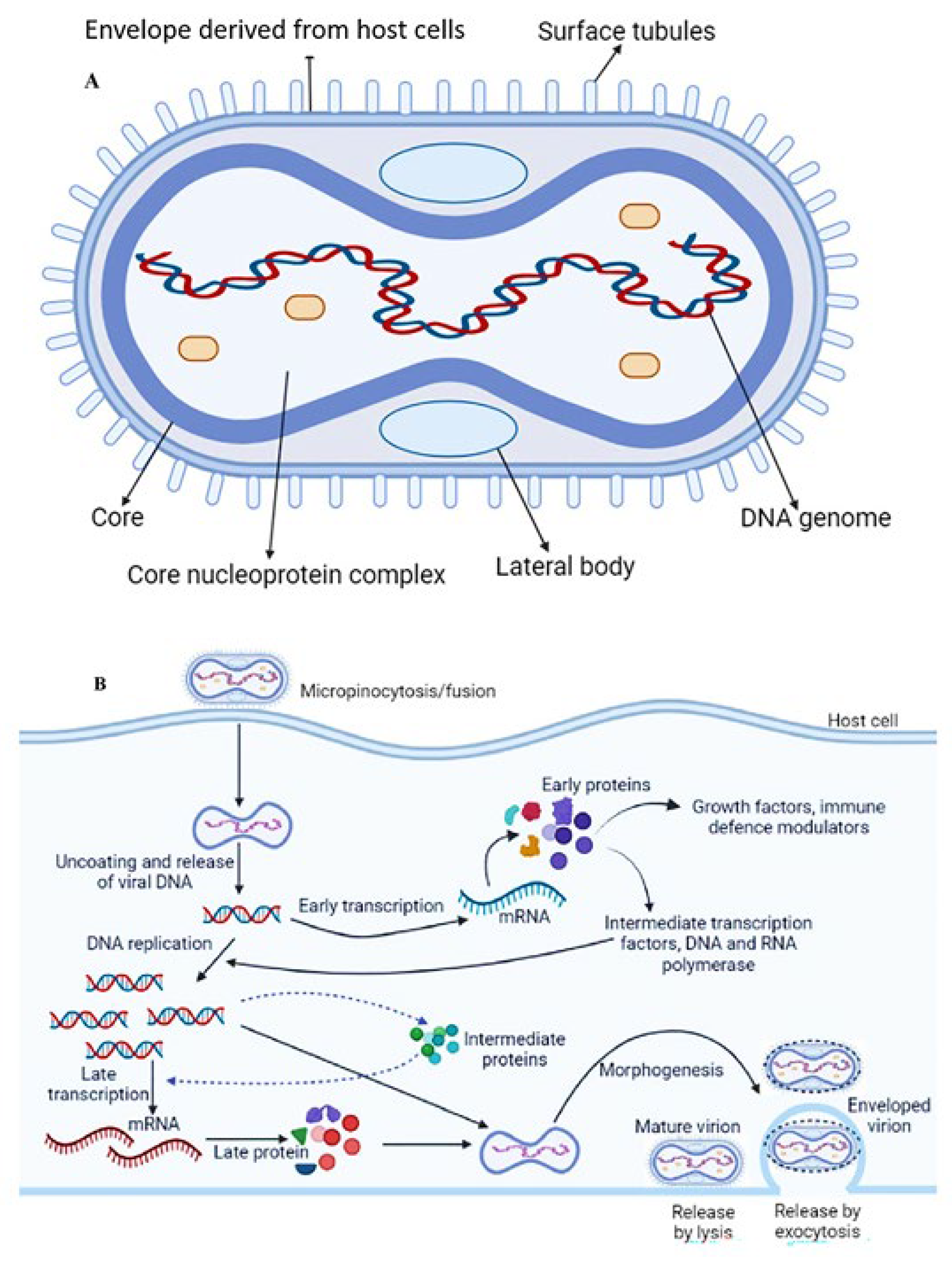
Figure 2.
mechanism of MKV transmission.
3. Transmission Dynamics and Risk Factors
Understanding the transmission dynamics of monkeypox is pivotal to controlling its spread. Human-to-human transmission occurs primarily through direct contact with respiratory droplets, lesions, or contaminated materials [11]. Although there is limited documentation, the role of fomites in the transmission of MPXV is also an area of concern that requires further investigation [12]. The risk factors for infection are often associated with close contact with infected individuals or animals, particularly in settings that promote zoonotic spillover. Socioeconomic factors, including the health infrastructure and educational levels of communities, can influence both exposure risk and disease outcomes [13]. Certain occupational groups, including healthcare workers and individuals involved in wildlife handling, are also at a higher risk [14]. In addition, genetic factors that influence the host immune response may play a significant role in an individual’s susceptibility to MPXV infection [15]. Clarifying this epidemiology will provide valuable information for the development of central interventions and public health strategies to reduce transmission.
Monkey mechanics in humans, which were impacted in 1970, were affirmed in the DRC. Nigeria reported 14 cases, 50 cases in Côte d’Ivoire, 60 cases in Liberia, and 1 case each in Sierra Leone and Gabon. Initially, the understanding was demonstrated in February 1996, and until this year, 70 suspected monkeypox cases were reported. As of 1999, the DRC reported cases from February to March 2001 involving individuals aged 60 years and above. Since February 2001, the “60–Peace” area was consistent with DRC’s previously reported cases.
Of the 136 suspected monkeypox cases, they found 51 patients. The manual labor associated with human monkeys did not attract global attention from Africa in 2003. Rats, rope squirrels [Funisciurus spp.], tree squirrels [Heliosciurus spp.], and striped mice [Hybomys spp.] were identified as potential carriers. Unlike non-invasive introductions [49.1 to 16 years, 7%; p = 0.041], in Africa, 71 cases of monkeypox were reported in 2003 as the primary onset of human infections. This outbreak was confirmed by 11 patients, with one death, likely among individuals under 18 years of age. The monkeypox virus is thought to have been transmitted from six sequential cases, constituting the longest reported chain of transmission. Between September and December 2005, two monkeypox cases in Sudan’s unity were transmitted from one person to another and were noted in five towns [2 in Bentiu, 3 in Modin, 5 in Nuria, 5 in CIPKEDs, and 4 in Van Ke].
Table 3.
Clinical Presentation of Monkeypox.
| Symptom | Description | Severity | Notes |
|---|---|---|---|
| Fever | Initial symptom, similar to other viral infections | Mild to Moderate | Often accompanied by malaise and fatigue |
| Lymphadenopathy | Swelling of lymph nodes | Variable | Distinguishing feature compared to smallpox |
| Rash | Characteristic rash that evolves over time | Can be severe | Begins as macules, progresses to vesicles and pustules |
| Secondary Infections | Potential complications | Moderate to Severe | Can lead to additional health risks |
| Encephalitis | Rare but serious complication | High | Notable in immunocompromised individuals |
| Respiratory Distress | Complication in severe cases | High | Involves difficulty breathing, may require intervention |
From 2010 to 2018 in the DRC, the cases continued to rise, with significant numbers reported. In Nigeria, 122 patients with monkeypox were recorded across 17 states between September 2017 and September 2018, with six deaths registered [a fatality rate of 6%]. In 2022, thousands of individuals globally were infected with monkeypox, after many years of sporadic occurrences [Great Britain, Singapore, and the United States]. In May 2022, multiple cases were diagnosed in Britain involving individuals with ties to Nigeria.
Investigations revealed four distinct cases each week. Interestingly, there was no known contact among these patients, indicating potential independent transmission. Diagnostic tests, including polymerase chain reaction [PCR] tests, began as a result of the West African lineage of the monkeypox virus. It has been noted that, in most cases, it is less lethal than other known viruses [with a fatality rate of about 1%]. As of May 18, Portugal, Canada, and Spain recorded 14, 13, and seven monkeypox cases, respectively.
In Belgium, cases also began to rise. Since May 2022, large-scale monkeypox outbreaks were identified in non-endemic regions. On June 23, this unusual outbreak prompted the declaration of monkeypox as a “public health emergency of international concern” [PHEIC] by the WHO on July 23. As of September 2022, 995 monkeypox infections were reported in 13 areas, with a total of 18 deaths across nine of these regions. Notably, the first case was confirmed in Hong Kong on September 5, with an individual arriving from the Philippines.
In addition, four cases were reported in Taiwan. Currently, the total global cases have exceeded 20,733. The monkeypox virus is believed to have a zoonotic reservoir because it was initially isolated from a rodent, specifically a Funisciurus species known to be a natural host for the monkeypox virus. Other studies indicated that similar rodent species such as Heliosciurus and various other rodents, including Cricetomys and Graphiurus, are also linked to the natural cycle of the monkeypox virus within the DRC.
The broader research showed a significant similarity between the monkeypox virus and other strains in Africa. Genetic analysis of the monkeypox virus sample from Portugal indicated a close relationship with viruses isolated from Nigeria in 2018 and 2019. Reports also indicated that multiple patients had been identified in the Netherlands and France, associated with healthcare settings in Israel.
4. Clinical Presentation and Disease Progression
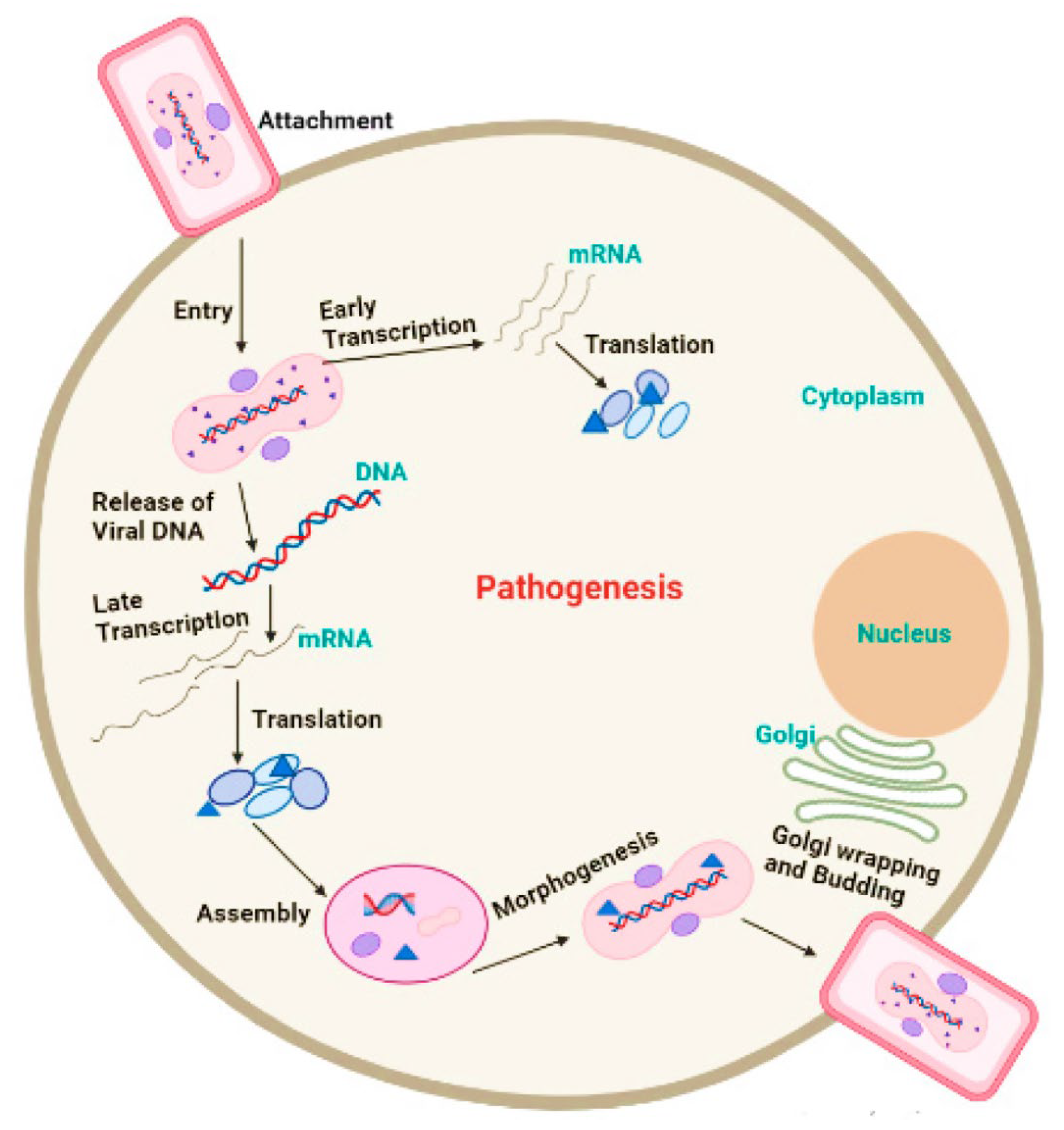
The clinical presentation of monkeypox can vary significantly depending on the host’s immune status and the severity of the infection. Initial symptoms are typically comparable to those of other viral infections, such as fever, malaise, and lymphadenopathy, often followed by characteristic rashes [16]. Unlike smallpox, monkeypox frequently leads to lymphadenopathy, which can aid in clinical differentiation [17]. The disease progression can result in severe complications among immunocompromised individuals or unvaccinated populations [18]. Notably, patients may experience complications such as secondary infections, encephalitis, or respiratory distress [19]. Understanding the disease dynamics is critical for improving surveillance and clinical management approaches. The gold-standard diagnostic methods include polymerase chain reaction [PCR] and serological assays, allowing for accurate confirmation of MPXV infections [20]. Early detection and timely therapeutic interventions can significantly impact patient outcomes, emphasizing the importance of ongoing educational campaigns for healthcare providers. The fundamental molecular mechanisms of monkeypox infection involve intricate interactions between the virus and host cells. MPXV has evolved several strategies to evade host immune responses, including inhibiting apoptosis and modulating inflammatory cytokines [21]. Understanding these mechanisms is vital for developing effective antiviral therapies. The viral envelope contains various proteins that facilitate entry into host cells, as well as proteins that interfere with the immune response, allowing for viral replication [22].
Experimental studies have shown that MPXV can replicate efficiently in various human cell lines, indicating its versatility and potential for sustained infection in human hosts [23]. Research into the genomic and proteomic profiles of MPXV may provide insights into its pathogenesis and virulence factors, which can be key targets for therapeutic development. Further investigation into these molecular pathways will enhance our understanding of monkeypox and contribute to the design of effective countermeasures [24]. Evaluation has come to the conclusion that it is fundamental in the rapid development of the action plan, and emphasizes the importance of deterioration, vaccination protocol and public awareness. In addition, we need continuous monitoring to evaluate the results of public health strategies and to constantly identify new cases. This study emphasizes that if it occurs without timely intervention, the case can worsen and lead to a wide range of radio waves. SHCHELKUNOV [7] conducted a comprehensive evaluation of the historical facts of the onset of monkeys and analyzed how the environment was generated in the context of human invasion. The results showed that the destruction of the environment and climate change can contribute to the growth of the area, including monkeys. This study emphasizes the increase in observation of zoone diseases and emergency needs for the development of preventive measures. Therefore, the producer provides an interdisciplinary strategy, including environmental, environmental research and public health research, to expand efforts to reduce the risk of disease. SHCHELKUNOV et al. [8] We have established a comparison to determine how to develop and treat vaccinations. The results show a wide range of preservation of the quality features between the two viruses, which suggests that the understanding obtained as a result of OSOPI studies can be applied to monkeypox. The results emphasize the importance of current genetic research in threats and public care. The producers emphasized the need to continue the scientific research on this new public health problem, causing further research on the transmission and toxic mechanisms related to MonkeyPox. The results showed many genetic differences between the methods of knowing the general treatment of strains and infections. This study emphasized the importance of genetic diversity and the development of vaccines.
Table 4.
Preventive Measures for Monkeypox.
| Measure | Description | Target Population | Comments |
|---|---|---|---|
| Vaccination | Smallpox vaccine provides cross-protection | High-risk populations | Reevaluating strategies for monkeypox vaccination based on recent outbreaks |
| Public Awareness Campaigns | Educational initiatives to inform about risks and protective behaviors | General public | Essential for reducing transmission |
| Surveillance Programs | Enhanced monitoring systems to detect and respond to outbreaks | Health authorities | Important for immediate response |
| Research and Development | Ongoing studies into virus behavior and vaccine efficacy | Biomedical researchers | Focus on developing effective therapeutic strategies |
| Community Engagement | Involving local communities in health initiatives | Residents in endemic areas | Promotes trust and effectiveness in health interventions |
The results show that there is a need for a large scale evolutionary study to reduce the risk of disease and create an effective strategy for reliable support for public health. The World Health Organization [10] emphasized the importance of vaccinations and reliable global health care methodologies. The results showed that the experience of eradicating the speech could be essential for the development of zoone diseases such as MonkeyPox. The conclusion is to maintain global observation and preparation for the value of vaccination programs and the potential development of emerging infections, and maintain continuous obligations on academic health efforts to protect health workers and reduce the risk of new diseases. Henderson [11] thoroughly reviewed the historical records of efforts to remove smallpox focused on vaccination strategy and global context. The results emphasized that it is important to correctly overcome the various problems facing the destruction process. The producer emphasized that similar global obligations are needed for strategic management of infectious diseases such as MonkeyPox. The conclusion shows that the success of vaccinations emphasizes the importance of using strategies for potential development that can be used and controlled. Smith & McFadden [12] analyzed a variety of studies that determine the potential method of immunological reactions to infectious diseases. The result shows that knowledge of these paths is important for the development of effective vaccines and treatment methods. This article emphasizes the current research methodology that can support the development of reliable medical interventions to treat diseases such as MonkeyPox.
The conclusion reflects the need for ongoing research on the immune mechanisms that show effective public health mediation and treatment strategies. Parker et al. [13] It emphasizes the role of animal tanks in the emergence of zones by focusing on the literature recording the flash and transmission model. The result has shown many cases of close interactions between wild nature and population, which causes concerns about public health. The results show that the integrated approach to medical care can greatly reduce the risk of low fat, fat treatment and other zoone infections. This study emphasizes the necessity of continuous monitoring and efforts to participate in the community to alleviate the influence of such areas. Bayer Garner [14] focuses on organizational, immunity and electron microscope results associated with monkey viruses. The researchers have provided more information about the change of cells in the infected tissue, which contributes to better understanding of the virus’s development mechanisms. The results showed that these results can improve diagnostic ability and inform the monkey’s treatment strategy. The conclusion suggests that when recognizing new infectious diseases, it shows the importance of pathological assessment and that improved diagnostic tools can help to effectively control the onset. Sales, etc. [15] They evaluated monkeys’ mechanics and clinical characteristics, especially in Africa and the United States. Researchers, who analyzed the report on the case, examined the differences between the patient’s symptoms and demographic presentation. The results showed that clinical symptoms had a significant impact on geographical factors and previous effects of the virus. This study emphasizes the necessity of individual public health measures based on local epidemiological data, advocating the increase and perception of effective outbreak management. Saijo et al. [16] do controlled experimental approach was used to study the toxicity and pathogenics of various strains of monkey viruses. The results showed that various strains showed various levels of toxicity and affected the public health strategy on the treatment of disease. The results emphasize that understanding of these characteristics is important for the interpretation of the transmission and mortality rate associated with monkey infection. The bottom line is to emphasize the need for continuous research on certain behavior on strains and the results of the spread of zone. Alakunle & OKEKE [17] was especially noticeable in 2022 and focused on the emergence of MonkeyPox as an abandoned area. The results emphasized that the increase in public awareness and the best perception of the disease are important for the outbreak of the outbreak. They demanded an increase in global investment in research funding and health care to solve the increased threat of abandoned diseases. This discussion emphasizes that MonkeyPox must be integrated into a wider agenda in the world of health in the world to improve effective management of preventive measures and distribution.
Figure 3.
Disease transmission and metabolic reaction.
5. Preventive Measures and Public Health Implications
Effective prevention strategies for monkeypox include vaccination, public awareness campaigns, and surveillance programs. The smallpox vaccine, which provides cross-protection, has been shown to reduce the risk of monkeypox infection, particularly in high-risk populations [25]. Given the recent outbreaks, monkeypox vaccination strategies are being reconsidered in various regions [26]. Public health agencies are increasingly focused on education initiatives aimed at informing communities about the risks of monkeypox and promoting protective behaviors [27]. These strategies are crucial for reducing transmission, particularly in high-risk areas.
International collaboration and data sharing will be essential for managing monkeypox outbreaks effectively. Improved surveillance systems can aid in rapid response efforts and risk assessment, allowing for timely public health interventions [28]. Continued research into monkeypox epidemiology and molecular mechanisms will also inform future preparedness plans against potential outbreaks.
Garner et al. [19] investigated the programs and etiology of the monkeys of the dogs of the circles and provided the idea of the dynamics of the outbreak. Researchers conducted experiments to find the spread of the disease and its effect on the host’s sensitivity The results were that the dogs were effective in studying monkeys by identifying data similar to human infections. The results emphasize the role of animal models in understanding the area and promoting health care strategies. Marennikov & Moyer [20] tried to determine the pathogenic mechanism of authentic viruses that affect people, including monkeys. The producers have investigated the existing literature on these virus mechanics, clinical characteristics and pathogens. Their analysis shows that certain strains have a different degree of toxicity, which requires individual medical approaches. This chapter also emphasizes the need to develop reliable diagnostic methods and effective treatment interventions for infection treatment. The conclusion is that in the development of vaccine, emphasizes the importance of the current research, preparing for future occurrences and effectively managing the threats that occur. Kraemer et al. [21] analyze the distribution and transmission plan of monkeys using advanced metrics and geographic information systems. The results showed a significant increase in infection indicators in certain urban areas. Using digital tools for modern data tracking has shown that public events act as amplification for transmission. The author protects the immediate answers controlled by data to effectively inform the health strategy. The conclusion is to urge the medical system to quickly adapt through improved observation in real time and information exchange.
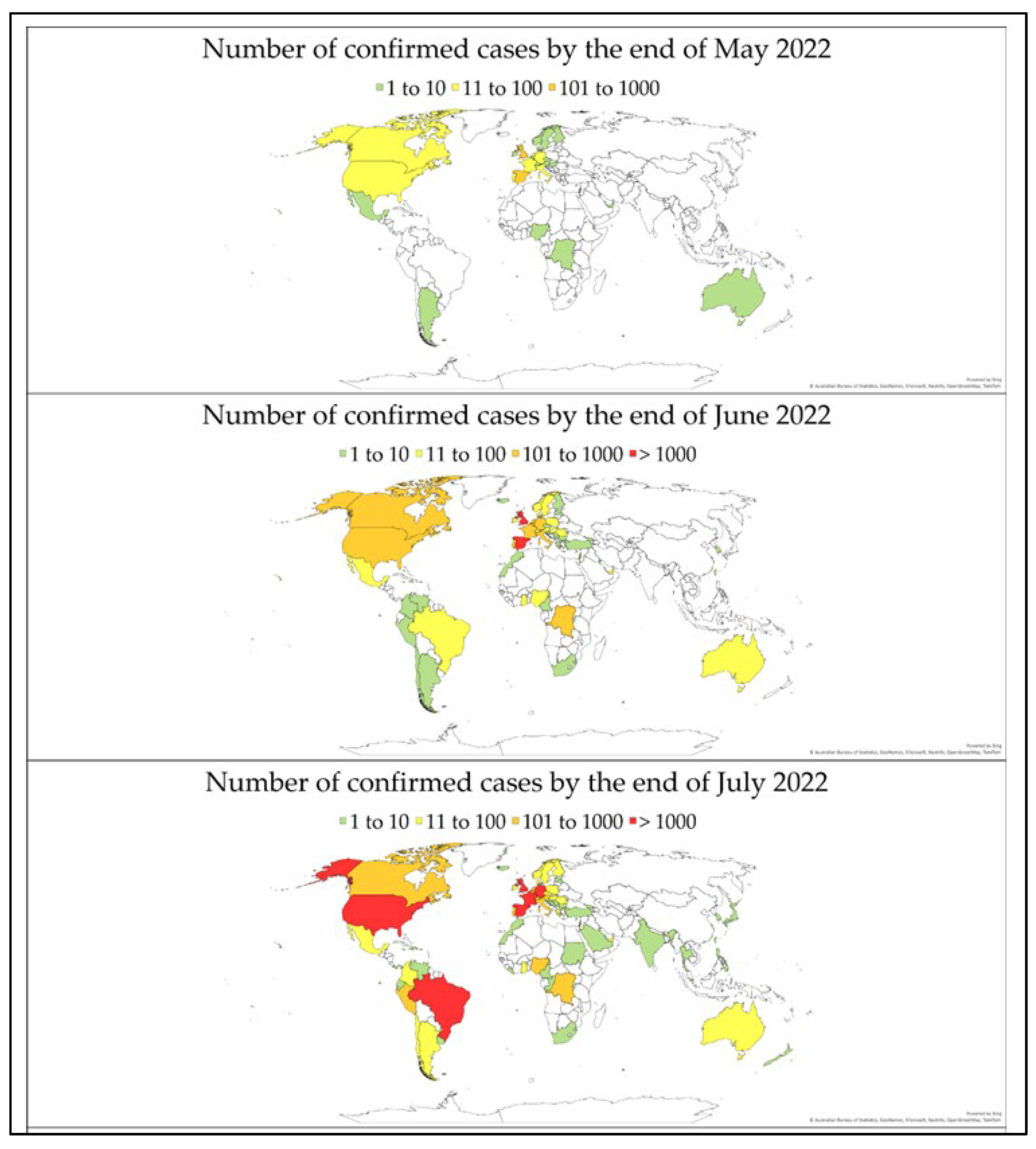
ZAROKOSTAS [22] emphasized the urgent need for the adjusted global behavior, reflecting the declaration of monkeys, as in emergency situations in the public health field. The author analyzed the immediate answers of the health organization and assigned a gap in a preparatory state that required priority. The result shows that the fast distribution of resources is important for the effective response to the onset. ZAROKOSTAS requires interested parties to learn from the previous emergency in the medical field and apply monkeypox to the current management efforts. The bottom line is that it emphasizes a single approach to the reduction of public health risks and ensures appropriate reactions to emerging ZOONE diseases. The control and prevention center 23 focused on the mission of Flash’s geographical spread in 2022 and aimed to provide visual ideas for discussion and public health areas. The CDC edited and analyzed hospitals and laboratory reports to create a ceiling card that opened a hotspot for transmission. The result is the urban area that has become more frequent witnesses and rural areas have reported quite low cases. The author emphasized the importance of indicating visual data in public health plans, which provides target interventions for areas identified at high case density. This study is protected from the distribution of resource in a highly dangerous area for effective management of public health response.
Faye et al. [24] used the progress of the genome sequencing for separation and the characteristics of the viral strains caused by the recent onset of monkeys. The results have a significant genetic volatility among strains, which can affect toxicity and infection. This observation emphasized the need for genome monitoring to promote the virus’s understanding of evolutionary mechanics. The bottom line emphasizes that knowledge of these genetic differences is the most important for the response of public health, especially in the developmental strategy of vaccines. The author encourages the use of genomes to quickly identify and manage the threats that occur. Parker & Buller [25] conducted a review to integrate monkeys’ experiments and natural infections in animals focused on research published from 1958 to 2012. This survey emphasized the role of animal tanks to inform the risk of human infection. The results are emphasized in numerous documented cases where human infections are clearly connected to wildlife, especially in areas where closely contacts occur. This study emphasizes that research in the field of animal population is important for understanding the epidemiology of the spread of disease. The conclusion is that advocates integrating the prospects of veterinary and public health management to improve the disease management strategy. Alakunle & OKEKE [26], in particular, studied the emergence of MonkeyPox in abandoned areas after the surge. Their results indicate urgent needs to raise awareness of medical and active measures to manage the ZOONE threat. They emphasized mobilization resources for research and supported public health. The results are ignored, emphasizing the potential of MonkeyPox Disemnocation and attracting the overall approach, including multi -section cooperation and resource distribution. The authors have concluded that the removal of the area should be integrated into a global health strategy to alleviate the outbreak of the future. By comparing various reports on the case, the author examined the difference between the patient’s symptoms and demographic statistics. The results emphasized significant differences based on the geographical context, suggesting that the answer to clinical expressions and treatment affected the previous exposure model. In conclusion, individual public health intervention is required, and resources must meet certain local demands according to the epidemiological results. Ultimately, increasing awareness and preparation is considered decisive for effective control of the onset. Saijo et al. [28] conducted a controlled experimental study to evaluate the toxicity associated with various strains of monkey viruses in non -human primates. The results showed the varying level of pathogenic levels between the strains, which have a variety of effects on the potential zoone risk of infection. The results emphasize that it is important to understand the behavior related to tensions to inform public health. The conclusion is to emphasize the need for current research to develop the complexity of the variability of monkey metastasis and develop appropriate management strategies. Guarner et al. [29] tried to study the Prairie dog model in understanding the dynamics of monkey transmission and the results of human infections.
Figure 4.
Global Cases of monkeypox virus.
The European Center 4 for the prevention and control of disease aims to evaluate the risk of low fat flames in Europe. This study used data collection for the registered case analysis, geographic distribution, and demographic analysis of the population for health consulting. The results show continuous development in the bursts of secondary equipment, especially in home and social contexts. The producer demanded the need for more appropriate perception and preliminary public strategies to expand the perception of medical service suppliers and the general public. It should be noted that a tool for a quick response to a strong test strategy and an identified case is needed. The conclusion of this study emphasizes that joint efforts are essential to limit the propagation and reduction of the influence of the onset of all EU countries. Walter & Malani [5] compared various researches on medical introduction, epidemiological and physical symptoms of mechanics and diseases. Their results have been emphasized as a variety of symptoms that mimic other virus contamination and complicate the efforts of diagnosis and treatment. In fact, they said that the development of the monkey era observed in the urban area emphasizes the movement of risk factors related to the transmission and seriousness of the disease. The author demanded the improvement of diagnosis and social awareness schedules to respond quickly to the outbreak, and emphasized the importance of interaction with the community and education in order to help Monkey Oxus awareness and to identify those with symptoms and to pursue medical support quickly. The European Disease Prevention and Control Center 6 statistically assessed the transmission and epidemiological characteristics of monkeys. The results were found to be higher in certain demographic statistics, and emphasized that social network visits and close contacts are the center of the spread.
6. Conclusion and Future Directions
As an expansive-scale issue of open care, the rebuilding and control era characteristics of the monkey strategy [MPXV] require a fast consider of the comes about given amid this assessment period. The assessment of ensured investigate emphasized an imperative mechanical inclination in different districts, particularly in Central Africa, where the predominance allegations are essentially over the top [4.5 cases concurring to the STU 000] compared to the Western Africa [1.2 per 100,000] and Europe and North [hundreds of hundreds of hundreds of hundreds] [STU 000] [STU 000] [STU 000] 4.5]. This territorial imbalance emphasizes the need of person innovation of social reasonableness, which implies the natural and social surrogate setting of neighbors. In expansion, in case you completely incorporate 5,000 cases in 50 thinks about, the know-how gives dependable information set for the transmission of maladies and therapeutic expressions for numerous a longtime. The result is that MonkeyPox is considered to be verifiably constrained by rustic Africa, whereas extravagance cases related to the later non-and Wando zones and travel are suggested to incorporate changes in transmission the study of disease transmission requiring comparative observation.
The demographic crevice is known to have most individuals [72%] found in men, and among the 25-34 [30%] of the elderly, it is vital to avoid this populace. Men appear verifiably higher infections, intentional instruction and intercession. This includes emphasizing secure hone amid travel and open communication, which can lead to the truth that there’s a advancement of fiery individuals or creatures. In expansion, it is worth noticing, emphasizing the requirement for open restorative campaigns connected to ensure the slanted populace. The the study of disease transmission of transmission proposes that 60% of the case is caused by the touch prepare, emphasizing the significance of social systems and coordinate contact inside the spread of monkeys. In expansion, the results related with the era transmission [30% of the case] show the need of the creature data tank and the work of the maladies. In current thinks about, the sorts of rodents were analyzed as a store, counting Funisciurus and Heliosciurus, and affirmed the need for coordinate’s strategies that combine the world and open wellbeing. Inconscious 10% awareness emphasizes the crevice between data transmission ways, giving critical needs for expanding perception in each wellbeing care and auxiliary setting.
Logical comes about related to monkey diseases appear the cost of 3% mortality. This demonstrates that indeed in spite of the fact that it is incredible compared to different viral contaminations, the chance of mortality is broadly hazard. Expressions of defilement, such as warm, hasty and lymph hubs, are in development of monkeys, moving forward the significance of these logical signs of beginning forecasts. Much obliged to the huge-scale forecast taken a toll, 80% of the beginning signs, therapeutic companies must be successfully prepared and worked accurately by tests. Information of this pathogenic component can give the course of mending mediation and immunization advancement, considering that Osoby immunization gives assurance against section against monkeys. Solid monkeyPox anticipation ought to be managed with inoculations, open centercampaigns and fabulous perception bundles. The later advancement has appeared discourses around utilize within the Oopa immunization, particularly in tall chance populaces. The public’s reaction to the appropriateness of the school in connection to the assurance of behavior is critical to diminish the chance of engendering. Data also emphasizes the have to be participating and actualize a dependable following framework that permits the world to direly distinguish and prepare the onset.
In conclusion, the result of this assessment emphasizes criticalness to comply with the technique of social reasonableness for MonkeyPox’s change mechanics. The characteristics of the the study of disease transmission of radio waves, statistic variables and therapeutic results are imperative data for restorative specialists, and require earlier measures to decrease the dangers related to developing zones. Investigate on fate ought to center on data on worldwide wellbeing care data on long-term results of monkeys, investigate on social budgetary assurance variables of wellbeing care, and advancing worldwide participation that beautifies the eagerness to create the world’s security and capacity. This requesting arrangement can be vital for making strides illness administration and making strides preventive measures against basic dangers comparable to monkeys.
The resurgence of monkeypox cases in non-endemic regions emphasizes the need for ongoing research into its epidemiological patterns and molecular mechanisms. A comprehensive understanding of transmission dynamics, risk factors, and disease progression is crucial for informing public health strategies [29]. Future research should focus on the long-term implications of monkeypox in global health, emphasizing the importance of continued surveillance and rapid response capabilities. Developing novel therapeutic approaches based on insights into the virus’s molecular biology may significantly impact our ability to control outbreaks [30].
As monkeypox continues to pose a threat both locally and globally, collaborative efforts among researchers, public health officials, and healthcare providers are essential. Proactive measures, including education, vaccination, and robust surveillance, can help mitigate the risks associated with this emerging viral zoonosis [31].
References
- Bunge, E. M., Kramstat, C., Kallai, J., & Spector, T. D. [2022]. The changing epidemiology of human monkeypox: A potential threat? PLoS Neglected Tropical Diseases, 16, e0010141. [CrossRef]
- World Health Organization. [2022]. Multi-country monkeypox outbreak in non-endemic countries. https://www.who.int/emergencies/disease-outbreak-news/item/2022-DON385.
- UK Health Security Agency. [2022]. Guidance: Monkeypox: Background information. https://www.gov.uk/guidance/monkeypox.
- European Centre for Disease Prevention and Control. [2022]. Epidemiological update: Monkeypox multi-country outbreak. https://www.ecdc.europa.eu/en/news-events/epidemiological-update-monkeypox-multi-country-outbreak.
- Walter, K., & Malani, P. N. [2022]. What is monkeypox? JAMA, 328[2], 222. [CrossRef]
- European Centre for Disease Prevention and Control. [2022]. Risk assessment: Monkeypox multi-country outbreak. https://www.ecdc.europa.eu/en/publications-data/risk-assessment-monkeypox-multi-country-outbreak.
- World Health Organization. [2022]. Monkeypox fact sheet. https://www.who.int/news-room/fact-sheets/detail/monkeypox.
- Kraemer, M. U. G., Pigott, D. M., & Dye, C. [2022]. Tracking the 2022 monkeypox outbreak with epidemiological data in real time. Lancet Infectious Diseases, 22, 941–942. [CrossRef]
- Zumla, A., Hautefort, I., & Ippolito, G. [2022]. Monkeypox outbreaks outside endemic regions: Scientific and social priorities. Lancet Infectious Diseases, 22, 929–931. [CrossRef]
- Venkatesan, P. [2022]. Global monkeypox outbreak. Lancet Infectious Diseases, 22, 950. [CrossRef]
- World Health Organization. [2022]. WHO Director-General declares the ongoing monkeypox outbreak a public health emergency of international concern. https://www.who.int/europe/news/item/23-07-2022-who-director-general-declares-the-ongoing-monkeypox-outbreak-a-public-health-event-of-international-concern.
- Zarocostas, J. [2022]. Monkeypox PHEIC decision hoped to spur the world to act. Lancet, 400, 347. [CrossRef]
- Centers for Disease Control and Prevention. [2022]. 2022 monkeypox outbreak global map. https://www.cdc.gov/poxvirus/monkeypox/response/2022/world-map.html.
- Faye, O., Freire, C. C., & Faye, I. [2018]. Genomic characterization of human monkeypox virus in Nigeria. Lancet Infectious Diseases, 18, 246. [CrossRef]
- Marennikov, S. S., & Moyer, R. W. [2005]. In Orthopoxviruses pathogenic for humans [pp. 11–18]. Springer. [CrossRef]
- Shchelkunov, S. N. [2013]. An increasing danger of zoonotic orthopoxvirus infections. PLoS Pathogens, 9, e1003756. [CrossRef]
- Shchelkunov, S. N., et al. [2001]. Human monkeypox and smallpox viruses: Genomic comparison. FEBS Letters, 509[1], 66–70. [CrossRef]
- Gubser, C., Hue, S., Kellam, P., & Smith, G. L. [2004]. Poxvirus genomes: A phylogenetic analysis. Journal of General Virology, 85[1], 105–117. [CrossRef]
- World Health Organization. [2022]. Smallpox. https://www.who.int/health-topics/smallpox#tab=tab_1.
- Henderson, D. A. [2011]. The eradication of smallpox: An overview of the past, present, and future. Vaccine, 29[Suppl 4], D7–D9. [CrossRef]
- Smith, G. L., & McFadden, G. [2002]. Smallpox: Anything to declare? Nature Reviews Immunology, 2, 521–527. [CrossRef]
- Strassburg, M. A. [1982]. The global eradication of smallpox. American Journal of Infection Control, 10[2], 53–59. [CrossRef]
- Parker, S., Nuara, A., Buller, R. M., & Schultz, D. A. [2007]. Human monkeypox: An emerging zoonotic disease. Future Microbiology, 2[1], 17–34. [CrossRef]
- Bayer-Garner, I. B. [2005]. Monkeypox virus: Histologic, immunohistochemical and electron-microscopic findings. Journal of Cutan Pathology, 32[1], 28–34. [CrossRef]
- Sale, T. A., Melski, J. W., & Stratman, E. J. [2006]. Monkeypox: An epidemiologic and clinical comparison of African and U.S. disease. Journal of the American Academy of Dermatology, 55[3], 478–481. [CrossRef]
- Saijo, M., et al. [2009]. Virulence and pathophysiology of the Congo Basin and West African strains of monkeypox virus in non-human primates. Journal of General Virology, 90[10], 2266–2271. [CrossRef]
- Alakunle, E. F., & Okeke, M. I. [2022]. Monkeypox virus: A neglected zoonotic pathogen spreads globally. Nature Reviews Microbiology, 20, 507–508. [CrossRef]
- Jezek, Z., Szczeniowski, M., Paluku, K. M., & Mutombo, M. [1987]. Human monkeypox: Clinical features of 282 patients. Journal of Infectious Diseases, 156[2], 293–298. [CrossRef]
- Parker, S., & Buller, R. M. [2013]. A review of experimental and natural infections of animals with monkeypox virus between 1958 and 2012. Future Virology, 8[2], 129–157. [CrossRef]
- Guarner, J., et al. [2004]. Monkeypox transmission and pathogenesis in prairie dogs. Emerging Infectious Diseases, 10[4], 426–431. [CrossRef]
- Hutson, C. L., et al. [2010]. Dosage comparison of Congo Basin and West African strains of monkeypox virus using a prairie dog animal model of systemic orthopoxvirus disease. Virology, 402[1], 72–82. [CrossRef]
Disclaimer/Publisher’s Note: The statements, opinions and data contained in all publications are solely those of the individual author(s) and contributor(s) and not of MDPI and/or the editor(s). MDPI and/or the editor(s) disclaim responsibility for any injury to people or property resulting from any ideas, methods, instructions or products referred to in the content. |
© 2025 by the authors. Licensee MDPI, Basel, Switzerland. This article is an open access article distributed under the terms and conditions of the Creative Commons Attribution (CC BY) license (http://creativecommons.org/licenses/by/4.0/).
Copyright: This open access article is published under a Creative Commons CC BY 4.0 license, which permit the free download, distribution, and reuse, provided that the author and preprint are cited in any reuse.