

Submitted:
03 March 2025
Posted:
05 March 2025
You are already at the latest version
Abstract
Metabolic dysfunction-associated steatotic liver disease (MASLD) is the leading cause of chronic liver disease, linked closely to metabolic syndrome and rising obesity rates. Affecting up to 37% of the global adult population, MASLD prevalence is exceptionally high among individuals of Hispanic descent, with genetic factors such as the PNPLA3 gene mutation playing a significant role. This review focuses on the traditional Mesoamerican "milpa" diet, which includes unprocessed local crops like maize, beans, pumpkins, chili, and tomatoes, and may offer a strategy to combat MASLD. Current treatment recommendations emphasize weight loss, reduced intake of saturated fats, processed meats, and added sugars, and increased physical activity. The milpa diet, rich in protein, fiber, vitamins, and bioactive compounds, aligns with these recommendations and could potentially mitigate MASLD by preventing liver fat accumulation and fibrosis. Additionally, research suggests that coffee consumption may reduce MASLD progression, while alcohol avoidance is crucial. The study concludes that adopting the milpa diet could be a culturally relevant, nutritious, and sustainable dietary approach to preventing and treating MASLD, promoting better liver health and reducing the risk of associated diseases.
Keywords:
Milpa Diet
; MASLD
; antioxidants
; proteins and fiber
1. Introduction
Metabolic dysfunction-associated steatotic liver disease (MASLD) is the latest term for steatotic liver disease associated with metabolic syndrome, recently adopted as nomenclature. MASLD is the most common cause of chronic liver disease and is the leading cause of liver related morbidity and mortality [1,2].
MASLD has been estimated to affect 30% of the adult population worldwide, with an increasing prevalence from 22% to 37%, from 1991 to 2019 respectively[3,4]. This trend in MASLD parallels the increasing prevalence of obesity and obesity-related diseases. Metabolic dysfunction-associated steatohepatitis (MASH) is the more severe form of MASLD, defined histologically by the presence of lobular inflammation and hepatocyte ballooning. It is associated with a greater risk of fibrosis progression.
The prevalence of MASLD has been estimated to be higher among populations of Hispanic ethnicity, especially among those of Mexican origin (33%). Even after adjusting for metabolic syndrome, this observation suggests the involvement of genetic mechanisms [5].
The patatin-like phospholipase domain containing 3 (PNPLA3) gene is expressed mainly in liver and adipose tissue. In the liver, it regulates lipolysis in hepatocyte lipid droplets. Mutations in this gene are higher among the population with Hispanic heritage (49%) [6]. The risk associated with the PNAPLA3-I148M variant is resistance to proteasomal degradation and accumulation of lipid droplets in hepatocytes.
The PNPLA3 variant also potentiates the profibrogenic features of hepatic stellate cells, resulting in a higher risk of disease progression in the carriers of this gene. It also implies a greater risk for hepatocarcinoma that cannot be attributed only to progression to advanced fibrosis [7]
The reported prevalence rate of the G risk allele frequency in Mexicans is 77%. In one study, the presence of PNPLA3 polymorphisms in the Mexican population was associated with an increased risk for MASLD (odds ratio: 1.71). It has been found that GG genotype carriers have a 3.8 times increased risk for MASH and a 2.3 times increased risk for liver fibrosis [8].
The increasing prevalence of MASLD is closely linked to lifestyle, characterized by the widespread adoption of Western diets that include a high consumption of ultra-processed foods [9]. In this sense, the traditional Mesoamerican diet, commonly called the "Dieta de la milpa" (milpa diet), based on fresh and unprocessed local crops, could represent a viable dietary alternative to mitigate the effects of MASLD.
This review aims to summarize the nutritional characteristics of the milpa diet and the pathophysiological benefits that its consumption may have in patients with MASLD. We will analyze how this dietary pattern can benefit these patients and how the bioactive components present in the milpa diet could improve their health.
2. Current Nutritional Treatment for MASLD
Most factors contributing to the development and progression of MASLD are modifiable, so lifestyle interventions are the cornerstone of its treatment. The main goal in overweight and obese patients with MASLD is to achieve weight loss, which is suggested to be at least 5% to improve intrahepatic fat, 7 to 10% in overweight and obese patients to improve inflammation, and a goal of 10% weight loss if fibrosis is to be reversed. For lean patients, the proposed weight loss is 3 to 5%. [10].
It is also recommended to reduce the intake of saturated fats, avoid processed red meat and added sugars in the diet, preferring healthy eating patterns high in fiber, such as the Mediterranean diet, as it is specified by associations such as the American Association of Clinical Endocrinology in its 2022 guidelines (AACE), European Association for the Study of the Liver (EASL) in 2021, the 2019 recommendations of the European Society for Clinical Nutrition and Metabolism (ESPEN) and the latest guidelines published in 2023 by the American Association for the Study of Liver Diseases (AASLD) [11].
Greater adherence to a Mediterranean diet is associated with significant reductions in weight, body mass index (BMI), blood pressure, and intrahepatic fat content in adult patients. The food groups mostly associated with these benefits include consumption of dairy products, nuts and seeds, and reduced intake of sugar-sweetened beverages. [12].
Regarding coffee consumption, several studies have demonstrated a protective effect on the progression of MASLD with consuming at least 3 cups of coffee per day. There are statistically significant effects on the protective effect of coffee consumption on the incidence of MASLD in population-based follow-ups and the reduction of progression to MASH, hepatocellular carcinoma and cirrhosis in patients diagnosed with MASLD [13].
Avoidance of alcohol consumption is recommended to decrease the progression of MASLD and the risk of hepatocellular carcinoma, even at doses established as moderate consumption (<2 drinks per day for men and <1 for women) [10]. In individuals with MASLD, low to moderate alcohol consumption, defined by the authors of the article as 5 to 9 drinks and 10 to 13 drinks respectively, increase the risk of fibrosis assessed by transient elastography and by noninvasive tests such as the FibroScan-AST (FAST) score, Fibrosis-4 (FIB-4) Index for Liver Fibrosis and AST to Platelet Ratio Index (APRI) [14].
Physical activity is another mainstay of treatment for MASLD. It is recommended that periods of sedentary time be reduced and that an individualised exercise programme of at least 150 minutes of moderate exercise or 75 minutes of vigorous exercise combined with resistance exercise per week be implemented [15]. The mechanisms by which exercise improves prognosis in this population are diverse and include improved body composition, presence of dysbiosis, reduction in intrahepatic fat >30%, reduced fibrosis and endothelial dysfunction. [16].
3. Milpa Diet and Its Effect on the Prevention and Treatment of MASLD
The milpa system (MS) is a traditional agricultural production system in Mesoamerica, particularly in Mexico, that has been used since pre-hispanic times. Its name comes from the Nahuatl language (milli = sown plot, pan = on). It is a polyculture in which maize (Zea mays L.) is the main crop, accompanied by beans (Phaseolus vulgaris L.), pumpkin (Cucurbita pepo L.), chilli (Capsicum annuum L.) and tomato (Solanum lycopersicum L.) [17].
Considered the first organised agricultural system in the Americas, MS has been displaced by monocultures, despite offering benefits such as more efficient use of water, land and space, and improved climate resilience [18]. It also provides greater dietary diversity and contributes to sustainable production. Its products are rich in protein, fiber, vitamins, and bioactive compounds, which have health benefits, helping to prevent diseases such as cancer, type 2 diabetes, hypertension, and obesity [19]. Based on traditional Mesoamerican crops, the milpa diet is rich in antioxidants and micronutrients due to the variety of fresh, local and unprocessed foods that make up the diet [20]. These foods contain antioxidant compounds such as flavonoids, carotenoids, vitamins A, C and E, which protect cells from free radical damage and help to reduce the risk of chronic diseases [21].
There are still studies needed to support the effectiveness of the milpa diet for the treatment of NAFLD (Non-Alcoholic Fatty Liver Disease). A recent study showed that foods promoted by the milpa diet are rich in bioactive molecules that improve and optimize the performance of adipose tissue and the liver, representing a suitable prophylactic and therapeutic alternative [22]
Nixtamalized corn, i.e. corn processed with calcium hydroxide, is considered an excellent source of energy, fiber and calcium [19,23,24]. Common beans are the primary source of plant protein in this dietary pattern, also contributing fiber, phosphorus, potassium and bioactive compounds [25]. Pumpkin is a good source of fiber, vitamins A, E, and C, magnesium, calcium, phosphorus, and iron, making it a nutrient-dense food. In addition, the milpa diet offers an affordable option free of ultra-processed products [19].
Using traditional foods, in Figure 1 we propose a plate layout with half of the plate filled with vegetables, a quarter with protein sources and the rest with whole grains, cereals and tubers. Healthy fats and beverages without sugar are included to complement the main foods. We have also included some examples of dishes that can be prepared daily by the milpa diet following this distribution.
In Figure 2, we include the remaining food groups as snacks, and the main part of this meal contains fruit, which we complement with seeds and nuts. Both groups use groups from the region.
Besides encouraging a diet rich in natural nutrients, the Milpa Diet promotes healthy habits by emphasizing the importance of an active lifestyle. In addition, it highlights that physical activity must meet specific characteristics to be considered beneficial, promoting both mental and physical health. In this sense, it is suggested that physical activity should be safe, inclusive and playful rather than competitive, considering each person's needs and circumstances [19].
In contrast, the Western diet is a risk factor for the development of MASLD. In Table 1 below, we compare the main characteristics of the Milpa diet and the Western dietary pattern. In the following sections, we highlight the benefits of the MASLD and the types of macronutrients, fiber, specific nutrients and foods proposed in the Milpa diet.
4. Potential Benefits of Milpa Diet Components
4.1. Protein Sources Suggested and Their Benefits
The consumption of plant-based protein, mainly from legumes, nuts and seeds, plays a role in the nutritional management and prevention of MASLD, due to its advantages in controlling body weight, decreasing intrahepatic fat content and reducing nutrient intake linked to the development and progression of hepatic steatosis [31].
Legumes were previously considered as ‘incomplete protein sources’, however, it has now been shown that there is complementarity between the various sources of essential amino acids such as legumes and cereals, even if they are not eaten at the same meal time, e.g. beans and nixtamalised maize. In addition, preparation techniques such as soaking and cooking facilitate the absorption of amino acids obtained from legumes. [32].
The milpa diet also suggests the consumption of seeds such as pumpkin seed, chia and peanut as sources of vegetable protein, which also provide antioxidants, monounsaturated fats and fiber, key nutrients to improve cardiovascular factors present in MASLD. Consumption of 15-30 g of seeds and nuts per day has been associated with a lower prevalence of MASLD. When comparing women who did not consume nuts versus those who did, women who consumed this food group had statistically significant decreases in Fatty Liver Index score, BMI, waist circumference, HbA1C, insulin and HOMA-IR [33].
Although plant-based diets have several metabolic benefits, not all have the characteristics compatible with a healthy diet. Therefore, indexes have been created for quality evaluation, increasing their quality by being rich in whole grains, fruits, vegetables, legumes and seeds. Diets based on plants with a higher nutritional quality index are protective against hepatic steatosis, obesity, central adiposity and HOMA index [34]. Diets dominated by refined grains and added sugars in foods and beverages have been linked to increased intrahepatic fat accumulation. [35].
One of the dairy products recommended for consumption in moderate amounts in the milpa diet is requeson [19]. There has been debate as to whether dairy consumption may increase the risk of MASLD due to saturated fat intake; however, a meta-analysis investigating the relationship between dairy consumption and MASLD risk found a protective effect with consumption of dairy in general, milk and yoghurt; however, no such relationship was observed between cheese intake and MASLD. Although the mechanism by which it exerts this beneficial effect on MASLD is unknown, it has been proposed that one of the attributable mechanisms is its protein content, which could promote insulin regulation and appetite [36].
Red meats including pork, beef and goat meat are suggested in small quantities and frequency (2 times a month), avoiding fatty parts and preferring preparations such as roasted, steamed or baked with plenty of vegetables, as in the case of dishes such as pozole or tlalpeño soup [19]. For this reason, the recommendation of the milpa diet is consistent with the guidelines on limiting red meat intake and avoiding processed red meat consumption in the context of the MASLD. A dose-dependent relationship has been demonstrated between the percentage of intrahepatic fat and red meat consumption [37] Additionally, every 25 g of processed red meat increases the risk of MASLD by 11.1% [36]. In patients with the rs738409 polymorphism in the PNPLA3 gene combined with a high red meat intake, fibrosis (>F2) increases, which is not observed in patients with this polymorphism and a high white meat intake [38].
The region's cuisine also allows for the incorporation of protein from insects, such as grasshoppers, and meats, including rabbit, as well as fish rich in omega-3 fatty acids, the benefits of which in the management of non-alcoholic steatohepatitis (NASH) will be explained subsequently. Insects possess a protein content of up to 60% of their body weight and provide all the essential amino acids and antioxidant compounds. In vivo studies have demonstrated a hypoglycemic and hypolipidemic effect, suggesting a potential alternative for regulating the various mechanisms contributing to MASLD. Notably, the production of insects is more sustainable than other protein sources, especially when compared to the process involved in red meat. However, the uptake of insect-based protein remains limited [39,40].
4.2. Benefits of Carbohydrates and Lipids in the Milpa Diet
The liver has a fantastic metabolic plasticity, adaptively switching between energy storage and supply to allow glucose homeostasis for the maintenance and proper functioning of the organism, all dependent on the action of glucoregulatory hormones involved, such as insulin and glucagon, which respond according to the availability and/or absence of nutritional substrates. [41,42]
When there is impaired hepatic regulation of glucose metabolism, secondary to sustained inadequate and excessive supply, which may be facilitated by frequent consumption of ultra-processed products high in saturated fats, sodium and refined sugars, as well as genetically susceptible individuals, a pro-inflammatory environment is promoted, leading to relative pancreatic beta-cell dysfunction, triggering insulin resistance and excess adiposity, which are central to the pathogenesis of steatotic liver disease [41,42].
Therefore, the most studied and effective dietary patterns for the treatment of MASLD are those which predominate and ensure adequate intake of fiber and unsaturated fatty acids, with sources such as vegetables, fruits, legumes, whole grains and cereals, as well as seeds and oilseeds [12].
There are reports of dietary interventions with the characteristics described above showing beneficial effects on ectopic fat accumulation and anthropometric, biochemical and clinical markers. These benefits may be underpinned by the nutritional framework and components characterizing these foods, including their high fiber content and low glycaemic index. These food characteristics are widely recognised to address underlying insulin resistance and promote the regulation of ectopic fat storage [43].
In Mexico and Mesoamerica, maize is the primary source of carbohydrates, and is one of the 4 main foods promoted by the milpa diet. The benefit of maize consumption on liver health, particularly in the context of the MASLD, can be attributed to its components, such as insoluble fiber content, peptides, anthocyanins and polyphenols [44,45].
Insoluble fiber has been found to reduce lipid levels and inhibit hepatic fat accumulation [45], which are beneficial effects in the management of dyslipidemia and steatosis, it has also been reported that insoluble fiber promotes hepatic mitochondrial fatty acid oxidation, one of the enzymes involved in this is carnitine palmitoyl transferase-1 (CPT-1), crucial in the transport of fatty acids into the mitochondria for oxidation [44].
In animal model studies, maize peptides have been reported to help decrease the fibrosis present in MASLD in mice by inhibiting the NLRP3 inflammasome and modulating the gut microbiota, resulting in a reduction in lipid accumulation and oxidative stress, which are key factors in the pathogenesis of the disease. In addition, protective effects for liver injury have been demonstrated in humans by improving lipid profiles and reducing oxidative stress markers [46,47].
Anthocyanins contained in purple corn have shown to ameliorate chronic liver injury in experimental models by modulating oxidative stress and apoptosis pathways, including reduction of liver enzymes and improvement in liver histology. [48]. It has also been described that polyphenol-rich extracts from maize can reduce cholesterol and triglyceride levels and prevent hepatic lipid accumulation in mice fed a high-fat diet. Suggesting a potential role in managing obesity-related liver conditions [49].
Another key food in the milpa diet and a significant source of carbohydrates, is amaranth, a pseudocereal that has shown multiple benefits for liver health. These favourable effects are mainly attributed to its influence on lipid metabolism, its ability to modulate the gut microbiota, its amino acid profile and its antioxidant properties. Studies have reported that amaranth supplementation significantly reduces levels of triglycerides, total cholesterol and phospholipids in the liver of mice fed with a high-fat diet. In addition, in ethanol-treated rats, amaranth decreased free and esterified cholesterol in the liver, probably through increased expression of the LDL receptor and reduced expression of HMG-CoA reductase, a key enzyme in cholesterol synthesis [50,51]. Amaranth also has shown hepatoprotective activity in experimental models, mainly due to its seeds and leaves, which contain high levels of phenolic compounds that contribute to its antioxidant capacity, helping to neutralise free radicals and reduce oxidative stress [52,53].
Among the modulating properties of the gut microbiota in animal studies, amaranth supplementation has shown to reverse the reduction in bacterial diversity and richness induced by high-fat diets, suggesting a role in improving gut health and thus liver health [51].
Other foods that are sources of carbohydrates and fiber that can be identified in the milpa diet are shown in Table 2.
In addition to carbohydrates and dietary fiber, lipid intake should be considered quantitatively and qualitatively. The negative role of saturated fatty acids (SFA) and trans-fatty acids on general and liver health is well known, so food sources of monounsaturated fatty acids (MUFA) and polyunsaturated fatty acids (PUFA), especially omega-3 polyunsaturated fatty acids (w3 PUFA), will have a therapeutic and protective effect, with an overall improvement in liver function parameters, as well as related anti-inflammatory and anti-fibrotic effects. The primary sources of plant fats in the milpa diet include avocado, a source of MUFA, and the seeds and oilseeds described above [55,56].
The potential of w3 PUFA, particularly eicosapentaenoic acid (EPA) and docosahexaenoic acid (DHA), on liver health has been studied. Several mechanisms have been proposed by which w3-PUFA exert beneficial health effects. They reduce de novo lipogenesis and promote fatty acid partitioning towards β-oxidation rather than triacylglycerol synthesis, resulting in decreased hepatic triglyceride accumulation and improved hepatic steatosis levels, as demonstrated in both clinical and preclinical studies [54,57]. Some omega-3 foods in the milpa diet are pumpkin seeds, walnuts and chia seeds, which are excellent sources of ALA (alpha-linolenic acid). [54]
Salvia hispanica (chia) seeds, a food recommended in the Milpa Diet, contain bioactive compounds, such as vitamin E, tocopherols, carotenoids and polyphenols, which have antioxidant properties that reduce cell damage. In addition, chia seeds have been shown to have several therapeutic benefits, such as regulating blood lipid levels, reducing systemic inflammation and preventing cardiovascular disease. They are also one of the most essential plant sources of omega-3 fatty acids, an important anti-inflammatory agent[58].
4.3. Antioxidant and Micronutrients
The basis of this dietary model is vegetables and fruits, which provide a variety of nutrients, including vitamins and antioxidants. It is recommended to include a variety of vegetables at each meal, in abundance and with different cooking methods, such as raw, blanched, boiled or steamed, to preserve micronutrients [59]. The estimated fruit and vegetable consumption in the Mexican population is 47% below the recommendations [60] There is an inverse relationship between the risk of MALSD and a higher consumption of vegetables and whole grains as assessed by scales such as Dietary Approaches to Stop Hypertension Score, Alternate Healthy Index Score or Alternate Mediterranean Diet Score [61].
One antioxidant that stands out is lycopene, a fat-soluble carotenoid present in tomatoes, which is a crucial ingredient in the milpa diet and whose absorption improves when consumed in conjunction with fats, as is the case in many dishes of the region's gastronomy. It has an antioxidant, immunomodulatory, cardioprotective, anti-inflammatory role and attenuates liver damage by reducing hepatic steatosis in individuals with MASLD [62].
Concerning fruits, the milpa diet suggests consuming them whole, avoiding juices or those containing added sugars, in the same way as recommended in the treatment of MASLD, as it has been observed that the intake of natural juices or dried fruits is associated with higher intrahepatic fat content [63].
Spices such as chilli, epazote, achiote, oregano, coriander, pepper and vanilla provide additional nutrients. Capsaicin, present in chillies, offers anti-inflammatory and antioxidant benefits and decreases lipid deposition in the liver at murine levels [64]. Additionally, it plays a role in weight regulation, insulin resistance improvement, fibrosis decrease, and progression to hepatocellular carcinoma [65].
Cacao (Theobroma cacao) for its high nutritional value may improve the risk for cardiovascular diseases and diabetes; however, consuming it without added sugars is recommended to enjoy its benefits such as lipid peroxidation, insulin resistance and inflammation in MASLD. Even when prepared as a beverage, Cocoa is also a rich source of antioxidants, fiber and iron [66]. In vitro studies have demonstrated the signaling involved in human hepatocytes by modulating the activating fibroblast growth factor 21 (FGF21), promoting glucose homeostasis, and improving mitochondrial function and inhibiting oxidative stress and lipogenesis [67].
Cinnamon (Cinnamomum sp.) is one of the culinary ingredients present in Mexican cuisine. Studies have been carried out on various populations for varying lengths of time, using doses ranging from 1.5 to 6 g per day in capsules or infusions. Although there is no standardisation of the effects of cinnamon, several studies have demonstrated its hypoglycemic effects, insulin reduction and improvement in the lipid profile during the time consumed. These benefits have also been corroborated in patients with MASLD [68,69].
There are other components of the milpa diet, such as coriander, which could contribute to MASLD due to its effect on reducing weight, blood pressure, and lipids. Meanwhile, cumin provides benefits in controlling lipids, total cholesterol, glucose, and insulin [69].
Garlic contains allicin or diallyl thiosulfinate, which modulates the microbiota, reduces the production of lipopolysaccharides, and decreases triglyceride deposition in the liver [56]. A decrease in total cholesterol, LDL cholesterol, and triglyceride levels has also been observed [69]. Onion has effects on TNF-∝ levels, liver enzymes, insulin, glucose, and triglycerides, showing benefits in steatosis and liver inflammation [56]. Combining garlic and onion could enhance the benefits in patients with MASLD [70].
5. Discussion
Our review suggests that the bioactive components of the milpa diet, such as fiber, plant-based proteins, antioxidants, vitamins, and minerals, among others, could offer significant benefits for patients with MASLD. Similarly, Domínguez-Uscanga et al.[71] reported the beneficial effect of a baked snack with 70% corn and 30% beans in reducing serum lipids by inhibiting PPAR-γ and SREBP2 in a murine model with a high-fat diet. The study suggests a reduction in obesity, dyslipidemia, and non-alcoholic fatty liver disease.
In turn, another study conducted in murine models by Hussain et al. demonstrated that pumpkin seeds showed antihyperglycemic and antihyperlipidemic effects in albino rats [72]. A significant decrease was observed in blood glucose levels (128.33 mg/dL), total plasma cholesterol (88.43 mg/dL), triglycerides (69.79 mg/dL), and low-density lipoprotein cholesterol (21.45 mg/dL) in the groups of rats fed 15 g of pumpkin seed powder.
In a prospective study, with a follow-up longer than 10 years, was found that replacing 80 g of red meat and sausages with legumes decreased the risk of MASLD (HR: 0.96, 95% CI: 0.94 - 0.98) and similarly replacing poultry with the same amount of legumes (HR: 0.97, 95% CI: 0.95 - 0.99) [73].
A recent meta-analysis by Ranasinghe et al. and a systematic review by Bandara et al. on the effects of cinnamon extracts, an important component of the Milpa Diet, in diabetes have demonstrated multiple benefits both in vitro and in vivo [74,75].In vitro, cinnamon has shown potential to reduce postprandial glucose absorption by inhibiting enzymes involved in carbohydrate metabolism, such as pancreatic α-amylase and α-glucosidase. Additionally, it stimulates cellular glucose uptake through the translocation of GLUT-4 to the membrane, promotes glucose metabolism and glycogen synthesis, inhibits gluconeogenesis by affecting key regulatory enzymes, and stimulates insulin release, enhancing insulin receptor activity. The active compound responsible for these effects is cinnamylamine B1.
The beneficial effects of cinnamon in vivo include the attenuation of weight loss associated with diabetes, reduced fasting glucose, decreased LDL cholesterol, increased HDL cholesterol, reduced glycated hemoglobin (HbA1c), and increased circulating insulin levels [76].
Another study by Eidi et al. demonstrated that cinnamon administration for 28 days significantly reduced serum markers of liver damage (AST, ALT, and ALP) and increased levels of superoxide dismutase and catalase [77].
A study conducted by Morán-Ramos et al. [78] evaluated the impact of nopal consumption in obese Zucker rats (fa/fa) fed either a standard diet or a diet supplemented with 4% nopal for seven weeks. The results showed that nopal reduced hepatic triglycerides by 50%, decreased hepatomegaly, and improved biomarkers of liver damage, such as alanine and aspartate aminotransferase. Additionally, its consumption was associated with increased serum adiponectin levels and the expression of genes related to lipid oxidation and export. It also reduced hepatic oxidative stress and lipid peroxidation, improved insulin signaling, and decreased postprandial insulin concentration. This study suggests that nopal may attenuate hepatic steatosis by promoting fatty acid oxidation, VLDL synthesis, and insulin response.
Regarding beans, a study by Bahrami et al. [79] concluded that higher bean consumption was associated with a 35% lower risk of NAFLD, even after considering other factors such as overall diet, exercise, and health conditions like diabetes and dyslipidemia.
6. Conclusions
The increasing prevalence of MASLD is closely tied to the adoption of Western diets high in ultra-processed foods. The bioactive components of Milpa Diet can significantly contribute to improving liver health and preventing the progression of MASLD. Adopting this dietary pattern is not only culturally relevant and nutritionally balanced but also economical and sustainable, offering health benefits such as the reduction of fat percentage. Additionally, practices like moderate coffee consumption and alcohol avoidance are recommended to decrease the progression of MASLD. The milpa diet could represent an effective and sustainable strategy for the treatment and prevention of MASLD, promoting better liver health and reducing the risk of associated diseases.
7. Futures Perspectives
Currently, there is no randomized clinical trial or original study that conclusively demonstrates the efficacy of the milpa diet on MASLD, however, by analyzing the components of this traditional Mesoamerican dietary pattern, we can infer that its bioactive compounds, such as fiber, antioxidants, and vitamin and mineral content, could offer benefits for patients with MASLD.
The healthy and sustainable dietary guidelines for the Mexican population [69] align with the milpa diet recommendations, reinforcing the idea of its applicability in this context. Therefore, we recommend considering its inclusion in the diet of patients with MASLD, while suggesting the performance of original studies to prove its efficacy in this group of patients scientifically.
Author Contributions
Conceptualization: AHA; PCE and JPE; investigation, drafting and revision of the document writing—original draft preparation: AHA, MA, CACM. JPE, PCE; writing—review and editing, JPE, CPR, PCE; figures and tables: MA, CACM, and AHA. All authors have read and agreed to the published version of the manuscript.
Funding
Not applicable.
Institutional Review Board Statement
Not applicable.
Informed Consent Statement
Not applicable.
Conflicts of Interest
The authors declare no conflicts of interest.
References
- Rinella ME, Lazarus JV, Ratziu V, Francque SM, Sanyal AJ, Kanwal F, et al. A multisociety Delphi consensus statement on new fatty liver disease nomenclature. J Hepatol. 2023;79: 1542–1556. [CrossRef]
- Chan W-K, Chuah K-H, Rajaram RB, Lim L-L, Ratnasingam J, Vethakkan SR. Metabolic Dysfunction-Associated Steatotic Liver Disease (MASLD): A State-of-the-Art Review. J Obes Metab Syndr. 2023;32: 197–213. [CrossRef]
- Le MH, Yeo YH, Li X, Li J, Zou B, Wu Y, et al. 2019 Global NAFLD Prevalence: A Systematic Review and Meta-analysis. Clin Gastroenterol Hepatol. 2022;20: 2809–2817.e28. [CrossRef]
- Huh Y, Cho YJ, Nam GE. Recent Epidemiology and Risk Factors of Nonalcoholic Fatty Liver Disease. J Obes Metab Syndr. 2022;31: 17–27. [CrossRef]
- Fleischman MW, Budoff M, Zeb I, Li D, Foster T. NAFLD prevalence differs among hispanic subgroups: the Multi-Ethnic Study of Atherosclerosis. World J Gastroenterol. 2014;20: 4987–4993. [CrossRef]
- Vidal-Cevallos P, Torre A, Mendez-Sanchez N, Uribe M, Chavez-Tapia NC. Epidemiological and Genetic Aspects of NAFLD and NASH in Mexico. Clin Liver Dis (Hoboken). 2022;19: 68–72. [CrossRef]
- Martínez LA, Larrieta E, Kershenobich D, Torre A. The Expression of PNPLA3 Polymorphism could be the Key for Severe Liver Disease in NAFLD in Hispanic Population. Ann Hepatol. 2017;16: 909–915. [CrossRef]
- Chinchilla-López P, Ramírez-Pérez O, Cruz-Ramón V, Canizales-Quinteros S, Domínguez-López A, Ponciano-Rodríguez G, et al. More Evidence for the Genetic Susceptibility of Mexican Population to Nonalcoholic Fatty Liver Disease through PNPLA3. Ann Hepatol. 2018;17: 250–255. [CrossRef]
- Huttasch M, Roden M, Kahl S. Obesity and MASLD: Is weight loss the (only) key to treat metabolic liver disease? Metabolism. 2024;157: 155937. [CrossRef]
- European Association for the Study of the Liver (EASL), European Association for the Study of Diabetes (EASD), European Association for the Study of Obesity (EASO). EASL-EASD-EASO Clinical Practice Guidelines on the Management of Metabolic Dysfunction-Associated Steatotic Liver Disease (MASLD). Obes Facts. 2024;17: 374–444. [CrossRef]
- Younossi ZM, Zelber-Sagi S, Henry L, Gerber LH. Lifestyle interventions in nonalcoholic fatty liver disease. Nat Rev Gastroenterol Hepatol. 2023;20: 708–722. [CrossRef]
- Montemayor S, Mascaró CM, Ugarriza L, Casares M, Llompart I, Abete I, et al. Adherence to Mediterranean Diet and NAFLD in Patients with Metabolic Syndrome: The FLIPAN Study. Nutrients. 2022;14. [CrossRef]
- Hayat U, Siddiqui AA, Okut H, Afroz S, Tasleem S, Haris A. The effect of coffee consumption on the non-alcoholic fatty liver disease and liver fibrosis: A meta-analysis of 11 epidemiological studies. Ann Hepatol. 2021;20: 100254. [CrossRef]
- Marti-Aguado D, Calleja JL, Vilar-Gomez E, Iruzubieta P, Rodríguez-Duque JC, Del Barrio M, et al. Low-to-moderate alcohol consumption is associated with increased fibrosis in individuals with metabolic dysfunction-associated steatotic liver disease. J Hepatol. 2024;81: 930–940. [CrossRef]
- Stine JG, Long MT, Corey KE, Sallis RE, Allen AM, Armstrong MJ, et al. American College of Sports Medicine (ACSM) International Multidisciplinary Roundtable report on physical activity and nonalcoholic fatty liver disease. Hepatol Commun. 2023;7. [CrossRef]
- Cuthbertson DJ, Keating SE, Pugh CJA, Owen PJ, Kemp GJ, Umpleby M, et al. Exercise improves surrogate measures of liver histological response in metabolic dysfunction-associated steatotic liver disease. Liver Int. 2024;44: 2368–2381. [CrossRef]
- Zizumbo-Villarreal D, Colegio de la Frontera Sur (ECOSUR). Departamento de Agricultura, Sociedad y Ambiente, Colunga-GarcíaMarín P, Colegio de la Frontera Sur (ECOSUR). Departamento de Agricultura, Sociedad y Ambiente. La milpa del occidente de Mesoamérica: profundidad histórica, dinámica evolutiva y rutas de dispersión a Suramérica. Rev geogr agríc. 2017; 33–46.
- Sánchez-Velázquez OA, Luna-Vital DA, Morales-Hernandez N, Contreras J, Villaseñor-Tapia EC, Fragoso-Medina JA, et al. Nutritional, bioactive components and health properties of the milpa triad system seeds (corn, common bean and pumpkin). Front Nutr. 2023;10: 1169675. [CrossRef]
- Secretaría de Salud. Dieta de la Milpa. Modelo de Alimentación Saludable y Culturalmente Pertinente. Fortalecimiento de la Salud con Comida, Ejercicio y Buen Humor. 2020 Jun. Available: https://www.gob.mx/cms/uploads/attachment/file/715861/01_Documento_de_La_dieta_de_la_milpa.pdf.
- Wang L-C, Yu Y-Q, Fang M, Zhan C-G, Pan H-Y, Wu Y-N, et al. Antioxidant and antigenotoxic activity of bioactive extracts from corn tassel. J Huazhong Univ Sci Technolog Med Sci. 2014;34: 131–136. [CrossRef]
- Gulcin İ. Antioxidants and antioxidant methods: an updated overview. Arch Toxicol. 2020;94: 651–715. [CrossRef]
- Meza-Rios A, López-Villalobos EF, Anguiano-Sevilla LA, Ruiz-Quezada SL, Velazquez-Juarez G, López-Roa RI, et al. Effects of Foods of Mesoamerican Origin in Adipose Tissue and Liver-Related Metabolism. Medicina (Kaunas). 2023;59. [CrossRef]
- Gwirtz JA, Garcia-Casal MN. Processing maize flour and corn meal food products. Ann N Y Acad Sci. 2014;1312: 66–75. [CrossRef]
- Ghimire A, Wanner C, Tonelli M. Closing CKD Treatment Gaps: Why Practice Guidelines and Better Drug Coverage Are Not Enough. Am J Kidney Dis. 2025. [CrossRef]
- Lo Turco V, Potortì AG, Rando R, Ravenda P, Dugo G, Di Bella G. Functional properties and fatty acids profile of different beans varieties. Nat Prod Res. 2016;30: 2243–2248. [CrossRef]
- Ballal K, Wilson CR, Harmancey R, Taegtmeyer H. Obesogenic high fat western diet induces oxidative stress and apoptosis in rat heart. Mol Cell Biochem. 2010;344: 221–230. [CrossRef]
- Christ A, Lauterbach M, Latz E. Western Diet and the Immune System: An Inflammatory Connection. Immunity. 2019;51: 794–811. [CrossRef]
- Clemente-Suárez VJ, Beltrán-Velasco AI, Redondo-Flórez L, Martín-Rodríguez A, Tornero-Aguilera JF. Global Impacts of Western Diet and Its Effects on Metabolism and Health: A Narrative Review. Nutrients. 2023;15. [CrossRef]
- Castellanos-Gutiérrez A, Sánchez-Pimienta TG, Batis C, Willett W, Rivera JA. Toward a healthy and sustainable diet in Mexico: where are we and how can we move forward? Am J Clin Nutr. 2021;113: 1177–1184. [CrossRef]
- Secretaría de Salud. Fortalecimiento de la Salud con Comida, Ejercicio y Buen Humor: La Dieta de la Milpa. Modelo de Alimentación Mesoamericana Saludable y Culturalmente Pertinente. 2020.
- Castelnuovo G, Perez-Diaz-del-Campo N, Rosso C, Armandi A, Caviglia GP, Bugianesi E. A Healthful Plant-Based Diet as an Alternative Dietary Approach in the Management of Metabolic Dysfunction-Associated Steatotic Liver Disease. Nutrients. 2024;16: 2027. [CrossRef]
- Boye J, Wijesinha-Bettoni R, Burlingame B. Protein quality evaluation twenty years after the introduction of the protein digestibility corrected amino acid score method. British Journal of Nutrition. 2012;108: S183–S211. [CrossRef]
- Cardoso BR, Tan SY, Daly RM, Via JD, Georgousopoulou EN, George ES. Intake of Nuts and Seeds Is Associated with a Lower Prevalence of Nonalcoholic Fatty Liver Disease in US Adults: Findings from 2005-2018 NHANES. The Journal of nutrition. 2021;151. [CrossRef]
- Rosenfeld RM, Juszczak HM, Wong MA. Scoping review of the association of plant-based diet quality with health outcomes. Front Nutr. 2023;10: 1211535. [CrossRef]
- Lv Y, Rong S, Deng Y, Bao W, Xia Y, Chen L. Plant-based diets, genetic predisposition and risk of non-alcoholic fatty liver disease. BMC Med. 2023;21: 351. [CrossRef]
- Yuzbashian E, Fernando DN, Pakseresht M, Eurich DT, Chan CB. Dairy product consumption and risk of non-alcoholic fatty liver disease: A systematic review and meta-analysis of observational studies. Nutr Metab Cardiovasc Dis. 2023;33: 1461–1471. [CrossRef]
- Kaenkumchorn TK, Merritt MA, Lim U, Le Marchand L, Boushey CJ, Shepherd JA, et al. Diet and Liver Adiposity in Older Adults: The Multiethnic Cohort Adiposity Phenotype Study. J Nutr. 2021;151: 3579–3587. [CrossRef]
- Yoshimura SM, Duarte SMB, Stefano JT, Mazo DFC, Pinho JRR, Oliveira CP. PNPLA3 GENE POLYMORPHISM AND RED MEAT CONSUMPTION INCREASED FIBROSIS RISK IN NASH BIOPSY-PROVEN PATIENTS UNDER MEDICAL FOLLOW-UP IN A TERTIARY CENTER IN SOUTHWEST BRAZIL. Arquivos de gastroenterologia. 2023;60. [CrossRef]
- Zhou Y, Wang D, Zhou S, Duan H, Guo J, Yan W. Nutritional Composition, Health Benefits, and Application Value of Edible Insects: A Review. Foods. 2022;11: 3961. [CrossRef]
- Quah Y, Tong SR, Bojarska J, Giller K, Tan SA, Ziora ZM, et al. Bioactive Peptide Discovery from Edible Insects for Potential Applications in Human Health and Agriculture. Molecules (Basel, Switzerland). 2023;28. [CrossRef]
- Scoditti E, Sabatini S, Carli F, Gastaldelli A. Hepatic glucose metabolism in the steatotic liver. Nat Rev Gastroenterol Hepatol. 2024;21: 319–334. [CrossRef]
- The Lancet Diabetes Endocrinology. Redefining obesity: advancing care for better lives. Lancet Diabetes Endocrinol. 2025;13: 75.
- Mogna-Peláez P, Riezu-Boj JI, Milagro FI, Herrero JI, Elorz M, Benito-Boillos A, et al. Inflammatory markers as diagnostic and precision nutrition tools for metabolic dysfunction-associated steatotic liver disease: Results from the Fatty Liver in Obesity trial. Clin Nutr. 2024;43: 1770–1781. [CrossRef]
- Zhang J, Wang S, Wang J, Liu W, Gong H, Zhang Z, et al. Insoluble dietary fiber from soybean residue (okara) exerts anti-obesity effects by promoting hepatic mitochondrial fatty acid oxidation. Foods. 2023;12: 2081. [CrossRef]
- Wang S, Sun W, Swallah MS, Amin K, Lyu B, Fan H, et al. Preparation and characterization of soybean insoluble dietary fiber and its prebiotic effect on dyslipidemia and hepatic steatosis in high fat-fed C57BL/6J mice. Food Funct. 2021;12: 8760–8773. [CrossRef]
- Dang J, Cai T, Tuo Y, Peng S, Wang J, Gu A, et al. Corn peptides alleviate nonalcoholic fatty liver fibrosis in mice by inhibiting NLRP3 inflammasome activation and regulating gut Microbiota. J Agric Food Chem. 2024;72: 19378–19394. [CrossRef]
- Wu Y, Pan X, Zhang S, Wang W, Cai M, Li Y, et al. Protective effect of corn peptides against alcoholic liver injury in men with chronic alcohol consumption: a randomized double-blind placebo-controlled study. Lipids Health Dis. 2014;13: 192. [CrossRef]
- Cui H-X, Luo Y, Mao Y-Y, Yuan K, Jin S-H, Zhu X-T, et al. Purified anthocyanins from Zea mays L. cob ameliorates chronic liver injury in mice via modulating of oxidative stress and apoptosis. J Sci Food Agric. 2021;101: 4672–4680. [CrossRef]
- Lee-Martínez SN, Luzardo-Ocampo I, Vergara-Castañeda HA, Vasco-Leal JF, Gaytán-Martínez M, Cuellar-Nuñez ML. Native corn (Zea mays L., cv. “Elotes Occidentales”) polyphenols extract reduced total cholesterol and triglycerides levels, and decreased lipid accumulation in mice fed a high-fat diet. Biomed Pharmacother. 2024;180: 117610.
- Lucero López VR, Razzeto GS, Escudero NL, Gimenez MS. Biochemical and molecular study of the influence of Amaranthus hypochondriacus flour on serum and liver lipids in rats treated with ethanol. Plant Foods Hum Nutr. 2013;68: 396–402. [CrossRef]
- Yang Y, Fukui R, Jia H, Kato H. Amaranth supplementation improves hepatic lipid dysmetabolism and modulates gut Microbiota in mice fed a high-fat diet. Foods. 2021;10: 1259. [CrossRef]
- Rjeibi I, Ben Saad A, Hfaiedh N. Oxidative damage and hepatotoxicity associated with deltamethrin in rats: The protective effects of Amaranthus spinosus seed extract. Biomed Pharmacother. 2016;84: 853–860. [CrossRef]
- Escudero NL, Albarracín GJ, Lucero López RV, Giménez MS. Antioxidant activity and phenolic content of flour and protein concentrate of Amaranthus cruentus seeds. J Food Biochem. 2011;35: 1327–1341. [CrossRef]
- Valerino-Perea S, Lara-Castor L, Armstrong MEG, Papadaki A. Definition of the traditional Mexican diet and its role in health: A Systematic review. Nutrients. 2019;11: 2803. [CrossRef]
- Šmíd V, Dvořák K, Šedivý P, Kosek V, Leníček M, Dezortová M, et al. Effect of Omega-3 Polyunsaturated Fatty Acids on Lipid Metabolism in Patients With Metabolic Syndrome and NAFLD. Hepatol Commun. 2022;6: 1336–1349. [CrossRef]
- Li H-Y, Gan R-Y, Shang A, Mao Q-Q, Sun Q-C, Wu D-T, et al. Plant-Based Foods and Their Bioactive Compounds on Fatty Liver Disease: Effects, Mechanisms, and Clinical Application. Oxid Med Cell Longev. 2021;2021: 6621644. [CrossRef]
- Calder PC. Omega-3 fatty acids and metabolic partitioning of fatty acids within the liver in the context of nonalcoholic fatty liver disease. Curr Opin Clin Nutr Metab Care. 2022;25: 248–255. [CrossRef]
- Agarwal A, Rizwana, Tripathi AD, Kumar T, Sharma KP, Patel SKS. Nutritional and Functional New Perspectives and Potential Health Benefits of Quinoa and Chia Seeds. Antioxidants (Basel). 2023;12. [CrossRef]
- Lee S, Choi Y, Jeong HS, Lee J, Sung J. Effect of different cooking methods on the content of vitamins and true retention in selected vegetables. Food Science and Biotechnology. 2017;27: 333. [CrossRef]
- Aburto TC, Batis C, Pedroza-Tobías A, Pedraza LS, Ramírez-Silva I, Rivera JA. Dietary intake of the Mexican population: comparing food group contribution to recommendations, 2012-2016. Salud Publica Mex. 2022;64: 267–279. [CrossRef]
- Huang X, Gan D, Fan Y, Fu Q, He C, Liu W, et al. The Associations between Healthy Eating Patterns and Risk of Metabolic Dysfunction-Associated Steatotic Liver Disease: A Case-Control Study. Nutrients. 2024;16. [CrossRef]
- Donghia R, Campanella A, Bonfiglio C, Cuccaro F, Tatoli R, Giannelli G. Protective Role of Lycopene in Subjects with Liver Disease: NUTRIHEP Study. Nutrients. 2024;16. [CrossRef]
- Lee D, Chiavaroli L, Ayoub-Charette S, Khan TA, Zurbau A, Au-Yeung F, et al. Important Food Sources of Fructose-Containing Sugars and Non-Alcoholic Fatty Liver Disease: A Systematic Review and Meta-Analysis of Controlled Trials. Nutrients. 2022;14. [CrossRef]
- Shin MK, Yang SM, Han IS. Capsaicin suppresses liver fat accumulation in high-fat diet-induced NAFLD mice. Animal cells and systems. 2020;24. [CrossRef]
- Li S, Hao L, Yu F, Li N, Deng J, Zhang J, et al. Capsaicin: a spicy way in liver disease. Front Pharmacol. 2024;15: 1451084. [CrossRef]
- Sun M, Gu Y, Glisan SL, Lambert JD. Dietary cocoa ameliorates non-alcoholic fatty liver disease and increases markers of antioxidant response and mitochondrial biogenesis in high fat-fed mice. The Journal of nutritional biochemistry. 2021;92. [CrossRef]
- Rebollo-Hernanz M, Aguilera Y, Martin-Cabrejas MA, de Mejia E G. Phytochemicals from the Cocoa Shell Modulate Mitochondrial Function, Lipid and Glucose Metabolism in Hepatocytes via Activation of FGF21/ERK, AKT, and mTOR Pathways. Antioxidants (Basel, Switzerland). 2022;11. [CrossRef]
- Askari F, Rashidkhani B, Hekmatdoost A. Cinnamon may have therapeutic benefits on lipid profile, liver enzymes, insulin resistance, and high-sensitivity C-reactive protein in nonalcoholic fatty liver disease patients. Nutr Res. 2014;34: 143–148. [CrossRef]
- Mackonochie M, Rodriguez-Mateos A, Mills S, Rolfe V. A Scoping Review of the Clinical Evidence for the Health Benefits of Culinary Doses of Herbs and Spices for the Prevention and Treatment of Metabolic Syndrome. Nutrients. 2023;15. [CrossRef]
- Mohammadian K, Fakhar F, Keramat S, Stanek A. The role of antioxidants in the treatment of metabolic dysfunction-associated fatty liver disease: A systematic review. Antioxidants (Basel). 2024;13: 797. [CrossRef]
- Dominguez-Uscanga A, Loarca-Piña G, Gonzalez de Mejia E. Baked corn (Zea mays L.) and bean (Phaseolus vulgaris L.) snack consumption lowered serum lipids and differentiated liver gene expression in C57BL/6 mice fed a high-fat diet by inhibiting PPARγ and SREBF2. J Nutr Biochem. 2017;50: 1–15. [CrossRef]
- Hussain A, Kausar T, Jamil MA, Noreen S, Iftikhar K, Rafique A, et al. Role of Pumpkin Parts as Pharma-Foods: Antihyperglycemic and Antihyperlipidemic Activities of Pumpkin Peel, Flesh, and Seed Powders, in Alloxan-Induced Diabetic Rats. Int J Food Sci. 2022;2022: 4804408. [CrossRef]
- Langmann F, Ibsen DB, Johnston LW, Perez-Cornago A, Dahm CC. Legumes as a Substitute for Red and Processed Meat, Poultry or Fish, and the Risk of Non-Alcoholic Fatty Liver Disease in a Large Cohort. Journal of Human Nutrition and Dietetics. 2025;38: e70004. [CrossRef]
- Ranasinghe P, Jayawardana R, Galappaththy P, Constantine GR, de Vas Gunawardana N, Katulanda P. Efficacy and safety of “true” cinnamon (Cinnamomum zeylanicum) as a pharmaceutical agent in diabetes: a systematic review and meta-analysis. Diabet Med. 2012;29: 1480–1492. [CrossRef]
- Bandara T, Uluwaduge I, Jansz ER. Bioactivity of cinnamon with special emphasis on diabetes mellitus: a review. Int J Food Sci Nutr. 2012;63: 380–386. [CrossRef]
- Ranasinghe P, Pigera S, Premakumara GAS, Galappaththy P, Constantine GR, Katulanda P. Medicinal properties of “true” cinnamon (Cinnamomum zeylanicum): a systematic review. BMC Complement Altern Med. 2013;13: 275. [CrossRef]
- Eidi A, Mortazavi P, Bazargan M, Zaringhalam J. Hepatoprotective activity of cinnamon ethanolic extract against CCI4-induced liver injury in rats. EXCLI J. 2012;11: 495–507. [CrossRef]
- Morán-Ramos S, Avila-Nava A, Tovar AR, Pedraza-Chaverri J, López-Romero P, Torres N. Opuntia ficus indica (nopal) attenuates hepatic steatosis and oxidative stress in obese Zucker (fa/fa) rats. J Nutr. 2012;142: 1956–1963. [CrossRef]
- Bahrami A, Teymoori F, Eslamparast T, Sohrab G, Hejazi E, Poustchi H, et al. Legume intake and risk of nonalcoholic fatty liver disease. Indian J Gastroenterol. 2019;38: 55–60. [CrossRef]
Figure 1.
Examples of main meals using traditional foods of the milpa diet.
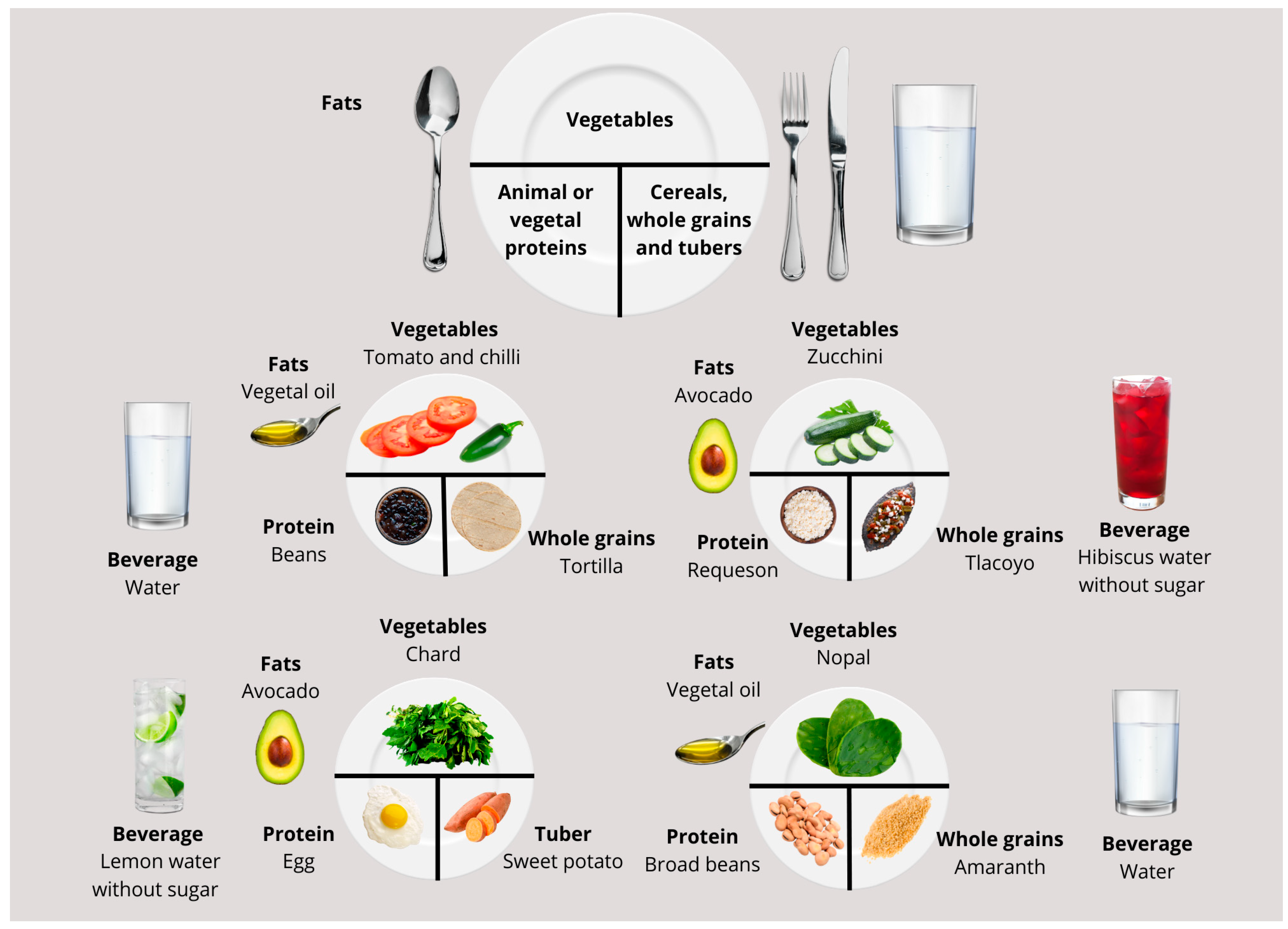
Figure 2.
Examples of snacks using traditional foods of the milpa diet.
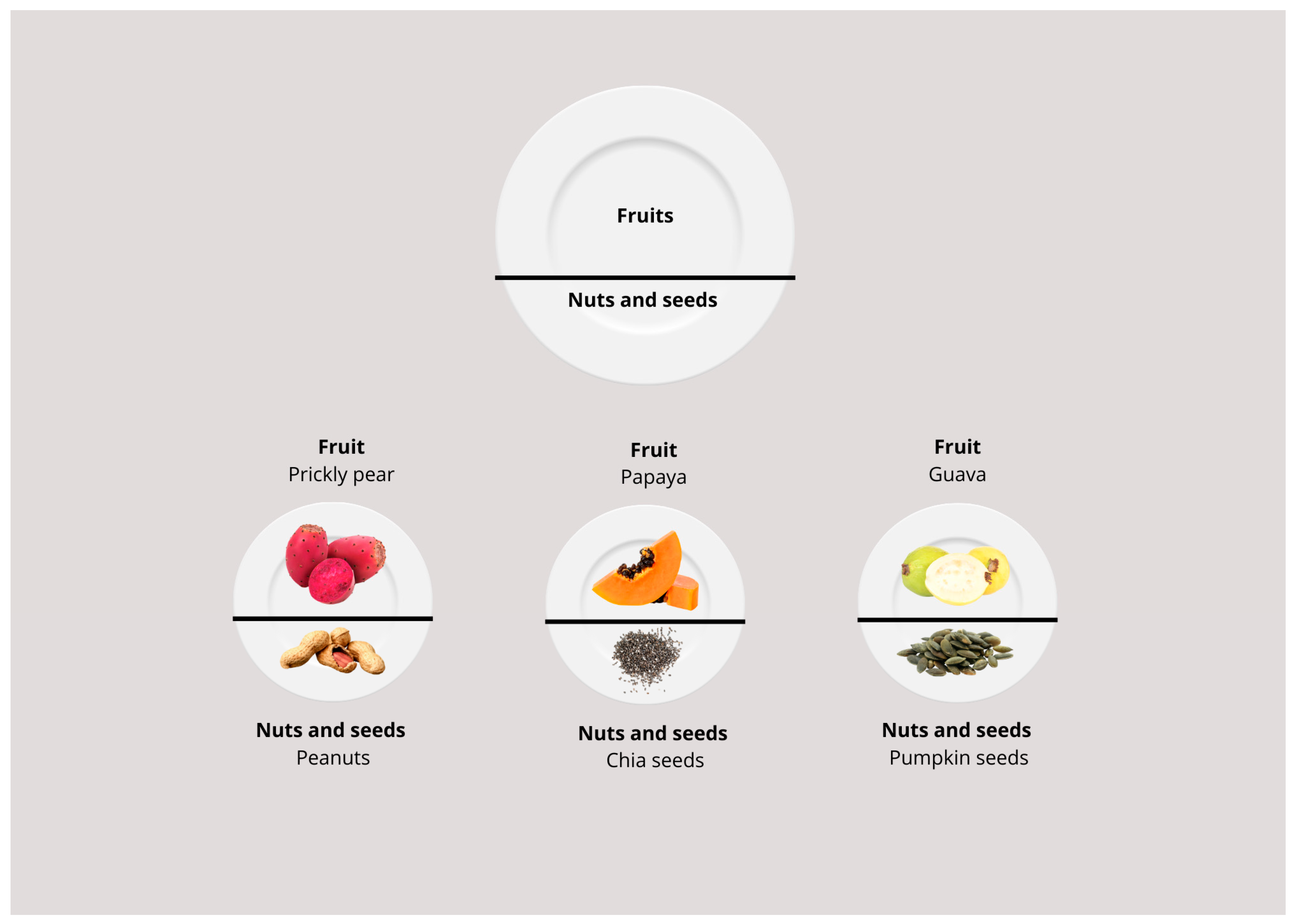

Table 1.
Main characteristics of the Milpa Diet and the Western Diet.
| Aspect | Milpa Dieta | Western Diet |
|---|---|---|
| Origin | The traditions of Mesoamerica are based on the millenial agricultural system. | Predominant in industrialized countries, characterized by consuming processed and ultra-processed foods. |
| Characteristic foods | Corn, beans, squash, chili, chili, quelites, tomato, amaranth, ricotta cheese. | Red meats, ultra-processed products, refined flours, added sugars, full-fat dairy products. |
| Main source of proteins | Legumes (beans), insects, ricotta cheese and lean meats | Red meats, sausages, full-fat dairy products and animal proteins |
| Predominant carbohydrates | Nixtamalized corn and amaranth | Refined flours and added sugars |
| Fats | Predominantly unsaturated (seeds, avocado, zucchini, sunflower oil). | High in trans and saturated fats |
| Fiber | High in fiber (whole grains, vegetables, pulses). | Low in fiber (diets high in processed and refined foods). |
| Caloric density | Moderate, based on natural and minimally processed ingredients. | High, with rich calorie load from fats and sugars. |
| Health impact | Promotes cardiovascular health, prevents metabolic diseases by reducing adipose tissue at the central level. | Linked to obesity, type 2 diabetes, hypertension and cardiovascular disease. |
| Sustainability | Environmentally friendly, based on local production and polycultures. | High environmental impact due to meat consumption and intensive monoculture. |
| Food processing | Minimal, fresh and natural food. | High, with additives, preservatives and excess sodium. |
Table 2.
Sources of carbohydrates and fiber in the Milpa Diet.
| Food group | Components |
|---|---|
| Whole grains and tubers | Corn, amaranth, oats, sweet potato, cassava, chayotextle, or chinchayote. |
| Vegetables | Nopales, quelites, quintoniles, purslane, green beans, romeritos, huauzontle, tomato, citlali tomato, tomatillo, miltomate, chili peppers, bell peppers, squash, chayote, mushroom, chilacayote, colorines, izote flower, jicama, watercress, chaya, huitlacoche, achiote, epazote, vanilla, acuyo, mushrooms, and allspice, among others. |
| Legumes, seeds, and oilseeds | Beans, fava beans, chia seeds, chocolate, peanuts, pumpkin seeds |
| Fruits | Soursop, prickly pear, papaya, black zapote, chicozapote, mamey, guava, tejocote, capulín, pineapple, anona, xoconostle, cherimoya, nance, berries, yellow plum, and pitahaya. |
Taken and adapted from: [54].
Disclaimer/Publisher’s Note: The statements, opinions and data contained in all publications are solely those of the individual author(s) and contributor(s) and not of MDPI and/or the editor(s). MDPI and/or the editor(s) disclaim responsibility for any injury to people or property resulting from any ideas, methods, instructions or products referred to in the content. |
© 2025 by the authors. Licensee MDPI, Basel, Switzerland. This article is an open access article distributed under the terms and conditions of the Creative Commons Attribution (CC BY) license (http://creativecommons.org/licenses/by/4.0/).
Copyright: This open access article is published under a Creative Commons CC BY 4.0 license, which permit the free download, distribution, and reuse, provided that the author and preprint are cited in any reuse.


