Preprint
Review

This version is not peer-reviewed.

Effects of Omega-3 Supplementation in the Management of Patients with Chronic Kidney Disease: A Review of Literature

Submitted:

20 February 2025

Posted:

21 February 2025

You are already at the latest version

Abstract

Background/Objectives : Chronic kidney disease (CKD) is a progressive disease cha-racterised by an irreversible and gradual loss of renal function. Supplementation with polyunsaturated fatty acids is necessary to improve the health of patients with CKD. This review examines the efficacy of polyunsaturated fatty acids (PUFAs) and dietary sources particularly rich in omega-3 fatty acids on the development of renal function. It aims to assess the impact of omega-3 supplementation in the treatment of patients with CKD and nutritional disorders and to identify dietary sources rich in omega-3. The aim is to provide a better understanding of the impact of these treatments on CKD, complications and risk factors. Methods: We searched Google Scholar, PubMed and Web of Science databases and grey literature sources using keywords including but not limited to 'omega-3', 'po-lyunsaturated fatty acids', 'PUFAs', 'patients with chronic kidney disease', 'chronic kidney disease', 'CKD'. The other two search terms were 'nutritional disorders in chronic kidney disease' and 'dietary sources of PUFAs'. The search was conducted between December 2022 and February 2024. The results of the included trials were synthesised to provide an overview of the current management of chronic kidney di-sease (CKD). The methodological approach is based on the collection of relevant research articles, mainly from Africa and other countries. The main research question is: 'What is the effect of omega-3 fatty acids on patients' renal function? Results : The results show that the complications of chronic kidney disease (CKD), including nutritional disorders, are significant and require appropriate management. Based on a review of 223 articles, including 27 selected trials, this analysis highlights the anti-inflammatory, antioxidant and cardioprotective properties of omega-3 fatty acids. In addition, omega-3 fatty acids have a modest effect on reducing blood pres-sure, a factor that exacerbates kidney damage, and may reduce proteinuria, a common symptom of chronic kidney disease. Among the dietary sources of n-3 PUFAs, oily fish such as herring, mackerel, salmon, fresh sardines and fish roe are the best known, containing up to 1.5g of n-3 PUFAs per 100g, followed by oily fish containing between 0.5g and 1.5g. Local sources such as dried Cirina butyrospermi, commonly known as chitoumou, and various vegetables and leafy greens are also important sources of al-pha-linolenic acid (ALA ω3). Conclusion : This review underlines the importance of omega-3 supplementation in patients with chronic kidney disease (CKD) and highlights the need for appropriate management of vulnerable patients with complications and nutritional disorders. Further studies are needed to refine omega-3 treatment strategies for managing the consequences of renal failure. Nevertheless, n-3 PUFAs may offer an alternative in the prevention of chronic diseases, including complications associated with CKD.

Keywords: 
;  ;  ;  ;  

1. Introduction

Chronic kidney disease (CKD) is a progressive and irreversible decline in kidney function. CKD affects approximately 10 to 15% of the global adult population [1]. Its prevalence varies according to countries, and access to treatment depends on the socio-economic level of each country [2]. In 2019, more than one in ten adults suffered from kidney disease, representing nearly 850 million people worldwide [3]. In United States, the estimated prevalence of all stages of chronic kidney disease (CKD) is around 13%, affecting nearly 20 million Americans [4]. In contrast to developed countries, the exact prevalence of CKD in Africa is documented in only a few countries. In Côte d'Ivoire, the prevalence among patients admitted to internal medicine departments was 7.5% [5]. In Burkina Faso, the prevalence in hospital settings was estimated at 27.1% during the initial nephrology consultation in 2011 [6]. Recent data predict an increase of nearly 20% in kidney diseases over the next decade. Moreover, chronic kidney diseases (CKD) are now recognized as a global public health issue by WHO and other organizations due to their high prevalence, severity, and the substantial cost of their management [3,7]. In sub-Saharan Africa, most kidney diseases are diagnosed late, and their management continues to face organizational and financial challenges. This results in severe and adverse consequences on morbidity and mortality, with a high mortality rate [8]. Cardiovascular diseases (CVDs) are the leading cause of morbidity and mortality in CKD, accounting for approximately 40 to 70% of deaths in international registries [9]. Nutritional intervention studies conducted by several authors have demonstrated the benefits of fatty acids in reducing comorbidities associated with CKD [10,11]. Multiple studies on CKD patients have revealed that omega-3 consumption reduces blood triglyceride levels and platelet aggregation [12]. CKD is associated with an increased risk of hypertension (HTN) and myocardial infarction. Omega-3s help prevent the worsening of HTN and renal deterioration in CKD patients [13]. Omega-3 supplementation in CKD patients also has beneficial effects on levels of certain inflammatory factors [14,15,16]. Moreover, omega-3 polyunsaturated fatty acid (PUFAs) supplementation reduces oxidative stress in pre-terminal stage CKD patients by enhancing antioxidant enzymatic activity, such as superoxide dismutase (SOD), glutathione peroxidase, and catalase [17]. In summary, omega-3 fatty acid supplementation is associated with a significant reduction in the risk of kidney failure and delays its progression [18]. In Burkina Faso, as in the subregion, very few studies have reported the benefits of omega-3 supplementation in patients with CKD. This highlights the relevance of this study, whose general objective is to review (i) the nutritional disorders associated with CKD, (ii) the impact of omega-3 on renal function in patients and their contribution to improving the health and nutritional status of chronic kidney disease patients, and (iii) highlith dietary sources of PUFAs.

2. Methods

2.1. Search Strategy

This review looked at studies published in peer-reviewed journals between 2010 and 2024 concerning the value of omega-3 supplementation for patients with chronic kidney disease in Africa and elsewhere. It was carried out between December 2022 and February 2024. The main research question was: ‘Is dietary supplementation with omega-3 associated with a reduced risk of end-stage renal disease? How do omega-3s help to stabilise chronic renal failure?
Electronic databases, including PubMed, Google Scholar and Web of Sciences, as well as grey literature sources, were systematically searched until February 2024. The search strategy was conducted without any language or time period restrictions. Mesh terms were used for PubMed and article titles for the other databases. The search was conducted using the following terms: ‘Omega 3; polyunsaturated fatty acids; PUFAs; patients with chronic kidney disease; chronic kidney disease; CKD; CKD’ and the year range. The full search terms and syntax are shown in Table 1.

2.2. Selection of Studies and Quality Assessment

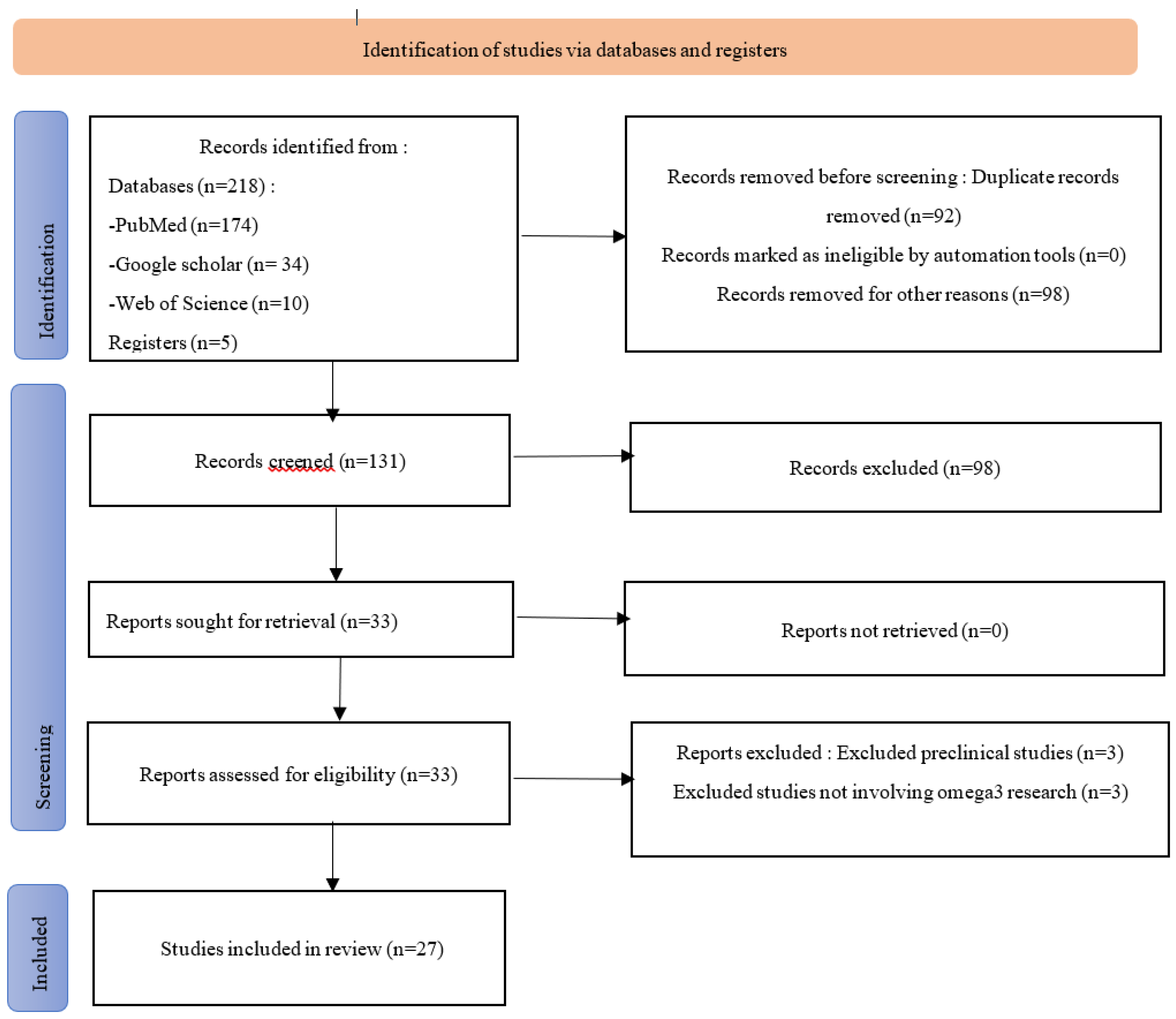
This review focused specifically on relevant published studies of clinical trials conducted on patients with chronic kidney disease. The methodological approach was based on the collection of reviews of publications available in African countries and elsewhere, on eligible studies, using multiple databases and sources of information, including grey literature sources. Duplicates were removed, followed by a manual search to identify and eliminate residual duplicates. Full-text articles were first extracted and checked by the authors, then irrelevant articles according to the criteria pre-established as part of the search question were excluded. Table 1 summarises the syntax and keywords used for the search, and Figure 1 summarises the diagram of article selection from the different databases used for the same research question. Finally, the other two research questions, namely nutritional disorders in CKD and dietary sources of PUFAs, were based on grey literature and previously selected articles that also included these questions.
All human clinical trials reporting the effect of omega-3 supplementation on cardiometabolic factors in chronic kidney disease patients were included in this literature review. Experimental studies, trials that used a combination of omega-3 and other interventions, and studies using olive oil or medium-chain triglyceride as placebo were excluded.

3. Results

This section presents the results of our literature search methodology and provides an overview of the studies included in the review. It provides a comprehensive assessment of the effects of omega-3 supplementation in the management of patients with chronic kidney disease.

3.1. Results of the Literature Search

The initial search process yielded a comprehensive set of 223 studies from various databases. Following this initial collection, duplicate records were identified and removed, amounting to 92 duplicates. In addition to these exclusions, ineligible records flagged by the automation tools were also eliminated, amounting to a further 98 records. After applying these exclusions, 33 studies were retained for the selection phase. During the selection process, 6 studies were excluded because their content did not meet the criteria for inclusion in the review. Indeed, after assessment of eligibility, 6 of these studies were excluded: 3 preclinical studies not relevant to the research question and 3 studies not focusing on omega 3 as required. Subsequently, 27 studies were selected for in-depth review and evaluation. Following this assessment, these 27 studies were deemed appropriate and were included in the final review. No additional reports from the included studies were omitted from the final review. All studies underwent a rigorous quality assessment using the COCHRANE manual for intervention evaluations. This assessment covered selection bias, performance bias, detection bias, attrition bias and reporting bias. It should be noted that no studies were excluded due to bias reported in our quality assessment, meaning that all studies met the minimum quality standards set out in our inclusion criteria.

3.2. Nutritional Disorders in CKD (Chronic Kidney Disease)

Chronic kidney disease (CKD) presents serious public health issues, particularly due to the associated metabolic and nutritional complications. These nutritional disorders, which include malnutrition, anemia, mineral and electrolyte, imbalances, dyslipidemia, hypertension, and water-sodium overload, among others have a key role in the worsening morbidity and mortality among patients. As a result, these factors collectively lead to end-stage renal disease [1,19]. A thorough understanding of these disorders is crucial to optimizing nutritional care in this specific population [20].

3.2.1. Undernutrition

Protein-energy malnutrition (PEM) is a common nutritional disorder in patients with chronic kidney disease (CKD), affecting up to 40% of individuals on dialysis. This imbalance results from a discrepancy between nutritional intake and increased metabolic demands due to chronic inflammation, protein loss in urine, and dietary restrictions. According to recent studies [21], PEM significantly increases the risks of hospitalization and mortality in these patients. It manifests as weight loss, reduced muscle mass, and decreased protein reserves, which worsen the patients' overall health and compromise their quality of life.

3.2.2. Mineral and Electrolyte Imbalances

Renal dysfunction leads to disturbances in mineral metabolism, notably hyperphosphatemia, hyperkalemia, and hypocalcemia. Hyperphosphatemia, associated with phosphate retention, is particularly dangerous as it contributes to the development of secondary hyperparathyroidism and vascular calcification.[22], highlighted that these imbalances can exacerbate cardiovascular complications, the leading cause of death in patients with chronic kidney disease (CKD). Hypocalcemia, in turn, promotes bone disorders such as renal osteodystrophy.

3.2.3. Lipid Metabolism Abnormalities

Patients with CKD often present lipid metabolism abnormalities, including an increase in triglycerides and a decrease in HDL cholesterol. This dyslipidemia is associated with an increased risk of cardiovascular diseases. According to [23]), chronic inflammation and oxidative stress play a central role in these disturbances. Managing dyslipidemia is crucial to reduce the risk of cardiovascular complications, one of the leading causes of mortality in these patients.

3.2.4. Appetite Disorders and Weight Loss

Systemic inflammation and hormonal imbalances, such as those related to endocannabinoids, can lead to appetite loss in patients with CKD. [24], showed that altered levels of these compounds negatively influence appetite, leading to reduced food intake and unintended weight loss. This phenomenon exacerbates malnutrition and worsens the patients' clinical condition, thereby increasing their vulnerability to complications.

3.2.5. Nutritional Strategies for Patients with CKD

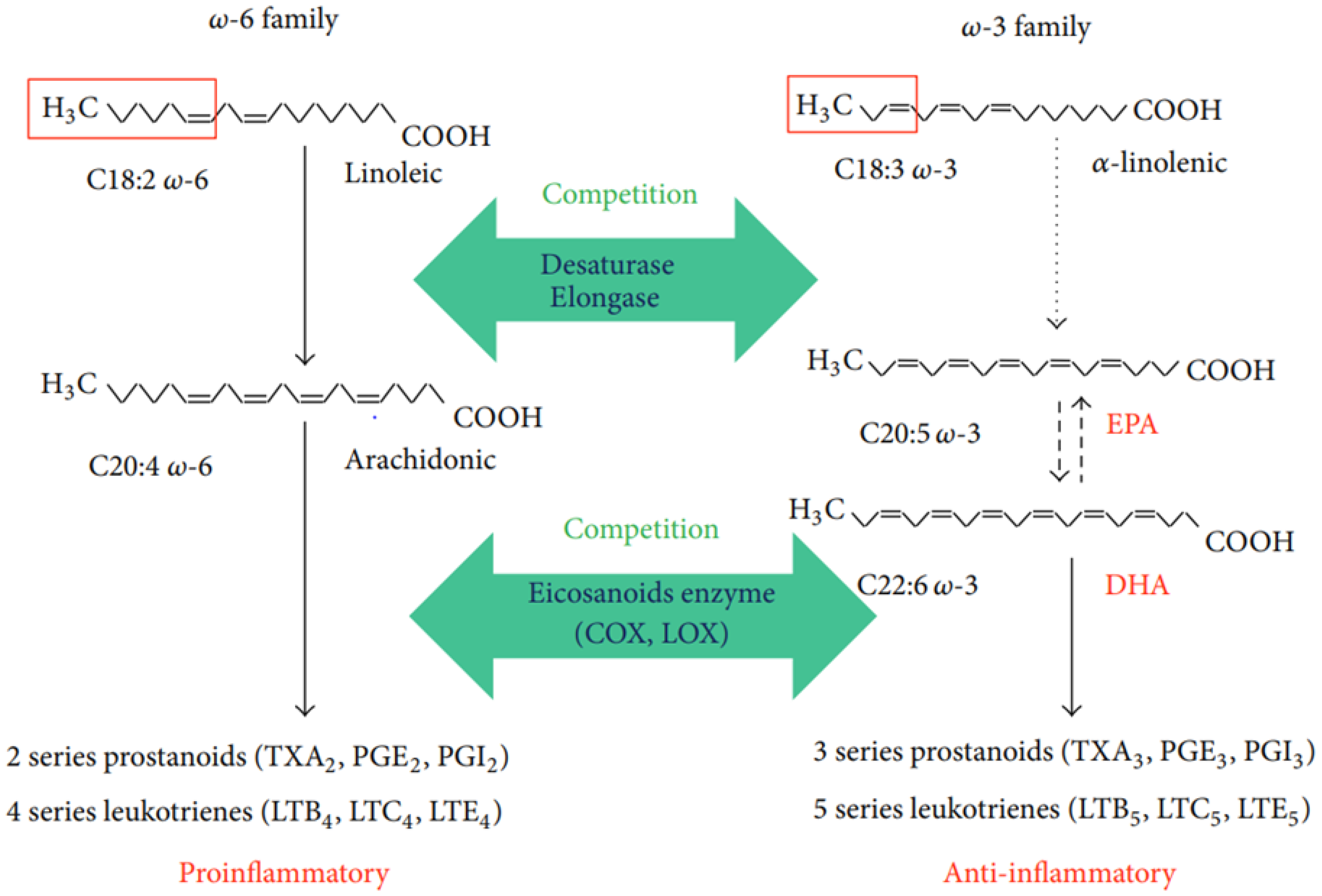
Managing protein intake is essential in patients with CKD. An excessive intake can worsen the accumulation of nitrogenous waste, while an insufficient intake can promote malnutrition. A moderate protein intake is recommended, adjusted according to the stage of the disease and the need for dialysis [22]. Close monitoring of potassium, phosphorus, and calcium intake is crucial to prevent imbalances. The restriction of foods high in phosphorus, which is often necessary, can be compensated by the use of phosphate binders. Recent studies have shown that these strategies can slow the progression of bone and cardiovascular disorders associated with CKD [23]. In cases of severe malnutrition, oral or enteral supplementation may be indicated. [25] suggest that supplementation with PUFAs, such as omega-3s, can improve nutritional status and reduce inflammation in patients with CKD. Figure 2 presents the biochemical pathways of synthesis of ω-6 and ω-3 fatty acids.
The use of appetite stimulants or specific nutritional interventions can help alleviate appetite disturbances. [25] highlighted the role of endocannabinoid modulators in regulating appetite, paving the way for new therapies to improve food intake in these patients.

3.3. Effects of Omega-3 on Kidney Function in Patients and Their Contribution to Improving the Health and Nutritional Status of Patients with Chronic Kidney Disease

The following Table 2 summarizes the effects of omega-3 on kidney function in patients and their contribution to improving the health and nutritional status of patients with chronic kidney disease. The included studies were n=27.

3.4. Roles and Dietary Sources of PUFAs

Other roles of PUFAs
Essential fatty acids are particularly important nutrients for human development and health. Omega-3 polyunsaturated fatty acid (PUFA n-3) therapy has proven promising for the primary and secondary prevention of cardiovascular diseases [46]. All databases consulted on the role of PUFAs agree on the indispensable need for their consumption, both in humans and in animal feed. Table 3 below summarizes the main roles of polyunsaturated fatty acids, particularly omega-3s, along with the associated authors.
Omega-3 fatty acids, particularly found in fatty fish and certain vegetable oils, are recognized for their numerous health benefits due to their anti-inflammatory properties and regulatory effects on various physiological processes.
Regulation of inflammation and general well-being
Chronic inflammation is often linked to serious health disorders, such as cardiovascular diseases, cancer, and neurodegenerative disorders. Studies conducted by [49,67], show that omega-3 fatty acids, particularly EPA and DHA, have powerful anti-inflammatory effects that help prevent well-being impairments associated with inflammation. These anti-inflammatory properties are crucial for limiting the progression of chronic diseases and improving quality of life.
Support for cardiovascular health and cancer prevention
The cardiovascular health benefits of omega-3 fatty acids are well-documented. Studies by Mori (2017) [53], Bauchart et al. (2010), et Calvo et al. (2017) [52,53,68] highlight the effects of omega-3s on regulating blood pressure and preventing certain cancers, including breast cancer. By promoting cell membrane fluidity and reducing inflammation, these fatty acids lower the risks of hypertension and blood clot formation, while also playing a protective role against cancer cells.
Effects on Chronic Inflammatory Diseases, Neurodegenerative Diseases, and Mental Health
Omega-3 fatty acids are essential for managing chronic inflammatory and neurodegenerative diseases, as well as for mental health. Studies reported [49,55,56,57], show that these fatty acids reduce oxidative stress through components like astaxanthin, while regulating inflammatory processes involved in diseases such as depression, multiple sclerosis, Alzheimer’s disease, and epilepsy. Additionally, they provide protection against embolisms and rupture of cerebral arterial plaques, thereby reducing the risk of neurodegenerative diseases. By improving mental health and reducing neuroinflammation, omega-3s help prevent cognitive decline and age-related neuropsychiatric disorders [62,63].
Improvement of Lipid and Carbohydrate Metabolism
In terms of metabolism, omega-3 fatty acids have beneficial effects on triglyceride levels and liver function, as reported by [58,59]. They work by regulating nuclear receptors and genes involved in the management of fats and sugars, thereby reducing the risk of metabolic diseases, including non-alcoholic fatty liver disease.
Brain Development and Cognitive Function
The importance of omega-3 fatty acids for brain development, particularly in children, is highlighted by[60]. These fatty acids are essential components of brain cell membranes and contribute to the proper development of neurons and the improvement of cognitive functions. Additionally, they play an important role in managing behavioral disorders in children.
Improvement of Eye Health and Cell Membranes
Omega-3 fatty acids, particularly DHA, are fundamental components of cell membranes, especially in the brain and retina. According to [51,58], these fatty acids provide essential physicochemical properties to the membranes, contributing to good vision and reducing the risk of age-related macular degeneration.

3.5. Dietary Sources of PUFAs

With the growing interest in the potential effects of n-6 and n-3 fatty acids in early life, there is a need for data on dietary intake of polyunsaturated fatty acids (PUFAs) in low-income countries, particularly in Burkina Faso [69]. A study conducted in 13 low- and middle-income countries based on national food balance sheets from the United Nations Food and Agriculture Organization (FAOSTAT) statistical database showed a low content of fatty acids in populations primarily following a plant-based diet, but higher in countries where fish is consumed (FAOSTAT, 2010). Moreover, per capita intake of fats and n-3 fatty acids increases significantly with higher Gross Domestic Product (GDP). In most of the 13 countries included in the study, including Burkina Faso, 70 to 80% of PUFA intake comes from cereals and vegetable oils, some of which have very low levels of alpha-linolenic acid (ALA), a precursor of omega-3 [69].
Nutritional Recommendations
The recommended dietary intakes (RDI) for humans were established in 2001 by AFSSA and revised in 2010 by ANSES. These RDIs are based on scientific data assessing the role of polyunsaturated fatty acids (PUFAs) in various body functions. They aim to meet physiological fat requirements while preventing certain pathologies. For adults, it is recommended that fats represent between 35 and 40% of total energy intake (TEI), compared to 33% previously, for a healthy individual consuming 2,000 kcal/day. This increase aims to ensure adequate omega-3 intake. The daily intake of linoleic acid (LA, n-6) should represent 4% of TEI, and alpha-linolenic acid (ALA, n-3) should account for 1%. Intakes of EPA and DHA, essential for brain and cardiovascular health, are often insufficient. A daily intake of 250 mg of DHA and 500 mg of EPA + DHA is now recommended. Furthermore, due to the imbalance between n-3 and n-6 fatty acids, the RDIs recommend a n-6/n-3 ratio of less than 5%. From a preventive perspective, the nutritional recommendations in Table 4 relate to the risks of developing age-related deficiencies.
Table 5 below shows the daily recommendations for PUFAs, in particular linolenic acid and EPA +DHA for men from infancy to adulthood, according to AFSSA.
Some Food Sources Rich in PUFA-3
Fatty acids (FAs) are supplied by our diet through plant sources (seeds, oilseeds, oils) and animal sources (fish, eggs, cheeses, meats). They are also found in processed products such as pastries and chocolate bars. The distribution of different types of fatty acids varies according to the food. ANSES has listed the proportion of saturated fatty acids (SFAs), monounsaturated fatty acids (MUFAs), and polyunsaturated fatty acids (PUFAs) in these foods.[71]
PUFAs are primarily found in certain cold-pressed virgin plant oils and are less frequent in animal sources, but marine products, particularly fish oil, are an exception. As mentioned, PUFAs are divided into two families: omega-3 (n-3) and omega-6 (n-6), with their precursors mostly being of plant origin. The precursor of omega-6, linoleic acid (LA), is mainly found in grape seed oil and sunflower oil (64 g and 56 g per 100 g of oil, respectively). Alpha-linolenic acid (ALA), the precursor of omega-3, is primarily found in flaxseed oil, chia seeds, and walnut oil (53 g, 18 g, and 12 g per 100 g of oil, respectively), as well as in oilseeds and nuts. ALA and LA are very rarely present in animal-derived products. Table 6 shows the content of polyunsaturated fatty acids per 100 g of raw materials.
Table 7 shows the contribution of food groups to total long-chain n-3 PUFAs in descending order
Some Local Sources Rich in Omega-3 Fatty Acids
According to studies reported by [73], some local sources have a good content of omega-3 fatty acids (AGPI) and a satisfactory ω6/ω3 ratio that complies with the WHO recommendations (between 5 and 10). The chitoumou or dried shea caterpillar (Cirina butyrospermi) and leafy vegetables are the most concentrated sources of alpha-linolenic acid (ALA ω3), with about 31.1% for chitoumou and an average of 50% for leafy vegetables. There is also the improved amaranth-fish sauce and teff, which present a relatively low ω6/ω3 ratio of 8.9 and 5.8, respectively[74]. Sauces and dried fish have a higher ratio than the recommended one (ω6/ω3 = 12) but are still considered satisfactory. For other sauces, although they provide the recommended lipid intake, they do not supply enough omega-3s to properly balance essential fatty acids (with a very high ω6/ω3 ratio). Using an oil richer in omega-3s for preparations could be an alternative to address this deficit. Table 8 illustrate the fatty acid composition of local dishes analyzed in Burkina Faso.

4. Discussion

Chronic kidney disease (CKD) is associated with numerous metabolic and nutritional complications that directly affect the quality of life and survival of patients. Patients with CKD are particularly vulnerable to nutritional disorders, primarily due to the dietary restrictions needed to manage complications related to the accumulation of uremic toxins, electrolyte imbalances, and metabolic dysregulations. Nutritional disorders, such as protein-energy malnutrition, mineral imbalances, appetite disturbances, and lipid metabolism anomalies, are key factors that exacerbate the morbidity and mortality of patients.
The nutritional management of CKD patients requires the prescription of a diet based on the energy and protein needs and the management of each patient’s mineral disturbances [21]. Protein-energy malnutrition (PEM) is widely recognized as one of the most serious nutritional disorders in CKD patients, especially in those undergoing hemodialysis. [22] reported that the prevalence of PEM in dialysis patients varies between 30 and 50%. This nutritional disorder is primarily caused by a decrease in food intake due to loss of appetite, severe dietary restrictions, and an increase in metabolic needs related to chronic inflammation. This leads to rapid depletion of protein and energy reserves, resulting in significant weight loss and reduced muscle mass. Protein-energy malnutrition in CKD patients has severe consequences. It increases the risk of infections and cardiovascular complications, contributing to high mortality. [75] emphasized that PEM compromises the immune system, making patients more vulnerable to infections. Moreover [76] demonstrates that malnutrition is an important and independent indicator of mortality in dialysis patients. These malnourished patients have an increased risk of hospitalization and complications such as infections or cardiovascular issues, worsening the morbidity and mortality associated with CKD and complicating disease management. Patients with chronic kidney disease (CKD) are particularly prone to electrolyte imbalances, mainly due to the kidneys' loss of ability to maintain mineral homeostasis. Among the most common imbalances are hyperphosphatemia, hyperkalemia, and hypocalcemia. Hyperphosphatemia, resulting from the accumulation of phosphates in the body, is associated with an increase in parathyroid hormone (PTH) and secondary hyperparathyroidism, both of which contribute to bone fragility and vascular calcification[23]. The latter is one of the main factors of cardiovascular morbidity in patients with CKD. A study by [77], showed that reducing hyperphosphatemia through dietary strategies and phosphate binders could significantly improve survival. Additionally, hyperkalemia is another common complication in CKD, resulting from the kidneys' inability to eliminate excess potassium. Elevated potassium levels can lead to potentially fatal cardiac arrhythmias, requiring specific monitoring and dietary restrictions [78]. Hypocalcemia, on the other hand, is associated with bone metabolism disorders and often requires calcium supplementation to stabilize blood levels. Dyslipidemia is another common nutritional problem observed in patients with chronic kidney disease (CKD). It is characterized by an increase in triglycerides and a decrease in HDL cholesterol (High-Density Lipoprotein) levels, thereby accelerating the risk of cardiovascular disease, a major complication of CKD [20]. Chronic inflammation and oxidative stress, common in CKD, are responsible for these lipid abnormalities. [24] highlighted that these disturbances increase the risk of cardiovascular diseases, the leading cause of death in patients with advanced CKD. Dietary interventions aimed at improving the lipid profile, such as increasing the intake of polyunsaturated fatty acids (PUFAs), particularly omega-3s, have shown beneficial effects on reducing triglycerides and improving inflammatory markers [26]. These nutritional interventions can thus help reduce the cardiovascular risks associated with CKD. Appetite disorders are a common complication in patients with chronic kidney disease (CKD), resulting from complex mechanisms involving hormonal, inflammatory, and neural mediators. [25] demonstrated that altered levels of endocannabinoids, which regulate appetite and satiety, can lead to a significant decrease in food intake in these patients. Loss of appetite, often exacerbated by severe dietary restrictions and chronic inflammation, directly contributes to protein-energy malnutrition. Furthermore, the accumulation of uremic toxins in the blood further reduces appetite, creating a vicious cycle of malnutrition and weight loss. These nutritional complications require early interventions to prevent rapid deterioration of the patients' overall health.
Managing protein intake in CKD patients is a key component of nutritional strategies. It is important to find a balance between providing sufficient protein to avoid malnutrition and moderating intake to limit the accumulation of nitrogenous waste products.[22] recommended moderate protein restriction for non-dialyzed CKD patients, while patients undergoing dialysis may benefit from a higher protein intake to compensate for protein losses related to the dialysis procedure.
Strict control of potassium, phosphorus, and calcium intake is crucial to prevent electrolyte imbalances. [23] showed that phosphorus restriction, often necessary in these patients, could be effectively compensated for with phosphate binders and dietary adjustments. Calcium supplementation may also be indicated to correct hypocalcemia and prevent bone complications. In cases of severe malnutrition, nutritional supplementation, either orally or enterally, may be required. [26] suggested that supplementation with omega-3s and other anti-inflammatory nutrients could improve nutritional status and reduce inflammatory cytokine levels in CKD patients. Additionally, specific dietary products, such as solutions containing essential amino acids, may be used to limit the accumulation of toxins while maintaining adequate protein intake. To mitigate appetite loss, pharmacological interventions, such as appetite stimulants, or specific nutritional approaches, can be implemented. [25] demonstrated that modulating the hormonal systems regulating appetite could pave the way for innovative therapies capable of improving food intake and reducing malnutrition in this vulnerable population. Nutritional disorders in CKD patients are diverse and complex, with serious consequences on health and quality of life. Protein-energy malnutrition, electrolyte and mineral imbalances, and lipid metabolism abnormalities increase morbidity and mortality among patients. Personalized nutritional management, tailored to the specific needs of patients and the progression of the disease, is essential for improving clinical outcomes. Recent advances in research on nutritional supplements and specific interventions to improve appetite are paving the way for more targeted treatments for these patients.
Polyunsaturated fatty acids (PUFAs), particularly omega-3s, have garnered increasing interest in the management of chronic diseases, including chronic kidney disease (CKD). CKD characterized by the progressive deterioration of kidney function, is often associated with cardiovascular, inflammatory, and metabolic complications. Recent studies have shown that PUFA supplementation can have beneficial effects on various parameters related to kidney function and the quality of life of CKD patients. One of the major contributions of omega-3 PUFAs in CKD is their ability to improve endothelial function and promote vasodilation. Endothelial dysfunction is common in CKD patients and is associated with an increased risk of cardiovascular complications. Asemi et al. (2016) showed that omega-3 supplementation improves vasodilation by increasing nitric oxide (NO) levels and antioxidant capacity. This is corroborated by (32)[29], who observed a reduction in vascular oxidative stress after omega-3 PUFA intervention in rats, a key factor in protecting against vascular damage. These studies suggest that PUFAs improve vascular integrity and reduce the risk of endothelial dysfunction, a central aspect in managing the cardiovascular health of CKD patients. Furthermore, [32] demonstrated similar results by highlighting a significant improvement in antioxidant markers, which has important implications for protecting against oxidative damage that accelerates the progression of CKD. Inflammation is a key component of the pathology of chronic kidney disease (CKD). Several studies show that omega-3 polyunsaturated fatty acid supplementation leads to a significant reduction in inflammatory markers such as C-reactive protein (CRP), interleukin-6 (IL-6), and TNF-α. These results are supported [23], who demonstrated that omega-3s reduce not only CRP levels but also those of interleukin-6 (IL-6), an important marker of systemic inflammation. [28] observed a reduction in high-sensitivity CRP levels after omega-3 supplementation, while [33] highlighted a decrease in CRP and TNF-α levels. This reduction in inflammatory markers is crucial, as chronic inflammation is strongly linked to the progression of CKD and cardiovascular complications. All of these studies suggest that the modulation of inflammation by omega-3 polyunsaturated fatty acids could play a key role in slowing the progression of CKD and improving long-term clinical outcomes. Another beneficial effect of omega-3s is the improvement of the lipid profile. They help reduce triglycerides and LDL, while potentially increasing HDL.[37] showed a reduction in triglycerides and LDL in patients with end-stage chronic kidney disease (CKD), which is essential for slowing the progression of the disease and reducing the risk of cardiovascular diseases. At the same time, [36] reported a significant decrease in total cholesterol and triglycerides after 16 weeks of omega-3 polyunsaturated fatty acid supplementation, further supporting the idea that these fatty acids can have a beneficial impact on lipid metabolism in CKD. Omega-3s can also improve the quality of life for patients with chronic kidney disease (CKD) by reducing specific symptoms associated with this condition. For example,[35] showed a reduction in pruritus symptoms in patients undergoing dialysis. Furthermore, [32] ont constaté une réduction des symptômes dépressifs chez les patients hémodialysés après supplémentation en oméga-3. This is particularly relevant as depression is a common issue among CKD patients, often exacerbated by the burden of the disease and intensive treatments. These results suggest that omega-3s can improve not only biological parameters but also psychological well-being and overall quality of life. The effects of polyunsaturated fatty acids (PUFAs) on the progression of chronic kidney disease (CKD) show somewhat mixed results. [78] found that patients with CKD and diabetes who had a low intake of linolenic acid (omega-3 PUFA) experienced a faster progression of kidney disease. However, some studies suggest that omega-3s may slow down this progression. [41] reported a significant reduction in the risk of vascular access failure in dialysis patients after PUFA supplementation, suggesting an indirect protective effect on kidney function. However, other studies, such as the systematic review by [22] highlighted more nuanced results, emphasizing that uncertainties still exist regarding the direct effects of PUFAs on the progression of CKD. This indicates that although PUFAs have therapeutic potential, their direct impact on kidney function still requires further investigation. Other beneficial effects include the reduction of serum creatinine [24], energy intake through the reduction of protein-energy malnutrition (PEM) [22], attenuation of renal damage induced by sodium arsenate [26], improvement of appetite related to endocannabinoids (25), anti-inflammatory effects, and effects on coagulation markers [45]. [29] showed that omega-3s reduce vascular oxidative stress, a contributing factor to renal dysfunction. Finally, [44] observed that low levels of PUFAs are associated with higher mortality in patients with chronic kidney disease (CKD). Polyunsaturated fatty acids, particularly omega-3s, have beneficial effects on various aspects of renal and cardiovascular function in patients with chronic kidney disease (CKD). The main actions include improving endothelial function, reducing inflammation and blood lipids, as well as enhancing the quality of life of patients. Although the results on CKD progression are more nuanced, the data suggest that omega-3 supplementation could offer a complementary strategy for managing patients with CKD, improving both biological parameters and quality of life.
Polyunsaturated fatty acids (PUFAs), particularly omega-3 and omega-6, are essential for maintaining human health, and their presence varies according to dietary sources. Linoleic acid (18:2 n-6) and alpha-linolenic acid (18:3 n-3), plant-derived precursors of omega-6 and omega-3 PUFAs, respectively, compete for the same enzymes that convert them into 20- and 22-carbon PUFAs. As a result, their optimal intake levels are mutually dependent. Omega-3 PUFAs are primarily found in plant-based foods such as seeds, nuts, and certain oils. For example, vegetable oils like flaxseed, chia, and walnut oils are particularly rich in alpha-linolenic acid (ALA), a precursor of omega-3s. This precursor is essential because it must be obtained through the diet, as the human body cannot synthesize it directly [58]. Saturated fatty acids (SFAs), primarily found in animal products and certain vegetable oils such as palm oil, are associated with an increased risk of cardiovascular diseases, diabetes, and obesity when consumed in excess [79]. Monounsaturated fatty acids (MUFAs), present in olive, hazelnut, and rapeseed oils, play a role in lipid regulation and have beneficial effects on the cardiovascular system, particularly within the context of a Mediterranean-type diet. Studies show that this diet, rich in MUFAs, reduces the risks of cancer and cardiovascular diseases due to significant antioxidant properties [52,53]. In low-income countries like Burkina Faso, omega-3 PUFAs are primarily sourced from staple foods such as chitoumou (Cirina butyrospermi) and leafy vegetables, which are rich in ALA. These foods represent important local sources of omega-3s, helping to meet the omega-6/omega-3 ratios recommended by the WHO (between 5 and 10) [69]. However, processed foods and local dishes, while providing essential lipids, are often deficient in omega-3s, resulting in a high omega-6/omega-3 ratio, which is unsuitable for maintaining a proper lipid balance [73]. A simple and feasible solution would be to prioritize local oils richer in omega-3s for culinary preparations to reduce this lipid imbalance. The consumption of sauces, often combined with local oils or animal-derived ingredients such as dried fish, contributes to lipid intake but may also lead to high ω6/ω3 ratios. For example, dishes such as amaranth-fish sauce and preparations including teff reach a satisfactory ω6/ω3 ratio, while other sauces, although they meet lipid requirements, remain deficient in omega-3 [74]. The use of ingredients such as leafy vegetables and seafood, along with local oils rich in omega-3s, could enhance the intake of ALA, EPA, and DHA in traditional dishes. Omega-3 PUFAs are particularly important in a balanced diet. In countries like Burkina Faso, where the diet is largely plant-based, local sources of ALA, such as chitoumou and leafy vegetables, play a crucial role. However, adjustments in culinary habits, particularly through the use of omega-3-rich oils, could address the deficit in omega-3 PUFAs, improving nutritional quality and contributing to the prevention of cardiovascular diseases, inflammatory diseases, including CKD.
Recent research consistently demonstrates the role of adequate omega-3 polyunsaturated fatty acid (PUFA) intake in the prevention of several diseases, particularly cardiovascular diseases. Moreover, data from Rahmawaty et al.'s study support the notion that increasing long-chain omega-3 PUFA intake significantly reduces early-age risk factors for cardiovascular diseases [79].

5. Conclusions

Over the past decade, two main approaches have been identified to prevent the progression of chronic kidney disease (CKD): one dietary and the other pharmacological. The dietary approach primarily focuses on protein intake restriction and a low-fat diet... Undoubtedly, good nutrition is a key factor in maintaining good health. Nutritional disorders in CKD are complex and multifactorial, requiring a comprehensive approach to limit disease progression and improve patients' quality of life. Abnormalities in protein, lipid, mineral, and glucose metabolism are common in CKD patients. However, nutritional strategies, particularly the intake of omega-3 PUFAs, offer promising prospects. Omega-3 PUFAs, in addition to improving the lipid profile, have anti-inflammatory and protective effects on kidney function, making them a key element in the nutritional management of CKD. All the studies included in this review highlighted the indispensable role of polyunsaturated fatty acids (PUFAs) in the treatment of chronic kidney disease. However, it is crucial for healthcare professionals to raise public awareness about the importance of a balanced and tailored diet to ensure optimal preventive well-being. Local sources provide opportunities for omega-3 PUFA intake, but a Mediterranean-style diet that includes marine products offers greater diversity.

Authors Contributions

For research articles with several authors, a short paragraph specifying their individual contributions must be provided. THL prepared the initial protocol, conducted the searches, selected the documents by title, abstract and full text and then prepared the manuscript. THL and WJK selected the abstracts. GS, SB, FG and WJK provided expertise and support in drafting the manuscript and reviewed and commented on the final version. FBH, GC and AS provided expertise and support in drafting the final manuscript.

Funding

This research received no external funding

Conflicts of Interest

The authors declare no conflicts of interest.

References

  1. Gansevoort RT, Correa-Rotter R, Hemmelgarn BR, Jafar TH, Heerspink HJL, Mann JF, et al. Chronic kidney disease and cardiovascular risk: epidemiology, mechanisms, and prevention. The Lancet. juill 2013;382(9889):339-52.
  2. Chouckroun, G. Définition et Epidémiologie en France ; Registre de l’Epidémiologie et l’Information en Néphrologie (R.E.I.N). Néphrol Ther. 2013. [Google Scholar]
  3. Fondation du Rein. Des reins en bonne santé, pour tous et partout. Journée Mondiale du Rein. Académie nationale de médecine; Aviesan. 2019;(pp. 19-20). 16,.
  4. National Institutes of Heath. Renal Data System for National Institutes of Heath of Diseases and Kidney diseases US (NIH/US). 2006.
  5. Yao H, Konan S, AbuMweis S, Diopoh S, Diallo A. Prevalence and Risk Factors of Chronic Kidney Disease in Côte d’Ivoire : An Analytic Study Conducted in the Department of Internal Medicine,. University Hospital of Treichville, Abidjan. 2018.
  6. Coulibaly G, Guissou C, Lengani A. Primo-consultation néphrologique au Centre Hospitalier Universitaire Yalgado Ouedraogo de Ouagadougou (Burkina Faso). Néphrologie & amp;, page 369, Thérapeutique, Volume 7, n°5, (septembre) ; Doi : 101016/j.nephro2011072. 2011.
  7. Kouchner, B. Chronic renal insufficiency: towards a public health policy [Insuffisance rénale chronique: vers une politique de santé publique]. Presse Med., 2;31(4):165-6. 2002; Disponible sur: https://pubmed.ncbi.nlm.nih.gov/11865725/. [PubMed]
  8. Benja, Ramilitiana, Eliane Mikkelsen Ranivoharisoa, Mihary Dodo, Evanirina Razafimandimby, Willy. Une étude rétrospective sur l’incidence de l’insuffisance rénale chronique. PanAfrican Medicine Journal. 1re-6e – ISSN: 1937-8688 (www.panafrican-med-journal.com). éd. 2016.
  9. González, Rico M, Puchades MJ, García Ramón R, Saez G, Tormos MC, et al. Effect of oxidative stress in patients with chronic renal failure. Nefrologia. 26(2):218-25. 2006.
  10. Friedman, AN. Omega-3 fatty acid supplementation in advanced kidney disease. Semin Dial. 2010;23(4):396-400.
  11. Joseph F, Goenka N. The role of omega-3 fatty acids in cardiovascular disease, hypertriglyceridaemia and diabetes mellitus. Br J Diabetes Vasc Dis. 8:121. 2008.
  12. von Schacky, C. A Review of Omega-3 Ethyl Esters for Cardiovascular Prevention and Treatment of Increased Blood Triglyceride Levels. Vascular Health and Risk Management. 30 sept 2006;2(3):251-62.
  13. Mozaffarian, D. Fish, n-3 fatty acids, and cardiovascular haemodynamics. J Cardiovasc Med (Hagerstown). sept 2007;8 Suppl 1:S23-26.
  14. Leaf A, Xiao YF, Kang JX, Billman GE. Membrane effects of the n-3 fish oil fatty acids, which prevent fatal ventricular arrhythmias. J Membr Biol. juill 2005;206(2):129-39.
  15. Robinson JG, Stone NJ. Antiatherosclerotic and antithrombotic effects of omega-3 fatty acids. Am J Cardiol. 21 août 2006;98(4A):39i-49i.
  16. Bouzidi N, Mekki K, Boukaddoum A, Dida N, Kaddous A, Bouchenak M. Effects of omega-3 polyunsaturated fatty-acid supplementation on redox status in chronic renal failure patients with dyslipidemia. J Ren Nutr. sept 2010;20(5):321-8.
  17. Hu J, Liu Z, Zhang H. Omega-3 fatty acid supplementation as an adjunctive therapy in the treatment of chronic kidney disease: a meta-analysis. Clinics (Sao Paulo). 1 janv 2017;72(1):58-64.
  18. Vaziri ND, Norris K. Lipid Disorders and Their Relevance to Outcomes in Chronic Kidney Disease. Blood Purification. 10 janv 2011;31(1-3):189-96.
  19. Inker LA, Astor BC, Fox CH, Isakova T, Lash JP, Peralta CA, et al. KDOQI US commentary on the 2012 KDIGO clinical practice guideline for the evaluation and management of CKD. Am J Kidney Dis. mai 2014;63(5):713-35.
  20. Sabatino A, Regolisti G, Karupaiah T, Sahathevan S, Sadu Singh BK, Khor BH, et al. Protein-energy wasting and nutritional supplementation in patients with end-stage renal disease on hemodialysis. Clinical Nutrition. 1 juin 2016;36.
  21. Zakaria H, Mostafa T, El-Azab A, Elshahawy H, Sayed-Ahmed N, Sayed-Ahmed A, et al. The impact of fish oil and wheat germ oil combination on mineral-bone and inflammatory markers in maintenance hemodialysis patients: a randomized, double-blind, placebo-controlled clinical trial. 2021.
  22. Jabbari M, Khoshnevis T, Jenabi A, Yousefi F. The Effect of Omega-3 Supplement on Serum Lipid Profile in Patients Undergoing Hemodialysis: A Randomized Clinical Trial. Romanian Journal of Internal Medicine. 1 déc 2016;54(4):222-7.
  23. Friedman AN, Kim J, Kaiser S, Pedersen TL, Newman JW, Watkins BA. Association between plasma endocannabinoids and appetite in hemodialysis patients: A pilot study. Nutrition Research. juill 2016;36(7):658-62.
  24. Rizwan S, Naqshbandi A, Farooqui Z, Khan AA, Khan F. Protective effect of dietary flaxseed oil on arsenic-induced nephrotoxicity and oxidative damage in rat kidney. Food and Chemical Toxicology. juin 2014;68:99-107.
  25. Asemi Z, Soleimani A, Shakeri H, Mazroii N, Esmaillzadeh A. Effects of omega-3 fatty acid plus alpha-tocopherol supplementation on malnutrition–inflammation score, biomarkers of inflammation and oxidative stress in chronic hemodialysis patients. Int Urol Nephrol. nov 2016;48(11):1887-95.
  26. Eide IA, Reinholt FP, Jenssen T, Hartmann A, Schmidt EB, Åsberg A, et al. Effects of marine n-3 fatty acid supplementation in renal transplantation: A randomized controlled trial. Am J Transplant. mars 2019;19(3):790-800.
  27. Zanetti M, Gortan Cappellari G, Barbetta D, Semolic A, Barazzoni R. Omega 3 Polyunsaturated Fatty Acids Improve Endothelial Dysfunction in Chronic Renal Failure: Role of eNOS Activation and of Oxidative Stress. Nutrients. 18 août 2017;9(8):895.
  28. Borg M, Svensson M, Povlsen JV, Schmidt EB, Aalkjær C, Christensen JH, et al. Long chain n-3 polyunsaturated fatty acids and vascular function in patients with chronic kidney disease and healthy subjects: a cross-sectional and comparative study. BMC Nephrol. déc 2016;17(1):184.
  29. Buoite Stella A, Gortan Cappellari G, Barazzoni R, Zanetti M. Update on the Impact of Omega 3 Fatty Acids on Inflammation, Insulin Resistance and Sarcopenia: A Review. IJMS. 11 janv 2018;19(1):218.
  30. Gharekhani A, Khatami MR, Dashti-Khavidaki S, Razeghi E, Noorbala AA, Hashemi-Nazari SS, et al. The effect of omega-3 fatty acids on depressive symptoms and inflammatory markers in maintenance hemodialysis patients: a randomized, placebo-controlled clinical trial. European journal of clinical pharmacology. 2014;70:655-65.
  31. Hu C, Yang M, Zhu X, Gao P, Yang S, Han Y, et al. Effects of Omega-3 Fatty Acids on Markers of Inflammation in Patients With Chronic Kidney Disease: A Controversial Issue. Ther Apher Dial. avr 2018;22(2):124-32.
  32. Lee SM, An WS. Cardioprotective Effects of ω -3 PUFAs in Chronic Kidney Disease. BioMed Research International. 2013;2013:1-8.
  33. Panahi Y, Dashti-Khavidaki S, Farnood F, Noshad H, Lotfi M, Gharekhani A. Therapeutic Effects of Omega-3 Fatty Acids on Chronic Kidney Disease-Associated Pruritus: a Literature Review. Adv Pharm Bull. déc 2016;6(4):509-14.
  34. Ateya AM, Sabri NA, El Hakim I, Shaheen SM. Effect of Omega-3 Fatty Acids on Serum Lipid Profile and Oxidative Stress in Pediatric Patients on Regular Hemodialysis: A Randomized Placebo-Controlled Study. Journal of Renal Nutrition. mai 2017;27(3):169-74.
  35. Xu T, Sun Y, Sun W, Yao L, Sun L, Liu L, et al. Effect of omega-3 fatty acid supplementation on serum lipids and vascular inflammation in patients with end-stage renal disease: a meta-analysis. Sci Rep. 23 déc 2016;6(1):39346.
  36. Kalantar-Zadeh K, Tortorici AR, Chen JLT, Kamgar M, Lau WL, Moradi H, et al. Dietary Restrictions in Dialysis Patients: Is There Anything Left to Eat? Semin Dial. mars 2015;28(2):159-68.
  37. Hirahashi, J. Omega-3 Polyunsaturated Fatty Acids for the Treatment of IgA Nephropathy. JCM. 19 juill 2017;6(7):70.
  38. Roach LA, Lambert K, Holt JL, Meyer BJ. Diet quality in patients with end-stage kidney disease undergoing dialysis: Diet quality in patients with end-stage kidney disease undergoing dialysis. Journal of Renal Care. déc 2017;43(4):226-34.
  39. Viecelli AK, Pascoe E, Polkinghorne KR, Hawley C, Paul-Brent PA, Badve SV, et al. The Omega-3 fatty acids (Fish Oils) and Aspirin in Vascular access OUtcomes in REnal Disease (FAVOURED) study: the updated final trial protocol and rationale of post-initiation trial modifications. BMC Nephrol. déc 2015;16(1):89.
  40. Dos Santos ALT, Duarte CK, Santos M, Zoldan M, Almeida JC, Gross JL, et al. Low linolenic and linoleic acid consumption are associated with chronic kidney disease in patients with type 2 diabetes. Shearer G, éditeur. PLoS ONE. 9 août 2018;13(8):e0195249.
  41. Malhotra R, Cavanaugh KL, Blot WJ, Ikizler TA, Lipworth L, Kabagambe EK. Dietary polyunsaturated fatty acids and incidence of end-stage renal disease in the Southern Community Cohort Study. BMC Nephrol. déc 2016;17(1):152.
  42. Ouchi S, Miyazaki T, Shimada K, Sugita Y, Shimizu M, Murata A, et al. Decreased circulating dihomo-gamma-linolenic acid levels are associated with total mortality in patients with acute cardiovascular disease and acute decompensated heart failure. Lipids Health Dis. déc 2017;16(1):150.
  43. Kuwamura Y, Shoji T, Okute Y, Yamazaki Y, Motoyama K, Morioka T, et al. Altered Serum n-6 Polyunsaturated Fatty Acid Profile and Risks of Mortality and Cardiovascular Events in a Cohort of Hemodialysis Patients. Journal of Renal Nutrition. janv 2018;28(1):54-63.
  44. Gopinath B, Harris DC, Flood VM, Burlutsky G, Mitchell P. Consumption of long-chain n-3 PUFA, α-linolenic acid and fish is associated with the prevalence of chronic kidney disease. British Journal of Nutrition. mai 2011;105(9):1361-8.
  45. Lee & Hiramatsu. Role of n-3 series polyunsaturated fatty acids in cardiovascular disease prevention. Nutrition and Dietary Supplements. 93. 2011. [CrossRef]
  46. Layé S, Duffaud A. Brain Innate Immune System and Its Modulation by Diet: The Role of Polyunsaturated Fatty Acids. RR Watson, S Zibadi, et VR Preedy (Eds). Dietary Components and Immune Function, Humana press, sous presse. 2010.
  47. Saidaiah P, Banu Z, Khan AA, Geetha A, Somraj B. A comprehensive review of omega-3 fatty acids: Sources, industrial applications, and health benefits. AP [Internet]. juill 2024 [cité 13 oct 2024];13(1). Disponible sur: http://www.ukaazpublications.com/publications/? 1084.
  48. Scaioli, E, Liverani, E, Belluzzi, A. The Imbalance between n-6/n-3 Polyunsaturated Fatty Acids and Inflammatory Bowel Disease: A Comprehensive Review and Future Therapeutic Perspectives. IJMS. 2017;18, 2619.
  49. Bauchart, Dominique, Mylène Gobert, Mihaela Habeanu, Émilie Parafita, Dominique Gruffat, Denys Durand. Influence des acides gras polyinsaturés n-3 et des antioxydants alimentaires sur les acides gras de la viande et la lipoperoxydation chez le bovin en finition. Cahiers de Nutrition et de Diététique. 1 déc 2010;45(6):301-9.
  50. Calvo MJ, Martínez MS, Torres W, Chávez-Castillo M, Luzardo E, Villasmil N, et al. Omega-3 polyunsaturated fatty acids and cardiovascular health: a molecular view into structure and function. vp. 26 sept 2017;1(0):116-28.
  51. Mori, TA. Marine OMEGA-3 fatty acids in the prevention of cardiovascular disease. Fitoterapia. 1 nov 2017;123:51-8.
  52. Plissonneau C, Chassaing B, Capel F, Mairesse G, Chesneau G, Barnich N, et al. Effets bénéfiques d’une complémentation en lin sur le microbiote intestinal associé à la muqueuse dans un contexte de pathologies métaboliques. Nutrition Clinique et Métabolisme. 1 févr 2022;36(1, Supplement):S69.
  53. AbuMweis S, Jew S, Tayyem R, Agraib L. Eicosapentaenoic acid and docosahexaenoic acid containing supplements modulate risk factors for cardiovascular disease: a meta-analysis of randomised placebo-control human clinical trials. Journal of Human Nutrition and Dietetics. 2018;31(1):67-84.
  54. Calder, PC. Omega-3 polyunsaturated fatty acids and inflammatory processes: nutrition or pharmacology? British Journal of Clinical Pharmacology. 2013;75(3):645-62.
  55. Meyer JH, Cervenka S, Kim MJ, Kreisl WC, Henter ID, Innis RB. Neuroinflammation in psychiatric disorders: PET imaging and promising new targets. The Lancet Psychiatry. 1 déc 2020;7(12):1064-74.
  56. Lavialle M, Layé S. Acides gras poly-insaturés (omega 3, omega 6) et fonctionnement du système nerveux central. Innovations Agronomiques 10, 25-42. 2010 [cité 19 oct 2024]; Disponible sur: https://hal.inrae. 0266.
  57. Nichols PD, Petrie J, Singh S. Long-Chain Omega-3 Oils–An Update on Sustainable Sources. Nutrients. juin 2010;2(6):572-85.
  58. Tou JC, Altman SN, Gigliotti JC, Benedito VA, Cordonier EL. Different sources of omega-3 polyunsaturated fatty acids affects apparent digestibility, tissue deposition, and tissue oxidative stability in growing female rats. Lipids Health Dis. 14 oct 2011;10(1):179.
  59. Amen DG, Harris WS, Kidd PM, Meysami S, Raji CA. Quantitative Erythrocyte Omega-3 EPA Plus DHA Levels are Related to Higher Regional Cerebral Blood Flow on Brain SPECT. Journal of Alzheimer’s Disease. 1 janv 2017;58(4):1189-99.
  60. Budoff MJ, Bhatt DL, Kinninger A, Lakshmanan S, Muhlestein JB, Le VT, et al. Effect of icosapent ethyl on progression of coronary atherosclerosis in patients with elevated triglycerides on statin therapy: final results of the EVAPORATE trial. European Heart Journal. 21 oct 2020;41(40):3925-32.
  61. Rey C, Delpech JC, Madore C, Nadjar A, Greenhalgh AD, Amadieu C, et al. Dietary n-3 long chain PUFA supplementation promotes a pro-resolving oxylipin profile in the brain. Brain Behav Immun. févr 2019;76:17-27.
  62. Scaioli E, Liverani E, Belluzzi A. The Imbalance between n-6/n-3 Polyunsaturated Fatty Acids and Inflammatory Bowel Disease: A Comprehensive Review and Future Therapeutic Perspectives. International Journal of Molecular Sciences. déc 2017;18(12):2619.
  63. Kuipers RS, Luxwolda MF, Sango WS, Kwesigabo G, Dijck-Brouwer DAJ, Muskiet FAJ. Maternal DHA Equilibrium during Pregnancy and Lactation Is Reached at an Erythrocyte DHA Content of 8 g/100 g Fatty Acids,. The Journal of Nutrition. 1 mars 2011;141(3):418-27.
  64. Yelland LN, Gajewski BJ, Colombo J, Gibson RA, Makrides M, Carlson SE. Predicting the effect of maternal docosahexaenoic acid (DHA) supplementation to reduce early preterm birth in Australia and the United States using results of within country randomized controlled trials. Prostaglandins, Leukotrienes and Essential Fatty Acids. 1 sept 2016;112:44-9.
  65. Laye S, Labrousse VF, De Smedt-Peyrusse V. Dietary n-3-Polyunsaturated Fatty Acid Deprivation and Cytokine Signaling Pathways in the Brain. In: Preedy VR, Watson RR, Martin CR, éditeurs. Handbook of Behavior, Food and Nutrition [Internet]. New York, NY: Springer; 2011 [cité 12 nov 2024]. p. 1771-86. Disponible sur. [CrossRef]
  66. Bauchart D, Gobert M, Habeanu M, Parafita É, Gruffat D, Durand D. Influence des acides gras polyinsaturés n-3 et des antioxydants alimentaires sur les acides gras de la viande et la lipoperoxydation chez le bovin en finition. Cahiers de Nutrition et de Diététique. 1 déc 2010;45(6):301-9.
  67. Michaelsen KF, Dewey KG, Perez-Exposito AB, Nurhasan M, Lauritzen L, Roos N. Food sources and intake of n-6 and n-3 fatty acids in low-income countries with emphasis on infants, young children (6–24 months), and pregnant and lactating women. Maternal & Child Nutrition. 2011;7(s2):124-40.
  68. Saisine AFSSA. Agence française de sécurité sanitaire des aliments. 2010.
  69. ANSES. Actualisation des apports nutritionnels conseillés pour les acides gras. In 2011. Disponible sur: chrome-extension://efaidnbmnnnibpcajpcglclefindmkaj/http://foxoo.com/_internautes/0000006120/photos/la%20deuxieme%20etude%20de%20l%20alimentation%20totale%20010711.
  70. Rahmawaty, Setyaningrum, Karen Charlton, Philippa Lyons-Wall, Barbara J. Meyer. Dietary Intake and Food Sources of EPA, DPA and DHA in Australian Children. Lipids. 48:869–877. DOI 10.1007/s11745-013-3812-4. 2013.
  71. BEDO, Anthonia, Christèle VERNIERE, RIVIER CM, Stéphane DUSSERT. Dosage des acides gras dans des aliments du Burkina Faso et estimation des apports en acides gras essentiels dans un repas type du jeune enfant burkinabè [Internet]. Université Montpellier 2; 2013. Report No.: Rapport du Stage, P1-7 ; UMR DIADE, équipe DessiTrop. Disponible sur: https://nutripass.ird.fr/content/download/258279/3958015/version/1/file/BEDO+ANTHONIA.
  72. FAO/OMS. Fats and fatty acids in human nutrition. Report of an expert consultation. WHO Geneva. FAO Food Nutr Pap. 1 janv 2010;91:1-166.
  73. Carrero JJ, Stenvinkel P, Cuppari L, Ikizler TA, Kalantar-Zadeh K, Kaysen G, et al. Etiology of the Protein-Energy Wasting Syndrome in Chronic Kidney Disease: A Consensus Statement From the International Society of Renal Nutrition and Metabolism (ISRNM). Journal of Renal Nutrition. 1 mars 2013;23(2):77-90.
  74. Fouque D, Pelletier S, Mafra D, Chauveau P. Nutrition and chronic kidney disease. Kidney Int. août 2011;80(4):348-57.
  75. Block GA, Wheeler DC, Persky MS, Kestenbaum B, Ketteler M, Spiegel DM, et al. Effects of phosphate binders in moderate CKD. J Am Soc Nephrol. août 2012;23(8):1407-15.
  76. Kovesdy C, Matsushita K, Sang Y, Brunskill N, Carrero J, Chodick G, et al. Serum potassium and outcomes in CKD: Insights from the Chronic Kidney Disease Prognosis Consortium.. Clinical Journal of the American Society of Nephrology. 2015;10(7)(1157-1169).
  77. Alt DS, Ck D, M S, M Z, Jc A, Jl G, et al. Low linolenic and linoleic acid consumption are associated with chronic kidney disease in patients with type 2 diabetes. PloS one [Internet]. 8 sept 2018 [cité 19 août 2023];13(8). Disponible sur: https://pubmed.ncbi.nlm.nih. 3009.
  78. Gillingham LG, Harris-Janz S, Jones PJH. Dietary Monounsaturated Fatty Acids Are Protective Against Metabolic Syndrome and Cardiovascular Disease Risk Factors. Lipids 2011, 46, 209–228. [CrossRef] [PubMed]
  79. Rahmawaty S, Charlton K, Lyons-Wall P, Meyer BJ. Dietary intake and food sources of EPA, DPA and DHA in Australian children. Lipids. sept 2013;48(9):869-77.
Figure 1. Process for selecting recordings and including them in the review.
Preprints 150079 g001
Figure 2. Biochemical. Specific interventions for appetite and malnutrition.
Preprints 150079 g002
Table 1. Syntax of review articles.
Sites de recherche : Pubmed ; Google Scholar ; Web of Sciences ; Library
Omega 3 benefits for patients with chronic kidney disease from 2010-2024: Literature review
Omega3; Polyunsaturated; fatty acids ;PUFA AND Chronic kidney failure patients ; Chronic kidney disease; CKD; CKF; AND 2010-2024
Table 2. Summary of the characteristics of the included studies (n=27).
Beneficial effects observed Study duration Supplementations with PUFAs Patients (n) Study nature Country References
1 Improvement of endothelial function, vasodilation, and increase in antioxidants 12 Weeks 1250 mg ω-3, 600 mg EPA, 300 mg DHA 120 Randomized clinical trial Iran [26]
44 Weeks 2,6 g d'AG n-3 marins 132 Randomized clinical trial Norway [27]
6Weeks Diet enriched with n-3 PUFAs 10 rats Preclinical trial on animals Italy [28]
NP Fish consumption 44 Observation study Danemark [29]
2 Reduced inflammation and inflammatory markers NP NP - Summary of clinical studies NP [30]
4 Months 180 mg EPA, 120 mg DHA 54 Randomised clinical trial Iran [31]
NP NP - Analysis of clinical data NP [32]
NP NP - Literature review NP [33]
NP Omega-3 supplements NP Randomised clinical trial NP [34]
4 Months 3000 mg fish oil, 300 mg wheat germ oil 46 Randomised clinical trial NP [23]
3 Reducing blood lipids and improving lipid profile 16 Weeks 500 mg EPA, 250 mg DHA 49 Randomised clinical trial Égypte [35]
NP Suppléments ω-3 FA NP Meta-analyse NP [36]
44 Weeks 2.6 g marine n-3 fatty acids 132 Randomised clinical trial Norway [28]
NP NP - Literature review NP [37]
4 Improving quality of life and reducing symptoms in patients with renal failure NP NP - Literature review NP [38]
NP NP 32 Observation study NP [39]
8-12 Weeks NP 4242 Randomised clinical trial Australia [40]
5 Effets sur la progression de la maladie rénale chronique (MRC) 6,5 Years A diet rich in ω-3 366 Observation study Brazil [41]
7 Years Dietary intake of total, n-3 or n-6 PUFAs 1074 tests, 3230 controls Observation study USA [42]
NP NP 417 Observation study Japan [43]
5 Years Serum AA/DGLA ratio 517 patients, 122 controls Observation study Japan [44]
Dietary intake of PUFAs (n-3, n-6 and α-linolenic acid), fish 2600 participants Observation study Australie [45]
6 Other beneficial effects observed
Endocannabinoid effect on appetite NP Appetite test 30 Randomised clinical trial USA [25]
Reduction in serum creatinine 12 Weeks Omega-3 57 w-3, 60 controls Randomised clinical trial Iran [24]
Effect on protein-energy malnutrition (PEM) NP NP - Literature review NP [22]
Mitigation of sodium arsenate-induced kidney damage 14 days 20 mg/kg weight, linseed Lab rats Pre-clinical animal testing India [26]
Anti-inflammatory and blood coagulation effects 5 Years Serum AA/DGLA ratio 517 patients, 122 controls Observation study Japan [46]
Effect on blood calcium levels and bone markers 4 Months 3000 mg fish oil, 300 mg wheat germ oil 46 Randomised clinical trial NP [23]
Table 3. Roles of Omega-3 Fatty Acids.
Roles of Omega-3 Fatty Acids References
1 Regulation processes – prevention and reduction of well-being impairments related to inflammation [47,48,49,50]
2 Support for cardiovascular health, hypertension, and certain cancers, particularly breast cancer – Impact on metabolic diseases and obesity. [48,51,52,53,54]
3 Anti-inflammatory effects of omega-3 PUFAs and reduction of risks for chronic inflammatory diseases, oxidative stress through astaxanthin, and regulatory processes including depression, Alzheimer’s disease, multiple sclerosis, and epilepsy. [49,55,56,57]
4 Nuclear receptors – Regulation of genes involved in improving lipid and glucose metabolism – Benefits on triglyceride levels and liver function. [52,58,59]
5 Improvement of brain development, cognitive function, and behavioral disorders. [58,60]
6 Beneficial effects on mental health, particularly against depression, correction of neuropsychiatric disorders, and autoimmune diseases. [49,51]
7 Protective effects against embolisms and rupture of cerebral arterial plaques, as well as precursors of vasoactive molecules. [61,62]
8 Improvement of eye health, macular degeneration, and effects against neurodegenerative disorders and diseases, by reducing neuroinflammation and age-related memory decline. [49,63,64]
9 Fundamental components of membranes and associated functions (particularly in the brain and retina) – Physicochemical properties and proteins. [51,58]
10 Omega-3 PUFAs regulate reproduction in mammals and reduce the risk of preterm birth. [65,66]
Table 4. Daily recommendation (% energy intake) for an adult male consuming 2000Kcal. Source : [70].
PUFA physiological needs Risk prevention
Diabetes/ Obesity Cardio- vascular disease Breast and colon cancer Neuro-psychological disorders DMLA Nutritional references
Total fat 30 30-40 35-40 35-40 35-40 <40 35-40
Linoleic 2 2 5 2 2 <4,5 4
Linolenic 0,8 0,8 1 0,8 0,8 0,8 1
DHA 0,113 (250mg) 0,225 (500mg) 0,225-0,338 (500-750mg) 0,225 (500mg) 0,225 (500mg) 0,225 (500mg) 0,113 (250mg)
EPA 0,113 (250mg)
Table 5. Nutritional recommendations according to age [70].
Kcal/day Kcal/day a-Linolenic DHA EPA +DHA
Year Kcal/day g/day % cal g/day % cal mg/day mg/day
1 980 3,0 2,7 0,5 0,45 100 100
3 1300 5,8 4,0 1,4 1,0 125 250
10 2100 9,3 4,0 2,3 1,0 250 500
18 4540 20,1 4,0 5 1,0 250 500
Adult 2000 8,8 4,0 2,2 1,0 250 500
Table 6. PUFA content per 100 g of raw material.
FA (in g per 100 g of food) PUFA n-3 PUFA n-6
ALA (18 :3) EPA (20 :5) DHA (22 :6) LA (18 :2) ARA (20 :4)
Grape seed oil 0,32 < 0,01 < 0,01 63,7 < 0,01
Linseed oil 53,3 - - 13,5 -
Walnut oil 11,9 - - 56,1 -
Rapeseed oil 7,5 - - 19,4 -
Soya oil 6,9 - - 52 -
Salmon oil 13 - 18,2 - -
Raw sardines 0,47 1,09 1,58 0,1 -
Raw salmon 0,32 0,62 0,88 1,15
Linseed oil 0,14 < 0,01 < 0,003 0,32 0,03
Table 7. Percentage contribution of food groups to EPA, DPA, DHA and total long-chain (LC) n-3 PUFAs [72].
Name of food group EPA DPA DHA Total LC n-3 PUFA
Fish and seafood products and dishes 59.4 23.6 75.9 59.3
Meat, poultry and game products and dishes 24.5 56.1 7.1 23.1
Egg products and dishes 0.3 3.6 12.6 7.1
Cereal-based products and dishesa 4.2 5.7 2.2 3.6
Dairy products and tablewareb 2.3 5.6 0.2 2.0
Fats and oils 1.9 1.9 0.0 1.0
Vegetable products and dishes 2.7 0.4 0.0 0.9
Cereals and cereal products 0.6 0.4 1.2 0.8
Soup 0.7 1.3 0.4 0.7
Snacks 2.2 0.4 0.0 0.7
Savoury sauces and condiments 0.8 0.5 0.4 0.5
Sugar-based products and dishes 0.2 0.2 0.0 0.1
Miscellaneous 0.1 0.1 0.0 0.0
Fruit-based products and dishes 0.1 0.1 0.0 0.0
Confectionery and cereal/hazelnut/fruit/seed bars 0.1 0.1 0.0 0.0
Other: infant formulas and foods, soft drinks, dairy substitutes, seed and nut products and dishes, legume products and dishes, alcoholic drinks, special dietary foods 0.0 0.0 0.0 0.0
Total long-chain n-3 PUFAs: sum of EPA, DPA and DHA; a Including n-3 enriched bread; b Including n-3 enriched milk.
Table 8. Fatty acid composition of analysed samples of local dishes in Burkina Faso, [73].
Lipides (g/100 g MS) C16:0 acide palmitique C18:0acide stéarique C18:1ω9Acid oléique C18:2ω6acide linoléiqu e (LA) C18:3ω3acide α linolénique (ALA) C20:5ω3 EPA C22:6ω3 DHA Total AGS% (1) Total AGMI% (2) Total AGPI% (3) Ratiω6/ω3
Ingredients Fish 8,1 25,7 5,4 9,8 5,8 0,4 - 10,9 53,8 21,6 23,8 13,0
dried 33,7 13,3 14,0 15,8 44,4 0,5 - - 39,3 15,8 44,9 85,3
Soumbala 25,2 17,5 30,9 12,0 6,5 31,1 - - 50,4 12,0 37,6 0,2
Dips SAP 16 31,2 13,9 5,0 43,2 28,9 1,7 - - 25,4 44,1 30,6 16,8
SAP 20 28,7 14,2 4,8 43,1 28,4 2,7 - - 25,0 43,9 31,1 10,4
SAP 22 32,1 15,0 4,8 42,5 26,6 3,0 0,6 - 26,3 43,5 30,2 8,9
SBP 20 29,4 16,8 4,6 42,2 28,3 2,1 - - 26,7 42,9 30,4 13,3
SBP 22 30,6 14,7 4,8 42,5 26,8 2,4 0,7 - 26,1 44,0 30,0 11,2
SOP 22 36,4 15,1 4,8 42,8 26,6 2,4 0,6 - 26,1 44,2 29,7 10,9
Oils and fats Shea 91,1 3,6 45,2 42,9 6,4 - - - 50,7 42,9 6,4 -
shea 93,7 13,3 4,5 47,4 28,4 - - - 23,5 48,2 28,4 -
Peanut oil 98,7 26,7 2,5 18,0 50,4 0,5 - - 30,3 18,7 50,9 101,8
Peanut oil 97,5 44,5 3,9 39,5 10,3 - - - 50,0 39,5 10,3 -
Cottonseed oil 54,4 14,2 4,4 47,1 28,2 - 2,7 - 21,2 47,9 31,0 -
Cereals White pigweed 9,2 19,1 3,6 32,9 38,1 0,6 - - 24,2 32,9 38,7 61,4
Amaranth 8,8 19,2 3,4 34,6 37,2 0,6 - - 24,2 34,6 37,9 58,3
black 9,2 19,8 2,5 24,1 48,4 0,9 - - 24,0 24,1 49,2 55,0
Amaranth 1,4 19,7 3,0 29,5 45,3 1,3 - - 23,3 29,5 46,6 36,0
red 5,9 18,6 4,4 23,1 48,5 3,5 - - 24,3 23,7 52,0 13,7
Maize flour 3,2 17,7 4,2 24,7 44,5 7,6 - - 22,7 25,2 52,1 5,8
Leafy vegetables Amaranth* 8,5 16,1 1,6 5,1 14,3 53,0 - - 19,3 10,3 67,3 0,3
Bulvaka 6,7 17,7 1,8 3,9 13,6 49,2 - - 21,8 9,8 62,8 0,3
Cornet 5,5 18,7 1,8 4,1 15,4 52,1 - - 21,1 9,1 67,5 0,3
Sorrel 7,4 15,5 2,5 4,0 17,2 48,4 - - 19,4 10,3 65,6 0,4
(1) SFA = saturated fatty acids: C12:0 + C14:0 + C16:0 + C17:0 + C18:0 + C20:0 + C22:0 + C23:0 + C24:0. (2) MUFA = monounsaturated fatty acids: C16:1 + C17:1 + C18:1 + C20:1 + C22:1 + C24:1. (3) PUFA = Polyunsaturated fatty acids: C16:2 + C16:3 + C18:2 + C18:3 + C18:4 + C20:4 + C22:5 +C22:6. SAP16: Amaranth-fish sauce with 16% dry matter SAP20: Amaranth-fish sauce with 20% dry matter. SAP 22 : Improved amaranth-fish sauce. SBP16: Bulvaka-fish sauce with 16% dry matter SAP20: Bulvaka-fish sauce with 16% dry matter SOP22: Fish sorrel sauce with 22% dry matter. *For peanut oil and amaranth leaves, 2 samples were analysed in duplicate*Maize flour (Burkina Faso) samples 1 and 2 were concentrated and only the fatty acids identified during the second injection are listed in the table.
Disclaimer/Publisher’s Note: The statements, opinions and data contained in all publications are solely those of the individual author(s) and contributor(s) and not of MDPI and/or the editor(s). MDPI and/or the editor(s) disclaim responsibility for any injury to people or property resulting from any ideas, methods, instructions or products referred to in the content.
Copyright: This open access article is published under a Creative Commons CC BY 4.0 license, which permit the free download, distribution, and reuse, provided that the author and preprint are cited in any reuse.
Prerpints.org logo

Preprints.org is a free preprint server supported by MDPI in Basel, Switzerland.

Subscribe

Disclaimer

Terms of Use

Privacy Policy

Privacy Settings

© 2025 MDPI (Basel, Switzerland) unless otherwise stated