
Submitted:
16 February 2025
Posted:
17 February 2025
You are already at the latest version
Abstract
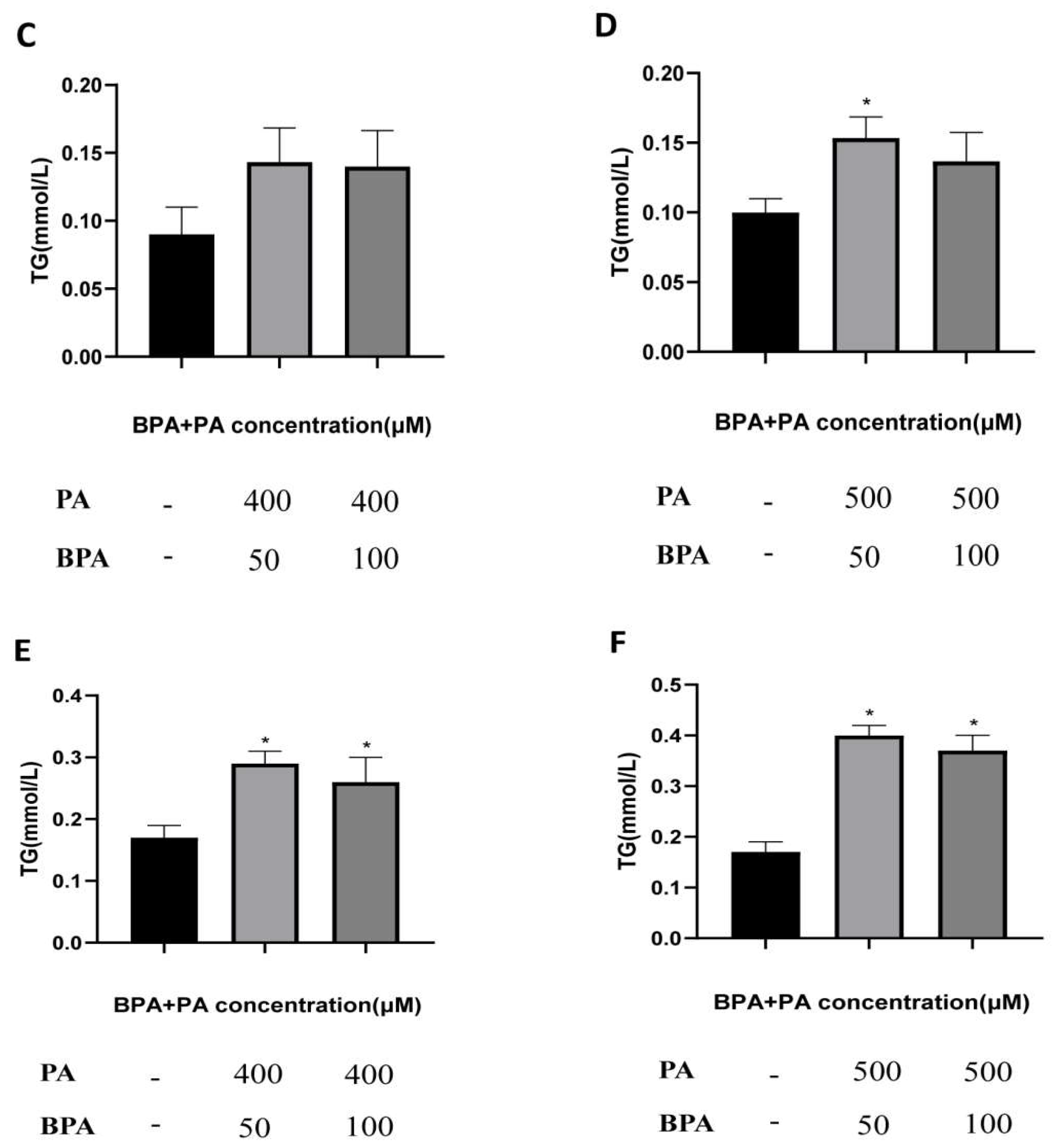
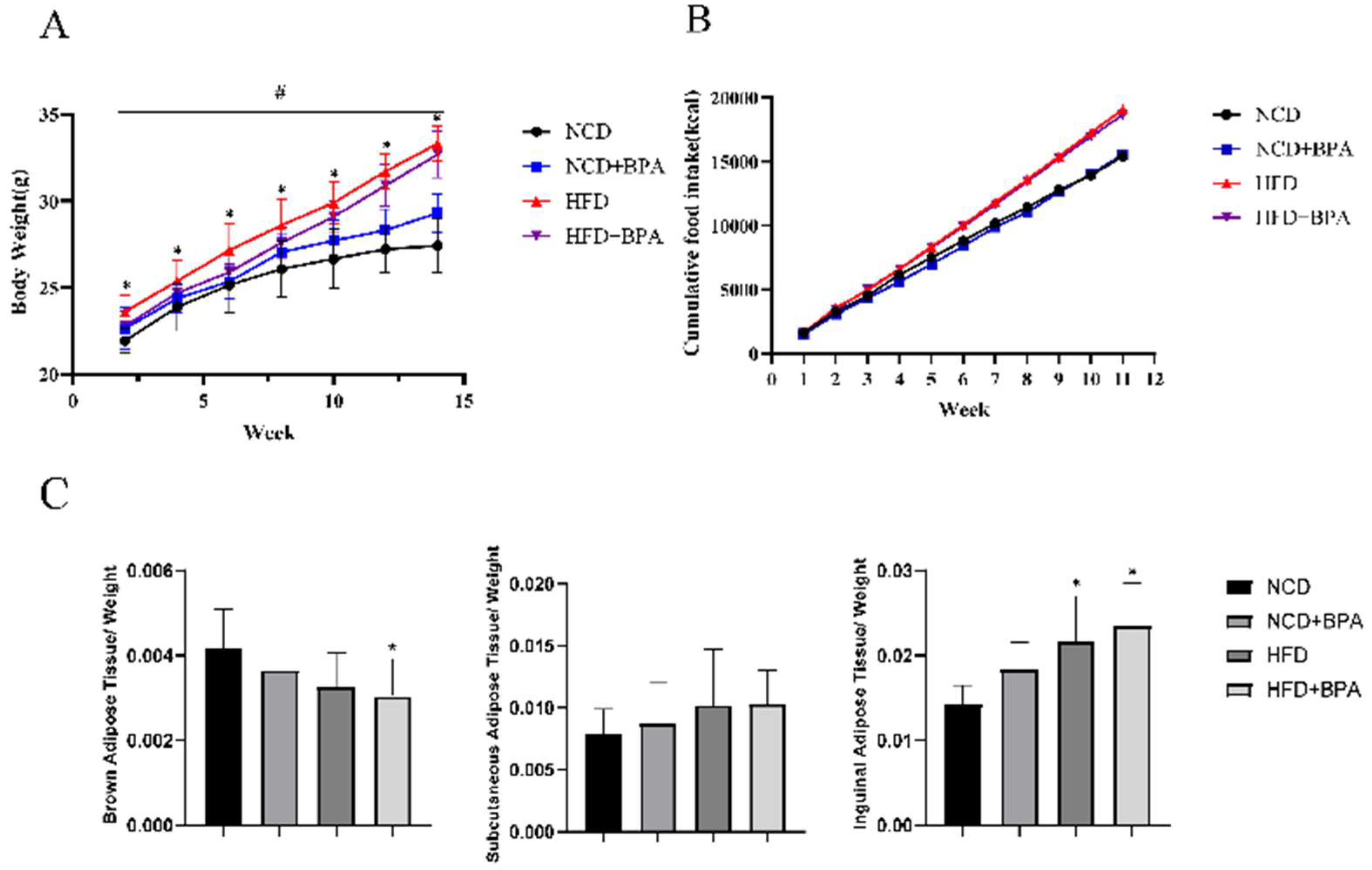
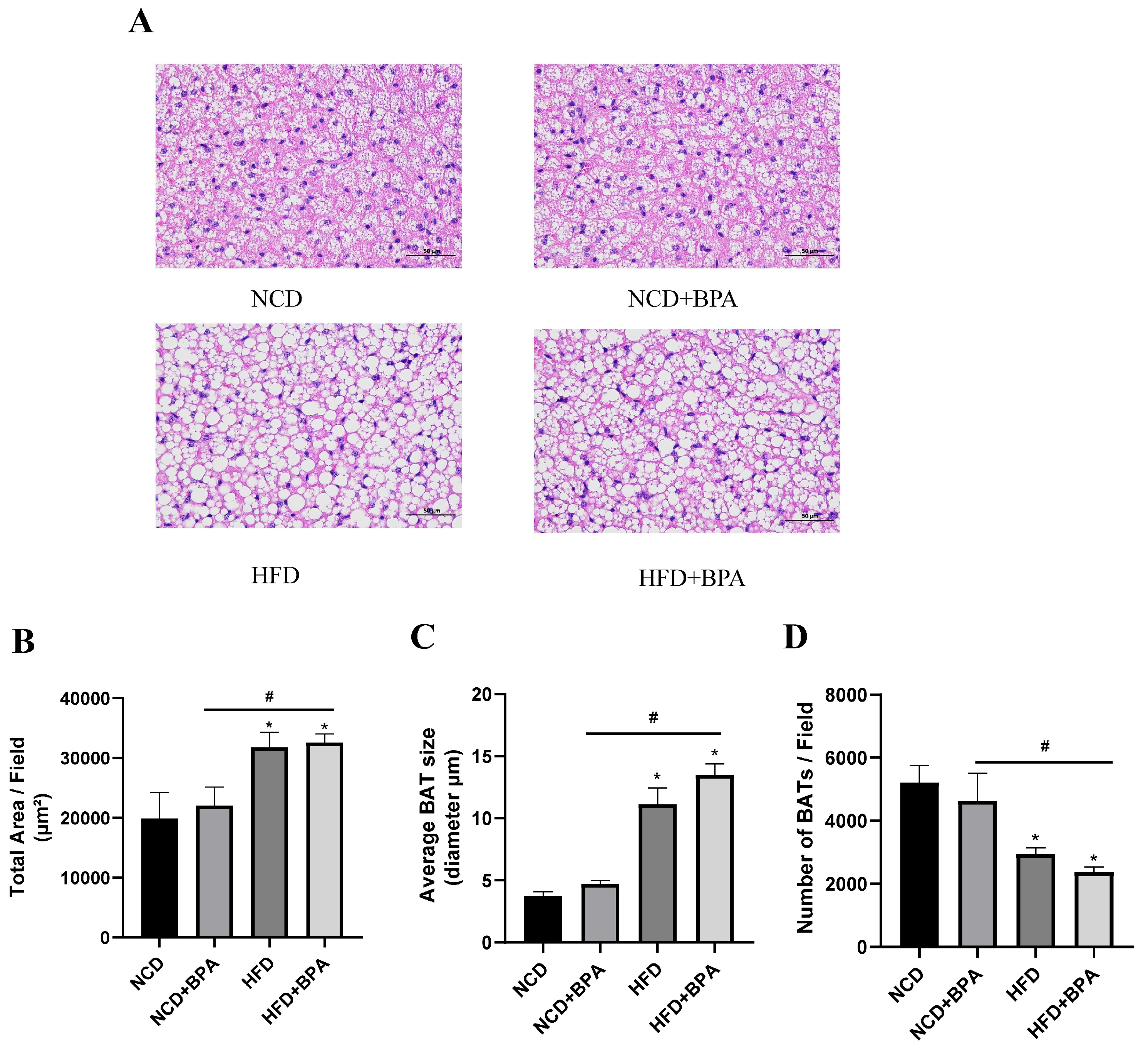
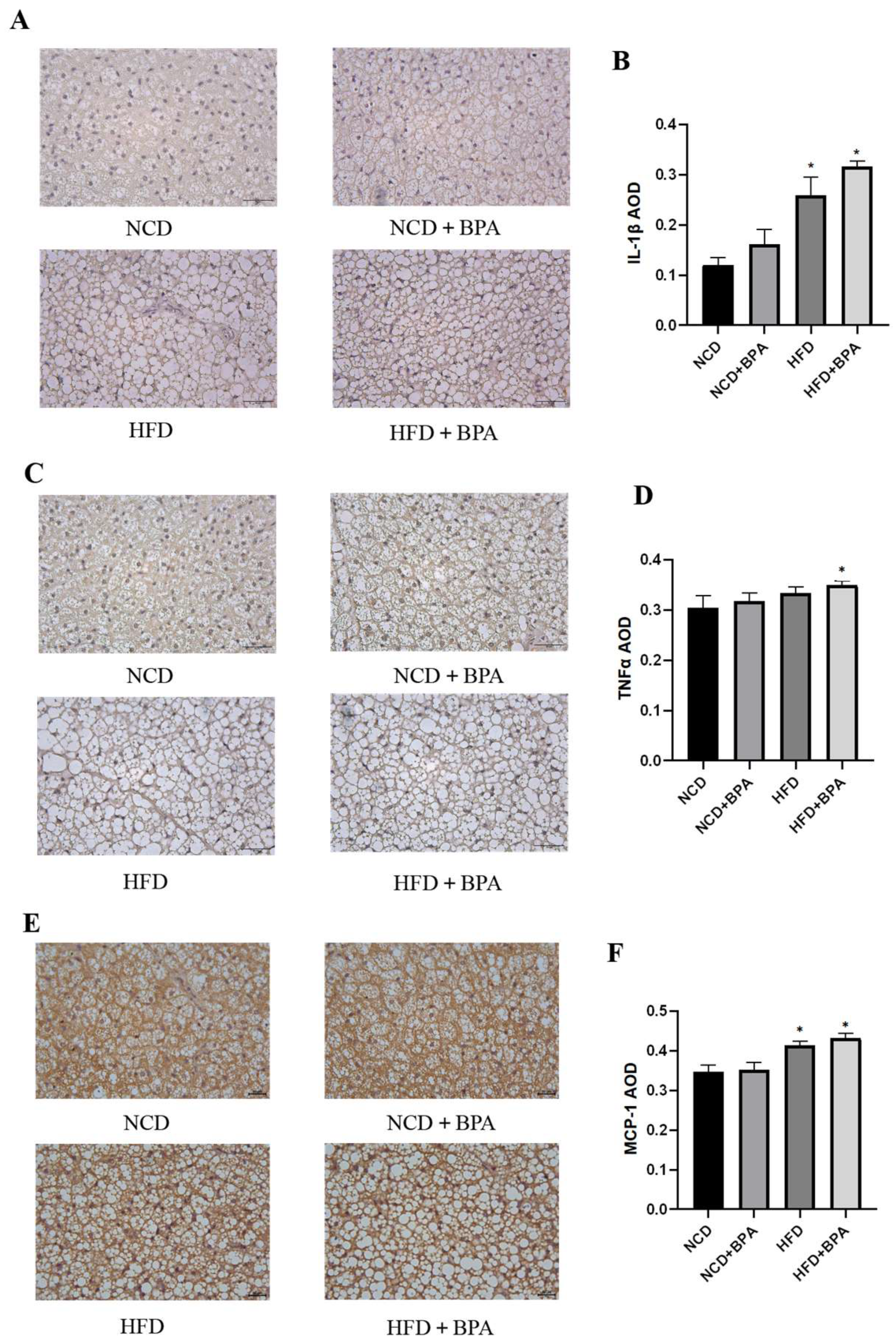
Obesity has emerged as a global health crisis, with its pathogenesis being closely linked to metabolic dysregulation in brown adipose tissue (BAT). However, the underlying mechanisms by which high-fat diets and environmental endocrine disruptors, such as bisphenol A (BPA), affect BAT remain largely unknown. This study was conducted to investigate how combined exposure to BPA and a high-fat diet influences BAT function and the development of obesity via the VEGF/VEGFR2/PI3K/AKT pathway.Male C57BL/6J mice were randomly assigned to four groups and received different treatments for 90 days: a normal chow diet (NCD), a normal chow diet supplemented with BPA (NCD + BPA), a high-fat diet (HFD), or a high-fat diet supplemented with BPA (HFD + BPA). Additionally, cell experiments were carried out using C3H10T1/2 cells induced to differentiate into brown adipocytes. These cells were exposed to different combinations of BPA and palmitic acid (PA).To comprehensively assess the effects on mice and cells, a variety of assays were employed, including cell viability assays, hematoxylin and eosin (H&E) staining, enzyme-linked immunosorbent assay (ELISA), immunohistochemistry, immunofluorescence, Western blotting, and mitochondrial electron microscopy.The combined treatment of BPA and HFD (PA) successfully established an animal obesity model and a cellular triglyceride (TG) accumulation model. BPA and HFD exposure affected serum lipid levels and the expression of inflammatory factors in animals. It also inhibited brown adipose tissue thermogenesis and the expression of VEGF pathway proteins, leading to a reduction in capillaries and mitochondrial damage. Similarly, the combined treatment of BPA and PA influenced the expression of inflammatory factors in mature brown adipose cells and inhibited the expression of related proteins.Overall, combined exposure to BPA and a high-fat diet impairs BAT function through multiple mechanisms, including inflammation, thermogenic dysfunction, microvascular damage, mitochondrial injury, and alteration of the VEGF/VEGFR2/PI3K/AKT pathway. These findings suggest that such combined exposure ultimately promotes the development of obesity.
Keywords:
1. Introduction
2. Materials and Methods
2.1. Animals and Experimental Protocol
2.2. Cell and Experimental Protocol
2.3. Cell Viability Assay
2.4. HE Staining
2.5. ELISA
2.6. Immunohistochemistry
2.7. Immunofluorescence
2.8. Western Blotting
2.9. Statistical Analysis
3. Results
3.1. BPA and High-Fat Diet Treatment Cause Weight Gain and Obesity in Mice
3.2. BPA and High-Fat Diet Treatment Cause Dyslipidemia in Mice
3.3. Pathological Changes in Brown Adipose Tissue (BAT) in Mice Treated with BPA and a High-Fat Diet
3.4. BPA and High-Fat Diet Treatment Increase the Expression Levels of Inflammatory Factors in Mice
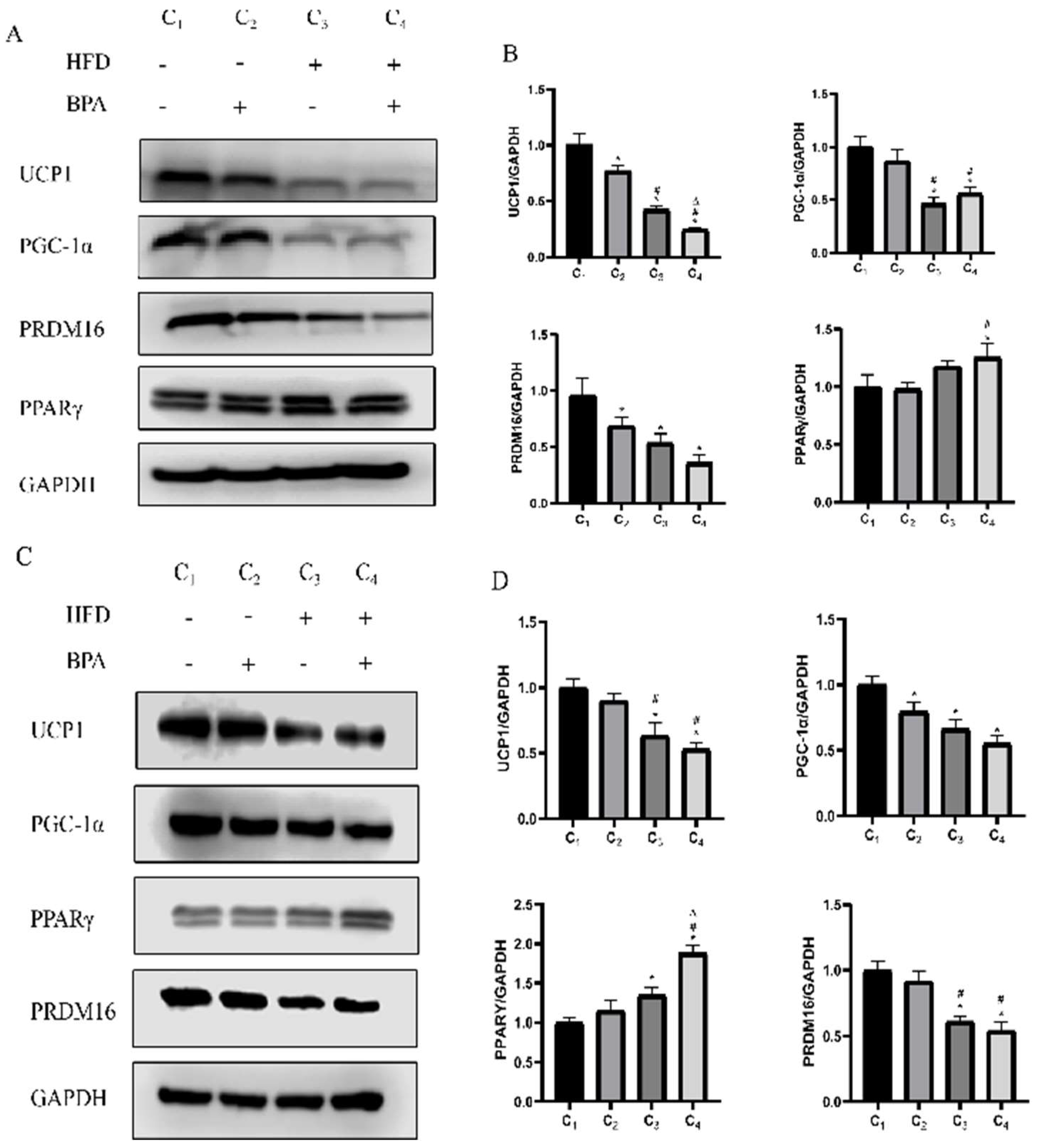
3.5. BPA and High-Fat Diet Reduce the Expression Levels of Thermogenic Factors
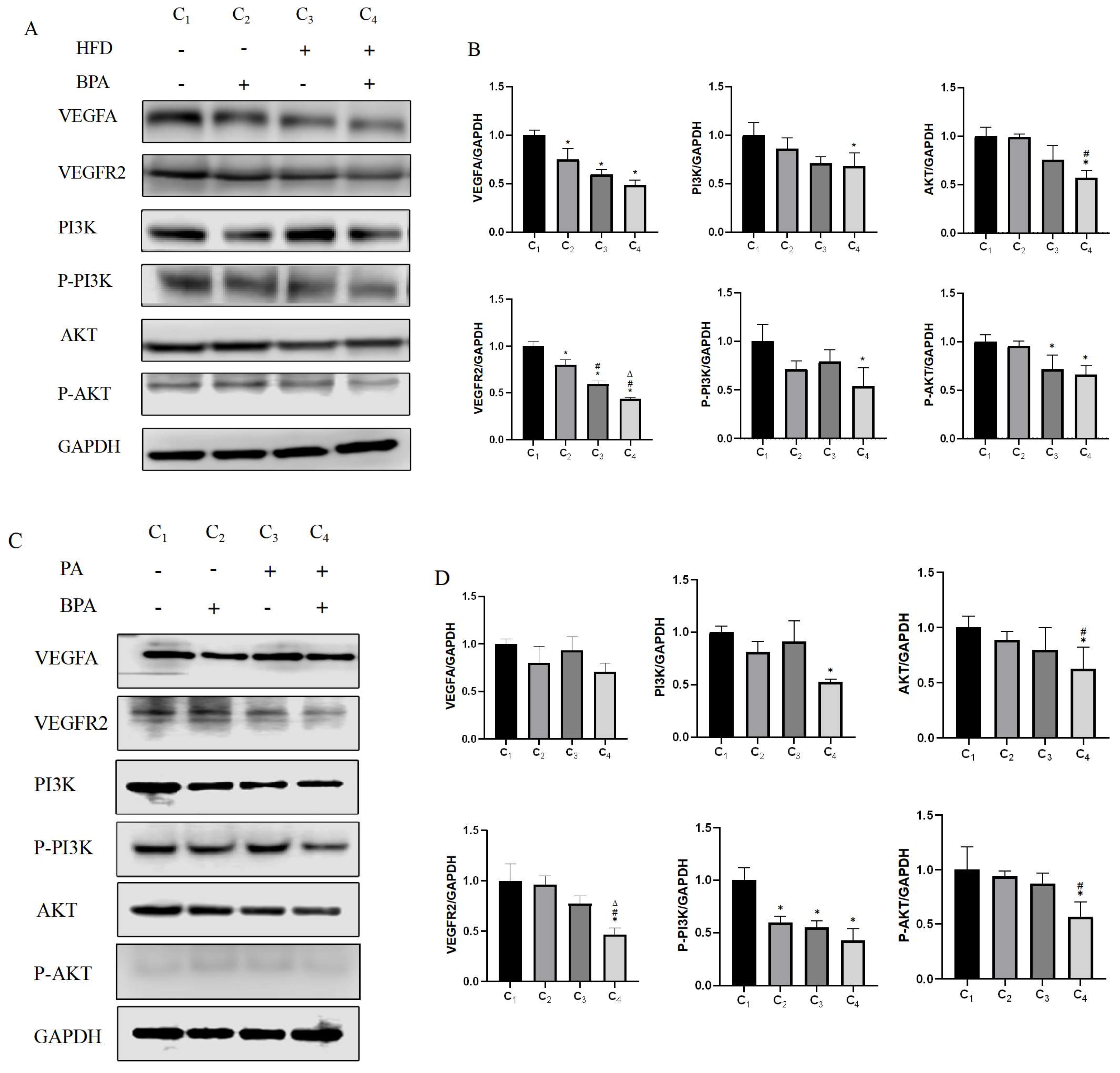
3.6. BPA and High-Fat Diet Treatment Affect Vegf Pathway Activation
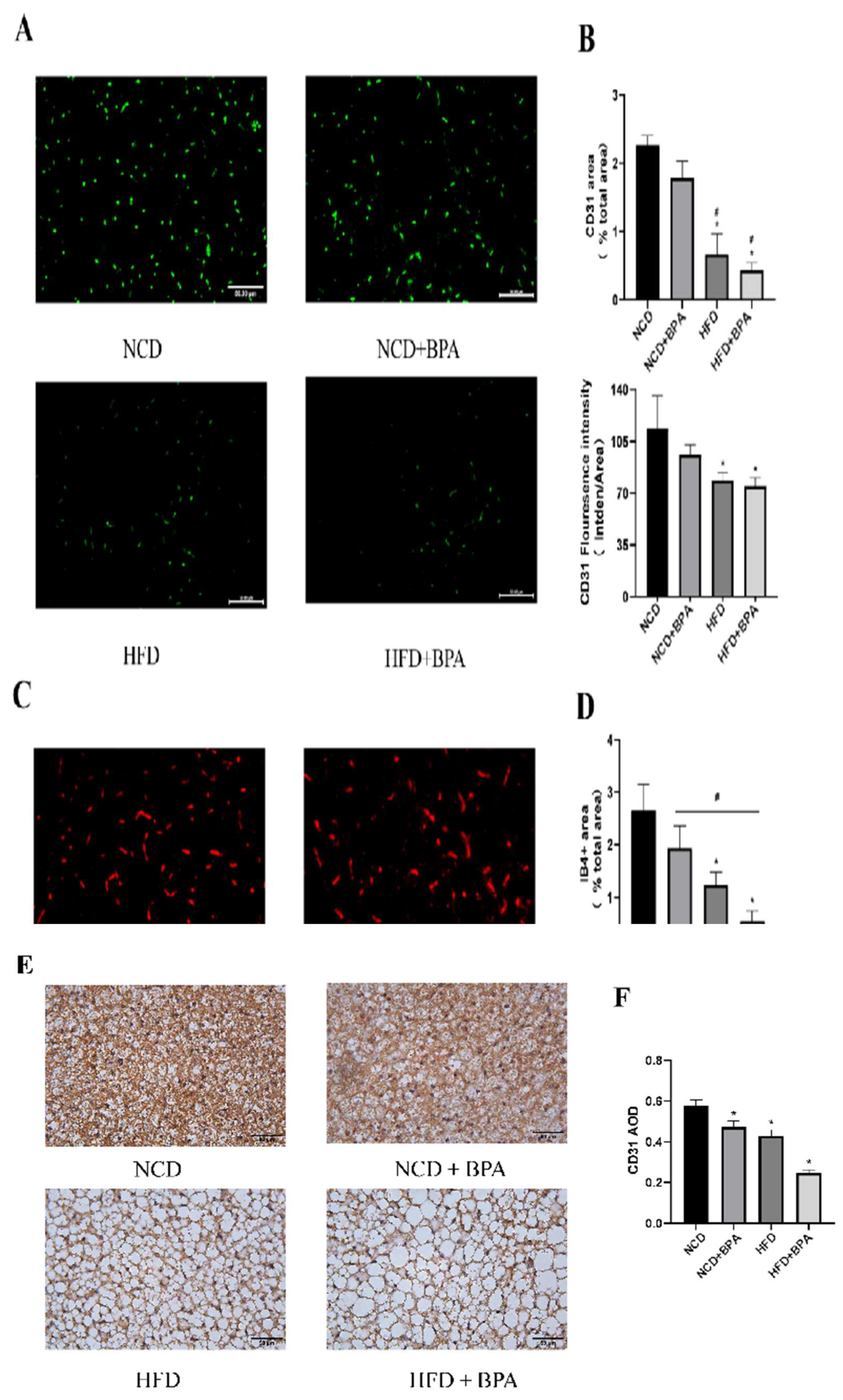
3.7. BPA and High-Fat Diet Treatment Reduce the Levels of Endothelial Cell Markers in Tissues
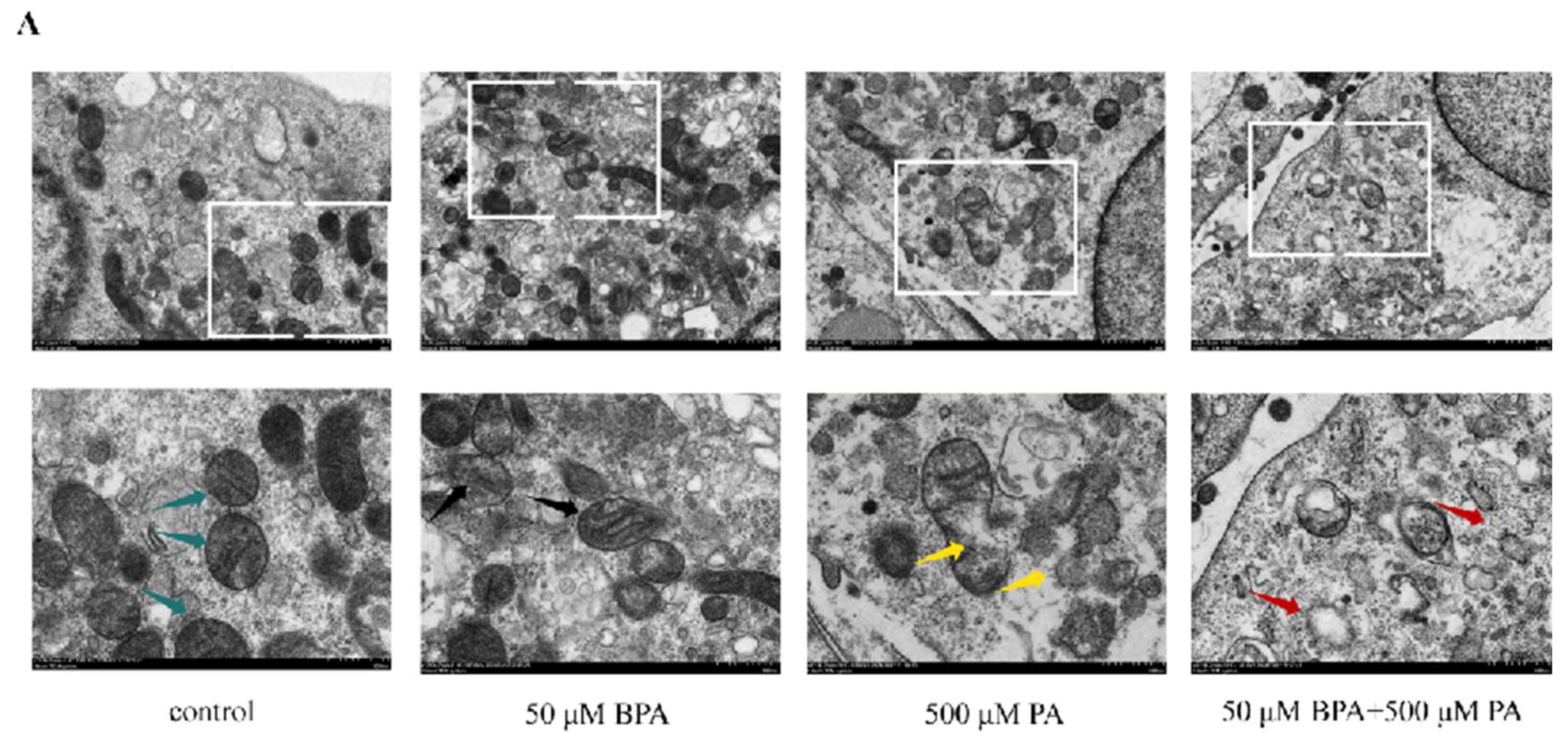
3.8. BPA and High-Fat Diet Treatment Lead to Mitochondrial Damage
4. Discussion
5. Conclusions
Author Contributions
Funding
Conflicts of Interest
Abbreviations
| VEGF | Vascular endothelial growth factor |
| BPA | Bisphenol A |
| EDCs | Environmental endocrine disrupting chemicals |
| PA | Palmitic acid |
| BAT | Brown adipose tissue |
| UCP1 | Uncouple protein 1 |
| PRDM16 | PR domain - containing 16 |
| IL-1β | Interleukine-1 beta |
| TNF-α | Tumor necrosis factor-α |
| MCP-1 | monocyte chemotactic protein-1 |
| HDL | High-density lipoprotein |
| LDL | Low-density lipoprotein |
| TC | Total cholesterol |
| TG | Triglyceride |
| DAPI | 4',6-diamidino-2-phenylindole |
| IBMX | 3-Isobutyl-1-methylxanthine |
| SPSS | Statistical Product and Service Solutions |
Appendix A

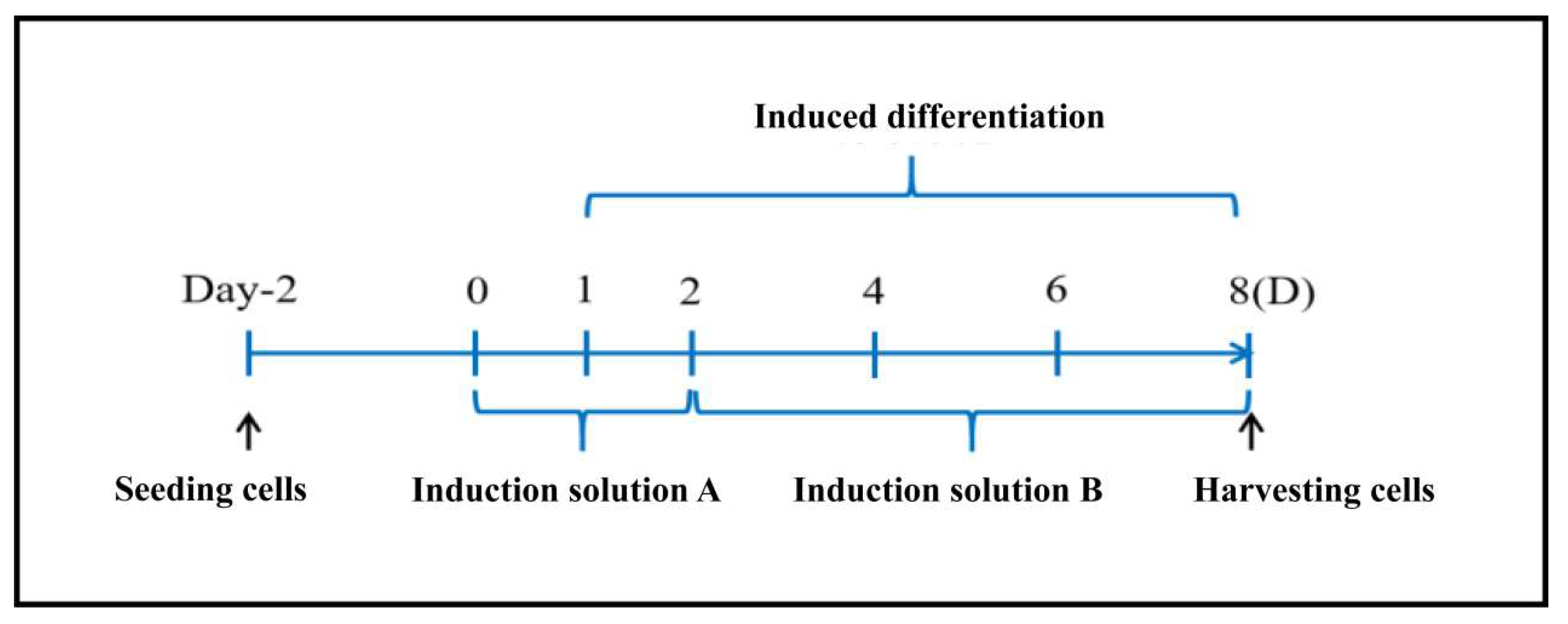
| Induction solution A | concentration | Volume |
|---|---|---|
| (Dexa) Dexamethasone | 1mM | 45ul |
| (Indo) Indomethacin | 125uM | 45ul |
| (Insulin)Insulin | 850uM | 45ul |
| (IBMX)3-Isobutyl-1-methylxanthine | 0.5M | 45ul |
| (T3) Triiodothyronine | 1uM | 45ul |
| (ROS) Rosiglitazone | 1mM | 45ul |
| (FBS) Fetal bovine serum | 4.5ml | |
| (MEM)Minimum Essential Medium | 40.23ml |
| Induction solution B | concentration | Volume |
|---|---|---|
| (T3) Triiodothyronine | 1uM | 45ul |
| (ROS) Rosiglitazone | 1mM | 45ul |
| (Insulin)Insulin | 850uM | 45ul |
| (FBS) Fetal bovine serum | 4.5ml | |
| (MEM)Minimum Essential Medium | 40.37ml |
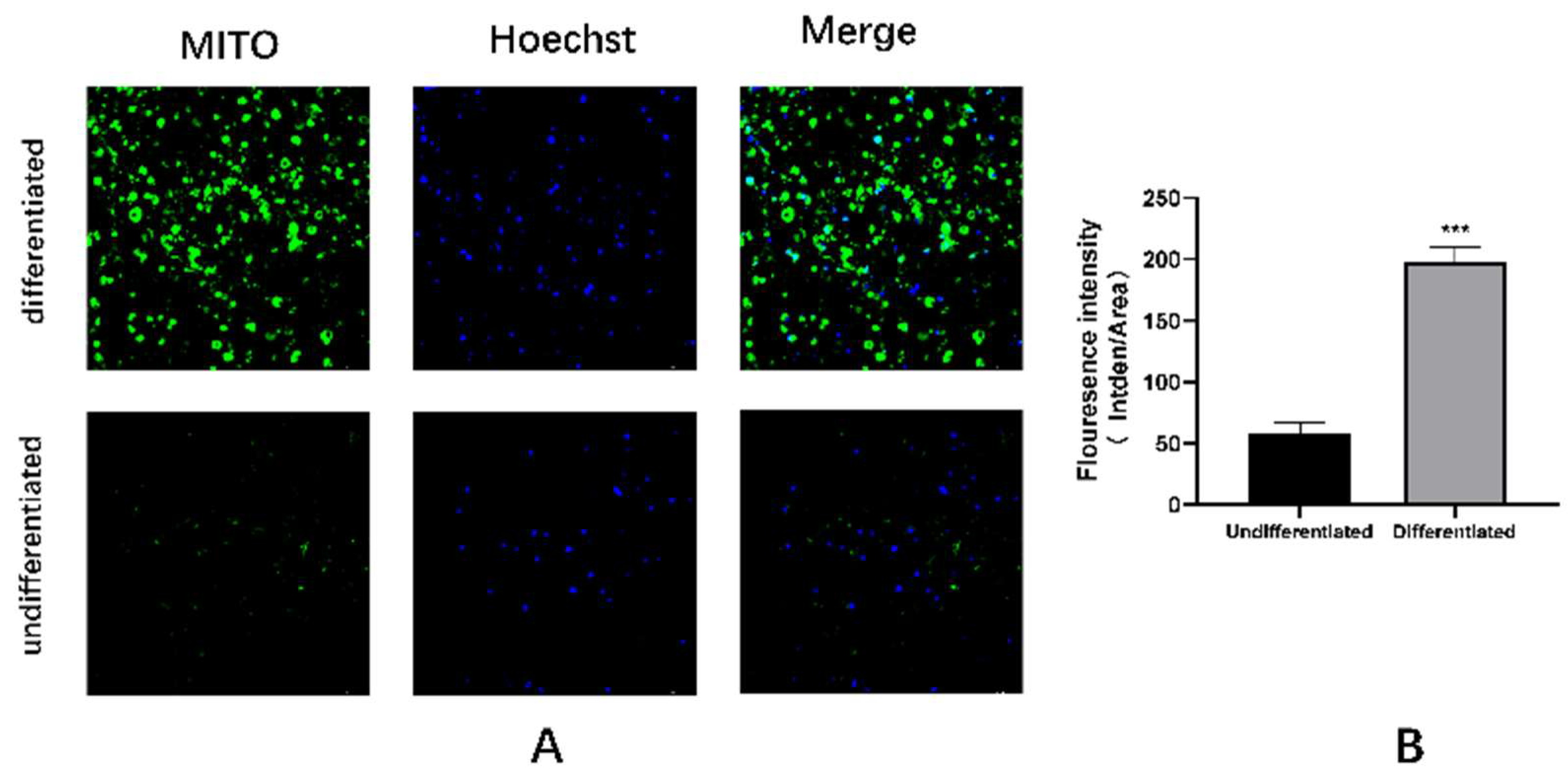
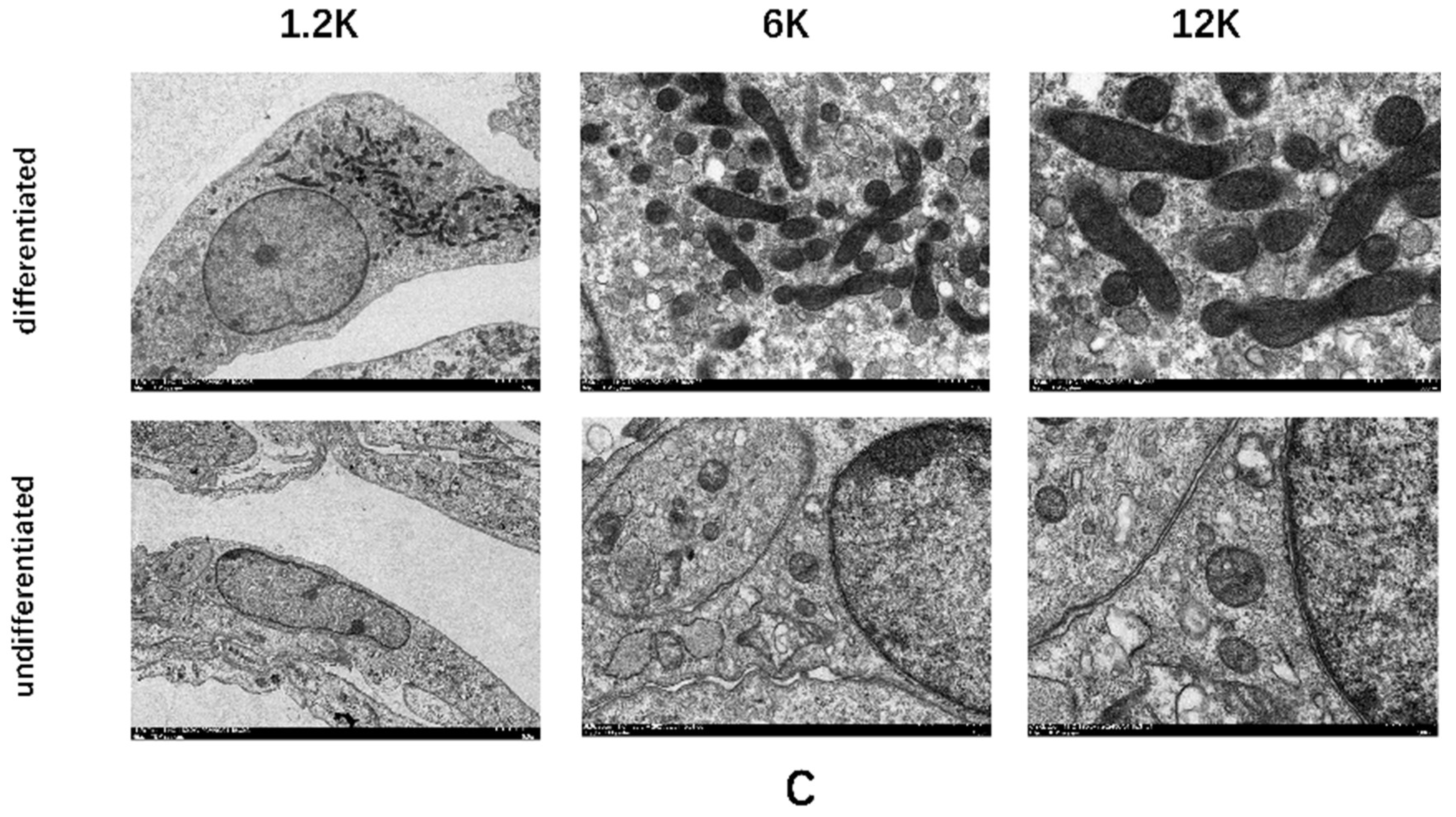
Appendix B
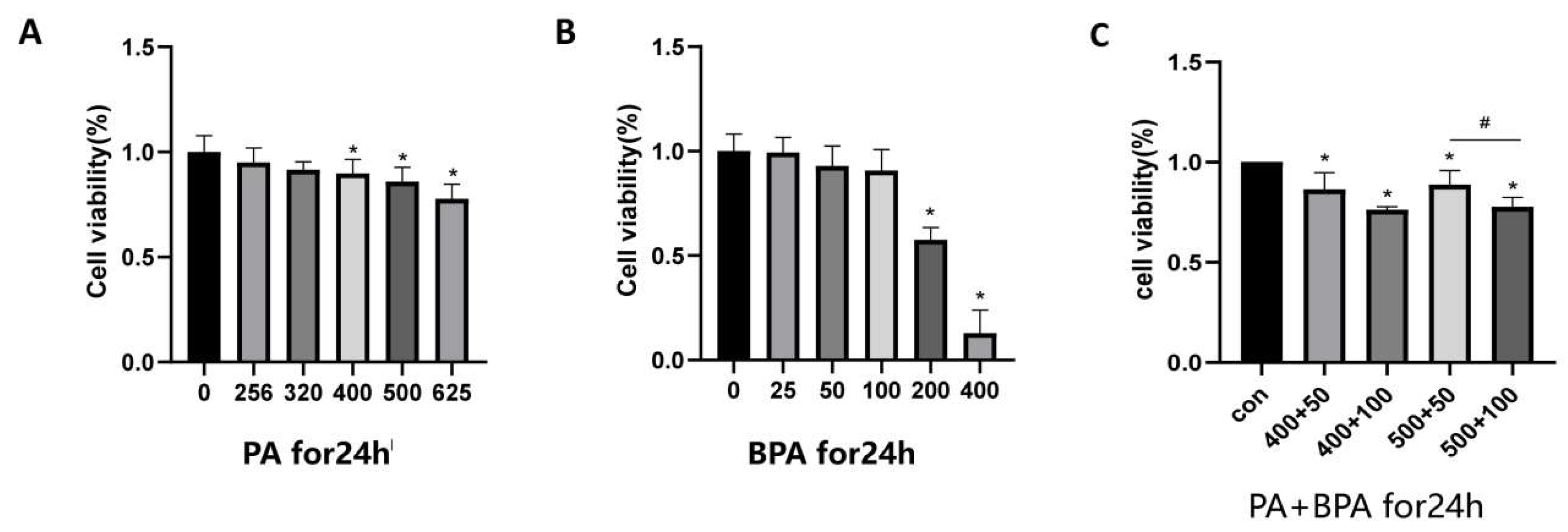
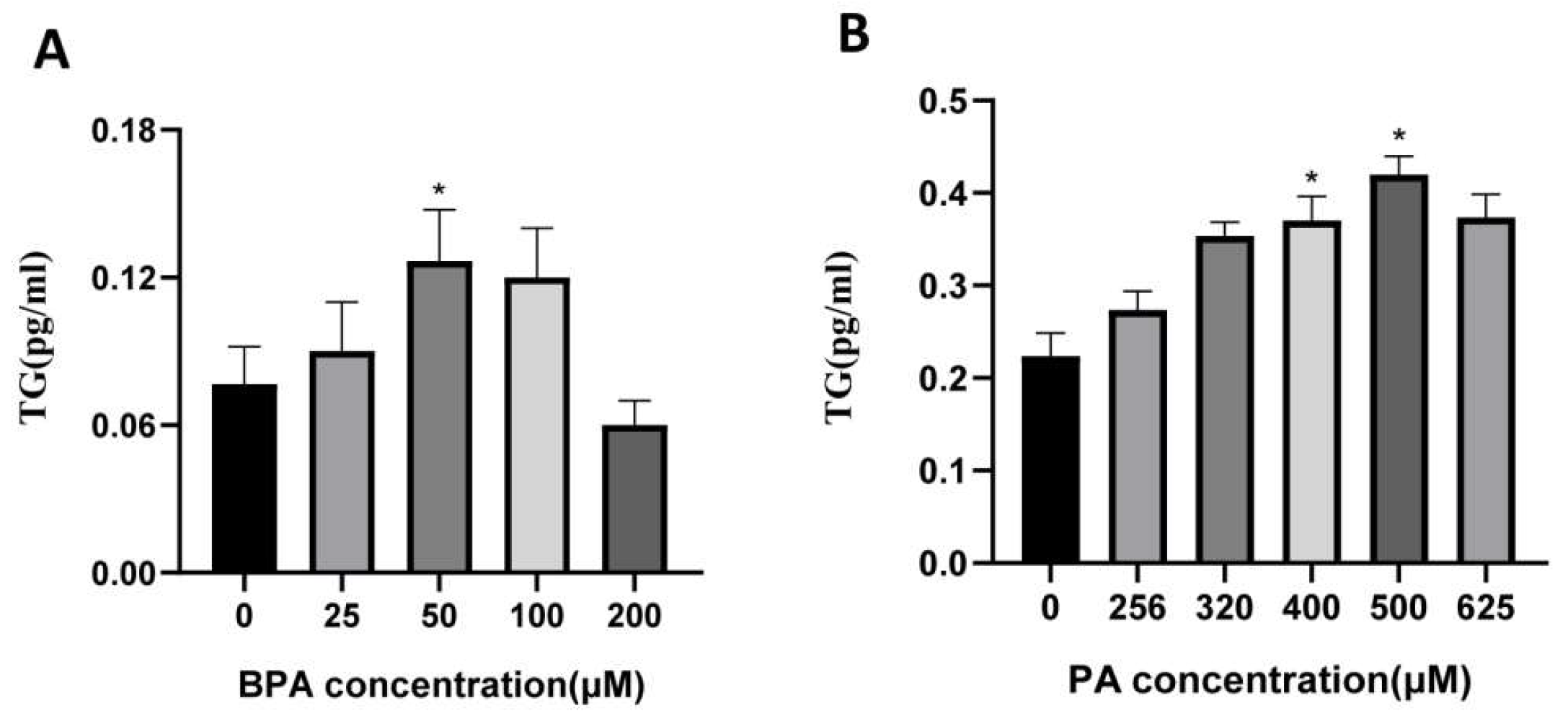
References
- Blüher, M. Obesity: global epidemiology and pathogenesis. Nat Rev Endocrinol, 2019, 15, 288–298. [Google Scholar] [CrossRef] [PubMed]
- Kelly, T.; Yang, W.; Chen, C.S.; et al. Global burden of obesity in 2005 and projections to 2030. Int J Obes 2008, 32, 1431–1437. [Google Scholar] [CrossRef] [PubMed]
- Refardt, J.; Winzeler, B.; Christ-Crain, M. Diabetes Insipidus: An Update. Endocrinol Metab Clin North Am, 2020, 49, 517–531. [Google Scholar] [CrossRef] [PubMed]
- Okla, M.; Kim, J.; Koehler, K.; et al. Dietary Factors Promoting Brown and Beige Fat Development and Thermogenesis. Adv Nutr, 2017, 8, 473–483. [Google Scholar] [CrossRef]
- Trayhurn, P. Brown Adipose Tissue-A Therapeutic Target in Obesity? Front Physiol, 2018, 9, 1672. [Google Scholar] [CrossRef] [PubMed]
- Cero, C.; Lea, H.J.; Zhu, K.Y.; et al. β3-Adrenergic receptors regulate human brown/beige adipocyte lipolysis and thermogenesis. JCI Insight 2021, 6. [Google Scholar] [CrossRef]
- Shimizu, I.; Walsh, K. The Whitening of Brown Fat and Its Implications for Weight Management in Obesity. Curr Obes Rep, 2015, 4, 224–229. [Google Scholar] [CrossRef]
- Endalifer, M.L.; Diress, G. Epidemiology, Predisposing Factors, Biomarkers, and Prevention Mechanism of Obesity: A Systematic Review. J Obes, 2020, 2020, 6134362. [Google Scholar] [CrossRef]
- Cohen, I.C.; Cohenour, E.R.; Harnett, K.G.; et al. BPA, BPAF and TMBPF Alter Adipogenesis and Fat Accumulation in Human Mesenchymal Stem Cells, with Implications for Obesity. Int J Mol Sci 2021, 22. [Google Scholar] [CrossRef]
- Corrales, J.; Kristofco, L.A.; Steele, W.B.; et al. Global Assessment of Bisphenol A in the Environment: Review and Analysis of Its Occurrence and Bioaccumulation. Dose Response, 2015, 13, 1559325815598308. [Google Scholar] [CrossRef]
- Sonavane, M.; Gassman, N.R. Bisphenol A co-exposure effects: a key factor in understanding BPA's complex mechanism and health outcomes. Crit Rev Toxicol, 2019, 49, 371–386. [Google Scholar] [CrossRef] [PubMed]
- Chianese, R.; Troisi, J.; Richards, S. et al. Bisphenol A in Reproduction: Epigenetic Effects. Curr Med Chem, 2018, 25, 748–770. [Google Scholar] [CrossRef]
- Ma, Y.; Liu, H.; Wu, J.; et al. The adverse health effects of bisphenol A and related toxicity mechanisms. Environ Res 2019, 176, 108575. [Google Scholar] [CrossRef] [PubMed]
- Jalal, N.; Surendranath, A.R.; Pathak, J.L.; et al. Bisphenol A (BPA) the mighty and the mutagenic. Toxicol Rep 2018, 5, 76–84. [Google Scholar] [CrossRef]
- Hu, K.; Olsen, B.R. The roles of vascular endothelial growth factor in bone repair and regeneration. Bone 2016, 91, 30–38. [Google Scholar] [CrossRef]
- Park, J.; Kim, M.; Sun, K.; et al. VEGF-A-Expressing Adipose Tissue Shows Rapid Beiging and Enhanced Survival After Transplantation and Confers IL-4-Independent Metabolic Improvements. Diabetes, 2017, 66, 1479–1490. [Google Scholar] [CrossRef] [PubMed]
- Shimizu, I.; Aprahamian, T.; Kikuchi, R.; et al. Vascular rarefaction mediates whitening of brown fat in obesity. J Clin Invest, 2014, 124, 2099–2112. [Google Scholar] [CrossRef]
- Chen, Y.; Zhao, M.; Zheng, T.; et al. Repression of adipose vascular endothelial growth factor reduces obesity through adipose browning. Am J Physiol Endocrinol Metab, 2019, 316, E145–e55. [Google Scholar] [CrossRef]
- Di Somma, M.; Vliora, M.; Grillo, E.; et al. Role of VEGFs in metabolic disorders. Angiogenesis, 2020, 23, 119–130. [Google Scholar] [CrossRef]
- Li, B.; Zhang, Y.; Yin, R.; et al. Activating CD137 Signaling Promotes Sprouting Angiogenesis via Increased VEGFA Secretion and the VEGFR2/Akt/eNOS Pathway. Mediators Inflamm 2020, 2020, 1649453. [Google Scholar] [CrossRef]
- Wang, X.; Jiang, L.; Liu, X.Q. et al. Paeoniflorin binds to VEGFR2 to restore autophagy and inhibit apoptosis for podocyte protection in diabetic kidney disease through PI3K-AKT signaling pathway. Phytomedicine 2022, 106, 154400. [Google Scholar] [CrossRef]
- Lu, L.; Shen, L.; Cui, S.; et al. Angiogenic Activity and Mechanism for Bisphenols on Endothelial Cell and Mouse: Evidence of a Structural-Selective Effect. Environ Sci Technol, 2023, 57, 11803–11813. [Google Scholar] [CrossRef]
- Yang, M.; Chen, M.; Wang, J.; et al. Bisphenol A Promotes Adiposity and Inflammation in a Nonmonotonic Dose-response Way in 5-week-old Male and Female C57BL/6J Mice Fed a Low-calorie Diet. Endocrinology, 2016, 157, 2333–2345. [Google Scholar] [CrossRef]
- Krishnan, K.; Gagné, M.; Nong, A.; et al. Biomonitoring Equivalents for bisphenol A (BPA). Regul Toxicol Pharmacol, 2010, 58, 18–24. [Google Scholar] [CrossRef] [PubMed]
- Zoico, E.; Rubele, S.; De Caro, A.; et al. Brown and Beige Adipose Tissue and Aging. Front Endocrinol (Lausanne) 2019, 10, 368. [Google Scholar] [CrossRef] [PubMed]
- Machado, S.A.; Pasquarelli-Do-Nascimento, G.; Da Silva, D.S.; et al. Browning of the white adipose tissue regulation: new insights into nutritional and metabolic relevance in health and diseases. Nutr Metab (Lond), 2022, 19, 61. [Google Scholar] [CrossRef] [PubMed]
- Martí-Pàmies, Í.; Thoonen, R.; Morley, M.; et al. Brown Adipose Tissue and BMP3b Decrease Injury in Cardiac Ischemia-Reperfusion. Circ Res, 2023, 133, 353–365. [Google Scholar] [CrossRef] [PubMed]
- Chen, Y.; Ding, J.; Zhao, Y.; et al. Irisin induces white adipose tissue browning in mice as assessed by magnetic resonance imaging. Exp Biol Med (Maywood), 2021, 246, 1597–1606. [Google Scholar] [CrossRef]
- Czech, M.P. Mechanisms of insulin resistance related to white, beige, and brown adipocytes. Mol Metab 2020, 34, 27–42. [Google Scholar] [CrossRef]
- Kimura, H.; Nagoshi, T.; Yoshii, A.; et al. The thermogenic actions of natriuretic peptide in brown adipocytes: The direct measurement of the intracellular temperature using a fluorescent thermoprobe. Sci Rep, 2017, 7, 12978. [Google Scholar] [CrossRef]
- Carpentier, A.C.; Blondin, D.P.; Haman, F.; et al. Brown Adipose Tissue-A Translational Perspective. Endocr Rev, 2023, 44, 143–192. [Google Scholar] [PubMed]
- Kimura, H.; Nagoshi, T.; Oi, Y.; et al. Treatment with atrial natriuretic peptide induces adipose tissue browning and exerts thermogenic actions in vivo. Sci Rep, 2021, 11, 17466. [Google Scholar] [CrossRef]
- Bargut, T.C.L.; Souza-Mello, V.; Aguila, M.B.; et al. Browning of white adipose tissue: lessons from experimental models. Horm Mol Biol Clin Investig 2017, 31. [Google Scholar] [CrossRef]
- Seale, P.; Kajimura, S.; Yang, W.; et al. Transcriptional control of brown fat determination by PRDM16. Cell Metab, 2007, 6, 38–54. [Google Scholar] [CrossRef] [PubMed]
- Törőcsik, D.; Fazekas, F.; Póliska, S.; et al. Epidermal Growth Factor Modulates Palmitic Acid-Induced Inflammatory and Lipid Signaling Pathways in SZ95 Sebocytes. Front Immunol 2021, 12, 600017. [Google Scholar] [CrossRef] [PubMed]
- Wang, H.J.; Ran, H.F.; Yin, Y.; et al. Catalpol improves impaired neurovascular unit in ischemic stroke rats via enhancing VEGF-PI3K/AKT and VEGF-MEK1/2/ERK1/2 signaling. Acta Pharmacol Sin, 2022, 43, 1670–1685. [Google Scholar] [CrossRef]
- Liu, T.; Zhou, W.; Cai, B.; et al. IRX2-mediated upregulation of MMP-9 and VEGF in a PI3K/AKT-dependent manner. Mol Med Rep, 2015, 12, 4346–4351. [Google Scholar] [CrossRef]
- Li, Y.; Ge, J.P.; Ma, K.; et al. The combination of EGCG with warfarin reduces deep vein thrombosis in rabbits through modulating HIF-1α and VEGF via the PI3K/AKT and ERK1/2 signaling pathways. Chin J Nat Med, 2022, 20, 679–690. [Google Scholar] [CrossRef]
- He, Y.; Wang, H.; Lin, S.; et al. Advanced effect of curcumin and resveratrol on mitigating hepatic steatosis in metabolic associated fatty liver disease via the PI3K/AKT/mTOR and HIF-1/VEGF cascade. Biomed Pharmacother 2023, 165, 115279. [Google Scholar] [CrossRef]
- Namjoo, M.; Ghafouri, H.; Assareh, E.; et al. A VEGFB-Based Peptidomimetic Inhibits VEGFR2-Mediated PI3K/Akt/mTOR and PLCγ/ERK Signaling and Elicits Apoptotic, Antiangiogenic, and Antitumor Activities. Pharmaceuticals 2023, 16. [Google Scholar] [CrossRef]
| Group | NCD | NCD+BPA | HFD | HFD+BPA |
|---|---|---|---|---|
| TC(mmol/L) | 2.196±0.198 | 2.644±0.199* | 2.632±0.158* | 2.944±0.289* |
| TG(mmol/L) | 0.76±0.385 | 0.814±0.203 | 0.876±0.043 | 0.968±0.188 |
| LDL(mmol/L) | 0.194±0.057 | 0.182±0.061 | 0.276±0.051 | 0.236±0.098 |
| HDL(mmol/L) | 1.924±0.128 | 2.05±0.251 | 2.17±0.243 | 2.392±0.238* |
| Group | IL-1β(pg/mL) | TNFα(pg/mL) | IL-6(pg/mL) |
|---|---|---|---|
| NCD | 0.229±0.0019 | 0.292±0.0005 | 0.228±0.0007 |
| NCD+BPA | 0.231±0.0016 | 0.292±0.0012 | 0.232±0.0022* |
| HFD | 0.234±0.0026* | 0.294±0.0011 | 0.233±0.0015* |
| HFD+BPA | 0.236±0.0026* | 0.295±0.007* | 0.237±0.0026* |
Disclaimer/Publisher’s Note: The statements, opinions and data contained in all publications are solely those of the individual author(s) and contributor(s) and not of MDPI and/or the editor(s). MDPI and/or the editor(s) disclaim responsibility for any injury to people or property resulting from any ideas, methods, instructions or products referred to in the content. |
© 2025 by the authors. Licensee MDPI, Basel, Switzerland. This article is an open access article distributed under the terms and conditions of the Creative Commons Attribution (CC BY) license (http://creativecommons.org/licenses/by/4.0/).