Preprint
Article

This version is not peer-reviewed.

ChatGPT in PhD Mentoring: Exploring the Potential of Generative AI for Academic Guidance and Sustainable Educational Practices

A peer-reviewed article of this preprint also exists.

Submitted:

01 February 2025

Posted:

03 February 2025

You are already at the latest version

Abstract

While the applications of Generative AI in education and academic research are growing, its potential for supporting PhD-level mentoring and academic counseling remains underexplored. This exploratory study evaluates the relevance and appropriateness of ChatGPT-generated recommendations for PhD research, with a particular emphasis on its potential to promote sustainable and resource-efficient practices in doctoral education. Using a real-world case study on disaster risk management, input prompts were designed with varying levels of contextual detail, including naïve prompts, keywords selected by supervisors, keywords generated by ChatGPT, and topic-specific concepts derived from literature on advanced academic frameworks. The outputs were evaluated by a panel of five external academic experts who assessed their relevance, depth, and applicability to the research objectives. Further analysis explored tailored prompts designed to align with distinct research pathways. The results demonstrated that outputs based on topic-specific concepts received the highest appropriateness ratings, with strong interrater agreement. Naïve prompts also produced relevant outputs, while keyword-based prompts were rated lower, often failing to integrate core elements into cohesive recommendations. Tailored prompts reflecting specific research pathways were consistently rated as highly actionable and contextually grounded, highlighting ChatGPT’s ability to align with academic goals and contribute to sustainable educational innovation. These findings underscore ChatGPT's potential to complement PhD supervision by offering structured guidance, actionable insights, and timely feedback, paving the way for the "tripartite mentoring model," where AI collaborates with supervisors and students to address complex academic challenges in a sustainable and impactful manner.

Keywords: 
;  ;  ;  ;  

1. Introduction

Pursuing a PhD represents one of the most challenging academic journeys, requiring deep subject-matter expertise alongside advanced skills in research design, critical thinking, data analysis, and academic writing [1,2]. This process is also highly resource-intensive, demanding significant time and effort from both students, who must navigate complex academic expectations, and supervisors, who provide continuous guidance and support [3]. These challenges underscore the importance of innovative tools and strategies to enhance efficiency and ease the burden for both parties [4].
With the emergence of generative AI (GenAI) models such as ChatGPT, new possibilities have opened for supporting academic tasks across various domains [5]. In education, GenAI has shown promise in areas like personalized learning, content creation, and skill development [6]. Additionally, GenAI's ability to revolutionize educational methodologies by fostering sustainable practices and enhancing accessibility makes it a valuable tool in addressing the environmental and social dimensions of sustainability in education. However, its potential impact at the PhD level remains underexplored, despite the heightened complexity and specialization of the doctoral process [7]. The key challenge lies in determining how contemporary AI models can be effectively leveraged to understand nuanced academic contexts, generate original insights, and uphold the rigorous standards of scholarly work. This raises important questions about the role of GenAI in transforming the research ecosystem and its ability to address the demands of doctoral-level research.
Ιn this paper, we explore the application of ChatGPT in the domain of PhD academic counseling and support. We propose a structured evaluation to analyze how AI can assist PhD students and supervisors in navigating the multifaceted demands of academic research. By leveraging the strengths of ChatGPT, we aim to identify key areas where AI can provide value to PhD studies, such as offering recommendations on advanced methodological frameworks, in addition to the support ChatGPT has already demonstrated in tasks such as data analysis, academic writing, and literature review [8]. This exploration seeks to highlight both the opportunities and challenges of integrating AI into the PhD research process, offering a roadmap for its effective utilization in third-cycle programs. To achieve this, we evaluated the relevance and accuracy of ChatGPT's outputs in providing academic guidance for a PhD proposal focused on disaster risk management. The results highlight the potential of ChatGPT to support complex academic endeavors by addressing key dimensions of disaster management research, offering insights into its broader applicability in higher education and research domains.

2. Background

The advent of GenAI has catalyzed transformative changes across multiple domains, including education and academic research [9]. These tools have demonstrated significant potential in streamlining time-intensive processes, enhancing productivity, and facilitating innovation. In academia, GenAI supports a variety of tasks, such as drafting and organizing research content, data analysis, and hypothesis generation, making it a valuable assistant for both students and educators [10,11].
Frameworks for integrating GenAI into educational settings emphasize iterative approaches, stakeholder engagement, and continuous improvement to balance innovation with ethical considerations. For instance, the 4E framework—embrace, enable, experiment, and exploit—offers a systematic model for aligning policy, curriculum, and technological adoption in academic institutions [12]. Such structured approaches can help harness the benefits of GenAI while mitigating its limitations, ensuring that it complements rather than replaces human expertise.
One of the most prominent benefits of GenAI lies in its capacity to improve academic processes [13]. Studies highlight its role in language polishing, error identification, summarization, and even coding support, particularly benefiting researchers who deal with multidisciplinary or technical topics [14]. Additionally, GenAI tools enable personalized learning and adaptive teaching by acting as learning partners or teaching assistants, thereby optimizing resources and enhancing accessibility. However, the transformative capabilities of these tools come with challenges, including potential biases and the risk of over-reliance, which necessitate careful integration and structured policies [14].
In the context of higher education, GenAI has been recognized for its potential to address specific needs in PhD-level research and supervision. It can support tasks such as literature summarization, academic drafting, and initial ideation, and it can also enhance conceptual clarity, framework development, and methodological rigor, all of which are crucial for advancing academic research [14]. These contributions are particularly valuable given the resource-intensive nature of PhD studies, which demand substantial commitments of time and expertise from both students and advisors.
Despite these advancements, the adoption of GenAI in higher education raises critical concerns. Ethical issues such as academic integrity, plagiarism, and data privacy remain prominent, necessitating clear guidelines and responsible usage practices [10]. Moreover, disparities in access to GenAI tools and varying degrees of familiarity among users pose equity challenges that must be addressed through institutional training and support [12]. Supervisors and institutions need to adapt to the evolving role of GenAI by promoting its responsible use while fostering independent critical thinking and intellectual rigor among students [14].
While the current state of research underscores the transformative role of GenAI in academic processes such as literature review, data analysis, and writing, a critical gap persists in its application to assist PhD mentoring and advising. Much of the existing literature focuses on task-specific applications of GenAI but provides limited insights into how these tools can complement and enhance the mentoring relationship between PhD advisors and students. This mentoring process involves not only technical guidance but also the fostering of intellectual development, critical thinking, and the navigation of complex academic challenges—areas where human advisors have traditionally played a central and irreplaceable role. To address this gap, this paper investigates the potential of GenAI to complement traditional PhD mentoring by providing targeted support, aiding conceptual development, and relieving certain aspects of the PhD journey for both students and advisors. By investigating how GenAI can serve as a complementary tool in this nuanced academic relationship, the study aims to extend the current understanding of GenAI’s role in higher education and propose pathways for its ethical and effective integration into PhD advising practices.

3. Methods

3.1. Case Selection

This study was conducted at the University of Thessaly, a member of the INVEST European University Alliance ((https://www.invest-alliance.eu, accessed on 1 December 2025), which is renowned for its commitment to sustainable regional development. The INVEST European University Alliance, comprising seven universities, emphasizes sustainability as a core part of its mission, providing an ideal environment for this research. The diversity within INVEST's academic programs, ranging from undergraduate to doctoral levels, offered a comprehensive testing ground for evaluating approaches aimed at enhancing PhD supervision through innovative tools like ChatGPT. At the INVEST University, the RES-Q (RESCUE) Living Lab has been established as a dedicated platform for exploring Information and Communication Technology (ICT) solutions in the domain of disaster risk management (DRM) [15]. This initiative seeks to address pressing challenges faced by first responders in managing emergencies effectively and efficiently. Through collaboration with researchers, practitioners, and stakeholders, the RES-Q Living Lab serves as a testbed for innovative approaches and technologies aimed at enhancing disaster response capabilities.
During the initial phase of this research initiative, a PhD student and member of the RES-Q Living Lab led the effort by undertaking a doctoral project titled "Enhancing Decision-Making Systems for First Responders through Predictive Analytics and Advanced Data Integration". We chose this study because different research pathways were proposed, making this case ideal for evaluating ChatGPT's ability to provide tailored academic guidance across multiple, complex scenarios. The diversity of research directions allowed for a comprehensive assessment of the model’s capacity to adapt to varied academic challenges and offer relevant, domain-specific recommendations. As part of these efforts, the PhD student conducted a preliminary literature review to identify key gaps and challenges in the current disaster management systems. The review revealed the following critical issues that inhibit first responders' ability to operate effectively during emergencies:
  • Fragmentation of Data Sources: Emergency response systems rely on both traditional data streams, such as environmental sensors and infrastructure feeds, and nontraditional sources, including social media and citizen-generated reports. However, these heterogeneous data streams often lack interoperability and integration, leading to incomplete situational awareness.
  • Reliability of Nontraditional Data: Nontraditional data sources are frequently invalidated, resulting in potential misinformation and reduced trust in decision-making tools.
  • Inconsistent Data Formats and Lack of Adaptable Interfaces: First responders face difficulties in processing and prioritizing information due to incompatible data formats and a lack of customizable, user-friendly interfaces.
These findings are corroborated by the International Forum to Advance First Responder Innovation (IFAFRI), which highlights these issues as Capability Gap 4, emphasizing the challenge of integrating diverse and nontraditional data sources into incident command operations [16]. This alignment reinforces the significance of addressing these challenges to improve the speed and accuracy of decision-making during emergencies.
Recognizing these challenges, the PhD student, together with the advisory committee, explored potential approaches to address the identified gaps. After thorough deliberation, three pathways were proposed as the next viable research direction:
  • Geospatial Intelligence and Remote Sensing: The use of Geospatial Intelligence and Remote Sensing was proposed to enhance situational awareness and decision-making by integrating real-time spatial data from sources such as satellite imagery, drones, and Geographic Information Systems (GIS) [17,18]. These technologies enable first responders to monitor disaster-affected areas, track resources, and visualize critical information through user-friendly interfaces. By addressing the fragmentation of data and providing actionable insights, this pathway aligns with the PhD's goal of developing an advanced decision-support framework for emergency scenarios.
  • Digital Twins: Digital Twin technology offers a novel approach to real-time disaster simulation and training [19,20]. By integrating live data streams into virtual replicas of real-world systems, Digital Twins enable first responders to visualize and interact with dynamic scenarios. This pathway focuses on improving situational awareness and decision-making through interactive, user-centric interfaces that simulate disaster evolution in real-time.
  • Semantic Web Approaches: Semantic web approaches were identified as a promising solution to achieve advanced data integration [21,22]. By leveraging ontologies, RDF (Resource Description Framework), and SPARQL, this pathway aims to harmonize heterogeneous data streams and enable seamless interoperability. These technologies would provide first responders with consistent, machine-readable datasets, facilitating real-time access to actionable insights.
Each of these pathways provides a unique perspective on addressing the abovementioned research challenges. Semantic web approaches focus on the integration of diverse data sources, geospatial intelligence and remote sensing enhance situational awareness through real-time spatial data analysis, and digital twins provide real-time simulation and visualization capabilities. These represent well-established approaches that, in the context of the PhD, must be examined independently to determine their distinct benefits, challenges, and feasibility.

3.2. Research Design

Building on these findings, we designed a study, the overview of which is presented in Figure 1. The case study used for ChatGPT prompts was crafted as a composite representation of the key challenges in developing the appropriate recommendations for the specific PhD. The process follows a structured evaluation flow: PhD proposal summary → ChatGPT → Proposed Solutions/Support → Evaluation by External Academic Experts. This design ensures a systematic exploration of how generative AI can contribute to addressing these challenges within the scope of the PhD.
Practical limitations, such as the maximum input length and other constraints like ambiguity in instructions, formatting challenges, or context retention issues, guided the structuring of the case. The design ensures that the AI prompts are comprehensive yet concise, facilitating the generation of meaningful outputs while encouraging an academic tone aligned with scholarly discourse. This structured evaluation flow allows academic experts to rigorously assess the relevance, depth, and practical value of ChatGPT’s outputs in addressing critical challenges in PhD-level DRM research.

3.3. Primary Analysis

ChatGPT is designed to produce contextually relevant outputs based on input prompts. To evaluate its potential for providing academic counseling specifically for PhD studies, we composed input prompts reflecting varying levels of background detail as part of the primary analysis. Previous research indicates that the quality and specificity of AI outputs are heavily influenced by how prompts are structured [24,25]. Therefore, our primary analysis assessed how ChatGPT's responses varied when different types of input—ranging from minimal to highly detailed—were provided.
For this analysis, four types of prompts were used: a basic case study description that included only a general summary of the PhD proposal, a PhD proposal summary with keywords, incorporating additional relevant terms, and a PhD proposal summary with relevant topics related to disaster risk management. The keywords were obtained in two ways: first, domain experts (PhD supervisors) selected key terms based on the PhD proposal and second ChatGPT generated a set of terms. Topic-based inputs were informed by a research paper which employed structural topic modeling (STM) to analyze peer-reviewed journal articles on digital technologies and disaster management published between 2011 and 2023 [23].
The outputs generated by ChatGPT for each prompt were evaluated by a panel of five external academic experts representing diverse disciplines. These evaluators assessed the responses for their appropriateness based on relevance, depth, and practical applicability. The percentage of responses rated as appropriate for each prompt type was calculated. Additionally, the evaluators ranked the outputs in order of quality, with criteria clearly outlined to ensure consistency. To minimize bias, evaluators were blinded to the type of prompt used to generate each output.

3.4. Secondary Analysis

In addition to analyzing prompt details, the study examined ChatGPT's capability to provide support tailored to specific academic approaches. Building on the three key research directions identified in the Case Selection section—Geospatial Intelligence and Remote Sensing, Digital Twin, and Semantic Web Approaches—prompts were carefully designed to guide ChatGPT in offering targeted recommendations aligned with these pathways.
For each pathway, the prompts instructed ChatGPT to propose recommendations on how the student should approach the research, detailing suggested methods, key steps, and potential challenges. The outputs were then evaluated by academic experts, who assessed their alignment with best practices within each area.

3.5. Assessing Rater Consensus for AI-generated Outputs

To evaluate the consistency of expert assessments, interrater agreement was calculated using Kendall’s W, a statistical measure appropriate for ordinal, non-parametric data. This analysis was conducted in Python, utilizing the pingouin and scipy libraries for statistical computation. All p-values less than 0.05 were considered statistically significant.
The prompts were input into ChatGPT (version 4.0) by a single researcher to ensure consistency in execution. Each prompt was entered into a new session to eliminate potential carryover effects from prior interactions. Outputs were systematically collected and labeled according to the input type and academic support area. To ensure comparability, the prompts were standardized in terms of wording and structure, with variations introduced only in the level of detail or instructional framework.

4. Results

4.1. Overview of Input and Output Characteristics

The PhD proposal analyzed in this study titled "Enhancing Decision-Making Systems for First Responders through Predictive Analytics and Advanced Data Integration" focuses on developing a decision-support framework for first responders in disaster management. This framework, driven by the student's literature review findings, aims to address key challenges such as the fragmentation of diverse data sources, the lack of real-time validation mechanisms, and the need for predictive tools to enhance situational awareness and decision-making. By integrating integrated research paradigms and predictive analytics, the research seeks to improve the reliability of information and enable proactive responses during emergencies.
Using the full PhD proposal and contents shown in Table 1, prompts with four different levels of detail were generated. The PhD proposal provided a high-level overview without additional context. Keyword-enhanced prompts incorporated terms selected by the PhD supervisors and ChatGPT. Topic-specific prompts included additional relevant research topics drawn from topic modeling. Finally, prompts were designed around the three research pathways identified: Geospatial Intelligence and Remote Sensing, Digital Twin Technologies, and Semantic Web Approaches, each offering a focused approach to the research challenges.
In the primary analysis, when these prompts were presented to ChatGPT, the longest output was produced in response to the Topic-specific prompts (Table 2). Conversely, the naive prompt resulted in the shortest output (general summary: 459 words, keywords by supervisors: 536 words, keywords by ChatGPT: 572 words, topic-specific: 605 words, comprehensive: 410 words). When the prompts aligned with specific research directions, such as geospatial intelligence, digital twins or semantic web approaches, the length of the outputs varied slightly (geospatial intelligence: 404 words, digital twins: 410 words, semantic web approaches: 652 words).

4.2. Appropriateness Across Input Detail Levels (Primary Analysis)

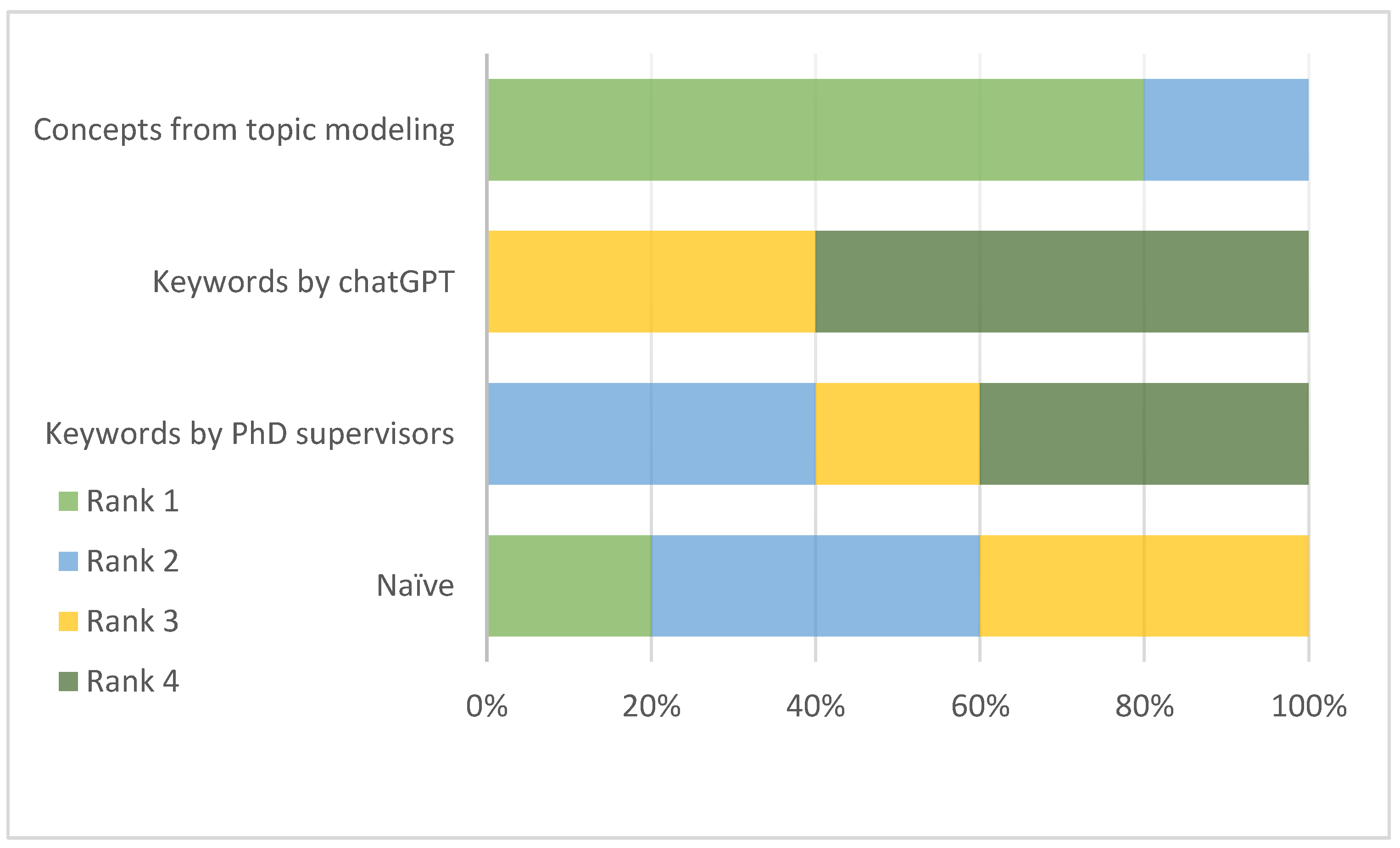
In assessing appropriateness, the responses generated from the prompt incorporating concepts from topic modeling and the naïve prompt were deemed suitable by all evaluators (Table 3). However, this was not the case for the two keyword-enhanced prompts, where the appropriateness ratings were lower (keywords by supervisors: 80%, keywords by ChatGPT: 40%) (Figure 2).
Among the rankings, the prompt utilizing concepts derived from topic modeling consistently received the highest scores, with four out of five experts ranking it first and one expert placing it second. The naïve prompt performed well, generally ranking higher than both the supervisor- and ChatGPT-generated keyword prompts. Specifically, the naïve prompt was rated second or third by most experts, demonstrating its relative strength compared to the keyword-enhanced options. Interrater consensus on these rankings was significant, as indicated by a Kendall’s W value of 0.648 (p < 0.05), reflecting strong agreement among the experts.

4.3. Appropriateness Across Research Pathways (Secondary Analysis)

The results obtained when ChatGPT was instructed to address different research pathways were also analyzed. In their assessment of the appropriateness of the outputs, most experts found the results from these pathways to be relevant and well-aligned with the research objectives (Table 4).
In the Geospatial Intelligence and Remote Sensing pathway, ChatGPT emphasized integrating geospatial analytics with real-time data to map hazard zones, optimize resource allocation, and enhance disaster response. The recommendations included reconciling diverse spatial resolutions, employing multi-resolution fusion for hazard detection, and validating models across varied environments to ensure adaptability and reliability for first responders. When addressing the Digital Twin pathway, ChatGPT emphasized creating real-time, interactive simulations to assist first responders in anticipating disaster evolution and testing response strategies. Key recommendations included designing a layered architecture for real-time updates, integrating dynamic hazard modeling validated against historical data, and enabling scenario-based training with instant feedback. Collaboration with emergency management partners and refining user interfaces were also highlighted to ensure practical impact and usability in high-pressure workflows. The output for the Semantic Web Approaches pathway emphasized establishing data interoperability through ontology design and RDF frameworks to address data fragmentation in disaster management. Key recommendations included developing or adapting ontologies for disaster concepts, implementing real-time data validation using machine learning, and iteratively testing with diverse data sources. The outputs also highlighted involving first responders in interface design and conducting controlled simulations to ensure the system's usability, effectiveness, and impact on situational awareness and decision-making.

5. Discussion

We instructed ChatGPT to generate academic guidance for DRM research using established approaches and frameworks. To our knowledge, this is the first study to systematically evaluate the use of ChatGPT for providing academic recommendations for a PhD proposal. The experiment involved varying inputs, and we observed that the most structured and relevant guidance was obtained when specific research pathways related to the PhD proposal were included. In contrast, less relevant outputs resulted from general keyword-based prompts. Additionally, ChatGPT demonstrated the capacity to adapt its outputs to diverse domains, tailoring recommendations to fit specific contexts. This finding aligns with evidence suggesting that generative AI tools excel when tasks are well-defined, as highlighted in a survey of Danish researchers, where clear instructions enhanced AI’s effectiveness [24].
Specifically, the naive output aligned with the multifaceted challenges in DRM, such as the need for semantic harmonization of heterogeneous data sources, real-time validation of nontraditional inputs like social media feeds, the integration of predictive analytics to forecast incident evolution, and geospatial intelligence to enhance situational awareness. This reflects a global need to establish frameworks that combine semantic web approaches, machine learning models, and scalable architectures to address inconsistencies, ensure data reliability, and improve decision-making for first responders [25]. By capturing these elements, ChatGPT underscored the potential of AI-driven and ontology-based frameworks to support the research objectives, demonstrating its ability to generate actionable insights for the next steps of the PhD. A similar benefit of generative AI in reducing cognitive load and enhancing productivity was observed, where ChatGPT provided scaffolding for nursing PhD students [26].
However, outputs generated using keyword-based prompts focused primarily on defining and elaborating terms such as data interoperability, predictive analytics, and validation mechanisms. While these aspects are critical to the framework, the responses often failed to connect these concepts explicitly to the core gaps identified in the proposal, such as fragmented data and real-time decision-making. Instead, they addressed technical aspects in isolation, limiting their ability to provide comprehensive, solution-oriented recommendations. This observation underscores the importance of contextualizing inputs to maximize the relevance and coherence of ChatGPT’s outputs.
In comparison thematically focused inputs, such as those based on topic modeling or research dimensions like Interoperable Systems for First Responders, produced outputs that were more actionable and contextually grounded. These prompts enabled ChatGPT to align its recommendations directly with the goals and practical applications of the research dimension, enhancing the quality and relevance of the guidance. For example, structured prompts resulted in recommendations for modular ontology design, scalable frameworks, stakeholder engagement, and, in the case of geospatial intelligence, specific integration techniques for remote sensing data, all of which are critical to addressing the dynamic challenges of disaster scenarios.
Our methodology ensured consistency in the structure of prompts while modifying only the content of the background information provided. This approach allowed us to pinpoint the elements of the inputs that significantly enhanced the quality of the recommendations. The inclusion of even minimal background on key disaster management topics, such as All-Source Data Collection and Integration, resulted in more coherent and relevant guidance. For instance, semantic web approaches were contextualized to support modular ontology engineering, standards alignment, and predictive analytics, reflecting core aspects of disaster management research.
The outputs also underscored the importance of integrating real-time validation mechanisms to enhance the reliability and accuracy of data streams. Recommendations for dynamic systems capable of validating and updating data during crises were consistent with the research objectives of the proposal. These systems were positioned as essential tools for improving situational awareness and decision-making, particularly for first responders operating under high-pressure conditions.
Stakeholder engagement emerged as another critical theme throughout the outputs. The recommendations consistently advocated for participatory approaches involving first responders and policymakers during framework development. This user-centric methodology ensures that the proposed solutions address operational workflows and practical needs effectively, a key requirement for real-world application in DRM [27]. Embedding these participatory methods also resonates with sustainable research and education practices, as it nurtures ongoing learning communities and fosters inclusive decision-making.
Despite these strengths, some areas warrant further development as identified by external academic experts. While the outputs proposed robust solutions for fragmented data systems and real-time validation, they offered limited focus on addressing cascading effects in multi-hazard scenarios. Such scenarios, where disasters overlap or compound one another, pose unique challenges that future iterations of the research should explore [29]. Similarly, external experts noted that while ethical considerations—such as data privacy and compliance with regulations like GDPR—were acknowledged, they require deeper integration into the proposed framework to ensure responsible and secure data usage [30].
Another area for improvement lies in the integration of advanced analytics, as highlighted by academic reviewers. While the outputs recommend incorporating machine learning and AI, they could provide more explicit guidance on how these technologies would complement the proposed approaches. For example, employing machine learning-based clustering techniques to identify patterns in heterogeneous data streams could enhance the system’s capability to detect emerging hotspots of activity during disaster scenarios, enabling faster allocation of resources and prioritization of critical response actions [28].
Overall, the results demonstrate ChatGPT’s ability to provide meaningful academic guidance that advances disaster risk management research. By addressing challenges such as data fragmentation, real-time validation, scalability, and the importance of geospatial intelligence, the outputs provide a strong foundation for advancing the next steps of the PhD research. Further enhancements, including a focus on multi-hazard scenarios, ethical considerations, and advanced analytics, would strengthen the framework’s applicability. These findings underscore ChatGPT’s potential as a valuable tool for bridging the gap between theoretical innovation and practical solutions in disaster risk management.
While the use of AI chatbots in advising is still an emerging practice, studies suggest that platforms like ChatGPT have the potential to transform academic mentoring by providing flexible, on-demand guidance throughout a doctoral program [24]. Unlike human advisors, whose availability may be limited by time and institutional responsibilities, ChatGPT offers constant accessibility, delivering feedback and recommendations instantly and at any stage of the research process. This advantage is particularly significant in the iterative nature of PhD research, where the need for timely input often arises outside conventional consultation schedules. One of the primary benefits of ChatGPT in the context of PhD advising is its ability to synthesize complex theoretical frameworks and methodologies, as demonstrated in its application to the PhD proposal on DRM. By processing and integrating diverse information sources, ChatGPT can offer structured guidance tailored to the researcher’s objectives. For example, it can align proposals with established academic standards, recommend methodologies like ontology engineering or semantic web technologies, advise on geospatial intelligence considerations, and identify relevant gaps in the literature. This adaptability allows the platform to act as a complementary resource for researchers, particularly in interdisciplinary fields where expertise may span multiple domains.
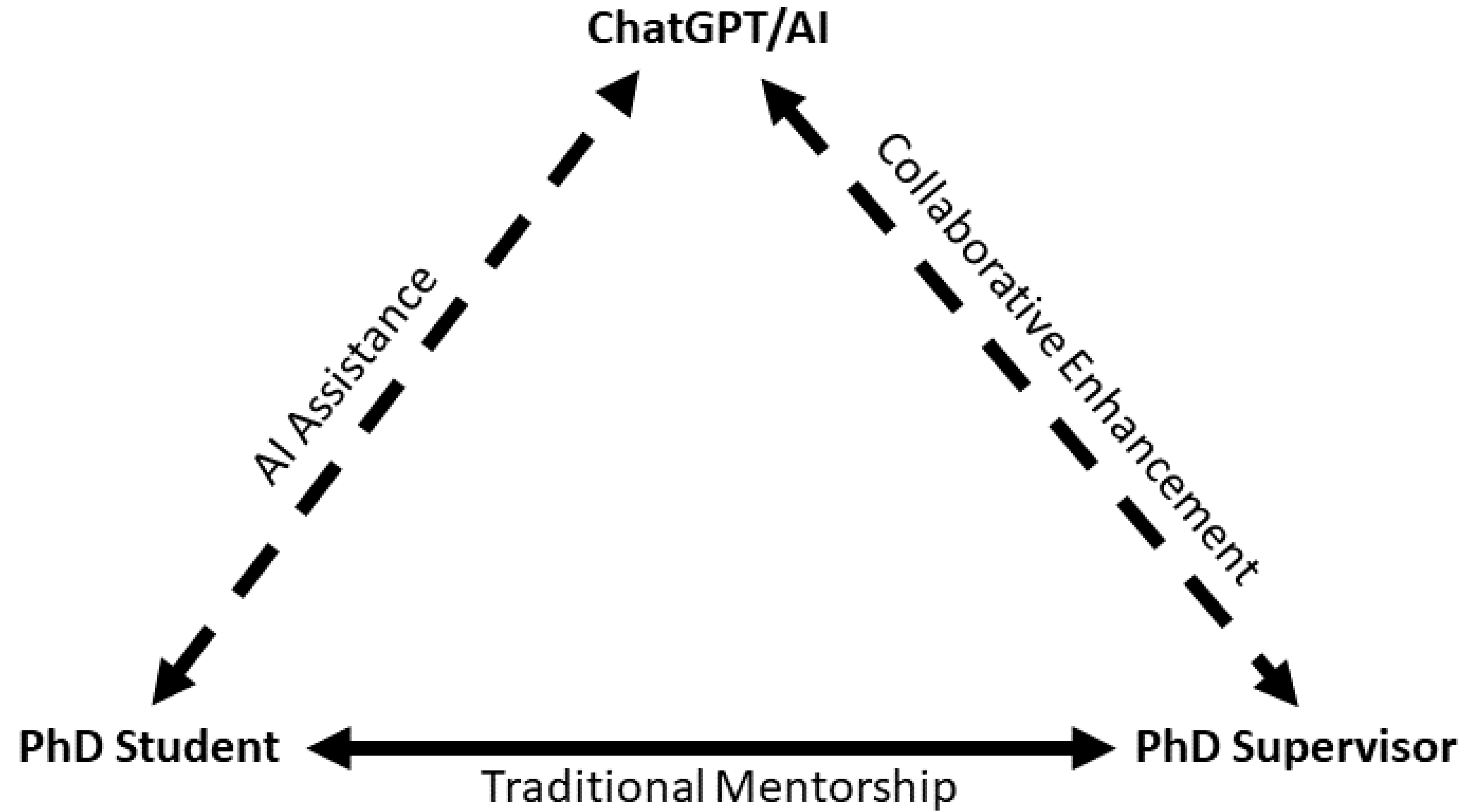
Moreover, while existing literature on AI in higher education largely focuses on automating administrative tasks or providing instant feedback on discrete learning activities, our findings suggest a broader role for AI in doctoral research supervision. In particular, the PhD journey can evolve into a “tripartite mentoring model,” wherein the student, the supervisor, and ChatGPT (or a comparable AI assistant) collaborate in shaping the research trajectory (Figure 3). This model aligns with emerging perspectives that view generative AI tools as both opportunities and challenges in supervision, providing new avenues for supporting autonomy and fulfilling various academic needs.
In this scenario, ChatGPT acts as a rapid-response resource—providing immediate, context-specific guidance on methodology and literature synthesis—while the supervisor offers deep domain expertise, tailored mentoring, and critical appraisal rooted in scholarly judgment. Additionally, the advisor may consult ChatGPT to refine feedback or explore alternative approaches, thereby further leveraging AI-driven insights to enhance doctoral support. Meanwhile, the student navigates suggestions from both the AI and advisor, using each as a complementary asset. This setup potentially accelerates feedback loops, expands the pool of ideas considered, and encourages ongoing reflection on AI-sourced recommendations.
Today, an increasing number of researchers agree that implementing a tripartite mentoring model can yield a wide range of benefits for doctoral researchers, such as providing continuous access to knowledge resources, accelerating feedback loops, and offering deeper intellectual scaffolding [29]. However, at the same time research highlights that this approach raises potential concerns, including the risk of biased AI suggestions, ethical considerations regarding data usage, and the possibility of over-reliance on automated systems, all of which require clear role definitions and governance measures [30]. In light of these benefits and challenges, it is crucial to measure the effectiveness of the tripartite mentoring model to ensure ongoing refinement and accountability [31]. This can be achieved by tracking student progress through milestones (e.g., proposal approval, conference papers) to determine whether AI input accelerates or improves outcomes, assessing the quality of work using rubrics or peer reviews, and gathering user satisfaction data from both students and supervisors to evaluate perceived benefits, workload distribution, and overall ease of use.
With the advent of GenAI, this model has permeated universities, emerging as a framework worthy of further exploration, driven by the evolving academic ecosystem. This aligns with other research highlighting the transformative potential of AI in reshaping supervisory roles and integrating collaborative approaches to doctoral mentoring, emphasizing the need for frameworks that adapt to technological advancements while maintaining the relational aspects of effective supervision [24,32,33,34]. However, a comprehensive exploration of the tripartite mentoring model is beyond the scope of this paper and is recommended for future studies.

6. Limitations

There are several limitations to our study. First, we utilized only one research proposal as the basis for evaluating ChatGPT's ability to provide academic guidance in the context of PhD advising. While the chosen proposal was carefully selected to reflect real-world research challenges in disaster risk management, our findings would benefit from validation using a broader range of proposals across diverse academic fields. Expanding the dataset in future studies would enhance the generalizability of our results.
Second, the evaluation of ChatGPT’s outputs involves an inherent degree of subjectivity. While we applied consistent criteria to assess the relevance and appropriateness of the recommendations, the absence of widely accepted benchmarks for academic guidance in this context poses a challenge. Future studies could benefit from the development of structured evaluation metrics tailored to academic advising scenarios, focusing on aspects such as clarity, coherence, and practical applicability.
Third, the prompts designed for generating recommendations were informed by structured disaster management concepts and theoretical frameworks. Although care was taken to avoid overly prescriptive inputs, the inclusion of specific domain knowledge might have influenced the nature of the outputs. Incorporating a more diverse set of prompts, including open-ended and exploratory inputs, could provide a fuller picture of ChatGPT’s capabilities and limitations in generating academic guidance.
Fourth, there is a possibility that the training data used to develop ChatGPT included elements related to disaster risk management, which might have influenced the outputs. However, given the vast scale of the training dataset, it is unlikely that any single piece of information could have a significant impact on the results. Future research could explore the influence of pertaining data on output quality in academic advising scenarios.
Lastly, this study focused exclusively on English-language outputs and was conducted within the context of a specific case study. While the findings are relevant to academic advising in general, they may not fully account for variations in academic norms, linguistic diversity, or disciplinary expectations. Expanding future research to include multilingual outputs and diverse academic contexts would provide a more comprehensive understanding of ChatGPT’s potential in PhD advising.

7. Conclusions

We used ChatGPT to generate recommendations for a PhD proposal focused on developing advanced frameworks for academic research. ChatGPT demonstrated the ability to provide appropriate results even with minimal input, while the inclusion of structured concepts and context-specific topics enhanced the relevance and depth of its outputs. Furthermore, ChatGPT effectively responded to prompts tailored to specific research pathways, delivering recommendations aligned with established academic frameworks and theories. By potentially reducing the resource intensity of doctoral supervision, ChatGPT also shows promise in fostering more sustainable educational practices. These findings suggest that ChatGPT has significant potential as a complementary tool in PhD supervision, offering structured guidance, actionable insights, and timely feedback that can align with sustainability goals in higher education. Future studies should investigate its application across diverse academic disciplines and explore the formal integration of the “tripartite mentoring model”, where ChatGPT collaborates with supervisors and students to further enhance the doctoral research experience while contributing to sustainable academic innovation.

Author Contributions

All authors have contributed equally to the conceptualization, methodology, software, validation, formal analysis, investigation, resources, data curation, writing—original draft preparation, writing—review and editing, visualization, supervision, project administration, and funding acquisition. All authors have read and agreed to the published version of the manuscript.

Funding

This research was funded by the INVEST project under the ERASMUS-EDU-2023-EUR-UNIV program (Project No.: 101124598, www.invest-alliance.eu), and the APC was also funded by the same project.

Data Availability Statement

The AI-generated data used in this study are available.

Conflicts of Interest

The authors declare no conflict of interest.

References

  1. Mian, S.H.; Salah, B.; Ameen, W.; Moiduddin, K.; Alkhalefah, H. Adapting Universities for Sustainability Education in Industry 4.0: Channel of Challenges and Opportunities. Sustain. 2020, 12. [Google Scholar] [CrossRef]
  2. Higgins, B.; Thomas, I. Education for Sustainability in Universities: Challenges and Opportunities for Change. In Proceedings of the Australian Journal of Environmental Education; Cambridge University Press, March 1 2016; Vol. 32; pp. 91–108. [Google Scholar]
  3. Su, J.; Yang, W. Unlocking the Power of ChatGPT: A Framework for Applying Generative AI in Education. ECNU Rev. Educ. 2023, 6, 355–366. [Google Scholar] [CrossRef]
  4. Kouatli, I. The Need for Social and Academic Responsibility Advisor (SARA): A Catalyst toward the Sustainability of Educational Institutes. Soc. Responsib. J. 2020, 16, 1275–1291. [Google Scholar] [CrossRef]
  5. Chan, Z.C.Y.; Chan, H.Y.; Chow, H.C.J.; Choy, S.N.; Ng, K.Y.; Wong, K.Y.; Yu, P.K. Academic Advising in Undergraduate Education: A Systematic Review. Nurse Educ. Today 2019, 75, 58–74. [Google Scholar] [CrossRef]
  6. Cardona, T.A.; Cudney, E. a. Predicting Student Retention Using Support Vector Machines. Procedia Manuf. 2019, 39, 1827–1833. [Google Scholar] [CrossRef]
  7. Iatrellis, O.; Kameas, A.; Fitsilis, P. EDUC8 Pathways: Executing Self-Evolving and Personalized Intra-Organizational Educational Processes. Evol. Syst. 2020, 11. [Google Scholar] [CrossRef]
  8. Miller Marsha; White Eric; Nutt Charlie; Drake Jayne The Role of Academic Advising Programs. CAS Stand. Context. Statement 2015, 16, 8–12. [CrossRef]
  9. Iatrellis, O.; Samaras, N.; Kokkinos, K. Towards a Capability Maturity Model for Micro-Credential Providers in European Higher Education. Trends High. Educ. 2024, 3, 504–527. [Google Scholar] [CrossRef]
  10. Maphosa, V.; Maphosa, M. Fifteen Years of Recommender Systems Research in Higher Education: Current Trends and Future Direction. Appl. Artif. Intell. 2023, 37. [Google Scholar] [CrossRef]
  11. Iatrellis, O.; Kameas, A.; Fitsilis, P. Academic Advising Systems: A Systematic Literature Review of Empirical Evidence. Educ. Sci. 2017, 7, 90. [Google Scholar] [CrossRef]
  12. Kuhail, M.A.; Al Katheeri, H.; Negreiros, J.; Seffah, A.; Alfandi, O. Engaging Students With a Chatbot-Based Academic Advising System. Int. J. Hum. Comput. Interact. 2023, 39, 2115–2141. [Google Scholar] [CrossRef]
  13. OpenAI Available online:. Available online: https://openai.com/ (accessed on 23 July 2024).
  14. Bahrini, A.; Khamoshifar, M.; Abbasimehr, H.; Riggs, R.J.; Esmaeili, M.; Majdabadkohne, R.M.; Pasehvar, M. ChatGPT: Applications, Opportunities, and Threats. In Proceedings of the 2023 Systems and Information Engineering Design Symposium, 2023, SIEDS 2023; Institute of Electrical and Electronics Engineers Inc; pp. 274–279. [Google Scholar]
  15. Kokkinos, K.; Samaras, N.; Iatrellis, O. European Universities Best Practices: The Case of INVEST EU Alliance. Eur. Sci. J. ESJ 2024, 25. [Google Scholar] [CrossRef]
  16. IFAFRI Capability Gap 4 “Deep Dive” Analysis Synopsis Available online:. Available online: https://www.internationalresponderforum.org/sites/default/files/2023-02/gap4_analysis.pdf (accessed on 30 December 2024).
  17. Ghosh, C. GIS and Geospatial Studies in Disaster Management. In International Handbook of Disaster Research; Springer Nature Singapore, 2023; pp. 701–708 ISBN 9789811983887.
  18. Hasanuzzaman, M.; Hossain, S.; Shil, S.K. Enhancing Disaster Management through AI-Driven Predictive Analytics: Improving Preparedness and Response; 2023; Vol. 01;
  19. Yun, S.J.; Kwon, J.W.; Kim, W.T. A Novel Digital Twin Architecture with Similarity-Based Hybrid Modeling for Supporting Dependable Disaster Management Systems. Sensors 2022, 22, 4774. [Google Scholar] [CrossRef] [PubMed]
  20. Yu, D.; He, Z. Digital Twin-Driven Intelligence Disaster Prevention and Mitigation for Infrastructure: Advances, Challenges, and Opportunities. Nat. Hazards 2022, 112, 1–36. [Google Scholar] [CrossRef]
  21. Areti Bania; Omiros iatrellis; Nicholas Samaras; Theodor Panagiotakopoulos FiReS: A Semantic Model for Advanced Querying and Prediction Analysis for First Responders in Post-Disaster Response Plans; 2024;
  22. Bania, A.; Samaras, N. Information Communication Technologies (ICTs) and Disaster Risk Management (DRM): Systematic Literature Review;
  23. Kabra, G.; Ghosh, V.; Mukherjee, R. Discovering Latent Topics and Trends in Digital Technologies and Disaster Management Research: A Structural Topic Modeling Approach. EMJ - Eng. Manag. J. 2024. [Google Scholar] [CrossRef]
  24. Peter, J.; Andersen, J.P. Generative Artificial Intelligence ( GenAI ) in the Research Process – a Survey of Researchers ’ Practices and Perceptions Corresponding Author. [CrossRef]
  25. Dirgahayu, T.; Hendrik; Setiaji, H. Semantic Web in Disaster Management: A Systematic Literature Review. IOP Conf. Ser. Mater. Sci. Eng. 2020, 803. [CrossRef]
  26. Reading Turchioe, M.; Kisselev, S.; Fan, R.; Bakken, S. Returning Value from the All of Us Research Program to PhD-Level Nursing Students Using ChatGPT as Programming Support: Results from a Mixed-Methods Experimental Feasibility Study. J. Am. Med. Informatics Assoc. 2024, 31, 2974–2979. [Google Scholar] [CrossRef]
  27. Mojtahedi, M.; Oo, B.L. Critical Attributes for Proactive Engagement of Stakeholders in Disaster Risk Management. Int. J. Disaster Risk Reduct. 2017, 21, 35–43. [Google Scholar] [CrossRef]
  28. Zhang, T.; Wang, D.; Lu, Y. Machine Learning-Enabled Regional Multi-Hazards Risk Assessment Considering Social Vulnerability. Sci. Rep. 2023, 13, 1–14. [Google Scholar] [CrossRef]
  29. Guettala, M.; Bourekkache, S.; Kazar, O.; Harous, S. Generative Artificial Intelligence in Education: Advancing Adaptive and Personalized Learning. Acta Inform. Pragensia 2024, 13, 460–489. [Google Scholar] [CrossRef]
  30. Vrågård, J.; Brorsson, F.; Aghaee, N. Generative AI in Higher Education : Educators ’ Perspectives on Academic Learning and Integrity. 2024, 406–414.
  31. Abbasian, M.; Khatibi, E.; Azimi, I.; Oniani, D.; Shakeri Hossein Abad, Z.; Thieme, A.; Sriram, R.; Yang, Z.; Wang, Y.; Lin, B.; et al. Foundation Metrics for Evaluating Effectiveness of Healthcare Conversations Powered by Generative AI. npj Digit. Med. 2024, 7, 1–14. [Google Scholar] [CrossRef]
  32. Zou, M.; Huang, L. To Use or Not to Use? Understanding Doctoral Students’ Acceptance of ChatGPT in Writing through Technology Acceptance Model. Front. Psychol. 2023, 14, 1–9. [Google Scholar] [CrossRef]
  33. Harding, D.; Boyd, P. Title Generative AI and PhD Supervision: A Covert Third Wheel or a Seat at the Table?; 2024;
  34. Caillaud, E.; Skec, S. Supervision of Design Phd Students in an Era of Generative Artificial Intelligence. 2024, 420–425. [CrossRef]
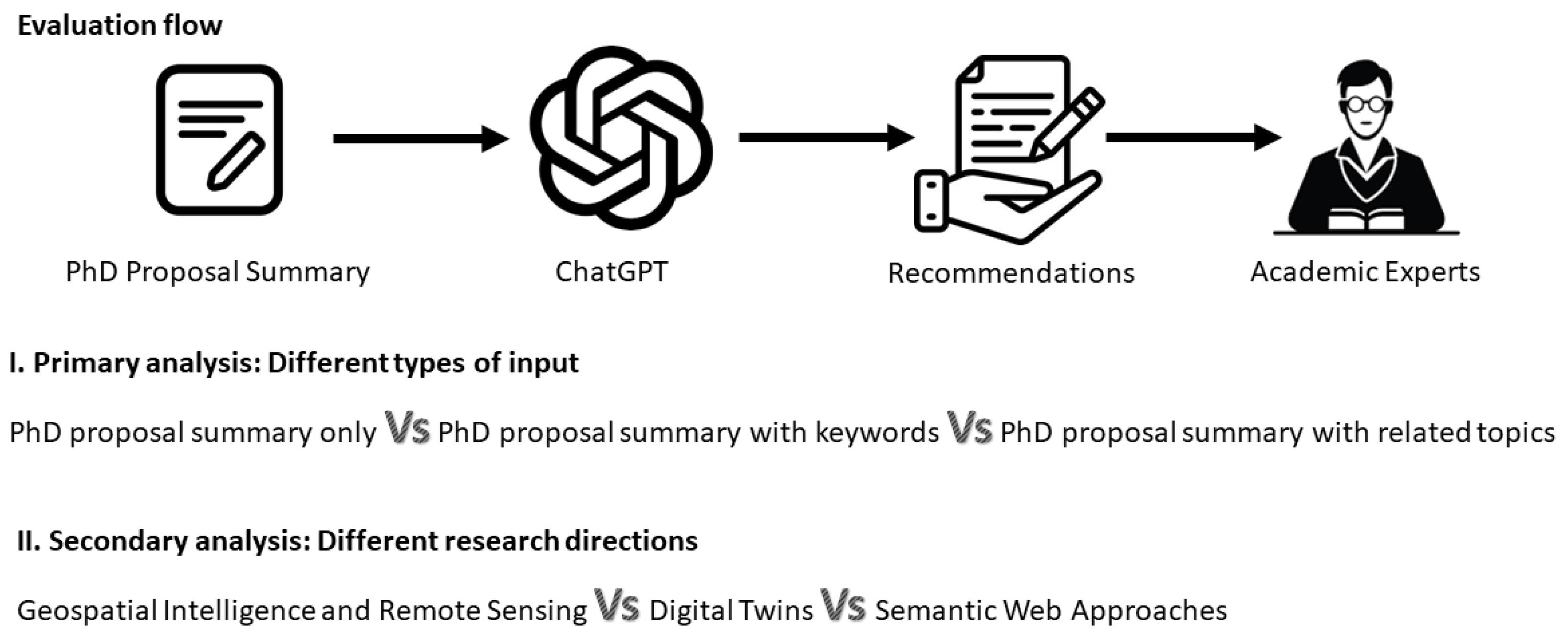
Figure 1. Study Design Overview.
Preprints 147989 g001
Figure 2. A stacked bar graph illustrating academic experts' rankings of ChatGPT outputs generated using various prompt types during the primary analysis.
Preprints 147989 g002
Figure 3. The tripartite mentoring model.
Preprints 147989 g003
Table 1. Primary analysis inputs.
PhD proposal (Summarized) Keyword by PhD supervisors Keyword by GPT Concepts from Topic Modelling
The research proposal, titled "Enhancing Decision-Making Systems for First Responders through Predictive Analytics and Advanced Data Integration," aims to address critical challenges faced by emergency responders in rapidly evolving scenarios. Conducted at the Digital Systems Department of University X, the project seeks to develop a decision-support framework that integrates diverse data sources, validates their reliability, and leverages predictive analytics to provide actionable insights. A literature review highlights significant gaps in current systems, which struggle to integrate heterogeneous data from traditional sources (e.g., environmental sensors) and nontraditional sources (e.g., social media). This fragmentation hinders situational awareness and slows decision-making. The absence of real-time data validation mechanisms further compromises the reliability of information, reflecting challenges identified by the International Forum to Advance First Responder Innovation (IFAFRI), particularly Capability Gap 4.
The proposed framework addresses these issues through three objectives: (1) developing a scalable architecture to integrate heterogeneous data sources, ensuring compatibility and seamless communication; (2) incorporating real-time validation mechanisms to verify data reliability; and (3) applying predictive analytics to identify patterns, forecast incidents, and enable proactive decision-making. A user-centric design will provide customizable interfaces, allowing responders to prioritize information dynamically during high-pressure situations.
Machine learning techniques and advanced data harmonization will be combined to deliver tailored insights that enhance situational awareness. The framework will be iteratively tested in simulated and real-world disaster scenarios to evaluate its effectiveness in improving decision-making speed and accuracy.
This research has the potential to redefine emergency response by offering reliable, adaptable, and predictive decision-support tools. Its outcomes will advance disaster management operations, contribute to public safety innovation, and align with the mission of University X’s Digital Systems Department to deliver impactful computational solutions.
• Predictive Analytics
• Decision Support Systems
• Data Integration
• Emergency Response
• Real-Time Validation
• Situational Awareness
• Heterogeneous Data Sources
• Machine Learning
• Disaster Management
• Public Safety Innovation
• Disaster Risk Management
• Semantic Web
• Ontology Development
• Data Interoperability
• Machine Learning • Data Harmonization
• Emergency Response
• Predictive Analytics
• First Responders
• RDF triplestore
• Technology Awareness and Education in Disaster Management
• Disaster Management Interventions Through Autonomous Systems
• Capability and Capacity Building for Digital Resilience
• Digital Technology-Based Monitoring and Prevention of Below-Surface Hazards/Accidents
• Use of Social Media in Crisis Communication
• Data Collection Through Social Media
• Communication Networks and Data Applications in Disasters
• Disaster Management Modeling
• Emergency Response Management Systems
Table 2. Attributes of ChatGPT’s Input Prompts and Generated Responses.
Category Input Input (Word Count) Output (Word Count)
Primary analysis:
Naïve Please analyze the following PhD proposal titled Enhancing Decision-Making Systems for First Responders through Predictive Analytics and Advanced Data Integration'. Based on the proposal, provide recommendations on how the student should approach the research, including suggested methods, key steps, and potential challenges. Please do not use bullet points, numbered lists, or headings, but instead provide a continuous paragraph in a formal academic tone with full sentences throughout. 522 459
Keywords by PhD supervisors Please analyze the following PhD proposal titled Enhancing Decision-Making Systems for First Responders through Predictive Analytics and Advanced Data Integration’. Based on the proposal, provide recommendations on how the student should approach the research, including suggested methods, key steps, and potential challenges. Please do not use bullet points, numbered lists, or headings, but instead provide a continuous paragraph in a formal academic tone with full sentences throughout.
Please structure the recommendation using the keywords provided below: << Keywords by PhD supervisors >>
574 536
Keywords by chatGPT Please analyze the following PhD proposal titled Enhancing Decision-Making Systems for First Responders through Predictive Analytics and Advanced Data Integration’'. Based on the proposal, provide recommendations on how the student should approach the research, including suggested methods, key steps, and potential challenges. Please do not use bullet points, numbered lists, or headings, but instead provide a continuous paragraph in a formal academic tone with full sentences throughout.
Please structure the recommendation using the keywords provided below: <<Keywords by chatGPT>>
572 633
Concepts from topic modeling Please analyze the following PhD proposal titled Enhancing Decision-Making Systems for First Responders through Predictive Analytics and Advanced Data Integration’'. Based on the proposal, provide recommendations on how the student should approach the research, including suggested methods, key steps, and potential challenges. Please do not use bullet points, numbered lists, or headings, but instead provide a continuous paragraph in a formal academic tone with full sentences throughout.
Please structure the recommendation using the concepts provided below: <<Concepts from topic modeling>>
605 655
Secondary analysis:
Geospatial Intelligence and Remote Sensing Please analyze the following PhD proposal titled 'Enhancing Decision-Making Systems for First Responders through Predictive Analytics and Advanced Data Integration ' Based on the proposal, provide recommendations on how the student should approach the research, including suggested methods, key steps, and potential challenges.
To strengthen the foundation of the proposed framework for disaster risk management, Geospatial Intelligence and Remote Sensing should be established as a central pillar. This pathway is justified by the critical need for first responders to anticipate incident evolution and take proactive measures, especially in rapidly changing and high-pressure scenarios. Current systems often fail to provide forward-looking insights, limiting their ability to optimize resource allocation and minimize disaster impacts. Please do not use bullet points, numbered lists, or headings, but instead provide a continuous paragraph in a formal academic tone with full sentences throughout.
636 410
Digital Twin technology Please analyze the following PhD proposal titled ' Enhancing Decision-Making Systems for First Responders through Predictive Analytics and Advanced Data Integration ' Based on the proposal, provide recommendations on how the student should approach the research, including suggested methods, key steps, and potential challenges.
To strengthen the foundation of the proposed framework for disaster risk management, Digital Twin technology should be established as a central pillar. This approach is justified by its ability to create real-time, interactive simulations that mirror complex disaster scenarios. These virtual replicas provide first responders with a dynamic environment to monitor, predict, and experiment with potential response strategies during emergencies. Please do not use bullet points, numbered lists, or headings, but instead provide a continuous paragraph in a formal academic tone with full sentences throughout.
627 404
Semantic Web Approaches Please analyze the following PhD proposal titled Enhancing Decision-Making Systems for First Responders through Predictive Analytics and Advanced Data Integration’.' Based on the proposal, provide recommendations on how the student should approach the research, including suggested methods, key steps, and potential challenges.
To strengthen the foundation of the proposed framework for disaster risk management, Semantic Web Approaches should be established as a central pillar. The rationale lies in the fragmented nature of the data sources that first responders must handle, including traditional sources like environmental sensors and nontraditional ones such as social media and citizen-generated reports. These sources often use inconsistent formats and terminologies, complicating interoperability and real-time integration. Please do not use bullet points, numbered lists, or headings, but instead provide a continuous paragraph in a formal academic tone with full sentences throughout
634 652
Table 3. Performance outcomes for various inputs in the primary analysis.
Category Appropriateness Key Features of ChatGPT Recommendations
Naïve 100% • The recommendations effectively identify the primary challenge of integrating diverse data streams.
• Broad suggestions are offered for employing predictive analytics and user-centered design.
• Key concerns regarding validating nontraditional sources, such as social media data, are addressed.
• The suggestions indicate a reasonable grasp of the major technological gaps.
• The proposed methodologies do not sufficiently interact to produce a cohesive, end-to-end decision-support framework.
• The linkage of predictive analytics to real-world incident command operations remains underdeveloped.
• The conceptual framework connecting data validation, system scalability, and final user adoption needs stronger emphasis.
• A gap remains in translating high-level strategies into concrete, integrated solutions for first responders.
Keywords by PhD supervisors 80% • The text covers important points about predictive analytics, decision support systems, and other key topics in emergency response.
• It reads as though each paragraph was generated to match a specific keyword rather than forming a cohesive narrative.
• The recommendations are valid but do not flow smoothly into one another.
• The discussion feels fragmented rather than integrated.
• The potential synergy among data integration, real-time validation, and user-centric interfaces is not highlighted enough.
• The framework‘s overarching value for first responders is insufficiently articulated.
Keywords by chatGPT 40% • The text references concepts such as data harmonization, semantic web, machine learning, and predictive analytics.
• Each keyword seems to anchor its own paragraph without sufficiently demonstrating how these elements intertwine.
• The output feels disjointed rather than cohesive.
• A clear understanding of how machine learning and semantic web technologies can jointly enhance disaster risk management is lacking.
Concepts from topic modeling 100% • The recommendations effectively incorporate all the specified topics related to disaster management and digital resilience.
• They present a cohesive and integrated narrative.
• The core challenges faced by first responders, such as data fragmentation, real-time validation, and technological literacy, are clearly articulated and systematically addressed within each section.
• Central themes like interoperability, predictive analytics, and user-centric design are formulated using a structured methodology that aligns with the identified research dimensions.
• Despite the absence of a specific research direction outlined in advance, the recommendations adopt a comprehensive approach.
• This approach integrates technology awareness, autonomous systems, and digital resilience into a unified decision-support framework.
• The alignment ensures that diverse topics are not treated as isolated components but interwoven to create a holistic solution tailored to the dynamic challenges of disaster management.
Table 4. Performance outcomes for various inputs in the secondary analysis.
Research direction Appropriateness Key Features of ChatGPT Recommendations
Geospatial Intelligence and Remote Sensing 80% • Establish a geo-data preprocessing pipeline that reconciles different spatial resolutions and coordinates across satellite imagery, drone footage, and sensor data.
• Develop a multi-resolution fusion technique that integrates wide-coverage, lower-resolution data with narrow-coverage, high-resolution feeds to enhance hazard detection.
• Integrate spatial analysis methods (GIS tools, network analysis) to tailor insights to the local geographic context, enabling first responders to identify hazard zones, routes, and resource needs.
• Validate models in diverse geographic contexts (urban vs. rural, coastal vs. mountainous) to ensure adaptability and reliability across multiple disaster scenarios.
• Incorporate resource allocation logic that translates predictive outputs into on-the-ground strategies, measured by real-world collaborations and user satisfaction metrics.
Digital Twin technology
80% • Design a layered architecture that separates data ingestion (sensors, IoT) from simulation modules (3D visualization, situational modeling) to ensure real-time updates and modular scalability.
• Integrate dynamic hazard modeling so the virtual environment adjusts to new data (flood levels, fire perimeters), validated against historical incidents to confirm realism.
• Conduct cross-layer calibration by comparing simulated conditions to real logs or sensor data, triggering alerts for major discrepancies.
• Enable scenario-based training in which first responders test various tactics (evacuation routes, resource deployment) and receive instant feedback on outcomes.
• Collaborate with emergency management partners for field tests and refine user interfaces to fit within high-pressure workflows, mitigating resistance and ensuring practical impact.
Semantic Web Approaches 100% • Develop a prototype ontology or adapt an existing one to represent key disaster concepts, and store/query data via an RDF triplestore.
• Implement real-time data validation that employs machine learning classifiers for credibility scoring and anomaly detection in sensor feeds.
• Conduct iterative testing with increasingly complex scenarios, beginning with structured sensor data and gradually incorporating social media or crowdsourced inputs.
• Involve first responders in the user-centered design of interfaces to ensure that the system meets practical needs, remains intuitive, and supports rapid decision-making.
• Measure performance through controlled simulations and real-world trials that evaluate improvements in situational awareness and decision-making speed.
Disclaimer/Publisher’s Note: The statements, opinions and data contained in all publications are solely those of the individual author(s) and contributor(s) and not of MDPI and/or the editor(s). MDPI and/or the editor(s) disclaim responsibility for any injury to people or property resulting from any ideas, methods, instructions or products referred to in the content.
Copyright: This open access article is published under a Creative Commons CC BY 4.0 license, which permit the free download, distribution, and reuse, provided that the author and preprint are cited in any reuse.
Prerpints.org logo

Preprints.org is a free preprint server supported by MDPI in Basel, Switzerland.

Subscribe

Disclaimer

Terms of Use

Privacy Policy

Privacy Settings

© 2025 MDPI (Basel, Switzerland) unless otherwise stated