Preprint
Review

This version is not peer-reviewed.

Evaluating Smart Home Usability and Accessibility in Early Detection and Intervention of Mental Health Challenges Among Older Adults

A peer-reviewed article of this preprint also exists.

Submitted:

01 January 2025

Posted:

04 January 2025

You are already at the latest version

Abstract

Background: As the global population ages, mental health challenges such as depression, anxiety, and cognitive decline become increasingly prevalent. Smart home technologies (SHTs) offer potential for real-time monitoring and early intervention, yet practical barriers related to usability, accessibility, and user acceptance persist. Methods: This narrative review summarizes literature from 2010 to early 2024 on SHT development, focusing on older adults’ mental health needs. User-centered design principles, accessibility guidelines, and ethical considerations were synthesized to identify challenges and facilitators. Results: Findings highlight issues such as complex interfaces, cognitive overload, and high costs, which limit SHT adoption. Accessibility barriers, including physical and sensory impairments, likewise reduce engagement and threaten the inclusivity of current SHT solutions. Nevertheless, research shows that user-centric design, participatory co-development, and adaptive interfaces can significantly improve acceptance. Early detection systems integrating AI-driven behavioral monitoring, medication reminders, and social engagement features demonstrate promise for timely mental health support. Conclusions: By addressing usability, accessibility, affordability, and privacy concerns through a multidisciplinary framework, SHTs can facilitate holistic mental health care for older adults. These systems have the potential to enhance autonomy, support aging in place, and foster improved wellbeing, provided that they are tailored to the diverse needs of end users.

Keywords: 
;  ;  ;  ;  ;  

1. Introduction

1.1. Context of the Aging Population

Global demographics are shifting markedly as the number of people aged 60 years and older is projected to exceed 2.1 billion by 2050 [1], placing unprecedented demands on healthcare systems worldwide. Within this rapidly expanding older adult population, mental health challenges—such as depression, anxiety, and cognitive decline—are increasingly recognized as significant public health concerns [2]. The interplay of age-related physical decline, reduced social networks, and limited access to specialized care often exacerbates these conditions, thereby threatening older adults’ independence and overall quality of life [3]. Extensive research highlights the criticality of early detection and timely interventions in mitigating the progression of mental health issues among older adults [4]. While pharmacological treatments and traditional therapeutic services play vital roles, they are not always feasible or accessible for individuals wishing to maintain autonomy and age in place [5]. Consequently, attention has turned to innovative, technology-driven solutions that can support mental health and well-being in non-institutional settings [6].

1.2. Smart Home Technologies (SHTs) as a Solution, and Adoption Barriers

Smart home technologies (SHTs) comprise interconnected digital devices including motion sensors, ambient monitors, AI-driven analytics, and telehealth interfaces, designed to provide real-time support for older adults [7,8]. These systems leverage Internet of Things (IoT) architectures and user-friendly interfaces to help manage daily tasks, monitor vital signs, and detect behavioral changes that might indicate mental health concerns [4,9]. For example, in-home sensors can track physical activity patterns, where sudden decreases might signal the onset of depression, enabling proactive intervention [9]. However, several significant barriers impede widespread SHT adoption among older adults. Usability challenges, including complex interfaces, small text sizes, and overwhelming data presentations, often discourage consistent use [10]. Technology anxiety, particularly fears about device damage or data security, further inhibits adoption, especially among less tech-savvy individuals [3,11]. Accessibility issues present additional challenges [12], as physical impairments, including reduced motor skills and sensory deficits, complicate device interaction [13]. This underscores the importance of multimodal feedback and adaptive design, particularly for rural residents with limited internet access [14]. Privacy and ethical concerns constitute another significant barrier [15]. Continuous data collection raises issues about surveillance, data storage, and unauthorized access [16], with many older adults expressing distrust of "always-on" sensors, especially when data usage policies lack clarity or when mental health monitoring carries perceived stigma [17]. Cost represents a further impediment [18], as device acquisition, subscription fees, and home modifications can strain fixed incomes [19]. The absence of public subsidies or insurance coverage compounds these economic challenges, despite evidence suggesting that well-designed SHTs can help manage psychological stressors related to isolation and chronic conditions [20]. Research into ambient-assisted living systems, AI-enabled reminders, and remote counseling indicates that technology can effectively complement human support when usability and ethical considerations are properly addressed [21]

1.3. Early Detection and Intervention Through SHTs: Features and Interventions

Smart home technologies (SHTs) offer comprehensive solutions for mental health monitoring and support in older adults through various integrated features and intervention methods. Behavioral monitoring systems enable continuous tracking of movement, sleep patterns, and daily routines, allowing for early detection of potential mental health challenges [22,23]. These systems are complemented by cognitive assessment tools that evaluate memory recall and problem-solving capabilities through interactive tasks seamlessly integrated into daily living [6,10,24]. Advanced AI-driven emotional analysis capabilities can detect markers of psychological distress through vocal patterns, facial expressions, and text inputs, potentially reducing stigma through private, home-based evaluations [25,26]. The intervention capabilities of SHTs include automated medication management systems that help maintain proper dosage schedules for mental health medications [27,28]. Crisis alert features enable swift responses to acute mental health events by notifying caregivers and healthcare providers [27,29,30]. Additionally, social engagement tools combat isolation and loneliness through video-calling platforms, online group activities, and virtual companionship features, incorporating daily check-ins to maintain routines and meaningful interactions [22,31,32]. These comprehensive mental health monitoring and intervention features demonstrate SHTs' significant potential in addressing the unique needs of older populations [31,32]. When properly implemented with attention to usability and accessibility, these technologies can serve as effective tools for proactive mental health management, helping to reduce the impact of undetected depression, anxiety, and early-stage cognitive decline.

1.4. Purpose and Scope

This study aims to comprehensively evaluate the usability and accessibility of Smart Home Technologies (SHTs) for older adults facing mental health challenges. The research examines key usability barriers, including complex interfaces, cognitive overload, and technology-related anxiety, while also investigating accessibility challenges stemming from physical or sensory impairments, economic constraints [34], and cultural or linguistic factors that affect diverse older populations. The study analyzes mental health opportunities through SHTs by examining monitoring tools, cognitive assessments, and AI-driven emotional analysis, exploring their potential for enabling timely interventions through medication reminders, crisis alerts, and social connectivity features. Building on these findings, we propose an integrative framework that combines technical innovation with user-centered design principles [25,30]. This framework addresses critical gaps such as insufficient personalization, siloed data streams, and ethical considerations by emphasizing adaptive interfaces, inclusive design, and privacy protections, ultimately demonstrating how SHTs can be optimized to enhance older adults' well-being and independence

2. Materials and Methods

2.1. Research Design

This study employs a narrative review with a descriptive-analytical methodology. A narrative (or integrative) approach is suitable for mapping broad themes and synthesizing diverse perspectives on smart home technologies (SHTs), mental health in older adults, and user-centered design principles. Unlike a formal systematic or scoping review, a narrative review allows for flexibility in integrating qualitative and quantitative findings, providing a more holistic understanding of the field. The research was organized into two main phases:
Literature Review: broad scan of peer-reviewed articles, conference papers, and technical reports focusing on SHTs for older adults, with a particular emphasis on usability, accessibility, and mental health outcomes.
Conceptual Framework Development: Insights from the literature were synthesized into a conceptual framework that integrates user-centered design strategies, adaptive technologies, and accessibility-focused principles for enhancing early detection and intervention in mental health challenges among older adults.

2.2. Data Collection

The literature search encompassed publications from 2010 to 2024, reflecting the period in which SHTs and related mental health applications became more prominent. Databases such as PubMed, IEEE Xplore, and Google Scholar were queried using keywords like “smart home,” “mental health,” “older adults,” “usability,” and “accessibility.”
Inclusion Criteria: The inclusion criteria for selecting studies focused on three key areas: smart home technologies specifically designed for older adults, empirical or theoretical contributions addressing mental health support through SHTs, and design principles that emphasized usability, accessibility, or user-centered approaches for older adults.
Screening and Quality Assessment: After selecting potential studies, a thorough screening process was carried out. Initially, titles and abstracts were reviewed for relevance, yielding about 200 potential studies. This was followed by a full-text evaluation to assess the methodological rigor, clarity of objectives, and alignment with the study's focus which approximately 50 articles met the selection criteria. Finally a total of 34 key papers (including conceptual and empirical studies) were retained for in-depth thematic analysis.

2.3. Data Analysis

A thematic analysis identified recurring challenges, proposed solutions, and emerging trends in SHT usability and mental health support. Articles were grouped into themes such as usability issues (complex interfaces, cognitive overload) and accessibility barriers (visual impairments, privacy concerns). Cross-comparisons ensured a balanced interpretation. Points of discrepancy were resolved through iterative discussion, and relevant insights informed the development of the conceptual framework presented in this paper.

2.4. Ethical Considerations

Since this research is based on a review of the existing literature, it did not involve direct human participants. However, ethical considerations were applied to ensure that studies included were representative of diverse contexts. Privacy, consent, and cultural sensitivity were central concerns when evaluating the studies’ methodologies and findings. All sources are accurately cited, and limitations inherent in the reviewed research are explicitly noted

3. Results

3.1. Usability and Accessibility Challenges in SHTs

Usability challenges remain a major barrier to the adoption of Smart Home Technologies (SHTs) by older adults. Issues such as interface complexity, small fonts, and multi-step menus create cognitive overload, while poor interoperability across devices leads to frustration and confusion [10,12]. Technology anxiety further exacerbates the problem, as constant updates, cryptic error messages, and privacy concerns erode trust and discourage use [3,11,15]. To address these issues, developers advocate for simplified interfaces with larger text and minimal menus, adaptive systems that respond to user needs, and participatory co-design approaches involving older adults [10,13]. Standardized communication protocols and intuitive troubleshooting tools can also improve interoperability, while consistent design principles and transparent privacy policies foster confidence and acceptance [16,17,25].
Accessibility barriers include economic constraints, physical and sensory limitations, and cultural and language challenges [18,19]. High costs and limited funding options make SHTs inaccessible for many older adults, especially in underserved areas where additional infrastructure upgrades may be required [20]. Physical impairments such as reduced vision, motor control, and hearing loss further complicate interactions with touchscreens or precise controls, while inconsistent implementation of adaptive features leaves gaps in usability [12,13]. Cultural and linguistic barriers also hinder inclusivity, with many systems lacking localized interfaces or multi-language support [14]. Tailored solutions, such as culturally aligned designs and customizable features, can help bridge these gaps (Figure 1), ensuring that SHTs are both accessible and beneficial for diverse populations of older adults [25].

3.2. Literature-Identified Gaps

Despite advancements in smart home technologies (SHTs) and growing evidence of their potential to support mental health in older adults, key shortcomings persist, limiting the effectiveness and broader adoption of these tools.

3.2.1. Overemphasis on Physical Health Monitoring

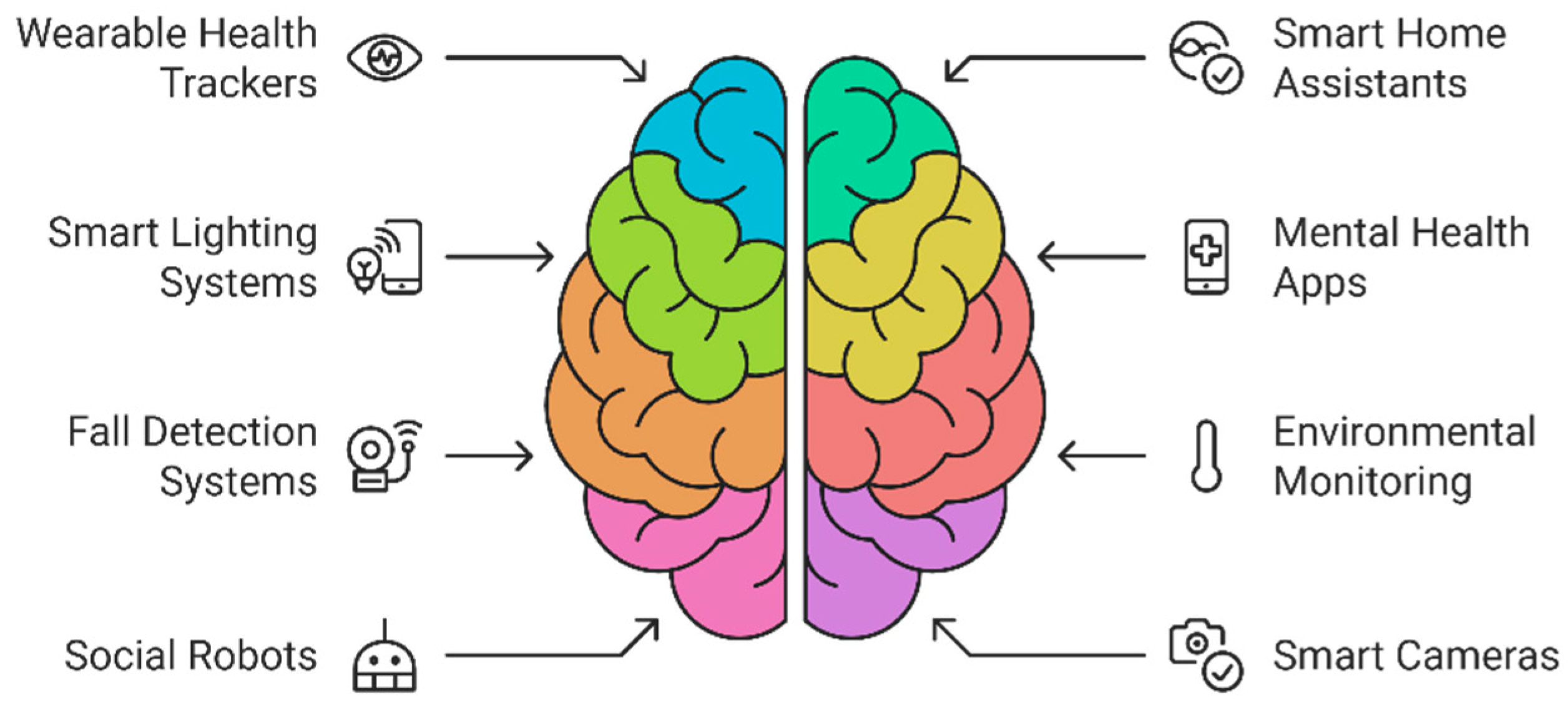
A predominant critique in the literature is that many SHT systems focus disproportionately on physical health parameters—such as fall detection, mobility tracking, and vitals monitoring—at the expense of emotional and cognitive dimensions [7,9,21]. While these features are valuable for preventing injuries and managing chronic conditions, overlooking mental health indicators narrows the scope of care older adults receive [4]. As illustrated in Figure 2, research suggests that metrics like social interaction frequency, mood fluctuations, or cognitive performance receive less consistent integration into SHT platforms [22]. When mental health data are collected, they are often relegated to secondary status or treated merely as “add-ons” to predominantly physical metrics [6]. This imbalance diminishes the potential for early detection of depression, anxiety, or cognitive decline, thus leaving older adults without the full range of benefits SHTs can offer [4,5,8].

3.2.2. Lack of Personalization and User-Centered Testing

Another significant gap involves insufficient personalization of SHT interfaces and inadequate user-centered testing. Many existing devices present standardized layouts and functionalities, assuming a one-size-fits-all approach that fails to address the cognitive, sensory, and cultural diversity within older populations [12,18]. As a result, older adults may encounter unnecessary complexity, leading to frustration, technology abandonment, and underutilization of mental health support features [25]. Researchers emphasize that co-design processes—engaging older adults throughout the product lifecycle—remain sporadic rather than universally adopted [20,26]. This lack of iterative feedback loops prevents developers from diagnosing hidden usability barriers or tailoring SHT features to evolving user needs, especially as older adults’ cognitive or physical conditions change over time [25,30].

3.2.3. Privacy Concerns and Siloed Data Streams

A further gap relates to privacy fears and the fragmented handling of user data across disparate systems. Continuous monitoring for mental health indicators often means collecting sensitive information—such as behavioral logs, emotional cues, or speech patterns—which can heighten concerns regarding surveillance and data misuse [15,16]. Some older adults are wary of adopting SHTs if they feel privacy protections are unclear, or if data policies fail to explain who has access to personal records and how information may be shared [17]. Additionally, many current SHT platforms operate in siloed environments, where different sensors or software modules do not communicate seamlessly, preventing a holistic view of an individual’s well-being [13]. As a result, subtle yet critical mental health signals—such as sleep disruptions coupled with decreased socialization—may go undetected because the data remain isolated across various apps or devices [31]. This lack of integrated analysis diminishes the potential for timely mental health interventions, undermining the purpose of adopting SHTs in the first place [15,32].
Collectively, these gaps underscore the need for more comprehensive and cohesive SHT approaches. By re-balancing physical and mental health metrics, prioritizing personalization through user-centered design, and ensuring robust data security with integrated platforms, future SHT systems can better support older adults’ mental health and overall quality of life [25,31].

3.3. Proposed Solutions: Design Strategies and Co-Creation

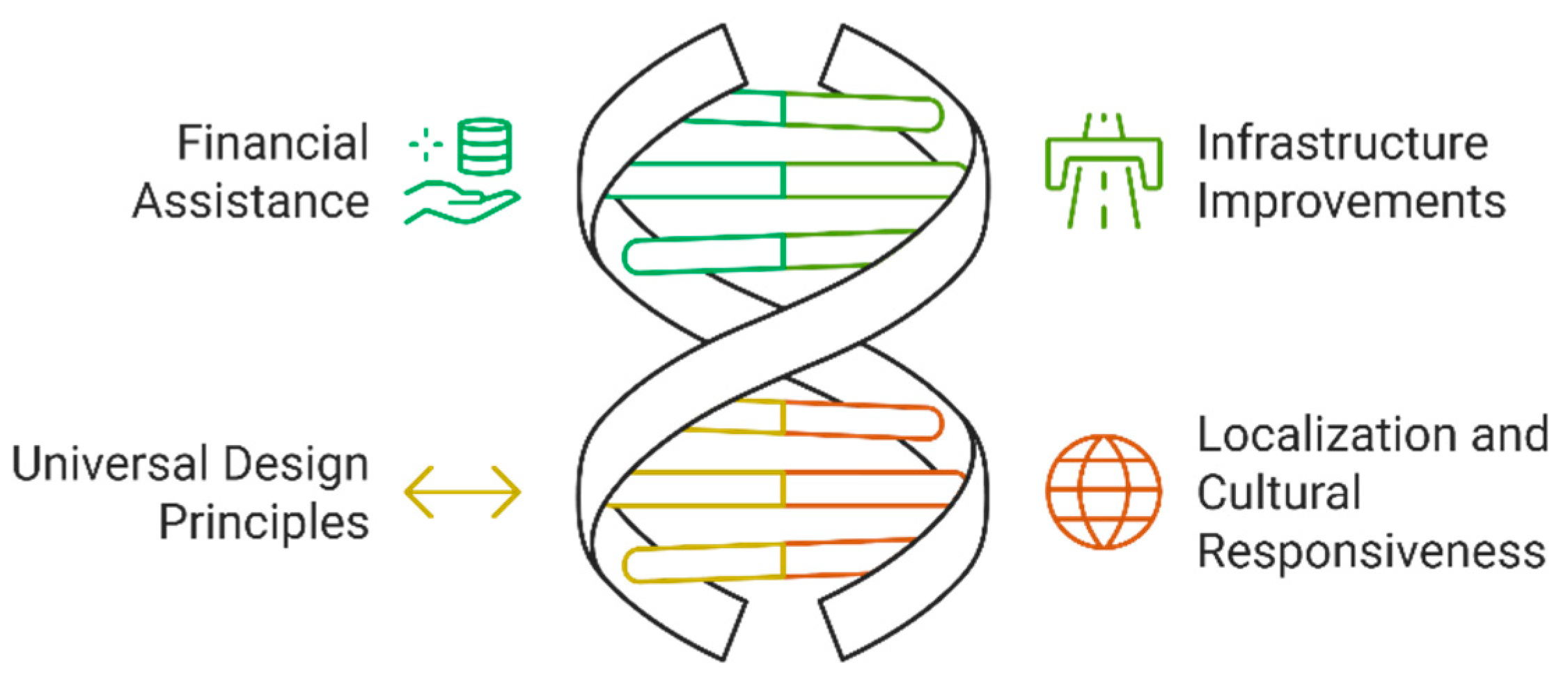
Addressing these barriers and gaps requires a multi-level strategy: Financial Assistance and Subsidies: Government- or insurer-provided incentives can offset device costs, particularly for low-income older adults [19]. Infrastructure Improvements: Upgrading broadband coverage and user-friendly networking solutions help close the digital divide, especially in rural regions [20]. Universal Design Principles: As recommended by recognized usability standards, developers should incorporate large text, multimodal feedback, and adaptive interfaces [12,18]. Consistent design patterns across vendors also ease cognitive load, allowing skill transfer [13]. Localization and Cultural Responsiveness: Multi-language support and culturally sensitive interface options can reduce mistrust and promote sustained engagement [14]. Customizing terminology or alert functions to align with local norms may help older users feel more comfortable [25]. Through these interventions (Figure 3), SHTs stand to become more inclusive, user-friendly, and relevant to the diverse needs of older adults [31]. Successfully mitigating accessibility barriers represents a pivotal step toward leveraging SHTs for early mental health detection and personalized interventions.

3.4. Conceptual Framework for Integrative Smart Home Solutions

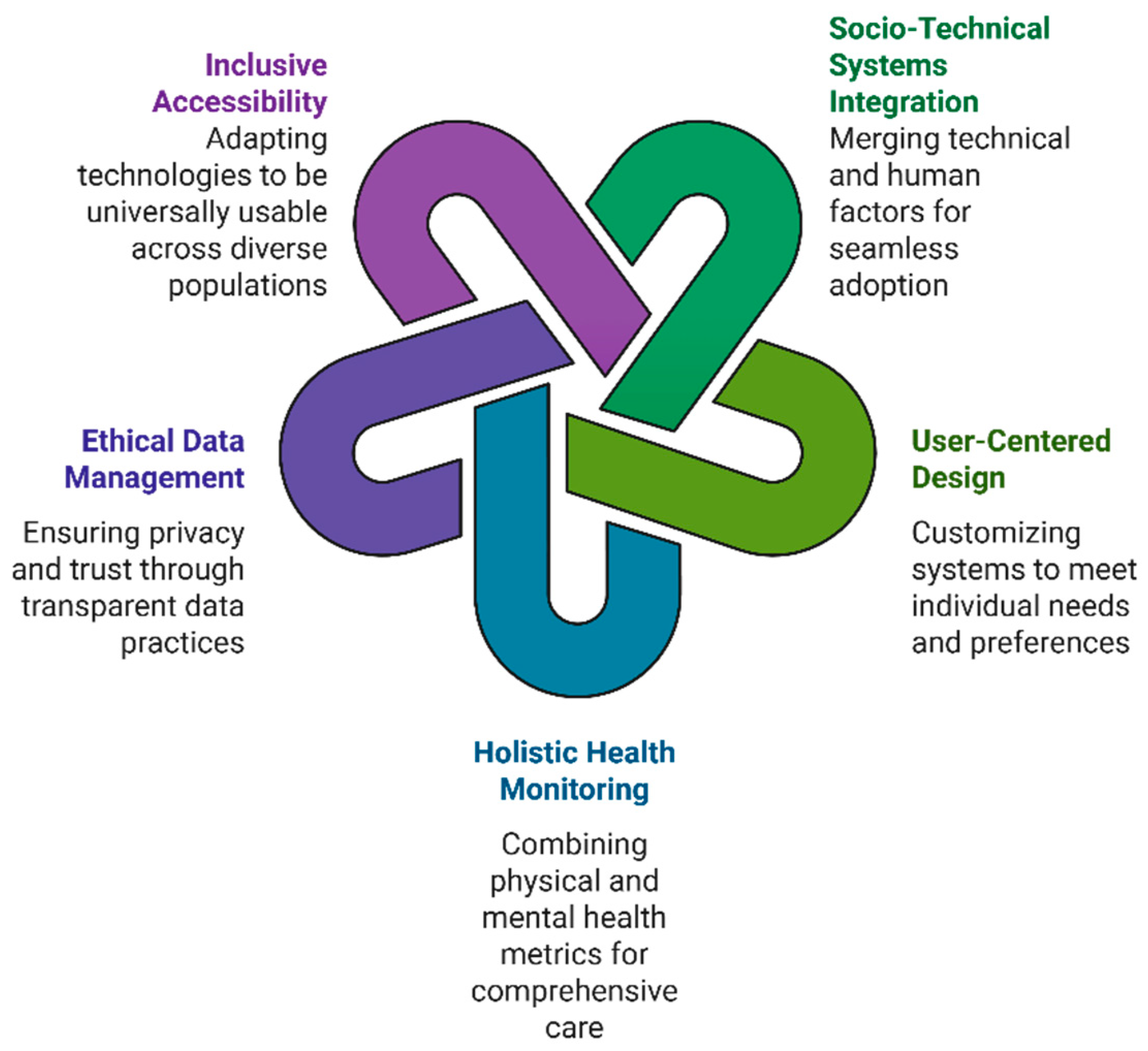
Building on the usability challenges, accessibility barriers, and mental health opportunities discussed above, this section consolidates the literature findings into a holistic conceptual framework. This framework (Figure 4) integrates technical innovation (smart sensors, AI analytics, and platform interoperability) with human-centered design principles (usability, accessibility, trust, and personalization), aiming to support early detection and intervention of mental health issues among older adults.

3.4.1. Core Principles of the Framework

o
Socio-Technical Systems Integration: Effective adoption of smart home technologies (SHTs) requires more than technical proficiency; it also depends on social, cultural, and behavioral dynamics. User acceptance is shaped by the perceived relevance of the technology, concerns over data privacy, and trust in system reliability [15,16]. By merging technical and human factors, SHTs can be embedded into older adults’ daily lives in a way that feels intuitive and supportive rather than intrusive [12,17].
o
User-Centered Design and Personalization: Research repeatedly emphasizes the need for customization, co-design, and iterative feedback loops [25,26]. Systems that offer adjustable font sizes, voice or gesture controls, and culturally responsive settings empower older adults to tailor interactions to their cognitive, physical, and linguistic needs [18,19]. Over time, personalization can reduce anxiety, improve satisfaction, and increase sustained use [20,27].
o
Holistic Health Monitoring: While physical health metrics (e.g., fall detection, vitals) are critical, mental health indicators—such as mood, cognitive performance, and social engagement—must be equally prioritized [7,9,22]. Combining behavioral sensing (sleep, mobility), cognitive tasks (brief in-home quizzes), and emotional analysis (AI-based voice or facial recognition) provides a more comprehensive portrait of well-being [23,24]. Proactive interventions emerge when data streams are integrated seamlessly rather than kept in silos [30,31].
o
Ethical Data Management and Transparency: Continuous monitoring, especially of mental and emotional states, raises legitimate privacy and ethical concerns [16,17]. Clear communication of data practices—how information is collected, stored, and shared—fosters trust among older users [15]. Robust security measures (e.g., encryption, secure cloud storage) and user consent tools (e.g., opting o ut of certain sensors) are central to reinforcing comfort and acceptance [14,19].
o
Inclusive Accessibility: The framework underscores universal design principles, adapting to visual, auditory, and motor impairments [12,13]. Additionally, cultural and linguistic responsiveness broadens SHT relevance worldwide, ensuring older adults can interact with the system in ways that align with local norms, language preferences, and values [14,25].

3.4.2. Framework Components and Dynamics

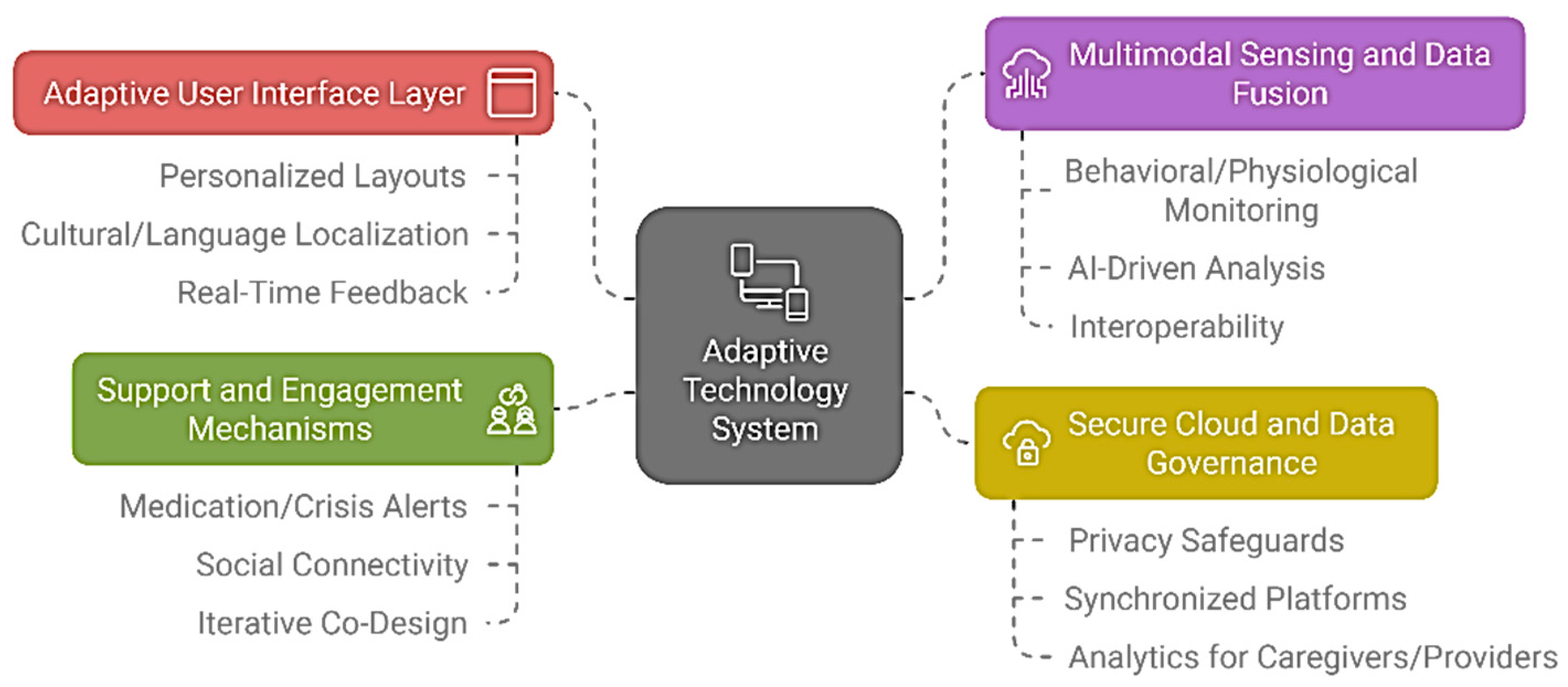
Based on these core principles, the proposed framework consists of four interacting components (Figure 5):
o
Adaptive User Interface Layer: 1. Personalized Layouts: Large buttons, high-contrast visuals, voice/gesture input for users with varying dexterity or vision [12,18]. 2.Cultural/Language Localization: Multi-language support, culturally relevant prompts, and flexible navigation to accommodate diverse backgrounds [14,25]. 3. Real-Time Feedback: Simple, reassuring messages or icons confirming user actions, minimizing technology anxiety [3,11].
o
Multimodal Sensing and Data Fusion: 1. Behavioral/Physiological Monitoring: Sleep patterns, physical activity, and vital signs integrated with mental health indicators (mood, memory tasks) [22,24]. 2. AI-Driven Analysis: Emotional state inference via speech/text analysis or facial recognition, delivering discreet alerts for significant mental health risks [25,30]. 3. Interoperability: Standardized protocols that unify disparate sensors and systems, offering a holistic view of user well-being [12,31].
o
Secure Cloud and Data Governance: 1. Privacy Safeguards: Encryption, anonymization, and user-controlled permissions to mitigate surveillance fears and align with ethical guidelines [15,16]. 2. Synchronized Platforms: A unified database ensures consistent updates across devices (smart speakers, tablets, wearables), avoiding siloed data [13,31]. 3. Analytics for Caregivers/Providers: Seamless sharing of relevant metrics with trusted parties, enabling timely intervention for mental health concerns [29,32].
o
Support and Engagement Mechanisms: 1. Medication/Crisis Alerts: Automated reminders and emergency notifications that incorporate both mental and physical health triggers [27,30]. 2. Social Connectivity: In-home video conferencing, online communities, and interactive programs to reduce isolation [31,32]. 3. Iterative Co-Design: Continuous user feedback sessions to refine both interface and features, ensuring SHTs stay aligned with older adults’ evolving needs [20,26].
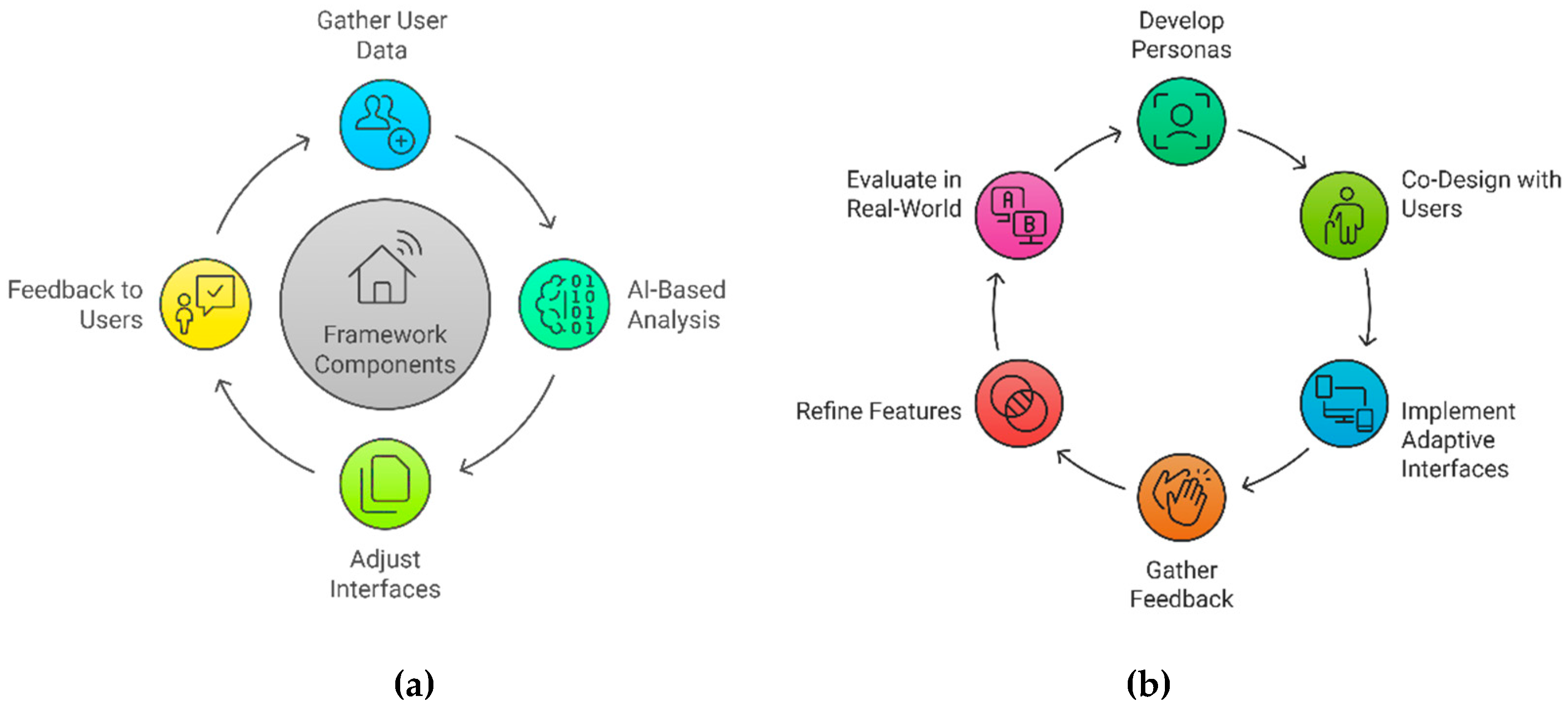
When working in tandem, these components create a dynamic feedback loop (Figure 6): the system gathers user data, applies AI-based analysis, adjusts interfaces or prompts accordingly, and feeds insights back to users, caregivers, or healthcare professionals [25,30]. This cycle enhances both user engagement and intervention effectiveness, particularly for mental health support.

3.4.3. Implementation Pathway

To operate this integrative framework, stakeholders must navigate three key phases:
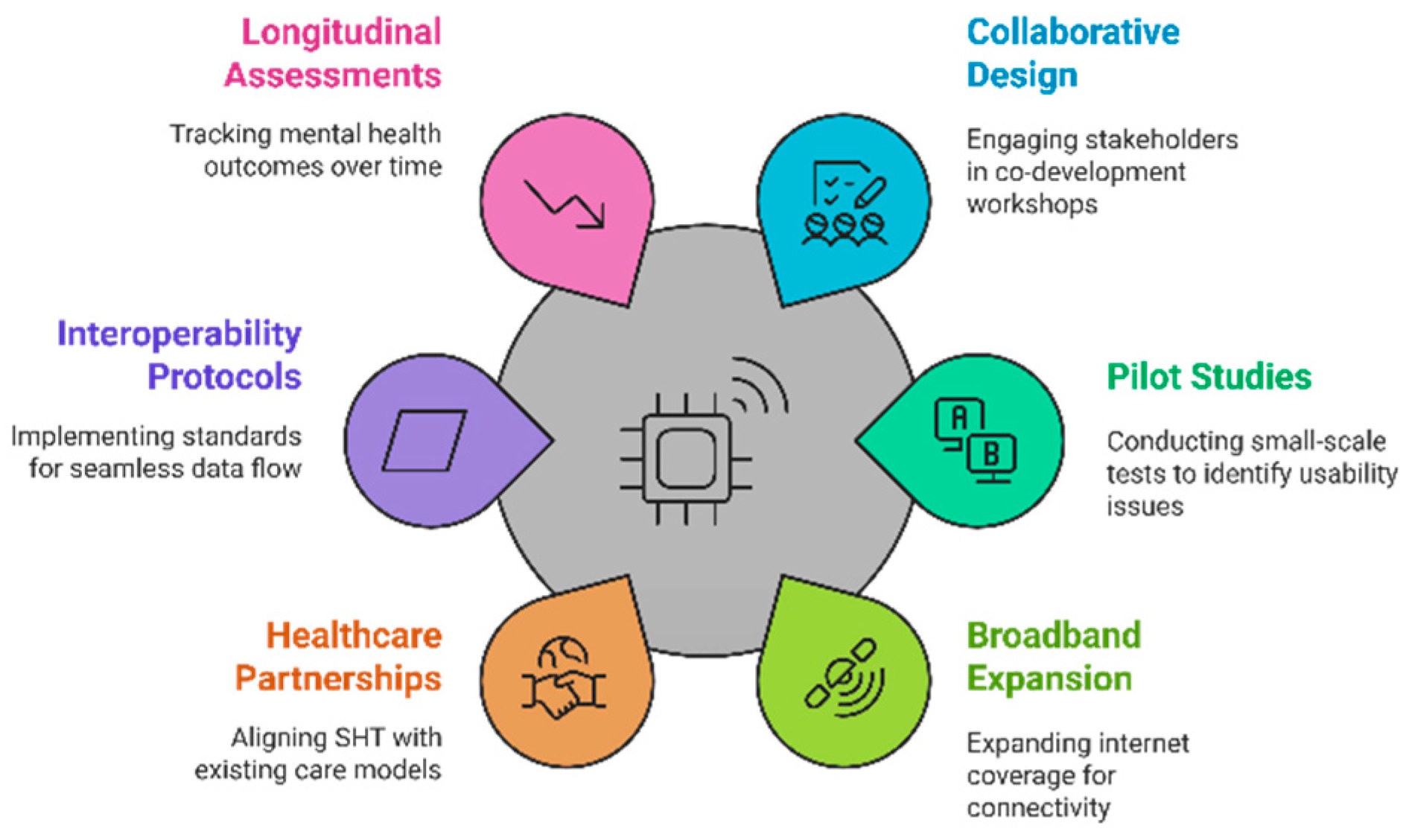
  • Phase 1: Collaborative Design and Piloting: 1. Engage older adults, caregivers, designers, and healthcare providers in co-development workshops [26,29]. 2. Conduct small-scale pilot studies to identify usability pain points and refine the system before wide deployment [20,30].
  • Phase 2: Scalable Deployment and Infrastructure Integration: 1. Expand broadband coverage and ensure robust connectivity to support real-time data exchange [20]. 2. Partner with healthcare institutions and insurers to align SHT solutions with existing care models, enabling potential subsidies or reimbursement [19,21]. 3. Implement standardized interoperability protocols, facilitating seamless data flow and reducing user confusion [12,13].
  • Phase 3: Continuous Evaluation and Policy Support: 1. Establish longitudinal assessment of mental health outcomes, tracking indicators like depression severity, anxiety episodes, and cognitive functioning [31,32]. 2. Develop policy frameworks and ethical guidelines mandating transparent data usage, anonymization protocols, and user-consent mechanisms [15,16]. 3. Encourage iterative updates through user feedback, refining the SHT ecosystem to maintain relevance as older adults’ capabilities and preferences evolve [26,30].
By following this implementation pathway (Figure 7), smart home systems can evolve from disparate technologies to integrated, user-centered platforms that actively promote older adults’ mental health [14,25,31]. This approach not only addresses the gaps identified in earlier sections—overemphasis on physical metrics, insufficient personalization, privacy concerns, and siloed data—but also optimizes SHTs to meet the complex realities of aging in place.

4. Discussion

4.1. Analysis of Findings

The literature underscores the potential of smart home technologies (SHTs) to significantly improve older adults’ mental health by enabling early detection, ongoing monitoring, and timely intervention [22,24,30]. Behavioral tracking, cognitive assessments, and social engagement features collectively address the isolation, cognitive decline, and emotional distress often experienced by aging populations [7,9,31]. Yet, as this review demonstrates, usability and accessibility shortfalls remain a critical barrier to broader SHT adoption and consistent utilization [12,15]. A recurring issue concerns interface complexity, which can burden older adults with confusing multi-step processes or minimal guidance on device functions [13,18]. Similarly, physical and sensory limitations—such as reduced vision, hearing, or motor control—necessitate adaptive interfaces and universal design principles that are not yet uniformly implemented [14,19]. Economic and infrastructural considerations exacerbate these challenges, particularly in rural or underserved areas lacking broadband connectivity or financial subsidies [20,21]. Moreover, data privacy anxieties—especially regarding continuous monitoring of emotional or behavioral cues—further impede trust in these technologies, curtailing their potential for proactive mental health support [16,17]. Addressing these multi-faceted barriers holistically will be crucial if SHTs are to transition from niche demonstrations to robust, scalable solutions [25,31].

4.2. Opportunities for Collaboration

Addressing the complexities of Smart Health Technologies (SHTs) requires a collaborative effort among designers, engineers, healthcare professionals, policymakers, and older adults [12,26]. Designers and engineers can enhance usability and privacy through co-design, user testing, and iterative refinements [18,19], while healthcare professionals ensure mental health tools are clinically relevant and responsibly integrated [22,27]. Policymakers and insurers can foster adoption through subsidies and reimbursement models for proven interventions, creating a supportive infrastructure for SHT deployment [19,21]. Meanwhile, feedback from older adults and caregivers ensures user-centered designs that build trust and encourage long-term use [25,30]. Together, these stakeholders can establish interoperability standards, conduct scalable pilot studies, and promote supportive policies for SHTs [12,31]. Such collaboration ensures technologies are practical, accessible, and impactful, paving the way for meaningful mental health improvements and broader adoption among aging populations [20,25].

4.3. Future Research Directions

Smart Health Technologies (SHTs) hold immense promise, but key research gaps remain. Longitudinal studies are needed to assess their long-term effectiveness, user retention, and potential negative side effects, such as over-reliance on technology or privacy fatigue [30,32]. Such research would determine whether early benefits of SHT interventions persist or change over time [22,24]. Additionally, advances in personalization and AI integration are crucial. AI-driven systems must be refined to address cultural nuances, language variations, and ethical considerations [14,15]. Real-time adaptations to user stress levels and changing motor abilities require further co-design research, while collaboration between AI experts and mental health professionals could yield predictive models to anticipate crises before they escalate [25,31]. Policy and ethical frameworks also demand attention to support the widespread adoption of SHTs [16,19]. Future research should explore how regulatory guidelines, insurance reimbursement structures, and international standards shape SHT development [19,21]. Drawing lessons from telehealth, researchers can develop transparent data-handling protocols and user consent models that promote equitable access for older adults across diverse socioeconomic contexts [15,31]. Addressing these challenges through interdisciplinary efforts will ensure SHTs not only enable aging in place but also foster mental and emotional well-being [20,30].

5. Conclusion

Smart home technologies offer a transformative opportunity to enhance the quality of life and mental health of older adults, providing tools for early detection, personalized support, and increased social engagement [22,25,30]. However, the effective implementation of these technologies requires addressing critical barriers related to usability, accessibility, privacy, and long-term user engagement [12,15,16]. By incorporating user-centered design principles, ensuring accessibility, and addressing privacy concerns, SHTs can become an integral part of healthcare solutions for the aging population [20,31]. Collaboration among technology developers, healthcare providers, policymakers, and older adults is essential to fully realize the benefits of these technologies [18,25]. Future research should focus on understanding the long-term impacts of SHTs and refining their design to be inclusive and supportive of diverse needs [19,30]. With the right approach, smart home technologies can play a pivotal role in fostering independence, safety, and mental well-being among older adults, ultimately contributing to their dignity and quality of life [22,31,32].

Author Contributions

Conceptualization, methodology, literature search and review, analysis, writing and visualization, M.M.F.; review and editing, A.M.G., M.D., A.H. All authors have read and agreed to the published version of the manuscript.

Funding

This research received no external funding.

Institutional Review Board Statement

Not applicable.

Informed Consent Statement

Not applicable.

Data Availability Statement

No new data were created. New analysis was provided with previously available data.

Conflicts of Interest

The authors declare no conflicts of interest.

References

  1. World Health Organization. Ageing and Health. 2024. Available online: Link (accessed on 25 December 2024).
  2. World Health Organization. Mental Health of Older Adults. 2024. Available online: Link (accessed on 25 December 2024).
  3. Tian, Y.J.; Felber, N.A.; Pageau, F.; et al. Benefits and Barriers Associated with the Use of Smart Home Health Technologies in the Care of Older Persons: A Systematic Review. BMC Geriatr. 2024, 24, 152. [Google Scholar] [CrossRef] [PubMed]
  4. Boucher, E.M.; Raiker, J.S. Engagement and Retention in Digital Mental Health Interventions: A Narrative Review. BMC Digital Health 2024, 2, 52. [Google Scholar] [CrossRef]
  5. Moyle, W.; Murfield, J.; Lion, K. The Effectiveness of Smart Home Technologies to Support the Health Outcomes of Community-Dwelling Older Adults Living with Dementia: A Scoping Review. Int. J. Med. Inform. 2021, 153, 104513. [Google Scholar] [CrossRef]
  6. He, Z.; Dieciuc, M.; Carr, D.; et al. New Opportunities for the Early Detection and Treatment of Cognitive Decline: Adherence Challenges and the Promise of Smart and Person-Centered Technologies. BMC Digital Health 2023, 1, 7. [Google Scholar] [CrossRef]
  7. Vrančić, A.; Zadravec, H.; Orehovački, T. The Role of Smart Homes in Providing Care for Older Adults: A Systematic Literature Review from 2010 to 2023. Smart Cities 2024, 7, 1502–1550. [Google Scholar] [CrossRef]
  8. Aggar, C.; et al. Smart Home Technology to Support Older People's Quality of Life: A Longitudinal Pilot Study. Int. J. Older People Nurs. 2023, 18, e12489. [Google Scholar] [CrossRef]
  9. Jo, T.H.; Ma, J.H.; Cha, S.H. Elderly Perception on the Internet of Things-Based Integrated Smart-Home System. Sensors 2021, 21, 1284. [Google Scholar] [CrossRef]
  10. Holthe, T.; Halvorsrud, L.; Karterud, D.; Hoel, K.A.; Lund, A. Usability and Acceptability of Technology for Community-Dwelling Older Adults with Mild Cognitive Impairment and Dementia: A Systematic Literature Review. Clin. Interv. Aging 2018, 13, 863–886. [Google Scholar] [CrossRef]
  11. Bertolazzi, A.; Quaglia, V.; Bongelli, R. Barriers and Facilitators to Health Technology Adoption by Older Adults with Chronic Diseases: An Integrative Systematic Review. BMC Public Health 2024, 24, 506. [Google Scholar] [CrossRef]
  12. Valencia-Arias, A.; Cardona-Acevedo, S.; Gómez-Molina, S.; Gonzalez-Ruiz, J.D.; Valencia, J. Smart Home Adoption Factors: A Systematic Literature Review and Research Agenda. PLoS ONE 2023, 18, e0292558. [Google Scholar] [CrossRef] [PubMed]
  13. International Organization for Standardization. ISO 9241-11:2018 - Ergonomics of Human-System Interaction—Part 11: Usability: Definitions and Concepts. ISO: Geneva, Switzerland, 2018.
  14. Peek, S.T.M.; Wouters, E.J.; van Hoof, J.; et al. Factors Influencing Acceptance of Technology for Aging in Place: A Systematic Review. Int. J. Med. Inform. 2014, 83, 235–248. [Google Scholar] [CrossRef] [PubMed]
  15. Frik, A.; et al. Privacy and Security Threat Models and Mitigation Strategies of Older Adults. In Proceedings of the USENIX Security Symposium (SOUPS), Santa Clara, CA, USA, 11–13 August 2019. Available online: Link (accessed on 25 December 2024).
  16. Felber, N.A.; Tian, Y.; Pageau, F.; et al. Mapping Ethical Issues in the Use of Smart Home Health Technologies to Care for Older Persons: A Systematic Review. BMC Med. Ethics 2023, 24, 24. [Google Scholar] [CrossRef] [PubMed]
  17. Lattie, E.G.; Stiles-Shields, C.; Graham, A.K. An Overview of and Recommendations for More Accessible Digital Mental Health Services. Nat. Rev. Psychol. 2022, 1, 87–100. [Google Scholar] [CrossRef] [PubMed]
  18. Wilson, J.; Heinsch, M.; Betts, D.; et al. Barriers and Facilitators to the Use of E-Health by Older Adults: A Scoping Review. BMC Public Health 2021, 21, 1556. [Google Scholar] [CrossRef] [PubMed]
  19. Harris, M.T.; Blocker, K.A.; Rogers, W.A. Older Adults and Smart Technology: Facilitators and Barriers to Use. Front. Comput. Sci. 2022, 4, 835927. [Google Scholar] [CrossRef]
  20. Lyon, A.R.; Munson, S.A.; Renn, B.N.; et al. Use of Human-Centered Design to Improve Implementation of Evidence-Based Psychotherapies in Low-Resource Communities: Protocol for Studies Applying a Framework to Assess Usability. JMIR Res. Protoc. 2019, 8, e14990. [Google Scholar] [CrossRef]
  21. Lee, L.N.; Kim, M.J. A Critical Review of Smart Residential Environments for Older Adults with a Focus on Pleasurable Experience. Front. Psychol. 2020, 10, 3080. [Google Scholar] [CrossRef]
  22. Jamwal, R.; et al. Smart Home and Communication Technology for People with Disability: A Scoping Review. Disabil. Rehabil. Assist. Technol. 2022, 17, 624–644. [Google Scholar] [CrossRef] [PubMed]
  23. Vailati Riboni, F.; Comazzi, B.; Bercovitz, K.; et al. Technologically-Enhanced Psychological Interventions for Older Adults: A Scoping Review. BMC Geriatr. 2020, 20, 191. [Google Scholar] [CrossRef] [PubMed]
  24. Dorronzoro-Zubiete, E.; Rivera-Romero, O.; Giunti, G.; Sevillano, J.L. Smart Home Applications for Cognitive Health of Older Adults. In Smart Home Technologies and Services for Geriatric Rehabilitation; Elsevier: Amsterdam, Netherlands, 2022; pp. 123–140. [Google Scholar] [CrossRef]
  25. Kim, M.J.; Cho, M.E.; Jun, H.J. Developing Design Solutions for Smart Homes Through User-Centered Scenarios. Front. Psychol. 2020, 11, 335. [Google Scholar] [CrossRef]
  26. Ghorayeb, A.; Comber, R.; Gooberman-Hill, R. Development of a Smart Home Interface with Older Adults: Multi-Method Co-Design Study. JMIR Aging 2023. [Google Scholar] [CrossRef] [PubMed]
  27. Li, C.; et al. Design Considerations for Mobile Health Applications Targeting Older Adults. J. Alzheimers Dis. 2021, 80, 1–8. [Google Scholar] [CrossRef] [PubMed]
  28. Khosravi, P.; Ghapanchi, A.H. Investigating the Effectiveness of Technologies Applied to Assist Seniors: A Systematic Literature Review. Int. J. Med. Inform. 2016, 85, 17–26. [Google Scholar] [CrossRef] [PubMed]
  29. Ghafurian, M.; Wang, K.; Dhode, I.; Kapoor, M.; Morita, P.P.; Dautenhahn, K. Smart Home Devices for Supporting Older Adults: A Systematic Review. IEEE Access 2023, 11, 47137–47158. [Google Scholar] [CrossRef]
  30. van der Meer, L.; et al. Targeting Personal Recovery of People With Complex Mental Health Needs: The Development of a Psychosocial Intervention Through User-Centered Design. Front. Psychiatry 2021, 12, 635514. [Google Scholar] [CrossRef] [PubMed]
  31. Vial, S.; Boudhraâ, S.; Dumont, M. Human-Centered Design Approaches in Digital Mental Health Interventions: Exploratory Mapping Review. JMIR Ment. Health 2022, 9, e35591. [Google Scholar] [CrossRef] [PubMed]
  32. Vaportzis, E.; Clausen, M.G.; Gow, A.J. Older Adults’ Perceptions of Technology and Barriers to Interacting with Tablet Computers: A Focus Group Study. Front. Psychol. 2017, 8, 1687. [Google Scholar] [CrossRef]
  33. Kane, L.; Pernice, K. UX Design for Seniors (Ages 65 and Older). Nielsen Norman Group, 2020. Available online: https://www.nngroup.com (accessed on 25 December 2024).
  34. Czaja, S.J.; Boot, W.R.; Charness, N.; Rogers, W.A. Designing for Older Adults: Principles and Creative Human Factors Approaches, 3rd ed.; CRC Press: Boca Raton, FL, USA, 2019. [Google Scholar] [CrossRef]
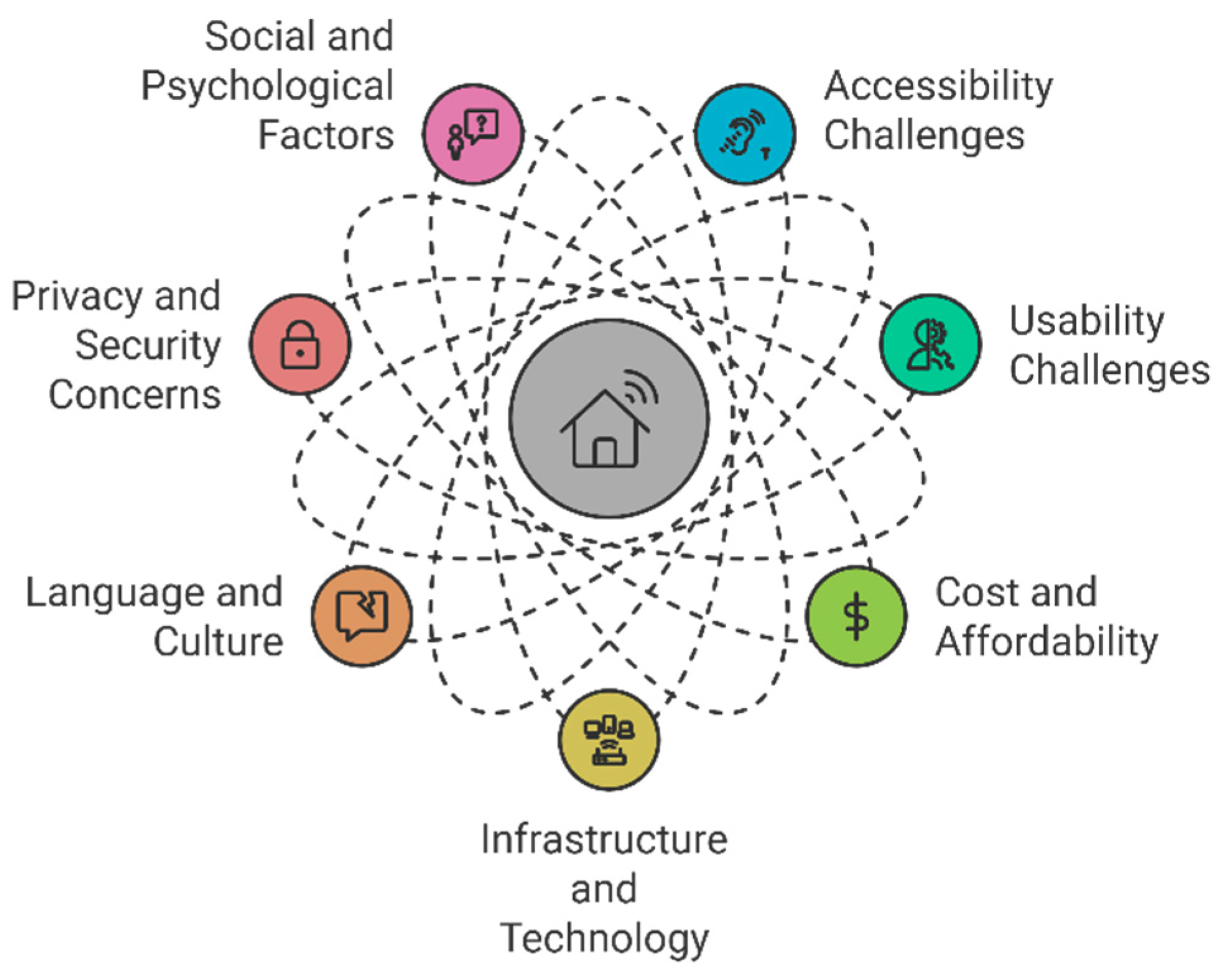
Figure 1. Comprehensive Overview of SHTs Barriers for Older Adults.
Preprints 144823 g001
Figure 2. Enhancing Mental Health in Seniors with Technology.
Preprints 144823 g002
Figure 3. Strategies for Bridging Gaps.
Preprints 144823 g003
Figure 4. Integrating SHTs Design Solutions for Older Adults.
Preprints 144823 g004
Figure 5. Adaptive SHT System for Older Adults.
Preprints 144823 g005
Figure 6. (a) Dynamic Feedback Loop for Mental Health Support. (b) Iterative Design process of SHT for Older Adults.
Preprints 144823 g006
Figure 7. SHT integration implementation path for older adults.
Preprints 144823 g007
Disclaimer/Publisher’s Note: The statements, opinions and data contained in all publications are solely those of the individual author(s) and contributor(s) and not of MDPI and/or the editor(s). MDPI and/or the editor(s) disclaim responsibility for any injury to people or property resulting from any ideas, methods, instructions or products referred to in the content.
Copyright: This open access article is published under a Creative Commons CC BY 4.0 license, which permit the free download, distribution, and reuse, provided that the author and preprint are cited in any reuse.
Prerpints.org logo

Preprints.org is a free preprint server supported by MDPI in Basel, Switzerland.

Subscribe

Disclaimer

Terms of Use

Privacy Policy

Privacy Settings

© 2025 MDPI (Basel, Switzerland) unless otherwise stated