
Submitted:
28 December 2024
Posted:
30 December 2024
You are already at the latest version
Abstract
The hospitality sector is a substantial energy consumer, driven by the demands of heating, cooling, lighting and guest amenities. This study explores energy consumption patterns across different hotel types, highlighting luxury hotels higher usage compared to mid-range and budget establishments. Key energy drivers include HVAC systems, lighting and hot water. Legislative frameworks, such as the Paris Agreement, the Sustainable Development Goals and European Union directives, set ambitious energy efficiency and emissions targets for the sector. Through case studies on Marriott, Hilton and Hotel Verde, the study demonstrates effective energy-saving practices, including LED lighting, smart HVAC systems and renewable energy integration, which can reduce energy use by 10-20%. The findings show the dual benefits of these measures, which enhance environmental sustainability and reduce operational costs. By adopting these practices, hotels can align with evolving regulatory standards and cater to the growing demand for eco-friendly accommodations.
Keywords:
Decarbonization
; Sustainability
; Efficiency
; Legislation
; Adaptation
; Hospitality
1. Introduction
The hospitality sector is among the most energy intensive industries, characterized by substantial consumption across various systems, including heating, ventilation, air conditioning (HVAC), lighting, water heating and kitchen operations (Menegaki and Agiomirgianakis, 2018, 2019). In response to growing environmental concerns, both global and regional stakeholders have pushed for sustainable transformation within this sector. With tourism demand continuing to surge globally, the environmental footprint of hotels and resorts has intensified, making energy efficiency and decarbonization critical to meeting climate targets (International Energy Agency, 2021a). The dependence of the hotel industry on energy intensive operations, combined with pressure from eco-conscious consumers and stricter regulatory frameworks, necessitates a strategic shift towards sustainable practices that address both energy use and climate resilience (United Nations Environment Programme, 2024).
Legislative frameworks at multiple levels, global, European, and Greek, have emerged to address these needs, each layer adding complexity to the regulatory landscape, but also presenting opportunities for change. The Paris Agreement sets the tone at a global level, urging countries to curb greenhouse gas emissions and adopt sustainable development strategies (United Nations Framework Convention on Climate Change, 2015). Meanwhile, the European Union has taken robust steps with directives like the Energy Performance of Buildings Directive (EPBD) and the Energy Efficiency Directive (EED), aimed at promoting energy-efficient building practices across member states (European Commission, 2020). Greece, in alignment with these broader policies, has implemented national regulations such as the “minimum energy efficiency standards for buildings” energy code and its National Energy and Climate Plan (NECP) to meet these targets (Greek Ministry of Environment and Energy, 2019). Together, these policies not only establish compliance requirements, but also offer financial incentives and support mechanisms for the transition to low-energy buildings, positioning the hospitality sector as a key player in the shift toward a low-carbon economy (International Renewable Energy Agency, 2021).
To understand how these regulations translate into actionable strategies, this paper adopts a three-part methodology. First, a policy and regulatory analysis provides a comprehensive overview of global, European, and Greek legislative frameworks. This part examines how regulations influence energy practices within the hospitality sector, focusing on compliance obligations and incentives that encourage hotels to adopt sustainable technologies and practices (World Resources Institute, 2024a; 2024b). Next, case study evaluation is employed to illustrate real world applications of these policies by leading hotel brands such as Marriott, Hilton, Four Seasons and others. By examining their approaches to energy management, renewable integration and efficiency measures, these case studies reveal the operational benefits and challenges hotels face when implementing sustainable practices (Sustainable Hospitality Alliance, 2024a). Finally, the paper introduces scenario development as a forward-looking tool, proposing decarbonization and resilience pathways tailored to the unique operational needs of the hospitality industry. These scenarios are grounded in current regulatory requirements and offer step-by-step guidance on potential strategies for hotels to achieve meaningful reductions in their environmental footprint.
Through this structured approach, the paper aims to demonstrate how the hospitality sector can effectively respond to regulatory demands while enhancing both efficiency and resilience. By exploring the relationship between policy impacts, practical applications and adaptive scenarios, this study provides a comprehensive roadmap for hotels striving to align with sustainability goals (Sustainable Hospitality Alliance, (2024c) In doing so, the research reveals the importance of proactive strategies that meet compliance, reduce operational costs and strengthen a hotel’s appeal to environmentally aware guests. Ultimately, the findings contribute valuable insights for hotel operators, policymakers and industry stakeholders, highlighting pathways to transform the hospitality sector into a leader in sustainable energy practices and climate resilience.
2. Methodology
2.1. Data Sources
To ensure a comprehensive and policy driven analysis, this study primarily sourced data, reports and publications from leading organizations and government bodies known for their work in energy efficiency, sustainability and tourism. Key resources included the International Energy Agency (IEA) for global energy standards, European Union Publications for directives like the Energy Performance of Buildings Directive (EPBD) and the World Tourism Organization (UNWTO) for tourism-specific sustainability guidelines. U.S. sources, such as the Department of Energy (DOE) and ENERGY STAR (relevant research program), provided benchmarks on building energy efficiency that are applicable in a hotel context, while resources from the Greek Ministry of Environment and Energy and Green Building Councils offered insights into national and certification standards on sustainable hospitality practices. This organization based approach ensured that the research drew from authoritative sources aligned with both regulatory standards and industry best practices, creating a robust foundation for evaluating energy efficiency and decarbonization in the hospitality sector.
This study primarily draws on reports from prominent organizations to ensure access to timely, policy-focused, and practical information on energy efficiency and decarbonization in the hospitality sector. Unlike journal articles, which may explore narrower or more theoretical aspects, organizational reports provide comprehensive, up-to-date data on regulatory frameworks, industry standards and real-world applications. Given that this study examines the impact of legislative frameworks on hotels, these reports are invaluable for understanding current compliance requirements and offering actionable insights. The reports often feature case studies, data and best practices specifically tailored to industry stakeholders, making them directly applicable to hotels aiming to align with evolving global and regional sustainability goals. This approach ensures that the research reflects the latest developments in energy legislation and practical strategies that hotels can implement, thereby supporting a more applied analysis that meets the needs of both policy evaluation and sectoral adaptation.
2.2. Method
This study employs a dual approach of policy and regulatory analysis combined with case study evaluation to assess energy efficiency, decarbonization strategies and climate change resilience within the hospitality sector. This methodology enables a comprehensive examination of how legislative frameworks influence energy consumption patterns and guides the implementation of sustainability measures within hotels.
Policy and Regulatory Analysis
The first part of the methodology focuses on analyzing relevant policies and regulations at global, European, and national (Greek) levels. By examining the Paris Agreement, EU Energy Performance of Buildings Directive (EPBD), EU Energy Efficiency Directive (EED) and Greek-specific legislation such as “minimum energy efficiency standards for buildings” and National Energy and Climate Plan (NECP), this study assesses how these frameworks set energy efficiency standards and establish decarbonization goals and climate resilience for the hospitality sector. This analysis includes reviewing official documents, government reports and legislative texts to identify regulatory requirements and energy efficiency targets applicable to the hotel industry. The policy analysis serves as a foundation for understanding the broader legislative context in which hotels operate and highlights the incentives, compliance requirements and challenges posed by these regulations.
Case Study Evaluation
To illustrate the practical applications of these policies, the study conducts a case study evaluation of major hotel brands, including Marriott, Hilton and Four Seasons. These case studies were selected based on the brands’ demonstrated commitment to energy efficiency and sustainability within their operations, as evidenced through industry certifications and public sustainability reports (World Green Building Council, 2024; Sustainable Hospitality Alliance, 2024a). Each case study examines specific measures implemented by the hotels, such as energy management systems, smart HVAC solutions, LED lighting and renewable energy integration (ENERGY STAR, 2021). By evaluating these practices, the study demonstrates how hotels can meet regulatory goals, reduce operational costs and align with industry standards in sustainability. This approach provides insights into the operational challenges and benefits of various energy efficiency strategies, as well as the potential for scalability within the sector (International Energy Agency, 2021).
Scenario Development for Decarbonization and Resilience
The study further employs a scenario development approach to propose decarbonization and climate adaptation strategies suited to the hospitality sector. Based on current legislative requirements and best practices observed in the case studies, scenarios are created to outline possible pathways for hotels to achieve higher levels of sustainability. These include incremental energy efficiency improvements, renewable integration for moderate decarbonization and comprehensive approaches such as net-zero energy or climate-resilient hotel models. Each scenario is designed to align with the regulatory environment and market demands, offering practical roadmaps that hotels can adapt to achieve compliance and resilience against climate-related risks. A detailed representation of the methodology steps is depicted in Figure 1.
The flowchart represents the structured methodology used in this study to assess energy efficiency, decarbonization and climate resilience strategies in the hospitality sector. Starting with the selection of sources, the process prioritizes relevant, credible reports, focusing primarily on organizational reports from authoritative bodies such as the IEA, EU and UNWTO. These reports provide up-to-date data, regulatory insights and industry specific practices critical for understanding how legislative frameworks impact hotel energy use and sustainability practices. The study then divides into two main analytical streams: policy and regulatory analysis as well as case study evaluation. The policy and regulatory analysis focuses on examining global, european and greek legislation that shapes energy standards in the sector, while the case study evaluation uses real world examples from major hotel brands to illustrate practical applications of these frameworks. Additionally, scenario development is incorporated to explore potential pathways for hotels to enhance sustainability and climate resilience. These components converge in the application stage, where insights are synthesized to produce sector specific insights and practical recommendations for hotels aiming to meet both regulatory compliance and sustainability goals. This methodology ensures a comprehensive, applied approach, combining legislative insights with real world practices to provide actionable outcomes.
3. Frameworks for Energy Efficiency; Global, European and National Legislation
Several global agreements address energy efficiency and emissions reduction in buildings, aligning with broader goals to combat climate change and promote sustainable development. The Paris Agreement (2015) is a landmark global framework under the United Nations Framework Convention on Climate Change (UNFCCC) that aims to limit global temperature rise and achieve net-zero emissions by 2050 (UNFCCC, 2015). While the agreement does not mandate energy efficiency in buildings directly, it encourages countries to develop Nationally Determined Contributions (NDCs), many of which include targets for reducing emissions in the building sector (IPCC, 2021). Since buildings contribute to nearly 40% of global energy related carbon emissions, energy efficient buildings are a crucial part of the efforts countries make to meet their climate commitments (International Energy Agency, 2021). Through this framework, the transformation of the building sector is seen as essential to achieving the overall climate goals of the Paris agreement.
The United Nations Sustainable Development Goals (SDGs), particularly SDG 7 (Affordable and Clean Energy) and SDG 11 (Sustainable Cities and Communities), are also central to global efforts on energy efficiency in buildings (United Nations, 2024). SDG 7 promotes energy efficiency across all sectors, calling for a doubling of the global rate of improvement by 2030, which is especially impactful in the building sector. Meanwhile, SDG 11 advocates for sustainable, resilient and inclusive cities, encouraging the construction of energy-efficient buildings as a core component of sustainable urban development. These goals support integrated solutions that align energy use in buildings with the need for sustainable communities, improving quality of life and reducing environmental impact (World Resources Institute, 2024a,b).
The Global Alliance for Buildings and Construction (GlobalABC), launched at COP21 in 2015, specifically supports governments, businesses and stakeholders in reducing emissions and advancing energy efficiency in buildings (UNEP, 2021;2024). GlobalABC provides policy guidance, technical resources and a platform for knowledge exchange, helping countries and organizations to develop best practices and promote the widespread adoption of sustainable building practices. GlobalABC’s Global Roadmap for Buildings and Construction 2020-2050 outlines clear milestones for decarbonizing the building sector and includes actionable strategies to improve energy performance and incorporate sustainable building materials (UNEP, 2021;2024). As a result, GlobalABC serves as a central hub for international collaboration on energy efficient building development.
The International Energy Agency (IEA) also contributes to these global efforts with several programs focused on energy efficiency in buildings, including the Energy Efficiency in Buildings and Appliances (EEBA) and the Technology Collaboration Program on Energy in Buildings and Communities (EBC). These initiatives provide technical guidance, data and policy recommendations to assist countries in integrating energy efficiency into their building codes and practices (IEA, 2021). The IEA’s Net Zero by 2050 roadmap emphasizes the need for all new buildings to be net-zero by 2030, highlighting the urgency of sustainable practices in construction and renovation.
Finally, the Kigali Amendment to the Montreal Protocol (2016) focuses on reducing hydrofluorocarbons (HFCs) in cooling systems, which directly impacts energy use in buildings by encouraging the adoption of energy efficient refrigeration and air conditioning technologies. By promoting low GWP (global warming potential) refrigerants, the Kigali Amendment aids in reducing energy demand associated with cooling, a major contributor to emissions in warmer climates (UNEP, 2016).
European Legislation
The European Union has established a comprehensive legislative framework to enhance energy efficiency in buildings, reduce energy consumption and promote the use of renewable energy sources. Central to these efforts is the Energy Performance of Buildings Directive (EPBD), the primary EU legislation focused on building energy efficiency, which was introduced in 2002 and has undergone multiple revisions to address evolving energy goals. Under the EPBD, all new buildings within the EU must be nearly zero-energy buildings (NZEB) as of 2020, meaning they have exceptionally low energy demand, met primarily through renewable sources. To support this, the directive mandates Energy Performance Certificates (EPCs) for buildings, which offer insights into a the energy efficiency of a building, enabling owners to identify areas for improvement. Recent revisions to the EPBD emphasize the renovation of existing buildings, with the ambitious target of reducing greenhouse gas emissions from buildings by 60% by 2030 relative to 1990 levels.
Complementing the EPBD is the Energy Efficiency Directive (EED), which introduces binding measures to drive energy efficiency and help the EU meet its 32.5% reduction target in primary and final energy consumption by 2030. Under the EED, member states are required to create long-term renovation strategies aimed at upgrading their building stock, with a particular focus on public buildings and the adoption of energy management systems. To demonstrate leadership in energy efficiency, public bodies are further mandated to renovate at least 3% of their total building floor area annually, ensuring compliance with minimum energy performance standards. This annual renovation rate reflects the EU’s commitment to driving systemic, incremental improvements across the public sector and serves as a model for the private sector to emulate.
The Renewable Energy Directive (RED II) also plays a significant role in shaping sustainable building practices. It stipulates that at least 32% of the EU’s energy consumption must come from renewable sources by 2030. For buildings, this directive encourages the integration of renewable energy technologies, such as solar photovoltaics (PV), solar thermal systems and heat pumps, particularly in renovations. By fostering a culture of renewable adoption, the directive not only reduces dependency on fossil fuels but also aligns with broader EU climate objectives. Encouraging renewable integration at the building level is seen as a critical strategy in reducing emissions and creating self-sustaining energy ecosystems within urban and rural areas alike.
Additionally, the EU Taxonomy for Sustainable Activities plays a pivotal role in directing finance towards sustainable building practices. This taxonomy, part of the EU Green Deal, categorizes economic activities based on their environmental impact, with specific criteria for building construction and renovation projects. Buildings seeking green financing under the EU Taxonomy, must meet rigorous energy efficiency and emissions standards, ensuring that investments align with the EU’s sustainability targets. This classification system incentivizes both public and private sectors to invest in energy efficient and low carbon building projects, furthering the EU’s carbon neutrality ambitions.
The Fit for 55 Package (European Council, 2024) introduced in 2021 as part of the European Green Deal, aims for a 55% reduction in greenhouse gas emissions by 2030 compared to 1990 levels. For buildings, this package introduces stricter energy efficiency standards and promotes faster renovation cycles, recognizing the substantial role of the building sector in achieving climate goals. Together, these legislative initiatives drive energy efficiency, lower emissions and promote renewable energy adoption in the building sector of Europe, paving the way for a sustainable, low carbon future. Through these integrated measures, the EU sets a global example for transitioning building infrastructure towards resilience and environmental sustainability.
Greek Legislation
Greece has developed a robust legislative framework to improve energy efficiency and reduce emissions in buildings, aligning closely with European Union directives and climate objectives. These measures are critical to achieving the sustainability goals of Greece, particularly in the building sector, which accounts for a significant portion of the energy consumption and carbon emissions of the country.
One of the foundational pieces of Greek energy legislation is Law 4122/2013 on the Energy Performance of Buildings. This law transposes the EU Energy Performance of Buildings Directive (EPBD) into national legislation, setting requirements for building energy efficiency, particularly through Energy Performance Certificates (EPCs). Under Law 4122/2013, EPCs are mandatory for all buildings being sold or rented, providing transparency about energy use and efficiency to prospective buyers and tenants (Greek Ministry of Environment and Energy, 2013). Additionally, the law mandates that all new buildings be nearly zero-energy buildings (NZEBs) by 2021, which involves reducing energy demand as much as possible and meeting the remaining needs with renewable energy sources (European Commission, 2024). This aligns with EU wide goals of creating a sustainable building stock and improving energy efficiency across all sectors.
Law 4342/2015 on Energy Efficiency, based on the EU Energy Efficiency Directive (EED), provides additional measures to enhance energy efficiency in the building sector of Greece. A key element of this law is the requirement for long-term renovation strategies to improve the energy performance of existing buildings, which is particularly important in Greece, where many buildings were constructed before modern efficiency standards (European Commission, 2015). This law also includes a specific target for public buildings, which must meet a minimum 3% annual renovation rate. The annual renovation rate ensures that older buildings are consistently updated to meet current energy standards, setting an example for private sectors and reducing energy consumption in public facilities (UNEP, 2024). To support these efforts, the law provides incentives, including tax benefits and subsidies, for building owners who implement energy efficiency measures during renovations.
The Regulation on the Energy Performance of Buildings (the so called KENAK in Greek) outlines technical energy standards that must be met by new and renovated buildings in Greece. KENAK establishes strict guidelines for insulation, HVAC (heating, ventilation and air conditioning), lighting and water heating systems, promoting energy-saving practices throughout a building lifecycle. KENAK regulations are updated regularly to align with EU standards and technological advancements, making it a vital tool in Greece’s efforts to promote energy efficient construction and renovation practices (European Commission, 2013).
Renewable energy use in buildings is promoted through Law 4414/2016 on Renewable Energy, which aligns with the EU Renewable Energy Directive (RED II). This law encourages the integration of renewable energy systems, such as solar photovoltaic (PV) panels, solar thermal water heating and heat pumps, in buildings. To support renewable adoption, the law offers financial incentives for building owners to install these systems, contributing to the goal of increasing the share of renewable energy in the energy mix of the country. By reducing dependency on traditional energy sources, this law helps to lower greenhouse gas emissions and move towards the long-term sustainability targets of Greece (European Commission, 2018)
Greece’s National Energy and Climate Plan (NECP) lays out the country’s comprehensive strategy to meet EU climate targets. It includes ambitious targets for the building sector, aiming for a 42% reduction in greenhouse gas emissions by 2030, a 30% share of renewable energy in buildings and a 38-40% improvement in energy efficiency (European Commission, 2013). The NECP also promotes the expansion of nearly zero energy buildings (NZEBs) and outlines action plans for retrofitting public and private buildings to meet these targets.
Finally, Law 4685/2020 on the Modernization of Environmental Legislation streamlines the process for renewable energy installations on buildings. It simplifies the licensing for solar panels on rooftops, encouraging building owners to adopt solar power as a sustainable energy source. By making renewable installations easier, this law supports the overall objective of integrating clean energy into the national grid and meeting EU climate commitments (European Commission, 2018). Together, these laws create a comprehensive framework that supports energy efficiency, renewable energy adoption and emissions reduction in the Greek building sector. By implementing these measures, Greece is making significant strides toward sustainability, aligned with EU directives and global climate goals.
3. Stylized Facts in Hospitality Energy Consumption
3.1. Average Energy Consumption by Hotel Type
Energy consumption in hotels varies significantly by type, largely due to differences in size, amenities, and service standards (United Nations World Tourism Organization, 2020). Understanding average energy consumption by hotel type is essential for benchmarking sustainability initiatives and improving energy efficiency within the hospitality industry. Luxury hotels are the highest energy consumers, with annual consumption typically ranging from 300 to 500 kWh per square meter (U.S. Energy information Administration, 2019). This high demand stems from extensive amenities, such as pools, spas, gyms and multiple dining options, all of which require substantial energy (ENERGY STAR, 2021). Moreover, luxury hotels often emphasize guest comfort through HVAC systems that provide continuous climate control, lighting and hot water, leading to higher energy usage per guest-night (Global Sustainable Tourism Council, 2022).
Mid-range hotels tend to consume around 200 to 300 kWh per square meter per year. These hotels offer fewer amenities compared to luxury properties, but still have significant energy needs for HVAC, lighting and basic guest services (Global Sustainable Tourism Council, 2022). Common features like in-house dining and conference facilities contribute to energy demands, though these properties may implement energy saving measures to stay competitive. Budget hotels are more energy efficient, with consumption around 100 to 150 kWh per square meter annually. These hotels typically provide basic accommodations and limited amenities, which lowers energy demand (US Green Building Council, 2024). Many budget hotels operate under tight cost constraints, prompting energy efficiency measures such as LED lighting, motion-activated controls and minimal HVAC use in non-occupied rooms. For all hotel types, implementing energy-efficient technologies like smart thermostats, LED lighting and efficient water heating systems can reduce energy use by 10-20%, enhancing both sustainability and profitability (U.S. Department of Energy, 2024). By understanding consumption patterns across different hotel types, industry leaders can establish more effective energy management strategies tailored to specific hotel categories, helping to reduce the environmental footprint of the hospitality sector (World Resources Institute, 2024a,b).
Energy consumption per guest-night is a useful metric for benchmarking efficiency in hotels, allowing operators to assess energy use relative to occupancy (International Energy Agency, 2021). Luxury hotels generally have the highest energy use per guest-night, averaging around 60-75 kWh, due to extensive amenities and a strong focus on guest comfort, including climate control, large room sizes and high-powered appliances (U.S. Department of Energy, 2024). Mid-range hotels typically consume 30-50 kWh per guest-night, reflecting a more balanced offering of services and amenities while maintaining essential comforts for guests (ENERGY STAR, 2021). Budget hotels, with simpler facilities and fewer amenities, use approximately 15-30 kWh per guest-night, as energy needs are minimized with smaller rooms, limited common spaces and fewer high-energy appliances (Global Sustainable Tourism Council, 2022). Measuring energy per guest-night helps hotels of all categories identify efficiency opportunities, manage costs and improve sustainability practices based on usage patterns.

Table 1.
Energy consumption by hotel type. Source: Adapted from International Energy Agency, 2021; U.S. Department of Energy, 2024; ENERGY STAR, 2021; Global Sustainable Tourism Council, 2022
Table 1.
Energy consumption by hotel type. Source: Adapted from International Energy Agency, 2021; U.S. Department of Energy, 2024; ENERGY STAR, 2021; Global Sustainable Tourism Council, 2022
| Hotel Type | Description | Average energy consumption | Energy consumption per guest-night |
|---|---|---|---|
| Luxury | Hotels with extensive facilities (e.g., spas, pools, large restaurants) | 300-500 kWh per m² per year | 60-75 kWh |
| Mid-range | Hotels offering fewer amenities, but maintaining essential services | 200-300 kWh per m² per year | 30-50 kWh |
| Budget | Hotels with simpler facilities, usually providing basic accommodation and limited amenities | 100-150 kWh per m² per year | 15-30 kWh |
3.2. Breakdown of Energy Consumption in Hotels
In hotels, energy consumption is largely driven by specific functions, with HVAC systems accounting for approximately 50-60% of total energy use due to the need for constant temperature control and air quality in guest areas (International Energy Agency, 2021). Lighting follows, comprising 15-20% of energy consumption, with efficiency gains possible through LED lights and automated controls (U.S. Department of Energy, 2024). Hot water heating contributes an additional 10-15%, necessary for guest rooms, kitchens and laundry, where efficient boilers and heat recovery systems can reduce costs (ENERGY STAR, 2021). Kitchen and laundry equipment typically use 5-10% of energy, with optimized practices and energy-efficient appliances helping to lower demand (Green Building Council, 2024). Finally, miscellaneous equipment like pumps, elevators and electronics, makes up the last 5-10% of energy use, where maintenance and energy-efficient systems can further enhance sustainability (Sustainable Hospitality Alliance, 2024a, 2024b, 2024c). Understanding these areas helps hotels implement targeted efficiency strategies, reducing costs and environmental impact.
Table 2.
Breakdown of energy consumption in hotels. Source: Adapted from International Energy Agency, 2021; U.S. Department of Energy, 2024; ENERGY STAR, 2021; Global Sustainable Tourism Council, 2022.
Table 2.
Breakdown of energy consumption in hotels. Source: Adapted from International Energy Agency, 2021; U.S. Department of Energy, 2024; ENERGY STAR, 2021; Global Sustainable Tourism Council, 2022.
| Category | Description | Percentage of total energy use |
|---|---|---|
| Heating, Ventilation, and Air Conditioning (HVAC) | Largest energy consumer due to constant temperature and air quality control in guest areas | 50-60% |
| Lighting | Essential in all areas; energy use can be reduced with LED bulbs and smart controls | 15-20% |
| Hot water heating | Required for guest rooms, kitchens, and laundry; efficiency can be improved with newer systems | 10-15% |
| Kitchen and laundry equipment | Energy-intensive equipment like ovens, washers, and dryers in kitchens and laundry facilities | 5-10% |
| Other (pumps, elevators, electronics, etc.) | Miscellaneous equipment including pumps, elevators, and electronics throughout the hotel | 5-10% |
3.3. Water Heating and Lighting Reduction Potential
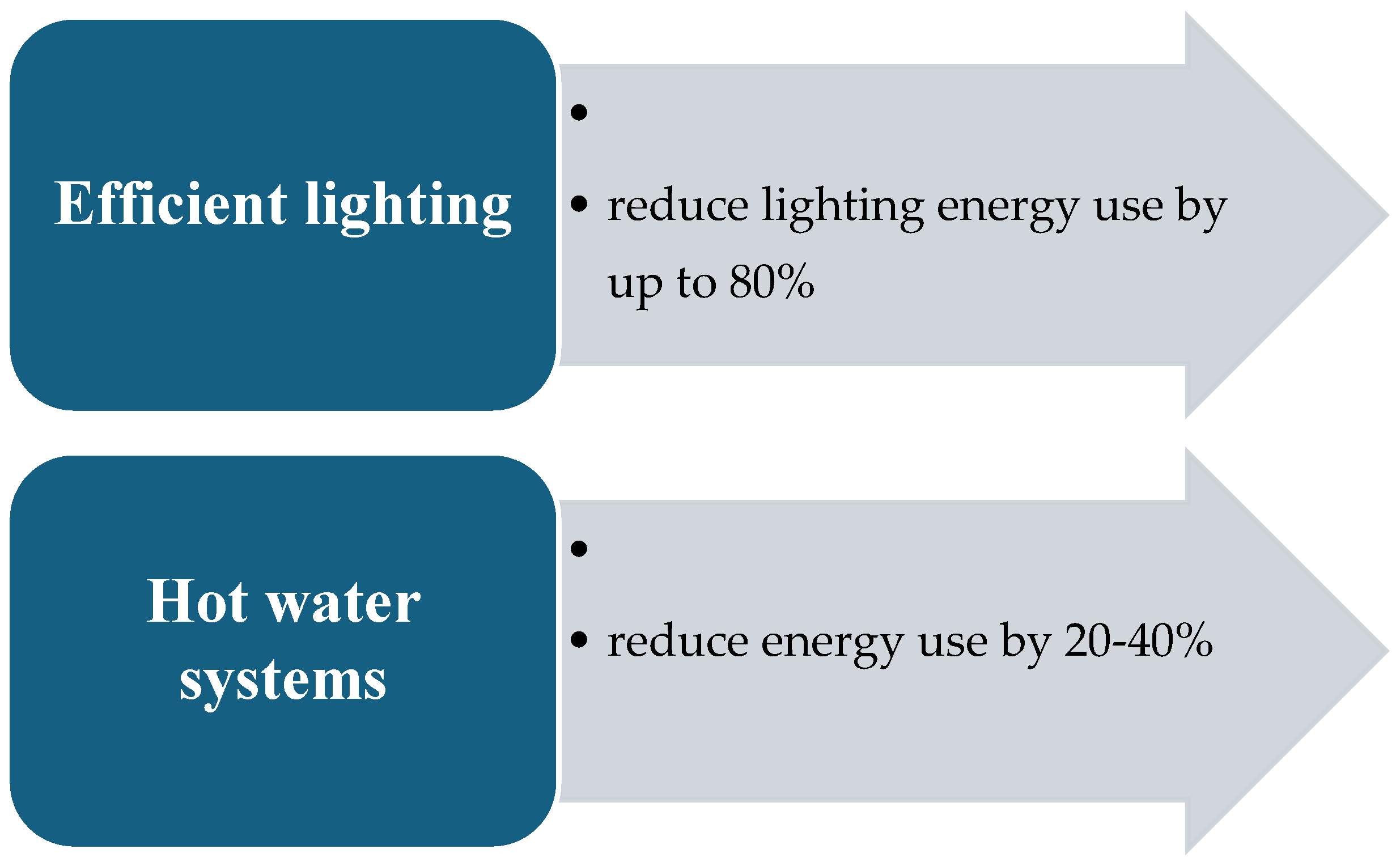
Hotels can achieve substantial energy savings by focusing on efficient lighting and water heating, two areas with significant potential for reduction. Efficient lighting is a straightforward yet impactful change; switching from traditional incandescent bulbs to LED lighting can cut lighting energy use by up to 80% due to LEDs' lower wattage and longer lifespan. Beyond LEDs, adding smart lighting controls, like occupancy sensors and dimmers, further optimizes energy use by ensuring lights are only on when needed. Water heating systems also offer notable savings potential. By installing solar thermal systems, hotels can reduce energy used for water heating by 20-40%, depending on the local climate and hotel water usage patterns. Solar thermal systems harness solar energy to preheat water, reducing the load on conventional heating systems. Together, these lighting and water heating upgrades offer hotels a pathway to improved energy efficiency, lower operational costs and enhanced sustainability.
The U.S. Department of Energy (DOE) and ENERGY STAR (is a U.S. government-backed program created in 1992 by the Environmental Protection Agency (EPA) and later expanded to include the U.S.) have found that LED lighting can cut energy consumption by up to 80% compared to traditional incandescent lighting. This is particularly relevant for hotels, where lighting is needed continuously in public spaces like lobbies, hallways and outdoor areas, as well as in guest rooms. With lighting accounting for an estimated 15-20% of a hotel’s total energy use, switching to LEDs can lead to significant cost savings and lower energy demand. LEDs last much longer than incandescent or compact fluorescent lights (CFLs), often by tens of thousands of hours. For hotels, this means reduced maintenance needs, less frequent replacement and therefore lower operational costs, all critical for high-traffic areas and guest rooms where uninterrupted lighting is essential. ENERGY STAR’s research also includes guidance on integrating lighting controls like occupancy sensors, timers and dimmers, which further reduce energy waste. In hotels, these systems can automatically adjust lighting based on room occupancy or time of day, ensuring lights are only in use when necessary. For example, occupancy sensors in guest rooms or meeting spaces prevent lights from staying on when rooms are unoccupied, which is common in the hospitality sector. Hotels with large windows or glass facades in lobbies and dining areas can utilize daylight harvesting controls, which adjust artificial lighting based on natural light levels. DOE research shows that this technique can cut lighting energy use in such spaces by an additional 10-15%.
Furthermore, the International Energy Agency (IEA) has released multiple reports on energy efficiency in buildings and renewable energy for water heating, particularly solar thermal systems. Their data shows how solar thermal technology can reduce water heating costs and energy use by 20-40% in various climates, supported by case studies from different regions. The Energy Efficiency 2022 (Annual Report) of IEA emphasizes for hotels and other commercial buildings, the role of energy-efficient lighting, heating and cooling systems. It also provides case studies on energy savings achieved through efficient water heating systems, including solar thermal technology, which can reduce water heating costs and energy use by up to 20-40% in different climates. The “Renewables 2021: Analysis and Forecast to 2026” shows that solar thermal can be especially effective in sunny regions, reducing dependency on conventional energy sources for water heating and leading to significant energy savings. The “Future of Cooling (2018)” is valuable for hotel operators looking to reduce overall energy use by combining efficient cooling systems with solar water heating, which can cut energy needs for water heating by up to 40%.The “Solar Heating and Cooling Program Reports” support the IEA’s findings that solar thermal technology can reduce water heating costs by up to 40%, particularly in climates with high solar potential, making it a sustainable choice for hotels aiming to lower operational costs.
Figure 1.
Water heating and lighting reduction potential.
3.4. Benchmarks for Sustainable or Energy-Efficient Hotels
Sustainable or energy-efficient hotels have lower energy consumption benchmarks than standard hotels, primarily due to advanced design features and energy saving measures. Eco certified hotels, such as those certified by LEED (Leadership in Energy and Environmental Design) or Green Key, typically consume 15-20% less energy than non-certified hotels. These savings come from efficient HVAC systems, LED lighting, automated controls and renewable energy installations that lower operational energy use without compromising guest comfort.
Net zero energy hotels go a step further by generating as much energy as they consume annually (World Green Building Council (2024) These hotels often incorporate on site renewable energy sources, like solar panels and wind turbines, combined with energy storage systems to meet demand around the clock. Efficient building design, which includes high-performance insulation, advanced glazing and passive solar heating, further reduces energy requirements. Through these combined technologies, net-zero energy hotels achieve nearly zero energy consumption from external sources or fully offset their usage. By setting these high benchmarks, sustainable hotels demonstrate that environmental responsibility can coexist with guest satisfaction and they serve as models for reducing the overall energy footprint of the hospitality industry.
Net-zero energy hotels emerged as part of the broader movement towards sustainable building practices, driven by growing environmental awareness, advances in green technology and industry-specific pressures to reduce carbon emissions (Sustainable Hospitality Alliance. (2024a). This concept gained traction in the early 2000s as governments, environmental organizations and the hospitality industry recognized the significant energy consumption and carbon footprint of hotels. Inspired by green building certifications like LEED (Leadership in Energy and Environmental Design) and environmental guidelines set by the United Nations World Tourism Organization (UNWTO), the hotel industry began exploring ways to minimize their environmental impact.
Advancements in renewable energy technologies, such as solar photovoltaics and efficient energy storage systems, made it feasible for hotels to produce their own energy (International Renewable Energy Agency. (2021). Early adopters in eco-tourism destinations, such as Costa Rica and pioneering green hotel brands began incorporating these technologies, alongside energy-efficient HVAC systems, smart controls and passive design features (like optimal window placement and insulation) that reduce energy needs. Government incentives and policies supporting renewable energy adoption further fueled the development of net-zero energy hotels, with some countries offering tax breaks and grants for buildings that meet high sustainability standards. Today, net-zero energy hotels represent a growing trend, aligning with global efforts to achieve carbon neutrality and cater to eco-conscious travelers (Sustainable Hospitality Alliance. (2024c).
4. Case studies and Best Practices
Here are several case studies and best practices demonstrating effective strategies for reducing energy consumption in hotels. These examples show how energy efficiency measures, technology upgrades and sustainable practices have been applied in real-world settings, often resulting in significant cost savings and environmental benefits.
5.1. Case Study: Marriott Hotel Energy Efficient Design and Technology Integration
Marriott hotels has become a leader in sustainable hospitality through comprehensive energy efficient design and the integration of advanced technologies across its properties worldwide. Recognizing that hotels are among the most energy intensive commercial buildings, Marriott has implemented a series of upgrades and initiatives aimed at reducing its environmental footprint. One major focus has been on lighting efficiency; Marriott has retrofitted many of its hotels with LED lighting, which uses up to 80% less energy than traditional incandescent lighting. This change has significantly reduced energy costs in areas like lobbies, guest rooms and outdoor spaces (Mariott International, 2023).
Another key area is smart HVAC systems, where Marriott employs advanced building management systems (BMS) to monitor and optimize heating, ventilation and air conditioning based on occupancy and external conditions. These systems allow real time adjustments to temperature and ventilation, ensuring comfort while avoiding unnecessary energy consumption. Marriott’s investment in high-efficiency HVAC units and automated controls has helped cut energy use by up to 15% in certain properties. Furthermore, Marriott is increasingly using renewable energy sources like solar power, particularly in regions with high solar potential. Some hotels, for example, have solar panels installed on rooftops or parking structures, reducing reliance on grid electricity.
Additionally, water heating is another area where Marriott has improved efficiency by installing high efficiency boilers and in some cases, solar thermal systems to preheat water, further lowering energy requirements. These upgrades are complemented by Marriott’s commitment to reducing waste and managing resources sustainably, with clear sustainability goals outlined in its Serve 360 initiative, which aims to reduce carbon intensity by 30% by 2025. Overall, Marriott’s energy efficient design and technology integration reflect a holistic approach that not only enhances environmental performance, but also reduces operational costs, setting a benchmark for sustainable practices in the global hotel industry.
5.2. Case study: Hilton’s Light Stay Program for Holistic Energy Efficiency
Hilton’s LightStay program exemplifies a holistic approach to energy efficiency and environmental sustainability in the hotel industry. Launched in 2009, Light Stay is Hilton’s proprietary sustainability management system, initially created to track energy, water and waste usage across its global portfolio. It has since evolved into a comprehensive tool that supports Hilton’s corporate responsibility goals by allowing properties to set and monitor targets for reducing their environmental impact. LightStay enables each Hilton hotel to track over 200 sustainability metrics, including energy use, water consumption, carbon emissions and waste management, all through a centralized platform (Hilton ESG, 2022).
The data collected through LightStay has led to meaningful efficiency improvements. For instance, by analyzing energy use patterns, Hilton identified and implemented energy saving measures such as LED lighting upgrades, motion sensor lighting in low-traffic areas and smart HVAC systems that adjust temperature based on occupancy and external conditions. These upgrades have reduced energy use by up to 20% across many properties, significantly cutting operational costs. Additionally, Hilton hotels have adopted renewable energy sources, with some properties installing solar panels or purchasing green energy to offset electricity needs.
LightStay also extends beyond energy efficiency; it addresses social and environmental responsibility. The program encourages hotels to engage employees and guests in sustainability initiatives, such as towel and linen reuse programs, which reduce water and energy used in laundry. In recognition of its success, LightStay has earned multiple awards and certifications, including ISO 14001 for environmental management and ISO 50001 for energy management, making Hilton the first major hotel company to achieve these distinctions globally.
Through LightStay, Hilton has saved an estimated $1 billion in energy costs and reduced its carbon footprint by 30%, positioning itself as a pioneer in sustainable hospitality. This holistic approach not only enhances Hilton’s environmental performance but also resonates with eco conscious travelers seeking responsible accommodation options.
5.3. Case Study: Hotel Verde – Africa’s Greenest Hotel
Hotel Verde in Cape Town, South Africa, known as “Africa’s Greenest Hotel,” stands as a remarkable example of sustainable hospitality. From its inception, Hotel Verde was designed with eco-friendly principles at the core, incorporating advanced technologies and sustainable practices to minimize its environmental footprint. One of its standout features is the use of onsite renewable energy, with solar panels and wind turbines generating around 30% of the hotel’s energy needs. These systems help reduce reliance on external power sources and lower carbon emissions significantly (Hotel Verde, 2022)..
The hotel also employs energy recovery ventilation (ERV), which captures and recycles energy from exhaust air, cutting HVAC energy use by up to 50%. In addition, a geothermal heat pump is used for water heating, reducing energy requirements for hot water by around 40%. To further enhance its sustainability, Hotel Verde has green building features such as high-performance insulation, double-glazed windows, and rainwater harvesting systems. Achieving LEED certification, Hotel Verde demonstrates that high standards of guest comfort can be maintained alongside eco-friendly operations. With these efforts, the hotel has reduced energy consumption by 36% compared to similar properties, setting a benchmark for sustainable hotels in Africa and globally.
5.4. Case Study: Four Seasons Hotel Sydney – Advanced Energy Management
The Four Seasons Hotel in Sydney showcases advanced energy management practices that significantly enhance sustainability while maintaining luxury standards. To optimize energy use, the hotel implemented a smart HVAC system with predictive analytics, allowing temperature and ventilation adjustments based on real time occupancy and external weather conditions. This system minimizes energy waste by heating or cooling only the spaces in use, which has led to energy savings of up to 15% in certain areas Hotel Four Seasons (2022).
Additionally, the Four Seasons Sydney invested in high-performance window glazing and insulation, which reduces heat exchange, allowing the hotel to maintain indoor temperatures more efficiently. This upgrade has decreased HVAC energy needs by around 20%. In the pool area, variable-speed pumps were installed, adjusting motor speeds based on demand and cutting energy use by 50% compared to traditional pumps.
The hotel also utilizes LED lighting and automated lighting controls in public areas, further reducing unnecessary electricity consumption. These upgrades are part of Four Seasons' broader commitment to sustainable luxury, aligning with guest expectations for environmental responsibility without sacrificing comfort. Through these initiatives, Four Seasons Hotel Sydney has achieved notable reductions in energy costs and its carbon footprint, setting a standard for green practices within the luxury hospitality sector.
Table 2.
A summary of hotel case studies.
| Case study 1 | Case study 2 | Case study 3 | Case study 4 | |
|---|---|---|---|---|
| Hotel/location | Marriott/global | Hilton/Lightstay | HotelVerde/Cape town, South Africa | Four Seasons Hotel /Sydney |
| Strategies | Energy saving, energy efficient lighting, advanced heating and cooling systems, digital controls. | LightStay is a comprehensive environmental management program that tracks energy, water and waste data across its properties. | It was built with sustainability as a core focus, incorporating renewable energy sources, efficient design and extensive eco-friendly systems. | It has implemented advanced energy management techniques that use real time data analytics to monitor and optimize energy consumption. |
| Results | It switched to LED lighting reducing lighting energy use by up to 80%. | It conducts energy audits to identify efficiency improvements in HVAC, lighting and kitchen operations. | The hotel generates up to 30% of its energy needs on-site through solar PV panels and small wind turbines. | The hotel installed a smart HVAC system with predictive analytics that adjusts air conditioning and heating based on real-time occupancy and weather data. |
| It utilizes intelligent building management systems (BMS) that monitor and adjust HVAC settings based on room occupancy and external temperatures. |
Some properties integrate renewable energy, such as solar PV installations, which contribute to on-site electricity generation. | The hotel uses energy recovery ventilation systems to recover and recycle energy from exhaust air, helping to maintain indoor air quality while reducing HVAC energy use by up to 50%. |
The installation of high-performance glazing and improved insulation reduced heat exchange, cutting HVAC energy requirements by 20%. |
|
| New insulation in pipes and water heaters reduced hot water heating energy by 15-20%. | It actively involves staff in conservation efforts and encourages guests to participate in initiatives, like towel and linen reuse, that reduce laundry energy costs. | A geothermal heat pump system heats water for guest rooms and the pool, cutting energy use for water heating by 40%. |
For hotel pools, variable speed pumps reduce energy use by adjusting motor speed based on demand, reducing energy by 50% compared to constant speed pumps. | |
| Impact | It has reduced energy use per square meter by approximately 10-15% across their portfolio and cut greenhouse gas emissions by around 30% | LightStay has helped Hilton reduce energy consumption by more than 20% per square meter and saved approximately $1 billion in energy costs. | Hotel Verde’s design has achieved a 36% reduction in energy use compared to similar hotels. The property is LEED-certified and has won multiple awards for sustainability. |
The hotel has achieved a 10% reduction in annual energy costs and improved guest satisfaction through optimized comfort settings. |
Source: Zientara et al., 2020; Mariott International (2023);Hilton ESG, (2022); Hotel Verde (2022);Hotel Four Seasons (2022);.
4.5. Best Practices in Hotel Energy Efficiency
Hotel energy efficiency is crucial for reducing operational costs, minimizing environmental impact and meeting the growing demand from guests for sustainable accommodations. Best practices in hotel energy efficiency focus on reducing energy use in high consumption areas such as HVAC, lighting, water heating, and kitchen equipment, as well as engaging both staff and guests in energy conservation efforts. The key best practices that have proven effective in improving energy efficiency in the hospitality industry can be summarized as follows:
i) Energy Management Systems (EMS)
Implementing an Energy Management System (EMS) is one of the most impactful steps a hotel can take to improve energy efficiency. An EMS monitors, controls and optimizes energy use throughout the property, providing real-time data on energy consumption patterns. This data allows hotels to identify inefficiencies and take corrective actions. For example, the system can automatically adjust HVAC settings based on occupancy levels, ensuring that energy is not wasted on unoccupied rooms. EMS has been shown to reduce energy use by 10-15% and is especially valuable in large properties with extensive guest spaces (UNWTO, 2018).
ii) Efficient lighting solutions
Lighting typically accounts for 15-20% of the energy consumption in a hotel. Replacing traditional lighting with LED lights, which use up to 80% less energy, is a straightforward yet highly effective solution. LEDs not only consume less energy, but also have a longer lifespan, reducing maintenance costs. Hotels can further enhance efficiency by incorporating automated lighting controls, such as motion sensors and dimmers, which ensure that lights are only on when needed. For instance, sensors in hallways, meeting rooms and restrooms can significantly reduce energy use in low-traffic areas (UNWTO, 2018).
Guest Room Automation and Smart Controls
Automating guest room settings with smart controls allows hotels to reduce energy use without impacting guest comfort (Mbarushimana, 2024). Smart thermostats, for example, adjust room temperature based on occupancy, ensuring energy is not wasted on heating or cooling empty rooms. Additionally, keycard-controlled systems that turn off lights and appliances when guests leave the room have become popular in hotels globally. These systems can reduce energy use in guest rooms by up to 30%, making them a valuable investment for hotels looking to manage energy costs effectively.
Efficient HVAC Systems and Regular Maintenance
Heating, ventilation and air conditioning (HVAC) systems are the largest energy consumers in hotels, typically accounting for 50-60% of energy use (Díaz Torres et al. 2020). Investing in high-efficiency HVAC systems, such as those with variable speed drives, can significantly reduce energy consumption. Regular maintenance is equally important, as poorly maintained HVAC systems tend to consume more energy. Hotels can also optimize their HVAC systems by installing energy recovery ventilation (ERV) systems, which capture waste energy from exhaust air and use it to preheat or cool incoming fresh air, thus reducing the load on HVAC equipment.
v) Renewable energy integration
Hotels are increasingly incorporating renewable energy sources to offset energy needs. Solar panels are particularly effective for hotels located in sunny regions, where they can generate a significant portion of the electricity or hot water needs of the hotel. Wind turbines, geothermal systems, and solar thermal installations are other viable options that help reduce reliance on grid energy. While the initial cost of installing renewable systems can be high, many hotels find that the long term savings and positive brand impact justify the investment.
iii) Engaging staff and guests in energy conservation
Staff and guest engagement is a powerful but often overlooked aspect of energy efficiency. Hotels can educate staff on energy saving practices, such as shutting down unused equipment, optimizing laundry loads and minimizing unnecessary heating or cooling. Engaging guests through visible sustainability practices, like offering optional towel and linen reuse programs, encourages them to contribute to conservation efforts. Some hotels even offer rewards or incentives to guests who participate in these programs, enhancing both guest satisfaction and energy savings.
iv) Efficient kitchen and laundry operations
Kitchens and laundry facilities are high energy areas in hotels, especially those offering full-service amenities. Investing in ENERGY STAR certified kitchen appliances, such as refrigerators, ovens and dishwashers, can reduce energy consumption significantly. Optimizing laundry operations by using energy-efficient washing machines and scheduling laundry during off-peak hours also reduces costs (ENERGY STAR, 2021). Additionally, by installing low temperature washing systems and heat recovery units, hotels can save energy without compromising cleanliness or quality.
5. Scenarios for Energy Efficiency, Decarbonization and Climate Resilience
Grouping the scenarios into energy efficiency, decarbonization and climate resilience offers a structured approach that aligns with varying goals and resource levels of the hotel. Each group addresses a unique dimension of sustainability; Energy efficiency scenarios provide a foundation and quick wins that build momentum for deeper sustainability initiatives. Decarbonization scenarios respond to the growing market and regulatory pressures for low-carbon operations, essential for longer-term environmental and brand positioning. Climate adaptation and resilience scenarios ensure that hotels can withstand and thrive despite physical climate impacts, thus protecting both short and long term viability.
6.1. Energy Efficiency Scenarios That Reduce Operational Costs and Improve Resource Use
Energy efficiency scenarios in the hotel sector play a vital role in reducing operational costs and enhancing resource use, making them a practical starting point for hotels aiming to improve sustainability. These scenarios focus on minimizing energy consumption in key areas, such as lighting, heating, ventilation and air conditioning (HVAC), while optimizing other high-energy areas like water heating and kitchen equipment. Energy efficiency measures are often low-cost, accessible and deliver both financial and environmental benefits, positioning them as highly attractive options for hotels across various scales and budgets (UNWTO, 2018).
The first and most straightforward action within energy efficiency scenarios is improving lighting systems. Lighting typically accounts for about 15-20% of a the energy use in a hotel, and switching from traditional lighting to LED bulbs can reduce this energy demand by up to 80% (Barbara et al., 2024). LED lighting is not only more energy efficient, but also has a longer lifespan, leading to reduced maintenance costs. Hotels can further enhance efficiency by installing motion sensors and dimmers in low-traffic areas, such as hallways and conference rooms, ensuring that lights are only in use when needed. These improvements alone provide measurable reductions in energy bills, with a relatively short payback period, making them attractive for hotels looking for quick wins.
Another key area is the HVAC system, often the largest energy consumer in hotels, especially in climates that require extensive heating or cooling. Smart controls, such as programmable thermostats and centralized energy management systems (EMS), allow hotels to optimize HVAC usage based on occupancy and external temperatures (Sensegreen, 2024). For instance, HVAC settings can be automatically adjusted when guest rooms are unoccupied, significantly reducing waste. Advanced systems even allow for granular adjustments across different zones within the hotel, ensuring that only areas in use receive climate control. Regular HVAC maintenance is also crucial in energy efficiency scenarios, as well maintained systems operate more efficiently, extending the lifespan of the equipment and further lowering energy expenses (Carbon Trust, 2018).
Water heating is another essential area for hotels to target. Hot water is used continuously in guest bathrooms, kitchens, laundry facilities and recreational amenities, making it a significant source of energy use. Energy efficient boilers, on-demand water heaters and solar thermal systems can help reduce the energy required for water heating (ENERGY STAR, 2024). By upgrading to systems that heat water only as needed or preheating with renewable energy sources like solar thermal, hotels can reduce both costs and emissions, achieving greater resource efficiency with minimal operational disruptions (Energy.Gov, 2024).
In addition to equipment upgrades, engaging staff and guests in energy saving practices can contribute meaningfully to the efficiency goals of a hotel. Simple initiatives, like encouraging guests to reuse towels or turn off lights when leaving rooms, build an atmosphere of shared responsibility. Educating staff on energy saving measures, such as optimal laundry scheduling or shutting down unused equipment, enhances the overall impact of energy efficiency initiatives and helps sustain the changes (Carbon Trust, 2018)
Together, these energy efficiency scenarios allow hotels to take practical steps toward sustainability while saving on operational costs. They are particularly effective for hotels beginning their sustainability journey or those aiming to maintain compliance with local and EU energy efficiency regulations. These scenarios are a foundation for future energy advancements, as they prepare hotels to meet higher standards and potentially integrate renewable energy sources over time. By focusing on reducing energy demand, hotels can enhance profitability, support sustainability commitments and align with guest expectations for environmentally responsible practices. As hotels incorporate these measures, they not only improve their bottom line but also take meaningful steps in the global movement toward energy conservation and climate responsibility (Hospitality Insights, 2024).
Table 3.
Operational efficiency with energy consumption in hotels.
| Context | Actions | Outcome | |
|---|---|---|---|
| Scenario 1: Compliance with Baseline Standards (minimal intervention) | A mid-sized hotel in Greece aims to meet minimum legal requirements under EU and Greek energy legislation without pursuing significant renovations. | The hotel obtains an Energy Performance Certificate (EPC) and meets the basic insulation, lighting and HVAC standards outlined by KENAK (Greece’s energy regulation code). It also ensures that energy audits are conducted regularly as per Law 4342/2015. | The hotel meets minimum energy efficiency requirements, achieving a moderate reduction in energy costs and environmental impact. This approach keeps initial costs low, but may limit long-term savings and market appeal among eco-conscious travelers. |
| Scenario 2: Moderate Energy Efficiency Upgrades (enhanced compliance) | A larger hotel group with multiple properties across Greece seeks to exceed baseline compliance by investing in energy-saving technologies to reduce operational costs. | The hotel installs LED lighting, upgrades to a smart HVAC system, and uses smart thermostats in guest rooms, with systems controlled by an Energy Management System (EMS). Renewable energy sources, such as rooftop solar panels, cover part of the energy load, especially for hot water heating. | By incorporating these moderate upgrades, the hotel reduces its energy consumption by 20-30%, significantly lowering operating costs and enhancing its sustainability profile. The hotel group achieves compliance with EU Energy Efficiency Directive (EED) targets and attracts more eco-conscious guests. |
| Scenario 3: Pioneering Net-Zero Energy Hotel (high investment) | A new luxury hotel in Greece aims to become a net-zero energy building, fully aligning with EU Renewable Energy Directive (RED II) and Greek climate targets under the National Energy and Climate Plan (NECP). | The hotel is built with high-performance insulation, passive solar design and smart automation for lighting and HVAC. It installs extensive solar PV panels, a geothermal heating system and advanced energy storage solutions, allowing it to produce and store its own energy. | The hotel achieves net-zero energy status, generating as much energy as it consumes annually. This attracts high-end, sustainability-focused tourists and strengthens the hotel brand as a luxury eco-destination. Initial costs are high, but incentives from Greek renewable energy laws (e.g., Law 4414/2016) and operational savings provide a favorable long-term return on investment. |
| Scenario 4: Public-Private Partnership for Green Renovations (government incentives) | A historic hotel in Athens partners with the Greek government to undergo green renovations, aiming to achieve nearly zero-energy building (NZEB) status as part of a pilot project funded by EU recovery funds. | Using incentives under Law 4342/2015 and the NECP, the hotel receives grants to upgrade its building envelope, replace traditional HVAC with efficient heat pumps, and install a solar thermal water heating system. KENAK regulations are met, and the building becomes an example for other historic hotels. | The hotel achieves NZEB status, improving its sustainability while preserving its heritage. Government funding reduces the financial burden, allowing for a successful transformation that supports Greece’s broader renovation goals in the Fit for 55 Package. |
| Scenario 5: Green Hospitality Chain with EU Taxonomy Compliance (sustainability branding) | A multinational hotel chain operating in Greece seeks financing for green renovations and expansion, aiming to comply with the EU Taxonomy for Sustainable Activities to access “green” financing options. | The hotel chain meets EU Taxonomy criteria by implementing strict energy efficiency upgrades across its properties, including high-performance HVAC, energy-efficient kitchen equipment and rainwater harvesting systems. It leverages Energy Performance Certificates (EPCs) and aims for ISO 14001 certification, signaling high environmental management standards. | By aligning with EU Taxonomy standards, the hotel chain secures favorable financing, attracts sustainability-minded investors and establishes itself as a leading green hospitality brand. This strategy improves the chain’s marketability and allows for rapid expansion in response to growing demand for eco-friendly travel. |
The hotel sector approach to implementing global, European and Greek legislative frameworks for energy efficiency and sustainability could be categorized into varying scenarios that reflect different levels of commitment and investment. The first scenario, titled as “compliance with baseline standards, involves hotels meeting minimum regulatory requirements”, such as the EU’s Energy Performance of Buildings Directive (EPBD) and Greece’s KENAK energy code, through basic energy efficiency measures like improved insulation, lighting upgrades and regular energy audits (European Commission, 2024). This low investment scenario allows hotels to achieve compliance, but without the long-term savings and environmental impact of deeper investments. A second scenario, titled as “Moderate Energy Efficiency Upgrades”, goes beyond compliance to include strategic energy saving installations, such as LED lighting, smart HVAC systems and partial renewable energy integration, like solar panels for water heating. Hotels in this scenario achieve greater operational efficiency and reduced energy costs, aligning more closely with the EU’s Energy Efficiency Directive (EED) and Renewable Energy Directive (RED II) targets while appealing to eco-conscious guests. The third scenario, titled as “Pioneering Net Zero Energy Hotels”, represents the highest level of commitment, with hotels investing in comprehensive energy management systems, renewable energy generation (e.g., extensive solar PV systems) and near-zero emissions design. These hotels fully align with advanced EU and Greek sustainability goals, including the National Energy and Climate Plan (NECP) and contribute meaningfully to long-term decarbonization targets. Finally, Climate Resilience Partnerships involve hotels collaborating with public entities on green renovations, such as flood defenses or water conservation systems, essential for locations vulnerable to climate risks. These layered scenarios provide a roadmap for hotels to implement sustainability progressively, balancing regulatory requirements with financial viability and market positioning in the shift toward a low carbon economy.
6.2. Decarbonization Scenarios; Addressing Long-Term Climate Goals and Reducing Emissions
Decarbonization scenarios in the hotel sector are essential for reducing greenhouse gas emissions and meeting long-term climate goals, such as those outlined in the Paris Agreement and various national commitments (World Sustainable Hospitality Alliance, 2024). Unlike energy efficiency scenarios, which focus on reducing energy use, decarbonization scenarios take a comprehensive approach to eliminating the carbon footprint of hotel operations, targeting both direct and indirect emissions. These measures typically include integrating renewable energy, optimizing operational efficiency and exploring options for carbon offsets. For hotels, pursuing decarbonization can not only reduce environmental impact, but also strengthen their brand by appealing to eco-conscious travelers and aligning with growing regulatory pressures.
A core element of decarbonization is the adoption of renewable energy sources. Hotels can install onsite renewable systems, such as solar photovoltaic (PV) panels or solar thermal systems for hot water, which can reduce reliance on fossil fuels and significantly cut emissions (US Department of Energy, 2024). In sunny regions, solar PV can power a substantial portion of the hotel operations and solar thermal can cover most hot water needs, such as for guest rooms and kitchens. For hotels without the space for large solar installations, purchasing renewable energy certificates (RECs) or sourcing green energy from local providers are effective alternatives. By transitioning to renewables, hotels can achieve a considerable reduction in carbon emissions and often experience long-term cost savings as energy costs stabilize (Hyatt, 2023).
Decarbonization also requires hotels to optimize their energy management systems further by incorporating smart technology and high efficiency equipment. For instance, using a centralized Energy Management System (EMS) allows hotels to monitor energy use in real time, make adjustments based on occupancy and need and minimize unnecessary energy consumption (Hotel Tech Report, 2023). This is particularly effective when paired with smart HVAC systems that adjust heating and cooling based on room occupancy and external temperatures, maximizing comfort while reducing waste. Additionally, upgrading to energy-efficient kitchen and laundry appliances certified by programs like ENERGY STAR reduces both emissions and operational costs. These upgrades support decarbonization by lowering the baseline energy demand, making it easier to achieve net-zero goals with renewable energy (ENERGY STAR, 2017).
Some hotels may also turn to carbon offsetting to reach full decarbonization, especially for emissions that are hard to eliminate directly, such as those from supply chains or transportation. Purchasing carbon offsets involves investing in environmental projects, like reforestation, renewable energy development, or methane capture, which reduce or capture greenhouse gases to balance out the hotel emissions (Radisson Hotel, 2022). While offsets are a last resort in decarbonization scenarios, they allow hotels to achieve carbon neutrality while working toward longer term solutions.
Another essential component of decarbonization scenarios is guest and staff engagement in sustainability practices. Hotels can offer guests the option to offset the carbon emissions of their stay, partner with sustainable suppliers and provide information on the hotel decarbonization efforts to promote awareness (Accor, 2021). Staff training in eco-friendly operations, such as optimal waste management, energy use reduction and green housekeeping, further supports a culture of sustainability and minimizes emissions at every level.
Through decarbonization, hotels position themselves as climate-conscious entities, attracting guests who prioritize environmentally responsible accommodations and gaining a competitive edge in a market increasingly attentive to sustainability. Although initial investments in renewable technology and smart systems can be high, decarbonization offers valuable long-term rewards in the form of reduced energy costs, enhanced brand reputation, and compliance with emerging climate regulations. By committing to these scenarios, hotels contribute meaningfully to global climate goals, aligning their operations with the shift toward a low carbon economy and setting an industry standard for environmental responsibility.
Table 4.
Decarbonization scenarios in hotels.
| Context | Actions | Outcomes | |
|---|---|---|---|
| Scenario 1: Incremental Decarbonization (Gradual Reduction) | Hotels implement incremental energy efficiency measures, aligning with existing regulatory requirements but without extensive renovations or high investments. | This scenario focuses on low-cost interventions, such as switching to LED lighting, using efficient HVAC systems and implementing smart thermostats in guest rooms. Hotels may also adopt minor operational changes, like optimizing laundry and housekeeping routines. | This pathway leads to a gradual reduction in emissions, typically achieving around a 15-20% decrease in energy consumption. While it doesn’t fully decarbonize, it allows hotels to reduce their carbon footprint cost-effectively and lay the groundwork for future upgrades. |
| Scenario 2: Renewable Integration and Enhanced Efficiency (Moderate Decarbonization) | Hotels invest in integrating renewable energy sources and more comprehensive energy efficiency measures to meet targets under frameworks like the EU Renewable Energy Directive (RED II) and national climate plans. | Hotels in this scenario install on-site renewable energy sources, such as solar photovoltaic (PV) panels or solar thermal systems, to cover part of their energy needs. Energy management systems (EMS) and smart controls are added to further optimize lighting, heating and cooling. | Hotels achieve a 30-50% reduction in emissions, cutting dependency on grid energy. This scenario is more capital-intensive but offers higher operational savings, supporting long-term profitability and appealing to eco-conscious guests. |
| Scenario 3: Deep Decarbonization with Net-Zero Energy Goal | Hotels strive to reach net-zero energy or net-zero carbon status by combining high-efficiency standards, renewable generation and sustainable building practices. | In addition to installing renewables, hotels adopt cutting-edge technologies like geothermal heating, advanced battery storage and regenerative building designs (e.g., passive solar, high-performance insulation). Carbon offsets or purchasing renewable energy certificates (RECs) can supplement any residual emissions. | This scenario achieves net-zero energy or carbon status, with the hotel producing as much or more energy than it consumes. Net-zero hotels can capitalize on branding opportunities, attract a sustainability-focused market segment and position themselves as leaders in the green tourism sector. The higher upfront investment is balanced by long-term energy savings and regulatory incentives. |
| Scenario 4: Full Carbon Neutrality through Offsetting and Renewable Procurement | This approach involves achieving carbon neutrality primarily through energy procurement and carbon offsetting, suitable for hotels without on-site renewable options. | Hotels offset emissions by purchasing verified carbon credits from renewable energy, reforestation or sustainable agriculture projects. They can also commit to procuring 100% of their electricity from green sources. | Hotels reach carbon neutrality without necessarily achieving zero on-site emissions. While this approach avoids some direct infrastructure costs, it relies on ongoing investment in offsets and renewable energy purchases and may lack the long-term operational savings of deeper decarbonization. |
| Scenario 5: Comprehensive Circular Economy Approach (Regenerative Decarbonization) | Hotels adopt a circular economy approach, going beyond carbon neutrality by designing regenerative practices to replenish and positively impact ecosystems. | This scenario includes on-site renewable energy, water reuse systems, waste-to-energy technologies and sustainable material sourcing. Hotels may partner with local farms for food sourcing and develop biodiversity supporting landscaping | These hotels not only achieve carbon negative or regenerative status, reducing emissions by more than they produce, but they also attract a niche of highly eco-conscious guests. This ambitious scenario positions hotels as pioneers in environmental impact, aligning deeply with global sustainability goals, but requiring a high degree of innovation and investment. |
The decarbonization scenarios for the hotel sector outline progressive pathways to significantly reduce or eliminate greenhouse gas emissions, aligning with global and European climate goals. The first scenario, titled as “Incremental Decarbonization”, involves hotels implementing basic energy efficiency upgrades, such as LED lighting, smart thermostats and optimized HVAC systems, which achieve moderate emissions reductions without major renovations. This approach offers accessible, cost-effective improvements that can reduce carbon emissions by 15-20%, laying a foundation for more advanced decarbonization efforts (UN Tourism, 2021). The next level, titled as “Renewable Integration and Enhanced Efficiency”, sees hotels adopting on-site renewable energy sources, like solar photovoltaic panels and solar thermal systems, paired with energy management systems to optimize energy use. This scenario allows hotels to cut emissions by up to 50% and aligns with the EU’s Renewable Energy Directive (RED II) by reducing dependency on fossil fuels (Hotel Energy Solutions (2011). In the “Net-Zero Energy Hotels” scenario, hotels aim to balance their energy use entirely with on-site renewable generation, often incorporating high-efficiency designs, advanced storage and energy recovery systems to eliminate grid dependency. This approach achieves net zero emissions and provides significant operational cost savings over time, positioning hotels as leaders in sustainability. The final scenario, titled as “Full Carbon Neutrality through Offsetting and Renewable Procurement”, is ideal for hotels where on-site renewable generation is limited. By purchasing green energy and verified carbon offsets, these hotels achieve carbon neutrality even with residual emissions, while highlighting their commitment to sustainable practices (Hospiatlity Design, 2022). Together, these decarbonization scenarios enable hotels to progressively lower their carbon footprint, from accessible incremental improvements to fully net zero and carbon neutral models, meeting both regulatory requirements and growing consumer demand for ecofriendly hotels.
6.3. Climate Change Adaptation and Resilience Scenarios for Ensuring Business Continuity and Managing Climate Risks
Climate change adaptation and resilience scenarios are essential for hotels facing increasing climate risks, from rising temperatures and sea levels to extreme weather events. Unlike energy efficiency and decarbonization scenarios, which focus on reducing energy use and emissions, adaptation and resilience scenarios prioritize the ability of the hotel to withstand and operate effectively amidst climate challenges. These scenarios ensure business continuity, protect guests and staff and secure investments by safeguarding infrastructure and operations against potential disruptions (UNEP, 2008). As climate impacts grow more frequent and severe, building resilience not only reduces risk, but also positions hotels as responsible and forward-thinking businesses, enhancing their appeal to increasingly climate conscious travelers.
A central component of climate adaptation is conducting climate risk assessments specific to each hotel location.Hotels can use these assessments to identify vulnerabilities, such as exposure to extreme heat, flooding or drought and develop strategies to mitigate these risks. For example, hotels in coastal areas may install flood barriers, elevate key infrastructure like generators and HVAC systems and design landscape features to manage stormwater effectively. Hotels in arid regions facing water scarcity might invest in water efficient systems, such as low flow fixtures, greywater recycling for irrigation and drought tolerant landscaping (Hotel Resilient, 2022). By addressing location specific risks, hotels can better withstand climate impacts while maintaining operations.
Building fortification is another critical adaptation measure. Hotels in areas prone to hurricanes or other severe weather events can use resilient materials for roofing and windows, install storm shutters and secure outdoor spaces to prevent damage. For properties facing rising temperatures, heat-reflective materials on roofs and exterior walls, as well as enhanced insulation, can reduce indoor temperatures and mitigate the increased demand for cooling. By investing in climate resilient design and construction, hotels protect their infrastructure, ensuring they can continue operating smoothly even under extreme conditions (Alassaf, 2024).
Water management is an essential aspect of resilience, especially for hotels in drought prone or water scarce areas. Implementing sustainable water practices not only conserves a vital resource but also reduces reliance on local water supplies, which can be disrupted by climate impacts. Rainwater harvesting, greywater systems and smart irrigation help hotels maintain green spaces and meet water demands with minimal environmental impact. These practices are particularly valuable for resorts and properties with extensive landscaping, as they can reduce dependency on external water sources and provide a buffer during periods of scarcity (Accor,2024).
Operational adjustments and emergency planning further strengthen climate resilience. Hotels can create comprehensive emergency plans to manage power outages, evacuation protocols and guest safety during extreme events. Regular staff training ensures that everyone is prepared for emergencies, while backup power systems, such as generators or battery storage, ensure continuity during outages. Additionally, adaptive practices like seasonal menu adjustments to avoid climate vulnerable foods or alternative sourcing arrangements for essential supplies reduce potential operational disruptions caused by shifting climate patterns.
Engaging guests and staff in climate resilience efforts enhances awareness and fosters a culture of preparedness. By informing guests about water conservation practices, sustainable features and emergency procedures, hotels build trust and demonstrate their commitment to safety and sustainability. Staff training on resource management, waste reduction and adaptive practices further supports resilience goals, ensuring that day-to-day operations align with the hotel adaptation strategy (World Sustainable Hospitality Alliance, 2023).
In adopting climate adaptation and resilience scenarios, hotels not only protect their assets but also position themselves as proactive and responsible leaders in the hospitality sector. Although these measures can involve significant investment, the long-term benefits include operational continuity, reduced repair and recovery costs and a strong reputation as a climate resilient property (Hotel Resilient, 2020). This approach ensures that hotels can continue to thrive in an uncertain climate future, providing a reliable experience for guests while safeguarding the business longevity.
Table 5.
Climate change scenarios in hotels.
| Context | Actions | Outcomes | |
|---|---|---|---|
| Scenario 1: Moderate Climate Adaptation with Basic Sustainability | Achieve basic resilience against climate impacts with low-to-moderate investment, targeting energy savings and minimal operational disruptions. | Implement energy-efficient lighting and HVAC systems to reduce energy consumption and heat gain. Conduct a climate risk assessment to identify vulnerabilities specific to the hotel location, such as heatwaves, increased rainfall or flooding. Upgrade critical infrastructure, such as backup power systems for emergencies and install storm shutters in hurricane prone areas. Introduce basic water saving measures, such as low-flow fixtures and guest education on conservation. |
The hotel achieves moderate climate resilience with limited investment, protecting against basic climate risks while reducing energy and water use. This approach allows for cost savings and meets compliance requirements, but may not fully prepare for extreme or long term climate changes. |
| Scenario 2: Comprehensive Climate-Resilient Hotel with Renewable Integration | Create a hotel that is fully climate resilient and integrates renewable energy to reduce carbon emissions, targeting a balance of mitigation and adaptation. |
Conduct a detailed climate vulnerability assessment to address risks like extreme weather, sea level rise and temperature shifts. Install solar photovoltaic (PV) panels and solar thermal systems for hot water to reduce dependence on grid electricity and lower emissions. Develop water independence strategies, such as rainwater harvesting, greywater recycling, and drought tolerant landscaping for hotels in arid regions. Fortify structures against extreme weather events, using storm resistant materials and elevated designs in coastal areas vulnerable to flooding. Offer climate friendly guest options, such as green transportation, low carbon dining and environmental education initiatives. |
The hotel significantly reduces its carbon footprint and achieves a high level of climate resilience, becoming a role model for climate-adaptive hospitality. By integrating renewables, the hotel reduces energy costs and appeals to eco-conscious guests, although the initial investment is substantial. |
| Scenario 3: Carbon-Neutral, High-Resilience Urban Hotel | Establish a carbon-neutral hotel that incorporates climate resilience, designed specifically for urban environments where space constraints limit adaptation options. | Achieve carbon neutrality by purchasing carbon offsets for emissions that cannot be eliminated on site and sourcing 100% green energy from renewable providers. Install green roofs and vertical gardens to reduce heat in urban settings, manage stormwater and improve local air quality. Fortify infrastructure with flood proofing (e.g., elevated mechanical systems, drainage systems) to withstand urban flooding risks. Implement smart energy management systems to optimize electricity use and reduce operational energy waste. Develop partnerships with nearby sustainable food suppliers and introduce waste reduction practices, such as composting and recycling. |
The hotel achieves carbon neutrality while enhancing resilience to urban climate risks, appealing to business travelers and eco conscious tourists. This model leverages limited space for maximum impact, combining urban sustainability with high efficiency systems. The costs of carbon offsets and green energy may be ongoing, but reduced energy waste offers significant savings. |
| Scenario 4: Seasonally Adaptive Resort with Climate Responsive Operations | Build a resort that adapts to shifting seasonal climates and integrates climate responsive operations, allowing it to continue attracting guests year round despite climate variability. | Install passive cooling features, such as shaded outdoor areas, reflective surfaces and natural ventilation, to reduce energy demands during warmer months. Adjust seasonal activities to align with shifting weather patterns, such as offering water based activities in hotter months or nature based excursions in cooler seasons. Use water-conserving systems to reduce reliance on local water sources during drought periods, including greywater irrigation and drought resistant landscaping. Train staff in climate sensitive operations, equipping them with skills to manage guest expectations and communicate sustainable practices effectively. |
The resort remains operational and attractive year round by adjusting services and activities to fit changing seasonal climates. Its resilience to fluctuating temperatures and water scarcity increases its appeal among travelers looking for consistent experiences. This scenario allows the resort to adapt to climate impacts with moderate investment in infrastructure. |
| Scenario 5: Climate-Positive, Regenerative Eco Lodge | Create a climate positive eco lodge that goes beyond carbon neutrality by implementing regenerative practices that actively restore and benefit the surrounding environment. | Achieve net negative emissions by integrating extensive renewable energy systems, such as wind turbines and solar panels, combined with energy storage to meet and exceed the accomodation energy needs. Implement regenerative landscaping, including reforestation, native plantings, and biodiversity corridors to support local ecosystems. Install composting toilets and zero wastewater systems to achieve water independence and reduce local water impact. Develop partnerships with local communities for sustainable food sourcing and actively contribute to environmental education and conservation programs. Offer a carbon offset program where a portion of each guest’s fee funds reforestation or conservation projects in the surrounding area. |
The eco lodge not only neutralizes its carbon footprint but also contributes positively to the environment, becoming climate positive. It attracts eco tourists who prioritize sustainability, offering an immersive experience in environmental stewardship. The lodge sets a high bar for sustainability in the tourism sector, though initial investments are substantial. |
The climate change adaptation and resilience scenarios for the hotel sector provide essential strategies for safeguarding operations against climate risks while ensuring long-term sustainability. The first scenario, titled as “Moderate Climate Adaptation with Basic Sustainability”, involves implementing essential protective measures, such as climate risk assessments, backup power systems and low-cost water saving solutions, like low flow fixtures and greywater recycling. This scenario enables hotels to withstand some climate-related disruptions with minimal investment, ensuring business continuity in the face of moderate risks. Moving to “Comprehensive Climate-Resilient Hotels with Renewable Integration”, hotels take more extensive steps, such as integrating solar panels, installing flood defenses and designing heat-resilient features like reflective surfaces and advanced insulation (Hotel Energy Solutions, 2011). These upgrades protect assets and ensure reliable operations even during severe weather, reducing the hotel vulnerability to climate impacts, while contributing to emissions reductions. In the “Carbon-Neutral, High-Resilience Urban Hotel scenario”, hotels located in cities address urban specific climate risks, like flooding and heatwaves, by implementing flood proofing, green roofs and sourcing 100% green energy. This scenario combines climate resilience with net-zero emissions, appealing to urban guests who value sustainability (Urban Shift, 2024).The most ambitious scenario titled as “Climate-Positive, Regenerative Eco-Lodge”, goes beyond resilience to actively benefit the environment through measures like regenerative landscaping, carbon-negative operations and water independence. This scenario not only protects the hotel from climate risks but also creates a positive environmental impact, attracting eco-conscious travelers seeking immersive, sustainable experiences (Green Initiative, 2021). Together, these scenarios guide hotels in adapting to climate change progressively, from basic resilience to transformative practices that address both operational needs and the environmental expectations of modern travelers.
The aforementioned scenarios are shaped by a combination of regulatory frameworks, technological advancements, market demand, and financial incentives. They illustrate how hotels at different scales and budgets can integrate sustainability measures, from meeting basic regulatory compliance to pioneering net-zero energy status (Hospitality Net 2021). By leveraging both EU and Greek incentives and aligning with global standards, hotels can enhance their competitiveness, reduce operational costs, and meet the rising demand for sustainable tourism options. The decarbonization scenarios differ from the previous hotel energy efficiency scenarios primarily in their focus on achieving deep emissions reductions and aligning with global climate goals like net-zero or carbon neutrality. The climate change scenarios focus on different levels of adaptation, resilience and sustainable practices of hotels to address both the impacts of climate change and the need for operational continuity in a shifting environment.
7. Concluding Remarks
The hospitality sector stands at a crucial junction as it faces mounting pressure to address its substantial energy consumption and carbon footprint. Hotels, resorts and other accommodation types represent a significant portion of the energy used in the tourism industry, driven largely by the demands of heating, ventilation, air conditioning (HVAC), lighting, water heating and amenities. As global tourism continues to grow, so does the environmental impact of this sector, stressing the need for sustainable transformation. This study has demonstrated that through a combination of regulatory compliance, practical implementation and forward-looking adaptation strategies, the hospitality sector can contribute meaningfully to global, regional and local climate goals.
The multi-level legislative frameworks analyzed in this paper, ranging from the Paris Agreement to the European Union’s Energy Performance of Buildings Directive (EPBD) and Greece’s KENAK energy code, create a robust foundation for the transition to sustainability of the hospitality sector. These regulations not only establish minimum energy efficiency standards, but also provide incentives and pathways for hotels to achieve greater energy independence and lower emissions. Hotels that align with these regulatory frameworks can reduce their energy costs, meet evolving consumer expectations for eco-friendly services and contribute to overarching climate commitments. Importantly, however, regulatory compliance alone is often not sufficient for deep decarbonization and thus, hotels are encouraged to go beyond minimum requirements.
The case studies on leading hotel brands, including Marriott, Hilton, Four Seasons and others, illustrate that successful energy efficiency and decarbonization strategies are not only feasible, but also beneficial to hotel operations. Each of these hotels has adopted tailored measures, such as advanced energy management systems, smart HVAC solutions, LED lighting and renewable energy integration, that yield both environmental and economic benefits. These case studies reveal that while the journey to sustainability can present challenges, it also offers significant rewards in terms of operational savings, brand reputation and customer loyalty. Moreover, by demonstrating their commitment to sustainable practices, these hotels position themselves as pioneers in the industry, setting a standard that smaller hotels and new establishments can aspire to.
Furthermore, this study scenario development approach provides a roadmap for hotels at various stages of sustainability. By outlining incremental energy efficiency improvements, moderate renewable energy adoption and comprehensive decarbonization and resilience strategies, these scenarios offer hotels a step-by-step guide to progress toward deeper environmental responsibility. From basic compliance and efficiency upgrades to achieving net-zero energy or climate-positive operations, hotels can select pathways that align with their resources, location and market position. This adaptability is crucial, as each hotel faces unique challenges based on its specific context and thus requires customized solutions to meet both regulatory and operational demands effectively.
Looking forward, the success of the hospitality sector in embracing energy efficiency and decarbonization will hinge on its ability to innovate and collaborate. Partnerships with government bodies, energy providers and sustainability focused organizations will be instrumental in enabling hotels to access financial support, technical expertise and sustainable technologies. Additionally, as consumer awareness and expectations for sustainable travel grow, hotels that lead in these areas will likely experience increased demand and customer loyalty, further reinforcing the business case for sustainability.
Ultimately, this study highlights the importance of a proactive, multi-faceted approach that combines regulatory alignment, practical implementations and long-term resilience planning. By embracing these strategies, the hospitality sector can significantly reduce its environmental impact, support global climate goals and position itself as a leader in sustainable business practices. The journey to sustainability may require investment and innovation, but the benefits for both industry and the environment are invaluable.
References
- Accor, (2021). Accor reaffirms its net-zero commitment and signs two new initiatives, Available from: https://group.accor.com/en/Actualites/2021/11/net-zero-commitment.
- Accor, (2024). Reinforcing Sustainable Hotel Operations: 3 Innovative Water Management Strategies Come to Life Across the Globe, Available from: https://group.accor.com/en/Actualites/2024/04/stories-of-change-water.
- Alassaf, Y. (2024). Comprehensive Review of the Advancements, Benefits, Challenges, and Design Integration of Energy-Efficient Materials for Sustainable Buildings. Buildings 14, 2994. [CrossRef]
- Carbon Trust, (2018), Energy efficiency guide: Hospitality sector, available from: https://www.carbontrust.com/our-work-and-impact/guides-reports-and-tools/energy-efficiency-guide-hospitality-sector.
- Christian Enrico Barbara a, Idiano D Adamo b, Massimo Gastaldi c, Abdul Sattar Nizami, (2024). Clean energy for a sustainable future: Analysis of a PV system and LED bulbs in a hotel, Energy 299: 131547.
- ENERGY STAR (2024). Energy and Water Efficiency Checklist for Hotels, Motels, and Inns, available from: https://www.energystar.gov/sites/default/files/2024-06/Energy%20Checklist_Hotels_new_2024.pdf.
- ENERGY STAR, (2017), Guide for Cafés, Restaurants, and Commercial Kitchens, Available from: https://www.energystar.gov/sites/default/files/asset/document/ES%20Restaurant%20Guide%202017-2018%20v16.pdf.
- ENERGY STAR. (2021). Hotels: An Overview of Energy Use and Energy Efficiency Opportunities. Available from nergystar.gov/sites/default/files/buildings/tools/SPP%20Sales%20Flyer%20for%20Hospitality%20and%20Hotels.pdf.
- ENERGY STAR. (2024). Energy Savings Tips for Small Businesses: Lodging. Available from https://www.energystar.gov/buildings/resources-audience/small-biz/lodging.
- ENERGY STAR. (2024). Super-Efficient Water Heater,. Available from https://www.energystar.gov/products/energy_star_home_upgrade/super_efficient_water_heater.
- Energy.Gov, 2024 Tankless or Demand-Type Water Heaters, available from: https://www.energy.gov/energysaver/tankless-or-demand-type-water-heaters.
- European Commission. (2013). Heating & Cooling support - Building obligations, Available from: https://clean-energy-islands.ec.europa.eu/countries/greece/legal/heating-cooling-support/heating-cooling-support-building-obligations.
- European Commission. (2015). Energy Efficiency Directive (EED). Available from https://energy.ec.europa.eu/topics/energy-efficiency/energy-efficiency-targets-directive-and-rules/energy-efficiency-directive_en.
- European Commission. (2018). Renewable Energy Recast to 2030 (RED II), Available from https://joint-research-centre.ec.europa.eu/welcome-jec-website/reference-regulatory-framework/renewable-energy-recast-2030-red-ii_en#.
- European Commission. (2024). Energy Performance of Buildings Directive (EPBD). Available from https://energy.ec.europa.eu/topics/energy-efficiency/energy-efficient-buildings/energy-performance-buildings-directive_en.
- European Council, (2024). Fit for 55, available from: https://www.consilium.europa.eu/en/policies/fit-for-55/.
- Global Sustainable Tourism Council. (2022). GSTC for Hotels and Accommodations. Available from https://www.gstcouncil.org/for-hotels-accommodations/.
- Greek Ministry of Environment and Energy. (2013). Law 4122/2013 on Energy Performance of Buildings. Available from https://ypen.gov.gr.
- Green Initiative, (2021). First Climate Positive Hotel Brand in the world, Available from: https://greeninitiative.eco/2021/12/16/inkaterra-become-the-first-ever-climate-positive-hotel-brand-in-the-world/.
- Hilton ESG, (2022). Environmental, Social, and Governance Report, available from: https://esg.hilton.com/wp-content/uploads/sites/4/2023/04/Hilton-2022-Environmental-Social-and-Governance-Report.pdf.
- Hospiatlity Design, (2022). Behind the Design of Hotel Marcel, the US’ First Net-Zero Hotel, Available from: https://hospitalitydesign.com/projects/hotels-resorts/hotel-marcel-new-haven/.
- Hospitality Insights, (2024), Hotel sustainability: Challenges and solutions, Available from https://hospitalityinsights.ehl.edu/hotel-sustainability-challenges-and-solutions.
- Hospitality Net, (2021). Sustainability-driven legislation: setting the right conditions for hospitality? Available from: https://www.hospitalitynet.org/viewpoint/125000094.html.
- Hotel Energy Solutions (2011), Best Practices Guide: Successful Renewable Energy Technologies Integration Case Studies in SME Hotels, Hotel Energy Solutions project publications, Available from: https://build-up.ec.europa.eu/sites/default/files/content/.
- Hotel Energy Solutions, (2011). Best Practices Guide _ Successful Renewable Energy Technologies integration in SME hotels, Available from: https://build-up.ec.europa.eu/sites/default/files/content/.
- Hotel Four Seasons (2022). Sustainability report, available from: https://www.fourseasons.com/content/dam/fourseasons/images/web/PDFs/2022-ESG-Report.pdf.
- Hotel Resilient, (2020), MANAGING DISASTER AND CLIMATE RISK IN HOTELS AND RESORTS THROUGH GLOBAL STANDARDS AND ONLINE SOLUTIONS, Available from: https://hotelresilient.org/wp-content/uploads/2021/02/Hotel-Resilient_Brochure_2020.pdf.
- Hotel Resilient, (2022). Unlocking Resilience and Sustainability Information, Available from: https://hotelresilient.org/.
- Hotel Tech Report, (2023), What is an Energy Management System? Available from: https://hoteltechreport.com/news/energy-management-system.
- Hotel Verde (2022). Hotel Verde sustainability overview, available from: https://hotelverde.com/wp-content/uploads/2022/06/Hotel-Verde-sustainability-overview.pdf.
- https://sustainablehospitalityalliance.org/resource/global-hotel-decarbonisation-report.
- Hyatt (2023). Hyatt Continues to Focus on Climate Action With Increased Usage of 100% Renewable Electricity, Available from https://newsroom.hyatt.com/news-releases?item=124404.
- IEAA (2022). National Energy and Climate Plan (NECP). Available from iea.org/policies/12750-greek-national-energy-and-climate-plan.
- International Energy Agency. (2021). Buildings – Sectoral energy use and emissions. Available from https://www.iea.org/energy-system/buildings.
- International Energy Agency. (2021). Energy efficiency 2021. Available from https://www.iea.org/reports/energy-efficiency-2021.
- International Renewable Energy Agency. (2021). Renewable solutions in the building sector. Available from https://www.irena.org.
- IPCC. (2021). Sixth Assessment Report. Intergovernmental Panel on Climate Change. Available from https://www.ipcc.ch/assessment-report/ar6/.
- Mariott International (2023). Environmental, Social, and Governance Progress, available from: https://serve360.marriott.com/wp-content/uploads/2023/06/Marriott-2023-Serve-360-ESG-Report-accessible.pdf.
- Mbarushimana, S. (2024). The Impact of Smart Room Technology on Guest Satisfaction and Operational Efficiency. Journal of Modern Hospitality, 3(2), 1–13. [CrossRef]
- Menegaki, A.N. (2018). Economic aspects of cyclical implementation in Greek sustainable hospitality, International Journal of Tourism Policy, 8(4):271-301.
- Menegaki, A.N. and Agiomirgianakis, G.M. (2018). Sustainable technologies in Greek tourist accommodation; A quantitative review, European Research Studies, Vol.XXI (4):222-238 (Impact Factor: 0.200).
- Menegaki, A.N. and Agiomirgianakis, G.M. (2019). Sustainable technologies in Greek tourist accommodation; Part 1: A qualitative review, Progress in Industrial Ecology-An international journal Vol 13(4): 373-400.
- Radisson Hotel (2022). Radisson Hotel Group commits to Net Zero by 2050, Available from: https://www.radissonhotels.com/en-us/corporate/media/press-releases/radisson-hotel-group-commits-to-net-zero-by-2050.
- Sensegreen, (2024). Smart AC Controls: A Game Changer for Hotel Energy Efficiency, available from: https://www.sensgreen.com/smart-ac-controls-a-game-changer-for-hotel-energy-efficiency.
- Sustainable Hospitality Alliance. (2024b). Hotel Footprinting Tool. Available from https://sustainablehospitalityalliance.org/resource/hotel-footprinting/.
- Sustainable Hospitality Alliance. (2024a). Net positive hospitality for a better world. Available from https://sustainablehospitalityalliance.org.
- Sustainable Hospitality Alliance. (2024c). Global Hotel Decarbonisation Report, Available from https://sustainablehospitalityalliance.org/resource/global-hotel-decarbonisation-report/.
- U.S. Department of Energy. (2024). LED Lighting, Available from: https://www.energy.gov/energysaver/led-lighting.
- U.S. Energy information Administration. (2019). Commercial Building Energy Consumption Survey (CBECS). Available from https://www.eia.gov/consumption/commercial/reports.php.
- UN Tourism, 2021 The Cornell Hotel Sustainability Benchmarking (CHSB) Index allows hotels to benchmark their environmental performance against peers, Available from: https://www.unwto.org/covid-19-oneplanet-responsible-recovery-initiatives/chsb-index-allows-hotels-to-benchmark-their-environmental-performance-against-peers.
- UNEP (2021). 2021 Global Status Report for Buildings and Construction. Available from https://globalabc.org/resources/publications/2021-global-status-report-buildings-and-construction.
- UNEP (2024). Global Alliance for Buildings and Construction. GlobalABC –Available from https://www.unep.org/topics/cities/buildings-and-construction/global-alliance-buildings-and-construction-globalabc.
- UNEP, (2008), Climate Change Adaptation and Mitigation in the Tourism Sector: Frameworks, Tools and Practices, Available from: https://www.unep.org/resources/report/climate-change-adaptation-and-mitigation-tourism-sector-frameworks-tools-and.
- UNFCCC. (2015). The Paris Agreement. United Nations Framework Convention on Climate Change. Available from https://unfccc.int/process-and-meetings/the-paris-agreement?
- United Nations Environment Programme (UNEP). (2016). The Kigali Amendment to the Montreal Protocol. United Nations Environment Programme, Available from https://ozone.unep.org/treaties/montreal-protocol/amendments/kigali-amendment-2016-amendment-montreal-protocol-agreed.
- United Nations Environment Programme. (2024). Sustainable buildings. Available from https://www.unep.org.
- United Nations Framework Convention on Climate Change. (2015). Paris Agreement. Available from [https://unfccc.int/process-and-meetings/the-paris-agreement].
- United Nations, (2024). Ensure access to affordable, reliable, sustainable and modern energy for all, Available from: https://sdgs.un.org/goals/goal7.
- UNWTO. (2018). Tourism and Sustainable Development Goals: Journey to 2030. United Nations World Tourism Organization, Available from: https://www.unwto.org/global/publication/tourism-and-sustainable-development-goals-journey-2030#.
- Urban Shift, (2024), BUILDING RESILIENCE: CITY-HOTEL COLLABORATIONS FOR FUTURE-PROOF DESTINATIONS, Available from: https://www.shiftcities.org/publication/building-resilience-city-hotel-collaborations-future-proof-destinations.
- US Department of Energy, (2024). Incorporate Solar PV on your hotels, Available from https://betterbuildingssolutioncenter.energy.gov/solutions-at-a-glance/incorporate-solar-pv-your-hotels.
- US Green Building Council. (2024). Applying LEED to hospitality and venue projects.Available from https://support.usgbc.org/hc/en-us/articles/12127181820435-Applying-LEED-to-hospitality-and-venue-projects.
- World Green Building Council. (2024). The Net Zero Carbon Buildings Commitment, Available from https://worldgbc.org/thecommitment/.
- World Resources Institute. (2024a). Built environment. Available from https://www.wri.org/initiatives/built-environment.
- World Resources Institute. (2024b). Building Efficiency Accelerator. Available from https://www.wri.org/initiatives/building-efficiency-accelerator.
- World Resources Institute. (2024c). WRI Ross Center for Sustainable Cities. Available from https://www.wri.org/cities.
- World Sustainable Hospitality Alliance, (2023). 3 steps to maximise guest participation in your hotel’s sustainability efforts, Available from: https://sustainablehospitalityalliance.org/maximise-guest-participation/.
- World Sustainable Hospitality Alliance, (2024), Global Hotel Decarbonisation Report, Available from.
- World Sustainable Sustainability, (2021). Steps for hotels to manage their water usage, Available from: https://sustainablehospitalityalliance.org/steps-for-hotels-to-manage-their-water-usage/.
- Yamile Díaz Torres a, Hernán Hernández Herrera b, Mario A. Alvares Guerra Plasencia a, Eduardo Pérez Novo c, Lester Pimentel Cabrera d, Dries Haeseldonckx e, Jorge Iván Silva-Ortega (2020). Heating ventilation and air-conditioned configurations for hotelsan approach review for the design and exploitation, Energy Reports 6(6): 487-497.
Figure 1.
The methodology followed in this analysis.
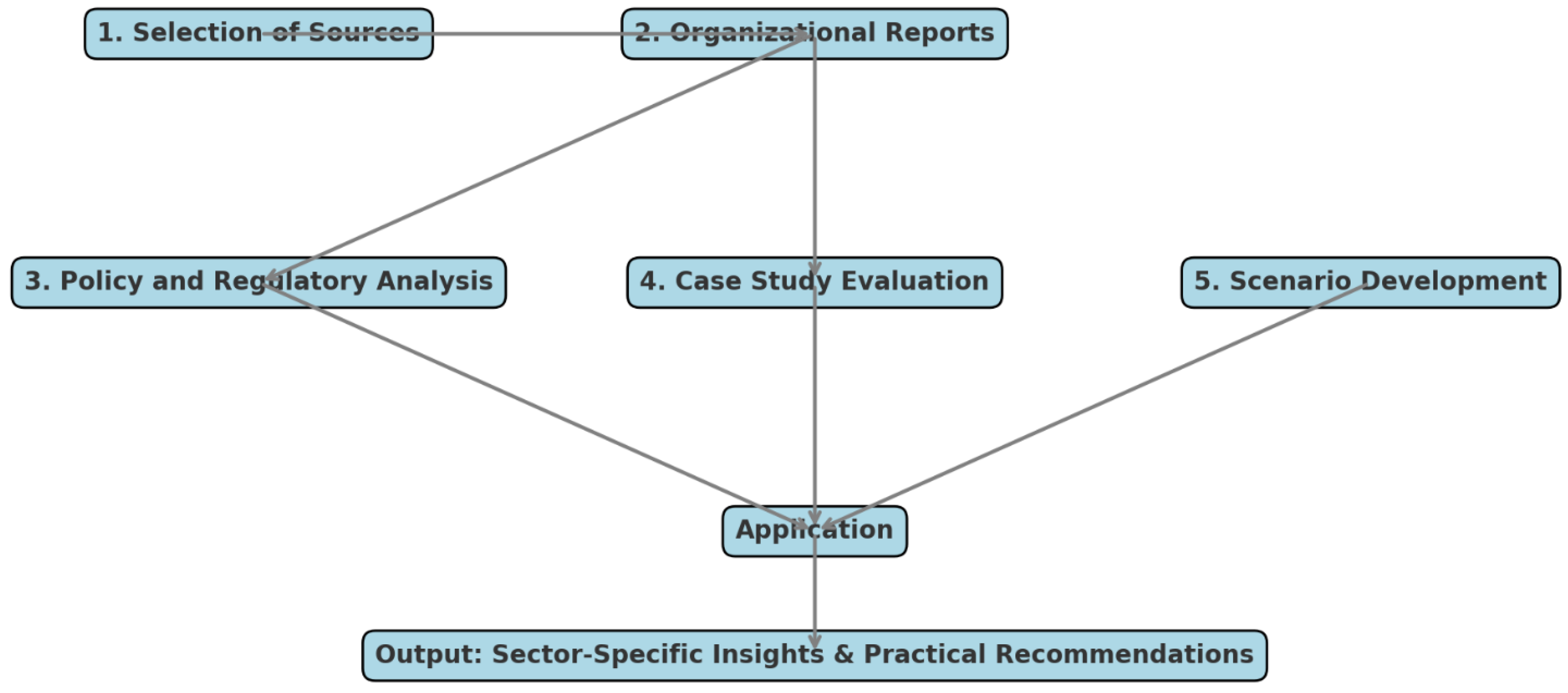
Disclaimer/Publisher’s Note: The statements, opinions and data contained in all publications are solely those of the individual author(s) and contributor(s) and not of MDPI and/or the editor(s). MDPI and/or the editor(s) disclaim responsibility for any injury to people or property resulting from any ideas, methods, instructions or products referred to in the content. |
© 2024 by the authors. Licensee MDPI, Basel, Switzerland. This article is an open access article distributed under the terms and conditions of the Creative Commons Attribution (CC BY) license (http://creativecommons.org/licenses/by/4.0/).
Copyright: This open access article is published under a Creative Commons CC BY 4.0 license, which permit the free download, distribution, and reuse, provided that the author and preprint are cited in any reuse.


