Preprint
Article

This version is not peer-reviewed.

Pilot Study of main Air Pollutants in a Rural Community of Guanajuato, Mexico using a Low-Cost ATMOTUBE® Monitor

A peer-reviewed article of this preprint also exists.

Submitted:

22 December 2024

Posted:

23 December 2024

You are already at the latest version

Abstract

Air pollution is the second cause of death non-communicable diseases. In Guanajuato, Mexico, the brick industry is the main economic and source of polluting emissions, with highest health impacts. This sector has initiated government regulatory changes but now there is no monitoring and its impact on health. As a first pilot phase, the objective was to measure the main air pollutants in a rural community in Guanajuato, Mexico, using a low-cost ATMOTUBE® monitor and describe the area and population group at greatest risk of exposure. Analytical and longitudinal design from September 2023 to February 2024, with the ATMOTUBE® measurement parameters, VOC, PM1, PM2.5, PM10, temperature, humidity and pressure. During the six months of measurement, the results were VOC 4.15±11.79 ppm, Air Quality Score (AQS) 65.17±30.11, PM1 4.90±18.43 ug/m3. From January to February 2024 was the period of highest concentration of pollutants with a maximum concentration of PM2.5 of 664±12.5μg/m3, PM10 of 650±14.8μg/m3 and low humidity value (34.1 ± 5.2%) where they are near two schools. The first inventory of the main air pollutants in a rural community is presented, with children and women being the population at greatest risk. With these data from this pilot phase, it is recommended to start with surveillance measures as well as health and nutrition indicators mainly for the vulnerable population of this rural community.

Keywords: 
;  ;  ;  ;  ;  

1. Introduction

The bricks industry is a family economical sector that use rudimentary and highly polluting technology, and therefore without adherence to environmental legislation. The material used to manufacture traditional red brick (baked clay partitions) can be various, from authorized to unauthorized, which is why the type of pollutants and particulates generated will depend on it [1]. Air pollution contributes to the prevalence of respiratory diseases, such as asthma in addition to the condition of cardiovascular function, cognitive impairment, cancer, etc., mainly affecting the vulnerable population (pregnant women, premature births, low birth weight, with immune diseases, etc.) [2].
The production of artisanal brick has been one of the main family economic activities that has been going on for many years and during the firing process, various materials and inputs are used such as fuel (treated wood, skin waste from leather and shoe manufacturing, outer coconut shell, tires, coconut, among others) many of them unregulated. The main pollutants generated by the brick kilning are carbon monoxide (CO), particulate matter (PM10 and PM2.5), volatile organic compounds (VOC), nitrogen dioxide (NO2), sulfur dioxide (SO2), metals heavy gases, carbon dioxide (CO2), polycyclic aromatic hydrocarbons (PAH), polychlorinated biphenyls (PCB), dioxins, among others, particulate matter being one of the main ones (PM), whose health effects have been identified where PM10 end up in the lungs and PM2.5 is the most dangerous because it cross of lungs to the bloodstream. Two studies carried out by Chen, et al., reported that an increase of 10 μg/m3 in PM2.5 concentrations was associated with increased mortality from all causes of cardiovascular disease such as acute myocardial infarction, coronary heart disease, and stroke, affecting the older population, 65 years old and mainly men. On the other hand, PM1 are particles with a diameter less than 1 micron, extremely fine that are more likely to reach the respiratory system than PM2.5 [3,4]. Other pollutants generated for the brick kilning are volatile organic compounds (VOCs), which are resistant to degradation and can be transported to long distances in the environment for their volatility and mobility characteristic, which vaporize easily and reach the environment [5,6].

1.1. The Ladrilleras del Refugio: A Study Case from Guanajuato

Air pollution is the second cause of death from non-communicable diseases, bricks are an important construction material that is widely used in Mexico, mainly in Guanajuato who ranks in third position in the number of brick kilning in the country. The State of Guanajuato is in the center of Mexico, where the construction industry has an important participation, and the brick economical sector contributed with 5.1% of the Growth Domestic product (GDP) in 2022 [7]. Guanajuato is a state of Mexico with a population of 6 million 166 thousand 934 inhabitants [8], with a poverty rate of 41.9% and a 28.1% of severe food insecurity [8,9]. The “Ladrilleras del Refugio” is a rural community from city of León (which is one of the main cities in the state of Guanajuato). This rural community was relocated in the 1980s due to population growth and currently has a population of 1,800 people distributed in 319 homes). Producers have been trying to implement regulations for several years, but governments have not been able to provide a solution. The impacts of bad air quality have affected the health of the producers themselves, their families and the rest of the inhabitants closest to the community who are not dedicated to this economic activity. Furthermore, the population of Ladrilleras del Refugio, mainly the producers, do not have access to a healthy diet, where ultra-processed products (high in fats and sugars) are more physically and economically accessible than healthy foods. A report showed that the cost of drinks with added sugars or soda are lower in rural environments than in urban ones (approximately 1 dollar less), which explains why eating healthy is not a priority, because the main priority for the producers of bricks has been to regulate their economic activity with the implementation of technology that mitigates environmental impacts [10]. On the other hand, it is important to mentioned that the producers has knowledge about the health impacts generated by their economic activity [10,11] and many of people in the rural community already presents illnesses related respiratory tract such as asthma, short stature, different types of cancer, neurological deterioration, being affected the most vulnerable in the community (boys, girls, older adults, pregnant women). Cohort studies in children demonstrate that exposure to outdoor air pollution is associated with impaired lung development and when this exposure is from the prenatal stage it influences the development of asthma from early childhood [12]. An important aspect it is known that the materials used in this community as a fuel are treated wood, skin waste from leather and shoe manufacturing, outer coconut shell, plastics, tires, sawdust, coconut, among others, which It has relation between fuel and pollutants [13,14,15].
Since 2013, health and nutritional interventions have been carried out in the community, but it was at the end of 2021, derived from the integral program called “Training for brick producers through awareness about access to information, to achieve brick production in accordance with the main environmental standards, good sustainable production practices that improve air quality and therefore health in the community of The Ladrilleras del Refugio (PROSEDE-INAI 2022)" INAI [16]. This intervention had health (food security), environment, economic, social and legal variables, and the main outcomes were an effective communication and the union of brick producers with the subsequent impulse of a “Government Decree for the installation of a Mixed Commission to care for the Brick Sector in the state of Guanajuato”. This intergovernmental Mixed Commission is a consultative body of the Secretariat of Environment and Territorial (SMAOT) with the main objective to generate conditions of sustainable development for the brick economical sector in Guanajuato, through to implement less polluting technology, to regularize the land where their brick kilning are installed, to decrease environmental pollutants, decrease the impacts and improve the social conditions of the population dedicated to this activity [17]. This Decree began in the rural community of “Las Ladrilleras del Refugio” with the implementation of a social and government program with the manufacture of three brick kilning (called MK2) with low emissions of pollutants; but at the moment there is no measurement or monitoring of this new technology, its emissions on the environment or health. The above justified that the present study aims to implement in a pilot phase the measurement of the main pollutants generated during the implementation of this government program with new technology; these first results will contribute to measuring the impact on the health of the inhabitants during the transition from traditional ovens to the new technology (MK2).

1.2. Air Quality Sensors

Air quality sensors (also known as “low-cost” sensors) are cheaper, more portable and easier to operate and since their implementation have been improving their technological effectiveness, where they are currently used by governments, air quality managers air, scientists and citizens whose information can help the public learn more about air quality in their homes and communities [18]. The United States Environmental Protection Agency (US EPA) is involved in advancing air quality sensor technology [19].
Respect the interpretation of criteria pollutants, The US Environmental Protection Agency (EPA) has published an Air Quality Index (AQI). It is EPA's tool for communicating about outdoor air quality and health. The AQI includes six color-coded categories, each corresponding to a range of index values. The higher the AQI value, the higher the level of air pollution and the greater the health problem. For example, an AQI value of 50 or less represents good air quality, while an AQI value greater than 300 represents hazardous air quality. The EPA establishes an AQI for five major air pollutants regulated by the Clean Air Act. Each of these pollutants has a national air quality standard set by the EPA to protect public health, ground-level ozone, particulate matter (PM2.5 and PM10), carbon monoxide, sulfur dioxide and nitrogen dioxide [19]. While ATMOTUBE® detects a wide range of harmful gases and volatile organic compounds (as well as PM), through a cumulative parameter called Air Quality Score (AQS) provides an instant understanding of air quality [20], being the cut-off points, from 0 (very polluted air) to 100 (very clean) points.
As mentioned above, exposure to poor air quality is associated with a higher prevalence of non-communicable diseases and mortality. Although interventions have been attempted for years in this community, so this is the first historical, legal and formal governmental intervention has been carried out with the implementation of technology of low-emission kilns (Less than 70%, according to data reported by the Secretariat of Environment and Territorial Development of Guanajuato). Therefore, this is also the first pilot study which the main objective is measurement and monitoring the air quality during this technological transformation, to describe the main air pollutants around brick production using the low-cost ATMOTUBE® sensor and to measurement the distance of the brick production area and schools. The above contributed to the design of a surveillance and monitoring program of the impact of this government strategy on the health of the population of the community and close to the neighborhoods of this Ladrillera community in the State of Guanajuato.

2. Material and Methods

2.1. Description of the Study Region

Guanajuato is in central Mexico, it has 6,166,934 inhabitants [21], of which 51.4% are women (41% work at home). Guanajuato occupies 5th place in number of inhabitants in the country (93% of the population that emigrates to the United States). Guanajuato is divided into regions; Region III-Central is the one with the largest population (67%) and covers an approximate territorial area of 7,761 km2, equivalent to 25.4% of the state territory. Region I- Northeast has a smaller proportion (4.9% of the population). The State of Guanajuato has 46 municipalities or cities, where the city of Leon has a 27.9% of the population of Guanajuato [8]. The Ladrilleras del Refugio community is a small population group with 1,624 people located on the outskirts of the urban area of the city of Leon, Guanajuato. It is a community created from the relocation of the city's brick economical sector since in 1985. The community is a polygon divided into 30 hectares where there are 207 families and 168 producers who operate 198 traditional brick kilning, called fixed and bell ovens, which represents about 53% of the total brick kilning located in Leon City (Figure 1). It is located less than 800 meters from the urban and recreational areas and nearest of school zone [8]. The Ladrilleras del Refugio has a kindergarten, a primary and a technical high school (Figure 2).

2.2. Study Desing

An analytical and longitudinal pilot design was carried out from September 2023 to February 2024, where several parameters (VOC, PM1, PM2.5, PM10, temperature, humidity and pressure) were measured in real time using the mobile air quality sensor. ATMOTUBE®. With respect to showing the georeferencing of risk areas in the community with a vulnerable population and their proximity to the kilns and brick production of the community, Google Maps was used. To integrate the data of the main pollutants monitored so far by the Secretary of Environment and Territorial Development for Guanajuato, it was carried out through requests for access to information in the National Platform for Access to Information - INAI [22].

2.3. Frequency of Measurements

From August 2023 to February 2024, visits were made to the community on a weekly and biweekly basis; the measurements were carried out mobile (portable the device and walk along the route in this rural community. The measurements were taken mainly in the areas closest to the primary and secondary schools, as well as in two closest brick kilns. Each value was averaged and reported monthly during the period from August 2023 to February 2024.

2.4. Interpretation of Criteria Pollutants

It was considered ATMOTUBE® ´s Air Quality Score (AQS) [23], with the following cut-off points:
  • The AQS changes from 0 (very polluted air) to 100 (very clean) points.
  • Air is good (81-100): Air quality is considered satisfactory, and air pollution poses little or no risk.
  • The air is moderate (61-80): The air quality is acceptable.
  • The air is polluted (41-60): Vulnerable age groups may experience health effects.
  • The air is highly polluted (21-40): You may begin to experience health effects; For members of sensitive groups, the health effects may be more serious.
  • The air is severely contaminated (0-20): Health alert and exposure to the outdoors should be avoided.
Likewise, the interpretation considered the update of the new EPA criteria, at the time of this analysis it was done in accordance with the new standard that came into force on May 6, 2024, and was set at 9 μg/m3 versus the standard previous report that was 12 μg/m3 for PM2.5 [24,25].
Regarding volatile organic compounds (VOCs), the cut-off points were considered 0.5 to 1 mg/m3 as marginal and 1 to 3 mg/m3 as high [26].

3. Results

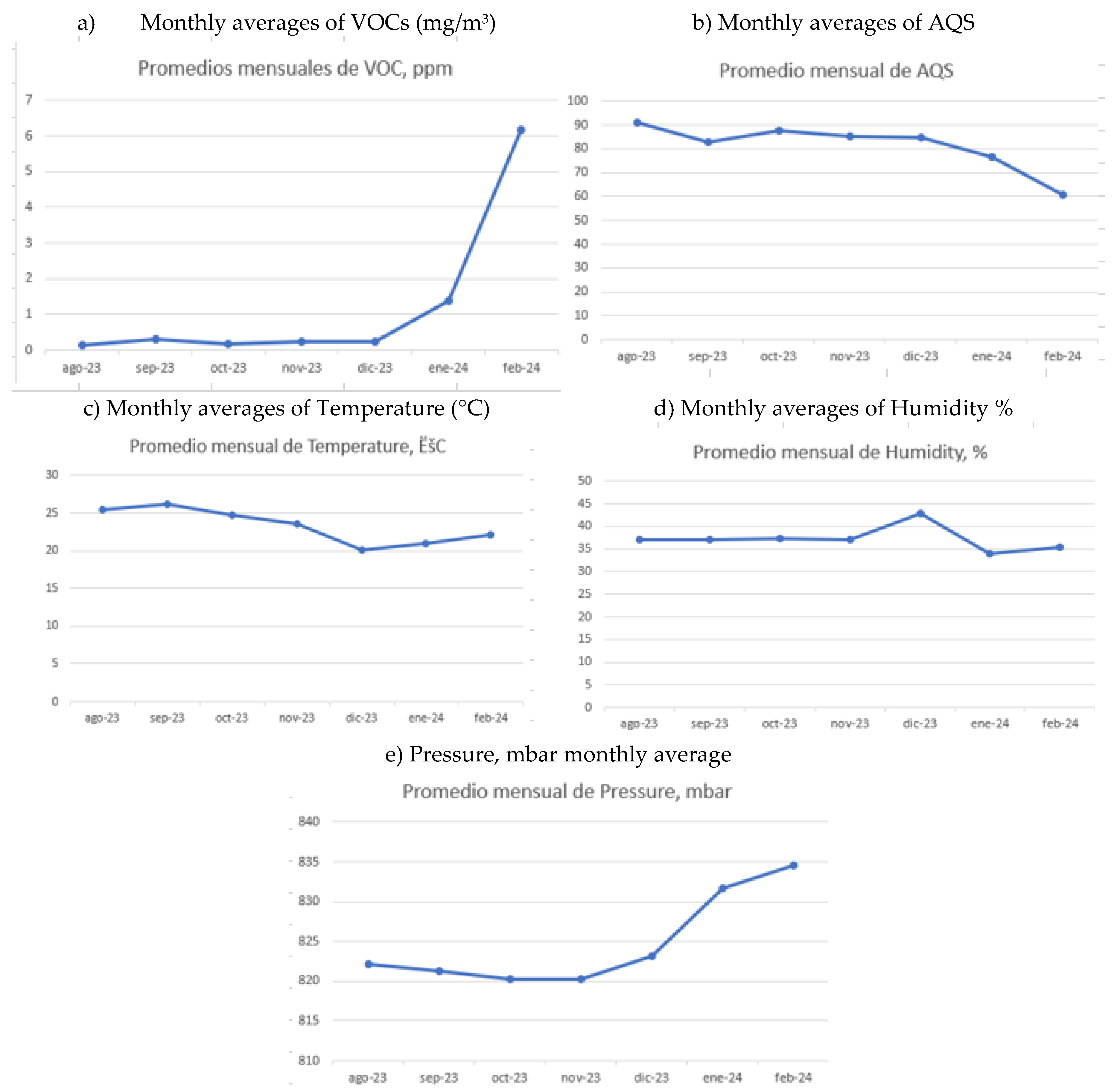
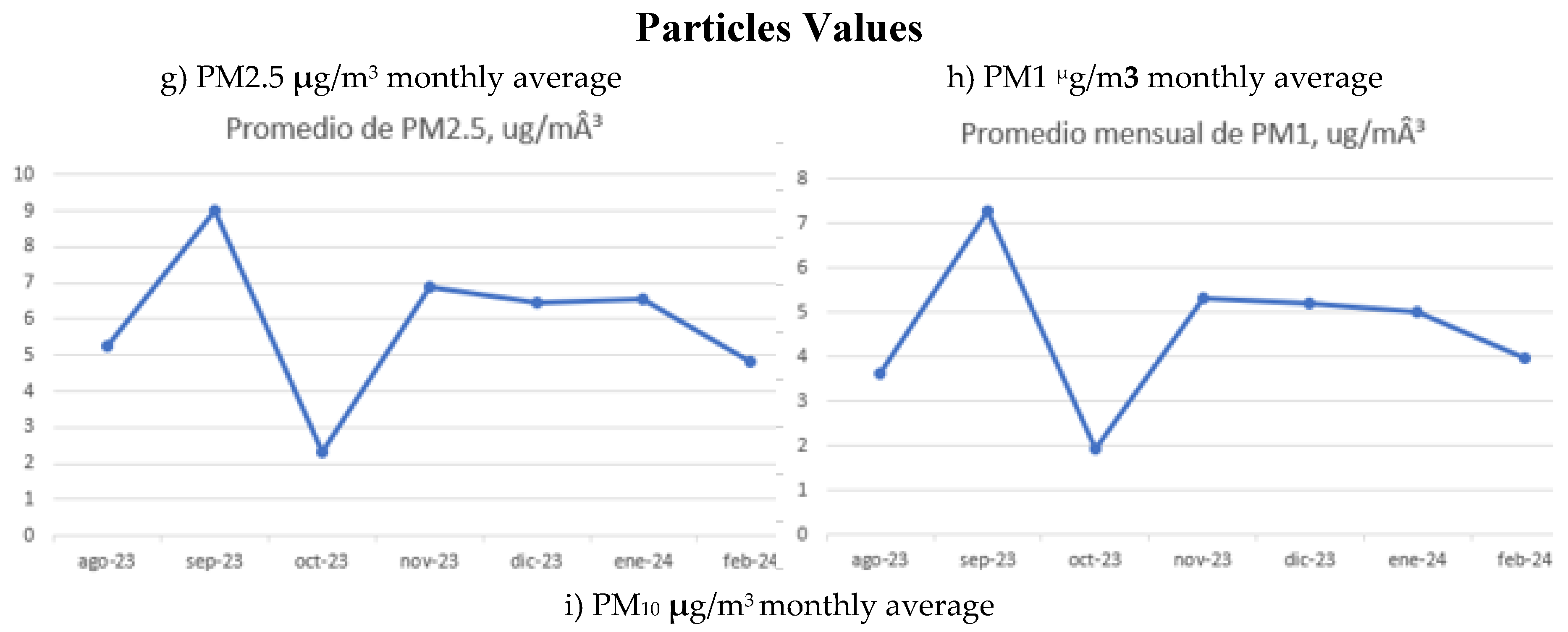
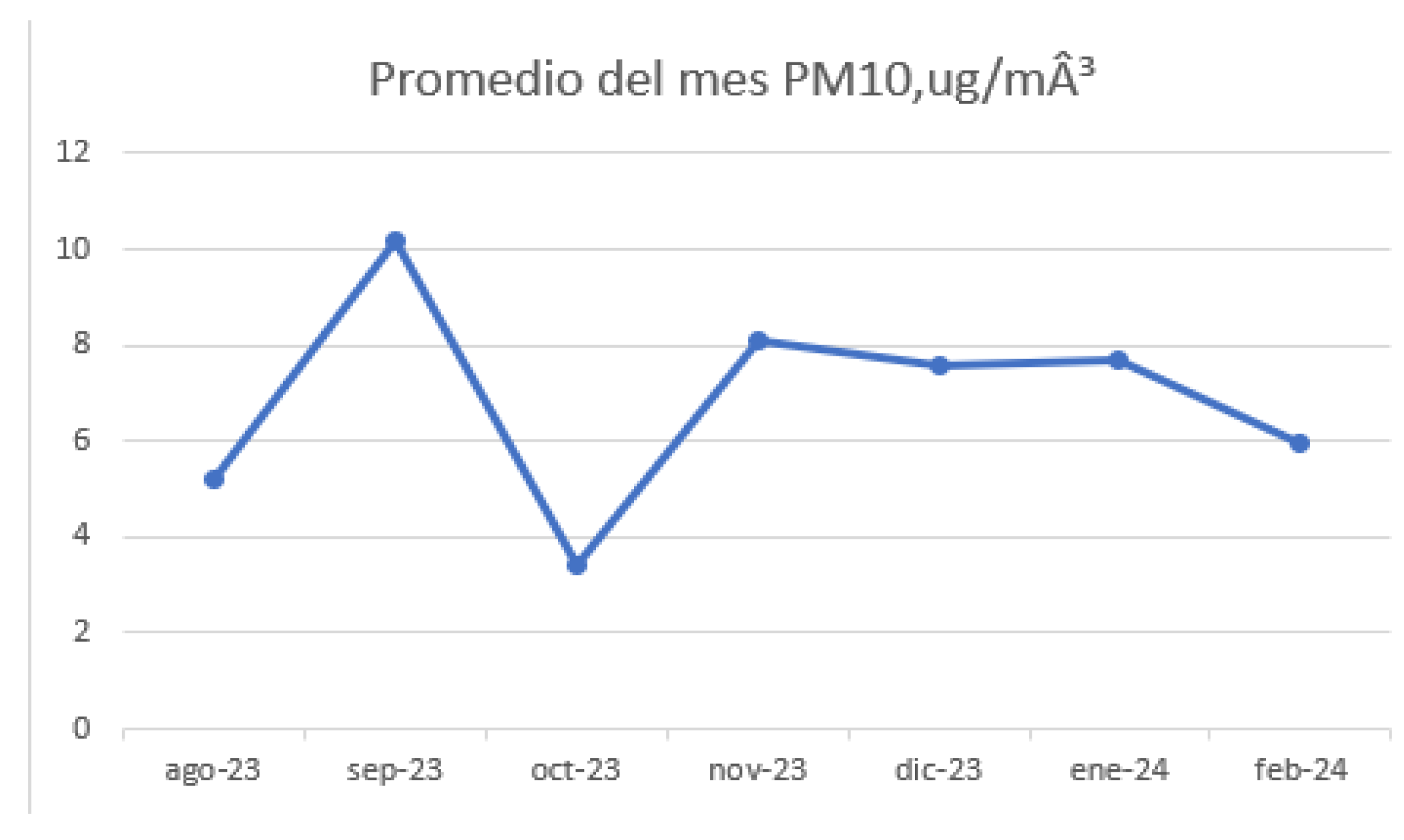
From August 2023 to February 2024, the main pollutants and concentrations measured during the study with the ATMOTUBE® monitor, in the Table 1 is shown the monthly description and by each criterion pollutants in addition to other variables. In the Figure 3, complements individually, the monthly behavior of each of these variables, where it can be observed with respect to particulate matter in the month of September, was above the recommendations and that same month it presents for PM2.5 and PM10, with a non-normal distribution on a monthly basis, likewise this month presented the highest temperature of the months measured (T° 26.2±1.42). Regarding the AQS Score values, the averages were between 60 to 80 in all months, except the month of August (from moderate air (61-80) to polluted air (41-60). Regarding the volatile organic compounds (VOCs), the results show that the months of January and February 2024 were the highest and considered high. On the other hand, October presented a significant decrease in pollutants.
Figure 3. Variability about the different variables per month from august 2023 to february 2024.
Preprints 143771 g003
Figure 3. These are figures a to i. Schemes the situation about main parameters measurement by monitor sensor ATMOTUBE, monthly.
Preprints 143771 g004aPreprints 143771 g004b

3.1. Results of Data Obtained by Information Access Tools

The information in Table 2 derives from what was requested from the Ministry of Environment and Territorial Planning (SMAOT), an institution whose mission is to safeguard the environmental quality of the Guanajuato population, through access to information tools of the National Institute. of Transparency [22]. The SMAOT shared information on historical data and inventory of emissions of the main pollutants generated in the manufacturing of brick producers from Guanajuato in 2021 (Table 2).
In addition to requesting historical data on the inventory of emissions and types of pollutants that are generated in the “Ladrilleras del Refugio” in the municipality of León, to which the SMAOT responded with the estimates made by the secretariat with information for the year 2023 (Table 3).

3.2. Location of the Ovens and Schools in the Community

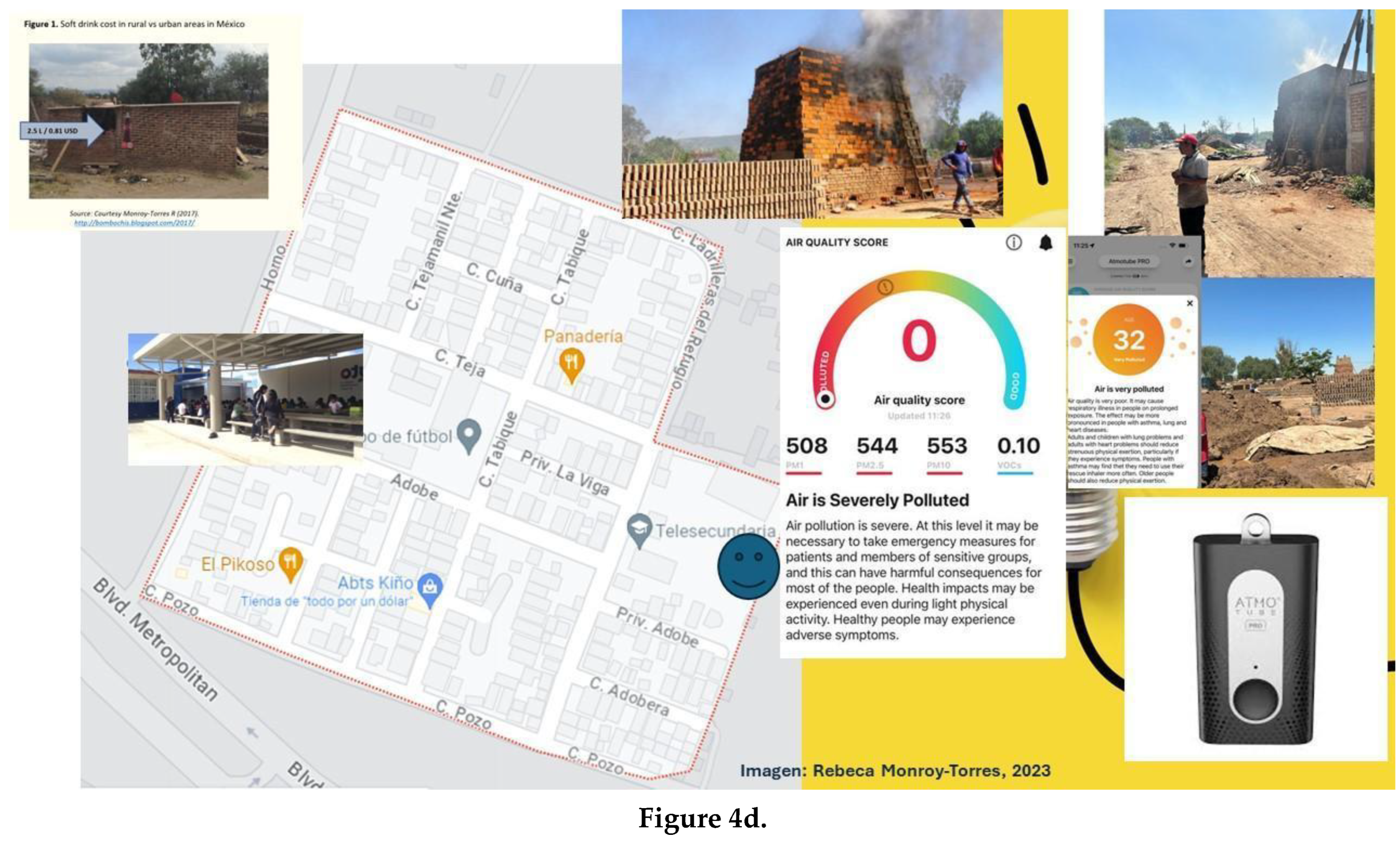
Their location of brick kilning is shown in Figure 4. As can be seen, the distance between the community's residential area and the production area is closer, where the distance is shown in Figure 4b and 4c from the community secondary school is one to two minutes walking (150 meters). Just as in Figure 4 and Figure 4b you can see the location of the primary, secondary and residential areas of the area where the brick kilning are located. In addition to considering that the periphery is an urban area already close to the community (Figure 4d).
Figure 4. a. Coordinates: Top Left: -101.5585012218824, 21.082701559088466 Superior Derecha: -101.54820153926771, 21.082701559088466. Bottom Left: -101.5585012218824, 21.08639044562903 Inferior Derecha: -101.54820153926771, 21.08639044562903 110201006, http://gaia.inegi.org.mx/mdm6/?s=MTM3Njg5Mj.
Preprints 143771 g005
Figure 3. a. Distance between the Josefa Ortiz de Domínguez primary school and high School (Telesecundaria 961), both in the Ladrilleras del Refugio community (taken from Google Maps in March 2024). Figure 4b. Distance between High school to brick kiln. Figure 4c. Proximity between schools and first brick kilns. Figure 4d. Geolocation and mapping of the community environment.
Preprints 143771 g006aPreprints 143771 g006b

4. Discussion

Air pollution contributes to an increase in cases of respiratory tract diseases, which can affect the development of the lungs and promote the development of asthma and chronic obstructive disease (COPD), in addition to affecting the function of blood vessels and accelerate the calcification of the arteries, in addition to increasing the risk that pregnant women are chronically exposed to hypertensive disorders, which are the main cause of premature birth, low birth weight and death of the mother and/or baby, finally exposure to PM2.5 particles. Even at low levels, it can alter a child's brain size, ultimately increasing the risk of cognitive and emotional problems in adolescence [27,28].
The values found during the months of August 2023 to February 2024 reflect a variability and therefore vulnerability in the behavior of the different criterion pollutants, such as the particular PM2.5, the AQS Score that was found between a range of 60 to 80 in all months, except August, reflects the uncertainty in the mixtures of the different pollutants that make up these criterion indicators such as VOCs, which were the highest in the months of January and February 2024. ATMOTUBE® detects a wide range of pollutants and volatile organic compounds, and the cumulative parameter called Air Quality Score (AQS) provides an instant understanding of the surrounding air quality. The AQS changes from 0 (very polluted air) to 100 (very clean) points. The AQS calculation is driven by an algorithm that incorporates threshold values ​​for particulate matter (PM) and volatile organic compounds (VOC). Therefore, the average values ​​are between 60 to 80 in all months, except August, which according to this AQS means a moderate quality (61 – 80). They represent expected values ​​for PM1 of 14 to 34 µg/m3, PM2.5 of 20 – 50 ug/m3, PM10 from 30 - 75 µg/m3, VOC from 0.3 to 1 ppm [19], which according to the Table 2, is coincident with some values, but a limitation is that the data does not present a normal distribution so it could not reach any conclusion but it could be a variable to follow and measure its reliability of the AQS of this equipment (ATMOTUBE®) as a predictor of these contaminants [23]. Meteorological variables, precipitation, temperature, relative humidity, barometric pressure, solar radiation, wind speed and direction, play an essential role in the dispersion of contaminated air and are known to increase the risk of COPD, rhinitis and pharyngitis, and cardiovascular diseases. It is known that there is an inverse relationship between the concentration of PM 2.5 and temperature, which means that the concentration of PM 2.5 increases exponentially with a decrease in temperature, this could be due to the fact that a low temperature restricts the efficient vertical dispersion of pollutants in the atmosphere, the same is known when there is low wind speed and temperature, the pollutants do not disperse and are trapped below the boundary layer, which leads to a higher concentration of pollutants at ground level [29]. For example, regarding the significant decrease in pollutants in the month of October, one explanation could be a greater dispersion of pollutants attributed to speed and direction, where the evidence or the main findings indicates that these two variables can cause pollutants to disperse faster [29].
This data is useful to initiate actions to monitor the health of vulnerable groups such as children and adolescent, due to their stage of growth, are a vulnerable population; Their organs are still developing, they breathe more rapidly than adults, and they are closer to the ground where pollutants reach maximum concentrations. According to the WHO, in 2016 a total of 600,000 children died from acute respiratory tract infections caused by polluted air, and it is estimated that, if sufficient measures are not taken, the number of deaths caused by pollution will increase by more than 50% before the year 2050 [27,30].
Exposure to PM2.5 and PM10 particles can cause lung and cardiovascular diseases and increase mortality and with the recent update of the criteria with the new annual primary standard, which came into force on May 6, 2024 and is set at 9µg per cubic meter (μg/m3) unlike the previous standard which was 12 μg/m3, the impact being greater on the vulnerable population: children, adolescents, the elderly [3,4,31,32] in addition to considering that this exposure and risk to Health violates the right of children by not having access to a healthy environment that is part of the universal human right that was integrated on July 28, 2022 as well as article 4 of the Political Constitution of the United Mexican States [28].
The Ladrilleras del Refugio is a rural community that was relocated since 80s in an area that four decades later has been reached by the urbanization of the city, where more than 200 families make a living from this activity, so having data helps to be certain. The impacts of social interventions such as the current air quality monitoring program benefit Ladrilleras del Refugio, which has been considered a poverty area due to its economic, educational, social and health conditions, mainly encountering problems of educational lag, malnutrition, due to excess and deficiency, as well as lung problems. derived from exposure to environmental contaminants derived from their economic activity [10,11] has studied the Ladrilleras del Refugio community since 2014, finding several health problems in the community that include malnutrition, anemia and food insecurity. Evidence and research with a population exposed to contaminants in water, for example, has found that having good nutritional status reduces health impacts, mainly for the vulnerable population. The mechanism by which people have a diet with an adequate supply of vitamins, minerals, proteins, etc., is because they provide the necessary nutrients for the processes that generate greater inflammation where it is required to generate antioxidant processes. Exposure to PM1 and PM2.5 has an impact on the kidneys, so diet should contribute to preserving adequate kidney function when experiencing this type of exposure [3,31].
Some data for PM2.5 has higher values ​​than PM10, which could be due to the characteristics of the rural community, being a polygon divided into 30 hectares where there are 198 brick kilns, which although 7 brick kilns have been eliminated derived from the implementation of low CO2 emotion technology (New oven “MK2”) maybe this equipment needs to be tested in highly contaminated environments such as the community studied, this could be a strength of the study, testing equipment in highly contaminated environments in addition to measuring conditions such as wind speed. There are few studies in rural communities and with these characteristics, so these findings contribute to monitoring this economic sector and the health of the population, mainly vulnerable groups. On the other hand, there is evidence about changes in the meteorological situation significantly affect the content of impurities in the atmosphere, because I will be appropriate to assess the wind regime for example the structure of the movement of air masses in other studies [33,34].
The discussion on food insecurity is necessary to provide solutions to populations exposed to the main pollutants, since this study where vulnerable populations (children, older adults and pregnant women) are continuously exposed to polluting particles (PM2.5, PM10 ), has risks for the development of different types of cancer (such as leukemia), a higher risk of premature newborns, kidney and cardiovascular diseases that could worsen the impact on health if people also have food insecurity, mainly of a severe type [32]. It is known that when households have some level of food insecurity, such as severe one, they cannot access micronutrients from fruits, legumes, vegetables, cereals and other main sources of micro and macro nutrients [31]. Enjoying food security means have metabolic conditions during exposure to these different contaminants. For example, PM2.5 is a mixture of different toxic metals such as fluorine and the metalloid arsenic, where a study where supplementation with quelites, vitamins and a nutritional diet based on regional foods was related to an increase in urinary excretion. of these toxins in young people in Guanajuato, Mexico [35,36].
The importance of governance in food security can be achieved with participation, legality, transparency, responsibility, consensus, equity, effectiveness, efficiency, governmental and intersectoral sensitivity. Food security requires intersectoral actions in terms of coordination and coherence of sectoral policies and available resources. The governance of food security must be integrated considering its complexity (health, economic, cultural, educational, social, political and environmental) mainly in vulnerable groups, since a society cannot be fully democratic if inequality, discrimination and violence exist. According to these first results and as indicated by the evidence, the effects on health in brickyards justify starting to measure the main air pollutants generated by brick production and generating an inventory of air pollutants using portable monitors such as the ATMOTUBE but could be other technological alternatives, which allow monitoring and designing a pilot citizen platform to map health risks in a rural community [10]. Since October 2022, that is, practically two years since the Government of Guanajuato, began with a government strategy in a pilot phase to implement technology that reduces emissions by 60 to 70% in this rural community, it has become timely with these findings presented, which reflect a health risk due to the evidence already indicated and with a high variability that allows recommending actions to integrate and measure the sources that are causing them, such as the materials used for burning, burning schedules, behavior and despite the different producers towards this transition and regulation [17], where studies have also shown that reducing the amount of air pollution is associated with an attenuated rate of decline in lung function from the early stages of adulthood [32,33].
Although the study did not focus on measuring and monitoring the burning material and therefore the composition of pollutants of particulate origin (PM1, PM2.5, PM10), this study provides the basis to initiate monitoring considering this information, that could be measured through the study of Islam et al., who quantified heavy metal pollution, its sources as well as the environmental risk assessment of agricultural lands on the edge of roads, where they found that the origin of the main pollutants They came from road traffic and industrial environments with the use of pollution indices as well as the estimation of the level of risk for environmental health based on chronic daily intake (CDI), risk quotient (HQ) and risk index (HI), for adults and children, which may be useful to observe additional increases in substantial concentrations of heavy metals in the soils of this rural community. Another variable to consider studying is seasonal behavior with long-term follow-up to these pollutants [38], which will contribute to strengthening the methodology of a surveillance system for environmental impacts with the Government Strategy to serve the Brick sector of this Rural Community of “Las Ladrilleras del Refugio” as well as the entire economic sector that manufactures brick in the State of Guanajuato.
Finally, transparency is a mechanism of citizen participation and transparency on the part of government actions, as in this study, technological transformation processes with low-emission brick kilns are carried out and measuring air quality is a surveillance mechanism, which with this first study should continue to be expanded and improved. Some considerations about the main outcomes of this pilot study es to consider control variables and other measurement as to add information on wind speed, wind direction and distance between the school and high school and brick kiln; to continue with the measurement the main pollutants and could mapping the sources and materials are used as a fuel for the brick’s kilns [39].

5. Conclusions

This first pilot study where the main air pollutants due to brick kilning production using a low-cost sensor (ATMOTUBE®) in a rural community identified that during the month of September 2023, were measurement values ​​outside the norm for PM2.5 and PM10 were presented, as well as high temperature values ​​(T° 26.2±1.42). The AQS Score was between 60 and 80 in all months, except in August, which had the highest values.
Some limitations of the study were to use a single low-cost sensor and the relatively short duration of monitoring. Variable as wind speed and wind direction were missed. The experience found contributes to generating data and integrating proposals from citizen participation and prevention of impacts on the health of the vulnerable population, especially the inhabitants of this brick-producing community. Therefore, implementing an air quality surveillance and monitoring program is a measure that will allow for health and nutrition indicators.
Highlights
  • Brick producers, their families and the rest of the population not related to brick production are exposed to particulate compounds (PM2.5 and PM10). Score AQS and VOCs. Its causes will have to be studied and be part of a new study.
  • Studies have also shown that pollution is associated with an attenuated rate of lung function decline from early adulthood.
  • Being children, women, elderly and living close to artisanal brick production is a risk factors for impaired lung function and to acquirer asthma.
  • Being children (male) exposed to artisanal brick production, overweight and low weight for age, living with food insecurity are risk factors to increase the effects to have a bad air quality.
  • The frequency of respiratory symptoms could be measurement.
  • Follow up on the measurement of health indicators and symptoms in vulnerable populations (children, the elderly, women, population with a disease).
  • Advantages and disadvantages respect of governmental intervention: the advantages of cleaner brick production are reductions in the direct impact of health risks for producers and their families as well as the environment; With regard to the economy, as well as social aspects, it is to achieve fair prices and participate in a formal market where they can have access to health services, less precarious work.; A disadvantage is that since it is a new low-emission or polluting technology, the price of bricks is 50% higher (according to an analysis by producers and the government), therefore construction companies do not pay fair prices, generating an inequitable and fair transformation in efforts to transform an economic sector that has had years of precarious and neglected work by governments.
  • This study contributes to the description and analysis of low-cost portable sensors such as the ATMOTUBE, but the reliability, sensitivity and specificity of the equipment, as well as other brands or models of sensors for measuring air quality, must continue to be reviewed in highly contaminated environments such as this economic sector studied (Brick kilning).
  • In September 2024, Guanajuato changed of Government and its Secretariat of Environment and Territorial -SMAOT (Secretaria de Medio Ambiente y Desarrollo Territorial in spanish) is currently called Secretary of Water and Environment -SAMA (Secretaria del Agua y Medio Ambiente in spanish) who recently began work with the intergovernmental Joint Commission and will continue with the Government Decree (December 2024).

Funding

This research received no external funding.

Acknowledgments

I am thankful to OpenAQ and the 2023 OpenAQ Community Ambassador Program Cohort. I am also thankful to the sponsors: ATMOTUBE®, Clarity® and AirGradient. Lastly, I would like to thank Colleen Marciel F. Rosales, Ph.D., Strategic Partnerships Director at OpenAQ, for the mentorship and providing edits and guidance to this document. Special thanks to Jazmin Hernández García, who collaborated with the “Platform of Citizen Air Quality Surveillance System” and is part of OUSANEG team. As part of the OpenAQ Community Ambassador Program, the author was able to measure the air quality and integrate it as part of assessments of health risks of the population in Ladrilleras del Refugio.

Conflicts of Interest

Declare conflicts of interest or state “The authors declare no conflicts of interest”.

References

  1. INECC. Análisis de mercado del Sector de la Construcción y Proyecto Piloto a Nivel Región. Basado en el Portafolio de Políticas Públicas con el Objetivo de Reducir los Contaminantes Climáticos de vida Corta (CCVC) de Ladrilleras Artesanales en México. Informe final. 2016. Instituto Nacional de Ecología y Cambio Climático (INECC), México.
  2. Manisalidis, I.; Stavropoulou, E.; Stavropoulos, A.; Bezirtzoglou, E. Environmental and Health Impacts of Air Pollution: A Review. Front Public Health 2020, 8, 14. [Google Scholar] [CrossRef] [PubMed]
  3. Chen, C.; Li, T.; Wang, L.; Qi, J.; Shi, W.; He, M.Z.; Sun, Q.; Wang, J.; Zhu, H.; Shi, X. Short-term Exposure to Fine Particles and Risk of Cause-Specific Mortality - China, 2013-2018. China CDC Wkly 2019, 1, 8–12. [Google Scholar] [CrossRef]
  4. Chen, C.; Zhu, P.; Lan, L.; Zhou, L.; Liu, R.; Sun, Q.; Ban, J.; Wang, W.; Xu, D.; Li, T. Short-term exposures to PM2.5 and cause-specific mortality of cardiovascular health in China. Environ Res 2018, 161, 188–194. [Google Scholar] [CrossRef] [PubMed]
  5. David, E.; Niculescu, V. Volatile Organic Compounds (VOCs) as Environmental Pollutants: Occurrence and Mitigation Using Nanomaterials. Int J Environ Res Public Health 2021, 18, 13147. [Google Scholar] [CrossRef] [PubMed]
  6. Pandey, P.; Yadav, R. A Review on Volatile Organic Compounds (VOCs) as Environmental Pollutants: Fate and Distribution. Int. J. Plant Environ. 2018, 4, 14–26. [Google Scholar] [CrossRef]
  7. INEGI. Industria de la construcción en datos. 2023. https://beta.cuentame.inegi.org.mx/explora/economia/construccion/.
  8. INEGI. 2020. https://www.cuentame.inegi.org.mx/monografias/informacion/gto/poblacion/default.aspx.
  9. Shamah-Levy, T.; Vielma-Orozco, E.; Heredia-Hernández, O.; Romero-Martínez, M.; Mojica-Cuevas, J.; Cuevas-Nasu, L.; Santaella-Castell, J.A.; Rivera-Dommarco, J. Encuesta Nacional de Salud y Nutrición 2018-19: Resultados Nacionales. Cuer-navaca, México: Instituto Nacional de Salud Pública. 2020. https://ensanut.insp.mx/encuestas/ensanut2018/doctos/informes/ensanut_2018_informe_final.pdf.
  10. Hernández –García, M.J.; Monroy-Torres, R. Las Ladrilleras: Un abordaje y reflexión desde Nutrición ambiental y la segu-ridad alimentaria. REDICINAySA 2022, 11, 29–34. [Google Scholar]
  11. Aguilera-Pizano, A. Contribución del sector ladrillero a la contaminación atmosférica empleando el modelo de gaussiano y su impacto a la salud de la población: caso de estudio de las ladrilleras del Refugio en la ciudad de León, Guanajuato. Jóvenes en la Ciencia, 2021, 10. https://www.jovenesenlaciencia.ugto.mx/index.php/jovenesenlaciencia/article/view/3407.
  12. Grant, T.; Brigham, E.P.; McCormack, M.C. Childhood Origins of Adult Lung Disease as Opportunities for Prevention. J Al-lergy Clin Immunol Pract 2020, 8, 849–858. [Google Scholar] [CrossRef] [PubMed]
  13. Bhat, M. S.; Afeefa, Q. S.; Ashok, K. P.; Bashir, A. G. Brick kiln emissions and its environmental impact: A Review. Journal of Ecology and The Natural Environment 2014, 6, 1–11. [Google Scholar] [CrossRef]
  14. Kampa, M.; Castanas, E. Human health effects of air pollution. Environ Pollut 2008, 151, 362–7. [Google Scholar] [CrossRef] [PubMed]
  15. Chien, V.C.; Chai, S.K.; Hai, D.N.; Takaro, T.; Checkoway, H.; Keifer, M.; et al. Pneumoconiosis among workers in a Vietnamese refractory brick facility. Am J Ind Med. 2002, 42, 397–402. [Google Scholar] [CrossRef] [PubMed]
  16. Monroy-Torres, R. El acceso a la información y la seguridad alimentaria y nutricional, un derecho para avanzar al derecho a la salud y a la alimentación. Revista del INAI Sociedad y Transparencia 2023, 8, 28–56. [Google Scholar]
  17. Gobierno del Estado de Guanajuato. Decreto Gubernamental en el que se instala la Comisión Mixta para la atención del sector Ladrillero en el estado de Guanajuato. 2022. https://portalsocial.guanajuato.gob.mx/sites/default/files/documentos/2022_GOBIERNO_GTO_Acuerdo_comision_mixta_atencion_sector_ladrillero_estado_guanajuato_constitutye_20221019.pdf.
  18. WHO. Overview of methods to assess population exposure to ambient air pollution. Geneva:WHO, 2023.
  19. EPA. Air Sensor Toolbox. [Internet] [cited 2024, February 20th]. Available: https://www.epa.gov/air-sensor-toolbox.
  20. Brook, R.D.; Rajagopalan, S.; Al-Kindi, S. Public Health Relevance of US EPA Air Quality Index Activity Recommendations. JAMA Netw Open, 2024;7(4):e245292. [CrossRef] [PubMed] [PubMed Central]
  21. CONAPO. Guanajuato: Indicadores demográficos, 1990-2030. Base de datos. Secretaría de Desarrollo Social y Humano. 2020. https://portalsocial.guanajuato.gob.mx/documentos/guanajuato-indicadores-demogr%C3%A1ficos-1990-2030.
  22. Plataforma Nacional de Transparencia (PNT). https://www.plataformadetransparencia.org.mx/Inicio.
  23. ATMOTUBE® SCORE. 2024. https://atmotube-support/what-is-air-quality-score-aqs.
  24. EPA. Final Updates to the Air Quality Index (AQI) for Particulate Matter Fact Sheet and Common Questions. 2024. https://www.epa.gov/system/files/documents/2024-02/pm-naaqs-air-quality-index-fact-sheet.pdf.
  25. EPA. What are volatile organic compounds (VOCs)? 2024. https://www.epa.gov/indoor-air-quality-iaq/what-are-volatile-organic-compounds-vocs.
  26. ATMOTUBE® VOCs. 2024. https://atmotube.com/air-quality-essentials/what-are-vocs#:~:text=VOCs%20originate%20from%20a%20number,INFO@ATMOTUBE.COM.
  27. NIH (National Institute of Environmental Health Sciences). La contaminación del Aire y Su Salud. https://www.niehs.nih.gov/health/topics/enfermedades/contaminacion/index.cfm.
  28. PNUD. ¿Qué es el derecho a un medio ambiente saludable? 2024. https://www.ohchr.org/sites/default/files/documents/issues/climatechange/information-materials/r2heinfofinalweb-sp.pdf.
  29. Vaishali; Verma, G. ; Das, R.M. Influence of Temperature and Relative Humidity on PM2.5 Concentration over Delhi. MAPAN 2023, 38, 759–769. [Google Scholar] [CrossRef]
  30. PAHO/WHO. Contaminación del aire ambiental exterior y en la vivienda: Preguntas frecuentes. 2018. https://www.paho.org/es/temas/calidad-aire-salud/contaminacion-aire-ambiental-exterior-vivienda-preguntas-frecuentes#:~:text=La%20exposici%C3%B3n%20se%20ha%20relacionado.
  31. Downs, S.H.; Schindler, C.; Liu, L.J.; Keidel, D.; Bayer-Oglesby, L.; Brutsche, M.H.; Probst-Hensch, N.M.; Tschopp, J.M.; Zellweger, J.P.; Rochat, T.; Schwartz, J.; Ackermann-Liebrich, U. ; SAPALDIA Team. Reduced exposure to PM10 and attenuated age-related decline in lung function. N Engl J Med, 2007; 357, 2338–2347. [Google Scholar]
  32. Gauderman, W.J.; Urman, R.; Avol, E.; Berhane, K.; McConnell, R.; Rappaport, E.; Chang, R.; Lurmann, F.; Gilliland, F. Association of improved air quality with lung development in children. N Engl J Med 2015, 372, 905–913. [Google Scholar] [CrossRef] [PubMed]
  33. Pérez, R.D.A.; Taborda, N.A.; Gómez-Gallego, D.M.; Valderrama, J.F.N.; Porras, J.; Hernández, J.C. Inflammatory effects of particulate matter air pollution. Environmental Science and Pollution Research International 2020, 27, 42390–42404. [Google Scholar] [CrossRef]
  34. Shikhovtsev, M.Y.; Molozhnikova, Y.V.; Obolkin, V.A.; Potemkin, V.L.; Lutskin, E.S.; Khodzher, T.V. Features of Temporal Variability of the Concentrations of Gaseous Trace Pollutants in the Air of the Urban and Rural Areas in the Southern Baikal Region (East Siberia, Russia). Appl. Sci. 2024, 14, 8327. [Google Scholar] [CrossRef]
  35. Pizzino, G.; Irrera, N.; Cucinotta, M.; Pallio, G.; Mannino, F.; Arcoraci, V.; Squadrito, F.; Altavilla, D.; Bitto, A. Oxidative Stress: Harms and Benefits for Human Health. Oxid Med Cell Longev 2017, 2017, 8416763. [Google Scholar] [CrossRef] [PubMed]
  36. Santiago- Saenz, Y.O.; López -Palestina, C.U.; Gutiérrez -Tlahque, J.; Monroy -Torres, R.; Pinedo- Espinoza, J.M.; Hernández -Fuentes, AD. Nutritional and functional evaluation of three powder mixtures based on Mexican quelites: alternative ingredients to formulate food supplements. Food Sci. Technol 2020, 40, 1029–1037. [Google Scholar] [CrossRef]
  37. Islam, S.; Sarker, M. E.; Mozammal Hoque, M. M.; Kabir, M. H.; Ahmed, F. T.; Hossain, M. N. Quantification of heavy metals concentration and assessment of Ecological health risk in roadside agricultural land of Dhaka-Aricha highway, Bangladesh. Iranian Journal of Earth Sciences 2024, 16, 1–12. [Google Scholar] [CrossRef]
  38. Mukta, T.; Hoque, M. M.; Sarker, M.; Hossain, M.; Biswas, G. Seasonal variations of gaseous air pollutants (SO2, NO2, O3, CO) and particulates (PM2.5, PM10) in Gazipur: an industrial city in Bangladesh. Advances in Environmental Technology 2020, 6, 195–209. [Google Scholar] [CrossRef]
  39. Singh, D.; Dahiya, M.; Kumar, R.; Nanda, C. Sensors and systems for air quality assessment monitoring and management: A review. Journal of Environmental Management 2021, 289, 112510. [Google Scholar] [CrossRef] [PubMed]
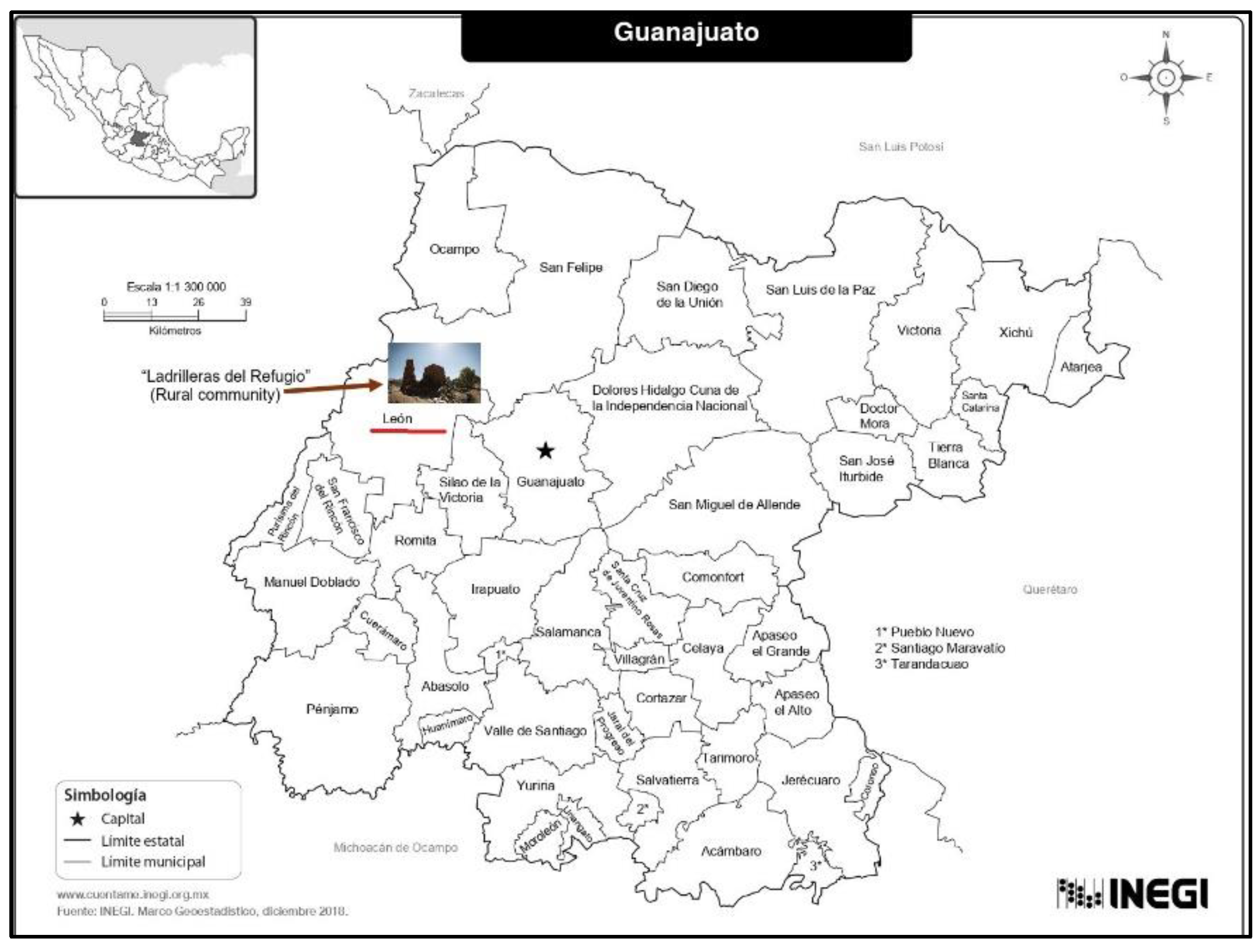
Figure 1. “Ladrilleras del Refugio, Located in Leon City and Guanajuato´s map.
Preprints 143771 g001
Figure 2. Map of Ladrilleras del Refugio community (Scale 1:5000).
Preprints 143771 g002
Table 1. Average values of the main criterion pollutants and other variables recorded by the ATMOTUBE® monitor monthly.
Month
VOC
mg/m3
AQS H% Pressure, mbar PM1, µg/m3 PM2.5 µg/m3 PM10, µg/m3
x± Standard deviation (*SD)
August 2023 0.14 ±0.04 91.2±2.39 25.5 ±0.49 37.1 ±3.14 822.1±1.08 3.6±1.35 5.2±1.65 5.2 ±2.26
September 2023 0.3±0.45 82.9±10.53 26.2±1.42 37.1±7.0 821.3±3.17 7.3±2.69 9±23.91 10.2±24.05
October 2023 0.10±0.06 87.9±4.27 24.7±1.28 37.3±7.21 820.±2.813 1.9±4.08 2.3±4.60 3.4±4.63
November 2023 0.23±0.16 85.1±6.32 23.5±1.95 37.1±7.72 820.3±7.97 5.3±5.39 6.9±5.95 8.1±6.2
December 2023 0.24±0.13 84.6±6.96 20.1±6.96 42.9±6.48 823.1±10.90 5.2±8.21 6.5±9.02 7.6±9.16
January 2024 1.3±5.54 76.8±22.08 20.9±2.86 34.1±5.22 831.6±36.97 5±8.25 6.5±9.05 7.7±9.38
February 2024 6.17±15.18 60.6±32.71 22.1±2.66 35.1±8.03 834.5±36.15 3.9±25.2 4.8±26.8 5.9±26.8
Media +sd* 4.15±11.79 65.17±30.11 21.88±3.03 34.04±6.77 834.8±40.60 4.90±18.43 6.12±19.70 7.27±19.82
Table 2. Emissions from the use of fuels in brick kilns (tons per year).
Average of
state emission
Pollutants
Ozone criteria and precursors
Greenhouse gasses
PM10 PM 2.5 SO2 NOx CO TOC* CH4 CO2 N2O CO2eq CO2 (quantified but not reported)
1827 1757 164 150 13295 12051 0.04 8267 15.9 12479 178925
*TOC= Total organic carbon.
Table 3. Pollutants of burning biomass (firewood) as fuels used in brick kilns, 2023.
Pollutants
Ozone criteria and precursors (tons/year)
Greenhouse gasses
ton/year
PM10 PM2.5 SO2 NOx CO TOC* CH4 N2O CO2 (quantified but not reported) CO2eq
308.63 297.11 3.57 23.19 2.253.18 2042.67 0.00 2.68 30327.86 709.14
*TOC= Total organic carbon.
Disclaimer/Publisher’s Note: The statements, opinions and data contained in all publications are solely those of the individual author(s) and contributor(s) and not of MDPI and/or the editor(s). MDPI and/or the editor(s) disclaim responsibility for any injury to people or property resulting from any ideas, methods, instructions or products referred to in the content.
Copyright: This open access article is published under a Creative Commons CC BY 4.0 license, which permit the free download, distribution, and reuse, provided that the author and preprint are cited in any reuse.
Prerpints.org logo

Preprints.org is a free preprint server supported by MDPI in Basel, Switzerland.

Subscribe

Disclaimer

Terms of Use

Privacy Policy

Privacy Settings

© 2025 MDPI (Basel, Switzerland) unless otherwise stated