

Submitted:
22 December 2024
Posted:
23 December 2024
You are already at the latest version
Abstract
Background/Objectives: The most common breast cancer (BRC) in women is estrogen/progesterone receptor-positive. The first-conventional treatment includes endocrine therapy either with aromatase inhibitors or tamoxifen to reduce estrogen levels. These treatments are associated with side effects, the most typical being joint/muscle pain, known as aromatase inhibitor arthralgia, affecting overall health and quality of life (QoL). The objectives here were to evaluate interventions examining impact of modified diets, supplements, and/or some food components on health outcomes in BRC patients undergoing endocrine therapy. Methods: Literature search was performed in PubMed, Scopus, and Web of Science through the end of November 2024, with articles reporting intervention with diet/food/supplement intake and the relevant outcomes. Results: The search uncovered 1028 studies; after the removal of duplicates, abstracts, and irrelevant studies, 53 studies were closely examined, with 26 evaluated and presented here. The outcomes were changes in bone and body composition, cardiovascular disease risks, inflammation, and QoL. Conclusions: Examined evidence suggests that adherence to dietary patterns such as Mediterranean or low-fat diet, and higher intake of fruits and vegetables were beneficial for various outcomes. Additionally, supplementation with some foods/components (dried plum, red clover), contributed to improving/maintaining bone and body composition, especially in overweight/obese patients. Supplementation with vitamin D or omega-3 improved lipid and angiogenic parameters and QoL. Although these results are promising, the effects of each supplement/food cannot be summarized due to the diverse nature of study designs, patients, and supplement dosage. Further studies are needed to explore the effects of specific nutritional interventions on various health outcomes in BRC survivors during endocrine therapy and derive universal recommendations.
Keywords:
Breast cancer
; Estrogen/progesterone positive breast cancer
; Endocrine adjuvant therapy
; Aromatase inhibitors
; Tamoxifen
; Bone and body composition
; Cardiovascular risk factors
; Inflammation
; Quality of life
1. Introduction
Breast cancer (BRC) is a prevalent disease affecting women around the globe. It is the most commonly diagnosed cancer and the leading cause of cancer-related deaths among women. In 2020, approximately 2.3 million new cases of BRC were diagnosed worldwide, accounting for nearly a quarter of all cancer cases in females [1,2,3].
The most common non-modifiable risk factors for BRC include female sex, older age, family history of BRC, certain genetic mutations, dense breast tissue, and previous radiation exposure. Women at higher risk for developing BRC are those with early menarche (before age 12), late menopause (after age 55), those not having children, or having a first pregnancy after age 30 [4,5]. The modifiable risk factors include the use of certain medications, high body mass index (BMI), alcohol consumption, smoking, exposure to artificial light or environmental pollutants, as well as physical inactivity, and a nutrient-poor diet, including the consumption of highly processed foods and low intake of vitamins and minerals [4]. As Western dietary patterns, characterized by increased consumption of processed, sugary, and high-fat foods, continue to spread globally, the incidence of BRC may rise in both developed and developing countries. Therefore, addressing these modifiable factors is essential in the search for preventive or new therapeutic strategies for BRC [4,5].
About 75% of breast tumors express either the estrogen receptor or the progesterone receptor, classifying them as hormone receptor-positive (HR+) tumors. Adjuvant endocrine therapy is a fundamental component of treatment for HR+ early BRC, alongside chemotherapy and radiation therapy [6]. Since estrogen significantly contributes to the proliferation of cancer cells in patients with estrogen receptor breast cancer, blocking it from binding to its receptors became an effective treatment. The most common endocrine treatments include tamoxifen (TAM) and/or aromatase inhibitors (AI). TAM blocks estrogen's ability to attach to breast cancer cells, while AI hinders the aromatase enzyme that converts other androgens to estrogen. Both treatments result in a reduction of estrogen levels and slow down the growth of breast cancer cells [7,8,9,10]. In early premenopausal HR+ breast cancer patients receiving AI such as anastrozole, exemestane, or letrozole have shown lower recurrence rates compared to tamoxifen [11].
Although the side effects from endocrine treatments are less severe compared to chemo or radiation therapy, there are quite a few side effects that could affect overall health and quality of life, including a resurgence of menopausal symptoms in women who are postmenopausal, as well as the development of metabolic syndrome, increased pro-inflammatory C-reactive protein, and non-alcoholic steatohepatitis [12]. Although the evidence shows the effectiveness of AI treatment in enabling cancer-free survival for breast cancer patients, its use can be limited because of debilitating, but otherwise modifiable, side effects. For example, nearly 50% of patients on AI experience arthralgia, including joint pain, stiffness, and muscle pain (arthralgia and myalgia) often as part of a broader condition called AI-induced musculoskeletal syndrome, which also includes bone loss, increased fracture risk, all primarily due to estrogen deficiency. Moreover, AI treatment is associated with other side effects, such as cognitive dysfunction, anxiety, depression, sleep disturbances, and fatigue. It can also lead to changes in lipid profile and elevated cardiovascular risk, as well as in the urogenital system, causing sexual dysfunction and frequent urinary tract infections [13,14]. Regarding TAM therapy, in addition to arthralgia, its long-term use can lead to venous thromboembolism, secondary cancers (e.g., uterine), central nervous system damage, and bone growth abnormalities [15]. Consequently, many women undergoing endocrine therapy describe it as a paradox: “a life-saving treatment that also contributes to premature aging”.
Overall, while both types of treatment provide significant benefits in preventing cancer recurrence, their side effects can greatly affect a patient's quality of life (QoL) and contribute to nonadherence to treatment and therapy discontinuation. Therefore, it is crucial to address and minimize the negative effects of both therapies, particularly AI, to improve the overall health and QoL for breast cancer patients [13].
Increasing evidence from research on various dietary patterns, macro- and micronutrients, and bioactive compounds points to the significance of nutrition interventions in improving treatment outcomes for breast cancer patients and survivors. For example, certain dietary factors like excess carbohydrates (especially, simple sugars), saturated fats, and red meat may increase breast cancer risk. Conversely, nutrients that contain fiber, omega-3 fatty acids, vitamins, minerals, and phytochemicals found in fruits and vegetables may help reduce oxidative stress and chronic inflammation, both known to contribute to breast cancer development and progression [4,5,16].
Both scientific and clinical communities and patient advocacy groups emphasize the importance of lifestyle changes post-diagnosis, particularly regarding diet. In this context, a growing concern is the increasing number of breast cancer survivors (BRCS) who are overweight or obese. BRCS with overweight (BMI 25–29.9) or obesity (BMI >30) tend to have worse outcomes compared to those with a normal BMI (<25), including higher recurrence rates, poorer treatment responses, and an increased risk of secondary cancers and metastases. The results from a recent meta-analysis revealed that women with obesity face a 33% higher risk of breast cancer mortality, and a 41% higher risk of overall mortality compared to those with a normal weight [17]. Research suggests that BRCS who adopt a healthier lifestyle—such as increasing physical activity and improving diet and overall dietary habits—may experience better QoL and potentially improve their overall health, thereby prolonging life, and reducing the healthcare burden [17].
The objectives of this review were to systematically synthesize available evidence of the impact of the modified whole diet, supplements, and some food components on breast cancer outcomes in patients undergoing treatment with AI or TAM. By reviewing and evaluating interventional studies, we identified key findings that could inform clinical practice and guide future research. Our analysis also highlighted the potential role of nutrition and supplementation in optimizing treatment outcomes for breast cancer patients, offering insights into how these strategies could complement conventional cancer therapies, with a focus on body composition, cardiovascular disease risk parameters, inflammation, and quality of life. These findings could help shape future clinical guidelines and highlight areas where further investigation is needed to enhance patient care and survivorship, possibly contributing to the universal treatment in alleviating endocrine treatment side effects.
2. Materials and Methods
2.1. Search Strategy
The literature search was performed across three scientific databases: PubMed, Scopus, and Web of Science from the article's inception to the end of September 2024 using a combination of the following MeSH keywords: breast cancer AND food OR diet OR supplement AND aromatase inhibitors OR tamoxifen. The bibliography section of the included studies was also manually screened to find additional relevant studies, as well as the applicable articles that were in print or published after the search was completed extending to the end of November 2024.
2.2. Eligibility Criteria
The studies included in this review were intervention studies that reported the effects of diet/food/supplement intake on the health outcomes of adult female BRC patients who took AI or TAM as a treatment. Only studies published in the English language were used, and no time limitation was applied. The exclusion criteria were as follows: case reports, review articles, book chapters, conference abstracts or abstracts-only, letters, and articles with unusable information. The screening was performed independently by two authors (M.Ž.P., B.P.) who screened the titles and abstracts and evaluated the full-text articles for relevance. Based on the predefined inclusion and exclusion criteria, the authors selected potentially eligible articles, with a 10% double-checking. Two independent authors (M.Ž.P., B.P.) extracted the data from the included articles.
3. Results
The selection process is presented in Figure 1, with 26 eligible articles evaluated and discussed. Each study’s characteristics and main findings are summarized in Table 1.
3.1. General Characteristics of the Studies
Most of the studies were conducted in the USA (n=9), followed by India (n=4), Iran, Spain and Italy, each (n=2), Greece, Iraq, Mexico, South Korea, The Netherlands, Taiwan and the United Kingdom, each (n=1) (Table 1).
The intervention included specialized diets [18,19,20], omega-3 fatty acids supplements [21,22,23,24], vitamins and minerals [25,26,27,28,29,30,31]. Also, some of the included studies investigated plant based-food (dried plum) [32] and soy milk (isoflavones) [33], as well as supplements, mostly rich in polyphenols, such as resveratrol, curcuminoids, lignans [34], red clover isoflavones [34,35], soy isoflavones [36] and green tea epigallocatechin gallate [37], as well as a combination of compounds with anti-inflammatory potential (α-lipoic acid, Boswellia serrata, methylsulfonylmethane, and bromelain) [38].
Other studies investigated supplements based on immunomodulatory protein from medicinal fungi Ganoderma [39] and coenzyme Q10 (CoQ10), [40,41,42,43].
Only three studies included intervention with physical activity/exercise [19,20,32], namely resistance and aerobic activity [19], strength training and resistance [32], and incorporation of the physical activity guidelines [20].
All included studies are described in Table 1, providing comprehensive information on the kind/design of research, number and characteristics of subjects, previous or current therapy, duration, food components, the whole diet or supplements used, and the main results. However, only parameters analyzed in two or more studies are discussed below.
4. Discussion
The objectives of this review were to apply a systematic approach and synthesize available evidence of the impact of various components of food, the whole diet, and supplements on breast cancer health outcomes in patients undergoing adjuvant endocrine therapy with AI or TAM. As is well established, all cancer survivors commonly experience a wide range of chronic health problems associated with both initial cancers and the consequences of cancer therapy. This is particularly applicable to breast cancer patients, as their survival rate is high, and life expectancy continues to rise [44]. However, the side effects of therapy and subsequent chronic health issues drastically impact patients’ physical, psychological, and social functions [45]. Therefore, any dietary intervention (as modifiable factors) to alleviate these side effects needs to be investigated and critically evaluated – the main purpose of our study.
Body Composition and Weight as Outcomes
Long-term estrogen deprivation, such as that induced by antiestrogen therapy in BRC patients, significantly affects body composition, resulting in increased body weight and fat mass, and reduced muscle and bone mass, eventually leading to osteosarcopenic adiposity syndrome – the most detrimental stage in body composition deterioration [46,47]. The impairments in body composition may trigger or exacerbate other medical conditions, including hyperlipidemia, hypertension, diabetes, and cardiovascular disease, thus attention to those is of utmost importance.
Among the four nutritional intervention studies [18,20,32,35] Table 1 (evaluated in this review) that examined changes in body composition parameters with diet or additions to food, two incorporated concurrent exercise interventions to improve body composition [20,32]. For example, Papandreou et al., demonstrated that adherence to the Mediterranean diet with concurrent exercise decreased BMI, waist circumference (WC), body weight, and body fat in a group of women with antiestrogen therapy [20]. That study demonstrated for the first time that a diet plan generated by the Clinical Decision Support System (CDSS) and by creating personalized Mediterranean diet plans and physical activity guidelines could assist BRC patients, particularly during challenges like the COVID-19 pandemic. In another study [35], decreases in BMI and WC were significant in women following the Mediterranean diet and taking either red clover extract (80 mg of isoflavones daily) or placebo for 24 months. The benefits were more pronounced in the red clover group. The anti-obesity effect of red clover isoflavones, presumably formonectin, could be due to the inhibitory effects on α-glucosidase, preventing a rise in serum glucose [48] and thus inhibiting the signal for adipose tissue lipogenesis [49]. It is worth mentioning that apart from formonectin, other isoflavones of red clovers, such as genistein, daidzein, and biochanin A, have been shown to have estrogenic activity via binding to estrogen receptors [50]. As it is well known, lack of estrogen, such as in menopausal women, is associated with higher indices of obesity, while estrogen replacement therapy contributes to lowering visceral adipose tissue, as well as exerting benefits to bone and muscle [51,52].
However, such findings might not always align with the mainstay literature on weight loss, given that a decrease in weight/BMI leads to a decrease in estradiol and adiponectin levels [18]. Such effects were shown in a study of postmenopausal Mexican women (reviewed here, Table 1) who were in a group receiving a high carbohydrate (68%), low-fat (12%) diet, compared to the control group receiving a standard diet with about 30% of fat [18]. The decrease of adiponectin (secreted by adipocytes), otherwise important for energy homeostasis, was related to an overall decrease in adipose tissue resulting from the lower intake of fatty foods during six months.
In the study by Simonavice et al., interventions with dried plum (DP) (90 g/day) along with the resistant exercise training in BRCS on endocrine therapy, did not show improvement in body composition, including bones, but were effective in maintaining it during the 6 month period [32]. This was the first study to evaluate the combination of exercise and DP on both body composition and bone mineral density (BMD) in this population. Although DP did not enhance bone health in women with breast cancer as it did in healthy women [53], the study is significant as it highlights the positive impact of physical activity on bone health via a decrease in bone resorption, thus preventing unfavorable changes in body composition, which women could have experienced during the active disease [32]. The lack of positive results is probably due to the small sample size and lack of statistical power. Dried plums (prunes) are rich in phenolic compounds such as chlorogenic and neochlorogenic acids, exerting high antioxidative capacities. Despite the small sample size, this is a valuable study as it showed some additional beneficial outcomes of the dried plums/exercise intervention (discssed below). Further research is needed to explore the potential of some novel plant-based compounds, such as red clover extract, and dried plum, and their ability to benefit body composition in BRCS.
It is well established that estrogen cessation in general, but particularly induced by estrogen deprivation therapy, alters bone turnover, reducing bone formation and increasing bone resorption, thereby increasing the risk of osteoporosis and subsequent fractures [54]. The results from the studies reviewed here [22,25] (Table 1) showed that supplementation with eicosapentaenoic acid (EPA) and docosahexaenoic acid (DHA) and vitamin D can inhibit bone resorption in women undergoing AI treatment, suggesting that such supplementations may help reduce the risk of fractures in these patients. There was a noted decrease in bone resorption marker and serum C-terminal telopeptide (sCTX) levels in patients who were receiving 4 g of omega-3 (2520 mg EPA + 1680 mg DHA) daily for 3 months compared to those receiving placebo (safflower oil) [22]. Although both groups received calcium carbonate (1000 mg/day) and cholecalciferol (800 IU/day), whose effects on bones cannot be ruled out, there are indicators of the unique effects of omega-3 fat acids, including the inverse association of serum EPA and DHA with CTX. Both EPA and DHA can act as anti-inflammatory agents, however, there were no changes in markers of inflammation in this study. The authors suggest that the effects of the resolvins (final anti-inflammatory metabolites) derived from EPA and DHA might have reduced bone resorption and osteoclastogenesis [22]. Positive effects of omega-3 on bone have already been reported in postmenopausal women, and among possible mechanisms, it was suggested that omega-3 fatty acids can improve circulation in the bone marrow and improve bone marrow cell health [54].
The commonly used supplement among breast cancer patients is vitamin D, also frequently consumed in the general population for its numerous potential benefits. In line with this, the results from another study analyzed here [25], revealed that lumbar bone mineral density was decreased in the placebo, but not in the intervention group. Both groups received active metabolite of vitamin D (calcitriol) for 24 weeks, but the intervention group also received alendronate (an anti-bone resorption medication). There was no change in total hip and femur neck BMD in either group. However, serum bone turnover markers (CTX and osteocalcin) were elevated in placebo compared to the intervention group [25]. These effects could be attributed to alendronate in the intervention group, although calcitriol might have diminished and slowed the bone loss in the placebo group.
Overall, the studies on body composition demonstrated diverse effects of dietary and supplement interventions in BRC patients undergoing endocrine therapy. Variations in intervention type, dosage, duration, and sample sizes likely influenced outcomes. Nonetheless, evidence supports that, beyond a low-fat diet, other nutritional strategies, like bioactive food components (prunes, red clover) with their antioxidative and anti-inflammatory properties, along with exercise regimens, can positively affect body composition and survival in these patients. Additionally, these studies underscore the importance of bone health in this population, emphasizing that proactive measures can and should be taken if not to enhance it, but at least to preserve it.
Cardiovascular Disease Risk Factors as Outcomes
The risk of CVD in women undergoing AI therapy is twofold. First is the treatment itself, as the reduction in estrogen increases the likelihood of cardiovascular events [55]. Second, women in menopause are already at an elevated risk for CVD due to hormonal changes [56]. It has been reported that endocrine adjuvant therapy in BRCS is associated with changes in important cardiovascular parameters including total cholesterol and low-density lipoprotein cholesterol (LDL-cholesterol) [57]. Several studies evaluated here (Table 1) have examined the impact of various diets and supplements on lipid parameters and other CVD risk factors in this population [21,23,31,35,40,42].
For example, adherence to the Mediterranean diet together with physical activity maintained the levels of triglycerides (TG), total cholesterol (TC), and LDL-cholesterol, and increased the level of high-density lipoprotein (HDL) cholesterol in women during hormonal therapy [20]. This diet provided higher levels of monounsaturated fatty acids, fiber, and vitamin C, which, along with exercise, improved blood glucose and lipid profiles and confirmed the beneficial effects of lifestyle modifications (including the addition of physical activity) in breast cancer management. On the other hand, supplementation with isoflavones from red clover [35], as well as with omega-3 fatty acids for 30 days [23] and 24 weeks [21], showed no significant changes in TC, HDL-cholesterol, or LDL-cholesterol.
However, combined supplementation with CoQ10, riboflavin, and niacin favorably altered enzymes involved in lipid metabolism: lipoprotein lipase (LPL) and lecithin:cholesterol acyl transferase (LCAT) and significantly decreased pro-angiogenic factors (Fibroblast Growth Factor, Hepatocyte Growth Factor, Epidermal Growth Factor Receptor, Transforming Growth Factor-beta, Thymidine Phosphorylase, Prostaglandin E2) and increased anti-angiogenic marker levels (Endostatin, Trombospondin-1) in postmenopausal women during TAM therapy [40,42]. Hypertriglyceridemia, hypovitaminosis, and cancer all contribute to a deficiency in LPL activity. Additionally, TAM treatment also influences lipid metabolism by decreasing LPL and LCAT activities. An increase in both enzyme activities in this study may have resulted from an interaction of CoQ10 with vitamin E, which regenerates it from its phenoxyl radical form enabling its action in both LPL and LCAT activity. Other studies also suggested that TAM treatment in BRC patients elevates apo A1 concentrations, which could further stimulate an increase in LCAT activity [58]. Additionally, CoQ10 may promote fatty acid oxidation through adenosine 5’ monophosphate-activated protein kinase (AMPK) mediated stimulation of peroxisome proliferator-activated receptor α (PPARα), which in turn increases the expression of LPL and apo A1, potentially reducing TG and very-low-density lipoprotein levels in patients with diabetes type 2 [59]. This suggests the potential benefits of such supplements and interventions for the cardiovascular health of BRCS on TAM.
Additionally, supplementation with 50000 IU/week of cholecalciferol during 8 weeks reduced serum levels of angiogenic biomarkers like vascular endothelial growth factor (VEGF)-A, angiopoietin (Ang)-2, and hypoxia-inducible factor (Hif)-1 in BRCS. The beneficial effects varied by tumor invasiveness to the vasclar tissue [31]. In patients without vascular invasion (the presence of tumor cells within the lumen of blood and/or lymph vessels), cholecalciferol significantly lowered Ang-2 levels. At the same time, cholecalciferol significantly increased Hif-1 in those with vascular or lymphatic invasion (the presence of tumor cells within the lumen of blood and/or lymph vessels). These findings suggest that cholecalciferol can decrease angiogenic biomarkers in BRCS depending on the tumor invasiveness to vessels, but further studies with larger cohorts are needed to confirm these effects [31]. In contrast, high-dose of oral cholecalciferol supplementation in non-diabetic patients with chronic kidney disease stages 3–4, showed insignificantly reduced levels of Ang-2 and no changes in other angiogenic markers, including Ang-1, vascular endothelial growth factor receptor (VEGFR), VEGF, and tyrosine kinase receptor-2, after 16 weeks [60]. The dissimilar reslts between the studies suggest that the effects of supplementation may depend on several factors, including the duration of the intervention and the specific characteristics of the disease.
Taken together, these findings highlight the importance of analyzing dietary and supplement interventions as a means of mitigating CVD risk in women with breast cancer history undergoing endocrine therapy and further examining products and food that can contribute to their cardiovascular health improvement.
Inflammation as Outcome
Cancer and its treatments are closely linked to elevated inflammatory processes [61]. Numerous inflammatory factors, including interleukins, tumor necrosis factor-alpha (TNF-α), interferon, varios chemokines, transcription factors, and lipid metabolites such as leukotrienes, prostaglandins, thromboxanes, and pro-resolving molecules, play pivotal roles in regulating the initiation, progression, and resolution of inflammation [61]. C-reactive protein (CRP) is released in response to proinflammatory cytokines like interleukine-6 (IL-6) and is often elevated in cancer patients thus, serving as a marker of inflammation [62]. The impact of some dietary supplementation on these inflammatory markers was observed in several studies evaluated in this review [21,22,23,24,32,39,41,43] Table 1.
A reduction in mean serum CRP concentration (-2.8 mg/L) was noted after 30 days of treatment with EPA/DHA/hydroxytyrosol/curcumin capsules [23]. Conversely, supplementation with omega-3 fatty acids alone for 3 months resulted in an increase in CRP levels in women on AI therapy [22] or had no significant impact on CRP after 24 weeks of supplementation [21]. Hutchins-Wiese et al. [22] speculated that the increase in CRP could be attributed to acute phase response, however further research is necessary to clarify this effect. One of the differences between the studies with no effect and those with the beneficial impact on CRP is that the latter was conducted with the addition of hydroxytyrosol/curcumin [23]. The in silico approaches (studies performed via computer simulation) also reported that both hydroxytyrosol [63] and curcumin [64] can directly interact with CRP. Additionally, a recent meta-analysis reported no effect of omega-3 supplementation on CRP in hospitalized cancer and other patients [65]. Similarly, vitamin D supplementation for 8 weeks also did not show a decrease in CRP [31]. The reasons are beyond the scope of this review, however, the authors point out the small sample size and the fact that most of the women were in an advanced stage of BRC.
In the study with DP consumption (discussed above with regard to bone and body composition) with and without resistance exercise, there was no significant influence on CRP levels, but both groups moved from high- to moderate-risk categories (CRP level decreased from 3 mg/L to 1–3 mg/L) for cardiovascular disease which is clinically significant due to CRP’s association with CVD risks and mortality [32].
In two studies applying the intervention with CoQ10, there was a serum IL-6 reduction after 2 months [43] and also after 3 months [41] in BRCS receiving TAM therapy. This is in line with the conclusions from the recent meta-analysis of randomized clinical trials reporting that CoQ10 reduced levels of IL-6 in the general population [66]. This effect could be explained by various mechanisms, such as the downregulation of nuclear factor-kappa B or activation of PPAR-mediated anti-inflammatory response [66].
The results from the Lustberg et al. [24] study showed that supplementation with a high dose of EPA+DHA for 12 and 24 weeks, had minimal effect on serum IL-6 levels in BRC patients undergoing AI. Authors pointed out the lack of a control healthy group for comparison and suggested possible inhibitory effects of AI on omega-3 effects [24].
The results of the Taiwanese pilot study conducted over 6 months, demonstrated an improvement in circulating immune cell composition following supplementation with medicinal fungi Ganoderma Microsporum immunomodulatory protein, suggesting potential benefits in modulating immune responses [39]. Possible mechanisms (shown in vitro), include the modulation of the nuclear factor E-2 related factor 2 (Nrf2) signal pathways. Both Nrf1 and Nrf2 mitigate oxidative stress, enhance cellular resilience, and induce new mitochondrial synthesis [67].
The variation in the type of therapy received by patients (AI and TAM), differences in the anti-inflammatory properties of the supplements and foods used, and baseline differences in inflammatory status among participants, are all factors that potentially influenced the observed outcomes. Further research, including larger and longer clinical trials with higher, but safe, doses, is needed to validate and generalize these findings and explore the broader impact of these interventions on inflammation and immune function in cancer patients undergoing hormonal therapy.
Quality of Life as an Outcome
The largest number of studies reviewed here examined the impact of nutritional intervention on changes in the quality of life (QoL) in BRC patients. The European Organization for Research and Treatment of Cancer (EORTC) Quality of Life Questionnaire (EORTC QLQ-C30) and EORTC questionnaire for assessing the quality of life in breast cancer patients (EORTC QLQ-BR23) were the most frequently used tools for assessing QoL in breast cancer survivors [68]. Other commonly used questionnaires included the Functional Assessment of Cancer Therapy–General (FACT-ES), addressing the endocrine symptoms related to cancer treatment; Brief Pain Intensity Score (BPI-SF) questionnaire addressing the pain severity and its impact on functioning; and the general survey for all, as known as 36-Item Short-Form Survey (SF-36). Additionally, the Cancer Fatigue Scale (CFS) was often used to assess the severity of fatigue, a common symptom in cancer patients. Although fatigue is also prevalent in the general population and linked to stressful lifestyle, it is notably more intense and persistent in cancer patients throughout all phases of cancer treatment [69]. A poor QoL in cancer survivors is may lead to termination of therapy, as well as an increased risk of cancer recurrence and mortality. Interventions such as exercise, diet, and lifestyle changes can help manage fatigue and improve QoL, as evaluated here, Table 1, and discussed below.
In a study conducted by Papandreou et al., the Mediterranean diet and physical activity improved the quality of life for BRC patients during the COVID-19 pandemic through positive effects on global health, role functioning, and emotional functioning, assessed by EORTC-QLQ-C30 questionnaire (Table 1) [20]. Similarly, a diet rich in vegetables and fruits in combination with resistance and aerobic exercise improved some aspects of physical functioning and vitality in overweight/obese patients while ndergoing endocrine therapy [19]. However, neither diet only nor exercise only, showed improvement compared to the control group. It needs to be noted that this was a complex study as it included various interventions, either with food only, or exercise only, and lasted up to 52 weeks. The findings suggest that combining exercise and diet may be the optimal lifestyle intervention for improving QoL, particularly in overweight or obese BRC survivors.
Results from the study on magnesium supplementation for 4 weeks also demonstrated reductions in fatigue, as well as in abnormal sweating, hot flashes, and distress, all associated with menopausal symptoms [26]. The precise mechanism by which magnesium reduces hot flashes remains unclear. However, magnesium is known to exhibit neuroprotective and vasoprotective properties and may contribute to increased serotonin levels in the brain [26]. Hot flashes are associated with imbalances in serotonin and norepinephrine. An increase in serotonin levels has been shown to improve these symptoms [70]. Evidence also suggests that magnesium deficiency is linked to depression and supplements may enhance the efficacy of antidepressant medications, which also elevate serotonin levels, thereby further improving symptoms in depressive patients [71].
Numerous studies suggest that soy isoflavones exhibit multiple health benefits (similar to estradiol). These include reducing cholesterol levels and providing cardioprotective benefits [72], enhancing bone health [73], reducing hot flash frequency and severity [74], improving menopausal symptoms in both perimenopausal and postmenopausal women [75], and lowering the risk of lung and prostate cancers [76], and breast cancers [77]. Nevertheless, the results from the study investigating the supplementations of 70 mg of isoflavones daily from soy extract, in soy capsule form, showed no significant effects on menopausal symptoms after 12 weeks [36]. This study was conducted in relatively young women (median 51 years) with early onset of breast cancer, which might have concealed the outcomes.
Among the various side effects associated with AI therapy, joint pain and stiffness are the most frequent, generally named AI-induced arthralgia (AIA) [44]. Supplementation with omega-3 fatty acids commonly used by BRC patients [78,79], as well as vitamin D, and other supplements, shows varying effects on AIA. As evaluated here, Martínez et al. (2019), Table 1, found that supplementation with EPA, DHA, hydroxytyrosol, and curcumin (460 mg+12.5 mg+47.5mg/day, respectively) reduced pain by 21.5% during AI therapy [23]. However, Lustberg et al. [24] reported that supplementation with a high dose of omega-3 fatty acids (4.3 g/day) showed no significant influences on pain severity after 12 and 24 weeks of intervention. Similar results were also reported earlier [80]. Furthermore, Lustberg et al. [81] group reported that quality of life, assessed with FACT-ES scores, decreased significantly in the placebo group and remained unchanged in the omega-3 group at 12 weeks, but not at 24 weeks [81]. Similarly, in a study conducted by Hershman et al. (2015), 560 mg EPA+DHA did not significantly improve arthralgia at weeks 6, 12, and 24 in BRC patients on AI [21]. However, Shen et al. (2018) found that this supplementation was associated with a significant reduction in AIA in obese breast cancer patients compared to a placebo [82]. Overall, while omega-3 fatty acid supplementation may offer modest relief from the side effects of AI therapy, its effectiveness may vary based on other unique factors, including obesity. The potential short-term benefits of high doses of (EPA+DHA) early in AI treatment might have a limited impact as side effects progress [24].
Other studies presented here also highlight the benefits of supplementation for pain management. For example, Campbell et al. (2018) reported a 34% average improvement in pain, as assessed by the BPI-SF questionnaire, following 90 days of daily supplementation with 2.5 g of vitamin B12. Furthermore, analysis of FACT-ES scores demonstrated improvements in all scales, indicating that vitamin B12 could be a safe and effective option for mitigating side effects associated with AI treatment [29]. Such results are reasonable to expect, as it is well known that B12 has a crucial role in muscular regeneration, and nervous system functioning (through myelin sheet repair), as well as in red blood cells and DNA synthesis.
Similar benefits, but studying different supplements, were shown in other studies. For example, Desideri et al. (2022) found that a combination of alpha-lipoic acid, Boswellia serrata, methylsulfonylmethane, and bromelain led to significant reductions in arthralgia-related pain after 24 weeks of use [38]. In this conext, alpha-lipoic acid neutralizes reactive oxygen species, inhibits their generation, and improves functioning of other key antioxidants such as vitamin E, vitamin C, and glutathione. These interactions mitigate oxidative stress and may indirectly contribute to pain reduction [83]. Boswellic acids exert anti-inflammatory effects by inhibiting enzymes like 5-lipoxygenase; methylsulfonylmethane has chondroprotective properties by promoting cartilage synthesis; while bromelain, as a proteolytic enzyme, reduces edema [38]. Additionally, Desideri et al. (2017) also reported that this supplement improves chemotherapy-induced peripheral neuropathy in patients previously treated with neurotoxic chemotherapy agents [84]. However, given the variation in results, additional randomized, double-blind studies are needed to further confirm the effectiveness of these dietary supplements in patients undergoing endocrine therapy.
Regarding vitamin D, there is some evidence supporting high-dose vitamin D as a potential therapeutic option, but the overall findings remain mixed. For instance, Vani et al. (2016) Table 1, reported that 12 weeks of vitamin D3 and calcium supplementation led to a reduction in arthralgia symptoms in postmenopausal, estrogen receptor-positive breast cancer patients receiving letrozole for more than two months [28]. Based on these findings, they recommended adjusting the supplementation dose according to serum 25(OH) vitamin D levels at 6 and 12 weeks to optimize vitamin D status and alleviate musculoskeletal symptoms. Also, a vitamin D (30000 IU/week) for 24 weeks, significantly prevented joint pain from worsening in women also receiving letrosol [27] Table 1. However, in a study by Niravath et al. (2019) Table 1, neither high nor standard doses of vitamin D and calcium over 52 weeks were found to prevent the development of AIA or diminish joint/muscle pain [30]. The authors emphasize that vitamin D likely does not play a significant role in AIA for the majority of patients, as well as that the reasons for discrepancies between studies remain unclear. However, a host of factors, most importantly, individual patient characteristics, may contribute to the variability in responses to vitamin D. Given the mixed results of existing trials examining vitamin D as a treatment for AI-induced arthralgia, further research is needed to determine the optimal dosing and target levels of vitamin D. Continued research is essential to better understand the etiology and treatment of AIA, as it remains a significant cause of non-compliance with AI therapy in breast cancer survivors.
In summary, improving QoL in breast cancer survivors involves a holistic approach and integration of dietary and physical activity interventions, alongside targeted nutritional supplementation. These interventions can alleviate fatigue, enhance physical functioning, and improve overall vitality, ultimately contributing to better QoL and potentially reducing the risk of recurrence and mortality.
Limitations
This review presents a comprehensive evaluation of the current literature regarding the effects of food and supplements on anthropometric and biochemical parameters, bone health, inflammation markers, and quality of life among breast cancer survivors. Many studies have been evaluated, each with certain limitations -- that have been to some extent reflected in this review. It is important to note that the studies varied in duration, and there were discrepancies in the use of TAM or AI before the baseline data collection in some studies. Additionally, some of the studies were conducted without a control group and/or involved a limited number of participants. Furthermore, ethnicity or race was not reported in most of the studies. Consequently, the results should be interpreted with caution.
The heterogeneity in the types of supplements used (animal, herbal, fungal, vitamins, minerals) as well as doses of the same supplements (omega-3 fatty acids from 460 mg to 4.3 g), different intervention durations (from 5 days to 24 months) a small sample size (from 13 to 107 participants), as well as different duration women were on endocrine therapy and differences in menopausal status among participants, are reasons contributing to variability in the outcomes of the evaluated studies. Each of those was mentioned in the Discussion when appropriate, or are listed in Table 1.
5. Conclusions
This review examined the effects of the different types of nutritional intervention and physical activity (just three studies) in breast cancer survivors during endocrine therapy. Different outcome measures were evaluated as well. In general, the evidence suggests that adherence to dietary patterns such as the Mediterranean diet, a low-fat diet, and a high intake of fruit and vegetables were beneficial for several outcomes, in addition to physical activity, although only three studies incorporated it. Specifically, supplementation with some foods (dried plum, red clover extract), adherence to the Mediterranean diet, and a low-fat diet contributed to improving or maintaining body composition, including body weight, WC, and bone health, especially in overweight or obese patients. Furthermore, supplementation with vitamin D or omega-3 fatty acids improved lipid and angiogenic parameters, and QoL. In some instances, these supplementations were not effective, but they also did not exert any negative consequences even when added in considerable amounts. While all these results are promising, it is hard to summarize the outcomes of each supplement, come to a unified conclusion for each, and possibly propose a universal treatment. This is due to the diverse nature of the study designs, patients, and dosage of supplements, as elaborated throughout the Discussion and summarized in the Limitations. Therefore, further well-designed research with large sample size is needed to explore the effects of specific nutritional interventions and dietary adherence on body composition, metabolic parameters, and QoL in BRC survivors during endocrine therapy.
Author Contributions
“Conceptualization, M.Ž.P., B.P and V.V.; methodology, M.Ž.P., B.P.; writing—original draft preparation, M.Ž.P., B.P., A. A., J.Z.I.; writing—review and editing, M.Ž.P., B.P., A. A., J.Z.I., V.V.; visualization, M.Ž.P., B.P., J.Z.I.; supervision, A.A., J.Z.I., V.V..; project administration, A.A.; funding acquisition, V.V. All authors have read and agreed to the published version of the manuscript.”
Funding
This study was supported by the Ministry of Science, Technological Development, and Innovation of the Republic of Serbia (grant agreement No. 451-03-66/2024-03/200015) and the Science Fund of the Republic of Serbia (Grant PRISMA No.5050, Project title: Anti-Inflammatory Dietary intervention in breast cancer patients receiving aromatase inhibitors -AID).
Institutional Review Board Statement
Not applicable
Informed Consent Statement
Not applicable
Conflicts of Interest
The authors declare no conflicts of interest
Abbreviations
The following abbreviations are used in this manuscript:
| AI | aromatase inhibitors |
| BMD | bone mineral density |
| BMI | body mass index |
| BPI-SF | Brief Pain Intensity Score |
| BRC | breast cancer |
| BRCS | breast cancer survivors |
| CDSS | Clinical Decision Support System |
| CoQ10 | coenzyme Q10 |
| CRP | C-reactive protein |
| DHA | docosahexaenoic acid |
| DP | dried plum |
| EORTC | The European Organization for Research and Treatment of Cancer |
| EPA | eicosapentaenoic acid |
| ER | estrogen receptor |
| FACT-ES | Functional Assessment of Cancer Therapy–General |
| HR+ | hormone receptor-positive |
| Il-6 | interleukine-6 |
| LCAT | lecithin:cholesterol acyl transferase |
| LPL | Lipoprotein lipase |
| Nrf2 | nuclear factor E-2 related factor 2 |
| QoL | quality of life |
| TAM | tamoxifen |
| TNF-α | tumor necrosis factor-alpha |
| WC | waist circumference |
References
- Barzaman, K.; Karami, J.; Zarei, Z.; Hosseinzadeh, A.; Kazemi, M.H.; Moradi-Kalbolandi, S.; Safari, E.; Farahmand, L. Breast Cancer: Biology, Biomarkers, and Treatments. Int. Immunopharmacol. 2020, 84. [Google Scholar] [CrossRef] [PubMed]
- Gao, X.; Qi, J.; Du, B.; Weng, X.; Lai, J.; Wu, R. Combined Influence of Nutritional and Inflammatory Status and Breast Cancer: Findings from the NHANES. BMC Public Health 2024, 24. [Google Scholar] [CrossRef] [PubMed]
- Zhu, J.; Wang, F.; Shi, L.; Cai, H.; Zheng, Y.; Zheng, W.; Bao, P.; Shu, X.O. Accelerated Aging in Breast Cancer Survivors and Its Association with Mortality and Cancer Recurrence. Breast Cancer Res. Treat. 2020, 180, 449–459. [Google Scholar] [CrossRef] [PubMed]
- Forma, A.; Grunwald, A.; Zembala, P.; Januszewski, J.; Brachet, A.; Zembala, R.; Świątek, K.; Baj, J. Micronutrient Status and Breast Cancer: A Narrative Review. Int. J. Mol. Sci. 2024, 25. [Google Scholar] [CrossRef]
- Jiang, Y.; Li, Y. Nutrition Intervention and Microbiome Modulation in the Management of Breast Cancer. Nutrients 2024, 16. [Google Scholar] [CrossRef]
- Skafida, E.; Andrikopoulou, A.; Terpos, E.; Markellos, C.; Moustafa, S.; Pectasides, D.; Dimopoulos, M.A.; Zagouri, F.; Vassilopoulos, D. Impact of CDK4/6 Inhibitors on Aromatase Inhibitor-Associated Musculoskeletal Syndrome (AIMSS) in the Adjuvant Setting. Breast J. 2023, 2023. [Google Scholar] [CrossRef]
- Kavishahi, N.N.; Rezaee, A.; Jalalian, S. The Impact of MiRNAs on the Efficacy of Tamoxifen in Breast Cancer Treatment: A Systematic Review. Clin. Breast Cancer 2024, 24, 341–350. [Google Scholar] [CrossRef] [PubMed]
- Bérczi, B.; Farkas, N.; Hegyi, P.; Tóth, B.; Csupor, D.; Németh, B.; Lukács, A.; Czumbel, L.M.; Kerémi, B.; Kiss, I.; et al. Aromatase Inhibitors and Plasma Lipid Changes in Postmenopausal Women with Breast Cancer: A Systematic Review and Meta-Analysis. J. Clin. Med. 2024, 13. [Google Scholar] [CrossRef]
- Janowska, S.; Holota, S.; Lesyk, R.; Wujec, M. Aromatase Inhibitors as a Promising Direction for the Search for New Anticancer Drugs. Molecules 2024, 29. [Google Scholar] [CrossRef] [PubMed]
- Yu, Q.; Xu, Y.; Yu, E.; Zheng, Z. Risk of Cardiovascular Disease in Breast Cancer Patients Receiving Aromatase Inhibitors vs. Tamoxifen: A Systematic Review and Meta-Analysis. J. Clin. Pharm. Ther. 2022, 47, 575–587. [Google Scholar] [CrossRef] [PubMed]
- Yoo, J.J.; Jung, E.A.; Kim, Z.; Kim, B.Y. Risk of Cardiovascular Events and Lipid Profile Change in Patients with Breast Cancer Taking Aromatase Inhibitor: A Systematic Review and Meta-Analysis. Curr. Oncol. 2023, 30, 1831–1843. [Google Scholar] [CrossRef] [PubMed]
- Dowling, M.; McDonagh, B.; Meade, E. Arthralgia in Breast Cancer Survivors: An Integrative Review of Endocrine Therapy. Oncol. Nurs. Forum 2017, 44, 337–349. [Google Scholar] [CrossRef]
- Bahçaci, U.; Uysal, S.A.; Iyigün, Z.E.; Ordu, Ç.; Soybir, G.R.; Ozmen, V. Progressive Relaxation Training in Patients with Breast Cancer Receiving Aromatase Inhibitor Therapy-Randomized Controlled Trial. PLoS One 2024, 19. [Google Scholar] [CrossRef]
- Martino, G.; Catalano, A.; Agostino, R.M.; Bellone, F.; Morabito, N.; Lasco, C.G.; Vicario, C.M.; Schwarz, P.; Feldt-Rasmussen, U. Quality of Life and Psychological Functioning in Postmenopausal Women Undergoing Aromatase Inhibitor Treatment for Early Breast Cancer. PLoS One 2020, 15. [Google Scholar] [CrossRef]
- Ashin, Z.F.; Sadeghi-Mohammadi, S.; Vaezi, Z.; Najafi, F.; AdibAmini, S.; Sadeghizadeh, M.; Naderi-Manesh, H. Synergistic Effect of Curcumin and Tamoxifen Loaded in PH-Responsive Gemini Surfactant Nanoparticles on Breast Cancer Cells. BMC Complement. Med. Ther. 2024, 24. [Google Scholar] [CrossRef]
- Johnson, C.M.; Stubblefield, E.; Godinich, B.M.; Walker, M.; Salcedo Price, R.; Allicock, M.A. A Scoping Review to Explore the Potential Benefits of Nutrition Interventions for Latino/Adult Cancer Survivors in the US. Nutrients 2023, 15. [Google Scholar] [CrossRef]
- Lake, B.; Damery, S.; Jolly, K. Effectiveness of Weight Loss Interventions in Breast Cancer Survivors: A Systematic Review of Reviews. BMJ Open 2022, 12. [Google Scholar] [CrossRef] [PubMed]
- Murillo-Ortiz, B.; Martínez-Garza, S.; Landeros, V.C.; Velázquez, G.C.; García, D.S. Effect of Reduced Dietary Fat on Estradiol, Adiponectin, and IGF-1 Levels in Postmenopausal Women with Breast Cancer. Breast Cancer Targets Ther. 2017, 9, 359–364. [Google Scholar] [CrossRef]
- Brown, J.C.; Sarwer, D.B.; Troxel, A.B.; Sturgeon, K.; DeMichele, A.M.; Denlinger, C.S.; Schmitz, K.H. A Randomized Trial of Exercise and Diet on Health-Related Quality of Life in Survivors of Breast Cancer with Overweight or Obesity. Cancer 2021, 127, 3856–3864. [Google Scholar] [CrossRef]
- Papandreou, P.; Gioxari, A.; Nimee, F.; Skouroliakou, M. Application of Clinical Decision Support System to Assist Breast Cancer Patients with Lifestyle Modifications during the Covid-19 Pandemic: A Randomised Controlled Trial. Nutrients 2021, 13. [Google Scholar] [CrossRef]
- Hershman, D.L.; Unger, J.M.; Crew, K.D.; Awad, D.; Dakhil, S.R.; Gralow, J.; Greenlee, H.; Lew, D.L.; Minasian, L.M.; Till, C.; et al. Randomized Multicenter Placebo-Controlled Trial of Omega-3 Fatty Acids for the Control of Aromatase Inhibitor-Induced Musculoskeletal Pain: SWOG S0927. J. Clin. Oncol. Off. J. Am. Soc. Clin. Oncol. 2015, 33, 1910–1917. [Google Scholar] [CrossRef]
- Hutchins-Wiese, H.L.; Picho, K.; Watkins, B.A.; Li, Y.; Tannenbaum, S.; Claffey, K.; Kenny, A.M. High-Dose Eicosapentaenoic Acid and Docosahexaenoic Acid Supplementation Reduces Bone Resorption in Postmenopausal Breast Cancer Survivors on Aromatase Inhibitors: A Pilot Study. Nutr. Cancer 2014, 66, 68–76. [Google Scholar] [CrossRef]
- Martínez, N.; Herrera, M.; Frías, L.; Provencio, M.; Pérez-Carrión, R.; Díaz, V.; Morse, M.; Crespo, M.C. A Combination of Hydroxytyrosol, Omega-3 Fatty Acids and Curcumin Improves Pain and Inflammation among Early Stage Breast Cancer Patients Receiving Adjuvant Hormonal Therapy: Results of a Pilot Study. Clin. Transl. Oncol. 2019, 21, 489–498. [Google Scholar] [CrossRef]
- Lustberg, M.B.; Orchard, T.S.; Reinbolt, R.; Andridge, R.; Pan, X.; Belury, M.; Cole, R.; Logan, A.; Layman, R.; Ramaswamy, B.; et al. Randomized Placebo-Controlled Pilot Trial of Omega 3 Fatty Acids for Prevention of Aromatase Inhibitor-Induced Musculoskeletal Pain. Breast Cancer Res. Treat. 2018, 167, 709–718. [Google Scholar] [CrossRef] [PubMed]
- Rhee, Y.; Song, K.; Park, S.; Park, H.S.; Lim, S.-K.; Park, B.W. Efficacy of a Combined Alendronate and Calcitriol Agent (Maxmarvil®) in Korean Postmenopausal Women with Early Breast Cancer Receiving Aromatase Inhibitor: A Double-Blind, Randomized, Placebo-Controlled Study. Endocr. J. 2013, 60, 167–172. [Google Scholar] [CrossRef]
- Park, H.; Parker, G.L.; Boardman, C.H.; Morris, M.M.; Smith, T.J. A Pilot Phase II Trial of Magnesium Supplements to Reduce Menopausal Hot Flashes in Breast Cancer Patients. Support. Care Cancer 2011, 19, 859–863. [Google Scholar] [CrossRef]
- Khan, Q.J.; Kimler, B.F.; Reddy, P.S.; Sharma, P.; Klemp, J.R.; Nydegger, J.L.; Yeh, H.W.; Fabian, C.J. Randomized Trial of Vitamin D3 to Prevent Worsening of Musculoskeletal Symptoms in Women with Breast Cancer Receiving Adjuvant Letrozole. The VITAL Trial. Breast Cancer Res. Treat. 2017, 166, 491–500. [Google Scholar] [CrossRef]
- Arul Vijaya Vani, S.; Ananthanarayanan, P.H.; Kadambari, D.; Harichandrakumar, K.T.; Niranjjan, R.; Nandeesha, H. Effects of Vitamin D and Calcium Supplementation on Side Effects Profile in Patients of Breast Cancer Treated with Letrozole. Clin. Chim. Acta 2016, 459, 53–56. [Google Scholar] [CrossRef]
- Campbell, A.; Heydarian, R.; Ochoa, C.; Dwivedi, A.K.; Nahleh, Z.A. Single Arm Phase II Study of Oral Vitamin B12 for the Treatment of Musculoskeletal Symptoms Associated with Aromatase Inhibitors in Women with Early Stage Breast Cancer. Breast J. 2018, 24, 260–268. [Google Scholar] [CrossRef] [PubMed]
- Niravath, P.; Hilsenbeck, S.G.; Wang, T.; Jiralerspong, S.; Nangia, J.; Pavlick, A.; Ademuyiwa, F.; Frith, A.; Ma, C.; Park, H.; et al. Randomized Controlled Trial of High-Dose versus Standard-Dose Vitamin D3 for Prevention of Aromatase Inhibitor-Induced Arthralgia. Breast Cancer Res. Treat. 2019, 177, 427–435. [Google Scholar] [CrossRef]
- Shahvegharasl, Z.; Pirouzpanah, S.; Mahboob, S.A.; Montazeri, V.; Adili, A.; Asvadi, I.; Sanaat, Z.; Esfehani, A.; Pirouzpanah, S.S.; Mesgari, M. Effects of Cholecalciferol Supplementation on Serum Angiogenic Biomarkers in Breast Cancer Patients Treated with Tamoxifen: A Controlled Randomized Clinical Trial. Nutrition 2020, 72. [Google Scholar] [CrossRef] [PubMed]
- Simonavice, E.; Liu, P.-Y.; Ilich, J.Z.; Kim, J.-S.; Arjmandi, B.; Panton, L.B. The Effects of a 6-Month Resistance Training and Dried Plum Consumption Intervention on Strength, Body Composition, Blood Markers of Bone Turnover, and Inflammation in Breast Cancer Survivors. Appl. Physiol. Nutr. Metab. = Physiol. Appl. Nutr. Metab. 2014, 39, 730–739. [Google Scholar] [CrossRef] [PubMed]
- Radi, I.A.; Al-Hashimi, O.; Ameen, N.A.; Alhilfi, H.S.; Abdullah, A.; Alshewered, A. Phytochemical Effects of Soy Isoflavones Consumption on Urinary Estrogen Levels in Premenopausal and Postmenopausal Women with Breast Cancer. Rom. J. Diabetes, Nutr. Metab. Dis. 2023, 30, 222–230. [Google Scholar] [CrossRef]
- Ávila-Gálvez, M.Á.; González-Sarrías, A.; Martínez-Díaz, F.; Abellán, B.; Martínez-Torrano, A.J.; Fernández-López, A.J.; Giménez-Bastida, J.A.; Espín, J.C. Disposition of Dietary Polyphenols in Breast Cancer Patients’ Tumors, and Their Associated Anticancer Activity: The Particular Case of Curcumin. Mol. Nutr. Food Res. 2021, 65. [Google Scholar] [CrossRef]
- Ferraris, C.; Ballestra, B.; Listorti, C.; Cappelletti, V.; Reduzzi, C.; Scaperrotta, G.P.; Pulice, I.; Ferrari, E.G.A.; Folli, S.; Mariani, L.; et al. Red Clover and Lifestyle Changes to Contrast Menopausal Symptoms in Premenopausal Patients with Hormone-Sensitive Breast Cancer Receiving Tamoxifen. Breast Cancer Res. Treat. 2020, 180, 157–165. [Google Scholar] [CrossRef] [PubMed]
- MacGregor, C.A.; Canney, P.A.; Patterson, G.; McDonald, R.; Paul, J. A Randomised Double-Blind Controlled Trial of Oral Soy Supplements versus Placebo for Treatment of Menopausal Symptoms in Patients with Early Breast Cancer. Eur. J. Cancer 2005, 41, 708–714. [Google Scholar] [CrossRef]
- Braal, C.L.; Hussaarts, K.G.A.M.; Seuren, L.; Oomen-de Hoop, E.; de Bruijn, P.; Buck, S.A.J.; Bos, M.E.M.M.; Thijs-Visser, M.F.; Zuetenhorst, H.J.M.; Mathijssen-van Stein, D.; et al. Influence of Green Tea Consumption on Endoxifen Steady-State Concentration in Breast Cancer Patients Treated with Tamoxifen. Breast Cancer Res. Treat. 2020, 184, 107–113. [Google Scholar] [CrossRef]
- Desideri, I.; Lucidi, S.; Francolini, G.; Meattini, I.; Ciccone, L.P.; Salvestrini, V.; Valzano, M.; Morelli, I.; Angelini, L.; Scotti, V.; et al. Use of an Alfa-Lipoic, Methylsulfonylmethane, Boswellia Serrata and Bromelain Dietary Supplement (OPERA®) for Aromatase Inhibitors-Related Arthralgia Management (AIA): A Prospective Phase II Trial (NCT04161833). Med. Oncol. 2022, 39. [Google Scholar] [CrossRef] [PubMed]
- Su, Y.W.; Huang, W.Y.; Lin, S.H.; Yang, P.S. Effects of Reishimmune-S, a Fungal Immunomodulatory Peptide Supplement, on the Quality of Life and Circulating Natural Killer Cell Profiles of Patients With Early Breast Cancer Receiving Adjuvant Endocrine Therapy. Integr. Cancer Ther. 2024, 23. [Google Scholar] [CrossRef]
- Premkumar, V.G.; Yuvaraj, S.; Sathish, S.; Shanthi, P.; Sachdanandam, P. Anti-Angiogenic Potential of CoenzymeQ10, Riboflavin and Niacin in Breast Cancer Patients Undergoing Tamoxifen Therapy. Vascul. Pharmacol. 2008, 48, 191–201. [Google Scholar] [CrossRef]
- Premkumar, V.G.; Yuvaraj, S.; Vijayasarathy, K.; Gangadaran, S.G.D.; Sachdanandam, P. Serum Cytokine Levels of Interleukin-1β, -6, -8, Tumour Necrosis Factor-α and Vascular Endothelial Growth Factor in Breast Cancer Patients Treated with Tamoxifen and Supplemented with Co-Enzyme Q10, Riboflavin and Niacin. Basic Clin. Pharmacol. Toxicol. 2007, 100, 387–391. [Google Scholar] [CrossRef]
- Yuvaraj, S.; Premkumar, V.G.; Shanthi, P.; Vijayasarathy, K.; Gangadaran, S.G.D.; Sachdanandam, P. Effect of Coenzyme Q10, Riboflavin and Niacin on Tamoxifen Treated Postmenopausal Breast Cancer Women with Special Reference to Blood Chemistry Profiles. Breast Cancer Res. Treat. 2009, 114, 377–384. [Google Scholar] [CrossRef]
- Zahrooni, N.; Hosseini, S.A.; Ahmadzadeh, A.; Angali, K.A.; Assarehzadegan, M.A. The Effect of Coenzyme Q10 Supplementation on Vascular Endothelial Growth Factor and Serum Levels of Interleukin 6 and 8 in Women with Breast Cancer: A Double-Blind, Placebo-Controlled, Randomized Clinical Trial. Ther. Clin. Risk Manag. 2019, 15, 1403–1410. [Google Scholar] [CrossRef]
- Kim, S.; Chen, N.; Reid, P. Current and Future Advances in Practice: Aromatase Inhibitor-Induced Arthralgia. Rheumatol. Adv. Pract. 2024, 8, rkae024. [Google Scholar] [CrossRef]
- Kim, S.; Yeo, Y.; Shin, J.; Shin, D.W.; Cho, B.; Song, Y.-M. Factors Associated with Long-Term Dietary Supplement Use among Korean Breast Cancer Survivors: A Cross-Sectional Study. Nutrients 2023, 15. [Google Scholar] [CrossRef]
- Ilich, J.Z.; Kelly, O.J.; Inglis, J.E.; Panton, L.B.; Duque, G.; Ormsbee, M.J. Interrelationship among Muscle, Fat, and Bone: Connecting the Dots on Cellular, Hormonal, and Whole Body Levels. Ageing Res. Rev. 2014, 15, 51–60. [Google Scholar] [CrossRef]
- Ilich, J.Z.; Pokimica, B.; Ristić-Medić, D.; Petrović, S.; Arsić, A.; Vasiljević, N.; Vučić, V.; Kelly, O.J. Osteosarcopenic Adiposity and Its Relation to Cancer and Chronic Diseases: Implications for Research to Delineate Mechanisms and Improve Clinical Outcomes. Ageing Res. Rev. 2024, 103, 102601. [Google Scholar] [CrossRef]
- Yokoyama, S.-I.; Kodera, M.; Hirai, A.; Nakada, M.; Ueno, Y.; Osawa, T. Red Clover (Trifolium Pratense L.) Sprout Prevents Metabolic Syndrome. J. Nutr. Sci. Vitaminol. (Tokyo). 2020, 66, 48–53. [Google Scholar] [CrossRef]
- Janthongkaw, A.; Klaophimai, S.; Khampaya, T.; Yimthiang, S.; Yang, Y.; Ma, R.; Bumyut, A.; Pouyfung, P. Effect of Green and Red Thai Kratom (Mitragyna Speciosa) on Pancreatic Digestive Enzymes (Alpha-Glucosidase and Lipase) and Acetyl-Carboxylase 1 Activity: A Possible Therapeutic Target for Obesity Prevention. PLoS One 2023, 18, e0291738. [Google Scholar] [CrossRef] [PubMed]
- Chen, Y.-M.; Wang, I.-L.; Zhu, X.-Y.; Chiu, W.-C.; Chiu, Y.-S. Red Clover Isoflavones Influence Estradiol Concentration, Exercise Performance, and Gut Microbiota in Female Mice. Front. Nutr. 2021, 8, 623698. [Google Scholar] [CrossRef]
- Lizcano, F.; Guzmán, G. Estrogen Deficiency and the Origin of Obesity during Menopause. Biomed Res. Int. 2014, 2014, 757461. [Google Scholar] [CrossRef] [PubMed]
- Hooshmand, S.; Chai, S.C.; Saadat, R.L.; Payton, M.E.; Brummel-Smith, K.; Arjmandi, B.H. Comparative Effects of Dried Plum and Dried Apple on Bone in Postmenopausal Women. Br. J. Nutr. 2011, 106, 923–930. [Google Scholar] [CrossRef]
- Heshmati, H.M.; Khosla, S.; Robins, S.P.; O’Fallon, W.M.; Melton III, L.J.; Riggs, B.L. Role of Low Levels of Endogenous Estrogen in Regulation of Bone Resorption in Late Postmenopausal Women. J. Bone Miner. Res. 2002, 17, 172–178. [Google Scholar] [CrossRef]
- Ali, Z.; Al-Ghouti, M.A.; Abou-Saleh, H.; Rahman, M.M. Unraveling the Omega-3 Puzzle: Navigating Challenges and Innovations for Bone Health and Healthy Aging. Mar. Drugs 2024, 22. [Google Scholar] [CrossRef] [PubMed]
- Boszkiewicz, K.; Piwowar, A.; Petryszyn, P. Aromatase Inhibitors and Risk of Metabolic and Cardiovascular Adverse Effects in Breast Cancer Patients-A Systematic Review and Meta-Analysis. J. Clin. Med. 2022, 11. [Google Scholar] [CrossRef] [PubMed]
- Ko, S.-H.; Kim, H.-S. Menopause-Associated Lipid Metabolic Disorders and Foods Beneficial for Postmenopausal Women. Nutrients 2020, 12. [Google Scholar] [CrossRef] [PubMed]
- He, T.; Li, X.; Li, J.; Wang, Z.; Fan, Y.; Li, X.; Fu, Z.; Wu, Y.; Lv, Q.; Luo, T.; et al. Lipid Changes During Endocrine Therapy in Breast Cancer Patients: The Results of a 5-Year Real-World Retrospective Analysis. Front. Oncol. 2021, 11, 670897. [Google Scholar] [CrossRef]
- Atalay, G.; Dirix, L.; Biganzoli, L.; Beex, L.; Nooij, M.; Cameron, D.; Lohrisch, C.; Cufer, T.; Lobelle, J.P.; Mattiaci, M.R.; et al. The Effect of Exemestane on Serum Lipid Profile in Postmenopausal Women with Metastatic Breast Cancer: A Companion Study to EORTC Trial 10951, ’Randomized Phase II Study in First Line Hormonal Treatment for Metastatic Breast Cancer with Exemestane or Tam. Ann. Oncol. Off. J. Eur. Soc. Med. Oncol. 2004, 15, 211–217. [Google Scholar] [CrossRef]
- Zahedi, H.; Eghtesadi, S.; Seifirad, S.; Rezaee, N.; Shidfar, F.; Heydari, I.; Golestan, B.; Jazayeri, S. Effects of CoQ10 Supplementation on Lipid Profiles and Glycemic Control in Patients with Type 2 Diabetes: A Randomized, Double-Blind, Placebo-Controlled Trial. J. Diabetes Metab. Disord. 2014, 13, 81. [Google Scholar] [CrossRef]
- Kaur, J.; Kamboj, K.; Yadav, A.K.; Kaur, P.; Kumar, V.; Jha, V. Cholecalciferol Supplementation and Angiogenic Markers in Chronic Kidney Disease. PLoS One 2022, 17, e0268946. [Google Scholar] [CrossRef]
- Zhao, H.; Wu, L.; Yan, G.; Chen, Y.; Zhou, M.; Wu, Y.; Li, Y. Inflammation and Tumor Progression: Signaling Pathways and Targeted Intervention. Signal Transduct. Target. Ther. 2021, 6, 263. [Google Scholar] [CrossRef] [PubMed]
- Sproston, N.R.; Ashworth, J.J. Role of C-Reactive Protein at Sites of Inflammation and Infection. Front. Immunol. 2018, 9, 754. [Google Scholar] [CrossRef]
- Rahman, H.U.; Mahmood, M.H.; Sama, N.U.; Afzal, M.; Asaruddin, M.R.; Khan, M.S.A. Impact of Olive Oil Constituents on C-Reactive Protein: In Silico Evidence. J. Oleo Sci. 2022, 71, 1199–1206. [Google Scholar] [CrossRef]
- Shakour, N.; Cabezas, R.; Santos, J.G.; Barreto, G.E.; Jamialahmadi, T.; Hadizadeh, F.; Sahebkar, A. Curcumin Can Bind and Interact with CRP: An in Silico Study. Adv. Exp. Med. Biol. 2021, 1308, 91–100. [Google Scholar] [CrossRef] [PubMed]
- Bagheri, A.; Soltani, S.; Asoudeh, F.; Esmaillzadeh, A. Effects of Omega-3 Supplementation on Serum Albumin, Pre-Albumin and the CRP/Albumin Ratio in Hospitalized Patients: A Systematic Review and Meta-Analysis. Nutr. Rev. 2023, 81, 237–251. [Google Scholar] [CrossRef]
- Hou, S.; Tian, Z.; Zhao, D.; Liang, Y.; Dai, S.; Ji, Q.; Fan, Z.; Liu, Z.; Liu, M.; Yang, Y. Efficacy and Optimal Dose of Coenzyme Q10 Supplementation on Inflammation-Related Biomarkers: A GRADE-Assessed Systematic Review and Updated Meta-Analysis of Randomized Controlled Trials. Mol. Nutr. Food Res. 2023, 67, e2200800. [Google Scholar] [CrossRef]
- Su, N.-Y.; Ng, M.Y.; Liao, H.-Y.; Liao, Y.-W.; Wu, M.; Chao, S.-C.; Yu, C.-C.; Chang, Y.-C. Ganoderma Microsporum Immunomodulatory Protein Alleviates Inflammaging and Oxidative Stress in Diabetes-Associated Periodontitis via Nrf2 Signaling Activation: An In Vitro Study. Antioxidants (Basel, Switzerland) 2024, 13. [Google Scholar] [CrossRef] [PubMed]
- Aaronson, N.K.; Ahmedzai, S.; Bergman, B.; Bullinger, M.; Cull, A.; Duez, N.J.; Filiberti, A.; Flechtner, H.; Fleishman, S.B.; de Haes, J.C. The European Organization for Research and Treatment of Cancer QLQ-C30: A Quality-of-Life Instrument for Use in International Clinical Trials in Oncology. J. Natl. Cancer Inst. 1993, 85, 365–376. [Google Scholar] [CrossRef] [PubMed]
- Nrayanana, V.; Koshy, C. Fatigue in Cancer: A Review of Literature. Indian J. Palliat. Care 2009, 15, 19–25. [Google Scholar] [CrossRef]
- Sturdee, D.W.; Hunter, M.S.; Maki, P.M.; Gupta, P.; Sassarini, J.; Stevenson, J.C.; Lumsden, M.A. The Menopausal Hot Flush: A Review. Climacteric 2017, 20, 296–305. [Google Scholar] [CrossRef]
- Nazarinasab, M.; Behrouzian, F.; Abdi, L.; Sadegh Moghaddam, A.A.; Sadeghi, S. Investigating the Effect of Magnesium Supplement in Patients with Major Depressive Disorder under Selective Serotonin Reuptake Inhibitor Treatment. J. Fam. Med. Prim. care 2022, 11, 7800–7805. [Google Scholar] [CrossRef]
- Viscardi, G.; Back, S.; Ahmed, A.; Yang, S.; Mejia, S.B.; Zurbau, A.; Khan, T.A.; Selk, A.; Messina, M.; Kendall, C.W.C.; et al. Effect of Soy Isoflavones on Measures of Estrogenicity: A Systematic Review and Meta-Analysis of Randomized Controlled Trials. Adv. Nutr. 2024, 100327. [Google Scholar] [CrossRef]
- Kanadys, W.; Barańska, A.; Błaszczuk, A.; Polz-Dacewicz, M.; Drop, B.; Malm, M.; Kanecki, K. Effects of Soy Isoflavones on Biochemical Markers of Bone Metabolism in Postmenopausal Women: A Systematic Review and Meta-Analysis of Randomized Controlled Trials. Int. J. Environ. Res. Public Health 2021, 18. [Google Scholar] [CrossRef]
- Taku, K.; Melby, M.K.; Kronenberg, F.; Kurzer, M.S.; Messina, M. Extracted or Synthesized Soybean Isoflavones Reduce Menopausal Hot Flash Frequency and Severity: Systematic Review and Meta-Analysis of Randomized Controlled Trials. Menopause 2012, 19, 776–790. [Google Scholar] [CrossRef]
- Khapre, S.; Deshmukh, U.; Jain, S. The Impact of Soy Isoflavone Supplementation on the Menopausal Symptoms in Perimenopausal and Postmenopausal Women. J. Midlife. Health 2022, 13, 175–184. [Google Scholar] [CrossRef]
- Fan, Y.; Wang, M.; Li, Z.; Jiang, H.; Shi, J.; Shi, X.; Liu, S.; Zhao, J.; Kong, L.; Zhang, W.; et al. Intake of Soy, Soy Isoflavones, and Soy Protein and Risk of Cancer Incidence and Mortality. Front. Nutr. 2022, 9, 847421. [Google Scholar] [CrossRef] [PubMed]
- Yang, J.; Shen, H.; Mi, M.; Qin, Y. Isoflavone Consumption and Risk of Breast Cancer: An Updated Systematic Review with Meta-Analysis of Observational Studies. Nutrients 2023, 15. [Google Scholar] [CrossRef]
- Arsic, A.; Krstic, P.; Paunovic, M.; Nedovic, J.; Jakovljevic, V.; Vucic, V. Anti-Inflammatory Effect of Combining Fish Oil and Evening Primrose Oil Supplementation on Breast Cancer Patients Undergoing Chemotherapy: A Randomized Placebo-Controlled Trial. Sci. Rep. 2023, 13, 6449. [Google Scholar] [CrossRef]
- Arsic, A.C.; Kojadinovic, M.I. Cancer Survivorship and Omega-3 Dietary Intervention: A Review of Current Studies. In; Springer International Publishing: Cham; pp. 1–18.
- Krstić, P.; Vučić, V.; Paunović, M.; Petrović, S.; Nedović, N.; Kostić, S.; Arsić, A. Similar Fatty Acid Status of Plasma Lipids in Postmenopausal Women Newly Diagnosed with Breast Cancer and Those Receiving Aromatase Inhibitor Therapy. Vojosanitetski Pregl. 2021, 78, 1140–1145. [Google Scholar] [CrossRef]
- Lustberg, M.B.; Orchard, T.S.; Reinbolt, R.; Andridge, R.; Pan, X.; Belury, M.; Cole, R.; Logan, A.; Layman, R.; Ramaswamy, B.; et al. Randomized Placebo-Controlled Pilot Trial of Omega 3 Fatty Acids for Prevention of Aromatase Inhibitor-Induced Musculoskeletal Pain. Breast Cancer Res. Treat. 2018, 167, 709–718. [Google Scholar] [CrossRef]
- Shen, S.; Unger, J.M.; Crew, K.D.; Till, C.; Greenlee, H.; Gralow, J.; Dakhil, S.R.; Minasian, L.M.; Wade, J.L. 3rd; Fisch, M.J.; et al. Omega-3 Fatty Acid Use for Obese Breast Cancer Patients with Aromatase Inhibitor-Related Arthralgia (SWOG S0927). Breast Cancer Res. Treat. 2018, 172, 603–610. [Google Scholar] [CrossRef]
- Superti, F.; Russo, R. Alpha-Lipoic Acid: Biological Mechanisms and Health Benefits. Antioxidants (Basel, Switzerland) 2024, 13. [Google Scholar] [CrossRef] [PubMed]
- Desideri, I.; Francolini, G.; Becherini, C.; Terziani, F.; Delli Paoli, C.; Olmetto, E.; Loi, M.; Perna, M.; Meattini, I.; Scotti, V.; et al. Use of an Alpha Lipoic, Methylsulfonylmethane and Bromelain Dietary Supplement (Opera(®)) for Chemotherapy-Induced Peripheral Neuropathy Management, a Prospective Study. Med. Oncol. 2017, 34, 46. [Google Scholar] [CrossRef] [PubMed]
Figure 1.
Flowchart of the search process.
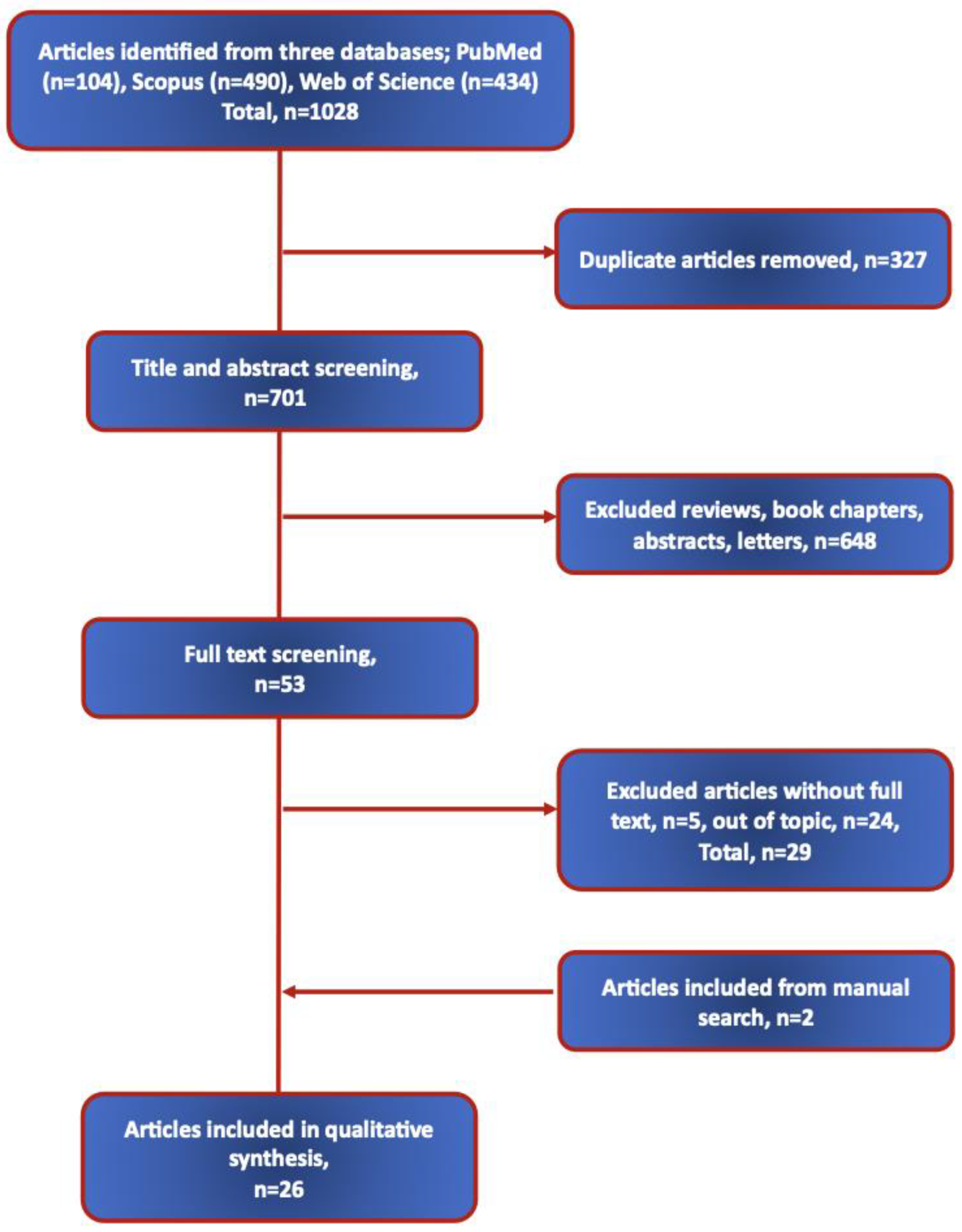

Table 1.
Characteristics and results of studies sorted by the type of intervention.
| Author; Year |
Country | Participants: Mean/median age; BRC stage; Use of AI/TAM; Menopausal status |
Groups: n of analyzed samples; Duration of the study |
Main results |
|---|---|---|---|---|
| Modified Diet | ||||
| Brown et al. (2021) [19] | Pennsylvania, USA | Mean, 59.4 y; Stage I-IIIA BRC; Completed chemotherapy, radiotherapy, and targeted therapy for ≥6 months before baseline data collection; AI/TAM |
1. Exercise plus diet (E+D) (n=87) 2. Exercise only (E) (n=87) 3. Diet only (D) (n=87) 4. Control (C) (n=87) D: Weeks 0-20 weeks: meal replacement program (7 servings of fruits and vegetables daily) Weeks 21–24: behavioral modification regarding shopping and preparation of food Weeks 24–52: behavioral modification regarding problem-solving and prevention of relapse E: Weeks: 0-6 exercise (resistance and aerobic activity) instructions Weeks 7-52 diet instructions |
Physical health summary score ↑ E+D vs C end, NS E /D vs C Body pain subscale score NS E+D/E/D vs C General health subscale score NS E+D/E/D vs C Mental health subscales Vitality subscale score; ↑ D+E vs C, D vs C Mental health subscale score, social functioning subscale score, role—emotional subscale score NS E+D/E/D vs C |
| Murillo Ortiz et al. (2017) [18] | Mexico | Mean, Diet, 50.5 y, Control, 52.3 y; TAM; Postmenopausal |
1. Diet (D) (n=50) 12% fat, 68% carbohydrates, and 20% protein; Written instructions 2. Control (C) (n=50)30% fat, 50% carbohydrates and 20% protein Written instructions Duration: 6 months |
Body composition BMI↓WC ↓ D end vs baseline, C end vs baseline BMI↓ D vs C end Muscle mass % NS D vs C end Blood parameters Estradiol, adiponectin, glucose ↓ D end vs baseline IGF-1 NS D end vs baseline Estradiol, adiponectin, IGF-1 NS control end vs baseline |
| Papandreou et al. (2021) [20] | Greece | Mean, 49.7 y; Stage I-IIIA BRC; AI/TAM; Postmenopausal |
1. Diet (D) (n=22) Personalized daily dietary plan based on the Mediterranean diet + physical activity guidelines, generated by the Clinical Decision Support System (CDSSI) Written instructions 2. Control (C) (n=22) General lifestyle advice Duration: 3 months |
Body composition BW↓, BMI↓, BFM%↓, and WC↓ D end vs baseline, D vs C end physical activity levels ↑ in D end vs baseline, D vs C end Blood parameters Glucose and TAG concentrations ↑ C end vs baseline, C vs D end, NS D end vs baseline, Total cholesterol and LDL↑ C end vs baseline, NS C vs D end HDL ↑ D end vs baseline, Oxidative stress MDA levels ↑ C vs D end, C end vs baseline Plasma vit C ↑ D baseline vs end, D vs C end Quality of life EORTC-QLQ-C30 global health-quality of life scale↑ D end vs baseline EORTC-QLQ-C30 role functioning subscale ↑ D end vs baseline EORTC-QLQ-C30 emotional functioning subscale↑ D end vs baseline HADS depression scale↓ D end vs baseline HADS anxiety scale ↓ D end vs baseline MedDiet score ↑ D end vs baseline, D vs C end |
| Omega-3 Fatty Acids | ||||
| Hershman et al. (2015) [21] | Multicenter, USA | Mean, 59.2; Stage I-III BRC; AI for at least 90 days before baseline; Postmenopausal |
1. Omega-3 (560 mg of EPA + DHA) (n=102) 2. Placebo (soybean + corn oil) (n=107) Duration: 24 weeks |
Blood parameters TAG↓ Omega-3 vs placebo endHDL, LDL NS between groups Blood markers of inflammation CRP NS between groups Quality of life/Pain outcomes AI arthralgia improved in both groups, NS between groups |
| Hutchins-Wiese et al. (2014) [22] | Connecticut, USA | Mean, Omega-3, 60.9 y; Placebo, 63.6 y; AI for at least 6 months before baseline |
1. Omega-3 (n=17) 4 g EPA+DHA (2520 mg EPA, 1680 mg DHA) + calcium carbonate (1000 mg/day) + cholecalciferol (800 IU/day) 2. Placebo (n=17) safflower oil (9% linoleic acid, 83% oleic acid). + calcium carbonate (1000 mg/day)+ cholecalciferol (800 IU/day) Duration: 3 months |
Fatty acids total and LC omega-3 PUFA↑ total and LC omega-6 PUFA levels↓ Omega-3 vs placebo end Bone turnover markers DPD, P1NP, and BAP ↓ Omega-3 end vs baseline Bone resorption marker sCTX levels ↓ Omega-3 responders vs placebo end Fattyacid and bone marker associations Inverse association between changes in sCTX and changes in EPA and DHA Positive association between sCTX and change in arachidonic acid and the LC omega-6/omega-3 PUFA ratio Blood markers of inflammation IL-6, IL-1 NS, hsCRP ↑ Omega-3 end vs baseline |
| Martínez et al. (2019) [23] | Spain | Median, 57.3 y; Stage 0-IIIA BRC; AI/TAM for at least 3 months before baseline; Postmenopausal |
1. Omega-3 (460 mg) + hydroxytyrosol (12.5 mg) +curcumin (47.5 mg curcuminoids) (n=45) Duration: 30 days |
Blood parameters TAG ↓ LDL NS ↑ HDL NS Blood markers of inflammation CRP ↓ end vs baseline, more pronounced in subjects with higher baseline CRP IL-6, SAA, TNFα, IL-10, TGFβ, and IGF-1 NS Musculoskeletal pain ↓ end vs baseline |
| Lustberg et al. (2018) [24] | Ohio, USA | Mean, 59.5 y; Stage I-III BRC; AI for less than 21 days before enrollment; Postmenopausal |
1. Omega-3 (4.3 g) (n=22) 2. Placebo (n=22) Duration: 24 weeks |
Fatty acids status EPA and DHA in RBCs ↑, total omega-6 PUFA ↓ Omega-3 end vs baseline NS in placebo Quality of life/Pain outcomes Pain severity NS Omega-3 end vs baseline, NS placebo, NS between groups ↑due to AI use over time, for both groups FACT-ES score↓ placebo 12 weeks vs baseline, NS at end vs baseline NS end between groups Functional well-being and social well-being ↑ Omega-3 vs placebo at week 12, NS at week 24 PUFA and FACT scores association positive relationships between FACT-ES functional well-being subscale and RBC omega-3 PUFA levels, at 12 weeks Blood markers of inflammation IL-6, TNFR-2, IL-17, ↓ end in both groups, NS between groups. |
| Vitamins and Minerals Supplements | ||||
| Campbel et al. (2017) [29] | Texas, USA | Stage I-III BRC; AI; Postmenopausal |
1.Vitamin B12 (2500 mcg) (n=41) Duration: 3 months |
Quality of life Average pain scores ↓ FACT-ES all scales ↑ Correlation between decrease in pain score and increased serum B12 levels |
| Khan et al. (2017) [27] | Kansas, USA | Median, 61 y Stage I-III BRC, scheduled to start treatment with AI; Postmenopausal |
1. Vitamin D (n=70) 30,000 IU oral vitamin D3/week + calcium 1200 mg + 600 IU of vitamin D 2. Placebo (n=77) matched capsules + calcium 1200 mg + 600 IU of vitamin D Duration: 24 weeks |
Grip strength, NS Blood parameters 25(OH)D levels↑ Vitamin D over 12 weeks vs baseline, placebo 12 weeks vs baseline Quality of life AI-associated musculoskeletal symptoms NS Pain, disability, fatigue, quality of life NS |
| Niravath et al. (2019) [30] | Texas and Washington, USA | Median, 64 y; Stage I-III BRC; Scheduled to start treatment with AI; Postmenopausal |
1. Standard-dose vitamin D3 (800 IU daily) + calcium carbonate 600 mg (n=47) 2. High-dose vitamin D3 (50,000 IU weekly for 12 weeks, followed by 2000 IU daily for 40 weeks) + calcium carbonate 600 mg (n=46)Duration: 52 weeks |
Blood parameters serum 25 (OH) vitamin D↑ high-dose arm Quality of life AI induced arthralgia NS between groups, developed in both in ~50% of patients |
| Park et al. (2011) [26] | Virginia, USA | Mean, 53.5 y; TAM/AI; Postmenopausal |
1. Magnesium (n=25) (400 mg once a day first 2 weeks, the ones whose symptoms did not improve used 2 x day next 2 weeks) Duration: 4 weeks |
Quality of life- Menopausal symptoms hot flash score, fatigue, perceived distress level due to hot flashes, and severity of abnormal sweating all ↓end vs baseline Degree of sleep disturbance, NS Overall quality of life, NS |
| Rhee et al. (2013) [25] | South Korea | Mean: Supplement, 57.1 y; Placebo 58.5 y; AI; Postmenopausal |
1. Supplement (n=45) 5-mg of alendronate and 0.5-μg of active metabolite of vitamin D (Maxmarvil®)+ 500 mg elementary calcium with 400 IU cholecalciferol (vitamin D). 2. Placebo (n=46) Placebo +500 mg elementary calcium with 400 IU cholecalciferol (vitamin D). Duration: 24 weeks |
BMD and fracture risk assessment Lumbar BMD ↓ placebo end vs baseline (more pronounced in recently menopausal women) NS in supplement end vs baseline, total hip and femur neck BMD NS Blood markers of bone serum CTX and OCN ↑ placebo end vs baseline, placebo vs supplement end Serum calcium and phosphate NS |
| Shahvegharasl et al. (2020 [31]) | Iran | Mean: Intervention, 44.9 y; Placebo 41.1 y; Stage I-III RBC; TAM; Premenopausal and postmenopausal |
1. Vitamin D group (50000 IU vitamin D3 weekly) (n=22) 2. Placebo (n=22) Duration: 8 weeks |
Inflammatory markers hsCRP NS ↑Vitamin D end vs baseline, NS ↓in placebo end vs baseline, Angiogenic biomarkers in serum premenopausal women Ang-2↓, Vitamin D end vs baseline VEGF-A↓ Vitamin D vs placebo end; Women with the absence of vascular invasion Ang-2↓ Vitamin D vs placebo end Women with the infiltration of tumors into vascular or lymphatic vessels Hif-1↑ Vitamin D vs placebo end |
| Vani et al. (2016) [28] | India | Mean, 55.8 y, AI; Postmenopausal |
1. Control (had adequate baseline serum vitamin D concentrations) no supplementation during study (n=11) 2. Group 1 (had insufficient baseline serum vitamin D concentrations) (n=60) supplementation with 2000 IU vitamin D3 + 1000 mg of calcium 3. Group 2 (had deficient serum vitamin D concentrations) (n=11) supplementation with 4000 IU vitamin D3+ 1000 mg of calcium Duration: 12 weeks |
Blood parameters Serum 25 (OH) vitamin D↑, calcium↑, phosphorus↑, PTH↓, alkaline phosphatase activity↓ end vs baseline in supplementation groups Serum 25 (OH) vitamin D↓ PTH, calcium, phosphorus, and alkaline phosphatase activity NS in control group end vs baseline Serum 25 (OH) vitamin D NS between groups Health Assessment Questionnaire Negative correlation between score (musculoskeletal symptoms) and serum 25 (OH) vitamin D concentration . |
| Plant/fungi food and Supplements | ||||
| Ávila-Gálvez et al. (2021) [34] | Spain | Mean: Intervention, 54 y, Placebo, 55 y; No neoadjuvant treatment; some of them menopausal |
1. Supplement (turmeric + red clover + flaxseed extracts + resveratrol; 296.4 mg phenolics per capsule) 3 x day (n=26) 2. Control (n = 13). Duration: 5 ± 2 days |
Metabolites phase-II metabolites detected in urine, plasma, normal and malignant mammary tissue Free curcumin detected in tissues in supplement group |
| Braal et al. (2020) [37] | The Netherlands | Mean, 58.5 y TAM |
1. Green tea (1 g twice daily; containing 300 mg EGCG) + TAM (n=7), 14 days 2. Control (TAM) (n=7) 28 days. Cross-over, n=14, Duration: 42 days |
Pharmacokinetic interaction between green tea supplements and TAM. Not detected |
| Desidieri et al., (2022) [38] | Italy | Mean, 59 y; Stage Ia-IIIb BRC; AI; Postmenopausal |
1. Supplement (n=46) α-Lipoic acid (240 mg)+ Boswellia serrate (40 mg)+ methylsulfonyl methane (200 mg) +Bromelain (20 mg)] OPERA® Duration: 6 months |
Quality of life AI-induced arthralgia↓ end vs baseline |
| Ferraris et al., (2019) [35] | Italy | Mean: Supplement, 44.4 y Placebo 44.6 y, TAM/TAM+LHRH analogues; Premenopausal |
1. Red clover (n=42) (Promensil® Forte, 80 mg red clover extract) +recommended Mediterranean diet 2. Placebo (n=39) +recommended Mediterranean diet Duration: 24 months |
Body composition BMI↓, WC ↓, HC↓ red clover vs placebo end, red clover end vs baseline, placebo end vs baseline Blood parameters HDL ↑ red clover end vs baseline, placebo end vs baseline, NS red clover vs placebo LDL, TAG, HOMA-IR NS Estradiol, testosterone levels, insulin resistance NS Cancer-related parameters Endometrial thickness NS Breast density ↓ both groups end vs baseline, NS between groups Menopausal rating score↓ Red clover end vs baseline, placebo end vs baseline, NS red clover vs placebo end |
| MacGregor et al. (2005) [36] | United Kingdom | Median, 51 y; TAM/adjuvant chemo; With menopausal symptoms |
1. Soy extract (235 mg with 17.5 mg of isoflavones) (n=33) 2. Placebo (n=35) Duration: 12 weeks |
Quality of life Menopausal symptoms scores NS between groups end |
| Radi et al. (2023) [33] | Iraq | Mean, Premenopausal, 37.9 y; Postmenopausal 55.2 y; TAM/AI |
1. month all ½ cup of soymilk daily-35 mg of soy isoflavones 2. month all one cup of soymilk daily 70 mg of soy isoflavones n=120 Duration: 2 months |
Urinary level of estradiol ↓ in PreM and PostM women after 1 and 2 months NS preM vs postM women Urinary level of estrone ↑ high dose soy vs baseline, NS for low dose NS PreM vs PostM women, Urinary level of genistein ↑ in PreM and PostM women after one-month Urinary level of daidzein ↑ in PostM vs PreM for both doses NS correlations between urinary genistein and daidzein levels with urinary estradiol and estrone levels |
| Simonavice et al., (2014) [32] | Georgia, USA | Mean, 64 y; Stage 0-III BRC; Finished/ still on hormone suppressant therapies |
1. Dried plum (90g) + exercise (2 days/ week of 10 strength and resistance training) (DP+E) (n=11) 2. Exercise (E) strength training and resistance (n=12) Duration: 6 months |
Body strength Upper and lower ↑ both groups end vs baseline Body composition NS both groups Blood markers of bone TRAP-5b ↓in both groups end vs baseline Blood markers of inflammation BAP and CRP NS |
| Wen Su et al., (2024) [39] | Taiwan | Median, 57.4, Stage I-III BRC; TAM/AI |
1. Supplement Ganoderma Microsporum immunomodulatory protein (n=18) Once a day Duration: 6 months |
Cognitive function ↑ 3 months vs baseline Quality of life Fatigue, insomnia levels ↓ 6 months vs baseline, 3 months vs baseline global health/QoL NS week 4 vs baseline Inflammatory parameters Proportion of CD19+ lymphocytes↑ 3 and 6 months vs baseline, Proportion of NKG2A+ and NKp30+ NK cells↓ Fatigue positively correlated with the proportion of NKp30+ NK cells. |
| Coenzyme Q10 | ||||
| Premkumar et al. (2007) [41] | India | Median, 57 y; TAM |
1. BRC. untreated (n=84) 2. TAM + CoQ10 (100 mg)+ riboflavin (10 mg) + niacin (50 mg) (n=84) Duration: 90 days |
Serum cytokine levels IL-1β, IL-6, IL-8, TNF-α , VEGF ↓ supplement end (90 days) vs baseline, supplement (45 days) vs baseline, supplement vs BRC untreated |
| Premkumar et al. (2008) [40] | India | Median, 57 y; TAM |
1. BRC, untreated (n=84) 2. TAM + CoQ10 (100 mg)+ riboflavin (10 mg+ niacin (50 mg) (n=84) Duration: 90 days |
Pro-angiogenic levels ↓ supplement end (90 days) vs baseline, supplement (45 days) vs baseline, supplement vs BRC untreated |
| Yuvaraj et al. (2009) [42] | India | Mean, 49 y; TAM; Postmenopausal |
1. BRC, untreated (n=78) 2. TAM + CoQ10 (100 mg)+ riboflavin (10 mg) + niacin (50 mg) (n=78) Duration: 90 days |
Blood parameters Activity of LPL and LCAT ↑supplement end vs baseline |
| Zahrooni et al. (2019) [43] | Iran | Mean, CoQ10, 40.7 y; Placebo, 36.3 y Stage I-II BRC |
1. CoQ10 100 mg (n=15) 2. Placebo (n=15) Duration: 2 months |
Blood markers of inflammation IL-8 and IL-6 serum↓ CoQ10 vs placebo end Serum VEGF, NS |
Abbreviations: AI: aromatase inhibitors; BAP: bone specific alkaline phosphatase; BFM: body fat mass; BMD: bone mineral density; BMI: body mass index; BRC: breast cancer; BW: body weight; CoQ10: coenzyme Q10; CRP: C-reactive protein; DHA: docosahexaenoic acid; DPD: deoxypyridinoline; EORTC QLQ-C30: European Organization for Research and Treatment of Cancer-Quality of life of cancer patients; EPA: eicosapentaenoic acid; FACT-ES: functional assessment of cancer therapy - endocrine symptoms; HADS: hospital anxiety and depression scale; HC: hip circumference; HDL: high-density lipoprotein; hsCRP: high sensitivity C-reactive protein; IGF-1: insulin-like growth factor 1; IL-1 β: interleukin-1 beta; IL-6: interleukin-6; IL-8: interleukin-8; IL-10: interleukin-10; IL-17: interleukin-17; LC omega-6/omega-3: long chain omega-6/omega-3; LCAT: lecithin–cholesterol acyltransferase; LDL: low-density lipoprotein; LPL: lipoprotein lipase; NKG2A+: natural killer group 2 member A; NKp30+: natural cytotoxicity receptor 3; NS: not statistically significant; P1NP: procollagen type 1 N-terminal propeptide; PTH: parathyroid hormone; QLQ-C: quality of life of cancer patients; RBCs: red blood cells; SAA: serum amyloid A; sCTX: serum C-terminal telopeptide; TAG: triglycerides; TAM: tamoxifen; TGFβ: transforming growth factor beta; TNFR-2: tumor necrosis factor receptor 2; TNFα: tumor necrosis factor alpha; TRAP-5b: tartrate-resistant acid phosphatase isoform 5b (TRACP 5b); USA: United States of America; VEGF: vascular endothelial growth factor; WC: waist circumference.
Disclaimer/Publisher’s Note: The statements, opinions and data contained in all publications are solely those of the individual author(s) and contributor(s) and not of MDPI and/or the editor(s). MDPI and/or the editor(s) disclaim responsibility for any injury to people or property resulting from any ideas, methods, instructions or products referred to in the content. |
© 2024 by the authors. Licensee MDPI, Basel, Switzerland. This article is an open access article distributed under the terms and conditions of the Creative Commons Attribution (CC BY) license (http://creativecommons.org/licenses/by/4.0/).
Copyright: This open access article is published under a Creative Commons CC BY 4.0 license, which permit the free download, distribution, and reuse, provided that the author and preprint are cited in any reuse.


