Preprint
Article

This version is not peer-reviewed.

Digital Transformation in Supply Chain Management: A Paradigm Shift Towards Enhanced Efficiency, Agility, and Resilience

Submitted:

17 December 2024

Posted:

19 December 2024

You are already at the latest version

Abstract

The digital transformation of supply chain management has emerged as a strategic imperative in response to the complexities of today’s interconnected and fast-paced business environment. This paper investigates the transformative role of digital technologies, such as the Internet of Things, big data analytics, artificial intelligence, blockchain, and cloud computing, in enhancing supply chain efficiency, agility, and resilience. By enabling real-time communication, network visibility, and data-driven decision-making, these technologies empower organizations to address contemporary challenges and unlock new opportunities for innovation and optimization. Using a rigorous methodological approach, including Principal Component Analysis, correlation matrix examination, and multiple regression analysis, this research provides empirical insights into the relationship between digital transformation and supply chain management efficiency. Findings reveal that connectivity is a critical enabler of transparency, collaboration, and responsiveness across supply chain networks. A balanced approach that integrates internal process optimization with robust external partnerships is essential to maximize digital transformation benefits. The findings underscore the strategic imperative of adopting digital technologies to achieve sustained competitiveness, resilience, and innovation in the evolving global supply chain landscape.

Keywords: 
;  ;  ;  ;  

1. Introduction

Supply chains are the backbone of firms’ efficiency, serving as the complex networks through which products and services flow from suppliers to end consumers. They are dynamic ecosystems comprised of suppliers, manufacturers, distributors, retailers, and logistics providers, all collaborating to deliver products efficiently and effectively (Büyüközkan & Göçer, 2018). The conventional supply chain management models, marked by linear and sequential processes, are increasingly inadequate to address the demands of the contemporary fast-paced and interconnected business landscape.
The rapid development of digital technologies in recent years has fundamentally reshaped the SCM landscape. Digital transformation, defined as integrating new-generation digital technologies into all business operations’ aspects (Benkhider & Meziani, 2021), has arisen as a priority for firms seeking to enhance their supply chains’ efficiency, agility, and resilience (Thapa, 2014). The propagation of digital technologies like the Internet of Things (IoT), big data, cloud, artificial intelligence (AI), and blockchain analytics has unlocked new opportunities for innovation and optimization across the entire supply chain ecosystem (Thapa, 2014).
The digital transformation of supply chains represents a paradigm change in how firms manage and optimize their supply chain processes. Traditionally, SCM focused on optimizing individual functions such as procurement, production, and distribution in isolation. However, with the advent of digital technologies, supply chains have become increasingly interconnected and data-driven, requiring organizations to adopt a holistic and integrated approach to managing their supply chain processes.
The essence of the digital supply chain revolves around the fundamental concept of connectivity. Adopting digital technologies enables real-time communication and collaboration among supply chain partners, allowing for greater network visibility, transparency, and coordination (C. Johnsen, Voigt, & Weimann, 2020). Furthermore, digital technologies such as AI and big data analytics enable firms to analyze big data to reveal insights and trends that were previously inaccessible. By relating the power of AI algorithms, firms can optimize decision-making processes, predict demand, mitigate risks, lead, and improve supply chain efficiency and responsiveness (Haenlein & Kaplan, 2019). Additionally, blockchain technology provides a secure transactions record, enhancing transparency and trust in supply chain transactions. By providing a common and immutable record of transactions, blockchain fosters a level playing field where all stakeholders have access to the same trusted information. This transparency promotes greater accountability and cooperation, as each party can verify the accuracy of data and transactions without the need for intermediaries or third-party validation.
This paper explores the imperative of digital transformation in empowering supply chains to thrive in the digital age. We aim to explore the evolution of SCM practices, examine the pivotal concepts and technologies propelling digital transformation, and scrutinize real-world case studies showcasing successful implementations of digital transformation within supply chains. Through a comprehensive examination of the digital transformation imperative, we aim to provide insights and recommendations for businesses and supply chain professionals seeking to explore the digital landscape and unlock new opportunities for development and innovation.
Indeed, it is an extension to the previous research paper proposed by (Benkhider & Kherbachi, 2023) regarding the task-technology fit model for logistics effectiveness. This paper stands for a critical feature of digital technologies adoption (Kayapinar & Lorcu, 2020) and SCM practices (Hong, Liao, Zhang, & Yua, 2019) in the digital age using a Principal Component Analysis (PCA) based statistical procedure.
The following sections of this paper are organized as such: firstly, we delve into the essential literature review addressing SCM in the digital era. Next, we present a comprehensive description of the methodological protocol followed, elucidating how adopting digital transformation can enhance efficiency in SCM practices. Subsequently, we unveil the results obtained from empirical research and engage in discussions surrounding them. Finally, we highlight the most significant conclusions drawn, discuss research limitations, and outline avenues for future research.

2. Literature Review

As competition expands beyond individual firms to encompass entire supply chains, researchers and industry experts have dedicated considerable effort to exploring management strategies across various supply chain processes. Evidence indicates that the simple enhancement of intra-organizational quality management practices is insufficient (Sharifi & Zhang, 2001). Consequently, SCM practices have progressed from basic inventory management systems to sophisticated networks of interconnected processes and stakeholders (Ab Talib, Abdul Hamid, Zulfakar, & Wilson, 2015). The evolution of SCM has been driven by changing business dynamics and technological advancements (J.Teece, 2018). In response, the concept of supply chain has appeared as a strategic imperative for organizations aiming to streamline operations and minimize costs. Supply chain integration entails coordinating and collaborating on activities throughout the entire supply chain network, from raw material suppliers to end consumers (Chow, K.H, Choy, & Lee, 2007). This comprehensive approach to SCM empowers organizations to attain heightened efficiency, responsiveness, and resilience in their supply chain operations.
The explosion of information technology has significantly accelerated the development of SCM. The advent of enterprise software systems like Enterprise Resource Planning (ERP), Radio Frequency Identification (RFID), Advanced Planning & Scheduling (APS), and so on has empowered organizations to gather, analyze, and disseminate data throughout their supply chain networks (Adeitana, Aigbavboa, & Bamisaye, 2021). This reinforced visibility and connectivity have revolutionized SCM, shifting it from a reactive and fragmented process to a proactive and integrated discipline.
In response to this ongoing evolution, digital transformation has emerged as a disruptive force reshaping the SCM landscape. At its core, digital transformation includes several pivotal concepts and technologies that drive innovation and optimization throughout the entire supply chain ecosystem (Behrendt, Schmidtke, Wollert, & Weigert, 2023 ). Key among these are digital technologies such as IoT and blockchain, which offer firms enhanced visibility and transparency into their supply chain operations.
Digital technologies enable organizations to streamline their supply chain operations and swiftly adapt to fluctuating environmental conditions by enhancing efficiency and agility (Bouguerra, Gölgeci, Gligor, & Tatoglu, 2019). AI algorithms leverage big data to automate routine tasks, thereby reducing lead times and minimizing stockouts. Moreover, these technologies enable organizations to effectively anticipate, manage, and mitigate supply chain risks. Through big data analytics, historical data and external factors can be analyzed to identify potential risks and vulnerabilities in the supply chain amidst disruptions (Pradhan, Mallik, & Bagchi, 2018). IoT sensors integrated into products and equipment enable real-time product tracking and monitoring, while blockchain technology ensures the integrity of the supply chain data. This heightened visibility and transparency empower organizations to pinpoint inefficiencies, trace the provenance of products, and swiftly respond to supply chain disruptions.
Additionally, digital technologies facilitate greater collaboration and innovation within supply chains (Gurvich & A. Van Mieghem, 2015). Cloud-based platforms and digital marketplaces enable firms to communicate and collaborate with suppliers, customers, and partners in real-time. This allows organizations to share information, coordinate activities, and drive innovation through the entire supply chain ecosystem (Carr S. & Kaynak, 2007).

3. Materials and Methods

This research was conducted using a rigorous design methodology. We started our analysis by presenting descriptive statistics for all variables incorporated in our research model. This comprehensive analysis explains how firms have embraced digital technologies, specifically within the supply chain area. By examining these descriptive statistics, we gain a nuanced understanding of the extent to which organizations have adopted and implemented digital technologies, shedding light on their approaches and practices in leveraging technology to enhance SCM.
In this study, we employ the Principal Component Analysis (PCA) method as a second step to identify and extract the most influential SCM practices. PCA is a cornerstone in the arsenal of statistical tools for analyzing complex datasets, particularly within the digital era (Mkrttchian, Gamidullaeva, & Aleshina, 2019). In this study, PCA is instrumental in unraveling the multifaceted interplay between successfully implementing digital transformation and SCM. By associating the power of PCA within the R Studio software environment, we endeavor to distill intricate patterns and essential insights from our data, thus illuminating pathways for more effective digital transformation strategies.
To assess the digital transformation contribution to SCM, we manually developed a questionnaire distributed to 140 firms via email using Google Forms. Of the distributed questionnaires, 37 were returned, with 30 deemed usable for analysis. The data collected underwent descriptive and analytical processing using R Software. Our investigation is fixed in a comprehensive dataset encompassing 30 observations. The questionnaire primarily focuses on the various digital technologies firms adopt and their respective effects on SCM.
The rationale behind selecting this method is grounded in the extensive scale of our dataset, comprising 30 observations and 33 variables pivotal variables relevant to supply chain dynamics and digital transformation imperatives, with two variables designated as qualitative and treated as an additional explicative factor. This choice is underpinned by the need to effectively navigate the complexity of the dataset while ensuring robust analysis and interpretation. Moreover, PCA enables us to reduce dimensionality efficiently, thus enhancing the clarity and interpretability of our findings.
Incorporating many stated criteria for assessing logistics systems, we employ the PCA method to discern the key determinants among various variables, shedding light on the critical factors that significantly impact supply chain dynamics. By leveraging PCA with a keen focus on digital transformation, we can prioritize and focus on the practices with the most significant potential for enhancing operational efficiency, optimizing resource allocation, and driving overall supply chain efficiency.
Continuing our methodological protocol, we complement the PCA method with the correlation matrix analysis. Building upon the insights revealed by PCA, we further investigate the interconnection between various factors influencing supply chain dynamics, with a specific focus on integrating digital technologies. In the SCM context, there is a growing emphasis on leveraging digital technologies to streamline operations and enhance efficiency. This study extends the application of correlation matrix analysis. This research aims to elucidate the intricate relationships and identify the critical drivers for improving SCM practices through digital transformation by exploring the correlations among different variables, including technology adoption, process optimization, and performance metrics.
Through this approach, we seek to provide valuable insights into how organizations can associate the power of digital technologies to drive innovation, optimize resource allocation, and ultimately achieve competitive advantage in today’s dynamic business environment.
Furthermore, we will employ multiple regression analysis to investigate the relationship between digital technology adoption and supply chain performance metrics. Multiple regression allows us to assess the simultaneous impact of multiple independent variables on supply chain performance metrics, such as digital technology adoption and other relevant factors identified through PCA and correlation analysis. This approach enables us to uncover nuanced relationships and identify the most influential factors driving improvements in SCM practices through digital transformation.
Through this approach, we seek to provide valuable insights into how organizations can associate the power of digital technologies to drive innovation, optimize resource allocation, and ultimately achieve competitive advantage in today’s dynamic business environment.
The multiple regression analysis was conducted using R Studio software, implementing standard procedures for parameter estimation, hypothesis testing, and model diagnostics where the equation represents the multiple regression model:
Y = β 0 + β 1 X 1 + β 2 X 2 + + β n X n + ε
Where:
  • Y represents SCM performance, measured through various indicators like agility, efficiency, transparency, and customer satisfaction, all of which are influenced by the adoption of digital technologies. Y is analyzed to determine the extent to which the independent variables contribute to improvements in SCM practices through digital transformation.
  • X1,X2, …,Xn ​ represent the digital technologies and practices adopted within SCM. These independent variables were chosen based on the results of the PCA and may include aspects such as:
    IoT Adoption: Used to improve product traceability and real-time monitoring.
    Artificial Intelligence (AI): For demand forecasting, resource optimization, and process automation.
    Big Data and Data Analytics: Extracting trends and insights for decision-making.
    Blockchain: Enhancing transparency and transaction security in the supply chain.
  • β0 is the intercept and it is crucial for establishing a baseline performance level, allowing for the measurement of the net effect of each adopted digital technology when all independent variables are zero.
  • β1,β2, …,βn​ are the slope coefficients, indicating the change in Y for a one-unit change in each respective independent variable.
  • ε is the error term. It captures unmeasured factors, accounting for uncertainties and unpredictable elements affecting SCM performance.

4. Results and Discussion

This paper strives to explain the pivotal role of digital transformation in enhancing the supply chain and its management practices. By applying a quantitative approach from various industries, we aim to provide comprehensive insights into the multifaceted benefits and strategies associated with digital technologies adoption. In order to comprehensively assess the efficiency of SCM practices, we carefully selected nine evaluative criteria from the literature review. These criteria, outlined and detailed in Table 1, have been meticulously chosen to encompass various facets of supply chain operations, ranging from timeliness and accuracy to agility and external connectivity. Each criterion serves as a vital measure in evaluating the effectiveness and performance of SCM strategies employed by organizations.
We initiate our analysis by presenting a comprehensive review of the descriptive statistics associated with all variables integrated into our research model. The following table shows the characteristics of the variables we retained for this study.
The descriptive statistics analysis, presented in Table 1, reveals a generally adequate level of satisfaction among respondents, with moderate mean scores observed across most evaluative criteria, such as accuracy, information sharing, and timeliness. However, significant differences in perceptions are evident, particularly in criteria such as information sharing and availability, where some respondents may perceive these aspects more positively or negatively than others. This dispersion among respondents can be directly linked to SCM practices. The sizes of surveyed firms often correlate with differences in supply chain structures, complexities, and priorities. For instance, larger firms may allocate more resources toward supply chain automation technologies or advanced analytics tools to optimize their operations across a global network.
Meanwhile, smaller firms might focus on more basic technologies or lean practices to enhance efficiency and cost-effectiveness. Similarly, industry-specific requirements within SCM, such as compliance standards or customer service expectations, can influence investment decisions. Thus, understanding these nuances is crucial for tailoring supply chain strategies and investments to meet each firm’s unique needs within its specific industry context.
For example, while the mean score for information sharing is moderate (3.13), the low p-value (0.03) suggests notable variability in perceptions among respondents. The observed results indicating limited access to certain information due to restricted information sharing and availability could be influenced by various factors within the organizational context. For instance, limited access to information may stem from hierarchical structures or departmental silos that restrict the flow of information across different parts of the organization. Additionally, technological limitations or inadequate infrastructure might hinder the availability and accessibility of crucial data and resources.
Conversely, the consistently low mean scores and extremely low p-values associated with technology-specific criteria like Intranet and Extranet underscore their critical importance within the organizational framework. This unanimity among respondents highlights these technologies’ pivotal role in facilitating effective SCM practices. However, their low mean scores also suggest potential areas for improvement, indicating that while these technologies are recognized as essential, there may be shortcomings in their current implementation or functionality.
After looking closely at the descriptive statistics table for our research, our next step is to use the PCA model. This analytical approach aims to identify and elucidate the key determinants essential for evaluating the efficacy of managerial practices within the logistics chain. By leveraging PCA, we endeavor to uncover nuanced relationships and patterns within the data, pinpointing the critical factors that significantly impact logistical performance. This strategic initiative enhances our understanding of the multifaceted dynamics inherent in SCM and facilitates informed decision-making to optimize operational efficiencies and drive firms’ success.
Figure 1 displays labeled variables crucial for constructing the plane, each color-coded by its category in SCM efficiency. These variables represent the highest influencers within the examined firms. The axes capture inertia equivalent to the 0.95-quintile of random distributions, explaining 63.18% of the total variance.
Dimension 1 opposes individuals such as 26, 24, 30, and 28 (to the right of the graph, characterized by a strongly positive coordinate on the axis) to individuals such as 6 and 21 (to the left of the graph, characterized by a strongly negative coordinate on the axis). The group in which individual 28 stands (characterized by a positive coordinate on the axis) shares low values for variables’ timeliness and availability (variables are sorted from the weakest). In addition, the group in which individuals 26, 24, and 30 stand (characterized by a positive coordinate on the axis) shares high values for the variables’ agility, internal connectivity, Exception basis formatted, formatted to facilitate usage, external connectivity, and information sharing (variables are sorted from the strongest). Moreover, it shares low values for variables’ availability and timeliness (variables are sorted from the weakest). The group where individuals 6 and 21 stand (characterized by a negative coordinate on the axis) shares low values for the variable internal connectivity.
These findings emphasize the critical importance of criteria like agility and connectivity in driving SCM efficiency. Agility enables organizations to swiftly adapt to changing market conditions, customer demands, and unforeseen disruptions, ensuring timely product delivery. Likewise, robust connectivity fosters synchronous communication and collaboration across the supply chain network, facilitating critical information exchange and aligning activities among stakeholders. However, identifying weaknesses in timeliness, availability, and internal connectivity highlights potential constraints that may hinder operational performance and responsiveness. Timeliness and availability issues can lead to delays in product delivery and stockouts, adversely affecting customer satisfaction and revenue generation. Meanwhile, deficiencies in internal connectivity may hinder the information flow and decision-making processes within firms, leading to inefficiencies and missed opportunities.
Addressing these weaknesses through targeted interventions, such as process optimization, technology integration, and workforce training, is crucial for enhancing supply chain resilience and responsiveness. By cultivating a more adaptive and interconnected supply chain ecosystem, organizations can better anticipate and respond to market fluctuations, customer preferences, and competitive pressures, ultimately driving sustainable growth and success in today’s dynamic business environment.
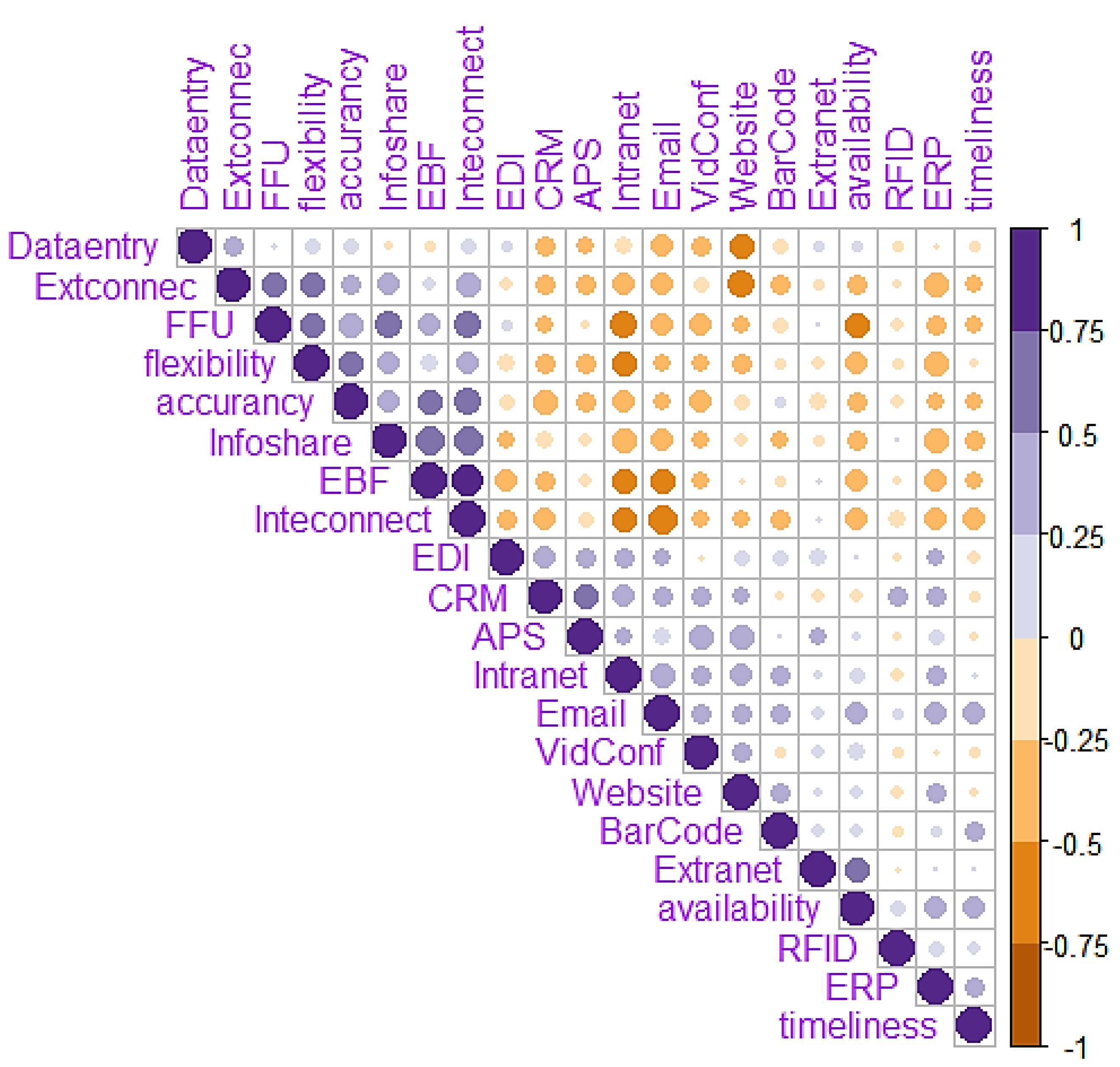
In this paper, we shed light on the contribution of digital transformation to improving SCM practices. We conducted an in-depth analysis by calculating the correlation matrix, elucidating the intricate relationships between these SCM practices and the digital technologies employed. This approach allows us to discern the extent to which specific practices align with and leverage the capabilities of various digital tools and platforms. By examining these correlations, we gain valuable insights into the synergies between operational strategies and technological advancements, thereby informing strategic decision-making processes to optimize supply chain performance and enhance organizational competitiveness.
The correlation matrix, illustrated in Figure 2, depicts the relationships between different digital tools and evaluative criteria used to assess their effectiveness in supporting SCM practices. In the matrix, every outcome reflects the correlation coefficient between 2 variables. This coefficient lengths from -1 to 1, where 1 signifies a robust positive correlation, -1 implies a complete negative correlation, and 0 denotes no correlation between the variables. The digital tools included in the analysis are Intranet, Extranet, ERP (Enterprise Resource Planning), CRM (Customer Relationship Management), APS (Advanced Planning and Scheduling), EDI (Electronic Data Interchange), Email, Video Conferencing, Barcode, RFID (Radio Frequency Identification), Website, and Data Entry. The evaluative criteria encompass various aspects such as accuracy, timeliness, exception basis formatted, formatted to facilitate usage, availability, information sharing, agility, and external and internal connectivity.
The following part will discuss the results of the correlation analysis and examine how the relationships between digital tools and evaluative criteria contribute to the improvement of SCM practices. This analysis aims to provide insights into the role of digital transformation in driving operational excellence and enhancing supply chain performance in today’s competitive landscape.
Starting with accuracy evaluative criteria, using digital tools such as ERP, CRM, APS, and EDI facilitates improved accuracy in information processes. This heightened accuracy fosters more reliable decision-making within SCM and optimizes critical aspects like inventory management, demand forecasting, and resource allocation, thus bolstering overall efficiency and effectiveness in SCM operations.
Moving on to timeliness, the correlation analysis underscores the pivotal role of timely access to real-time information supported by tools like Intranet, Extranet, ERP, and EDI. Timely information dissemination enables faster responses to market changes, reduced lead times, and enhanced customer relationships, all of which contribute meaningfully to improvement.
Exception Basis Formatted digital-based tools, such as ERP, CRM, and EDI, are crucial in promptly identifying and addressing critical tasks and exceptions, enhancing SCM resilience and agility. Additionally, ensuring prompt access to relevant information through tools like Intranet, Extranet, ERP, and EDI is essential for SCM practices such as supplier collaboration and logistics management.
Enhanced availability of information streamlines communication, reduces delays, and enhances coordination among supply chain partners, ultimately leading to improved SCM performance.
Furthermore, efficient information sharing facilitated by digital tools like Extranet, CRM, and APS fosters closer collaboration with suppliers, enables better demand planning, and supports innovation in SCM processes.
While negative correlations with Intranet and ERP indicate challenges in formatting data for practical usage, addressing these challenges through user-friendly interfaces and training programs can significantly enhance SCM practices.
Additionally, digital tools that enhance organizational flexibility and responsiveness, such as Extranet and ERP, support agile SCM practices and adaptive capacity planning, improving SCM agility and competitiveness. Lastly, strengthening external connectivity, mainly through tools like Extranet, enhances SCM practices such as supplier collaboration, customer relationship management, and logistics coordination, ultimately leading to enhanced SCM performance.
Understanding the correlations between various digital technologies and SCM practices empowers firms to navigate the complexities of modern business environments effectively. By recognizing how different technologies interact with supply chain processes, organizations can strategically align their technology adoption (Benkhider & Meziani, 2021), integration, and optimization efforts to enhance overall efficiency, agility, and competitiveness.
Furthermore, the insights derived from correlation analysis serve as valuable inputs for strategic planning and investment decisions. With a comprehensive understanding of how technologies impact supply chain performance, organizations can prioritize investments in digital transformation initiatives that offer the most significant potential for driving tangible business outcomes. Whether implementing RFID technology to improve inventory visibility or integrating ERP systems for streamlined operations, informed decision-making based on correlation analysis ensures that resources are allocated optimally to address key supply chain challenges and opportunities.
By leveraging the insights mobilized from correlation analysis, firms can maintain a competitive edge by staying ahead of industry trends and proactively adapting their supply chain strategies and capabilities to meet changing market demands and seize emerging opportunities. Ultimately, a data-driven approach to technology adoption and optimization enables firms to unlock the full potential of digital transformation initiatives, driving sustainable growth, resilience, and competitive advantage in the long run.Haut du formulaire
While correlation analysis provides valuable insights into the relationship between variables, its scope is limited in capturing the complexities of digital technologies and their interplay with SMP practices. By itself, correlation may overlook essential factors influencing the outcome, hence the importance of complementing it with a multiple regression analysis. Multiple regression allows us to explore how several independent variables interact to affect a dependent variable, providing a more exhaustive understanding of the underlying practices. By combining these two analytical approaches, we can better uncover nuanced patterns, identify significant predictors, and ultimately derive more robust and reliable insights for informed decision-making.
The multiple regression analysis was conducted with R studio software, where digital technologies represented the independent variables. Each independent variable was analyzed for its contribution to different aspects of SCM practices. The findings suggest that the influence of these technological tools varies across different dimensions of SCM efficiency.
Table 3. Multiple Regression Analysis of Digital Tools and Evaluative Criteria in SCM.
Intranet -0.76 0.14 -0.18 0.74 -0.14 0.86 0.41 0.38 -0.48 0.33 -0.10 0.04* -0.86 0.09 -0.24 0.72 -0.84 0.09
Extranet -1.05 0.22 0.31 0.73 -0.48 0.71 1.58 0.05* 1.25 0.13 -0.02 0.98 -0.28 0.73 -0.60 0.60 1.35 0.09
ERP -0.24 0.57 -1.14 0.03* 1.19 0.09 0.78 0.06 -0.20 0.64 -0.40 0.32 -0.90 0.05* -0.57 0.60 -0.42 0.32
APS 0.01 0.10 0.51 0.55 1.03 0.40 -0.05 0.94 -0.42 0.57 0.73 0.31 -0.26 0.73 -0.27 0.80 -0.20 0.78
RFID -0.80 0.53 0.38 0.79 0.22 0.91 2.56 0.04* -1.84 0.15 -0.98 0.40 -0.94 0.45 0.39 0.82 -1.12 0.35
Data entry 0.22 0.68 -0.50 0.40 -0.46 0.58 0.77 0.13 -0.36 0.49 -1.14 0.03* 0.55 0.30 0.006 0.99 -0.59 0.24
Email 0.22 0.69 -0.11 0.86 1.12 0.20 0.68 0.18 -1.10 0.05* -0.38 0.45 0.67 0.22 -0.49 0.51 -0.72 0.17
Video conference -0.40 0.49 -1.42 0.03* -0.19 0.83 0.83 0.12 -0.50 0.37 -0.90 0.09 -0.49 0.38 0.43 0.58 -0.94 0.09
Bare Code 0.51 0.31 -0.97 0.08 1.11 0.16 -0.04 0.94 -0.50 0.31 -0.37 0.42 0.06 0.91 -0.33 0.63 -0.12 0.79
CRM -0.30 0.73 -0.14 0.88 -0.85 0.53 -1.42 0.08 0.41 0.62 -0.68 0.40 0.55 0.51 -0.86 0.47 0.67 0.41
EDI -0.01 0.10 -0.29 0.68 -1.10 0.28 -0.30 0.60 -0.47 0.45 1.41 0.03* -0.32 0.61 0.87 0.33 -0.97 0.12
Website 0.07 0.89 0.55 0.34 -1.33 0.12 0.30 0.54 0.16 0.75 -0.42 0.39 0.21 0.69 -0.80 0.28 0.65 0.20
Est. Sig. Est. Sig. Est. Sig. Est. Sig. Est. Sig. Est. Sig. Est. Sig. Est. Sig. Est. Sig.
ACC INSH TIM AVB INC FFU AGL EXC EBF
Note: *. Significant at the 0.05 level.
Using ERP as a first example enables us to understand this influence better. For instance, regarding Information Sharing (INSH), the coefficient for ERP is -0.22, indicating a significant negative association with this SCM practice, confirming its statistical significance. This result suggests that the extent of information sharing decreases as ERP implementation increases. One possible explanation is that ERP systems, by centralizing information management, streamline and consolidate data processes within a single platform, which might reduce the necessity of sharing information across different departments or external partners. The centralized nature of ERPs can lead to a more siloed approach to data treatment, where information is primarily managed within the system’s confines, potentially inhibiting broader dissemination. This outcome underscores the importance of carefully considering the implications of ERP deployment on organizational communication and collaboration. It suggests a need for complementary strategies to promote effective information sharing in environments where ERP systems are extensively used.
Additionally, for Formatted to Facilitate Usage (FFU), the coefficient for ERP is 0.21, indicating a positive association, with a p-value of less than 0.05, confirming its statistical significance. This result confirms that ERP systems significantly enhance the usability and appropriateness of logistics systems for their intended purposes. The positive impact of ERP systems on FFU can be accredited to their ability to integrate and streamline various SCM practices within a single, unified platform. ERP systems offer comprehensive functionalities that facilitate data management, real-time tracking, and resource planning, making SCM more efficient.
While ERP systems may negatively impact information sharing by creating more centralized and potentially siloed data management environments, they significantly enhance the usability and appropriateness of logistics systems, making SCM practices more efficient and effective. By centralizing information and processes, ERP systems reduce the complexity of logistics management, enabling users to access accurate and up-to-date information easily. This integration helps minimize errors, optimize inventory levels, and improve decision-making processes. Moreover, ERP systems often come with user-friendly interfaces and customizable modules, which can be tailored to meet the specific needs of the logistics operations, further enhancing their usability. Implementing ERP systems also promotes standardization and consistency across different logistical activities, ensuring the logistics systems are well-suited for their intended purposes. This standardization helps maintain high operational standards and better comply with regulatory requirements. ERP systems’ analytical and reporting capabilities also provide valuable insights that aid in continuous improvement and strategic planning within logistics operations.
Email also emerges as a notable digital tool with a pronounced impact on SCM practices. As an illustration, for timeliness, the coefficient for email is 0.19, indicating a positive association with this evaluative criterion, and the p-value is less than 0.01, confirming its statistical significance. This finding suggests that Email significantly enhances the timeliness of SCM operations. This positive influence can be credited to its ability to facilitate rapid communication and coordination. In SCM, timely communication is crucial for synchronizing various activities, such as order processing, shipment scheduling, and delivery coordination. Email delivers a rapid and efficient means of disseminating information, ensuring that all relevant parties are promptly informed and can act accordingly. This rapid exchange of information helps to minimize delays, streamline processes, and improve overall responsiveness in SCM operations. Furthermore, Email allows for the documentation and tracking of communications, which can aid in resolving issues swiftly and maintaining a smooth flow of operations.
These findings suggest that most firms rely on email as a principal digital tool for communication, complemented by selective investments in ERP modules that address specific operational needs. However, organizations should consider the balance between system integration and information sharing when deploying ERP systems to guarantee effective coordination and collaboration across the supply chain ecosystem. Investing in modules that enable seamless connectivity with external stakeholders is essential for fostering open communication channels and maximizing the benefits of digital technologies in SCM practices.
Additionally, RFID stands out as an essential digital tool that significantly influences SMC efficiency. The coefficient of 0.18 for RFID indicates a significant positive correlation with availability, with a p-value of less than 0.05, confirming its statistical significance. This result suggests that adopting RFID technology positively impacts the availability of logistical resources. RFID systems enable real-time tracking and inventory monitoring, allowing for more accurate and efficient goods management throughout the supply chain. By providing detailed visibility into the location and status of products, RFID enhances inventory accuracy, reduces stockouts, and minimizes the risk of overstocking. Consequently, firms can better meet customer demands, optimize inventory levels, and improve overall operational efficiency.
Moreover, the coefficient of 0.15 for RFID suggests a potential positive association with agility. While the data implies a trend toward RFID positively influencing agility in SCM, the evidence is insufficient to draw definitive conclusions. It is essential to consider various factors that may contribute to this output. The effectiveness of RFID implementation is contingent upon various contextual elements within the supply chain ecosystem. For example, the effectiveness of RFID implementation could depend on factors such as the reliability of RFID technology, the integration with other information systems, the supply chain network complexity, and the readiness of employees to adapt to new processes (Zopiatis, Constanti, & Theocharous, 2014). Moreover, external factors like regulatory requirements, market dynamics, and the behavior of supply chain partners can also shape the overall impact of RFID adoption on supply chain agility (Horlach, Drews, Schirmer, & Böhmann, 2017; A. Nafei, 2016).
We can also underline the significant role of the Extranet. The coefficient of 0.17 for the Extranet concerning external connectivity indicates a notable positive correlation. This suggests that using an Extranet significantly improves connectivity with external partners within the SC network. This enhancement in connectivity is likely facilitated by the Extranet’s ability to provide a secure and efficient platform for communication and data exchange between the organization and its external stakeholders, such as suppliers, distributors, and other relevant partners. By leveraging an Extranet, firms can establish dedicated digital channels that allow seamless interaction and collaboration with external parties, regardless of geographical distances or organizational boundaries. These digital platforms often offer robust security features, such as encrypted communication protocols and access controls, ensuring shared information’s confidentiality and integrity. Moreover, Extranets enable real-time data exchange, which fosters timely decision-making and enhances overall supply chain visibility and responsiveness.
These findings suggest that different technological factors have varying impacts on distinct dimensions of logistic performance, highlighting the nuanced role of technology in logistics. For instance, while enhancing the usability and fit-for-use of logistics systems, ERP systems tend to negatively impact information sharing, possibly due to their centralized nature, which can reduce the need for or ease of information exchange among departments. Email significantly enhances timeliness, likely by facilitating rapid communication and coordination, which is crucial for meeting tight deadlines. RFID technology improves the availability of logistical resources by enhancing inventory tracking and management. It also shows the potential to enhance flexibility, although this result is not statistically significant.
In contrast, reliance on manual data entry detracts from interconnectivity and increases the likelihood of errors before system failures, underscoring the inefficiencies of manual processes. Lastly, Extranet systems significantly boost external connectivity, thereby improving interactions and data exchange with external partners, which is vital for integrated supply chain operations. These insights underline the importance of strategically selecting and implementing technologies to target specific performance dimensions in logistics.
The study’s inclusive analysis, which includes principal component analysis PCA, correlation matrix examination, and multiple regression analysis, underscores the significance of adopting a holistic approach to digital transformation in SCM. These findings emphasize balancing internal process efficiency with external relationship management to attain SCM excellence.
PCA reveals the interrelationships among various technological factors and logistic performance dimensions, providing insights into the multifaceted nature of digital transformation in SCM. The correlation matrix identifies key associations between different technological factors and specific aspects of logistic performance, offering a nuanced understanding of their impacts. Multiple regression analysis further quantifies these relationships, allowing for the identification of significant predictors and their respective influences on logistic performance dimensions.
By synthesizing these findings, it becomes evident that successful digital transformation in SCM requires a holistic perspective that considers both internal and external dynamics. Internally, organizations must enhance process efficiency by adopting advanced technologies such as ERP systems. However, it is equally crucial to prioritize external relationship management by investing in tools and strategies that facilitate seamless communication and collaboration with external partners, suppliers, and customers.
A balanced approach ensures that digital transformation efforts optimize internal operations and strengthen the entire supply chain ecosystem. This alignment fosters greater transparency, agility, and responsiveness, enabling organizations to adapt effectively to dynamic market conditions and emerging customer demands. Organizations can attain SCM efficiency and ensure a competitive advantage in today’s interconnected business environment by giving equal weight to internal process efficiency and external relationship management.

3. Conclusion Discussion Limitation Perspectives

This research paper delves into the imperative of digital transformation within SCM. It sheds light on a profound paradigm shift necessitated by the contemporary business landscape, emphasizing the shortcomings of traditional SCM frameworks in meeting the challenges of today’s rapidly evolving, interconnected commercial environment. Our study has underscored the transformative potential of digital technologies in reshaping conventional SCM practices to align with the imperatives of real-time communication, data-driven decision-making, and enhanced transparency across supply chain networks. An integral focus of our research has been the identification of connectivity as the pivotal element of the digital supply chain, facilitating organizations to attain unparalleled levels of visibility, transparency, and coordination.
Moreover, our empirical analysis, involving rigorous methodologies combining PCA-based method, correlation matrix examination, and multiple regression analysis, has provided profound insights into the intricate interplay between technological factors and SCM efficiency dimensions, providing a comprehensive understanding of the multifaceted impacts of digital transformation within SCM practices.
Significantly, our findings highlight the importance of adopting a balanced approach to digital transformation. While internal process optimization remains vital, equal emphasis must be placed on cultivating robust external relationships. Organizations can reinforce the entire supply chain ecosystem by fostering seamless communication and collaboration with supply chain partners, suppliers, and customers, fostering increased transparency, agility, and responsiveness.
This research underscores organizations’ need to embrace digital transformation as a strategic imperative to thrive in the contemporary business environment. By adopting digital technologies and mobilizing a holistic approach, firms can gain new opportunities for innovation and development, ensuring sustained competitiveness and resilience in an ever-evolving marketplace. Looking forward, continued investment in digital transformation will be paramount for organizations seeking to navigate the complexities and uncertainties of the global supply chain landscape.
While our study offers valuable insights into the multifaceted impacts of digital transformation within SCM, several limitations warrant consideration. Firstly, the sample size and scope of our practical analysis may limit the generalizability of findings to broader populations of supply chain organizations. Secondly, reliance on self-reported data and survey instruments introduces potential biases and measurement errors. Additionally, the study’s temporal constraints may restrict its ability to capture emerging trends and the long-term effects of digital transformation on SCM. Finally, contextual factors, such as industry dynamics and organizational culture, were not fully explored, potentially influencing the observed relationships. Admitting these limitations enhances the overall interpretation and applicability of our research findings.

References

  1. Nafei, W. Organizational Agility: The Key to Organizational Success. International Journal of Business and Management 2016, 11, 296–309. [Google Scholar]
  2. Ab Talib, M.S.; Abdul Hamid, A.B.; Zulfakar, M.H.; Wilson, J.A. Halal supply chain critical success factors: A literature review. Journal of Islamic Marketing 2015, 6, 44–71. [Google Scholar] [CrossRef]
  3. Adeitana, D.A.; Aigbavboa, C.; Bamisaye, O.S. Influence of Information Flow on Logistics Management in the Industry 4.0 Era. International Journal of Supply and Operations Management 2021, 8, 29–38. [Google Scholar]
  4. Behrendt, F.; Schmidtke, N.; Wollert, T.; Weigert, D. Digital Transformation and Future Impacts in Logistics and Value Chains. Dans J. Boukachour, & A. Benaini, Transport and Logistics Planning and Optimization 2023, 1-36.
  5. Benkhider, N.; Kherbachi, S. Task technology fit for logistics technology fit for logistics process effectiveness. Dans C. Ouvrage, الخدمات اللوجستية وإدارة سلسلة الإمداد (pp. 1–18). biskra: دار علي بن زيد للطباعة والنشر. 2023.
  6. Benkhider, N.; Meziani, M. Digital transformation process based-technology infrastructure and employee training: evidence from World Bank. Economic and Management Research Journal 2021, 15, 165–180. [Google Scholar]
  7. Benkhider, N.; Meziani, M. The impact of company size, strategic alignment, and employee training on technological infrastructure availability in Algerian firms: an empirical study. Business Sciences Review 2021, 60–74. [Google Scholar]
  8. Bouguerra, A.; Gölgeci, I.; Gligor, D.M.; Tatoglu, E. How do agile organizations contribute to environmental collaboration? Evidence from MNEs in Turkey. Journal of International Management 2019, 1–17. [Google Scholar] [CrossRef]
  9. Büyüközkan, G.; Göçer, F. Digital Supply Chain: Literature review and a proposed framework for future research. Computers in Industry 2018, 97, 157–177. [Google Scholar] [CrossRef]
  10. CJohnsen, L.; Voigt, G.; Weimann, J. The Effect of Communication Media on Information Sharing in Supply Chains. Production and Operations Management 2020, 29, 705–724. [Google Scholar] [CrossRef]
  11. Carr, S.A.; Kaynak, H. Communication methods, information sharing, supplier development and performance An empirical study of their relationships. International Journal of Operations & Production Management 2007, 27, 346–370. [Google Scholar]
  12. Chow, K.H.H.; Choy, K.; Lee, W. Integration of web-based and RFID technology in visualizing logistics operations – a case study. Supply Chain Management: An International Journal 2007, 12, 221–234. [Google Scholar] [CrossRef]
  13. Gurvich, I.; A Van Mieghem, J. Collaboration and Multitasking in Networks: Architectures, Bottlenecks, and Capacity. Manufacturing & Service Operations Management 2015, 17, 16–33. [Google Scholar]
  14. Haenlein, M.; Kaplan, A. A brief history of artificial intelligence: on the past, present, and future of artificial intelligence. Calif. Manag. Rev 2019, 61, 5–14. [Google Scholar] [CrossRef]
  15. Hong, J.; Liao, Y.; Zhang, Y.; Yua, Z. The effect of supply chain quality management practices and capabilities on operational and innovation performance: Evidence from Chinese manufacturers. International Journal of Production Economics 2019, 212, 227–235. [Google Scholar] [CrossRef]
  16. Horlach, B.; Drews, P.; Schirmer, I.; Böhmann, T. Increasing the agility of IT delivery: Five types of bimodal IT organization. Proceedings of the 50th Hawaii International Conference on System Sciences 2017, (pp. 5420–5429). Hawaii. 5420. [Google Scholar]
  17. Teece, J.D. Business models and dynamic capabilities. Long Range Planning 2018, 51, 40–49. [Google Scholar] [CrossRef]
  18. Kayapinar, Ö.; Lorcu, F. The Role of Technology Level and Logistics Performance on the Relationship Between Logistics Service Quality and Firm Performance. Dans U. Akkucuk. Handbook of Research on Sustainable Supply Chain Management for the Global Economy (éd. 1st, pp. 107–136). IGI-Global. 2020.
  19. Li, C.; Zhang, F.; Cao, C.; Liu, Y.; Qu, T. Organizational coordination in sustainable humanitarian supply chain: An evolutionary game approach. Journal of Cleaner Production 2019, 219, 291–303. [Google Scholar] [CrossRef]
  20. Mkrttchian, V.; Gamidullaeva, L.; Aleshina, E. Avatar-based model, tools, and innovation in the digital economy. USA: IGI Global. 2019.
  21. Pradhan, R.P.; Mallik, G.; Bagchi, T.P. Information communication technology (ICT) infrastructure and economic growth: A causality evinced by cross-country panel data. IIMB Management Review 2018, 30, 91–103. [Google Scholar] [CrossRef]
  22. Sharifi, H.; Zhang, Z. Agile manufacturing in practice Application of a methodology. International Journal of Operations & Production Management 2001, 21, 772–794. [Google Scholar]
  23. Thapa, G.B. Basics of Informed Logistics in Just-in-Time Production Sequencing and Supply Chain Systems. Journal of the Institute of Engineering 2014, 9, 54–64. [Google Scholar] [CrossRef]
  24. Zopiatis, A.; Constanti, P.; Theocharous, A.L. Job involvement, commitment, satisfaction and turnover: Evidence from hotel employees in Cyprus. Tourism Management 2014, 41, 129–140. [Google Scholar] [CrossRef]
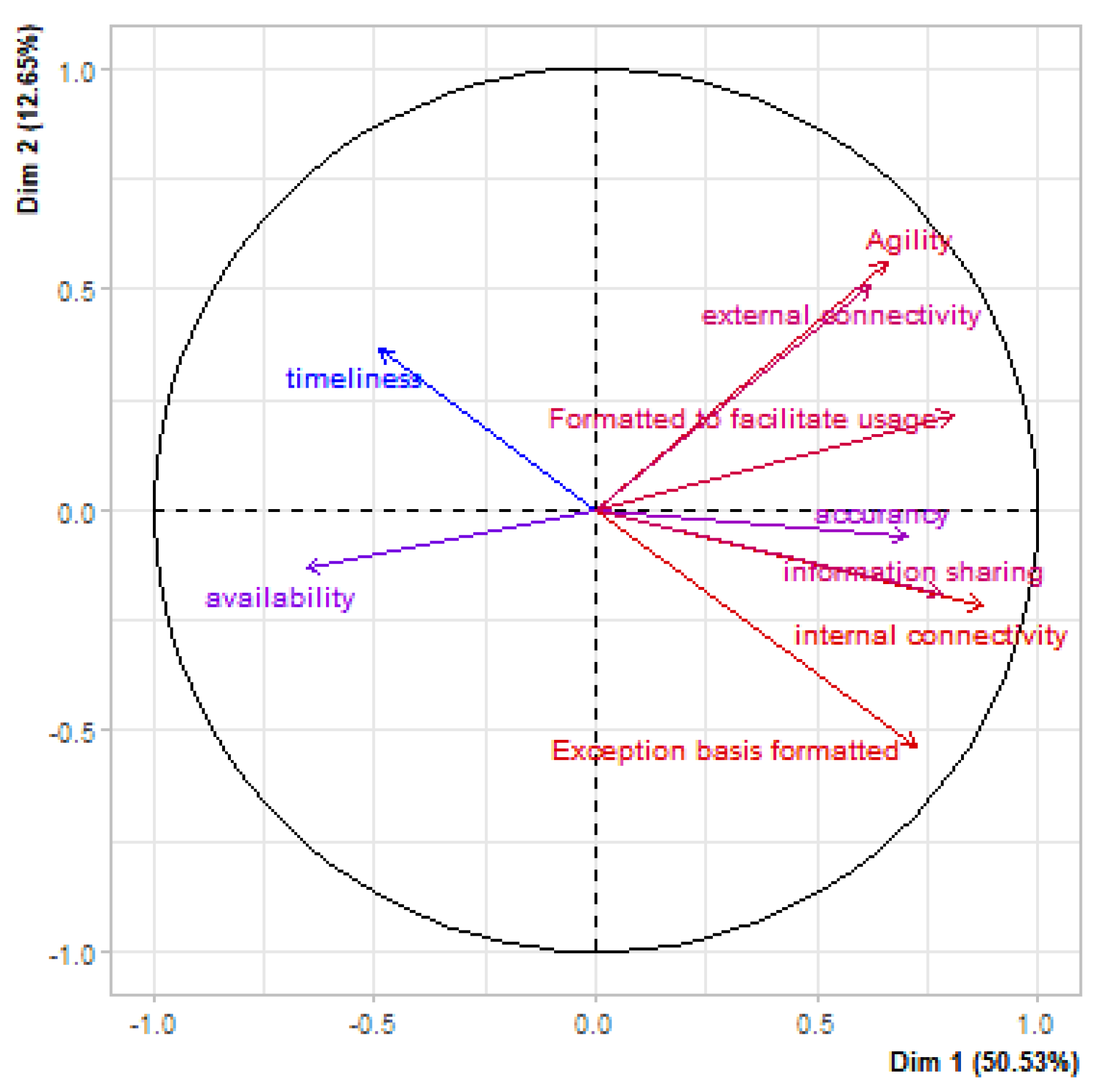
Figure 1. PCA-Based Evaluation Criteria for SCM Practices. Source: Performed by authors using R Studio Software Packages
Preprints 143272 g001
Figure 2. Correlation matrix. Source: performed by authors using R Studio Software Packages
Preprints 143272 g002
Table 1. Evaluative Criteria for Digital Transformation in SCM.
Evaluative Criteria Abbreviation Description
Accuracy ACC By leveraging digital technologies, organizations establish structured processes to minimize errors and discrepancies in the available information, thereby enhancing the reliability and trustworthiness of decision-making processes. This involves implementing data validation protocols and automated error detection mechanisms to ensure data integrity.
Timeliness TIM This criterion ensures that internal users can punctually access crucial application systems containing real-time information pertinent to their responsibilities, facilitating timely decision-making and task execution. For example, production supervisors need access to real-time inventory data in a manufacturing environment to schedule production runs efficiently.
Exception Basis Formatted EBF Digital tools are configured to harmonize with the organization’s strategic objectives, presenting information in a structured format that highlights critical tasks requiring immediate attention from decision-makers, thereby optimizing resource allocation and task prioritization. This involves customizing dashboards and reports to focus on key performance indicators aligned with strategic goals.
Availability AVB Different access tiers are implemented within the organization’s application systems, guaranteeing that users can retrieve relevant information promptly and efficiently based on their roles and requirements, fostering seamless operations. This includes role-based access controls and robust authentication mechanisms to safeguard sensitive information while ensuring accessibility.
Information Sharing INSH Firms adopt a culture of transparency and collaboration by enabling unified sharing of standard information across various functions, making it readily accessible through the organization’s online information system, and promoting synergy and informed decision-making. This involves implementing collaborative platforms and communication channels for knowledge sharing and cross-functional collaboration.
Formatted to Facilitate Usage FFU Data is organized in a coherent layout that clusters related information, distributed through a digital technology charter outlining usage guidelines, and accompanied by comprehensive employee training sessions, ensuring effective utilization of digital tools and maximizing productivity. This includes designing user-friendly interfaces and providing ongoing support to ensure user proficiency and adoption.
External Connectivity EXC External connectivity assesses the organization’s ability to seamlessly exchange information with external stakeholders such as suppliers, customers, and partners, facilitating efficient communication and collaboration across the entire supply chain ecosystem. This involves implementing robust communication channels, data exchange protocols, and collaborative platforms to streamline interactions and foster closer relationships with external partners.
Internal Connectivity INC The organization facilitates smooth communication and collaboration by establishing efficient channels for exchanging information between different functional departments and managerial levels, enhancing coordination and alignment toward common goals. This involves integrating enterprise systems and implementing communication protocols to ensure seamless data flow across organizational boundaries.
Agility AGL The organization demonstrates flexibility and responsiveness in adapting information processes and competencies to address evolving needs across different manufacturing processes and customer segments, fostering innovation and competitiveness. This includes agile development methodologies and continuous improvement initiatives to rapidly respond to changing market dynamics and customer preferences.
Source: Performed by authors.
Table 2. Statistical Analysis of Evaluative Criteria and Digital Tools in SCM.
Evaluative criteria Mean Sd P Value N
Accuracy 3.16 0.91 0,3* 30
Information Sharing 3.13 1.11 0,03 30
Timeliness 6.07 1.44 0,01 30
Availability 3.20 1.16 0,01 30
Internal Connectivity 3.67 1.06 0,02 30
Formatted to Facilitate Usage 3.07 1.11 0,06 30
Agility 3.53 0.90 0,07 30
External Connectivity 3.56 1.28 0,03 30
Exception Basis Formatted 3.63 1.07 0.06 30
Intranet 1,60 0,50 < 2.2e-16 30
Extranet 1,93 0,25 < 2.2e-16 30
ERP 1,53 0,51 2.584e-16 30
CRM 1,80 0,41 < 2.2e-16 30
APS 1,87 0,35 < 2.2e-17 30
RFID 1.97 0.18 < 2.2e-16 30
Barre Code 1.77 0.43 < 2.2e-16 30
Video Conference 1.77 0.43 < 2.2e-16 30
Email 1.27 0.45 1.63e-15 30
Website 1.60 0.50 < 2.2e-16 30
EDI 1.83 0.38 < 2.2e-16 30
Data Entry 1.70 0.47 < 2.2e-16 30
Note: p-value * is not significant at 0.05 level. Source: Performed by authors.
Disclaimer/Publisher’s Note: The statements, opinions and data contained in all publications are solely those of the individual author(s) and contributor(s) and not of MDPI and/or the editor(s). MDPI and/or the editor(s) disclaim responsibility for any injury to people or property resulting from any ideas, methods, instructions or products referred to in the content.
Copyright: This open access article is published under a Creative Commons CC BY 4.0 license, which permit the free download, distribution, and reuse, provided that the author and preprint are cited in any reuse.
Prerpints.org logo

Preprints.org is a free preprint server supported by MDPI in Basel, Switzerland.

Subscribe

Disclaimer

Terms of Use

Privacy Policy

Privacy Settings

© 2025 MDPI (Basel, Switzerland) unless otherwise stated