4. Discussion
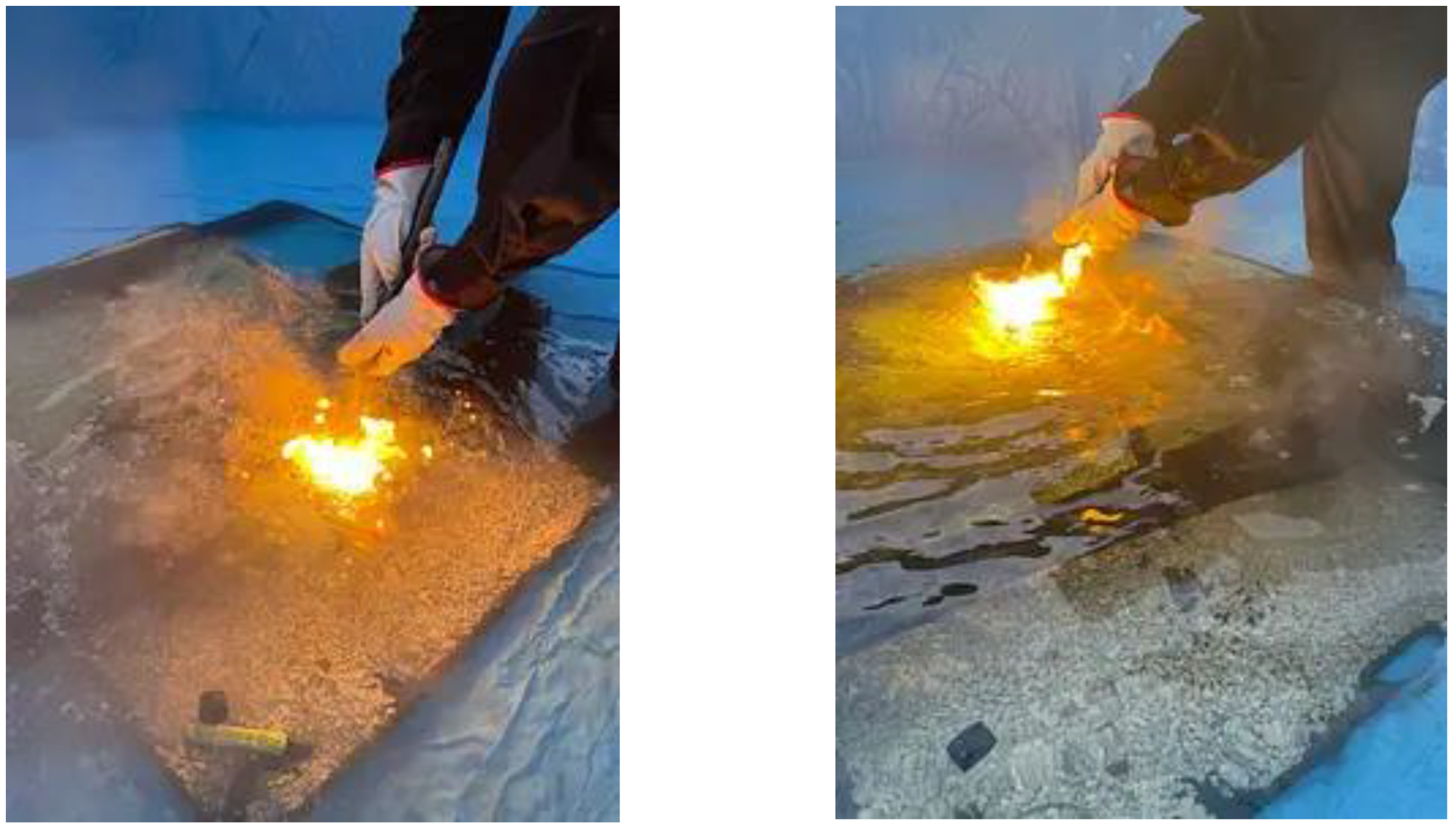
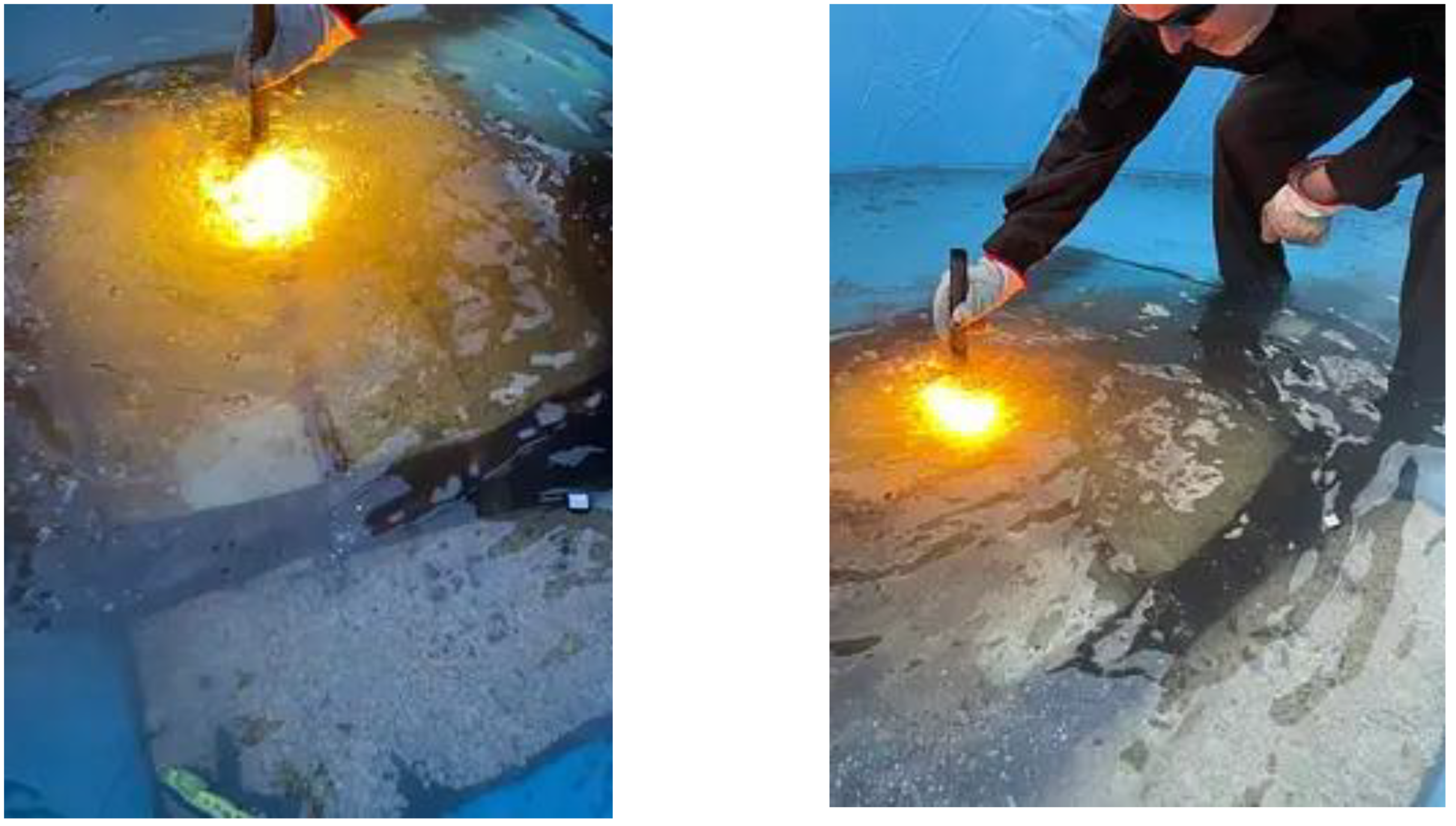
The BreachPen demonstrated the feasibility of gaining victim access through submerged laminated glass, confirming the hypothesis. The glass used in this experiment was a windscreen, which is typically thicker than side windows (approximately 5mm vs. 4mm). Given that side windows are more likely to be used to breach to gain victim access, it is reasonable to assume that when using the BreachPen on actual side windows (laminated), the cutting distance may be increased from what was observed. It is likely that two BreachPens may be required to make a cut length sufficient to create a glass flap or remove a full section of glass to then perform victim extraction, noting that our test results may be conservative in cutting distance given the thicker windscreen glass used and that with increased familiarity with the tool, a single BreachPen may be able to cut a sufficient distance to gain access.
The advantages of the BreachPen include its lightweight design (8 oz/230g), easy storage on a swiftwater rescue technician (length 13"/33cm), no maintenance requirements (disposable, single use), ease of use, suitability for remote area operations, and the creation of a light source during cutting. However, disadvantages noted include limited cutting distance/time (multiple BreachPens may be required), potential ignition source for fuels/spills, limited flint with risk of inability to ignite, the requirement to be ignited above water, potential burn hazard to vehicle occupants on the other side of the glass, unpredictable victim reaction, and potentially limited cost-effectiveness compared to other tools for multiple usage.
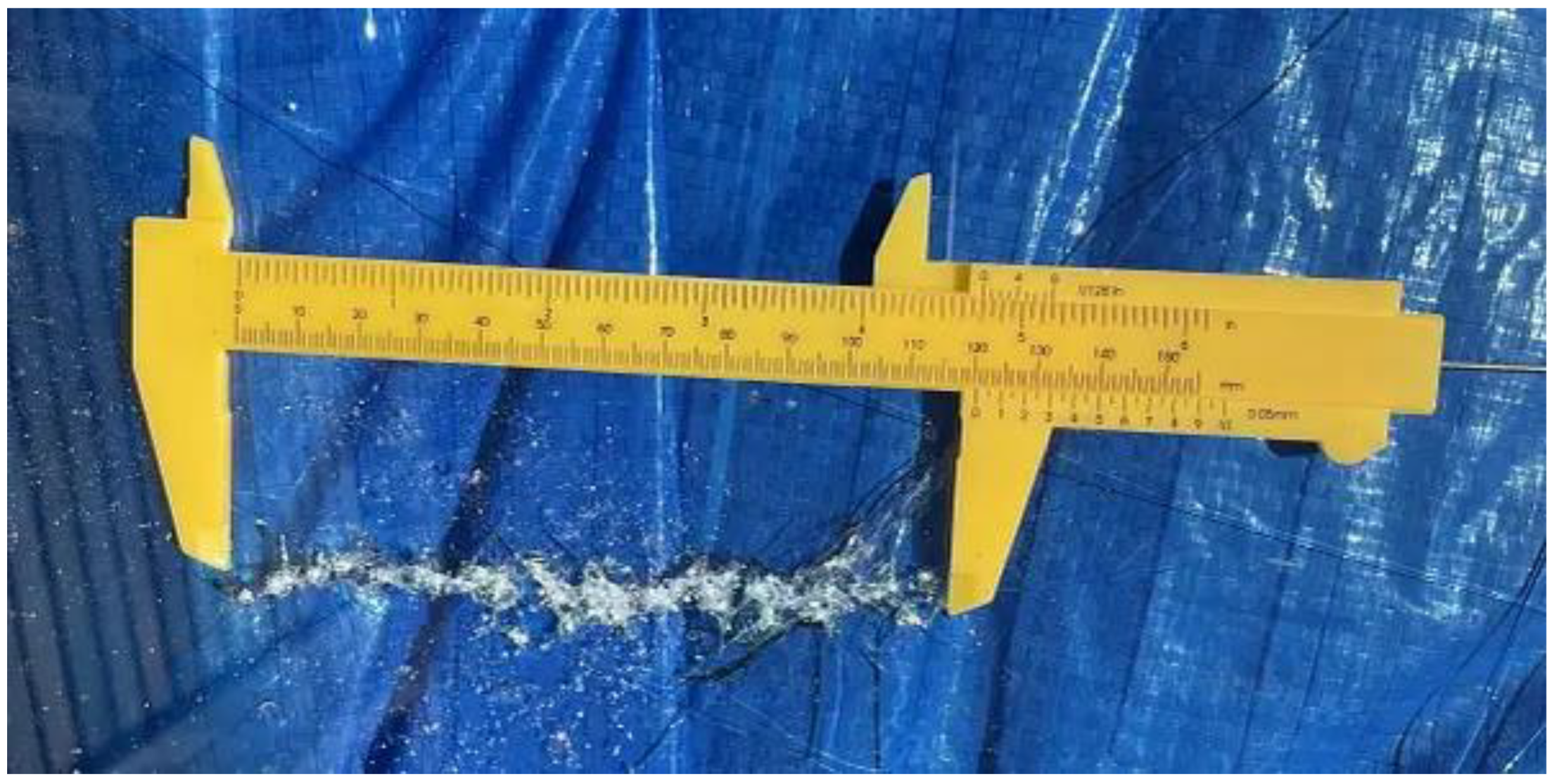
The BreachPen method was six times faster than manual cutting. Using an example of a 2004 Mazda Atenza station wagon, cut distances required to create a hinged section of glass, sufficient to allow extrication were measured (175cm for the rear windscreen and 200cm for the side window). This gave an estimated cutting time of 1.5 to 1.7 minutes for thermal cutting a laminated rear and side window respectively, and 10-11.1 minutes for manually cutting a laminated rear and side window respectively. These estimates are conservative given then are based on 5mm glass as used in windscreens, as opposed to 4mm glass that would more likely be used in laminated side and rear windows. The manual cutting effectiveness may however be decreased as rising water may dampen the physical momentum of the controlling arm and hand as it passes through water. It is likely the manual cutting technique will not be effective if used underwater.
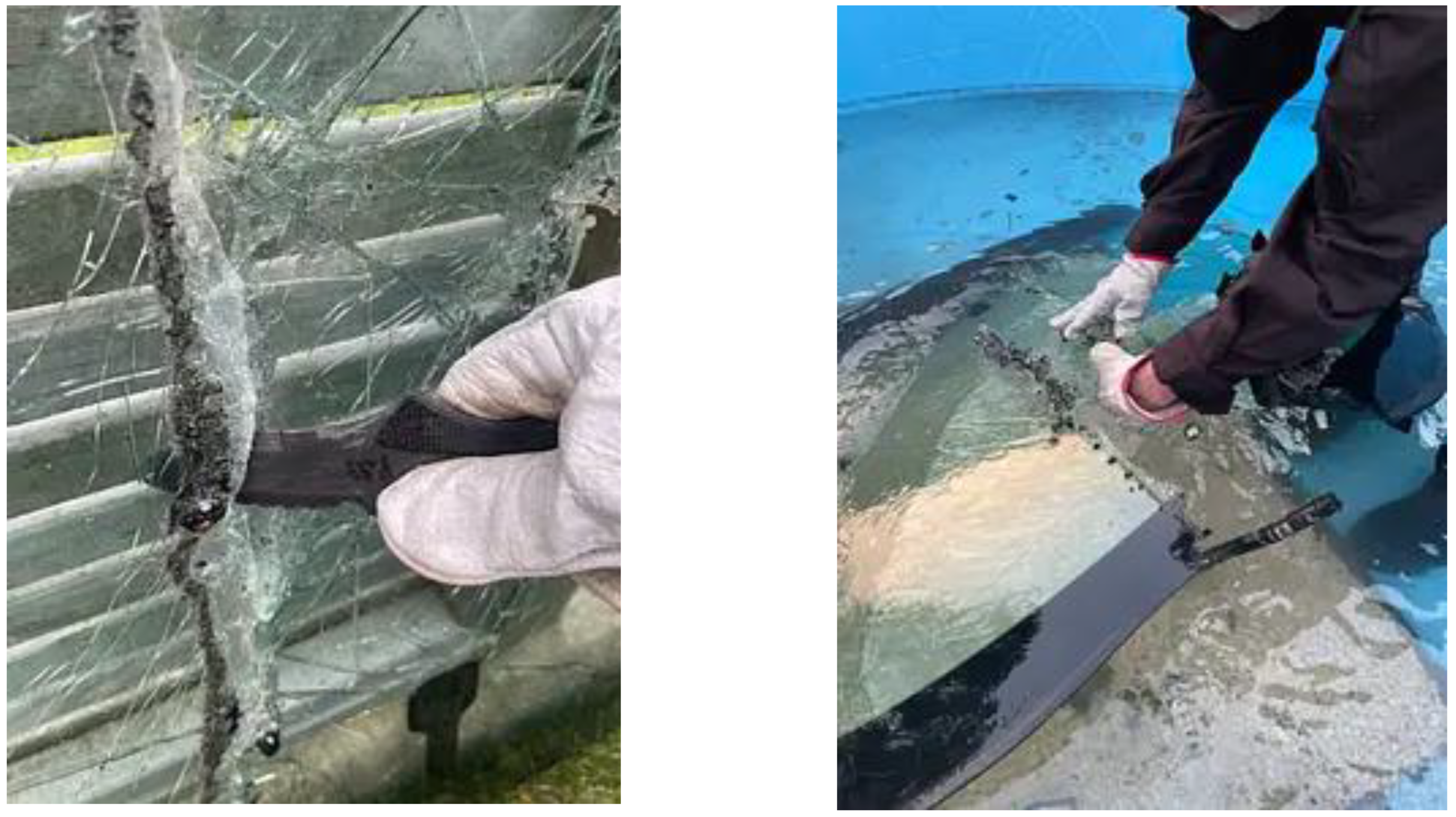
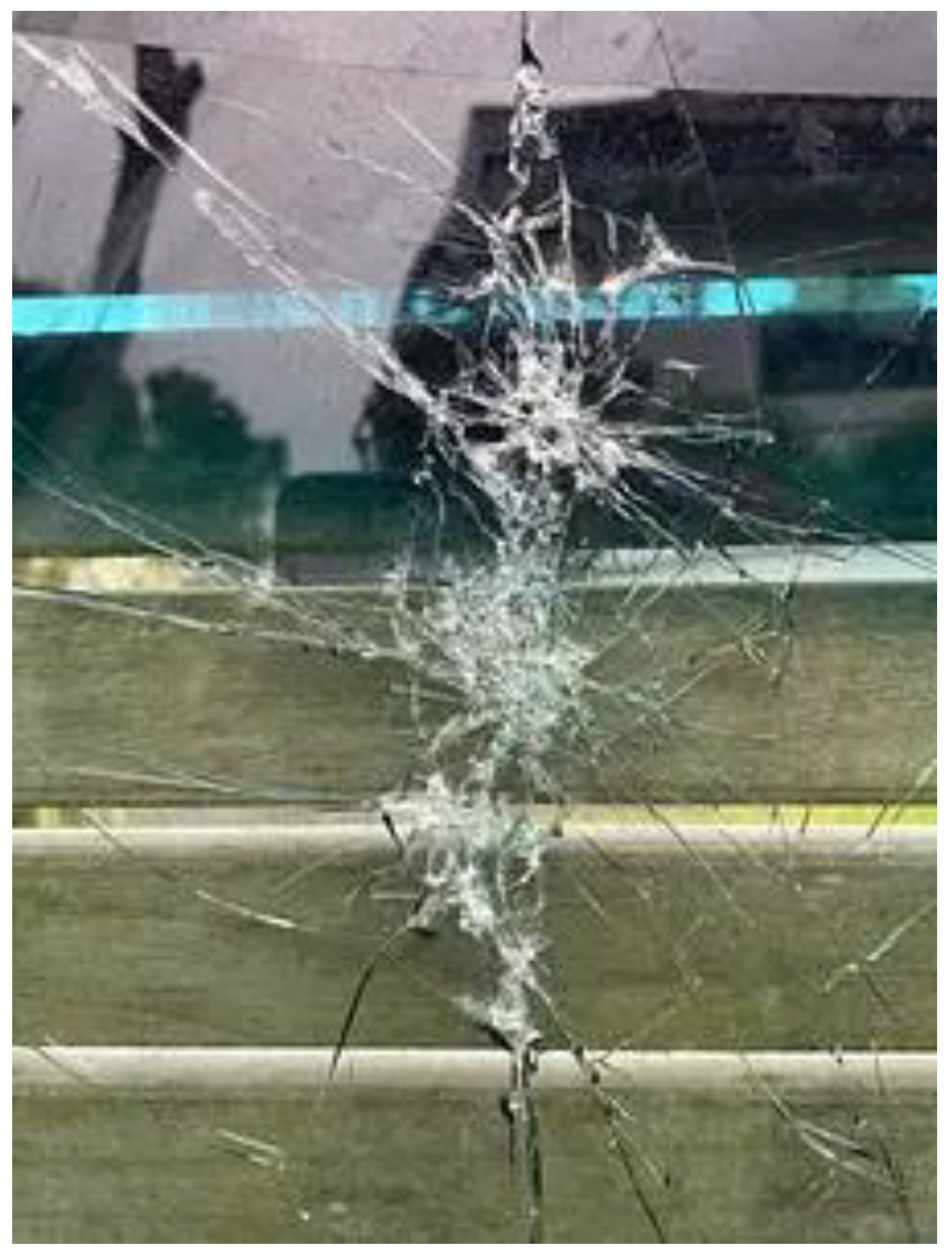
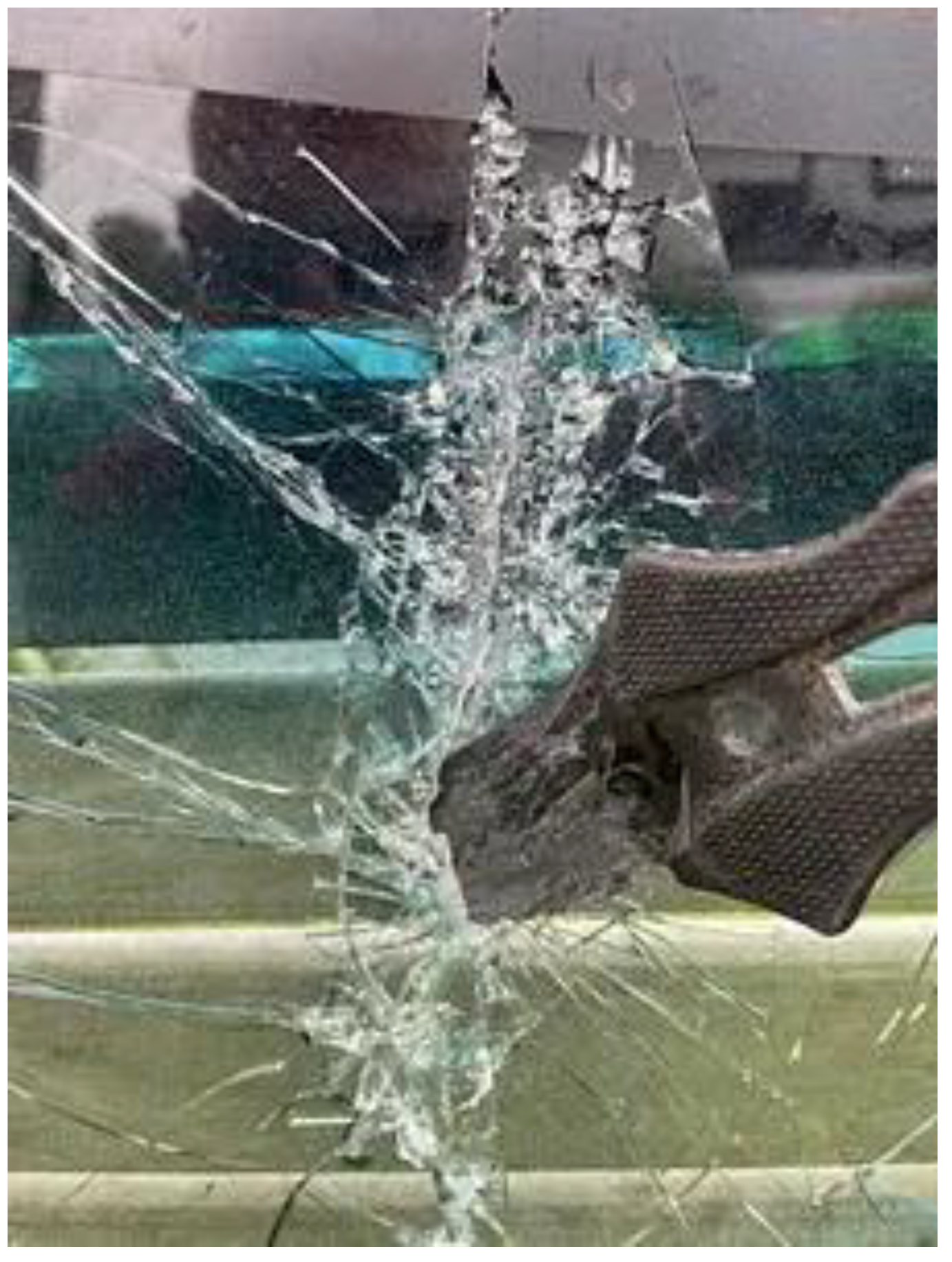
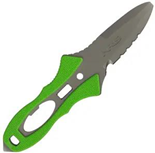
A spring-loaded punch (Fuller Auto Centre Punch 3mm) was tested and used manually and repeatedly for 35 seconds. Pitting was observed, but no penetration was noticed on the inside of the glass. The knife (NRS Pilot) blade chisel tip was then used to chip away the glass to create a straight pilot hole, and then the serrated blade used to saw through the glass. This created a large amount of glass splinters and was slow to continue the cut but did at least demonstrate the ability for a well-designed rescue knife that has good serration, that cutting the glass whilst wearing protective equipment (gloves and safety glasses) can be achieved. This highlights that rescuers facing vehicle in water scenarios need to carry and be able to confidently use safety equipment that is not traditionally used by swiftwater operators except for those in cold environments where the use of gloves is often required. There may well also be benefits in using evolving respiratory protection equipment such as Swiftwater Rescue Breathing Apparatus, as this is used with swimming mask for eye protection as well as providing air supply for tool and glass management just under the water surface [
5].
Figure 7.
Spring-loaded centre punch testing.
Figure 7.
Spring-loaded centre punch testing.
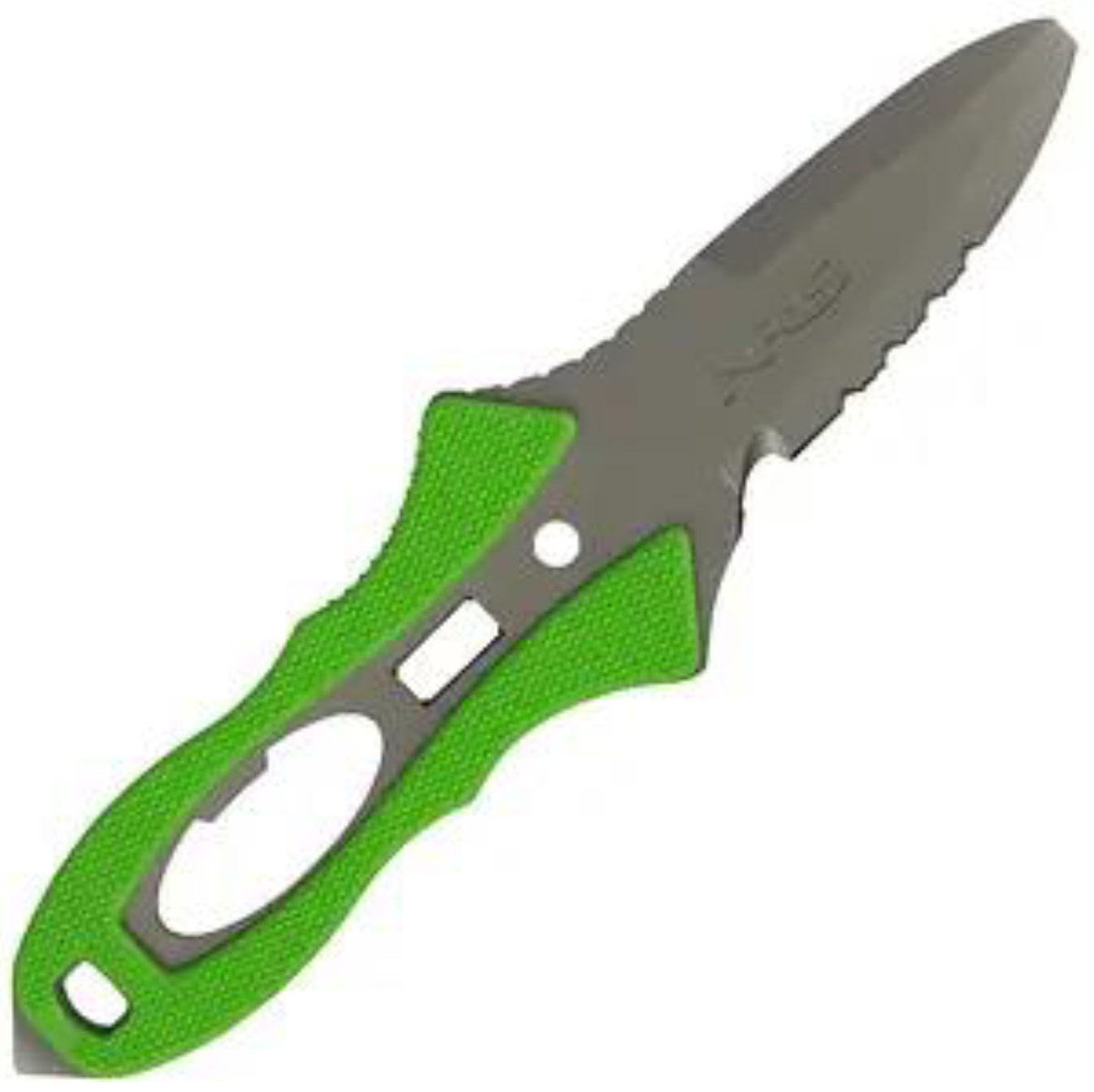
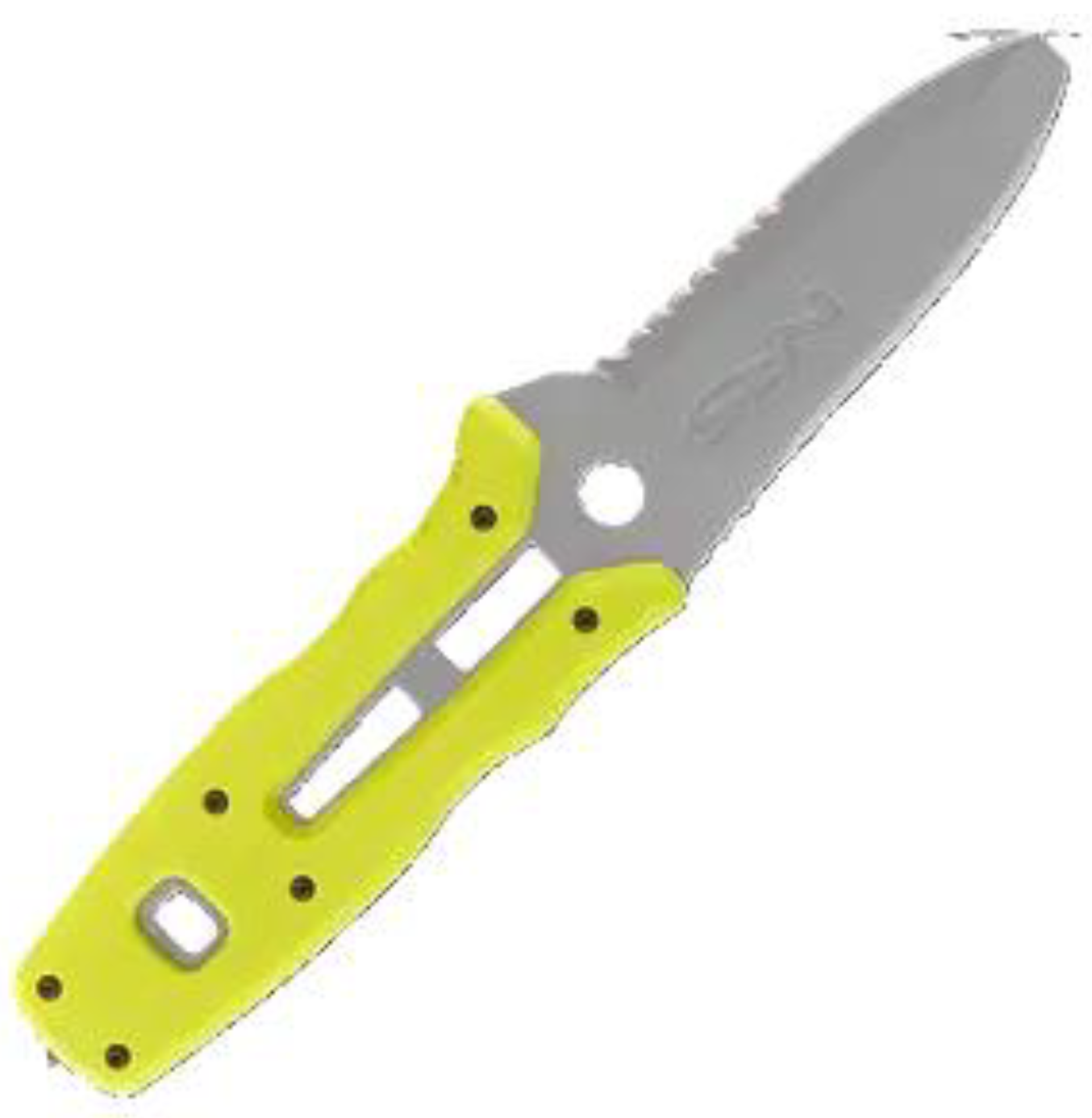
It was noted the current (newer) design of the NRS Pilot knife has changed the glass breaking tip to be shorter, though this should not affect its use on toughened glass, the reduction may have a negative impact on its effectiveness on breaching laminated glass.
Figure 8.
Old Version NRS Pilot Knife.
Figure 8.
Old Version NRS Pilot Knife.
Figure 9.
New Version NRS Pilot (SAR) Knife [note smaller glass breaking point at base].
Figure 9.
New Version NRS Pilot (SAR) Knife [note smaller glass breaking point at base].
While side window access is common for victim extrication, rescuers should be prepared to use the rear window, especially for bariatric and disabled casualties. Training should reflect the diversity of potential victims, rather than consistently using fit, lean, and healthy rescuers as stand-ins. This approach ensures preparedness for a wider range of real-world scenarios.
Ultimately, the best solution to our Glass Coffin problem is mitigation through public education discouraging driving through flood water and the factory-standard fitting of automatic window opening systems. The use of BreachPen is aimed at where these proactive measures have failed.
4.1. Alternative Options
4.1.1. Glas-Master
The Glas-Master is a patented manually operated glass removal tool designed for emergency rescuers, enabling rapid vehicle extrication without the need for electricity or hydraulics. Since its development circa 1996 it has become a common tool used by fire and rescue services around the world for vehicle extrication operations. The tool measures 420 x 245 x 35 mm (16.5 x 9.6 x 1.4 inches) with a weight of 1 kg (2.2 lb.) when ready for use. Like other large hand tools, the Glas-Master is likely to be cumbersome to swim with. Information found on the internet priced the Glas-Master at approximately USD$189 which makes it financially viable. A potential challenge for this tool is when the blade and rescuer's arm action are under water, dampening the force used and reducing the efficiency of the cut. A pilot hole must also be made for the blade to commence the cut. As this study was to review the BreachPen, a comparative analysis was not undertaken across the various tools and techniques. Such an analysis warrants further consideration.
4.1.2. Umbrella Pull
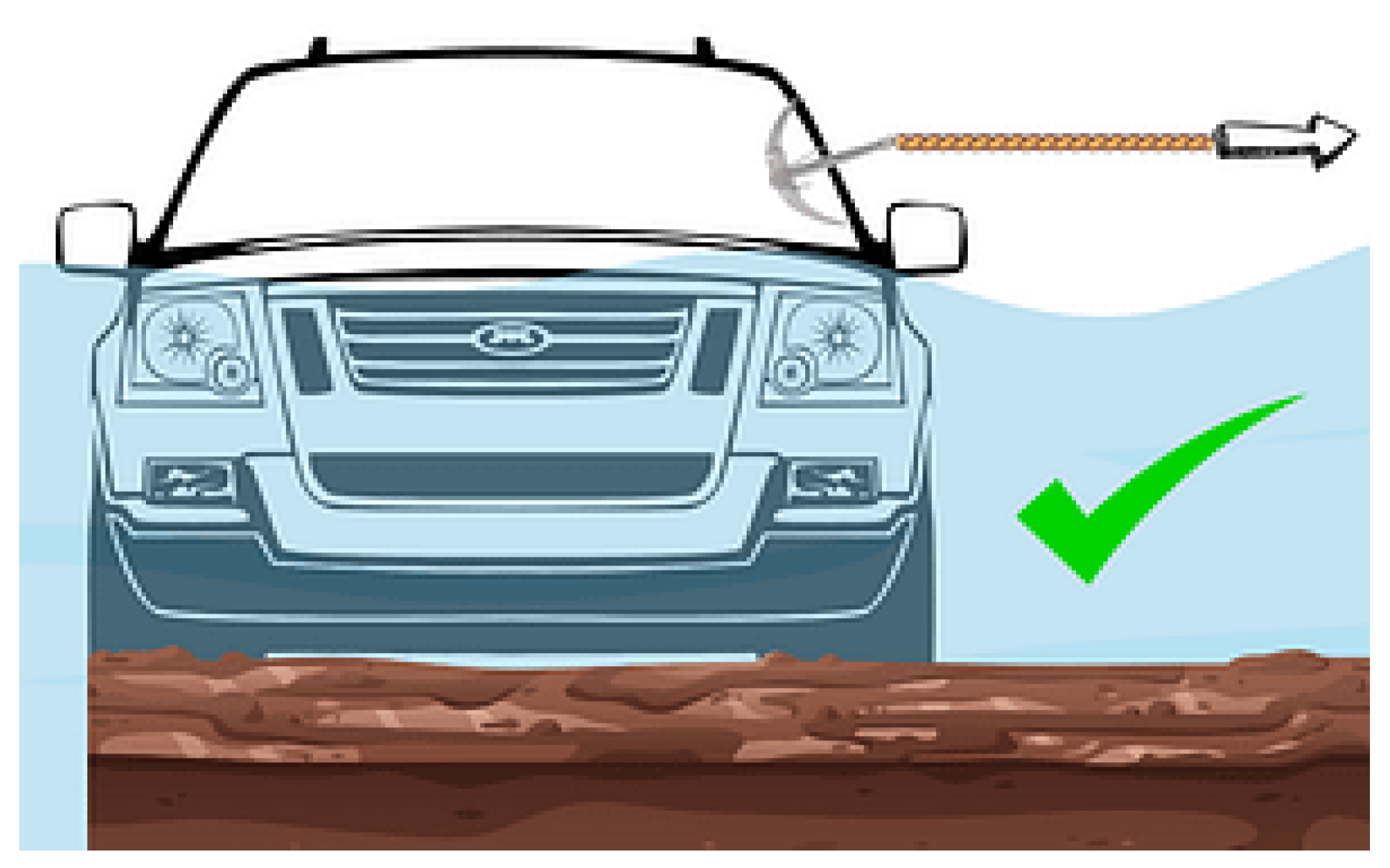
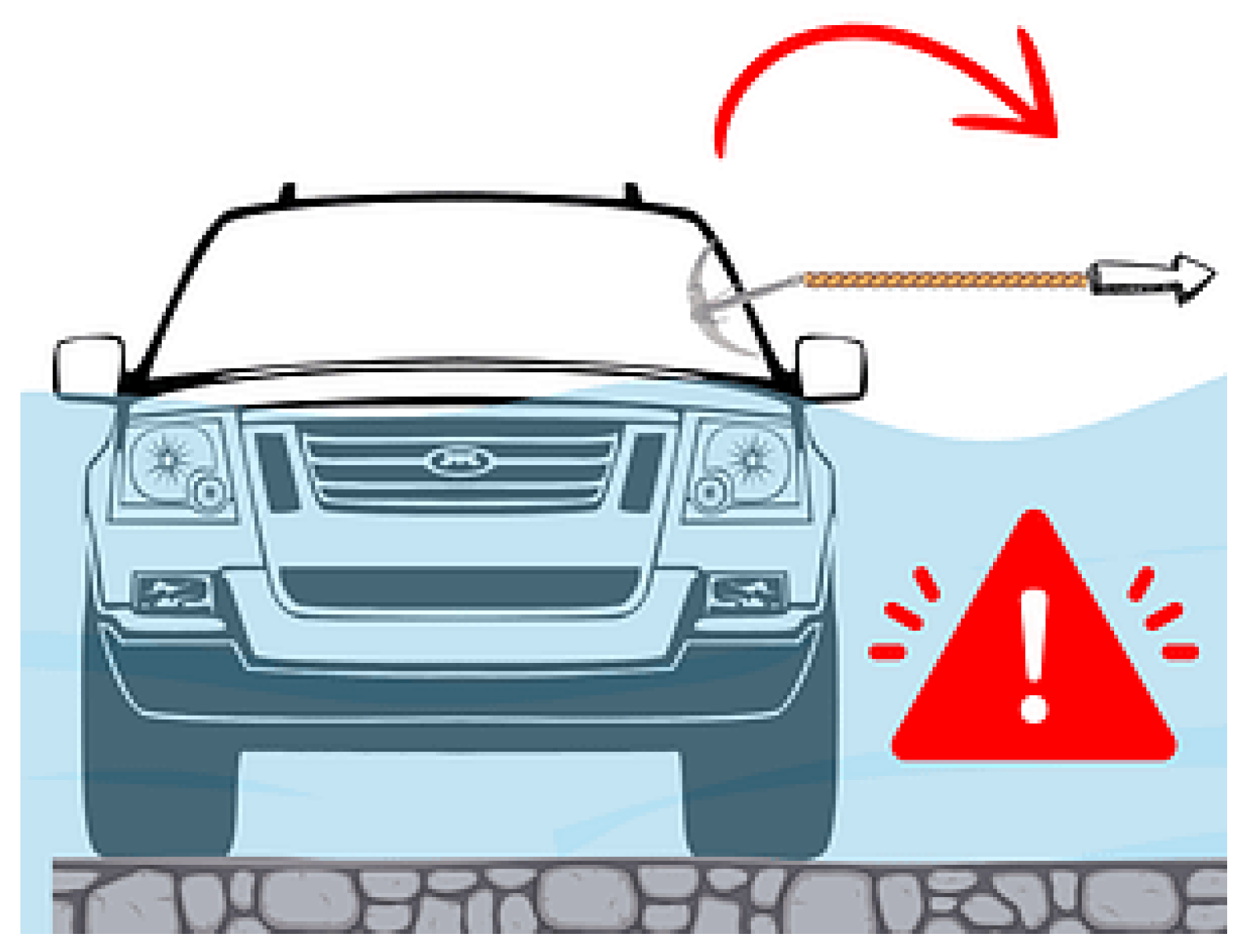
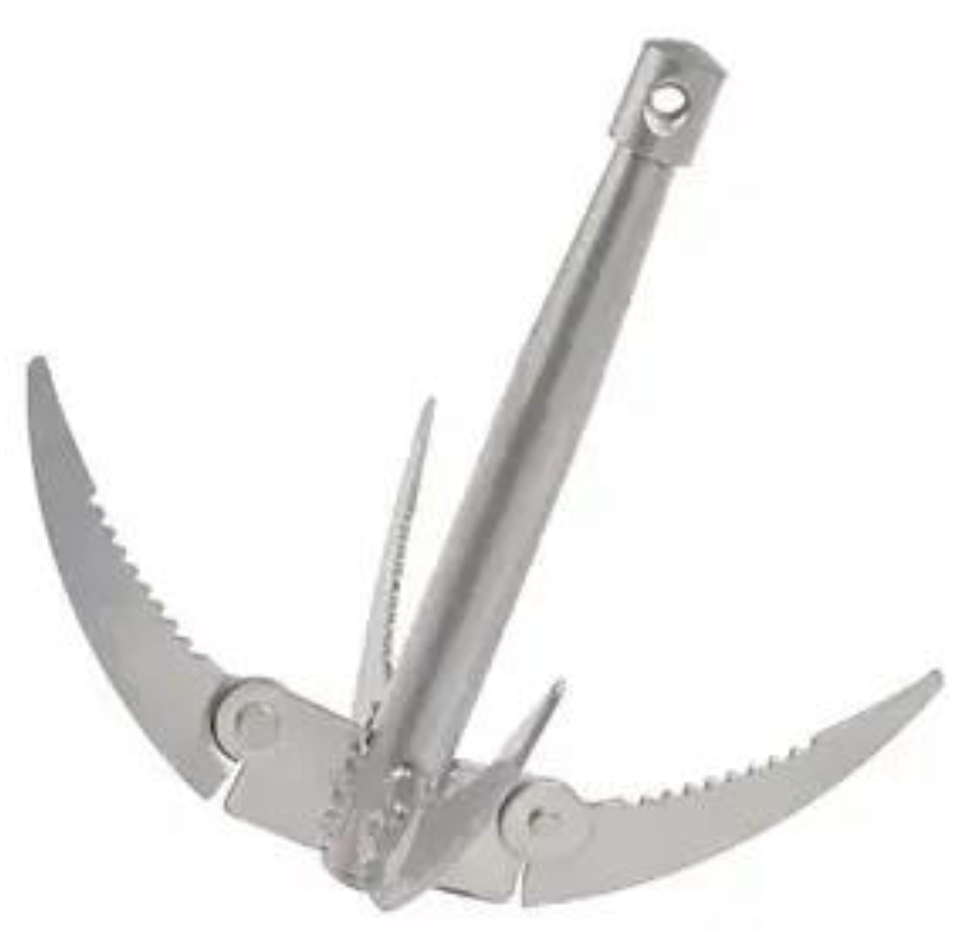
Beyond thermal cutting of the glass, other options have been identified but remain untested. These include the forcibly dislodging the laminated side window by using the BreachPen to create a pilot hole in the middle and placing a collapsible/grapnel anchor/hook (like a wall anchor or umbrella) through it and using a mechanical advantage to pull the glass panel from the frame (unlike the windscreen and rear windows which are often glued into position), however this method would be limited to situations where the vehicle is highly stable such as where it has bedded down to the flow floor such as in sand or mud otherwise the mechanical advantage may de-stabilize the vehicle and cause roll-over or a pendulum effect placing the occupants at greater risk of harm.
Figure 10.
Side Window Umbrella Pull (stable vehicle.
Figure 10.
Side Window Umbrella Pull (stable vehicle.
Figure 11.
Side window (unstable vehicle).
Figure 11.
Side window (unstable vehicle).
Figure 12.
Example of collapsible anchor.
Figure 12.
Example of collapsible anchor.
4.1.3. BreachPen Roof Cut
Alternatively, given the vehicle roof is likely to be made of steel, cutting a section out of it to provide a means of escape may also be feasible given the metal has a lower melting point and is thinner than glass, likely to allow for a longer cut to be made. It is feasible that the BreachPen could also be used to create a hole around vehicle pillars to create anchor points for in-situ stabilization, zip line access or vehicle recovery.
4.1.4. NEMO Angle Grinder
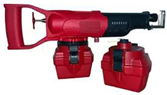
Another option considered is the use of submersible power tools, in particular the NEMO battery-powered angle grinder and/or reciprocating saw. Both of these power tools are waterproof down to 50m as they are often used in commercial diving. They are considerably more expensive, heavier and bulkier than the BreachPen, but have removeable rechargeable batteries (that can be changed under water) providing a significant improvement in cutting time. As the NEMO angle grinder and reciprocating saw are reasonably heavy (2.9 kg/6.39 lbs. and 3.5kg/7.7 lbs., respectively) they will create a significant reduction in rescuer buoyancy if carried, given the minimum standard for PFD floatation under the US Coast Guard criteria is 15.5 lbs. (7 kg). These power tools, however, could be carried in positively buoyant boxes or bags (i.e. fitted with floatation foam) to counter the buoyancy reduction.
4.1.5. Beluga Glass Cutter
In discussions with extrication specialists, the Beluga Glass Cutter was raised as a solid alternative (kit is USD$535). We have not tested the device, but it does require a drill which raises the limitation of portability like the NEMO Angle Grinder. As a specialist tool, it looks very promising but given the study's working environment, a drill would need to be waterproof like the NEMO battery operated drill (5m drill is USD$735). That begs the question if you were to get a NEMO battery drill and Beluga kit, why not get the angle grinder which can be more versatile. No information could be found if the Beluga Glass Cutter is waterproof, however this may be only limited by the lack of waterproof battery drills (as NEMO is the only one, we could find that looked appropriate).
The range of potential options need further testing, and their suitability will be very dependent on the context it is used in. No single tool or method appears to be the silver bullet for the challenge of Glass Coffins.
Table 2.
Product comparison.
Limitations & Further Research
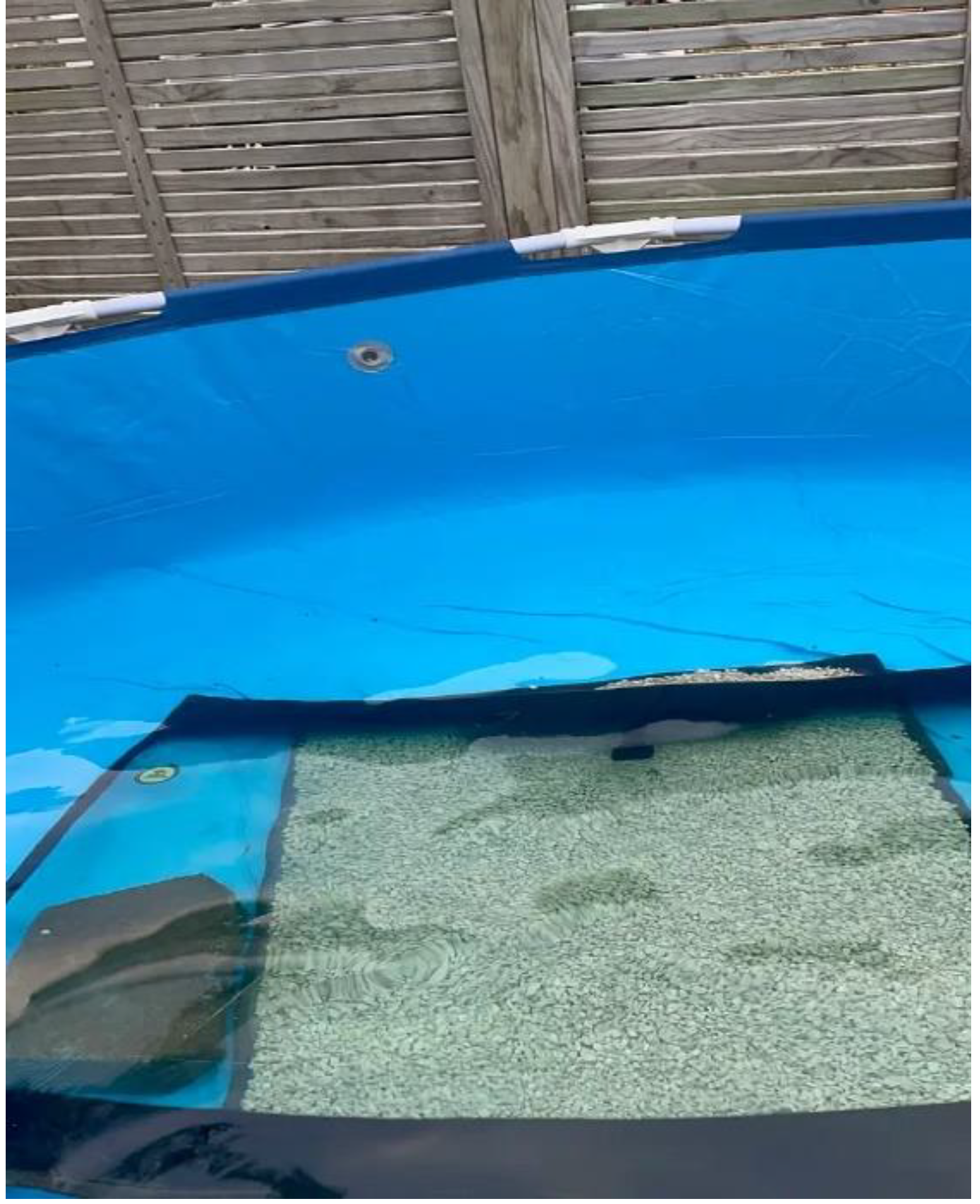
A limitation of this study was the experiment's design to opt for a horizontal placement of the glass underwater, which may have inhibited the efficiency of the thermal cutting tool as slag pooled on the top, unable to fall away under gravity. Future testing should involve more realistic conditions such as a laminated side window in a vehicle door frame that is submerged vertically, rather than using a windscreen and being tested in a horizontal configuration. Rear window breaching testing should also be undertaken to better understand the complexities of extricating bariatric, disabled or pregnant casualties that otherwise may not be able to exit via a side window.
Alternative breaching tools such as the Glas-Master, Beluga Glass Cutter, NEMO Angle Grinder and NEMO Reciprocating Saw should be tested in water and compared in future studies to provide a comprehensive evaluation of available options for water rescue professionals.