

Submitted:
07 December 2024
Posted:
09 December 2024
You are already at the latest version
Abstract
Agriculture faces unprecedented challenges, including climate variability, limited resources, and the need to feed a growing global population. To address these issues, plant biotechnology has turned to predictive analytics—a data-driven approach combining machine learning, statistical modeling, and big data analysis—to optimize crop yield. By leveraging diverse data sources such as weather patterns, soil quality, and crop health, predictive analytics enables precision agriculture, offering tailored strategies for planting, irrigation, and pest management. This article explores the integration of predictive analytics into plant biotechnology, highlighting its role in enhancing decision-making, improving sustainability, and boosting productivity. Real-world applications, such as forecasting yield fluctuations and mitigating risks from pests and diseases, demonstrate its transformative potential. However, challenges remain, including data accessibility, high implementation costs, and the need for broader technology adoption among farmers.
Keywords:
Predictive Analytics
; Crop Yield Optimization
; Plant Biotechnology
; Machine Learning
; Data Mining
; Sustainable Agricultur
; Big Data
; Weather
; Forecasting
; Soil Health
Introduction
Agriculture is at the heart of human survival, yet it faces some of the most pressing challenges of our time. Global issues like climate change, population growth, and resource scarcity are reshaping the landscape of food production. Rising temperatures, erratic weather patterns, and reduced availability of arable land have placed unprecedented pressure on farmers to produce more with less. Meanwhile, the global population is projected to reach 9.7 billion by 2050, demanding a 70% increase in food production to sustain humanity. These factors underscore the urgency of optimizing agricultural practices to ensure food security and sustainability.
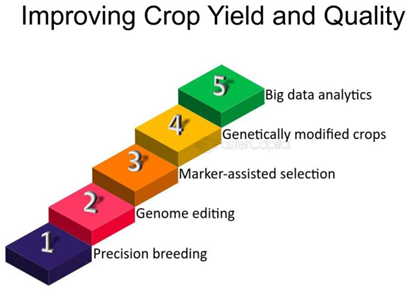
In response to these challenges, plant biotechnology has emerged as a critical solution. By leveraging advanced genetic engineering, researchers and agricultural experts are developing crop varieties that are more resilient to environmental stress, pests, and diseases. However, these biological advancements alone cannot fully address the complex interplay of factors that influence crop yield. Optimizing agricultural output requires a multifaceted approach, combining biotechnological innovations with cutting-edge data analysis.
This is where predictive analytics steps in, offering a transformative tool to revolutionize agriculture. Predictive analytics uses data-driven techniques, such as machine learning, artificial intelligence, and statistical modeling, to analyze historical and real-time data. By uncovering patterns and trends, it provides actionable insights to optimize resource use, predict yield outcomes, and mitigate risks.
The potential of predictive analytics lies not only in enhancing productivity but also in promoting sustainable farming practices. It allows for precision agriculture, where decisions about planting, irrigation, and pest control are tailored to the specific needs of each field, minimizing waste and maximizing efficiency. In this era of digital transformation, integrating predictive analytics with plant biotechnology offers a powerful pathway to overcome the challenges of modern agriculture, ensuring a resilient and food-secure future.
Understanding Predictive Analytics
Predictive analytics is a data-driven approach that uses advanced techniques and tools to forecast future outcomes based on historical and real-time data. By identifying patterns and trends, it provides actionable insights that empower informed decision-making in various industries, including agriculture. At its core, predictive analytics combines several key components:
- ❖
- Machine Learning: Algorithms capable of learning and improving from data without explicit programming, enabling accurate predictions and adaptable models.
- ❖
- Data Mining: The process of extracting meaningful patterns and relationships from large datasets to uncover actionable insights.
- ❖
- Statistical Modeling: Techniques for analyzing data and building mathematical models that describe the relationships between variables, facilitating prediction and risk assessment.
Together, these components form the backbone of predictive analytics, enabling the conversion of raw data into valuable predictions and recommendations.
Tools and Technologies in Predictive Analytics for Agriculture
Advancements in technology have significantly expanded the scope of predictive analytics in agriculture. A range of tools and platforms now support data collection, analysis, and visualization, helping farmers make smarter decisions. These include:
Geographic Information Systems (GIS): Used to analyze spatial data and monitor field-level variables like topography and soil conditions.

- Internet of Things (IoT) Sensors: Devices that capture real-time data on temperature, humidity, soil moisture, and nutrient levels.
- Satellite Imagery and Remote Sensing: Provide large-scale monitoring of weather patterns, crop health, and land usage.
- Cloud Computing and Big Data Platforms: Enable the storage, processing, and analysis of massive agricultural datasets.
- Predictive Modeling Software: Tools like Python, R, and proprietary platforms tailored for agricultural applications.
These technologies not only improve the accuracy of predictions but also make predictive analytics more accessible to farmers and agribusinesses.
Key Data Sources in Predictive Analytics for Agriculture
The success of predictive analytics depends on the availability and quality of data. In agriculture, critical data sources include:
- ✓
- Weather Patterns: Historical and real-time data on rainfall, temperature, and wind speed help forecast growing conditions and potential risks such as droughts or storms.
- ✓
- Soil Quality: Data on soil composition, pH levels, and nutrient availability enable precise recommendations for fertilization and planting.
- ✓
- Crop Health: Insights from drone imagery, satellite data, and IoT sensors identify pest infestations, nutrient deficiencies, or water stress in crops.
- ✓
- Historical Yield Data: Past performance metrics for crops provide benchmarks and context for predictive models, enabling accurate yield forecasts.
By integrating these diverse data sources, predictive analytics creates a comprehensive understanding of the factors influencing crop performance. This capability empowers stakeholders in agriculture to optimize their practices, reduce resource wastage, and enhance sustainability. Predictive analytics is thus not merely a tool but a catalyst for transforming modern agriculture.
Challenges in Crop Yield Optimization
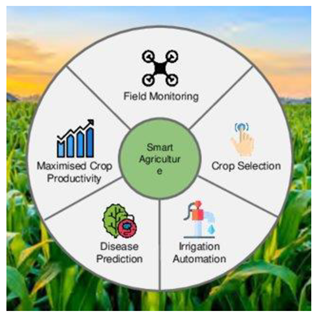
Crop yield optimization is a complex and multifaceted challenge that requires careful consideration of a variety of factors. While advances in plant biotechnology offer significant potential to improve agricultural productivity, several inherent challenges must be addressed to achieve sustainable and consistent crop production. These challenges arise from environmental, resource-related, and biological factors, each influencing the ability to maximize crop yield.
- 1.
- Variability in Environmental Factors
One of the most significant obstacles to optimizing crop yield is the variability in environmental conditions. Weather patterns, including temperature, rainfall, and sunlight, can fluctuate from year to year and even within a growing season. These variations can significantly impact crop growth and development, making it difficult to predict yield outcomes.
- ●
- Climate Change: Global climate change is exacerbating weather unpredictability. Extreme weather events such as droughts, floods, and heatwaves are becoming more frequent and severe, stressing crops and reducing yields.
- ●
- Microclimates: Even within a single field, microclimates—small variations in temperature, humidity, and soil moisture—can affect crop growth unevenly. Identifying and adapting to these microclimates is crucial for maximizing yield.
Predictive analytics can help manage these environmental challenges by forecasting weather conditions and advising on the best planting times, irrigation schedules, and crop varieties that are most resilient to specific climatic conditions.
- 2.
- Limited Resources (e.g., Water, Arable Land)
Agriculture is inherently dependent on natural resources, but these resources are finite and becoming increasingly scarce. The global agricultural sector is facing significant limitations in the availability of key resources such as water and arable land, both of which are essential for crop growth.
- ■
- Water Scarcity: Water is one of the most critical resources in agriculture, yet it is becoming increasingly scarce due to overuse, pollution, and climate change.
- ■
- Arable Land: The availability of fertile land for agriculture is diminishing due to urbanization, soil degradation, and erosion. This puts pressure on farmers to produce more food on less land, demanding higher crop yields from existing agricultural spaces.
In response, biotechnology plays a vital role in developing drought-resistant crop varieties and improving soil health. Biotechnology also enables more efficient use of resources, such as reducing the need for chemical fertilizers or pesticides. Furthermore, predictive analytics aids in resource optimization by determining the precise amount of water, nutrients, and other inputs needed for each crop, based on environmental conditions and crop requirements.
- 3.
- Susceptibility to Pests and Diseases
Crops are inherently vulnerable to a wide range of pests and diseases, which can drastically reduce yield if not managed properly. Pests such as insects, rodents, and fungi can damage crops during growth, while diseases caused by bacteria, viruses, or fungi can lead to plant mortality.
Climate Change: Changing weather patterns and rising temperatures have altered the distribution and behavior of pests and pathogens, making it more challenging to predict and manage outbreaks.
Monoculture Practices: The widespread practice of monoculture farming, where only one type of crop is planted over large areas, can increase susceptibility to pests and diseases. These pests can spread rapidly within monocultures, leading to devastating crop losses.
Biotechnology addresses this challenge by developing genetically modified crops that are resistant to specific pests and diseases. Additionally, integrated pest management strategies, which combine biotechnology with predictive analytics, can help identify potential pest threats early and allow for timely interventions. Sensors and data collection tools can provide real-time information on pest activity, enabling farmers to take preventive or corrective actions before a problem escalates.
- 4.
- The Role of Biotechnology in Addressing These Challenges
Plant biotechnology has become an essential tool in overcoming the challenges of crop yield optimization. Through innovations such as genetic engineering, gene editing, and biotechnology-based crop protection, biotechnology addresses many of the limitations posed by environmental variability, resource scarcity, and pest susceptibility.
- ♦
- Genetically Modified Crops: Crops engineered to be more resilient to environmental stresses like drought, salinity, or extreme temperatures can thrive in regions previously unsuitable for agriculture.
- ♦
- Disease Resistance: Biotechnology enables the development of crops resistant to specific pathogens, reducing the need for harmful pesticides and minimizing crop loss due to disease.
- ♦
- Improved Nutrient Use: Genetic modifications can also improve a plant’s ability to absorb and utilize nutrients more efficiently, helping conserve resources like water and fertilizers.
When combined with predictive analytics, biotechnology offers a powerful synergy, allowing for real-time adjustments and tailored recommendations based on environmental data, crop health, and resource availability. By addressing these challenges, biotechnology plays a critical role in ensuring that crop yield optimization is not only achievable but also sustainable in the face of a rapidly changing global landscape.
Role of Predictive Analytics in Plant Biotechnology
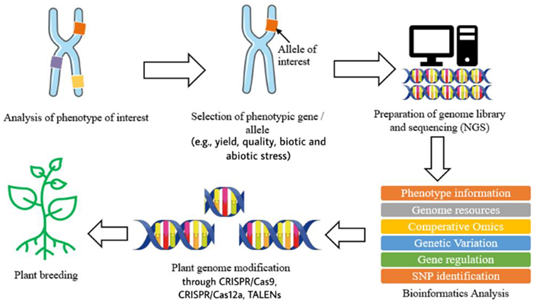
The integration of predictive analytics with plant biotechnology has the potential to revolutionize the way we approach crop improvement and agricultural sustainability. By combining genetic engineering and data-driven predictive models, it is possible to optimize crop traits, monitor environmental stressors, and make informed decisions regarding resource management. This synergy not only enhances crop yields but also ensures that agricultural practices are sustainable, efficient, and resilient to changing environmental conditions.
- 1.
- Integrating Genetic Engineering with Predictive Models to Enhance Crop Traits
Genetic engineering has long been at the forefront of plant biotechnology, enabling the development of crops with desirable traits such as increased resistance to pests, improved drought tolerance, and higher nutritional content. However, the integration of predictive analytics with genetic engineering takes this capability to the next level by providing the data-driven insights needed to fine-tune genetic modifications for maximum effectiveness.
- ❖
- Optimizing Genetic Traits: Predictive models can be used to simulate how specific genetic modifications will impact plant growth, yield, and resilience under different environmental conditions. This allows scientists to make more accurate predictions about the performance of genetically engineered crops before they are field-tested.
- ❖
- Precision Breeding: By combining genetic engineering with data analytics, researchers can apply precision breeding techniques to identify and select the most promising genetic variations that enhance crop performance. These models help accelerate the breeding process, reducing the time and resources required to bring new crop varieties to market.
- 2.
- Monitoring and Forecasting Environmental Stress Factors
Environmental factors such as temperature fluctuations, drought, excessive rainfall, and soil degradation have a significant impact on crop health and yield. Predictive analytics plays a crucial role in monitoring and forecasting these stress factors, allowing farmers and researchers to proactively manage risks and optimize crop performance under changing conditions.
- Climate Stress Predictions: Predictive models can analyze long-term weather data to forecast seasonal variations and climate-induced stresses such as heatwaves, floods, or droughts. This information enables farmers to select crop varieties that are more likely to thrive in specific climate conditions and to adjust planting schedules accordingly.
- Soil and Water Stress: Predictive analytics can also be used to assess soil moisture levels, nutrient availability, and water usage. By forecasting soil degradation or water scarcity, it helps in selecting appropriate crops that require less water or specific soil conditions.
- Pest and Disease Risk: In addition to environmental stresses, predictive analytics can track the likelihood of pest and disease outbreaks, which are often influenced by weather and environmental factors. Early warning systems powered by predictive models allow farmers to take preventive measures before an outbreak can significantly damage crops.
By integrating these environmental forecasts with plant biotechnology, predictive analytics helps create a more resilient and adaptive approach to crop management. This proactive approach reduces risks and minimizes crop losses, enhancing food security in the face of unpredictable environmental changes.
- 3.
- Enhancing Decision-Making in Resource Allocation
One of the most powerful aspects of predictive analytics in plant biotechnology is its ability to optimize resource allocation. In traditional farming, decisions regarding the use of water, fertilizers, pesticides, and labor are often based on general guidelines or experience. However, predictive analytics allows for a more precise, data-driven approach to resource management, ensuring that inputs are used efficiently to maximize yield while minimizing waste and environmental impact.

- Precision Agriculture: By analyzing data from sensors, satellite imagery, and weather forecasts, predictive models can provide real-time recommendations on irrigation, fertilization, and pest control. For example, the models can suggest the exact amount of water needed for irrigation based on real-time soil moisture data, ensuring that crops receive sufficient hydration without wasting water.
- Cost-Effective Fertilization: Predictive analytics can help optimize the application of fertilizers by identifying the specific nutrient needs of crops at various growth stages. This helps reduce the overuse of fertilizers, lowering costs and preventing environmental pollution caused by nutrient runoff.
- Labor Efficiency: Predictive models can also enhance labor management by forecasting peak periods for planting, harvesting, and other critical tasks. By predicting the optimal times for each task, farm operators can allocate labor more efficiently, reducing both labor costs and resource wastage.
Through these capabilities, predictive analytics ensures that resources are used more effectively, leading to improved crop yields and lower environmental impact. This data-driven approach helps optimize agricultural practices, contributing to more sustainable farming systems.
Applications of Predictive Analytics in Crop Yield Optimization
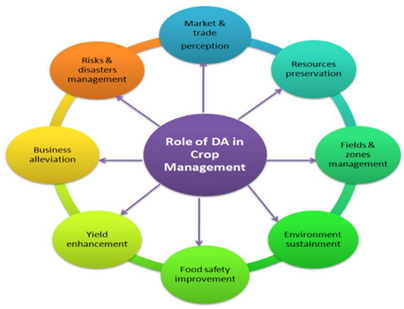
Predictive analytics has emerged as a game-changer in the agricultural sector, offering innovative solutions to optimize crop yield and enhance the sustainability of farming practices. By harnessing the power of data-driven insights, predictive models enable more precise and proactive management of agricultural processes. From precision agriculture to risk mitigation and supply chain management, predictive analytics is reshaping the way farmers and agribusinesses approach crop production.
- 1.
- Precision Agriculture
Precision agriculture refers to the practice of using data and technology to optimize crop production and resource use. Predictive analytics plays a pivotal role in this process by providing tailored recommendations that help farmers make informed decisions and improve crop yield while reducing input waste.
- A.
- Tailored Recommendations for Planting, Fertilization, and Irrigation:
Predictive models integrate a variety of data inputs, including weather forecasts, soil conditions, and crop health, to provide personalized recommendations for planting schedules, fertilization, and irrigation. For instance, predictive analytics can determine the ideal planting time for specific crop varieties based on environmental conditions, such as temperature and soil moisture. Similarly, these models can suggest the precise amount of fertilizer and water needed for optimal growth, reducing the overuse of resources and minimizing environmental impact.
- B.
- Real-time Monitoring of Crop Health Using IoT and Sensors:
The use of Internet of Things (IoT) sensors and real-time data collection tools allows farmers to monitor crop health continuously. Predictive analytics can analyze data from these sensors—such as soil moisture, nutrient levels, temperature, and humidity—and detect early signs of stress in plants. This enables farmers to address potential issues such as drought, nutrient deficiency, or pest infestation before they impact crop yield. By continuously tracking crop health and adjusting inputs based on data-driven insights, farmers can ensure crops remain healthy and productive throughout the growing season.
- 2.
- Risk Mitigation
Agriculture is inherently subject to numerous risks, including pests, diseases, and climate-related challenges, which can dramatically reduce crop yields. Predictive analytics helps mitigate these risks by enabling early detection and proactive interventions, improving overall crop resilience.
- A.
- Early Detection of Pest Outbreaks and Diseases:
Predictive analytics can be used to model the likelihood of pest and disease outbreaks based on weather patterns, crop health data, and historical trends. By analyzing these factors, predictive models can identify when and where pests or diseases are most likely to appear, allowing farmers to implement preventive measures before an outbreak occurs. For example, predictive models can forecast the arrival of certain pests that thrive in specific temperature or humidity conditions, enabling farmers to apply targeted pest control measures at the right time.
- B.
- Predicting Yield Fluctuations Due to Climatic Changes:
Climate change is increasingly impacting agricultural productivity, with unpredictable shifts in temperature, rainfall, and other environmental factors. Predictive analytics can help forecast these fluctuations and their potential effects on crop yield. For instance, models can simulate how crops will respond to variations in temperature or water availability, enabling farmers to adjust their farming practices accordingly. This foresight allows for better planning in case of adverse weather conditions, minimizing crop losses and optimizing yield despite environmental challenges.
- 3.
- Supply Chain Management
Efficient supply chain management is critical for ensuring that crops reach the market in optimal condition and minimizing losses. Predictive analytics offers valuable insights that can help align production with market demand and reduce post-harvest waste.
- A.
- Predicting Market Demand and Aligning Harvest Schedules:
Predictive analytics can analyze historical market data, consumer trends, and external factors such as economic conditions or population growth to forecast market demand for specific crops. By predicting demand fluctuations, farmers and agribusinesses can plan their harvest schedules more effectively, ensuring that crops are harvested at the right time to meet market needs. This not only maximizes profitability but also prevents overproduction or underproduction, which can lead to market inefficiencies and waste.
- B.
- Reducing Post-Harvest Losses Through Better Logistics:
Post-harvest losses are a significant concern in agriculture, with crops often deteriorating before they can reach the market due to poor storage or transportation conditions. Predictive analytics can improve logistics by forecasting optimal harvesting, storage, and distribution times based on weather forecasts, market conditions, and supply chain capacity. For example, predictive models can recommend the best time to harvest crops based on ripeness, weather conditions, and transportation schedules, reducing spoilage and loss.
Case Studies and Success Stories
The application of predictive analytics in crop yield optimization has already shown significant promise across various agricultural sectors. Real-world examples from leading biotech companies and research institutions demonstrate how data-driven insights are transforming farming practices and enhancing productivity. These success stories illustrate the potential of predictive analytics to improve crop yield while fostering sustainability and resilience in the face of environmental and market challenges.
- 1.
- Real-World Examples of Predictive Analytics Improving Crop Yield
Several agricultural companies and research initiatives have harnessed the power of predictive analytics to revolutionize crop management, improve yields, and optimize resource use. Below are notable case studies that highlight the success of this technology:
- A.
- Case Study: Climate FieldView by Bayer CropScience
Bayer CropScience has developed an innovative platform called Climate FieldView, which uses predictive analytics to provide farmers with actionable insights into crop health, weather patterns, and soil conditions. By integrating data from multiple sources, including satellite imagery, weather forecasts, and IoT sensors, the platform offers personalized recommendations for planting, irrigation, fertilization, and pest control.
One notable example of FieldView's success was in the Midwestern United States, where farmers used the platform to predict rainfall patterns and adjust irrigation schedules accordingly. This predictive approach helped optimize water usage, resulting in improved crop yields despite seasonal drought conditions. Farmers reported a 10-15% increase in crop yield as a result of more efficient resource management and timely interventions.
- B.
- Case Study: IBM Watson Decision Platform for Agriculture
IBM’s Watson Decision Platform for Agriculture integrates advanced analytics, AI, and predictive modeling to provide farmers with comprehensive solutions for crop management. This platform incorporates data from weather forecasts, satellite imagery, soil sensors, and historical yield data to create predictive models that help farmers make better decisions regarding planting, fertilization, irrigation, and pest control.
In a pilot project in India, farmers used the IBM Watson platform to predict the optimal planting times and required inputs for rice cultivation. By using the platform's data-driven insights, the farmers were able to significantly reduce their water usage and fertilizer consumption, all while increasing crop yield by 18-20%. The platform also helped mitigate the risks of pest outbreaks and disease, reducing the need for chemical pesticides and enhancing sustainability.
- 2.
- Insights from Leading Biotech Companies and Research Institutions
Leading biotech companies and agricultural research institutions are at the forefront of integrating predictive analytics into crop yield optimization. Their groundbreaking work is helping pave the way for future agricultural innovations. Here are some key insights from their experiences:
- A.
- Insight from Corteva Agriscience
Corteva Agriscience, a global leader in agricultural technology and innovation, has developed predictive analytics tools to optimize seed breeding and crop protection strategies. The company uses data-driven models to assess environmental factors such as soil health, weather conditions, and pest prevalence to recommend the best seeds and treatments for different farming conditions.
A notable success story is Corteva’s collaboration with farmers in Brazil to optimize soybean yields. By using Corteva’s predictive analytics tools, farmers were able to forecast rainfall patterns, adjust their sowing schedules, and select the most suitable soybean varieties for the region’s changing climate. This strategy led to a 15-18% increase in soybean yield, while also minimizing resource use and input costs. Corteva’s predictive models enabled farmers to achieve more consistent, high-quality crops despite fluctuating weather patterns.
- B.
- Insight from the International Food Policy Research Institute (IFPRI)
The IFPRI, a leading global research institution, has been exploring the potential of predictive analytics to optimize crop yields in developing countries. In a study conducted in Sub-Saharan Africa, IFPRI used satellite data and climate models to predict how weather changes would affect maize production in regions with highly variable rainfall patterns.
By integrating predictive insights with localized knowledge, the researchers helped farmers implement more resilient farming practices. These included adjusting planting times, using drought-resistant maize varieties, and optimizing irrigation systems. The use of predictive analytics led to 20% higher yields in some areas, demonstrating how data-driven approaches can help mitigate the challenges posed by climate change and unreliable weather patterns.
- 3.
- The Role of Predictive Analytics in Shaping the Future of Agriculture
The success stories and case studies from biotech companies and research institutions underscore the immense potential of predictive analytics to optimize crop yield and improve agricultural sustainability. By harnessing the power of data, farmers and researchers can forecast environmental changes, optimize resource allocation, and make informed decisions that drive productivity and reduce waste.
Benefits of Predictive Analytics in Agriculture
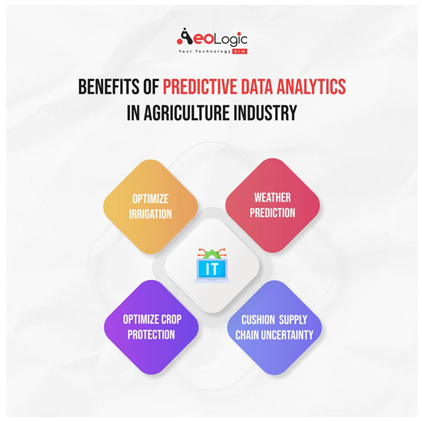
Predictive analytics has emerged as a key tool in modern agriculture, offering a range of benefits that enhance productivity, sustainability, and resilience. By leveraging data-driven insights and forecasting models, predictive analytics enables farmers to make more informed decisions, optimize resource use, and manage risks effectively.
- 1.
- Increased Productivity and Profitability
One of the most significant benefits of predictive analytics in agriculture is its ability to increase productivity and, ultimately, profitability. By analyzing historical data, weather patterns, soil conditions, and other factors, predictive models help farmers optimize their crop management practices, leading to higher yields and reduced operational costs.
- ❖
- Optimizing Crop Management: Predictive analytics helps farmers identify the optimal time for planting, irrigation, fertilization, and harvesting, ensuring that crops receive the right care at the right time. This results in healthier crops and higher yields. For example, predictive models can forecast when a crop is most likely to require irrigation, preventing over-watering or under-watering and ensuring that plants receive the right amount of moisture for optimal growth.
- ❖
- Better Pest and Disease Management: Predictive analytics also plays a key role in pest and disease management. By analyzing environmental factors and historical data on pest outbreaks, predictive models can forecast when and where pests are likely to appear. This allows farmers to take proactive measures, such as applying targeted pest control, reducing the need for chemical interventions, and minimizing crop loss. By improving pest management, farmers can prevent yield reductions and maintain crop quality.
- ❖
- Yield Forecasting: Predictive models can forecast crop yields based on data from various sources, including weather, soil health, and crop performance. These forecasts allow farmers to make data-driven decisions about resource allocation, ensuring that resources are optimized for maximum output. Higher productivity translates to higher profitability, as farmers can produce more crops with fewer resources.
Overall, by increasing the precision and efficiency of agricultural practices, predictive analytics enables farmers to boost their yields while lowering costs, which directly translates to improved profitability.
- 2.
- Sustainable Resource Use
As global populations grow and environmental concerns mount, the need for sustainable agricultural practices has never been more pressing. Predictive analytics helps optimize resource use, ensuring that water, fertilizers, pesticides, and other inputs are applied in the most efficient and environmentally responsible manner.
- Optimizing Water Usage: Water scarcity is a growing concern in many regions, making efficient irrigation practices crucial. Predictive analytics allows farmers to monitor soil moisture levels, weather patterns, and crop water requirements in real-time. By integrating this data into predictive models, farmers can optimize irrigation schedules, applying the precise amount of water needed for crop growth. This reduces water wastage and ensures that crops are adequately watered without unnecessary consumption.
- Precision Fertilization: Predictive models can also help farmers apply the right amount of fertilizer at the right time. By analyzing soil nutrient levels and crop requirements, predictive analytics can recommend specific fertilizer applications tailored to the needs of individual crops. This reduces the risk of over-fertilization, which can lead to environmental pollution, nutrient runoff, and increased costs. Moreover, efficient use of fertilizers ensures that crops receive the nutrients they need to thrive, without waste.
- Reducing Pesticide Use: Predictive analytics can help farmers identify areas that are more likely to suffer from pest infestations or disease outbreaks, allowing them to target pesticide applications only where they are needed. This targeted approach minimizes pesticide use, reducing both environmental impact and the cost of chemicals. Additionally, by reducing pesticide dependency, farmers contribute to the health of beneficial insects, soil microorganisms, and local ecosystems.
By ensuring that resources are used efficiently and sustainably, predictive analytics supports environmentally responsible farming practices, contributing to the long-term viability of agricultural operations.
- 3.
- Enhanced Resilience to Climate Variability
Climate change and unpredictable weather patterns pose significant challenges to agriculture. However, predictive analytics can help farmers navigate these challenges by forecasting weather conditions and modeling how climate variability will impact crop production.
- ✓
- Weather Forecasting and Climate Risk Assessment: Predictive analytics allows farmers to anticipate weather patterns, such as temperature fluctuations, rainfall variability, and extreme weather events like droughts or storms. These insights help farmers adjust their practices in advance, such as altering planting dates, adjusting irrigation schedules, or selecting more resilient crop varieties that are better suited to changing environmental conditions.
- ✓
- Drought and Flood Prediction: Predictive models can simulate how weather changes will impact water availability, enabling farmers to plan for droughts or floods in advance. For example, by predicting dry spells, farmers can implement water-saving techniques or plant drought-resistant crops. Conversely, if heavy rainfall is expected, farmers can take precautions to prevent soil erosion and waterlogging, which could damage crops. These proactive measures reduce crop losses and enhance agricultural resilience.
- ✓
- Climate-Smart Crop Selection: By forecasting long-term climatic trends, predictive analytics helps farmers identify the most suitable crops for changing conditions. For example, if a region is expected to experience more frequent heatwaves or droughts, predictive models can recommend heat-tolerant or drought-resistant crop varieties that are more likely to thrive under these conditions. This helps maintain productivity and reduces the risk of crop failure due to climate variability.
Through enhanced weather prediction and climate risk assessment, predictive analytics strengthens farmers' ability to adapt to climate change, ensuring continued crop production in increasingly unpredictable conditions.
Challenges and Limitations of Predictive Analytics in Agriculture
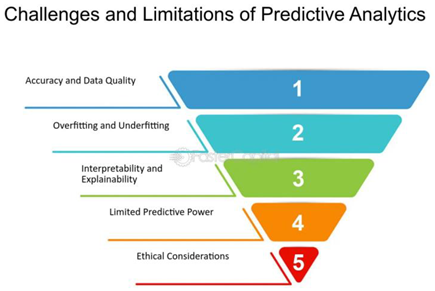
While predictive analytics holds immense potential for transforming agriculture, its widespread adoption faces several challenges and limitations. These obstacles range from issues related to data availability and quality to the high costs and complexity of the technology, as well as the need for farmer education and technology adoption. Addressing these challenges is crucial for realizing the full benefits of predictive analytics in optimizing crop yield and ensuring sustainable agricultural practices.
- 1.
- Data Availability and Quality Issues
One of the primary challenges in utilizing predictive analytics for agriculture is the availability and quality of data. Effective predictive models rely on large amounts of accurate, real-time data from various sources, including weather patterns, soil conditions, crop health, and historical yield information. However, several factors limit the quality and accessibility of data for farmers and researchers:
- ♦
- Inconsistent and Fragmented Data: Data in agriculture is often fragmented across different platforms, sources, and stakeholders. Weather data may be available from government agencies, while soil health information may come from local institutions or private companies. These data sources may not always be integrated or standardized, making it difficult to create cohesive models. As a result, farmers may not have access to complete, consistent data necessary for accurate predictions and decision-making.
- ♦
- Lack of Real-Time Data: Although advancements in IoT and sensor technology are improving real-time data collection, many farmers, particularly those in developing regions, lack access to the infrastructure needed to gather data continuously. In the absence of real-time data, predictive models may not be as accurate, reducing their effectiveness in forecasting crop yields, pests, or weather conditions.
- ♦
- Data Gaps in Developing Regions: Many smallholder farmers in developing countries face significant barriers to accessing high-quality data due to limited resources, lack of internet connectivity, and insufficient data collection infrastructure. This data gap creates challenges in applying predictive analytics in regions where it is needed most to improve agricultural productivity and sustainability.
Improving data collection, integration, and accessibility—especially for smallholder farmers in developing regions—is essential for overcoming these data-related challenges and unlocking the potential of predictive analytics.
- 2.
- High Cost and Complexity of Predictive Analytics Tools
Another significant challenge in adopting predictive analytics in agriculture is the high cost and complexity of the tools involved. While predictive analytics can deliver substantial benefits, the financial investment and technical expertise required can be prohibitive for many farmers, particularly small-scale or resource-limited operations.
- ■
- High Initial Investment: The cost of acquiring and implementing predictive analytics tools—such as advanced sensors, weather monitoring systems, and software platforms—can be high. This initial investment can be a major barrier for farmers, especially those in developing countries or with limited financial resources. Additionally, the ongoing costs of maintaining and updating these technologies can further strain farmers’ budgets.
- ■
- Complexity of Data Analysis: Predictive analytics tools often require specialized knowledge to collect, analyze, and interpret data. For example, data scientists, agronomists, or other experts may be needed to build and refine predictive models that accurately represent local agricultural conditions. For many farmers, particularly those in rural or underserved areas, the technical complexity of these tools can be overwhelming, making it difficult to leverage them effectively.
- ■
- Limited Access to Support: Even when predictive analytics tools are available, farmers may not have access to the necessary training or technical support to use them effectively. Many smallholder farmers lack the resources or expertise to interpret complex data and apply insights to improve crop management. Without adequate training and support, the potential of these tools may not be fully realized, leading to underutilization of predictive analytics.
Reducing the cost of predictive analytics tools and making them more accessible to a wider range of farmers is essential for encouraging broader adoption. This includes developing more affordable solutions, providing technical support, and ensuring that farmers have access to training resources to improve their ability to use these technologies effectively.
- 3.
- Need for Farmer Education and Technology Adoption
The successful integration of predictive analytics in agriculture is not solely dependent on technology; it also requires a shift in the mindset and capabilities of farmers. Despite the growing interest in digital technologies, many farmers, especially those in rural and developing areas, face challenges when it comes to adopting new tools and methods.
- Technological Literacy: Farmers must have the necessary skills and knowledge to use predictive analytics tools effectively. However, many farmers, particularly older generations or those with limited formal education, may be unfamiliar with advanced technology or data-driven decision-making processes. Without proper training, they may struggle to understand how predictive analytics works or how to incorporate it into their farming practices.
- Resistance to Change: Many farmers may be reluctant to adopt new technologies due to unfamiliarity, fear of failure, or a preference for traditional methods that have been passed down through generations. Convincing farmers to embrace data-driven tools and change established practices can be a slow process, especially when the benefits of these technologies are not immediately apparent. Additionally, farmers who are skeptical of new technologies may not see the immediate return on investment, which can further deter adoption.
- Access to Training and Support: To overcome these barriers, farmer education and training programs are critical. Farmers need access to educational resources that help them understand how predictive analytics works, the benefits it offers, and how to use the tools effectively. Agricultural extension services, local partnerships, and government initiatives can play an essential role in providing farmers with the support and guidance they need to adopt and integrate predictive analytics into their operations.
Promoting farmer education and providing accessible training on predictive analytics will be crucial to ensuring that these tools are adopted and effectively utilized to enhance crop yield and sustainability.
Conclusion
Predictive analytics is rapidly transforming agriculture by providing farmers with the tools to optimize crop yield, enhance sustainability, and address pressing challenges such as climate change, resource scarcity, and food security. The future of predictive analytics in agriculture is promising, fueled by innovations in artificial intelligence (AI), IoT, and blockchain, which will drive even greater precision, efficiency, and transparency in farming practices. As these technologies evolve, their integration will empower farmers to make data-driven decisions that improve productivity while conserving resources.
However, the successful implementation of predictive analytics hinges on overcoming several challenges, including data quality and availability, the high cost of technology, and the need for farmer education and adoption. Collaboration at the global level will be vital in addressing these barriers. Through shared knowledge, cross-border data sharing, public-private partnerships, and support for sustainable agricultural practices, we can ensure that predictive analytics reaches farmers worldwide and contributes to global food security.
The future of agriculture is undoubtedly intertwined with technological advancements, and by fostering innovation and collaboration, we can create a more resilient, efficient, and sustainable agricultural system that meets the growing demands of the world’s population. The integration of predictive analytics offers the potential to revolutionize farming practices and ensure a more food-secure future for generations to come.
References
- Bhuiyan, Mohammad Muzahidur Rahman, et al. "Predictive analytics in plant biotechnology: Using data science to drive crop resilience and productivity." Journal of Environmental and Agricultural Studies 4.3 (2023): 77-83.
- Bhuiyan, M. M. R., Rahaman, M. M., Aziz, M. M., Islam, M. R., & Das, K. (2023). Predictive analytics in plant biotechnology: Using data science to drive crop resilience and productivity. Journal of Environmental and Agricultural Studies, 4(3), 77-83.
- Bhuiyan, Mohammad Muzahidur Rahman, Md Mizanur Rahaman, Md Munna Aziz, Md Rashedul Islam, and Kallol Das. "Predictive analytics in plant biotechnology: Using data science to drive crop resilience and productivity." Journal of Environmental and Agricultural Studies 4, no. 3 (2023): 77-83.
- Bhuiyan, M.M.R., Rahaman, M.M., Aziz, M.M., Islam, M.R. and Das, K., 2023. Predictive analytics in plant biotechnology: Using data science to drive crop resilience and productivity. Journal of Environmental and Agricultural Studies, 4(3), pp.77-83.
- Bhuiyan MM, Rahaman MM, Aziz MM, Islam MR, Das K. Predictive analytics in plant biotechnology: Using data science to drive crop resilience and productivity. Journal of Environmental and Agricultural Studies. 2023;4(3):77-83.
Disclaimer/Publisher’s Note: The statements, opinions and data contained in all publications are solely those of the individual author(s) and contributor(s) and not of MDPI and/or the editor(s). MDPI and/or the editor(s) disclaim responsibility for any injury to people or property resulting from any ideas, methods, instructions or products referred to in the content. |
© 2024 by the authors. Licensee MDPI, Basel, Switzerland. This article is an open access article distributed under the terms and conditions of the Creative Commons Attribution (CC BY) license (http://creativecommons.org/licenses/by/4.0/).
Copyright: This open access article is published under a Creative Commons CC BY 4.0 license, which permit the free download, distribution, and reuse, provided that the author and preprint are cited in any reuse.