

Submitted:
29 November 2024
Posted:
02 December 2024
You are already at the latest version
Abstract
The analysis of aquatic metabolism allows making inferences from an ecological point of view on the behavior of lakes and reservoirs because of the contribution of organic matter and nutrients to the hydrographic basin. Such anthropic action in the aquatic and terrestrial ecosystem around Brazilian hydroelectric power plants is caused by organic matter and nutrients released into the reservoirs from fertilizers used in agriculture, domestic sewage, and livestock waste. Based on the fundamental concepts of hydro-biogeochemical processes, we propose a qualitative model using the causal loop diagrams tool to study the behavior patterns of a hydroelectric reservoir under constant influence of polluting loads from different sources in its contribution basin. The model was created to identify the systemic patterns that contribute to the impacts observed in the oper-ation of the plant because of the quality of the water in the reservoir. We performed a case study of the reservoir of the Corumba IV hydroelectric plant, located in the Brazilian central region. Po-tential leverage points of the system for which intervention is recommended were mapped, giv-ing insights into ways to mitigate some of the impacts identified.
Keywords:
aquatic metabolism
; biogeochemical process
; phytoplankton blooms
; hydroelectric reservoir
; cyanobacteria
1. Introduction
The concept of sustainable management is a counterpoint to traditional models of economic development, characterized by high rates of economic growth and strong negative impacts on society and the environment. Modern societies are gradually recognizing all dimensions of the problems inherent in the steadfast search for economic growth. People are increasingly realizing that this pursuit of growth must consider the negative repercussions on social groups and the environment, by identifying significant economic costs previously neglected. The task of recognizing and minimizing these costs is an excellent opportunity to transform economic development practices around the world, by creating the conditions for implementing sustainable development [1,2]. In any development process, energy plays a fundamental role in satisfying human needs, being present in all activities, whether as an essential service for the quality of life or as a production factor that boosts economic development [3]. In Brazil, about two-thirds of electric energy comes from hydroelectric plants that use the water accumulated in their reservoirs as the primary source of energy. The construction and operation of hydroelectric plants cause several changes in the environment that affect the communities that live in their vicinity and their crops, as well as the flora and fauna and natural, social, cultural and archaeological heritage [4,5,6]. By using a renewable resource, hydroelectric plant operators have a responsibility to protect and improve the environment in their areas of operation. It is therefore necessary to continuously update the criteria for planning, implementation, and operation of enterprises in the sector, to minimize the environmental impacts. In this sense, the conservation of quality and quantity of water resources, and the encouragement of multiple uses provided by reservoirs, to increase development opportunities in the regions where they are located, are fundamental for the sustainable performance of the sector's activity, with quality and responsibility [7]. Considering that the use and occupation of the watersheds directly influence the quality and quantity of water resources, as well as the multiple uses, the environmental management of these areas is of fundamental importance [8]. Inadequate land use, discharge of untreated sewage and domestic and industrial wastes in water courses, including in rainwater collection systems, can bring serious problems to the operation of reservoirs by reducing the water quality [9,10].
The quality of water in a reservoir depends not only on human actions, but also by the dam itself, which naturally modifies the ecological conditions of the environment. The impact on water resources caused by them is influenced by hydrological factors resulting from their operation - the designed discharge structures, as well as the volume of water withdrawn [11]. When characterizing a water resource, it is necessary to understand two main aspects inherent to the water affecting its quality: dissolution capacity and transport capacity. The interplay of these two properties makes water systems highly dynamic, since dissolved substances and suspended particles are constantly fed back by the activities carried out in the watershed and are transported in its tributaries to the main river, triggering different processes associated with water quality [12].
Causal loop diagrams (CLD) have been used in environmental management studies, with relative success in the identification of eutrophication processes in water bodies. Downing et al. (2014) [13], in a study of East Africa’s Lake Victoria, found that fishing exploitation of multiple geographically dispersed fish stocks increased their vulnerability in the broader context, but reduced the relative vulnerability of a specific community to the variability of individual stocks. The authors indicated also that nutrient enrichment is not a self-regulating process, instead depending on objective actions to halt or reverse eutrophication. Ram and Irfan (2021) [14] proposed a pathway for sustainable management of water resources in the agriculture, industry, and domestic sectors in India. Baseer (2017) [15] found that decline in water storage in a reservoir in Australia was driven by population growth, climate change effects and a water-intensive lifestyle. Haraldsson (2020) [16] expressed the quantity available for consumption in terms of surface and groundwater. Then they showed the benefit of natural gravel deposits for purification through infiltration and the contribution of mercury deposition to groundwater pollution, reducing the available drinking water.
2. Methodology
The four steps of the proposed method are shown in Figure 1. The first step consisted of the preparation of the study necessary to select the stakeholders and experts who composed the team of respondents, as well as to identify and describe the complex situation to be studied. The choice of the composition of the group of interviewees considered the diversity of their interests and roles played, including the power plant environmental engineers and government officials in charge of environmental inspection of the reservoir. The second step involved the application of content analysis to identify the main variables causing the degradation of the water of Corumbá IV reservoir. The third step was focused on the development of the causal loop diagram, aiming at reproducing the dynamic behavior of the system. The cause-and-effect relationship among variables was mapped by comparing the experts’ opinions with findings in the literature. In addition, possible strategies and actions to mitigate impacts were proposed to minimize the most harmful effects; These effects, in turn, were identified, above all, through feedback loops that reinforce unwanted behaviors. Finally, the model was validated together with the experts.
The Corumbá IV reservoir has multiple uses, including tourism, recreation, irrigation and the supply of water for human consumption. It has approximately 173 km² of flooded area, a total volume of 3.7 x 10⁹ m³ (3.7 trillion liters) and a useful volume of 0.8 x 10⁹ m³ (800 billion liters). Its shape is elongated, without excessive arms, with an average depth of 21 m, relatively large. As shown in Figure 2, its main tributaries on the left side of the dam are the Areias, Descoberto and Alagados rivers, and on the right side the Antas River. The water of the Corumbá River and its tributaries has been used for urban supply, irrigation, and industrial activity. The region is located in the Cerrado biome, presenting various aspects and plant types of this environment, ranging from grassland to forest formations, according to the soil and terrain. The natural vegetation of the region includes forest formations, especially those associated with watercourses, such as gallery and riparian forests alongside rivers, along with hillside forests and dry interfluve forests. The Cerrado formations that originally covered the higher regions, as well as the forests, have been significantly altered, generally replaced by farmland and especially pastures formed by exotic grasses for cattle grazing [17]. Among the critical problems observed in the permanent preservation area (PPA) near the dam are inadequate occupation due to the construction of houses without basic soil conservation measures and farming and livestock activities. The removal of native vegetation for these activities causes a reduction in biodiversity, extinction of animal and plant species, desertification, erosion and reduction of soil nutrients, besides contributes to global warming, among other damages.
Burning is a method widely used to remove the original vegetation. This intensifies atmospheric pollution, in the long run reduces soil nutrients, making it necessary to use a large quantity of fertilizers for the cultivation of certain crops, and causes groundwater contamination. Another aggravating factor is the use of pesticides, which contaminate the soil, groundwater, rivers and lakes. When rainwater flows through these plantations, it transports pesticides and fertilizers into the rivers. Use for livestock grazing, in addition to replacing vegetation with pastures, also causes soil compaction due to trampling by livestock. Compacted soil makes it difficult for water to infiltrate and increases surface runoff, which generates erosion. With the elimination of riparian forests, the reservoir receives a substantially larger quantity of sediments from runoff, along with nutrients and contaminants derived from anthropic activities. The proliferation of aquatic macrophytes is one of the consequences of the increase of nutrients in water bodies. This is potentially harmful to the operation of Corumba IV power plant, because the macrophytes block the intakes to the penstocks of the generating turbines.
Concerning the Corumbá IV hydropower reservoir, in recent decades there has been a marked process of artificial eutrophication, culminating in potentially toxic cyanobacterial blooms. The alteration of the physical-chemical and biological composition of the water has caused the formation of intense blooms of cyanophycean algae, with aesthetic and sanitary impairment of the direct use of the water [18]. These changes have a critical impact on the main use of the reservoir, which is energy generation, causing problems in the performance and durability of the plant's electromechanical equipment and jeopardizing the system's operational reliability. Due to the stability of the water column inherent to reservoirs and lakes, organisms capable of surviving in the surface layers benefit from receiving more intense solar radiation. In this aspect, cyanobacteria (microorganisms that can have aerotopes), form colonies or produce mucilage, and are able to remain on the surface for long periods, depending on their carbohydrate production, and can migrate vertically in the water column. Some of them, because they can fix nitrogen and suffer little pressure from herbivory, are benefited by reservoir systems, in which they can remain dominant for years. In addition, reservoirs create an artificial environment conducive to blooms, with stability of the water column and long residence time [19].
3. Results
Determining the metabolism of a water body involves describing the balance between the production of organic carbon and oxygen, through the gross primary production (GPP) and the consumption of organic carbon and the release of carbon dioxide by the respiration of organisms (R). It is known that the pattern of oxygen distribution in aquatic ecosystems is inverse to carbon dioxide. Therefore, the balance between GPP and R, denoted by the net ecosystem production (NEP), determines the partial pressure of dissolved oxygen and carbon dioxide in natural water bodies. Thus, the NEP can indicate whether the reservoir has autotrophic metabolism (GPP>R), when the degradation of organic carbon produced by the fixation of CO2 by algae and submerged plants predominates, or heterotrophic (GPP<R), when aquatic mineralization of terrestrial organic substrates into CO2 predominates. Metabolic rates, GPP, R and NEP, vary in different scales of space and time, according to the physical, chemical, and biological conditions of the ecosystem and its interaction with the watershed. The aquatic metabolism can therefore be estimated from the concentration of dissolved oxygen and/or carbon dioxide present in the water. Carbon is one of the most important elements in ecosystems, since it is present in all organic molecules in high proportions. It is the most abundant macronutrient in aquatic organisms and functions as the “skeleton” of biochemical structures. Its biochemical transformation between organic and inorganic forms, via primary and secondary production and respiration, is the main process of storage and transport of energy within and between living beings. The main inorganic form of carbon is carbon dioxide (CO2). Its presence in aquatic environments can have several origins, such as atmospheric exchange, rainwater, groundwater, decomposition of organic matter and respiration of organisms. On the other hand, the main process that consumes carbon dioxide in water is the photosynthetic process of autotrophic organisms. In water bodies, carbon can be found in three main forms, namely: free CO2 plus H2CO3; bicarbonate ions (HCO3–); and carbonate ions (CO3-2). Changes in the forms of inorganic carbon present in water are closely related to the pH of the medium. At pH below 6.4, the forms of carbonic acid and free CO2 predominate, while between 6.4 and 10.3 the bicarbonate ions predominate (in general the most abundant form in natural terrestrial water bodies), and from pH 10.3 upward, the predominant ions are the CO3-2. This relationship can be understood through the sequence of reactions that occur when CO2 molecules meet the aqueous medium. Carbon dioxide when in aqueous solution has the tendency to form carbonic acid (H2CO3), which, being unstable, has a tendency to dissociate, first forming bicarbonates and later carbonates.
The pH is one of the most important abiotic variables, and at the same time one of the most difficult to interpret, due to the numerous factors that can influence it. In most cases, the pH variation in natural water depends on the concentrations of the H+ ions, mainly resulting from the dissociation of carbonic acid, generating low pH values. Other ionic components such as borates, silicates, phosphates, sulfide, and ammonium also influence pH values, as well as the amount of organic matter, resulting from excretion and/or decomposition products. Most freshwater sources are characterized as supersaturated in CO2, that is, they have a slightly acidic pH, mainly due to the mineralization of allochthonous inorganic carbon. However, when there is intense photosynthetic activity promoted by the flowering of algae or aquatic plants, there is also a significant increase in the consumption of this gas to carry out this metabolic activity, thus quickly promoting a change of these environments to undersaturated. Regarding organic carbon, it is conventional to separate organic carbon into two groups of molecules: dissolved organic carbon (DOC) and particulate organic carbon (POC). The two have in common the fact that they are composed of at least one carbon atom bonded to at least one hydrogen atom. The distinction between them is given by the size of the compounds. The DOC group contains numerous biomolecules such as sugars, proteins, carboxylic acids and humic substances, forming a group of about 4000 different molecules. The POC group, on the other hand, includes both the organisms that are part of the ecosystem and the decomposing particulate organic matter, also known as organic debris. The sources of DOC and POC for aquatic ecosystems can be internal (indigenous) or external (allochthonous) to the ecosystem. Surface drainage basins, aquifers and sedimentation of the organic carbon present in the atmosphere are the main sources of allochthonous DOC and POC for a terrestrial aquatic ecosystem. Among autochthonous sources, phytoplankton and aquatic macrophytes stand out. Through the death and/or excretion of these organisms, the CO2 incorporated during primary production can be released into the ecosystem in the form of DOC, by a process known as leaching - as one of the steps of decomposition - or directly in the form of POC in aquatic ecosystems. Also, from trophic interactions between aquatic organisms, organic carbon can also be released into the environment by the excretion and death of populations at higher trophic levels. As with carbon, the levels of dissolved oxygen in a water body are of primary importance in water quality due to their influence on the chemical and biochemical processes that occur at different depths, capable of establishing the ecological balance or imbalance of the water body. The main sources of oxygen specifically for the water of a hydroelectric reservoir are the atmosphere, photosynthesis, and the hydrographic basin, through the tributary flows. On the other hand, processes such as the decomposition of organic matter (oxidation) by the activity of microorganisms, losses to the atmosphere and aerobic cellular respiration of aquatic organisms contribute to the reduction of oxygen concentration in water. The latter is carried out by most organisms, except for some types of bacteria, so oxygen is essential for the maintenance of metabolic processes of energy production and reproduction. The presence of oxygen favors the dominance of organisms with aerobic metabolism, which in turn promote the total decomposition of DOC into CO2. On the other hand, in the absence of oxygen, DOC degradation occurs through alternative pathways. In deeper ecosystems in which the water column may more frequently be stratified in terms of oxygen concentration, the aerobic and anaerobic stages of the carbon cycle can occur simultaneously in the water column or be temporally separated [20].
Processes such as primary production and respiration are important in controlling the dynamics of dissolved oxygen, depending on the consumption or production of O2 and CO2. Cellular respiration is a metabolic process carried out continuously by all living beings to obtain energy for survival. Most organisms require oxygen to carry out this process, which is responsible for making available the energy fixed by photosynthesis (from the organism itself in the case of primary producers or from food in heterotrophic organisms) to be used in vital processes along the food chain. At the sediment-water interface, these processes are even more intense due to the greater availability of organic matter. Therefore, the sediment of aquatic ecosystems plays an important role in the mineralization of organic matter. The flow observed at this interface is influenced by the quantity and quality of available organic matter, concentration of nutrients and the presence of oxygen. In general, in the superficial layers of the sediment, aerobic processes occur, that is, oxidizing processes in the presence of oxygen. With the depletion of oxygen, anaerobic processes such as denitrification, sulfate reduction and methanogenesis, described below, begin to occur. The spatio-temporal variability of the metabolic rates of these ecosystems is mainly conditioned by the morphology of the system, the thermal stratification process, and the mixing regime. The stratification patterns of an ecosystem are mainly controlled by the change in temperature along the water column. In terrestrial aquatic ecosystems, almost all heat propagation occurs by water mass transport, and the efficiency of this transport is a function of the presence or absence of layers with different densities. In many cases, the stratification of the water column is a consequence of the effect of temperature on the density of water. In lakes and reservoirs in tropical regions, water mass stratification phenomena occur more frequently during the hottest periods of the year and/or day, when the surface layers warm up and become less dense than the others. In this respect, three layers can be identified with different temperature gradients: an upper layer called the epilimnion, characterized by a uniform and warm temperature; a lower layer, the hypolimnion, which is cooler and denser; and a third layer between the two with marked temperature discontinuity, called the metalimnion [21].
The summer period in tropical regions usually coincides with the highest rainfall and therefore with the highest water level. During this period, lasting stratifications are often observed, and in many cases last for the entire summer season. This phenomenon is the result of the small daily variation in air temperature, which for the aquatic ecosystem implies reduced heat loss to the atmosphere, even at dawn. Daily stratification is also induced by the greater depth of the water column in this period, which reduces the influence of wind as a vector for mixing of water layers. In the same way that in most deep water bodies there is thermal stratification, there is also chemical stratification, where the gases and organic and inorganic compounds present in the water have an inhomogeneous distribution in the water column [22]. This is because the diffusion of these gases, such as oxygen, occurs mainly through their transport in the water mass since molecular diffusion is insignificant. During the day, in the epilimnion, it is common to have depletion of inorganic carbon and enrichment of dissolved oxygen in the water due to photosynthetic activity. In the hypolimnion, there is usually a considerable reduction in dissolved oxygen values due to the activity of bacteria involved in the process of decomposing organic matter, and may even reach anaerobic conditions. Under these conditions, there is a change in metabolism, which passes from aerobic to anaerobic due to the decrease in photosynthetic activity, related to the lack of light, and the increase in heterotrophic activity, via respiration and decomposition, with a consequent change in pH [23].
Another important criterion to assess the water quality of a water body is its classification according to its trophic state, based on the definition of the availability of critical nutrients to the environment and the consequent increase in primary productivity (rate at which energy is added to water bodies) of autotrophic organisms in the form of biomass. The trophic classification depends not only on the supply of nutrients, but also on specific characteristics of the system that impact its degree of productivity, such as incident solar radiation, retention time and the associated type of water mixture. The trophic state of an environment and the availability of nutrients, mainly nitrogen, phosphorus and carbon, play fundamental roles in maintaining the balance of the ecosystem, since nitrogen and phosphate compounds favor the increase in the biomass of autotrophic organisms, while the larger carbon availability from organic matter stimulates respiration of heterotrophic bacteria. Thus, a eutrophic environment can present both an autotrophic metabolism, due to the presence of nutrients, and a heterotrophic metabolism, due to the presence of stored organic matter. Nutrients within a reservoir can come from different sources. Often, the input of nutrients is associated with the transport through surface runoff in the watershed during rainfall events. Depending on the type and use of the soil in the basin, the input of nutrients will be greater or lesser. The main nutrients responsible for the balance of aquatic biota are nitrogen and phosphorus, since they are more abundant in nature. The availability of these elements has been increasing in recent years due to the use of fertilizers in agriculture and discharge of urban and industrial sewage without adequate treatment [24]. Nitrogen is essential for organisms and can be a limiting factor to primary and secondary production in aquatic ecosystems when present in low concentrations. Although it is a relatively abundant element, about 99.9% of it is in the gaseous form (N2) and is not available to most living beings. The main sources of N for terrestrial aquatic ecosystems are rainfall, biological fixation of nitrogen within the water body, organic and inorganic input from adjacent ecosystems, and especially the large-scale input of untreated of partially treated domestic and industrial effluents in water bodies. Within ecosystems, the forms of N can be classified in the following categories: particulate organic N (PON), in the form of organisms (bacteria, phytoplankton, zooplankton, fish, etc.) or detritus; and dissolved organic N (DON), in the form of compounds leached from senescent or dead organisms, or by decomposition and excretion of phytoplankton and macrophytes. In phytoplankton, cyanophyceans or cyanobacteria stand out as the main excretors of nitrogenous compounds. As for dissolved inorganic nitrogen (DIN), it can be found in the form of NO3, NO2, NH3, N2O and N2. Nitrate and ammonia have historically been considered of great importance in terrestrial aquatic ecosystems, since they are the main sources of nitrogen assimilated by primary producers. However, in environments with very low concentrations of inorganic N, it is possible for the primary producers to carry out the absorption of N from organic forms such as urea, amino acids and peptides. The ammonium ion is the most abundant form of inorganic N available in ecosystems or compartments of ecosystems that are anaerobic, such as in the hypolimnion. On the other hand, in aerobic ecosystems or compartments, like in the epilimnion, nitrate is more abundant. Nitrite concentrations are typically highest in anaerobic conditions and in very low in aerobic conditions. It is important to emphasize that in high concentrations, nitrite and ammonia (from the ammonium ions) can be toxic to aquatic organisms, and even to humans in case of ingesting water [20].
Inland aquatic ecosystems are recognized as metabolically active compartments that regulate the processes of transformation and transport of organic matter and nutrients, the deposit of sediments and the consumption and production of gases such as O2 and CO2 [25]. The reservoir itself is a collector and digester of the inputs from the corresponding watershed. The effects are related to internal physical, chemical and biological processes, and their consequences within the reservoir compose a complex iterative network in a dynamic state that reacts to the impact of human activities in the basin, to climatological forces and to the operation of the dam system. In this way, water quality problems are influenced by the extensive interaction that occurs between the components inside and outside the water system [26]. Furthermore, the occurrence of thermal and chemical stratification is common in deep reservoirs, responsible for affecting the spatial and seasonal pattern of the distribution of microorganisms, nutrients and dissolved oxygen in the system.
We formulated the proposed causal loop model due to the need to map the loads flowing into the reservoir as a way of understanding the effects triggered by each of them on the dynamics of the quality of this water body, in view of the morphological and morphometric characteristics of the reservoir and its drainage basin. Based on previous experiences in environmental problems pointed out by the experts, we identified a strong relationship between the degree of pollution and population density, for the most part governed by three main factors: urbanization, industrialization, and the development of large-scale agriculture. Promoted by these factors, human activity is often associated with the observed negative impacts on freshwater resources, especially reservoirs. Among them are deforestation, mining, construction of railways and highways, construction of reservoirs, discharge of sewage and other waste, urban development, agriculture and agro-industry, irrigation, salinization and flooding of fields, recreation and tourism, construction of waterways and river transport systems , construction of canals, rectification of rivers, water transfers, destruction of floodplains, population displacement, introduction of exotic species, inadequate exploitation of biomass, transfers or withdrawals of water (reducing recharge of aquifers), and atmospheric pollution by industries or automobiles, causing acid rain.
Therefore, to model the system related to the problem of poor water quality in the Corumbá IV reservoir, we sought to represent the dynamics of the endogenous physical, chemical and biological processes, which are determinants of its condition, in addition to identifying the main exogenous forces responsible for contributing to the occurrence and magnitude of these processes.
These issues above were also discussed through interviews for corroboration by the responses of experts, especially those responsible for monitoring the water quality parameters of the Corumbá IV reservoir. Considering the elements pointed out by these interviewees, the degradation of the reservoir, and hence the quality of its water resources, is linked to a change of state that is governed by the action of three forcings acting on the reservoir. Among these, two act preferentially on physical processes that directly influence the reservoir’s hydrology, and the other represents the set of processes involving the production, consumption and decomposition of organic matter by the constituent organisms of this ecosystem. These forcings, even though acting preferentially in processes of different natures, are related to each other, forming an integrated system in which their variables must be observed and considered together. The three forcings mentioned here are: (1) reservoir metabolism: related to ecological relationships that occur within the reservoir, for the purpose of identifying cause and effect relationships between existing physical, chemical and biological processes; (2) water balance: identifies all the processes involved in defining the availability of water in the reservoir in volume; and (3) climatology: responsible for describing the dynamism of climatic factors and their influence on the state of the reservoir. Each of them represents an independent subsystem that acts on specific variables and that together compose a coordinated synthetic system capable of reproducing the problem of water quality in the reservoir.
In addition to identifying the processes that cause poor water quality and mapping the system's environmental reaction to these processes, through the model we also sought to understand the main effects observed on the plant's operation and the way in which they relate to the descriptive processes of the system. This integrated analysis facilitates a more assertive formulation of system management measures to mitigate and recover dominant losses, or even prevent possible future problems.
4. Discussion
4.1. Subsystem I - Reservoir Metabolism Forcing
The descriptive subsystem of the reservoir metabolism represents the dynamics involving all biotic and abiotic processes that occur in a body of water, based on the interaction between the main agents and processes responsible for the flow of energy and biomass transfer. The availability of nutrients in an aquatic ecosystem, mainly nitrogen and phosphorus, favors photosynthetic activity, which is essential for the occurrence of metabolic processes. Low concentrations of these nutrients can limit primary production in reservoirs and lakes. Therefore, by controlling primary productivity, the nutrient load available in a reservoir plays an important role in regulating the biomass of photosynthetic organisms in the environment, such as algae and aquatic plants. In the same way, a relationship in the opposite direction also exists to the extent that the biomass from photoautotrophic organisms, with maintenance of all other favorable conditions, indicates the ability of these organisms to synthesize organic matter. The greater the biomass of primary producers is, the greater the capacity will be of the ecosystem to produce chemical energy through the process of photosynthesis.
In natural environments, where there is no significant imbalance of any metabolic parameter, not only is the biomass of consuming organisms, which obtain their energy directly or indirectly from organic matter synthesized by primary producers, affected by the availability of plants and aquatic algae, the latter sources are regulated by the consumption by these consumers, in particular by herbivores that start in the trophic chain as primary consumers, since they directly use plant biomass as their food source. Both autotrophic and heterotrophic organisms, through their excretion and/or death, contribute to the cycling of nutrients immobilized by organisms along the food chain. When the death of these organisms occurs, the associated organic matter is degraded by microorganisms, primarily with the consumption of oxygen and consequent production and mineralization of organic nutrients, making them available again for assimilation by the aquatic biota. The oxygen conditions, therefore, are positively affected by the net productivity of primary producers and negatively by the aerobic respiration of other organisms in the food chain, as well as by the action of microorganisms in the decomposition of organic matter.
In addition to organic compounds, aquatic ecosystems also receive input of different inorganic compounds, namely acids, bases, oxides and mineral salts, which contribute to or enhance some metabolic processes. Among these compounds are some nutrients in their inorganic form that can be provided in dissolved or even particulate form, the latter composing bottom sediments. Regarding the role of sediments in terrestrial aquatic ecosystems, it is important to highlight the biological, chemical and/or physical processes that occur in this compartment and that allow the recycling of nutrients to the water column under certain conditions, as described at the beginning of this section.
In the case of the Corumbá IV reservoir, as is the case of all eutrophic ecosystems, pH is a fundamental abiotic variable for monitoring the water quality. Among the several factors that can influence its value, considering only the endogenous contributions to the system, the most important are related to the metabolic activities that regulate the concentration of H3O+ ions, originated by the dissociation of carbonic acid, in turn formed from the reaction of carbon dioxide with water. Therefore, processes such as aerobic respiration and decomposition of organic matter, which contribute to the production of inorganic carbon in the form of carbon dioxide, are responsible for acidifying the environment, with a decrease in pH values.
On the other hand, primary production, mainly through the action of photosynthetic organisms, promotes the depletion of CO2 in the water column, causing an increase in its pH in regions with greater availability of light and properly fertilized, such as in the epilimnion layer. We emphasize that all the processes are highly dependent on the dynamics of other subsystems, mainly the hydrological one, and on exogenous factors, such as anthropic interference in the contribution basin and prevailing climatic conditions. The combined action of these variables on the ecosystem, considering their different intensities and meanings, consecrates the highly dynamic nature in time and space, characteristic in reservoirs, especially those with sufficient depth for the formation of thermal and chemical stratification.
The endogenous variables involved in this subsystem proposed by the experts are the disposal of untreated effluents; biomass of consumer organisms; biomass of algae and aquatic plants; dissolved organic carbon; particulate organic carbon; nutrient concentration; sedimentable particles, allochthonous mineral fillers; decomposition; sediment deposition; organic matter; dissolved oxygen; net ecosystem production; and pH.
4.2. Subsystem II - Water Balance Forcing
The hydrological subsystem, representing in this case the water balance of a reservoir, therefore describes the dynamics involved in the ecosystem from the physical and hydrodynamic points of view. In other words, in this subsystem the reservoir acts as a “reaction tank” under the influence of inflows and outflows of substances that define, in turn, the spatiotemporal distribution of biotic and abiotic elements within its control volume. In this context, the two morphometric characteristics that have the greatest influence on the water quality of a reservoir are the depth and volume of water stored, a fact explained by the intrinsic relationship of these variables with the mixing and circulation processes within a water body [27]. The size of the reservoir and the plant's operating guidelines are therefore related to the mixing conditions and hence are important to evaluate.
The definition of water balance is interpreted very simply. Considering the reservoir as a control volume, the water mass balance is established according to the difference between all inflows and outflows of water in each time interval. The inputs are all the volumes that arrive from outside, both by direct and indirect discharges. The volume of water contained in the reservoir is, therefore, supplied mainly by the inflow from its contribution basin and by the precipitation that falls on its surface. The withdrawal, in turn, considers the direct flow of evaporation - resulting from the combined effect of climatic variables, among which the most relevant are incident solar radiation and air temperature - and the effluent flows, depending on the operation of the plant, namely the flow through the turbine for electric generation and/or the direct release of flows. Therefore, the volume of a hydroelectric reservoir is conditioned not only by climatic factors, but also by the plant's operational policy. In turn, the plant's operation depends on a series of aspects, among which are volume stored in its reservoir, demand for water resources downstream, flood control, and extreme climatological factors, among others [26].
The dispatch of hydroelectric generation in Brazil is done centrally and established by the National System Operator, which seeks to optimize the integrated operation, considering the installed capacity and storage of each plant individually, along with hydrological and climatic conditions and operational restrictions. Therefore, the volume of the reservoir itself is also one of the factors for operational definitions of the plant, especially regarding the turbine and poured flows. In periods of drought, when there is a consequent reduction in the accumulated volume, the concentration of nutrients present in the water tends to increase due to the loss of the dilution capacity of the dissolved compounds by the water body. In addition, the considerable reduction in its volume also tends to increase the residence time of the reservoir, since it is necessary to preserve a minimum volume to continue generation. These two characteristics stimulate primary production and therefore contribute to the increase in biomass of algae and aquatic plants, stimulating the autotrophic metabolism of the reservoir.
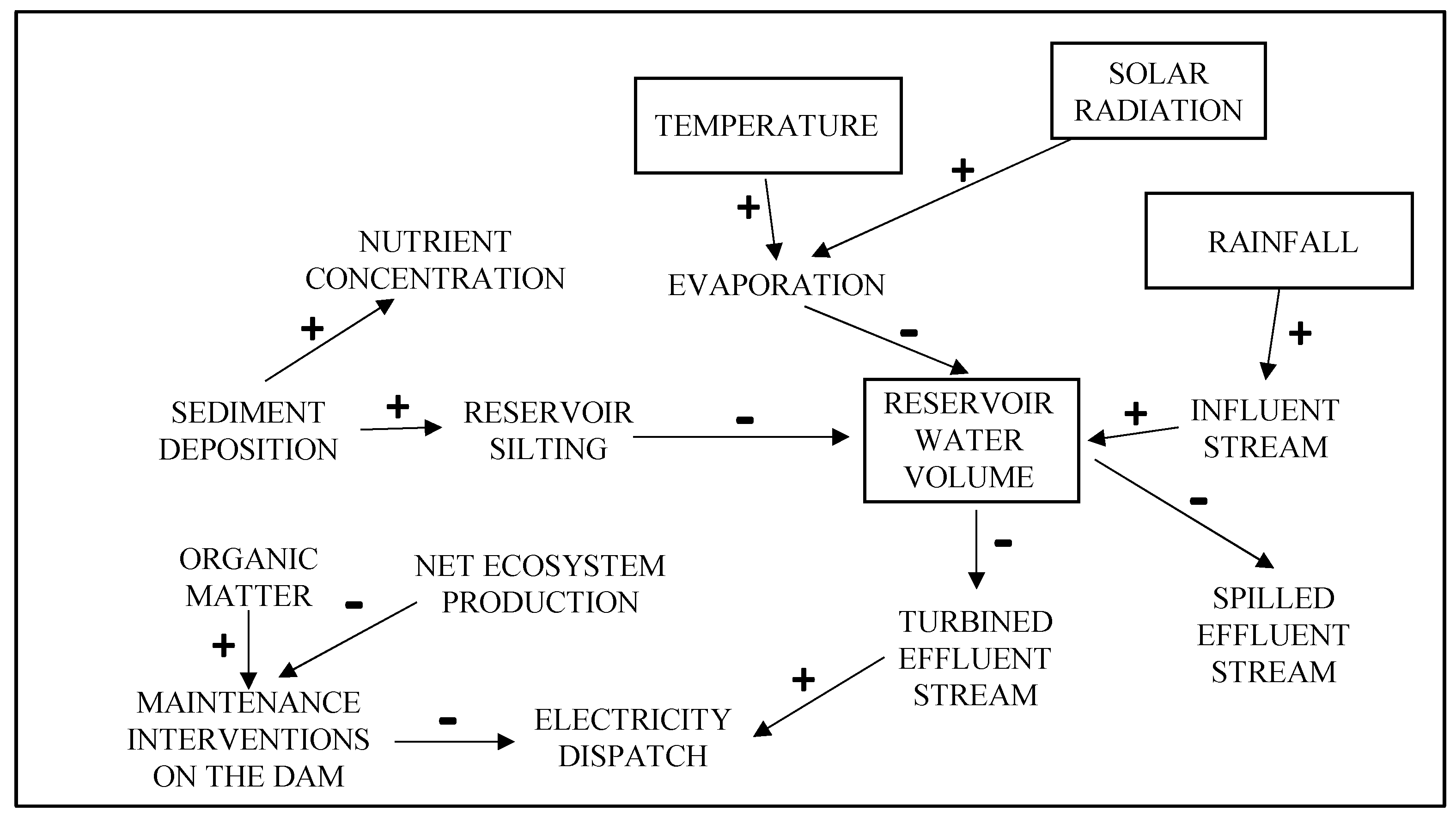
The calculation of the water level of a reservoir is based on the ratio between its stored volume and the average area of its base. It is an important tool for monitoring and managing reservoirs, by plotting the height-area-volume curve. Therefore, it was necessary to consider the reservoir level, given its importance for the recognition of the mixing pattern and the distribution of metabolic processes in a water body. This physical parameter, among other climatological factors, affects the existence of thermal stratification in the water column. Reservoirs, when stratified, tend to have increased anaerobic conditions at the bottom of the water body, thus reducing the total concentration of dissolved oxygen [22]. As verified by one of the experts, the occurrence of thermal stratification in Corumbá IV occurs during the period between November and March, coinciding with the summer period in the region. These months are characterized by higher temperatures and greater rainfall, contributing to the formation of a temperature gradient along the water column, and consequently heterogeneity in the distribution of compounds present in the medium (the chemical stratification). On the other hand, shallow reservoirs or lakes generally allow greater exposure of their volume to the incidence of sunlight, thus leading to the development of primary productivity. The endogenous variables identified by the experts as relevant in this subsystem were evaporation; electricity dispatch; reservoir volume; spilled effluent stream; turbined effluent stream; influent stream; and the reservoir water level.
4.3. Subsystem III - Climatological Forcing
In general, reservoirs constitute a complex iterative network between organisms and their physical-chemical environment that is in a dynamic state due to the functions of climatological forces and the effects produced by the manipulation of the dam system, as seen in the description of the previous subsystem. Among the most relevant climatological elements for aquatic ecosystems are the incident solar radiation, air temperature, wind action and precipitation. Radiation and temperature, for example, are considered fundamental environmental factors for the main metabolic activities occurring in the reservoir. The absorption of incident solar radiation by the water molecules and the heat exchanges that occur between the atmosphere and the surface of the water body determine the surface water temperature, and the propagation of this heat along the water column is a function of the difference in densities in its layers. Therefore, in thermally stratified water bodies, a temperature gradient is formed along the water column based on the difference in density between its layers, thus promoting a physical barrier that prevents complete circulation from happening [21]. In this context, the wind also is an important climate condition for the stability of stratification of a water body. When at high speed, the action of the wind can displaces the upper layers of the water column, promoting destratification (homogenization) of the water body. Therefore, in the event of strong and longstanding winds, supply of oxygen from the epilimnion to deeper layers of the water column is possible, promoting the oxygenation of these areas [28].
The stratification pattern of the water column of an ecosystem is therefore dependent not only on hydrological factors associated with its morphometry, but mainly on the climatic conditions. In regions with a tropical climate, as is the case of the Corumbá River Basin, throughout the summer season there is prolonged stratification, promoted by the elevation of lake and reservoir levels due to the increase in rainfall during this period. Therefore, rainfall plays an important role, mainly in terms of defining hydrological parameters related to the reservoir and as a source of energy for the occurrence of erosion and surface runoff in the basin. It is essential to consider the concentration of dissolved oxygen in the water and the water temperature, since it directly influences the solubility of gases in the water, as well as acting directly as a controller of the metabolic activity of aquatic organisms. The increase in temperature promotes the reduction of the solubility of oxygen in the aqueous medium and the potentiation of oxidizing processes, such as decomposition of organic matter and respiration of organisms. As a result of this relationship, the hypolimnion of lakes and reservoirs that present very low temperatures may have a slower process of decomposition of organic matter, with most of it accumulated in the sediment, preventing energy recycling in the ecosystem [29].
Solar radiation is considered the most important climatic factor for the primary production process of an ecosystem, since it is the source of energy for the process of synthesis of organic matter. Temperature also influences primary production by it controlling the speed of chemical reactions in organisms. In tropical regions, solar radiation is rarely a limiting factor, but it can act as a controlling factor, due to the occurrence of inhibition at the surface and the high vertical extinction coefficient to reduce the penetration of light intensity. The variables of this subsystem that were identified by the experts were the endogenous variable solar radiation and the exogenous variables temperature, wind, and precipitation.
Figure 3 shows that reduction of the water level of the reservoir is associated with a tendency towards a more significant presence of dissolved oxygen in the entire water body, since these conditions favor the mixing of the water layers, thus avoiding the formation of anoxic regions. The increase of oxygen in the water, in turn, promotes the growth of the population of consuming organisms, insofar as they depend on this gas for respiration. Therefore, it is possible to consider oxygen as a limiting factor for community growth. The increase in the biomass of consuming organisms can lead to two effects: an increase in the contribution of autochthonous organic matter to the environment through excretion and death; and the reduction of the community of aquatic plants and algae, affected by the greater predatory pressure coming from their consumers. The greater contribution of organic matter from consuming organisms promotes the release of more loads liable to sedimentation, thus contributing to greater deposition of sediments at the bottom.
Hence, the regulation of the system comes from the increase of the biomass formed by particulate organic matter from algae and aquatic plants (due to the reduction of consuming organisms) in the reservoir. This organic load, since it is susceptible to sedimentation, ends up accelerating the deposition of sediments at the bottom of the reservoir, which in turn stimulates the release of nutrients into the water due to microbial activity on the surface of these sediments. The higher concentration of nutrients in the water from this process encourages primary production activity in the medium, which ultimately helps to increase the pH of the water, making it more alkaline and less aggressive to plants. However, all these factors are counterbalanced by the direct effect of primary production on algal and aquatic plant biomass. While on the one hand, the reduction of this activity tends to limit the dissolved oxygen in the water, thus promoting growth of the population of algae and aquatic plants due to less predatory pressure from consuming organisms harmed by the lack of oxygen, on the other hand the contraction of primary production also directly impacts the biomass of this same community. The lower the primary production is, the lower the number of algae and aquatic plants in the system will be, since their reproduction and growth depend on this metabolic activity. The equilibrium of the factors mentioned above is established, therefore, when the inversion of the relationship between the community of consuming organisms and the community of algae and aquatic plants is verified. This inversion, in turn, occurs when the system's main cause of systemic changes is no longer dissolved oxygen, but primary production. In this case, the relationship takes place through the community of primary producers, which unlike the previous situation, influences the community of consumers in the same sense. In other words, the smaller number of algae and aquatic plants inside the reservoir imposes a limitation on the growth of the consumer community, due to the existing predator-prey relationship between them. Therefore, it is reasonable to infer the less frequent existence of subsystems that present behavior reversal, as observed in the previous examples, since the relationship between the two communities considered in the system occurs, in this case, in a positive way, i.e., they vary in the same sense [19].
The pH, in turn, serves as a measure to evaluate the alkalinity or basicity of the water of a given water body, thus being an important parameter to evaluate the corrosive power of the process water of a certain industrial operation. In the case of hydroelectric plants, their operation depends on the use of water from the reservoir, without undergoing any previous treatment, so the quality of the water can accelerate or delay the need for corrective maintenance of the equipment affected by corrosive action. Generally, the water resource used as process water must have its acidity controlled, due to the corrosive capacity of an acid medium on metallic materials.
All links indicated in the diagram are impacted by primary production, either directly or indirectly. Those closed with the decomposition process tend to balance the variable related to plant maintenance interruptions, insofar as the reduction of their activity favors the alkalization of the water. As already pointed out, decomposition is a process that stimulates the acidification of the environment in which it occurs, and therefore makes it more corrosive.
On the other hand, the intensification of primary production in a water body tends to increase the water’s pH and therefore reduce the need for interventions in the plant, by making the environment less corrosive. However, for the same reason, its reduction can act in the opposite direction, allowing the acidification of the environment, increasing the need for maintenance interruptions to correct the damage caused by the corrosion of the equipment. Note that the main difference between the balancing and reinforcement links in this diagram is based on the two effects triggered by the action of primary production in the reservoir. In the case of the reinforcement link, as already mentioned, the reduction of this activity tends to increase the plant's maintenance interruptions by restricting its contribution to the alkalization of the environment. On the other hand, the balancing links occur because the reduction of primary production also reduces the contribution of autochthonous organic matter from both primary producer organisms, whose population is limited by this activity, and from consumers, given their herbivory. The lower the organic load available in a water body is, the lower will be the decomposition activity required for its degradation, thus limiting its ability to acidify the environment and its corrosive action.
The variable in the diagram that determines decomposition is dissolved oxygen. The reduction of dissolved oxygen hampers the development of the biomass of consuming organisms that use this gas for their respiration. This condition promotes a reduction of organic matter generated by this community, but on the other hand it stimulates the development of the community of algae and aquatic plants that are less affected by their predators. In the first case, the reduction of autochthonous organic matter generated by the community of consuming organisms promotes a consequent reduction in the activity of decomposing microorganisms within the reservoir. In the second case, however, the growth of biomass of primary producing organisms contributes to a greater contribution of autochthonous organic matter originating from organisms’ excretion and death. This increase, in turn, promotes decomposition activity in the reservoir, which ends up increasing the plant's need for maintenance interventions, since it contributes to the acidification of the reservoir water used in its operation.
Regarding the decomposition, there are two causal links with similar behavior, one referring to the dissolved portion of organic carbon and the other to the particulate portion. The volume of organic matter dissolved or suspended in the water favors the formation of biofilms on the surface of metallic equipment, and may even lead to the obstruction of ducts and pipes due to excess incrustation.
As shown in Figure 4, higher reservoir levels are associated with the formation of thermal stratification along the water column, usually associated with bottom anoxia. This anoxia, in turn, ends up reducing the amount of dissolved oxygen in the water, when analyzed from a single perspective, without considering the factual heterogeneity of each water layer. The increase in the level of the reservoir also hinders the penetration of solar luminosity throughout the water body. In low-level conditions, the penetration of solar radiation in the entire volume of water will be easier. Considering the direct impact of the reservoir volume on the metabolism, it is assumed that the lower volume tends to reduce the concentration of nutrients in the water, precisely because it increases the dilution capacity of the water.
In the case of the variable “plant maintenance interventions”, its presence in the system necessarily implies the interruption of the electrical energy generated by the plant while the maintenance of its equipment is carried out. The compulsory shutdown of the plant's operation thus implies interruption of the turbined flow for energy generation. As pointed out regarding the subsystem related to the water balance of the reservoir, the lower the turbined effluent flow is, the greater the volume of the reservoir tends to be (considering other factors ceteris paribus). Both the volume of the reservoir and the level associated with this volume affect the system in terms of the performance of biogeochemical reactions in the water.
The reduction of dissolved oxygen in the water ends up limiting the community of consuming organisms and with it also the amount of organic matter released through their excretion or death. A part of this organic matter will be in particulate form, thus being susceptible to sedimentation. The contribution of this organic portion in the bottom sediment promotes its enrichment and stimulates the microbial activity present on its surface, which is responsible for the release of nutrients back to the water body. Therefore, the reduction of autochthonous organic matter from consuming organisms generates a reduction of the input of sedimentable load that discourages microbial activity on the surface of the sediment, thus reducing the recycling of nutrients to the environment.
On the other hand, the variable “reservoir silting” has the opposite effect to that observed in the first variable, since the enhancement of this process tends to reduce the useful volume initially defined in the plant's design. The volume reduction influences the direction of biogeochemical reactions in the water, according to the same sequence of interrelationships observed in the case of the first variable-effect. In both cases, the change in the state of the reservoir volume tends to impact directly and indirectly the physical, chemical, and biological parameters involved in its dynamics.
The systemic structure, therefore, allowed visualizing the great relevance of the volumetric condition of the reservoir on the undesired effects in the plant, making it a focal point for the definition of the dominant behavior of the analyzed subsystems. From the analysis of this result and the learning built during this research, the rainfall incident in the basin was considered an extremely important agent, even though it is considered an exogenous factor to the system. This is because this condition regulates the affluent flow to the reservoir, and therefore has a preponderant role in the result of the water balance subsystem. This finding is hence associated with the low importance of maintenance interruptions at the plant - when considered in isolation - on the conservation of the system volume due to the interruption of the turbined flow in the plant.
Regarding silting of the reservoir, it is a problem that promotes the progressive loss of the reservoir's storage capacity and compromises its useful life. This process, as can be seen in the model, is established through the action of hydro-biogeochemical processes in the reservoir, which determine the occurrence and speed of deposition of bottom sediments. Considering increasingly frequent episodes of drought and the greater silting in older reservoirs, the experts judged it relevant to consider the condition of lower volume for the evaluation of subsystems related to maintenance interventions. From this standpoint, the two variables linked to the harmful effects of water quality on the plant's operation contribute to the amplification of the associated problems, since in both cases the effect of a reduced volume on the system is involved.
5. Conclusions
Variables that refer to climatic factors, such as temperature and precipitation, cannot be controlled by any manager or system operator. They can only be forecast, but always with a degree of uncertainty. Therefore, they are discarded as variables subject to intervention, so the focus is on the formation of organic matter, mainly from algae and aquatic plant biomass, is the main feedback vector for the analyzed subsystems. It was possible to recognize, based on the results of the analysis, that these variables have a strong influence on and importance to the system. Thus, as potential intervention variables, it is necessary to understand that both the primary production and the biomass of algae and aquatic plants existing in a reservoir are essential factors for the survival of these ecosystems, and the possibility of excluding or removing these processes is impracticable. What is ideal, therefore, is the maintenance of control over their development to avoid ecological imbalance and possible eutrophication of the water body. That said, to control the development of the biomass population of algae and aquatic plants, it is essential to control the input of nutrients in the reservoir. This input is highly dependent on other variables of the system, such as release of untreated effluents, erosion of the basin, surface runoff of the basin, reservoir volume, primary production, decomposition, sediment deposition, presence of allochthonous mineral compounds, biomass of algae and aquatic plants and consumer biomass. It is important to note that almost all these variables have been identified as drivers, and therefore have strong potential to influence and change the system.
The identification and mapping of areas that supply substances such as nitrogen and phosphorus are of great importance in the planning and adoption of pollution control measures. Wastewater, which includes domestic effluents and industrial discharges, represents the largest artificial source of point pollution of water bodies. These sources are considered isolated insofar as the pollutants reach a given water body water in a concentrated way in space, with a defined location and often with a continuous production regime. Diffuse polluting loads, in turn, are generated in extensive areas and reach water bodies intermittently, thus making their identification, measurement and control difficult. Diffuse loads are closely associated with geology, land use and drainage basin morphology. Therefore, the processes of erosion and surface runoff of the basin, as diffuse mechanisms of pollution, although their effects can be mitigated, generally require the implementation of structural control measures to contain the damage, which makes the process of controlling polluting sources costly and complex, and sometimes almost unfeasible.
6. Patents
Author Contributions
All authors contributed to the study conception and design. Material preparation, data collection and analysis were performed by all authors. The first draft of the manuscript was written by Ribas, JR and all authors commented on previous versions of the manuscript. All authors read and approved the final manuscript.
Funding
The authors declare that no funds, grants, or other support were received during the preparation of this manuscript.
Competing Interests
The authors have no relevant financial or non-financial interests to disclose.
Availability of Data and Materials
The audio of the interviews with the experts is available in Portuguese and can be provided within a reasonable time upon request.
Ethical Approval
Not applicable.
Consent to Participate
Not applicable.
Consent to Publish
The authors agree to publish in the journal.
References
- Fang, C.L.; Bao, C.; Huang, J.C. Management Implications to Water Resources Constraint Force on Socio-economic System in Rapid Urbanization: A Case Study of the Hexi Corridor, NW China. Water Resour Manag 2007, 21, 1613–1633. [CrossRef]
- Baumgartner, R.J.; Rauter, R. Strategic perspectives of corporate sustainability management to develop a sustainable organization. J Clean Prod 2017, 140 (1), 81-92. [CrossRef]
- Dias, A.R.; Mattos, C.R.; Balestier, A.P. The limits of human development and the use of energy and natural resources. Energy Policy 2006, 34, 1026–1031. [CrossRef]
- Furtado, R.C.; Furtado, F.R.G.; Pereira, A.; Morozowski Filho, M. Social and Economic Implications of Electricity Generation Sources. In Interdisciplinary and Social Nature of Engineering Practices. Studies in Applied Philosophy, Epistemology and Rational Ethics; Zambroni de Souza, A.C., Verkerk, M.J., Ribeiro, P.F., Eds.; Springer: Cham, Switzerland, 2022; Volume 61, 313-337. [CrossRef]
- Alfredsen, K.; Amundsen, P.A.; Hahn, L. et al. A synoptic history of the development, production and environmental oversight of hydropower in Brazil, Canada, and Norway. Hydrobiolog 2022, 849, 269–280. [CrossRef]
- Schulz, C.; Martin-Ortega, J.; Glenk, K. Understanding Public Views on a Dam Construction Boom: the Role of Values. Water Resour Manag 2019, 33, 4687–4700. [CrossRef]
- Siderius, C.; Biemans, H.; Kashaigili, J.; Conway, D. Water conservation can reduce future water-energy-food-environment trade-offs in a medium-sized African river basin. Agr Water Manage 2022 266, 107548. [CrossRef]
- Margerum, R.D. A Typology of Collaboration Efforts in Environmental Management. Environ Manag 2008 41, 487–500. [CrossRef]
- Chang, H.; Makido, Y.; Foster, E. Effects of land use change, wetland fragmentation, and best management practices on total suspended solids concentrations in an urbanizing Oregon watershed, USA. J Environ Manag 2021, 282, 111962. [CrossRef]
- Zhang, X.; Chen, L.; Shen, Z. Impacts of rapid urbanization on characteristics, sources and variation of fecal coliform at watershed scale. J Environ Manage 2021, 286, 112195. [CrossRef]
- Martin, J.L.; McCutcheon, S.C.; Schottman, R.W. Hydrodynamics and Transport for Water Quality Modeling, 1st ed.; CRC Press: Boca Raton, Florida, FL, USA, 1998. [CrossRef]
- Ji, Z.G. Hydrodynamics and water quality: modeling rivers, lakes and estuaries, 2nd ed.; John Wiley & Sons: Hoboken, New Jersey, NJ, USA, 2017. https://lccn.loc.gov/2016057496.
- Downing, A.S.; Van Nes, E.H.; Balirwa, J.S. et al. Coupled human and natural system dynamics as key to the sustainability of Lake Victoria’s ecosystem services. Ecol Soc 2014, 19 (4), 31. [CrossRef]
- Ram, S.A.; Irfan, Z.B. Application of System Thinking Causal Loop Modelling in understanding water Crisis in India: A case for sustainable Integrated Water resources management across sectors. Hydrol Res 2021, 4, 1-10. [CrossRef]
- Baseer, M. Analysis of water security using causal loop diagram. In Proceedings of the International Conference on Industrial Engineering and Operations Management (2017), 131–138. Available online: http://ieomsociety.org/ieom2017/papers/39.pdf.
- Haraldsson, H.V. Multi-Criteria Policy Options Analysis of the Swedish Environmental Goals Using Indexed Causal Loop Diagram Modelling Method. In Enabling Collaborative Governance through Systems Modeling Methods. System Dynamics for Performance Management & Governance; Bianchi, C., Luna-Reyes, L., Rich, E., Eds.; Springer: Cham, Switzerland, 2020; Volume 4. [CrossRef]
- Oliveira-Filho, A.T.; Ratter, J.A. Vegetation Physiognomies and Woody Flora of the Cerrado Biome; Oliveira, P., Marquis, R., Eds.; Columbia University Press: New York, NY, USA, 2002; Volume 13.
- Falconer, I.R.; Humpage, A.R. Cyanobacterial (blue-green algal) toxins in water supplies: Cylindrospermopsins. Environ Toxicol 2006, 21, 299-304. [CrossRef]
- Huisman, J.; Codd, G.A.; Paerl, H.W. et al. (2018) Cyanobacterial blooms. Nat Rev Microbiol 2018, 16, 471–483. [CrossRef]
- Strauss, E.A.; Mitchell, N.L.; Lamberti, G.A. Factors regulating nitrification in aquatic sediments: effects of organic carbon, nitrogen availability, and pH. Can J Fish Aquat Sci 2002, 59. [CrossRef]
- Davis, T.W.; Berry, D.L.; Boyer, G.L. et al. (2009) The effects of temperature and nutrients on the growth and dynamics of toxic and non-toxic strains of Microcystis during cyanobacteria blooms. Harmful Algae 2009, 8 (5), 715-725. [CrossRef]
- Panagopoulos, Y.; Makropoulos, C.; Mimikou, M. Diffuse Surface Water Pollution: Driving Factors for Different Geoclimatic Regions. Water Resour Manag 2011, 25, 3635. [CrossRef]
- Çalışkan, A.; Elçi, Ş. Effects of Selective Withdrawal on Hydrodynamics of a Stratified Reservoir. Water Resour Manag 2009, 23, 1257–1273. [CrossRef]
- Tafangenyasha, C.; Dube, L.T. An Investigation of the Impacts of Agricultural Runoff on the Water Quality and Aquatic Organisms in a Lowveld Sand River System in Southeast Zimbabwe. Water Resour Manag 2008, 22, 119–130. [CrossRef]
- Raymond, P.; Hartmann, J.; Lauerwald, R. et al. (2013) Global carbon dioxide emissions from inland waters. Nature 2013, 503, 355–359. [CrossRef]
- Wei, G.; Yang, Z.; Cui, B. et al. Impact of Dam Construction on Water Quality and Water Self-Purification Capacity of the Lancang River, China. Water Resour Manag 2009, 23, 1763–1780. [CrossRef]
- Suen, J.P. Determining the Ecological Flow Regime for Existing Reservoir Operation. Water Resour Manag 2011, 25, 817–835. [CrossRef]
- Al Sawaf, M.B.; Kawanisi, K.; Xiao, C. et al. Monitoring Inflow Dynamics in a Multipurpose Dam Based on Travel-time Principle. Water Resour Manag 2022, 36, 2589–2610. [CrossRef]
- Akkoyunlu, A.; Akiner, M.E. Feasibility Assessment of Data-Driven Models in Predicting Pollution Trends of Omerli Lake, Turkey. Water Resour Manag 2010, 24, 3419–3436. [CrossRef]
Figure 1.
Four steps of the proposed methodology.
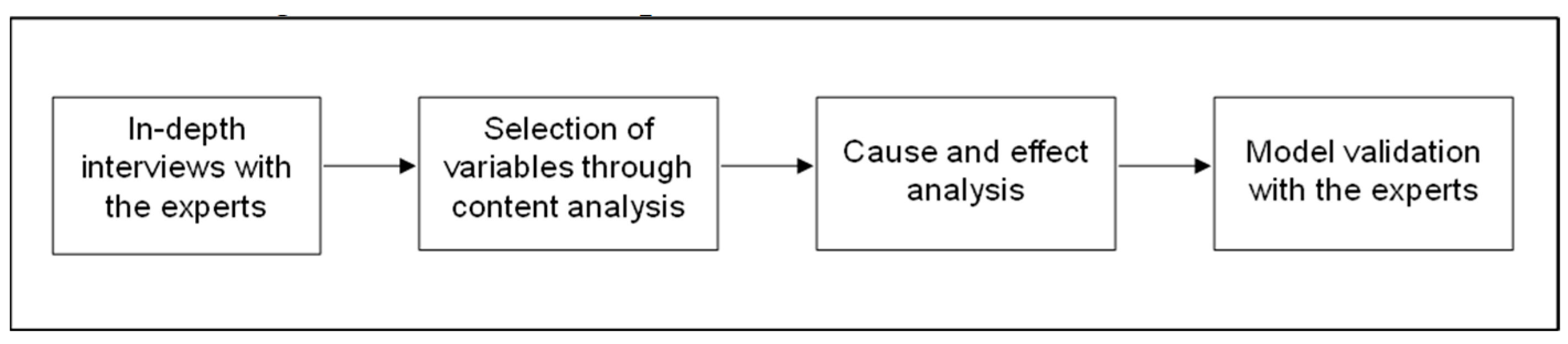
Figure 2.
Study area.
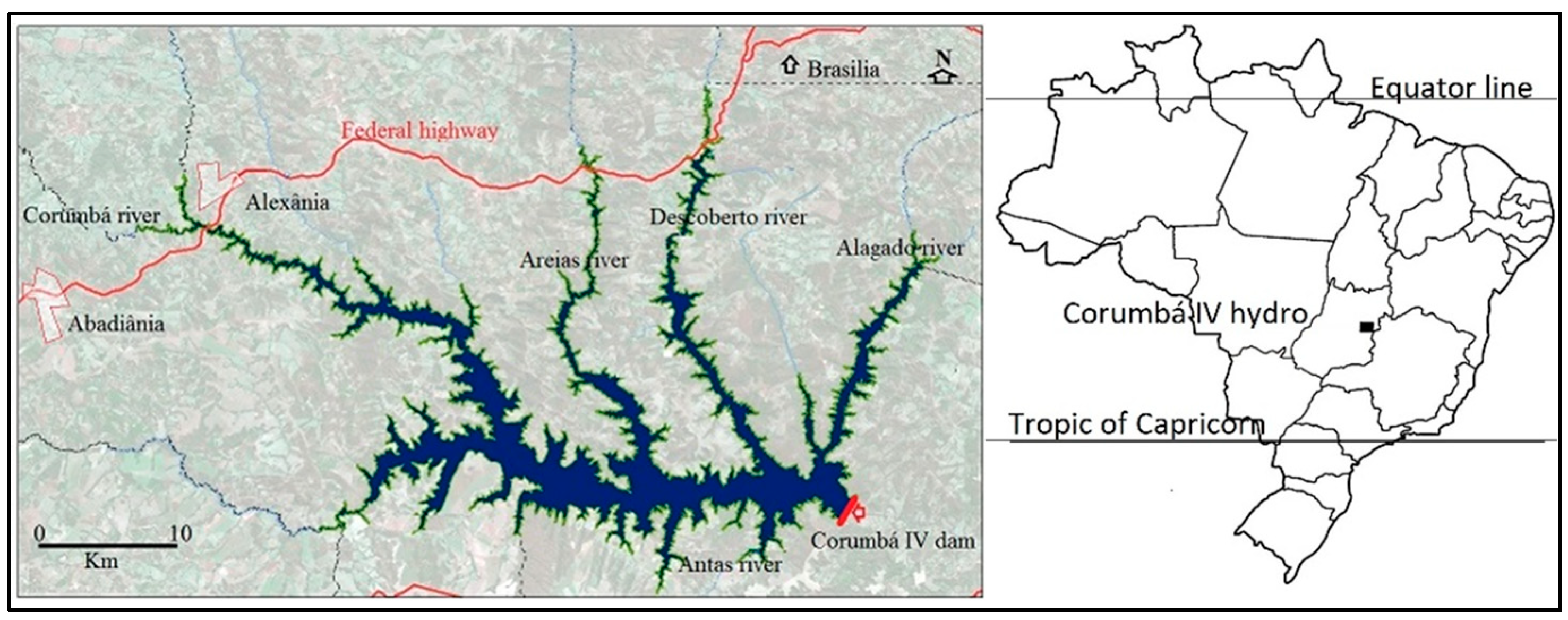
Figure 3.
Causal loop model of the Corumbá IV reservoir’s biogeochemical processes – Part I.
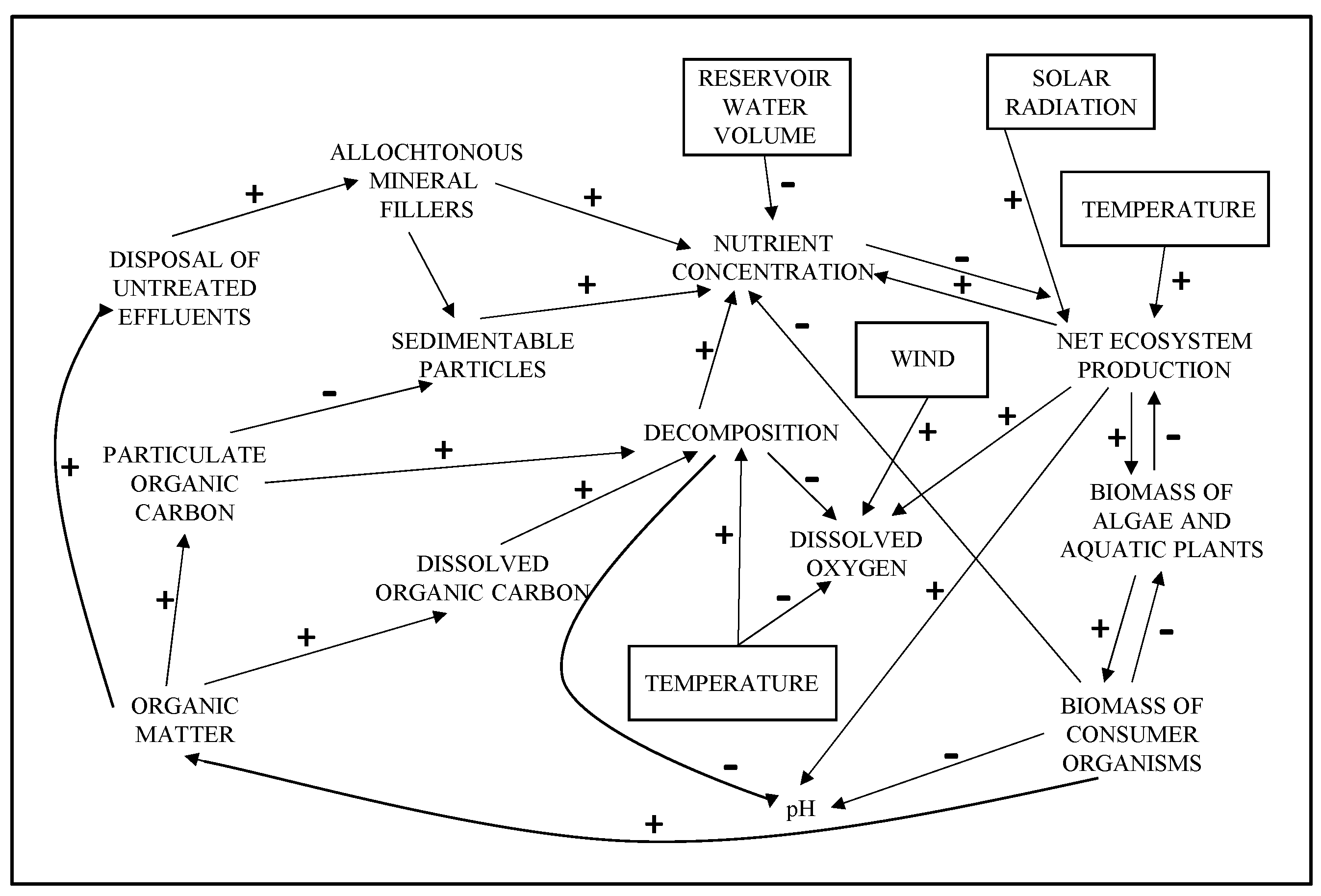
Figure 4.
Causal loop model of the Corumbá IV reservoir’s biogeochemical processes – Part II.
Disclaimer/Publisher’s Note: The statements, opinions and data contained in all publications are solely those of the individual author(s) and contributor(s) and not of MDPI and/or the editor(s). MDPI and/or the editor(s) disclaim responsibility for any injury to people or property resulting from any ideas, methods, instructions or products referred to in the content. |
© 2024 by the authors. Licensee MDPI, Basel, Switzerland. This article is an open access article distributed under the terms and conditions of the Creative Commons Attribution (CC BY) license (http://creativecommons.org/licenses/by/4.0/).
Copyright: This open access article is published under a Creative Commons CC BY 4.0 license, which permit the free download, distribution, and reuse, provided that the author and preprint are cited in any reuse.