1. Introduction
As the Internet of Things (IoT) rapidly expands across all sectors, including smart homes and industrial applications, connecting billions of devices, the need for robust and secure device identification becomes increasingly important. However, this growth also increases vulnerability to security threats, making reliable identification essential for securing IoT networks [
1]. Limited security features and the wireless nature of many IoT networks make devices vulnerable to cyberattacks, including eavesdropping, spoofing, and unauthorized access, which can compromise entire networks [
2,
3]. Traditional security methods, including passwords and encryption, are becoming less effective in IoT networks due to the limited resources of IoT devices and the scalability challenges posed by the rapid growth of connected devices [
4]. Fortunately, device identification algorithms based on radio frequency fingerprinting (RFF) offer a promising solution to these challenges [
5]. However, to be effective, RF fingerprints must conform to the principle of uniqueness [
6], ensuring that each device, whether transmitting data or inactive, can be uniquely identified based on the intrinsic features of its RF signals. These features can be derived from the inherent variations introduced during the device manufacturing process. The key advantage of the RFF-based device identification algorithms is that they do not require any changes to the communication protocols on the RF devices and other IoT systems involved, nor do they require any additional hardware [
6,
7]. Thus, the RFF-based identification algorithms can provide a high level of security, making it difficult for attackers to replicate or spoof the distinctive RF fingerprint of a legitimate device. The effectiveness of these algorithms is inherently linked to the quality of the acquired RF signals [
7]. Raw RF signals are often susceptible to noise, interference, and distortion, acquisition errors, or hardware imperfections. These factors can affect the performance of the identification algorithms that rely on RF fingerprints to accurately classify devices. As a result, signal preprocessing becomes an indispensable tool for improving the quality of the RF signals used in the identification process. Signal preprocessing methods are used to standardize the input data ensuring that it meets the specific requirements of the classifier. Choosing the right preprocessing method is crucial to accurate device identification [
8].
RF fingerprinting is a useful technique for identifying IoT devices. For example, in 2019, Tu et al. [
9] studied four types of RF fingerprint feature extraction algorithms based on statistical features. They used an SVM-based classifier and applied the robust principle component analysis (RPCA) to reduce its dimensionality. Also, in 2019, Nouichi et al. [
10] proposed an approach to detect emitted wireless signals from IoT devices based on a software defined radio (SDR), considering that the cryptography-based authentication protocols are impractical for the IoT systems. On the other hand, in 2020, Aghnaiya et al. [
11] investigated the identification of WiFi devices using RF device fingerprints. They demonstrated that intrinsic features of RF devices can be effectively used to detect and classify them. Also, in 2020, Lin et al. [
12] proposed a method based on the detection of complex and nonlinear patterns arising in the interaction between different frequency components of RF signals to recognize wireless devices. Similarly, in 2020, Uzundurukan et al. [
2] developed an RF fingerprinting system to identify Bluetooth devices. They demonstrated that their strategy was effective in distinguishing between different Bluetooth devices operating in a crowded IoT system. In 2022, Morge-Tollet et al. [
13] highlighted the RF fingerprinting as a reliable option for the node authentication in IoT networks as a non-cryptographic method. They proposed an RF eigen-fingerprinting method based on singular value decomposition (SVD), which is inspired by face recognition studies based on the Ljung-Box test, a statistical authentication approach. Also, in 2022, Chen et al. [
14] proposed a method based on on convolutional neural networks (CNN), combinatorial randomness, and on-chip time-varying RF fingerprints, which have been lightweight-implemented for Bluetooth Low-Energy (BLE) systems to achieve a fast inference of unique features in the IoT environments. In 2024, Peng et al. [
15] proposed a method based on the wavelet coefficient graph and differential spectrum to identify signal inconsistencies in Long Term Evolution (LTE) systems.
In this context, it is also worth reviewing the survey prepared in 2023 by Xie et al. [
16], where they considered the following signal preprocessing stages in the identification process: i) RF fingerprint extraction, ii) further processing, and iii) RF fingerprint identification. They also summarized the carrier frequency offset estimation, denoising, and channel cancellation. Finally, they highlighted the major challenges of the RF fingerprint identification and some future research trends.
In any case, the RFF methods face significant implementation and security challenges when intended for IoT scenarios. Techniques like time synchronization and frequency correction require significant computational resources, which can slow down processing, especially for large datasets or in real-time applications [
15]. Similarly, feature extraction methods are resource-intensive, requiring significant memory and processing power, which can make them impractical for resource-constrained IoT devices [
12]. The sequential nature of preprocessing can introduce latency, affecting the system’s ability to perform real-time identification in dynamic environments [
14]. In addition, early stages of preprocessing are often sensitive to noise, leading to potential errors in pattern recognition and feature extraction [
12]. While dimensionality reduction optimizes the feature set, it may inadvertently discard important details, affecting classification accuracy [
14]. Implementing and fine-tuning these preprocessing steps also requires specialized expertise, and even small errors in configuration can affect system performance. Furthermore, the effectiveness of preprocessing is highly dependent on the quality of the signal acquisition hardware; inconsistent or low-quality hardware can degrade the entire process, reducing the reliability of RFF systems [
15].
On the other hand, the supervised learning algorithms have been widely used for RFF-based classification systems. Support vector machine (SVM), random forest, and neural network (NN) are strategies that have demonstrated significant potential for detecting the intrinsic RF signals of IoT devices. For example, in 2018, Jafari et al. [
17] proposed a wireless device identification platform based on RF device features to improve the security of IoT networks by using deep learning techniques. They used deep, convolutional, and recurrent NN to identify the wireless devices, including whether the devices are from the same manufacturer. On the other hand, in 2019, Yu et al. [
18] used the RFF approach in an SVM-based classifier to identify ZigBee devices, achieving a suitable level of classification accuracy. Also, in 2019, Ali et al. [
19] compared the performance of machine learning models and found that SVM-based identification algorithms provide an optimal balance between computational efficiency and classification performance for resource-constrained environments, such as those found in IoT systems. In 2022, Huang et al. [
20] proposed a classification RFF-based method to improve the effectiveness of a classifier based on ensemble learning and a CNN. Also, in 2022, Yang et al. [
21] proposed a CNN&RFF-based model to implement a lightweight classifier. It is also worth reviewing the survey prepared in 2022 by Jagannath et al. [
22] presented a survey of RF fingerprinting approaches considering from a traditional view to the latest deep learning-based algorithms.
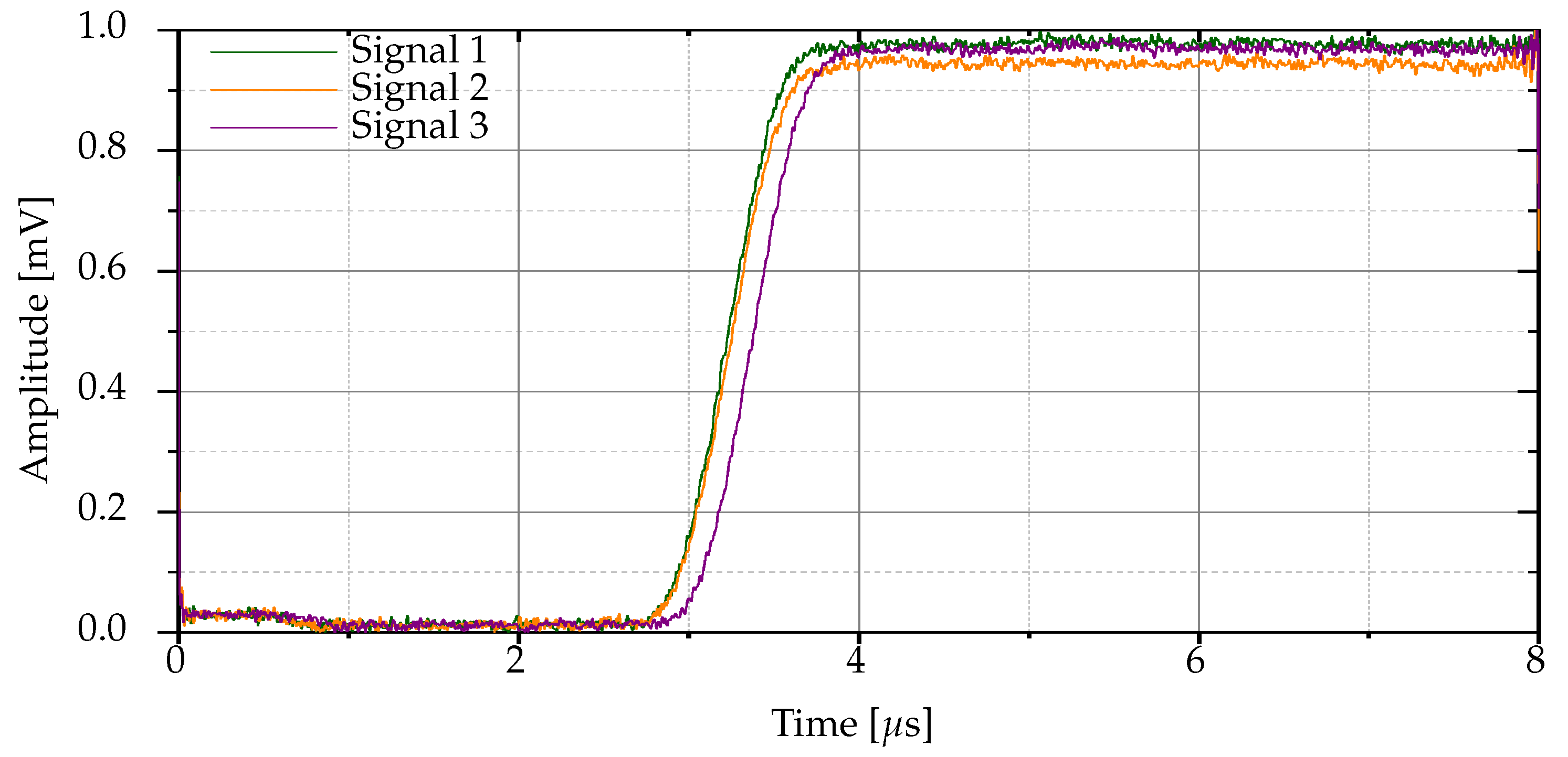
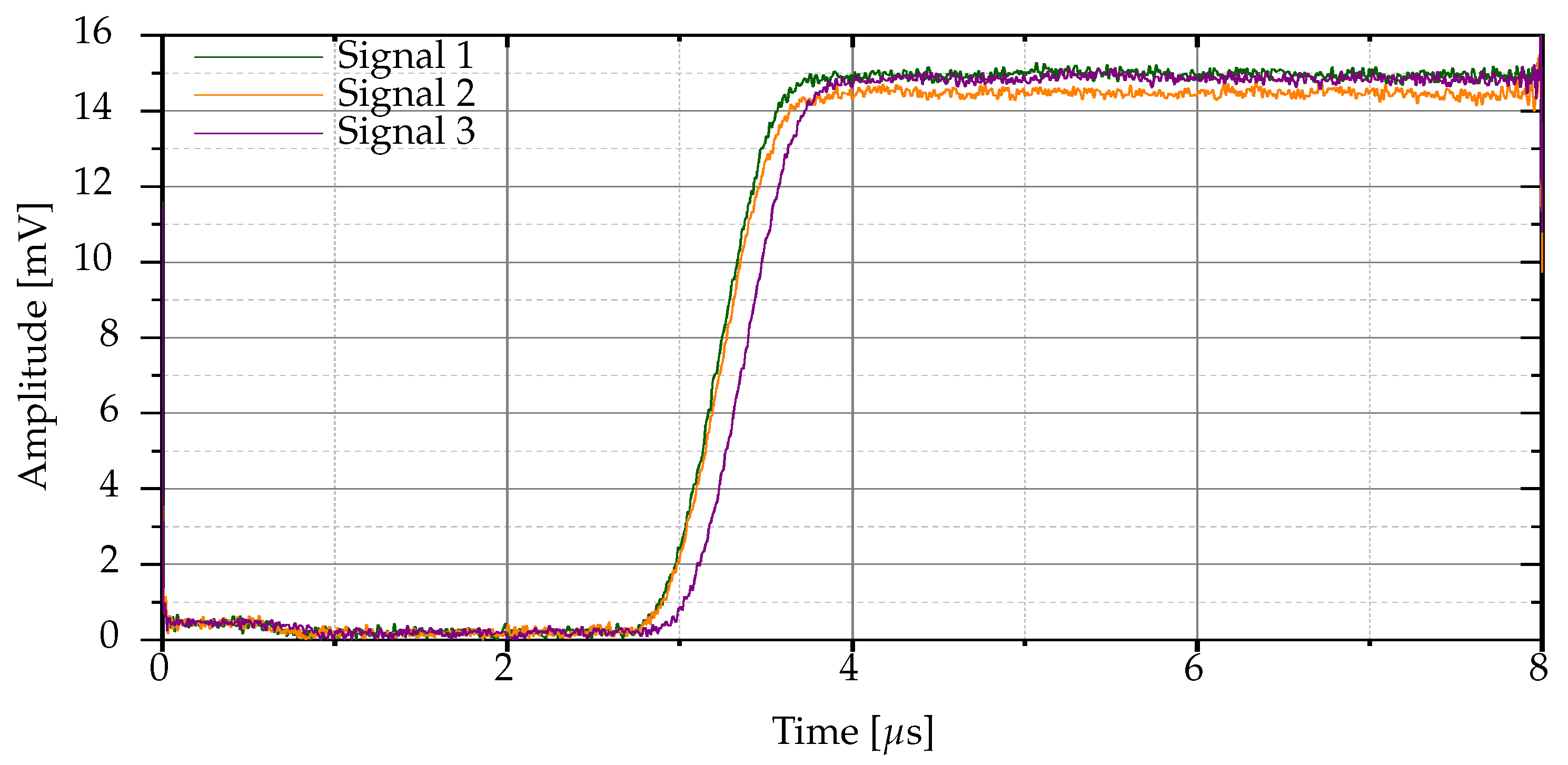
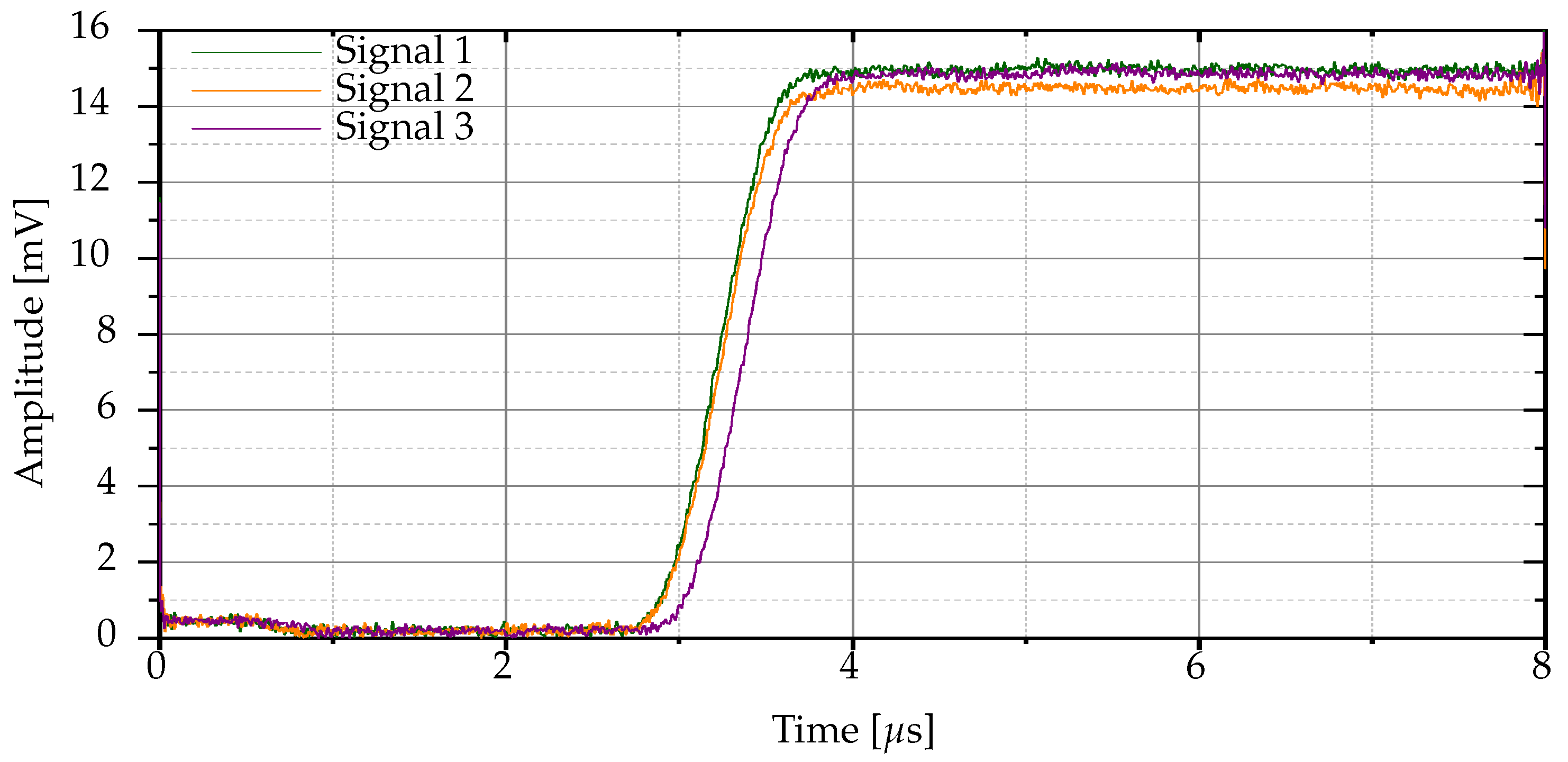
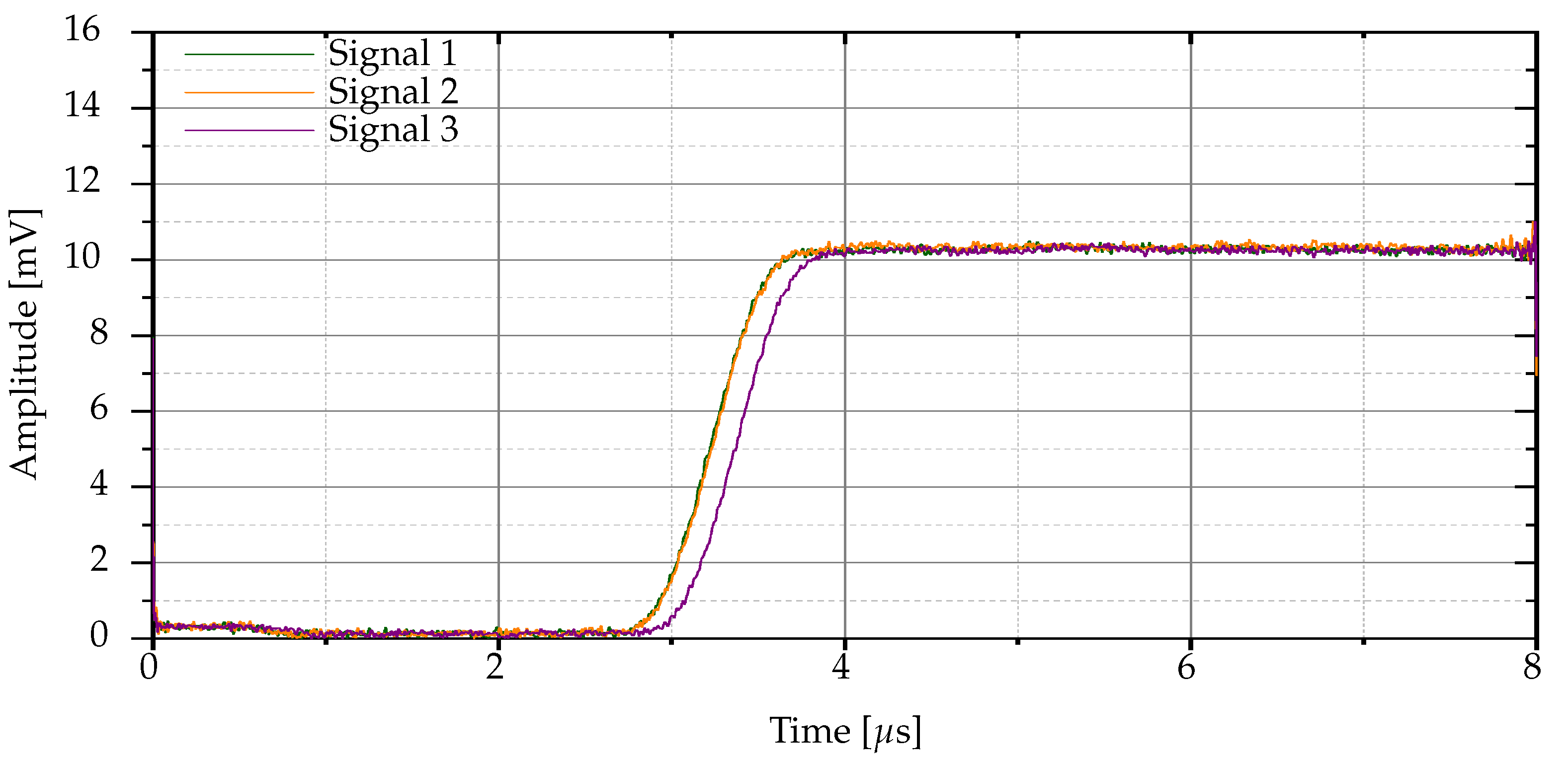
To address these challenges, this paper contributes by evaluating four signal preprocessing methods based on the normalization, mean, maximum, and minimum of the raw signals to improve data consistency and enhance classification accuracy. These methods were selected because they address common issues in raw RF signals, such as variability in signal strength and noise, which can negatively affect the performance of classification algorithms. By scaling the signal peaks, these preprocessing methods aim to standardize the input data, ensuring that key signal features are more effectively captured and utilized by the classifier. An SVM classifier, known for its effectiveness in binary and multi-class tasks, is used to assess the impact of these preprocessing methods, building on the work of [
2]. The findings show that RFF requires careful extraction of a device’s unique signal characteristics to effectively distinguish between classes.
The paper is divided into five sections.
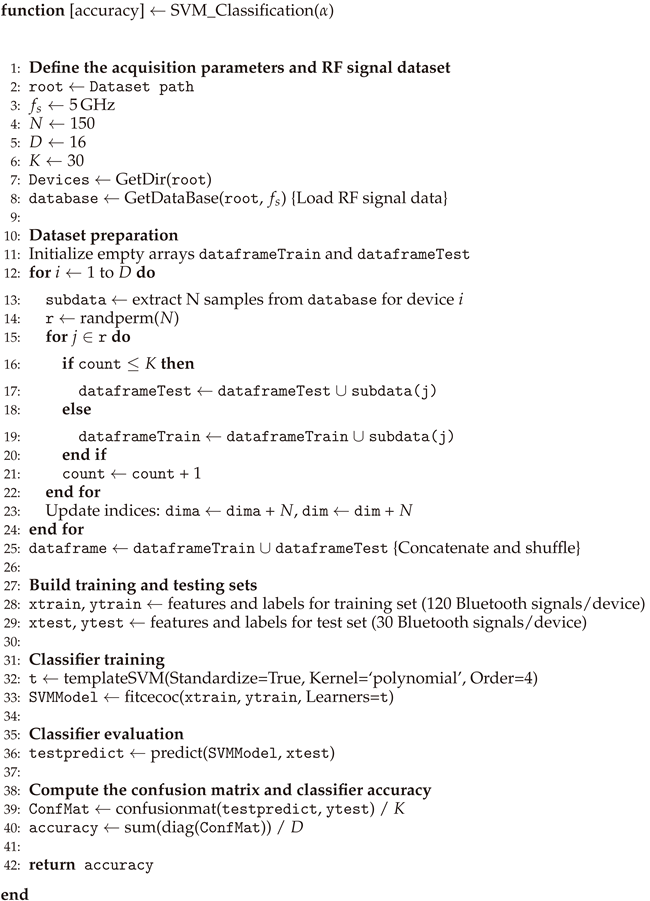
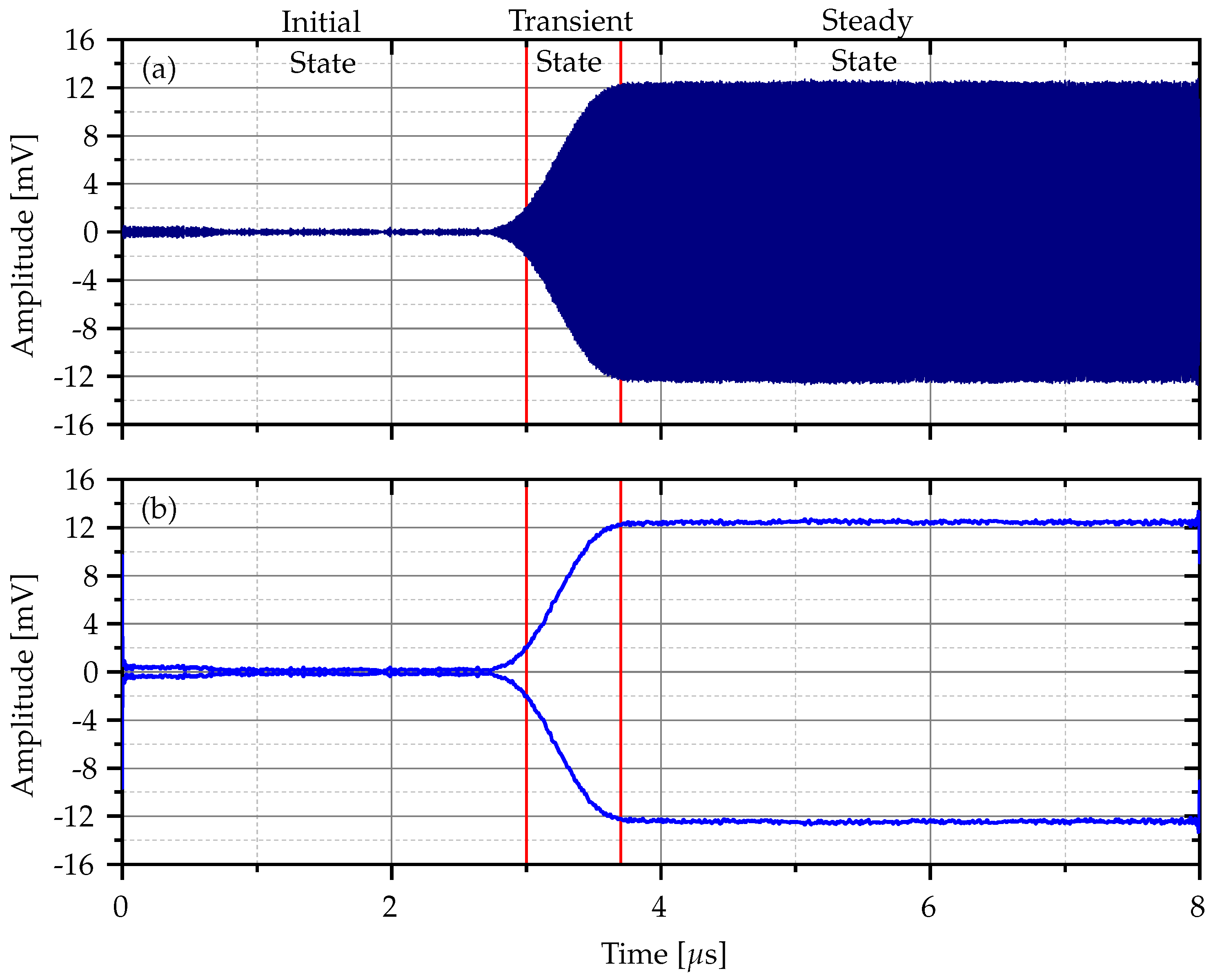
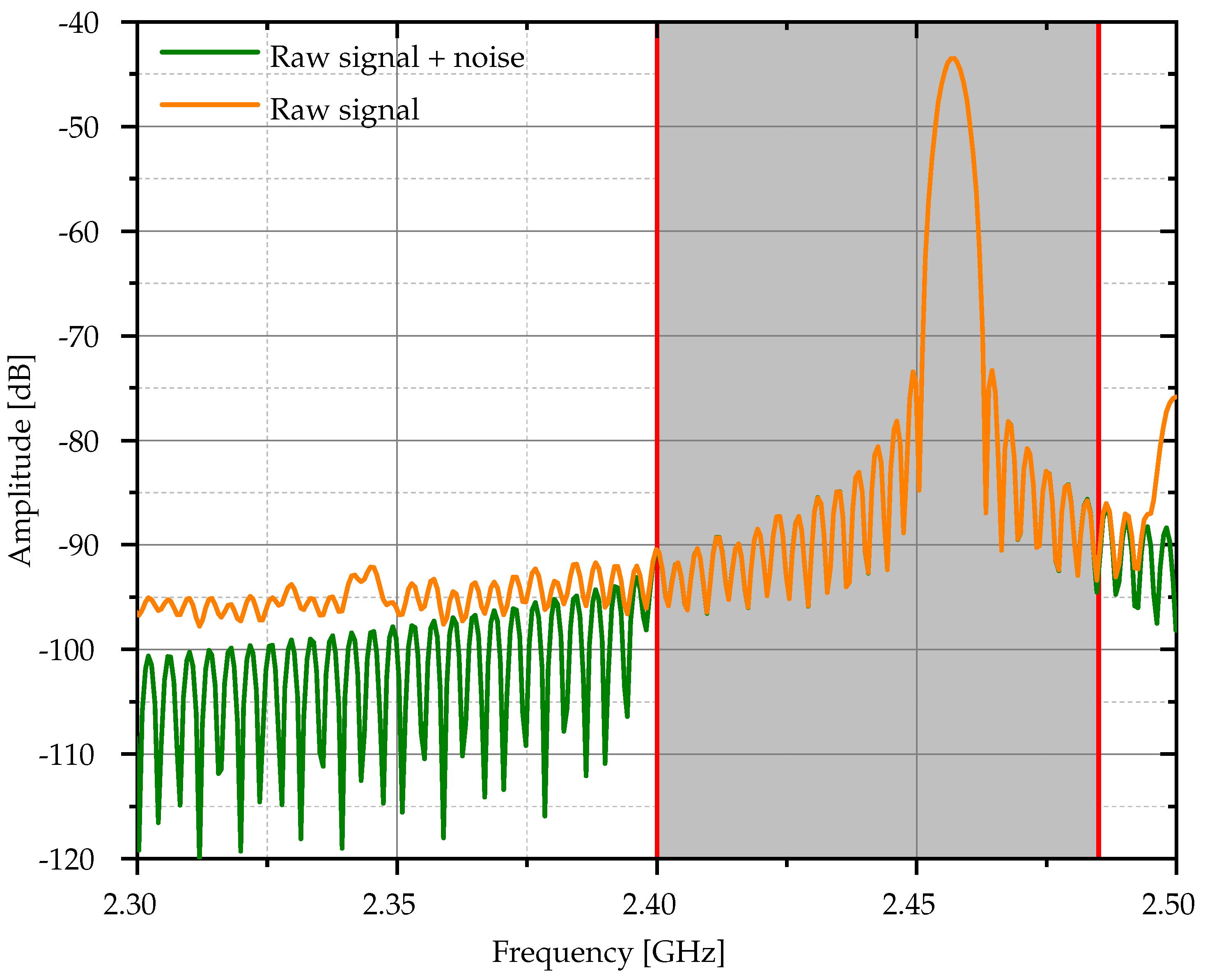
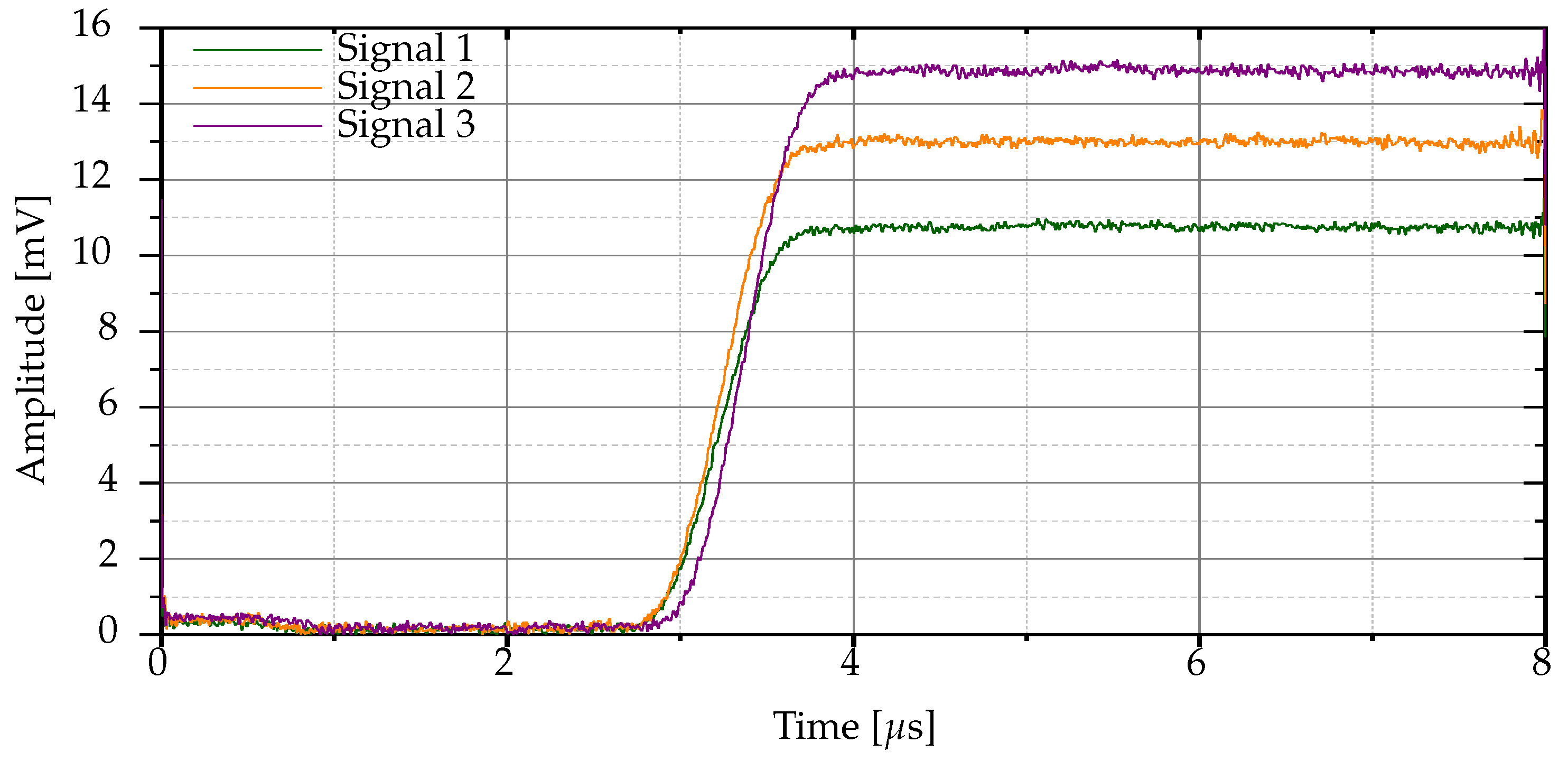
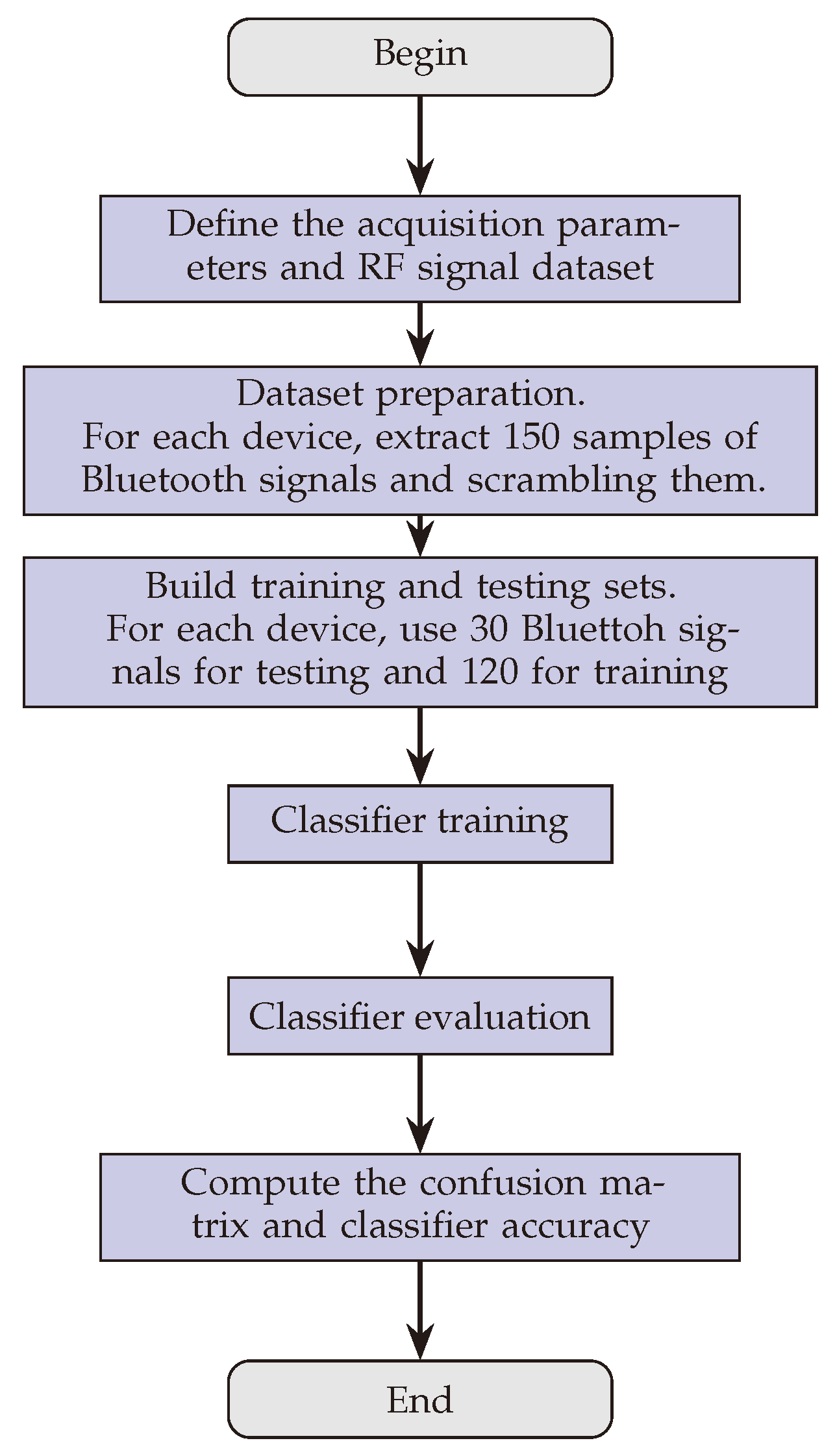
Section 2 provides a comprehensive overview of the dataset, which consists of Bluetooth signals from multiple devices. It provides the definition and characteristics of these signals, and it details the preprocessing methods. In addition, this section describes the configuration of the SVM classifier, including the selection of the kernel, and the experimental setup for training and testing.
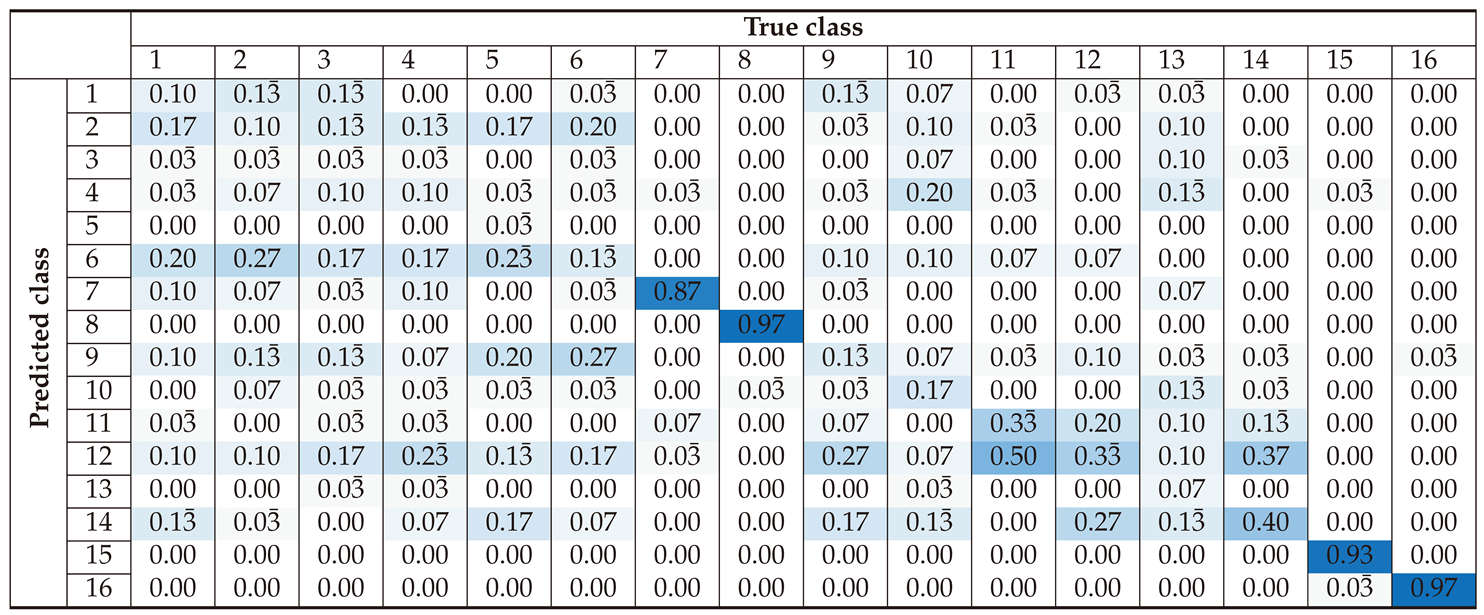
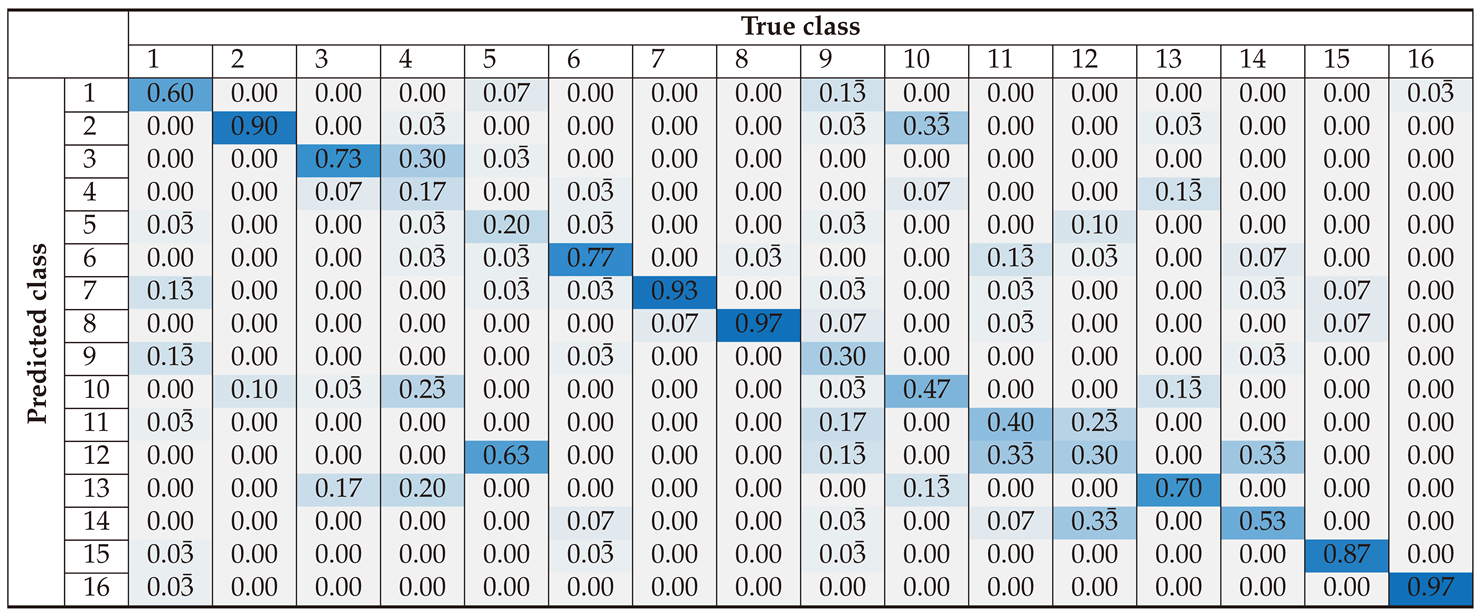
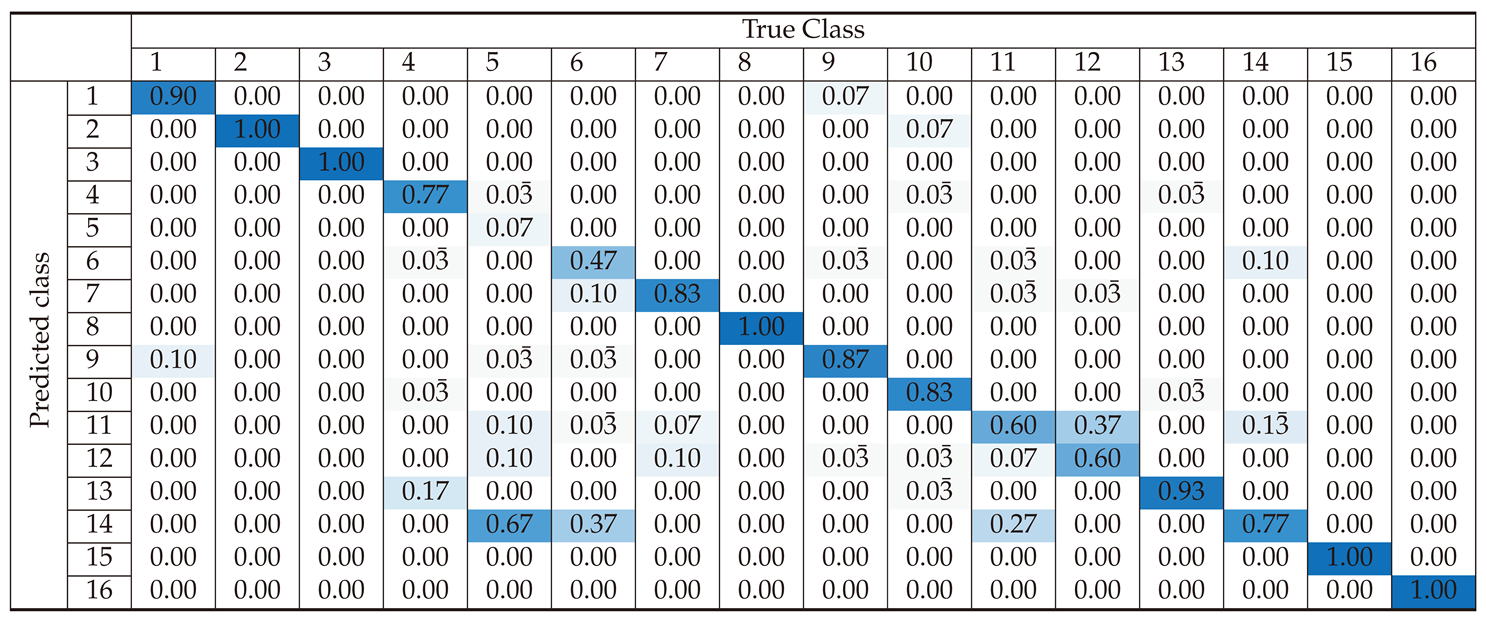
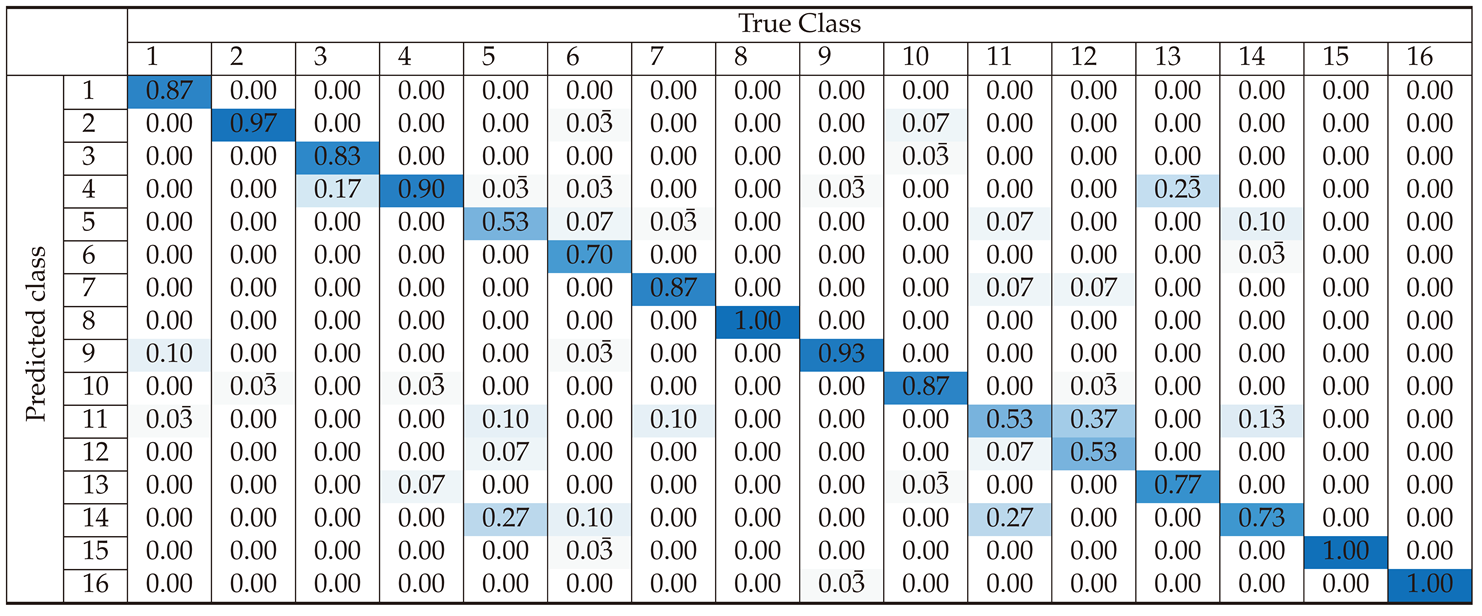
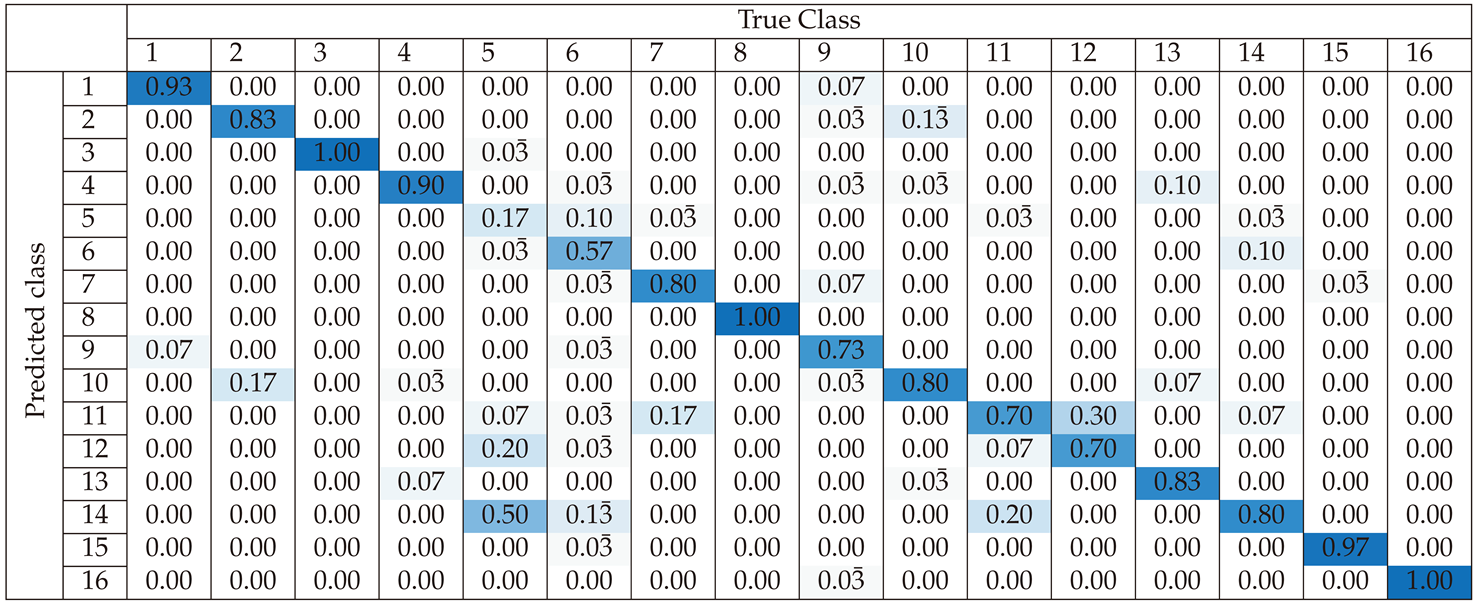
Section 3 presents the classification performance for each preprocessing approach, using confusion matrices and accuracy metrics to evaluate the effectiveness of the SVM-based classifier. This section demonstrates how different preprocessing methods influence classification accuracy across various device classes.
Section 4 offers an in-depth analysis of the results, highlighting the strengths and weaknesses of each preprocessing method. It examines the causes of misclassifications and discusses the balance between improving accuracy and maintaining computational efficiency. This section also identifies potential areas for optimization, such as improving the model robustness to noise and its ability to generalize across different datasets. Lastly,
Section 5 summarizes the key findings, emphasizing the importance of preprocessing in enhancing the effectiveness of RFF-based device identification. It discusses the broader implications for IoT security and proposes future research directions, including advanced feature extraction, real-world validations, and the exploration of alternative machine learning models to further enhance classification performance.