1. Introduction
Conceptually, the Internet of Things (IoT) can be defined as a technology that enables the integration of the physical world, where individuals engage in their daily activities with a virtual dimension, using the Internet as a connecting medium. This bridge between the two paradigms facilitates the sharing, distribution, and communication of data tailored to the unique requirements of each application area. A key characteristic of IoT is its emphasis on minimizing human intervention, with data collection and transmission managed mainly by the electronic devices that constitute the IoT ecosystem [
1,
2].
In the contemporary socio-economic landscape, characterized by rapid dynamism and accelerated digitalization, IoT systems are becoming increasingly critical. They contribute to process optimization, cost reduction, and productivity enhancement—essential components for fostering sustainable development across various industries. Consequently, IoT is not only a technological innovation but also a powerful catalyst for economic and social transformation.
A priority application area for IoT technologies is agriculture, a vital sector for global food security. The importance of this sector has grown exponentially in recent years amid events that have severely disrupted supply chains and generated instability in international markets. The year 2022 was marked by the military conflict between Ukraine and Russia, two countries that provide approximately 30% of global wheat production and dominate the chemical fertilizer market in Europe. The restrictions imposed on exports from these regions have led to price increases in the chain, emphasizing the vulnerability of agricultural systems dependent on external resources [
3].
In addition, the effects of the COVID-19 pandemic continue to be felt in agriculture, mainly through dysfunctions in supply chains. These crises have highlighted the need to implement measures that support agricultural independence and long-term sustainability. Integrating IoT technologies represents a significant opportunity to address current challenges and create resilient agrarian systems.
IoT in agriculture offers innovative solutions, allowing continuous and real-time monitoring of critical factors such as soil moisture, temperature, atmospheric conditions or crop conditions. By using sensors, drones, intelligent irrigation systems and data analysis platforms, farmers can make informed decisions, reducing resource waste and maximizing yields. These technologies also allow for early detection of problems, such as pests or plant diseases, which reduces losses and increases productivity [
4].
Romania is one of the essential agricultural players in the European Union at the national level, with significant potential due to its extensive arable land and favorable climatic conditions. However, a significant part of Romanian agriculture is still carried out at the subsistence level, and the adoption of modern technologies is relatively low. The lack of access to information and technological infrastructure limits development potential, accentuating the disparities between rural and urban areas.
The integration of IoT in Romanian agriculture could fundamentally change these realities, contributing to a transition from traditional practices to precision agriculture. This involves using advanced technologies to manage agricultural resources efficiently, reducing the environmental impact and increasing Romanian farmers’ competitiveness on the international market.
In this context, this paper proposes an IoT-based system architecture designed to collect, transmit and analyze essential agricultural data. The system aims to facilitate farmers’ access to relevant information about environmental conditions, soil and crop status in order to optimize the decision-making process. Integrating this data into a unified IoT ecosystem will not only support their evaluation and comparison. Still, it will also contribute to developing sustainable agriculture that responds to future economic, social and environmental challenges.
Thus, by adopting IoT, agriculture can become an economic development engine and a pillar of food security. Faced with an increasingly complex and unpredictable global context, advanced technologies represent an indispensable solution for ensuring the sustainability and competitiveness of the agricultural sector [
5,
6].
The term LoRa was introduced in 2009, with the development of an innovative technology by Nicolas Sornin and Olivier Seller, two researchers from France. This technology is distinguished by its ability to cover long distances and low energy consumption. In 2010, François Sforza joined the team, and together, they founded the company Cycleo, which was later acquired by Semtech in 2012. In 2015, this technology was standardized through the LoRa Alliance, an open-source nonprofit organization dedicated to promoting and developing the LoRa ecosystem. The technology operates at two levels: the LoRa (Long Range) physical layer, which ensures data transmission through the specific modulation technique, and the MAC layer, represented by the LoRaWAN (Long Range Wide Area Network) communication protocol, responsible for managing data transmission between end devices, gateways and servers [
7].
LoRa constitutes the physical layer of the IoT communications architecture, being associated with wireless modulation. Its primary purpose is to create data links over long distances using a radio modulation technique that operates in the unlicensed spectrum of frequency bands. Optimized for low power consumption and an extended coverage area, the technology allows communications over distances of up to 5 km in urban areas and over 15 km in rural areas. The extremely low power consumption is one of the significant advantages of this technology, allowing the operation of battery-powered devices for long periods of time. The transmitted data packets are small and are not emitted continuously, but only occasionally, and in sleep mode, the power consumption is at the milliwatt level, which extends the battery life to several years [
7,
8].
Technically, LoRa uses a spread spectrum modulation technique derived from the Chirp Spread Spectrum (CSS). This technique provides an optimal compromise between signal sensitivity and data transmission rate. Transmission is performed on channels with fixed bandwidths, 125 kHz or 500 kHz for the uplink and 500 kHz for the downlink. A distinctive feature of the technology is the use of orthogonal spreading factors, which allow battery life to be optimized by adaptive modulation adjustments depending on the position of each node to the gateway. Nodes closer to the gateway use lower spreading factors necessary for communication over shorter distances. In comparison, nodes located at greater distances require higher spreading factors, providing increased sensitivity and processing gains, albeit at a lower transmission rate.
This adaptability makes LoRa an ideal technology for IoT applications, where energy efficiency and extended coverage are essential requirements. Due to the combination of technological flexibility and outstanding energy performance, LoRa is an optimal solution for deploying IoT networks in urban and rural environments. In the context of the rapid expansion of IoT applications, LoRa is consolidating its position as the global standard for energy-efficient long-range wireless communications, responding to the diverse requirements of various industries [
9].
This paper is structured in several sections, each with a well-defined role in developing the topic addressed. In the Introduction, the purpose and importance of the topic are presented, as well as the technological context in which the study falls, with an emphasis on the general factors that compose the LoRa technology. The second section, entitled “Related Works”, analyses the current state of research and implementation of LoRa technology and the LoRaWAN protocol. The progress made in stand-alone devices and the relevant scientific studies and works that have contributed to the understanding and applying these technologies in various contexts are discussed. The third section is dedicated to the details regarding the actual implementation of LoRa technology, including the description of the system architecture, the functioning of the components and their interactions. In sections 4 and 5, a detailed dissemination of the system’s main elements is made, addressing aspects related to the hardware architecture, the communication protocols used, and the software interface.
Section 6 focuses on the presentation of the final application, describing how it uses LoRa and LoRaWAN technology to achieve the proposed objectives. Connectivity and transmissibility aspects are detailed, highlighting the solutions adopted to ensure efficient and secure data transmission in an IoT environment. In the last chapter, the results obtained from the implementation and testing of the application are presented. The conclusions underline the achievements of the work, highlighting the contributions made in the field of LoRa and LoRaWAN technologies, as well as possible directions for further development.
2. Related Works
In recent decades, interest in agriculture has evolved significantly, driven by advances in digital technologies. According to recent estimates, the smart agriculture market is projected to reach a value of 20 billion dollars based on the increasingly easy and accessible integration of IoT devices. These advanced technologies allow real-time collection, transmission, and analysis of critical data, such as meteorological parameters, soil conditions, and crop health.
The evolution of interest in implementing IoT in agriculture is also reflected in the increased number of scientific papers dedicated to this subject. Studies highlight the potential of these technologies to transform agriculture by improving resource management, reducing the impact of adverse climatic factors and increasing operational efficiency. IoT integration also contributes to developing sustainable agricultural practices, favoring the rational use of natural resources and reducing losses.
Thus, the application of IoT technologies in agriculture opens new perspectives for optimizing production and redefines this sector in the context of current economic, climate and social challenges. Smart agriculture is becoming a pillar of global sustainability, responding to the increasingly stringent requirements of a growing population and an interconnected global economy.
Products and research in smart agriculture are mainly aimed at facilitating and improving the user experience, aiming to increase agricultural productivity and reduce dependence on climatic conditions. These innovations aim to optimize agricultural processes by integrating advanced technological solutions that allow for more efficient resource management and continuous monitoring of environmental factors.
This section will analyze devices, applications, and research in the field of low-power wide-area networks (LPWAN) used in agriculture. Technologies such as LoRa and similar alternatives such as SigFox [
10,
11] and NB-IoT will be presented, which have demonstrated concrete results and are already implemented on the international market. These technologies represent viable solutions for smart agriculture’s specific needs, offering energy efficiency and long-distance coverage capacity, thus facilitating their integration into various operational scenarios.
The Connected Things store [
15] offers its customers a wide range of products, starting with sensors for various applications, such as environmental sensors (outdoor or indoor), activity, motion, and presence sensors, temperature monitoring sensors across multiple refrigeration appliances, sensors used in agriculture, or people counters. In addition to sensors, Connected Things sells gateways from the same technology sphere, namely LoRaWAN.
Devices relevant to the agricultural field include the TEKTELIC soil moisture sensor (surface variant) and the outdoor gateway with LoRaWAN technology, LORIX One. Together, these devices form an IoT system capable of measuring and monitoring environmental conditions in agriculture, thus facilitating the management of agricultural resources. In this context, the LoRaWAN sensor for agriculture is a multifunctional sensor designed for farming applications. This sensor supports up to four analogue and digital inputs, allowing for collecting various data types. Furthermore, it includes two metal probes for measuring soil moisture. Its main features include temperature and relative humidity measurement, with maximum and minimum values ranging from -40°C to 125°C [
14].
An important aspect related to the operation of this sensor is that if the sensor location is in direct light, it will not report the environmental conditions but the temperature of the housing containing the sensor. The sensor also includes a high-precision accelerometer, which detects shocks or major movements and is intended to monitor alarming movements. A dedicated sensor is used to measure ambient light, and a Watermark sensor is used to measure soil moisture, which responds to changes in water in the soil. Depending on the soil’s moisture, the sensor resistance increases or decreases depending on how dry or wet the soil is. This device also operates on batteries and uses LoRa technology to transmit data to the gateway. The LoRaWAN gateway, marketed under LORIX One [
16], allows users to configure operating frequency and server connectivity parameters. According to the manufacturer’s specifications, users can connect this device to several server providers, such as LORIOT.IO or The Things Network. After creating an account and registering the device, users must validate connectivity. These gateways are essential for forming a functional network within the IoT, facilitating the process of communication and data collection in the agricultural environment.
Regarding the products IOT Factory offers [
17], this European company based in Brussels specializes in IoT solutions, with over 15 years of experience and offers affordable and customizable solutions, mainly by reusing software components. Among their products is a LoRaWAN gateway designed to implement a private LoRa network in the 863-870 MHz frequency band. This gateway can be used for applications such as Smart Agriculture or Smart Buildings, having 8 communication channels and a coverage of up to 15 km. LoRa technology is also used here, which makes this device an effective solution for transferring data from the agricultural environment. The product offered by IOT Factory can be customized for different applications in agriculture, including measuring temperature, humidity, light and presence. According to the data provided by the manufacturer, the autonomy of this sensor can exceed 2 years, depending on the configuration used. Like other LoRaWAN-based products, it uses LoRa technology to communicate data to the associated gateway. This sensor is also a Class A LoRaWAN device, which can operate efficiently in an extended network. Research continues to advance regarding the theoretical implementations of IoT technologies in agriculture. For example, the paper [
18] proposes the development of a long-range network prototype for agricultural applications, focusing on the low cost and efficiency of environmental sensor networks. This research demonstrated that nodes consisting of sensors, such as those for soil moisture, temperature and light intensity, can be effectively used in a wireless LPWAN network. The network uses two wireless communication frequencies to ensure data transfer between the gateway and the nodes. Experimental results validated the system performance, with a measurement error below 9%.
Another relevant example is Smart Agriculture Xtreme [
19] an IoT product dedicated to agriculture developed by Libelium, a Spanish company specializing in IoT solutions. The Libelium [
20] offers complex devices for measuring and monitoring agricultural data, aiming to increase crop yield and quality and to understand the factors that influence their growth. An essential aspect of this system is that it uses Wi-Fi communication, and sensors such as those for soil and atmosphere monitoring are energy consumers, which emphasizes resource management by the user. In this context, the system offered by Libelium can be useful for a wide range of agricultural applications, from weather monitoring to plant health.
The papers [
21,
22,
23] also analyzes the use of LoRaWAN networks in agriculture through simulations carried out with the NS3 platform to evaluate the performance of sensor networks depending on the number of nodes and data transmission intervals. The authors demonstrated that the parameters of the LoRaWAN protocol, such as message acknowledgement and network size, influence communication performance. The main conclusion is that LoRaWAN is an effective technology for IoT applications in smart agriculture. In conclusion, LPWAN technologies, such as LoRaWAN, have begun to be implemented more and more often in applications in various fields, including agriculture, where both practical achievements (such as the products and solutions presented above) and theoretical studies validating their performance under real conditions can be observed. These technologies represent promising solutions for transitioning to more innovative and sustainable agriculture.
3. Implementing a Solution for a Wide Area Network and Low Consumption
In this paper, the final device of the network is represented by the development module from STMicroelectronics [
24]. These two boards, namely NU-CLEO-L973RZ and I-NUCLEO-LRWAN1, form the node that will be placed outdoors to measure the parameters of interest. From a hardware point of view, NUCLEO-L973RZ is distinguished by the fact that it is a development board that allows users to create simple, flexible and, at the same time, cheap projects, prototypes or new concepts. According to STMicroelectronics, this board represents the best performance and energy management solution. An essential factor is that this device supports integrating other development boards, such as Arduino. The board is also integrated with the ST-LINK debugger and programmer. The I-NUCLEO-LRWAN1 development module, developed by USI
® in partnership with STMicroelectronics, is an integrated solution that allows even the most inexperienced users to learn and develop solutions using LoRa or FSK/OOK technologies. The main factor that highlights this module is the use of low energy, which contributes to data transmission and battery saving for longer. The primary sensors used in this work are also on this board and incorporated in the SMD (Surface Mount Device) form. These sensors are the ST HTS221 temperature and humidity sensor, the ST LPS22HB pressure measurement sensor and the sensor that incorporates both an accelerometer and a gyroscope ST LSM303AGR. In this work, the emphasis was placed on the temperature and humidity sensor, as well as the pressure sensor, because they provide the primary data of interest for the topic addressed.
For the hardware interface to be complete, the system must include, in addition to the final device (the network node), a gateway whose primary role is to retrieve data from the node and forward it to the system server. In this case, we had to choose between an already created and configured gateway or one I could configure and test myself. Given that this work is research, we opted for the second option. To make the gateway, we used a development module from the same manufacturer as the network node, namely STMicroelectronics.
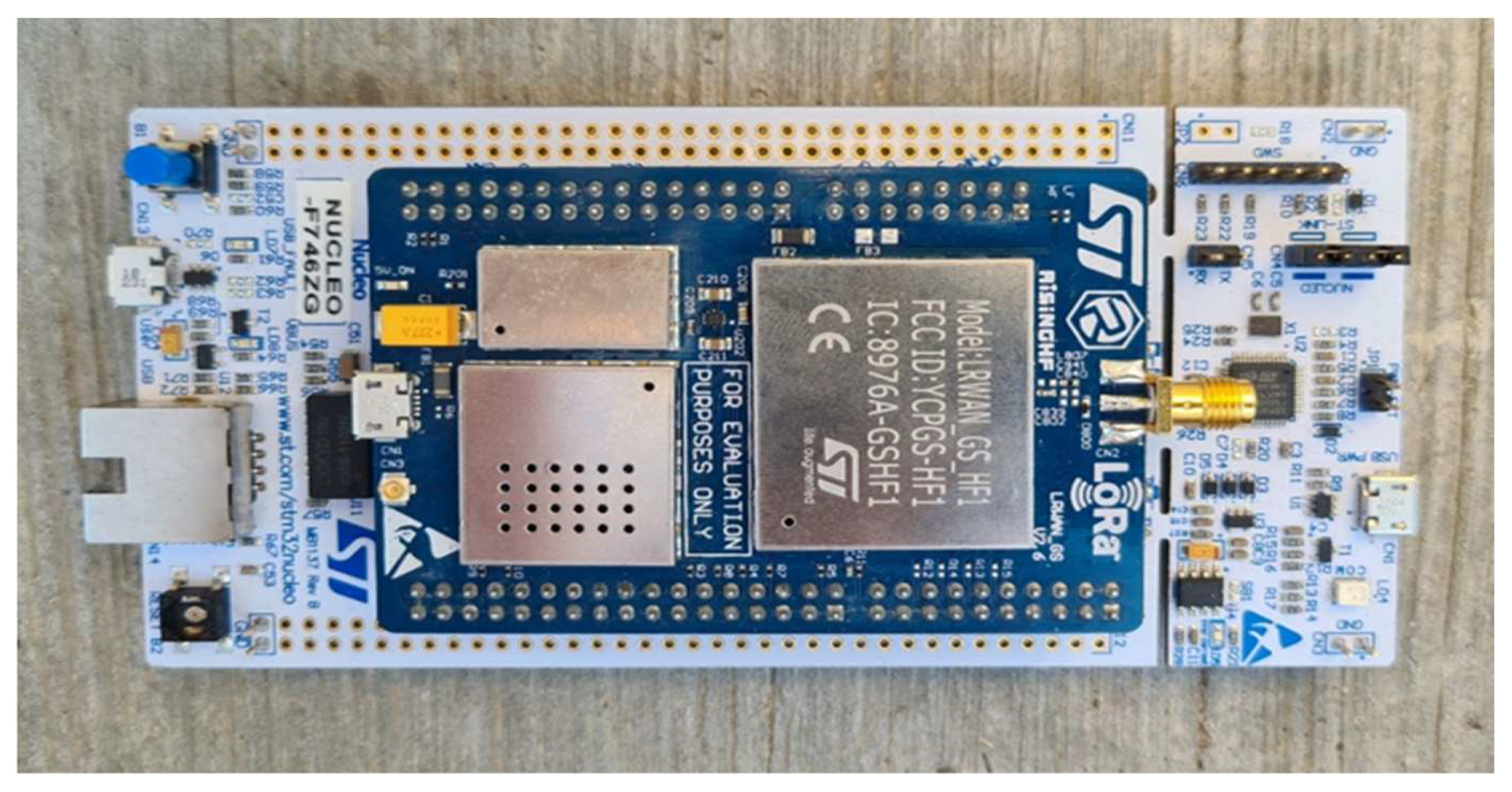
Figure 1 illustrates the development boards that together constitute the system gateway. The main board, called the support board, is the NU-CLEO-F46ZQ model. It is part of an extended family of STM32 devices, and the relevant technical specifications of the board are presented in
Table 1.
The expansion board, model LRWAN_GS_HF1, intended for LoRa communication, will be mounted on the support board. This board’s main functions consist of receiving and retrieving data transmitted by the network’s end device. The support board NUCLEO-F746ZG manages the expansion board through SPI communication. The relevant technical specifications of the LoRa expansion board are presented in
Table 2.
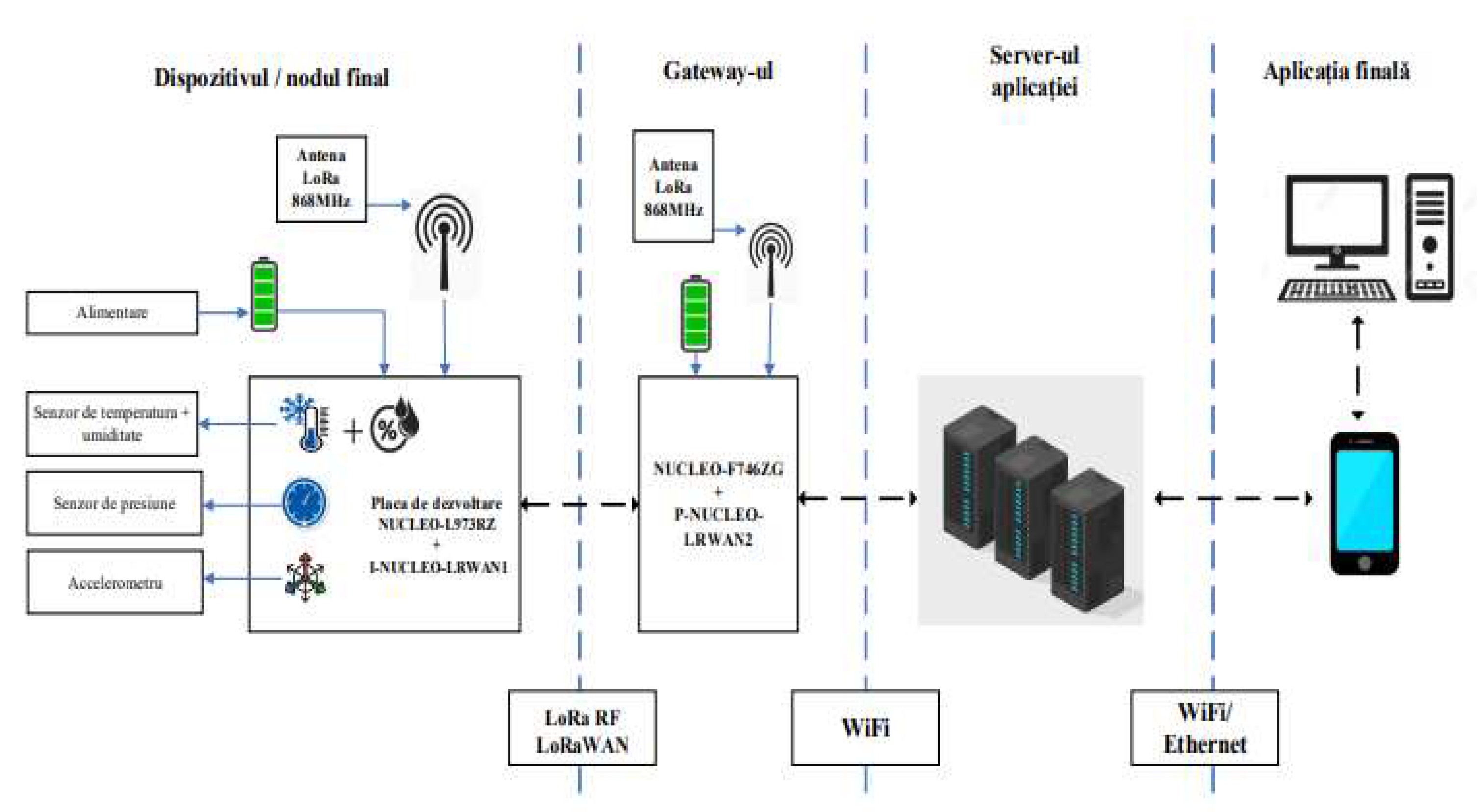
This work aims to develop a system for monitoring environmental parameters essential for agriculture, namely humidity, pressure, temperature, and acceleration and positioning of the device, to which the related sensors are interconnected [
25,
26,
27]. The block diagram of the entire system can be seen in
Figure 2.
According to the system block diagram (shown in
Figure 2), it will be structured into four main blocks: the end device (or node), which will retrieve data from the environment and transmit it further; the gateway, which will receive data from the end device and transmit it to a server for storage; the server, which will process and store the information, and, finally, the user application, which will receive the data for visualization and monitoring. Each system block will be implemented individually, and their testing will occur later.
4. Gateway Implementation
On the Internet of Things (IoT) application development field, LORIOT.IO [
28] represents a reference platform, offering a wide range of tools designed to facilitate creating and managing IoT networks for various projects. One of the essential components of this platform is the ability to create and add gateways, which is essential in the architecture of an IoT network. According to the specialized literature, a gateway is defined as an intermediary device that functions as a connection node between two networks, which receives, verifies, and redirects data traffic from one network to another. In the present work context, the process of creating the gateway involves a series of complex stages, which are carried out at both hardware and software levels. These stages will be detailed and discussed further.
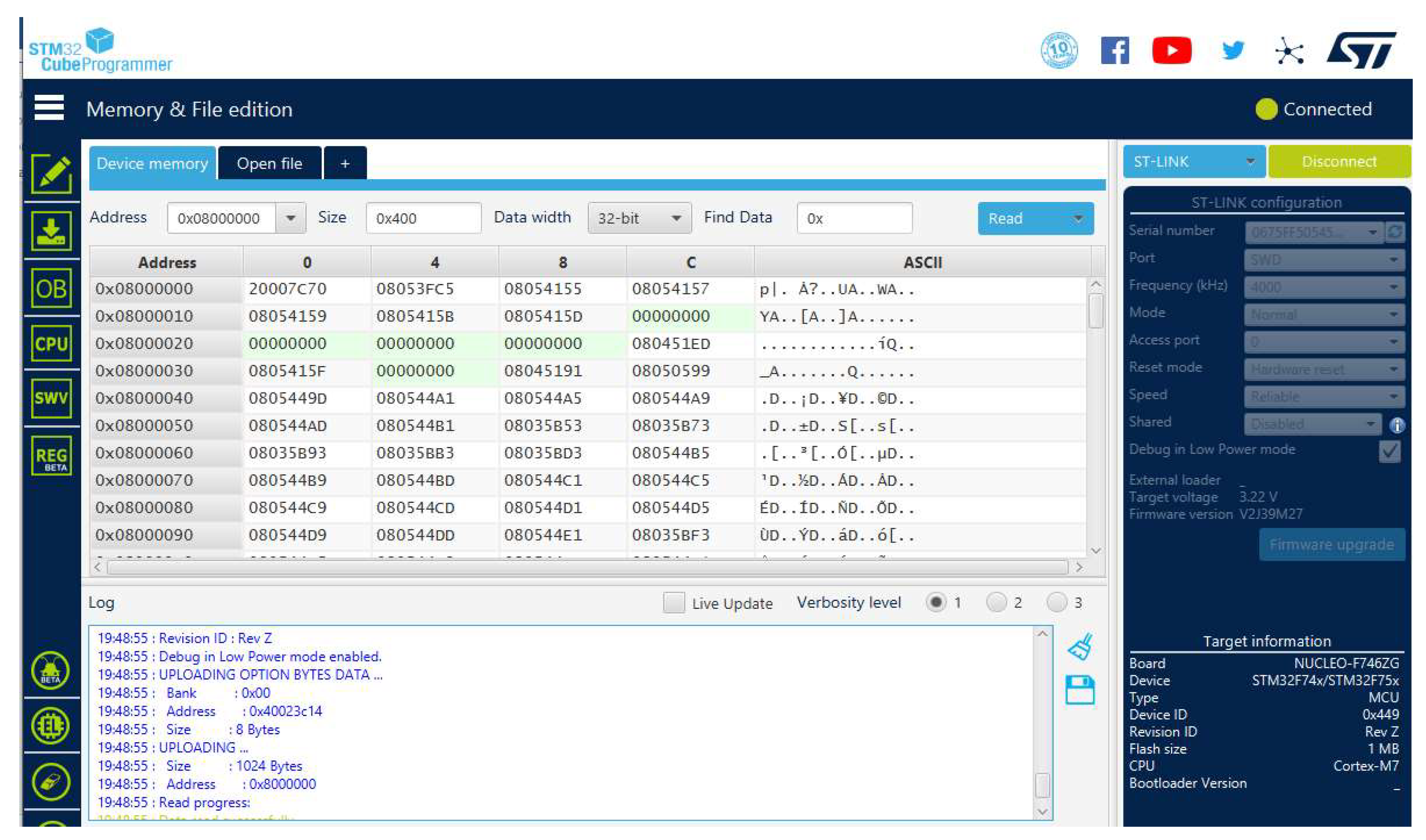
During the gateway configuration process, at the hardware level, it is necessary to adjust some jumpers to adapt the board for use as gateway support. Thus, the JP1 jumper on the board must be set to the OFF position, JP3 to the VIN-5V position, and JP5 to the ON position. At this stage, the specific antenna for LoRa communication is connected. The next stage involves programming the board with the firmware corresponding to the server chosen for implementation. This step is performed using STM32CubeProgrammer, a utility that allows the specific executable to be loaded onto the board. The firmware can be downloaded from the official STMicroelectronics sources (see
Figure 3).
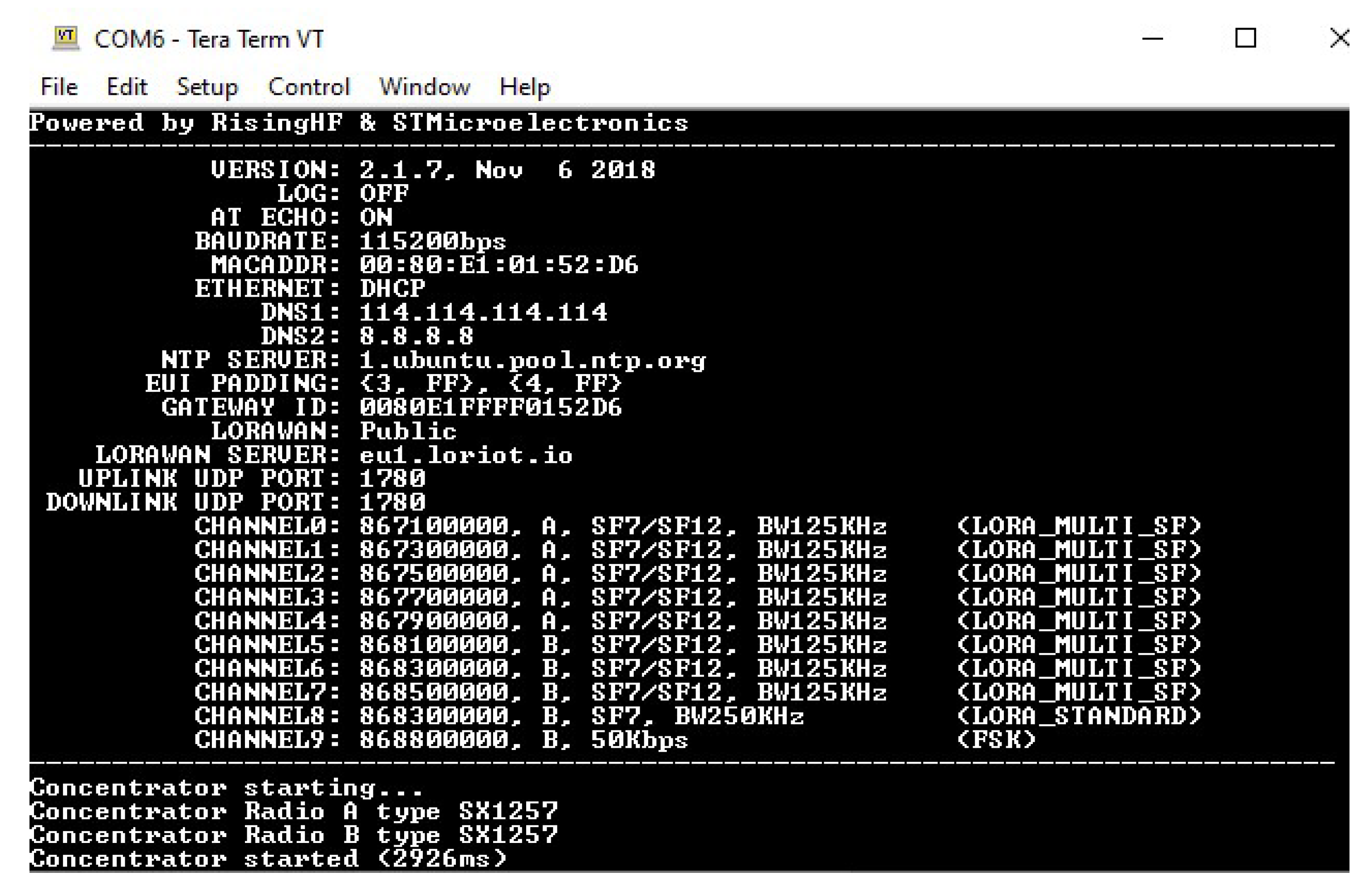
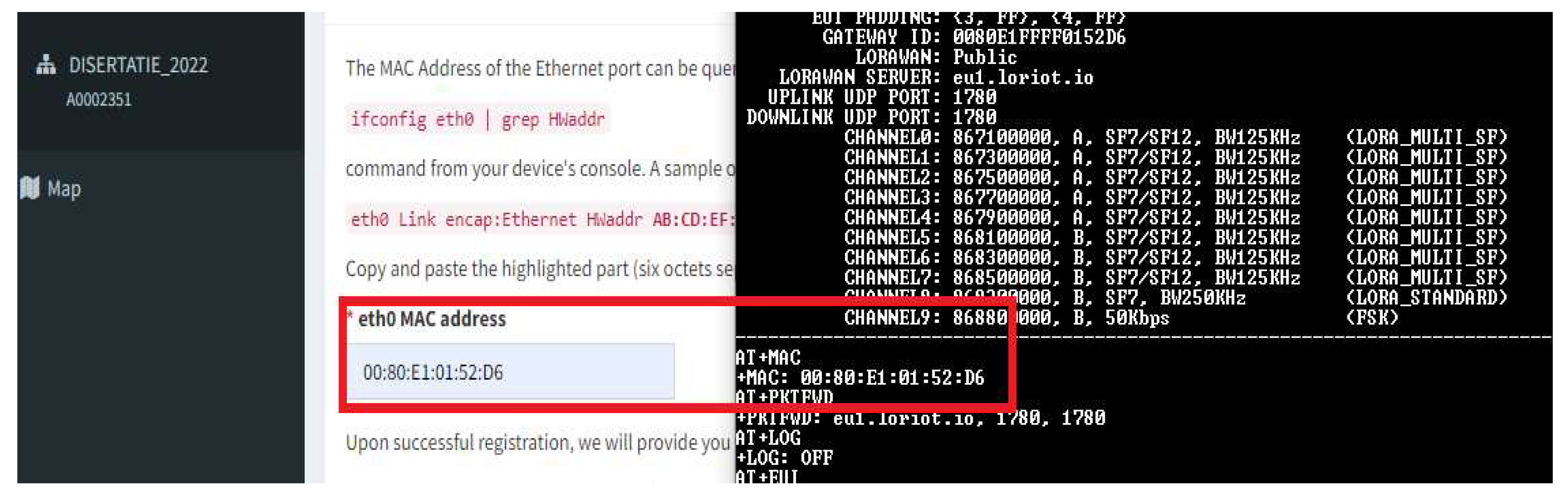
Next, the gateway must be connected to a terminal to adjust operating parameters, such as frequency, connection server, MAC address, and uplink and downlink channels. For this step, the Tera Term environment was configured with specific parameters: baud rate of 115200, 8 data bits, no parity, one stop bit, and no flow control, according to the manufacturer’s specifications. After connecting to the terminal, the device status information is viewed, as shown in
Figure 4. Changing settings, such as operating frequency and MAC address, is done through AT+ commands in a serial terminal.
After configuring the essential parameters, the next step is to connect the gateway to the server and create the network interface. This process begins with creating a user account on the LORIOT.IO [
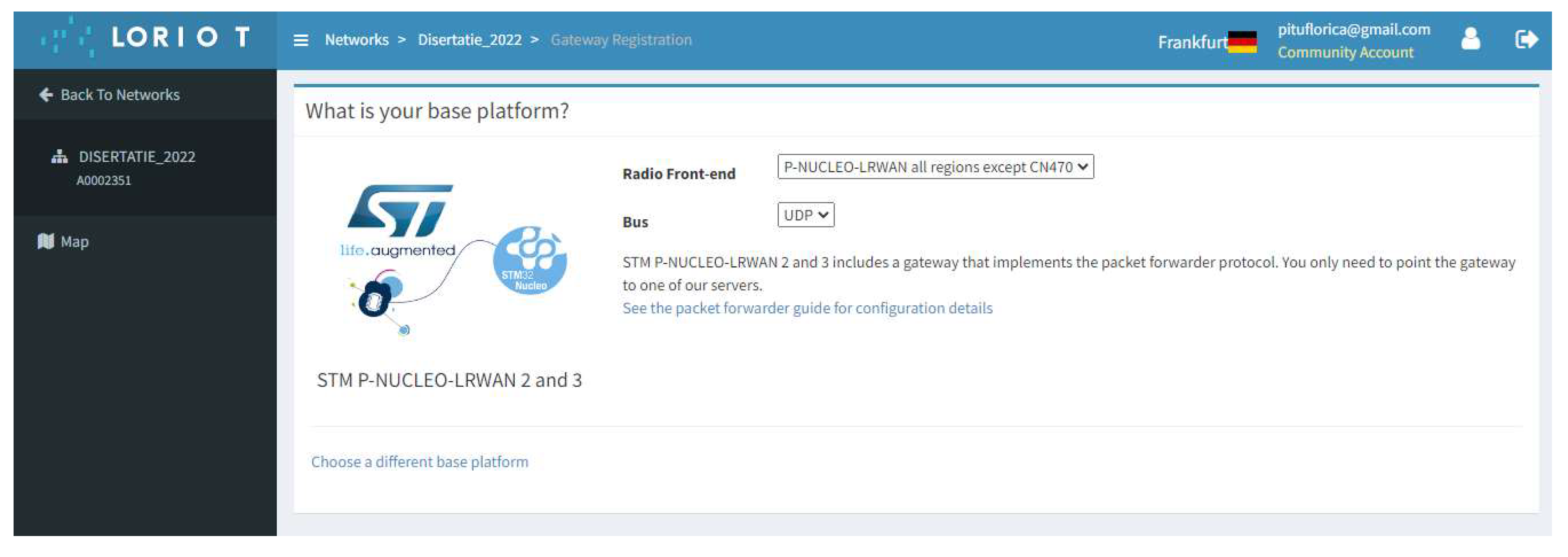
28] platform, where the geographical area in Europe is chosen as the working point, more precisely, Frankfurt, Germany, which is the closest location to the implementation area in North-East Romania. This choice corresponds to the ISM EU868 frequency, the standard used by LoRa in Europe. LORIOT.io allows the device’s configuration according to the manufacturer, and in this case, a gateway from STMicroelectronics, type P-NUCLEO-LRWAN 2/3, was selected.
LORIOT provides the configuration of a device depending on the manufacturer, so in this case, the configuration of a gateway from STMicroelectronics of the type P-NUCLEO-LRWAN 2 or 3 was chosen. The MAC address gives an essential parameter, so special attention must be paid to completing the field with the MAC address because it must correspond to the physical MAC address of the device, the address that we configure in the Tera Term terminal. At this step, the data transmission protocol is also established. In this case, the UDP protocol was used because this was the protocol on which the development board was configured.
An essential parameter is the MAC address, which must be entered accordingly to align with the device’s physical MAC address previously set in the Tera-Term terminal as in
Figure 6. At the same time, the data transmission protocol is established, and the UDP protocol is chosen, which is compatible with the development board used.
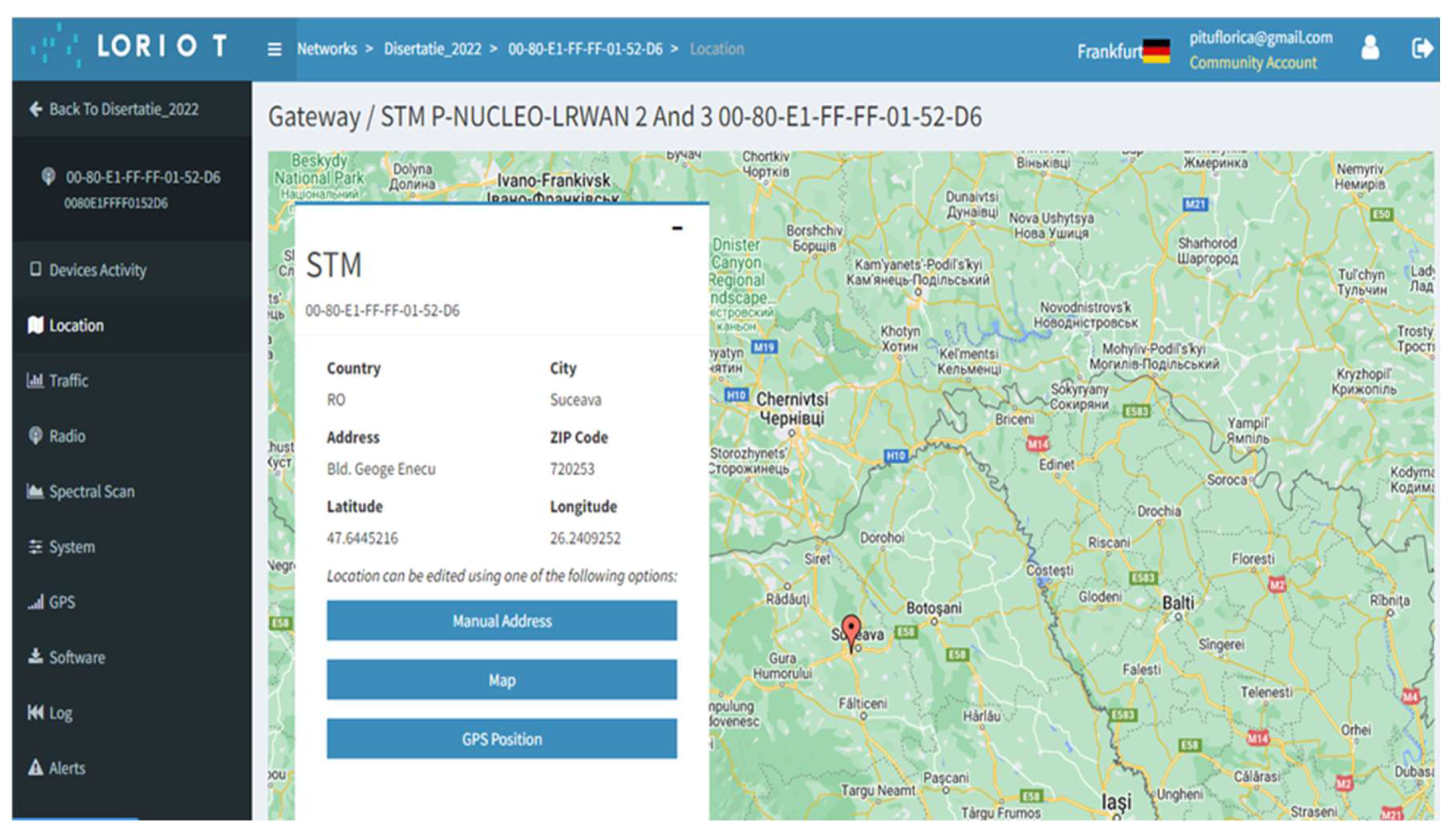
Finally, after the parameters are fully configured, the LORIOT platform dashboard allows the viewing and monitoring of the gateways’ status.
Figure 7 presents the status of the created gateway and its location.
5. End Device Implementation
Implementing the final device involved essential steps at both the hardware and software levels. From a hardware perspective, an essential step was connecting the jumpers for the ST-LINK connector, thus ensuring proper communication between the development board and the programming environment. At the software level, configuring the final device began with integrating the development board within the STM32CubeIDE, and the implementation of the application was finalized by running it on the respective board.
Regarding the software stages, the first step consisted of connecting the network node to the STM32CubeProgrammer program to configure the device, assign the appropriate addresses, and verify the firmware available on the board. This stage was of particular importance, given that it guaranteed excellent hardware preparation for the subsequent phases of application development. Next, the framework project necessary to implement a network node application for Lo-Ra networks was downloaded from the official documentation provided by STMicroelectronics. Access to this project was offered free of charge, subject to creating a user account, thus facilitating obtaining all the resources necessary to develop the application.
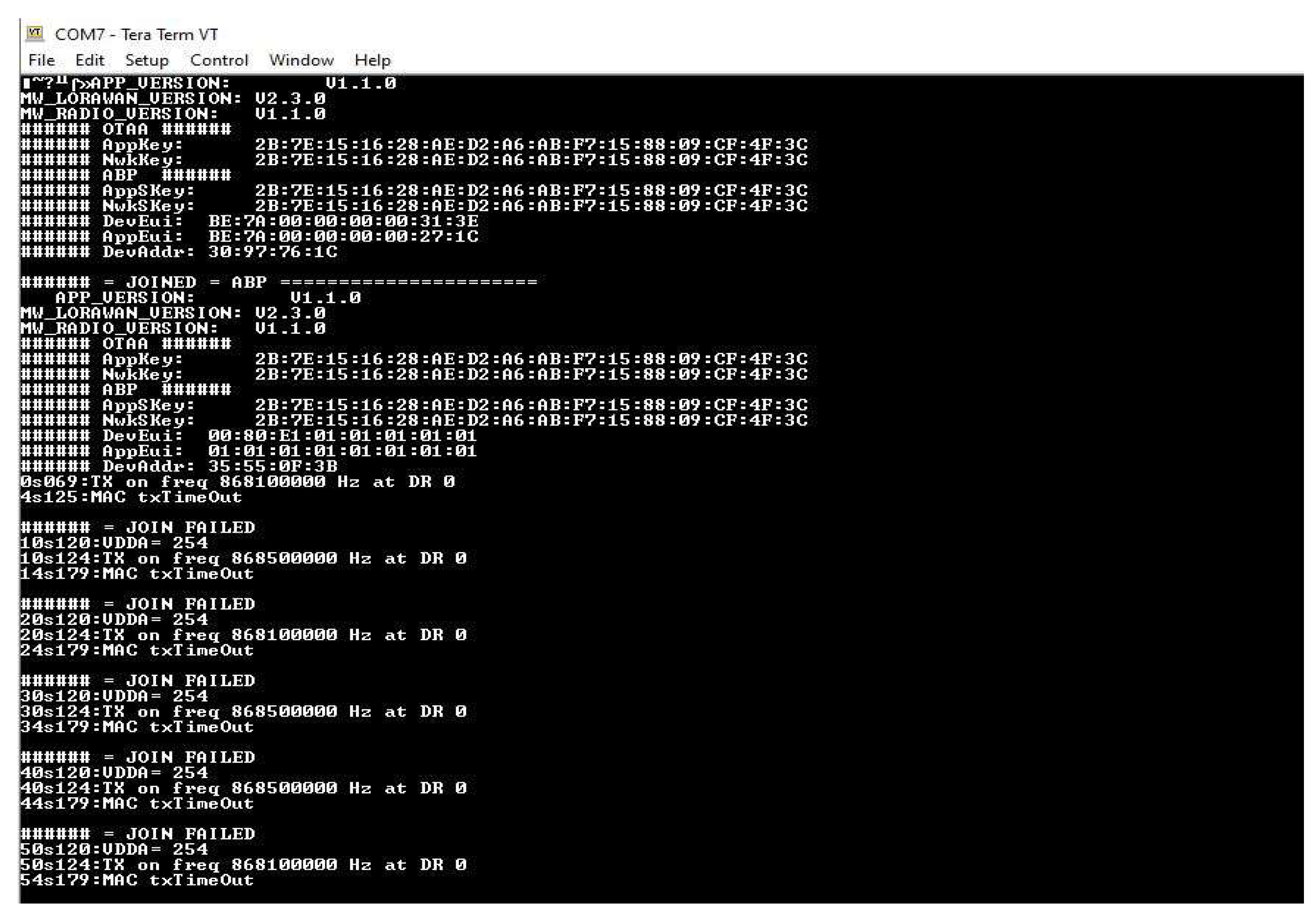
The next step involved importing the LoRa node project into the STM32CubeIDE development environment to test the connectivity between the application and the development board. Once the connection with the board was established, a dedicated USART communication cable was connected. The results were then viewed through a TeraTerm terminal using the same configuration as the gateway. The captured data was reviewed for validation, as illustrated in
Figure 8.
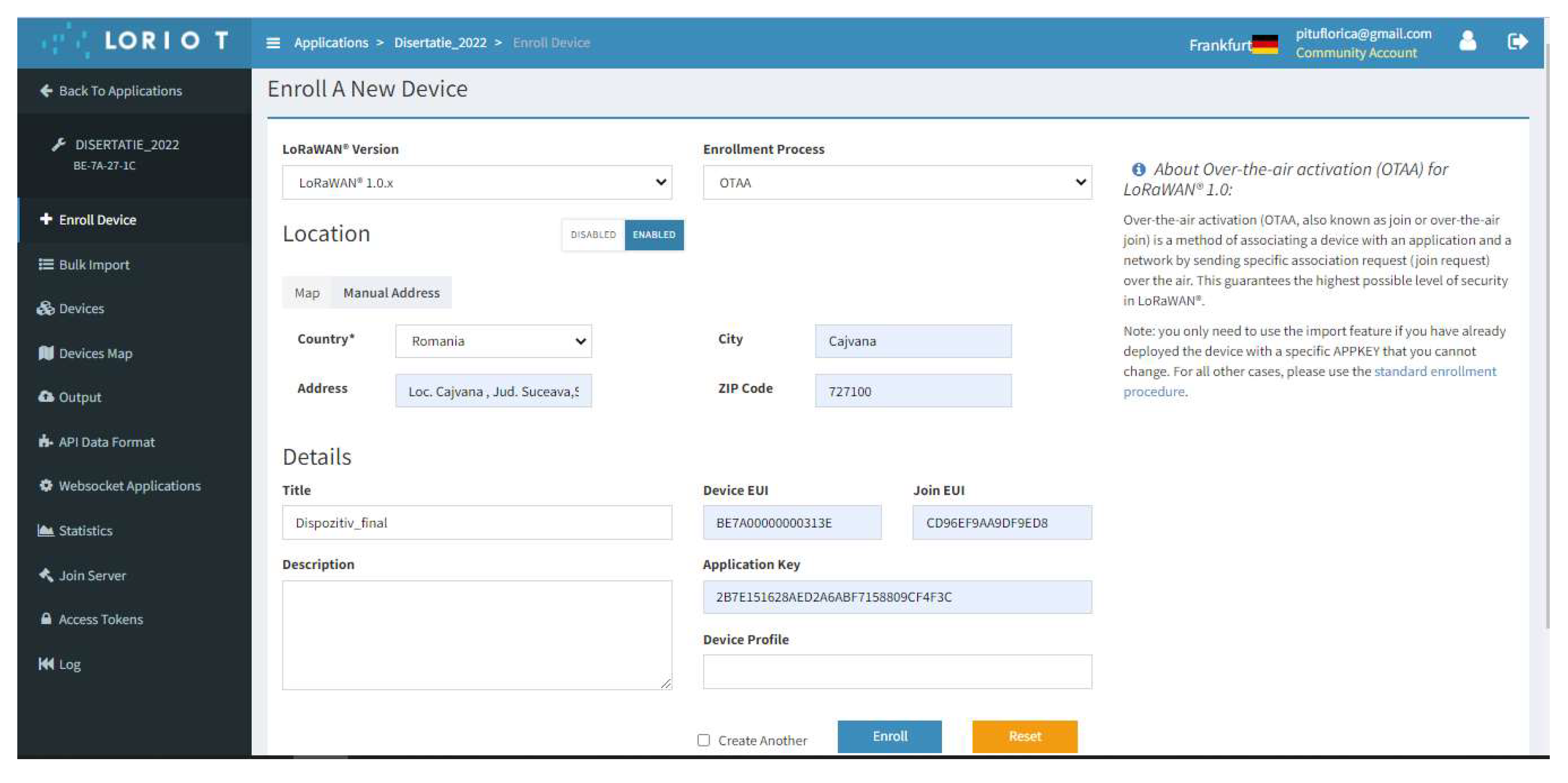
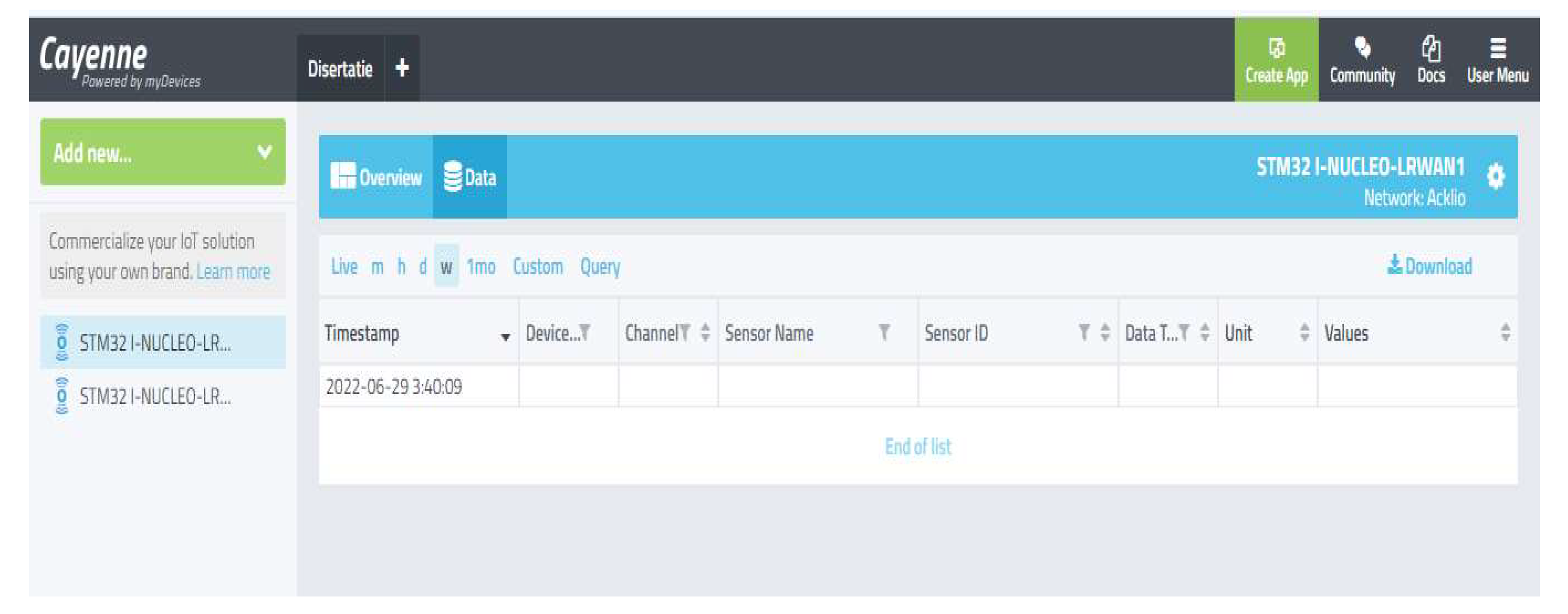
The last step involved registering the end device on the LORIOT platform and configuring it to reflect the physical parameters specific to the device. This step began with creating an application on the LORIOT platform, as shown in
Figure 9. Thus, each of the steps taken was essential in completing the implementation of the end device and ensuring its integration into an operational LoRa network.
6. Implementing the Final Application
Several options are available for implementing the final application, which will display the data received from the end device. However, because the account created on the LORIOT.IO server is not premium, access is limited to two customizable platforms for data visualization: Cayenne and Web-Sockets. In this work, the Cayenne platform was chosen [
29]. Cayenne represents a project intended to support engineers and developers in creating IoT prototypes, which they can later bring into production. A significant advantage of this platform is that it has mobile applications for both iOS and Android, facilitating an intuitive and accessible user experience. The platform offers a wide range of widgets, allowing data visualizations, setting rules and alarms, scheduling events and monitoring the geographical location of the nodes in the network.
The first step in creating the final application involved registering a user account on the Cayenne platform, which will later be linked to the existing account on the LORIOT.IO platform.
Figure 10 illustrates the registration process on the Cayenne platform.
Although implementing this theme might initially seem simple, several significant difficulties arose during the work. One of the main challenges was associated with the implementation of the gateway. Initially, it was intended to use the server and platform provided by TTN [
30]. Still, despite correctly using the authentication credentials, the gateway failed to establish a stable connection with the server. Given the persistence of this problem, it was decided to use the default network supported by STMicroelectronics, namely LORIOT.IO. After configuring the default network of the device and registering it on the platform, it was finally possible to establish the connection via Ethernet between the gateway and the server. Another critical difficulty was related to the final device. Although all hardware parameters were configured according to the technical specifications, it was not possible to establish a serial port connection between the node and the computer intended for debugging. Later, it was identified that the development board had not implemented certain hardware specifications mentioned in the official documentation. As a result, alternative technical solutions were resorted to, embodied in a specially made cable capable of being connected to serial ports that support serial communications.
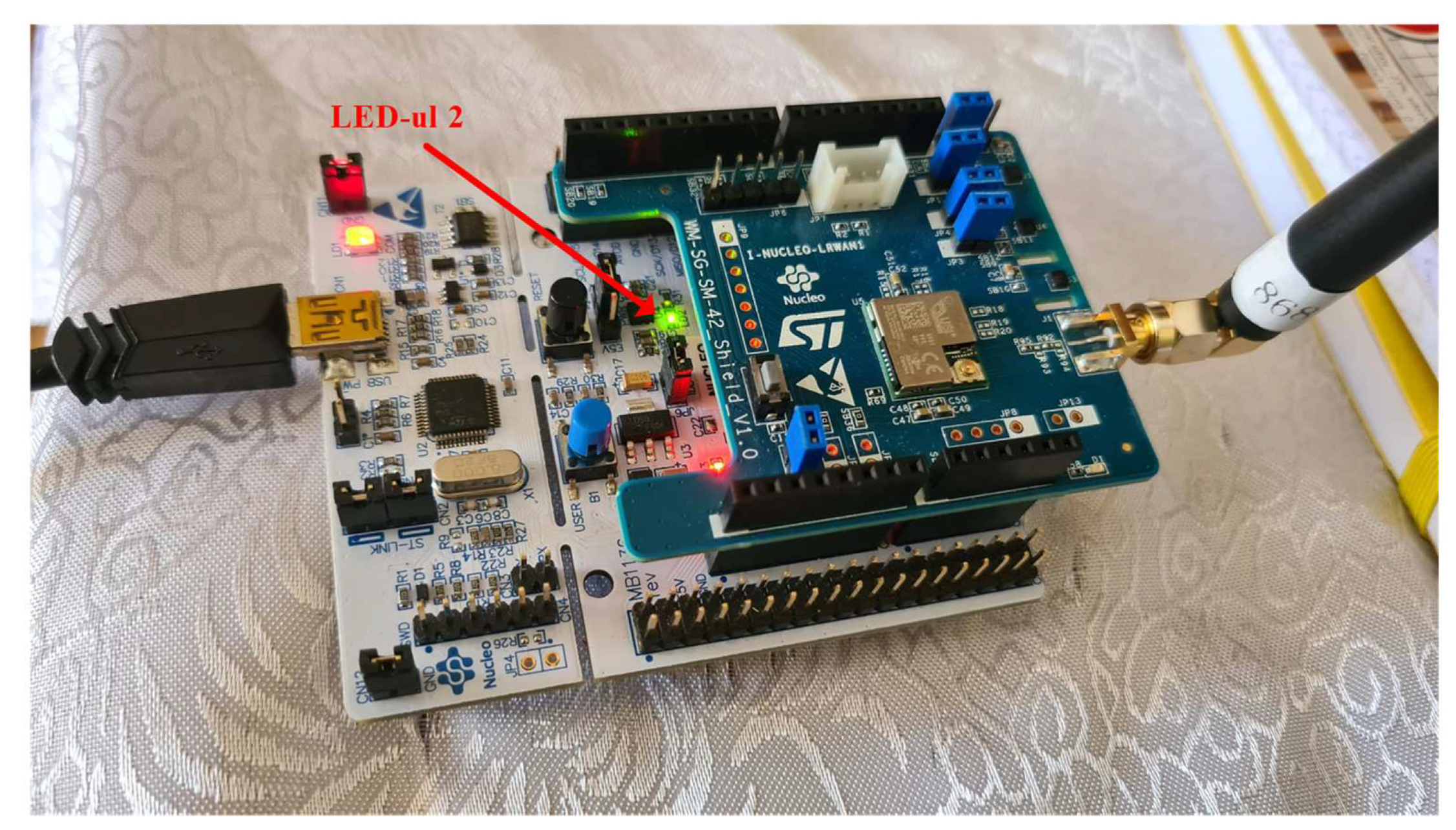
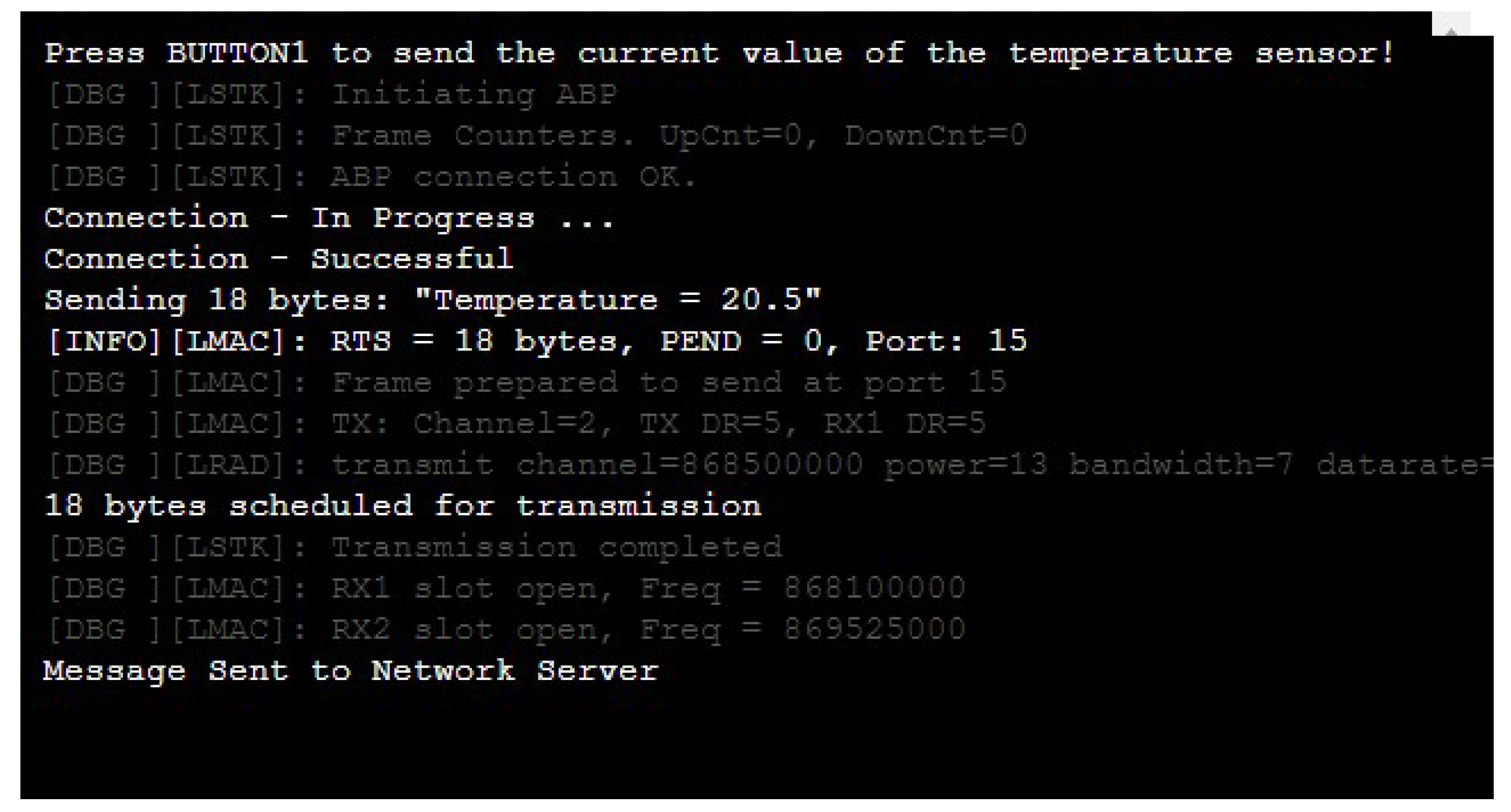
Registering the end device within the TTN platform was essential, given that the authentication information obtained was necessary for the application’s integration with the TTN network. Once the device is registered, the authentication data will be integrated into the gateway configuration, thus facilitating the establishment of the connection with the server. The data to be transmitted will come from the sensors mounted on the expansion board. Although the device was successfully connected using the appropriate credentials and the connection with the server was established, data transmission was only possible by activating the ABP (Activation by Personalization) authentication method.
Figure 11 illustrates the successful transmission of data, the highlighted LED showcasing the process of data packets being sent from the end node to the configured gateway. Each transmission stage is elaborated in
Figure 12, beginning with the initialization of Activation by Personalization (ABP) communication, which establishes secure session keys between the node and gateway. The connection to the server is then established and confirmed by a success message indicating the stability of the link. Following this, the data frame is transmitted, with its value observed in the console output, which also provides details on the transmission port and data rate. The communication utilizes two distinct channels, with the receiving (RX) frequencies on each channel explicitly displayed to demonstrate the system’s robustness. The process ends with a success message confirming both the effective transmission of data and the integrity of the connection, offering a clear validation of the communication pathway and its parameters.
7. Conclusions and Future Research Directions
This system is primarily designed for the agricultural sector. However, its versatile framework allows for adaptation and implementation in other industries, such as logistics, transportation, and healthcare, where continuous monitoring of critical factors is essential. These applications can range from tracking environmental conditions to monitoring patient vitals or supply chain processes, demonstrating the system’s broad applicability across diverse fields. The primary objective of this work was to design and implement an end-to-end system capable of real-time tracking of relevant environmental parameters. By focusing on the evaluation, validation, and local testing of LoRa and LoRaWAN technologies, this project aims to bridge the gap between theoretical potential and practical application. This approach seeks to advance the understanding of these technologies, emphasizing their capabilities in supporting innovative, scalable, real-time data monitoring and management solutions. The insights from testing and validating this solution will provide a solid foundation for future research in long-range wireless communications, especially within the Internet of Things (IoT) and other industrial domains.
The paper outlines developing an IoT system leveraging LoRa modulation technology and the LoRaWAN protocol, which is tailored explicitly for extensive networks requiring low energy consumption. Such features make it particularly valuable for applications in agriculture, where cost efficiency, reliability, and coverage are critical. Implementing this system was a multifaceted process characterized by challenges related to the technical nuances of the LoRaWAN protocol and hardware limitations encountered during development. Overcoming these hurdles required innovative problem-solving and a thorough understanding of software and hardware components. This study included a comprehensive analysis of the current state of LoRaWAN technologies. The paper details the system’s architecture, including hardware and software integration, and explains its implementation through key stages: configuring the gateway, establishing the network node, and deploying the final application. Each phase was carefully designed to optimize system performance and reliability, focusing on scalability and adaptability. The results underscore the system’s significant potential for expansion and improvement. Future developments could optimize communication between the gateway and network nodes, enhance energy efficiency, and integrate advanced data analytics. Implementing a dedicated server for the system would facilitate more robust data management, ensuring seamless operation and paving the way for commercial and industrial applications. Additionally, the system could benefit from enhanced security measures to safeguard data integrity in sensitive applications, such as healthcare and critical infrastructure monitoring.
This work demonstrates the feasibility and versatility of IoT solutions based on LoRa and LoRaWAN technologies and highlights their transformative potential across various sectors. By addressing current limitations and exploring innovative enhancements, this research lays the groundwork for future advancements in IoT-driven monitoring systems, driving progress in agriculture and beyond.
References
- Gaitan Nicoleta Cristina. A Long-Distance Communication Architecture for Medical Devices Based on LoRaWAN Protocol. Electronics. 2021; 10(8):940.
- „Use of Internet of Things in enterprises,” [Interactiv]. Available: https://ec.europa.eu/eurostat/statistics-explained/index.php?title=Use_of_Internet_of_Things_in_enterprises&oldid=570397#Enterprises_using_IoT. [Accesat 20 Iunie 2024].
- „Conflict in Ukraine,” 12 Mai 2024. [Interactiv]. Available: https://www.cfr.org/global-conflict-tracker/conflict/conflict-ukraine. [Accesat 30 Mai 2024].
- „Wheat Production by Country 2022,” [Interactiv]. Available: https://worldpopulationreview.com/country-rankings/wheat-production-by-country. [Accesat 10 Aprilie 2024].
- „Global Smart Agriculture Market Expected To Reach $20 Billion By 2026,” 18 Mai 20224 [Interactiv]. Available: https://www.prnewswire.com/news-releases/global-smart-agriculture-market-expected-to-reach-20-billion-by-2026-301549900.html. [Accesat 30 Mai 2024].
- Serpil și A., M. Seckin, „Impact of COVID-19 on the food supply chain,” Food Quality and Safety, vol. IV, nr. 4, pp. 167-180, 2020.
- „What is LoRa,” [Interactiv]. Available: https://www.semtech.com/lora/what-is-lora. [Accesat 2 Iunie 2024].
- „What is LoRaWAN,” [Interactiv]. Available: https://lora-alliance.org/wp-content/uploads/2020/11/what-is-lorawan.pdf. [Accesat 2 Iunie 2024].
- SimpleIOT,” [Interactiv]. Available: https://simpleiot.ro/. [Accesat 20 Iunie 2024].
- „SigFox se lanseaza în România,” [Interactiv]. Available: https://www.profit.ro/povesti-cu-profit/it-c/sigfox-retea-globala-dedicata-iot-se-lanseaza-in-romania-19003609. [Accesat 20 Iunie 2024].
- „SigFox,” [Interactiv]. Available: https://www.sigfox.com/en. [Accesat 20 Iunie 2024].
- „A Brief History of LoRa®: Three Inventors Share Their Personal Story at The Things Conference,” [Interactiv]. Available: A Brief History of LoRa®: Three Inventors Share Their Personal Story at The Things Conference. [Accesat 2 Iunie 2024].
- „LoRa Alliance,” [Interactiv]. Available: https://lora-alliance.org/about-lora-alliance/. [Accesat 2 Iunie 2024].
- „TEKTELIC Agriculture Soil Moisture Sensor - Surface Version - EU868,” Connected Things, [Interactiv]. Available: https://connectedthings.store/gb/lorawan-sensors/agriculture-sensors/tektelic-agriculture-soil-moisture-sensor-surface-version.html. [Accesat 30 Mai 2024].
- „Soil moisture Sensor,” [Interactiv]. Available: https://connectedthings.store/gb/lorawan-sensors/agriculture-sensors/tektelic-agriculture-soil-moisture-sensor-surface-version.html. [Accesat 30 MAI 2024].
- „LORIX ONE,” [Interactiv]. Available: https://www.lorixone.io/. [Accesat 18 Martie 2024].
- „IOT Factory,” [Interactiv]. Available: https://iotfactory.eu/about-us/. [Accesat 18 Martie 2024].
- „LoRaWAN Gateway – Base Station (Ethernet),” [Interactiv]. Available: https://iotfactory.eu/products/iot-sensors/lorawan-gateway-base-station-ethernet/. [Accesat 2 Aprilie 2024].
- „Indoor Ambiance Monitoring Sensor,” [Interactiv]. Available: https://iotfactory.eu/products/iot-sensors/indoor-ambiance-monitoring-sensor/. [Accesat 3 Aprilie 2024].
- „Libelium Products,” [Interactiv]. Available: https://www.the-iot-marketplace.com/solutions/libelium-cloud-kits?show_all_products. [Accesat 3 Mai 2024].
- C. Wanchalerm, H. Suthat, K. Boonyarit și J. Supaset, „LoRa Network Based Multi-Wireless Sensor Nodes and LoRa Gateway for Agriculture Application,” 2021 Research, Invention, and Innovation Congress: Innovation Electricals and Electronics (RI2C, pp. 133-136, 2021.
- K. Hicham, G. I. Picallo, L.-I. Peio, C.-B. M. Ángel, A. Leyre, A. Otman, A. V. Alejos și F. Falcone, „Analysis of low power wide area network wireless technologies in smart agriculture for large-scale farm monitoring and tractor communications,” Measurement, vol. 187, 2022. [CrossRef]
- B. Miles, E.-B. Bourennane, S. Boucherkha și S. Chikhi, „A study of LoRaWAN protocol performance for IoT applications in smart agriculture,” Computer Communications, vol. 164, pp. 148-157, 2020. [CrossRef]
- „STMicroelectronics - P-NUCLEO-LRWAN2,” [Interactiv]. Available: https://www.st.com/en/evaluation-tools/p-nucleo-lrwan2.html. [Accesat 3 Iunie 2024].
- „Capacitive digital sensor for relative humidity and temperature,” [Interactiv]. Available: https://www.st.com/en/mems-and-sensors/hts221.html#documentation. [Accesat 3 Iunie 2024].
- „MEMS nano pressure sensor: 260-1260 hPa absolute digital output barometer,” [Interactiv]. Available: https://www.st.com/en/mems-and-sensors/lps22hb.html#overview. [Accesat 3 Iunie 2024].
- „Ultra-compact high-performance eCompass module: ultra-low power 3D accelerometer and 3D magnetometer,” [Interactiv]. Available: https://www.st.com/en/mems-and-sensors/lsm303agr.html. [Accesat 3 Iunie 2024].
- „LORIOT- The LoRaWAN® Network Server Provider,” [Interactiv]. Available: https://www.loriot.io/. [Accesat 20 Iunie 2024].
- „Cayenne- my devices,” [Interactiv]. Available: https://mydevices.com/. [Accesat 25 Iunie 2024].
- „The Things Network,” [Interactiv]. Available: https://www.thethingsnetwork.org/. [Accesat 25 Iunie 2024].
- N. C. GAITAN și F. PITU, „The Implementation of a Solution for Low-Power Wide-Area Network using LoRaWAN,” International Journal of Advanced Computer Science and Applications (IJACSA), vol. 13, nr. 6, pp. 443-448, 2022.
- PITU, Floarea; GAITAN, Nicoleta Cristina. Surveillance of SigFox technology integrated with environmental monitoring. In: 2020 International Conference on Development and Application Systems (DAS). IEEE, 2020. p. 69-72.
|
Disclaimer/Publisher’s Note: The statements, opinions and data contained in all publications are solely those of the individual author(s) and contributor(s) and not of MDPI and/or the editor(s). MDPI and/or the editor(s) disclaim responsibility for any injury to people or property resulting from any ideas, methods, instructions or products referred to in the content. |
© 2024 by the authors. Licensee MDPI, Basel, Switzerland. This article is an open access article distributed under the terms and conditions of the Creative Commons Attribution (CC BY) license (http://creativecommons.org/licenses/by/4.0/).