

Submitted:
14 November 2024
Posted:
14 November 2024
You are already at the latest version
Abstract
In the midst of the push for dual-carbon goals, urban centers are faced with the imperative of reducing emissions and conserving energy, while rural regions are harnessing their abundant new energy resources to promote balanced urban-rural development. Photovoltaic (PV) power generation, known for its cleanliness, safety, and emission-free nature, is playing a crucial role in the evolution of Henan Province's power supply industry. This paper delves into the current state of Henan's power supply infrastructure, the trajectory of its low-carbon development, and the policies shaping the PV sector. It also examines the establishment of an urban-rural mutual aid model through the lens of alternative energy technologies. By utilizing a combination of case studies and systematic theoretical research, this paper uncovers the untapped economic potential of new energy sources in rural areas and presents strategies for synergistic development in alignment with dual-carbon goals within the power supply industry. The research underscores the significance of an urban-rural mutual assistance model in achieving carbon neutrality, addressing urban-rural development gaps, fostering shared prosperity, and contributing Chinese insights to global climate governance frameworks.
Keywords:
Dual-carbon goals
; New energy
; Urban and rural mutual assistance
; Common prosperity
; Equilibrium development
1. Introduction
1.1. Background
A photovoltaic system is a special electrical system that produces energy from a renewable and inexhaustible source: the sun. A photovoltaic (PV) panel, commonly called a solar panel, contains PV cells that absorb the sun’s light and convert solar energy into electricity. These cells, made of a semiconductor that transmits energy (such as silicon), are strung together to create a module. A typical rooftop solar panel has 30 modules. When the semiconductor in the photovoltaic panels absorbs the sunlight, this knocks the electrons (which form the basis of electricity) free from their place, and they can now flow through the semiconductor. These dislodged electrons, each carrying a negative charge, flow across the cell toward the front surface, creating an imbalance in charge between the front and the back. Photovoltaic cells produce electricity because this imbalance, in turn, creates a voltage potential like the negative and positive terminals of a battery. The current is then collected on wires and then used immediately or stored in a battery of the photovoltaic system. It’s not true that solar cells only work when the sun is shining. But they won’t generate as much power on a cloudy day as on a sunny one.
Since the onset of the Industrial Revolution, human society has engaged in unrestrained use of high-carbon fossil energy, resulting in the emission of substantial amounts of greenhouse gases into the atmosphere and subsequently leading to global warming. This phenomenon has had a profound impact on the frequency of extreme weather conditions such as floods, droughts, melting glaciers, rising sea levels, and reduced biodiversity. These changes are altering the earth's ecosystem and posing a threat to the survival and development of human beings. In accordance with national conditions, it is projected that by 2030 there will be a reduction of more than 65% in unit gross domestic product (GDP)and carbon dioxide emissions compared to 2005 levels. Additionally, it is anticipated that non-fossil energy will account for 25% of primary energy consumption while forest stock will increase by 6 billion cubic meters compared to 2005 levels. Furthermore, it is expected that total installed capacity for wind and solar power will exceed 1.2 billion kilowatts. Therefore, it is imperative that more effective measures and policies be implemented in order to achieve "carbon peak" before 2030 and "carbon neutrality" before 2060.
1.2. Current Challenges
Presently, Henan Province and the entire country are still confronted with a series of new challenges. These include a high proportion of high energy consumption industries, with coal serving as the primary energy source, and significant energy consumption in the processing and manufacturing stages of the manufacturing value chain. To address these issues, it is imperative to revise existing laws and regulations, enhance external governance mechanisms, establish incentive mechanisms for carbon-neutral technological innovation in the power supply industry, and implement a range of measures. A comprehensive and systematic study on the externalities of carbon emissions will be conducted to propose thorough theoretical solutions and promote the implementation of industrial structural regulation methods in order to strive towards achieving dual-carbon goals. Therefore, research into photoelectric collaborative optimization technology within the power supply industry represents an important avenue for driving advanced development within this sector.
Furthermore, Since the implementation of reform and opening up, China has devoted significant efforts to economic development. However, insufficient attention has been paid to the potential value of rural photoelectric energy. Nowadays, there is a dearth of research on photoelectric collaborative optimization technology in the rural power supply industry, as well as on the mutual development mode between rural photoelectric energy and urban industry. As China's agricultural economy entered the 21st century, various national agricultural policies have led to substantial improvements in farmers' living standards. Nevertheless, numerous contradictions continue to exist in rural development. Therefore, it is imperative not only to innovate by exploring the advantages of photoelectric energy in rural areas and establishing a mode of mutual assistance but also to harness the creativity of urban industry for this purpose.
Henan Province, as the birthplace of Chinese civilization, plays a crucial role in achieving the goal of dual-carbon in China through the implementation of a photoelectric energy mutual assistance mode between urban and rural areas. In light of this dual carbon goal, it is imperative to adhere to the principle of sustainable development and urban-rural integration. Establishing an urban-rural mutual assistance mode based on synchronous optimization of carbon-electricity is essential for realizing balanced development between urban and rural areas. Therefore, studying the optimization mechanism of urban and rural optoelectronics in Henan province under the dual-carbon goals holds significant value.
Also, China faces challenges such as high energy consumption industries like steel, non-ferrous metals, building materials, petrochemicals, chemical industry, and reliance on coal for energy structure.
1.3. Research Objectives
- (1)
- Theoretical objective. The aim of this study is to investigate the technical conditions of the power generation industry through classification, explore the dynamic mechanism for promoting technological progress through innovation in energy alternative technology, energy efficiency improvement technology, and industrial upgrading technology. This study aims to provide a detailed explanation of the theory and ultimately develop a systematic analysis framework for technological innovation in the power generation industry. Furthermore, this study seeks to examine the latest achievements and practical applications of carbon neutral technology innovation in China's power supply industry. It also aims to analyze the impact of technological innovation on carbon emissions in the power supply industry and assess the adoption of technological innovation within this sector. This research will also address several key points including: 1) The necessity of an incentive mechanism for carbon neutral technology innovation, particularly considering the high positive correlation between power supply scale and carbon emissions. 2) The importance of an incentive mechanism for carbon neutral technology innovation within the power supply industry. 3) The feasibility of implementing such an incentive mechanism based on dynamic competition between new energy enterprises and established companies.
- (2)
- Practical Objectives. The classification of the prominent characteristics of the power generation industry is focused on innovation in energy replacement technology, improvement in energy efficiency technology, and the construction of incentive mechanisms for industrial advanced technology. This is aimed at addressing the challenges of carbon neutralization, power shortage, and outdated technology within main enterprises, while also contributing to long-term technological progress on a macro level. Firstly, there will be an examination of the interrelationship between different technological innovations and carbon neutrality to provide support for incentivizing carbon-neutral technological innovation. Secondly, there will be a study on the combination of technological innovations within key carbon-emitting industries and their respective incentive mechanisms. Lastly, there will be an exploration into how the technological innovation system within key carbon-emitting industries relates to macro long-term technological progress.
This research aims to modify existing laws and regulations to improve external governance mechanisms and formulating incentive mechanisms for carbon neutral technological innovation in the power supply industry are vital steps. Firstly, strengthening the construction of our socialist legal economy is necessary. Secondly, implementing China's overall strategy for economic and social development in the new era is crucial. Striving to achieve peak carbon by 2030 and complete carbon neutrality by 2060 aligns with China's "two-step" strategy for socialist modernization. Researching incentive mechanisms for carbon neutral technology innovation will contribute significantly towards achieving these goals. Consequently, delving into the incentive mechanisms underpinning carbon-neutral technological innovation within the pivotal sectors of carbon emissions represents a crucial approach to propel the high-quality, sustainable expansion of China's economic landscape. Furthermore, it stands as a pivotal issue within the strategic framework aimed at the great rejuvenation of the Chinese nation. Additionally, there is an imperative need to refine the international architecture of climate governance. This study not only offers a comprehensive theoretical framework and operational guidelines for the innovation of carbon-neutralization technologies within the power sector but also establishes a solid foundation for the sustainable advancement of economic, social, and environmental dimensions of our nation in alignment with the dual-carbon goals. It further aids in the comprehensive strategy of domestic and international energy resource management and offers Chinese perspectives on fostering the development of an international climate governance system.
2. Literature Review
The pressing issue at hand has elicited extensive interest from scholars across the globe. Research germane to this subject can be distilled into three core areas.
2.1. Investigating Equilibrium Progress
The synchronized advancement of carbon neutrality and the equilibrium of energy supply and demand represents an innovative developmental paradigm. This approach is founded on the principles of green, low-carbon growth, emphasizing the profound interweaving of energy with the low-carbon industry chain. It ensures a balanced spatial distribution of energy production and marketing, fosters the joint evolution of energy technologies, and strengthens the interconnection between energy markets. Additionally, it calls for a harmonized policy framework to support these initiatives (Zhan et al., 2023) [1]. Against the backdrop of green and low-carbon progression, China's energy infrastructure is compelled to undergo comprehensive reform to achieve carbon neutrality (Suo et al., 2021) [2]. In the wake of swift modernization and urban expansion, there has been a sustained annual upsurge in electricity demands in contemporary society, both in production and daily life (Albogamy et al., 2022) [3]. As the energy market continues to evolve, significant changes have occurred in the dynamics of electricity supply and demand. This evolution necessitates elevated standards for development within the electricity provision sector (Yao and Zang, 2021) [4].
The balance between energy supply and demand is crucial (Cao et al., 2021) [5]. Zou et al. (2021) argue that the excessive use of fossil fuels by humans, combined with global efforts to reform, has disrupted the natural equilibrium and cyclical pathway of the carbon cycle [6]. Lu et al. (2023) suggest that achieving China's strategic goals for reaching a carbon peak and carbon neutrality hinges on promoting a clean and low-carbon transformation, as well as high-quality development of energy and electricity. They also advocate for reducing energy consumption through strong conservation and efficiency measures, increasing the proportion of non-fossil energy sources, and accelerating the transition to clean and low-carbon energy infrastructure. Furthermore, they recommend accelerating technological innovation tailored to China's national context to gain a strategic advantage in energy development [7]. Chen et al. (2011) assert that establishing a green and low-carbon technological system in China requires constructing a theoretical framework that supports its long-term development from the ground up, catering to various developmental needs at different levels [8]. Xinfa and Xue (2022) have proposed decisive measures not only to reduce CO2 emissions but also to accelerate industrial transformation and upgrading, with a focus on establishing a low-carbon energy system [9]. Chu et al (2021) argue that the carbon emission permit trading system significantly promotes green technology innovation among enterprises. They suggest that higher carbon pricing has a stronger impact on green technological innovation within enterprises through carbon emission trading [10]. Wu et al (2023) have suggested that in facilitating an energy transition, various renewable energy policies should be strategically formulated in phases. This approach should consider grid system development and proper planning of renewable energy growth to ensure balanced development [11]. Xinfa and Jinglin (2022) have recommended digitalization as a means to reduce carbon emissions by optimizing industrial structure, adjusting the energy mix, enhancing government governance efficiency, and transforming production and lifestyle practices. Consequently, they emphasize the need for thorough research on this critical issue [12].
2.2. Carbon-Neutral Technologies in the Electricity Supply Sector
The current scholarly discourse on carbon neutrality and the technologies of the power supply industry is rapidly expanding. Achieving carbon neutrality is a crucial objective for the Chinese government in its efforts to address climate change. Historically, coal has been the primary energy source for China, contributing to 70-80% of the nation's carbon emissions. China has been developing CCUS since 2006 to date, and the technology is now considered a key part of the country's climate mitigation strategy. And its China's strategic initiatives to reduce carbon emissions include reducing reliance on coal for power generation and enhancing carbon capture, utilization, and storage (CCUS) technologies at coal-fired power plants (Xie et al., 2022) [13]. Wang et al (2024) had proposed exploring a cost-effective path for achieving carbon peaking and neutrality in China by constructing a multi-objective model that aligns with economic and sustainable principles [14]. Additionally, Ostergaard et al (2022) have recommended a comprehensive approach that includes strict control of fossil fuel consumption, significant expansion of renewable energy sources, advancement of negative emission technologies, and enhancement of natural carbon sinks to achieve carbon neutrality goals [15].
Transitioning to cleaner energy generation technologies is a crucial strategy for reducing carbon dioxide emissions and meeting commitments to achieve carbon neutrality (Sun and Dong, 2023) [16]. Zhao and You (2020) have developed a bottom-up energy transition optimization framework that integrates decarbonization efforts across the electricity and space heating sectors. This framework considers the stability of the energy system, climate objectives, and intended systemic transformations, revealing the feasibility of a carbon-neutral energy transition through renewable energy generation, energy storage, and energy efficiency technologies [17]. Mahmud et al (2018) suggest that the goals of carbon peaking and neutrality will drive a new energy revolution and accelerate diversification of the energy structure. They project that photovoltaic-centric non-fossil energy will increasingly dominate the landscape, with electricity and hydrogen seeing significant enhancements in status [18]. Tang et al (2024) advocate for a harmonized approach to carbon peaking and neutrality, emphasizing the need to control total fossil fuel consumption, expedite replacement with non-fossil fuel sources, and establish a modern clean, low-carbon, safe, efficient energy system [19]. After analyzing sunlight conversion processes into electricity, heat, and chemical substances, Izam et al (2022) propose that solar energy can meet diverse demands for low-carbon industrial sustainability [20]. Barba et al (2016) demonstrate that adopting advanced fuel technologies and management systems can reduce carbon emissions in the power supply industry. They also recommend implementing combined power cycle systems in order to achieve higher thermal and mechanical efficiencies [21]. Amoussou et al (2023) argue that construction of a carbon-neutral-oriented power system should be carried out in phases. They argue that the development of such an innovative power system plays a crucial guiding role and holds significant importance for achieving carbon neutrality [22].
2.3. Enhancing Energy Efficiency
Current research in the field of power supply is currently focused on improving efficiency. In recent years, scholars have shifted their focus towards enhancing efficiency and replacing energy resources. According to Cang et al (2021), new forms of energy are generally characterized by less pollution and renewability compared to traditional fossil fuels such as coal, oil, and natural gas. This shift is significant in addressing the escalating challenges of environmental pollution and resource scarcity faced by the contemporary world. The thermal power sector plays a vital role as a carbon emission source in China's energy landscape, meeting the social energy demands of China's economic development and striving to achieve carbon peaking and neutrality goals [23]. Li et al (2022) view the thermal power industry as consisting of two stages: energy production and utilization. They introduce a two-stage data envelopment analysis (DEA) method based on the generalized equilibrium efficient frontier approach. This equilibrium efficient frontier minimizes total carbon emission adjustments, which is then used to calculate overall energy production and utilization efficiency within the two-stage process, providing valuable insights into reducing carbon emissions within the thermal power sector [24]. Raza and Lin (2022) utilize a trans-log production function to explore potential energy substitution possibilities and estimate potential emission reduction benefits from such a transition. Their study confirms that renewable electricity efficiency can significantly enhance Pakistan's productivity, suggesting that energy substitutability through technological progress, economics, and inter-fuel substitution is indeed feasible for achieving emission reduction goals [25].
Guo et al (2022) suggest that future efforts to control carbon emissions should focus on further improving energy efficiency and optimizing industrial and energy structures. They emphasize the importance of tailoring carbon emission reduction initiatives to the specific conditions of different provinces and regions [26]. Wang et al (2022) delve into the significant role and status of the energy and power industry in pollution and carbon reduction. They advocate for enhancing energy efficiency levels, developing clean energy, promoting terminal electricity and hydrogen substitution, improving coal power development quality, constructing a new power system, and accelerating energy and power technology innovation and systemic reform [27]. Lian et al (2024), in their study utilizing sample data from 30 Chinese provinces, employ the Granger causality test to verify the causal relationships between carbon emission intensity (CEI) and other factors. They establish a mediated effect model that explores the direct and indirect impacts of renewable energy utilization on CEI, providing policymakers with targeted pathways for low-carbon electricity development [28].
Improving carbon emission efficiency and reducing regional disparities are crucial for the green development of the Belt and Road region, which is primarily composed of developing countries. Xinfa et al (2024) advise to improve the operational efficiency of the power grid, reduce energy costs, and facilitate economical and efficient energy distribution in the power market [29]. This significance is highlighted in the research by Zhang et al (2022) [30]. Li et al (2022) utilize the Theil index to measure variations in carbon emission efficiency and apply the logarithmic mean Divisia index (LMDI) method to dissect differences in carbon emission efficiency among five groups of 60 countries along the "Belt and Road". Their findings indicate that energy efficiency is the principal factor affecting disparities in carbon emission efficiency, particularly between East Asia and Central and Eastern Europe, as well as between South Asia and East Asia [31]. Dong et al (2021) discover that the carbon emission efficiency in China's southeast coastal region outperforms that of the northwest region. They also note that the development of renewable energy initially inhibits, but subsequently promotes, carbon emission efficiency within a reasonable threshold. Their analysis of regional heterogeneity reveals no significant difference in the trend of renewable energy development's impact on carbon emission efficiency across Eastern, Central, and Western China, offering valuable guidance for Chinese policymakers in crafting effective carbon emission reduction strategies [32].
3. Challenges or Potential Barriers in Henan Province's Power Supply Industry under the Dual-Carbon Goals
3.1. Imbalanced energy generation in Henan Province
Henan Province is situated in the Central Plains of China, with a substantial population of approximately 100 million people. This inevitably leads to a high level of human activity in the region. Cities such as Zhengzhou, Shangqiu, Luohe, and Xinyang have emerged as crucial transportation hubs for both goods and passenger flow. However, this increased human activity has also resulted in a significant carbon footprint due to the province's reliance on thermal power generation.As depicted in Figure 1, from 2017 to 2023, thermal power generation from various sources has consistently remained at a high level, ranging from 260.84 billion KWH to 265.05 billion KWH. In contrast, hydropower generation has fluctuated between 10.5-13.9 billion KWH during this period. Wind power generation experienced substantial growth from 2.46 billion KWH in 2017 to 33.37 billion KWH in 2023, while solar power generation also saw an increase from 2.668 billion KWH to 6.77 billion KWH over the same period. Furthermore, data presented in Figure 2 illustrates that thermal power continues to dominate the power generation structure in Henan province by constituting approximately 84% of total power production in 2023; wind power accounted for only about10%, hydropower for around4%, and solar power for merely2%. This unbalanced energy mix highlights the priority given to coal-burning thermal power plants within the region.In light of these findings and considering China's commitment towards achieving carbon neutrality by2030and utilizing non-fossil fuels for more than90%of its electricity generation by2060(as predicted by experts at Tsinghua University), it is imperative for Henan province and indeed the entire countryto address multiple factors including energy security, economic growth,social welfare,and livelihoods, to ensure sustainable development through concerted efforts.
3.2. Carbon Emission in Henan Province
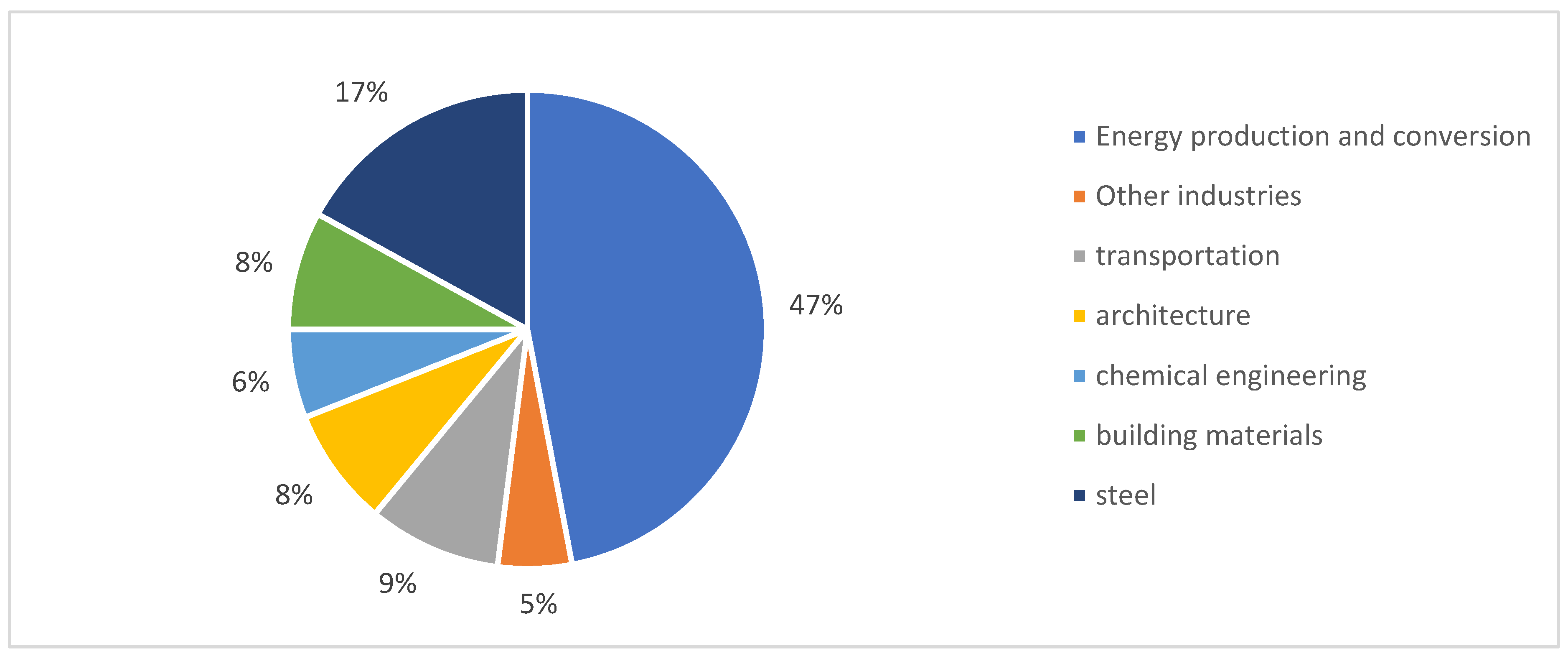
The total greenhouse gas emissions in Henan Province are significant, with a high proportion attributed to fossil energy consumption. There exists a substantial disparity between Henan Province and more advanced regions in terms of energy conservation and carbon reduction. The combustion of coal, oil, steam, and other fossil fuel sources is the primary contributor to carbon dioxide production. According to data from the Henan Yearbook, carbon dioxide emissions in Henan Province can be broken down by energy type: 44% from coal-fired power generation and heating emissions, 35% from coal terminal combustion emissions, and 15% and 6% from oil and natural gas emissions respectively. Coal-related industries account for nearly 80% of the total carbon emissions. From an energy activities perspective, carbon emissions from energy production and conversion make up 47%, industry accounts for 36%, transportation for 9%, and construction for 8%. Within the industrial sector specifically, steel contributes to 17% of these emissions while building materials contribute to 8%, and chemical processes contribute to another 6%. Due to its industrial structure being dominated by energy-consuming industries, power-heat related sectors are the main contributors to carbon dioxide emissions in Henan Province (nearly half of all provincial emission totals). In order to address climate change within the context of dual-carbon goals, it is imperative that Henan Province consider both national policies as well as local conditions; this approach should not only prioritize high-quality economic development but also meet societal needs for improved living standards. In reality however, the heavy reliance on coal-based energy consumption places significant pressure on efforts towards both energy conservation and carbon reduction—indicating that there remains much progress yet ahead.
Figure 3.
Carbon dioxide emission composition of energy sector in Henan Province. Source: National Bureau of Statistics.
Figure 3.
Carbon dioxide emission composition of energy sector in Henan Province. Source: National Bureau of Statistics.
3.3. The Power System in Henan Province is Undergoing Significant Structural Adjustment
At present, Henan Province is still deeply engaged in the process of industrialization and urbanization. With a large economic volume, rapid growth rate, significant energy consumption demand, and a high reliance on fossil fuels, the province faces challenges in reducing carbon emissions. The primary focus of carbon emission reduction efforts lies in decreasing carbon intensity. However, achieving carbon neutrality in coal-fired power generation presents a difficult task. It requires controlling carbon emissions through major structural adjustments within the power system, such as phasing out and transforming existing fossil fuel generating units, equipping them with carbon capture, utilization and storage (CCUS) devices, and increasing the proportion of clean energy. Under the dual-carbon goal framework, Henan Province is compelled to accelerate the expansion of its new energy installed capacity under the impetus of national policies promoting new energy development. State Grid Henan Electric Power Company must continue optimizing the power structure to enhance the share of "green electricity" by providing guidance for new energy consumption at prefecture-city levels. This includes expanding energy storage applications across the province and establishing a mechanism to ensure grid connection for clean energy sources. Furthermore, to enhance adaptability to large-scale grid-connection of renewable energy sources within its power system infrastructure, Henan should further explore potential peak regulation capabilities within its power grid while promoting flexible transformation of thermal power units and bolstering support for energy storage construction initiatives. At present, Henan Province is still in the deep process of industrialization and urbanization. It has a large economic volume, fast growth rate, large demand for energy consumption, and a high proportion of fossil energy. Fossil energy utilization is the main source of carbon dioxide emission, so the core of carbon emission reduction work is to reduce carbon intensity. However, in the field of energy in Henan Province, the task of carbon emission reduction is difficult. If we want to achieve carbon neutrality in the field of coal-fired power generation, we need to control carbon emissions. At the same time, State Grid Henan Electric Power also needs to expedite the integration of new energy into market trading, facilitate the consumption of clean energy through market mechanisms, and drive the shift towards green and low-carbon energy consumption. In essence, there is a pressing need for significant restructuring of the power system. Confronted with challenges such as large accumulative scale of high carbon energy assets and formidable obstacles in transformation, it is imperative to exert greater efforts in fundamentally altering the development mode.
3.4. The Power Supply Industry in Henan Province Requires Transformation
For China, the process of achieving carbon neutrality will further increase the electrification rate in China. As a result, electricity demand is projected to continue growing rapidly over the next 40 years. In terms of total volume, some research institutes estimate that China will need to increase its electricity generation from the current 7 trillion KWH to 15 trillion KWH by 2060 in order to achieve carbon neutrality. In terms of the proportion of electricity use, according to the Research Institute of Climate Change and Sustainable Development at Tsinghua University, the current proportion of electricity in end-energy consumption is approximately 25 percent. To achieve carbon neutrality, it is necessary for China to increase this proportion to more than 30 percent by 2030 and then further to 55 percent by 2060 in order to reach this goal.
In order to achieve the goal of carbon neutrality, Henan is making continuous efforts in energy structure and technology. However, it also faces formidable challenges, especially in the power sector. Henan is a large province of energy production and consumption, with its energy structure being dominated by coal for a long time. Accelerating the development of new energy and promoting clean and low-carbon energy transformation is a key measure to promote the province's carbon peak and carbon neutrality. This effort is of great significance to support the province's economic and social development as well as comprehensive green transformation. Therefore, vigorous development of renewable energy and reduction of fossil fuel proportion are essential. The capacity of coal-fired units will be further reduced in order to achieve this goal. The traditional coal power industry chain will be severely impacted, necessitating urgent industry transformation to find new economic growth points. Thermal power generation equipment manufacturing and supporting enterprises within the industrial chain need to develop new green industrial growth points as soon as possible while implementing industrial transformation promptly.
To achieve carbon neutrality, Henan needs to vigorously promote the development of renewable energy such as wind power and photovoltaic. Additionally, it should actively develop new energy sources including hydropower, geothermal energy, ocean energy, hydrogen energy, biomass energy and photothermal power generation. For instance, the capacity of photovoltaic power generation is expected to exceed 70 times that of the present by 2060. Consequently, the traditional thermal power industry will be significantly impacted and a substantial new power industry will emerge, leading to a disruptive influence on both the upstream and downstream segments of the power generation equipment industry chain.
3.5. The Urban-Rural Income Gap in Henan Province Is Evident Under the Dual-Carbon Goals
In addition, Henan Province faces a significant challenge in its economic and social development, characterized by a heavy industrial structure, reliance on coal energy, and a highway transportation system. It not only needs to meet the increasing demand for high-quality development but also aims to achieve carbon peaking before 2030. This requires addressing challenges such as managing total carbon emissions growth and reducing carbon emission intensity. Currently, Henan's industrialization and urbanization remain incomplete, leading to unbalanced and inadequate development. Achieving an early carbon peak is therefore difficult. Additionally, the lack of power in Henan has hindered integrated development between urban and rural industries. Although the total income of urban residents and the total income of rural farmers in Henan province show a rapid growth trend, there is still a difference of more than twice the per capita income between urban and rural residents, and the development situation is not optimistic. Furthermore, the dual structure of urban-rural areas has resulted in poor rural development conditions with weak industrial bases and public facilities, as well as shortages in talent, technology, capital resources needed for development. Rural populations living in cities also face limitations in accessing the same level of social security as their urban counterparts which hinders the process of urban-rural integration development.
Farmers' income is composed of five sectors, including productive income, operational income, property income, labor service income and policy income. After so many years, these five major revenues have entered a bottleneck period and have seen little growth. Even though the transfer payments from the central government invest trillions of yuan in the fields of agriculture, rural areas and farmers every year, they have not increased the income of farmers. It can be clearly seen from Figure 4 that from 2017 to 2023, the per capita disposable income of urban residents in Henan increased from 29600 to 40200 yuan; the disposable income of rural residents increased from 12799 to about 20000 yuan; the total income of urban and rural residents keeps rising steadily, but the income gap is still large, while the growth trend of urban residents is stronger than the growth trend of rural residents, and the gap is gradually widening.
4. Low-Carbon and Green Development of Power Supply Industry in Henan Province
4.1. Henan Province's Power Supply Industry Has the Advantage of Pursuing Green and Low-Carbon Development
To begin with, the Henan Provincial government has established a comprehensive policy system in the areas of energy conservation, consumption reduction, and ecological environmental protection, providing institutional support for the implementation of the green and low-carbon transformation strategy. Pilot demonstrations such as paid use and trading of energy use rights and Lankao Rural Energy Revolution have been successfully carried out, leading to the exploration and establishment of various experiences and models such as "market-oriented energy conservation" and "energy supply at the side". During the "13th Five-Year Plan" period, the province's energy intensity decreased by approximately 25% cumulatively, surpassing the state-assigned target tasks (16%) along with a cumulative decrease in total coal consumption by about 17.5% (exceeding the state-assigned target task of 10%). In 2016, 2017, and 2019, assessments on the province's total energy consumption and intensity "double control" all exceeded completion levels. These achievements lay a solid foundation for further promoting green and low-carbon transition.
More so, Henan Province possesses advantages in terms of location and population. The region relies on high-quality renewable energy resources located along the main and tributaries of the Yellow River Basin and its surrounding areas. As a result, Henan has established a million-kilowatt wind power base and several demonstration zones for large-scale utilization of geothermal heating covering 10 million square meters. Additionally, the province has implemented "renewable energy + storage" demonstration projects in western and northern Henan provinces. Furthermore, taking into account the province's extensive rural area, abundant rural population, and rich rural energy resources, pilot practices for promoting rural energy reform have been initiated in locations such as Lankao. Simultaneously, there will be a continuous increase in the proportion of low-carbon and efficient strategic emerging industries to provide green growth points for high-quality economic and social development.
Furthermore, Henan Province benefits from being a late mover. It boasts a comprehensive range of industrial categories which positions it at an equal starting line with advanced regions in fields such as future energy and new energy vehicles. With breakthroughs in frontier technology expected to occur, it is anticipated that Henan will achieve significant progress and advancements within key industrial fields through lane changes and overtaking maneuvers.
4.2. Enhance Energy Efficiency in Coal-Fired Power Plants
In the short term, the most practical and effective approach to enhancing the carbon reduction efficiency of existing coal-fired power units is to undertake technological transformations and improve their energy efficiency. Enhancing the performance of coal-fired power units represents a crucial low-carbon development pathway. According to United Nations statistical data, energy conservation can contribute up to 37% towards low-carbon efforts in the use of energy by consumers. Therefore, improving the energy efficiency of coal-fired units also constitutes a significant contribution to low-carbon initiatives. The technical transformation of existing coal-fired units should focus on increasing the coal consumption requirements for power supply while upgrading the energy efficiency of primary energy-consuming equipment and auxiliary systems. This includes implementing advanced technologies for utilizing waste heat from flue gas, air compressors, and system waste heat in order to strengthen overall energy reuse.
Moreover, employing advanced energy-saving technology for motor systems (such as compressors, fans, water pumps), transformers, boilers, and other key equipment is essential. For example, utilizing new ball mill direct drive permanent magnet synchronous motor systems and permanent magnet eddy current flexible drive technology can significantly enhance motor system efficiency. These measures aim to achieve savings in energy consumption as well as water and material usage while achieving ultra-low emissions throughout the production process.
4.3. Develop Energy-Efficient and Low-Carbon Technologies for Coal-Fired Power Plants
Henan Province should intensify its efforts in energy conservation within the power generation industry. The long-term development of coal-fired generating units must rely on breakthroughs in low-carbon technologies. To achieve this, an action plan will be implemented to upgrade and enhance coal power generation for energy conservation and emission reduction. This includes upgrading existing coal-fired power generation units for improved energy efficiency and environmental protection, as well as developing economical and reliable low-carbon technologies to reduce carbon emissions from coal-fired power units, ultimately enabling them to achieve ultra-low carbon emissions. It is essential that these measures not only maintain the vitality of coal-fired power units but also elevate the coal consumption of power supply to reach advanced levels comparable with similar units nationwide, all while achieving ultra-low carbon emissions. China has consistently prioritized technological innovation in coal-fired power generation, holding a leading position globally in clean coal and low emissions technology. With the world's largest clean coal power supply system already established, China's emission standards have reached unparalleled levels worldwide. Given China's potential for clean, efficient, and low-carbon use of coal, Henan Province should actively pursue the development of energy-saving and low-carbon technologies suitable for its own coal-fired power units. This involves promoting research and development in CCUS (carbon capture utilization and storage) technology as well as accelerating progress in carbon capture, storage, and secondary utilization techniques. While it is acknowledged that the current cost of applying CCUS technology in coal power generation is high, further improvements are necessary to reduce application costs and minimize energy consumption during operation processes.
4.4. Replace Coal-Fired Generating Units with High Efficiency, Low Carbon Alternatives
Under the support of the national new energy development policy, Henan province should continue to vigorously promote the installed capacity of new energy. In recent years, the installed capacity has doubled every year. By the end of 2023, the installed capacity of renewable energy power generation in Henan province had exceeded 67 million kilowatts. The figure is a significant increase from 22.56 million kilowatts at the end of 2019, indicating Henan province's active progress in renewable energy. Among all kinds of renewable energy, wind power accounted for 32.1%, photovoltaic accounted for 55.1%, hydropower accounted for 7.9%, and other biomass energy and geothermal energy accounted for 4.9%. Photovoltaic and wind power are the main force in the development of renewable energy in Henan Province. At the same time, the proportion of coal power installed capacity is also gradually declining. By the end of 2021, the total installed power generation capacity of the province will be 111.1369 million kilowatts, of which the thermal power capacity is 73.0058 million kilowatts, the hydropower capacity is 4.0720 million kilowatts, the wind power capacity is 18.5035 million kilowatts, and the solar power capacity is 15.5556 million kilowatts.
As can be seen from the data in Figure 5, the power generation of clean and renewable power (hydropower, wind power and photovoltaic) in Henan province gradually increased from 139 KWH in 2017 to 52.13 billion KWH in 2023, accounting for 5.1% to 16.4% of the industrial power generation above designated size. The rapid growth of renewable energy has changed the traditional power structure dominated by thermal power. Renewable energy generation generated nearly 100 billion KWH, up 21 percent year on year, accounting for about a quarter of China's total electricity consumption. This indicates the increasing role of renewable energy in the electricity supply. By the end of 2023, the proportion of coal power installed capacity will fall to less than 50%, which is a historic change in Henan's energy structure, and the long-term coal-based energy structure is undergoing fundamental changes.
4.5. Rural Photovoltaic Power Generation Examples in Henan Province
I have installed a photovoltaic power generation system on the roof of my own house. The total cost exceeded 80,000 yuan, but it is estimated that the system will generate an income of about 30,000 yuan per year, allowing for repayment within three years. I have entered into a 20-year contract with the State Grid, and it is projected that the system will generate profits for at least 15 years. Yu, a resident of a farm, enthusiastically shared details of the project with a neighbor who had inquired about photovoltaic power generation.
A photovoltaic power generation project has been established on a farm, with Yu Mou as the beneficiary of the project. He provided the following account: Once connected to the grid, the photovoltaic power generation project will be eligible for a state subsidy of 0.42 yuan per kilowatt-hour for a period of 20 years. Additionally, it will also receive a provincial subsidy ranging from 0.1 yuan to 0.3 yuan per kilowatt-hour. The grid recovery price is set at 0.4 yuan per kilowatt-hour. The photovoltaic power generation project offers a pollution-free and short-term investment with long-term returns. It can be installed on any sunlight-exposed roof that meets the load requirements, such as concrete color steel plate and tile building roofs. The farm conducted field investigations on various aspects of the photovoltaic power generation project, focusing on panel installation, construction of supporting facilities, and actual power generation performance. After calculating the operational benefits of the project and coordinating with relevant parties, they have introduced this initiative to encourage staff to transform their roofs into "small Treasuries".
One flower alone does not bring the spring; it is only when the entire garden is in bloom that the seasons truly change. There are numerous green transformation initiatives like this taking place. The Henan Provincial Development and Reform Commission, along with the Housing and Urban-Rural Development Department and six other departments, have jointly issued an "Action Plan to Accelerate the Development of Rooftop Photovoltaic Power Generation in Henan Province." This plan aims to vigorously promote the construction of rooftop photovoltaic power generation, striving to achieve a substantial increase in the scale of distributed photovoltaic power generation within the province over a period of approximately 3 years. Simultaneously, they have published a list of pilot counties (cities, districts) for roof distributed photovoltaic development throughout Henan Province, involving a total of 66 counties (cities, districts). According to forecasts, upon completion by these 66 counties (cities, districts) in Henan province, an effective development area on rooftops can reach 240 million square meters. The construction of photovoltaic power generation is estimated at about 15 million kilowatts with direct investment totaling around 60 billion yuan. Annual power generation is projected to reach 15 billion kilowatt-hours while annual coal consumption could be reduced by as much as 4.5 million tons. The promotion will also benefit industrial and commercial enterprises through a reduction in electricity costs by up to 600 million yuan via preferential electricity rates. Additionally, an increase in roof rent could potentially generate around 1.2 billion yuan annually—resulting in significant economic and social benefits.
4.6. Enhance Research on Carbon-Neutral Technology Innovation in the coal-Fired Power Generation Industry
Accelerate the innovation of carbon-neutral technology in the coal-fired power generation industry to meet the dual-carbon goals, while adhering to the goals of low cost, long life, and high safety. This will involve developing low-carbon and energy storage technologies, as well as low-carbon technical equipment and multi-energy complementary technologies. Additionally, there will be a focus on strengthening the application of energy storage and multi-energy complementary technologies.
The development of multi-energy complementary technologies will include distributed thermal and chemical complementary technologies for renewable and fossil energy sources. This aims to achieve coordinated supply of multiple energies and comprehensive cascade utilization based on the specific needs of end users. Furthermore, research will be conducted on the coupling relationship within the carbon neutral technology innovation system in the coal-fired power generation industry. This includes studying how different technology innovations can work together towards achieving carbon neutrality, with a view to supporting systematic incentive mechanisms for carbon neutral technology innovation. Finally, there will be an examination of both the technology innovation portfolio and incentive mechanisms within the coal power generation industry. This analysis will also consider how current technological developments relate to macro long-term progress in order to inform future advancements in this field.
4.7. Enhance Carbon Emission Reduction Strategies in Power Generation Industry Through Improved Micro mechanisms and Effective Policies
Improve the green and low-carbon policy system, leverage the guiding role of policies, and cultivate a favorable environment for broad societal participation. Establish a robust incentive and restraint mechanism to stimulate market players' vitality, fully unleash the decisive role of the market, and promote the power supply industry's green transformation through scientific and technological innovation.
(1) Systematically analyze emission reduction mechanisms for various technological innovations in the power supply industry, model technology adoption decisions regarding technology combination and system integration, and explore micro-mechanisms and effective policies for carbon-neutral technological innovation and carbon emission reduction incentives in the power supply industry.
(2) Any technological innovation exhibits evident path-dependent characteristics. The systematic design of an incentive mechanism for carbon-neutral technology innovation in the power supply industry should not only meet current needs but also align with long-term requirements for macro-technological progress.
(3) Implement national support policies for renovating coal-fired units, comprehensively improving energy conservation and environmental protection of coal-fired boilers, as well as developing new energy sources.
(4) Enforce differential, punitive, and tiered electricity pricing policies. Researching and formulating preferential policies to replace coal with electricity or gas is essential.
(5) Local governments should increase financial support for reducing coal consumption and implementing replacement initiatives. They should integrate related funds across various fields to strengthen coordinated use while promoting capital investment that matches efforts to reduce coal consumption.
4.8. Establish Operation Mechanism of Henan Trading Market
In order to further enhance the optimal allocation and consumption capacity of clean energy in the power grid, numerous thematic studies have been conducted regarding the requirements for constructing new power systems. The development situation has been scientifically analyzed based on the capacity of the power grid to promote the optimization of the development layout and timing of new energy. Multiple measures have been implemented to ensure smooth grid connection and efficient power generation for photovoltaic poverty alleviation projects, as well as to guarantee the implementation of various policies benefiting the people. Efforts will be intensified to develop energy storage and expand its application scale in the province. Additionally, there will be a push to encourage participation in market trading for photovoltaic power generation, promoting uptake through market means. Henan Province should continuously develop and improve the power supply trading market, establish a platform for this purpose, and transfer electricity generated by farmers through national grids to urban residents and industrial production projects (excluding rural production and living). This can reduce coal consumption and electricity usage for urban industries with high power consumption while simultaneously enabling farmers to profit from these initiatives.
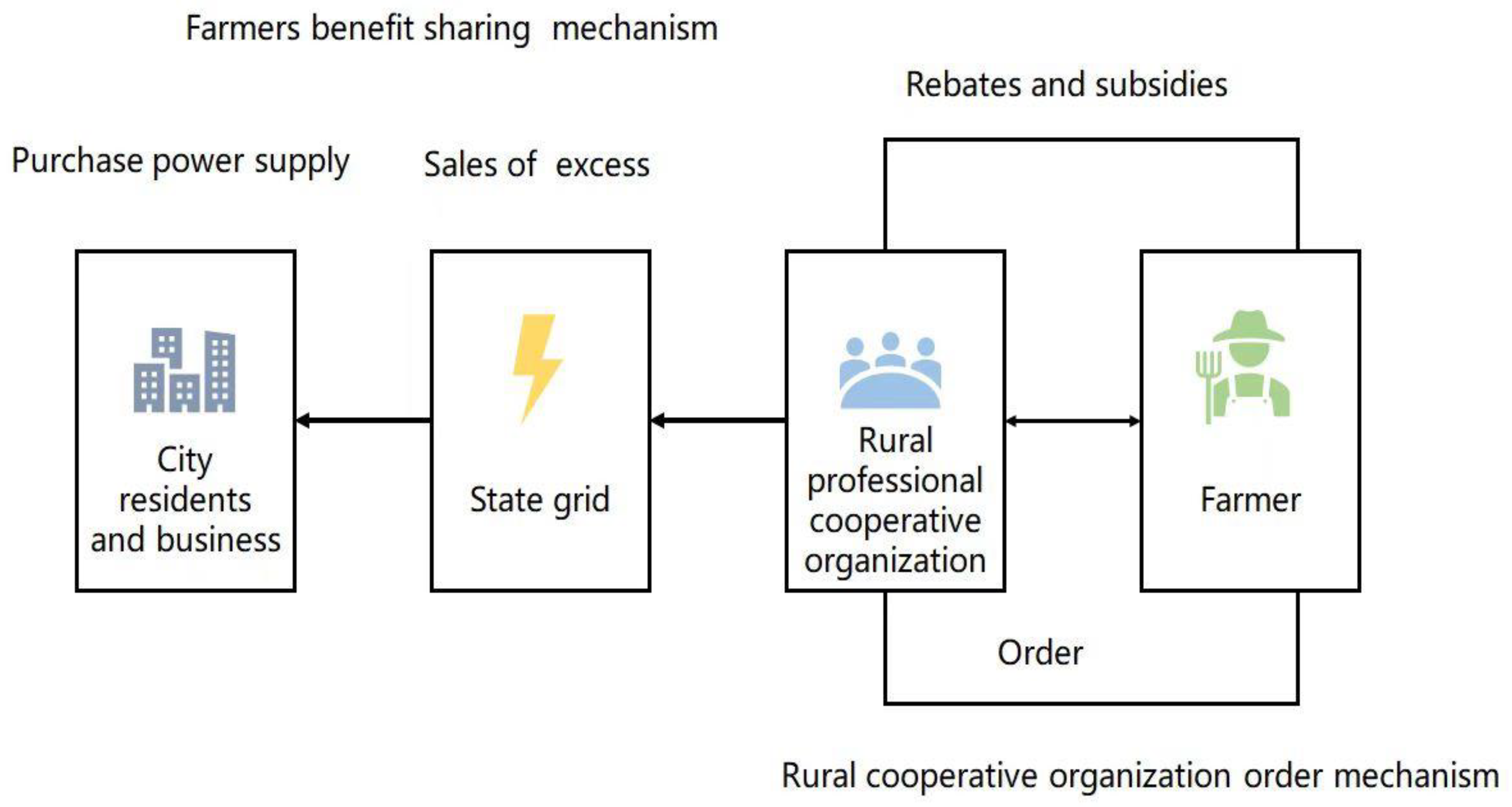
As illustrated in Figure 6, the concept involves an agricultural power supply trading mechanism involving "urban enterprises and residents - State Grid - rural professional cooperative organizations - farmers". This mechanism comprises five main entities: urban residents, enterprises, State Grid, rural professional organizations, and farmers. It also includes related mechanisms such as the farmers' benefit sharing mechanism and the farmers' cooperative organization order mechanism. The role of rural professional organizations is to mobilize farmers, assist those interested in adopting photovoltaic power generation technology in signing contracts or orders, facilitate the sale of their generated power to the State Grid, and subsequently distribute profits and subsidies to the farmers based on their contractual agreements. This initiative aims to enhance farmers' income levels.
5. Recommendations for Policy Makers Stakeholders and Communities
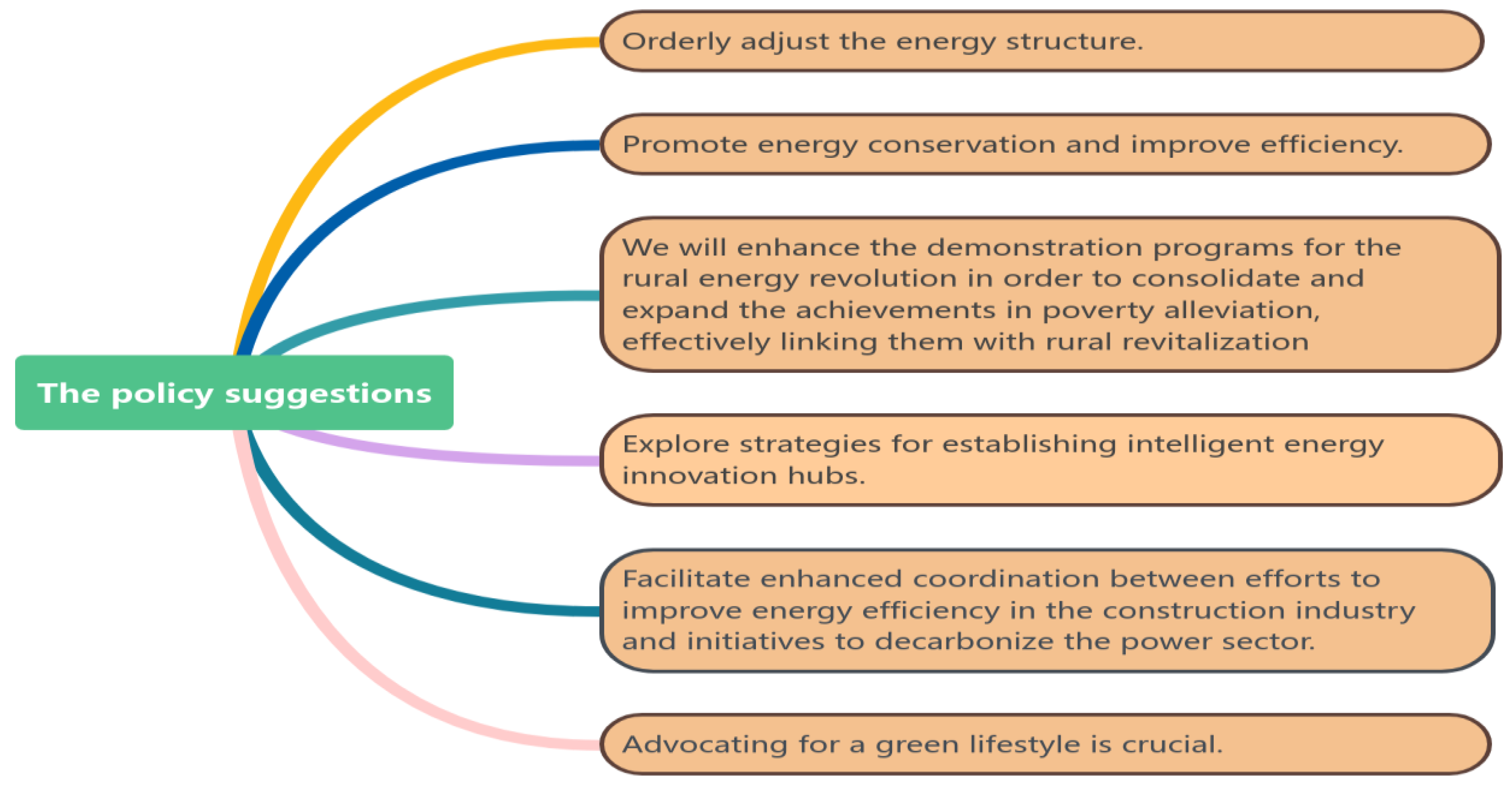
In order to promote the transformation of the energy structure within Henan Province's power supply industry and encourage enterprises to develop non-fossil energies to assist our country in achieving its carbon neutrality goal, we propose the following policy suggestions:
5.1. Orderly Adjust the Energy Structure
The key to achieving a green and low-carbon transition lies in establishing a new power system with an increasing proportion of new energy sources and building a clean, low-carbon, safe, and efficient energy system. Based on the basic national and provincial conditions of coal, while promoting the clean and efficient use of coal, Henan Province will focus on renewable energy, prioritize the development of non-coal energy, and promote the formation of a multi-wheel driven energy supply system encompassing coal, oil, gas, new energy, and renewable energy.
5.2. Promote Energy Conservation and Improve Efficiency
We will promote energy conservation and carbon reduction by encouraging enterprises to upgrade their energy efficiency benchmarks in standard industries to the fullest extent possible. Additionally we will enhance levels of production operation; We will expedite trading in rights for using energies encourage enterprises to enter into market-based trades for saved energies resulting from transformation efforts so as to obtain direct economic benefits through conservation measures. Furthermore we are committed to resolutely curbing blind development projects that have been given "high-priority" status by implementing list-based management practices standardizing approval procedures strictly restricting project access.
5.3. We Will Enhance the Demonstration Programs for the Rural Energy Revolution in Order to Consolidate and Expand the Achievements in Poverty Alleviation, Effectively Linking Them with Rural Revitalization
Henan Province should take into account its vast rural area, large rural population, and abundant rural energy resources. Following the principle of adapting to local conditions and implementing them on a case-by-case basis, a number of pilot demonstrations have been carried out to implement rooftop photovoltaic action on buildings. This includes making full use of existing rooftop resources on buildings to construct photovoltaic power generation facilities, encouraging the construction of rooftop photovoltaic power generation facilities on industrial buildings, improving the "production capacity" of buildings, and developing green energy heating technology. We will establish demonstration bases for the rural energy revolution to lay a solid energy foundation for promoting rural revitalization in the new era.
5.4. Explore Strategies for Establishing Intelligent Energy Innovation Hubs
With the aim of enhancing the overall efficiency of the energy system, China has implemented pilot projects such as the innovative utilization of energy big data, the integration of wind, solar, and storage technologies, and the amalgamation of load and storage in the grid network. Additionally, a number of demonstration projects have been developed for energy cloud platforms, smart power stations, virtual power plants, distributed energy stations, and energy storage to advance intelligent development across all sectors and aspects of energy.
5.5. Facilitate Enhanced Coordination between Efforts to Improve Energy Efficiency in the Construction Industry and Initiatives to Decarbonize the Power Sector
Research data indicates that electrification within the construction sector currently stands at 30%, representing a pivotal pathway for reducing direct carbon emissions within this industry while promoting green and low-carbon development. We will drive forward with efforts to electrify buildings, enhance their capacity to interact with electricity consumption and grid systems, as well as significantly increase electrification rates for building heating systems, domestic hot water supply, and cooking facilities.
5.6. Advocating for a Green Lifestyle is Crucial
Adhering to the concept of green and low-carbon living, raising public awareness of environmental protection, ecology, and conservation, and fostering a societal environment with widespread participation are essential for promoting the transition to a green and low-carbon society. We will conduct demonstration activities to promote green and low-carbon practices, further encourage the establishment of energy-saving institutions, promote green transportation, develop eco-friendly shopping centers, construct sustainable buildings, cultivate environmentally friendly communities, households and schools. We will also identify and publicize exemplary models while promoting a simple, moderate, green, low-carbon lifestyle that is both civilized and healthy.
Figure 7.
The policy suggestions.
6. Conclusions and Policy Implications
The journey towards achieving the dual-carbon goals is long and arduous. In order to succeed, it is imperative that we adopt policies based on classification, adapt to local conditions, work in tandem, and advocate for the integration of green production, green technology, green life, and green systems. One of the key reasons for the poor flexibility within China's power supply industry is the absence of a market mechanism and relevant incentive structure which prevents the realization of value from flexible resources. Therefore, achieving transformation will require significant time and ongoing efforts to promote market reform within the power supply industry. This includes establishing a unified open, safe, efficient, competitive and orderly management power market system that allows all types of power resources to realize their value in market transactions. It is essential to fully leverage the decisive role of the market in resource allocation. Furthermore, it is crucial to coordinate the integration of ecological production, ecological technology, green life and green systems in order to realize the "green value" of renewable energy. This will provide a mature environment for subsequent deep decarbonization efforts within the power sector while also promoting coordinated development within electric carbon markets. Promoting the establishment of a new power system suitable for China's national conditions is crucial for implementing China's new energy security strategy and achieving the dual-carbon goals.
Henan province has proposed to advance the revolution in energy production and consumption, constructing a clean, low-carbon, safe, and efficient energy system while clarifying the direction of energy development in the new era. This includes accelerating research on the theory and technology of new power systems, building a modern energy system that is clean, low-carbon, safe, and efficient; optimizing industrial structure; vigorously developing low-carbon transportation and green buildings; as well as expediting non-fossil energy development such as wind power, photovoltaic power, and biomass power. Building a new power system and decarbonizing the power sector are essential steps towards promoting the transition to clean and low-carbon energy while achieving carbon peak and carbon neutrality goals.
Acknowledgments
First and foremost, we would like to express our sincere gratitude to everyone who has provided assistance throughout the process of writing this manuscript. Additionally, we are immensely thankful for the financial support from the Science and Technology Research Project of the Department of Education of Jiangxi Province (Project Number: GJJ2201327). Lastly, we extend our deepest appreciation to those who have taken the time to review this thesis. Their insightful suggestions will undoubtedly enrich our future academic endeavors.
References
- Zhan, Y.H., Lin, B.Q., Sun, C.W., 2023. How does pollution heterogeneity affect the role of cleaner production regulations? Evidence from Chinese enterprises' domestic value-added in exports. Energy Economics 122. [CrossRef]
- Suo, C., Li, Y.P., Nie, S., Lv, J., Mei, H., Ma, Y., 2021. Analyzing the effects of economic development on the transition to cleaner production of China's energy system under uncertainty. Journal of Cleaner Production 279. [CrossRef]
- Albogamy, F.R., Khan, S.A., Hafeez, G., Murawwat, S., Khan, S., Haider, S.I., . . . Thoben, K.-D., 2022. Real-Time Energy Management and Load Scheduling with Renewable Energy Integration in Smart Grid. Sustainability 14. [CrossRef]
- Yao, H., Zang, C., 2021. The spatiotemporal characteristics of electrical energy supply-demand and the green economy outlook of Guangdong Province, China. Energy 214. [CrossRef]
- Cao, G., Fang, D., Wang, P., 2021. The impacts of social learning on a real-time pricing scheme in the electricity market. Applied Energy 291. [CrossRef]
- Zou, C., Xiong, B., Xue, H., Zheng, D., Ge, Z., Wang, Y., . . . Wu, S., 2021. The role of new energy in carbon neutral. Petroleum Exploration and Development 48, 480-491. [CrossRef]
- Lu, Y., Liu, X., Li, H., Wang, H., Kong, J., Zhong, C., . . . Feng, T., 2023. What Is the Impact of the Renewable Energy Power Absorption Guarantee Mechanism on China's Green Electricity Market? Energies 16. [CrossRef]
- Chen, Q., Kang, C., Xia, Q., Guan, D., 2011. Preliminary exploration on low-carbon technology roadmap of China's power sector. Energy 36, 1500-1512. [CrossRef]
- Xinfa, T., Xue, L., 2022. Research on energy policies of Jiangxi province under the dual-carbon constraints. Frontiers in Environmental Science 10. [CrossRef]
- Chu, J., Shao, C., Emrouznejad, A., Wu, J., Yuan, Z., 2021. Performance evaluation of organizations considering economic incentives for emission reduction: A carbon emission permit trading approach. Energy Economics 101. [CrossRef]
- Wu, J., Chen, Y., Yu, L., Li, G., Li, J., 2023. Has the evolution of renewable energy policies facilitated the construction of a new power system for China? A system dynamics analysis. Energy Policy 183. [CrossRef]
- Xinfa, T., Jinglin, L., 2022. Study of the mechanism of digitalization boosting urban low-carbon transformation. Frontiers in Environmental Science 10. [CrossRef]
- Xie, Y., Qi, J., Zhang, R., Jiao, X., Shirkey, G., Ren, S., 2022. Toward a Carbon-Neutral State: A Carbon-Energy-Water Nexus Perspective of China's Coal Power Industry. Energies 15. [CrossRef]
- Wang, S., Wu, J., Xiang, M., Wang, S., Xie, X., Lv, L., Huang, G., 2024. Multi-objective optimisation model of a low-cost path to peaking carbon dioxide emissions and carbon neutrality in China. Science of the Total Environment 912. [CrossRef]
- Ostergaard, P.A., Duic, N., Noorollahi, Y., Kalogirou, S., 2022. Renewable energy for sustainable development. Renewable Energy 199, 1145-1152. [CrossRef]
- Sun, J., Dong, F., 2023. Optimal reduction and equilibrium carbon allowance price for the thermal power industry under China's peak carbon emissions target. Financial Innovation 9. [CrossRef]
- Zhao, N., You, F., 2020. Can renewable generation, energy storage and energy efficient technologies enable carbon neutral energy transition? Applied Energy 279. [CrossRef]
- Mahmud, M.A.P., Huda, N., Farjana, S.H., Lang, C., 2018. Environmental Impacts of Solar-Photovoltaic and Solar-Thermal Systems with Life-Cycle Assessment. Energies 11. [CrossRef]
- Tang, X., Liu, S., Wang, Y., Wan, Y., 2024. Study on carbon emission reduction countermeasures based on carbon emission influencing factors and trends. Environmental Science and Pollution Research 31, 14003-14022. [CrossRef]
- Izam, N.S.M.N., Itam, Z., Sing, W.L., Syamsir, A., 2022. Sustainable Development Perspectives of Solar Energy Technologies with Focus on Solar Photovoltaic-A Review. Energies 15. [CrossRef]
- Barba, F.C., Sanchez, G.M.-D., Segui, B.S., Darabkhani, H.G., Anthony, E.J., 2016. A technical evaluation, performance analysis and risk assessment of multiple novel oxy-turbine power cycles with complete CO2 capture. Journal of Cleaner Production 133, 971-985. [CrossRef]
- Amoussou, I., Tanyi, E., Fatma, L., Agajie, T.F., Boulkaibet, I., Khezami, N., . . . Khan, B., 2023. The Optimal Design of a Hybrid Solar PV/Wind/Hydrogen/Lithium Battery for the Replacement of a Heavy Fuel Oil Thermal Power Plant. Sustainability 15. [CrossRef]
- Cang, D., Chen, G., Chen, Q., Sui, L., Cui, C., 2021. Does new energy consumption conducive to controlling fossil energy consumption and carbon emissions?-Evidence from China. Resources Policy 74. [CrossRef]
- Li, F., Zhang, D., Zhang, J., Kou, G., 2022. Measuring the energy production and utilization efficiency of Chinese thermal power industry with the fixed-sum carbon emission constraint. International Journal of Production Economics 252. [CrossRef]
- Raza, M.Y., Lin, B., 2022. Renewable energy substitution and energy technology impact in a transitional economy: A perspective from Pakistan. Journal of Cleaner Production 360. [CrossRef]
- Guo, X., Wang, X., Wu, X., Chen, X., Li, Y., 2022. Carbon Emission Efficiency and Low-Carbon Optimization in Shanxi Province under "Dual Carbon" Background. Energies 15. [CrossRef]
- Wang, H.-R., Feng, T.-T., Li, Y., Zhang, H.-M., Kong, J.-J., 2022. What Is the Policy Effect of Coupling the Green Hydrogen Market, National Carbon Trading Market and Electricity Market? Sustainability 14. [CrossRef]
- Lian, W., Sun, X., Wang, Y., Duan, H., Gao, T., Yan, Q., 2024. The mechanism of China's renewable energy utilization impact on carbon emission intensity: Evidence from the perspective of intermediary transmission. Journal of Environmental Management 350. [CrossRef]
- Xinfa, T.; Jingjing, W.; Yonghua, W.; Youwei, W. The Optimization of Supply–Demand Balance Dispatching and Economic Benefit Improvement in a Multi-Energy Virtual Power Plant within the Jiangxi Power Market. Energies 2024, 17, 4691. [CrossRef]
- Zhang, L., Mu, R., Zhan, Y., Yu, J., Liu, L., Yu, Y., Zhang, J., 2022. Digital economy, energy efficiency, and carbon emissions: Evidence from provincial panel data in China. Science of the Total Environment 852. [CrossRef]
- Li, Y., Sun, X., Bai, X., 2022. Differences of Carbon Emission Efficiency in the Belt and Road Initiative Countries. Energies 15. [CrossRef]
- Dong, F., Qin, C., Zhang, X., Zhao, X., Pan, Y., Gao, Y., . . . Li, Y., 2021. Towards Carbon Neutrality: The Impact of Renewable Energy Development on Carbon Emission Efficiency. International Journal of Environmental Research and Public Health 18. [CrossRef]
Figure 1.
Statistical chart of energy generation in Henan Province from 2017 to 2023. Source: Henan provincial Bureau of Statistics.
Figure 1.
Statistical chart of energy generation in Henan Province from 2017 to 2023. Source: Henan provincial Bureau of Statistics.
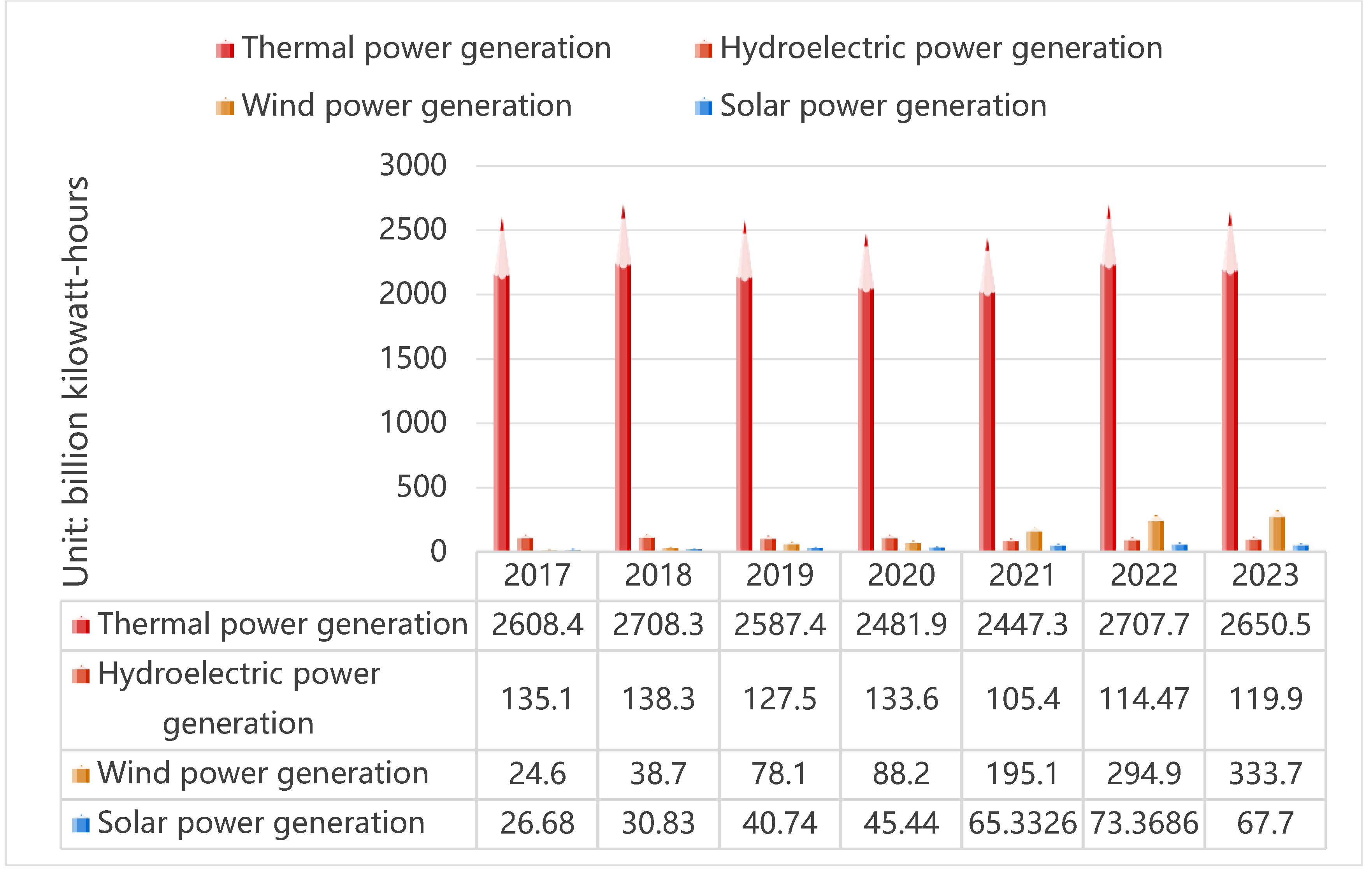
Figure 2.
Ratio of power generation structure in Henan Province from January to June 2023. Source: National Bureau of Statistics.
Figure 2.
Ratio of power generation structure in Henan Province from January to June 2023. Source: National Bureau of Statistics.
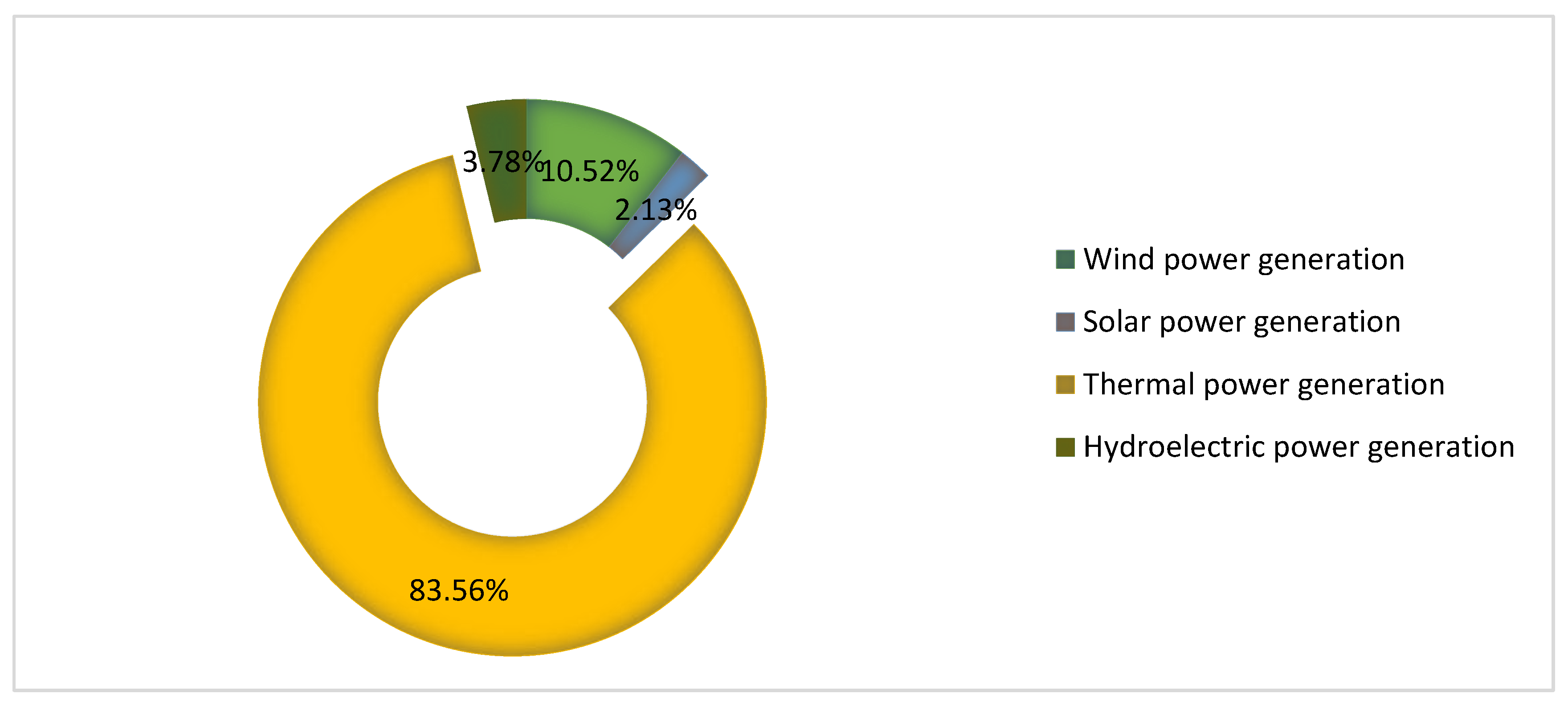
Figure 4.
Comparison of disposable income of urban and rural residents in Henan Province from 2017 to 2023. Source: China Statistical Yearbook.
Figure 4.
Comparison of disposable income of urban and rural residents in Henan Province from 2017 to 2023. Source: China Statistical Yearbook.
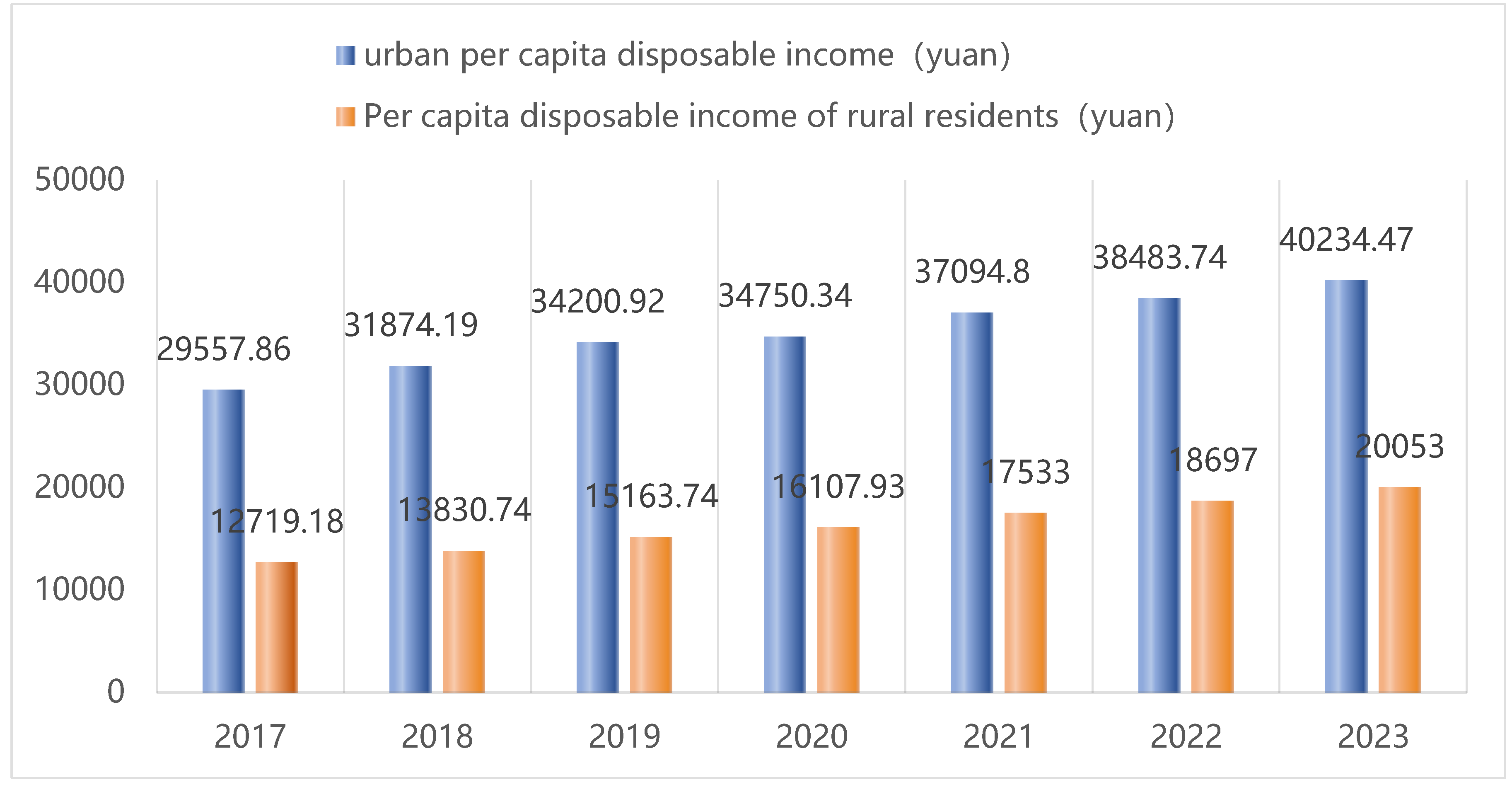
Figure 5.
Clean renewable power generation and its proportion of above-scale industrial power in Henan Province from 2017 to 2023. Source: Henan provincial Bureau of Statistics.
Figure 5.
Clean renewable power generation and its proportion of above-scale industrial power in Henan Province from 2017 to 2023. Source: Henan provincial Bureau of Statistics.
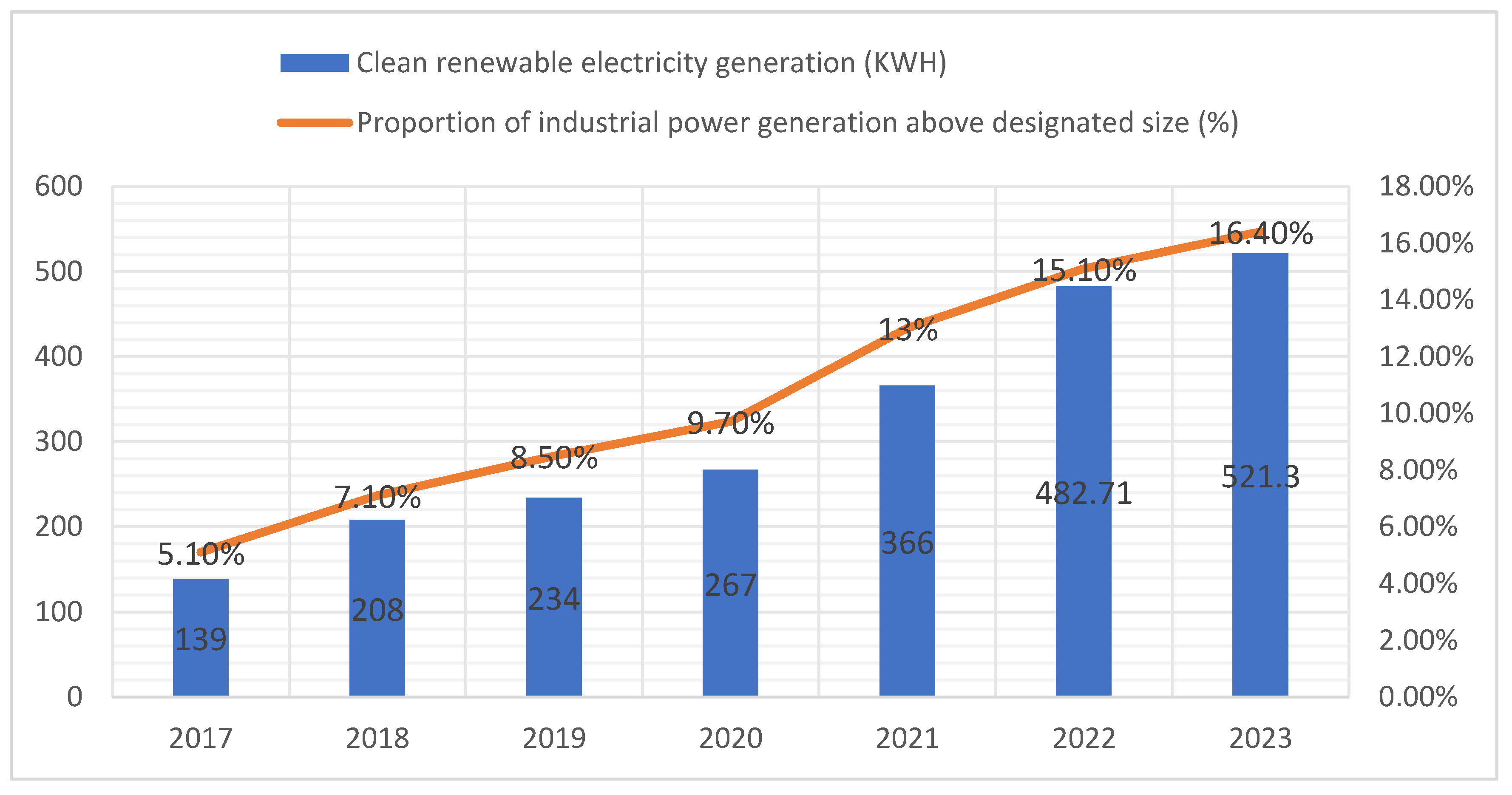
Figure 6.
Operation mechanism of photovoltaic trading market.
Disclaimer/Publisher’s Note: The statements, opinions and data contained in all publications are solely those of the individual author(s) and contributor(s) and not of MDPI and/or the editor(s). MDPI and/or the editor(s) disclaim responsibility for any injury to people or property resulting from any ideas, methods, instructions or products referred to in the content. |
© 2024 by the authors. Licensee MDPI, Basel, Switzerland. This article is an open access article distributed under the terms and conditions of the Creative Commons Attribution (CC BY) license (http://creativecommons.org/licenses/by/4.0/).
Copyright: This open access article is published under a Creative Commons CC BY 4.0 license, which permit the free download, distribution, and reuse, provided that the author and preprint are cited in any reuse.