

Submitted:
05 November 2024
Posted:
05 November 2024
You are already at the latest version
Abstract
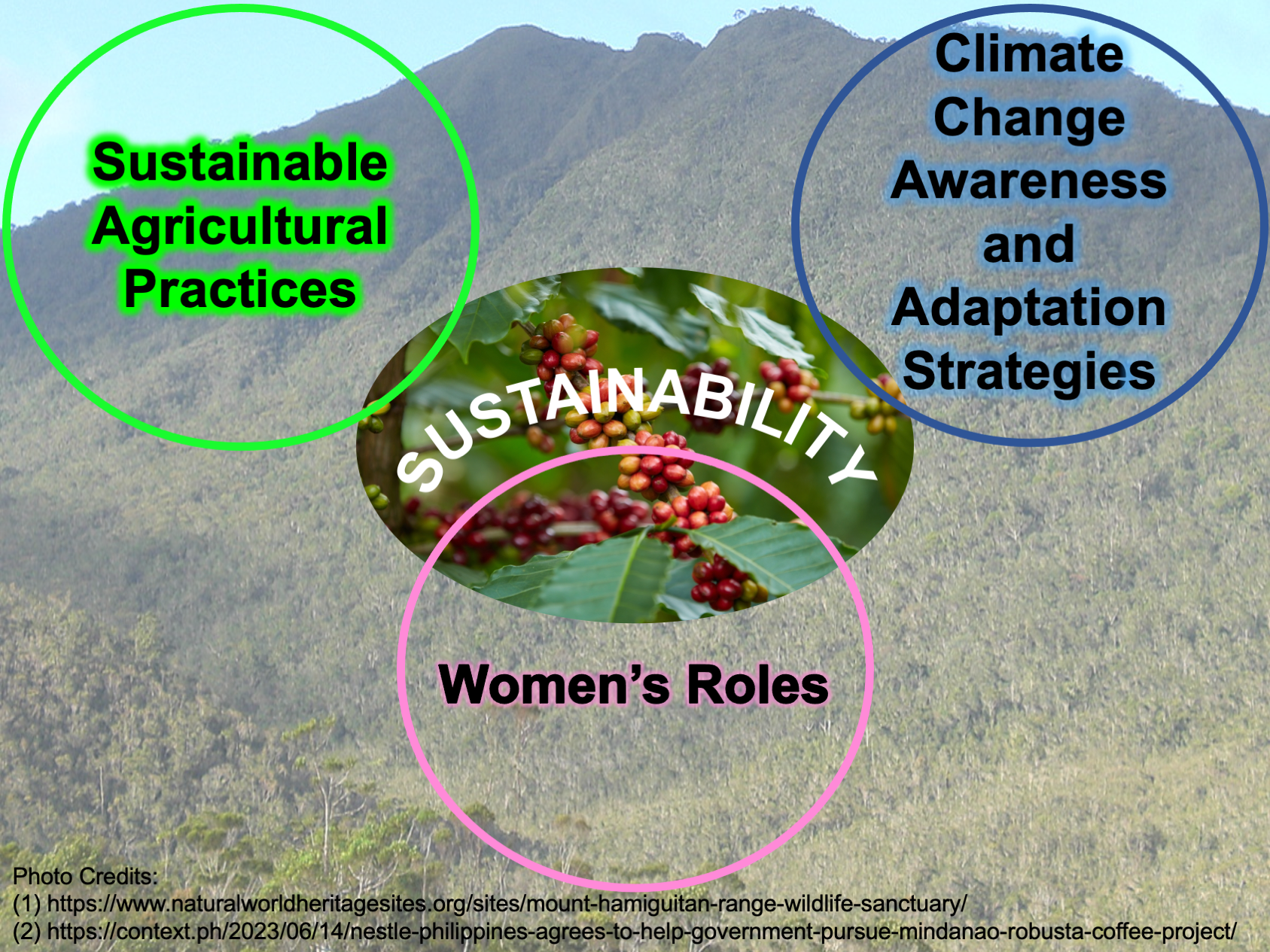
To promote a sustainable coffee industry, Davao Oriental has branded its coffee in association with Mt. Hamiguitan. This study evaluated the smallholder coffee farmers’ practices along the Mt. Hamiguitan buffer zone, highlighting women’s roles, and their climate change awareness and adaptation strategies. Fifty-seven purposively selected farmers (28 females, 29 males) were interviewed using a validated semi-structured questionnaire. Data were analyzed using ARCGIS software, thematic analysis, and descriptive statistics. Most farmers (70%) were old (>51) with over 40 years of experience (51%). Non-participation in farmers’ associations (73.7%) surpassed active membership (26.3%), with only 14% attending training. Most farmers (65%) intercropped 500–600 Robusta coffee trees/ha, with many farms established in the 1980s (36%). Farmers per-formed clearing (82%) and pruning (94%) of their coffee. Women played a vital role, especially during drying and harvesting. Challenges faced by farmers included long distances to buyers (91%), low prices (84%), poor farm-to-market roads (83%), and a lack of buyers (39%). All respondents acknowledged climate change and employed adaptation strategies such as intercropping, pruning, using ipil-ipil for shade, and utilizing nets. Recommendations for fostering sustainable practices while improving livelihoods include joining cooperatives, providing training for enhanced climate change adaptation strategies, and increasing women's participation in coffee production.
Keywords:
climate change impacts
; climate change resilience
; coffee farming
; coffee productivity
; coffee farmers’ challenges
; gender dynamics
; sustainable coffee industry
; sustainable agricultural practices
1. Introduction
Coffee is one of the most traded agricultural commodities and widely consumed beverage globally, with approximately 25 million farming households producing 80% of the world’s supply [1]. In the Philippines, coffee consumption averages 2.5 cups daily for 8 out of 10 adults, with 9 out of 10 households keeping coffee in their pantries, indicating a shift towards heavier consumption among Filipinos [2,3,4]. This growing demand is further underscored by the country’s position as the 14th largest coffee producer in the world, making a significant contribution to the global coffee industry [5]. To enhance production, the Philippine government agencies and private organizations support the coffee industry by identifying coffee as a priority commodity, receiving funding from various national agencies under the High-Value Crops Development Act (RA 7900) to promote its production, processing, marketing, and distribution [3].
According to the Philippine Statistics Authority [6], coffee production (green coffee beans) totaled 15.04 thousand metric tons, generating revenues of $2.33 billion from October to December 2023. Robusta was the most widely produced variety, contributing 11.58 thousand metric tons, or 77% of the country’s total production during this period. The Davao Region ranked as the third-largest coffee producer in the Philippines, with 2.52 thousand metric tons, representing 16.7% of the national output. Additionally, the area planted with all types of coffee from July to December 2023 increased by 0.3% to 111.95 thousand hectares, compared to 111.65 thousand hectares in the same period the previous year [6]. The Philippine coffee industry is predominantly composed of smallholder farmers, with 95% of farms covering less than 5 hectares [5]. Davao Oriental Province has 5,687 hectares of coffee plantations that produce an average of 1,663 metric tons annually, with 4,544 farmers actively engaged in coffee cultivation across the region [7].
Coffee production, like all agricultural sectors, faces significant challenges due to the increasing frequency and intensity of extreme weather events linked to climate change [8]. These changes threaten the livelihoods of many local coffee growers. To enhance the resilience of these farming communities, targeted interventions are necessary. However, this can only be achieved by thoroughly identifying and assessing their vulnerabilities and adaptive strategies. Additionally, as coffee is both a locally and globally traded commodity, it is crucial to understand the complex networks and activities that impact the local coffee industry. This includes examining the entire value chain—from producers to consumers—and the processes that connect them. A comprehensive value chain analysis can provide valuable insights into these interconnections and help inform effective strategies for supporting coffee growers in the face of climate change [9] .
To harness the full potential of the coffee industry, Davao Oriental has initiated programs aimed at establishing market linkages and creating a distinctive brand for Davao Oriental coffee, similar to the connection between Mt. Apo and Davao del Sur's coffee. This study aims to comprehensively profile and assess the current production capacities and agricultural practices of smallholder coffee farmers along the buffer zone of Mt. Hamiguitan, Davao Oriental, including the women’s role in the coffee value chain. Additionally, it seeks to identify and evaluate the farmers’ awareness of and adaptation strategies for climate change. A comprehensive assessment of smallholder coffee farmers' current production capacities—including the various factors influencing production and marketing—is crucial for targeting the right types of technical assistance and market access. Moreover, this profiling will serve as a foundational reference for crafting tailored recommendations and strategies to develop and strengthen the coffee industry in Davao Oriental, enabling it to compete effectively in the local and later in the global market.
This study is significant for several reasons, as it addresses various research gaps and contributes valuable insights to the fields of sustainable agriculture, gender studies, and climate change adaptation. By adopting an interdisciplinary perspective that integrates social, economic, and environmental factors, the research provides a holistic view of sustainability in small-scale coffee farming, effectively bridging gaps between different fields of study. One key contribution of the study is its documentation of sustainable production practices employed by small-scale coffee farmers. This enriches the knowledge base of effective methods that promote environmental sustainability while supporting livelihoods. Additionally, the research assesses the role of farmer-based organizations in promoting sustainable practices, thereby addressing gaps related to participatory approaches in agricultural research and implementation. The study also examines the economic viability of sustainable farming and its impact on the livelihoods of farming families, particularly women. By exploring the specific roles of women in coffee farming, it sheds light on their contributions, which are often overlooked in traditional agricultural research. This focus helps fill critical gaps in understanding gender dynamics within the context of sustainability. Furthermore, by investigating how small-scale coffee farmers adapt their practices to climate change, the study enhances our understanding of local knowledge and resilience strategies. This addresses a significant gap in region-specific adaptation practices that are frequently underrepresented in broader climate change literature. Finally, the research offers insights into policy implications and recommendations for supporting small-scale coffee farmers, especially women, in adopting sustainable practices. This aspect directly addresses gaps in policy-oriented research, making the study a valuable resource for future initiatives aimed at fostering sustainability in the coffee sector.
2. Materials and Methods
Mt. Hamiguitan spans two municipalities and one city: San Isidro, Governor Generoso, and the City of Mati in Davao Oriental. It encompasses a total area of 16,923 hectares, including a designated buffer zone of 9,279 hectares. This study was conducted in two coffee-producing areas within the buffer zone: San Isidro and Governor Generoso. Specifically, the research focused on the barangays of Sto. Rosario and San Miguel in San Isidro, as well as Oregon and Upper Tibanban in Governor Generoso.
One-on-one personal interviews with 57 coffee farmer respondents was conducted using a validated semi-structured questionnaire. This questionnaire included a mix of closed and open-ended questions to facilitate comprehensive data collection during the field survey. Farmers were encouraged to discuss their farms, voice their concerns about production challenges, and share their farming strategies. The questionnaire covered various topics, including the farmers' demographic characteristics, farm profiles, cultural practices, production status, constraints, the extent of their engagement in the coffee value chain, women’s role in the coffee production, and their climate change awareness and adaptation strategies. A purposive sampling design was employed to select the study respondents based on the following criteria: (1) At least 1 hectare of cultivated land planted with coffee as an intercrop; (2) A minimum of 300 standing coffee trees; and (3) A minimum of four years of coffee farming experience. Coordination with local government units, particularly the municipal agriculture offices (MAOs) of San Isidro and Governor Generoso, was established to assist researchers in selecting the barangays and respondents for the study.
Geotagging was employed to obtain the geographical coordinates of coffee plantation areas. These data points were then imported into ArcGIS software to create a map visualizing coffee distribution across the selected study sites. The collected data were analyzed using thematic analysis and descriptive statistics.
All respondents provided informed consent for their participation in the research, which was conducted with strict adherence to ethical standards. Participation was both anonymous and voluntary, allowing respondents to withdraw from the study at any time without repercussions. The selection of respondents adhered to the previously mentioned criteria, and only the researcher had access to the research data. The study followed the guidelines outlined in the Declaration of Helsinki regarding research involving human participants, ensuring the integrity and ethical conduct of the research process.
3. Results
3.1. GIS Mapping of Coffee Plantations
Figure 1 illustrates the results of the GIS mapping of coffee plantation areas along the buffer zones of Mt. Hamiguitan. The coffee plantations are shown as red triangles. This visual representation highlights the spatial distribution of coffee farms, showcasing how they are situated within the diverse landscape of the area. The mapping not only identifies the extent of coffee cultivation but also provides insights into the geographical relationships between different farms. Additionally, it serves as a valuable tool for understanding the environmental factors that may influence coffee production, such as elevation and proximity to water sources. This comprehensive mapping effort is essential for informing future agricultural planning and supporting the sustainability of coffee farming in the area.
3.2. Coffee Farmers’ Profile
Among the 57 coffee farmers interviewed, there were 28 female and 29 male. In terms of educational attainment, 49% of the farmers were in the elementary level, 44% were in high school level, while only 7% were in college level. The interviews further revealed that the majority of farmers in the study area were older, with 42% aged over 60 years as shown in Figure 2. Additionally, 28% fell within the 51-60 age range. Only 21.2% were between 41 and 50 years old, while a small minority (8.8%) were aged 40 and below. This age distribution underscores the need for strategies to attract younger individuals to farming in the study area.
Most of the farmers interviewed (50.8%) had over 40 years of experience in coffee farming as shown in Figure 3. Additionally, 17.5% possessed 31 to 39 years of experience, while 26.3% had between 21 and 30 years of experience. A small percentage (5.4%) had 20 years or less of coffee farming experience. This distribution highlights the extensive knowledge and expertise present among the majority of farmers in the study area.
The majority of farmers (68.4%) had households with 1 to 3 members, while 21% had 4 to 6 members as shown in Figure 4. Only a small percentage (10.6%) had households with more than 6 members. This distribution suggests that most farming households are relatively small in size.
3.3. Coffee Farmers’ Affiliation and Access to Information
Only 26.3% of the coffee farmers were members of farmer-based associations, while the majority (73.7%) were not affiliated with any such organization as shown in Figure 5. This indicates a significant gap in participation that could impact support and resources available to the farmers.
Only 14% of coffee farmers had attended training programs, while a significant 86% had not participated in any training related to sustainable coffee farming practices as shown in Figure 6. This highlights a considerable opportunity for enhancing knowledge and skills among coffee farmers in the study area.
3.4. Farmers’ coffee production practices
As Davao Oriental remains one of the country's leading coconut producers, adopting a diversified cropping system by intercropping cash crops like coffee beneath coconut trees can significantly enhance farmers' incomes. This strategy had been implemented by 97% of the respondents interviewed, while only 3.5% practiced coffee monoculture as shown in Figure 7. Additionally, among the farmers interviewed, 62% were aware of the Robusta coffee variety, while the remaining 38% referred to their coffee as “native.”
Most coffee farms were established in the 1980s, accounting for 35.7% of the total, followed closely by 31% that were established in the 1970s as shown in Figure 8. In the 1990s, 17.5% of the farms were established, while fewer were founded in the 2000s (8.8%) and in 2010 (7%). This distribution reflects a significant concentration of coffee farming activities during the late 20th century.
As shown in Figure 9, nearly all farmers engaged in clearing (82%) and pruning (93.7%) their coffee trees, with pruning typically occurring once or twice a year. However, only a small percentage of farmers applied fertilizers (15%) and chemical pesticides (12%), and these practices were often conducted concurrently with coconut farming activities.
Most farmers intercropped an average of 500 (35.2%) to 600 (31.5%) coffee trees per hectare, as illustrated in Figure 10. Some farms had planted 750 trees (15.8%) and 860 trees (10.5%) per hectare. Many of these farms were established in the 1970s and 1980s, and farm owners have struggled to replace or rehabilitate unproductive or damaged trees. In contrast, coffee plants established in the last 25 years show a higher density, averaging 1,050 trees per hectare (7%).
Farmers were asked to report their annual yield per sack of harvested fresh beans, with each sack containing five "taro" and weighing 50 kg. Each taro yields approximately 3 kg of milled coffee beans. To determine the average yield per tree, the total weight of harvested beans in kilograms was divided by the number of planted trees. As shown in Figure 11, almost half of the respondents (43.8%) reported an average yield of only 0.2 kg of beans per tree, while 22.8% had an average of 0.3 kg per tree. These lower yields are primarily attributed to coffee trees that are over 40 years old and lack consistent cultural management practices. Only 35% of respondents achieved an average yield of 0.75 to 0.80 kg of beans per tree.
3.5. Role of Women in Coffee Production
The demographic breakdown of the 57 coffee farmers interviewed reveals a nearly even distribution between genders, with 28 females and 29 males. This balance may reflect broader trends in agricultural communities where both men and women play significant roles in farming activities. As shown in Figure 12, women play a significant role in coffee production, with the majority involved in drying (34%) and harvesting (25%). Additionally, some women participate in grinding (7%), planting (5%), pruning (4%), marketing or selling (4%), sorting (2%), and grading (1%). This diverse involvement highlights the essential contributions of women in the coffee industry.
3.6. Challenges Reported by Coffee Farmers
As illustrated in Figure 13, nearly all farmers (90.5%) faced challenges due to the long distance to buyers for their coffee. Additionally, 82.6% to 83.8% encounter difficulties related to farm-to-market roads and low prices. Furthermore, 39% of farmers reported having no buyers for their coffee.
3.7. Climate Change Awareness and Adaptation Strategies
All respondents recognized that weather patterns are changing, attributing this to climate change, plastic burning, and natural factors. Everyone had heard the term "climate change," which they defined as sudden shifts in weather, increased temperatures, and prolonged periods of heat followed by rain. This issue is critical for the respondents. To adapt, they intercropped coffee with various crops, including banana, coconut, ipil-ipil, durian, lanzones, rambutan, mangosteen, cacao, cassava, sweet potato, mango, squash, beans, and other vegetables. Some farmers expressed concerns that these additional crops might impact coffee growth and fruiting. Adaptation strategies to mitigate climate change effects included pruning, providing shade with ipil-ipil trees, and using nets. The impact of climate change on coffee production has manifested in late flowering, reduced yields, crop failures, increased pests, and coffee diseases. Respondents noted symptoms such as wilting leaves and fruits, hollow beans, and the dropping of leaves and flowers. Ultimately, climate change negatively affects livelihoods and the coffee industry by lowering both yield and income.
4. Discussion
4.1. GIS Mapping of Coffee Plantations
The mapping highlights both the extent of coffee cultivation and important geographical relationships between farms, which can facilitate collaboration and resource sharing among farmers. Analyzing the spatial distribution offers insights into environmental factors affecting coffee production, such as elevation, which influences temperature, humidity, and sunlight [10]. Higher elevations may yield cooler temperatures that enhance coffee quality, while lower elevations support faster growth [11]. Proximity to water sources is also crucial; coffee farms near rivers or streams benefit from natural irrigation and healthier soil [12]. Understanding these relationships enables farmers to make informed decisions about water management and crop selection. Additionally, this mapping is essential for future agricultural planning, allowing local authorities to develop targeted support programs, improve infrastructure for market access, and promote sustainable farming practices.
4.2. Coffee Farmers’ Profile
The study reveals an aging farmer population, with many respondents reflecting the average age of Filipino farmers, which is between 57 and 59 years [13]. Most of the farmers were in elementary and high school levels and very few reached college level. This demographic trends raise concerns about future agricultural productivity and innovation. The small percentage of younger farmers who have higher educational attainment indicates a critical gap in the labor force, posing challenges for the sustainability of coffee farming and the broader agricultural sector. Younger individuals often bring fresh perspectives and a willingness to adopt new technologies, essential for adapting to changing conditions [14]. To address this issue, strategies to attract and retain younger farmers are vital. Educational opportunities, training programs in modern agricultural techniques, and financial literacy can incentivize youth engagement. Community mentorship programs connecting experienced farmers with younger generations can facilitate knowledge transfer and spark interest in agriculture.
Years of farming experience significantly contribute to agricultural knowledge, typically gained through hands-on work and informal peer exchanges. Research suggests that more experienced farmers are likelier to embrace innovative practices [15]. The interviews reveal that most farmers have over 40 years of coffee farming experience, providing them with valuable insights into local growing conditions and climate variations. In addition, 17.5% have 31 to 39 years of experience, and 26.3% have 21 to 30 years, indicating a wealth of knowledge among respondents. However, only 5.4% possess 20 years or less of experience, highlighting potential knowledge gaps in future generations. To bridge this gap, mentorship initiatives could connect seasoned farmers with less experienced ones, facilitating the sharing of best practices while integrating modern techniques. Workshops led by experienced farmers could further instill valuable skills in younger farmers, fostering community and continuity in coffee farming. By leveraging the strengths of seasoned practitioners while preparing for future challenges, the agricultural sector can ensure essential expertise is preserved as older farmers retire.
Household size is often used as a proxy for labor availability, with larger families typically benefiting farming operations [16,17,18]. More than half of the respondents reported having 1-3 members in their households. With fewer family members, many farmers hired laborers for tasks such as clearing, weeding, and harvesting, while production processes like drying and selling were primarily handled by family members. This distribution indicates that larger families tend to provide a greater labor force, facilitating timely farming operations and alleviating the financial burden of hiring external labor [19,20]. The results further suggest that most farming households are small, impacting both family dynamics and farming efficiency. Smaller households may streamline labor roles, but they can also place a heavier burden on the available members, especially for physically demanding work. This prevalence of small households may reflect broader social trends, such as younger generations migrating to urban areas, which could further reduce available labor for farming. Additionally, smaller households may face economic challenges, limiting their resources for agricultural investments or adaptations to climate change. To address these challenges, exploring cooperative models that allow nearby small households to share labor, resources, and marketing efforts could enhance community ties and productivity. Furthermore, providing access to training programs on efficient farming practices could empower these households to optimize their outputs.
4.3. Coffee Farmers’ Affiliation and Access to Information
In the Philippines, extension services and development support are channeled to farmer’s associations, underscoring the crucial role these organizations play in providing opportunities for farmers to participate in information dissemination and technology promotion from service providers such as the Department of Agriculture. Only 26.3% of coffee farmers belong to farmer-based associations, leaving 73.7% unaffiliated. This gap raises concerns about access to resources, support, and collective bargaining power. Membership enhances the adoption of agricultural technologies and facilitates knowledge sharing, which is crucial for productivity and adaptability, especially amid climate change. It serves as a powerful tool to bridge information asymmetry and reduce the cost of seeking new technology information [21]. Farmers who have successfully utilized a particular technology often share their personal experiences with other farmers. In some cases, knowledgeable farmer households acquire information through peer farmers (family, friends, neighbors) who are mostly members of the same associations, with a small percentage getting information from agricultural extension workers [22]. Associations also advocate for better prices and infrastructure, but the lack of participation limits farmers' representation in decisions impacting their livelihoods.
The survey conducted revealed that the number of farmers not participating in organizations outweighed the distribution of active members. Factors contributing to low participation include a lack of awareness, feelings of isolation, and logistical challenges [23,24,25]. To address this, targeted outreach is essential. Workshops and success stories can demonstrate the benefits of joining, while incentives like subsidized training may encourage membership. Increasing participation can improve access to resources, enhance policy representation, and bolster the resilience of coffee farmers, supporting industry sustainability. Training also boosts farmers' learning and adoption rates [26]. Notably, 86% of new coffee farmers expressed a need for more training, highlighting a gap in awareness about available resources, which affects their ability to manage coffee diseases and implement effective practices.
4.4. Farmers’ Coffee Production Practices
The results indicate a strong trend toward diversified cropping systems among coffee farmers in Davao Oriental, with 97% intercropping coffee with coconut trees. This practice maximizes land use and boosts farmers' incomes by diversifying products, helping mitigate risks from market fluctuations and crop failures [27,28,29,30]. Intercropping also promotes year-round income and enhances soil health, pest resistance, and resilience to climate change. Conversely, only 3.5% of farmers practice coffee monoculture, raising concerns about vulnerabilities such as pest susceptibility and soil depletion [31]. The majority's proactive approach suggests a commitment to sustainable practices. Additionally, 62% of farmers are aware of the Robusta coffee variety, known for its hardiness, while 38% refer to their coffee as “native,” indicating reliance on less optimized traditional varieties. This presents an opportunity for education on the benefits of cultivating Robusta for improved yields and marketability. However, coffee farmers must also explore other coffee varieties that may be more suitable in their farms to promote sustainability [32].
Over 65% of coffee plantations were established over 40 years ago, indicating that many trees have reached peak productivity and require rehabilitation [33]. Most farms were established in the 1970s and 1980s, reflecting a surge in coffee as a cash crop driven by favorable market conditions. However, the decline in new farm establishments since the 1990s raises concerns about sustainability and the future of coffee farming, particularly as older farmers retire. Attracting younger generations to coffee farming is essential for reinvigorating the industry with modern practices.
The high percentages of farmers engaged in clearing (82%) and pruning (93.7%) demonstrate a commitment to maintaining their coffee trees, crucial for maximizing yield [34,35,36]. However, the low use of fertilizers (15%) and pesticides (12%) raises questions about overall crop health and productivity. Limited fertilizer use may indicate reliance on natural soil fertility, which could lead to nutrient deficiencies if not managed properly [37,38,39]. Farmers may benefit from training on soil health and integrated pest management to enhance sustainability.
The majority of farmers plant between 500 and 600 coffee trees per hectare, allowing for healthy growth. However, many older farms face challenges in replacing unproductive trees, highlighting the need for proactive management and education on rehabilitation techniques. Conversely, newer farms, averaging 1,050 trees per hectare, indicate a shift toward more intensive cultivation and better economic returns. Yield potential is significantly higher at increased tree densities [40,41,42]. This suggests that optimizing tree density in agricultural practices can lead to enhanced productivity, offering valuable insights for farmers aiming to maximize their output while promoting sustainable farming practices. Implementing strategies that focus on higher tree densities could therefore be an effective approach to improving yield in various agricultural systems.
The annual yield data reveals significant challenges, with 43.8% of respondents reporting an average yield of just 0.2 kg per tree, often due to aging trees and inadequate management practices. The Department of Agriculture attributes the ongoing decline in coffee production to several factors, including an increasing number of coffee growers transitioning to other crops, the aging of coffee trees with little to no rejuvenation, and poor farming practices. These practices are often linked to limited knowledge of appropriate coffee cultivation techniques among farmers, particularly older ones. Additionally, there is a lack of access to certified planting materials and limited availability of credit, further exacerbating the situation [5]. However, 35% of farmers achieve yields between 0.75 to 0.80 kg per tree, suggesting successful management practices among some. Sharing these best practices could foster knowledge exchange and raise overall productivity, ultimately impacting farmers' livelihoods. Enhancing yield through training and improved coffee varieties could significantly stabilize the economic situation for farming households.
4.5. Role of Women in Coffee Production
Women play a vital role in coffee farming in San Isidro and Governor Generoso, Davao Oriental. Data shows their involvement spans from planting to post-harvest activities, including marketing and selling coffee beans. This aligns with the findings of Imron and Satrya (2019) that women share responsibilities throughout the coffee production process [43]. The results highlight women's extensive participation in key areas, especially in drying and in harvesting, crucial for maintaining coffee quality. Their roles also include grinding, planting, pruning, marketing, sorting, and grading, showcasing their diverse contributions and significant knowledge that enhance production efficiency. This multifaceted engagement illustrates women’s adaptability and resourcefulness in the coffee industry [44]. Their involvement in marketing is particularly important, as effective strategies can boost farmers' incomes [45]. Recognizing and supporting women’s contributions is essential for promoting gender equity in agriculture. Empowering women through training and resources can lead to improved productivity and innovation, ultimately benefiting local economies.
4.6. Challenges Reported by Coffee Farmers
Farmers identified uncertain prices as a major barrier to sustainable coffee production, alongside poor road conditions and limited transportation options that increase marketing costs. In Governor Generoso, some farmers have switched to other cash crops due to a lack of regular buyers. The results illustrate significant challenges in the coffee supply chain. A large majority (90.5%) of farmers face long distances to buyers, complicating market access and increasing transportation costs, which can lower income and delay sales. Additionally, 82.6% to 83.8% report difficulties with farm-to-market roads, exacerbating transportation issues and risking post-harvest losses [46,47,48]. The situation is further strained by 39% of farmers lacking buyers for their coffee, threatening their financial stability and discouraging investment in sustainable practices. Addressing these challenges requires improving rural infrastructure, particularly roads, and establishing cooperatives to help farmers negotiate better prices. Initiatives that connect farmers with local and international buyers through digital platforms and provide training in marketing and business skills could also enhance market access and profitability.
4.7. Climate Change Awareness and Adaptation Strategies
The results highlight a significant awareness among respondents regarding the changing weather patterns, which they attribute to climate change and other anthropogenic factors like plastic burning. This collective recognition underscores the urgency of the climate crisis within the farming community, revealing a shared understanding of the challenges they face. The farmers' definition of climate change—characterized by sudden weather shifts, higher temperatures, and prolonged dry spells—reflects their lived experiences and the direct impact of these changes on their agricultural practices. To adapt to these shifting conditions, the majority of farmers have adopted a diversified cropping strategy, intercropping coffee with a variety of other crops such as bananas, coconuts, and various fruits and vegetables. This approach not only aims to increase resilience against climate variability but also to enhance income through multiple sources. However, concerns about the potential impact of these additional crops on coffee growth illustrate the complexities of managing a diversified farm. The interplay between crops requires careful consideration of resource allocation, competition for nutrients, and overall ecosystem health.
The adaptation strategies employed by the farmers—such as pruning, using ipil-ipil for shade, and employing nets—demonstrate proactive efforts to mitigate the adverse effects of climate change. Pruning can help improve air circulation and light penetration, fostering healthier plants, while providing shade can protect coffee trees from extreme heat [49,50,51]. Using nets can further help shield crops from harsh weather conditions, pests, or diseases. The farmers’ observations of climate change’s effects on coffee production, including late flowering, reduced yields, and increased pest and disease prevalence, provide concrete evidence of the challenges they are encountering [52,53]. Symptoms such as wilting leaves, hollow beans, and the dropping of foliage highlight the deteriorating health of coffee plants under stress [8]. These issues not only threaten the sustainability of coffee farming but also have broader implications for the local economy, as reduced yields directly translate to lower incomes for farmers.
5. Conclusions
In conclusion, GIS mapping insights can bolster the sustainability of coffee farming in the Mt. Hamiguitan area by promoting productive practices while preserving ecological integrity. This holistic approach is vital for the resilience of local farming communities against environmental changes and market fluctuations. The coffee farmers’ profiles highlight the urgent need for targeted interventions to cultivate a new generation of farmers, essential for the long-term sustainability of the agricultural sector amid challenges like climate change. While the experience of existing farmers is beneficial, proactive measures are necessary to bridge generational gaps. The trend towards intercropping and awareness of the Robusta variety indicate positive moves towards sustainable practices. However, ongoing support, education, and resources are crucial to help all farmers optimize production and enhance livelihoods. Addressing the decline in new farm establishments is critical for the industry's viability. Increasing participation in farmer-based associations can improve resource access, policy representation, and resilience. These associations foster community collaboration, essential for supporting the sustainability and profitability of coffee farming. The findings also underline the need for targeted educational initiatives to improve soil health, pest management, and the balanced use of fertilizers. This empowerment can enhance both the quality and quantity of coffee produced, benefiting farmers and the local economy. While many farmers face low productivity due to aging trees, some achieve better results. By promoting successful practices and providing resources, stakeholders can elevate overall productivity and sustainability in coffee farming. Recognizing the indispensable role of women in coffee production is crucial. Supporting their involvement through gender-inclusive practices and tailored resources can harness their potential, benefiting the entire coffee ecosystem. Finally, addressing urgent issues within the coffee farming community—such as market access and infrastructure improvements—is vital for economic viability. Targeted interventions to help farmers adapt to climate change, including education on sustainable practices and investment in climate-resilient coffee varieties, can enhance agricultural productivity and livelihoods. A collaborative approach involving farmers, experts, and policymakers is essential for developing comprehensive strategies to navigate these challenges.
To significantly enhance sustainability in the coffee industry and strengthen its contribution to both the provincial and national economy, the following recommendations are based on the study's findings. First, establish farmer-based organizations or cooperatives. The fragmented nature of small-scale coffee farmers limits their bargaining power, so forming commercially oriented cooperatives is essential. This collective approach will enable farmers to consolidate production and negotiate better prices, improving their market position. Second, enhance technical support and training. Implement information drives, provide technical assistance, and offer training on coffee rehabilitation techniques for small producers, facilitated by extension agents and stakeholders. Third, empower women in coffee farming. Increasing women's participation in coffee farming and related organizations is vital for promoting gender-responsive agricultural policies. Both private and government institutions should develop programs tailored to the specific needs of women in coffee production. Fourth, implement additional climate change adaptation strategies. Farmers should adopt various strategies, such as effective water management, sustainable agricultural practices, varietal selection, and financial mechanisms, including insurance options, to combat the impacts of climate change. Lastly, the Philippines can benefit from adopting strategies used by Vietnam, particularly in the context of the evolving global agriculture industry. As the transformation process introduces greater managed coordination, contract farming emerges as a vital mechanism for vertical integration [54]. This approach offers small-scale farmers in developing countries the opportunity to participate in the global market, thereby enhancing their economic prospects and integrating them into modern agricultural systems.
Author Contributions
Conceptualization, M.B.C.; methodology, P.N.C., H.P.B., M.O.G.M and M.B.C.; software, P.N.C., H.P.B., M.O.G.M and M.B.C.; validation, P.N.C., H.P.B., M.O.G.M and M.B.C.; formal analysis, P.N.C., H.P.B., M.O.G.M and M.B.C.; investigation, P.N.C., H.P.B., M.O.G.M and M.B.C.; resources, P.N.C., H.P.B., M.O.G.M and M.B.C.; data curation, P.N.C., H.P.B., M.O.G.M and M.B.C.; writing—original draft preparation, P.N.C., H.P.B., M.O.G.M and M.B.C.; writing—review and editing, P.N.C., H.P.B., M.O.G.M and M.B.C.; visualization, P.N.C., H.P.B., M.O.G.M and M.B.C.; supervision, M.B.C.; project administration, H.P.B. and M.B.C.; funding acquisition, M.B.C. All authors have read and agreed to the published version of the manuscript.
Funding
This research was funded by the Department of Trade and Industry XI and the Department of Agriculture – Philippine Rural Development Project. The APC was funded by the authors.
Institutional Review Board Statement
The study was conducted in accordance with the Declaration of Helsinki. Ethical review and approval were waived for this study due to the involvement of non-invasive data collection method, such as interviews, which did not pose any physical or psychological risks to participants. The research focused on gathering information about coffee farming practices, women's roles, and climate change adaptation, which are considered low-risk topics. Participants' identities and responses were kept confidential, ensuring that their privacy is protected throughout the study. Participation in the study was voluntary, and participants could withdraw at any time without any consequences. Lastly, the study aims to provide valuable insights that can enhance sustainability in coffee farming, benefiting the local community and contributing to broader agricultural practices.
Informed Consent Statement
Informed consent was obtained from all subjects involved in the study to publish this paper.
Data Availability Statement
Textual data supporting this study are included within the article.
Acknowledgments
The authors thank the funders and the Davao Oriental State University whose resources made the study possible.
Conflicts of Interest
The authors declare no conflicts of interest. The funders had no role in the design of the study; in the collection, analyses, or interpretation of data; in the writing of the manuscript; or in the decision to publish the results.
References
- Food and Agriculture Organization (FAO). Coffee. 2023. Available online: https://www.fao.org/markets-and-trade/commodities/coffee/en/ (accessed on 31 October 2024).
- Comunicaffe International. The Philippines: A Nation of Coffee Drinkers. 2015. Available online: https://www.comunicaffe.com/the-philippines-a-nation-of-coffee-drinkers/ (accessed on 31 October 2024).
- Laurico, K.R.; Lee, J.Y.; Lee, B.H.; Kim, J.H. Consumers’ valuation of local specialty coffee: the case of Philippines. J. Korean Soc. Int. Agric. 2021, 33, 338–348. [Google Scholar] [CrossRef]
- Philippine Coffee Board. Coffee Consumption Rising. 2017. Available online: https://philcoffeeboard.com/coffee-consumption-rising/ (accessed on 31 October 2024).
- Department of Agriculture. Philippine Coffee Industry Roadmap (2021–2025). 2022. Available online: https://pcaf.da.gov.ph/wp-content/uploads/2022/06/Philippine-Coffee-Industry-Roadmap-2021-2025.pdf (accessed on 31 October 2024).
- Philippine Statistics Authority. Major Non-Food and Industrial Crops Quarterly Bulletin, April–June 2023. 2023. Available online: https://psa.gov.ph/content/major-non-food-and-industrial-crops-quarterly-bulletin-april-june-2023-0 (accessed on 31 October 2024).
- Department of Trade and Industry. DTI-DavOr promotes coffee industry through ‘pakape para sa konsumante’. 2021. Available online: https://www.dti.gov.ph/archives/regional-archives/region-11-news-archives/dti-davor-promotes-coffee-industry/ (accessed on 31 October 2024).
- Faraz, M.; Mereu, V.; Spano, D.; Trabucco, A.; Marras, S.; El Chami, D. A systematic review of analytical and modelling tools to assess climate change impacts and adaptation on coffee agrosystems. Sustainability. 2023, 15, 14582. [Google Scholar] [CrossRef]
- Proença, J.F.; Torres, A.C.; Marta, B.; Silva, D.S.; Fuly, G.; Pinto, H.L. Sustainability in the coffee supply chain and purchasing policies: A case study research. Sustainability 2022, 14, 459. [Google Scholar] [CrossRef]
- Hameed, A.; Hussain, S.A.; Suleria, H.A.R. “Coffee Bean-Related” agroecological factors affecting the coffee. Co-evol. Sec. Metab. 2020, 641–705. [Google Scholar]
- Getachew, M.; Tolassa, K.; De Frenne, P.; Verheyen, K.; Tack, A. J.; Hylander, K.; Ayalew, B.; Boeckx, P. The relationship between elevation, soil temperatures, soil chemical characteristics, and green coffee bean quality and biochemistry in southwest Ethiopia. Agron. Sustain. Dev. 2022, 42, 61. [Google Scholar] [CrossRef]
- D’haeze, D.; Deckers, J.; Raes, D.; Phong, T.A.; Loi, H.V. Environmental and socio-economic impacts of institutional reforms on the agricultural sector of Vietnam: Land suitability assessment for Robusta coffee in the Dak Gan region. Agric. Ecosyst. Environ. 2005, 105, 59–76. [Google Scholar] [CrossRef]
- Asis, M. Sowing hope: Agriculture as an alternative to migration for young Filipinos. 2020. Available online: https://icmc.net/future-of-work/report/06-philippines/ (accessed on 31 October 2024).
- Wagner, T.; Compton, R.A. Creating innovators: The making of young people who will change the world, 1st ed.; Simon and Schuster: New York, USA, 2012; pp. 1–288. [Google Scholar]
- Li, H.; Huang, D.; Ma, Q.; Qi, W.; Li, H. Factors influencing the technology adoption behaviours of litchi farmers in China. Sustainability 2019, 12, 271. [Google Scholar] [CrossRef]
- Eastwood, R.; Lipton, M.; Newell, A. Farm size. Handb. Agric. Econ. 2010, 4, 3323–3397. [Google Scholar]
- Lowder, S.K.; Skoet, J.; Raney, T. The number, size, and distribution of farms, smallholder farms, and family farms worldwide. World Dev. 2016, 87, 16–29. [Google Scholar] [CrossRef]
- Shapiro, D. Farm size, household size and composition, and women's contribution to agricultural production: Evidence from Zaire. J. Dev. Stud. 1990, 27, 1–21. [Google Scholar] [CrossRef]
- Launio, C.C.; Luis, J.S.; Angeles, Y.B. Factors influencing adoption of selected peanut protection and production technologies in Northern Luzon, Philippines. Technol. Soc. 2018, 55, 56–62. [Google Scholar] [CrossRef]
- Ullah, A.; Shaukat, S.; Tariq, B. Household socio-demographic characteristics and out of pocket educational expenditure in Pakistan. J. Policy Res. 2022, 8, 1–7. [Google Scholar]
- Feyisa, B.W. Determinants of agricultural technology adoption in Ethiopia: A meta-analysis. Cogent Food Agric. 2020, 6, 1855817. [Google Scholar] [CrossRef]
- Lambrecht, I.; Vanlauwe, B.; Merckx, R.; Maertens, M. Understanding the process of agricultural technology adoption: mineral fertilizer in eastern DR Congo. World Dev. 2014, 59, 132–146. [Google Scholar] [CrossRef]
- Ates, H.C.; Terin, M. Farmers' perceptions of farmer organizations in rural areas. Afr. J. Bus. Manag. 2011, 5, 179. [Google Scholar]
- Miiro, R.F.; Matsiko, F.B.; Mazur, R.E. Training and farmers' organizations' performance. J. Agric. Educ. Ext. 2014, 20, 65–78. [Google Scholar] [CrossRef]
- Xiang, L.Y.; Sumelius, J. Analysis of the factors of farmers' participation in the management of cooperatives in Finland. J. Rural Cooper. 2010, 38, 134. [Google Scholar]
- Yang, Q.; Zhu, Y.; Wang, F. Exploring mediating factors between agricultural training and farmers’ adoption of drip fertigation system: Evidence from banana farmers in China. Water 2021, 13, 1364. [Google Scholar] [CrossRef]
- Barghouti, S.; Kane, S.; Sorby, K.; Mubarik, A. Agricultural diversification for the poor : guidelines for practitioners (English). 2004. Agriculture and Rural Development discussion paper ; no. 1 Washington, D.C. : World Bank Group. Available online: https://documents1.worldbank.org/curated/en/282611468148152853/pdf/293050REPLACEM00Diversification0Web.pdf (accessed on 31 October 2024).
- Barman, A.; Saha, P.; Patel, S.; Bera, A. Crop diversification an effective strategy for sustainable agriculture development. In Sustainable Crop Production-Recent Advances, 1st ed.; Singh Meena, V., Choudhary, M., Prakash Yadav, R., Kumari Meena, S., Eds.; IntechOpen: London, United Kingdom, 2022; pp. 1–18. [Google Scholar]
- Chhatre, A.; Devalkar, S.; Seshadri, S. Crop diversification and risk management in Indian agriculture. Decis. 2016, 43, 167–179. [Google Scholar] [CrossRef]
- Villa, G.; Adenso-Díaz, B.; Lozano, S. An analysis of geographic and product diversification in crop planning strategy. Agric. Syst. 2019, 174, 117–124. [Google Scholar] [CrossRef]
- Crews, T.E.; Carton, W.; Olsson, L. Is the future of agriculture perennial? Imperatives and opportunities to reinvent agriculture by shifting from annual monocultures to perennial polycultures. Glob. Sustain. 2018, 1, e11, 1–18. [CrossRef]
- Ngure, G.M.; Watanabe, K.N. Coffee sustainability: leveraging collaborative breeding for variety improvement. Front. Sustain. Food Syst. 2024, 8, 1431849. [Google Scholar] [CrossRef]
- Sengere, R.; Susuke, W.; Allen, B. The rehabilitation of coffee plantations in Papua New Guinea: the case of Obihaka. 2008. Available online: https://core.ac.uk/download/pdf/156649736.pdf (accessed on 31 October 2024).
- Dufour, B.P.; Kerana, I. W.; Ribeyre, F. Effect of coffee tree pruning on berry production and coffee berry borer infestation in the Toba Highlands (North Sumatra). Crop Prot. 2019, 122, 151–158. [Google Scholar] [CrossRef]
- Gokavi, N.; Mote, K.; Jayakumar, M.; Raghuramulu, Y.; Surendran, U. The effect of modified pruning and planting systems on growth, yield, labour use efficiency and economics of Arabica coffee. Scientia Hortic. 2021, 276, 109764. [Google Scholar] [CrossRef]
- Somarriba, E.; Quesada, F. Modeling age and yield dynamics in Coffea arabica pruning systems. Agric. Syst. 2022, 201, 103450. [Google Scholar] [CrossRef]
- Byrareddy, V.; Kouadio, L.; Mushtaq, S.; Stone, R. Sustainable production of Robusta coffee under a changing climate: A 10-year monitoring of fertilizer management in coffee farms in Vietnam and Indonesia. Agronomy 2019, 9, 499. [Google Scholar] [CrossRef]
- Castro-Tanzi, S.; Dietsch, T.; Urena, N.; Vindas, L.; Chandler, M. Analysis of management and site factors to improve the sustainability of smallholder coffee production in Tarrazú, Costa Rica. Agric. Ecosyst. Environ. 2012, 155, 172–181. [Google Scholar] [CrossRef]
- de Souza, T.L.; de Oliveira, D.P.; Santos, C.F.; Reis, T.H.P.; Cabral, J.P.C.; da Silva Resende, É.R.; Fernandes, T.L.; de Souza, T.R.; Builes, V.R.; Guelfi, D. Nitrogen fertilizer technologies: Opportunities to improve nutrient use efficiency towards sustainable coffee production systems. Agric. Ecosyst. Environ. 2023, 345, 108317. [Google Scholar] [CrossRef]
- Anim-Kwapong, G.J.; Anim-Kwapong, E.; Oppong, F.K. Evaluation of some robusta coffee (Coffea canephora pierre ex a. Froehner) clones for optimal density planting in Ghana. Afr. J. Agric. Res. 2010, 5, 84–89. [Google Scholar]
- Kiyingi, I.; Gwali, S. Productivity and profitability of robusta coffee agroforestry systems in central Uganda. Uganda J. Agric. Sci. 2012, 13, 85–93. [Google Scholar]
- Sseremba, G.; Kagezi, G. H.; Kobusinge, J.; Musoli, P.; Akodi, D.; Olango, N.; Kucel, P.; Chemutai, J.; Mulindwa, J.; Arinaitwe, G. High Robusta coffee plant density is associated with better yield potential at mixed responses for growth robustness, pests and diseases: which way for a farmer? Aust. J. Crop Sci. 2021, 15, 494–503. [Google Scholar] [CrossRef]
- Imron, D.K.; Satrya, A.R.A. Women and coffee farming: Collective consciousness towards social entrepreneurship in Ulubelu, Lampung. J. Ilmu Sos. Ilmu Polit. 2019, 22, 216–229. [Google Scholar] [CrossRef]
- Hailemariam, M. Women participation and decision making on coffee value chain. In Social Science Research Report Series No. 39, 1st ed.; Beyene, S., Ed.; Organisation for Social Science Research in Eastern and Southern Africa: Addis Ababa, Ethiopia, 2024; pp. 91–116. [Google Scholar]
- Bilfield, A. Coffee, gender, and capabilities: a case study of producer and supply chain perspectives on women in coffee. Doctoral Dissertation, Tulane University, Louisiana, USA, 2018. [Google Scholar]
- Chokera, V.N. Challenges affecting coffee marketing by coffee firms in Kenya. Doctoral Dissertation, University of Nairobi, Nairobi, Kenya, 2011. [Google Scholar]
- Lerner, D.G.; Pereira, H.M.F.; Saes, M.S.M.; Oliveira, G.M.D. When unfair trade is also at home: the economic sustainability of coffee farms. Sustainability 2021, 13, 1072. [Google Scholar] [CrossRef]
- Otieno, H.M.; Alwenge, B.A.; Okumu, O.O. Coffee production challenges and opportunities in Tanzania: the case study of coffee farmers in Iwindi, Msia and Lwati Villages in Mbeya Region. Asian J. Agric. Hortic. Res. 2019, 3, 1–14. [Google Scholar] [CrossRef]
- Ehrenbergerová, L.; Klimková, M.; Cano, Y.G.; Habrová, H.; Lvončík, S.; Volařík, D.; Khum, W.; Němec, P.; Kim, S.; Jelínek, P.; Maděra, P. Does shade impact coffee yield, tree trunk, and soil moisture on Coffea canephora plantations in Mondulkiri, Cambodia? Sustainability 2021, 13, 13823. [Google Scholar] [CrossRef]
- Guimarães, R.J.; Borém, F.M.; Shuler, J.; Farah, A.; Peres Romero, J.C. Coffee growing and post-harvest processing. In Coffee: Production, Quality and Chemistry, 1st ed.; Farah, A., Farah, A., Eds.; The Royal Society of Chemistry: London, United Kingdom, 2019; pp. 26–88. [Google Scholar]
- Staver, C.; Guharay, F.; Monterroso, D.; Muschler, R.G. Designing pest-suppressive multistrata perennial crop systems: shade-grown coffee in Central America. Agrofor. Syst. 2001, 53, 151–170. [Google Scholar] [CrossRef]
- Pham, Y.; Reardon-Smith, K.; Mushtaq, S.; Cockfield, G. The impact of climate change and variability on coffee production: a systematic review. Clim. Chang. 2019, 156, 609–630. [Google Scholar] [CrossRef]
- Smith, E.; Antoshak, L.; Brown, P.H. Grounds for collaboration: a model for improving coffee sustainability initiatives. Sustainability 2022, 14, 6677. [Google Scholar] [CrossRef]
- Hung Anh, N.; Bokelmann, W.; Thi Thuan, N.; Thi Nga, D.; Van Minh, N. Smallholders’ preferences for different contract farming models: Empirical evidence from sustainable certified coffee production in Vietnam. Sustainability, 2019, 11, 3799. [Google Scholar] [CrossRef]
Figure 1.
Coffee plantation areas along the buffer zone of Mt. Hamiguitan, Davao Oriental, Philippines.
Figure 1.
Coffee plantation areas along the buffer zone of Mt. Hamiguitan, Davao Oriental, Philippines.
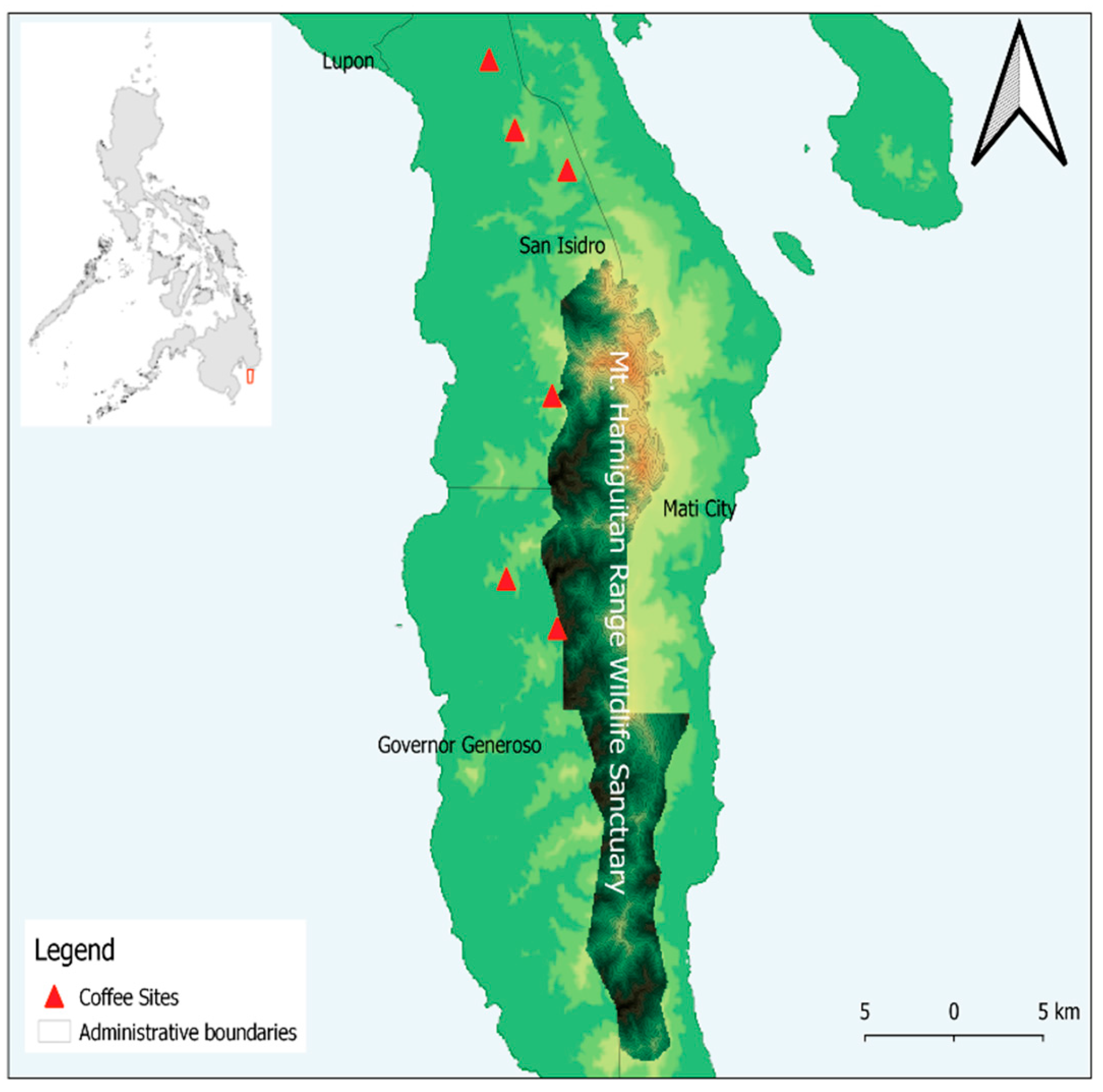
Figure 2.
Age distribution of coffee farmers along the buffer zone of Mt. Hamiguitan, Davao Oriental, Philippines.
Figure 2.
Age distribution of coffee farmers along the buffer zone of Mt. Hamiguitan, Davao Oriental, Philippines.
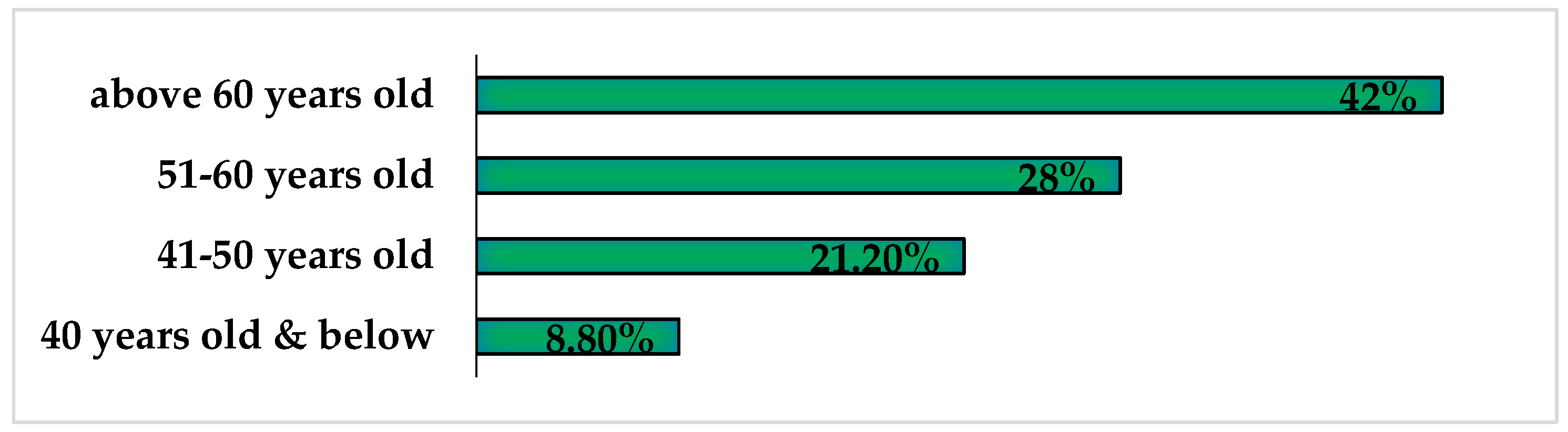
Figure 3.
Distribution of coffee farming experience among farmers along the buffer zone of Mt. Hamiguitan, Davao Oriental, Philippines.
Figure 3.
Distribution of coffee farming experience among farmers along the buffer zone of Mt. Hamiguitan, Davao Oriental, Philippines.
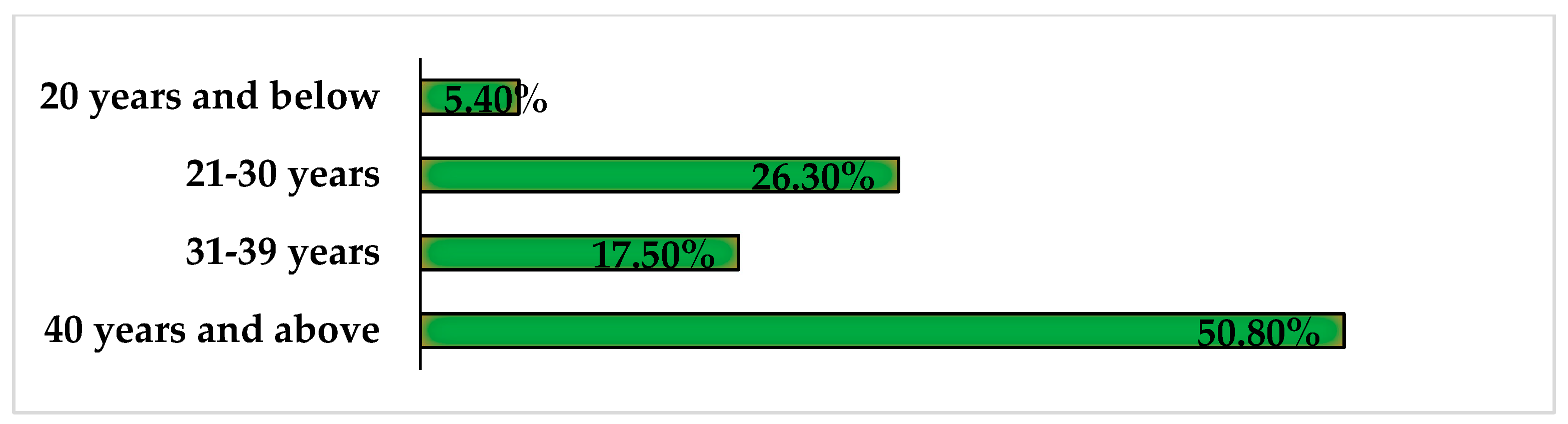
Figure 4.
Household size distribution among farmers along the buffer zone of Mt. Hamiguitan, Davao Oriental, Philippines.
Figure 4.
Household size distribution among farmers along the buffer zone of Mt. Hamiguitan, Davao Oriental, Philippines.
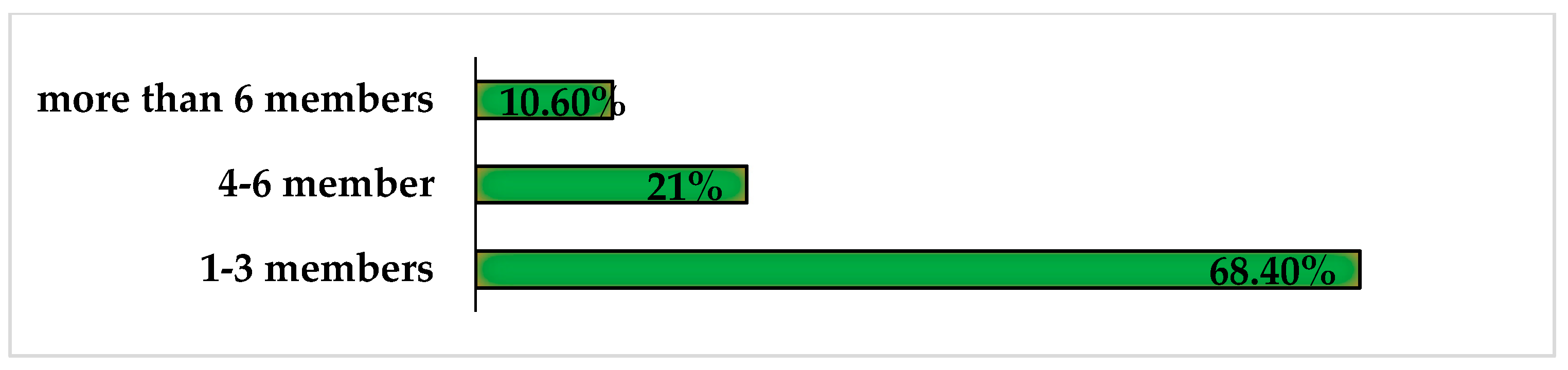
Figure 5.
Membership distribution of farmers in associations along the buffer zone of Mt. Hamiguitan, Davao Oriental, Philippines.
Figure 5.
Membership distribution of farmers in associations along the buffer zone of Mt. Hamiguitan, Davao Oriental, Philippines.
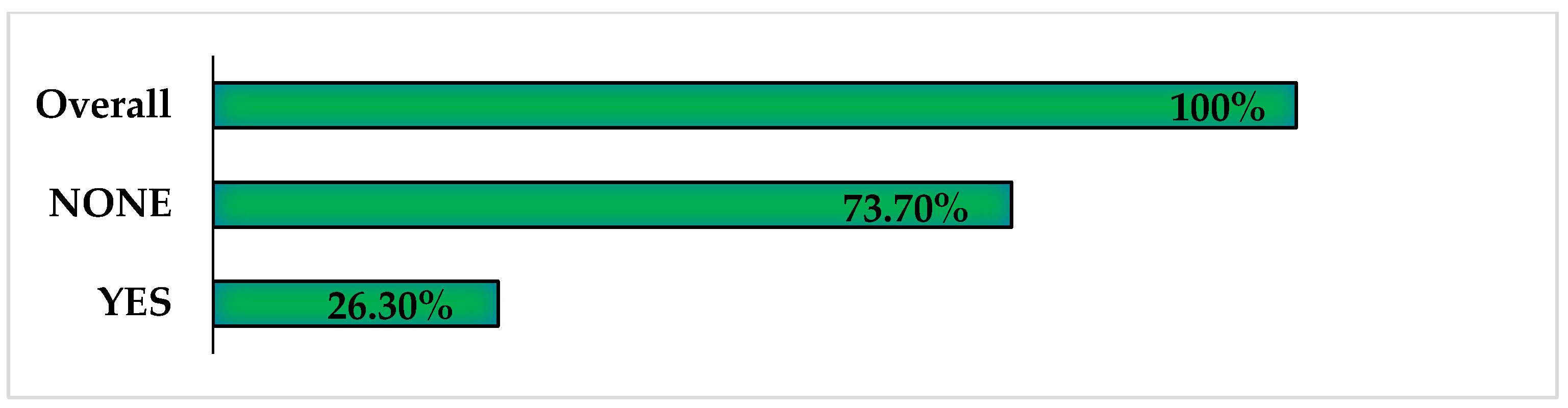
Figure 6.
Distribution of farmer participation in training programs along the buffer zone of Mt. Hamiguitan, Davao Oriental, Philippines.
Figure 6.
Distribution of farmer participation in training programs along the buffer zone of Mt. Hamiguitan, Davao Oriental, Philippines.

Figure 7.
Adoption of cropping strategies and awareness of coffee varieties among farmers along the buffer zone of Mt. Hamiguitan, Davao Oriental, Philippines.
Figure 7.
Adoption of cropping strategies and awareness of coffee varieties among farmers along the buffer zone of Mt. Hamiguitan, Davao Oriental, Philippines.
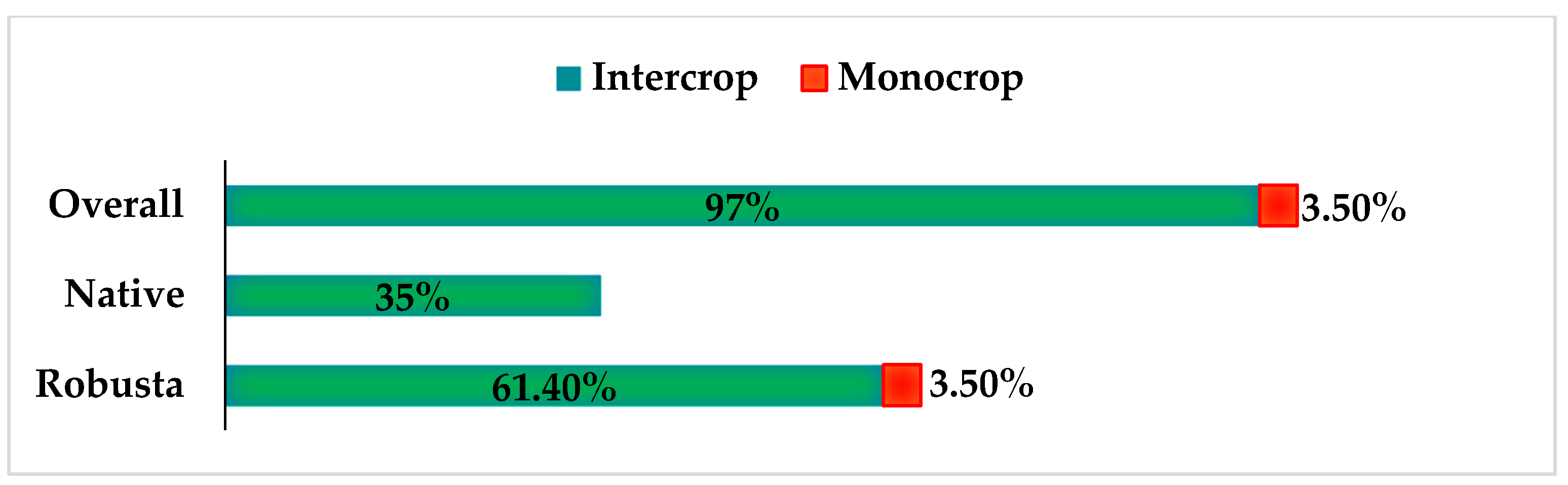
Figure 8.
Year of establishment of coffee farms along the buffer zone of Mt. Hamiguitan, Davao Oriental, Philippines.
Figure 8.
Year of establishment of coffee farms along the buffer zone of Mt. Hamiguitan, Davao Oriental, Philippines.
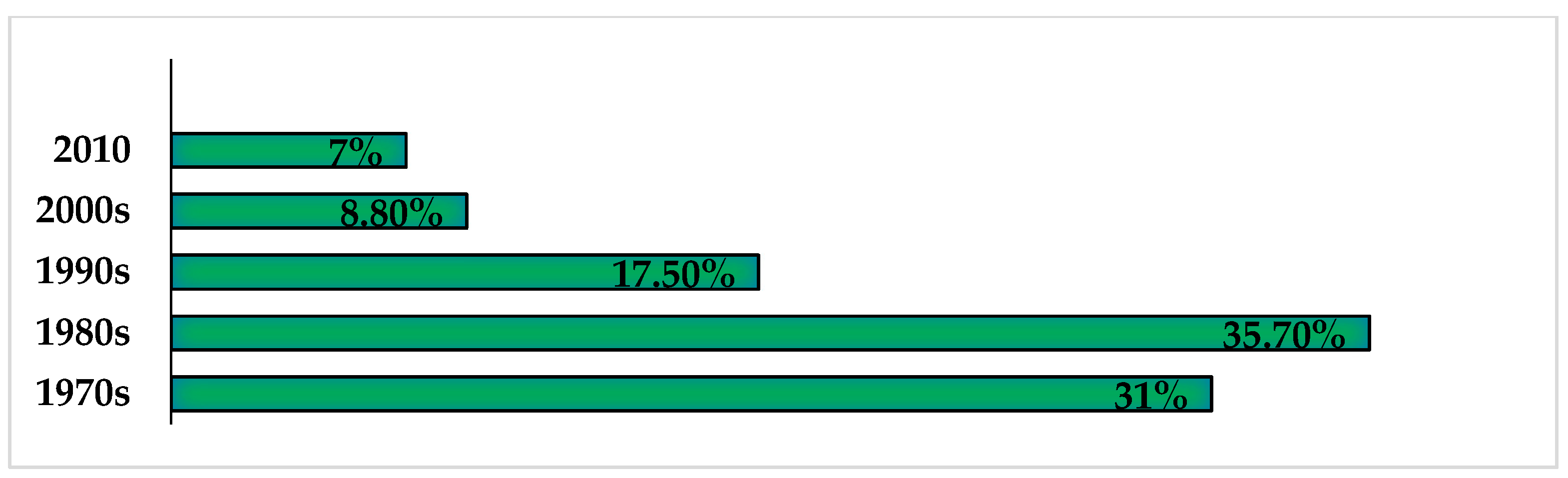
Figure 9.
Farming practices of coffee farmers along the buffer zone of Mt. Hamiguitan, Davao Oriental, Philippines.
Figure 9.
Farming practices of coffee farmers along the buffer zone of Mt. Hamiguitan, Davao Oriental, Philippines.
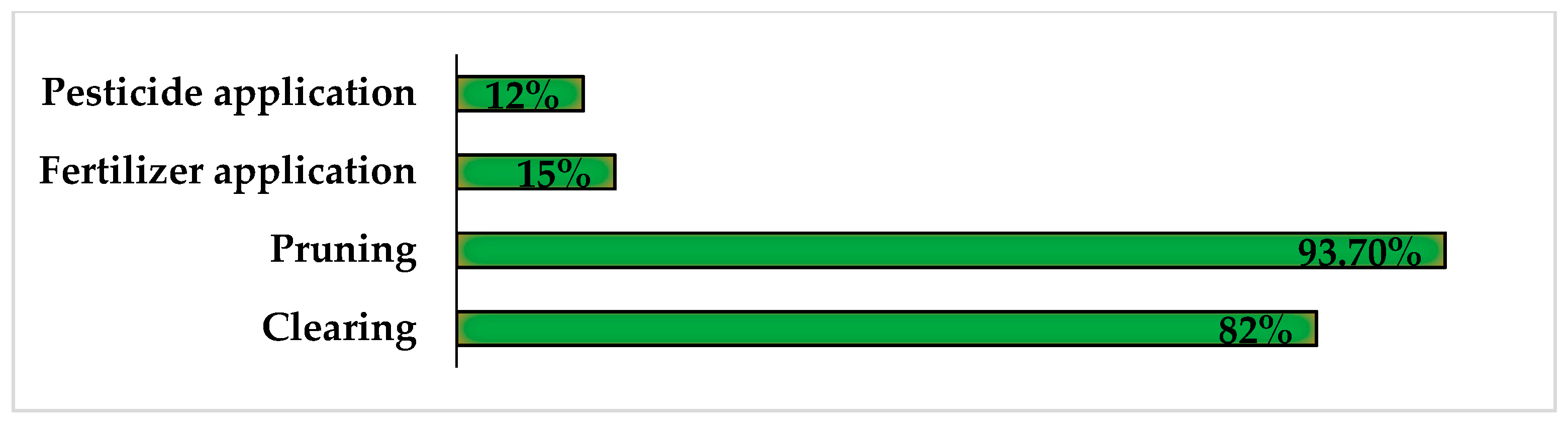
Figure 10.
Average density of coffee trees per hectare along the buffer zone of Mt. Hamiguitan, Davao Oriental, Philippines.
Figure 10.
Average density of coffee trees per hectare along the buffer zone of Mt. Hamiguitan, Davao Oriental, Philippines.
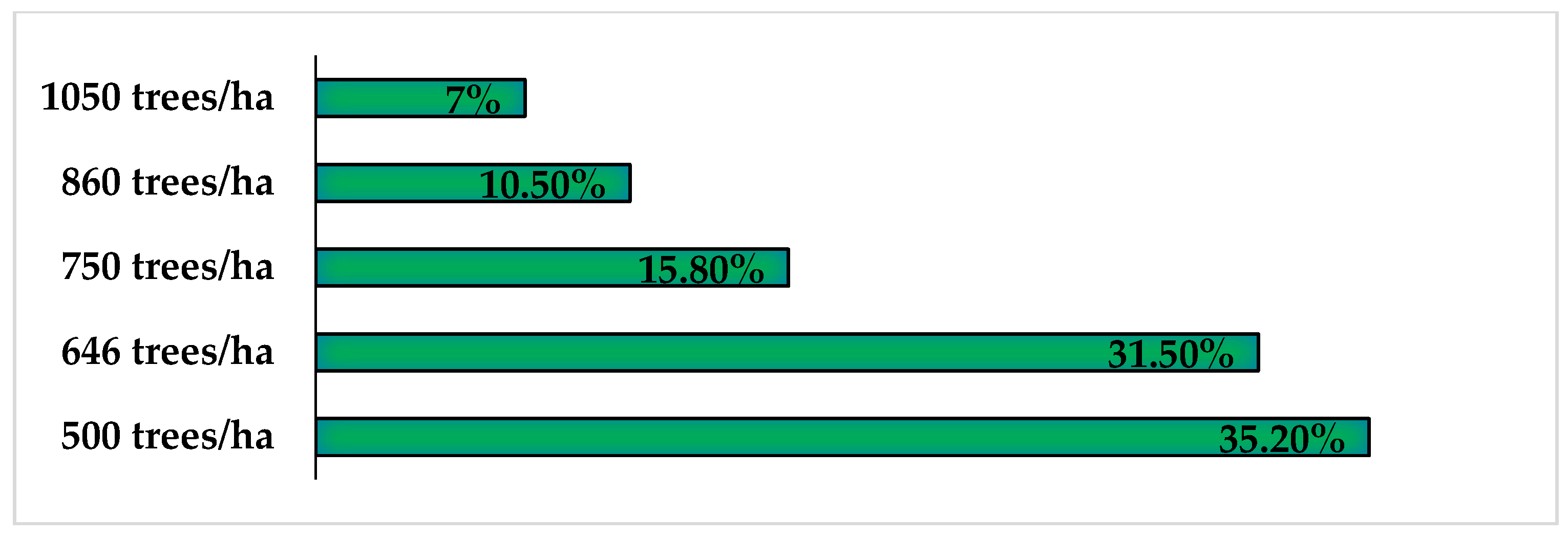
Figure 11.
Annual average yield per coffee tree along the buffer zone of Mt. Hamiguitan, Davao Oriental, Philippines.
Figure 11.
Annual average yield per coffee tree along the buffer zone of Mt. Hamiguitan, Davao Oriental, Philippines.
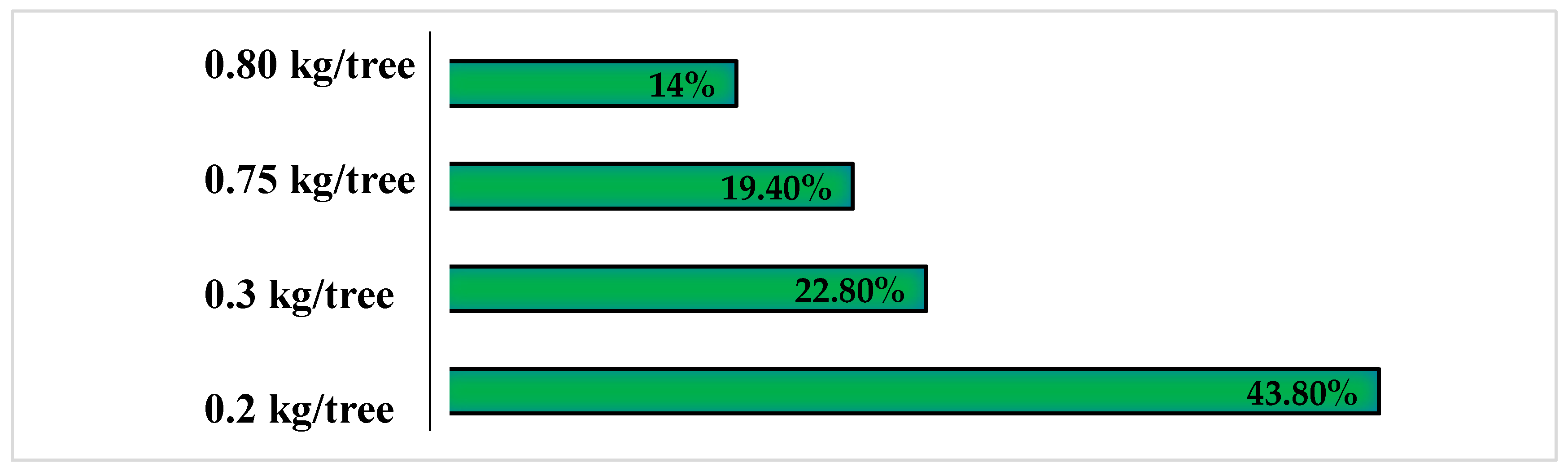
Figure 12.
Role of women in coffee production along the buffer zone of Mt. Hamiguitan, Davao Oriental, Philippines.
Figure 12.
Role of women in coffee production along the buffer zone of Mt. Hamiguitan, Davao Oriental, Philippines.
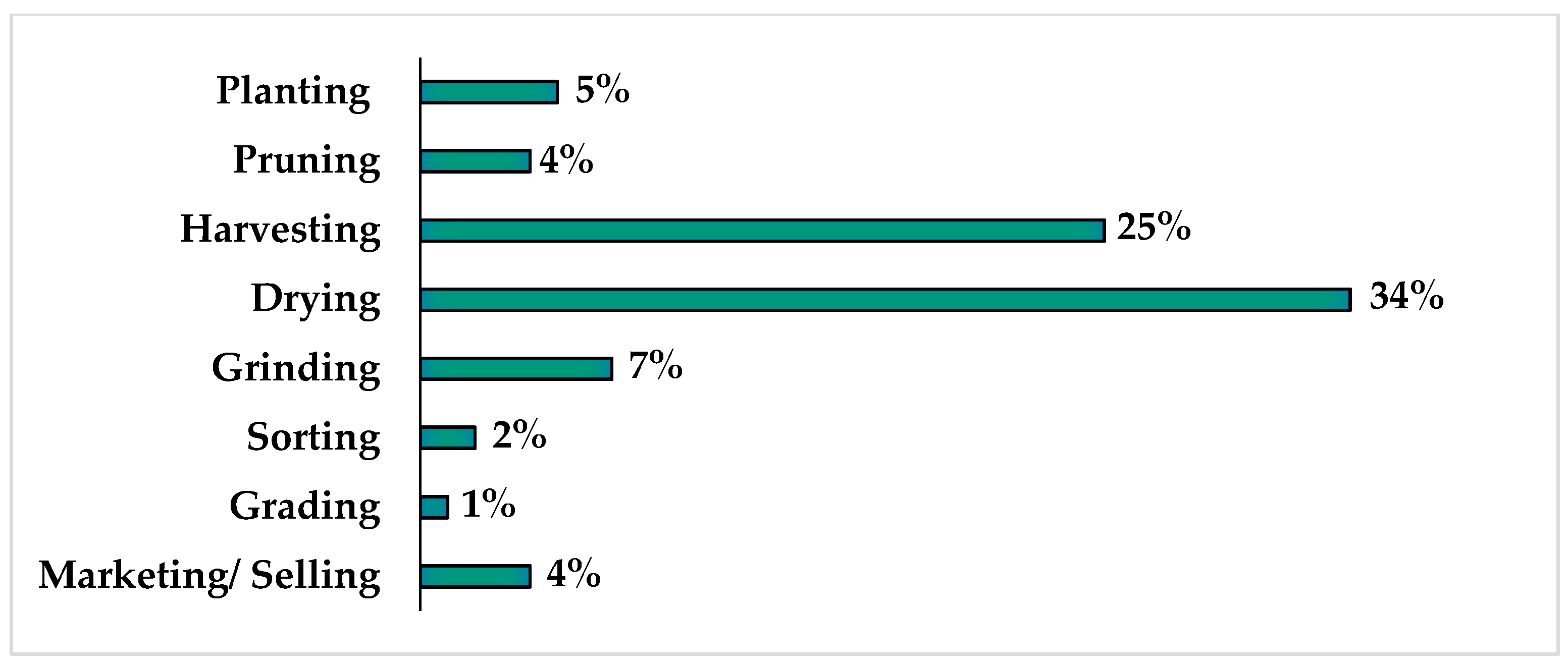
Figure 13.
Challenges faced by farmers in coffee marketing and sales.

Disclaimer/Publisher’s Note: The statements, opinions and data contained in all publications are solely those of the individual author(s) and contributor(s) and not of MDPI and/or the editor(s). MDPI and/or the editor(s) disclaim responsibility for any injury to people or property resulting from any ideas, methods, instructions or products referred to in the content. |
© 2024 by the authors. Licensee MDPI, Basel, Switzerland. This article is an open access article distributed under the terms and conditions of the Creative Commons Attribution (CC BY) license (http://creativecommons.org/licenses/by/4.0/).
Copyright: This open access article is published under a Creative Commons CC BY 4.0 license, which permit the free download, distribution, and reuse, provided that the author and preprint are cited in any reuse.