

Submitted:
10 October 2024
Posted:
11 October 2024
You are already at the latest version
Abstract
The adoption of Data Networks and Application Programming Interfaces (APIs) has become crucial for small and medium enterprises (SMEs) to streamline operations, improve efficiency, and reduce costs. However, SMEs often face challenges such as resource limitations and security vulnerabilities, which hinder their ability to fully leverage these technologies. This systematic review examines the role of Data Networks and APIs in enhancing operational efficiency within SMEs, focusing on key metrics such as speed, cost reduction, scalability, and security challenges. Following PRISMA 2020 guidelines, we conducted a systematic search across multiple databases including Web of Science, Scopus, IEEE Xplore, and Google Scholar. Studies published between 2014 and 2024, focused on SMEs and addressing the role of Data Networks and APIs in operational efficiency, were included. A total of 49 studies met the inclusion criteria and were analyzed for key outcomes related to operational efficiency, cost-effectiveness, and security risks. The review found that Data Networks and APIs significantly improve operational efficiency by increasing process speed (12% increase), reducing operational costs (8% reduction), and enhancing overall productivity. However, security challenges, particularly related to API vulnerabilities, were a major concern, with cyberattacks on APIs increasing by 400% in Q1 2023 alone. Despite these risks, the benefits of implementing Data Networks and APIs in SMEs, particularly in terms of scalability and real-time data processing, were evident across industries. Data Networks and APIs offer substantial improvements in operational efficiency for SMEs, though security remains a significant challenge. Future efforts should focus on developing security frameworks tailored to SMEs while maintaining the operational benefits of these technologies. Further research is needed to explore scalable and secure API models for SMEs.
Keywords:
data networks
; application programming interfaces (APIs)
; small and medium enterprises (SMEs)
; cloud computing
; security
; systematic review
1. Introduction
Cloud computing has rapidly advanced in recent years, largely driven by the proliferation of Data Networks and Application Programming Interfaces (APIs). These technologies have enabled seamless connectivity between millions of internet-enabled devices, such as smartphones and tablets, transforming how businesses and consumers interact with digital platforms [1]. The introduction of Amazon Web Services (AWS) in 2006 significantly altered the landscape of large-scale data storage and retrieval, bringing APIs to the forefront of cloud-based applications [2]. APIs are now integral to operations such as managing virtual machine workloads in cloud environments, and leading providers like Microsoft Azure, AWS, and Google Cloud Platform rely heavily on API-based approaches and robust network infrastructures for efficient user operations [3]. The global COVID-19 pandemic in 2020 accelerated this shift towards digital transformation, compelling a vast number of small and medium-sized enterprises (SMEs) to adopt network technologies and APIs as essential tools for conducting business and delivering services remotely [4,5]. This surge in digital adoption extended beyond commercial sectors, profoundly impacting the healthcare industry, where real-time data access became crucial for managing patient admissions, tracking infection rates, and coordinating national and global responses [6]. However, the adoption of these technologies has been uneven, with some regions and industries lagging behind due to geographical constraints and disparities in technological development [7,8].
APIs and network infrastructures are closely linked to operational efficiency, facilitating seamless data exchange and integration across platforms. However, these technologies also introduce new complexities and vulnerabilities, particularly in the face of rising cybersecurity threats. APIs, if inadequately secured, present significant risks, especially when handling sensitive data. The increasing use of APIs has expanded the attack surface for cybercriminals, with reports indicating a 400% surge in API-related attacks in the first quarter of 2023, targeting critical sectors such as finance, healthcare, and e-commerce [9,10,11,12,13]. The financial consequences of these attacks can be severe, potentially leading to losses amounting to millions or even billions of dollars [14]. To mitigate these risks, organizations must adopt a security-first approach, particularly in the context of network infrastructures and serverless API environments. This entails implementing API design best practices, leveraging machine learning and artificial intelligence to detect threats, and investing in continuous education and skill development for IT teams [15,16,17].
This paper conducts a systematic review of the use of network technologies and APIs to enhance operational efficiencies in SMEs. It also examines the security vulnerabilities that arise as a result of accelerated operational efficiency, offering insights into protective measures for SMEs in cloud computing environments. By consolidating existing research, this review aims to identify gaps in the literature and propose novel approaches for future developments in the field [18,19,20]. Table 1 presents a comparative analysis of existing reviews and identifies critical gaps that underscore the importance of further research into the development of APIs and Data Networks for SMEs.
Table 1 compares the work to show that many studies contribute to the out understanding of those needed capabilities but always focus on one technology or one solution as opposed over what are the needs of SMEs overall. Key gaps identified include:
- Most previous work does not acknowledge the specific operational challenges and resource constraints that SMEs face when setting up Data Networks and APIs.
- API security gets the word, but solution implementation is short on pragmatic, scalable security that best fits SMEs.
- Only a few studies offer holistic models of operational efficiency along with security imbibed within the SME context.
- Actionable strategies to help SMEs become smarter and save time in the process whilst managing their risk profile.
1.2. Research Questions
While there has been a plethora of research conducted at international levels regarding the integration of Data Networks and APIs worldwide over the last decade or so, you will hardly find any comparison performed to understand how these would have an impact on the operational efficiency within SMEs. The purpose is to go deeper into SME operational efficiency analysis thanks to Data Networks and APIs. To meet the study objectives, the authors have structured their enquiry in terms of the following research questions:
- Which key metrics are utilized to evaluate the effectiveness of Data Networks and APIs in enhancing operational efficiency within SMEs?
- What factors contribute to differences in the performance and cost-effectiveness of Data Networks and APIs in various industries and regions, specifically for SMEs?
- What are the primary challenges in implementing Data Networks and APIs in SMEs, and how do they impact operational feasibility and deployment?
- How do Data Networks and APIs significantly improve business operations in SMEs by increasing speed, reducing costs, and enhancing overall efficiency?
- What impact do advancements in data technologies and API standards have on enhancing operational efficiency in SMEs?
1.3. Research Motivation
This systematic review is motivated by two reasons. To start with, the renewed emphasis on Data Networks and APIs offering broader operational efficiency to small and medium-sized enterprises (SMEs) has taken on a pronounced role in the digital economy post-COVID-19. Limited resources and rapidly evolving/emerging technologies pose significant obstacles for SMEs Cultural Change Its likely effect on the operational efficiency of SMEs remains largely unexplored in literature despite significant research into Data Networks and APIs. This review intends to offer an overall perspective, by searching for lapses in the existing work and by concentrating on SMEs´ needs, providing a comprehensive understanding of how these firms can adopt effectively digital technologies and still compete in the present vision of digitally-driven markets.
1.4. Research Contribution
This paper presents a comprehensive systematic review of Data Networks and Application Programming Interfaces (APIs) in improving business productivity for small and medium enterprises (SMEs). We identify critical constraints and answer unanswered research questions in their practical implementation. The research contributions of the work are summarized below:
- To that end, we performed a systematic review of the literature and identified certain pressing shortcomings in the use of Data Networks and APIs at SMEs across diverse industries and geographies.
- In this systematic review, we propose an innovative model that targets the key performance indicators for systems like network uptime, the timing of response, resource utilization and cost-effectiveness.
- Informed by this analysis, we propose practical guidance and strategies for SMEs to seamlessly assimilate Data Networks and APIs. We discuss problems such as integration complexity, security vulnerabilities, and scalability issues together with the way how to solve these challenges.
- This research advances theoretical discourse by investigating the advantages as well as hurdles to using Data Networks and APIs, providing further academic insight into this issue and contributing to future developments in this area.
Figure 1 presents the API Efficiency Model for SMEs, illustrating, how Data Networks and APIs enhance operational efficiency metrics such as network uptime, cost savings and more. These factors are collectively enhancing the operation efficiency, reduce cost, and contribute to a competitive advantage for SMEs.
1.5. Research Novelty
The current research tends to provide a distinct systematic review that examines the influence of Data Networks and APIs on operational efficiency in SMEs around security challenges. Contradictory to the available literature, we focus on how the adoption of these technologies impacts fundamental performance measurements such as response time, resource utilization, cost-effectiveness and scalability in SMEs. We provide new evaluation processes which include operational efficiency and security aspects that address an existing lack in the related work. This article moves the field forward by offering SME-focused insights and an opening to additional research into how operations can be streamlined yet security risks minimized.
2. Materials and Methods
In this section, based on Figure 2 the research presents the methodology to determine the proposed systematic review founded on the Role of Data Networks and APIs in Enhancing Operational Efficiency in SMEs. The research is based on a 10-year review (2014-2020). Figure 2 illustrates the Systematic Review flow chart, outlining the core stages of the study framework. Figure 2 shows the stages, review planning, article selection, data collection, and organization, forming a structured approach for conducting a comprehensive review.
2.1. Eligibility Criteria
The purpose of the current study was to systematically review peer-reviewed literature regarding the use of Data Networks and API and how these facilitation tools can be utilized for the sake of operational efficiency enhancement trying to focus particularly on small- or medium-sized enterprises. We developed a clear research inclusion criterion to select appropriate articles and exclude other articles which were not in this study. The inclusion and exclusion criteria are summarized in Table 2.
2.2. Search Strategy
We conducted a comprehensive search across credible databases to investigate the ways in which Data Networks and Application Programming Interfaces (APIs) support operational efficiency within small and medium-sized enterprises (SMEs). Web of Science, Scopus, IEEE Xplore and Google Scholar databases have been applied for this study. Given the aim of this review to cover a wide range of literature from different disciplines, these databases were selected based on their broad coverage of high-quality peer-reviewed articles in Information Technology and related areas (e.g., Engineering, and Business Management), allowing us to ensure as comprehensive and focused retrieval as possible. The search terms were combined using Boolean operators "AND" and "OR" to refine the search and ensure the inclusion of studies that address the intersection of these concepts. The final search string was constructed as follows: ("Data Network" OR "network infrastructure" OR "communication network*") AND ("API" OR "Application Programming Interface") AND ("operational efficiency" OR "business performance" OR "process optimization" OR "efficiency improvement") AND ("SME" OR "small and medium-sized enterprise") AND ("cloud computing" OR "IoT" OR "Internet of Things" OR "digital transformation" OR "cybersecurity").
Our search was limited to papers published from 2014 onwards to depict any novel advances and new Data Network & API technology trends corresponding with the scenario for SMEs. The starting year was chosen as 2014 due to many progress in cloud computing, API development, and advancement in digital transformation initiatives specifically within SMEs. This time frame will help make sure that the studies included in this report reflect today’s technological landscape and its effect on operations productivity. The quality filters chosen only peer-reviewed journal articles and conference papers written in English to make the reviewed literature as highly consistent as possible. We also excluded those studies that were not in English and or not peer-reviewed to minimize a possible language barrier and credibility respectively. The relevance of studies was evaluated by title and abstract initially. We excluded studies that did not meet the inclusion criteria such as those on large enterprises or unrelated technologies or were irrelevant to operational efficiency in SMEs. Table 3 illustrates the collected on different databases that fit the inclusion and exclusion criteria.
2.3. Selection Process
The relevance of studies was evaluated by title and abstract initially. We excluded studies that did not meet the inclusion criteria such as those on large enterprises or unrelated technologies or were irrelevant to operational efficiency in SMEs. Full text and detailed information evaluation: After the initial screening, studies that passed were reviewed entirely to confirm the relevance and obtain specific data related to our research questions. Systematic reviews of studies conducted in accordance with the PRISMA guidelines were included, to provide transparency and quality assurance. We initially identified 338 records after comprehensive searching in Web of Science, Scopus, IEEE Xplore and Google Scholar. Exclusion criteria were pilot tests or grey literature predate 2014 and moved to the next stage for those that passed this criterion, duplicates in our database (n=0), by reviewing titles and abstracts related to operational efficiency related to Data Networks/operational APIs in SME enterprises. Exclusion of Studies Not Meeting the Inclusion Criteria. Those who passed this first step were reviewed in full text against our predefined eligibility criteria, with a careful assessment of the overall methodological quality and relevance. Two independent reviewers screened search results for eligible studies, resolving any disagreements through discussion or consultation with a third reviewer to minimize bias. Figure 3, shows a method and structure used in the collection of a total of 49 Research studies that met all the criteria and were ultimately involved in our systematic reviews of Data synthesis and results interpretation.
2.4. Data Collection Process
Methods for Data Collection from Included Studies The methods used to collect data from the included studies are depicted in Figure 4.
A structured extraction form was particularly designed for this review, detailing information on the study characteristics; methodologies; Data Network and API--centric interventions; efficiency metrics observed in the operational context; and SMEs-relevant key findings. The data extraction was done independently by three different reviewers to minimise bias and increase objectivity. The reviewers examined data and compared their examinations after extraction, with discrepancies solved by discussion. If agreement was not achieved, a fourth reviewer was consulted. We used Microsoft Excel to easily organize and manage the data. Where there was unclear or missing information, we made a note of the absence of data and appropriately documented it. There were no automation tools except for Excel. This systematic process was designed to ensure that the raw data are reliable, valid and appropriate for responding to our research questions.
2.5. Data Items
This section describes the specific outcomes and variables for which data were collected in this systematic review, including detailed definitions and criteria for selecting results relevant to each outcome. This section further describes the methodology that will be applied to deal with data not reported or unclear with the aim of making our research methodology transparent and replicable.
2.5.1. Data Collection Method
We will gather data directly pertinent to the pre-defined outcomes of our research objectives. These objectives assess the ways in which Data Networks and APIs improve operational efficiencies in SMEs. All findings consistent with these measures will be sought for each of these outcome domains over several time points, using multiple methods and analyses. When there was more than one result in the same domain, prioritization was done by considering only the most reliable and pertinent data through a systematic process, using such criteria as methodological strength, sample size, and relevance to SMEs. This therefore ensured that our analysis was comprehensive enough to give a methodical review for each outcome. Figure 5, Data collection method used in this review.
2.5.2. Variables Data Collection
Data were collected on all pre-defined and listed variables: study characteristics, participant demographics, technological interventions, and measured outcomes. Indeed, such in-depth data collection has now enabled an intensive analysis and synthesis with deep insights and practical recommendations. When information was not clear or missing, standard practices were resorted to make reasonable inferences based on available data. Any assumptions thus made were stated with a view to transparency. Table 4 shows a summary of all the variables collected during data extraction.
2.6. Study Risk of Bias Assessment
This section describes the methods used for assessing the risk of bias for the studies included in this review. It includes information on the tools used for the assessment, as well as how an in-depth, unbiased evaluation of the study was guaranteed. Moreover, several reviewers were assigned to independently assess each dataset, as a means of efficiently handling the datasets and minimizing the risk of missing some biases that might be hard to notice if the assessment had been done manually. This method minimized personal biases and guaranteed wide analysis through subsequent discussions and consensus building. An integrated approach made sure that the review of the risk of bias was comprehensive, reliable, and reproducible for all studies.
Since it pertains to reviewing the role that Data Networks and APIs play in enhancing operational efficiency in SMEs, we have prepared a detailed risk of bias assessment for each included study in this systematic review to ensure its validity and reliability. A customized assessment framework, adapted from the Cochrane ’Risk of Bias ’ tool, was prepared for assessing mixed-method studies related to our topic. This evaluation ranged over five (5) distinctive domains of bias: (1) bias due to study design and methodological aspects; (2) bias concerning data collection and analysis techniques; (3) bias from technological interventions; (4) bias pertaining to industry and geographical context; (5) bias due to selective reporting of results. Three authors of each study reviewed and recorded the supporting information independently, together with their justification of judging the risk of bias as low, moderate, high, or unclear. Any disagreement regarding the assessment was resolved by discussion between the same reviewers, with the involvement of a fourth author when necessary. This rigorous process has enabled us to comprehensively assess the impact of Data Networks and APIs on operational efficiency for SMEs, identify key developments, and provide insight into any gaps that currently exist. The process is summarized in Table 5.
In our review, we evaluated how likely it was that the studies we included could be biased. Three reviewers checked each study to make sure it was done fairly. Each reviewer review rated the studies based on specific rules as shown in Table 6, and then they discussed their ratings to agree on how much bias each study might have. We did not use any software for this process, everything was done manually. We focused on factors like how the study was designed, how the data was collected, and how clearly the methods were explained. Studies that were well-documented were considered to have less risk of bias. We also checked if the studies had conflicts of interest, like funding from sources that might influence the results. We also compared the studies to check for any unusual findings.
2.8. Synthesis Methods
The synthesis methods for this systematic review on the impact of Data Networks and Application Programming Interfaces (APIs) on operational efficiency in SMEs were designed in a way to ensure that any aggregation of results across the selected studies was robust, transparent, and reproducible. The eligibility of the studies for inclusion in each synthesis was systematically and rigorously assessed against review objectives, focusing on the role that Data Networks and APIs can play in operational efficiency enhancement in SMEs. The data collection was informed by the synthesis of eligibility, as outlined in Table 7. Accordingly, careful selections were made regarding relevance with Data Networks and APIs, and the objectives set for this review. A systematic comparison, using set criteria, ensured that only the most relevant studies formed the backbone of the work, reducing bias and increasing methodological strength in conducting the review. After that, data from various studies were standardized to make meaningful comparisons; gaps in data were addressed by techniques such as data imputation or contacting authors when necessary. This completed the dataset and ensured its reliability for analysis. Correspondingly, methods of data preparation and their applications were analyzed.
These were then systematically organized into tabular forms and visualized using appropriate graphical formats, such as forest plots and thematic maps, which were important in depicting patterns and assuring clarity and transparency of the findings. Figure 6 presents scenarios assessed in sensitivity analyses and their results. These tested the effect of different assumptions and methodological decisions, for instance, the exclusion of the studies with a high risk of bias, altering the inclusion criteria.
The model selection was documented properly in a well-defined manner to capture the accuracy and reproducibility of the findings. Regarding Table 8, a comparison was made of a fixed-effects model with a random-effects model to present graphically the effects both had on SME operational efficiency outcomes. Subgroup analyses and meta-regression were conducted for possible heterogeneity to investigate how different factors such as the size of the SME, the industry type, or the geographical location would affect the effectiveness of Data Networks and APIs.
2.9. Reporting Bias Assessment
We subsequently conducted an extensive review of publication bias as a means of investigating the risk of missing results due to selective non-publication or non-reporting. Since such biases have a great potential to affect the validity of our findings regarding the role Data Networks and APIs play in promoting operational efficiency within SMEs, we employed a statistical and graphical method for comprehensive evaluation. Contour-enhanced funnel plots provided visual detection of asymmetries that may indicate publication bias. These are funnel plots with contours of statistical significance superimposed, thus helping us to differentiate between contours where studies might be missing because of publication bias and those missing for other reasons, such as heterogeneity or chance. For statistical assessment of funnel plot asymmetry, Egger’s regression test was also applied; it gives a quantitative measure of possible small-study effects or publication bias.
No new tool development was done for the assessment; standard tools and techniques recommended in the methodology for systematic reviews were used. Analyses that involved subjective judgment were performed by several reviewers independently, with disagreements resolved by discussion or by consulting a methodological expert. This provided a reliable interpretation of the results, without over-reliance on automated processes. We conducted the analysis and visualization manually in our review. We used software such as Review Manager (RevMan) and Microsoft Excel to develop plots and carry out statistical tests. No automation tool specifically designed for the assessment of reporting bias was used. Extensive manual searches in databases like Web of Science, Scopus, IEEE Xplore, and Google Scholar helped us obtain a comprehensive set of relevant studies, thus reducing the likelihood of reporting bias in this review.
2.10. Certainty Assessment
This section describes the methods used to establish the level of certainty or confidence in the evidence collected for each outcome. This lends credence to the strength of our findings on the impact which Data Networks and APIs have on operational efficiency in SMEs. The literature reviewed was assessed against a set of five QA checks that have been obtained from our research questions as mentioned in Table 8.
The answers to the questions are scored on a scale ranging from zero to one, where ’No’ scores ’0’ points, partial fulfilment of the criteria receives ’0.5’, and ’Yes’ gets ’1’ points. All five QAs are scored by this criterion, permitting each study a total score to range from 0 to 5 points. Studies receiving higher scores have more certainty and thus stronger evidence for our review. The results of the QA of the retrieved literature are summarized in Table 9.
3. Results
Figure 7 illustrates the key components that shape the findings of this systematic review, including the selection of Research studies, their characteristics, and the assessment of potential biases. These factors are essential in determining the credibility of the results, figure 7 also underscores the importance of synthesizing data from individual Research studies to draw comprehensive conclusions. Also, it highlights the need to address reporting biases and evaluate the certainty of the evidence to ensure that the outcomes presented are both accurate and reliable. Each of these elements is crucial in interpreting the overall results, providing a more transparent and insightful view of how Data Networks and APIs enhance operational efficiency in SMEs.
3.1. Results of Study Selection
The study selection process was done based on the exclusion and exclusion criteria illustrated in Table 2. The Research studies were assembled from different types of SMEs-based papers that were focused on the role of Data Networks and APIs in their role of enhancing operational efficiency. To perfectly get the required research studies or papers a search code that consists of all the topic’s keywords and synonyms was used and it gave hundreds of research studies. During the topic screening of the resultant papers, we were able to find that only thirty of these research studies were within our inclusion criteria. Out of these research studies, 28 (57,14%) were Article Journal, 2 (4,08%) were Book Chapters and 19 (38,78%) were Conference papers. The use of an Excel sheet gave us insight into all the research studies that were deemed to be duplicated, and we were able to exclude any duplicate research studies in order not to have any duplicate research studies within the systematic review. This allowed us to conclude that these thirty research studies fit our inclusion criteria for the final review, and they were included in the systematic review results analyses.
Figure 8 illustrates the systematic review procedure for finding and adding Research studies using databases and registrations. The flow chart, which highlights important exclusion criteria at each stage, describes the identification of research papers from many sources, the screening and retrieval procedure, and the ultimate inclusion of suitable studies in the review.
3.2. Study Characteristics
Figure 10 and Table 10 provide a detailed overview of the publication trends related to studies on the role of Data Networks and APIs in enhancing operational efficiency in SMEs. Figure 10 illustrates the yearly distribution of publications from 2014 to 2024, showing a steady increase in output, with a significant peak of 13 papers in 2023. Table 11 categorizes these publications into journal articles, conference papers, and book chapters, highlighting the dominance of journal articles, particularly in the more recent years. A notable rise in conference papers is observed starting in 2021, indicating increased discourse on this topic within academic and professional forums. These study characteristics demonstrate the growing academic interest and expanding body of research in this field over the last decade
The results on the graph Figure 10 show the publications of papers within the inclusion criteria over a 10-year period, from 2014 to 2024. The graph shows a fluctuating pattern, with a relatively low number of publications between 2014 and 2020, peaking with four papers before dropping to just one in 2020. However, starting in 20212, there is a marked increase in research studies, with seven Research studies published that year, followed by eight in 2022. The most significant surge occurred in 2023 when the number of publications reached a peak of 13. This trend indicates a growing academic interest in the topic although the slight decline to five publications in 2024 suggests that the momentum may be tampering off. The overall trend highlights an increasing recognition of the importance of this field, particularly in the last few years.
Figure 11 illustrates the distribution of publications by country, highlighting the global spread of research on the role of Data Networks and APIs in enhancing operational efficiency in SMEs. China leads the highest number of publications, accounting for 12 of the totals. The USA 8, while South Korea and India 4 and 5 respectively. The other countries each have 1-3 of the totals.
Figure 12 presents the distribution of different types of Data Networks commonly utilized in enhancing operational efficiency within SMEs. The chart indicates that Virtual Private Networks (VPN) account for the largest share at 3, followed closely by the Internet of Things (IoT) with 30%. Local Area Networks (LAN) represent 20% of the total, while Wide Area Networks (WAN) contribute 17%. This figure highlights the varying roles these Data Networks play in supporting SMEs, with VPNs and IoT emerging as the most prominent technologies for improving connectivity and operational performance.
Figure 13 and Table 12 provide an overview of the various API configurations used to enhance operational efficiency in SMEs. Table 12 categorizes the API configurations into REST, SOAP, GraphQL, other configurations and unspecified types. The data in Table 11 shows that the most used API is REST at 26,53%, followed by SOAP at 8.16% and GraphQL came last as it sits at 2,04%. The APIs represented by others were mixed or more than one was used and not specified for the papers that did not mention which API was being used during the research period.
3.3. Results of Individual Studies
Figure 14 illustrates how different enterprises’ performance has been seen to enhance operational efficiency using the integration of Data Networks and APIs based on the 49 Research studies included.
The findings show that 19% of the research focused on increasing productivity, underscoring the critical role that these technologies play in improving production and workflows. Furthermore, process improvement, which is essential for simplifying operations, was mentioned in 12% of the research. 8% of costs were saved, highlighting the financial advantages that businesses receive from these technology integrations. Ten per cent of the studies showed enhanced data-driven creativity, demonstrating how Data Networks and APIs spur more creative business solutions. A further noteworthy element that accounted for 12% of the research was security; however, 39% of the studies did not provide specific measurements. These observations highlight the various ways that APIs and Data Networks are changing how businesses operate in several sectors.
3.5. Results of Synthesis
Figure 15 turns to illustrates the systematics process followed in synthesizing the results of the included Research studies on the Role of Data Networks and APIs in Enhancing Operational Efficiency in SMEs. The process starts with the initiation step of reporting and categorizing synthesis results, this is followed by a proper examination of the Research study’s characteristics, including the research design geographic location, and Data Networks or API type. This goes together with an evaluation of potential biases and sensitive analyses to assess the robustness of conclusions. This visual provides a clear and well-structured approach to comprehending how the results were systematically synthesized to derive reliable conclusions.
3.5.1. Study Characteristics and Bias Assessment
This Systematic Review combined the findings from multiple Research studies on how Data Networks and APIs contribute to Operational Efficiency. We considered Research studies based on different study designs, for example, journals and articles which added a unique perspective to the analysis. Targeting various kinds of organizations at different geographical levels, from small businesses to medium enterprises, these Research studies were based on other methods. They investigated how APIs and Data Networks could help make operations faster, cost-effective, and with a low error rate. A few Research studies focused on other factors such as user satisfaction and the scalability of the solutions. However, we noticed some issues that might affect the outcome. The Research studies were done on different types of economic development. Table 12 shows the difference in percentages of developed and developing countries that have shown interest in the research of APIs and Data networks. In contrast, Figure 16 shows a visual graphical form of the analyses.
3.5.2. Statistical Synthesis Results
Figure 17 below illustrates the analysis methods that have been used in the Research studies of Data Networks and APIs in SMEs. The pie chart shows that Statistical analysis makes up 24,49% of the methods, emphasizing a quantitative approach in assessing operational efficiency. The Thematic analysis accounts for 42,86% illustrating the use of qualitative methods to assemble and capture broader insights. This blend of quantitative and qualitative analysis provides a knowledgeable standpoint on how Data Networks and APIs influence SME performance.
The Figure emphasizes the dominance of statistical methods, which play a vital role in assessing the quantitative elements of the Research study outcome. By showcasing the focus on statistical analysis, it assists in evaluating the strength of statistical syntheses, like meta-analyses, and their influence on the overall findings. Additionally, the inclusion of thematic analysis highlights the integration of qualitative perspectives, offering a more complete view of how various data types were integrated and combined to reach the study’s conclusions. This type of approach ensures a proper interpretation of the results, considering both quantitative and qualitative data in the overall analysis.
3.5.3. Result Variability Factors
Figure 18 illustrates the factors that contribute to the variation across studies, with the industry context playing a significant role. The diversity of industries examined includes healthcare, manufacturing, finance, and education sectors. This introduces unique challenges and opportunities that impact the overall findings. Each sector has distinct operational needs, data handling practices, and regulatory requirements, all of which influence how Data Networks and APIs affect Operational Efficiency. As such, the industry context becomes a critical factor in understanding the variability in study results, offering insight into the sector-specific dynamics that shape the implementation and effectiveness of these technologies.
3.5.4. Sensitivity Analyses
Additionally, we meticulously reviewed the completeness of reported outcomes by comparing outcomes outlined in study protocols or registries with those reported in published papers. This method enabled us to identify instances of result non-disclosure that may introduce bias into our synthesis. When we noticed that some Research studies had results, we flagged them. Conducted sensitivity analyses to see how this could affect our overall conclusions. We carefully compared the results of these sensitivity analyses, with the analysis paying attention to any differences.
3.3. Risk of Bias
When examining the role of Data Networks and APIs in enhancing the operational efficiency of SMEs, it is essential to understand the research methods employed in studies, as these greatly influence the validity and relevance of the findings. Figure 19 below illustrates the distribution of research methods used in studies on this topic highlighting the potential bias risks associated with each approach. A range of methods, including case studies, surveys, and experimental design. These approaches have been employed, each offering its advantages and limitations when exploring Data Networks and APIs impact on SMEs.
The data presented in Figure 19 illustrates the distribution of research designs used in Research studies with experimental designs accounting for the majority, comprising 46% of the studies, providing a robust approach for establishing causality. However, experimental methods may suffer from limited external validity, as the controlled conditions might not fully reflect real-world SME environments. The "Not Specified" category makes up 17% of the studies, indicating a lack of clarity in research design, which could affect the reliability of findings. Surveys, making up 8%, offer an efficient way to gather extensive data but may introduce bias due to self-reporting and the difficulty of capturing the full complexity of API and Data Network integration in SMEs. Case studies, comprising 6%, offer in-depth insights into specific contexts but may lack generalizability.
This is evident from the varied methodologies depicted in the figure that indicate a complex approach to addressing this area of study while each design has its own inherently possible sources of bias. The use of such designs indicates the interest in tightly controlled conditions whereas the lack of other methods, such as questionnaires and cases, may reduce the external validity of the findings. Such risks can be minimized in future research with more balanced use of a combination of research designs and the more frequent use of mixed methods and statistical analysis to increase the understanding of how Data Networks and APIs affect the performance of SMEs.
4. Key Findings and Strategic Implications for Business Leaders
The review’s findings reveal how data networks and APIs significantly impact the operational efficiency and scalability of small and medium enterprises (SMEs). For business leaders, these technologies provide opportunities to optimize processes, reduce costs, and improve customer satisfaction. However, they also present challenges, particularly related to security risks and the need for technical integration. By understanding these key metrics, SME leaders can make informed decisions about implementing data networks and APIs to align with their strategic goals.
Table 13 provides a comprehensive analysis of key findings and their implications across various industries. Each entry highlights the core findings, strategic implications for leaders, opportunities and challenges, relevance to the systematic review, strategic drivers, and expected outcomes.
Across industries, the integration of APIs and data networks offers clear strategic benefits for SMEs, including improved operational efficiency, cost savings, enhanced customer satisfaction, and better scalability. However, successful implementation requires leaders to navigate challenges such as security risks, compliance with regulations, and high initial investments. The table illustrates how different industries can leverage these technologies to drive growth while addressing industry-specific challenges, such as compliance in healthcare or synchronization issues in hospitality. The findings also emphasize the importance of long-term sustainability, with key investment priorities focusing on real-time data integration, secure API systems, and scalable infrastructure.
5. Decision-Making Framework for Implementing Proposed Study Topic
The implementation of Data Networks and APIs is a crucial step for SMEs aiming to enhance their operational efficiency, scalability, and competitiveness. A structured decision-making framework helps businesses plan, choose, and implement these technologies in a manner that aligns with their strategic goals. This framework ensures that each stage of adoption—from initial assessment to full integration—delivers tangible business benefits, minimizes risks, and provides a clear path to return on investment. Table 14 outlines the decision-making framework, detailing the key steps for each industry, focusing on framework elements such as strategic drivers, expected outcomes, and relevance to the systematic review on operational efficiency in SMEs.
The decision-making framework for implementing Data Networks and APIs in SMEs outlines a structured, industry-specific approach that guides leaders through each critical stage, from assessment to full-scale implementation. The framework focuses on aligning the technology with strategic business goals, ensuring that systems are scalable, and addressing the unique challenges of each industry. For instance, Retail SMEs benefit from real-time inventory and customer data management, while Manufacturing SMEs optimize production with IoT-enabled predictive maintenance.
6. Best Practices for Successful Study Topic Implementation
Business leaders looking to adopt Data Networks and APIs must follow a strategic approach to ensure successful implementation. These technologies provide significant benefits, including smoother operations, cost savings, and enhanced profitability. By following industry-specific best practices, businesses can optimize resource usage, improve compliance, build customer trust, and offer advanced services that boost their competitiveness. Table 15 presents the proposed key best practices for using Data Networks and APIs in SMEs, categorized by industry. This revised framework includes columns for SME Type to capture different SME business models, Operational Challenge to highlight specific issues addressed by the technology, Strategic Drivers that guide implementation, Expected Impact of the practice, and Ties to Systematic Review Findings to show how each best practice aligns with evidence from the review.
The proposed framework highlights the best practices for successful implementation of Data Networks and APIs in SMEs, across a range of industries. For Retail SMEs, real-time API integration improves inventory management and customer engagement, while Healthcare SMEs benefit from secure APIs to ensure compliance and better patient data management. Financial Services SMEs gain from secure payment processing and fraud detection systems, reducing risks and enhancing customer trust.
7. Proposed Metrics and KPIs for Measuring Study Topic Performance
In evaluating the performance of Data Networks and APIs, SMEs across various industries must focus on specific key metrics and strategic drivers that are critical to their operational success. For example, retail SMEs benefit significantly from prioritizing Transaction Processing Time and Inventory Accuracy, which streamline e-commerce operations and improve customer satisfaction. In contrast, manufacturing SMEs focus on Machine Downtime and Production Throughput to optimize equipment efficiency and reduce operational costs. The inclusion of Technology Integration Complexity, Cost of Implementation, and Long-term Scalability further highlights the unique challenges SMEs face when adopting these systems as shown in Table 16. Each industry has its own set of priorities, as shown by the varied Key Metrics/KPIs and expected outcomes, such as Fraud Detection Rate in financial services and On-time Delivery Rate in logistics. The prioritization of these metrics helps business leaders strategically align their investments with long-term growth, ensuring that technology implementations lead to tangible improvements in operational efficiency (Table 17).
The table highlights the critical metrics and KPIs for measuring the performance of data networks and APIs across different SME sectors. Industries such as retail and logistics prioritize Transaction Processing Time and On-time Delivery Rates to drive customer satisfaction and operational efficiency. In contrast, sectors like healthcare and financial services focus on Data Access Time and Fraud Detection Rates to ensure compliance and security. The additional columns provide a comprehensive view of the integration challenges, costs, and scalability associated with these systems. The prioritization of metrics ensures that businesses can focus on the most impactful areas, while the insights on implementation complexity guide SMEs in planning and resource allocation, ultimately supporting their growth and competitiveness in a dynamic market.
8. Proposed Industry-Specific Frameworks for Study Topic
Small and medium enterprises (SMEs) across various industries face unique operational challenges, such as limited resources, scalability issues, and rising cybersecurity threats. In response, the integration of Data Networks and Application Programming Interfaces (APIs) has become increasingly crucial for optimizing operations and improving efficiency. However, the specific application and impact of these technologies vary significantly across industries due to differences in infrastructure needs, regulatory requirements, and market demands. This section introduces a detailed framework that breaks down the strategic implications, opportunities, challenges, and expected outcomes of API and data network integration across key sectors, including retail, manufacturing, healthcare, financial services, hospitality, logistics, education, energy, agriculture, and technology. As outlined in Table 17, these frameworks provide insights into how SMEs can leverage APIs to address sector-specific challenges while enhancing their operational capabilities. Each industry is examined through several key dimensions: the primary findings on API and data network impacts, strategic opportunities for business leaders, potential challenges during implementation, and how these insights relate to the broader systematic review on operational efficiency. Additionally, the frameworks emphasize the strategic drivers that can support successful technology integration, along with the expected outcomes for each sector.
The proposed industry-specific frameworks presented highlight the diverse benefits and challenges that SMEs face when implementing data networks and APIs. Retail SMEs can use APIs to optimize inventory management, increasing customer satisfaction and reducing stockouts, while manufacturing SMEs benefit from IoT integration for predictive maintenance and production efficiency improvements. Healthcare and financial services SMEs must prioritize security and regulatory compliance, especially when dealing with sensitive data, but stand to gain significant operational efficiencies from real-time communication and secure payment APIs. Other sectors, such as logistics and hospitality, can enhance customer service and streamline operations through real-time tracking and booking systems, respectively.
9. Real-World Case Studies on How Data Networks and APIs Enhance Operational Efficiency in SMEs
In fact, digital transformation is something businesses in today’s time must undergo. It is more crucial in the case of an SME. Cloud computing, AI, data networks, and APIs are a few advanced technologies that have been adopted largely by many organizations with the motive of bringing efficiency and growth into operations. In the backdrop of a systematic review, how data networks and APIs provide relevant contributions to these efforts becomes significant and compelling, especially among SMEs. This review demonstrates, with the help of examples, how these technologies are being implemented in real life and their measurable outcomes in optimizing business performance for a wide range of sectors and regions.
Case 1: China’s SME Adoption of Data Network and Machine Learning in Healthcare
This is how large amounts of big data and machine learning applications enabled SMEs in the healthcare industry in China to work on patient data management and service delivery. Moving forward, it presented an efficient framework within the integration of data and knowledge reasoning, thereby bringing a major improvement in decision-making and operational efficiency. Integration of IoT increased powers of data processing and allowed SMEs to get streamlined operations w.r.t ensuring data security and regulatory compliances [103].
Case 2: Data-driven API Recommendation for Web Application Development
In China, SMEs utilized data-driven API recommendation systems for decreasing the development burden related to web applications. The WAR framework allows app developers to navigate through the process of discovery, verification, and selection of compatible APIs through keyword-based searches to reduce the complexity of going through extensive web APIs manually. The simplification of the selection process of APIs made the cycles of app development efficient as SMEs could minimize the time required to integrate the external APIs into their platforms [40].
Case 3: An approach for an efficient execution of SPMD applications on Multi-core environments
In Spain, achieving a good balance between speed and computational efficiency is thus an extremely challenging job on the part of parallel programmers for traditional MPI applications on multi-core clusters. This work puts the spotlight on SPMD applications marked by high volume and synchrony in communication while proposing a technique for managing heterogeneity in communication on homogeneous multi-core platforms. The aim is to find, through analytics, the number of cores that yields the highest speedup while keeping the computational efficiency above some threshold; that is what strong scalability entails [50].
Case 4: API and Permission-Based Classification for Android Application Security
In Thailand, a design is presented to classify Android applications into three categories- Benign, Suspicious, and Malicious based on their APIs and permissions. The classification system works in three tiers of analysis: Level 1 consists of 19 broad categories like Network and System Summary, while Level 2 expands to 113 detailed classifications. Level 3 does the matching of API interfaces, classes, and public methods with permissions. It makes use of YARA Rules to draw out information from AndroidManifest.xml and classes. Dex for deep diving into application behavior. This shall improve user awareness, in that users will be provided with insights regarding app behaviors, helping users make their own informed decisions in downloading any app. [54].
Case 5: Embedded System with GPS and API Integration for Road Safety in India
This case has proposed an embedded system for improved road safety in view of the current increase in population and demand for safer and more efficient transportation in India. Approximately 1 million deaths annually result from road accidents, which calls for an enhanced accident detection and response system. It uses a GPS and GSM module to capture the location of accident spots and sends data to Web APIs when a network is available; it stores data locally and sends it if the network is not available. Along with that, a gyroscope measures vehicle tilt in case of a turn, which helps in assessing the damage to a vehicle. The system allows real-time data acquisition and is quite practical for improvement in transportation safety. [97].
Case 6: Mashup Service API Recommendation Model Using Graph Attention Networks (GAT)
The development of Web APIs in India has been rapid in recent years, and it has become much easier to create Mashups from several API sources. However, the right choice of APIs remains a challenge. Most traditional recommender systems based on collaborative filtering usually produce one-sided results, depending on historical user data alone. In this paper, the authors propose a new Mashup service recommendation model using Graph Attention Network (GAT) that integrates functional semantics and non-functional features and service invocation behavior to provide better API recommendations. [99].
Case 7: API-Driven Business Model Transformation in Amadeus Corporation
Digital transformation therefore has been making firms develop new strategies and business models to enhance value creation. The present study will focus on the case of the Amadeus Corporation, regarded as a leading player within the travel industry, discussing its transformation toward an API-driven business model. Content analysis is based on publicly available documents and gray literature. The research attempts to show how Amadeus has utilized Public APIs in innovation and optimization processes internally while opening toward third-party developers [101].
Case 8: A Pragmatic Framework for Digital Transformation.
Economies are changing at a rapid pace, with ever-growth in computing resources and emergent technologies such as analytics, social media, and mobile computing. The present case study will investigate the existing DT frameworks, while at the same time propose a practical framework that is bound to help organizations match current trends by increasing efficiency and flexibility. The proposed framework involves the assessment of various architectures, stacks of technologies, and development, testing, deployment, and operational processes with cultural and business changes accordingly required. With the help of some metrics and KPIs that are custom-defined, DT’s impact is assessed on a continuous basis during the journey of transformation. Lastly, discussions on the implications of the proposed model conclude the case study and raise questions for future research to consider in order to validate the effectiveness of the model across different business domains [96].
10. Proposed Roadmap for SMEs Businesses and Policy Recommendations
The roadmap for SMEs, therefore, in the wake of the digital transformation journey, recommends adopting a structured approach to overcome complexities emanating from emerging technologies. Recognizing the critical role of digital capabilities, this roadmap identifies key strategic areas, including investment in technology, workforce training, collaboration with stakeholders, and adherence to industry best practices. Emphasis in these areas can help SMEs enhance their operational efficiency and competitive advantage even further in a more dynamic market. The roadmap thus acts as a reference point in defining ways that address the specific challenges of SMEs in capturing business goals through leveraging innovation.
Table 19 summarizes this roadmap in some detail, listing specific suggestions for SMEs and related policy measures to support SMEs in their digital transformation. Furthermore, it outlines policy recommendations that constitute an enabling environment for innovation and growth of the SME economy. Table 18 addresses a wide array of critical areas, from funding to infrastructure development and support, among regulatory development, in effective strategy development and implementation to harness the full value of data networks and APIs in driving value creation and improved business performance within the digital economy.
11. Discussion
The Systematic review delves into the crucial role of Data Networks and APIs in Enhancing the Operational Efficiency of Small and Medium Enterprises (SMEs). It emphasizes this role’s ramifications, obstacles, and vital methodological facets. The review shows that the performance of SMEs is greatly enhanced by integrating Data Networks and APIs in several areas, including cost reduction, operational efficiency, and business decision-making. Additionally, by promoting innovation, streamlining procedures, and maximizing resource use, these technologies support economic progress.
RQ 1: Which key metrics are utilized to evaluate the effectiveness of Data Networks and APIs in enhancing operational efficiency within SMEs?
Figure 14 addresses this question, and Figure 11 shows some of the most used metrics when it comes to assessing the performance of Data Networks and APIs within SMEs. As shown, the main metric is process improvement at 12.24%, showing how these technologies make operational routines easier and more productive. Productivity metrics are 18.36%, and cost savings is at 8.16%, underlining the financial and operational importance it holds for SMEs to integrate these technologies. Security-linked metrics stand at 12.24%, and data-driven innovation stands at 10.20%, indicating data protection concerns and innovative solutions used to drive operational results. Figure 18 emphasizes that due consideration is to be provided for the adaption of metrics in SMEs to provide an accurate and reliable measure of operational efficiency and underpins how judicious use of metrics can all along affect the performance evaluation.
RQ 2: What factors contribute to differences in the performance and cost-effectiveness of Data Networks and APIs in various industries and regions, specifically for SMEs?
Figure 18 and Figure 11 show in detail the causes of the variation in performance and cost-effectiveness across industries and regions. Figure 18 postulates that different contexts of industries, such as health, manufacturing, and finance, have different influences on the effectiveness of Data Networks and APIs. Regulations, standards in these industries, and the level of resource availability are a big determinants of this influence. Figure 11 also depicts that regional differences are observed, such as the US and China, with higher success rates relative to others, attributed to larger investments in infrastructure and technology. It is from this that the results highlighted the industry and regional elements being important determinants of how the Data Networks and APIs would influence operational efficiency and cost-effectiveness within the SMEs.
RQ 3: What are the primary challenges in implementing Data Networks and APIs in SMEs, and how do they impact operational feasibility and deployment?
Figure 17 give the overall challenges faced by SMEs in implementing Data Networks and APIs. Thematic Analyses, at 43%, and Statistical Analyses, at 24%, as explained in Figure 17, are the major barriers in deployment related to data networks and APIs in most SMEs that especially have underdeveloped IT infrastructures. These challenges further delay deployment and restrain SMEs from benefitting most from Data Networks and APIs. Figure 17 also shows integration difficulties of these technologies with legacy systems, which increases the complexity of operational feasibility and prolongs the deployment timeline. The findings imply that for better feasibility and success rates in Data Network and API implementations, SMEs should also address resource limitations and technical challenges.
RQ 4: How do Data Networks and APIs significantly improve business operations in SMEs by increasing speed, reducing costs, and enhancing overall efficiency?
Figure 14 and Figure 19 represent two key improvements Data Networks and APIs create for SMEs. Figure 14 very succinctly points out that the most significant advantages are in process improvement at 12% and in cost savings at 8% due to automation and smoothing of data flows. Figure 19 completes the argument as it shows that APIs allow making decisions faster and quicker than their manual versions do. These developments make SMEs more operationally agile and decrease their operations costs, while consequently allowing them to compete more effectively in their markets. Considered all together, these figures show how Data Networks and APIs increase speed, efficiency, and cost-effectiveness in the Business Processes of SMEs.
RQ 5: What impact do advancements in data technologies and API standards have on enhancing operational efficiency in SMEs?
The implication of advances in data technologies and API standards are assessed in Figure 18 and Figure 19. Figure 18 suggests that with the development of data technologies, SMEs believe there is improvement in their data quality, reliability, and hence operational efficiency. This has crucial implications for developing standardized APIs that facilitate seamless integration and thereby compatibility with each other to reduce friction in operations. Further, Figure 19 indicates that emerging data technologies like real-time data processing and blockchain integration open new frontiers for SMEs in the matter of better decision-making and smoothing operational workflows. These findings again point to the fact that changes in technology are essential for improving growth and operational efficiency in SMEs.
12. Conclusion
The systematic review assessed the role of Data Networks and APIs in enhancing operational efficiency, centered on their integration within small and medium enterprises (SMEs). A total of 49 studies were reviewed, with outcomes indicating a significant positive impact on efficiency the implementation of Data Networks and APIs. These technologies provide faster data processing, resource optimization, and much better scalability. However, their widespread adoption also introduces major security concerns, especially with the growing risk of cyberattacks targeting vulnerable APIs. The review underlines that while advanced security protocols and management strategies are necessary to reduce these risks, the overall benefits to SMEs remain compelling. With proper security measures and management, Data Networks and APIs offer transformative potential in streamlining business operations, reducing costs, and enhancing flexibility in a dynamic market environment. Future research should focus on refining API security models and developing frameworks tailored specifically to the SME sector to maximize operational efficiency while minimizing security vulnerabilities.
Author Contributions
M.B., N.S., and N.A. carried out the data collection, and investigations, wrote, and prepared the article under supervision of B.AT. B.A.T. & L.M were responsible for conceptualization, reviewing, and editing the article. All authors have read and agreed to the published version of the manuscript.
Funding
This research received no external funding.
Informed Consent Statement
Not applicable.
Data Availability Statement
Not applicable.
Acknowledgments
The authors would like to thank all the researchers for their contribution in the database.
Conflicts of Interest
The authors declare no conflict of interest.
References
- Prajapati, A. Sakadasariya and J. Patel, "Software defined network: Future of networking," 2018 2nd International Conference on Inventive Systems and Control (ICISC), Coimbatore, India, 2018, pp. 1351-1354. [CrossRef]
- Tipu, A.J.S., Conbhuí, P.Ó. & Howley, E. Artificial neural networks-based predictions towards the auto-tuning and optimization of parallel IO bandwidth in HPC system. Cluster Comput 27, 71–90 (2024). [CrossRef]
- Wittig, A., & Wittig, M. (2023). Amazon Web Services in Action: An in-depth guide to AWS. Simon and Schuster. https://books.google.com/books?hl=en&lr=&id=joK3EAAAQBAJ&oi=fnd&pg=PA1&dq=Leading+cloud+services+providers+such+as+Microsoft+Azure,+AWS,+and+Google+Cloud+Plat-form+use+API-based+approach+and+network+infrastructures+for+handling+different+operations+associated+with+users+quickly.&ots=DsOpUp6zsV&sig=jsi0yy7zPtJl5RQGe9uZNGNmI94.
- Guo H, Yang Z, Huang R, Guo A. The digitalization and public crisis responses of small and medium enterprises: Implications from a COVID-19 survey. Front. Bus. Res. China. 2020;14(1):19. Epub 2020 Sep 15. PMCID: PMC7490323. [CrossRef]
- Ahmadinejad, S. H., & Fong, P. W. (2017, June). An Enforcement Model for Preventing Inference Attacks in Social Computing Platforms. In Proceedings of the 22nd ACM on Symposium on Access Control Models and Technologies (pp. 55-66). [CrossRef]
- R. Chaparadza et al., "The Era of Knowledge Plane (KP) Platforms Driven Networking—Anchor for Federation of Autonomic/Autonomous Networks (ANs) Across Industry Sectors," 2022 13th International Conference on Information and Communication Technology Convergence (ICTC), Jeju Island, Korea, Republic of, 2022, pp. 950-955. [CrossRef]
- Bagherian H, Sattari M. Health Information System in Developing Countries: A Review on the Challenges and Causes of Success and Failure. Med J Islam Repub Iran. 2022 Sep 26;36:111. PMID: 36447547; PMCID: PMC9700424. [CrossRef]
- Kviesis, A., Zacepins, A., Durgun, M., & Tekin, S. (2015). Application of wireless sensor networks in precision apiculture. Engineering for Rural Development, 20, 440-445. https://www.iitf.lbtu.lv/conference/proceedings2015/Papers/072_Kviesis.pdf.
- Bagale, G. S., Vandadi, V. R., Singh, D., Sharma, D. K., Garlapati, D. V. K., Bommisetti, R. K., ... & Sengan, S. (2021). Small and medium-sized enterprises’ contribution in digital technology (Doctoral dissertation, Petra Christian University). https://link.springer.com/article/10.1007/s10479-021-04235-5.
- Ullah, I., Adhikari, D., Su, X., Palmieri, F., Wu, C., & Choi, C. (2024). Integration of data science with the intelligent IoT (IIoT): Current challenges and future perspectives. Digital Communications and Networks. [CrossRef]
- Hyat-Khan, S. (2024). 8 Towards a more secure IT driven future: The necessity and promise of IT operations management governance. Cybersecurity Risk Management: Enhancing Leadership and Expertise, 143. [CrossRef]
- Jacobson, D., Brail, G., & Woods, D. (2012). APIs: A strategy guide. " O’Reilly Media, Inc.". https://books.google.co.za/books?hl=en&lr=&id=pLN7BxMTg7IC&oi=fnd&pg=PR3&dq=Companies+may+have+hundreds+of+APIs+and+each+with+dozens+or+more+vulnerabilities+per+year+&ots=SA_vps5ww2&sig=LLNF_UlwG8qePvqCn8G99OI0aVQ&redir_esc=y#v=onepage&q&f=false.
- Labs, S. (2023). Latest State of API Security report: 400% increase in attackers and more. Salt Labs. https://salt.security/blog/latest-state-of-api-security-report-400-increase-in-attackers-and-more.
- Adelmann, F., Ergen, I., Gaidosch, T., Jenkinson, N., Khiaonarong, M. T., Morozova, A., ... & Wilson, C. (2020). Cyber risk and financial stability: It’sa small world after all. International Monetary Fund. https://www.elibrary.imf.org/downloadpdf/journals/006/2020/007/006.2020.issue-007-en.pdf.
- J. A. Díaz-Rojas, J. O. Ocharán-Hernández, J. C. Pérez-Arriaga and X. Limón, "Web API Security Vulnerabilities and Mitigation Mechanisms: A Systematic Mapping Study," 2021 9th International Conference in Software Engineering Research and Innovation (CONISOFT), San Diego, CA, USA, 2021, pp. 207-218. [CrossRef]
- Birje, M. N., Challagidad, P. S., Goudar, R. H., & Tapale, M. T. (2017). Cloud computing review: concepts, technology, challenges and security. International Journal of Cloud Computing, 6(1), 32-57. [CrossRef]
- Botta, A., De Donato, W., Persico, V., & Pescapé, A. (2016). Integration of cloud computing and internet of things: a survey. Future generation computer systems, 56, 684-700. [CrossRef]
- Olakunle Jayeola, Shafie Sidek, Azmawani Abd Rahman, Anuar Shah Bali Mahomed, & Jimin Hu. (2022). Cloud Computing Adoption in Small and Medium Enterprises (SMEs): A Systematic Literature Review and Directions for Future Research. International Journal of Business and Society, 23(1), 226–243. [CrossRef]
- Dhayanidhi, G. (2022). Research on IoT threats & implementation of AI/ML to address emerging cybersecurity issues in IoT with cloud computing. [CrossRef]
- Alkhoraif, Abdullah Abdulaziz. "A Systematic Review of Financial Factors Affecting Implementation of Lean Principle in Small and Medium Enterprises of Saudi Arabia" Management Systems in Production Engineering, vol. 32, no. 2, Sciendo, 2024, pp. 265-279. [CrossRef]
- Fang, S., & Xu, L. D. (2014). An Integrated System for Regional Environmental Monitoring and Management Based on Internet of Things. IEEE Transactions on Industrial Informatics, 1596-1605.
- H. Yan, Y. L. (2018). Software-Defined WAN via Open APIs. IEEE Access, 33752-33765.
- Härri, A. N. (2024). Enhancing Network Data Analytics Functions: Integrating AIaaS with ML Model Provisioning. MedComNet, 1-4.
- Hsu, K. (2022). Big data analysis and optimization and platform components. Journal of King Saud University - Science, 243-269. [CrossRef]
- Huang, D., Tong, X., & Yang, H. (2022). Web Service Recommendation based on Graph Attention Network (GAT-WSR). ICCCI, 1-5.
- Huang, Y. (2022). Mixed Training Mode of Business English Cloud Classroom Based on Mobile APP with Shared SDK. ICEARS, 792-795.
- Hytti, U. K. (2015). Challenges in delivering brand promise – focusing on municipal healthcare organisations. ISSN, 254-272. [CrossRef]
- Ian Clester, J. F. (2021). Composing the Network with Streams. AM ’21: Proceedings of the 16th International Audio Mostly Conference (pp. 196-199). New York, United States: Association for Computing Machinery.
- Ivo F.A.C. Fokkema, M. K. (2021). The LOVD3 platform: efficient genome-wide sharing of genetic variants. European journal of human genetics, 1796–1803.
- J Park, H. C. (2018). API and Permission-based Classification System for Android Malware Analysis. ICOIN, 930-935.
- João Coutinho-Almeida, P. (2024). Development and Initial Validation of a Data Quality Evaluation Tool in Obstetrics Real-World Data Through HL7-FHIR Interoperable Bayesian Networks and Expert Rules. JAMIA Open. [CrossRef]
- Keränen, A.-M. (2022). Rising cyber threats targeting the banking sector.
- Kshetri, N. (2014). The emerging role of Big Data in key development issues: Opportunities, challenges, and concerns. Proceedings of the National Academy of Science, 10975–10980. [CrossRef]
- Li, K. (2023). Research on Network Digital Information Security Defense System under Computer Big Data Technology. ICSECE (pp. 1112-1116). Jinzhou, China: IEEE International Conference on Sensors. [CrossRef]
- M Li, G. Z. (2022). Fast recognition system for Tree images based on dual-task Gabor convolutional neural network. Multimed Tools Appl, 28607–28631. [CrossRef]
- M. Chiandone, A. V. (2022). Open-Source Hardware in the Loop Real-time Simulation of Zonal DC systems. OSMSES, 1-6.
- M. F. Muthohar, I. G. (2015). Mobile application access design for user-defined network infrastructure. APNOMS, 577-579.
- L. Li, W. Chou, W. Zhou and M. Luo, "Design Patterns and Extensibility of REST API for Networking Applications," in IEEE Transactions on Network and Service Management, vol. 13, no. 1, pp. 154-167, March 2016. [CrossRef]
- Santoro, M., Vaccari, L., Mavridis, D., Smith, R., Posada, M., & Gattwinkel, D. (2019). Web application programming interfaces (apis): General purpose standards, terms and European commission initiatives. Eur. Commission, Louxembourg, Louxembourg, UK, Tech. Rep. JRC118082. https://publications.jrc.ec.europa.eu/repository/bitstream/JRC118082/jrc118082_api-landscape-standards.pdf.
- L. Qi, Q. He, F. Chen, X. Zhang, W. Dou and Q. Ni, "Data-Driven Web APIs Recommendation for Building Web Applications," in IEEE Transactions on Big Data, vol. 8, no. 3, pp. 685-698, 1 June 2022. [CrossRef]
- O. Adeleye, J. Yu, G. Wang and S. Yongchareon, "Constructing and Evaluating Evolving Web-API Networks A Complex Network Perspective," in IEEE Transactions on Services Computing, vol. 16, no. 1, pp. 177-190, 1 Jan.-Feb. 2023. [CrossRef]
- S. Baucke, R. B. Ali, J. Kempf, R. Mishra, F. Ferioli and A. Carossino, "Cloud Atlas: A Software Defined Networking Abstraction for Cloud to WAN Virtual Networking," 2013 IEEE Sixth International Conference on Cloud Computing, Santa Clara, CA, USA, 2013, pp. 895-902. [CrossRef]
- Qazi, F. (2023). Application Programming Interface (API) Security in Cloud Applications . EAI Endorsed Transactions on Cloud Systems, 7(23), e1. [CrossRef]
- Qazi, F. A. (2022). Insecure Application Programming Interfaces (APIs) in Zero-Trust Networks. Capitol Technology University. https://search.proquest.com/openview/93d809dffbd1a584b18ee126cd81d4b9/1?pq-origsite=gscholar&cbl=18750&diss=y.
- R. Takahashi, Y. Tanizawa and A. Dixon, "A high-speed key management method for quantum key distribution network," 2019 Eleventh International Conference on Ubiquitous and Future Networks (ICUFN), Zagreb, Croatia, 2019, pp. 437-442 doi: 10.1109/ICUFN.2019.8806052. Matthew J. Hasenjager, W. H. (2024). Coupled information networks drive honeybee (Apis mellifera) collective foraging. Journal of Animal Ecology, 71-82.
- R. Takahashi, Y. Tanizawa and A. Dixon, "A high-speed key management method for quantum key distribution network," 2019 Eleventh International Conference on Ubiquitous and Future Networks (ICUFN), Zagreb, Croatia, 2019, pp. 437-442. [CrossRef]
- Mothapo, M.; Thango, B.; Matshaka, L. Tracking and Measuring Social Media Activity: Key Metrics for SME Strategic Success – A Systematic Review. Preprints 2024, 2024091757. [CrossRef]
- Yang, S., & Wang, Y. (2020). A hybrid MPI-CUDA approach for nonequispaced discrete Fourier transformation. Computer Physics Communications, 258, 107513. [CrossRef]
- Du, Y., Cui, M., & Cheng, X. (2020). A Mobile Malware Detection Method Based on Malicious Subgraphs Mining. Security and Communication Networks, 2021(1), 5593178. [CrossRef]
- Latif, R. M., Jamil, M., He, J., & Farhan, M. (2023). A Novel Authentication and Communication Protocol for Urban Traffic Monitoring in VANETs Based on Cluster Management. Systems, 11(7), 322. [CrossRef]
- Ngcobo, K.; Bhengu, S.; Mudau, A.; Thango, B.; Matshaka, L. Enterprise Data Management: Types, Sources, and Real-Time Applications to Enhance Business Performance - A Systematic Review. Preprints 2024, 2024091913. [CrossRef]
- Muresano, R., Meyer, H., Rexachs, D., & Luque, E. (2016). An approach for an efficient execution of SPMD applications on Multi-core environments. Future Generation Computer Systems, 66, 11-26. [CrossRef]
- Ahmadinejad, S. H., & Fong, P. W. (2017, June). An Enforcement Model for Preventing Inference Attacks in Social Computing Platforms. In Proceedings of the 22nd ACM on Symposium on Access Control Models and Technologies (pp. 55-66). [CrossRef]
- S. Fang et al., "An Integrated System for Regional Environmental Monitoring and Management Based on Internet of Things," in IEEE Transactions on Industrial Informatics, vol. 10, no. 2, pp. 1596-1605, May 2014. [CrossRef]
- J. Park, H. Chun and S. Jung, "API and permission-based classification system for Android malware analysis," 2018 International Conference on Information Networking (ICOIN), Chiang Mai, Thailand, 2018, pp. 930-935. [CrossRef]
- Kviesis, A., Zacepins, A., Durgun, M., & Tekin, S. (2015). Application of wireless sensor networks in precision apiculture. Engineering for Rural Development, 20, 440-445. https://ieeexplore.ieee.org/iel7/8337483/8343066/08343260.pdf?casa_token=zCJMz_llXY0AAAAA:hM82k2MVnsajddNyXwbVPBAbDhL3x0F_cMOaQqvHJWh6KLPGL1ay8OAnVM79umZ2i2hFrR-KvJA.
- Mohlala, T. T.; Mehlwana, L. L.; Nekhavhambe, U. P.; Thango, B.; Matshaka, L. Strategic Innovation in HRIS and AI for Enhancing Workforce Productivity in SMEs: A Systematic Review. Preprints 2024, 2024091996. [CrossRef]
- Park, J., Chun, H., & Jung, S. (2018, January). API and permission-based classification system for Android malware analysis. In 2018 International Conference on Information Networking (ICOIN) (pp. 930-935). IEEE. [CrossRef]
- Tipu, A.J.S., Conbhuí, P.Ó. & Howley, E. Artificial neural networks based predictions towards the auto-tuning and optimization of parallel IO bandwidth in HPC system. Cluster Comput 27, 71–90 (2024). [CrossRef]
- Ahmad, W., Tayara, H., & Chong, K. T. (2023). Attention-based graph neural network for molecular solubility prediction. ACS omega, 8(3), 3236-3244. [CrossRef]
- Hsu, K. (2022). Big data analysis and optimization and platform components. Journal of King Saud University - Science, 34(4), 101945. [CrossRef]
- Tsiu, S.; Ngobeni, M.; Mathabela, L.; Thango, B. Applications and Competitive Advantages of Data Mining and Business Intelligence in SMEs Performance: A Systematic Review. Preprints 2024, 2024090940. [CrossRef]
- Ravi, H. (2023). Blockchain: an EOM approach to reconciliation in banking. Innovation & Management Review, 20(1), 17-27. https://www.emerald.com/insight/content/doi/10.1108/INMR-05-2020-0060/full/html.
- Clester, I., & Freeman, J. (2021, September). Composing the network with streams. In Proceedings of the 16th International Audio Mostly Conference (pp. 196-199). [CrossRef]
- M. Farahpoor, O. Esparza and M. Soriano, "Comprehensive IoT-driven Fleet Management System for Industrial Vehicles," in IEEE Access. [CrossRef]
- O. Adeleye, J. Yu, G. Wang and S. Yongchareon, "Constructing and Evaluating Evolving Web-API Networks A Complex Network Perspective," in IEEE Transactions on Services Computing, vol. 16, no. 1, pp. 177-190, 1 Jan.-Feb. 2023. [CrossRef]
- Hasenjager, M. J., Hoppitt, W., Cunningham-Eurich, I., Franks, V. R., & Leadbeater, E. (2023). Coupled information networks drive honeybee (Apis mellifera) collective foraging. Journal of Animal Ecology, 93(1), 71-82. [CrossRef]
- Mkhize, A.; Mokhothu, K.; Tshikhotho, M.; Thango, B. Evaluating the Impact of Cloud Computing on SMEs Performance: A Systematic Review. Preprints 2024, 2024090882. [CrossRef]
- L. Qi, Q. He, F. Chen, X. Zhang, W. Dou and Q. Ni, "Data-Driven Web APIs Recommendation for Building Web Applications," in IEEE Transactions on Big Data, vol. 8, no. 3, pp. 685-698, 1 June 2022. [CrossRef]
- L. Li, W. Chou, W. Zhou and M. Luo, "Design Patterns and Extensibility of REST API for Networking Applications," in IEEE Transactions on Network and Service Management, vol. 13, no. 1, pp. 154-167, March 2016. [CrossRef]
- João Coutinho-Almeida, Carlos Saez, Ricardo Correia, Pedro Pereira Rodrigues, Development and initial validation of a data quality evaluation tool in obstetrics real-world data through HL7-FHIR interoperable Bayesian networks and expert rules, JAMIA Open, Volume 7, Issue 3, October 2024, ooae062. [CrossRef]
- M. Muroyama and S. Tanaka, "Development of an Application Programming Interface for a Multi-Sensing System Based on Sensor Platform LSIs," 2021 6th International Conference on Business and Industrial Research (ICBIR), Bangkok, Thailand, 2021, pp. 109-112. [CrossRef]
- Vijayvargiya, S., Kumar, L., Neti, L. B. M., Misra, S., Krishna, A., & Padmanabhuni, S. (2023). Empirical Analysis for Investigating the Effect of Machine Learning Techniques on Malware Prediction. In ENASE (pp. 453-460). https://www.scitepress.org/Papers/2023/118582/118582.pdf.
- A. Nadar and J. Härri, "Enhancing Network Data Analytics Functions: Integrating AIaaS with ML Model Provisioning," 2024 22nd Mediterranean Communication and Computer Networking Conference (MedComNet), Nice, France, 2024, pp. 1-4. [CrossRef]
- Li, M., Zhou, G. & Li, Z. Fast recognition system forTree images based on dual-task Gabor convolutional neural network. Multimed Tools Appl 81, 28607–28631 (2022). [CrossRef]
- Hou, S., Ye, Y., Song, Y., & Abdulhayoglu, M. (2018, July). Make evasion harder: an intelligent Android malware detection system. In IJCAI (pp. 5279-5283). https://www.ijcai.org/Proceedings/2018/0737.pdf.
- Tang, M., Xie, F., Lian, S., Mai, J., & Li, S. (2024). Mashup-oriented API recommendation via pre-trained heterogeneous information networks. Information and Software Technology, 169, 107428. [CrossRef]
- Kgakatsi, M.; Galeboe, O.; Molelekwa, K.; Thango, B. The Impact of Big Data on SME Performance: A Systematic Review. Preprints 2024, 2024090985. [CrossRef]
- Y. Huang, "Mixed Training Mode of Business English Cloud Classroom Based on Mobile APP with Shared SDK," 2022 International Conference on Electronics and Renewable Systems (ICEARS), Tuticorin, India, 2022, pp. 792-795. [CrossRef]
- M. F. Muthohar, I. G. Dharma Nugraha and D. Choi, "Mobile application access design for user-defined network infrastructure," 2015 17th Asia-Pacific Network Operations and Management Symposium (APNOMS), Busan, Korea (South), 2015, pp. 577-579. [CrossRef]
- Lagos Jenschke, T., Dias de Amorim, M., & Fdida, S. (2023). Nearby connections strategies: Features, usage, and empirical performance evaluation. Internet of Things, 23, 100895. [CrossRef]
- Molete, O. B.; Mokhele, S. E.; Ntombela, S. D.; Thango, B. A. The Impact of IT Strategic Planning Process on SME Performance: A Systematic Review. Preprints 2024, 2024091024. [CrossRef]
- Lagos Jenschke, T., Dias de Amorim, M., & Fdida, S. (2023). Nearby connections strategies: Features, usage, and empirical performance evaluation. Internet of Things, 23, 100895. [CrossRef]
- R. -I. Dinita, G. Wilson and M. Cirstea, "Novel Autonomous Software for Enhanced Data Center Operational Efficiency and Botnet Detection," IECON 2023- 49th Annual Conference of the IEEE Industrial Electronics Society, Singapore, Singapore, 2023, pp. 1-9. [CrossRef]
- M. Chiandone, A. Vicenzutti, D. Bosich, A. A. Tavagnutti, N. Barbini and G. Sulligoi, "Open Source Hardware in the Loop Real-time Simulation of Zonal DC systems," 2022 Open Source Modelling and Simulation of Energy Systems (OSMSES), Aachen, Germany, 2022, pp. 1-6. [CrossRef]
- M. Wenzel and C. Meinel, "Parallel network data processing in client side JavaScript applications," 2015 International Conference on Collaboration Technologies and Systems (CTS), Atlanta, GA, USA, 2015, pp. 140-147. [CrossRef]
- Chabalala, K.; Boyana, S.; Kolisi, L.; Thango, B. A.; Matshaka, L. Digital Technologies and Channels for Competitive Advantage in SMEs: A Systematic Review. Preprints 2024, 2024100020. [CrossRef]
- T. Buddhika, S. L. Pallickara and S. Pallickara, "Pebbles: Leveraging Sketches for Processing Voluminous, High Velocity Data Streams," in IEEE Transactions on Parallel and Distributed Systems, vol. 32, no. 8, pp. 2005-2020, 1 Aug. 2021. [CrossRef]
- K. Radha. and R. Parameswari, "Reducing the Effects of DDos Attacks in Software Defined Networks Using Cloud Computing," 2023 International Conference on Advances in Intelligent Computing and Applications (AICAPS), Kochi, India, 2023, pp. 1-6. [CrossRef]
- K. Li, "Research on Network Digital Information Security Defense System under Computer Big Data Technology," 2023 IEEE International Conference on Sensors, Electronics and Computer Engineering (ICSECE), Jinzhou, China, 2023, pp. 1112-1116. [CrossRef]
- Rabbani, M. B. A., Musarat, M. A., Alaloul, W. S., Maqsoom, A., Bukhari, H., & Waqas, R. (2021). Road traffic accident data analysis and its visualization. Civil engineering and architecture, 9(5), 1603-1614. https://www.researchgate.net/profile/Muhammad-Ali-Musarat/publication/354238856_Road_Traffic_Accident_Data_Analysis_and_Its_Visualization/links/612e1249c69a4e48796c387d/Road-Traffic-Accident-Data-Analysis-and-Its-Visualization.pdf.
- Martin, R., Lopez, B., Vidal, I., Valera, F., & Nogales, B. (2023). Service for Deploying Digital Twins of QKD Networks. Applied Sciences, 14(3), 1018. [CrossRef]
- Shen, L., Wang, Y., Zhang, S., & Chen, Z. (2022). Similarity and Complementarity Attention-Based Graph Neural Networks for Mashup-Oriented Cloud API Recommendation. Electronics, 12(21), 4436. [CrossRef]
- A. Prajapati, A. Sakadasariya and J. Patel, "Software defined network: Future of networking," 2018 2nd International Conference on Inventive Systems and Control (ICISC), Coimbatore, India, 2018, pp. 1351-1354. [CrossRef]
- H. Yan, Y. Li, W. Dong and D. Jin, "Software-Defined WAN via Open APIs," in IEEE Access, vol. 6, pp. 33752-33765, 2018. [CrossRef]
- G. Perrone and S. P. Romano, "The Docker Security Playground: A hands-on approach to the study of network security," 2017 Principles, Systems and Applications of IP Telecommunications (IPTComm), Chicago, IL, USA, 2017, pp. 1-8. [CrossRef]
- R. Chaparadza et al., "The Era of Knowledge Plane (KP) Platforms Driven Networking—Anchor for Federation of Autonomic/Autonomous Networks (ANs) Across Industry Sectors," 2022 13th International Conference on Information and Communication Technology Convergence (ICTC), Jeju Island, Korea, Republic of, 2022, pp. 950-955. [CrossRef]
- Fokkema, I. F., Kroon, M., López Hernández, J. A., Asscheman, D., Lugtenburg, I., Hoogenboom, J., & Den Dunnen, J. T. (2021). The LOVD3 platform: Efficient genome-wide sharing of genetic variants. European Journal of Human Genetics, 29(12), 1796-1803. [CrossRef]
- T. A. K, S. K, R. Gudodagi, M. R. Ahmed and V. S. V, "Two-Wheeler Location Tracking and Tilt Monitoring System," 2022 6th International Conference On Computing, Communication, Control And Automation (ICCUBEA, Pune, India, 2022, pp. 1-4. [CrossRef]
- D. Huang, X. Tong and H. Yang, "Web Service Recommendation based on Graph Attention Network (GAT-WSR)," 2022 International Conference on Computer Communication and Informatics (ICCCI), Coimbatore, India, 2022, pp. 1-5. [CrossRef]
- Santoro, M., Vaccari, L., Mavridis, D., Smith, R., Posada, M., & Gattwinkel, D. (2019). Web application programming interfaces (apis): General purpose standards, terms and European commission initiatives. Eur. Commission, Louxembourg, Louxembourg, UK, Tech. Rep. JRC118082. https://publications.jrc.ec.europa.eu/repository/bitstream/JRC118082/jrc118082_api-landscape-standards.pdf.
- Kumaresan, A., Liberona, D., Gnanamurthy, R.K. (2017). A Case Study on API-Centric Big Data Architecture. In: Uden, L., Lu, W., Ting, IH. (eds) Knowledge Management in Organizations. KMO 2017. Communications in Computer and Information Science, vol 731. Springer, Cham. [CrossRef]
- Heshmatisafa, S., & Seppänen, M. (2023). Exploring API-driven business models: Lessons learned from Amadeus’s digital transformation. Digital Business, 3(1), 100055. [CrossRef]
- Jha, R. (2020). Analyzing the impact of digital transformation on business (Doctoral dissertation, Massachusetts Institute of Technology). https://hdl.handle.net/1721.1/145228.
Figure 1.
API Efficiency Model for SMEs.
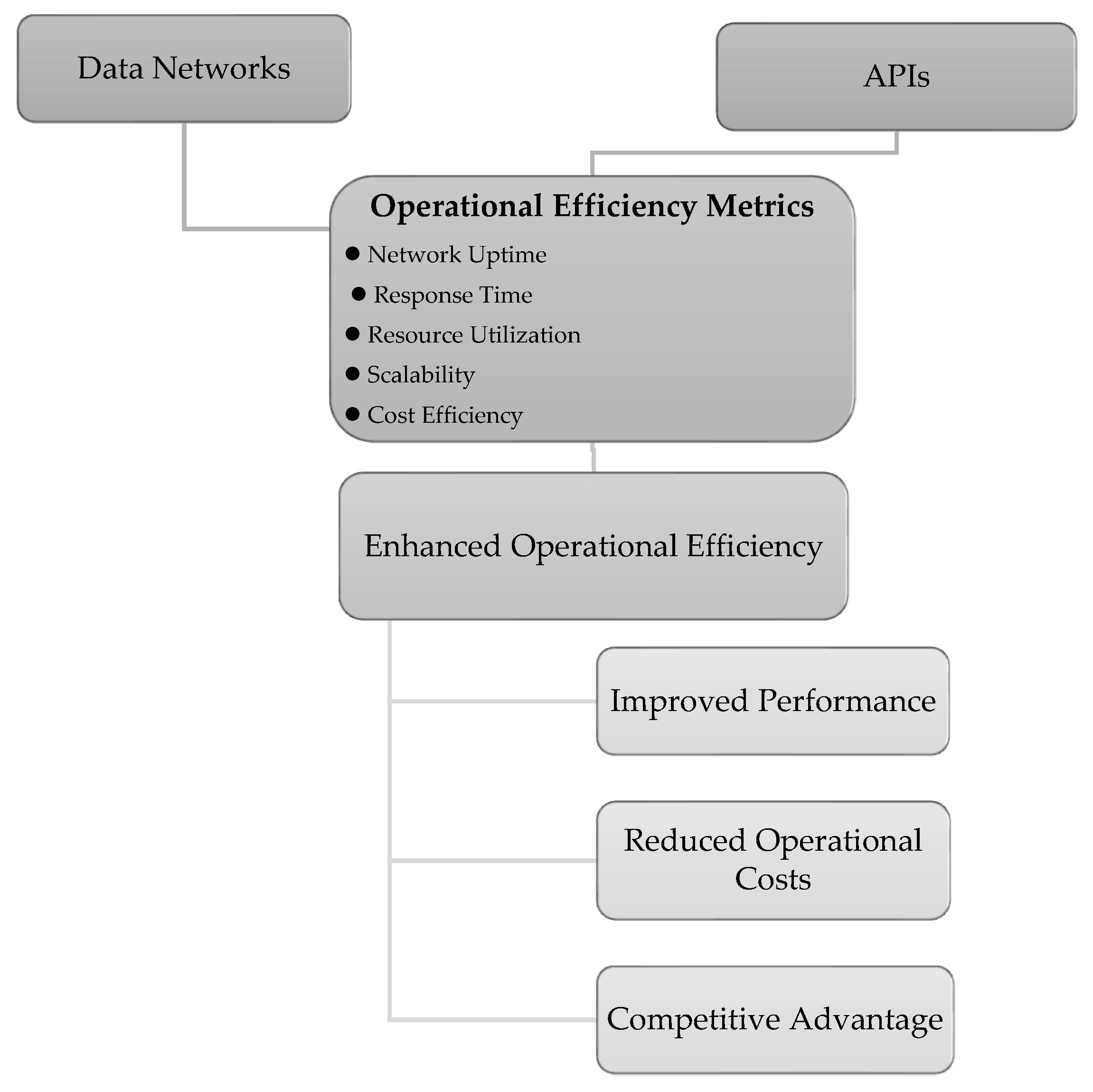
Figure 2.
The Systematic Review Flow-Chart.
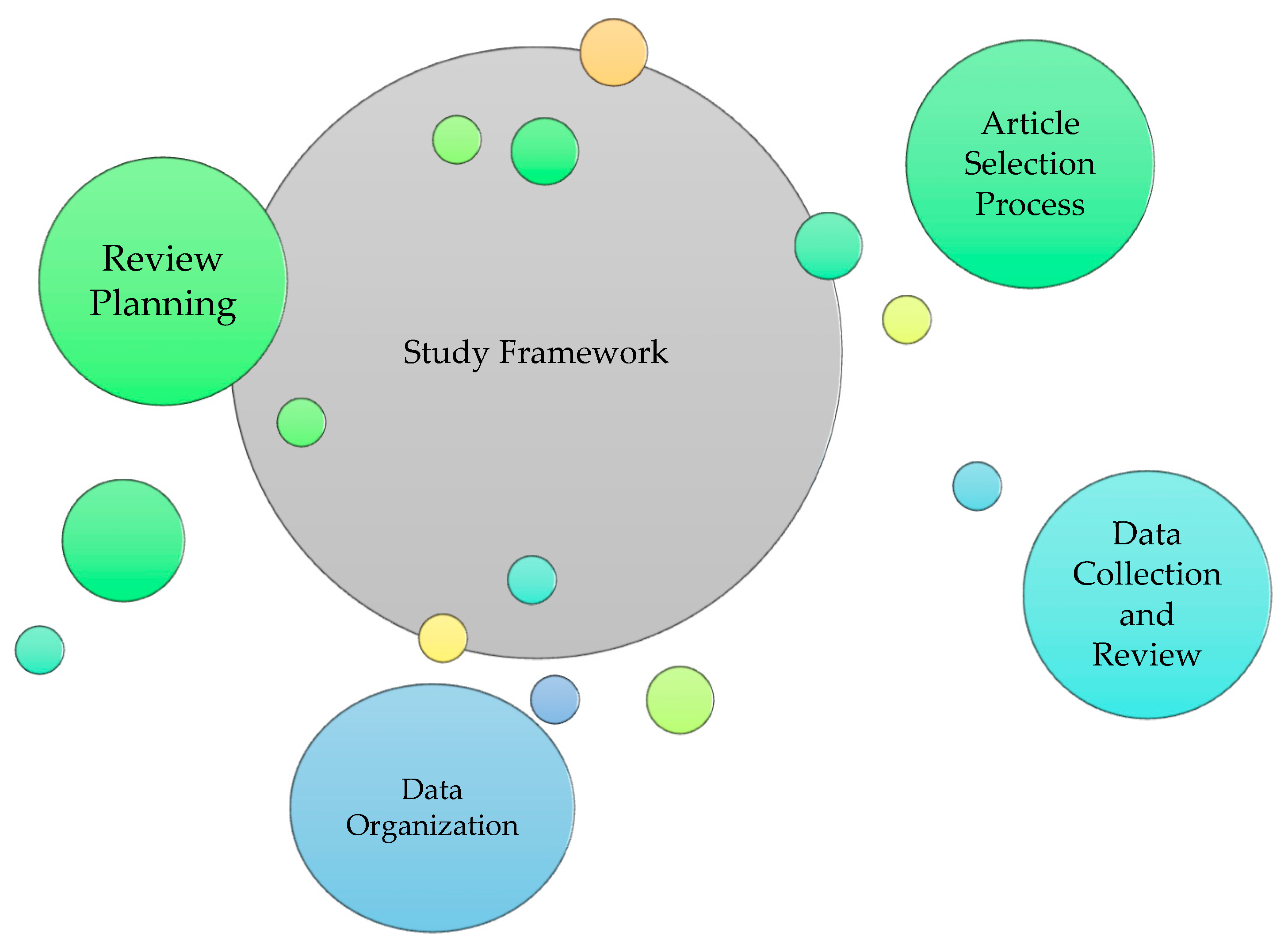
Figure 3.
Proposed Selection Process.

Figure 4.
Data Collection and Organization Process.

Figure 5.
Proposed Data Collection Method.
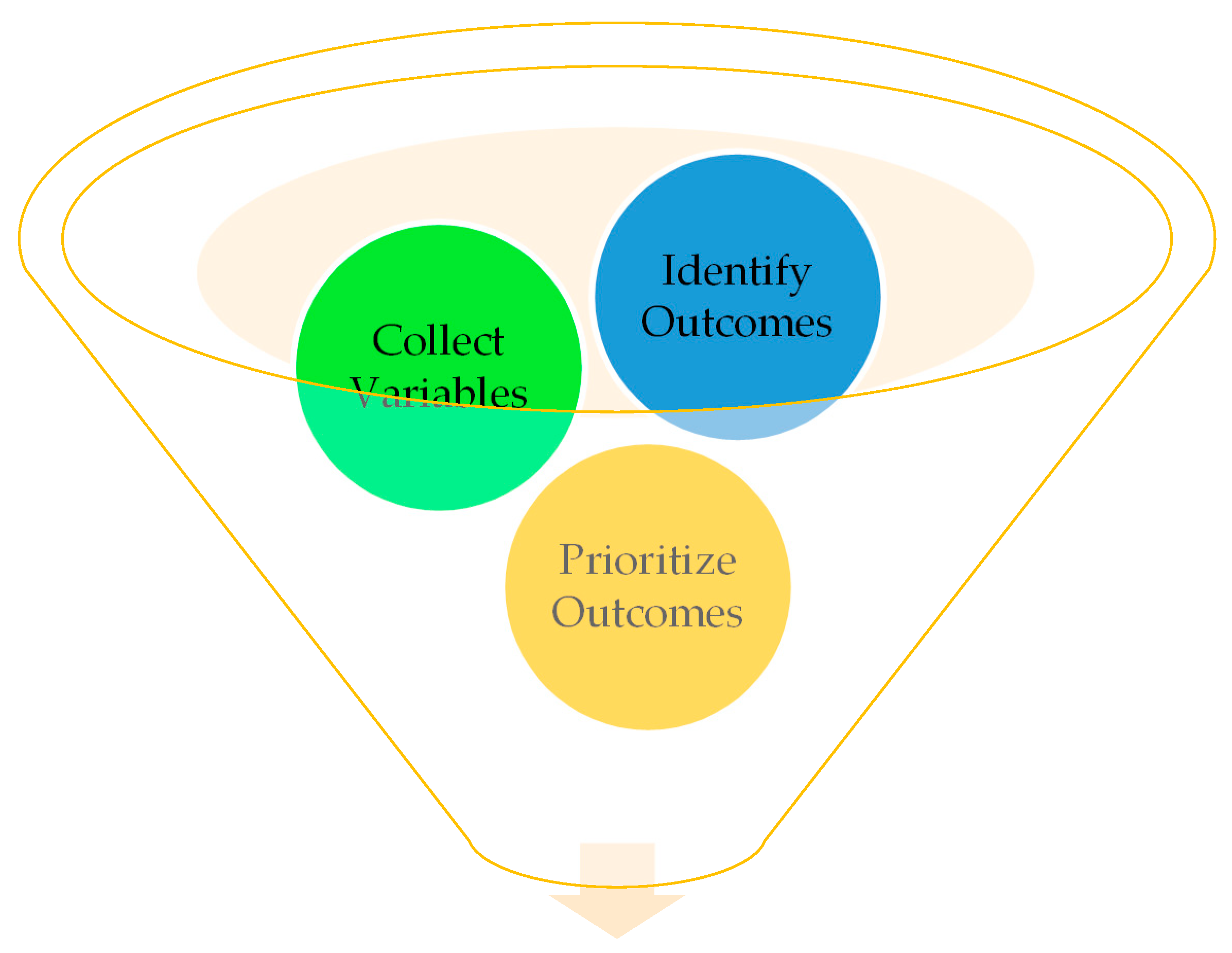
Figure 6.
Synthesis Method.
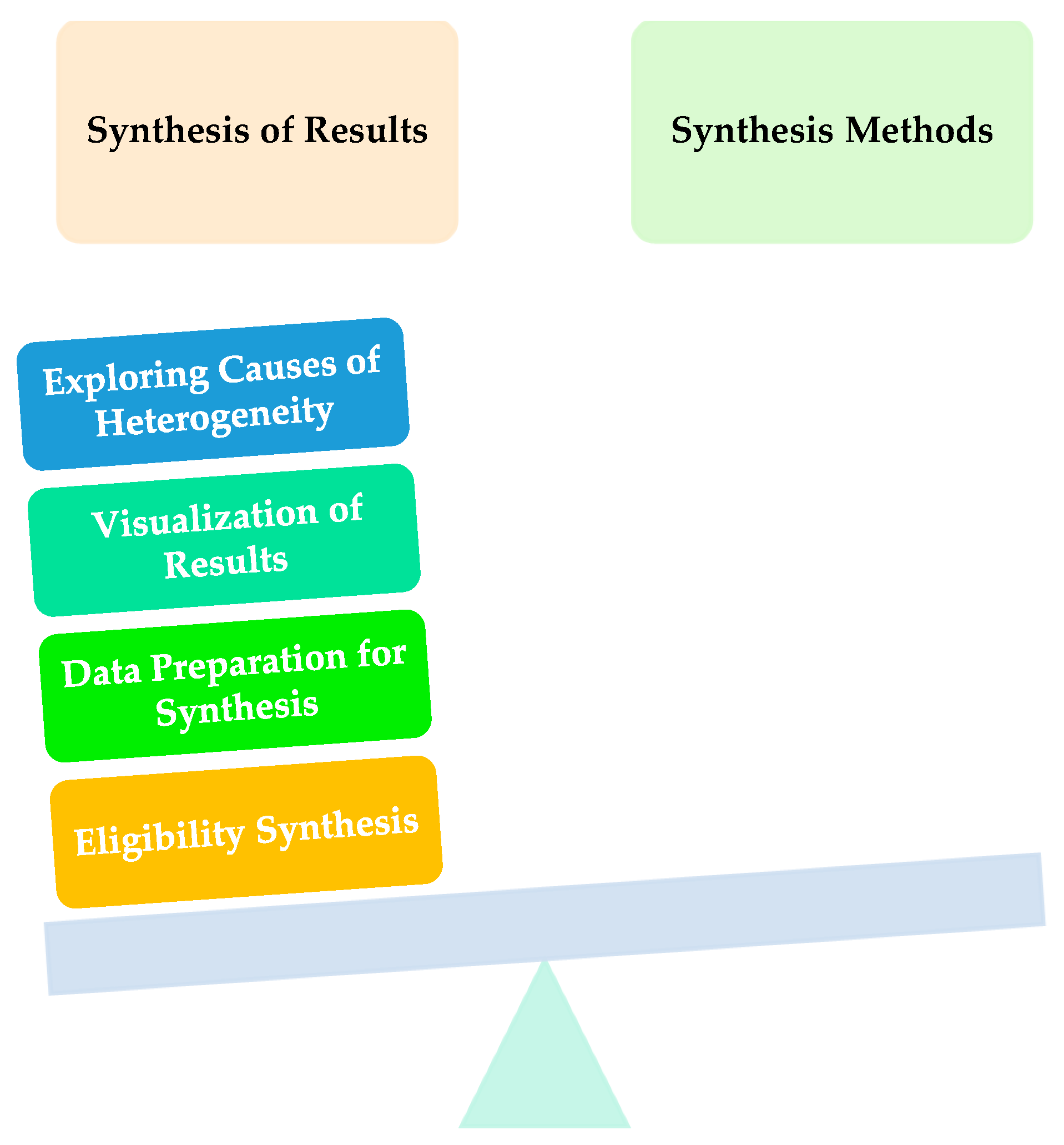
Figure 7.
Essential Components in Evaluating Systematic Review Results.
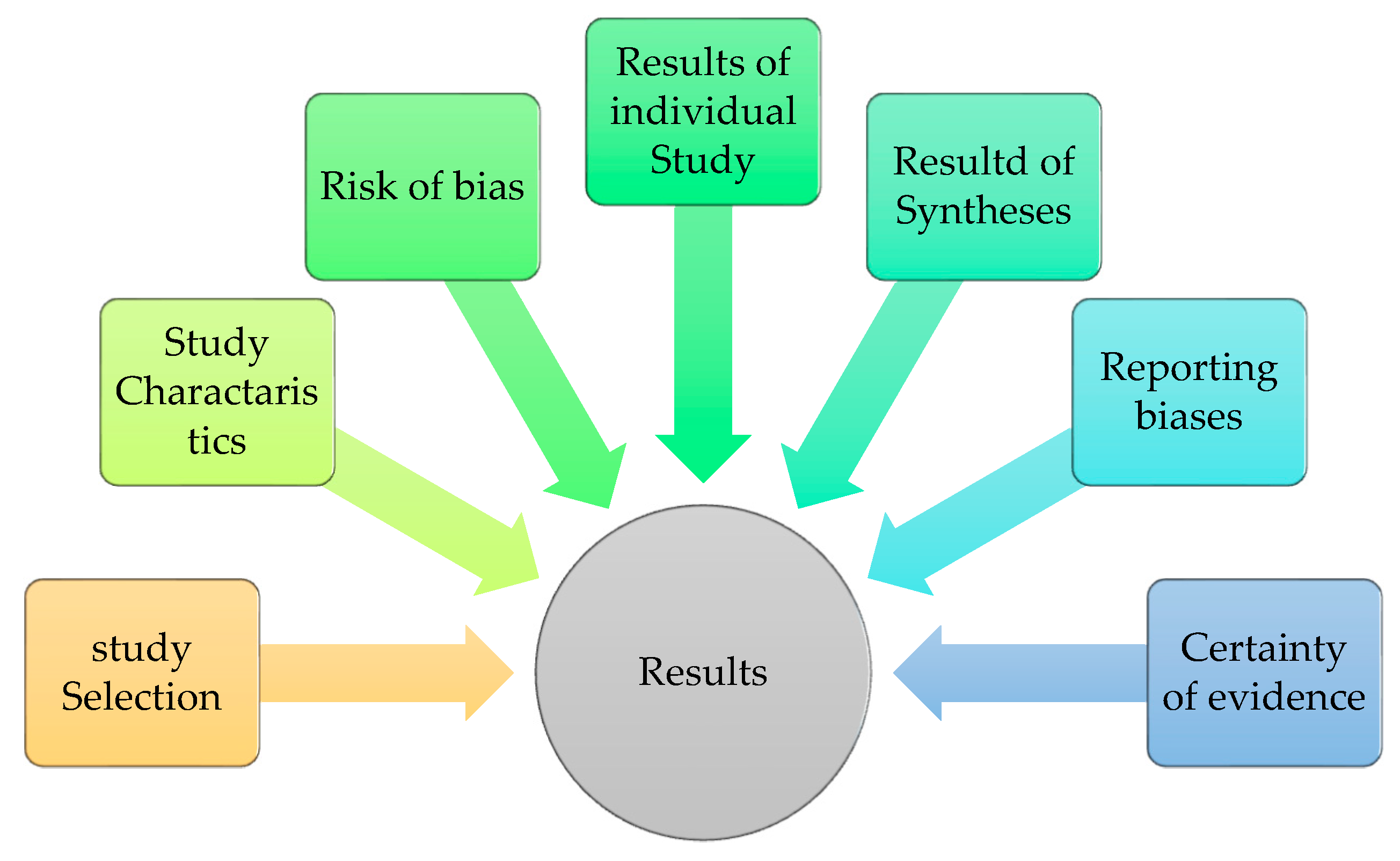
Figure 8.
Proposed PRISMA Flowchart.
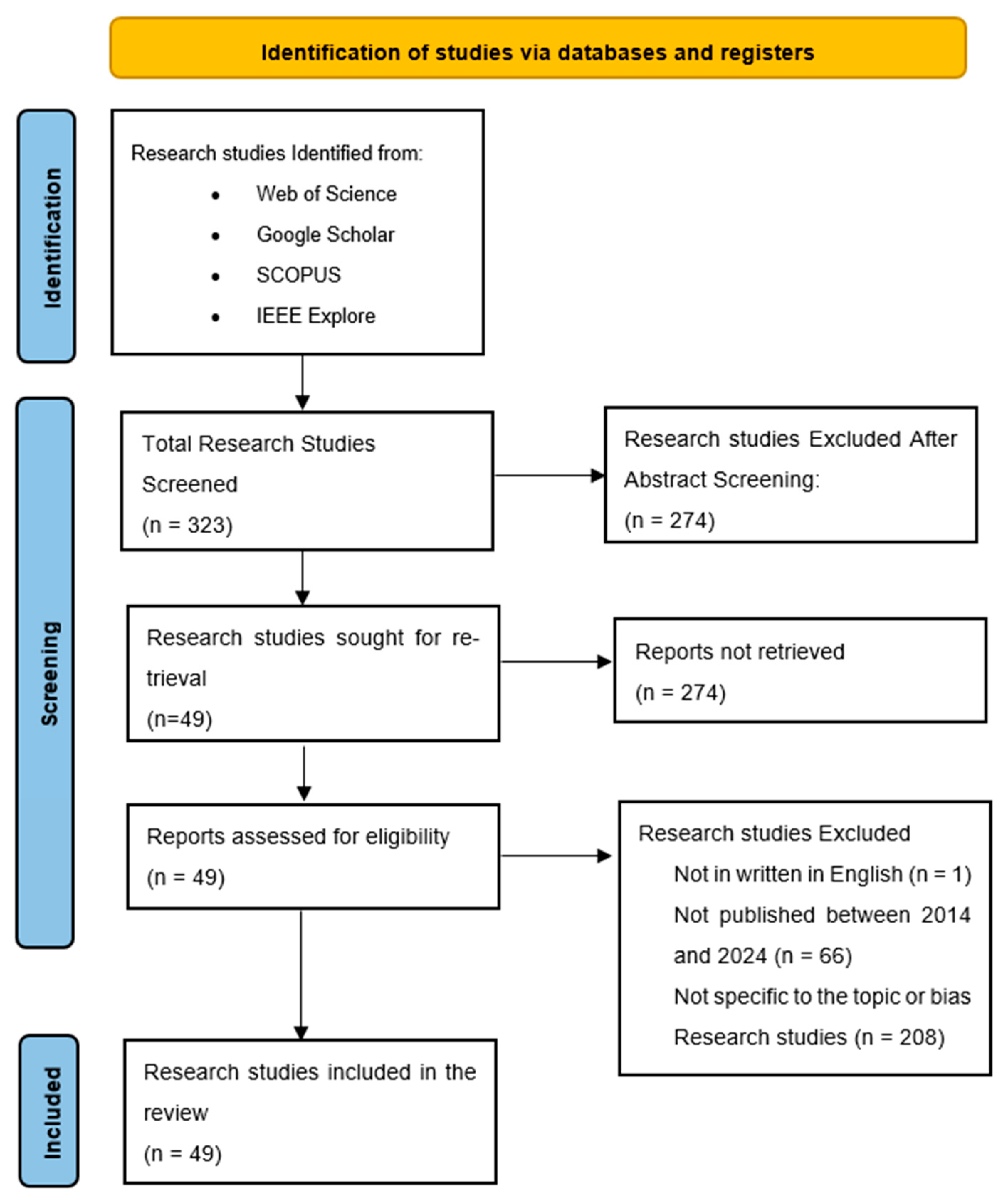
Figure 9.
Distribution of Online Databases.
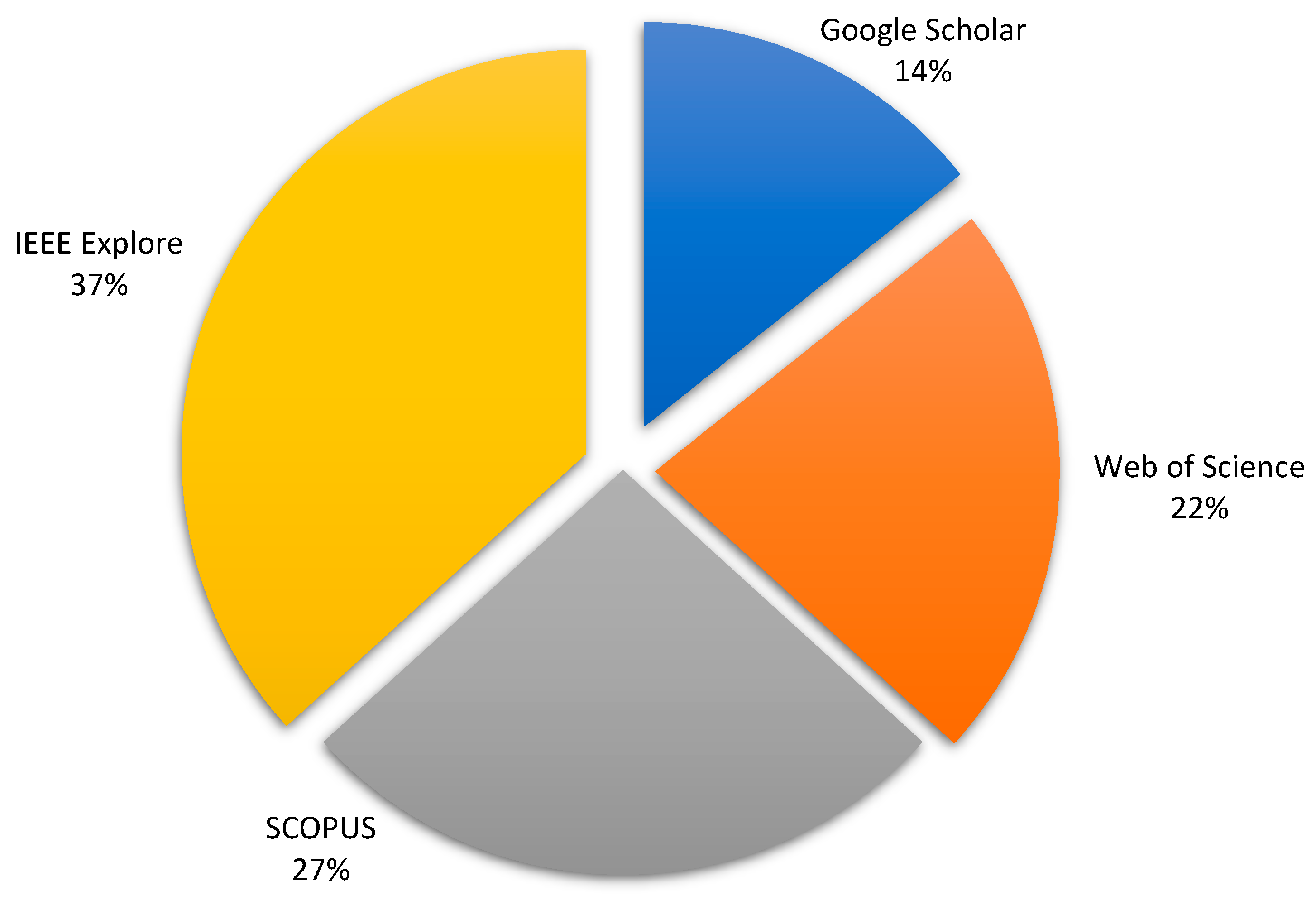
Figure 10.
The Research Papers and their Year of Publication.
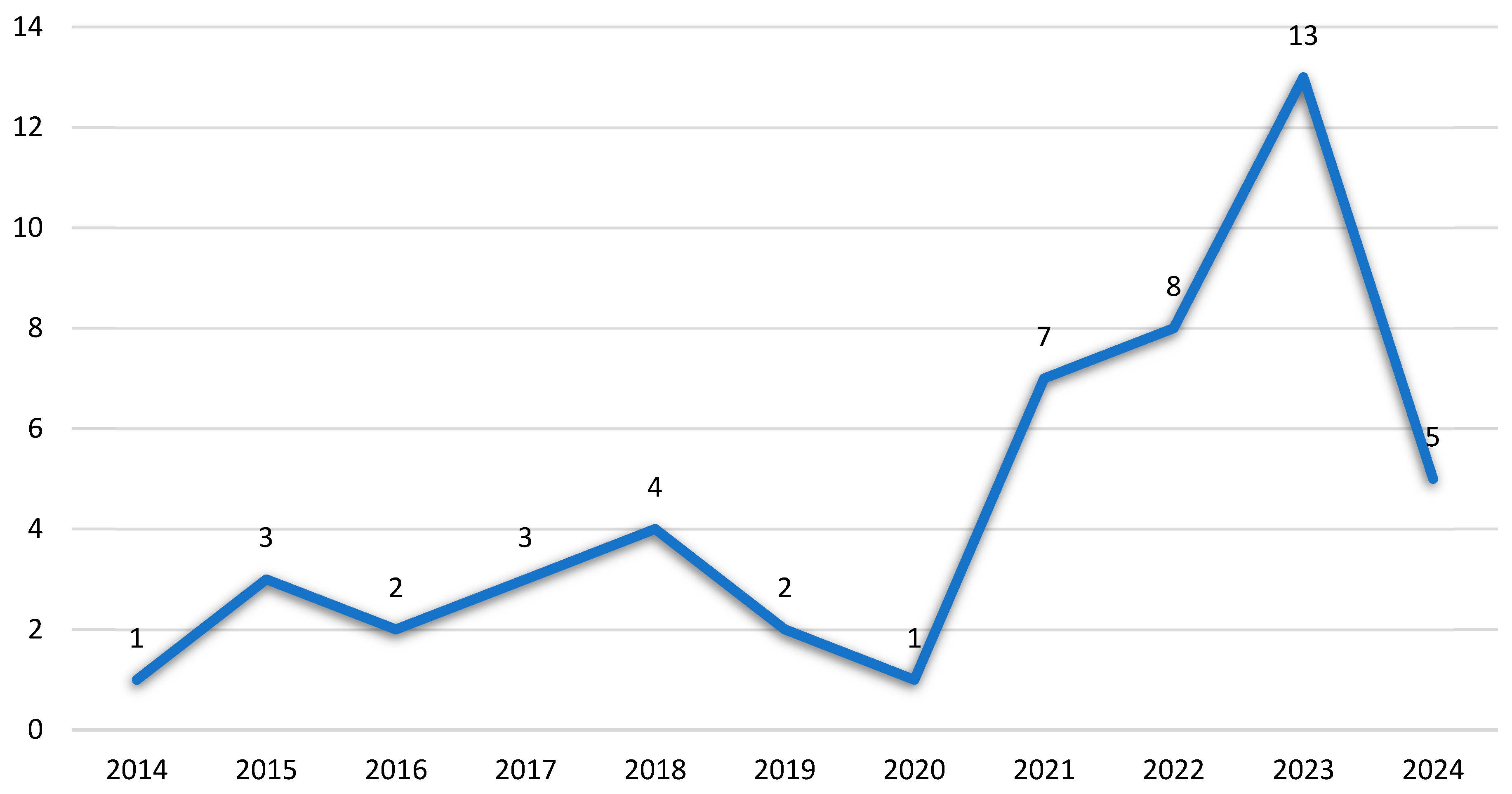
Figure 11.
The Research Papers and their Publication Countries.
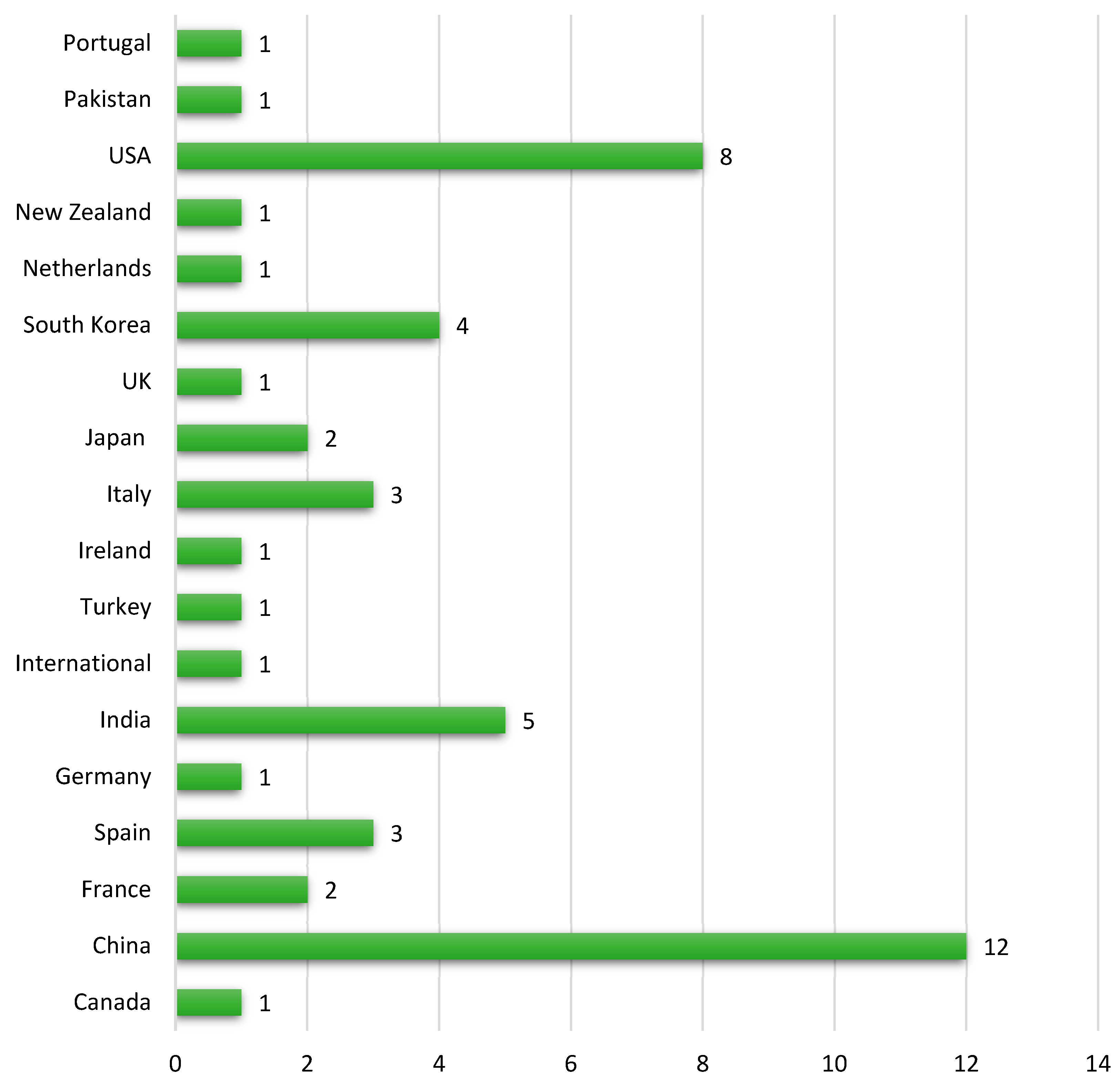
Figure 12.
The types of Data Networks.
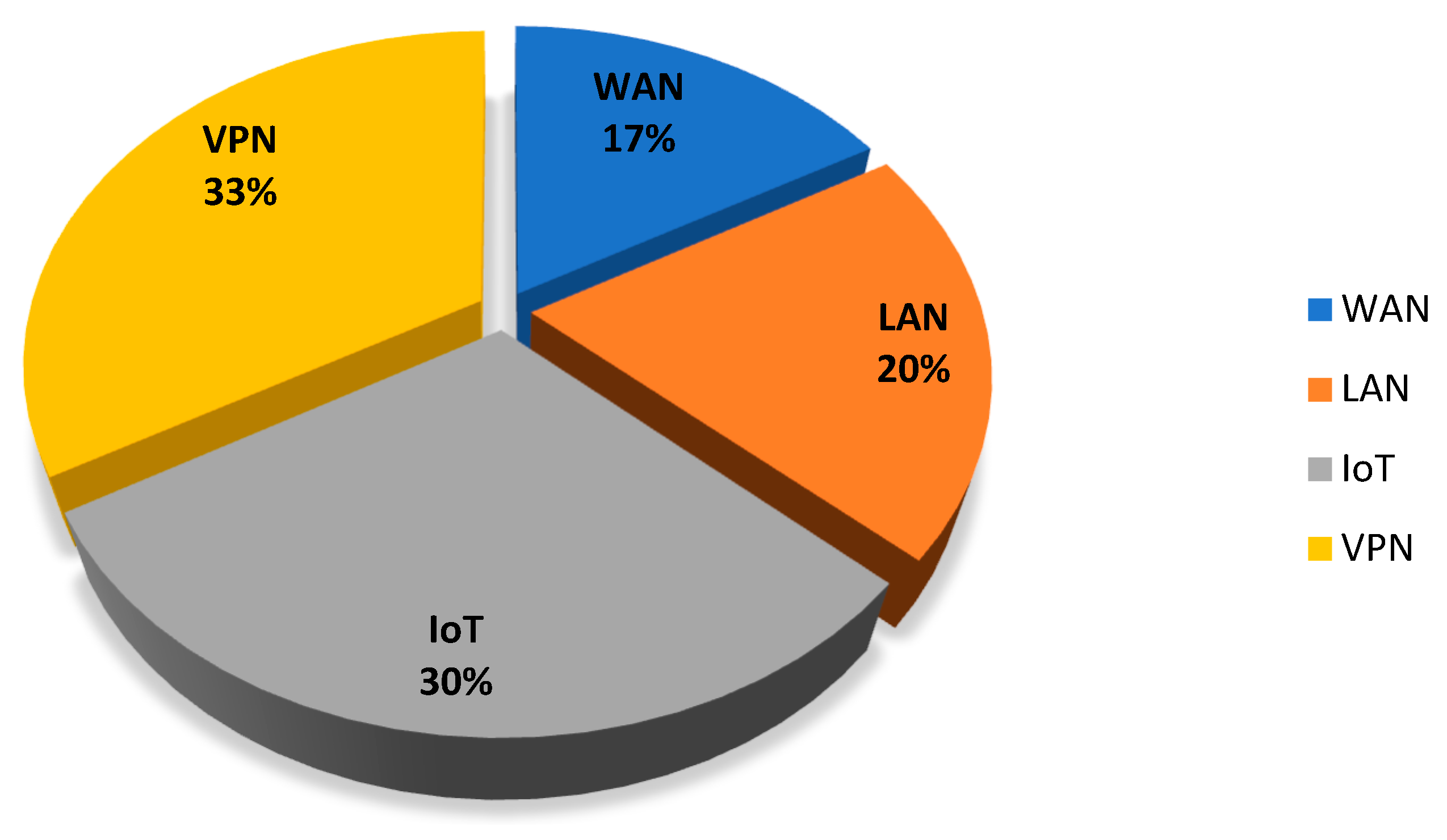
Figure 13.
Types of APIs.
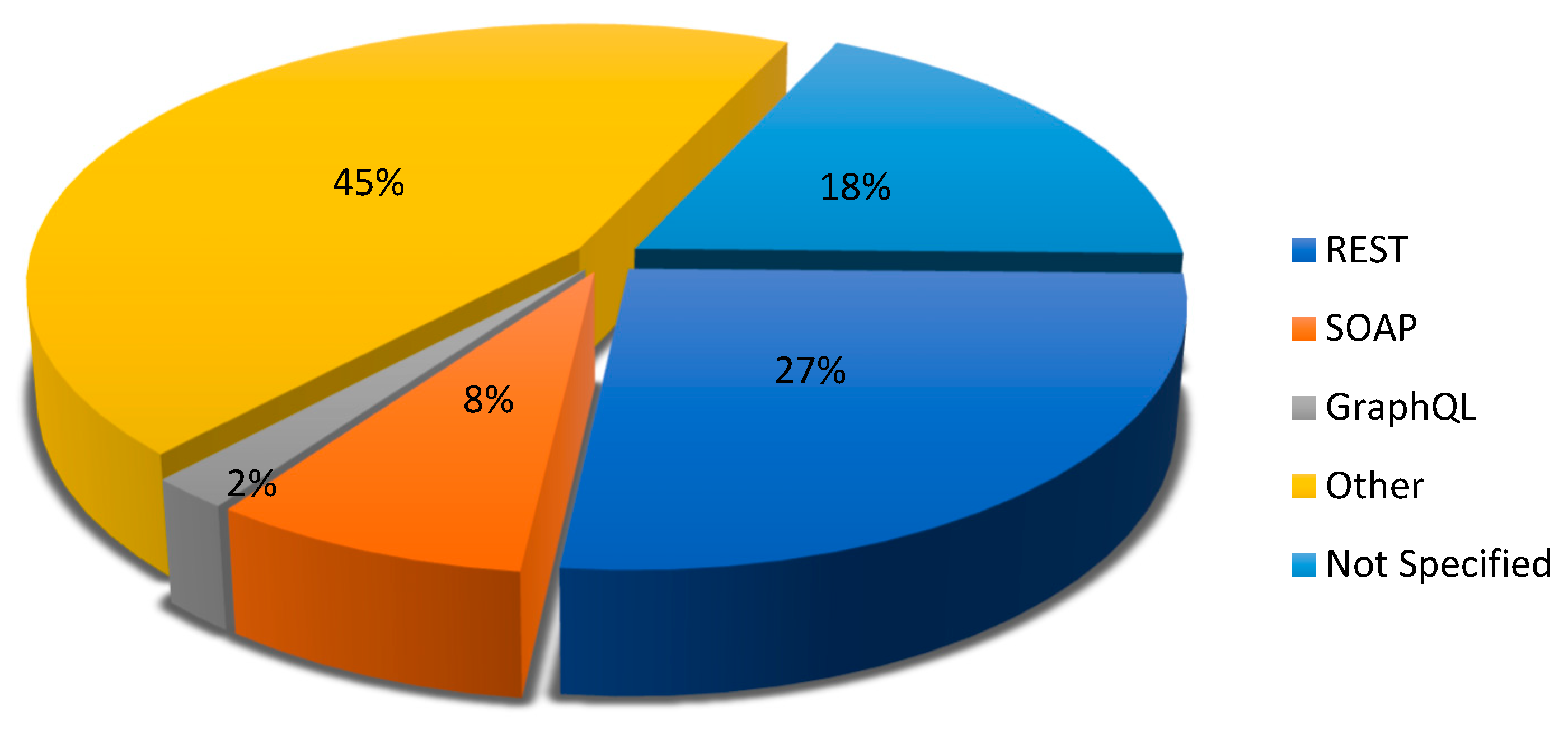
Figure 14.
Distribution and Operational Efficiency Metrics.
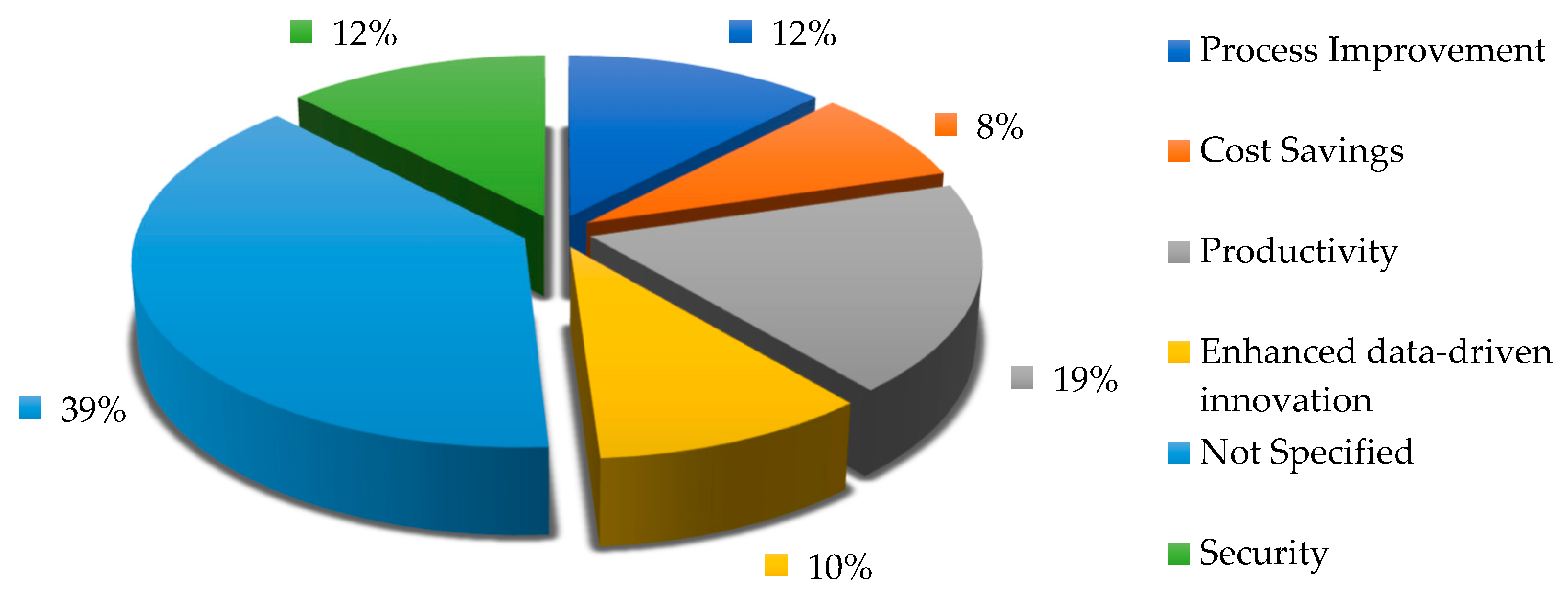
Figure 15.
Result Synthesis Process.
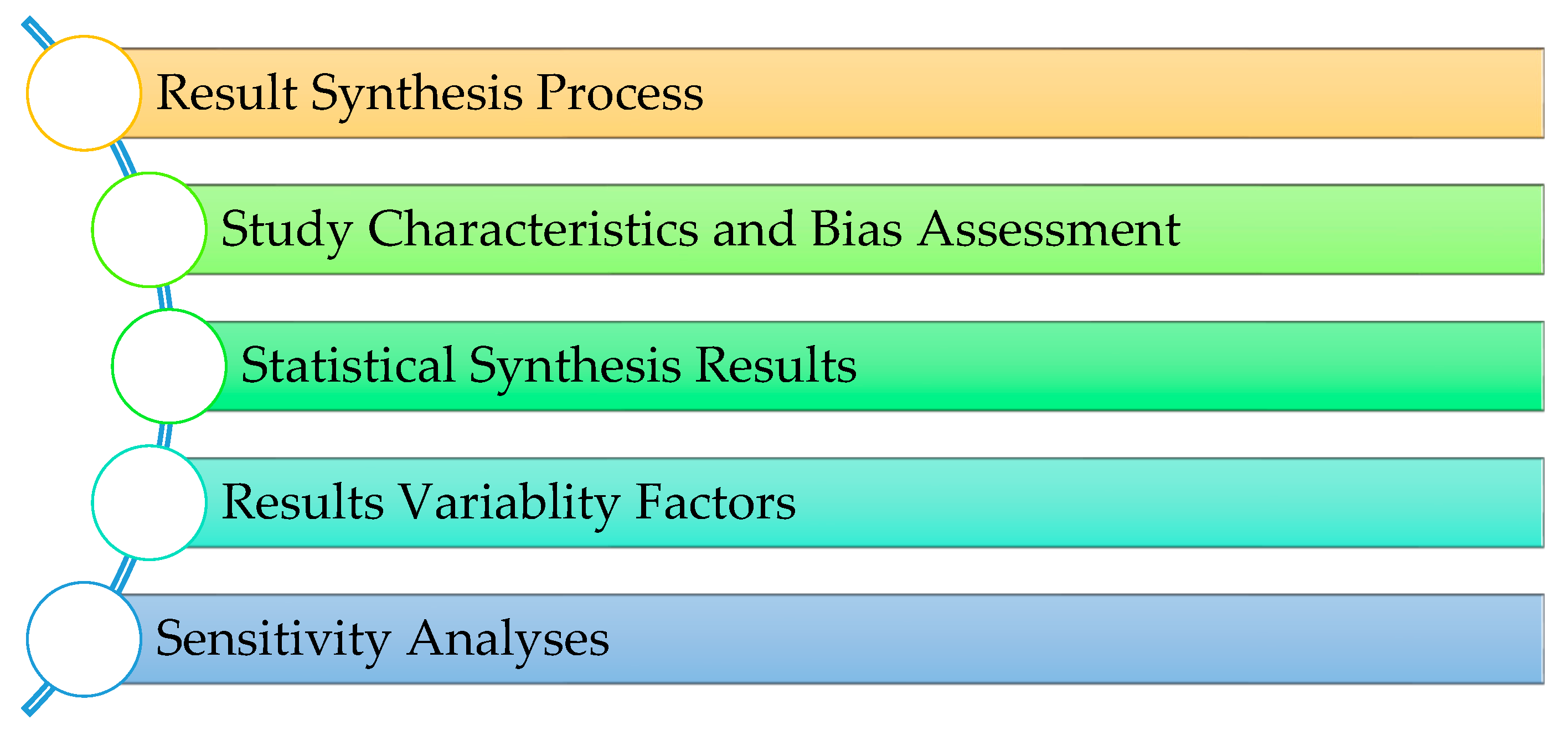
Figure 16.
Economic Development.
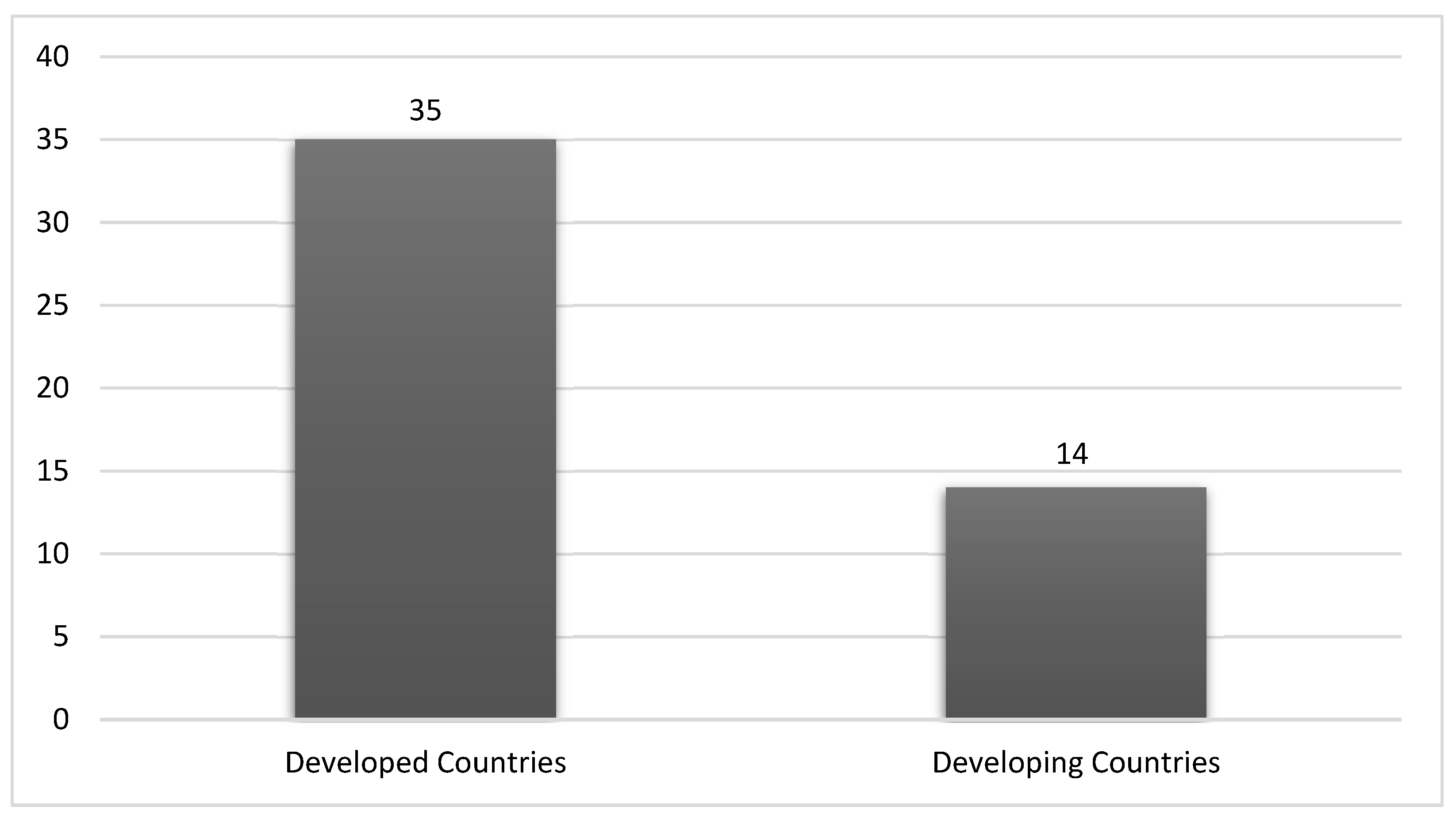
Figure 17.
Data Analysis Techniques.
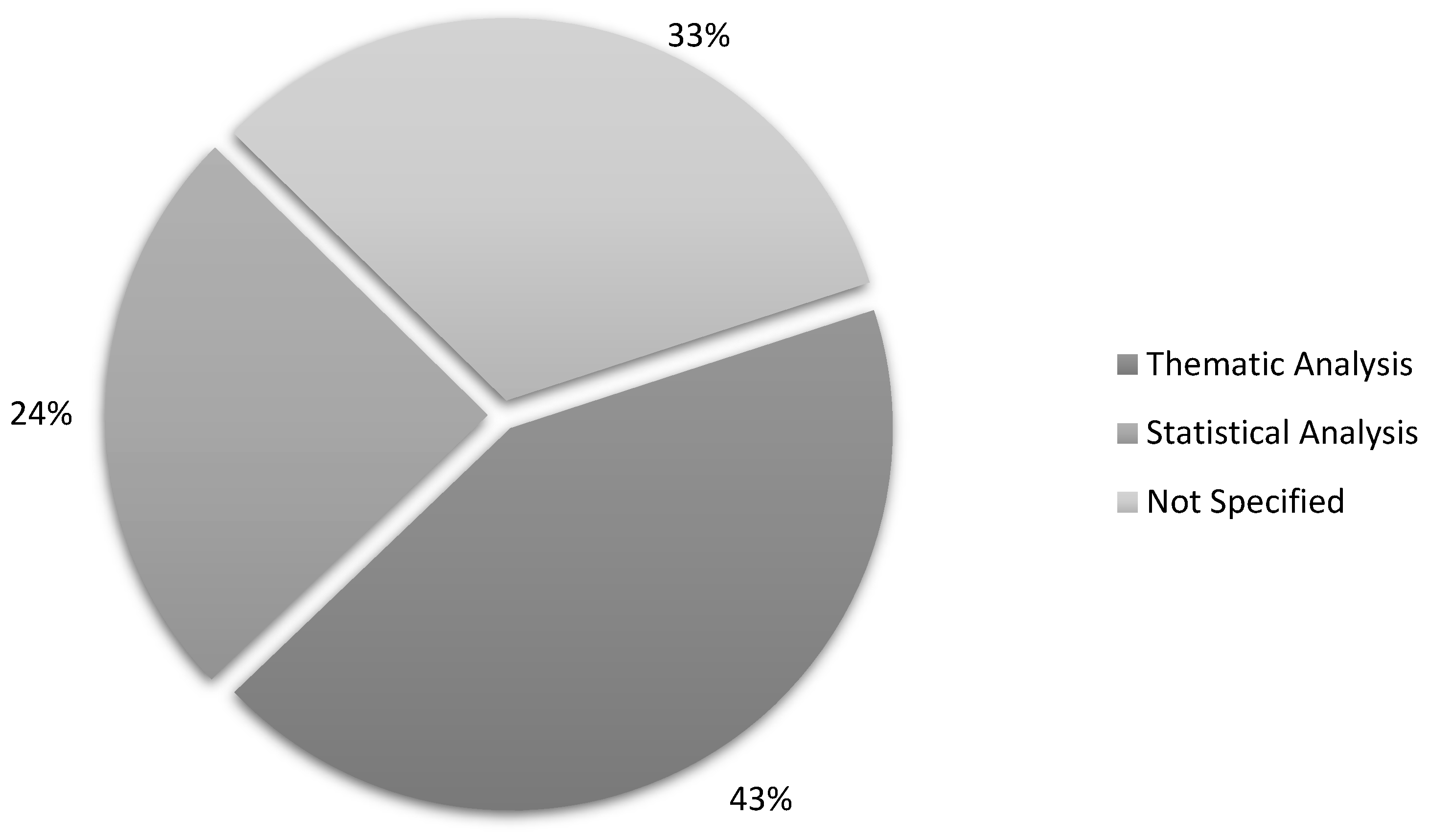
Figure 18.
The Results Variability Factors (Industrial Context).
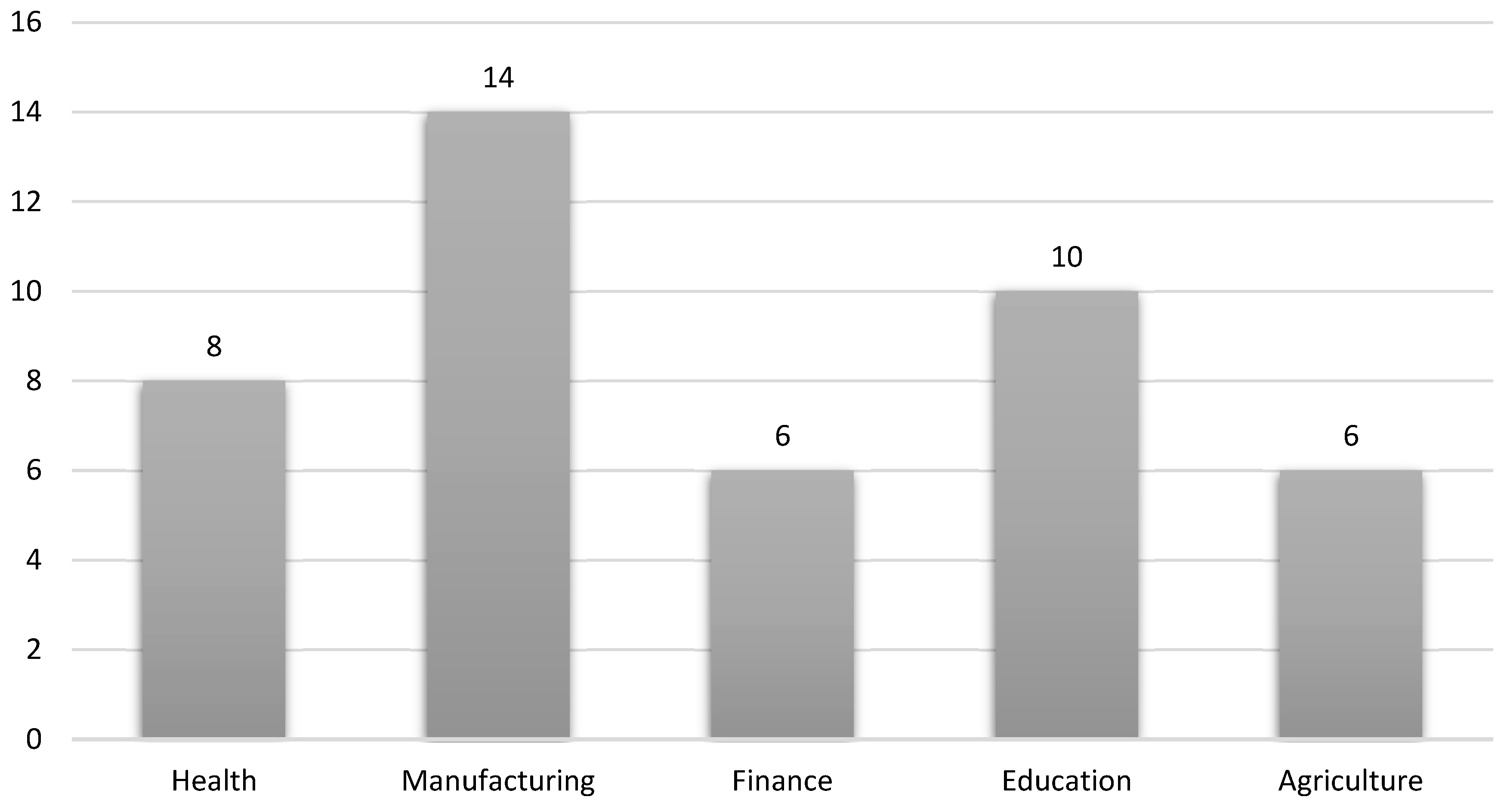
Figure 19.
Distribution and Implication of Research Design.
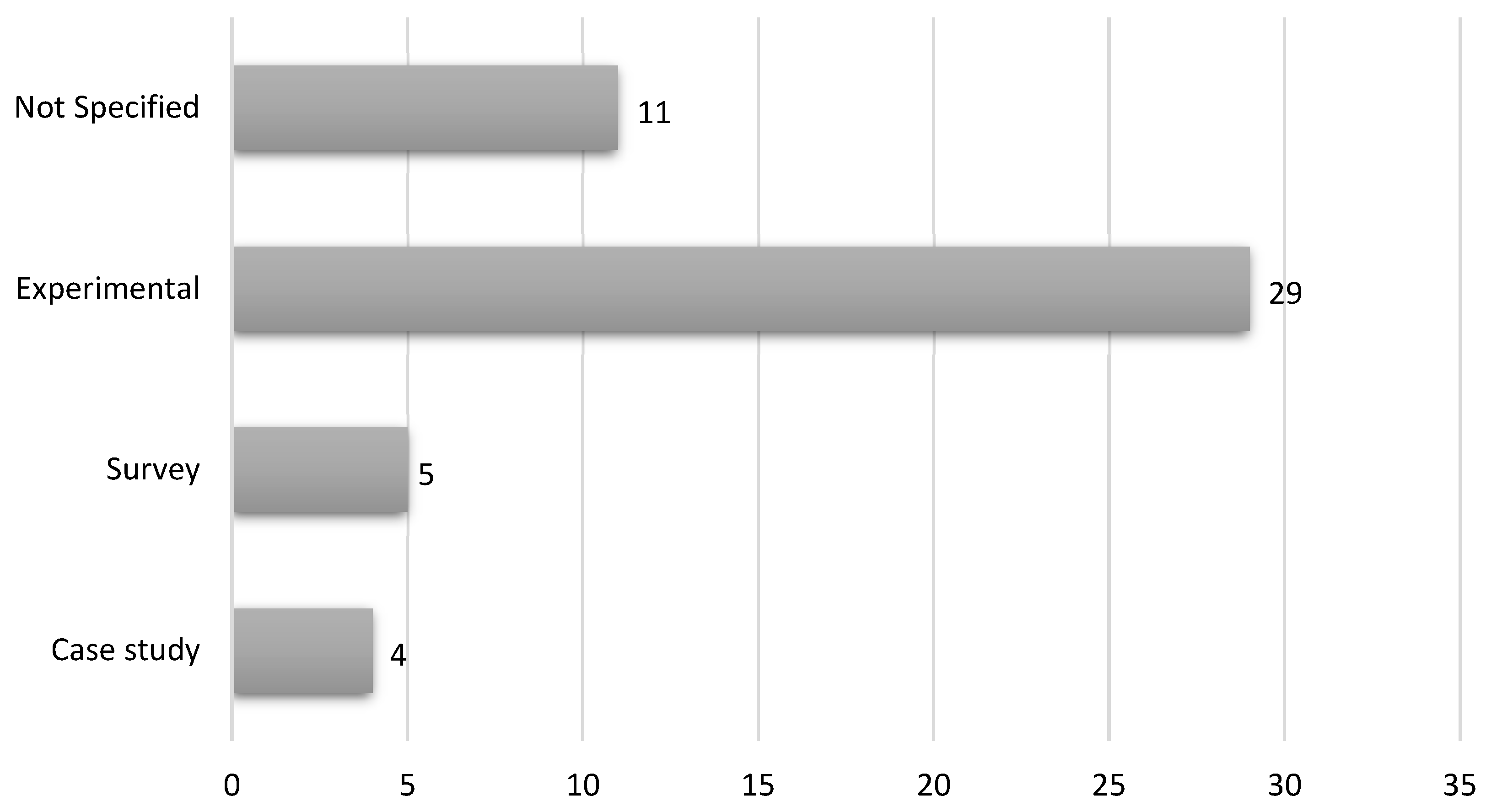

Table 1.
Comparative Analysis of the Existing Review Works and Proposed Systematic Review on Technical and Economic Analysis of API Security in Cloud Applications.
Table 1.
Comparative Analysis of the Existing Review Works and Proposed Systematic Review on Technical and Economic Analysis of API Security in Cloud Applications.
| Ref. | Cites | Year | Contribution | Pros | Cons |
|---|---|---|---|---|---|
| [21] | 55 | 2016 | Design Patterns and Extensibility of REST API for Networking Applications. | Enhances network management; reduces API updates; and provides scalable solutions for network applications. | May not address specific needs of SMEs; lacks focus on security challenges unique to smaller enterprises. |
| [22] | 0 | 2019 | Web Application Programming Interfaces (APIs): General Purpose Standards, Terms, and European Commission Initiatives | Thorough examination with real-life illustrations; establishes standard practices for API development. | Scope restricted to general APIs; does not specifically address operational efficiency in SMEs. |
| [23] | 70 | 2020 | Data-Driven Web APIs Recommendation for Building Web Applications. | Improves success rate and computation time in API selection; enhances development efficiency. | Limited focus on specific application areas; lacks discussion on security and operational challenges in SMEs. |
| [24] | 4 | 2023 | Constructing and Evaluating Evolving Web-API Networks – A Complex Network Perspective. | Enhances discoverability of web APIs; refines strategies for recommending APIs; useful for optimizing API ecosystems. | Restricted to API networks; may not encompass security concerns or practical implementation in SMEs. |
| [25] | 21 | 2013 | Cloud atlas: A software-defined networking abstraction for cloud to wan virtual networking | Improves bandwidth distribution; manages policy conflicts; enhances connectivity for distributed networks. | Focused on SD-WAN; might not directly apply to SMEs with simpler network infrastructures. |
| [26] | 3 | 2022 | Application Programming Interface (API) Security in Cloud Applications. | Highlights the importance of API security in cloud environments; essential for protecting data integrity. | Lacks security guidelines tailored specifically for SMEs; does not address operational efficiency directly. |
| [27] | 0 | 2022 | Insecure Application Programming Interfaces (APIs) in Zero-Trust Networks. | Emphasizes securing APIs within zero-trust models; encourages implementation of robust security measures. | Limited exploration of mitigation tactics for SMEs; focuses more on large-scale networks. |
| Proposed systematic review | Consolidates research on the role of Data Networks and APIs in enhancing operational efficiency in SMEs. | Provides a holistic understanding; assesses configurations, performance metrics, and feasibility; identifies research gaps; offers practical security solutions tailored for SMEs. | |||
Table 2.
Proposed Inclusion and Exclusion Criteria.
| Criteria | Inclusion Criteria | Exclusion Criteria |
|---|---|---|
| Topic | Studies focusing on the enhancement of operational efficiency by Data Networks and APIs in SMEs, including specific industries and technologies relevant to SMEs. | Studies unrelated to the enhancement of operational efficiency by Data Networks and APIs in SMEs; focus solely on large enterprises or irrelevant technologies. |
| Operational Context | Studies involving practical applications or integrations within SMEs, such as cloud computing, IoT, or other relevant Data Network technologies. | Studies lacking practical application context within SMEs; studies that do not address integration or implementation aspects. |
| Research Framework | Studies with a clear research framework or methodology related to Data Networks and APIs in SMEs. | Studies missing a clear research framework or methodology related to the role of Data Networks and APIs in SMEs. |
| Language | Must be written in English. | Not written in English. |
| Publication Period | Published between 2014 and 2024. | Published outside of the 2014–2024 range. |
| Geographic Scope | Studies from any geographic region, with a specified regional context facilitate comparative analysis. | Studies that do not specify the regional context or focus exclusively on regions not pertinent to the analysis. |
| Industry Type | Includes various industries relevant to SMEs, allowing for cross-industry comparisons and analysis. | Studies are limited to non-SME contexts or industries not applicable to SMEs. |
| Methodology | Empirical studies, case studies, surveys, or other research provide evidence on the role of Data Networks and APIs in enhancing operational efficiency in SMEs. | Studies lacking empirical evidence or sufficient methodological detail; theoretical papers without practical insights applicable to SMEs. |
Table 3.
Results Received from the Databases.
| No. | Online Database | Number of Results |
|---|---|---|
| 1 | Web of Science | 30 |
| 2 | SCOPUS | 58 |
| 3 | Google Scholar | 250 |
| Total | 338 |
Table 4.
Variables Collected.
| Criteria | Description |
|---|---|
| Title | A concise and descriptive title of the study. |
| Year | The year the study was published, ensuring it falls within the 2014–2024 range. |
| Online Database | The source where the study was found (e.g., Web of Science, Scopus, IEEE Xplore). |
| Publication Type | The type of publication (e.g., journal article, conference paper). |
| Number of Citations | The number of citations the study has received indicates its impact on the field. |
| Authors | The names of the researchers who conducted the study. |
| Industry Context | The specific industry sector in which the study was conducted (e.g., manufacturing, healthcare). |
| Geographic Location | The country or region where the research was based, to analyse regional differences. |
| Economic Context | Classification of the country as developed or developing, providing economic context for the findings. |
| Type of Data Network | The specific Data Network technologies used (e.g., LAN, WAN, cloud-based networks, IoT networks). |
| Type of API | The API protocols implemented (e.g., RESTful APIs, SOAP, GraphQL). |
| Technology Providers | Names of technology providers involved (e.g., AWS, Microsoft Azure, Google Cloud). |
| Technology Implementation Model | The model used for implementation (e.g., on-premises, cloud-based, hybrid). |
| Research Design | The methodological approach of the study (e.g., case study, survey, experimental). |
| Type of Study | Whether the study is quantitative, qualitative, or mixed methods. |
| Sample Size | The number of SMEs or participants involved in the study. |
| Sample Characteristics | Details about the participants (e.g., IT managers, business owners). |
| Data Collection Methods | Techniques used to gather data (e.g., interviews, surveys, observations). |
| Data Analysis Techniques | Methods used to analyse the data (e.g., statistical analysis, thematic analysis). |
| Operational Efficiency Metrics | Specific metrics used to measure efficiency improvements (e.g., response time, resource utilization). |
| User Experience Metrics | Measures of user satisfaction and adoption rates. |
| Scalability and Flexibility Indicators | Metrics assessing the system’s ability to adapt and scale (e.g., maximum load capacity). |
| Economic Impact Metrics | Financial measures such as cost savings, ROI, and revenue increases. |
| Organizational Outcomes | Broader impacts on the organization (e.g., employee satisfaction, customer satisfaction). |
| Long-Term Impacts | Potential long-term benefits like business sustainability or competitive advantage. |
| Limitations and Gaps Identified | Any limitations acknowledged by the study and gaps for future research. |
Table 5.
Study Risk Bias Process.
| Measure | Description | Details |
|---|---|---|
| Risk of bias tool | Customized Cochrane’s Risk of Bias tool tailored to mixed-method studies | Based on the Cochrane tool adapted to assess research on Data Networks and APIs in SMEs |
| Bias domains | Five distinct bias domains used for evaluation | (1) Study design and methodology (2) Data collection and analysis techniques (3) Technological interventions (4) Industry and geographical context (5) Selective reporting of results |
| Bias classification | Studies classified into risk levels based on assessment | Low, Moderate, High, or Unclear |
| Consensus process | Discrepancies resolved through discussions | A fourth author was consulted to settle disagreements |
Table 6.
Study Risk Bias Process.
| Ref. | Selection (0-4 stars) | Comparability (0-2 stars) | Outcome/Exposure (0-3 stars) | Total Stars | Bias Risk |
|---|---|---|---|---|---|
| [30,34,35,37,40,42,43,55,63,71,73,85,89] | ★★ ★ | ★★ | ★★★ | 8 | Moderate-High |
| [28,38,41,46,48,50,58,62,69,74,77,79,80,82,83,84,91,92] | ★★★ | ★ | ★★ | 6 | Moderate |
| [32,45,49,51,52,56,59,67,68,75,78,81,86,87,90,93] | ★ ★★★ | ★★ | ★ | 7 | Moderate |
| [29,31,33,36,39,44,49,53,54,57,59,60,61,66,72] | ★★★★ | ★★ | ★★★ | 9 | High |
| [47,61,64,65,76] | ★ | ★ | ★ | 3 | Low |
Table 7.
Proposed Synthesis Method.
| Synthesis Step | Description | Methods Applied |
|---|---|---|
| Eligibility Synthesis | Evaluation of studies with regards to the focus on Data Networks and APIs as well as the relevance to the review objectives | Data Tabulation, Application of Inclusion Criteria |
| Data Preparation for Synthesis | Data preparation for synthesis, for example, conversion of data to uniform scales and addressing missing data | Standardization, Data Imputation, Contacting Authors |
| Tabulation and Visualization of Results | Results are presented in tabular and graphical formats to identify patterns and complete transparency | Structured Tables, Forest Plots, Thematic Maps |
| Synthesis of Results | Aggregate data through appropriate models to obtain summary estimates, and assessment of consistency across studies done | Narrative Synthesis, Descriptive Statistics, Meta-analysis, if Appropriate |
| Exploring Causes of Heterogeneity | Investigating heterogeneity by using subgroup analysis and meta-regression | Subgroup Analysis, for example, by Industry Sector, Geographic Location, Meta-regression |
| Sensitivity Analyses | Testing the robustness of the synthesized results through the exclusion of high-risk studies and alternative models | Sensitivity Tests, Comparison of Fixed-Effects and Random-Effects Models |
Table 8.
Proposed Research Quality Assessment Questions.
| QA | Research Quality Assessment Questions | |
|---|---|---|
| QA1 | Is the aim of the research explicitly stated? | |
| QA2 | Does the research clearly specify the data collection methods? | |
| QA3 | Is the impact of data networks and APIs on SMEs’ operational efficiency clearly analyzed? | |
| QA4 | Is there a clear and appropriate research methodology utilized in the study? | |
| QA5 | Do the research findings contribute to the existing literature on the impact of data networks and APIs on SMEs, including advancements in data technologies and API standards? | |
Table 9.
Findings from the Literature Quality Assessment.
| Paper ID. | QA1 | QA2 | QA3 | QA4 | QA5 | Total | % Grade |
|---|---|---|---|---|---|---|---|
| [28,[28,29.30,31,33,34,35–37,38,90] | 1 | 1 | 1 | 1 | 1 | 5 | 100% |
| [39,40,41,42,44,46,47,48,49] | 1 | 1 | 0.5 | 1 | 1 | 4.5 | 90% |
| [50,52,54,55,56,57,58,59,60,61,62,63,64,65,66,67,68,69,70,75] | 1 | 0.5 | 0.5 | 1 | 1 | 4 | 80% |
| [43,71,72,73,74,76,77,78,79,80] | 1 | 0.5 | 0.5 | 0.5 | 1 | 3.5 | 70% |
| [32,45,51,81,82,83,84,93] | 1 | 0.5 | 0.5 | 0 | 1 | 3 | 60% |
| [53,85,86,87,88,89,91,92] | 1 | 0.5 | 0 | 0 | 1 | 2.5 | 50% |
Table 10.
Brief view of research studies with respect to publishing year.
| Published Year | Book Chapter | Conference Paper | Article Journal | Total Publications |
|---|---|---|---|---|
| 2014 | 0 | 0 | 1 | 1 |
| 2015 | 0 | 3 | 0 | 3 |
| 2016 | 0 | 0 | 2 | 2 |
| 2017 | 0 | 2 | 1 | 3 |
| 2018 | 1 | 2 | 1 | 4 |
| 2019 | 0 | 1 | 1 | 2 |
| 2020 | 0 | 0 | 1 | 1 |
| 2021 | 0 | 2 | 5 | 7 |
| 2022 | 0 | 5 | 3 | 8 |
| 2023 | 1 | 3 | 9 | 13 |
| 2024 | 0 | 1 | 4 | 5 |
Table 11.
Different types of APIs.
| Configuration | Count | Percentage |
|---|---|---|
| REST | 13 | 26,53% |
| SOAP | 4 | 8,16% |
| GraphQL | 1 | 2,04% |
| Other | 9 | 18,37% |
| Not Specified | 22 | 44,9% |
Table 12.
Different Types of APIs.
| Economic Development | Count | Percentage |
|---|---|---|
| Developed Countries | 35 | 71,43% |
| Developing Countries | 14 | 28.57% |
Table 13.
Key Findings and Strategic Implications for Business Leaders in Implementing Data Networks and APIs.
Table 13.
Key Findings and Strategic Implications for Business Leaders in Implementing Data Networks and APIs.
| Industry | Key Finding | Strategic Implications for Business Leaders | Opportunities | Challenges | Relevance to Proposed Systematic Review | Strategic Drivers | Expected Outcome | Investment Priorities | Long-Term Sustainability |
|---|---|---|---|---|---|---|---|---|---|
| Retail SMEs | APIs and data networks improve inventory management and customer engagement. | Business leaders should leverage APIs to enhance real-time inventory tracking and customer experiences. | Increased customer satisfaction Reduced inventory waste |
High implementation costs Integrating APIs with legacy systems |
Supports findings on enhancing operational efficiency in SMEs through real-time data management. | API-driven inventory management Real-time data analytics |
Increased sales Higher customer retention Lower operational costs |
Focus on real-time inventory systems Customer-facing API integration |
Stable customer base Reduced operational overhead through efficient stock management |
| Manufacturing SMEs | IoT-enabled APIs optimize production cycles, reduce downtime, and improve resource management. | Business leaders should invest in IoT APIs to minimize downtime and improve supply chain efficiency. | Optimized production Improved resource management through real-time data |
High cost of IoT sensor integration Complexity of legacy system integration |
Relevant to improving manufacturing efficiency and reducing operational delays. | Predictive maintenance APIs Real-time monitoring and reporting |
Improved production output Reduced maintenance costs Increased operational flexibility |
Investment in IoT infrastructure Predictive maintenance capabilities |
Long-term reduction in downtime Sustained production efficiency |
| Healthcare SMEs | Secure APIs enhance patient data management, compliance with regulations, and real-time communication. | Leaders should focus on integrating secure APIs for compliance and to improve operational efficiency. | Improved patient care Better compliance with regulations (HIPAA, GDPR) |
Compliance with stringent regulations High implementation costs for secure systems |
Critical for ensuring data security and operational efficiency in healthcare operations. | Secure API integration Real-time patient data communication |
Improved patient outcomes Enhanced operational efficiency Increased compliance with regulations |
Focus on secure API systems Data privacy measures |
Long-term patient data security Improved healthcare delivery through efficient data access |
| Financial Services SMEs | Secure payment APIs enhance transaction security and fraud detection, increasing customer trust. | Business leaders must prioritize secure APIs and fraud detection to protect sensitive financial data. | Improved customer trust Reduced fraud risks |
Meeting regulatory requirements Ensuring real-time security monitoring |
Addresses API security challenges and operational efficiency in high-risk industries like finance. | API-based payment processing Fraud detection algorithms |
Reduced financial losses from fraud Increased customer trust Faster, secure transactions |
Investment in fraud detection systems Real-time transaction monitoring |
Long-term reduction in fraud risks Sustained customer loyalty |
| Hospitality SMEs | API-integrated booking systems streamline operations and improve guest satisfaction. | Business leaders should use APIs for real-time booking management and service optimization. | Enhanced guest experience Improved operational efficiency |
Synchronizing data across multiple platforms High initial investment costs |
Relevant to operational efficiency improvements through API-driven real-time booking systems. | Real-time booking management Personalized guest services |
Increased customer satisfaction Lower operational costs Enhanced service delivery |
Investment in API-based booking platforms Real-time customer management systems |
Consistent customer experience Long-term reduction in operational complexity |
| Logistics SMEs | Real-time tracking and API-driven route optimization reduce operational costs and improve delivery times. | Leaders should implement APIs for real-time delivery tracking and logistics optimization. | Improved delivery times Reduced fuel consumption Enhanced customer communication |
Managing multiple data sources Ensuring data security in customer communications |
Focuses on real-time logistics and tracking solutions for operational efficiency improvements. | Real-time tracking APIs Automated route optimization |
Faster delivery times Lower operational costs Improved customer satisfaction |
Investment in real-time tracking and route optimization Customer service integration |
Long-term reduction in fuel costs Improved delivery efficiency |
| Education SMEs | API-enabled platforms enhance e-learning content delivery and streamline administrative tasks. | Leaders should adopt APIs for real-time content management and automate administrative functions. | Improved student engagement Better content delivery Streamlined administrative processes |
Managing high traffic Ensuring data privacy for student information |
Supports operational efficiency improvements through API-driven e-learning solutions. | Real-time content delivery APIs Student performance analytics |
Improved student outcomes Lower administrative costs Better resource management |
Investment in API-enabled e-learning platforms Real-time administrative systems |
Long-term improvements in student engagement and academic performance |
| Energy SMEs | IoT APIs enable smart grid management, optimizing energy consumption and distribution. | Business leaders should focus on integrating APIs for real-time energy monitoring and grid optimization. | Optimized energy consumption Better grid resilience Enhanced sustainability |
High infrastructure costs Reliability of real-time data |
Relevant to improving operational efficiency through real-time data and resource management. | IoT-driven energy management APIs Real-time data analysis |
Lower energy costs Improved grid resilience Enhanced sustainability and resource management |
Investment in IoT and smart grid technology Energy efficiency monitoring |
Long-term reduction in energy consumption Enhanced grid stability and operational efficiency |
| Agriculture SMEs | API-enabled precision farming optimizes crop monitoring, resource management, and increases yields. | Leaders should adopt APIs for real-time crop monitoring and precision farming to improve productivity. | Improved crop yields Better resource allocation Reduced wastage through precision monitoring |
Network coverage in rural areas High cost of IoT infrastructure |
Aligns with improving agricultural productivity through real-time data and API integration. | API-driven precision farming IoT-enabled crop monitoring |
Increased agricultural productivity Reduced resource wastage Enhanced decision-making |
Investment in IoT-enabled farming systems Real-time monitoring for resource management |
Long-term increase in crop yields Optimized resource management |
| Technology SMEs | API-driven platforms enhance innovation, scalability, and reduce time-to-market for new products. | Leaders should focus on developing scalable API platforms to drive innovation and streamline operations. | Faster development cycles Improved scalability Enhanced innovation capabilities |
Managing API scalability Complexity of integrating APIs across multiple platforms |
Important for enabling scalability and innovation in technology-driven SMEs. | Scalable API platforms Cloud-based API infrastructure |
Reduced time-to-market Increased operational flexibility Enhanced business agility |
Investment in scalable API infrastructure Cloud-based development platforms |
Long-term operational scalability Faster adaptation to market changes |
Table 14.
Decision-Making Framework for Implementing Data Networks and APIs in SMEs.
| Industry | Step | Framework Focus | Key Features | Strategic Drivers | Expected Outcome | Ties to Proposed Study | Investment Considerations | Risk Mitigation | Long-term Scalability |
|---|---|---|---|---|---|---|---|---|---|
| Retail SMEs | Assessment of Inventory and Sales | Real-time inventory tracking and customer engagement | APIs for real-time stock updates Integrated POS systems |
Customer satisfaction Reduced stockouts |
Reduced operational costs Higher customer retention Optimized inventory turnover |
Aligns with operational efficiency and customer engagement improvement in SMEs | Moderate capital expenditure for API integration with existing systems | Data security for customer information and transaction processing | High scalability potential, especially with cloud-based solutions allowing seamless scaling as the business grows. |
| Manufacturing SMEs | IoT and Predictive Maintenance | Optimize production and minimize downtime through IoT integration | Predictive maintenance APIs Real-time production data analytics |
Enhanced production efficiency Reduced machine downtime |
Improved production output Lower operational overhead Extended machine lifespan |
Supports the systematic review’s focus on operational efficiency improvements in manufacturing SMEs | High initial costs for IoT sensors and API infrastructure | Complex system integration with legacy equipment | High scalability as more IoT devices are added over time, enabling deeper operational insights and automated processes. |
| Healthcare SMEs | Compliance and Security Assessment | Secure APIs for patient data management and regulatory compliance | Secure data exchange APIs Real-time access to patient records |
Regulatory compliance (HIPAA, GDPR) Enhanced data security |
Improved patient care Regulatory compliance Reduced data breaches |
Relevant to API security and data integrity challenges identified in healthcare industry reviews | Significant investment in secure API systems and encryption protocols | Ensure compliance with health data protection laws (GDPR, HIPAA) | Long-term sustainability through secure, scalable patient data systems capable of handling future regulatory changes. |
| Financial Services SMEs | Fraud Detection and Secure Transactions | Secure payment APIs and real-time fraud monitoring | APIs for secure transactions Fraud detection algorithms |
Customer trust Regulatory compliance |
Reduced transaction errors Enhanced fraud detection Increased customer trust |
Tied to operational efficiency and security improvements through API use in financial services SMEs | High investment in real-time fraud detection and secure API infrastructure | Ensure robust encryption and real-time monitoring for high-risk transactions | Long-term scalability through cloud-based security systems that adapt to new fraud techniques and transaction volumes. |
| Hospitality SMEs | Customer Experience and Booking Systems | Real-time booking management and service optimization | API-based booking systems Real-time customer data management |
Customer satisfaction Operational efficiency |
Higher guest satisfaction Streamlined booking processes Enhanced service personalization |
Relevant to the operational efficiency and customer engagement improvements through real-time booking APIs | Investment in real-time API-based booking platforms and customer experience management | Ensure data security for customer booking and payment information | High scalability potential for booking systems, allowing for expansion into new locations or services with minimal system changes. |
| Logistics SMEs | Route Optimization and Tracking | Real-time delivery tracking and automated route optimization | Real-time tracking APIs Automated route optimization |
Reduced fuel consumption Faster delivery times |
Faster deliveries Lower operational costs Improved customer satisfaction |
Aligns with operational efficiency and cost-saving strategies identified in logistics through real-time tracking APIs | Medium investment in route optimization algorithms and tracking APIs | Ensure the security of data and customer information during tracking and communications | Long-term scalability in terms of delivery tracking systems, allowing more routes and deliveries without significant cost increases. |
| Education SMEs | E-learning Platform Integration | Real-time content delivery and automated administrative tasks | API integration with learning management systems Real-time performance tracking |
Improved student engagement Lower administrative burden |
Higher student engagement Streamlined administrative processes Better academic outcomes |
Supports operational efficiency improvements through API integration in education and learning systems | Investment in real-time learning platforms and performance tracking systems | Ensure data privacy for student information and educational records | Scalable systems for delivering content to more students, with minimal need for infrastructure expansion as demand grows. |
| Energy SMEs | Smart Grid Management | Real-time energy monitoring and grid optimization | IoT-driven energy management APIs Real-time grid monitoring |
Energy efficiency Grid resilience |
Lower energy costs Enhanced sustainability Better resource management |
Relevant to operational efficiency and resource management improvements identified in energy management systems | High initial cost for IoT sensors and smart grid technology | Ensure reliability of real-time data and grid monitoring systems | High scalability potential, especially in integrating renewable energy sources and expanding grid management capabilities. |
| Agriculture SMEs | Precision Farming and Resource Monitoring | Real-time crop monitoring and precision resource management | IoT-enabled precision farming APIs Real-time environmental monitoring |
Optimized resource usage Higher crop yields |
Increased crop productivity Reduced resource wastage Enhanced decision-making |
Relevant to improving operational efficiency and resource management in agricultural systems through real-time data | High investment in IoT-enabled precision farming systems | Ensure consistent network coverage and data security for rural operations | Scalable systems allowing integration of more sensors and monitoring technologies as farm size and crop demands grow. |
| Technology SMEs | API Platform Development | Scalable API development and cloud-based solutions | API development for software integration Scalable cloud-based infrastructure |
Innovation Rapid time-to-market |
Faster time-to-market Increased operational flexibility Enhanced software innovation |
Tied to scalability and innovation-driven strategies identified in technology SMEs | Moderate investment in API platform development and cloud services | Ensure system interoperability and security across multiple platforms | High scalability potential, enabling rapid product and service innovation without significant infrastructure overhaul. |
Table 15.
Key Practices for Using Data Networks and APIs in SMEs.
| Industry | Best Practice | SME Type | Operational Challenge | Strategic Drivers | Expected Impact | Ties to Systematic Review Findings | Technology Investment Level | Key Performance Metrics | Risk Factors |
|---|---|---|---|---|---|---|---|---|---|
| Retail SMEs | API integration for real-time inventory tracking and customer engagement | E-commerce, physical stores | Stock mismanagement Poor customer engagement |
Customer satisfaction Operational efficiency |
Reduced stockouts Increased customer satisfaction Higher sales |
Aligns with findings on improving operational efficiency and customer retention through real-time data integration. | Moderate | Stockout rates Sales growth Customer retention rate |
Potential data breaches in customer information High integration costs |
| Manufacturing SMEs | IoT-enabled predictive maintenance APIs for production optimization | Manufacturing plants, assembly lines | Equipment downtime Supply chain inefficiencies |
Production efficiency Resource optimization |
Reduced machine downtime Enhanced production flow Lower operational costs |
Supports findings on reducing downtime and improving operational efficiency in manufacturing SMEs through predictive maintenance APIs. | High | Machine uptime Production throughput Operational cost savings |
Complex system integration High initial investment |
| Healthcare SMEs | Secure API integration for patient data management and regulatory compliance | Clinics, hospitals | Data security concerns Compliance with regulations (HIPAA, GDPR) |
Regulatory compliance Patient care |
Improved data security Enhanced compliance Faster data access for healthcare providers |
Critical for addressing security risks and compliance issues, supporting patient care efficiency through secure API integration. | High | Regulatory compliance metrics Patient data access speed Security incidents |
Security vulnerabilities in sensitive data High compliance costs |
| Financial Services SMEs | Real-time fraud detection APIs and secure payment processing systems | Banks, payment processors | High fraud risks Regulatory compliance |
Transaction security Regulatory compliance |
Reduced fraud rates Enhanced customer trust Improved payment processing speed |
Ties to security challenges and operational efficiency in financial services SMEs through secure APIs and fraud detection systems. | High | Fraud detection rate Transaction processing time Customer satisfaction |
Fraudulent activities Compliance with data protection laws |
| Hospitality SMEs | API-integrated booking systems for real-time guest management and service delivery | Hotels, travel agencies | Inconsistent booking processes Delayed customer service |
Customer experience Operational efficiency |
Faster booking confirmations Improved customer satisfaction Lower operational costs |
Supports real-time operational improvements in booking systems and customer engagement in hospitality sectors. | Moderate | Booking accuracy Service response time Customer satisfaction |
Data security concerns with booking and payment information |
| Logistics SMEs | API-driven route optimization and real-time delivery tracking | Delivery services, logistics providers | Inefficient delivery routes High fuel costs |
Delivery efficiency Cost reduction |
Reduced delivery times Lower fuel costs Higher customer satisfaction |
Tied to operational efficiency improvements through real-time logistics tracking and automated route optimization in SMEs. | Moderate | Delivery time Fuel consumption Customer satisfaction |
Route tracking issues High operational costs |
| Education SMEs | API-enabled platforms for e-learning and real-time content delivery | E-learning platforms, universities | High administrative burden Inconsistent content delivery |
Student engagement Academic performance |
Higher student engagement Streamlined administrative processes Improved academic performance |
Supports improvements in operational efficiency and educational outcomes through API integration in e-learning systems. | Moderate | Student engagement rate Academic performance Administrative efficiency |
Potential data privacy issues High customization costs |
| Energy SMEs | IoT APIs for smart grid management and energy consumption optimization | Renewable energy providers, power distributors | High energy wastage Inefficient grid management |
Energy efficiency Sustainability |
Reduced energy costs Improved grid resilience Better resource management |
Ties to findings on operational efficiency and resource management improvements identified in energy management systems. | High | Energy consumption Grid uptime Resource utilization |
Security and stability risks in energy grids High technology costs |
| Agriculture SMEs | API-enabled precision farming systems for real-time crop and resource monitoring | Smallholder farms, agricultural co-ops | Resource mismanagement Low crop productivity |
Resource optimization Yield improvement |
Increased crop yields Reduced resource waste Enhanced decision-making |
Aligns with systematic review findings on improving resource management and operational efficiency through precision farming APIs. | High | Crop yield Resource utilization Operational efficiency |
High equipment costs Data network instability in rural areas |
| Technology SMEs | Scalable API platforms for software integration and rapid product development | Software development firms, IT consultancies | Long development cycles Lack of scalability in software integration |
Innovation Scalability |
Faster product development Increased operational flexibility Enhanced market agility |
Supports findings on scalability and innovation improvements through API-driven software development and integration. | Moderate | Development cycle time System scalability Market responsiveness |
Security vulnerabilities High operational costs |
Table 16.
Proposed Metrics and KPIs for Measuring Performance.
| Industry | Key Metrics/KPIs | Measurement Focus | Strategic Drivers | Expected Outcome | Ties to Systematic Review Findings | Priority (1 = Highest) | Technology Integration Complexity | Cost of Implementation | Long-term Scalability |
|---|---|---|---|---|---|---|---|---|---|
| Retail SMEs | Transaction Processing Time, Inventory Accuracy | Real-time API integration in e-commerce | Operational efficiency, customer satisfaction | Reduced transaction times, fewer stockouts, improved customer experience | Aligned with findings on improved operational efficiency and customer satisfaction through API-enabled data networks. | 1: Transaction Processing Time 2: Inventory Accuracy 3: Customer Satisfaction |
Medium | Moderate | High |
| Manufacturing SMEs | Machine Downtime, Production Throughput | IoT integration with API-enabled systems | Production optimization, cost efficiency | Reduced equipment downtime, increased production output, lower operational costs | Matches findings on reducing equipment downtime and improving production efficiency through IoT and API integration. | 1: Machine Downtime 2: Production Throughput 3: Resource Utilization |
High | High | High |
| Healthcare SMEs | Data Access Time, Security Incident Rates | Secure API integration in patient management | Compliance with data security regulations (HIPAA, GDPR) | Faster access to patient data, fewer security breaches, improved healthcare services | Relevant to addressing API security risks and enhancing operational efficiency in patient data management. | 1: Data Access Time 2: Security Incident Rates 3: Patient Satisfaction |
High | High | Moderate |
| Financial Services SMEs | Transaction Error Rate, Fraud Detection Rate | Secure payment APIs, fraud detection | Transaction security, regulatory compliance | Reduced transaction errors, increased fraud detection, improved customer trust | Supports findings on security challenges in financial services and the role of secure APIs in enhancing transaction reliability. | 1: Transaction Error Rate 2: Fraud Detection Rate 3: Customer Trust |
High | High | High |
| Hospitality SMEs | Booking Conversion Rate, System Response Time | API-integrated booking systems | Customer experience, service delivery | Increased booking conversions, faster response times, improved customer satisfaction | Tied to improvements in customer engagement and operational efficiency through real-time API integration in hospitality. | 1: Booking Conversion Rate 2: System Response Time 3: Service Availability |
Medium | Moderate | High |
| Logistics SMEs | On-time Delivery Rate, Fuel Consumption | Real-time API-driven route optimization | Delivery efficiency, cost savings | Reduced fuel costs, higher on-time delivery rates, enhanced customer satisfaction | Relevant to operational efficiency improvements through real-time route optimization in logistics SMEs. | 1: On-time Delivery Rate 2: Fuel Consumption 3: Route Optimization |
High | Moderate | High |
| Education SMEs | User Engagement Rate, System Scalability | API integration for e-learning content delivery | Student engagement, academic performance | Higher student engagement, scalable systems, improved educational outcomes | Supports findings on enhancing operational efficiency and educational outcomes through API integration in learning platforms. | 1: User Engagement Rate 2: System Scalability 3: Student Satisfaction |
Medium | Moderate | High |
| Energy SMEs | Energy Consumption, Grid Uptime | IoT integration for smart grid management | Energy efficiency, sustainability | Reduced energy costs, improved grid management, better resource utilization | Relevant to operational efficiency improvements through IoT-based energy management systems. | 1: Energy Consumption 2: Grid Uptime 3: Sustainability |
High | High | High |
| Agriculture SMEs | Crop Yield, Resource Utilization | API-enabled precision farming | Yield optimization, resource management | Increased crop productivity, reduced resource wastage, better decision-making | Supports findings on improving operational efficiency and resource management through API-enabled precision farming. | 1: Crop Yield 2: Resource Utilization 3: Operational Efficiency |
High | High | High |
| Technology SMEs | Development Cycle Time, System Scalability | API platforms for software integration | Innovation, scalability | Faster product development, improved system scalability, enhanced operational flexibility | Aligned with findings on scalability improvements and faster product development through API-driven innovation. | 1: Development Cycle Time 2: System Scalability 3: Innovation |
Medium | Moderate | High |
Table 17.
Industry-Specific Frameworks for Implementing Data Networks and APIs in SMEs.
| Industry | Key Finding | Strategic Implications for Business Leaders | Opportunities | Challenges | Relevance to Proposed Systematic Review | Strategic Drivers | Expected Outcome |
|---|---|---|---|---|---|---|---|
| Retail SMEs | Data networks and APIs improve inventory accuracy and reduce stockouts, boosting customer satisfaction. | Leaders can use APIs to streamline inventory, reduce manual errors, and enhance real-time tracking of sales. | Increased sales due to optimized stock levels Real-time customer data insights |
Data security concerns Integration with legacy POS systems |
Aligns with the study’s focus on improving operational efficiency through APIs and real-time data networks. | Customer-centric APIs Real-time data analytics |
Higher sales conversions Increased customer loyalty through better stock management and personalized offers. |
| Manufacturing SMEs | IoT and APIs enable real-time equipment monitoring, reducing downtime and improving productivity. | Leaders should invest in IoT and predictive maintenance to optimize production cycles and reduce operational costs. | Reduced downtime Better supply chain visibility and coordination |
High initial investment in IoT infrastructure Difficulty integrating with older machines |
Reflects the need for operational efficiency in manufacturing through real-time monitoring and data exchange via APIs. | Predictive maintenance APIs IoT-enabled operational visibility |
Lower maintenance costs Improved production throughput Enhanced supply chain coordination. |
| Healthcare SMEs | APIs improve patient data management and enhance secure, real-time communication between stakeholders. | Leaders must ensure compliance with data protection regulations (e.g., HIPAA) while using APIs to streamline patient care. | Faster and more accurate patient data access Improved telemedicine services |
Regulatory compliance (e.g., HIPAA, GDPR) Patient privacy concerns |
Relevant to discussions on API security and real-time data sharing in SMEs, especially in critical sectors like healthcare. | Secure API development Compliance-driven API integration |
Better patient outcomes Higher operational efficiency in medical facilities Enhanced data security. |
| Financial Services SMEs | APIs streamline transactions and enhance fraud detection, improving security and customer trust. | Leaders need to integrate secure payment APIs and fraud detection systems to ensure financial security and customer retention. | Enhanced transaction security Increased customer convenience through mobile banking |
High regulatory demands Rising API security threats |
Focuses on API-driven operational improvements and security risks, particularly in high-risk industries like finance. | API-based payment systems Real-time fraud detection and prevention |
Increased customer trust Reduced fraud-related losses Improved transaction efficiency. |
| Hospitality SMEs | API-driven booking systems improve customer experience and operational efficiency. | Hospitality leaders should adopt real-time booking APIs to streamline operations and provide a seamless customer experience. | Enhanced guest satisfaction Real-time booking and room management |
Difficulty synchronizing data across multiple platforms High initial cost |
Relevant to customer-facing industries where real-time data integration via APIs is key to enhancing operational efficiency. | Real-time booking systems API-driven customer feedback integration |
Higher customer retention Streamlined operations through automated bookings and personalized services. |
| Logistics SMEs | APIs enable real-time tracking, optimizing delivery routes and improving communication with customers. | Leaders should implement API-enabled tracking and delivery optimization to reduce costs and improve service delivery. | Faster deliveries Cost savings through route optimization |
Complexity in integrating multiple data sources Data security in customer communications |
Key to improving supply chain efficiency through real-time API-driven solutions in logistics and delivery sectors. | GPS-enabled tracking systems Real-time route optimization APIs |
Lower fuel costs Faster delivery times Improved customer satisfaction through real-time updates. |
| Education SMEs | API-enabled platforms improve e-learning content delivery and streamline administrative tasks. | Educational institutions should leverage API integration to enhance student engagement and administrative efficiency. | Improved learning outcomes Streamlined student data management |
Protecting student data privacy Managing high traffic during peak usage |
Addresses API integration in educational environments, relevant to operational efficiency and data security in learning management. | Adaptive learning APIs Real-time feedback for students and teachers |
Enhanced learning outcomes Streamlined enrollment and course management Increased student engagement. |
| Energy SMEs | IoT and API integration in smart grids optimize energy distribution and improve grid resilience. | Energy sector leaders should implement IoT and API-based solutions to monitor energy usage and optimize grid efficiency. | Optimized energy distribution Improved sustainability through better resource management |
Real-time data reliability High infrastructure costs |
Important for energy-focused SMEs looking to enhance operational efficiency through real-time data analysis and smart grid solutions. | Smart grid API integration IoT sensors for real-time energy usage tracking |
Lower energy costs Enhanced grid stability and resilience Improved sustainability practices. |
| Agriculture SMEs | API and IoT integration improve crop monitoring and resource management, increasing yields. | Agriculture leaders should adopt IoT sensors and API-enabled systems for precision farming and real-time resource management. | Higher crop yields Optimized resource management through real-time data |
Network availability in rural areas High cost of IoT sensors and infrastructure |
Aligns with the systematic review’s focus on improving efficiency through APIs and real-time monitoring in resource-intensive sectors. | API-driven precision farming IoT-enabled crop and weather monitoring systems |
Increased agricultural yields Reduced resource wastage Enhanced decision-making through real-time data. |
| Technology SMEs | API-driven software development enhances innovation and scalability. | Technology leaders should focus on developing scalable, API-driven software solutions to promote rapid innovation and growth. | Faster development cycles Scalability to accommodate business growth |
Complexity of API development Ensuring scalability in fast-growing businesses |
Critical for technology-driven SMEs that need scalable, API-based solutions for long-term growth and innovation. | API-based software development tools Cloud-based API platforms |
Faster time-to-market for new products Scalable operations Increased business flexibility and adaptability. |
Table 18.
Proposed Roadmap for SMEs businesses and Policy Recommendations.
| Key Strategic Area | Actionable Steps | Expected Outcome | Key Challenges |
Policy Recommendations |
Timeframe | Metrics of Success |
|---|---|---|---|---|---|---|
| Technology Investment |
Invest in state-of-the-art data networks, cloud platforms, and APIs for operational efficiencies and scalability. | Value Proposition Smoother operations, improved productivity, scalability | High Initial Cost, Lack of Technical Expertise | Tax Incentives Available in the Form of Grants or Subsidies for Technology Adoption | Medium Term | Increased Revenue, Lower Operational Costs, Improved Scalability of Systems. |
| Workforce Training | Develop training in digital skills, including API integration and data analytics. | Improved employee competencies, better use of technology, increased level of innovation. | Limited availability of training resources and resistance to change. | Government-funded training programs provided by educational institutions in cooperation with industry. | Short Term | Number of employees trained, higher productivity, better employee engagement. |
| Collaboration and Ecosystem | Establish collaboration with technology providers, industry associations, and research institutions to drive innovation through the sharing of resources. | Innovation at an increased pace; acquisition of newly developed technologies; economies of scale through sharing resources. | Coordination challenges; issues over intellectual property rights. | Establish collaboration platforms, support innovation hubs, and provide incentives for the integration of SMEs into the ecosystems. | Medium Term | Number of collaborations initiated; successful completion of projects; number of newly developed products. |
| Best Practices and Standards | Adopt industrywide standards on API interoperability, data management, and cybersecurity to ensure that systems are compatible and secure. | Minimum downtime; more resilient systems; data safer. | Difficulty of the standard to follow; investment in adaptation. | Regulatory clarity and technical support given to SMEs to comply with industry standards. | Ongoing | Fewer system outages; better compliance with industry standards; fewer security breaches. |
| Customer Engagement |
Leverage data networks and APIs to provide better customer experience by availing real-time data analytics and personalized services. | Improved customer satisfaction, more customer retention, and better market insight. | Limited availability of customer data and issues related to data privacy. | Deployment of data privacy legislation coupled with SMEs’ access to facilities for analytics about customers. | Short Term | Customer satisfaction score, higher repeat customer rate, overall improvement in customer feedback metrics. |
| Sustainability Practices |
Integrate green technologies and practices, including energy-efficient data centers and green APIs. | Integrate green technologies and practices, including energy-efficient data centers and green APIs. | High initial capital investment in green awareness and poor environmental awareness of green technologies. | Incentivizing may be done through: Energy rebates or tax credits. | Long Term | Reduction of carbon footprint, reduced energy cost, better environmental compliance rating. |
| Regulatory Compliance |
Comply with data protection legislation, cybersecurity regulations, and sectorial policy requirements-e.g., GDPR. | Lower risk of being fined, higher confidence from customers, better governance of data. | Increased complexity of laws, cost of compliance. | Regulatory guidance and tools for compliance for SMEs, accompanied by financial incentives for compliance. | Ongoing | Success rate of compliance audits, non-incurring of legal penalties, increased customer trust, security. |
Disclaimer/Publisher’s Note: The statements, opinions and data contained in all publications are solely those of the individual author(s) and contributor(s) and not of MDPI and/or the editor(s). MDPI and/or the editor(s) disclaim responsibility for any injury to people or property resulting from any ideas, methods, instructions or products referred to in the content. |
© 2024 by the authors. Licensee MDPI, Basel, Switzerland. This article is an open access article distributed under the terms and conditions of the Creative Commons Attribution (CC BY) license (http://creativecommons.org/licenses/by/4.0/).
Copyright: This open access article is published under a Creative Commons CC BY 4.0 license, which permit the free download, distribution, and reuse, provided that the author and preprint are cited in any reuse.


