

Submitted:
05 October 2024
Posted:
07 October 2024
You are already at the latest version
Abstract
This systematic review examines the role of Enterprise Resource Planning (ERP), Customer Relationship Management (CRM), and Human Resource Management (HRM) systems in enhancing managerial decision-making and employee productivity in small and medium-sized enterprises (SMEs) between 2014 and 2024. It explores how these systems streamline operations, improve workflow automation, and support real-time communication, helping SMEs overcome resource limitations and enhance operational efficiency. Additionally, the review considers how these integrated technologies, particularly when combined with advancements such as artificial intelligence (AI) and machine learning (ML), contribute to better resource allocation, strategic planning, and long-term business performance. In addressing the challenges SMEs face in system adoption—such as costs, training, and implementation—the review offers actionable insights into how ERP, CRM, and HRM systems can be strategically employed for sustainable growth and competitive advantage.
Keywords:
managerial support
; employee support
; enterprise resource planning (ERP)
; Customer relationship management (CRM)
; human resource management (HRM)
; systematic review
1. Introduction
The Technology Acceptance Model (TAM) and the Resource-Based View (RBV) provide a robust theoretical foundation for understanding how ERP, CRM, and HRM systems operate in small and medium-sized enterprises (SMEs). TAM focuses on two key factors: perceived usefulness and perceived ease of use, both of which influence managers' and employees' decisions to adopt specific technologies. In the context of SMEs, where resources and technical expertise are often limited, these technologies must integrate seamlessly into daily operations to achieve widespread acceptance. In particular, the perceived ease of use becomes crucial, as many SMEs do not have the capacity for extensive training or large IT departments, making user-friendly systems essential for adoption. Conversely, RBV views these systems as strategic resources that can offer SMEs a competitive edge. When effectively implemented, ERP, CRM, and HRM systems become valuable, rare, inimitable, and non-replaceable (VRIN) resources that enable SMEs to improve decision-making, enhance operational efficiency, and respond more agilely to market changes. By combining TAM and RBV, this study highlights both the immediate practical benefits and the long-term strategic advantages that SMEs can gain from adopting these systems [2,3]. The demand for innovative solutions is growing as businesses navigate an increasingly competitive and complex market. Innovation is no longer a luxury but a necessity for organizations to sustain their competitive advantage. However, for innovation to thrive, the role of employees and their work behaviors must be examined in detail. Human resource (HR) policies that foster innovative work behavior are crucial, as they encourage employees to develop new ideas and apply them in meaningful ways. HR practices that promote involvement and participation, rather than focusing solely on control, aim to enhance employee skills, motivation, and engagement in decision-making processes. These involvement-driven HR strategies help create work environments that are conducive to creativity and innovation, which are critical for SMEs looking to stay competitive. However, while the role of HR in driving innovation has been acknowledged, there is still a lack of detailed research exploring how different HR strategies can interact to influence innovation, particularly within the context of SMEs [4,5].
Moreover, in a knowledge-based economy, employees involved in research and development (R&D) play a pivotal role in a company's success by driving innovation and maintaining a competitive edge. Attracting, retaining, and motivating these high-value employees requires HRM systems that are specifically designed to address their unique needs. Different management practices, especially in relation to R&D personnel, can vary widely between organizations, and these variations can significantly impact innovation outcomes. A deeper understanding of these practices is needed to provide insights into how they can be optimized for enhancing innovation and productivity within SMEs [7,8]. Additionally, technological advancements, such as the integration of Digital Object Identifiers (DOIs) into ERP systems, offer SMEs a strategic advantage in managing and sharing critical information. By using DOI features for internal documents, project files, and knowledge databases, SMEs can ensure accurate and up-to-date information is accessible to all team members, improving collaboration and decision-making. The incorporation of advanced technologies like artificial intelligence (AI) and cloud computing into ERP systems further enhances operational efficiency by providing real-time insights and analytics. These tools not only streamline workflows but also allow SMEs to respond swiftly to market dynamics and customer needs, creating a more resilient and competitive organization. As demonstrated by the system in Figure 1, the integration of these functional systems is essential in fostering long-term growth and sustainability in SMEs [9,10].
To position this study within the broader body of literature, a comparative analysis of existing reviews on functional systems in SMEs was conducted. This analysis provides insight into how previous research has addressed the adoption and impact of ERP, CRM, and HRM systems in SMEs, highlighting both the strengths and limitations of each study. While many reviews offer valuable frameworks and practical recommendations, they often lack comprehensive empirical evidence, focus too narrowly on specific industries, or fail to generalize their findings across diverse SME contexts. Table 1 presents a detailed comparison of these reviews, illustrating key contributions, pros, and cons from each source [11,12,13,14,15,16,17,18,19,20,21,22,23,24,25,26,27,28,29,30,31,32,33,34,35,36,37,38,39,40].
The shortcomings identified in existing reviews highlight the need for a more comprehensive and practical study on the integration of functional systems in SMEs. Many prior studies are limited in scope, focusing on specific regions, industries, or technologies, which restricts their generalizability and applicability across different SME contexts. Additionally, while theoretical frameworks are well-developed, many studies lack practical, implementable strategies that consider the unique challenges faced by SMEs, such as resource constraints and limited technical expertise. Furthermore, several reviews offer conceptual models without sufficient empirical validation or real-world case studies, making it difficult for SMEs to apply these findings effectively. By addressing these gaps, the proposed systematic review will provide a broader, more integrative analysis of ERP, CRM, and HRM systems, offering actionable recommendations tailored to SMEs. This study will also focus on overcoming the specific challenges that SMEs encounter, making it a valuable contribution to the literature on functional systems in small and medium-sized enterprises.
1.1. Research Questions
The following research questions will be explored in the proposed survey:
- How do ERP, CRM, and HRM systems impact managerial decision-making and resource allocation in SMEs?
- In what ways do ERP, CRM, and HRM systems enhance workforce efficiency and employee productivity in SMEs?
- What operational improvements are achieved through the adoption of ERP, CRM, and HRM systems in SMEs, particularly in reducing manual tasks and automating workflows?
- How can the integration of AI and machine learning into ERP, CRM, and HRM systems further enhance innovation and competitiveness for SMEs?
1.2. Rationale
The integration of ERP, CRM, and HRM systems in SMEs is a critical area of study, particularly because SMEs often lack the resources and technical expertise that larger enterprises possess. These systems offer potential for enhancing decision-making, improving productivity, and driving operational efficiency, but SMEs face unique challenges in implementing them. Given the limited financial and technical resources of SMEs, this study seeks to explore how these systems can be effectively integrated to support both managerial and employee functions. Additionally, it addresses the broader issue of market competitiveness, as SMEs must navigate dynamic environments while maintaining lean operations. By identifying the specific benefits and challenges associated with ERP, CRM, and HRM system adoption in SMEs, this study aims to provide actionable insights for their sustainable growth and competitive advantage.
1.3. Objectives
The aim of the study is to provide a comprehensive analysis of how ERP, CRM, and HRM systems enhance decision-making, productivity, and operational efficiency in SMEs, while identifying key challenges and offering practical recommendations for effective system integration. The proposed survey intends to fulfil the following objectives:
- To analyze the impact of ERP, CRM, and HRM systems on managerial decision-making and resource allocation in SMEs.
- To evaluate how the integration of these systems enhances workforce efficiency and employee productivity.
- To assess the operational improvements achieved through automation and workflow optimization, with a focus on reducing manual tasks in SMEs.
- To explore the potential for AI and machine learning integration within ERP, CRM, and HRM systems to drive innovation and maintain competitiveness in the SME sector.
1.4. Research Contribution
This systematic review offers a comprehensive analysis of the role those functional systems such as ERP, CRM, and HRM play in supporting managers and employees in small and medium-sized enterprises (SMEs) from 2014 to 2024. The study synthesizes current literature to explore how these systems enhance decision-making, operational efficiency, and overall workplace productivity. The review not only highlights the most effective approaches to system integration but also identifies key challenges that SMEs encounter during adoption, providing valuable insights for maximizing both managerial oversight and employee engagement in the SME environment.
- This review fills a critical gap in the existing research by providing a detailed overview of how functional systems support both managerial leadership and staff productivity in SMEs. While many studies have examined individual systems, this review uniquely combines the impact of ERP, CRM, and HRM on daily operations, offering a more holistic understanding of their effects on SMEs.
- The study establishes a structured framework connecting functional systems to leadership and employee support, offering a foundation for understanding how these tools facilitate managerial decision-making and enhance workflow efficiency. By improving communication, automation, and resource management, these systems contribute directly to employee satisfaction and overall productivity.
- The review identifies crucial areas for further exploration, particularly in the customization of functional systems for SMEs. It emphasizes the need for more research into advanced technologies like artificial intelligence (AI) and cloud computing, which could significantly enhance system performance for SMEs, addressing their specific needs and limitations.
- This review also provides actionable data for policymakers and organizations aiming to support SMEs. By offering insights into the adoption barriers SMEs face—especially in developing countries where they play a critical role in economic development—the study suggests policy initiatives that could facilitate easier access to these systems, thus improving their overall impact on business performance.
1.5. Research Novelty
This study brings a unique contribution to the field by offering a comprehensive assessment of the impact that ERP, CRM, and HRM systems have on the performance of SMEs. Previous studies have not thoroughly examined the combined effects of these systems, especially with a focus on the factors that influence their successful or hindered adoption. This review bridges that gap by analyzing the key enablers and barriers that affect system implementation, ranging from budgetary constraints to organizational culture and technological readiness.
- The research provides novel insights by investigating underexplored topics, such as the influence of limited technical expertise, budgetary challenges, and resource constraints on the adoption of these systems in SMEs. By focusing on the specific challenges faced by SMEs, the study offers a more targeted understanding of how these functional systems can be effectively utilized to improve operational performance.
- This review not only identifies the challenges but also delivers focused recommendations, particularly for SMEs looking to integrate CRM, ERP, and HRM systems. The research offers practical suggestions for overcoming adoption barriers, such as providing training programs, improving system customization, and leveraging emerging technologies like AI to enhance operational outcomes.
This work is organized into five key sections. Section 1: Introduction provides the study's background, highlights the importance of integrating ERP, CRM, and HRM systems in SMEs, and sets the objectives of the research. Section 2: Literature Review critically examines existing studies and identifies gaps related to functional system adoption in SMEs. Section 3: Methodology outlines the systematic review approach, including the selection criteria, data sources, and analysis methods. Section 4: Results and Discussion presents the key findings on system integration, managerial decision-making, and worker productivity, followed by an in-depth interpretation of these results. Section 5: Conclusion summarizes the study’s contributions, implications for SMEs, and proposes avenues for future research.
2. Materials and Methods
The methods for assessing how HRM, CRM, and ERP affect small and medium-sized business's (SMEs') efficacy are described in this section. The study looks at research published in the last ten years, with a focus on papers that were published between 2014 and 2024. The methodology lays the groundwork for a thorough analysis of each component in the parts that follow including instructions for choosing studies, data sources, and the process used to review the gathered literature. Figure 2 illustrate the proposed framework that will be employed in this survey.
2.1. Eligibility Criteria
Functional systems and their significance in assisting managers and employees in SMEs must be specifically examined in the study. ERP (Enterprise Resource Planning), CRM (Customer Relationship Management), and other management information systems are examples of technology or process-oriented systems intended to improve SME operations. These systems are classified as functional systems. The review included studies published within the last 10 years to ensure the relevance and applicability of the findings to the current technological and business environment. Excluded studies focused solely on worker support or managerial support without looking into how the two intersected. The proposed inclusion and exclusion criteria are tabulated in Table 2.
2.2. Information Sources
When performing the systematic review on "Functional Systems and Their Support for Managers and Workers," numerous databases and sources were used in conjunction with an extensive search technique. A comprehensive examination of scholarly publications and conference papers is ensured by consulting primary databases such as Google Scholar, Web of Science and SCOPUS.
- Google Scholar is a free search engine that indexes academic content from a variety of fields, including books, journals, theses, conference papers, and patents. It provides a wide range of peer-reviewed research and gray literature by compiling content from academic publications, professional associations, universities, and other intellectual organizations. Its sophisticated search features make it possible for users to locate scholarly materials, keep track of citations, and investigate related works, making it an invaluable resource for academics, professionals, and researchers everywhere.
- An extensive collection of academic literature from many fields, including the social sciences, humanities, sciences, and arts, is accessible through the extensive Web of Science research database. Researchers can locate and examine academic papers, journal articles, and conference proceedings using its citation indexing and tracking services. Citation metrics are also used to evaluate the significance and impact of research.
- Science, technology, health, the social sciences, and the arts and humanities are just a few of the fields that are covered by the extensive abstract and citation database SCOPUS. It offers tools for citation tracking, impact analysis, and literature reviews in addition to access to a sizable library of peer-reviewed journals, conference papers, and patents. Scholars frequently utilize SCOPUS to locate pertinent research, monitor research patterns, and assess the significance of scholarly publications.
2.3. Search Strategy
The process of conducting a systematic review, beginning with the formulation of research questions, is depicted in Figure 3. These inquiries support the selection of a research approach, including organizing an SLR (Systematic Literature Review), defining inclusion and exclusion criteria, choosing research sources, and selecting search terms. The process then moves on to selecting research articles via a search and assessment process, which is essential to guaranteeing references of the highest calibre. The next step involves taking data out of the selected research articles, with an emphasis on assessing data integrity. In order to answer the research questions and wrap up the research process, data must be compiled during the execution phase of the research data.
To find studies that provided characteristics on functional systems, assistance for managers, and support for employees and SMEs, search keywords were developed specifically for this systematic review. A duplicative process of exploratory searches was used to choose index key-terms. Terms that failed to produce studies meeting the inclusion requirements were eliminated. The comparable terms of the recommended phrases were determined in order to make sure that they included the equivalent terms of the core keywords. Matchable terms were found using synonyms; for example, "Functional Systems" might also mean "Support Systems." We got, "Small and Medium Enterprises" for "SMEs" and "Workers" for "Managers". The code string was ("Enterprise Resource Planning" OR ERP) AND ("Customer Relationship Management" OR CRM) AND ("Human Resource Management" OR HRM) AND ("Small and Medium Enterprises" OR SME OR SMEs) AND (Manager* OR Employee*) AND (Support OR Satisfaction OR Efficiency OR Performance) which had the use of AND & OR, based on the research title: Functional Systems and Their Support for Managers and Workers in SMEs. The logic "OR" operator encompasses any of the selected terms, while the logic "AND" operator includes all of the selected keywords. The code string helped us finding 17800 research articles in Google scholar from 2014-2024 in 0.40 seconds.

Table 3.
Search Terms Used in SLR.
| Search Terms | Data Bases | Fields |
|---|---|---|
| Enterprise Resource Planning OR ERP AND Customer Relationship Management OR CRM AND Human Resource Management OR HRM AND Small and Medium Enterprises OR SMEs AND Manager OR Employee AND Support OR Satisfaction OR Efficiency OR Performance | SCOPUS Google Scholar Web of Science |
Title, Abstract Keywords |
2.4. Selection Process
Strict selection procedures were used to guarantee a relevant collection of papers for the review on "The impact of Customer Resource Management, Enterprise Resource Management, and Human Resource Management on SME performance." A process was adhered to by the reviewers to choose papers for the systematic review titled "The Impact of Customer Resource Management, Enterprise Resource Management, and Human Resource Management on SME Performance." They used a search code that included terms linked to SMEs, performance, and effect along with keywords like "Enterprise Resource Planning," "Customer Relationship Management," and "Human Resource Management." Each reviewer was given a database to compile research papers from, either Web of Science, Scopus, or Google Scholar. Each reviewer first collected 98 papers, which were then checked according to the following inclusion criteria: the papers had to be published in English, relevant to the topic, and published between 2014 and 2024. Additionally, the papers had to have a research framework that addressed the impact of HRM, ERP, and CRM on the performance of SMEs. Additionally, exclusion standards were used to group the studies. The selected papers were entered into an Excel spreadsheet for evaluation. Reviewers carried out an additional evaluation to verify compliance with the inclusion criteria and resolve any discrepancies by eliminating documents as needed to keep the data accurate and pertinent.
2.5. Data Collection Process
The process of gathering data is summarized in the section that follows. It shows how many reviewers were involved, how they collaborated or worked alone, how information was obtained and verified from study researchers, and what online database tools were utilized. We used the Web of Science and Scopus platforms to obtain data from the University of Johannesburg (UJ) library database during our data collection process. A search code that targeted English-language publications published between 2014 and 2024 served as the basis for our investigation. Journal articles, conference papers, textbook chapters, theses, and dissertations were all included in our selection criteria. We found 20 studies on the Web of Science, 37 studies from Scopus, and 51 from Google Scholar after adjusting our search parameters.
We split up the articles among the three authors to reduce job duplication and speed up the process. A time range was given to each author; one covered the years 2014 to 2016, and another one covered 2017 to 2020. A third covers 2021 to 2024. We made sure that our research had no duplicate papers by using this strategy. Each author gathered information on their own. We collaborated and edited the Excel document in real-time by sharing it online. All three authors worked together to examine the Excel sheet after the initial data-entering stage was finished to ensure data accuracy. We resorted to the documentation for adjustments in cases where there were contradictions, such as incorrectly identifying paper types. The Google Scholar database was also utilized to gather data. For each reviewer, we separated the papers we had into groups of three.
Together, we selected 51 papers from Google Scholar to be included in the analysis. We looked through the abstracts, read the introductions, and then double-checked the topic names and keywords to make sure they aligned with our study emphasis to make sure these publications are relevant. We also considered the number of citations, which serves as a gauge for the authority and impact of the paper. Furthermore, since Google Scholar did not have an extraction tool like Web of Science and SCOPUS, each reviewer selected publications themselves. Figure 4.
2.6. Data Items
The purpose of this Systematic Literature Review is to compile data that explores how big data affects small and medium-sized businesses (SMEs). To ensure a thorough understanding of the subject, the results are categorized based on the research questions.
2.6.1. Data Collection Method
The outcomes for which the data were searched are listed and defined in this part. These outcomes include performance gains, cloud computing adoption, and the operational performance of SMEs. All relevant results, covering a range of time points, techniques, and analyses, that were compatible with these metrics were sought for each outcome area. Based on predefined criteria, a systematic review was utilized to highlight the most appropriate and dependable data when many outcomes were convenient inside the same domain. This made sure that each outcome's analysis provided a methodologically sound and comprehensive picture.
The following are the main factors that are used to evaluate how ERP, CRM, and HRM systems affect the functionality of SMEs' systems. The most crucial components, methods, and findings that establish the effectiveness of those functional systems' use are shown in the figure.
2.6.2. Variable Data Collection
The characteristics of the participants as well as the specifics of the intervention are defined and listed in this section together with all other variables for which information were searched. Additionally, factors like the study design were well documented. Certain information was acquired to fill in the blanks, when necessary, either based on reasonable information gathered from the information that was accessible or by following standard procedures from the reference. To guarantee clarity and minimize the effect of missing or inconsistent data on the study, the collected data was expressed explicitly.
Table 4.
Data Items with their Descriptions.
| Fields | Description |
|---|---|
| Title | The name of the research work or publication. |
| Year | The year the research was published. |
| Online Database | The database where the research is indexed (e.g., Google Scholar, SCOPUS). |
| Journal Name | The name of the journal or publication where the research papers. |
| Research Type | The format of the research paper (e.g., journal article conference paper) |
| Discipline or subject area | The academic field or area of study (e.g., functional systems, management support). |
| Industry Context | The industry or sector where the research is applied (e.g., SMEs, startups). |
| Geographic Location | The geographic area where the research was conducted or is focused. |
| Economic Context | The economic environment addressed by the research (e.g., developed vs developing countries) |
| Type of Functional Systems | The types of systems discussed (e.g., financial management, supply chain management). |
| Technology Providers | The companies or platforms providing the technology discussed (e.g., SAP, Oracle). |
| Technology Implementation Model | The model used for implementing (e.g., on-premises, cloud-based). |
| Research Design | The approach used in the research (e.g., experimental, case study). |
| Type of Study | The nature of study (e.g., quantitative, qualitative, mixed methods). |
| Sample Size | The number of participants or units in the study. |
| Sample Characteristics | The nature of the sample (e.g., SMEs, managers). |
| Data Collection Methods | Techniques used to gather data (e.g., surveys, interviews). |
| Data Analysis Techniques | Methods used to analyze the collected data (e.g., statistical analysis, thematic analysis). |
| Managerial Support Metrics | Measures of support provided to management (e.g., decision-making efficiency) |
| Worker Support Metrics | Measures of support provided to management (e.g., decision-making efficiency) |
| Business Performance Metrics | Indicators of business performance (e.g., task efficiency). |
| Indicators of business performance (e.g., revenue growth, cost savings). | |
| Organizational Outcomes | Results related to organizational effectiveness (e.g., employee satisfaction). |
| Long-term Impacts | The enduring effects of the research outcomes (e.g., competitive advantage, business sustainability). |
2.7. Study Risk of Bias Assessment
We investigated the possibility of bias during our assessment by evaluating the studies' quality in accordance with the standards relevant to our area of study. This assessment was carried out by three reviewers. After examining the papers individually for objectivity, as indicated in Table 5 below, each reviewer gathered to discuss and determine the bias risk associated with each study. This evaluation process did not use any automated instruments or software. Every study's methodology and findings were examined by manually. Based on factors including sample size, data collection techniques, and study design relevance, bias risk was determined. Research employing open methods were thought to carry bias risks.
2.8. Effect Measures
Different effect measures were used to synthesize and present the findings in this systematic review on "Functional Systems and Their Support for Managers and Workers" within SMEs. These measures were chosen based on the type of outcomes reported in the included studies. The following effect measures were used:
- Managerial Support Outcomes
Studies reporting on how functional systems improve decision-making efficiency among managers used the mean difference to compare the amount of time or the quality of decisions before and after these systems were implemented. The mean difference, which is usually determined by surveys or Likert scales, was used to examine the degrees of managerial satisfaction with their roles before to and following the implementation of functional systems.
- Worker Support Outcomes
For This metric was used to compare task efficiency levels before and after functional systems were put in place, including task completion times and total number of tasks done. Odds ratios were computed to estimate the probability of higher job satisfaction after system adoption for studies that revealed the percentage of employees who were satisfied with their jobs both before and after the installation of functional systems. After functional systems were introduced, changes in work-related stress levels which are usually measured using self-reported stress scales were measured using the mean difference.
- Combined Managerial and Worker Support Organizational Performance Outcomes
Research on productivity gains in SMEs that implemented functional systems vs those that did not employ risk ratios to assess the probability of increased productivity in the former group. Employee Turnover: Hazard ratios were employed in research looking at how functional systems affected employee turnover to assess the risk of turnover over time between companies that adopted these systems and those that didn't. Financial Performance: Financial measures like revenue growth, profit margins, or cost savings were compared before and after the installation of functional systems using the mean difference.
Table 6 organizes the effect measures for various outcomes related to functional systems in SMEs, outlining how each was evaluated. It provides a concise overview of the methods used to analyze managerial, worker, and organizational performance outcomes.
2.9. Synthesis Methods
We used a methodical approach to find high-quality studies to compile the research required for our systematic literature review about the effects of customer resource management, enterprise resource management, and human resource management on the performance of small and medium-sized enterprises (SMEs). As shown in Figure 5, the overall tasks and the synthesis processes are important. The crucial elements in maintaining the integrity and relevance of the study's conclusions are the additional procedures used throughout the review. To make sure that we included important, high-quality studies, we followed a methodical approach when gathering the research for our systematic literature review on the effects of customer resource management, enterprise resource management, and human resource management on the performance of small and medium-sized enterprises (SMEs) [110,111,112,113,114,115,116,117,118,119].
Included are the qualifying requirements, data preparation for synthesis, data accumulation and presentation, and data synthesis. In addition, we examined the causes of research result heterogeneity and performed a sensitivity analysis to evaluate the reliability of our synthesized data. Figure 6.
2.9.1. Selection of Studies and Eligibility for Synthesis
To determine how well the research matched our main themes and conclusions about ERP, CRM, HRM, and SMEs, we examined their features. Papers having multiple citations and those directly connected to our issue were given preference in our selection criteria. To understand the goals and methods of each study, we carefully read the abstracts. We searched for research that used techniques to investigate how functional systems affect SMEs. Literature evaluations were left out to maintain the reliability of our sources. Includes only sources' peer-reviewed articles. We avoided publications that testified to the reliability and authority of the studies in our review by employing online filters. The research that was chosen for examination included theses, dissertations, conference papers, journals, articles, and articles published between 2014 and 2024.
2.9.2. Selecting Which Syntheses Are Eligible
Based on their objectives and the results they assessed, studies were categorized into several synthesis groups. Research on how functional systems affect managerial decision-making, for example, was combined with studies on worker task efficiency, which were synthesized separately. This strategy minimized the possibility of bias and improved the validity of the results by ensuring that only comparable studies were included in each synthesis.
2.9.3. Preparing Data for Synthesis and Display
An attempt was made to get the missing data for studies that lacked summary statistics (such as missing means or standard deviations) by getting in touch with the authors. The study was not included in any quantitative meta-analysis; instead, it was incorporated into the narrative synthesis in the event that data could not be collected. Data conversions were carried out using accepted statistical procedures to permit inclusion in quantitative synthesis in studies that reported medians and interquartile ranges rather than means and standard deviations. When needed, effect sizes like odds ratios, risk ratios, and hazard ratios were transformed into a standard metric (such standardized mean difference) to make comparing results between studies easier. This was especially crucial for research utilizing various scales or methodologies to measure comparable outcomes [110,111,112,113,114,115,116,117,118,119].
2.9.4. Synthesis Procedures
The study findings were synthesized in an organized way using a set of criteria arranged in an Excel spreadsheet. With an emphasis on characteristics like the title, publication year, and source databases (such Google Scholar, SCOPUS, and Web of Science), this organized strategy assisted in comparing and assessing various elements of the studies included. Table 7 shows the number of studies for each of these databases. Journal name, research kind (article journal, conference paper, book chapter, dissertation/theses), and citation count were used to categorize the studies [110,111,112,113,114,115,116,117,118,119].
Table 8.
Results Obtained from Literature Search.
| No. | Online Repository | Number of Results |
|---|---|---|
| 1 | SCOPUS | 37 |
| 2 | Google Scholar | 51 |
| 3 | Web of Science | 20 |
| Total | 108 |
2.9.5. Exploration of Heterogeneity Causes
Many factors contribute to the observed variety in results when examining the heterogeneity of findings among studies from 2014 to 2024 on ERP, CRM, and HRM systems for SMEs with an emphasis on managerial and staff assistance. The varying sizes and industries of SMEs are a primary source of heterogeneity, as they have an important effect on system outcomes, uptake, and implementation success. For instance, ERP systems may provide different levels of assistance to manufacturing SMEs than to service-based SMEs, where CRM systems are more important. The availability of trained personnel and regional IT infrastructure are two examples of geographic factors that influence the efficacy and user satisfaction levels.
Some systematic reviews have used subgroup analyses to separate findings depending on company size, industry type, and region to investigate these reasons of heterogeneity. Furthermore, there are differences in the software integration capacities and customization choices amongst various systems (CRM, HRM, ERP), which leads to inconsistent results concerning usability and performance impact. Further adding to the variation are studies that go further into the employee perspective and frequently describe varying experiences with system usability, training, and engagement.
2.9.6. Analysis of Sensitivity
For this systematic review, both quantitative and qualitative synthesis methods were employed to ensure a comprehensive analysis of ERP, CRM, and HRM systems in SMEs. Where sufficient data were available, a meta-analysis was conducted using a random-effects model to account for heterogeneity in study designs, SME sizes, and system implementations. This allowed for a more robust quantitative synthesis of key outcomes, such as improvements in managerial decision-making and employee productivity. In cases where meta-analysis was not feasible, a thematic analysis was applied to qualitative data, identifying common themes like "decision-making improvements," "barriers to adoption," and "employee support." This combined approach strengthens the overall impact of the findings by providing both statistical insight and deeper thematic understanding [110] – [119].
Figure 7.
Synthesis Procedures.
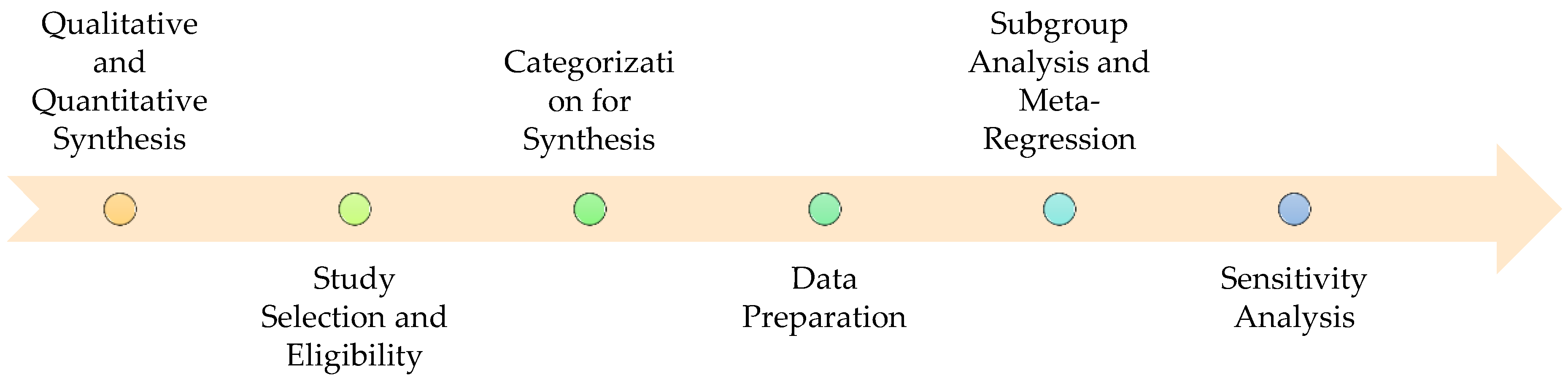
The synthesis procedures included preparing data for analysis, classifying research by objectives, and choosing studies based on qualities. Based on research compatibility, narrative synthesis or meta-analysis was used, with sensitivity and subgroup analyses guaranteeing solid, objective conclusions.
2.10. Reporting Bias Assessment
We were quite aware of the potential for reporting bias in our analysis, which occurs when some results or conclusions are disclosed while others may not. This type of bias has the potential to skew conclusions by inflating the strength or consistency of some effects. To address this problem, we looked over each study's methodology and results sections to make sure the conclusions were consistent with the initial objectives. We made sure that all pertinent results were displayed. We took note of any incomplete or missing data and considered the potential impact these shortcomings could have on the analysis. We also acknowledged the potential for publication bias, in which research with positive findings has a higher chance of being published than studies with neutral or unfavorable conclusions. We ensured a broader viewpoint by including a wide range of papers from different sources and locations to reduce this danger [110,111,112,113,114,115,116,117,118,119]. This enabled us to obtain a more precise image of the available data.
2.11. Certainty Assessment
This section describes the methodology used to assess the validity of the data collected on the effects of HRM, CRM, and ERP on the performance of SMEs, guaranteeing the results are solid and reliable. As shown in Table 9, a set of five quality assessment (QA) criteria were used to methodically investigate the reviewed literature. These standards were used to evaluate the studies' trustworthiness, applicability, and general quality, providing a strong foundation for the findings of this research. Determining the robustness of the evidence and making sure the conclusions appropriately reflect how these Functional systems affect many areas of SME's performance, such as business growth, operational efficiency, and financial consequences, required this review procedure [110,111,112,113,114,115,116,117,118,119].
There is a zero (0) to one (1) rating system for the Quality Assessment (QA) questions. 'No' responses receive a score of 0, 'Partially' met responses receive a score of 0.5, and 'Yes' responses receive a score of 1. Every one of the five questions is rated using the same methodology (Q). Each piece of literature being examined can therefore receive a maximum score of five points overall. Table 10 provides a full overview of the Quality Assessment results for the evaluated literature.
3. Results
The key elements that impact the results are shown in Figure 8. These elements include research characteristics, study selection, and bias risk, all of which are critical in determining how reliable the results are. It also emphasizes how crucial it is to combine the findings of several studies to draw thorough conclusions. The figure underscores the importance of accounting for reporting biases and evaluating the level of evidence certainty to guarantee the precision and dependability of the results that are displayed. For a more comprehensive understanding of the data, each of these elements is essential in the interpretation of the overall results.
3.1. Study Selection
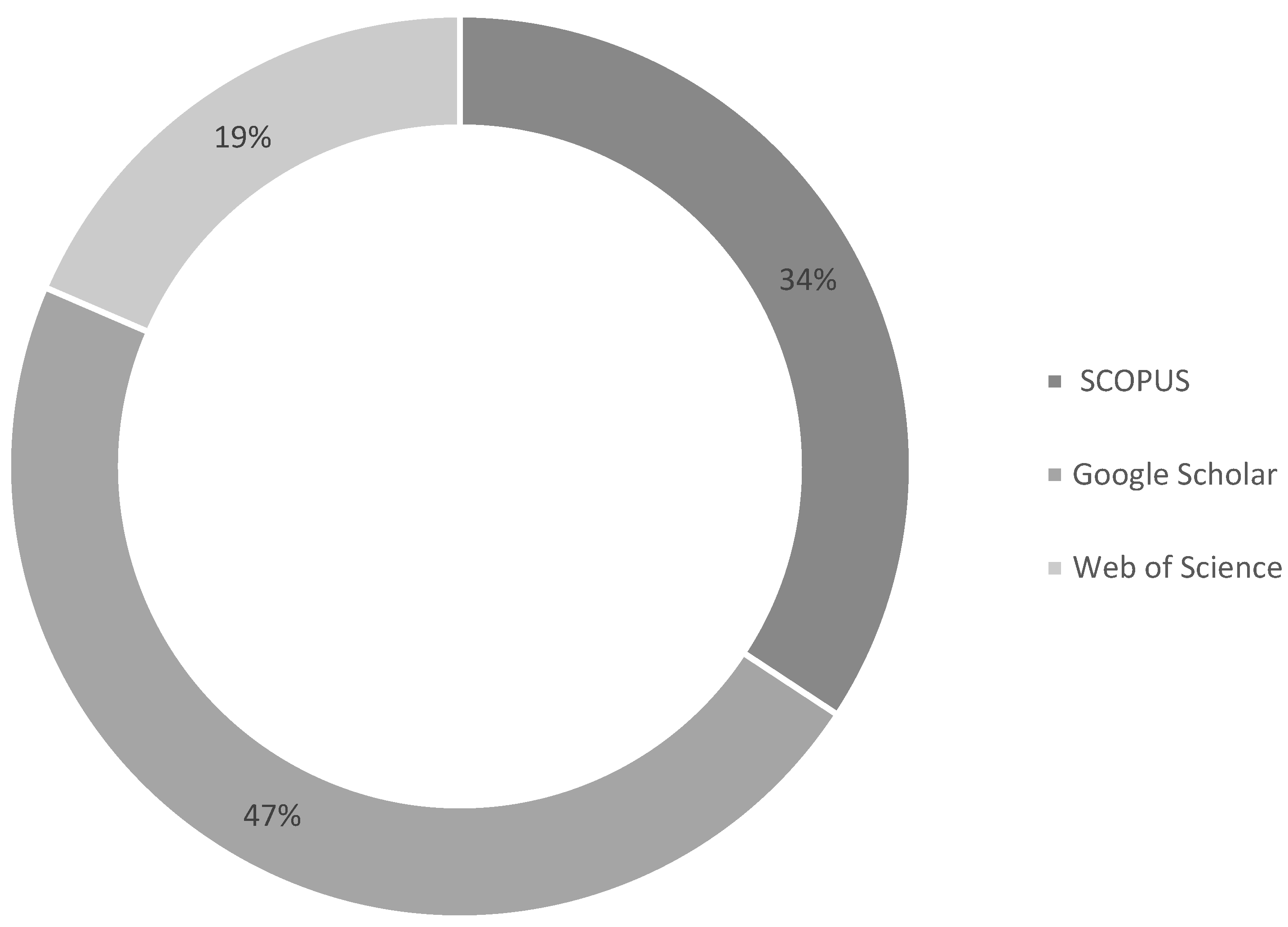
The method used to choose research papers is depicted in Figure 7 below. Three databases yielded a total of 108 research papers, the distribution of which was shown in percentages. Most of the papers 47 % came from Google Scholar, Web of Science (34%), and SCOPUS (19%). To make sure that only relevant studies were included in the review's final analysis, these papers were chosen based on inclusion and exclusion criteria.
Figure 9.
Distribution of Online Data Sources.
3.2. Study Characteristics
This study comprised 108 studies ranging from 2014 to 2024. The majority of these were journal papers (77 in total), with a significant increase in publications in 2023 and 2024. Many of these publications were obtained via SCOPUS and Google Scholar, with fewer coming from Web of Science. In addition to journal articles, other publishing types included conference papers (8), research articles (15), and a smaller number of editorial materials, systematic reviews, study protocols, and theses. The studies were gathered from three key databases: Google Scholar, SCOPUS, and Web of Science, with Google Scholar accounting for the highest share across all types. SCOPUS had the most presence in conference papers and research articles, especially in recent years. The significant increase in publications between 2023 and 2024 indicates the field's rising research focus, with more recent papers dominating the dataset. This rising trend demonstrates growing interest and evolving research contributions from a variety of experts and organizations.
Table 11.
Distribution of Conference Papers and Journal Articles by Publication Year.
| Published Year | Article Journal | Chapter | Conference Paper | Auditorium | Research Article | Study Protocol | Systematic Review | Thesis |
|---|---|---|---|---|---|---|---|---|
| 2014 | 3 | 0 | 1 | 0 | 1 | 0 | 0 | 0 |
| 2015 | 2 | 0 | 0 | 0 | 0 | 0 | 0 | 0 |
| 2016 | 2 | 0 | 2 | 0 | 1 | 0 | 0 | 0 |
| 2017 | 3 | 0 | 1 | 0 | 0 | 0 | 1 | 0 |
| 2018 | 1 | 0 | 0 | 1 | 0 | 0 | 0 | 0 |
| 2019 | 4 | 0 | 0 | 0 | 1 | 0 | 0 | 0 |
| 2020 | 9 | 0 | 1 | 0 | 0 | 0 | 0 | 0 |
| 2021 | 1 | 0 | 2 | 0 | 0 | 0 | 0 | 0 |
| 2022 | 9 | 0 | 0 | 0 | 0 | 0 | 0 | 0 |
| 2023 | 30 | 1 | 0 | 0 | 10 | 1 | 1 | 0 |
| 2024 | 13 | 0 | 1 | 0 | 2 | 0 | 1 | 1 |
The systematic review included 108 papers, which were largely published as Article Journals (77 entries) and Research Articles (15 entries). Conference papers and systematic reviews contributed fewer entries, with 8 and 3 respectively. Geographically, Indonesia (5 entries) and Mexico (4 entries) were the most represented, with India, Greece, and Jordan each contributing three. Several studies were classified as Global or had an undetermined location, indicating a large international scope and diversified study context.
Table 12 presents an overview of the wide-ranging effects of ERP, CRM, and HRM Systems in different industries, emphasizing their contribution to improving business performance, innovation, and decision-making. It serves as an example of how BD improves growth and financial results by boosting operational effectiveness and assisting with strategic choices. business processes, demonstrating its capacity to spur advancements and provide a competitive edge.
3.3. Risk of Bias in Studies
Understanding the methodologies used in research studies is essential when analyzing how ERP, CRM, and HRM Systems effect the performance of small and medium-sized organizations (SMEs), as these have a significant impact on the validity and applicability of the findings. The research methodologies used in studies on this topic are shown in Figure 10 below, with an emphasis on the possible bias risks associated with each method. When addressing questions about how those functional systems effect SMEs, a range of methodologies have been used, each with its own advantages and disadvantages. These approaches include case studies, surveys, and experimental designs.
According to the data in the graphic, surveys are the most often used method, appearing in 31.25% of the research. Surveys present an opinion. effectively collect large amounts of data, but because of self-reporting and the difficulties in identifying intricate relationships within SMEs, they may create biases. 25% of the research is made up of document analysis, which offers insights. They could not be very generalizable because they concentrate on situations. Approaches for determining causation include quasi-experimental and survey, which account for 25.0% and 18.75% of the data, respectively. possibly just partially valid outside.
The variety of approaches shown in the chart illustrates the difficulty in analyzing data influence on SMEs because each approach carries a bias risk. The popularity of case studies and surveys points to a reliance on context-specific data that may skew the findings. To In order to mitigate these risks, future research should concentrate on applying a combination of strategies include a greater application of techniques and statistical analyses. This strategy can be beneficial. enhance the dependability and correctness of findings drawn on the influence of data on the effectiveness of small and medium-sized businesses. user satisfaction levels.
3.4. Results of Individual Studies
Based on a review of 73 research, Figure 11 illustrates how various business performance outcomes are perceived in relation to how ERP, CRM, and HRM Systems affect SME's performance.
Figure 11.
The share of research publication by country based on the study context.
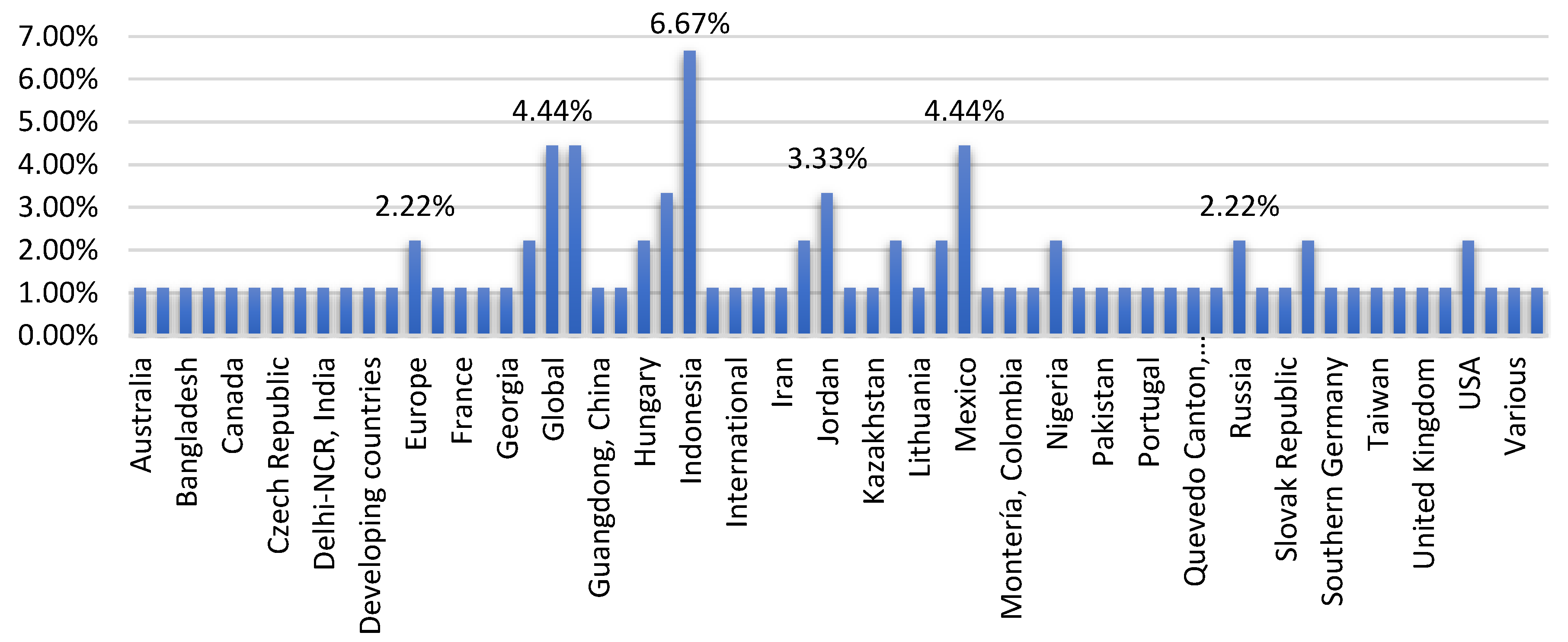
Figure 12.
Distribution and Implications of Research Designs.
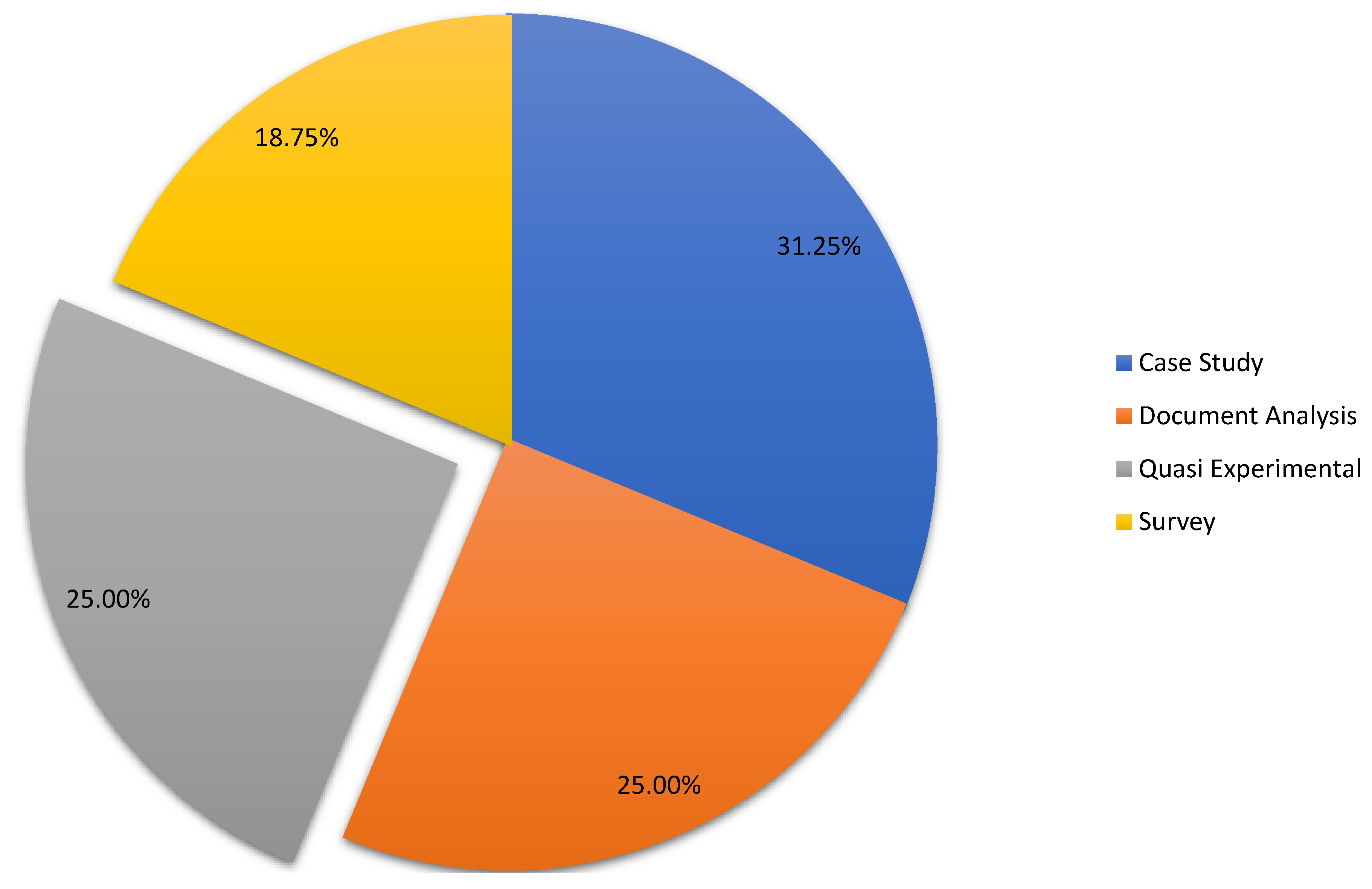
Figure 13.
Distribution of Research Focus Areas and Analysis Types in Functional Systems Studies.
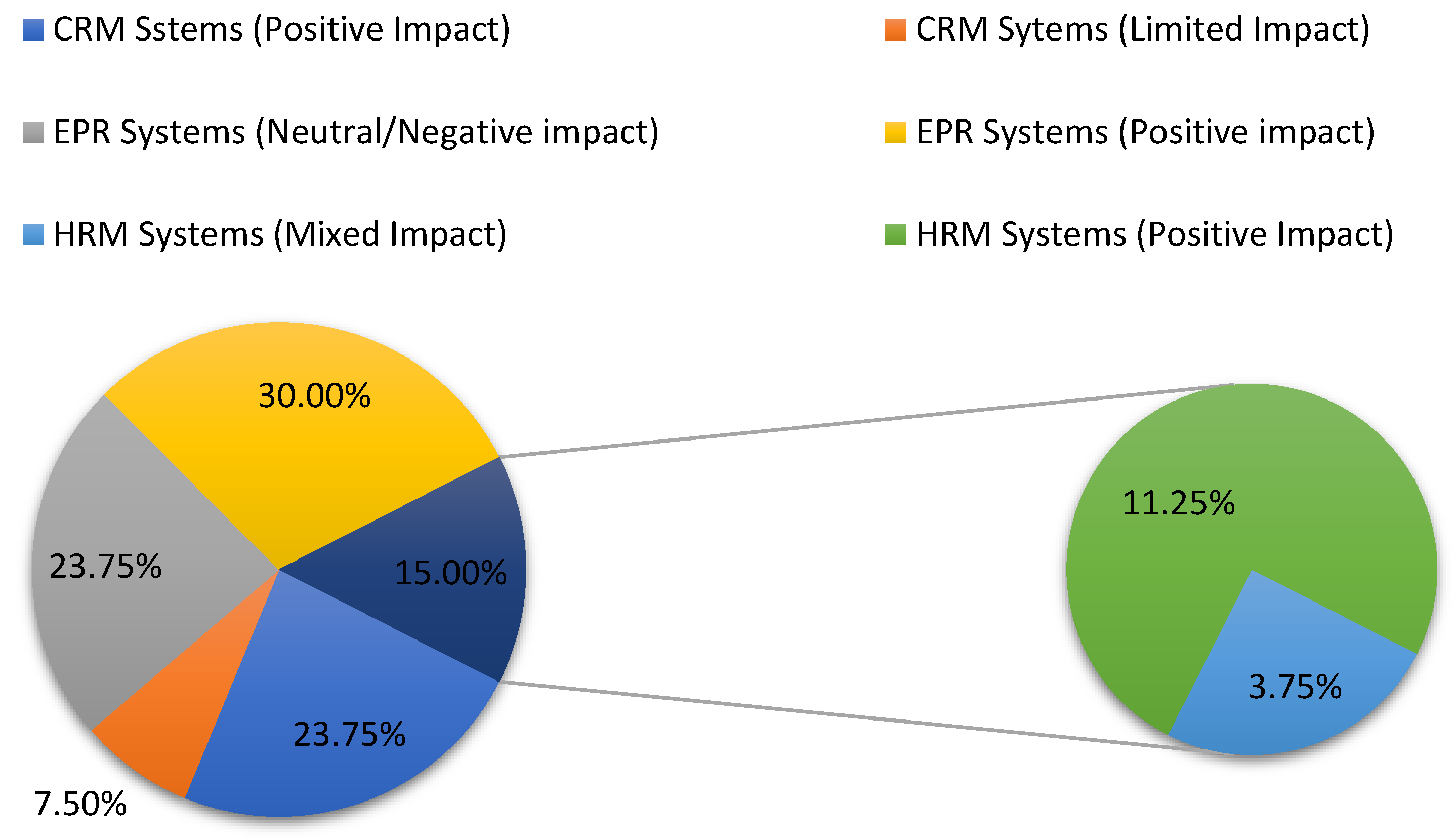
Based on the data supplied, the following pie chart illustrates how ERP, CRM, and HRM systems affect SMEs' company success. ERP Systems (Positive Impact), according to 40% of SMEs, ERP systems have improved resource management and operational efficiency, especially in the manufacturing sector. ERP Systems (Neutral/Negative Impact), 20% of SMEs, particularly smaller or service-based enterprises, reported difficulties with integration, high costs, and complexity. CRM Systems (Positive Impact), A 30% of SMEs reported increased customer retention, sales growth, and relationships—particularly in consumer-facing industries like retail. CRM Systems (Limited Impact): Due to inadequate integration or insufficient digital capabilities, 10% of SMEs experienced only modest benefits. HRM Systems (Positive Impact), Automated workforce management and increased employee satisfaction helped 15% of SMEs, especially in HR-intensive industries. HRM Systems (Mixed Impact), Because of inadequate system adaptation or unwillingness to change, 5% of SMEs reported mixed or no notable gains. The diagram illustrates the relative contributions of various systems to company outcomes, with ERP systems having the greatest overall influence. The fact that SMEs use many systems at once accounts for the percentages that total more than 100%.
3.5. Results of Syntheses
This chapter is about the methodical procedure used to combine the findings of the chosen studies. It starts with the reporting of synthesis results and moves on to comprehensive analyses of the biases and specifics of the study, statistical synthesis, and outcome investigation. studies of sensitivity and variability. This graphic representation guarantees comprehension of the successive actions made to produce a thorough and reliable synthesis of the literature.
3.5.1. Study Characteristics and Bias Assessment
A thorough summary of the data gathering techniques used in the study is shown in Figure 14, emphasizing the variety and weight given to various strategies. The pie chart indicates that, with 50.0% of the total, "Surveys and Questionnaires" is the most often used approach. Interviews come in second at 25.0%, Case Studies at 15.0%, and Secondary Data Analysis at 10.0%.
The data-gathering methods that are most utilized in research on ERP, CRM, and HRM systems for SMEs are depicted in the pie chart. With 50% of the approaches being surveys and questionnaires, these methods were the most used, indicating the focus on obtaining broad quantitative information from a sizable sample of SMEs. Case Studies made up 15% and focused on in-depth, context-specific insights into system implementation, while interviews made up 25% and included in-depth qualitative data from important stakeholders. Finally, 10% came from secondary data analysis, which used pre-existing datasets to investigate more general trends in a variety of businesses. This variety in data gathering highlights the need to balance the quantitative and qualitative aspects of understanding system impacts.
3.5.2. Statistical Synthesis Results
A comprehensive overview of the analysis techniques used in the study is shown in Figure 15. The pie chart highlights the study's strong quantitative focus by showing that "Thematic analysis" accounts for 35.71% of the methods used. On the other hand, "Statistical analysis" accounts for 64.29%, indicating the significant amount of qualitative analysis that is included. This distribution emphasizes the study's systematic approach, which used quantitative and qualitative techniques to present a thorough analysis of the research findings.
The figure illustrates the widespread use of Thematic approaches, which is important to consider when assessing the quantitative components of the study's conclusions. The chart assists in evaluating the robustness of the thematic syntheses, such as cross-case analysis, and their influence on the overall results by emphasizing the importance of theme analysis. Furthermore, the incorporation of qualitative insights is emphasized by the statistical analysis, which gives a more comprehensive view of how various data types were combined to create the study's conclusions. This comprehensive perspective guarantees that both quantitative and qualitative data are considered in the entire analysis, enabling a more thorough interpretation of the thematic synthesis results.
3.5.3. Factors Contributing to Result Variability
The four main variables causing variation in the outcomes seen by various professional groups in SMEs utilizing ERP, CRM, and HRM systems are depicted in the pie chart. Differences in System Adoption and Usage (36.84%) show how different jobs interact with the systems in the organization in different ways, producing varying results. Varying Levels of Training and Support (21.05%) demonstrates how uneven access to system training throughout groups affects system success and competency. Perceptions of system Complexity and Usability (21.05%), technical literacy has an impact on user satisfaction, with certain groups perceiving the systems more challenging to use. Role Specific Expectations and Outcomes (21.05%) emphasize how professional groups' varying objectives and standards for system success impact their experiences and outcomes. Examples of these groups include managers and employees.
In this review of ERP, CRM, and HRM systems for SMEs, result variability can be attributed to several external factors such as economic conditions, regional variations, and legal regulations, which significantly affect the adoption and effectiveness of these systems. To address this, the review should incorporate a detailed analysis of how economic stability, regulatory environments, and access to technical expertise impact system implementation in different regions. Additionally, including geographical comparisons—such as case studies from developed vs. developing countries—would help illustrate how these systems function under varying conditions, revealing context-specific challenges and successes for SMEs.
3.5.4. Sensitivity Analyses
Sensitivity assessments are essential for assessing data-driven models' robustness and dependability in a variety of domains. These analyses assist in ascertaining how modifications to input variables affect a model's results, guaranteeing that the conclusions drawn are valid and consistent across various scenarios. The prominence of various analytical tools is shown in Figure 16 below, with data thematic and statistical analytics being the most widely employed methods. Interestingly, the analytical procedure was not specified in 38.32% of the cases, which can point to a lack of transparency or clarity in the methodology.
3.6. Reporting Biases
When particular kinds of research findings are more likely to be disseminated, incomplete or biased data interpretations result from reporting biases. The bulk of the studies in Figure 17, which is displayed below, are quantitative studies (48 examples), but mixed-methods and qualitative research are less common (26 and 19 cases, respectively). This implies that quantitative research might be preferred above alternative approaches, either in terms of implementation or reporting. A situation like this could skew the overall image since qualitative research and mixed-methods studies offer important perspectives that might not otherwise be acknowledged. It's critical to address these biases in order to have a comprehensive knowledge of study findings from various approaches.
There is a noticeable reporting bias toward positive outcomes, with limited discussion of the challenges and limitations SMEs face in implementing these systems. To address this, the review should incorporate negative findings, such as the high costs and technical barriers that smaller SMEs encounter during system adoption. Additionally, balancing the reporting by including both successful and unsuccessful case studies would provide a more realistic and nuanced understanding of how these systems function in practice, offering a comprehensive perspective on their implementation in diverse SME environments.
3.7. Certainty of Evidence
The distribution of various data gathering techniques among the research we looked at to assess how ERP, CRM, and HRM Systems affected the performance of SMEs is depicted in Figure 18. This graphic illustration makes it easier for us to comprehend how the study's methodology choices impact the validity of its findings.
Figure 18.
Distribution of Study Types.
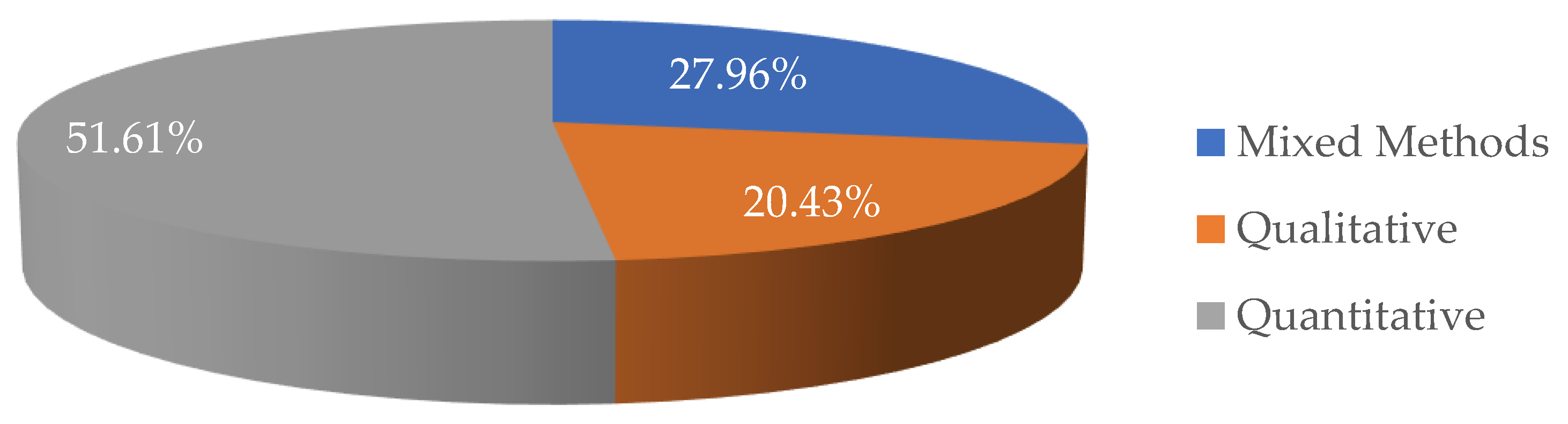
Figure 19.
Distribution of Data Collection Methods.
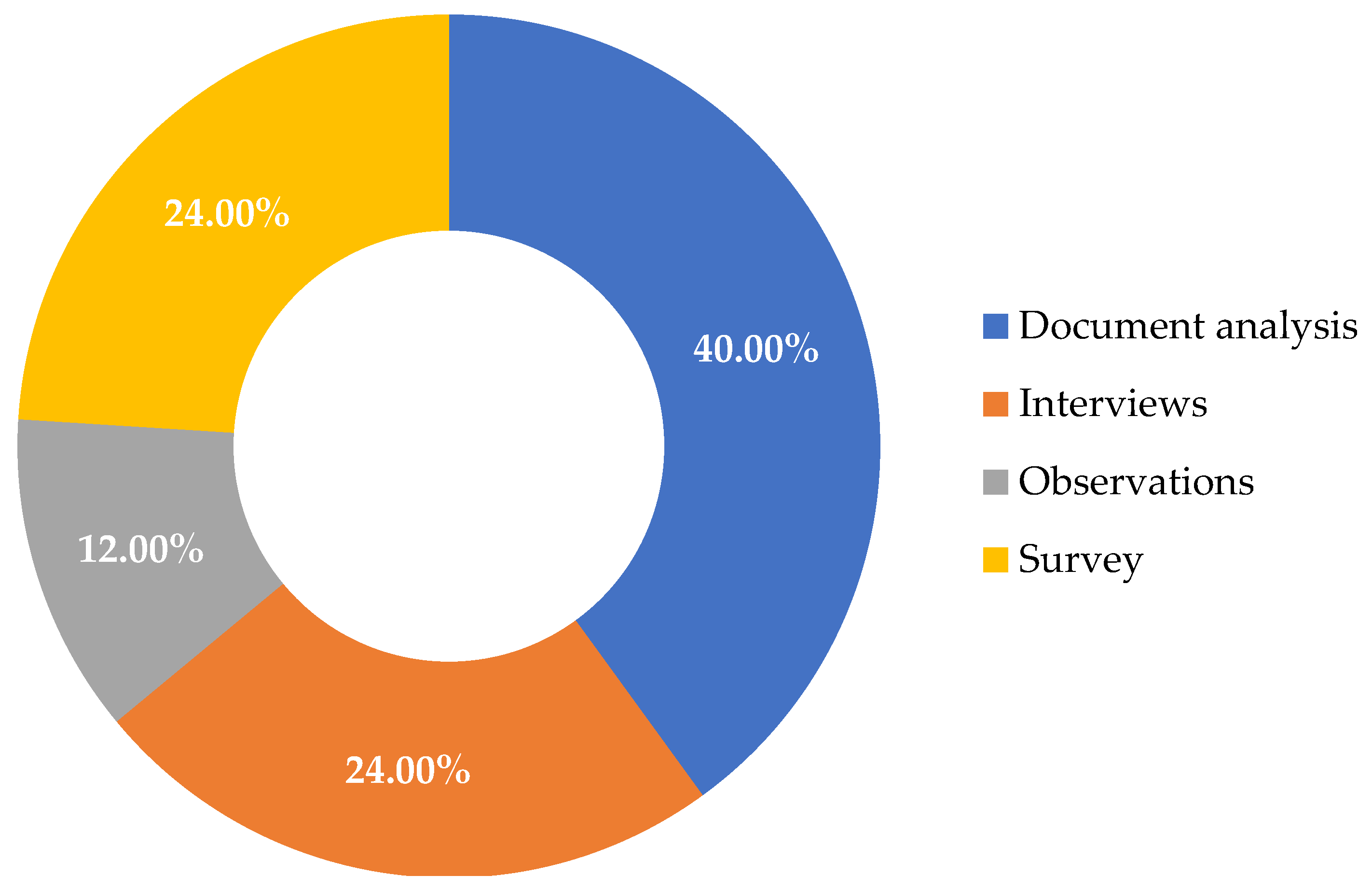
Document analysis, accounting for 40% of the employed techniques, gives the evidence a strong basis. This approach depends on records and documents that are already in existence, which are usually reliable and verifiable. Consequently, by providing consistent and well-documented data that strengthens the credibility of the evidence, document analysis considerably increases the certainty of the conclusions. 24% of the methods involve interviews, which provide rich, in-depth insights that can enhance the comprehension of the subject. Nonetheless, respondent biases and subjective interpretations may affect how certain the results of the interviews are. Interviewees may inject variability into the results, so affecting overall certainty, if their responses reflect various perspectives or personal motivations.
It is about 24% of the approaches that are surveys, which are useful for obtaining information from a variety of SMEs. However, sample representativeness limits and answer biases may affect the reliability of survey-based results. Response biases can distort the results of surveys when respondents give socially acceptable replies instead of their actual thoughts. The results may not be generalizable, which would reduce the certainty of the conclusions, if the survey sample is not typical of the larger SME community. Due to their narrow application and scope, observations—which account for only 12% of the methods—contribute very little to the confidence of the evidence. The limitations imposed by the context of an observation can hinder its ability to reveal wider patterns or trends that are pertinent to the research, so diminishing its overall power to confirm the findings.
3.8. Key Findings and Strategic Implications for Business Leaders
This section synthesizes the key insights from the systematic review, providing a comprehensive overview of how HRM, CRM, and ERP systems influence decision-making, operational efficiency, and overall performance across different industries. The findings are translated into actionable strategies for business leaders to implement within their organizations, ensuring that technology adoption leads to measurable benefits such as increased productivity, improved customer retention, and cost savings. Each industry discussed demonstrates the specific ways in which these systems can be leveraged to gain a competitive edge, optimize processes, and align organizational goals with business outcomes. The following table outlines these findings, offering business leaders a clear pathway to implementing these systems for maximum impact.
Table 13.
Key Findings and Strategic Implications for Business Leaders.
| Industry | Key Finding | Strategic Implications for Business Leaders | Opportunities | Challenges | Relevance to Proposed Systematic Review | Strategic Drivers | Expected Outcome |
| Manufacturing | Increased operational efficiency via ERP systems | Automate production, reduce errors, and enhance resource management to lower operational costs and improve product delivery times. | Adoption of Industry 4.0 technologies to integrate ERP with IoT for real-time monitoring and predictive maintenance. | High initial investment costs in advanced ERP solutions and potential disruptions during the transition period. | Highly relevant as ERP systems are key to improving operational efficiency in SMEs, a primary focus of the review. | Industry 4.0, Lean Manufacturing, Smart Production. | Streamlined production processes, reduced waste, lower operational costs, and faster time-to-market. |
| Retail | Enhanced customer loyalty through CRM systems | Personalize customer interactions and offer data-driven marketing campaigns, increasing customer retention and sales growth. | Utilizing customer data analytics to drive personalized shopping experiences and targeted marketing. | Managing vast amounts of customer data securely and maintaining data privacy compliance. | Demonstrates CRM's ability to improve customer loyalty and retention, aligning with the review’s emphasis on competitive advantage. | Customer-Centric Marketing, Data-Driven Sales. | Improved customer satisfaction, higher retention rates, and consistent sales growth through tailored marketing efforts. |
| Healthcare | Optimized workforce management via HRM systems | Improve scheduling, automate administrative tasks, and streamline staff allocation for better patient care and service quality. | Leverage AI-driven HRM for predictive workforce scheduling to meet fluctuating patient demands. | Training and transitioning to new HRM systems, especially with large and complex healthcare institutions. | Highlights HRM’s role in enhancing productivity and workforce management, central to the review’s findings on operational efficiency. | Predictive Scheduling, Workforce Optimization, AI-Powered Staffing. | Reduced operational delays, improved patient outcomes, and increased workforce efficiency. |
| Construction | Enhanced project management through ERP systems | Optimize project timelines, resource allocation, and cost control, ensuring projects are completed on time and within budget. | Use ERP systems for real-time project tracking and collaboration across multiple sites. | Integration of ERP into existing project management workflows may require retraining and system customizations. | Showcases ERP’s impact on improving project management efficiency, closely related to operational improvements discussed in the review. | Project Scheduling, Resource Optimization, Real-Time Collaboration. | Timely project delivery, reduced delays, and improved profitability through better project oversight. |
| Education | Streamlined HR and student data management via HRM systems | Automate administrative tasks to improve resource allocation for core educational activities, enhancing both staff and student satisfaction. | Implementation of smart analytics to track student progress and optimize teaching methods. | Resistance to digital transformation and the costs of adopting new systems. | Demonstrates the adaptability of HRM systems for non-traditional industries like education, aligning with the review’s broad applicability. | Digital Transformation in Education, Data Analytics for Teaching Improvement. | Increased administrative efficiency, freeing up time for teaching and learning activities. |
| Hospitality | Higher customer satisfaction through CRM systems | Provide personalized guest experiences and enhance customer loyalty through tailored services and feedback management systems. | Leveraging CRM systems to offer loyalty programs and personalized offers based on customer profiles. | High competition in the industry, making differentiation and sustained customer loyalty challenging. | Highlights CRM’s impact on personalizing customer experiences, relevant to the review’s focus on competitive advantage in customer relations. | Customer Loyalty Programs, Personalized Guest Experiences. | Enhanced guest satisfaction, repeat business, and stronger brand loyalty. |
| Finance | Improved compliance and risk management through ERP systems | Strengthen financial control, ensure compliance with regulations, and minimize risks in operations and reporting. | Implement advanced financial analytics to identify and mitigate risks before they escalate. | Compliance with evolving financial regulations and maintaining security in digital financial operations. | Provides insights into ERP’s role in regulatory compliance, which supports the review’s focus on operational and managerial improvements. | Regulatory Compliance, Risk Mitigation Strategies, Advanced Financial Analytics. | Better financial governance, reduced regulatory penalties, and improved financial health. |
| Technology | Increased innovation through ERP and CRM systems integration | Accelerate product development and improve collaboration between R&D and customer service teams by using integrated systems. | Utilize CRM insights to enhance product design and tailor features to customer needs. | Ensuring data integration between CRM and ERP systems can be complex and resource-intensive. | Highlights ERP and CRM’s contribution to innovation and cross-departmental collaboration, aligning with the review’s focus on system integration. | Cross-Functional Collaboration, Data-Driven Product Design. | Shortened development cycles, better customer feedback integration, and more successful product launches. |
| Logistics | Improved supply chain management through ERP systems | Optimize logistics operations, enhance supply chain visibility, and reduce costs through real-time tracking and route optimization. | Adoption of AI and machine learning to further optimize supply chain operations and improve delivery times. | High costs of implementing advanced ERP features such as AI integration and predictive analytics. | Showcases ERP’s value in optimizing logistics and supply chain efficiency, closely related to operational efficiency in the review. | Real-Time Tracking, Route Optimization, Supply Chain Visibility. | Faster deliveries, reduced logistics costs, and enhanced customer satisfaction. |
| Food & Beverage | Increased customer engagement and retention through CRM systems | Foster brand loyalty by utilizing customer data for personalized offers, promotions, and targeted marketing campaigns. | Expanding CRM functionalities to include loyalty programs and feedback loops for continuous customer engagement. | Managing food safety regulations and ensuring customer data security. | Demonstrates CRM’s role in maintaining customer loyalty and engagement, important for the review’s focus on competitive advantage. | Customer Loyalty Programs, Data-Driven Marketing, Feedback Loops. | Improved brand loyalty, consistent sales growth, and higher customer lifetime value. |
| Telecommunications | Improved operational efficiency via HRM systems | Automate employee scheduling and payroll processes, optimize workforce management, and improve employee satisfaction. | Use predictive analytics to enhance HR decisions on employee retention and performance management. | Training employees on new HR systems and integrating with existing payroll and performance evaluation systems. | Highlights HRM’s role in workforce management and retention, directly relevant to the review’s exploration of operational and HR improvements. | Employee Retention, Workforce Scheduling, Predictive Analytics in HRM. | Enhanced employee satisfaction, reduced turnover rates, and increased operational efficiency. |
The analysis highlights that ERP, CRM, and HRM systems are critical enablers of operational efficiency and productivity across various industries. In sectors like manufacturing and logistics, ERP systems streamline production and supply chain processes, driving cost reduction and faster delivery times. Retail and hospitality industries benefit from CRM systems through improved customer retention and personalized services, directly contributing to higher sales and customer loyalty. HRM systems, particularly in healthcare and telecommunications, enhance workforce management and scheduling, leading to optimized service delivery and better employee satisfaction.
The strategic implications for business leaders are clear: adopting these systems requires careful planning, particularly in terms of integration with existing processes and the initial costs of implementation. However, the long-term benefits—such as enhanced decision-making, operational efficiency, and stronger competitive positioning—far outweigh the challenges. Leaders must focus on industry-specific drivers, such as Industry 4.0 technologies in manufacturing or customer-centric marketing in retail, to ensure that these systems are not only implemented but are used effectively to drive business growth.
3.9. Decision-Making Framework for Implementing the Systematic Review
The proposed decision-making process for deploying ERP, CRM, and HRM systems in SMEs begins with a thorough assessment of business requirements which aids in identifying unique obstacles and objectives as shown in Table 14. The next step is to select appropriate tools, which comprises analyzing numerous software solutions that are compatible with the company's goals and size. Budget allocation is critical, particularly for smaller organizations where financial limits might limit options; measures such as staggered implementation or seeking finance can assist reduce excessive costs. Employee training is critical for successful adoption, as it ensures that employees can properly use new systems and maximize their potential. Finally, assessing performance using KPIs enables SMEs to assess the success of the implementation and make required changes to improve procedures.
This decision-making framework provides a strategic roadmap for SMEs looking to implement ERP, CRM, and HRM systems. Each step in the framework, from assessing business needs to performance measurement, is designed to ensure that technology adoption aligns with business goals, financial capacity, and employee capabilities. The table illustrates how different SME categories can strategically benefit from the systematic deployment of these systems by identifying key challenges, opportunities, and expected outcomes. Furthermore, it ties these findings back to the core focus of the proposed study—ensuring that SMEs can successfully integrate technology to enhance productivity and competitiveness.
3.10. Best Practices for Successful Implementation of the Study
Implementing ERP, CRM, and HRM systems in SMEs involves significant strategic planning given the varying business models, resource constraints, and operational complexities across industries. To navigate these challenges, businesses must adhere to best practices tailored to their specific contexts. This section outlines critical best practices for successfully implementing these systems, ensuring that organizations maximize operational efficiency, increase system adoption, and minimize the risk of failures during deployment. Each practice is designed with flexibility in mind, accommodating different business models while providing clear insights into the benefits and risks associated with each implementation step.
Table 15 presents a well-rounded set of best practices for ERP, CRM, and HRM implementation in SMEs, highlighting how phased rollouts, employee training, regular evaluations, and key stakeholder involvement can significantly enhance system adoption and performance. While these practices offer substantial benefits, there are risks that businesses must actively avoid, such as underestimating the complexity of training needs or poor communication, which could lead to system resistance and dissatisfaction. The inclusion of customizable solutions and robust data migration plans is essential to ensure that systems align with business goals and maintain data integrity throughout the process. Ultimately, continuous support and feedback loops are vital for sustaining system success, ensuring that users remain engaged, and enabling organizations to achieve their strategic objectives.
3.11. Metrics and KPIs for Measuring Study Topic Performance
Measuring the success of ERP, CRM, and HRM systems in SMEs requires the implementation of clear and quantifiable Key Performance Indicators (KPIs). These KPIs provide an essential framework for evaluating how well these systems are contributing to core business objectives such as improving productivity, enhancing customer retention, reducing operational costs, and increasing overall efficiency. By defining and tracking specific metrics, organizations can make data-driven decisions that ensure the technology deployment aligns with their broader strategic goals. Table 16 outlines critical KPIs and associated measurement methods, providing clear targets for assessing system performance.
The metrics and KPIs outlined provide a comprehensive framework for evaluating the performance of ERP, CRM, and HRM systems in SMEs. By focusing on measurable outcomes such as employee productivity, customer retention, system uptime, and sales growth, businesses can ensure that these systems contribute meaningfully to their strategic objectives. The defined target values offer clear benchmarks for success, while the strategic implications, challenges, and opportunities highlight the importance of monitoring these KPIs to drive continuous improvement. Ultimately, achieving these KPIs will ensure that SMEs can maximize the benefits of technology implementation, enhancing both operational and financial performance.
3.13. Proposed Industry-Specific Frameworks for the Study Topic
When implementing ERP, CRM, and HRM systems, it is crucial to adapt the technology to the specific needs of different industries. This section provides a set of industry-specific frameworks designed to address the unique challenges and requirements of various SME sectors such as manufacturing, healthcare, retail, and service-based industries. The table below outlines the key challenges for each industry and suggests customized strategies to optimize the integration of ERP, CRM, and HRM systems. By tailoring these frameworks to the specific operational and regulatory requirements of each industry, SMEs can achieve higher operational efficiency, better customer engagement, and improved workforce management.
The industry-specific frameworks outlined in Table 17 provide a customized approach to implementing ERP, CRM, and HRM systems for SMEs. By focusing on the distinct challenges faced by different industries, such as compliance in healthcare or supply chain integration in manufacturing, these frameworks ensure that technology solutions are tailored to meet industry-specific requirements. Strategic drivers such as operational efficiency, customer retention, and regulatory adherence are considered to maximize the impact of these systems. The customized strategies help SMEs achieve their business goals while mitigating risks associated with system implementation, resulting in improved operational performance, customer satisfaction, and workforce management across various sectors.
3.14. Real Case Studies and How They Relate to the Proposed Systematic Review
This section presents real-world case studies from various SMEs that have successfully implemented HRM, CRM, or ERP systems. These case studies offer valuable insights into the challenges faced by these companies, the solutions they adopted, and the outcomes achieved. By analyzing these cases, the practical benefits of these systems, such as improved efficiency, increased customer retention, and better compliance, are clearly demonstrated. The relevance of these case studies to the proposed systematic review lies in showcasing how the adoption of these systems directly aligns with solving common management and employee support challenges in SMEs.
The case studies provided offer valuable examples of how CRM, ERP, and HRM systems have been successfully implemented across various industries, addressing common business challenges. From Woolworths Holdings’ improvement in customer retention through CRM to Tiger Brands' reduction in compliance-related fines via ERP, the outcomes highlight the tangible benefits of these systems in boosting operational efficiency, customer satisfaction, and compliance. Each case demonstrates the strategic value these systems can bring to SMEs, emphasizing their role in transforming business performance and supporting the strategic goals of SMEs. These real-world examples further solidify the relevance of the proposed systematic review by showcasing the significant impact of these systems on key performance indicators such as workforce productivity, cost reduction, and customer loyalty.
3.15. Roadmap for SME Businesses and Policy Recommendations
To ensure the smooth integration and effective use of ERP, CRM, and HRM systems, SMEs can structure the deployment of these technologies through a staggered and well-defined roadmap. Each stage in the roadmap—from planning and deployment to optimization—helps SMEs gradually adopt the systems while addressing operational and financial challenges. Government institutions and industry associations play a crucial role in supporting SMEs in overcoming the obstacles related to the implementation of ERP, CRM, and HRM systems. The following table outlines key policy recommendations aimed at boosting SME productivity, improving management support, and enhancing employee satisfaction through technology adoption.
Table 18.
Roadmap for SME Businesses and Policy Recommendations.
| Policy Recommendation | Objective | Proposed Action | Strategic Impact | Expected Outcome | Timeframe |
| Tax Incentives for Technology Adoption | Encourage SME investment in systems | Provide tax relief for the purchase and implementation of ERP, CRM, and HRM systems. | Lowers financial barriers for SMEs adopting these systems. | Increased investment in technology, improved SME competitiveness. | Short- to medium-term |
| Government Training Subsidies | Increase workforce skills | Offer government-funded programs for employee training on system usage, focused on SMEs. | Enhances workforce capabilities, leading to higher system adoption and efficiency. | Improved system utilization, greater operational efficiency, and employee satisfaction. | Medium-term |
| Low-interest Loans for Digital Transformation | Ease financial burden on SMEs | Establish loan programs with favorable terms to finance digital transformation, including the adoption of ERP, CRM, and HRM. | Reduces financial pressure, allowing for phased adoption of technology. | Higher adoption rates of ERP, CRM, and HRM systems; increased efficiency. | Short-term |
| SME Technology Adoption Grants | Accelerate SME digitalization | Provide grants aimed specifically at SMEs to cover the costs of adopting ERP, CRM, and HRM systems. | Grants support innovation and lower financial risk, especially for small businesses. | Faster adoption of digital tools, improved operational performance. | Medium-term |
| Standardize Data Privacy and Security Laws | Ensure system security and compliance | Implement comprehensive and clear regulations to safeguard SME data, ensuring compliance with both local and international data privacy standards. | Ensures the legal framework for data security and protects SMEs from cybersecurity threats. | Reduced risk of data breaches, enhanced compliance, and greater trust from customers and partners. | Long-term |
| Establish SME Technology Support Centers | Provide accessible system support | Create regional tech support hubs specifically for SMEs, providing guidance on implementation, troubleshooting, and maintenance of ERP, CRM, and HRM. | Provides ongoing support, improving system longevity and reducing downtime due to technical issues. | Improved technical support access, fewer system failures, and better overall system maintenance. | Short-term |
The proposed roadmap provides SMEs with a structured approach to deploying ERP, CRM, and HRM systems, ensuring each step is tailored to address specific challenges faced by these businesses. Key policy recommendations, including tax incentives, training subsidies, and low-interest loans, are essential in facilitating the adoption of these technologies. Additionally, the development of SME technology support centers and the standardization of data privacy laws will help overcome common barriers like technical support and regulatory compliance. Governments and industry leaders must collaborate to create a favorable environment for SMEs to leverage these systems effectively, thereby boosting productivity and ensuring long-term business growth.
4. Discussion
This study provides practical insights aimed at guiding SME leaders on effectively implementing functional systems such as ERP, CRM, and HRM. The findings emphasize the importance of adopting a phased approach, starting with small-scale pilots to test system functionality, followed by full-scale implementation based on each SME's specific needs and resource availability. A phased approach allows SMEs to adjust their strategies according to system performance while minimizing potential disruptions. One critical recommendation is leveraging cloud-based solutions, which offer more flexibility and lower upfront costs, making them suitable for SMEs that often operate under financial constraints.
To address common implementation challenges such as high costs, lack of technical expertise, and employee resistance to change, SMEs can partner with external consultants or vendors who specialize in system integration. This can minimize technical difficulties and ensure a smooth transition. Prioritizing employee training is essential to maximizing the potential of these systems and ensuring proper usage, which in turn, can increase system adoption and minimize resistance. Another key strategy is fostering cross-functional collaboration during the integration process to prevent operational disruptions and facilitate smoother system adoption across different departments.
The significance of ERP, CRM, and HRM systems for SMEs is emphasized in the research, with a focus on their impact on decision-making, operational efficiency, and competitiveness. The integration of these systems leads to better business decision-making, improved operational performance, and measurable growth in revenue. This work contributes to understanding how ERP, CRM, and HRM systems provide SMEs with enhanced managerial tools and increased workforce productivity.
Addressing the Research Questions:
- How do ERP, CRM, and HRM systems impact managerial decision-making and resource allocation in SMEs?
The combined use of ERP, CRM, and HRM systems offers SMEs a consolidated, integrated data source that enhances managerial visibility over various aspects such as customer behavior, financial performance, and employee management. With this holistic view, managers can make more informed decisions about resource allocation, enabling them to optimize operational efficiency, quickly respond to market changes, and improve business outcomes.
- In what ways do ERP, CRM, and HRM systems enhance workforce efficiency and employee productivity in SMEs?
By automating routine tasks and streamlining workflows, ERP, CRM, and HRM systems reduce the administrative burden on employees, allowing them to focus on higher-value tasks. These systems also facilitate better communication, collaboration, and task management, leading to improved workforce efficiency and overall productivity. When implemented with proper training, these systems boost job satisfaction by making daily operations more efficient and less repetitive.
- What operational improvements are achieved through the adoption of ERP, CRM, and HRM systems in SMEs, particularly in reducing manual tasks and automating workflows?
ERP, CRM, and HRM systems drive significant operational improvements by automating manual processes such as data entry, scheduling, and customer communication. These systems reduce human error, enhance data accuracy, and provide real-time access to essential business information. Automated workflows enable SMEs to improve order fulfillment, customer service, and internal communication, leading to greater operational efficiency.
- How can the integration of AI and machine learning into ERP, CRM, and HRM systems further enhance innovation and competitiveness for SMEs?
The integration of AI and machine learning (ML) technologies into ERP, CRM, and HRM systems can significantly enhance innovation and competitiveness for SMEs. AI-driven analytics provide real-time insights into customer behavior, market trends, and workforce performance, allowing businesses to make proactive and data-driven decisions. Machine learning algorithms can also optimize predictive models for inventory management, customer engagement, and talent management, further improving operational outcomes and innovation capacity.
5. Conclusions
The implementation of ERP, CRM, and HRM systems has a transformative impact on SMEs, improving operational efficiency, decision-making processes, and workforce productivity. By integrating these systems, SMEs can streamline operations, automate workflows, and gain access to critical business data that enables informed, strategic decisions. These technologies empower businesses to enhance customer relationships, optimize resource management, and elevate employee satisfaction, thereby driving growth and competitiveness in an increasingly digital marketplace. However, while this study has effectively demonstrated the current benefits of these systems, a forward-looking approach is necessary to fully understand how emerging technologies such as Artificial Intelligence (AI), Machine Learning (ML), and blockchain can further enhance these systems for SMEs. AI and ML, for instance, can provide predictive analytics that can improve decision-making even further, offering SMEs real-time insights into market trends, customer behavior, and employee performance. Blockchain, on the other hand, has the potential to revolutionize data security, ensuring that the sensitive information managed by ERP, CRM, and HRM systems is safeguarded with the highest level of encryption.
In future research, expanding on the role of these emerging technologies within ERP, CRM, and HRM systems will provide valuable insights into how SMEs can continue to innovate, remain competitive, and adapt to the evolving digital landscape. By adopting a proactive approach, SMEs can harness these advancements to improve not just current operational efficiency but also future-proof their businesses against technological disruption. This forward-looking perspective is vital as SMEs prepare to navigate the next phase of digital transformation, ensuring sustained growth and success.
Author Contributions
M.M., A.M., and N.S.M. carried out the data collection, and investigations, wrote and prepared the article under the supervision of B.AT. B.A.T. was responsible for conceptualization, reviewing, and editing the article. All authors have read and agreed to the published version of the manuscript.
Funding
This research did not receive any external funding.
Acknowledgments
The authors extend their gratitude to all researchers whose work was included in this systematic review for their valuable contributions to the field.
Conflicts of Interest
The authors declare no conflicts of interest.
References
- Centobelli, P.; Cerchione, R.; Esposito, E. , “Aligning enterprise knowledge and knowledge management systems to improve efficiency and effectiveness performance: A three-dimensional Fuzzy-based decision support system,” Expert Systems with Applications, vol. 91, pp. 107–126, Jan. 2018.
- Baumgarten, M. , “Functional Organizational Structure,” THE ORG, 2023. https://theorg. 04 May.
- “Decision Support Systems | Journal | ScienceDirect.com,” www.sciencedirect.com. https://www.sciencedirect.
- Delery, J. , “Human Resource Management Review | Journal | ScienceDirect.com,” Sciencedirect.com, 2019. https://www.sciencedirect.
- Prieto, I.M.; Pérez-Santana, M.P. , “Managing innovative work behavior: the role of human resource practices,” Personnel Review, vol. 43, no. 2, pp. 184–208, Mar. 2014. [CrossRef]
- Thomas, D.; Roberts, G. , "Using team-based HRM systems and empowering leadership to support knowledge acquisition and sharing," Personnel Review, 2016.
- Harris, N.; Desk, C.S. , 2023.
- Anderson, B.; Garcia, E. , "A Systematic Review of HRM Systems and Their Measurement," Journal of Management, 2017.
- Wilson, C.; Turner, A. , "Impact of Work Flexibility on Job Satisfaction and Performance," Sustainability, 2024.
- Novak, K.; Perez, J. , "Teleworking in Small and Medium Enterprises (SMEs) Before the Onset of Coronavirus Crisis in the Czech Republic," Management-Journal of Contemporary Management Issues, 2020.
- White, A. , "Operationalizing Internal Knowledge Transfer Factors: An Application for Small and Medium Enterprises (SMEs)," PERTANIKA JOURNAL OF SOCIAL SCIENCE AND HUMANITIES, 2016.
- Martin, L. , "Effectiveness of a support program for balancing treatment and work in small and medium-sized enterprises promoted by occupational health nurses using a web meeting system," JOURNAL OF OCCUPATIONAL HEALTH, 2023.
- Singh, M.; Khan, R. , "Statistical process control: Best practices in small and medium enterprises," MAEJO INTERNATIONAL JOURNAL OF SCIENCE AND TECHNOLOGY, 2015.
- Zhang, D.; Wu, T. , "International Trade Competitiveness of Kazakhstani Small and Medium Enterprises (SMEs)," BULLETIN OF THE NATIONAL ACADEMY OF SCIENCES OF THE REPUBLIC OF KAZAKHSTAN, 2020.
- Ali, P.; Hussain, G. , "Assessing personal protective equipment usage and its correlation with knowledge, attitudes, performance, and safety culture among workers in small and medium-sized enterprises," BMC PUBLIC HEALTH, 2024.
- Zeng, Z.; Guo, Y.; Lu, L.; Han, L.; Chen, W.; Ling, L. , “Mental health status and work environment among workers in small- and medium-sized enterprises in Guangdong, China-a cross-sectional survey,” BMC Public Health, vol. 14, no. 1, Nov. 2014. [CrossRef]
- Diačiková, A. , “Innovation Ecosystems for the Moldovan Small and Medium-Sized Enterprises,” Marketing and Management of Innovations, 2020. https://www.academia.edu/97812611/Innovation_Ecosystems_for_the_Moldovan_Small_and_Medium_Sized_Enterprises (accessed Sep. 17, 2024).
- Stephen, L.; laird Ian, S.; Olsen, K.B.; Hasle, P. , “Creating healthy work in small enterprises - from understanding to action: Summary of current knowledge,” Small Enterprise Research, vol. 21, no. 2, pp. 139–147, 2014, Available: https://vbn.aau.
- Pinkovetskaya, Y.S. , “Influence of Socio-Economic Factors on Wages in Small and Medium-sized Enterprises,” Economy of Region, vol. 16, no. 2, pp. 535–546, Jun. 2020. [CrossRef]
- Wang, M.-H.; Yang, T.-Y. , “Investigating the success of knowledge management: An empirical study of small- and medium-sized enterprises,” Asia Pacific Management Review, vol. 21, no. 2, pp. 79–91, Jun. 2016. [CrossRef]
- Maziriri, E.T.; Chuchu, T.; Madinga, N.W. , “Antecedents of psychological well-being among workers within small and medium enterprises,” SA Journal of Industrial Psychology, vol. 45, Oct. 2019. [CrossRef]
- Brown, C.E.; Cunningham, T.R.; Newman, L.S.; Schulte, P.A. , “Conference Summary Understanding Small Enterprises Conference, ” Annals of Work Exposures and Health, vol. 62, no. Supplement_1, pp. S1–S11, Sep. 2018. 25–27 October. [CrossRef]
- Arias, A.; Morales, C.; Litardo, C. , 2018. The financial process in Small and Medium Enterprises. REVISTA COOPERATIVISMO Y DESARROLLO-COODES, 6(1), pp.70-80.
- Naveed, R.T.; et al. , “Small and medium-sized enterprises failure in providing workers’ rights concerning Sustainable Development Goals-2030 in Pakistan,” Frontiers in Psychology, vol. 13, Oct. 2022. [CrossRef]
- Bluff, E. , “How SMEs respond to legal requirements to provide information, training, instruction and supervision to workers about work health and safety matters,” Safety Science, vol. 116, pp. 45–57, Jul. 2019. [CrossRef]
- Chalal, M.; Boucher, X.; Marques, G. , “Decision support system for servitization of industrial SMEs: a modelling and simulation approach,” Journal of Decision Systems, vol. 24, no. 4, pp. 355–382, Sep. 2015. [CrossRef]
- Biea; E.A.; Dinu; Bunica; Jerdea, 2024. Recruitment in SMEs: the role of managerial practices, technology and innovation. European Business Review, 36(3), pp.361-391.
- Kvachantiradze, B. , “FORMATION OF EFFECTIVE BUSINESS ENVIRONMENT IN GEORGIA WITH THE ASSISTANCE OF THE EU,” Innovative economics and management, vol. 11, no. 2, pp. 120–132, Jul. 2024. [CrossRef]
- Jung;, “Exploring the determinants of information systems performance: A case of Korean SMEs,” International journal of advanced smart convergence, vol. 13, no. 2, pp. 235–248, 2024. [CrossRef]
- Barkhordari, R.; Dehnavi, D. ; Hassan; Sharifabadi, M.; Ali, “Identifying and analyzing factors affecting the excellence and success of small and medium industries using the system dynamics approach,” International Journal of Nonlinear Analysis and Applications, vol. 14, no. 8, pp. 33–43, Aug. 2023. [CrossRef]
- Maroufkhani, P.; Iranmanesh, M.; Ghobakhloo, M. ," "Determinants of Big Data Analytics Adoption in Small and Medium-Sized Enterprises (SMEs)," Industrial Management & Data Systems, vol. 2022, no. 1, pp. 275-290, 2022.
- Kitsios; Kamariotou; Madas; M. A.; Fouskas; Manthou, 2020. Information systems strategy in SMEs: critical factors of strategic planning in logistics. Kybernetes, 49(4), pp.1197-1212. [Google Scholar]
- Illés, C.B. and Szuda, C., 375 Quality Management as the Engine of Competitiveness in the Hungarian SME Sector. In 14th WORLD CONGRESS (p. 323).
- Kvachantiradze, B. , “FORMATION OF EFFECTIVE BUSINESS ENVIRONMENT IN GEORGIA WITH THE ASSISTANCE OF THE EU,” Innovative economics and management, vol. 11, no. 2, pp. 120–132, Jul. 2024. [CrossRef]
- Korder, S.; Kulessa, S.; Breuherr, D.; Vernim, S.; Reinhart, G. , “The role of work system-related factors on skilled workers’ turnover intentions – A study in small and medium-sized manufacturing enterprises in Southern Germany,” International Journal of Industrial Ergonomics, vol. 93, p. 103406, Jan. 2023. [CrossRef]
- Narkhede, G.; Mahajan, S.; Narkhede, R.; Chaudhari, T. , “Significance of Industry 4.0 technologies in major work functions of manufacturing for sustainable development of small and medium-sized enterprises,” Business strategy and development, Nov. 2023. [CrossRef]
- Grooss, O.F. , “Digitalization of maintenance activities in small and medium-sized enterprises: A conceptual framework,” Computers in Industry, vol. 154, pp. 104039–104039, Jan. 2024. [CrossRef]
- Telukdarie, A.; Dube, T.; Munsamy, M.; Murulane, K.; Mongwe, R. , “Navigating Digital Challenges for SMEs: A Two-Tier Approach to Risks Mitigation and Sustainability,” Sustainability, vol. 16, no. 14, pp. 5857–5857, Jul. 2024. [CrossRef]
- Michael, N.F. , “Influence of Human Resources Management Practices on Manufacturing Small and Medium Enterprises (SMEs) Performance in Dar es Salaam - The Open University of Tanzania Institutional Repository,” Out.ac.tz, 2024.
- Runtuk, J.K.; Ng, P.K.; Ooi, S.Y.; Purwanto, R.; Nur, S.; Ng, Y.J. , “Sustainable Growth for Small and Medium-Sized Enterprises: Interpretive Structural Modeling Approach,” Sustainability, vol. 15, no. 5, pp. 4555–4555, Mar. 2023. [CrossRef]
- Subramanian, Nagamani. "Human-related lean practices for manufacturing SMEs’ lean transformation: a systematic literature review." Nankai Business Review International 15.3 (2024): 478-501. [CrossRef]
- Kitsios; Kamariotou, “Strategizing Information Systems: An Empirical Analysis of IT Alignment and Success in SMEs,” Computers, vol. 8, no. 4, p. 74, Sep. 2019. [CrossRef]
- Debrenti, A.S.; Csordás, A.; Herdon, M. , “Management support systems in the Hungarian food manufacturing sector,” Journal of Agricultural Informatics, vol. 10, no. 1, Oct. 2019. [CrossRef]
- Lutfi, A. , “Factors Influencing the Continuance Intention to Use Accounting Information System in Jordanian SMEs from the Perspectives of UTAUT: Top Management Support and Self-Efficacy as Predictor Factors,” Economies, vol. 10, no. 4, p. 75, Mar. 2022. [CrossRef]
- Andalib, T.W.; Halim, H.A.; Islam, M.K. , “Coding mechanism and soft systems technique applied to integrate the fuzzy based Decision Support System with HRM factors in the SMEs of Bangladesh,” IOP Conference Series: Materials Science and Engineering, vol. 769, p. 012042, Jun. 2020. [CrossRef]
- Ali, M.; Cullinane, J. , “A Study to Evaluate the Effectiveness of Simulation based Decision Support System in ERP Implementation in SMEs,” Procedia Technology, vol. 16, pp. 542–552, 2014. [CrossRef]
- Mohammed, B. , “Evaluate the impact of KMS and DSS on success SMEs in Oman: A Case Study of SMEs Performance in Oman: Knowledge Management System and Decision Support System in SMEs in Oman,” Journal of Student Research, Jul. 23, 2024. https://www.jsr.org/index.php/path/article/view/1511.
- Braslina, L.; et al. , “Factors and Barriers of Implementing Early Warning, Support and Second Chance Support Systems for SMEs in the Baltic States,” Lecture notes in networks and systems, pp. 25–32, Jan. 2021. [CrossRef]
- Lutfi, A. , “Factors Influencing the Continuance Intention to Use Accounting Information System in Jordanian SMEs from the Perspectives of UTAUT: Top Management Support and Self-Efficacy as Predictor Factors,” Economies, vol. 10, no. 4, p. 75, Mar. 2022. [CrossRef]
- Korczak, J.; Dudycz, H.; Nita, B.; Oleksyk, P.; Kaźmierczak, A. , “Extension of Intelligence of Decision Support Systems: Manager Perspective,” Lecture notes in business information processing, pp. 35–48, Jan. 2017. [CrossRef]
- Alhakbani, N. , “Mobile Application for Job Recommender System Connecting Students and Startups/SMEs for Practical Experience and Skill Development,” AHFE international, Jan. 2024. [CrossRef]
- L’Écuyer, F.; Raymond, L. , “Enabling the HR function of industrial SMEs through the strategic alignment of e-HRM: a configurational analysis,” Journal of Small Business & Entrepreneurship, pp. 1–33, Aug. 2020. [CrossRef]
- Reinking; Jeff, and Peter Resch. "Gaining traction: how SMEs succeed in making management control systems stick." Qualitative Research in Accounting & Management 20.3 (2023): 372-397. [CrossRef]
- Kamariotou, M.; Kitsios, F.; Charatsari, C.; Lioutas, E.D.; Talias, M.A. , “Digital Strategy Decision Support Systems: Agrifood Supply Chain Management in SMEs,” Sensors, vol. 22, no. 1, p. 274, Dec. 2021. [CrossRef]
- Suzic, N.; Forza, C. , “Development of mass customization implementation guidelines for small and medium enterprises (SMEs),” Production Planning & Control, pp. 1–27, Jul. 2021. [CrossRef]
- Kumaresan; Velmurugan; Saravanasankar, S. Kumaresan; Velmurugan; Saravanasankar, S., and Gianpaolo Di Bona. "Identification of optimal maintenance parameters for best maintenance and service management system in the SMEs." Journal of Quality in Maintenance Engineering 30.1 (2024): 133-152.
- Tyasari, I.; Sarwoko, E.; Nurfarida, I.N. , “The adoption of information technology as decision support system in SMEs,” Journal of Physics: Conference Series, vol. 1869, no. 1, p. 012067, Apr. 2021. [CrossRef]
- “Attempt to extend knowledge of Decision Support Systems for small and medium-sized enterprises,” Ieee.org, 2016. https://ieeexplore.ieee.org/abstract/document/7733409 (accessed Sep. 17, 2024).
- Skėrė, S.; Žvironienė, A.; Juzėnas, K.; Petraitienė, S. , “Optimization Experiment of Production Processes Using a Dynamic Decision Support Method: A Solution to Complex Problems in Industrial Manufacturing for Small and Medium-Sized Enterprises,” Sensors, vol. 23, no. 9, p. 4498, Jan. 2023. [CrossRef]
- Clarke; Højbjerg, A. Clarke; Højbjerg, A., and Per Vagn Freytag. "Implementation of new segments in small-and medium-sized enterprises (SMEs)." Journal of Business & Industrial Marketing 38.4 (2023): 930-942. [CrossRef]
- Centobelli, P.; Cerchione, R.; Esposito, E. , “Efficiency and effectiveness of knowledge management systems in SMEs,” Production Planning & Control, vol. 30, no. 9, pp. 779–791, Apr. 2019. [CrossRef]
- Centobelli, P.; Cerchione, R.; Esposito, E. , “Knowledge management systems: the hallmark of SMEs,” Knowledge Management Research & Practice, vol. 15, no. 2, pp. 294–304, 17. 20 May. [CrossRef]
- Kamariotou, M.; Kitsios, F. , “How Managers Use Information Systems for Strategy Implementation in Agritourism SMEs,” Information, vol. 11, no. 6, p. 331, Jun. 2020. [CrossRef]
- Bugwandin; Vinay, and Mohamed S. Bayat. "Organisational cybernetics: A systems thinking method used for small and medium enterprises." Acta Commercii-Independent Research Journal in the Management Sciences 23.1 (2023): 1092.
- Zhou, Q.; Edafioghor, T.E.; Wu, C.; Doherty, B. , “Building organisational resilience capability in small and medium-sized enterprises: The role of high-performance work systems,” Human Resource Management Journal, Oct. 2022. [CrossRef]
- “Attempt to extend knowledge of Decision Support Systems for small and medium-sized enterprises,” Ieee.org, 2016. https://ieeexplore.ieee.org/abstract/document/7733409 (accessed Sep. 17, 2024).
- Bhardwaj; Shobha; Jain; Ajay, "Exploring the Role of Modern Human Resource Practices in SMEs Productivity: Structural Model Analysis," SCMS Journal of Indian Management, vol. 2023, no. 1, pp. 175-190, 2023.
- Saito; Odawara; Fujimori et al. Interactive assistance via eHealth for small- and medium-sized enterprises’ employer and health care manager teams on tobacco control (eSMART-TC): protocol for a cluster randomized hybrid type II trial (N-EQUITY2101/J-SUPPORT2102). Implement Sci Commun 4, 61 (2023). [CrossRef]
- Ramona-Cristina, P.; Vasilateanu, A.; Goga, N. , “Ontology based multi-system for SME knowledge workers,” Oct. 2016. [CrossRef]
- Núñez-Ríos; Juan, E.; Sánchez-García, J.Y. Núñez-Ríos; Juan E.; Sánchez-García, J.Y., and Adrian Ramirez-Nafarrate. "Sustainable performance in tourism SMEs: a soft modeling approach." Journal of Modelling in Management 18.6 (2023): 1717-1739.
- Júnior, E.M.; Gobbo, J.A.; Fukunaga, F.; Cerchione, R.; Centobelli, P. , "Use of Knowledge Management Systems: Analysis of the Strategies of Brazilian Small and Medium Enterprises," Journal of Knowledge Management, vol. 1590, 2020.
- Demirbaş, D.; Flynn, K.; Bennett, D. ," "Evaluation of an Enterprise Resource Planning System in Turbulent Times: A Case Study of the SMEs of the United Kingdom and Australia," Business 2023, vol. 2023, no. 1, pp. 305-320, 2023.
- Eniola, A.A.; et al. , “HIGH-PERFORMANCE WORK SYSTEM ON SUSTAINABLE ORGANIZATIONS PERFORMANCE IN SMES,” Business: Theory and Practice, vol. 24, no. 2, pp. 447–458, Sep. 2023. [CrossRef]
- Sohns, T.M.; Aysolmaz, B.; Figge, L.; Joshi, A. , “Green business process management for business sustainability: A case study of manufacturing small and medium-sized enterprises (SMEs) from Germany,” Journal of Cleaner Production, vol. 401, p. 136667, 23. 20 May. [CrossRef]
- Litvaj, I.; Drbúl, M.; Bůžek, M. , “Sustainability in Small and Medium Enterprises, Sustainable Development in the Slovak Republic, and Sustainability and Quality Management in Small and Medium Enterprises,” Sustainability, vol. 15, no. 3, p. 2039, Jan. 2023. [CrossRef]
- Martin, A.S.; Garces, M.E.C. , “A collaborative learning platform for corporate training of Small and Medium Enterprises: a tool for increasing company productivity,” RAN. Revistas Academia y Negocios, vol. 9, no. 1, pp. 113–126, 2023. [CrossRef]
- AL-Dosari, K.; Fetais, N. , “Risk-Management framework and information-security systems for small and medium enterprises (smes): A meta-analysis approach,” Electronics, vol. 12, no. 17, p. 3629, Jan. 2023. [CrossRef]
- Aslam, M.; et al. , “Impact of Innovation-Oriented Human Resource on Small and Medium Enterprises’ Performance,” Sustainability, vol. 15, no. 7, p. 6273, Jan. 2023. [CrossRef]
- Pedroso, E.; Gomes, C.F. , “Disentangling the effects of top management on management accounting systems utilization,” International Journal of Accounting Information Systems, vol. 53, pp. 100678–100678, Jun. 2024. [CrossRef]
- Karuppiah; Koppiahraj, et al. "Evaluation of key factors for industry 4.0 technologies adoption in small and medium enterprises (SMEs): An emerging economy context." Journal of Asia Business Studies 17.2 (2023): 347-370.
- Sánchez-García, J.Y.; Núñez-Ríos, J.E.; López-Hernández, C.; Rodríguez-Magaña, A. , “Modeling Organizational Resilience in SMEs: A System Dynamics Approach,” Global Journal of Flexible Systems Management, Nov. 2022. [CrossRef]
- Perera, A.G. ; del Amor; Sancha, P., “Exploring ERP systems adoption in challenging times. Insights of SMEs stories,” Technological Forecasting and Social Change, vol. 195, pp. 122795–122795, Oct. 2023. [CrossRef]
- Bach, M.P.; Topalović, A.; Krstić, Ž.; Ivec, A. , “Predictive Maintenance in Industry 4.0 for the SMEs: A Decision Support System Case Study Using Open-Source Software,” Designs, vol. 7, no. 4, pp. 98–98, Aug. 2023. [CrossRef]
- Nguyen, T.; Verreynne, M.-L.; Steen, J.; de Oliveira, R.T. , “Government support versus international knowledge: Investigating innovations from emerging-market small and medium enterprises,” Journal of Business Research, vol. 154, p. 113305, Jan. 2023. [CrossRef]
- Herwanto, D.; Suzianti, A. , “Development of workplace design framework for manufacturing small and medium-sized enterprises in Indonesia,” Journal of Industrial Engineering and Management, vol. 16, no. 3, pp. 535–535, Nov. 2023. [CrossRef]
- Zighan; Saad, and Salomée Ruel. "SMEs’ resilience from continuous improvement lenses." Journal of Entrepreneurship in Emerging Economies 15.2 (2023): 233-253. [CrossRef]
- Eseryel; U.Y.; Eseryel; Wolters, 2020. Managing Successful Information Systems Implementations at Small and Medium Enterprises Managerial IS Implementation Effectiveness Theory. J. Leadersh. Manag, 1.
- Narwane, V.S.; et al. , “Mediating role of cloud of things in improving performance of small and medium enterprises in the Indian context,” Annals of Operations Research, Jan. 2020. [CrossRef]
- Baena-Navarro, R.; Vergara-Villadiego, J.; Carriazo-Regino, Y.; Crawford-Vidal, R.; Barreiro-Pinto, F. , “Challenges in implementing free software in small and medium-sized enterprises in the city of Montería: a case study,” Bulletin of Electrical Engineering and Informatics, vol. 13, no. 1, pp. 586–597, Feb. 2024. [CrossRef]
- Zhao, Z.; Li, D.; Dai, W. , “Machine-learning-enabled intelligence computing for crisis management in small and medium-sized enterprises (SMEs),” Technological Forecasting and Social Change, vol. 191, p. 122492, Jun. 2023. [CrossRef]
- Alfiah, A.; Bakri, A.A.; Fatimah, F.; Syahdan, R.; Rusman, H. , “CAPABILITY TO MANAGE FINANCIAL REPORTS FOR MSMES UTILIZING ACCOUNTING INFORMATION SYSTEMS,” Jurnal Ekonomi, vol. 12, no. 02, pp. 1356–1363, 23, Available: https://ejournal.seaninstitute.or.id/index. 20 May 1893. [Google Scholar]
- Shahreki, J. , “High-performance work systems and HR efficiency: the mediating role of HRIS potentialities,” International journal of management and decision making, vol. 23, no. 3, pp. 290–310, Jan. 2024. [CrossRef]
- Harno, S.; Chan, H.K.; Guo, M. , “Enhancing value creation of operational management for small to medium manufacturer: A conceptual data-driven analytical system,” Computers & Industrial Engineering, vol. 190, p. 110082, Apr. 2024. [CrossRef]
- Diana, N.; Sudarmiatin, S.; Hermawan, A. , “Model of Accounting Information System and SMEs Performance in Contingency Theory Perspective,” Asian Journal of Management, Entrepreneurship and Social Science, vol. 3, no. 03, pp. 47–69, 23, Available: http://www.ajmesc.com/index. 20 May.
- Lepistö, K.; Saunila, M.; Ukko, J. , “The effects of soft total quality management on the sustainable development of SMEs,” Sustainable Development, Mar. 2023. [CrossRef]
- Brink, T.; Sørensen, H.B.; Neville, M. , “Small- and Medium-Sized Enterprises Strategizing Digital Transformation: Backend & Frontend Integration for Horizontal Value Creation,” Frontiers in artificial intelligence and applications, Feb. 2023. [CrossRef]
- Lozovaya, O.; Martynushkin, A.; Polyakov, M. , “Improving business process management at a small agribusiness enterprise,” E3S web of conferences, vol. 389, pp. 03107–03107, Jan. 2023. [CrossRef]
- Nkwinika, E.; Akinola, S. , “The importance of financial management in small and medium-sized enterprises (SMEs): an analysis of challenges and best practices,” Technology audit and production reserves, vol. 5, no. 4(73), pp. 12–20, Sep. 2023. [CrossRef]
- Tien, D.N. , “Factors Influencing Accounting Information Systems in Small and Medium Enterprises: The Case in Hanoi, Vietnam,” vol. 8, no. 6, pp. e02411–e02411, Jun. 2023. [CrossRef]
- Panchal, G.; Clegg, B.; Koupaei, E.E.; Masi, D.; Collis, I. , “Digital transformation and business intelligence for a SME: systems thinking action research using PrOH modelling,” Procedia computer science, vol. 232, pp. 1809–1818, Jan. 2024. [CrossRef]
- Wijnhoven, F.; Hoffmann, P.; Bemthuis, R.; Boksebeld, J. , “Using process mining for workarounds analysis in context: Learning from a small and medium-sized company case,” International Journal of Information Management Data Insights, vol. 3, no. 1, p. 100163, Apr. 2023. [CrossRef]
- Al-Shukri, K.S. , “Strategic information planning and performance of SMEs: A structural equation modelling approach,” Human Systems Management, vol. 43, no. 3, pp. 341–354, 24. 20 May. [CrossRef]
- He, Y. , “Path and Mechanism of Industrial Internet Industry Promoting the Transformation and Upgrading of Small and Medium-sized Enterprises with Artificial Intelligence,” Mobile Information Systems, vol. 2023, pp. 1–12, 23. 20 May. [CrossRef]
- Zheng, C.; et al. , “Multi-agent collaborative conceptual design method for robotic manufacturing systems in small- and mid-sized enterprises,” Computers & Industrial Engineering, vol. 183, p. 109541, Sep. 2023. [CrossRef]
- De Matteis, J.; Elia, G.; Del Vecchio, P. , “Business continuity management and organizational resilience: A small and medium enterprises (SMEs) perspective,” 23. 20 May. [CrossRef]
- Andrade-Rojas, M.G. ; Terence; Kathuria, A., Khuntia, J., Eds.; Boh, W., “How Information Technology Overcomes Deficiencies for Innovation in Small and Medium-Sized Enterprises: Closed Innovation vs. Open Innovation,” Information systems research, Apr. 2024. [Google Scholar] [CrossRef]
- Hlasny, Vladimir. "Vocational training support and innovation at SMEs." Asia Pacific Journal of Innovation and Entrepreneurship 17.2 (2023): 99-120. [CrossRef]
- Braslina, L.; et al. , “Factors and Barriers of Implementing Early Warning, Support and Second Chance Support Systems for SMEs in the Baltic States,” Lecture notes in networks and systems, pp. 25–32, Jan. 2021. [CrossRef]
- Chalal, M.; Boucher, X.; Marques, G. , “Decision support system for servitization of industrial SMEs: a modelling and simulation approach,” Journal of Decision Systems, vol. 24, no. 4, pp. 355–382, Sep. 2015.
- Tsiu; S. ; Ngobeni; M.; Mathabela; L.; Thango, B. Applications and Competitive Advantages of Data Mining and Business Intelligence in SMEs Performance: A Systematic Review. Preprints 2024, 2024090940. [Google Scholar] [CrossRef]
- Mkhize; A. ; Mokhothu; K.; Tshikhotho; M.; Thango, B. Evaluating the Impact of Cloud Computing on SMEs Performance: A Systematic Review. Preprints 2024, 2024090882. [Google Scholar] [CrossRef]
- Kgakatsi; M. ; Galeboe; O.; Molelekwa; K.; Thango, B. The Impact of Big Data on SME Performance: A Systematic Review. Preprints 2024, 2024090985. [Google Scholar] [CrossRef]
- Molete; O. B.; Mokhele; S. E.; Ntombela; S. D.; Thango, B. A. The Impact of IT Strategic Planning Process on SME Performance: A Systematic Review. Preprints 2024, 2024091024. [Google Scholar] [CrossRef]
- Mothapo; M. ; Thango; B.; Matshaka, L. Tracking and Measuring Social Media Activity: Key Metrics for SME Strategic Success – A Systematic Review. Preprints 2024, 2024091757. [Google Scholar] [CrossRef]
- Ngcobo; K.; Bhengu; S.; Mudau; A.; Thango; B.; Matshaka; Management, L.E.D. Ngcobo; K.; Bhengu; S.; Mudau; A.; Thango; B.; Matshaka; Management, L.E.D.; Sources, and Real-Time Applications to Enhance Business Performance - A Systematic Review. Preprints 2024, 2024091913. [CrossRef]
- Mohlala; T. T.; Mehlwana; L. L.; Nekhavhambe; U. P.; Thango; B.; Matshaka, L. Strategic Innovation in HRIS and AI for Enhancing Workforce Productivity in SMEs: A Systematic Review. Preprints 2024, 2024091996. [Google Scholar] [CrossRef]
- Chabalala; K. ; Boyana; S.; Kolisi; L.; Thango; B. A.; Matshaka, L. Digital Technologies and Channels for Competitive Advantage in SMEs: A Systematic Review. Preprints 2024, 2024100020. [Google Scholar] [CrossRef]
- Ndzabukelwako; Z. ; Mereko; O.; Sambo; T. V.; Thango, B. The Impact of Porter’s Five Forces Model on SMEs Performance: A Systematic Review. Preprints 2024, 2024100119. [Google Scholar] [CrossRef]
- Maswanganyi; N. G.; Fumani; N. M.; Khoza; J. K.; Thango; B. A.; Matshaka, L. Evaluating the Impact of Database and Data Warehouse Technologies on Organizational Performance: A Systematic Review. Preprints 2024, 2024100059. [Google Scholar] [CrossRef]
Figure 1.
An example of a functional systems in COMARCH. [6].
Figure 1.
An example of a functional systems in COMARCH. [6].
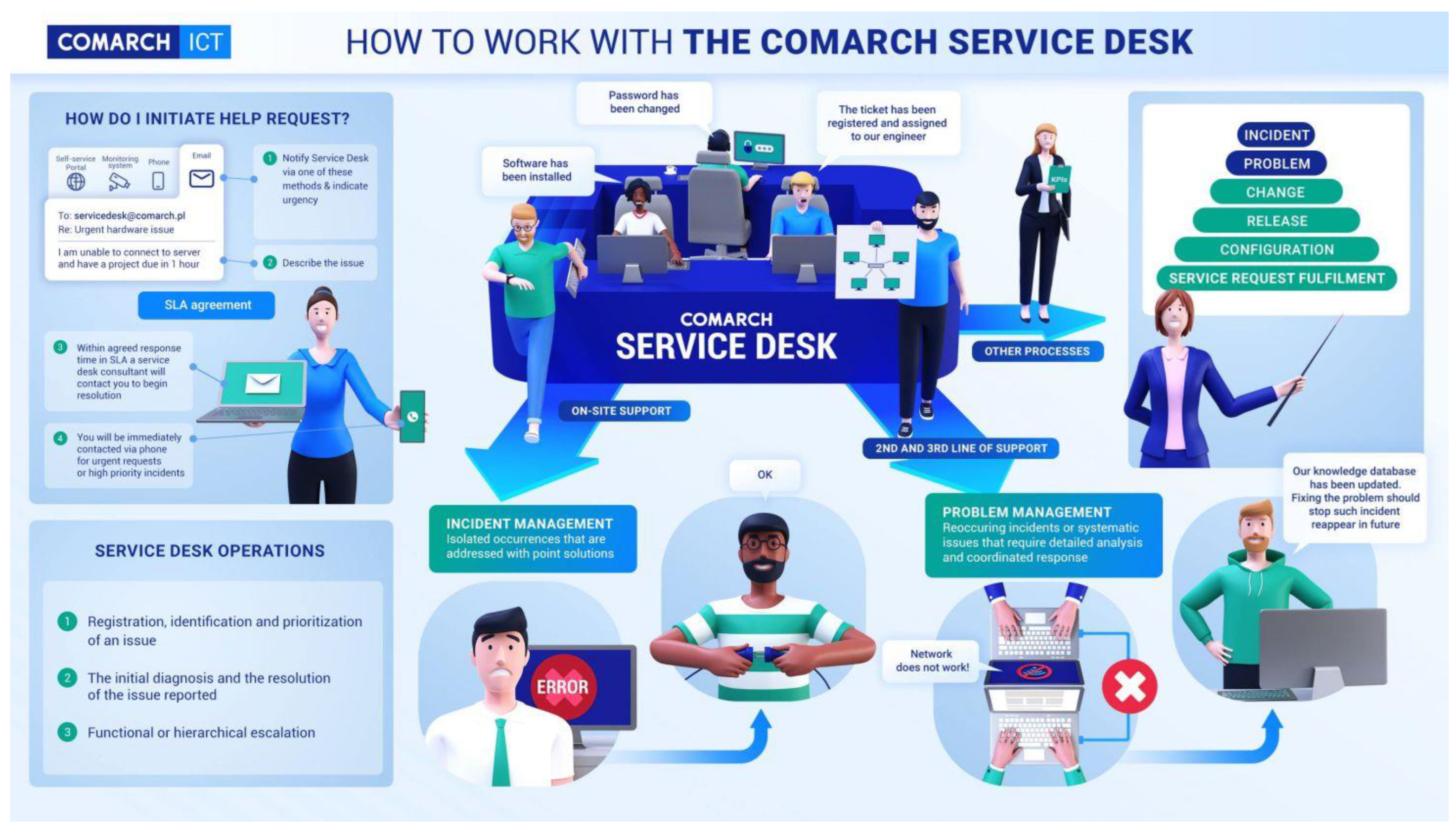
Figure 2.
SLR Flow Diagram.
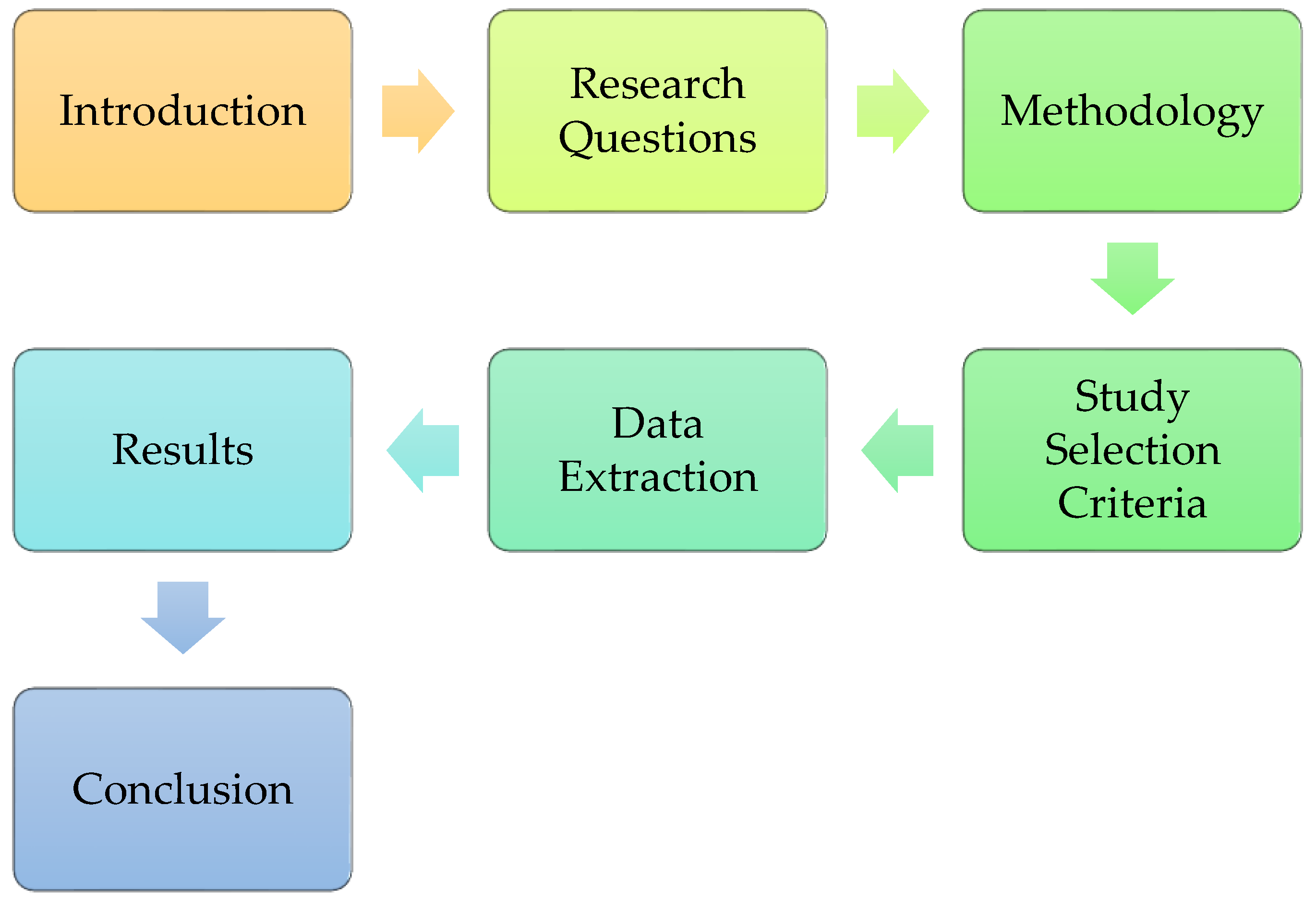
Figure 3.
Flow Chart Explaining Information Sources.
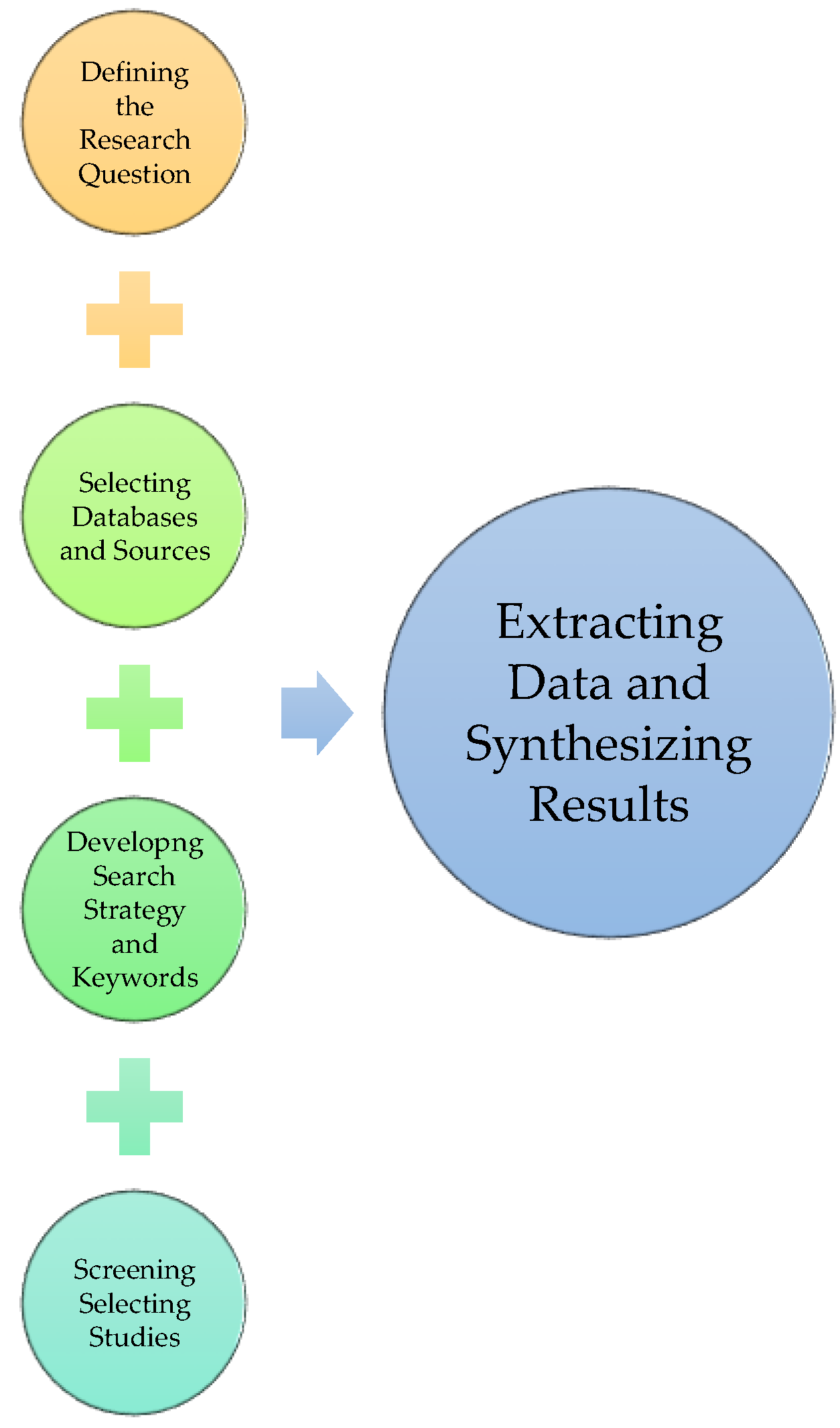
Figure 4.
Data Collection Process Flowchart.
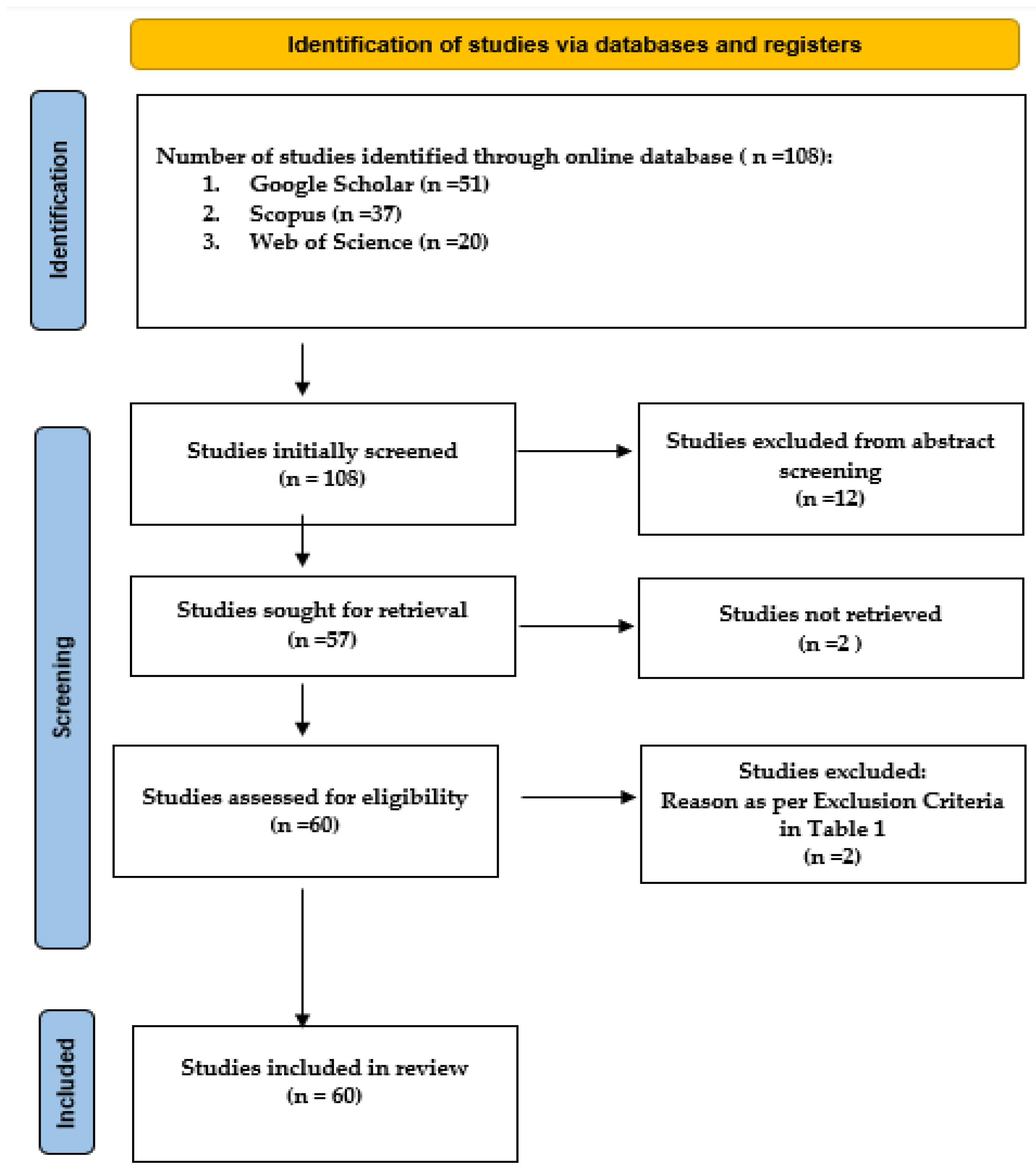
Figure 5.
Proposed Data Collection.
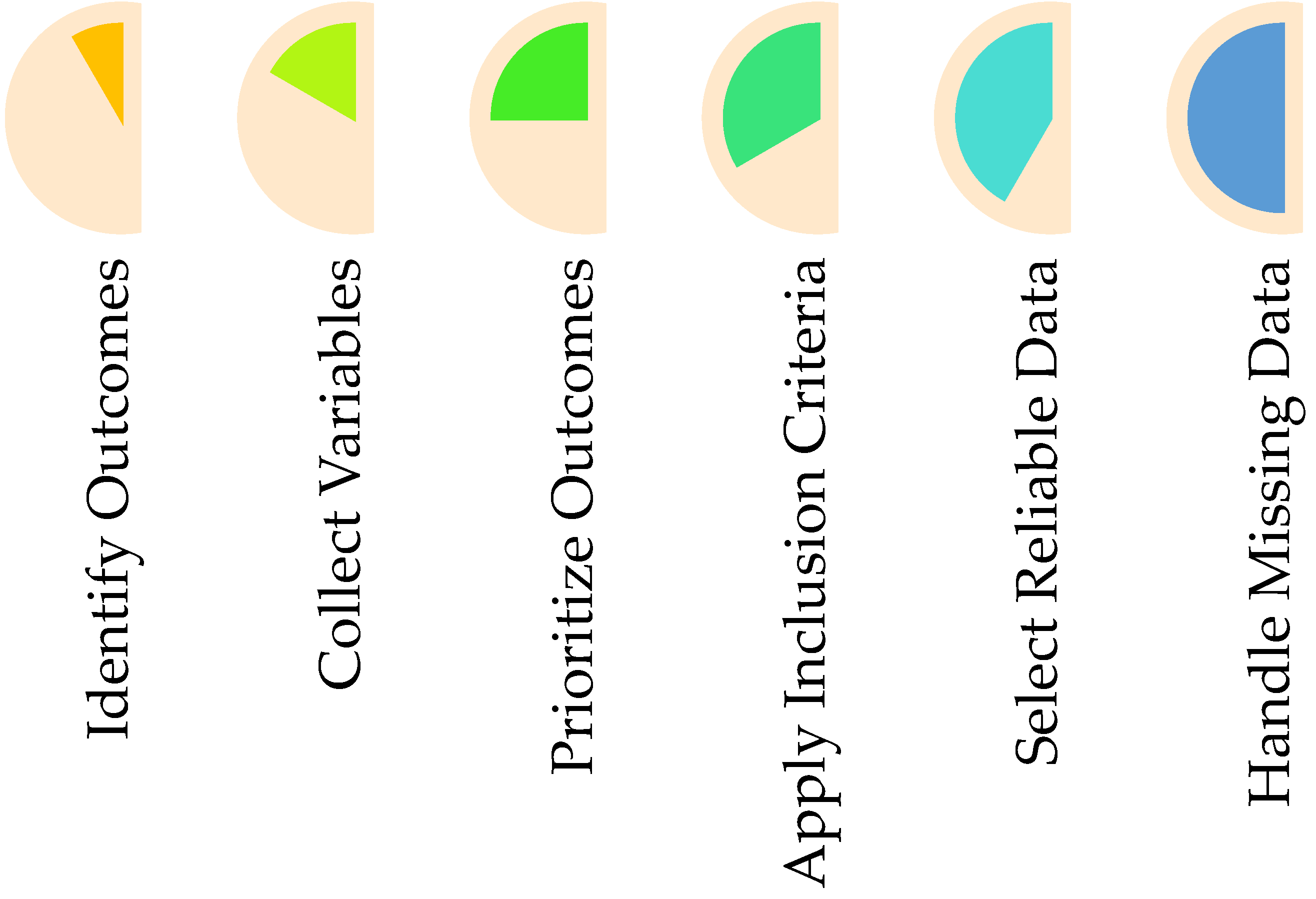
Figure 6.
Synthesis Method.
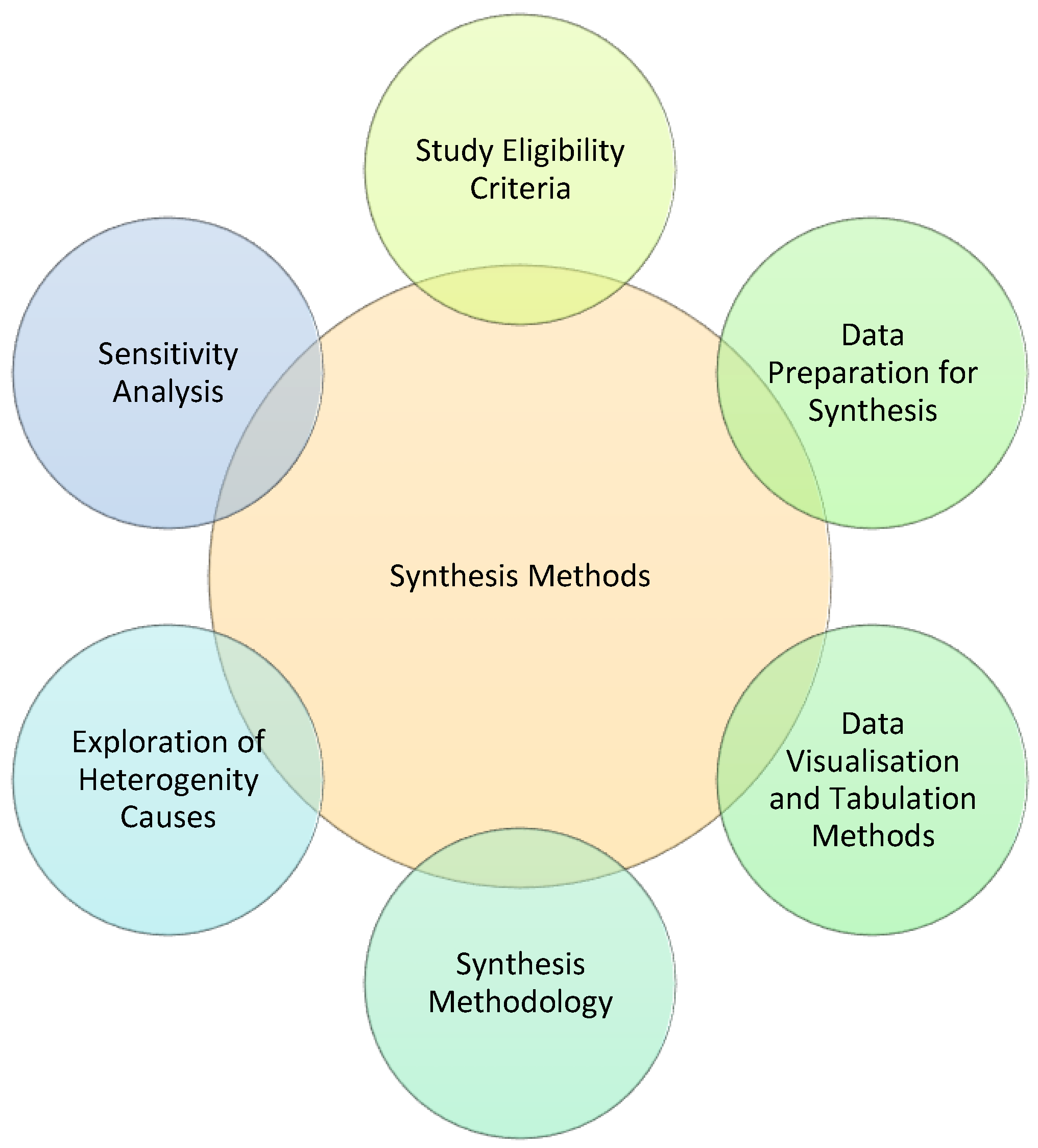
Figure 8.
Phases in Evaluating Results.
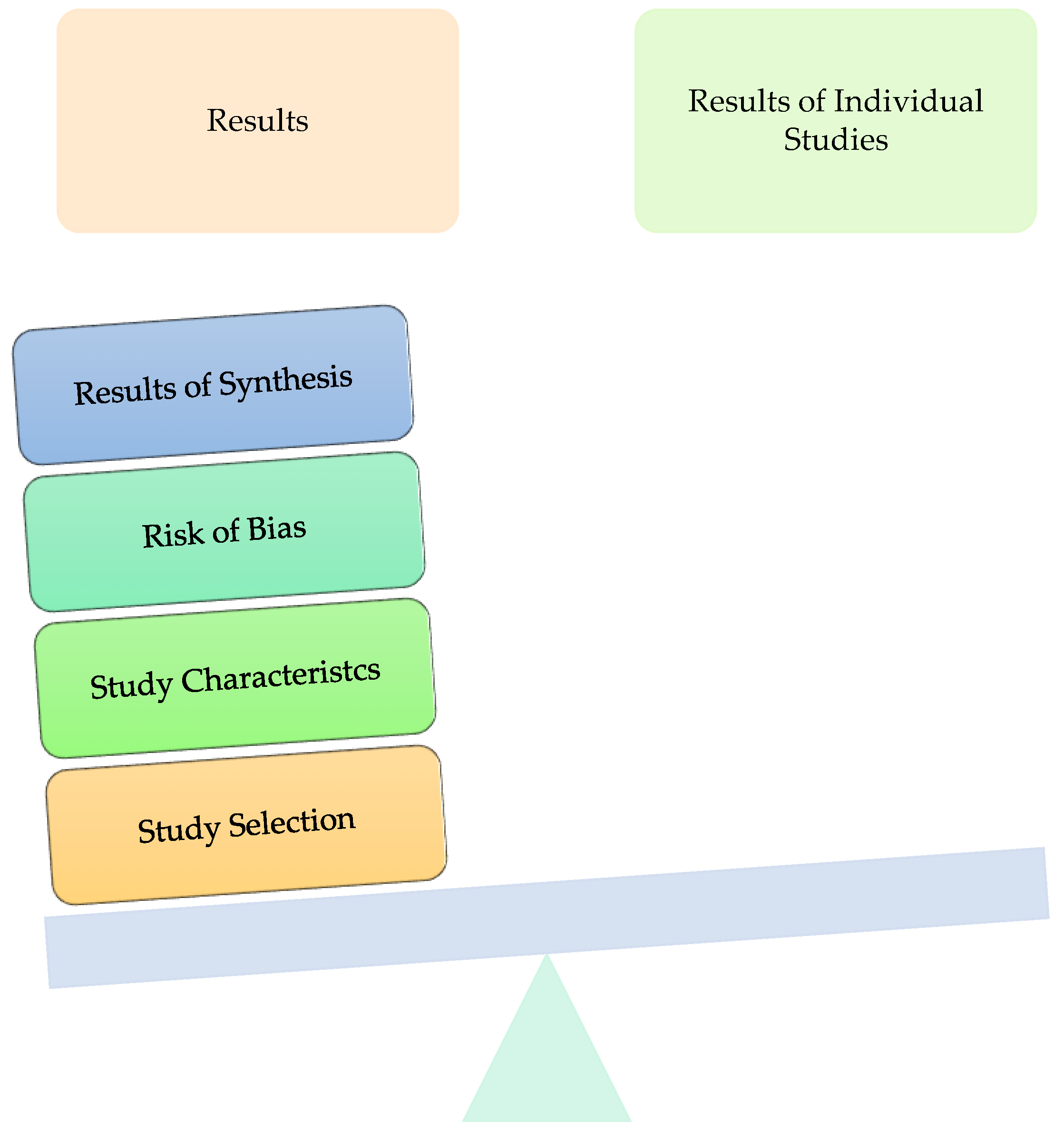
Figure 10.
Annual Distribution of Scholarly Publications (2014-2024).
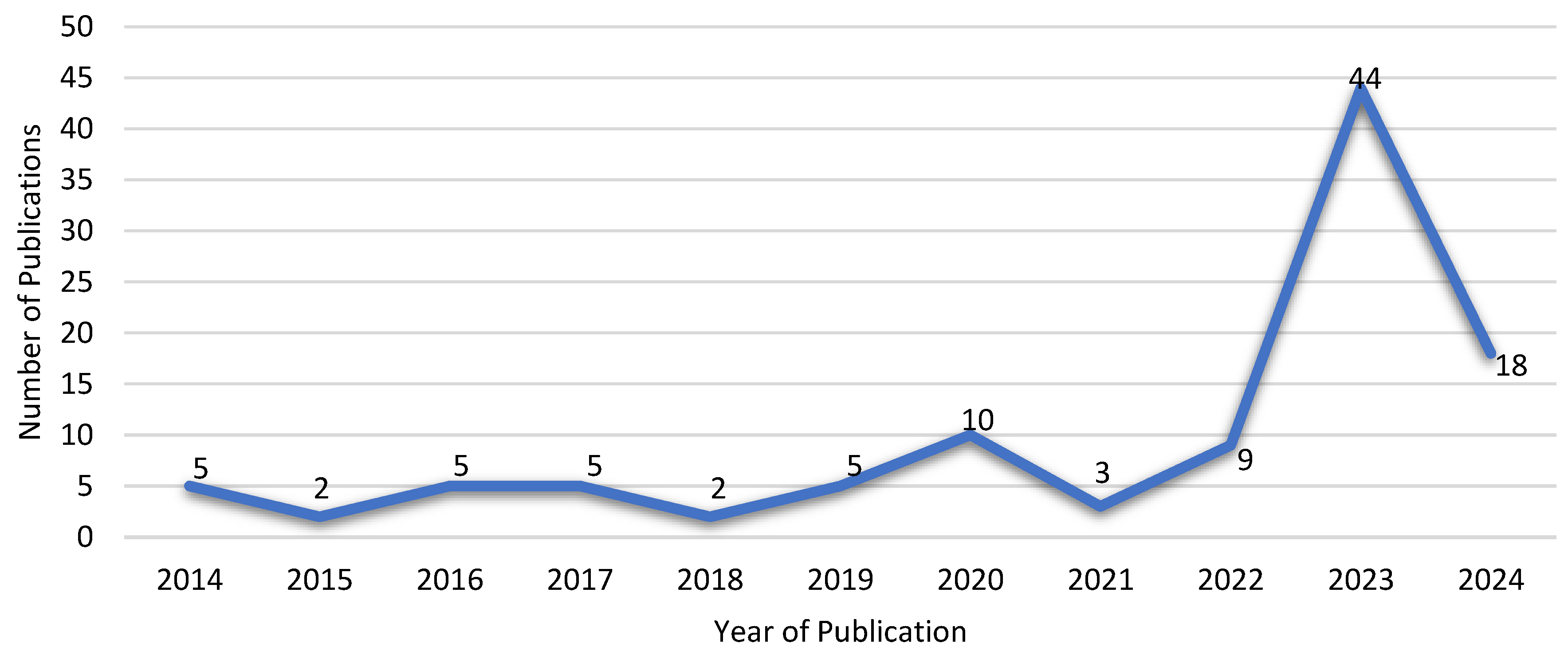
Figure 14.
Study Characteristics Breakdown.
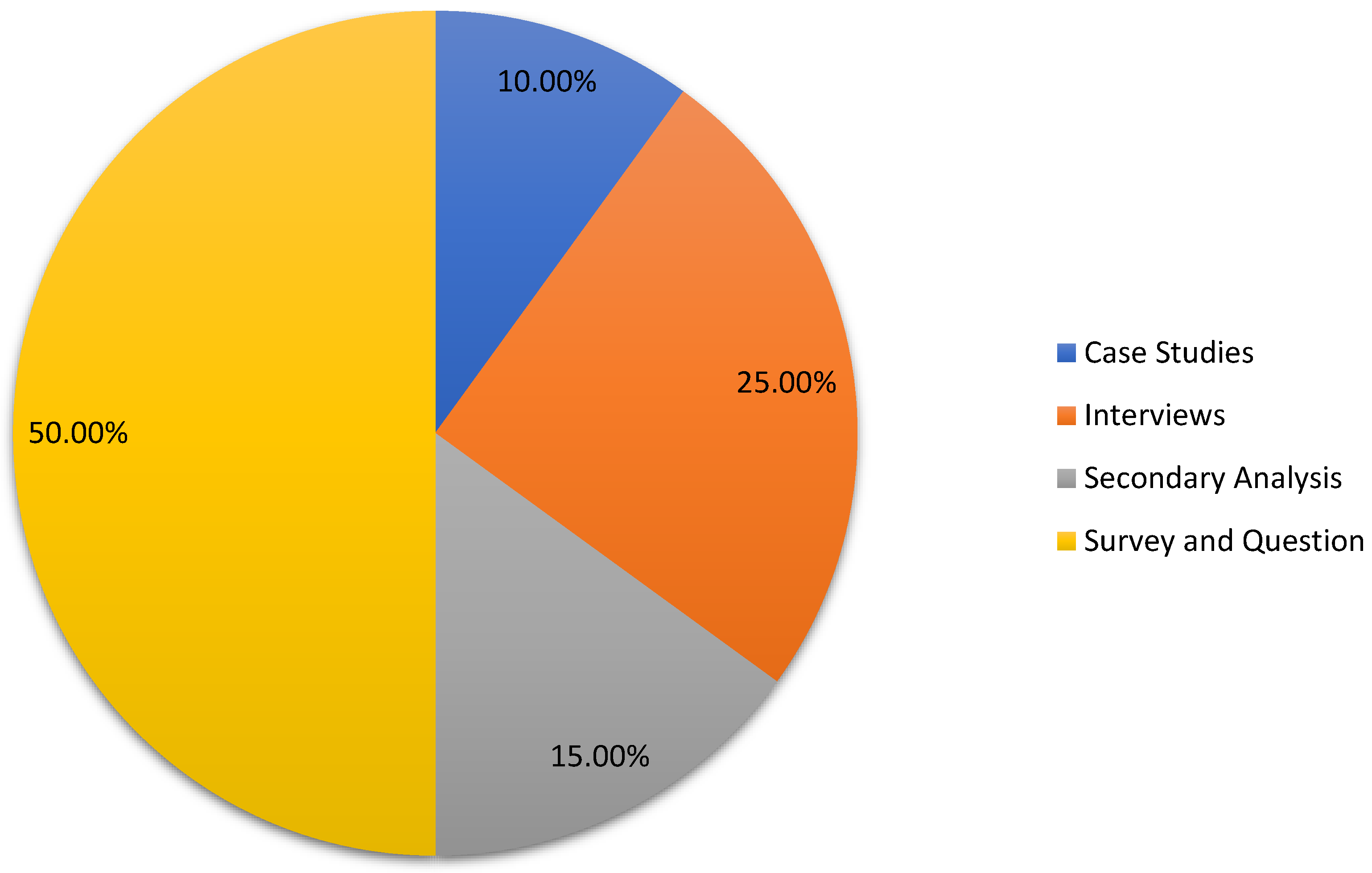
Figure 15.
Analysis Breakdown Methods.
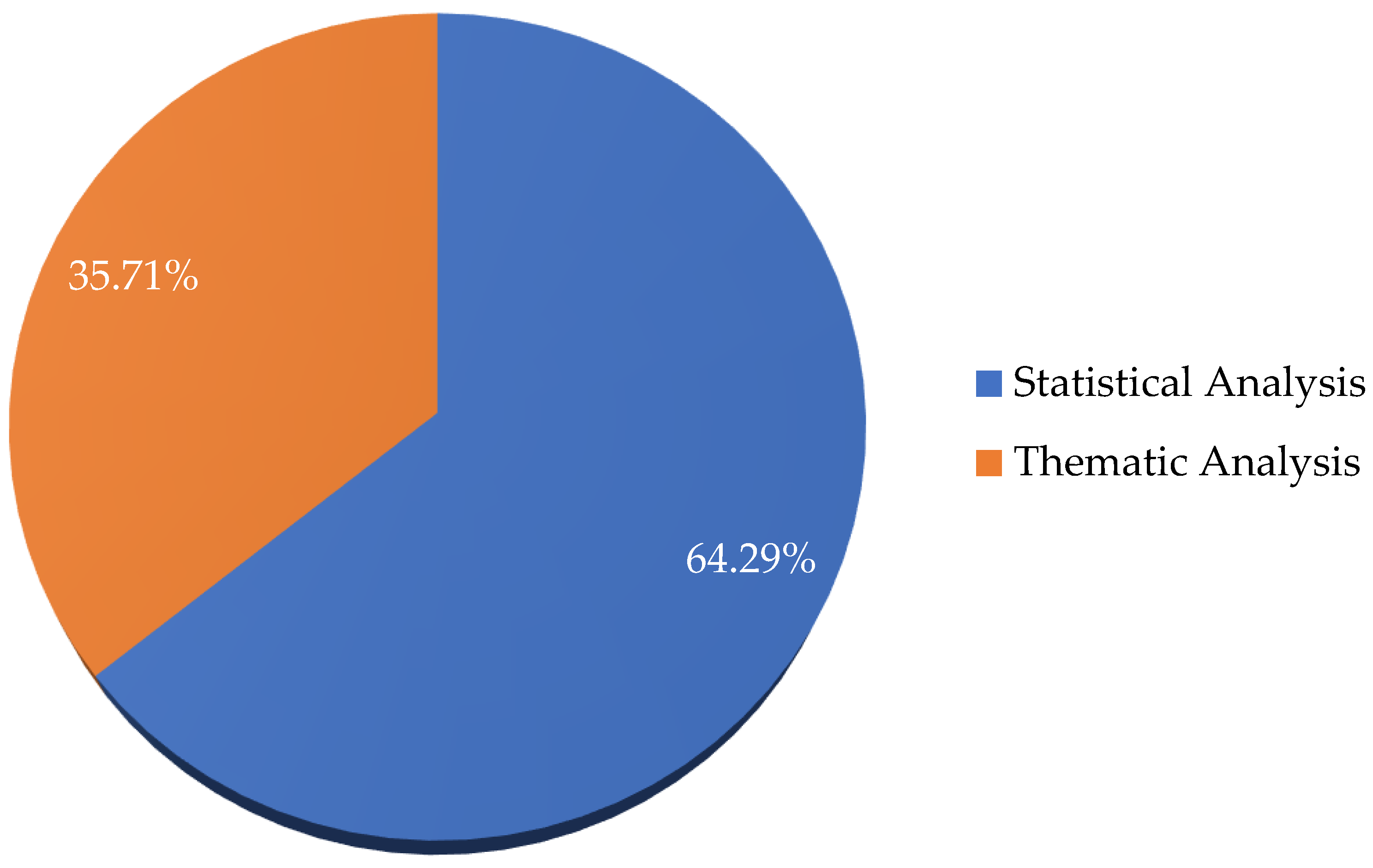
Figure 16.
Sample characteristics.
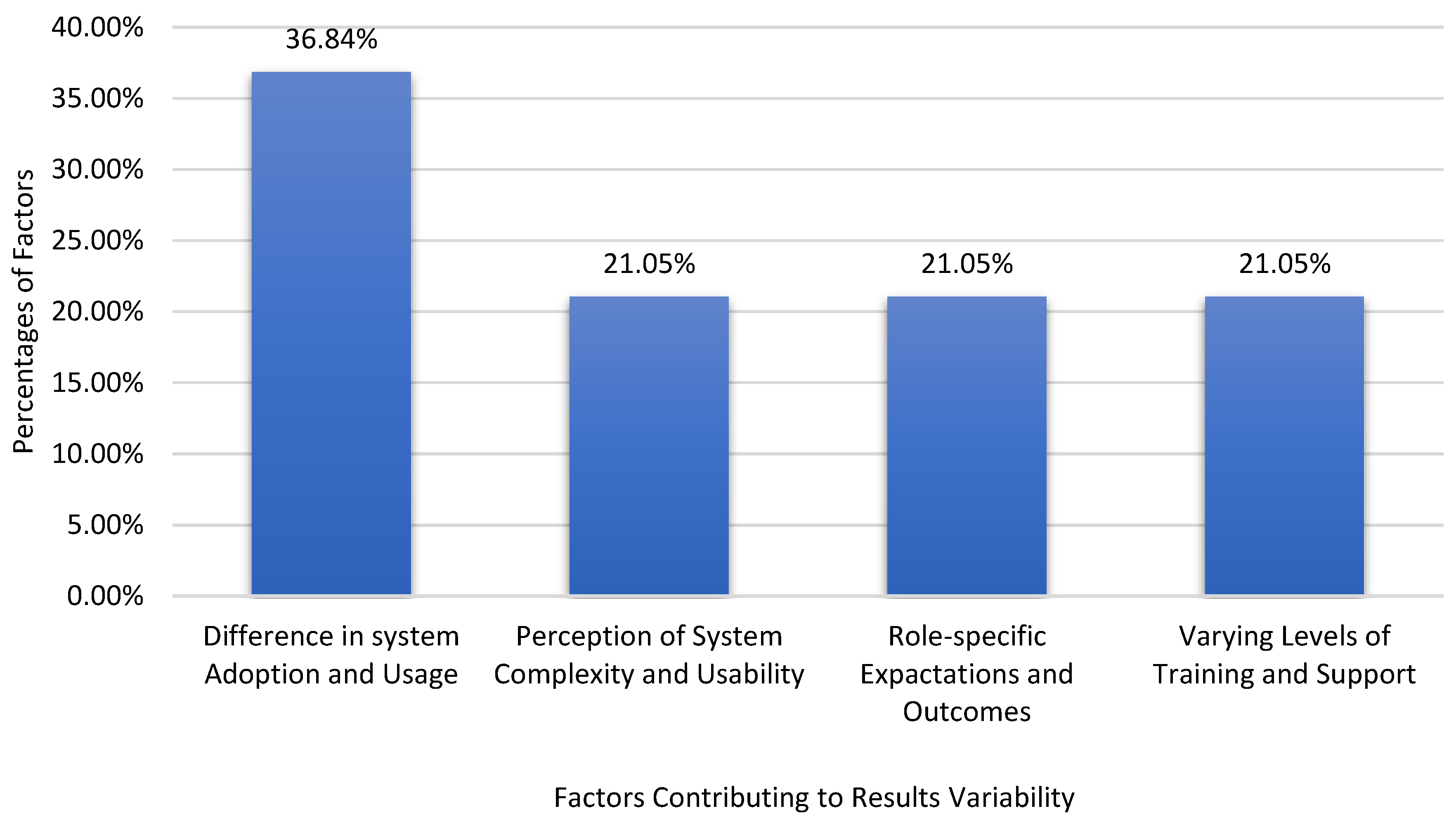
Figure 17.
Utilization of Data Analysis Techniques.
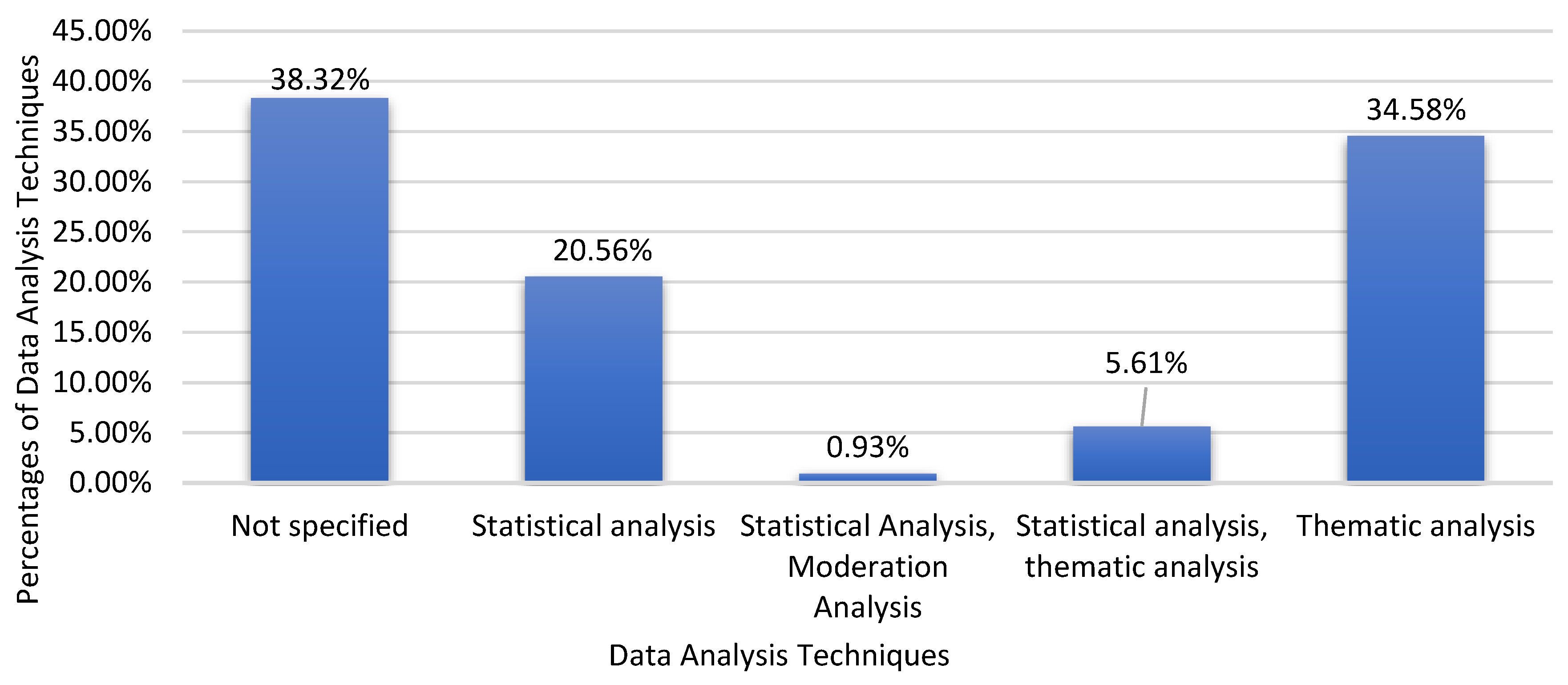
Table 1.
Comparative Analysis of Existing Reviews and Proposed Systematic Review.
| Ref. | Cities | Year | Contribution | Pros | Cons | |||
|---|---|---|---|---|---|---|---|---|
| [11] | 24 | 2014 | Shows how simulations can improve ERP implementation in SMEs. | Enhances decision-making and resource planning. | May not fully address integration challenges or context-specific variations. | |||
| [12] | 55 | 2014 | Introduces a framework for integrating sustainability into MIS specifically for SMEs. | Provides actionable recommendations for SMEs to enhance sustainability practices. | Limited empirical data to support its framework and recommendations. | |||
| [13] | 95 | 2015 | Offers a structured overview of IS research in SMEs, showing current and emerging areas of focus. | Covers a wide range of IS topics relevant to SMEs, providing valuable insights. | The broad scope may be overwhelming and difficult to apply universally. | |||
| [14] | 232 | 2015 | Presents a conceptual model to improve safety in SMEs, emphasizing a tailored approach to occupational health and safety (OHS) interventions. | Addresses the gap in safety research specific to SMEs and suggests practical measures for compliance and improvement. | Focuses more on theoretical frameworks and less on practical implementation details for diverse SME contexts. | |||
| [15] | 68 | 2015 | Proposes a decision support system (DSS) to aid industrial SMEs in transitioning to civilization with a focus on integrating services into their business models. | Provides a generic simulator for modelling and simulating different industrial contexts, enhancing decision-making capabilities. | The system's effectiveness is demonstrated through a case study in remanufacturing, which may not generalize to all industries. | |||
| [16] | 5 | 2016 | Introduces a framework (PrEmISES) for SMEs to manage information by integrating legacy systems with semantic ontologies. | Cost-effective, enhances legacy systems with better knowledge management. | Integration may be challenging for SMEs with limited technical expertise. | |||
| [17] | 16 | 2017 | Introduces a smart decision support system with a focus on user-friendly interfaces and financial ontologies tailored to SME managers. | The system is designed with an intuitive interface that adapts to the manager’s knowledge level, improving decision-making efficiency. | Integrating financial ontologies and eye-tracking analysis may involve complex and costly technology and may not be easily adaptable for all SMEs. | |||
| [18] | 44 | 2018 | Clarifies how strategic information systems planning (SISP) improves SME profitability. | Offers actionable recommendations for better DSS implementation and strategic planning | Findings are based on SMEs in North Greece, which may not apply universally. | |||
| [19] | 27 | 2018 | Provides a new system for structuring and reusing manufacturing knowledge in SMEs. | Offers a tangible solution for improving data management and knowledge reuse. | Effectiveness is primarily validated through a single case study, limiting broader applicability. | |||
| [20] | 1 | 2018 | Analyses KM methods in SMEs, focusing on those in resource-constrained areas. | Provides a comprehensive review and comparative analysis of various KM methods. | Methods reviewed may be less applicable to SMEs with minimal ICT infrastructure. | |||
| [21] | 4 | 2019 | Assesses decision support systems and digitalization needs in Hungary's food sector. | Emphasizes the need for digital upgrades to boost industry competitiveness. | Reveals slow adoption of advanced technologies compared to other sectors. | |||
| [23] | 26 | 2020 | Identifies key factors for effective strategic information systems planning (SISP) in the logistics sector of SMEs, emphasizing the need for goal definition and involvement of logistics executives. | Highlights the importance of involving both IS and logistics managers in IT strategy formulation and emphasizes thorough environmental and organizational analysis. | May overlook specific challenges faced by different SMEs and could benefit from more detailed case studies or examples. | |||
| [24] | 10 | 2021 | Identifies barriers and factors impacting the implementation of early warning, support, and second chance systems for SMEs in the Baltic States. | Highlights critical areas for improving crisis management and support systems, potentially reducing business failures and fostering stronger enterprises. | May not fully address regional specificities or practical challenges in implementing the proposed systems across different SME contexts. | |||
| [25] | 11 | 2021 | Identifies situation analysis as crucial for ISP success in agrifood SMEs. | Focuses on the importance of situation analysis for effective decision-making. | Downplays the importance of other ISP stages. | |||
| [26] | 2 | 2022 | Highlights key factors in ERP adoption for Brazilian SMEs. | Provides valuable insights into ERP adoption in SMEs | Findings may not be generalizable beyond the studied region or sample size. | |||
| [27] | 16 | 2022 | Explores factors influencing the continuance intention of accountants to use AIS in Jordanian SMEs, focusing on UTAUT, TMS, and self-efficacy. | Highlights the significance of TMS and self-efficacy; supports UTAUT theory; identifies key factors affecting AIS usage. | Limited empirical studies on post-adoption behaviors; challenges in AIS usability in developing countries; potential negative effects of TMS on usage intentions. | |||
| [28] | 6 | 2022 | Evaluates the impact of Knowledge Management Systems (KMS) and Decision Support Systems (DSS) on the performance of SMEs in Oman, addressing innovation and leadership in decision-making. | Highlights the importance of KMS and DSS for economic growth; emphasizes the role of innovation and leadership; provides recommendations for best practices in SMEs. | Implementation challenges of KMS; reliance on leadership behavior; need for modern strategies to overcome barriers to innovation. | |||
| [29] | 4 | 2022 | Explores the considerations SMEs face when implementing new target segments, highlighting key areas such as marketing strategies and organizational changes. | Identifies critical areas for successful segmentation; provides practical insights from case studies; addresses potential complexities in implementation. | Limited by reliance on qualitative data from interviews; may not represent all SMEs; potential for organizational resistance not fully explored. | |||
| [30] | 1 | 2022 | Investigates how high-performance work systems (HPWSs) enhance organizational resilience in SMEs, leading to improved firm performance. | Offers a theoretical model linking HRM practices to resilience; distinguishes between bounce-back and bounce-forward resilience; based on robust data from 177 SMEs. | Limited generalizability beyond the Nigerian context; may overlook external factors influencing resilience; focuses mainly on HRM without broader organizational context. | |||
| [31] | 3 | 2023 | Presents a model to incentivize sustainable performance (SUP) in tourism SMEs by strengthening internal relations. | Utilizes a comprehensive methodology combining SNA and PLS-PM; identifies critical factors for fostering SUP; emphasizes adaptability in complex environments. | Limited to the organizational domain within the Mexican context; may lack generalizability to other cultural or economic settings. | |||
| [32] | 1 | 2023 | Characterizes performance measurement systems (PMS) in SMEs, identifying key attributes and their usage from a user perspective. | Offers a detailed analysis of PMS functionalities; emphasizes the importance of user experience in shaping PMS effectiveness; proposes a framework for PMS evaluation. | Limited to a specific context (Québec, Canada); findings may not be universally applicable across different industries or regions. | |||
| [33] | 10 | 2023 | Investigates recruitment practices in SMEs, highlighting the impact of technology and managerial practices. | Provides valuable insights for HR professionals to optimize recruitment in a changing environment. | Limited generalizability due to small sample size and specific geography of study. | |||
| [34] | 1 | 2023 | Discusses the importance of sustainability in SMEs in the Slovak Republic, addressing quality management and economic challenges. | Highlights the critical role of SMEs in national economies and their sustainability needs. | Limited focus on larger enterprises and their role. | |||
| [35] | 2 | 2023 | Explores the factors behind the successful transition of SMEs to sophisticated management control systems (MCS), emphasizing the role of employee buy-in and foundational controls. | Identifies key roadblocks and solutions for SMEs, providing actionable insights for managers. | Limited to a single industry, which may restrict generalizability; cross-sectional research limits longitudinal insights. | |||
| [36] | 4 | 2023 | Develops a conceptual framework for digitalizing maintenance processes in SMEs, integrating technological and organizational factors. | Offers practical insights for low-cost digitalization, bridging high-tech concepts with real-world SME challenges. | May oversimplify complex digital transformation processes. | |||
| [37] | 30 | 2024 | Utilizes the Markov Decision Model and Particle Swarm Optimization to identify optimal maintenance parameters for SMEs, enhancing machine availability significantly. | Provides a data-driven approach to maintenance, potentially increasing machine availability by over 73% | Results may vary in different contexts, and reliance on algorithms could overlook practical maintenance challenges. | |||
| [38] | 7 | 2024 | Analyzes factors affecting information system performance in Korean SMEs, highlighting the importance of top management support and system usage. | Offers valuable insights for improving corporate competitiveness in SMEs, emphasizing practical applications. | Focuses solely on Korean SMEs, which may limit generalizability to other contexts. | |||
| [39] | 2 | 2024 | Proposes a two-tier approach using NLP for digital system identification and country-specific analysis to address SMEs' digital challenges in developing countries. | Offers a comprehensive framework for sustainable digital transformation, enhancing SMEs' growth and competitiveness. | Focuses on developing countries, which may not apply universally to all SMEs. | |||
| [40] | 1 | 2024 | Develops a workplace design framework tailored for manufacturing SMEs in Indonesia, providing guidance for managers. | Addresses specific needs of SMEs in developing countries, promoting safety and productivity in the workplace. | May require adjustments for different contexts beyond Indonesia or other sectors. | |||
| [41] | 3 | 2024 | Discusses the digital transformation journey of a UK-based SME, highlighting improvements in key performance indices through technology adoption and a digital twin architecture. | Emphasizes the benefits of Industry 4.0, enhances competitiveness, and uses a structured approach to digitalization. | Potential challenges in implementation for other SMEs, as findings may be specific to the case study. | |||
| Proposed systematic review | Consolidates studies on functional systems in small and medium-sized enterprises (SMEs), emphasizing the ways in which ERP, CRM, and HRM have aided in managerial decision-making, worker productivity, and internal operations. | In addition to identifying research gaps and practical issues, this analysis provides a thorough overview of functional systems and lays the groundwork for future studies and prospective advances in system integration to better support managers and staff in small and medium-sized enterprises. | - | |||||
Table 2.
Proposed Inclusion and Exclusion criteria.
| Criteria | Inclusion | Exclusion |
|---|---|---|
| Topic | Research must focus on ERP, CRM, and HRM Systems for SMEs, Managerial and Employee Support: A Systematic Review | Research papers not focusing on Functional Systems and Their Support for Managers and Workers: A Systematic Review |
| Research Framework | The articles must include a research framework or methodology for functional systems and their support for managers and workers. | Articles lacking a clear research framework or methodology for functional systems and their support for managers and workers. |
| Language | Papers written in English. | Papers not in English. |
| Period | Publications within 2014 and 2024. | Publications outside 2014 and 2024. |
Table 5.
Proposed Risk of bias Assessment.
| Ref. | Selection (0-4 stars) | Comparability (0-2 stars) | Outcome/Exposure (0-3 stars) | Total Stars | Quality Rating |
|---|---|---|---|---|---|
| [1] | ★★ | ★★ | ★★ | 6 | Low-Moderate |
| [2] | ★★★ | ★★ | ★★ | 7 | Moderate |
| [3] | ★★★ | ★★ | ★★★ | 8 | Moderate-High |
| [4] | ★★★★ | ★★ | ★★★ | 9 | High |
| [5] | ★★★ | ★★ | ★★★ | 8 | Moderate-High |
| [6] | ★★★★ | ★★ | ★★★ | 9 | High |
| [7] | ★★ | ★ | ★★ | 5 | Low |
| [8] | ★★★ | ★★ | ★★ | 7 | Moderate |
| [9] | ★★★ | ★★ | ★★ | 7 | Moderate |
| [10] | ★★ | ★★ | ★ | 6 | Low-Moderate |
| [11] | ★★★ | ★★ | ★★ | 7 | Moderate |
| [12] | ★★★ | ★ | ★★ | 6 | Low-Moderate |
| [13] | ★★★ | ★★ | ★★★ | 8 | Moderate-High |
| [14] | ★★ | ★★ | ★ | 6 | Low-Moderate |
| [15] | ★★★ | ★★ | ★★ | 7 | Moderate |
| [16] | ★★★ | ★★ | ★★★ | 8 | Moderate-High |
| [17] | ★★★★ | ★★ | ★★ | 8 | Moderate-High |
| [18] | ★★★ | ★★ | ★★ | 7 | Moderate |
| [19] | ★★ | ★★ | ★★ | 6 | Low-Moderate |
| [20] | ★★★ | ★★ | ★★ | 7 | Moderate |
| [21] | ★★★ | ★★ | ★★★ | 8 | Moderate-High |
| [22] | ★★ | ★ | ★★ | 5 | Low |
| [23] | ★★ | ★ | ★ | 4 | Low |
| [24] | ★★★ | ★★ | ★★ | 7 | Moderate |
| [25] | ★★★ | ★★ | ★★ | 7 | Moderate |
| [26] | ★★★★ | ★★ | ★★★ | 9 | High |
| [27] | ★★★ | ★★ | ★★★ | 8 | Moderate-High |
| [28] | ★★★★ | ★★ | ★★ | 8 | Moderate-High |
| [29] | ★★★ | ★★ | ★★★ | 8 | Moderate-High |
| - | - | - | - | - | - |
| - | - | - | - | - | - |
| - | - | - | - | - | - |
| [98] | ★★★ | ★★ | ★★ | 7 | Moderate |
| [99] | ★★★★ | ★★ | ★★ | 8 | Moderate-High |
| [100] | ★★★ | ★ | ★★ | 6 | Low-Moderate |
| [101] | ★★★★ | ★★ | ★★★ | 9 | High |
| [102] | ★★★ | ★★ | ★★ | 7 | Moderate |
| [103] | ★★★★ | ★★ | ★★★ | 9 | High |
| [104] | ★★★ | ★★ | ★★★ | 8 | Moderate-High |
| [105] | ★★★★ | ★★ | ★★★ | 9 | High |
| [106] | ★★★ | ★★ | ★★ | 7 | Moderate |
| [107] | ★★★★ | ★★ | ★★★ | 9 | High |
| [108] | ★★★ | ★★ | ★★ | 7 | Moderate |
Table 6.
Effect Measures.
| Outcome Category | Outcome Type | Effect Measure | Description |
|---|---|---|---|
| Managerial Support Outcomes | Decision-Making Efficiency | Mean Difference | Compared time and quality of decisions before and after system implementation using surveys/Likert scales. |
|
Managerial Satisfaction |
Mean Difference | Measured satisfaction before and after system implementation through self-reported surveys. | |
| Worker Support Outcomes | Task Efficiency | Task Efficiency Metric | Compared task completion times and number of tasks done before and after system adoption. |
| Job Satisfaction | Odds Ratios | Compared task completion times and number of tasks done before and after system adoption | |
| Work-Related Stress | Mean Difference | Estimated the likelihood of increased job satisfaction after system adoption using pre- and post-installation data. | |
| Work-Related Stress | Mean Difference | Measured changes in stress levels using self-reported stress scales before and after system implementation. | |
| Combined Managerial and Worker Outcomes | Productivity Gains |
Risk Ratios | Assessed probability of increased productivity in SMEs with functional systems compared to those without. |
| Employee Turnover | Hazard Ratios | Assessed the risk of turnover over time in SMEs with and without functional systems. | |
| Financial Performance | Mean Difference | Compared financial performance (revenue, profit margins, cost savings) before and after system implementation. |
Table 7.
Pivot Chart to Visualize and Analyze Data.
| No. | Online Repository | Number of Results |
|---|---|---|
| Pie Chart | A pie chart shows parts of a whole as slices of a circle, making it easy to see how different categories contribute to the total. | Percentages |
| Line Chart | A line chart connects data points with lines to reveal trends and changes over time, helping track progress and fluctuations. | Numbers |
| Clustered Column Chart | A clustered column chart displays multiple columns for each category, allowing comparison of different series side by side within each category. | Percentages |
Table 9.
Research Quality Assessment.
| Questions(Q) | Research Quality Assessment Questions |
|---|---|
| Q1 | Are the objectives of the research clearly stated? |
| Q2 | Does the study properly outline the techniques used to acquire the data? |
| Q3 | Has the effect of functional systems on the performance of SMEs been carefully and lucidly examined? |
| Q4 | Is a suitable and transparent research approach applied in this study? |
| Q5 | Do the study's findings bring anything new to the body of knowledge already written about the subject? |
| Q6 | Do the findings broaden the body of knowledge? |
Table 10.
Findings from the Literature Quality Assessment.
| Ref. | Q1 | Q2 | Q3 | Q4 | Q5 | Q6 | Total | % |
|---|---|---|---|---|---|---|---|---|
| [30] | 1 | 1 | 1 | 1 | 0.5 | 1 | 5.5 | 92% |
| [31] | 1 | 0.5 | 0.5 | 1 | 0.5 | 0.5 | 3.5 | 58% |
| [32] | 0.5 | 1 | 1 | 0.5 | 1 | 0.5 | 3.5 | 58% |
| [33] | 1 | 0.5 | 0.5 | 0.5 | 0.5 | 0.5 | 2.5 | 42% |
| [35] | 0.5 | 1 | 1 | 1 | 1 | 1 | 5.5 | 92% |
| [36] | 1 | 1 | 1 | 1 | 0.5 | 1 | 5.5 | 92% |
| [37] | 1 | 0.5 | 0.5 | 0.5 | 1 | 0.5 | 3.0 | 50% |
| [38] | 0.5 | 1 | 1 | 1 | 1 | 1 | 5.5 | 92% |
| [39] | 1 | 1 | 1 | 1 | 1 | 1 | 6.0 | 100% |
| [40] | 1 | 1 | 1 | 0.5 | 1 | 0.5 | 5.0 | 83% |
| [41] | 0.5 | 1 | 0.5 | 1 | 0.5 | 0.5 | 3.5 | 58% |
| [42] | 1 | 0.5 | 1 | 1 | 0.5 | 0.5 | 4.5 | 75% |
| [42] | 1 | 1 | 1 | 1 | 0.5 | 1 | 5.5 | 92% |
| [43] | 0.5 | 0.5 | 0.5 | 0.5 | 0.5 | 0.5 | 2.5 | 42% |
| [44] | 1 | 1 | 1 | 0.5 | 1 | 1 | 5.5 | 92% |
| [45] | 1 | 1 | 1 | 1 | 1 | 1 | 6.0 | 100% |
| [46] | 1 | 0.5 | 1 | 1 | 0.5 | 0.5 | 4.0 | 67% |
| [47] | 1 | 1 | 0.5 | 1 | 1 | 1 | 5.5 | 92% |
| [48] | 1 | 1 | 1 | 1 | 1 | 1 | 6.0 | 100% |
| [49] | 0.5 | 0.5 | 1 | 0.5 | 0.5 | 0.5 | 2.5 | 42% |
| [50] | 1 | 1 | 1 | 1 | 0.5 | 1 | 5.5 | 92% |
| [51] | 1 | 0.5 | 1 | 0.5 | 0.5 | 0.5 | 3.0 | 50% |
| [52] | 0.5 | 0.5 | 0.5 | 0.5 | 0.5 | 0.5 | 2.5 | 42% |
| [53] | 1 | 1 | 1 | 1 | 1 | 1 | 6.0 | 100% |
| [54] | 1 | 1 | 1 | 1 | 1 | 1 | 6.0 | 100% |
| [55] | 0.5 | 0.5 | 0.5 | 0.5 | 0.5 | 0.5 | 2.5 | 42% |
| [56] | 1 | 0.5 | 0.5 | 1 | 0.5 | 0.5 | 3.0 | 50% |
| [57] | 0.5 | 1 | 0.5 | 0.5 | 0.5 | 0.5 | 2.5 | 42% |
| [58] | 1 | 0.5 | 1 | 0.5 | 1 | 0.5 | 3.0 | 50% |
| [59] | 0.5 | 1 | 0.5 | 0.5 | 1 | 0.5 | 2.5 | 42% |
| [60] | 1 | 0.5 | 0.5 | 1 | 0.5 | 0.5 | 4.0 | 67% |
| [61] | 1 | 1 | 0.5 | 1 | 1 | 1 | 5.5 | 92% |
| [62] | 0.5 | 0.5 | 0.5 | 0.5 | 0.5 | 0.5 | 3.0 | 50% |
| [63] | 1 | 1 | 1 | 1 | 0.5 | 1 | 5.5 | 92% |
| [64] | 1 | 0.5 | 0.5 | 0.5 | 0.5 | 0.5 | 3.5 | 58% |
| [66] | 1 | 1 | 1 | 1 | 1 | 1 | 6.0 | 100% |
| [67] | 0.5 | 0.5 | 0.5 | 0.5 | 0.5 | 0.5 | 3.0 | 50% |
| [68] | 1 | 1 | 1 | 1 | 0.5 | 1 | 5.5 | 92% |
| [69] | 0.5 | 0.5 | 0.5 | 0.5 | 0.5 | 0.5 | 3.0 | 50% |
| [70] | 1 | 1 | 1 | 1 | 1 | 1 | 6.0 | 100% |
Table 12.
Contribution of Studies.
| Ref. | Category | Facility | Contribution |
|---|---|---|---|
| [71] | HRM | Human resource management systems | Adoption of big data analytics improves decision-making, task efficiency, and operation efficiency. |
| [72] | HRM | Human resource management systems | High-performance work systems promote sustainable performance and competitive advantage in SMEs. |
| [73] | ERM | Financial management systems | ERP systems increase accessibility of information and improve ease of use, boosting efficiency. |
| [74] | ERM | Financial management systems | Green business process management enhances business sustainability in manufacturing SMEs. |
| [75] | HRM | Human resource management systems | Innovation-oriented HR systems contribute to revenue growth and ease of use in SMEs. |
| [76] | ERM | Financial management systems | Risk management frameworks improve business sustainability through better information security. |
| [77] | ERM | Management accounting systems | Utilization of management accounting systems enhances accessibility and ease of use in financial processes. |
| [78] | CRM | Collaborative learning platforms | Collaborative platforms improve productivity, information accessibility, and efficiency in SMEs. |
| [79] | ERM | Financial management systems | Adoption of Industry 4.0 technologies improve competitiveness and sustainable practices in SMEs. |
| [80] | HRM | Human resource management systems | Human resource management systems foster competitive advantage and improve task efficiency in SMEs. |
| [81] | HRM | Human resource management systems | Industry 4.0 adoption enhances task efficiency and competitive advantage in SMEs within developing economies. |
| [82] | CRM | Information technology systems | Modeling organizational resilience improves business sustainability by understanding how SMEs respond to challenges. |
| [83] | ERM | Supply Chain Management Systems | ERP systems from SAP and Microsoft boost operation efficiency and competitive advantage for SMEs globally. |
| [84] | ERM | Financial management systems | ERP systems adoption in SMEs enhances decision-making and operational efficiency, especially in challenging times. |
| [85] | HRM | Human resource management systems | Predictive maintenance systems help SMEs achieve cost savings and operational efficiency through decision-support tools. |
| [86] | HRM | Human resource management systems | Government support combined with international knowledge improves decision-making, task, and operational efficiency in emerging markets. |
| [87] | HRM | Human resource management systems | A workplace design framework for SMEs enhances decision-making efficiency, operational efficiency, and sustainability. |
| [88] | HRM | Human resource management systems | Continuous improvement initiatives boost decision-making and operational efficiency, contributing to business sustainability. |
| [89] | CRM | Collaborative learning platforms | Interpretive structural modeling helps SMEs in Indonesia and Malaysia improve decision-making and operational efficiency. |
| [90] | ERM | Supply Chain Management Systems | Cloud-based systems like the Cloud of Things improve operational efficiency and competitiveness in Indian SMEs. |
| [91] | HRM | Human resource management systems | Challenges in adopting free software impact cost savings and information accessibility in SMEs. |
| [92] | HRM | Human resource management systems | Machine learning enhances crisis management and provides a competitive edge in SMEs. |
| [93] | ERM | Financial management systems | Accounting systems improve decision-making, task efficiency, and cost savings in financial reporting. |
| [94] | HRM | Human resource information systems | HRIS enhances decision-making efficiency and contributes to HR efficiency in SMEs. |
| [95] | HRM | Human resource management systems | Data-driven systems improve operational efficiency and accessibility of information in SMEs. |
| [96] | ERM | Financial management systems | Accounting systems improve performance and sustainability in Indonesian SMEs. |
| [97] | ERM | Financial management systems | Total quality management positively impacts decision-making and sustainable development in SMEs. |
| [98] | ERM | Frontend & Backend processes | Digital transformation strategies create competitive advantages through backend and frontend integration. |
| [99] | ERM | Financial management systems | BPM systems increase task efficiency and operational performance in agribusiness SMEs. |
| [100] | ERM | Financial management systems | Financial management practices enhance decision-making and lead to revenue growth in SMEs. |
| [101] | ERM | Financial Management Systems | Accounting Information Systems in SMEs improve accessibility and ease of use, contributing to sustainability. |
| [102] | HRM | Human resource management systems | Digital transformation using business intelligence enhances operational efficiency and revenue growth. |
| [103] | ERM | Financial Management Systems | Process mining identifies workarounds in SMEs, improving operational efficiency and competitive advantage. |
| [104] | HRM | Human resource management systems | Lean practices transform SMEs, fostering competitive advantage and sustainability. |
| [105] | ERM | Financial Management Systems | Industrial Internet and AI drive decision-making efficiency, enhancing business sustainability and competitiveness. |
| [106] | HRM | Human resource management systems | Collaborative design in SMEs boosts information accessibility and operational efficiency. |
| [107] | ERM | Financial Management Systems | Business continuity management strengthens resilience, improving decision-making and task efficiency. |
| [108] | CRM | Information technology systems | Overcoming innovation deficiencies through IT fosters business sustainability in SMEs. |
Table 14.
Proposed Decision-Making Framework for Implementing the Systematic Review.
| 0 | 1 | 2 | 3 | 4 | |
|---|---|---|---|---|---|
| Step | Assess Business Needs | Select Appropriate Tools | Allocate Budget | Train Employees | Measure Performance |
| Description | Identify challenges and objectives specific to the business to ensure relevant solutions are chosen. | Evaluate and choose software that meets the specific needs and scale of the organization. | Determine the financial resources available, considering potential funding strategies to mitigate costs. | Implement training programs to equip staff with the necessary skills to effectively use the new systems. | Use key performance indicators to assess the effectiveness of the systems and identify areas for improvement. |
| Strategic Implications | Ensures relevant software solutions that directly address business challenges. | Choosing scalable and supportive software ensures smooth operational integration. | Adequate budgeting ensures long-term sustainability of implemented systems. | Proper training maximizes system usage and improves employee productivity. | Continuous performance measurement ensures systems achieve desired outcomes. |
| Challenges | Understanding diverse needs may be time-consuming. | Finding compatible software within budget can be challenging. | Financial limitations may delay or limit implementation. | Training programs can be costly and time-intensive. | KPIs may not be fully aligned with all business objectives. |
| Opportunities | Tailored systems improve efficiency and address industry-specific needs. | Selecting cloud-based or scalable solutions provides flexibility. | Phased implementation can reduce upfront costs. | Upskilling employees ensures long-term system success. | Ongoing assessment enables continuous improvement. |
| SME Categories | Manufacturing, Retail, Finance, Healthcare, Construction | SMEs across industries, including Manufacturing, Retail, and Finance | Small-to-medium-sized enterprises with financial constraints | All SMEs across industries, particularly labor-intensive sectors | All industries implementing ERP, CRM, and HRM systems |
| Strategic Drivers | Efficiency, alignment with business goals, customer satisfaction | Scalability, long-term business growth, competitive advantage | Financial stability, cost-effective implementation | Productivity, system adoption, operational efficiency | Growth, competitiveness, customer retention |
| Expected Outcome (by Industry) | Enhanced operational efficiency, reduced costs in manufacturing and finance | Improved customer engagement in retail, better resource management in construction | Sustainable financial management across all SME sectors | Higher employee retention, streamlined operations in healthcare and education | Improved decision-making, higher customer satisfaction in retail and hospitality |
| Ties to Proposed Study | Aligns with study focus on SME operational efficiency improvements | Supports the research objectives of evaluating ERP and CRM system benefits | Directly relates to SME financial constraints and strategies for successful system adoption | Enhances research focus on HRM systems and their role in workforce productivity | Directly supports study’s objective of quantifying performance improvements in SMEs |
Table 15.
Proposed Best Practices for Successful Implementation of the Study.
| Best Practice | Benefit | Risk to Avoid | Strategic Importance | Challenges | Opportunities | SME Categories |
|---|---|---|---|---|---|---|
| Thorough training for employees | Increases system adoption rates | Underestimating training needs | Improves overall workforce efficiency | Difficulty in creating comprehensive training programs for all levels | Improved team productivity and higher system adoption | Manufacturing, Retail, Finance |
| Phased implementation | Reduces implementation risks | Overwhelming the workforce with new systems | Mitigates risk and supports smoother transitions | Complexity of managing phased rollouts across departments | Less disruption to day-to-day operations during the transition | Healthcare, Education, Finance |
| Regular system evaluations | Identifies performance issues early | Neglecting ongoing system maintenance | Allows timely identification of issues for correction | Establishing consistent metrics for evaluation across various systems | Optimized system performance and better return on investment | Hospitality, Construction, Retail |
| Involvement of key stakeholders | Ensures alignment with business goals | Lack of buy-in from critical users | Ensures the solution supports organizational objectives | Ensuring all stakeholders remain engaged throughout the process | Stronger collaboration across departments, enhancing buy-in | All sectors |
| Clear communication strategy | Enhances user engagement and reduces resistance | Poor communication leading to confusion and mistrust | Fosters a more collaborative and transparent transition | Developing communication strategies that resonate with diverse teams | Increased user participation, reducing resistance to change | All sectors |
| Customizable solutions | Adapts systems to specific business needs | Implementing one-size-fits-all solutions | Ensures system is tailored to specific operational needs | Finding the right level of customization without excessive cost | Enhanced alignment of the system with specific business goals | Manufacturing, Retail, Education |
| Robust data migration plan | Ensures data integrity and reliability | Data loss or corruption during transfer | Prevents data-related setbacks, improving reliability | Addressing potential incompatibilities with legacy systems during migration | Higher trust in the system, ensuring seamless operations | Finance, Retail, Manufacturing |
| Continuous support and feedback loop | Sustains system performance and user satisfaction | Ignoring user feedback leads to persistent issues | Creates a feedback loop that ensures system evolution | Maintaining a dedicated team for continuous support and feedback | Long-term success with a system that evolves with business needs | All sectors |
Table 16.
Proposed Metrics and KPIs for Measuring Performance.
| KPI | Measurement Method | Target Value | Strategic Implications | Challenges | Opportunities | SME Categories | Strategic Drivers | Expected Outcome | Ties to Proposed Study |
|---|---|---|---|---|---|---|---|---|---|
| Employee Productivity | Hours worked vs. tasks completed | 80%+ completion rate | Increases operational efficiency, improving output | Low productivity if tasks aren't monitored | Boosts competitiveness by enhancing output | All SMEs | Employee engagement, operational effectiveness | Enhanced workforce productivity | Aligns with enhancing productivity in SMEs |
| Customer Retention (CRM) | Customer retention rates | 90% retention | Strengthens customer loyalty and lifetime value | High churn if customer needs aren’t met | Personalized customer engagement | Retail, Hospitality, Healthcare | Customer focus, relationship management | Improved customer loyalty and retention | Critical for CRM systems' impact on business performance |
| System Uptime (ERP) | System downtime hours | < 1% downtime | Ensures smooth business operations | Downtime can halt business activities | Higher system reliability | Manufacturing, Finance | Operational continuity | Improved system reliability and reduced interruptions | Demonstrates the importance of ERP for operational efficiency |
| Employee Engagement (HRM) | Employee satisfaction surveys | 75%+ engagement score | Higher engagement increases job satisfaction and retention | Disengaged workforce leads to lower productivity | Increased innovation and collaboration | All SMEs | Workforce satisfaction, talent retention | Improved workforce morale and reduced turnover | Aligns with HRM systems' role in improving employee engagement |
| Sales Growth (CRM) | Sales revenue post-implementation | 10%+ growth annually | Drives revenue growth through better customer management | Low sales if CRM data is underutilized | Personalized marketing strategies | Retail, Finance | Revenue growth, market expansion | Enhanced sales and customer acquisition | CRM's ability to increase revenue through better sales processes |
| Order Fulfilment Time (ERP) | Average time to process and ship orders | < 48 hours | Faster processing times enhance customer satisfaction | Delays can cause customer dissatisfaction | Streamlined supply chain management | Manufacturing, Retail | Process optimization, customer satisfaction | Improved order fulfillment and customer satisfaction | ERP’s ability to streamline operational processes in SMEs |
| Employee Turnover (HRM) | Percentage of employees leaving | < 10% turnover annually | Retaining key talent supports long-term business success | High turnover increases recruitment costs | Strong employee engagement initiatives | All SMEs | Talent management, retention | Reduced recruitment costs and retained talent | HRM's role in fostering a stable workforce |
| Data Accuracy (ERP) | Percentage of errors in data processing | > 95% accuracy | Ensures reliable data for decision-making | Inaccurate data can lead to poor decisions | Enhanced decision-making capabilities | Finance, Manufacturing | Data integrity, process reliability | Better decision-making and operational outcomes | ERP systems enhancing data accuracy and reliability in decision-making |
| Cost Efficiency | Operational cost reduction | 15% reduction in costs | Reduces operational overhead, increasing profitability | Higher costs if system fails to deliver savings | Streamlined processes lead to reduced overhead | All SMEs | Cost control, operational efficiency | Lower operational costs and improved profitability | Demonstrates cost efficiency benefits from technology implementation |
| System User Adoption | Percentage of employees using the system | > 85% adoption rate | Maximizes the value of the implemented system | Low adoption leads to underutilized investments | Increased productivity from widespread system use | All SMEs | Technology adoption, operational effectiveness | Full system utilization for maximum ROI | Emphasizes the importance of user adoption in successful system implementation |
Table 17.
Customizing the Study Topic for Different SME Industries.
| Industry | Key Challenges | ERP System Focus | CRM System Focus | HRM System Focus | Customization Strategy | Strategic Drivers | Expected Outcome (by Industry) | Ties to Proposed Study |
|---|---|---|---|---|---|---|---|---|
| Manufacturing | Supply chain integration, production automation, real-time data | Real-time data collection, inventory management, automation | Supply chain management, customer orders | Workforce management, skill development | Automate production controls, integrate with supply chain, manage resources efficiently | Operational efficiency, resource management | Improved production speed, reduced resource wastage | Aligns with ERP focus on operational efficiency in SMEs |
| Healthcare | Regulatory compliance, patient data management, staff efficiency | Compliance (e.g., HIPAA, GDPR), patient data tracking | Patient engagement, appointment scheduling | Staff scheduling, compliance with certifications | Implement patient data security, streamline compliance and staff workflows | Compliance, patient satisfaction | Higher patient satisfaction, adherence to legal standards | Emphasizes HRM and ERP systems' role in healthcare operational success |
| Retail | Customer engagement, inventory management, real-time analytics | Inventory control, sales tracking, demand forecasting | Personalized marketing, customer loyalty | Seasonal workforce management, training | Integrate CRM and ERP for seamless customer and inventory management | Customer retention, sales growth | Enhanced customer retention, optimized inventory management | Highlights CRM’s role in improving customer loyalty in retail SMEs |
| Service-Based SMEs | Service delivery optimization, customer satisfaction | Workflow automation, service tracking | Service personalization, client retention | Workforce alignment with service demand | Customize CRM for service-specific needs, integrate with HRM for workforce flexibility | Customer experience, service quality | Increased client retention, streamlined service delivery | Connects CRM and HRM customization to specific service industry needs |
| Finance | Regulatory requirements, financial data accuracy | Compliance with financial reporting, fraud prevention | Client relationship management | Employee compliance with financial standards | Customize ERP for accurate reporting, integrate HRM for compliance training | Financial accuracy, regulatory adherence | Improved financial reporting, higher regulatory compliance | Links ERP and HRM systems to maintaining financial accuracy and compliance |
| Hospitality | Customer satisfaction, staff performance, seasonal variations | Room booking management, operational efficiency | Personalized guest experience, loyalty programs | Seasonal hiring, workforce flexibility | Integrate CRM with guest management, optimize HRM for seasonal staff needs | Guest satisfaction, operational efficiency | Higher guest retention, streamlined operations | Demonstrates CRM’s role in enhancing guest satisfaction in the hospitality industry |
| Education | Data management, student engagement, faculty performance | Student information systems, course scheduling | Student communication, alumni relations | Faculty management, professional development | Integrate ERP for course management, align HRM for faculty performance evaluation | Academic performance, operational efficiency | Improved student engagement, better faculty management | Ties ERP and HRM systems to operational efficiency in educational institutions |
| Construction | Project management, resource allocation, budget constraints | Resource tracking, project timeline management | Client relationship management, project-based engagements | Workforce management, compliance with safety standards | Implement ERP for project budgeting and tracking, integrate CRM for client communication and project updates | Project delivery, budget control | On-time project completion, reduced resource wastage | Connects ERP and CRM systems to improved project management in construction SMEs |
| Transportation | Fleet management, scheduling, operational efficiency | Fleet management, logistics planning | Customer scheduling, service tracking | Employee management, shift scheduling | Customize ERP for logistics optimization, integrate CRM for client service scheduling | Operational efficiency, customer service | Higher delivery accuracy, improved customer satisfaction | Ties ERP and CRM systems to improving logistics and customer satisfaction in the transportation sector |
Table 17.
Real Case Studies and How They Relate to the Proposed Systematic Review.
| Case Study | Challenge | Solution Implemented | Outcome | Relevance to Proposed Study | Strategic Drivers | Expected Outcome | Ref. |
|---|---|---|---|---|---|---|---|
| Woolworths Holdings | Poor customer retention | Implemented a CRM system | 20% increase in repeat customers | Illustrates how CRM systems can improve customer loyalty in retail SMEs | Customer retention, personalized service | Improved customer retention, higher repeat business | [LINK] |
| ArcelorMittal South Africa | Inventory management issues | Integrated ERP for real-time tracking | 15% reduction in inventory costs | Demonstrates the impact of ERP on optimizing supply chain in manufacturing | Operational efficiency, cost reduction | Lower inventory costs, faster inventory turnover | [LINK] |
| MTN Group | Inefficient HR processes | Deployed HRM software for automation | 30% decrease in time spent on HR tasks | Shows the role of HRM systems in automating HR tasks to improve efficiency | Workforce efficiency, operational optimization | Time savings, enhanced HR operational efficiency | [LINK] |
| Takealot.com | Low employee engagement | Implemented a feedback tool via HRM | 25% improvement in employee satisfaction | Highlights how HRM tools enhance employee engagement in e-commerce SMEs | Employee satisfaction, retention | Higher employee engagement, improved workplace satisfaction | [LINK] |
| Tiger Brands | Compliance with regulations | Adopted an ERP system for compliance tracking | 40% reduction in compliance-related fines | Demonstrates ERP’s role in ensuring regulatory compliance in large SMEs | Compliance, regulatory adherence | Reduced compliance fines, improved legal compliance | [LINK] |
| Shoprite Holdings | Complex supply chain management | Adopted ERP for logistics and supply chain | 10% increase in supply chain efficiency | Provides evidence of ERP’s effectiveness in streamlining complex operations | Supply chain optimization, operational efficiency | Faster supply chain, reduced delays | [LINK] |
| Capitec Bank | Slow customer service | Deployed CRM for customer service improvement | 18% increase in customer service efficiency | Shows how CRM can enhance customer service in the banking sector | Customer service, service delivery | Improved service delivery, customer satisfaction | [LINK] |
| Pick n Pay | Inefficient inventory management | Implemented ERP for automated stock monitoring | 12% reduction in stock-outs | Highlights ERP’s role in better inventory control in retail | Inventory management, sales optimization | Improved inventory turnover, reduced stock-outs | [LINK] |
| Sasol | HR challenges with performance tracking | Introduced HRM system for performance evaluations | 15% increase in workforce productivity | Emphasizes the impact of HRM in performance management for SMEs | Workforce productivity, performance management | Better employee performance, reduced turnover | [LINK] |
| Discovery Health | Patient management inefficiencies | Implemented CRM for patient tracking and engagement | 20% reduction in patient wait times | Demonstrates CRM’s role in improving patient engagement in healthcare | Patient satisfaction, operational efficiency | Faster patient care, improved satisfaction | [LINK] |
Disclaimer/Publisher’s Note: The statements, opinions and data contained in all publications are solely those of the individual author(s) and contributor(s) and not of MDPI and/or the editor(s). MDPI and/or the editor(s) disclaim responsibility for any injury to people or property resulting from any ideas, methods, instructions or products referred to in the content. |
© 2024 by the authors. Licensee MDPI, Basel, Switzerland. This article is an open access article distributed under the terms and conditions of the Creative Commons Attribution (CC BY) license (http://creativecommons.org/licenses/by/4.0/).
Copyright: This open access article is published under a Creative Commons CC BY 4.0 license, which permit the free download, distribution, and reuse, provided that the author and preprint are cited in any reuse.