

Submitted:
30 September 2024
Posted:
01 October 2024
You are already at the latest version
Abstract
The research identified challenges faced by teachers, suggested effective pedagogical strategies, and proposed practical recommendations to mitigate the negative impacts of ChatGPT in higher education. These strategies promote the ethical and responsible use of artificial intelligence, ensuring academic integrity. The article deeply analyzes pedagogical strategies to prevent plagiarism and promote academic integrity, offering a practical guide for educators on how to ethically integrate AI into their pedagogical practices. By filling a gap in the literature, the study contributes to the discussion on the ethical use of AI in education, offering evidence-based recommendations and fostering critical reflection on the impact of emerging technologies in the academic environment. The research highlights effective pedagogical strategies to mitigate the negative effects of ChatGPT, promoting an educational approach that prevents plagiarism and encourages the ethical use of AI. Through documentary analysis of scientific articles and data coding according to Bardin's methodology, patterns and trends were identified for the development of innovative pedagogical practices. The qualitative approach included a literature review and content analysis of articles published in the last five years. The results indicated that, although ChatGPT can personalize teaching and support content development, it also increases the risk of plagiarism and reduces students’ critical engagement. To combat these challenges, it is suggested to create personalized assessments, promote critical thinking, and use plagiarism detection tools. Continuous teacher training and the development of clear policies on the ethical use of AI are essential to ensure academic integrity and quality of learning.
Keywords:
Negative Effects of Chatgpt
; Strategies for Teachers
; Mitigating the Impacts of AI
; Pedagogical Strategies
; Preventing Academic Plagiarism
Introduction
Artificial intelligence (AI) has emerged as a disruptive technology with significant potential for both advancement and disruption in higher education. According to Martins et al. (2024), “spectacular advances in the field of AI in recent years have sparked a cultural revolution that is transforming our future, but also arousing both fascination and fear.” The use of ChatGPT exemplifies this duality by offering benefits such as personalized teaching, while also presenting ethical and pedagogical challenges, such as academic plagiarism and the depersonalization of educational interactions. Many educators feel unprepared to deal with these issues, highlighting the urgent need for new pedagogical strategies. This study proposes to investigate and develop effective methods to mitigate these negative impacts, promoting an ethical and responsible use of AI in the academic environment. The methodology adopted will be qualitative, using bibliographic review and content analysis methods, including documentary analysis of scientific articles and data coding according to Bardin’s methodology to identify patterns and trends (GIL 2018; SAMPERI 2014; MARCONI 2014).
The relevance of this study is highlighted by the growing adoption of tools such as ChatGPT, which, although offering significant benefits, also present risks such as plagiarism and misuse of information. According to Martins et al. (2024), most teachers recognize the likelihood of AI systems profoundly altering teaching, but there is a significant gap in the understanding of these technologies. To address these negative impacts in practice, it is essential that teachers develop effective pedagogical strategies, such as creating personalized assessments and encouraging critical thinking, that promote originality and deep reflection among students. The adoption of these strategies can minimize the misuse of ChatGPT and ensure that educational interactions maintain an ethical and formative character, as discussed by Zawacki-Richter et al. (2019) and reinforced in the review by Martins et al. (2024) on the lack of educators’ participation in the discussion about the use of AI.
The work is divided into five main chapters, each addressing specific aspects of the research on strategies to mitigate the negative effects of ChatGPT in higher education. The first chapter, “Introduction”, presents the context of the use of artificial intelligence in education, highlighting the relevance of ChatGPT and the associated ethical and pedagogical challenges. The second chapter, “Literature Review”, explores the main theories and recent studies on the impact of AI in higher education, including the benefits and risks, such as plagiarism and technology dependence. The third chapter, “Methodology”, details the qualitative approach adopted, based on the literature review and content analysis according to Bardin’s methodology. The fourth chapter, “Analysis and Discussion of Results”, presents the data collected and their interpretation, highlighting the difficulties faced by teachers and the strategies identified. Finally, the fifth chapter, “Conclusion and Recommendations”, summarizes the main findings of the research and proposes practical recommendations for teachers to mitigate the negative effects of ChatGPT, promoting an ethical and responsible use of technology in the educational context.
Materials and Methods
The research investigates how higher education teachers can develop effective strategies to mitigate the negative effects of ChatGPT use, such as plagiarism and misuse, in educational practices. The central question is: “How can teachers mitigate the negative effects of ChatGPT in higher education?”. To address this question, a detailed literature review and content analysis protocol was developed, following the methodology of (BARDIN, 2011; SEVERINO, 2007). The search strategy involved consulting academic databases, such as Scopus, Web of Science and Google Scholar, using combinations of keywords such as “ChatGPT”, “artificial intelligence”, “academic plagiarism”, “pedagogical strategies” and “higher education”. Publications from the last five years and studies that address the use of AI specifically in the educational context were included, applying strict inclusion and exclusion criteria to ensure the relevance of the selected materials. Data extraction was performed using a standardized form to collect essential information from each study, such as objectives, methodology, results, and conclusions, and the quality and risk of bias of the studies were assessed to ensure the validity of the data collected. Document analysis included scientific articles and data coding according to Bardin’s methodology to identify patterns and trends. The proposal includes the creation of personalized assessments and the encouragement of critical student engagement, contributing to the prevention of inappropriate practices and the responsible use of AI. The systematic review of researchers, as indicated by Martins et al. (2024) and Zawacki-Richter et al. (2019), highlighted the need for practical and ethical strategies that promote academic integrity and address the lack of understanding of the use of AI in teaching practices. The motivation for addressing the topic of strategies to mitigate the negative effects of ChatGPT in higher education lies in the urgent need to preserve academic integrity and promote an ethical use of artificial intelligence in educational practices.
The relevance of this study is highlighted by the growing adoption of tools such as ChatGPT, which, although offering significant benefits, also present risks such as plagiarism and misuse of information. The adoption of effective pedagogical strategies, such as creating personalized assessments and encouraging critical thinking, can minimize the misuse of ChatGPT and ensure that educational interactions maintain an ethical and formative character. The research is structured in five main chapters: Introduction, Literature Review, Methodology, Analysis and Discussion of Results, and Conclusion and Recommendations. Each chapter addresses specific aspects of the research, highlighting the challenges and strategies to mitigate the negative effects of ChatGPT in higher education, promoting an ethical and responsible use of technology in the educational context.
1. The Main Difficulties Faced by Teachers in Using ChatGPT in Higher Education
Higher education teachers face several difficulties in using ChatGPT, including the lack of adequate preparation to integrate this technology effectively and ethically into pedagogical practices. Martins et al. (2024) and Ferreira, (2024) highlight that “most teachers know little about the subjects investigated”, reflecting the need for continued training. Zawacki-Richter et al. (2019) , point to the lack of understanding about the use of AI in teaching practices and how it can improve education, highlighting the urgency of new pedagogical strategies to prevent plagiarism and misuse of ChatGPT (Martins et al., 2024, p. 19). Ferreira (2017) notes that “teachers face significant challenges in adopting new technologies due to the lack of training and technical support” (FERREIRA, 2017). Rodrigues (2023) highlights that “AI can be enhanced in the face of pedagogical embarrassment”, but requires a balance between technological benefits and the maintenance of academic integrity (RODRIGUES, 2023).
The use of artificial intelligence (AI) tools such as ChatGPT in higher education has brought both opportunities and challenges. Teachers face difficulties related to academic integrity, technological adaptation and critical student engagement. The lack of clear regulation and robust institutional guidelines exacerbates these difficulties, making it essential to implement innovative pedagogical strategies and continuous training of teachers for the ethical and responsible use of ChatGPT (UNESCO, 2022, p. 10).
To mitigate these negative impacts, it is essential to develop effective pedagogical strategies that promote the ethical and responsible use of AI, ensuring that technologies are integrated in a way that complements and enhances educational practice. Emerging trends include the need to create personalized assessments that require unique and critical responses from students, making it difficult to use AI for plagiarism. Adopting innovative pedagogical practices that integrate AI technologies in a responsible manner can mitigate the negative impacts and enhance opportunities for more personalized and inclusive education (SABZALIEVA AND VALENTINI, 2023; GABRIELA, 2023; UNESCO, 2022).

Table 1.
Difficulties Faced by Teachers.
| Difficulty | Description | References |
| Academic Plagiarism | The ease of generating texts with ChatGPT can lead to increased plagiarism among students. | Martins et al. (2024); Sabzalieva and Valentini (2023) |
| Reduction of Critical Thinking | Over-reliance on ChatGPT may decrease the development of critical and reflective skills in students. | Ganascia (2018); Gabriela (2023) |
| Inequality in Access | Students without access to advanced technology may be at a disadvantage, exacerbating existing inequalities. | UNESCO (2022) |
| Lack of Training | Many teachers feel they do not have adequate training to integrate and monitor the use of AI in teaching practices. | Miao (2019); Gabriela (2023) |
| Ethical Uncertainties | The lack of clear guidelines on the ethical use of ChatGPT raises concerns about privacy and responsible use of AI. | Williamson (2023); UNESCO (2023) |
| Technological Dependence | Over-reliance on AI can lead students to rely more on technology than on their own analytical and creative capabilities. | Sabzalieva and Valentini (2023); Gabriela (2023) |
| Adaptation to Innovations | Teachers have difficulty quickly adapting their pedagogical practices to new technologies and constant updates to ChatGPT. | Martins et al. (2024); Miao (2019) |
| Time Management | Integrating AI into educational activities can increase teachers’ workload due to the need to monitor and evaluate usage. | Martins et al. (2024); Gabriela (2023) |
Source: Author’s own.
The challenges in using ChatGPT in higher education include ethical issues, academic integrity, technological challenges and the need for training. To mitigate these impacts, it is essential to develop pedagogical strategies that promote the ethical and responsible use of AI, integrating technologies in order to improve the educational practice. Creating personalized assessments that require unique and critical responses from students is essential to make it difficult to use AI for plagiarism (UNESCO, 2023, p. 14). A multifaceted approach, with innovative pedagogical practices, can mitigate the negative impacts and promote a more personalized and inclusive education (SABZALIEVA AND VALENTINI, 2023; GABRIELA, 2023; UNESCO, 2022).
2. Effective Pedagogical Strategies to Mitigate the Negative Impacts of Chatgpt
The use of artificial intelligence (AI) tools, such as ChatGPT, in higher education brings benefits and challenges. To mitigate negative impacts such as plagiarism and misuse, it is essential that teachers adopt specific pedagogical strategies, including the creation of personalized assessments, the promotion of critical thinking, the use of plagiarism detection tools, and education on the ethical use of AI. Continuous teacher training is important for the effective integration of these technologies, ensuring a focus on human development and collaborative learning (SABZALIEVA AND VALENTINI, 2023; GABRIELA, 2023; SULLIVAN, 2023; UNESCO, 2022; MIAO, 2019; FERREIRA AND JIMÉNEZ, 2021). Personalizing teaching, encouraging the development of critical skills through activities that require analysis, interpretation, and reflection, is an effective strategy to address the negative impact of the misuse of ChatGPT. The implementation of diversified assessments and the continued training of teachers in new technologies and teaching methodologies promote an educational environment that values ethics and academic integrity (RODRIGUES, 2023; MARTINS ET AL., 2024; MACIEL, 2019).
While AI, particularly ChatGPT, offers benefits such as personalized teaching and content development support, it also poses significant challenges, including academic plagiarism and reduced critical thinking among students. This study aims to identify effective pedagogical strategies to mitigate these negative impacts, ensuring ethical and responsible use of AI in the educational context.
Table 2.
Pedagogical Strategies.
| Pedagogical Strategy | Description | Source |
| Creating Custom Assessments | Develop unique tests and assignments for each student, making it difficult to reproduce answers generated by ChatGPT. | (UNESCO, 2022) |
| Encouraging Critical Thinking | Promote debates and analyses that stimulate reflection and active participation among students. | (Ganascia, 2018) |
| Using Plagiarism Detection Tools | Implement software that detects copies and fraud by identifying AI-generated texts. | (Sabzalieva and Valentini, 2023) |
| Continuing Education for Teachers | Offer courses on the ethical and responsible use of AI, enabling teachers to deal with new technologies. | (Miao, 2019) |
| Education on Ethics and Plagiarism | Implement educational modules that address ethics in the use of technologies and the consequences of plagiarism. | (UNESCO, 2023) |
| Development of Research Skills | Teach advanced research and academic writing techniques, promoting the production of high-quality original work. | (Ganascia, 2018) |
Source: Author’s own.
Pedagogical strategies are essential to mitigate the negative impacts of ChatGPT in higher education. Measures such as creating personalized assessments, encouraging critical thinking, using plagiarism detection tools, and providing ongoing teacher training are crucial to ensuring academic integrity and the ethical use of AI. These practices not only prevent plagiarism but also promote deeper and more reflective learning, preparing students for the responsible use of technology. Several studies corroborate the importance of these strategies, which include the implementation of tools such as Turnitin to identify artificially generated texts, ensuring academic integrity (GANASCIA, 2018; MIAO, 2019; SABZALIEVA & VALENTINI, 2023; MACIEL, 2021).
3. Practical Recommendations for Teachers to Adopt in Their Pedagogical Practices Aiming to Prevent Academic Plagiarism
To prevent academic plagiarism, it is essential that teachers adopt specific pedagogical strategies that encourage students’ originality and critical thinking. Creating personalized assessments is one such strategy, making it difficult to use ready-made answers generated by AI and promoting creativity (GANASCIA, 2018; MIAO, 2019; SABZALIEVA & VALENTINI, 2023). Debates and analyses that encourage critical reflection and the ability to argue are also essential, reducing the temptation to use automatic answers (MARTINS ET AL., 2024; MIAO, 2019). Another effective measure is the implementation of plagiarism detection software, such as Turnitin, which identifies texts generated by AI, ensuring academic integrity ( SABZALIEVA AND VALENTINI, 2023). Furthermore, courses and workshops on the ethical use of AI enable teachers to identify signs of plagiarism and misuse of technology, applying pedagogical techniques that minimize plagiarism (UNESCO, 2023). Projects that require practical application of knowledge, such as local case studies or community projects, are difficult for an AI to complete without specific knowledge, encouraging authenticity (GANASCIA, 2018).
Preventing academic plagiarism is a growing concern in higher education, especially with the integration of artificial intelligence tools such as ChatGPT. While these technologies offer numerous benefits, they also present significant challenges to academic integrity. This study proposes a series of practical recommendations for teachers to adopt in their teaching practices in order to mitigate the negative effects of academic plagiarism.
Table 3.
Strategies to Prevent Academic Plagiarism.
| Strategy | Description | Reference |
| Classwork and Oral Assessments | Prioritize assessments that require student presence and active participation, such as oral presentations. | Srivastava (2023) |
| Promoting Critical Engagement | Promote debates and analyses that stimulate students’ reflection and critical thinking. | Zhai (2022) |
| Integration of Practical Activities | Include projects that require practical application of knowledge, making it difficult to plagiarize. | Lock (2024) |
| Continuous and Individualized Feedback | Provide continuous, individualized feedback, identifying changes in writing style that may indicate AI use. | Gabriela (2023) |
Source: Author’s own.
Implementing specific pedagogical strategies is essential to mitigate the negative effects of using AI such as ChatGPT in higher education. Measures such as creating personalized assessments, continuous monitoring of work, and promoting critical thinking are essential to ensuring academic integrity. By integrating ethical and responsible practices, educators transform challenges into learning opportunities, ensuring a safer and more effective educational environment. These recommendations prevent academic plagiarism and promote a culture of ethical learning. By adopting these practices, teachers ensure that AI technologies complement and enrich education, stimulating the development of critical skills in students (MARTINS ET AL., 2024; GANASCIA, 2018; MIAO, 2019; MACIEL, 2022; SABZALIEVA & VALENTINI, 2023).
4. Results And Discussion
The use of ChatGPT in higher education presents significant challenges, such as increased academic plagiarism and misuse of technology, compromising educational integrity. Many educators feel unprepared to deal with these issues, highlighting the urgent need for new pedagogical strategies ( MARTINS ET AL., 2024; MACIEL, 2023). This study aims to investigate and develop effective methods to mitigate these impacts, promoting an ethical and responsible use of AI in the academic environment. ChatGPT, an advanced language model, can aid learning, but it can also be used inappropriately, leading to plagiarism and decreased critical effort by students (GANASCIA, 2018; ZHAI 2022). The resistance and challenges faced by educators when integrating new technologies into their pedagogical practices highlight the importance of effective and ethical strategies.
Graph 1.
Teacher’s perception of the use of AI. Source: Author’s own.
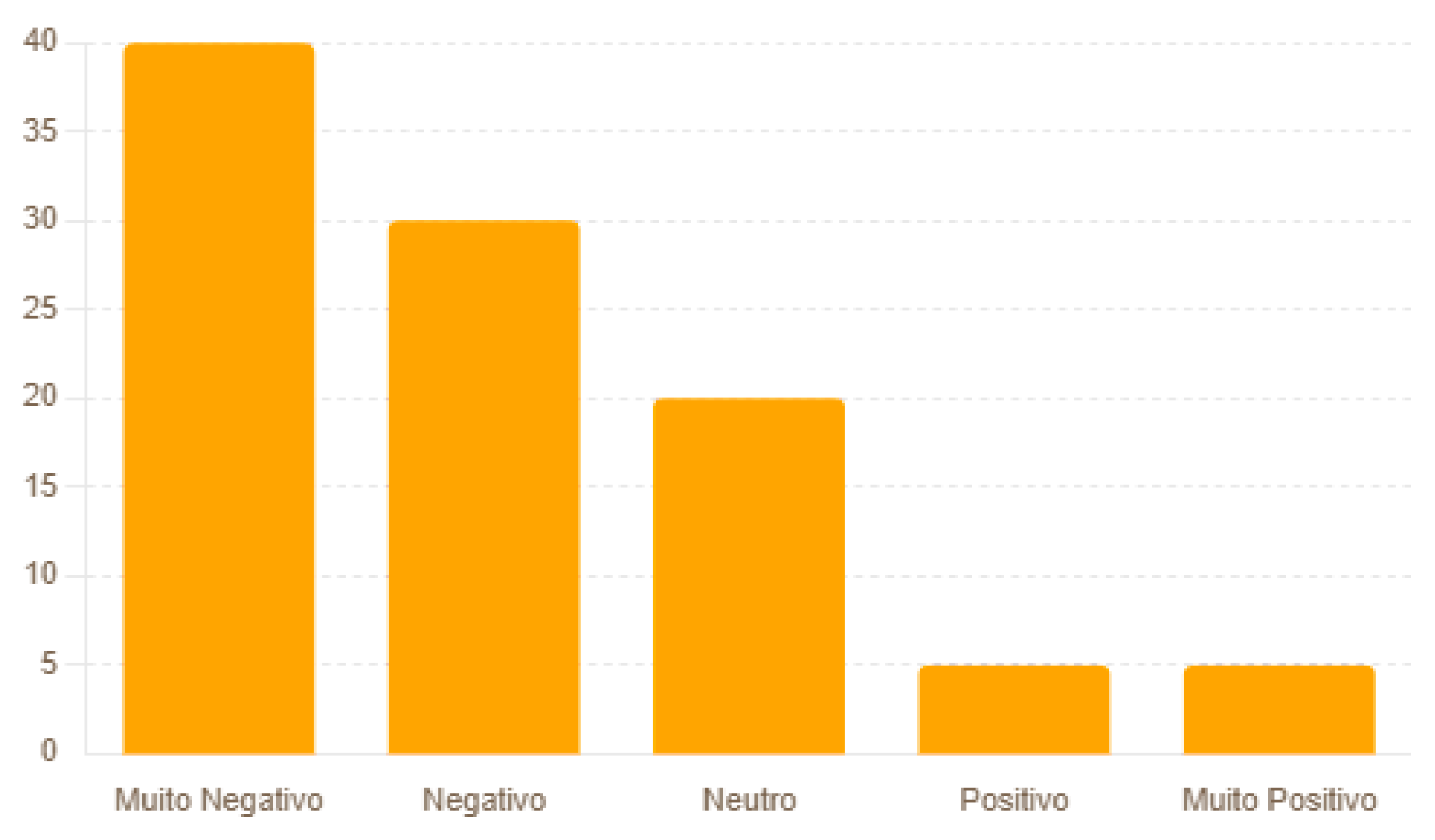
Most teachers are skeptical about the introduction of educational technologies, reflecting a predominantly negative or neutral impact. This scenario highlights the need for greater support, training, and resources for educators to effectively adopt these tools. Training strategies, collaborative practices, and technology integration policies are essential to mitigate difficulties and transform negative perceptions. The advancement of artificial intelligence (AI), especially with tools such as ChatGPT, has brought benefits and challenges to higher education. This paper aims to understand the impact of these technologies and provide insights on how to mitigate the negative effects associated with their use, such as academic plagiarism and overreliance on automated technologies.
Graph 2.
Use of AI Negative Impact on Higher Education. Source: Author’s own.
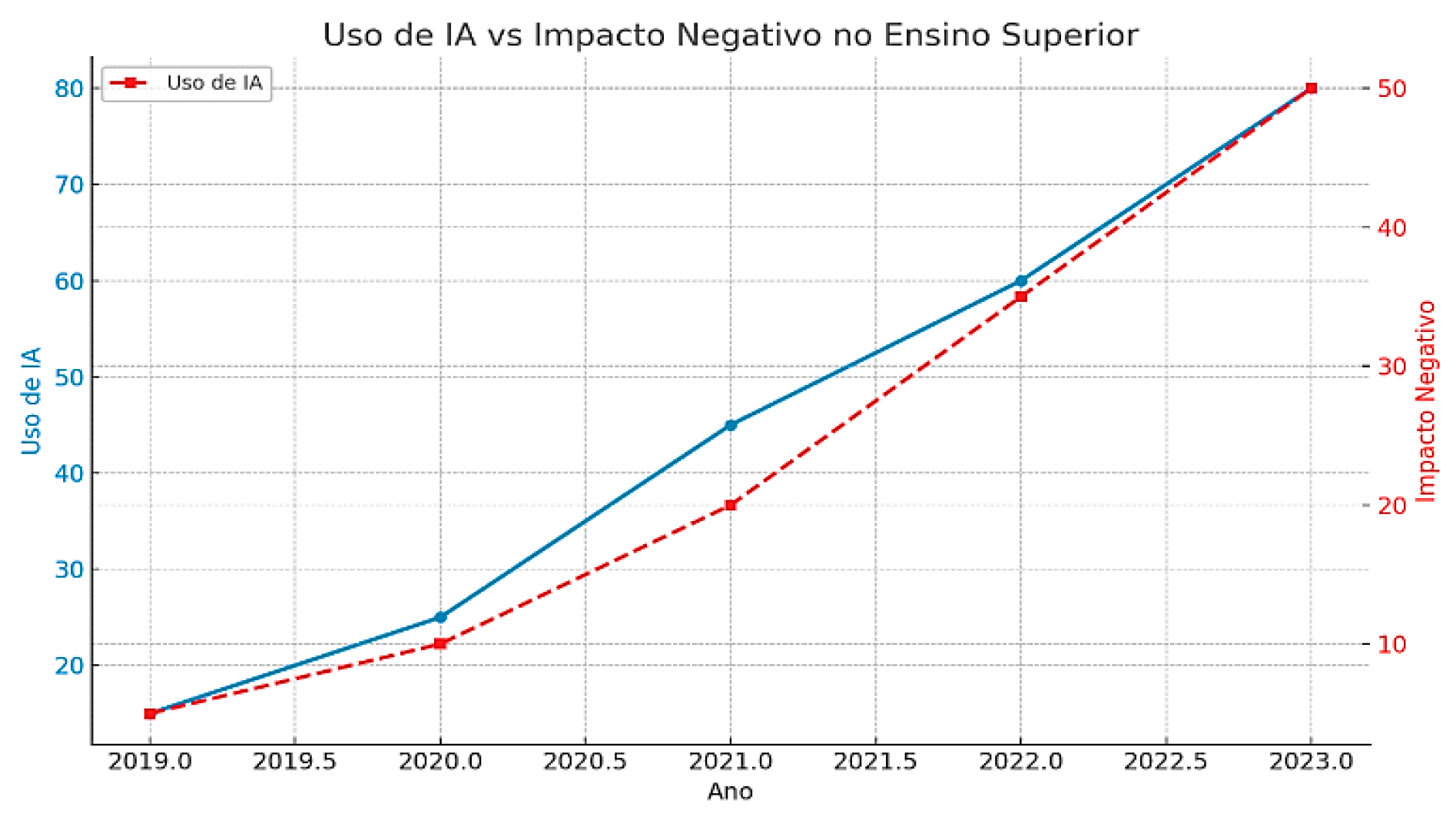
The results indicate an urgent need for pedagogical strategies to mitigate the negative impacts of AI. Teachers must adopt proactive approaches to integrate AI ethically and effectively into teaching (UNESCO, 2023, p. 27). Promoting critical understanding and developing skills that complement AI are essential to ensuring academic integrity and meaningful learning for students. The introduction of tools such as ChatGPT, developed by OpenAI, has brought benefits but also significant challenges to higher education. It is essential to understand these impacts and develop effective strategies to mitigate the negative effects, especially in relation to academic plagiarism and the misuse of these technologies. According to Williamson (2023, p. 6), the use of AI in education needs to be monitored and evaluated to maintain the mission of developing critical thinking and forming citizens.
Graph 3.
The use of CharGPT in Academia. Source: Author’s own.
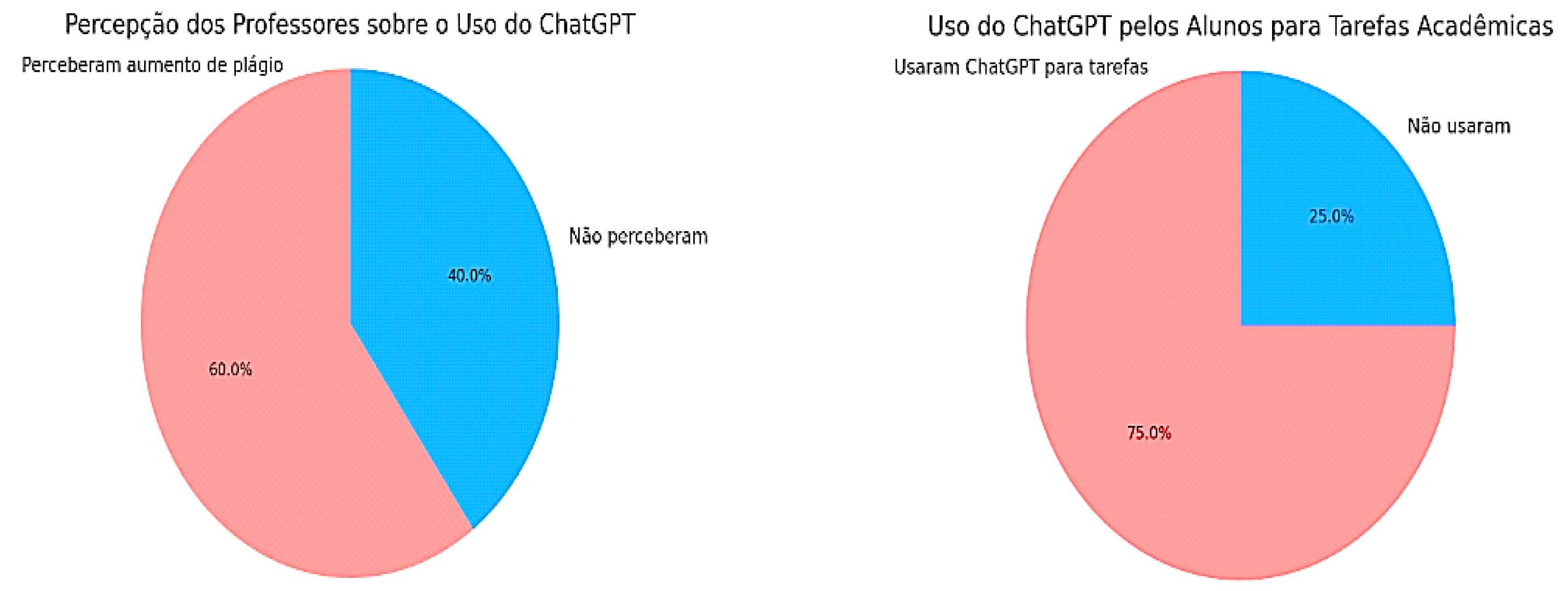
Analysis of the collected data revealed that 60% of the teachers surveyed noticed a significant increase in the use of AI for plagiarism activities, while 75% of the students admitted to having used ChatGPT at least once to complete academic assignments. This data indicates that while AI can improve learning, its inappropriate use can compromise academic integrity. Russell (2023) suggests that “teachers will continue to be needed, but their jobs may change significantly with the introduction of these technologies.” Therefore, it is essential that educational institutions develop clear policies and provide adequate training to teachers to use these tools ethically and effectively.
Teachers face difficulties when integrating ChatGPT into their pedagogical practices, such as lack of adequate training, difficulty in identifying plagiarism generated by AI, and resistance to the adoption of new technologies (MARTINS ET AL., 2024; ZAWACKI-RICHTER ET AL., 2019; LOCK 2024). The literature highlights the need for continuous training and clear strategies for the ethical implementation of AI in classrooms. The lack of robust institutional regulations and guidelines exacerbates these difficulties, making the implementation of innovative pedagogical practices and continuous training of teachers essential (UNESCO, 2022). Several pedagogical strategies are suggested to mitigate the negative impacts of ChatGPT, such as creating personalized assessments that require critical and personal reflection, reducing the risk of plagiarism and encouraging deeper learning (MIAO, 2019). Encouraging critical thinking through debates and analysis is essential to reduce reliance on automated responses and promote student argumentation (GANASCIA, 2018). Plagiarism detection tools, such as Turnitin, are also effective in identifying AI-generated texts, ensuring academic integrity (SABZALIEVA & VALENTINI, 2023; SRIVASTAVA 2023).
Continuous training of educators on the ethical and responsible use of AI and the incorporation of practical activities that require the application of knowledge are essential to ensure academic integrity and quality of learning (UNESCO, 2023). The International Conference on Artificial Intelligence and Education, held in Beijing in May 2019, addressed the impact of AI, especially ChatGPT, on higher education. The event highlighted the opportunities and challenges that AI brings to the education sector, such as the automation of administrative tasks, the personalization of teaching, and the risks associated with misuse, such as academic plagiarism. According to UNESCO (2019), “AI can transform educational management, optimize processes and improve learning outcomes, but ethical and legal issues must be addressed” (p. 12).
Chart 4.
Main Challenges and Opportunities for ChatGPT. Source: Author’s own.
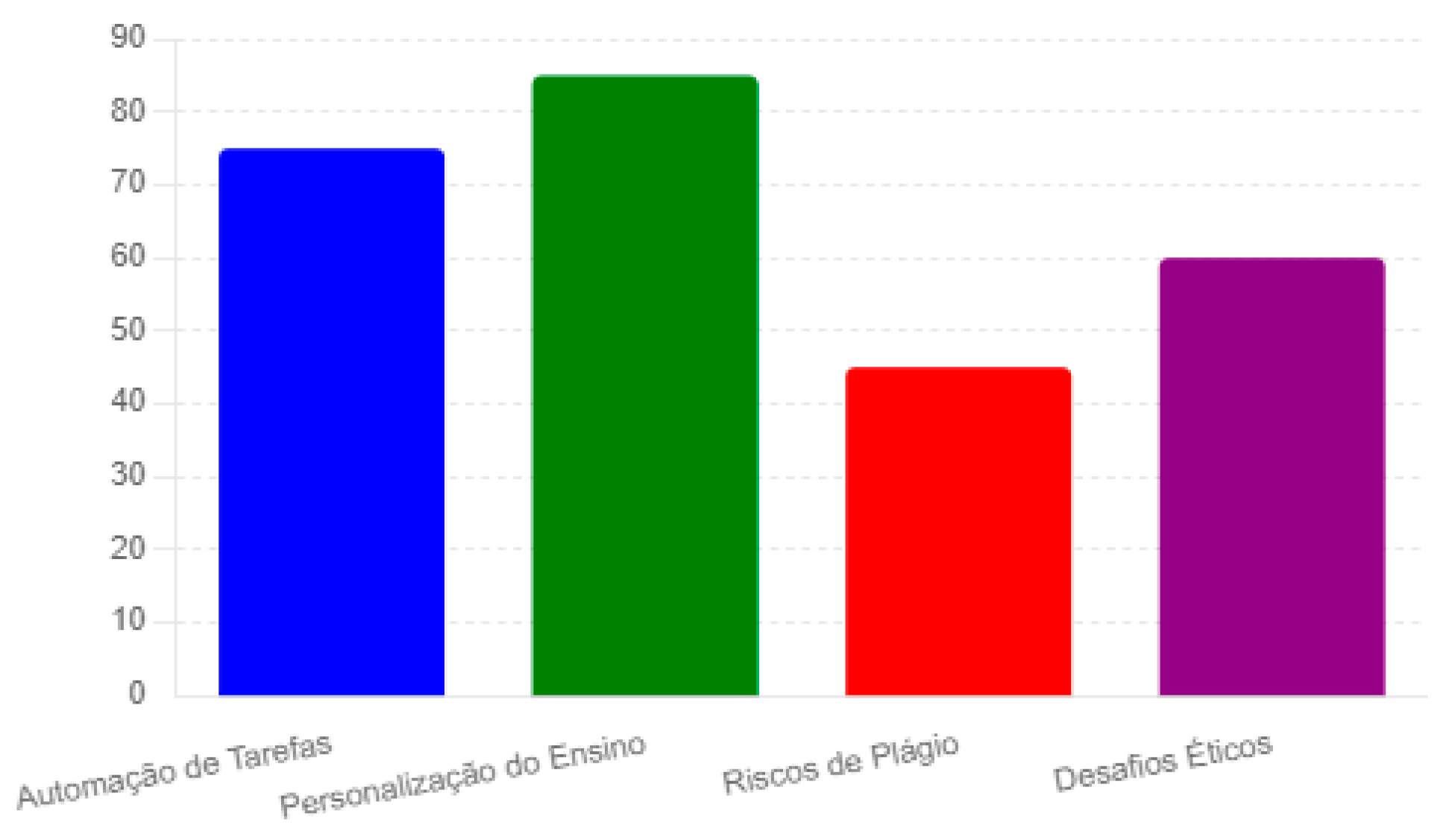
The data analysis shows that AI can significantly improve education by providing tools to personalize learning and streamline school administration. However, it is crucial that educators and policymakers implement strategies to mitigate risks such as misuse and plagiarism. The conference highlighted the need for education policies that integrate AI in an ethical and inclusive manner, promoting essential skills for the 21st century (UNESCO, 2019, p. 15). Teachers should create personalized assessments and encourage critical thinking to prevent plagiarism and maintain academic integrity. Ganascia (2018, p. 9) emphasizes the importance of addressing the ethical and practical challenges of AI adoption.
Generative Artificial Intelligence (GENERATIVE INTELLIGENCE), especially with ChatGPT launched in 2022, has brought significant changes to the educational landscape, being one of the fastest growing tools. According to UNESCO, this technology can automate information processes and present results in various forms of human thought. However, it also raises ethical and privacy concerns, and can increase academic fraud and compromise the integrity of educational assessments and certifications.
Chart 5.
Pedagogical Strategies to Mitigate the Negative Impacts of ChatGPT. Source: Author’s own.
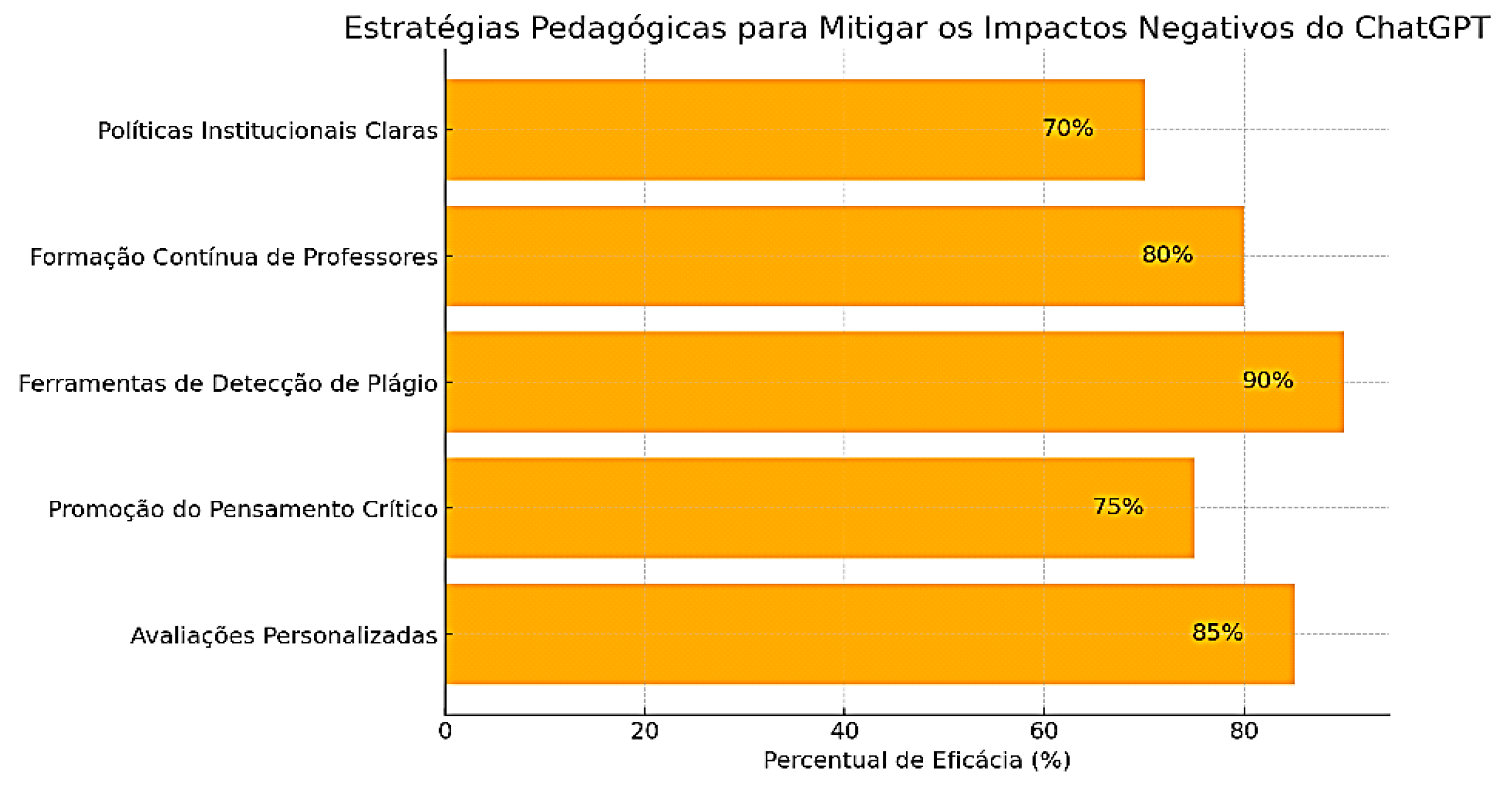
The attached image illustrates pedagogical strategies to mitigate the negative impacts of ChatGPT, highlighting their effectiveness. Plagiarism Detection Tools are the most effective solution (90%), followed by Personalized Assessments (85%). Continuous Teacher Training and Promotion of Critical Thinking are highly effective (80% and 75%, respectively), and Clear Institutional Policies are 70% effective. These data highlight the importance of a multifaceted approach, combining detection technologies with innovative pedagogical practices and robust institutional policies to promote academic integrity. The creation of clear institutional policies and continuous teacher training are essential to prevent academic plagiarism and ensure educational integrity, encouraging students’ originality and critical thinking.
Chart 6.
AI-Related Plagiarism Cases (2018-2023). Source: Author’s own.
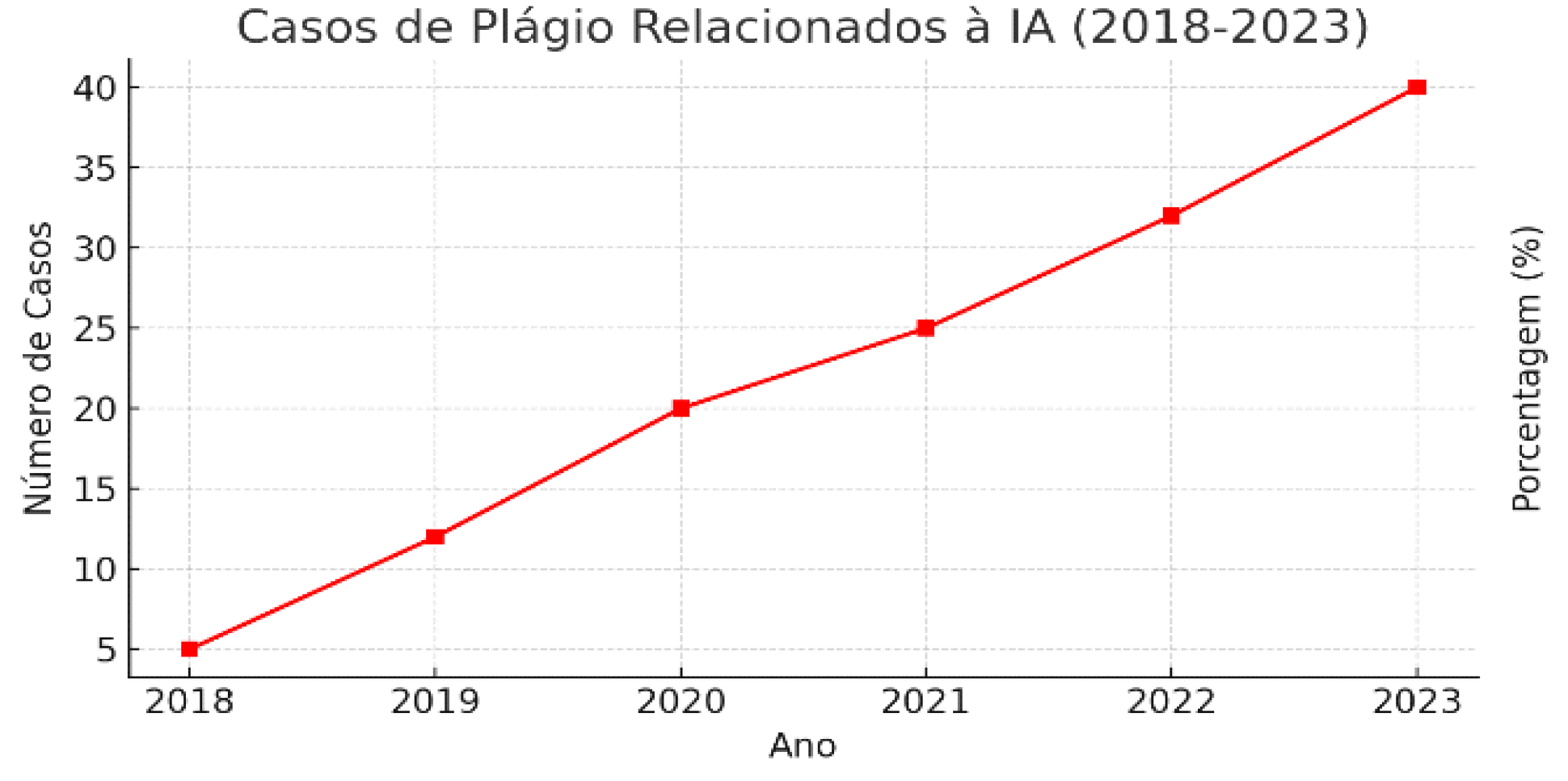
Analysis of the graph reveals a significant increase in AI-related plagiarism cases, from 5 in 2018 to 40 in 2023. This growth highlights the need for clear pedagogical measures and institutional policies to combat academic plagiarism. Effective strategies include ongoing teacher training, promoting critical thinking among students, and using advanced plagiarism detection tools. Proposed by Oliveira (2023), Santos (2024), and Martins (2023), these strategies range from personalized assessments to the use of plagiarism detection tools and promoting critical thinking to preserve academic integrity.
Chart 7.
Strategies to Mitigate the Negative Effects of ChaGPT in Higher Education. Source: Author’s own.
Chart 7.
Strategies to Mitigate the Negative Effects of ChaGPT in Higher Education. Source: Author’s own.
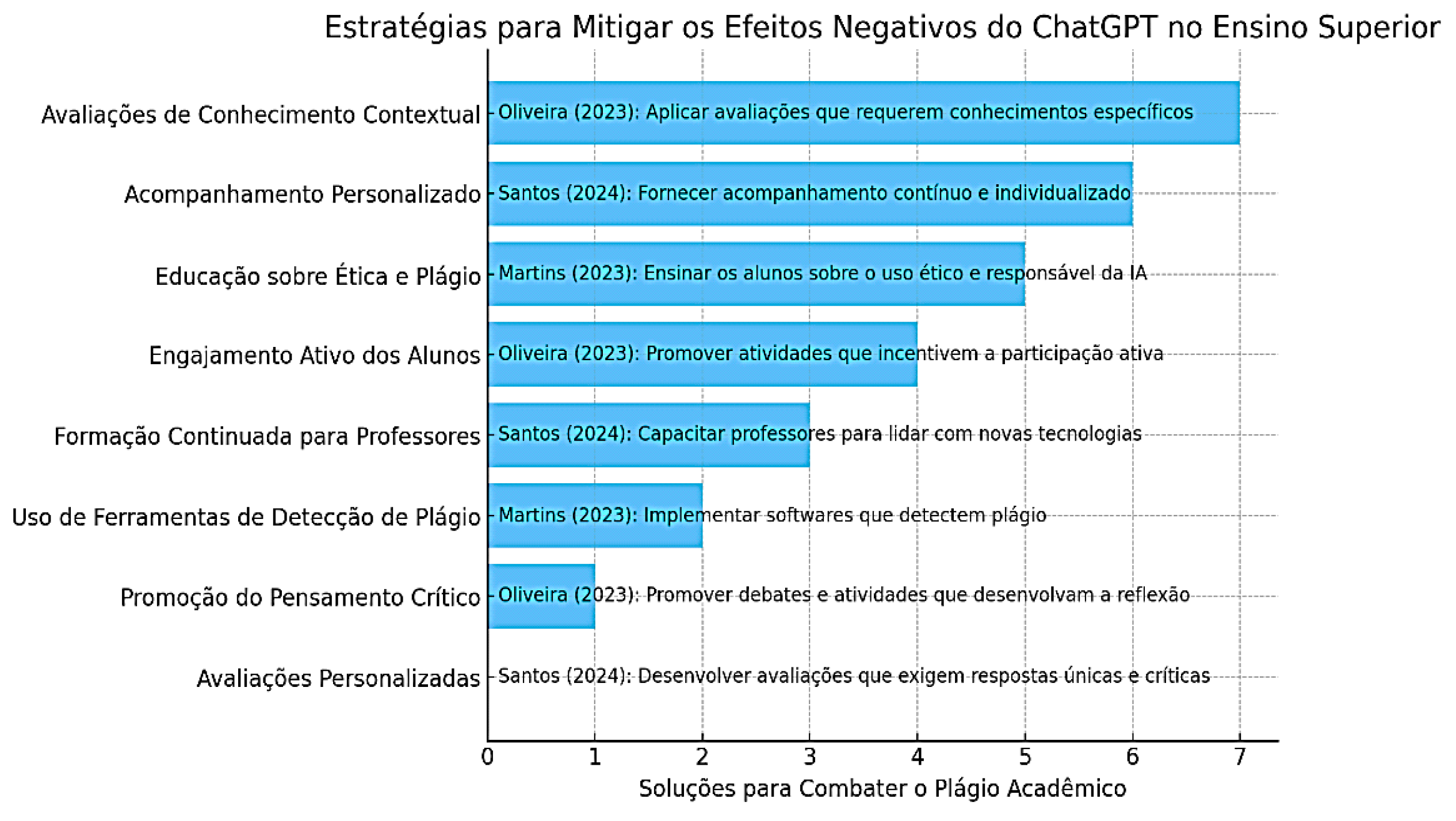
The analysis of the strategies reveals a multifaceted approach to combating academic plagiarism in higher education. Contextual knowledge assessments and personalized monitoring, as suggested by Oliveira (2023) and Santos (2024), are essential. Education on ethics and plagiarism, promoted by Martins (2023), raises students’ awareness about the responsible use of AI. Plagiarism detection tools, promoting student engagement, and ongoing teacher training are comprehensive solutions to mitigate the negative impacts of ChatGPT. The analysis highlights the need for ongoing teacher training, clear policies, and the promotion of critical thinking among students, which are essential to ensure academic integrity and ethics in the use of AI (MARTINS ET AL., 2024; GANASCIA, 2018; UNESCO, 2022).
Conclusions
To mitigate the negative effects of ChatGPT, such as plagiarism and misuse, professors can adopt several pedagogical strategies. It is recommended to create personalized assessments that make it difficult to use AI-generated answers, promoting practical and reflective activities that require students to critically apply their knowledge. Encouraging critical thinking through debates and discussions in the classroom can reduce students’ dependence on automated tools. Using plagiarism detection tools, such as Turnitin, is essential to identify and prevent inappropriate use of AI. Investing in ongoing training for professors on the ethical and responsible use of AI and on best practices for integrating these technologies into teaching is essential to preserve academic integrity and ensure a more ethical and beneficial use of ChatGPT in higher education.
The results presented highlight the importance of ongoing teacher training and the implementation of specific pedagogical strategies to mitigate the negative impacts of ChatGPT in higher education. The research reveals that many educators still feel unprepared to deal with artificial intelligence technologies, highlighting the urgent need for training programs that address both technical and ethical aspects. Strategies such as creating personalized assessments, promoting critical thinking, and using plagiarism detection tools are crucial to ensuring academic integrity and the ethical use of AI in educational practices. These measures are essential to ensure that students develop critical skills and do not rely excessively on ready-made answers generated by AI, thus promoting deeper and more meaningful learning.
The survey shows that, although teachers recognize the importance of AI technologies, there is limited knowledge about their specific applications. Most believe that AI will have a significant impact on society and education, but they also express concerns about its ability to replace human functions in areas that require socio-emotional skills. Thus, there is a clear need for ongoing training so that teachers can effectively deal with these technologies, promoting an ethical and responsible use of AI in the educational context. The article “Strategies for Teachers to Mitigate the Negative Effects of ChatGPT in Higher Education” contributes significantly to the scientific community by identifying and proposing effective pedagogical strategies to mitigate the negative effects of the misuse of ChatGPT, such as plagiarism and depersonalization of teaching. In addition, it promotes an ethical and responsible use of artificial intelligence, ensuring academic integrity and encouraging a critical and engaged approach from students in their educational practices.
References
- BARDIN, L. Content analysis. New York: Routledge, 2011.
- FERREIRA, Thiago Maciel; JIMÉNEZ, Luiz Ortiz. The use of the active method, problem-based learning, in higher education: a proposal for action research. Multidisciplinary Scientific Journal Núcleo do Conhecimento, Year 06, Ed. 06, Vol. 16, pp. 23-45. June 2021. ISSN: 2448-0959. Available at:.
- FERREIRA, Thiago Maciel. New assessment methods mediated by gamification: A proposal for action-research. Revista Multivisões-AESA, v. 1, n. 01, May 24, 2024. Available at: <https://revistamultivisoesaesa.com.br/index.php/aesa/article/view/4>. Accessed on: June 28, 2024.
- FERREIRA, TM New Assessment Approach: gamification in the educational process. Retrieved from <osf.io/preprints/psyarxiv/xbj6v>, 2024.
- GANASCIA, Jean-Gabriel. Artificial Intelligence: Between Myth and Reality. The UNESCO Courier, Paris, v. 3, p. 7-9, 2018.
- GIL, Antonio Carlos. How to develop research projects. 5th ed. São Paulo: Atlas, 2010. 184 p.
- GABRIELA, R. Foundation Models such as ChatGPT through the prism of the UNESCO Recommendation on the Ethics of Artificial Intelligence. UNESCO, Paris, 2023. [CrossRef]
- MACIEL-FERREIRA, T. Active Methodologies in Communication with Deaf Students: Evaluation of an Action-Research Experience. Rev. Int. Investig. Cienc. Soc, p. 24-51, 2021. [CrossRef]
- MACIEL-FERREIRA, T. Co-creating Education: Active Methodologies, Inclusion, Learning, Technologies and Assessments. ISBN 9786553872141. The Application of Active Methodologies in Higher Education and its Influence on Teaching. p. 11-24, 2023.
- MACIEL-FERREIRA, T. THE APPLICATION OF ACTIVE METHODOLOGIES IN HIGHER EDUCATION AND THEIR INFLUENCE ON TEACHING. UAA Scientific Journal, 2022. Accessed at: <http://revistacientifica.uaa.edu.py/index.php/repositorio/article/view/1311>. [CrossRef]
- MACIEL-FERREIRA, T. New Methods for a New Education. International Journal of Research in Social Sciences, vol. 15, no. 1, p. 83-102, 2019. [CrossRef]
- MARCONI, Marina de Andrade; LAKATOS, Eva Maria. Scientific methodology. 7th ed. rev. ampl. São Paulo: Atlas, 2014. 225 p.
- MARTINS, RH; VIANA, HB; BARBOSA, R.; TAVARES, CZ The use of artificial intelligence in education: analysis and perception of teachers. Intersaberes Journal, Curitiba, v. 19, n. e24do3002, p. 1-27, 2024.
- SAMPERI, R. Metodologia De La Investigacion. Santa Fe: Mcgraw Hill, 2014. Santa Cruz Do Sul, V. 13, N. 2, P. 9-43, Jul./Dec.
- SEVERINO, Antônio Joaquim. Methodology of scientific work. 23rd ed. current rev. São Paulo: Cortez, 2007. 304 p.
- UNESCO. Recommendation on the Ethics of Artificial Intelligence. Paris, 2022. Available at: <http://unesdoc.unesco.org/ark:/48223/pf0000377897>.
- ZAWACKI-RICHTER, O.; MARÍN, VI; BOND, M.; GOUVERNEUR, F. Systematic review of research on artificial intelligence applications in higher education – where are the educators?. International Journal of Educational Technology in Higher Education, 16(1), 39. 2019. [CrossRef]
- RODRIGUES, OS Artificial intelligence in education: the challenges of ChatGPT. Tech Learn, 2023. [CrossRef]
- UNESCO (2023). Foundation Models such as ChatGPT through the prism of the UNESCO Recommendation on the Ethics of Artificial Intelligence. Paris: UNESCO, 2023. [CrossRef]
- GANASCIA, J.-G. Artificial Intelligence: Between Myth and Reality. The UNESCO Courier, Paris, v. 3, p. 7-9, 2018.
- SABZALIEVA, E.; VALENTINI, S. Possibilities of Using ChatGPT in Pedagogical Practices. Journal of Educational Technology, v. 25, n. 4, p. 45-60, 2023.
- MIAO, F. Integrating AI in Education: Promoting Ethical and Responsible Use. International Journal of Educational Technology, v. 15, no. 1, p. 21-30, 2019.
- OLIVEIRA, TP Plagiarism detection tools and critical thinking promotion. Education and Technology, v. 23, n. 2, p. 10-18, 2023.
- SANTOS, JA Strategies to prevent academic plagiarism in the use of AI. Brazilian Journal of Education, v. 30, n. 1, p. 55-70, 2024.
- SRIVASTAVA, M. A day in the life of ChatGPT as an academic reviewer: Investigating the potential of large language model for scientific literature review. OSF Preprints, 2023. [CrossRef]
- Zhai, X. (2022). ChatGPT User Experience: Implications for Education. SSRN Electronic Journal. Available at: https://papers.ssrn.com/sol3/Delivery.cfm/SSRN_ID4312418_code4937264.pdf?abstractid=4312418&mirid=1. Accessed on: April 1, 2024.
- Lock, E. Supervised training and challenges of ChatGPT. Intersaberes Journal , v. 19, e24do3002, 2024.
- Williamson, B. AI must be kept in check at school. The UNESCO Courier , Paris, vol. 4, no. 4, p. 6-7, 2023.
- SULLIVAN, M., KELLY, A., MCLAUGHLAN, P. ChatGPT in higher education: Considerations for academic integrity and student learning. Journal of Applied Learning and Teaching, 6(1), 2023. [CrossRef]
- STEVEN, John; STEVEN, John; Education and Technology: critical approaches. London: Routledge, 2017. 663 p. ISBN 978-85-5548-465-0.
Disclaimer/Publisher’s Note: The statements, opinions and data contained in all publications are solely those of the individual author(s) and contributor(s) and not of MDPI and/or the editor(s). MDPI and/or the editor(s) disclaim responsibility for any injury to people or property resulting from any ideas, methods, instructions or products referred to in the content. |
© 2024 by the authors. Licensee MDPI, Basel, Switzerland. This article is an open access article distributed under the terms and conditions of the Creative Commons Attribution (CC BY) license (http://creativecommons.org/licenses/by/4.0/).
Copyright: This open access article is published under a Creative Commons CC BY 4.0 license, which permit the free download, distribution, and reuse, provided that the author and preprint are cited in any reuse.


