

Submitted:
11 September 2024
Posted:
12 September 2024
You are already at the latest version
Abstract
In recent years, Big Data (BD) has become a crucial tool for Small and Medium-sized Enterprises (SMEs), impacting their performance and growth in significant ways. This systematic literature review aims to analyze the effects of BD on SMEs by examining 93 research papers published from 2014 to 2024. Employing the Preferred Reporting Items for Systematic Reviews and Meta-Analyses (PRISMA) framework, the review focuses on key drivers and barriers to BD adoption, including business improvement, economic performance, and revenue growth. The methodology involved a comprehensive analysis of research methodologies used in the studies, addressing biases, gaps, and the need for diverse approaches. The findings reveal that while BD has led to notable enhancements in operational efficiency and revenue for many SMEs, challenges such as limited resources and technical expertise remain. A significant reporting bias was observed, with 47% of the literature comprising quantitative studies, followed by 28% case studies, while mixed-methods and qualitative studies were underrepresented (22% and 17%, respectively). This imbalance suggests a potential overemphasis on quantitative approaches, limiting the diversity of insights available. Addressing these biases is essential to fully harness the potential of BD for SMEs to drive innovation, enhance competitiveness, and achieve better performance in the increasingly data-driven business environment.
Keywords:
big data
; small and medium-sized enterprises (SMEs)
; impact
; performance
1. Introduction
Data has become a fundamental asset, shaping how businesses operate and strategize globally. The rise of digital technologies has triggered an immense surge in the amount of data generated across different platforms, such as social media, online shopping, and various digital tools. This phenomenon, known as Big Data, offers businesses extraordinary opportunities to gain insights into their internal processes, customer behaviours, and the broader market landscape [1]. For small and medium-sized enterprises (SMEs), which are crucial for economic development and innovation, the ability to harness Big Data is especially important. By adopting Big Data, SMEs can convert large datasets into practical intelligence, enabling them to refine business strategies, improve marketing effectiveness, boost competitiveness, and enhance overall performance. However, effectively utilizing Big Data is not without challenges, particularly for smaller companies that may lack resources and expertise [2,3,4].
Despite the clear advantages of data analytics, its adoption among SMEs remains lower than expected, especially when compared to larger organizations that are more actively embracing Big Data for decision-making and performance optimization. Several factors contribute to this slow adoption [5,6,7]. Financial limitations pose a major hurdle, as the costs associated with implementing and maintaining sophisticated data analytics systems can be too high for smaller firms. In addition, many SMEs do not have the technical knowledge required to fully utilize Big Data. The complexity of Big Data tools, combined with the shortage of skilled professionals, aggravate the challenges SMEs face. Moreover, organizational culture plays a significant role in the adoption of new technologies. In many SMEs, traditional attitudes can create resistance to change, making it hard to integrate data-driven approaches into existing business models [9,10].
Technological maturity is another key challenge for SMEs. Unlike larger companies, which often have well-established IT infrastructures and dedicated teams for managing data initiatives, SMEs may still rely on outdated systems with limited technological capabilities [11]. This lack of advanced technology not only hinders their ability to collect and analyze data effectively but also impedes overall digital transformation. Additionally, much of the research on Big Data tends to focus on larger enterprises, which often have different characteristics than SMEs. This generalization fails to account for the unique organizational structures, resource constraints, and market dynamics of smaller businesses, necessitating a more tailored understanding of the factors driving Big Data adoption in SMEs [12,13].
Given the significant role of SMEs in the global economy, addressing these challenges is essential. SMEs make up most businesses around the world and are key drivers of employment, innovation, and economic growth. As the digital economy grows, the ability of SMEs to remain competitive will increasingly rely on their capacity to utilize data-driven insights [17,18,19]. However, existing research on Big Data adoption in SMEs is limited, with most studies focusing on larger enterprises. This gap is concerning, especially as SMEs need to adapt quickly to the demands of the digital era. Without a clear understanding of the specific factors influencing data analytics adoption in SMEs, they risk being left behind in an increasingly competitive market [13,14].
This systematic literature review aims to fill this gap by analyzing the impact of Big Data on SME performance. Through a review of existing research, the study seeks to identify the key drivers and barriers that affect data analytics adoption in SMEs. The review will focus on challenges such as financial constraints, lack of technical expertise, organizational culture, and technological maturity, exploring how these factors shape SMEs' ability to leverage Big Data [14,15]. Additionally, the review will assess the broader impact of Big Data adoption on SME performance, highlighting potential benefits in terms of innovation, competitiveness, and responsiveness to market changes. This analysis will provide valuable insights for academic researchers and SME managers alike, offering practical recommendations to overcome barriers and improve SME performance through Big Data [15,16].
Ultimately, this research adds to the ongoing discussion on information systems and technological innovation by emphasizing the critical role of Big Data in the future success of SMEs. By focusing on the specific challenges and opportunities unique to SMEs, the review provides a fresh perspective on the factors influencing Big Data adoption in smaller businesses [17,18]. The findings will inform future research and policy aimed at supporting SMEs in their digital transformation. Additionally, these insights will be invaluable for SME managers as they navigate the complexities of Big Data, enabling them to build more data-driven organizations and remain competitive in the global market. As SMEs continue to face the pressures of digital transformation and increased competition, their ability to harness Big Data will be a key factor in determining their success moving forward [19,20].
Table 1 looks at different reviews and studies about how Big Data is changing things for small and medium-sized enterprises (SMEs). It breaks down what each study adds to the conversation, how many times they've been cited, when they were published, and what’s good and bad about them. By comparing these studies, we can see what’s been covered and where there are still gaps. This table sets the stage for our review, showing how we can fill in the blanks and bring some fresh ideas to the table.
A research gap exists in studies examining the impact of Big Data on SME performance due to the limited focus on specific industries and geographic contexts, particularly in developing countries. While several studies explore the benefits and challenges of Big Data adoption, there is a lack of comprehensive empirical evidence on how Big Data directly influences operational efficiency, revenue growth, and long-term business sustainability across diverse SME environments. Additionally, emerging technologies and trends, such as IoT and real-time analytics, remain underexplored, especially regarding their practical application and scalability for SMEs in resource-constrained settings. Moreover, many existing studies focus on developed economies, overlooking the unique barriers faced by SMEs in developing regions. These gaps indicate a need for updated, in-depth, and context-specific research that addresses these overlooked areas.
1.1. Research Questions
In this research, we investigate the influence of Big Data on the efficiency of small and medium-sized enterprises (SMEs). The study delves into how Big Data can improve SMEs' functioning, highlighting both the advantages and obstacles faced in its application. The following research questions aim to provide insights into these aspects to better understand the effective use of Big Data in SME’s performance:
- How does Big Data capability impact SME's performance?
- What are the critical factors influencing the successful implementation of Big Data on SMEs?
- How can the awareness/comprehension of Big Data concerning SMEs be utilized to strengthen productivity?
- What are the potential implications and consequences of altering the form of information in the context of Big Data?
- What obstacles do SMEs encounter when they try to incorporate Big Data into their current systems and operations?
1.2. Rationale
The fast progress of information and communication technologies has led to an increase in data generation providing opportunities for businesses to stay competitive and relevant. Nonetheless, just investing in Big Data (BD) tools isn't enough, companies need capabilities to manage and utilize these large volumes of data effectively. This challenge is especially critical for small and medium-sized enterprises (SMEs) that play a key role in the economy but often lack the resources and expertise required for the successful adoption of Big Data. Research shows that BD has the potential to boost business innovation, competitiveness, and decision-making processes. However, it also points out the challenges SMEs encounter, such as a lack of strategy, skills, and organizational culture that can prevent the implementation of BD.
Furthermore, how BD influences performance enhancements through business models, knowledge management and digital transformation remains unclear for SMEs. Our systematic literature review of existing literature aims to fill these gaps by strengthening insights from studies investigating the impact of BD on SME performance. By investigating how BD capabilities impact performance and recognizing the factors that drive or hinder BD adoption, we aim to offer an understanding of how SMEs can efficiently utilize Big Data. This research will add to the conversations about transformation in SMEs and provide useful guidance for leaders and policymakers to promote BD adoption and boost SME success.
1.3. Objectives
The main objective of this analysis of existing literature is to provide an understanding of how the utilization of Big Data (BD) impacts the effectiveness of small and medium-sized enterprises (SMEs) particularly in terms of improving operational efficiency fostering innovation and enhancing competitiveness. This systematic literature review aims to analyze the elements that play a role in the implementation and incorporation of BD within SMEs highlighting the significance of strategy, expertise and organizational culture. By delving into how an enhanced awareness of BD can boost efficiency and facilitate business expansion, this research also evaluates the outcomes of alterations in data formats and structures within the context of BD. Ultimately this assessment strives to recognize hurdles and obstacles that SMEs encounter when integrating BD into their operations providing insights and recommendations for leaders and policymakers to encourage effective digital transformation, within this sector.
1.4. Research Contribution
This research emerged from investing in the influence Big Data (BD) has on the performance of SMEs concerning BD capabilities integration and Knowledge Management (KM) practices. The research contributes in the following multiple ways:
- To analyze how BD capabilities affect SME performance, this paper conducts a detailed empirical study using structural equation modelling. Using data from SME studies, we show that advanced BD capabilities (technology itself as well as managerial support) have positive effects on SME performance thus indicating potential return-investment for improved business analytics in small and medium-sized enterprises.
- How knowledge management mediates the relationship between BD capabilities and SME performance is examined. We also highlight that the benefits of BD can be amplified by deploying KM practices, highlighting integration at a techno-human level in knowledge and learning processes are essential to realize performance improvements.
- The study further helps in theorizing BD by relating it with KM and performance outcomes. This theoretically comprehended study is a road map for using Big Data and offers implications for the practising owner/manager of an SME looking to improve competitive advantages through better data-driven knowledge.
1.5. Research Novelty
This study presents a unique contribution to the field. Based on our thorough investigation, there is currently no study that comprehensively evaluates the influence of Big Data on SME performance, with a specific focus on the factors enabling or hindering its adoption. Our systematic literature review addresses this gap by identifying key drivers and barriers to Big Data adoption and assessing their effects on SMEs. We delve into less explored areas such as financial limitations, the lack of technical expertise, organizational culture, and the technological readiness of SMEs, which impact their ability to harness Big Data. Through this work, we provide targeted insights and practical recommendations specifically designed for SMEs, helping them better integrate Big Data technologies to improve their operational outcomes.
2. Materials and Methods
This section outlines the steps for carrying out a review of how Big Data influences the effectiveness of small and medium-sized enterprises (SMEs). The review examines studies from the past decade particularly concentrating on research released between 2014 and 2024. The methodology includes guidelines for selecting studies, data origins, and the method employed to examine the collected literature laying the foundation for an in-depth examination of each aspect in the following sections. Figure 1 shows the proposed structure to be followed for this study.
2.1. Eligibility Criteria
A thorough examination was conducted on all research papers that have been peer-reviewed and published which are relevant to studying how Big Data affects the performance of small and medium-sized enterprises (SMEs). The analysis specifically focused on research articles in English that delve into the impact of data on SME performance between 2014 and 2024. Firm inclusion and exclusion criteria were used to select research papers that emphasize the influence of data on SME performance while excluding studies, to this topic. Only peer-reviewed research addressing the aspects of how data impacts SME performance was considered for this review. Table 2 provided below outlines the inclusion and exclusion criteria for this study.
2.2. Information Sources
In this analysis we used three databases to conduct this systematic review, Google Scholar, Web of Science, and Scopus. We carefully reviewed a range of research papers based on their study specifics, context, methodologies, results, and implications. These references were also used to explore related published materials such as conference papers, journal articles, book chapters, dissertations, and theses.
2.3. Search Strategy
Figure 2 below shows the step-by-step approach to carrying out a systematic review starting with formulating research questions. These questions help in choosing a research methodology, encompassing a Systematic Literature Review (SLR) planning establishing inclusion and exclusion criteria selecting research resources, and picking search terms. Subsequently, the procedure progresses to picking research articles through a search process and evaluation which is crucial for ensuring high-quality references. The subsequent phase includes extracting data from the chosen research articles while concentrating on evaluating data integrity. Lastly, the execution phase of the research data involves compiling data to address the research questions concluding the research procedure.
The search strategy presented in Table 3 used logical operators "AND" and "OR" to identify pertinent studies. The keyword search used for this research is ("Big Data" OR "Data Analytics" OR "Data Mining") AND ("SMEs" OR "Small and Medium Enterprises" OR "Small and Medium-sized Businesses" OR "Small and Medium-sized Enterprises") AND ("Performance" OR "Business Performance" OR "Organizational Performance" OR "Operational Performance" OR "Financial Performance") AND ("Impact" OR "Effect" OR "Influence" OR "Role").
2.4. Selection Process
To ensure a relevant collection of papers, for the review on "The impact of Big Data on SME performance " a strict selection process was put in place. Reviewers followed a procedure to choose papers for the systematic review on "The impact of Big Data on SME performance." They utilized a search code with keywords like "Big Data ", "Data Analytics," and "Data Mining," along with terms related to SMEs, performance and impact. Each reviewer was assigned a database—Web of Science, Scopus or Google Scholar—to gather research papers. Initially, each reviewer gathered 104 papers, which were then screened based on inclusion criteria; relevance to the topic, presence of a research framework addressing the impact of Big Data on SME performance, publication in English and publication dates ranging from 2014 to 2024. Exclusion criteria were also applied to sort out studies. The chosen papers were documented in an Excel spreadsheet for assessment. A secondary review was conducted by reviewers to confirm adherence to the inclusion criteria and address any inconsistencies by removing papers as necessary to maintain the accuracy and relevance of the data.
2.5. Data Collection Process
The following section outlines the overview of the data collection process as demonstrated in Figure 3, on the number of reviewers whether they work alone or together methods for acquiring and confirming information, from study researchers, and online database tools used during the collection process. During our data collection process, we gathered information from the University of Johannesburg (UJ) library database using the Web of Science and Scopus platforms. Our search was based on a search code focusing on English language papers published between 2014 and 2024. Our selection criteria encompassed journal articles, conference papers, textbook chapters, theses and dissertations. After refining our search parameters, we identified 233 studies on the Web of Science and 13 studies from Scopus.
To streamline our work and prevent duplication we divided the articles among three authors. Each author was assigned a time frame; one handled 2014 to 2016 another 2017 to 2020. A third 2021, to 2024. This method ensured that no duplicate papers were included in our research. Each author independently collected data. We shared the Excel document online for real-time editing and collaboration. Once the initial data entry phase concluded all three authors jointly reviewed the Excel sheet to validate data accuracy. In instances of divergences like misidentifying paper types, we referred to the documents for corrections. The data collection method was also used on the Google Scholar database. We divided the papers we had into groups of 3 for each reviewer.
We collectively decided to include 64 papers from Google Scholar in our analysis. To make sure these papers are relevant we started by going through the abstracts, delved into the introductions and lastly double checked the topic names and keywords to ensure they matched our research focus. Additionally, we considered the number of citations, as a measure of the paper's influence and credibility. Moreover, every reviewer personally chose papers from Google Scholar since there was no extraction feature like Web of Science and SCOPUS.
2.6. Data Items
In this Systematic Literature Review, the focus is on gathering information that delves into the effects of Big Data on small and medium-sized enterprises (SMEs). The outcomes are grouped according to research questions to ensure a grasp of the topic.
2.6.1. Results and Data Collection
These conducted outcomes focus on increased profits, enhanced efficiency, improved customer satisfaction and expanded market presence. These outcomes showcase how SMEs can enhance their performance through Big Data facilitating decision-making based on data encouraging innovation and gaining an advantage. Furthermore, while investigating the factors that impact the integration of Big Data on SMEs. The discovered factors include having personnel solid technological infrastructure, support from leadership, financial resources, high-quality data and readiness within the organizational culture. Understanding these elements is crucial for determining what conditions are required Equally important, sought-after outcomes include increased employee efficiency, adoption of data-driven practices, improved process optimization, more effective resource allocation and increased competitive edge. These outcomes demonstrate how familiarity with and understanding of Big Data can boost productivity levels in SMEs. We seek outcomes such as improved data usability, data accessibility, increased data accuracy, possible dangers of data mishandling or misreading enhanced interaction and increased adherence. These results indicate the effects and outcomes of modifying data structures within the context of data examination. Finally, the outcomes of the difficulties SMEs encounter when trying to implement Big Data (BD). These challenges include setup costs, shortage of staff, worries about data privacy, technological hurdles reluctance to change problems with data accuracy and constraints, in expanding operations.
These findings underscore the obstacles that could impede SMEs from embracing and incorporating data into their operations. The impact of data on performance was studied in 25 different research projects, each using various methods and producing different results. This demonstrates the nature of this relationship. Several studies, like "Big Data Adoption, Firm Performance" (2020), "The Impact of Big Data Adoption on SMEs Performance" (2021) and "The Integration of Sustainable Technology and Big Data Analytics in SMEs" (2024) utilized quantitative approaches such as surveys and Structural Equation Modeling (SEM) to evaluate how Big Data affects firm performance. These studies aimed to analyze aspects of performance including operational and sustainable dimensions, by collecting survey data and employing advanced statistical methods. Along the same line the study titled "Examining Marketing Performance and Big Data Usage Amid the COVID-19 Crisis; A Case Study of Small and Medium Enterprises, in Indonesia" (2021) along with the research on "Exploring Data Mining Models for Medium Enterprises in the Transportation Industry through Big Data Analytics" (2018) and "Big Data Analytics—A Review of Data-Mining Models for Small and Medium Enterprises in the Transportation Sector" (2018) utilized quantitative analysis techniques to investigate how big data impacts various aspects of performance such as marketing strategies and resource management. These studies employed approaches to extract insights from the gathered data following the process in Figure 4.
The listed principal elements employed in assessing the effect of Big Data on the performance of SME systems. The figure gives the most important elements, their techniques and results that determine the efficiency of Big Data usage in the said enterprises.
2.6.2. Contributor Characteristics
This section gives the general characteristics of the contributors to the research studies and the specific studies that were covered in the evaluation. Table 4 describes the year of publication, the databases used, the publications reviewed, and so on. The objective is to define and particularly describe the key variables such as design, techniques and others with relevant aspects of the considered studies. Studies such as, "Digital-related Capabilities and Financial Performance: The Mediating Effect of Performance Measurement Systems" (2020) and "Unraveling the Transformation: The Three-Wave Time-Lagged Study on Big Data, Green Innovation, and Their Impact on Economic and Environmental Performance in Manufacturing SMEs" (2024), utilized a mix of quantitative methods like case studies and time-lagged designs to explore how advancements and environmental initiatives influence financial, environmental and competitive outcomes. Furthermore, some investigations such as "Green Data Analytics, Blockchain Technology for Sustainable Development focused on sustainability aspects such as Big Data, blockchain technology for development and sustainable supply chain practices in small and medium-sized enterprises.” They employed methods like Least Squares SEM to analyze the impact of Big Data on supply chain management and corporate performance while emphasizing sustainable practices in line with circular economy principles.
With respect to all the studies included, it was reported that there were no external funding sources. These characteristics provide all possible aspects of the reader of the articles who examines the respective research studies. This overview further highlights the significance of the study by explaining the actual problems of Big Data usage and its contribution to organizational performance as well as sustainability.
2.7. Study Risk of Bias Assessment
During our review, we investigated the potential for bias by examining the quality of the studies based on the criteria for our research topic. Three reviewers conducted this assessment. Each reviewer independently analyzed the studies for objectivity as shown in Table 5 below followed by a discussion to reach a consensus on the bias risk for each study. No automated tools or software were involved in this assessment process. We manually reviewed the methodologies and results of each study. Bias risk was determined based on factors such as study design relevance, sample size, and data collection methods. Studies with transparent methodologies were considered to have bias risks. We also inspected any conflicts of interest or funding sources that could impact study outcomes, giving preference to studies that openly disclosed conflicts.
We also assessed consistency in findings within and across studies noting any differences or unusual results. This method aimed to ensure high-quality studies in our review while identifying and addressing biases effectively.
2.8. Effect Measures
In the systematic literature review of existing literature, a range of methods were utilized to evaluate the effects of Big Data on different outcomes. For Increased Profitability, Operational Efficiency, Customer Satisfaction, and Market Share, the primary effect measures included mean difference, statistical significance of correlations, or regression coefficients. When analyzing the factors affecting data implementation correlation coefficients and statistical significance in regression models were key indicators. Assessing areas like enhanced employee productivity, data-driven practices, process optimization, resource allocation and competitive advantage involved measures like difference and percentage change from tests. Furthermore, aspects like data usability, accuracy, risks of data loss, communication effectiveness and compliance adherence were evaluated using metrics such as risk ratios and compliance rates. Challenges in adopting Big Data, such as cost implications or the need for personnel – were measured through the frequency of events and percentage impacts. In studies mentioned in the table summary section, quantitative research approaches utilizing methods like Structural Equation Modelling (SEM) or Partial Least Squares SEM incorporated measures such, as SEM results factor loadings, mean differences and regression coefficients.
Qualitative research, such as case studies and thematic analysis used measures like categories, qualitative observations and findings from case studies. Mixed methods research involves a combination of measures (such as regression coefficients and SEM results) along with insights (, like thematic analysis findings). In studies that examine the effects on performance, we looked at Economic Performance through variations in regression coefficients and statistical significance. Operational and Environmental Performance was assessed by differences, effect sizes and coefficients, from structural equation modelling. Sustainability and Competitive Advantage were assessed using effect sizes, regression coefficients and correlation measures.
2.9. Synthesis Methods
In compiling the research necessary for our systematic literature review about the impact of Big Data on the performance of small and medium-sized enterprises (SMEs), we took a systematic approach to identifying high-quality studies. The processes of synthesis are significant, and the general tasks as demonstrated in Figure 5. The supplemental strategies deployed in reviewing are the key components in the integrity and connection of the study’s findings. compiling the research, for our systematic literature review on how Big Data affects the performance of small and medium-sized enterprises (SMEs), we took a systematic approach to ensure that we included relevant high-quality studies.
The eligibility criteria, preparing data for synthesis, cumulating and presenting data, and synthesizing the data are included. Furthermore, we also looked at the reasons for heterogeneity in study results and carried out a sensitivity analysis to test the robustness of our synthesized results.
2.9.1. Study Eligibility Criteria
We compared the characteristics of studies focusing on how they aligned with our key themes and findings concerning Big Data and SMEs. Our selection criteria prioritized papers that directly related to our topic and those with several citations. We carefully examined abstracts to comprehend each study's objectives and methodologies. We specifically looked for studies that explored the impact of data on SMEs using methods. To ensure the credibility of our sources we excluded literature reviews. Only included peer-reviewed papers from sources. By using web filters, we avoided publications guaranteeing that the studies in our review were trustworthy and authoritative. The studies selected for review ranged from 2014 to 2024 and encompassed articles, journals, conference papers, theses, and dissertations. Each paper underwent peer review to meet our quality standards while literature reviews were excluded to maintain the integrity of our review.
2.9.2. Data Preparation for Synthesis
To get the data ready, for presentation and analysis we followed a series of steps to ensure accuracy and consistency. Initially, we worked together to go through our Excel dataset in time focusing on the names of authors and paper titles to identify and remove any duplicate entries. We used Excel's "Remove Duplicates" function to eliminate rows while considering situations where the same article might have been listed with titles by the same author. For records with missing data that couldn't be reliably estimated due to inaccuracies, we decided to exclude those articles from our analysis. In cases where data was missing, we labelled them as "Not Specified" rather than "Not Applicable" to accurately represent the gaps. We also standardized all data entries for consistency by converting text formats into formats as needed and ensuring the same formatting for all data entries.
2.9.3. Data Visualization and Tabulation Methods
To visualize patterns and detect inconsistencies we created pivot tables. These tables helped us easily identify any differences, such as variations in how journal articles were classified. By creating representations like line charts, bar graphs, and other charts mentioned in Table 6, we can track the research distribution over time. Prevent errors that may occur during manual review ultimately improving the quality and dependability of our data synthesis.
2.9.4. Synthesis Methodology
A systematic approach was used to synthesize the study findings, utilizing a set of criteria organized in an Excel spreadsheet. This structured method helped in comparing and analyzing aspects of the studies included, focusing on variables, like the title, publication year and source databases (such as Google Scholar, SCOPUS, and Web of Science) with their respective number of studies found represented in Table 7. The studies were grouped by journal name, research type (article journal, conference paper, book chapter, dissertation/theses), and citation count.
2.9.5. Exploration of Heterogeneity Causes
The synthesis was enhanced by considering the field or subject area specifically related to data analytics techniques for small and medium-sized enterprise (SME) performance. Factors like industry context (SMEs, startups) and geographical location played roles in distinguishing studies based on the landscape (developed versus developing countries). Further categorization involved examining types of data technologies employed as indicated in Table 8 (Hadoop, Spark NoSQL databases) and analytics techniques utilized (machine learning, data mining, predictive analytics).
2.9.6. Sensitivity Analysis
Moreover, the study also reviewed the technology providers mentioned (Cloudera, Hortonworks, IBM, AWS) and different technology implementation models (on-premises cloud-based hybrid). The study's structure, research approach (whether quantitative, qualitative or mixed methods), sample size and sample characteristics were examined to explore the variety of methodologies used in the research. The methods of gathering data (interviews, surveys, observations, document review) and analyzing data (analysis, thematic analysis) were reviewed to understand how each study handled and interpreted the information.
To bring together the findings we thoroughly examined aspects such, as IT performance metrics (like data processing speed, scalability and data accuracy) business performance metrics (including efficiency, revenue growth and cost savings) organizational impacts (such as employee satisfaction and customer satisfaction) and long-term effects (such as business sustainability and competitive advantage). This method allowed us to identify patterns and trends from the studies leading to an analysis of the data.
This approach effectively considered a range of studies. Laid a strong groundwork for combining the results. By categorizing studies based on criteria, we were able to assess the presence and level of statistical diversity. Differences in research design, sample sizes, data collection methods and the utilization of Big Data technologies and analytical techniques indicated varying degrees of statistical diversity. This evaluation guided our synthesis process by considering differences in study outcomes and enabling us to conclude.
2.10. Reporting Bias Assessment
In our analysis, we paid close attention to the possibility of reporting bias, where only certain outcomes or findings are shared while others might be left out. This kind of bias can distort conclusions by making certain effects seem stronger or more consistent than they are.
To tackle this issue, we reviewed the methodology and results sections of each study to see if the outcomes lined up with the original goals. We checked if all relevant results were included. When data seemed incomplete or missing, we noted these issues and thought about how they might affect the overall analysis. We also recognized the possibility of publication bias—where studies with favourable results are more likely to get published than those with neutral or negative outcomes. To minimize this risk, we made sure to include a wide range of studies from various sources and settings, ensuring a broader perspective. This helped us capture a more accurate picture of the available evidence.
Table 5 is where we summarized the overall quality of each study, using categories like Selection, Comparability, and Outcome/Exposure. The Outcome/Exposure part, in particular, was key for assessing reporting bias, since it measures how fully the study reported its results. Studies that were more transparent in their reporting got higher ratings, while those that left out important information scored lower. By cross-referencing the ratings in Table 5, we could factor reporting bias into our overall assessment. Studies with lower ratings in this area were examined more closely to see if their conclusions were affected by incomplete reporting. This way, our analysis reflects a more balanced and fairer summary of the evidence.
2.11. Certainty Assessment
This section outlines the approach used to evaluate the reliability of the evidence gathered concerning Big Data's impact on SME performance, ensuring the findings are both credible and robust. The literature reviewed was systematically analyzed using a set of five quality assessment (QA) criteria, as outlined in Table 9. These criteria were selected to assess the dependability, relevance, and overall quality of the studies, forming a solid basis for the conclusions drawn in this research. This evaluation process was essential to determine the strength of the evidence and ensure that the findings accurately reflect how Big Data influences various aspects of SME performance, including business growth, operational efficiency, and financial outcomes.
The Quality Assessment (QA) questions are rated on a scale from zero (0) to one (1). A score of 0 is assigned for a 'No' response, 0.5 is given when the criteria are 'Partially' met, and a score of 1 is awarded for a 'Yes' response. This rating system is uniformly applied to all five questions (Q). As a result, each piece of literature being reviewed can achieve a total score of up to 5 points. The outcomes of the Quality Assessment for the literature reviewed are detailed in Table 10 below.
3. Results
Figure 6 outlines the essential components that influence the results, such as study selection, study characteristics, and the risk of bias, all of which play a crucial role in shaping the reliability of the findings. Additionally, it highlights the importance of synthesizing individual study results, which is key to forming comprehensive conclusions. The figure also emphasizes the significance of considering reporting biases and assessing the certainty of evidence to ensure that the presented results are both accurate and dependable. Each of these factors is critical in interpreting the overall findings, offering a clearer view of the data.
3.1. Study Selection
The process of selecting research papers was conducted as shown in Figure 7 below. A total of 93 research papers were chosen from three databases with their distribution presented in percentages. Most of the papers accounting for 63.44% originated from Google Scholar followed by 22.58% from Web of Science and 13.98% from SCOPUS. These papers were selected based on criteria for inclusion and exclusion to ensure that only the relevant studies were incorporated in the final analysis for this review.
3.2. Study Characteristics
Figure 8 below shows the research findings regarding the impact of Big Data on the performance of SMEs, illustrating a shifting level of interest between 2016 and 2024. Table 11 provides a momentary view of the research works published during this period, categorized by type of Journal Article and Conference Paper. Interestingly, no scholarly articles were available for the years 2014 and 2015, suggesting that the incorporation of data into SME operations was not a focus during those specific years. It is reasonable to assume that during that period, the utilization of data technologies was still in its early phases, with more emphasis placed on larger corporations rather than SMEs. The table highlights a steady increase in publications from 2016 through 2024, with a notable rise in Journal Articles.
Starting from 2016, there is evidence of a gradual rise in research attention beginning with 5 publications in 2016 and steadily increasing to 6 in 2017. However, there was a decrease in activity in 2018 when two papers were published; this could indicate a temporary shift in research priorities or challenges faced during the early stages of implementing Big Data practices within SMEs. Between 2019 and 2020 there was a rise in the number of published papers reaching a peak of 17 in 2020. This increase may be attributed to the growing acknowledgement of how Big Data can benefit SMEs driven by the greater availability of Big Data tools and a heightened awareness of their advantages.
Figure 9 presents the distribution of titles by country as identified in this systematic literature review. The bar chart provides a detailed breakdown of the number of titles across various countries, highlighting regions with a higher concentration of research activity. Notably, China and Italy emerge as prominent contributors, suggesting focused academic and research efforts in these areas. This visualization is crucial for understanding the global landscape of the reviewed literature, offering insights into the geographic distribution and influence of research on this topic.
Table 12 outlines the extensive impact of Big Data (BD) across various industries, highlighting its role in boosting firm performance, decision-making, and innovation. It illustrates how BD enhances financial, growth, and environmental outcomes by improving operational efficiency and supporting strategic decisions. Key factors such as organizational readiness and leadership are crucial for realizing these benefits. The table also addresses the challenges of BD adoption, such as financial limitations and a lack of expertise, and discusses potential solutions like cloud-based analytics. Overall, it demonstrates BD's significant effect on business practices, showcasing its ability to drive improvements and competitive advantage.
3.3. Risk of Bias
When examining how Big Data affects the performance of small and medium-sized enterprises (SMEs) it's crucial to grasp the approaches utilized in research studies as these greatly impact the trustworthiness and relevance of the results. Figure 10 below displays the usage of research methods in studies on this subject emphasizing the potential bias risks linked to each method. A variety of approaches such as case studies, surveys, and experimental designs have been utilized, each having its strengths and weaknesses when addressing inquiries about how Big Data influences SMEs.
The data presented in the chart illustrates that surveys are the utilized method accounting for 47% of the studies. Surveys offer a view. Efficiently gather extensive data but they can introduce biases due to self-reporting and the challenges of capturing complex interactions within SMEs. Case studies making up 28% of the research provide insights. They may lack generalizability due to their focus on specific contexts. Experimental and quasi-experimental designs, comprising 13% and 9% respectively offer approaches to establishing causality. Might have limited external validity. The minimal utilization of analysis (1%) and document analysis (2%) indicates that quantitative methods and historical data analysis are less preferred potentially restricting the understanding of long-term trends and the measurable impact of data on SME performance.
The array of methodologies depicted in the figure highlights the complexity involved in studying data influence on SMEs, each carrying its risk of bias. The prevalence of surveys and case studies suggests a dependence on context-specific data that could introduce bias into the results. To address these risks, it is suggested that upcoming studies focus on utilizing a mix of research approaches including increased use of methods and statistical evaluations. This approach can help improve the accuracy and dependability of conclusions made regarding the impact of data on the performance of small and medium-sized enterprises.
3.4. Results of Individual Studies
Figure 11 shows how different business performance results are seen in the context of how Big Data impacts SME’s performance based on an analysis of 93 studies.
According to Figure 11, the common outcome is Business Improvement accounting for 29.03% of the studies. This indicates that the integration of Big Data technologies by SMEs is mainly linked to business enhancements, due to better decision-making abilities and alignment with market needs. Economic Performance and Revenue Growth are also outcomes making up 27.96% and 19.35% of the studies respectively. The significant percentage for Economic Performance suggests that Big Data influence on SMEs often leads to advantages like increased market presence and competitive edge. Revenue Growth, a measure of business prosperity underscores the financial benefits that SMEs gain from utilizing Big Data. Conversely, Cost Savings represent 16.13% of the studies indicating that while reducing costs is recognized as a benefit of Big Data it's not the objective, for SMEs. This could be because SMEs are more likely to invest in Big Data for expansion and market growth than focus on cost-saving strategies.
The lower percentages for Enhanced Data-Driven Innovation (4.30%) and Operational Efficiency (1.08%) in the literature suggest that these aspects are not as prominently highlighted. This could be because small and medium-sized enterprises (SMEs) encounter difficulties in utilizing Big Data for innovation due to resources or expertise. Similarly, the minimal focus on Operational Efficiency may indicate that although Big Data can enhance operations its significance is overshadowed by its impact on business strategy and market positioning. Moreover, the category "Not Specified" (1.08%) implies that a small portion of studies did not clearly define the performance outcomes, due to a more qualitative approach.
The pie chart highlights the effects of Big Data on SMEs with an emphasis on enhancing business practices and economic performance. The lower emphasis on efficiency and innovation may mirror the challenges SMEs encounter in these areas indicating avenues for future research and practical implementations.
3.5. Results of Syntheses
Figure 12 below illustrates the systematic process followed in synthesizing the results of the selected studies. It begins with the initial step of reporting synthesis results and proceeds through detailed assessments of study characteristics and biases, statistical synthesis, investigation of result variability, and sensitivity analyses. This visual representation ensures clarity in understanding the sequential steps taken to achieve a comprehensive and robust synthesis of the literature.
3.5.1. Study Characteristics and Bias Assessment
Figure 13 below presents a detailed breakdown of the data collection methods utilized in the study, highlighting the diversity and emphasis placed on different approaches. The pie chart shows that ‘Document analysis’ is the most frequently used method, accounting for 36.56%, followed by ‘Interviews’ at 33.33%, ‘Observations’ at 25.81%, and ‘Survey’ at 4.30%.
For each synthesis, the characteristics and risk of bias among the contributing studies are briefly summarized. The predominance of ‘Document analysis’ and ‘Interviews’ suggests a strong qualitative focus, while the inclusion of ‘Observations’ and ‘Surveys’ adds quantitative elements, ensuring a comprehensive assessment. This methodological diversity helps mitigate bias and enhances the reliability of the findings, providing a robust foundation for the study’s conclusions.
3.5.2. Statistical Synthesis Results
Figure 14 below provides a detailed breakdown of the analysis methods employed in the study. The pie chart reveals that ‘Statistical analysis’ represents 63% of the methods used, underscoring the study’s strong quantitative focus. In contrast, ‘Thematic analysis’ constitutes 37%, reflecting the inclusion of substantial qualitative analysis. This distribution highlights the study’s balanced approach, integrating both quantitative and qualitative methodologies to offer a comprehensive view of the research findings.
The figure highlights the predominance of statistical methods, which is crucial for evaluating the quantitative aspects of the study’s findings. By illustrating the emphasis on statistical analysis, the chart helps in assessing the robustness of the statistical syntheses, such as meta-analysis, and their impact on the overall results. Additionally, the presence of thematic analysis underscores the inclusion of qualitative insights, providing a fuller picture of how different types of data were integrated to form the study’s conclusions. This comprehensive view supports a more refined interpretation of the statistical synthesis results, ensuring that both quantitative and qualitative data are considered in the overall analysis.
3.5.3. Factors Contributing to Result Variability
Figure 15 presented in this section highlights key factors contributing to variability in the results observed across different professional groups, namely data analysts, IT professionals, and small and medium-sized enterprises (SMEs). As illustrated, SMEs dominate in terms of contribution to result variability, representing 73.12% of the total, while data analysts and IT professionals show considerably lower percentages, at 13.98% and 12.90%, respectively. This significant disparity suggests that SMEs, with their diverse applications and needs, have a more substantial influence on the variability of results compared to the specialized roles of data analysts and IT professionals. The analysis of these figures provides critical insight into the different capacities and roles these groups play in shaping outcomes, underscoring the importance of focusing on SMEs when addressing performance inconsistency in Big Data and IT-related initiatives.
3.5.4. Sensitivity Analyses
Sensitivity analyses are crucial for evaluating the robustness and reliability of data-driven models in various fields. These analyses help determine how changes in input variables impact the outcomes of a model, ensuring that the insights derived are consistent and meaningful under different conditions. Figure 16 below highlights the prominence of different analytical techniques, with data mining and predictive analytics being commonly used approaches. Notably, 44.09% of the cases did not specify the analytical technique, which may indicate a lack of transparency or clarity in methodology. However, data mining (26.88%) and predictive analytics (16.13%) demonstrate their importance in refining models, while machine learning, at 12.90%, plays a critical role in automating complex pattern recognition. Sensitivity analyses using these techniques allow for deeper insights, especially when exact methodologies are not always clear, helping to validate the robustness of findings across multiple domains.
3.6. Reporting Biases
Reporting biases occur when certain types of research findings are more likely to be shared, leading to incomplete or skewed data interpretations. In Figure 17 shown below, quantitative studies make up the majority with 54 examples, while mixed-methods and qualitative studies are less common, with 22 and 17 cases respectively. This suggests that quantitative research may be favoured, either in execution or reporting, over other methodologies. Such an imbalance can distort the full picture, as mixed-methods and qualitative studies bring valuable insights that may otherwise be underrepresented. Addressing these biases is important for a well-rounded understanding of research outcomes across different methodologies.
3.7. Certainty of Evidence
Figure 18 shows how different data collection methods are distributed in the studies we reviewed to evaluate the impact of Big Data on SMEs' performance. This visual representation helps us understand how the choice of methods affects the reliability of the study's conclusions.
Document analysis, which constitutes 37% of the methods used, provides a solid foundation for the evidence. This method relies on existing records and documents, which are typically stable and verifiable. As a result, document analysis contributes significantly to the certainty of the findings by offering consistent and well-documented data that enhances the reliability of the evidence. Interviews make up 26% of the methods and offer rich, detailed insights that can deepen the understanding of the subject matter. However, the certainty of the findings from interviews can be influenced by respondent biases and subjective interpretations. For instance, if interviewees have differing perspectives or personal agendas, their responses may introduce variability into the results, which can affect the overall certainty.
Surveys account for 33% of the methods and are valuable for gathering data from a wide range of SMEs. Nevertheless, the certainty of survey-based findings can be impacted by response biases and limitations in sample representativeness. Response biases occur when survey participants provide socially desirable answers rather than their true opinions, which can skew the results. Additionally, if the survey sample is not representative of the broader SME population, the findings may not be generalizable, thus affecting the certainty of the conclusions. Observations, which make up only 4% of the methods, contribute minimally to the certainty of the evidence due to their limited scope and application. Observations are often constrained by their specific context and may not capture the broader patterns or trends relevant to the study, reducing their overall impact on the certainty of the findings.
Figure 18 illustrates how each data collection method impacts the certainty of the evidence. Document analysis provides reliable and consistent data, while interviews and surveys introduce various degrees of variability due to potential biases and representativeness issues. Observations, though insightful, have a limited effect on the overall certainty. By employing a combination of these methods, the study achieves a comprehensive understanding of how Big Data affects SME performance, though with varying levels of confidence in the conclusions drawn. This detailed explanation demonstrates how Figure 18 supports the analysis of the certainty of evidence in this study.
4. Discussion
This paper discusses the importance of Big Data in small and medium-sized enterprises (SMEs) with a focus on key dimensions concerning its implications, challenges as well as one methodological aspect. Analysis shows that Big Data remarkably improves SME’s performance on a business decision, economic performance, and revenue growth.
RQ1: How does Big Data capability impact SME's performance?
The research question above is addressed in the document through the analysis provided in Figure 11 and Figure 15. Figure 11 reveals that the most common outcome of Big Data adoption by SMEs is business improvement (29.03%), driven by enhanced decision-making and market alignment. Other key outcomes include economic performance (27.96%) and revenue growth (19.35%), highlighting the financial benefits and competitive advantages that SMEs gain from utilizing Big Data. While cost savings (16.13%) are recognized, SMEs typically prioritize growth and expansion over cost reduction. The lower emphasis on data-driven innovation (4.30%) and operational efficiency (1.08%) suggests that SMEs face challenges in these areas due to limited resources or expertise. Figure 15 further illustrates that SMEs, contributing 73.12% to result variability, play a significant role in shaping the impact of Big Data on performance, emphasizing their central role in addressing performance inconsistencies in Big Data initiatives. Together, these findings provide a comprehensive view of how Big Data enhances SME performance in business strategy, financial growth, and economic positioning, while also pointing to areas like innovation and efficiency that require further focus.
RQ2: What are the critical factors influencing the successful implementation of Big Data on SMEs?
The analysis of critical factors influencing the successful implementation of Big Data in SMEs is presented through the data in Figure 10 and Figure 17. Figure 10 illustrates that surveys, the most frequently used method (47%), may introduce biases due to self-reporting, while case studies (28%) offer detailed insights but are limited in generalizability. Experimental (13%) and quasi-experimental designs (9%) can establish causality but face challenges with external validity. The sparse use of quantitative methods (1%) and document analysis (2%) indicates limitations in understanding long-term trends, underscoring the necessity for diverse research approaches to mitigate bias and improve reliability. Additionally, Figure 17 reveals a reporting bias, with a predominance of quantitative studies (54) compared to mixed-methods (22) and qualitative studies (17), suggesting that valuable insights from less common methodologies might be missed. Addressing these biases and incorporating a broader range of research methods are essential for understanding and overcoming the challenges of implementing Big Data in SMEs.
RQ3: How can the awareness/comprehension of Big Data concerning SMEs be utilized to strengthen productivity?
The research question is addressed in the document through the analysis in Figure 9, Figure 16, and the study characteristics overview. Figure 9 highlights a growing recognition of Big Data's benefits, particularly in countries like China and Italy, reflecting increased research activity and awareness that can drive productivity improvements. The study characteristics section shows a rise in publications from 2016 to 2020, with a peak in 2020, indicating heightened awareness and adoption of Big Data tools. Figure 16 underscores the prominence of analytical techniques such as data mining (26.88%) and predictive analytics (16.13%), crucial for refining models and ensuring robust insights. The emphasis on these techniques, along with sensitivity analyses, demonstrates how deepening the understanding of Big Data capabilities can enhance decision-making and operational efficiency, ultimately strengthening productivity in SMEs.
RQ4: What are the potential implications and consequences of altering the form of information in the context of Big Data?
The research question is addressed in the document through the analyses presented in Figure 14 and Figure 18. Figure 14 highlights a predominant use of statistical analysis (63%) compared to thematic analysis (37%), illustrating the impact of different analytical approaches on the robustness and interpretation of data findings. This emphasis on quantitative methods underscores the potential consequences of relying heavily on statistical techniques, which may overlook qualitative insights. Figure 18 shows that document analysis (37%) and interviews (26%) are primary methods for determining the certainty of evidence, each with varying levels of confidence. Document analysis provides a reliable basis for conclusions, while interviews and surveys introduce some variability and potential biases. The combination of these methods reflects the implications of how altering information forms—quantitative versus qualitative—affects the overall certainty and interpretation of data analysis outcomes.
RQ5: What obstacles do SMEs encounter when they try to incorporate Big Data into their current systems and operations?
The obstacles that small and medium-sized enterprises encounter when they try to incorporate Big Data into their current systems and operations are addressed in the document through the information in Figure 7 and Figure 13. Figure 7 illustrates the sources of research papers, with a majority (63.44%) from Google Scholar, reflecting the broad scope and potential diversity of challenges documented across different research platforms. Figure 13 highlights the methods used for data collection, showing a predominance of document analysis (36.56%) and interviews (33.33%), which emphasize qualitative insights into the obstacles faced by SMEs. This methodological approach reveals challenges such as resource limitations, technical difficulties, and the integration of Big Data within existing systems, providing a comprehensive view of the difficulties SMEs encounter in their Big Data implementation efforts.
Through addressing these factors and a well usage of both quantitative and qualitative methods, small and medium-sized enterprises can help to navigate the complexities whilst making the best use of Big Data.
5. Conclusions
This systematic review highlights the significant impact of Big Data on the performance of small and medium-sized enterprises (SMEs), offering insights into both the benefits and challenges of its adoption. While the findings demonstrate clear advantages such as improved decision-making, enhanced operational efficiency, and increased revenue growth, the barriers—particularly financial constraints, lack of technical expertise, and limited organizational readiness—remain significant obstacles for many SMEs. Importantly, this review reveals that SMEs can leverage Big Data to drive competitiveness and innovation, but achieving these outcomes requires addressing the unique challenges they face. Financial investment, technical training, and strategic alignment between Big Data capabilities and business objectives are critical to realizing these benefits. The evidence also shows that over-coming organizational inertia and fostering a culture of data-driven decision-making are essential for successful Big Data integration. To bridge the gaps identified in the literature, future research should focus on providing empirical studies that offer practical case studies and insights, particularly in underexplored regions such as developing economies. Additionally, policymakers and industry leaders should create frameworks to support SMEs in their digital transformation journey, offering access to resources, training, and infrastructure tailored to their specific needs.
Author Contributions
M.K., O.P.G., and K.K.M. carried out the data collection, investigations, wrote and prepared the article under the supervision of B.A.T., who was responsible for conceptualization, reviewing, and editing the article. All authors have read and agreed to the published version of the manuscript.
Funding
This research received no external funding.
Institutional Review Board Statement
Not applicable.
Conflicts of Interest
The authors declare no conflicts of interest.
References
- W. Sun, Y. Zhao, and L. Sun, “Big data analytics for venture capital application: towards innovation performance improvement,” Int. J. Inf. Manage., vol. 50, pp. 557–565, 2020, doi: https://doi.org/10.1016/j.ijinfomgt.2018.11.017. [CrossRef]
- J. R. Saura, D. Palacios-Marqués, and D. Ribeiro-Soriano, “Digital marketing in SMEs via data-driven strategies: Reviewing the current state of research,” J. Small Bus. Manage., vol. 61, no. 3, pp. 1278–1313, 2023, doi: https://doi.org/10.1080/00472778.2021.1955127. [CrossRef]
- D. Q. Chen, D. S. Preston, and M. Swink, “How the use of big data analytics affects value creation in supply chain management,” J. Manag. Inf. Syst., vol. 32, no. 4, pp. 4–39, 2015, doi: https://doi.org/10.1080/07421222.2015.1138364. [CrossRef]
- S. Sedkaoui, “How data analytics is changing entrepreneurial opportunities?,” Int. J. Innov. Sci., vol. 10, no. 2, pp. 274–294, 2018, doi: https://doi.org/10.1108/IJIS-09-2017-0092. [CrossRef]
- S. Shan, Y. Luo, Y. Zhou, and Y. Wei, “Big data analysis adaptation and enterprises’ competitive advantages: the perspective of dynamic capability and resource-based theories,” Technol. Anal. Strat. Manag., vol. 31, no. 4, pp. 406–420, 2019, doi: https://doi.org/10.1080/09537325.2018.1516866. [CrossRef]
- Oecd-ilibrary.org. [Online]. Available: https://www.oecd-ilibrary.org/economics/data-analytics-in-smes_1de6c6a7-en. [Accessed: 07-Sep-2024]. doi: https://doi.org/10.1787/f493861e-en. [CrossRef]
- S. Bag, P. Dhamija, D. J. Bryde, and R. K. Singh, “Effect of eco-innovation on green supply chain management, circular economy capability, and performance of small and medium enterprises,” J. Bus. Res., vol. 141, pp. 60–72, 2022, doi: https://doi.org/10.1016/j.jbusres.2021.12.011. [CrossRef]
- D. Vrontis, R. Chaudhuri, and S. Chatterjee, “Adoption of digital technologies by SMEs for sustainability and value creation: Moderating role of entrepreneurial orientation,” Sustainability, vol. 14, no. 13, p. 7949, 2022, doi: https://doi.org/10.3390/su14137949. [CrossRef]
- Econstor.eu. [Online]. Available: https://www.econstor.eu/handle/10419/168475. [Accessed: 07-Sep-2024]. doi:.
- S. D. Müller and P. Jensen, “Big data in the Danish industry: application and value creation,” Bus. Proc.management J., vol. 23, no. 3, pp. 645–670, 2017, doi: https://doi.org/10.1108/BPMJ-01-2016-0017. [CrossRef]
- Y. Zhang, S. Ren, Y. Liu, and S. Si, “A big data analytics architecture for cleaner manufacturing and maintenance processes of complex products,” J. Clean. Prod., vol. 142, pp. 626–641, 2017, doi: https://doi.org/10.1016/j.jclepro.2016.07.123. [CrossRef]
- Y. Chen, J. Li, and J. Zhang, “Digitalisation, data-driven dynamic capabilities and responsible innovation: An empirical study of SMEs in China,” Asia Pac. J. Manag., 2022, doi: https://doi.org/10.1007/s10490-022-09845-6. [CrossRef]
- H. Oliff and Y. Liu, “Towards industry 4.0 utilizing data-mining techniques: A case study on quality improvement,” Procedia CIRP, vol. 63, pp. 167–172, 2017, doi: https://doi.org/10.1016/j.procir.2017.03.311. [CrossRef]
- Y. Li, S. Arora, J. Youtie, and P. Shapira, “Using web mining to explore Triple Helix influences on growth in small and mid-size firms,” Technovation, vol. 76–77, pp. 3–14, 2018, doi: https://doi.org/10.1016/j.technovation.2016.01.002. [CrossRef]
- K. Y. Chau, T. Huang, M. Moslehpour, W. Khan, Q. A. Nisar, and M. Haris, “Opening a new horizon in green HRM practices with big data analytics and its analogy to circular economy performance: an empirical evidence,” Environ. Dev. Sustain., vol. 26, no. 5, pp. 12133–12162, 2023, doi: https://doi.org/10.1007/s10668-023-03725-9. [CrossRef]
- S. H. Bhatti, A. Ahmed, A. Ferraris, W. M. Hirwani Wan Hussain, and S. F. Wamba, “Big data analytics capabilities and MSME innovation and performance: A double mediation model of digital platform and network capabilities,” Ann. Oper. Res., 2022, doi: https://doi.org/10.1007/s10479-022-05002-w. [CrossRef]
- L. J. Zheng, J. Z. Zhang, H. Wang, and J. F. L. Hong, “Exploring the impact of Big Data Analytics Capabilities on the dual nature of innovative activities in MSMEs: A Data-Agility-Innovation Perspective,” Ann. Oper. Res., 2022, doi: https://doi.org/10.1007/s10479-022-04800-6. [CrossRef]
- M. Kavre, B. Gardas, V. Narwane, N. Jafari Navimipour, and S. Yalcin, “Evaluating the effect of human factors on big data analytics and cloud of things adoption in the manufacturing micro, small, and medium enterprises,” IT Prof., vol. 24, no. 4, pp. 17–26, 01 July-Aug 2022, doi: https://doi.org/10.1109/MITP.2022.3156956. [CrossRef]
- P. M. Hartmann, M. Zaki, N. Feldmann, and A. Neely, “Capturing value from big data – a taxonomy of data-driven business models used by start-up firms,” Int. J. Oper. Prod. Manage., vol. 36, no. 10, pp. 1382–1406, 2016, doi: https://doi.org/10.1108/IJOPM-02-2014-0098. [CrossRef]
- A. Rajala and T. Hautala-Kankaanpää, “Exploring the effects of SMEs’ platform-based digital connectivity on firm performance – the moderating role of environmental turbulence,” J. Bus. Ind. Mark., vol. 38, no. 13, pp. 15–30, 2023, doi: https://doi.org/10.1108/JBIM-01-2022-0024. [CrossRef]
- S. Akter, S. F. Wamba, A. Gunasekaran, R. Dubey, and S. J. Childe, “How to improve firm performance using big data analytics capability and business strategy alignment?,” Int. J. Prod. Econ., vol. 182, pp. 113–131, 2016, doi: https://doi.org/10.1016/j.ijpe.2016.08.018. [CrossRef]
- S. Verma and S. S. Bhattacharyya, “Perceived strategic value-based adoption of Big Data Analytics in emerging economy: A qualitative approach for Indian firms,” J. Enterp. Inf. Manag., vol. 30, no. 3, pp. 354–382, 2017, doi: https://doi.org/10.1108/JEIM-10-2015-0099. [CrossRef]
- Bartosik-Purgat, M. and Ratajczak-Mrożek, M.., “Big Data Analysis as a source of companies’ competitive advantage: A review,” Entrep. Bus. Econ. Rev., vol. 6, no. 4, pp. 197–215, 2018.
- N. A. K. Dam, T. Le Dinh, and W. Menvielle, “A systematic literature review of big data adoption in internationalization,” J. Mark. Anal., vol. 7, no. 3, pp. 182–195, 2019, doi: https://doi.org/10.1057/s41270-019-00054-7. [CrossRef]
- A. Retnowardhani, W. Sardjono, and Y. S. Triana, “Review study of business intelligence to support strategic decision making,” in 2019 International Conference on Electrical Engineering and Informatics (ICEEI), pp. 19–24, 2019, doi: https://doi.org/10.1109/ICEEI47359.2019.8988820. [CrossRef]
- S. A. Mohd Selamat, S. Prakoonwit, and W. Khan, “A review of data mining in knowledge management: applications/findings for transportation of small and medium enterprises,” SN Appl. Sci., vol. 2, no. 5, 2020, doi: https://doi.org/10.1007/s42452-020-2589-3. [CrossRef]
- A. Rumanti, A. F. Rizana, F. Ramadhan, and R. Reynaldo, “The impact of open innovation preparation on organizational performance: A systematic literature review,” IEEE Access, vol. 9, pp. 126952–126966, 2021, doi: https://doi.org/10.1109/ACCESS.2021.3111091. [CrossRef]
- Z. Inamdar, R. Raut, V. S. Narwane, B. Gardas, B. Narkhede, and M. Sagnak, “A systematic literature review with bibliometric analysis of big data analytics adoption from period 2014 to 2018,” J. Enterp. Inf. Manag., vol. 34, no. 1, pp. 101–139, 2021, doi: https://doi.org/10.1108/JEIM-09-2019-0267. [CrossRef]
- M. Koot, M. R. K. Mes, and M. E. Iacob, “A systematic literature review of supply chain decision making supported by the Internet of Things and Big Data Analytics,” Comput. Ind. Eng., vol. 154, no. 107076, p. 107076, 2021, doi: https://doi.org/10.1016/j.cie.2020.107076. [CrossRef]
- M. H. Chuah and R. Thurusamry, “Challenges of big data adoption in Malaysia SMEs based on Lessig’s modalities: A systematic review,” Cogent Bus. Manag., vol. 8, no. 1, 2021, doi: https://doi.org/10.1080/23311975.2021.1968191. [CrossRef]
- PhD Candidate, Putra Business School (AACSB-Accredited) University of Putra Malaysia (UPM) Malaysia, A. Islam, S. Abd Wahab, Professor (Director-Thesis Based Programme) University of Putra Malaysia (UPM) Putra Business School (AACSB-Accredited), A. S. Abdul Latiff, and Senior Lecturer University of Putra Malaysia (UPM) Putra Business School (AACSB-Accredited), “Annexing a smart sustainable business growth model for small and medium enterprises (SMEs),” World J. Entrep. Manag. Sustain. Dev., vol. 18, no. 2, pp. 22–46, 2022, doi: https://doi.org/10.47556/J.WJEMSD.18.2.2022.2. [CrossRef]
- R. Jiwat and Z. (leo) Zhang, “Adopting big data analytics (BDA) in business-to-business (B2B) organizations – Development of a model of needs,” J. Eng. Technol. Manag., vol. 63, no. 101676, p. 101676, 2022, doi: https://doi.org/10.1016/j.jengtecman.2022.101676. [CrossRef]
- C. Li, Y. Chen, and Y. Shang, “A review of industrial big data for decision making in intelligent manufacturing,” Eng. Sci. Technol. Int. J., vol. 29, no. 101021, p. 101021, 2022, doi: https://doi.org/10.1016/j.jestch.2021.06.001. [CrossRef]
- S. Aldossari, U. A. Mokhtar, and A. T. Abdul Ghani, “Factor influencing the adoption of Big Data Analytics: A systematic literature and experts review,” SAGE Open, vol. 13, no. 4, 2023, doi: https://doi.org/10.1177/21582440231217902. [CrossRef]
- R. Mishra and R. K. Singh, “A systematic literature review on supply chain resilience in SMEs: learnings from COVID-19 pandemic,” Int. J. Qual. Reliab. Manag., vol. 40, no. 5, pp. 1172–1202, 2023, doi: https://doi.org/10.1108/IJQRM-03-2022-0108. [CrossRef]
- J. R. Saura, D. Palacios-Marqués, and D. Ribeiro-Soriano, “Digital marketing in SMEs via data-driven strategies: Reviewing the current state of research,” J. Small Bus. Manage., vol. 61, no. 3, pp. 1278–1313, 2023, doi: https://doi.org/10.1080/00472778.2021.1955127. [CrossRef]
- Ali, N. D. K. Nguyen, and S. Gupta, “A multi-disciplinary review of enablers and barriers to Cloud ERP implementation and innovation outcomes,” J. Enterp. Inf. Manag., vol. 36, no. 5, pp. 1209–1239, 2023, doi: https://doi.org/10.1108/JEIM-08-2022-0273. [CrossRef]
- R. Martínez-Peláez et al., “Role of digital transformation for achieving sustainability: Mediated role of stakeholders, key capabilities, and technology,” Sustainability, vol. 15, no. 14, p. 11221, 2023, doi: https://doi.org/10.3390/su151411221. [CrossRef]
- H. Y. Yeo and C. H. Ong, “Industry 4.0 competencies and sustainable manufacturing performance in the context of manufacturing SMEs: A systematic literature review,” SAGE Open, vol. 14, no. 3, 2024, doi: https://doi.org/10.1177/21582440241271263. [CrossRef]
- R. R. Panigrahi, A. K. Shrivastava, and P. K. Kapur, “Impact of inventory management practices on the operational performances of SMEs: review and future research directions,” Int. J. Syst. Assur. Eng. Manag., vol. 15, no. 5, pp. 1934–1955, 2024, doi: https://doi.org/10.1007/s13198-023-02216-4. [CrossRef]
- N. S. Natrajan, R. Sanjeev, and R. U. Jain, “Sustainability in small and medium enterprises: A circular economy approach using cloud computing,” Bus. Strategy Dev., vol. 7, no. 2, 2024, doi: https://doi.org/10.1002/bsd2.370. [CrossRef]
- G. Narkhede, V. Dohale, and Y. Mahajan, “Darker side of industry 4.0 and its impact on triple-bottom-line sustainability,” Sustain. Dev., 2024, doi: https://doi.org/10.1002/sd.3009. [CrossRef]
- M. C. Solano and J. C. Cruz, “Integrating analytics in enterprise systems: A systematic literature review of impacts and innovations,” Adm. Sci., vol. 14, no. 7, p. 138, 2024, doi: https://doi.org/10.3390/admsci14070138. [CrossRef]
- A. M. Komolafe et al., “Harnessing business analytics for gaining Competitive Advantage in Emerging Markets: A systematic review of approaches and outcomes,” Int. j. manag. entrep. res, vol. 6, no. 3, pp. 838–862, 2024, doi: https://doi.org/10.30574/ijsra.2024.11.2.0683. [CrossRef]
- A. Ferraris, A. Mazzoleni, A. Devalle, and J. Couturier, “Big data analytics capabilities and knowledge management: impact on firm performance,” Manag. Decis., vol. 57, no. 8, pp. 1923–1936, 2019, doi: https://doi.org/10.1108/MD-07-2018-0825. [CrossRef]
- M. F. Mubarak, F. A. Shaikh, M. Mubarik, K. A. Samo, S. Mastoi. “The impact of digital transformation on business performance: a study of Pakistani SMEs” Eng. Tech. App. Sci. Res., vol. 9, no. 6, pp. 5056-5061, 2019, doi: http://dx.doi.org/10.48084/etasr.3201. [CrossRef]
- T. Justy, E. Pellegrin-Boucher, D. Lescop, J. Granata, and S. Gupta, “On the edge of Big Data: Drivers and barriers to data analytics adoption in SMEs,” Technovation, vol. 127, no. 102850, p. 102850, 2023, doi: https://doi.org/10.1016/j.technovation.2023.102850. [CrossRef]
- M. K. A. Al-Azzam, M. A. M. Al-Alwan, M. M. Alqahtani, S. I. S. Al-Hawary, A. F. Alserhan. “Determinants of behavioral intention to use big data analytics (BDA) on the information and communication technologies (ICT) SMEs in Jordan.” DSL, vol. 12, pp. 605-616, 2023, doi: http://dx.doi.org/10.5267/j.dsl.2023.4.004. [CrossRef]
- M. I. Baig, E. Yadegaridehkordi, and M. H. Nizam Bin Md Nasir, “Influence of big data adoption on sustainable marketing and operation of SMEs: a hybrid approach of SEM-ANN,” Manag. Decis., vol. 61, no. 7, pp. 2231–2253, 2023, doi: https://doi.org/10.1108/MD-06-2022-0778. [CrossRef]
- S. A. Mohd Selamat, S. Prakoonwit, and W. Khan, “A review of data mining in knowledge management: applications/findings for transportation of small and medium enterprises,” SN Appl. Sci., vol. 2, no. 5, 2020, doi: https://doi.org/10.1007/s42452-020-2589-3. [CrossRef]
- Song et al., “The source of SMEs’ competitive performance in COVID-19: Matching big data analytics capability to business models,” Inf. Syst. Front., vol. 24, no. 4, pp. 1167–1187, 2022, doi: https://doi.org/10.1007/s10796-022-10287-0. [CrossRef]
- P. Maroufkhani, M.-L. Tseng, M. Iranmanesh, W. K. W. Ismail, and H. Khalid, “Big data analytics adoption: Determinants and performances among small to medium-sized enterprises,” Int. J. Inf. Manage., vol. 54, no. 102190, p. 102190, 2020, doi: https://dx.doi.org/10.1016/j.elerap.2019.100921. [CrossRef]
- E. Yadegaridehkordi et al., “The impact of big data on firm performance in hotel industry,” Electron. Commer. Res. Appl., vol. 40, no. 100921, p. 100921, 2020, doi: http://dx.doi.org/10.1080/09537325.2020.1772966. [CrossRef]
- M. Nasiri, J. Ukko, M. Saunila, T. Rantala, and H. Rantanen, “Digital-related capabilities and financial performance: the mediating effect of performance measurement systems,” Technol. Anal. Strat. Manag., vol. 32, no. 12, pp. 1393–1406, 2020, doi: https://doi.org/10.1016/j.ijinfomgt.2020.102190. [CrossRef]
- M. Nasrollahi, J. Ramezani, and M. Sadraei, “The impact of big data adoption on SMEs’ performance,” Big Data Cogn. Comput., vol. 5, no. 4, p. 68, 2021, doi: https://doi.org/10.3390/bdcc5040068. [CrossRef]
- A. M. Asiri, S. A. Al-Somali, and R. O. Maghrabi, “The integration of sustainable technology and big data analytics in Saudi Arabian SMEs: A path to improved business performance,” Sustainability, vol. 16, no. 8, p. 3209, 2024, doi: https://doi.org/10.3390/su16083209. [CrossRef]
- A.-R. H. Tawil, M. Mohamed, X. Schmoor, K. Vlachos, and D. Haidar, “Trends and challenges towards effective data-driven decision making in UK Small and Medium-sized Enterprises: Case studies and lessons learnt from the analysis of 85 Small and Medium-sized Enterprises,” Big Data Cogn. Comput., vol. 8, no. 7, p. 79, 2024, doi: http://dx.doi.org/10.3390/bdcc8070079. [CrossRef]
- K. Mehmood, F. Jabeen, M. Rashid, S. M. Alshibani, A. Lanteri, and G. Santoro, “Unraveling the transformation: the three-wave time-lagged study on big data analytics, green innovation and their impact on economic and environmental performance in manufacturing SMEs,” Eur. J. Innov. Manag., 2024, doi: https://doi.org/10.1108/EJIM-10-2023-0903. [CrossRef]
- S. A. R. Khan, D. I. Godil, C. J. C. Jabbour, S. Shujaat, A. Razzaq, and Z. Yu, “Green data analytics, blockchain technology for sustainable development, and sustainable supply chain practices: evidence from small and medium enterprises,” Ann. Oper. Res., 2021, doi: https://doi.org/10.1007/s10479-021-04275-x. [CrossRef]
- WIBOWO, Sampurno, Yuyus SURYANA, S. A. R. I. Diana, and Umi KALTUM. "Marketing performance and big data use during the COVID-19 pandemic: A case study of SMEs in Indonesia." The Journal of Asian Finance, Economics and Business (JAFEB) 8, no. 7 pp. 571-578, 2021, doi: https://doi.org/10.1007/s10479-021-04275-x. [CrossRef]
- P. Maroufkhani, W. K. Wan Ismail, and M. Ghobakhloo, “Big data analytics adoption model for small and medium enterprises,” J. Sci. Technol. Policy Manag., vol. 11, no. 4, pp. 483–513, 2020, doi: https://doi.org/10.1108/JSTPM-02-2020-0018. [CrossRef]
- S. A. Mohd Selamat, S. Prakoonwit, R. Sahandi, W. Khan, and M. Ramachandran, “Big data analytics—A review of data-mining models for small and medium enterprises in the transportation sector,” Wiley Interdiscip. Rev. Data Min. Knowl. Discov., vol. 8, no. 3, 2018, doi: https://doi.org/10.1002/widm.1238. [CrossRef]
- Q. Shabbir and S. B. W. Gardezi, “Application of big data analytics and organizational performance: the mediating role of knowledge management practices,” J. Big Data, vol. 7, no. 1, 2020, doi: https://doi.org/10.1186/s40537-020-00317-6. [CrossRef]
- J. Q. Dong and C.-H. Yang, “Business value of big data analytics: A systems-theoretic approach and empirical test,” Inf. Manag., vol. 57, no. 1, p. 103124, 2020, doi: https://doi.org/10.1016/j.im.2018.11.001. [CrossRef]
- E. S. Kim, Y. Choi, and J. Byun, “Big Data analytics in government: Improving decision making for R&D investment in Korean SMEs,” Sustainability, vol. 12, no. 1, p. 202, 2019, doi: https://doi.org/10.3390/su12010202. [CrossRef]
- D. Sen, M. Ozturk, and O. Vayvay, “An overview of big data for growth in SMEs,” Procedia Soc. Behav. Sci., vol. 235, pp. 159–167, 2016, doi: https://doi.org/10.1016/j.sbspro.2016.11.011. [CrossRef]
- C. A. Ardagna, P. Ceravolo, and E. Damiani, “Big data analytics as-a-service: Issues and challenges,” in 2016 IEEE International Conference on Big Data (Big Data), pp. 3638–3644, 2016, doi: https://doi.org/10.1109/BigData.2016.7841029. [CrossRef]
- S. Coleman, R. Göb, G. Manco, A. Pievatolo, X. Tort-Martorell, and M. S. Reis, “How can SMEs benefit from big data? Challenges and a path forward,” Qual. Reliab. Eng. Int., vol. 32, no. 6, pp. 2151–2164, 2016, doi: https://doi.org/10.1002/qre.2008. [CrossRef]
- R. S. Kalan and M. O. Unalir, “Leveraging big data technology for small and medium-sized enterprises (SMEs),” in 2016 6th International Conference on Computer and Knowledge Engineering (ICCKE), pp. 1–6, 2016, doi: https://doi.org/10.1109/ICCKE.2016.7802106. [CrossRef]
- R. Y. Zhong, S. T. Newman, G. Q. Huang, and S. Lan, “Big Data for supply chain management in the service and manufacturing sectors: Challenges, opportunities, and future perspectives,” Comput. Ind. Eng., vol. 101, pp. 572–591, 2016, doi: https://doi.org/10.1016/j.cie.2016.07.013. [CrossRef]
- M. Asad, M. U. Asif, A. A. Khan, Z. Allam, and M. S. Satar, “Synergetic effect of entrepreneurial orientation and big data analytics for competitive advantage and SMEs performance,” in 2022 International Conference on Decision Aid Sciences and Applications (DASA), pp. 1192–1196, 2022, doi: https://doi.org/10.1109/DASA54658.2022.9765158. [CrossRef]
- T. Hongyun et al., “Navigating the digital landscape: examining the interdependencies of digital transformation and big data in driving SMEs’ innovation performance,” Kybernetes, 2023, doi: https://doi.org/10.1108/K-07-2023-1183. [CrossRef]
- T. T. Le, “Linking big data, sustainable supply chain management and corporate performance: the moderating role of circular economy thinking,” Int. J. Logist. Manag., vol. 34, no. 3, pp. 744–771, 2023, https://doi.org/10.1108/IJLM-01-2022-0011. [CrossRef]
- Asad, M. U. Asif, L. J. A. Bakar, and N. Altaf, “Entrepreneurial orientation, big data analytics, and SMEs performance under the effects of environmental turbulence,” in 2021 International Conference on Data Analytics for Business and Industry (ICDABI), pp. 144–148, 2021, doi: https://doi.org/10.1109/ICDABI53623.2021.9655870. [CrossRef]
- A. Lutfi et al., “Drivers and impact of big data analytic adoption in the retail industry: A quantitative investigation applying structural equation modeling,” J. Retail. Consum. Serv., vol. 70, no. 103129, p. 103129, 2023, doi: https://doi.org/10.1016/j.jretconser.2022.103129. [CrossRef]
- H. Song, M. Li, and K. Yu, “Big data analytics in digital platforms: how do financial service providers customise supply chain finance?,” Int. J. Oper. Prod. Manage., vol. 41, no. 4, pp. 410–435, 2021, doi: https://doi.org/10.1108/IJOPM-07-2020-0485. [CrossRef]
- H. Saleem, Y. Li, Z. Ali, M. Ayyoub, Y. Wang, and A. Mehreen, “Big data use and its outcomes in supply chain context: the roles of information sharing and technological innovation,” J. Enterp. Inf. Manag., vol. 34, no. 4, pp. 1121–1143, 2021, doi: https://doi.org/10.1108/JEIM-03-2020-0119. [CrossRef]
- A. I. Aljumah, M. T. Nuseir, and M. M. Alam, “Organizational performance and capabilities to analyze big data: do the ambidexterity and business value of big data analytics matter?” Bus. Proc.management J., vol. 27, no. 4, pp. 1088–1107, 2021, doi: https://doi.org/10.1108/BPMJ-07-2020-0335. [CrossRef]
- H. Han and S. Trimi, “Towards a data science platform for improving SME collaboration through Industry 4.0 technologies,” Technol. Forecast. Soc. Change, vol. 174, no. 121242, p. 121242, 2022, doi: https://doi.org/10.1016/j.techfore.2021.121242. [CrossRef]
- S. Verma, V. Singh, and S. S. Bhattacharyya, “Do big data-driven HR practices improve HR service quality and innovation competency of SMEs,” Int. J. Organ. Anal., vol. 29, no. 4, pp. 950–973, 2021, doi: https://doi.org/10.1108/IJOA-04-2020-2128. [CrossRef]
- R. Dahiya, S. Le, J. K. Ring, and K. Watson, “Big data analytics and competitive advantage: the strategic role of firm-specific knowledge,” J. Strat. Manag., vol. 15, no. 2, pp. 175–193, 2022, doi: https://doi.org/10.1108/JSMA-08-2020-0203. [CrossRef]
- A. Behl, J. Gaur, V. Pereira, R. Yadav, and B. Laker, “Role of big data analytics capabilities to improve sustainable competitive advantage of MSME service firms during COVID-19 – A multi-theoretical approach,” J. Bus. Res., vol. 148, pp. 378–389, 2022, doi: https://doi.org/10.1016/j.jbusres.2022.05.009. [CrossRef]
- A. Bertello, A. Ferraris, S. Bresciani, and P. De Bernardi, “Big data analytics (BDA) and degree of internationalization: the interplay between governance of BDA infrastructure and BDA capabilities,” J. Manag. Gov., vol. 25, no. 4, pp. 1035–1055, 2021, doi: https://doi.org/10.1007/s10997-020-09542-w. [CrossRef]
- N. R. Vajjhala and E. Ramollari, “Big data using cloud computing - opportunities for small and medium-sized enterprises,” Eur. J. Econ. Bus. Stud., vol. 4, no. 1, p. 129, 2016, doi: https://doi.org/10.26417/ejes.v4i1.p129-137. [CrossRef]
- S. K. Mangla, R. Raut, V. S. Narwane, Z. (justin) Zhang, and P. Priyadarshinee, “Mediating effect of big data analytics on project performance of small and medium enterprises,” J. Enterp. Inf. Manag., vol. 34, no. 1, pp. 168–198, 2021, doi: https://doi.org/10.1108/JEIM-12-2019-0394. [CrossRef]
- A. Lutfi et al., “Antecedents of big data analytic adoption and impacts on performance: Contingent effect,” Sustainability, vol. 14, no. 23, p. 15516, 2022, doi: https://doi.org/10.3390/su142315516. [CrossRef]
- A. Lutfi et al., “Factors influencing the adoption of big data analytics in the digital transformation era: Case study of Jordanian SMEs,” Sustainability, vol. 14, no. 3, p. 1802, 2022, doi: https://doi.org/10.3390/su14031802. [CrossRef]
- P. Maroufkhani, M. Iranmanesh, and M. Ghobakhloo, “Determinants of big data analytics adoption in small and medium-sized enterprises (SMEs),” Ind. Manag. Data Syst., vol. 123, no. 1, pp. 278–301, 2023, doi: https://doi.org/10.1108/IMDS-11-2021-0695. [CrossRef]
- T. Wessels and O. Jokonya, “Factors affecting the Adoption of Big Data as a Service in SMEs,” Procedia Comput. Sci., vol. 196, pp. 332–339, 2022, doi: https://doi.org/10.1016/j.procs.2021.12.021. [CrossRef]
- M. Iranmanesh, K. H. Lim, B. Foroughi, M. C. Hong, and M. Ghobakhloo, “Determinants of intention to adopt big data and outsourcing among SMEs: organisational and technological factors as moderators,” Manag. Decis., vol. 61, no. 1, pp. 201–222, 2023, doi: https://doi.org/10.1108/MD-08-2021-1059. [CrossRef]
- M. Sorger, B. J. Ralph, K. Hartl, M. Woschank, and M. Stockinger, “Big Data in the metal processing value chain: A systematic digitalization approach under special consideration of standardization and SMEs,” Appl. Sci. (Basel), vol. 11, no. 19, p. 9021, 2021, doi: https://doi.org/10.3390/app11199021. [CrossRef]
- S. Chatterjee, R. Chaudhuri, M. Shah, and P. Maheshwari, “Big data driven innovation for sustaining SME supply chain operation in post COVID-19 scenario: Moderating role of SME technology leadership,” Comput. Ind. Eng., vol. 168, no. 108058, p. 108058, 2022, doi: https://doi.org/10.1016/j.cie.2022.108058. [CrossRef]
- P. Chaudhary, B. B. Gupta, X. Chang, N. Nedjah, and K. T. Chui, “Enhancing big data security through integrating XSS scanner into fog nodes for SMEs gain,” Technol. Forecast. Soc. Change, vol. 168, no. 120754, p. 120754, 2021, doi: https://doi.org/10.1016/j.techfore.2021.120754. [CrossRef]
- M. V. Ciasullo, R. Montera, and A. Douglas, “Building SMEs’ resilience in times of uncertainty: the role of big data analytics capability and co-innovation,” Transform. Gov. People Proc.Policy, vol. 16, no. 2, pp. 203–217, 2022, doi: https://doi.org/10.1108/TG-07-2021-0120. [CrossRef]
- D. Radicic and S. Petković, “Impact of digitalization on technological innovations in small and medium-sized enterprises (SMEs),” Technol. Forecast. Soc. Change, vol. 191, no. 122474, p. 122474, 2023, doi: https://doi.org/10.1016/j.techfore.2023.122474. [CrossRef]
- S. Wang and H. Wang, “Big data for small and medium-sized enterprises (SME): a knowledge management model,” J. Knowl. Manag., vol. 24, no. 4, pp. 881–897, 2020, doi: https://doi.org/10.1108/JKM-02-2020-0081. [CrossRef]
- A. Topalović and A. Azzini, “Data mining applications in SMEs: An Italian perspective,” Bus. Syst. Res. J., vol. 11, no. 3, pp. 127–146, 2020.
- S. Bag, L. C. Wood, L. Xu, P. Dhamija, and Y. Kayikci, “Big data analytics as an operational excellence approach to enhance sustainable supply chain performance,” Resour. Conserv. Recycl., vol. 153, no. 104559, p. 104559, 2020, doi: https://doi.org/10.1016/j.resconrec.2019.104559. [CrossRef]
- H.-K. Kim, W.-H. So, and S.-M. Je, “A big data framework for network security of small and medium enterprises for future computing,” J. Supercomput., vol. 75, no. 6, pp. 3334–3367, 2019, doi: https://doi.org/10.1007/s11227-019-02815-8. [CrossRef]
- S. Karim, A. Al-Tawara, E. Gide, and R. Sandu, “Is big data too big for SMEs in Jordan?,” in 2017 8th International Conference on Information Technology (ICIT), pp. 914–922, 2017, doi: 10.1109/ICITECH.2017.8079968. [CrossRef]
- M. Iqbal, S. H. A. Kazmi, A. Manzoor, A. R. Soomrani, S. H. Butt, and K. A. Shaikh, “A study of big data for business growth in SMEs: Opportunities & challenges,” in 2018 International Conference on Computing, Mathematics and Engineering Technologies (iCoMET), pp. 1–7, 2017, doi: 10.1109/ICOMET.2018.8346368. [CrossRef]
- G. Vitale, S. Cupertino, and A. Riccaboni, “Big data and management control systems change: the case of an agricultural SME,” J. Manag. Contr., vol. 31, no. 1–2, pp. 123–152, 2020, doi: https://doi.org/10.1007/s00187-020-00298-w. [CrossRef]
- C. Vitari and E. Raguseo, “Big data analytics business value and firm performance: linking with environmental context,” Int. J. Prod. Res., vol. 58, no. 18, pp. 5456–5476, 2020, doi: https://doi.org/10.1080/00207543.2019.1660822. [CrossRef]
- E. L. Tien, N. M. Ali, S. Miskon, N. Ahmad, and N. S. Abdullah, “Big data analytics adoption model for Malaysian SMEs,” in Advances in Intelligent Systems and Computing, Cham: Springer International Publishing, pp. 45–53, 2020, doi: https://doi.org/10.1007/978-3-030-33582-3_5. [CrossRef]
- A. Soroka, Y. Liu, L. Han, and M. S. Haleem, “Big data driven customer insights for SMEs in redistributed manufacturing,” Procedia CIRP, vol. 63, pp. 692–697, 2017, doi: https://doi.org/10.1016/j.procir.2017.03.319. [CrossRef]
- P. Del Vecchio, A. Di Minin, A. M. Petruzzelli, U. Panniello, and S. Pirri, “Big data for open innovation in SMEs and large corporations: Trends, opportunities, and challenges,” Creat. Innov. Manag., vol. 27, no. 1, pp. 6–22, 2018, doi: https://doi.org/10.1111/caim.12224. [CrossRef]
- L. I. U. Yadi, S. Yuning, Y. U. Jiayue, X. I. E. Yingfa, W. Yiyuan, and Z. Xiaoping, “Big-data-driven model construction and empirical analysis of SMEs credit assessment in China,” Procedia Comput. Sci., vol. 147, pp. 613–619, 2019, doi: https://doi.org/10.1016/j.procs.2019.01.205. [CrossRef]
- Y. Liu, A. Soroka, L. Han, J. Jian, and M. Tang, “Cloud-based big data analytics for customer insight-driven design innovation in SMEs,” Int. J. Inf. Manage., vol. 51, no. 102034, p. 102034, 2020, doi: https://doi.org/10.1016/j.ijinfomgt.2019.11.002. [CrossRef]
- A. Muhammad, “A Novel Model of Software Process Improvements for Small and Medium Scale Enterprises by using the Big Data Analytics Approach,” Int. J. Multi. Sci. Eng., vol. 8, no. 3, 2017.
- M. Mohamed and P. Weber, “Trends of digitalization and adoption of big data & analytics among UK SMEs: Analysis and lessons drawn from a case study of 53 SMEs,” in 2020 IEEE International Conference on Engineering, Technology and Innovation (ICE/ITMC), pp. 1–6, 2020, doi: 10.1109/ICE/ITMC49519.2020.9198545. [CrossRef]
- R. C. Härting and A. Sprengel, “Cost-benefit considerations for data analytics - an SME-oriented framework enhanced by a management perspective and the process of idea generation,” Procedia Comput. Sci., vol. 159, pp. 1537–1546, 2019, doi: https://doi.org/10.1016/j.procs.2019.09.324. [CrossRef]
- F. Azevedo and J. L. Reis, “Big data analysis in supply chain management in Portuguese SMEs ‘leader excellence,’” in Advances in Intelligent Systems and Computing, Cham: Springer International Publishing, pp. 621–632, 2019, doi: https://doi.org/10.1007/978-3-030-16184-2_59. [CrossRef]
- S. Limpeeticharoenchot, N. Cooharojananone, T. Chanvanakul, N. Tuaycharoen, and K. Atchariyachanvanich, “Innovative mobile application for measuring Big Data maturity: Case of SMEs in Thailand,” pp. 87–106, 2020.
- A. F. Baharuden, O. Isaac, and A. Ameen, “Factors influencing Big Data & Analytics (BD&A) learning intentions with transformational leadership as moderator variable: Malaysian SME perspective,” International Journal of Management and Human Science, vol. 3, no. 1, pp. 10–20, 2019.
- M. Willetts, A. S. Atkins, and C. Stanier, “Barriers to SMEs adoption of big data analytics for competitive advantage,” in 2020 Fourth International Conference On Intelligent Computing in Data Sciences (ICDS), pp. 1–8, 2020, doi: 10.1109/ICDS50568.2020.9268687. [CrossRef]
- P. Upadhyay and A. Kumar, “The intermediating role of organizational culture and internal analytical knowledge between the capability of big data analytics and a firm’s performance,” Int. J. Inf. Manage., vol. 52, no. 102100, p. 102100, 2020, doi: 10.1109/ICDS50568.2020.9268687. [CrossRef]
- J. Choi et al., “Data mining-based variable assessment methodology for evaluating the contribution of knowledge services of a public research institute to business performance of firms,” Expert Syst. Appl., vol. 84, pp. 37–48, 2017, doi: https://doi.org/10.1016/j.ijinfomgt.2020.102100. [CrossRef]
- Scuotto, G. Santoro, S. Bresciani, and M. Del Giudice, “Shifting intra- and inter-organizational innovation processes towards digital business: An empirical analysis of SMEs,” Creat. Innov. Manag., vol. 26, no. 3, pp. 247–255, 2017, doi: https://doi.org/10.1016/j.eswa.2017.04.057. [CrossRef]
- D. Radicic and S. Petković, “Impact of digitalization on technological innovations in small and medium-sized enterprises (SMEs),” Technol. Forecast. Soc. Change, vol. 191, no. 122474, p. 122474, 2023, doi: https://doi.org/10.1111/caim.12221. [CrossRef]
- W. Khan, Q. A. Nisar, M. A. Roomi, S. Nasir, U. Awan, and M. Rafiq, “Green human resources management, green innovation and circular economy performance: the role of big data analytics and data-driven culture,” J. Environ. Plan. Manag., vol. 67, no. 10, pp. 2356–2381, 2024, doi: https://doi.org/10.1080/09640568.2023.2189544. [CrossRef]
- A. Ciacci and L. Penco, “Business model innovation: harnessing big data analytics and digital transformation in hostile environments,” J. Small Bus. Enterp. Dev., vol. 31, no. 8, pp. 22–46, 2023, doi: https://doi.org/10.1108/JSBED-10-2022-0424. [CrossRef]
- T. Cadden, J. Weerawardena, G. Cao, Y. Duan, and R. McIvor, “Examining the role of big data and marketing analytics in SMEs innovation and competitive advantage: A knowledge integration perspective,” J. Bus. Res., vol. 168, no. 114225, p. 114225, 2023, doi: https://doi.org/10.1016/j.jbusres.2023.114225. [CrossRef]
- A. Trubetskaya, A. Ryan, and F. Murphy, “An implementation model for digitisation of visual management to develop a smart manufacturing process,” Int. J. Lean Six Sigma, vol. 15, no. 8, pp. 32–49, 2023, doi: https://doi.org/10.1108/IJLSS-07-2022-0156. [CrossRef]
- O. Troisi, A. Visvizi, and M. Grimaldi, “Digitalizing business models in hospitality ecosystems: toward data-driven innovation,” Eur. J. Innov. Manag., vol. 26, no. 7, pp. 242–277, 2023, doi: https://doi.org/10.1108/EJIM-09-2022-0540. [CrossRef]
- R. Figueiredo, J. J. Ferreira, M. E. Camargo, and O. Dorokhov, “Applying deep learning to predict innovations in small and medium enterprises (SMEs): the dark side of knowledge management risk,” VINE J. Inf. Knowl. Manag. Syst., vol. 53, no. 5, pp. 941–962, 2023, doi: https://doi.org/10.1108/VJIKMS-09-2022-0294. [CrossRef]
- A. Persaud and J. Zare, “Beyond technological capabilities: The mediating effects of analytics culture and absorptive capacity on big data analytics value creation in small- and medium-sized enterprises,” IEEE Trans. Eng. Manage., vol. 71, pp. 7147–7159, 2024, doi: 10.1109/TEM.2023.3249415. [CrossRef]
- T. Hautala-Kankaanpää, “Complementary and contingent value of SMEs’ data capability and supply chain capability in the competitive environment,” Ind. Manag. Data Syst., vol. 123, no. 8, pp. 2128–2149, 2023, doi: https://doi.org/10.1108/IMDS-01-2023-0013. [CrossRef]
- H. Bouwman, S. Nikou, and M. de Reuver, “Digitalization, business models, and SMEs: How do business model innovation practices improve performance of digitalizing SMEs?,” Telecomm. Policy, vol. 43, no. 9, p. 101828, 2019, doi: https://doi.org/10.1016/j.telpol.2019.101828. [CrossRef]
- X. Li, Y. Ye, Z. Liu, Y. Tao, and J. Jiang, “FinTech and SME’ performance: Evidence from China,” Econ. Anal. Policy, vol. 81, pp. 670–682, 2024, doi: https://doi.org/10.1016/j.eap.2023.12.026. [CrossRef]
- A. Riaz, G. Santoro, K. Ashfaq, F. H. Ali, S. U. Rehman, “Green competitive advantage and SMEs: Is big data the missing link?,” J. Competitiveness, vol. 15, no. 1, 2023, doi: https://doi.org/10.7441/joc.2023.01.05. [CrossRef]
- R. Mishra, R. K. Singh, and J. A. Garza-Reyes, “Interplay between absorptive capacity, analytics competence and sustainable economic performance of MSMEs in supply chain: the mediating role of risk resilience,” Ann. Oper. Res., 2023, doi: https://doi.org/10.1007/s10479-023-05733-4. [CrossRef]
- A. Jalali, S. M. Al Riyami, M. R. Razzak, and H. Suleiman Alqam, “Linking extra-industry network and organization–stakeholder relationships to SMEs performance through absorptive capacity: interaction effect of outsourcing big data analytics,” Bus. Proc.management J., vol. 30, no. 2, pp. 411–434, 2024, doi: https://doi.org/10.1108/BPMJ-05-2023-0347. [CrossRef]
- S. Wang, H. Hu, and Z. Zhang, “Market development strategy and process performance of knowledge-intensive SMEs in the epidemic era: a process-oriented perspective,” Bus. Proc.management J., vol. 29, no. 4, pp. 1010–1030, 2023, doi: https://doi.org/10.1108/BPMJ-07-2022-0323. [CrossRef]
- B. i, Z. Xu, H. Wu, N. Hong, and M. Skare, “Open innovation: A research framework and case study of Huawei,” Technol. Econ. Dev. Econ., vol. 29, no. 1, pp. 278–306, 2023, doi: https://doi.org/10.3846/tede.2023.17843. [CrossRef]
- S. Boubaker, T. D. Q. Le, T. Ngo, and R. Manita, “Predicting the performance of MSMEs: a hybrid DEA-machine learning approach,” Ann. Oper. Res., 2023, doi: https://doi.org/10.1007/s10479-023-05230-8. [CrossRef]
- Y. Kim et al., “Regional traffic event detection using data crowdsourcing,” Appl. Sci. (Basel), vol. 13, no. 16, p. 9422, 2023, doi: https://doi.org/10.3390/app13169422. [CrossRef]
- Kim, H. (2022), "Performance from building smart factories of small- and medium-sized enterprises: the moderating effects of product complexity and company size", International Journal of Operations & Production Management, Vol. 42 No. 10, pp. 1497-1520. https://doi.org/10.1108/IJOPM-10-2021-0654. [CrossRef]
Figure 1.
SLR Flow Diagram.
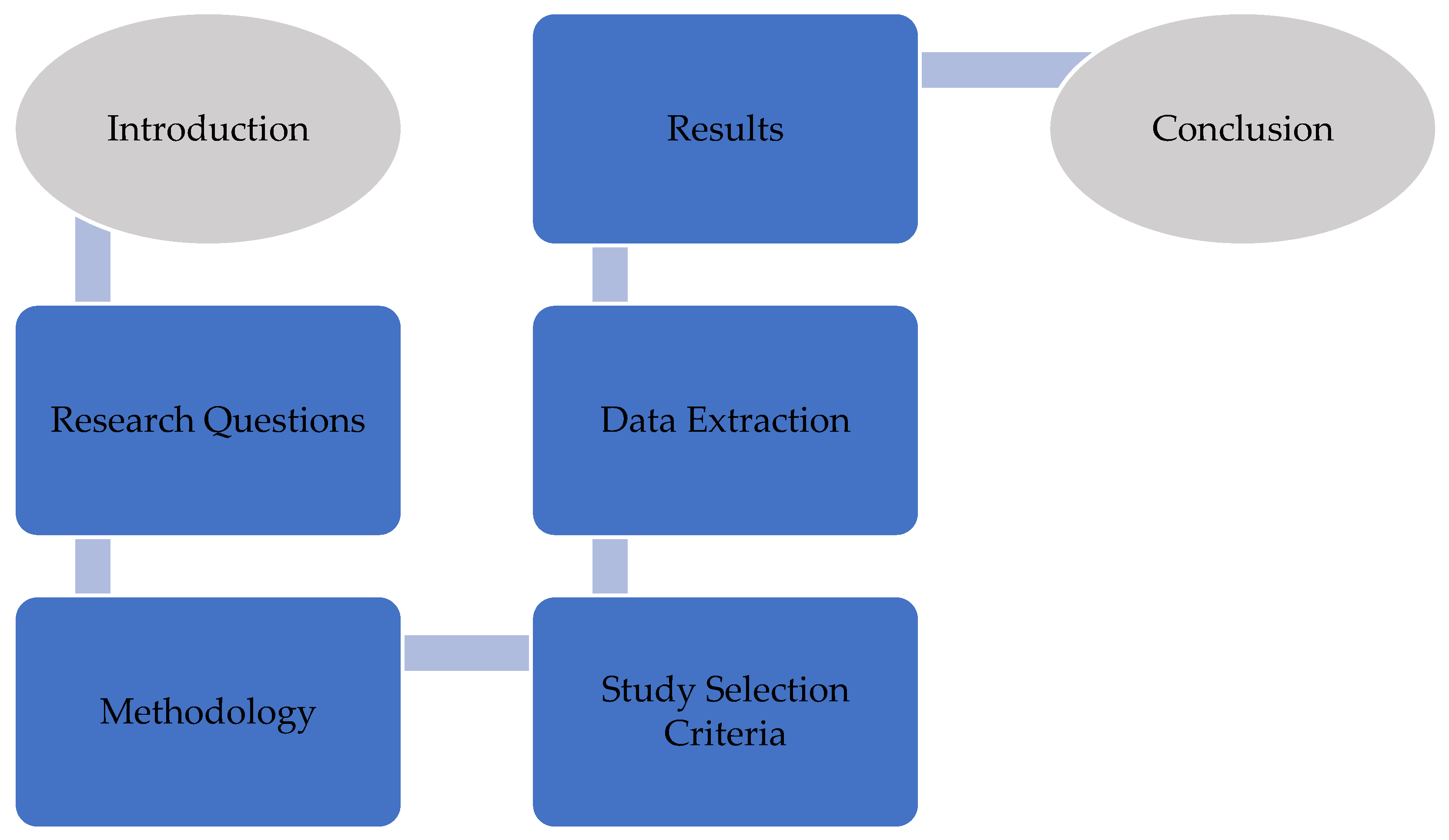
Figure 2.
Procedures and Stages of the Review.
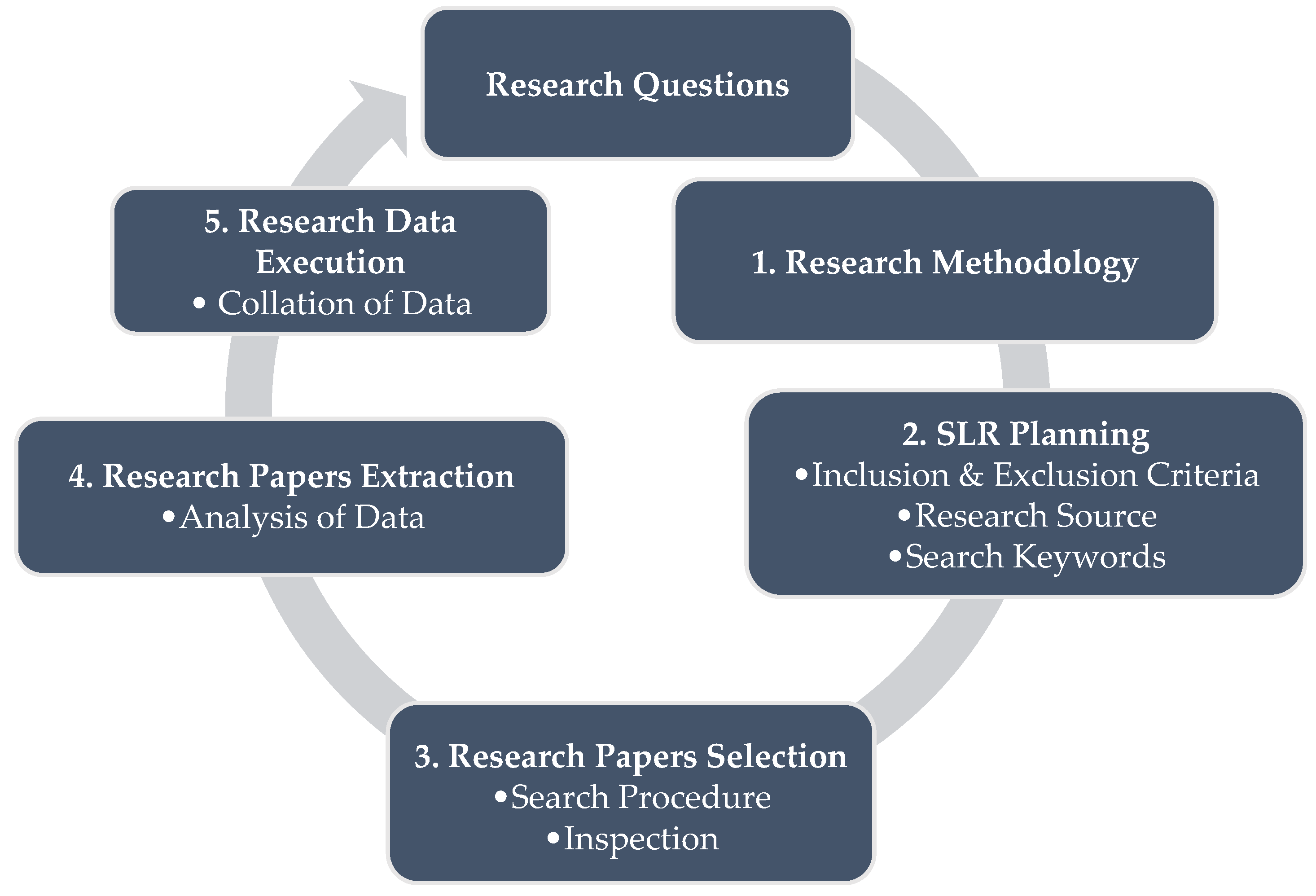
Figure 3.
Data Collection Process Flowchart.

Figure 4.
Initiated Data Items Process.
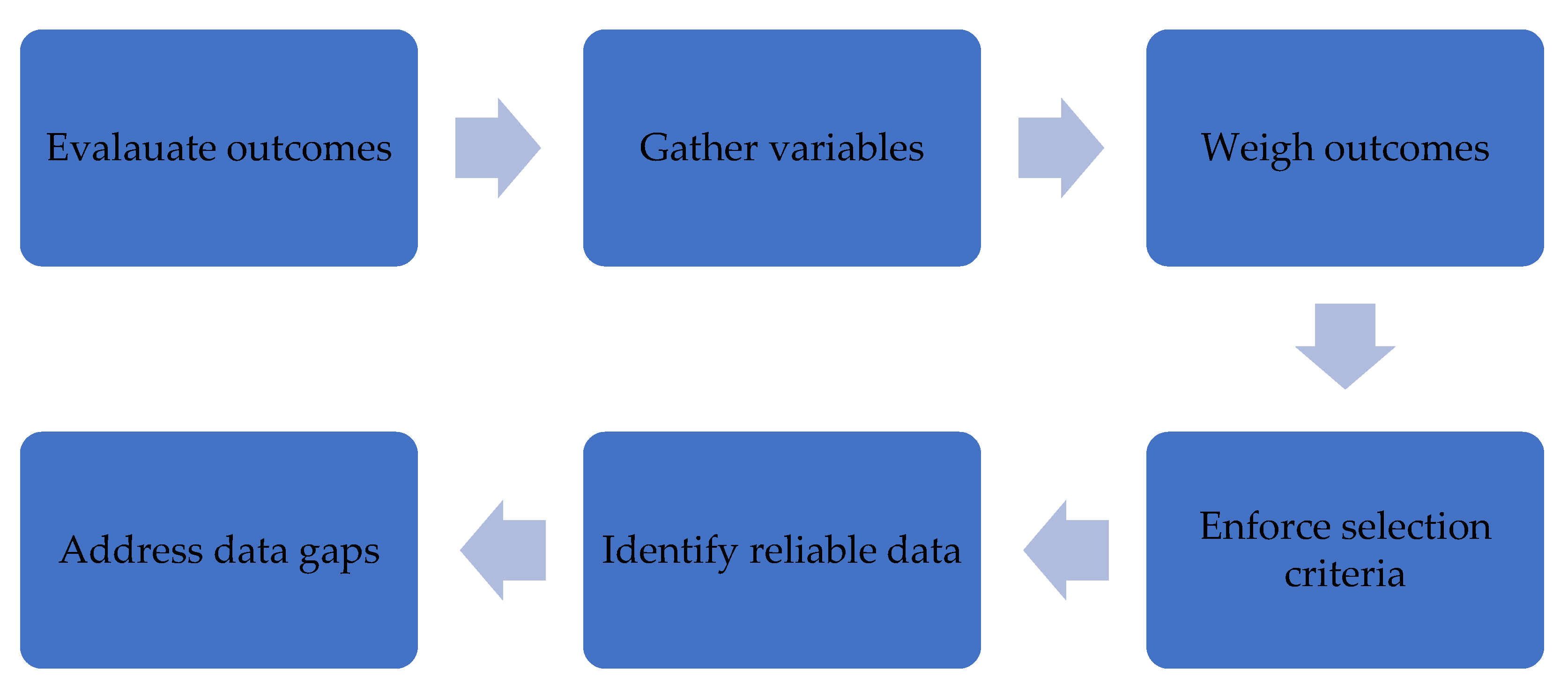
Figure 5.
Synthesis Methods.
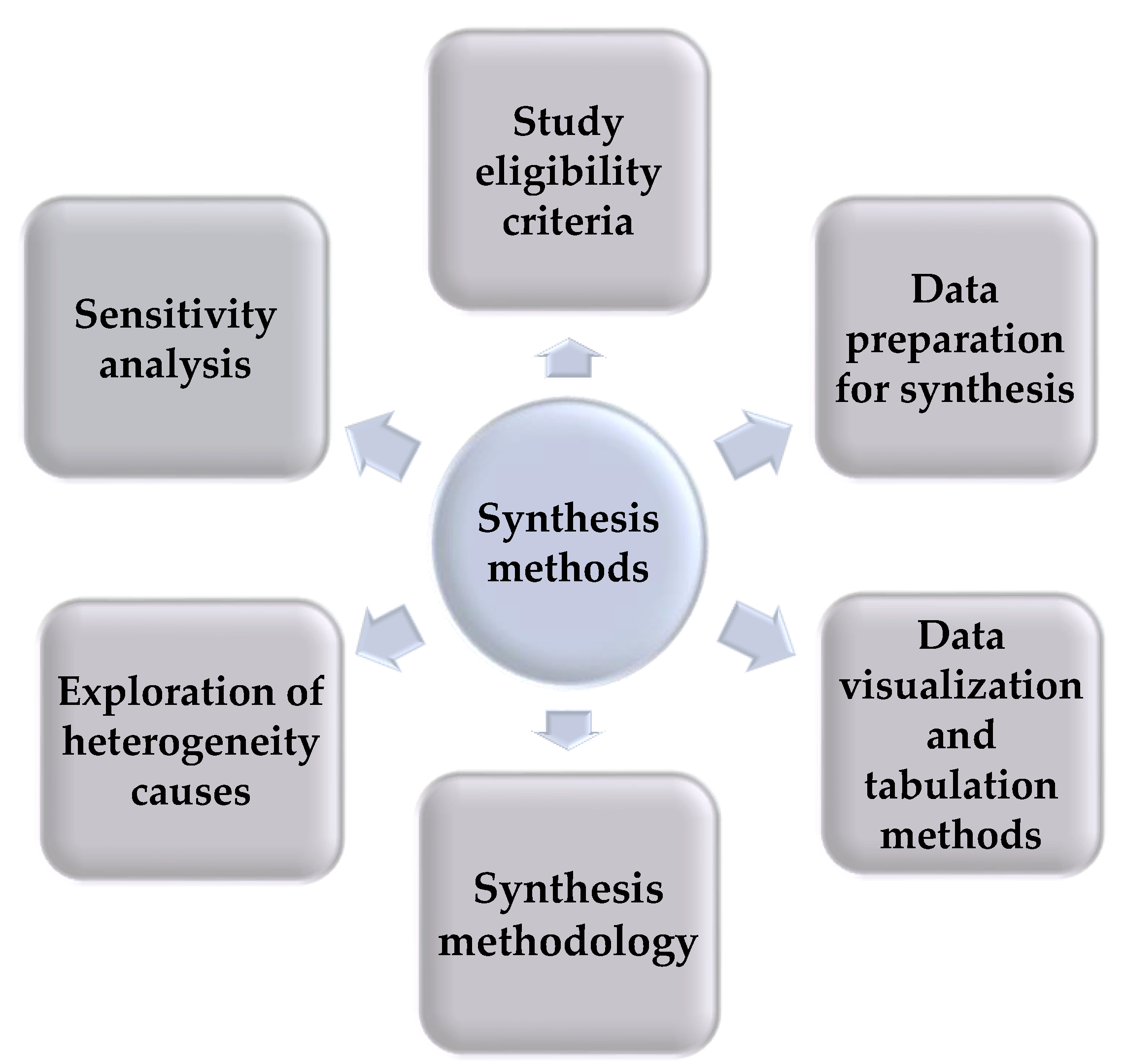
Figure 6.
Key Phases in Evaluating Systematic Review Results.
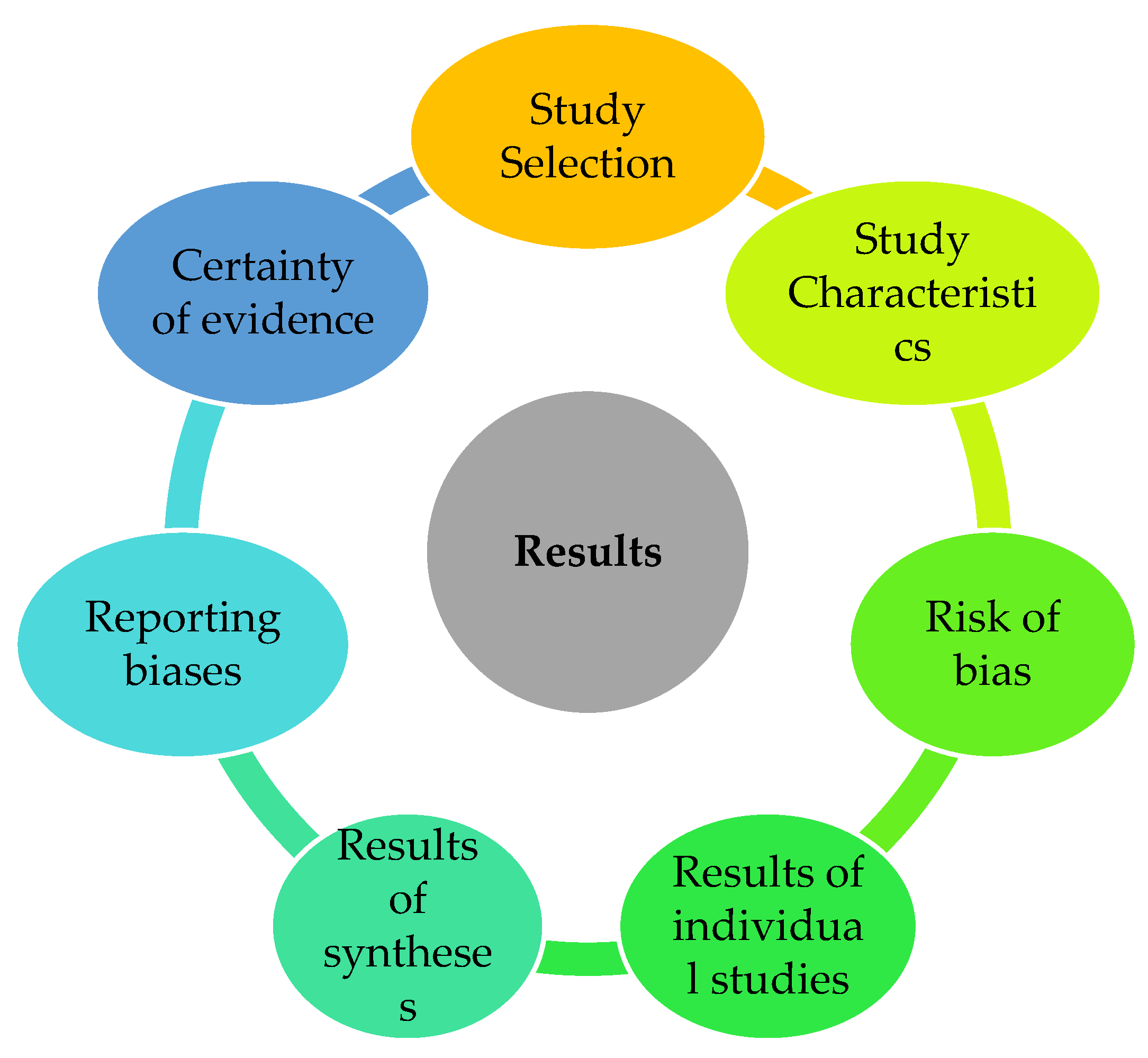
Figure 7.
Distribution of Online Data Sources.
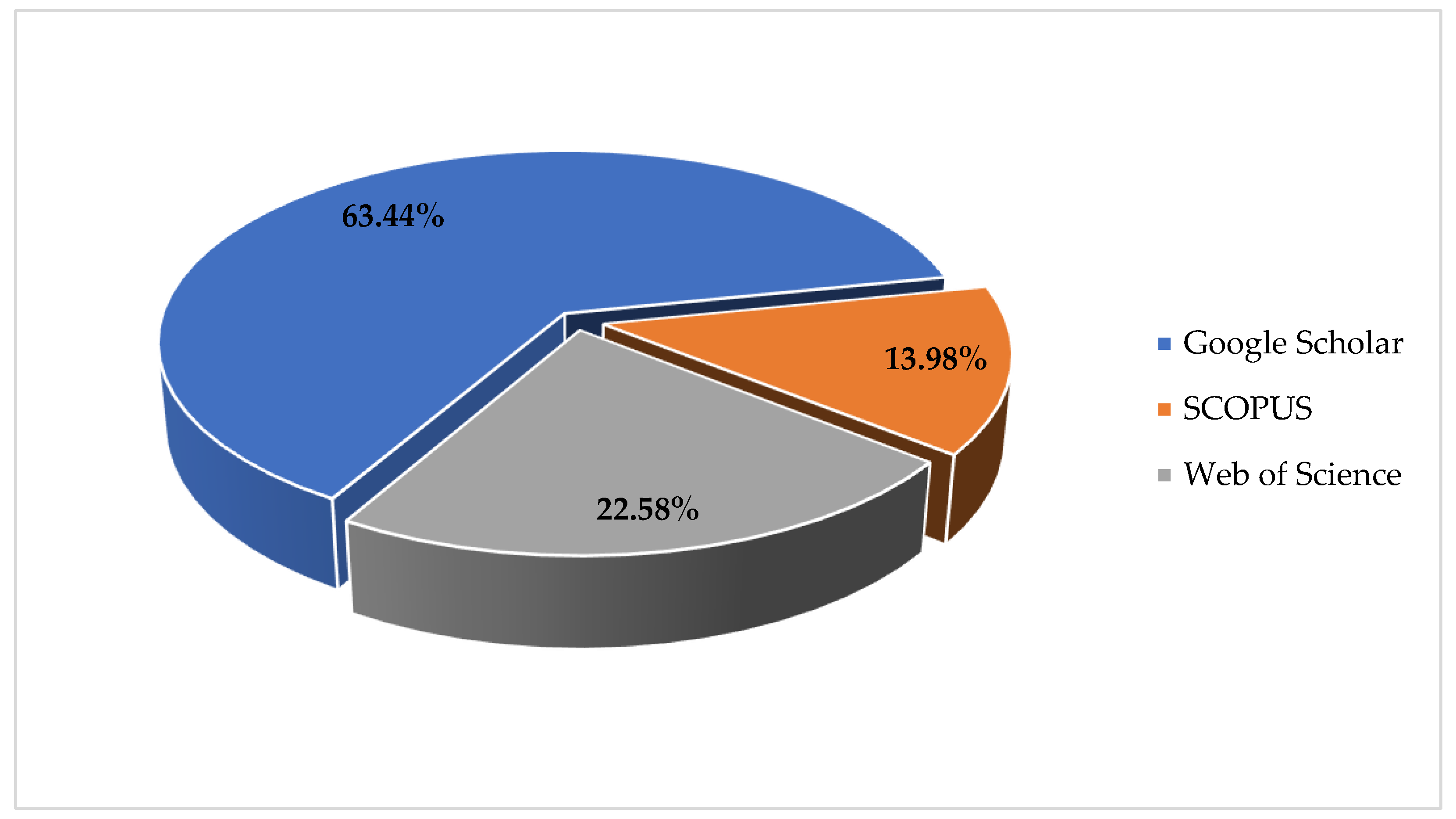
Figure 8.
Annual Distribution of Scholarly Publications (2014-2024).
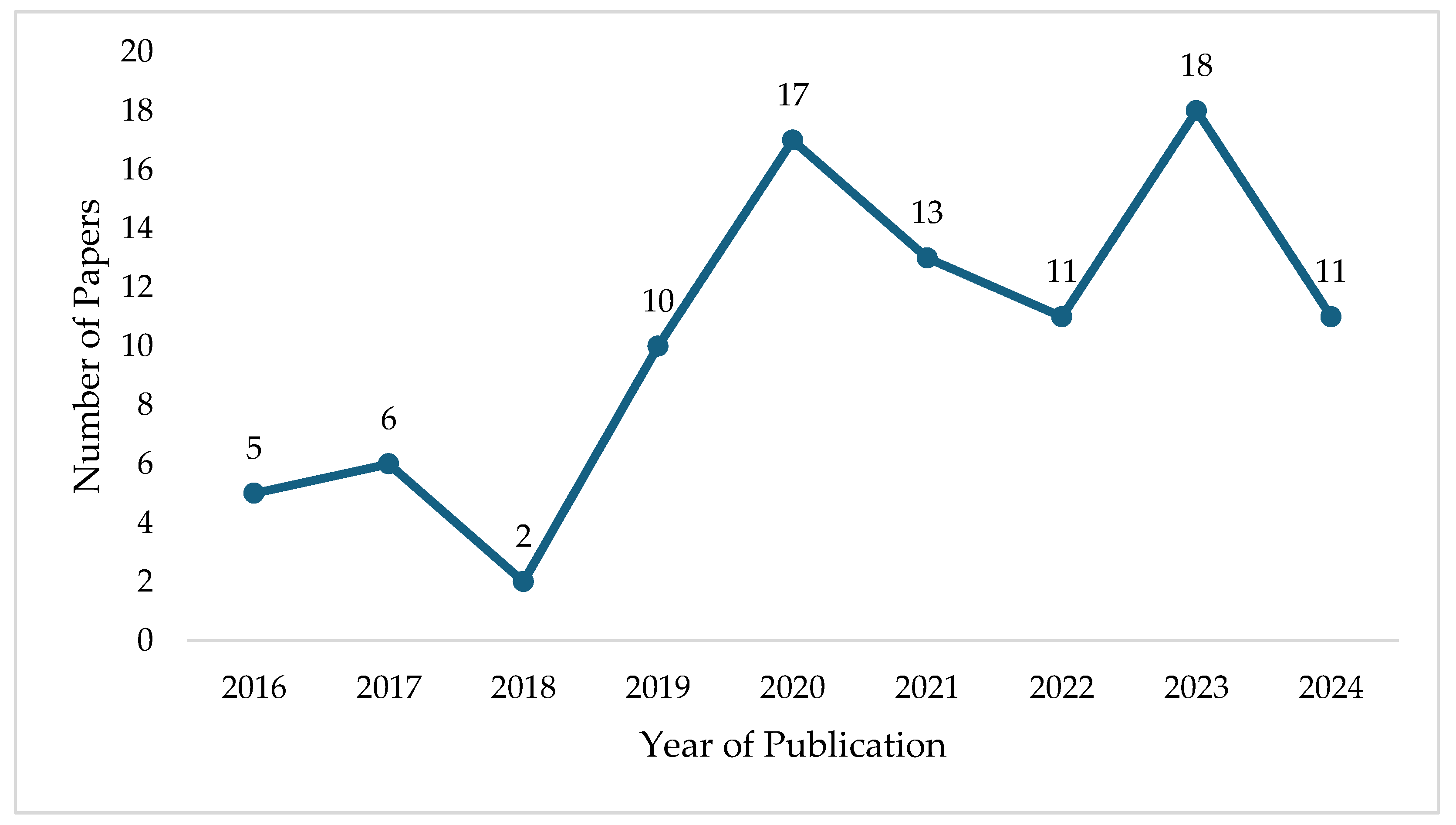
Figure 9.
Countries of studies.
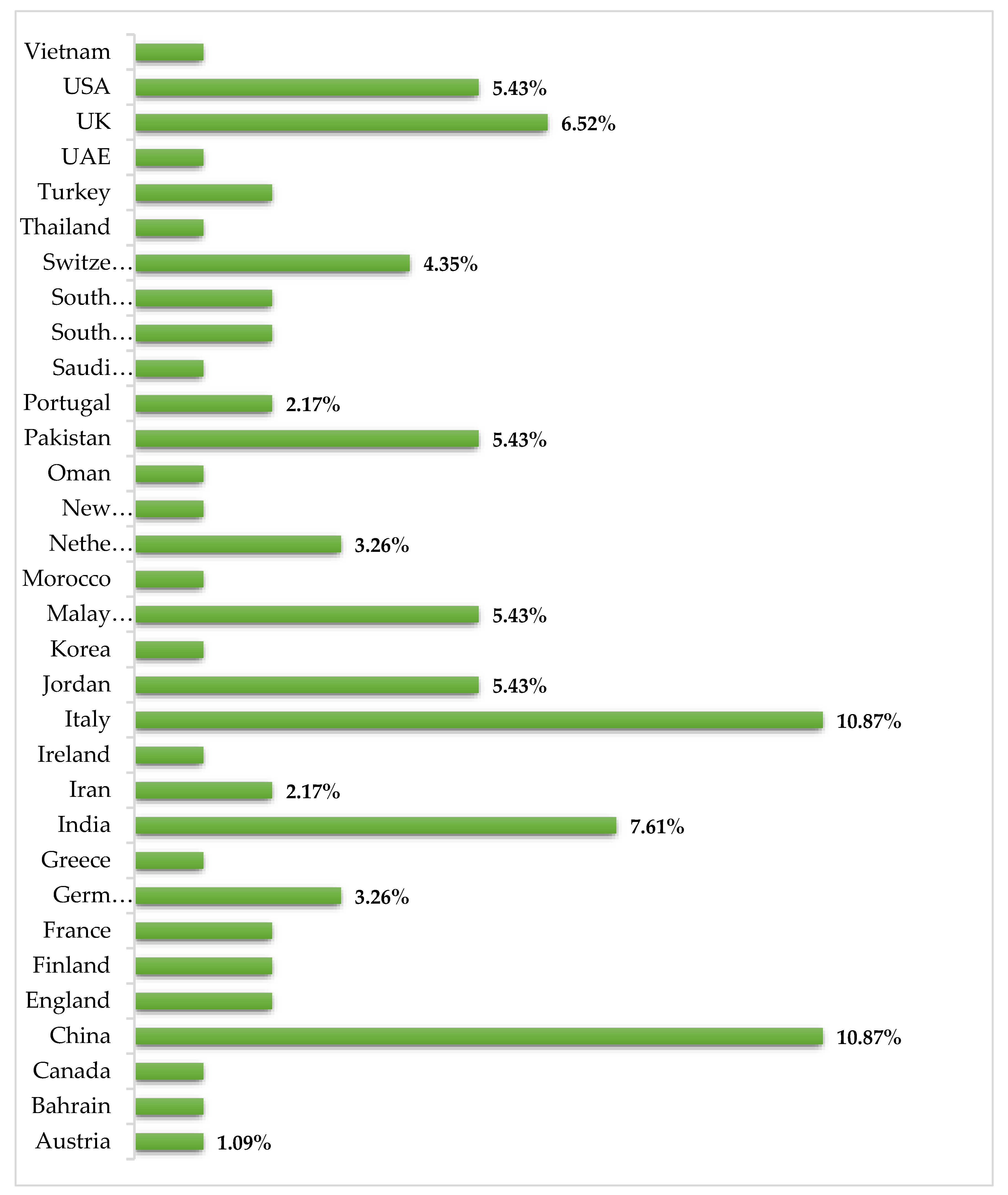
Figure 10.
Distribution and Implications of Research Designs.
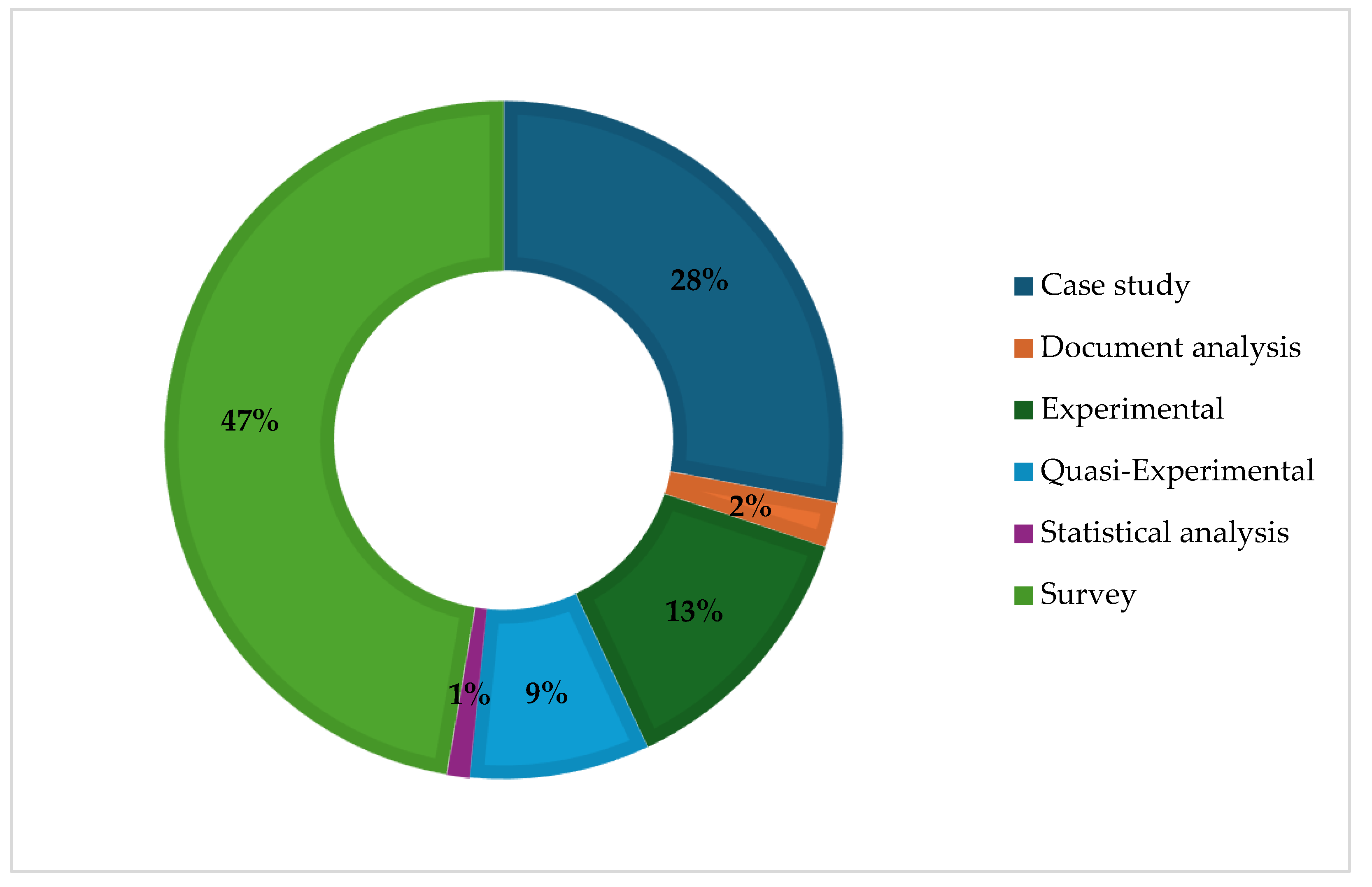
Figure 11.
Distribution of Business Performance Metrics.
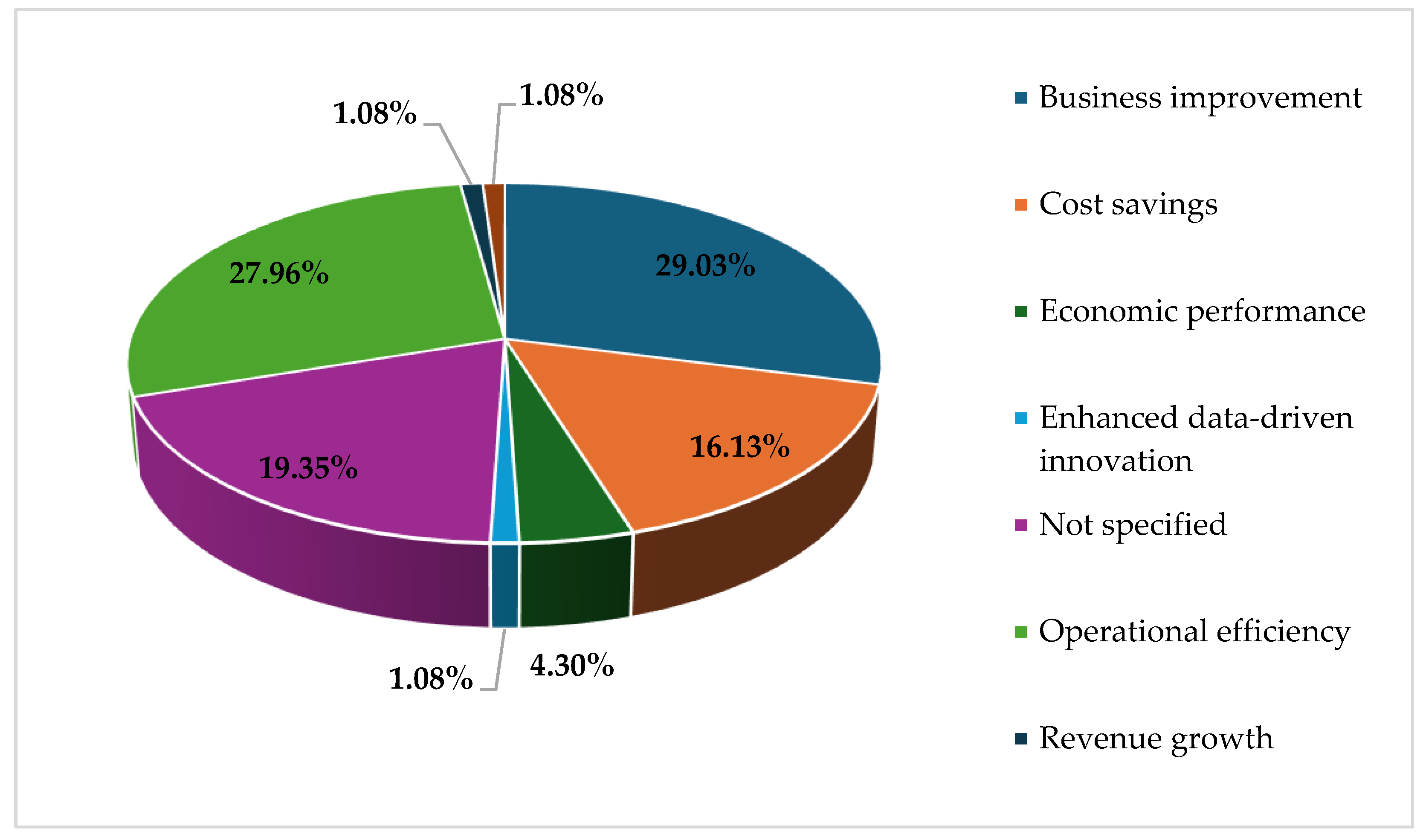
Figure 12.
Synthesis Systematic Process.
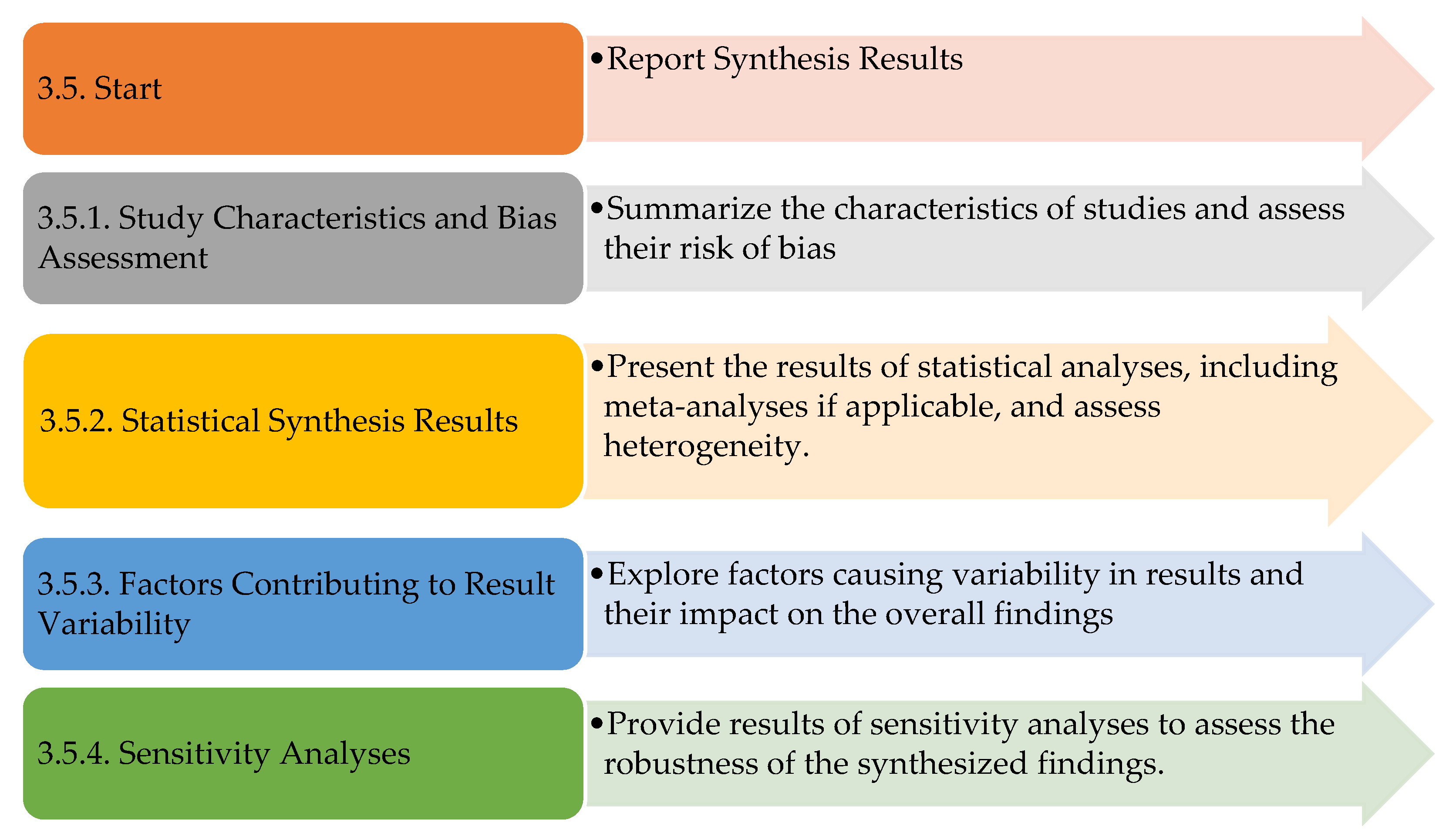
Figure 13.
Study Characteristics Breakdown.
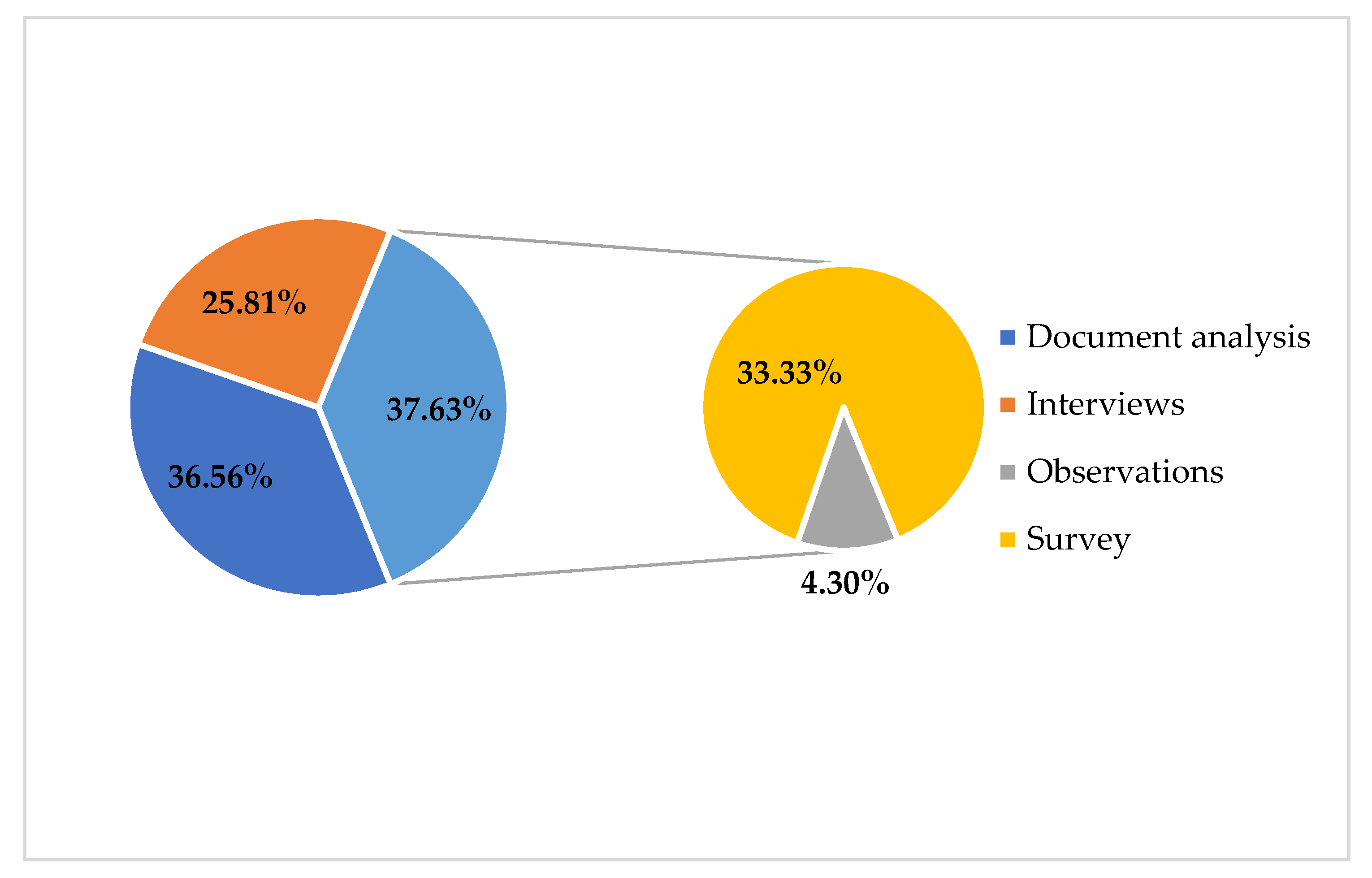
Figure 14.
Analysis Breakdown Methods.
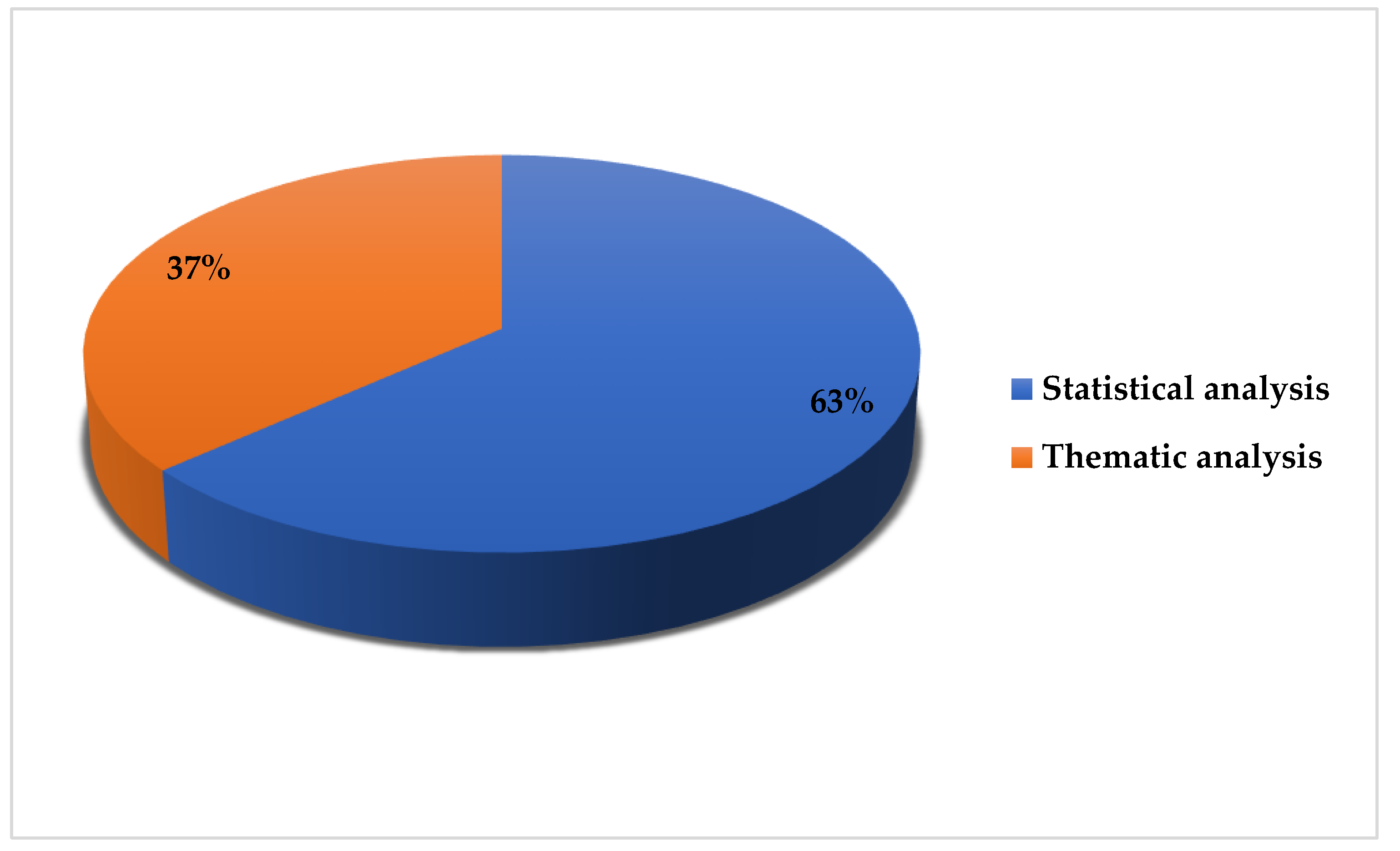
Figure 15.
Sample characteristics.
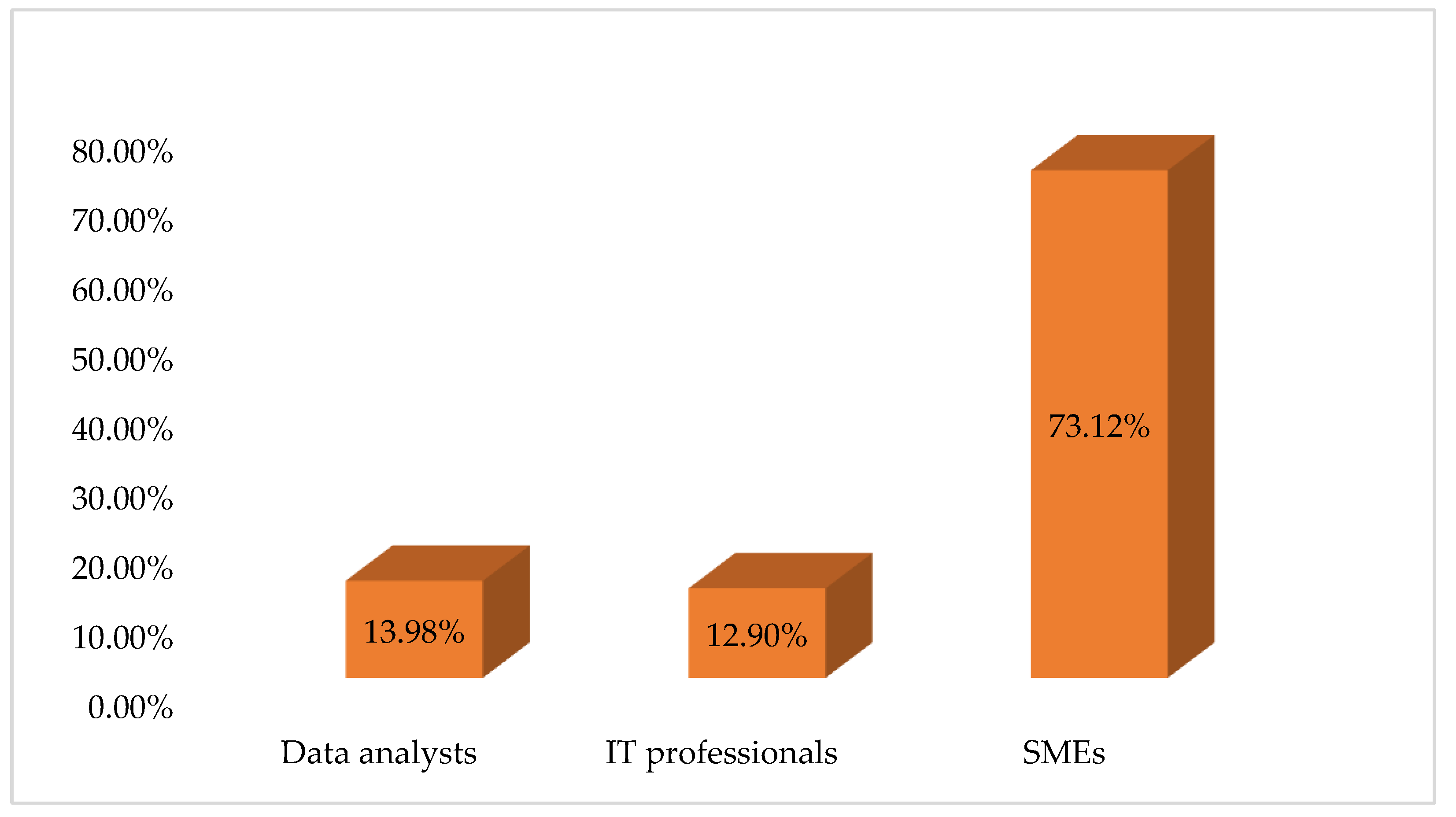
Figure 16.
Utilization of Data Analysis Techniques.
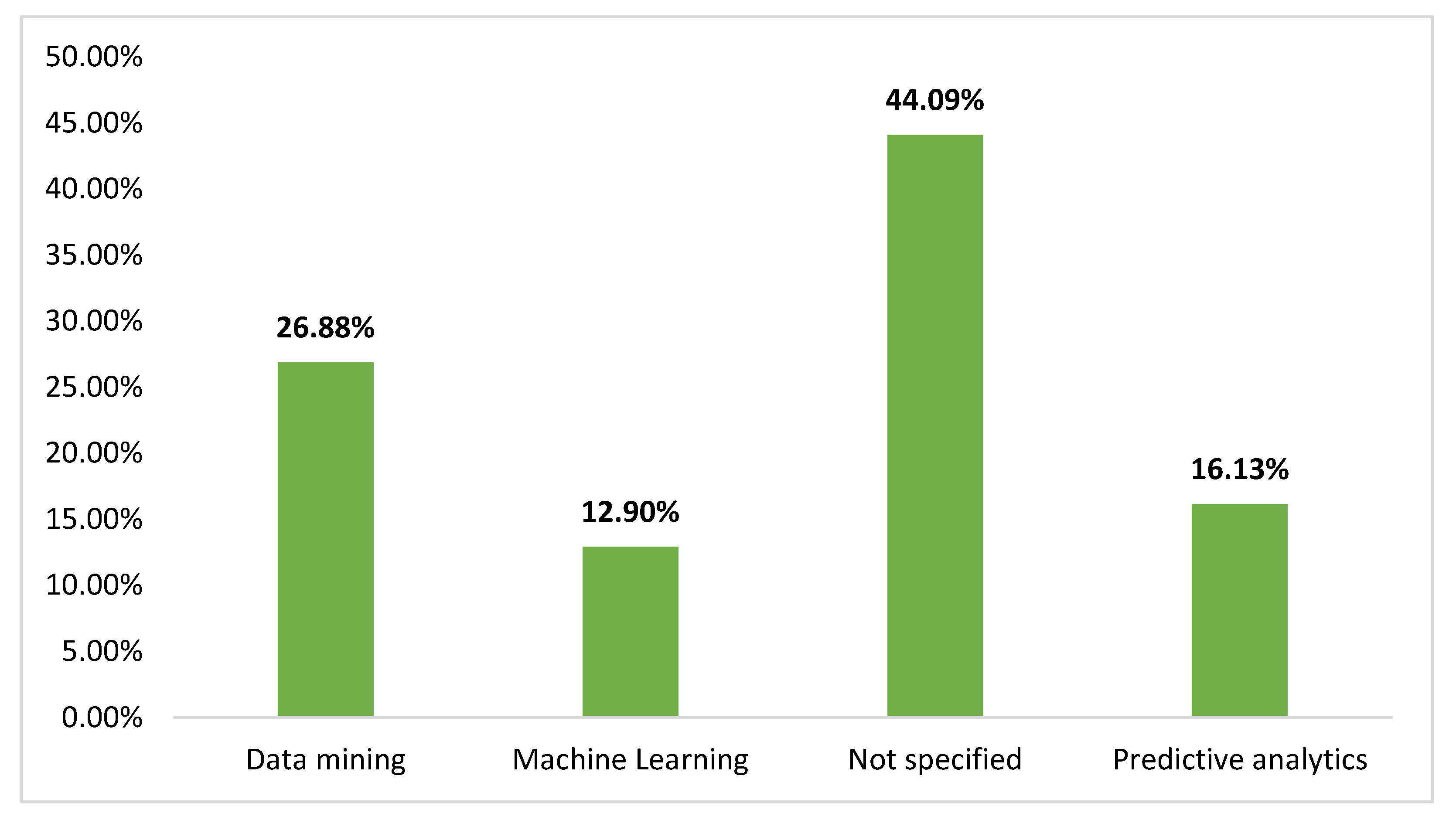
Figure 17.
Distribution of Study Types.
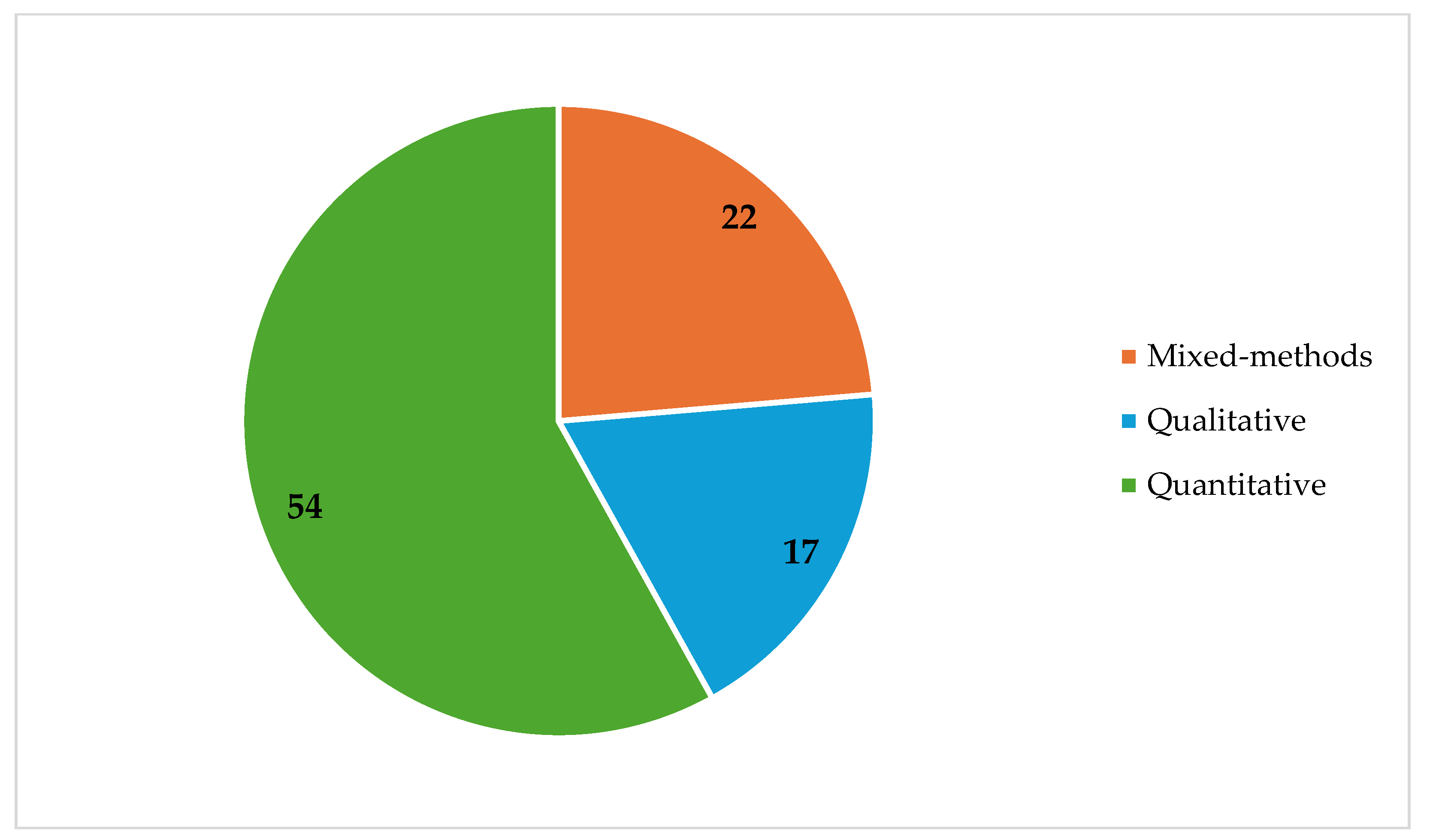
Figure 18.
Distribution of Data Collection Methods.
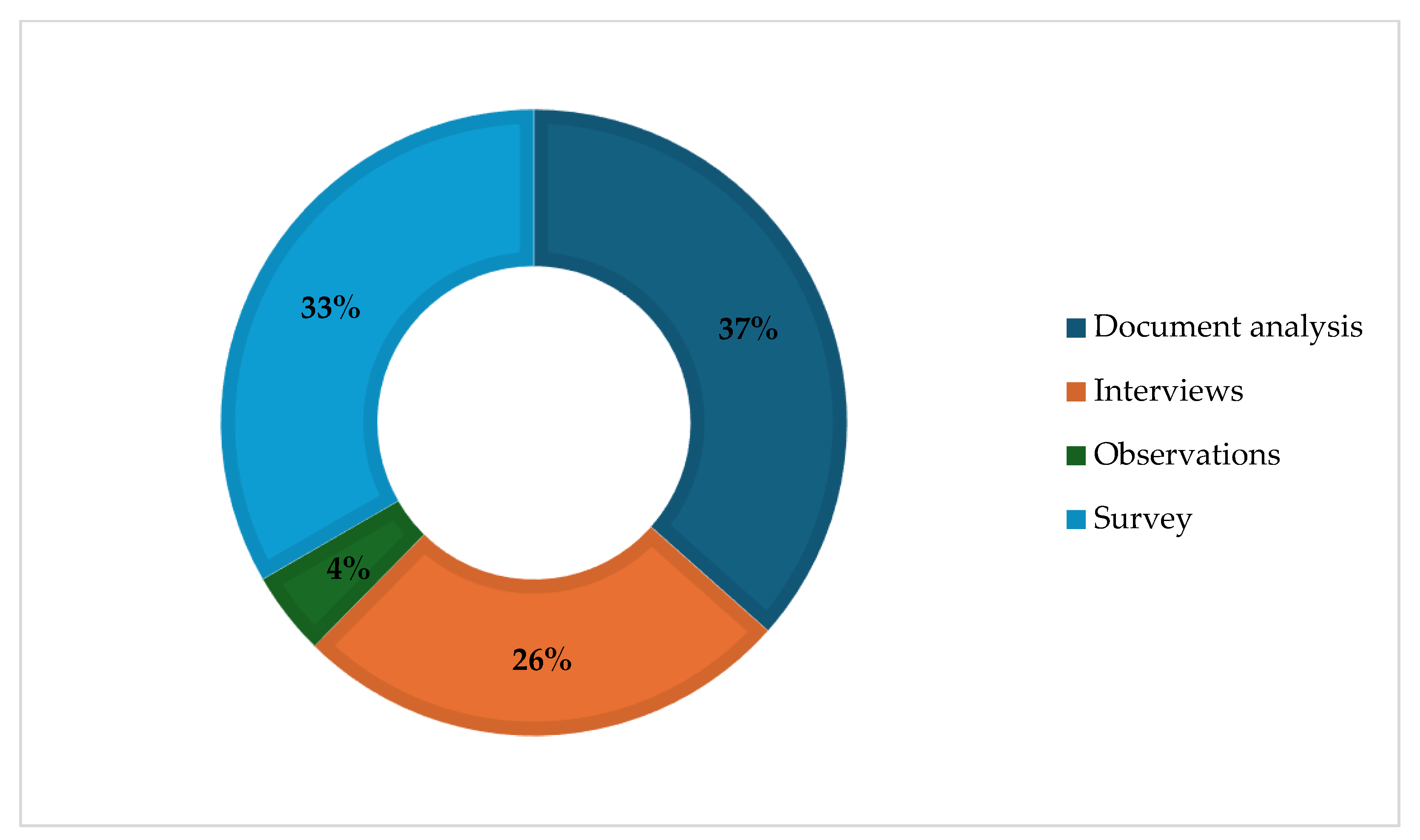

Table 1.
Comparative Analysis of Existing Reviews and Proposed Systematic Review.
| Ref. | Cites | Year | Contribution | Pros | Cons |
|---|---|---|---|---|---|
| [21] | 1583 | 2016 | Developed a Big Data Capabilities model integrating management, technology, and talent dimensions, validated through Delphi studies and surveys. | Highlights the importance of aligning analytics capabilities with business strategy; Provides a hierarchical model of Big Data Capabilities. | Lacks detailed empirical evidence on the direct impact of BDC on firm performance; Potentially limited generalizability of findings. |
| [22] | 233 | 2017 | Proposed a Big Data adoption model for Indian firms using PSV and TOE frameworks. | Insights into Big Data adoption in emerging economies; practical for managers. | Limited generalizability; small sample size. |
| [23] | 54 | 2018 | Review of Big Data as a source of competitive advantage | Identifies key benefits and sources of competitive advantage from Big Data; Practical implications for various industries | Requires managerial awareness for effective implementation; Focuses on conceptual benefits without in-depth empirical analysis |
| [24] | 50 | 2019 | The adoption of Big Data in international marketing is still in the early stages, especially in SMEs and developing countries. | Provides insights into the current state of Big Data adoption in internationalization and highlights future research directions, focusing on international marketing. | Limited research on Big Data adoption in international marketing, especially among SMEs and in developing countries. |
| [25] | 3 | 2019 | BI in Decision Support Systems | Enhances decision-making quality, supports strategic decisions, improves efficiency | Requires complex setup, can be costly, data integration challenges |
| [26] | 24 | 2020 | Review of DM and KM in small transport SMEs, proposing new assessment tool. | The framework highlights DM-KM benefits for SMEs, especially in transportation. | Limited empirical evidence on SMEs in transportation; research relies on literature. |
| [27] | 54 | 2021 | Comprehensive identification of the impact of open innovation on company performance through a systematic literature review. | Provides a clear picture of the importance of organizational readiness for open innovation. | Focuses primarily on the management domain, potentially limiting applicability to other fields |
| [28] | 108 | 2021 | Review and bibliometric analysis of Big Data adoption | A broad analysis of big data across sectors; Highlights research gaps and trends | Limited to English studies; May miss relevant research due to keyword selection |
| [29] | 159 | 2021 | IoT and Big Data in Supply Chain Decision-making: A review. | Promotes autonomous decision-making and distributed data processing. | Challenges in fully leveraging IoT-generated data for SCM decisions due to limited autonomy. |
| [30] | 15 | 2021 | A systematic review of Big Data adoption challenges in Malaysian SMEs. | Highlights Lessig's Four Modalities' relevance and SMEs' challenges insights. | Limited to Malaysian SMEs, focus on literature review rather than empirical data. |
| [31] | 25 | 2022 | Analyzed the impact of inventory management on SMEs' operational performance using bibliometric and systematic review methods. | Revealed trends and gaps in inventory management research. Identified emerging themes and technologies. | Limited to articles only in English and from Scopus; some papers only addressed IM or OP separately. |
| [32] | 11 | 2022 | Development of a Big Data Adoption Model in B2B, Four-Category Classification, Systematic Literature Review | Comprehensive, structured approach; Clarifies adoption motives; Broad view identifies research gaps | Lacks practical details, may miss contexts; Too theoretical, may miss nuances; May miss trends, lacks empirical validation |
| [33] | 246 | 2022 | Overview of Big Data in intelligent manufacturing; proposes a decision-making framework. | Provides theoretical basis and practical insights; highlights real-time dynamic perception. | Limited to one year; may not cover emerging technologies beyond 2021. |
| [34] | 3 | 2023 | Examined factors influencing the adoption of Big Data in SMEs, identifying 13 key factors. | Provides a thorough analysis with practical insights, enhances academic understanding, useful for SMEs. | Focuses mainly on SMEs and may overlook some emerging trends or factors. |
| [35] | 19 | 2023 | Analyzed COVID-19 impact on SMEs' supply chains | Provides current insights | Limited to a specific population |
| [36] | 111 | 2023 | Reviewed the use of data science in SMEs' digital marketing strategies. Identified seven state-of-the-art uses and proposed four future research directions. | Provides a comprehensive overview of current data science applications in SMEs; identifies gaps and future research areas. | Limited to existing literature; may not fully capture emerging trends in data science. |
| [37] | 9 | 2023 | A systematic review of Cloud ERP, linking enablers and barriers to innovation outcomes. | A thorough analysis of benefits and challenges, a useful framework, identifies future research areas. | Limited to literature up to February 2022; primarily based on Indian studies; lacks some empirical data. |
| [38] | 161 | 2023 | Identified initial steps for MSMEs in digital transformation | Empowers MSMEs, fosters innovation, and enhances reputation | Requires cultural change and stakeholder management |
| [39] | 0 | 2024 | The paper examines how Industry 4.0 skills impact sustainable manufacturing in SMEs, highlighting rational culture's moderating effect and stressing the need for these competencies to boost sustainability. | The study offers insight into how Industry 4.0 competencies can boost sustainable manufacturing for SMEs, identifies literature gaps, and underscores the moderating role of rational culture. | The study's focus on Malaysian SMEs may limit its broader applicability, and reliance on existing literature might overlook recent Industry 4.0 and sustainable manufacturing trends. |
| [40] | 6 | 2024 | Reviews the impact of inventory management practices on SMEs’ operational performance through bibliometric and systematic analysis. | Highlights key inventory management strategies, identifies research gaps, and provides a roadmap for future studies. | Focuses broadly on inventory management without in-depth analysis of specific practices or technologies. |
| [41] | 2 | 2024 | Examines cloud computing's role in the circular economy for SMEs using TOE and institutional isomorphism frameworks. | A comprehensive framework identifies research gaps and rigorous methodology. | Limited empirical data on cloud computing's impact, and complex framework. |
| [42] | 0 | 2024 | The paper explores the negative implications of Industry 4.0 on sustainability and presents a framework for addressing these issues. | It highlights Industry 4.0's negative impacts like job loss, wage gaps, and environmental issues, and suggests ways to address them. | The emphasis on negative impacts may overshadow Industry 4.0's benefits and relies mainly on Indian literature with limited empirical data. |
| [43] | 1 | 2024 | Systematic review of integrating analytics in Enterprise Information Systems (EISs) | A comprehensive review of global literature; Highlights adoption challenges and strategic impacts; Utilizes PRISMA 2020 and TOE framework | May overlook non-English studies; Limited by selected databases and search terms |
| [44] | 50 | 2024 | Systematic review of business analytics for competitive advantage in emerging markets | Comprehensive analysis of recent literature; Identifies key impacts and challenges | Excludes non-English and non-peer-reviewed sources; Limited to recent publications |
| Proposed systematic review |
Integrates research on Big Data applications for SMEs, and examines different setups, performance indicators, and sustainability for improving business outcomes. Also, introduces innovative regression models to assess various financial aspects of SME operations. | Comprehensive insight highlights research deficiencies, essential for future investigations. | |||
Table 2.
Proposed Inclusion and Exclusion Criteria.
| Criteria | Inclusion | Exclusion |
|---|---|---|
| Topic | Articles must focus on the Impact of Big Data on SME Performance. | Articles unrelated to the Impact of Big Data on SME performance. |
| Research Framework | The articles must comprise a research framework for the Impact of Big Data on SME performance. | Articles with inadequate research framework focusing on the Impact of Big Data on SME performance. |
| Language | Papers written in English | Papers not written in English |
| Publication Period | Publications between 2014 and 2024 | Publications outside 2014 and 2024 |
Table 3.
Search Terms Used in SLR.
| Search Terms | Data Bases | Fields | ||||||
|---|---|---|---|---|---|---|---|---|
| Big Data OR Data Analytics OR Data Mining |
AND | SMEs OR Small and Medium Enterprises OR Small and Medium-sized Businesses |
AND | Performance OR Business Performance OR Organizational Performance |
AND | Impact OR Effect OR Influence OR Role |
Google Scholar Web of Science SCOPUS |
Title, Abstract Keywords |
1 These terms were only used when the search for "Big Data" AND "SME performance" did not produce the expected results.
Table 4.
Proposed Risk of Bias.
| Fields | Description | Selections |
|---|---|---|
| Title | The name of the research article or paper. | None |
| Year | The publication year of the study. | None |
| Online database | The database where the article was sourced. | Google Scholar, SCOPUS, Web of Science |
| Journal name | Represents data as slices of a whole, ideal for showing proportional or percentage distribution of categories. | None |
| Research type | Shows parts of a whole, allowing multiple variables to be represented in the same category for easier comparison. | Article journal, conference paper, book chapter, dissertation, thesis |
| Cites | Plots individual data points on an X and Y axis to explore relationships or correlations between two variables. | None |
| Discipline or subject area | Uses colour coding to represent data intensity or frequency, useful for spotting patterns in large datasets. | Big Data, SME performance, Business Analytics |
| Industry Context | The industry or sector the research is focused on | SME’s, startups, small businesses |
| Geographic location | The region or country where the study was conducted or focused. | None |
| Economic context | The economic environment of the study | Developed, developing |
| Types of Big Data technologies | The specific Big Data technologies used in the research | Hadoop, Spark, NoSQL databases |
| Big Data analytics techniques | The analytical methods employed | Machine learning, data mining, predictive analytics |
| Technology providers | Companies or organizations providing the technology | Cloudera, Hortonworks, IBM, AWS |
| Technology implementation model | The mode of technology deployment | On-premises, cloud-based, hybrid |
| Research design | The design of the study | Experimental, quasi-experimental, case study, survey |
| Type of Study | The methodology used | Qualitative, quantitative, and Mixed methods |
| Sample size | The number of participants or entities involved in the study. | None |
| Sample characteristics | Demographic or specific features of the sample | SME’s, Big Data, IT professionals |
| Data collection methods | Techniques used to gather data | Interviews, surveys, observations, document analysis |
| Big Data techniques | Methods used to analyze the data | Statistical analysis, thematic analysis |
| IT performance metrics | Measures related to technological performance | Data processing speed, scalability, data accuracy |
| Business performance | Measures of business outcomes | Operational efficiency, revenue growth, cost savings |
| Organizational outcomes | Results related to the organization | Employee satisfaction, customer satisfaction |
| Long-term impacts | The extended effects of the study findings | Business sustainability, competitive advantage |
Table 5.
Proposed Risk of Bias Assessment.
| Ref. | Selection (0-4 stars) | Comparability (0-2 stars) | Outcome/Exposure (0-3) | Total Stars | Quality Rating |
|---|---|---|---|---|---|
| [60,101,111] | ★★ | ★ | ★★ | 5 | Low |
| [62,66,68,82,93,98,100,107,109,126,129,135] | ★★ | ★★ | ★★ | 6 | Low-Moderate |
| [50,53,55,58,59,67,70,75,77,80,84,86,87,95,106,110,116,118,119,121,123,124,129,135] | ★★★ | ★★ | ★★ | 7 | Moderate |
| [45,47,48,52,54,56,57,61,63,64,69,71,74,80,85,87,88,93,96,97,104,106,109,113] | ★★★ | ★★ | ★★★ | 8 | Moderate-High |
| [46,49,51,65,72,73,76,78,81,83,92,94,99,102,104,108,115,117,124,130] | ★★★★ | ★★ | ★★★ | 9 | High |
Table 6.
Pivot Chart to Visualize and Analyze Data.
| Chart Type | Purpose | Data Representation Format |
|---|---|---|
| Bar chart | Displays categorical data with rectangular bars, ideal for comparing different categories or variables in a dataset. | Numbers |
| Column chart | Similar to a bar chart, but with vertical bars, it is useful for comparing the frequency or amount of categories. | Numbers |
| Line chart | Shows trends over time by connecting data points with a continuous line. | Numbers |
| Pie chart | Represents data as slices of a whole, ideal for showing proportional or percentage distribution of categories. | Percentages (%) |
| Stacked bar chart | Shows parts of a whole, allowing multiple variables to be represented in the same category for easier comparison. | Numbers and Percentages (%) |
| Scatter plot | Plots individual data points on an X and Y axis to explore relationships or correlations between two variables. | Numbers |
Table 7.
Results Obtained from Literature Search.
| No. | Online Repository | Number of results |
|---|---|---|
| 1 | Google Scholar | 64 |
| 2 | Web of Science | 233 |
| 3 | Scopus | 13 |
| Total | 315 |
Table 8.
Types of Big Data Technologies.
| Types of Big Data Technologies | Description |
|---|---|
| Hadoop | A framework developers can use for managing very large datasets in a distributed environment using simple programming models that span multiple clusters. It enables the expansion of additional machines in addition to the storage servers to a hundred thousand with a local processing unit and a local disk. |
| Spark | An analytics system that can process an entire Big Data stack in one tool which includes stream processing, SQL, machine learning, and graph computation processing engine. A particular processing framework that brings data into memory and processes it there instead of inputting data from disk every single time, therefore, it is appropriate for real-time analysis of data. |
| NoSQL Databases | This approach of database management systems is suitable for systems that require support for a variety of data formats such as relational, document, column-oriented, and graph databases. NoSQL databases are built with specific principles in mind, and they are most efficiently used in a Big Data environment with a great deal of data that is advancing in complexity. |
Table 9.
Research Quality Questions Results.
| Questions(Q) | Research Quality Questions |
|---|---|
| Q1 | Are the research objectives explicitly outlined and well-defined? |
| Q2 | Is the research methodology comprehensively detailed? |
| Q3 | Is the impact of Big Data on SME performance thoroughly and clearly analyzed? |
| Q4 | Are the methods for data collection comprehensively detailed and appropriate? |
| Q5 | Do the research findings add to the existing literature on the topic? |
Table 10.
Findings from the Literature Quality Assessment.
| Ref. | Q1 | Q2 | Q3 | Q4 | Q5 | Total | % |
|---|---|---|---|---|---|---|---|
| [45,46,49,51,52,53,56,57,58,61,64,65,71,72,73,74,75,77,80,82,84,85,87,90,107,123,125,127,133] | 1 | 1 | 1 | 1 | 1 | 5 | 100% |
| [47,48,55,59,60,77,79,104,111,112,125,127,129,132] | 1 | 1 | 0.5 | 1 | 1 | 4.5 | 90% |
| [54,63,80,92,95,96,97,98,99,100,101,102,103,105,109,124,134,137] | 1 | 0.5 | 0.5 | 1 | 1 | 4 | 80% |
| [69,70,86,87,89,90,113,114,137,141] | 1 | 0.5 | 0.5 | 0.5 | 1 | 3.5 | 70% |
| [50,62,66,68,85,94,106,113,114,115,116,117,118,119,120,121,122,123] | 1 | 0.5 | 0.5 | 0 | 1 | 3 | 60% |
| [67,82] | 1 | 0.5 | 0 | 0 | 1 | 2.5 | 50% |
2This table shows the Quality Assessment scores for each paper, based on five criteria related to the impact of Big Data on SME performance. Higher scores indicate better quality and relevance.
Table 11.
Distribution of Conference Papers and Journal Articles by Publication Year.
| Published Year | Conference Paper | Journal Article |
|---|---|---|
| 2016 | 3 | 2 |
| 2017 | 2 | 6 |
| 2018 | 1 | 2 |
| 2019 | 3 | 7 |
| 2020 | 3 | 13 |
| 2021 | 1 | 11 |
| 2022 | 2 | 10 |
| 2023 | 0 | 15 |
| 2024 | 0 | 12 |
Table 12.
Contribution of Studies.
| Category | Ref. | Contribution |
|---|---|---|
| Big Data (BD) and Firm Performance | [45,47,52,53,59,62,72,74,86,87,100,105,126,134] | BD enhances financial, growth, innovation, and environmental performance. Organizational readiness, top management support, and relative advantage are key drivers. Information sharing, competitive pressure, and compatibility influence BD adoption. SMEs in various sectors, including manufacturing, face challenges with adoption but see improved efficiency and effectiveness when overcome. BD-specific absorptive capacity and analytics culture mediate the relationship between technological and human capabilities and strategic business value. |
| Industry 4.0 and Digital Capabilities | [46,50,55,60,63,75,78,91,95,129,133] | The adoption of Industry 4.0 technologies improves operational, financial, and innovation performance, especially in manufacturing and SCM. Digital readiness, top management support, and firm-level R&D activities affect innovation outcomes in SMEs. Digital Twin Technology also shows increased Overall Equipment Effectiveness (OEE). |
| BD for Decision-Making and Knowledge Management | [48,51,66,67,69,81,96,101,108,109,125] | BD improves decision-making and knowledge management, leading to increased flexibility and productivity. Barriers include a lack of expertise and technological complexity. KM models enhance the strategic use of Big Data, guiding SMEs in effectively leveraging BD for process improvement. Integration of BD into software process improvements also enhances software quality and productivity. Deep learning identifies key factors in knowledge management that foster innovation. |
| BD and Competitive Advantage | [58,61,72,76,81,82,88,94,106,122] | BD enhances competitive advantage through better market performance and supply chain coordination. Entrepreneurial orientation, co-innovation, and environmental factors are important drivers. BD also enables resilience during crises, especially through supply chain optimization. Open innovation strategies and knowledge integration mechanisms also significantly impact competitive positioning and innovation. |
| Adoption Challenges and Barriers to BD | [93,101,113,114,126,135,136,161] | Common barriers include lack of understanding, financial constraints, and insufficient expertise. Technological, organizational, and environmental factors (TOE) influence BD and BDaaS adoption, and organizational readiness moderates adoption decisions. Cloud computing and maturity models can help SMEs overcome these challenges. Outsourcing BD is an emerging solution for smaller firms. |
| BD in Supply Chain Management | [71,75,78,87,92,98,112] | BD enhances supply chain efficiency through improved visibility, real-time adjustments, and sustainability. It is particularly impactful in logistics and during disruptions like COVID-19. Big Data management capabilities contribute to innovative green product development and sustainable supply chain outcomes. Data capability and supply chain capability (SCC) are crucial for leveraging BD effectively. |
| Cloud-Based BD and Scalability | [68,70,84,89,112,115] | Cloud computing offers scalable, cost-effective solutions for SMEs to access BD technologies, improving innovation, productivity, and profitability without heavy infrastructure investments. BDaaS and fog computing also address security and adoption challenges. A novel BDMM developed for SMEs in Thailand achieved positive user acceptance. |
| BD and HR Practices | [80,82] | Big Data improves HR service quality and innovation competency, particularly when organizations are open to change and focus on developing technical HR skills. |
| Big Data-Driven Innovation | [59,73,79,97,118,124] | BD enhances green innovation and performance, contributing to better economic and environmental outcomes. Digital readiness and collaboration in Industry 4.0 environments are key enablers. ICTs for intra- and inter-organizational innovation significantly enhance SMEs’ ability to generate new products and services. Data-driven business models in hospitality also foster innovation and value creation. |
| BD in Financial Services | [77,103,107,129] | BD helps financial services assess SMEs' credit, reduce information asymmetry, and facilitate financing by providing tailored support through digital platforms. The proposed framework integrating financial and non-financial data offers better credit assessments, especially for SMEs with poorer financial conditions. FinTech significantly improves SMEs’ performance by expanding financing scale and reducing financing costs. |
| BD and Project Performance | [85,135] | BD adoption positively influences project performance by mediating relationships between knowledge management, green purchasing, and operational capabilities, especially in manufacturing SMEs. A hybrid approach combining DEA with machine learning techniques improves performance prediction accuracy for MSMEs. |
| BD and Network Security | [93,99] | Security frameworks integrating BDA improve network reliability and data validity, helping SMEs address privacy concerns and prevent breaches using advanced techniques like fog computing and machine learning. |
| BD in Agriculture and SMEs | [102,104] | Big Data impacts both formal and informal management control systems (MCS). Leadership and managerial culture influence how Big Data stabilizes or changes MCS. BD supports sustainable operational practices in agricultural SMEs. |
| BD and Innovation Efficiency | [131,133] | Absorptive capacity directly affects sustainable economic performance and indirectly influences it through risk resilience. Big Data Capabilities (BDCs) positively regulate the relationship between market development strategy and product innovation efficiency. |
| BD in Traffic Systems | [136] | Crowdsourced traffic data combined with machine learning techniques enhances accuracy in traffic event detection, improving effectiveness and reducing costs compared to conventional methods. |
Disclaimer/Publisher’s Note: The statements, opinions and data contained in all publications are solely those of the individual author(s) and contributor(s) and not of MDPI and/or the editor(s). MDPI and/or the editor(s) disclaim responsibility for any injury to people or property resulting from any ideas, methods, instructions or products referred to in the content. |
© 2024 by the authors. Licensee MDPI, Basel, Switzerland. This article is an open access article distributed under the terms and conditions of the Creative Commons Attribution (CC BY) license (http://creativecommons.org/licenses/by/4.0/).
Copyright: This open access article is published under a Creative Commons CC BY 4.0 license, which permit the free download, distribution, and reuse, provided that the author and preprint are cited in any reuse.


