

Submitted:
28 August 2024
Posted:
28 August 2024
You are already at the latest version
Abstract
Air pollution has become one of the biggest problems throughout the world. Smog has a severe effect on the pulmonary and circulatory systems, which causes a significant number of deaths globally. Therefore, the remediation of air pollutants to maintain ecosystem processes and functions and to improve human health is a crucial problem confronting mankind today. This review aims to discuss the health effects of smog on humans. This review will also focus on the bioremediation of air pollution (smog) using bacteria, fungi, phytoremediation, nanotechnology, and phylloremediation (using plants and microbes). Phyllo-remediation is the most effective technology for removing air pollution naturally. The future perspective presents a great need to produce an ecosystem where microbes, plants, and nanoparticles synergistically control smog. In addition, further advancements would be needed to modify the genetic makeup of microbes and plants. Biotechnological approaches like CRISPR-Cas9 can be applied to the editing and cutting specific genes responsible for the bioremediation of VOCs, NOx, SOx, and harmful hydrocarbons. The extracted genes can then be expressed in biologically modified microorganisms and plants for enhanced bioremediation of smog.
Keywords:
Bioremediation
; microbes
; smog
; air pollution
; nanoremediation
; phylloremediation
1. Introduction
Environmental pollution has become an absolute issue, affecting the ecosystem's biotic and abiotic factors. The sewage system has led the water bodies towards an ecosystem full of organic and inorganic toxicants. This ultimately affects aquatic life and mankind. Additionally, landfilling is a source of soil pollution, contaminating the land with toxicants and making it unfit for sustaining a healthy life. Ultimately, the toxicants can also be found in the air. The gaseous toxic molecules react with atmospheric gases and moisture in the air, getting more toxic and causing air pollution [1]. The ultimate form of air pollution can be seen as smog. In winter, the air toxicants encounter the fog, causing a natural, non-affecting air to air pollution called smog [2].
Historically, there have been two types of smog based on their origin: London and Los Angeles. The London smog contains a high quantity of sulfur dioxide; hence, it is known as sulfurous smog. Los Angeles smog is formed due to the reaction between nitrogen oxides and reactive hydrocarbon organics. High oxidant levels are seen in this type as it depends on intense solar radiation and, ultimately, secondary pollutants like ozone and trace gas species. Smog directly affects the greenhouse effect as it disturbs the topography of land [3]. According to Moses Maimonides, 12th-century air pollution was due to rapid urbanization. As time passed, in the 14th century, immense use of coal was seen, and ultimately its use was banned by the English Parliament. It was the first law passed to conserve the natural composition of air and prevent the detrimental effects of air pollution. In 1948, a heartbreaking event occurred in England, termed “killer smog.” In this event, a poisonous smog cloud was formed from the emissions of zinc smelter industries, and thirty people died due to excessive breathing difficulties [4].
The Air Quality Index (AQI) is a tool for gauging the health impacts of smog. The public's understanding of the dangers posed by air pollution to human health can be improved by categorizing air quality into several states. These categorizations could be problematic, though, according to conflicting epidemiological findings. First, there is no universally accepted definition of a "safe level" for the AQI, which is an agreement among experts [5]. The linear model is the most reported method for forecasting the mortality rate of particulate matter (PM), one of the primary air contaminants. A strong correlation exists between prolonged exposure to PM2.5 ambient air pollution, even at low concentrations (e.g., 10 μg/m3), and an increased risk of lung cancer and cardiopulmonary death. There are two categories of particulate matter: fine PM2.5, which contains particles with a median aerodynamic diameter of less than 2.5 μm, and coarse PM10, which contains particles with a median aerodynamic diameter of more than 10 μm [6]. The IQ Air Institute has ranked Jakarta, Indonesia, as one of the world's most polluted cities. In contrast, according to the World Air Index, Yangon, Myanmar, is among the safest countries with zero PM2.5.
Most of the pollution, at least in industrialized countries, is caused by fossil fuel combustion. This includes internal combustion in industrial uses and power plants and exhaust from motor vehicles such as airplanes, cars, trucks, and ships. Emissions encompass a wide range of substances, including gases like nitric oxide (NO), nitrogen dioxide (NO2), carbon monoxide (CO), sulfur dioxide (SO2), particulate matter (PM) in solid and liquid forms like carbon black and organic carbon, transition metals and aromatic hydrocarbons, benzene, toluene, and xylene. Nevertheless, with the potential health risks, several gaseous pollutants have been implicated, including sulfur dioxide (SO2), nitrogen oxides (NOx), carbon monoxide (CO), and ozone (O3) [7]
Every day, people and animals are exposed to various environmental contaminants. These contaminants can affect different organ systems differently, leading to negative outcomes. As a result of its adverse impacts on ecosystem health and food security, environmental pollution has emerged as a critical global concern. In a single year, air pollution kills millions of people worldwide. The World Health Organisation reports that the leading causes of premature death due to air pollution include lung cancer, COPD, asthma, heart failure, stroke, and respiratory infections. The fact that 99 percent of the world's population breathes air with toxins at unsafe levels is notable [8].
There are different bioremediation techniques to tackle smog. The goal to lessen smog is environmental conservation, achieved by protecting ecosystems from harmful chemicals released from industries, vehicles, etc. Bioremediation uses living organisms to clear up harmful chemicals and aerosols. Different methods can be used, including phytoremediation, bio-stimulation, nanotechnology, bio-sparging, biosorption, bioaugmentation, and bioenergy, to deal with traffic-related pollutants to achieve ‘clean fuel’ and to grasp up the waste generated by industries. Along with bioremediation technologies, effective enforcement of regulatory policies is necessary.
Remediating polluted sites using a microbial process (bioremediation) and plants has proven effective and reliable due to its eco-friendly features. Bioremediation can either be carried out ex-situ or in situ, depending on several factors, including but not limited to cost, site characteristics, type, and concentration of pollutants [9]. In addition, bioremediation can be done via different living organisms and their synergism. This review will shed light on the effects of smog on human health, its global impact, the principle of bioremediation, and the bioremediation of smog done via bacteria, fungi, nanoparticles, and phytoremediation. It also imparts discoveries regarding phytoremediation, phylloremediation, and nanotechnology synergism in controlling smog.
2. Geographical Aspect of Smog
According to the World Health Organisation (2021), the air quality index relies on the annual measurement of the mean concentration of NO2, PM10, and PM2.5. Under the Clean Air Act, the Environmental Protection Agency (EPA) regulates five primary air contaminants to safeguard public health, and these measurements are included in the index: Carbon monoxide is a colorless, odorless gas emitted when fuel, such as stove gas, burns. Industrial facilities and wildfires are further causes. Nitrogen dioxide is a highly reactive, reddish-brown gas mainly produced when fossil fuels are burned, particularly in cars and power plants. Ozone is a primary component of the acid mixture known as smog. This gas is created when two pollutants—nitrogen oxides and volatile organic compounds—react in sunshine. According to WHO, particulate matter concentration is of more significant concern, and smog is a measure of particulate matter [10].
According to the WHO report of 2023, Abbottabad was declared the cleanest city in Pakistan, and Lahore was the most polluted city. According to the AQI world ranking, Lahore is holding 3rd place, having an unhealthy AQI. A drastic increase in vehicular traffic has burdened the air with toxic pollutants, directly or indirectly contributing to smog production. The five countries declared to have high mortality rates due to poor AQI were China, India, Pakistan, Indonesia, and Bangladesh, according to State of Global Air rankings (2024) [11]. According to WHO, AQI is also a measure of a state's population. Alleviating levels of PM and NOx were found in America, whereas Southeast and Eastern Mediterranean regions have more than average levels of particulate matter [12].
The country with the greatest amount of smog in 2023 was Bangladesh, with a PM value of 160, which is six times larger than the WHO recommendations, followed by Pakistan (73.8) and India (54.4) [13]. This profile is due to one of the significant drawbacks: among the power plants Bangladesh runs, 80% of them are based on gas, enhancing the generation of airborne particles-ultimately feeding smog. It is even deduced that 30% of particulate matter is released from India into Bangladesh, worsening its AQI [14]. However, the USA has far lower concentrations of particulate matter and NOx due to stringent rules and regulations, the use of green transportation, regular monitoring of air quality, and sustainable use of renewable resources, and all these factors are reasons that they are having good AQI and less smog generation and mitigating the perilous effects of smog [15].
According to the World Air Quality Report (2023), the countries that indicated less smog due to negligible particulate matter were New Zealand (2.4 ug/m 3) and Canada (2.7 ug/m 3), as they have fewer industrial sectors and efficient waste management and least aerosol emissions [16]. There is an AQI of around 35, implicating it to be good, and the contributing factor is elite industries using clean energy, whereas smog extent is much greater in Lahore, Pakistan because of its geographical region, abrupt climate change, population explosion, and vehicular emissions) [17]
3. Health Effects of Smog
Taking in air embedded with toxic ingredients from smog harms your health. The health effects of smog are profound and perturbing, given its instinctive potential to penetrate deeper into the lungs. In the modern era, with the advancement of technology, there are rising levels of smog in different areas of the world, and most of it is attributed to industrial effluents. Particulate matter in the smog can transfer bacteria with strong antibiotic-resistant genes into the human lungs [18]. There is a need to develop certain policies to tackle the smog to combat serious illnesses caused by its havoc. Among such environmental crises, alleviating air pollution is a major goal [19].
The World Health Organization has set up research on air quality, energy, and health. According to WHO, smog leads to many health problems, including stroke, asthma, pulmonary problems, neurological impairment, and pregnancy-related complications. According to the study done by Naveed and Khayyam (2023), most of the pulmonary effects due to the smog are because of the reaction of toluene present in the air with different toxic compounds to generate organic aerosols, leading to inflammation in the lungs. In contrast, particulate matter (PM2.5) generates potential carcinogens that impact the lungs and has a risk factor of 60% for smoking individuals [20,21]. According to the study done by Aslam et al. (2023), most of the particulate matter is responsible for asthma in Lahore, accounting for 64% of its prevalence [22].
There are certain implications of smog in the male reproductive system as well. According to the study done by Omolaoye et al. (2024), PM2.5, SO2, NO2, CO, and O3 can have a serious impact on erectile dysfunction due to the deficiency of an enzyme [23], i.e., nitric oxide synthase in penile tissue whereas, in females, pregnancy accompany extreme stress and trauma due to heavy burden of ozone and sulfur dioxide leading to oxidative stress [24]. During COVID-19, an abrupt alteration in air composition and air quality index was significantly impacted. During this time, there was an increased incidence of post-partum depression in women due to immense air pollution. There was an association between gestational diabetes mellitus and particulate matter in pregnant women [25].
Smog has also worsened the repercussions of COVID-19. According to the Environmental Protection Agency, 700 chemicals are released from industries daily that cause cancer and other respiratory issues. In COVID-19 complications, pulmonary obstruction was the major symptom. Most patients suffered due to poor air quality due to ozone and PM2.5, and such patients required mechanical ventilation on compulsion [26]. According to the study by Qayyum et al. (2024), there was no ozone reduction during the COVID era, but there was a decline in particulate matter concentration from 2019 to 2022 [27].
Air quality index and smog content of different geographical regions of the world. According to the World Health Organization, the air quality index relies on the annual measurement of the mean concentration of NO2, PM10, and PM2.5. Under the Clean Air Act, the EPA regulates five primary air contaminants to safeguard public health, and these measurements are included in the index: Carbon monoxide is a colorless, odorless gas emitted when fuel, such as stove gas, burns. Industrial facilities and wildfires are further causes. Nitrogen dioxide is a highly reactive, reddish-brown gas mainly produced when fossil fuels are burned, particularly in cars and power plants. Ozone is a primary component of the acid mixture known as smog. This gas is created when two pollutants—nitrogen oxides and volatile organic compounds—react in sunshine. According to WHO, particulate matter concentration is of more significant concern, and smog is a measure of particulate matter [10].
4. Bioremediation of smog via bacteria
Bacteria-based bioremediation is a novel and green technology that deploys specific bacterial strains to decompose and detoxify pollutants. They detoxify harmful chemicals, which makes them survive in any place, and can be used for all types of environmental cleanup. Bacteria like pseudomonas putida and bacillus subtilis can break down hydrocarbons and nitrogen oxides, two of the most important components in smog. It breaks down pollutants into inert byproducts that will not pollute the air [28].

Table 1.
Demonstrates bioremediation smog components using bacteria
| Name of Bacteria | Results | References |
|---|---|---|
| Corynebacterium sp. | 55% reduction in VOCs | [29] |
| Pseudomonas aeruginosa | 60% reduction in hydrocarbons | [30] |
| Flavobacterium sp. | 50% reduction in NOx | [31] |
| Azotobacter sp. | Sulfur compounds decreased by a whopping 70 % | [32] |
| Nocardia sp. | 60% reduction in VOCs | [33] |
| Burkholderia sp. | 55% reduction in hydrocarbons | [34] |
| Nitrosomonas sp. | 65% decrease in nitrogen oxides | [35] |
| Sphingomonas sp. | 60% reduction in VOCs | [36] |
| Streptomyces sp. | With A 70% Drop In Carbon Monoxide | [37] |
| Rhodococcus sp. | 50% reduction in NOx | [38] |
| Alcaligenes sp. | 45% reduction in VOCs | [39] |
| Micrococcus luteus | Sulfur compounds reduced 40 % | [40] |
| Acinetobacter sp. | Up to 55% less sulfur compounds | [41] |
| Bacillus subtilis | Nitric oxide levels also dropped by 60% | [42] |
| Pseudomonas putida | 50% reduction in hydrocarbons | [43] |
Qamar et al. (2022) accomplished this with air samples polluted with smog and showed how Pseudomonas putida reduced levels of hydrocarbons by up to 50% [43]. Other research reported similar success with bacterial bioremediation for ameliorating the smog. Kour et al. (2022) reduced nitrogen oxides by up to 60% when using Bacillus subtilis, and Ganguly et al. (2024) found that using Acinetobacter sp. could also reduce sulfur compounds by 55% [42,41].
When fuel is consumed in industrial activity, waste gases are released into the atmosphere as flue gas emissions. The amount of wastewater released into the environment is substantial due to these identical activities. This research aimed to find out if bacterial consortiums in a bubble column bioreactor could simultaneously treat wastewater and decrease emissions of flue gases. The research examined different growth media that were created from wastewater. The highest biomass was achieved with maximal removal efficiencies of 80.77% for CO2, 77.30% for SO2, and 3.66 g L−1 for NO [37].
Similarly, another study investigated the possibility of a bacterial consortium for CO2, SO2, and a gaseous mixture to fix both gases simultaneously. The researchers used a 3-liter glass bioreactor and ran extended semi-continuous tests. Bacillus tropicus SSLMC1 and Bacillus cereus SSLMC2 are part of a bacterial consortium that uses thiosulphate for energy and DWW with extra minerals for nutrition in this study. For gaseous mixtures of CS and S, the greatest CO₂ mitigation efficiency was found to be 93.8%, while for gaseous mixtures of S, it was 91.4% [44].
Research conducted by Shim and Yang (1999) showed that immobilized Pseudomonas putida and P. fluorescens into a fiber-bed bioreactor to degrade BTEX (benzene, toluene, ethylbenzene, and o-xylene) under hypoxic conditions. Compared with the free cells, these immobilized cells exhibited more reduction of BTEX compounds [45].
In accordance, a study by Yang et al. (2020) investigated the potential of Bacillus subtilis JD-014 for nitrogen removal, focusing on the aerobic denitrification process. Nitrate reduction from 50 to 300 mg/L was reported, identifying the nisir gene as a key regulator in nitrogen reduction. The more bacillus strains that were studied for nitrogen oxide reduction in simulated sewage bioreactor showed a significant reduction in nitrogen concentrations, especially of nitrite-N and ammonium [46].
Regarding of Volatile Organic Compounds (VOCs), Kleinheinz et al. (1999) inspected the reduction of α-pinene utilizing a biofiltration column inoculated with Pseudomonas fluorescens and Alcaligenes xylosoxidans. The microorganisms fulfilled add up to debasement of α-pinene interior 36 hours, outlining compelling ejection at concentrations averaging 295 ppm. Another approach underscores the potential of biofiltration systems for VOC treatment, contributing to cleaner air [47]. Moehlman (2018) conducted a bench-scale micro-investigation to reenact field conditions in petroleum hydrocarbon-contaminated goals. It was found that higher phosphorus concentrations made strides in benzene debasement, emphasizing the noteworthiness of site-specific factors and supplement availability in bioremediation triumph [48].
Moreover, the bioremediation potential of Pseudomonas aeruginosa was reviewed by Hu et al. (2023), which showed its excellence in degrading various organic pollutants through its diverse metabolic pathways and biosurfactant production. This comprehensive graph recognized challenges and proposed procedures for making strides in the bioremediation capabilities of this microorganism, outlining its adaptability in normal cleanup endeavors [49]. Sun et al. (2019) investigated the ability of a biofilter for synchronous removal of nitric oxide (NO) and sulfur dioxide (SO2) underneath thermophilic and micro-oxygen conditions. The biofilter fulfilled clearing efficiencies, outperforming 90% for both harms, with consistent execution over specific operational stages for reducing brown fog components [50].
Another study by Karimi et al. (2015), utilizing Pseudomonas aeruginosa, showed a prominent removal of naphthalene by 90%, an organic air pollutant, using specialized continuous flow systems. The findings also encourage integration of these continuous flow systems into the present industrial settings for more encouraging results. Lastly, for the removal of phenolic contaminants from industrial effluents, Khan et al. (2024) used a membrane bioreactor (MBR) system. The mixed microbial consortia comprising Pseudomonas sp. and Bacillus sp. were inoculated in the MBR system and exhibited high removal efficiency over time. Compared to conventional physiochemical setups, this MBR system has more advantages to be used, as it is cost-efficient [18].
5. Myco-Remediation
Fungus-mediated bioremediation should be viewed for those classes of pollutants that are unproductively degraded by bacteria, including pollutants such as dioxins and 2,4,6-trinitrotoluene, or human drugs or other chemicals found in environmental matrices (water, aquatic sediments, and soil) [51]. The potency of fungi to convert various hazardous chemicals has aroused interest in bioremediation. Laccases are the fungal enzymes that oxidize chlorinated phenolics, nitrogen oxides, and VOCs. According to the study by Soares et al. (2001), Laccase of the fungus Flavodon flavus, was shown to decolorize the effluent from a Kraft paper mill bleach plant, releasing harmful chemicals into the atmosphere. The laccase from Coriolopsis gallica has been shown to decolorize alkaline effluents such as the effluent from the pulp and paper industry i.e., sulfates, nitrates, PCBs, etc. Myco-remediation strategies include in-situ and ex-vivo methods [52].
White-rot fungi are propitious bioremediation agents because of their capability to transform aromatic pollutants that can reach soil and water, thus lessening their toxicity. These pollutants include the BTEX group and petroleum products. Pointing (2001) found that White rot fungi such as Phanerochaete chrysosporium and Stropharia species can degrade immensely toxic environmental pollutants, such as polycyclic aromatic hydrocarbons [53]. Certain pesticides like organochlorines and carbamates can cause immense environmental persistence, detrimental effects on organisms, and bioaccumulation [54].
A group of polymers known as Polyhydroxyalkanoates (PHAs) originates from microbial metabolism. PHB degradation is done by Penicillium spp. aided by extracellular PHB depolymerase. Aspergillus ustus, was shown to degrade PHB under pressure, as in deep sea conditions. There has been an excessive use of the insecticide DDT since the 1940s, resulting in an unfavorable ecological imbalance. Ganodema favourably degrades DDT in appropriate conditions [55].
Table 2.
indicates the myco-remediation of air pollutants
| Type of Bioremediation | Type of Microorganism | Results | References |
|---|---|---|---|
| Vapor-Phase Bioreactors for VOCs Removal | Exophiala lecanii-corni, Cladosporium sphaerospermum, Cladosporium resinae, Mucor rouxii, Phanerochaete chrysosporium | Degradation of VOC | [56] |
| Biotrickling and Biofilters for BTEX Removal | Candida subhashii, Fusarium solani | BTEX removal 37.7 ± 3.3 g m⁻³ h⁻¹. | [57] |
| Soil Bioremediation of TNT | Phanerochaete velutina | P. velutina degraded 70% TNT in 49 days; | [58] |
| Degradation of HMW-PAHs | Fusarium sp. strain ZH-H2 | Achieved 85.9% reduction in HMW-PAHs. | [59] |
| Chlorobenzene Removal by White-Rot Fungus | Phanerochaete chrysosporium | Achieved 95% chlorobenzene removal at 550 mg/m³. | [60] |
| Perchloroethylene Degradation by White-Rot Fungus | Trametes versicolor | PCE degradation rates were 0.20 and 0.28 nmol h⁻¹ mg⁻¹ | [61] |
| Hydrocarbon Degradation | Purpureocillium lilacinum | Up to 15.3% weight loss | [62] |
| Hydrocarbon Degradation | Penicillium chrysogenum | 7.6% degradation of hydrocarbons | [62] |
| VOC Removal in Biofilters | Arizona cypress, Pseudomonas fluorescens | Co-inoculation showed enhanced bioremediation; effective in reducing fuel pollution. | [63] |
According to the study done by Wang et al. (2014), the coordinated action of fungi and minerals has substantiated more fecund for pesticide remediation as compared to the results from the utilization of fungi without minerals. For example, the combined application of P. chrysosporium supplemented with the borosilicate glass mineral was utilized to remedy pesticides and aromatic hydrocarbons (PAHs). Multiplicative effects led to 40% removal of hydrocarbons from the agricultural soils, whereas separate treatment with either P. chrysosporium or mineral showed lesser efficiencies of 40% and 30%, respectively [64].
Fungi are considered the ultimate degraders of complex organic matter known to degrade lignin cellulose and other plant-derived materials, which are considered waste products in agriculture. Furthermore, Aspergillus sydowii, Penicillium miczynskii and Trichoderma spp. have been prospected for the remediation of the insecticide Dieldrin. P. miczynskii was found to degrade 80% of Dieldrin in 2 weeks. This marine-derived fungal strain manifested phosphodiesterases and was suitable for deleting chlorpyrifos and profenofos. These studies affirm the potency of fungi for the bioremediation of pesticides [65].
5.1. In-Situ Mycoremediation
- Bioventing and bio-sparging: It involves the addition of promoting the aerobic activity of microbes.
- Biostimulation: It utilizes the addition of nutrients to facilitate enhanced bioremediation,
- Bioaugmentation: It entails adding to the site of pollution.
5.2. Ex-Situ Strategies
- Bioreactor: It is used to remediate pollutants in aqueous solution.
- Composting: It involves the remedial action for a polluted matrix in a small enclosure.
- Landfarming is based on soil tilling collected on a designated bed.
- Biopiling is a system that comprises irrigation, aeration systems, and collection of leachates. In biopiles, the moisture, oxygen, pH, and nutrients are controlled [66].
Hydrocarbon degradation by fungal strains Purpureocillium lilacinum and Penicillium chrysogenum was studied by Yang et al. (2023) in which 15.3% removal was showed by Purpureocillium lilacinum and 7.6% by Penicillium chrysogenum. It exhibited varying capacities of these fungal strains for hydrocarbon degradation [62]. Hydrocarbon degradation is important as it directly affects plant growth and photosynthesis, while hydrocarbons can cause severe respiratory disorders in animals [67].
Priyanka and Lens. (2022) used semiconducting zinc sulfide nanoparticles and Aspergillus niger cells to investigate the breakdown of volatile aromatic chemicals such as benzene, toluene, and xylene (BTX). The elimination method was clarified; employing nanohybrids in UV-A light, total degradation was accomplished in 75 and 60 minutes. Based on molecular weight, the removal efficiency was determined; A. niger-ZnS nanohybrids powered by light exhibited a greater removal efficiency [68]. Baron et al. (2021) reported the variety of melanized fungi that can grow and endure toluene as a carbon and energy source in settings rich in hydrocarbons. According to the study, these data may help develop bioindication instruments for hydrocarbon exposure in anthropogenic and natural settings. The study discovered that Exophiala spp. were separated from every sample and that Chaetothyriales species favored hydrocarbonaceous settings. Black fungi are perfect for bioremediation applications because of their high tolerance. However, this tolerance may also make them more virulent [69]. The bioremediation potential of Bacillus altitudinis MT422188 for nickel removal was reported by Babar et al. (2021). This stain reached a level with over 70 and 85 mg/L nickel, proving this strain could bioremediate heavy metal-contaminated industrial wastewater [70].
Kaewlaoyoung et al. (2020) investigated the reduction of dibenzo-p-dioxins and dibenzofurans (PCDD/Fs) by a white rot fungus Pleurotus pulmonarius. It showed 96% degradation of PCDD/Fs, which is a highly toxic compound without any pretreatment [71]. Hydrocarbon degradation by fungal strains Purpureocillium lilacinum and Penicillium chrysogenum was studied by Yang et al. (2023). 15.3% removal was showed by Purpureocillium lilacinum and 7.6% by Penicillium chrysogenum. It exhibited varying capacities of these fungal strains for hydrocarbon degradation [62].
Poli et al. investigated nanobiocomposite A. flavus Fe3O4 bio-based paint. The results of the first application were 96.1% removal of RB5 and effective removal of its toxicity, which indicates this biocomposite’s potential for water application [72]. He et al. studied the removal of cadmium and antimony from Penicillium spp. XK10 results were 32.2% for cadmium and 15.5% for antimony. In addition, this strain is also highly tolerant to both metals, which allows its industrial use for soil treatment [73].
Prenafeta-Boldú et al. (2004) studied the biodegradation of benzene, toluene, ethylbenzene, xylene, and methyl-tert-butyl ether in soil microcosms. The toluene-metabolizing fungus Cladophialophora sp. strain T1 was more effective in promoting biodegradation in native soil microorganisms than in axenic soil cultures. The presence of the fungus also increased biodegradation rates of toluene and ethylbenzene under acidic conditions [74]. Kumar and Dwivedi (2021) studied Trichoderma lixii CR700 for its ability to absorb heavy metals, including copper. This strain accomplished 84.6% Cu2+ evacuation, which appeared to have tall resilience and protein movement to overwhelming metal contamination [75].
Ryan et al. (2005) assessed Trametes pubescens to treat phenolic wastewater and obtained a tall phenol expulsion rate of 0.033 g phenol/g biomass per day. The investigation, moreover, found an increment in laccase action, showing the organism's viability in corrupting phenolic compounds [76].
Selenium removal by Se-degrading fungus Ascomycota was studied by Sabuda et al. (2020). It showed the excellent potential of Ascomycota for Se(IV) as compared to Se(VI), as well as the significant effects of carbon sources, exhibiting the good potential of this strain for Se-contaminated wastewater treatment [77].
Rodriguez et al. (2023) examined Aspergillus niveus 43, Aspergillus terreus 31 and Cladosporium cladosporioides for the biotransformation of 3,4-dichloroaniline. A. terreus 31 showed high potency and sound reduction in phytotoxicity, cytotoxicity, and genotoxicity [78].
Rais et al. (2023) investigated the potential of Schizophyllum commune for dye elimination. A 95.45% reduction was reported in optimal conditions and increased Manganese peroxidase activity. These results showed the higher capacity of this strain for reactive dye reduction [79]. Mixed white rot fungi were used by Shi et al. (2021), and the fungi used included Schizophyllum spp. for lignite degradation. This particular study’s results for enzymatic activity in the Czapek-Dox medium showed a marked increase in the activity of the kick was much higher, and the floatation efficiency and mixed cultures notably enhanced [80].
6. Nano-Remediation of Smog
One such way nanotechnology is used for the bioremediation of harmful pollutants, especially heavy metals, involves the inherent properties of the nanoparticles that are applied to trap or neutralize unwanted uptakes. This method improves bioremediation productivity and can target virtually any contaminant. Silver and titanium dioxide nanoparticles have catalyzed pollutant breakdown in the case of smog. Those particles can address hazardous components, pollute the smog, and help people breathe [81].
Table 3.
Bioremediation of air pollutants using nano-remediation strategies.
| Type of Nanomaterial | Results | References |
|---|---|---|
| Silver nanoparticles | Cutting Particulates by 75% | [82] |
| Titanium dioxide nanoparticles | 65% reduction in VOCs | [83] |
| Zinc oxide nanoparticles | 50-45% decrease in sulfur compounds | [84] |
| Gold nanoparticles | A 55-percent drop in carbon monoxide | [85] |
| Copper nanoparticles | 65% reduction in hydrocarbons | [86] |
| Silica nanoparticles | 60% reduction in VOCs | [87] |
| Aluminum oxide nanoparticles | Lowered sulfur compounds by 55% | [88] |
| Platinum nanoparticles | Nitrogen oxides down 70% | [89] |
| Nickel nanoparticles | 50% reduction in VOCs | [90] |
| Cobalt nanoparticles | 55% reduction in NOx | [91] |
| Graphene oxide nanoparticles | 65% reduction in hydrocarbons | [92] |
| Cerium oxide nanoparticles | Lower CO by 60% | [93] |
| Manganese oxide nanoparticles | 55% less sulfur compounds | [94] |
| Palladium nanoparticles | 60% reduction in VOCs | [95] |
Chakrabarti et al. (2021), using silver nanoparticles in smog-contaminated air, also reported a 75% reduction of particle Matter and other pollutants. The studies conducted on nanotechnology-based bioremediation have yielded appreciative results [82]. Alao et al. (2022) also observed a 65% reduction in volatile organic compounds (VOCs), employing titanium dioxide nanoparticles, although Enamala et al. (2019) presented that iron oxide nanograins permit 70% abating of nitrogen [83,96]. In air pollution control and remediation, many studies have investigated the effectiveness of nanoparticles in the treatment of various pollutants. For example, Ahmadian et al. (2020) demonstrated the good performance of CuO-modified SBA-15 and MOR-SBA-15 composite adsorbents in removing sulfur dioxide (SO₂) from exhaust gases. Their results showed that the 8.7% CuO/MOR-SBA-15-imp adsorbent was effective, showing high desulfurization efficiency and good regeneration in multiple cycles. This study also highlighted the pseudo-first-order kinetics of the adsorption process, and the activation energy was 20.4 kJ/mol and 18.5 kJ/mol for CuO/SBA-15-imp and CuO/MOR-SBA- 15- imp, each [97].
Similarly, Saucedo-Lucero and Arriaga (2013) investigated the photolysis of hexane vapor using ZnO nanoparticles. Their study showed that ZnO was more degraded than TiO₂ when determined by BET surface area, but TiO₂ had better mineralization activity than hexane. This indicates that ZnO may be more effective in some applications where a large surface area and good photocatalytic activity are important [98]. Discoveries showed a noteworthy decrease in press oxide concentration and a critical contrast in press weight between the return and release gas using plant biofilters. It shows the capacity of organic channel frameworks to control quality in confined zones, but more inquiry is required to progress in general quality and assess the viability of these frameworks beneath distinctive conditions [99].
The removal of benzene using ZnO porous adsorbent nanoparticles was also studied by Changsuphan et al. (2012). The research showed that the benzene removal efficiency of the coated zeolite was 97.9%, while virgin zeolite achieved a removal rate of only 94.2%. The presence of UV, O₃, and combination only slightly affected the pollutant removal efficiency with both nets (light absorption/agricultural) [100]. Hussain and coworkers (2011) studied TiO2 nanoparticles for VOC degradation in the realm of photocatalysis. After the latest round of optimizations, both ethylene and propylene have dropped even further, as did toluene [101].
Zhang et al. (2017) considered TiO₂/diatomaceous soil composites for formaldehyde deterioration. It appeared that unadulterated TiO₂ has superior photocatalytic movement and reusability due to better nanoparticle scattering and higher formaldehyde adsorption capacity. This ponder illustrates the potential of composite materials to move forward with photocatalytic execution for indoor purification [102]. Similarly, Mohamed and Aazam (2013) created Pt-ZnO-hydroxyapatite (HAP) nanoparticles for the photocatalytic lessening of benzene. The findings showed that the Pt-ZnO-HAP crossover appeared fabulous and steady photocatalytic movement beneath unmistakable light, making it a great choice for photocatalytic applications under light conditions [103].
For environmental improvement, Khiadani et al. (2014) used iron oxide nanoparticles and magnetic fields to improve urban drainage quality. Their research found that it effectively removes sludge and heavy metals such as lead, zinc, and cadmium, but not acids. This indicates the potential of magnetic nanoparticles to solve urban flow problems and presents an opportunity for further optimization [104]. Pei et al. (2013) investigated Ag-coated activated carbons for indoor air quality control. Their study showed that adding silver nanoparticles significantly improved activated carbon’s antibacterial activity but slightly reduced toluene’s absorption capacity. The ability to kill airborne bacteria within 100 minutes while maintaining effective toluene absorption makes these nanocomposites useful for air-cleaning applications [105].
At long last, a study by Eltouny and Ariya (2012) highlighted the adequacy of Fe₃O4 nanoparticles in expelling BTEX compounds from the discussion. It highlights evacuation efficiencies for different BTEX components, with Fe3O4 nanoparticles appearing proficiently when utilized with carboxymethyl cellulose. This emphasizes the potential of attractive nanoparticles for the adsorption and evacuation of destructive pollutants under study. Overall, these studies outline nanomaterials’ different applications and benefits in air contamination control, each with interesting preferences for diverse contamination and conditions [106].
NPs can be added in several forms, such as raw suspension and dried format, improved biogas production, and microalgae growth. Adding dried NPs did not affect improving biomethane quality or CO2 absorption. In the case of domestic wastewater treatment, the same holds: microalgae growth and photosynthetic activities were enhanced by increasing the concentration of dried NPs [107]. One section of the research investigated potential methods for removing petroleum from river water using iron oxide nanoparticles (IONPs), biochar, immobilized hydrocarbon-degrading bacteria (HCB), and monoammonium phosphate. The efficacy of biochar beads alone in eliminating pollutants was lower than that of beads combined with IONPs. Researchers found a substantial negative correlation between bacterial abundance and concentrations of TPH and PAH in the treatment microcosms, and they also saw an increase in the number of hydrocarbon-utilizing and cultivable heterotrophic bacteria [108].
Using Chlorella sorokiniana as a model, this study looked at how carbon-coated zero-valent nanoparticles affected microalgae growth, biogas upgrading, and the efficiency of CO2 removal. When added, the raw suspension and dried form of NPs enhanced microalgae growth and biogas upgrading. Dried NPs were added, but neither CO2 absorption nor biomethane quality was improved. The same holds true for home wastewater treatment: increasing the concentration of dried NPs leads to more microalgae growth and photosynthetic activities [109].
Bioremediation and modified Fenton (MF) procedures involved using calcium peroxide (CaO2) nanoparticles in continuous-flow sand-packed columns to remove benzene. According to the findings, MF boosted benzene remediation, created OH radicals, and ultimately led to complete elimination of benzene. Groundwater microbial biodiversity was also investigated concerning CaO2 injection [110].
7. Phytoremediation
Phytoremediation, using plants to remove pollutants, presents a cost-effective method for improving indoor air quality [111]. Indoor environments often have higher pollution than outdoor areas due to poor ventilation and indoor activities [112,113]. As people spend around 90% of their time indoors, Pipal et al. (2012) addressed indoor air quality as vital for health [114]. Pollutants can cause respiratory problems, dizziness, and severe conditions like cardiovascular disease and cancer [115,116]. These pollutants also affect the immune and nervous systems, impacting overall well-being and productivity [117].
Effective solutions are essential, as indoor air pollution contributes to nearly 4 million premature deaths annually [118]. Strategies such as reducing pollution sources, improving ventilation, and using advanced HVAC systems are crucial [119]. Phytoremediation augments these approaches by employing plants to absorb volatile organic compounds (VOCs), thereby significantly enhancing air quality [120,121]. Research indicates that integrating plants into indoor spaces can reduce pollutants and improve health [122].
Table 4.
Different plant types and their role in remediating smog.
| Type of plants | Results | References |
|---|---|---|
| Dracaena fragrans (Golden Coast) | Removal of up to 3 ppb NO₂ per m² of leaf area over a 1-hour test period, | [123] |
| plant species, including Caesalpinia gilliesii and Robinia pseudoacacia. | The Air Pollution Tolerance Index (APTI) was species-specific: ascorbic acid was crucial for Robinia pseudoacacia (88.1%) and Caesalpinia gilliesii (78.9%). | [124] |
| Eucalyptus camaldulensis | pH of leaf extract was dominant in Eucalyptus camaldulensis (45.7%). | [124] |
| Clerics siliquastrum | Total chlorophyll content was most significant in Clerics siliquastrum (56.1%). | [124] |
| Morus alba | water content was key for Morus alba (54.6%). | [124] |
| The study used a portable active green wall with unspecified plant species. | The active green wall achieved single pass removal efficiencies of 56.42 ± 21.02% for PM₂.₅ and 20.73 ± 0.87% for O₃. | [125] |
| Nephrolepis exaltata and Spathiphyllum wallisii. | Nephrolepis exaltata, and Spathiphyllum wallisii removed CO2 by 45.4%–51% and VOCs by 36.2%–42.7%. | [126] |
| Dypsis lutescens and Latania Livistona. | Dypsis lutescens and Latania Livistona achieved CO2 removal of 40.9%–41.8% and VOCs removal of 46%–47.8%. | [126] |
| Epipremnum aureum. | Epipremnum aureum removed CO2 by 35.6%–38.6% and VOCs by 32%–34.3%. | [126] |
| Vigna radiata. | Formaldehyde removal rates increased with microbial addition: Vigna radiata showed the highest enhancement, with 97.6 ± 0.9 μg/h/g and an 88.7% increase over the 25.1 ± 4.2 μg/h/g without microbes. | [127] |
| Tradescantia zebrina | Tradescantia zebrina had a removal rate of 86.4 ± 0.7 μg/h/g with microbes compared to 59.3 ± 0.2 μg/h/g without, a 45.6% increase. | [127] |
| Aloe vera | Aloe vera achieved 23.1 ± 0.1 μg/h/g with microbes versus 18.5 ± 0.21 μg/h/g without, a 24.9% improvement. | [127] |
| A vegetation biofilter | The vegetation biofilter achieved an average single-pass removal efficiency of 20% for isobutylene at 5000 ppm. | [128] |
| Agave americana. | 18.40 Air Pollution Tolerance Indices (APTI) | [129] |
| Cassia roxburghii, | Tolerance Indices (APTI) for selected plants is Cassia roxburghii at 17.63. | [129] |
| Anacardium occidentale | Tolerance Indices (APTI) =11.97. | [129] |
| Cassia fistula, | Tolerance Indices (APTI) for selected plants is Cassia fistula at 11.60. | [129] |
| Mangifera indica | Tolerance Indices (APTI) = 11.59. | [129] |
| Saraca asoca | Tolerance Indices (APTI) = 10.88. | [129] |
| Spathiphyllum wallisii (Peace Lily) | 60-80%, to 70% reduction in benzene. | [130] |
| Sansevieria trifasciata (Snake Plant) | 60% reduction in toluene level. | [130] |
| Aloe vera and Gerbera jamesonii (Gerbera Daisy) | Decrease xylene concentrations by approximately 50-60%. | [130] |
| Not specify particular types | Plant clean air delivery rates (CADR) were low, with a median value of 0.023 m³/h. | [131] |
| Madhuca longifolia | Madhuca longifolia had the highest APTI values based on pH, ascorbic acid content, relative water content, and total chlorophyll content | [132] |
| Cyperus and Brachiaria | Cyperus and Brachiaria showed significant potential in phytoremediation processes. | [133] |
| Nephrolepis | Nephrolepis also yielded favorable results for organic contaminants. | [133] |
| Acacia species | Oil Emulsion: 48% oil, Suspension: 23%, Settled Emulsion: 42% and Sludge Emulsion: 36% | [134] |
| Lactuca sativa, | Dieldrin removal rates: 50%–78% | [135] |
| Raphanus sativus | 50%–78% | [135] |
7.1. Phytoremediation Mechanism
Mechanisms of phytoremediation, phytoextraction, Phytovolatilization, phytodegradation, phytostabilization, rhizodegradation, rhizofilteration are discussed below.
7.1.1. Phytoextraction
Phytoextraction is a process that uses the plant's phyllosphere and rhizosphere to draw pollutants up from the soil and into the plant's aerial portions [33]. The term "phytoaccumulation" can describe this process just as well as "phytoabsorption" [136]. This technique involves drawing contaminants from contaminated soils and storing them in the phyllosphere using hyperaccumulator plants, which can concentrate 100 times more metals than non-accumulating plants. Plants suitable for this strategy have a high biomass production rate, a high translocation factor of pollutants into their surface biomass, a high detoxification rate, a high tolerance for contaminants, and are easy to harvest. After these plants are collected from polluted areas, incineration is the last step in cleaning them up. Phytoextraction has two main advantages over more traditional methods of pollutant remediation: its low upfront cost and the fact that it removes toxins from locations permanently [137].
7.1.2. Phytovolatilization
Phytovolatilization converts pollutants into volatile components after diffusing them into plants' phyllosphere. Consequently, stomata released this degraded volatile product into the air. Transpired substances may remain in the air as a contaminant or be further broken down by hydroxyl radicals due to phytovolatilization. The approach has the potential benefit of reducing pollutants' toxicity before discharge into the atmosphere [138].
7.1.3. Phytodegradation
When pollutants are broken down by plants and absorbed into their tissues in the phyllosphere, this process is known as phytodegradation or phytotransformation. Specifically, plant enzymes known as laccases hydrolyze anilines, dehalogenases degrade pesticides and chlorinated solvents, and nitroreductases hydrolyze nitroaromatic compounds, allowing them to be metabolized by plants. This process does not rely on the microorganisms in the rhizosphere and instead makes use of plant enzymes [139].
7.1.3. Phyto-Stabilization
Phyto-stabilization, phyto-immobilization, or in-place inactivation reduces the movement of pollutants through immobilization in the rhizosphere. Plant lignin or humus binds pollutants, turns them into insoluble molecules, and stores them in the rhizosphere. With this technique, there is no need to worry about disposing of dangerous materials. When protecting both surface and groundwater, this technology is a great tool to have on hand. This strategy can help decrease soil erosion and increase water availability [140].
7.1.4. Rhizo-Degradation
Because phytostimulation occurs in the rhizosphere and is stimulated by microorganisms in the rhizosphere, another name for rhizodegradation is rhizodegradation [141]. Plant roots increase a plant's surface area, which is useful for oxygen transmission and microbial development. Microbes in the rhizosphere use plant metabolites and exudate as food for growing and decomposing pollutants. They also release biodegrading enzymes [142].
7.1.5. Rhizo-Filtration
The process of rhizo-filtration involves using plants to remove contaminants from water utilizing their rhizosphere, which they then absorb and precipitate. Hydroponic systems allow plants to absorb pollutants via their roots and other rhizosphere organs. The plants were gathered like phytoextraction once they reached the saturation limit of the pollutants. Common applications of this approach include treating wastewater, surface water, and groundwater. This method is most suited for plants with a high adsorption surface area, a large root biomass, a high accumulation capacity, and the ability to tolerate contaminants. The benefits of rhizo-filtration include that it applies to aquatic and terrestrial plants and eliminates the need to translocate pollutants to the shoots [143].
7.2. Phytoremediation of Particular Matter
Airborne particulate matter (PM) ranks high among the most dangerous air contaminants. For the benefit of human health, many people plant some species in green belts because of their great potential to filter polluted air. On the other hand, plants experience physiological changes and stress when exposed to excessive amounts of PM. Nookongbut et al. (2024) study examined the effects of particulate matter (PM) produced by tobacco smoke on eleven native perennial plant species in Thailand. Plants such as Tectona grandis L.f., Wrightia religiosa (Teijsm. & Binn.) Benth. ex-Kurz, and Bauhinia purpurea DC. ex Walp. were able to significantly lower PM levels (usually between 43.95% and 52.97%) [144]. In another study, to find out which native Australian species could accumulate leaf surface (SPM) and in-wax PM (WPM), we surveyed 12 plants across three locations. The plants included 2 deciduous trees, 3 evergreen shrubs, and 7 evergreen trees. The most effective PM accumulator among the evaluated species was Lagunaria patersonia with 139.22 μg cm−2, followed by Ficus obliqua with 131.02 μg cm−2. A native tree of Australia, L. patersonia has a thick crown that effectively traps PM owing to air turbulence between its branches and leaves, and its broad, rough-textured leaves further improve its PM-trapping abilities [145].
The buildup of PM is affected not only by the shape of the leaf, but also by its micromorphology and structural features [146]. For example, Pittosporum undulatum, which has a much thinner wax covering, gathered more PM because of its wavy and bent leaf morphologies. According to the research, planting efficient PM accumulator species is crucial to protecting susceptible areas from pollution and reducing human exposure to pollutants. Planning urban treescapes with these species in mind can help reduce air pollution and enhance air quality by utilizing their sink capacity [145].
Air pollution is a major environmental issue, particularly in highly populated places such as Delhi, India. However, some plant species can pull pollutants out of the air when they are hung in it. In light of this, Tripathi and Nema (2024 calculated tolerance indices such as the Air Pollution Tolerance Index (APTI) and the Anticipated Performance Index (API) utilising biochemical data, plant morphology, and socioeconomic factors. During the pre-monsoon season, the APTI value was 7.99 for Polyalthia longifolia (Sonn.) Thwaites and 11.94 for Ficus religiosa L. At 1305.46 µg/cm2, Ficus benghalensis L. has the highest SPM adhesion on its leaves, whereas F. religiosa had the lowest at 56.62 µg/cm2. Also, according to the statistical study, R2 > 0.6 with APTI suggests a positive link between ascorbic acid and chlorophyll concentration. In order to establish urban greening strategies that effectively battle air pollution, the results highlighted the need of choosing suitable plant species and taking seasonal fluctuations into account [147].
Bui et al. (2024) study set out to determine how well different plants could tolerate air pollution and how much particulate matter they could absorb. Because of this, it will be easier to choose appropriate species for planting along roadways. Consequently, six distinct plant species had their particulate matter buildup assessed in this study. The results showed that the best plants to plant along roadsides in order to reduce air pollution were Chamaecyparis obtusa, Ligustrum obtusifolium, and Hibiscus syriacus [148]. Researchers in central China measured the air pollution tolerance index (APTI) by analysing eight common roadside plant species: Lilithrum lucidum, Prunus cerasifera, Photinia fraseri, Photinia serratifolia, Nandina domestica, Paeonia suffruticosa Andr., Nerium oleander, and Eriobotrya japonica. Young leaves of E. japonica remained sensitive (with an APTI value of about 5.72 to 8.29) throughout the whole spring, in contrast to the more tolerant species of N. oleander and L. lucidum, which displayed higher APTI values (8.90-9.45 and 8.73 to 9.17 respectively) in the three months of testing. The results showed that young leaves of the test plants were more resistant to particle pollution in somewhat dry conditions in the spring when the relative water content was greater than ascorbic acid, which contradicts earlier research (r = 0.996 at p < 0.01 level [149].
The capacity of phytoremediation to remove volatile organic compounds (VOCs) and particulate matter (PM) depends on the plants' state. Recent work has used priming as a straightforward method to investigate how plants can increase their resistance to abiotic stress by accumulating certain metabolites; however, neither the mechanism nor the duration of this "memory" has been thoroughly investigated. Increases in proline and antioxidant enzymes brought about by exogenous ornithine help plants stay efficient and shield them from stress. Plant "memory" processes under PM and VOC stress were never demonstrated until this study [150].
To enhance the air quality in cities, it is possible to use green biofilters to remove pollutants. During Japan's spring and summer seasons, the present study examined the phytoremediation potential of Prunus × Yedoensis as a biofilter of Particulate Matter (PM). The coarse, fine, and ultra-fine PM fractions were extracted from two samples. In contrast to the summer season, when PM deposition was higher at 31.9 μg.cm-2, the results demonstrated lesser PM deposition in the spring season, totaling 20.2 μg.cm-2, with a high proportion for the fine fraction (2.5-10 μm). The majority of particulate matter (PM) deposition, accounting for 23.9% of the total, was deposited by the ultra-fine fraction (0.2-2.5 μm) [151].
7.3. Phytoremediation of Inorganic Air Pollutants
Smog contains inorganic air pollutants such as NOx, SO2, and O3 which have adverse effects on human health [152]. Phytoremediation uses plants to absorb volatile pollutants like nitrogen dioxide (NO2), a major urban air pollutant linked to health issues and environmental impacts [153]. NO2, prevalent in indoor environments due to outdoor sources and indoor combustion, exceeds safe levels, with chronic exposure risks outlined by health guidelines (Hasselblad et al. 1992). Mitigation typically involves costly systems like HEPA filters and ventilation. Plants offer a simpler alternative for NO2 removal through stomatal uptake and leaf absorption [154].
The increasing urbanization of populations and the subsequent increase in the percentage of time spent indoors has made indoor environmental quality an increasingly pressing issue. Indoor air quality has been a big issue due to the release of volatile organic compounds (VOCs) from synthetic materials and carbon dioxide (CO2) from human breathing. The effectiveness of Spathiphyllum wallisii ‘Verdi,’ Dracaena fragrans ‘Golden Coast’, and Zamioculcas zamiifolia’ in removing nitrogen dioxide (NO₂) from indoor environments has been studied. Dracaena fragrans achieved the highest removal rate, up to 3 ppb NO₂ per m² of leaf area in a 150L chamber. The removal rate in a modeled small office was 0.62 ppb per plant. These findings confirm that potted plants can significantly improve indoor air quality and are viable for NO₂ bioremediation [123].
One way to measure how vulnerable or resistant plants are to air pollutants is with the help of the Air Pollution Tolerance Index (APTI). The four parameters utilized are the ascorbic acid concentration, total chlorophyll concentration, relative water content, and pH of the leaf extract. The plant's APTI is obtained by jointly determining and computing these parameters. Many researchers have been looking at the APTI of plants to create a green belt. Barjoee et al. (2023) studied Clerics siliquastrum, Melia azedarach, Caesalpinia gilliesii, Eucalyptus camaldulensis, Robinia pseudoacacia, and Morus alba for air pollution tolerance and bioremediation in Najafabad County, Iran. Melia azedarach and Eucalyptus camaldulensis showed high tolerance. Key APTI factors were ascorbic acid for Robinia pseudoacacia (88.1%) and Caesalpinia gilliesii (78.9%), pH for Eucalyptus camaldulensis (45.7%) and Melia azedarach (98.8%), chlorophyll for Clerics siliquastrum (56.1%), and water content for Morus alba (54.6%) [124].
7.4. Phytoremediation of VOC
The effectiveness of various houseplants in improving indoor air quality through phytoremediation in Alexandria, Egypt has been studied. Placing plants in 21 homes significantly reduced CO2 and VOC levels. Nephrolepis exaltata, Dracaena marginata, and Spathiphyllum wallisii were particularly effective. The findings support using specific plants to reduce indoor air pollutants and enhance residential air quality [126]. The plant-microbe system uses Tradescantia zebrina, Aloe vera, and Vigna radiata to enhance formaldehyde removal. Adding microbes to plant rhizospheres increased formaldehyde removal by 6.7% to 90.5%, with light intensity affecting efficiency. The approach effectively reduces indoor pollutants and addresses sick building syndrome [127].
A vegetation biofilter with an air handling unit (AHU) achieved a 20% removal efficiency for isobutylene at 5000 ppm. This method aligns with commercial air purifier standards and shows potential for improving indoor air quality in large spaces [128]. The 67 plant species in Trivandrum for air pollution tolerance. Agave americana and Cassia roxburghii were highly tolerant and consistent across seasons, while Ficus elastica and Mangifera indica showed high performance for urban planting. This research guides the selection of plants to improve urban air quality [129].
Plants like Spathiphyllum wallisii (Peace Lily) and Chlorophytum comosum (Spider Plant) cut formaldehyde by 60-80%. Sansevieria trifasciata (Snake Plant) and Chlorophytum comosum lower benzene by up to 70%, while both reduce toluene by over 60%. Aloe vera and Gerbera jamesonii (Gerbera Daisy) decrease xylene by 50-60%. These plants are effective in bioremediation, offering natural solutions for improving indoor air quality [130]. The 12 studies on potted plants' ability to remove indoor VOCs showed a median clean air delivery rate (CADR) of 0.023 m³/h per plant, underscoring the impracticality of using plants alone to match typical outdoor-to-indoor air exchange rates (1 h⁻¹). The results suggest limited effectiveness of individual plants for VOC removal in typical indoor settings without a high density of plants. Future research should explore VOC uptake mechanisms, alternative biofiltration technologies, and potential impacts of plant emissions [131]. During the Black Summer wildfires (2019–2020), green walls in Sydney achieved pollutant removal efficiencies of 63.17% for NO2, 38.79% for O3, and 24.84% for PM2.5. Clean air delivery rates were 558.9 m³/h for NO2, 343.2 m³/h for O3, and 219.8 m³/h for PM2.5 per 5 m² wall. This study shows green walls can reduce wildfire pollutants, indicating their potential for urban air quality management. Further research is needed to explore their scalability [155].
In the study by Pettit et al. (2020), the 12 chamber experiments demonstrated that potted plants have a median clean air delivery rate (CADR) of 0.023 m³/h, far below the air exchange rate of typical building ventilation systems. Achieving effective VOC removal would require 10–1000 plants per square meter. Future research should focus on VOC uptake mechanisms, alternative biofiltration technologies, and the broader impacts of plant emissions for improved indoor air quality management [155].
Bandara et al. (2021) studied the Air Pollution Tolerance Index (APTI) of five roadside tree species in Colombo, Sri Lanka, based on pH, ascorbic acid content, relative water content, and total chlorophyll content. Madhuca longifolia demonstrated the highest APTI, indicating superior air pollution tolerance, followed by Peltophorum pterocarpum, Terminalia catappa, Cassia fistula, and Pongamia pinnata. This research is vital for selecting effective tree species for air pollution mitigation and improving roadside green spaces in humid tropical regions lacking scientific selection guidelines [132].
The Cyperus, Brachiaria, Nephrolepis, Syagrus, Mimosa, Schinus, and Eryngium for phytoremediation in Brazil. Cyperus and Brachiaria are the most effective, with Nephrolepis useful for organic contaminants. It highlights the need for a specific understanding of processes and native species to maintain ecological balance [133]. The health and environmental risks from petroleum waste hydrocarbons (PWHCs), with oil emulsions containing 48% oil and other forms ranging from 23% to 42%. It advocates for biological remediation bioremediation (biostimulation and bioaugmentation) and phytoremediation (phytodegradation, rhizoremediation, phytovolatilization, rhizome-filtration) as effective and eco-friendly methods. Key enzymes and plants like Acacia and Chloris enhance PWHC degradation, offering sustainable solutions for mitigating environmental contamination [134]. At Landfill 17, phytoremediation effectively reduced volatile contaminants, achieving 50%–78% removal of dieldrin and 19.5%–28% removal of benzopyrene. This method demonstrates phytoremediation’s potential as a sustainable, eco-friendly approach for soil decontamination, utilizing plants to degrade or volatilize pollutants and restore soil health [135].
8. Phyllo-Remediation
Subsequent studies found that plants, particularly those in very contaminated environments, engaged in phyllo-remediation, a distinct type of phytoremediation. It is not uncommon for plants to naturally evolve ways to convert toxic chemicals into less dangerous forms when they thrive in contaminated environments. In this case, the leaves and the bacteria that live on or in them are responsible. When bacteria and leaves work together, they can regulate air pollution even more effectively than when they work alone. Soil and water contaminants might be addressed by phytoremediation, whereas air pollutants are the focus of phyllo-remediation. When leaves treat air pollutants, and the bacteria associated with those leaves—rather than just by those leaves or the microbes themselves—a process known as phyllo-remediation occurs. Over the past three decades, the expansion of the economy and cities has led to a dramatic rise in air pollution. Despite implementing several legislation and procedures to reduce air pollution, the problem persists. The phyllosphere, or surface of a plant's leaves, is home to a vast microbial community that might be the key to unlocking a world of biotechnology, agriculture, medicine, and other fields' untapped potential via developing novel products, techniques, and instruments [33].
Microbials that repair foliar contamination with airborne contaminants, residual pesticides, or plastics are one example; probiotics and fermented foods that benefit human health are another. Another example is Phyllobacteria, which both promote plant development and inhibit diseases. Microbes in the phytosphere aid in the transformation of plant biomass into useful products, including compost, renewable energy, feed for animals, and fiber. Their food products include thickeners, sugar replacements, industrial-grade biosurfactants, enzymes for phytoremediation, and new antibiotics and cancer medications [156].
The air we breathe has become increasingly polluted due to various harmful pollutants released into the atmosphere by human activities like farming, rapid urbanization and industrialization, vehicles, and other human-caused activities. These pollutants include radionuclides, organic and inorganic compounds, agrochemicals, oil spills, heavy metals (HMs), and metalloids. In addition to causing serious health problems, exposure to these contaminants is a leading cause of mortality on a worldwide scale. Consequently, a critical issue humans face is the need to remediate air pollution to preserve ecological processes and functions while improving human health and well-being [157].
Ozone depletion, particulate matter, hazardous heavy metals and metalloids, ionizing radiation, and oxidized and reduced gases (CO2, CO, CH4, NO2, NO, N2O4, NH3, NH4+, SO2, O3, C6H6 vapors, and VOCs: volatile organic compounds), coarse and fine particulate matter (PM10, PM2.5 particulate matter), ultra-fine particles, PM5, and PM5. Air pollution can inflict obvious harm to plants, stunt their growth, or reduce their output even when no outward signs of harm are present. Damage to plant cell membranes, stomatal closure, restriction in photosynthesis, generation of reactive oxygen species in plant cells, soil acidification, eutrophication, and changes in soil physicochemical and biological characteristics are common in polluted environments [158].
There needs to be a full evaluation of all possibilities to lessen the impact of pollutants on plants because air pollution has grown into a critical issue on a global scale. For bioremediate air pollution, one approach is to use phylloremediation and phytoremediation techniques. This entails choosing and studying bacteria and plant species that can withstand pollution and remove contaminants from the air [158].
Among the most dangerous air pollutants is particulate matter (PM). Numerous plant species can significantly decrease air pollution, making them ideal for use as green belts that offer pristine outdoor areas that promote human health. On the other hand, plants experience physiological changes and stress when exposed to excessive amounts of Kończak et al. (2024) examined the involvement of phyllospheric bacteria in air bioremediation processes, particularly concerning plants that thrive in moderate climates. These research findings suggested that phyllosphere bacteria can metabolize air contaminants, albeit their effectiveness depends on the interaction between the bacteria and the plants in the phyllosphere. The European tree species most frequently utilized for this purpose are also showcased. The gathered data addressed the lack of practical application of tree species in air bioremediation within the moderate climatic zone [159].
Mokarram-Kashtiban et al. (2019) studied a novel mix of heavy metal remediation strategies, including phytoremediation and soil amendment using rhizosphere microorganisms and nano-sized zero-valent iron (nZVI). The results demonstrated that inoculation with PGPR and AMF, particularly dual inoculation, improved plant development physiological and biochemical parameters of white willow and increased the bioconcentration factor (BCF) of Pb, Cu, and Cd. The low dose of nZVI dramatically boosted seedling root length and leaf area while also increasing Cd BCF [160].
Dharmasiri et al. (2023) thoroughly examined how aerobic bacterial strains biodegrade phenanthrene and what by-products they produce. In ornamental plants cultivated in urban polluted environments, Bacillus spp. lived in the phyllosphere. The HPLC results showed that four different species of Bacillus (Bacillus sp.1, with a specific growth rate of 0.0773 day−1, 0.0993 day−1, 0.0993 day−1, and 0.302 day−1, respectively) were able to break down over 88% of the phenanthrene in the first two days of incubation. The degradation percentages were 95%, 90%, 91%, and 93%, respectively. Many health problems are associated with the phyllosphere being deposited with polyaromatic hydrocarbons (PAHs) from oil refineries and vehicles, which lowers the quality of food items derived from leaves [161].
However, there are many endophytes in the tea phyllosphere that are capable of breaking down polyaromatic hydrocarbons, pyrene, and anthracene [162]. This research aims to examine the phyllosphere endophytic fungal community's capacity to break down pyrene and anthracene in the leaves of Camellia sinensis (L.) Kuntze. Phyllosticta capitalensis, Colletotrichum gloeosporioides, Colletotrichum siamense, Pseudopestalotiopsis chinensis, and Daldinia eschscholtzii all showed that their PAH degradation kinetics followed the first-order kinetic model and that Phyllosticta had the highest pyrene degradation and anthracene degradation, respectively, according to the HPLC results. Because of our ability to genetically modify phyllobacteria, we can speed up how plants and microorganisms work together to reduce air pollution [162].
Theoretically, colonized leaves should be able to biodegrade more contaminants than uncolonized leaves. Since the phyllosphere is usually a low-carbon zone, bacteria living there have a fantastic chance to biodegrade organic contaminants. It has been previously shown that, because of restricted bacterial sources like soil, greenhouse plants typically do not have a well-established, natural, and diversified phyllosphere microbiome. It is reasonable to assume that most plants cultivated in containers or biofilters do not have an adapted phyllosphere microbiome, variety, or bacterial population because they are subjected to the same conditions [33]. Nanotechnology has recently provided new answers to this problem, expanding the reach and efficiency of phytoremediation procedures. One approach that can show promise as a long-term, cost-effective substitute for conventional on-site and off-site cleanup methods is phytoremediation coupled with nanotechnology. Consideration of the contamination's type and location informs the selection of nanomaterials and nanotools for phytoremediation. Both the direct removal of toxins and the stimulation of plant growth are ways nanomaterials can aid in phytoremediation. Because nanoparticles can act as both a stimulant and a poisonous substance for microbes, choosing the right nanoparticle for phytoremediation is crucial. For bioremediation to be sustainable, more research into the principles, methods, potential, regulatory issues, obstacles, and future of nano-mediated phytoremediation is required [163].
The study by Li et al. (2024) investigated the composition of the bacterial population in the rhizocompartments of plants, which is influenced by changes in soil enzymes caused by ZnO.NPs. The results indicate notable alterations in plant-based outcomes, especially at low concentrations, by enhancing the ability of plants to remove pollutants from the environment (phytoremediation potential), general plant health, and the structure of bacterial communities associated with the roots (rhizocompartments) [164]. Shi et al. (2023) created a root colonization strategy combining artificial functional bacteria and magnetic nanoparticle assistance to enhance the phytoremediation of heavy metals in rhizospheres. A synthetic heavy metal-capturing protein was made visible by grafting iron oxide magnetic nanoparticles onto Escherichia coli SynEc2. SynEc2 and magnetic nanoparticles worked to reduce metal levels by increasing plant weight and heavy metal-removing capability. This novel method provides a fresh perspective on altering the rhizosphere microbiome of metal-accumulating plants and enhancing phytoremediation's effectiveness [165].
9. Conclusion
Air pollution causes gradual and selective reactions in plants and microbes. This process involves absorbing and translocating pollutants to the plant's organs, which are transformed into harmless forms through enzymatic catalysis utilizing various degrading enzymes derived from microbes or plants. According to the findings, further research into the processes of contaminant removal, absorption mechanisms, transportation, and enzyme identification is required. Plants could be genetically modified to have improved absorption and phytoremediation capabilities by inserting genes responsible for efficient multistep degradation processes. Extensive research is needed to develop plant traits and genetically modified microorganisms with improved phytoremediation capabilities. Most natural bacteria can oxidize, immobilize, or convert pollutants into water and carbon dioxide, allowing them to clean up contaminated environments. Given the rising pollution levels, bioremediation using GEMs is a safer and more economical substitute for existing treatment methods. Chemicals such as toluene, naphthalene, camphor, halo-benzoates, trichloroethylenes, and others may be decomposed by some GEMs. Future studies must focus on nanoparticles and microbes-assisted phytoremediation for air pollution. The efficiency of the cleaning process could be greatly enhanced, though, by implementing a system that integrates nanotechnology, microbes, and plants. When exposed to air pollution, microorganisms and plants react slowly and selectively. However, a system that combines plants, microorganisms, and nanotechnology may greatly improve the effectiveness of the cleanup process.
Author Contributions
Conceptualization, I. and S.A.; Writing and image creation—original draft preparation, S.A. and I.; Writing A.K., I., S.A., I.A.N., —review and editing, S.A. and Y.-C.C. All authors have read and agreed to the published version of the manuscript.
Funding
This research received no external funding.
Data Availability Statement
Data are contained within the article or can be obtained upon request from the corresponding author.
Conflicts of Interest
The authors declare no conflict of interest.
References
- Suruchi; Singh, S. Removal of Toxic Chemicals from Air Through Phytoremediation. In Phytoremediation: Biological Treatment of Environmental Pollution; Springer Nature: Cham, Switzerland, 2024; pp. 75–100. [Google Scholar]
- Woodrow, J.E.; Gibson, K.A.; Seiber, J.N. Pesticides and related toxicants in the atmosphere. Reviews of Environmental Contamination and Toxicology 2019, 247, 147–196. [Google Scholar]
- Mohammadi, H.; Cohen, D.; Babazadeh, M.; Rokni, L. The effects of atmospheric processes on tehran smog forming. 2012, 41, 1–12. [Google Scholar]
- Gaffney, J.S.; Marley, N.A.; Frederick, J.E. Formation and effects of smog. Environmental and Ecological Chemistry; Sabljic, A., Ed.; Eolss Publishers Co., Ltd.:: Oxford, UK, 2009; Volume 2, pp. 25–51. [Google Scholar]
- Wu, Y.; Zhang, L.; Wang, J.; Mou, Y. Communicating Air Quality Index Information: Effects of Different Styles on Individuals’ Risk Perception and Precaution Intention. Int. J. Environ. Res. Public Heal. 2021, 18, 10542. [Google Scholar] [CrossRef] [PubMed]
- cibor, M.; Galbarczyk, A.; Jasienska, G. Living well with pollution? The impact of the concentration of PM2. 5 on the quality of life of patients with asthma. International Journal of Environmental Research and Public Health 2019, 16, 2502. [Google Scholar] [CrossRef]
- Raaschou-Nielsen, O.; Beelen, R.; Wang, M.; Hoek, G.; Andersen, Z.; Hoffmann, B.; Stafoggia, M.; Samoli, E.; Weinmayr, G.; Dimakopoulou, K.; et al. Particulate matter air pollution components and risk for lung cancer. Environ. Int. 2015, 87, 66–73. [Google Scholar] [CrossRef] [PubMed]
- Khaltaev, N.; Axelrod, S. Chronic respiratory diseases global mortality trends, treatment guidelines, life style modifications, and air pollution: preliminary analysis. J. Thorac. Dis. 2019, 11, 2643–2655. [Google Scholar] [CrossRef] [PubMed]
- Azubuike, C.C.; Chikere, C.B.; Okpokwasili, G.C. Bioremediation techniques–classification based on site of application: principles, advantages, limitations and prospects. World Journal of Microbiology and Biotechnology 2016, 32, 1–18. [Google Scholar] [CrossRef] [PubMed]
- Available online: https://www.who.int/news-room/questions-and-answers/item/who-global-air-quality-guidelines (accessed on 24 August 2022).
- Moyebi, O.D.; Fatmi, Z.; Carpenter, D.O.; Santoso, M.; Siddique, A.; Khan, K.; Zeb, J.; Hussain, M.M.; Khwaja, H.A. Fine particulate matter and its chemical constituents' levels: A troubling environmental and human health situation in Karachi, Pakistan. Sci. Total. Environ. 2023, 868, 161474. [Google Scholar] [CrossRef]
- Mandal, M.; Popek, R.; Przybysz, A.; Roy, A.; Das, S.; Sarkar, A. Breathing Fresh Air in the City: Implementing Avenue Trees as a Sustainable Solution to Reduce Particulate Pollution in Urban Agglomerations. Plants 2023, 12, 1545. [Google Scholar] [CrossRef]
- Basak, P., Dey; Elahi, K.M. Air Pollution in Urban Bangladesh from Climate Change and Public Health Perspectives. In Climate Change and Human Health Scenarios: International Case Studies; Springer Nature: Cham, Switzerland, 2024; pp. 129–149. [Google Scholar]
- Liaqut, A.; Tariq, S.; Younes, I. A study on optical properties, classification, and transport of aerosols during the smog period over South Asia using remote sensing. Environmental Science and Pollution Research 2023, 30, 69096–69121. [Google Scholar] [CrossRef]
- Hooftman, N.; Messagie, M.; Van Mierlo, J.; Coosemans, T. A review of the European passenger car regulations – Real driving emissions vs local air quality. Renew. Sustain. Energy Rev. 2018, 86, 1–21. [Google Scholar] [CrossRef]
- Wrightson, S. (2023). Associations between Population Density, Air Pollution Exposure and Related Health Outcomes in Auckland, NZ (Doctoral dissertation, ResearchSpace@ Auckland).
- Khan, W.A.; Sharif, F.; Khokhar, M.F.; Shahzad, L.; Ehsan, N.; Jahanzaib, M. Monitoring of Ambient Air Quality Patterns and Assessment of Air Pollutants’ Correlation and Effects on Ambient Air Quality of Lahore, Pakistan. Atmosphere 2023, 14, 1257. [Google Scholar] [CrossRef]
- Khan, M.J.; Wibowo, A.; Karim, Z.; Posoknistakul, P.; Matsagar, B.M.; Wu, K.C.-W.; Sakdaronnarong, C. Wastewater Treatment Using Membrane Bioreactor Technologies: Removal of Phenolic Contaminants from Oil and Coal Refineries and Pharmaceutical Industries. Polymers 2024, 16, 443. [Google Scholar] [CrossRef]
- Hussain, S.; Hoque, R.R. Ecological and natural-based solutions as green growth strategies for disaster and emergency management of air pollution extremes. In Extremes in Atmospheric Processes and Phenomenon: Assessment, Impacts and Mitigation; Springer Nature: Singapore, 2022; pp. 369–395. [Google Scholar]
- Usman, N.; Atta, H.I.; Tijjani, M.B. Biodegradation studies of benzene, toluene, ethylbenzene and xylene (BTEX) compounds by Gliocladium sp. and Aspergillus terreus. Journal of Applied Sciences and Environmental Management 2020, 24, 1063–1069. [Google Scholar] [CrossRef]
- Berg, C.D.; Schiller, J.H.; Boffetta, P.; Cai, J.; Connolly, C.; Kerpel-Fronius, A.; Kitts, A.B.; Lam, D.C.; Mohan, A.; Myers, R.; et al. Air Pollution and Lung Cancer: A Review by International Association for the Study of Lung Cancer Early Detection and Screening Committee. J. Thorac. Oncol. 2023, 18, 1277–1289. [Google Scholar] [CrossRef] [PubMed]
- Aslam, R.; Sharif, F.; Baqar, M.; Nizami, A.-S.; Ashraf, U. Role of ambient air pollution in asthma spread among various population groups of Lahore City: a case study. Environ. Sci. Pollut. Res. 2022, 30, 8682–8697. [Google Scholar] [CrossRef]
- Omolaoye, T.S.; Skosana, B.T.; Ferguson, L.M.; Ramsunder, Y.; Ayad, B.M.; Du Plessis, S.S. Implications of Exposure to Air Pollution on Male Reproduction: The Role of Oxidative Stress. Antioxidants 2024, 13, 64. [Google Scholar] [CrossRef]
- Fan, W.; Zlatnik, M.G. Climate change and pregnancy: risks, mitigation, adaptation, and resilience. Obstetrical & gynecological survey 2023, 78, 223–236. [Google Scholar]
- Headon, K.S. (2024). The Association Between Air Pollution Exposure and the Risk of Postpartum Depression and Gestational Diabetes Mellitus During the COVID-19 Pandemic (Doctoral dissertation, UC Irvine).
- Sheppard, N.; Carroll, M.; Gao, C.; Lane, T. Particulate matter air pollution and COVID-19 infection, severity, and mortality: A systematic review and meta-analysis. Sci. Total. Environ. 2023, 880, 163272–163272. [Google Scholar] [CrossRef]
- Qayyum, F.; Tariq, S.; Nawaz, H.; Ul-Haq, Z.; Mehmood, U.; Bin Babar, Z. Variation of air pollutants during COVID-19 lockdown phases in the mega-city of Lahore (Pakistan); Insights into meteorological parameters and atmospheric chemistry. Acta Geophys. 2023, 72, 2083–2096. [Google Scholar] [CrossRef]
- Bhandari, S. Environmental Pollution Caused by Organic Pollutants, Their Harmful Impacts, and Treatment through a Microbiological Approach. In Nano-phytoremediation and Environmental Pollution; CRC Press; pp. 1–36.
- Cui, Y.; Zhang, H.; Zhang, J.; Lv, B.; Xie, B. The emission of volatile organic compounds during the initial decomposition stage of food waste and its relationship with the bacterial community. Environ. Technol. Innov. 2022, 27. [Google Scholar] [CrossRef]
- Hamza, L.H.; Adly, T.A.; Afifi, S. (2008, April). Bioremediation—the Journey from Hazardous to Green. In SPE International Conference and Exhibition on Health, Safety, Environment, and Sustainability? (pp. SPE-111620). SPE.
- Ranalli, G.; Matteini, M.; Tosini, I.; Zanardini, E. Bioremediation of cultural heritage: removal of sulphates, nitrates and organic substances. Of microbes and art: the role of microbial communities in the degradation and protection of cultural heritage. 2000; pp. 231–245. [Google Scholar]
- Nikiema, J.; Dastous, P.-A.; Heitz, M. Elimination of Volatile Organic Compounds by Bioflltration: A Review. Rev. Environ. Heal. 2007, 22, 273–294. [Google Scholar] [CrossRef]
- Maurya, A.; Sharma, D.; Partap, M.; Kumar, R.; Bhargava, B. Microbially-assisted phytoremediation toward air pollutants: Current trends and future directions. Environ. Technol. Innov. 2023, 31. [Google Scholar] [CrossRef]
- Khalid, F.E.; Lim, Z.S.; Sabri, S.; Gomez-Fuentes, C.; Zulkharnain, A.; Ahmad, S.A. Bioremediation of Diesel Contaminated Marine Water by Bacteria: A Review and Bibliometric Analysis. J. Mar. Sci. Eng. 2021, 9, 155. [Google Scholar] [CrossRef]
- Khamis, M. Pollution and its effects on life. Microreviews in Cell and Molecular Biology 2017, 2. [Google Scholar]
- Saxena, R.; Kumar, S.; Pal, D.B. Volatile Organic Compounds Impacts on Environment: Biofiltration as an Effective Control Method. In Sustainable Valorization of Agriculture & Food Waste Biomass: Application in Bioenergy & Useful Chemicals; Springer Nature: Singapore, 2023; pp. 51–69. [Google Scholar]
- Barla, R.J.; Gupta, S.; Raghuvanshi, S. Sustainable synergistic approach to chemolithotrophs—supported bioremediation of wastewater and flue gas. Sci. Rep. 2024, 14, 1–25. [Google Scholar] [CrossRef] [PubMed]
- Sheoran, K.; Siwal, S.S.; Kapoor, D.; Singh, N.; Saini, A.K.; Alsanie, W.F.; Thakur, V.K. Air Pollutants Removal Using Biofiltration Technique: A Challenge at the Frontiers of Sustainable Environment. ACS Eng. Au 2022, 2, 378–396. [Google Scholar] [CrossRef]
- Gopinath, M.; Pulla, R.H.; Rajmohan, K.S.; Vijay, P.; Muthukumaran, C.; Gurunathan, B. Bioremediation of volatile organic compounds in biofilters. Bioremediation: Applications for Environmental Protection and Management 2018, 301–330. [Google Scholar]
- Adepoju, A.O.; Omotoso, I.O.; Tiamiyu, O.G. Air pollution: Prevention and control strategies. In Environmental Pollution and Public Health; Elsevier, 2024; pp. 49–62. [Google Scholar]
- Ganguly, P.; Mandal, J.; Sengupta, S.; Sinha, B. Basics of Environment, Pollution, and Bioremediation Techniques. In Environmental Contaminants; Apple Academic Press; pp. 1–17.
- Kour, D.; Khan, S.S.; Kour, H.; Kaur, T.; Devi, R.; Judy, C.; Rai, P.K.; McQuestion, C.; Spells, S.; Bianchi, A.; et al. Microbe-mediated bioremediation: Current research and future challenges. J. Appl. Biol. Biotechnol. 2022, 10, 6–24. [Google Scholar] [CrossRef]
- Qamar, S.A.; Bhatt, P.; Ghotekar, S.; Bilal, M. Nanomaterials for bioremediation of air pollution. In Nano-Bioremediation: Fundamentals and Applications; Elsevier, 2022; pp. 243–261. [Google Scholar]
- Anand, A.; Raghuvanshi, S.; Gupta, S. Assessing the bacterial consortium's potential to bio-mitigate CO2 and SO2 from simulated flue gas, wastewater bioremediation, and product characterization. 2024. [Google Scholar]
- Lu, G.; Clement, T.P.; Zheng, C.; Wiedemeier, T.H. Natural Attenuation of BTEX Compounds: Model Development and Field-Scale Application. Groundwater 1999, 37, 707–717. [Google Scholar] [CrossRef]
- Yang, T.; Xin, Y.; Zhang, L.; Gu, Z.; Li, Y.; Ding, Z.; Shi, G. Characterization on the aerobic denitrification process of Bacillus strains. Biomass- Bioenergy 2020, 140, 105677. [Google Scholar] [CrossRef]
- Kleinheinz, G.T.; Bagley, S.T.; John, W.P.S.; Rughani, J.R.; McGinnis, G.D. Characterization of Alpha-Pinene-Degrading Microorganisms and Application to a Bench-Scale Biofiltration System for VOC Degradation. Arch. Environ. Contam. Toxicol. 1999, 37, 151–157. [Google Scholar] [CrossRef] [PubMed]
- Moehlman, L.M. (2018). Biostimulatory Solutions for PHC Contaminated Sites: Effects of C: N: P Ratios on Degrader Prevalence and Potential Activity (Doctoral dissertation, University of Saskatchewan).
- Hu, F.; Wang, P.; Li, Y.; Ling, J.; Ruan, Y.; Yu, J.; Zhang, L. Bioremediation of environmental organic pollutants by Pseudomonas aeruginosa: Mechanisms, methods and challenges. Environ. Res. 2023, 239, 117211. [Google Scholar] [CrossRef]
- Sun, C.; Yuan, J.; Xu, H.; Huang, S.; Wen, X.; Tong, N.; Zhang, Y. Simultaneous removal of nitric oxide and sulfur dioxide in a biofilter under micro-oxygen thermophilic conditions: Removal performance, competitive relationship and bacterial community structure. Bioresour. Technol. 2019, 290, 121768. [Google Scholar] [CrossRef] [PubMed]
- Harms, H.; Schlosser, D.; Wick, L.Y. Untapped potential: exploiting fungi in bioremediation of hazardous chemicals. Nat. Rev. Microbiol. 2011, 9, 177–192. [Google Scholar] [CrossRef]
- Soares, P.R.S.; Birolli, W.G.; Ferreira, I.M.; Porto, A.L.M. Biodegradation pathway of the organophosphate pesticides chlorpyrifos, methyl parathion and profenofos by the marine-derived fungus Aspergillus sydowii CBMAI 935 and its potential for methylation reactions of phenolic compounds. Mar. Pollut. Bull. 2021, 166, 112185. [Google Scholar] [CrossRef]
- S., P. Feasibility of bioremediation by white-rot fungi. Appl. Microbiol. Biotechnol. 2001, 57, 20–33. [Google Scholar] [CrossRef]
- Kumari, M.; Ghosh, P.; Swati; Thakur, I.S. Microcosmic study of endosulfan degradation by Paenibacillus sp. ISTP10 and its toxicological evaluation using mammalian cell line. Int. Biodeterior. Biodegradation 2014, 96, 33–40. [Google Scholar] [CrossRef]
- Nadhman, A.; Hasan, F.; Shah, Z.; Hameed, A.; Shah, A.A. Production of poly(3-hydroxybutyrate-co-3-hydroxyvalerate) depolymerase from Aspergillus sp. NA-25. Appl. Biochem. Microbiol. 2012, 48, 482–487. [Google Scholar] [CrossRef]
- Qi, W.M.B.; Qi, B.; Moe, W.; Kinney, K. Biodegradation of volatile organic compounds by five fungal species. Appl. Microbiol. Biotechnol. 2002, 58, 684–689. [Google Scholar] [CrossRef]
- Marycz, M.; Brillowska-Dąbrowska, A.; Cantera, S.; Gębicki, J.; Muñoz, R. Fungal co-culture improves the biodegradation of hydrophobic VOCs gas mixtures in conventional biofilters and biotrickling filters. Chemosphere 2023, 313, 137609. [Google Scholar] [CrossRef]
- Anasonye, F.; Winquist, E.; Räsänen, M.; Kontro, J.; Björklöf, K.; Vasilyeva, G.; Jørgensen, K.S.; Steffen, K.T.; Tuomela, M. Bioremediation of TNT contaminated soil with fungi under laboratory and pilot scale conditions. Int. Biodeterior. Biodegradation 2015, 105, 7–12. [Google Scholar] [CrossRef]
- Zhang, X.; Wang, X.; Li, C.; Zhang, L.; Ning, G.; Shi, W.; Zhang, X.; Yang, Z. Ligninolytic enzyme involved in removal of high molecular weight polycyclic aromatic hydrocarbons by Fusarium strain ZH-H2. Environ. Sci. Pollut. Res. 2020, 27, 42969–42978. [Google Scholar] [CrossRef]
- Can, W.A.N.G.; Jin-Ying, X.I.; Hong-Ying, H.U.; Xiang-Hua, W.E.N. Biodegradation of gaseous chlorobenzene by white-rot fungus Phanerochaete chrysosporium. Biomedical and Environmental Sciences 2008, 21, 474–478. [Google Scholar]
- Marco-Urrea, E.; Gabarrell, X.; Sarrà, M.; Caminal, G.; Vicent, T.; Reddy, C.A. Novel Aerobic Perchloroethylene Degradation by the White-Rot Fungus Trametes versicolor. Environ. Sci. Technol. 2006, 40, 7796–7802. [Google Scholar] [CrossRef]
- Yang, S.; Zhang, J.; Liu, Y.; Feng, W. Biodegradation of hydrocarbons by Purpureocillium lilacinum and Penicillium chrysogenum from heavy oil sludge and their potential for bioremediation of contaminated soils. Int. Biodeterior. Biodegradation 2023, 178. [Google Scholar] [CrossRef]
- Aalipour, H.; Nikbakht, A.; Etemadi, N. Co-inoculation of Arizona cypress with arbuscular mycorrhiza fungi and Pseudomonas fluorescens under fuel pollution. Mycorrhiza 2019, 29, 277–289. [Google Scholar] [CrossRef] [PubMed]
- Wang, C.; Yu, L.; Zhang, Z.; Wang, B.; Sun, H. Tourmaline combined with Phanerochaete chrysosporium to remediate agricultural soil contaminated with PAHs and OCPs. J. Hazard. Mater. 2014, 264, 439–448. [Google Scholar] [CrossRef] [PubMed]
- Devi, M.S.; Mishra, V.K.; Shyam, R.; Pankaj, U. Microbial remediation of hazardous chemical pesticides toward sustainable agriculture. In Microbial Based Land Restoration Handbook; CRC Press, 2022; Volume 1, pp. 245–272. [Google Scholar]
- Prakash, J.; Shukla, A.; Yadav, R. Bioremediation and Information Technologies for Sustainable Management. Int J Biol Med Res 2023, 14, 7702–7711. [Google Scholar]
- Molina, L.; Segura, A. Biochemical and Metabolic Plant Responses toward Polycyclic Aromatic Hydrocarbons and Heavy Metals Present in Atmospheric Pollution. Plants 2021, 10, 2305. [Google Scholar] [CrossRef]
- Priyanka, U.; Lens, P.N. Enhanced removal of hydrocarbons BTX by light-driven Aspergillus niger ZnS nanobiohybrids. Enzym. Microb. Technol. 2022, 157, 110020. [Google Scholar] [CrossRef] [PubMed]
- Baron, N.C.; Pagnocca, F.C.; Otsuka, A.A.; Prenafeta-Boldú, F.X.; Vicente, V.A.; de Angelis, D.A. Black Fungi and Hydrocarbons: An Environmental Survey for Alkylbenzene Assimilation. Microorganisms 2021, 9, 1008. [Google Scholar] [CrossRef] [PubMed]
- Babar, Z.; Khan, M.; Chotana, G.A.; Murtaza, G.; Shamim, S. Evaluation of the Potential Role of Bacillus altitudinis MT422188 in Nickel Bioremediation from Contaminated Industrial Effluents. Sustainability 2021, 13, 7353. [Google Scholar] [CrossRef]
- Kaewlaoyoong, A.; Cheng, C.-Y.; Lin, C.; Chen, J.-R.; Huang, W.-Y.; Sriprom, P. White rot fungus Pleurotus pulmonarius enhanced bioremediation of highly PCDD/F-contaminated field soil via solid state fermentation. Sci. Total. Environ. 2020, 738, 139670. [Google Scholar] [CrossRef] [PubMed]
- Polli, A.D.; Junior, V.A.d.O.; Ribeiro, M.A.d.S.; Polonio, J.C.; Rosini, B.; Oliveira, J.A.d.S.; Bini, R.D.; Golias, H.C.; Fávaro-Polonio, C.Z.; Orlandelli, R.C.; et al. Synthesis, characterization, and reusability of novel nanobiocomposite of endophytic fungus Aspergillus flavus and magnetic nanoparticles (Fe3O4) with dye bioremediation potential. Chemosphere 2023, 340, 139956. [Google Scholar] [CrossRef] [PubMed]
- He, Y.; Li, C.; Sun, Z.; Zhang, W.; He, J.; Zhao, Y.; Zhao, W. Penicillium spp. XK10, fungi with potential to repair cadmium and antimony pollution. Applied Sciences 2023, 13, 1228. [Google Scholar] [CrossRef]
- Prenafeta-Boldú, F.X.; Ballerstedt, H.; Gerritse, J.; Grotenhuis, J.T.C. Bioremediation of BTEX Hydrocarbons: Effect of Soil Inoculation with the Toluene-Growing Fungus Cladophialophora Sp. Strain T1. Biodegradation 2004, 15, 59–65. [Google Scholar] [CrossRef]
- Kumar, V.; Dwivedi, S. Bioremediation mechanism and potential of copper by actively growing fungus Trichoderma lixii CR700 isolated from electroplating wastewater. J. Environ. Manag. 2020, 277, 111370. [Google Scholar] [CrossRef]
- Ryan, D.R.; Leukes, W.D.; Burton, S.G. Fungal Bioremediation of Phenolic Wastewaters in an Airlift Reactor. Biotechnol. Prog. 2008, 21, 1068–1074. [Google Scholar] [CrossRef]
- Sabuda, M.C.; Rosenfeld, C.E.; DeJournett, T.D.; Schroeder, K.; Wuolo-Journey, K.; Santelli, C.M. Fungal Bioremediation of Selenium-Contaminated Industrial and Municipal Wastewaters. Front. Microbiol. 2020, 11. [Google Scholar] [CrossRef]
- Rodrigues, A.D.; Montanholi, A.d.S.; Shimabukuro, A.A.; Yonekawa, M.K.A.; Cassemiro, N.S.; Silva, D.B.; Marchetti, C.R.; Weirich, C.E.; Beatriz, A.; Zanoelo, F.F.; et al. N-acetylation of toxic aromatic amines by fungi: Strain screening, cytotoxicity and genotoxicity evaluation, and application in bioremediation of 3,4-dichloroaniline. J. Hazard. Mater. 2023, 441, 129887. [Google Scholar] [CrossRef] [PubMed]
- Raees, A.; Bhatti, H.N.; Alshehri, S.; Aslam, F.; Al-Fawzan, F.F.; Alissa, S.A.; Iqbal, M.; Nazir, A. Adsorption Potential of Schizophyllum commune White Rot Fungus for Degradation of Reactive Dye and Condition Optimization: A Thermodynamic and Kinetic Study. Adsorpt. Sci. Technol. 2023, 2023. [Google Scholar] [CrossRef]
- Shi, K.; Liu, Y.; Chen, P.; Li, Y. Contribution of Lignin Peroxidase, Manganese Peroxidase, and Laccase in Lignite Degradation by Mixed White-Rot Fungi. Waste Biomass- Valorization 2020, 12, 3753–3763. [Google Scholar] [CrossRef]
- Somanathan, A.; Mathew, N.; Arfin, T. Environmental impacts and developments in waste-derived nanoparticles for air pollution control. Waste-Derived Nanoparticles 2024, 281–318. [Google Scholar]
- Chakrabarti, B.; Pramanik, P.; Mazumdar, S.P.; Dubey, R. Nanobioremediation Technologies for Clean Environment. In Bioremediation Science; CRC Press, 2021; pp. 298–309. [Google Scholar]
- Alao, M.B.; Bamigboye, C.O.; Adebayo, E.A. Microbial Nanobiotechnology in Environmental Pollution Management: Prospects and Challenges. Biotechnological Innovations for Environmental Bioremediation 2022, 25–51. [Google Scholar]
- Sharma, K.; Tyagi, S.; Vikal, S.; Devi, A.; Gautam, Y.K.; Singh, B.P. Green nanomaterials for remediation of environmental air pollution. In Handbook of green and sustainable nanotechnology: fundamentals, developments and applications; Springer International Publishing: Cham, Switzerland, 2022; pp. 1–26. [Google Scholar]
- Rather, M.A.; Bhuyan, S.; Chowdhury, R.; Sarma, R.; Roy, S.; Neog, P.R. Nanoremediation strategies to address environmental problems. Sci. Total. Environ. 2023, 886, 163998. [Google Scholar] [CrossRef]
- Panichikkal, J.; Krishnankutty, R.E. Application of Biogenic Nanoparticles for a Clean Environment. In Sustainable Bioprocessing for a Clean and Green Environment; CRC Press, 2021; pp. 147–161. [Google Scholar]
- Palencia, M.; García-Quintero, A. Green synthesis of nanomaterials and their use in bio-and nanoremediation. In Bio and Nanoremediation of Hazardous Environmental Pollutants; CRC Press, 2023; pp. 195–229. [Google Scholar]
- Hashemi, M.; Maleky, S.; Rajabi, S. Nanoadsorbents in Air Pollution Control. In Adsorption through Advanced Nanoscale Materials; Elsevier, 2023; pp. 289–324. [Google Scholar]
- Mohamed, E.F.; Awad, G. Advanced Nano-biotechnology for Chlorinated Volatile Compound Pollutants Control. Environ. Manag. Sustain. Dev. 2022, 12, 34–66. [Google Scholar] [CrossRef]
- Kumar, V.; Kumar, S.; Kumar, A.V.; Hajam, Y.A. Biofunctionalized Nanomaterials a Zero Waste Approach for the Remediation of Pollutants. Zero Waste Management Technologies 2024, 285–308. [Google Scholar]
- Vrvić, M. Technologies for Remediation of Polluted Environments: Between Classic Processes and the Challenges of New Approaches. In International Conference “New Technologies, Development and Applications”; Springer Nature: Cham, Switzerland, 2023; pp. 205–219. [Google Scholar]
- Ramadevi, D.; Ushasri, K. NANOTECHNOLOGY APPLICATIONS IN THE ENVIRONMENT. 24th & 25th Feb, 2023, 17.
- Yang, L.; Yang, L.; Ding, L.; Deng, F.; Luo, X.B.; Luo, S.L. Principles for the application of nanomaterials in environmental pollution control and resource reutilization. In Nanomaterials for the removal of pollutants and resource reutilization (pp. 1-23). Elsevier, 2019. [Google Scholar]
- Rocha, A. (2016). Development of a Hybrid Photo-Bioreactor Coupled with Nano–and Micro-Interfaces for Air Pollution Remediation. McGill University (Canada).
- Chang, S.H. The Environmental Benefits from Molecular Biotechnology Application.
- Enamala, M.K.; Sruthi, P.D.; Sarkar, S.; Chavali, M.; Vasavi, I.; Kuppam, C. (2019). Nanobioremediation: A novel and sustainable biological advancement for ecological cleanup. In Nanotechnology in biology and medicine (pp. 245-257). CRC Press.
- Ahmadian, M.; Anbia, M.; Rezaie, M. Sulfur Dioxide Removal from Flue Gas by Supported CuO Nanoparticle Adsorbents. Ind. Eng. Chem. Res. 2020, 59, 21642–21653. [Google Scholar] [CrossRef]
- Saucedo-Lucero, J.; Arriaga, S. Photocatalytic degradation of hexane vapors in batch and continuous systems using impregnated ZnO nanoparticles. Chem. Eng. J. 2012, 218, 358–367. [Google Scholar] [CrossRef]
- Kim, T.-H.; Choi, B.-H.; Kang, M.-S.; Lee, H.-J. Removal of Iron Oxide from Indoor Air at a Subway Station Using a Vegetation Biofilter: A Case Study of Seoul, Korea. Atmosphere 2021, 12, 1463. [Google Scholar] [CrossRef]
- Changsuphan, A.; Wahab, M.I.B.; Oanh, N.T.K. Removal of benzene by ZnO nanoparticles coated on porous adsorbents in presence of ozone and UV. Chem. Eng. J. 2012, 181-182, 215–221. [Google Scholar] [CrossRef]
- Hussain, M.; Russo, N.; Saracco, G. Photocatalytic abatement of VOCs by novel optimized TiO2 nanoparticles. Chem. Eng. J. 2010, 166, 138–149. [Google Scholar] [CrossRef]
- Zhang, G.; Sun, Z.; Duan, Y.; Ma, R.; Zheng, S. Synthesis of nano-TiO2/diatomite composite and its photocatalytic degradation of gaseous formaldehyde. Applied Surface Science 2017, 412, 105–112. [Google Scholar] [CrossRef]
- Mohamed, R.M.; Aazam, E. Synthesis and characterization of Pt–ZnO-hydroxyapatite nanoparticles for photocatalytic degradation of benzene under visible light. Desalination and Water Treatment 2013, 51, 6082–6090. [Google Scholar] [CrossRef]
- (Hajian), M.K.; Foroughi, M.; Amin, M.M. Improving urban run-off quality using iron oxide nanoparticles with magnetic field. Desalination Water Treat. 2013, 52, 678–682. [Google Scholar] [CrossRef]
- Pei, L.; Zhou, J.; Zhang, L. Preparation and properties of Ag-coated activated carbon nanocomposites for indoor air quality control. J. Affect. Disord. 2013, 63, 108–113. [Google Scholar] [CrossRef]
- Eltouny, N.A.; Ariya, P.A. Fe3O4 nanoparticles and carboxymethyl cellulose: A green option for the removal of atmospheric benzene, toluene, ethylbenzene, and o-xylene (BTEX). Industrial & Engineering Chemistry Research 2012, 51, 12787–12795. [Google Scholar]
- Méndez, L.; Muñoz, R. Enhancing microalgae-based bioremediation technologies with carbon-coated zero valent iron nanoparticles. Algal Res. 2024, 79. [Google Scholar] [CrossRef]
- Osadebe, A.U.; Ogugbue, C.J.; Okpokwasili, G.C. Bioremediation of crude oil polluted surface water using specialised alginate-based nanocomposite beads loaded with hydrocarbon-degrading bacteria and inorganic nutrients. Bioremediation J. 2024, 1–23. [Google Scholar] [CrossRef]
- Gholami, F.; Mosmeri, H.; Shavandi, M.; Dastgheib, S.M.M.; Amoozegar, M.A. Application of encapsulated magnesium peroxide (MgO2) nanoparticles in permeable reactive barrier (PRB) for naphthalene and toluene bioremediation from groundwater. Sci. Total. Environ. 2018, 655, 633–640. [Google Scholar] [CrossRef] [PubMed]
- Mosmeri, H.; Gholami, F.; Shavandi, M.; Dastgheib, S.M.M.; Alaie, E. Bioremediation of benzene-contaminated groundwater by calcium peroxide (CaO2) nanoparticles: Continuous-flow and biodiversity studies. J. Hazard. Mater. 2019, 371, 183–190. [Google Scholar] [CrossRef]
- Liu, Y.-J.; Mu, Y.-J.; Zhu, Y.-G.; Ding, H.; Arens, N.C. Which ornamental plant species effectively remove benzene from indoor air? Atmospheric Environment 2007, 41, 650–654. [Google Scholar] [CrossRef]
- Oanh, N.T.K.; Hung, Y.T. Indoor air pollution control. Advanced Air and Noise Pollution Control 2005, 237–272. [Google Scholar]
- Gibson, J.M.; Brammer, A.; Davidson, C.; Folley, T.; Launay, F.; Thomsen, J. Environmental Burden of Disease Assessment; Springer Nature: Dordrecht, GX, Netherlands, 2013. [Google Scholar]
- Pipal, A.S.; Kumar, A.; Jan, R.; Taneja, A. Role of plants in removing indoor air pollutants. Chemistry of phytopotentials: health, energy and environmental perspectives 2012, 319–321. [Google Scholar]
- Borchers, A.T.; Chang, C.; Keen, C.L.; Gershwin, M.E. Airborne Environmental Injuries and Human Health. Clin. Rev. Allergy Immunol. 2006, 31, 1–102. [Google Scholar] [CrossRef]
- Jafta, N.; Barregard, L.; Jeena, P.M.; Naidoo, R.N. Indoor air quality of low and middle income urban households in Durban, South Africa. Environ. Res. 2017, 156, 47–56. [Google Scholar] [CrossRef]
- Jones B, Molina C, 2017. Indoor air quality. In: Abraham MA, editor. Encyclopedia of sustainable technologies. Oxford: Elsevier. 197-207.17.
- Austin, K.F.; Mejia, M.T. Household air pollution as a silent killer: women’s status and solid fuel use in developing nations. Popul. Environ. 2017, 39, 1–25. [Google Scholar] [CrossRef]
- Cociorva, S.; Iftene, A. Indoor Air Quality Evaluation in Intelligent Building. Energy Procedia 2017, 112, 261–268. [Google Scholar] [CrossRef]
- Cruz, M.D.; Christensen, J.H.; Thomsen, J.D.; Müller, R. Can ornamental potted plants remove volatile organic compounds from indoor air? — a review. Environ. Sci. Pollut. Res. 2014, 21, 13909–13928. [Google Scholar] [CrossRef]
- Franchini, M.; Mannucci, P.M. Mitigation of air pollution by greenness: A narrative review. Eur. J. Intern. Med. 2018, 55, 1–5. [Google Scholar] [CrossRef] [PubMed]
- Gawronski, S.W.; Gawronska, H.; Lomnicki, S.; Saebo, A.; Vangronsveld, J. (2017). Plants in air phytoremediation. In Advances in botanical research (Vol. 83, pp. 319-346). Academic Press.
- Gubb, C.; Blanusa, T.; Griffiths, A.; Pfrang, C. Potted plants can remove the pollutant nitrogen dioxide indoors. Air Qual. Atmosphere Heal. 2022, 15, 479–490. [Google Scholar] [CrossRef]
- Barjoee, S.S.; Malverdi, E.; Kouhkan, M.; Alipourfard, I.; Rouhani, A.; Farokhi, H.; Khaledi, A. Health assessment of industrial ecosystems of Isfahan (Iran) using phytomonitoring: Chemometric, micromorphology, phytoremediation, air pollution tolerance and anticipated performance indices. Urban Clim. 2023, 48. [Google Scholar] [CrossRef]
- Irga, P.J.; Morgan, A.; Fleck, R.; Torpy, F.R. Phytoremediation of indoor air pollutants from construction and transport by a moveable active green wall system. Atmospheric Pollut. Res. 2023, 14. [Google Scholar] [CrossRef]
- Elmarakby, F.; Eltorky, M.G.; Zaki, A. Efficacy of phytoremediation in improving indoor air quality in homes in Alexandria, Egypt. Biol. Biomed. J. 2024, 2, 92–102. [Google Scholar] [CrossRef]
- Yang, Y.; Su, Y.; Zhao, S. An efficient plant–microbe phytoremediation method to remove formaldehyde from air. Environ. Chem. Lett. 2019, 18, 197–206. [Google Scholar] [CrossRef]
- Kim, T.H.; An, B.R.; Clementi, M. (2021). Phytoremediation as adaptive design strategy to improve indoor air quality. Experimental Results Relating to the Application of a Vertical Hydroponic Biofilter. In Sustainability in Energy and Buildings 2020 (pp. 479-489). Springer Singapore.
- Watson, A.S.; Bai, R., S. Phytoremediation for urban landscaping and air pollution control—a case study in Trivandrum city, Kerala, India. Environmental Science and Pollution Research 2021, 28, 9979–9990. [Google Scholar] [CrossRef]
- Bandehali, S.; Miri, T.; Onyeaka, H.; Kumar, P. Current State of Indoor Air Phytoremediation Using Potted Plants and Green Walls. Atmosphere 2021, 12, 473. [Google Scholar] [CrossRef]
- Cummings, B.E.; Waring, M.S. Potted plants do not improve indoor air quality: a review and analysis of reported VOC removal efficiencies. J. Expo. Sci. Environ. Epidemiology 2019, 30, 253–261. [Google Scholar] [CrossRef]
- Bandara, W.A.R.T.W.; Dissanayake, C.T.M. Most tolerant roadside tree species for urban settings in humid tropics based on Air Pollution Tolerance Index. Urban Clim. 2021, 37. [Google Scholar] [CrossRef]
- de Souza, D.M.; Silva, J.d.L.d.; Ludwig, L.d.C.; Petersen, B.C.; Brehm, F.A.; Modolo, R.C.E.; De Marchi, T.C.; Figueiredo, R.; Moraes, C.A.M. Study of the phytoremediation potential of native plant species identified in an area contaminated by volatile organic compounds: a systematic review. Int. J. Phytoremediation 2023, 25, 1524–1541. [Google Scholar] [CrossRef]
- Sattar, S.; Hussain, R.; Shah, S.M.; Bibi, S.; Ahmad, S.R.; Shahzad, A.; Zamir, A.; Rauf, Z.; Noshad, A.; Ahmad, L. Composition, impacts, and removal of liquid petroleum waste through bioremediation as an alternative clean-up technology: A review. Heliyon 2022, 8, e11101. [Google Scholar] [CrossRef] [PubMed]
- Urionabarrenetxea, E.; Garcia-Velasco, N.; Anza, M.; Artetxe, U.; Lacalle, R.; Garbisu, C.; Becerril, T.; Soto, M. Application of in situ bioremediation strategies in soils amended with sewage sludges. Sci. Total. Environ. 2020, 766, 144099. [Google Scholar] [CrossRef] [PubMed]
- Nnaji, N.D.; Onyeaka, H.; Miri, T.; Ugwa, C. Bioaccumulation for heavy metal removal: a review. SN Appl. Sci. 2023, 5, 1–12. [Google Scholar] [CrossRef]
- Ogundola, A.F.; Adebayo, E.A.; Ajao, S.O. (2022). Phytoremediation: The ultimate technique for reinstating soil contaminated with heavy metals and other pollutants. In Phytoremediation technology for the removal of heavy metals and other contaminants from soil and water (pp. 19-49). Elsevier.
- Khatoon, H.; Pant, A.; Rai, J.P.N. Plant adaptation to recalcitrant chemicals. Plant adaptation strategies in changing environment 2017, 269–290. [Google Scholar]
- Singh, D. (2023). Advances in industrial waste management. In Waste management and resource recycling in the developing world (pp. 385-416). Elsevier.
- Jin, Y.; Yuan, Y.; Liu, Z.; Gai, S.; Cheng, K.; Yang, F. Effect of humic substances on nitrogen cycling in soil-plant ecosystems: Advances, issues, and future perspectives. J. Environ. Manag. 2024, 351, 119738. [Google Scholar] [CrossRef] [PubMed]
- Schwitzguébel, J.-P. Phytoremediation of soils contaminated by organic compounds: hype, hope and facts. J. Soils Sediments 2015, 17, 1492–1502. [Google Scholar] [CrossRef]
- Sengupta, K.; Pal, S. Rhizospheric plant–microbe interactions releasing antioxidants and phytostimulating compounds in polluted agroecosystems. Antioxidants in plant-microbe interaction 2021, 157–179. [Google Scholar]
- Odinga, C.A. (2018). Assessment of heavy metals and pathogens removal from municipal wastewater using a constructed rhizofiltration system (Doctoral dissertation).
- Nookongbut, P.; Thiravetyan, P.; Salsabila, S.; Widiana, A.; Krobthong, S.; Yingchutrakul, Y.; Treesubsuntorn, C. Application of Acinetobacter indicus to promote cigarette smoke particulate matter phytoremediation: removal efficiency and plant–microbe interactions. Environ. Sci. Pollut. Res. 2024, 1–19. [Google Scholar] [CrossRef]
- Roy, A.; Mandal, M.; Przybysz, A.; Haynes, A.; Robinson, S.A.; Sarkar, A.; Popek, R. Phytoremediating the air down under: Evaluating airborne particulate matter accumulation by 12 plant species in Australia. Ecol. Res. 2024. [Google Scholar] [CrossRef]
- Yan, Q.; Xu, L.; Duan, Y.; Pan, L.; Wu, Z.; Chen, X. Influence of leaf morphological characteristics on the dynamic changes of particulate matter retention and grain size distributions. Environ. Technol. 2022, 45, 108–119. [Google Scholar] [CrossRef] [PubMed]
- Tripathi, D.P.; Nema, A.K. Air pollution mitigation and suspended particulate matter retention potential of selected plant species across seasonal variation in the urban area. Environ. Sci. Pollut. Res. 2024, 31, 45035–45054. [Google Scholar] [CrossRef] [PubMed]
- Huong-Thi, B.; Jeong, M.; Park, B.-J.; Chungbuk National University. Particulate Matter Capture and Air Pollution Tolerance of Six Roadside Plants in Cheongju, South Korea. J. Environ. Sci. Manag. 2024, 27, 1–10. [Google Scholar] [CrossRef]
- He, C.; Zhang, Z.; Wang, Q.; Zhang, Y.; Wei, C.; Zhang, L.; Li, Z.; Yu, H.; Chang, C.; Zhang, Y. Evaluation of air pollution tolerance index of urban roadside young leaf and the correlation with its capturing capacity for water-insoluble fine particulate matters. Air Qual. Atmosphere Heal. 2024, 1–17. [Google Scholar] [CrossRef]
- Permana, B.H.; Krobthong, S.; Yingchutrakul, Y.; Thiravetyan, P.; Treesubsuntorn, C. Sansevieria trifasciata’s specific metabolite improves tolerance and efficiency for particulate matter and volatile organic compound removal. Environ. Pollut. 2024, 355, 124199. [Google Scholar] [CrossRef]
- Hammad, D.; Thu, K.; Miyazaki, T. Particulate Matter Phytoremediation Effectiveness of Japanese Prunus × Yedoensis Tree Through Spring and Summer Season. E3S Web Conf. 2023, 465, 02030. [Google Scholar] [CrossRef]
- James, A. Phytoremediation of Urban Air Pollutants: Current Status and Challenges. Urban Ecology and Global Climate Change 2022, 140–161. [Google Scholar]
- Nguyen, T.T. (2018). Creation of Farm Forestry on Allocated Forestland and Its Contribution to the Livelihoods of Local People in a Mountainous Region of Northeast Vietnam.
- Morikawa, H.; Higaki, A.; Nohno, M.; Takahashi, M.; Kamada, M.; Nakata, M.; Toyohara, G.; Okamura, Y.; Matsui, K.; Kitani, S.; et al. More than a 600-fold variation in nitrogen dioxide assimilation among 217 plant taxa. Plant, Cell Environ. 1998, 21, 180–190. [Google Scholar] [CrossRef]
- Pettit, T.; Irga, P.J.; Torpy, F.R. The botanical biofiltration of elevated air pollution concentrations associated the Black Summer wildfire natural disaster. J. Hazard. Mater. Lett. 2020, 1, 100003. [Google Scholar] [CrossRef]
- Gayathry, G.; Sabarinathan, K.G.; Jayalakshmi, T. (2024). Phyllosphere Microbiome in Ecosystem Management and Plant Growth Promotion for Agricultural Sustainability. International Journal of Ecology and Environmental Sciences.
- Thompson, R.; Smith, R.B.; Karim, Y.B.; Shen, C.; Drummond, K.; Teng, C.; Toledano, M.B. Air pollution and human cognition: A systematic review and meta-analysis. Sci. Total. Environ. 2023, 859, 160234. [Google Scholar] [CrossRef]
- Pipal, A.S.; Taneja, A. (2023). Measurements of Indoor Air Quality: Science and Applications. In Handbook of Metrology and Applications (pp. 1621-1655). Singapore: Springer Nature Singapore.
- Kończak, B.; Wiesner-Sękala, M.; Ziembińska-Buczyńska, A. The European trees phyllosphere characteristics and its potential in air bioremediation. Environ. Pollut. 2024, 349, 123977. [Google Scholar] [CrossRef]
- Mokarram-Kashtiban, S.; Hosseini, S.M.; Kouchaksaraei, M.T.; Younesi, H. The impact of nanoparticles zero-valent iron (nZVI) and rhizosphere microorganisms on the phytoremediation ability of white willow and its response. Environ. Sci. Pollut. Res. 2019, 26, 10776–10789. [Google Scholar] [CrossRef] [PubMed]
- Dharmasiri, R.B.N.; Undugoda, L.J.S.; Nilmini, A.H.L.; Nugara, N.N.R.N.; Manage, P.M.; Udayanga, D. Phylloremediation approach to green air: phenanthrene degrading potential of Bacillus spp. inhabit the phyllosphere of ornamental plants in urban polluted areas. Int. J. Environ. Sci. Technol. 2023, 20, 13359–13372. [Google Scholar] [CrossRef]
- Undugoda, L.; Thambugala, K.; Kannangara, S.; Munasinghe, J.; Premarathna, N.; Dharmasiri, N. Phylloremediation of pyrene and anthracene by endophytic fungi inhabiting tea leaves (Camellia sinensis (L.) Kuntze) in Sri Lanka. New Zealand Journal of Botany 2023, 1-14.
- Sharma, A. , Mittal, V., Grover, R., Sharma, D., Gupta, V.; Kumar, K. Applications of Nanotechnology in Phytoremediation. Phytoremediation: Biological Treatment of Environmental Pollution 2024, 291-313.
- Li, H.; Rehman, A.; Rahman, S.U.; Li, K.; Yang, T.; Akuetteh, P.; Khalid, M. Biosynthesized zinc oxide nanoparticles modulate the phytoremediation potential of Pennisetum giganteum and its rhizocompartments associated microbial community structure. J. Clean. Prod. 2024, 434. [Google Scholar] [CrossRef]
- Shi, C.; Zhao, Z.; Zhu, N.; Yu, Q. Magnetic nanoparticle-assisted colonization of synthetic bacteria on plant roots for improved phytoremediation of heavy metals. Chemosphere 2023, 329, 138631. [Google Scholar] [CrossRef]
Figure 1.
The primary systems of the human body are mainly affected by smog i.e., the respiratory system, the circulatory system, and the nervous system, leading to asthma and neuronal cell death.
Figure 1.
The primary systems of the human body are mainly affected by smog i.e., the respiratory system, the circulatory system, and the nervous system, leading to asthma and neuronal cell death.
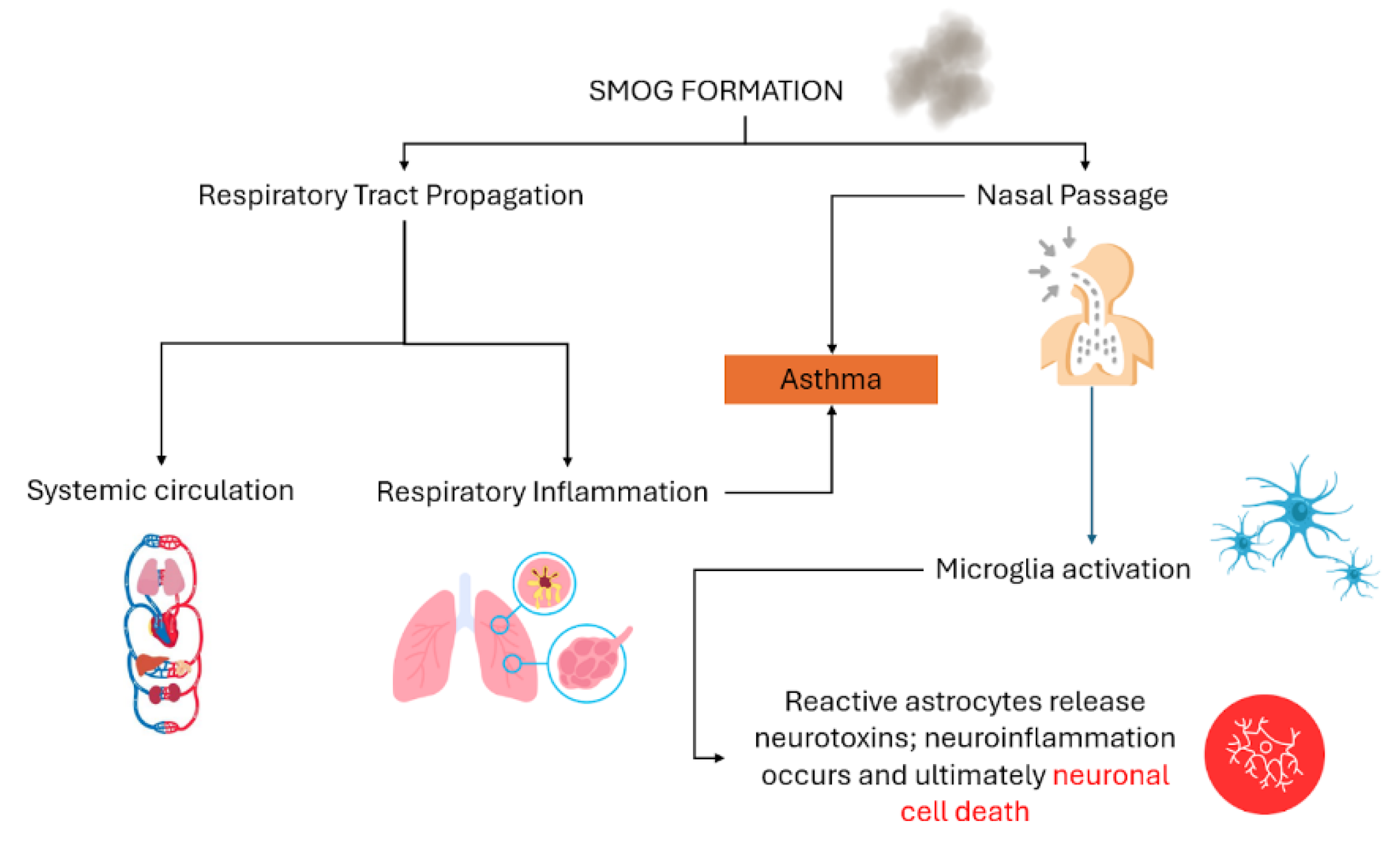
Figure 2.
Smog pollutants, health effects and prevalence in Punjab (WHO); Prevalence indicates deaths; PM (Particulate matter); POCs (Persistent organic compounds); NOx (Nitrogen oxides); VOCs (Volatile organic compounds)
Figure 2.
Smog pollutants, health effects and prevalence in Punjab (WHO); Prevalence indicates deaths; PM (Particulate matter); POCs (Persistent organic compounds); NOx (Nitrogen oxides); VOCs (Volatile organic compounds)
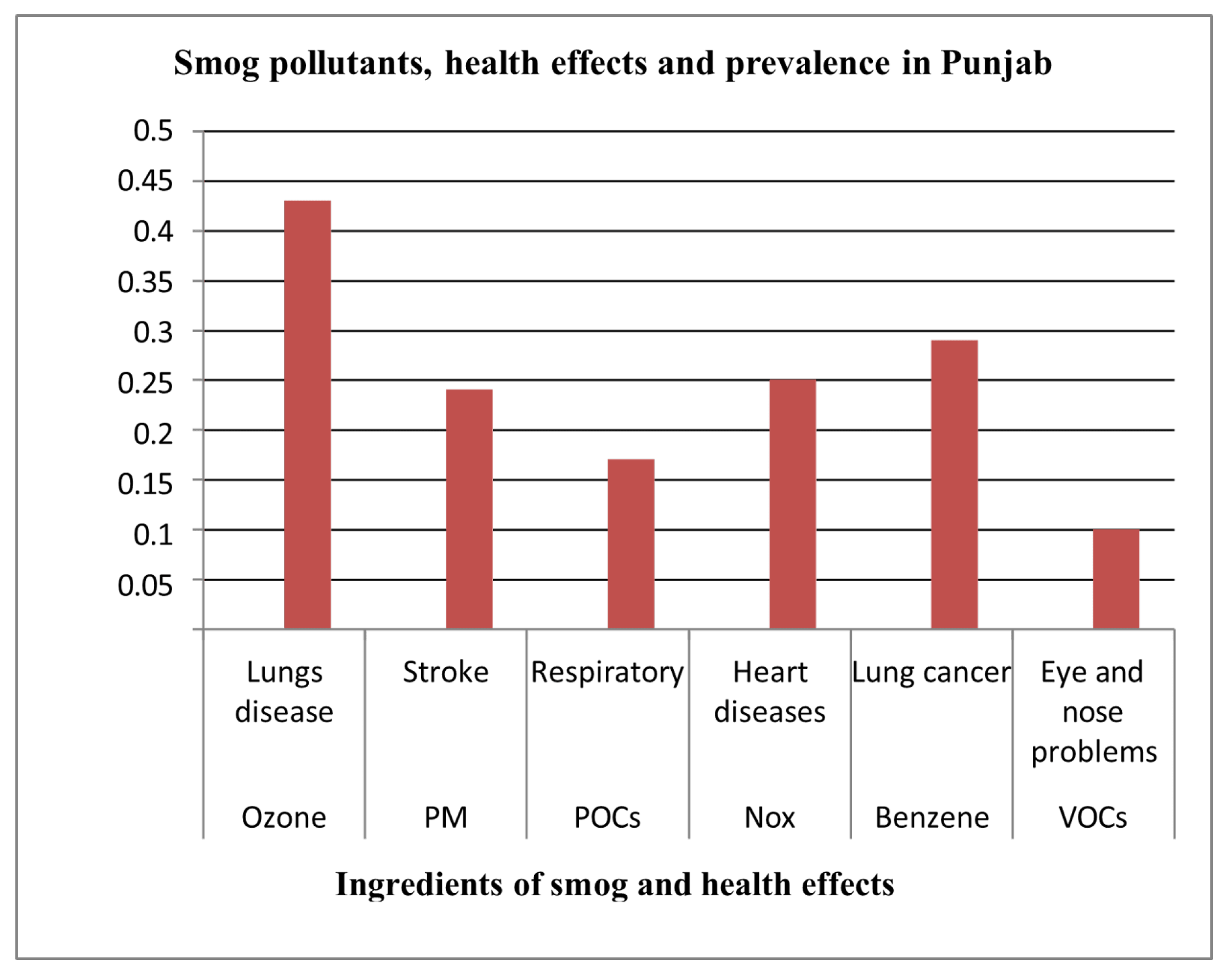
Figure 3.
Types of bioremediation and the common methods followed by in-situ and ex-situ bioremediation.
Figure 3.
Types of bioremediation and the common methods followed by in-situ and ex-situ bioremediation.
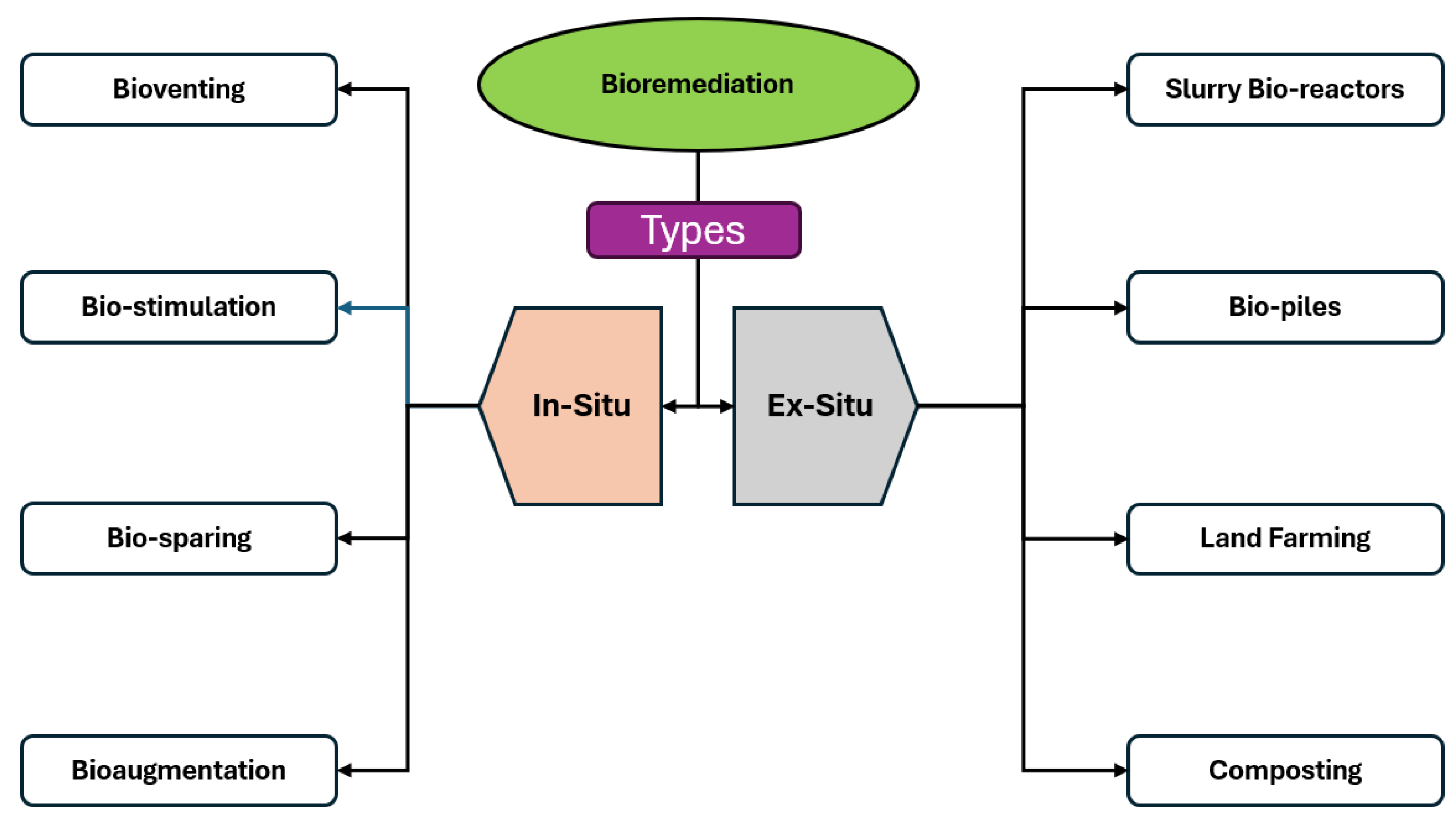
Disclaimer/Publisher’s Note: The statements, opinions and data contained in all publications are solely those of the individual author(s) and contributor(s) and not of MDPI and/or the editor(s). MDPI and/or the editor(s) disclaim responsibility for any injury to people or property resulting from any ideas, methods, instructions or products referred to in the content. |
© 2024 by the authors. Licensee MDPI, Basel, Switzerland. This article is an open access article distributed under the terms and conditions of the Creative Commons Attribution (CC BY) license (http://creativecommons.org/licenses/by/4.0/).
Copyright: This open access article is published under a Creative Commons CC BY 4.0 license, which permit the free download, distribution, and reuse, provided that the author and preprint are cited in any reuse.


