

Submitted:
29 March 2024
Posted:
01 April 2024
You are already at the latest version
Preprints on COVID-19 and SARS-CoV-2
Abstract
Based on screening in computational biology and biological in vitro assays, five natural products isolated from extracts of the herbal medicine toad skin, such as cinobufagin (CBFi), bufalin (BFi), arenobufagin (ABFi), telocinobufagin (TBFi), bufotalin (BFTi), were subjected to molecular docking calculations with the use of SARS-CoV-2 main protease (PDB 6LU7 and 7BTF) and top-scoring ligand-receptor complexes were obtained. The results showed that the binding energy of ABFi to the 3CL protein was -17.044kcal/mol, which was higher than CBFi and TBFi. However, the binding energy of ABFi to the RdRp protease was -23.250 kcal/mol, which was much lower than that of CBFi and TBFi, EVEN lower than that of ABFi to the 3CL protein. ABFi also has polar interactions with amino acids such as Glu811, Ser814, Ser681 and Thr680 of RdRp enzyme. The results revealed that ABFi had a moderate inhibitory effect on the cell proliferation of SARS-CoV-2 in vitro, with an inhibition rate of 61.12%, even weaker than Remdesivir. This new discovery provides us with new ideas for in-depth studies on the development of natural products with this class of structural generalizations as inhibitors of SARS-CoV-2, and provides an experimental basis for the next step of mechanistic studies.
Keywords:
Natural products
; Molecular Docking
; Antiviral Activity
; SARS-CoV-2
; Cell Proliferation Inhibition
1. Introduction
Traditional Chinese medicines (TCMs) is widely involved in the treatment of COVID-19, traditional medicines were found to help 90% of the 214 individuals who were administered recover1. In addition, certain traditional herbal treatments protected healthy people from SARS-CoV-2 infections[1,2] and enhanced the care of individuals with moderate or severe signs. Several plant-based therapeutic regimens have been suggested to alleviate the COVID-19 symptoms[3,4,5]. Different forms of terpenoids appear to have potential effects in inhibiting viral replication[6,7] and might be used in future investigations[8,9,10,11,12,13]. Natural products are physiologically active and as such a source of new molecular entities drugs (NMEs)[14,15,16] can be very instructive in accelerating the development of new drugs[17]. Natural products can be used as preventative[18] and therapeutic agents[19] in the battle against coronavirus20, according to prior research[21,22,23]. The integrative TCMs[24] and Western medicine treatment in relieving symptoms, improving hypoxemia, or accelerating the absorption of lung lesions[25], might provide a positive references for patients with COVID-19. References[26,27,28,29] on the mechanism in the treatment of COVID-19 by TCMs based on network pharmacology had greatly promoted the its reliability and safety[30,31]. The development of drugs with specific anti-SARS-CoV-2 viruses from thousands of natural active products remains a tedious but significant endeavour that deserves continuous research and exploration by drug scientists.
The antiviral effect of Huachansu injection (Chinese name: Chansu)[32] is the mechanism of nucleoside antiviral blocking viral RNA or DNA replication, especially against hepatitis B virus[33,34]. In addition, Huachansu injection is widely used in the treatment of human respiratory tract infections or viral pneumonia[35,36]. A clinical study of Huachansu injection combined with penicillin in the treatment of acute bronchitis in children was reported[37,38,39,40]. Chansu were reported[41,42] as the main antiviral drug used for poultry respiratory infections caused by coronaviruses[43], such as pigs, ducks and chickens[44,45,46,47].
In recent years, the screening of natural product molecules for pharmacological activity by molecular docking tests has been increasingly reported, which is especially valuable to be utilised in natural product drug discovery, and can greatly shorten the drug development time[48,49,50,51]. The exploration of natural compounds with anti-SARS-CoV-2 activity via inhibition of SARS-CoV-2 Mpro was reported by Bharadwaj[52]. Herein, several natural products (CBFi, BFi, ABFi, TBFi, BFTi) (Figure 1) were subjected to molecular docking calculations with the use of SARS-CoV-2 main protease (PDB 6LU7 and 7BTF). According to the computational results, the cell proliferation activity test of the selected natural products (CBFi, ABFi, TBFi) to SARS-CoV-2 was carried out through the use of the BetaCoVIJS02/Human/2019 strain of SARS-CoV-2 and Vero-E6 cells. The docking results showed that the binding energy of ABFi to the RdRp protease was -23.250 kcal/mol, which was much lower than that of CBFi and TBFi, EVEN lower than that of ABFi to the 3CL protein. The molecular docking results of ABFi to the RdRp protease of SARS-CoV-2 was helpful to analyze the cell proliferation results of ABFi to SARS-CoV-2 with a strong inhibitory effect. The proliferation results revealed that ABFi had a stronger inhibitory effect on the cell proliferation of SARS-CoV-2 than others in vitro, with an inhibition rate of 61.12%. The structural optimization of the molecule to improve the inhibition rate of cell proliferation and the search for a suitable animal model to obtain experimental data on the cell proliferation of ABFi on the RdRp protease of SARS-CoV-2 are in the next plan.
2. Results and Discussion
2.1 Molecular Docking Results of Compounds with 3CL
The binding energy of CBFi to 3CL was -21.460 kcal/mol, which was lowest than the binding energy of TBFi (-18.939 kcal/mol), BFTi (-17.787 kcal/mol), ABFi (-17.044 kcal/mol), BFi (-11.912 kcal/mol) (Table 1). Due to binding energy is one of the main bases for reflecting the ability of a compound molecule to bind to a protein, the binding ability with 3CL is revealed as follow: CBFi > TBFi > BFTi > ABFi > BFi. CBFi was binding to the substrate binding pocket of 3CL hydrolase, which was mainly composed of P1, P2 and P3 pocket regions. The structure of CBFi occupied the P1 and P3 pockets, however, the P2 pocket is not occupied by the inhibitory group which might be one of the reasons why the binding energy of CBFi to 3CL is higher (Figure 2). The carbonyl group on the a ring(words was labelled in the red by Figure 3c) and the hydroxyl group on the e ring (words was labelled in the red by Figure 3c) of CBFi form hydrogen bonds with Cys145 and Thr190 of 3CL, respectively. CBFi also forms hydrophobic interactions with Phe140, Leu141, Pro168, Asn142, Glu166, Gln189, His163 and Ser144 or other amino acids have polar roles (Figure 3).
2.2 Molecular Docking Results of Compounds with RdRp
The binding energy of ABFi to RdRp protein was lowest, which was -23.250 kcal/mol, the binding energy of BFi to RdRp protein was the highest, which was -8.949 kcal/mol (Table 2). ABFi was binding to the substrate NTP binding pocket of RNA (Figure 4). The carbonyl group on the c-ring of ABFi has metal chelation with the hydroxyl group and the two Mg2+ of the RdRp enzyme (Figure 5). The hydroxyl group adjacent to the b and c-rings (words was labelled in the red by Figure 5c) forms a hydrogen bond with Arg553 and Arg555. ABFi also has a polar effect with amino acids such as Glu811, Ser814, Ser681 and Thr680.
2.3 In Vitro Proliferation Inhibition of SARS-CoV-2
We found that the ethylene oxide structure formed by O on the carbon atoms of the b,c ring bridge of CFBi (Figure 6) increases the spatial effect, so that the carbonyl O atoms on the a ring and the OH atoms of the e ring maximally form hydrogen bonds with the amino acids in the pocket, which has a certain functional effect and contributes to the improvement of the inhibition of cell proliferation activity.
This inference, which we can get verification in the docking test of ABFi,TBFi, is one of the reasons why we chose these three natural products for cell proliferation assay (Figure 7); another reason is that the special requirements of Bio-Safety Level 3 Lab (BSL-3) are needed to carry out the cell proliferation inhibition assay of SARS-CoV-2 viruses, which leads to the cost of the expensive inability to perform cell proliferation inhibition assays for five natural products.
The MTT (5 mg/mL) 20 μl was added into the 96-well culture plate and continued to culture at 37 ℃ for 4 h. Culture medium was replaced by 100 μL DMSO to each well to dissolve crystallization for 20 min. The absorbance values were measured at 490 nm and the proliferation inhibition rate of each group were calculated respectively. The results showed that CBFi, ABFi and TBFi had no obvious toxic effects on the growth of Vero-E6 cells at the concentrations of 0.01 µM and 0.05 µM, . The inhibitory effect of ABFi on the proliferation of new coronavirus in vitro was about 61.12 % (Figure 8).
2.4 Results of Cytotoxicity assay of Compounds on MDCK Cells
The original solution was used as the mother liquor of the test drug, frozen and stored in -20℃ refrigerator for spare, when used, the MEM cell maintenance solution (1% fetal bovine serum, 2µg/ml TPCK-treated trypsin, 100U/ml penicillin and streptomycin) was diluted into 6-8 concentrations according to a 4-fold gradient to carry out the evaluation of the efficacy and toxicity of the test.
Compounds showed significant cytotoxicity against MDCK cells at higher dose conditions, with TC50 in the range of 0.02-24.1 μM; the positive control drug oseltamivir showed TC50 > 40 μg/mL against MDCK cells; the positive control drug ribavirin showed TC50 of 50 μg/mL against MDCK cells; and the experimental results of the respective samples are detailed in Table 3.
3. Materials and Methods
The structural formulae of the five natural products (CBFi, BFi, ABFi, TBFi, BFTi) were modelled using Schrodinger 2015-3 software, calculated using Meastro, then subjected to ligand preparation, and finally proton hydrogenation and conformational optimisation under pH 7.0 ± 2.0, OPLS3 force field conditions. The chiral characteristics of the original compound are maintained under the conditions, and each molecule can produce up to 32 conformations. The crystal structures of 3CL (PDB ID: 6LU7) and RdRp (PDB ID: 7BTF) of SARS-CoV-2 were obtained from the PDB database, and receptor preparation was also performed in Schrodinger 2015-3 (calculated using Meastro, then ligand preparation), including removal of water molecules, hydrogenation. Hydrogen bonds were optimized by the PROPKA method at pH 7.0, and OPLS3 force field was used to optimize the protein with restricted energy so that the RMSD of heavy atoms converged to 0.3 Å. The 3CL protein of SARS-CoV-2 was used to the amino acids within 15 Å around the original ligand in 6LU7 as the active site to generate a grid file; the RdRp enzyme of SARS-CoV-2 was used to the NTP binding pocket as the docking site Generate a grid file. The Schrodinger 2015-3 (calculated using Meastro, then Glide Docking module) was used for molecular docking, and SP (Standard Precision) was used as the scoring function. After docking, energy optimization was performed to calculate the binding energy of compounds and receptors, and to analyze compounds and receptors.
The culture of SARS-CoV-2 and the infection experiment of Vero cells were completed in Bio- Safety Level 3 Lab (BSL-3) of the fifth Institute of The Academy of Military Medical Sciences. Vero E6 cells was plated into a 96-well dishes and in an atmosphere of 5% CO2 at 37°C. Discarding the medium when Vero E6 cells grow into a monolayer. After rinsing by fresh DMED, the cells were co- incubated with the virus and compound to be measured. Briefly, a total of nine groups were setting, normal Vero E6 cells control, virus control (negative control), CBFi (0.01 µM, 0.05 µM) groups, ABFi (0.01 µM, 0.05 µM) groups, TBFi (0.01 µM, 0.05 µM) groups and remdesivir (5 µM, positive control) group.
4. Conclusions
The carbonyl group on the c-ring of ABFi in the substrate NTP binding pocket of RNA has metal chelation with the hydroxyl group and the two Mg2+ of the RdRp enzyme. It formed hydrogen bonds with Arg553 and Arg555 by the hydroxyl group adjacent to the b and c rings, so its binding energy barrier with the receptor is lower, its binding energy is -23.250 kcal/mol. The binding energy of TBFi is -23.019 kcal/mol due to the substrate binding P1, P2 and P3 pocket of 3CL hydrolase of SARS-CoV-2, and the structure of CBFi occupied the P1 and P3 pockets. The carbonyl group on the a ring and the hydroxyl group on the e ring of CBFi form hydrogen bonds with Cys145 and Thr190 of 3CL. Respectively, the hydrophobic interactions with Phe140, Leu141 and Pro168 was formed and a polar effect with Asn142, Glu166, Gln189, His163 and Ser144 and other amino acids might be one of the reasons for the higher binding energy of CBFi than that of ABFi. CBFi, ABFi, TBFi were used to the cell inhibition test of SARS-CoV-2 with the BetacoVIJS02/Human/2019 under the condition of 0.05µM concentration. The highest cell proliferation inhibition rate of ABFi was up to 61.12%, better than the CBFi, but which was slightly worse than the positive control drug.
Supplementary Materials
The following supporting information can be downloaded at the website of this paper posted on Preprints.org. Figure S1: title; Table S1: title; Video S1: title.
Author Contributions
Conceptualization, Y.S.W.; methodology, Y.S.W. and Z.B.; software, X.P.L.; validation, Y.S.W. and Y.L.; data curation,W.Z.X., G.S., C.Z.Y., L.S.N.; writing—original draft preparation, Y.S.W., D.H.Z., Z.J.M. and H.X.M.; supervision, Y.S.W., Z.J.F., and T.H.; project administration,Y.S.W., W.X.H. and B.W.J.; funding acquisition, Y.S.W. and Z.B. All authors have read and agreed to the published version of the manuscript. All authors have read and agreed to the published version of the manuscript.
Funding
This research was funded by Anhui Engineering Laboratory Project for the Development and Utilization of Natural Resources Derived from Medicines and Edibles (YSTY2022020); Hefei Normal University Scientific Research Launch Fund for Introducing High level Talents (2022rcjj42, 2022rcjj26); Outstanding Youth Research Project for Universities in Anhui Province (2023AH030097); National Student Innovation and Entrepreneurship Training Programme Project (202314098028); Provincial Student Innovation and Entrepreneurship Training Programme Project (S202214098062, S202314098093); 2023 Anhui university research project (2023AH051323).
Institutional Review Board Statement
Not applicable.
Informed Consent Statement
Not applicable.
Acknowledgments
The authors, therefore, gratefully acknowledge Bio-Safety Level 3 Lab (BSL-3) of Jiangsu Provincial Center for Disease Control and Prevention (Public Health Research Institute of Jiangsu Provincial) and the fifth Institute of The Academy of Military Medical Sciences for the experimental support of SARS-CoV-2 virus strain (BetacoVIJS02/Human/2019). We also gratefully acknowledge Professor Wang Guangji and Professor Zhou Fang from China Pharmaceutical University for their support on protein molecular docking, and Professor Wu Zonghao of Hefei Huafang Pharmaceutical Technology Co., Ltd. for his support. We are also grateful to Dr. Xinming Hu and Dr. Penglin Xu for their contributions to this paper in terms of computational work.
Conflicts of Interest
The authors declare no conflicts of interest.
References
- Kwong, C.H.; Mu, J.; Li, S.; Fang, Y.; Liu, Q.; Zhang, X.; Kam, H.; Lee, S.M.; Chen, Y.; Deng, F.; Zhou, X. Reviving chloroquine for anti-SARS-CoV-2 treatment with cucurbit [7] uril-based supramolecular formulation. , Chin. Chem. Lett. 2021, 32, 3019–3022. [Google Scholar] [CrossRef] [PubMed]
- Xu, J.; Zhang, Y. Traditional Chinese medicine treatment of COVID-19. Complementary Therapies in Clinical Practice, 2020, 39, 101165. [Google Scholar] [CrossRef] [PubMed]
- Xu, L. , Tu Y., Li J., Zhang W., Wang Z., Zhuang C., Xue L. Structure-based optimizations of a necroptosis inhibitor (SZM594) as novel protective agents of acute lung injury. Chin. Chem. Lett. 2022, 33, 2545–2549. [Google Scholar] [CrossRef]
- Zhao, Z. , Li Y., Zhou L., Zhou X., Xie B., Zhang W., Sun J. Prevention and treatment of COVID-19 using Traditional Chinese Medicine: A review. Phytomedicine. 2021, 85, 153308. [Google Scholar] [CrossRef] [PubMed]
- Pang, X.C. , Zhang H.X., Zhang Z., Rinkiko S., Cui Y.M., Zhu Y.Z. The two-way switch role of ACE2 in the treatment of novel coronavirus pneumonia and underlying comorbidities. Molecules. 2020, 26, 142. [Google Scholar] [CrossRef] [PubMed]
- Wang, J. , Qi F. Traditional Chinese medicine to treat COVID-19: the importance of evidence-based research. Drug Discoveries & Therapeutics. 2020, 14, 149–150. [Google Scholar] [CrossRef]
- Zhang, X.R. , Li T.N., Ren Y.Y., Zeng Y.J., Lv H.Y., Wang J., Huang Q.W. The important role of volatile components from a traditional Chinese medicine Dayuan-Yin against the COVID-19 pandemic. Front. Pharmacol. 2020; 11, 583651. [Google Scholar] [CrossRef]
- Xue, T. , Roy R. Studying traditional Chinese medicine. Science. 2003, 300, 740–741. [Google Scholar] [CrossRef] [PubMed]
- Gao, Y. , Dong Y., Guo Q., Wang H., Feng M., Yan Z., Bai D. Study on supramolecules in traditional Chinese medicine decoction. Molecules. 2022, 27, 3268. [Google Scholar] [CrossRef] [PubMed]
- Zhang, L. , Yu J., Zhou Y., Shen M., Sun L. Becoming a faithful defender: traditional Chinese medicine against coronavirus disease 2019 (COVID-19). Am. J. Chinese. Med. 2020, 48, 763–777. [Google Scholar] [CrossRef] [PubMed]
- Wen, D. , Shi Y., Zhang X., Lv G.. Chinese medicine treatment of mastitis in COVID-19 patients: a protocol for systematic review. Medicine. 2020, 99, e21656. [Google Scholar] [CrossRef] [PubMed]
- Zhao, L. , Qi Y., Luzzatto-Fegiz P., Cui Y., Zhu Y. COVID-19: effects of environmental conditions on the propagation of respiratory droplets. Nano Lett. 2020, 20, 7744–7750. [Google Scholar] [CrossRef] [PubMed]
- Lem, F.F. , Opook F., Lee D.J., Chee F.T., Lawson F.P., Chin S.N. Molecular mechanism of action of repurposed drugs and traditional Chinese medicine used for the treatment of patients infected with COVID-19: a systematic scoping review. Front. Pharmacol. 2021, 11, 585331. [Google Scholar] [CrossRef] [PubMed]
- Cao, T.Q. , Kim J.A., Woo M.H., Min B.S.. SARS-CoV-2 main protease inhibition by compounds isolated from Luffa cylindrica using molecular docking. Bioorg. Med. Chem. Lett. 2021, 40, 127972. [Google Scholar] [CrossRef] [PubMed]
- Santana de Oliveira, M. , da Cruz J.N., Almeida da Costa W., Silva S.G., Brito M.D., de Menezes S.A., de Jesus Chaves Neto A.M., de Aguiar Andrade E.H., de Carvalho Junior R.N.. Chemical composition, antimicrobial properties of Siparuna guianensis essential oil and a molecular docking and dynamics molecular study of its major chemical constituent. Molecules. 2020, 25, 3852. [Google Scholar] [CrossRef] [PubMed]
- Abramenko, N. , Vellieux F., Tesařová P., Kejík Z., Kaplánek R., Lacina L., Dvořánková B., Rösel D., Brábek J., Tesař A., Jakubek M.. Estrogen receptor modulators in viral infections such as SARS− CoV− 2: therapeutic consequences. Int. J. Mol. Sci. 2021, 22, 6551. [Google Scholar] [CrossRef] [PubMed]
- Sabnis, R.W. . Novel Compounds for Preventing SARS-CoV-2 Viral Replication and Treating COVID-19. ACS Med. Chem. Lett. 2021, 12, 1887–1888. [Google Scholar] [CrossRef] [PubMed]
- Huang, H. , Fan X., Miyata T., Zhang L., Cui Y., Liu Z., Wu X.. Advances in molecular mechanisms for traditional Chinese medicine actions in regulating tumor immune responses. Front. Pharmacol. 2020, 11, 534742. [Google Scholar] [CrossRef]
- Chen, J. , Lin S., Niu C., Xiao Q.. Clinical evaluation of Shufeng Jiedu Capsules combined with umifenovir (Arbidol) in the treatment of common-type COVID-19: a retrospective study. Expert. Rev. Resp. Med. 2021, 15, 257–265. [Google Scholar] [CrossRef] [PubMed]
- Khavinson, V. , Linkova N., Dyatlova A., Kuznik B., Umnov R.. Peptides: Prospects for Use in the Treatment of COVID-19. Molecules. 2020, 25, 4389. [Google Scholar] [CrossRef] [PubMed]
- Yin, X.F. , Li Z., Zhang S.H., Wu C.X., Wang C., Wang Z.. Determination of strychnine and brucine in traditional Chinese medicine preparations by capillary zone electrophoresis with micelle to solvent stacking. Chin. Chem. Lett. 2011, 22, 330–333. [Google Scholar] [CrossRef]
- Yu, J.W. , Wang L., Bao L.D.. Exploring the active compounds of traditional Mongolian medicine in intervention of novel coronavirus (COVID-19) based on molecular docking method. J. Funct. Foods. 2020, 71, 104016. [Google Scholar] [CrossRef] [PubMed]
- Khan, M.S. , Shah J.A., Arshad M., Halim S.A., Khan A., Shaikh A.J., Riaz N., Khan A.J., Arfan M., Shahid M., Pervez A.. Photocatalytic decolorization and biocidal applications of nonmetal doped TiO2: Isotherm, kinetic modeling and In Silico molecular docking studies. Molecules. 2020, 25, 4468. [Google Scholar] [CrossRef] [PubMed]
- Li, X. , Lin H., Wang Q., Cui L., Luo H., Luo L.. Chemical composition and pharmacological mechanism of shenfu decoction in the treatment of novel coronavirus pneumonia (COVID-19). Drug. Dev. Ind. Pharm. 2020, 46, 1947–1959. [Google Scholar] [CrossRef] [PubMed]
- Xi, S. , Li Y., Yue L., Gong Y., Qian L., Liang T., Ye Y.A.. Role of traditional Chinese medicine in the management of viral pneumonia. Front. Pharmacol. 2020, 11, 582322. [Google Scholar] [CrossRef]
- Jiang, Z. , Zhu D., Li J., Ren L., Pu R., Yang G.. Online dental teaching practices during the COVID-19 pandemic: A cross-sectional online survey from China. BMC Oral Health, 2021; 1–9. [Google Scholar] [CrossRef]
- Yang, Y. , Islam M.S., Wang J., Li Y., Chen X.. Traditional Chinese medicine in the treatment of patients infected with 2019-new coronavirus (SARS-CoV-2): a review and perspective. Int. J. Boil. Sci. 2020, 16, 1708. [Google Scholar] [CrossRef] [PubMed]
- Wang, C.L. , Gao M.Z., Gao D.M., Guo Y.H., Gao Z., Gao X.J., Wang J.Q., Qiao M.Q.. Tubeimoside-1: A review of its antitumor effects, pharmacokinetics, toxicity, and targeting preparations. Front. Pharmacol, 9412; 13. [Google Scholar]
- Shi, S. , Wang F., Yao H., Kou S., Li W., Chen B., Wu Y., Wang X., Pei C., Huang D., Wang Y.. Oral Chinese herbal medicine on immune responses during coronavirus disease 2019: A systematic review and meta-analysis. Front. Med. 2022, 8, 685734. [Google Scholar] [CrossRef] [PubMed]
- Sun, C.Y. , Sun Y.L., Li X.M.. The role of Chinese medicine in COVID-19 pneumonia: a systematic review and meta-analysis. Am. J. Emerg. Med. 2020, 38, 2153–2159. [Google Scholar] [CrossRef] [PubMed]
- Xia, S. , Pan J., Dai D., Dai Z., Yang M., Yi C.. Design of portable electrochemiluminescence sensing systems for point-of-care-testing applications. Chin. Chem. Lett. 2023, 34, 107799. [Google Scholar] [CrossRef]
- Ahn, S.H. , Kim W., Jung Y.K., Yang J.M., Jang J.Y., Kweon Y.O., Cho Y.K., Kim Y.J., Hong G.Y., Kim D.J., Um S.H.. Efficacy and safety of besifovir dipivoxil maleate compared with tenofovir disoproxil fumarate in treatment of chronic hepatitis B virus infection. Clin. Gastroenterol. H. 2019, 17, 1850–1859. [Google Scholar] [CrossRef] [PubMed]
- Wang, T. , Zhang Y., Zhang X., Chen L., Zheng M., Zhang J., Brust P., Deuther-Conrad W, Huang Y, Jia H. Synthesis and characterization of the two enantiomers of a chiral sigma-1 receptor radioligand:(S)-(+)-and (R)-(-)-[18F] FBFP. Chin. Chem. Lett. 2022, 33, 3543–3548. [Google Scholar] [CrossRef]
- Shen, K. , Yang Y., Wang T., Zhao D., Jiang Y., Jin R., Zheng Y., Xu B., Xie Z., Lin L., Shang Y.. Diagnosis, treatment, and prevention of 2019 novel coronavirus infection in children: experts’ consensus statement. World. J. Pediatr. 2020, 16, 223–231. [Google Scholar] [CrossRef]
- Gao, F. , Hu Y., Fang G., Yang G., Xu Z., Dou L., Chen Z., Fan G.. Recent developments in the field of the determination of constituents of TCMs in body fluids of animals and human. J. Pharmaceut. Biomed. 2014, 87, 241–260. [Google Scholar] [CrossRef] [PubMed]
- Guan, W.J. , Ni Z.Y., Hu Y., Liang W.H., Ou C.Q., He J.X., Liu L., Shan H., Lei C.L., Hui D.S., Du B.. Clinical characteristics of coronavirus disease 2019 in China. New. Engl. J. Med. 2020, 382, 1708–1720. [Google Scholar] [CrossRef] [PubMed]
- Guo, S. , Sun Q., Zhao X., Shen L., Zhen X.. Prevalence and risk factors for antibiotic utilization in Chinese children. BMC Pediatr. 2021, 21, 255. [Google Scholar] [CrossRef] [PubMed]
- Kucia, M. , Wietrak E., Szymczak M., Kowalczyk P.. Effect of ligilactobacillus salivarius and other natural components against anaerobic periodontal bacteria. Molecules. 2020, 25, 4519. [Google Scholar] [CrossRef] [PubMed]
- Sedyaningsih, E.R. , Isfandari S., Setiawaty V., Rifati L., Harun S., Purba W., Imari S., Giriputra S., Blair P.J., Putnam S.D., Uyeki T.M.. Epidemiology of cases of H5N1 virus infection in Indonesia, July 2005–June 2006. J. Infect. Dis. 2007, 196, 522–527. [Google Scholar] [CrossRef] [PubMed]
- Kowalski, K. , Marciniak P., Rosiński G., Rychlik L.. Toxic activity and protein identification from the parotoid gland secretion of the common toad Bufo bufo. Comparative Biochemistry and Physiology Part C: Toxicol. Pharmacol. 2018, 205:43-52. [CrossRef]
- Lakshmi, P.K. , Kumar S., Pawar S., Sudheesh M.S., Pawar R.S.. Plant-based adjuvant in vaccine immunogenicity: A review. Current Traditional Medicine. 2018, 4, 215–236. [Google Scholar] [CrossRef]
- Qi, F. , Wang Z., Cai P., Zhao L., Gao J., Kokudo N., Li A., Han J., Tang W.. Traditional Chinese medicine and related active compounds: a review of their role on hepatitis B virus infection. Drug. Discov. Ther. 2013, 7, 212–224. [Google Scholar] [CrossRef] [PubMed]
- Yu, B. , Ke X.G., Yuan C., Chen P.Y., Zhang Y., Lin N., Yang Y.F., Wu H.Z.. Network pharmacology integrated molecular docking reveals the anti-COVID-19 mechanism of Xingnaojing injection. Nat. Prod. Commun. 2020; 15, 1934578X20978025. [Google Scholar] [CrossRef]
- Ibrahim, M.A. , Abdelrahman A.H., Mohamed T.A., Atia M.A., Al-Hammady M.A., Abdeljawaad K.A., Elkady E.M., Moustafa M.F., Alrumaihi F., Allemailem K.S., El-Seedi H.R.. In silico mining of terpenes from red-sea invertebrates for SARS-CoV-2 main protease (Mpro) inhibitors. Molecules. 2021, 26, 2082. [Google Scholar] [CrossRef] [PubMed]
- Chen, Y. , Liang W., Yang S., Wu N., Gao H., Sheng J., Yao H., Wo J., Fang Q., Cui D., Li Y.. Human infections with the emerging avian influenza A H7N9 virus from wet market poultry: clinical analysis and characterisation of viral genome. The Lancet. 2013, 381, 1916–1925. [Google Scholar] [CrossRef] [PubMed]
- Dasgupta, A. , Lopez A.E., Wells A., Olsen M., Actor J.. The Fab fragment of anti-digoxin antibody (digibind) binds digitoxin-like immunoreactive components of Chinese medicine Chan Su: monitoring the effect by measuring free digitoxin. Clin. Chim. Acta. 2001, 309, 91–95. [Google Scholar] [CrossRef] [PubMed]
- Wu, S.H. , Bau D.T., Hsiao Y.T., Lu K.W., Hsia T.C., Lien J.C., Ko Y.C., Hsu W.H., Yang S.T., Huang Y.P., Chung J.G.. Bufalin induces apoptosis in vitro and has Antitumor activity against human lung cancer xenografts in vivo. Environ. Toxicol. 2017, 32, 1305–1317. [Google Scholar] [CrossRef] [PubMed]
- Yadava, U. , Yadav V.K., Yadav R.K.. Novel anti-tubulin agents from plant and marine origins: insight from a molecular modeling and dynamics study. RSC ADV. 2017, 7, 15917–15925. [Google Scholar] [CrossRef]
- Bharadwaj, S. , Lee K.E., Dwivedi V.D., Yadava U., Panwar A., Lucas S.J., Pandey A., Kang S.G.. Discovery of Ganoderma lucidum triterpenoids as potential inhibitors against Dengue virus NS2B-NS3 protease. Sci Rep. 2019, 9, 19059. [Google Scholar] [CrossRef] [PubMed]
- Bharadwaj, S. , Dubey A., Kamboj N.K., Sahoo A.K., Kang S.G., Yadava U. Drug repurposing for ligand-induced rearrangement of Sirt2 active site-based inhibitors via molecular modeling and quantum mechanics calculations. Sci Rep, 2021; 11, 10169. [Google Scholar] [CrossRef]
- Singh, A. , Kumar S., Gupta V.K., Singh S., Dwivedi V.D., Mina U.. Computational assessment of Withania somnifera phytomolecules as putative inhibitors of Mycobacterium tuberculosis CTP synthase PyrG. J BIOMOL STRUCT DYN. 2023, 41, 4903–4916. [Google Scholar] [CrossRef] [PubMed]
- Chakravarty, K. , Antontsev V.G., Khotimchenko M., Gupta N., Jagarapu A., Bundey Y., Hou H., Maharao N., Varshney J.. Accelerated repurposing and drug development of pulmonary hypertension therapies for COVID-19 treatment using an AI-integrated biosimulation platform. Molecules. 2021, 26, 1912. [Google Scholar] [CrossRef] [PubMed]
Figure 1.
Structure of the Natural Products from Chinese Herbs(Toad).
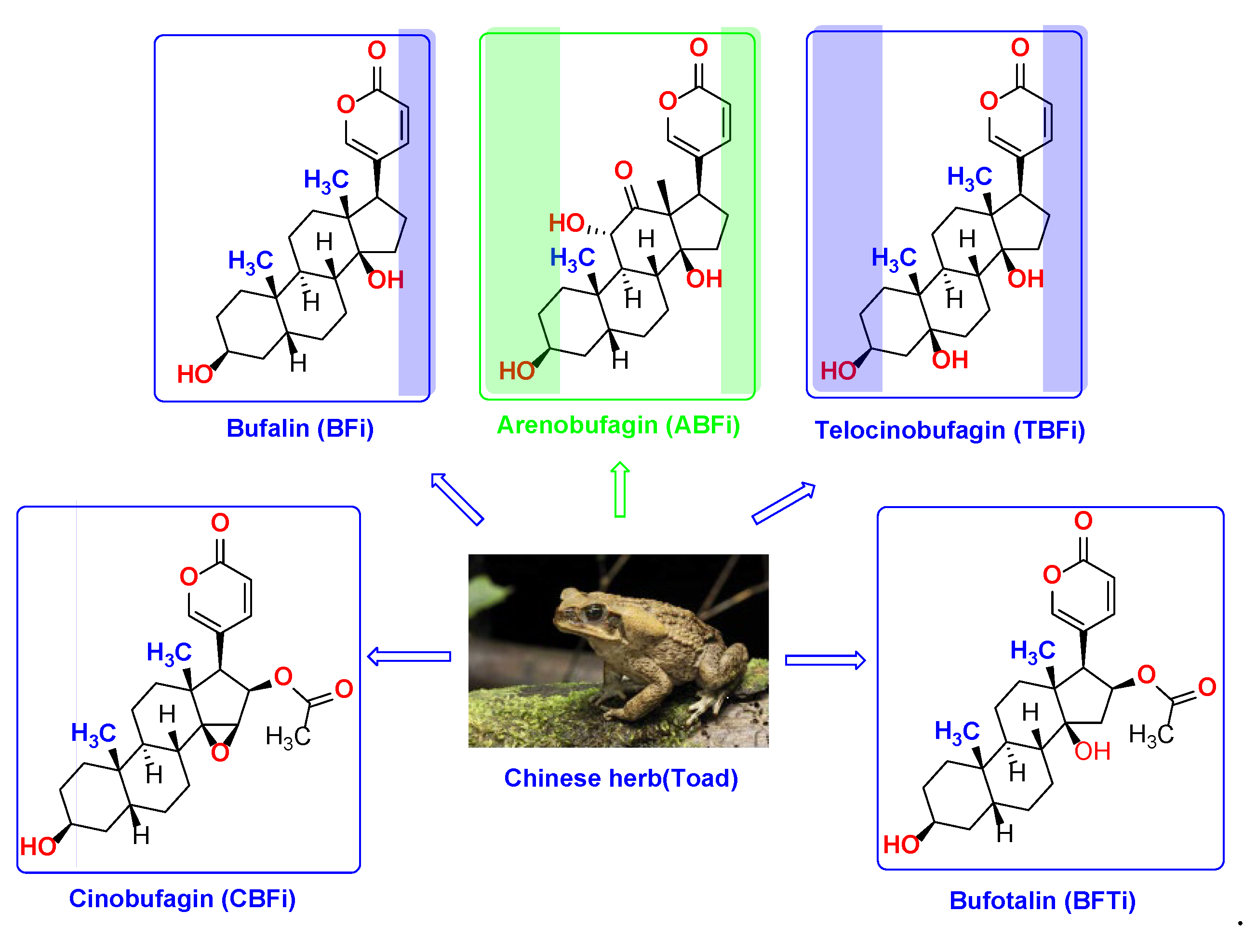
Figure 2.
The compound binds to the substrate binding pocket of 3CL hydrolase
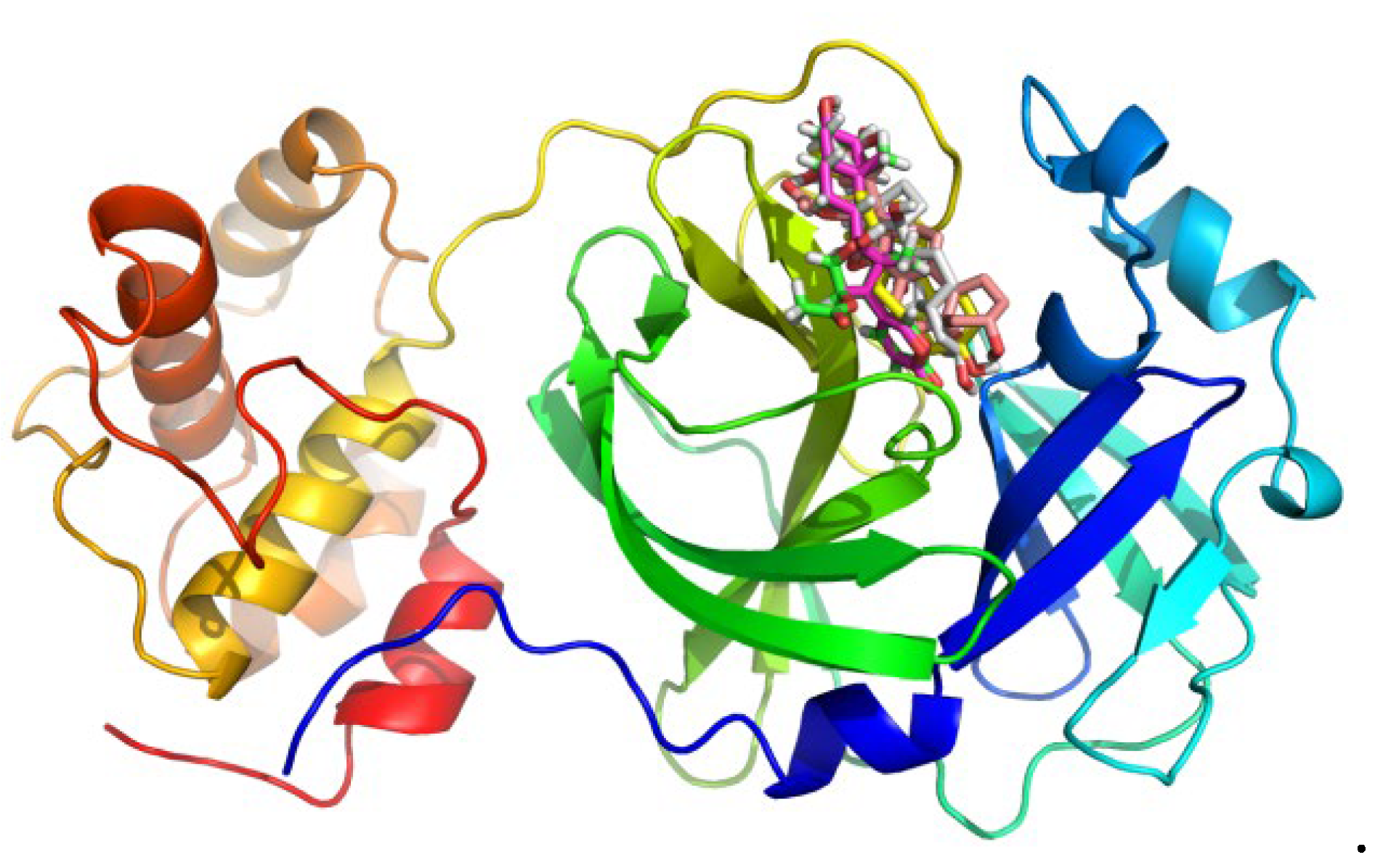
Figure 3.
The compound binds to the substrate binding pocket of 3CL hydrolase. (A). The binding site of CBFi and 3CL; (B). The binding surface of CBFi and 3CL; (C). The specific binding mode of CBFi and 3CL
Figure 3.
The compound binds to the substrate binding pocket of 3CL hydrolase. (A). The binding site of CBFi and 3CL; (B). The binding surface of CBFi and 3CL; (C). The specific binding mode of CBFi and 3CL
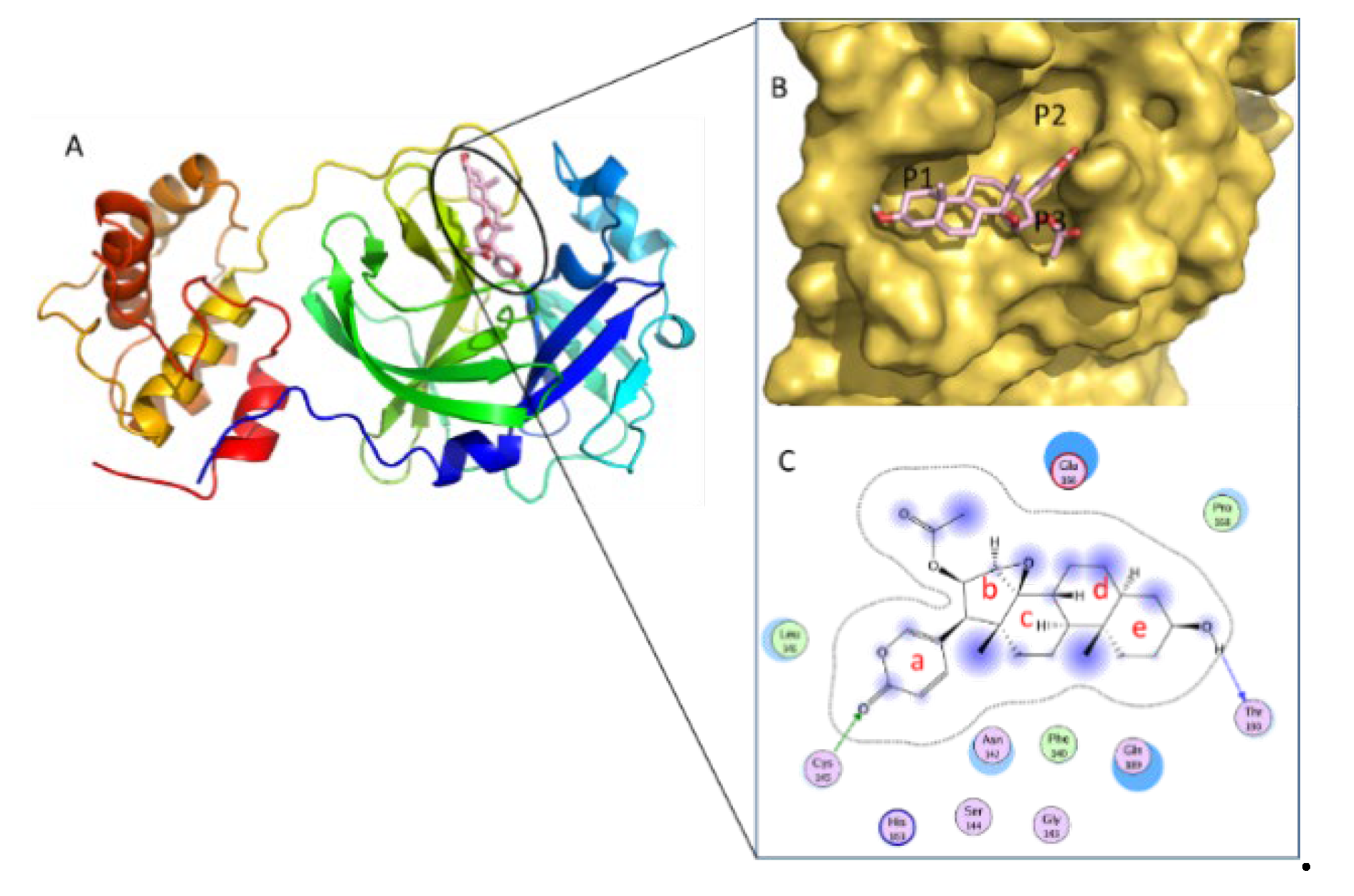
Figure 4.
The compound binds to the NTP binding site of RdRp
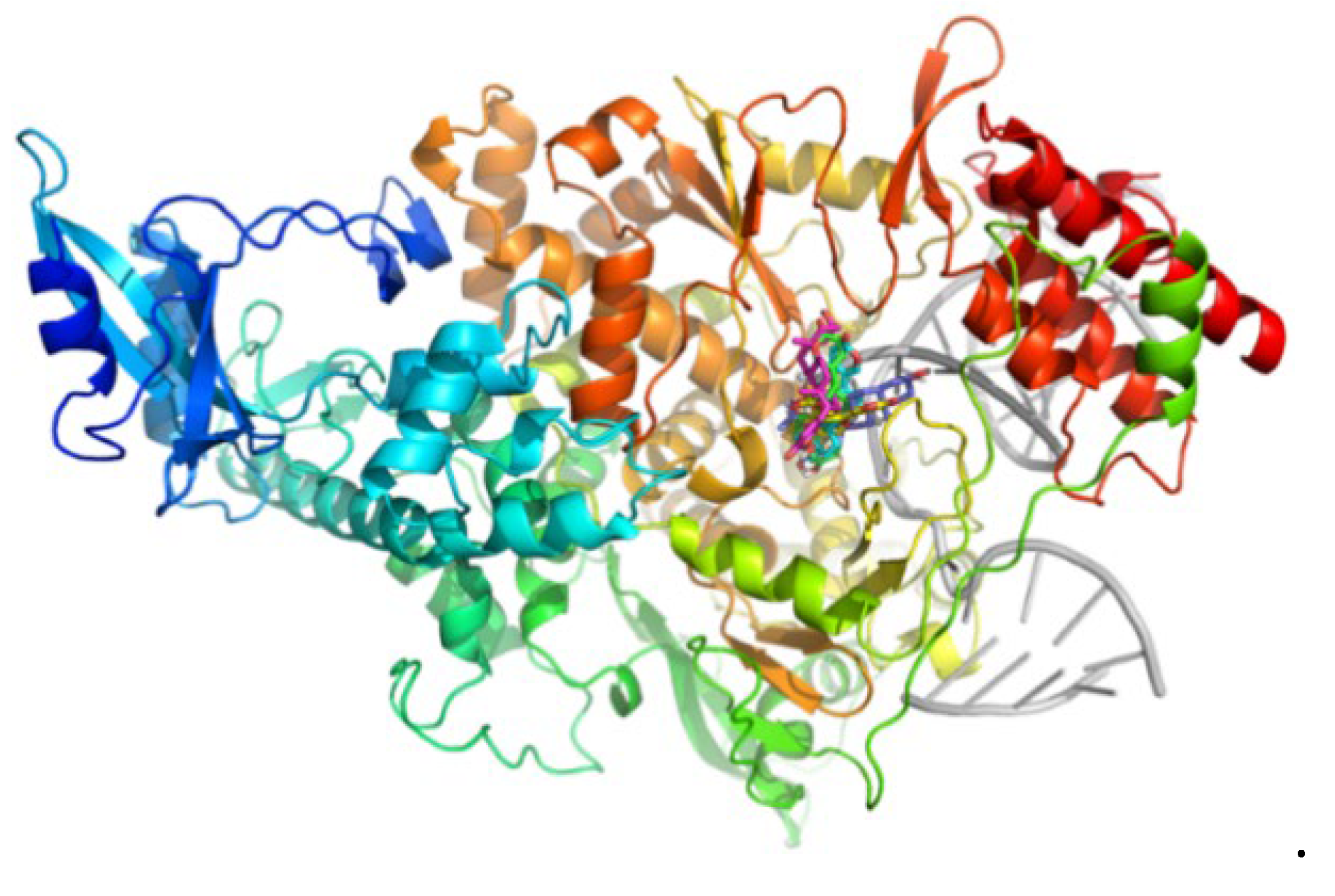
Figure 5.
The compound binds to the NTP binding site of RdRp. (A). The binding site of ABFi and RdRp;(B). The binding surface of ABFi and RdRp;(C). The specific binding mode of ABFi and RdRp
Figure 5.
The compound binds to the NTP binding site of RdRp. (A). The binding site of ABFi and RdRp;(B). The binding surface of ABFi and RdRp;(C). The specific binding mode of ABFi and RdRp
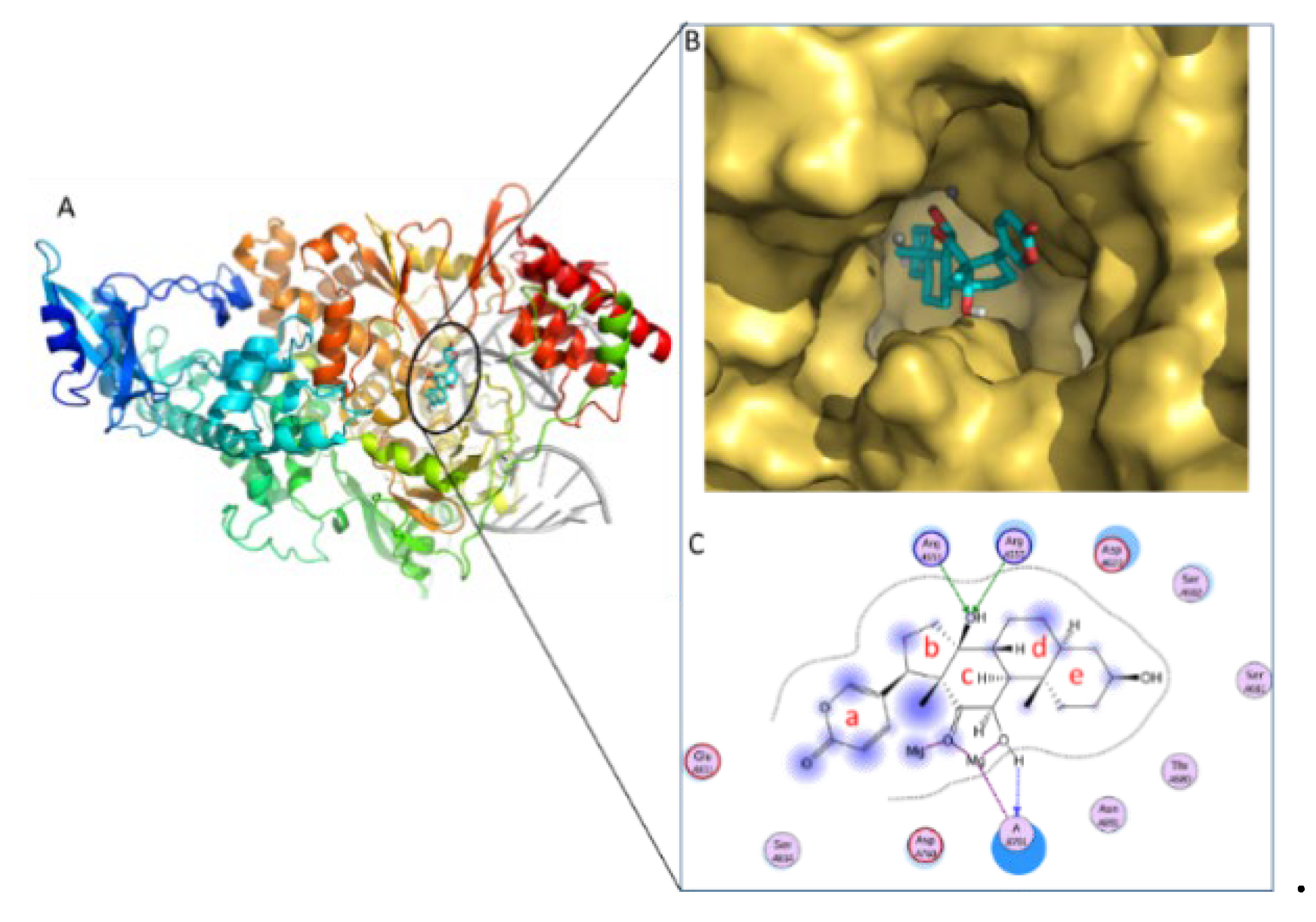
Figure 6.
The specific binding mode of CBFi and RdRp
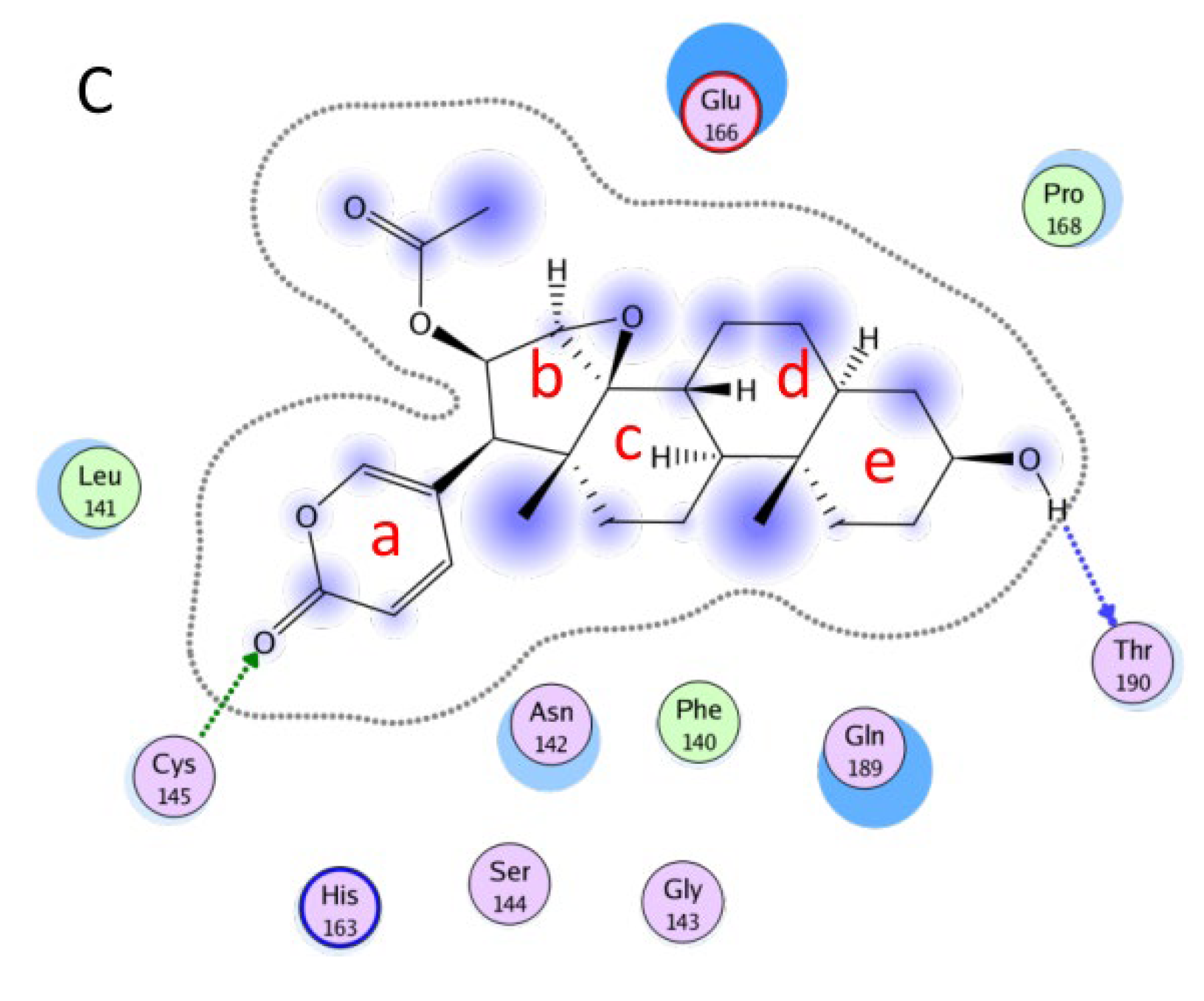
Figure 7.
The structure of selected Natural Products used to Proliferation inhibition of SARS-CoV-2 in vitro
Figure 7.
The structure of selected Natural Products used to Proliferation inhibition of SARS-CoV-2 in vitro
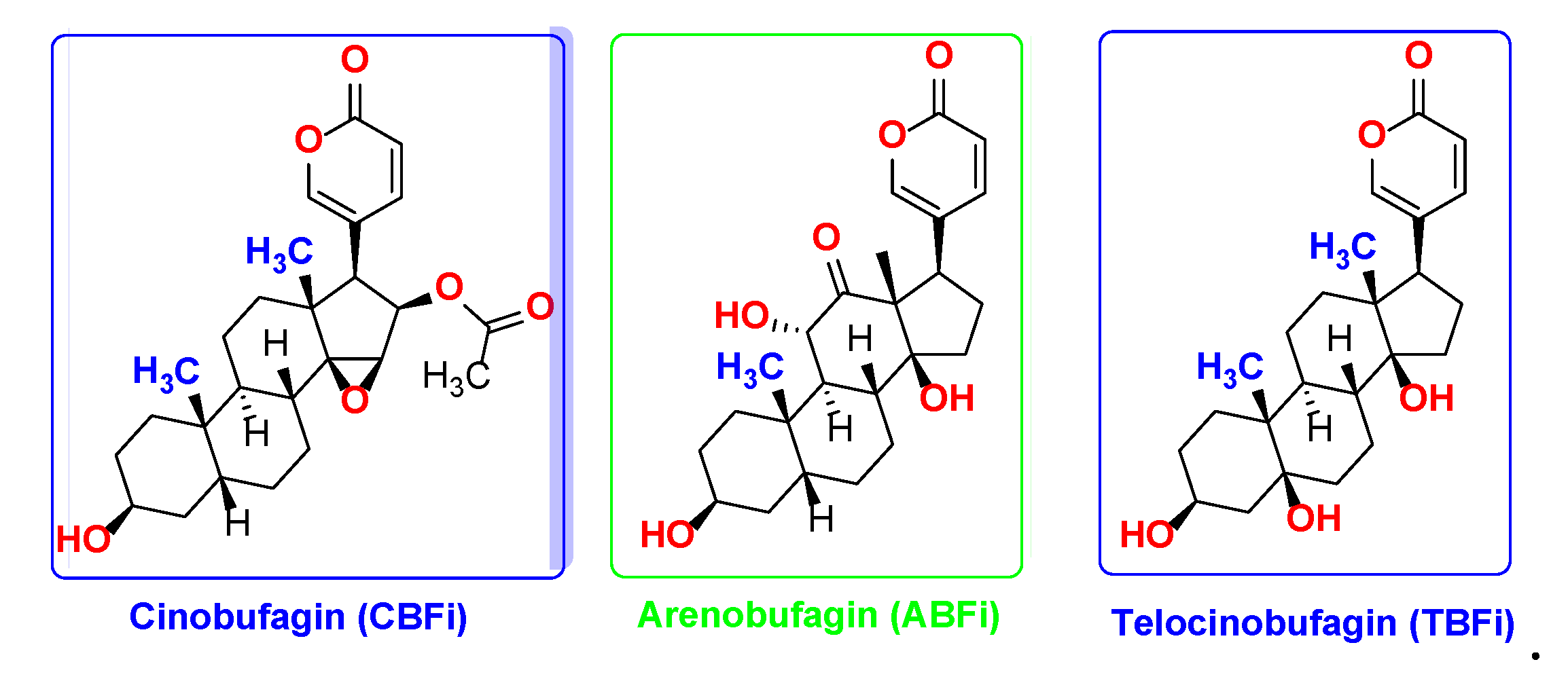
Figure 8.
Inhibition of proliferation of CBFi, ABFi, TBFi to SARS-CoV-2 in vitro. 1 5 µM Remdesivir.
Figure 8.
Inhibition of proliferation of CBFi, ABFi, TBFi to SARS-CoV-2 in vitro. 1 5 µM Remdesivir.

Table 1.
Docking binding energy of each compound and 3CL
| Cmp | CBFi | BFi | ABFi | TBFi | BFTi |
|---|---|---|---|---|---|
| Binding Energy (kcal/mol) | -21.460 | -11.912 | -17.044 | -18.939 | -17.787 |
Table 2.
Docking binding energy of compounds and RdRp of SARS-CoV-2.
| Cmp | CBFi | BFi | ABFi | TBFi | BFTi |
|---|---|---|---|---|---|
| Binding Energy (kcal/mol) | -19.450 | -8.949 | -23.250 | -23.019 | -14.378 |
Table 3.
Docking binding energy of compounds and RdRp of SARS-CoV-2.
| Sample name | TC50 | IC50 | SI |
|---|---|---|---|
| CBFi | 0.07 | 0.01 | 7.10 |
| BFi | 0.71 | 0.04 | 17.75 |
| ABFi | 0.09 | 0.01 | 11.25 |
| TBFi | 0.29 | 0.01 | 48.00 |
| BFTi | 0.02 | 0.04 | 0.48 |
1 TC50: half toxic concentration of the drug; IC50: half inhibitory concentration of the drug on the virus; SI: selection index, SI = TC50/IC50.
Disclaimer/Publisher’s Note: The statements, opinions and data contained in all publications are solely those of the individual author(s) and contributor(s) and not of MDPI and/or the editor(s). MDPI and/or the editor(s) disclaim responsibility for any injury to people or property resulting from any ideas, methods, instructions or products referred to in the content. |
© 2024 by the authors. Licensee MDPI, Basel, Switzerland. This article is an open access article distributed under the terms and conditions of the Creative Commons Attribution (CC BY) license (http://creativecommons.org/licenses/by/4.0/).
Copyright: This open access article is published under a Creative Commons CC BY 4.0 license, which permit the free download, distribution, and reuse, provided that the author and preprint are cited in any reuse.