

Submitted:
26 March 2024
Posted:
28 March 2024
You are already at the latest version
Abstract
This paper explores the urgent necessity for practical guidance of infrastructure stakeholders aimed to promote sustainable infrastructure development, aligning with the United Nations Sustainable Development Goals (SDGs) and European Union (EU) regulations. Despite overarching definitions, there is a noticeable absence of a unified set of sustainability criteria, which delays the integration of sustainability principles into infrastructure planning, development, and operations. Through a systematic literature review and content analysis, this study seeks to clarify characteristics of sustainable infrastructure. Utilizing a content analysis of 124 sources, carefully selected through a structured exclusion process, the authors construct a comprehensive set of indicators. Subsequently, these indicators undergo rigorous evaluation by sector experts through structured focused group discussions on the relevance of the proposed sustainable infrastructure criteria to local planning contexts. The study's findings underscore the adequacy of the proposed criteria, albeit with variations in perceived importance. Additionally, focus group participants encourage for field-testing the criteria within a municipal setting before scaling up to national-level policy frameworks.
Keywords:
criteria of sustainable infrastructure
; sustainable infrastructure components
; sustainable development goals and infrastructure planning
; focus group
1. Introduction
The United Nations Sustainable Development Goals (SDGs) outline the need for sustainable, climate-neutral, and resilient infrastructure. This aligns with specific efforts and regulations within the European Union (EU). For instance, the EU Taxonomy Regulation sets criteria for environmentally sustainable investments, including technical standards for certain infrastructure elements.
According to definitions from various global and EU organizations like the United Nations, the Organisation for Economic Co-operation and Development (OECD), the European Investment Bank, and the European Bank for Reconstruction and Development, sustainable infrastructure refers to transport, energy, water, or other infrastructure that is planned, constructed, managed, and dismantled in a manner that promotes economic, environmental, and social sustainability throughout its entire lifecycle. It encourages sustainable decisions and actions by stakeholders, supports global commitments like the Paris Agreement and the SDGs, and withstands climate change and other disruptions. In practice, these definitions lack specificity and fail to offer practical guidance to infrastructure owners, managers, and planners, both in the public and private sectors. They do not outline the specific considerations necessary for developing sustainable infrastructure, nor do they suggest actionable steps for the public sector to support its development.
In recent years, there has been a significant increase in literature addressing the sustainability of infrastructure. A screening in the Scopus database using the search term "Sustainable infrastructure" yielded over 1200 papers, with more than half originating from the field of engineering. Upon a preliminary examination of 65 of these papers, it becomes evident that state incentives play a crucial role in this domain. Table 1 presents excerpts from literature review papers, revealing a diverse range of perspectives on the appropriate actions in different sectors.
Studies of Table 1 show the diversity of focuses on infrastructure: construction sector (1, 11, 19, 20), transportation systems (2, 9), energy infrastructure (7, 17), waste management (11), water security (12). However, a major problem with this kind of application is fragmentation (15, 17) that does not allow assessing of synergy and incapability of the multi-infrastructure environment as shown in (8, 16). The little agreement on what kind of assessment indicators of state interventions is required was identified to date as well (1 -6, 9, 10, 12 -15, 18). Therefore, the outcome of state interventions providing sustainable infrastructure remains unclear. Debate continues about the best strategies for the interventions to sustainable infrastructure developments as well.
This study aims to advance the expanding field of research on sustainable infrastructure by delving into the existing understanding of this concept. Specifically, it aims to address the research question: "What are the characteristics of sustainable infrastructure?"
Due to practical constraints, the systematic literature review was restricted:
- OECD and EEA countries only.
- Development, Public administration; Regional planning and Urban Studies.
- The triangulation was made with focus group that consist of Latvian diverse range of decision makers.
- While the research expanded understanding of criteria for assessing sustainable infrastructure, developing an indicator system based on these criteria was deemed beyond the study's scope.
- The remaining part of the paper proceeds as follows: Chapter two gives a comprehensive overview of the methodology used for this study. Chapter three analyses the results of literature review and triangulation of the results within focus group undertaken. Chapter four presents the findings of the research, focusing on the research question formulated above.
- Throughout this paper, the term "sustainable infrastructure" corresponds to the definition outlined in the second paragraph of this chapter. When discussing the systematic literature search, content analysis, and focus group, we are referencing the methodology detailed in Chapter two.
2. Materials and Methods
We adopted a three-stage research design encompassing systematic literature search, content analysis of selected content, and a focus group for triangulation of the obtained results (see Figure 1). Each step is thoroughly described below, outlining the methodologies employed and procedures followed. All materials utilized and manipulations performed throughout the study are comprehensively detailed in annexes, facilitating replication and further development of the published results. No restrictions on the availability of materials or information were imposed, ensuring transparency and accessibility for future research endeavors.
To mitigate bias in our review process, we implemented specific measures. Firstly, both reviewers underwent comprehensive training in systematic literature review methodologies, inductive content analysis techniques, and bias risk assessment. This training aimed to ensure consistency and accuracy in evaluating the included studies. Secondly, to further strengthen our approach, we conducted a focus group, the details of which are described below. Reviewers independently assessed each study for inclusion and risk of bias.
In our study, we employed Cohen's Kappa scale to evaluate the level of agreement between independent reviewers during the bias assessment process. After independently evaluating each study for inclusion and risk of bias, we found substantial agreement between the reviewers, as indicated by a Cohen's Kappa coefficient of 0,7. This suggests a high degree of consistency in our evaluations and reliability of our findings.
Further sub-sections set out each step of the study, explaining the methodologies and procedures employed in the systematic literature search, content analysis of selected content, and the focus group.
2.1. Systematic Search Strategy
A multifaceted search strategy was employed, utilizing keyword combinations, filters, and targeted inclusion criteria (as detailed in Figure 2).
Web of Science (WoS) database was selected for conducting a systematic review as Scopus has multidisciplinary coverage that make difficult for extraction in social science
The selection of the search terms appears to be grounded in the desire to explore the concept, components, and implementation frameworks of sustainable infrastructure from a multidimensional perspective:
- "Criteria of sustainable infrastructure” indicates our interest in understanding the specific criteria or metrics used to evaluate infrastructure projects' sustainability. With this search we explore the methodologies and frameworks used to assess sustainability in infrastructure development.
- “Sustainable infrastructure components” suggests an inquiry into the various elements or components that constitute sustainable infrastructure projects. This search focusing on components such as renewable energy systems, green building materials, efficient transportation networks, and water management solutions.
- “Sustainable Development Goals and infrastructure planning“ reflects infrastructure planning and aims to examine strategies for aligning infrastructure planning with the indicators set forth by the United Nations.
The selection of search terms demonstrates a holistic approach to understanding sustainable infrastructure evaluation criteria and their relationship with broader sustainable development objectives.
A considerable amount of literature has been published on the research topic. Therefore, to maintain the focus on high-quality studies in the field of social studies the eligibility criteria where introduced based on the goal and objective of the study. Details about a rationale for each inclusion and exclusion criterion are extracted in Table 2.
By specifying these exclusion criteria and their rationales, a systematic framework for selecting studies that align with research objectives in the field of social studies was developed to promote transparency and rigor in the review process.
The initial filtration process was conducted utilizing the built-in filters integrated within the WoS platform. The second filtration was carried out manually in a three-phase by two independent reviewers. Each reviewer operated autonomously, with any disparities or uncertainties being deliberated upon and resolved through consensus:
- the initial screening aimed to exclude overlapping studies assessing the titles and abstracts for relevance. Studies that passed this phase proceeded to the next level of screening.
- during the second phase, the remaining studies were subjected to a more detailed assessment of exclusion criteria, where two reviewers independently evaluated the full texts excluding studies that primarily deal with case studies or analysis of regions that are not part of the OECD or EEA countries.
- At the final phase where excluded studies in areas that are outside the scope of the object (e.g., sustainability in agriculture, school development or residential buildings).
Automation tools were not used in the screening process; instead, manual screening was employed to maintain a high level of scrutiny and ensure accurate identification of eligible studies. Manual screening allowed reviewers to consider contextual nuances and make informed decisions based on the inclusion criteria.
As a result of the limitations and additional review of the sources, the authors came up with 124 sources for further step of content analysis.
2.2. The Content Analysis of the Selected Studies
In this study, we employed Mayring's (2014) qualitative content analysis procedure as our guiding framework. The selected data underwent a systematic analysis, wherein content analytical units were identified step by step, aligning with the research questions and subsequently organized into categories. These categories were accurately established and refined throughout the analysis process through iterative feedback loops. Our approach involved inductive category development, as illustrated in Figure 3, and elaborated upon in subsequent text.
The procedure focuses on indication categories derived from the research question, which serve as the framework for analyzing textual material. Initially, a draft definition for each category is established and subsequently refined based on subsequent pieces of information. As the analysis progresses, the material is systematically reviewed, and all categories undergo continuous revision within a feedback loop. This iterative process aims to continuously update the categories and those definitions, eventually consolidating them while ensuring their reliability. Additionally, quantitative aspects, such as the frequencies of coded categories, are examined. Through this examination, the initial pool of articles was narrowed down to 106 after eliminating those deemed irrelevant to the predefined research questions. Therefore, the final number of sources reviewed for this study stands at 106.
The sustainable infrastructure criteria identified within content analysis were further tested with a focus group composed of representatives of city development and territorial planning experts from five city municipalities of Latvia.
2.3. Triangulation within Focus Group
The benefits of the focus group method include collecting immediate in-depth reflections on the material under discussion from a diverse group of stakeholders. To engage the municipalities, the research team contacted the Latvian Association of Local and Regional Governments and selected participants to ensure diversity, representing both larger cities and smaller municipalities (and excluding the capital city) in Latvia and providing wide geographical coverage of the country as shown in Figure 4.
The participants of the focus group were introduced via MS Teams meeting to the findings of the literature review and content analysis. Subsequently, they were guided question by question to provide their feedback using predefined questions on the Padlet platform (see the screenshot in Figure 5).
The prearranged questions were aimed at obtaining the participants’ views on the relevance of the presented list of sustainable infrastructure criteria to infrastructure planning in their cities or counties, prioritization of the criteria in the short-term and medium-to-long-term timespan, and stakeholders’ experience on obstacles and drawbacks to sustainable infrastructure planning. Additionally, participants were encouraged to comment on and vote for other participants' records. We provided participants with the option to choose between anonymous and identified records, although it is likely that all municipalities were open to sharing their feedback in identified ways. We also provided participants with the opportunity to amend their records within 24 hours following the conclusion of the entire focus group. This allowed participants to review their contributions and make any necessary adjustments or additions based on further reflection or insights gained during the discussion.
When summarizing the results of the focus group, we repeated the qualitative content analysis loop to ensure thoroughness and accuracy in our findings.
The following section of this paper moves on to describe in greater detail the results achieved in the study.
3. Results
Regarding methodology described above, this Section presents the results of the study.
3.1. Results of Systematis Literature Search
In this systematic literature search, we examined papers from diverse fields such as urbanism, engineering, economics, sociology, and geography. These fields often operate independently with limited cross-referencing (Bolay, 2020). Therefore, before categorizing sustainable infrastructure criteria, we provide a brief overview of the disciplines represented in the selected papers. Figure 6 illustrates the distribution of the focus of the included articles.
37 out of 106 of the articles reviewed discuss green infrastructure with an emphasis on greenery and natural vegetation in urban spaces, including streets, parks, walkways, urban forests, walls and roofs of various buildings and structures, etc. (e.g., Newell et al., 2013; Nordh & Olafsson, 2020; Vo et al., 2019, etc.) and other aspects of nature-based solutions, biodiversity preservation or facilitation in urban environment (Burgin, 2016; Meerow, 2020; Depietri & McPhearson, 2017, etc.).
Another 32 articles deal with various types of water management systems, including water supply, wastewater treatment, stormwater management, drainage, and other aspects (e.g, Li et al., 2020; Ran & Nedovic-Budic, 2018, etc). Worth noting that in many cases the water management infrastructure is viewed not only through the lens of sanitation, sufficient water supply and other direct functions of a water system, but the authors have analysed this infrastructure as a potential means of dealing with risks created by climate change – such as storms and floods causing excessive amounts of water endangering cities (Li et al., 2020; Tran et al., 2020). In addition, several authors refer to nature-based solutions – such as lawns, ponds or wetlands – that may be used to successfully address stormwater management and drainage issues in urban environment (Kullera et al., 2018; Suleiman et al., 2019). Most often the water management systems are viewed along with green spaces, considering that nature-based solutions may prevent the flooding and thus the risk to a specific territory (Depietri & McPhearson, 2017) or efficient water management systems may facilitate biodiversity in urban environment (Monberg, et al., 2018).
Besides green spaces and water management, the researchers also discuss transport and energy infrastructures (24 out of 106 observed publications). With regards to energy infrastructure the authors emphasise transition to zero carbon or decarbonised solutions (Glynn et al., 2018) which also includes use of smart technologies to reduce energy consumption (Gagliardi et al., 2020), as well as just transition considering the needs of socially vulnerable society groups (Calvo et al., 2021). For transport, some of the most distinct topics for discussion include planning and facilitation of more sustainable transport infrastructure (Zannat et.al., 2020; Buehler et al., 2021), data-driven solutions that may help in the planning process (Folco et al., 2022), and introduction of new transport solutions and related infrastructures – such as hydrogen transport (Kohler et al., 2010) or self-driving cars (Marletto, 2019). At the same time, researchers note that transport infrastructure has a broader role in facilitating sustainability not only from the environmental perspective – that is done through enhancement of mobility and connectivity which provide social benefits, such as access to work, education, healthcare and other significant public services (Wataya & Shaw, 2019; Jones et al., 2015).
Only some of the authors also discuss housing and waste management (e.g. Prakash et al. 2020) as components of sustainable infrastructure. Specifically, waste management is analysed in line with availability of infrastructure and means for citizens to sort, reuse, and recycle waste, thus contributing to circular economy where it is practically possible.
Circularity, biodiversity, landscape and other aspects are often also seen through the lens of above-mentioned categories. For instance, Suleiman et al. (2019) discusses collection of rainwater and other residual water that may be treated for further use irrigating urban vegetation and reducing expenditure for water consumption.
In this systematic literature review, a wide range of sustainable infrastructure topics were explored across the analyzed articles. Three primary areas emerged: the role of greenery and natural vegetation in urban environments; water management systems, particularly in addressing climate change-related risks like storms and floods; and transport and energy infrastructures, with a focus on transitioning to zero-carbon solutions and integrating smart technologies. Waste management, circularity, biodiversity, and landscape considerations received less attention. It's essential to recognize the multifaceted nature of sustainable infrastructure when interpreting the results of content analysis.
3.2. Results of the Content Analysis
This subsection describes results of the content analysis that was performed as described in Section 2.2.
The initial categorization process began by considering three fundamental aspects of sustainability: environment, social, and governance, often analysed alongside economic factors (Prakash et al., 2020; Newell et al., 2013; Mangone, 2016, etc). Results from this initial iteration revealed that these categories were mentioned 216, 190, 0, and 138 times, respectively, indicating a slightly higher emphasis on environmental aspects (39.71%) compared to social aspects (34.93%), with no exclusive focus on governance identified. Notably, around 25.37% of the references discussed the economic impact, albeit often treated as a conventional rather than sustainability-related topic. Following this, 43 specific criteria were identified outside of the broader categories of environment, social, and economic aspects, each defined in detail (refer to Annex, "Definitions" sheet). For each of the developed criteria, mentions varied from as low as 3 times (e.g., Potential for experiments) to as high as 119 times (e.g., Mitigation of pollution) throughout the analysed quotes. The authors categorized each criterion into broader categories, as depicted in Figure 7a. Notably, the environment emerges as the dominant category in assessing the sustainability of infrastructure, with 715 mentions, representing approximately 33% of the total mentions. Following closely behind are governance and social responsibility, each comprising 24% of the mentions, with 530 and 527 mentions, respectively. Conversely, the economic aspect appears less prominently, with 396 mentions, constituting approximately 18% of the total mentions.
The authors reduced criteria to the Top 20 mentioned, which served as the foundation for addressing the initially defined research question on the characteristics of sustainable infrastructure (see Figure 7c). Categories that did not rank within the Top 20 in terms of frequency of mentions or implications in the analyzed articles include promotion of circularity, care for biodiversity, enabling ecosystem services for citizens, social inclusiveness and justice, creation of open spaces for citizens, facilitation of responsible consumption, creation of attractive landscapes, resource efficiency encompassing long-term infrastructure maintenance, revitalization of neglected areas or other territories, functionality and multi-functionality, adaptivity, orientation for a long-term perspective or future-proof approach (which may overlap with the strategic approach included among the Top 20 criteria), and specific aspects of risk-based planning, regional cooperation, among others.
The criteria included among Top 20 cover all four broader categories. Comparing to the total selection mentions, the reduced selection also highlights the dominance of the environment as the primary category in assessing the sustainability of infrastructure, accounting for approximately 35% of the total mentions. The proportion of governance-related criteria increased to 32%. Conversely, criteria related to social and economic aspects appear less prominently, with 21% and 12%, respectively.
Figure 8 illustrates a set of criteria that can potentially be used for the evaluation of infrastructure project sustainability, which was presented to the focus group for evaluation.
The set of criteria presented to the focus group for the triangulation under the Economic aspects category includes three criteria:
- “Contribution to mobility and connectivity” evaluates how infrastructure development or operations contribute to improving mobility and connectivity between different areas, as well as enhancing informative connectivity. It assesses the extent to which the infrastructure facilitates movement and communication, thereby promoting accessibility and integration.
- “Resilience” examines whether the infrastructure is designed or managed to withstand external or internal stressors, such as severe weather conditions or attacks. It assesses the infrastructure's ability to continue operating or quickly resume operations after encountering disruptions, thereby ensuring its reliability and continuity.
- “Use of innovations” evaluates whether infrastructure development or operations incorporate novel solutions, technologies, innovative materials, or approaches. It assesses the extent to which the infrastructure embraces innovation to improve efficiency, effectiveness, and sustainability.
The set of criteria presented to the focus group for the triangulation under the Social Responsibility category includes six criteria:
- 4.
- “Accessibility” evaluates whether the infrastructure and its use are physically accessible to diverse groups of users and financially accessible or affordable. It assesses the inclusivity of the infrastructure, ensuring that it can be accessed by all members of the community, regardless of their physical abilities or financial means.
- 5.
- “Ability to empower communities” examines whether infrastructure development or operations enable the local community to discover and utilize new opportunities for their benefit. It assesses the extent to which the infrastructure fosters community empowerment, such as facilitating the development of local family businesses or youth initiatives.
- 6.
- “Contribution to quality of life” evaluates whether infrastructure development or operations improve the well-being of citizens in the respective area and their satisfaction with living, working, or studying there. It assesses the impact of the infrastructure on enhancing overall quality of life for the community.
- 7.
- “Focus on public health” assesses whether the use of infrastructure creates additional benefits for public health, such as improving air quality, facilitating biking or walking, or creating public open-air gym spaces. It examines the infrastructure's contribution to promoting public health and well-being.
- 8.
- “Incorporation of educational element” evaluates whether infrastructure development or operations are complemented with educational activities, such as educating citizens on the use of the new infrastructure or its benefits, or using the infrastructure for education on specific environmental or social aspects. It assesses the infrastructure's role in promoting learning and awareness within the community.
- 9.
- “Safety and security” assess whether the use of infrastructure poses safety or security threats. It examines whether the infrastructure design and operations mitigate physical hazards, accidents, or security threats that may endanger people's safety, health, and life, ensuring the well-being and security of the community.
The set of criteria presented to the focus group for the triangulation under the Governance category includes six criteria:
- 10.
- “Use of smart technologies” evaluates the incorporation of ICT-managed intelligent systems and their operations in infrastructure projects. It assesses the utilization of complex data analysis models, artificial intelligence solutions, blockchain technologies, smart meters, and other approaches to enhance the efficiency, effectiveness, and sustainability of infrastructure.
- 11.
- “Strategic approach” assesses the adoption of an integrated approach for infrastructure planning, wherein potential projects and actions are thoroughly analyzed, prioritized, and assessed from a medium- to long-term perspective. It considers factors such as funding availability and systematically implements decisions resulting from the analysis.
- 12.
- “Stakeholder engagement” evaluates the implementation of a structured and targeted process for communication and consultation with stakeholders who may have opinions, concerns, or suggestions regarding specific infrastructure projects or infrastructure development in a certain area. It emphasizes the importance of involving stakeholders in decision-making processes.
- 13.
- “Data-based design and operations” assesses whether infrastructure design and operations are based on empirical, systematically collected data. It focuses on data-based decision-making processes to ensure informed and effective infrastructure planning and management.
- 14.
- “Changes in governance practices” examines the institutional system established to set up the strategic approach and properly control its implementation. It considers changes in governance practices necessary to support effective infrastructure planning and management.
The set of criteria presented to the focus group for the triangulation under the Environment dimension includes five criteria:
- 15.
- “Mitigation of pollution” assesses whether infrastructure is built or managed with the aim of decreasing contamination of soil, air, or water. It considers strategies such as revitalization of contaminated areas or designing infrastructure to create less pollution than traditionally done by specific infrastructure or its operations.
- 16.
- “Ability to mitigate external impact” evaluates whether infrastructure is specifically built to mitigate occurring external environmental impacts that are outside people's control, such as extreme weather conditions like storms or floods and their consequences. It assesses the infrastructure's resilience and ability to withstand and mitigate such external impacts.
- 17.
- “Existence of green spaces” examines the presence of natural or deliberately created vegetation in urban environments. It considers how green spaces improve air quality, contribute to people's well-being and health, and enhance the aesthetics of an area.
- 18.
- “Ability to address climate change” assesses whether infrastructure is built or managed to either mitigate climate change by creating fewer greenhouse gas emissions than traditionally generated by specific infrastructure or its operations, or adapt to climate change by operating successfully under changing climate conditions such as increasing temperatures and rapidly changing weather.
- 19.
- “Nature-based solutions” evaluates whether natural capital or the natural environment is respected and used in a positive way to build and operate specific infrastructure. It considers the utilization of nature-based solutions, such as using existing ponds, wetlands, and other natural formations for stormwater management purposes.
- 20.
- “Integration with other infrastructures” evaluates whether infrastructure is integrated with other types of infrastructures or if sustainable elements are integrated into conventional infrastructure to enhance its sustainability. It assesses the interconnectedness and synergy between different infrastructure systems to maximize their effectiveness and sustainability.
The criteria presented to the focus group for triangulation across different dimensions of economic aspects, social responsibility, governance, and environment provide a comprehensive framework for evaluating the sustainability of infrastructure projects. The inclusion of diverse criteria stresses the multifaceted nature of sustainable infrastructure and emphasizes its holistic assessment. With the next step of the study, we evaluated the potential to collectively utilize these criteria, enabling stakeholders to make informed decisions when selecting sustainable infrastructure development projects.
3.3. Results of the Focus Group
The sustainable infrastructure criteria identified in the initial phase of the research underwent further examination through a focus group consisting of representatives from city development and territorial planning experts from five municipalities in Latvia. The utilization of a focus group method allowed for the collection of immediate and in-depth reflections from a diverse array of stakeholders. To ensure engagement from municipalities, the research team collaborated with the Latvian Association of Local and Regional Governments and selected participants representing both larger cities and smaller towns across Latvia, ensuring broad geographical coverage and diversity in perspectives.
The participants of the focus group were initially briefed on the findings of the literature review and subsequently invited to provide their feedback using a questionnaire hosted on the Padlet platform. The questionnaire aimed to gather participants' perspectives on several key aspects, including:
- the relevance of the presented list of sustainable infrastructure criteria to infrastructure planning in their respective cities,
- the prioritization of these criteria in both short-term and medium- to long-term contexts, and
- insights into stakeholders' experiences regarding obstacles and drawbacks to sustainable infrastructure planning.
Overall, the sustainable infrastructure criteria presented by the research team were acknowledged as sufficient for real-life infrastructure planning by the participants. Some participants noted that they already utilize similar criteria in their professional practice. These recognized criteria from the Top20 are highlighted in bold in Figure 9. Additionally, participants admitted that criteria not included in the Top 20 list are also important. Those are included in column “Additional” in Figure 9.
The participants recognized the sufficiency of the most social responsibility criteria presented by the research team for real-life infrastructure planning, with some participants already implementing similar criteria in their professional practice. The criteria acknowledged as crucial included engagement and support of society, addressing societal needs, digitalization, and the simplification of services. Additionally, participants highlighted the importance of project continuity, reaching a significant number of beneficiaries, and meeting multiple objectives with a single project. Moreover, readiness of the project, availability of external financing such as EU funds, political support, and contribution to balanced territorial development were identified as key considerations. Some participants also emphasized the significance of addressing territorial development for comprehensive sustainability.
When prioritizing the criteria, the focus group participants identified several key factors as the most significant for sustainable infrastructure:
- Ability to mitigate external impact.
- Use of smart technologies.
- Accessibility.
- Contribution to quality of life.
- Focus on public health.
As evident from the Top 5 criteria highlighted by the focus group, the majority emphasize the social benefits that infrastructure can provide. This contrasts with findings from the literature review, where authors emphasized the pivotal role of environment criteria when defining sustainable infrastructure, with social benefits being mentioned less frequently.
When asked about the criteria focus group participants currently use when planning their infrastructure development projects, several factors emerged. These included the existence of green spaces, stakeholder engagement, project continuity, use of smart technologies, accessibility, contribution to public health and quality of life, mitigation of external impacts, safety and security, contribution to mobility and connectivity, and strategic approach to planning.
However, when considering potential projects in 10-15 years from now, the focus group participants emphasized that they see more utility in the following criteria: integration with other types of infrastructure; nature-based solutions; mitigation of pollution; mitigation of external impact; as well as safety and security, which will gain even more importance.
The focus group also elaborated on the challenges they encounter in the development of sustainable infrastructure. According to their experience, these challenges include:
- Data collection, processing, and analysis, which are often conducted insufficiently due to a lack of resources.
- Insufficient awareness and/or understanding of decision-makers on sustainability and its relevance to infrastructure development and decision-making.
- Lack of political support.
- Lack of financing for sustainable projects.
- Diverse public opinions and complexity in aligning them, as emphasized by several participants.
For solutions, the participants emphasized the need for clearer communication within the municipality, including its administration, and with citizens. They also stressed the importance of establishing a clear institutional format for project assessment at the executive level rather than the political level, along with a methodology for such assessments. Additionally, they suggested engaging in wider, more detailed discussions with key stakeholders during the project's inception and planning phases to aid further development.
In conclusion, the focus group participants recommended encouraging municipalities to conduct testing of sustainable urban solutions, sometimes on a smaller scale, to assess their efficiency and usability before scaling up. They also called for greater clarity in national-level policy planning documents, which should highlight priorities in certain sectors more specifically and provide more flexibility for decision-making at the local level, including clear communication on activities that are not supported.
4. Discussion and a Dissemination of the Findings
The literature review and content analysis reveal that while numerous researchers have examined infrastructure development and urban planning within the context of sustainability, only a limited number have put forth models, tools, or frameworks specifically designed for decision-making purposes.
The analysis of criteria that define sustainable infrastructure underscores two critical aspects.
Firstly, it emphasizes that the assessment of sustainable infrastructure should extend beyond merely examining individual infrastructure components to also include spatial planning. Spatial planning considers the interconnectedness of various infrastructures within a region, recognizing that regional development heavily relies on the cohesion and effectiveness of public infrastructure. Current frameworks for sustainable infrastructure planning (Upadhyaya et al, 2021; Rodrigues & Franco, 2019; Xue et al., 2021) address a specific type of infrastructure or are aimed at certain decision-making aspects (e.g., siting decisions).
On the other hand, it highlights the importance of incorporating both common, state-provided criteria and region-specific perspectives into the criteria system. These region-specific perspectives stem from historical contexts, societal behaviours, and the concerns of local inhabitants. The findings from focus group discussions support the evidence. For instance, Suleiman (2021) points out that while Sweden has examples of sustainable, integrated water management infrastructure development, the maintenance activities for these systems are often planned in a traditional manner, which may not ensure their long-term sustainability. Similarly, Newell (2013) suggests that developers may create environmentally friendly solutions, but if they fail to integrate social values into these initiatives, the resulting areas may not meet the needs of the local community or enhance its overall quality of life. Verdu-Vazquez et al. (2020) emphasise that it is significant to separate strategic city planning from the regular political cycles in municipalities or states, which are often less far-sighted and are more focused on short- to medium-term gains. Other researchers note that sustainable infrastructure planning requires a different approach to governance (Cuthill, 2010) which often includes multiple external stakeholders, not only public officials (Ahern et al., 2014). That may initially seem to be a longer decision-making process but can bring more benefits in the long run as multiple perspectives are considered.
It seems that for complex infrastructure systems, finding a single optimal solution that satisfies all criteria is not feasible. Instead, we aim to define the "compromise set," which encompasses all solutions that are Pareto efficient, meaning they cannot be improved without worsening other criteria. This compromise set may also encompass advantageous local solutions, which are efficient according to only one criterion, a crucial consideration for specific regions. To devise a sustainable infrastructure assessment model, we propose employing a three-phase model, as depicted in Figure 10.
The first phase reveals the discrepancies between state or evidence-based criteria and those deemed adequate in regional planning. Numerous scholars stress the necessity of encompassing all dimensions of sustainability - environmental, social, governance, and economic - in infrastructure development. While environmental concerns often take a focus in public discourse, particularly in ongoing discussions on climate change and biodiversity, social factors tend to hold greater sway in practical implementation. For example, discussions may revolve around improving air quality (Meerow, 2020), incorporating nature-based solutions for sustainable water management systems (Newell et al., 2013), rejuvenating brownfields or neglected areas (Nissim & Labrecque, 2021), and other considerations. Yet, it's crucial to also consider sustainability aspects in infrastructure systems such as municipal heating, electric grids, and others.
Some conflicts can be resolved by refining definitions. For example, "resilience," included as a key aspect of sustainability, is defined in the Oxford Languages dictionary as "the capacity to withstand or recover quickly from difficulties; toughness" and "the ability of a substance or object to spring back into shape; elasticity" (Oxford Languages; accessed on June 8, 2023). This suggests that resilience may describe a system's capacity to withstand or rebound from various external or internal pressures and recover from their impact, similar to the "functionality" and "maintainability" discussed by focus group participants. By clarifying definitions, a shared understanding of sustainable infrastructure can be developed, aiding all stakeholders involved in infrastructure planning to effectively utilize their resources for maximum benefit.
The second phase entails gathering additional information to further refine the remaining areas of conflict towards reaching a compromise. Based on the study, it can be assumed that three primary groups of criteria are necessary for modelling purposes:
1. Criteria that delineate sustainability across environmental, social, governance, and economic factors.
2. Criteria that outline the interrelationships among sustainability elements and the connections between multiple infrastructure systems.
3. Criteria that articulate the holistic effect - synergy or describe qualitative attributes applicable to individual elements, contributing to enhancements across the entire system.
The incorporation into the compromise area is determined by assessing the suitability of possible alternatives based on the following statements:
- Consistency with sustainable development goals.
- Feasibility within the current economic landscape.
- Sensibility to change primarily under the influence of significant external factors, such as infrastructure investments.
In the final phase, the list of chosen criteria must be supplemented with specific indices and frameworks for comprehensive assessment. Furthermore, it should undergo testing through specific case studies to evaluate its practical utility and applicability to real-world decision-making processes. There is existing evidence of approaches with frameworks and indices, such as the Functionality-Resiliency-Sustainability Framework (Upadhyaya et al, 2021), Composite Index (Rodrigues & Franco, 2019), and decision criteria systems for evaluating sustainable infrastructure development (Xue et al., 2021), among others. However, these tools may be tailored for specific infrastructure types, focused solely on siting decisions without considering future maintenance, or they may lack a comprehensive approach that incorporates all stakeholders' perspectives into decision-making. Therefore, one of the future research directions for the authors is to develop a decision-making model for the planning, implementation, and maintenance of sustainable infrastructure in urban areas. Several authors, including Meerow (2020), Rodrigues & Franco (2019), Suleiman et al. (2019), and Ivanova et al. (2018), among others, emphasize the significance of assessing value-for-money concepts, which involves measuring Environmental, Social, and Governance (ESG) characteristics versus the state intervention economic benefits. For future research, it would be beneficial to execute the same concept.
Concluding discussion, we would like to highlight two critical aspects the can be distinguished from the study: firstly, the importance of considering spatial planning alongside individual infrastructure components, and secondly, the necessity of incorporating both common criteria and region-specific perspectives into assessment frameworks. We propose a three-phase model for sustainable infrastructure assessment, emphasizing the need for a compromise set of solutions that balance multiple criteria based on value-for-money concepts, aligning ESG characteristics with economic benefits, to ensure more effective decision-making in sustainable infrastructure development.
5. Conclusions
This research has delineated a set of characteristics that may define sustainable infrastructure and influence its development. While environmental factors are frequently cited, social and governance aspects emerge as equally significant in shaping infrastructure development processes. Moving forward, the identified characteristics require validation with input from policymakers and industry experts, along with alignment with existing regional development indices and tools. Further refinement through the establishment of clear indicators will enhance the practical utility of a decision-making model for sustainable infrastructure development. The authors intend to advance this model in subsequent phases of their research, incorporating testing and validation processes.
Author Contributions
Conceptualization: Hudenko; methodology: Lace; lieterature review and content analysis Kustova and Hudenko; validation: Lace; original draft preparation Kustova; review and editing, Hudenko; visualization, Hudenko; supervision, Lace; project administration, Hudenko; funding acquisition, Lace. All authors have read and agreed to the published version of the manuscript.
Institutional Review Board Statement
The study was conducted in accordance with the “Latvian Council of Science Code of Researcher’s Ethics “, “RTU Code of Ethics of Students and Personnel” and in Codes of Conduct and Best Practice Guidelines of Committee of Publication Ethics (COPE).
Informed Consent Statement
Written notification of publication have been noticed to all participants of the focus group. Informed consent was obtained from all subjects involved in the study.
Data Availability Statement
The research data is shared on mdpi.com.
Acknowledgments
We would like to express our sincere gratitude to Prof. Karine Oganisjan for her invaluable guidance and support in providing training on systematic literature review methodologies, inductive content analysis techniques, and bias risk assessment. Her expertise and mentorship have been instrumental in shaping the methodology of this research project.
Conflicts of Interest
The authors declare no conflict of interest.
References
- Ahern J., Cilliers S., Niemela J. (2014). The concept of ecosystem services in adaptive urban planning and design: A framework for supporting innovation. Landscape and Urban Planning, Vol. 125, 254-259. Retrieved from The concept of ecosystem services in adaptive urban planning and design: A framework for supporting innovation - ScienceDirect.
- Anthonj, C. (2021). Contextualizing linkages between water security and global health in Africa, Asia and Europe. Geography matters in research, policy and practice. Water Security, 13, 100093. [CrossRef]
- Araújo, A. G., Carneiro, A. M. P., & Palha, R. P. (2020). Sustainable construction management: A systematic review of the literature with meta-analysis. Journal of Cleaner Production, 256, 120350. [CrossRef]
- Bolay J.C. (2020). Global Sustainability: How to Rethink Urban Planning. In J.C. Bolay, Urban Planning Against Poverty. How to Think and Do Better Cities in the Global South (pp. 57-82). Retrieved from Global Sustainability: How to Rethink Urban Planning | SpringerLink.
- Buehler R., Teoman D., Shelton B. (2021). Promoting Bicycling in Car-Oriented Cities: Lessons from Washington, DC and Frankfurt Am Main, Germany. Urban Science, 5(3), 58. Retrieved from Urban Science | Free Full-Text | Promoting Bicycling in Car-Oriented Cities: Lessons from Washington, DC and Frankfurt Am Main, Germany (mdpi.com).
- Burgin Sh. (2016). What about biodiversity? Redefining urban sustainable management to incorporate endemic fauna with particular reference to Australia. Urban Ecosystems, 19, 669-678. Retrieved from What about biodiversity? Redefining urban sustainable management to incorporate endemic fauna with particular reference to Australia | SpringerLink.
- Calvo R., Amigo C., Billi M., Fleischmann M., Urquiza A., Alamos N. Navea J. (2021). Territorial Energy Vulnerability Assessment to Enhance Just Energy Transition of Cities. Frontiers in Sustainable Cities, Section Urban Energy End-Use, 21 July 2021. Retrieved from Frontiers | Territorial Energy Vulnerability Assessment to Enhance Just Energy Transition of Cities (frontiersin.org).
- Castelblanco, G., & Guevara, J. Building bridges: Unraveling the missing links between Public-Private Partnerships and sustainable development. Project Leadership and Society 2022, 3, 100059. [CrossRef]
- Chatzimentor, A., Apostolopoulou, E., & Mazaris, A. D. A review of green infrastructure research in Europe: Challenges and opportunities. Landscape and Urban Planning 2020, 198, 103775. [CrossRef]
- Cuthill M. (2010). Strengthening the ‘social’ in sustainable development: Developing a conceptual framework for social sustainability in a rapid urban growth region in Australia. Sustainable Development, Vol. 18, Issue 6, 362-373. Retrieved from Strengthening the ‘social’ in sustainable development: Developing a conceptual framework for social sustainability in a rapid urban growth region in Australia - Cuthill - 2010 - Sustainable Development - Wiley Online Library.
- Çimen, Ö. Construction and built environment in circular economy: A comprehensive literature review. Journal of Cleaner Production 2021, 305, 127180. [CrossRef]
- Depietri Y., McPhearson T. (2017). Integrating the Grey, Green, and Blue in Cities: Nature-Based Solutions for Climate Change Adaptation and Risk Reduction. In N.Kabisch, H.Korn, J.Stadler, A.Bonn (Ed.), Nature-Based Solutions to Climate Change Adaptation in Urban Areas. Linkages between Science, Policy and practice (pp. 91-109). Retrieved from Integrating the Grey, Green, and Blue in Cities: Nature-Based Solutions for Climate Change Adaptation and Risk Reduction | SpringerLink.
- Der Sarkissian, R., Diab, Y., & Vuillet, M. The “Build-Back-Better” concept for reconstruction of critical Infrastructure: A review. Safety Science 2023, 157, 105932. [CrossRef]
- Evans, R., & Vermeulen, W. J. V. Governing electronics sustainability: Meta-evaluation of explanatory factors influencing modes of governance applied in the electronics value chain. Journal of Cleaner Production 2021, 278, 122952. [CrossRef]
- Folco, P., Gauvin, L., Tizzoni, M., Szell, M. (2022). Data-driven micromobility network planning for demand and safety. Environment and Planning B: Urban Analytics and City Science, 0(0). [CrossRef]
- Gagliardi G., Lupia M., Cario G., Tedesco F., Gaccio F.C., Lo Scudo F., Casavola A. (2020). Advanced Adaptive Street Lighting Systems for Smart Cities. Smart Cities, 3(4), 1495-1512. Retrieved from Smart Cities | Free Full-Text | Advanced Adaptive Street Lighting Systems for Smart Cities (mdpi.com).
- Gim, C., & Miller, C. A. Institutional interdependence and infrastructure resilience. Current Opinion in Environmental Sustainability 2022, 57, 101203. [CrossRef]
- Glynn J., Garguilo M., Chiodi A., Deane P., Rogan F., O Gallachoir B. (2018). Zero carbon energy system pathways for Ireland consistent with the Paris Agreement. Climate Policy, Vol. 19, Issue 1, 30-42. Retrieved from Full article: Zero carbon energy system pathways for Ireland consistent with the Paris Agreement (tandfonline.com).
- Han, M. J. N., & Kim, M. J. A critical review of the smart city in relation to citizen adoption towards sustainable smart living. Habitat International 2021, 108, 102312.
- Illahi, U., & Mir, M. S. Development of indices for sustainability of transportation systems: A review of state-of-the-art. Ecological Indicators 2020, 118, 106760. [CrossRef]
- Ivanova A., Ramirez E., Martinez A. (2018). Adaptation strategy for the municipality of La-Paz, Mexico: Multicriteria and cost-benefit analysis. International Journal of Sustainable Development and Planning, Vol. 13 (2018), Issue 2, 237-245. Retrieved from https://www.witpress.com/elibrary/sdp-volumes/13/2/1897.
- Jones S., Tefe M., Appiah-Opoku S. (2015). Incorporating stakeholder input into transport project selection – A step towards urban prosperity in developing countries? Habitat International, Vol. 45, Part 1, 20-28. Retrieved from Incorporating stakeholder input into transport project selection – A step towards urban prosperity in developing countries? - ScienceDirect.
- Kohler J., Wietschel M., Whitmarsh L., Keles D., Schade W. (2010). Infrastructure investment for a transition to hydrogen automobiles. Technological Forecasting and Social Change, Vol. 77, Issue 8, 1237-1248. Retrieved from Infrastructure investment for a transition to hydrogen automobiles - ScienceDirect.
- Kullera M., Bacha P.M., Ramirez-Lovering D., Deletic A. (2018). What drives the location choice for water sensitive infrastructure in Melbourne, Australia? Landscape and Urban Planning, 175 (2018), 92-101. Retrieved from What drives the location choice for water sensitive infrastructure in Melbourne, Australia? - ScienceDirect.
- 25. Li L, Uyttenhove P., Eetvelde V.V. (2020). Planning green infrastructure to mitigate urban surface water flooding risk – A methodology to identify priority areas applied in the city of Ghent. Landscape and Urban Planning, Vol. 194, 103703. Retrieved from Planning green infrastructure to mitigate urban surface water flooding risk – A methodology to identify priority areas applied in the city of Ghent - ScienceDirect.
- Mangone G. (2016). Constructing hybrid infrastructure: Exploring the potential ecological, social, and economic benefits of integrating municipal infrastructure into constructed environments. Cities, Vol. 55, 165-179. Retrieved from Constructing hybrid infrastructure: Exploring the potential ecological, social, and economic benefits of integrating municipal infrastructure into constructed environments - ScienceDirect.
- Marletto G. (2019). Who will drive the transition to self-driving? A socio-technical analysis of the future impact of automated vehicles. Technological Forecasting and Social Change, Vol. 139, 221-234. Retrieved from Who will drive the transition to self-driving? A socio-technical analysis of the future impact of automated vehicles - ScienceDirect.
- Mattinzioli, T., Sol-Sánchez, M., Martínez, G., & Rubio-Gámez, M. A critical review of roadway sustainable rating systems. Sustainable Cities and Society 2020, 63, 102447. [CrossRef]
- Mayring, P. (2014). Qualitative content analysis: theoretical foundation, basic procedures and software solution. Klagenfurt. Retrieved from https://nbn-resolving.org/urn:nbn:de:0168-ssoar-395173.
- Meerow S. (2020). The politics of multifunctional green infrastructure planning in New York City. Cities, Vol. 100, 102621. Retrieved from The politics of multifunctional green infrastructure planning in New York City - ScienceDirect.
- Monberg, R.J., Howe, A.G., Ravn, H.P., Jensen M.B. Exploring structural habitat heterogeneity in sustainable urban drainage systems (SUDS) for urban biodiversity support. Urban Ecosystems 2018, 21, 1159–1170. [CrossRef]
- Mondejar, M. E., Avtar, R., Baños Diaz, H. L., Dubey, R. K., Esteban, J., Gómez-Morales, A., Hallam, B., Mbungu, N. T., Okolo, C. C., Prasad, K. A., She, Q., & Garcia-Segura, S. Digitalization to achieve sustainable development goals: Steps towards a Smart Green Planet. Science of The Total Environment 2021, 794, 148539. [CrossRef]
- Monstadt, J., Torrens, J. C. L., Jain, M., Macrorie, R. M., & Smith, S. R. Rethinking the governance of urban infrastructural transformations: A synthesis of emerging approaches. Current Opinion in Environmental Sustainability 2022, 55, 101157. [CrossRef]
- Newell J.P., Seymour M., Yee T., Renteria J., Longcore T., Wolch J.R., Shishkovsky A. (2013). Green Alley Programs: Planning for a sustainable urban infrastructure? Cities, Vol. 31, 144-155. Retrieved from Green Alley Programs: Planning for a sustainable urban infrastructure? - ScienceDirect.
- Nieuwenhuijsen, M. J. Urban and transport planning pathways to carbon neutral, liveable and healthy cities: A review of the current evidence. Environment International 2020, 140, 105661. [CrossRef]
- Nissim W.G., Labreque M. (2021). Reclamation of urban brownfields through phytoremediation: Implications for building sustainable and resilient towns. Urban Forestry & Urban Greening, 65 (2021), 127364. Retrieved from Reclamation of urban brownfields through phytoremediation: Implications for building sustainable and resilient towns - ScienceDirect.
- Nordh H,, Olafsson A.S. (2020). Plans for urban green infrastructure in Scandinavia. Journal of Environmental Planning and Management, Vol. 64, Issue 5, 883-904. Retrieved from Full article: Plans for urban green infrastructure in Scandinavia (tandfonline.com).
- Olanrewaju, O. I., Enegbuma, W. I., Donn, M., & Chileshe, N. Building information modelling and green building certification systems: A systematic literature review and gap spotting. Sustainable Cities and Society 2022, 81, 103865. [CrossRef]
- Panchal, R., Singh, A., & Diwan, H. Does circular economy performance lead to sustainable development? – A systematic literature review. Journal of Environmental Management 2021, 293, 112811. [CrossRef]
- Pearsall, H., Heck, S., Tablas, M., Pierce, J., Hinrichs, C., Roman, L. A., & Shabazz, J. Building knowledge infrastructure for diverse stakeholders to scale up co-production equitably. Current Opinion in Environmental Sustainability 2022, 54, 101156.
- Prakash M., Kamiya M., Ndugwa R., Cheng M. (2020). Counting the Costs: A Method for Evaluating the Cost of Achieving SDG 11. Frontiers in Sustainable Cities, 23, Section Innovation and Governance. Retrieved from Frontiers | Counting the Costs: A Method for Evaluating the Cost of Achieving SDG 11 (frontiersin.org).
- Ran J., Nedovic-Budic Z. (2018). Designing an Information Infrastructure for Policy Integration of Spatial Planning and Flood Risk Management. International Journal of E-Planning Research, 7(1), 33. Retrieved from Designing an Information Infrastructure for Policy Integration of Spatial Planning and Flood Risk Management | IGI Global (igi-global.com).
- Rodrigues M., Franco M. (2019). Measuring the urban sustainable development in cities through a Composite Index: The case of Portugal. Sustainable Development, Vol. 28., Issue 3, 507-520. Retrieved from Measuring the urban sustainable development in cities through a Composite Index: The case of Portugal - Rodrigues - 2020 - Sustainable Development - Wiley Online Library.
- Shao, M., Tan-Mullins, M., & Xie, L. Asian Infrastructure Investment Bank (AIIB)'s sustainable safeguard mechanism on energy projects. Energy Strategy Reviews 2021, 38, 100711. [CrossRef]
- Sharma, N., Kalbar, P. P., & Salman, M. Global review of circular economy and life cycle thinking in building Demolition Waste Management: A way ahead for India. Building and Environment 2022, 222, 109413. [CrossRef]
- Sola, A., Corchero, C., Salom, J., & Sanmarti, M. Multi-domain urban-scale energy modelling tools: A review. Sustainable Cities and Society 2020, 54, 101872. [CrossRef]
- Suleiman, L. (2021). Blue green infrastructure, from niche to mainstream: Challenges and opportunities for planning in Stockholm. Technological Forecasting and Social Change, Vol. 166, 120528. Retrieved from Blue green infrastructure, from niche to mainstream: Challenges and opportunities for planning in Stockholm - ScienceDirect.
- Suleiman L., Olofsson B., Sauri D., Palau-Rof L., Soler N.G., Papasozomenou O., Moss T. (2019). Diverse pathways—common phenomena: comparing transitions ofurban rainwater harvesting systems in Stockholm, Berlin and Barcelona. Journal of Environmental Planning and Management, 63:2, 369-388. Retrieved from Full article: Diverse pathways—common phenomena: comparing transitions of urban rainwater harvesting systems in Stockholm, Berlin and Barcelona (tandfonline.com).
- Tran T.J., Helmus M.R., Behm J.E. (2020). Green infrastructure space and traits (GIST) model: Integrating green infrastructure spatial placement and plant traits to maximize multifunctionality. Urban Forestry & Urban Greening, Vol. 49, 126635. Retrieved from Green infrastructure space and traits (GIST) model: Integrating green infrastructure spatial placement and plant traits to maximize multifunctionality - ScienceDirect.
- Upadhyaya J.K., Biswas N., Tam E.K.L. (2021). Using Qualitative Indicators in Infrastructure Assessment Using the Functionality–Resiliency–Sustainability Framework. Frontiers in Sustainable Cities, 04, Section Sustainable Infrastructure. Retrieved from Frontiers | Using Qualitative Indicators in Infrastructure Assessment Using the Functionality–Resiliency–Sustainability Framework (frontiersin.org).
- Verdu-Vazquez A., Fernandez-Pablos E., Lozano-Diez R.V., Lopez-Zaldivar O. (2020). Green space networks as natural infrastructures in PERI-URBAN areas. Urban Ecosystems (2021) 24:187–204. Retrieved from Green space networks as natural infrastructures in PERI-URBAN areas | SpringerLink.
- Vo T.T., Nichersu A., Wendel J. (2019). Modeling, Monitoring, and Validating Green Roof and Green Facade Solutions with Semantic City Models Modeling, Monitoring, and Validating Green Roof and Green Facade Solutions with Semantic City Models Using Low Cost Sensors and Open Software Infrastructures. Urban Science, 3(2), 39. Retrieved from Urban Science | Free Full-Text | Modeling, Monitoring, and Validating Green Roof and Green Facade Solutions with Semantic City Models Using Low Cost Sensors and Open Software Infrastructures (mdpi.com).
- Wataya E., Shaw R. (2019). Measuring the value and the role of soft assets in smart city development. Cities, Vol. 94, 106-115. Retrieved from Measuring the value and the role of soft assets in smart city development - ScienceDirect.
- Xue B., Liu B., Liang T., Zhao D., Wang T., Chen X. (2021). A heterogeneous decision criteria system evaluating sustainable infrastructure development: From the lens of multidisciplinary stakeholder engagement. Sustainable Development. 2022; 30:556–579. Retrieved from A heterogeneous decision criteria system evaluating sustainable infrastructure development: From the lens of multidisciplinary stakeholder engagement - Xue - 2022 - Sustainable Development - Wiley Online Library.
- Zannat K.E., Adnan M.S.G., Dewan A. (2020). A GIS-based approach to evaluating environmental influences on active and public transport accessibility of university students. Journal of Urban Management, Vo. 9, Issue 3, 331-346. Retrieved from A GIS-based approach to evaluating environmental influences on active and public transport accessibility of university students - ScienceDirect.
Figure 1.
The design of the research.
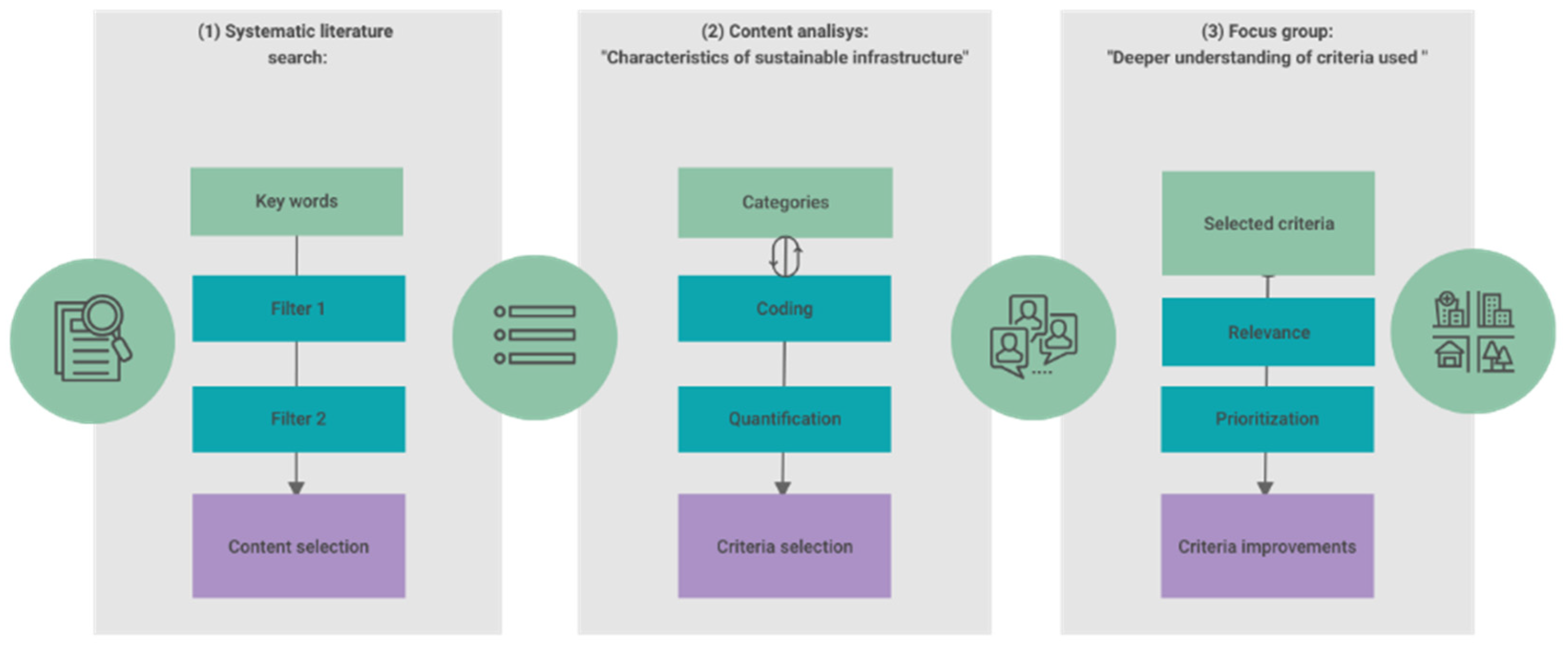
Figure 2.
The systematic search strategy.
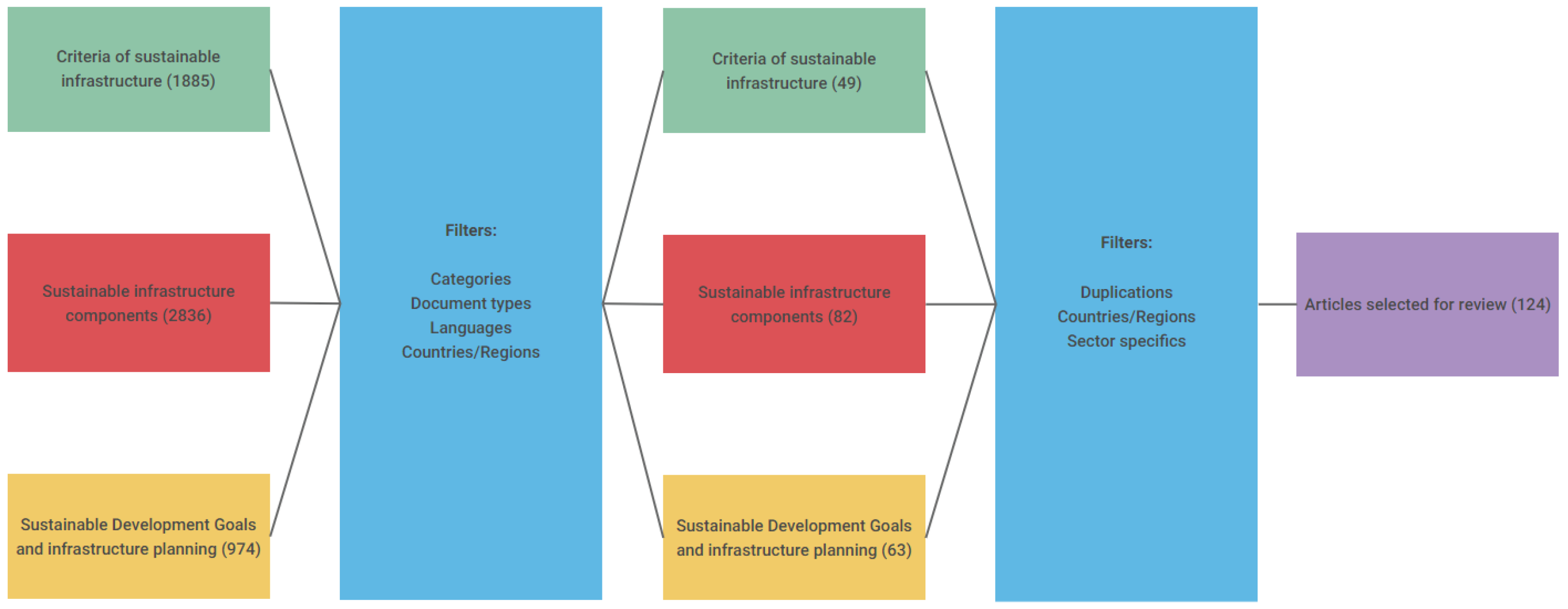
Figure 3.
The qualitative content analysis with inductive category development.
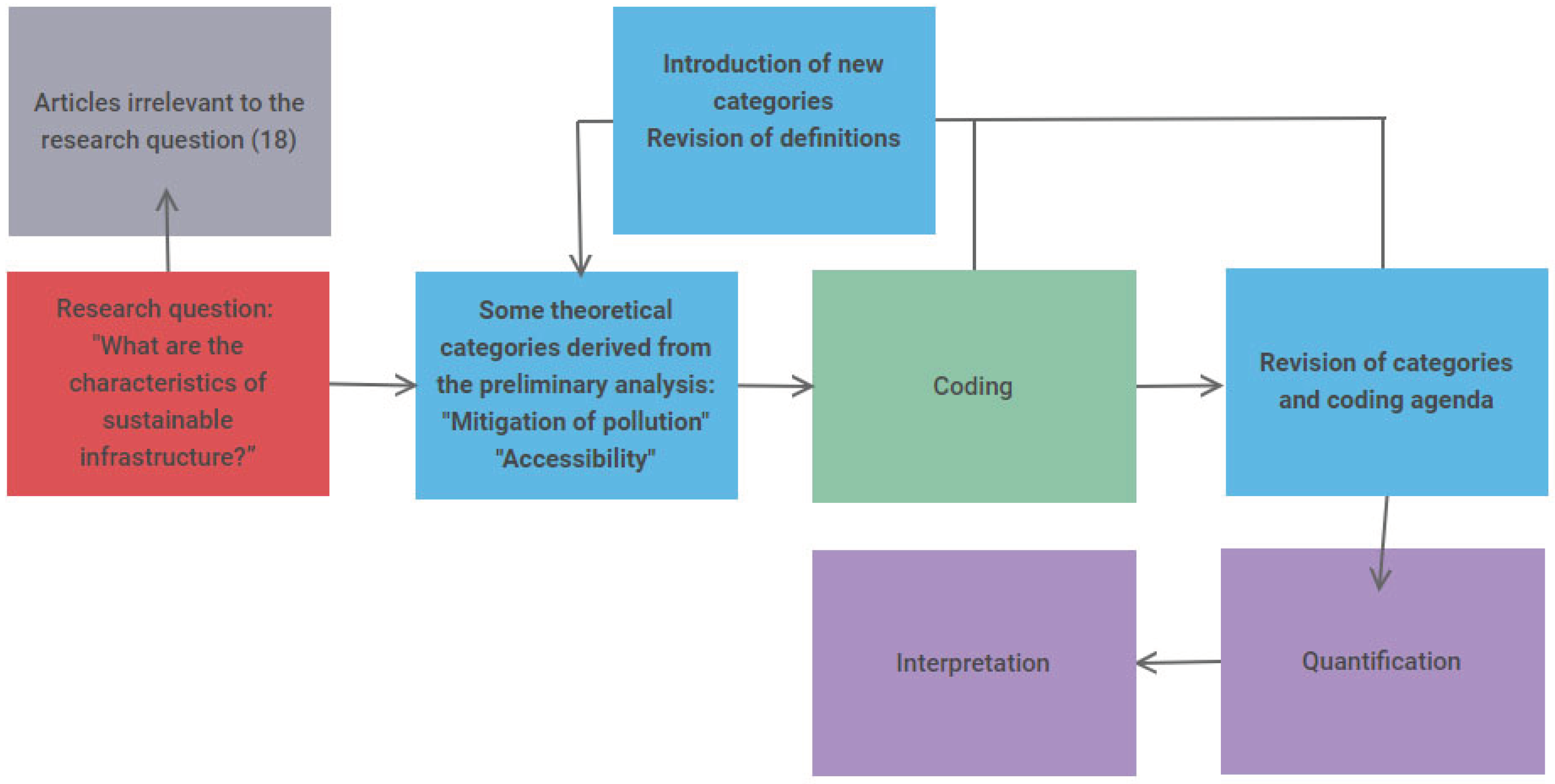
Figure 4.
Municipalities represented in the focus group.
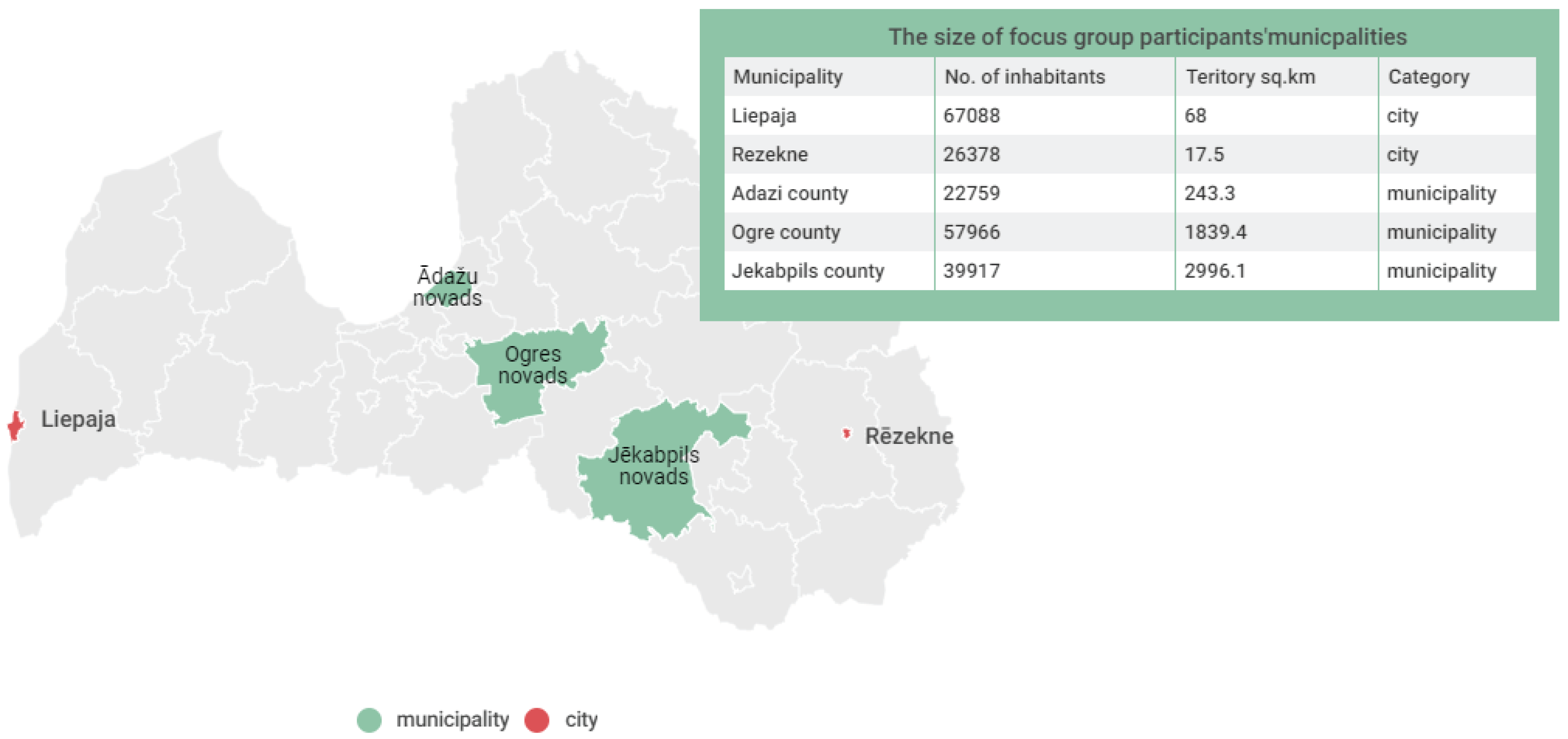
Figure 5.
The screenshot of the focus groups progress on the Padlet platform.
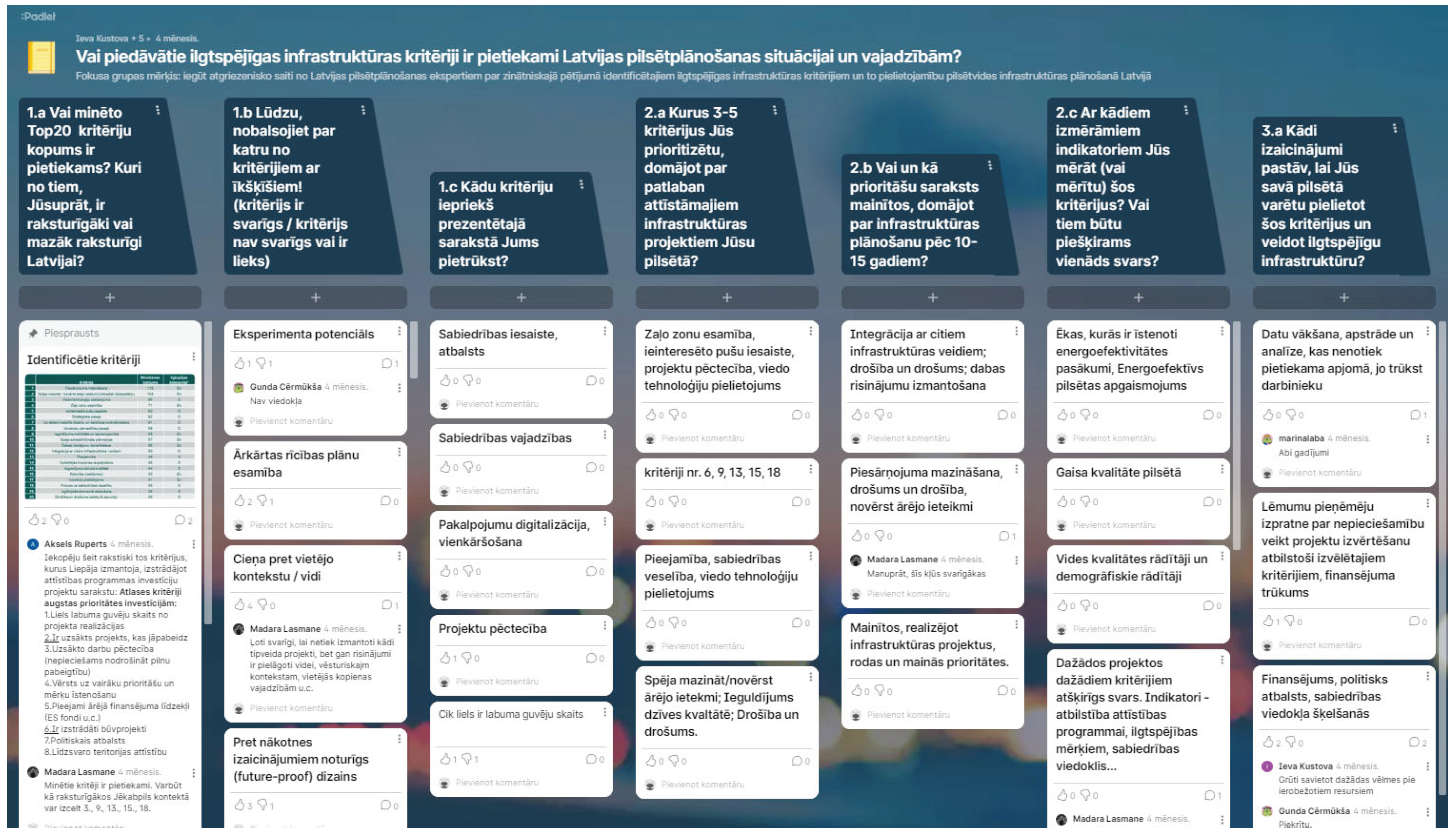
Figure 6.
Focus of selected publications.
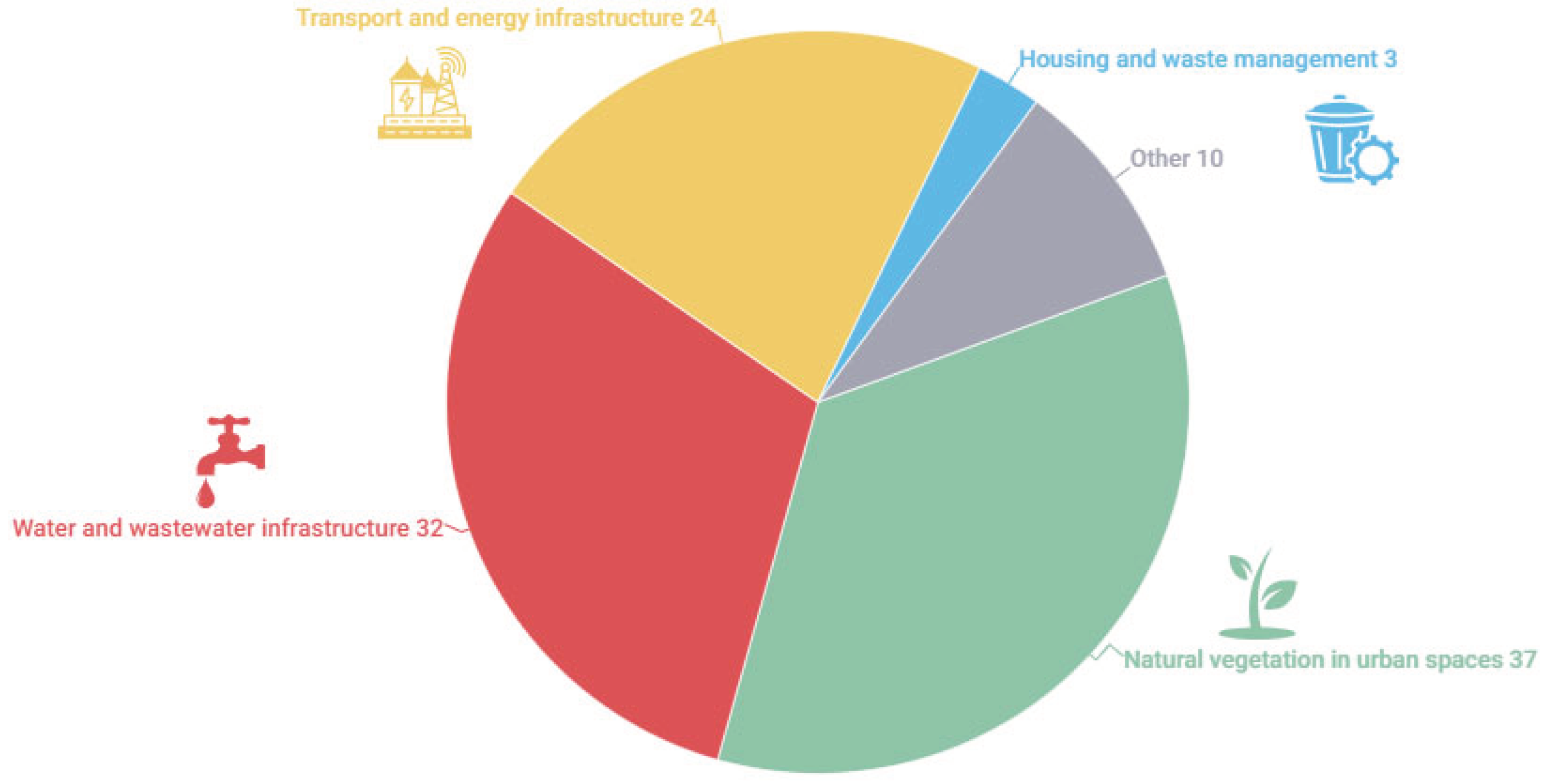
Figure 7.
(a) Distribution of all mentions across broader categories; (c) Top 20 selected criteria and their frequency; (b) Distribution Top 20 selected criteria across broader categories.
Figure 7.
(a) Distribution of all mentions across broader categories; (c) Top 20 selected criteria and their frequency; (b) Distribution Top 20 selected criteria across broader categories.
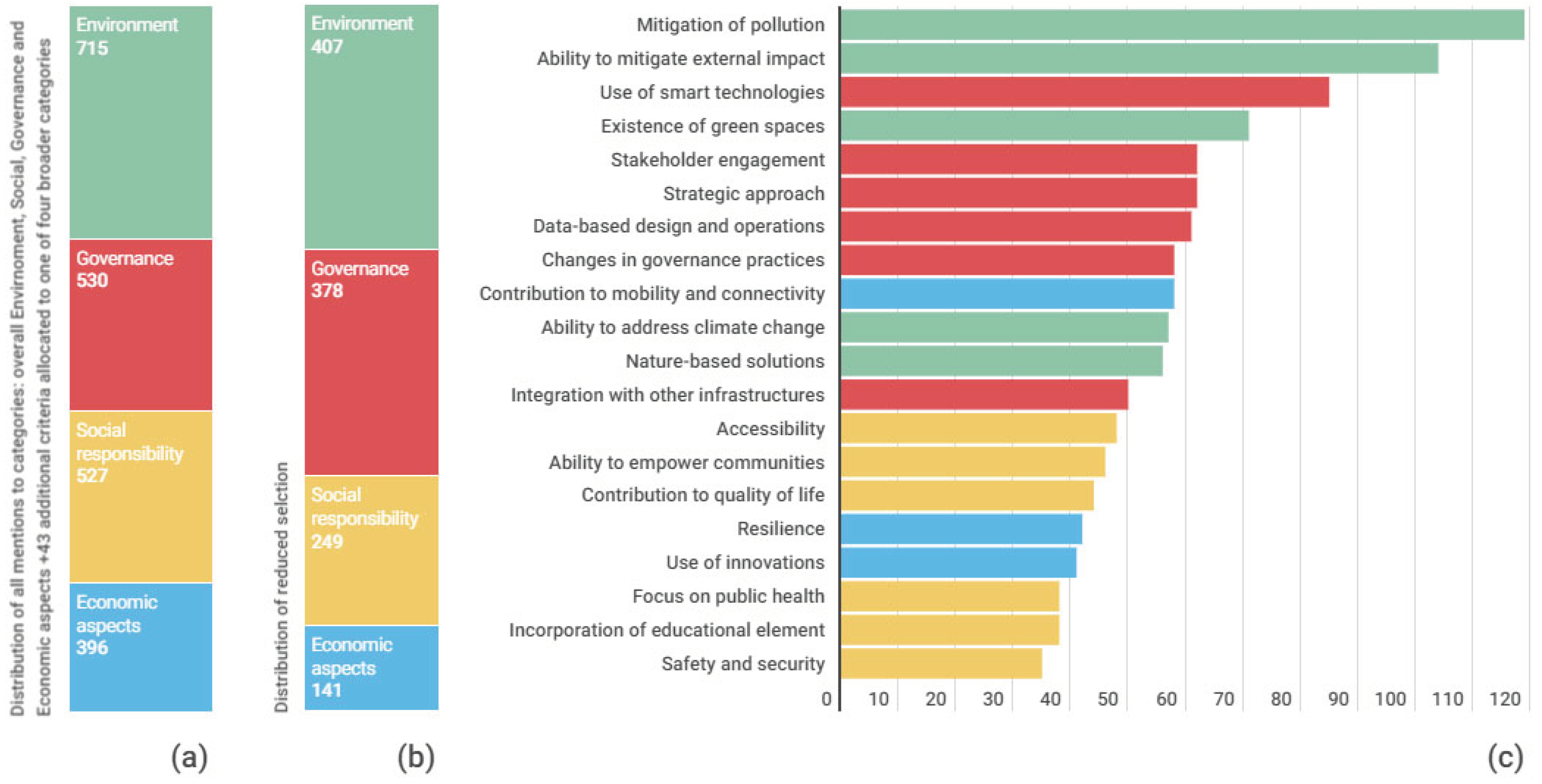
Figure 8.
Set of criteria presented to the focus group for the triangulation.
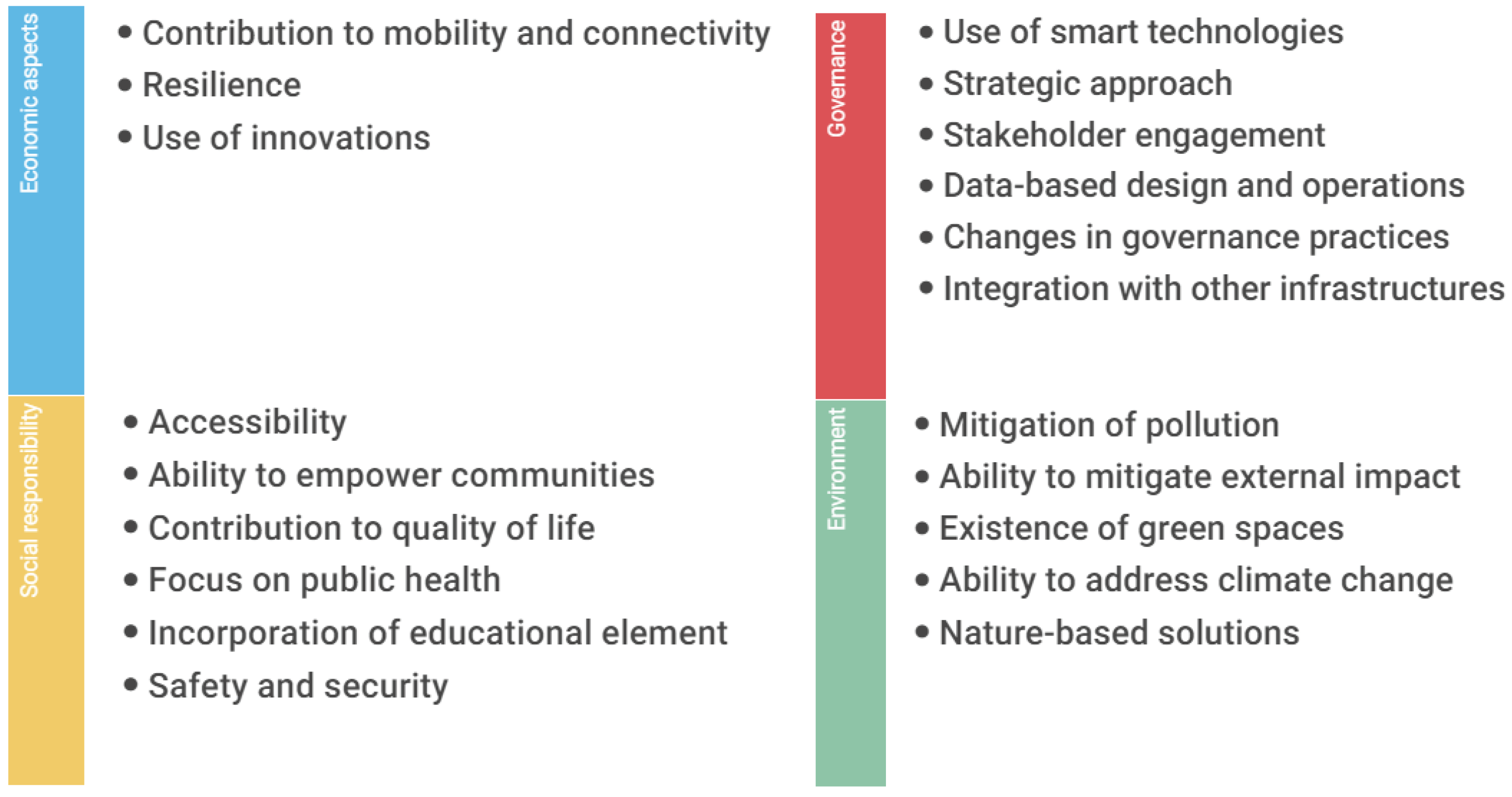
Figure 9.
Evaluation of sustainable infrastructure criteria by focus group.
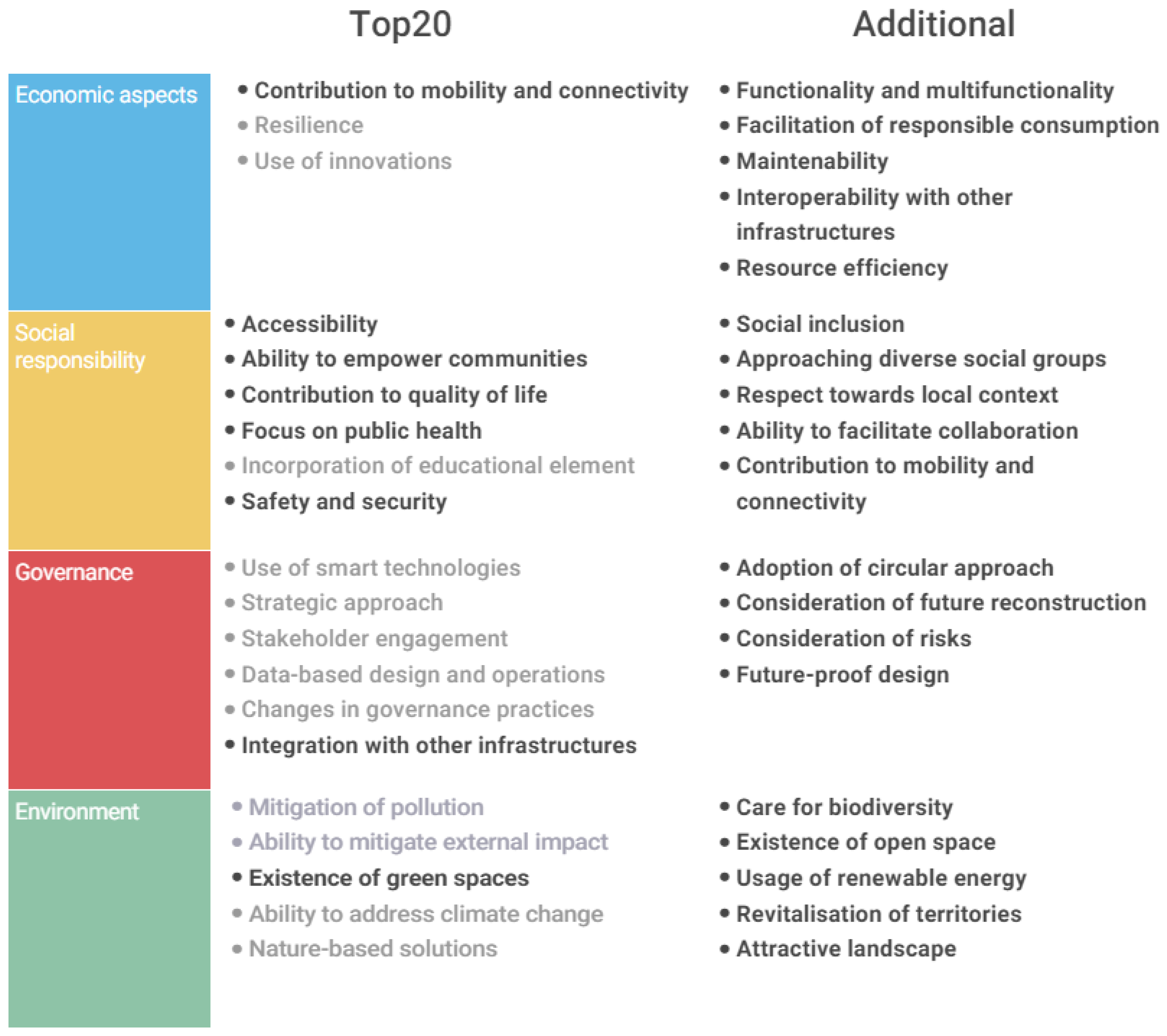
Figure 10.
Three-Phase Model for Sustainable Infrastructure Assessment.
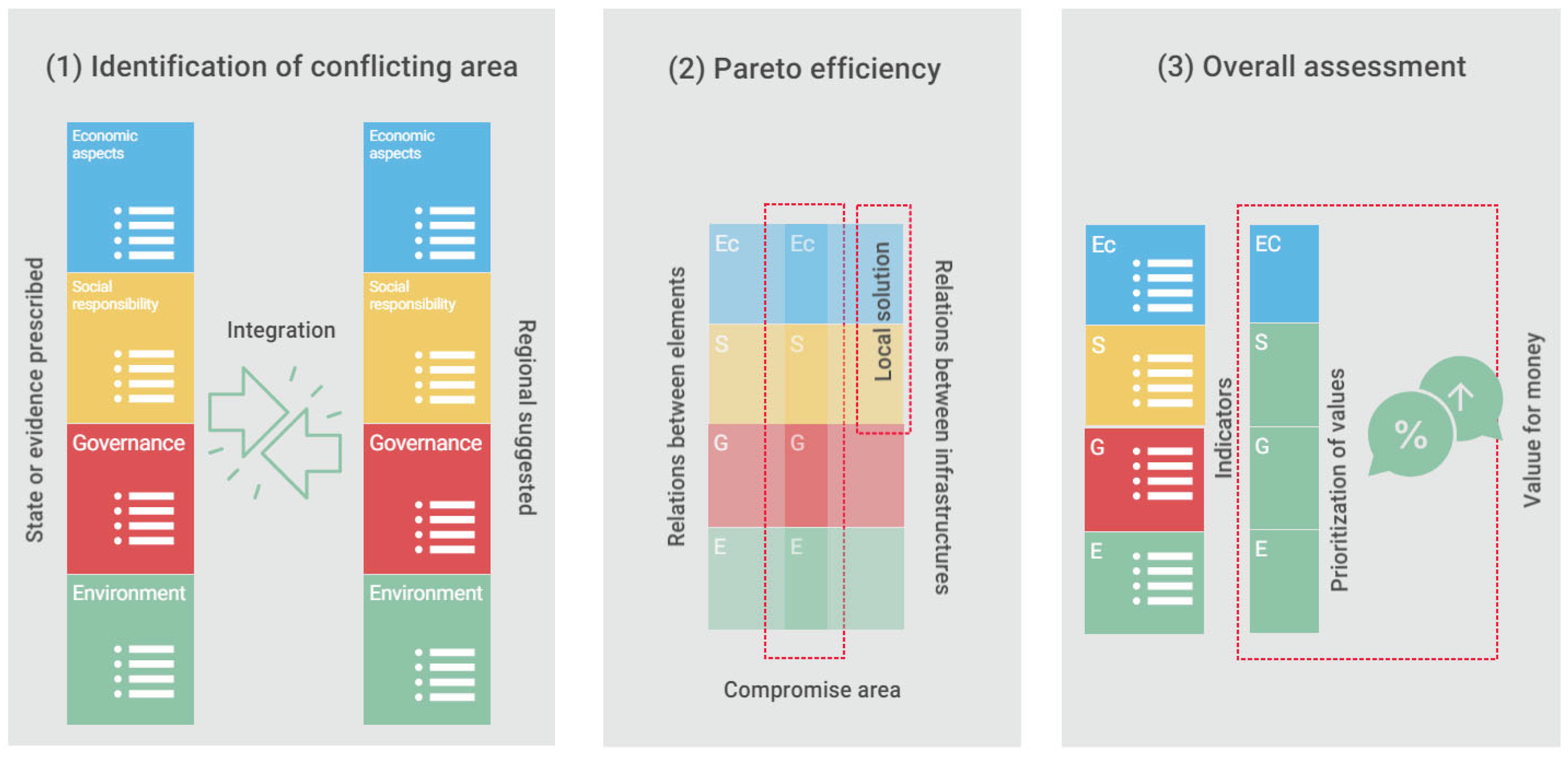

Table 1.
The evidence in the field of sustainable infrastructure.
| No | Author | Topic covered | Main conclusions |
|---|---|---|---|
| 1 | Araújo et al. (2020) | Construction sector | Paper concludes that there are few studies on the construction industry aimed at developing quantitative methodologies to assess sustainability. |
| 2 | Illahi & Mir (2020) | Transportation systems | Paper explores different sets of indicators to measure transport system sustainability: indicators and frameworks, methods of normalization, weighting, and aggregation. |
| 3 | Pearsall et al. (2022) | Knowledge infrastructure | Study calls for new knowledge infrastructures to support and sustain multi-scalar and multi-stakeholder networks. |
| 4 | Mondejar et al. (2021) | Smart technologies | Papers asks for the development of smart systems connected to the internet of things can generate unique opportunities to strategically address challenges associated with the SDGs. |
| 5 | Panchal et al. (2021) | Circular economy | The review highlights various research gaps concerning the classification of SDGs. |
| 6 | Sarkissian et al. (2023) | Critical infrastructure | Identified the need of holistic approach in research of SDGs. |
| 7 | Shao et al. (2021) | Energy infrastructure | This study concludes that Asian Investment Bank falls short on expectations regarding providing a comprehensive, clear and reliable environmental and social safeguard mechanism on energy projects. |
| 8 | Castelblanco & Guevara (2022) | all SDGs | This study provides matrix of interconnections between PPP and SDG. |
| 9 | Mattinzioli et al (2020) | Roadway | This study develops critical review on the rating systems currently in the global market in terms of their scopes, structures, common criteria, three-pillar adherence, and asset management effectiveness. |
| 10 | Evans & Vermeulen (2021) | electronics value chain | The paper shows that state and corporate forms of governance have the most impact on sustainability. A list of policy instruments used by policy actors at various governance levels for addressing sustainability across the electronics value chain is provided. |
| 11 | Sharma et al. (2022) | Waste management | Holistic understanding of Demolition Waste Management to reduce the building sector's impact on resources. |
| 12 | Anthonj (2021) | Water security and global health | This paper looks at water and health challenges from different angles and from a holistic perspective, looking on SDG as a frame |
| 13 | Nieuwenhuijsen (2020) | Urban and transport planning | Suboptimal urban and transport planning has led to air pollution and noise, and lack of green space and physical activity. |
| 14 | Han & Kim (2021) | Smart cities | The critical review results that most of the selected articles only address the sustainable growth of smart cities by focusing on innovations. |
| 15 | Chatzimentor et al (2020) | Green infrastructure | Demonstrates that the ambiguous definition of GI has generated a high diversity in research objectives and outputs. |
| 16 | Gim & Miller (2022) | Interdependencies among infrastructures | Provides a framework for mapping and analyzing institutional interdependencies. |
| 17 | Sola et al (2020) | Energy infrastructure | Modelling the dynamic interaction among energy demand, generation and distribution in a city or district through the interaction of different sub-models: low-energy, appropriate land use, transportation, and energy systems. |
| 18 | Monstadt et al. (2022) | Urban infrastructure | The non-linearity of urban interventions and interdependence of different infrastructure systems poses serious problems for existing governance arrangements. |
| 19 | Çimen (2021) | Construction | The study found that SDGs literature remains at an early stage despite recent growth in academic interest. |
| 20 | Olanrewaju et al. (2022) | Construction | The research methodology includes a combination of SLR and gap spotting in construction area. |
Table 2.
Inclusion and exclusion criteria.
| Step | Characteristics | Inclusion criteria | Exclusion rationale |
|---|---|---|---|
| Filter 1 | Categories | Development studies, Public administration, Regional urban planning, Urban Studies |
To exclude fields outside of the authors’ scientific area (e.g., engineering, medicine, law). |
| Document types | Articles, Books, Book chapters | To collect data from primary sources | |
| Languages | English | To understand the content of the study | |
| Countries/Region | OECD and EEA countries only | Focus on similar systems | |
| Filter 2 | Duplications | Not stated | To exclude duplicated records |
| Countries covered | OECD and EEA countries only | Focus on similar systems | |
| Scope of analysis | Narrow case studies | To understand a broader phenomenon or develop more generalizable insights |
Disclaimer/Publisher’s Note: The statements, opinions and data contained in all publications are solely those of the individual author(s) and contributor(s) and not of MDPI and/or the editor(s). MDPI and/or the editor(s) disclaim responsibility for any injury to people or property resulting from any ideas, methods, instructions or products referred to in the content. |
© 2024 by the authors. Licensee MDPI, Basel, Switzerland. This article is an open access article distributed under the terms and conditions of the Creative Commons Attribution (CC BY) license (http://creativecommons.org/licenses/by/4.0/).
Copyright: This open access article is published under a Creative Commons CC BY 4.0 license, which permit the free download, distribution, and reuse, provided that the author and preprint are cited in any reuse.