
Submitted:
05 March 2024
Posted:
06 March 2024
You are already at the latest version
Abstract
Dental agenesis is one of the most common developmental anomaly in humans and it is frequently as-sociated with several other oral abnormalities. The present case describes nonfamilial agenesis of per-manent teeth in a twenty-one-year-old boy, with no apparent systemic abnormalities. The treatment in-cluded a personalized and interdisciplinary approach by the means of endodontics, orthodontics, im-plants supported restorations and prosthetic treatments. The treatment plan was thoroughly elaborated using photographic analysis, study models, orthopantomogram, CBCT and cephalograms. Virtual smile design, diagnostic waxing, and mock-up previsualized the treatment objectives. The edentulous spaces were reconstructed by inserting dental implants, and monolithic Zirconia implant supported restorations. The final results showed a highly aesthetic and functional rehabilitation. Periodic checkups have shown that the stability of the result is well maintained and that the implant supported restorations are an op-timal solution for patients with multiple anodontia.
Keywords:
anodontia
; oligodontia
; oral rehabilitation
; dental implants
; esthetic dentistry
; crowns
; ceramics.
1. Introduction
The dental anomaly characterized by the absence of one or more teeth, to the total absence of dentition due to the non-formation of dental buds, the lack of embryonic development or their atrophy, is known in the literature, as anodontia [1]. The most common term used to describe missing teeth is anodontia, but terms like oligodontia and hypodontia are also common [2].
Hypodontia is often used as a collective term for congenitally missing teeth, although specifically, it describes the absence of one to six teeth, excluding third molars [1,2,3]. Oligodontia (multiple aplasia) refers to the congenital absence of six or more teeth, excluding third molars. Anodontia represents a complete failure of one or both dentitions to develop [3].
Oligodontia is frequently associated with other oral anomalies, like reduction in size and form of teeth and alveolar processes, crowding and/or malposition of other teeth, false diastema, short root anomaly, delayed formation and/or delayed eruption of other teeth, persistent deciduous teeth, anomalies of the enamel, enamel hypoplasia, increased free-way space, deep overbite, taurodontism, maxillary canine ⁄ first premolar transposition, and altered craniofacial growth [4,5,6].
Underdevelopment of the maxilla in sagittal, transversal and vertical planes (maxillary hypoplasia) is commonly associated with hypodontia [6]. From the facial aspect point of view, patients with hypodontia exhibit a reduced lower face height with hypodivergent vertical skeletal pattern and a class III skeletal anomaly. Upper lip retrocheilia and increased nasio-labial angles might be also present [7].
Regarding the treatment objectives, increasing the facial lower third, posterior rotation of the mandible and decreasing the nasio-labial angle are important key points. Addressing these aspects will assure an optimal esthetic and functional result of the treatment of hypodontia.
Space management which results from the congenital absence of teeth is often hampered by unfavorable positions of the teeth that are present. In many cases, the orthodontic management of patients with hypodontia can greatly facilitate any restorative treatment [7,8,9,10]. To carry out the treatment of edentulous areas, implant-based prosthodontics are a good option to improve oral function and aesthetics in oligodontia [11,12]. Successful implant placement requires both keratinized gingiva and adequate alveolar bone [13]. The remaining deciduous teeth in the alveolar bone has a significant role in maintaining bone width, while their early loss might induce bone resorption [14].
Currently, implant planning software using cone-beam computerized tomography data has made it possible to plan the optimal implant position, taking into consideration the surrounding vital anatomic structures and future prosthetic requirements [13,14].
The main aim of this case report is to highlight the stages of planning and treatment of a 21-year-old patient with hypodontia, involving orthodontics, endodontics, implantology and prosthodontic specialties. The role of multidisciplinary management and digital planning are highlighted as one of the most important requirements for an individualized treatment of hypodontia.
2. Case Presentation
A 21-year-old male patient attended the Natural Smile Dental Clinic, Târgu Mureș, Romania, with an esthetic complaint regarding the congenital absence of several teeth.
After clinical examination, data acquisition was performed, including extraoral and intraoral photos (Figure 1,Figure 2,Figure 3), OPG (Figure 4), CBCT, lateral teleradiography of the head (Figure 5 a) and articulator mounting of study models both in centric relation and maximum intercuspation.
The dental status at the time of primary consultation was as follows: 1.6 with occlusal caries, 5.5 with occlusal caries and abraded occlusal surface, 5.4, 5.3, 5.2 affected by abrasion, 1.1, 2.1 without pathological changes, 6.2, 6.3 abraded, 6.4 with occluso-distal caries and abraded occlusal surface, 2.6 with old occlusal filling and secondary caries. The missing teeth in the upper arch were: 12, 13, 14, 15, 17, 22, 23, 24, 25, 27. In the lower arch the following status was present: 3.6 with old occlusal filling and secondary caries, 7.3, 7.2, 7.1, 8.1, 8.2, 8.3, 8.4 affected by abrasion; residual root from 7.5, 8.5; 4.6 with occlusal filling and secondary caries, 4.7 with occlusal caries. Missing lower teeth: 41, 42, 43, 44, 45, 31, 32, 33, 34, 35, 37 (Figure 3 a-d).
From an esthetic standpoint, low smileline, uneven gingival margins, spaces and incorrect axial inclination of the frontal teeth were present. The position of the Stomion point regarding the incisor position was acceptable.
Radiographic examination did not reveal periapical alteration of the present teeth, and excluded the diagnostic of dental impaction (Figure 4)
Based on the clinical and paraclinical examination the following diagnostics were established: skeletal and dental class III anomaly (ANB angle -1 °), with hypodivergent growth pattern and anterior rotation of the mandible (Sn-GoGn 28°), maxillary hypoplasia, slightly protruded upper incisors, diastema, spacing due to anodontia of the lower central incisors, all lateral incisors, all canines, all premolars, three second molars. Therefore, in this clinical case, 7 permanent teeth were present.
To evaluate the treatment options and the amount of posterior rotation of the jaws required to improve the facial appearance VTO (Romexis) was done (Figure 5 a, b).
Based on the VTO (Visualized Treatment Objectives), protraction and posterior rotation of the maxilla would have been the ideal treatment option in terms of skeletal modifications, however this treatment option would have needed an orthognathic surgical approach (not accepted by the patient).
Therefore, the treatment plan included:
- Treatment of the carious lesions
- Preprosthetic orthodontic treatment
- Wax-up and mock-up
- Endodontic treatment of the lower temporary incisors.
- Upper and lower implant placement with provisional restorations
- Final restorations placement
Preprosthetic orthodontic treatment was done with a partial fixed appliance (transpalatal bar and 0.022-inch Roth prescription brackets on the 11 and 21). The main objective of this treatment phase was to reduce the diastema and slightly retrude the upper incisor, to improve dental position for the final restorations (Figure 6).
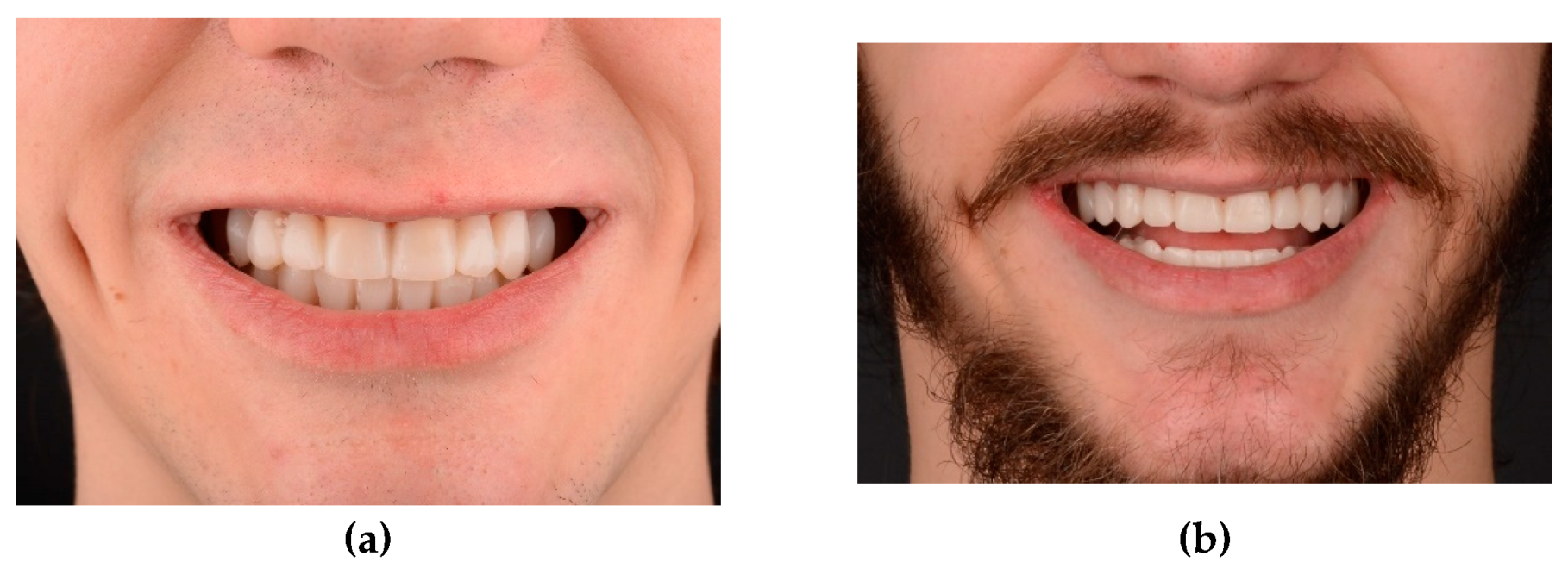
To preview the result and help the planning of the implant placement but also to establish the new occlusal plane as well as the new vertical occlusal dimension, a diagnostic wax up was performed, after the orthodontic treatment. The wax up, a fundamental tool in complex oral rehabilitation, was transferred into the patient's mouth, resulting in the mock-up (Figure 7.a), which was also used to make provisional restorations (material used: Luxatemp, DMG Germany) (Figure 7.b), this protocol ensuring an aesthetic and functional result.
Figure 7.
(a) Close up smile with the mock-up. (b) Close up smile with the provisional restorations.
Figure 7.
(a) Close up smile with the mock-up. (b) Close up smile with the provisional restorations.
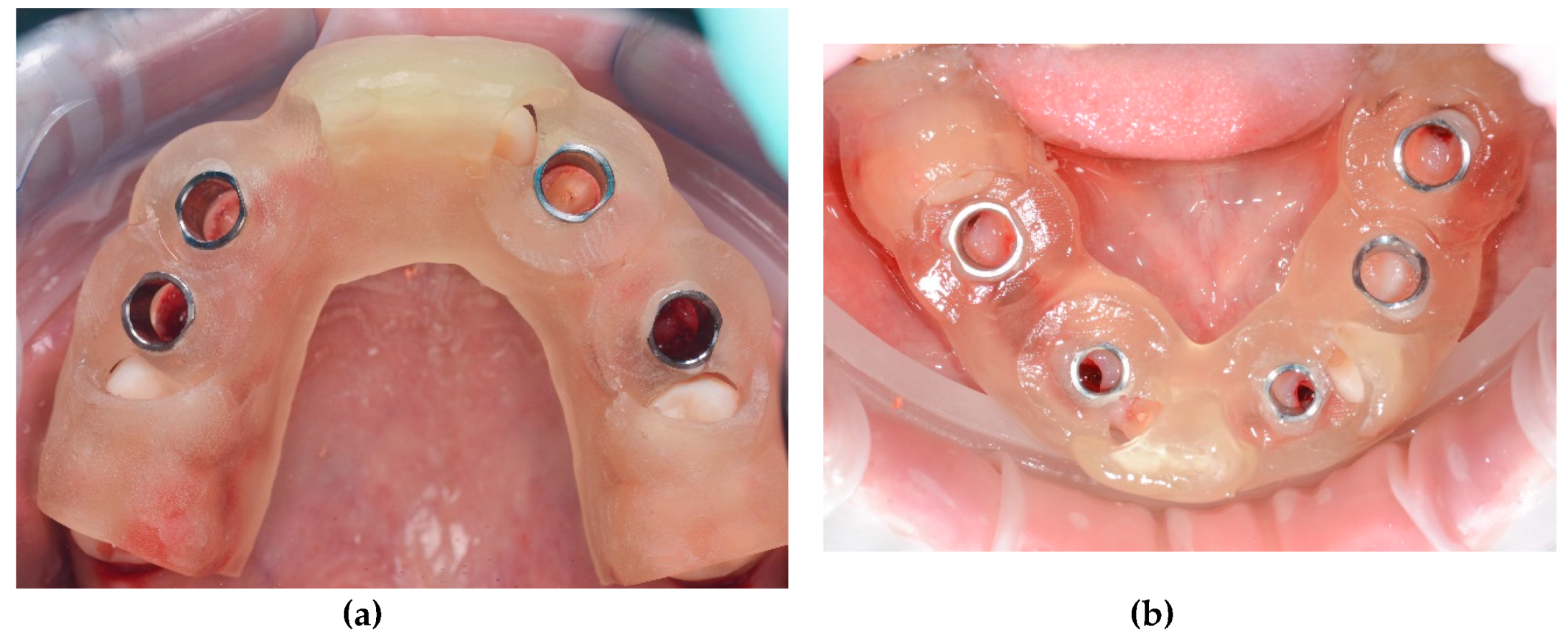
The wax-up also served the role of a prosthetic guide for implant position. To precisely plan the implants placement from the prosthetic point of view, a CBCT (PaxFlex 3D, Vatech, South Coreea) was performed and an initial digital planning software analysis was conducted with Easy3DPlus (Vatech, South Coreea) (Figure 8). Based on the previsualized implant placement, surgical guides were designed (Figure 9 a, b), to achieve exact implant placement. The guides were designed in the Blue Sky Plan software,(USA) and the surgical templates were fabricated using Dental SG resin (Formlabs, USA).
Using digital planning the placement of 9 implants, 4 on the maxilla and 5 on the mandible was established (Figure 8), based on the position of the provisional restorations. The implants were planned to be placed in the optimal prosthodontic position, tooth size, bone quality and volume, location of the mandibular nerve and sinus were also taken into consideration.
Figure 8.
Implant planning software using cone-beam computerized tomography.
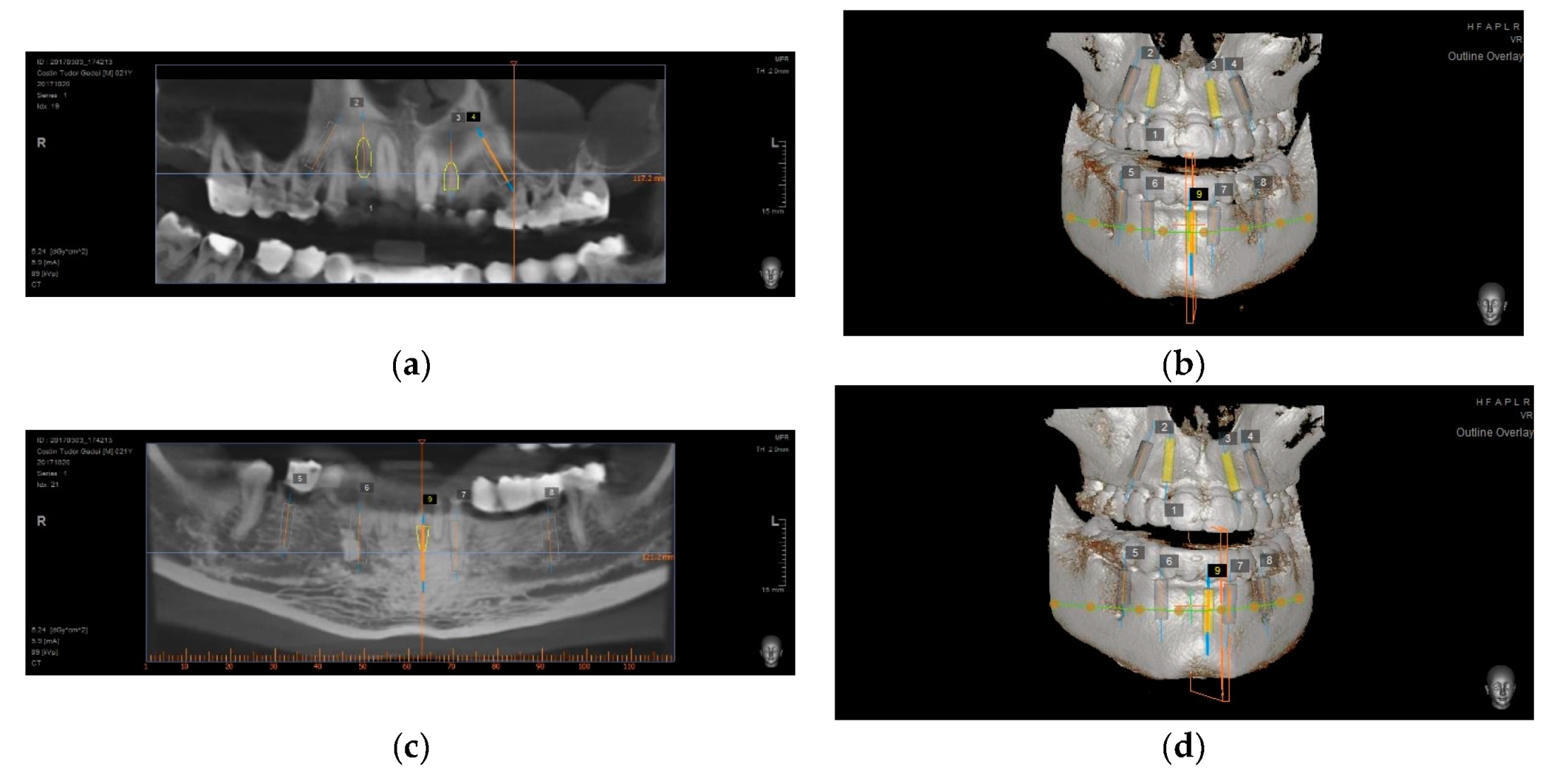
Figure 9.
a -Maxillary and b-mandibular surgical guide.
Two separate surgical procedures were planned. The first implant insertion surgery was performed for the upper jaw, 4 MIS V3 (MIS Implants Technologies Ltd.) implants were inserted in the position of 1.2, 1.4, 2.3, 2.4, with 2 MIS Connect abutment (MIS Implants Technologies Ltd.) on 1.2, 1.3 and two angulated multi-units for 1.4 and 2.4. To restore the patient's aesthetics, a temporary PMMA (Dentsply Sirona) bridge was used for the upper arch. After the implant placement 6 months of healing period was decided.
Decision making regarding the temporary teeth, was a difficult process. Compromised teeth by abrasion or caries as well as those positioned in the strategic positions of dental implants placement, were extracted. Only 5.5 and 6.5 were preserved to be prosthetically restored, with dental crowns because of their well-preserved roots.
Several PET (Partial Extraction Therapies) techniques [16] for the temporary teeth were used. The socket shield technique was chosen for the teeth: 52, 63. This technique pioneered by Hürzeler [15] demonstrated that retaining the buccal aspect of the root during implant placement does not appear to interfere with osseointegration and may be beneficial in preserving the buccal bone plate [15].
As the alveolar ridge resorption is an unavoidable consequence of tooth extraction, we also decided to perform another PET type of surgery: root submergence of the 53, 62 temporary teeth, as a technique for ridge preservation [16]. The teeth were endodontically treated before the surgery (Figure 10).
Because sufficient primary stability was not achieved, only less than 30 Ncm, the patient received a temporary PMMA bridge splinted on all the remaining teeth. (Figure 11), the second day after the surgery, after an analog impression. This was an important aspect for functional and esthetic reasons, to preserve the soft tissues but not to exert any pressure on the implants.
Figure 10.
Maxillary submerged roots (PET) of temporary teeth.
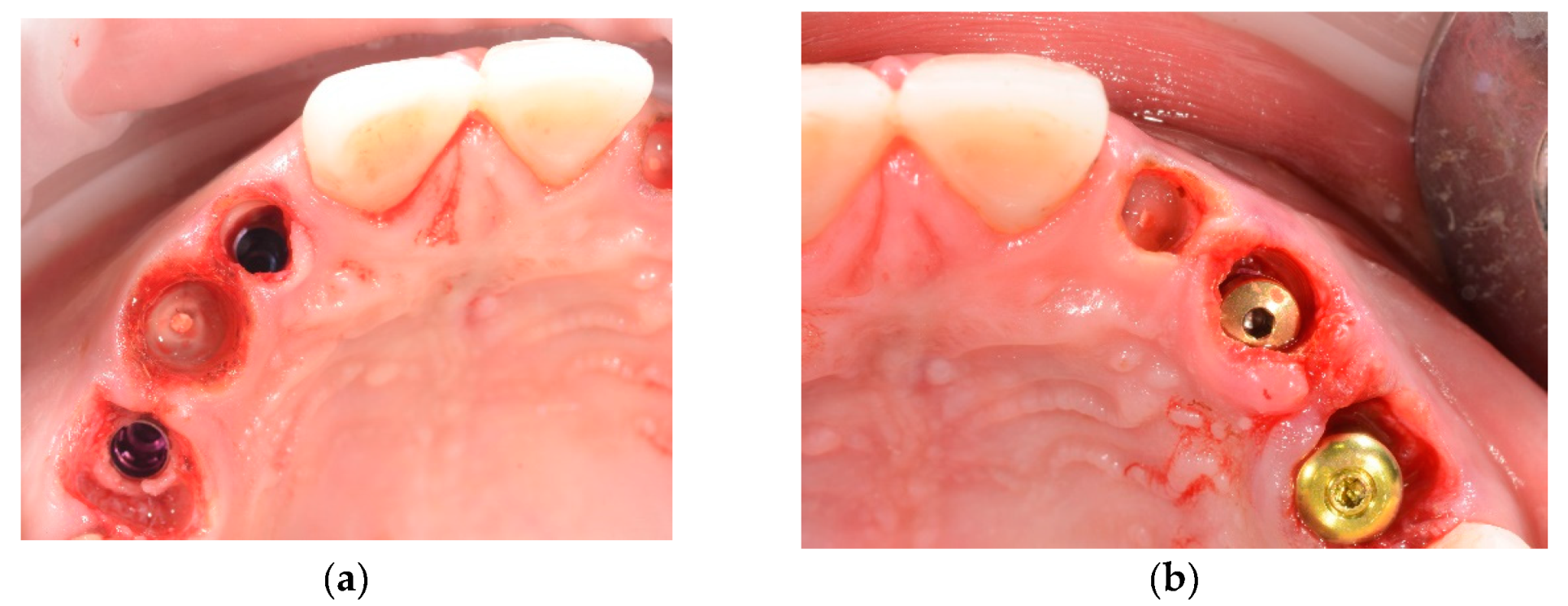
Figure 11.
PMMA immediate provisional restoration.
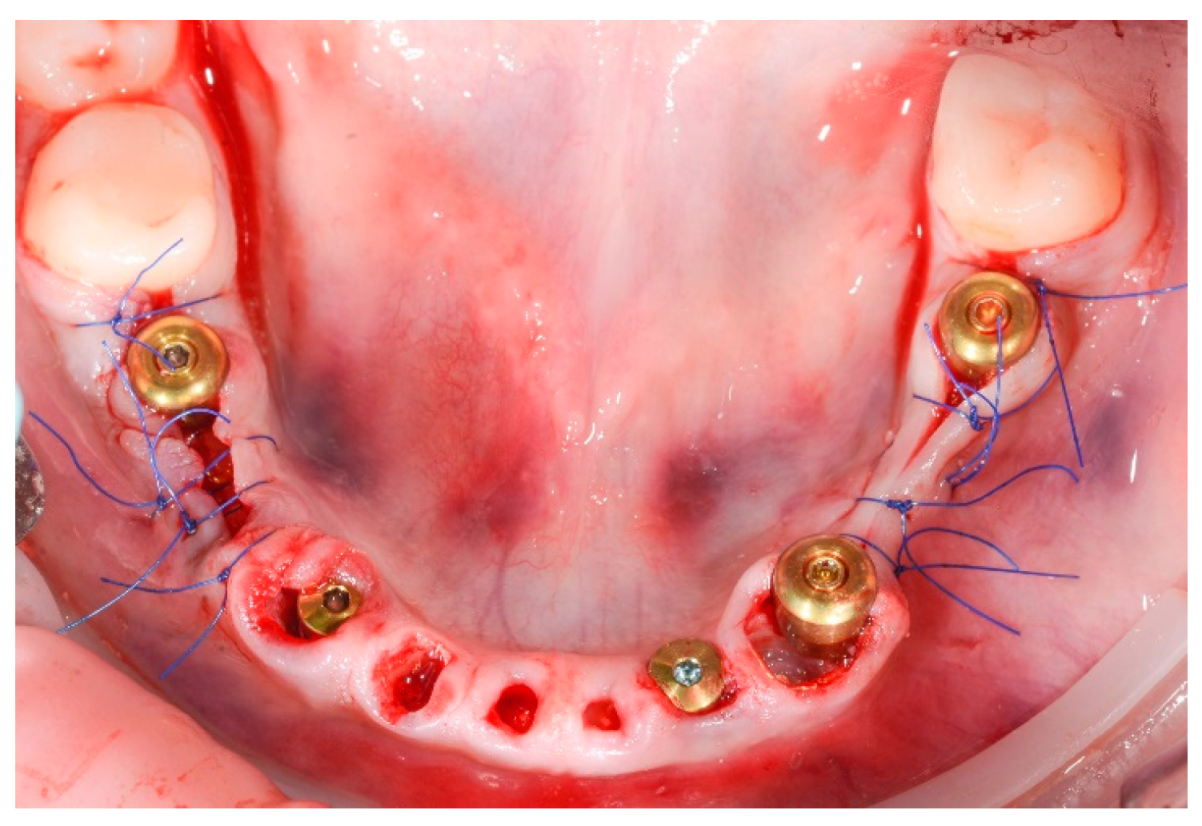
For the mandibular arch 5 MIS V3 implants were inserted with guided surgery, in the position of 3.6, 3.4, 3.2, 4.3 and 4.5, all with 40 Ncm primary stability. We used 3 MU abutments and 2 Connect abutments for a passive fit of the future screw retained bridge and also to have the benefits of the one abutment one time concept.
PET technique was used for the remaining mandibular incisors and canines after previous endodontic treatment. (Figure 12).
Figure 12.
Post-operative aspect of mandibular implant placement and PET for 7.1, 72, 73, 8.1, 8.2, 8.3.
Figure 12.
Post-operative aspect of mandibular implant placement and PET for 7.1, 72, 73, 8.1, 8.2, 8.3.
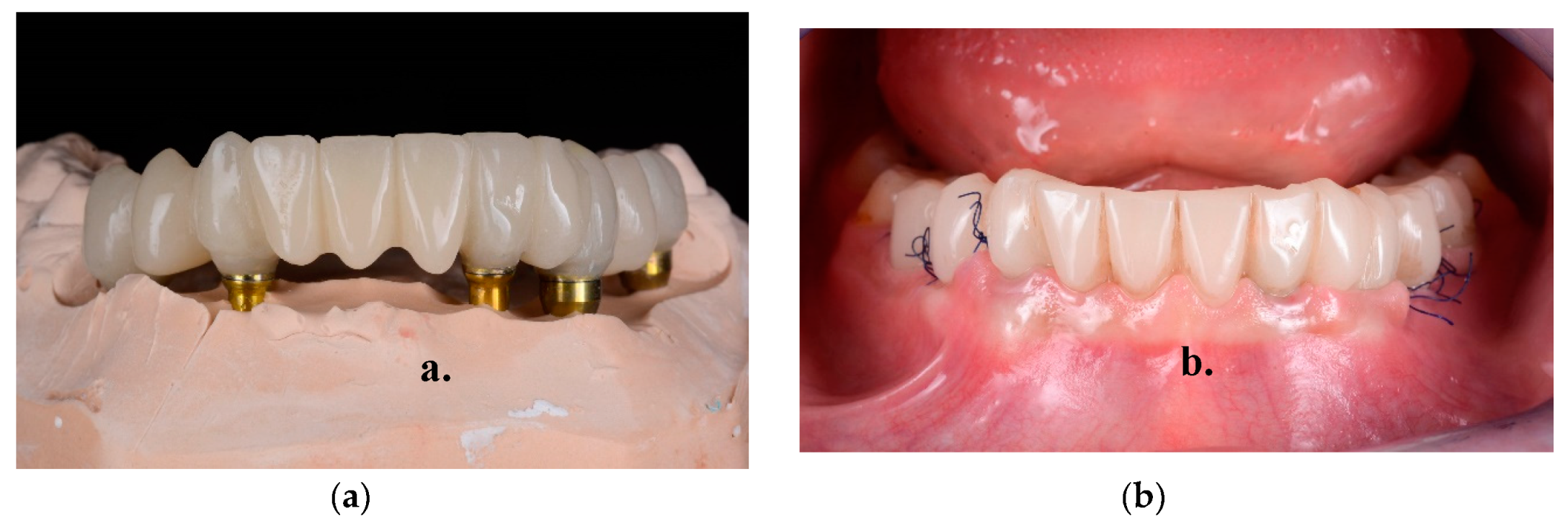
The second day, an immediate PMMA screw-retained provisional restoration was placed, to preserve the gingival margins and to guide the emergence profiles, as well as to ensure the patient’s aesthetics and function during the healing period (Figure 13).
Figure 13.
PMMA screw-retained second day provisional bridge: a- on the stone model; b- intraoral view.
Figure 13.
PMMA screw-retained second day provisional bridge: a- on the stone model; b- intraoral view.
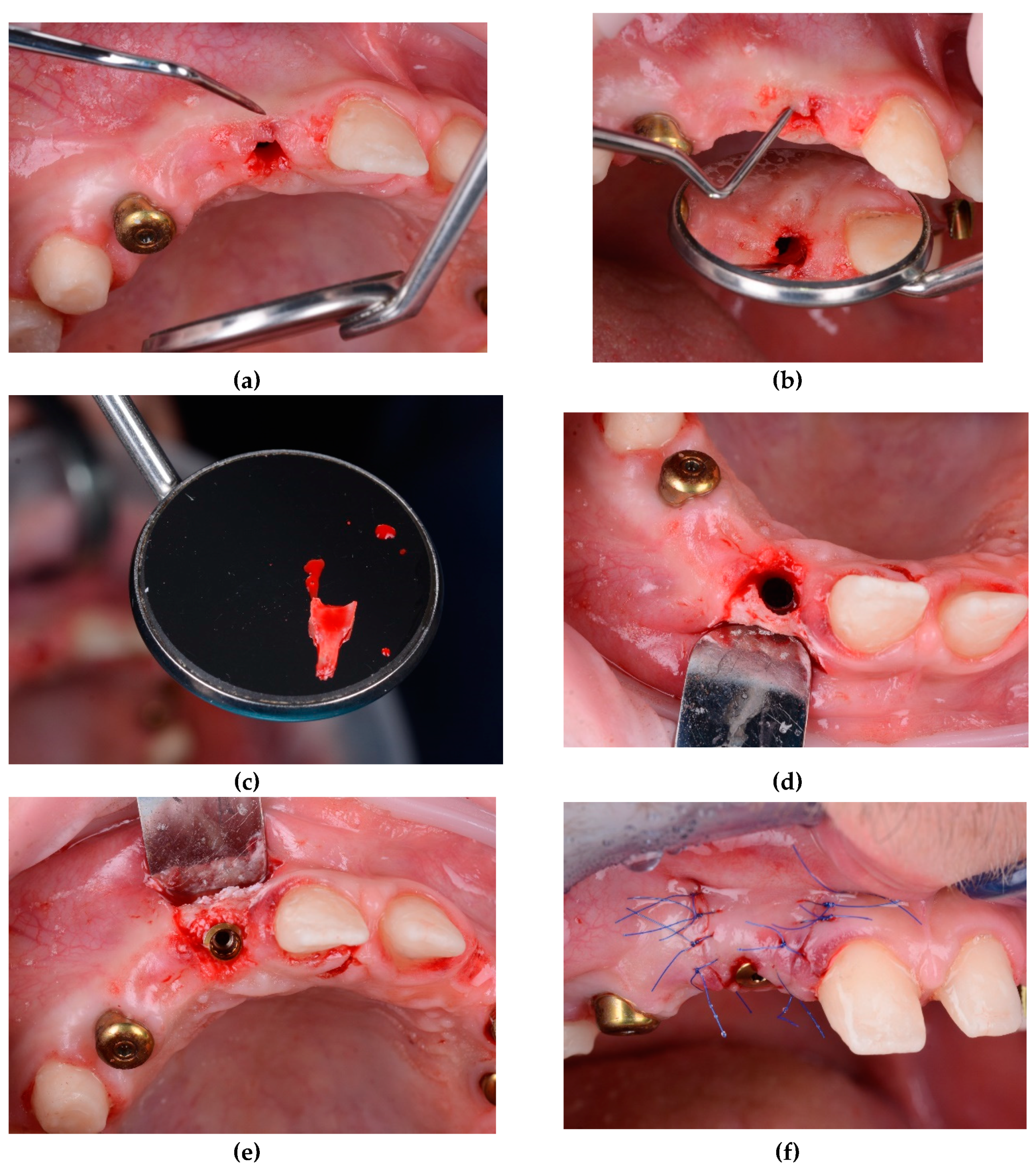
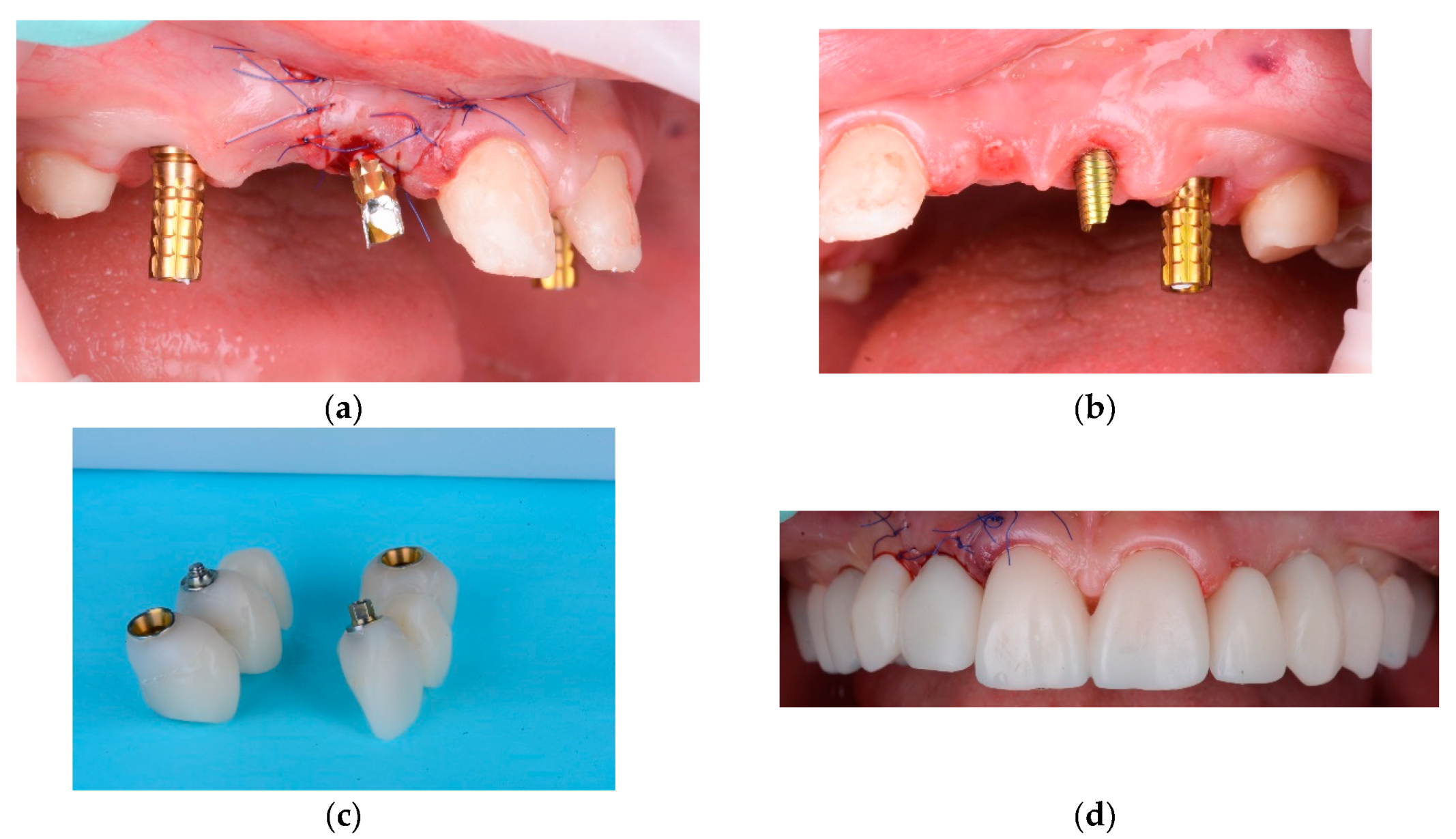
Six months after the placement of the maxillary implants, at the uncover stage, a complication occurred at the level of 1.2 implant, where a socket shield was performed. Clinically, a fistula appeared at the level of the vestibular mucosa, where the buccal portion of the root was retained. A minimal lap was made, followed by the extraction of the root, curettage, bone grafting and passive sutures. The stability of the implant was not affected (Figure 14 a-f)
Figure 14.
Infection at the level of the vestibular shield (a, b), extraction of the vestibular portion of the root 5.2 (c), curettage (d), bone grafting (e), sutures (f).
Figure 14.
Infection at the level of the vestibular shield (a, b), extraction of the vestibular portion of the root 5.2 (c), curettage (d), bone grafting (e), sutures (f).
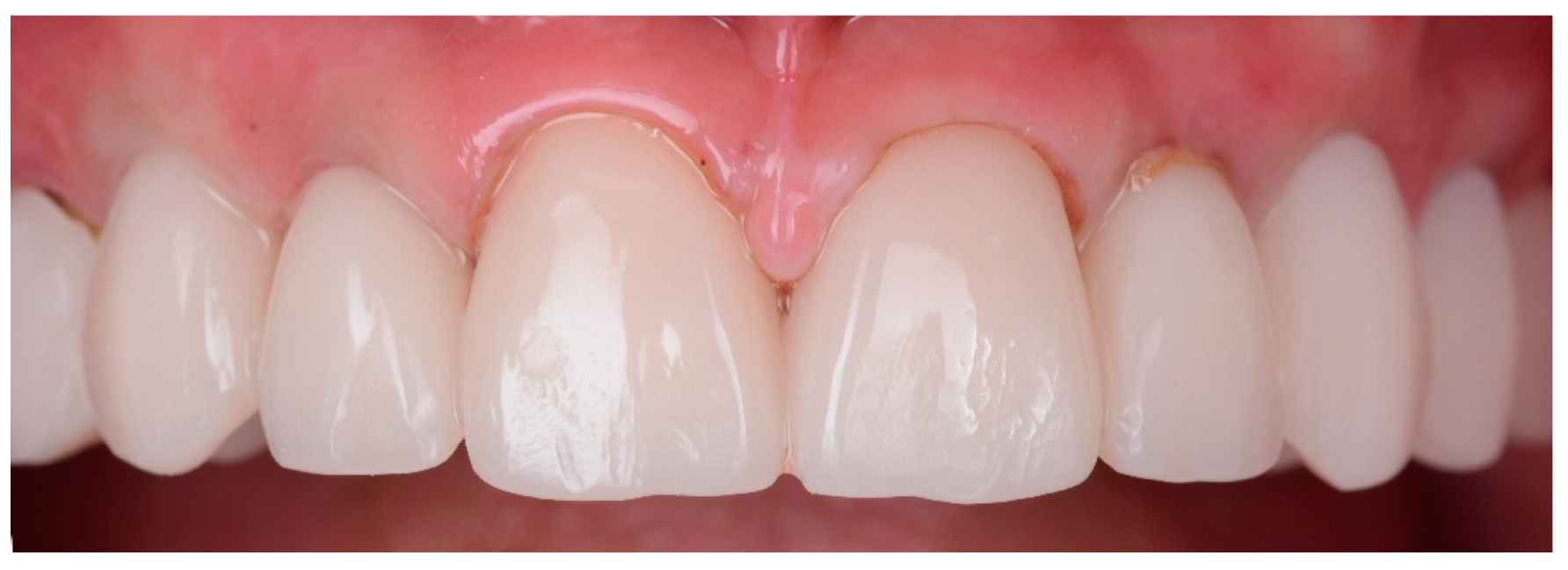
Temporary screw retained bridges, with proper emergence profiles, were used at this stage for soft tissue shaping of the gingival contour (Figure 15).
Figure 15.
Screw-retained provisional bridges on temporary abutments.
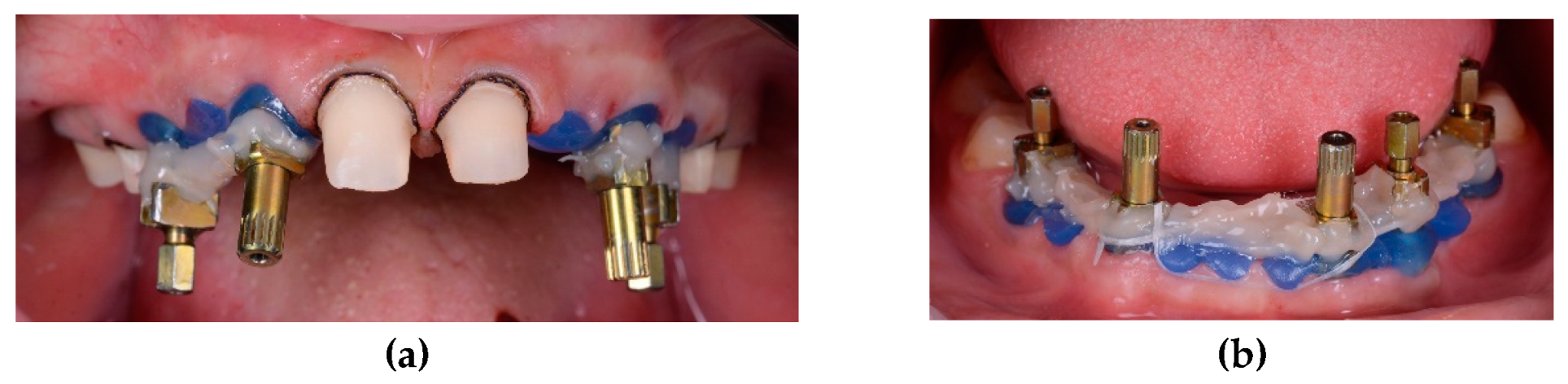
After 3 more months of healing, the proper shaping of the tissue can be observed (Figure 16). At this stage impression for the prosthetic restorations was take (Figure 17).
Figure 16.
Healed emergence profiles.
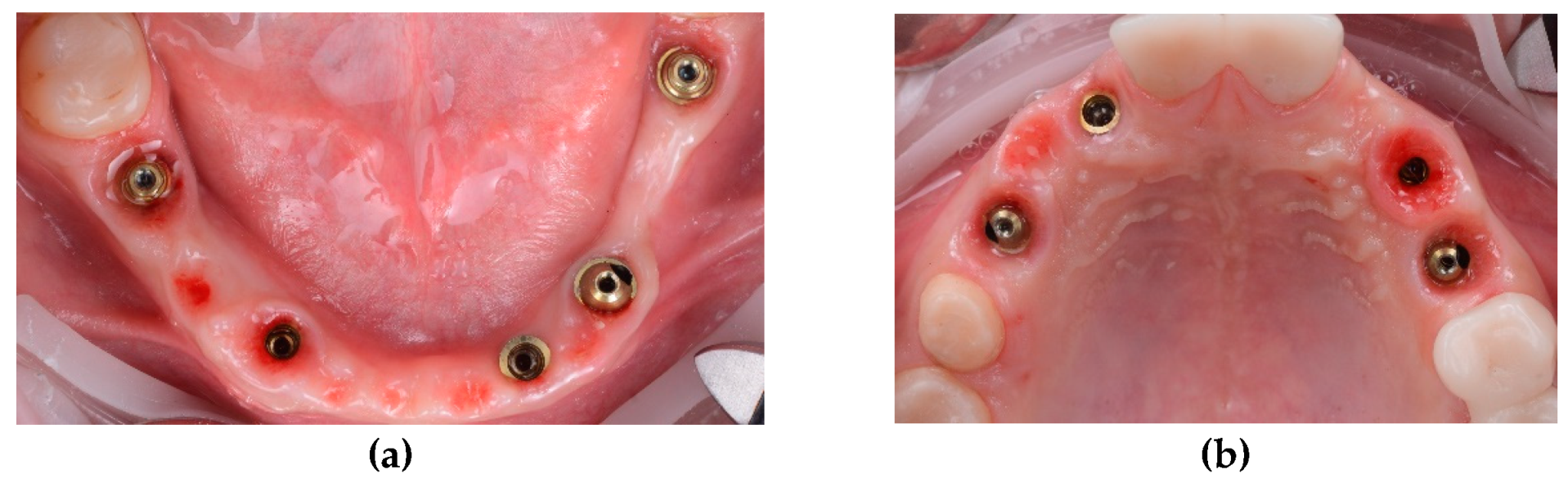
Figure 17.
Analog impression with direct transfer of the emergence profile.
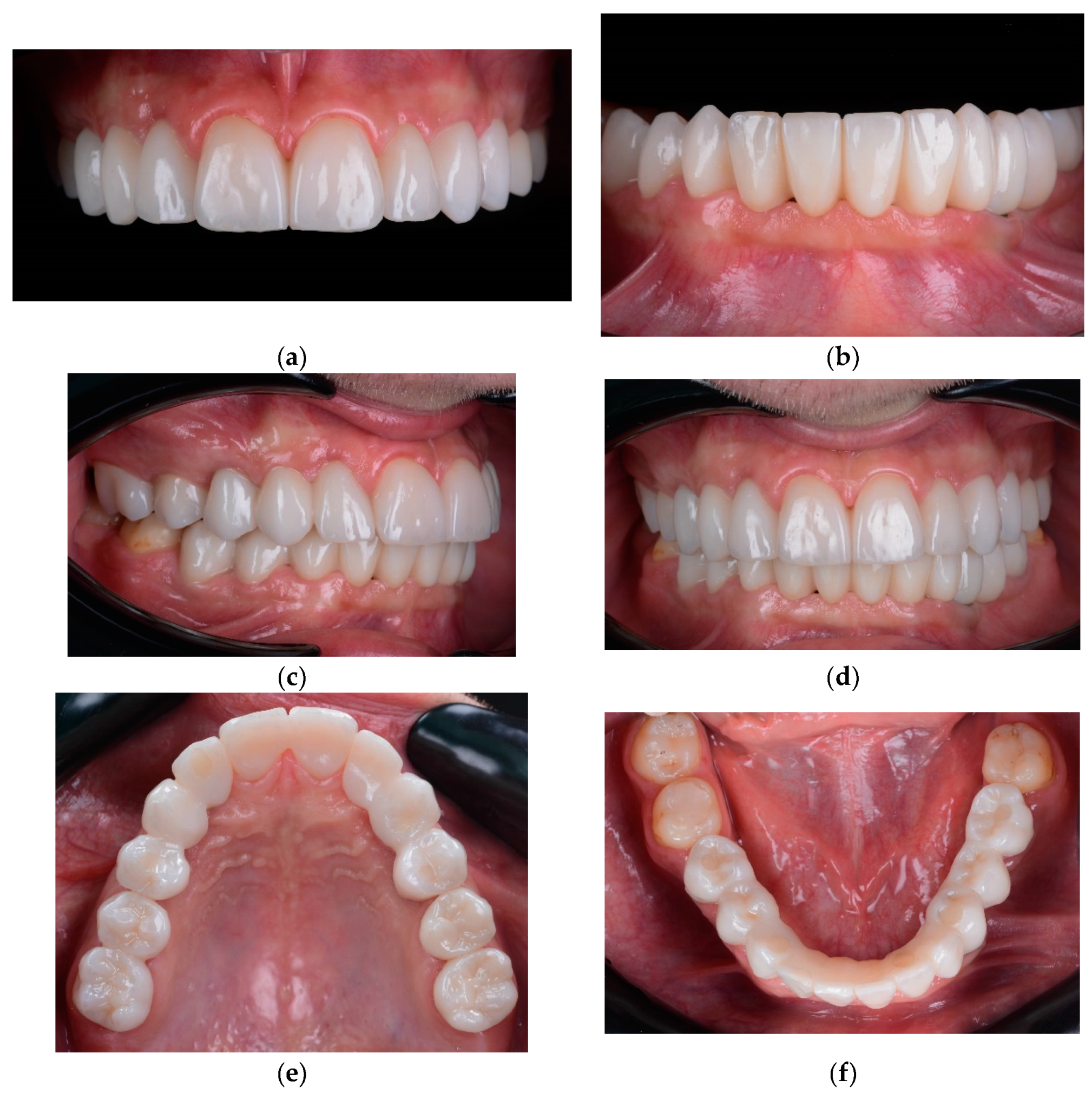
For the final restorations monolithic zirconia was used for optimal biologic compatibility and superior strength (Figure 18 a-f). The patient's aesthetics and function were fully restored. The intraoral pictures showed significant improvement of the micro esthetical characteristics. The gingival margins were levelled, and the teeth axis were corrected.
Figure 18.
(a-f) Intraoral pictures of the result, monolithic zirconia fixed partial dentures on teeth and implants.
Figure 18.
(a-f) Intraoral pictures of the result, monolithic zirconia fixed partial dentures on teeth and implants.
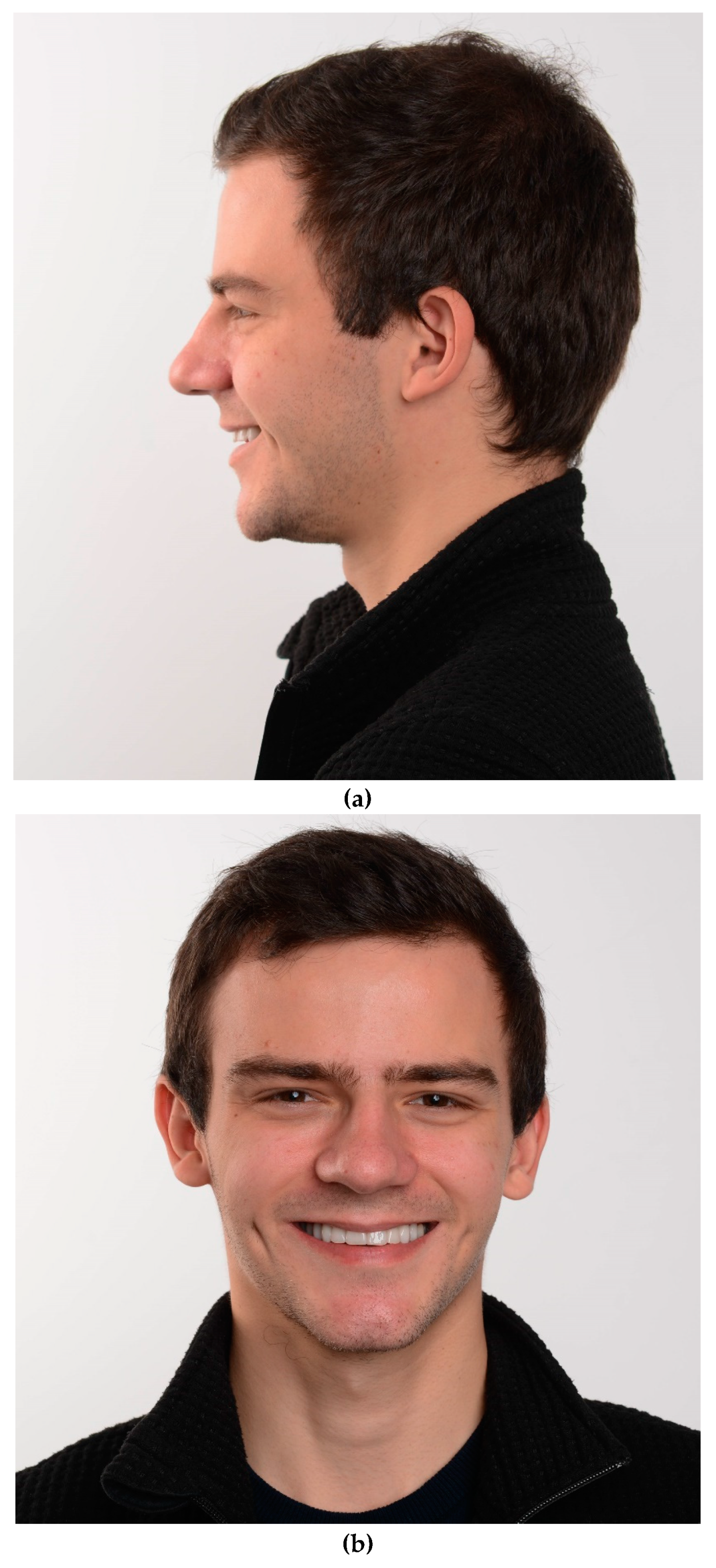
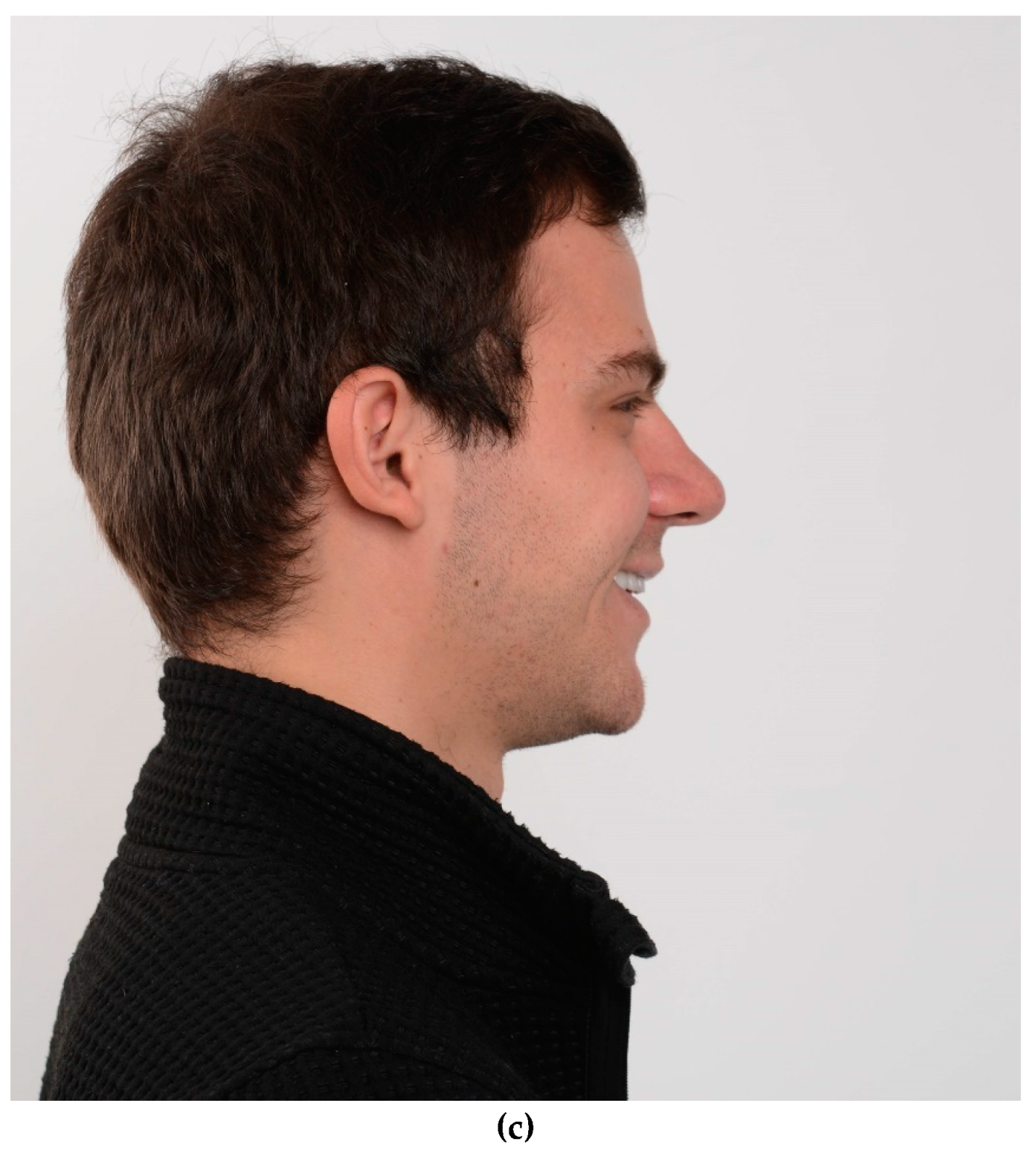
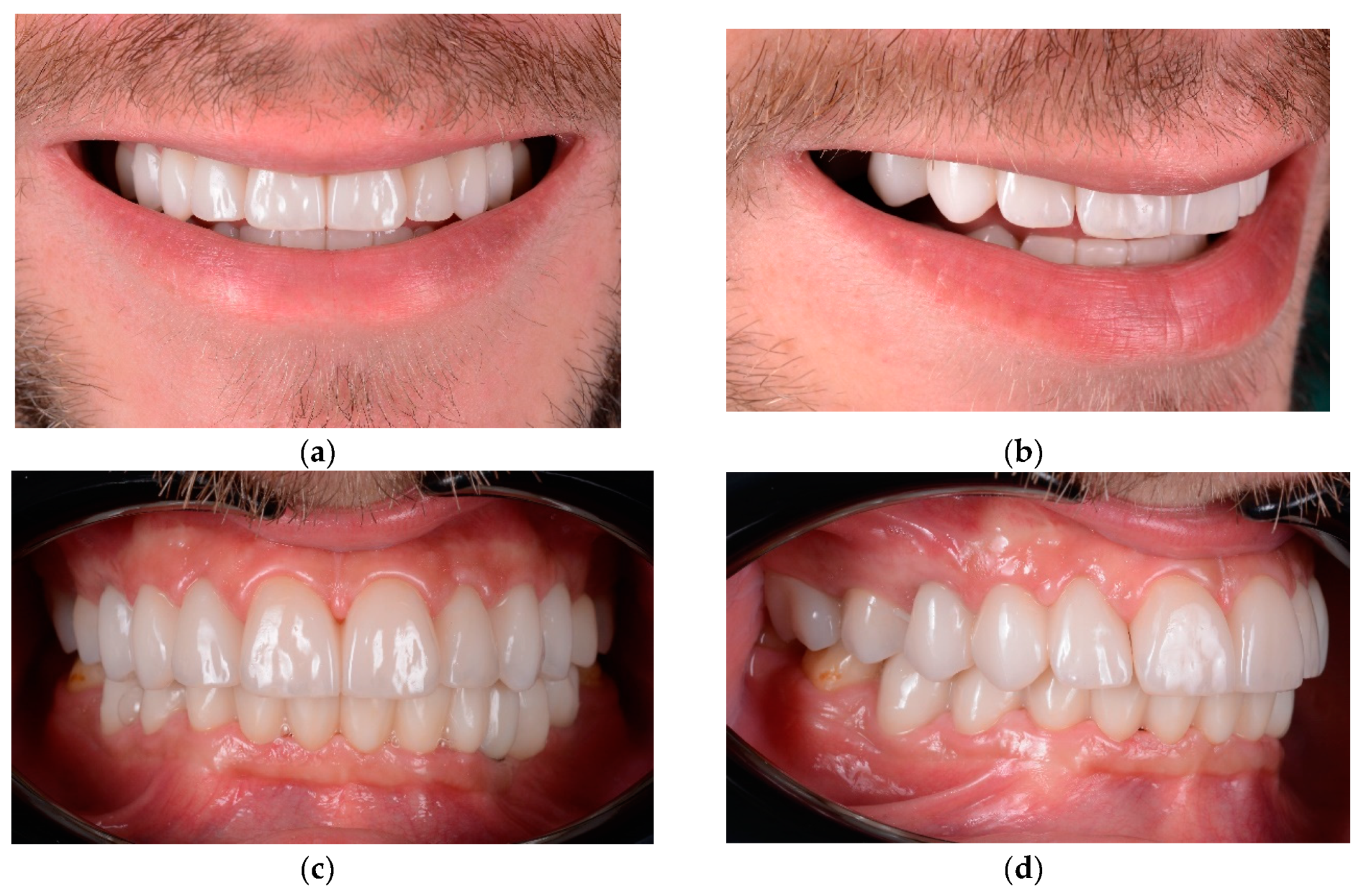
The extraoral pictures (Figure 19, Figure 20) showed significant improvement of the dentolabial aesthetics. The facial lower third was optimized due to the increased occlusal vertical dimension and slight posterior rotation of the mandible. The smile line became convex and parallel with the lower lip, while the profile became straight. The correct dental axes of the upper incisors improved the lip support.
Figure 19.
(a, b) Close-up of the final smile.
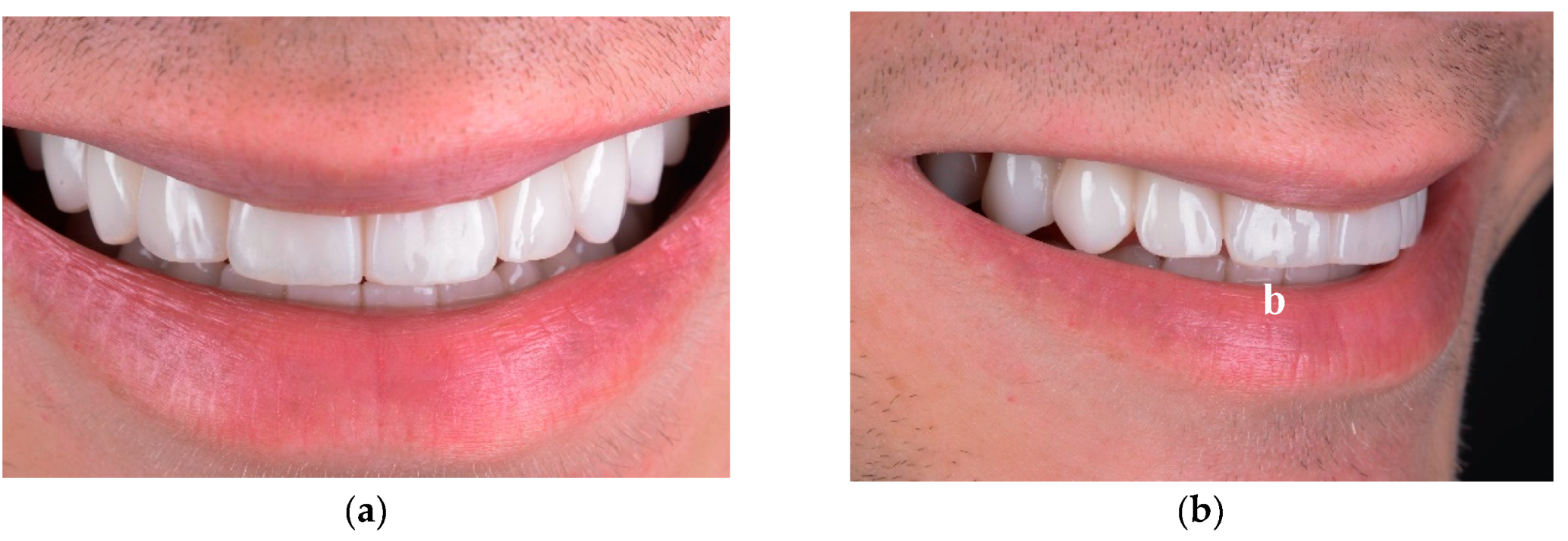
Figure 20.
Extraoral pictures of the result.
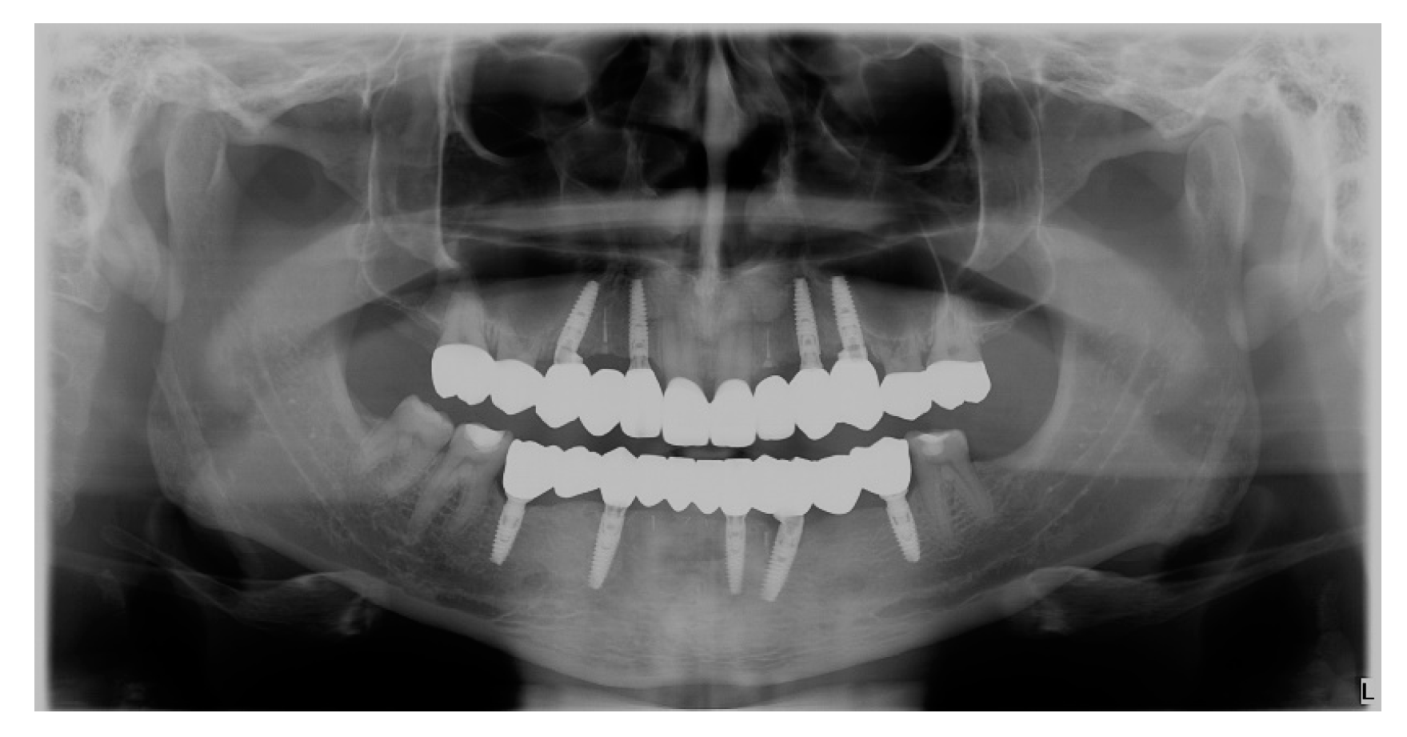
The radiological evaluation (Figure 21) of the final restorations showed good osseointegration of the implants with optimal bony peaks. Also, the submerged roots can be observed for the PET used to maintain the tissues in place.
Figure 21.
Control OPG, the final situation after the implant-prosthetic treatment.
The one-year follow-up (Figure 22) showed a good stability of the rehabilitation from an aesthetic, functional and biologic point of view. The patient’s quality of life was well improved, he’s self-esteem grew as he became a confident adult.
Figure 22.
(a-d) One year follow-up.
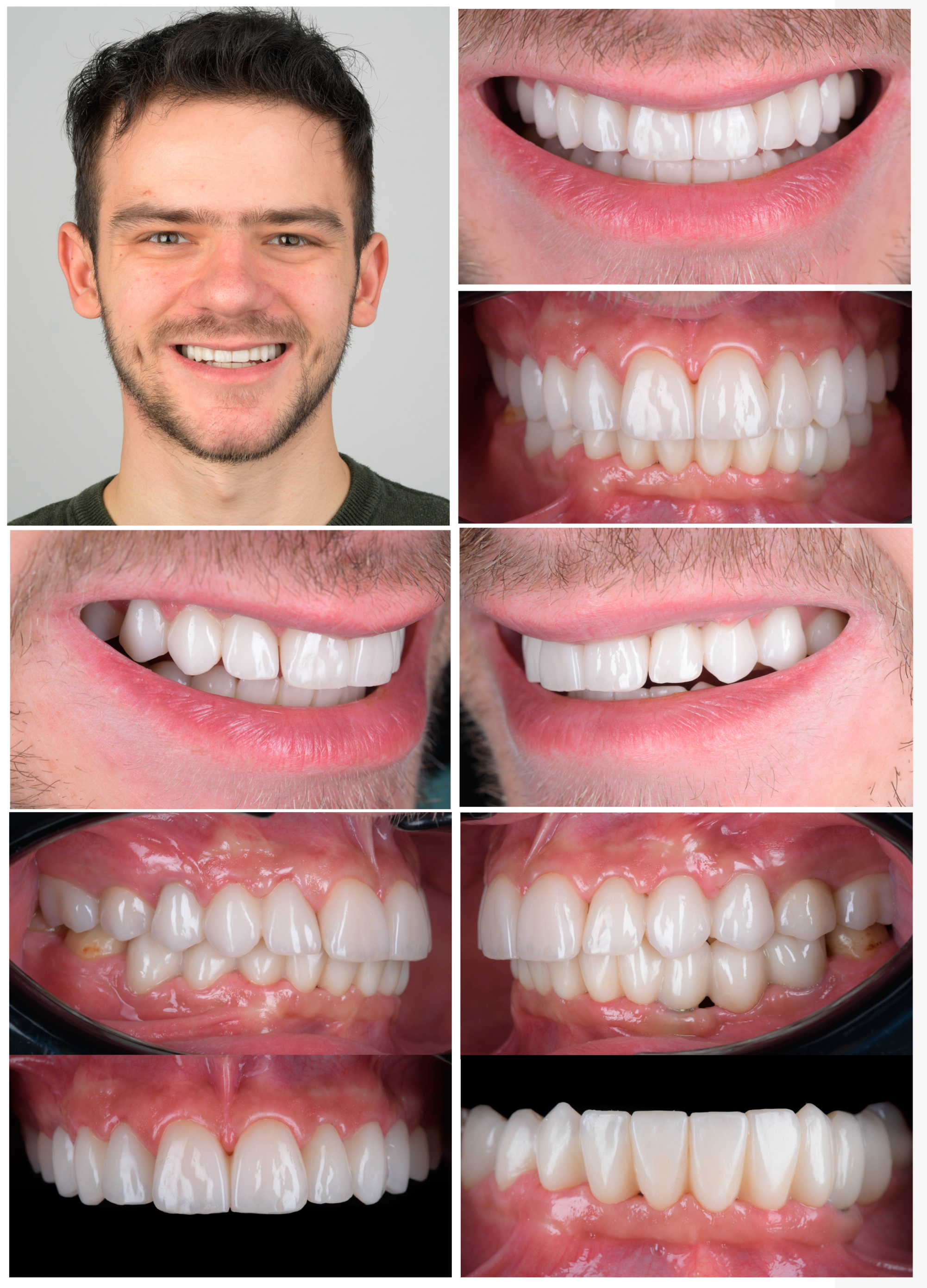
Also, at the three years recall the radiological (Figure 23) and clinical (Figure 24) result was well maintained.
Figure 23.
Three years radiologic recall.
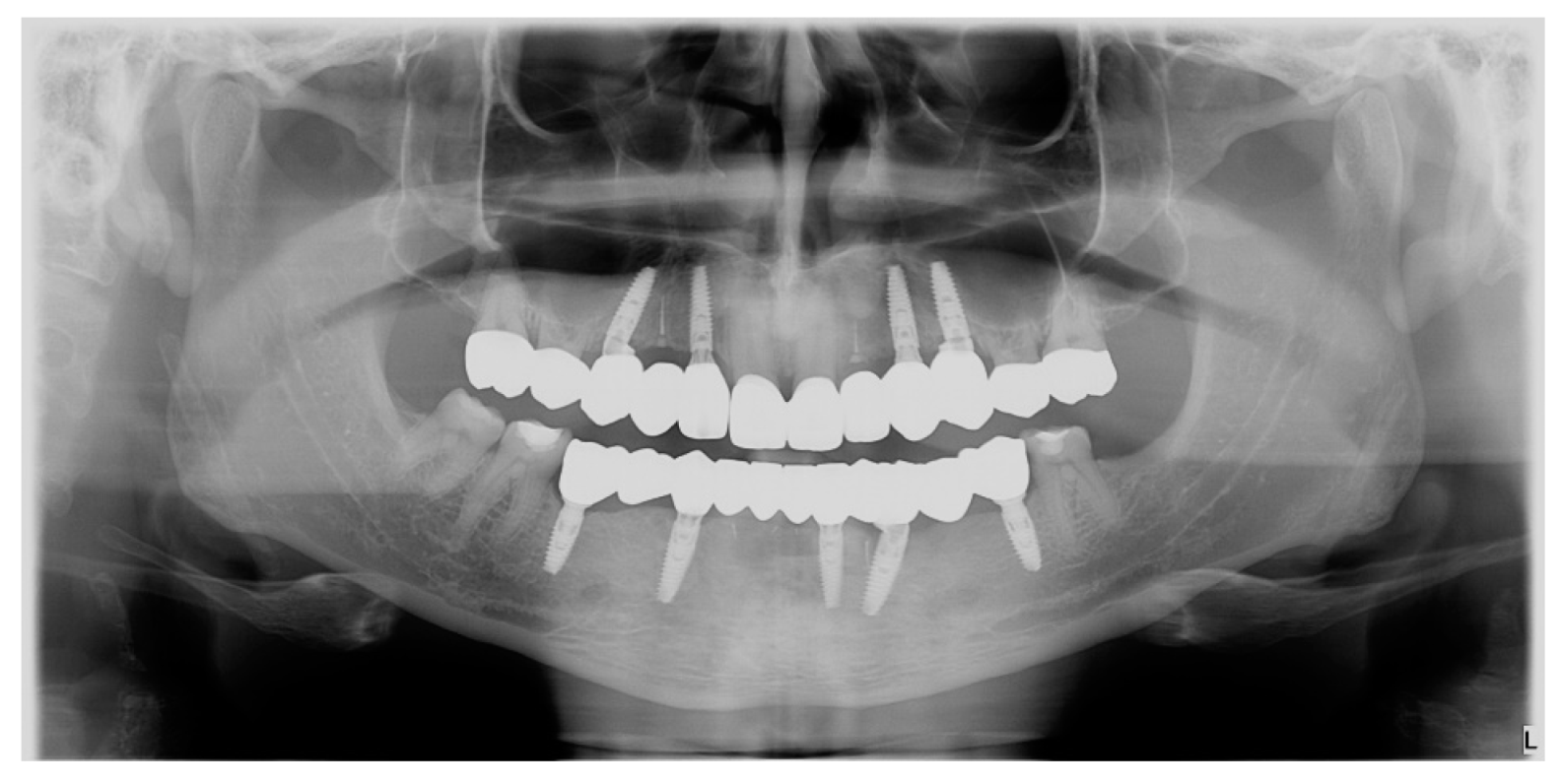
Figure 24.
Images of the three years follow up: (a) frontal view of the smile (b) frontal view of the smile, (c) frontal occlusal view (d) right lateral view of the smile (e) left lateral view of the smile, (f) right occlusal view (g) left occlusal view (h) upper incisors (i) lower incisors.
Figure 24.
Images of the three years follow up: (a) frontal view of the smile (b) frontal view of the smile, (c) frontal occlusal view (d) right lateral view of the smile (e) left lateral view of the smile, (f) right occlusal view (g) left occlusal view (h) upper incisors (i) lower incisors.
3. Discussion
Hypodontia has a great impact on the quality of life of the patients, affecting both their physical and emotional well-being. From a functional point of view, occlusion and speech are affected [17,18,19]. The extraoral and intraoral esthetic modifications may cause emotional problems such as low self-esteem and altered behavior patterns [20,21,22]. Therefore, functional, and esthetic rehabilitations are essential for a successful treatment outcome.
Patient motivation is also an important part for the good treatment outcome. Complex treatment of the hypodontia requires longer periods and numerous appointment [21]. Maintaining oral hygiene is also a key point for successful treatment outcomes. The patients concerns and expectations regarding the treatment are necessary to be taken into account when treatment plans are discussed [19].
The placement of implants in edentulous patients must be very precise to eliminate lesions of nearly located structures (vessels and nerves) [23,24,25]. Therefore, pre-treatment planning is as important as the surgical part of the insertion [26]. The tools providing exact three-dimensional information for the optimal prosthetic driven placement of implants are recommended to be used. [27]. The use of computed tomography (CT), cone beam computed tomography (CBCT) and 3D implant planning software significantly reduces the complications of these surgical procedures [28].
There are several advantages of guided implant placement such as: increased precision, reduced trauma to the patient and duration of the surgical procedure [27]. However, higher cost of this approach might be considered as a disadvantage [27]. In the case of our patient, guided surgical approach facilitated the precise placement of the implants, especially from the prosthetical point of view.
Multidisciplinary approach has several advantages when severe hypodontia cases are treated. In the present case several specialties contributed significantly to obtaining a final aesthetic and functional result. The endodontic treatment of the remaining primary teeth allowed a good alveolar bone preservation. The orthodontic treatment, although limited to the upper arch, allowed reposition of the upper incisor and reduced the diastema. Without repositioning, the upper incisor micro esthetical characteristics, in terms of tooth width/ height ratio would have remained altered.
A visual plan can be a helpful when interdisciplinary cases are treated, especially in predicting the goals that need to be achieved for the patient. The use of the VTO in the present case allowed the dental team to visualize the amount of mandibular clockwise rotation due to the increase of the occlusal vertical dimension. It also allowed to establish alternative treatment options, such as surgical maxillary advancement and maxillary clockwise rotation, treatment option rejected by the patient.
The socket shield technique used in this case was described by Hürzeler [15]. This treatment option was based on fact that the root submergence is indicated for preservation of the alveolar ridge beneath full dentures and fixed or removable partial dentures [29,30]. Any active infection of the root and the apical area must first be resolved by endodontic treatment. An adequately root-treated tooth or a vital, infection-free tooth root may be submerged [29].
Stability of the case was shown in the follow -ups, both 1- and 3-year posttreatment. Patient satisfaction was high, and the quality of his life increased significantly.
5. Conclusions
This case presentation shows a complex interdisciplinary approach of a severe hypodontia, where the digital tools (VTO, CBCT, implant planning software) used for treatment planning were represented.
Author Contributions
Conceptualization, S.I.P., R.V.P.; methodology, S.I.P., M.M. and L.M.; validation, S.I.P., R.V.P., M.M., L.M. and P.A.; investigation, S.I.P., R.V.P. and P.A.; writing—original draft preparation, S.I.P., P.A., M.M. and L.M; writing—review and editing, S.I.P.; supervision, R.V.P. and M.M.; funding acquisition, L.M. and A.P. All authors have read and agreed to the published version of the manuscript.
Funding
Not applicable.
Institutional Review Board Statement
Not applicable. All the described procedures were part of the treatment plan.
Informed Consent Statement
Written informed consent has been obtained from the patient to publish this paper.
Acknowledgments
The authors express their gratitude for MIS Implant Company for providing the implants and prosthetic components, for DDS Cluj-Napoca, Mihai Șelariu who produced the surgical templates and digital planning of the surgery and also for Pet Build Tîrgu-Mureș, DT Peter Laczko for the temporary and final restoration.
Conflicts of Interest
The authors declare no conflict of interest.
References
- Biradar, V.; Biradar, S. Non-syndromic oligodontia: report of two cases and literature review. International Journal of Oral & Maxillofacial Pathology 2012, 3, 48–52. [Google Scholar]
- Thomas, C.; Vaysse, F. From child to adulthood, a multidisciplinary approach of multiple microdontia associated with hypodontia: case report relating a 15 Year-long management and follow-up. In Healthcare 2021, 9, 1180, MDPI. [Google Scholar] [CrossRef]
- Chhabra, N.; Goswami, M. Genetic basis of dental agenesis--molecular genetics patterning clinical dentistry. Med Oral Patol Oral Cir Bucal. 2014, 19, e112–9. [Google Scholar] [CrossRef]
- Albashaireh, ZS.; Khader, YS. The prevalence and pattern of hypodontia of the permanent teeth and crown size and shape deformity affecting upper lateral incisors in a sample of Jordanian dental patients. Community Dent Health 2006, 23, 239–43.
- Calvano, E.; De Andrade, P. Assessing the proposed association between tooth agenesis and taurodontism in 975 paediatric subjects. Int J Paediatr Dent. 2008, 18, 231–234. [Google Scholar] [CrossRef]
- Endo, T.; Ozoe, R. Hypodontia patterns and variations in craniofacial morphology in Japanese orthodontic patients. Angle Orthod. 2006, 76, 996–1003. [Google Scholar] [CrossRef]
- Carter, N.; Gillgrass, T. The interdisciplinary management of hypodontia: orthodontics. Br Dent J 2003, 194, 361–366. [Google Scholar] [CrossRef]
- Valle, A.L.; Fabio, C.L. A multidisciplinary approach for the management of hypodontia: case report. Journal of Applied Oral Science, 2011, 19, 544–548. [Google Scholar] [CrossRef] [PubMed]
- Pour, R.; Saeidi, et al. A patient-calibrated individual wax-up as an essential tool for planning and creating a patient-oriented treatment concept for pathological tooth wear. Int J Esthet Dent 2018, 13, 476–492.
- Villalobos-Tinoco, J.; Jurado, C. A. Additive wax-up and diagnostic mockup as driving tools for minimally invasive veneer preparations. Cureus 2022, 14. [Google Scholar] [CrossRef] [PubMed]
- Filius, M.A.; Cune, M.S. Prosthetic treatment outcome in patients with severe hypodontia: a systematic review. J Oral Rehabil. 2016, 43, 373–387. [Google Scholar] [CrossRef] [PubMed]
- Filus, A. P.; Marieke, A.P. Three-dimensional computer-guided implant placement in oligodontia. International journal of implant dentistry 2017, 3, 1–8. [Google Scholar] [CrossRef]
- Haese; Jan. Current state of the art of computer-guided implant surgery. Periodontology 2000, 2017, 73–121. [Google Scholar]
- Shen, P.; Zhao., J. Accuracy evaluation of computer-designed surgical guide template in oral implantology. J Craniomaxillofac Surg. 2015, 43, 2189–2194. [Google Scholar] [CrossRef] [PubMed]
- Hiremayh; Hemalatha P.. Endodontic treatment in submerged roots: a case report. Journal of dental research, dental clinics, dental prospects. 2010, 4, 64.
- Salama. M; Ishikawa, T. Advantages of the root submergence technique for pontic site development in esthetic implant therapy. Int J Periodontics Restorative Dent 2007, 27, 521–527.
- Attia, S.; Schaaf, H. Oral rehabilitation of hypodontia patients using an endosseous dental implant: functional and aesthetic results. Journal of clinical medicine 2019, 8, 1687. [Google Scholar] [CrossRef] [PubMed]
- Kerekes-Máthé, B.; Mártha, K. Genetic and Morphological Variation in Hypodontia of Maxillary Lateral Incisors. Genes 2023, 14, 231. [Google Scholar] [CrossRef]
- Schonberger, S.; Shapira, Y. Prevalence and Patterns of Permanent Tooth Agenesis among Orthodontic Patients—Treatment Options and Outcome. Applied Sciences 2022, 12, 12252. [Google Scholar] [CrossRef]
- Fekonja, A. Morphological Diversity of Permanent Maxillary Lateral Incisors and Their Impact on Aesthetics and Function in Orthodontically Treated Patients. Diagnostics 2022, 12, 2759. [Google Scholar] [CrossRef]
- Araujo-Corchado, E.; Pardal-Peláez, B. Computer-Guided Surgery for Dental Implant Placement: A Systematic Review. Prosthesis 2022, 4, 540–553. [Google Scholar] [CrossRef]
- Dioguardi, M.; Spirito, F. Guided dental implant surgery: systematic review. Journal of Clinical Medicine 2023, 12, 1490. [Google Scholar] [CrossRef]
- Velasco-Ortega, E.; Jiménez-Guerra, A. Immediate loading of implants placed by guided surgery in geriatric edentulous mandible patients. Int. J. Environ. Res. Public Health 2021, 18, 4125. [Google Scholar] [CrossRef]
- Marra, R.; Acocella, A. Full-mouth rehabilitation with immediate loading of implants inserted with computer-guided flapless surgery: A 3-year multicenter clinical evaluation with oral health impact profile. Impl. Dent. 2013, 22, 444–452. [Google Scholar] [CrossRef]
- Kim, S. M.; Son, K. Digital evaluation of the accuracy of computer-guided dental implant placement: An in vitro study. Applied Sciences 2019, 9, 3373. [Google Scholar] [CrossRef]
- Kivovics, M.; Pénzes, D. The Influence of Surgical Experience and Bone Density on the Accuracy of Static Computer-Assisted Implant Surgery in Edentulous Jaws Using a Mucosa-Supported Surgical Template with a Half-Guided Implant Placement Protocol—A Randomized Clinical Study. Materials 2020, 13, 5759. [Google Scholar] [CrossRef] [PubMed]
- Azari, A.; Nikzad, S. Computer-assisted implantology: Historical background and potential outcomes-a review. Int. J. Med. Robot. 2008, 4, 95–104. [Google Scholar] [CrossRef] [PubMed]
- Caggiano, M.; Amato, A. Evaluation of Deviations between Computer-Planned Implant Position and In Vivo Placement through 3D-Printed Guide: A CBCT Scan Analysis on Implant Inserted in Esthetic Area. Applied Sciences 2022, 12, 5461. [Google Scholar] [CrossRef]
- Comut, A.; Mehra, M. Pontic site development with a root submergence technique for a screw-retained prosthesis in the anterior maxilla. J Prosthet Dent 2013, 110, 337–343. [Google Scholar] [CrossRef] [PubMed]
- Gluckman, H.; Salama, M. Partial Extraction Therapies (PET) Part 2, Procedures and Technical Aspects. International Journal of Periodontics & Restorative Dentistry, 2017, 37. [Google Scholar]
Figure 1.
(a-d) Initial extraoral photos from the front and profile with and without a smile teeth and persistence of temporary teeth. This case report is performed with the informed and signed consent of the patience.
Figure 1.
(a-d) Initial extraoral photos from the front and profile with and without a smile teeth and persistence of temporary teeth. This case report is performed with the informed and signed consent of the patience.
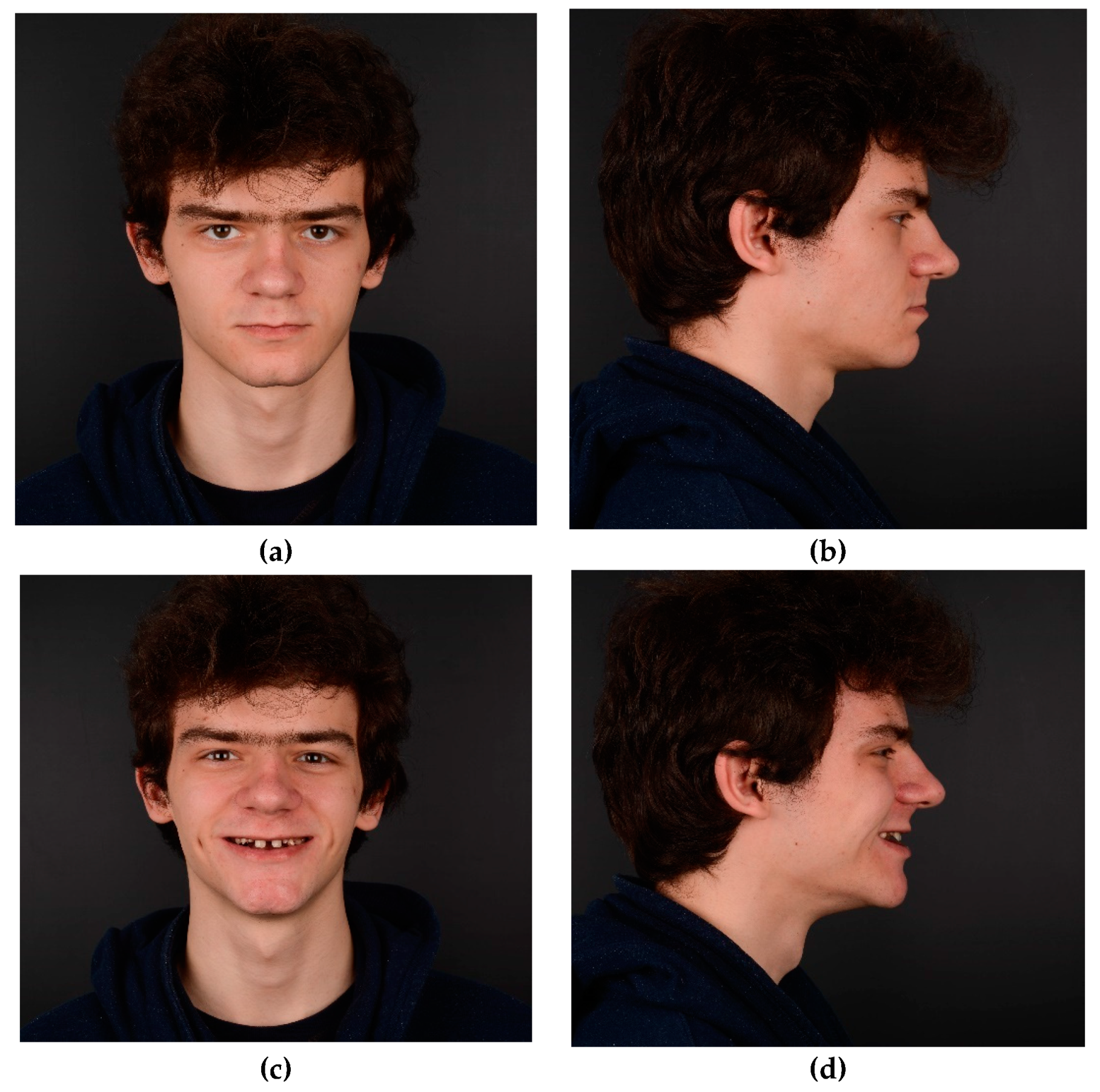
Figure 2.
(a) Initial smile, frontal view, close-up, highlights the presence of mixed dentition. (b) Maximum exposure of the teeth, frontal view, close-up. (c) Lateral view of the right side, close-up smile, diastema can be observed. (d) Lateral view of the left side, close-up smile, diastema, and caries on temporary teeth can be observed.
Figure 2.
(a) Initial smile, frontal view, close-up, highlights the presence of mixed dentition. (b) Maximum exposure of the teeth, frontal view, close-up. (c) Lateral view of the right side, close-up smile, diastema can be observed. (d) Lateral view of the left side, close-up smile, diastema, and caries on temporary teeth can be observed.
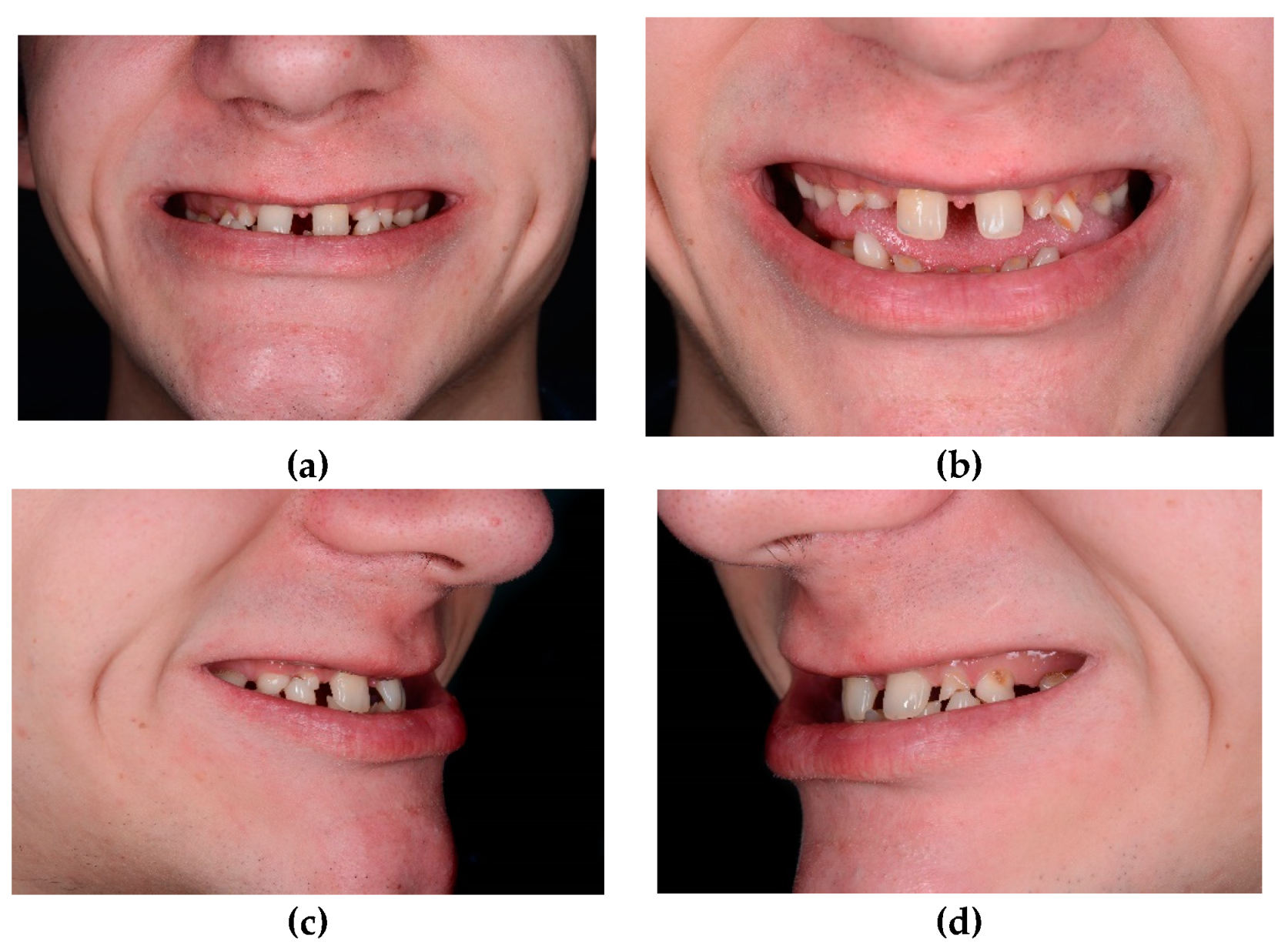
Figure 3.
a-d Intraoral pictures of the initial clinical situation.
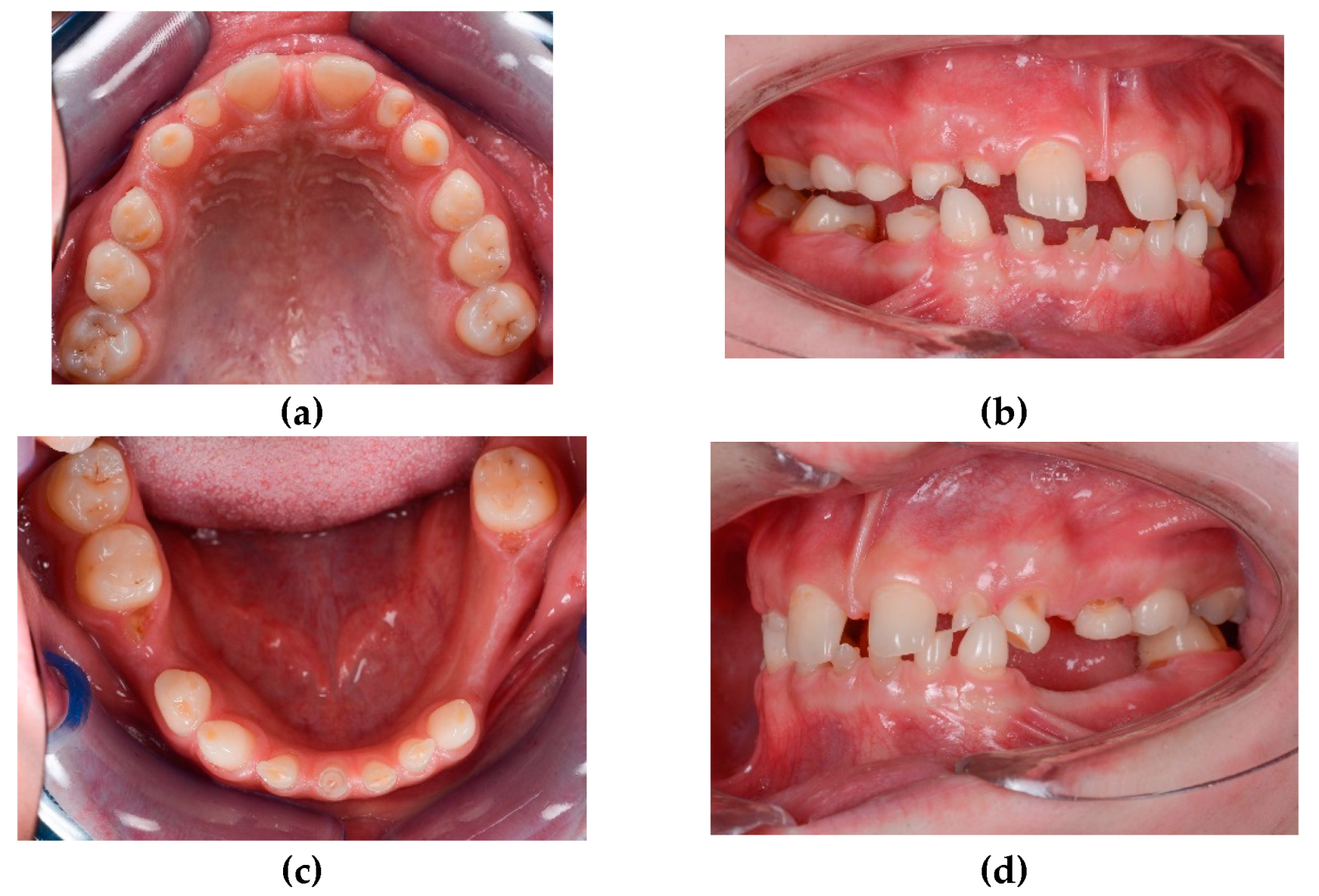
Figure 4.
OPG. Radiographic initial situation of the patient. The radiograph reveals the presence 7 permanent teeth on the dental arches.
Figure 4.
OPG. Radiographic initial situation of the patient. The radiograph reveals the presence 7 permanent teeth on the dental arches.
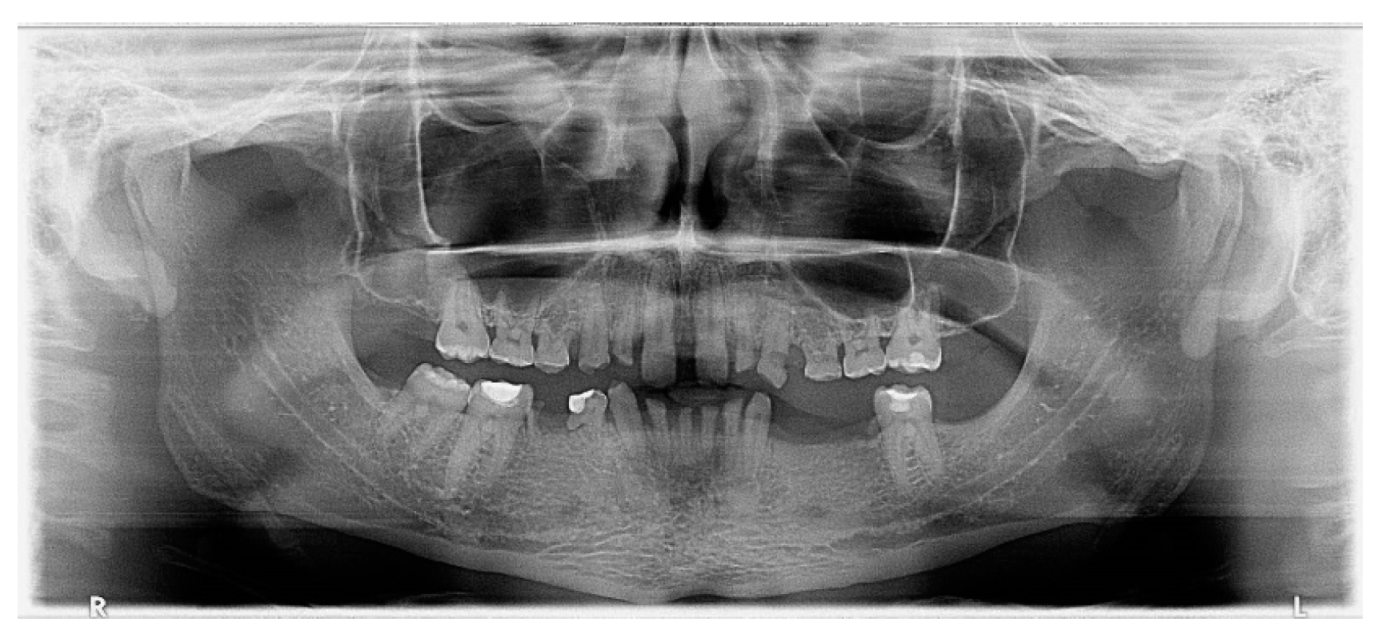
Figure 5.
a - Lateral teleradiograph; b the VTO analysis.
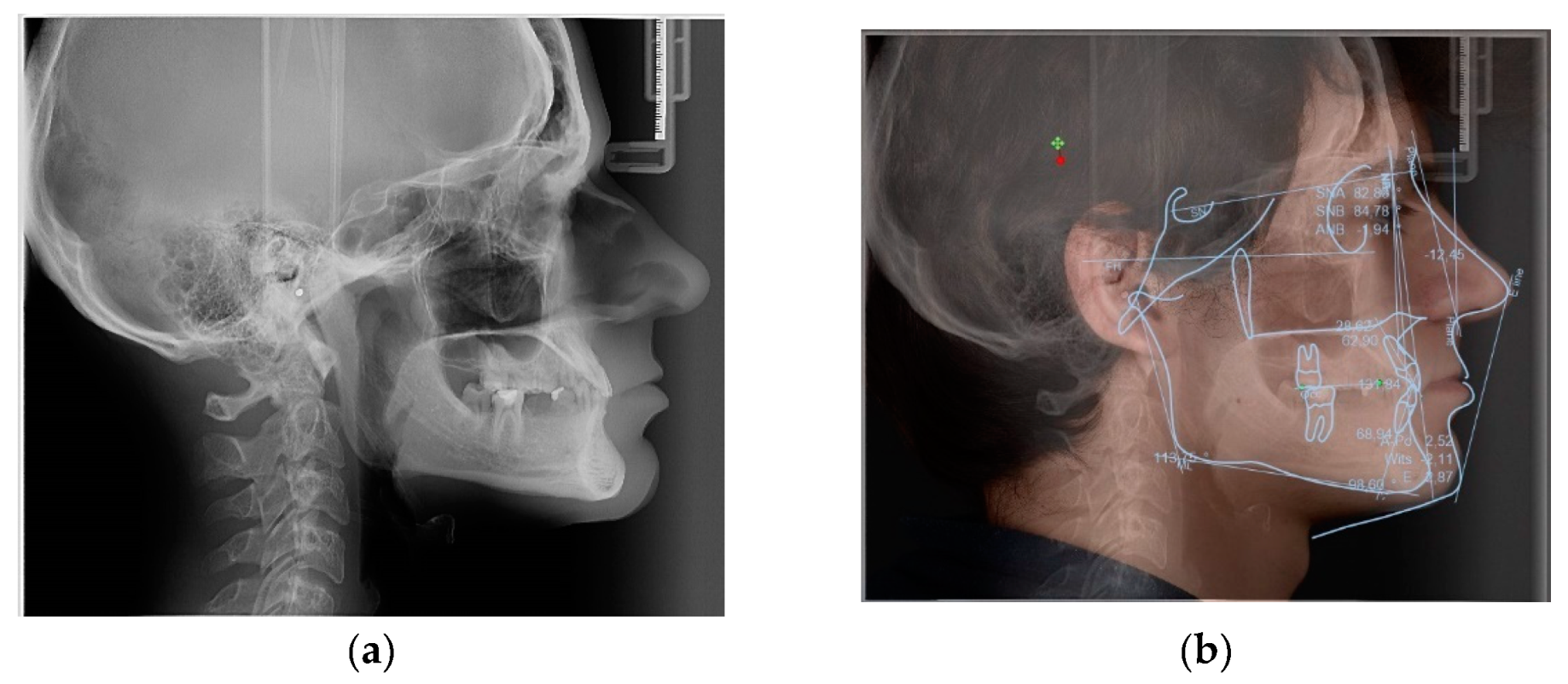
Figure 6.
Endo-oral clinical aspect during the orthodontic treatment. The reduction of the superior interincisal diastema can be observed.
Figure 6.
Endo-oral clinical aspect during the orthodontic treatment. The reduction of the superior interincisal diastema can be observed.

Disclaimer/Publisher’s Note: The statements, opinions and data contained in all publications are solely those of the individual author(s) and contributor(s) and not of MDPI and/or the editor(s). MDPI and/or the editor(s) disclaim responsibility for any injury to people or property resulting from any ideas, methods, instructions or products referred to in the content. |
© 2024 by the authors. Licensee MDPI, Basel, Switzerland. This article is an open access article distributed under the terms and conditions of the Creative Commons Attribution (CC BY) license (http://creativecommons.org/licenses/by/4.0/).
Copyright: This open access article is published under a Creative Commons CC BY 4.0 license, which permit the free download, distribution, and reuse, provided that the author and preprint are cited in any reuse.