

Submitted:
12 September 2023
Posted:
13 September 2023
You are already at the latest version
Abstract
In the world, migraine is one of the most common cause of disability in adults. To date, there is no a single cause for this disorder, but rather a set of physio-pathogenic triggers, in combination with a genetic predisposition. Among factors related to the migraine onset, a crucial role seems to be played by gut dysbiosis. In fact, it has been demonstrated how the intestine is able to modulate the central nervous system activities, through the gut-brain axis, and how gut dysbiosis can influence neurological pathologies, including migraine attacks. In this contest, in addition to migraine conventional pharmacological treatments, attention has been paid to an adjuvant therapeutic strategy based on different nutritional approaches and lifestyle changes able to positively modulate the gut microbiota composition. In fact, the restoration of the balance between the different gut bacterial species, the reconstruction of the gut barrier integrity and the control of the release of gut-derived inflammatory neuropeptides, obtained through specific nutritional patterns and lifestyle changes, represent a possible beneficial additive therapy for many migraine subtypes. Herein, this review explores the bi-directional correlation between migraine and the main chronic non-communicable diseases, like diabetes mellitus, arterial hypertension, obesity, cancer and chronic kidney diseases, whose link is represented by gut dysbiosis.
Keywords:
migraine
; chronic non-communicable diseases
; gut microbiota
; nutritional approaches
; lifestyle changes
1. Introduction
Migraine is a complex neurological disorder that triggers a particular type of headache, characterized by unilateral, pulsating and moderate-severe pain, which generally worsens with physical activity and is associated with other symptoms such as nausea, vomiting and photo-phono-phobia [1]. With an estimated global prevalence of 14.7% [2], World Health Organization (WHO) listed migraine among the top ten causes of disability worldwide [3], at the first place if we consider the under 50s people [4]. Women are 3-4 times more affected than men and show more disabling and drug-resistant attacks and this consequently provokes a great socio-economic burden [5,6,7]. About 3% of the patients, suffering from episodic migraine, evolves every year towards a more complex clinical picture of chronic migraine. In this latter condition, patients should suffer a monthly migraine of about 15 or more days, in the last three months [8].
The main trigger factors of this migraine progression are hormonal pathways, psychological syndromes, drugs assumption, environmental factors and nutritional habits (Figure 1).
In women, migraine can be linked to the fluctuations of sexual reproductive hormones. In fact, decreased estrogens in the late luteal phase of the menstrual cycle lead to an increased permeability of blood vessels to prostaglandins, becoming a migraine trigger [9]. On the contrary, elevated estrogen levels are associated with more frequent pain attacks, especially with aura [10]. For this reason and for a higher stroke risk, associated with aura, the use of oral contraceptives is still restricted by current guidelines in those women affected by this headache subtype [11]. The most frequently psychological factor associated with this pathological condition are: (i) anxiety, which seems to have a shared genetic basis with migraine [12,13]; (ii) depression [12,14], characterized by a low availability of 5-hydroxytryptamine (5-HT), an increased sensitivity of trigeminovascular pathways [15], a hypofunction of the dopaminergic system [14], a down-regulation of the GABAergic system and decreased estrogen levels; (iii) stress [16], namely previous and recurrent stressful events which have been shown correlated with migraine onset and its chronicization [17]; (iv) excessive fear of migraine attacks, that refers to the fear of a headache occurring and which can worsen the disease course [18]. Even the use of some psychoactive drugs can be an important provoking agent for migraine generation, including nitroderivates, histamine, reserpine, hydralazine, and ranitidine as well as cocaine and marijuana [19,20,21,22,23].
Notably, the overuse of analgesic or other abortive pain medications (i.e. triptans) is the major clinical factor of migraine worsening, inducing a particular condition, known as "medication overuse headache" [24]. Among the environmental factors that can lead to the migraine development figure: high altitudes, changes in atmospheric pressure, temperature, light and precipitation, humidity, air pollution, sensory stimuli, such as olfactory and visual ones [25]. Impaired sleep patterns can also promote migraine attacks, particularly in young adults [26]. Other important migraine triggers are the nutritional habits and certain foods consumption like: fasting, caffeine, natural sweeteners (such as aspartame), nitrites of preserved meats, biogenic monoamines of alcohol, chocolate and dairy products (such as cheese and yogurt) and monosodium glutamate [25].
Migraine is frequently associated with chronic non-communicable diseases (CNCDs), like diabetes mellitus (DM), arterial hypertension (AH), obesity, cancer and chronic kidney disease (CKD). Moreover, CNCDs are themselves both cause and consequence of a negative change in the gut microbiota composition, called “dysbiosis” [27,28,29].
At this regard, in addition to pharmacological treatments, a new adjuvant therapeutic strategy able to counteract migraine, could be represented by different nutritional approaches able to modulate the gut microbiota composition and the gut-brain axis [30].
The term "microbiota" means a very wide community consisting of bacteria, viruses, fungi, Archea and eukaryotes unicellular. The term "microbiome" instead, indicates the set of the genetic patrimony of the microorganisms, which constitute it [31].
The microbial component and its genetic patrimony are affected by lifestyle, dietetic habits and other external factors as the environment. Therefore, the gut microbiota is a dynamic system that is in constant evolution [32] and is also composed by the vascular gut-barrier [33]. The latter is a fundamental coating system able to control the epithelium permeability and the passage of potentially pathogenic molecules and bacteria into the bloodstream [34,35]. Therefore, the microbiota can be defined as a “meta-organ”, namely it is a structure that anatomically is not a part of the organism, but it accompanies the human phylogenetic evolution [36,37].
The aim of this review is to analyze the possible correlation between migraine and gut microbiota dysbiosis and the possible relationship between migraine and CNCDs. Moreover, we examined the possible nutritional approaches and lifestyle changes able to positively modulate the gut microbiota composition, reducing the migraine frequency and intensity.
2. Materials and Methods
In order to achieve the review aim, a literature search was conducted using three databases (PubMed, Scopus, and Cochrane Library), until August 2023. The search was limited to peer-reviewed journals, written in the English language and the search terms were “migraine” in combination with “gut microbiota”, AND “chronic degenerative non communicable diseases” , AND “diabetes mellitus”, AND “Arterial Hypertension”, AND “obesity”, AND “cancer”, AND “chronic kidney disease”, AND “Mediterranean Diet”, AND “Ketogenic Diet”, AND “probiotics”, AND “physical exercises”, AND “vitamins”, AND “iron”, AND “polyphenols”, AND “electrolytes” AND “histamine”.
3. The gut microbiota physiological composition
The first studies related to the discovery of the microbiota date back to the beginning of the XX century, when a student of Pasteur, Elie Metchnikov [38] deepened the theme of the symbiotic bacteria in organism, unlike Pasteur who focused his attention mainly on pathogenic ones. Metchinikov described the beneficial effects of lactic ferments on the bacterial flora and health host [38]. Subsequent studies have pointed out the presence of these bacteria that are involved in the absorption of nutrients as well as in the immune system modulation [39,40]. In the 90s for the first time the “gut-brain axis” was highlighted, namely how the microbiota exerts a physiological role in the maintenance of the host health [41].
The human microbiota is characterized by a high bacterial density, with a metagenome that in the adult is 150 times larger than the overall human genetic pattern [42]. It is an ecosystem composed by a set of ecological niches in close contact with the intestinal mucosa, forming an area of 250-400 m2 [37]. A more precise view of the complexity of the gut microbiota has been made in recent years thanks to metagenomic data.
Although there is a wide variety of symbiotic microorganisms, among the 160 species present in the human intestine, of which at least 57 are common to all individuals, the most widespread microbial phyla are only 4: Bacteroides, Firmicutes, Actinobacteri and Proteobacteria. The first two are present in greater quantity; in fact, they constitute about 90% of the human gut microbiota [43,44].
The microbiota is an extremely heterogeneous and complex system, strongly modulated by external factors (Figure 2).
The composition of gut microbiota changes in relation to age. In fact, recent studies reported that the microbiota begins to colonize the intestinal tract since the intrauterine life [45,46]. At this regard, it has been demonstrated that placental microbiota can influence, already during the pregnancy, the correct fetus psychophysical development [47]. The maintenance of a correct placental eubiosis is influenced by the nutritional habits of the mother, during pregnancy. In particular, a diet rich in fats may induce the placental dysbiosis that has been associated with a high risk to develop metabolic syndrome in adult [48]. Moreover, the placenta dysbiosis can damage the maternal hypothalamic-pituitary-adrenal axis (HPA) and can influence the circulating levels of 5-HT, inducing a possible damage to the fetal neuronal development [49]. In the child gastrointestinal (GI) tract, Bifidobacteria are the most numerous bacteria [50]. In adulthood, the bacterial composition appears to be larger both in terms of the number of microorganisms and of the diversification of taxa (called α-diversity). The gut microbiota α-diversity reflects the variability of species within the human intestine. Recent studies have highlighted how it is directly related to host health and how a poor α-diversity is associated with various CNCDs [51,52]. The gut microbiota changes that are observed in relation to age are mainly due to the switch from a liquid to a solid diet. This switch causes the enrichment of bacterial flora, especially about the families of Lachnospiraceae and Ruminococcaceae [43]. Throughout the life, the dietary habits influence the composition of the gut microbiota. Scientific studies report that bacteria belonging to the genus Clostridium (the main producers of butyrate, a short chain fatty acid- SCFA) are more present in subjects following a Mediterranean diet (MD), while the subjects that follow a Western diet show fewer bacteria responsible for the degradation of fibers, such as Prevotella and Succinivibrio [53,54]. In the elderly, the gut microbiota composition is less variable due to the reduction of the foods variety in the diet and to the reduction of the fiber intake, which results in a decrease of the Firmicutes, (among these Clostridium cluster XIVa and Feacalibacterium prausnitzii, involved in saccharolytic fermentation), and in an increase of the Proteobacteria [55]. This induces a SCFAs reduced availability, that in turn contributes to the aging and to the increased of proteolytic fermentation [56]. This phoenomenon induces an enhanced production of gut derived toxins, like trimethylamine N-oxide (TMAO), p-cresyl sulfate (p-CS), indoxyl sulfate (IS) and indole-3 acetic acid (IAA). Moreover, an increase of proteolytic fermentation triggers the low-grade chronic systemic inflammation, factor related to the onset and the progression of CNCDs and sarcopenia [27,57,58].
Other factors that influences the gut microbiota qualitative and quantitative composition are: (i) gestational age; (ii) antibiotic therapy, above all in perinatal period; (iii) mode of childbirth (vaginal or cesarean); (iv) type of feeding (breast feeding, artificial or mixed, composition and timing of complementary feeding); (v) body mass index (BMI) pre-pregnancy and maternal body weight increase during pregnancy [59,60].
i) Gestational age. An interesting study analyzed the gut microbiota possible differences in full-term and in pre-term delivery. Full-term infants are characterized by a greater abundance of Bacteroides, while pre-term infants show a greater abundance of Lactobacillus [61].
ii) Antibiotic therapy, above all in perinatal period. Antibiotics, especially broad-spectrum ones, alter qualitatively and quantitatively the gut microbiota composition [62]. Studies conducted on mice suggested complex mechanisms (endocrine and neurocrine) involved in the signaling between gut microbiota and brain, that are induced by an excessive use of antibiotics, especially in children [63]. In fact, an excessive use of antibiotics promotes the gut colonization of Clostridium difficile [64], an opportunistic pathogen that can cause diarrhea, specifically in the case of simultaneous intake of drugs that reduced the gut microbiota α-diversity [65,66].
iii) Mode of childbirth. It has been shown that the microbiota of natural births is dominated by bacterial genera such as Bacteroides (Bacteroidetes), bifidobacteria (Actinobatteria), lactobacilli (Firmicutes) and enterobacteria (Proteobacteria). On the contrary, the microbial pattern of Caesarean births is instead characterized by a qualitative-quantitative alteration of the gut microbiota composition [67]. In the detail, Caesarean births lack Bacteroides species until 18 months, due to non-exposure to the maternal vaginal microbiota [68].
iv) Type of feeding. The α-diversity would appear to be lower in breastfed infants compared to formula-fed infants and the gut microbiota composition shows differences. Bifidobacterium and Bacteroides are more abundant in breastfed infants, while Streptococcus and Enterococcus are more abundant in formula-fed infants [69].
v) Body mass index (BMI) pre-pregnancy and maternal body weight gain during pregnancy. A recent study pointed out differences in maternal gut microbiota composition based on pre-pregnancy weight and gestational weight gain. In fact, mothers overweight/obese, before pregnancy, are characterized by the presence of some taxa, like family Christensenellaceae, the genera Lachnospira, Parabacteroides, Bifidobacterium and Blautia. Moreover, mothers overweight or obese before pregnancy show a lower α-diversity compared to non-overweight/non-obese subjects. This gut microbiota maternal pattern seems not to be related to global differences in the infant gut microbiota within the first two years of life [70].
Recent studies demonstrated that also physical activity is able to modulate the gut microbiota, in terms of composition and function [71]. On the contrary, physical inactivity has been repeatedly associated with alterations in the bacterial composition of the gut microbiota [72,73]. In particular, as described in the following paragraph, the physical exercise is able to improve the body composition, positively modulating the gut microbiota pattern and stimulating the SCFAs production [74]. Nevertheless, the benefits obtained during a period of continuous physical activity are lost if you return to a sedentary condition [75].
Furthermore, as previously described, the CNCDs are, in the same time, both cause and consequence of gut microbiota dysbiosis [32,76] . For example, in CKD patients there is an alteration of gut permeability, which allows the passage of bacteria and bacterial material from the gut to the bloodstream. This phenomenon induces a chronic inflammatory state that exacerbates CKD itself. In CKD patients, it can be observed an accumulation and an increased production of gut-derived toxins (like IS, TMAO, p-CS, IAA). These toxins are associated with an increase of the cardiovascular (CV) risk [27].
4. Migraine and gut dysbiosis
In recent decades, literature demonstrated that gut microbiota is involved in the central nervous system (CNS) activities [77]. Over time, several studies have investigated and defined some of the mechanisms through which the brain is able to connect itself to gut, defining the "gut-brain axis" [78].
The importance of this axis has been mainly highlighted in the studies that evaluated the causes underlying neurodegenerative and psychiatric diseases and neurodevelopment [79,80]. In particular, the CNS can influence the gut environment impacting on some intestinal functions, such as the regulation of gut movements, the excretions and immunity system [81]. The interaction between the intestine and the brain is confirmed by the gut microbiota modification which can impact on CNS different functions [63,82].
The brain communicates with the intestine through numerous "roads" [63] such as: (i) the immune system; (ii) the SCFAs; (iii) the autonomic nervous system (vagal nerve); (iv) the tryptophan metabolism, precursor of the neurotransmitter serotonin; (v) the neurotransmitters; (vi) the gastric peptides produced by specialized endocrine cells, whose release is influenced by the microbiota itself; (vii) the HPA axis [30,83].
Therefore, the intestine can be considered the "second brain", as it produces a series of neurotransmitters, such as serotonin and histamine [84]. Several studies demonstrated that low levels of cerebral serotonin are strongly associated with migraine. In particular, migraineurs have higher levels of cerebral serotonin during an acute pain attack compared with the periods between attacks [85,86]. At this regard, a symptomatic migraine-specific class of drugs commonly used in the clinical practice are triptans, serotonin receptor agonists that can "recreate" an optimal brain neurotransmitter concentration, by reducing the inflammation and, consequentially, the pain. Unfortunately, these medications are characterized by several side effects, such as cardiovascular dysfunction, GI disorders, muscle aches, drowsiness, tingling and dermatological disorders [87].
Moreover, it was demonstrated that patients with chronic headache present higher histamine concentrations than healthy subjects, either during or between migraine attacks [88]. Previous studies have been focused on the effects of antihistamines in the pain treatment behind the proven histamine’s role as a potent migraine trigger. However, this evidence is of poor quality and often limited by frequent undesirable adverse events (i.e. excessive somnolence). Although there are positive reports about the histamine H3 receptor agonists (H3R) that seem to effectively inhibit the histamine release in the CNS, they are not very credible because based on subtherapeutic analgesic dosages [89,90].
As previously described, nausea and vomiting are symptoms commonly associated with migraine. Moreover, patients with frequent migraine attacks often present GI symptoms, such as reflux, diarrhea and constipation [91]. Starting from this observation, Camara-Lemarroy et al., have highlighted a relationship between migraine and GI disorders [92]. This statement is strengthened by the fact that inflammatory bowel diseases patients often suffer from migraine [93]. Gut dysbiosis would seem to play a key role in the pathogenesis of migraine, since this intestinal alteration would seem to induce an increased production of gut-derived inflammatory cytokines that can modulate the HPA axis [94]. Furthermore, these gut-derived inflammatory cytokines would, in turn, appear to be involved in the modulation of the vagus nerve activity which, among other functions, innervates the intestinal free fatty acid receptor 3. This receptor seems to be involved in the metabolic pathway of SCFAs [95]. Therefore, the mechanisms underlying the interaction between the gut microbiota and migraine are supported by several studies that have highlighted direct and indirect evidences [96]. The former includes the fact that gut dysbiosis, associated with impaired production of SCFAs, induces the release of pro-inflammatory cytokines, such as tumor necrosis factor (TNF)-α. The latter, in animal models, seems to regulate the migraine-like pain [97]. The second ones are deduced from scientific studies that have suggested that nutritional approaches, use of probiotics, stimulation of the vagus nerve can represent a new therapeutic strategy for migraine, based on the gut microbiota modulation [98,99,100]. Therefore, it is evident that there is a correlation between the gut microbiota and the migraine. In fact, numerous studies both conducted on animal models and clinical trials have highlighted a gut microbiota alteration in migraine patients compared to healthy subjects. At this regard, it is important to understand whether the possible comorbidities (such as CNCDs) inducing dysbiosis can be a trigger for migraine, and at the same time, whether specific nutritional approaches or lifestyle changes can represent a valid and innovative adjuvant therapy for the treatment of migraine.
5. Migraine and its correlation with chronic non-communicable diseases
5.1. Diabetes mellitus and migraine
The correlation between DM and migraine is currently controversial [101]. Some epidemiological studies suggest that migraine can be considered a non-traditional risk factor for the DM onset and its progression (Figure 3) [102]. In particular, it has been highlighted that migraine is able to increase the CV risk in DM patients, worsening their outcomes, especially in the presence of aura [103]. Moreover, the insulin resistance condition has been associated with the migraine development. In particular, the insulin resistance seems capable of significantly prolonging the migraine attack, but not its severity [104]. A possible explanation could be related to the fact that insulin resistance, at the brain level, can lead to impaired release of neurotransmitters and to the onset of an inflammatory response to insulin, factors that are crucial for migraine origin [105].
Other studies show an inverse correlation between these disorders, considering type 1 DM a protective factor against migraine. Although the exact mechanisms which underline this relationship have not yet sufficiently elucidated, it has been proposed that similarities in genetic, biochemical, and lifestyle-related pathways could account for this association [106,107,108].
A recent epidemiological study conducted on over 70,000 French women has highlighted a lower risk of developing type 2 DM in women with migraine compared to those without a migraine history [109]. A further study suggests, however, that migraine attacks in DM patients may be related to the episodes of hypoglycemia that these patients often manifest, suggesting that the reduction of these episodes could probably decrease the risk of migraine onset [101].
5.2. Arterial hypertension and migraine
AH and headaches have been linked in medical literature [110]. In fact, it is well-known how hypertensive crisis, namely sudden increase in blood pressure, can occur with abrupt headaches [111]. Migraine and AH may share common mechanisms, like endothelial dysfunction (ED), deficiency of autonomic CV regulation and renin- angiotensin- aldosterone system (RAAS) involvement [111]. Preventive anti-migraine effects were described for several antihypertensive drugs, such as the beta-blockers, angiotensin-converting-enzyme inhibitors and angiotensin II receptor blockers [112]. ED may be both one of the factors that increase the cerebrovascular and CV risk in migraine subjects and a determinant cause of AH development [113]. Nitric oxide (NO) plays a pivotal role in the pathogenesis of migraine, in fact it is involved in the regulation of cerebral and extra-cerebral cranial blood flow and of arteries size. In migraineurs, the arteries are hypersensitive to NO and it was hypothesized that this phenomenon is one of the main trigger of migraine attack [114].
Moreover, the RAAS could be another factor responsible for the clinical correlation between migraine and AH [115]. This might explain because some angiotensin-converting-enzyme inhibitors and angiotensin II receptor blockers are effective in preventing migraine, regardless of the presence or not of AH [116]. Notably, the presence of AH in a migraine patient increases the CV risk [117].
5.3. Obesity and migraine
The WHO defines obesity as a condition characterized by an excessive presence of adipose tissue in the human body, that induces a significant increase of CV mortality and morbidity, in both sexes [118]. Obesity is commonly considered a consequence both of the excessive calorie intake, compared to energy expenditure, and of the decrease in physical activity, very common habits in Western societies [119].
Clinical evidence showed that obesity could intensify the risk of episodic and chronic migraine and that the body weight reduction in obese subjects can decrease the intensity, the frequency, and the duration of migraine attacks [120].
The link between obesity and headache is attributed to shared pathophysiological features [121]. For example, adult obese subjects show increased calcitonin gene-related peptide (CGRP) plasma levels, which are also elevated in migraine patients [122]. Furthermore, a rise in proinflammatory cytokines, such as interleukin (IL)-6 and TNF-α was reported in obese individuals and in the acute headache phase [123].
5.4. Cancer and migraine
For most cancer types, there is no evidence to support a link between increased oncological risk in migraineurs [124], except for tumors of neurological origin of which migraine can often represent the onset symptom. In contrast, it has been described a lower prevalence of GI cancers in subjects with migraine, compared to those without migraine [125].
Moreover, cancer patients may present an amplified risk of developing migraine. It is very important to recognize the migraine causes in order to treat it promptly and exclude the presence of secondary headache causes (i.e. brain metastasis) [126]. Migraine induces a negative impact on the quality of life of cancer patients and, showing a very broad etiology, makes its diagnosis difficult [127]. For cancer patients, any change in pharmacological treatment, including chemotherapy, can trigger headaches [128].
5.5. CKD and migraine
Several epidemiological studies have highlighted a direct correlation between CKD and the migraine onset, even if the mechanisms underlying this correlation remain partially known. A study conducted by Wang et al, evaluated the CKD incidence in a group of subjects with normal renal function suffering from chronic migraine, compared to a group of subjects without migraine. The authors showed that the CKD incidence was higher in subjects suffering from chronic migraine than in the control group. In particular, male gender, age and the nonsteroidal anti-inflammatory drugs (NSAIDs) abuse would appear to be independent risk factors for the CKD onset [129]. This correlation seems to be associated with ED secondary to migraine, which would increase the risk of developing CKD [130]. Other factors that could lead to the CKD onset in chronic migraine patients are blood pressure fluctuations and coexisting comorbidities [131]. A study evaluated the possible genetic link between the two pathological conditions; although no overall genetic correlation was found, four specific genomic regions were identified that appear to be related to common pathogenic mechanisms underlying both migraine and CKD. These mechanisms appear to involve the cardiovascular system and endothelial function [130].
Hemodialysis-related migraine has been described in the literature. In fact, hemodialysis patients often suffer from headache during or after hemodialysis (HD) treatment. The headache usually occurs in the first hour of HD session and it resolves after a maximum of 72 hours after HD treatment [132]. This phenomenon could be related to the electrolyte imbalance and blood pressure fluctuations that occur during dialysis treatment [133].
6. Possible nutritional approaches and lifestyle changes to counteract migraine
Proper nutrition patterns and healthy lifestyle are useful to prevent and alleviate the headache symptoms. This issue has a very ancient origin [134]. In fact, Ippocrate was aware of the relationship between assumption of some foods and the onset of migraine [135]. Indeed, there are many foods that can cause pain attacks because they contain substances that are able to alter the intracranial blood circulation [136], inducing vasodilation-vasoconstriction imbalance and consequent headache. In this context, a healthy diet may represent a valid preventive therapeutic strategy for the migraine [137].
6.1. Mediterranean Diet
The MD can be defined as a model of dietary habits adopted by the populations living in the Mediterranean area [138]. It is characterized by a high consumption of fresh fruit and vegetables, legumes, complex carbohydrates, accompanied by a moderate consumption of seafoods and extra virgin olive oil (EVOO), as the main source of fats, and by a moderate consumption of wine [138]. There are numerous clinical studies that highlight how MD is able to reduce the risk of onset and to slow down the progression of CNCDs [139]. MD may also be considered an adjuvant approach to fight migraines in this patient population [140].
A meta-analysis highlighted the potential role of the MD in the fight against major neurodegenerative diseases [141]. This diet is rich in polyunsaturated fat acids (PUFAs) and monounsaturated fat acids (MUFAs) that seem to prevent the onset of Alzheimer’s and Parkinson’s diseases [142]. Moreover, the intake of PUFAs and specifically of eicosapentaenoic acid (EPA) seem to have antidepressant effects [143]. A recent meta-analysis analyzed 26 randomized double-blind placebo-controlled trials, highlighting beneficial effects on the depression symptoms of EPA intake, at a dosage of ≤1 g/day, compared to placebo [144]. Furthermore, as PUFAs are the main lipid forming cerebral cortex, they are able to exert an important role in higher cognitive processes and in learning [145].
Moreover, the MD is rich in polyphenols, vitamin C, E, B12, B9 and carotenoids, and it is therefore able to counteract the oxidative stress (OS) and the lipid peroxidation, exerting a cardioprotective and neuroprotective effects [146].
MD seems to reduce the chronic migraine symptoms [140]. In fact, a recent clinical study conducted on subjects, aged between 18-64 years, who suffered from chronic migraine, highlighted how those who had a poor adherence to MD developed more severe and frequent migraine attacks, compared to those who had a high adherence to MD [147]. This symptoms reduction appears to be associated with the systemic inflammation decrease, mediated by MD typical foods. A Western diet, on the other hand, rich in pro-inflammatory foods, would seem to be associated with an increase in migraine symptoms [148,149]. These associations would seem to be related to the gut microbiota modification induced by the different nutritional patterns. In fact, it is known that the Western diet, characterized by a high dietary intake of salt, increases the Firmicutes/Bacteroidetes ratio, providing the conditions for gut dysbiosis. The latter induces a reduction of SCFA-producing bacteria, losing their important beneficial functions for the host [54]. On the other hand, MD would seem capable of positively modulating the gut microbiota by increasing its α-diversity [150].
The Western diet, rich in saturated fatty acids, is characterized by increased of proteolytic fermentation, which leads to the production of gut-derived toxins, as previously described. Instead, the MD is characterized by an enhancement of saccharolytic fermentation, that stimulates the SCFAs production [27].
6.2. The ketogenic diet
The ketogenic diet (KD) was initially used as adjuvant treatment for drug-resistant epilepsy and to date it is also widely used for rapid weight loss [151]. Its effects on neurodegenerative diseases, cognitive functions and the autistic spectrum disorders have also been studied. This nutritional approach is characterized by a high lipid intake, right amounts of proteins and low energy intake from carbohydrates. The objective of KD is to reduce glycolysis and to stimulate the formation of endogenous ketones through the oxidation of fatty acids [152].
The increased concentration of ketones leads to a state of ketosis, so that these molecules take the place of glucose and can be used as the primary energy source by the brain. The KD can protect the brain from OS and can normalize the neuronal bioenergetics through the stimulation of mitochondrial biogenesis and the stabilization of synaptic functions [153].
The first evidence that the KD was able to alleviate the symptoms of migraine dates back to the beginning of the last century. Since then, numerous clinical studies have been conducted on patients suffering from chronic headache. These studies have shown that, through different mechanisms, the KD is able to reduce the systemic inflammation [154] and the OS [155] at the level of the CNS, and to positively modulate the gut microbiota [156], reducing the symptoms of migraine [157,158,159].
6.3. Probiotic and prebiotic supplementation
The WHO has defined probiotics as "living micro-organisms" capable of bringing benefits to human health when administered in adequate quantities [160]. The main prebiotics belong to genera Lactobacilli and Bifidobacteria and their effects depend on the species and the strain: for example, the Lactobacillus rhamnosus seems to be very effective in the treatment of GI disorders, such as infectious diarrhea in children, or in the prevention of antibiotic-induced diarrhea [161,162].
Probiotic integration can modulate the chronic migraine symptoms [32,163]. The possible mechanisms of action are unclear and may include the stimulate of the SCFAs production, the improvement of the gut epithelial integrity and the decrease of inflammation by suppression of the kappa-B nuclear factor (NF-κB) pathway, lowering the levels of proinflammatory cytokines [164]. Probiotics could also increase the rate of gastric emptying and attenuate the gastric stasis, a GI disorder commonly present in patients with migraine [165]. Several studies have shown that the probiotics assumption can rebalance the gut microbiota composition, can improve the gut permeability and can prevent the onset of neurological disorders, such as migraine [166].
In some subjects, even some food allergies and intolerances can trigger migraine attacks. Conversely, a decrease in gut permeability can give relief from migraine. Probiotics, therefore, thanks to an improvement of the gut barrier functions, could also have a beneficial effect in patients with headache. New clinical studies are necessary to confirm this hypothesis [121,167].
Prebiotics are described as undigested substances capable of selectively stimulating the growth and/or the activity of one or a limited number of symbiotic intestinal bacteria. The prebiotics supplementation is able to restore the gut eubiosis and could favour the reduction of migraine attacks [168]. Many studies have focused on the effects induced by the two main prebiotics, galactogosharides (GOS) and fructooligosaccharides (FOS), demonstrating how these organic substances were able to reduce the neuroinflammation and the brain OS [169,170]. GOS and FOS seem to stimulate the brain functions and synaptic plasticity, towards the brain neurotrophic factor and receptors for N-methyl-D-aspartic acid (NMDA) [171].
6.4. Physical activity
Physical activity, at the doses recommended by the WHO, seems to improve the quality of life. In particular, the WHO recommends for adults a daily moderate-intensity aerobic physical activity of at least 150-300 minutes or 75-150 minutes of vigorous-intensity aerobic physical activity [172]. This physical activity seems to improve muscle mass, cardiorespiratory fitness and bone health and it appears to reduce the risk of AH, CV diseases, DM, various types of cancer (including breast cancer and colon cancer) and depression [173]. Regarding this last aspect, the mechanisms whereby physical exercise exerts its beneficial neurological effects are numerous, among which the regulation of HPA axis, the promotion of an anti-inflammatory state and the increase of neuroplasticity [174]. It is interesting to note that the physical exercise can determine changes in gut microbiota composition, restoring the homeostasis and regulating the energy expenditure [175]. Low-intensity physical exercise can affect the GI tract functions, reducing intestinal transit time and thus, the contact time between pathogens and the GI mucus layer [176].
Adapted physical activity could represent a valid non-pharmacological strategy for the clinical management of patients affected by CNCDs [177]. In fact, these patients, as previously illustrated, present an alteration of the gut microbiota, which induces and amplifies the chronic inflammatory state, which is, in turn, responsible for the CNCDs progression [178]. Numerous studies suggested that adapted physical activity in CNCDs patients is able to modulate both qualitatively and quantitatively the gut microbiota composition, exerting important benefits on the patient's quality of life and reducing the CV risk [73]. Physical activity increases the abundance of gut microbiota bacteria and improves its quality (Figure 4) [179]. Studies on animal models suggest that physical activity is able to increase the abundance of the genus Bacteroidetes and decrease the genus Firmicutes, with a consequent reduction of the Firmicutes/Bacteroidetes ratio, improving the quality of the gut microbiota composition [73].
Thanks to the positive modulation of the gut microbiota by the physical exercise, the latter, especially the aerobic type, would seem able to prevent the onset of chronic migraine, rather than being able to reduce the symptoms of chronic headache already existing. Several clinical studies, in fact, have highlighted how sedentary subjects were more likely to develop chronic migraine compared to active subjects [180]. On the other hand, other clinical studies showed that in subjects who already suffered from migraine, the intense physical exercise led to the exacerbation of this disorder [181].
6.5. Vitamin D supplementation
As is known, vitamin D deficiency is associated with chronic pain, depression and some neurological disorders [182]. The brain is characterized by the abundance of receptors for vitamin D and there is evidence of a non-skeletal role of vitamin D in the mechanisms that regulate the inflammation, the immunity and the neurotransmitters metabolism [183]. Vitamin D blood levels are related to sun exposure (depending on latitude, outdoor activity), dietary intake and genetic components [184]. Migraine patients tend to avoid sunlight because of photophobia during migraine attacks. Moreover, it is known that a reduced physical activity and a sedentary life, conducted indoors, greatly increase the risk of vitamin D deficiency [185].
Several studies have reported that vitamin D low serum levels may be associated with an increased risk of migraine/headache [186]. In addition, it has been suggested that the prevalence of deficiency/insufficiency of vitamin D may be greater in patients suffering from migraine/headache when confronted with subjects without headache [187].
6.6. Other vitamins supplementation
In patients with very intense migraine, it is often observed a lack of vitamin B12 [188]. Vitamin B12 deficiency in association with hyperhomocysteinemia causes damage to endothelial cells, increasing free radicals levels, which may be related to migraine episode generation [189]. Recent studies suggested that the vitamin B12 deficiency in chronic migraine can be induced by the frequent use of analgesics, that may alter the vitamin B12 absorption [190].
Furthermore, studies on riboflavin have shown that the intake of this vitamin is effective in prophylaxis of migraine, thus reducing the frequency of attacks [191].
Emerging evidence pointed out a statistically significant role of thiamine (vitamin B1) in migraine mitigation [192,193]. Thiamine has been shown to be particularly important in the regulation of brain levels of serotonin; abnormalities in the function of serotonin seem to be directly involved in the pathophysiology of migraine [85].
Vitamin K2 supplementation could also play a potential role in patients with migraines [194].
6.7. Iron supplementation
Dietary iron is the primary source of iron in the body [195]. Dietary iron intake has different effects on migraine in women of different ages, and these different effects may be due to age-related menstrual changes [196]. Ferritin higher serum levels in women over 50 years of age may have a protective effect against migraine [197]. The recommended dietary allowance (RDA) for iron is 18 mg/day in female, but as evidenced by numerous scientific studies, the average dietary intake of iron for women aged from 20 to 50 years is lower than RDA [198].
To verify the frequency of migraine attacks in patients with iron deficiency anemia, a study was conducted on 127 subjects who underwent validated tests on migraine, anxiety, depression and quality of life. The results obtained showed that almost 80% of patients suffered from recurring headaches and that they were often smokers and showed low hemoglobin levels and low mean corpuscular volume values. Moreover, most patients with iron deficiency presented depression, anxiety and a poor quality of life [199].
6.8. Polyphenol-rich foods assumption
Polyphenols are important constituents of plant-based food, closely related to the main sensory and beneficial properties of fruit, vegetables and their derivatives. Polyphenols can be classified into 4 main categories (flavonoids, phenolic acids, stilbenes and lignans) based on the number of phenolic rings and on other structural elements that bind these rings together [200]. A diet rich in polyphenols, especially flavanones and lignans, has been associated in the literature with reduced migraine severity. A lower intake of phenols and flavonoids, on the other hand, would seem to correlate with more severe migraine attacks. Encouraging the consumption of polyphenol-rich foods, such as fruit, vegetables and EVOO, could represent a valid adjuvant strategy to counteract migraine [201]. The beneficial analgesic action of polyphenols would seem to be mainly exerted by their antioxidant properties. Indeed, literature studies suggest that OS may play a significant role in the pathogenesis of migraine. The antioxidant compounds contained in foods would seem able to prevent OS, by inhibiting initiation and propagation of the oxidative chain reaction, which is at the basis of the migraine attack [202].
One of the most controversial polyphenol-rich food related to the migraine onset is chocolate (rich in catechins, flavonols, anthocyanins and procyanidins). Numerous studies have evaluated the possibility that the consumption of chocolate can stimulate the migraine attack onset in subjects who are predisposed to it; however, the pathophysiological mechanisms underlying this correlation have not been elucidated and there is currently insufficient evidence to establish if chocolate is a real migraine trigger [203].
6.9. Magnesium supplementation
Magnesium is an essential mineral that plays an important role in nerve function [204]. Recent studies have shown for the general population a lower average magnesium assumption than dietary recommendations, suggesting that a low intake of magnesium may be associated with migraine and that a good percentage of migraine subjects may suffer from a magnesium deficiency [205]. Magnesium inhibits neuronal overexcitation and vasospasm, reduces the formation of inflammatory substances and improves mitochondrial oxidative phosphorylation and serotonin receptor transmission [206]. Currently, most studies on magnesium as a possible preventive treatment of migraine are limited to oral food supplements, not considering magnesium-rich foods [205]. However, most of these oral food supplements have several limitations and side effects, such as GI disorders, nephrolithiasis and increased risk of CV disease [207].
6.10. Abstention from the histamine-rich foods consumption
Histamine (2-[3H-imidazol-4-yl]ethanamine) activation causes a number of vascular phenomena, which can result in a migraine attack [89,208]. Histamine is a substance that is regularly produced by our body within immune cells [209]. It’s a chemical mediator within our body that performs two important functions: mediator of inflammatory and allergic reactions and neurotransmitter [209]. Several host factors, in addition to genetic factors, may influence histamine/receptor effects, including the gut microbiota composition, gender, ageing, autoimmune diseases, cancer and pulmonary diseases [210].
Histamine is also a biogenic amine that can be found in many foods; in particular, it may be present in high amounts in those foods, often referred to as triggers of migraine in susceptible individuals [211]. The relationship between diet and migraine has long been controversial and it has been based on the association between the consumption of certain foods and the appearance of migraine pain [212]. Many of the foods in question are potentially rich in biologically active amines: histamine, tyramine and others [213]. Because of a genetic origin, some subjects produce low amounts of diaminossidase (DAO) and this means that the excess of histamine is not neutralized and it causes, among other annoyances, migraines [214]. Mutations involving genes responsible for producing DAO (AOC1 on chromosome 7) can increase the susceptibility to histamine intolerance development [215]. Some drugs, including NSAIDS, antidepressants, immunomodulators, antiarrhythmics and other substances (e.g. acetylcysteine, clavulan acid, metoclopramide, verapamil), may decrease the threshold of tolerance to histamine [216]. The alcohol consumption, in particular red wine, is a powerful inhibitor of DAO because it contains, in addition to high amounts of histamine, also other classes of biogenic amines, such as tyramine and sulfites, that compete with histamine for binding to the active site of the enzyme [217].
7. Conclusions
The migraine development seems partially to be related to a condition of gut dysbiosis. In fact, gut dysbiosis can lead to the reduction of the SCFAs production and to the concomitant increase of the gut-derived inflammatory cytokines, which can influence the CNS activities and, in turn, cause migraine. Moreover, there is a bi-directional correlation between the migraine and the risk of CNCDs onset and progression, in which the gut microbiota plays a pivotal role.
Numerous studies highlighted an association between specific nutritional patterns and lifestyle, related to the gut eubiosis restoration, and the prevention of migraine attacks. Therefore, healthy nutritional habits (like a MD), an appropriate choice of foods, both in quantitative and qualitative terms, an oral food supplements administration and a constant physical exercise seem to be an effective adjuvant strategy for migraine prevention.
Abbreviations
| 5-HT | 5-hydroxytryptamine |
| AH | Arterial Hypertension |
| BDNF | Brain Neurotrophic Factor |
| BMI | Body mass index |
| CGRP | calcitonin gene-related peptide |
| CKD | Chronic Kidney Disease |
| CNCDs | Chronic Non-Communicable Diseases |
| CNS | Central Nervous System |
| CV | Cardiovascular |
| DAO | Diaminossidase |
| DM | Dibetes Mellitus |
| ED | Endothelial Dysfunction |
| EPA | Aicosapentaenoic acid |
| EVOO | Extra Virgin Olive Oil |
| FOS | Fructooligosaccharides |
| GI | Gastrointestinal |
| GOS | Galactogosharides |
| HPA | Hypothalamic-Pituitary-Adrenal |
| IAA | Indole 3 Acetic Acid |
| IL | Interleukin |
| IS | Indoxyl Sulphate |
| KD | Ketogenic diet |
| MD | Mediteranean Diet |
| MUFAs | Monounsaturated Fat Acids |
| NF-κB | Kappa-B Nuclear Factor |
| NMDA | N-methyl-D-aspartic Acid |
| NO | Nitric Oxide |
| NSAIDs | Nonsteroidal Anti-Inflammatory Drugs |
| OS | Oxidative Stress |
| PUFAs | Polyunsaturated Fat Acids |
| RAAS | Renin- angiotensin- aldosterone system |
| RDA | Recommended Dietary Allowance |
| SCFAs | Short Chain Fatty Acids |
| TMAO | Trimethylamine N-Oxide |
| TNF | Tumor Necrosis Factor |
| WHO | World Health Organization |
Supplementary Materials
Not applicable.
Author Contributions
Conceptualization, A.N.; writing—original draft preparation, M.D.L, C.G., K.C.; writing—review and editing, M.A., M.C and A.N.; visualization, M.D.L and C.G.; supervision, N.B.M, N.D.D and A.N.; All authors have read and agreed to the published version of the manuscript.
Funding
This research received no external funding.
Institutional Review Board Statement
not applicable.
Informed Consent Statement
not applicable.
Data Availability Statement
not applicable.
Acknowledgments
We would like to thank Gabriella Venafro for English language revision.
Conflicts of Interest
The authors declare no conflict of interest.
References
- Burstein, R.; Noseda, R.; Borsook, D. Migraine: multiple processes, complex pathophysiology. J Neurosci 2015, 35, 6619–6629. [Google Scholar] [CrossRef]
- Stovner, L.J.; Hagen, K.; Linde, M.; Steiner, T.J. The global prevalence of headache: an update, with analysis of the influences of methodological factors on prevalence estimates. J Headache Pain 2022, 23, 34. [Google Scholar] [CrossRef] [PubMed]
- Steiner, T.J.; Stovner, L.J.; Vos, T.; Jensen, R.; Katsarava, Z. Migraine is first cause of disability in under 50s: will health politicians now take notice? J Headache Pain 2018, 19, 17. [Google Scholar] [CrossRef] [PubMed]
- Cieza, A.; Causey, K.; Kamenov, K.; Hanson, S.W.; Chatterji, S.; Vos, T. Global estimates of the need for rehabilitation based on the Global Burden of Disease study 2019: a systematic analysis for the Global Burden of Disease Study 2019. Lancet 2021, 396, 2006–2017. [Google Scholar] [CrossRef] [PubMed]
- Rossi, M.F.; Tumminello, A.; Marconi, M.; Gualano, M.R.; Santoro, P.E.; Malorni, W.; Moscato, U. Sex and gender differences in migraines: a narrative review. Neurol Sci 2022, 43, 5729–5734. [Google Scholar] [CrossRef]
- Sacco, S.; Lampl, C.; Maassen van den Brink, A.; Caponnetto, V.; Braschinsky, M.; Ducros, A.; Little, P.; Pozo-Rosich, P.; Reuter, U.; Ruiz de la Torre, E.; et al. Burden and attitude to resistant and refractory migraine: a survey from the European Headache Federation with the endorsement of the European Migraine & Headache Alliance. J Headache Pain 2021, 22, 39. [Google Scholar] [CrossRef]
- Tonini, M.C.; Fiorencis, A.; Iannacchero, R.; Zampolini, M.; Cappuccio, A.; Raddino, R.; Grillo, E.; Albanese, M.; Allais, G.; Bassano, M.A.; et al. Narrative Medicine to integrate patients', caregivers' and clinicians' migraine experiences: the DRONE multicentre project. Neurol Sci 2021, 42, 5277–5288. [Google Scholar] [CrossRef]
- Burch, R.C.; Buse, D.C.; Lipton, R.B. Migraine: Epidemiology, Burden, and Comorbidity. Neurol Clin 2019, 37, 631–649. [Google Scholar] [CrossRef]
- Paredes, S.; Cantillo, S.; Candido, K.D.; Knezevic, N.N. An Association of Serotonin with Pain Disorders and Its Modulation by Estrogens. Int J Mol Sci 2019, 20. [Google Scholar] [CrossRef]
- Calhoun, A.H.; Batur, P. Combined hormonal contraceptives and migraine: An update on the evidence. Cleve Clin J Med 2017, 84, 631–638. [Google Scholar] [CrossRef]
- Calhoun, A.H. Hormonal Contraceptives and Migraine With Aura-Is There Still a Risk? Headache 2017, 57, 184–193. [Google Scholar] [CrossRef]
- Lee, A.; Syed, Y.Y. Estetrol/Drospirenone: A Review in Oral Contraception. Drugs 2022, 82, 1117–1125. [Google Scholar] [CrossRef]
- Gasparini, C.F.; Smith, R.A.; Griffiths, L.R. Genetic and biochemical changes of the serotonergic system in migraine pathobiology. J Headache Pain 2017, 18, 20. [Google Scholar] [CrossRef]
- Zhang, Q.; Shao, A.; Jiang, Z.; Tsai, H.; Liu, W. The exploration of mechanisms of comorbidity between migraine and depression. J Cell Mol Med 2019, 23, 4505–4513. [Google Scholar] [CrossRef]
- Peres, M.F.P.; Mercante, J.P.P.; Tobo, P.R.; Kamei, H.; Bigal, M.E. Anxiety and depression symptoms and migraine: a symptom-based approach research. J Headache Pain 2017, 18, 37. [Google Scholar] [CrossRef]
- Stubberud, A.; Buse, D.C.; Kristoffersen, E.S.; Linde, M.; Tronvik, E. Is there a causal relationship between stress and migraine? Current evidence and implications for management. J Headache Pain 2021, 22, 155. [Google Scholar] [CrossRef]
- Radat, F. [Stress and migraine]. Rev Neurol (Paris) 2013, 169, 406–412. [Google Scholar] [CrossRef] [PubMed]
- Klan, T.; Diezemann-Prossdorf, A.; Guth, A.L.; Gaul, C.; Witthoft, M. [Fear of migraine attacks: diagnosis and treatment]. Schmerz 2023, 1–8. [Google Scholar] [CrossRef]
- Tepper, S.J. Medication-overuse headache. Continuum (Minneap Minn) 2012, 18, 807–822. [Google Scholar] [CrossRef]
- Tfelt-Hansen, P.C.; Tfelt-Hansen, J. Nitroglycerin headache and nitroglycerin-induced primary headaches from 1846 and onwards: a historical overview and an update. Headache 2009, 49, 445–456. [Google Scholar] [CrossRef] [PubMed]
- Lance, J.W. 5-Hydroxytryptamine and its role in migraine. Eur Neurol 1991, 31, 279–281. [Google Scholar] [CrossRef] [PubMed]
- Connor, J.P.; Stjepanovic, D.; Budney, A.J.; Le Foll, B.; Hall, W.D. Clinical management of cannabis withdrawal. Addiction 2022, 117, 2075–2095. [Google Scholar] [CrossRef] [PubMed]
- Farooque, U.; Okorie, N.; Kataria, S.; Shah, S.F.; Bollampally, V.C. Cocaine-Induced Headache: A Review of Pathogenesis, Presentation, Diagnosis, and Management. Cureus 2020, 12, e10128. [Google Scholar] [CrossRef] [PubMed]
- Takahashi, T.T.; Ornello, R.; Quatrosi, G.; Torrente, A.; Albanese, M.; Vigneri, S.; Guglielmetti, M.; Maria De Marco, C.; Dutordoir, C.; Colangeli, E.; et al. Medication overuse and drug addiction: a narrative review from addiction perspective. J Headache Pain 2021, 22, 32. [Google Scholar] [CrossRef] [PubMed]
- Marmura, M.J. Triggers, Protectors, and Predictors in Episodic Migraine. Curr Pain Headache Rep 2018, 22, 81. [Google Scholar] [CrossRef]
- Minen, M.T.; Begasse De Dhaem, O.; Kroon Van Diest, A.; Powers, S.; Schwedt, T.J.; Lipton, R.; Silbersweig, D. Migraine and its psychiatric comorbidities. J Neurol Neurosurg Psychiatry 2016, 87, 741–749. [Google Scholar] [CrossRef] [PubMed]
- Noce, A.; Marchetti, M.; Marrone, G.; Di Renzo, L.; Di Lauro, M.; Di Daniele, F.; Albanese, M.; Di Daniele, N.; De Lorenzo, A. Link between gut microbiota dysbiosis and chronic kidney disease. Eur Rev Med Pharmacol Sci 2022, 26, 2057–2074. [Google Scholar] [CrossRef] [PubMed]
- Noce, A.; Marrone, G.; Di Daniele, F.; Ottaviani, E.; Wilson Jones, G.; Bernini, R.; Romani, A.; Rovella, V. Impact of Gut Microbiota Composition on Onset and Progression of Chronic Non-Communicable Diseases. Nutrients 2019, 11. [Google Scholar] [CrossRef]
- Ceppa, F.A.; Izzo, L.; Sardelli, L.; Raimondi, I.; Tunesi, M.; Albani, D.; Giordano, C. Human Gut-Microbiota Interaction in Neurodegenerative Disorders and Current Engineered Tools for Its Modeling. Front Cell Infect Microbiol 2020, 10, 297. [Google Scholar] [CrossRef]
- Cryan, J.F.; O'Riordan, K.J.; Cowan, C.S.M.; Sandhu, K.V.; Bastiaanssen, T.F.S.; Boehme, M.; Codagnone, M.G.; Cussotto, S.; Fulling, C.; Golubeva, A.V.; et al. The Microbiota-Gut-Brain Axis. Physiol Rev 2019, 99, 1877–2013. [Google Scholar] [CrossRef]
- Matijasic, M.; Mestrovic, T.; Paljetak, H.C.; Peric, M.; Baresic, A.; Verbanac, D. Gut Microbiota beyond Bacteria-Mycobiome, Virome, Archaeome, and Eukaryotic Parasites in IBD. Int J Mol Sci 2020, 21. [Google Scholar] [CrossRef]
- Hills, R.D., Jr.; Pontefract, B.A.; Mishcon, H.R.; Black, C.A.; Sutton, S.C.; Theberge, C.R. Gut Microbiome: Profound Implications for Diet and Disease. Nutrients 2019, 11. [Google Scholar] [CrossRef] [PubMed]
- Gonzalez-Sarrias, A.; Romo-Vaquero, M.; Garcia-Villalba, R.; Cortes-Martin, A.; Selma, M.V.; Espin, J.C. The Endotoxemia Marker Lipopolysaccharide-Binding Protein is Reduced in Overweight-Obese Subjects Consuming Pomegranate Extract by Modulating the Gut Microbiota: A Randomized Clinical Trial. Mol Nutr Food Res 2018, 62, e1800160. [Google Scholar] [CrossRef] [PubMed]
- Bjorksten, B. The gut microbiota: a complex ecosystem. Clin Exp Allergy 2006, 36, 1215–1217. [Google Scholar] [CrossRef]
- Chakaroun, R.M.; Massier, L.; Kovacs, P. Gut Microbiome, Intestinal Permeability, and Tissue Bacteria in Metabolic Disease: Perpetrators or Bystanders? Nutrients 2020, 12. [Google Scholar] [CrossRef]
- Rodriguez, J.M.; Murphy, K.; Stanton, C.; Ross, R.P.; Kober, O.I.; Juge, N.; Avershina, E.; Rudi, K.; Narbad, A.; Jenmalm, M.C.; et al. The composition of the gut microbiota throughout life, with an emphasis on early life. Microb Ecol Health Dis 2015, 26, 26050. [Google Scholar] [CrossRef]
- Thursby, E.; Juge, N. Introduction to the human gut microbiota. Biochem J 2017, 474, 1823–1836. [Google Scholar] [CrossRef]
- Mackowiak, P.A. Recycling metchnikoff: probiotics, the intestinal microbiome and the quest for long life. Front Public Health 2013, 1, 52. [Google Scholar] [CrossRef]
- Belkaid, Y.; Hand, T.W. Role of the microbiota in immunity and inflammation. Cell 2014, 157, 121–141. [Google Scholar] [CrossRef]
- Rowland, I.; Gibson, G.; Heinken, A.; Scott, K.; Swann, J.; Thiele, I.; Tuohy, K. Gut microbiota functions: metabolism of nutrients and other food components. Eur J Nutr 2018, 57, 1–24. [Google Scholar] [CrossRef]
- Miller, I. The gut-brain axis: historical reflections. Microb Ecol Health Dis 2018, 29, 1542921. [Google Scholar] [CrossRef] [PubMed]
- Wang, W.L.; Xu, S.Y.; Ren, Z.G.; Tao, L.; Jiang, J.W.; Zheng, S.S. Application of metagenomics in the human gut microbiome. World J Gastroenterol 2015, 21, 803–814. [Google Scholar] [CrossRef]
- Rinninella, E.; Raoul, P.; Cintoni, M.; Franceschi, F.; Miggiano, G.A.D.; Gasbarrini, A.; Mele, M.C. What is the Healthy Gut Microbiota Composition? A Changing Ecosystem across Age, Environment, Diet, and Diseases. Microorganisms 2019, 7. [Google Scholar] [CrossRef] [PubMed]
- Bull, M.J.; Plummer, N.T. Part 1: The Human Gut Microbiome in Health and Disease. Integr Med (Encinitas) 2014, 13, 17–22. [Google Scholar] [PubMed]
- Walker, R.W.; Clemente, J.C.; Peter, I.; Loos, R.J.F. The prenatal gut microbiome: are we colonized with bacteria in utero? Pediatr Obes 2017, 12 Suppl 1, 3–17. [Google Scholar] [CrossRef]
- Tanaka, M.; Nakayama, J. Development of the gut microbiota in infancy and its impact on health in later life. Allergol Int 2017, 66, 515–522. [Google Scholar] [CrossRef]
- Nyangahu, D.D.; Jaspan, H.B. Influence of maternal microbiota during pregnancy on infant immunity. Clin Exp Immunol 2019, 198, 47–56. [Google Scholar] [CrossRef]
- Easton, Z.J.W.; Regnault, T.R.H. The Impact of Maternal Body Composition and Dietary Fat Consumption upon Placental Lipid Processing and Offspring Metabolic Health. Nutrients 2020, 12. [Google Scholar] [CrossRef] [PubMed]
- Kapoor, A.; Dunn, E.; Kostaki, A.; Andrews, M.H.; Matthews, S.G. Fetal programming of hypothalamo-pituitary-adrenal function: prenatal stress and glucocorticoids. J Physiol 2006, 572, 31–44. [Google Scholar] [CrossRef] [PubMed]
- Arboleya, S.; Watkins, C.; Stanton, C.; Ross, R.P. Gut Bifidobacteria Populations in Human Health and Aging. Front Microbiol 2016, 7, 1204. [Google Scholar] [CrossRef]
- Manor, O.; Dai, C.L.; Kornilov, S.A.; Smith, B.; Price, N.D.; Lovejoy, J.C.; Gibbons, S.M.; Magis, A.T. Health and disease markers correlate with gut microbiome composition across thousands of people. Nat Commun 2020, 11, 5206. [Google Scholar] [CrossRef] [PubMed]
- Pickard, J.M.; Zeng, M.Y.; Caruso, R.; Nunez, G. Gut microbiota: Role in pathogen colonization, immune responses, and inflammatory disease. Immunol Rev 2017, 279, 70–89. [Google Scholar] [CrossRef] [PubMed]
- Conlon, M.A.; Bird, A.R. The impact of diet and lifestyle on gut microbiota and human health. Nutrients 2014, 7, 17–44. [Google Scholar] [CrossRef] [PubMed]
- Canale, M.P.; Noce, A.; Di Lauro, M.; Marrone, G.; Cantelmo, M.; Cardillo, C.; Federici, M.; Di Daniele, N.; Tesauro, M. Gut Dysbiosis and Western Diet in the Pathogenesis of Essential Arterial Hypertension: A Narrative Review. Nutrients 2021, 13. [Google Scholar] [CrossRef]
- Kim, S.; Jazwinski, S.M. The Gut Microbiota and Healthy Aging: A Mini-Review. Gerontology 2018, 64, 513–520. [Google Scholar] [CrossRef] [PubMed]
- Salazar, N.; Arboleya, S.; Fernandez-Navarro, T.; de Los Reyes-Gavilan, C.G.; Gonzalez, S.; Gueimonde, M. Age-Associated Changes in Gut Microbiota and Dietary Components Related with the Immune System in Adulthood and Old Age: A Cross-Sectional Study. Nutrients 2019, 11. [Google Scholar] [CrossRef]
- Lin, X.; Liang, W.; Li, L.; Xiong, Q.; He, S.; Zhao, J.; Guo, X.; Xiang, S.; Zhang, P.; Wang, H.; et al. The Accumulation of Gut Microbiome-derived Indoxyl Sulfate and P-Cresyl Sulfate in Patients With End-stage Renal Disease. J Ren Nutr 2022, 32, 578–586. [Google Scholar] [CrossRef]
- Noce, A.; Marrone, G.; Ottaviani, E.; Guerriero, C.; Di Daniele, F.; Pietroboni Zaitseva, A.; Di Daniele, N. Uremic Sarcopenia and Its Possible Nutritional Approach. Nutrients 2021, 13. [Google Scholar] [CrossRef]
- Raspini, B.; Vacca, M.; Porri, D.; De Giuseppe, R.; Calabrese, F.M.; Chieppa, M.; Liso, M.; Cerbo, R.M.; Civardi, E.; Garofoli, F.; et al. Early Life Microbiota Colonization at Six Months of Age: A Transitional Time Point. Front Cell Infect Microbiol 2021, 11, 590202. [Google Scholar] [CrossRef]
- Zhou, L.; Xiao, X. The role of gut microbiota in the effects of maternal obesity during pregnancy on offspring metabolism. Biosci Rep 2018, 38. [Google Scholar] [CrossRef]
- Fouhy, F.; Watkins, C.; Hill, C.J.; O'Shea, C.A.; Nagle, B.; Dempsey, E.M.; O'Toole, P.W.; Ross, R.P.; Ryan, C.A.; Stanton, C. Perinatal factors affect the gut microbiota up to four years after birth. Nat Commun 2019, 10, 1517. [Google Scholar] [CrossRef] [PubMed]
- Ramirez, J.; Guarner, F.; Bustos Fernandez, L.; Maruy, A.; Sdepanian, V.L.; Cohen, H. Antibiotics as Major Disruptors of Gut Microbiota. Front Cell Infect Microbiol 2020, 10, 572912. [Google Scholar] [CrossRef] [PubMed]
- Carabotti, M.; Scirocco, A.; Maselli, M.A.; Severi, C. The gut-brain axis: interactions between enteric microbiota, central and enteric nervous systems. Ann Gastroenterol 2015, 28, 203–209. [Google Scholar]
- Perez-Cobas, A.E.; Moya, A.; Gosalbes, M.J.; Latorre, A. Colonization Resistance of the Gut Microbiota against Clostridium difficile. Antibiotics (Basel) 2015, 4, 337–357. [Google Scholar] [CrossRef] [PubMed]
- Langdon, A.; Crook, N.; Dantas, G. The effects of antibiotics on the microbiome throughout development and alternative approaches for therapeutic modulation. Genome Med 2016, 8, 39. [Google Scholar] [CrossRef]
- Elvers, K.T.; Wilson, V.J.; Hammond, A.; Duncan, L.; Huntley, A.L.; Hay, A.D.; van der Werf, E.T. Antibiotic-induced changes in the human gut microbiota for the most commonly prescribed antibiotics in primary care in the UK: a systematic review. BMJ Open 2020, 10, e035677. [Google Scholar] [CrossRef]
- Coelho, G.D.P.; Ayres, L.F.A.; Barreto, D.S.; Henriques, B.D.; Prado, M.; Passos, C.M.D. Acquisition of microbiota according to the type of birth: an integrative review. Rev Lat Am Enfermagem 2021, 29, e3446. [Google Scholar] [CrossRef]
- Mitchell, C.M.; Mazzoni, C.; Hogstrom, L.; Bryant, A.; Bergerat, A.; Cher, A.; Pochan, S.; Herman, P.; Carrigan, M.; Sharp, K.; et al. Delivery Mode Affects Stability of Early Infant Gut Microbiota. Cell Rep Med 2020, 1, 100156. [Google Scholar] [CrossRef]
- Ma, J.; Li, Z.; Zhang, W.; Zhang, C.; Zhang, Y.; Mei, H.; Zhuo, N.; Wang, H.; Wang, L.; Wu, D. Comparison of gut microbiota in exclusively breast-fed and formula-fed babies: a study of 91 term infants. Sci Rep 2020, 10, 15792. [Google Scholar] [CrossRef]
- Stanislawski, M.A.; Dabelea, D.; Wagner, B.D.; Sontag, M.K.; Lozupone, C.A.; Eggesbo, M. Pre-pregnancy weight, gestational weight gain, and the gut microbiota of mothers and their infants. Microbiome 2017, 5, 113. [Google Scholar] [CrossRef]
- Dorelli, B.; Galle, F.; De Vito, C.; Duranti, G.; Iachini, M.; Zaccarin, M.; Preziosi Standoli, J.; Ceci, R.; Romano, F.; Liguori, G.; et al. Can Physical Activity Influence Human Gut Microbiota Composition Independently of Diet? A Systematic Review. Nutrients 2021, 13. [Google Scholar] [CrossRef] [PubMed]
- Dziewiecka, H.; Buttar, H.S.; Kasperska, A.; Ostapiuk-Karolczuk, J.; Domagalska, M.; Cichon, J.; Skarpanska-Stejnborn, A. Physical activity induced alterations of gut microbiota in humans: a systematic review. BMC Sports Sci Med Rehabil 2022, 14, 122. [Google Scholar] [CrossRef] [PubMed]
- Noce, A.; Tranchita, E.; Marrone, G.; Grazioli, E.; Di Lauro, M.; Murri, A.; Vanni, G.; Della Morte Canosci, D.; Di Daniele, N.; Parisi, A.; et al. The possible role of physical activity in the modulation of gut microbiota in chronic kidney disease and its impact on cardiovascular risk: a narrative review. Eur Rev Med Pharmacol Sci 2023, 27, 3733–3746. [Google Scholar] [CrossRef] [PubMed]
- Aragon-Vela, J.; Solis-Urra, P.; Ruiz-Ojeda, F.J.; Alvarez-Mercado, A.I.; Olivares-Arancibia, J.; Plaza-Diaz, J. Impact of Exercise on Gut Microbiota in Obesity. Nutrients 2021, 13. [Google Scholar] [CrossRef]
- Katzmarzyk, P.T. Physical activity, sedentary behavior, and health: paradigm paralysis or paradigm shift? Diabetes 2010, 59, 2717–2725. [Google Scholar] [CrossRef] [PubMed]
- Vijay, A.; Valdes, A.M. Role of the gut microbiome in chronic diseases: a narrative review. Eur J Clin Nutr 2022, 76, 489–501. [Google Scholar] [CrossRef]
- Ojeda, J.; Avila, A.; Vidal, P.M. Gut Microbiota Interaction with the Central Nervous System throughout Life. J Clin Med 2021, 10. [Google Scholar] [CrossRef]
- Martin, C.R.; Osadchiy, V.; Kalani, A.; Mayer, E.A. The Brain-Gut-Microbiome Axis. Cell Mol Gastroenterol Hepatol 2018, 6, 133–148. [Google Scholar] [CrossRef]
- Novellino, F.; Sacca, V.; Donato, A.; Zaffino, P.; Spadea, M.F.; Vismara, M.; Arcidiacono, B.; Malara, N.; Presta, I.; Donato, G. Innate Immunity: A Common Denominator between Neurodegenerative and Neuropsychiatric Diseases. Int J Mol Sci 2020, 21. [Google Scholar] [CrossRef]
- Maiuolo, J.; Gliozzi, M.; Musolino, V.; Carresi, C.; Scarano, F.; Nucera, S.; Scicchitano, M.; Oppedisano, F.; Bosco, F.; Ruga, S.; et al. The Contribution of Gut Microbiota-Brain Axis in the Development of Brain Disorders. Front Neurosci 2021, 15, 616883. [Google Scholar] [CrossRef]
- Kappeter, A.; Sipos, D.; Varga, A.; Vigvari, S.; Halda-Kiss, B.; Peterfi, Z. Migraine as a Disease Associated with Dysbiosis and Possible Therapy with Fecal Microbiota Transplantation. Microorganisms 2023, 11. [Google Scholar] [CrossRef] [PubMed]
- Zhu, X.; Han, Y.; Du, J.; Liu, R.; Jin, K.; Yi, W. Microbiota-gut-brain axis and the central nervous system. Oncotarget 2017, 8, 53829–53838. [Google Scholar] [CrossRef] [PubMed]
- Socala, K.; Doboszewska, U.; Szopa, A.; Serefko, A.; Wlodarczyk, M.; Zielinska, A.; Poleszak, E.; Fichna, J.; Wlaz, P. The role of microbiota-gut-brain axis in neuropsychiatric and neurological disorders. Pharmacol Res 2021, 172, 105840. [Google Scholar] [CrossRef] [PubMed]
- Ochoa-Reparaz, J.; Kasper, L.H. The Second Brain: Is the Gut Microbiota a Link Between Obesity and Central Nervous System Disorders? Curr Obes Rep 2016, 5, 51–64. [Google Scholar] [CrossRef] [PubMed]
- Hamel, E. Serotonin and migraine: biology and clinical implications. Cephalalgia 2007, 27, 1293–1300. [Google Scholar] [CrossRef]
- Deen, M.; Christensen, C.E.; Hougaard, A.; Hansen, H.D.; Knudsen, G.M.; Ashina, M. Serotonergic mechanisms in the migraine brain - a systematic review. Cephalalgia 2017, 37, 251–264. [Google Scholar] [CrossRef]
- Ferrari, M.D.; Goadsby, P.J.; Roon, K.I.; Lipton, R.B. Triptans (serotonin, 5-HT1B/1D agonists) in migraine: detailed results and methods of a meta-analysis of 53 trials. Cephalalgia 2002, 22, 633–658. [Google Scholar] [CrossRef]
- Heatley, R.V.; Denburg, J.A.; Bayer, N.; Bienenstock, J. Increased plasma histamine levels in migraine patients. Clin Allergy 1982, 12, 145–149. [Google Scholar] [CrossRef]
- Worm, J.; Falkenberg, K.; Olesen, J. Histamine and migraine revisited: mechanisms and possible drug targets. J Headache Pain 2019, 20, 30. [Google Scholar] [CrossRef]
- Yuan, H.; Silberstein, S.D. Histamine and Migraine. Headache 2018, 58, 184–193. [Google Scholar] [CrossRef]
- Aamodt, A.H.; Stovner, L.J.; Hagen, K.; Zwart, J.A. Comorbidity of headache and gastrointestinal complaints. The Head-HUNT Study. Cephalalgia 2008, 28, 144–151. [Google Scholar] [CrossRef] [PubMed]
- Camara-Lemarroy, C.R.; Rodriguez-Gutierrez, R.; Monreal-Robles, R.; Marfil-Rivera, A. Gastrointestinal disorders associated with migraine: A comprehensive review. World J Gastroenterol 2016, 22, 8149–8160. [Google Scholar] [CrossRef] [PubMed]
- Chang, F.Y.; Lu, C.L. Irritable bowel syndrome and migraine: bystanders or partners? J Neurogastroenterol Motil 2013, 19, 301–311. [Google Scholar] [CrossRef] [PubMed]
- Zanos, T.P.; Silverman, H.A.; Levy, T.; Tsaava, T.; Battinelli, E.; Lorraine, P.W.; Ashe, J.M.; Chavan, S.S.; Tracey, K.J.; Bouton, C.E. Identification of cytokine-specific sensory neural signals by decoding murine vagus nerve activity. Proc Natl Acad Sci U S A 2018, 115, E4843–E4852. [Google Scholar] [CrossRef] [PubMed]
- Cook, T.M.; Gavini, C.K.; Jesse, J.; Aubert, G.; Gornick, E.; Bonomo, R.; Gautron, L.; Layden, B.T.; Mansuy-Aubert, V. Vagal neuron expression of the microbiota-derived metabolite receptor, free fatty acid receptor (FFAR3), is necessary for normal feeding behavior. Mol Metab 2021, 54, 101350. [Google Scholar] [CrossRef] [PubMed]
- Crawford, J.; Liu, S.; Tao, F. Gut microbiota and migraine. Neurobiol Pain 2022, 11, 100090. [Google Scholar] [CrossRef] [PubMed]
- Tang, Y.; Liu, S.; Shu, H.; Yanagisawa, L.; Tao, F. Gut Microbiota Dysbiosis Enhances Migraine-Like Pain Via TNFalpha Upregulation. Mol Neurobiol 2020, 57, 461–468. [Google Scholar] [CrossRef]
- David, L.A.; Materna, A.C.; Friedman, J.; Campos-Baptista, M.I.; Blackburn, M.C.; Perrotta, A.; Erdman, S.E.; Alm, E.J. Host lifestyle affects human microbiota on daily timescales. Genome Biol 2014, 15, R89. [Google Scholar] [CrossRef]
- Singh, R.K.; Chang, H.W.; Yan, D.; Lee, K.M.; Ucmak, D.; Wong, K.; Abrouk, M.; Farahnik, B.; Nakamura, M.; Zhu, T.H.; et al. Influence of diet on the gut microbiome and implications for human health. J Transl Med 2017, 15, 73. [Google Scholar] [CrossRef]
- Ramsden, C.E.; Zamora, D.; Faurot, K.R.; MacIntosh, B.; Horowitz, M.; Keyes, G.S.; Yuan, Z.X.; Miller, V.; Lynch, C.; Honvoh, G.; et al. Dietary alteration of n-3 and n-6 fatty acids for headache reduction in adults with migraine: randomized controlled trial. BMJ 2021, 374, n1448. [Google Scholar] [CrossRef]
- Haghighi, F.S.; Rahmanian, M.; Namiranian, N.; Arzaghi, S.M.; Dehghan, F.; Chavoshzade, F.; Sepehri, F. Migraine and type 2 diabetes; is there any association? J Diabetes Metab Disord 2015, 15, 37. [Google Scholar] [CrossRef] [PubMed]
- Lopez-de-Andres, A.; Luis Del Barrio, J.; Hernandez-Barrera, V.; de Miguel-Diez, J.; Jimenez-Trujillo, I.; Martinez-Huedo, M.A.; Jimenez-Garcia, R. Migraine in adults with diabetes; is there an association? Results of a population-based study. Diabetes Metab Syndr Obes 2018, 11, 367–374. [Google Scholar] [CrossRef] [PubMed]
- Cheon, D.Y.; Han, K.; Yang, Y.S.; Kim, Y.; Lee, S.H.; Kim, C.; Sohn, J.H.; Oh, M.S.; Lee, B.C.; Lee, M.; et al. Associations between migraine and major cardiovascular events in type 2 diabetes mellitus. Cardiovasc Diabetol 2022, 21, 275. [Google Scholar] [CrossRef] [PubMed]
- Bhoi, S.K.; Kalita, J.; Misra, U.K. Metabolic syndrome and insulin resistance in migraine. J Headache Pain 2012, 13, 321–326. [Google Scholar] [CrossRef]
- Ali, M.; Hussein, M.; Magdy, R.; Khamis, A.; Al-Azayem, S.A.; Othman, A.M.; Ahmed, A.; Osama, W. The potential impact of insulin resistance and metabolic syndrome on migraine headache characteristics. BMC Neurol 2022, 22, 422. [Google Scholar] [CrossRef]
- Hagen, K.; Asvold, B.O.; Midthjell, K.; Stovner, L.J.; Zwart, J.A.; Linde, M. Inverse relationship between type 1 diabetes mellitus and migraine. Data from the Nord-Trondelag Health Surveys 1995-1997 and 2006-2008. Cephalalgia 2018, 38, 417–426. [Google Scholar] [CrossRef] [PubMed]
- Berge, L.I.; Riise, T.; Fasmer, O.B.; Hundal, O.; Oedegaard, K.J.; Midthjell, K.; Lund, A. Does diabetes have a protective effect on migraine? Epidemiology 2013, 24, 129–134. [Google Scholar] [CrossRef]
- Aamodt, A.H.; Stovner, L.J.; Midthjell, K.; Hagen, K.; Zwart, J.A. Headache prevalence related to diabetes mellitus. The Head-HUNT study. Eur J Neurol 2007, 14, 738–744. [Google Scholar] [CrossRef]
- Fagherazzi, G.; El Fatouhi, D.; Fournier, A.; Gusto, G.; Mancini, F.R.; Balkau, B.; Boutron-Ruault, M.C.; Kurth, T.; Bonnet, F. Associations Between Migraine and Type 2 Diabetes in Women: Findings From the E3N Cohort Study. JAMA Neurol 2019, 76, 257–263. [Google Scholar] [CrossRef]
- Friedman, B.W.; Mistry, B.; West, J.R.; Wollowitz, A. The association between headache and elevated blood pressure among patients presenting to an ED. Am J Emerg Med 2014, 32, 976–981. [Google Scholar] [CrossRef]
- Paolucci, M.; Altamura, C.; Vernieri, F. The Role of Endothelial Dysfunction in the Pathophysiology and Cerebrovascular Effects of Migraine: A Narrative Review. J Clin Neurol 2021, 17, 164–175. [Google Scholar] [CrossRef]
- Tronvik, E.; Stovner, L.J.; Helde, G.; Sand, T.; Bovim, G. Prophylactic treatment of migraine with an angiotensin II receptor blocker: a randomized controlled trial. JAMA 2003, 289, 65–69. [Google Scholar] [CrossRef] [PubMed]
- Mahmoud, A.N.; Mentias, A.; Elgendy, A.Y.; Qazi, A.; Barakat, A.F.; Saad, M.; Mohsen, A.; Abuzaid, A.; Mansoor, H.; Mojadidi, M.K.; et al. Migraine and the risk of cardiovascular and cerebrovascular events: a meta-analysis of 16 cohort studies including 1 152 407 subjects. BMJ Open 2018, 8, e020498. [Google Scholar] [CrossRef] [PubMed]
- Olesen, J. The role of nitric oxide (NO) in migraine, tension-type headache and cluster headache. Pharmacol Ther 2008, 120, 157–171. [Google Scholar] [CrossRef] [PubMed]
- Entonen, A.H.; Suominen, S.B.; Sillanmaki, L.H.; Rautava, P.T.; Kauniskangas, K.; Mantyselka, P.T.; Sumanen, M.; Koskenvuo, M.J. Prevalent migraine as a predictor of incident hypertension. Eur J Public Health 2022, 32, 297–301. [Google Scholar] [CrossRef]
- Gales, B.J.; Bailey, E.K.; Reed, A.N.; Gales, M.A. Angiotensin-converting enzyme inhibitors and angiotensin receptor blockers for the prevention of migraines. Ann Pharmacother 2010, 44, 360–366. [Google Scholar] [CrossRef]
- Barbanti, P.; Aurilia, C.; Egeo, G.; Fofi, L. Hypertension as a risk factor for migraine chronification. Neurol Sci 2010, 31 Suppl 1, S41–43. [Google Scholar] [CrossRef]
- Manna, P.; Jain, S.K. Obesity, Oxidative Stress, Adipose Tissue Dysfunction, and the Associated Health Risks: Causes and Therapeutic Strategies. Metab Syndr Relat Disord 2015, 13, 423–444. [Google Scholar] [CrossRef]
- Bleich, S.; Cutler, D.; Murray, C.; Adams, A. Why is the developed world obese? Annu Rev Public Health 2008, 29, 273–295. [Google Scholar] [CrossRef]
- Gelaye, B.; Sacco, S.; Brown, W.J.; Nitchie, H.L.; Ornello, R.; Peterlin, B.L. Body composition status and the risk of migraine: A meta-analysis. Neurology 2017, 88, 1795–1804. [Google Scholar] [CrossRef]
- Arzani, M.; Jahromi, S.R.; Ghorbani, Z.; Vahabizad, F.; Martelletti, P.; Ghaemi, A.; Sacco, S.; Togha, M.; School of Advanced Studies of the European Headache, F. Gut-brain Axis and migraine headache: a comprehensive review. J Headache Pain 2020, 21, 15. [Google Scholar] [CrossRef]
- Westgate, C.S.J.; Israelsen, I.M.E.; Jensen, R.H.; Eftekhari, S. Understanding the link between obesity and headache- with focus on migraine and idiopathic intracranial hypertension. J Headache Pain 2021, 22, 123. [Google Scholar] [CrossRef]
- Kany, S.; Vollrath, J.T.; Relja, B. Cytokines in Inflammatory Disease. Int J Mol Sci 2019, 20. [Google Scholar] [CrossRef]
- Wu, X.; Wang, M.; Li, S.; Zhang, Y. Migraine and breast cancer risk: a meta-analysis of observational studies based on MOOSE compliant. Medicine (Baltimore) 2016, 95, e4031. [Google Scholar] [CrossRef]
- Elser, H.; Skajaa, N.; Ehrenstein, V.; Fuglsang, C.H.; Farkas, D.K.; Sorensen, H.T. Cancer risk in patients with migraine: A population-based cohort study in Denmark. Headache 2022, 62, 57–64. [Google Scholar] [CrossRef]
- Chen, C.H.; Sheu, J.J.; Lin, Y.C.; Lin, H.C. Association of migraines with brain tumors: a nationwide population-based study. J Headache Pain 2018, 19, 111. [Google Scholar] [CrossRef]
- Goldlust, S.A.; Graber, J.J.; Bossert, D.F.; Avila, E.K. Headache in patients with cancer. Curr Pain Headache Rep 2010, 14, 455–464. [Google Scholar] [CrossRef]
- Bernstein, C.A. Evaluation of headache in patients with cancer. Cancer 2021, 127, 4368–4375. [Google Scholar] [CrossRef]
- Weng, S.C.; Wu, C.L.; Kor, C.T.; Chiu, P.F.; Wu, M.J.; Chang, C.C.; Tarng, D.C. Migraine and subsequent chronic kidney disease risk: a nationwide population-based cohort study. BMJ Open 2017, 7, e018483. [Google Scholar] [CrossRef]
- Zhang, W.; Zhang, L.; Yang, L.; Xiao, C.; Wu, X.; Yan, P.; Cui, H.; Yang, C.; Zhu, J.; Wu, X.; et al. Migraine, chronic kidney disease and kidney function: observational and genetic analyses. Hum Genet 2023. [CrossRef]
- Rahman, A.; Segasothy, M.; Samad, S.A.; Zulfiqar, A.; Rani, M. Analgesic use and chronic renal disease in patients with headache. Headache 1993, 33, 442–445. [Google Scholar] [CrossRef]
- Headache Classification Committee of the International Headache Society (IHS) The International Classification of Headache Disorders, 3rd edition. Cephalalgia 2018, 38, 1–211. [CrossRef]
- Chhaya, K.T.; Mankad, S.; Shah, M.K.; Patel, M.; Desai, D.; Desai, S.D. Headache Associated with Hemodialysis in Patients with End-Stage Renal Disease in India: A Common Yet Overlooked Comorbidity. Ann Indian Acad Neurol 2022, 25, 82–87. [Google Scholar] [CrossRef]
- Silberstein, S.D. Preventive Migraine Treatment. Continuum (Minneap Minn) 2015, 21, 973–989. [Google Scholar] [CrossRef]
- Kesserwani, H. Migraine Triggers: An Overview of the Pharmacology, Biochemistry, Atmospherics, and Their Effects on Neural Networks. Cureus 2021, 13, e14243. [Google Scholar] [CrossRef]
- Gazerani, P. Migraine and Diet. Nutrients 2020, 12. [Google Scholar] [CrossRef]
- Bagdy, G.; Riba, P.; Kecskemeti, V.; Chase, D.; Juhasz, G. Headache-type adverse effects of NO donors: vasodilation and beyond. Br J Pharmacol 2010, 160, 20–35. [Google Scholar] [CrossRef]
- Lacatusu, C.M.; Grigorescu, E.D.; Floria, M.; Onofriescu, A.; Mihai, B.M. The Mediterranean Diet: From an Environment-Driven Food Culture to an Emerging Medical Prescription. Int J Environ Res Public Health 2019, 16. [Google Scholar] [CrossRef]
- Aridi, Y.S.; Walker, J.L.; Roura, E.; Wright, O.R.L. Adherence to the Mediterranean Diet and Chronic Disease in Australia: National Nutrition and Physical Activity Survey Analysis. Nutrients 2020, 12. [Google Scholar] [CrossRef]
- Arab, A.; Khorvash, F.; Karimi, E.; Hadi, A.; Askari, G. Associations between adherence to Mediterranean dietary pattern and frequency, duration, and severity of migraine headache: A cross-sectional study. Nutr Neurosci 2023, 26, 1–10. [Google Scholar] [CrossRef]
- Sofi, F.; Abbate, R.; Gensini, G.F.; Casini, A. Accruing evidence on benefits of adherence to the Mediterranean diet on health: an updated systematic review and meta-analysis. Am J Clin Nutr 2010, 92, 1189–1196. [Google Scholar] [CrossRef]
- Alcalay, R.N.; Gu, Y.; Mejia-Santana, H.; Cote, L.; Marder, K.S.; Scarmeas, N. The association between Mediterranean diet adherence and Parkinson's disease. Mov Disord 2012, 27, 771–774. [Google Scholar] [CrossRef]
- Liperoti, R.; Landi, F.; Fusco, O.; Bernabei, R.; Onder, G. Omega-3 polyunsaturated fatty acids and depression: a review of the evidence. Curr Pharm Des 2009, 15, 4165–4172. [Google Scholar] [CrossRef]
- Liao, Y.; Xie, B.; Zhang, H.; He, Q.; Guo, L.; Subramanieapillai, M.; Fan, B.; Lu, C.; McIntyre, R.S. Efficacy of omega-3 PUFAs in depression: A meta-analysis. Transl Psychiatry 2019, 9, 190. [Google Scholar] [CrossRef]
- Tamir, H.; Mahadik, S.P.; Rapport, M.M. Fractionation of synaptic membranes with sodium diatrizoate. Anal Biochem 1976, 76, 634–647. [Google Scholar] [CrossRef]
- Azzini, E.; Polito, A.; Fumagalli, A.; Intorre, F.; Venneria, E.; Durazzo, A.; Zaccaria, M.; Ciarapica, D.; Foddai, M.S.; Mauro, B.; et al. Mediterranean Diet Effect: an Italian picture. Nutr J 2011, 10, 125. [Google Scholar] [CrossRef]
- Bakirhan, H.; Yildiran, H.; Uyar Cankay, T. Associations between diet quality, DASH and Mediterranean dietary patterns and migraine characteristics. Nutr Neurosci 2022, 25, 2324–2334. [Google Scholar] [CrossRef]
- Ghoreishy, S.M.; Askari, G.; Mohammadi, H.; Campbell, M.S.; Khorvash, F.; Arab, A. Associations between potential inflammatory properties of the diet and frequency, duration, and severity of migraine headaches: a cross-sectional study. Sci Rep 2022, 12, 2878. [Google Scholar] [CrossRef]
- Martins, L.B.; Braga Tibaes, J.R.; Dos Santos Rodrigues, A.M.; Hassanzadeh Keshteli, A.; Karam Vono, C.; Borges, E.B.J.; Horta, P.M.; Teixeira, A.L.; Matos Ferreira, A.V. The quality and inflammatory index of the diet of patients with migraine. Nutr Neurosci 2022, 25, 2092–2099. [Google Scholar] [CrossRef]
- Merra, G.; Noce, A.; Marrone, G.; Cintoni, M.; Tarsitano, M.G.; Capacci, A.; De Lorenzo, A. Influence of Mediterranean Diet on Human Gut Microbiota. Nutrients 2020, 13. [Google Scholar] [CrossRef]
- D'Andrea Meira, I.; Romao, T.T.; Pires do Prado, H.J.; Kruger, L.T.; Pires, M.E.P.; da Conceicao, P.O. Ketogenic Diet and Epilepsy: What We Know So Far. Front Neurosci 2019, 13, 5. [Google Scholar] [CrossRef] [PubMed]
- Longo, R.; Peri, C.; Cricri, D.; Coppi, L.; Caruso, D.; Mitro, N.; De Fabiani, E.; Crestani, M. Ketogenic Diet: A New Light Shining on Old but Gold Biochemistry. Nutrients 2019, 11. [Google Scholar] [CrossRef] [PubMed]
- Hall, K.D.; Chen, K.Y.; Guo, J.; Lam, Y.Y.; Leibel, R.L.; Mayer, L.E.; Reitman, M.L.; Rosenbaum, M.; Smith, S.R.; Walsh, B.T.; et al. Energy expenditure and body composition changes after an isocaloric ketogenic diet in overweight and obese men. Am J Clin Nutr 2016, 104, 324–333. [Google Scholar] [CrossRef] [PubMed]
- Koh, S.; Dupuis, N.; Auvin, S. Ketogenic diet and Neuroinflammation. Epilepsy Res 2020, 167, 106454. [Google Scholar] [CrossRef] [PubMed]
- Greco, T.; Glenn, T.C.; Hovda, D.A.; Prins, M.L. Ketogenic diet decreases oxidative stress and improves mitochondrial respiratory complex activity. J Cereb Blood Flow Metab 2016, 36, 1603–1613. [Google Scholar] [CrossRef]
- Paoli, A.; Mancin, L.; Bianco, A.; Thomas, E.; Mota, J.F.; Piccini, F. Ketogenic Diet and Microbiota: Friends or Enemies? Genes (Basel) 2019, 10. [Google Scholar] [CrossRef]
- Borkum, J.M. Migraine Triggers and Oxidative Stress: A Narrative Review and Synthesis. Headache 2016, 56, 12–35. [Google Scholar] [CrossRef]
- Anderson, G. Integrating Pathophysiology in Migraine: Role of the Gut Microbiome and Melatonin. Curr Pharm Des 2019, 25, 3550–3562. [Google Scholar] [CrossRef]
- Di Lorenzo, C.; Ballerini, G.; Barbanti, P.; Bernardini, A.; D'Arrigo, G.; Egeo, G.; Frediani, F.; Garbo, R.; Pierangeli, G.; Prudenzano, M.P.; et al. Applications of Ketogenic Diets in Patients with Headache: Clinical Recommendations. Nutrients 2021, 13. [Google Scholar] [CrossRef]
- Kechagia, M.; Basoulis, D.; Konstantopoulou, S.; Dimitriadi, D.; Gyftopoulou, K.; Skarmoutsou, N.; Fakiri, E.M. Health benefits of probiotics: a review. ISRN Nutr 2013, 2013, 481651. [Google Scholar] [CrossRef]
- Fijan, S. Microorganisms with claimed probiotic properties: an overview of recent literature. Int J Environ Res Public Health 2014, 11, 4745–4767. [Google Scholar] [CrossRef]
- Vlasova, A.N.; Kandasamy, S.; Chattha, K.S.; Rajashekara, G.; Saif, L.J. Comparison of probiotic lactobacilli and bifidobacteria effects, immune responses and rotavirus vaccines and infection in different host species. Vet Immunol Immunopathol 2016, 172, 72–84. [Google Scholar] [CrossRef]
- Naghibi, M.M.; Day, R.; Stone, S.; Harper, A. Probiotics for the Prophylaxis of Migraine: A Systematic Review of Randomized Placebo Controlled Trials. J Clin Med 2019, 8. [Google Scholar] [CrossRef]
- Caetano, M.A.F.; Castelucci, P. Role of short chain fatty acids in gut health and possible therapeutic approaches in inflammatory bowel diseases. World J Clin Cases 2022, 10, 9985–10003. [Google Scholar] [CrossRef]
- van Hemert, S.; Breedveld, A.C.; Rovers, J.M.; Vermeiden, J.P.; Witteman, B.J.; Smits, M.G.; de Roos, N.M. Migraine associated with gastrointestinal disorders: review of the literature and clinical implications. Front Neurol 2014, 5, 241. [Google Scholar] [CrossRef]
- Hemarajata, P.; Versalovic, J. Effects of probiotics on gut microbiota: mechanisms of intestinal immunomodulation and neuromodulation. Therap Adv Gastroenterol 2013, 6, 39–51. [Google Scholar] [CrossRef]
- Dai, Y.J.; Wang, H.Y.; Wang, X.J.; Kaye, A.D.; Sun, Y.H. Potential Beneficial Effects of Probiotics on Human Migraine Headache: A Literature Review. Pain Physician 2017, 20, E251–E255. [Google Scholar]
- Bedu-Ferrari, C.; Biscarrat, P.; Langella, P.; Cherbuy, C. Prebiotics and the Human Gut Microbiota: From Breakdown Mechanisms to the Impact on Metabolic Health. Nutrients 2022, 14. [Google Scholar] [CrossRef]
- Macfarlane, G.T.; Steed, H.; Macfarlane, S. Bacterial metabolism and health-related effects of galacto-oligosaccharides and other prebiotics. J Appl Microbiol 2008, 104, 305–344. [Google Scholar] [CrossRef]
- Divyashri, G.; Sadanandan, B.; Chidambara Murthy, K.N.; Shetty, K.; Mamta, K. Neuroprotective Potential of Non-Digestible Oligosaccharides: An Overview of Experimental Evidence. Front Pharmacol 2021, 12, 712531. [Google Scholar] [CrossRef]
- Levine, E.S.; Crozier, R.A.; Black, I.B.; Plummer, M.R. Brain-derived neurotrophic factor modulates hippocampal synaptic transmission by increasing N-methyl-D-aspartic acid receptor activity. Proc Natl Acad Sci U S A 1998, 95, 10235–10239. [Google Scholar] [CrossRef]
- Bull, F.C.; Al-Ansari, S.S.; Biddle, S.; Borodulin, K.; Buman, M.P.; Cardon, G.; Carty, C.; Chaput, J.P.; Chastin, S.; Chou, R.; et al. World Health Organization 2020 guidelines on physical activity and sedentary behaviour. Br J Sports Med 2020, 54, 1451–1462. [Google Scholar] [CrossRef]
- Warburton, D.E.; Nicol, C.W.; Bredin, S.S. Health benefits of physical activity: the evidence. CMAJ 2006, 174, 801–809. [Google Scholar] [CrossRef]
- Cerda, B.; Perez, M.; Perez-Santiago, J.D.; Tornero-Aguilera, J.F.; Gonzalez-Soltero, R.; Larrosa, M. Gut Microbiota Modification: Another Piece in the Puzzle of the Benefits of Physical Exercise in Health? Front Physiol 2016, 7, 51. [Google Scholar] [CrossRef]
- Zhang, L.; Liu, Y.; Wang, X.; Zhang, X. Physical Exercise and Diet: Regulation of Gut Microbiota to Prevent and Treat Metabolic Disorders to Maintain Health. Nutrients 2023, 15, 1539. [Google Scholar] [CrossRef]
- Campaniello, D.; Corbo, M.R.; Sinigaglia, M.; Speranza, B.; Racioppo, A.; Altieri, C.; Bevilacqua, A. How Diet and Physical Activity Modulate Gut Microbiota: Evidence, and Perspectives. Nutrients 2022, 14, 2456. [Google Scholar] [CrossRef]
- Rodrigues, S.; Silva, J.M.D.; Oliveira, M.C.C.; Santana, C.M.F.; Carvalho, K.M.; Barbosa, B. Physical exercise as a non-pharmacological strategy for reducing behavioral and psychological symptoms in elderly with mild cognitive impairment and dementia: a systematic review of randomized clinical trials. Arq Neuropsiquiatr 2021, 79, 1129–1137. [Google Scholar] [CrossRef]
- Mizutani, T.; Ishizaka, A.; Koga, M.; Tsutsumi, T.; Yotsuyanagi, H. Role of Microbiota in Viral Infections and Pathological Progression. Viruses 2022, 14. [Google Scholar] [CrossRef]
- Cataldi, S.; Bonavolonta, V.; Poli, L.; Clemente, F.M.; De Candia, M.; Carvutto, R.; Silva, A.F.; Badicu, G.; Greco, G.; Fischetti, F. The Relationship between Physical Activity, Physical Exercise, and Human Gut Microbiota in Healthy and Unhealthy Subjects: A Systematic Review. Biology (Basel) 2022, 11. [Google Scholar] [CrossRef]
- Song, T.J.; Chu, M.K. Exercise in Treatment of Migraine Including Chronic Migraine. Curr Pain Headache Rep 2021, 25, 14. [Google Scholar] [CrossRef]
- Lippi, G.; Mattiuzzi, C.; Sanchis-Gomar, F. Physical exercise and migraine: for or against? Ann Transl Med 2018, 6, 181. [Google Scholar] [CrossRef] [PubMed]
- Song, T.J.; Chu, M.K.; Sohn, J.H.; Ahn, H.Y.; Lee, S.H.; Cho, S.J. Effect of Vitamin D Deficiency on the Frequency of Headaches in Migraine. J Clin Neurol 2018, 14, 366–373. [Google Scholar] [CrossRef]
- Eyles, D.W. Vitamin D: Brain and Behavior. JBMR Plus 2021, 5, e10419. [Google Scholar] [CrossRef]
- Das, S.; Hasan, M.M.; Mohsin, M.; Jeorge, D.H.; Rasul, M.G.; Khan, A.R.; Gazi, M.A.; Ahmed, T. Sunlight, dietary habits, genetic polymorphisms and vitamin D deficiency in urban and rural infants of Bangladesh. Sci Rep 2022, 12, 3623. [Google Scholar] [CrossRef]
- Amiri, P.; Kazeminasab, S.; Nejadghaderi, S.A.; Mohammadinasab, R.; Pourfathi, H.; Araj-Khodaei, M.; Sullman, M.J.M.; Kolahi, A.A.; Safiri, S. Migraine: A Review on Its History, Global Epidemiology, Risk Factors, and Comorbidities. Front Neurol 2021, 12, 800605. [Google Scholar] [CrossRef]
- Niu, P.P.; Wang, X.; Xu, Y.M. Higher Circulating Vitamin D Levels Are Associated With Decreased Migraine Risk: A Mendelian Randomization Study. Front Nutr 2022, 9, 907789. [Google Scholar] [CrossRef]
- Zandifar, A.; Masjedi, S.S.; Banihashemi, M.; Asgari, F.; Manouchehri, N.; Ebrahimi, H.; Haghdoost, F.; Saadatnia, M. Vitamin D status in migraine patients: a case-control study. Biomed Res Int 2014, 2014, 514782. [Google Scholar] [CrossRef]
- Togha, M.; Razeghi Jahromi, S.; Ghorbani, Z.; Martami, F.; Seifishahpar, M. Serum Vitamin D Status in a Group of Migraine Patients Compared With Healthy Controls: A Case-Control Study. Headache 2018, 58, 1530–1540. [Google Scholar] [CrossRef]
- Acharya, U.; Gau, J.T.; Horvath, W.; Ventura, P.; Hsueh, C.T.; Carlsen, W. Hemolysis and hyperhomocysteinemia caused by cobalamin deficiency: three case reports and review of the literature. J Hematol Oncol 2008, 1, 26. [Google Scholar] [CrossRef]
- Ustun Ozek, S. A study on the correlation between pain frequency and severity and vitamin B12 levels in episodic and chronic migraine. Arq Neuropsiquiatr 2022, 80, 586–592. [Google Scholar] [CrossRef]
- D'Onofrio, F.; Raimo, S.; Spitaleri, D.; Casucci, G.; Bussone, G. Usefulness of nutraceuticals in migraine prophylaxis. Neurol Sci 2017, 38, 117–120. [Google Scholar] [CrossRef] [PubMed]
- Faraji, H.; Paknahad, Z.; Chitsaz, A. Dietary Intake of Thiamine in Migraine Patients and Healthy Subjects: a Case-Control Study. Clin Nutr Res 2018, 7, 40–47. [Google Scholar] [CrossRef] [PubMed]
- Fila, M.; Chojnacki, C.; Chojnacki, J.; Blasiak, J. Nutrients to Improve Mitochondrial Function to Reduce Brain Energy Deficit and Oxidative Stress in Migraine. Nutrients 2021, 13. [Google Scholar] [CrossRef] [PubMed]
- Maresz, K. Growing Evidence of a Proven Mechanism Shows Vitamin K2 Can Impact Health Conditions Beyond Bone and Cardiovascular. Integr Med (Encinitas) 2021, 20, 34–38. [Google Scholar] [PubMed]
- Abbaspour, N.; Hurrell, R.; Kelishadi, R. Review on iron and its importance for human health. J Res Med Sci 2014, 19, 164–174. [Google Scholar]
- Meng, S.H.; Zhou, H.B.; Li, X.; Wang, M.X.; Kang, L.X.; Fu, J.M.; Li, X.; Li, X.T.; Zhao, Y.S. Association Between Dietary Iron Intake and Serum Ferritin and Severe Headache or Migraine. Front Nutr 2021, 8, 685564. [Google Scholar] [CrossRef]
- Torres-Ferrus, M.; Ursitti, F.; Alpuente, A.; Brunello, F.; Chiappino, D.; de Vries, T.; Di Marco, S.; Ferlisi, S.; Guerritore, L.; Gonzalez-Garcia, N.; et al. From transformation to chronification of migraine: pathophysiological and clinical aspects. J Headache Pain 2020, 21, 42. [Google Scholar] [CrossRef]
- Liu, H.; Wang, D.; Wu, F.; Dong, Z.; Yu, S. Association between inflammatory potential of diet and self-reported severe headache or migraine: A cross-sectional study of the National Health and Nutrition Examination Survey. Nutrition 2023, 113, 112098. [Google Scholar] [CrossRef]
- Pamuk, G.E.; Top, M.S.; Uyanik, M.S.; Koker, H.; Akker, M.; Ak, R.; Yurekli, O.A.; Celik, Y. Is iron-deficiency anemia associated with migraine? Is there a role for anxiety and depression? Wien Klin Wochenschr 2016, 128, 576–580. [Google Scholar] [CrossRef]
- Landete, J.M. Updated knowledge about polyphenols: functions, bioavailability, metabolism, and health. Crit Rev Food Sci Nutr 2012, 52, 936–948. [Google Scholar] [CrossRef]
- Bakirhan, H.; Pehlivan, M.; Uyar Cankay, T.; Kocak, M. Migraine severity, disability, and duration: Is a good diet quality, high intake of phytochemicals and polyphenols important? Front Nutr 2022, 9, 1041907. [Google Scholar] [CrossRef]
- Goschorska, M.; Gutowska, I.; Baranowska-Bosiacka, I.; Barczak, K.; Chlubek, D. The Use of Antioxidants in the Treatment of Migraine. Antioxidants (Basel) 2020, 9. [Google Scholar] [CrossRef]
- Nowaczewska, M.; Wicinski, M.; Kazmierczak, W.; Kazmierczak, H. To Eat or Not to Eat: A Review of the Relationship between Chocolate and Migraines. Nutrients 2020, 12. [Google Scholar] [CrossRef]
- Meng, S.H.; Wang, M.X.; Kang, L.X.; Fu, J.M.; Zhou, H.B.; Li, X.; Li, X.; Li, X.T.; Zhao, Y.S. Dietary Intake of Calcium and Magnesium in Relation to Severe Headache or Migraine. Front Nutr 2021, 8, 653765. [Google Scholar] [CrossRef]
- Domitrz, I.; Cegielska, J. Magnesium as an Important Factor in the Pathogenesis and Treatment of Migraine-From Theory to Practice. Nutrients 2022, 14. [Google Scholar] [CrossRef]
- Yamanaka, R.; Shindo, Y.; Oka, K. Magnesium Is a Key Player in Neuronal Maturation and Neuropathology. Int J Mol Sci 2019, 20. [Google Scholar] [CrossRef]
- Li, K.; Wang, X.F.; Li, D.Y.; Chen, Y.C.; Zhao, L.J.; Liu, X.G.; Guo, Y.F.; Shen, J.; Lin, X.; Deng, J.; et al. The good, the bad, and the ugly of calcium supplementation: a review of calcium intake on human health. Clin Interv Aging 2018, 13, 2443–2452. [Google Scholar] [CrossRef]
- Schnedl, W.J.; Enko, D. Histamine Intolerance Originates in the Gut. Nutrients 2021, 13. [Google Scholar] [CrossRef]
- Branco, A.; Yoshikawa, F.S.Y.; Pietrobon, A.J.; Sato, M.N. Role of Histamine in Modulating the Immune Response and Inflammation. Mediators Inflamm 2018, 2018, 9524075. [Google Scholar] [CrossRef]
- Costa, F.; Beltrami, E.; Mellone, S.; Sacchetti, S.; Boggio, E.; Gigliotti, C.L.; Stoppa, I.; Dianzani, U.; Rolla, R.; Giordano, M. Genes and Microbiota Interaction in Monogenic Autoimmune Disorders. Biomedicines 2023, 11. [Google Scholar] [CrossRef]
- Durak-Dados, A.; Michalski, M.; Osek, J. Histamine and Other Biogenic Amines in Food. J Vet Res 2020, 64, 281–288. [Google Scholar] [CrossRef]
- Liu, X.; Yu, Y.; Hou, L.; Yu, Y.; Wu, Y.; Wu, S.; He, Y.; Ge, Y.; Wei, Y.; Luo, Q.; et al. Association between dietary habits and the risk of migraine: a Mendelian randomization study. Front Nutr 2023, 10, 1123657. [Google Scholar] [CrossRef]
- Ruiz-Capillas, C.; Herrero, A.M. Impact of Biogenic Amines on Food Quality and Safety. Foods 2019, 8. [Google Scholar] [CrossRef]
- Izquierdo-Casas, J.; Comas-Baste, O.; Latorre-Moratalla, M.L.; Lorente-Gascon, M.; Duelo, A.; Soler-Singla, L.; Vidal-Carou, M.C. Diamine oxidase (DAO) supplement reduces headache in episodic migraine patients with DAO deficiency: A randomized double-blind trial. Clin Nutr 2019, 38, 152–158. [Google Scholar] [CrossRef]
- Okutan, G.; Ruiz Casares, E.; Perucho Alcalde, T.; Sanchez Nino, G.M.; Penades, B.F.; Terren Lora, A.; Torrente Estringana, L.; Lopez Oliva, S.; San Mauro Martin, I. Prevalence of Genetic Diamine Oxidase (DAO) Deficiency in Female Patients with Fibromyalgia in Spain. Biomedicines 2023, 11. [Google Scholar] [CrossRef]
- Brown, R.W.; Chadwick, D.R.; Bott, T.; West, H.M.; Wilson, P.; Hodgins, G.R.; Snape, C.E.; Jones, D.L. Biochar application to temperate grasslands: challenges and opportunities for delivering multiple ecosystem services. Biochar 2023, 5, 33. [Google Scholar] [CrossRef]
- Esposito, F.; Montuori, P.; Schettino, M.; Velotto, S.; Stasi, T.; Romano, R.; Cirillo, T. Level of Biogenic Amines in Red and White Wines, Dietary Exposure, and Histamine-Mediated Symptoms upon Wine Ingestion. Molecules 2019, 24. [Google Scholar] [CrossRef]
Figure 1.
Common trigger factors for migraine development and chronicization.
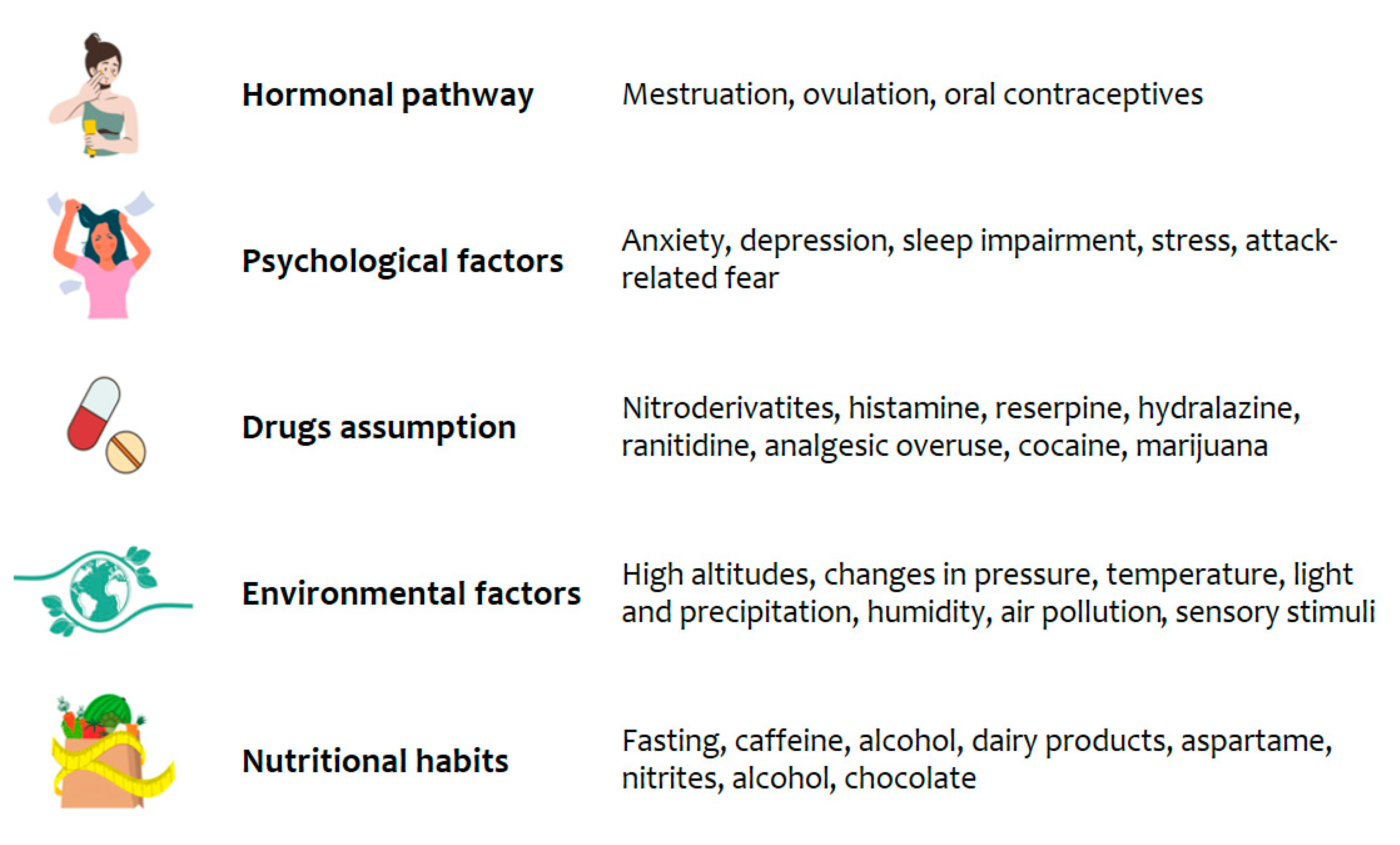
Figure 2.
Main factors that can influence the gut microbiota composition. Abbreviation: BMI, Body Mass Index; CNCDs, Chronic Non-Communicable Diseases; CNS, Central Nervous System.
Figure 2.
Main factors that can influence the gut microbiota composition. Abbreviation: BMI, Body Mass Index; CNCDs, Chronic Non-Communicable Diseases; CNS, Central Nervous System.
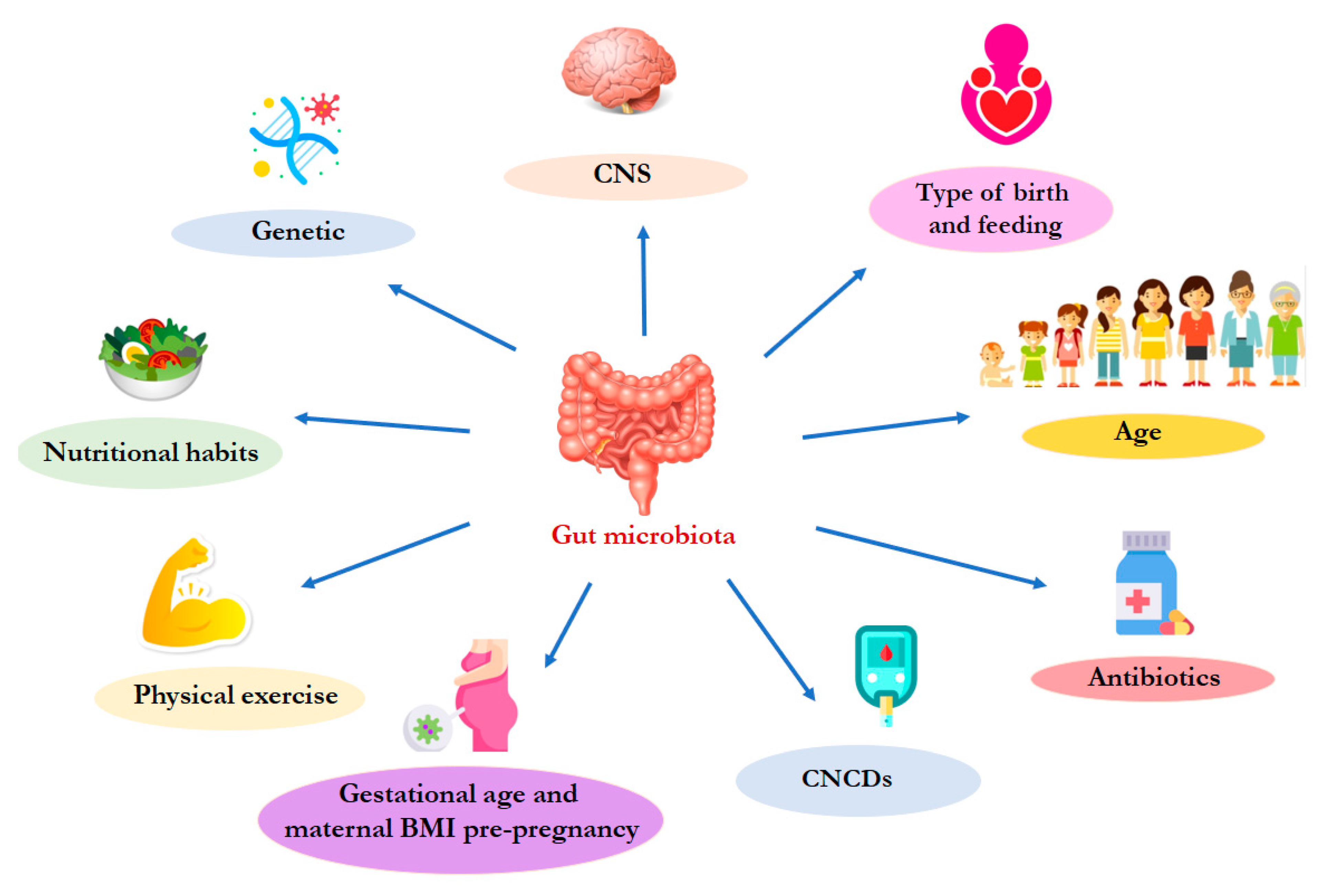
Figure 3.
Correlation between migraine and chronic non-communicable diseases. Abbreviation: CKD, Chronic Kidney Diseases.
Figure 3.
Correlation between migraine and chronic non-communicable diseases. Abbreviation: CKD, Chronic Kidney Diseases.
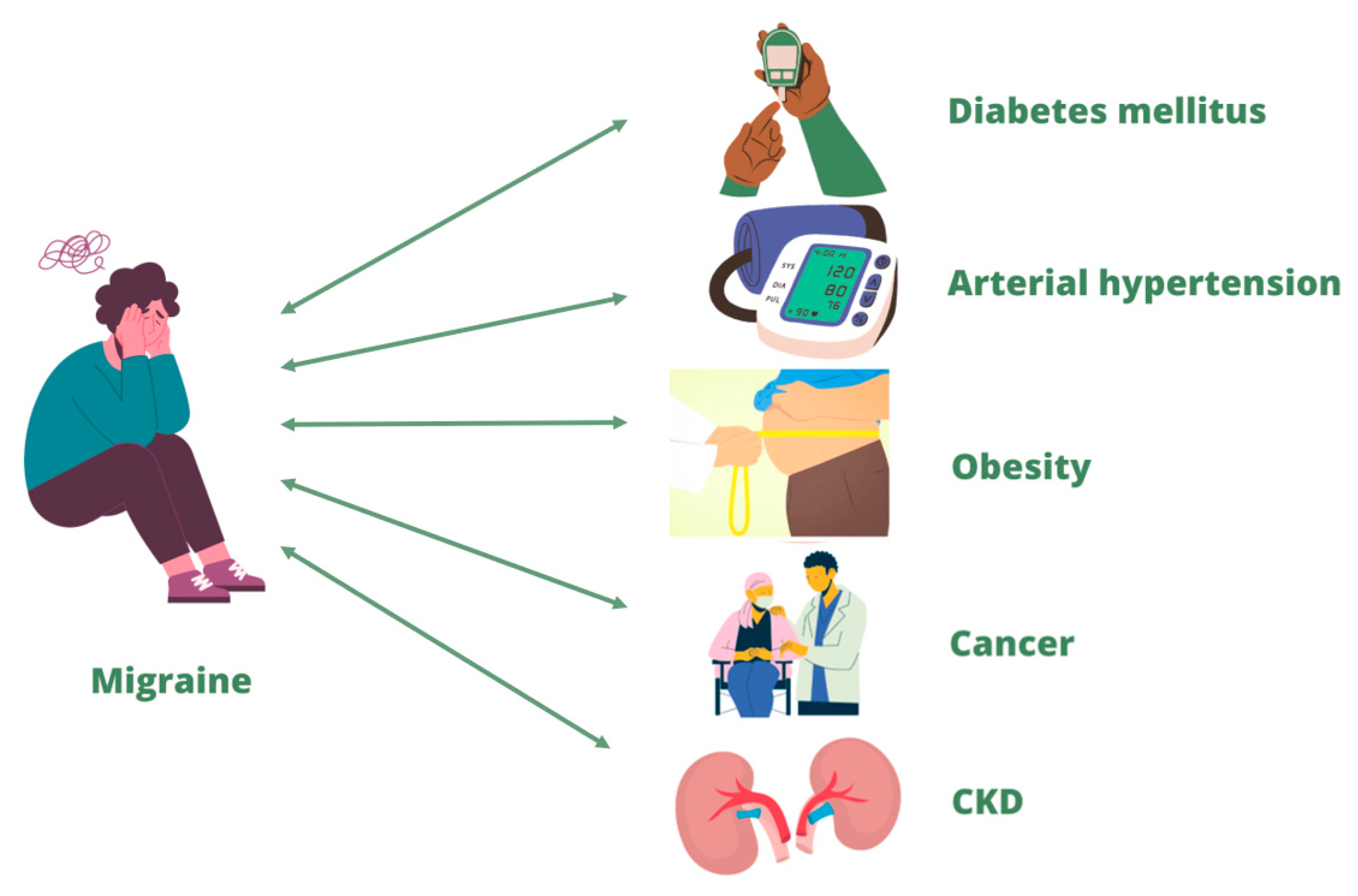
Figure 4.
Modulation of gut microbiota composition and α-diversity by the physical activity degree.
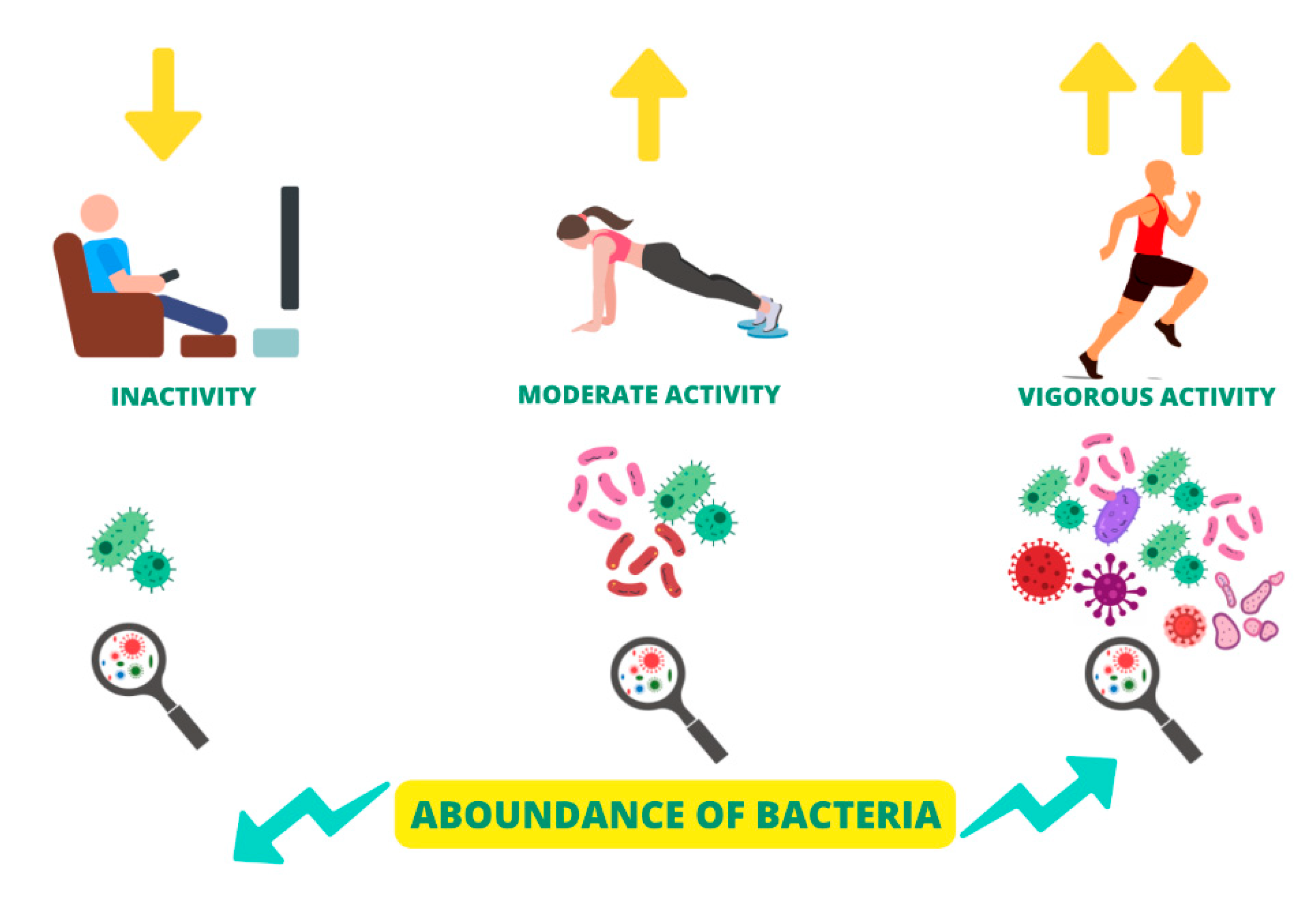
Disclaimer/Publisher’s Note: The statements, opinions and data contained in all publications are solely those of the individual author(s) and contributor(s) and not of MDPI and/or the editor(s). MDPI and/or the editor(s) disclaim responsibility for any injury to people or property resulting from any ideas, methods, instructions or products referred to in the content. |
© 2023 by the authors. Licensee MDPI, Basel, Switzerland. This article is an open access article distributed under the terms and conditions of the Creative Commons Attribution (CC BY) license (http://creativecommons.org/licenses/by/4.0/).
Copyright: This open access article is published under a Creative Commons CC BY 4.0 license, which permit the free download, distribution, and reuse, provided that the author and preprint are cited in any reuse.


