

Submitted:
26 May 2023
Posted:
29 May 2023
You are already at the latest version
Abstract
Cancer is a catchall term that refers to a collection of more than one chronic disease that can adversely affect the body, including the organs of the body. These diseases can be grouped together under the umbrella term "cancer." Cancer is a catch-all term that is used to refer to a number of different diseases. During the process of looking for new chemical entities, it was found that certain compounds with a basic nucleus of benzoic acid (BA) exhibit a remarkable anticancer potential. This was discovered while the researchers were looking for new chemical entities. In the sixteenth century, the aromatic chemical known as BA, which is also known as an aromatic carboxylic acid, was discovered. BA is also referred to as an aromatic carboxylic acid. When it comes to the chemical synthesis of a wide range of different active molecules, the utilization of a sizeable quantity of BA as a raw material is absolutely necessary. In addition to being present in a variety of other naturally occurring compounds, the BA moiety is the component that is responsible for the activity of the naturally occurring compounds vanillin, gallic acid, and syringic acid. In the synthesis of a wide variety of synthetic bioactive molecules, the BA scaffold is utilized as a building block. The drugs furosemide, bumetanide, benzocaine, tetracaine, and bexarotene are all examples of molecules that fall into this category. The scope of this review article allows for the discussion of a number of noteworthy and recent achievements of BA derivatives in terms of their effectiveness against cancer.
Keywords:
Cancer
; Benzoic acid
; Anti-cancer activity
; Scaffold
1. Introduction
Normal cells of human body undergo a predictable pattern for cell growth, division and programmed cell death. Cancer is a considered as diseased pathological conditions characterized by various unhealthy symptoms that causes harm to the body in the form of lumps or masses of tissue which is known as tumours. Cancer is a broad term that reflects to more than 100 chronic diseases affecting various parts of the body with a symptom of uncontrolled cell growth [1].
Cancer has adversely affected human civilization since long time back. Cancer now a days is known as the second leading cause of mortality after cardiovascular and other diseases; and more than 70% of all the cancer deaths occur in developing and under-developed countries. There is a continuous increase in numbers of fatalities arising due to cancers worldwide, with approximately 12 million deaths in 2030 [2-4]. Although chemotherapy is one of the prominent way of cancer therapy but the use of available chemotherapeutic agents still have certain limitations, for e.g. lack of selectivity for cancer tissues, bringing about unwanted side effects and the acquisition by cancer cells of multiple drug resistance (MDR). Therefore, the search for new chemical entity with very least adverse effect, which can selectively target the tumor cells, is highly demanded for cancer therapy [5].
Despite of several existing anticancer agents, no drug is available till date which could kill the cancer cells without having harm to other parts of body organs. Therefore, search of new chemical entity as anticancer agents with higher potency and lower toxicity is still challenging. Literature suggests that more than 60% of anticancer drugs used for treatment are from originated natural sources [6-9].
The potent and effective chemical compounds designed and developed for the treatments of various cancer related ailments are associated with several undesired harmful side effects. Therefore, strategic therapies for the treatment of cancer continue to be a challenging task and still remain amongst the most thrust areas of research from chemistry and pharmacology perspective. A number of potential approaches have been proposed for the treatment of cancer since years in which novel synthetic compounds are opening new avenues of research [10].
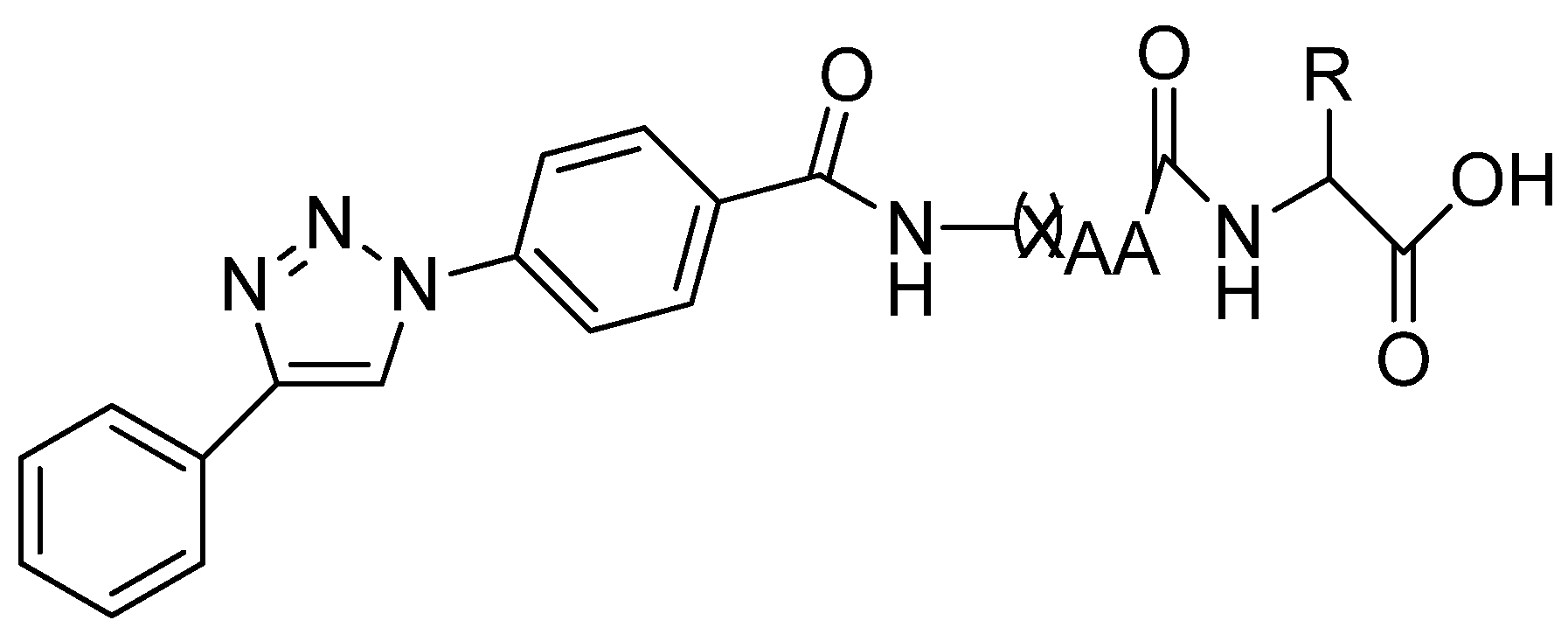
However, the current review intends to focus on the significance of BA nucleus containing anticancer synthetic agents along with clinical and in vitro applications of BA derivatives to facilitate the development of more potent as well as effective anticancer agents.
2. Benzoic Acid: General Introduction
Benzoic acid (BA) was discovered in sixteenth century. In 1556, BA was obtained and reported by Nostradamus as a product of the dry distillation of gum benzoin. BA has a phenyl ring attached to a carboxylic group [11-12]. BA is a colorless or white crystalline compound with a molecular weight of 122.12 g/mol and molecular formula C6H5COOH. BA is having faint like odour and poses poor solubility in hot water but highly soluble in organic solvents ethanol, ether and benzene [13].
BA is used as an important raw material which is being use in lot of chemical manufacturing units for synthesizing important new chemical entity (NCE) such as derivatives of phenol and padimate [14-15]. Structures of BA and phenol, padimate o are presented in Figure 1.
Figure 1.
Structure of Benzoic acid, Phenol and Padimate O.

BA and its natural derivatives are under active class of compounds with wide range of biological activities including its usage as Flavoring agent e.g. Vanillin [16], Antioxidant and anticancer e.g. Gallic acid [17], Anti-microbial e.g. Syringic acid etc [18]. Structures of some natural compounds with BA ring system are presented in Figure 2.
Figure 2.
Structures of a some of natural compounds with BA ring system.

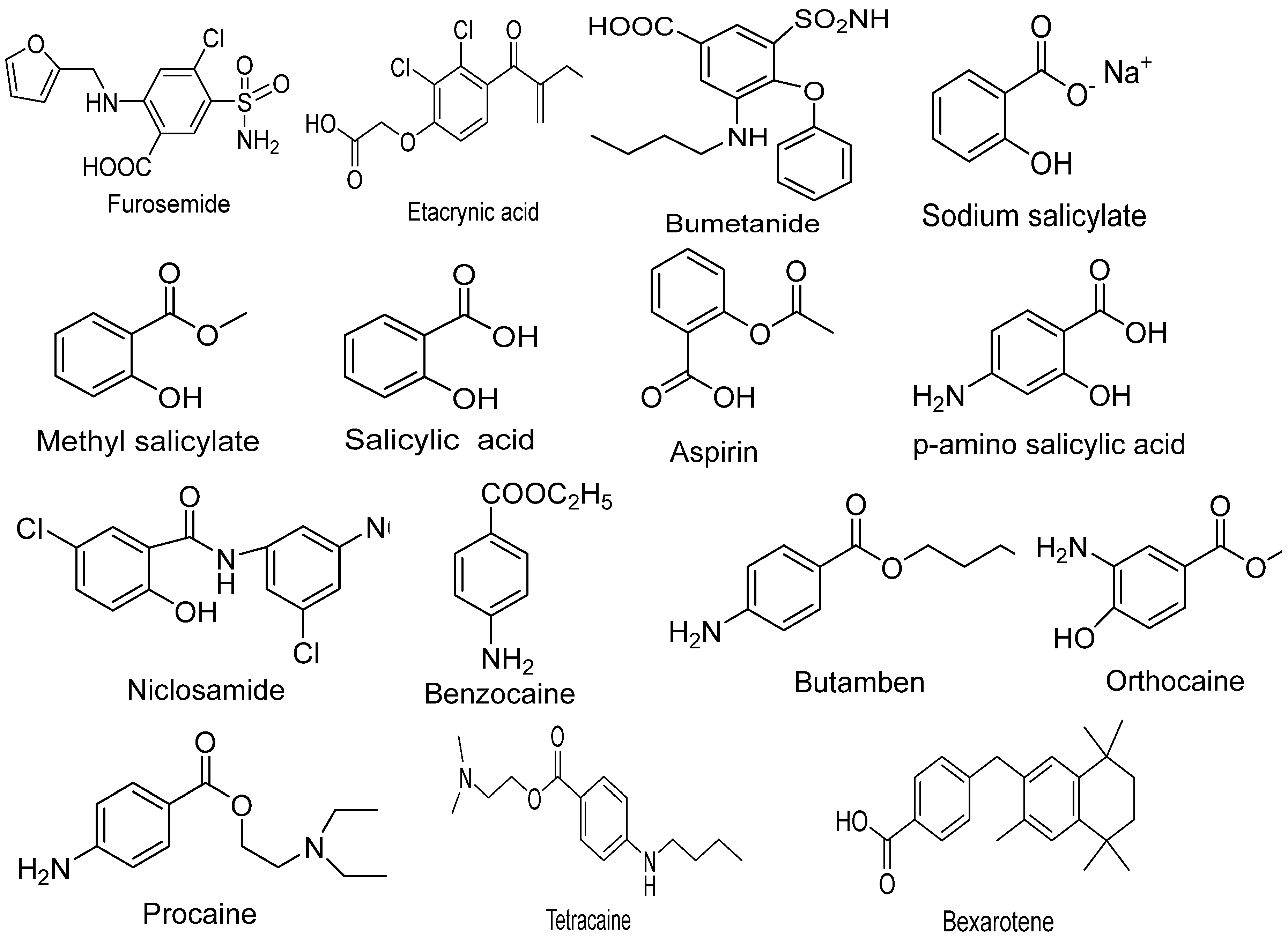
BA and its synthetic derivatives are under active class of compounds with wide range of biological activities including Diuretic e.g. Furosemide [19], Hypertension e.g. Bumetanide [20] Analgesic and anti-inflammatory e.g. Sodium salicylate [21], antiallergic drug Tranilast [22] Anti-bacterial and antiseptic e.g. Salicylic acid [23], Colorectal cancer e.g. Aspirin [24-25], Tapeworm infestations e.g. Niclosamide [26], Local anesthetic e.g. Benzocaine, Butamben, Orthocaine, Procaine [27-28]. Structures of some important synthetic promising compounds with BA ring system are presented in Figure 3.
Figure 3.
Structure of a number of promising compounds with BA ring system.
3. Clinical and Biological uses of Benzoic Acid (BA) derivatives for the treatment of Cancer
Since last two decades, a number of BA derivatives have been synthesized and screened which has been established as potential anticancer agents.
3.1. Bexarotene:
It is a synthetic retinoid analog with specific affinity for the retinoid X receptor which is also called rexinoids. This drug has been approved by USFDA in December 1999 for treatment for cutaneous T-cell lymphoma and it is planned to be the drug in the US, Canada, Spain, Portugal, Greece, Italy and selected European markets. Bexarotene has also been investigated and found potent for the treatment of breast cancer and non-small cell carcinoma of the lung with promising early results [29-30].
3.2. Tallimustine:
It is also known as a novel benzoic mustard distamycin A derivative that has exhibited anticancer response against diverse murine and human tumors such as colorectal cancer. In dissimilarity to biologically exercised alkylating agents, tallimustine acts by alkylating the adenine N-3 in selected thymineadenine-rich DNA sequences rather than guanine N-7 [31-32].
3.3. Tamibarotene:
This drug is also known as retinobenzoic acid and it has been allowed in Japan for the treatment of acute promyelocytic leukemia. It basically acts by binding selectively to retinoic acid receptors and inhibits uncontrolled cell growth [33-34].
3.4. Silmitasertib:
Senhwa Biosciences of Taiwan developed this drug. It has been found considered as drug rank by US FDA on January 2017 for the treatment for advanced cholangio carcinoma as ATP-competitive inhibitor of both the catalytic subunits of CK2 [35-36].
3.5. Aminopterin:
Aminopterin or 4-aminopteroic acid is a folic acid derivative and it is used as an antineoplastic drug with immunosuppressive actions. In the United States, Lederle Laboratories launched this drug between 1953 and 1964 for the treatment of pediatric acute leukemia. It exhibits anticancer action by inhibiting the activity of dihydrofolate reductase enzyme [37-38].
3.6. Methotrexate:
This drug showed valuable response for the management of several types of cancers as head and neck, breast, leukemia, lung, lymphoma, osteosarcoma, bladder and trophoblastic neoplasms. This drug acts by inhibiting the activity of dihydrofolate reductase enzyme [39-40].
3.7. AM580:
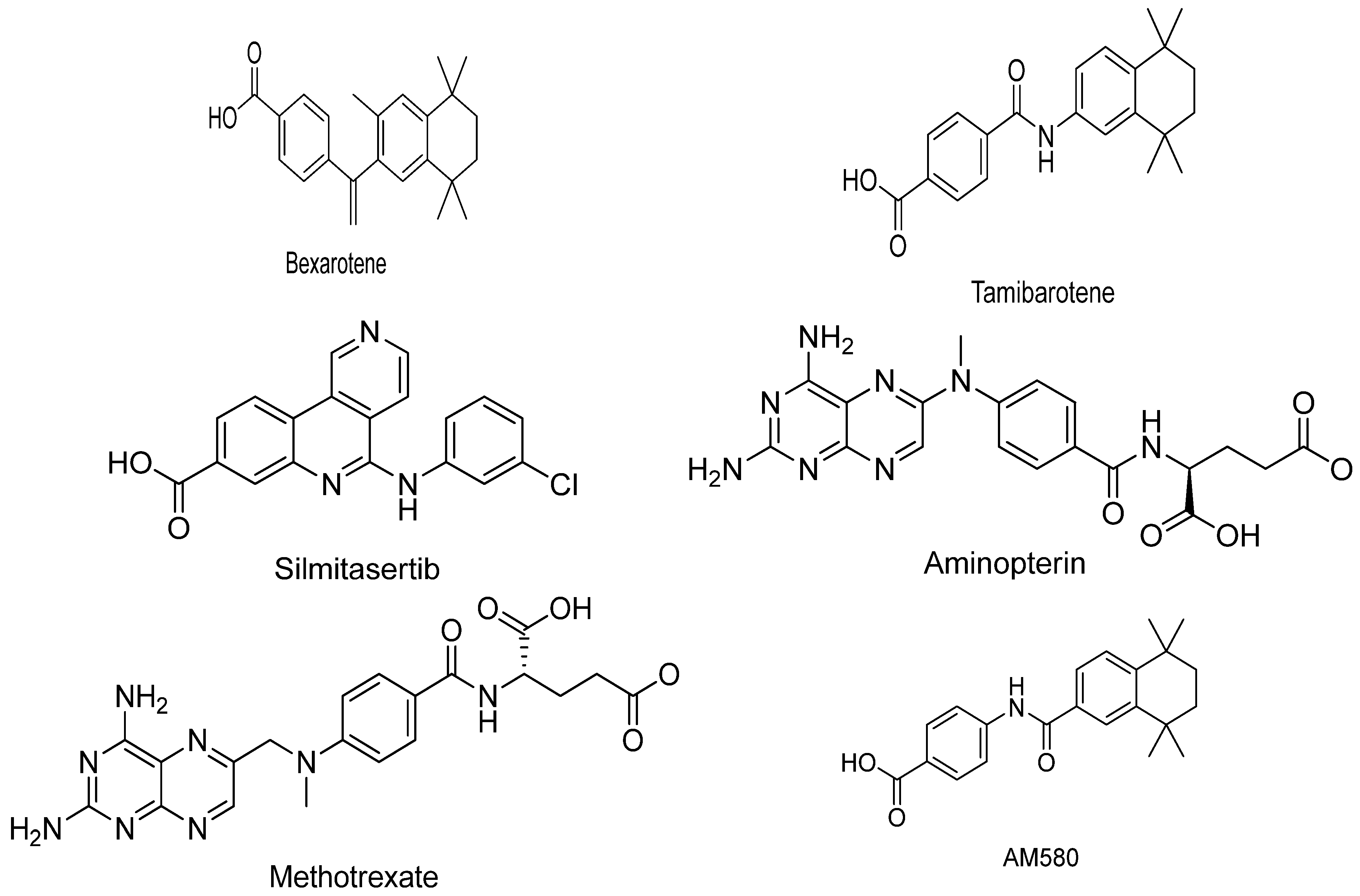
It is used in the treatment of non-small cell lung cancer acts as RARα-selective transcriptional agonist. This drug acts by encouraging the reprogramming of somatic cells to stimulate pluri effective stem cells and reduced tumor cell proliferation [41-42]. Structures of these drugs having BA moiety are presented in Figure 4.
Figure 4.
Structure of Marketed drugs having BA moiety.
The present article embarks on various recent developments of BA derivatives with special reference to anticancer activities.
4. Recently Developed BA Analogues for Anti-Cancer Activity
The existing anticancer drugs which are already available in market are suffering from a number of restrictions. In order to overcome these restrictions, the researcher has synthesized a number of compounds.
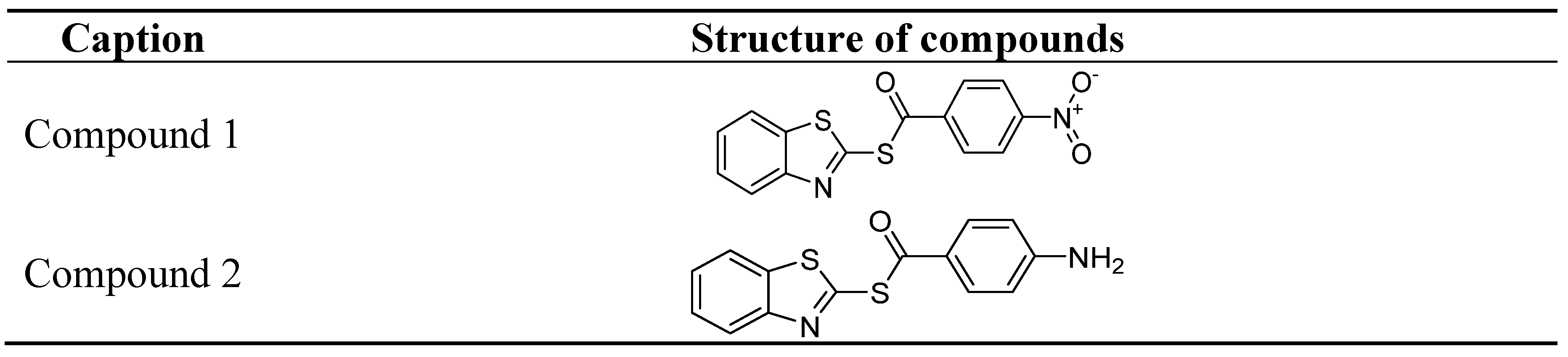
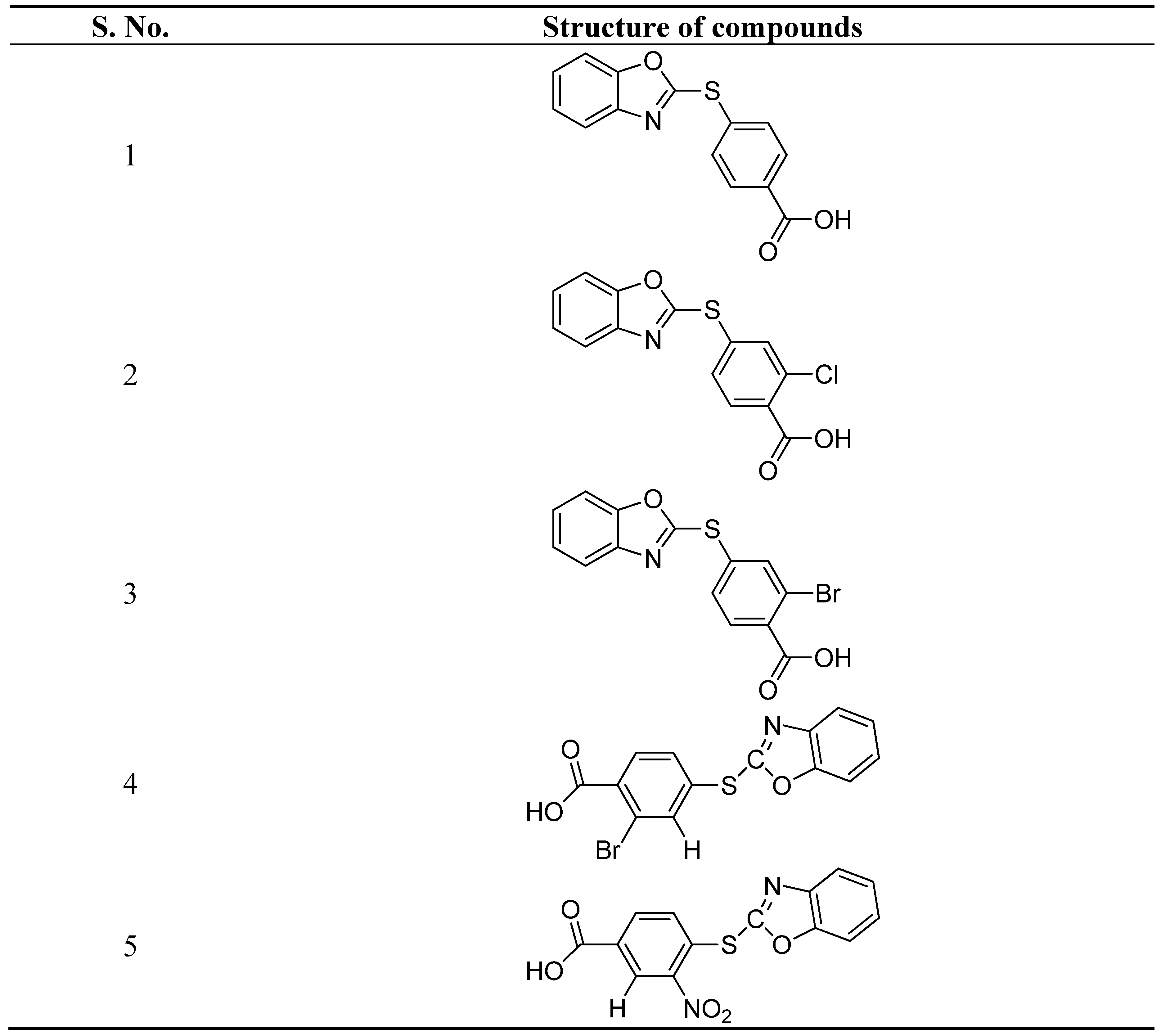
Synthesis of two derivatives of BA by heating acid chloride with mercaptobenzothiazole in pyridine is presented in Figure 5. The key intermediate acid chloride was synthesized by refluxing substituted BA with thionyl chloride. The synthesized derivatives were evaluated for in vivo anticancer activity by using ascetic lymphoma cell line. Compound 2 showed potent anticancer activity when the comparison was made with vincristine [43].
Figure 5.
Derivatives of benzoic acid.
Team of researchers synthesized a novel series of 3-[(6-Arylamino) pyridazinylamino] benzoic acids namely [(Substituted) amino ] pyridazin-3-yl]amino}benzoic acid. The compounds (1-8) were synthesized by refluxing 6-Chloro-3-substituted-aminopyridazines with an appropriate quantity of amino benzoic acid in isopropanol. Additionally, the compounds (9-14) were synthesized by condensation of substituted benzenesulphonamide with 4-aminobenzoic acid in isopropanol (Figure 6). These synthesized compounds having BA nucleus were evaluated for anticancer potential in vitro method on HT-29 colon cancer cell line by performing sulphorhodamine B (SRB) colorimetric assay. Only two synthesized compounds 1 and 2 showed highest anticancer response due to the presence of chloro group at 4th position with IC50 values 15.3 and 3.9 µM respectively when the comparison was made with reference drug vatalanib. The proposed mechanism of the above stated compound was observed as binding with VEGFR-2 which was resulting the reduced count of cancerous cells [44].
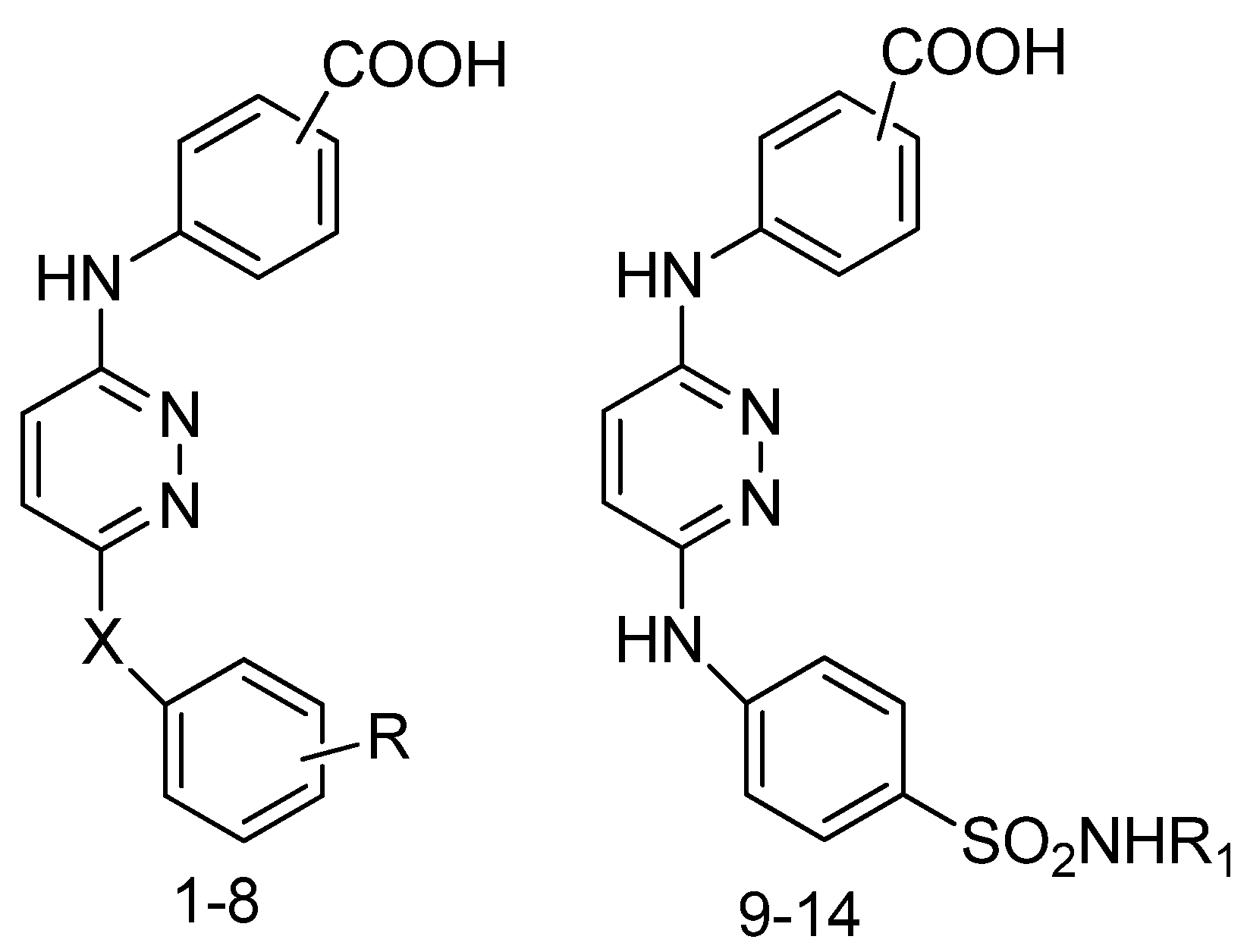
Figure 6.
A novel series of 3-[(6-Arylamino)pyridazinylamino]benzoic acids.
| S. No. | X | R | R1 |
| 1 | NH | 4-Cl | 4-Cl |
| 2 | NH | 4-Cl | 4-Cl |
| 3 | NH | 2,4-Cl2 | 2,4-Cl2 |
| 4 | NH | 2,4-Cl2 | 2,4-Cl2 |
| 5 | NH | 2,6-Cl2 | 2,6-Cl2 |
| 6 | NH | 2,6-Cl2 | 2,6-Cl2 |
| 7 | - | - | - |
| 8 | - | - | - |
| 9 | O | 2-CONH2 | 2-CONH2 |
| 10 | O | 2-CONH2 | 2-CONH2 |
| 11 | - | H | H |
| 12 | - | H | H |
| 13 | - | C(NH)NH2 | C(NH)NH2 |
| 14 | - | C(NH)NH2 | C(NH)NH2 |
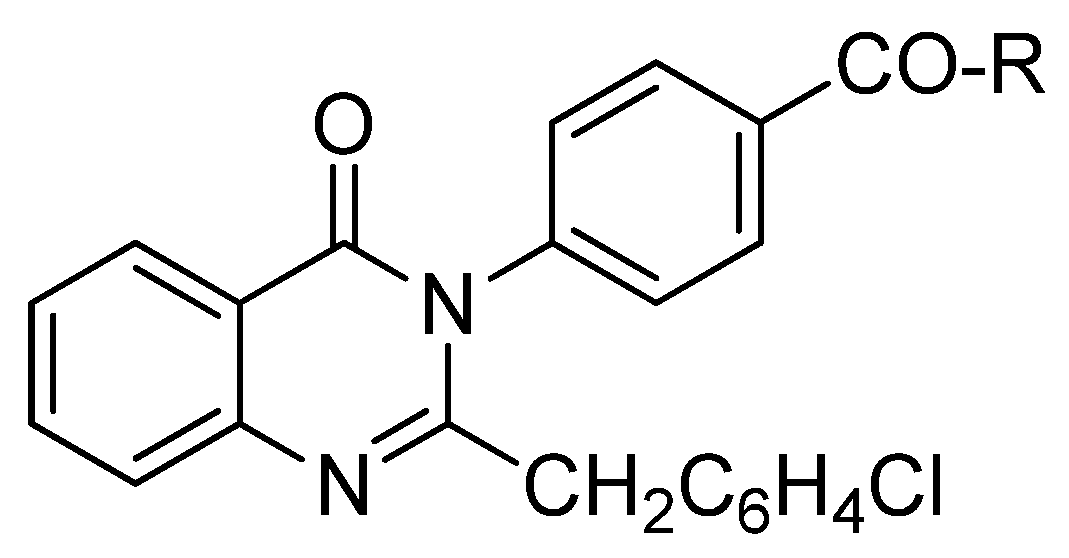
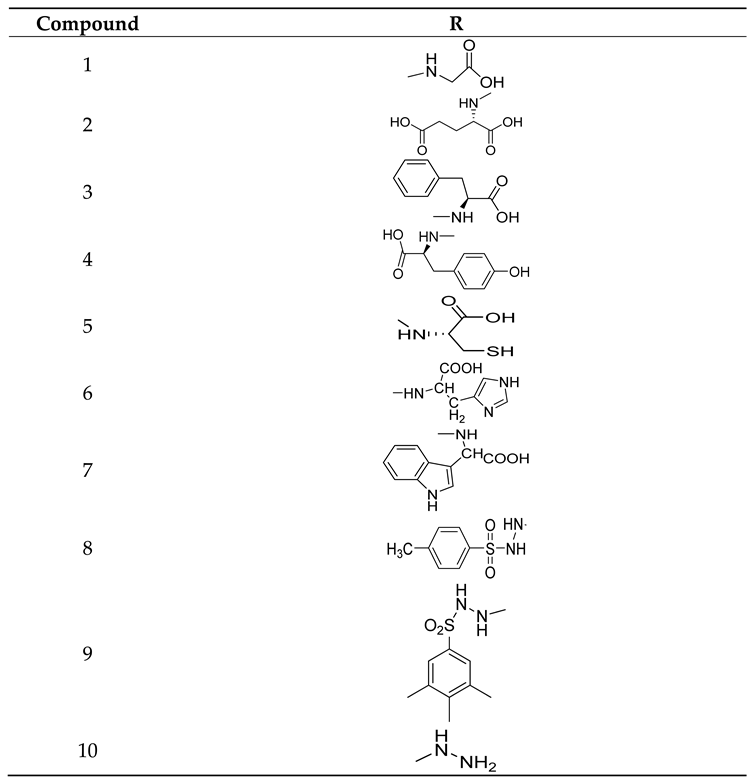
In a study, number of 4-[2-(4-chlorobenzyl)-4-oxoquinazoline-3(4H) yl)benzoyl] derivatives were synthesized by refluxing 4-[2-(4-chlorobenzyl)-4-oxoquinazoline 3(4H)yl)benzoylchloride with various amino acids in 1,4-dioxane and sulfonyl Hydrazide in 0.1N sodium hydroxide (Figure 7). The key intermediate 4-[2-(4-chlorobenzyl)-4-oxoquinazoline-3(4H)-yl)benzoylchloride of the chemical reaction was prepared by condensing 4-[2-(4-chlorobenzyl)-4-oxoquinazoline-3(4H)-yl) benzoic acid with thionyl chloride in 1,4-dioxane. All the synthesized compounds of BA nucleus were screened for their anticancer activity using MTT assay against HeLa cell line. Only two synthesized BA derivatives namely 2 and 9 inhibited the proliferation of HeLa cells with IC50 100 and 10 µM [45].
Figure 7.
4-[2-(4-chlorobenzyl)-4-oxoquinazoline-3(4H) yl)benzoyl] derivatives.
Recently team of researchers synthesized 4-(3,4,5-Trimethoxyphenoxy) Benzoic Acid and its methyl derivatives (Figure 8). These synthesized derivatives were subjected to evaluation for anticancer potential by MTT assay against Huh-7, HepG2, Hela, MCF-7 and MDA-MB-468 cells. The outcome of study suggested that only two compounds 1 and 2 appreciably induced cell death in MCF-7and MDA-MB-468 cells by inducing cell-cycle G2/M arrest with IC50 5.9, 8.7, 1.4 and 3.7µg/ml [46].
Figure 8.
4-(3,4,5-Trimethoxyphenoxy) Benzoic Acid Derivatives.
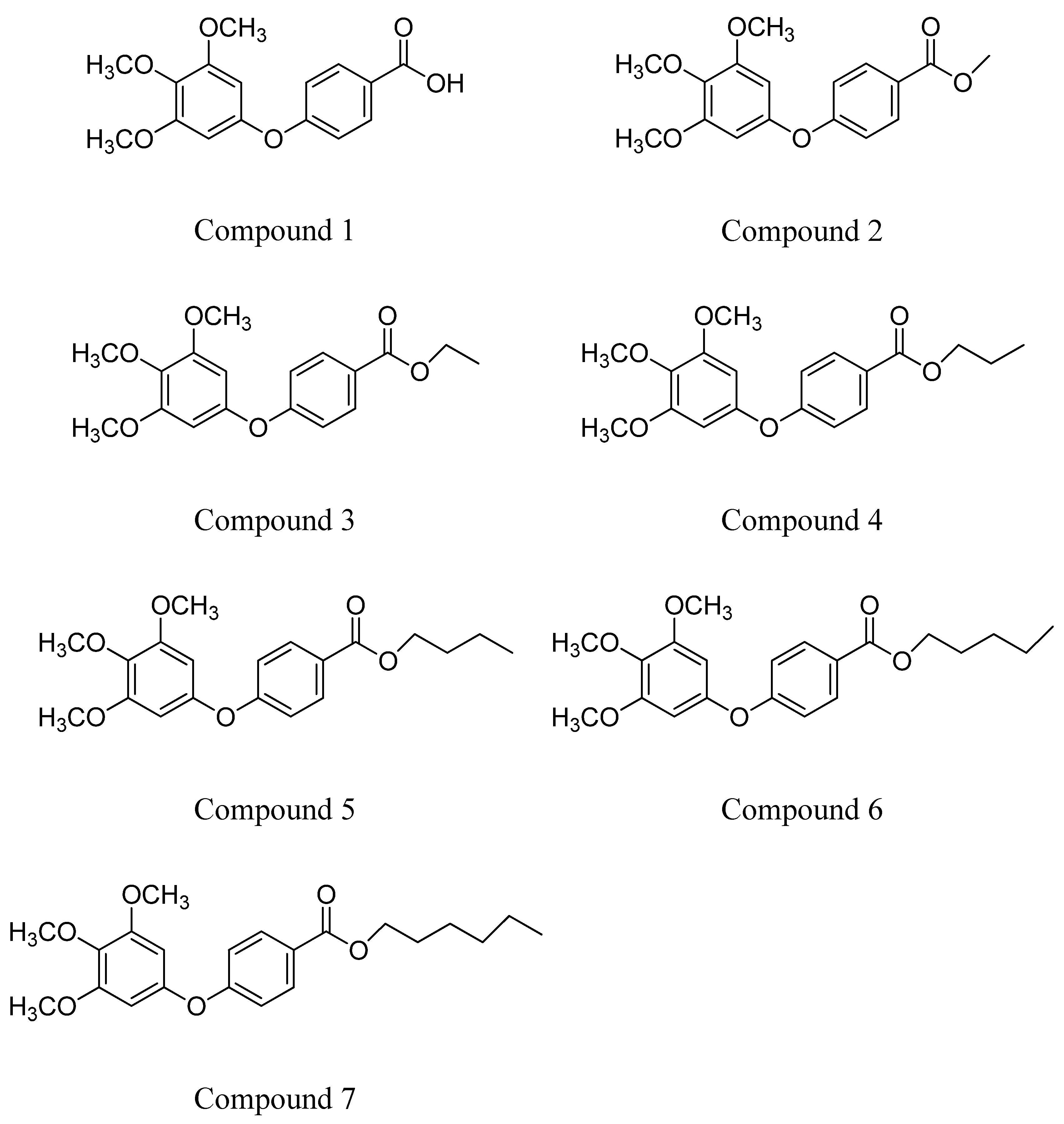
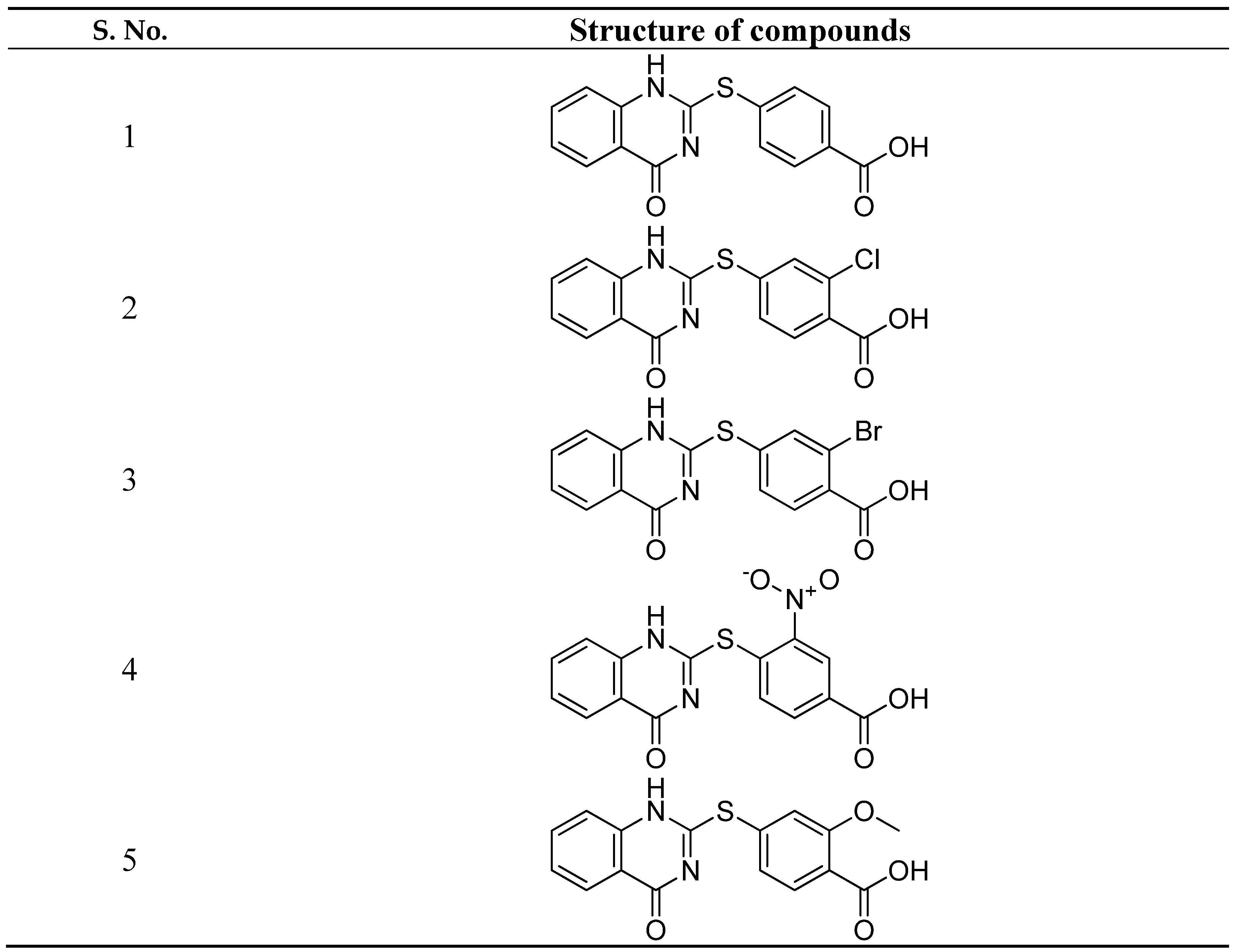
Figure 9 presents the synthetic outcome of new series of quinazolinones derivatives which were synthesized by heating thiocyanate with 2-amino benzoic acid and carbon disulphide. The anticancer properties of these synthesized derivatives were carried out by MTT assay against MCF-7 cell lines. Compounds 5 showed highest anticancer activity with IC50 value of 100 μM/ml and it was supposed that these synthesized compounds inhibited the activity of tyrosine kinase domain [47].
Figure 9.
Derivatives of quinazolinones.
Team of researchers synthesized ten new benzoic acid derivatives by heating thiocyanate with 2-amino benzoic acid and carbon disulphide. Various substituted thiocyanate benzoic acid was synthesized by stirring various benzoic acid with ammonium thiocyanate and bromine in glacial acetic acid (Figure 10). All the synthesized compounds were evaluated for anticancer activity by using MTT assay against MCF-7 cell. Only synthesized compounds 8 and 9 demonstrated potent activity with IC50 value 100 µM/ml and it was supposed that these synthesized compounds inhibited the activity of tyrosine kinase domain [48].
Figure 10.
New benzoic acid derivatives.
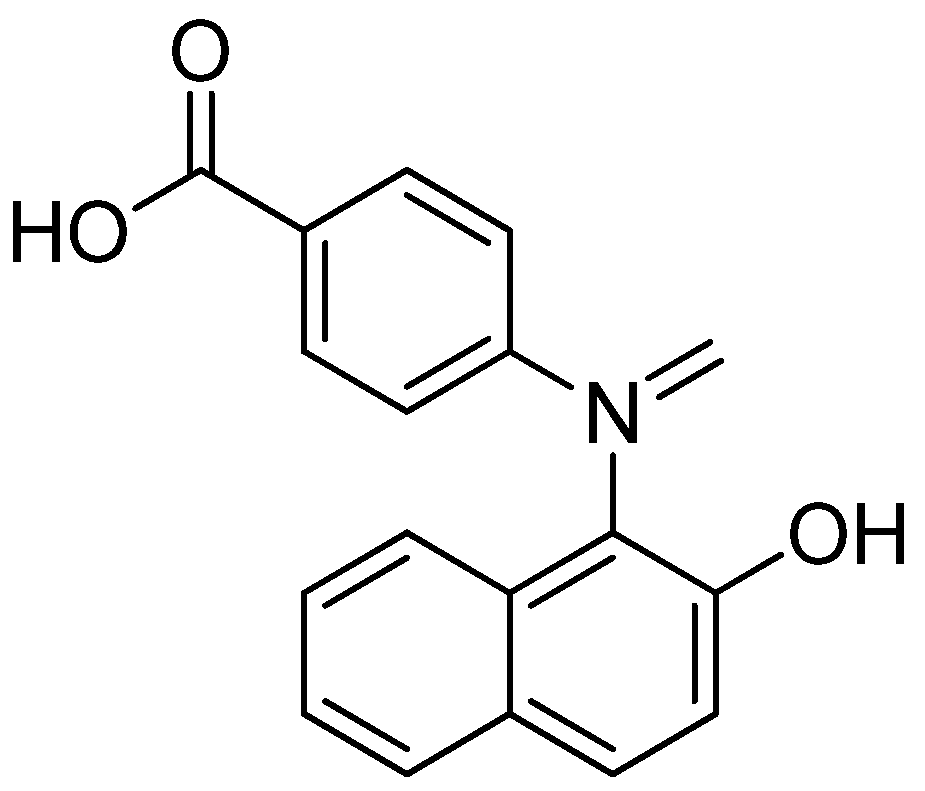
Jebastin J.N.S synthesized 4-((2-hydroxynaphthalen-1-yl) methyleneamino)benzoic acid by stirring hydroxynaphthaldehyde with 4-amino benzoic acid in methanol (Figure 11). This compound tested for their in vitro antitumor activity by MTT assay against human cervical cancer cell line. This compound showed potent antitumor activity with IC50 value at 17.84μM and it was observed that these synthesized compounds inhibited Histone Deacetylase enzyme activity. 5-fluro uracil was used as standard drug [49].
Figure 11.
4-((2-hydroxynaphthalen-1-yl) methyleneamino)benzoic acid.
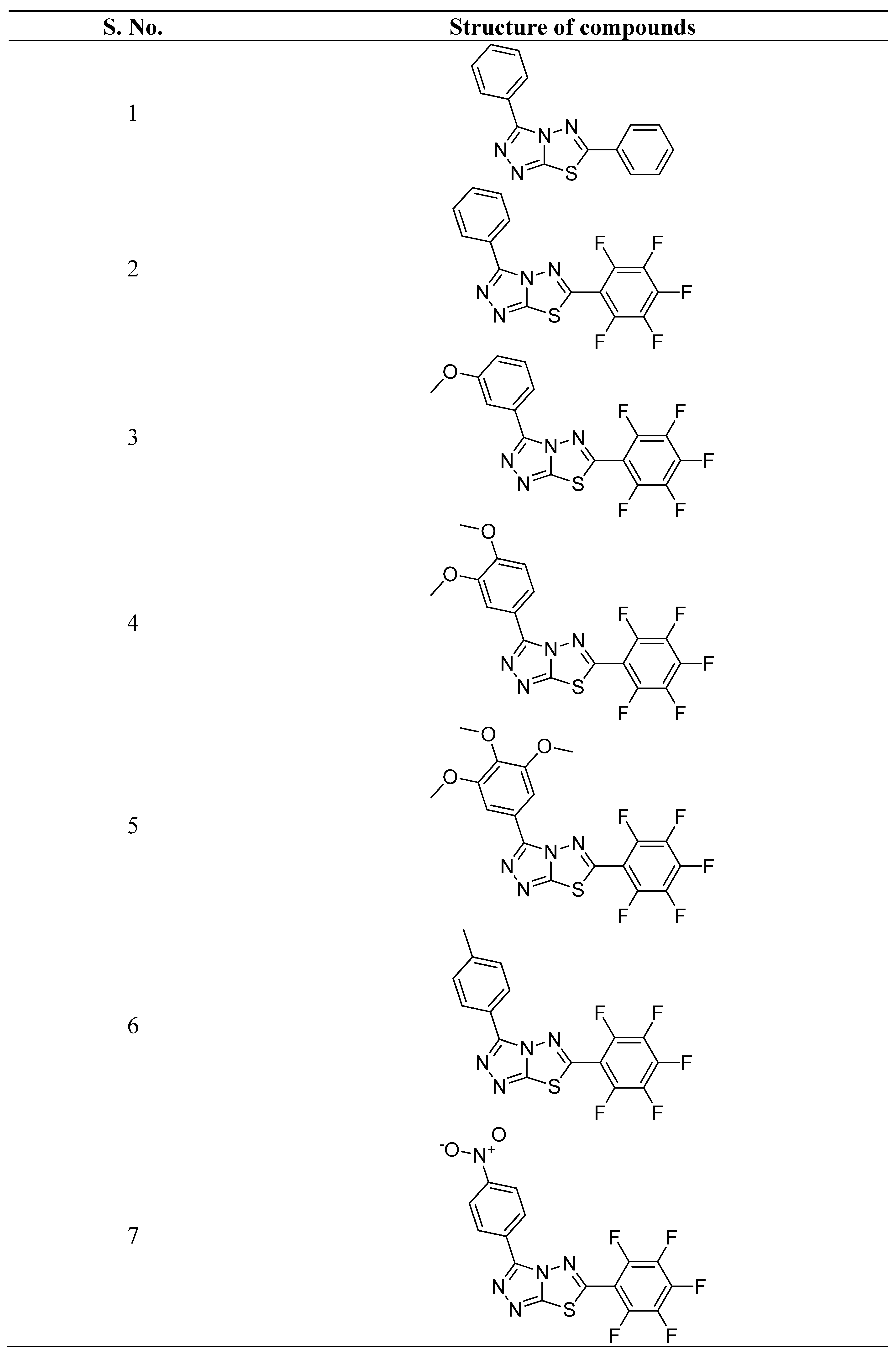
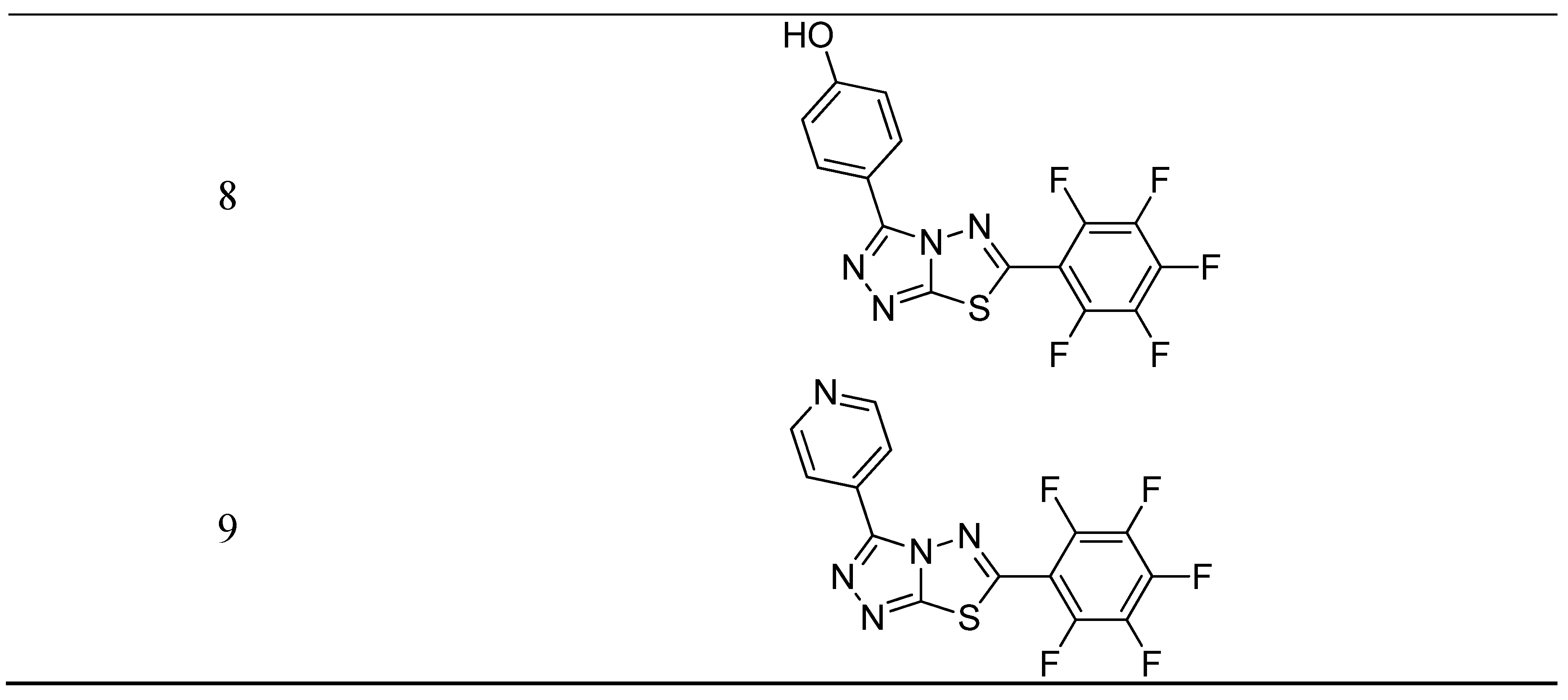
Number of new 3,6-diphenyl-[1,2,4]triazolo [3,4-b][1,3,4]thiadiazole derivatives were synthesized by refluxing 4-amino-5-substituted-3-mercapto-(4H)-1,2,4-triazoles with aromatic acids in phosphorus oxychloride (Figure 12). The synthesized compounds tested for in vitro anticancer activity against three cancerous cell lines MCF7, SaOS-2 and K562 MTT assay. Among these, only compound 2 demonstrated higher in vitro anticancer activity with IC50 values of 22.1, 19 and 15 against MCF7, SaOS-2 and K562 cells. Tamoxifen was used as standard drug [50].
Figure 12.
New 3,6-diphenyl-[1,2,4]triazolo [3,4-b][1,3,4]thiadiazole derivatives.
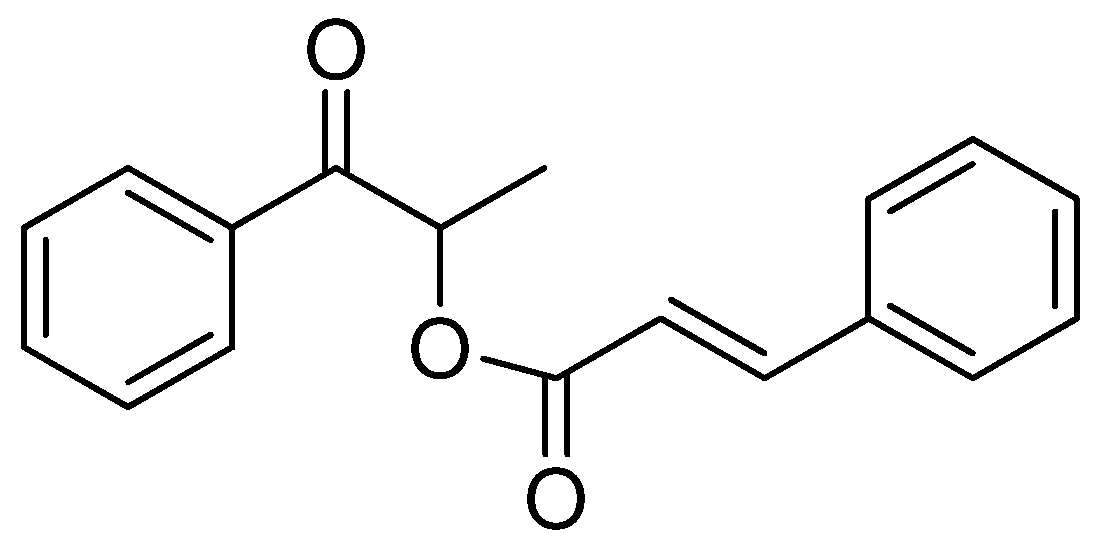
Recently, a new compound namely 2-Oxo-2-phenylethyl-4-(2-oxo-2-phenylethoxy) benzoate was synthesized by treating p-hydroxybenzoic acid with phenacyl bromide in the presence of potassium carbonate (Figure 13). This synthesized compound was tested for in vitro anticancer activity by MTT assay. Compound 9 showed significant cancer cell inhibition action in the range of 52.2 to 91.2%. Doxorubicin was used as a drug for positive control [51].
Figure 13.
Structure of active compound 9.
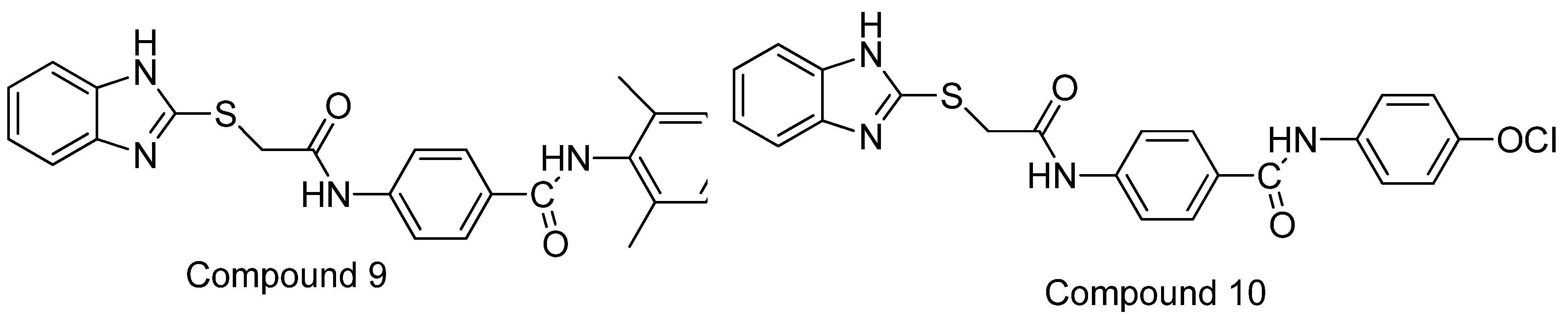
Tahlan and the coworkers synthesized a number of 3-(2-(1H-benzo[d]imidazol-2-ylthio)acetamido)-N-(substitutedphenyl)benzamide derivatives by refluxing 3-(2-(1H-benzo[d]imidazol-2-ylthio)acetamido)benzoyl chloride with substituted aniline in ethanol and methanol. The key intermediate was synthesized by condensing 3-(2-(1H-benzo[d]imidazol-2-ylthio)acetamido) benzoic acid with thionyl chloride (Figure 14). These synthesized derivatives were evaluated for in vitro anticancer activity against the human colorectal cancer cell line using the MTT assay. Only compounds 9 and 18 showed highest anticancer activity with IC50 values 5.85 and 4.53 Μm by suppressing of DNA replication and transcription. 5-Fluorouracil was used as standard drug [52].
Figure 14.
3-(2-(1H-benzo[d]imidazol-2-ylthio)acetamido)-N-(substitutedphenyl)benzamide derivatives.
Figure 14.
3-(2-(1H-benzo[d]imidazol-2-ylthio)acetamido)-N-(substitutedphenyl)benzamide derivatives.
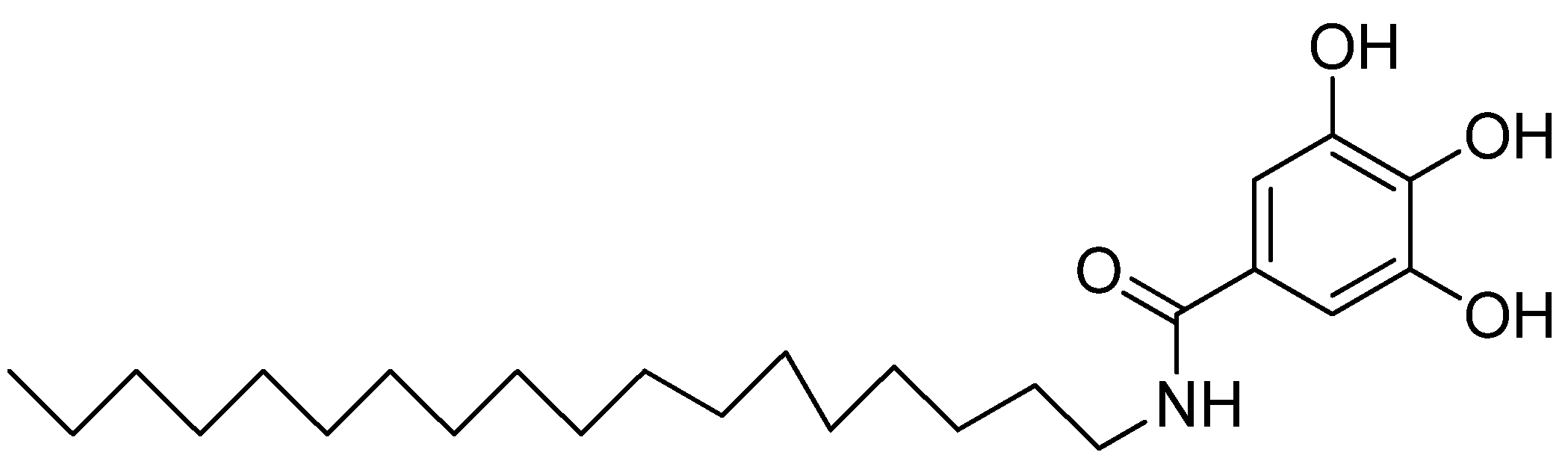
In an attempt to synthesize novel benzoic acid derivatives, a new gallic acid–stearylamine conjugate were synthesized by stirring gallic acid with stearylamine and Tris-(2,2,2-trifluoroethyl) borate in acetonitrile (Figure 15). This synthesized conjugate was tested for in vitro anticancer activity by MTT assay against A431 human squamous cancer cell line. It showed effective anticancer effect against A431 cell line with IC50 value 100 μg/ml. 5-Fluorouracil was used as standard drug [53].
Figure 15.
New gallic acid–stearylamine conjugate.
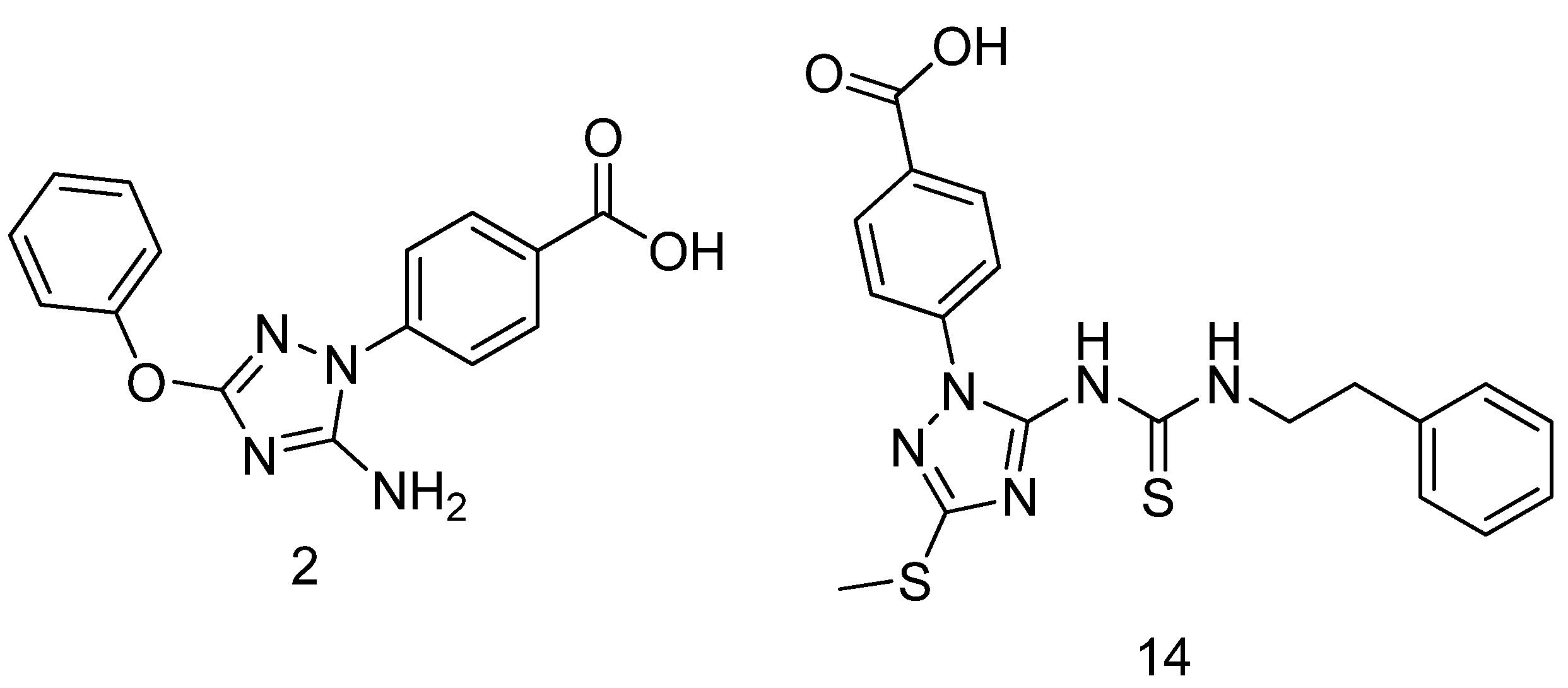
In recent years, Abuelizz and coworkers synthesized a noval series of 4-(1H-1,2,4-triazol-1-yl) benzoic acid hybrids. Compounds 1 and 2 were chemically synthesized by condensing 2-hydrazinobenzoic acid with dimethyl(phenyl)-N-cyanoimido(dithio)carbonate in ethanol in the presence of trirthylamine. Compounds 3–15 were synthesized by refuxing 4-(5-Amino-3-(methylthio)-1H-1,2,4-triazol-1-yl) benzoic acid or 4-(5-Amino-3-phenoxy-1H-1,2,4-triazol-1-yl) benzoic acid with aldehyde or benzyl (phenethyl)isothiocyanate in ethanol. Compound 16 namely methyl 4-(5-amino-3-(methylthio)-1H-1,2,4-triazol-1-yl) benzoate was synthesized by treating 4-(5-Amino-3-(methylthio)-1H-1,2,4-triazol-1-yl)benzoic acid with methanol in the presence of suphuric acid (Figure 16). These synthesized compounds evaluated for their in vitro anticancer activity by MTT assay against HCT-116 and MCF-7 human cancer cell lines. The compounds 2 and 14 showed highest anticancer activity against MCF-7 cancer cells with IC50 value 18.7 and 15.6 µM, respectively by inducing apoptosis. Doxorubicin was used as reference drug [54].
Figure 16.
4-(1H-1,2,4-triazol-1-yl) benzoic acid hybrids (Compound 2 and 14).
Baharloui M. synthesized a novel series of Novel Triazole-based peptide analogues. This was done by reacting peptides and triazole conjugated peptides which were cleaved from the resin in trifluoroacetic acid (Figure 17). These synthesized compounds were tested for in vitro anticancer activity by using MTT assay against breast, colon cancer cell lines and fibroblast cells. The findings suggested that scaffolds containing 1H-1, 2, 3-triazole ring group showed toxic effect against colon and breast cancer cells with IC50 value 100 µg/ml. Ciprofloxacin was used as reference drug [55].
Figure 17.
Novel Triazole-based Peptide Analogues.
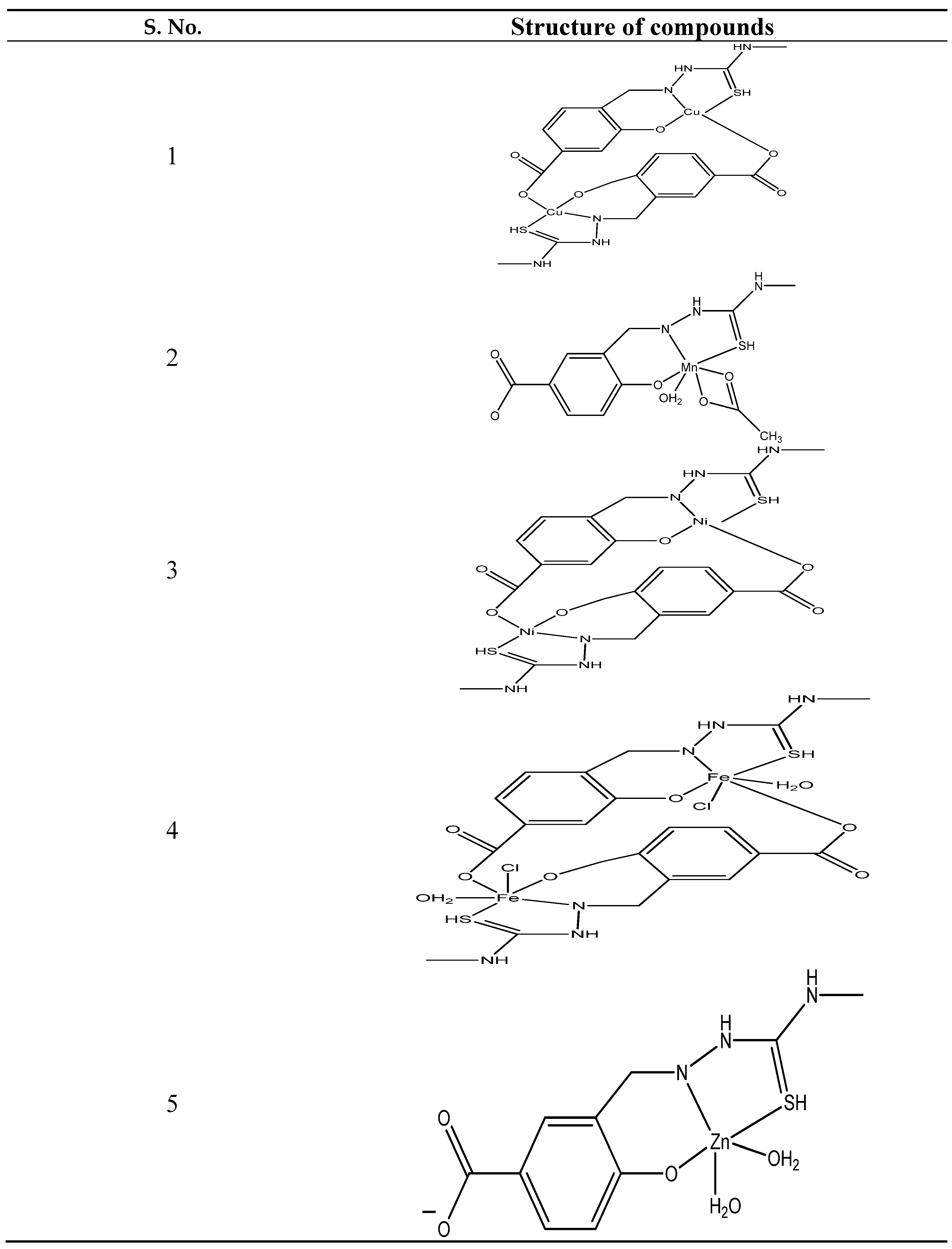
Sardroud S.J. 2020 synthesized a new series of water-soluble thiosemicarbazone ligand and its complexes. The ligand 4-hydroxyl-3-({[(methylamino)carbonothioyl]hydrazono}methyl) benzoic acid (H3LCOOH) was synthesized by refluxing 3-Formyl-4-hydroxy-benzoic acid with 4-methyl-3-thiosemicarbazide in methanol. Ligand complexes were prepared by stirring 4-hydroxyl-3-({[(methylamino)carbonothioyl]hydrazono}methyl) benzoic acid (H3LCOOH) with Mn(CH3COO)3.2H2O, FeCl3, Ni(CH3-COO)2.4H2O, Cu(CH3COO)2.H2O and Zn(CH3COO)2.2H2O in methanol (Figure 18). These synthesized compounds screened out for their in vitro anticancer response by using MTT assay against the human chronic myelogenous K562 leukemia and human breast carcinoma MCF-7 cell lines. Out of which, every complexes showed significant anticancer activity with an IC50 value of 0.27-200 µg/ml by inducing apoptosis. Taxol was used as standard drug [56].
Figure 18.
New series of water-soluble thiosemicarbazone ligand and its complexes.
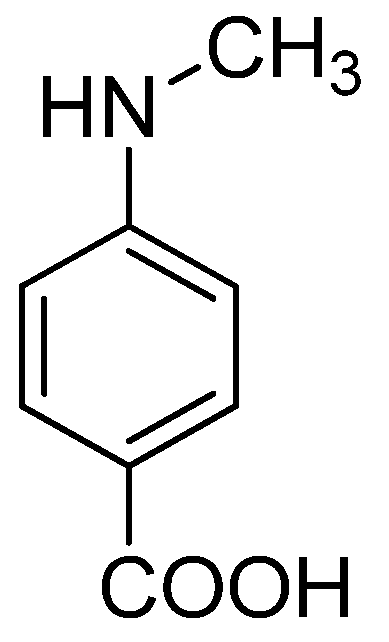
Team of researcher synthesized silver nanoparticles, using 4-N-methyl benzoic acid with silver nitrate in water (Figure 19). The synthesized nanoparticles were screened for anticancer activity against breast cancer cell lines MCF-7 by MTT assay and which exhibited significant anticancer action on breast cancer cell line with an IC50 value of 42.19 mg/ml. These nanoparticles treated cells demonstrated compression of chromatin followed by development of apoptotic bodies [57].
Figure 19.
Structure of 4-N-methyl benzoic acid.
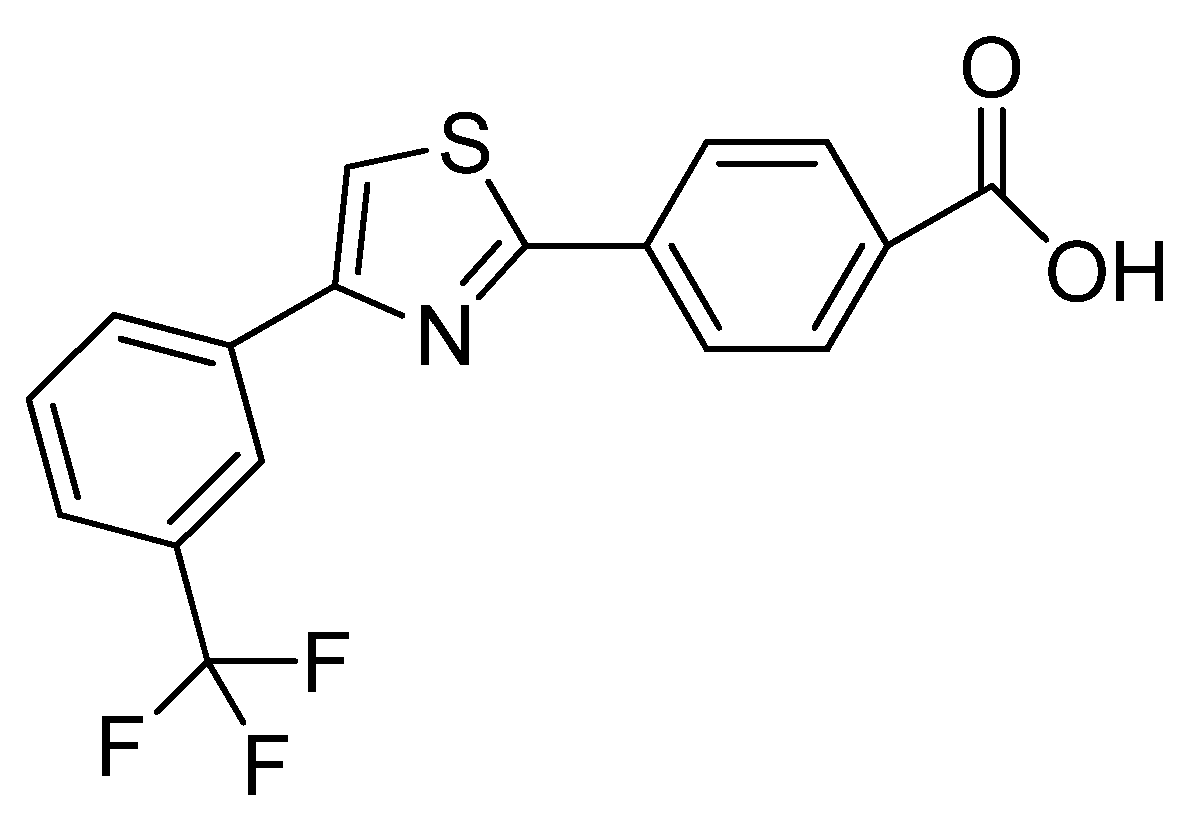
Koshiishi C. identified a phenyl-thiazolyl-benzoic acid derivative (Figure 20). It evaluated for anticancer activity against human NB4 cells, APL cells and HL-60 by cellular toxicity assays. PTB inhibited the growth of human APL cells by binding with RXRα and RARα with IC50 value 0.001–1 μM [58].
Figure 20.
Structure of phenyl-thiazolyl-benzoic acid derivative.
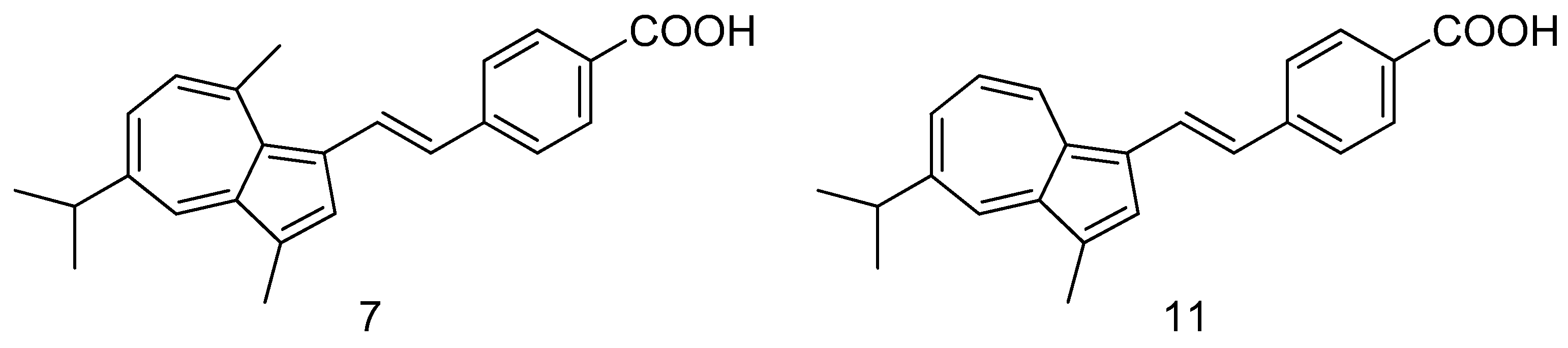
Number of benzoic acid moiety analogous namely azulenic retinoids were subjected lab based synthesis by doing condensation, reduction, saponification of different compounds such as guaiazulene-1-carboxaldehyd, phosphonate methyl4-[(diethylphosphono)methyll benzoate, benzaldehyde (Figure 21). These synthesized derivatives were tested for their in vitro anticancer activity by mouse fibroblast C3H/lOT1/2 cell bioassay. Only compound 7 and 11 showed significant anticancer response at 10−6 M [59].
Figure 21.
Structure of benzoic acid derivatives.
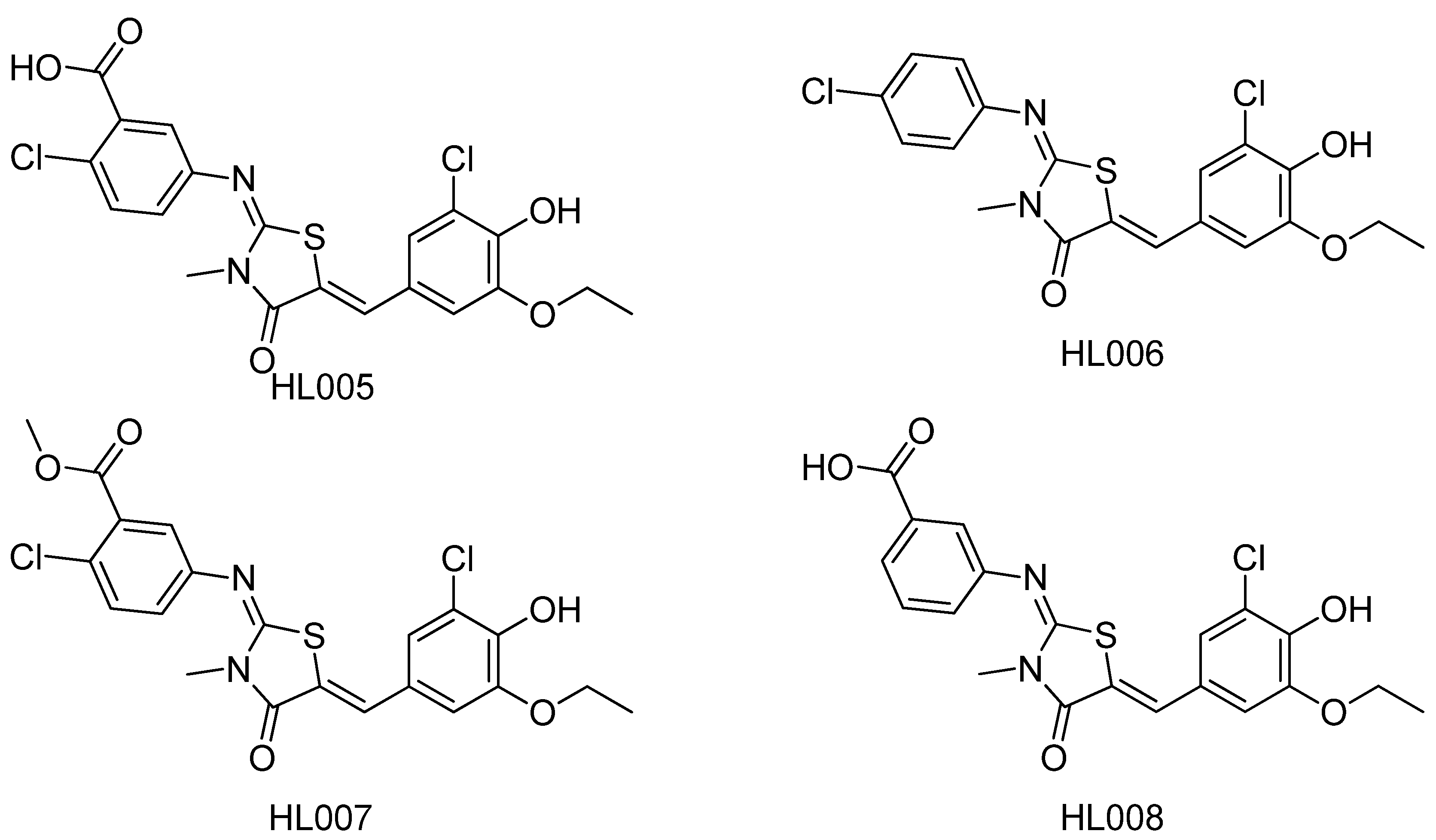
Three new derivatives of 5-((Z)-5-(3-chloro-5-ethoxy-4-hydroxybenzylidene)-3-methyl-4-oxothiazolidin-2-ylideneamino)-2-chlorobenzoic acid has been recently synthesized by refluxing methyl 5-(3-methyl-4-oxothiazolidin-2-ylideneamino)-2-chlorobenzoate with 3-Chloro-5-ethoxy-4-hydroxybenzaldehyde in ethanol in the presence of piperidine (Figure 22). These synthesized derivatives were evaluated for anticancer activity by MTT assay against HCT-116, Du-145, H446, HeLa, PNAC-1, HepG2, Tca-8118, Ls-174, MCF-7 and ZR-75-30. It was observed that HL005 can inhibit the proliferation of MCF-7 cell line and also can induce cell cycle arrest at G2/M phase [60].
Figure 22.
Structure of 5-((Z)-5-(3-chloro-5-ethoxy-4-hydroxybenzylidene)-3-methyl-4-oxothiazolidin-2-ylideneamino)-2-chlorobenzoic acid derivatives.
Figure 22.
Structure of 5-((Z)-5-(3-chloro-5-ethoxy-4-hydroxybenzylidene)-3-methyl-4-oxothiazolidin-2-ylideneamino)-2-chlorobenzoic acid derivatives.
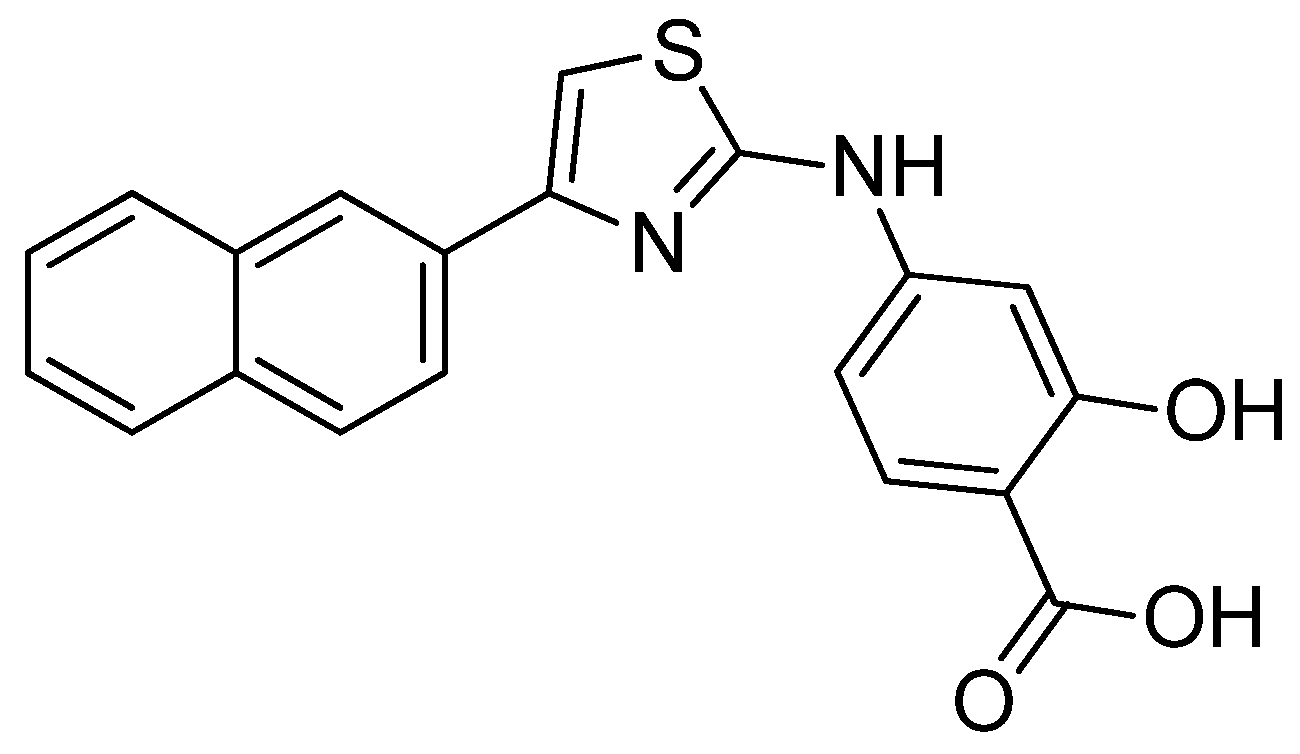
Team of Chemists has synthesized various 2-aminothiazole derivatives by heating 2′-bromoacetophenone derivatives with aryl thiourea derivatives in ethanol. These synthesized derivatives were tested for their anticancer activity by using different cell lines such as 786-O renal cell carcinoma cells, CK2α, CX-4945. Compound 27 (Figure 23) showed potent anticancer action by inducing apoptosis and cell death in 786-O renal cell carcinoma cells with EC50 value 5 µM [61].
Figure 23.
Structure of active compound 27.
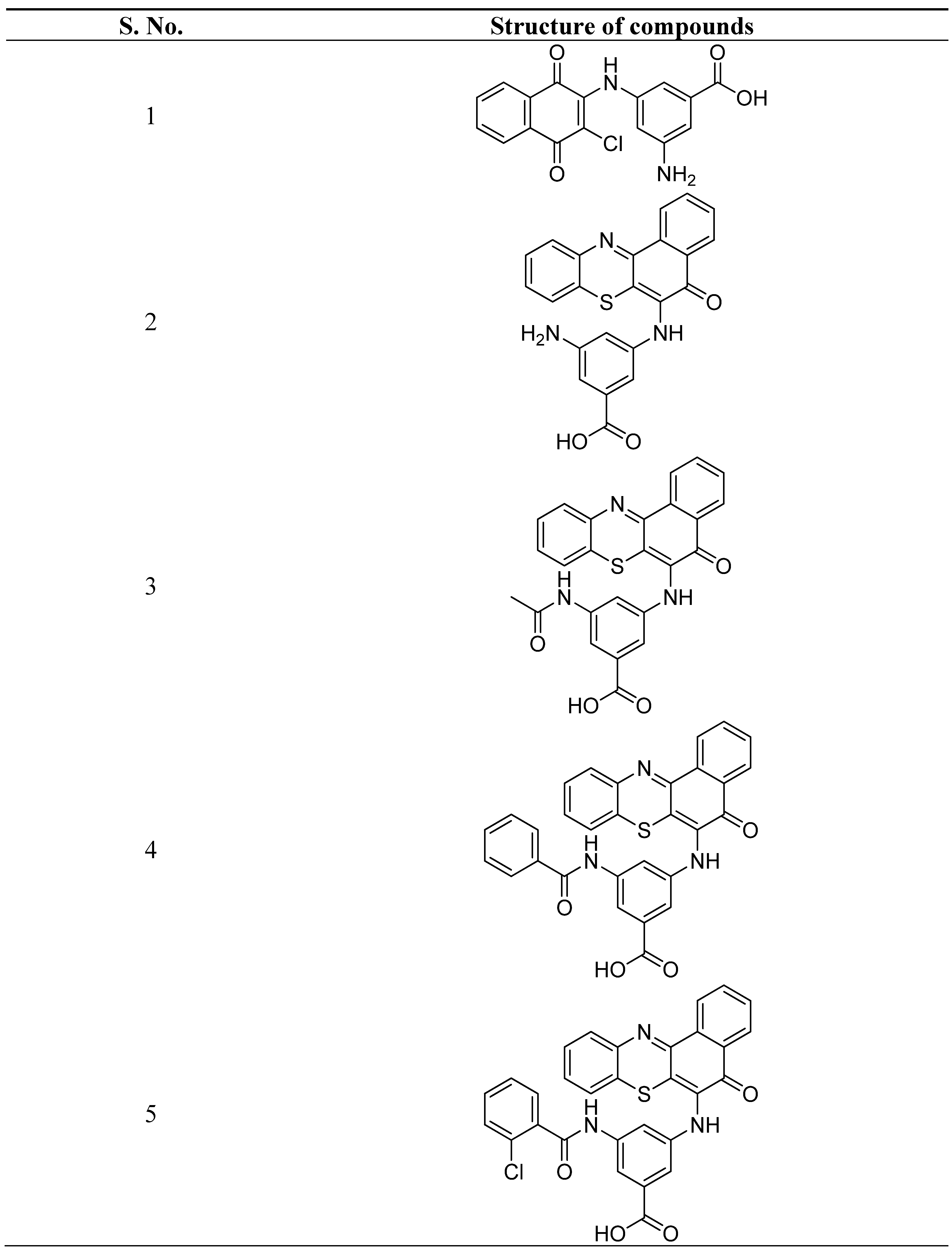
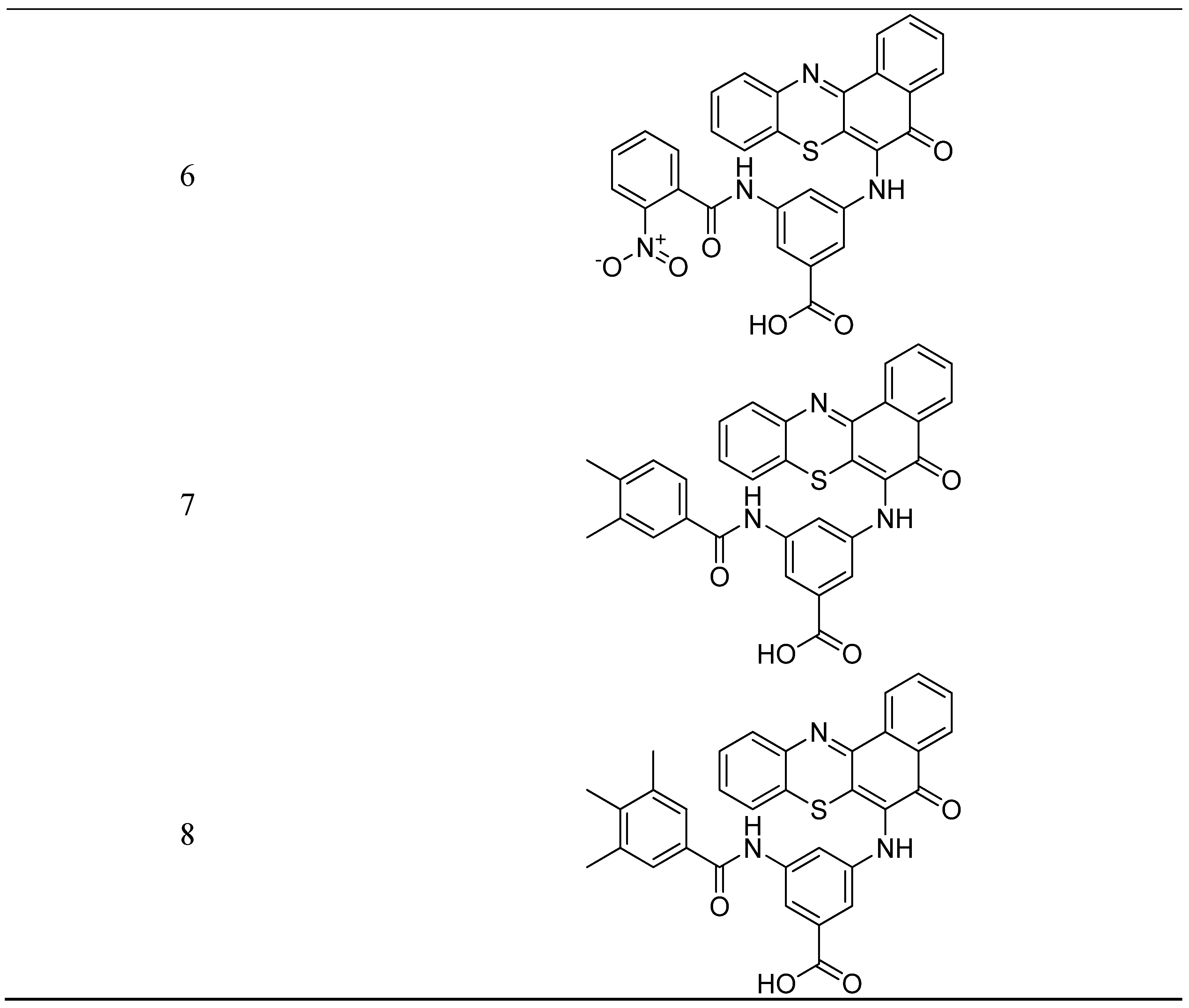
Kumar P.S. and their coworkers synthesized a novel series of 3-amino-5-(5-oxo-5h-benzo[a]phenothiazin-6-ylamino) benzoic acid derivatives by refluxing acyl chlorides with 3-amino-5-(5-oxo-5h-benzo[a] phenothiazin-6-ylamino)benzoic acid in acetone (Figure 24). The key intermediate 3-amino-5-(5-oxo-5h-benzo[a]phenothiazin-6-ylamino)benzoic acid was synthesized by refluxing 3-amino-5-(3-chloro-1,4-dioxo-1,4-dihydronaphthalen-2-ylamino)benzoic acid with 2-aminothiophenol in the attendance of potassium carbonate. In vitro, anticancer activity of synthesized compounds was carried out by MTT assay against HeLa cancer cell lines. Out of all, compound 6 demonstrated the highest anticancer inhibition (92%) with IC50 value 22.9 μg/ml because nitro group is present in the aromatic carbonyl structure. Doxorubicin was taken as the reference drug. These compounds were inhibited the HDAC8 activity [62].
Figure 24.
3-amino-5-(5-oxo-5h-benzo[a]phenothiazin-6-ylamino) benzoic acid derivatives.
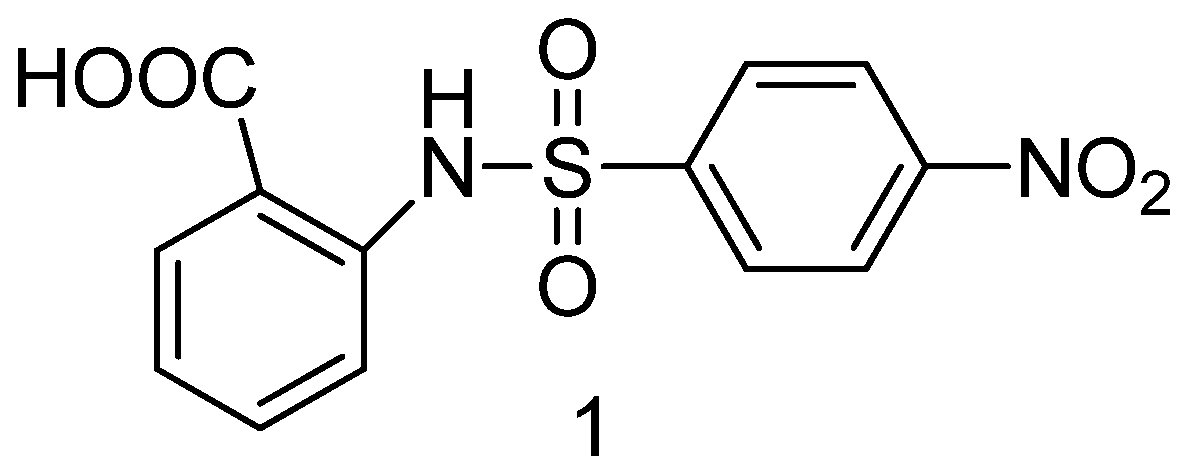
Doungsoongnuen et al., synthesized 2-(4’-substitutedsulfonamido)benzoic acid by reacting anthranilic acid with substituted arenesulfonyl chloride in water (Figure 25). In vitro, anticancer activity of synthesized compounds was carried out by MTT assay against MOLT-3, HepG2, HuCCA-1 and A549 cancer cell lines. Out of all, compound 1 demonstrated the highest anticancer activity (15.71±0.70) with IC50 value 50μg/ml due to the presence of nitro group at 4th position. Etoposide and Doxorubicin were taken as the reference drug [63].
Figure 25.
Structure of active compound 1.
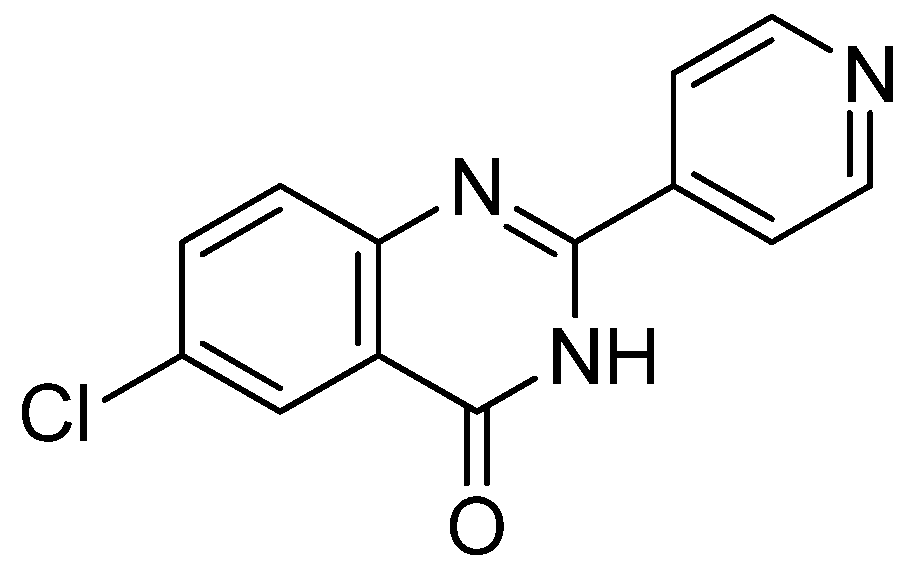
Wasfy et al., 6-chloro-2-(pyridin-4-yl)quinazolin-4(3H)-one by treating 5-Chloro-2-(isonicotinamido)benzoic acid with ammonium acetate in the attendance of catalytic amount of ammonium hydroxide (Figure 26). In vitro, anticancer activity of this synthesized compound was carried out by MTT assay against human hepatocellular liver carcinoma (HepG2). This compound showed the significant anticancer activity with IC50 value 0.06μ/M. Doxorubicin was taken as the reference drug [64].
Figure 26.
6-chloro-2-(pyridin-4-yl)quinazolin-4(3H)-one.
Unver synthesized two new derivatives namely 2-((2-(thiophen-2-yl)acetyl)thio)benzoic acid and 4-((2-(thiophen-2- yl)acetyl)thio)benzoic acid (Figure 27). In vitro, anticancer activity of these synthesized compounds was evaluated by 3-(4,5-dimethylthiazol-2-yl)-2,4,diphenyltetrazolium bromide assay against A549 and Caco2 tumor cell lines and CCD-19Lu and CCD 841 CoN normal cell lines. The compound 2-((2-(thiophene-2-yl)acetyl)thio)benzoic acid demonstrated the significant anticancer activity with IC50 value 239.88μM/mL by inducing apoptosis. Cyclophosphamide was taken as the reference drug [65].
Figure 27.
Structure of namely 2-((2-(thiophen-2-yl)acetyl)thio)benzoic acid and 4-((2-(thiophen-2- yl)acetyl)thio)benzoic acid.
Figure 27.
Structure of namely 2-((2-(thiophen-2-yl)acetyl)thio)benzoic acid and 4-((2-(thiophen-2- yl)acetyl)thio)benzoic acid.

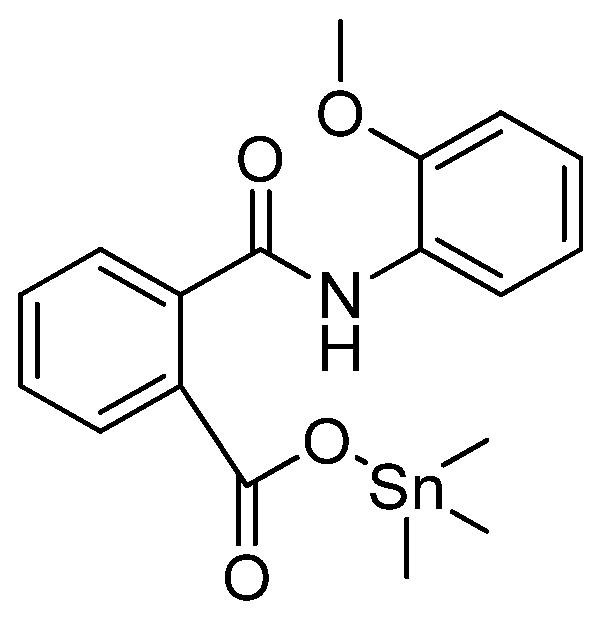
A number of organotin(IV) carboxylate derivatives of 2-((2-methoxyphenyl)carbamoyl)benzoic acid have been synthesized by Sirajuddin et al.,. The anticancer activity of synthesized derivatives was tested against H-157 and BHK-21 cell lines by using Sulforhodamine B based method. Only compound 1 (Figure 28) demonstrated highest anticancer action. Vincristine is used as reference drug [66].
Figure 28.
Structure of compound 1.
A team of researchers synthesized a novel series of 4-hydrazinobenzoic acid derivatives. In vitro, anticancer activity of these synthesized compounds was evaluated against two cancer cell lines namely HCT116 and MCf-7. The three synthesized compounds 7, 9 and 10 Figure 29) blocked the proliferation of MCF-7 cell line due to the initiation of apoptosis. Doxorubicin is used as standard drug [67]. Table 1 presents the BA derivatives and their mechanism against anticancer activity.
Figure 29.
Structure of compound 7,9 and 1.

Table 2 presents some more synthetic derivatives of BA & their mechanism against anticancer activity and it is pertinent to mention that these compounds has shown promising role to inhibit the cancer growing cell. Also the scientists are working on these synthetic compounds for formulation and development related work.

Table 2.
Some synthetic derivatives of BA & their mechanism against anticancer activity with possible scope for dosage form development.
Table 2.
Some synthetic derivatives of BA & their mechanism against anticancer activity with possible scope for dosage form development.
| S. No. | Structure | Name of Compound | Type of Cancer for which it is potent | Mechanism | Reference |
|---|---|---|---|---|---|
| 1 | 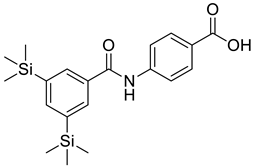 |
4-[3,5 Bis(trimethylsilyl)benzamido] Benzoic Acid (TAC-101) | Colon Cancer | Caspase-3 and -8 Activation and Fas Expression in a DLD-1 Colon Cancer Cell Line | [75] |
| 2 | 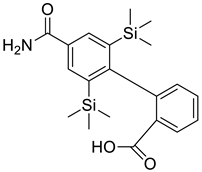 |
(4-[3,5-bis(trimethylsilyl) benzamide] benzoic acid) | Gastrointestinal Cancer | Orthotopic implantation to athymic nude mice inhibited spontaneous liver metastasis of AZ-521 (human gastric cancer). Furthermore, by intrahepatic implantation, it inhibited the proliferation of Co-3 (human colon adenocarcinoma), which formed a single nodule in the liver of athymic nude mice. | [73] |
| 3 | 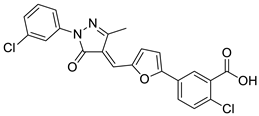 |
2-chloro-5-[5-[(E)-[1-(3-chlorophenyl)-3-methyl-5-oxo-pyrazol-4-ylidene]methyl]-2-furyl]benzoic acid | Various Cancers | EP300 histone acetyltransferase inhibitors | [76] |
| 4 | 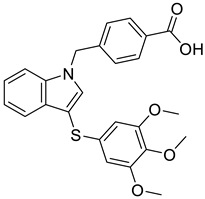 |
4-({3-[(3,4,5-trimethoxyphenyl)sulfanyl]-1H-indol-1-yl}methyl)benzoic acid | Castration-resistant prostate cancer | Potential AKR1C3 Inhibitors | [77] |
| 5 | 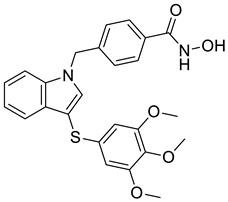 |
N-hydroxy-4-({3-[(3,4,5-trimethoxyphenyl)sulfanyl]-1H-indol-1-yl}methyl)benzamide | Castration-resistant prostate cancer | Potential AKR1C3 Inhibitors | [77] |
| 6 | 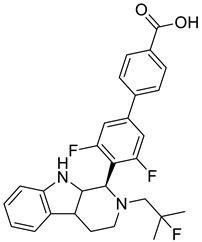 |
3',5'-difluoro-4'-((1R)-2-(2-fluoro-2-methylpropyl)-2,3,4,4a,9,9a-hexahydro-1H-pyrido [3,4-b]indol-1-yl)-[1,1'-biphenyl]-4-carboxylic acid | Breast Cancer | It has a strong affinity for binding to ERα,, a good ability to break down ERα, and an inhibiting effect on the MCF-7 breast cancer cell line. | [78] |
| 7 | 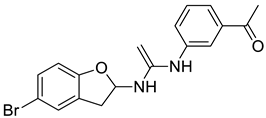 |
1-(3-((1-((5-bromo-2,3-dihydrobenzofuran-2-yl)amino)vinyl)amino)phenyl)ethanone | Breast Cancer | Carbonic Anhydrase Inhibitor | [79] |
| 8 | 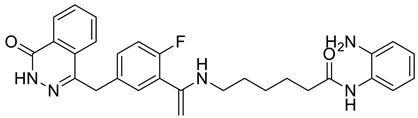 |
N-(2-aminophenyl)-6-((1-(2-fluoro-5-((4-oxo-3,4-dihydrophthalazin-1-yl)methyl)phenyl)vinyl)amino)hexanamide | Various Cancers | Dual poly(ADP-ribose) polymerase-1/histone deacetylase-1 inhibitors | [80] |
5. Conclusion
BA and its derivatives have showed significant potential to act as target molecules in medicinal chemistry and drug discovery. Presence of BA derivatives is observed in plant resources also. The contemporary research is suggesting a good potential of BA derivatives to meet the requirement of good anticancer agent. In the present review article, a clear cut idea and work done has been presented with emphasis on cell line used for the study. This also suggests that medicinal researcher continued to prove the importance of BA in drug development and improvement against cancer therapy. As per the observations of contemporary research, BA derivatives are promising compounds and based on the presented data, new derivatives may be explored to synthesize as well as researcher can think for formulation of already synthesized and proven BA derivatives for activity against cancer.
Acknowledgments
The authors extend their appreciation to the Deanship of Scientific Research at King Khalid University for funding this work through short Research Project under Grant No: RGP/374/44.
Conflicts of Interest
The authors confirm that this article content has no conflict of interest.
References
- Hurmath, U.S.; Reddy, G.K.; Aravazhi, T. Synthesis and in Vitro Anti Tumor Activity of Some Novel 2, 3-Disubstituted Quinazolin 4(3H)-one Derivatives. J. Appl. Pharm. Sci. 2013, 3, 136–140. [Google Scholar]
- Lee, C.W.; Hong, D.H.; Han, S.B.; Jong, S.H.; Kim, H.C.; Fine, R.L.; Lee, S.H.; Kim, H.M. A novel stereo-selective sulfonylurea, 1-[1-(4-aminobenzoyl)-2,3-dihydro-1H-indol-6-sulfonyl]-4-phenyl-imidazolidin-2-one, has antitumor efficacy in in vitro and in vivo tumor models. Biochem. Pharmacol. 2002, 64, 473–480. [Google Scholar] [CrossRef] [PubMed]
- Eckhardt, S. Recent progress in the development of anticancer agents. Current Med. Chem. Anti-Cancer Agents. 2002, 2, 419–439. [Google Scholar] [CrossRef] [PubMed]
- Synthesis, characterization and anti cancer activity of some fluorinated 3,6-diaryl-[1,2,4]triazolo [3,4-b][1,3,4]thiadiazoles. Arabian Journal of Chem. 2017, 10, S2424–S2428. [CrossRef]
- Rojo, F.; Albanell, J.; Rovira, A.; Corominas, J.M.; Manzarbeitia, F. Targeted therapies in breast cancer. Seminars in Diagnost. Pathol. 2008, 25, 245–261. [Google Scholar] [CrossRef] [PubMed]
- Ma, J.; Li, J.J.; Tian, Y.S. Synthesis and bioactivity evaluation of 2,3-diaryl acrylonitrile derivatives as potential anticancer agents. Bioorg. Med. Chem. Lett. 2017, 27, 81–105. [Google Scholar] [CrossRef] [PubMed]
- Huang, X.C.; Jin, L.; Wang, M. Design, synthesis and in vitro evaluation of novel dehydroabietic acid derivatives containing a dipeptide moiety as potential anticancer agents. Eur. J. Med. Chem. 2015, 89, 370–385. [Google Scholar] [CrossRef]
- Al-Obaid, A.M.; Abdel-Hamide, S.G.; El-Kashef, H.A.; El-Azab, A.S.; Al-Khamees, H.A.; El-Subbagh, H.I. Substituted quinazolines, part 3. Synthesis, in vitro antitumor activity and molecular modeling study of certain 2-thieno-4(3H)-quinazolinone analogs. Eur. J. Med. Chem. 2009, 44, 2379–2391. [Google Scholar] [CrossRef]
- Cragg, G.M. ; Newman. D.J. Nature: a vital source of leads for anticancer drug development. Phytochem. Rev. 2009, 8, 313–331. [Google Scholar] [CrossRef]
- Abuelizz, H.A.; Marzouk, M.; Ghabbour, H.; Al-Salahi, R. Saudi Pharm. J. 2017, 25, 1047–1054.
- Del, O.A.; Calzada, J.; Nuñez, M. Benzoic acid and its derivatives as naturally occurring compounds in foods and as additives: Uses, exposure, and controversy. Crit. Rev. Food Sci. Nutr. 2017, 57, 3084–3103. [Google Scholar]
- Lane, H.Y.; Lin, C.H.; Michael, F. Green, Add-on Treatment of Benzoate for Schizophrenia: A Randomized, Double-blind, Placebo-Controlled Trial of d-Amino Acid Oxidase Inhibitor. JAMA Psychiat. 2013, 70, 1267–1275. [Google Scholar] [CrossRef]
- Safety and efficacy of benzoic acid as a feed additive for pigs for fattening when used as acidity regulator and all animal species when used as flavouring. Scientific Opinion. 2016, 14, 4353–4362.
- Maki, Takao; Takeda, Kazuo (2000). "Benzoic Acid and Derivatives". Ullmann's Encyclopedia of Industrial Chemistry, ISBN 978-3527306732. [CrossRef]
- Sung,C. R..; Kim, K.B.; Lee, J.Y.; Lee, B.M.; Kwack, S.J.Risk Assessment of Ethylhexyl Dimethyl PABA in Cosmetics. Toxicol. Res. 2019, 35, 131–136. [Google Scholar] [CrossRef]
- Sinha, A.K.; Sharma, U.K.; Sharma, N. Comprehensive Review on Vanilla Flavor: Extraction, Isolation and Quantification of Vanillin and Others Constituents. Int J Food Sci Nutr. 2008, 59, 299–326. [Google Scholar] [CrossRef]
- Singh, M.P.; Gupta, A.; Sisodia, S.S. Gallic Acid: Pharmacogical Promising Lead Molecule: A Review. Int. J. Pharmacogn. Phytochem. Res. 2018, 10, 132–138. [Google Scholar]
- Chong, K.P. In Vitro Antimicrobial Activity and Fungitoxicity of Syringic Acid, Caffeic Acid and 4-hydroxybenzoic Acid against Ganoderma Boninense. J. Agricul. Sci. 2009, 1, 15–20. [Google Scholar] [CrossRef]
- Naveed, S.; Qamar, F.; Zainab, S. Simple UV spectrophotometric assay of Furosemide. J. Innovat. Pharm. Biolog. Sci. 2014, 1, 97–101. [Google Scholar]
- Murchison, L.E.; Bewsher, P.D. Lack of effect of bumetanide on body potassium content in hypertension. Br. J. Clin. Pharmacol. 1975, 2, 87–91. [Google Scholar] [CrossRef]
- Mitchell, J.A.; Saunders, M.; Barnes, P.J.; Newton, R.; Maria, G. Belvisi. Sodium Salicylate Inhibits Cyclo-Oxygenase-2 Activity Independently of Transcription Factor (Nuclear Factor κB) Activation: Role of Arachidonic Acid. Molecular Pharmacol. 1997, 51, 907–912. [Google Scholar] [CrossRef]
- Simons, F.E.; Luciuk, G.H.; Becker, A.B.; Gillespie, C.A. Ketotifen: a new drug for prophylaxis of asthma in children. Ann. Allergy. 1982, 48, 145–150. [Google Scholar]
- Hartog, E.; Menashe, O.; Kler, E.; Yaron, S. Salicylate reduces the antimicrobial activity of ciprofloxacin against extracellular Salmonella enterica serovar Typhimurium, but not against Salmonella in macrophages. J. Antimicrob. Chemother. 2010, 65, 888–896. [Google Scholar] [CrossRef] [PubMed]
- Garcia-Albeniz, X.; Chan, A.T. Aspirin for the prevention of colorectal cancer. Best Pract. Res. Clin. Gastroenterol. 2011, 25, 461–472. [Google Scholar] [CrossRef] [PubMed]
- Gray, R.T.; Coleman, H.G.; Hughes, C.; Murray, L.J.; Cardwell, C.R. Low-dose aspirin use and survival in colorectal cancer: results from a population-based cohort study. BMC Cancer. 2018, 18, 1–8. [Google Scholar] [CrossRef] [PubMed]
- Kadri, H.; Lambourne, O.A.; Mehellou, Y. Niclosamide, a Drug with Many (Re)purposes. Chem. Med. Chem. 2018, 13, 1088–1091. [Google Scholar] [CrossRef]
- Kumar, M.; Chawla, R.; Goyal, M. Topical anesthesia. J. Anaesthesiol. Clin. Pharmacol. 2015, 31, 450–456. [Google Scholar] [CrossRef]
- Geddes, I.C. Chemical structure of local anaesthetics. Brit. J. Anaesth. 1962, 34, 229. [Google Scholar] [CrossRef]
- Hurst,R. E.. Bexarotene ligand pharmaceuticals. Bexarotene: a clinical review. Curr. Opin. Investig. Drugs. 2000, 1, 514–523. [Google Scholar]
- Shen, D.; Yu, X.; Wu, Y.; Chen, Y.; Li, G.; Cheng, F.; Xia, L. Emerging roles of bexarotene in the prevention, treatment and anti-drug resistance of cancers. Expert Rev. Anticancer Ther. 2018, 18, 487–499. [Google Scholar] [CrossRef]
- Punt, C.J.; Humblet, Y.; Roca, E.; Dirix, L.Y.; Wainstein, R.; Polli, A.; Corradino, I. Tallimustine in advanced previously untreated colorectal cancer, a phase II study. Br. J. Cancer. 1996, 73, 803–804. [Google Scholar] [CrossRef]
- Beran, M.; Jeha, S.; Estey, E.; Vitek, L.; Zurlo, M.G.; Rios, M.B.; Keating, M.; Kantarjian. Tallimustine, an Effective Antileukemic Agent in a Severe Combined Immunodeficient Mouse Model of Adult Myelogenous Leukemia, Induces Remissions in a Phase I Study’. Cli. Cancer Res. 1997, 3, 2377–2384. [Google Scholar]
- Durães, F.; Pinto, M.; Sousa, E. Old Drugs as New Treatments for Neurodegenerative Diseases. Pharmaceuticals (Basel). 2018, 11, 44. [Google Scholar] [CrossRef] [PubMed]
- Fu, J.; Zhang, J.Y.; Wang, F.S. Tamibarotene: a new hope for therapeutic efficacy in hepatocellular carcinoma patients. Hepatol. Int. 2014, 8, 1–3. [Google Scholar] [CrossRef] [PubMed]
- Sarno, S.; Papinutto, E.; Franchin, C.; Bain, J.; Elliott, M.; Meggio, F.; Kazimierczuk, Z.; Orzeszko, A.; Zanotti, G.; Battistutta, R.; Pinna, L.A. ATP site-directed inhibitors of protein kinase CK2: an update. Curr. Topics Med. Chem. 2011, 11, 1340–1351. [Google Scholar] [CrossRef] [PubMed]
- Masłyk, M.; Janeczko, M.; Martyna, A.; Kubiński, K. CX-4945: the protein kinase CK2 inhibitor and anti-cancer drug shows anti-fungal activity. Mol. Cell Biochem. 2017, 435, 193–196. [Google Scholar] [CrossRef] [PubMed]
- Menter, A.; Thrash, B.; Cherian, C.; Matherly, L.H.; Wang, L.; Gangjee, A.; Morgan, J.R.; Maeda, D.Y.; Schuler, A.D.; Kahn, S.J.; Zebala, J.A. Intestinal Transport of Aminopterin Enantiomers in Dogs and Humans with Psoriasis Is Stereoselective: Evidence for a Mechanism Involving the Proton-Coupled Folate Transporter. J. Pharmacol. Exp. Ther. 2012, 342, 696–708. [Google Scholar] [CrossRef] [PubMed]
- Goldin, A.; Venditti, J.M.; Humphreys, S.R.; Denis, D.; Mantel, N.; Greenhouse, S.W. A quantitative comparison of the antileukemic effectiveness of two folic acid antagonists in mice. J. Nat. Cancer Inst. 1955, 15, 1657–1664. [Google Scholar]
- Falzone, L. , Salomone, S., Libra, M. Evolution of Cancer Pharmacological Treatments at the Turn of the Third Millennium. Front Pharmacology. 2018, 9, 1300–1326. [Google Scholar] [CrossRef]
- Bleyer, W.A. The clinical pharmacology of methotrexate: new applications of an old drug. Cancer. 1978, 41, 36–51. [Google Scholar] [CrossRef]
- Conserva, M.R.; Anelli, L.; Zagaria, A.; Specchia, G.; Albano, F. The Pleiotropic Role of Retinoic Acid/Retinoic Acid Receptors Signaling: From Vitamin A Metabolism to Gene Rearrangements in Acute Promyelocytic Leukemia. Int. J. Mol. Sci. 2019, 20, 2921. [Google Scholar] [CrossRef]
- Reversal by RARα agonist Am580 of c-Myc-induced imbalance in RARα/RARγ expression during MMTV-Myc tumorigenesis. Breast Cancer Rev. 2012, 14, R121–1229. [CrossRef] [PubMed]
- Devmurari, V.P.; Shivan, P.; Goyani, M.B.; Jivani, N.P. Synthesis and anticancer activity of some novel 2-substituted benzothiazole. Int. J. Chem. Sci. 2010, 8, 663–675. [Google Scholar]
- Abouzid, K.A.M.; Khalil, N.A.; Ahmed, E.M. Mohamed, K. O. 3-[(6-Arylamino)pyridazinylamino]benzoic acids: design, synthesis and in vitro evaluation of anticancer activity. Arch. Pharm. Res. 2013, 36, 41–50. [Google Scholar]
- Hurmath, U.S.; Reddy, G.K.; Aravazhi, T. Synthesis and in vitro anti tumor activity of some novel 2, 3-disubstituted quinazolin 4(3h)-one derivatives. J. Appl. Pharm. Sci. 2013, 10, 136–140. [Google Scholar]
- Lee, K.H.; Ho, W.Y.; Wu, S.J.; Cheng, T.L.; Huang, P.J.; Wang, C.C.; Hung, J.H. Behavior-selective apoptotic capacity of 4-(3,4,5-trimethoxyphenoxy) benzoic acid and its methyl derivatives on two breast cancer cell lines. Anticancer Res. 2014, 34, 1801–1810. [Google Scholar] [PubMed]
- Maruthamuthu, Alex, Dileepan, B. ; Rajam, S.; Stella, C.R. Synthesis, docking study and anticancer activity of benzoic acid substituted derivatives of quinazolinones. Der Pharma Chemica. 2015, 7, 130–136. [Google Scholar]
- Maruthamuthu, Bharathi Dileepan, B. ; Rajam, S.; Stella, C.R.; Ranjith, R. Synthesis, characterization, and anticancer activity of benzoxazole derivatives. J. Chem. Pharm. Res. 2015, 7, 380–387. [Google Scholar]
- Jebastin, J.N.S.; Kumar, T.R.; Evangelin, D. Molecular docking study, synthesis and invitro evaluation of antitumor activity of novel naphthylidene base of benzoic acid derivatives. Int. J. Life Sci. Pharm. Res. 2016, 6, L-36–L-44. [Google Scholar]
- Chowrasia, D.; Karthikeyan, C.; Choure, L.; Sahabjada, Gupta, M. ; Md Arshad, Trivedi, P. Synthesis, characterization and anti cancer activity of some fluorinated 3,6-diaryl-[1,2,4]triazolo [3,4-b] [1,3,4]thiadiazoles. Arabian J. Chem. 2017, 10, S2424–S2428. [Google Scholar] [CrossRef]
- Souza, G.C.; Franchi, G.C.; Nowill, A.E.; Santos, L.S.; Alves, C.N.; Barata, L.E.S.; Andrade, C.K.Z. Synthesis, characterization and in vitro anticancer activity of novel 8,4’-oxyneolignan analogues. J. Braz. Chem. Soc. 2017, 28, 2229–2243. [Google Scholar] [CrossRef]
- Tahlan, S.; Ramasamy, K.; Lim, S.M.; Ali, S.A. ; Shah; Mani, V.; Narasimhan, B. Design, synthesis and therapeutic potential of 3-(2-(1H-benzo [d]imidazol-2-ylthio) acetamido)-N-(substituted phenyl)benzamide analogues. Chem. Central J. 2018, 12, 1–12. [Google Scholar] [CrossRef] [PubMed]
- Rajagopalan, R.; Jain, S.K.; Trivedi, P. ; Synergistic anti-cancer activity of combined 5-fuorouracil and gallic acid-stearylamine conjugate in A431 human squamous carcinoma cell line. Trop. J. Pharm. Res. 2019, 18, 471–477. [Google Scholar] [CrossRef]
- Abuelizz, H.A.; Awad, H.M.; Marzouk, M.; Nasr, F.A.; Alqahtani, A.S.; Bakheit, A.H.; Naglahgh, A.M.; Al-Salahi, R. Synthesis and biological evaluation of 4-(1H-1,2,4-triazol-1-yl)benzoic acid hybrids as anticancer agents. RSC Adv. 2019, 9, 19065–19074. [Google Scholar] [CrossRef] [PubMed]
- Baharloui, M.; Mirshokraee, S.A.; Monfared, A.; Tehrani, M.H.H. Design and synthesis of novel triazole-based peptide analogues as anticancer agents. Iranian J. Pharm. Res. 2019, 18, 1299–1308. [Google Scholar]
- Sardroud, S.J.; Hosseini-Yazdi, S.A.; Mahdavi, M.; Poupon, M.; Skorepova, E. Synthesis, characterization and in vitro evaluation of anticancer activity of a new water-soluble thiosemicarbazone ligand and its complexes. Polyhedron. 2020, 175, 114218. [Google Scholar] [CrossRef]
- AlSalhi, M.S.; Elangovan, K.; Ranjitsingh, A.J.A.; Murali, P.; Devanesan, S. Synthesis of silver nanoparticles using plant derived 4-N-methyl benzoic acid and evaluation of antimicrobial, antioxidant and antitumor activity. Saudi J. Bio. Sci. 2019, 26, 970–978. [Google Scholar] [CrossRef] [PubMed]
- Koshiishi, C.; Kanazawa, T.; Vangrevelinghe, E.; Honda, T.; Hatakeyama, S. Identification and characterization of a phenyl-thiazolyl-benzoic acid derivative as a novel RAR/RXR agonist. Heliyon, 2019, 5, e02849. [Google Scholar] [CrossRef]
- Asato, A.E.; Peng, A.; Hossain, M.Z.; Mirzadegan, T.; Bertram, J.S. Azulenic retinoids: novel nonbenzenoid aromatic retinoids with anticancer activity. J. Med. Chem. 1993, 36, 3137–47. [Google Scholar] [CrossRef]
- Lua, W.; Chea, P.; Zhanga, Y.; Li, H.; Zoub, S.; Zhua, J.; Denga, J.; Shena, X.; Jianga, H.; Li, J.; Huang, J. HL005—A new selective PPARα antagonist specifically inhibits the proliferation of MCF-7. J. Steroid Biochem. Mol. Biol. 2011, 124, 112–120. [Google Scholar] [CrossRef]
- Bestgen, B.; Kufareva, I.; Seetoh, W.; Abell, C.; Hartmann, R.W.; Abagyan, R.; Borgne, M.L.; Filhol, O.; Cochet, C.; Lomberget, T.; Engel, M. 2-Aminothiazole Derivatives as Selective Allosteric Modulators of the Protein Kinase CK2. 2. Structure-Based Optimization and Investigation of Effects Specific to the Allosteric Mode of Action. J. Med. Chem. 2019, 62, 1817–1836. [Google Scholar]
- Kumar, P.S.; Premnath, D.; Obadiah, A.; Durairaj, A.; Ramanathan, S.; Vasanthkumar, S. Synthesis, structure characterization, and biological evaluation of 3-amino-5-(5-oxo-5h-benzo[a]phenothiazin-6-ylamino) benzoic acid derivatives via molecular docking, cytotoxicity, and antioxidant studies. Curr. Pharmacol. Reports. 2019, 5, 440–459. [Google Scholar] [CrossRef]
- Doungsoongnuen, S.; Worachartcheewan, A.; Pingaew, R.; Suksrichavalit, T.; Prachayasittikul, S.; Ruchirawat, S.; Prachayasittiku, V. Investigation on biological activities of anthranilic acid sulfonamide analogs. EXCLI J., 2011, 10, 155–161. [Google Scholar] [PubMed]
- Wasfy, A.A.F.; Fathalla, O.A.; Salman, A.A. Design, synthesis and biological evaluation of novel quinazoline derivatives as potential anticancer agent. Int. J. Res. Pharm. Chem. 2014, 4, 501–508. [Google Scholar]
- Unver, H.; Canturk, Z. Synthesis and characterization of two new thiophene acetyl salicylic acid esters and their ortho- and para-effect on anticancer activity. Anti-Cancer Agents Med. Chem. 2017, 17, 1383–1388. [Google Scholar] [CrossRef] [PubMed]
- Sirajuddin, M.; Ali, S.; Tahir, M.N. Organotin(IV) derivatives based on 2-((2-methoxyphenyl)carbamoyl)benzoic acid: Synthesis, spectroscopic characterization, assessment of antibacterial, DNA interaction, anticancer and antileishmanial potentials. J. Mol. Str. 2020, 1229, 129600. [Google Scholar] [CrossRef]
- Abuelizz, H.A.; Awad, H.M.; Marzouk, M.; Nasr, F.A. Exploiting the 4-hydrazinobenzoic acid moiety for the development of anticancer agents: Synthesis and biological profile. Bioorg. Chem. 2020, 102, 104098. [Google Scholar] [CrossRef] [PubMed]
- Anantharaju, P.G.; Reddy, B.D.; Padukudru, M.A.; Kumari, C.C.M.; Vimalambike, M.G.; Madhunapantula, S.V. Naturally occurring benzoic acid derivatives retard cancer cell growth by inhibiting histone deacetylases (HDAC). Can. Bio. Ther. 2017, 18, 492–504. [Google Scholar] [CrossRef]
- Zhang, H.; Chen, Y.; Liu, Q.; Xiao, W.W.; Shao, L.D.; Pan, Z.H.; Chen, C.H.; Li, D. Design, synthesis, and anti-triple negative breast cancer activity of novel Toosendanin derivatives. Bio. Med. Chem. Let. 2023, 129187. [Google Scholar] [CrossRef]
- Nguyen, Q.N.; Lee, S.R.; Kim, B.; Hong, J.-H.; Jang, Y.S.; Lee, D.E.; Pang, C.; Kang, K.S.; Kim, K.H. Estrogenic Activity of 4-Hydroxy-Benzoic Acid from Acer tegmentosum via Estrogen Receptor α-Dependent Signaling Pathways. Plant. 2022, 11, 3387. [Google Scholar] [CrossRef]
- Orozco-Morales, M.; Hernández-Pedro, N.Y.; Barrios-Bernal, P.; Arrieta, O.; Ruiz-Godoy, L.M.; Aschner, M.; Santamaría, A.; Colín-González, A.L. S-allylcysteine induces cytotoxic effects in two human lung cancer cell lines via induction of oxidative damage, downregulation of Nrf2 and NF-κB, and apoptosis. Anti-Cancer Drug. 2021, 32, 117–126. [Google Scholar] [CrossRef]
- Lee, H.L.; Lin, C.S.; Kao, S.H.; Chou, M.C. Gallic acid induces G1 phase arrest and apoptosis of triple-negative breast cancer cell MDA-MB-231 via p38 mitogen-activated protein kinase/p21/p27 axis. Anti-Can. Drug. 2017, 28, 1150–1156. [Google Scholar] [CrossRef] [PubMed]
- Murakami, K.; Wierzba, K.; Sano, M.; Shibata, J.; Yonekura, K.; Hashimoto, A.; Sato, K.; Yamada, Y. TAC-101, a benzoic acid derivative, inhibits liver metastasis of human gastrointestinal cancer and prolongs the life-span. Clin. & Exp. Meta. 1998, 16, 323–331. [Google Scholar]
- Tao, L.; Wang, S.; Zhao, Y.; Sheng, X.; Wang, A.; Zheng, S.; Lu, Y. Phenolcarboxylic acids from medicinal herbs exert anticancer effects through disruption of COX-2 activity. Phyto. 2014, 21, 1473–1482. [Google Scholar] [CrossRef] [PubMed]
- Inoue, Y.; Nakayama, Y.; Sako, T.; Minagawa, N.; Abe, Y.; Nagato, M.; Kadowaki, K.; Katsuki, T.; Matsumoto, K.; Tsurudome, Y.; Shibao, K. 4-[3, 5-Bis (trimethylsilyl) benzamido] benzoic acid (TAC-101) induced Fas expression and activated caspase-3 and-8 in a DLD-1 colon cancer cell line. in vivo. 2007, 21, 381–387. [Google Scholar] [PubMed]
- Kanada, R.; Suzuki, T.; Murata, T.; Miyazaki, M.; Shimada, T.; Kuroha, M.; Minami, M.; Higuchi, S.; Tominaga, Y.; Naito, H. 4-Pyridone-3-carboxylic acid as a benzoic acid bioisostere: Design, synthesis, and evaluation of EP300/CBP histone acetyltransferase inhibitors. Bio. Med. Chem. Let. 2021, 51, 128358. [Google Scholar] [CrossRef] [PubMed]
- Sun, M.; Zhou, Y.; Zhuo, X.; Wang, S.; Jiang, S.; Peng, Z.; Kang, K.; Zheng, X.; Sun, M. Design, Synthesis and Cytotoxicity Evaluation of Novel Indole Derivatives Containing Benzoic Acid Group as Potential AKR1C3 Inhibitors. Chem. Bio. 2020, 17, e2000519. [Google Scholar] [CrossRef]
- Zhang, X.; Wang, Y.; Li, X.; Wu, J.; Zhao, L.; Li, W.; Liu, J. Dynamics-based discovery of novel, potent benzoic acid derivatives as orally bioavailable selective estrogen receptor degraders for ERα+ breast cancer. J. Med. Chem. 2021, 64, 7575–7595. [Google Scholar] [CrossRef]
- Eldehna, W.M.; Nocentini, A.; Elsayed, Z.M.; Al-Warhi, T.; Aljaeed, N.; Alotaibi, O.J.; Al-Sanea, M.M.; Abdel-Aziz, H.A.; Supuran, C.T. Benzofuran-based carboxylic acids as carbonic anhydrase inhibitors and antiproliferative agents against breast cancer. ACS Med. Chem. Let. 2020, 11, 1022–1027. [Google Scholar] [CrossRef]
- Tian, Y.; Xie, Z.; Liao, C. Design, synthesis and anticancer activities of novel dual poly (ADP-ribose) polymerase-1/histone deacetylase-1 inhibitors. Bio. & Med. Chem. Let. 2020, 30, 127036. [Google Scholar]
Table 1.
The mechanism for anticancer activity.
| S. No. | Structure | Name of Compound | Type of Cancer for which it is potent | Mechanism | Reference |
|---|---|---|---|---|---|
| 1 | 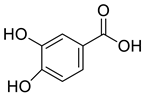 |
Dihydroxy Benzoic Acid | Cervical and Colon Cancer | Histone deacetylases (HDAC) activity was inhibited, resulting in cancer cell growth inhibition via ROS induction and cellular apoptosis mediated by Caspase-3. Furthermore, DHBA arrested cells in the G2/M phase of the cell cycle and increased the population of sub-G0-G1 cells. | [68] |
| 2 | 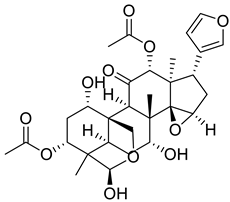 |
Toosendanin | Triple Negative Breast Cancer | Induction of S-phase arrest and a decrease in G2/M cell number in HCC1806 cells. Toosendanin also significantly reduced the protein level of the well-known cancer suppressor gene p53, inhibited AKT and ERK phosphorylation, and induced the accumulation of phosphorylated p38 and p21. | [69] |
| 3 | 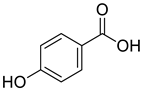 |
4-hydroxy-benzoic acid | Breast Cancer | Concentration-dependently increased the protein expression levels of p-ERK, p-AKT, p-PI3K, and p-Er. 4-hydroxybenzoic acid is responsible for the estrogen-like effects of A. tegmentosum and may assist in the regulation of estrogenic effects during menopause. | [70] |
| 4 | 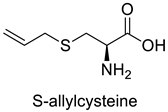 |
S-allylcysteine | Lung Cancer | Oxidative damage induction, Nrf2 and NF-B downregulation, and apoptosis | [71] |
| 5 | 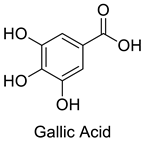 |
Gallic Acid | Triple-Negative Breast Cancer | MDA-MB-231 triple-negative breast cancer cell G1 arrest and apoptosis via the p38 mitogen-activated protein kinase/p21/p27 axis. | [72] |
| 6 | 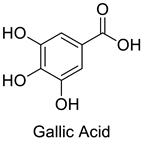 |
Gallic Acid | Lung Cancer | Disruption of COX-2 Activity | [74] |
| 7 | 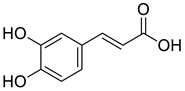 |
3,4-Dihydroxycinnamic acid | Lung Cancer | Disruption of COX-2 Activity | [74] |
| 8 | 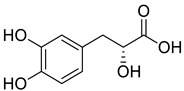 |
Danshensu | Lung Cancer | Disruption of COX-2 Activity | [74] |
| 9 | 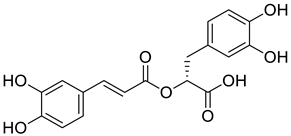 |
Rosmarinic acid | Lung Cancer | Disruption of COX-2 Activity | [74] |
| 10 | 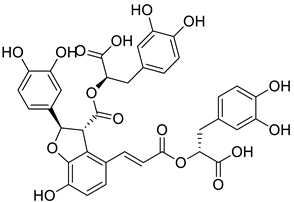 |
Salvianolic acid B | Lung Cancer | Disruption of COX-2 Activity | [74] |
Disclaimer/Publisher’s Note: The statements, opinions and data contained in all publications are solely those of the individual author(s) and contributor(s) and not of MDPI and/or the editor(s). MDPI and/or the editor(s) disclaim responsibility for any injury to people or property resulting from any ideas, methods, instructions or products referred to in the content. |
© 2023 by the authors. Licensee MDPI, Basel, Switzerland. This article is an open access article distributed under the terms and conditions of the Creative Commons Attribution (CC BY) license (http://creativecommons.org/licenses/by/4.0/).
Copyright: This open access article is published under a Creative Commons CC BY 4.0 license, which permit the free download, distribution, and reuse, provided that the author and preprint are cited in any reuse.