

Submitted:
05 July 2020
Posted:
05 July 2020
You are already at the latest version
Abstract
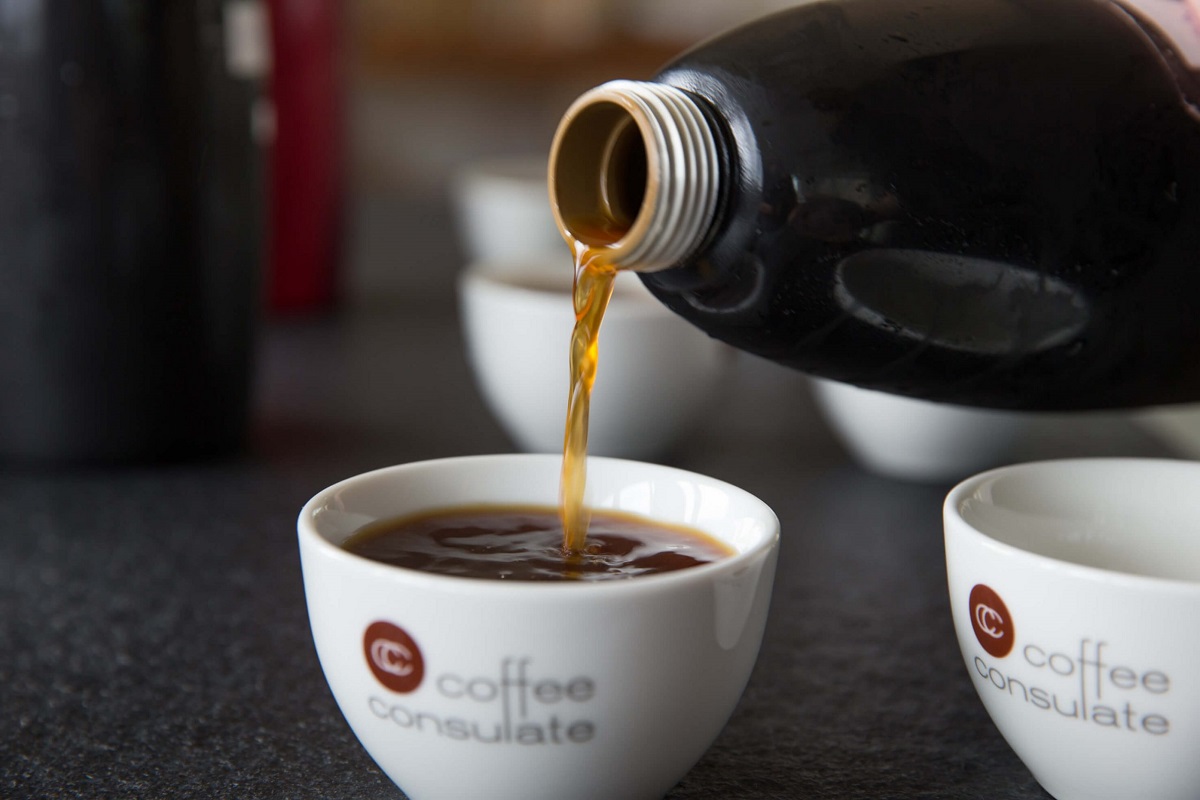
Cold brew coffee has emerged as a new trend during the last decade. However, “cold brew” is an extraction style of ground roasted coffee with water at less than body temperature (typically 8°C or room temperature) rather than a beverage per se. Cold brew extraction poses several challenges including the need of specific optimization depending on the multivariate influences of coffee variety and processing, roast degree, grinding, dosage, water composition, turbulence, brew system (drip, immersion etc.), time and temperature. While cold brew is typically characterized by a floral sweetness, over-extraction may lead to abundant acidity and bitterness. To avoid this, an extraction degree of 70% was suggested using rather shorter times (i.e. 2 h at 15°C with 80 g/L coffee with optimized medium roast profiles). Due to the lack of sterilizing temperatures during preparation, cold brew is special in the coffee sector because hygiene and food safety aspects pose specific challenges for food industry. To avoid microbiological contamination and spoilage, cold brew should be as freshly prepared as possible and shelf-life should be minimized.
Keywords:
coffee
; cold brew
; nitro cold brew
; roasting
; extraction
; hygiene
; risk assessment
; product quality
Copyright: This open access article is published under a Creative Commons CC BY 4.0 license, which permit the free download, distribution, and reuse, provided that the author and preprint are cited in any reuse.