

Submitted:
04 November 2026
Posted:
06 November 2026
You are already at the latest version
Abstract
Background: Allergic and autoimmune diseases are clinically heterogeneous and impose substantial health burdens. Although disease-specific immunotherapies have produced important advances, incomplete understanding of disease initiation, heterogeneous treatment responses, persistent comorbidity, and limited prevention options motivate investigation of potentially modifiable upstream contributors.Hypothesis: Integrative Orthomolecular Systems Medicine (I-OM) proposes that a subset of seemingly disparate immune-mediated disorders may be influenced by overlapping dietary, metabolic, nutritional, infectious, environmental, endocrine, developmental, and other contributors. These influences may converge partly on dysfunction of epithelial and other physiological barriers, microbial ecosystems, and host repair processes. We designate the proposed network-level convergence construct Systemic Leaky Barrier Syndrome (SLBS), extending an earlier conceptual preprint; SLBS is not an established diagnostic syndrome or a proven common cause.Framework: We specify ten I-OM root-driver domains and a four-step reasoning workflow—Divide, Examine, Reconnect, Intervene—while differentiating established disease-specific interventions, generally appropriate correction of documented abnormalities, and experimental adjuncts. Candidate interventions include individualized dietary quality and metabolic strategies, correction of deficiencies, investigation of confirmed infectious or dental sources, avoidance of hazardous exposures, endocrine care when indicated, and selected investigational nutritional or immune-regulatory approaches.Testing: The model predicts that prospectively defined multisite barrier signatures and actionable upstream contributors will stratify some patient subgroups and that a standardized I-OM assessment pathway may improve outcomes beyond an attention-matched, guideline-concordant comparator. These predictions must be tested with validated measurements, disease-specific endpoints, transparent harms reporting, and independently replicated trials.Conclusion: The scientific contribution of I-OM is not a claim of demonstrated cure or a replacement for immunology, but a falsifiable, safety-conscious approach to linking upstream investigation, multisystem biology, and clinical outcomes.
Keywords:
integrative orthomolecular systems medicine
; I-OM
; systemic leaky barrier syndrome
; epithelial barrier
; autoimmunity
; food allergy
; rheumatoid arthritis
; Hashimoto thyroiditis
; root drivers
; immunometabolism
; nutritional intervention
; translational hypothesis
2. Scope, Terminology, and Evidentiary Method
This article presents a hypothesis-led, selective narrative synthesis and a proposed clinical-research framework; it is not a systematic review, meta-analysis, validated clinical guideline, or treatment-efficacy study. Sources were selected for their relevance to disease-specific standards, proposed barrier mechanisms, and representative supporting or contradictory clinical evidence. Database searches, study screening, and risk-of-bias grading were not conducted under a registered review protocol. Consequently, the literature is illustrative rather than exhaustive, and absence of a cited study should not be interpreted as evidence of absence.
We use root driver to mean an upstream exposure, vulnerability, or modifiable cofactor that has a plausible causal relationship to disease risk, persistence, severity, or treatment outcome; the term is not a retrospective label for every abnormal biomarker. We use barrier dysfunction for measurable defects in a specific epithelial, endothelial, filtration, or related interface, not a universal biomarker of disease. SLBS refers to the hypothesis that correlated dysfunction across multiple physiological barriers and their shared redox, metabolic, inflammatory, and repair processes can form a clinically meaningful network-level phenotype [22]. This construct has not yet been validated as a diagnosis, and the term “syndrome” must not be taken as proof that patients have a single definable disorder.
2.1. A Transparent Evidence-to-Claim Decision Rule
Claims are categorized as (A) established disease-specific practice or correction of documented pathology, (B) supported adjunctive clinical evidence with limited endpoint or population applicability, (C) mechanistic or observational plausibility requiring efficacy trials, and (D) unsupported or contradicted clinical extrapolation. A physiological mechanism cannot be promoted to evidence of patient-important benefit without controlled outcomes. New sources were selected as targeted, non-exhaustive additions to resolve particular evidentiary gaps; this manuscript does not claim systematic retrieval, pooled effect estimates, or formal GRADE certainty assessment.
For each proposed intervention, the relevant clinical endpoint is specified: comorbidity improvement, symptom relief, validated disease activity, structural or organ protection, medication use, or disease prevention. Evidence of a change in antibodies, cytokines, microbiome composition, or permeability markers alone does not establish clinically meaningful autoimmune disease modification.
3. Beyond Immune Classification: A Proposed Convergence Pathway
IgE-dependent immediate allergy and autoantibody- or T-cell-associated autoimmunity produce different downstream phenotypes. Nevertheless, immune development and tissue tolerance involve environmental inputs, microbial ecology, antigen presentation, epithelial interfaces, metabolic state, and genetic susceptibility. The epithelial barrier hypothesis, particularly developed in allergy research, provides a substantial prior scientific framework linking exposures, tissue barriers, dysbiosis, and immune responses [12]. The I-OM/SLBS proposition explicitly builds on—not replaces—that scholarship.
The proposed sequence is conditional rather than universal: exposure or host susceptibility may affect tissue-specific barrier function, which may interact with microbial and inflammatory processes, antigen presentation, and immune regulation. These relationships can operate in both directions. Some immune diseases may arise without measurable multisite barrier dysfunction; others may produce secondary barrier abnormalities. The model therefore does not infer a common cause merely from shared biomarkers or overlapping symptoms.
Cheng’s prior SLBS preprint proposed a network spanning intestinal, cutaneous, vascular/endothelial and glycocalyx, pulmonary, blood–brain, renal, and additional physiological barriers [22]. These barriers cannot be treated as interchangeable. Increased intestinal paracellular permeability, endothelial leakage, renal albuminuria, and blood–brain barrier disruption have different measurement methods, cellular architectures, and pathophysiological implications. A future SLBS score must show discriminant validity, reproducibility, incremental prediction beyond established risk factors, and improvement in decisions; adding abnormalities into an unvalidated composite is insufficient.
3.1. Operationalizing SLBS Without Inventing a Diagnostic Test
SLBS is provisionally defined here as a hypothesized pattern of correlated dysfunction across two or more anatomically distinct barrier systems, assessed by independently validated tissue-appropriate measurements. The two-site criterion is a research convention, not an established clinical threshold; the number of sites, thresholds, temporal stability, and latent structure require empirical estimation. Studies should prespecify sampling times and measurement properties, account for underlying organ disease and treatment effects, and avoid calling an isolated abnormal biomarker a diagnosis of SLBS.
One commercially used “zonulin” assay has been shown not to specifically detect its proposed target, underscoring the need for analytical as well as clinical validation [28]. Intestinal permeability tests also assess distinct physiological properties and cannot be treated as interchangeable measures of a systemic condition [29]. Skin, lung, vascular, renal, and blood–brain barriers have different functions and measurement limitations; no currently established panel diagnoses SLBS across those sites.
The decisive comparison is whether a prospectively defined multisite profile adds predictive or treatment-response information beyond disease-specific predictors, known comorbidities, and the strongest single-site measurements. Successful validation requires reproducible associations, temporal ordering, calibration and discrimination in external cohorts, and demonstrated clinical utility. Failure on these tests would refute the added value of SLBS as a distinct cross-disease construct.
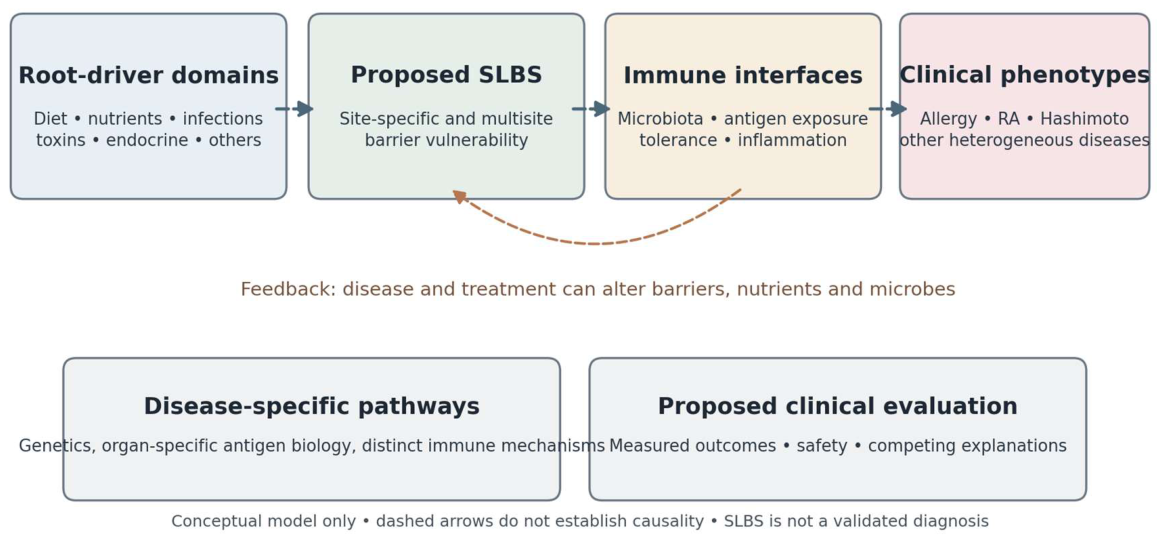
Figure 1 illustrates this proposed causal structure and the alternative pathways that prevent simplistic interpretations.
4. Disease-Specific Plausibility and Essential Exceptions
Food allergy. The skin barrier and routes of allergen exposure can influence sensitization; early oral exposure in appropriate infants can promote tolerance. This is among the strongest clinical demonstrations that the route and context of exposure can matter, although it does not prove that correcting multisite SLBS reverses established food allergy [1,2,12]. A confirmed food allergy requires a specialized safety plan; the hypothesis does not justify home oral challenges or broad removal of tolerated foods [14,20].
Rheumatoid arthritis. Smoking, inherited susceptibility, and mucosal immune phenomena are relevant to risk and pathogenesis. Oral/periodontal and lung or gut pathways are scientifically plausible, but a periodontal association does not prove that dental treatment prevents or reverses RA. A cited review on the impact of RA treatment on periodontal disease must not be misread as evidence for the reverse causal direction [3,4,17]. Disease-modifying therapy remains central to preventing structural injury [13].
Hashimoto thyroiditis. Thyroid autoimmunity involves specific susceptibility, iodine biology, immune mechanisms, and thyroid functional consequences. Celiac disease and nutritional problems may coexist in some patients. Intestinal barrier and microbiome hypotheses are of interest but cannot currently be assumed to cause the disorder, and routine high-dose iodine or selenium is not justified solely by a thyroid-antibody result. Clinically significant hypothyroidism must be managed as such.
Type 1 diabetes, celiac disease, lupus, multiple sclerosis, psoriasis, and inflammatory bowel disease. These represent distinct combinations of autoantigens, genetic architecture, organ injury, and environmental response. Celiac disease is a particularly clear example of a disease-specific dietary antigen and effective, diagnosis-dependent avoidance strategy. In other conditions, plausible barrier or microbiome pathways remain more variable and often lack evidence that acting on them alters hard disease outcomes. Lupus-related nephritis or increased blood–brain barrier permeability in inflammatory states must not automatically be reclassified as initiating SLBS rather than disease consequences.

Table 1.
Differential evidence and clinical boundaries.
| Condition | Relevant Shared-Process Hypothesis | Strong Clinical Anchors | What Is Not Established |
|---|---|---|---|
| IgE-mediated food allergy | Skin barrier, sensitization route, microbial and tolerance pathways | Epinephrine preparedness; confirmed-allergen avoidance; specialist oral immunotherapy/biologic care for selected patients [1,14,15,20] | Ketosis, fasting, supplements, or SLBS treatment as a substitute for allergy-specific care |
| Rheumatoid arthritis | Mucosal immunity, smoking, oral inflammation, metabolic comorbidity | Early DMARDs, treat-to-target, appropriate comorbidity and dental care [3,13,16] | Reversal of joint damage by nutritional or barrier interventions |
| Hashimoto thyroiditis | Susceptibility, thyroid-specific immune regulation, selected nutritional factors | Thyroid function assessment and appropriate hormone replacement | Generalized high-dose iodine/selenium, BHRT, or SLBS therapy as established autoimmune treatment |
| Celiac disease | Dietary antigen exposure, intestinal immune injury and barrier consequences | Confirmed diagnosis and strict gluten-free diet | Unsupervised gluten re-challenge in established disease or extrapolation to all autoimmune conditions |
| Multiple sclerosis / lupus / IBD / psoriasis | Variable epithelial, vascular, microbial, metabolic and immune interactions | Condition-specific diagnosis, monitoring, and evidence-based therapy | A single shared barrier cause or universal I-OM protocol |
5. The Ten I-OM Root-Driver Domains
The I-OM inventory is an organizational heuristic for selective inquiry, not a checklist requiring ten panels or ten treatments. The domains overlap, mix potentially modifiable exposures with nonmodifiable susceptibility, and are not equivalent in evidence strength. The appropriate question is whether a particular candidate has a sound assessment method, plausible temporality, a safe effective intervention, and a meaningful outcome [6,8,11,12].
Table 2.
Canonical I-OM domains mapped to candidate barrier and immune pathways.
| Domain | Candidate Connection to Immune or Barrier Biology | Evidence-Aware Clinical Approach |
|---|---|---|
| 1. Dietary and metabolic dysfunction | Diet quality, insulin resistance, adiposity, microbial substrates, inflammatory signaling | Characterize dietary adequacy, metabolic phenotype; tailor rather than prescribe ketosis to all |
| 2. Environmental toxins / exposures | Smoking, occupational exposures, air pollution, selected toxicants, tissue injury | Exposure history and source reduction; targeted testing when justified |
| 3. Nutrient insufficiency | Epithelial renewal, collagen, immune signaling, antioxidant and repair functions | Correct proven inadequacy; separate replacement from pharmacological dosing |
| 4. Chronic infections and oral disease sources | Persistent local inflammation, antigenic stimulation, mucosal immune activation | Diagnose and treat confirmed infection or periodontal disease; avoid speculative antimicrobial courses |
| 5. Hormonal and endocrine disturbances | Thyroid function, insulin, glucocorticoid signaling, sex-steroid context | Investigate recognized endocrine disorders on clinical grounds; avoid “adrenal fatigue” diagnosis |
| 6. Lifestyle dysfunction | Tobacco, sleep, activity, circadian disturbance and cardiometabolic risk | Evidence-based behavior support and disease-specific safety |
| 7. Psychological stress | Neuroendocrine and autonomic interactions with symptom burden and inflammation | Address sleep and stress for established benefits without claiming autoimmune cure |
| 8. Early-life / developmental influences | Barrier maturation, microbial colonization, immune tolerance | Risk and developmental context; do not impose adult fasting/elimination protocols on children |
| 9. Genetic / epigenetic susceptibility | Host immune tolerance, barrier proteins, response to exposures | Use disease-appropriate genetics; do not promise that genes can be “detoxified” |
| 10. Iatrogenic factors | Medication-associated nutritional effects, microbiome perturbation and immune changes | Review drugs and interactions; no unilateral withdrawal of disease-controlling medication |
The practical value of the ten-domain inventory depends on prioritization. A patient with inflammatory arthritis, active smoking, diabetes, and periodontal symptoms has several recognizable, actionable concerns. A patient with well-controlled thyroid disease, normal nutrition, and no exposure history may derive no benefit from extensive supplement panels or toxicant testing. Negative findings should end low-yield investigations rather than trigger another indefinite sequence of hypotheses.
6. The Proposed I-OM Clinical Framework: Six Intervention Families
The framework is intended to organize disease-relevant possibilities, not prescribe a fixed regimen. It distinguishes Level A, established disease-specific and general clinical care; Level B, supported but condition-dependent adjuncts; and Level C, hypothesis-generating or insufficiently validated interventions. An intervention’s classification may change by condition, dose, population, and endpoint.
6.1. Nutrition and Metabolic Intervention
A dietary strategy that reduces ultra-processed products and refined carbohydrates may improve diet quality and selected metabolic outcomes. Associations between ultra-processed-food exposure and adverse health outcomes do not, however, establish that dietary restriction modifies established autoimmune disease [19]. Low-carbohydrate or ketogenic diets may be reasonable for selected metabolic indications, but their capacity to modify RA, Hashimoto thyroiditis, or food allergy remains unproven. A carnivore ketogenic diet simultaneously removes many foods, making causal inference difficult and potentially reducing fiber and micronutrient diversity. The proposition that plant compounds are uniformly toxic or autoimmune triggers is unsupported; any candidate exposure requires compound-, dose-, and patient-specific investigation.
Elimination of a confirmed trigger is appropriate in defined conditions, including gluten in celiac disease and the implicated allergen in IgE-mediated food allergy. By contrast, broad elimination based on unvalidated IgG food panels is not justified. Intermittent fasting has plausible metabolic effects, but clinical evidence in rheumatic disease is heterogeneous [26], and “gut rest” is not an established mechanism for reversing autoimmune pathology. Restrictive diets and fasting warrant particular caution in children, pregnancy, eating disorders, malnutrition, and people taking glucose-lowering medications; food challenges require appropriate allergy supervision [14].
6.2. Orthomolecular and Nutritional Assessment
Nutritional assessment should begin with intake, clinical context, and documented or strongly suspected deficiency. Vitamins D and C, omega-3 fatty acids, magnesium, zinc, selenium, and B-group vitamins participate in normal immune, redox, metabolic, or tissue-maintenance processes, but their physiological necessity does not establish that high doses treat immune disease. Vitamin C is essential to collagen synthesis and leukocyte biology [7]; vitamin D has immune-signaling roles, with one large trial reporting reduced incident autoimmune disease during supplementation in older adults [18]. A prevention signal does not demonstrate reversal of established disease. High-dose vitamin D can cause hypercalcemia and renal complications; high-dose niacin can cause hepatotoxicity and dysglycemia; excess selenium, zinc, and preformed vitamin A can be harmful. No universal high-dose regimen is proposed.
Potential research adjuncts include N-acetylcysteine, glutathione-related interventions, coenzyme Q10, glutamine, prebiotics, probiotics, curcumin, and selected polyphenols. Trials should be indication-specific, consider product quality and interactions, and test patient-important outcomes rather than assume that improvements in oxidative-stress markers establish repaired barriers or disease remission.
6.2.1. Nutrient-Specific Evidence and Contradictory Findings
Vitamin D supplementation reduced incident autoimmune disease in the VITAL ancillary analysis, but these data do not justify routine high-dose treatment of established RA, Hashimoto thyroiditis, or food allergy [18]. Vitamin C is physiologically indispensable [7], yet oral and intravenous megadose efficacy for these disorders remains unestablished; route-specific risks and kidney health require consideration. Niacin is relevant to NAD metabolism but lacks convincing autoimmune disease-modification trials and has pharmacological-dose safety concerns.
An 18-trial meta-analysis including 1,018 patients with RA found an improvement in tender-joint counts with omega-3 supplementation, without statistically significant pooled improvements in CRP, ESR, or DAS28 [23]. These results support further endpoint-specific study, not a claim of DMARD-equivalent disease modification. Magnesium and zinc replacement should be linked to clinical indication or deficiency rather than administered as indiscriminate megadoses.
In Hashimoto thyroiditis, a 2024 meta-analysis suggested effects of selenium supplementation on selected biochemical measures, including thyroid peroxidase antibodies, with heterogeneity and uncertainty [24]. A separate placebo-controlled study in patients receiving levothyroxine did not establish a quality-of-life advantage despite effects on some laboratory measures [25]. This contrast illustrates the need to separate immunological surrogates from symptoms, function, and disease-related clinical outcomes. Excess selenium can be toxic.
6.3. Infections, Dental Disease, and Persistent Inflammatory Sources
Clinically apparent infections and periodontal disease may be relevant to symptoms, systemic inflammation, and disease comorbidity. The investigative sequence is history and examination, confirmatory testing when appropriate, pathogen- or site-specific management, and assessment of treatment response. Serological evidence of remote infection, dysbiosis on a nonvalidated commercial panel, or nonspecific fatigue does not establish occult infection. Antibiotics, antivirals, or antiparasitic therapy should not be used as generalized “root-cause” treatment absent an appropriate diagnosis. Studies must separate improvement in oral health or infection control from demonstrated modification of autoimmune disease activity.
6.4. Environmental Exposure Assessment, Reduction, and Toxicology
Smoking cessation and reduction of verified occupational or environmental exposures may offer important health benefits, but effects on any particular immune disease require disease-specific evidence. Assessment should prioritize a credible exposure history, prevention of continued contact, and indicated testing or specialist toxicology care. Chelation is not a general “detox” strategy; nonvalidated provoked urine tests, indiscriminate binders, and commercial detoxification packages should not be presented as treatments for autoimmunity. The clinical effect of removing an exposure must be distinguished from the hypothesis that it restores a specific barrier.
6.5. Endocrine and Neuroendocrine Care; Limited Role of ICV
Metabolic status, thyroid function, adrenal disease, sex hormones, sleep, and stress physiology may shape symptoms, treatment tolerance, and inflammatory signaling. Diagnosed endocrine disorders should receive established care. Menopausal hormone therapy, including products described as bioidentical, has condition-specific indications but is not established as an autoimmune therapy. The insulin–cortisol–vitamin C (ICV) framework may illustrate interactions among metabolism, neuroendocrine adaptation, and redox biology; it is not a validated immune-regulatory axis or a primary explanatory claim of this manuscript.
6.6. Selected Immune-Regulatory and Microbiome-Directed Adjuncts
Low-dose naltrexone (LDN) remains an off-label, investigational adjunct in these indications. Observational prescribing studies do not establish disease-modifying efficacy [27], and opioid use and other contraindications require attention. Microbiome-directed interventions must be assessed by product, strain, disease, and endpoint, rather than grouped under an undifferentiated “barrier repair” label. Established allergen-focused treatments, biologics, and DMARDs retain their independent disease-specific evidence base [13,14,15].
6.6.1. LDN as a Specific Test Case in Evidence Proportionality
A Norwegian nationwide prescription-register before–after study investigated changes in concomitant prescriptions among users of LDN with rheumatic diagnoses [27]. Prescription patterns are not randomized measurements of disease activity, so confounding, regression to the mean, and changing treatment access limit causal interpretation. LDN should be described as off-label and hypothesis-generating, with opioid-use contraindications, medication reconciliation, shared decision making, and predefined stopping rules; it should not replace proven immunomodulatory or disease-modifying treatments.
Table 3.
Translational classification of selected strategies.
| Strategy | Primary Plausible or Established Value | Clinical Evidence Classification for Immune-Disease Modification |
|---|---|---|
| Diagnosis, epinephrine plan, confirmed allergen avoidance, appropriate allergy therapies | Prevents reactions and treats selected allergies | Established, indication-specific [14,15,20] |
| RA DMARDs and treat-to-target | Prevents disease activity and tissue injury | Established [13] |
| Correct a documented vitamin/mineral deficiency | Restores nutritional adequacy | Established for deficiency, not necessarily autoimmune reversal |
| Smoking cessation and management of documented periodontal disease | General and disease-relevant health benefits | Supported; immune-disease modification not assured |
| Nutrient-dense diet, metabolic risk management | Cardiometabolic health, nutritional adequacy | Condition-dependent adjunct |
| Omega-3 as an RA adjunct | Potential symptom or inflammatory benefit | Limited/moderate heterogeneous adjunct evidence, not a replacement |
| High-dose D3, vitamin C, niacin, antioxidants for established autoimmunity | Immunological/redox rationale | Not established as a general disease-modifying regimen |
| Ketogenic, carnivore, or fasting therapy for established immune disease | Immunometabolic hypothesis | Investigational; carnivore especially evidence-poor |
| LDN, glutamine, NAC, broad probiotics, “barrier repair” protocols | Candidate anti-inflammatory or barrier mechanisms | Investigational; no universal protocol |
| Chelation or nonspecific “detox” without diagnosed toxic exposure | No established autoimmune benefit | Not recommended |
Table 4.
Evidence-to-action matrix for proposed I-OM intervention families. A = established indication-specific care; B = conditional adjunct evidence; C = plausible/investigational; D = unsupported universal clinical extrapolation.
Table 4.
Evidence-to-action matrix for proposed I-OM intervention families. A = established indication-specific care; B = conditional adjunct evidence; C = plausible/investigational; D = unsupported universal clinical extrapolation.
| Intervention Family | Clinical Interpretation | Evidence Level | Principal Limitation/Safeguard |
|---|---|---|---|
| Documented deficiency correction | Indication-specific replacement | A | Do not infer immune-disease reversal |
| Low-UPF / low-refined-carb approach | Metabolic and dietary quality goal | A/B for metabolic endpoints; C for autoimmunity | Adequate nutrition; no universal autoimmune claim |
| Ketogenic / carnivore diet; IF | Hypothesis testing in selected adults | C | Monitor nutritional, metabolic and medication risks |
| Omega-3 in RA | Possible tender-joint relief | B | Composite disease activity not consistently improved [23] |
| Selenium in Hashimoto | Selected biomarker changes | B for surrogate outcomes | No clear QoL improvement in relevant RCT [24,25] |
| High-dose vitamin C / D / niacin | Biological plausibility, some indication-specific evidence | C/D for routine immune-disease modification | Avoid toxicity, monitor dose and contraindications |
| LDN | Off-label exploratory immunomodulation | C | No adequate randomized RA efficacy demonstration [27] |
| Confirmed infection / environmental toxicity | Specific source-directed treatment | A where established | No empirical antimicrobials or unindicated detox |
7. Divide → Examine → Reconnect → Intervene: Clinical Operationalization
Divide. Confirm the diagnosis, severity, organ threats, mechanism-specific emergencies, and baseline measurements. For food allergy this includes anaphylaxis education and an action plan; for RA it includes joint counts, inflammatory disease activity, function, and rheumatologist-directed DMARD care; for Hashimoto thyroiditis it includes appropriate biochemical thyroid assessment. No adjunctive experiment should delay effective urgent or disease-modifying therapy.
Examine. Perform focused history and examination across the ten domains, guided by pretest probability, burden, affordability, and validated assessment tools. Prefer actionable questions (e.g., tobacco use; documented iron, B12, or vitamin D deficiency where testing is justified; poor sleep; periodontal symptoms) to indiscriminate multiplex commercial panels.
Reconnect. Draw a patient-specific, falsifiable causal map: which factor may precede the disease; which may be a consequence; what confounders or medications could explain it; which measurements would disconfirm a proposed connection? When barrier metrics are used in research, they must be tissue-specific and analytically validated; improvement in a surrogate cannot be presumed to represent immune tolerance or clinical remission.
Intervene. Start with interventions justified by existing evidence and safety. When adjuncts are considered, define a single hypothesis, expected benefit, adverse-event checks, stopping criteria, and outcome time frame. Minimize simultaneous changes when feasible. Monitor both disease-specific activity and whole-person outcomes (nutrition, metabolic risk, patient function, quality of life, treatment burden, cost). A patient’s improved energy or HbA1c is valuable but is not by itself proof of RA remission or food-allergy desensitization.
8. Falsifiable Hypotheses and Research Program
Hypothesis 1—incremental prediction: prospectively measured multisite barrier profiles will predict onset, disease activity, or treatment response in defined immune-mediated disease subgroups beyond accepted genetic, clinical, immune, and single-site barrier predictors. This hypothesis fails if multisite variables are nonreproducible, simply reflect existing disease severity, or add no validated prognostic performance.
Hypothesis 2—clinical actionability: a predefined, time-limited ten-domain I-OM assessment will identify more clinically consequential, evidence-supported actionable findings per patient than an attention-matched, high-quality multidisciplinary comparison. Routine guideline-recommended assessment must already be offered in both arms to avoid mistaking ordinary unmet care needs for an I-OM-specific effect.
Hypothesis 3—patient-important benefit: among adults with RA receiving guideline-concordant care, an I-OM prioritization pathway may improve prespecified clinical outcomes over an attention-matched comprehensive-care comparator. A plausible primary endpoint is change in CDAI at 24 weeks, with functional measures, safety, costs, and burden as secondary endpoints. A positive multicomponent result alone would not prove SLBS mediation or establish efficacy of any individual supplement, diet, or hormonal intervention.
Fourth, mechanistic mediation can be examined in embedded studies using validated, site-specific barrier assays, microbial measures with known limitations, and cytokine or immune-tolerance outcomes. Temporality must be established before claiming that barrier change mediates downstream improvement. Longitudinal observational designs should prespecify competing causal graphs, address reverse causation, and report null results. Disease-specific food-allergy trials require specialist supervision and validated endpoints, including supervised oral food challenges only when clinically appropriate; replacing reaction risk with an IgE concentration alone is inadequate.
Fifth, safety and feasibility are primary research outcomes, not appendices. Prospective work should capture nutritional adequacy, supplement toxicity, adverse dietary effects, medication interactions, out-of-pocket costs, and the consequences of false-positive diagnostic testing. An intervention framework that improves generic wellness markers but causes more severe allergic reactions, delays DMARD initiation, or is prohibitively burdensome fails a clinically meaningful test.
8.1. A Preregisterable Pragmatic RA Trial and Companion Mechanistic Cohort
Proposed population: adults with established RA receiving stable, guideline-concordant rheumatology care; stratify by baseline disease activity, smoking, adiposity, documented deficiency, and periodontal status. Randomize to (1) a time-limited ten-domain assessment plus evidence-graded, prioritized management of prespecified actionable findings or (2) attention-matched comprehensive general-health assessment, with identical DMARD access and rheumatology decision support. The contrast must isolate the value of the I-OM prioritization algorithm rather than additional clinician time or access.
Prespecify one primary outcome—change in Clinical Disease Activity Index (CDAI) at 24 weeks, or another validated patient-important endpoint with appropriate sample-size calculation. Secondary outcomes include function (HAQ-DI), fatigue, pain, cardiometabolic risk, quality of life, serious adverse events, supplement-related harm, nutritional adequacy, cost, and objectively verified intervention adherence. Blinded assessors, intention-to-treat analysis, treatment-switch tracking, and disclosure of protocol deviations are needed. Medication reduction or remission claims require their own adequately powered and safety-monitored designs.
An embedded longitudinal mechanistic cohort should measure prespecified, validated site-specific barrier properties before treatment, then test whether changes precede and mediate downstream outcomes. A barrier measure is not an endpoint substitute, and repeated cross-sectional correlations cannot resolve causal direction. Prioritize independent replication, open protocol registration, and publication of null findings.
9. Discussion: What Is New, What Could Be Wrong, and What Would Count As Success?
Barrier biology, mucosal immunology, environmental risk, and lifestyle counseling are established subjects of biomedical research [4,8,12]. This manuscript does not claim to originate these fields. Its proposed contribution is a reproducible, evidence-graded decision pathway that links a ten-domain upstream assessment to competing causal explanations, a prospective multisite-barrier hypothesis, targeted adjuncts, and predefined outcome reassessment. The proposition remains unvalidated until it is compared with high-quality comprehensive care.
9.1. Distinguishing I-OM from Ordinary Multidisciplinary Care
The claim of distinctiveness is methodological and testable: specify the ten domains; separate plausible causes, consequences, modifiers, and confounders; rank actionable findings by evidence, feasibility, and safety; choose minimal, measurable interventions; and reassess disease-specific and whole-person outcomes. These steps could improve clinical prioritization, but added benefit over skilled multidisciplinary care cannot be assumed.
Prospective implementation should record which domains were examined, what validated abnormalities were found, which recommendations were already standard, the incremental treatment chosen, the reason for selection, and patient-important outcomes. Clinicians should avoid indiscriminate infection panels, commercial “leaky gut” labeling, nonindicated chelation, unsupervised drug withdrawal, and routine megadoses without clinical justification.
Key alternative explanations include shared genetic predisposition; immune-driven secondary barrier injury; treatment-induced changes in microbiota or laboratory values; nonspecific benefits from increased clinician time; dietary placebo and regression to the mean; and improvement in cardiometabolic comorbidity without alteration of primary autoimmune disease. The model may also be too broad to discriminate between patients. These are not objections to be dismissed; they are essential prespecified competitors.
Orthomolecular nutrition deserves serious mechanistic and clinical examination while retaining dose proportionality. The hypothesis that vitamin D, vitamin C, niacin, magnesium, omega-3 fats, or redox interventions support barrier physiology is distinct from proof that high-dose combinations restore physiological barriers or treat autoimmune diseases. Similarly, environmental toxicology deserves careful source identification, not an assumed need for “detox”; infection evaluation requires diagnosis, not the presumption that all chronic disease reflects occult pathogens. Hormonal interventions should treat demonstrated endocrine conditions and established indications, rather than serve as default immunotherapy.
An additional limitation is the likely difficulty of measuring SLBS as a coherent entity: barriers differ in function, some permeability is physiologically essential, and biomarkers can be influenced by organ disease itself. The term should remain a research label until a reproducible definition and clinical utility have been shown. No original patient data, randomized efficacy results, or validated SLBS diagnostic thresholds are presented in this article. No cure, reversal, medication discontinuation, or universal diet or supplement package should be inferred.
10. Conclusions and Implications for Subsequent Clinical Publications
Allergic and autoimmune disorders should continue to be diagnosed and treated according to their distinct, evidence-supported clinical requirements. At the same time, overlapping upstream contributors may influence susceptibility, barrier function, symptoms, comorbidity, and potentially disease activity in selected subgroups. I-OM proposes to make those upstream questions systematic and testable. SLBS offers a possible multisite integrating pathway but does not replace disease-specific immunopathogenesis or constitute a validated diagnosis.
The research agenda proceeds from causal mapping to targeted correction of documented problems, then to controlled comparisons of incremental clinical value, safety, cost, and reproducibility. This preprint is intended as the hypothesis and methods foundation, not the evidence of efficacy, for future disease-specific educational and clinical articles on the I-OM Discourse platform. Those articles should carry explicit claim-to-evidence classifications, contraindications, specialist referral criteria, monitoring plans, and an updated scientific reference trail. Whether the full I-OM package improves clinical outcomes remains an open empirical question. Preprint dissemination should not be construed as clinical validation of this framework or proof of benefit for its investigational components.
Author Contributions
Richard Z. Cheng developed the I-OM and SLBS conceptual frameworks. Final attribution of manuscript drafting, review, scientific verification, and approval requires author confirmation before public submission.
Funding
Author declaration pending. No assertion about the presence or absence of external funding is made in this review copy.
Institutional Review Board Statement
Not applicable: no original human or animal participant research was conducted for this conceptual manuscript.
Informed Consent Statement
Not applicable: no identifiable participant data or original case material are presented.
Data Availability Statement
No original empirical dataset was generated or analyzed.
Acknowledgments
Author declaration pending.
Use of Generative AI
OpenAI ChatGPT/I-OM.ai assisted with research discovery, organization, drafting, language editing, and bibliography checking. The author is responsible for independently confirming references and clinical assertions, making the scientific judgments, and approving the final submitted manuscript.
Conflicts of Interest
Author declaration pending. Relevant professional, educational, clinical, ownership, intellectual-property, and commercial interests involving I-OM or the discussed interventions must be disclosed as applicable.
References
- Du Toit, G.; Roberts, G.; Sayre, P.H.; et al. Randomized trial of peanut consumption in infants at risk for peanut allergy. N Engl. J. Med. 2015, 372, 803–813. [Google Scholar] [CrossRef] [PubMed]
- Sicherer, S.H.; Sampson, H.A. Food allergy: A review and update on epidemiology, pathogenesis, diagnosis, prevention, and management. J. Allergy Clin. Immunol. 2018, 141, 41–58. [Google Scholar] [CrossRef] [PubMed]
- Smolen, J.S.; Aletaha, D.; McInnes, I.B. Rheumatoid arthritis. Lancet 2016, 388, 2023–2038. [Google Scholar] [CrossRef] [PubMed]
- McInnes, I.B.; Schett, G. The pathogenesis of rheumatoid arthritis. N Engl. J. Med. 2011, 365, 2205–2219. [Google Scholar] [CrossRef] [PubMed]
- Rosenblum, M.D.; Remedios, K.A.; Abbas, A.K. Mechanisms of human autoimmunity. J. Clin. Invest. 2015, 125, 2228–2233. [Google Scholar] [CrossRef] [PubMed]
- Hotamisligil, G.S. Inflammation and metabolic disorders. Nature 2006, 444, 860–867. [Google Scholar] [CrossRef] [PubMed]
- Carr, A.C.; Maggini, S. Vitamin C and immune function. Nutrients 2017, 9, 1211. [Google Scholar] [CrossRef] [PubMed]
- Honda, K.; Littman, D.R. The microbiota in adaptive immune homeostasis and disease. Nature 2016, 535, 75–84. [Google Scholar] [CrossRef] [PubMed]
- Smolen, J.S.; Aletaha, D.; Barton, A.; et al. Rheumatoid arthritis. Nat. Rev. Dis. Primers 2018, 4, 18001. [Google Scholar] [CrossRef] [PubMed]
- Chovatiya, R.; Medzhitov, R. Stress, inflammation, and defense of homeostasis. Mol. Cell 2014, 54, 281–288. [Google Scholar] [CrossRef] [PubMed]
- Furman, D.; Campisi, J.; Verdin, E.; et al. Chronic inflammation in the etiology of disease across the life span. Nat. Med. 2019, 25, 1822–1832. [Google Scholar] [CrossRef] [PubMed]
- Akdis, C.A. Does the epithelial barrier hypothesis explain the increase in allergy, autoimmunity and other chronic conditions? Nat. Rev. Immunol. 2021, 21, 739–751. [Google Scholar] [CrossRef] [PubMed]
- Smolen, J.S.; Edwards, C.J.; Konzett, V.; et al. EULAR recommendations for the management of rheumatoid arthritis with synthetic and biologic disease-modifying antirheumatic drugs: 2025 update. Ann. Rheum. Dis. 2026, 85, 991–1009. [Google Scholar] [CrossRef] [PubMed]
- Santos, A.F.; Riggioni, C.; Agache, I.; et al. EAACI guidelines on the management of IgE-mediated food allergy. Allergy 2025, 80, 14–36. [Google Scholar] [CrossRef] [PubMed]
- Wood, R.A.; Togias, A.; Sicherer, S.H.; et al. Omalizumab for the treatment of multiple food allergies. N Engl. J. Med. 2024, 390, 889–899. [Google Scholar] [CrossRef] [PubMed]
- Gwinnutt, J.M.; Wieczorek, M.; Balanescu, A.; et al. 2021 EULAR recommendations regarding lifestyle behaviours and work participation to prevent progression of rheumatic and musculoskeletal diseases. Ann. Rheum. Dis. 2023, 82, 48–56. [Google Scholar] [CrossRef] [PubMed]
- Petit, C.; Culshaw, S.; Weiger, R.; Huck, O.; Sahrmann, P. Impact of treatment of rheumatoid arthritis on periodontal disease: A review. Mol. Oral Microbiol. 2024, 39, 199–224. [Google Scholar] [CrossRef] [PubMed]
- Hahn, J.; Cook, N.R.; Alexander, E.K.; Vitamin, D. marine omega 3 fatty acid supplementation incident autoimmune disease: VITALrandomized controlled trial. B.M.J. 2022, 376, e066452. [Google Scholar] [CrossRef] [PubMed]
- Lane, M.M.; Gamage, E.; Du, S. Ultra-processed food exposure adverse health outcomes: umbrella review of epidemiological meta-analyses. B.M.J. 2024, 384, e077310. [Google Scholar] [CrossRef] [PubMed]
- Golden, D.B.K.; Wang, J.; Waserman, S.; et al. Anaphylaxis: a 2023 practice parameter update. Ann. Allergy Asthma Immunol. 2024, 132, 124–176. [Google Scholar] [CrossRef] [PubMed]
- Ng, A.E.; Giri, A.; Bottoms-McClain, L. Diagnosed allergic conditions in children ages 0–17: United States, 2024. NCHS Data Brief. 2026. Available online: https://www.cdc.gov/nchs/products/databriefs/db546.htm.
- Cheng, R.Z. Systemic Leaky Barrier Syndrome (SLBS): A systems-level framework for chronic disease. Preprints.org. 2026;202602.0069.v2. Available online: https://www.preprints.org/manuscript/202602.0069.
- Wang, W.; Xu, Y.; Zhou, J.; Zang, Y. Effects of omega-3 supplementation on lipid metabolism, inflammation, and disease activity in rheumatoid arthritis: a meta-analysis of randomized controlled trials. Clin. Rheumatol. 2024, 43, 2479–2488. [Google Scholar] [CrossRef] [PubMed]
- Huwiler, V.V.; Maissen-Abgottspon, S.; Stanga, Z.; et al. Selenium Supplementation in Patients with Hashimoto Thyroiditis: A Systematic Review and Meta-Analysis of Randomized Clinical Trials. Thyroid. 2024, 34, 295–313. [Google Scholar] [CrossRef] [PubMed]
- Larsen, C.; et al. Selenium supplementation and placebo are equally effective in improving quality of life in patients with hypothyroidism. Eur. Thyroid J. 2024, 13, e. [Google Scholar] [CrossRef] [PubMed]
- Liu, R.; Zhang, C.; Li, Y.; Huang, C. Intermittent fasting for rheumatic diseases: a systematic review and meta-analysis of conflicting evidence from observational studies and randomized controlled trials. PeerJ. 2026, 14, e21185. [Google Scholar] [CrossRef] [PubMed]
- Raknes, G.; Småbrekke, L. Low dose naltrexone: Effects on medication in rheumatoid and seropositive arthritis. A nationwide register-based controlled quasi-experimental before-after study. PLoS ONE 2019, 14, e0212460. [Google Scholar] [CrossRef] [PubMed]
- Scheffler, L.; et al. Widely Used Commercial ELISA Does Not Detect Precursor of Haptoglobin2, but Recognizes Properdin as a Potential Second Member of the Zonulin Family. Front Endocrinol. 2018, 9, 22. [Google Scholar] [CrossRef] [PubMed]
- Vieujean, S.; Atreya, R.; Buda, A.; et al. Tools and advanced imaging technologies for assessing intestinal epithelial barrier integrity: a systematic review. Am. J. Physiol. Gastrointest. Liver Physiol. 2026, 330, G424–G458. [Google Scholar] [CrossRef] [PubMed]
Figure 1.
Root-driver to barrier to immune disease hypothesis; pathways are proposed, not established as a universal sequence. Proposed root-driver–barrier–immune-disease network. The ten I-OM domains are candidate upstream influences, not ten established causes. Multisite barrier dysfunction (SLBS) is a proposed convergence construct; microbial and inflammatory feedback can flow in both directions; host genotype and disease-specific biology influence observed manifestations. Dashed pathways signal unproven causal links. Diagram is conceptual, not an empirically validated model.
Disclaimer/Publisher’s Note: The statements, opinions and data contained in all publications are solely those of the individual author(s) and contributor(s) and not of MDPI and/or the editor(s). MDPI and/or the editor(s) disclaim responsibility for any injury to people or property resulting from any ideas, methods, instructions or products referred to in the content. |
© 2026 by the author. Licensee MDPI, Basel, Switzerland. This article is an open access article distributed under the terms and conditions of the Creative Commons Attribution (CC BY) license.
Copyright: This open access article is published under a Creative Commons CC BY 4.0 license, which permit the free download, distribution, and reuse, provided that the author and preprint are cited in any reuse.