

Submitted:
03 October 2026
Posted:
07 October 2026
You are already at the latest version
Abstract
Kawasaki disease (KD) is an acute systemic vasculitis and the leading cause of acquired heart dis-ease in children, highlighting the need for alternative therapeutic strategies, particularly for pa-tients resistant to intravenous immunoglobulin therapy. This study comparatively investigated the therapeutic potential of Vitis vinifera leaf and fruit exocarp phytochemicals against KD using an integrated in silico framework consisting of network pharmacology, molecular docking, molecular dynamics simulation, and an evidence-weighted target ranking model. After ADME screening, three leaf-derived and seven exocarp-derived bioactive compounds were retained for analysis. Network pharmacology identified 127 overlapping KD-associated targets for the leaves and 109 for the fruit exocarp, with both datasets demonstrating significant protein–protein interaction en-richment. Molecular docking and molecular dynamics analyses revealed stable interactions of quercetin with AKT1 and myricetin with MMP9, supporting their potential therapeutic relevance. Multi-objective target prioritization further identified biologically relevant and druggable candi-date targets. Overall, the findings suggest that V. vinifera contains promising multi-target phyto-chemicals capable of modulating key inflammatory pathways involved in Kawasaki disease and provide a computational foundation for future experimental validation and therapeutic develop-ment.
Keywords:
grapevine
; Kawasaki disease
; molecular dynamics
; network pharmacology
1. Introduction
In recent years, there has been an increased concern among clinicians and researchers about the rising incidence of Kawasaki disease (KD). Although KD remains relatively uncommon, it is now recognized as the foremost cause of acquired heart disease in children, mainly due to its tendency to provoke inflammation and damage in the coronary arteries [1]. Standard treatments, including intravenous immunoglobulin (IVIG) and aspirin, can manage the disease in many cases. However, a notable subset of patients fails to respond adequately. This resistance to IVIG places them at greater risk for lasting cardiovascular complications. The challenges posed by IVIG resistance and the incomplete understanding of KD’s molecular basis underline a critical need for further research to develop more effective treatments [2,3,4].
This challenge highlights the importance of investigating alternative or supplementary therapies that can address multiple disease pathways simultaneously. Conditions like Kawasaki disease are rarely caused by a single molecular factor; rather, they result from complex interactions among genes, proteins, and signaling networks that together promote endothelial inflammation and disrupt immune balance. As a result, treatments that influence several of these pathways simultaneously may yield more effective outcomes than drugs targeting a single mechanism. Natural compounds derived from plants represent a promising area of research, given their well-known pharmacological diversity, availability, and generally lower toxicity risk [5,6,7].
Vitis vinifera (grapevine) has attracted considerable interest due to its high levels of bioactive substances, especially polyphenols and flavonoids. Compounds such as resveratrol, quercetin, and catechin are well documented for their antioxidant, anti-inflammatory, and cardioprotective properties [8,9,10,11]. The wide structural variation of polyphenols distributed across different parts of the grapevine, such as the fruit, seeds, and leaves, supports a broad, multi-target strategy for managing systemic inflammation [12]. Studies examining whole-plant extracts indicate that secondary metabolites, including proanthocyanidins, flavonoids, and stilbenes, act synergistically rather than individually, enhancing endothelial function and inhibiting inflammatory signaling pathways such as NF-κB and JAK/STAT [13]. Notably, resveratrol influences inflammatory factors such as TNF-α, IL-1β, and IL-6 by suppressing NF-κB signaling and increasing endothelial nitric oxide synthase (eNOS) activity, thereby helping protect vascular tissues from damage [14,15,16]. Although much is known about the pharmacological benefits of these compounds, there is still a lack of clarity on how V. vinifera’s bioactives interact with the molecular pathways involved in Kawasaki disease. This study aims to fill that knowledge gap.
While current research on grape skins primarily focuses on fruit coloring and storage properties, maximizing the plant’s therapeutic benefits requires understanding its specific components. Treating the fruit as a single source ignores the fact that the amounts of beneficial compounds can vary greatly in the skin, pulp, and seeds. For example, the fruit skin (exocarp) is rich in metabolites such as anthocyanins, proanthocyanidins, and resveratrol [17]. Studies show these compounds have strong antioxidant and anti-inflammatory properties that help maintain endothelial function, providing valuable cardiovascular protection. In contrast, other parts of the grapevine, such as the leaves, present a distinct quantitative chemical makeup. Leaves are specifically characterized by high levels of the flavonoid isoquercitrin. These leaf-derived compounds are also potent antioxidants and anti-inflammatories and have been shown to protect human fibroblasts from damage under conditions such as periodontal disease [18]. Because Kawasaki disease causes severe inflammation and damage to the coronary arteries, identifying which part of the plant is best equipped to mitigate this pathology is critical. It remains unclear whether the fruit skin, with its established cardiovascular benefits, or the leaves, with their high isoquercitrin content and tissue-protecting properties, provide superior therapeutic efficacy. Therefore, by directly comparing the fruit exocarp and the leaves, this study aims to determine which specific phytochemical profile offers greater potential as an intervention for the disease.
To explore the intricate connections between bioactive compounds and disease processes, advanced computational methods such as network pharmacology have become increasingly important. This systems-based approach combines chemical, genomic, and proteomic information to chart the interactions of multiple compounds with a range of biological targets. Instead of targeting just one molecule or pathway, network pharmacology offers a comprehensive perspective on the complex networks that influence disease development and treatment responses [19,20]. Its use in herbal medicine research has revealed how plant-derived compounds can work together synergistically to produce therapeutic benefits.
Considering the complex pathophysiology of Kawasaki disease and the diverse bioactive components in V. vinifera, network pharmacology provides a logical, data-driven method to explore potential therapeutic connections between them. This study seeks to identify active compounds, predict their molecular targets, and examine their functions within biological networks to better understand how V. vinifera’s constituents might help reduce inflammation and vascular damage in KD. Filling this research gap is important not only for broadening treatment options for KD but also for promoting the use of network pharmacology in investigating plant-based therapies for inflammatory vascular conditions.
The exploration of V. vinifera as a therapeutic intervention for Kawasaki Disease through network pharmacology also contributes to a few Sustainable Development Goals (SDGs). By addressing the leading cause of acquired heart disease in children, this research directly advances SDG 3 (Good Health and Well-being), specifically Target 3.2, which aims to end preventable deaths in children. The identification of grapevine-derived phytochemicals as potential agents to mitigate coronary artery inflammation offers a path toward more accessible, multi-target adjuvant therapies, reducing the long-term global burden of non-communicable cardiovascular diseases. The application of network pharmacology in this study reflects meaningful progress toward SDG 9 (Industry, Innovation, and Infrastructure). Instead of relying solely on traditional drug discovery pipelines that demand extensive time, funding, and laboratory resources, this approach uses computational modeling to explore how plant metabolites interact with disease-related proteins. Working in silico makes the research process more efficient (Target 9.5) while reducing early-stage costs and minimizing ethical concerns associated with experimental testing. More importantly, it connects long-standing ethnobotanical knowledge with modern precision medicine, showing how traditional practices can inform contemporary scientific innovation. This study also aligns with SDG 12 (Responsible Consumption and Production) by supporting circular economy principles. Grape skins and seeds, which are often discarded as waste in the viticulture industry, are instead treated as valuable sources of pharmaceutical insight. By repurposing these materials, the research encourages biomass upcycling and improves overall resource efficiency. Beyond environmental benefits, this strategy offers economic incentives that may support the conservation of plant biodiversity, reinforcing the goals of SDG 15 (Life on Land). Taken together, the findings demonstrate that the search for new Kawasaki Disease therapies can remain scientifically rigorous while still prioritizing environmental responsibility and long-term sustainability in pediatric healthcare.
This research aims to investigate the pharmacological relevance of Vitis vinifera in the treatment of Kawasaki Disease (KD) using an in silico approach employing computational and bioinformatics techniques. Specifically, it will employ a comparative analysis of plant parts, such as leaves and fruit skin, to determine differences in efficacy. Using network pharmacology, the study will integrate data from multiple biological databases to identify the principal phytochemicals derived from V. vinifera and map their potential molecular targets implicated in KD pathogenesis. By analyzing the interconnected pathways and molecular networks influenced by these compounds, the study aims to clarify the possible mechanisms by which V. vinifera may alleviate inflammation, immune dysregulation, and vascular injury characteristic of KD.
2. Materials and Methods
This research was conducted using a systematic in silico framework divided into several phases, beginning with data mining and phytochemical screening of Vitis vinifera and proceeding to network construction and high-confidence validation through molecular docking and dynamics simulations. A fundamental component of this methodology is the comparative analysis between distinct anatomical parts of the grapevine, specifically the leaves and the fruits to determine differences in their pharmacological efficacy against the molecular pathways of Kawasaki disease. Illustrated on Figure 1 is the process flowchart.
2.1. Screening of Bioactive Compounds in V. vinifera
The Indian Medicinal Plants, Phytochemistry and Therapeutics 2.0 (IMPPAT 2.0) online database (https://cb.imsc.res.in/imppat/home, accessed on 25 May 2026) was utilized to identify the phytochemical constituents of the leaves of Vitis vinifera. IMPPAT 2.0 serves as a comprehensive repository that integrates data on the phytochemical composition of Indian medicinal plants along with their pharmacokinetic and drug-likeness properties [21]. As for the fruit exocarp, literature mining was executed to determine its bioactive compounds [22,23,24]. To facilitate a comparative analysis, screening was performed independently for the fruits and the leaves of the grapevine. This allowed for the identification of part-specific metabolites such as anthocyanins primarily in the fruit and specific flavonoids in the leaves which were then cross-referenced for their unique pharmacokinetic and drug-likeness properties using ADMETLab 3.0 (https://admetlab3.scbdd.com, accessed on 25 May 2026) to evaluate their pharmacokinetic and drug-likeness properties. Each compound was evaluated according to several pharmacological criteria. The Lipinski rule of five was used as a reference, with acceptable compounds generally having a molecular weight below 500, a logP value of 5 or less, no more than 10 hydrogen bond acceptors, and no more than 5 hydrogen bond donors. The Pfizer rule further filtered compounds by excluding those exhibiting both high lipophilicity (logP > 3) and low topological polar surface area (TPSA < 75). Compounds demonstrating strong or medium oral bioavailability scores were considered optimal candidates for further analysis [25].
2.2. Target Prediction of Bioactive Compounds in Vitis vinifera
The bioactive compounds that satisfied the ADME screening criteria were further analyzed for potential molecular targets using SwissTargetPrediction (https://www.swisstargetprediction.ch/, accessed on 27 May 2026). This web-based tool predicts likely protein targets for small molecules based on their chemical similarity to known ligands and experimentally validated target interactions. To focus variation within a smaller range, the analysis was restricted to Homo sapiens. Only predicted targets with a probability score of 0.70 or higher were selected, ensuring a high degree of confidence in the predicted compound–target relationships [26]. Furthermore, SuperPred (https://prediction.charite.de, accessed 27 May 2026) was used to maximize target coverage and ensure a comprehensive pharmacological profile via an additive target-prediction strategy. SuperPred utilizes logistic regression machine-learning models based on chemical similarity to predict compound-target interactions [27]. For this database, targets with a prediction probability > 0.7 were retained. By combining these findings additively with the SwissTargetPrediction results, a gene target was retained for downstream analysis if it was successfully predicted by at least one of the two databases, thereby minimizing false negatives prior to the topological filtering phase.
2.3. Overlap Between Vitis vinifera Targetsand Genes Associated with Kawasaki Disease
The differentially expressed genes (DEGs) related to Kawasaki disease were obtained from the Gene Expression Omnibus (GEO) dataset GSE73461 using the GEO2R tool (https://www.ncbi.nlm.nih.gov/geo/geo2r, accessed on 6 June 2026). This dataset includes gene expression profiles from peripheral blood samples collected from patients with Kawasaki disease and healthy controls. The samples were categorized into two groups: disease and control for comparative analysis. GEO2R uses the limma (Linear Models for Microarray Data) package to identify genes with significant differences in expression between the two groups [28]. Specifically, the identification of Differentially Expressed Genes (DEGs) was performed using strict thresholds to ensure the pharmacological viability of the proposed plant-derived inhibitors. The transcriptomic dataset was filtered using a statistical significance threshold of p-value < 0.05, combined with a positive selection to selectively isolate and retain only the upregulated genes. The significantly differentially expressed genes (DEGs) identified by GEO2R were cross-referenced with the predicted compound targets generated by SwissTargetPrediction. Using the bioinformatics tool Venny 2.1 (https://www.biotools.fr/misc/venny, accessed on 6 June 2026) to facilitate the comparative analysis between the anatomical parts of the grapevine, the predicted molecular targets for phytochemicals found in the fruits and those found in the leaves were processed as two separate data sets. These sets were cross-referenced with the identified KD DEGs through two parallel intersection processes. This approach enabled the study to identify which specific parts of the plant exhibited the greatest and most biologically relevant overlap with the pathways implicated in KD. By using a dual-overlap strategy, the therapeutic effects of V. vinifera are not broadly assigned to the plant as a whole but instead are linked directly to the distinct bioactive compounds present in the leaves and fruits.
2.4. Protein-Protein Interaction Network
The protein–protein interaction (PPI) network of the overlapping target genes between Vitis vinifera and Kawasaki disease was generated using the STRING database (https://string-db.org/, accessed on 8 June 2026) [29], which provides known and predicted protein–protein associations based on experimental data, co-expression, and computational prediction. To facilitate the comparative objectives of this study, two distinct PPI networks were constructed: one representing the intersection of KD genes and fruit-derived compounds, and another representing the intersection of KD genes and leaf-derived phytochemicals. The resulting network data were imported into Cytoscape version 3.10.2 for visualization and topological analysis. Key hub genes were identified using the CytoHubba plugin through three algorithms, which are maximal clique centrality (MCC), maximum neighborhood component (MNC), and degree analysis, to determine nodes with the highest biological significance within the network. Similarly, CytoHubba was used to identify the core bioactive compound from V. vinifera based on its degree, which reflects its centrality and potential influence within the compound–target network. Gene Ontology (GO) and Kyoto Encyclopedia of Genes and Genomes (KEGG) pathway enrichment analyses were performed and visualized using the ShinyGO web-based bioinformatics platform (http://bioinformatics.sdstate.edu/go/, accessed 22 June 2026) [30]. The standardized gene symbols of the identified core targets were entered into the database, with the species explicitly set to Homo sapiens. ShinyGO utilizes Ensembl-based annotations to calculate enrichment against standard background gene sets. To ensure statistical stringency, a False Discovery Rate (FDR) cutoff of < 0.05 was applied to filter out false positives. The top-ranked terms across the three GO categories, Biological Process (BP), Cellular Component (CC), and Molecular Function (MF), as well as the enriched KEGG disease pathways, were identified. Publication-ready graphical visualizations of the enrichment networks were subsequently generated directly within the ShinyGO platform.
2.5. Compound-Target-Pathway
Cytoscape (version 3.10.2) [31] was used to build the compound–target–pathway (CTP) network, allowing the visualization of complex interactions between Vitis vinifera bioactive compounds and their predicted molecular targets. To support the comparative aims of the study, two separate sub-networks were constructed, each representing interactions specific to either the fruit or the leaves. This design enables a direct visual and topological comparison of how different plant parts may influence the molecular mechanisms underlying Kawasaki Disease (KD). Only the top 10 targets with enrichment FDR > 0.05 were included and integrated with relevant KEGG pathway information to define the overall network structure. Subsequent network analysis focused on identifying highly connected nodes, which correspond to key hub compounds and target genes within the system. The CytoHubba plugin was then used to rank bioactive compounds from both plant parts by degree values, highlighting those with the strongest interaction profiles. By employing this dual-network framework, the analysis emphasizes the phytochemicals in fruits and leaves most likely to exert meaningful biological effects. This approach provides a systematic basis for comparing their potential anti-inflammatory roles.
2.6. Molecular Docking
To further validate the hub targets identified through network pharmacology, molecular docking analysis was performed to evaluate the binding affinity of the selected bioactive compounds from Vitis vinifera fruits and leaves toward proteins associated with Kawasaki disease. The three-dimensional structures of the selected phytochemicals were retrieved from the PubChem database (https://pubchem.ncbi.nlm.nih.gov/, accessed on 05 July 2026) [32], while the crystal structures of the target proteins were obtained from the Protein Data Bank (https://www.rcsb.org/, accessed on 06 July 2026). The potential binding pockets of each target protein were predicted using the PrankWeb server (https://prankweb.cz/, accessed on 06 July 2026) [33]. Molecular docking simulations were then carried out using the SwissDock web server (http://www.swissdock.ch/, accessed on 06 July 2026) [34], which employs the AutoDock Vina docking engine to predict the most favorable binding poses and estimate the binding free energy of ligand–protein complexes. For each complex, the docking pose with the most favorable binding score was selected for further analysis. To validate the docking protocol and establish a comparative baseline for binding affinity, known clinical inhibitors were utilized as positive controls. Specifically, Capivasertib [35] and Marimastat [36] were docked against AKT1 and MMP9, respectively, under identical parameters. The binding free energies and interaction profiles of these established reference drugs served as benchmarks to evaluate the relative therapeutic potential of the selected phytochemicals. The selected docked complexes were visualized using PyMOL version 2.5.8 to examine the binding orientation of the ligands within the predicted binding pocket. Protein–ligand interactions, including hydrogen bonds, hydrophobic interactions, π–π stacking, and other non-covalent interactions, were identified using the Protein–Ligand Interaction Profiler (PLIP) web server (https://plip-tool.biotec.tu-dresden.de/, accessed on 08 July 2026) [37]. The interaction profiles generated by PLIP were used to identify interacting amino acid residues and to characterize molecular interactions that may contribute to the stability of the ligand–protein complexes.
2.7. Molecular Dynamics
To evaluate the dynamic stability of the AKT1–quercetin and MMP9–myricetin complexes under physiological conditions, molecular dynamics (MD) simulations were performed using the Desmond Molecular Dynamics System (Schrödinger LLC) [38]. The protein–ligand complexes were prepared using the Protein Preparation Wizard and placed in an orthorhombic simulation box containing the explicit TIP3P water model [39]. Sodium and chloride ions were added to neutralize the systems and reproduce physiological ionic strength. Each system was energy-minimized and gradually equilibrated using the default Desmond relaxation protocol before the production run. The MD simulations were carried out for 50 ns under the NPT ensemble at a constant temperature of 310 K and a pressure of 1 atm using the OPLS_2005e force field. Temperature and pressure were maintained using the Nose–Hoover thermostat and the Martyna–Tobias–Klein barostat, respectively. Long-range electrostatic interactions were calculated using the Particle Mesh Ewald (PME) method with a time step of 2 fs. The stability and behavior of the protein–ligand complexes throughout the simulation were evaluated using root-mean-square deviation (RMSD), root-mean-square fluctuation (RMSF), radius of gyration (Rg), and hydrogen-bond analyses.
2.8. Multi-Objective Target Model
Following the molecular modeling simulations, an evidence-based target ranking framework was applied. Although molecular docking and molecular dynamics simulations confirm the stability of compound–protein interactions, it is also important to determine whether these targets are biologically relevant and suitable for drug development. To systematically prioritize the validated targets, a multi-objective ranking model was developed to evaluate transcriptomic dysregulation, tissue relevance, subcellular localization, and overall druggability. Each candidate target was assessed using five core parameters to generate a final ranked list of the most promising plant-derived therapeutic targets.
2.8.1. Tissue Relevance
The biological relevance of each target was first evaluated based on its expression in disease-related tissues. This ensured that the target was present in the tissues most affected by Kawasaki disease. The tissue relevance score was calculated as a normalized ratio, as shown in equation (1).
2.8.2. Transcriptomic Dysregulation
Transcriptomic dysregulation was assessed using differential gene expression data comparing Kawasaki disease samples with those from healthy controls. This method considers both the magnitude of gene expression changes and their statistical significance, which are commonly used to evaluate biological relevance. As seen in equation (2), for each gene, the absolute log₂ fold change and false discovery rate (FDR) were combined into a normalized score. This approach assigned higher scores to genes that exhibit both large expression changes and strong statistical support, while reducing the priority of genes that perform well in only one of these measures.
2.8.3. Subcellular Localization
Subcellular localization was included as an indicator of a target’s accessibility to small-molecule drugs. The primary location of each candidate protein was obtained from the Human Protein Atlas Cell Atlas and/or UniProt. Each location was assigned a numerical score based on its expected accessibility to small molecules: plasma membrane and secreted proteins received the highest scores (2.0), as they are directly exposed to the extracellular environment and have historically represented nearly two-thirds of all druggable targets [40]. Cytosolic targets were scored moderately (1.5), reflecting the requirement for therapeutic compounds to successfully penetrate the plasma membrane and avoid endosomal trapping [41]. Conversely, targets localized to the nucleus, mitochondria, or endoplasmic reticulum received the lowest scores (0.5–1.0), as small molecules must overcome multiple lipid bilayers and complex internal microenvironments to achieve sufficient local concentrations [42]. These values were then normalized to the range 0–1. This scoring system mathematically reflects the established pharmacological principle that a protein’s spatial compartmentalization dictates its clinical accessibility and overall druggability [43].
2.8.4. Known Small Molecule Binders
To further evaluate druggability, known small-molecule binders were identified using bioactivity data retrieved from ChEMBL. Two parameters were collected: (1) the number of unique reported ligands and (2) the highest reported pChEMBL value. The Ligand Count reflects the amount of experimental evidence supporting the target’s ability to bind small molecules, while the highest pChEMBL value represents the strongest reported binding potency. Since pChEMBL is the negative base-10 logarithm of the reported molar, higher pChEMBL values indicate stronger binding affinity and greater potency. The two parameters were normalized and combined into a single binder score using equations (3) and (4). This scoring approach prioritizes targets supported by numerous experimentally reported ligands and exhibiting high binding potency, providing an evidence-based measure of practical druggability.
2.8.5. Target Class
Finally, the target class was evaluated as a definitive indicator of historical and structural druggability. Each candidate’s biochemical class was identified using the Therapeutic Target Database (TTD) and assigned a score based on a tiered empirical druggability matrix grounded in clinical trial success rates and protein structure. High-druggability targets, including kinases, G protein-coupled receptors (GPCRs), and ion channels, were awarded 3 points. Structurally, these classes evolved to recognize small, high-affinity endogenous ligands and therefore possess deep, accessible binding clefts at the cell surface that readily accommodate synthetic small molecules [44]. This structural reality is reflected in their immense historical tractability: GPCRs alone account for approximately 34% of FDA-approved drugs, and enzyme-targeted drugs achieve approval rates of 31.3%, significantly outperforming the 12.8% industry average [45]. Moderate-druggability targets, such as non-kinase enzymes and transporters, received 2 points. Low-to-moderate targets, including transcription factors and protein-protein interactions (PPIs), were assigned 1 point. Unlike classical targets, PPIs interact across expansive, flat contact surfaces rather than defined geometric pockets, dispersing the required binding energy and severely complicating small-molecule intervention [46]. Consequently, small-molecule inhibitors targeting PPIs have historically struggled to achieve the ligand efficiency (LE > 0.3) required to advance from hit-to-lead phases into clinical development [47].
3. Results
3.1. Screening of Bioactive Compounds
Among the 18 compounds identified from the leaves, 13 satisfied Lipinski’s Rule of Five, suggesting favorable physicochemical properties for oral drug candidates, including acceptable molecular weight, lipophilicity, and hydrogen-bond donor and acceptor characteristics. Furthermore, 16 compounds complied with the Pfizer Rule, indicating a lower likelihood of undesirable toxicity associated with highly lipophilic compounds, while 8 compounds met the F20% criterion, indicating a favorable probability of oral absorption. After applying all screening criteria, only three compounds, flavylium, jasmonic acid, and quercetin, fulfilled all selection parameters and were retained for further investigation. For the fruit exocarp, 15 of the 30 identified compounds satisfied Lipinski’s Rule of Five, 29 complied with the Pfizer Rule, and 17 met the F20% criterion. Following the integrated screening, seven compounds, namely trans-resveratrol, cis-resveratrol, quercetin, myricetin, kaempferol, gallic acid, and protocatechuic acid, fulfilled all selection criteria and were selected for subsequent analyses. Summarized information is shown in Table 1.
3.2. Prediction of Compound-Associated Target Genes
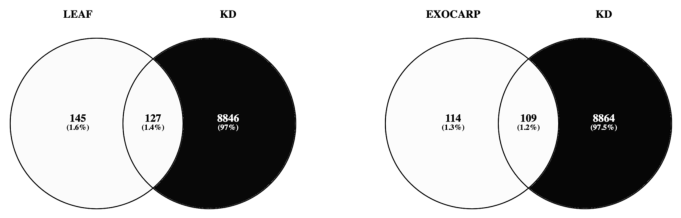
SwissTargetPrediction identified 272 and 223 unique protein targets with prediction probabilities of ≥ 0.70 for the selected compounds from Vitis vinifera leaves and fruit exocarp, respectively. Using a high probability threshold increased the confidence in the predicted compound–target interactions by retaining only the most likely molecular targets. This supports the reliability of the subsequent network pharmacology analyses, as low-confidence predictions that may introduce false-positive interactions were excluded. To assess their therapeutic relevance in Kawasaki disease, the predicted targets were compared with 8,973 differentially expressed genes identified in the GSE73461 dataset. Differentially expressed genes represent genes whose expression levels are significantly altered in Kawasaki disease compared with healthy controls and are therefore associated with disease pathogenesis. The intersection of the predicted compound targets with these disease-associated genes identified 127 overlapping targets for the leaves and 109 overlapping targets for the fruit exocarp.

Table 1.2. Bioactive compounds of the fruit exocarp of V. vinifera.
| Compound | Lipinski | Pfizer | F20% |
| trans-Resveratrol | Passed | Passed | Passed |
| cis-Resveratrol | Passed | Passed | Passed |
| Quercetin | Passed | Passed | Passed |
| Myricetin | Passed | Passed | Passed |
| Kaempferol | Passed | Passed | Passed |
| Gallic acid | Passed | Passed | Passed |
| Protocatechuic acid | Passed | Passed | Passed |
Table 2.
Common targets between plant parts and KD.
| Plant part | Common targets |
| Leaf | PTGS2, FABP5, PTPN1, PPARD, PTGS1, PTGER2, ACLY, AKR1C3, RPA1, SCD, CES2, CDC25B, CD81, NR4A2, ALOX5, PTGER4, F13A1, NR1H3, NR3C1, HMGCR, NR1H2, LTB4R, RXRA, SIGMAR1, SRD5A1, MAPK3, MCL1, BCL2, HSP90AA1, G6PD, BCL2L1, MIF, CES1, AKR1B1, CISD1, TRPA1, IP6K2, HDAC6, CYP1B1, PKN1, ELAVL3, CAMK2B, PTK2, GLO1, CSNK2A1, GSK3B, CTNNB1, AKT1, AVPR2, PSMB5, PIK3R1, DPP4, CXCR1, CA4, ALOX12, MMP9, SRC, PIM1, MET, PYGL, MPO, APP, CA1, KDM1A, SNCA, PKM, SYK, MBNL1, MYLK, PIK3CG, PIK3CA, APEX1, FBP1, NQO2, TRIM24, STAT1, GGPS1, TDP1, GBA, GSTP1, CTSD, CAPN1, ERLIN2, CDC25C, TLR8, LGALS3, NFE2L2, HDAC4, MME, NFKB1, HSP90AB1, TLR4, AHCY, CSNK2B, CLK4, CTSB, SLC9A1, MAP2K2, C5AR1, CDK5R1, THRA, RPS6KA3, NR1I2, DUSP3, GPBAR1, AAK1, PPM1B, TBK1, RPS6KA1, LDHB, POLB, RECQL, DUT, CLK1, PRKCD, MARK3, CDK4, CNR1, FPR2, ACACA, PRKCB, HDAC2, MAPK1, FPR1, FCGRT, DPP8, LMNA |
| Exocarp | CA5B, HDAC6, CYP1B1, NFE2L2, PIK3CA, PTGS2, DPP4, PTGS1, CA4, NQO2, PIM1, ALOX5, APP, CA1, TRPA1, MMP9, LCK, GLO1, SYK, SYNJ2, XIAP, PARK7, IP6K2, METTL3, PKN1, ELAVL3, CAMK2B, PTK2, CSNK2A1, GSK3B, CTNNB1, AKT1, AVPR2, PSMB5, PIK3R1, CXCR1, ALOX12, AKR1B1, SRC, MET, PYGL, MPO, KDM1A, CDK5, CDK5R1, SNCA, PKM, MBNL1, MYLK, PIK3CG, APEX1, FBP1, ALKBH5, CISD1, RPS6KA3, AHR, ESRRA, SLC2A1, P4HB, RPS6KA1, CDK6, CDK2, MKNK2, TNKS, BCL2, HSPD1, HSPE1, CLK1, HSD17B10, TRIM24, PIN1, CLK4, NR1I2, PSMB1, CXCR4, CTSD, QRFPR, THRA, NFKB1, TDP1, DUSP3, CSNK2B, GPBAR1, AAK1, PTPN11, TBK1, MIF, F13A1, STAT1, LDHB, LGALS3, CDC25B, POLB, RECQL, GRK5, GUSB, CDC25C, HDAC2, NPC1, ACVR1B, FCGRT, FPR1, MDM4, RAB9A, SAE1, PTPN7, CAMKK2, GSTP1, PTPN1 |
Figure 2.
Intersection of KD-related genes and V. vinifera targets.
3.3. Protein-Protein Network Interaction
The PPI network, illustrated in Figure 3, generated from the leaf-derived targets consisted of 126 nodes connected by 955 edges, whereas the fruit exocarp network comprised 108 nodes and 556 edges. In both datasets, the observed number of interactions substantially exceeded the expected number of edges (415 for leaves and 280 for fruit exocarp), indicating that the proteins interact significantly more frequently than expected by chance. The leaf-derived PPI network exhibited an average node degree of 15.2 and an average local clustering coefficient of 0.557, while the fruit exocarp network showed an average node degree of 10.3 and an average local clustering coefficient of 0.515. These topological characteristics indicate that the identified proteins form interconnected functional modules rather than existing as isolated entities. Moreover, both networks produced a highly significant PPI enrichment p-value of <1.0 × 10⁻¹⁶, confirming that the observed protein interactions are biologically meaningful and that the overlapping targets participate in common cellular processes associated with Kawasaki disease. To identify the most influential proteins within each network, hub gene analysis was subsequently performed using the CytoHubba plugin in Cytoscape based on the Maximal Clique Centrality (MCC), Maximum Neighborhood Component (MNC), and Degree algorithms. The identified hub genes, shown in Figure 4, were used for subsequent functional enrichment, molecular docking, and molecular dynamics analyses. To identify the most influential proteins within each network, hub gene analysis was subsequently performed using the CytoHubba plugin in Cytoscape based on the Maximal Clique Centrality (MCC), Maximum Neighborhood Component (MNC), and Degree algorithms. The identified hub genes, shown in Figure 4, were used for subsequent functional enrichment, molecular docking, and molecular dynamics analyses.
3.4. Pathway Enrichment Analysis
The top 10 enriched Biological Process (BP), Cellular Component (CC), and Molecular Function (MF) terms are shown in Figure 5, together with the top 10 significantly enriched KEGG pathways as shown in Figure 6. The Biological Process enrichment analysis revealed that both Vitis vinifera leaves and fruit exocarp were predominantly associated with cellular responses to endogenous and external stimuli. In the leaf-derived targets, the most significantly enriched biological processes included response to endogenous stimulus, response to organic cyclic compound, response to abiotic stimulus, apoptotic process, cell death, programmed cell death, and response to cytokine. Conversely, the fruit exocarp showed enrichment in responses to nitrogen compounds, oxygen-containing compounds, and peptide hormones, as well as in the regulation of smooth muscle cell proliferation. Cellular Component enrichment analysis indicated that most of the identified targets were localized to membrane-associated structures. Leaf-derived targets were significantly enriched in caveolae, plasma membrane rafts, membrane microdomains, and the mitochondrion, whereas exocarp-derived targets were similarly enriched in cell projections, plasma membrane-bounded cell projections, caveolae, plasma membrane rafts, and the Wnt signalosome. The Molecular Function analysis further revealed enrichment for enzyme, protein kinase, protein phosphatase, and transcription factor binding in both plant parts. Leaf-derived targets additionally exhibited significant enrichment in nitric oxide synthase regulator activity, whereas the fruit exocarp showed enrichment in protein kinase activity, cell adhesion molecule binding, and cadherin binding. KEGG pathway enrichment identified several pathways associated with inflammation, immunity, and cardiovascular disease. Both the leaves and the fruit exocarp showed enrichment in Pathways in cancer, Kaposi sarcoma-associated herpesvirus infection, Prostate cancer, C-type lectin receptor signaling pathway, Lipid and atherosclerosis, Human cytomegalovirus infection, and the Prolactin signaling pathway, suggesting that the selected hub genes participate in common inflammatory signaling cascades. The leaf-derived targets were additionally enriched in the IL-17 signaling pathway, Chemical carcinogenesis–receptor activation, and Thyroid hormone signaling pathway, whereas the fruit exocarp uniquely demonstrated enrichment in Fluid shear stress and atherosclerosis, Hepatitis B, and Human papillomavirus infection.
3.5. Compound-Target-Pathway Network Analysis
The leaf-derived CTP network consisted of 27 nodes and 97 edges, with an average of 7.185 neighbors per node, whereas the fruit exocarp network comprised 33 nodes and 125 edges, with an average of 7.576 neighbors per node; both are illustrated in Figure 7. These findings indicate that both networks exhibit extensive interactions among compounds, target proteins, and biological pathways, reflecting the multi-component and multi-target nature of Vitis vinifera. Degree centrality analysis identified jasmonic acid (degree = 6) and quercetin (degree = 5) as the most connected compounds in the leaf network, followed by eucalyptol (degree = 2), while flavylium and α-terpineol each exhibited a degree of 1. In contrast, the fruit exocarp network was predominantly characterized by quercetin and kaempferol (both degree = 9), followed by myricetin (degree = 8), (+)-catechin and (-)-epicatechin (both degree = 5), trans-resveratrol and cis-resveratrol (both degree = 4), and gallic acid and protocatechuic acid (both degree = 2). Compounds with higher degree values interact with more target genes and pathways and are therefore considered the core bioactive compounds responsible for the observed pharmacological activity. The comparison of the two networks revealed that the fruit exocarp had a larger, more interconnected CTP network than the leaves, as reflected in its greater number of nodes and edges. Moreover, several exocarp-derived flavonoids and stilbenes, particularly quercetin, kaempferol, and myricetin, demonstrated substantially higher connectivity than the compounds identified in the leaf network.
3.6. Molecular Docking Analysis
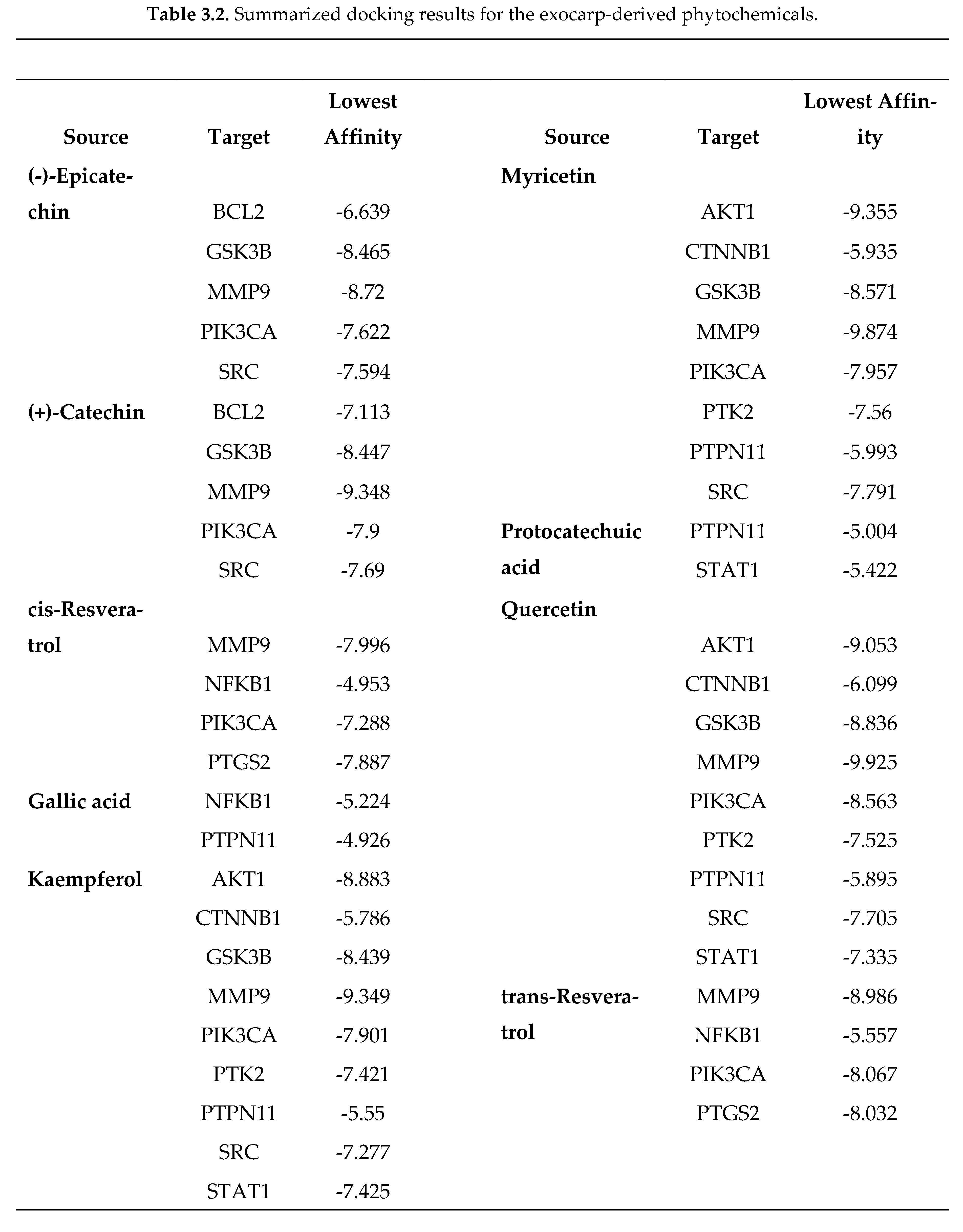
Molecular docking was performed to evaluate the binding affinity of the screened phytochemicals from Vitis vinifera leaf and exocarp against the identified hub proteins associated with Kawasaki disease. The complete docking results are summarized in Table 3. Among the leaf-derived compounds, quercetin consistently exhibited the strongest interactions across multiple hub proteins, indicating its potential as the principal bioactive constituent of the leaf extract. Jasmonic acid also demonstrated favorable binding to several inflammation-related targets, whereas eucalyptol, α-terpineol, and flavylium generally showed fewer or weaker interactions. Similarly, the exocarp-derived compounds demonstrated stronger and more extensive interactions than the leaf-derived compounds. Quercetin, myricetin, and kaempferol consistently ranked among the highest-performing ligands across multiple hub proteins, while catechins and trans-resveratrol also exhibited favorable binding toward selected targets. In contrast, gallic acid and protocatechuic acid generally showed comparatively weaker interactions. These findings suggest that the exocarp possesses a broader repertoire of compounds that interact with key proteins implicated in Kawasaki disease.
Representative three-dimensional binding poses generated using PyMOL together with two-dimensional interaction maps obtained from PLIP are shown in Figure 8. To validate these findings and establish a comparative baseline, positive controls were evaluated for the specific protein targets that yielded the most negative binding affinities with the screened phytochemicals. Capivasertib, acting as a positive control for AKT1, demonstrated a robust binding affinity of -10.347 kcal/mol. Phytochemicals such as quercetin (-9.100 kcal/mol) and myricetin (-9.355 kcal/mol) exhibited binding affinities closely approaching this pharmaceutical benchmark. For MMP9, Marimastat yielded a computed affinity of -6.427 kcal/mol. Several V. vinifera flavonoids, including myricetin (-9.874 kcal/mol) and quercetin (-9.925 kcal/mol), exceeded the binding affinity of this positive control. While Marimastat is a proven, highly potent clinical inhibitor, its primary mechanism involves forming a coordinate covalent bond with the catalytic zinc ion via its hydroxamate group [48]. The superior numerical scores of the phytochemicals highlight a crucial distinction in their binding mechanism: compounds like myricetin and quercetin achieve their high affinity predominantly through favorable classical non-covalent interactions, such as hydrogen bonding and hydrophobic packing, rather than relying strictly on aggressive heavy-metal chelation. Spatial visualization is shown in Figure 9.
3.7. Molecular Dynamics
The results revealed that both complexes maintained stable conformations throughout the simulation. The MMP9-myricetin complex exhibited a stable protein RMSD fluctuating only between 1.6–2.2 Å, while the AKT1-quercetin complex demonstrated moderate conformational adaptation before stabilizing between 2.2–3.5 Å, as seen in Figure 10. While an RMSD of 3.5 Å could theoretically indicate a significant conformational shift, additional metrics confirm that this does not represent a destabilizing event. This moderate-to-high backbone stability suggests that both ligands induced favorable conformational adjustments without compromising the structural integrity of their respective target proteins. The protein-ligand residue fluctuation analysis (RMSF), as shown in Figure 11, revealed that both complexes exhibited localized flexibility, particularly in exposed loop regions. The AKT1-quercetin complex showed higher peak RMSF values (4.0–5.4 Å) than the MMP9-myricetin complex (2.2–2.6 Å); however, the key ligand-binding residues in both protein targets remained relatively rigid (average RMSF < 1.5 Å) throughout the simulation. This localized flexibility in the loop regions is characteristic of normal protein dynamics, proving that the 3.5 Å overall RMSD is driven almost entirely by harmless loop adaptations rather than a major conformational degradation of the protein core. More importantly, the low flexibility of the active-site residues suggests that quercetin and myricetin remained stably bound within their respective binding pockets, minimizing unnecessary structural movements.
Equally important is the radius-of-gyration analysis shown in Figure 12, which indicates that both complexes exhibited consistent structural compactness. The AKT1-quercetin complex yielded an average radius of gyration of approximately 21.8 Å, while the MMP9-myricetin complex yielded an average radius of gyration of approximately 14.9 Å. The absence of noticeable upward drifts or sudden spikes in these values indicates that neither ligand-induced protein unfolding nor major structural expansion occurred during the simulation, further corroborating that the folded architecture of AKT1 was fully preserved despite the 3.5 Å RMSD. Another factor to consider is the hydrogen-bonding patterns and protein-ligand contacts. Throughout the 50 ns simulation, both complexes maintained a stable interaction network. The AKT1-quercetin complex consistently formed hydrogen bonds with key residues, including THR211, LYS268, ILE290, ASP292, and GLU298. Similarly, the MMP9-myricetin complex formed stable hydrogen bonds with HIS226, GLU227, and TYR245. The persistence of these interactions, together with sustained hydrophobic interactions and water bridges within the binding pockets, further supports the stable binding of both ligands throughout the simulation.
3.8. Multi-Objective Target Ranking Model
To determine whether the validated targets are not only physically stable but also biologically relevant and suitable for drug development, targets from both the leaf and fruit exocarps were evaluated using the five-parameter evidence-weighted ranking framework. The normalized scoring results, as shown in Table 4 and Table 5, revealed distinct therapeutic profiles, highlighting both shared key targets and distinct biological pathways between the two plant parts.
3.8.1. Tissue Relevance
The biological relevance of each target was first evaluated based on its expression in tissues affected by Kawasaki disease (KD). Since KD is a systemic vasculitis characterized by inflammation and remodeling of blood vessels, smooth muscle, and heart muscle [2], as well as involvement of the lungs, skin, lymph nodes, and liver [49], target expression across these tissues was used as the primary measure of tissue relevance. Both the leaf and exocarp extracts showed the highest tissue relevance scores (1.0) for AKT1 and STAT1, confirming these proteins as important targets that are highly expressed in the major tissues affected by KD. CTNNB1 also showed a high score (0.92) in both extracts. In contrast, the exocarp extract showed stronger tissue relevance for proteins involved in focal adhesion and extracellular matrix regulation, with PTK2 receiving a perfect score of 1.0 and PTPN11 scoring 0.96.
3.8.2. Transcriptomic Dysregulation
The transcriptomic analysis, which combined fold-change and statistical significance, revealed distinct mechanistic profiles between the two plant parts. It is important to note, as a caveat, that the reference value used for normalization is the maximum value specific to each tissue-type dataset. Consequently, this normalization serves merely as a proxy reference for both the exocarp and the leaf. Because of this, the absolute transcriptomic dysregulation scores between the two extracts are not perfectly comparable. However, examining the relative prioritization within each extract highlights their divergent effects. In the leaf extract, intracellular kinase signaling showed the greatest relative transcriptomic changes, with MAPK1 receiving the highest normalized score within its set (1.0), followed by MAPK3 (0.32). In contrast, the internal transcriptomic profile of the exocarp extract was largely dominated by MMP9, which achieved its own maximum score of 1.0, while all other targets in that set scored below 0.04.
3.8.3. Subcellular Localization
The accessibility of each target to small-molecule compounds was evaluated based on its subcellular location. Both extracts showed highly favorable localization profiles, indicating that their proposed targets are accessible for therapeutic intervention. Common targets, including AKT1, CTNNB1, and SRC, received perfect scores (1.0) in both the leaf and exocarp, indicating that these proteins are localized to highly accessible cellular compartments, such as the cytosol or plasma membrane. In addition, the leaf extract showed maximum accessibility scores for MAPK1 and MAPK3, while the exocarp showed ideal localization for PIK3CA and PTK2, both with scores of 1.0.
3.8.4. Target Class
The target class was evaluated to determine the known druggability of each protein based on its structure and protein family. Highly druggable protein classes, particularly kinases, consistently received the highest scores. AKT1, GSK3B, and SRC all achieved the maximum score (1.0) in both plant parts, reflecting the well-established success and structural suitability of targeting these protein families with small-molecule drugs [50,51]. Among the unique targets, the leaf extract strongly prioritized the kinases MAPK1 and MAPK3 (1.0), while the exocarp prioritized PIK3CA and PTK2 (1.0). These findings indicate that the major targets identified from both plant parts belong to protein classes with proven druggability, supporting the pharmacological potential of the pathways identified in the earlier simulations.
3.8.5. Known Small Molecule Binders
The final assessment of druggability was based on the availability of experimentally reported small-molecule binders. Several important targets were supported by large numbers of known small-molecule modulators, providing strong experimental evidence of their druggability. In the leaf extract, BCL2 achieved the highest binder score (1.0), followed by SRC (0.99), PTGS2 (0.98), and HSP90AA1 (0.97). In the exocarp extract, MMP9 received the maximum score (1.0), while BCL2 (0.97), PIK3CA (0.96), and SRC (0.96) also showed very high scores. These findings indicate that both plant parts target proteins with strong experimental support for small-molecule binding. Although both extracts share important targets such as AKT1 and SRC, their distinct target profiles suggest they act on complementary biological pathways implicated in Kawasaki disease.
To reduce subjective bias in the ranking model, two objective methods were used to assign the final weights to the five evaluation criteria: tissue relevance, transcriptomic dysregulation, subcellular localization, target class, and known small-molecule binders. The first method was a variance-based approach, which assumes that a criterion with a wide range of scores across candidate genes is more useful for distinguishing between them. Therefore, criteria with greater variation were assigned higher weights, while those with similar scores across all genes received lower weights. The second method used an entropy-based approach from information theory to evaluate the informativeness of each criterion, based on the distribution of its scores. If a criterion produced similar scores for most genes, it had high entropy and provided less useful information, resulting in a lower weight. In contrast, if the scores varied greatly, with some genes scoring much higher or lower than others, the criterion was considered more informative and was assigned a higher weight. Finally, the calculated objective weights were combined with the normalized scores of each candidate gene to generate a final composite priority score. This data-driven approach ensures that the final ranking of therapeutic targets is based on the natural differences in the data rather than on subjective human judgment.
Figure 13 provides a direct visual summary of the raw performance across the top candidate genes for both the leaf and exocarp extracts. In these heatmaps, color intensity directly corresponds to higher normalized scores for specific parameters. To demonstrate how these raw scores translate into the final prioritization, Figure 14 uses stacked bar charts for the leaf and exocarp to show the exact proportion of the composite score derived from each parameter. These visualizations confirm that the highest-ranking targets did not merely excel in a single category but instead contributed substantially to scores across multiple empirical metrics.
To ensure that the final list of therapeutic targets was not overly dependent on a single mathematical weighting approach, a rank stability analysis was conducted. Figure 15 presents the rank stability scatter plots for the leaf and exocarp extracts, visually comparing how each candidate gene performed under the variance-based scheme versus the entropy-based scheme. In these plots, targets positioned at the optimal, highest-ranking coordinates demonstrate exceptional rank stability. This visual clustering confirms their robustness as top-tier therapeutic targets, proving that their high priority is driven by the underlying biological and pharmacological data rather than the specific statistical method used to weigh the criteria. Targets such as MAPK1, AKT1, and SRC (in the leaf) and MMP9, PTK2, and PIK3CA (in the exocarp) consistently maintain optimal positions across both weighting schemes.
Finally, the ultimate target prioritization is established by plotting the composite scores derived from both methods. Figure 16 presents the Entropy vs. Variance scatter plots for the leaf and exocarp extracts, visually comparing how each candidate gene performed under the two distinct weighting schemes. By comparing the total lengths of the composite bars in these charts, the distinct therapeutic profiles of the two plant parts are definitively solidified. For the leaf extract, MAPK1 and MAPK3 emerge visibly as the dominant targets, reaffirming the extract’s primary leverage over acute intracellular inflammatory signaling. For the exocarp, MMP9 and PTK2 achieve the most substantial composite bars, confirming its specialized capacity to modulate extracellular matrix remodeling. Ultimately, these visual frameworks successfully isolate the highest-leverage nodes, providing a transparent, data-driven foundation for future experimental validation.
4. Discussion
Kawasaki disease (KD) is a pediatric systemic panvasculitis characterized by profound inflammation and remodeling of blood vessels, smooth muscle, and heart muscle [2]. Because a significant subset of patients fails to respond to standard intravenous immunoglobulin (IVIG) therapy, identifying alternative interventions capable of targeting multiple disease pathways simultaneously is critical. The integration of network pharmacology and molecular modeling in this study provides strong evidence that bioactive compounds from Vitis vinifera can effectively interact with key KD-related genes, highlighting distinct, part-specific therapeutic potentials.
The compound-target network identified flavonoids such as quercetin, myricetin, and kaempferol as highly connected hub compounds, indicating their capacity to modulate broad biological networks. To validate the computational protocol and establish a comparative baseline, known clinical inhibitors were docked against the highest-priority targets under identical parameters. Capivasertib, acting as a positive control for AKT1, demonstrated a robust binding affinity of -10.347 kcal/mol. Phytochemicals from the extracts, notably quercetin (-9.100 kcal/mol) and myricetin (-9.355 kcal/mol), exhibited competitive binding affinities approaching this clinical benchmark. Conversely, Marimastat was utilized as the positive control for MMP9 and yielded a computed binding affinity of -6.427 kcal/mol. While Marimastat is a highly potent inhibitor in vitro, this mathematically weak score is a documented artifact of standard molecular docking algorithms. MMP9 is a zinc-dependent metalloproteinase, and Marimastat achieves its extreme potency by forming a quantum-mechanical coordinate covalent bond with the catalytic zinc ion via its hydroxamate group. Because standard docking engines utilize classical force fields that fail to accurately parameterize or geometrically reward transition-metal coordination, the free energy of binding is severely underestimated. More importantly, this discrepancy provides a crucial interpretation of the V. vinifera flavonoids: compounds like myricetin (-9.874 kcal/mol) and quercetin (-9.925 kcal/mol) achieved vastly superior numerical scores because they bind via highly favorable classical non-covalent interactions (such as hydrogen bonding and hydrophobic packing) rather than relying on heavy metal chelation. This suggests that the exocarp and leaf phytochemicals demonstrate excellent structural complementarity to the active site, potentially offering a safer therapeutic alternative that avoids the severe musculoskeletal toxicities historically associated with synthetic broad-spectrum zinc-chelating MMP inhibitors [52].
This theoretical stability was definitively verified through 50 ns molecular dynamics simulations of the AKT1-quercetin and MMP9-myricetin complexes. The simulations confirmed that despite these representing the lowest initial affinity targets for their respective extracts, both complexes maintained highly stable conformations under physiological conditions. The structural compactness was preserved, as evidenced by steady radius of gyration values (21.8 Å for AKT1-quercetin and 14.9 Å for MMP9-myricetin) without any signs of protein unfolding or major structural expansion. Furthermore, persistent hydrogen-bonding networks proved that these phytochemicals tightly lock into the active binding pockets, minimizing unnecessary structural movements.
To evaluate the actual biological relevance of these interactions, transcriptomic and functional enrichment analyses were integrated using a multi-objective target ranking framework. The transcriptomic analysis, which combined fold-change and statistical significance, revealed distinct mechanistic profiles between the two plant parts. Because the transcriptomic dysregulation scores were normalized to the maximum value within each respective dataset, the absolute scores between the leaf and exocarp extracts cannot be directly compared. However, examining the relative prioritization within each extract highlights their divergent effects. In the leaf extract, intracellular kinase signaling showed the strongest relative transcriptomic changes, with MAPK1 receiving the highest normalized score within its set (1.0), followed by MAPK3 (0.32). In contrast, the internal transcriptomic profile of the exocarp extract was largely dominated by MMP9, which achieved its own maximum score of 1.0, while all other targets in that set scored below 0.04. Although their absolute magnitudes differ, this clear difference in intra-set prioritization indicates that the exocarp has a more focused effect on extracellular matrix remodeling, which directly addresses the persistent endothelial damage associated with Kawasaki disease [53].
Pathway enrichment further corroborated this profound “division of labor” between the leaf and the exocarp. The leaf extract demonstrated unparalleled influence over intracellular inflammatory signaling, exhibiting strong enrichment in the IL-17 signaling pathway. This highlights the leaf’s primary role in suppressing the acute pro-inflammatory cytokine production that drives early KD pathogenesis [54]. Conversely, the fruit exocarp strictly prioritized MMP9 and PTK2, demonstrating distinct enrichment in fluid shear stress and atherosclerosis pathways. This suggests the exocarp directly addresses the persistent endothelial damage and vascular smooth muscle cell remodeling characteristic of the disease.
Collectively, these mechanisms suggest that the leaf and exocarp of V. vinifera act on distinct but highly complementary nodes of the disease network. While the leaf acts as an immune shield to manage acute intracellular immune responses, the fruit exocarp functions as structural glue to intervene directly in extracellular matrix remodeling and protect the blood vessels from structural damage. Formulated together, they present a compelling, structurally stable, and highly druggable dual-mechanism adjunct therapy capable of addressing both the immediate inflammatory crisis and the long-term cardiovascular complications of Kawasaki disease.
5. Conclusions
This study demonstrates the therapeutic potential of V. vinifera leaf and fruit exocarp extracts as a multi-target treatment strategy for Kawasaki disease (KD). By integrating network pharmacology, molecular dynamics simulations, and a multi-objective ranking framework, the study identified and validated the distinct pharmacological mechanisms of the two plant parts. The use of objective variance and entropy-based weighting methods confirmed the consistent ranking of several important biological targets. The results showed that the two extracts have complementary mechanisms of action. The leaf extract mainly regulates intracellular kinase signaling through MAPK1 and MAPK3, helping to suppress systemic inflammation, while the fruit exocarp primarily targets extracellular matrix remodeling and focal adhesion through MMP9 and PTK2, which may help reduce vascular wall damage. In addition, common targets such as AKT1 and SRC suggest that both extracts may work together to reduce endothelial dysfunction and the development of coronary artery aneurysms.
Molecular docking, 50-ns molecular dynamics simulations, and ADMET analyses further supported these findings. Major flavonoids, particularly quercetin and myricetin, formed stable and energetically favorable complexes with key target proteins while showing good predicted oral bioavailability and favorable safety profiles. In conclusion, this in silico study provides a data-driven basis for the potential use of V. vinifera phytochemicals as safer adjuncts to current immunomodulatory therapies for Kawasaki disease. The target prioritization framework developed in this study also identified promising therapeutic targets that can be further investigated through future in vitro and in vivo studies.
Abbreviations
The following abbreviations are used in this manuscript:
| KD | Kawasaki Disease |
| RMSD | Root-Mean-Square Deviation |
| RMSF | Root-Mean-Square Fluctuation |
References
- E. Rife and A. Gedalia, “Kawasaki Disease: an Update,” Curr. Rheumatol. Rep., vol. 22, no. 10, p. 75, Oct. 2020. [CrossRef]
- McCrindle, B. W., Rowley, A. H., Newburger, J. W., Burns, J. C., Bolger, A. F., Gewitz, M., Baker, A. L., Jackson, M. A., Takahashi, M., Shah, P. B., Kobayashi, T., Wu, M.-H., Saji, T. T., & Pahl, E. (2017). Diagnosis, Treatment, and Long-Term Management of Kawasaki Disease: A Scientific Statement for Health Professionals From the American Heart Association. Circulation, 2008, 135(17), pp. 154–196. [CrossRef]
- H.-C. Kuo et al., “Intravenous Immunoglobulin Alone for Coronary Artery Lesion Treatment of Kawasaki Disease,” JAMA Netw. Open, vol. 8, no. 4, p. e253063, Apr. 2025. [CrossRef]
- W. Li et al., “Predictors for Intravenous Immunoglobulin Resistance in Patients with Kawasaki Disease,” Int. J. Clin. Pract., vol. 2022, no. 1, Jan. 2022. [CrossRef]
- L. Lu, S. Zhu, H. Zhang, and S. Zhang, “Improvement of antioxidative activity of resveratrol by elongating conjugated chain: A DFT theoretical study,” Comput. Theor. Chem., vol. 1019, pp. 39–47, Sep. 2013. [CrossRef]
- T. Meng, D. Xiao, A. Muhammed, J. Deng, L. Chen, and J. He, “Anti-Inflammatory Action and Mechanisms of Resveratrol,” Molecules, vol. 26, no. 1, p. 229, Jan. 2021. [CrossRef]
- Y. Shen, M. Zhang, X. Liu, X. Jin, Z. Liu, and S. Liu, “Resveratrol-mediated NRF2/HO-1 signaling pathway to improve postoperative cognitive dysfunction in elderly rats,” Neuroreport, vol. 36, no. 6, pp. 297–305, Apr. 2025. [CrossRef]
- P. Ansari et al., “Therapeutic Potential of Medicinal Plants and Their Phytoconstituents in Diabetes, Cancer, Infections, Cardiovascular Diseases, Inflammation and Gastrointestinal Disorders,” Biomedicines, vol. 13, no. 2, p. 454, Feb. 2025. [CrossRef]
- N. Zouine, N. El Ghachtouli, S. El Abed, and S. I. Koraichi, “A comprehensive review on medicinal plant extracts as antibacterial agents: Factors, mechanism insights and future prospects,” Sci. Afr., vol. 26, p. e02395, Dec. 2024. [CrossRef]
- R. Alsheikh et al., “Prevalence, patterns, drivers, and perceived benefits of herbal medicine use in COVID-19 patients in Qatar,” J. Pharm. Policy Pract., vol. 18, no. 1, Dec. 2025. [CrossRef]
- F. Grassi and R. Arroyo-Garcia, “Editorial: Origins and Domestication of the Grape,” Front. Plant Sci., vol. 11, Jul. 2020. [CrossRef]
- U. Majeed et al., “Grape (Vitis vinifera L.) phytochemicals and their biochemical protective mechanisms against leading pathologies,” Food Chem., vol. 405, p. 134762, Mar. 2023. [CrossRef]
- C. Bocsan et al., “Antioxidant and Anti-Inflammatory Actions of Polyphenols from Red and White Grape Pomace in Ischemic Heart Diseases,” Biomedicines, vol. 10, no. 10, p. 2337, Sep. 2022. [CrossRef]
- L. Bouby et al., “The Holocene history of grapevine (Vitis vinifera) and viticulture in France retraced from a large-scale archaeobotanical dataset,” Palaeogeogr. Palaeoclimatol. Palaeoecol., vol. 625, p. 111655, Sep. 2023. [CrossRef]
- C. Bocsan et al., “Antioxidant and Anti-Inflammatory Actions of Polyphenols from Red and White Grape Pomace in Ischemic Heart Diseases,” Biomedicines, vol. 10, no. 10, p. 2337, Sep. 2022. [CrossRef]
- R. Mansour et al., “The Effect of Vitis vinifera L. Leaves Extract on Leishmania infantum.,” Iran. J. Pharm. Res., vol. 12, no. 3, pp. 349–55, 2013.
- Zhou, D.-D., Li, J., Xiong, R.-G., Saimaiti, A., Huang, S.-Y., Wu, S.-X., Yang, Z.-J., Shang, A., Zhao, C.-N., Gan, R.-Y., & Li, H.-B. (2022). Bioactive Compounds, Health Benefits and Food Applications of Grape. Foods, 11(18), 2755. [CrossRef]
- Moldovan, M. L., Carpa, R., Fizeșan, I., Vlase, L., Bogdan, C., Iurian, S. M., Benedec, D., & Pop, A. (2020). Phytochemical Profile and Biological Activities of Tendrils and Leaves Extracts from a Variety of Vitis vinifera L. Antioxidants, 9(5), 373. [CrossRef]
- B. Aouey, A. M. Samet, H. Fetoui, M. S. J. Simmonds, and M. Bouaziz, “Anti-oxidant, anti-inflammatory, analgesic and antipyretic activities of grapevine leaf extract (Vitis vinifera) in mice and identification of its active constituents by LC–MS/MS analyses,” Biomedicine & Pharmacotherapy, vol. 84, pp. 1088–1098, Dec. 2016. [CrossRef]
- Md. J. Hossain, K. R. Lema, M. A. Samadd, R. Aktar, M. A. Rashid, and M. A. Al-Mansur, “Chemical Profiling and Antioxidant, Anti-Inflammatory, Cytotoxic, Analgesic, and Antidiarrheal Activities from the Seeds of Commonly Available Red Grape ( Vitis vinifera L.),” Nutr. Metab. Insights, vol. 17, Jan. 2024. [CrossRef]
- R. P. Vivek-Ananth, K. Mohanraj, A. K. Sahoo, and A. Samal, “IMPPAT 2.0: An Enhanced and Expanded Phytochemical Atlas of Indian Medicinal Plants,” ACS Omega, vol. 8, no. 9, pp. 8827–8845, Mar. 2023. [CrossRef]
- Rockenbach, I. I., Gonzaga, L. V., Rizelio, V. M., Gonçalves, A. E. de S. S., Genovese, M. I., & Fett, R. (2011). Phenolic compounds and antioxidant activity of seed and skin extracts of red grape (Vitis vinifera and Vitis labrusca) pomace from Brazilian winemaking. Food Research International, 44(4), 897–901. [CrossRef]
- Kammerer, D., Claus, A., Carle, R., & Schieber, A. (2004). Polyphenol Screening of Pomace from Red and White Grape Varieties ( Vitis vinifera L.) by HPLC-DAD-MS/MS. Journal of Agricultural and Food Chemistry, 52(14), 4360–4367. [CrossRef]
- Mattivi, F., Guzzon, R., Vrhovsek, U., Stefanini, M., & Velasco, R. (2006). Metabolite Profiling of Grape: Flavonols and Anthocyanins. Journal of Agricultural and Food Chemistry, 54(20), 7692–7702. [CrossRef]
- Fu, L., Shi, S., Yi, J., Wang, N., He, Y., Wu, Z., Peng, J., Deng, Y., Wang, W., Wu, C., Lyu, A., Zeng, X., Zhao, W., Hou, T., & Cao, D. (2024). ADMETlab 3.0: an updated comprehensive online ADMET prediction platform enhanced with broader coverage, improved performance, API functionality and decision support. Nucleic Acids Research, 52(W1), W422–W431. [CrossRef]
- Daina, A., Michielin, O., & Zoete, V. (2019). SwissTargetPrediction: updated data and new features for efficient prediction of protein targets of small molecules. Nucleic Acids Research, 47(W1), W357–W364. [CrossRef]
- Gallo, K., Goede, A., Preissner, R., & Gohlke, B.-O. (2022). SuperPred 3.0: drug classification and target prediction—a machine learning approach. Nucleic Acids Research, 50(W1), W726–W731. [CrossRef]
- Barrett, T., Wilhite, S. E., Ledoux, P., Evangelista, C., Kim, I. F., Tomashevsky, M., Marshall, K. A., Phillippy, K. H., Sherman, P. M., Holko, M., Yefanov, A., Lee, H., Zhang, N., Robertson, C. L., Serova, N., Davis, S., & Soboleva, A. (2012). NCBI GEO: archive for functional genomics data sets—update. Nucleic Acids Research, 41(D1), D991–D995. [CrossRef]
- Yang, S., Zong, W., Shi, L., Li, R., Ma, Z., Ma, S., Si, J., Wu, Z., Zhai, J., Ma, Y., Fan, Z., Chen, S., Huang, H., Zhang, D., Bao, Y., Li, R., & Xie, J. (2024). PPGR: a comprehensive perennial plant genomes and regulation database. Nucleic Acids Research, 52(D1), D1588–D1596. [CrossRef]
- Ge, S. X., Jung, D., & Yao, R. (2020). ShinyGO: a graphical gene-set enrichment tool for animals and plants. Bioinformatics, 36(8), 2628–2629. [CrossRef]
- Ono, K., Fong, D., Gao, C., Churas, C., Pillich, R., Lenkiewicz, J., Pratt, D., Pico, A. R., Hanspers, K., Xin, Y., Morris, J., Kucera, M., Franz, M., Lopes, C., Bader, G., Ideker, T., & Chen, J. (2025). Cytoscape Web: bringing network biology to the browser. Nucleic Acids Research, 53(W1), W203–W212. [CrossRef]
- Khan, S. A., & Lee, T. K. W. (2022). Network pharmacology and molecular docking-based investigations of Kochiae Fructus’s active phytomolecules, molecular targets, and pathways in treating COVID-19. Frontiers in Microbiology, 13. [CrossRef]
- Jendele, L., Krivak, R., Skoda, P., Novotny, M., & Hoksza, D. (2019). PrankWeb: a web server for ligand binding site prediction and visualization. Nucleic Acids Research, 47(W1), W345–W349. [CrossRef]
- Grosdidier, A., Zoete, V., & Michielin, O. (2011). SwissDock, a protein-small molecule docking web service based on EADock DSS. Nucleic Acids Research, 39(suppl), W270–W277. [CrossRef]
- Binmujlli, M. A. (2024). Exploring Radioiodinated Anastrozole and Epirubicin as AKT1-Targeted Radiopharmaceuticals in Breast Cancer: In Silico Analysis and Potential Therapeutic Effect with Functional Nuclear Imagining Implications. Molecules, 29(17), 4203. [CrossRef]
- Alcón-Calderón, M., de Lucio, H., García-Soriano, J. C., Revuelto, A., de Castro, S., López-Gutiérrez, C., San-Félix, A., Quesada, E., Gago, F., Camarasa, M.-J., Jiménez-Ruiz, A., & Velázquez, S. (2022). Identification of L. infantum trypanothione synthetase inhibitors with leishmanicidal activity from a (non-biased) in-house chemical library. European Journal of Medicinal Chemistry, 243, 114675. [CrossRef]
- Salentin, S., Schreiber, S., Haupt, V. J., Adasme, M. F., & Schroeder, M. (2015). PLIP: fully automated protein–ligand interaction profiler. Nucleic Acids Research, 43(W1), W443–W447. [CrossRef]
- Bowers, K. J., Sacerdoti, F. D., Salmon, J. K., Shan, Y., Shaw, D. E., Chow, E., Xu, H., Dror, R. O., Eastwood, M. P., Gregersen, B. A., Klepeis, J. L., Kolossvary, I., & Moraes, M. A. (2006). Molecular dynamics---Scalable algorithms for molecular dynamics simulations on commodity clusters. Proceedings of the 2006 ACM/IEEE Conference on Supercomputing - SC ’06, 84. [CrossRef]
- Jorgensen, W. L., Chandrasekhar, J., Madura, J. D., Impey, R. W., & Klein, M. L. (1983). Comparison of simple potential functions for simulating liquid water. The Journal of Chemical Physics, 79(2), 926–935. [CrossRef]
- Ghadermarzi, S., Li, X., Li, M., & Kurgan, L. (2019). Sequence-Derived Markers of Drug Targets and Potentially Druggable Human Proteins. Frontiers in Genetics, 10. [CrossRef]
- Deprey, K., Becker, L., Kritzer, J., & Plückthun, A. (2019). Trapped! A Critical Evaluation of Methods for Measuring Total Cellular Uptake versus Cytosolic Localization. Bioconjugate Chemistry, 30(4), 1006–1027. [CrossRef]
- Jandu, R. S., Bhattacharya, A., Antony, F., Al-Seragi, M., Aoki, H., Babu, M., & Duong van Hoa, F. (2025). Membrane-mimetic thermal proteome profiling (MM-TPP) toward mapping membrane protein–ligand dynamic interactions. eLife, 14. [CrossRef]
- ElGhannam, M., Dar, Y., ElMehlawy, M. H., Mokhtar, F. A., & Bakr, L. (2023). Eugenol; Effective Anthelmintic Compound against Foodborne Parasite Trichinella spiralis Muscle Larvae and Adult. Pathogens, 12(1), 127. [CrossRef]
- Cheng, L., Xia, F., Li, Z., Shen, C., Yang, Z., Hou, H., Sun, S., Feng, Y., Yong, X., Tian, X., Qin, H., Yan, W., & Shao, Z. (2023). Structure, function and drug discovery of GPCR signaling. Molecular Biomedicine, 4(1), 46. [CrossRef]
- Yamaguchi, S., Kaneko, M., & Narukawa, M. (2021). Approval success rates of drug candidates based on target, action, modality, application, and their combinations. Clinical and Translational Science, 14(3), 1113–1122. [CrossRef]
- Turnbull, A., Boyd, S., & Walse, B. (2014). Fragment-based drug discovery and protein–protein interactions. Research and Reports in Biochemistry, 13. [CrossRef]
- Arkin, M. R., Tang, Y., & Wells, J. A. (2014). Small-Molecule Inhibitors of Protein-Protein Interactions: Progressing toward the Reality. Chemistry & Biology, 21(9), 1102–1114. [CrossRef]
- Fields, G. B. (2019). The Rebirth of Matrix Metalloproteinase Inhibitors: Moving Beyond the Dogma. Cells, 8(9), 984. [CrossRef]
- Hara, T., Nakashima, Y., Sakai, Y., Nishio, H., Motomura, Y., & Yamasaki, S. (2016). Kawasaki disease: a matter of innate immunity. Clinical and Experimental Immunology, 186(2), 134–143. [CrossRef]
- Cheng, L., Xia, F., Li, Z., Shen, C., Yang, Z., Hou, H., Sun, S., Feng, Y., Yong, X., Tian, X., Qin, H., Yan, W., & Shao, Z. (2023). Structure, function and drug discovery of GPCR signaling. Molecular Biomedicine, 4(1), 46. [CrossRef]
- Yamaguchi, S., Kaneko, M., & Narukawa, M. (2021). Approval success rates of drug candidates based on target, action, modality, application, and their combinations. Clinical and Translational Science, 14(3), 1113–1122. [CrossRef]
- Fields, G. B. (2019). The Rebirth of Matrix Metalloproteinase Inhibitors: Moving Beyond the Dogma. Cells, 8(9), 984. [CrossRef]
- Lo, M.-H., Lin, Y.-J., Kuo, H.-C., Wu, Y.-H., Li, T.-Y., Kuo, H.-C., & Lin, I.-C. (2023). Assessment of vascular and endothelial function in Kawasaki disease. Biomedical Journal, 46(2), 100525. [CrossRef]
- Brodeur, K. E., Liu, M., Ibanez, D., de Groot, M. J., Chen, L., Du, Y., Seyal, E., Laza-Briviesca, R., Baker, A., Chang, J. C., Chang, M. H., Day-Lewis, M., Dedeoglu, F., Dionne, A., de Ferranti, S. D., Friedman, K. G., Halyabar, O., Lo, M. S., Meidan, E., … Lee, P. Y. (2024). Elevation of IL -17 Cytokines Distinguishes Kawasaki Disease From Other Pediatric Inflammatory Disorders. Arthritis & Rheumatology, 76(2), 285–292. [CrossRef]
Figure 1.
Summary of the methodology.
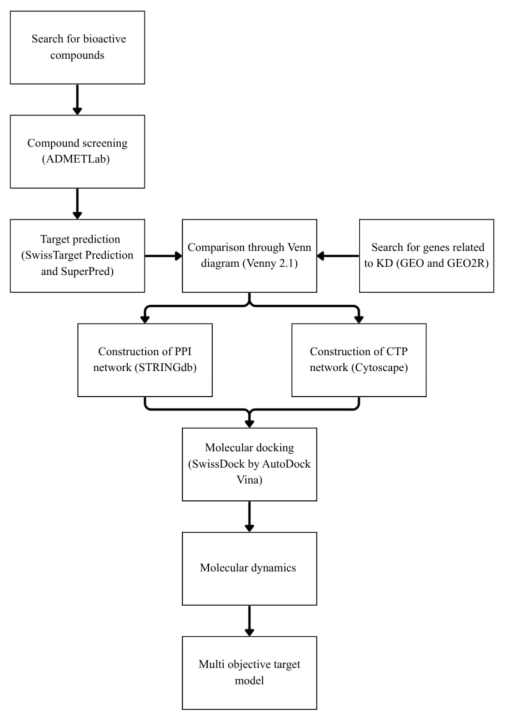
Figure 3.
PPI networks of leaf and exocarp, respectively.
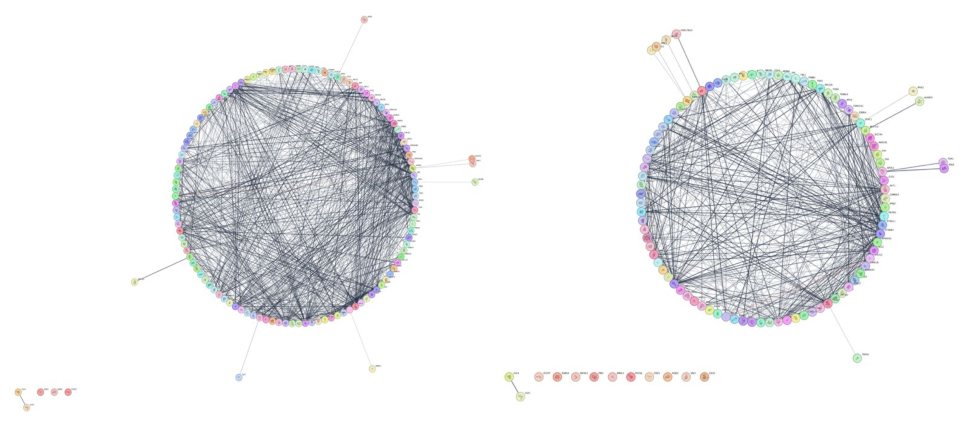
Figure 4.
PPI Networks of the hub genes that PPI network of the common hub genes identified by the MCC, MNC, and Degree algorithms of leaf and exocarp respectively.
Figure 4.
PPI Networks of the hub genes that PPI network of the common hub genes identified by the MCC, MNC, and Degree algorithms of leaf and exocarp respectively.
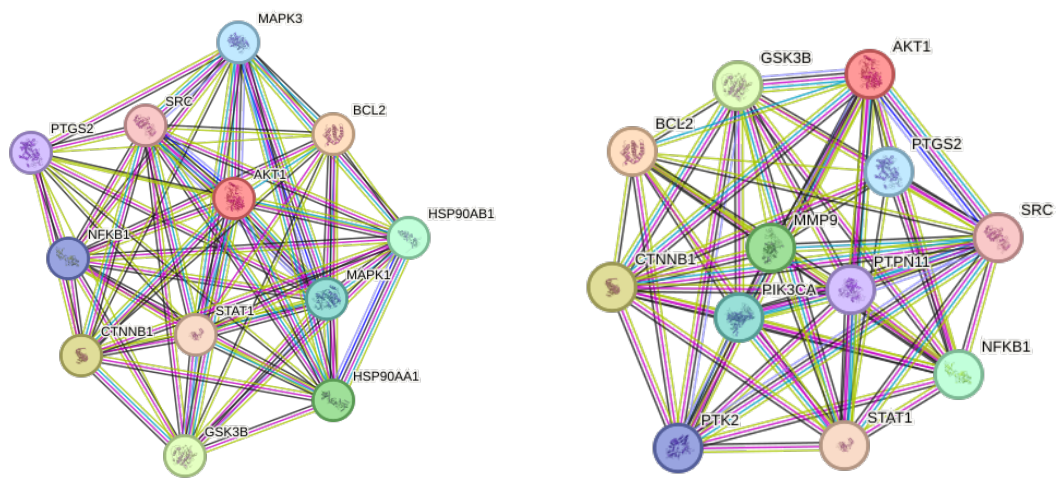
Figure 5.
GO Enrichment analysis of the hub genes from the leaf and fruit exocarp, respectively.
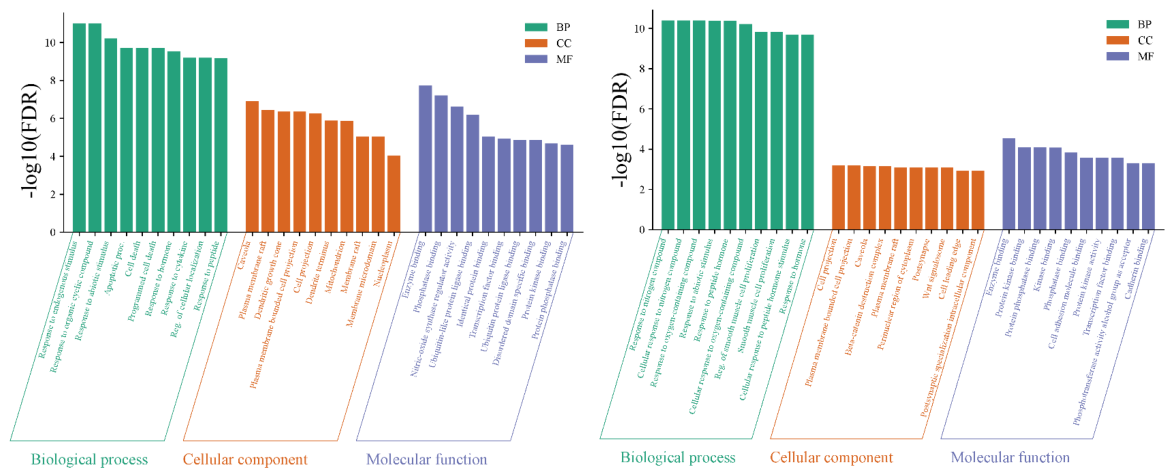
Figure 6.
KEGG Enrichment analysis of the hub genes from the leaf and fruit exocarp, respectively.
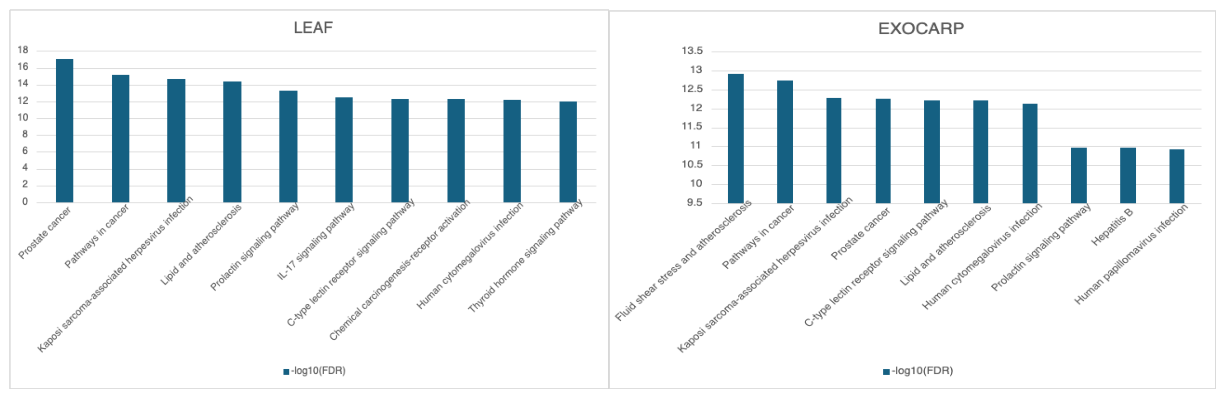
Figure 7.
Compound-Target Network of leaf and fruit exocarp, respectively. Yellow colored squares represent the compounds. Blue colored squares represent the hub genes. Green colored squares represent the pathways.
Figure 7.
Compound-Target Network of leaf and fruit exocarp, respectively. Yellow colored squares represent the compounds. Blue colored squares represent the hub genes. Green colored squares represent the pathways.
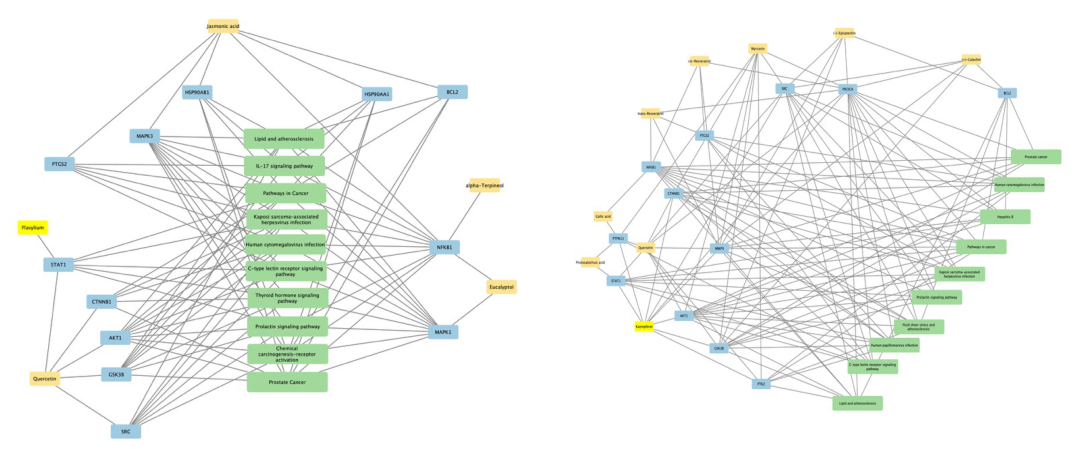
Figure 8.
Representative molecular docking results of (a) AKT1-Quercetin and (b) MMP9-Myricetin showing the three-dimensional binding conformation of the ligand–protein complex visualized in PyMOL and the corresponding two-dimensional protein–ligand interaction profile generated using PLIP.
Figure 8.
Representative molecular docking results of (a) AKT1-Quercetin and (b) MMP9-Myricetin showing the three-dimensional binding conformation of the ligand–protein complex visualized in PyMOL and the corresponding two-dimensional protein–ligand interaction profile generated using PLIP.
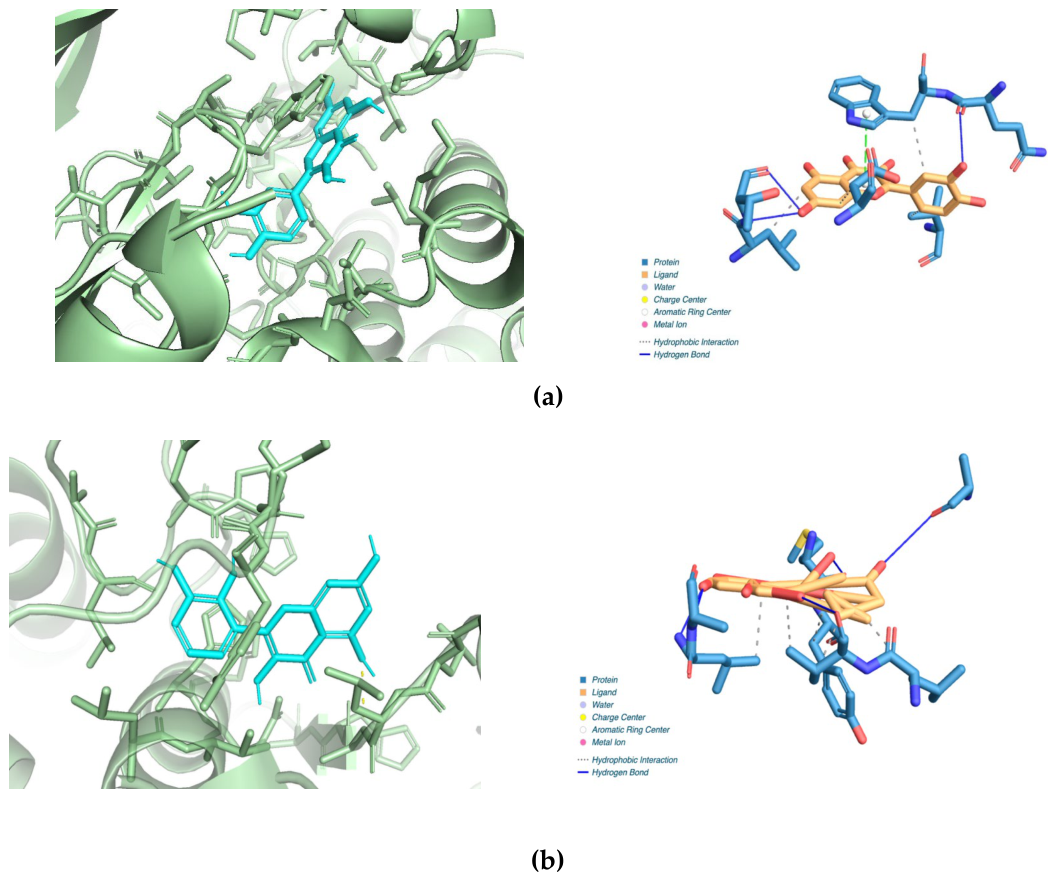
Figure 9.
Representative molecular docking results of (a) AKT1-Capiversatib and (b) MMP9-Marimastat showing the three-dimensional binding conformation of the ligand–protein complex visualized in PyMOL and the corresponding two-dimensional protein–ligand interaction profile generated using PLIP.
Figure 9.
Representative molecular docking results of (a) AKT1-Capiversatib and (b) MMP9-Marimastat showing the three-dimensional binding conformation of the ligand–protein complex visualized in PyMOL and the corresponding two-dimensional protein–ligand interaction profile generated using PLIP.
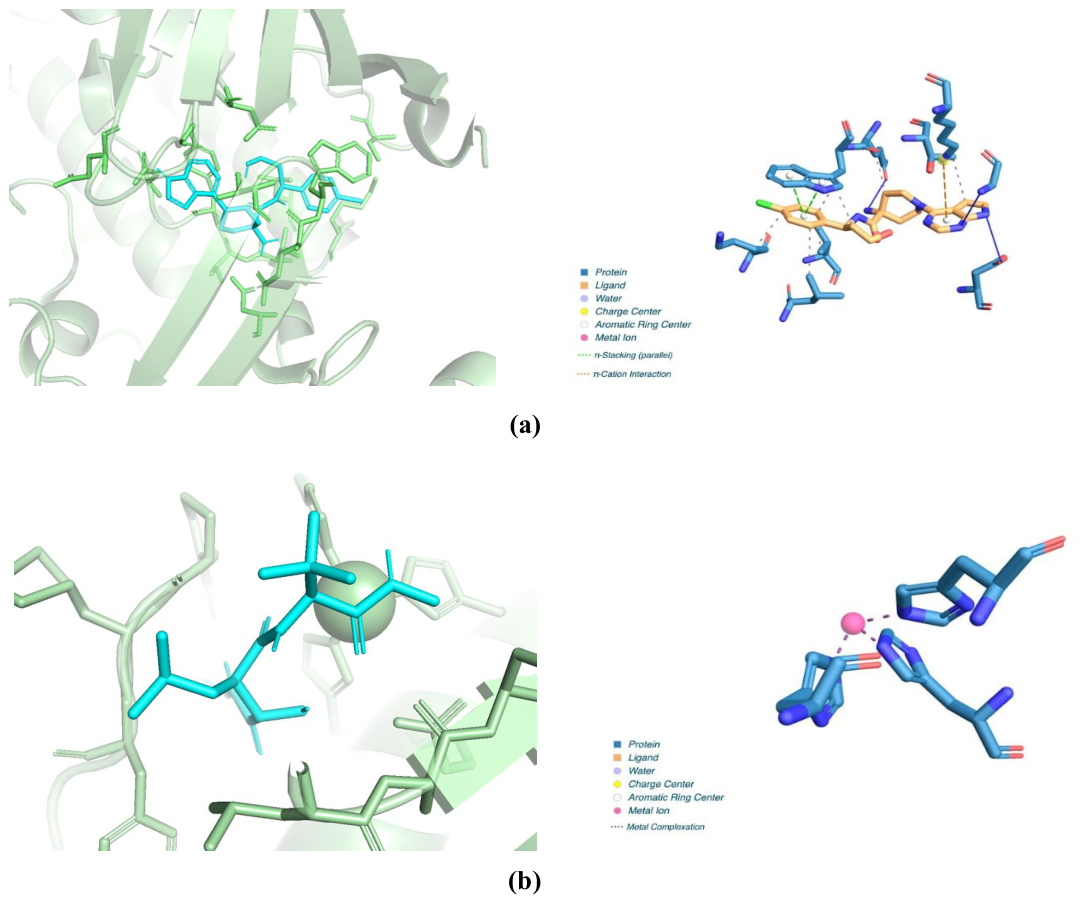
Figure 10.
RMSD of both complexes. The first figure (a) shows the RMSD of AKT1-Quercetin complex while (b) show the RMSD of MMP9-Myricetin complex.
Figure 10.
RMSD of both complexes. The first figure (a) shows the RMSD of AKT1-Quercetin complex while (b) show the RMSD of MMP9-Myricetin complex.
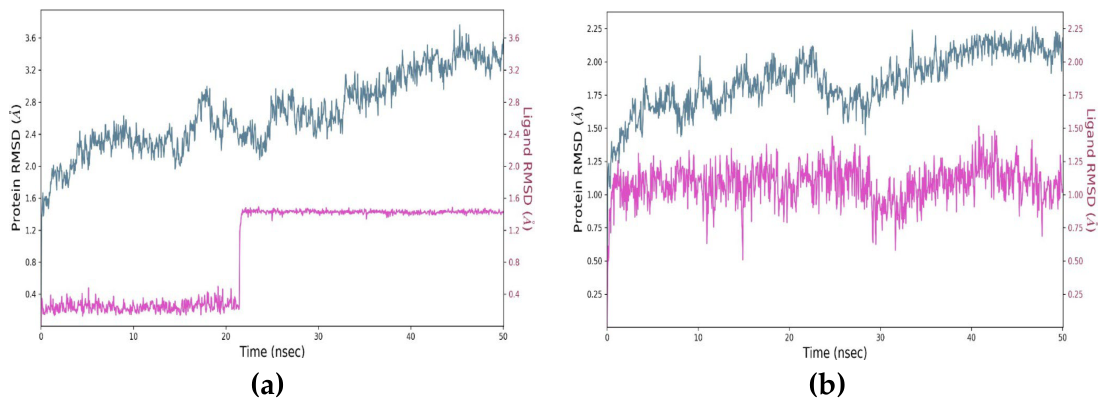
Figure 11.
RMSF of both complexes. The first figure (a) shows the RMSF of AKT1-Quercetin complex while (b) show the RMSF of MMP9-Myricetin complex.
Figure 11.
RMSF of both complexes. The first figure (a) shows the RMSF of AKT1-Quercetin complex while (b) show the RMSF of MMP9-Myricetin complex.
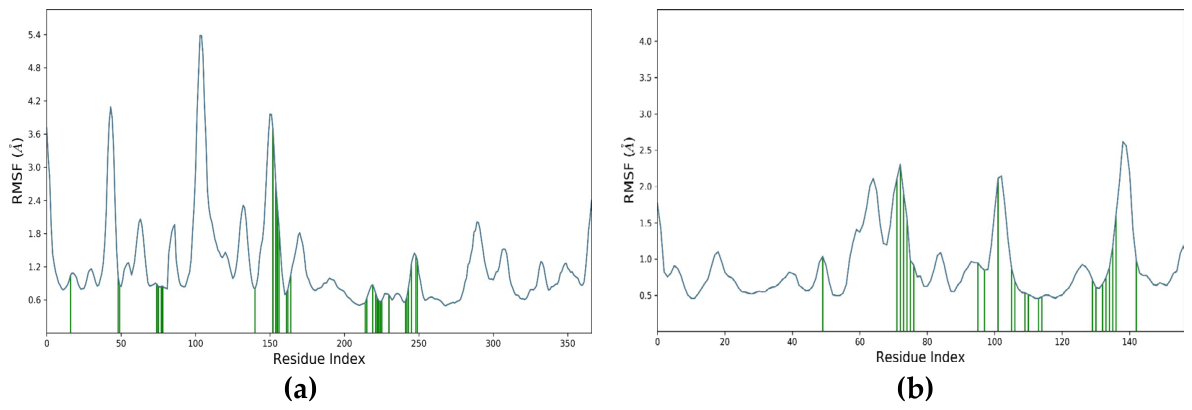
Figure 12.
Radius of gyration of the two complexes. (a) represents the ROG of the AKT1-Quercetin complex and (b) represents the ROG of the MMP9-Myricetin complex.
Figure 12.
Radius of gyration of the two complexes. (a) represents the ROG of the AKT1-Quercetin complex and (b) represents the ROG of the MMP9-Myricetin complex.
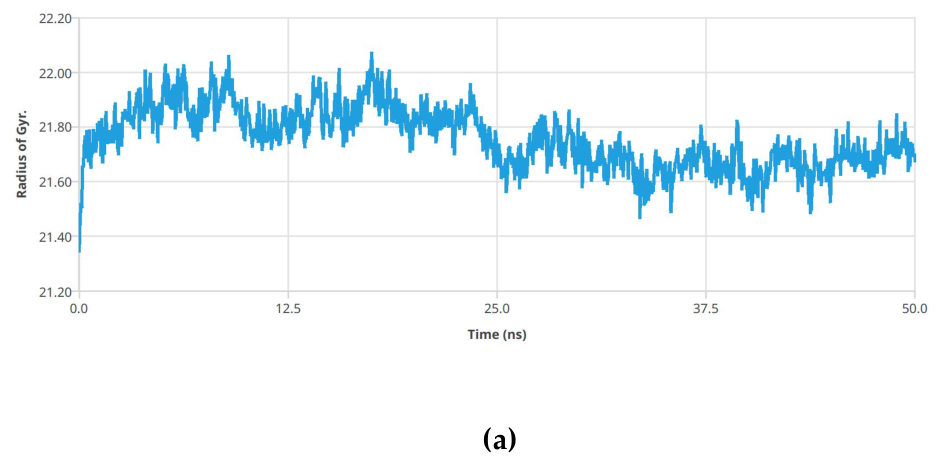
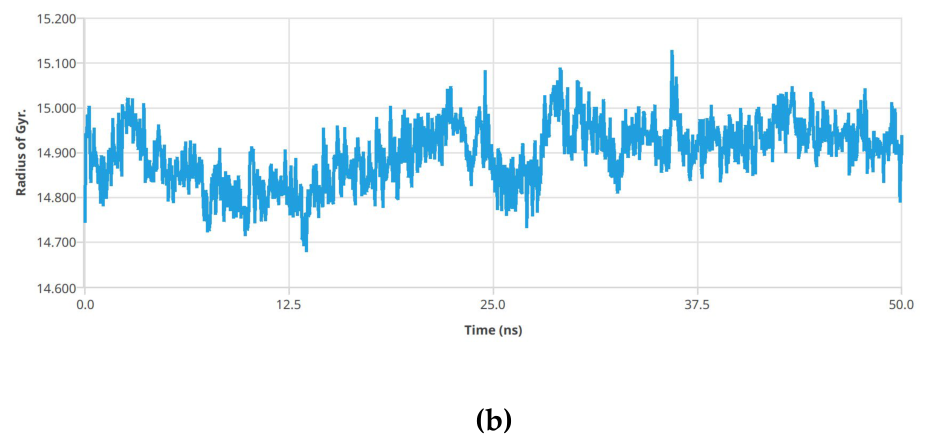
Figure 13.
Multi-objective criteria performance heatmaps for the prioritized candidate targets in the (a) leaf and (b) fruit exocarp extracts.
Figure 13.
Multi-objective criteria performance heatmaps for the prioritized candidate targets in the (a) leaf and (b) fruit exocarp extracts.
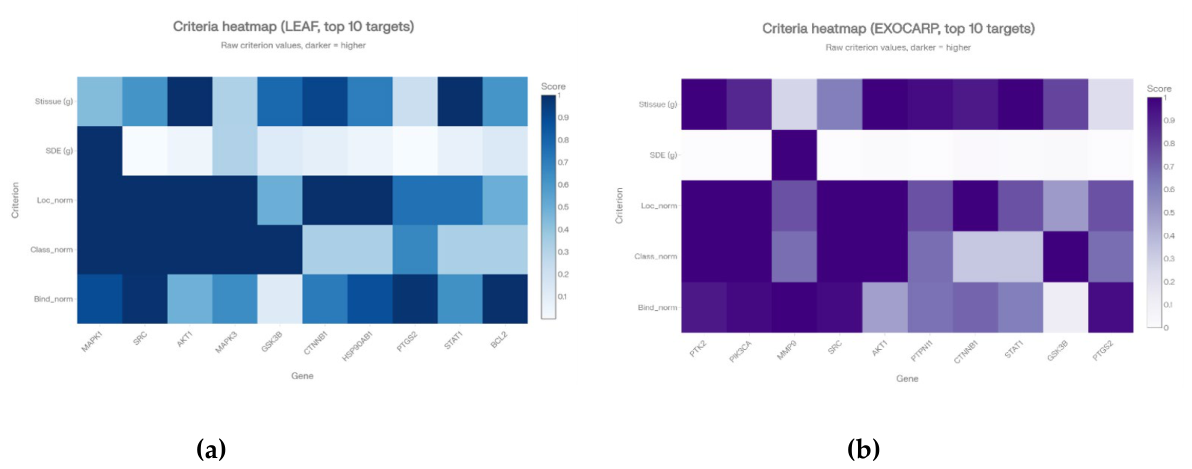
Figure 14.
Proportional criterion contributions to the final composite prioritization scores for the (a) leaf and (b) exocarp extracts.
Figure 14.
Proportional criterion contributions to the final composite prioritization scores for the (a) leaf and (b) exocarp extracts.
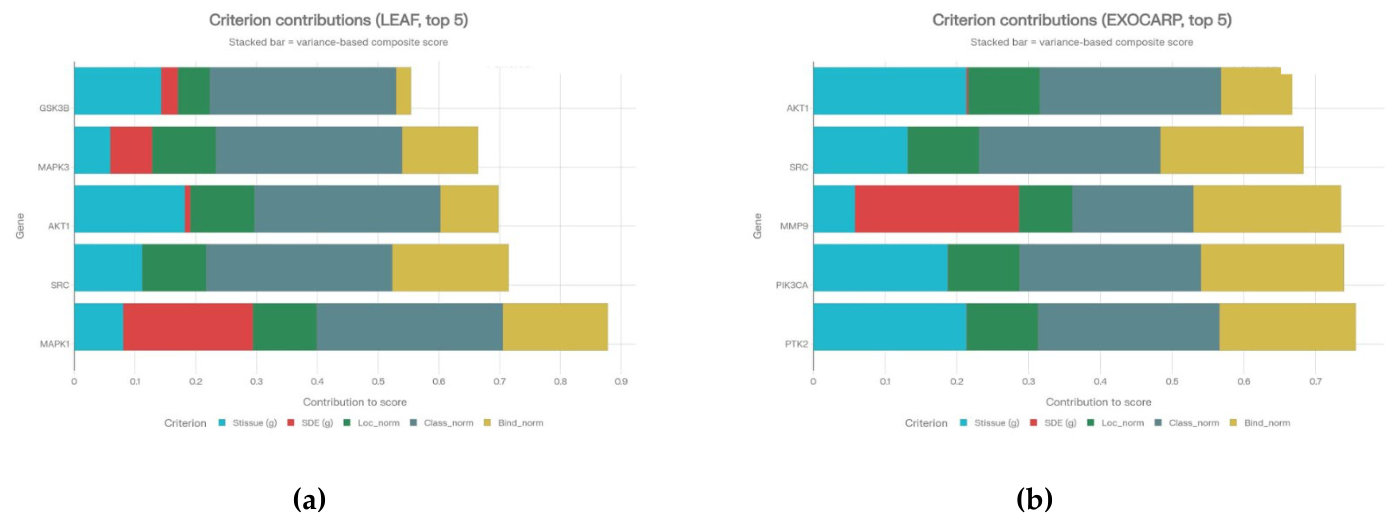
Figure 15.
Rank stability analysis of prioritized therapeutic targets.
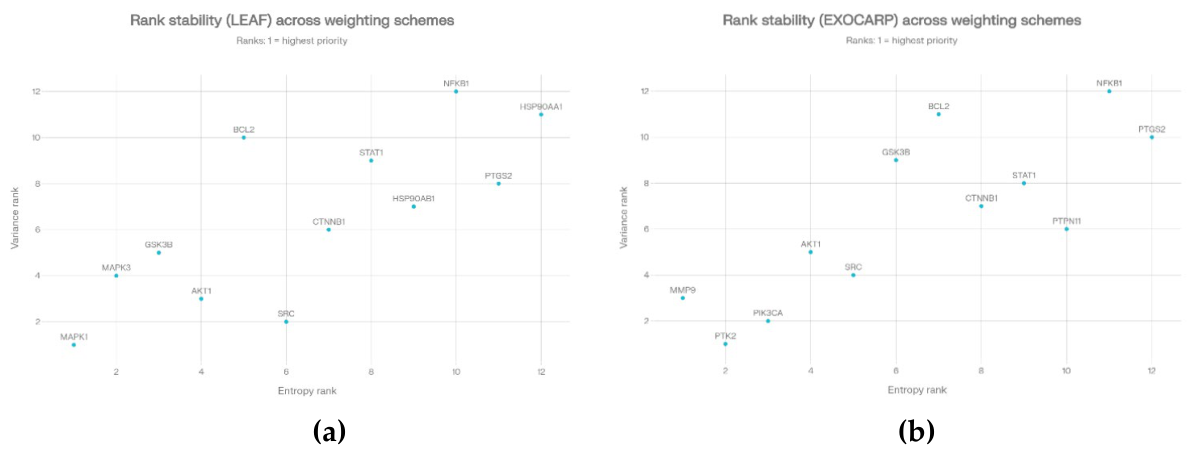
Figure 16.
Entropy vs. variance composite target prioritization for the (a) leaf and (b) exocarp extracts.
Figure 16.
Entropy vs. variance composite target prioritization for the (a) leaf and (b) exocarp extracts.
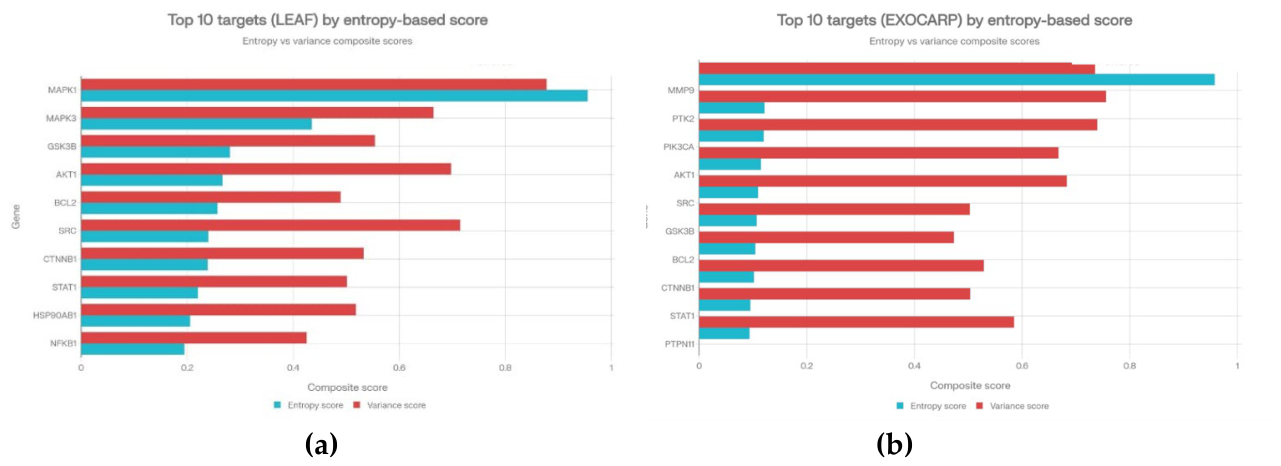
Table 1.
1. Bioactive compounds of the leaves of V. vinifera.
| Compound | Lipinski | Pfizer | F20% |
| Flavylium | Passed | Passed | Passed |
| Jasmonic acid | Passed | Passed | Passed |
| Quercetin | Passed | Passed | Passed |
Table 3.1. Summarized docking results for the leaf-derived phytochemicals.
| Source | Target | Lowest Affinity |
| alpha-Terpineol | NFKB1 | -4.411 |
| Eucalyptol | MAPK1 | -4.642 |
| NFKB1 | -3.972 | |
| Flavylium | STAT1 | -7.806 |
| Jasmonic acid | BCL2 | -6.269 |
| HSP90AA1 | -7.115 | |
| HSP90AB1 | -6.934 | |
| MAPK3 | -6.528 | |
| NFKB1 | -4.711 | |
| PTGS2 | -6.64 | |
| Quercetin | AKT1 | -9.1 |
| CTNNB1 | -6.17 | |
| GSK3B | -8.476 | |
| SRC | -7.725 | |
| STAT1 | -7.331 |
Table 4.
Summarized normalized scores of leaf target genes.
| LEAF | TISSUE RELEVANCE | TRANSCRIPTOMIC DYSREGULATION | SUBCELLULAR LOCALIZATION | TARGET CLASS | KNOWN SMALL MOLECULE BINDERS |
| GENE | Stissue(g) | SDE(g) | Sloc(g) | Sclass(g) | Sbind(g) |
| AKT1 | 1 | 0.044053972 | 1 | 1 | 0.492280221 |
| BCL2 | 0.611607143 | 0.140330261 | 0.5 | 0.333333333 | 1 |
| CTNNB1 | 0.921234699 | 0.095496199 | 1 | 0.333333333 | 0.710911397 |
| GSK3B | 0.785388128 | 0.131060265 | 0.5 | 1 | 0.126856314 |
| HSP90AA1 | 0.421707504 | 0.017304153 | 0.75 | 0.333333333 | 0.974943194 |
| MAPK1 | 0.442708333 | 1 | 1 | 1 | 0.892890987 |
| MAPK3 | 0.325621251 | 0.323222134 | 1 | 1 | 0.646391546 |
| NFKB1 | 0.611344538 | 0.082189134 | 0.75 | 0.333333333 | 0.596794506 |
| PTGS2 | 0.228023794 | 0.001363726 | 0.75 | 0.666666667 | 0.982148458 |
| SRC | 0.615 | 0.000573652 | 1 | 1 | 0.990706605 |
| STAT1 | 1 | 0.078011371 | 0.75 | 0.333333333 | 0.630277219 |
| HSP90AB1 | 0.706038136 | 0.055555892 | 1 | 0.333333333 | 0.881321406 |
Table 5.
Summarized normalized scores of exocarp target genes.
| EXOCARP | TISSUE RELEVANCE | TRANSCRIPTOMIC DYSREGULATION | SUBCELLULAR LOCALIZATION | TARGET CLASS | KNOWN SMALL MOLECULE BINDERS |
| GENE | Stissue(g) | SDE(g) | Sloc(g) | Sclass(g) | Sbind(g) |
| AKT1 | 1 | 0.010389322 | 1 | 1 | 0.481622375 |
| BCL2 | 0.611607143 | 0.033094321 | 0.5 | 0.333333333 | 0.978350044 |
| CTNNB1 | 0.921234699 | 0.022521029 | 1 | 0.333333333 | 0.695520196 |
| GSK3B | 0.785388128 | 0.030908162 | 0.5 | 1 | 0.12410988 |
| NFKB1 | 0.611344538 | 0.019382801 | 0.75 | 0.333333333 | 0.583873932 |
| PTGS2 | 0.228023794 | 0.00032161 | 0.75 | 0.666666667 | 0.960884987 |
| SRC | 0.615 | 0.000135285 | 1 | 1 | 0.969257851 |
| STAT1 | 1 | 0.018397552 | 0.75 | 0.333333333 | 0.616631745 |
| MMP9 | 0.271934758 | 1 | 0.75 | 0.666666667 | 1 |
| PIK3CA | 0.876811594 | 0.001947268 | 1 | 1 | 0.969922145 |
| PTK2 | 1 | 0.000540365 | 1 | 1 | 0.923377934 |
| PTPN11 | 0.964560863 | 2.60377E-05 | 0.75 | 0.666666667 | 0.660407515 |
Disclaimer/Publisher’s Note: The statements, opinions and data contained in all publications are solely those of the individual author(s) and contributor(s) and not of MDPI and/or the editor(s). MDPI and/or the editor(s) disclaim responsibility for any injury to people or property resulting from any ideas, methods, instructions or products referred to in the content. |
© 2026 by the authors. Licensee MDPI, Basel, Switzerland. This article is an open access article distributed under the terms and conditions of the Creative Commons Attribution (CC BY) license (http://creativecommons.org/licenses/by/4.0/).
Copyright: This open access article is published under a Creative Commons CC BY 4.0 license, which permit the free download, distribution, and reuse, provided that the author and preprint are cited in any reuse.