
Submitted:
17 September 2026
Posted:
18 September 2026
You are already at the latest version
Abstract
Respiratory syncytial virus (RSV) remains a leading cause of infant lower respiratory tract infection, hospitalization, and death in Latin America and the Caribbean, where unequal access to diagnosis, medical care, oxygen, referral, and intensive care worsens outcomes. New passive immunization tools, maternal RSV prefusion F vaccination and long-acting monoclonal antibodies, can protect infants before peak vulnerability. Still, their population impact depends on timing, coverage, equity, financing, surveillance, and program design. Emerging regional experience with hybrid strategies may help close protection gaps among infants missed or insufficiently protected by maternal immunization. Severe early-life RSV disease is consistently associated with recurrent lower respiratory tract infections, wheezing, asthma, impaired lung-function trajectories, and increased health-care use. However, causality and long-term effects of current preventive products remain uncertain. A regional agenda linking maternal-infant cohorts, surveillance, equity analyses, and life-course economic evaluation is needed to define the full public health value of RSV prevention.
Keywords:
respiratory syncytial virus
; maternal immunization
; monoclonal antibodies
; infant health
; bronchiolitis
; life-course respiratory health
; Latin America
Introduction
Respiratory syncytial virus (RSV) remains an important infectious threat to infant health worldwide and a leading cause of lower respiratory tract infection (LRTI), hospital admission, and mortality in young children. Its burden is disproportionately borne by low- and middle-income countries, where gaps in oxygen therapy, intensive care, diagnostic capacity, and follow-up can worsen outcomes [1]. Across Latin America and the Caribbean, RSV seasons strain pediatric emergency departments, inpatient wards, and intensive care units, while differences in seasonality, surveillance capacity, and health-system resources complicate a uniform regional response [2,3,4].
RSV prevention in infants should be viewed within a broader respiratory health continuum that also encompasses adult morbidity, older-adult vulnerability, and the possibility that better early-life lung health contributes to healthier aging [5,6]. This life-course framing should not obscure direct adult prevention: real-world evidence shows that RSV vaccination reduces RSV-associated hospitalization and emergency department encounters in adults aged ≥60 years, supporting prevention at both ends of life [7,8]. In adults with cardiovascular disease, RSV infection may also precipitate cardiopulmonary and cardiovascular destabilization, further supporting vaccination as a risk-mitigation strategy in eligible high-risk patients [8]. Beyond acute respiratory protection, RSV vaccination in older adults may also provide downstream benefits, including reductions in cardiovascular complications and secondary bacterial infections and preservation of functional status, although these potential effects remain incompletely demonstrated [9].
The first months of life are most vulnerable. This interval coincides with rapid lung growth and immune maturation, and severe RSV LRTI can result in hypoxemia, respiratory failure, hospitalization, and, in some settings, death. Until recently, prevention was largely restricted to repeated doses of palivizumab for selected high-risk infants, leaving most newborns unprotected during their first RSV season. Maternal vaccination with RSV prefusion F vaccine and long-acting monoclonal antibodies, particularly nirsevimab, has fundamentally changed this landscape by enabling broad passive protection during the highest-risk months [2,3,5,6,10,11].
Latin America and the Caribbean have emerged as important settings for translating this innovation into public health practice [12,13]. Argentina was the first country to introduce maternal RSV vaccination nationally to protect infants [12,13,14], while Chile and Paraguay adopted long-acting monoclonal antibody strategies [15,16,17,18]. Early data from Argentina and Chile suggest substantial reductions in RSV-associated hospitalizations, intensive-care admissions, and severe disease. Together with experiences elsewhere, these developments show that RSV prevention is no longer solely a technological question; its impact depends on equitable access, integration into antenatal care, timely delivery, surveillance, financing, communication, and community confidence [19,20,21].
The rationale for prevention may also extend beyond acute disease. Severe RSV LRTI in infancy has been consistently associated with recurrent LRTIs, wheezing, asthma, and impaired lung-function trajectories during childhood, with some evidence of respiratory consequences persisting into adulthood [22,23]. These associations are biologically plausible, given that viral injury during critical windows of airway and immune development may interact with prematurity, host susceptibility, environmental exposures, and the respiratory microbiome. However, association must not be mistaken for proof of causation, and it remains uncertain whether currently available preventive products will reduce subsequent asthma, chronic respiratory morbidity, or adult cardiopulmonary risk. This uncertainty strengthens the imperative for long-term research [10,24,25].
This article examines RSV prevention in Latin America and the Caribbean through life-course and equity lenses. We discuss regional burden; maternal vaccination and monoclonal antibodies; evidence linking early RSV disease with later respiratory health; and priorities for regionally relevant evidence generation.
The RSV Burden in Latin America and the Caribbean: Why Prevention Cannot Wait
RSV is among the most consequential infectious threats to infants and young children in Latin America and the Caribbean. It is a leading cause of acute LRTI, bronchiolitis, pneumonia, hospitalization, and respiratory failure in children younger than 5 years, especially during the first two years of life. Although RSV circulates throughout the region, its effects are not evenly distributed. The heaviest clinical burden falls on health systems and families least able to absorb it: those facing barriers to timely diagnosis, oxygen therapy, referral, pediatric intensive care, and post-discharge follow-up [26,27,28].
The first months of life represent the period of greatest vulnerability. Modeled estimates indicate a substantial regional burden, including hundreds of thousands of cases in Brazil and Mexico and important burdens in Argentina, Colombia, and across Central and South America [29,30]. Hospitalization, intensive-care admission, and death are concentrated early in infancy, especially in the first 2 months. During this narrow window, small airways, limited respiratory reserve, and immature immunity make delayed approaches inadequate. Mortality is shaped not only by biology, but also by income level, health-system capacity, oxygen access, referral networks, trained personnel, and pediatric intensive care [4,31,32,33,34]. Table 1 summarizes the main regional burden dimensions relevant to prevention policy.
ICU, intensive care unit; LAC, Latin America and the Caribbean; LRTI, lower respiratory tract infection; RSV, respiratory syncytial virus. Estimates should be interpreted cautiously because most pooled analyses showed high heterogeneity, many studies were hospital-based, and adult, outpatient, and community mortality data remain limited. The table summarizes the regional burden dimensions most relevant to prevention policy rather than providing country-specific incidence estimates.
Regional surveillance and burden studies should report RSV outcomes by week of life, not only by broad age bands such as <6 months or <1 year, because prevention decisions depend on when severe disease begins after birth [13,17,25,34].
Prematurity, low birth weight, chronic lung disease, congenital heart disease, immunosuppression, and HIV infection increase the risk of severe RSV disease and death [35,36]. However, most infected infants hospitalized during their first RSV season are previously healthy [37,38,39]. This fact is central to prevention. Restricting preventive strategies to narrowly defined clinical risk groups leaves a large proportion of severe disease untouched. Risk also changes with age: whereas younger infants admitted with RSV are commonly healthy, older children with severe illness more often have underlying conditions. Prevention and clinical preparedness must therefore address both universal infant vulnerability and the continuing needs of children with high-risk conditions [37,38,39].
RSV epidemiology in Latin America and the Caribbean is highly heterogeneous. Seasonal activity varies by latitude, climate, altitude, rainfall, population density, pollution, and local health-care access patterns. In some areas, activity follows a relatively defined seasonal peak; in others, circulation is prolonged, bimodal, or variable from one locality to another. These differences have immediate programmatic implications. Maternal immunization schedules, administration of long-acting monoclonal antibodies, procurement, hospital preparedness, and public communication must be informed by local and subnational surveillance rather than by a single regional calendar. The most effective strategy is the one that reaches infants before, not after, the expected rise in transmission [3,40,41,42,43].
The visible burden is substantial. RSV seasons place predictable pressure on emergency departments, pediatric wards, high-dependency units, and intensive-care services. In settings with constrained capacity, bronchiolitis surges compete with other urgent pediatric needs for beds, oxygen, high-flow nasal cannula support, mechanical ventilation, trained personnel, and referral transport. The mortality gradient is therefore not only biological; it also reflects income levels, delayed diagnosis, incomplete referral networks, limited access to oxygen and pediatric intensive care, and incomplete vital registration. Hospital-based deaths capture only part of this burden; additional deaths may occur in the community and remain invisible to routine surveillance [44,45].
RSV also imposes major economic and social costs [46]. Direct expenditures include emergency visits, hospitalization, intensive care, diagnostics, oxygen, medications, and transport. Indirect costs include caregiver work loss, household out-of-pocket spending, anxiety, and disrupted caregiving. Seasonal surges create opportunity costs for health systems, while unnecessary antibiotics and bronchodilators add avoidable drug exposure and stewardship concerns. In settings with uneven health coverage and social protection, these costs deepen inequity [47,48,49].
The burden extends beyond the acute episode. Severe RSV LRTI in early life is associated with greater use of primary care and emergency services after discharge, recurrent LRTIs, recurrent wheezing, and an increased risk of asthma. It may also be accompanied by increased prescribing of bronchodilators and antibiotics, raising concerns about avoidable drug exposure and antimicrobial stewardship. The relationship between RSV and subsequent chronic respiratory disease is complex and may partly reflect shared susceptibility; however, the consistency of the association makes severe early-life RSV disease a critical event in a child’s respiratory trajectory [50,51].
Consequently, prevention cannot wait, particularly where RSV case-fatality risk is amplified by delayed care, limited respiratory support, and unequal access to pediatric intensive care. RSV is predictable, seasonal, and increasingly preventable, yet the infants most likely to experience severe disease often have limited access to targeted interventions. Maternal vaccination and long-acting monoclonal antibodies create an opportunity to protect infants before hospital systems are overwhelmed and before families face the consequences of severe respiratory illness [41,52].
A New Prevention Era: Maternal Vaccination and Long-Acting Monoclonal Antibodies in the Region
Recently, RSV prevention in infancy has changed fundamentally. For the last decades, the only preventive option was monthly palivizumab for a small group of infants at increased risk, such as those born very preterm or with selected cardiopulmonary conditions. This strategy protected some of the most vulnerable children but did not address the large burden of severe RSV disease among previously healthy infants. Maternal vaccination and long-acting monoclonal antibodies now make broad protection during the first RSV season achievable [53,54].
These strategies represent different, but complementary, forms of passive infant immunization. Maternal RSV vaccination induces neutralizing antibodies during pregnancy that are transferred across the placenta and protect the infant from birth through the first months of life. Long-acting monoclonal antibodies provide RSV-specific antibodies directly to the newborn or young infant, offering protection for approximately one RSV season after a single dose. Both approaches act before the period of greatest vulnerability, when severe RSV lower respiratory tract disease is concentrated in the first months of life [54,55].
Maternal immunization with prefusion F RSV vaccine has demonstrated substantial protection against medically attended and severe RSV-associated lower respiratory tract disease in infants. Clinical trial evidence shows efficacy of about 58% against medically attended RSV disease during the first 90 days of life and 49% through 180 days of life. Protection against severe disease has been greater, reaching approximately 82% through 90 days and 70% through 180 days. These findings are particularly relevant for Latin America and the Caribbean, where preventing severe disease, hospitalization, oxygen requirements, and intensive care admissions can substantially reduce pressure on pediatric health services [29,55,56,57,58,59,60].
The timing of maternal vaccination is critical. Antibody transfer is less effective when delivery occurs shortly after vaccination, whereas infants born at least two weeks after maternal immunization have higher antibody concentrations. Consequently, maternal RSV vaccination must be integrated into routine antenatal care early enough within the nationally recommended gestational window to allow adequate transplacental transfer. Although national recommendations vary, many programs use a late-pregnancy window, and most settings have moved toward earlier administration within the third trimester (28 weeks) to reduce missed opportunities associated with preterm or unexpected delivery [55,61].
The maternal vaccine has generally been well tolerated in trials and post-authorization studies. Mild local and systemic reactions are most common. Continued pharmacovigilance remains essential, particularly in low- and middle-income settings, to ensure that safety evidence reflects diverse populations and health systems [10,12,38,48,61]. An updated systematic review and meta-analysis further supports maternal RSVpreF vaccination, showing high-certainty evidence of reductions in medically attended and severe RSV-LRTI and RSV-related hospitalization in infants, with no safety signals identified [62].
Long-acting monoclonal antibodies provide direct infant protection. Nirsevimab can be given before or during the first RSV season, and pooled randomized trial data show approximately 79% efficacy against medically attended RSV LRTI and 81% against hospitalization during 150 days after administration [57,63,64]. Clesrovimab has also shown strong efficacy against severe RSV-associated disease. These products are especially useful when maternal vaccination was missed, occurred too close to delivery, or is insufficient for high-risk infants [13,30,38,40,44,48,53,55,56,61].
Maternal vaccination and long-acting monoclonal antibodies should not necessarily be viewed as mutually exclusive strategies, although resource constraints may require countries to prioritize one approach or implement them sequentially. The most appropriate strategy depends on local RSV seasonality, antenatal-care coverage, birth setting, supply, financing, product cost, logistics, and the feasibility of reaching newborns before exposure. Maternal vaccination can efficiently protect large cohorts through established prenatal-care platforms. Monoclonal antibodies can provide more direct assurance of infant-level protection. They may be particularly advantageous in settings with fragmented prenatal care, limited vaccine uptake, or a substantial proportion of births outside formal maternity services [10,12,13,30,38,40,44,48,53,55,56,61]. Recent reviews similarly emphasize that maternal vaccination and long-acting monoclonal antibodies should be viewed as complementary options whose relative advantages depend on local epidemiology, antenatal-care access, implementation capacity, coverage, and cost [65].
Regional experience is growing. Argentina incorporated maternal RSV vaccination into public antenatal care and reported early reductions in RSV-associated hospitalizations among young infants [14,66,67]. El Salvador and Panama subsequently introduced maternal RSV vaccination, with Panama also vaccinating adults aged ≥60 years and initiating progressive nirsevimab implementation in 2026 (https://www.salud.gob.sv/servicios/esquema-de-vacunacion-2026-ministerio-de-salud/). Chile implemented nationwide nirsevimab and reported marked declines in RSV-related hospitalizations and intensive-care admissions, while Paraguay adopted long-acting monoclonal antibody strategies [15,16,17,18,19,20]. Figure 1 illustrates the heterogeneous landscape of RSV prevention access in Latin America in 2026 (up to July 30). These varied regional experiences are particularly relevant for countries where national RSV prevention strategies have not yet been documented, publicly defined, or implemented at scale, because they offer practical models for adapting maternal vaccination, monoclonal antibodies, or hybrid approaches to local epidemiology, health-system capacity, financing, and equity gaps.
Colombia illustrates progressive integration. In 2025, the country moved toward maternal RSV vaccination for pregnant women at 32-36 weeks, with early pilots in La Guajira and Choco to evolve into national immunization from 28 weeks. Bogota and Argentina developed a hybrid strategy centered on maternal vaccination, while providing long-acting monoclonal antibodies for infants who may remain insufficiently protected, including those born soon after maternal vaccination, those whose mothers were not vaccinated, and selected high-risk infants [3,5,20,21,47,68,69]. This experience underscores the importance of early protection within policy windows, surveillance aligned with local seasonality, dashboards to monitor coverage and timing, and scientific-society advocacy.
Brazil has also moved toward a hybrid approach, combining maternal vaccination (https://www.gov.br/saude/pt-br/centrais-de-conteudo/publicacoes/svsa/influenza/estrategia-de-vacinacao-contra-o-virus-sincicial-respiratorio-em-gestantes.pdf/view. Access in 16/08/2026) with monoclonal antibody use for premature infants and selected infants at continuing risk (https://www.gov.br/saude/pt-br/centrais-de-conteudo/publicacoes/guias-e-manuais/2026/guia-de-estrategia-contra-virus-sincicial-para-criancas-prematuras.pdf).
Here, hybrid strategies refer to maternal vaccination complemented by long-acting monoclonal antibodies for infants who remain unprotected or insufficiently protected, including those born less than two weeks after maternal vaccination, infants of unvaccinated mothers, preterm infants, and selected high-risk infants; specific eligibility should follow national recommendations or, where absent, be adapted to local seasonality, resources, and equity gaps [10,12,13,30,38,40,44,48,53,55,56,61].
Program impact is therefore gradient- and design-dependent: the same product may produce very different outcomes depending on who is reached, how early protection is delivered, whether missed infants are identified, and whether maternal vaccination and monoclonal antibodies are integrated into a coherent prevention pathway [10,12,13,30,38,40,44,48,53,55,56,61].
The new prevention era is defined not only by product efficacy but also by implementation quality. Access must be timely, equitable, and coordinated across antenatal care, maternity services, newborn care, pediatric follow-up, immunization registries, and surveillance systems. The central regional objective is clear: ensure that every infant enters the first RSV season with protection that is appropriate, feasible, and delivered before severe disease occurs [70].
Beyond Hospitalizations: The Full Value of RSV Immunization
RSV disease in infancy should not be viewed solely as an acute episode of upper respiratory infection or bronchiolitis. Severe RSV LRTI occurs during a critical period of airway growth, alveolar development, and immune maturation (Figure 2) [71]. Increasing evidence indicates that early-life RSV disease is associated with recurrent respiratory illness, recurrent wheezing, asthma, impaired lung-function trajectories, and longer-term respiratory morbidity. These observations raise the possibility that preventing severe disease during infancy could have benefits extending beyond the first RSV season [10,24,25,39,72]. Figure 3 presents a conceptual framework linking early RSV immunological prevention with reduced severe acute disease and potential downstream benefits, including fewer post-RSV wheezing episodes, improved lung-function trajectories, reduced chronic airway inflammation, and better long-term respiratory health.
The association between RSV LRTI and subsequent wheezing or asthma has been reported consistently. Children hospitalized with RSV bronchiolitis have higher risks of recurrent wheeze and asthma than children without early-life RSV LRTI. Meta-analytic evidence suggests approximately fourfold increased odds of later asthma, although effect sizes vary by age at infection, severity, design, follow-up, and control for pre-existing risks [10,24,25,39,50,72,73,74].
The relationship extends beyond wheezing. Early RSV LRTI has also been associated with recurrent LRTIs, pneumonia, higher outpatient and emergency-care use, and increased use of bronchodilators and antibiotics after hospital discharge. These effects are clinically important because the burden of severe RSV may continue after the initial hospitalization, affecting families, health systems, and children’s quality of life during formative years. The consequence is not simply one acute illness, but a potentially altered respiratory trajectory [75,76].
Lung-function studies provide objective support for this concern. Impaired lung function before infection may increase susceptibility to severe infant LRTI, including RSV, but longitudinal data also suggest RSV LRTI may independently contribute to later impairment. In the Drakenstein Child Health Study, early LRTI was associated with reduced lung function through early childhood, with RSV linked to an obstructive pattern after accounting for baseline lung function [10,51,77,78].
These observations matter because lung function tracks across the life course. Lower pulmonary function in infancy and childhood is associated with reduced adult peak lung function, chronic respiratory disease, cardiopulmonary morbidity, and premature mortality. Although these data are not exclusively RSV-specific, RSV is a major contributor to clinically important infant LRTI [74,79].
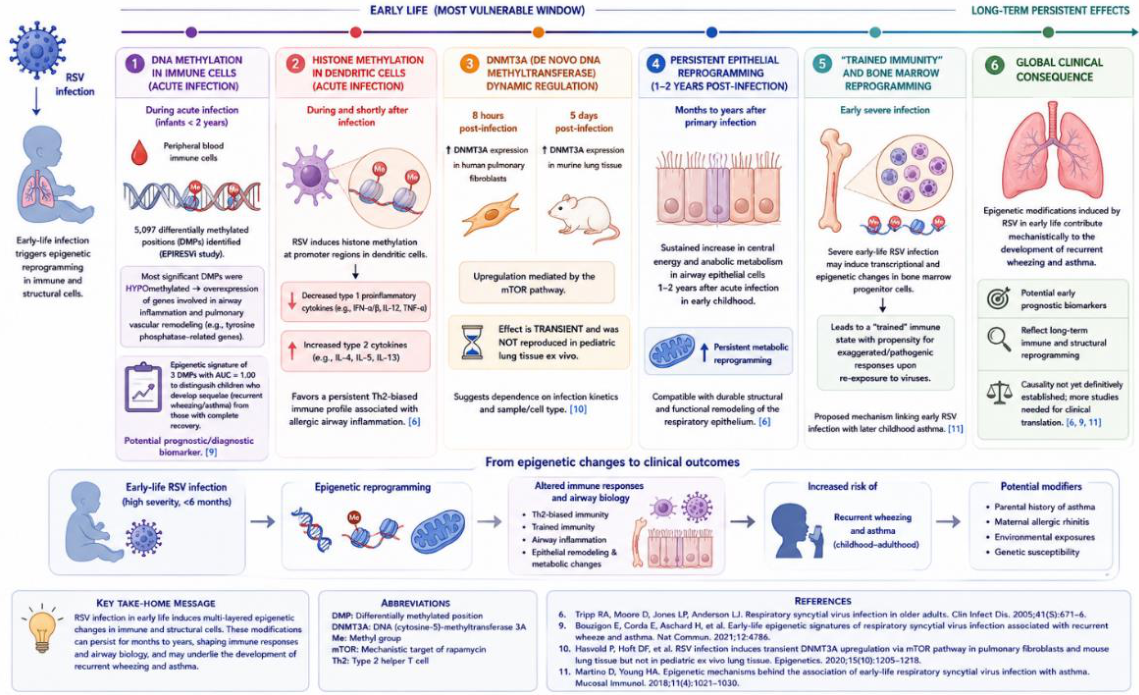
Biological plausibility is substantial. Early RSV LRTI can trigger inflammatory, epithelial, and immune-programming responses during vulnerable windows of lung development. Proposed pathways include interferon dysregulation, regulatory T-cell impairment, Th2/Th17 skewing, epigenetic reprogramming through DNA methylation, histone modification, and non-coding RNA regulation, epithelial metabolic changes, microbiome disruption, genetic susceptibility, and viral-strain variation (Figure 4). Together, epidemiological and mechanistic evidence supports a plausible contributory role for severe early-life RSV LRTI in later wheezing, asthma, and impaired lung-function trajectories, while recognizing that asthma is multifactorial and shaped by genetic, developmental, environmental, allergic, and social determinants. The most likely model is an interaction between pre-existing susceptibility and infection rather than a single causal pathway [2,10,17,22,23,24,25,38,48,50,51,72,73,74,75,79,80].
Prospective birth-cohort studies strengthen causal plausibility but remain incomplete. INSPIRE showed that infants without RSV infection during the first year had a lower risk of asthma by age 5 years, supporting a possible prevention pathway. In healthy preterm infants, palivizumab reduced wheezing outcomes, but not physician-diagnosed asthma or lung function at age 6 years. Emerging genomic evidence adds nuance: RSV-A and RSV-B genotypes with G-gene duplications were associated with higher odds of asthma at age 5 years, suggesting that viral genetic variation may influence long-term risk. Because current maternal vaccines and long-acting monoclonal antibodies mainly reduce severe disease rather than all infection, their long-term effect remains a critical question [10,18,24,25,72,81].
This uncertainty should not diminish the value of prevention. Rather, it expands the definition of benefit that should be measured. Prevention programs should evaluate not only reductions in hospitalization, intensive-care admission, and mortality, but also subsequent wheezing, asthma diagnoses, recurrent LRTIs, medication use, school absenteeism, health-care utilization, and lung-function trajectories. Latin America and the Caribbean, where maternal vaccination and long-acting monoclonal antibody programs are being introduced at scale, are uniquely positioned to generate this evidence through linked surveillance systems and long-term birth cohorts [81].
RSV prevention may therefore represent more than an intervention against seasonal bronchiolitis. Reducing severe respiratory injury during a vulnerable developmental period could contribute to healthier respiratory trajectories across childhood and beyond. Confirmation will require long-term, carefully designed studies, but the potential public-health value warrants immediate attention [16,17,38,40,50,54,57,58,60,72].
Capturing the Full Value of Prevention: Equity, Economics, and the Latin American Research Agenda
The value of respiratory syncytial virus (RSV) prevention should not be measured solely by the number of hospitalizations, intensive-care admissions, or deaths avoided during a single RSV season. These outcomes remain essential, particularly in Latin America and the Caribbean, where seasonal RSV surges can overwhelm pediatric services and where unequal access to oxygen therapy, referral systems, and intensive care amplifies preventable morbidity and mortality. However, a narrower focus on acute outcomes may underestimate the broader health, social, and economic value of protecting infants during a critical period of respiratory development [47,48,49].
A life-course perspective recognizes that severe RSV lower respiratory tract infection (LRTI) may be followed by recurrent wheezing, recurrent LRTIs, increased health-care use, asthma diagnoses, reduced lung-function trajectories, and impaired quality of life. The proposed pathway is not deterministic, and causality has not been fully established. Rather, severe RSV disease may interact with prematurity, underlying airway vulnerability, genetic predisposition, environmental exposures, air pollution, tobacco smoke, nutrition, housing conditions, and the respiratory microbiome. Nevertheless, the consistent association between early-life RSV LRTI and subsequent respiratory morbidity provides a strong rationale for measuring prevention benefits beyond the first months of life [23,31,32,55,60,75].
This broader framework is particularly relevant for countries with large pediatric populations and substantial social inequalities. In many Latin American settings, the consequences of RSV extend far beyond the hospital episode. Families may face transportation expenses, out-of-pocket costs, lost income, disrupted caregiving, and prolonged anxiety after discharge. Recurrent respiratory illness can lead to repeated consultations, emergency visits, medication use, school absenteeism, and additional caregiver productivity losses. Health systems also bear the cumulative costs of repeated outpatient care, respiratory support, antibiotics, bronchodilators, and hospital readmissions. These effects can be especially severe for families living far from specialized services or dependent on fragmented public and private care systems [16,47,48,76].
Current economic evaluations have appropriately focused on severe disease, admissions, intensive-care use, and mortality [46]. More complete models should also consider recurrent wheeze, asthma-related care, recurrent LRTIs, medication use, caregiver burden, quality of life, and more resilient pediatric services during RSV peaks. At the same time, possible long-term benefits should be treated as plausible research outcomes rather than established effects to preserve credible policy communication [20,55,75,76].
Policymakers should also avoid assuming benefits that have not yet been demonstrated. Available maternal vaccines and long-acting monoclonal antibodies primarily reduce severe RSV disease during the first months of life; they do not necessarily prevent all RSV infections. Whether reducing or delaying severe RSV LRTI will lower the incidence of later wheeze, asthma, impaired lung function, or adult cardiopulmonary disease remains uncertain. These potential benefits should therefore be treated as plausible and important research outcomes, not as established effects. This distinction is critical for credible health-economic modeling and transparent policy communication [20,55,75,76].
Country strategies should therefore assess not only which product is most efficacious, but also which delivery approach reaches infants most consistently and fairly. Table 2 summarizes key policy and implementation priorities for equitable RSV prevention in Latin America and the Caribbean, emphasizing target populations, timing, strategy selection, delivery platforms, equity monitoring, health-system impact, economic evaluation, and long-term research needs.
Latin America and the Caribbean are well positioned to define the full value of RSV prevention through real-world effectiveness and impact studies. Several countries are implementing maternal vaccination, long-acting monoclonal antibodies, or both, creating opportunities for coordinated regional research. Priority studies should link maternal, birth, immunization, laboratory, hospital, outpatient, and mortality data while preserving privacy and enabling long-term follow-up [15,16,17,18,19,20].
A regional research agenda should include prospective birth cohorts that compare protected and unprotected infants; surveillance of recurrent wheeze, asthma, recurrent LRTIs, medication use, and health-care utilization; standardized lung-function assessment during childhood and adolescence; and comparative evaluations of maternal vaccination, monoclonal antibodies, and hybrid strategies. Economic models should incorporate direct medical costs, household expenditures, caregiver productivity losses, quality-of-life effects, and potential long-term respiratory benefits under transparent assumptions. Equity analyses should identify missed infants, geographic disparities, delayed access, and barriers within antenatal and newborn-care pathways [3,27,30,41,47,52,55,75].
The ultimate objective is not simply to demonstrate that prevention reduces RSV admissions. It is to determine whether protecting infants during their most vulnerable developmental period can improve respiratory health trajectories, reduce avoidable inequalities, and strengthen health systems over time. Latin America and the Caribbean can lead this evidence-generation agenda by treating RSV prevention as an investment in both immediate child survival and healthier populations across generations [10,18,38,51].
Discussion
The central message of this analysis is that protecting infants against RSV as early as possible is an investment in survival and long-term population health. The first months of life are critical for airway, lung, and immune development, and severe RSV lower respiratory tract infection can precipitate hospitalization, respiratory failure, and death. Maternal vaccination and long-acting monoclonal antibodies can reduce this burden before exposure. Their immediate value is clear: fewer severe infections, admissions, intensive-care requirements, and seasonal pressures on pediatric services [10,17,22,25,38,39,74,76,77,80,81].
Whether RSV prevention can extend beyond first-season protection and modify later respiratory trajectories remains an important area of investigation. Severe RSV disease in infancy is consistently associated with recurrent LRTIs, recurrent wheezing, childhood asthma, increased health-care use, and less favorable lung-function trajectories. Biological plausibility is supported by epithelial injury, persistent airway inflammation, immune programming, genetic susceptibility, and environmental modifiers, while prematurity and social determinants may influence both acute severity and later risk. Because current preventive strategies primarily reduce severe RSV disease rather than all infection, longer-term benefits remain an increasingly supported but unconfirmed hypothesis [32,48,57,58,61,81].
This remaining uncertainty should not be interpreted as a reason for inaction. It reinforces early infant protection and measurement of outcomes neglected in conventional RSV evaluations, including recurrent wheeze, asthma-related care, medication use, caregiver burden, quality of life, school absenteeism, and lung-function trajectories. The central proposition, protecting infants today to strengthen respiratory health tomorrow, remains both a public-health imperative and a testable research hypothesis [2,16,24,33,40,42,44,50,56,60,70,72].
A decisive challenge for Latin America and the Caribbean is inequity. The region contains sharply different realities of prevention. Chile has shown that a publicly financed nationwide nirsevimab program can achieve high coverage and substantially reduce RSV outcomes. Argentina, Uruguay, Paraguay, Brazil, Colombia, and other settings are advancing maternal vaccination, monoclonal antibody, or hybrid strategies. In contrast, in several countries, national RSV prevention strategies remain undocumented, not yet publicly defined, or not implemented at scale. This should not be interpreted as a permanent absence of future access, since recommendations, approvals, procurement, and financing are rapidly evolving. Venezuela is a concerning example: without an identified national strategy for maternal vaccination or long-acting monoclonal antibodies, newborns remain dependent on supportive care after infection rather than being systematically protected before it [2,13,16,53,57,58,59].
This gap is no longer explained primarily by a lack of scientific tools. The central implementation questions are now simple but decisive: who is protected, when protection occurs, and whether the strategy reaches infants before the period of greatest RSV vulnerability. It reflects political prioritization, financing, procurement capacity, regulatory readiness, health-system organization, and the ability to integrate prevention into antenatal, maternity, newborn, and pediatric services. An infant’s chance of receiving RSV protection may depend less on clinical need than on country of birth, geographical location, and access to prenatal care [20,55].
Latin America and the Caribbean can convert this inequity into an evidence-generation agenda. Linked maternal-infant cohorts, surveillance systems, and economic studies should assess short-term program performance and longer-term respiratory outcomes. The aim is not merely to introduce products, but to ensure timely, equitable protection and determine whether early prevention can improve respiratory health across childhood and into adulthood. The next measure of success should be simple: fewer infants hospitalized today, and healthier populations tomorrow [3,5,12,13,20,27,28,31,32,33,34,56,79].
Limitations
This narrative review has several limitations. First, because it was not conducted as a systematic review, citation-selection bias cannot be excluded, and the evidence discussed should not be considered exhaustive. Second, the quantity and quality of available evidence vary substantially across Latin America and the Caribbean, with several countries having limited published data on RSV burden, implementation, effectiveness, costs, and equity. Some evidence is therefore extrapolated from European or North American settings and may not fully reflect regional epidemiology, seasonality, health-system capacity, financing, or access to preventive interventions. Third, studies linking infant RSV infection, particularly severe RSV LRTI, with subsequent wheezing, asthma, and impaired lung-function trajectories remain vulnerable to residual confounding, reverse causality, and shared underlying susceptibility. Accordingly, these associations do not establish that RSV prevention will modify long-term respiratory outcomes. Current maternal vaccines and long-acting monoclonal antibodies have primarily demonstrated reductions in acute and severe RSV disease. At the same time, evidence for downstream respiratory benefits remains limited and requires prospective long-term evaluation. Finally, RSV prevention policies and implementation are evolving rapidly across the region; consequently, country-specific information on product availability, eligibility, coverage, and program design may change after publication. Regional effectiveness, safety, economic, equity, and long-term impact data should therefore be continuously updated as implementation expands.
Conclusions
RSV prevention in Latin America and the Caribbean is more than an intervention against seasonal bronchiolitis. Protecting infants before or during their first period of greatest vulnerability can reduce severe RSV disease, hospitalizations, intensive-care admissions, respiratory support requirements, mortality, health-system congestion, and the economic and emotional burden experienced by families. Maternal vaccination and long-acting monoclonal antibodies now provide complementary opportunities to achieve this protection. Still, their public-health impact will depend on timely delivery, sustained coverage, appropriate targeting, and equitable access.
The potential value of prevention may also extend beyond the acute episode. Severe RSV disease in early life is consistently associated with recurrent wheeze, asthma, repeated lower respiratory tract infections, greater health-care utilization, and less favorable lung-function trajectories. However, whether current preventive strategies can modify these longer-term outcomes remains unconfirmed and should be addressed through prospective cohorts and long-term follow-up studies.
The region therefore faces both an implementation and an evidence-generation challenge. Effective preventive tools are available, but access remains heterogeneous within and between countries. Successful implementation will require public policy commitment, sustainable financing and procurement, surveillance adapted to local seasonality, integration of maternal and infant services, scientific-society engagement, and strategies specifically designed to reduce inequities. Regional effectiveness studies, linked maternal-infant cohorts, and life-course economic evaluations should help define the full value of RSV prevention. Protecting infants today may not only avert severe disease now, but also create an opportunity to strengthen respiratory health across childhood and potentially throughout the life course.
Author Contributions
Conceptualization, R.D., M.L.Á.-A. and J.B.; methodology, R.D., M.L.Á.-A., J.B. and C.E.; software, A.J.R.-M.; validation, R.D., M.L.Á.-A. and J.B.; formal analysis, R.D., M.L.Á.-A., J.B., C.E., and A.J.R.-M.; investigation, R.D., M.L.Á.-A. and J.B. and A.J.R.-M.; resources, R.D., M.L.Á.-A., J.B., C.N.T.M., R.A.K., I.F.G.T.; data curation, all authors; writing—original draft preparation, all authors; writing—review and editing, all authors; visualization, R.D., M.L.Á.-A. and J.B.; supervision, R.D.; project administration, R.D.; funding acquisition, R.D., and J.B. All authors have read and agreed to the published version of the manuscript.
Funding
The Latin American Society for Vaccinology (SLV) funded this document through an Independent Policy grant.
Data Availability Statement
Not applicable.
Acknowledgments
This article has been registered in the Research Proposal Registration of the Coordination of Scientific Integrity and Surveillance of Universidad Cientifica del Sur, Lima, Peru. This article is part of the project titled “Caracterización de la epidemiología y carga para la salud pública de enfermedades infecciosas emergentes y re-emergentes en Colombia y Latinoamérica” (Characterization of the epidemiology and public health burden of emerging and re-emerging infectious diseases in Colombia and Latin America), Código: PE005, of the Institución Universitaria Visión de las Américas. The authors created Figures 1, 2, and 4 using AI-assisted image generation with ChatGPT Plus Images (OpenAI), followed by author review and verification of all scientific content and terminology.
Conflicts of Interest
GPM declares collaboration in clinical trials with Pfizer, Sanofi, MSD, Boehringer-Ingelheim, Spur Therapeutics, and GSK; also being a speaker for Pfizer and CSL Seqirus, and an advisor to Enanta and Pfizer. GPM is affiliated with ITRIALS-Equipo Ciencia, CABA, Buenos Aires, Argentina. MP has received honoraria as a speaker and support for attending scientific conferences from MSD, Pfizer, and Sanofi. JEB is affiliated with the EPI-VAC Project, Quito, Ecuador. The remaining authors declare no conflicts.
References
- Bont, L.; Checchia, P.A.; Fauroux, B.; Figueras-Aloy, J.; Manzoni, P.; Paes, B.; Simões, E.A.; Carbonell-Estrany, X. Defining the Epidemiology and Burden of Severe Respiratory Syncytial Virus Infection Among Infants and Children in Western Countries. Infect. Dis. Ther. 2016, 5, 271–298. [Google Scholar] [CrossRef]
- Razzini, J.L.; Giné-Vázquez, I.; Jin, J.; Santiago-Pérez, M.I.; Pérez-Martínez, O.; Otero-Barrós, M.T.; Suárez-Gaiche, N.; Kramer, R.; Platero-Alonso, L.; Álvarez-Gil, R.M.; et al. Impact of universal nirsevimab prophylaxis in infants on hospital and primary care outcomes across two respiratory syncytial virus seasons in Galicia, Spain (NIRSE-GAL): a population-based prospective observational study. Lancet Infect. Dis. 2026, 26, 522–534. [Google Scholar] [CrossRef]
- Debbag, R.; Ávila-Agüero, M.L.; Brea, J.; Brenes-Chacon, H.; Colomé, M.; de Antonio, R.; Díaz-Díaz, A.; Falleiros-Arlant, L.H.; Fernández, G.; Gentile, A.; et al. Confronting the challenge: a regional perspective by the Latin American pediatric infectious diseases society (SLIPE) expert group on respiratory syncytial virus-tackling the burden of disease and implementing preventive solutions. Front Pediatr. 2024, 12, 1386082. [Google Scholar] [CrossRef]
- Ávila-Agüero, M.L.; Debbag, R.; Brenes-Chacón, H.; Brea-Del Castillo, J.; Falleiros-Arlant, L.H.; Soriano-Fallas, A.; Torres Martínez, C.N.; Dueñas, L.; Mascareñas-de Los Santos, A.H.; Lopez, P.; et al. Advancing Respiratory Syncytial Virus (RSV) prevention in Latin America: updated recommendations from the Pediatric Infectious Diseases Society of Latin America (SLIPE) expert group on RSV prevention. Expert Rev. Vaccines 2025, 24, 578–580. [Google Scholar] [CrossRef]
- Ciapponi, A.; Palermo, M.C.; Sandoval, M.M.; Baumeister, E.; Ruvinsky, S.; Ulloa-Gutierrez, R.; Stegelmann, K.; Ruesjas, S.A.; Cantos, J.; LaRotta, J.; et al. Respiratory syncytial virus disease burden in children and adults from Latin America: a systematic review and meta-analysis. Front Public Health 2024, 12, 1377968. [Google Scholar] [CrossRef]
- Gutiérrez-Tobar, I.F.; Parra-Buitrago, A.; Jaramillo-Cerezo, A.; Ulloa-Gutierrez, R. Respiratory Syncytial Virus Infection, the Brain and Neurologic Complications: An Overlooked Problem of a Common Pathogen. Pediatr. Infect. Dis. J. 2026, 45, e330–e331. [Google Scholar] [CrossRef]
- Payne, A.B.; Watts, J.A.; Mitchell, P.K.; Dascomb, K.; Irving, S.A.; Klein, N.P.; Grannis, S.J.; Ong, T.C.; Ball, S.W.; DeSilva, M.B.; et al. Respiratory syncytial virus (RSV) vaccine effectiveness against RSV-associated hospitalisations and emergency department encounters among adults aged 60 years and older in the USA, October, 2023, to March, 2024: a test-negative design analysis. Lancet 2024, 404, 1547–1559. [Google Scholar] [CrossRef]
- Bonanad, C.; Barrios, V.; Barreres, G.; Garcia-Collado, N.; Maidana, D.; Vivas, D.; Raposeiras, S.; Fortuny, E.; Segura-Rodriguez, D.; Alonso-Salinas, G.; et al. Respiratory Syncytial Virus Vaccination as Cardiopulmonary and Cardiovascular Risk Mitigation in Adults with Heart Disease. J. Clin. Med. 2026, 15. [Google Scholar] [CrossRef]
- Rzymski, P. An Appraisal of the Potential Downstream Benefits of RSV Vaccination in Older Adults. Rev. Med. Virol. 2026, 36, e70198. [Google Scholar] [CrossRef]
- Zar, H.J.; Cacho, F.; Kootbodien, T.; Mejias, A.; Ortiz, J.R.; Stein, R.T.; Hartert, T.V. Early-life respiratory syncytial virus disease and long-term respiratory health. Lancet Respir. Med. 2024, 12, 810–821. [Google Scholar] [CrossRef]
- Arbetter, D.; Gopalakrishnan, V.; Aksyuk, A.A.; Ahani, B.; Chang, Y.; Dagan, R.; Esser, M.T.; Hammitt, L.L.; Mankad, V.S.; Saez-Llorens, X.; et al. Lower Respiratory Tract Infections Following Respiratory Syncytial Virus Monoclonal Antibody Nirsevimab Immunization Versus Placebo: Analysis From a Phase 3 Randomized Clinical Trial (MELODY). Clin. Infect. Dis. 2025, 81, 634–644. [Google Scholar] [CrossRef]
- Dvorkin, J.; Pico, M.; Guiñazú, G.; Crespi, M.S.; Lee, S.; Merlino, R.; Palau, J.; Samaruga, C.; Esposto, S.; Pichinenda, M.; et al. Residual burden of severe RSV disease in infants during the first season of maternal RSVpreF immunization in Argentina: A hospital-based, multicentre, retrospective cohort study. Vaccine 2026, 87, 128773. [Google Scholar] [CrossRef]
- Castellano, V.E.; Del Pino, M.; Diana Menéndez, S.; Fernández, F.; Bonvehí, P.; Verdi, A.; Sosa, N.; Vera, J.; Valdeolmillos, M.; Gigliotti, R.; et al. First year of nirsevimab use in Argentina (2025): Report from a private vaccination center. Arch. Argent. Pediatr. 2026, 124, e202611018. [Google Scholar] [CrossRef]
- Pérez Marc, G.; Vizzotti, C.; Fell, D.B.; Di Nunzio, L.; Olszevicki, S.; Mankiewicz, S.W.; Braem, V.; Rearte, R.; Atwell, J.E.; Bianchi, A.; et al. Real-world effectiveness of RSVpreF vaccination during pregnancy against RSV-associated lower respiratory tract disease leading to hospitalisation in infants during the 2024 RSV season in Argentina (BERNI study): a multicentre, retrospective, test-negative, case-control study. Lancet Infect. Dis. 2025, 25, 1044–1054. [Google Scholar] [CrossRef]
- Salazar-Fernández, C.; Rivera-Baeza, M.J.; Salinas-Oñate, N.; León Pino, C.; Palma Soza, P. What drives maternal RSV vaccine uptake? Understanding psychological predictors in Chilean women. J. Health Psychol. 2026. [Google Scholar] [CrossRef]
- Sauré, D.; Zgheib, A.; Torres, J.P.; Goic, M.; Thraves, C.; Pacheco, J.; Burgos, J.; Del Solar, F.; Neira, I.; O'Ryan, M.; et al. Health care utilization and cost implications of Chile's 2024 nirsevimab strategy for RSV prevention: a counterfactual analysis. Lancet Reg. Health Am. 2026, 59, 101475. [Google Scholar] [CrossRef]
- Soto-Martínez, M.E.; Acuña Cordero, R.; Parra-Buitrago, A.; Baron, O.; Zepeda, G.; Castro-Rodriguez, J.A.; Alam, L.; Juarez-Ortiz, C.; Rosal-Palomo, L.A.; Avila, L. Respiratory Syncytial Virus in Pediatrics: Update on Epidemiology, Management, Long-term Consequences and Prevention. Consensus From Asociación Latinoamericana de Tórax (ALAT) 2025. Arch. Bronconeumol. 2026. [Google Scholar] [CrossRef]
- GBD 2023 Lower Respiratory Infections and Antimicrobial Resistance Collaborators. Global burden of lower respiratory infections and aetiologies, 1990-2023: a systematic analysis for the Global Burden of Disease Study 2023. Lancet Infect. Dis. 2026, 26, 343–361. [CrossRef]
- Bernal, P.; García, M.F.; Vargas, S.C.; Cuevas, R.P.; Bauhoff, S. Preventable hospitalizations due to ambulatory care sensitive conditions in Latin America (2015-2019): a multi-country descriptive analysis. Lancet Reg. Health Am. 2025, 50, 101238. [Google Scholar] [CrossRef]
- Mesenburg, M.A.; Restrepo-Mendez, M.C.; Amigo, H.; Balandrán, A.D.; Barbosa-Verdun, M.A.; Caicedo-Velásquez, B.; Carvajal-Aguirre, L.; Coimbra, C.E.A., Jr.; Ferreira, L.Z.; Flores-Quispe, M.D.P.; et al. Ethnic group inequalities in coverage with reproductive, maternal and child health interventions: cross-sectional analyses of national surveys in 16 Latin American and Caribbean countries. Lancet Glob. Health 2018, 6, e902–e913. [Google Scholar] [CrossRef]
- Shaaban, F.L.; Groenendijk, R.W.; Baral, R.; Caballero, M.T.; Crowe, J.E., Jr.; Englund, J.A.; Esteban, I.; Hirve, S.; Jit, M.; Kalergis, A.M.; et al. The path to equitable respiratory syncytial virus prevention for infants: challenges and opportunities for global implementation. Lancet Glob. Health 2025, 13, e2165–e2174. [Google Scholar] [CrossRef]
- Jia, X.Q.; Lu, L.; Lou, S.Y.; Han, S.Y.; Deng, L.L.; Wu, W.S.; Liu, S.H. Association between early-life respiratory syncytial virus infection and the risk of asthma: a meta-analysis. J. Thorac. Dis. 2025, 17, 9980–9996. [Google Scholar] [CrossRef]
- Verwey, C.; Ramocha, L.; Laubscher, M.; Baillie, V.; Nunes, M.; Gray, D.; Hantos, Z.; Dangor, Z.; Madhi, S. Pulmonary sequelae in 2-year-old children after hospitalisation for respiratory syncytial virus lower respiratory tract infection during infancy: an observational study. BMJ Open Respir. Res. 2023, 10. [Google Scholar] [CrossRef]
- Rosas-Salazar, C.; Chirkova, T.; Gebretsadik, T.; Chappell, J.D.; Peebles, R.S., Jr.; Dupont, W.D.; Jadhao, S.J.; Gergen, P.J.; Anderson, L.J.; Hartert, T.V. Respiratory syncytial virus infection during infancy and asthma during childhood in the USA (INSPIRE): a population-based, prospective birth cohort study. Lancet 2023, 401, 1669–1680. [Google Scholar] [CrossRef]
- Melén, E.; Zar, H.J.; Siroux, V.; Shaw, D.; Saglani, S.; Koppelman, G.H.; Hartert, T.; Gern, J.E.; Gaston, B.; Bush, A.; et al. Asthma Inception: Epidemiologic Risk Factors and Natural History Across the Life Course. Am. J. Respir. Crit. Care Med. 2024, 210, 737–754. [Google Scholar] [CrossRef]
- González-Ortiz, A.M.; Bernal-Silva, S.; Comas-García, A.; Vega-Morúa, M.; Garrocho-Rangel, M.E.; Noyola, D.E. Severe Respiratory Syncytial Virus Infection in Hospitalized Children. Arch. Med. Res. 2019, 50, 377–383. [Google Scholar] [CrossRef]
- Castillo, L.M.; Bugarin, G.; Arias, J.C.; Barajas Rangel, J.I.; Serra, M.E.; Vain, N. One-year observational study of palivizumab prophylaxis on infants at risk for respiratory syncytial virus infection in Latin America. J. Pediatr. (Rio J) 2017, 93, 467–474. [Google Scholar] [CrossRef]
- Ali, A.; Lopardo, G.; Scarpellini, B.; Stein, R.T.; Ribeiro, D. Systematic review on respiratory syncytial virus epidemiology in adults and the elderly in Latin America. Int. J. Infect. Dis. 2020, 90, 170–180. [Google Scholar] [CrossRef]
- Almeida, I.R.; de Vita Silva, M.F.; de Brito Cavalcante, T.; Alves de Britto, G.; Amaral Dos Reis, M.C.; Bueno, L.F.L.; Dos Santos Ribeiro, L.; Callado, G.Y.; Fialho, S.; Braga, A.; et al. Maternal Immunization Against Respiratory Syncytial Virus: An Integrative Review of Efficacy, Safety, and Implementation. Vaccines 2026, 14. [Google Scholar] [CrossRef]
- Carrasquilla-Sotomayor, M.; Alvis-Zakzuk, N.J.; Coronell-Rodríguez, W.; Arias, A.; Moyano-Tamara, L.; Alvarado-Gonzalez, J.C.; De la Hoz-Restrepo, F.; Alvis-Guzman, N. Analysis of the Economic and Public Health Impact of New Immunization Strategies in Infants Against Respiratory Syncytial Virus (RSV) in Colombia. Infect. Dis. Ther. 2026. [Google Scholar] [CrossRef]
- Langley, J.M.; Bianco, V.; Domachowske, J.B.; Madhi, S.A.; Stoszek, S.K.; Zaman, K.; Bueso, A.; Ceballos, A.; Cousin, L.; D'Andrea, U.; et al. Incidence of Respiratory Syncytial Virus Lower Respiratory Tract Infections During the First 2 Years of Life: A Prospective Study Across Diverse Global Settings. J. Infect. Dis. 2022, 226, 374–385. [Google Scholar] [CrossRef]
- Gentile, A.; Juárez, M.D.V.; Lucion, M.F.; Ensinck, G.; Gregorio, G.; López, O.; Pejito, M.N.; Zuzel, P.; Lobertti, S.; Gioiosa, A.; et al. Impact of Maternal Immunization Against Respiratory Syncytial Virus on Hospitalizations Due to Lower Respiratory Tract Infections in Infants: A Multicenter Study in Argentina. Pediatr. Infect. Dis. J. 2026, 45, 307–311. [Google Scholar] [CrossRef]
- Mahmud, S.; van Zandvoort, K.; Guo, L.; Li, Y.; Nair, H.; Feikin, D.R.; Sparrow, E.; Chowdhury, F.; Cohen, C.; Dbaibo, G.S.; et al. Age distribution of respiratory syncytial virus disease in children younger than 5 years in low-income and middle-income countries: a systematic review and meta-analysis. Lancet Child Adolesc. Health 2026, 10, 245–254. [Google Scholar] [CrossRef]
- Rigou, S.H.; Lución, M.F.; Castellano, V.E.; Diana Menéndez, S.; Gentile, Á. Characterization of outpatient respiratory syncytial virus infection in children under 5 years of age in a tertiary-level hospital. Arch. Argent. Pediatr. 2025, 123, e202510692. [Google Scholar] [CrossRef]
- Figueras-Aloy, J.; Manzoni, P.; Paes, B.; Simões, E.A.; Bont, L.; Checchia, P.A.; Fauroux, B.; Carbonell-Estrany, X. Defining the Risk and Associated Morbidity and Mortality of Severe Respiratory Syncytial Virus Infection Among Preterm Infants Without Chronic Lung Disease or Congenital Heart Disease. Infect. Dis. Ther. 2016, 5, 417–452. [Google Scholar] [CrossRef]
- Checchia, P.A.; Paes, B.; Bont, L.; Manzoni, P.; Simões, E.A.; Fauroux, B.; Figueras-Aloy, J.; Carbonell-Estrany, X. Defining the Risk and Associated Morbidity and Mortality of Severe Respiratory Syncytial Virus Infection Among Infants with Congenital Heart Disease. Infect. Dis. Ther. 2017, 6, 37–56. [Google Scholar] [CrossRef]
- Shi, P.; Wang, R.; Liu, E.; Deng, Y. Timing patterns of initial respiratory syncytial virus infection and factors influencing disease severity in hospitalized infants with different health status. J. Med. Virol. 2024, 96, e29719. [Google Scholar] [CrossRef]
- Zar, H.J. New advances in RSV: Is prevention attainable? Pediatr. Pulmonol. 2025, 60 Suppl 1, S120–s122. [Google Scholar] [CrossRef]
- Tsang, K.D.; Tramper-Stranders, G.A.; Been, J.V.; Hoffmann-Haringsma, A.K.; Reiss, I.K.; Pijnenburg, M.W.H.; De Kleer, I.M. Moderate-to-late prematurity: understanding respiratory consequences and modifiable risk factors. Eur. Respir. Rev. 2025, 34. [Google Scholar] [CrossRef]
- Sáez-Llorens, X.; Lasalvia, P.; Jaramillo, P.; DeAntonio, R. The potential public health impact of new immunization strategies for the prevention of RSV in children in Panama. Expert Rev. Pharmacoecon Outcomes Res. 2025, 25, 1073–1086. [Google Scholar] [CrossRef]
- Couto, P.; Campbell, H.; Li, Y.; Rondy, M.; Leite, J.; Rodriguez, A.; Mendez-Rico, J.; Nogareda, F.; Jara, J.; Vicari, A.; et al. Implications of respiratory syncytial virus seasonality for the timing of passive immunisation scenarios in Latin America and the caribbean - a cross-sectional modelling study. Vaccine 2025, 68, 127934. [Google Scholar] [CrossRef]
- Maria, C.; Kalpoe, J.; Tromp, A.T.; Koene, F.; Souverein, D.; van Roeden, S.; Tilanus, M.; Juliet, J.; Euson, M.; Carty, S.; et al. Seasonal dynamics of influenza and RSV in the Caribbean: A call for regionally tailored preventive measures. Int. J. Infect. Dis. 2026, 166, 108498. [Google Scholar] [CrossRef]
- Ares-Gómez, S.; Mallah, N.; Pardo-Seco, J.; Malvar-Pintos, A.; Pérez-Martínez, O.; Otero-Barrós, M.T.; Súarez-Gaiche, N.; Santiago-Pérez, M.I.; González-Pérez, J.M.; López-Pérez, L.R.; et al. Short- and mid-term morbidity and primary-care burden due to infant respiratory syncytial virus infection: A Spanish 6-year population-based longitudinal study. Pediatr. Allergy Immunol. 2024, 35, e14131. [Google Scholar] [CrossRef]
- Vazquez-Lopez, P.; Rivas-Garcia, A.; Luaces-Cubells, C.; Perez-Gonzalez, E.; Ales-Palmer, M.L.; Cahis-Vela, N.; Lera-Carballo, E.; Solano-Navarro, C.; Romero-Castillo, E.; Torres-Begara, E.P.; et al. Changes in Care in Spanish Pediatric Emergency Departments After the First Immunization With Nirsevimab. Pediatr. Emerg. Care 2025, 41, 365–371. [Google Scholar] [CrossRef]
- Alrashed, R.; Almeshawi, I.; Alshammari, A.; Alhamoud, W.; AlShathri, R.; Alotaibi, A.; Saja, D.; Algoraini, Y. Burden of bronchiolitis post-COVID-19 pandemic in children less than 2 years old in 2021-2024: experience from a tertiary center in Saudi Arabia. BMC Pediatr. 2025, 25, 453. [Google Scholar] [CrossRef]
- Law, A.W.; Lin, J.; Judy, J.; Pugh, S.J.; Cane, A. Respiratory Syncytial Virus (RSV) Hospitalization Seasonal Patterns and Economic Burden in the US: Implications for Further Optimizing the Use of RSV Preventives. Vaccines 2025, 13. [Google Scholar] [CrossRef]
- Buendía, J.A.; Patiño, D.G. Costs of Respiratory Syncytial Virus Hospitalizations in Colombia. Pharmacoecon Open 2021, 5, 71–76. [Google Scholar] [CrossRef]
- Getaneh, A.M.; Li, X.; Mao, Z.; Johannesen, C.K.; Barbieri, E.; van Summeren, J.; Wang, X.; Tong, S.; Baraldi, E.; Phijffer, E.; et al. Cost-effectiveness of monoclonal antibody and maternal immunization against respiratory syncytial virus (RSV) in infants: Evaluation for six European countries. Vaccine 2023, 41, 1623–1631. [Google Scholar] [CrossRef]
- Guiñazú, G.G.; Dvorkin, J.; Sorgente, P.; Pakciarz, P.; Pico, M.; Crespi, M.S.; Acuña, R.; Schvarstein, T.; Ribeiro Ferreira da Silva Filho, L.V.; Colmenares, A.; et al. Economic and health burden of severe respiratory syncytial virus infection among hospitalised children at three tertiary hospitals in Argentina, Brazil, and Colombia: a two-year prospective multicentre cohort study. Lancet Reg. Health Am. 2026, 63, 101601. [Google Scholar] [CrossRef]
- Ortiz, J.R.; Laufer, R.S.; Brunwasser, S.M.; Coulibaly, F.; Diallo, F.; Doumbia, M.; Driscoll, A.J.; Fell, D.B.; Haidara, F.C.; Hartert, T.V.; et al. Model-estimated impacts of pediatric respiratory syncytial virus prevention programs in Mali on asthma prevalence. J. Allergy Clin. Immunol. Glob. 2023, 2, 100092. [Google Scholar] [CrossRef]
- Baraldi, E.; Bonadies, L.; Manzoni, P. Evidence on the Link between Respiratory Syncytial Virus Infection in Early Life and Chronic Obstructive Lung Diseases. Am. J. Perinatol. 2020, 37, S26–s30. [Google Scholar] [CrossRef]
- Besteman, S.B.; Bogaert, D.; Bont, L.; Mejias, A.; Ramilo, O.; Weinberger, D.M.; Dagan, R. Interactions between respiratory syncytial virus and Streptococcus pneumoniae in the pathogenesis of childhood respiratory infections: a systematic review. Lancet Respir. Med. 2024, 12, 915–932. [Google Scholar] [CrossRef]
- Wilkins, D.; Wählby Hamrén, U.; Chang, Y.; Clegg, L.E.; Domachowske, J.; Englund, J.A.; Muller, W.J.; Leach, A.; Kelly, E.J.; Villafana, T. RSV Neutralizing Antibodies Following Nirsevimab and Palivizumab Dosing. Pediatrics 2024, 154. [Google Scholar] [CrossRef]
- Chantasrisawad, N.; Boonjindasup, W.; Puthanakit, T.; Chaithongwongwatthana, S. Beyond the first breath: comprehensive respiratory syncytial virus prevention through maternal immunization and infant immunoprophylaxis. Asian BioMed (Res Rev News) 2025, 19, 116–130. [Google Scholar] [CrossRef]
- Amin, R.; Darwin, R.; Sarma, M.K.; Herrera-Bravo, J.; Sharifi-Rad, J.; Calina, D. Maternal RSV immunization: clinical efficacy, immunological mechanisms and public health implications for preventing infant lower respiratory tract infection. J. Health Popul Nutr. 2026, 45. [Google Scholar] [CrossRef]
- Simões, E.A.F.; Pahud, B.A.; Madhi, S.A.; Kampmann, B.; Shittu, E.; Radley, D.; Llapur, C.; Baker, J.; Pérez Marc, G.; Barnabas, S.L.; et al. Efficacy, Safety, and Immunogenicity of the MATISSE (Maternal Immunization Study for Safety and Efficacy) Maternal Respiratory Syncytial Virus Prefusion F Protein Vaccine Trial. Obstet. Gynecol. 2025, 145, 157–167. [Google Scholar] [CrossRef]
- Griffin, M.P.; Yuan, Y.; Takas, T.; Domachowske, J.B.; Madhi, S.A.; Manzoni, P.; Simões, E.A.F.; Esser, M.T.; Khan, A.A.; Dubovsky, F.; et al. Single-Dose Nirsevimab for Prevention of RSV in Preterm Infants. N. Engl. J. Med. 2020, 383, 415–425. [Google Scholar] [CrossRef]
- Jones, J.M.; Fleming-Dutra, K.E.; Prill, M.M.; Roper, L.E.; Brooks, O.; Sánchez, P.J.; Kotton, C.N.; Mahon, B.E.; Meyer, S.; Long, S.S.; et al. Use of Nirsevimab for the Prevention of Respiratory Syncytial Virus Disease Among Infants and Young Children: Recommendations of the Advisory Committee on Immunization Practices - United States, 2023. Morb. Mortal. Wkly. Rep. 2023, 72, 920–925. [Google Scholar] [CrossRef]
- Moline, H.L.; Tannis, A.; Goldstein, L.; Englund, J.A.; Staat, M.A.; Boom, J.A.; Selvarangan, R.; Michaels, M.G.; Weinberg, G.A.; Halasa, N.B.; et al. Effectiveness and Impact of Maternal RSV Immunization and Nirsevimab on Medically Attended RSV in US Children. JAMA Pediatr. 2026, 180, 314–324. [Google Scholar] [CrossRef]
- Moulia, D.L.; Link-Gelles, R.; Chu, H.Y.; Jamieson, D.; Brooks, O.; Meyer, S.; Weintraub, E.S.; Shay, D.K.; Prill, M.M.; Thomas, E.S.; et al. Use of Clesrovimab for Prevention of Severe Respiratory Syncytial Virus-Associated Lower Respiratory Tract Infections in Infants: Recommendations of the Advisory Committee on Immunization Practices - United States, 2025. Morb. Mortal. Wkly. Rep. 2025, 74, 508–514. [Google Scholar] [CrossRef]
- Jasset, O.J.; Lopez Zapana, P.A.; Bahadir, Z.; Shook, L.; Dennis, M.; Gilbert, E.; Liu, Z.A.; Yinger, R.V.; Bald, C.; Bradford, C.G.; et al. Enhanced placental antibody transfer efficiency with longer interval between maternal respiratory syncytial virus vaccination and birth. Am. J. Obstet. Gynecol. 2025, 232, 554.e551–554.e515. [Google Scholar] [CrossRef]
- Saif-Ur-Rahman, K.M.; King, C.; Whelan, S.; Blair, M.; Donohue, S.; Madden, C.; Kothari, K.; Sommer, I.; Harder, T.; Dauby, N.; et al. Maternal respiratory syncytial virus vaccination for infant protection: updated systematic review and meta-analysis of efficacy, effectiveness, and safety. New Microbes New Infect. 2026, 73, 101831. [Google Scholar] [CrossRef]
- Loe, M.W.C.; Soenong, H.; Lee, E.; Li-Kim-Moy, J.; Williams, P.C.; Yeo, K.T. Nirsevimab: Alleviating the burden of RSV morbidity in young children. J. Paediatr. Child Health 2024, 60, 489–498. [Google Scholar] [CrossRef]
- Hammitt, L.L.; Dagan, R.; Yuan, Y.; Baca Cots, M.; Bosheva, M.; Madhi, S.A.; Muller, W.J.; Zar, H.J.; Brooks, D.; Grenham, A.; et al. Nirsevimab for Prevention of RSV in Healthy Late-Preterm and Term Infants. N Engl. J. Med. 2022, 386, 837–846. [Google Scholar] [CrossRef]
- Ladomenou, F.; Psarra, I.A.; Gkentzi, D. Respiratory Syncytial Virus Prophylaxis: Maternal Vaccination or Long-Acting Monoclonal Antibodies? A Brief Narrative Review of Current Status. Vaccines 2026, 14. [Google Scholar] [CrossRef]
- Hsiao, A.; Hansen, J.; Fireman, B.; Timbol, J.; Zerbo, O.; Mari, K.; Rizzo, C.; La Via, W.; Izikson, R.; Klein, N.P. Effectiveness of Nirsevimab Against RSV and RSV-Related Events in Infants. Pediatrics 2025, 156. [Google Scholar] [CrossRef]
- Ares-Gómez, S.; Mallah, N.; Santiago-Pérez, M.I.; Pardo-Seco, J.; Pérez-Martínez, O.; Otero-Barrós, M.T.; Suárez-Gaiche, N.; Kramer, R.; Jin, J.; Platero-Alonso, L.; et al. Effectiveness and impact of universal prophylaxis with nirsevimab in infants against hospitalisation for respiratory syncytial virus in Galicia, Spain: initial results of a population-based longitudinal study. Lancet Infect. Dis. 2024, 24, 817–828. [Google Scholar] [CrossRef]
- Bedoya, V.I.; Abad, V.; Trujillo, H. Frequency of respiratory syncytial virus in hospitalized infants with lower acute respiratory tract infection in Colombia. Pediatr. Infect. Dis. J. 1996, 15, 1123–1124. [Google Scholar] [CrossRef]
- Chaparro-Pico, W.F.; Bueno, N.; Lozano-Parra, A.; Niederbacher, J.; Herrera, V.; Sosa Ávila, L.M.; Machuca Pérez, M.A.; Díaz Galvis, M.L. Molecular Epidemiology of Respiratory Syncytial Virus and Rhinovirus in Santander, Colombia, During the COVID-19 Pandemic and Post-Pandemic Periods, 2020-2024. Viruses 2026, 18. [Google Scholar] [CrossRef]
- Kemp, M.; Capriola, A.; Schauer, S. RSV immunization uptake among infants and pregnant persons - Wisconsin, October 1, 2023-March 31, 2024. Vaccine 2025, 47, 126674. [Google Scholar] [CrossRef]
- Yayan, J. Impact of RSV infection on mortality, rehospitalization, and long-term pulmonary, cardiovascular, and functional outcomes in hospitalized adults: a systematic review and meta-analysis. Virol. J. 2025, 22, 160. [Google Scholar] [CrossRef]
- Scheltema, N.M.; Nibbelke, E.E.; Pouw, J.; Blanken, M.O.; Rovers, M.M.; Naaktgeboren, C.A.; Mazur, N.I.; Wildenbeest, J.G.; van der Ent, C.K.; Bont, L.J. Respiratory syncytial virus prevention and asthma in healthy preterm infants: a randomised controlled trial. Lancet Respir. Med. 2018, 6, 257–264. [Google Scholar] [CrossRef]
- Makrinioti, H.; Hasegawa, K.; Lakoumentas, J.; Xepapadaki, P.; Tsolia, M.; Castro-Rodriguez, J.A.; Feleszko, W.; Jartti, T.; Johnston, S.L.; Bush, A.; et al. The role of respiratory syncytial virus- and rhinovirus-induced bronchiolitis in recurrent wheeze and asthma-A systematic review and meta-analysis. Pediatr. Allergy Immunol. 2022, 33, e13741. [Google Scholar] [CrossRef]
- Fauroux, B.; Simões, E.A.F.; Checchia, P.A.; Paes, B.; Figueras-Aloy, J.; Manzoni, P.; Bont, L.; Carbonell-Estrany, X. The Burden and Long-term Respiratory Morbidity Associated with Respiratory Syncytial Virus Infection in Early Childhood. Infect. Dis. Ther. 2017, 6, 173–197. [Google Scholar] [CrossRef]
- Brunwasser, S.M.; Snyder, B.M.; Driscoll, A.J.; Fell, D.B.; Savitz, D.A.; Feikin, D.R.; Skidmore, B.; Bhat, N.; Bont, L.J.; Dupont, W.D.; et al. Assessing the strength of evidence for a causal effect of respiratory syncytial virus lower respiratory tract infections on subsequent wheezing illness: a systematic review and meta-analysis. Lancet Respir. Med. 2020, 8, 795–806. [Google Scholar] [CrossRef]
- Averin, A.; Atwood, M.; Sato, R.; Yacisin, K.; Begier, E.; Shea, K.; Curcio, D.; Houde, L.; Weycker, D. Attributable Cost of Adult Respiratory Syncytial Virus Illness Beyond the Acute Phase. Open Forum Infect. Dis. 2024, 11, ofae097. [Google Scholar] [CrossRef]
- Ammar, L.; Lee, R.; Rosas-Salazar, C.; Wu, P. Respiratory syncytial virus immunoprophylaxis: an underutilized preventive strategy in children with Down syndrome. Expert Rev. Respir. Med. 2026, 20, 613–624. [Google Scholar] [CrossRef]
- Allinson, J.P.; Chaturvedi, N.; Wong, A.; Shah, I.; Donaldson, G.C.; Wedzicha, J.A.; Hardy, R. Early childhood lower respiratory tract infection and premature adult death from respiratory disease in Great Britain: a national birth cohort study. Lancet 2023, 401, 1183–1193. [Google Scholar] [CrossRef]
- Esteban, I.; Stein, R.T.; Polack, F.P. A Durable Relationship: Respiratory Syncytial Virus Bronchiolitis and Asthma past Their Golden Anniversary. Vaccines 2020, 8. [Google Scholar] [CrossRef]
- Ma, R.; Zhang, C.; Zhang, Y.; Tan, H.; Zhang, Y.; Li, Q.; Bai, Y.; Sun, X. The impact of respiratory syncytial virus on asthma development and exacerbation. Ann. Allergy Asthma Immunol. 2025, 135, 268–275. [Google Scholar] [CrossRef]
- Karron, R.A.; Zar, H.J. Determining the outcomes of interventions to prevent respiratory syncytial virus disease in children: what to measure? Lancet Respir. Med. 2018, 6, 65–74. [Google Scholar] [CrossRef]
Figure 1.
Access to RSV prevention strategies in Latin America, 2026. Countries shown in grey were not classified as lacking access; rather, this analysis did not characterize them in detail. Venezuela is shown separately because this analysis did not identify a national RSV prevention strategy amid broader immunization-system fragility. Original figure partially created by the authors with AI-assisted image generation using ChatGPT Plus Images (OpenAI), followed by author review and verification of all scientific content and terminology.
Figure 1.
Access to RSV prevention strategies in Latin America, 2026. Countries shown in grey were not classified as lacking access; rather, this analysis did not characterize them in detail. Venezuela is shown separately because this analysis did not identify a national RSV prevention strategy amid broader immunization-system fragility. Original figure partially created by the authors with AI-assisted image generation using ChatGPT Plus Images (OpenAI), followed by author review and verification of all scientific content and terminology.
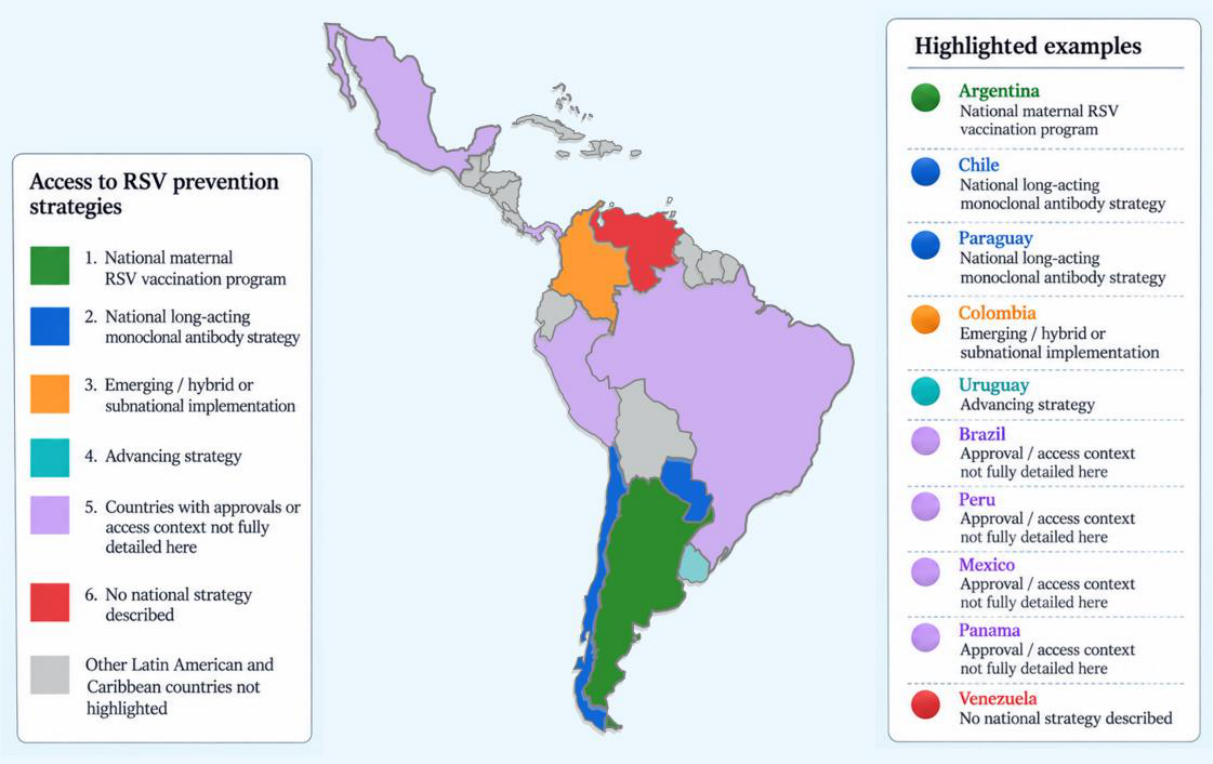
Figure 2.
Timeline of immune responses to respiratory syncytial virus infection across the life course and their potential clinical consequences. Original figure created by the authors with AI-assisted image generation using ChatGPT Plus Images (OpenAI), followed by author review and verification of all scientific content and terminology.
Figure 2.
Timeline of immune responses to respiratory syncytial virus infection across the life course and their potential clinical consequences. Original figure created by the authors with AI-assisted image generation using ChatGPT Plus Images (OpenAI), followed by author review and verification of all scientific content and terminology.
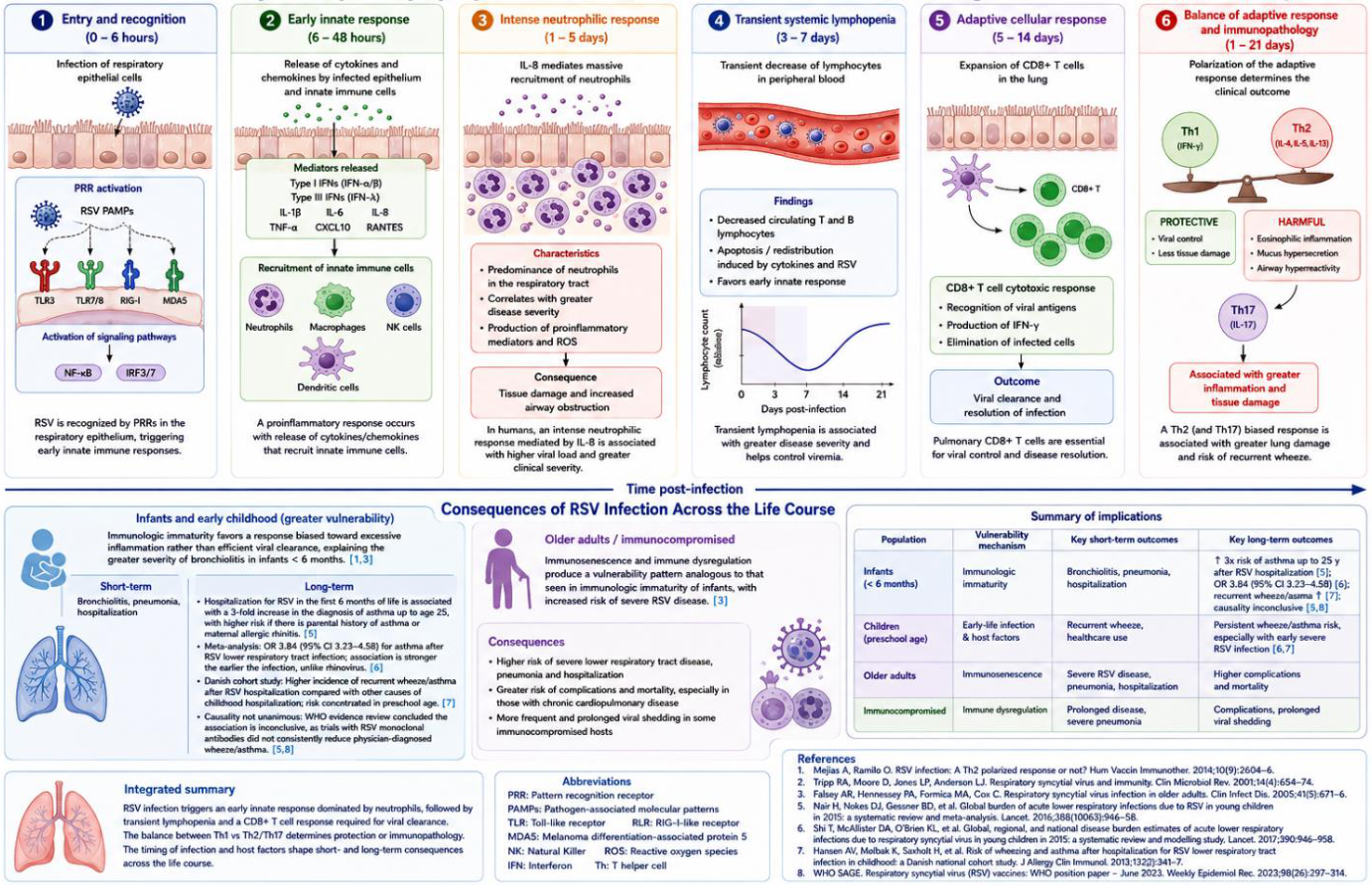
Figure 3.
Conceptual framework linking RSV-triggered inflammation, epithelial and immune reprogramming, epigenetic/metabolic changes, and potential long-term respiratory outcomes after early-life infection. RSV, respiratory syncytial virus; FEV, forced expiratory volume.
Figure 3.
Conceptual framework linking RSV-triggered inflammation, epithelial and immune reprogramming, epigenetic/metabolic changes, and potential long-term respiratory outcomes after early-life infection. RSV, respiratory syncytial virus; FEV, forced expiratory volume.
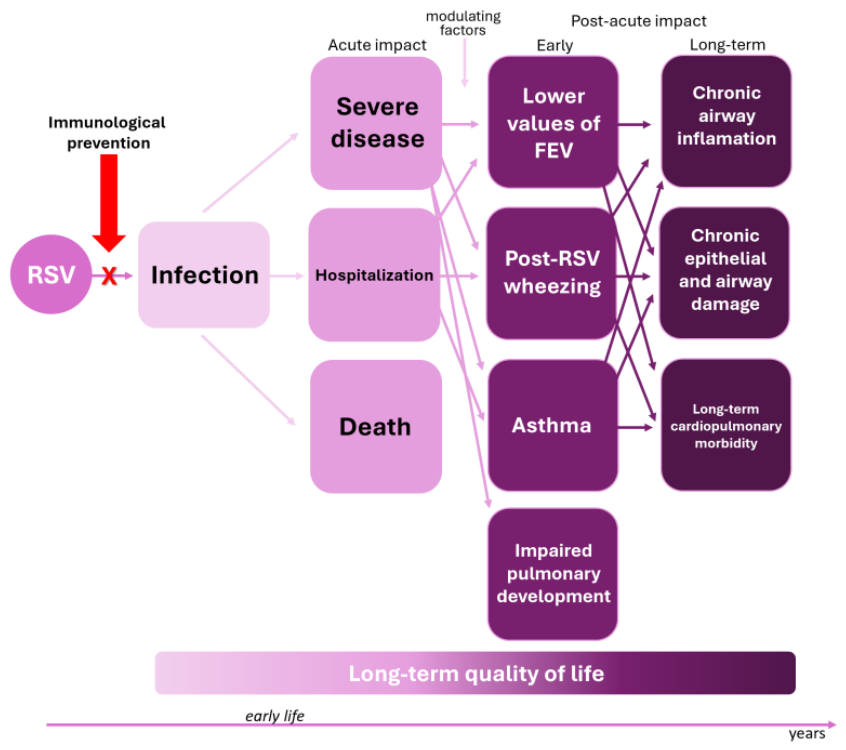
Figure 4.
Epigenetic and epithelial reprogramming after early-life respiratory syncytial virus infection: potential mechanisms linking acute RSV disease to long-term respiratory outcomes. Original figure created by the authors with AI-assisted image generation using ChatGPT Plus Images (OpenAI), followed by author review and verification of all scientific content and terminology.
Figure 4.
Epigenetic and epithelial reprogramming after early-life respiratory syncytial virus infection: potential mechanisms linking acute RSV disease to long-term respiratory outcomes. Original figure created by the authors with AI-assisted image generation using ChatGPT Plus Images (OpenAI), followed by author review and verification of all scientific content and terminology.

| Burden dimension | Population/setting | Key estimate or finding | Public health implication |
| Regional evidence base | Latin America and the Caribbean | 156 studies from 20 countries; most evidence came from Brazil, Colombia, Argentina, Chile, Peru, and Mexico; most studies focused on hospitalized pediatric patients. | Available evidence confirms a substantial burden but also shows important gaps in outpatient, adult, community mortality, and country-level data. |
| RSV positivity among suspected cases | Infants 0–12 months | Pooled RSV positivity was approximately 58% among suspected cases. | RSV is a major driver of acute respiratory illness in the first year of life. |
| RSV positivity among suspected cases | Children 0–24 months | Pooled RSV positivity was approximately 42%. | Infants and toddlers account for a major proportion of medically attended RSV disease. |
| RSV-LRTI incidence | Symptomatic infants 0–24 months | Estimated RSV-LRTI incidence was approximately 15 per 100 symptomatic person-years, with the highest estimate in infants 0–6 months. | Prevention must reach infants before or very early during the first RSV season. |
| Lower respiratory tract involvement | RSV cases in children 0–24 months | Around 72% of RSV cases were associated with LRTI. | RSV is not only a cause of mild upper respiratory disease; it frequently involves the lower respiratory tract in young children. |
| Bronchiolitis burden | RSV cases in children 0–24 months | Approximately 75% of RSV cases were reported as bronchiolitis. | Bronchiolitis remains the dominant clinical expression of severe RSV disease in infancy. |
| Severity: ICU admission | RSV-LRTI in children 0–24 months | ICU admission among RSV-LRTI cases was estimated at approximately 42%, with high heterogeneity. | RSV seasons can place significant pressure on pediatric intensive care capacity. |
| Severity: respiratory support | RSV cases in children 0–24 months | Invasive ventilation was required in approximately 14% of cases. | Severe RSV directly contributes to the demand for advanced respiratory support. |
| Length of stay | Hospitalized children 0–24 months | The mean length of stay was approximately 6.5 days in general wards and 3.2 days in the ICU. | RSV generates substantial bed occupancy and seasonal hospital congestion. |
| Mortality | RSV-LRTI in children 0–24 months and 0–5 years | Pooled lethality was approximately 0.6% in children 0–24 months and approximately 2.9% in children 0–5 years, with substantial uncertainty. | Mortality is likely underestimated where community deaths and delayed care are not captured. |
| Adult and older-adult burden | Adults ≥65 years, especially high-risk groups | RSV positivity among suspected cases was approximately 11%; lethality in high-risk older adults was reported at approximately 23% in one study. | RSV prevention in infants should be framed within a broader respiratory-health continuum that also includes older adults. |
| Antibiotic use | Inpatient RSV cases in children 0–24 months | Antibiotics were used in approximately 47% of cases. | RSV prevention may support antimicrobial stewardship by reducing severe viral presentations that trigger antibiotic use. |
| Viral co-infection | RSV cases in children 0–24 months | Viral co-infection occurred in approximately 21% of RSV cases. | Co-circulation with other respiratory viruses complicates clinical diagnosis, surveillance, and hospital planning. |
| RSV subtype distribution | Children 0–24 months | RSV-A was reported more frequently than RSV-B in available isolates, although both circulated. | Virologic surveillance remains necessary to monitor subtype patterns and season-to-season variability. |
| Seasonality | South America, Central America, and the Caribbean | Seasonality is more pronounced in South America, less marked in Central America, and more dispersed in the Caribbean. | Prevention schedules should be adapted to national and subnational RSV seasonality rather than using a single regional calendar. |
| Equity and health-system impact | Resource-constrained settings | RSV outcomes are shaped by access to diagnosis, oxygen, referral systems, pediatric ICU, and vital registration. | Prevention has greatest value where severe disease and mortality are amplified by health-system gaps. |
Table 2.
Policy and implementation priorities for equitable RSV prevention in Latin America and the Caribbean.
Table 2.
Policy and implementation priorities for equitable RSV prevention in Latin America and the Caribbean.
| Implementation domain | Key policy question | Recommended focus |
| Target population | Who should be protected? | Move beyond only high-risk infants; prioritize broad first-season infant protection while preserving strategies for high-risk children. |
| Timing | When should protection occur? | Ensure protection before RSV exposure by using local seasonality and gestational timing to avoid missing newborns. |
| Strategy selection | Maternal vaccine, monoclonal antibody, or hybrid approach? | Adapt decisions to antenatal-care coverage, birth setting, supply, cost, seasonality, and feasibility. |
| Equity | Who is being missed? | Identify gaps by geography, poverty, ethnicity, migration, rurality, and access to prenatal or newborn care. |
| Delivery platform | Where should prevention be delivered? | Integrate antenatal care, maternity services, newborn care, pediatric follow-up, immunization registries, and surveillance. |
| Program quality | Is coverage timely and protective? | Measure not only doses administered, but also timing, eligibility, missed infants, and protection before peak vulnerability. |
| Health-system impact | What acute outcomes should be tracked? | Hospitalizations, ICU admissions, oxygen use, high-flow support, ventilation, mortality, bed occupancy, and antibiotic use. |
| Long-term value | What outcomes should be followed? | Recurrent wheeze, asthma, recurrent LRTIs, medication use, quality of life, school absenteeism, and lung-function trajectories. |
| Economic evaluation | What costs should be included? | Direct medical costs, household out-of-pocket costs, caregiver productivity losses, health-system congestion, and potential life-course benefits. |
| Research agenda | What evidence is still needed? | Linked maternal-infant cohorts, comparative effectiveness studies, long-term follow-up, and life-course economic models. |
Disclaimer/Publisher’s Note: The statements, opinions and data contained in all publications are solely those of the individual author(s) and contributor(s) and not of MDPI and/or the editor(s). MDPI and/or the editor(s) disclaim responsibility for any injury to people or property resulting from any ideas, methods, instructions or products referred to in the content. |
© 2026 by the authors. Licensee MDPI, Basel, Switzerland. This article is an open access article distributed under the terms and conditions of the Creative Commons Attribution (CC BY) license.
Copyright: This open access article is published under a Creative Commons CC BY 4.0 license, which permit the free download, distribution, and reuse, provided that the author and preprint are cited in any reuse.