

Submitted:
07 August 2026
Posted:
10 August 2026
You are already at the latest version
Abstract
Human milk is increasingly recognized not only as a source of nutrition but also as a biological regulator of organ development in preterm infants. Beyond supporting growth, human milk contains a complex array of bioactive components that influence intestinal maturation, immune function, vascular development, and brain development during a critical period of extrauterine adaptation.
This narrative review summarizes current evidence regarding the role of human milk in multi-organ development in preterm infants. We review clinical and mechanistic studies demonstrating associations between human milk exposure and reduced risks of necrotizing enterocolitis, late-onset sepsis, bronchopulmonary dysplasia, and retinopathy of prematurity. Particular attention is given to the interconnected gut–immune–lung–retina–brain axis and the biological pathways through which human milk may influence developmental outcomes.
We further discuss the importance of early enteral feeding, adequate protein delivery, and human milk–derived fortification in supporting growth quality, lean mass accretion, head growth, and structural brain development. Emerging evidence suggests that nutritional strategies promoting early and sustained human milk exposure may contribute not only to protection from major prematurity-related morbidities but also to improved neurodevelopmental trajectories.
By integrating current biological and clinical evidence, this review highlights the role of human milk as a foundation for developmental nutrition in preterm infants and provides a practical perspective for optimizing nutritional care in the neonatal intensive care unit.
Keywords:
human milk
; preterm infant
; neurodevelopment
; multi-organ protection
; human milk-derived fortifier
1. Introduction
Survival of very preterm infants (VPIs) has improved substantially over recent decades owing to advances in respiratory care, infection control, and neonatal intensive care practices. However, major prematurity-related morbidities, including necrotizing enterocolitis (NEC), bronchopulmonary dysplasia (BPD), retinopathy of prematurity (ROP), late-onset sepsis (LOS), postnatal growth failure, and neurodevelopmental impairment, remain important challenges. These conditions frequently originate during the early postnatal period and are associated with long-term adverse health outcomes.
Nutrition is one of the few modifiable factors that can influence both short- and long-term outcomes in preterm infants. During the third trimester, rapid growth and maturation occur across multiple organ systems, including the intestine, immune system, lung, retina, and brain. Preterm birth abruptly interrupts this developmental process and transfers it to the neonatal intensive care unit (NICU), where nutritional management becomes a critical determinant of subsequent growth and development.
Human milk (HM) is widely recognized as the preferred source of nutrition for preterm infants. In addition to providing essential nutrients, HM contains numerous bioactive components, including human milk oligosaccharides (HMOs), lactoferrin, immunoglobulins, growth factors, antioxidants, and bioactive lipids. These components contribute to intestinal maturation, immune regulation, microbial colonization, vascular development, and brain growth.
Accumulating evidence demonstrates that HM exposure is associated with reduced risks of NEC, BPD, ROP, and LOS, as well as improved neurodevelopmental outcomes. Importantly, these benefits extend beyond individual organ systems and suggest that HM influences multiple interconnected developmental pathways during a critical period of extrauterine adaptation.
The aim of this narrative review is to summarize current evidence regarding the role of HM in multi-organ development in preterm infants. We review the effects of HM on intestinal, immune, pulmonary, retinal, and neurological outcomes and discuss how early enteral feeding, adequate protein intake, and HM–derived fortification may support growth and development in this vulnerable population.
Human Milk Is “Medicine.” (Table 1)
Breastfeeding represents one of the most powerful and biologically integrated interventions for improving child and maternal health. Large-scale epidemiological evidence indicates that optimal breastfeeding practices could prevent approximately 823,000 child deaths annually worldwide, primarily through reductions in infectious morbidity and mortality. In addition, breastfeeding has been consistently associated with improved neurodevelopment, including higher intelligence scores, and with long-term reductions in obesity and type 2 diabetes risk. These findings highlight that HM is not merely nutrition, but a critical determinant of survival, development, and lifelong health trajectories [1].
Table 1. Bioactive Components of Human Milk and Their Roles in Neurodevelopment.
- Long-chain polyunsaturated fatty acids (LCPUFAs)—particularly docosahexaenoic acid (DHA), which support neuronal membrane formation and myelination
- Ganglioside influence brain development [5]
- Milk fat globule membrane (MFGM): MFGM-derived lipids, which support myelination and neuronal signaling [9],
- Micronutrients such as vitamin B6 and carotenoids contribute to early neurobehavioral development [10]
- Neurotrophic factors (brain-derived neurotrophic factor (BDNF) and S100B) promote neuronal survival and synaptogenesis [11].
The beneficial effects of HM on neurodevelopment are important for VPIs. HM is a foundational component of neonatal nutritional therapy, functioning not only as a source of nutrients but also as a complex biological system. HM contains not only nutritional compounds, but also bioactive components, such as immunoglobulins, HMOs, anti-inflammatory mediators, growth factors, antioxidants, and bioactive lipids that collectively regulate intestinal barrier function, microbial colonization, immune maturation, and the development of the brain and retina.
Figure 1.
Proposed HM–Derived Fortification Protocol for VPIs. Schematic representation of the stepwise fortification strategy evaluated in the Japanese multicenter randomized controlled trial of an EHMD. HM–derived fortification was initiated once enteral feeding volumes reached approximately 50 mL/kg/day using a standard fortifier (+6), followed by progressive advancement according to feeding tolerance, growth response, gestational age, and clinical condition. This protocol was designed to achieve recommended protein intakes while maintaining GI tolerance and metabolic stability. The study demonstrated improved growth and earlier achievement of full enteral feeding without compromising safety, supporting the feasibility of structured early fortification in very low birth weight infants.
Figure 1.
Proposed HM–Derived Fortification Protocol for VPIs. Schematic representation of the stepwise fortification strategy evaluated in the Japanese multicenter randomized controlled trial of an EHMD. HM–derived fortification was initiated once enteral feeding volumes reached approximately 50 mL/kg/day using a standard fortifier (+6), followed by progressive advancement according to feeding tolerance, growth response, gestational age, and clinical condition. This protocol was designed to achieve recommended protein intakes while maintaining GI tolerance and metabolic stability. The study demonstrated improved growth and earlier achievement of full enteral feeding without compromising safety, supporting the feasibility of structured early fortification in very low birth weight infants.
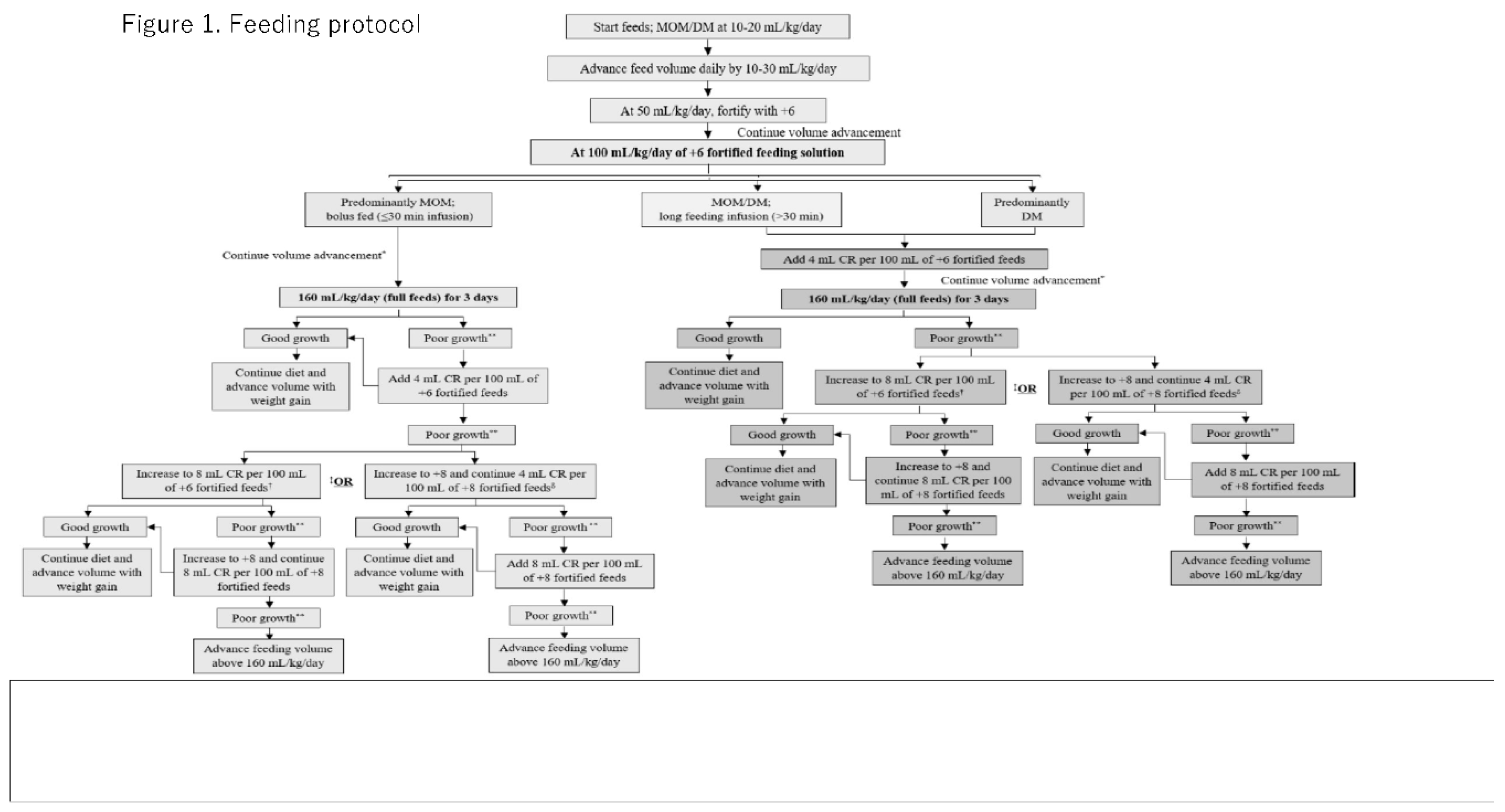
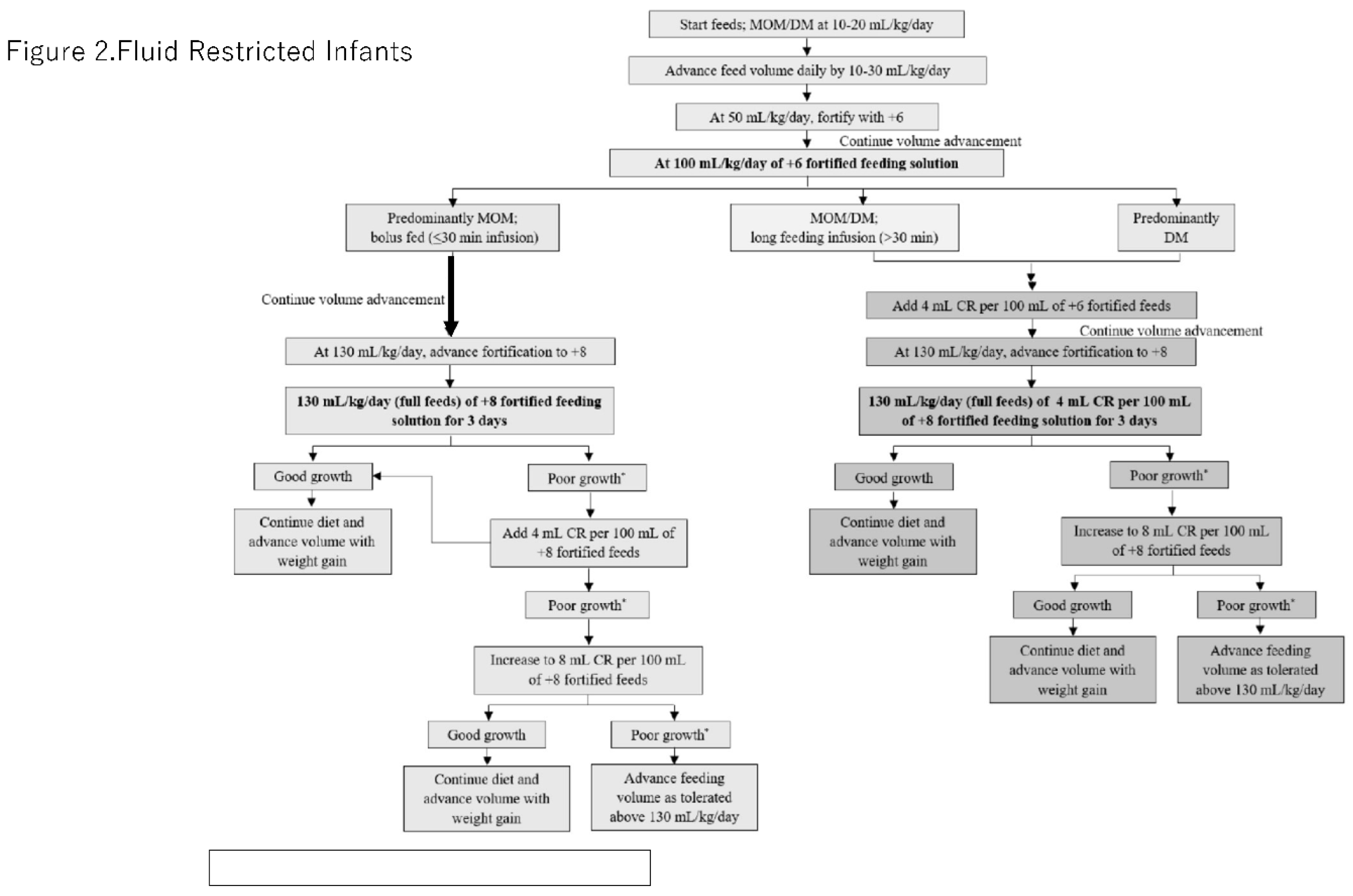
Figure 2.
Human Milk–Derived Fortification Strategy for Infants Requiring Fluid Restriction. Proposed fortification approach for VPIs in whom total enteral feeding volumes are limited because of fluid restriction. In this setting, use of a higher-protein fortifier (+8) allows achievement of recommended protein intake targets despite lower feeding volumes. This strategy supports adequate lean tissue accretion, head growth, and overall nutritional adequacy while minimizing the risk of cumulative protein deficits. Such an approach may be particularly relevant in infants with bronchopulmonary dysplasia, congenital heart disease, or other conditions requiring restricted fluid administration.
Figure 2.
Human Milk–Derived Fortification Strategy for Infants Requiring Fluid Restriction. Proposed fortification approach for VPIs in whom total enteral feeding volumes are limited because of fluid restriction. In this setting, use of a higher-protein fortifier (+8) allows achievement of recommended protein intake targets despite lower feeding volumes. This strategy supports adequate lean tissue accretion, head growth, and overall nutritional adequacy while minimizing the risk of cumulative protein deficits. Such an approach may be particularly relevant in infants with bronchopulmonary dysplasia, congenital heart disease, or other conditions requiring restricted fluid administration.
The purpose of this review is to summarize current evidence regarding the relationship between HM–based nutrition and neurodevelopment in VPIs. We review the effects of HM exposure, early enteral feeding, protein adequacy, and HM–derived fortification on growth quality, brain development, and neurodevelopmental outcomes. Particular attention is given to the role of protein intake, lean mass accretion, and structural brain development as potential mechanisms linking early nutrition with later neurodevelopment. We also discuss emerging evidence supporting exclusive HM diets and HM–derived fortification as practical nutritional strategies in neonatal care. Together, current evidence suggests that HM exposure, early enteral feeding, adequate protein intake, and appropriate fortification strategies contribute to improved growth quality and neurodevelopmental outcomes in VPIs.
2. Human Milk and Multi-Organ Protection in VPIs
VPIs exhibit simultaneous vulnerability across multiple organ systems, including the intestine, lung, retina, immune system, and brain. These morbidities are biologically interconnected through shared inflammatory and oxidative pathways. Increasing evidence suggests that HM exerts protective effects across this integrated network rather than within a single organ domain. HM feeding is a key determinant of outcomes in VPIs. Increasing evidence indicates that the protective effects of HM—including reductions in NEC, LOS, BPD, and ROP—are dose dependent, with greater volumes and longer exposure associated with improved clinical outcomes [12,13]. These findings highlight the importance of maximizing early and sustained exposure to HM in the NICU [14,15,16]. In terms of fortification of mother’s own milk (MOM), in a subgroup analysis of a multicenter randomized trial restricted to infants receiving an exclusive human milk based diet (EHMD), the use of a cow’s milk–derived fortifier (CMDF) was associated with significantly higher rates of adverse outcomes compared with an EHMD. CMDF exposure was linked to a fourfold increase in NEC (RR 4.2) and a fivefold increase in the composite outcome of NEC surgery or death (RR 5.1). In addition, infants receiving CMDF demonstrated reduced head circumference growth, suggesting potential adverse effects on early brain development [17].
2.1. Necrotizing Enterocolitis (NEC)
The association between HM feeding and reduced NEC incidence is among the most consistent findings in neonatal nutrition research. Multiple cohort studies and meta-analyses have demonstrated a dose-dependent relationship between HM exposure and NEC prevention, with increasing proportions of MOM associated with progressively lower rates of NEC, LOS, and mortality [18,19,20,21,22,23]. In contrast, exposure to cow’s milk–derived products have been associated with increased risks of NEC, LOS, and death in VPIs.
The protective effects of HM are supported by several complementary biological mechanisms. HM attenuates Toll-like receptor 4 (TLR4)-mediated inflammatory signaling, promotes epithelial barrier integrity, and facilitates the establishment of a beneficial intestinal microbiome [24,25,26,27]. HMOs, lactoferrin, secretory IgA, epidermal growth factor (EGF), and extracellular vesicles collectively contribute to immune regulation, mucosal protection, and intestinal repair [28,29]. In contrast, cow’s milk derived proteins may amplify inflammatory responses within the immature intestine and increase susceptibility to intestinal injury [30,31,32,33,34].
Importantly, NEC prevention extends beyond avoidance of acute intestinal disease. Preservation of intestinal integrity may reduce systemic inflammation, support immune homeostasis, and facilitate subsequent organ development. Thus, HM should be viewed not merely as a nutritional substrate, but as a biological regulator of intestinal development during a critical window of postnatal adaptation. These intestinal effects provide the foundation for the broader multi-organ benefits discussed in subsequent sections.
2.2. Bronchopulmonary Dysplasia (BPD)
BPD is increasingly recognized as a disorder of disrupted lung development rather than an isolated consequence of postnatal lung injury. Adverse intrauterine conditions, including nutrient restriction and placental insufficiency, may impair alveolar and pulmonary vascular development before birth, thereby increasing susceptibility to BPD after preterm delivery [35]. Accumulating evidence suggests that HM plays an important role in reducing BPD risk. Systematic reviews and meta-analyses consistently demonstrate that exclusive or predominant feeding with MOM is associated with a 20–30% reduction in the odds of BPD compared with formula feeding [36,37,38]. A dose-dependent relationship has also been reported, with greater cumulative exposure to HM associated with progressively lower BPD incidence. Furthermore, donor human milk (DHM) appears to provide similar protection when maternal milk is unavailable [39].
The timing and adequacy of nutrition may also influence pulmonary outcomes. Early initiation of enteral nutrition (EN) is associated with lower rates of BPD and reduced respiratory support requirements, whereas infants who develop BPD often receive less cumulative EN during the first postnatal weeks [40,41,42,43]. These findings suggest that early nutritional exposure may contribute to normal lung development during a critical developmental window. Several biological mechanisms may explain the association between HM and reduced BPD risk. HM contains anti-inflammatory, antioxidant, and growth-promoting factors that attenuate systemic inflammation and oxidative stress, both central drivers of impaired alveolarization [1,6,36,44,45]. HM exposure is also associated with lower rates of LOS, an established risk factor for BPD, and may therefore indirectly reduce inflammatory lung injury. In addition, IGF-1, a key regulator of angiogenesis and lung development, is frequently deficient after preterm birth. Lower circulating IGF-1 concentrations are strongly associated with both the development and severity of BPD, suggesting that restoration of developmental growth signaling may represent an important mechanism linking early nutrition with pulmonary outcomes [46,47].
Collectively, these findings support a biologically coherent relationship between HM exposure, early adequate EN, and improved lung development. Rather than acting solely as a nutritional substrate, HM appears to modulate key pathways involved in alveolarization, pulmonary vascular growth, and inflammatory regulation during a critical period of postnatal adaptation.
2.3. Retinopathy of Prematurity (ROP)
ROP, like BPD, is characterized by dysregulated vascular development and oxidative stress–mediated injury. Consequently, the protective effects of HM on retinal development can be understood within the same biological framework that links nutrition, inflammation, and vascular growth. Accumulating evidence suggests that HM exposure is associated with a reduced risk of both overall and severe ROP in VPIs. Cohort studies and meta-analyses consistently demonstrate lower rates of ROP among infants receiving predominantly HM, with greater cumulative exposure associated with progressively lower risk [48,49,50]. In contrast, prolonged dependence on PN has been associated with increased risk of severe ROP and the need for treatment [51]. Furthermore, feeding strategies based on an EHMD have been associated with lower rates of severe ROP compared with diets containing cow’s milk derived products [52].
Several biological mechanisms may explain these observations. Low postnatal IGF-1 levels are strongly associated with impaired retinal vascular development and increased ROP severity [53]. HM may support physiological growth signaling pathways, including IGF-1, during a critical period of retinal maturation. In addition, HM provides LCPUFAs, particularly DHA, which are essential for retinal and neural development. HM–fed infants demonstrate higher DHA status and more mature visual function than infants receiving formula lacking preformed DHA [54,55,56].
HM also contains antioxidant and anti-inflammatory factors that may reduce oxidative injury during periods of oxygen instability, a central driver of ROP pathogenesis [54]. Together, these findings support the concept that HM contributes to retinal development not only through nutrient provision but also through modulation of vascular growth, oxidative stress, and developmental signaling pathways.
2.4. Late-Onset Sepsis (LOS)
Reduction of LOS is one of the most consistently reported benefits of HM feeding in VPIs. Multiple observational studies and meta-analyses demonstrate significantly lower LOS rates among infants receiving HM compared with those fed formula, with similar protective effects observed for both MOM and DHM [57,58]. Because LOS is strongly associated with prolonged hospitalization, BPD, and adverse neurodevelopmental outcomes, reduction of infection risk represents an important pathway through which HM may improve long-term outcomes.
Several biological mechanisms may contribute to this protection. HM contains secretory IgA, lactoferrin, lysozyme, EGF, and HMOs, which collectively enhance mucosal barrier function, inhibit pathogen adhesion, and reduce bacterial translocation [6,59,60]. In addition, early initiation of a HM–based diet promotes earlier full EN, reducing exposure to central venous catheters and prolonged PN, both major risk factors for LOS [61]. Thus, HM appears to reduce infection risk through both direct immunological protection and optimization of nutritional progression.
2.5. Interconnected Pathways Linking Organ Development
Although NEC, LOS, BPD, ROP, and neurodevelopmental impairment are traditionally evaluated as separate clinical outcomes, increasing evidence suggests that they are biologically interconnected. Intestinal barrier dysfunction, systemic inflammation, oxidative stress, impaired vascular development, and altered growth factor signaling may contribute to injury across multiple organ systems.
Within this context, HM may influence several interconnected developmental pathways simultaneously. Preservation of intestinal integrity, reduction of systemic inflammation, promotion of immune homeostasis, and support of physiological vascular development may collectively contribute to improved pulmonary, retinal, and neurological outcomes. While the precise mechanisms linking these pathways remain incompletely understood, current evidence supports the concept that nutritional exposures during early life can influence multiple aspects of organ development in preterm infants.
3. Early Enteral Nutrition and Feeding Advancement
Nutritional management during the first weeks after preterm birth plays a critical role in supporting growth and organ maturation. Historically, concerns regarding NEC led to delayed initiation of EN and slow advancement of feeding volumes. However, accumulating evidence from randomized trials and systematic reviews has not demonstrated a reduction in NEC with these conservative approaches.
Contemporary neonatal practice increasingly supports early initiation of EN, progressive advancement of feeding volumes, and preferential use of HM whenever available. These strategies are associated with earlier achievement of full EN, reduced exposure to PN and central venous catheters, and improved nutritional adequacy. The following sections summarize current evidence regarding the role of HM, early EN, feeding advancement, standardized feeding protocols, and lactation support in optimizing nutritional care for preterm infants.
3.1. Human Milk as the Foundational Substrate
The period before 34 weeks’ postmenstrual age represents the highest-risk window for NEC and other prematurity-related morbidities. During this period, maintaining a predominantly HM diet is consistently associated with improved clinical outcomes [63,64,65,66,67]. MOM should remain the preferred nutritional substrate whenever available. When maternal supply is insufficient, DHM should be used preferentially over formula to preserve the biological advantages of HM–based feeding [68,69,70]. This strategy maintains continuous exposure to bioactive components that support intestinal maturation, immune regulation, and developmental stability during a highly vulnerable period of extrauterine adaptation. HM therefore serves as both a source of nutrition and a foundation for nutritional care in preterm infants.
3.2. Early Initiation: Feeding as a Developmental Signal
Multiple international guidelines recommend initiating EN within the first 24–48 hours of life in clinically stable preterm infants [68,71,72,73,74,75]. Accumulating evidence demonstrates that early initiation of EN does not increase the risk of NEC when implemented within standardized feeding protocols [76]. A recent Cochrane review further concluded that delaying progressive EN beyond four days after birth does not reduce NEC or mortality and may increase the incidence of invasive infection [77].
Beyond safety, early EN exerts important biological effects. Luminal nutrient exposure stimulates gastrointestinal (GI) hormone secretion, promotes mucosal maturation, enhances intestinal motility, and supports epithelial barrier integrity [78,79]. These processes facilitate intestinal adaptation during a critical developmental period and may reduce intestinal inflammation. Emerging evidence also suggests that early EN influences outcomes beyond the GI tract. Early feeding has been associated with lower circulating neurofilament light chain levels, suggesting improved neuroaxonal integrity, as well as improved physiological stability, reduced dependence on parenteral fluids, and more favorable postnatal adaptation [80,81]. In contrast, delayed EN is associated with increased intestinal inflammation and higher risks of major prematurity-related morbidities, including BPD and ROP [82]. Taken together, current evidence supports the early initiation of EN as a safe and effective strategy for promoting nutritional adequacy, intestinal maturation, and physiological adaptation in preterm infants.
3.3. Progressive Advancement of Enteral Nutrition
Historically, EN advancement in VPIs was intentionally slow because of concerns regarding NEC. However, contemporary evidence does not support this conservative approach. Randomized trials and systematic reviews demonstrate that slower advancement does not reduce NEC incidence, mortality, or major morbidity, while unnecessarily prolonging exposure to PN and central venous catheters [83,84].
Advancement rates of approximately 20–30 mL/kg/day are generally well tolerated and are associated with shorter duration of PN and earlier achievement of full enteral feeding without increasing the risk of NEC or LOS [76,83,84]. Faster advancement has also been associated with improved intestinal oxygenation and more rapid progression toward nutritional adequacy [85]. Prolonged trophic feeding may delay attainment of adequate protein and energy intake during a critical developmental period. Evidence suggests that limiting trophic feeding duration and advancing feeds in a structured manner allows earlier establishment of full EN without increasing feeding-related complications [86].
Feeding intolerance remains common in VPIs and is frequently related to GI immaturity rather than pathological disease. Accordingly, minor signs of feeding intolerance should be interpreted cautiously, while interruption of feeding should be reserved for clear clinical concerns such as suspected NEC, significant abdominal pathology, or systemic instability.
Taken together, current evidence supports structured and progressive feed advancement as an effective strategy for clinically stable VPIs. Such an approach facilitates earlier achievement of full EN, reduces exposure to PN, and improves nutritional adequacy without increasing the risk of NEC or other major morbidities.
3.4. Standardized Feeding Protocols
Variation in feeding practices remains a major source of inconsistency in neonatal outcomes. Meta-analyses demonstrate that standardized feeding protocols are associated with lower NEC rates, shorter time to full EN, reduced PN exposure, and improved growth outcomes [87,88,89,90,91]. These benefits may be related to more consistent feeding advancement, earlier achievement of full enteral feeding, and reduced cumulative nutritional deficits. DHM plays an important enabling role within standardized feeding strategies. When MOM is unavailable or insufficient, DHM allows continuation of a HM–based feeding pathway and avoids interruptions in nutritional progression. Available evidence suggests that feeding strategy and consistency may be as important as milk source itself in determining clinical outcomes [92,93,94].
Taken together, current evidence supports the use of standardized feeding protocols to improve the consistency of nutritional care in VPIs. Such protocols are associated with lower rates of NEC, earlier achievement of full EN, reduced exposure to PN, and improved growth outcomes. When combined with the availability of DHM, standardized feeding strategies may help maintain continuous HM exposure and optimize nutritional management during hospitalization.
3.5. Clinical Implications Beyond Gastrointestinal Outcomes
The benefits of early progressive EN extend far beyond the GI tract. By reducing dependence on PN, shortening central venous catheter exposure, and limiting fluid overload, early enteral feeding has been associated with lower risks of CLABSI, BPD, and postnatal growth failure [95,96,97,98,99].
Importantly, earlier achievement of full EN not only supports intestinal function but is also associated with improved physiological stability and reduced cumulative nutritional deficits. Because growth failure during NICU hospitalization is strongly associated with adverse neurodevelopmental outcomes, timely establishment of adequate EN may influence outcomes beyond short-term nutritional status [100]. While PN remains essential during the transition to full EN, prolonged reliance on PN may limit exposure to the biological benefits of HM and increase the risks associated with central venous lines [101,102]. Accordingly, coordinated strategies that combine appropriate early parenteral support with progressive enteral advancement are important to minimize cumulative nutrient deficits and facilitate achievement of full EN.
Taken together, current evidence suggests that early progressive EN is associated with improved nutritional adequacy, reduced exposure to invasive supportive therapies, and better growth outcomes in VPIs. These benefits may contribute to favorable clinical and developmental outcomes during hospitalization and beyond.
3.6. Lactation Support as a Prerequisite for Human Milk–Centered Nutrition
Successful implementation of HM–centered nutrition depends not only on feeding protocols but also on the ability to establish and maintain an adequate maternal milk supply. Mothers of VPIs frequently experience prolonged maternal–infant separation, delayed opportunities for direct breastfeeding, and substantial psychological stress, all of which increase the risk of delayed lactogenesis and insufficient milk production [103].
Adequate provision of MOM has been consistently associated with improved clinical outcomes in VPIs [104]. Early initiation of milk expression, ideally within the first hours after birth, together with ongoing lactation support, has been associated with greater milk volume and higher rates of sustained HM feeding throughout hospitalization [105,106]. Effective HM programs require more than nutritional protocols alone. Structured lactation support, access to trained lactation specialists, and coordinated multidisciplinary care are essential to establish and maintain an adequate maternal milk supply throughout hospitalization.
Accordingly, lactation support should be regarded as a fundamental component of nutritional care for preterm infants rather than an adjunct to feeding management. Ensuring an adequate supply of MOM remains a key prerequisite for successful implementation of HM–based nutritional strategies.
4. Protein Adequacy, Lean Mass Accretion, and Structural Brain Development
Adequate protein delivery is a central determinant of growth and neurodevelopment in VPIs. While HM provides a biologically optimal nutritional substrate, unfortified HM alone is insufficient to meet the protein requirements necessary to support intrauterine-equivalent growth after preterm birth. Increasing evidence suggests that protein adequacy, lean mass accretion, and head growth are more closely associated with long-term neurodevelopmental outcomes than body weight alone. Therefore, achieving adequate enteral protein intake is an important objective of nutritional care in VPIs.
4.1. The Early Protein Gap in VPIs
Despite advances in neonatal nutritional care, VPIs frequently accumulate significant protein and energy deficits during the first postnatal weeks. Delayed initiation of EN, cautious feed advancement, and limitations of unfortified HM contribute to a persistent discrepancy between recommended and actual protein intake [107]. Current expert recommendations suggest enteral protein intakes of approximately 4.0–4.5 g/kg/day for extremely low birth weight infants to approximate fetal protein accretion rates and support optimal growth [108]. However, actual protein delivery often falls substantially below these targets during a period of rapid growth and brain development.
This mismatch creates an “early protein gap,” which may contribute to postnatal growth failure, impaired lean mass accretion, and suboptimal neurodevelopmental outcomes. Therefore, minimizing cumulative protein deficits remains an important goal of nutritional management in VPIs.
4.2. Protein Adequacy, Lean Mass Accretion, and Brain Development
Early nutritional exposure during NICU hospitalization exerts a profound influence on subsequent growth and neurodevelopmental outcomes in VPIs. Cohort studies consistently demonstrate that greater cumulative exposure to MOM is associated with improved cognitive, motor, and language outcomes, while neuroimaging studies have linked higher early HM intake with enhanced brain development, including greater white matter volume [1,109,110,111,112]. Importantly, these associations are not fully explained by post-discharge feeding patterns, suggesting that nutritional exposures during NICU hospitalization represent a critical window for developmental programming.
Within this framework, adequate enteral protein intake emerges as a key determinant of growth quality. Early protein provision, achieved through timely initiation of EN and individualized fortification, is associated with improved weight gain velocity, linear growth, and head circumference expansion [113,114]. However, increasing evidence suggests that the quality of growth may be more important than the quantity of weight gain alone. In VPIs, body weight does not distinguish between lean tissue accretion and excess fat deposition, whereas growth quality more accurately reflects the biological processes underlying organ development.
Body composition studies have demonstrated that greater fat-free mass (FFM) accretion is independently associated with improved neurodevelopmental outcomes, whereas higher fat mass appears to have a less favorable relationship with structural brain development [115,116,117,118]. Early nutritional intake, particularly protein intake, is positively associated with FFP z-scores and markers of healthy tissue growth at term-equivalent age. These observations suggest that protein adequacy promotes a pattern of growth characterized by preferential lean tissue deposition, providing a potential mechanistic link between nutrition and neurodevelopment.
Further support for this concept is provided by neuroimaging studies. Higher early enteral nutrients and protein intake have been associated with larger regional brain volumes at term-equivalent age, including the cerebrum, cerebellum, frontal lobes, and basal ganglia [112,115,119,120,121]. Conversely, prolonged dependence on PN, reflecting delayed establishment of EN and reduced exposure to HM, has been associated with a higher incidence of structural brain abnormalities on term-equivalent MRI [122,123]. These findings indicate that nutritional strategies influence not only somatic growth but also the structural development of the brain during a highly sensitive developmental period.
Taken together, current evidence supports an association between early EN, protein adequacy, and long-term neurodevelopmental outcomes. Adequate protein delivery is associated with improved FFM accretion and head growth, both of which have been linked to structural brain development and later cognitive performance. These findings suggest that nutritional exposures during the neonatal period may influence growth and neurodevelopment beyond infancy [124,125]. Because unfortified HM alone cannot meet the protein requirements of VPIs, appropriate fortification strategies are essential to realize the developmental benefits associated with HM–based nutrition.
5. Nutrition and Neurodevelopmental Outcomes
As survival of VPIs continues to improve, long-term neurodevelopmental outcomes have emerged as a central focus of neonatal care. Cognitive impairment, executive dysfunction, motor delay, and behavioral vulnerability remain common among extremely preterm survivors. In Japan, survival of infants born at 22–27 weeks’ gestation improved substantially between 2003 and 2014; however, this progress was not accompanied by comparable improvements in neurodevelopmental outcomes, highlighting the need for strategies that extend beyond survival alone [126].
5.1. Early Nutrition and Brain Development
The early postnatal period represents a phase of rapid cortical expansion, synaptogenesis, dendritic arborization, and white matter maturation. Following very preterm birth, developmental processes that would normally occur during the third trimester continue within the NICU, making nutritional management an important determinant of growth and brain development.
Accumulating evidence indicates that higher early protein and energy intake are associated with improved neurodevelopmental outcomes and enhanced brain growth [113,127]. EN during the first postnatal weeks appears particularly important, whereas prolonged nutritional deficits contribute to extrauterine growth restriction and adverse developmental outcomes [100,128].
HM exposure, early enteral feeding, and adequate protein intake have each been associated with improved growth quality and neurodevelopmental outcomes. Together, these observations highlight the importance of nutritional care during the early postnatal period for supporting brain development in VPIs.
5.2. Early Nutrition and Long-Term Neurodevelopment
The early postnatal period represents a phase of rapid cortical expansion, synaptogenesis, dendritic arborization, and white matter maturation, making it an important period for nutritional influences on brain development. VPIs are abruptly deprived of placental nutrient transfer that would normally occur during the third trimester, a critical phase of fetal growth and neurological development.
Multicenter cohort studies demonstrate that higher early protein and energy intake are associated with improved neurodevelopment at 18 months’ corrected age [113]. Notably, EN during the first two postnatal weeks is associated with enhanced brain growth, whereas PN alone has not consistently demonstrated similar associations [129]. Early postnatal growth during NICU hospitalization further predicts later neurodevelopmental outcomes and survival [100]. In addition, cumulative nutritional deficits during this period contribute to extrauterine growth restriction and adverse developmental outcomes [130].
Together, these findings suggest that nutritional management during the NICU hospitalization period may influence both short-term growth and longer-term neurodevelopmental outcomes. Early HM exposure, progressive enteral feeding, and adequate protein intake are therefore important components of nutritional care for VPIs.
5.3. Integration: From Nutritional Strategy to Neurodevelopmental Outcomes
Collectively, current evidence supports an association between early nutritional strategies and long-term neurodevelopmental outcomes. HM exposure, early and progressive enteral feeding, and adequate protein delivery are associated with improved growth quality, lean mass accretion, and head growth, all of which have been linked to structural brain development and later neurodevelopmental performance.
Not all nutritional interventions exert similar effects on neurodevelopment. A randomized trial of enhanced early PN did not demonstrate improved long-term neurodevelopmental outcomes, suggesting that nutritional quality and route of delivery may both be important determinants of developmental outcomes [62].
Taken together, these findings highlight the importance of nutritional management during the early postnatal period. Strategies that promote HM exposure, timely establishment of enteral feeding, and adequate protein intake may contribute to improved growth and neurodevelopmental outcomes in VPIs.
6. Human Milk–Derived Fortification in VPIs
6.1. Human Milk–Derived Fortification and the Exclusive Human Milk Diet
Unfortified HM alone does not meet the intrauterine-equivalent protein and energy requirements of extremely preterm infants. Although cow’s milk–based fortifiers (CMBFs) increase macronutrient density, exposure to bovine proteins during the highest-risk period for NEC may amplify intestinal inflammatory signaling and compromise gut barrier integrity [17,131,132].
HMDF enable achievement of recommended protein and energy intakes while maintaining an EHMD. By preserving the immunologic and bioactive properties of HM and avoiding bovine protein exposure during a biologically vulnerable window, HMDF supports a nutritional strategy aligned with developmental physiology. Accordingly, HMDF should be regarded not merely as a caloric supplement but as a precision tool for targeted protein delivery within a fully HM–based nutritional framework.
Emerging evidence suggests that the type of fortification strategy influences the biological integrity of HM. Bovine milk–based fortification has been associated with increased oxidative activity and a shift toward oxidative stress, particularly during the transitional stage [133]. In contrast, HMDF appears to preserve the bioactive profile of HM across fresh, frozen, and pasteurized conditions [134] and maintain the native structure of milk fat globules more effectively than CMBFs [135]. Given the critical role of milk fat globules and their membranes in neurodevelopment and cellular signaling, preservation of these structural properties may have important implications for both intestinal and systemic development.
Accumulating clinical evidence demonstrates that EHMD is associated with reduced incidence of major prematurity-related morbidities. Multiple cohort studies and clinical reports have consistently shown lower rates of NEC, BPD, ROP, and LOS, in infants receiving EHMD compared with CMBF-based strategies [23,52,136,137,138,139]. These findings suggest that HM–based nutrition may mitigate key pathways of injury, including oxidative stress, inflammation, and dysregulated vascular development.
Beyond short-term outcomes, emerging evidence indicates that EHMD is also associated with favorable neurodevelopmental outcomes in VPIs. Cohort data demonstrate a significantly lower risk of motor impairment at 3 years of age (odds ratio 0.74, 95% CI 0.56–0.98) [140]. At earlier time points, neurodevelopmental assessments at 18–22 months’ corrected age show reassuring results, with no increase in severe cognitive impairment and overall scores within the normal range [141]. In addition, comparative studies have reported higher cognitive scores in infants receiving EHMD compared with those receiving CMBF-based nutrition [142].
Together, these findings support the concept that EHMD functions not only as optimal nutrition but also as a biologically active intervention that contributes to both early clinical stability and longer-term neurodevelopmental outcomes. Importantly, recent randomized evidence from Japan further supports the clinical feasibility of an EHMD. In a multicenter phase III randomized trial involving very low birth weight infants, EHMD was associated with significantly greater weight gain velocity and earlier achievement of full enteral feeding compared with a standard diet containing cow’s milk–based products, without compromising safety [143]. These findings suggest that EHMD not only preserves the biological advantages of HM but also facilitates earlier nutritional autonomy and improved growth during a critical developmental period. Together with accumulating observational evidence demonstrating reductions in NEC, BPD, ROP, and LOS, these results support the role of EHMD as a practical and biologically coherent strategy for HM–centered precision nutrition in VPIs.
6.2 Timing of Fortification
A practical, stepwise fortification approach based on this framework is shown in Fig.1 and 2 [143]. HMDF is typically initiated once enteral feeding volumes reach approximately 50–80 mL/kg/day, although thresholds vary according to institutional protocols and clinical stability. Emerging evidence suggests that earlier initiation may be both safe and beneficial in selected high-risk populations. In a randomized trial, fortification initiated as early as the second day of life did not increase feeding intolerance or the incidence of NEC [144].
Early fortification is particularly important in infants at risk of cumulative protein deficit, including VPIs, those with early growth faltering, infants under fluid restriction, and those requiring surgical or cardiac intensive care. During the early postnatal period, rapid lean tissue accretion and brain growth impose substantial protein demands, and delays in fortification may lead to deficits that are difficult to fully recover.
The timing of fortification should be individualized according to gestational age, illness severity, feeding tolerance, fluid status, and growth indicators, particularly trends in weight gain and head circumference. A practical example of early fortification is provided by a recent multicenter randomized trial in Japan. In this protocol, HM–derived fortification was initiated once enteral feeding volumes reached approximately 50 mL/kg/day, with progressive advancement of feeding volumes by 10–30 mL/kg/day as tolerated. Initial fortification was designed to achieve a protein intake of approximately 4 g/kg/day, with subsequent adjustments based on growth, gestational age, fluid restriction requirements, and clinical condition. This approach resulted in earlier achievement of full enteral feeding and improved growth without compromising safety, supporting the feasibility of structured early fortification in VPIs [143].
6.3. Stepwise Fortification Strategy
HM–derived fortification is most effectively implemented using a stepwise escalation strategy to achieve nutritional adequacy while preserving metabolic and GI stability. This approach enables progressive optimization of protein-to-energy balance while minimizing the risk of osmotic load, feeding intolerance, and metabolic disturbance, particularly in extremely preterm or clinically fragile infants.
A structured strategy typically begins at approximately 3.5–4.0 g/kg/day of protein, with escalation toward 4.0–4.5 g/kg/day in extremely low birth weight infants. Subsequent adjustments should be guided by clinical and biochemical indicators, including weight gain velocity, head circumference growth, blood urea nitrogen, electrolyte balance, and acid–base status [145,146].
Importantly, fortification intensity should be dynamically adapted to the infant’s evolving growth trajectory and metabolic response, rather than determined solely by feeding volume thresholds. Stepwise fortification provides a practical approach to achieving recommended protein intakes while accommodating the changing nutritional requirements and clinical conditions of VPIs.
7. Conclusions
HM plays a central role in the nutritional management of VPIs. Accumulating evidence demonstrates that HM–based nutritional strategies are associated with reduced risks of major prematurity-related morbidities, including NEC, BPD, ROP, and LOS. In addition, HM exposure, early EN, adequate protein intake, and appropriate fortification strategies are associated with improved growth quality, lean mass accretion, and neurodevelopmental outcomes.
Current evidence suggests that nutritional care during the early postnatal period influences multiple aspects of growth and development. HM provides a unique combination of nutrients and bioactive components that support intestinal maturation, immune function, and brain development, while fortification strategies help achieve the protein and energy intakes required for optimal growth in VPIs.
Taken together, available evidence supports an integrated nutritional approach based on early HM exposure, progressive enteral feeding, adequate protein delivery, and appropriate fortification. Such strategies may contribute to improved growth, reduced morbidity, and favorable neurodevelopmental outcomes in VPIs.
Future research should continue to refine nutritional strategies that optimize growth and developmental outcomes while preserving the biological advantages of HM.
Conflicts of Interest
K.M. is an employee of Showa Medical University and conducted this work within the scope of academic duties. The Department of Pediatrics had no role in the design, interpretation, or writing of this review.
References
- Victora, C.G.; et al. Breastfeeding in the 21st century: epidemiology, mechanisms, and lifelong effect. Lancet 2016, 387, 475–490. [Google Scholar] [CrossRef] [PubMed]
- Isaacs, E.B.; Fischl, B.R.; Quinn, B.T.; et al. Impact of breast milk on intelligence quotient, brain size, and white matter development. Pediatr. Res. 2010, 67, 357–62. [Google Scholar] [CrossRef] [PubMed]
- Lauritzen, L.; Brambilla, P.; Mazzocchi, A.; et al. DHA effects in brain development and function. Nutrients 2016, 8, 6. [Google Scholar] [CrossRef] [PubMed]
- Walker, A. Breast milk as the gold standard for protective nutrients. J. Pediatr. 2010, 156, S3–7. [Google Scholar] [CrossRef] [PubMed]
- McJarrow, P.; Schnell, N.; Jumpsen, J.; et al. Influence of dietary gangliosides on neonatal brain development. Nutr. Rev. 2009, 67, 451−463. [Google Scholar] [CrossRef] [PubMed]
- Ballard, O.; Morrow, A.L. Human Milk Composition: Nutrients and Bioactive Factors. Pediatr. Clin. North Am. 2013, 60, 49–74. [Google Scholar] [PubMed]
- Fan, Y.; McMath, A.L.; Donovan, S.M. Review on the impact of milk oligosaccharides on the brain and neurocognitive development in early life. Nutrients 2023, 15, 3743. [Google Scholar] [CrossRef] [PubMed]
- Amin, M.M.; Amin, T.; Adikari, A.A.D.I. Synergistic action of human milk oligosaccharides and lactoferrin enhances neurodevelopment in piglets: evidence from MRS based metabolic profiling. Nutr. Neurosci. 2026, 2, 1–13. [Google Scholar] [CrossRef] [PubMed]
- Raza, G.S.; Herzig, K.H.; Leppaluoto, J. Invited review: Milk fat globule membrane- A possible panacea for neurodevelopment, infections, cardiometabolic diseases, and frailty. J. Dairy Sci. 2021, 104, 7345–7363. [Google Scholar] [CrossRef] [PubMed]
- Lockyer, F.; McCann, S.; Moore, S.E. Breast milk micronutrients and infant neurodevelopmental outcomes: A systematic review. Nutrients 2021, 13, 3848. [Google Scholar] [CrossRef] [PubMed]
- Peila, C.; Riboldi, L.; Coscia, A. Role of the biological active components of human milk on long-term growth and neurodevelopmental outcome. Ital. J. Pediatr. 2024, 50, 201. [Google Scholar] [CrossRef] [PubMed]
- Miller, J.; Tonkin, E.; Damarell, R.A.; et al. A systematic review and meta-analysis of human milk feeding and morbidity in very low birth weight infants. Nutrients 2018, 10, 707. [Google Scholar] [CrossRef] [PubMed]
- Zhang, B.; Xiu, W.; Dai, Y.; et al. Protective effects of different doses of human milk on neonatal necrotizing enterocolitis: a meta-analysis. Medicine 2020, 99, e22166. [Google Scholar] [CrossRef] [PubMed]
- Kim, J.H.; Froh, E.B. What nurses need to know regarding nutritional and immunobiological properties of human milk. J. Obstet. Gynecol. Neonatal Nurs. 2012, 41, 122–137. [Google Scholar] [CrossRef] [PubMed]
- Meier, P.P. Human milk and clinical outcomes in preterm infants. Nestle Nutr. Inst. Workshop Ser. 2019, 90, 163–174. [Google Scholar] [CrossRef] [PubMed]
- Quitadamo, P.A.; Zambianco, F.; Palumbo, G.; et al. Monitoring the use of human milk, the ideal food for very low-birth-weight infants – a narrative review. Foods 2024, 13, 649. [Google Scholar] [CrossRef] [PubMed]
- Lucas, A.; Boscardin, J.; Abrams, S.A. Preterm infants fed cow’s milk-derived fortifier had adverse outcomes despite a base diet of only mother’s own milk. Breastfeed. Med. 2020, 15, 297–303. [Google Scholar] [CrossRef] [PubMed]
- Meinzen-Derr, J.; Poindexter, B.; Wrage, L.; et al. Role of human milk in extremely low birth weight infants’ risk of necrotizing enterocolitis or death. J. Perinatol. 2009, 29, 57–62. [Google Scholar] [CrossRef] [PubMed]
- Liu, K.; Guo, J.; Yang, J.; et al. The association of human milk proportion with the clinical outcomes of NEC in preterm infants: a retrospective study. Nutrients 2023, 15, 3796. [Google Scholar] [CrossRef] [PubMed]
- Xiong, X.; Wang, Y.; Chen, X.; et al. Mixed feedings and necrotizing enterocolitis: the proportion of human milk matters. Breastfeed. Med. 2023, 18, 469–474. [Google Scholar] [CrossRef] [PubMed]
- Sisk, P.M.; Lambeth, T.M.; Rojas, M.A.; et al. Necrotizing enterocolitis and growth in preterm infants fed predominantly maternal milk, pasteurized donor milk, or preterm formula: a retrospective study. Am. J. Perinatol. 2017, 34, 676–683. [Google Scholar] [CrossRef] [PubMed]
- Cortez, J.; Makker, K.; Kraemer, D.F.; et al. Maternal milk feedings reduce sepsis, necrotizing enterocolitis and improve outcomes of premature infants. J. Perinatol. 2018, 38, 71–74. [Google Scholar] [CrossRef] [PubMed]
- Abrams, S.A.; Schanler, R.J.; Lee, M.L.; et al. Greater mortality and morbidity in extremely preterm infants fed a diet containing cow milk protein products. Breastfeed. Med. 2014, 9, 281–5. [Google Scholar] [CrossRef] [PubMed]
- He, Y.Y.; Lawlor, N.T. Human milk components modulate toll-like receptor signaling pathways. Adv. Nutr. 2016, 7, 102–111. [Google Scholar] [CrossRef] [PubMed]
- Thai, J.D.; Carlson, S.E.; Feng, Y.; et al. Bioactive factors in human breast milk attenuate intestinal inflammation and promote gut health. Nutrients 2020, 12, 581. [Google Scholar] [PubMed]
- Sun, W.; Tao, L.; Qian, C.; et al. Human milk oligosaccharides: bridging the gap in intestinal microbiota between mothers and infants. Front Cell Infect. Microbiol. 2024, 14, 1386421. [Google Scholar] [CrossRef] [PubMed]
- Nolan, L.S.; Rimer, J.M.; Good, M. The role of human milk oligosaccharides and probiotics on the neonatal microbiome and risk of necrotizing enterocolitis: a narrative review. Nutrients 2020, 12, 3052. [Google Scholar] [CrossRef] [PubMed]
- Chatterton, D.E.W.; Nguyen, D.N.; Bering, S.B.; et al. Anti-inflammatory mechanisms of bioactive milk proteins in the intestine of newborns. Int. J. Biochem Cell Biol. 2013, 45, 1730–1747. [Google Scholar] [CrossRef] [PubMed]
- McCulloh, C.J.; Olson, J.K.; Wang, Y.; et al. Treatment of experimental necrotizing enterocolitis with stem cell-derived exosomes. J. Pediatr. Surg. 2018, 53, 1215–1220. [Google Scholar] [CrossRef] [PubMed]
- Lucas, A.; Cole, T.J. Breast milk and neonatal necrotizing enterocolitis. Lancet 1990, 336, 1519–1523. [Google Scholar] [CrossRef] [PubMed]
- Ossa, J.; Vanez, D.; Valenzuela, R.; et al. Intestinal inflammation in Chilean infants fed with bovine formula vs. breast milk and its association with their gut microbiota. Fron Cell Infect. Microbiol. 2018, 8, 190. [Google Scholar] [CrossRef] [PubMed]
- Galis, R.; Trif, P.; Mudura, D.; et al. Association of fortification with human milk versus bovine milk-based fortifiers on short-term outcomes in preterm infants – a meta-analysis. Nutrients 2024, 16, 910. [Google Scholar] [CrossRef] [PubMed]
- Costa, S.; Patti, M.L.; Perri, A.; et al. Effect of different milk diet on the level of fecal calprotectin in very preterm infants. Front Pediatr. 2020, 8, 552. [Google Scholar] [CrossRef] [PubMed]
- Prauner, F.; Weiss, G.A.; Fusch, C.; et al. The effect of cow’s milk in the diet of preterm infants on fecal calprotectin. Pediatr. Res. 2025. [Google Scholar] [CrossRef] [PubMed]
- Kuiper-Makris, C.; Selle, J.; Nüsken, E.; et al. Perinatal nutritional and metabolic pathways: Early origins of chronic lung diseases Front Med (Lausanne). 2021, 8, 667315. [Google Scholar] [PubMed]
- Villamor-Martinez, E.; Peirro, M.; Cavallaro, G.; et al. Mother’s own milk and bronchopulmonary dysplasia: A systematic review and meta-analysis. Front Pediatr. 2019, 7. [Google Scholar] [CrossRef] [PubMed]
- Huang, J.; Zhang, L.; Tang, J.; et al. Human milk as a protective factor for bronchopulmonary dysplasia: a systematic review and meta-analysis. Arch. Dis. Child Fetal Neonatal Ed. 2019, 104, F128–F136. [Google Scholar] [CrossRef] [PubMed]
- Lu, X.; Gao, Y.; Liu, C.; et al. Effect of Breast Milk on the Frequency of Bronchopulmonary Dysplasia in Very Low Birth Weight Premature Infants: A Meta-analysis. Breastfeed. Med. 2023, 18, 636–644. [Google Scholar] [CrossRef] [PubMed]
- Avila-Alvarez, A.; Fernandez-Gonzalez, S.M.; Sucasas-Alonso, A.; et al. Initiation of enteral feeding with mother’s own milk or donor human milk in very preterm infants: impact on bronchopulmonary dysplasia and other prematurity-related morbidities. Nutrients 2025, 17, 508. [Google Scholar] [CrossRef] [PubMed]
- Thoene, M.; Ridgway, L.; Lyden, E. Hours of life at enteral feeding initiation and associated clinical morbidity in extremely low-birth-weight infants. Nutrients 2024, 16, 4041. [Google Scholar] [CrossRef] [PubMed]
- Wemhoner, A.; Ortner, D.; Tschirch, E.; et al. Nutrition of preterm infants in relation to bronchopulmonary dysplasia. BMC Pulm. Med. 2011, 11, 7. [Google Scholar] [CrossRef] [PubMed]
- Malikiwi, A.I.; Lee, Y.M.; Davies-Tuck, M.; et al. Postnatal nutritional deficit is an independent predictor of bronchopulmonary dysplasia among extremely premature infants bron at or less than 28 weeks gestation. Early Hum. Dev. 2019, 131, 29–35. [Google Scholar] [CrossRef] [PubMed]
- Merino-Henandez, A.; Palacios-Bermejo, A.; Ramos-Navarro, C.; et al. Effect of donated premature milk in the prevention of bronchopulmonary dysplasia. Nutrients 2024, 16, 859. [Google Scholar] [CrossRef] [PubMed]
- Szyller, H.; Antosz, K.; Batko, J.; et al. Bioactive components of human milk and their impact on child’s health and development, literature review. Nutrients 2024, 16, 1487. [Google Scholar] [CrossRef] [PubMed]
- Thébaud, B.; Goss, K.N.; Laughon, M.; et al. Bronchopulmonary dysplasia. Nat. Rev. Dis. Prim. 2019, 5, 78. [Google Scholar] [PubMed]
- Mamidi, R.R.; MacDonald, K.D.; Spindel, E.R.; et al. Interventions to improve lung growth in premature infants. Paediatr. Respir. Rev. 2025, S1526-0542(25)00106-X. [Google Scholar] [CrossRef] [PubMed]
- Huang, L.; Guo, N.; Cheng, M.; et al. The value of plasma insulin-like growth factor 1 and interleukin-18 in the diagnosis of bronchopulmonary dysplasia in premature infants. Front Pediatr. 2022, 10, 1013537. [Google Scholar] [CrossRef] [PubMed]
- Zhou, J.; Shukla, V.V.; John, D.; et al. Human milk feeding as a protective factor for retinopathy of prematurity: A meta-analysis. Pediatrics 2015, 136, e1576-86. [Google Scholar] [CrossRef] [PubMed]
- Manzoni, P.; Stolfi, I.; Pedicino, R.; et al. Human milk feeding prevents retinopathy of prematurity (ROP) in preterm VLBW neonates. Early Hum Dev. 2013, 89, S64–8. [Google Scholar] [CrossRef] [PubMed]
- Bharwani, S.K.; Green, B.F.; Pezzullo, J.C.; et al. Systematic review and meta-analysis of human milk intake and retinopathy of prematurity: a significant update. J. Perinatol. 2016, 36, 913–920. [Google Scholar] [CrossRef] [PubMed]
- Pivodic, A.; Holmstrom, G.; Smith, L.E.H.; et al. Prognostic value of parenteral nutrition duration on risk of retinopathy of prematurity: Development and validation of the revised DIGRIP clinical decision support tool. JAMA Ophthalmol. 2023, 141, 716–724. [Google Scholar] [PubMed]
- O’Connor, D.L.; Kiss, A.; Tomlinson, C.; et al. Nutrient enrichment of human and bovine milk-based fortifiers for infants born weighing. [CrossRef] [PubMed]
- Fu, Y.; Lei, C.; Qibo, R.; et al. Insulin-like growth factor-1 and retinopathy of prematurity: A systemic review and meta-analysis. Surv. Ophthalmol. 2023, 68, 1153–1165. [Google Scholar] [CrossRef] [PubMed]
- Jørgensen, M.H.; Hernell, O.; Hughes, E.; et al. Is there a relation between docosahexaenoic acid concentration in mother’s milk and visual development in term infants? J. Pediatr. Gastroenterol. Nutr. 2001, 32, 293–296. [Google Scholar] [CrossRef] [PubMed]
- Moon, K.; Rao, S.C.; Schulzke, S.M.; et al. Long-chain polyunsaturated fatty acid supplementation in infants. Cochrane Database Syst. Rev. 2016, CD000375. [Google Scholar] [CrossRef] [PubMed]
- Brenna, J.T. Long-chain polyunsaturated fatty acids and the preterm infant: a case study in developmentally sensitive nutrient needs in the United Staes. Am J Clin Nutr. 2016;103(2):606S–615SUnderwood MA. Human milk for the premature infant. Pediatr Clin North Am. 2013;60:189–207. 103.
- Quitadamo, P.A.; Comegna, L.; Zambianco, A.; et al. Impact of enteral nutrition on clinical outcomes in very low birth weight infants in the NICU: A single center retrospective cohort study. Nutrients 2025, 17, 1138. [Google Scholar] [CrossRef] [PubMed]
- Underwood, M.A. Human milk for the premature infant. Pediatr. Clin. North Am. 2013, 60, 189–207. [Google Scholar] [CrossRef] [PubMed]
- Manzoni, P.; Rinaldi, M.; Cattani, S.; et al. Bovine lactoferrin supplementation for preventaion of late-onset sepsis in very low-birth-weight neonates: a randomized trial. JAMA 2009, 302, 1421–8. [Google Scholar] [CrossRef] [PubMed]
- Bode, L. Human milk oligosaccharaides: every baby needs a sugar mama. Glycobiology 2012, 22, 1147–1162. [Google Scholar] [CrossRef] [PubMed]
- Coyne, R.; Hugh, W.; Purtill, H.; et al. Influence of an Early Human Milk Diet on the Duration of Parenteral Nutrition and Incidence of Late-Onset Sepsis in VLBW Infants: Systematic Review. Breastfeed. Med. 2024, 19, 425–434. [Google Scholar] [CrossRef] [PubMed]
- Morris, E.E.; Miller, N.C.; Marka, N.A.; et al. Randomized trial of early enhanced parenteral nutrition and later neurodevelopment in preterm infants. Nutrients 2022, 14, 3890. [Google Scholar] [CrossRef] [PubMed]
- Mizuno, K. The impact of timing for initiating formula feeding on the short-term prognosis of very low birth weight infants. Glob. Pediatr. 2025. [Google Scholar] [CrossRef]
- Miller, J.; Tonkin, E.; Damarell, R.A.; et al. A systematic review and meta-analysis of human milk feeding and morbidity in very low birth weight infants. Nutrients 2018, 10, 707. [Google Scholar] [CrossRef] [PubMed]
- Parker, M.G.; Stellwagen, L.M.; Noble, L.; et al. Promoting human milk and breastfeeding for the very low birth weight infant. Pediatrics 2021, 148, e2021054272. [Google Scholar] [CrossRef] [PubMed]
- Patel, A.L.; Johnson, T.J.; Robin, B.; et al. Influence of own mother’s milk on bronchopulmonary dysplasia and costs. Arch. Dis. Child Fetal 2017, 102, F256–61. [Google Scholar] [CrossRef] [PubMed]
- Patel, A.L.; Johnson, T.J.; Engstrom, J.L.; Fogg, L.F.; Jegier, B.J.; Bigger, H.R.; et al. Impact of early human milk on sepsis and health-care costs in very low birth weight infants. J. Perinatol. 2013, 33, 514–9. [Google Scholar] [CrossRef] [PubMed]
- World Health Organization. WHO recommendations for care of the preterm or low-birth-weight infant. 2022.
- Tomlinson, C.; Haiek, L.N. Breastfeeding and human milk in the NICU: From birth to discharge. Paediatr. Child Health 2023, 28, 510–526. [Google Scholar] [CrossRef] [PubMed]
- Meek, J.Y.; Noble, L. Policy Statement: Breastfeeding and the Use of Human Milk. Pediatrics 2022, 150, e2022057988. [Google Scholar] [CrossRef] [PubMed]
- Embleton, N.D.; Jennifer Moltu, S.; Lapillonne, A.; et al. Enteral nutrition in preterm infants (2022): a position paper from the ESPGHAN committee on nutrition and invited experts. J. Pediatr. Gastroenterol. Nutr. 2023, 76, 248–268. [Google Scholar] [PubMed]
- Banait, N.; Basu, S.; Desai, P.; et al. Feeding of low birth weight neonates. J. Neonatol. 2020, 34, 28–51. [Google Scholar] [CrossRef]
- Bhutta, Z.; Giuliani, F.; Haroon, A.; et al. Standardization of neonatal clinical practice. BJOG 2013, 120 (Suppl 2), 56–63. [Google Scholar] [CrossRef] [PubMed]
- Kultursay, N.; Bilgen, H.; Turkyilmaz, C. Turkish Neonatal Society guideline on enteral feeding of the preterm infant. Türk Pediatri Arşivi 2018, 53, S109–S118. [Google Scholar] [CrossRef] [PubMed]
- Moltu, S.J.; Bronsky, J.; Embleton, N.; et al. Nutritional management of the critically ill neonate: a position paper of the ESPGHAN committee on nutrition. J. Pediatr. Gastroenterol. Nutr. 2021, 73, 274–289. [Google Scholar] [PubMed]
- Dorling, J.; Hewer, O.; Hurd, M.; et al. Two speeds of increasing milk feeds for very preterm or very low-birthweight infants: the SIFT RCT. Health Techonl Assess. 2020, 24, 1–94. [Google Scholar] [CrossRef] [PubMed]
- Young, L.; Oddie, S.J.; McGuire, W. Delayed introduction of progressive enteral feeds to prevent necrotising enterocolitis in very low birth weight infants. Cochrane Database Syst. Rev. 2022, 1, CD001970. [Google Scholar] [CrossRef] [PubMed]
- Neu, J. Gastrointestinal development and meeting the nutritional needs of premature infants. Am. J. Clin. Nutr. 2007, 85, 629S–634S. [Google Scholar] [CrossRef] [PubMed]
- Saleem, B.; Okogbule-Wonodi, A.C.; Fasano, A.; et al. Intestinal barrier maturation in very low birthweight infants: relationship to feeding and antibiotic exposure. J. Pediatr. 2017, 183, 31–36.e1. [Google Scholar] [CrossRef] [PubMed]
- Chiara, M.D.; Terrin, G.; Fiore, M.; et al. Early Enteral Feeding Restores Neurofilament Light Chain Serum Levels in Preterm Newborns. Curr. Neuropharmacol. 2025, 23, 349–357. [Google Scholar] [CrossRef] [PubMed]
- Durham, L.; Guanwan, E.; Nguyen, K.; et al. Total fluid administration and weight loss during the first 2 weeks in infants randomized to early enteral feeding after extremely preterm birth. Neonatology 2023, 120, 257–262. [Google Scholar] [CrossRef] [PubMed]
- Konnikova, Y.; Zaman, M.M.; Makda, M.; et al. Late enteral feedings are associated with intestinal inflammation and adverse neonatal outcomes. PLoS ONE 2015, 10, e0132924. [Google Scholar] [CrossRef] [PubMed]
- Oddie, S.J.; Young, L.; McGuire, W. Slow advancement of enteral feed volumes to prevent necrotizing enterocolitis in very low birth weight infants. Cochrane Database Syst. Rev. 2021, 8, CD001241. [Google Scholar] [CrossRef] [PubMed]
- Chandran, S.; Anand, A.J.; Rajadurai, Y.S.; et al. Evidence-based practices reduce necrotizing enterocolitis and improve nutrition outcomes in very low-birth-weight infants. J. Parenter. Enter. Nutr. 2021, 45, 1408–16. [Google Scholar] [CrossRef] [PubMed]
- Ozdemir, H.; Kersin, S.G.; Buker, H.S.C.; et al. Effect of Slow Versus Rapid Advancement of Enteral Feeding on Intestinal Oxygenation in Preterm Infants. Children 2025, 12, 1527. [Google Scholar] [CrossRef] [PubMed]
- Salas, A.A.; Kabani, N.; Travers, C.P.; et al. Short versus extended duration of trophic feeding to reduce time to achieve full enteral feeding in extremely preterm infants: An observational study. Neonatology 2017, 112, 211–216. [Google Scholar] [CrossRef] [PubMed]
- Patole, S.K. Impact of standardized feeding regimens on incidence of neonatal necrotizing enterocolitis: a systematic review and meta-analysis of observational studies. Arch. Dis. Child Fetal Neonatal Ed. 2005, 90, F147–51. [Google Scholar] [CrossRef] [PubMed]
- Jasani, B.; Patole, S. standardized feeding regimen for reducing necrotizing enterocolitis in preterm infants: an updated systematic review. J. Perinatol. 2017, 37, 827–33. [Google Scholar] [CrossRef]
- Rochow, N.; Fusch, G.; Muhlinghaus, A.; et al. A nutritional program to improve outcome of very low birth weight infants. Clin. Nutr. 2012, 31, 124–31. [Google Scholar] [CrossRef] [PubMed]
- Johnson, M.J.; Leaf, A.A.; Pearson, F.; et al. Successfully implementing and embedding guidelines to improve the nutrition and growth of preterm infants in neonatal intensive care: a prospective interventional study. BMJ Open 2017, 7, e017727. [Google Scholar] [CrossRef] [PubMed]
- D’Costa, R.; Fucile, S.; Dickson, B.; et al. Benefits of a standardized enteral feeding protocol on the nutrition and health outcomes of very low birth weight preterm infants. Can. J. Diet. Pract. Res. 2022, 83, 147–150. [Google Scholar] [CrossRef] [PubMed]
- Giuliani, F.; Prandi, G.; Coscia, A.; et al. Donor human milk versus mother’s own milk in preterm VLBWIs: a case control study. J. Biol. Regul. Homeost. Agents 2012, 26 Suppl, 19–24. [Google Scholar] [PubMed]
- Quigley, M.; Embleton, N.D.; McGuire, W. Formula versus donor breast milk for feeding preterm or low birth weight infants. Cochrane Database Syst. Rev. 2019, 7, CD002971. [Google Scholar] [CrossRef] [PubMed]
- Raban, S.; Santhakumaran, S.; Keraan, Q.; et al. A randomised controlled trial of high vs low volume initiation and rapid vs slow advancement of milk feeds in infants with birthweights. Pediatr. Int. Child Health 2016, 36, 288–295. [Google Scholar] [CrossRef] [PubMed]
- Merino-Hernández, Amaia; Rodríguez-Corrales, Elena; Caballero-Martín, Sylvia; et al. Nutritional Strategies in Preterm Infants: The Role of Human Milk in Bronchopulmonary Dysplasia. Acta Paediatr. 2026, 115, 686–696. [Google Scholar] [CrossRef] [PubMed]
- Chen, C.Y.; Lai, M.Y.; Lee, C.H.; et al. Nutritional management for preterm infants with common comorbidities: A narrative review. nutrients 2025, 17, 1959. [Google Scholar] [CrossRef] [PubMed]
- Valentine, G.C.; Rue, T.; Brandon, O.C.; et al. Evaluation of first-week fluid intake and maximal weight loss percentage with in-hospital adverse outcomes among moderately and very preterm newborns in Ethiopia. Children 2025, 12, 872. [Google Scholar] [CrossRef] [PubMed]
- Cotten, C.M.; Taylor, S.; Stoll, B.; et al. Prolonged duration of initial empirical antibiotic treatment is associated with increased rates of NEC and death for extremely low birth weight infants. Pediatrics 2009, 123, 58–66. [Google Scholar] [CrossRef] [PubMed]
- Oh, W.; Poindexter, B.B.; Perritt, R.; et al. Association between fluid intake and weight loss during the first ten days of life and risk of bronchopulmonary dysplasia in extremely low birth weight infants. J. Pediatr. 2005, 147, 786–790. [Google Scholar] [CrossRef] [PubMed]
- Ehrenkranz, R.A.; Dusick, A.M.; Vohr, B.R.; et al. Growth in the neonatal intensive care unit influences neurodevelopment and growth outcomes of extremely low birth weight infants. Pediatrics 2006, 117, 1253–1261. [Google Scholar] [CrossRef] [PubMed]
- Valentine, C.J.; Fernandez, S.; Rogers, L.K.; et al. Early amino-acid administration improves preterm infant weight. J. Perinatol. 2009, 29, 428–432. [Google Scholar] [CrossRef] [PubMed]
- Poindexter, B.B.; Langer, J.C.; Dusick, A.M.; et al. Early provision of parenteral amino acids in extremely low birth weight infants: relation to growth and neurodevelopmental outcome. J. Pediatr. 2006, 148, 300–305. [Google Scholar] [CrossRef] [PubMed]
- Rossman, B.; Meier, P.P.; Spatz, D.L. A wake-up call: persistent barriers to the provision of evidence-based lactation support and education in the NICU. J. Perinatol. 2018, 38, 773–774. [Google Scholar] [CrossRef] [PubMed]
- Medoff-Cooper, B.; Irving, S.Y.; Hanlon, A.L.; et al. The association among feeding mode, growth, and developmental outcomes in infants with complex congenital heart disease at 6 and 12 months of age. J. Pediatr. 2016, 169, 154–9,e1. [Google Scholar] [CrossRef] [PubMed]
- Parker, L.A.; Sullivan, S.; Kruger, C.; et al. Timing of milk expression following delivery in mothers delivering preterm very low birth weight infants: a randomized trial. J. Perinatol. 2020, 40, 1236–1245. [Google Scholar] [CrossRef] [PubMed]
- Froh, E.B.; Lee, R.; Spatz, D.L. The critical window of opportunity: Lactation initiation following cesarean birth. Breastfeed. Med. 2021, 16, 258–263. [Google Scholar] [CrossRef] [PubMed]
- Hay, W.W., Jr. Aggressive nutrition of the preterm infant. Curr. Pediatr. Rep. 2013, 1. [Google Scholar] [CrossRef] [PubMed]
- Agonstoni, C.; Buonocore, G.; Carnielli, V.P.; et al. Enteral nutrient supply for preterm infants: commentary from the European Society of Paediatric Gastroenterology, Hepatology and Nutrition Committee on Nutrition. J. Pediatr. Gastroenterol. Nutr. 2010, 50, 85–91. [Google Scholar] [CrossRef] [PubMed]
- Belfort, M.B.; Anderson, P.J.; Nowak, V.A.; et al. Breast milk feeding, brain development, and neurocognitive outcomes; A 7-Year Longitudinal Study in Infants Born at Less Than 30 Weeks' Gestation. J. Pediatr. 2016, 177, 133–139.e1. [Google Scholar] [CrossRef] [PubMed]
- Vohr, B.R.; Poindexter, B.B.; Dusick, A.M.; et al. Beneficial effects of breast milk in the neonatal intensive care unit on the developmental outcome of extremely low birth weight infants at 18 months of age. Pediatrics 2006, 118, e115–e123. [Google Scholar] [CrossRef] [PubMed]
- Vohr, B.R.; Poindexter, B.B.; Dusick, A.M.; et al. Persistent beneficial effects of breast milk ingested in the NICU on outcomes of extremely low birth weight infants at 30 months of age. Pediatrics 2007, 120, e953–e959. [Google Scholar] [CrossRef] [PubMed]
- Duerden, E.G.; Thompson, B.; Poppe, T.; et al. Early protein intake predicts functional connectivity and neurocognition in preterm born children. Sci. Rep. 2021, 11, 4085. [Google Scholar] [CrossRef] [PubMed]
- Stephens, B.E.; Walden, R.V.; Gargus, R.A.; et al. First-week protein and energy intakes are associated with 18-month developmental outcomes in extremely low birth weight infants. Pediatrics 2009, 123, 1337–1343. [Google Scholar] [CrossRef] [PubMed]
- Hiltunen, H.; Löyttyniemi, E.; Isolauri, E.; et al. Early nutrition and growth until the corrected age of 2 years in extremely preterm infants. Neonatology 2018, 113, 100–107. [Google Scholar] [CrossRef] [PubMed]
- Binder, C.; Buchmayer, J.; Thajer, A.; et al. Association Between Fat-Free Mass and Brain Size in Extremely Preterm Infants. Nutrients 2021, 13, 4205. [Google Scholar] [CrossRef] [PubMed]
- Ramel, S.E.; Gray, H.L.; Christiansen, E.; et al. Greater Early Gains in Fat-Free Mass, but Not Fat Mass, Are Associated with Improved Neurodevelopment at 1 Year Corrected Age for Prematurity in Very Low Birth Weight Preterm Infants. J. Pediatr. 2016, 173, 108–115. [Google Scholar] [CrossRef] [PubMed]
- Huston, R.K.; Markell, A.M.; McCulley, E.A.; et al. Improving growth for infants ≦1250 grams receiving an exclusive human milk diet. Nutr. Clin. Pract. 2018, 33, 671–8. [Google Scholar] [CrossRef] [PubMed]
- Huston, R.; Lee, M.; Rider, E. Early fortification of enteral feedings for infants ≦1250 grams birth weight receiving a human milk diet including human milk based fortifier J. Neonatal Perinat. Med. 2020, 1382, 215–221. [Google Scholar] [CrossRef] [PubMed]
- Ehrenkranz, R.A.; Das, A.; Wrage, L.A.; et al. Early nutrition mediates the influence of severity of illness on extremely low birth weight infants. Pediatr. Res. 2011, 69, 522–9. [Google Scholar] [PubMed]
- Rochow, N.; Fusch, G.; Muhlinghaus, A.; et al. A nutritional program to improve outcome of very low birth weight infants. Clin. Nutr. 2012, 31, 124–31. [Google Scholar] [CrossRef] [PubMed]
- Ramel, S.E.; Georgieff, M.K. Preterm nutrition and the brain. World Rev Nutr Diet 2014;110:190-200, Beauport L, Schneider J, Faouzi M, et al Impact of early nutritional intake on preterm brain: a magnetic resounance imaging study. J Pediatr 2017;181:29-36. 110 181.
- Georgieff, M.K.; Ramel, S.E.; Cusick, S.E. Nutritional influences on brain development. Acta Paediatr. 2018, 107, 1310–1321. [Google Scholar] [CrossRef] [PubMed]
- Brouwer, M.J.; Kersbergen, K.J.; van Kooiji, B.J.M.; et al. Preterm brain injury on term-equivalent age MRI in relation to perinatal factors and neurodevelopmental outcome at two years. PLoS ONE 2017, 12, e0177128. [Google Scholar] [CrossRef] [PubMed]
- Kidokoro, H.; Neil, J.J.; Inder, T.E. New MR imaging assessment tool to define brain abnormalities in very preterm infants at term. AJNR Am. J. Neuroradiol. 2013, 34, 2208–2214. [Google Scholar] [CrossRef] [PubMed]
- Mariani, E.; Biasini, A.; Marvulli, L.; et al. Strategies of Increased Protein Intake in ELBW Infants Fed by Human Milk Lead to Long Term Benefits. Front. Public Health 2018, 6, 272. [Google Scholar] [CrossRef] [PubMed]
- Haga, M.; Kanai, M.; Ishiguro, A.; et al. Changes in in-hospital survival and long-term neurodevelopmental outcomes of extremely preterm infants: A retrospective study of a Japanese teriary center. J. Pediatr. 2023, 255, 166–174. [Google Scholar] [CrossRef] [PubMed]
- Jerome, M.; Gunawan, E.; Aristizabal, N.; et al. Association between enteral protein intake and fat-free mass accretion in very preterm infants. Neonatology 2025, 122, 311–318. [Google Scholar] [CrossRef] [PubMed]
- Schenider, J.; Fischer Fumeaux, C.J.; Duerden, E.G.; et al. Nutrient intake in the first two weeks of life and brain growth in preterm neonates. Pediatrics 2018, 141, e20172169. [Google Scholar] [CrossRef] [PubMed]
- Embleton, N.E.; Pang, N.; Cooke, R.J. Postnatal malnutrition and growth retardation: an inevitable consequence of current recommendations in preterm infants? Pediatrics 2001, 107, 270–273. [Google Scholar] [CrossRef] [PubMed]
- Cristofalo, E.A.; Schanler, R.J.; Blanco, C.L.; et al. Randomized trial of exclusive human milk versus preterm formula diets in extremely premature infants. J. Pediatr. 2013, 163, 1592–1595.e1. [Google Scholar] [CrossRef] [PubMed]
- Cristofalo, E.A.; Schanler, R.J.; Blanco, C.L.; et al. Randomized trial of exclusive human milk versus preterm formula diets in extremely premature infants. J. Pediatr. 2013, 163, 1592–1595.e1. [Google Scholar] [CrossRef] [PubMed]
- Campos-Martinez, A.M.; Exposito-Herrera, J.; Gonzalez-Bolivar, M.; et al. Evaluation of risk and preventive factors for necrotizing enterocolitis in premature newborns. A systematic review of the literature. Front Pediatr. 2022, 10, 874976. [Google Scholar] [CrossRef] [PubMed]
- Aydemir, O.; Aydemir, Y.; Surmeli Onay, O. How does bovine milk-based fortification alter the oxidant-antioxydant profile of breast milk in preterm infants? J. Pediatr. Gastroenterol. Nutr. 2025, 80, 861–869. [Google Scholar] [CrossRef] [PubMed]
- Philip, R.K.; et al. Exclusive Human Milk Diet for Extremely Premature Infants: A Novel Fortification Strategy That Enhances the Bioactive Properties of Fresh, Frozen, and Pasteurized Milk Specimens. Breastfeed. Med. 2023, 18, 279–290. [Google Scholar] [CrossRef] [PubMed]
- Yoshida, Y.; Azuma, M.; Kuwahara, H.; et al. Human milk-based fortifier is associated with less alteration of milk fat globule size than cow milk-based fortifier. PLoS ONE 2021, 16, e0257491. [Google Scholar] [CrossRef] [PubMed]
- Hair, A.B.; Peluso, A.M.; Hawthrone, K.M.; et al. Beyond necrotizing enterocolitis prevention: improving outcomes with an exclusive human milk-based diet. Breastfeed. Med. 2016, 11, 70–74. [Google Scholar] [CrossRef] [PubMed]
- Assad, M.; Elliott, M.J.; Abraham, J.H. Decreased cost and improved feeding tolerance in VLBW infants fed an exclusive human milk diet. J. Perinatol. 2016, 36, 216–220. [Google Scholar] [CrossRef] [PubMed]
- Delaney-Manthe, E.; Perks, P.H.; Swanson, J.R. Team-based implementation of an exclusive human milk diet. Adv. Neonatal Care 2019, 19, 460–467. [Google Scholar] [CrossRef] [PubMed]
- Sullivan, S.; Schanler, R.J.; Kim, J.H.; et al. An exclusively human milk-based diet is associated with a lower rate of necrotizing enterocolitis than a diet of human milk and bovine milk-based products. J. Pediatr. 2019, 156, 562–567. [Google Scholar]
- Chou, F.S.; Zhang, J.; Villosis, M.F.B.; Lakshmanan, A. Exclusive human milk diet is associated with lower risk of motor function impairment at three years of corrected age. J. Perinatol. 2025, 45, 1274–1280. [Google Scholar] [CrossRef] [PubMed]
- Bergner, E.M.; Shypailo, R.; Visuthranukul, C.; et al. Neurodevelopmental outcomes at 2 years among preterm infants fed an exclusive human milk diet in the neonatal intensive care unit: a pilot study. Breastfeed. Med. 2020, 15, 304–311. [Google Scholar] [CrossRef] [PubMed]
- Hair, A.B.; Patel, A.L.; Kiechl-Kohelndorfer, U.K.; et al. Neurodevelopmental outcomes of extremely preterm infants fed an exclusive human milk-based diet versus a mixed human milk+bovine milk-based diet: a mutii-center study. J. Perinatol. 2022, 42, 1485–1488. [Google Scholar] [CrossRef] [PubMed]
- Mizuno, K.; Miyazawa, T.; Kondo, U.; et al. Growth and safety evaluation in very low birth weight infants receiving an exclusive human milk diet: a phase Ⅲ randomized control trail in Japan. J. Perinatol. [CrossRef] [PubMed]
- Salas, A.A.; Gunawan, E.; Nguyen, K.; et al. Early human milk fortification in infants born extremely preterm: A randomized trail. Pediatrics 2023, 152, e2023061603. [Google Scholar] [CrossRef] [PubMed]
- Arslanoglu, S.; Moro, G.E.; Ziegler, E.E. Adjustable fortification of human milk fed to preterm infants: does it make a difference? J. Perinatol. 2006, 26, 614–621. [Google Scholar] [CrossRef] [PubMed]
- Agostoni, C.; Buonocore, G.; Carnielli, V.P.; et al. Enteral nutrient supply for preterm infants: Commentary from the European Society of Paediatrics Gastrotenterology, Hepatology and Nutrition Committee on Nutrition. J. Pediatr. Gastroenterol. Nutr. 2010, 50, 85–91. [Google Scholar] [CrossRef] [PubMed]
Disclaimer/Publisher’s Note: The statements, opinions and data contained in all publications are solely those of the individual author(s) and contributor(s) and not of MDPI and/or the editor(s). MDPI and/or the editor(s) disclaim responsibility for any injury to people or property resulting from any ideas, methods, instructions or products referred to in the content. |
© 2026 by the authors. Licensee MDPI, Basel, Switzerland. This article is an open access article distributed under the terms and conditions of the Creative Commons Attribution (CC BY) license (http://creativecommons.org/licenses/by/4.0/).
Copyright: This open access article is published under a Creative Commons CC BY 4.0 license, which permit the free download, distribution, and reuse, provided that the author and preprint are cited in any reuse.


