

Submitted:
05 August 2026
Posted:
06 August 2026
You are already at the latest version
Abstract
While anti-PD-1 immunotherapy has led to significant improvements in the outcome of advanced cutaneous squamous cell carcinoma (cSCC), over half of patients fail to respond, and there remains no established second line therapy. Here we present a systematic review of the literature and ongoing clinical trials to evaluate current evidence on treatment strategies in this setting. Following a comprehensive search, we identified 22 studies that were included in the final review. Data from the reported studies were compiled into the largest analysis on this topic to date, comprising 130 patients. Overall response rate (ORR), complete response (CR), partial response (PR), stable disease (SD) and progressive disease (PD) were compared using Fisher’s exact tests. Median progression free survival (PFS) and overall survival (OS) were pooled using a sample-size–weighted approach. Although the review is limited by small sample sizes and the frequent use of combination rather than monotherapy regimens, the evidence suggests that epidermal growth factor receptor (EGFR) inhibition represents the current best treatment strategy for advanced cSCC following anti-PD-1 failure, supported by favourable reported outcomes including ORR, PFS and OS. Other treatment strategies including ipilimumab and oncolytic therapy show clinical promise warranting further investigation.
Keywords:
cutaneous squamous cell carcinoma
; unresponsive to anti-PD-1 immunotherapy
; advanced
; management
1. Introduction
Cutaneous squamous cell carcinoma (cSCC) is the second most common skin malignancy, with an estimated incidence of 25,000 new cases annually in the UK, and a disease burden that has continued to rise [1,2] that is attributable to an increased exposure to risk factors such as ultraviolet (UV) radiation, an ageing population, and the increasing use of long-term immunosuppressive medications [3]. Although approximately 95% of cSCC cases are cured with local treatment, including ablation, wide local excision, or Mohs surgery, a small proportion of patients develop unresectable, locally advanced, or metastatic disease [4,5]. These patients are candidates for systemic immunotherapy, for which the current first-line treatment is immune checkpoint inhibition, specifically anti-programmed cell death protein 1 (anti-PD-1) inhibitors such as pembrolizumab, cemiplimab, and nivolumab [5].
Anti-PD-1 inhibitors are monoclonal antibodies that restore anti-tumour immunity by blocking the interaction between PD-1 on cytotoxic CD8+ T cells and programmed death-ligand 1 (PD-L1) expressed within the tumour microenvironment. This inhibits tumour-induced T-cell exhaustion and enhances cytotoxic immune-mediated tumour cell killing [6]. In the recent phase II EMPOWER-CSCC-1 trial, cemiplimab demonstrated overall response rates (ORRs) of 47.2% with weight-based dosing and 44.8% with fixed dosing, with a median time to complete response of 4.2 months in patients with locally advanced or metastatic cSCC [7]. However, a remaining ~50% of patients are primarily resistant to anti-PD-1 therapy or develop disease progression during or following treatment [4]. Proposed mechanisms of resistance include the presence of an immunosuppressive tumour microenvironment enriched with regulatory T-cells (Tregs), myeloid-derived suppressor cells (MDSCs), tumour-associated macrophages (TAMs), and cancer-associated fibroblasts (CAFs). Such microenvironments may be particularly relevant in patient groups exposed to long-term immunosuppression, such as solid organ transplant recipients [8]. Perineural invasion has also been identified as a possible predictor of anti-PD-1 resistance [9].
Second line management options of advanced cSCC following Anti-PD-1 failure remains unclear, with no large studies to guide decisions. With 40-50% of patients requiring second line therapy, an evidence-based synthesis of the available management strategies is needed to support oncological decision-making in anti-PD-1-refractory cSCC, necessitating the need for this review. Reported approaches include further immunotherapy, chemotherapy, epidermal growth factor receptor (EGFR) inhibition, cytotoxic T-lymphocyte-associated protein-4 (CTLA-4) inhibition, toll-like receptor (TLR9) agonism, and human epidermal growth factor receptor 2 (HER2) -directed therapy [10,11,12,13,14].
EGFR inhibitors, such as cetuximab, block the activation of EGFR, which is frequently overexpressed in cSCC, thereby inhibiting downstream signalling pathways involved in tumour proliferation, including the mitogen-activated protein kinase (MAPK) and phosphatidylinositol 3-kinase/protein kinase B (PI3K/AKT) pathways. Through suppression of EGFR-mediated signalling, these agents may reduce tumour growth in advanced cSCC [10]. CTLA-4 inhibitors, such as ipilimumab, block the inhibitory CTLA-4 receptor on T cells, thereby enhancing T-cell activation and promoting immune-mediated tumour cell destruction [11,12]. Toll-like receptor 9 (TLR9) agonists, such as cavrotolimod, stimulate innate immune responses through plasmacytoid dendritic cells and B cells, inducing interferon signalling, granzyme release, and natural killer cell-mediated cytotoxicity. This may enhance T-cell activation while suppressing immunosuppressive cell populations, thereby promoting anti-tumour immunity [13]. HER2-directed therapies have also been reported, although evidence remains limited. HER2 signalling in cSCC appears to occur primarily through HER3-mediated activation of the MAPK and PI3K/AKT pathways. Agents such as lapatinib inhibit this tyrosine kinase signalling and may therefore have therapeutic potential in selected cases of advanced cSCC [14]. Oncolytic virotherapies are genetically engineered viruses designed to selectively infect and destroy cancer cells whilst concurrently stimulating a systemic anti-tumour response. For example, vusolimogene oderparepvec (RP1) is based on the herpes simplex virus 1 (HSV-1) and selectively replicates within cancer cells causing immunogenic cell death, whilst driving expression of granulocyte-macrophage colony-stimulating factor (GM-CSF) to stimulate a systemic anti-tumour response [15].
This systematic review adhered to PRISMA guidelines [16] and followed the population, intervention, comparison, outcomes and time (PICOT) framework [17]. The review aimed to evaluate the current medical literature on treatment strategies for advanced cSCC in patients who were unsuitable for anti-PD-1 immunotherapy or who developed resistance, treatment failure, or disease progression following its initiation. The review was undertaken to provide an evidence-based reference for multidisciplinary teams involved in the management of patients with advanced cSCC following anti-PD-1 immunotherapy failure.
2. Materials and Methods
A systematic search of the medical databases PubMed, MEDLINE and Scopus was conducted on 13 March 2026, adhering to PRISMA guidelines [16] and using separate search strategies adapted to each database. The searches were limited to studies published between 1 January 2000 and 13 March 2026 to ensure relevance to contemporary immunotherapy and modern management of cSCC. Four groups of keywords and MeSH terms were used to synthesise the search strategies: (1) advanced cutaneous squamous cell carcinoma; (2) anti-PD-1 immunotherapy; (3) treatment resistance; and (4) salvage treatment strategies. The specific search terms and Boolean operators used for each database are specified in Table A1, Table A2 and Table A3 which are listed in Appendix A. Ongoing trials were identified by searching ClinicalTrials.gov [18] on 16 March 2026 by searching for “cutaneous squamous cell carcinoma” and filtering results to interventional studies, with recruitment status recruiting, not yet recruiting, or active, not recruiting. This review was registered on Prospero [19] on 23 March 2026 (ID - CRD420261340230) [20].
The selection criteria were guided by the PICOT framework [17] as outlined in the introduction, to support consistent comparison of treatment modalities and outcomes following anti-PD-1 immunotherapy failure in advanced cSCC:
- Population (P) – Patients undergoing treatment for advanced cSCC that were unsuitable for, suffered disease progression on, or were previously resistant to anti-PD-1 immunotherapy.
- Intervention (I) – Any systemic anti-cancer therapy subsequently used in the event of resistance or disease progression following treatment of advanced cSCC with anti-PD-1 immunotherapy.
- Comparison (C) – Surgery, intra-tumoral therapy, photoimmunotherapy, radiotherapy or any other systemic anti-cancer therapy subsequently used in the event of resistance or disease progression following treatment of advanced cSCC with anti-PD-1 immunotherapy.
- Outcomes (O) – a) Anti-cancer agent utilised following anti-PD-1 failure, b) overall survival (OS) c) progression free survival (PFS), and d) response rate (Complete Response (CR) / Partial Response (PR), Stable Disease (SD) or Progressive Disease (PD)
- Time (T) – Both the short term (≤ 1 year) and long term (≥ 1 year).
Following the search, all identified studies were uploaded to the latest version (as of January 2026) of the A.I. systematic review software Rayyan [21], duplicate papers were removed, after which two authors independently assessed the titles and abstracts of each study against the inclusion and exclusion criteria. Additionally, the bibliography list of each article was also screened to identify any further potentially relevant studies. Eligible studies were limited to English only although the authors did not have to utilise these criteria. Each study was required to have an identifiable study design, clearly indicate that anti-PD-1 immunotherapy had been unsuccessful in treating patients’ advanced cSCC, and what subsequent treatment was used following anti-PD-1 failure alongside relevant outcomes. Additionally, systematic reviews and papers published prior to 1 January 2000 and/or outside the scope of the review were excluded.
Quality Assessment
The quality and risk of bias of the included studies were assessed across seven domains using the Risk Of Bias In Non-Randomised Studies - of Interventions, Version 2 (ROBINS-I v2) tool [22]. Each study was rated as having low, moderate, or critical risk of bias. For inclusion in the final review, both reviewers were required to reach unanimous agreement that a study had a low-to-moderate risk of bias.
Nine studies were excluded during quality assessment [14,23,24,25,26,27,28,29,30]. Five others were found to report on head and neck squamous cell carcinoma more broadly rather than specifically on cSCC and were therefore judged to have a critical risk of bias in the domain relating to selection of participants [23,27,28,29,30]. Kassardijan et al. was excluded as it was not explicitly stated that patients had progressed on anti-PD-1 immunotherapy, thereby having a critical risk of bias in the confounding factors domain [25]. Although Rahimi et al., Gandarillas et al., and Strickley et al. all reported potentially relevant findings on cSCC management following anti-PD-1 failure by using three distinct agents, each represented a single case report for its respective modality, thereby producing an apparent ORR of 100% [14,24,26]. This scored a critical risk of bias in the selection of participants, measurement of outcomes and selection of reported results domains, requiring each study to be excluded. The quality of ongoing clinical trials was evaluated by reviewing the study aims, interventions, and inclusion and exclusion criteria to confirm that the investigated therapies were intended for patients with anti-PD-1-refractory cSCC. No ongoing trials were excluded on quality assessment.
Statistical Methods
Clinical and oncological outcomes from each study was compiled into Version 16.108.2 of Microsoft Excel [31]. ORR, CR, PR, SD and PD were calculated as crude pooled proportions for each anti-cancer agent by dividing the total number of events by the total number of response-evaluable patients. 95% confidence intervals were then calculated using the Wilson score method for binomial proportions [32]. Additionally, these outcomes were compared between treatment groups using GraphPad Prism Version 11.0.1 [33]. For each outcome, raw responder and non-responder counts were entered for each treatments’ cohort, and differences were assessed by performing Fisher’s exact tests, with p-values reported descriptively given the small sample size in some treatment arms.
3. Results
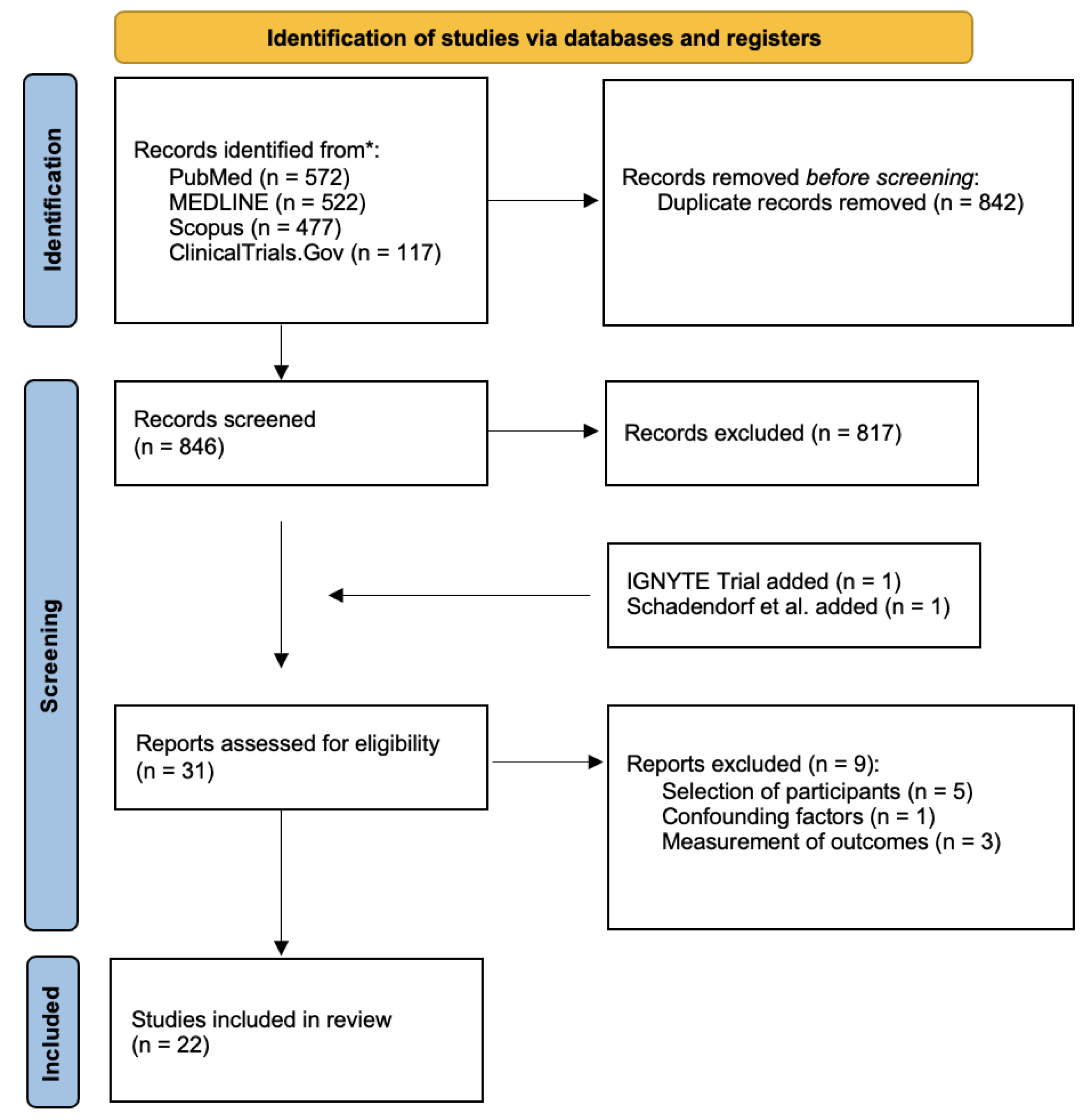
As outlined in Figure 1, the initial search identified 1,688 records (PubMed = 572, MEDLINE = 522, Scopus = 477, ClinicalTrials.Gov = 117). Following the removal of 842 duplicates, 846 papers remained for independent screening by two authors. Of these, 821 were excluded for failing to meet inclusion criteria. During the screening process, one further relevant ongoing trial was identified through screening bibliographies, although this trial was not identified by the original search of ClinicalTrials.gov [34]. Additionally, a relevant conference paper from the 2026 European Association of Dermato-Oncology (EADO) conference was identified after the search date and included [35]. This left a total of 31 studies to be quality assessed, including 12 ongoing clinical trials [34,36,37,38,39,40,41,42,43,44,45,46], 18 papers [3,4,5,13,14,23,24,25,26,27,28,29,30,47,48,49,50,51] and 1 conference paper [35]. Following quality assessment, 9 studies, 1 conference paper and 12 ongoing clinical trials were included in the final review [3,4,5,13,35,36,37,38,39,40,41,42,43,44,45,46,47,48,49,50,51].
The characteristics of each study including country, sample size, study design, oncological intervention following anti-PD-1 failure and median follow-up duration are summarised in Table A4. Patients that underwent subsequent treatment of advanced cSCC following anti-PD-1 failure were identified. Patient data, confounding factors, pathological factors, clinical and oncological outcomes from each study were compiled into Version 16.108.2 of Microsoft Excel [31] in a study-by-study format for each anti-cancer agent. For each cohort, values were summed by variable and reported as both totals and cohort-specific percentages. As individual patient-level data was mostly unavailable, study-level medians were pooled using a sample-size–weighted approach, whereby each reported median was weighted according to the number of patients in the corresponding study to calculate cumulative median age, follow up, PFS and OS. The specific formula used to make these pooled-weighted calculations are listed in the appendix. These data were compiled into a sub-analysis, presented in Table A5. The characteristics of each ongoing trial including registration number and method of oncological management following anti-PD-1 failure is summarised in Table A6. Table A4, Table A5 and Table A6 are listed in Appendix A.
Study Characteristics
10 papers were identified and compiled into the sub-analysis, made up of 3 retrospective analyses’ [3,4,47], 3 completed clinical trials [5,13,48], 2 case series [49,50], 1 case report [51] and 1 conference paper [35]. Sample sizes ranged from 1 [51] to 39 [35] with a median of 9. Overall, 4 papers involved multiple centres [5,13,35,48]. Only patients that suffered disease progression whilst on anti-PD-1 immunotherapy for treatment of advanced cSCC were included in the sample sizes. The weighted median follow-up within the EGFR studies included in the sub-analysis was 17 months (range 4-35) whilst in the CTLA-4 inhibitor and RP1 cohorts, follow-up ranges of 12-72 and 0.5-46.3 months respectively was reported. Follow-up was unspecified in the TLR9-A group. We also identified 12 ongoing clinical trials including four Phase I [42,44,45,46], four Phase II [34,36,37,41], two Phase I/II [39,40] and one Phase II/III [43] trials, alongside one prospective interventional study [38]. 10 of the ongoing trials were multi-centre [34,37,38,39,40,41,43,44,45,46].
Patient Characteristics
The sub-analysis included 130 patients. Of studies presenting age as a median, the cumulative median age was 72.7 (range 36-93), while the mean age of the TLR9-A cohort was 61.2 (range 54-67). Of the 97 patients with reported gender, the majority were male (n=75, 57.7%). 12 patients (9.2%) were smokers, 13 patients (10%) suffered haematological compromise and 3 (2.3%) had a secondary malignancy. The primary cSCC site was the head and neck in 23 patients (17.7%), the trunk in 5 (3.8%), upper extremity in 3 (2.3%), lower extremity in 4 (3.1%) and unspecified in 95 patients (73.1%). The cSCC’s were American Joint Commission on Cancer (AJCCS) Stage III in 16 patients (12.3%), Stage IV in 74 patients (56.9%) and unspecified in 51 (39.2%). Eastern Cooperative Oncology Group (ECOG) status was 0 in 19 patients (14.5%), 1 in 25 patients (19.2%), and unspecified in 86 (66.2%).
Anti-Cancer Agent(s) Utilised Following Anti-PD-1 Failure
A total of 4 classes of anti-cancer agent with sufficient data were identified in the treatment of advanced cSCC following anti-PD1 failure; EGFR inhibitors, CTLA-4 inhibitors, TLR9 agonists and RP1 oncolytic virotherapy. 74 patients (male, n = 34 (45.9%)) were treated with intravenous EGFR inhibitor therapy. 15 patients (20.3%) received this as a single agent, 38 (51.4%) in combination with anti-PD-1 immunotherapy, 8 (10.8%) with 5-fluorouracil, 6 (8.1%) with carboplatin and pacitaxel, 6 (8.1%) with radiotherapy and 2 (2.7%) with carboplatin alone. 12 patients (male, n = 8 (66.6%)) were treated with an intravenous CTLA-4 inhibitor, with 11 (91.7%) receiving monotherapy and 1 (8.3%) having this with concurrent nivolumab. 5 patients (male, n = 5 (100%)) received a TLR9 agonist as an intra-tumoral injection, with all patients receiving concurrent intravenous anti-PD-1 immunotherapy. 39 patients (male, n = 30 (76.9%)) received RP1 as an intra-tumoral injection alongside intravenous anti-PD-1 immunotherapy.
Overall Survival
Overall survival (OS) was pooled in the CTLA-4 and EGFR inhibitor cohorts. Using EGFR inhibitors as either monotherapy or in combination with other agents following anti-PD-1 immunotherapy failure in the management of advanced cSCC resulted in a cumulative median overall survival of 88.7 weeks (range 41.7-126). CTLA-4 inhibitors were associated with an overall survival of 45 weeks (range 7-190+). The overall survival was not calculable in either the TLR9 agonist or RP1 cohort.
Progression-Free Survival
Progression-free survival (PFS) was pooled in all cohorts. The use of EGFR inhibitor therapy was associated with a median progression-free survival of 36.9 weeks (range 12-121.7). CTLA-4 inhibitors reported a median PFS of 23 weeks (range 4-190+). TLR9 agonists were found to have a median PFS of 12.1 weeks (95% CI 9-15). RP1 oncolytic virotherapy was estimated to have a median PFS of 21 weeks (range 2-177).
Response Rate (CR/PR, SD and PD)
The overall response rate (ORR) including CR/PR, alongside SD and PD were pooled in all cohorts. EGFR inhibitor therapy was associated with an ORR of 41.9% (n = 31/74; 95% CI 31.3-53.3). Within this, 16.2% achieved a CR (n = 12/74; 95% CI 9.5-26.2), and a PR was reported in 25.7% (n = 19/74; 95% CI 17.1-36.7). EGFR inhibition achieved SD in 32.4% (n = 24/74; 95% CI 22.9-43.7), and an additional 25.7% with PD (n = 19/74; 95% CI 17.1-36.7). The use of CTLA-4 inhibitors reported an ORR of 33.3% (n = 4/12; 95% CI 13.9-61), with 25% showing a CR (n = 3/12; 95% CI 8.9-53.2), 8.3% achieving a PR (n = 1/12; 95% CI 1.5-35.3) and 8.3% showing SD (n = 1/12; 95% CI 1.5-35.3). 58.3% in the CTLA-4 inhibitor group suffered PD (n = 7/12; 95% CI 32-80.7). The ORR of TLR9 agonists was 0% (n = 0/5; 95% CI 0-43.4), with 20% achieving SD (n = 1/5; 95% CI 3.6-62.4) and all remaining patients showing no clinical or pathological response (80%; n = 4/5;95% CI 37.6-96.3). RP1 oncolytic virotherapy achieved an ORR of 15.4% (n = 6/39; 95%CI 7.2-29.8), including 10.3% showing a CR (n = 4/39; 95% CI 4.1-23.6), and 5.1% achieving a PR (n = 2/39; 95% CI 1.4-16.9). SD was observed in 35.9% (n = 14/39; 95% CI 22.7-51.6) of the RP1 cohort, with the remaining 33.3% suffering PD (n = 13/39; 95% CI 20.6-49).
Ongoing Trials
A total of 12 ongoing clinical trials [34,36,37,38,39,40,41,42,43,44,45,46] investigating cSCC treatment following anti-PD-1 immunotherapy failure were identified through the ClinicalTrials.Gov search engine [18]. The confirmed and/or estimated sample sizes were pooled together, with the median being calculated as 77 (range 0-430). Among the 12 included trials, therapeutic approaches were heterogeneous. The majority are evaluating immunotherapy-based strategies delivered either orally [36], intravenously [40,41,42,43,44,46], or intra-tumourally [37,45,46], with several studies also comparing this to combination approaches involving targeted therapy [40,43,44], chemotherapy [43], oncolytic viruses [34,41,42], stereotactic radiotherapy [44], or mixed-route immunotherapy [45,46]. Only one trial Is investigated brachytherapy alone [38] and another is investigating photoimmunotherapy [39].
A wide variety of agents were identified within the 12 ongoing trials. The majority were typical and/or atypical anti-PD-1 immunotherapy agents, specifically, cemiplimab [39,45], nivolumab [41], pembrolizumab [42,44], atezolizumab [43] and budigalimab [46]. One trial is exploring the combination immunotherapy (anti-PD-1/anti-vascular endothelial growth factor (VEGF)) agent, ivonescimab [36], with a further trial exploring the use of anti-VEGF agent bevacizumab [43]. The agents used for immunocytokine therapy, brachytherapy and photoimmunotherapy were daromun (L19IL2/L19TNF), radium-224 and IR700, respectively [37,38,39]. Oncolytic virotherapy agents included vusolimogene oderparepvec (RP1), talimogene laherparepvec (T-VEC) and tobacco mosaic virus [34,41,42]. Chemotherapy agents included docetaxel, cisplatin and carboplatin [43]. Cetuximab was the only EGFR inhibitor therapy identified [40,43], with it being in its ASP-1929 formulation in one trial [39]. Additionally, one trial is investigating HER-family targeted therapy with HMBD-001 [40]. A single small molecule inhibitor agent, elimusertib was also identified [44]. Finally, the use interleukin-2 antagonists and anti-CD-40 agonists were reported, specifically, tolododekin alfa (ANK-101) [45] and giloralimab (ABBV-927) [46], respectively.
4. Discussion
This systematic review aimed to explore the currently available literature on the management of advanced cutaneous squamous cell carcinoma following anti-PD-1 immunotherapy failure. While the review is limited by the small number and size of the studies published to date, it does provide insights into potential options for treatment in this patient population.
The available literature suggests that salvage EGFR inhibition, particularly cetuximab-based therapy represents the most promising treatment strategy at present for advanced cSCC following anti-PD-1 failure to date. This is emphasised by EGFR inhibitor therapy being the most frequently reported modality (n = 74), with more favourable outcomes in terms of ORR, PFS, and OS than RP1 oncolytic virotherapy (n = 39), CTLA-4 inhibition (n = 12) or TLR9 agonist therapy (n = 5). The observed ORR, and SD rates of 41.9%, and 32.4%, respectively, suggest that cetuximab-based salvage therapy may achieve not only disease stabilisation, but also clinically meaningful meaningful tumour regression in a substantial proportion of patients with advanced cSCC after anti-PD-1 therapy has failed. This is biologically plausible given the frequent expression of EGFR in cSCC, and the fact that EGFR inhibition acts through a physiologically distinct pathway to PD-1 blockade. However, our analyses are indirect, non-randomised comparisons; and do not confirm superiority.
In addition, the EGFR inhibitor cohort was highly heterogenous; only 15 patients (20.3%) received EGFR inhibitor therapy as a single agent, whilst others were treated concurrently with most commonly, anti-PD-1 immunotherapy (pembrolizumab n = 27 (36.5%), avelumab n = 10 (13.5%), nivolumab n = 1 (1.4%)) and/or chemoradiotherapy (5-fluorouracil n = 8 (10.8%), carboplatin + pacitaxel n = 6 (8.1%), carboplatin n=2 (2.7%), radiotherapy n=6 (8.1%)). Clinical outcomes for patients receiving EGFR monotherapy were not reported separately, precluding direct comparison with combination regimens. Consequentially, the apparent clinical benefit observed in this sub-analysis should be interpreted as reflecting EGFR-based treatment strategies rather than EGFR inhibitor monotherapy alone. This highlights an important gap in the current evidence base, as it remains unclear whether EGFR inhibition is most effective when delivered as monotherapy, in combination with continued PD-1 blockade, or alongside chemoradiotherapy following anti-PD-1 failure. Notably, however three of the 12 ongoing studies include cetuximab and will hopefully provide crucial prospective data.
RP1 oncolytic virotherapy represents the second-largest treatment cohort identified in this review. RP1 was estimated to have a median PFS of ~21 weeks, and produced an ORR of 15.4%, including a CR rate of 10.3%, while a further 35.9% of patients achieved SD. Although the ORR and PFS were lower than those observed with EGFR-based therapy, the occurrence of CRs and prolonged SD suggests that RP1 may provide clinically meaningful activity in anti-PD-1-refractory cSCC. Mechanistically, intratumoral oncolytic virotherapy may offer a complementary approach through direct tumour-cell lysis and local immune activation, potentially overcoming mechanisms of resistance to systemic immune-checkpoint inhibition. Importantly, the study has only been reported in a poster presentation; we anticipate publication of the full trial will provide further evidence on RP1 efficacy including overall survival.
Whilst the reported ORR of 33.3% in the CTLA-4 inhibitor cohort is not insignificant, it was derived from a cohort of only 12 patients, limiting its generalisability. Interestingly, all patients that responded to CTLA-4 therapy were the only patients to have been previously treated with cemiplimab as opposed to other anti-PD-1 therapy. This raises a potential hypothesis for future research whether prior treatment with cemiplimab may influence the efficacy of subsequent CTLA-4-directed therapy after anti-PD-1 failure. The TLR9 cohort reported a 0% ORR, a short median PFS, and all patients received concurrent anti-PD-1 therapy; taken together, current evidence does not demonstrate meaningful activity in the very small post–PD-1 cohort reported (n=5).
Notably, none of the published studies identified in our review included treatment with chemotherapy, and only one of the ongoing studies does so (in combination with cetuximab). Prior to the licencing of cemiplimab in cutaneous SCC, chemotherapy or cetuximab were the only available therapies, and while chemotherapy (in ICI naïve patients) is associated with response rates of 17.6% and 18.5% in locally advanced and metastatic disease respectively, responses are short lived and no survival benefit has been demonstrated [52].
The direction of current research is heavily focused on immunotherapy-based treatments, centralised around immunotherapy re-challenge, combination immunotherapy and/or immune-modulating strategies. One possible explanation for this emphasis is that anti-PD-1 immunotherapy has demonstrated more frequent and more durable tumour control than cetuximab-based therapy, which likely contributed to immune checkpoint inhibition replacing cetuximab as first-line treatment for unresectable advanced cSCC. However, optimal management after anti-PD-1 failure remains undefined for the substantial proportion of patients who are unresponsive to treatment. Future studies should therefore investigate whether prior exposure to anti-PD-1 therapy influences the efficacy of subsequent EGFR inhibition. It is also encouraging that a number of mechanistically distinct approaches, including oncolytic virotherapy, photoimmunotherapy, anti-CD40 agonists, interleukin-2 agonists, small-molecule inhibitors, and anti-human epidermal growth factor receptor 3 (HER3) therapies, are also being explored, as these may offer additional life-prolonging treatment for patients with anti-PD-1-refractory disease.
Compared with previous reviews, this review provides a more focused assessment of management following anti-PD-1 failure in advanced cSCC. Pham et al. reviewed EGFR inhibition in advanced cSCC in 2024 and reported pooled ORR, PFS, and OS of 26%, 20.9 weeks, and 50.8 weeks, respectively, across 324 patients, differing from those of our sub-analysis, with corresponding values of 41.9%, 36.9 weeks, and 88.7 weeks across 74 patients. However, these reviews are not directly comparable, as 246 (76%) of the patients in Pham et al. were treated with EGFR inhibition as first-line and thereby had not previously progressed on anti-PD-1 immunotherapy. Additionally, there is no clear indication that any of the remaining 24% of patients had previously progressed on anti-PD-1 immunotherapy. Finally, there is no overlap between the studies included in their review and those incorporated into the present analysis [53]. Collectively, these distinctions emphasise the need for an updated synthesis of the evidence and support the view that, to the authors’ knowledge, this is the largest review and sub-analysis to date examining management strategies following anti-PD-1 immunotherapy failure in advanced cSCC.
This review has several strengths. It was prospectively registered on PROSPERO, supporting methodological transparency. A comprehensive search strategy was applied across PubMed, MEDLINE, and Scopus, improving the reliability and reproducibility of the findings. Internal validity was strengthened by using a predefined inclusion and exclusion criteria, independent screening by two authors, and the use of the ROBINS-I tool to exclude studies possessing a high risk of bias. In addition, the review incorporated both published retrospective studies and ongoing clinical trials, allowing comparison between the current evidence base and the prospective direction of research.
Despite some key observations being made, the review is undermined by several limitations. The most significant is the frequent use of combination regimens rather than monotherapy, which reduces interpretability as observed effects on overall survival (OS), overall response rate (ORR), and progression-free survival (PFS) cannot be directly attributed with certainty to a single agent. Although this limits generalisability, it also reflects a challenge for future research, as trials of monotherapy alone may raise ethical concerns if combination approaches are perceived to offer greater potential clinical benefit. A further major limitation is the small sample size of the available literature, with a median study size of 8 patients, which further undermines the generalisability. In addition, although the review of ongoing trials suggested that immunotherapy-based strategies are the main direction of future research, published retrospective data in the anti-PD-1 refractory setting were extremely limited outside AlSharif et al. [4]. As a result, the apparent prominence of EGFR inhibition in the current literature may partly reflect data availability rather than true comparative superiority, particularly as many immunotherapy-focused trials have not yet reported outcomes. Finally, several studies contained missing or non-separable data, which reduced the completeness of the sub-analysis.
5. Conclusions
While limited by the small numbers of studies and patients reported to date, our review suggests that salvage EGFR inhibition, particularly cetuximab-based therapy, represents the best current treatment approach for advanced cSCC following anti-PD-1 failure. Ongoing clinical trials are mainly focused on immunotherapy, including different combinations of immune checkpoint inhibitors as well as oncolytic virotherapy, small molecule inhibitors and immunocytokine therapy; and may provide much needed new options for this patient population.
Author Contributions
Conceptualisation – Joseph Sacco. Methodology – Hamish Thomson, Embiye Adala, Joseph Sacco. Investigation – Hamish Thomson, Embiye Adala. Data Curation – Hamish Thomson, Embiye Adala. Formal Analysis - Hamish Thomson, Embiye Adala, Anirban Mandal, Christopher Jones. Validation – Joseph Sacco. Original Draft Preparation – Hamish Thomson, Embiye Adala, Joseph Sacco. Reviewing And Editing - Hamish Thomson, Embiye Adala, Anirban Mandal, Christopher Jones, Joseph Sacco. Supervision – Joseph Sacco, Christopher Jones, Anirban Mandal. All authors have read and agreed to the published version of the manuscript.
Funding
This research received no external funding.
Conflicts of Interest
The authors declare no conflicts of interest.
Appendix A
Formula for Calculating Cumulative Weighted Medians
∑ (Ni x Mi) / ∑Ni
Ni = Sample size of study i
Mi = Median reported by study i

Table A1.
– PubMed Search Strategy.
| Number | Term | Results |
|---|---|---|
| #1 | cutaneous squamous cell carcinoma*[tiab] OR cSCC[tiab] OR CSCC[tiab] OR squamous cell carcinoma of the skin[tiab] OR skin squamous cell carcinoma [tiab] OR cutaneous SCC[tiab] OR metastatic cutaneous squamous cell carcinoma[tiab] OR metastatic squamous cell carcinoma[tiab] OR advanced cutaneous squamous cell carcinoma[tiab] OR unresectable cutaneous squamous cell carcinoma[tiab] OR locally advanced cutaneous squamous cell carcinoma[tiab]) | 8,146 |
| #2 | ("Programmed Cell Death 1 Receptor"[Mesh] OR "Programmed Cell Death 1 Ligand 1 Protein"[Mesh] OR PD-1[tiab] OR anti-PD-1[tiab] OR PD1[tiab] OR programmed cell death 1[tiab] OR programmed death 1[tiab] OR PD-L1[tiab] OR anti-PD-L1[tiab] OR immune checkpoint inhibitor*[tiab] OR checkpoint inhibitor*[tiab] OR immunotherapy[tiab] OR cemiplimab[tiab] OR pembrolizumab[tiab] OR nivolumab[tiab] OR avelumab[tiab]) | 242,061 |
| #3 | (fail*[tiab] OR failure[tiab] OR refractory[tiab] OR resist[tiab] OR progressive[tiab] OR progression[tiab] OR post-progression[tiab] OR salvage[tiab] OR second-line[tiab] OR subsequent-line[tiab] OR inadequate response[tiab] OR unresponsive[tiab] OR after immunotherapy[tiab] OR following immunotherapy[tiab] OR after anti-PD-1[tiab] OR following anti-PD-1[tiab] OR treatment resistant[tiab] OR after[tiab] OR following[tiab] OR unresectable[tiab]) | 9,864,578 |
| #4 | (management[tiab] OR treatment[tiab] OR therapy[tiab] OR therapeutic[tiab] OR salvage therapy[tiab] OR systemic therapy[tiab] OR chemotherapy[tiab] OR chemoimmunotherapy[tiab] OR cetuximab[tiab] OR panitumumab[tiab] OR 5-fluorouracil[tiab] OR fluorouracil[tiab] OR EGFR inhibitor[tiab] OR anti-EGFR[tiab] OR radiotherapy[tiab] OR surgery[tiab] OR resection[tiab])) | 10,561,553 |
| #5 | #1 AND #2 AND #3 AND #4 | 572 |
| #6 | #1 AND #2 AND #3 AND #4 Filters: from 2000/1/1 - 3000/12/12 | 572 |
Table A2.
– MEDLINE Search Strategy.
| Number | Term | Results |
|---|---|---|
| #1 | (cutaneous squamous cell carcinoma* OR cSCC OR CSCC OR squamous cell carcinoma of the skin OR skin squamous cell carcinoma OR cutaneous SCC OR metastatic cutaneous squamous cell carcinoma OR metastatic squamous cell carcinoma OR advanced cutaneous squamous cell carcinoma OR unresectable cutaneous squamous cell carcinoma OR locally advanced cutaneous squamous cell carcinoma).ti,ab. | 12,460 |
| #2 | exp Programmed Cell Death 1 Receptor/ OR exp Programmed Cell Death 1 Ligand 1 Protein/ OR (PD-1 OR anti-PD-1 OR PD1 OR programmed cell death 1 OR programmed death 1 OR PD-L1 OR anti-PD-L1 OR immune checkpoint inhibitor* OR checkpoint inhibitor* OR immunotherapy OR cemiplimab OR pembrolizumab OR nivolumab OR avelumab).ti,ab. |
224,130 |
| #3 | (fail* OR failure OR refractory OR resist* OR progressive OR progression OR post-progression OR salvage OR second-line OR subsequent-line OR inadequate response OR unresponsive OR after immunotherapy OR following immunotherapy OR after anti-PD-1 OR following anti-PD-1 OR treatment resistant OR after OR following OR unresectable).ti,ab. | 12,451,403 |
| #4 | (management OR treatment OR therapy OR therapeutic OR salvage therapy OR systemic therapy OR chemotherapy OR chemoimmunotherapy OR cetuximab OR panitumumab OR 5-fluorouracil OR fluorouracil OR EGFR inhibitor OR anti-EGFR OR radiotherapy OR surgery OR resection).ti,ab. | 1,428,0561 |
| #5 | #1 AND #2 AND #3 AND #4 | 522 |
| #6 | limit 5 to yr="2000 -Current" | 522 |
Table A3.
– Scopus Search Strategy.
| Number | Term | Results |
|---|---|---|
| #1 | "cutaneous squamous cell carcinoma*" OR cSCC OR CSCC OR "squamous cell carcinoma of the skin" OR "skin squamous cell carcinoma" OR "cutaneous SCC" OR "metastatic cutaneous squamous cell carcinoma" OR "advanced cutaneous squamous cell carcinoma" OR "unresectable cutaneous squamous cell carcinoma" OR "locally advanced cutaneous squamous cell carcinoma" |
8,027 |
| #2 | "PD-1" OR "anti-PD-1" OR PD1 OR "programmed cell death 1" OR "programmed death 1" OR "PD-L1" OR "anti-PD-L1" OR "immune checkpoint inhibitor*" OR "checkpoint inhibitor*" OR cemiplimab OR pembrolizumab OR nivolumab OR avelumab | 164,624 |
| #3 | fail* OR failure OR refractory* OR resist* OR progression OR progressive OR salvage OR "second line" OR "second-line" OR "subsequent line"OR "inadequate response" OR unresponsive OR "post progression" OR "after anti-PD-1" OR "following anti-PD-1" OR "after cemiplimab" OR “after” OR “following” OR “unresectable” | 21,616,266 |
| #4 | “management” OR “treatment” OR “therapy” OR “therapeutic” OR "salvage therapy" OR "systemic therapy" OR “chemotherapy” OR “chemoimmunotherapy” OR “cetuximab” OR “panitumumab” OR "5-fluorouracil" OR “fluorouracil” OR "EGFR inhibitor" OR "anti-EGFR" OR “radiotherapy” OR “surgery” OR “resection” |
21,772,824 |
| #5 | #1 AND #2 AND #3 AND #4 | 477 |
| #6 | #1 AND #2 AND #3 AND #4 AND PUBYEAR>1999 | 477 |
Table A4.
– Study Characteristics.
| Study | Location | Single or Multi Centre | Study Type | Sample | Age, Median (Range) or Mean (Range), years | Gender, n (%) | Oncological management following Anti-PD-1 failure, n (%) | Follow-Up, Median (Range), months |
|---|---|---|---|---|---|---|---|---|
| (Schadendorf, 2026) | Germany | Multi | Conference paper | 39 | 69 (38-93) | M – 30 (76.9) F – 9 (23.1) |
RP1 + Anti-PD1-I – 39 (100) | NR (0.5-46.3) |
| (AlSharif, 2026) | USA | Single | Retrospective analysis | 21 | Anti-CTLA4-I group – 77 (48-85) EGFR-I group – 73 (42-86) |
M – 18 (85.7) F – 7 (33.3) |
Anti-CTLA4-I – 11 (52.4) Anti-CTLA4-I + Anti-PD1-I – 1 (8.3) EGFR-I – 7 (33.3)* EGFR + CP + PTAX – 6 (28.6) |
NR (12-72) |
| (Bossi, 2025) | Italy | Multi | Phase II trial | 23 | NR (NR) | NR (NR) | EGFR-I + Anti-PD1-I – 23 (100) | 9 (1-26) |
| (Milhem, 2025) | USA | Multi | Phase Ib/II trial | 5 | Mean – 61.2 (54-67) | M – 3 (60) F – 2 (20) |
TLR9A + Anti-PD-I – 5 (100) | ** |
| (Becker, 2025) | Germany | Multi | Phase II trial | 10 | NR (NR) | NR (NR) | EGFR-I + Anti-PD1-I – 10 (100) | 35 (NR) |
| (Huynh, 2025) | Germany | Single | Retrospective analysis | 8 | 74 (50-83) | M – 8 (100) | EGFR-I + 5-FU – 8 (100) | 4 (1-12) |
| (Morecroft, 2024) | USA | Single | Case series | 3 | 61 (36-67) | M – 3 (100) | EGFR-I – 1 (33.3) EGFR-I + CP – 2 (66.6) |
31.3 (13.3-46.1) |
| (Marin-Acevedo, 2023) | USA | Single | Retrospective analysis | 13 | 72 (54-89) | M – 11 (84.6) F – 2 (15.4) |
EGFR-I – 7 (53.8) EGFR-I + RT – 6 (46.2) |
21 (NR) |
| (Hober, 2021) | France | Single | Case report | 1 | 64 (NR) | M – 1 (100) | EGFR-I + Anti-PD1-I – 1 (100) | 28 (NR) |
| (Hsu, 2021) | USA | Single | Case series | 3 | 83 (78-90) | M – 1 (33.3) F – 2 (33.3) |
EGFR-I + Anti-PD1-I – 3 (100) | 18 (15-24) |
Key – 5-FU – 5-Fluorouracil; Anti-CTLA4-I – Anti-Cytotoxic T-lymphocyte-associated protein-4 immunotherapy; Anti-PD-1 – Anti-Programmed Cell Death-1; Anti-PD-1-I – Anti-Programmed Cell Death-1 immunotherapy; CIO – Chemo-immunotherapy; CP – Carboplatin; EGFR-I - Epidermal growth factor receptor inhibitor; F – Female; HER2-A - Human epidermal growth factor receptor 2 antagonist; M – Male; Max – Maximum; Min - Minimum; NR – Not reported; RP1 - Vusolimogene oderparepvec; RT – Radiotherapy; PTAX – Paclitaxel; TLR9A – Toll-like receptor 9 agonist; USA – United States of America. *4 patients were included in both cohorts. **Median follow-up was not reported. However, individual patient timelines suggest follow-up extending beyond 80 weeks in some cases.
Table A5.
– Sub Analysis of Post-Anti-PD-1 Immunotherapy Failure Management.
| Cytotoxic T-lymphocyte-associated protein-4 (CTLA-4) inhibitors (n = 12) |
Epidermal growth factor receptor( (EGFR) inhibitors (n = 74) |
Toll-like receptor 9 (TLR9) agonists (n = 5) |
Vusolimogene oderparepvec (RP1) oncolytic virotherapy (n = 39) |
||
|---|---|---|---|---|---|
| Age, years Cumulative weighted median (range) Mean (+/- SD) Unspecified, n (%) |
73 (42-86) - - |
72.7 (36-90) - 34 (45.9) |
- 61.2 (54-67) - |
69 (38-93) - - |
|
| Follow up, months Cumulative weighted median (range) Unspecified, n (%) |
NR (12-72) - |
17 (4-35) - |
- 5 (100) |
NR (0.5-46.3) - |
|
| Progression-free survival (PFS), weeks Cumulative weighted median (range) or (95%CI) |
23 (4-190+) |
36.9 (12-121.7) |
12.1 (CI 9-15) |
21 (2-177) * |
|
| Overall survival (OS), weeks Cumulative weighted median (range) Non-calculable, n (%) |
45 (7-190+) - |
88.7 (41.7-126) 43 (58.1) |
- 5 (100) |
- 39 (100) |
|
| Gender, n (%) Male Female Unspecified |
8 (66.6) 4 (33.3) - |
34 (45.9) 7 (9.4) 33 (44.6) |
3 (60) 2 (40) - |
30 (76.9) 9 (23.1) - |
|
| Confounding Factors, n (%) Smokers Haematological compromise Secondary cancer |
4 (33.3) 5 (41.7) - |
8 (10.8) 8 (10.8) 3 (4) |
- - - |
- - - |
|
| Primary site, n (%) Head and neck Trunk Upper extremity Lower extremity Unspecified |
7 (58.3) - - - 5 (41.7) |
16 (21.6) 5 (6.8) 3 (4) 4 (5.4) 46 (62.1) |
- - - - 5 (100) |
- - - - 39 (100) |
|
| cSCC AJCC stage, n (%) III IV Unspecified |
3 (25) 9 (75) - |
11 (14.9) 23 (31.1) 40 (54.1) |
2 (40) 3 (60) - |
- 29 (74.4) 10 (25.6) |
|
| Eastern Cooperative Oncology Group (ECOG) status, n (%)01 Unspecified |
- - 12 (100) |
- - 74 (100) |
- 5 (100) - |
19 (48.7) 20 (51.3) - |
|
| Prior therapy, n (%) Nivolumab Cemiplimab Pembrolizumab Unspecified Anti-PD1 immunotherapy Surgery Radiation Neither surgery nor radiation EGFR-I therapy Chemotherapy CTLA-4 therapy |
- 5 (41.7) - 7 (58.3) 7 (58.3) 6 (50) 6 (50) 5 (41.7) - - |
1 (1.4) 15 (20.3) 34 (45.9) 18 (24.3) 13 (17.6) 14 (18.9) 7 (9.5) 1 (1.4) 6 (8.1) 2 (2.7) |
- - - 5 (100) - - - - - - |
- - - 39 (100) - - - - - - |
|
| Best response to prior anti-PD-1 therapy, n (%) Partial response (PR) Progression of disease (PD) Stable disease (SD) Unspecified |
5 (41.7) 4 (33.3) 3 (25) - |
4 (5.4) 58 (78.4) 12 (16.2) - |
- 5 (100) - - |
- - - 39 (100) |
|
| Agent, n (%) Ipilimumab (CTLA-4-I) Cetuximab (EGFR-I) Panitumumab (EGFR-I) Cavrotolimod (TLR9-A) Vusolimogene oderparepvec (RP1) (OV) |
12 (100) - - - - |
- 71 (95.9) 3 (4.1) - - |
- - - 5 (100) - |
- - - - 39 (100) |
|
| Nature of therapy, n (%) Single agent Combination with Nivolumab Combination with Cemiplimab Combination with Pembrolizumab Combination with Avelumab Combination with Carboplatin Combination with Carboplatin + Pacitaxel Combination with 5-Fluorouracil Combination with radiotherapy |
11 (91.7) 1 (8.3) - - - - - - - |
15 (20.3) 1 (1.4) - 27 (36.5) 10 (13.5) 2 (2.7) 6 (8.1) 8 (10.8) 6 (8.1) |
- - 5 (100) - - - - - - |
- 39 (100) - - - - - - - |
|
| Formulation of new agent, n (%) Intravenous Infusion Intratumoral injection |
12 (100) - |
74 (100) - |
- 5 (100) |
- 39 (100) |
|
| Subsequent salvage amputation or surgery, n (%) Yes No Unspecified |
3 (25) 9 (75) - |
4 (5.4) 9 (12.2) 61 (82.4) |
- - 5 (100) |
- - 39 (100) |
|
| P-Value | |||||
| Overall response rate (ORR), n (%; 95%CI) Complete response (CR), n (%; 95% CI) Partial response (PR), n (%; 95% CI) |
4 (33.3; CI 13.9 – 61) 3 (25; CI 8.9 – 53.2) 1 (8.3; CI 1.5 – 35.3) |
31 (41.9; CI 31.3 – 53.3) 12 (16.2; CI 9.5 –26.2) 19 (25.7; CI 17.1 – 36.7) |
0 (0; CI 0 – 43.4) 0 (0; CI 0 – 43.4) 0 (0; CI 0 – 43.4) |
6 (15.4; CI 7.2 – 29.8) 4 (10.3; CI 4.1 – 23.6) 2 (5.1; CI 1.4 – 16.9) |
0.0116, SS 0.5290, NS 0.0221, SS |
| Stable disease (SD), n (%; 95% CI) | 1 (8.3; CI 1.5 – 35.3) | 24 (32.4; CI 22.9 – 43.7) | 1 (20; CI 3.6 – 62.4) | 14 (35.9; CI 22.7 – 51.6) | 0.2833, NS |
| Progressive disease (PD), n (%; 95% CI) | 7 (58.3; CI 32 – 80.7) | 19 (25.7; CI 17.1 – 36.7) | 4 (80; CI 37.6 – 96.3) | 13 (33.3; CI 20.6 – 49) | 0.0173, SS |
Key – AJCC – American Joint Commission on Cancer; Anti-PD1 - Anti-Programmed Cell Death-1; cSCC – Cutaneous squamous cell carcinoma; CTLA-4 - Cytotoxic T-lymphocyte-associated protein-4; CTLA-4-I - Cytotoxic T-lymphocyte-associated protein-4 inhibitor; EGFR-I - Epidermal growth factor receptor inhibitor; NR – Not reported; NS – Not significant; OV – Oncolytic virotherapy; SS – Statistically significant; TLR9-A - Toll-like receptor 9 agonist. *Estimated from swimmer plot.
Table A6.
– Ongoing Clinical Trials Investigating Management Options Following Anti-PD1 Failure.
| NCT Code | Sponsor | Location | Single or Multi Centre | Study Type | Current Sample | Formulation & Class | Agent (s) | Estimated year of completion |
|---|---|---|---|---|---|---|---|---|
| NCT06567314 | M.D. Anderson Cancer Centre | USA | Single | Phase II Clinical Trial | 24* | Oral immunotherapy | Ivonescimab (AK112) (Anti-PD-1 + Anti-VEGF) | 2030 |
| NCT07228442 | Philogen S.p.A. | USA | Multi | Phase II Clinical Trial | 0 | ITI immunotherapy | L19IL2/L19TNF (Daromun) | 2031 |
| NCT05323253 | Alpha Tau Medical LTD. | USA, Canada, Israel | Multi | Interventional Study | 86* | Brachytherapy | Alpha DaRT224 (Radium-224) | 2025 |
| NCT04305795 | Rakuten Medical, Inc. | USA | Multi | Phase I/II Clinical Trial | 23 | Photoimmunotherapy | ASP-1929 (Cetuximab (EGFR-I) + IRDye® 700DX (IR700)) + Cemiplimab (Anti-PD-1) | 2027 |
| NCT05910827 | Hummingbird Bioscience | Australia, Moldova, Singapore, South Korea, Taiwan | Multi | Phase I/II Clinical Trial | 98* | IV immunotherapy + IV EGFR | HMBD-001 (Anti-HER3) + Cetuximab (EGFR-I) | 2026 |
| NCT02978625 | National Cancer Institute | USA | Multi | Phase II Clinical Trial | 68 | ITI oncolytic virus + IV immunotherapy | Talimogene Laherparepvec + Nivolumab (Anti-PD-1) |
2027 |
| NCT06868433 | Emory University | USA | Single | Phase I Clinical Trial | 40* | ID oncolytic virus + IV immunotherapy | Tobacco mosaic virus (TMV) + Pembrolizumab (Anti-PD-1) |
2028 |
| NCT05063552 | National Cancer Institute | USA | Multi | Phase II / III Clinical Trial | 430* | IV EGFR-I + IV chemo vs IV immunotherapy + IV chemo vs IV combination immunotherapy |
Cetuximab (EGFR-I) + Docetaxel + Cisplatin + Carboplatin vs Bevacizumab (Anti-PD-1) + Docetaxel + Cisplatin/Carboplatin vs Bevacizumab (Anti-PD-1) + Atezolizumab (Anti-PD-1) |
2027 |
| NCT04576091 | National Cancer Institute | USA | Multi | Phase I Clinical Trial | 7 | Oral SMI + SRT + IV immunotherapy | Elimusertib (SMI) + SRT + Pembrolizumab (Anti-PD-1) | 2025 – Results pending. |
| NCT06171750 | Ankyra Therapeutics, Inc. | USA, Canada | Multi | Phase I Clinical Trial | 97* | ITI immunotherapy vs IV combination immunotherapy |
Tolododekin alfa (ANK-101) (IL-2-A) vs Tolododekin alfa (ANK-101) (IL-2-A) + Cemiplimab (Anti-PD-1) |
2027 |
| NCT02988960 | AbbVie | USA, Australia, Canada, France, Japan, South Korea, Spain | Multi | Phase I Clinical Trial | 163 | IV immunotherapy vs ITI immunotherapy vs ITI immunotherapy + IV immunotherapy |
Giloralimab (ABBV-927) (Anti-CD40-A) vs Giloralimab (ABBV-927) (Anti-CD40-A) vs Giloralimab (ABBV-927) (Anti-CD40-A) + Budigalimab (ABBV-181) Anti-PD-1) |
2026 |
| NCT03767348 | Replimune, Inc. | USA, France, Germany, Spain, UK | Multi | Phase II Clinical Trial | 340* | ITI oncolytic virus + IV immunotherapy | Vusolimogene Oderparepvec (RP1) + Nivolumab (Anti-PD-1) | 2028 |
Key – Anti-CD40-A – Anti-CD40 agonist; Anti-PD-1 - – Anti-Programmed Cell Death-1; Anti-VEGF – Anti-Vascular Endothelial Growth Factor; Chemo – Chemotherapy; DaRT - Diffusing Alpha-emitters Radiation Therapy; EGFR-I - Epidermal growth factor receptor inhibitor; HER3 - Human Epidermal Growth Factor Receptor 3;ID – Intradermal; IL-2-A – Interleukin-2-agonist; ITI – Intra-tumoral injection; IV – Intravenous; SMI – Small molecule inhibitor; SRT – Stereotactic radiotherapy; UK – United Kingdom; USA – United States of America. *Estimated.
References
- Jiang R, Fritz M, Que SKT. Cutaneous Squamous Cell Carcinoma: An Updated Review. Cancers (Basel). 2024;16(10). 30/3/26. [CrossRef]
- National Institute for Health and Care Excellence (NICE) I. Skin cancers - recognition and referral: How common is it? NICE Clinical Knowledge Summaries: NICE; 2025 [Available from: https://cks.nice.org.uk/topics/skin-cancers-recognition-referral/background-information/prevalence/.
- Huynh J, Eigentler T, Moritz RKC, Poch G, Schlaak M, Dobos G. Cetuximab plus 5-fluorouracil in patients with advanced cutaneous squamous cell carcinoma: a retrospective cohort study. J Dtsch Dermatol Ges. 2025;23(8):932-8. [CrossRef]
- AlSharif H, Danchine V, Deekollu K, Hasanov M, Wu R, Haykal T, et al. Second-line treatments for patients with programmed cell death protein 1-refractory cutaneous squamous cell carcinomas: a brief report. Oncologist. 2026;31(4). 19/3/26. [CrossRef]
- Bossi P, Alberti A, Bergamini C, Resteghini C, Locati LD, Alfieri S, et al. Immunotherapy followed by cetuximab in locally advanced/metastatic cutaneous squamous cell carcinomas: the I-TACKLE trial. Eur J Cancer. 2025;220:115379. 20/3/26. [CrossRef]
- Lin X, Kang K, Chen P, Zeng Z, Li G, Xiong W, et al. Regulatory mechanisms of PD-1/PD-L1 in cancers. Mol Cancer. 2024;23(1):108. 30/3/26. [CrossRef]
- Hughes BGM, Guminski A, Bowyer S, Migden MR, Schmults CD, Khushalani NI, et al. A phase 2 open-label study of cemiplimab in patients with advanced cutaneous squamous cell carcinoma (EMPOWER-CSCC-1): Final long-term analysis of groups 1, 2, and 3, and primary analysis of fixed-dose treatment group 6. J Am Acad Dermatol. 2025;92(1):68-77. 30/3/26. [CrossRef]
- Dong Q, Zhang Z, Li S, Liang L. Mechanisms of immunotherapy in cutaneous squamous cell carcinoma in the tumor microenvironment. Front Immunol. 2025;16:1660272. 30/3/26. [CrossRef]
- Baruch EN, Gleber-Netto FO, Nagarajan P, Rao X, Akhter S, Eichwald T, et al. Cancer-induced nerve injury promotes resistance to anti-PD-1 therapy. Nature. 2025;646(8084):462-73. 30/3/26. [CrossRef]
- Singh H, Chopra H, Singh I, Mohanto S, Ahmed MG, Ghumra S, et al. Molecular targeted therapies for cutaneous squamous cell carcinoma: recent developments and clinical implications. Excli j. 2024;23:300-34. 31/3/26.
- Hossen MM, Ma Y, Yin Z, Xia Y, Du J, Huang JY, et al. Current understanding of CTLA-4: from mechanism to autoimmune diseases. Front Immunol. 2023;14:1198365. 31/3/26. [CrossRef]
- Ward FJ, Kennedy PT, Al-Fatyan F, Dahal LN, Abu-Eid R. CTLA-4-two pathways to anti-tumour immunity? Immunother Adv. 2025;5(1):ltaf008. 31/3/26.
- Milhem MM, Wise-Draper TM, Chandra S, Hanna GJ, Laux DE, Medina TM, et al. Phase 1b/2 study evaluating safety, efficacy and immune effects of TLR9 agonist cavrotolimod with anti-PD-1 antibodies among patients with advanced solid tumors. J Immunother Cancer. 2025;13(7). [CrossRef]
- Strickley JD, Spalding AC, Haeberle MT, Brown T, Stevens DA, Jung J. Metastatic squamous cell carcinoma of the skin with clinical response to lapatinib. Exp Hematol Oncol. 2018;7:20. 29/3/26. [CrossRef]
- Thomas S, Kuncheria L, Roulstone V, Kyula JN, Mansfield D, Bommareddy PK, et al. Development of a new fusion-enhanced oncolytic immunotherapy platform based on herpes simplex virus type 1. J Immunother Cancer. 2019;7(1):214. [CrossRef]
- Page MJ, McKenzie JE, Bossuyt PM, Boutron I, Hoffmann TC, Mulrow CD, et al. The PRISMA 2020 statement: an updated guideline for reporting systematic reviews. BMJ (Online). 2021;372:n71-n. 13/3/2026. https://www.bmj.com/content/372/bmj.n71. [CrossRef]
- Riva J, Malik K, Burnie S, Endicott A, Busse J. What is your research question? An introduction to the PICOT format for clinicians. Journal of the Canadian Chiropractic Association. 2012;56(3):167-71. 13/3/26.
- (US) NLoM. ClinicalTrials.gov: U.S. National Library of Medicine; 2026 [Available from: https://clinicaltrials.gov.
- Dissemination CfRa. PROSPERO: International prospective register of systematic reviews: National Institute for Health and Care Research (NIHR); [Available from: https://www.crd.york.ac.uk/PROSPERO/home.
- Thomson H, Sacco J. Optimal management of advanced cutaneous squamous cell carcinoma following anti-PD-1 immunotherapy failure PROSPERO: PROSPERO; 2026 [Available from: https://www.crd.york.ac.uk/PROSPERO/view/CRD420261340230.
- Ouzzani M HH, Fedorowicz Z, Elmagarmid A. Rayyan – a web and mobile app for systematic reviews: Qatar Computing Research Institute (QCRI); 2016 [Available from: https://rayyan.ai.
- Tools RoB. ROBINS-I V2 tool: Riskofbias.info; 2016 [10/11/24]. Available from: https://drive.google.com/file/d/1LCc9_KFIpdP3_uR56M-7ngO0zppxpAMS/view.
- Xue L, Han Y, Zhang Q, Li X, Fang M, Zhong L, et al. Becotatug Vedotin in Patients with Recurrent or Metastatic Squamous Cell Carcinoma of Head and Neck: A Multicenter, Phase IIa Trial. Clin Cancer Res. 2026. 20/3/26. [CrossRef]
- Rahimi G, In GK. Chemoimmunotherapy in Advanced, PD-1 Refractory Cutaneous Squamous Cell Carcinoma: Insights From Two Immunocompromised Patient Cases. Case Rep Oncol Med. 2025;2025:4443916. 29/3/26. [CrossRef]
- Kassardjian AA, Ladbury CJ, Tam A, Maroongroge S, Xing Y, Muddasani R, et al. Outcomes and toxicity of concomitant radioimmunotherapy following PD-1 blockade for locally advanced and metastatic cutaneous squamous cell carcinoma. Frontiers In Oncology. 2025;15:1679699. 20/3/26. [CrossRef]
- Gandarillas S, Tang H, Dasgeb B. Case Report: Dostarlimab for treatment of aggressive cutaneous squamous cell carcinoma. Front Med (Lausanne). 2024;11:1322210. 29/3/26. [CrossRef]
- Sato M, Enokida T, Wada A, Okano S, Tanaka H, Fujisawa T, et al. Potential efficacy of local therapy for progressive lesions after nivolumab in patients with recurrent or metastatic squamous cell carcinoma of the head and neck. International Journal of Clinical Oncology. 2023;28(8):1023-32. 20/3/26. [CrossRef]
- Tanaka H, Enokida T, Okano S, Fujisawa T, Tanaka N, Takeshita N, et al. Subsequent chemotherapy with paclitaxel plus cetuximab-based chemotherapy following immune checkpoint inhibitor in recurrent or metastatic squamous cell carcinoma of the head and neck. Front Oncol. 2023;13:1221352. [CrossRef]
- Kurosaki T, Mitani S, Tanaka K, Suzuki S, Kanemura H, Haratani K, et al. Safety and efficacy of cetuximab-containing chemotherapy after immune checkpoint inhibitors for patients with squamous cell carcinoma of the head and neck: a single-center retrospective study. Anticancer Drugs. 2021;32(1):95-101. [CrossRef]
- Saleh K, Daste A, Martin N, Pons-Tostivint E, Auperin A, Herrera-Gomez RG, et al. Response to salvage chemotherapy after progression on immune checkpoint inhibitors in patients with recurrent and/or metastatic squamous cell carcinoma of the head and neck. Eur J Cancer. 2019;121:123-9. [CrossRef]
- Microsoft Corporation. Microsoft Excel. 16.108.2 (26042616) ed: Microsoft Corporation; 2026.
- Wilson Edwin. Probable inference, the law of succession, and statistical inference. Journal of the American Statistical Association. 1927;22(158):209-12. 10/5/26.
- GraphPad Software. GraphPad Prism. 11.0.1 (99) ed. Boston, Massachusetts, USA: GraphPad Software; 2026.
- Replimune I. An Open-Label, Multicenter, Phase 1/2 Study of RP1 as a Single Agent and in Combination With PD1 Blockade in Patients With Solid Tumors [IGNYTE]: ClinicalTrials.gov; 2018 [updated 19/3/26. Available from: https://clinicaltrials.gov/study/NCT03767348.
- Schadendorf D, Wong M, Beasley G, Pavlick A, Harrington K, Chmielowski B, et al. Efficacy and safety of RP1 plus nivolumab in patients with non-melanoma skin cancer. 22nd European Association of Dermato-Oncology (EADO) Congress; Prague, Czech Republic2026.
- M.D. Anderson Cancer Center I. Phase 2 Study of Ivonescimab in Patients With Cutaneous Squamous Cell Carcinoma: ClinicalTrials.gov; 2024 [Available from: https://clinicaltrials.gov/study/NCT06567314.
- Philogen S.p.A I. A Phase 2 Study of Intratumoral Administration of L19IL2/L19TNF in Locally Advanced Cutaneous Squamous Cell Carcinoma Patients Progressing on or Intolerant to Systemic Treatment: ClinicalTrials.gov; 2025 [Available from: https://clinicaltrials.gov/study/NCT07228442.
- Alpha Tau Medical I. A Prospective International Multicenter, Pivotal, Single Arm, Open Label Clinical Study to Assess the Efficacy and Safety of Intratumoral Alpha DaRT224 for the Treatment of Patients With Recurrent Cutaneous Squamous Cell Carcinoma: ClinicalTrials.gov; 2022 [Available from: https://clinicaltrials.gov/study/NCT05323253.
- Rakuten Medical I. An Open-label Study Using ASP-1929 Photoimmunotherapy in Combination With Anti-PD1 Therapy in EGFR Expressing Advanced Solid Tumors: ClinicalTrials.gov ID; 2020 [Available from: https://clinicaltrials.gov/study/NCT04305795.
- Hummingbird Bioscience I. Study of an Anti-HER3 Antibody, HMBD-001, With Docetaxel +/- Cetuximab in Advanced Squamous Non-small Cell Lung Cancers, and HMBD-001 + Cetuximab in Advanced Squamous Cell Cancers: ClinicalTrials.gov; 2023 [Available from: https://clinicaltrials.gov/study/NCT05910827.
- National Cancer Institute I. A Phase II Study of Talimogene Laherparepvec Followed by Talimogene Laherparepvec + Nivolumab in Refractory T Cell and NK Cell Lymphomas, Cutaneous Squamous Cell Carcinoma, Merkel Cell Carcinoma, and Other Rare Skin Tumors: ClinicalTrials.gov; 2016 [Available from: https://clinicaltrials.gov/study/NCT02978625.
- Emory University I. Phase 1b Study of TMV Vaccine Therapy Alone and TMV Vaccine Plus Pembrolizumab for Recurrent and/or Metastatic Head and Neck Squamous Cell Carcinoma (HNSCC): ClinicalTrials.gov; 2025 [Available from: https://clinicaltrials.gov/study/NCT06868433.
- National Cancer Institute I. A Phase II/III Trial of Chemotherapy + Cetuximab vs Chemotherapy + Bevacizumab vs Atezolizumab + Bevacizumab Following Progression on Immune Checkpoint Inhibition in Recurrent/Metastatic Head and Neck Cancers 2021 [Available from: https://clinicaltrials.gov/study/NCT05063552.
- National Cancer Institute I. Phase I Trial of BAY 1895344 ATR Inhibitor Combined With Stereotactic Body Radiation Therapy and Pembrolizumab for Recurrent Head and Neck Squamous Cell Carcinoma: ClinicalTrials.gov; 2020 [Available from: https://clinicaltrials.gov/study/NCT04576091.
- Ankyra Therapeutics I. A Phase I Open-Label, Dose Escalation Study of the Safety and Tolerability of Tolododekin Alfa (ANK-101) in Advanced Solid Tumors: ClinicalTrials.gov; 2023 [Available from: https://clinicaltrials.gov/study/NCT06171750.
- AbbVie I. A Multicenter, Phase 1, Open-Label, Dose-Escalation Study of ABBV-927 and ABBV-181, an Immunotherapy, in Subjects With Advanced Solid Tumors: ClinicalTrials.gov; 2016 [Available from: https://clinicaltrials.gov/study/NCT02988960.
- Marin-Acevedo JA, Withycombe BM, Kim Y, Brohl AS, Eroglu Z, Markowitz J, et al. Cetuximab for Immunotherapy-Refractory/Ineligible Cutaneous Squamous Cell Carcinoma. Cancers (Basel). 2023;15(12). 21/3/26. [CrossRef]
- Becker JC, Gesierich AH, Leiter U, Zimmer L, Hassel JC, von Wasielewski I, et al. Avelumab plus cetuximab in patients with unresectable stage III or IV cutaneous squamous cell carcinoma: clinical activity and safety results from AliCe, a single-arm multicentre phase II DeCOG trial. Br J Dermatol. 2025;193(5):865-75. [CrossRef]
- Morecroft R, Phillipps J, Zhou A, Butt O, Khaddour K, Johanns T, et al. Case report: Increased efficacy of cetuximab after pembrolizumab failure in cutaneous squamous cell carcinoma. Front Oncol. 2024;14:1385094. [CrossRef]
- Hsu E, Eton O, Patel AV, Cartun R, Earle JS, Mnayer LO, et al. Combining Panitumumab With Anti-PD-1 Antibody in Cutaneous Squamous Cell Carcinoma of the Head and Neck After Inadequate Response to Anti-PD-1 Antibody Alone. J Drugs Dermatol. 2021;20(8):901-4. 29/3/26. [CrossRef]
- Hober C, Jamme P, Desmedt E, Greliak A, Mortier L. Dramatic response of refractory metastatic squamous cell carcinoma of the skin with cetuximab/pembrolizumab. Ther Adv Med Oncol. 2021;13:17588359211015493. 29/3/26. [CrossRef]
- Cowey CL, Robert NJ, Espirito JL, Davies K, Frytak J, Lowy I, et al. Clinical outcomes among unresectable, locally advanced, and metastatic cutaneous squamous cell carcinoma patients treated with systemic therapy. Cancer Med. 2020;9(20):7381-7. [CrossRef]
- Pham JP, Rodrigues A, Goldinger SM, Sim HW, Liu J. Epidermal growth factor receptor inhibitors in advanced cutaneous squamous cell carcinoma: A systematic review and meta-analysis. Exp Dermatol. 2024;33(1):e14978. [CrossRef]
Disclaimer/Publisher’s Note: The statements, opinions and data contained in all publications are solely those of the individual author(s) and contributor(s) and not of MDPI and/or the editor(s). MDPI and/or the editor(s) disclaim responsibility for any injury to people or property resulting from any ideas, methods, instructions or products referred to in the content. |
© 2026 by the authors. Licensee MDPI, Basel, Switzerland. This article is an open access article distributed under the terms and conditions of the Creative Commons Attribution (CC BY) license.
Copyright: This open access article is published under a Creative Commons CC BY 4.0 license, which permit the free download, distribution, and reuse, provided that the author and preprint are cited in any reuse.