
Submitted:
04 August 2026
Posted:
05 August 2026
You are already at the latest version
Abstract
Background: Vaccine hesitancy, cost of vaccination and vaccine access are three major barriers to receiving vaccines. Clinica Esperanza/Hope Clinic (CEHC) is a free clinic serving uninsured adults in Providence, Rhode Island. CEHC clinic staff and volunteers hypothesized that mobile vaccine clinics providing free vaccines at multiple community sites might improve vaccine uptake by members of a local uninsured, low-income, and immigrant community living on the West Side of Providence. Methods: This intervention established vaccine uptake baselines by conducting pre- intervention chart reviews of existing patients to compare with participants at the mobile vaccine clinics. Mobile vaccine clinics were scheduled at community sites in targeted zip code areas in Providence and community members were invited to walk-in and receive vaccines at the outreach clinics. Event attendees were asked to participate in an anonymous survey where they were asked about their vaccine habits and beliefs, barriers to accessing vaccines, in addition to demographics questions. Additionally, event attendees’ charts were checked for vaccine completion and to ensure that multidose vaccines were being received in a timely manner. Results: Post-intervention chart reviews of clinic patients during the study period showed a modest increase in routine vaccinations carried out at clinic visits. 545 individuals received vaccines at one or more community vaccine clinics during the intervention period, with 58 individuals attending more than one clinic. Survey results from event attendees showed that being able to access no-cost vaccines in community settings was an important factor in their decision to get vaccinated. Most mobile clinic participants were motivated to get vaccinated to protect their immediate family and the wider community. Conclusion: Access to routine immunizations was increased by partnering with trusted community sites to create mobile clinics. This increase was likely mediated by reducing or eliminating cost and transportation as major barriers to vaccination. Cost and transportation are major barriers to accessing healthcare, including vaccines, and this intervention greatly reduced or eliminated those barriers for individuals.
Keywords:
vaccine uptake
; mobile vaccine clinics
; routine immunization
; uninsured adults
; Hispanic/Latino communities
; Spanish-speaking adults
; free clinic
; community health workers
; vaccine access
; health equity
1. Introduction
Vaccines are a highly efficacious means of reducing infectious disease transmission and promoting public health; as more people become vaccinated, less disease is seen via herd immunity. Nevertheless, the WHO continues to report that vaccine hesitancy is a top threat to global health, fueled by the spread of misinformation and disinformation via online communications [1,2]. National polling has shown that vaccine hesitancy and distrust remain persistent barriers to COVID-19 vaccination, while personal doctors and health care providers remain among the most trusted sources of vaccine information [3,4]. This overlap highlights the urgent need for healthcare workers to deliver accurate and accessible vaccine information directly to patients.
Limited access to vaccines and low health literacy can also have a significant impact on the uptake of vaccines, especially in marginalized communities [5]. Wallender et al. focus specifically on the uninsured population, hypothesizing that a federal Vaccines for Adults (VFA) campaign (like the existing Vaccines for Children program) might improve vaccination rates among uninsured adults by providing 14 routine vaccines recommended by the ACIP free of charge for uninsured patients [6]. Previous studies have also demonstrated the benefit of community outreach in trusted partner sites as a means of reaching immigrant populations and increasing vaccine uptake [7,8,9]. In a rural area of Canada with historically low vaccine rates, for example, bringing vaccines directly to unvaccinated patients significantly improved uptake [10].
Like these previous studies, the VA-MOS Adelante Project (VAMOS) created partnerships with trusted community organizations to organize community events that promote vaccine uptake, assess vaccine hesitancy, and provide vaccines directly to the community. From July 2024 through March 2025, a team of pharmacists, pharmacy students, and Navegantes—multilingual, multicultural Community Health Workers (CHWs)—hosted weekly vaccine clinics at multiple local community partner sites. Repeated vaccine clinics at sites of high foot traffic in the community aimed to break down barriers commonly faced by uninsured patients trying to receive routine immunizations. When appropriate, these clinics also provided uninsured community members with referrals to obtain free healthcare services at Clinica Esperanza/Hope Clinic (CEHC), a free clinic located in Providence serving uninsured Rhode Islanders.
We hypothesized that measurable improvements in vaccination rates among CEHC patients would be achieved by administering vaccines at convenient community locations via community clinics, thus eliminating the cost associated with vaccines and providing vaccine education.
2. Methods
2.1. Community Clinics
Over a nine-month period in 2024, CEHC staff and volunteers organized a total of 62 mobile vaccination clinics at 20 sites on the West Side of Providence (zip codes: 02907, 02908, and 02909). These sites included libraries, local community centers, community-based organizations, local consulates, community events such as block parties, and other outreach settings. Additional sites were added over time based on demand from local community organizations. While individuals were never excluded from participating in the clinics, participants were asked to participate in the survey portion of the program if: (1) they lived in our target zip codes, (2) they were uninsured and/or underserved, or (3) they were otherwise eligible to receive services at CEHC due to lack of health insurance. All outreach events at local community sites were staffed by one licensed provider (a registered nurse, Nurse Practitioner, Pharmacist, physician, or Physician Assistant) and at least two Navegantes or Navegante trainees. Clinic staff and volunteers received education and training about the VAMOS project prior to participating in a VAMOS clinic, including how to pack vaccines in coolers with continuous temperature monitoring. All vaccines and ancillary supplies were inspected by trained staff before, during, and after each clinic, and transported to vaccination clinics in adherence with CDC and RIDOH best practices for storage, handling, and transportation [11,12].
2.2. Informed Consent for Participation
CEHC routinely asks patients to provide permission to conduct retrospective chart reviews on a CEHC Partnership form. The CEHC Partnership form permits CEHC personnel to track and report patient health outcomes in de-identified individual and aggregate data sets, for the duration of the individual’s participation in clinical care at CEHC. The charts selected for this study were only reviewed if a CEHC Partnership form was signed by the patient.
Charts were reviewed by trained clinic personnel and the relevant information on vaccination was extracted from each of the charts using a standardized vaccine uptake tracking form and compiled in an encrypted Excel spreadsheet. Chart reviews of mobile vaccine clinic participants were completed in the same manner, as event attendees completed the same package of forms as patients seeking care at the clinic and were enrolled as such. Event attendees also had to have signed a Vaccine Consent Form to receive vaccines from CEHC at an outreach clinic.
In addition, a standardized informed consent process was followed for individuals who attended outreach events and wished to participate in the survey portion. Survey participants were informed about the VAMOS objectives and asked whether they would be interested in completing an anonymous survey after receiving vaccines during the 15-minute observation period. Those individuals who wished to complete surveys were then provided with information about the study and asked to complete an informed consent form. Outreach clinic attendees received vaccine education and were vaccinated regardless of their choice to complete a survey.
All study information and materials were provided to participants in Spanish and English, depending on the participant’s preference. For individuals who could not read, the consent form and survey were read orally to the participant in their preferred language by a trained CHW, and their answers were recorded on a paper survey. For participants who could not write, oral consent was given, and an “X” was used in lieu of a written signature. Trained CHWs assisted individuals with completing the consent process and survey. Surveys were completed anonymously, and no identifiable information was recorded on the survey forms. The study protocol and surveys were reviewed prior to the initiation of the project and approved by Salus IRB.
2.3. Survey Description
Outreach clinic attendees were given the option to take an anonymous 15-question survey after they received their vaccine(s). Clinic protocols require vaccinated individuals to wait for 15 minutes after being vaccinated so CHWs and the provider can monitor for any adverse vaccine reactions. During that time, participants completed their surveys. Informed consent forms were completed prior to beginning the survey (see “Informed Consent” section). The survey was given to participants via anonymous digital Microsoft Form or on paper. All paper survey responses were later input into Microsoft Forms by clinic research staff.
The mixed-methods survey asked participants to describe personal demographic information including race, ethnicity, primary spoken language, age, gender, zip code they reside in, and household size. Personal health information, including names, addresses, and birthdates, was not collected. Topics covered in the survey included vaccine habits, sources of vaccine and health-related information, vaccination site locations, and whether the respondent has a primary care provider (PCP) or if their household has been vaccinated. Those surveyed were also asked open-ended questions about barriers to accessing vaccines and healthcare, positive and negative thoughts about vaccines, and why they chose to attend the outreach clinic and receive one or more vaccines.
2.4. Chart Review
A pre-intervention chart review (CR1) was completed and included all patients over the age of 18 who had a visit with a provider between March 2024 and May 2024. The chart review checked for completion of the following vaccines: Influenza, TDAP, COVID-19, Hepatitis B (Hep B), MMR, Varicella, HPV, and Pneumococcal Pneumonia. The latter two were only included in individual chart reviews if the patient met vaccine eligibility criteria. Vaccines were chosen as part of the study if they were available to CEHC through Rhode Island’s State Supplied Vaccine program; notably, RSV and shingles vaccines were not included at the time of the study.
A post-intervention chart review (CR2) was conducted using the same patients from CR1 to check for vaccine uptake during the intervention period. Vaccines received during the intervention period, July 2024 through March 2025, were counted as part of CR2. Using the complete intervention period allowed patients the flexibility to attend community vaccination clinics if they were unable to come to the main clinic to receive their vaccines.
Data collection and analysis were done using the electronic medical record system and an encrypted Excel spreadsheet.
3. Results
3.1. Chart Review Findings
In Chart Review 1 (CR1), 174 patient charts were reviewed based on the criteria described in the previous “Chart Review” section. Most patients in the chart review (94%) identified as Hispanic or Latino (Figure 1). Patients were almost evenly split among genders (51% male, 49% female) and the median age was 47 years old. Additionally, 94.8% of patients spoke Spanish as their primary or only language. Other languages spoken include English (2.9%), Portuguese (1.7%), and other Portuguese-based creole languages (0.6%).
In Chart Review 2 (CR2), 166 of the charts from CR1 were reviewed again. 8 patient charts were removed from consideration because they either transferred care to another health center, moved out of Rhode Island, or became insured. Charts were also removed if staff were unable to contact the patient after 3 phone calls and sending a letter to their last known address.
The results of CR2 showed that most patients had yet to complete all vaccines recommended to them by the CDC. Completion rates increased by 8% for Tdap, 1% for COVID-19, 20% for Hepatitis B, 22% for MMR, 2% for HPV, and 2% for Varicella vaccines in reviewable charts (see Figure 2). However, completion rates decreased for the influenza and pneumococcal pneumonia vaccine.
3.2. Event Findings
During the intervention period, 545 individuals attended a mobile VAMOS clinic and received at least 1 vaccine. Of those individuals, 58 (about 10%) attended more than one clinic. Most event attendees identified as Hispanic or Latino (71%) and 63% identified as female. The median age was 41. Event attendees who opted not to share their ethnicity and race information were identified as “Declined to Specify” (2%) (Figure 3). The most popular vaccines administered were flu (320 doses), COVID-19 (186 doses), TDAP (174 doses), and Hepatitis B (133 doses). 19 out of 114 (16.7%) patients completed the Hepatitis B series and 2 out of 56 (3.6%) completed the HPV series. (Figure 4).
3.3. Survey Findings
98 surveys were completed and 77 were analyzed. Surveys were removed if they were incomplete, or if participants gave oral consent that was not documented properly on the survey consent form. The median age was 35 and participants were predominantly female. The majority identified as Hispanic/Latino (Figure 5). Insurance status varied widely, with a notable proportion uninsured or covered by public insurance programs, indicating that underserved communities were reached through this outreach program.
Healthcare providers were an important source of vaccine information for the participants. Survey respondents answered that they were most likely to get vaccinated if recommended by their doctor or PCP (76.9%), health center (43.6%), health authorities like the CDC or RIDOH (37.2%), and CEHC staff (33.3%). Respondents indicated less often that they were likely to get vaccinated if a celebrity (2.6%) or religious leader (3.8%) recommended it (Figure 6). This speaks to a high trust in medical professionals and health centers, including CEHC. Additionally, respondents indicated that they get information about vaccines from trusted health professionals and health centers (Figure 7).
Participants most commonly reported choosing vaccination to protect themselves from disease, followed closely by motivations related to protecting family members, children, and older adults in their lives. External pressure or requirements played a comparatively minor role. These findings indicate that vaccination decisions were driven primarily by personal and relational health concerns rather than mandates or institutional coercion. Respondents indicated that they get vaccinated to protect themselves (43) and to protect the people in their lives including older people (40), friends and family (39), and children (37). Only 16 respondents indicated that they received vaccines at the community clinic because they were told to. Four out of the 5 respondents who chose “other” explicitly said they needed the vaccine for work while one respondent checked the box but did not supply an answer (Figure 8).
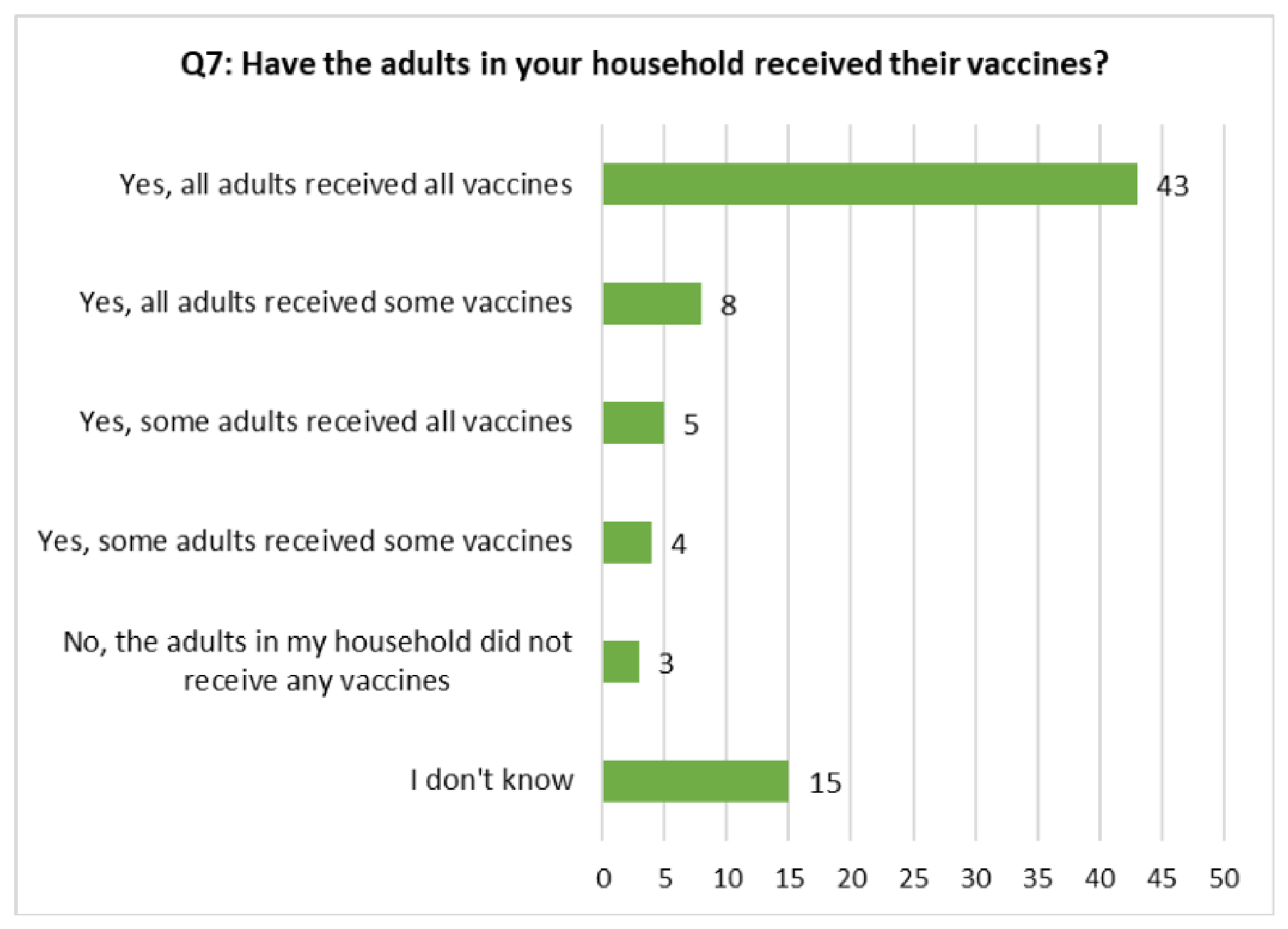
When asked about the vaccination status of other household members, respondents with children indicated that all of their children have received all recommended vaccines (28) or some recommended vaccines (4) (Figure 9). Respondents overwhelmingly reported that adults in their households have received at least some recommended vaccines. Only 3 respondents indicated that the adults in their household have not received any vaccines at all (Figure 10).
43.6% of survey respondents reported that they would not have received their vaccines if not for the mobile clinic event that they attended, citing reasons such as high vaccine costs, lack of insurance, inconvenience, and limited time. Moreover, several survey participants who received vaccines were connected to the free clinic as a whole and its corresponding services. 68% of survey respondents were not patients of the free clinic, and 42% of respondents had never heard of the clinic before.
4. Discussion
The VAMOS project successfully engaged community members in vaccination activities at community vaccine clinics. In 9 months, 545 individuals were engaged and vaccinated at community clinics with 58 individuals attending more than one clinic for repeat vaccinations. As was observed during the COVID-19 pandemic, vaccinating at a community location improves access to vaccinations and improves vaccination rates [13]. Furthermore, scheduling vaccination clinics after normal working hours and on weekends may have allowed for greater accessibility as individuals did not have to take time out of work or travel to get vaccinated. Additionally, including a pharmacist to organize clinic logistics can make organizing mobile clinics easier and more reliable.
Most vaccination rates improved after our intervention, but the observed decrease in influenza vaccine completion rate from CR1 to CR2 was likely because the timing of our cross-sectional survey didn’t align with seasonal flu vaccinations. The lower uptake rate for the HPV vaccine, as well as pneumococcal, may be due to the restricted age range for each. Clinic staff also hypothesized that HPV vaccine uptake at mobile clinics was lower than that of Tdap or influenza vaccines because the benefits of the latter are often easier for patients to understand and communicate. Protection against tetanus following injuries or prevention of seasonal influenza are generally familiar concepts, whereas HPV and its association with cancer prevention may be unfamiliar to many patients, potentially contributing to lower acceptance rates [14,15,16]. It should also be noted that the selection of vaccines at any given event was limited. Space in the coolers to transport vaccines was limited and vaccines were selected based on their availability, utility, and the ages and characteristics of the anticipated event audience. For example, as the pneumococcal pneumonia vaccine has narrow eligibility criteria that disqualified many event attendees from receiving it, the outreach team only brought the pneumococcal pneumonia vaccines to events in which the expected attendee population would fit the eligibility criteria. Moreover, varicella is a frozen vaccine that requires strict conditions for transportation and handling, and the outreach team only brought varicella vaccines to communities where conditions would be favorable to administer it.
By partnering with trusted community organizations, CEHC staff and volunteers were able to provide individuals who may not have known about the clinic with routine immunizations. Additionally, the outreach team was equipped with business cards and clinic flyers to distribute at community vaccination events, thus connecting eligible community members to general preventive healthcare on top of the free immunizations. Meeting individuals where they are through the mobile clinic model was thus an effective way of communicating with hard-to-reach populations who may not have otherwise interfaced with the clinic. Our results echo multiple studies showing that Hispanic/Latino patients, including those with some level of vaccine hesitancy, trust doctors or primary care providers for vaccine information and recommendations [17,18]. Overall, this project strengthened CEHC’s relationship with new and existing community partners and community-based organizations. Additional vaccine clinics were held at several community sites that participated in the VAMOS project, even after its conclusion.
Understanding why individuals choose to get vaccinated is important for creating future outreach materials and staff trainings about vaccines [19]. Previous studies have identified the concept of “familismo,” which describes strong identification with and attachment to one’s family members, as productive in promoting vaccination among Hispanic/Latino communities [20,21,22]. Similarly, CEHC survey respondents noted protecting family members and older adults in their lives as a key driving force for choosing to get vaccinated. Motivation and hesitancy for vaccinating one’s children can also overlap with ”familismo,” with Hispanic/Latino parents wanting to protect their children from serious illness but also remaining skeptical of vaccine safety [17]. Soto-Vasquez et al. also identify aguantarismo, a conception of independence focused on endurance and resilience, as a framework for understanding and dismantling vaccine hesitancy among Hispanic/Latino individuals [20]. Consequently, CHWs and healthcare providers at CEHC will be trained to understand aguantarismo and familismo and tailor their vaccine conversations accordingly with patients.
The multidose vaccine completion rates for Hepatitis B and HPV vaccines during the mobile clinic interventions were also low. Other studies have pointed to vaccination fatigue, vaccine hesitancy, and vaccine misinformation as possible explanations [23,24,25,26]. SDOH barriers like lack of knowledge, transportation barriers, and low literacy, though alleviated by this intervention, may also explain the low completion rate [27,28]. In addition, the clinic’s patient population is highly transient, which can prove challenging when attempting to schedule follow-up appointments.
Overall, additional research needs to be done to characterize the complexity of vaccine hesitancy and resistance in the uninsured Hispanic/Latino population. Future studies at CEHC can also incorporate a gender diverse sample to assess the role of gender identity on vaccine uptake [29,30]. Furthermore, the results of this study paired with the previously discussed findings from So et al. including patients 12 and older indicate that a similar approach could be taken for dual adult-pediatric community vaccine clinics in the Hispanic/Latino population [10].
Our study had several limitations. Sampling bias was present in the survey data, as only individuals who chose to be vaccinated were surveyed. In addition, despite the anonymity of the survey and oral delivery option, many individuals did not consent to the survey due to immigration-related fears or literacy concerns. Most survey respondents were insured with a median age of 35, demographics that do not fully capture the socioeconomically and demographically diverse population of the clinics and target communities more generally. A large portion of surveys were also removed from the data analysis due to improper consent obtainment from the research team, which may have been due to lack of staff training or lack of appropriate number of staff members at a mobile clinic event.
5. Conclusion
While recognizing the limitations of the study, these findings support our hypothesis that expanding access to vaccines at community sites could increase vaccine uptake among uninsured and under-vaccinated individuals. By partnering with trusted community sites, and despite the relative complexity of scheduling and running vaccine clinics at community sites, we were able to increase access to vaccines and, in turn, inform new groups of prospective patients about healthcare services at CEHC.
Our study also confirmed previous publications in which it was determined that low-income Hispanic populations were more likely to be motivated by concern for friends, family and their community, to get vaccinated. The study also reconfirmed the finding that individuals tend to trust their healthcare provider for vaccine advice.
The timing of the intervention likely had an impact on outcomes. The intervention was completed between July 2024 and March 2025, prior to changes made at the Centers for Disease Control (CDC), United States Department of Health and Human Services (HHS), and the Advisory Committee on Immunization Practices (ACIP) under the current administration. Given the current administrative posture on vaccination that runs counter to scientific evidence supporting vaccination as a life-saving and cost-effective measure that improves the health of populations, improving access to healthcare and vaccines that protect against preventable diseases even more important, and trusted healthcare and community-based organizations are ever more vital to efforts focused on improving the health of at-risk populations. More research will be required to evaluate the impact of the sweeping changes that have taken place since 2024 on trust in vaccines and public vaccination practices.
Author Contributions
Conceptualization, Julia Testa, Petranea Smith and Anne S. De Groot; Methodology, Julia Testa, Petranea Smith, Morgan Leonard, Sharon Farrar, Jaqueline Medrano, Zineb Benstitou and Joseph Honig; Formal analysis, Julia Testa, Petranea Smith and Rayan Jawa; Investigation, Zineb Benstitou; Resources, Sharon Farrar and Jaqueline Medrano; Data curation, Julia Testa, Petranea Smith, Zineb Benstitou and Anne S. De Groot; Writing – original draft, Julia Testa, Rayan Jawa and Anne S. De Groot; Writing – review & editing, Rayan Jawa, Morgan Leonard and Anne S. De Groot; Visualization, Rayan Jawa and Zineb Benstitou; Supervision, Morgan Leonard, Sharon Farrar, Jaqueline Medrano, Anne S. De Groot and Joseph Honig; Project administration, Morgan Leonard, Jaqueline Medrano, Anne S. De Groot and Joseph Honig; Funding acquisition, Morgan Leonard and Anne S. De Groot.
Human Studies Review and Informed Consent: This study was reviewed and approved by Salus Institutional Review Board (formerly Ethical and Independent Review Services). Protocol number: IRB #24462. Informed consent was obtained from all subjects involved in the study.
Funding
VAMOS Adelante was funded by a research grant from the Investigator-Initiated Studies Program of Merck Sharp & Dohme LLC (MISP #102345). The opinions expressed in this paper are those of the authors and do not necessarily represent those of Merck Sharp & Dohme LLC.
Acknowledgments
We are grateful to the individuals who generously agreed to participate in this study, the staff and volunteers of Clinica Esperanza/Hope Clinic for their work on this study, and for community partners and sites who hosted the vaccine clinics. Their support played a pivotal role in the implementation and success of this program, enabling us to make a meaningful impact on the health and well-being of our patients and community. This study was supported in part by a research grant for the Medical Scientist Investigation Protocol (MISP 102345) from the Investigator-Initiated Studies Program of Merck Sharp & Dohme LLC. The opinions expressed in this paper are those of the authors.
Conflicts of Interest
ADG received institutional research funding from the Merck Investigator Studies Program. The authors declare no other competing financial interests.
Abbreviations
WHO – World Health Organization
CEHC – Clinica Esperanza/Hope Clinic
CHW – Community Health Worker(s)
RIDOH – Rhode Island Department of Health
HPV – Human Papilloma Virus
Hep B – Hepatitis B
SDOH – Social Determinants of Health
CDC – Centers for Disease Control and Prevention
HHS – United States Department of Health and Human Services
ACIP – Advisory Committee on Immunization Practices
References
- Scheres, J.; Kuszewski, K. The Ten Threats to Global Health in 2018 and 2019. A welcome and informative communication of WHO to everybody. Zdr. Publiczne I Zarządzanie Tom 17 2019, Numer 1, 2–8. [Google Scholar] [CrossRef]
- WHO. Global health leaders reaffirm commitment to Immunization Agenda 2030. In Who.int; World Health Organization: WHO, 26 May 2026; Available online: https://www.who.int/news/item/26-05-2026-global-health-leaders-reaffirm-commitment-to-immunization-agenda-2030.
- Hamel, L.; Kirzinger, A.; Muñana, C.; Brodie, M. KFF COVID-19 Vaccine Monitor: December 2020 | KFF. KFF, 15 December 2020. Available online: https://www.kff.org/covid-19/kff-covid-19-vaccine-monitor-december-2020/.
- Sparks, G.; Montalvo, J.; Schumacher, S.; Kirzinger, A.; Hamel, L. KFF Tracking Poll on Health Information and Trust: COVID-19 Vaccine Update. KFF. 1 August 2025. Available online: https://www.kff.org/health-information-trust/kff-tracking-poll-on-health-information-and-trust-covid-19-vaccine-update/.
- Etowa, J.; Beauchamp, S.; Fseifes, M.; Osandatuwa, G.; Brenneman, P.; Salam-Alada, K.; Sulaiman, R.; Okolie, E.; Dinneh, I.; Julmisse, S.; et al. Understanding Low Vaccine Uptake in the Context of Public Health in High-Income Countries: A Scoping Review. Vaccines 2024, 12(3), 269. [Google Scholar] [CrossRef] [PubMed]
- Wallender, E.; Peacock, G.; Wharton, M.; Walensky, R. P. Uninsured and Not Immune - Closing the Vaccine-Coverage Gap for Adults. N. Engl. J. Med. 2023, 389(3), 193–195. [Google Scholar] [CrossRef] [PubMed]
- Koku, E.F.; Johnson-Yengbeh, N.; Muhr, A. Addressing COVID-19 Vaccine Hesitancy and Uptake Among African Immigrants: Lessons from a Community-Based Outreach Program. J. Racial Ethn. Health Disparities 2025, 12, 1124–1138. [Google Scholar] [CrossRef] [PubMed]
- Demeke, J.; McFadden, S.M.; Dada, D.; et al. Strategies that Promote Equity in COVID-19 Vaccine Uptake for Undocumented Immigrants: A Review. J. Community Health 2022, 47, 554–562. [Google Scholar] [CrossRef] [PubMed]
- Marquez, C.; Kerkhoff, A. D.; Naso, J.; Contreras, M. G.; Castellanos Diaz, E.; Rojas, S.; Havlir, D. V. A multi-component, community-based strategy to facilitate COVID-19 vaccine uptake among Latinx populations: from theory to practice. PLoS ONE 2021, 16(9), e0257111. [Google Scholar] [CrossRef] [PubMed]
- So, J.; Nicholson-Baker, D.; Rahman, S.; et al. Reaching the “Last Mile”: describing community clinics implemented to increase COVID-19 vaccine uptake in Peel region, Canada. BMC Public Health 2025, 25, 1957. [Google Scholar] [CrossRef] [PubMed]
- Centers for Disease Control and Prevention. Vaccine storage and handling resources. Centers for Disease Control and Prevention. n.d. Available online: https://www.cdc.gov/vaccines/hcp/storage-handling/resources.html.
- Rhode Island Department of Health; Office of Immunization. Vaccine storage and handling guide. Rhode Island Department of Health. September 2024. Available online: https://health.ri.gov/sites/g/files/xkgbur1006/files/publications/guides/VaccineStorageAndHandling.pdf.
- Barry, K.; Suskin, J. A.; Testa, J.; Leonard, M.; De Groot, A. S. Expanding access to COVID-19 testing, vaccination and treatment at a free clinic for uninsured Spanish-speaking adults in Providence, RI. Hum. Vaccines Immunother. 2022, 18(6). [Google Scholar] [CrossRef] [PubMed]
- Xu, M.A.; Choi, J.; Capasso, A.; DiClemente, R. Patient–Provider Health Communication Strategies: Enhancing HPV Vaccine Uptake among Adolescents of Color. Healthcare 2023, 11(12), 1702. [Google Scholar] [CrossRef] [PubMed]
- Grimaldi, C. G.; Stewart, E. C.; Edwards, K.; Barajas, C.; Cunningham-Erves, J. Attitudes, healthcare interactions, and communication preferences for HPV vaccines among hesitant Hispanic/Latinx parents: how does this compare with influenza and COVID-19 vaccines? Ethn. Health 2025, 30(1), 20–41. [Google Scholar] [CrossRef] [PubMed]
- Frietze, G.; Padilla, M.; Cordero, J.; Gosselink, K.; Moya, E. Human Papillomavirus Vaccine Acceptance (HPV-VA) and Vaccine Uptake (HPV-VU): assessing the impact of theory, culture, and trusted sources of information in a Hispanic community. BMC Public Health 2023, 23(1), 1781. [Google Scholar] [CrossRef] [PubMed] [PubMed Central]
- Naso, J.; Rojas, S.; Peng, J.; Marquez, C.; Contreras, M.; Castellanos, E.; Rojas, S.; Rubio, L.; Jones, D.; Jacobo, J.; Black, D.; Tulier-Laiwa, V.; Martinez, J.; Chamie, G.; Pilarowski, G.; DeRisi, J.; Havlir, D.; Petersen, M. High Parental Vaccine Motivation at a Neighborhood-Based Vaccine and Testing Site Serving a Predominantly Latinx Community. Health Equity 2021, 5(1), 840–846. [Google Scholar] [CrossRef] [PubMed]
- Martinez, A. A.; Shastri, S. S.; Frietze, G. A. Trusted Voices: Assessing Trusted Sources of Human Papillomavirus Vaccine Information Among a Sample of Hispanic Parents. Vaccines 2025, 13(9), 917. [Google Scholar] [CrossRef] [PubMed]
- Garcini, L.M.; Ambriz, A.M.; Vázquez, A.L.; Abraham, C.; Sarabu, V.; Abraham, C.; Lucas-Marinelli, A.K.; Lill, S.; Tsevat, J. Vaccination for COVID-19 among historically underserved Latino communities in the United States: Perspectives of community health workers. Front Public Health 2022, 10, 969370. [Google Scholar] [CrossRef] [PubMed] [PubMed Central]
- Soto-Vásquez, A. D.; Gonzalez, A. A.; Garza Garza, E.; Shi, W.; Garcia, N. The Cultural Influence of Familismo in Prompting Vaccination Against COVID-19 Among U.S. Latina/o/x Border Residents. Health Commun. 2025, 40(4), 563–573. [Google Scholar] [CrossRef] [PubMed]
- Marquez, C.; Kerkhoff, A.D.; Naso, J.; Contreras, M.G.; Castellanos Diaz, E.; Rojas, S.; et al. A multi-component, community-based strategy to facilitate COVID-19 vaccine uptake among Latinx populations: From theory to practice. PLoS ONE 2021, 16(9), e0257111. [Google Scholar] [CrossRef] [PubMed]
- Garcia, J.; Vargas, N.; de la Torre, C.; Magana Alvarez, M.; Clark, J. L. Engaging Latino Families About COVID-19 Vaccines: A Qualitative Study Conducted in Oregon, USA. Health education & behavior: the official publication of the Society for Public Health Education 2021, 48(6), 747–757. [Google Scholar] [CrossRef] [PubMed]
- Su, Z.; Cheshmehzangi, A.; McDonnell, D.; da Veiga, C.P.; Xiang, Y.T. Mind the "Vaccine Fatigue. Front Immunol. 2022, 13, 839433. [Google Scholar] [CrossRef] [PubMed]
- Fan, X.; Zhao, Y.; Zhang, X.; et al. Vaccination burnout impedes the compliance with multiple-dose administration of vaccines. Sci. Rep. 2025, 15, 13269. [Google Scholar] [CrossRef] [PubMed]
- Garett, R.; Young, S.D. Online misinformation and vaccine hesitancy. Transl. Behav. Med. 2021, 11, 2194–9. [Google Scholar] [CrossRef] [PubMed]
- Liu, C.; Siliezar, J.A.; Alzayat, O.; et al. Vaccine Beliefs Among Uninsured People Receiving Care at Free Clinics. J. Community Health 2025, 50, 270–279. [Google Scholar] [CrossRef] [PubMed]
- Milo, R.B.; Aguayo, C.; Chico, A.R.; et al. Understanding the Barriers to COVID-19 Vaccine Among Hispanic/Latinx Communities. J. Prim. Care Community Health 2023, 14. [Google Scholar] [CrossRef] [PubMed]
- Moore, R.; Rojo, M.O.; Purvis, R.S.; Marin, L.P.; Yáñez, J.; Reece, S.; Wells, C.; Vaughn, B.; McElfish, P.A. Overcoming barriers and enhancing facilitators to COVID-19 vaccination in the Hispanic community. BMC Public Health 2022, 22(1), 2393. [Google Scholar] [CrossRef] [PubMed] [PubMed Central]
- Metheny, N.; Scott, D.; Buch, J.; Fallon, S.; Chavez, J. Trusted Sources of Information and COVID-19 Vaccine Uptake in a Sample of Latinx Sexual and Gender Minorities in South Florida. J. Public Health Manag. Pract. JPHMP 2023, 29(5), 729–734. [Google Scholar] [CrossRef] [PubMed]
- Ali, S.; Griner, S.B.; Neelamegam, M.; Webb, N.; Kline, N. Understanding COVID-19 Vaccine Uptake and Hesitancy in Latinx Sexual and Gender Minority People in North Texas. Int. J. Behav. Med. 2026, 33(2), 316–322. [Google Scholar] [CrossRef] [PubMed] [PubMed Central]
Figure 1.
94% of patients in Chart Review 1 were Hispanic/Latino, and nearly half were aged between 38 and 57. .
Figure 1.
94% of patients in Chart Review 1 were Hispanic/Latino, and nearly half were aged between 38 and 57. .
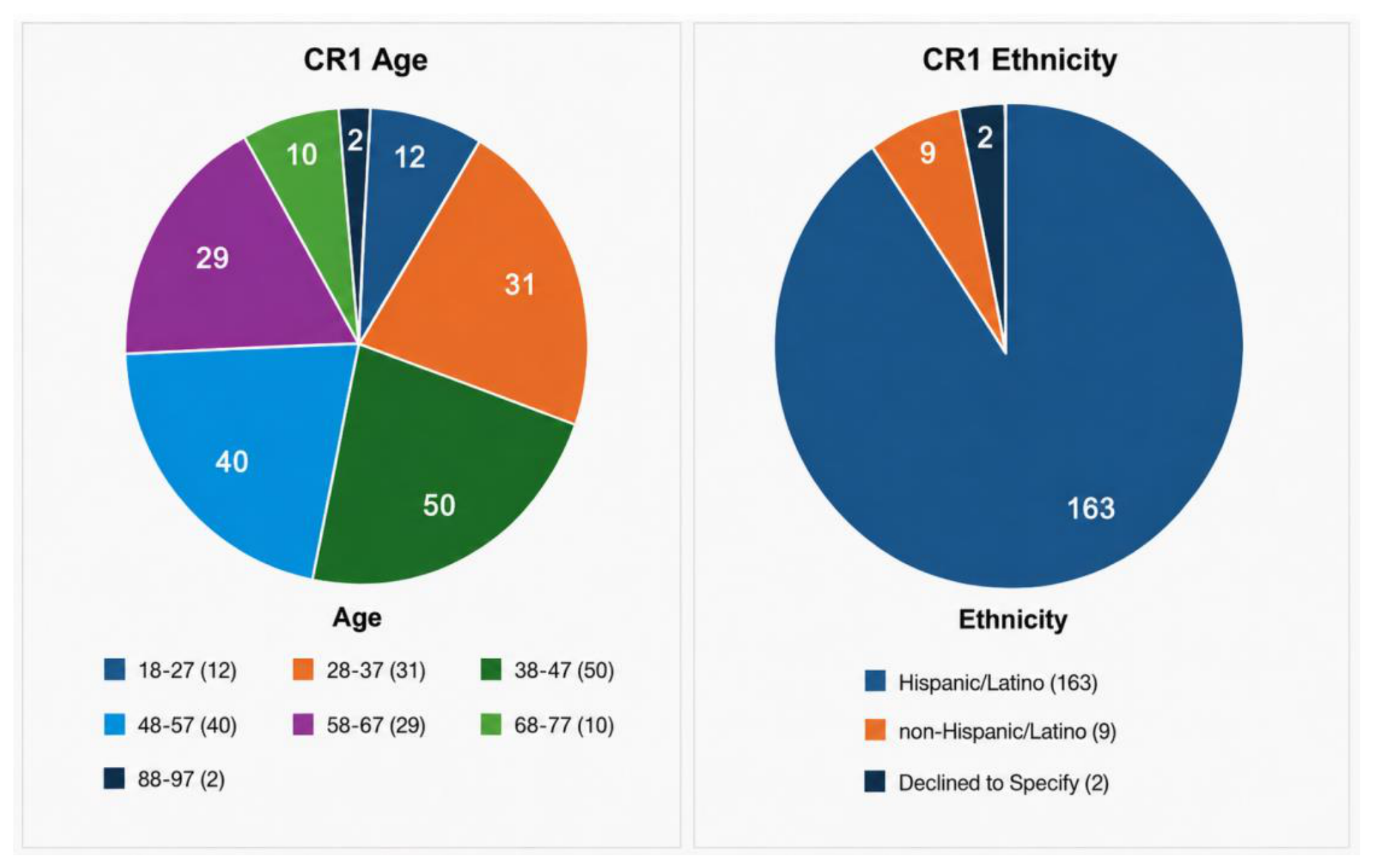
Figure 2.
Vaccine completion rates generally increased from Chart Review 1 to Chart Review 2, except for the influenza vaccine and pneumococcal vaccine. These declines may be due to the flu vaccine’s seasonal status and the pneumococcal vaccine’s restriction to older adults. .
Figure 2.
Vaccine completion rates generally increased from Chart Review 1 to Chart Review 2, except for the influenza vaccine and pneumococcal vaccine. These declines may be due to the flu vaccine’s seasonal status and the pneumococcal vaccine’s restriction to older adults. .
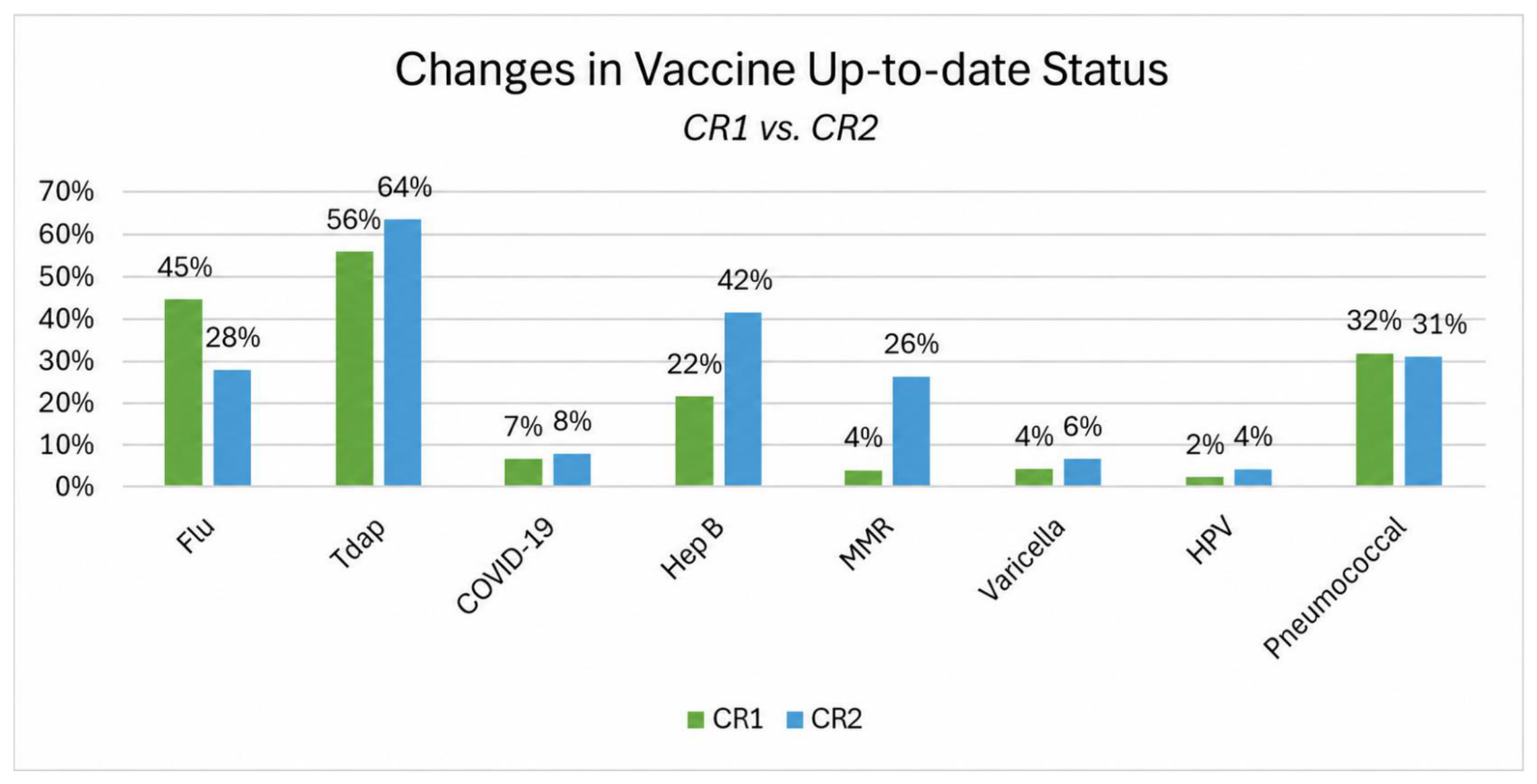
Figure 3.
Most mobile clinic attendees were Hispanic/Latino and young and middle-aged adults.
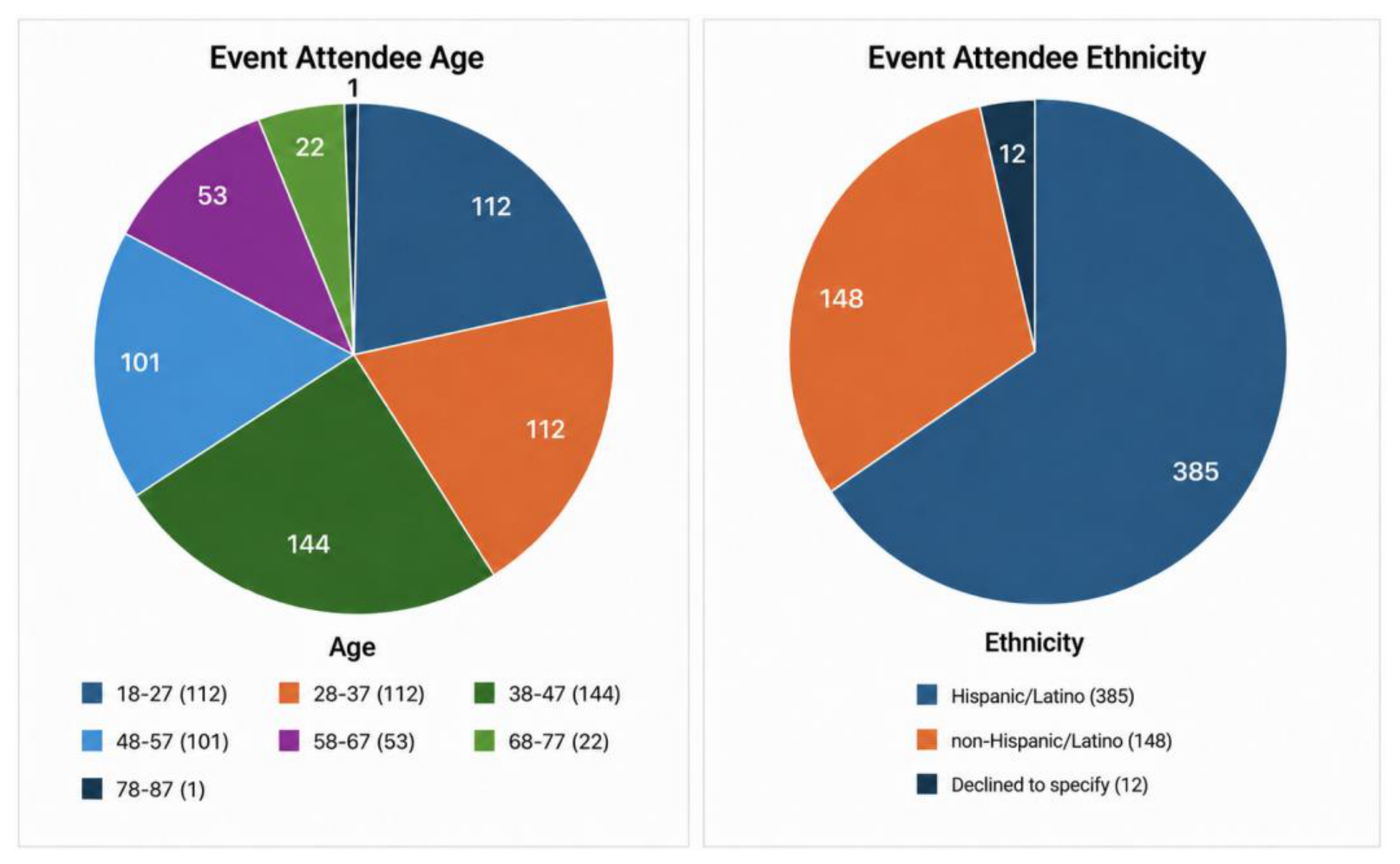
Figure 4.
The flu vaccine was delivered most often, followed by COVID-19, TDAP, and Hepatitis B. Overall, 545 individuals attended a mobile clinic and received at least one vaccine, with many receiving more than one.
Figure 4.
The flu vaccine was delivered most often, followed by COVID-19, TDAP, and Hepatitis B. Overall, 545 individuals attended a mobile clinic and received at least one vaccine, with many receiving more than one.
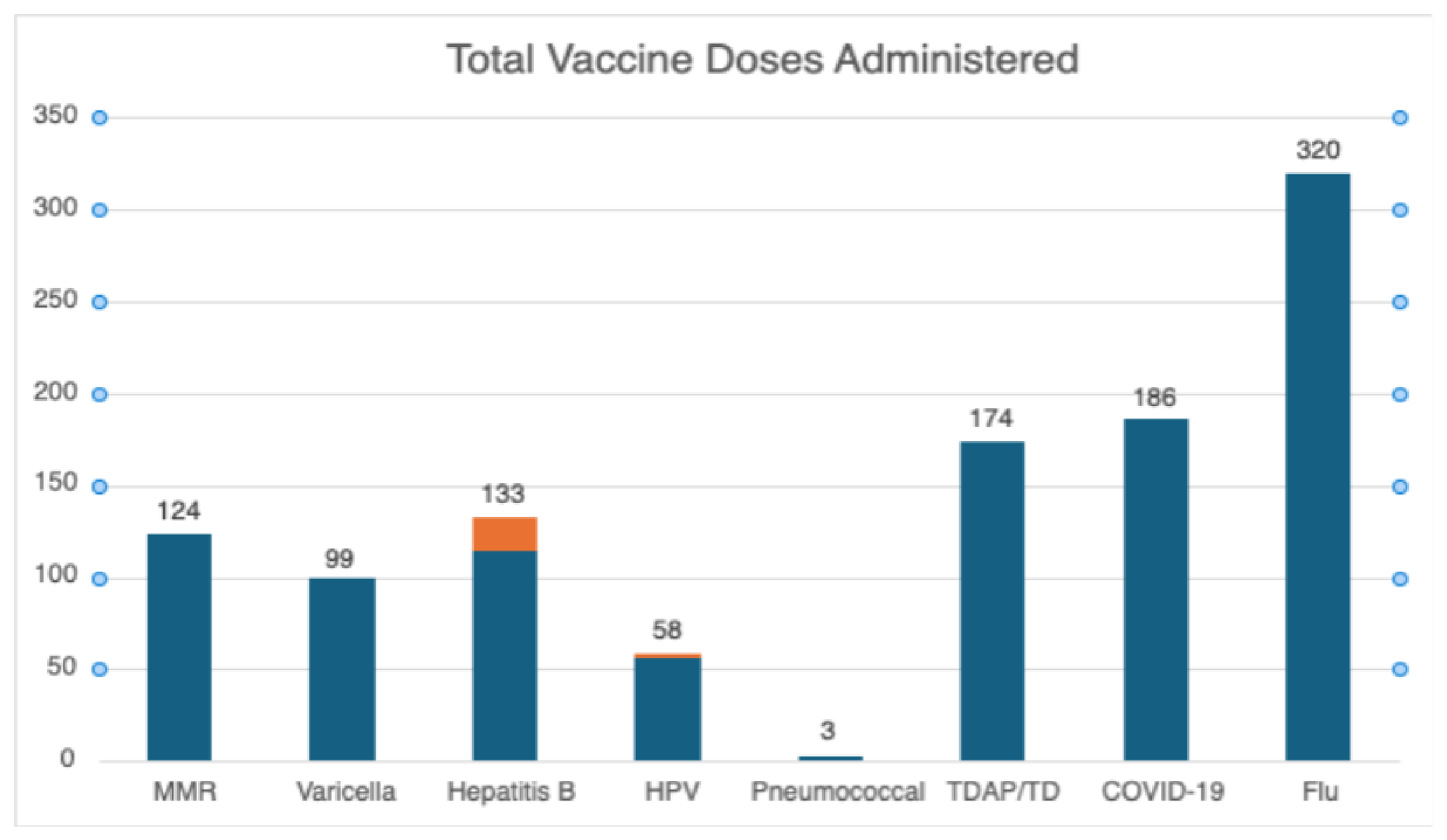
Figure 5.
Most survey respondents were Hispanic/Latino and female. More females responded than males.
Figure 5.
Most survey respondents were Hispanic/Latino and female. More females responded than males.
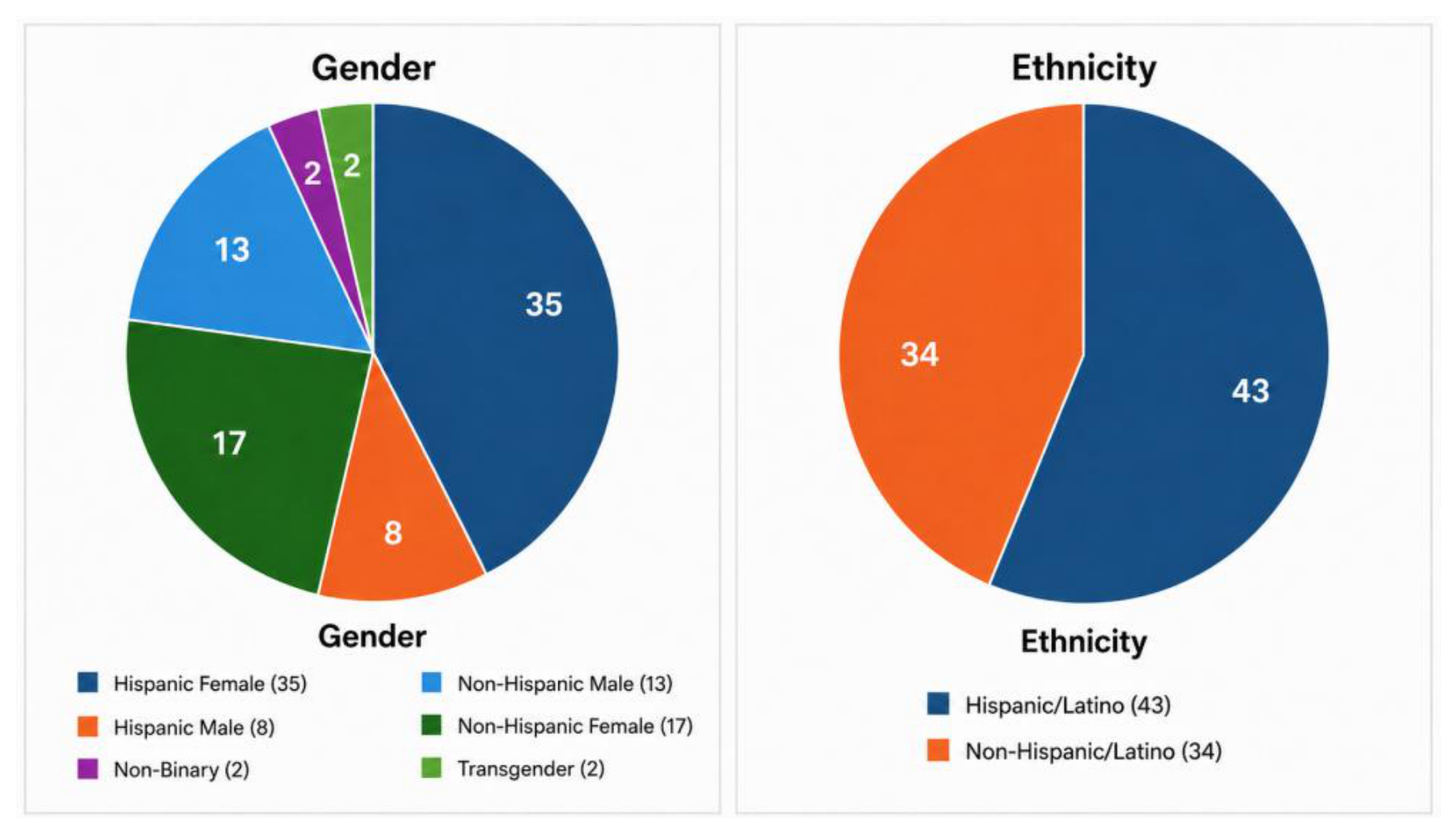
Figure 6.
Survey respondents overwhelmingly reported they were more likely to get the vaccine based on a doctor, health center, or health official’s recommendation, including CEHC. .
Figure 6.
Survey respondents overwhelmingly reported they were more likely to get the vaccine based on a doctor, health center, or health official’s recommendation, including CEHC. .
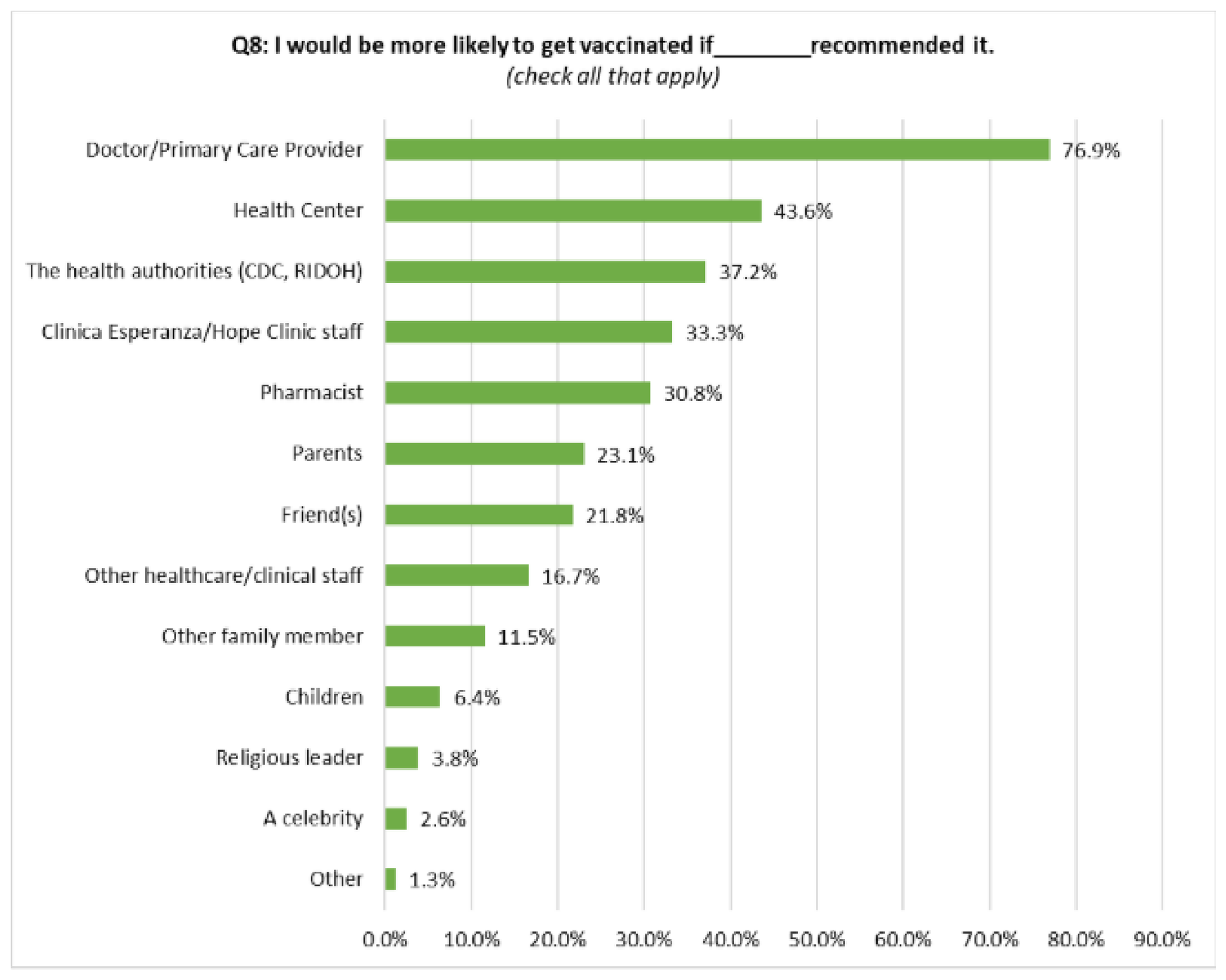
Figure 7.
Most respondents reported they get their vaccine information from health authorities or local professionals, including CEHC.
Figure 7.
Most respondents reported they get their vaccine information from health authorities or local professionals, including CEHC.
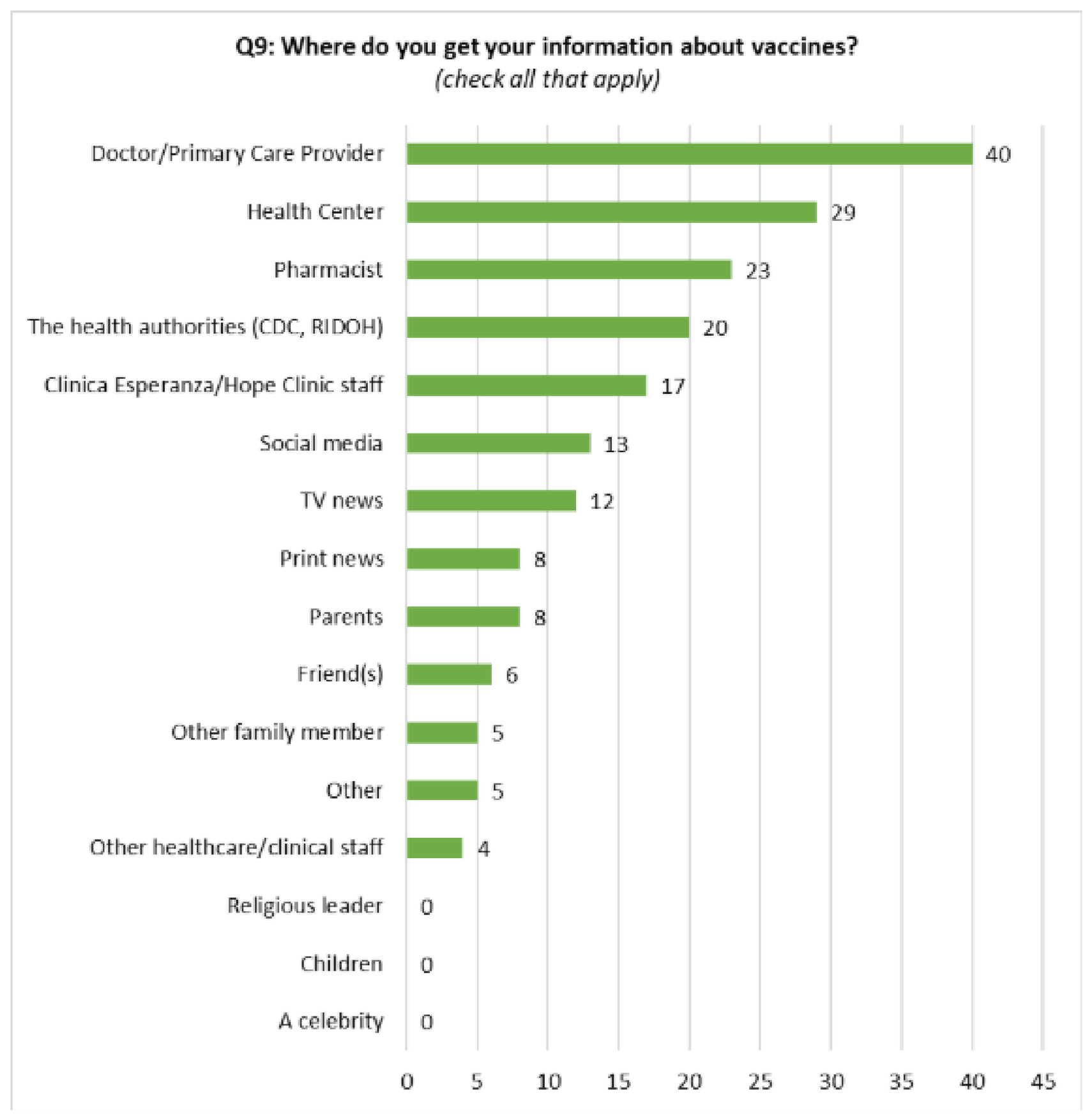
Figure 8.
Reasons for vaccination among respondents included protecting oneself, which corresponds with aguantarismo, and protecting family or community, known as familismo. .
Figure 8.
Reasons for vaccination among respondents included protecting oneself, which corresponds with aguantarismo, and protecting family or community, known as familismo. .
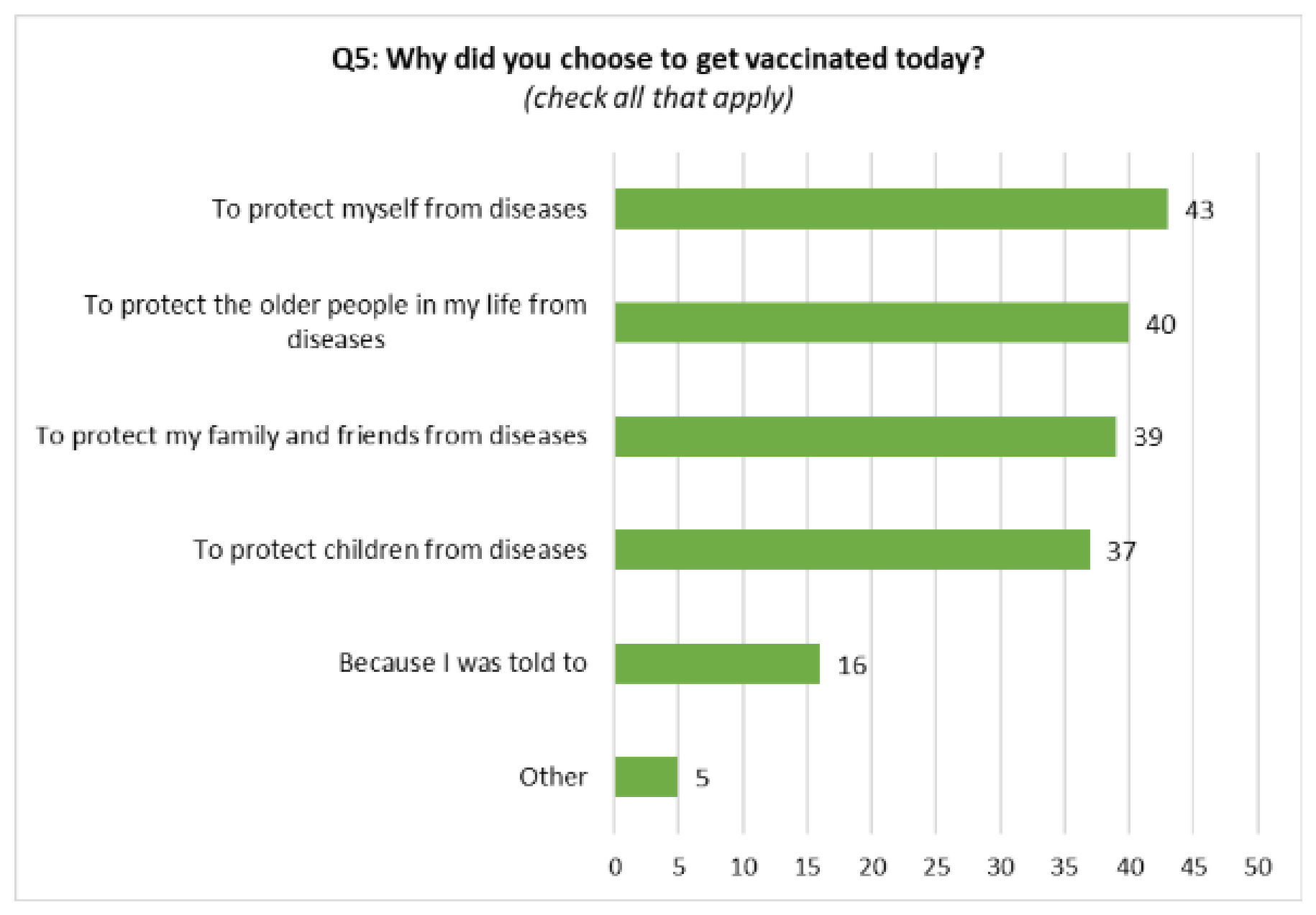
Figure 9.
Respondents with children mostly chose to vaccinate them fully. .
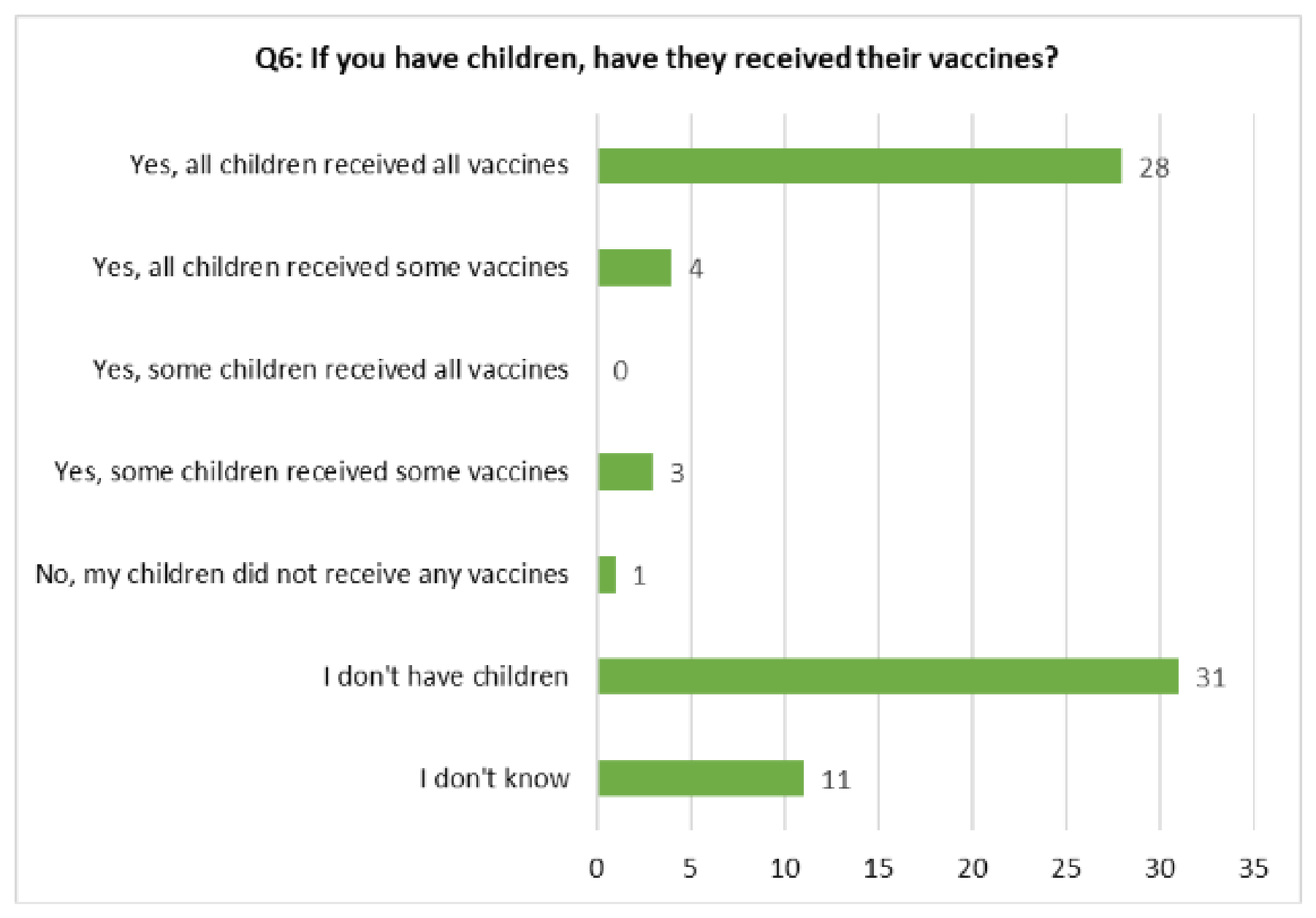
Figure 10.
Most also noted that the adults in their household had received all recommended vaccines. .
Figure 10.
Most also noted that the adults in their household had received all recommended vaccines. .
Disclaimer/Publisher’s Note: The statements, opinions and data contained in all publications are solely those of the individual author(s) and contributor(s) and not of MDPI and/or the editor(s). MDPI and/or the editor(s) disclaim responsibility for any injury to people or property resulting from any ideas, methods, instructions or products referred to in the content. |
© 2026 by the authors. Licensee MDPI, Basel, Switzerland. This article is an open access article distributed under the terms and conditions of the Creative Commons Attribution (CC BY) license (http://creativecommons.org/licenses/by/4.0/).
Copyright: This open access article is published under a Creative Commons CC BY 4.0 license, which permit the free download, distribution, and reuse, provided that the author and preprint are cited in any reuse.


