

Submitted:
03 August 2026
Posted:
04 August 2026
You are already at the latest version
Abstract
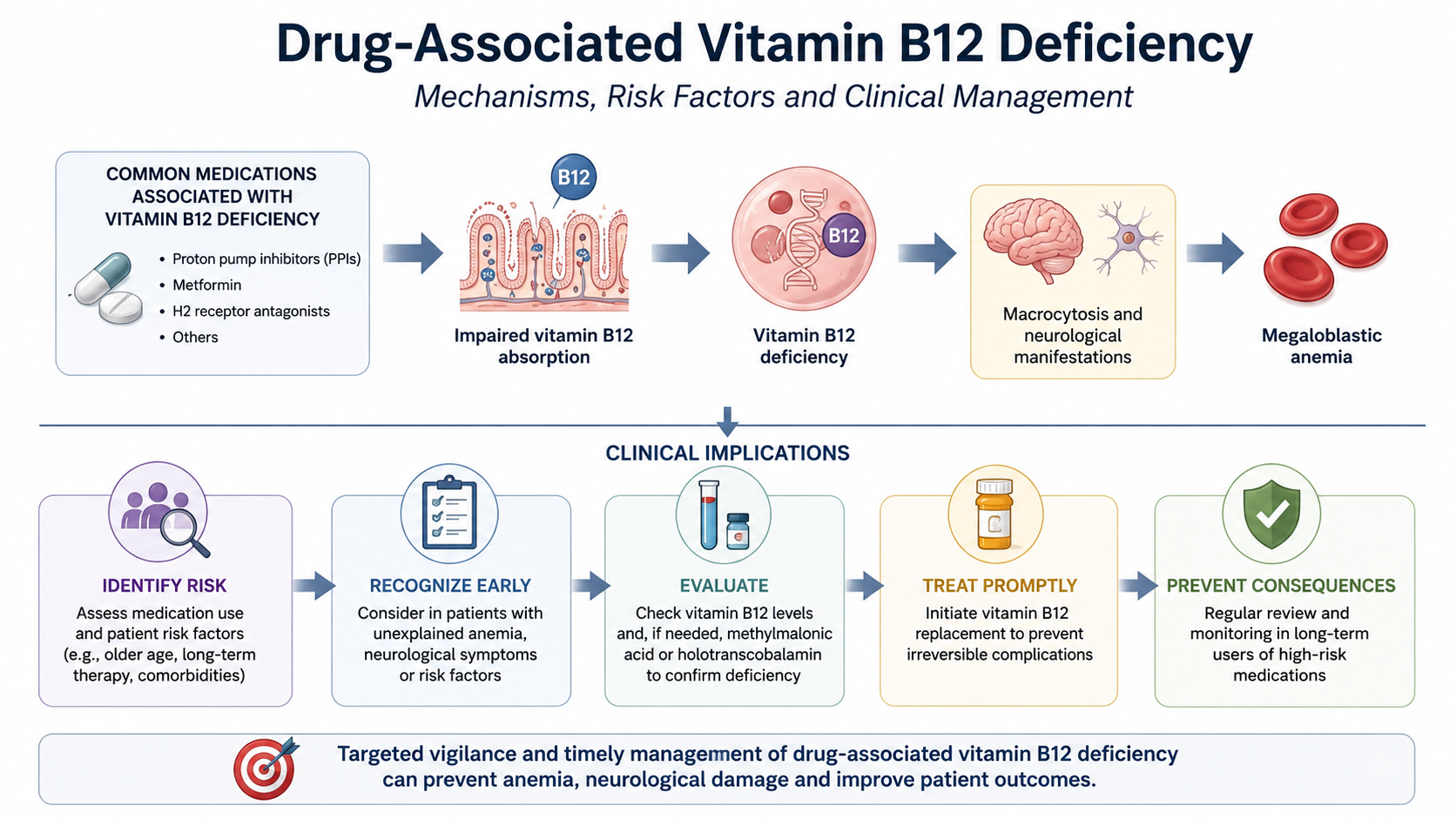
Background/Objectives: Drug-associated vitamin B12 deficiency has emerged as a significant concern in clinical nutrition, as long-term use of metformin and proton pump inhibitors (PPIs) is common and may compromise cobalamin status through different physiological mechanisms. This narrative review summarizes mechanisms, risk profiles, diagnostic pitfalls, monitoring strategies and treatment options for vitamin B12 deficiency associated with chronic medication use. Methods: A narrative literature review was conducted by searching major biomedical databases and screening reference lists to identify relevant clinical studies, meta-analyses, narrative and systematic reviews, and clinical practice guidelines on vitamin B12 physiology, drug–nutrient interactions, biomarkers of cobalamin status, and supplementation strategies. Results: Metformin is consistently associated with lower serum vitamin B12 concentrations, particularly with high doses and prolonged exposure; PPIs may reduce the release of food-bound cobalamin through gastric acid suppression. Combined use may increase risk in older adults and in patients with restrictive diets, malabsorption or neurological symptoms. Serum vitamin B12 alone has limited diagnostic accuracy in borderline ranges; methylmalonic acid and homocysteine may help identify functional deficiency. High-dose oral vitamin B12 is effective in most clinical scenarios and may reduce healthcare burden compared with intramuscular therapy. Conclusions: A proactive, risk-based approach to monitoring and treatment may prevent hematological and neurological complications while preserving essential therapies such as metformin.
Keywords:
vitamin B12
; metformin
; proton pump inhibitors
; drug-nutrient interactions
; methylmalonic acid
; neuropathy
; oral supplementation
; clinical nutrition
1. Introduction
Clinical importance of vitamin B12 deficiency
Vitamin B12 deficiency is a global health problem with a prevalence that varies widely according to region, age and socioeconomic factors. Its prevalence is estimated at 5–15% in the general population and is clearly higher among older adults [1,2]. Depending on the populations studied, it may affect up to 26% of the general population and 40% of individuals older than 65 years [2,3].
Deficiency may remain unnoticed for years because of its subclinical presentation, contributing to underdiagnosis. However, its consequences may be serious, including megaloblastic anemia, neurological complications such as paresthesias, gait disturbances and cognitive impairment, as well as developmental abnormalities in children [1].
Therefore, vitamin B12 deficiency can be considered a frequent and potentially serious condition that may cause anemia and irreversible neurological damage if it is not detected and treated early.
Magnitude of the problem: prevalence of chronic metformin and proton pump inhibitor (PPI) use and estimates of vitamin B12 deficiency
Metformin is the most widely used chronic medication in patients with diabetes and one of the most frequently prescribed drugs worldwide. Considering the prevalence of diabetes and the fact that metformin is the most commonly used first-line pharmacological treatment for type 2 diabetes, it can be estimated that more than 150 million people worldwide may be using metformin [4]. In Spain, metformin is also the most widely used antidiabetic drug; approximately 74% of people with type 2 diabetes receive this treatment. Taking this prevalence into account, it can be estimated that up to 10% of the Spanish population uses this medication [5].
On the other hand, global use of proton pump inhibitors (PPIs) is high and continues to increase, with a significant risk of overprescription and continuation of treatments without a clear indication. At the European level, it is estimated that 20–40% of adults have used PPIs at some point on a regular basis [6]. Spain is one of the European countries with the highest consumption, and it can be stated that approximately 12–18% of the population uses them chronically [7].
PPI use has been associated with an increased risk of vitamin B12 deficiency (OR around 1.65), particularly with longer duration of use and in a dose-dependent manner [8]. Similarly, metformin has also been associated with vitamin B12 deficiency, and it is estimated that around 20% of patients with chronic metformin use may develop vitamin B12 deficiency [9].
Taking the above into account, we are facing an important and highly prevalent clinical problem, both in primary care and specialized care. It is therefore essential to identify risk factors, diagnose deficiency early and establish an appropriate therapeutic approach.
2. Materials and Methods: Narrative Literature Search Strategy
This was a narrative review rather than a systematic review or meta-analysis. PubMed/MEDLINE, Cochrane and Embase were searched using combinations of the following terms: vitamin B12, cobalamin deficiency, metformin, proton pump inhibitors, H2 receptor antagonists, neuropathy, anemia, methylmalonic acid, homocysteine, holotranscobalamin, oral supplementation and intramuscular supplementation. Reference lists from key reviews, systematic reviews, meta-analyses and clinical guidelines were also screened manually.
Priority was given to publications with direct relevance to adult clinical practice, including mechanistic studies, observational studies, randomized trials, meta-analyses, systematic reviews and guideline statements. Articles were selected according to clinical relevance, methodological quality, recency and contribution to the practical management of drug-associated deficiency. No new data were generated or analyzed.
3. Physiology of Vitamin B12
3.1. Sources, Storage, Physiological Requirements and Function
Vitamin B12, or cobalamin, is an essential water-soluble vitamin for humans. It is synthesized only by certain microorganisms such as bacteria and is found in small amounts in foods of animal origin. Daily requirements are low (around 2.4 mcg/day), although they may vary according to age and patient condition. Its absorption depends on a complex system involving multiple steps, so deficiency may occur even when intake appears to be adequate [1,2].
Because the intestinal microbiota cannot synthesize enough cobalamin to meet physiological needs, exogenous intake through foods of animal origin —such as meat, liver, fish, seafood, milk, eggs and dairy products—is essential. Hepatic tissue stores may contain approximately 3–10 mg of vitamin B12, meaning that vitamin B12 deficiency may remain paucisymptomatic for 3–5 years after it develops [10].
This vitamin plays an essential role in DNA synthesis, erythrocyte maturation and preservation of the integrity of the central and peripheral nervous systems. It acts as an enzymatic cofactor in two key reactions: homocysteine remethylation and the conversion of methylmalonyl-CoA into succinyl-CoA.
The first reaction is closely involved in folate metabolism and in the synthesis of nucleotides required for DNA replication and repair, whereas the second participates in cellular energy metabolism by incorporating metabolites derived from fatty acids and amino acids into the Krebs cycle. For this reason, its function is especially important in tissues with high cellular proliferation, such as erythropoiesis in the bone marrow, and in nervous tissue, where it plays an essential role in the formation and maintenance of myelin, which is indispensable for adequate nerve impulse transmission [1].
3.2. Absorption and Metabolism
Vitamin B12 is obtained from foods rich in animal protein. After ingestion, it reaches the stomach, where it is released from dietary proteins through the action of pepsin and gastric hydrochloric acid. Subsequently, vitamin B12 binds to haptocorrin secreted in saliva and in the stomach and then travels to the duodenum. Once in the duodenum, pancreatic proteins release B12 from haptocorrin, allowing it to bind to intrinsic factor (IF), which is produced by the parietal cells of the gastric mucosa. The vitamin B12-IF complex travels through the small intestine to the terminal ileum, where it is absorbed by receptor-mediated endocytosis. Vitamin B12 then enters the bloodstream bound to transcobalamin II and is transported to the liver, where it is stored, and to the rest of the body to perform its biological functions10. It is important to note that approximately 1-2% of vitamin B12 is absorbed by passive diffusion, completely independently of all the factors mentioned above [10].
Figure 1 shows the entire physiological process of vitamin B12 absorption, as well as the points at which problems may occur and the different etiologies that may lead to vitamin B12 deficiency, such as low exogenous intake, various intestinal disorders—particularly involving the stomach or ileum—and drugs that may interfere with cobalamin absorption.
4. Drug-Associated Vitamin b12 Deficiency: Mechanisms and Level of Evidence
4.1. Metformin: Proposed Pathophysiological Mechanisms and Risk-Related Factors
Several recent studies have shown a significant association between prolonged metformin use and decreased serum vitamin B12 levels, as well as an increased risk of deficiency [9].
The most widely accepted pathophysiological mechanism by which metformin alters vitamin B12 availability is reduced intestinal absorption. As previously described, vitamin B12 must bind to intrinsic factor (IF) in order to be absorbed in the terminal ileum. This process involves receptor-mediated endocytosis (see Figure 1) and is calcium-dependent. Metformin has been proposed to interfere with these calcium-dependent mechanisms, impairing ileal uptake of the vitamin B12–intrinsic factor complex [9]. Some studies suggest that increased calcium intake could partially reverse this effect [11]. However, although these studies were able to demonstrate the pathophysiological mechanism, the evidence is not strong enough to support generalizing the use of oral calcium to prevent metformin-induced vitamin B12 deficiency. In current clinical practice, the strategy focuses on monitoring vitamin B12 and treating deficiency when necessary.
Other mechanisms with more limited evidence, but also pathophysiologically plausible, include alterations in intestinal motility and bacterial overgrowth related to metformin use. Metformin modifies gastrointestinal transit and is associated with frequent digestive adverse effects (abdominal distension, diarrhea and segmental gastroenteroparesis), which could promote bacterial overgrowth and, secondarily, increase bacterial consumption of vitamin B12. In addition, metformin has been suggested to induce relevant changes in the composition of the gut microbiota, which could alter luminal cobalamin metabolism and modify its bioavailability [12].
The prevalence of vitamin B12 deficiency in individuals receiving chronic metformin therapy is highly variable (between 5% and 50%) [13], depending largely on study design, how deficiency was measured, which cut-off points were used, duration of metformin treatment and even the geographic region where the study was conducted. The main risk factors for developing vitamin B12 deficiency are high doses (more than 1000–2000 mg/day), prolonged treatment duration (more than 4 years), male sex, smoking and the coexistence of conditions such as obesity, dyslipidemia or coronary artery disease. In addition, concomitant use of PPIs or H2 antagonists may multiply the risk, as they also reduce vitamin B12 absorption.
A meta-analysis including four clinical trials showed that metformin use for periods ranging from 6 weeks to 4 months was associated with a significant mean reduction of 57 pmol/L (77 pg/mL) in serum vitamin B12 levels [13]. This decrease may be clinically relevant, since many patients start with baseline values close to the lower limit of normality and small reductions could favor the development of insufficient levels.
One of the clinical studies linking metformin use and vitamin B12 deficiency was conducted in India (Kiran MD et al.). The study was divided into two three-month periods. In the first phase, patients taking metformin were compared with patients treated with other antidiabetic drugs, showing that vitamin B12 levels were significantly lower in the metformin group (272.5 pg/mL versus 714.9 pg/mL) [14]. In addition, 32% of patients treated with metformin had low vitamin B12 levels (<200 pg/mL), whereas no cases of deficiency were detected in the group using other antidiabetic drugs. In the second period, patients taking metformin received an oral combination of metformin 500 mg plus mecobalamin 750 mcg twice daily for three months. After this change, vitamin B12 increased significantly in this group from 272.5 pg/mL to 615.9 pg/mL [14]. Notably, after administration of this combination of vitamin B12 and metformin, no subject had vitamin B12 deficiency. Nevertheless, this study has some relevant methodological limitations, including the fact that measures of glycemic control were not analyzed, which limits the ability to assess clinical impact.
Finally, the results of a meta-analysis by Yang W et al. should be highlighted. This meta-analysis concluded that patients treated with metformin had more than twice the risk of vitamin B12 deficiency compared with those not receiving this treatment (RR = 2.09) [15]. In addition, their serum concentrations were significantly lower, with a mean difference of −63.7 pmol/L (86.7 pg/mL). The study also showed a dose- and duration-dependent relationship. The risk of deficiency increased particularly in patients with more than three years of continuous use, as well as with doses equal to or greater than 2000 mg daily. However, as described in previous studies, a decrease in vitamin B12 levels may be observed even during the first year and at lower doses [15].
In summary, there is a clear association between metformin use and vitamin B12 deficiency, which is related to both duration of use and metformin dose. However, evidence confirms that the decline in vitamin B12 begins early, even though clinical deficiency may take longer to become apparent.
4.2. PPIs: Proposed Pathophysiological Mechanisms and Risk-Related Factors
There is an association between prolonged PPI use and vitamin B12 deficiency, described in large observational studies, with a dose- and duration-dependent relationship (OR ≈ 1.65). One of the most relevant studies showing this relationship included more than 25,000 patients diagnosed with vitamin B12 deficiency and analyzed a cohort of more than 184,000 individuals with serum vitamin B12 measurements [8]. However, because these were observational case-control studies, causality cannot be established. Nevertheless, the biological plausibility of the mechanism of action and the consistency of the findings have prompted a critical review of the indication and duration of chronic PPI treatment.
For many years, PPI-induced hypochlorhydria or achlorhydria has been proposed as the main pathophysiological mechanism involved in the development of vitamin B12 deficiency in individuals receiving chronic treatment with these drugs [8,16,17]. Vitamin B12 present in foods is bound to dietary proteins; therefore, adequate absorption requires the action of gastric acid and pepsin to release vitamin B12 from food proteins, allowing subsequent binding to haptocorrin for duodenal transit and final binding to intrinsic factor. PPIs inhibit the gastric H+/K+ ATPase pump, leading to reduced gastric acid secretion and, secondarily, reduced release of food-bound vitamin B12, thereby decreasing the amount of vitamin B12 available to bind to intrinsic factors. Other potentially involved mechanisms include secondary reduction in pepsin or bacterial overgrowth due to chronic hypochlorhydria, both of which may contribute to vitamin B12 deficiency [18]. It is important to emphasize that PPI use mainly affects the absorption of protein-bound vitamin B12 from food but has less impact on crystalline vitamin B12 present in oral supplements.
The prevalence of vitamin B12 deficiency associated with chronic proton pump inhibitor (PPI) use is difficult to estimate because of the heterogeneity of published studies. Smaller studies have reported high prevalence rates of up to 50% when cut-off points of 300 pg/mL are used [17]. However, the clinical interpretation of these findings should be approached with caution.
Other larger observational studies have reported associations of up to 37% linking duration of PPI use and dose [19]. Overall, the available evidence suggests that certain factors may increase the risk of developing vitamin B12 deficiency in patients treated with PPIs:
- Duration of PPI treatment (more than 2-3 years)
- PPI dose used (more than 30 mg per day)
- Advanced age (polypharmacy)
- Strict vegetarian diet
- Concomitant metformin use
- Other associated conditions, such as atrophic gastritis or pernicious anemia
- Gastric resection
- Intestinal malabsorption
Chronic treatment with metformin and PPIs appears to exert different pathophysiological effects on metabolism (see Table 1), but these effects may be potentially additive in terms of vitamin B12 deficiency risk. The coexistence of both treatments has been associated with a significant cumulative risk, a situation that is particularly relevant in routine clinical practice because these two pharmacological groups are frequently used concomitantly.
4.3. Other Drugs Contributing to Vitamin B12 Deficiency (see Figure 2)
Epidemiological studies have shown that H2 antagonists may also have a causal relationship with vitamin B12 deficiency, probably through mechanisms similar to those produced by PPIs, related to reduced gastric acid secretion and the consequent impairment of the release of vitamin B12 bound to dietary proteins. However, the incidence is probably lower because they induce hypochlorhydria with less potency [8].
Other drugs, such as classic anticonvulsants including phenytoin, may cause nutritional alterations by interfering with the absorption of B-group vitamins. Although this association is better established for folate (vitamin B9), reductions in vitamin B12 have also been described in some patients [20].
Likewise, it has been suggested that colchicine may cause some degree of intestinal malabsorption, whereas cholestyramine may impair ileal nutrient absorption.
Finally, combined hormonal contraceptives (estrogen/progestogen) may be associated with lower serum vitamin B12 levels due to alterations in transport proteins. However, in healthy women, this finding rarely translates into clinically significant deficiency [21].
Nitrous oxide, used as an anesthetic or recreational, may functionally inactivate vitamin B12 during frequent repeated exposure by oxidizing cobalt, potentially triggering myelopathy, neuropathy or megaloblastic anemia [22].
GLP-1 receptor agonists deserve special mention, as these drugs are increasingly used in type 2 diabetes mellitus and obesity, with a notable rise in use expected in the near future. Many of these treatments are also used in combination with metformin. Although the most frequently described nutritional deficiencies include vitamin D, iron, thiamine and loss of protein mass, several studies, particularly in the medium term, have reported the development of vitamin B12 deficiency. One aspect to consider with GLP-1 analogues is that, although the incidence is 2.6% per year, it is expected to increase with longer treatment duration [23]. The proposed pathophysiological mechanisms include reduced caloric intake, delayed gastric emptying together with associated nausea and vomiting, and restrictive diets associated with weight loss. In this context, it seems reasonable to monitor especially patients receiving concomitant metformin and/or omeprazole, those who have undergone bariatric surgery, those following strict diets and older patients.
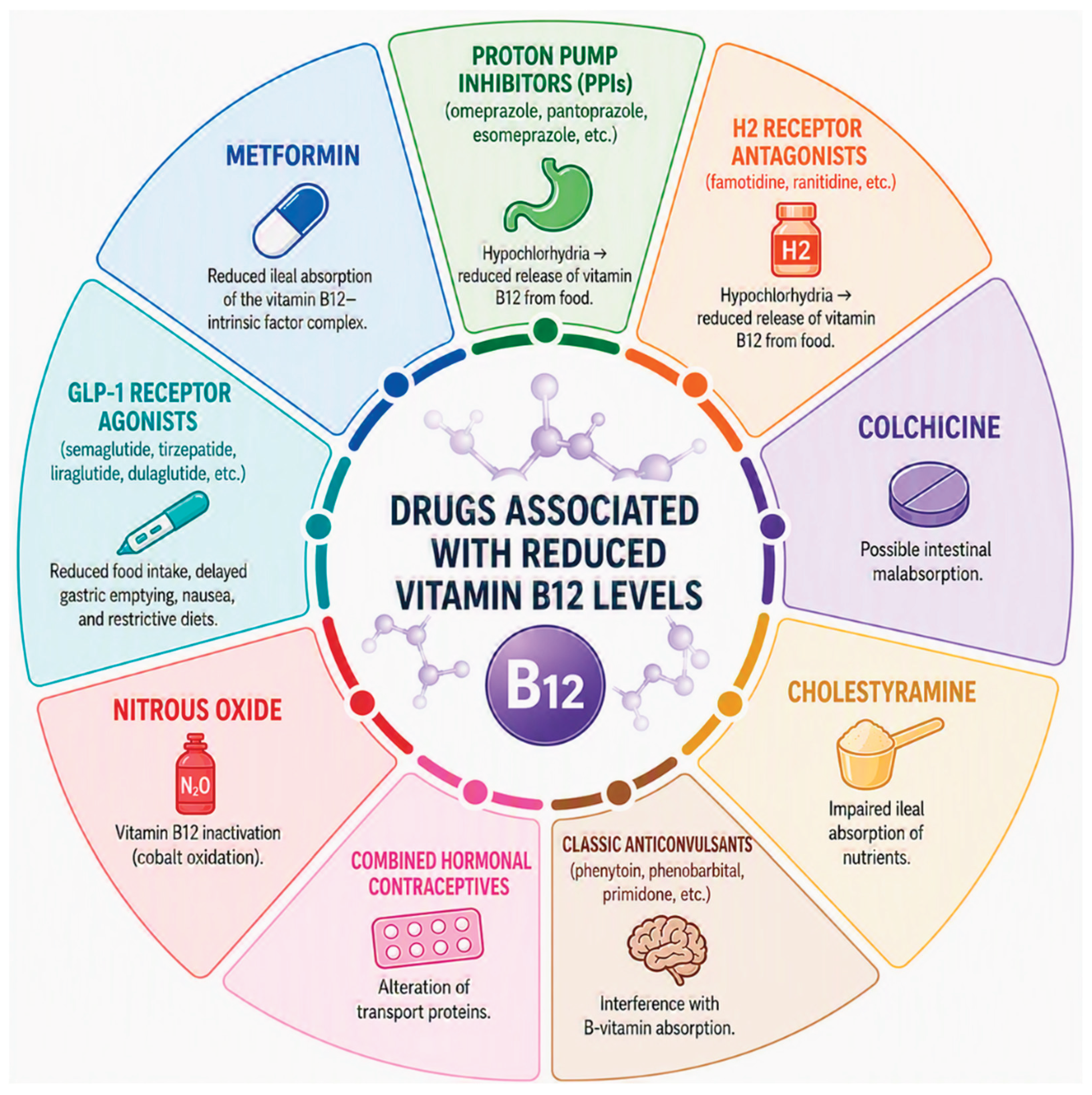
Figure 2.
Drugs associated with reduced vitamin B12 levels and proposed pathophysiological mechanisms. Figure created by the authors based on references 8, 20, 22 and 23.
Figure 2.
Drugs associated with reduced vitamin B12 levels and proposed pathophysiological mechanisms. Figure created by the authors based on references 8, 20, 22 and 23.
5. Clinical Manifestations and Diagnostic Challenges
Vitamin B12 deficiency may remain paucisymptomatic for several years after deficiency has developed (vitamin B12 <200 pg/mL), owing to the presence of substantial tissue stores, mainly in the liver.
The clinical manifestations of vitamin B12 deficiency are heterogeneous and mainly affect the hematological and neurological systems, although cognitive, sensory, gastrointestinal and bone-related symptoms may also occur. It is important to note that neurological manifestations may appear in the absence of anemia or macrocytosis; therefore, a normal complete blood count does not exclude vitamin B12 deficiency [1].
Furthermore, particularly in older adults, many of these manifestations (cognitive, sensory, gastrointestinal and bone-related) may be confused with symptoms attributable to concomitant diseases, further hindering clinical recognition of the deficiency [1,2].
5.1. Neurological Manifestations and Differential Diagnosis of Diabetic Neuropathy
Neurological manifestations are the most characteristic presentation; they are more prevalent than expected and may even predominate over anemia or appear in their absence, depending on the population studied [1]. Neurological injury derives mainly from demyelination of the central and peripheral nervous systems, with involvement of the lateral and posterior columns of the spinal cord and impairment of vibratory and proprioceptive sensation [9].
The most frequent symptoms include:
- Paresthesias (tingling, burning) and/or symmetrical numbness, which generally begin in the distal extremities (feet, hands) [2,24]. Distal axonal sensorimotor polyneuropathy, predominantly affecting the lower limbs, is the most frequent electromyographic finding, although these abnormalities do not always correlate with symptoms [25].
- Hyporeflexia (decreased deep tendon reflexes) or areflexia (absent deep tendon reflexes), predominantly in the lower limbs. Signs of pyramidal tract involvement may also be present. Both muscle weakness with loss of tone and reflex impairment occur as a result of involvement of the corticospinal tract in the lateral columns of the spinal cord [1].
- Involvement of the lateral and posterior columns of the spinal cord is known as subacute combined degeneration of the spinal cord, which is characteristic of vitamin B12 deficiency [1].
It should be remembered that hematological symptoms do not correlate with the severity of neurological symptoms, and that symptoms may also be confused with those of concomitant diseases, especially in older patients. Therefore, in patients with risk factors for vitamin B12 deficiency—such as prolonged treatment with metformin and/or proton pump inhibitors—and compatible neurological symptoms, even when mild or nonspecific, it is reasonable to assess serum vitamin B12 and consider complementary tests when levels are in borderline ranges. Early identification is especially important, as neurological symptoms are often reversible if treated promptly; however, if the etiological diagnosis is delayed for months or years, permanent lesions may remain [1].
Diabetic peripheral neuropathy is a frequent complication that may affect up to 50% of patients, initially causing pain and distal sensory deficits, but potentially progressing to loss of pain, pressure or temperature sensation and to the development of ulcers that may become infected or even lead to distal amputation. Vitamin B12 deficiency may also cause neuropathy, as previously discussed, which may be difficult to distinguish from the early clinical presentation of diabetic neuropathy in its initial stages. This clinical overlap may complicate the differential diagnosis, particularly in diabetic patients treated with metformin, favoring the misattribution of a potentially reversible deficiency to progression of diabetic neuropathy2 [28].
The evidence on whether metformin-induced vitamin B12 deficiency actually translates into a higher risk of neuropathy is heterogeneous, as improved glycemic control appears to reduce the incidence of neuropathy. Some studies found more neuropathy in patients taking metformin; others found no significant differences, and some even observed a lower incidence of neuropathy. Therefore, it cannot be definitively stated that metformin causes diabetic neuropathy [15,28]. Many studies in this area are observational, with small sample sizes and heterogeneous diagnostic methods. In addition, metformin itself may have neuroprotective effects independent of its glucose-lowering action, as demonstrated in animal models, which could partially offset the potential damage derived from vitamin B12 deficiency29. On the other hand, there is solid evidence linking the development of neuropathy to poorer glycemic control; therefore, in patients with neuropathic symptoms and poor glycemic control despite metformin use, especially when treatment has been prolonged, it would be advisable to consider the possibility of diabetic neuropathy or neuropathy associated with vitamin B12 deficiency [15]. Metformin should not be discontinued, but vitamin B12 should be monitored periodically, particularly if symptoms such as distal paresthesias appear, and vitamin B12 deficiency should be treated if confirmed [15].
Two recent studies illustrate well the complexity of the relationship between metformin, vitamin B12 deficiency and peripheral neuropathy.
The first, by Gao L et al. [29], was a Chinese multicenter study including 1,027 patients taking at least 1,000 mg/day of metformin for a minimum of one year. It showed an overall prevalence of peripheral neuropathy of 11.59%, with overt vitamin B12 deficiency in 2.15% of patients and borderline values in 13.66%. High metformin doses (≥1500 mg/day) and treatment duration (3 years or longer) were directly associated with the incidence of vitamin B12 deficiency, but not with neuropathy, although there was a trend that did not reach statistical significance. The strongest association was observed among patients with more severe vitamin B12 deficiency, who had a numerically higher prevalence of neuropathy (18.18% versus 11.27%), although this did not reach statistical significance. The second study, by Farooq MD et al. [30], was a cross-sectional study conducted in India comparing patients treated with metformin with patients not exposed to this treatment. Owing to the patient profile, the overall prevalence of clinical neuropathy was very high (40.4%), with a statistically significant difference between the group receiving metformin and those not taking it (45% vs 31.8%, p=0.001). Duration of diabetes and glycemic control were also associated with a higher incidence of neuropathy [30].
Therefore, it is advisable to perform periodic vitamin B12 monitoring, especially in patients receiving prolonged metformin treatment, high doses or those with neurological symptoms (tingling, pain, loss of sensation), because of its possible association with the incidence of neuropathy and in order to identify and treat deficiency early.
5.2. Hematological Manifestations
Vitamin B12 plays an essential role in DNA synthesis and, therefore, in the proper proliferation and maturation of hematopoietic precursors. Its deficiency leads to impaired erythropoiesis, mainly resulting in megaloblastic anemia or macrocytosis without anemia (mean corpuscular volume greater than 98 fL) [1]. However, up to 20% of patients with vitamin B12 deficiency may have no hematological abnormalities and, in some cases, these may appear after neurological symptoms [1].
- Megaloblastic anemia
- Macrocytosis
- Macro-ovalocytes and neutrophil hypersegmentation (with at least three neutrophils with five lobes or one with six lobes) on peripheral blood smear.
- In advanced stages, mild leukopenia and thrombocytopenia may occur.
- Increased lactate dehydrogenase and indirect bilirubin, together with decreased haptoglobin, due to intramedullary hemolysis.
- The bone marrow may be hypercellular and dysplastic and may even be mistaken for acute leukemia.
- Cutaneous pallor, dizziness, headache, asthenia, dyspnea, palpitations and other anemia-related symptoms may occur, although these are strongly influenced by the severity of anemia and the speed of onset.
We have already mentioned the relationship between metformin use and vitamin B12 deficiency; therefore, from a pathophysiological perspective, it is reasonable to consider the risk of megaloblastic anemia associated with metformin use. In the different studies that have explored this association, although metformin reduces vitamin B12 levels, it has not been shown to increase anemia in a statistically significant manner [15]. Most studies were of short duration and did not always involve sufficiently long exposure to metformin to link vitamin B12 deficiency over time with clinically manifest anemia [15]. In addition, very few studies had the development of anemia as their primary endpoint, and most were observational studies. The pathophysiological mechanism linking chronic metformin use, the development of vitamin B12 deficiency and the development of anemia appears clear; therefore, vitamin B12 and hematological parameters should be monitored in patients receiving metformin, especially if they have other risk factors, and mild neurological symptoms that could act as early warning signs should be actively assessed, allowing early intervention before anemia develops [15] (see Figure 3). It is also important not to overlook vitamin B12 assessment, even when other causes of overt anemia, such as iron deficiency, are present, since failure to treat concomitant vitamin B12 deficiency may contribute to therapeutic failure.
5.3. Other Manifestations: Gastrointestinal, General, Sensory, Fetal and Infant-Related Manifestations
The most frequent gastrointestinal manifestations are atrophic glossitis with a red and painful tongue, loss of appetite, weight loss and alterations in bowel habits (more frequent with metformin use) [1]. Cutaneous hyperpigmentation may also occur, and vitamin B12 deficiency has been associated with impotence (more frequent in patients with diabetes) and incontinence. In addition, it may be related to hearing loss and macular degeneration [2].
During pregnancy and lactation, additional cobalamin intake is considered because of the accumulation of this vitamin in fetal tissues and its transfer into breast milk; therefore, adequate intakes of 4.5 and 5 μg/day, respectively, have been proposed [31]. It should be noted that varying degrees of clinical involvement have been described in breastfed infants of mothers with severe vitamin B12 deficiency, very strict diets or severe malabsorption, but not in relation to the use of drugs such as metformin. These manifestations may include delayed fetal development, hypotonia, lethargy, feeding difficulties, irritability, tremor or even seizures or coma [1,2].
6. Diagnosis and Monitoring
6.1. Interpretation of Serum Vitamin B12
Diagnosing true vitamin B12 deficiency (when body B12 stores are depleted and this is reflected in low serum levels) is one of the greatest challenges. The most commonly used marker is the serum vitamin B12 concentration, but it has important limitations in terms of sensitivity and specificity, particularly in situations such as liver disease, in which falsely elevated serum values may be observed. Other biomarkers include holotranscobalamin (the active form of the vitamin), methylmalonic acid (MMA) and homocysteine [32]. The exact cut-off points used to define clinical and subclinical deficiency remain a matter of debate, generating clinical uncertainty. Laboratory values should be interpreted according to the population studied, the analytical method used and, above all, the patient’s clinical context [2,33].
A Danish study comparing three immunoassays used in clinical laboratories showed that results are not directly interchangeable. Reference intervals (population percentiles 2.5–97.5) varied significantly according to the method, ranging approximately from 168–553 pmol/L, 202–641 pmol/L and 211–551 pmol/L in the direct cohort [33]. Another study analyzed the cut-off point according to the clinical value of holotranscobalamin and established it at around 138 pmol/L = 187 pg/mL [33]. Most studies, reviews and meta-analyses place the cut-off point for overt deficiency at around 148 pmol/L (≈200 pg/mL) [1,2].
All studies agree on the existence of a “grey zone” with values above 148 pmol/L (200 pg/mL), which varies depending on the population studied, the analytical method and the clinical context (below 221, 250 or 287 pmol/L), in which vitamin B12 deficiency cannot be confirmed or ruled out based solely on serum vitamin B12. In these cases, it is recommended to extend the diagnostic work-up with additional markers [2,32,33]. Functional deficiency refers to a situation in which there is apparently sufficient circulating vitamin B12 (normal serum levels), but not enough active B12 is available for cellular metabolic reactions.
In general, values above 287 pmol/L (389 pg/mL) do not require further diagnostic work-up, except in patients with high clinical suspicion due to associated symptoms or high-risk conditions, such as older age or severe malabsorption.
6.2. Complementary Markers: When They May Be Useful
Holotranscobalamin is the active form of the vitamin, although it is difficult to measure routinely in the laboratory. MMA increases when functional vitamin B12 deficiency is present and is the most sensitive and specific marker of true vitamin B12 deficiency, although it may also increase in significant renal impairment. Homocysteine also increases in true functional vitamin B12 deficiency, but it is affected by folate deficiencies, which are often concomitant in these patients [2,32].
Whenever a patient has values within the so-called grey zone (148–287 pmol/L or 200–389 pg/mL), the diagnostic work-up should be complemented with functional metabolite measurements, such as MMA and homocysteine. In addition, if clinical suspicion is high and vitamin B12 values are borderline, functional markers should also be used [1,2,32].

Table 2.
Diagnosis of true vitamin B12 deficiency.
|
Marker |
Reference values |
When to request |
Sensitivity and specificity |
|---|---|---|---|
| Vitamina B12 | Less than 148 pmol/L (≈ <200 pg/mL) |
Initial screening |
Low* |
| MMA | >0.37 μmol/L 0.27-0.37 μmol/L (grey zone) <0.27 μmol/L (normal) |
If vitamin B12 is in the “grey zone” or there is high clinical suspicion |
Very good |
|
Homocysteine |
>15 μmol/L | Complementary to MMA (monitor folate) |
Good |
|
Holotranscobalamin |
<35 pmol/L | In studies or selected patients |
Good |
Original table developed from references 32 and 33. *Sensitivity is low and specificity varies depending on the population studied. Abbreviations: MMA, methylmalonic acid.
Diagnostic difficulties, the limited use of functional markers and population variability are the main factors that have made it difficult to establish the exact prevalence of true vitamin B12 deficiency.
6.3. Clinical Management of Patients at Risk
In relation to patients receiving chronic treatment with metformin and/or omeprazole, two different scenarios can be distinguished for the detection and monitoring of possible vitamin B12 deficiency.
- Before starting metformin treatment
Before initiating metformin treatment, it is advisable to identify the presence of risk factors associated with vitamin B12 deficiency. These include advanced age, previous bariatric surgery, conditions associated with intestinal malabsorption, atrophic gastritis, pernicious anemia, diets restrictive in animal-derived products and concomitant use of drugs that may alter vitamin B12 absorption, particularly proton pump inhibitors. In addition, during the initial assessment of patients with diabetes, it is useful to evaluate dietary habits in order to determine whether they consume sufficient amounts of vitamin B12-rich foods. Therefore, in this population subgroup, screening for vitamin B12 deficiency before starting metformin treatment should be considered, along with close periodic monitoring during treatment [9].
However, some reviews acknowledge that the optimal strategy for vitamin B12 monitoring in patients treated with metformin remains unclear and that, although deficiency usually develops in the long term and with high cumulative metformin doses, some individuals may progress from subclinical deficiency to clinical deficiency within a few months [12].
- During metformin treatment
The ADA guidelines and the ADA/EASD consensus agree that metformin may cause vitamin B12 deficiency and recommend monitoring serum cyanocobalamin levels, but without establishing a rigid protocol. They indicate that prolonged metformin use “may be associated with vitamin B12 deficiency” and that periodic measurement of vitamin B12 levels should be considered, especially in patients with anemia or peripheral neuropathy. This is a practical recommendation (grade B), implying moderate evidence and an individualized clinical approach [34,35]. The different guidelines agree on the following three aspects [34]:
- There is a clear association between metformin and vitamin B12 deficiency.
- Periodic monitoring is recommended, especially in patients with compatible symptoms or risk factors.
- There is no universally mandatory monitoring interval, although the risk is higher with prolonged treatment.
The latest ADA recommendations from 2026 state that “periodic” monitoring should be performed (not according to a fixed protocol), using an individualized approach based on each patient’s clinical risk, particularly in individuals receiving high doses (≥1500 mg/day), prolonged treatment (≥4–5 years) and in those with clinical suspicion [35].
Observational studies in clinical practice have evaluated vitamin B12 monitoring in patients receiving metformin and PPIs. In one of these studies, only 13.5% of patients treated with both metformin and a PPI had measured B12 levels, despite being patients on long-term treatment and despite the potential consequences of failing to detect deficiency early [36].
Recent reviews appear to be more proactive in identifying vitamin B12 deficiency and recommend vitamin B12 screening in at-risk patients receiving metformin, especially with long-term use, high doses and concomitant PPI therapy, as well as periodic monitoring, usually annually, because the risk of deficiency is real and clinically relevant [9].
6.4. Proposed Therapeutic Algorithm
Taking into account the latest reviews and the recommendations of current guidelines, we have developed this diagnostic-therapeutic algorithm.
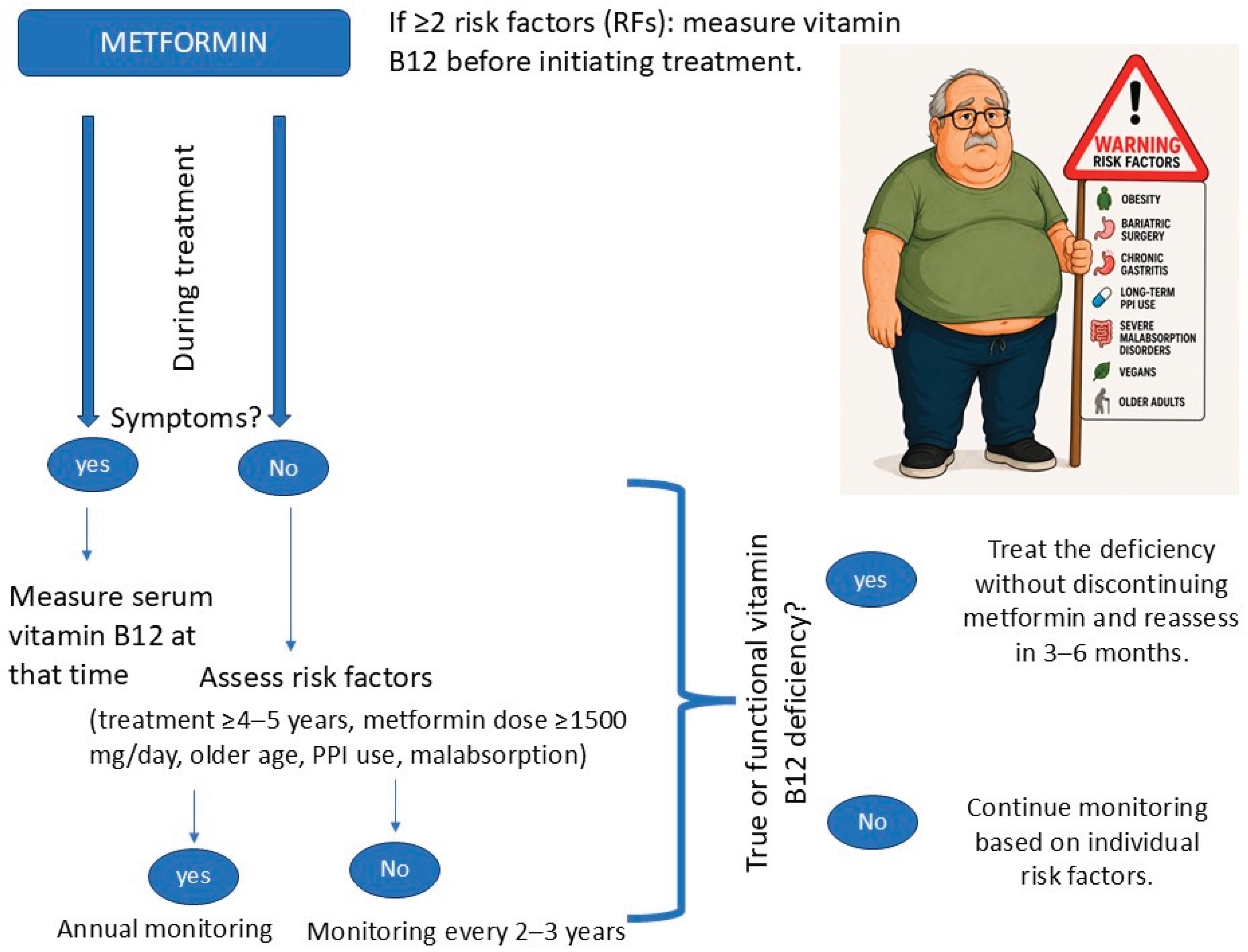
Figure 4.
Algorithm for diagnostic and therapeutic management of patients on metformin. RF: Risk factors; PPI: proton pump inhibitors. Warning signs include anaemia, macrocytosis, paraesthesia or cognitive impairment. Figure adapted by the authors from references 45 and 35.
Figure 4.
Algorithm for diagnostic and therapeutic management of patients on metformin. RF: Risk factors; PPI: proton pump inhibitors. Warning signs include anaemia, macrocytosis, paraesthesia or cognitive impairment. Figure adapted by the authors from references 45 and 35.
7. Treatment of Deficiency: Options and Decision-Making
7.1. Treatment Objectives (Correcting Biochemical Deficiency vs Symptoms)
The therapeutic objectives of vitamin B12 deficiency may be structured into three levels: biochemical, clinical and preventive [34].
- Correcting biochemical deficiency
The first objective is to restore normal blood vitamin B12 levels and replenish hepatic stores. Different studies reviewed show that supplementation achieves a significant increase in serum B12 levels in most patients1,37. Likewise, if functional deficiency has been diagnosed using metabolic markers, it is important to monitor their normalization (decrease in MMA and homocysteine). Correction of both markers provides an additional indicator of treatment response.
- Treating clinical abnormalities
Treatment may be started empirically when there is high clinical suspicion, without waiting for biochemical confirmation, because of the severity and potential irreversibility of neurological symptoms, particularly in high-risk patients with a longer duration of disease1. Therefore, a key objective is to improve or halt the progression of neuropathy. Correction of the deficiency may reduce symptoms (pain, paresthesias and sensory loss) and improve clinical neuropathy scores. However, the evidence is variable: some studies show clinical improvement in patients, whereas others do not demonstrate significant improvement [36]. Symptom reversibility appears to depend on the stage, severity and duration of the deficiency, and early correction of metabolic abnormalities is also important. In summary, early true or functional deficiency is potentially reversible. In contrast, prolonged deficiencies may lead to irreversible or only partially reversible neurological damage, even when serum vitamin B12 levels and associated metabolic markers subsequently normalize [36].
Regarding hematological abnormalities, the therapeutic objective is to restore normal hematopoiesis, which involves normalizing hemoglobin, reducing mean corpuscular volume (MCV) (<100 fL) and recovering the remaining cell lines if they have been affected [37]. The earliest indicator of response is an increase in reticulocytes, which usually occurs between days 3 and 7 of treatment. During the first 2 weeks, hemoglobin increases and symptoms improve. Finally, after approximately 4-6 weeks of treatment, hemoglobin and MCV normalize. The hematological response is usually excellent when the diagnosis is correct and treatment is appropriate; if there is no response, poor adherence or concomitant folate deficiency should be considered [2,37].
- Preventing neurological and hematological complications
Maintaining adequate vitamin B12 levels over the long term is important, as this is key to preventing irreversible complications, which are usually neurological and are related to long-standing functional or true deficiency2. In patients receiving metformin, this is particularly relevant because deficiency may go unnoticed for years [36]. This means that adequate vitamin B12 levels should be maintained over the long term and that correcting the deficiency alone is not enough; rather, normal stores should preferably be maintained, especially in high-risk patients such as those with clinical or surgical malabsorption (gastric bypass), severe obesity, older adults, vegans or patients receiving chronic metformin treatment with or without PPIs. In some patients, this may involve continuous or periodic supplementation and laboratory monitoring adapted to each patient’s risk profile [2,36].
7.2. Oral Route: Physiological Rationale and Clinical Scenarios for Use
As previously mentioned, approximately 1-2% of vitamin B12 is absorbed by passive diffusion in a manner that is completely independent of the usual physiological mechanisms affected by conditions such as atrophic gastritis in pernicious anemia, intestinal resections (particularly ileal resections), or other diseases or drugs that affect gastric pH, such as chronic PPI use [2,10].
At adequate doses, the oral route could be used in almost all scenarios because of this passive diffusion, except in cases of extensive intestinal resections or long-limb gastric bypass. In a prospective study of 26 patients with pernicious anemia, daily treatment with 1,000 μg of oral cyanocobalamin effectively corrected vitamin B12 deficiency. During the first month of treatment, 88.5% of patients no longer had vitamin B12 deficiency, with a clinically and statistically significant increase in total plasma vitamin B12 levels that was maintained throughout the full year of supplementation, reaching 100% of patients with normal vitamin B12 levels at the end of follow-up, even among patients with overt intrinsic factor deficiency [38].
Different studies in other clinical scenarios have demonstrated the efficacy of the oral route for correcting vitamin B12 deficiency, such as Eussen et al. [39] in older adults with vitamin B12 deficiency, showing effective and dose-dependent correction (between 500 and 1000 mcg/day). Other studies, such as Eric Andrès et al. [40] in patients with malabsorption, demonstrated correction of deficiency, improvement in hemoglobin and improvement in MCV after oral cyanocobalamin administration in virtually all patients. Finally, several studies in individuals taking metformin and presenting vitamin B12 deficiency have shown that oral cyanocobalamin administration is effective in correcting the deficiency [36].
These results support the use of oral supplementation as an effective and safe strategy for treating most patients with vitamin B12 deficiency, even when the usual physiological mechanisms of absorption are significantly impaired.
7.2.1. Comparative Evidence on the Efficacy of Oral vs Intramuscular Treatment
Traditionally, the usual standard treatment has been intramuscular administration of cyanocobalamin, mainly because of the belief that gastrointestinal absorption problems could limit the efficacy of the oral route.
However, several studies with small numbers of patients found no statistically significant differences in the correction of deficiency between intramuscular administration and oral administration at daily doses of at least 1000 mcg/day. A systematic review published by Wang H. et al. in 2018 in the Cochrane Database of Systematic Reviews [41] evaluated the effects of oral vitamin B12 compared with intramuscular vitamin B12 for the treatment of vitamin B12 deficiency. Treatment doses varied across studies, but high doses of oral vitamin B12 were generally used (1000–2000 µg/day), compared with standard intramuscular regimens. The main findings showed that oral vitamin B12 is comparable to intramuscular vitamin B12 in correcting serum vitamin B12 levels and in terms of safety. In addition, the oral route offers potential advantages in terms of patient convenience, reduced healthcare visits and lower cost. As a limitation, the studies had some methodological heterogeneity, and most focused on biochemical outcomes, whereas information on the course of clinical manifestations, particularly neurological manifestations, was limited. Therefore, high-dose oral vitamin B12 may be considered an effective and safe alternative to the intramuscular route for correcting biochemical deficiency, with advantages in terms of cost and convenience [41].
7.2.2. Specific Evidence in Deficiency Associated with Metformin/PPIs
Metformin is associated with decreased vitamin B12 levels and with an increased risk of developing biochemical or functional deficiency, sometimes diagnosed late, which should be corrected while maintaining long-term and very likely lifelong treatment, since metformin discontinuation is not recommended [2,36]. Several studies show that vitamin B12 administration in individuals taking chronic metformin corrects biochemical deficiency, although there is greater uncertainty regarding improvement in neurological symptoms, which may also be aggravated in patients with diabetes. High-dose oral formulations (1000–2000 mcg/day) are as effective as intramuscular formulations, making them a more convenient and cost-effective option [36]. Regarding chemical forms, methylcobalamin appears to be more effective for certain neuropathic symptoms, although the available evidence remains insufficient to establish clear superiority over other formulations. There is no clear consensus in guidelines regarding vitamin B12 dosing, frequency or route of administration in patients with diabetes treated with metformin, nor regarding deficiency monitoring. Some authors have proposed preventive supplementation strategies in selected risk groups, especially in resource-limited settings, although this approach is not yet part of widely accepted clinical recommendations [36].
7.2.3. Practical Dosing, Duration and Response Monitoring
The classical dosing regimen for treating vitamin B12 deficiency consists of administering 1000 µg of intramuscular cyano- or hydroxocobalamin daily for one week, then weekly for 6–8 weeks, and finally as maintenance every 4 weeks [1,2]. This is particularly important in symptomatic patients, especially those with neurological manifestations, since these may become irreversible if the deficiency is not corrected early. Given the absence of relevant toxicity, aggressive repletion may be appropriate in these symptomatic patients [1,2]. Regarding oral administration in adults with vitamin B12 deficiency, the recommended dose is 1000–2000 μg of cyanocobalamin daily for 8 weeks, followed by once-weekly maintenance, which has shown similar efficacy to IM administration in most clinical scenarios [1,2]. Maintenance dose and treatment duration clearly depend on the etiology of the deficiency and whether it is reversible. In patients with pernicious anemia or severe malabsorption, treatment should be chronic; once stores have been replenished, dosing may vary, although maintaining a daily dose of 1000 mcg is recommended [1,2]. In patients with chronic functional deficiency, once the deficiency has been corrected, indefinite weekly oral cyanocobalamin 1000 mcg appears reasonable [36].
Response monitoring is important, especially in symptomatic patients, either by assessing symptoms or reticulocytes in cases of hematological involvement. In patients with functional deficiency or persistent chronic risk factors, such as chronic metformin and PPI use, measurement of metabolic biomarkers such as methylmalonic acid (MMA) and homocysteine after treatment initiation may be considered in order to subsequently guide maintenance dosing. Key therapeutic concepts:
- ✓
- If there is clinical suspicion, especially compatible neurological symptoms, it is reasonable to treat without waiting for biochemical confirmation.
- ✓
- In functional deficiency with vitamin B12 values in the “grey zone” in at-risk patients, diagnosis may be confirmed using other metabolic markers, especially MMA, which also helps assess therapeutic response.
- ✓
- In patients with relevant neurological symptoms, severe deficiencies or significant malabsorption, the intramuscular route remains a preferred option. In most other clinical scenarios, high-dose oral administration (1000–2000 μg/day) has shown comparable efficacy in correcting vitamin B12 deficiency.
- ✓
- Treatment should be indefinite when the underlying etiology is irreversible, maintaining high oral doses in pernicious anemia or intestinal malabsorption, or lower doses in chronic functional deficiencies.
- ✓
- In patients taking metformin chronically, metformin should not be discontinued, and secondary vitamin B12 deficiency should be treated with high-dose oral vitamin B12 (1000 mcg/day) for 8 weeks, followed by maintenance dosing (1000 mcg weekly).
7.2.4. Safety and Tolerability
Oral vitamin B12 appears to be as safe as intramuscular administration, as no relevant differences in adverse events have been identified between the two routes. Both routes of administration have a very favorable safety profile [41]. Oral supplementation showed good tolerability, with adverse events being infrequent, mild and transient, including mild gastrointestinal symptoms, dizziness, skin reactions or asymptomatic increases in serum vitamin B12 levels [41]. Regarding intramuscular administration, the most frequent adverse event is pain at the injection site, which is particularly relevant in anticoagulated patients.
In addition, the oral route may offer advantages in terms of patient convenience and acceptance, whereas the intramuscular route may cause injection-site pain and increase the burden on healthcare services. From a practical perspective, oral administration avoids repeated visits to healthcare centers, reduces costs and improves adherence, making it an attractive alternative, particularly in chronic or older patients [42]. This is especially relevant for patients who may require indefinite treatment, such as those receiving chronic metformin therapy.
8. Conclusions
Drug-associated vitamin B12 deficiency is clinically relevant, potentially preventable and frequently encountered in routine care. Metformin and PPIs impair cobalamin status through different but potentially additive mechanisms. Because neurological manifestations may occur without anemia, clinicians should maintain a low threshold for testing in symptomatic or high-risk patients.
Serum vitamin B12 remains a useful first-line marker but must be interpreted in context. Functional biomarkers can improve diagnostic accuracy in borderline cases. High-dose oral vitamin B12 is effective and safe for many patients, while intramuscular therapy remains important for severe or neurologically significant presentations. A proactive, individualized approach can prevent avoidable complications while preserving essential therapies such as metformin.
The key clinical message is simple: vitamin B12 deficiency should be actively considered in patients exposed to metformin and/or PPIs, especially when symptoms or additional risk factors are present. The condition is common enough to matter, subtle enough to be missed and treatable enough to justify proactive detection.
This review supports a practical model in which clinicians continue essential therapies, reassess unnecessary chronic acid suppression, test vitamin B12 in risk-based scenarios, use functional biomarkers when available, and treat promptly when deficiency is likely. Such an approach aligns nutritional care with chronic disease management.
The optimal clinical approach lies between universal screening and passive observation. Instead, a strategy of targeted vigilance should be adopted by identifying patients at increased risk due to medication exposure, recognizing symptoms early, interpreting biomarkers appropriately, treating vitamin B12 deficiency when indicated, and avoiding unnecessary discontinuation of beneficial therapies.
In this sense, drug-associated vitamin B12 deficiency is a model problem for integrated nutritional medicine. It links prescribing quality, chronic disease management, laboratory interpretation, patient education and prevention of irreversible complications.
Author Contributions
Conceptualization, [R.C.]; methodology, [R.C.]; writing-original draft preparation, [R.C.]; writing-review and editing, [R.C.; L.M]; visualization, [R.C.; L.M.].
Funding
This study was financially supported by a grant from ITF RESEARCH PHARMA, SLU. The funding sponsor had no role in the design of the study, the collection, analysis nor interpretation of the data, the writing of the manuscript, or in the decision to publish the results.
Institutional Review Board Statement
Not applicable.
Informed Consent Statement
Not applicable.
Data Availability Statement
No new data were created or analyzed in this study. Data sharing is not applicable to this article.
Acknowledgments
schematic figures (Figures 2, 3) in this manuscript were developed with the assistance of artificial intelligence tools, including Microsoft 365 Copilot and OpenAI ChatGPT. The authors reviewed, edited, and approved all visual materials and take full responsibility for their content.
Conflicts of Interest
Dr. Ramon Costa Segovia has collaborated with Italfarmaco Research in consultancy and scientific advisory activities. Lara Molines Guillem is employed as a Medical Advisor at ITF Research Pharma, SLU.
References
- Stabler, S.P. Clinical practice. Vitamin B12 deficiency. N Engl. J. Med. 2013, 368(2), 149–60. [Google Scholar] [CrossRef] [PubMed]
- Green, R.; Allen, L.H.; Bjørke-Monsen, A.L.; et al. Vitamin B12 deficiency. Nat. Rev. Dis. Prim. 2017, 3, 17040. [Google Scholar] [CrossRef]
- Wong, C.W. Vitamin B12 deficiency in the elderly: is it worth screening? Hong. Kong Med. J. 2015, 21(2), 155–164. [Google Scholar] [PubMed]
- World Health Organization. Diabetes [Internet]; World Health Organization: Geneva, 2024; Available online: https://www.who.int/news-room/fact-sheets/detail/diabetes.
- Mata-Cases, M.; Franch-Nadal, J.; Real, J.; et al. Use of antidiabetic drugs in the treatment of type 2 diabetes in primary care in Spain. Endocrinol. Diabetes Nutr. 2019, 66(7), 443–51. [Google Scholar]
- Paul Moayyedi Eikelboom, J.W.; Bosch, J.; et al. Safety of proton pump inhibitors based on a large, multi-year randomized trial. N Engl. J. Med. 2019, 381, 1921–31. [Google Scholar]
- Torres-Bondia, F.; de Batlle, J.; Galván, L.; Buti, M.; Barbé, F.; Piñol-Ripoll, G. Evolution of the consumption trend of proton pump inhibitors in the Lleida Health Region between 2002 and 2015. BMC Public Health 2022, 22(1), 818. [Google Scholar] [CrossRef] [PubMed] [PubMed Central]
- Lam, J.R.; Schneider, J.L.; Zhao, W.; Corley, D.A. Proton pump inhibitor and histamine 2 receptor antagonist use and vitamin B12 deficiency. JAMA 2013, 310(22), 2435–2442. [Google Scholar] [CrossRef] [PubMed]
- Al Zoubi, M.S.; Al Kreasha, R.; Aqel, S.; et al. Vitamin B12 deficiency in diabetic patients treated with metformin: A narrative review. Ir. J. Med. Sci. 2024, 193, 1827–1835. [Google Scholar] [CrossRef] [PubMed]
- Pimentel Pérez, J.; Pimentel Rodríguez, M.; Rodríguez Del Río, E. Déficit de cianocobalamina o vitamina B12: fisiopatología, clínica y tratamiento. Med. Gen. Fam. 2023, 12(6), 269–273. [Google Scholar] [CrossRef]
- Bauman, W.A.; Shaw, S.; Jayatilleke, E.; Spungen, A.M.; Herbert, V. Increased intake of calcium reverses vitamin B12 malabsorption induced by metformin. Diabetes Care 2000, 23(9), 1227–1231. [Google Scholar] [CrossRef] [PubMed]
- McCreight, L.J.; Bailey, C.J.; Pearson, E.R. 2016 Metformin and the gastrointestinal tract. Diabetologia 2016, 59, 426–435. [Google Scholar] [CrossRef] [PubMed]
- Chapman, L.E.; Darling, A.L.; Brown, J.E. Association between metformin and vitamin B12 deficiency in patients with type 2 diabetes: A systematic review and meta-analysis. Diabetes Metab. 2016, 42(5), 316–327. [Google Scholar] [CrossRef] [PubMed]
- Kiran, M.D.; Naik, B.N. A clinical study to determine metformin as a cause of serum vitamin B12 decrease and effect of combination of metformin and mecobalamin on serum vitamin B12 levels in type 2 diabetics. Int. J. Basic Clin. Pharmacol. 2017, 6(5), 1066–1072. [Google Scholar] [CrossRef]
- Yang, W.; Cai, X.; Wu, H.; Ji, L. Associations between metformin use and vitamin B12 levels, anemia, and neuropathy in patients with diabetes: a meta-analysis. J. Diabetes 2019, 11(9), 729–743. [Google Scholar] [CrossRef] [PubMed]
- Marcuard, S.P.; Albernaz, L.; Khazanie, P.G. Omeprazole therapy causes malabsorption of cyanocobalamin (vitamin B12). Ann. Intern Med. 1994, 120(3), 211–215. [Google Scholar] [CrossRef] [PubMed]
- Damodharan Srinivasan, S.; Marshall, G.; Sakthibalan, R.S.; Karthikeyan, M.K.; Muraliswaran, P.P. Effect of long-term acid suppression therapy with proton pump inhibitors or H2 receptor blockers on serum vitamin B12 levels in elderly population. Ir. J. Med. Sci. 2020. [Google Scholar] [CrossRef]
- Miller, J.W. Proton Pump Inhibitors, H2-Receptor Antagonists, Metformin, and Vitamin B-12 Deficiency: Clinical Implications. Adv. Nutr. 2018, 9(4), 511S–518S. [Google Scholar] [CrossRef] [PubMed]
- Porter KMet, a.l. Associations of atrophic gastritis and proton-pump inhibitor drug use with vitamin B-12 status, and the impact of fortified foods, in older adults. Am. J. Clin. Nutr. 2021, 114(4), 1286–1294. [Google Scholar] [CrossRef] [PubMed]
- Linnebank, M.; Moskau, S.; Semmler, A.; Widman, G.; Stoffel-Wagner, B.; Weller, M.; Elger, C.E. Antiepileptic drugs interact with folate and vitamin B12 serum levels. Ann Neurol. 2011, 69(2), 352–359. [Google Scholar] [CrossRef] [PubMed]
- Wilson, S.M.; Bivins, B.N.; Russell, K.A.; Bailey, L.B. Oral contraceptive use: impact on folate, vitamin B6, and vitamin B12 status. Nutr. Rev. 2011, 69(10), 572–583. [Google Scholar] [CrossRef] [PubMed]
- Flippo, T.S.; Holder, W.D., Jr. Neurologic degeneration associated with nitrous oxide anesthesia in patients with vitamin B12 deficiency. Arch. Surg. 1993, 128(12), 1391–1395. [Google Scholar] [CrossRef] [PubMed]
- Urbina, J.; Salinas-Ruiz, L.E.; Valenciano, C.; Clapp, B. Micronutrient and Nutritional Deficiencies Associated With GLP-1 Receptor Agonist Therapy: A Narrative Review. Clin. Obes. 2026, 16, e70070. [Google Scholar] [CrossRef] [PubMed]
- Reynolds, E. Vitamin B12, folic acid, and the nervous system. Lancet Neurol. 2006, 5(11), 949–60. [Google Scholar] [CrossRef] [PubMed]
- Puri, V.; Chaudhry, N.; Goel, S.; et al. Vitamin B12 deficiency: a clinical and electrophysiological profile. Electromyogr. Clin. Neurophysiol. 2005, 45(5), 273–284. [Google Scholar] [PubMed]
- Marchi, G.; Busti, F.; Zidanes, A.L.; Vianello, A.; Girelli, D. Cobalamin Deficiency in the Elderly. Mediterr. J. Hematol. Infect. Dis. 2020, 12(1), e2020043. [Google Scholar] [CrossRef] [PubMed]
- Metzler, D.; Miller, W.H.; Edwards, C.S. Psychiatric manifestation of vitamin B-12 deficiency: an update. Jefferson J. Psychiatry. 1991, 9(2), Article 8. Available online: https://jdc.jefferson.edu/jeffjpsychiatry/vol9/iss2/8/. [CrossRef]
- Ahmed, M.A.; Muntingh, G.L.; Rheeder, P. Perspectives on Peripheral Neuropathy as a Consequence of Metformin-Induced Vitamin B12 Deficiency in T2DM. Int. J. Endocrinol. 2017, 2017, 2452853. [Google Scholar] [CrossRef] [PubMed]
- Gao, L.; Ran, X.; Liu, X.; Shen, X.; Chen, S.; Liu, F.; Zhao, D.; Bi, Y.; Su, Q.; Lu, Y.; Lei, M.; Wang, Y.; Ji, L. The effects of daily dose and treatment duration of metformin on the prevalence of vitamin B12 deficiency and peripheral neuropathy in Chinese patients with type 2 diabetes mellitus: A multicenter cross-sectional study. J. Diabetes 2023, 15(9), 765–776. [Google Scholar] [CrossRef] [PubMed]
- Farooq, M.D.; Tak, F.A.; Ara, F.; Rashid, S.; Mir, I.A. Vitamin B12 Deficiency and Clinical Neuropathy with Metformin Use in Type 2 Diabetes. J. Xenobiot. 2022, 12(2), 122–130. [Google Scholar] [CrossRef] [PubMed]
- EFSANDAPanel (EFSAPanel on Dietetic Products Nutrition Allergies) Scientific Opinion on Dietary Reference Values for cobalamin (vitamin B12). E.F.S.A.J. 2015, 13(7), 4150. [CrossRef] [PubMed]
- Sobczyńska-Malefora, A.; Delvin, E.; McCaddon, A.; Ahmadi, K.R.; Harrington, D.J. Vitamin B12 status in health and disease: a critical review. Diagnosis of deficiency and insufficiency - clinical and laboratory pitfalls. Crit. Rev. Clin. Lab Sci. 2021, 58(6), 399–429. [Google Scholar] [CrossRef] [PubMed]
- Andersen, S.L.; Hansen, A.B.; Hindersson, P.; Andersen, L.; Christensen, P.A. Vitamin B12 reference intervals. Dan Med. J. 2023, 70(6), A12220771. [Google Scholar] [PubMed]
- Chappell, L.; Brown, S.A.; Wensel, T.M. Evaluation of vitamin B12 monitoring in patients on concomitant metformin and proton pump inhibitors. Innov Pharm. 2020, 11(4). [Google Scholar] [CrossRef] [PubMed]
- American Diabetes Association Professional Practice Committee for Diabetes*. 3. Prevention or Delay of Diabetes and Associated Comorbidities: Standards of Care in Diabetes-2026. Diabetes Care 2026, 49 (Supplement_1), S50–S60. [Google Scholar] [CrossRef] [PubMed]
- Pratama, S.; Lauren, B.C.; Wisnu, W. The efficacy of vitamin B12 supplementation for treating vitamin B12 deficiency and peripheral neuropathy in metformin-treated type 2 diabetes mellitus patients: A systematic review. Diabetes Metab. Syndr. 2022, 16(10), 102634. [Google Scholar] [CrossRef] [PubMed]
- Devalia, V.; Hamilton, M.S.; Molloy, A.M.; British Committee for Standards in Haematology. Guidelines for the diagnosis and treatment of cobalamin and folate disorders. Br. J. Haematol. 2014, 166(4), 496–513. [Google Scholar] [CrossRef] [PubMed]
- Lacombe, V.; Vinatier, E.; Roquin, G.; Copin, M.C.; Delattre, E.; Hammi, S.; et al. Oral vitamin B12 supplementation in pernicious anemia: a prospective cohort study. Am. J. Clin. Nutr. 2024, 120(1), 217–24. [Google Scholar] [CrossRef] [PubMed]
- Eussen, S.J.P.M.; de Groot, L.C.P.G.M.; Clarke, R.; Schneede, J.; Ueland, P.M.; Hoefnagels, W.H.L.; et al. Oral cyanocobalamin supplementation in older people with vitamin B12 deficiency: a dose-finding trial. Arch. Intern Med. 2005, 165(10), 1167–72. [Google Scholar] [CrossRef] [PubMed]
- Andrès, E.; Kaltenbach, G.; Noel, E.; Noblet-Dick, M.; Perrin, A.E.; Vogel, T.; et al. Efficacy of short-term oral cobalamin therapy for the treatment of cobalamin deficiencies related to food-cobalamin malabsorption: A study of 30 patients: Efficacy of short-term oral cobalamin therapy. Clin. Lab Haematol. 2003, 25(3), 161–6. [Google Scholar] [CrossRef] [PubMed]
- Wang, H.; Li, L.; Qin, L.L.; Song, Y.; Vidal-Alaball, J.; Liu, T.H. Oral vitamin B12 versus intramuscular vitamin B12 for vitamin B12 deficiency. Cochrane Database Syst. Rev. 2018, 3(3), CD004655. [Google Scholar] [CrossRef] [PubMed]
- Araya Quintanilla, F.; Arias, S.H.; Hernández, M.; Inostroza, Ú.; Urzúa, M.J. Efectividad de la administración oral versus intramuscular de vitamina b12 en pacientes con deficiencia: revisión sistemática. Rev. Chil. Nutr. 2016, 43(2), 11–11. [Google Scholar] [CrossRef]
Figure 1.
Vitamin B12 absorption and likely etiologies of vitamin B12 deficiency. Original figure adapted from references 1 and 10.
Figure 1.
Vitamin B12 absorption and likely etiologies of vitamin B12 deficiency. Original figure adapted from references 1 and 10.
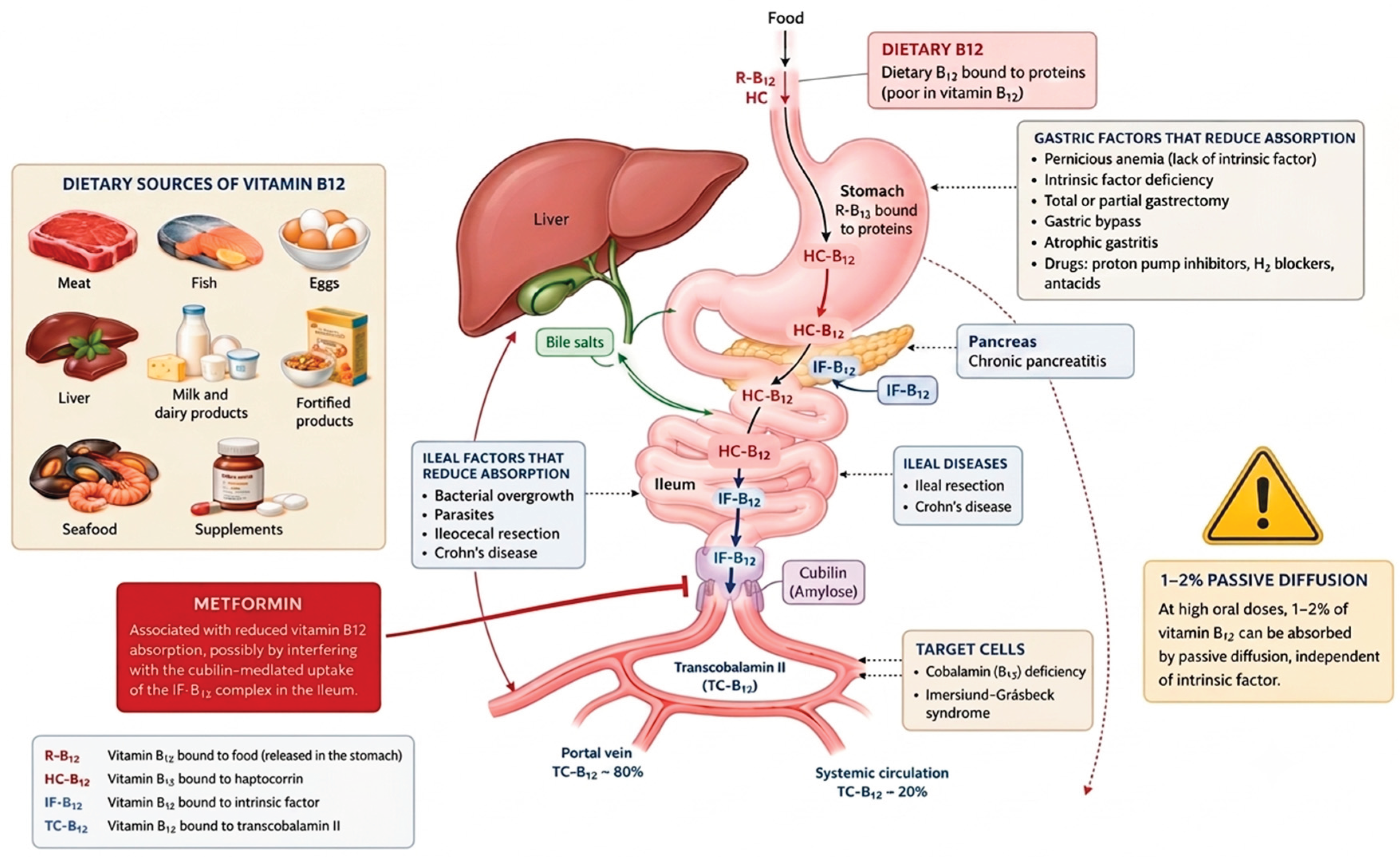
Figure 3.
Relationship between metformin use, vitamin B12 deficiency and the possibility of developing anemia. Original figure developed from references 20, 21 and 22.
Figure 3.
Relationship between metformin use, vitamin B12 deficiency and the possibility of developing anemia. Original figure developed from references 20, 21 and 22.
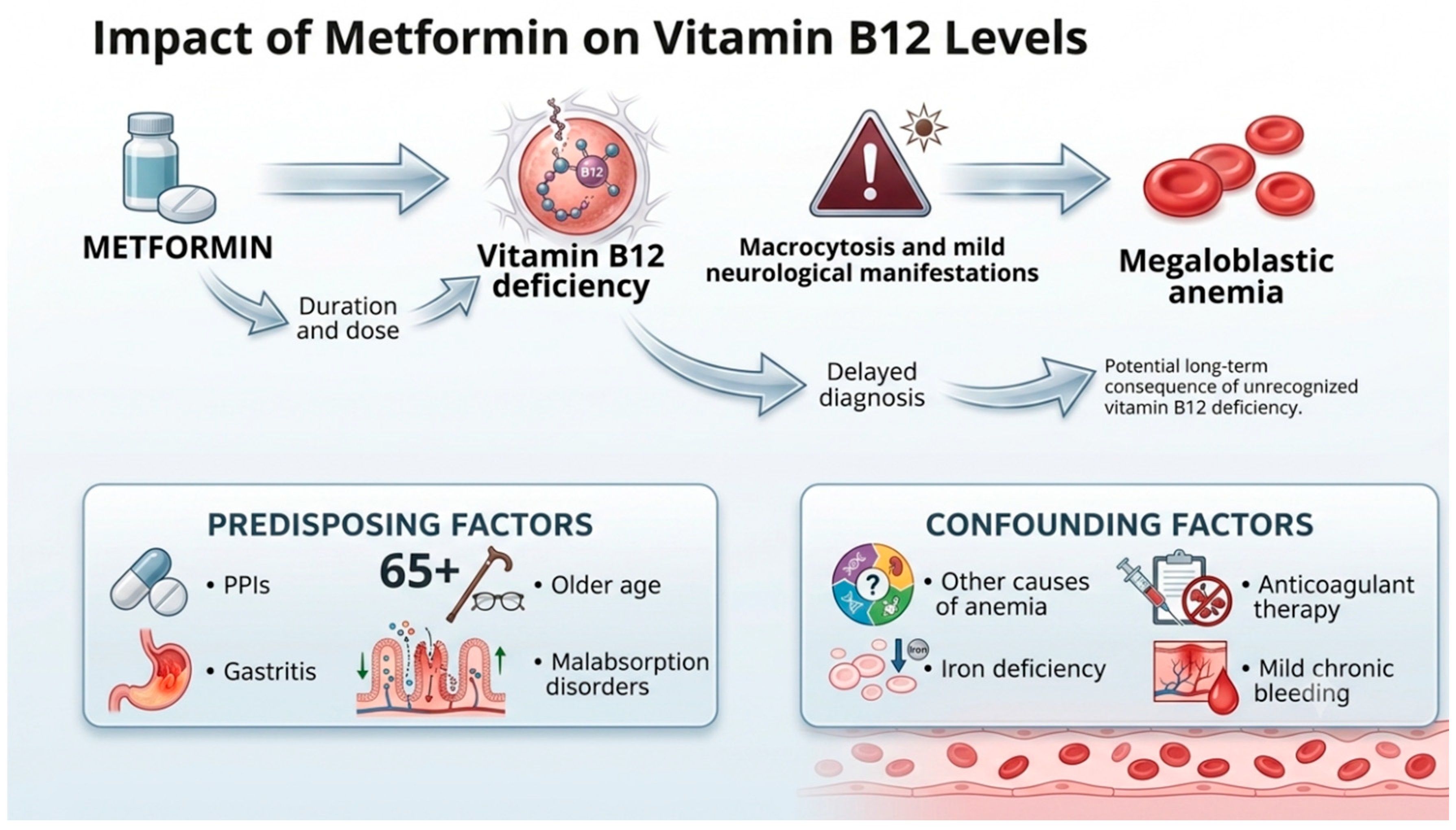
Table 1.
Comparison of the relationship between vitamin B12 deficiency associated with metformin or proton pump inhibitors (PPIs).
Table 1.
Comparison of the relationship between vitamin B12 deficiency associated with metformin or proton pump inhibitors (PPIs).
| Characteristic | Metformin | PPIs |
|---|---|---|
| Main anatomical site | Terminal ileum | Stomach |
| Main pathophysiological mechanism | Reduced calcium-dependent ileal absorption of the vitamin B12–intrinsic factor complex | Hypochlorhydria → reduced release of food protein-bound vitamin B12 |
| Altered absorption step | Uptake of the B12–IF complex by the enterocyte | Initial separation of vitamin B12 from food proteins |
| Calcium dependence | Yes/classical mechanism | No |
| Effect on food-bound vitamin B12 | Yes | Yes, mainly |
| Effect on free vitamin B12 from supplements | Limited impact | Minimal impact |
| Usual time to onset | Months | Years, usually chronic |
| Dose-response relationship | Yes, consistent | Yes, moderate |
| Risk-increasing factors | High doses, >4 years, older adults, low-B12 diet | >2 years, high doses, older adults, gastritis, low-B12 diet |
| Useful intervention | Vitamin B12 supplementation; periodic monitoring | Reassess PPI indication + treat with vitamin B12 |
| Distinctive clinical feature | May contribute to worsening diabetic neuropathy | More frequent in settings of unnecessarily prolonged use |
| Level of evidence for association | High | Moderate to high |
Table developed from references 8, 11 and 18.
Disclaimer/Publisher’s Note: The statements, opinions and data contained in all publications are solely those of the individual author(s) and contributor(s) and not of MDPI and/or the editor(s). MDPI and/or the editor(s) disclaim responsibility for any injury to people or property resulting from any ideas, methods, instructions or products referred to in the content. |
© 2026 by the authors. Licensee MDPI, Basel, Switzerland. This article is an open access article distributed under the terms and conditions of the Creative Commons Attribution (CC BY) license (http://creativecommons.org/licenses/by/4.0/).
Copyright: This open access article is published under a Creative Commons CC BY 4.0 license, which permit the free download, distribution, and reuse, provided that the author and preprint are cited in any reuse.