

Submitted:
08 August 2026
Posted:
10 August 2026
You are already at the latest version
Abstract
The remarkable evolution of incretin-based therapeutics from selective glucagon-like peptide-1 receptor agonists to dual, triple and emerging polyagonists has fundamentally expanded our understanding of metabolic regulation. Clinical trials have consistently demonstrated coordinated improvements in glycaemic control, hepatic steatosis, body composition, insulin sensitivity, cardiovascular and renal outcomes, inflammatory activity, mitochondrial metabolism and energy expenditure that extend well beyond the expected physiological effects of individual receptor activation. These observations suggest that the therapeutic efficacy of contemporary polyagonists cannot be adequately explained by isolated hormonal mechanisms but instead reflects modulation of an integrated physiological regulatory system. We propose the existence of an Entero–Pancreatico–Hepatico–Systemic Polyhormonal Metabolic Homeostasis Network (EPHS-PMHN), a dynamic endocrine, neural, immune and metabolic communication network in which gastrointestinal nutrient sensing initiates coordinated signaling through the enteroendocrine system, pancreatic islets, liver, central nervous system, adipose tissue, skeletal muscle, kidneys, cardiovascular system, immune system and peripheral mitochondria. Although incretin hormones constitute the principal initiating signals within this network, physiological regulation is ultimately achieved through integrated actions of both incretin and non-incretin mediators including insulin, glucagon, amylin, fibroblast growth factor-21, bile acid signaling pathways, adipokines, hepatokines, myokines, autonomic neural pathways, inflammatory mediators, circadian regulators and intracellular nutrient-sensing mechanisms. Within this framework, physiological variables traditionally regarded as independently regulated — including fasting and postprandial glycaemia, hepatic fat content, insulin-glucagon balance, hepatic gluconeogenesis, lipid oxidation, triglyceride synthesis, resting energy expenditure, metabolic flexibility, mitochondrial function and inflammatory tone — are interpreted as emergent properties of coordinated network behaviour rather than isolated homeostatic endpoints. Furthermore, neurobehavioral determinants including psychological stress, sleep architecture, cognitive function, emotional state, personality traits and environmental influences continuously modulate network activity, thereby contributing to the unique metabolic phenotype observed in each individual. Accordingly, obesity, type 2 diabetes mellitus, metabolic dysfunction-associated steatotic liver disease, dyslipidaemia, sarcopenic obesity and cardio-renal-metabolic syndrome are viewed not as isolated disorders but as diverse clinical expressions of differential dysregulation within the same integrated metabolic network. This framework provides a mechanistic explanation for the superior efficacy of polyagonist therapies as network-restorative interventions rather than hormone replacement strategies and establishes a conceptual foundation for precision metabolic medicine based on characterization of network function instead of isolated biochemical abnormalities.
Keywords:
incretin hormones
; polyagonist therapy
; GLP-1 receptor agonists
; systems biology
; metabolic homeostasis network
; precision metabolic medicine
; type 2 diabetes mellitus
; metabolic dysfunction-associated steatotic liver disease
; cardio-renal-metabolic syndrome
1. Introduction
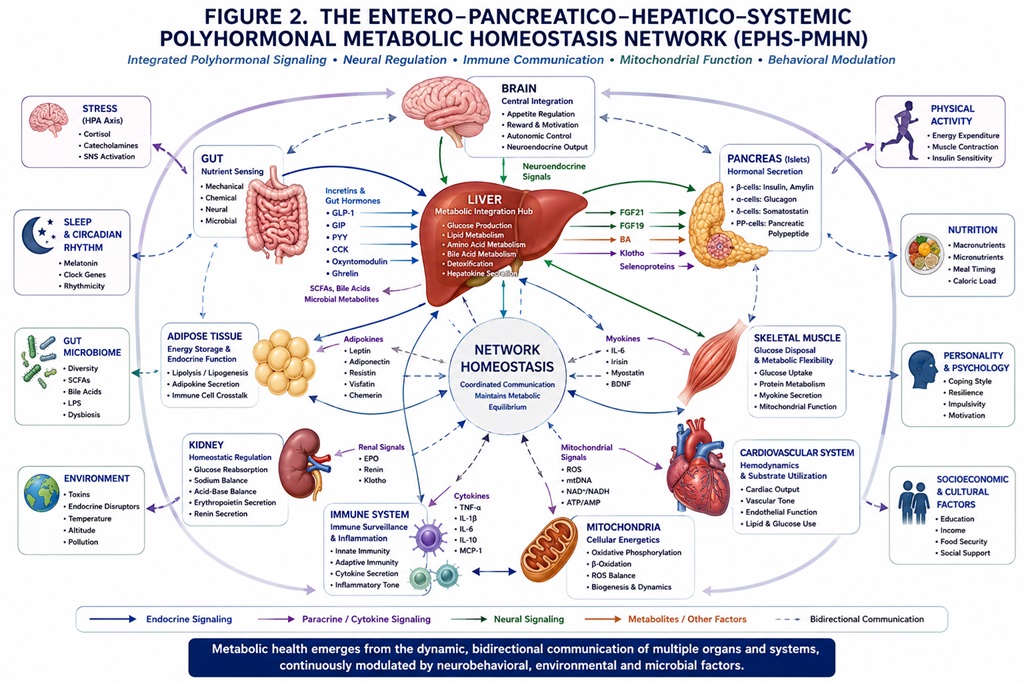
The understanding of metabolic disease has evolved through successive paradigms over the past century. Early concepts focused predominantly on glucose homeostasis and insulin deficiency, establishing diabetes mellitus as a disorder primarily of pancreatic endocrine dysfunction. Recognition of insulin resistance subsequently expanded this view [1], followed by appreciation of obesity, chronic inflammation, ectopic lipid accumulation, mitochondrial dysfunction and altered nutrient sensing as integral contributors to metabolic disease [2,3]. More recently, the concept of cardio-renal-metabolic syndrome has further emphasized the interdependence of multiple organ systems in determining disease progression (Figure 1).
Despite these advances, contemporary clinical practice continues to evaluate metabolic disorders using predominantly reductionist approaches. Individual physiological variables - fasting plasma glucose, glycated haemoglobin, serum triglycerides, liver enzymes, body mass index, hepatic fat content and insulin sensitivity - are generally regarded as independent targets of regulation and therapeutic intervention. While clinically useful, this approach does not adequately explain the breadth of biological responses observed with modern incretin-based therapies.
The emergence of glucagon-like peptide-1 receptor agonists initially reinforced the classical incretin hypothesis, whereby enhancement of glucose-dependent insulin secretion accounted for therapeutic benefit [4]. However, the subsequent development of dual agonists targeting glucagon-like peptide-1 and glucose-dependent insulinotropic polypeptide receptors, followed by triple agonists incorporating glucagon receptor activity and combination therapies involving amylin analogues, has revealed coordinated improvements extending far beyond glycaemic regulation [5,6]. These include substantial reductions in hepatic steatosis, improvements in mitochondrial energetics, restoration of metabolic flexibility, reductions in systemic inflammation, preservation of lean body mass, increased energy expenditure, cardiovascular protection and renal benefit.
These observations challenge the traditional interpretation that individual hormones independently regulate discrete physiological processes, suggesting instead that modulation of one hormonal axis influences an interconnected regulatory architecture coordinating metabolism across multiple organs simultaneously.
We therefore propose that the classical incretin concept should be expanded into a broader physiological framework: the Entero–Pancreatico–Hepatico–Systemic Polyhormonal Metabolic Homeostasis Network (EPHS-PMHN). Within this framework, nutrient ingestion initiates coordinated signalling through the gastrointestinal tract, pancreas, liver and central nervous system, which is subsequently integrated with endocrine, neural, immune and intracellular metabolic pathways to maintain systemic homeostasis. Incretin hormones constitute important initiating signals within this network but function in concert with numerous additional mediators, including insulin, glucagon, amylin, fibroblast growth factor-21, bile acid receptors, adipokines, hepatokines, myokines, autonomic neural pathways, inflammatory cytokines and intracellular nutrient-sensing mechanisms (Figure 2).
This perspective further proposes that many physiological variables traditionally regarded as independently regulated are, in reality, emergent properties of coordinated network behaviour. Normal fasting glycaemia, hepatic fat content, insulin-glucagon balance, resting energy expenditure, substrate utilization, mitochondrial efficiency, and inflammatory homeostasis do not arise from isolated regulatory mechanisms but rather represent integrated outputs generated by dynamic interactions among multiple interconnected biological systems.
Extending this concept beyond endocrine physiology, the EPHS-PMHN is continuously influenced by higher-order neurobehavioral regulation. Psychological stress, sleep quality, circadian rhythm, executive cognitive function, emotional state, personality characteristics, physical activity, nutritional behavior, gut microbiota, and environmental exposures interact continuously with endocrine signalling, thereby shaping the metabolic phenotype expressed by each individual. Consequently, the phenotype observed clinically and quantified through laboratory investigations, imaging studies and functional assessments represents the cumulative systems-level expression of genetic predisposition, epigenetic modification, neurobehavioral regulation, endocrine integration and environmental interaction.
Viewed from this perspective, obesity, type 2 diabetes mellitus, metabolic dysfunction-associated steatotic liver disease, dyslipidaemia and cardio-renal-metabolic syndrome may no longer be considered distinct pathological entities but rather diverse phenotypic manifestations of dysregulation affecting different components of the same integrated metabolic homeostasis network. This systems biology framework provides a coherent mechanistic explanation for the unprecedented clinical efficacy of contemporary polyagonist therapies and offers a new conceptual foundation for precision metabolic medicine based on restoration of coordinated network function rather than correction of isolated biochemical abnormalities.
2. Evolution of Incretin Pharmacology: From Single Receptor Agonism to Polyhormonal Network Modulation
The development of incretin-based therapeutics has progressed far beyond its original objective of improving glycaemic control. Initially conceived as pharmacological amplification of the physiological incretin effect, these therapies have evolved into a new class of metabolic modulators capable of simultaneously influencing multiple organ systems. The trajectory from selective GLP-1 receptor agonists to dual and triple agonists provides compelling evidence that metabolic regulation is orchestrated through an integrated physiological network rather than by isolated hormonal pathways.
The discovery of the incretin effect established that oral glucose elicited a greater insulin response than intravenous glucose, implicating gut-derived hormones in postprandial glucose regulation. Subsequent identification of glucagon-like peptide-1 (GLP-1) and glucose-dependent insulinotropic polypeptide (GIP) transformed the understanding of endocrine communication between the gastrointestinal tract and pancreatic islets [7,8]. Initially, these hormones were viewed principally as insulinotropic peptides that enhanced glucose-dependent insulin secretion while suppressing inappropriate glucagon release.
The introduction of GLP-1 receptor agonists represented the first major therapeutic application of this physiology, and their clinical efficacy rapidly exceeded expectations. Beyond improving glycaemic control, GLP-1 receptor agonists consistently reduced appetite, delayed gastric emptying, promoted clinically meaningful weight loss, improved insulin sensitivity, reduced hepatic fat accumulation, attenuated systemic inflammation, lowered cardiovascular risk and slowed progression of diabetic kidney disease. Although each of these effects could be individually explained through receptor-specific mechanisms, their simultaneous occurrence suggested a broader physiological integration than originally anticipated [4,9].
The subsequent development of tirzepatide, combining GLP-1 and GIP receptor agonism, marked an important conceptual transition. Clinical trials demonstrated reductions in body weight and glycated haemoglobin exceeding those achieved with selective GLP-1 receptor agonists alone [10]. Improvements extended to hepatic steatosis, lipid metabolism, insulin sensitivity and body composition, with preservation of lean mass despite profound reductions in adiposity [6]. These observations could not be satisfactorily explained as the additive effects of two independent hormones; rather, they suggested that simultaneous modulation of multiple hormonal pathways restored coordinated communication within an integrated metabolic regulatory system.
The emergence of glucagon-containing dual and triple agonists has further challenged conventional physiological paradigms. Traditionally regarded primarily as a counter-regulatory hormone responsible for increasing hepatic glucose production, glucagon is now recognized to possess complex metabolic actions including stimulation of hepatic lipid oxidation, enhancement of energy expenditure, promotion of amino acid metabolism and modulation of hepatic mitochondrial activity [11,12]. When appropriately balanced by concurrent GLP-1 receptor activation, glucagon receptor agonism appears to amplify weight reduction and improve hepatic steatosis without producing unacceptable hyperglycaemia [13]. This transformation of glucagon from an apparently antagonistic hormone into a therapeutic partner illustrates the limitations of viewing endocrine physiology through isolated receptor-specific mechanisms.
Similarly, the incorporation of amylin analogues into combination therapies has broadened therapeutic effects beyond appetite suppression. Amylin influences satiety, gastric emptying, glucagon secretion and central appetite regulation while simultaneously interacting with GLP-1-mediated pathways. Combination therapies involving cagrilintide and semaglutide (CagriSema) have demonstrated that coordinated modulation of complementary hormonal systems produces metabolic responses exceeding those expected from either agent alone [14,15].
The consistent observation across successive generations of incretin-based therapies is that increasing therapeutic efficacy is accompanied not merely by greater quantitative improvement in individual metabolic variables, but by qualitatively different physiological responses involving multiple organ systems simultaneously. Reductions in hepatic fat occur alongside improvements in insulin sensitivity, mitochondrial function, inflammatory activity, cardiovascular risk, renal protection, body composition and energy expenditure. These changes are temporally coordinated and biologically interdependent, suggesting restoration of an underlying regulatory architecture rather than isolated pharmacological effects. Improvements in hepatic steatosis frequently precede maximal weight reduction, while cardiovascular and renal benefits cannot be fully explained by changes in glycaemia alone — findings that increasingly support the concept that modern polyagonists function primarily as modulators of integrated physiological communication rather than as simple agonists of discrete endocrine pathways.
The progressive expansion of therapeutic targets — from GLP-1 alone to combinations incorporating GIP, glucagon, amylin and future hormonal candidates — therefore likely represents more than incremental pharmacological innovation. It reflects progressive approximation of the physiological complexity inherent within normal metabolic regulation: each additional hormonal component contributes not only independent biological actions but also modifies interactions among multiple interconnected pathways, generating emergent physiological responses that cannot be predicted from individual receptor pharmacology.
Accordingly, the evolution of incretin pharmacology should be interpreted not simply as the development of increasingly effective drugs, but as an experimental probe revealing the organizational principles of human metabolic regulation. Contemporary polyagonists have exposed a level of physiological integration that extends beyond the classical incretin axis and points toward the existence of the EPHS-PMHN, in which coordinated endocrine, neural, immune and intracellular signaling collectively determine metabolic homeostasis. This conceptual transition provides the foundation for a systems biology framework capable of integrating the diverse physiological observations emerging from modern metabolic therapeutics (Figure 3).
3. The Entero–Pancreatico–Hepatico–Systemic Polyhormonal Metabolic Homeostasis Network: A New Physiological Paradigm
The evolution of incretin pharmacology has revealed an important limitation of the traditional endocrine model. Classical physiology has generally described metabolic regulation as the cumulative result of multiple individual hormonal systems acting upon specific target organs: insulin regulates glucose disposal, glucagon controls hepatic glucose production, GLP-1 enhances glucose-dependent insulin secretion, GIP functions primarily as an incretin hormone, and adipokines, hepatokines and myokines exert additional but largely independent effects. While this compartmentalized approach has substantially advanced endocrine science, it does not adequately explain the coordinated physiological responses consistently observed with modern polyagonist therapies.
A systems biology perspective suggests a fundamentally different interpretation [16]. Rather than functioning as independent regulators, metabolic hormones operate as highly interconnected signaling nodes within a continuously communicating physiological network. Their biological effects arise not simply from individual receptor activation but from dynamic interactions among endocrine, neural, immune and intracellular signaling pathways distributed across multiple organs. Consequently, metabolic homeostasis is maintained through coordinated network behavior rather than through independent regulation of isolated physiological variables.
We therefore propose the EPHS-PMHN as the fundamental organizational framework governing human metabolism.
Within this model, nutrient ingestion initiates the first stage of metabolic regulation within the gastrointestinal tract. Mechanical distension, nutrient composition, bile acid flux, microbial metabolites and luminal nutrient sensing stimulate enteroendocrine cells to release an array of biologically active peptides including GLP-1, GIP, peptide YY, oxyntomodulin, cholecystokinin and numerous additional mediators. These hormonal signals are integrated with vagal afferent pathways, intestinal immune signaling and microbial-derived metabolites before entering the systemic circulation.
The pancreas constitutes the second major integrative node. Rather than functioning as separate populations of insulin- and glucagon-secreting cells, pancreatic islets behave as highly coordinated micro-organs in which β-cells, α-cells, δ-cells, PP cells and ε-cells continuously communicate through paracrine, endocrine and neural mechanisms. Insulin, glucagon, somatostatin, pancreatic polypeptide and amylin collectively regulate nutrient partitioning, hepatic metabolism and systemic energy balance while simultaneously responding to signals originating from the gut, liver and central nervous system.
The liver functions as the principal metabolic integration hub within the network. It continuously receives hormonal information through the portal circulation while simultaneously integrating nutrient availability, substrate flux, mitochondrial function, inflammatory activity and neural inputs. Hepatic glucose production, glycogen turnover, de novo lipogenesis, fatty acid oxidation, ketogenesis, lipoprotein synthesis and amino acid metabolism are therefore determined not by isolated hormonal actions but by coordinated interpretation of multiple simultaneous regulatory signals. Hepatokines including fibroblast growth factor-21, angiopoietin-like proteins, fetuin-A and additional liver-derived mediators further communicate hepatic metabolic status to distant organs, extending the network beyond classical endocrine pathways [17].
Adipose tissue likewise functions as an active endocrine organ rather than a passive energy reservoir [18]. White, beige and brown adipose depots continuously exchange metabolic information through adipokines including leptin, adiponectin, resistin and numerous inflammatory mediators. These signals regulate hypothalamic appetite pathways, insulin sensitivity, hepatic metabolism, immune activity and skeletal muscle substrate utilization, while brown adipose tissue further contributes through adaptive thermogenesis influencing systemic energy expenditure and metabolic flexibility.
Skeletal muscle serves as the principal site of postprandial glucose disposal while simultaneously acting as an endocrine organ through release of myokines such as irisin, interleukin-6, myostatin and brain-derived neurotrophic factor [19]. Physical activity therefore modifies the network not only by increasing energy expenditure but also through endocrine communication that influences hepatic metabolism, adipose tissue biology, pancreatic function and central appetite regulation.
The central nervous system constitutes another major regulatory hub. Hypothalamic nuclei integrate hormonal signals from GLP-1, GIP, leptin, insulin, ghrelin and peptide YY with sensory information, emotional inputs, circadian regulation and reward circuitry [20]. Brainstem autonomic centers coordinate sympathetic and parasympathetic outputs affecting gastric emptying, pancreatic secretion, hepatic glucose production, adipose tissue lipolysis and cardiovascular physiology. Neural regulation is thus inseparable from endocrine regulation within the proposed network.
The cardiovascular and renal systems participate not merely as target organs but as active components of metabolic regulation. Cardiac metabolism responds dynamically to substrate availability, while the kidneys contribute substantially to gluconeogenesis, sodium balance, glucose reabsorption and hormonal metabolism. Their reciprocal communication with endocrine and autonomic pathways further reinforces systemic metabolic integration.
The immune system represents another essential component of the network. Tissue macrophages, lymphocytes and innate immune cells respond continuously to nutritional status, adiposity and microbial signals, producing cytokines that influence insulin sensitivity, mitochondrial function, hepatic lipid metabolism and vascular biology [21,22]. The liver itself functions as an important immunological organ: hepatic Kupffer cells, dendritic cells and lymphocyte populations continuously interact with hepatocytes to maintain tolerance to gut-derived antigens, and dysregulation of this bidirectional hepatic immune-metabolic crosstalk is now recognized as a central driver of steatotic and inflammatory liver disease [23,24]. Chronic low-grade inflammation characteristic of obesity and metabolic disease may therefore represent disruption of normal immune-endocrine communication rather than an isolated pathological process.
At the intracellular level, mitochondria serve as universal metabolic integrators. Mitochondrial oxidative phosphorylation, reactive oxygen species generation, substrate selection, biogenesis and mitophagy respond to hormonal signaling, nutrient availability and cellular energy demand. Intracellular nutrient-sensing pathways including AMP-activated protein kinase, mammalian target of rapamycin, sirtuins and peroxisome proliferator-activated receptors continuously adjust cellular metabolism according to systemic requirements, linking extracellular endocrine signals to intracellular metabolic adaptation.
Importantly, this network extends beyond classical endocrine physiology to incorporate the gut microbiome, circadian biology and environmental influences. Microbial metabolites, bile acid transformation, sleep-wake cycles, light exposure, dietary composition and physical activity continuously reshape endocrine responsiveness and metabolic efficiency, reinforcing the concept that metabolic regulation represents a dynamic adaptive system rather than a collection of independent hormonal pathways.
The defining characteristic of the EPHS-PMHN is that no individual component functions in isolation. Every hormonal signal simultaneously modifies multiple downstream pathways while its own secretion is influenced by reciprocal feedback originating from other components of the network. Physiological regulation therefore emerges from continuous multidirectional communication rather than linear endocrine cascades.
This concept introduces an important distinction between classical homeostasis and network homeostasis. Classical physiology considers maintenance of individual variables such as plasma glucose, serum triglycerides or body temperature within narrow physiological limits. The EPHS-PMHN proposes that these variables are themselves secondary manifestations of coordinated network function: normal fasting glucose, physiological hepatic fat content, balanced insulin-glucagon ratios, appropriate resting energy expenditure, metabolic flexibility, efficient mitochondrial function and low inflammatory tone are not independently regulated endpoints but integrated outputs generated by an optimally functioning metabolic communication network.
Accordingly, the physiological “normal range” of metabolic variables should be interpreted not as isolated homeostatic set points but as emergent properties arising from coordinated interactions among the enteroendocrine system, pancreatic islets, liver, central nervous system, adipose tissue, skeletal muscle, cardiovascular system, kidneys, immune system and intracellular metabolic machinery. Disturbance affecting any component of this interconnected architecture inevitably propagates throughout the network, altering multiple physiological variables simultaneously and ultimately producing the diverse clinical phenotypes recognized as metabolic disease.
This systems-based framework provides the mechanistic foundation for understanding why therapies simultaneously targeting multiple hormonal pathways consistently produce biological effects that exceed those anticipated from receptor pharmacology alone. Rather than correcting isolated endocrine deficiencies, polyagonist therapies appear to restore communication among interconnected regulatory nodes, thereby re-establishing coordinated network homeostasis across the entire metabolic system.
Differential, Tone-Dependent Hormone Action: Distinguishing EPHS-PMHN from Network Crosstalk
The central claim of this framework is not merely that these organs and hormones are interconnected – inter-organ crosstalk in metabolic disease is already well established [16]. The specific, and I argue distinguishing, claim is that individual hormones do not exert fixed, organ-invariant actions; rather, each hormone’s qualitative and quantitative effect on a given organ is conditional on the concurrent tone – concentration, receptor density and sensitivity, and downstream signalling state – of the other hormones acting on that organ at that moment. Insulin receptor signalling itself is context-dependent rather than fixed, differing substantially between normal and insulin-resistant states, as discussed further in relation to islet and receptor-level remodelling below; the framework proposed here extends this principle of context-dependent hormone action from a single receptor system to the network as a whole. Under this view, the resulting clinical phenotype is not simply a function of the severity of any single upstream lesion, such as insulin resistance, but reflects the net balance of multiple hormones whose individual actions on each organ shift, and can even reverse in direction, as the surrounding hormonal milieu changes across the lifespan and in disease.
A simple illustration clarifies this distinction. Consider five hormones, A, B, C, D and E, each present at a normal reference level and together producing a normal metabolic state, Y. If A, D and E remain normal but B and C fall to zero, the resulting net balance produces one disease phenotype – for example, hyperglycaemia; if instead D and E fall to zero while A, B and C remain normal, the result is a different phenotype altogether – for example, hepatic steatosis. It is which hormones are disturbed, not simply how many, that determines which disease phenotype appears, because the outcome is set by the net balance of the whole network rather than by any one hormone in isolation. If B and C are then therapeutically replaced, this corrects the hyperglycaemia as expected from their own pharmacology; but because B and C are restored, the net balance of the entire system changes, and this altered net balance in turn changes how A, D and E behave together, producing an overall effect broader than the sum of B and C’s individual actions. This is, I propose, the mechanism underlying the multi-domain clinical benefits observed with polyagonist therapy, extending to organs and pathways beyond what any single restored hormone would be expected to affect on its own.
This distinguishes EPHS-PMHN from an insulin-resistance-centric or purely additive systems-metabolism account in a testable way. A model in which organ-level abnormalities are downstream consequences of a single dominant lesion predicts that the magnitude of a given hormone’s action on an organ should be relatively stable once receptor expression is accounted for, and that the effects of combined polyagonist therapy should approximate the arithmetic sum of each agent’s known single-receptor effects. EPHS-PMHN instead predicts that the same receptor agonist should produce measurably different, and in some cases directionally opposite, tissue-level effects depending on the concurrent tone of co-acting hormones – for example, glucagon receptor agonism’s hepatic lipolytic and thermogenic actions should be relatively amplified under a low-insulin, low-inflammatory tone and blunted or functionally offset under a high-insulin, insulin-resistant tone; that combination polyagonist trials should show statistically significant, direction-variable hormone-by-hormone interaction terms rather than additive effects, with the sign and magnitude of the interaction differing by patients’ baseline hormonal phenotype; and that among patients matched for insulin resistance severity, the dominant clinical phenotype expressed – hepatic, cardiorenal, sarcopenic, or adiposity-dominant – should be predictable from the relative balance of co-acting hormonal tones rather than from insulin resistance severity alone. None of these predictions follows from a model in which insulin resistance is the sufficient upstream cause and downstream organ effects are simply its additive consequences; each is falsifiable using existing or readily obtainable trial and cohort data, and their confirmation or refutation would directly support or undermine the EPHS-PMHN construct as distinct from established paradigms.
4. Emergent Physiological Variables: From Individual Biomarkers to Integrated Network Outputs
The interpretation of physiological variables has traditionally followed a reductionist paradigm in which each measurable parameter is regarded as an independently regulated homeostatic endpoint. Fasting plasma glucose is considered a function of insulin and glucagon balance; hepatic fat content reflects the equilibrium between lipid synthesis and oxidation; resting energy expenditure is determined by body composition and thyroid function; and inflammatory biomarkers are viewed as indicators of immune activation. While each of these relationships is physiologically valid, they fail to explain the remarkable degree of coordinated metabolic adaptation observed under both physiological and therapeutic conditions.
The EPHS-PMHN offers an alternative interpretation. Rather than functioning as independent variables maintained by isolated regulatory mechanisms, the measurable biochemical and physiological characteristics of an individual represent emergent outputs generated by continuous interactions among multiple interconnected components of the metabolic network.
An emergent property is one that cannot be adequately predicted by examining the individual components of a system in isolation but instead arises from the collective behaviour of the entire system — much as human consciousness emerges from billions of interacting neurons rather than from the activity of any single neuron, or cardiovascular performance arises from coordinated interaction among myocardial function, vascular tone, autonomic regulation, renal physiology and circulating hormones. We propose that metabolic homeostasis follows the same organizational principle.
Within this framework, fasting plasma glucose is not merely the consequence of insulin secretion or hepatic glucose production; it represents the integrated outcome of nutrient sensing within the gastrointestinal tract, incretin hormone secretion, pancreatic islet communication, hepatic glucose production, skeletal muscle glucose utilization, adipose tissue lipolysis, renal glucose handling, autonomic neural regulation, circadian biology, and intracellular nutrient-sensing pathways. The physiological fasting glucose concentration observed in a healthy individual therefore reflects the coordinated equilibrium achieved by the entire metabolic network.
Similarly, the insulin-to-glucagon ratio should not be viewed simply as the balance between two opposing pancreatic hormones. Both hormones are continuously modulated by GLP-1, GIP, amylin, somatostatin, autonomic neural activity, circulating amino acids, hepatic nutrient status, adipokines, and central nervous system signalling, so their ratio becomes an integrated systems variable reflecting the metabolic state of the organism rather than merely pancreatic endocrine activity.
Hepatic fat content provides another illustration of network behavior. Conventional models attribute hepatic steatosis primarily to excessive de novo lipogenesis or impaired fatty acid oxidation; however, hepatic triglyceride accumulation is simultaneously influenced by intestinal nutrient absorption, portal incretin signaling, insulin sensitivity, glucagon activity, adipose tissue lipolysis, mitochondrial oxidative capacity, fibroblast growth factor-21, bile acid signaling, inflammatory cytokines, gut microbiota-derived metabolites, physical activity and circadian rhythm [1]. Liver fat therefore represents a quantitative summary of whole-body metabolic network function rather than an isolated hepatic abnormality. The same systems perspective applies to hepatic gluconeogenesis, which — although traditionally regarded as a glucagon-driven process opposed by insulin — is continuously modified by amino acid metabolism, cortisol, sympathetic activation, free fatty acid availability, mitochondrial redox state, AMP-activated protein kinase activity, fibroblast growth factor-21, substrate availability, inflammatory mediators and nutrient-sensing pathways, making it an adaptive network response rather than a single hormonal effect.
Resting energy expenditure likewise emerges from coordinated regulation involving skeletal muscle mass, brown adipose tissue thermogenesis, thyroid hormone activity, sympathetic nervous system tone, glucagon signaling, mitochondrial coupling efficiency, substrate oxidation, physical activity history, nutritional status and inflammatory activity [25]. The increases in energy expenditure observed with glucagon-containing polyagonists illustrate that modulation of one component of the network can reorganize systemic energy metabolism through coordinated downstream interactions.
Metabolic flexibility, defined as the ability to switch efficiently between carbohydrate and lipid oxidation according to physiological demand, represents another emergent property, requiring coordinated communication among insulin signaling, glucagon action, mitochondrial function, skeletal muscle oxidative capacity, hepatic metabolism, adipose tissue lipolysis, autonomic regulation and intracellular energy sensors. Loss of metabolic flexibility therefore reflects widespread network dysfunction rather than impairment of a single metabolic pathway.
Inflammatory tone provides an equally compelling example. Chronic low-grade inflammation associated with obesity is frequently regarded as an independent pathological process; within the EPHS-PMHN framework, however, inflammatory activity emerges from continuous bidirectional communication among adipose tissue macrophages, intestinal barrier integrity, gut microbiota, hepatic metabolism, mitochondrial function, endocrine signaling and autonomic regulation [21,22]. Consequently, inflammatory biomarkers become indicators of global network status rather than isolated immune activation. Even body weight itself should be reconsidered from this perspective: body mass index, fat distribution and body composition are not primary disease determinants but phenotypic manifestations of integrated regulation involving appetite, satiety, nutrient absorption, energy expenditure, mitochondrial efficiency, physical activity, neurobehavioral regulation and endocrine communication.
This interpretation also explains an increasingly recognized clinical observation: individuals with similar body mass index, glycated haemoglobin or hepatic fat content often exhibit markedly different risks of cardiovascular disease, progression to type 2 diabetes, response to pharmacotherapy and long-term prognosis. Such variability is difficult to reconcile using isolated biomarkers but becomes understandable if these measurements represent only partial manifestations of a far more complex regulatory network whose overall functional integrity differs substantially among individuals.
An important implication of this framework is that laboratory investigations should no longer be viewed merely as independent diagnostic measurements, but rather as a multidimensional representation of network behavior. Fasting glucose, fasting insulin, glucagon, C-peptide, lipid profile, liver enzymes, inflammatory biomarkers, hepatic fat quantification, body composition analysis, resting energy expenditure, metabolomic signatures and hormonal profiles should be interpreted as complementary descriptors of integrated network function.
This systems perspective further explains why therapeutic interventions frequently improve multiple metabolic abnormalities simultaneously. Polyagonist therapies, structured exercise, caloric restriction, bariatric surgery and comprehensive lifestyle modification all produce coordinated improvements across diverse physiological variables because they influence common regulatory architecture rather than isolated metabolic pathways. Conversely, deterioration in sleep quality, chronic psychological stress, physical inactivity and sustained positive energy balance simultaneously impair multiple biomarkers because they disrupt communication within the same integrated network.
Accordingly, we propose that the measurable biochemical, physiological and clinical characteristics of every individual represent network phenotypes, emerging from dynamic interactions among genetic predisposition, epigenetic regulation, endocrine signaling, autonomic neural activity, immune function, mitochondrial metabolism, environmental influences and behavioral adaptation. Disease therefore represents progressive distortion or imbalance of normal network behavior, while health reflects preservation of coordinated communication among interconnected physiological systems.
This concept of emergent physiological variables provides the critical mechanistic bridge between molecular physiology and precision metabolic medicine. Rather than targeting isolated biochemical abnormalities, future therapeutic strategies should aim to restore coordinated network function, and future diagnostic approaches should seek to characterize network integrity through integrated biomarker profiles rather than relying predominantly upon individual laboratory values. Such a transition represents a fundamental shift from organ-based endocrinology toward systems-based metabolic medicine.
5. Network Dysregulation: A Unifying Mechanism for Metabolic Disease
The classical classification of metabolic disorders has largely evolved along organ-specific lines: obesity as a disorder of adipose tissue, type 2 diabetes mellitus as a disease of pancreatic β-cell dysfunction and insulin resistance, metabolic dysfunction-associated steatotic liver disease (MASLD) as a hepatic disorder, dyslipidaemia as an abnormality of lipid metabolism, and cardiovascular disease as a consequence of vascular pathology. Although clinically practical, this compartmentalized approach does not adequately explain the remarkable degree of overlap among these disorders, nor their frequent coexistence within the same individual.
The EPHS-PMHN provides a more integrated interpretation. Rather than representing distinct diseases, these clinical entities may be viewed as different phenotypic manifestations of dysregulation affecting a common physiological network, with the dominant clinical presentation depending upon the relative contribution, severity, and temporal progression of dysfunction within individual network nodes.
Network dysregulation rarely begins with failure of a single organ. Instead, it generally develops gradually through cumulative disturbances affecting multiple interacting physiological systems. Genetic susceptibility, adverse intrauterine programming, epigenetic modification, chronic caloric excess, sedentary behaviour, psychological stress, sleep deprivation, circadian disruption, environmental exposures and ageing progressively alter endocrine responsiveness, autonomic regulation, mitochondrial efficiency and inflammatory activity. Initially, these adaptive responses maintain metabolic homeostasis despite increasing physiological burden; eventually, however, the capacity of the network to compensate becomes exhausted, resulting in coordinated deterioration across multiple metabolic pathways.
One of the earliest manifestations of this process is impaired metabolic flexibility. Healthy individuals rapidly transition between carbohydrate oxidation in the fed state and lipid oxidation during fasting, a capability dependent upon coordinated communication among insulin, glucagon, incretin hormones, skeletal muscle mitochondria, adipose tissue lipolysis and hepatic substrate metabolism. As network integrity declines, this flexibility diminishes, leading to persistent substrate mismatch, ectopic lipid accumulation and progressive insulin resistance.
Insulin resistance itself should therefore be interpreted not as the primary pathological event but as one adaptive manifestation of broader network dysfunction, developing concurrently with alterations in glucagon physiology, impaired incretin responses, mitochondrial dysfunction, adipose tissue inflammation, altered hepatokine secretion and disturbed autonomic regulation [1,26]. Consequently, therapies directed exclusively toward insulin sensitivity may improve selected biochemical parameters while leaving substantial components of the underlying network disturbance unresolved.
Similarly, pancreatic β-cell dysfunction represents only one aspect of progressive network deterioration, reflecting chronic exposure to glucotoxicity, lipotoxicity, inflammatory mediators, oxidative stress, altered incretin signalling, mitochondrial dysfunction and increased secretory demand, while α-cell regulation, somatostatin secretion, autonomic input and islet microvascular function undergo parallel adaptive changes. The pancreatic islet therefore behaves as a dynamically remodelling component of the broader metabolic network rather than as an isolated endocrine organ.
It appears that genetic and epigenetic factors, together with the influences of intrauterine development and subsequent extrauterine growth and nutrition, exert a strong and lasting bearing on islet health and hormone output [27,28,29,30]. These same influences appear to shape the concentration density of the respective hormone receptors, the pattern of hormonal release, their binding avidity, and their capacity to generate cyclic AMP [31,32,33,34]. Importantly, none of these parameters remains constant throughout life; rather, they continue to change in response to evolving influencers, which may themselves include ongoing epigenetic modification [35].
The liver occupies a particularly central position within network dysregulation. As the principal metabolic integrator, it continuously responds to hormonal signals originating from the gut, pancreas, adipose tissue and central nervous system. Excess substrate delivery, impaired mitochondrial oxidation, altered glucagon signalling, increased de novo lipogenesis, activation of resident and recruited hepatic immune cells, and disturbed hepatokine secretion interact synergistically to promote hepatic steatosis [17,24]. As dysfunction progresses, hepatic insulin resistance, fibrosis and altered endocrine communication further amplify abnormalities throughout the network, creating a self-reinforcing cycle of metabolic deterioration.
Adipose tissue undergoes similar transformation during progressive network failure. Expansion of adipose mass is accompanied by altered adipokine secretion, macrophage infiltration, impaired angiogenesis, extracellular matrix remodelling and reduced adipocyte metabolic flexibility, with consequences extending far beyond energy storage to influence hepatic metabolism, pancreatic endocrine function, skeletal muscle insulin sensitivity, vascular biology and central appetite regulation. Dysfunctional adipose tissue therefore functions as both a consequence and a propagator of systemic network dysregulation.
The cardiovascular and renal complications traditionally regarded as secondary consequences of diabetes and obesity may likewise represent direct manifestations of the same underlying physiological disturbance. Endothelial dysfunction, altered myocardial substrate utilization, vascular inflammation, renal hyperfiltration and progressive nephropathy develop through integrated interactions involving oxidative stress, mitochondrial dysfunction, chronic inflammation, autonomic imbalance and endocrine dysregulation. Their frequent improvement with GLP-1 receptor agonists and sodium-glucose cotransporter-2 inhibitors, independent of glycaemic control alone, further supports the concept of shared upstream regulatory mechanisms [4].
An equally important dimension of network dysregulation involves neurobehavioral modulation. Chronic activation of the hypothalamic-pituitary-adrenal axis increases cortisol secretion, alters sympathetic activity, promotes visceral adiposity, impairs insulin sensitivity and modifies hepatic glucose production [36]. Sleep deprivation disrupts circadian regulation of appetite, leptin, ghrelin, cortisol and glucose metabolism while impairing mitochondrial function and increasing inflammatory activity [37]. Depression, anxiety, chronic stress and impaired executive cognitive function further influence dietary behaviour, physical activity, medication adherence and autonomic regulation. These factors should therefore be regarded not as external modifiers but as intrinsic components of the metabolic homeostasis network.
The gut microbiome provides another important layer of network integration. Microbial diversity, short-chain fatty acid production, bile acid metabolism, intestinal permeability and immune activation influence enteroendocrine hormone secretion, hepatic metabolism, inflammatory tone and central nervous system signalling through the gut-brain axis [38]. Alterations in microbial ecology may therefore amplify or attenuate metabolic dysfunction independently of caloric intake, further contributing to interindividual variability in disease expression.
Within this framework, metabolic diseases should be interpreted as network phenotypes rather than discrete diagnostic categories. One individual may express predominantly hepatic manifestations in the form of MASLD despite modest obesity, whereas another develops severe obesity with relatively preserved hepatic function; a third may exhibit accelerated cardiovascular disease despite comparatively mild disturbances in glycaemia or body weight. These divergent phenotypes reflect differential vulnerability of specific network components rather than fundamentally different diseases, and this perspective also explains the heterogeneous therapeutic responses observed in clinical practice among patients with apparently similar body mass index, glycated haemoglobin or hepatic fat content.
Accordingly, we propose that disease progression represents progressive loss of network resilience. Healthy metabolic systems possess considerable adaptive capacity, enabling maintenance of homeostasis despite transient physiological challenges; as cumulative stressors increase, adaptive reserve diminishes until compensatory mechanisms become insufficient, leading first to subclinical metabolic disturbance, then to identifiable biochemical abnormalities and finally to overt clinical disease. Restoration of network resilience, rather than correction of isolated metabolic defects, should therefore become the principal objective of future metabolic therapeutics.
This interpretation fundamentally changes the conceptual basis of metabolic medicine, shifting the focus from diagnosing individual diseases toward understanding patterns of integrated physiological dysfunction. Obesity, type 2 diabetes mellitus, MASLD, dyslipidaemia, hypertension, chronic kidney disease and cardiovascular disease become different clinical expressions of a common underlying process — progressive dysregulation of the EPHS-PMHN — providing the mechanistic basis for the increasingly recognized effectiveness of therapeutic strategies capable of restoring coordinated communication across multiple interacting components of the metabolic system (Figure 4).
6. Polyagonists as Network Restorative Therapies Rather than Hormone Replacement
The extraordinary clinical efficacy of contemporary polyagonist therapies has challenged the traditional pharmacological paradigm in metabolic medicine. Historically, endocrine therapies have been interpreted primarily as hormone replacement or augmentation strategies, in which correction of a deficient or dysfunctional hormonal pathway restores physiological function. While this framework adequately explains insulin replacement in type 1 diabetes mellitus and thyroid hormone replacement in hypothyroidism, it does not satisfactorily account for the breadth, magnitude and durability of responses observed with modern incretin-based polyagonists.
The therapeutic profile of GLP-1 receptor agonists initially appeared consistent with selective incretin replacement. Enhancement of glucose-dependent insulin secretion, suppression of glucagon release, delayed gastric emptying and appetite reduction explained much of their early clinical benefit. However, subsequent demonstration of reductions in major adverse cardiovascular events, improvement in chronic kidney disease, attenuation of hepatic steatosis, preservation of β-cell function, reduction in systemic inflammation and improvement in mitochondrial metabolism indicated that these agents influence physiological processes extending far beyond classical incretin biology [4,9].
The emergence of dual agonists further expanded this understanding. Tirzepatide consistently produced greater reductions in body weight, glycated haemoglobin and liver fat than selective GLP-1 receptor agonists while simultaneously improving insulin sensitivity, lipid metabolism and body composition [6,10]. Importantly, these improvements occurred in parallel rather than sequentially, suggesting coordinated restoration of multiple physiological pathways rather than simple amplification of insulinotropic activity.
The development of glucagon-containing dual and triple agonists has provided perhaps the strongest evidence supporting a network-based interpretation of metabolic pharmacology. Classical physiology regarded glucagon primarily as a counter-regulatory hormone opposing insulin action by stimulating hepatic glucose production, under which paradigm glucagon receptor agonism would be expected to worsen hyperglycaemia. Clinical and experimental evidence has instead demonstrated that, when balanced appropriately by GLP-1 receptor activation, glucagon contributes beneficial effects including increased hepatic fatty acid oxidation, enhanced mitochondrial respiration, increased resting energy expenditure, improved amino acid metabolism and accelerated weight reduction [11,13]. These observations illustrate that the physiological role of glucagon cannot be understood independently of its interactions with the broader metabolic network.
Retatrutide, a triple agonist of the GIP, GLP-1 and glucagon receptors, has extended these observations further, producing dose-dependent reductions in body weight that exceed those achieved by dual agonism [39]. Combination therapies involving amylin analogues have generated similar insights: amylin complements GLP-1 through effects on satiety, gastric emptying, glucagon regulation and central appetite pathways, and trials combining cagrilintide with semaglutide have demonstrated weight reduction exceeding that achieved by either component individually, most recently confirmed in a large phase 3 programme [14,40], suggesting restoration of complementary physiological signaling rather than additive receptor pharmacology.
Collectively, these observations support a fundamental reinterpretation of polyagonist therapy. Rather than functioning as combinations of independent receptor agonists, these agents appear to re-establish coordinated communication among multiple components of the metabolic homeostasis network, with restoration of endocrine synchrony subsequently propagating through neural, hepatic, muscular, adipose and mitochondrial pathways to produce integrated physiological adaptation across the organism. This interpretation explains several otherwise difficult clinical observations: improvements in hepatic steatosis frequently occur before maximal reductions in body weight, cardiovascular benefits often exceed those predicted by improvements in glycaemic control alone, and renal protection similarly appears disproportionate to glucose lowering - findings more readily explained by restoration of network integrity than by isolated receptor activation.
An equally important observation concerns the qualitative rather than quantitative differences among various polyagonists. Tirzepatide, retatrutide, survodutide, CagriSema and emerging multi-receptor agonists do not simply produce progressively greater reductions in body weight or glycated haemoglobin; instead, each demonstrates a distinct metabolic signature characterized by differing effects on appetite, energy expenditure, hepatic fat reduction, lean body mass preservation, lipid metabolism and inflammatory activity. These differences suggest that individual therapeutic agents preferentially restore different regions or communication pathways within the metabolic network, providing a physiological basis for phenotype-directed therapy. Patients with apparently similar diagnoses may possess fundamentally different patterns of network dysregulation - one exhibiting predominant impairment of hepatic nutrient sensing and glucagon physiology, another demonstrating severe hypothalamic appetite dysregulation, and a third showing pronounced mitochondrial dysfunction and reduced metabolic flexibility - such that, although all satisfy diagnostic criteria for obesity or type 2 diabetes mellitus, their optimal therapeutic strategy may differ according to the dominant pattern of network disturbance.
Consequently, therapeutic success should no longer be evaluated solely by reductions in glycated haemoglobin, body weight or liver fat content. These variables represent downstream manifestations of improved network function rather than the primary objective of treatment; the more meaningful therapeutic endpoint is restoration of coordinated physiological communication among endocrine, neural, immune and metabolic systems, with improvement in individual biomarkers regarded as measurable consequences of successful network restoration.
The concept of network restoration also provides a framework for understanding non-pharmacological interventions. Bariatric surgery produces profound alterations in enteroendocrine signaling, bile acid metabolism, gut microbiota, vagal activity, hepatic metabolism and nutrient sensing simultaneously. Structured physical activity modifies myokine secretion, mitochondrial biogenesis, insulin sensitivity, autonomic balance and inflammatory activity [19]. Dietary interventions influence nutrient sensing, gut hormone release, microbiome composition, substrate utilization and intracellular energy signaling. Each of these interventions restores metabolic homeostasis through coordinated modification of multiple interacting network components rather than isolated physiological pathways - the same principle explaining why comprehensive lifestyle intervention frequently produces benefits extending beyond anticipated weight reduction.
From this perspective, future pharmacological development should move beyond identifying additional hormone receptors toward understanding how combinations of hormonal, neural and intracellular signaling pathways can most effectively restore network architecture. Accordingly, polyagonists should be regarded not as sophisticated hormone replacement therapies but as network restorative therapies. Their principal mechanism is the re-establishment of coordinated communication across the EPHS-PMHN, and the remarkable breadth of their clinical effects derives from restoration of systems-level physiological integration rather than correction of isolated endocrine abnormalities. This conceptual shift provides a mechanistic foundation for precision metabolic medicine and a coherent explanation for the transformative therapeutic advances currently reshaping the management of obesity, type 2 diabetes mellitus, MASLD and cardio-renal-metabolic disease (Figure 5).
7. Towards Precision Metabolic Medicine: Network Phenotyping as the Future of Diagnosis and Therapeutics
The practice of metabolic medicine has traditionally relied upon diagnostic thresholds that categorize diseases according to individual biochemical variables: type 2 diabetes mellitus by fasting plasma glucose or glycated haemoglobin, obesity by body mass index, dyslipidaemia by serum lipid concentrations, and MASLD by hepatic fat quantification or liver histology. Although these criteria have provided standardized diagnostic frameworks, they inadequately reflect the biological complexity underlying metabolic disease.
Patients with identical glycated haemoglobin values frequently exhibit markedly different degrees of insulin resistance, hepatic steatosis, β-cell reserve, cardiovascular risk and therapeutic responsiveness. Similarly, individuals with comparable body mass index may differ substantially in visceral adiposity, metabolic flexibility, inflammatory activity, mitochondrial function and long-term prognosis. Such heterogeneity demonstrates that conventional diagnostic classifications describe the clinical consequences of disease rather than the underlying physiological architecture responsible for disease expression.
Within the EPHS-PMHN framework, these observations become biologically coherent: the measurable clinical phenotype represents the integrated expression of network function at a particular point in time, and each patient therefore possesses a unique network phenotype, determined by the interaction of genetic architecture, epigenetic programming, endocrine signaling, autonomic regulation, immune activity, mitochondrial performance, environmental exposures and behavioral adaptation.
This concept introduces Network Phenotyping as a new paradigm for precision metabolic medicine, extending beyond conventional biomarker assessment by characterizing the functional state of interconnected physiological systems rather than isolated metabolic variables. Instead of asking whether a patient has diabetes, obesity or MASLD, the clinician seeks to determine which components of the metabolic homeostasis network are primarily dysregulated and how these disturbances interact to generate the observed clinical phenotype. Such an approach recognizes that two patients with similar laboratory values may possess fundamentally different biological mechanisms of disease — one demonstrating predominant impairment of enteroendocrine nutrient sensing, another severe hepatic metabolic inflexibility, another profound hypothalamic dysregulation of appetite and reward pathways, and yet another primary mitochondrial dysfunction with preserved endocrine responsiveness — such that, although these individuals satisfy identical diagnostic criteria, their optimal therapeutic strategies are unlikely to be identical.
Future network phenotyping will likely integrate multiple complementary domains of biological information. Endocrine profiling may include dynamic assessment of GLP-1, GIP, glucagon, insulin, amylin, fibroblast growth factor-21, adipokines, hepatokines and myokines. Metabolic profiling may incorporate continuous glucose monitoring, indirect calorimetry, substrate utilization, metabolomics and body composition analysis [25]. Structural evaluation may include quantification of visceral adiposity, hepatic fat, pancreatic fat, skeletal muscle quality and brown adipose tissue activity using advanced imaging techniques, while functional assessment may evaluate insulin sensitivity, β-cell reserve, metabolic flexibility, autonomic balance and mitochondrial performance. Equally important will be characterization of neurobehavioral regulation — sleep architecture, circadian rhythm, psychological stress, executive cognitive function, eating behavior, physical activity patterns, resilience, emotional regulation and personality characteristics - all of which influence network performance through continuous interactions with endocrine and autonomic pathways and should therefore be considered integral components of metabolic phenotyping rather than merely lifestyle modifiers.
Genomic, epigenomic, transcriptomic, proteomic and metabolomic technologies will further enrich this framework by identifying molecular signatures associated with specific patterns of network dysregulation. Artificial intelligence and systems biology algorithms may subsequently integrate these multidimensional datasets to construct individualized network maps capable of predicting disease progression, therapeutic responsiveness and long-term clinical outcomes [41].
Within such a framework, therapeutic decision-making becomes fundamentally different from current practice. Treatment selection is no longer determined solely by body weight, glycated haemoglobin or diagnostic category, but is instead matched to the dominant pattern of network dysfunction: patients exhibiting predominant hypothalamic dysregulation may benefit from therapies emphasizing appetite regulation and central satiety pathways, individuals with marked hepatic metabolic dysfunction may require interventions targeting hepatic lipid metabolism and glucagon physiology, and others demonstrating impaired mitochondrial function may respond preferentially to therapies enhancing cellular energetics and metabolic flexibility. The progressive development of polyagonist therapies is likely to accelerate this transition, such that treatment selection will depend less upon achieving maximal weight reduction and more upon identifying the physiological network most closely aligned with an individual’s disease biology.
An equally important implication concerns disease prevention. Conventional preventive strategies rely primarily upon identifying elevated body weight, impaired glucose tolerance or dyslipidaemia after measurable metabolic abnormalities have already developed. Network phenotyping offers the possibility of detecting early deterioration in physiological communication before overt biochemical disease becomes apparent, since subtle alterations in hormonal synchrony, mitochondrial efficiency, metabolic flexibility or autonomic regulation may identify individuals entering the earliest stages of network dysregulation, thereby creating opportunities for preventive intervention before irreversible organ damage occurs.
This approach also provides a more coherent explanation for disease remission. Remission of type 2 diabetes following bariatric surgery, intensive lifestyle intervention or contemporary polyagonist therapy should not be interpreted merely as normalization of blood glucose concentrations, but rather as restoration of sufficient network integrity to permit re-establishment of coordinated physiological regulation across multiple interacting organ systems; conversely, disease recurrence reflects renewed deterioration of network resilience despite temporary correction of individual biomarkers.
The proposed framework further emphasizes that successful metabolic management requires integration of pharmacological, behavioral and environmental interventions. Nutritional modification, structured exercise, optimization of sleep, stress reduction, psychological support and pharmacotherapy all influence common components of the EPHS-PMHN, and their effects are therefore synergistic rather than independent, collectively restoring communication across multiple regulatory nodes. Precision medicine should consequently evolve toward individualized combinations of pharmacological and non-pharmacological interventions designed to optimize overall network function.
Ultimately, the transition from disease-based diagnosis to network-based phenotyping represents a conceptual evolution comparable to the transformation from descriptive pathology to molecular medicine [42,43]. Just as molecular biology redefined the understanding of cancer, systems biology has the potential to redefine metabolic medicine: obesity, type 2 diabetes mellitus, MASLD and cardio-renal-metabolic disease become recognizable clinical phenotypes arising from diverse patterns of network dysregulation rather than isolated disorders requiring independent therapeutic approaches. Network phenotyping therefore provides the translational bridge between the physiological framework proposed in this manuscript and the future practice of precision metabolic medicine, establishing a scientifically coherent strategy for individualized prevention, diagnosis and treatment of metabolic disease (Figure 6).
8. Neurobehavioral Modulation of the Entero–Pancreatico–Hepatico–Systemic Polyhormonal Metabolic Homeostasis Network
The EPHS-PMHN extends beyond endocrine physiology to encompass the continuous interaction between metabolic regulation and higher neural function. Human metabolism is not governed solely by hormones and intracellular signaling pathways but is dynamically influenced by cognitive processes, emotional state, behavioral patterns, environmental exposures and social interactions. These neurobehavioral influences continuously modulate network activity and contribute substantially to the phenotypic diversity observed in metabolic disease.
The central nervous system serves as the principal integrative interface linking environmental stimuli with endocrine and metabolic responses. Hypothalamic nuclei receive continuous information regarding nutrient availability, hormonal status, autonomic activity and circadian timing while simultaneously integrating emotional, cognitive and sensory inputs originating from higher cortical centers [20]. The resulting autonomic and neuroendocrine outputs regulate appetite, energy expenditure, glucose metabolism, hepatic function and adipose tissue biology, so that metabolic regulation is inseparable from neural regulation.
Psychological stress represents one of the most powerful modulators of network behavior. Acute stress activates adaptive neuroendocrine responses that promote survival through coordinated activation of the hypothalamic-pituitary-adrenal axis and sympathetic nervous system; chronic stress, however, results in persistent elevations of cortisol, altered autonomic balance, impaired insulin sensitivity, increased hepatic glucose production, visceral adiposity, endothelial dysfunction and low-grade systemic inflammation [36]. These alterations affect multiple components of the EPHS-PMHN simultaneously, gradually reducing network resilience and promoting progressive metabolic dysregulation.
Sleep constitutes another fundamental regulator of network homeostasis. Sleep deprivation or disruption of normal sleep architecture alters secretion of cortisol, melatonin, growth hormone, leptin, ghrelin, insulin and glucagon while impairing glucose tolerance, mitochondrial function and autonomic regulation, and circadian misalignment further disrupts nutrient sensing, hepatic metabolism and peripheral insulin sensitivity [37]. These physiological disturbances explain the strong epidemiological association between chronic sleep disorders and obesity, type 2 diabetes mellitus, MASLD and cardiovascular disease. Within the EPHS-PMHN framework, sleep is therefore recognized as an intrinsic regulator of metabolic network integrity rather than a behavioral modifier.
Executive cognitive function and reward processing further influence network dynamics by determining dietary choices, impulse control, long-term planning and adherence to healthy behaviors. The prefrontal cortex continuously interacts with hypothalamic appetite centers and mesolimbic dopaminergic reward pathways, integrating physiological hunger with emotional and hedonic drivers of food intake [44]. Alterations in these neural circuits may amplify appetite despite adequate energy stores, thereby contributing to obesity independently of peripheral endocrine abnormalities.
Emotional state likewise exerts profound metabolic effects. Depression, anxiety and chronic psychological distress are associated with alterations in autonomic tone, inflammatory activity, hypothalamic-pituitary-adrenal axis function and eating behavior; peripheral inflammatory cytokines, in particular, are increasingly recognized to signal directly to neurocircuits governing mood, motivation and cognition, providing a direct mechanistic link between systemic metabolic-inflammatory status and neurobehavioral regulation [45,46], whereas positive emotional health, resilience and adaptive coping mechanisms appear to preserve network stability despite substantial environmental challenges. These observations indicate that emotional regulation is an active biological determinant of metabolic homeostasis rather than merely a consequence of chronic disease.
Personality traits may represent an additional but underappreciated component of metabolic regulation. Individual differences in conscientiousness, impulsivity, resilience, emotional stability, reward sensitivity and behavioral adaptability influence lifelong patterns of nutrition, physical activity, stress response and treatment adherence, continuously interacting with endocrine and autonomic physiology to contribute to substantial interindividual variability in disease progression and therapeutic responsiveness. Personality therefore becomes an integral element of the network phenotype.
Physical activity exerts effects extending far beyond caloric expenditure. Skeletal muscle contraction stimulates myokine release, enhances mitochondrial biogenesis, improves insulin sensitivity, reduces inflammation and modifies autonomic balance [19]. Exercise simultaneously influences brain-derived neurotrophic factor, cognitive function and emotional health, illustrating bidirectional communication between neural and metabolic systems, whereas sedentary behavior progressively diminishes these adaptive mechanisms and promotes widespread network dysfunction.
The gut microbiome provides another critical interface between behavior and metabolism. Dietary composition alters microbial ecology, short-chain fatty acid production, bile acid metabolism and intestinal barrier integrity, and these microbial-derived signals influence enteroendocrine hormone secretion, immune activity, hepatic metabolism and central nervous system function through the gut-brain axis [38]. The microbiome therefore functions as a dynamic environmental sensor linking nutritional behavior with systemic metabolic regulation.
Environmental and social determinants further shape network behavior throughout life. Socioeconomic status, educational attainment, occupational stress, food security, environmental pollutants, cultural practices and social support influence endocrine regulation through both direct physiological mechanisms and long-term behavioral adaptation, and their cumulative effects contribute significantly to the heterogeneity of metabolic phenotypes observed across populations.
Accordingly, the phenotype observed in clinical practice represents the integrated expression of multiple interacting domains: genetic predisposition establishes biological susceptibility, epigenetic programming modifies gene expression throughout life, endocrine signaling coordinates organ-to-organ communication, neural circuitry regulates behavior and autonomic function, immune pathways influence inflammatory homeostasis, mitochondrial biology determines cellular energetic efficiency, environmental exposures provide continuous external inputs, and psychological state, personality and cognitive function determine behavioral responses. Together, these components generate the unique metabolic phenotype measurable through anthropometry, laboratory investigations, imaging studies and clinical outcomes. The EPHS-PMHN therefore transforms the understanding of clinical phenotypes: rather than representing isolated biochemical abnormalities, measurable metabolic variables become integrated biological expressions of the individual’s complete neuro-endocrine-metabolic-environmental system, providing a coherent explanation for why patients with apparently similar metabolic profiles often experience markedly different disease trajectories and therapeutic responses.
9. Future Directions
The proposed EPHS-PMHN provides a conceptual framework capable of guiding future research in metabolic physiology, diagnostics and therapeutics. Its greatest value lies not merely in integrating existing knowledge but in generating new directions for investigation.
Future diagnostic strategies should move beyond isolated laboratory measurements toward comprehensive characterization of network function. Dynamic hormonal profiling, metabolomics, proteomics, lipidomics, transcriptomics and microbiome analysis will progressively complement conventional biochemical investigations, providing multidimensional assessment of network integrity. Advances in continuous physiological monitoring will further enhance this characterization: continuous glucose monitoring, wearable assessment of physical activity, sleep architecture, heart rate variability, autonomic function and energy expenditure may collectively provide real-time evaluation of network dynamics rather than isolated static measurements [25].
Artificial intelligence and systems biology offer unprecedented opportunities to integrate these complex datasets [41]. Machine learning algorithms capable of analyzing endocrine, metabolic, behavioral and environmental information simultaneously may identify previously unrecognized patterns of network organization, permitting earlier diagnosis, improved risk prediction and individualized therapeutic selection.
Future clinical trials should increasingly evaluate restoration of network function rather than isolated therapeutic endpoints. Composite measures integrating glycaemia, hepatic metabolism, body composition, inflammatory activity, mitochondrial function, autonomic regulation and quality of life may better reflect true physiological recovery than individual biochemical variables. Pharmacological development is also likely to evolve: rather than pursuing increasingly potent agonists of single receptors, future therapeutic strategies may employ rational combinations of endocrine, neural and intracellular modulators designed to restore coordinated network communication [39,40]. Polyagonists represent the beginning of this transition rather than its culmination.
Finally, precision metabolic medicine should progress toward individualized network restoration. Therapeutic selection may ultimately depend upon comprehensive characterization of each patient’s dominant network disturbances, permitting rational matching of pharmacological, nutritional, behavioral and lifestyle interventions to the underlying biological phenotype [47].
10. Testable Predictions of the Entero–Pancreatico–Hepatico–Systemic Polyhormonal Metabolic Homeostasis Network
A conceptual framework acquires scientific value only if it generates testable hypotheses capable of experimental verification or refutation [16]. The EPHS-PMHN proposes several predictions that distinguish it from conventional reductionist models.
First, individuals with similar glycated haemoglobin, body mass index or hepatic fat content will demonstrate substantially different patterns of endocrine communication, autonomic regulation, inflammatory activity and mitochondrial function, resulting in distinct network phenotypes despite similar conventional diagnoses.
Second, therapeutic restoration of network communication will precede normalization of conventional biochemical markers: improvements in hormonal synchrony, metabolic flexibility, autonomic balance and mitochondrial efficiency should occur before maximal changes in glycated haemoglobin, body weight or hepatic fat.
Third, dynamic hormonal interactions will prove more informative than isolated hormone concentrations, such that simultaneous assessment of GLP-1, GIP, glucagon, insulin, amylin and additional endocrine mediators during standardized metabolic challenges will better characterize network integrity than fasting measurements alone.
Fourth, distinct patterns of network dysregulation will predict therapeutic responsiveness to specific polyagonist combinations, with individual patients demonstrating preferential responses according to the dominant physiological pathways contributing to their metabolic phenotype.
Fifth, integrated network biomarkers combining endocrine, metabolic, inflammatory, autonomic and behavioral variables will outperform conventional risk scores for predicting progression from obesity and prediabetes to overt metabolic disease.
Sixth, restoration of network resilience through comprehensive interventions integrating pharmacotherapy, nutrition, exercise, sleep optimization and psychological support will produce more durable metabolic improvement than interventions targeting isolated physiological pathways.
Seventh, artificial intelligence-based integration of multidimensional biological data will identify reproducible network signatures capable of redefining metabolic disease classification beyond current organ-based diagnostic categories [41].
Finally, successful therapeutic interventions should consistently produce coordinated improvements across multiple physiological domains, because restoration of one component of the network propagates adaptive responses throughout the entire system; failure of such coordinated improvement would challenge the proposed framework and require refinement of the model.
These predictions are experimentally measurable and provide a clear research agenda through which the validity of the EPHS-PMHN can be systematically evaluated.
11. Conclusions
The remarkable evolution of incretin pharmacology has revealed a level of physiological integration extending well beyond the classical incretin effect. The consistent observation that contemporary polyagonists simultaneously improve glycaemia, hepatic steatosis, body composition, cardiovascular outcomes, renal function, inflammatory activity, mitochondrial metabolism and energy expenditure suggests that these therapies act upon an integrated biological network rather than isolated endocrine pathways.
This article proposes the Entero–Pancreatico–Hepatico–Systemic Polyhormonal Metabolic Homeostasis Network (EPHS-PMHN) as a systems biology framework capable of integrating these diverse observations into a coherent physiological model. Within this framework, nutrient sensing initiates coordinated endocrine, neural, immune and intracellular communication among the gastrointestinal tract, pancreatic islets, liver, brain, adipose tissue, skeletal muscle, kidneys, cardiovascular system, immune system and peripheral mitochondria. Classical incretin hormones represent important initiating signals, but physiological homeostasis ultimately emerges through coordinated actions of both incretin and non-incretin mediators.
A central concept emerging from this framework is Network Homeostasis, wherein physiological variables such as glycaemia, hepatic fat content, insulin-glucagon balance, resting energy expenditure, metabolic flexibility and inflammatory tone are interpreted as emergent properties of coordinated network behavior rather than independently regulated biological endpoints. Health therefore represents preservation of network resilience, whereas metabolic diseases reflect progressive disruption of integrated physiological communication.
This perspective further expands precision medicine by introducing the concept of Network Phenotyping, in which the clinical phenotype represents the measurable expression of the individual’s complete neuro-endocrine-metabolic-environmental system. Genetic architecture, epigenetic regulation, endocrine signaling, neural circuitry, immune function, mitochondrial biology, behavioral adaptation, psychological state, sleep, stress, personality and environmental exposures collectively shape the metabolic phenotype encountered in clinical practice.
Within this conceptual framework, obesity, type 2 diabetes mellitus, metabolic dysfunction-associated steatotic liver disease, dyslipidaemia and cardio-renal-metabolic syndrome are no longer viewed as isolated diseases but as diverse clinical manifestations of differential dysregulation within the same physiological network. Contemporary polyagonist therapies achieve superior efficacy not because they replace deficient hormones but because they restore coordinated communication among multiple interacting components of this network.
The transition from reductionist endocrinology toward systems-based metabolic physiology has important implications for future research, diagnostics and therapeutics. Comprehensive characterization of network function, integration of multi-omics technologies, artificial intelligence-assisted network mapping and phenotype-directed therapeutic selection may collectively redefine the practice of metabolic medicine.
The evolution from the classical incretin hypothesis to the EPHS-PMHN represents more than an expansion of endocrine physiology. It proposes a fundamental shift in biological perspective — from regulation of individual metabolic variables to coordinated regulation of an integrated physiological network. If validated through future experimental and clinical investigation, this framework may provide the conceptual foundation for the next generation of precision metabolic medicine, in which the primary therapeutic objective is no longer correction of isolated biochemical abnormalities but restoration of Network Homeostasis itself.
Author Contributions
The author conceived the conceptual framework, conducted the literature synthesis, and wrote, reviewed and approved the final manuscript in its entirety.
Funding
This research received no external funding.
Institutional Review Board Statement
Not applicable. This article is a conceptual/perspective work and does not report studies involving human participants or animals.
Informed Consent Statement
Not applicable.
Data Availability Statement
No new data were created or analyzed in this study. Data sharing is not applicable to this article.
Acknowledgments
The author acknowledges the use of artificial intelligence (AI) tools during preparation of this manuscript. Claude (Anthropic) was used to assist with manuscript formatting for submission and to verify the numbering, sequence and contextual relevance of in-text citations against the reference list. Figures 1–6 were generated using a separate AI-based image-generation tool from legends and conceptual content developed by the author. In accordance with COPE guidance followed by Preprints.org, these AI tools do not meet authorship criteria, were not involved in the conception, analysis or interpretation of this work, and the author takes full responsibility for the accuracy and integrity of the final content, including all figures and citations.
Conflicts of Interest
The author declares no conflict of interest.
References
- DeFronzo RA. From the Triumvirate to the Ominous Octet: A New Paradigm for the Treatment of Type 2 Diabetes Mellitus. Diabetes. 2009;58(4):773-795. [CrossRef]
- Samuel VT, Shulman GI. Mechanisms for Insulin Resistance: Common Threads and Missing Links. Cell. 2012;148(5):852-871. [CrossRef]
- Petersen MC, Shulman GI. Mechanisms of Insulin Action and Insulin Resistance. Physiol Rev. 2018;98(4):2133-2223. [CrossRef]
- Nauck MA, Quast DR, Wefers J, Meier JJ. GLP-1 Receptor Agonists in the Treatment of Type 2 Diabetes - State-of-the-Art. Lancet. 2021;398(10296):2206-2219.
- Coskun T, Sloop KW, Loghin C, et al. LY3437943, a Novel Triple Glucose-Dependent Insulinotropic Polypeptide, Glucagon-Like Peptide-1, and Glucagon Receptor Agonist for the Treatment of Obesity. Cell Metab. 2022;34(9):1234-1247.
- Jastreboff AM, Aronne LJ, Ahmad NN, et al. Tirzepatide Once Weekly for the Treatment of Obesity. N Engl J Med. 2022;387(3):205-216. [CrossRef]
- Holst JJ. The Physiology of Glucagon-like Peptide 1. Physiol Rev. 2019;99(4):1419-1480.
- Muller TD, Finan B, Bloom SR, et al. Glucagon-Like Peptide 1 (GLP-1). Mol Metab. 2019;30:72-130.
- Drucker DJ. Mechanisms of Action and Therapeutic Application of Glucagon-like Peptide-1. Cell Metab. 2018;27(4):740-756. [CrossRef]
- Frias JP, Davies MJ, Rosenstock J, et al. Tirzepatide versus Semaglutide Once Weekly in Patients with Type 2 Diabetes. N Engl J Med. 2021;385(6):503-515. [CrossRef]
- Muller TD, Finan B, Clemmensen C, DiMarchi RD, Tschop MH. The New Biology and Pharmacology of Glucagon. Physiol Rev. 2017;97(2):721-766. [CrossRef]
- Wewer Albrechtsen NJ, Kuhre RE, Pedersen J, Knop FK, Holst JJ. Glucagon Biology: From Physiology to Pharmacology. Physiol Rev. 2024;104(1):1-86.
- Nahra R, Wang T, Gadde KM, et al. Effects of Cotadutide on Metabolic and Hepatic Parameters in Adults with Overweight or Obesity and Type 2 Diabetes: A 54-Week Randomised Phase 2b Trial. Diabetes Care. 2021;44(6):1433-1442. [CrossRef]
- Lau DCW, Erichsen L, Francisco AM, et al. Once-Weekly Cagrilintide for Weight Management in People with Overweight and Obesity: A Multicentre, Randomised, Double-Blind, Placebo-Controlled and Active-Controlled, Dose-Finding Phase 2 Trial. Lancet. 2021;398(10313):2160-2172. [CrossRef]
- Enebo LB, Berthelsen KK, Kankam M, et al. Safety, Tolerability, Pharmacokinetics, and Pharmacodynamics of Concomitant Administration of Multiple Doses of Cagrilintide with Semaglutide 2.4 mg for Weight Management: A Randomised, Controlled, Phase 1b Trial. Lancet. 2021;397(10286):1736-1748. [CrossRef]
- Barabasi AL, Gulbahce N, Loscalzo J. Network Medicine: A Network-Based Approach to Human Disease. Nat Rev Genet. 2011;12(1):56-68. [CrossRef]
- Watt MJ, Miotto PM, De Nardo W, Montgomery MK. The Liver as an Endocrine Organ - Linking NAFLD and Insulin Resistance. Endocr Rev. 2019;40(5):1367-1393. [CrossRef]
- Rosen ED, Spiegelman BM. What We Talk About When We Talk About Fat. Cell. 2014;156(1-2):20-44.
- Severinsen MCK, Pedersen BK. Muscle-Organ Crosstalk: The Emerging Roles of Myokines. Endocr Rev. 2020;41(4):594-609. [CrossRef]
- Timper K, Bruning JC. Hypothalamic Circuits Regulating Appetite and Energy Homeostasis: Pathways to Obesity. Dis Model Mech. 2017;10(6):679-689. [CrossRef]
- Hotamisligil GS. Foundations of Immunometabolism and Implications for Metabolic Health and Disease. Cell. 2017;169(6):406-420. [CrossRef]
- Saltiel AR, Olefsky JM. Inflammatory Mechanisms Linking Obesity and Metabolic Disease. J Clin Invest. 2017;127(1):1-4. [CrossRef]
- Robinson MW, Harmon C, O’Farrelly C. Liver Immunology and Its Role in Inflammation and Homeostasis. Cell Mol Immunol. 2016;13(3):267-276. [CrossRef]
- Sawada K, Chung H, Softic S, Moreno-Fernandez ME, Divanovic S. The Bidirectional Immune Crosstalk in Metabolic Dysfunction-Associated Steatotic Liver Disease. Cell Metab. 2023;35(11):1852-1871. [CrossRef]
- Speakman JR. Measuring Energy Metabolism in the Mouse - Theoretical, Practical, and Analytical Considerations. Front Physiol. 2013;4:34.
- Samuel VT, Shulman GI. The Pathogenesis of Insulin Resistance: Integrating Signaling Pathways and Substrate Flux. J Clin Invest. 2016;126(1):12-22. [CrossRef]
- Mahajan A, Taliun D, Thurner M, et al. Fine-Mapping of an Expanded Set of Type 2 Diabetes Loci to Single-Variant Resolution Using High-Density Imputation and Islet-Specific Epigenome Maps. Nat Genet. 2018;50(11):1505-1513. [CrossRef]
- Hales CN, Barker DJP. The Thrifty Phenotype Hypothesis: Type 2 Diabetes. Br Med Bull. 2001;60:5-20.
- Reusens B, Remacle C. Programming of the Endocrine Pancreas by the Early Nutritional Environment. Int J Biochem Cell Biol. 2006;38(6):913-922. [CrossRef]
- Park JH, Stoffers DA, Nicholls RD, Simmons RA. Development of Type 2 Diabetes Following Intrauterine Growth Retardation in Rats Is Associated with Progressive Epigenetic Silencing of Pdx1. J Clin Invest. 2008;118(6):2316-2324. [CrossRef]
- Gavin JR 3rd, Roth J, Neville DM Jr, De Meyts P, Buell DN. Insulin-Dependent Regulation of Insulin Receptor Concentrations: A Direct Demonstration in Cell Culture. Proc Natl Acad Sci U S A. 1974;71(1):84-88.
- Bar RS, Gordon P, Roth J, Kahn CR, De Meyts P. Fluctuations in the Affinity and Concentration of Insulin Receptors on Circulating Monocytes of Obese Patients: Effects of Starvation, Refeeding and Dieting. J Clin Invest. 1976;58(5):1123-1135. [CrossRef]
- Boucher J, Kleinridders A, Kahn CR. Insulin Receptor Signaling in Normal and Insulin-Resistant States. Cold Spring Harb Perspect Biol. 2014;6(1):a009191. [CrossRef]
- Marzook A, Tomas A, Jones B. The Interplay of Glucagon-Like Peptide-1 Receptor Trafficking and Signalling in Pancreatic Beta Cells. Front Endocrinol (Lausanne). 2021;12:678055. [CrossRef]
- Ling C, Ronn T. Epigenetics in Human Obesity and Type 2 Diabetes. Cell Metab. 2019;29(5):1028-1044. [CrossRef]
- McEwen BS. Protective and Damaging Effects of Stress Mediators. N Engl J Med. 1998;338(3):171-179. [CrossRef]
- Knutson KL, Van Cauter E. Associations Between Sleep Loss and Increased Risk of Obesity and Diabetes. Ann N Y Acad Sci. 2008;1129:287-304.
- Cryan JF, O’Riordan KJ, Cowan CSM, et al. The Microbiota-Gut-Brain Axis. Physiol Rev. 2019;99(4):1877-2013.
- Jastreboff AM, Kaplan LM, Frias JP, et al. Triple-Hormone-Receptor Agonist Retatrutide for Obesity - A Phase 2 Trial. N Engl J Med. 2023;389(6):514-526. [CrossRef]
- Garvey WT, Bluher M, Osorto Contreras CK, et al. Coadministered Cagrilintide and Semaglutide in Adults with Overweight or Obesity. N Engl J Med. 2025;393(7):635-647. [CrossRef]
- Topol EJ. High-Performance Medicine: The Convergence of Human and Artificial Intelligence. Nat Med. 2019;25(1):44-56. [CrossRef]
- Loscalzo J, Barabasi AL. Systems Biology and the Future of Medicine. Wiley Interdiscip Rev Syst Biol Med. 2011;3(6):619-627. [CrossRef]
- Ashley EA. Towards Precision Medicine. Nat Rev Genet. 2016;17(9):507-522.
- Volkow ND, Wang GJ, Baler RD. Reward, Dopamine and the Control of Food Intake: Implications for Obesity. Trends Cogn Sci. 2011;15(1):37-46. [CrossRef]
- Dantzer R, O’Connor JC, Freund GG, Johnson RW, Kelley KW. From Inflammation to Sickness and Depression: When the Immune System Subjugates the Brain. Nat Rev Neurosci. 2008;9(1):46-56. [CrossRef]
- Miller AH, Raison CL. The Role of Inflammation in Depression: From Evolutionary Imperative to Modern Treatment Target. Nat Rev Immunol. 2016;16(1):22-34. [CrossRef]
- Collins FS, Varmus H. A New Initiative on Precision Medicine. N Engl J Med. 2015;372(9):793-795. [CrossRef]
Figure 1.
Evolution of metabolic physiology: from reductionism to systems biology. Successive eras of metabolic understanding — classical endocrinology (1920–1980), the insulin resistance era (1980–2005), incretin physiology (2005–2020), the present era of polyagonists, and the future era of systems metabolic physiology — illustrate the progressive shift from isolated single-hormone, single-organ models toward an integrated, multi-organ physiological network.
Figure 1.
Evolution of metabolic physiology: from reductionism to systems biology. Successive eras of metabolic understanding — classical endocrinology (1920–1980), the insulin resistance era (1980–2005), incretin physiology (2005–2020), the present era of polyagonists, and the future era of systems metabolic physiology — illustrate the progressive shift from isolated single-hormone, single-organ models toward an integrated, multi-organ physiological network.
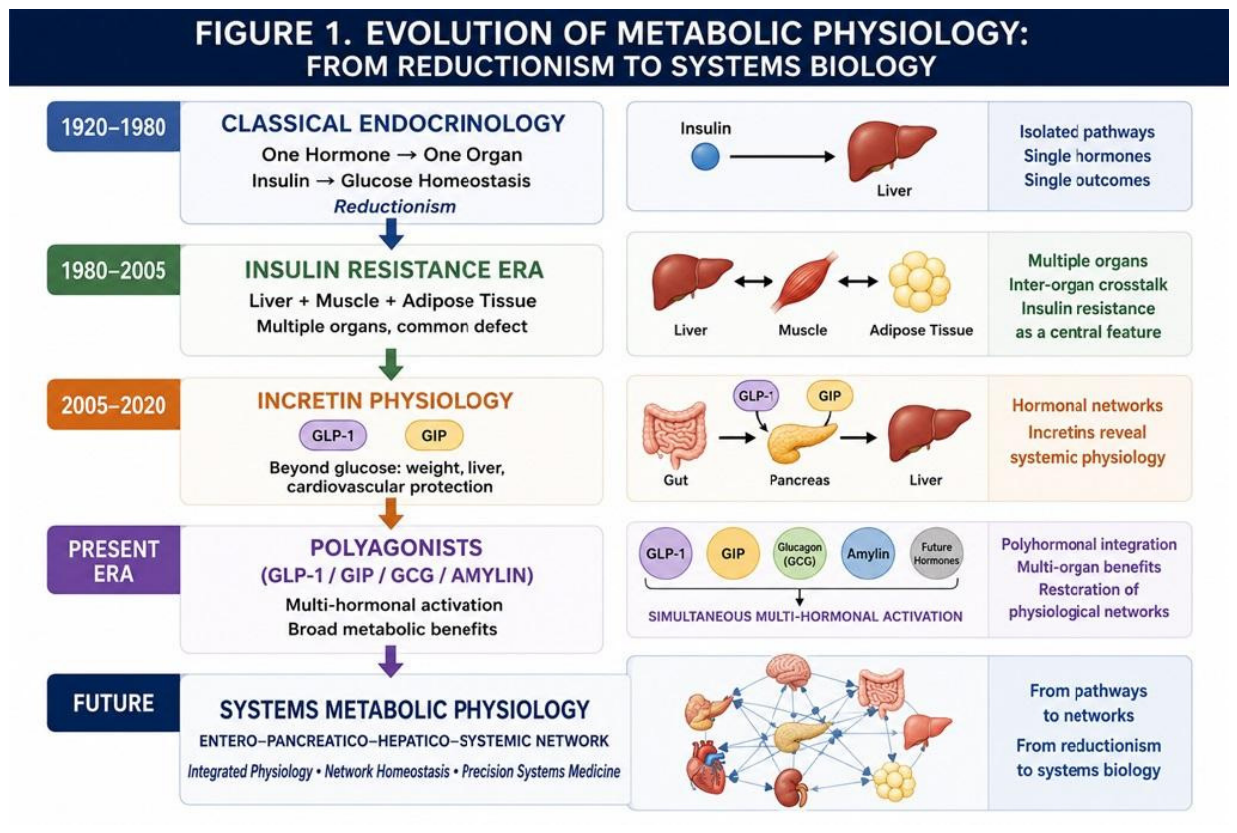
Figure 2.
The Entero–Pancreatico–Hepatico–Systemic Polyhormonal Metabolic Homeostasis Network (EPHS-PMHN). Schematic representation of the integrated polyhormonal, neural, immune, mitochondrial and behavioural signalling network linking the gut, pancreas, liver, adipose tissue, skeletal muscle, brain, kidney, cardiovascular and immune systems, together with mitochondria and the environmental, sleep, stress and psychosocial modulators that shape network homeostasis. Metabolic health emerges from the dynamic, bidirectional communication among these organs and systems.
Figure 2.
The Entero–Pancreatico–Hepatico–Systemic Polyhormonal Metabolic Homeostasis Network (EPHS-PMHN). Schematic representation of the integrated polyhormonal, neural, immune, mitochondrial and behavioural signalling network linking the gut, pancreas, liver, adipose tissue, skeletal muscle, brain, kidney, cardiovascular and immune systems, together with mitochondria and the environmental, sleep, stress and psychosocial modulators that shape network homeostasis. Metabolic health emerges from the dynamic, bidirectional communication among these organs and systems.
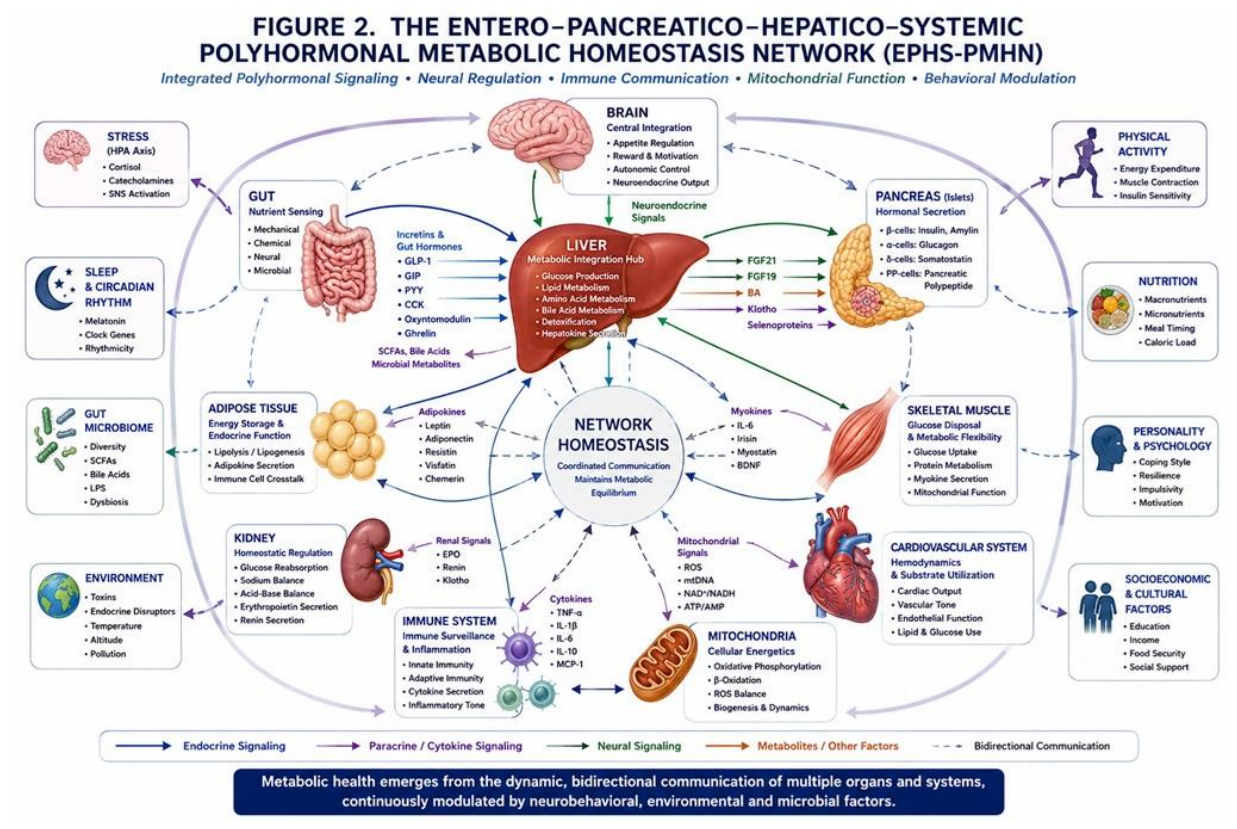
Figure 3.
Evolution of incretin pharmacology revealing the metabolic homeostasis network. Successive therapeutic eras — from traditional single-target therapies (pre-2005) through GLP-1 receptor agonists, dual incretin agonists, triple agonists, and multi-agonist combinations (2020–future) — are mapped against their receptor targets, main sites of action, physiological actions and clinical benefits, illustrating the progressive expansion from reductionist, single-target pharmacology toward multi-target restoration of the metabolic homeostasis network.
Figure 3.
Evolution of incretin pharmacology revealing the metabolic homeostasis network. Successive therapeutic eras — from traditional single-target therapies (pre-2005) through GLP-1 receptor agonists, dual incretin agonists, triple agonists, and multi-agonist combinations (2020–future) — are mapped against their receptor targets, main sites of action, physiological actions and clinical benefits, illustrating the progressive expansion from reductionist, single-target pharmacology toward multi-target restoration of the metabolic homeostasis network.
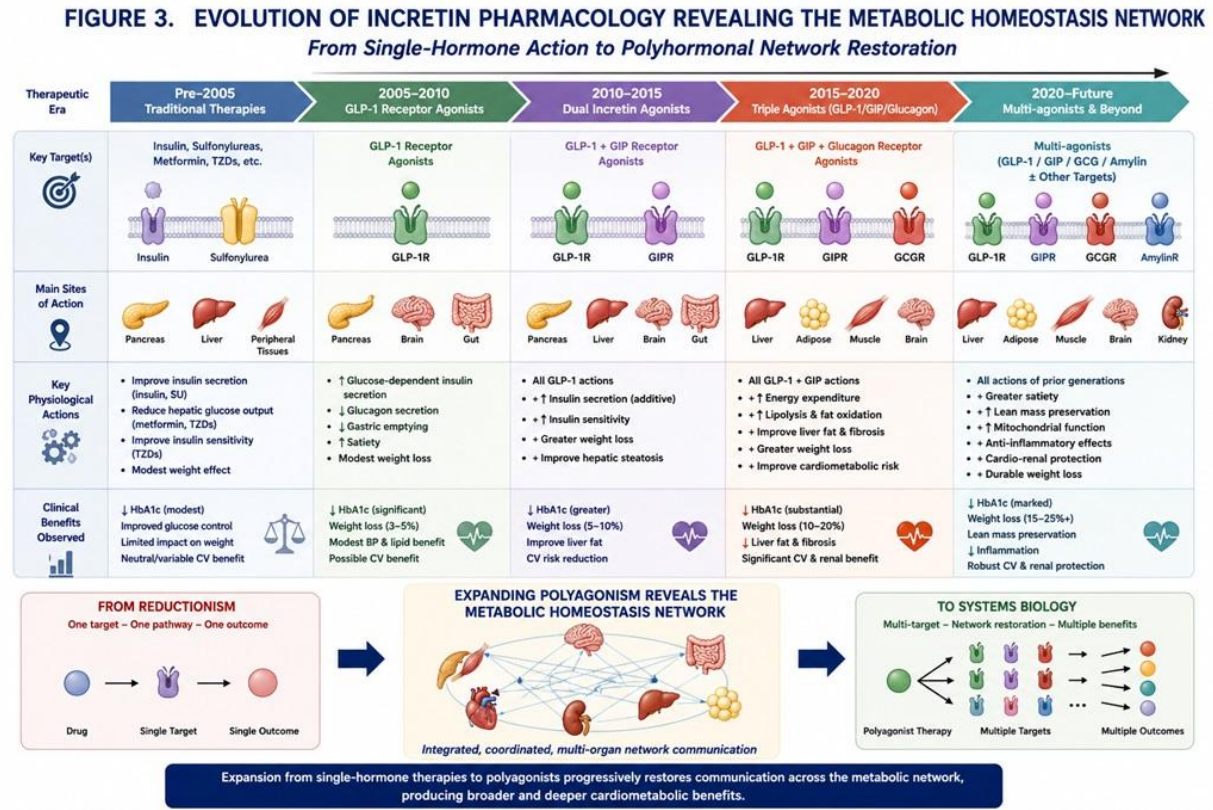
Figure 4.
Development of network dysregulation: from homeostasis to metabolic disease. Chronic and cumulative contributing factors - genetic susceptibility, epigenetic programming, caloric excess, physical inactivity, sleep disturbance, chronic stress, gut microbiome dysbiosis, environmental exposures and ageing - progressively erode network resilience, moving from healthy homeostasis through reduced resilience, endocrine dysregulation, mitochondrial dysfunction, chronic inflammation and insulin resistance to network failure, giving rise to the progressive clinical phenotypes of obesity, prediabetes, type 2 diabetes, MASLD, cardiovascular disease and chronic kidney disease.
Figure 4.
Development of network dysregulation: from homeostasis to metabolic disease. Chronic and cumulative contributing factors - genetic susceptibility, epigenetic programming, caloric excess, physical inactivity, sleep disturbance, chronic stress, gut microbiome dysbiosis, environmental exposures and ageing - progressively erode network resilience, moving from healthy homeostasis through reduced resilience, endocrine dysregulation, mitochondrial dysfunction, chronic inflammation and insulin resistance to network failure, giving rise to the progressive clinical phenotypes of obesity, prediabetes, type 2 diabetes, MASLD, cardiovascular disease and chronic kidney disease.
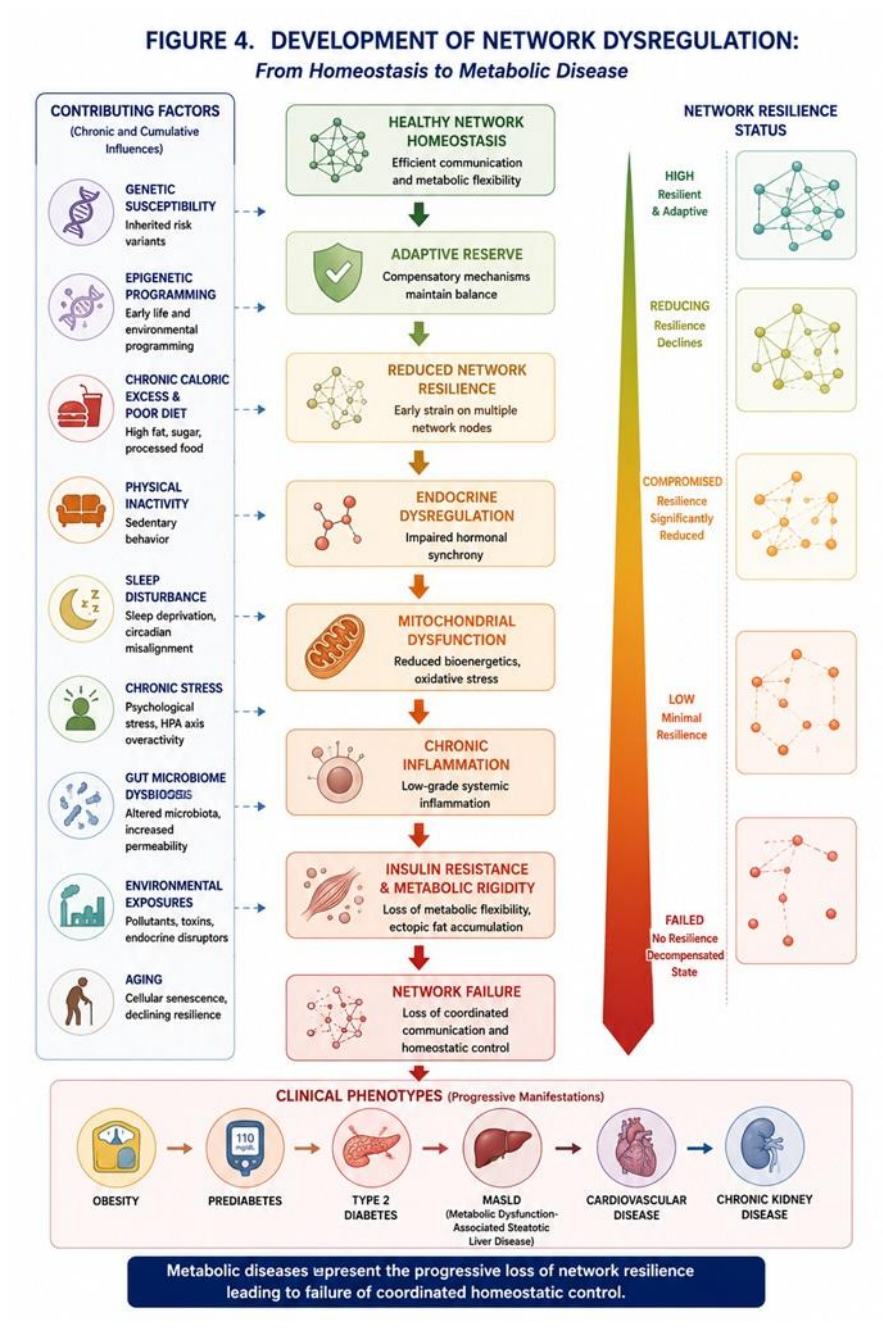
Figure 5.
Polyagonists restore network communication and metabolic homeostasis. Multi-target activation of GLP-1, GIP, glucagon and amylin receptors, together with emerging hormonal targets, exerts synergistic action across the dysregulated network, converting poor inter-organ communication and multiple abnormalities into improved network function, metabolic flexibility, and coordinated clinical benefit across glycaemic, hepatic, cardiovascular, renal and inflammatory domains.
Figure 5.
Polyagonists restore network communication and metabolic homeostasis. Multi-target activation of GLP-1, GIP, glucagon and amylin receptors, together with emerging hormonal targets, exerts synergistic action across the dysregulated network, converting poor inter-organ communication and multiple abnormalities into improved network function, metabolic flexibility, and coordinated clinical benefit across glycaemic, hepatic, cardiovascular, renal and inflammatory domains.
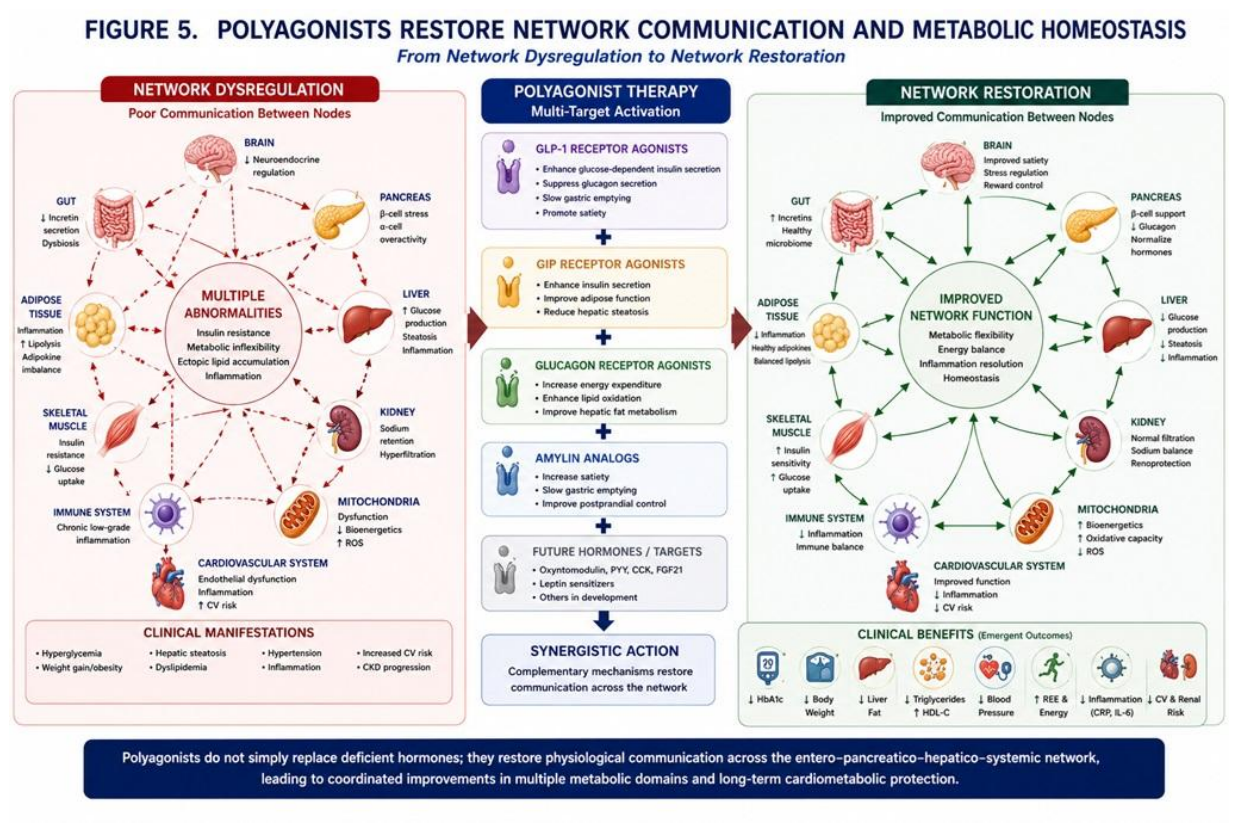
Figure 6.
The future of precision systems metabolic medicine: from data to dynamic network restoration. Multi-domain data inputs (genetic, hormonal, microbiome, behavioural, sleep, activity, wearable and imaging data) undergo network phenotyping to generate an individual network signature, guiding precision selection of polyagonist therapy, lifestyle medicine and adjunct interventions, with dynamic monitoring and adaptive management driving sustained network restoration and long-term metabolic health.
Figure 6.
The future of precision systems metabolic medicine: from data to dynamic network restoration. Multi-domain data inputs (genetic, hormonal, microbiome, behavioural, sleep, activity, wearable and imaging data) undergo network phenotyping to generate an individual network signature, guiding precision selection of polyagonist therapy, lifestyle medicine and adjunct interventions, with dynamic monitoring and adaptive management driving sustained network restoration and long-term metabolic health.
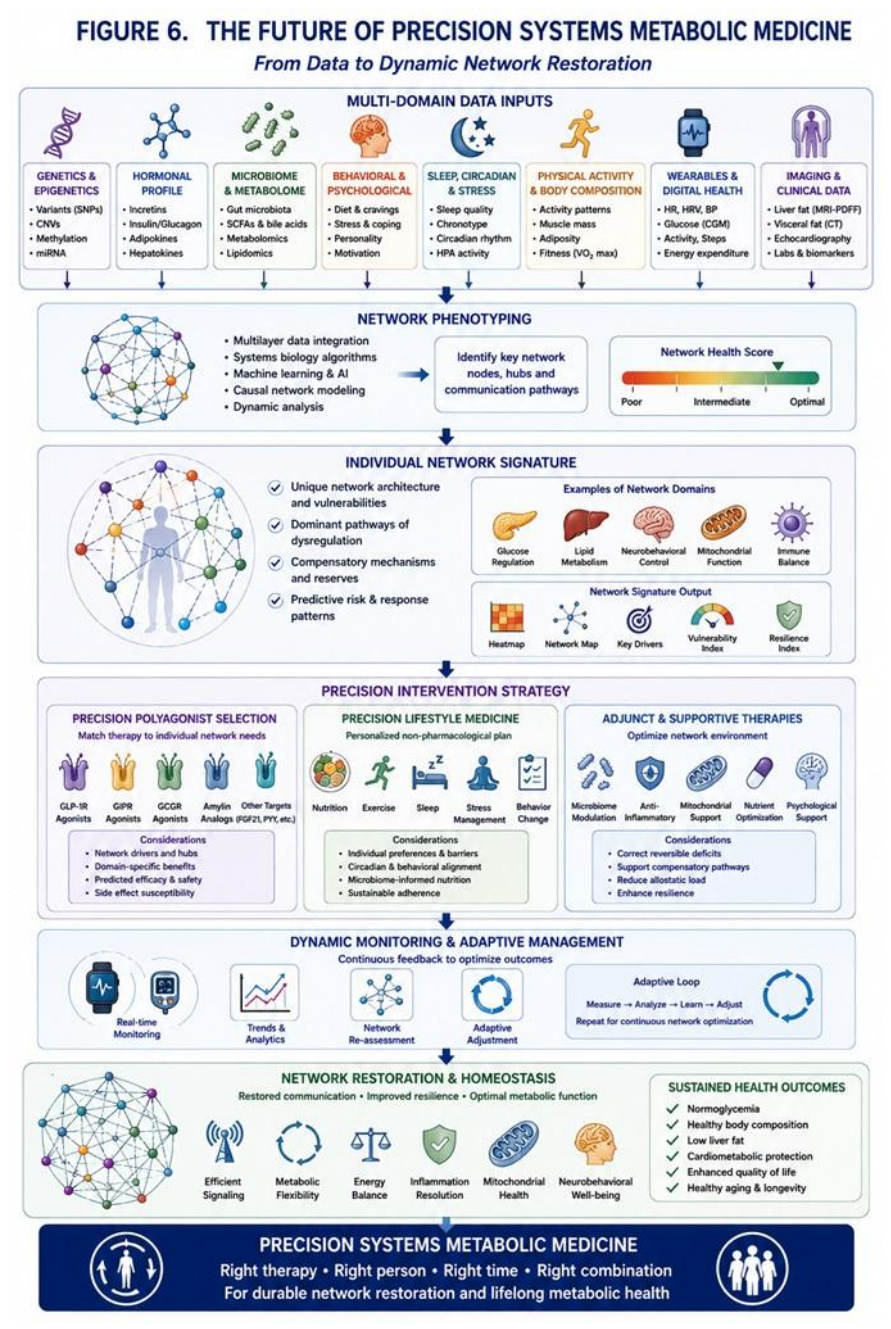
Disclaimer/Publisher’s Note: The statements, opinions and data contained in all publications are solely those of the individual author(s) and contributor(s) and not of MDPI and/or the editor(s). MDPI and/or the editor(s) disclaim responsibility for any injury to people or property resulting from any ideas, methods, instructions or products referred to in the content. |
© 2026 by the authors. Licensee MDPI, Basel, Switzerland. This article is an open access article distributed under the terms and conditions of the Creative Commons Attribution (CC BY) license (http://creativecommons.org/licenses/by/4.0/).
Copyright: This open access article is published under a Creative Commons CC BY 4.0 license, which permit the free download, distribution, and reuse, provided that the author and preprint are cited in any reuse.