

Submitted:
21 July 2026
Posted:
22 July 2026
You are already at the latest version
Abstract
Background/Objectives: To analyze the profile of global scientific production on Mpox, highlighting authors, sources, keywords, and trends across different fields of knowledge. Methods: A bibliometric study conducted between December 2024 and March 2025 using the Web of Science, Scopus, Cochrane, and PubMed databases, applying Bradford’s, Lotka’s, and Zipf’s laws, in addition to scientific mapping. Results: A total of 1,146 documents were identified, with a predominance of journal articles (724; 62.9%). According to Bradford’s Law, 22 journals concentrated 381 (33.2%) publications. Lotka’s Law revealed author concentration, with one author responsible for 33 (0.5%) articles. Based on Zipf’s Law, 47 (0.74%) words comprised the most frequent “trivial zone.” Co-authorship and keyword mapping demonstrated an interdisciplinary character involving public health, virology, and epidemiology. Conclusions: There was notable progress in research related to predictive factors, transmission, vaccines, and treatments, as well as a growing use of mathematical models. However, gaps remain regarding specific therapies, long-term impacts, and effective preventive measures, underscoring the need for further investigations to ensure rapid responses to future outbreaks.
Keywords:
monkeypox
; seroepidemiological studies
; smallpox vaccine
; main precautions
; period of transmission
; treatment of emerging infections
1. Introduction
Monkeypox is an uncommon zoonotic disease caused by the monkeypox virus, which belongs to the Poxviridae family, Chordopoxvirinae subfamily, and Orthopoxvirus genus [1].
In November 2022, the World Health Organization (WHO) announced the adoption of the term “Mpox” to replace “Monkeypox,” recommending its use during a one-year transition period to reduce stigma and promote a more appropriate and inclusive nomenclature [2].
The first human case of the disease was reported in the Democratic Republic of the Congo in 1970. Between 1970 and 2017, additional but less frequent cases and several outbreaks were identified in regions of Central and West Africa, including Cameroon, the Central African Republic, the Republic of the Congo, Côte d’Ivoire, the Democratic Republic of the Congo, Gabon, Liberia, Nigeria, Sierra Leone, and South Sudan [3].
Transmission routes of the Mpox virus (MPXV) are multifactorial, involving both zoonotic and human-to-human pathways. Animal-to-human infection occurs through direct contact with blood, bodily fluids, skin lesions, mucous membranes, scratches, bites, or the consumption of contaminated meat. Human-to-human transmission primarily results from exposure to bodily fluids and respiratory secretions and has more recently been associated with sexual contact [4].
The recent global Mpox outbreak suggests the influence of biological changes in the virus, behavioral shifts in human populations, or a combination of both factors. Contributing elements include the decline in population immunity following the cessation of smallpox vaccination, the relaxation of COVID-19 preventive measures, the resumption of international travel, and large gatherings involving sexual activity. Notably, transmission has disproportionately affected gay, bisexual, and other men who have sex with men, highlighting amplified spread within sexual networks [5].
New clinical manifestations of Mpox infection have been identified, such as rectal pain and penile edema, associated with a distinct clinical course characterized by temporal variation between mucocutaneous and systemic symptoms. These findings underscore the need to incorporate such presentations into public health strategies to enable early diagnosis and reduce disease transmission [6].
Given the recent shifts in the epidemiological profile and clinical uncertainties surrounding Mpox over a short period, this study aims to analyze the global scientific production on Mpox, highlighting leading authors, publication sources, keywords, and emerging trends across different fields of knowledge.
2. Materials and Methods
This is an exploratory-descriptive study with a quantitative approach, conducted through a bibliometric review of the literature. Bibliometrics is characterized as a statistical analysis of written communication processes, involving the quantitative (mathematical and statistical) treatment of the properties and behavior of recorded information. It therefore consists of the use of statistical and mathematical techniques to objectively analyze scientific production [7].
The methodology for developing a bibliometric review article is described in several sources and involves specific stages to ensure rigor and validity in the analysis. The following methodological steps were adopted: Definition of the study objective and scope; Selection of bibliometric analysis techniques; Data collection; Compilation and processing of data; Execution of bibliometric analysis and reporting of findings [8].
In the stage of selecting bibliometric analysis techniques, two categories were adopted: (a) performance analysis, and (b) scientific mapping. Briefly, performance analysis reports on the quantity and quality of scientific production, while scientific mapping focuses on the structure and dynamics of relationships among authors, institutions, keywords, or research topics [8].
Additionally, the PRISMA-S guideline and its flowchart were applied, as an extension of the PRISMA Statement for Reporting Literature Searches in Systematic Reviews. This approach details the stages of identification, eligibility, and inclusion/exclusion of records and was included in the checklist of the study protocol registered on the open-access platform Figshare® [9,10].
In constructing the study’s scope and objective, the research strategy was formulated using the “PICo” acronym to define the research question: “What is the profile of global scientific production on Mpox, considering the main authors, publication sources, keywords, and trends across different fields of knowledge?” where P (problem): Mpox; I (interest): scientific production across all fields of knowledge; Co (context): global population [11].
This research was conducted between December 2024 and March 2025, with data collection carried out between December 2 and 28. Keywords were searched in the Web of Science, Scopus, and Cochrane databases through the Portal de Periódicos of the Coordenação de Aperfeiçoamento de Pessoal de Nível Superior (CAPES) Ministry of Education, and in PubMed (open access). These multidisciplinary and well-structured databases allow standardized retrieval and analysis of various aspects of scientific data.
The search strategy employed descriptors and keywords based on the “Health Sciences Descriptors” (DeCS) and “Medical Subject Headings” (MeSH) platforms. The following terms were selected: “Monkeypox,” “Seroepidemiological Studies,” “Smallpox Vaccine,” “Main Precautions,” “Period of Transmissibility,” “Treatment of Emerging Infections,” and “Global Population,” defined in three languages Portuguese, Spanish, and English.
The search process was performed using Boolean operators “AND” and “OR.” These operators originate from set theory and are integral to the field of Information Science in data retrieval. Boolean operators are employed in scientific databases and search engines to logically organize search expressions and obtain precise results [12].
The complete search strategies in each database were conducted on the following dates: December 2, 2024 (PubMed); December 10, 2024 (Scopus); December 15, 2024 (Web of Science); and December 28, 2024 (Cochrane). The search strings were recorded to ensure transparency, auditability, and reproducibility of information (Table 1).
For the management of study record results, the data were exported in BibTeX/PubMed.txt format. During the compilation and processing phase, the inclusion criteria comprised studies related to Mpox across all fields of knowledge, without the use of filters such as publication date restriction or language limitation, and including records indexed in health journals available in the aforementioned databases.
As exclusion criteria, duplicate files were removed using the revtools package (v0.4.1) in R® (v4.3.2), as well as the following document types: book chapters, letter comments, editorial materials, editorials, errata, letters, letter articles, letter reviews, meeting abstracts, news, notes, review notes, preprints, book chapter reviews, and short communications. These exclusions were managed through the Bibliometrix® software (v1.6.20).
To evaluate the search strategy based on descriptors and keywords, and to ensure consistency in the compilation and treatment of inclusion and exclusion criteria, the methodological stages of bibliometric analysis previously described were subjected to independent peer review, ensuring rigor, reliability, and bias reduction, thereby reinforcing the transparency and robustness of the bibliometric process.
It is important to note that no manual searches were conducted for additional references, such as clinical or observational study registries, gray literature sources, additional searches on institutional websites, journal tables of contents, or conference proceedings. Likewise, no cited/citing reference searches, author or expert contact for additional data, or any complementary methods beyond the indexed databases were employed, given the exclusive focus on indexed sources.
For conducting the bibliometric analysis and reporting the study’s findings, the performance analysis technique was applied, providing an overview of the cataloged bibliographic collection. Publication sources were evaluated according to Bradford’s Law, which assesses the concentration of publications within specific journals on a given topic, establishing that, within a particular field over time, a small number of journals publish a disproportionately large number of articles, while the majority publish only a few [13].
Author performance was analyzed according to Lotka’s Law, which describes the distribution of author productivity in a given scientific field. This law indicates that a small group of researchers is responsible for a large proportion of publications, whereas most authors contribute with only one or a few works [14].
For identifying the most frequent words in the bibliographic collection on Mpox across its various research domains, Zipf’s Law, also known as the “law of least effort”, was applied. This law measures the frequency of word occurrences across documents, producing a ranked list of terms that best reflect the thematic structure of the field under study [15]. Subsequently, a factorial analysis was conducted to identify trends in thematic research lines. All analyses were performed using Bibliometrix® software (v4.0), integrated with R® (v4.3.2).
Through the assessment of both conceptual and social structures, it was possible to construct the scientific mapping of the co-occurrence network of keywords, as well as the collaboration and correlation network among authors within Mpox-related studies. To develop these bibliometric analyses and visualize the results, VOSviewer® software (v1.6.20) was employed.
3. Results
3.1. General Profile of the Publications
The process of study identification and screening is represented in the adapted PRISMA-S flowchart, providing a transparent visualization of the stages involved in the bibliographic selection process (Figure 1).
In the search for studies related to Mpox across all research activities involving the global population, an initial total of 1,993 documents was retrieved from the databases, distributed as follows: Web of Science (400), PubMed (492), Scopus (1,087), and Cochrane (14). Of these, 593 (29.75%) duplicate records across one or more databases were excluded, as well as 254 (12.74%) documents removed based on the exclusion criteria described in the methodology. Consequently, 1,146 publications remained for bibliometric evaluation.
The documents cover the period from 1961 to 2024. A total of 494 information sources were identified, of which 487 (98.58%) are international scientific journals. The average document age is 6.25 years, with an average of 25.85 citations per document.
The dataset includes 5,320 additional keywords (Keywords Plus) and 2,018 author keywords. The total number of authors involved is 7,626, with 72 (0.94%) publishing single-author papers. The average number of co-authors per document is 9.29, and 161 (14.05%) of the publications involve international collaboration.
Regarding document types, the analysis revealed a predominance of journal articles (724; 62.95%), followed by reviews (291; 25.30%), editorials (44; 3.82%), and other categories such as clinical trials, case reports, and observational studies. Some publications were also classified as meta-analyses, systematic reviews, or research funded by institutions such as the U.S. National Institutes of Health (NIH) and non-U.S. government agencies.
3.2. Annual Scientific Production on Mpox Studies and Citation Averages
Overall, three distinct phases can be identified. The exploratory phase (1961–1990) began with a single article published in 1961 (0.08%), with sparse output through the late 1990s. During this period, a few high-impact publications stood out, such as those in 1980 (1 article; 0.08%; 148 citations per article) and 1988 (2 articles; 0.16%; 272 citations per article).
The consolidation phase (2000–2015) showed continuous growth, with 12 articles (0.97%) published in 2004, averaging 93.7 citations per article, and 16 articles (1.30%) in 2005, averaging 140.3 citations per article. The qualitative peak occurred in 2014, with only 5 articles (0.40%) but the highest historical average of 148.2 citations per article, marking this period as one of significant scientific prestige. Between 2016 and 2019, production remained stable, particularly in 2019 (12 articles; 0.97%; 132.3 citations per article).
The pandemic expansion phase (2022–2024) brought a quantitative surge, with 257 articles (20.8%) in 2022, followed by a peak in 2023 with 353 articles (28.6%), and 205 publications (16.6%) in 2024. Together, this triennium accounted for 73.7% of the total accumulated scientific production on Mpox, although with lower citation averages (7.1 in 2022; 9.7 in 2023; 1.9 in 2024), reflecting the recent entry of these studies into the scientific landscape. As of the search cutoff date, 2025 recorded only one article (0.08%), which was insufficient for trend evaluation.
3.3. Formatting of Mathematical Components
The distribution of scientific production on Mpox reveals a strong geographical concentration. The United States stands out as the leading country of affiliation, accounting for 1,028 articles (41.3%) of the total global output. Next, China follows with 469 articles (18.9%), while India contributes 202 articles (8.1%), and the United Kingdom accounts for 140 articles (5.6%). Other European countries with consolidated research traditions also rank among the most relevant contributors, including Italy (135; 5.4%), the Netherlands (118; 4.7%), Spain (105; 4.2%), France (99; 4.0%), and Germany (97; 3.9%).
3.4. Evaluation of the Main Sources of Scientific Production According to Bradford’s Law
The core (Zone 1) of Bradford’s Law regarding Mpox-related scientific production comprises 22 journals (4.45%), which together account for 381 publications (33.24%), predominantly from the fields of virology and public health—reflecting the epidemiological and biomedical nature of the topic. The journal Vaccine leads the ranking with 69 articles (6.0%) from the total collection (1,146 articles), followed by Vaccines with 39 publications (3.4%). In third place is the Journal of Virology, responsible for 25 articles (2.2%), highlighting the central role of specialized virology journals in disseminating scientific knowledge.
Other prestigious journals also stand out, such as the Journal of Infectious Diseases (23; 2.0%), Journal of Medical Virology (18; 1.6%), Virology (18; 1.6%), and Viruses (18; 1.6%), confirming the predominance of outlets directly linked to the field of viral diseases. Among the most influential multidisciplinary journals, PLOS ONE (17; 1.5%) is noteworthy for traditionally publishing works on global health and emerging topics.
Additionally, biomedical and experimental journals are also represented, including Viruses-Basel (16; 1.39%), Emerging Infectious Diseases (14; 1.2%), and MMWR – Morbidity and Mortality Weekly Report (12; 1.0%), as well as more clinically oriented titles such as Clinical Infectious Diseases (11; 1.0%) and Frontiers in Public Health (11; 1.0%).
3.5. Evaluation of the Most Productive Authors According to Lotka’s Law
Among the few authors with the highest productivity, those with the greatest impact and relevance stand out according to the bibliometric H-index, a metric used to assess a researcher’s academic profile. The most prominent authors include Damon I (H-index 20), Karem K (H-index 15), Reynolds M (H-index 15), Hooper J (H-index 13), Buller R (H-index 12), Parker S (H-index 11), Silvera P (H-index 11), Moss B (H-index 10), Sah R (H-index 9), Satheshkumar P (H-index 9), Townsend M (H-index 9), and Earl P (H-index 8).
The distribution of author productivity on Mpox confirms the pattern predicted by Lotka’s Law, demonstrating a sharp divergence between occasional and highly productive authors. The vast majority, 6,070 authors (79.6%), published only one article (8.4%) in the total body of works, indicating sporadic participation. In contrast, only one author (0.0001%) published 33 articles (0.5%), underscoring the typical concentration of research output in a small core of prolific contributors (Figure 2).
3.6. Evaluation of the Most Globally Referenced Publications and Keywords
3.6.1. Most Globally Cited Documents
In the bibliometric evaluation of the most globally cited works on studies related to Mpox, ten articles stood out with exceptionally high citation counts, underscoring their worldwide relevance. According to the bibliometric analysis conducted using the Biblio-metrix software available in the R Project, the Normalized Citation Score (NCS) is calcu-lated by dividing the number of citations a document has received by the expected average number of citations for documents published in the same year [12] (Table 2).
3.6.2. Most Frequent Words According to Zipf’s Law
Applying Zipf’s bibliometric law to the selected Mpox bibliographic collection, a total of 6,275 words were referenced, distributed across three zones that reflect their level of relevance. The most important, known as the Trivial Zone, comprised 47 words (0.74%) with the highest citation frequency. The second, the Interesting Zone, encompassed 1,202 words (19.15%) of the collection. Finally, the Noise Zone, considered less significant, included 5,627 words (89.67%) across the entire body of analyzed productions (Figure 3).
3.6.3. Scientific Mapping of the Keyword Co-Occurrence Network
The keyword co-occurrence analysis highlighted the centrality of “monkeypox”, located in Zipf’s Law high-frequency zone, showing strong correlations with terms such as “vaccination,” “smallpox virus,” “epidemic,” and “monkeypox vaccine.” The older clusters (blue–violet) concentrated on laboratory and immunological descriptors (vaccinia virus, antibodies, immunogenicity), while the more recent clusters (green–yellow) emphasized terms related to the clinical and epidemiological aspects of the 2022 outbreaks (epidemic, disease outbreaks, men who have sex with men, lymphadenopathy).
Connections were also observed with antiviral therapeutics (tecovirimat, cidofovir, brincidofovir) and with second- and third-generation vaccines (MVA, Jynneos). Thus, the high-frequency zone reflects two main branches of scientific production: (i) immunization and immune response, and (ii) clinical–epidemiological aspects of contemporary outbreaks—both of which are essential for understanding and addressing Mpox (Figure 4).
The findings of the factorial analysis, conducted using the Multiple Correspondence Analysis (MCA) method, indicate that scientific production on Mpox is organized around a central core represented by the descriptors monkeypox, smallpox, vaccine, and vaccina-tion, highlighting immunization as the integrative axis of research. It was observed that the horizontal axis (Dim1) distinguishes studies focused on clinical and therapeutic as-pects, emphasizing terms such as fever, lymphadenopathy, and tecovirimat, from those centered on immunogenicity and diagnosis. Meanwhile, the vertical axis (Dim2) differen-tiates investigations centered on human populations (male, female, adult) from studies involving animal models and experimental virology (orthopoxvirus, vaccinia virus).
Notably, the descriptor human immunodeficiency virus infection is associated with the clinical axis, underscoring the importance of studies directed at vulnerable popula-tions, particularly people living with human immunodeficiency virus (HIV) in recent out-breaks. Thus, the factorial map reveals a flow of knowledge that bridges basic research with clinical applications, with vaccination emerging as the primary point of convergence (Figure 5).
3.6.4. Scientific Mapping of the Collaboration and Correlation Network of Authors
The co-authorship map was constructed considering a minimum threshold of five publications per author, based on bibliometric data on Mpox. It revealed the formation of interconnected researcher clusters, indicating consolidated collaborative networks across different historical periods of scientific production. Chronological visualization by color allows identification of the temporal evolution of collaboration, from early partnerships (blue shades, older) to more recent connections (green and yellow shades), reflecting the global research dynamics between 2010 and 2025.
At the core of the network, Inger K. Damon (29 publications; link strength = 53), Kevin L. Karem (14; strength = 27), and Satheshkumar Panayampalli S. (13; strength = 42) stand out as central nodes of intermediation with multiple research groups. Beyond productivity, these authors demonstrate strong connections with co-authors from different continents, reflecting their role in consolidating the Mpox literature. Other relevant names include Mark L. Buller (11; strength = 8), Bernard Moss (12; strength = 17), and Andrea M. McCollum (9; strength = 16), who, despite a lower volume of publications, maintain consistent collaborations within research networks.
The most recent clusters, represented in green and yellow, reveal the rise of European groups associated with the 2022 outbreak, such as Andrea Antinori (8 publications; strength = 42), Giulia Matusali (8; strength = 40), Antonella Castagna (7; strength = 20), and Silvia Nozza (7; strength = 20), reinforcing the field’s expansion into clinical and epidemiological investigations (Figure 6).
4. Discussion
In the overall view of the descriptive bibliometric results, it is significant to highlight the type of scientific document published regarding Mpox studies worldwide, with articles predominating. This outcome underscores the premise that the publication of articles serves as an important indicator across multiple lines of investigation, making scientific articles an undeniable expression of both the volume and quality of scientific activity developed at the individual, institutional, and even national levels [21].
The increase in scientific production on Mpox parallels epidemiological events that acted as triggers for international interest. The 2003 outbreak in the United States, resulting from the importation of African rodents, represented the first occurrence outside Africa and broadened the scope of research [22,23]. In 2017 and 2018, the reemergence in Nigeria, with exportation of cases to other continents, reinforced concerns about the geographic and urban expansion of the disease[2,15]. The decisive milestone was the 2022 multicontinental outbreak, characterized by sustained transmission within sexual networks and recognized by the World Health Organization (WHO) as a Public Health Emergency of International Concern, which triggered an explosion of clinical, epidemiological, and genomic studies [1,4,16]. Furthermore, the decline in population immunity following the discontinuation of smallpox vaccination has been identified as a structural factor in the resurgence of the disease [14,20].
When evaluating the scientific production of countries and their performance over time, the prominence of the United States and China is remarkable. This output is cited as an indicator of the scientific power of these nations, reflecting both the substantial investment in research leading to significant scientific publications and its strong correlation with the size of their economies [24].
When analyzing the main publication sources on the subject under study through the bibliometric application of Bradford’s Law, only nine journals stood out as the most relevant in publishing scientific works with greater reference to Mpox. In this context, the application of Bradford’s Law is confirmed, as it asserts that in a given subject area, over a defined period of time, a small number of journals publish a disproportionately high number of articles, while the majority publish only a few [25].
According to the results found using Bradford’s Law in this review, similar findings were reported in a study conducted using the Web of Science platform on Mpox, which highlighted journals such as Viruses-Basel, Vaccines, and Vaccine as leading publication sources in this field [26]. Other studies also demonstrated the presence of Vaccines in Zone 1 according to Bradford’s Law, underscoring its relevance to recent advances in Mpox vaccine development [27].
Another prominent bibliometric law, Lotka’s Law, relates to author productivity and is also known as the “inverse square law,” whereby the number of authors making n contributions is about “1/2ⁿ” of those making only one contribution. This results in approximately 80% of all researchers contributing just a single work in the analyzed corpus, revealing an inverse relationship between the number of publications and the number of authors producing them [28].
Consistent with Lotka’s Law, a marked asymmetry in productivity was observed, with most researchers publishing only sporadically on Mpox and a restricted number of highly productive authors. This pattern was also evident in a bibliometric analysis of Mpox conducted between 2003 and 2022, which highlighted Damon IK as the leading author in terms of publication volume, ranking among the ten most productive scholars on the subject [26]. The distribution of author productivity thus confirms the applicability of Lotka’s Law in Mpox research. This pattern recurs in bibliometric studies of other emerging diseases, reflecting the broad but sporadic mobilization of researchers during epidemic outbreaks, in contrast to a smaller core of experts who maintain continuity in the field [29,30]. Recent studies reinforce this dynamic, with Donthu and colleagues showing that the concentration of publications among a few highly productive authors is a typical feature of scientific activity in expanding fields [7].
With regard to the most relevant publications, these results represent a summation of citations on the topic, where citations function as an indicator of scientific communication and the process of knowledge building. They can be classified as “univariate,” with citations concentrated in a specific set of documents—representing a work’s impact factor or average citation rate per year—or as “relational,” oriented toward co-citation groupings among different analytical units [31].
In the analysis of the most cited documents in this bibliometric review, three main axes of scientific production on Mpox were identified. The first consists of systematic and narrative reviews that established the conceptual foundations of the biomedical and epidemiological field of Mpox, consolidating evidence on viral biology, clinical features, transmission patterns, and prevention strategies across historical periods [1,13,15,17,19]. The second axis corresponds to epidemiological and field surveillance studies that investigated the disease’s dynamics in historical and emerging outbreaks, which were essential for understanding the evolution of transmission patterns and the impact of discontinuing smallpox vaccination [2,14,18,20]. Finally, the third axis is represented by contemporary clinical studies that provided detailed characterization of cases during the 2022 multicontinental outbreak, describing new transmission routes and clinical manifestations [16].
In the selection of the most frequent words in the bibliographic corpus of Mpox studies across different fields of knowledge, Zipf’s Law was applied, also known as the “law of least effort.” This approach measures the frequency of word occurrences across documents, creating an ordered list of terms most strongly associated with the research theme [32].
Thus, Zipf’s Law is frequently used to identify the central terms of a research field, distinguishing high-impact terms that recur across multiple articles and function as conceptual pivots, in this case, (“monkeypox,” “smallpox vaccine,” “vaccination”). Recent bibliometric studies demonstrate that this analysis not only describes the thematic structure but also helps identify areas that require further development or terminological standardization [33,34].
In the keyword co-occurrence map, the centrality of the term “monkeypox” and its strong association with “vaccination,” “epidemic,” and “smallpox virus” are evident. This result is corroborated by bibliometric analyses showing that earlier clusters concentrated on laboratory and immunological descriptors, while more recent clusters emphasized clinical and epidemiological aspects of the 2022 outbreaks, including vulnerable groups such as men who have sex with men. Additionally, connections with antiviral therapies and second- and third-generation vaccines emerge, indicating that the field is evolving simultaneously along two critical fronts: immunization/immune response and contemporary clinical/epidemiology, both essential for the global response to Mpox [35].
The factorial analysis (MCA) revealed that scientific production on Mpox is organized around the monkeypox/smallpox/vaccine/vaccination cluster, confirming immunization as the integrative axis linking basic science and clinical practice. Recent studies reinforce this centrality by demonstrating the effectiveness of the JYNNEOS vaccine in controlling the 2022 outbreaks [36]. The clinical axis emphasized classical manifestations such as fever and lymphadenopathy, as well as the incorporation of antiviral therapies like tecovirimat, recommended under emergency protocols [37]. In parallel, terms linked to immunogenicity and diagnosis reflect the legacy of research on vaccinia and orthopoxviruses [17]. The vertical axis of the map differentiates studies in human populations from those in animal models, with the proximity of HIV to the clinical pole being particularly relevant, as 41% of 2022 cases occurred among people living with HIV [4]. Finally, the persistent association with smallpox underscores the impact of declining population immunity following the cessation of vaccination, a critical factor in the reemergence of Mpox [14].
The co-authorship mapping highlights a network structured around three main axes: a historical and pioneering core in the United States, led by Damon IK and Karem KL, associated with surveillance and public health research [13]; a virological branch consolidated by Moss B and Buller ML, which provided the experimental and translational foundation for the field [38,39]; and more recently, emerging European clusters such as Antinori A and colleagues, directly linked to the 2022 outbreaks and multicenter clinical cohorts[40]. This arrangement confirms global bibliometric analyses pointing to the integration of basic science, epidemiological surveillance, and clinical investigation, reflecting the rapid adaptation of scientific production to the new epidemiological landscape of Mpox [34]
5. Conclusions
The bibliometric review revealed a clear advancement and upward progression of studies related to Mpox, with significant investments in research aimed at improving knowledge and control of the disease. This movement is closely linked to predictive factors of epidemiological events and transmission conditions, as well as to prevention strategies, with particular emphasis on investments in vaccine development and effectiveness, in addition to available treatment proposals and those that may be recommended. This scenario is characterized by the global outbreak, underscoring the relevance of the topic, which can reemerge during health crises, as observed since 2021.
From the analysis of co-authorship networks and the most frequently used keywords, it is evident that Mpox research has become increasingly interdisciplinary, fostering the integration of knowledge among public health professionals, virologists, and epidemiologists. This collaborative approach strengthens the pursuit of more effective and comprehensive strategies to combat the disease. Furthermore, topics such as the use of mathematical models to predict viral spread and the evaluation of new vaccines and treatments have gained prominence in more recent publications.
The findings of this study contribute significantly to understanding the evolution of scientific knowledge on Mpox, highlighting progress in identifying risk factors, controlling transmission, and developing vaccination strategies. However, important gaps remain to be addressed, particularly regarding specific treatments, long-term impacts, and more effective preventive measures, which are essential to ensure a rapid and efficient response to potential future outbreaks.
Supplementary Materials
The following supporting information can be downloaded at the website of this paper posted on Preprints.org.
Author Contributions
Conceptualization, Francisco Ocian de Araújo Junior and Rubenilson Caldas Valois; methodology, Francisco Ocian de Araújo Junior, Rubenilson Caldas Valois, Marcia Helena Machado Nascimento, and Thiago Marcirio Gonçalves de Castro; software, Francisco Ocian de Araújo Junior; validation, Rubenilson Caldas Valois, Marcia Helena Machado Nascimento, Crislen de Melo Conceição, Thiago Marcirio Gonçalves de Castro, Gisele Maria Cardoso da Silva, Neiva José da Luz Dias Junior, Laryssa Cristiane Palheta Vulcão, Raisa Oksana Lídia Ellis Freire de Sena Garcia da Silva, Adriana de Sá Pinheiro dos Santos, Camila Cristina Girard Santos, and Yasmin Martins de Sousa; formal analysis, Francisco Ocian de Araújo Junior and Rubenilson Caldas Valois; investigation, Francisco Ocian de Araújo Junior, Crislen de Melo Conceição, Marcia Helena Machado Nascimento, Thiago Marcirio Gonçalves de Castro, Gisele Maria Cardoso da Silva, Neiva José da Luz Dias Junior, Laryssa Cristiane Palheta Vulcão, Raisa Oksana Lídia Ellis Freire de Sena Garcia da Silva, Adriana de Sá Pinheiro dos Santos, Camila Cristina Girard Santos, and Yasmin Martins de Sousa; resources, Crislen de Melo da Conceição, Rubenilson Caldas Valois, and Francisco Ocian de Araújo Junior; data curation, Francisco Ocian de Araújo Junior, Crislen de Melo ConConceição, and Marcia Helena Machado Nascimento; writing original draft preparation, Francisco Ocian de Araújo Junior; writing review and editing, Rubenilson Caldas Valois, Marcia Helena Machado Nascimento, Crislen de Melo Conceição, Thiago Marcirio Gonçalves de Castro, Gisele Maria Cardoso da Silva, Neiva José da Luz Dias Junior, Laryssa Cristiane Palheta Vulcão, Raisa Oksana Lídia Ellis Freire de Sena Garcia da Silva, Adriana de Sá Pinheiro dos Santos, Camila Cristina Girard Santos, and Yasmin Martins de Sousa; visualization, Francisco Ocian de Araújo Junior, Thiago Marcirio Gonçalves de Castro, and Camila Cristina Girard Santos; supervision, Rubenilson Caldas Valois; project administration, Francisco Ocian de Araújo Junior and Rubenilson Caldas Valois. All authors have read and agreed to the published version of the manuscript.
Funding
This research received no external funding.
Institutional Review Board Statement
Not applicable. This bibliometric review was based exclusively on bibliographic records and metadata retrieved from indexed scientific databases. The study did not involve human participants, animals, identifiable personal data, biological samples, or any form of intervention.
Informed Consent Statement
Not applicable.
Data Availability Statement
The bibliometric dataset, search strategies, study protocol, and supporting materials analyzed or generated during this study are publicly available in the Figshare repository at https://doi.org/10.6084/m9.figshare.29433524.
Acknowledgments
The authors acknowledge the Graduate Program in Nursing of the State University of Pará (Programa de Pós-Graduação em Enfermagem, Universidade do Estado do Pará - UEPA) for its academic and institutional support throughout the development of this research.
Conflicts of Interest
The authors declare no conflicts of interest. No funding bodies or external organizations had any role in the design of the study; in the collection, analysis, or interpretation of the data; in the writing of the manuscript; or in the decision to publish the results.
References
- Bunge, E.M.; Hoet, B.; Chen, L.; Lienert, F.; Weidenthaler, H.; Baer, L.R.; Steffen, R. The changing epidemiology of human monkeypox—A potential threat? A systematic review [Internet]. PLoS Negl. Trop. Dis. 2022, 16(2), e0010141. [Google Scholar] [CrossRef] [PubMed]
- Yinka-Ogunleye, A.; Aruna, O.; Dalhat, M.M.; et al. Outbreak of human monkeypox in Nigeria in 2017–18: a clinical and epidemiological report [Internet]. Lancet Infect. Dis. 2019, 19(8), 872–9. [Google Scholar] [CrossRef] [PubMed]
- Hou, W.; Wu, N.; Liu, Y.; Tang, Y.; Quan, Q.; Luo, Y.; et al. Mpox: global epidemic situation and countermeasures [Internet]. Virulence 2025, 16(1), 2457958. [Google Scholar] [CrossRef] [PubMed]
- Thornhill, J.P.; Barkati, S.; Walmsley, S.; Rockstroh, J.; Antinori, A.; Harrison, L.B.; et al. Monkeypox virus infection in humans across 16 countries April–June 2022. N Engl. J. Med. 2022, 387(8), 679–91. [Google Scholar] [CrossRef] [PubMed]
- Mailhe, M.; Pozzetto, B.; Botelho-Nevers, E.; Doudier, B.; L'Her, E. for the Monkeypox Study Group. Clinical characteristics of ambulatory and hospitalized patients with monkeypox virus infection: an observational cohort study [Internet]. Clin. Microbiol. Infect. 2023, 29(2), 233–9. [Google Scholar] [CrossRef] [PubMed]
- Winters, J.R.F.; Silva, D.A.S.; Lopes, R.A. Nursing higher education in MERCOSUR: a bibliometric study [Internet]. Rev. Bras. Enferm. 2018, 71, 1732–9. [Google Scholar] [CrossRef] [PubMed]
- Donthu, N.; Kumar, S.; Mukherjee, D.; Pandey, N.; Lim, W.M. How to conduct a bibliometric analysis: An overview and guidelines [Internet]. J. Bus. Res. 2021, 133, 285–96. [Google Scholar] [CrossRef]
- Araujo Junior, F.O.; Valois, R.C.; Silva, G.M.C.; Dias Junior, N.J.L.; Vulcão, L.C.P.; Nascimento, M.H.M.; Aguiar, A.K.O.S. Perfil da produção científica global sobre o vírus da varíola dos macacos: uma revisão bibliométrica [preprint]. Figshare [Internet] 2025. [Google Scholar] [CrossRef]
- Rethlefsen, M.L.; Kirtley, S.; Waffenschmidt, S.; Ayala, A.P.; Moher, D.; Page, M.J.; et al. PRISMA-S: an extension to the PRISMA statement for reporting literature searches in systematic reviews [Internet]. Syst. Rev. 2021, 10, 39. [Google Scholar] [CrossRef] [PubMed]
- Estrela, C. Metodologia científica: ciência, ensino, pesquisa, 3rd ed.; Artes Médicas: Porto Alegre, 2018. [Google Scholar]
- Picalho, A.C.; Lucas, E.R.O.; Amorim, I.S. Lógica booleana aplicada na construção de expressões de busca [Internet]. AtoZ Novas Práticas Em Informação E Conhecimento 2022, 11, 1–12. [Google Scholar] [CrossRef]
- Aria, M.; Cuccurullo, C. Normalized Citation Score. bibliometrix [Internet]. CRAN R Project. 2025. Available online: https://search.r-project.org/CRAN/refmans/bibliometrix/html/normalizeCitationScore.htm.
- McCollum, A.M.; Damon, I.K. Human monkeypox [Internet]. Clin. Infect. Dis. 2014, 58(2), 260–7. [Google Scholar] [CrossRef] [PubMed]
- Rimoin, A.W.; Mulembakani, P.M.; Johnston, S.C.; Lloyd-Smith, J.O.; Kisalu, N.K.; Kinkela, T.L.; et al. Major increase in human monkeypox incidence 30 years after smallpox vaccination campaigns cease in the Democratic Republic of Congo [Internet]. Proc. Natl. Acad. Sci. U S A 2010, 107(37), 16262–7. [Google Scholar] [CrossRef] [PubMed]
- Alakunle, E.; Moens, U.; Nchinda, G.; Okeke, M.I. Monkeypox Virus in Nigeria: Infection Biology, Epidemiology, and Evolution [Internet]. Viruses 2020, 12(11), 1257. [Google Scholar] [CrossRef] [PubMed]
- Tarín-Vicente, E.J.; Alemany, A.; Agud-Dios, M.; Ubals, M.; Suñer, C.; Antón, A.; et al. Clinical presentation and virological assessment of confirmed human monkeypox virus cases in Spain: a prospective observational cohort study [Internet]. Lancet 2022, 400(10353), 661–9. [Google Scholar] [CrossRef] [PubMed]
- McFadden, G. Poxvirus tropism [Internet]. Nat. Rev. Microbiol. 2005, 3(3), 201–13. [Google Scholar] [CrossRef] [PubMed]
- Huhn, G.D.; Bauer, A.M.; Yorita, K.; Graham, M.B.; Sejvar, J.; Likos, A.; et al. Clinical characteristics of human monkeypox, and risk factors for severe disease [Internet]. Clin. Infect. Dis. 2005, 41(12), 1742–51. [Google Scholar] [CrossRef] [PubMed]
- Petersen, E.; Kantele, A.; Koopmans, M.; Asogun, D.; Yinka-Ogunleye, A.; Ihekweazu, C.; et al. Human monkeypox: epidemiologic and clinical characteristics, diagnosis, and prevention [Internet]. Infect. Dis. Clin. North Am. 2019, 33(4), 1027–43. [Google Scholar] [CrossRef] [PubMed]
- Fine, P.E.; Jezek, Z.; Grab, B.; Dixon, H. The transmission potential of monkeypox virus in human populations [Internet]. Int. J. Epidemiol. 1988, 17(3), 643–50. [Google Scholar] [CrossRef] [PubMed]
- Luis, A.C.M.; Fonseca, M.H. Una reflexión acerca de las publicaciones científicas [Internet]. Rev. Cuba. Salud Pública 2018, 44(3), e1234. Available online: http://ref.scielo.org/mxvmjw.
- Reed, K.D.; Melski, J.W.; Graham, M.B.; Regnery, R.L.; Sotir, M.J.; Wegner, M.V.; et al. The detection of monkeypox in humans in the Western Hemisphere. N Engl. J. Med. 2004, 350(4), 342–50. [Google Scholar] [CrossRef] [PubMed]
- Centers for Disease Control and Prevention (CDC). Multistate outbreak of monkeypox—Illinois, Indiana, and Wisconsin, 2003. MMWR Morb. Mortal. Wkly. Rep. 2003, 52(23), 537–40. Available online: https://www.cdc.gov/mmwr/preview/mmwrhtml/mm5223a1.htm. [PubMed]
- López Riquelme, G.O.; Solís-Chagoyán, H.; Castillo Padilla, D.V.; Rosanía-Maza, N.A. La belleza e importancia de las revistas científicas [Internet]. ArtefaCToS 2024, 13(2), 27–54. [Google Scholar] [CrossRef]
- Onyancha, O.B.; Ocholla, D.N. Dispersion of ICT-related subject terms in information and knowledge management publications: a Bradford analysis [Internet]. Humanit Soc. Sci. Commun. 2022, 9(1), 1–8. Available online: https://www.nature.com/articles/s41599-022-01189-2.pdf. [CrossRef]
- Yan, Q.; Duan, Y.; Wu, J.; Chen, J. A bibliometric analysis of Mpox research based on Web of Science platform [Internet]. Medicine 2025, 104(28), e43. Available online: https://pmc.ncbi.nlm.nih.gov/articles/PMC12263044/. [CrossRef]
- Yu, W.; Zhang, X.; Du, M.; Dong, Y.; Liu, L.; Rong, H.; et al. Bibliometric analysis and key messages of monkeypox research (2003–2022) [Internet]. Sustainability 2023, 15(2), 1005. [Google Scholar] [CrossRef]
- Naheem, K.T.; Sivaraman, P.; Saravanan, G. Applicability of Lotka’s Law in Parasitology research output of India [Internet]. Libr Philos. Pract. 2019, (2958), 1–15. Available online: https://digitalcommons.unl.edu/libphilprac/2958.
- Lotka, A.J. The frequency distribution of scientific productivity. J. Wash. Acad. Sci. 1926, 16(12), 317–23. [Google Scholar]
- Pao, M.L. An empirical examination of Lotka’s law. J. Am. Soc. Inf. Sci. 1985, 36(1), 26–33. [Google Scholar]
- Grácio, M.C.C. Análises relacionais de citação para a identificação de domínios científicos: uma aplicação no campo dos estudos métricos da informação no Brasil [Internet]; Editora UNESP: São Paulo, 2020. [Google Scholar] [CrossRef]
- Ribeiro, H.C.M. Bibliometria: quinze anos de análise da produção acadêmica em periódicos brasileiros [Internet]. Biblios J. Librariansh. Inf. Sci. 2018, 69, 1–20. [Google Scholar] [CrossRef]
- Aitchison, L.; Corradi, N.; Latham, P.E. Zipf’s Law Arises Naturally When There Are Underlying, Unobserved Variables [Internet]. PLoS Comput Biol. 2016, 12(12), e1005110. [Google Scholar] [CrossRef] [PubMed]
- Ganti, L.; Persaud, N.A.; Stead, T.S. Bibliometric analysis methods for the medical literature [Internet]. Acad. Med. Surg. 2025, volume e número da seção. [Google Scholar] [CrossRef]
- Espinoza-Carhuancho, F.; Parihuamán-Ojeda, J.C.; Portillo-Romero, J.; Valdez-Torres, J.B.; Mejia, C.R. Scientometric study of Mpox and vaccine research (2019–2024) [Internet]. Vaccines 2025, 13(5), 432. [Google Scholar] [CrossRef] [PubMed]
- Sookaromdee, P.; Keikha, M. AIDS and monkeypox: cooccurrence and clinical concern [Internet] Effectiveness of JYNNEOS vaccine against diagnosed mpox infection—New York, 2022. In J Med Virol;MMWR Morb Mortal Wkly Rep.; Rosenberg, E.S., Dorabawila, V., Easton, D., et al., Eds.; 2023; Volume 72, pp. 559–563. [Google Scholar] [CrossRef]
- Granskog, L.; Marraha, F.; Nassar, M.; Bouabid, K.; Cohen, J.; El Qasemi, S. Effectiveness of JYNNEOS vaccination against Mpox: a prospective cohort study [Internet]. Lancet Infect Dis. 2025;S1473-3099(25)00180-X Clinical presentation and virological assessment of confirmed human monkeypox virus cases in Spain: a prospective observational cohort study. In Lancet; Tarín-Vicente, E.J., Alemany, A., Agud-Dios, M., et al., Eds.; 16 Sep 2025; Volume 400, 10353, pp. 661–669. [Google Scholar] [CrossRef]
- Moss, B. Poxvirus DNA replication [Internet]. Cold Spring Harb. Perspect. Biol. 2013, 5(9), a010199. [Google Scholar] [CrossRef] [PubMed]
- Stabenow, J.; Buller, R.M.; Schriewer, J.; West, C.; Sagartz, J.E.; Parker, S. A mouse model of lethal infection for evaluating prophylactics and therapeutics against monkeypox virus [Internet]. J. Virol. 2010, 84(7), 3909–20. [Google Scholar] [CrossRef] [PubMed]
- Antinori, A.; Mazzotta, V.; Vita, S.; Carletti, F.; Tacconi, D.; Lapini, L.E.; et al. Epidemiological, clinical and virological characteristics of four cases of monkeypox in Italy, May 2022 [Internet]. Euro Surveill. 2022, 27(22), 2200421. [Google Scholar] [CrossRef] [PubMed]
Figure 1.
Flowchart of the stages of the bibliometric review according to the PRISMA-S guideline.
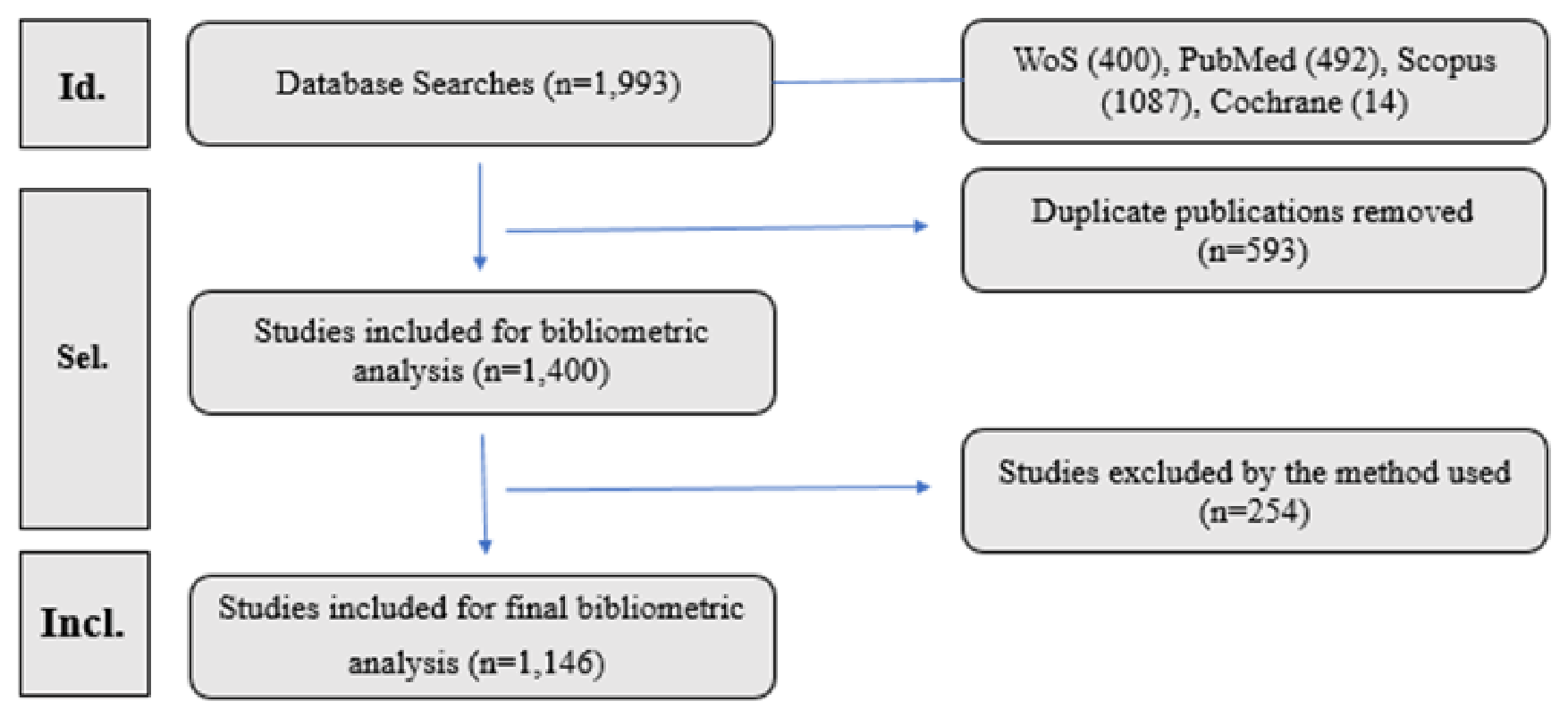
Figure 2.
Lotka's Law.
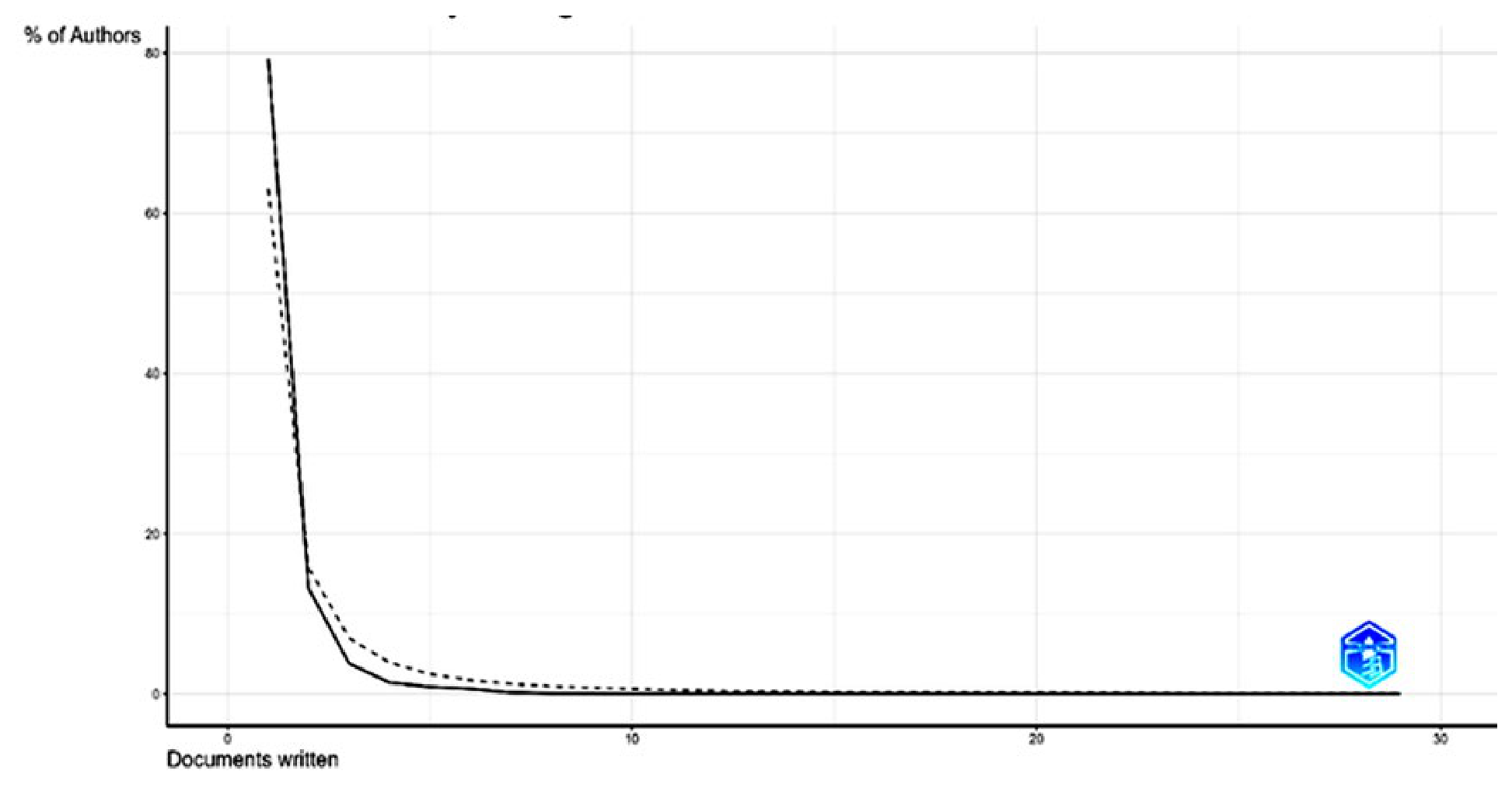
Figure 3.
Frequency of most cited words in the Trivial Zone.
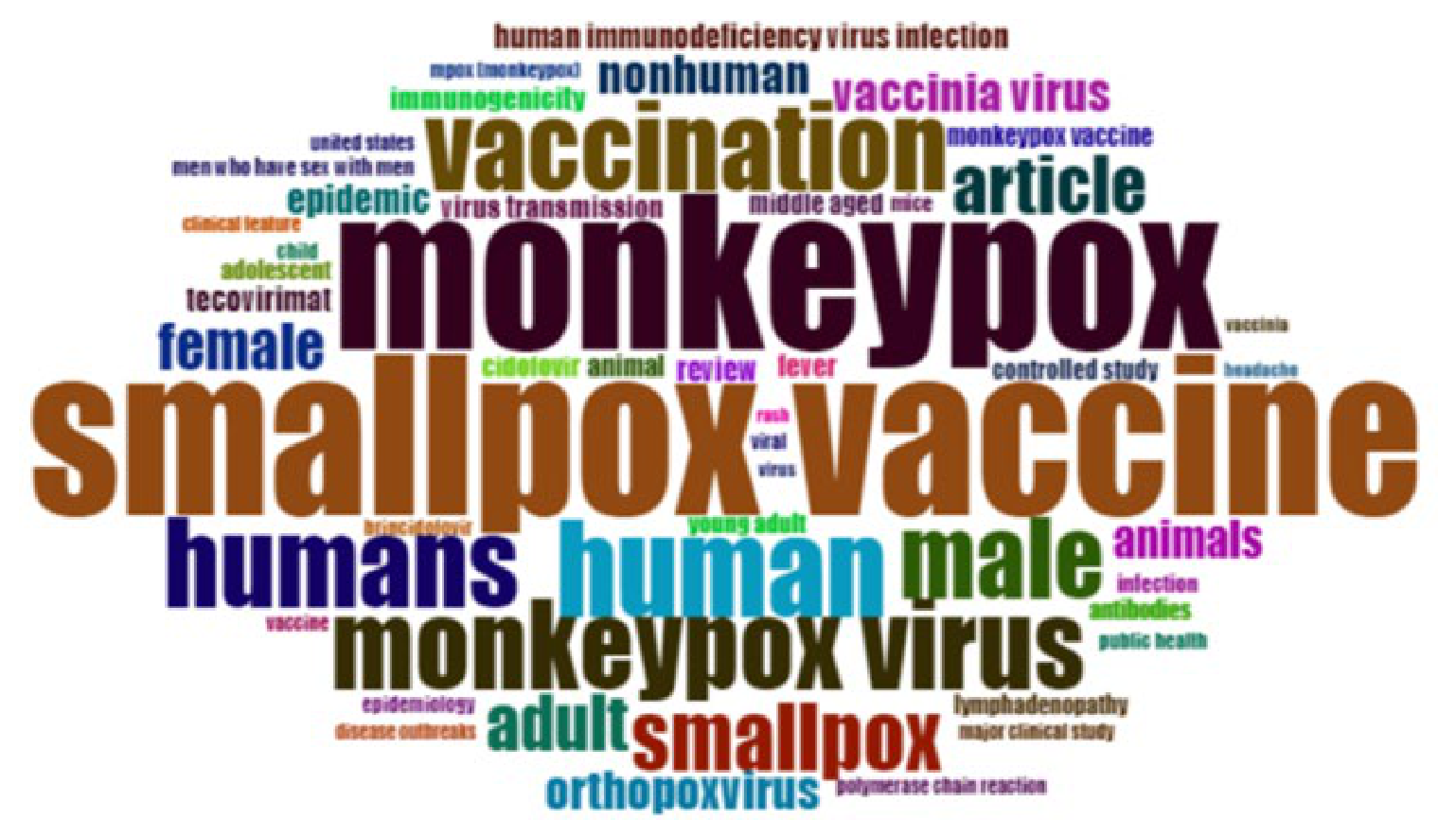
Figure 4.
Scientific map of co-occurrence of the most relevant words in studies related to Mpox.
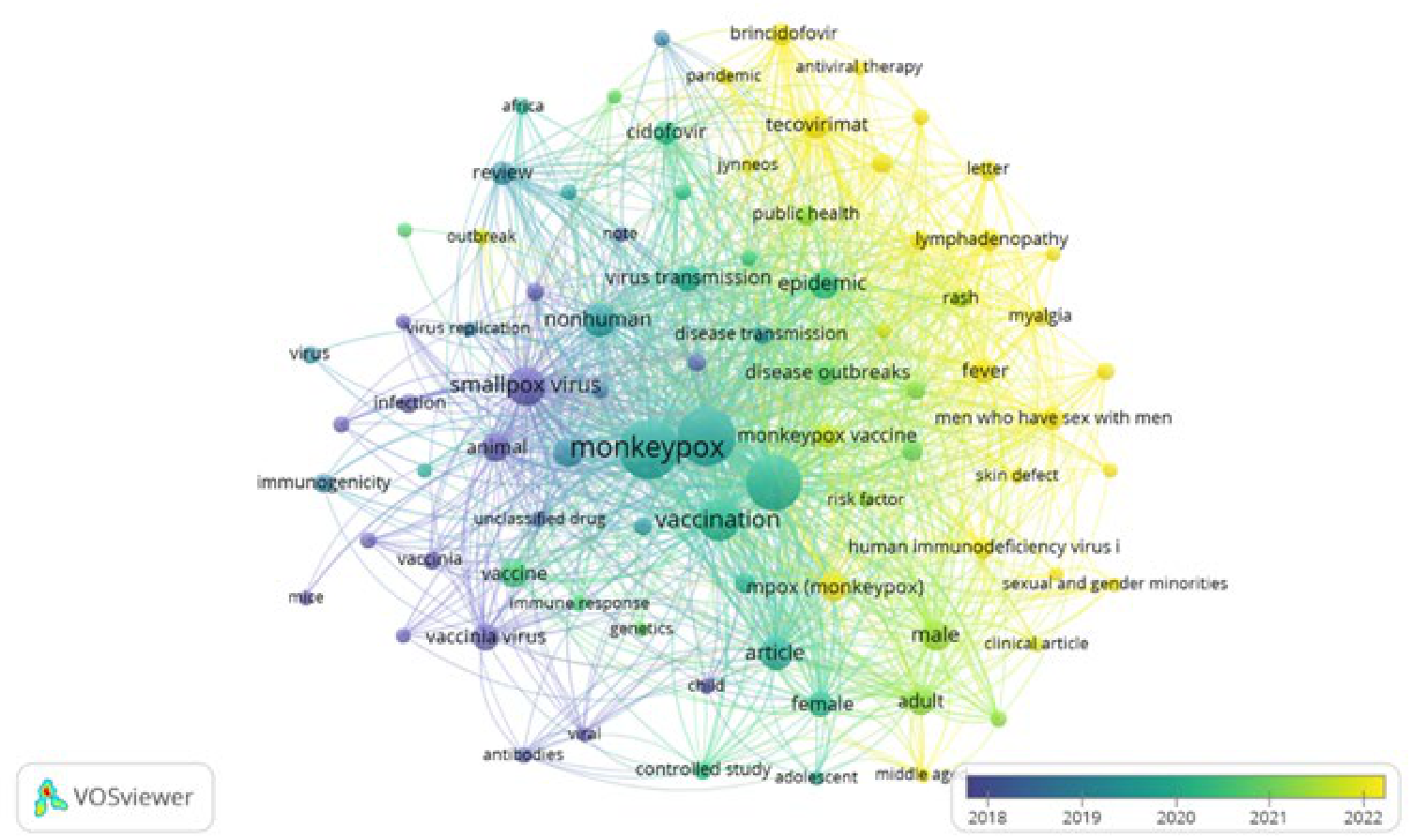
Figure 5.
Conceptual structure map using Multiple Correspondence Analysis (MCA).
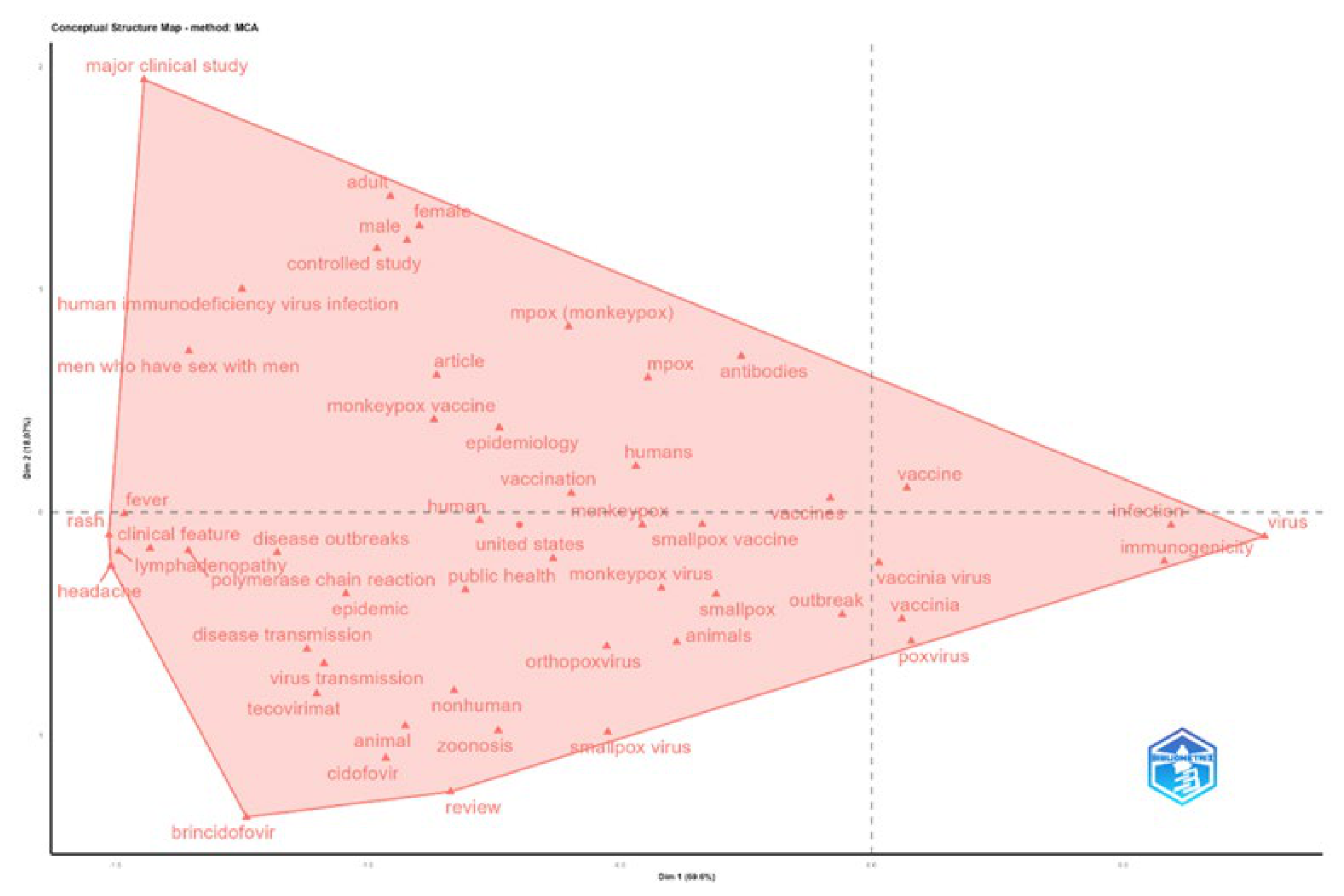
Figure 6.
Author correlation mapping.
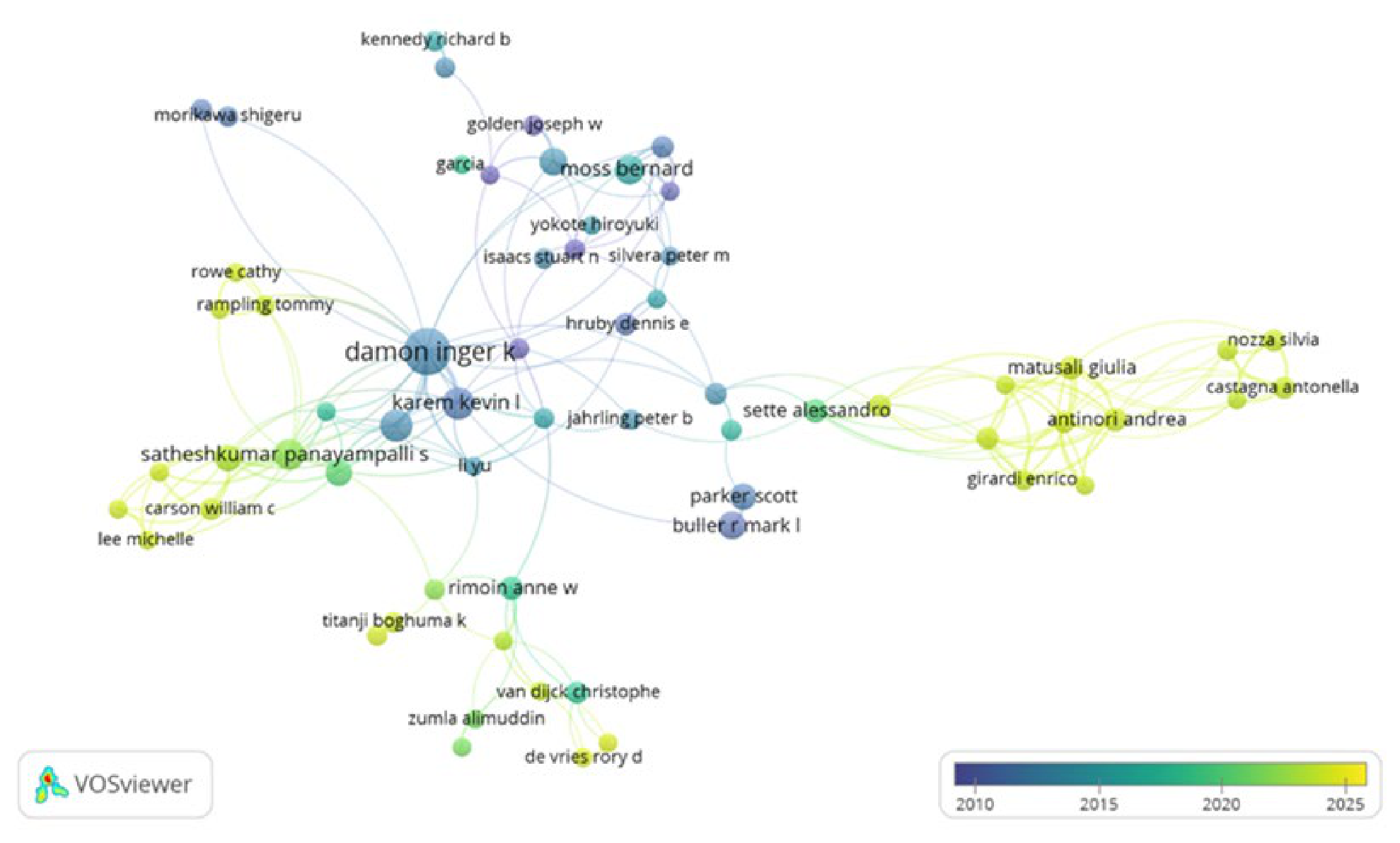

Table 1.
Database search strategy.
| Base de dados | Search string |
|---|---|
| PubMed Scopus Web of Science Cochrane |
((Mpox OR “Viruela de los Simios” OR “Viruela del Simio” OR “Viruela Simia” OR “Viruela Símica” OR monkeypox OR “Orthopoxvirose simien”) AND (“Seroepidemiologic Studies” OR “Estudios Seroepidemiológicos” OR “Estudos Soroepidemiológicos” OR “Études séroépidémiologiques” OR “Communicable Period” OR “Periodo de Transmisión” OR “Período de Transmissibilidade” OR “Période de Transmission” OR “Smallpox Vaccine” OR “Vacuna contra Viruela” OR “Vacina Antivariólica” OR “Vaccin antivariolique” OR “Precautionary Principle” OR “Principio de la Precaución” OR “Princípio da Precaução” OR “Principe de précaution” OR “Treatment Emergent Infections”) AND (“população mundial” OR “world population” OR “Población Mundial”)) |
Table 2.
Most cited productions globally Source: Prepared by the authors (2025); table generated by Bibliometrix® Software.
Table 2.
Most cited productions globally Source: Prepared by the authors (2025); table generated by Bibliometrix® Software.
| N(n) | Main Author/Year/Journal | DOI | Total Citations (TC) | Total Citations per Year | Normalized Citation Score |
|---|---|---|---|---|---|
| 1(1) | Bunge E, 2022, Plos Negl Trop Dis | https://doi.org/10.1371/journal.pntd.0010141 | 1070 | 267,50 | 37,38 |
| 2(13) | Andrea M. McCollum, Inger K. Damon, 2014, Clin Infect Disease | https://doi.org/10.1093/cid/cit703 | 679 | 56,58 | 4,58 |
| 3(14) | Rimoin A, 2010, proc natl Acad SCI EUA Contemp Top Lab Anim SCI | https://doi.org/10.1073/pnas.1005769107 | 579 | 36.19 | 9,84 |
| 4(2) | Yinka-Ogunleye A, 2019, Lancet Infect Dis |
http://dx.doi.org/10.1016/ S1473-3099(19)30294-4 |
545 | 77,86 | 4.12 |
| 5[15] | Alakunle E, 2020, Viruses | 10.3390/v12111257 | 498 | 83,00 | 7,87 |
| 6[16] | Tarín-Vicente E, 2022, Lancet | 10.1016/S0140-6736(22)01436-2 | 450 | 112,50 | 15,72 |
| 7[17] | MCFadden G, 2005, Nat Rev Microbiol | 10.1038/nrmicro1099 | 441 | 21h00 | 2,97 |
| 8[18] | Huhn G, 2005, Clin Infect Dis | 10.1086/498115 | 428 | 20,38 | 2,88 |
| 9[19] | Petersen E, 2019, Infect Dis Clin North Am | 10.1016/j.idc.2019.03.001 | 421 | 60,14 | 3.18 |
| 10[20] | Fine P, 1988, Int J Epidemiol | 10.1093/ije/17.3.643 | 414 | 10,89 | 1,52 |
Disclaimer/Publisher’s Note: The statements, opinions and data contained in all publications are solely those of the individual author(s) and contributor(s) and not of MDPI and/or the editor(s). MDPI and/or the editor(s) disclaim responsibility for any injury to people or property resulting from any ideas, methods, instructions or products referred to in the content. |
© 2026 by the authors. Licensee MDPI, Basel, Switzerland. This article is an open access article distributed under the terms and conditions of the Creative Commons Attribution (CC BY) license (http://creativecommons.org/licenses/by/4.0/).
Copyright: This open access article is published under a Creative Commons CC BY 4.0 license, which permit the free download, distribution, and reuse, provided that the author and preprint are cited in any reuse.


